Ruralite
MIDSTATE ELECTRIC
DECEMBER 2025

MIDSTATE ELECTRIC
DECEMBER 2025
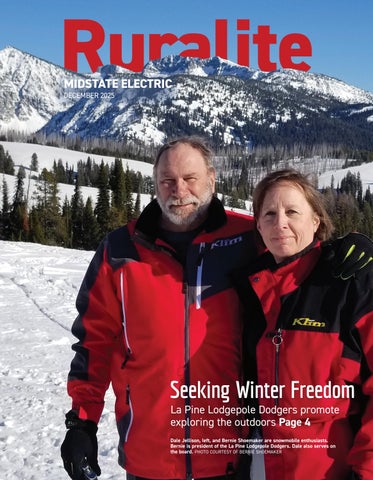
La Pine Lodgepole Dodgers promote exploring the outdoors Page 4











December 2025 • Volume 72, No. 12
CEO Michael Shepard
SENIOR VP OF CONTENT Leon Espinoza
EDITORIAL DIRECTOR Chasity Anderson, CCC
DEPUTY EDITORIAL DIRECTOR
Noble Sprayberry
SENIOR EDITOR Jennifer Paton, CCC
ASSISTANT EDITORS Victoria Hampton, CCC; David Herder, CCC; Sable Riley, CCC; Nina Todea, CCC
ASSOCIATE EDITOR
Valeri Saldanha Rosa
PUBLICATIONS PRODUCTION SR. MANAGER
Elizabeth Beatty
SENIOR PUBLICATIONS COORDINATOR
Alyssa McDougle
Ruralite (USPS 397-460) is published monthly for members for $5.73 per year, plus postage, by Pioneer Utility Resources Inc., 5625 NE Elam Young Parkway, Suite 100, Hillsboro, OR 97124—a not-for-profit Oregon cooperative corporation—to serve the communication needs of 46 consumer-owned electric utilities in Oregon, Washington, Alaska, Idaho, Nevada and California. Preferred periodical postage paid at Hillsboro, Oregon, 97123 and additional mailing offices. © 2025 Pioneer Utility Resources. All rights reserved. Reproduction in whole or in part without written permission is prohibited.
Postmaster: Send address changes to Ruralite, 5625 NE Elam Young Parkway, Suite 100, Hillsboro, OR 97124-6454
HOW TO CONTACT RURALITE
Subscription services:
Nonmember subscriptions $15 (U.S.) per year; $25 per year (foreign). Prepayment required. Allow 4-8 weeks for first issue. Be sure to identify which local edition you want to receive.
Address Changes:
Utility members, contact your local utility. Subscribers, call us at 503-357-2105, option 3, or email mailingdept@pioneer.coop.
Back issues:
Back issues and extra copies are $3. Prepayment required. Supply is limited. Be sure to identify edition, month and year. Call first if ordering back issues to check availability.
To contact Ruralite: Ruralite magazine is published by Pioneer Utility Resources, P.O. Box 1306, North Plains, OR 97133-1306; 503-357-2105; email: info@pioneer.coop. For more information, visit pioneer.coop.
DISPLAY ADVERTISING INQUIRIES
American MainStreet Publications
611 S. Congress Ave., Suite 504 Austin, TX 78704
800-626-1181 or 512-441-5200

For supplemental and interactive content, search @Ruralite on your favorite social media sites.
Some places shape us long before we understand their significance.
This month, the stories we’re sharing explore what it means to truly belong somewhere—not just physically but in the deeper sense of having roots that anchor us through life’s storms.
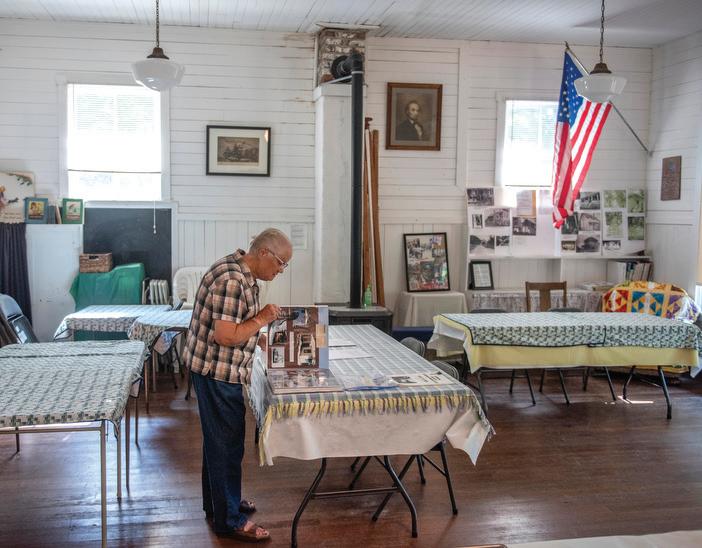
The Upper Olalla schoolhouse stands as a testament to this truth. When Barbara Carlson and Alex Freadman walked 3½ miles to that oneroom building each day, they weren’t just getting an education. They were learning what it means to be part of a community where “everybody looked out for each other.” Seventy-five years after the school closed, that 790-square-foot building still serves as a gathering place, still grounds a community and reminds people what home really means.
Our foster care feature reveals what happens when children lose that sense of home and what it takes to help them find it again. Billy Cordero bounced between homelessness and separation from his siblings before his aunt and uncle became his refuge. The difference wasn’t just stability—it was being somewhere he fundamentally belonged, with people who knew his history and could imagine his future.
“I just thought, ‘This is life,’” Billy says of his early chaos. But kinship care showed him what it feels like to have a home base, to wake up in the same place day after day and to be known.
Organizations like Every Child Oregon and Amara are revolutionizing foster care by prioritizing kinship placements. When children can stay with relatives, “they know the new house, they know the pets, they know the cooking and the neighbors, and often they get to stay in their same school,” Marcia Jacobs, a former foster child, says. They get to keep their sense of home, even when everything else is falling apart.
These stories challenge our modern obsession with mobility and independence. We celebrate people who can work from anywhere, live anywhere and start over anywhere. But these stories remind us being rooted matters. Knowing where you belong, who your people are and what ground you stand on isn’t limiting—it’s liberating.
As we gather with loved ones this holiday season, I’m thinking about what creates that sense of home for each of us. Is it a place we return to year after year? Is it people who know our whole story? Do traditions ground us in something larger than ourselves? Maybe it’s all of these things woven together—the schoolhouse that still opens its doors, the relatives who make room for one more child and the recipes that taste like memories.
Where do you find home? Perhaps more importantly, who might need you to help them find theirs?
Until next time,
Chasity Anderson Editorial Director

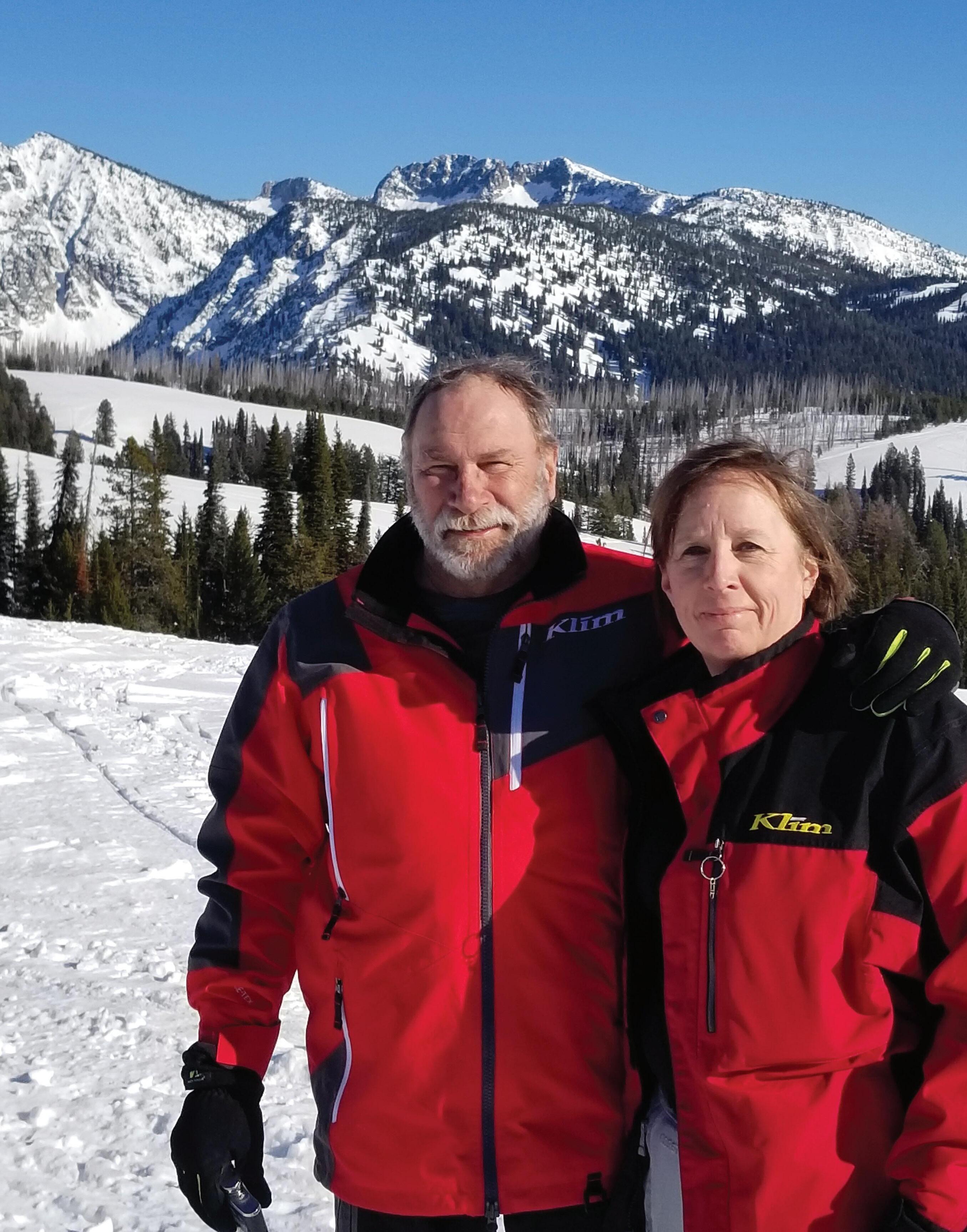
La Pine Lodgepole Dodgers promote exploring the outdoors
By Craig Reed
The view from Paulina Peak on a clear winter day reaches as far as Mount Adams and Mount Hood to the north and Mount Shasta to the south.
Paulina Peak stands at 7,984 feet above sea level in southeastern Deschutes County. It is the highest point on the Newberry Volcano.
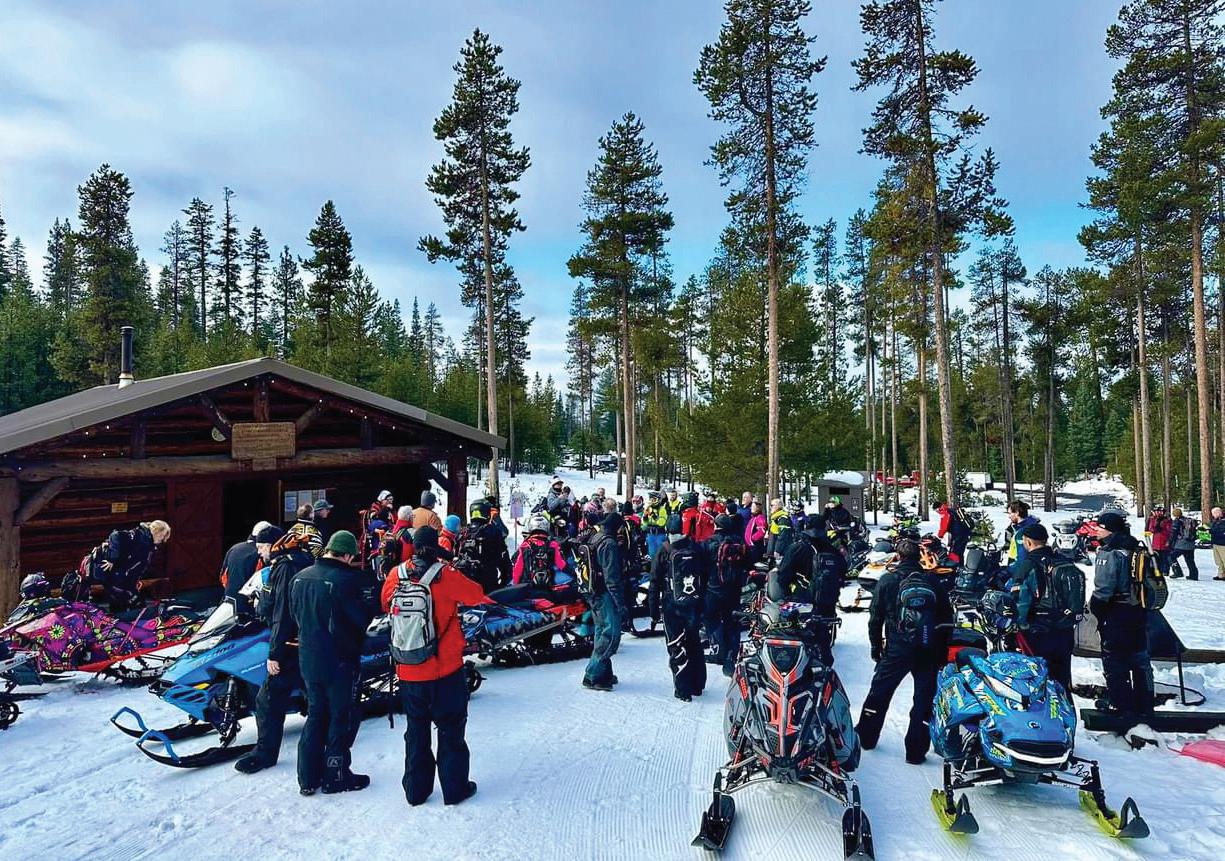
But how do you get to enjoy that view from the top during winter months when snow has closed the roads at lower elevations? You jump on a snowmobile and follow a member of the La Pine Lodgepole Dodgers Snowmobile Club to the peak’s summit and observation site.
“There’s nothing like the freedom of winter on top of a mountain,” club President Bernie Shoemaker says. “Using a snowmobile, you can see so many places that you don’t get to see otherwise.”
Roger Ellis, past president of the club, says mountain visitors can explore areas they can’t easily access during the summer.
“You’re able to go over logs and rocks that are covered with snow, getting into areas that you usually can’t reach,” he says.
Bernie and Roger say they love the freedom snowmobiles give them during the winter—usually from December to April, depending on weather and snow conditions.
Using a snowpack groomer machine, members of the club groom about 155 miles of snowmobile trails. Some of those miles are part of the Newberry National Volcanic Monument Snowmobile Trail System. It’s the only monument area in the United States where snowmobiling is allowed without a certified guide.
Most of the groomed trails the snowmobile club members maintain are over forest service roads. Members also trim brush and clean or remove fallen branches and trees from the trails.
The club has proposed developing another 30 to 40 miles of trails in the Deschutes National Forest and is waiting for approval from the Forest Service.
“We have some of the best trails the state has to offer,” Bernie says.
“There’s extreme to recreational trail riding,” Roger adds.
The La Pine snowmobile club was officially established in 1972 after a few years of discussion and planning. The
Oregon State Snowmobile Association was established the same year.
Peggy and John Spieger were key in getting both the local and state organizations started. Peggy gave snow and winter recreation reports on the radio for many years and was known as “Snowball Sally.” She was the first president of the state association and advocated for open snowmobile use in the Newberry monument during winter months.
The La Pine club has grown to 152 family memberships with just more than 300 members.
Roger joined the club seven years ago when the membership was just 48 families.
“Since then, thanks to social media, we’ve grown the membership,” Roger says. “We have members from the (Willamette) Valley, from Washington and from California. They come and ride and play here and then will join the club.”
The La Pine club membership fee is $20. The state association fee is $35. The registration fee for the snowmobile machines is $10, good for two years. The registration fee funds and fuels groomer machines.
In addition to Bernie and Roger, the club’s other officers are Vice President Adam Lochmann, Secretary Sharon Crites and Treasurer Laurel Hutton. Those five, plus Dale Jellison, are the club’s board members. All are volunteers.
“I just love the freedom, the power you
have,” Dale says of riding snowmobiles in snowy conditions. “You have the ability to do so many things in the snow.”
Dale, who has been riding snowmobiles since 1972, says he used to be an adventuresome driver but now snowmobiles in moderation.
Roger has been riding snowmobiles since 1970 during family trips to the Diamond Lake area. He also admits he used to ride to the extreme, but now sticks to the groomed trails.
“You can still enjoy it on the trails,” he says.
In 2023, the La Pine club’s membership voted to become a four-season organization. Since that vote, the club has offered summer rides for all-terrain vehicles, utility terrain vehicles and dirt bikes on Forest Service roads.
The club supports the La Pine community. It hosts a couple of food drives each year, presents an annual $1,000 scholarship to a local high school senior and has hosted the five-day state snowmobile convention three times in recent years, drawing many snowmobilers from out of the area.
“We all have one thing in mind, and that is to have fun,” Bernie says. “The club brings people with one common goal together to have fun. We’re stewards to the forest.” n
For more information on La Pine Lodgepole Dodgers, search for the group’s Facebook page.


By Scott Flood
Imagine waking up, saying “Good morning, house,” and standing back as light fixtures flash on, the coffeemaker starts, the outdoor security lighting switches off and the toaster oven starts heating for your frozen pastry. That may sound like something from science fiction, but today’s smart home electronics make it possible.
Smart devices use digital technology and Wi-Fi to take your home to a new level of convenience and comfort. They can also help you make better use of your electricity so you can reduce waste and lower your energy bills.
If you already put the many advantages of smart electronics to work for your home or you’re in the beginning stages of exploring new smart options, you might be surprised by some of the newer devices with potential to change your daily life.
Heating and cooling use more energy than anything else in your home. Replacing your

home’s standard thermostat with a smart model can lower your monthly electric bills while keeping you comfortable.
Smart thermostats learn your daily habits and take over for you. You don’t have to lower your thermostat every evening, because it happens automatically. As smart thermostats learn exactly when you need electricity and when you don’t, they use less energy.
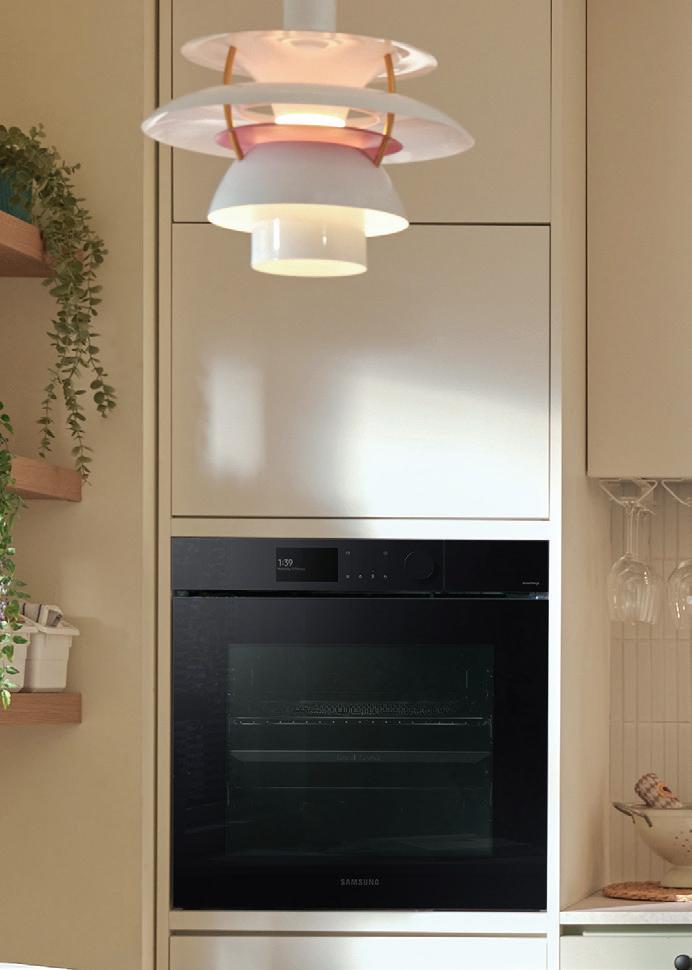
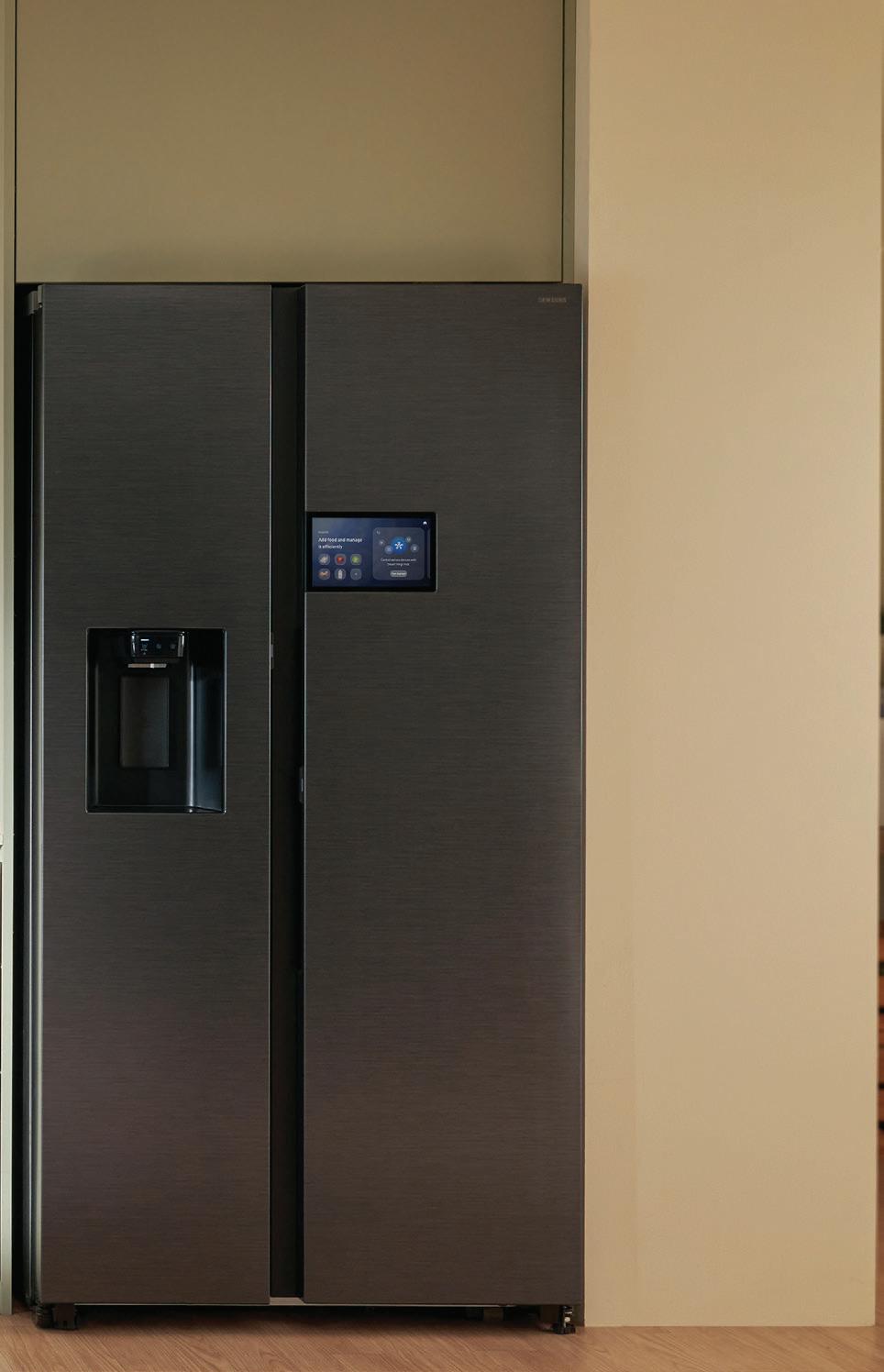
The second-biggest share of your home’s electricity powers appliances—from your refrigerator to your water heater. Smart appliances use Wi-Fi and high-tech sensors to operate more efficiently.
A smart washer can sense the size of your load and adjust the water and cycle times accordingly. Smart refrigerators can warn you when someone leaves the door open. Smart water heaters don’t waste energy by heating water while you’re asleep.
An easy and affordable way to explore smart

technology is with smart plugs for your outlets. You can plug lighting, appliances and other devices directly into them. You can control those devices through an app, so you can tell the coffeemaker when to start brewing, turn off your exterior lighting at dawn or have music streaming as you walk in the door.
Smart power strips look like their ordinary cousins but use smart plugs. They’re particularly helpful at eliminating waste caused by what’s known as phantom load. One example is leaving your phone charger plugged in when it’s not charging.
You may wish your family room didn’t face south, because it’s always warm during the day. Smart shades and blinds can help. You can set them to automatically open or close depending on the time of day, year or your home’s indoor temperature. They can help your air conditioner keep you cooler in summer by blocking the sun and benefit your home heating by staying open to allow the sun to warm your home in winter.
Smart appliances use Wi-Fi and sensors to operate efficiently. PHOTO COURTESY OF SAMSUNG
When combining the capabilities of individual smart home electronics with voice assistants or whole-home smart energy management systems, they become more powerful.
You can teach voice assistants to carry out multiple tasks that make up your daily routines, such as the “Good morning, house” message. Energy management systems simplify control of all aspects of your home’s energy use, and some offer specific tips to help you save even more.
While smart devices may be able to make your home more energy efficient and your life more comfortable, they’re not perfect. Most require an internet connection, so if your service is down, your smart devices don’t work.
Smart devices typically don’t receive frequent system updates like your smart phone or laptop, so be aware of potential security issues. Before you choose any smart home devices, make sure it’s completely secure and compatible with your other smart devices and smart energy systems. Then prepare to be amazed by what smart home electronics will do for you. n

By Steph Joven
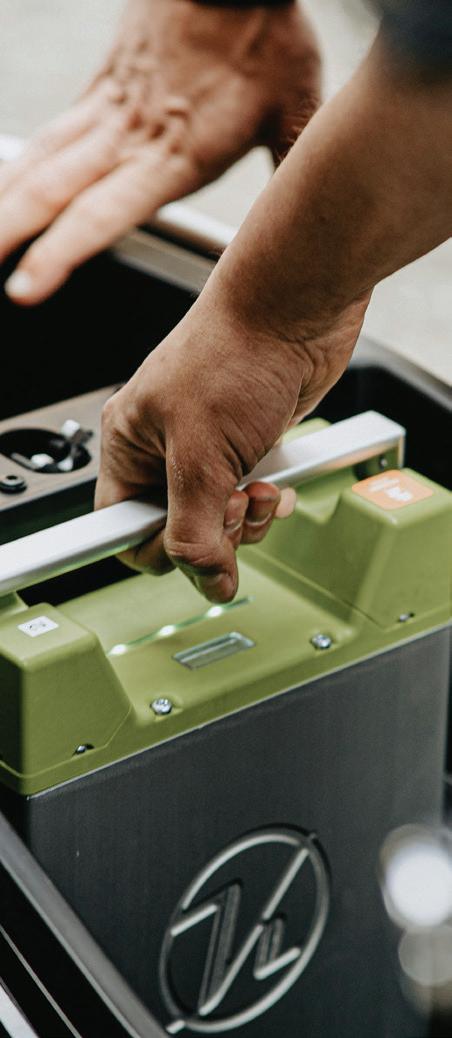
Batteries are part of everyday life—from powering our TV remotes to our electric vehicles. However, when batteries are disposed of the wrong way, they can leak harmful chemicals and catch fire.
Globally, electronic waste—also known as e-waste—is one of the fastest-growing types of trash. In 2022, people worldwide threw away more than 68 million tons of it. In the United States, that adds up to about 46 pounds of e-waste per person each year. Only 22% of that waste is recycled properly.
The good news is that safe disposal and recycling options are available.
Not all batteries are the same, and how you dispose of them depends on their components. Some batteries can be recycled easily, while others can leak toxic chemicals or start fires if tossed in the wrong place. The U.S. Environmental Protection Agency recommends following local rules or using collection programs—such as Call2Recycle, Earth911 or drop-off bins at hardware stores.
Single-use batteries are designed to be used once, then replaced. These include alkaline and zinc-carbon batteries—the common AA, AAA, C, D and 9-volt sizes. Some areas allow these batteries to go in household trash, but recycling is always better.
Button or coin batteries used in watches, hearing aids and car key fobs are often lithium-based. These should never be thrown away in regular trash or recycling bins, because they can spark fires. Instead, cover the battery terminals with tape or seal them in small bags, and take them to a certified recycling facility or drop-off location.
Rechargeable batteries power many of our everyday devices— cordless tools, phones, laptops and scooters. Types include nickel-cadmium, lithium-ion, nickel-metal hydride, nickel-zinc and small sealed lead-acid batteries.
While these look different, they share one rule: Never throw them in the trash. They must go to a recycling facility. For devices with built-in batteries, recycle the entire device, making sure the battery ends are taped or bagged to prevent sparks.
Automotive and large batteries are more powerful and require special care. Batteries found in vehicles, boats, motorcycles, and ATVs contain hazardous lead and acid. These should always be returned to a retailer, repair shop or hazardous waste program.
Larger lithium-ion batteries—such as those in electric vehicles and home energy storage systems—are even more complex. They should only be handled by dealers, repair shops or the manufacturer.
By properly disposing of batteries, we can recover valuable materials, reduce waste, and keep our community cleaner and safer.
If you have questions about battery disposal, visit call2recycle.org or earth911.com.

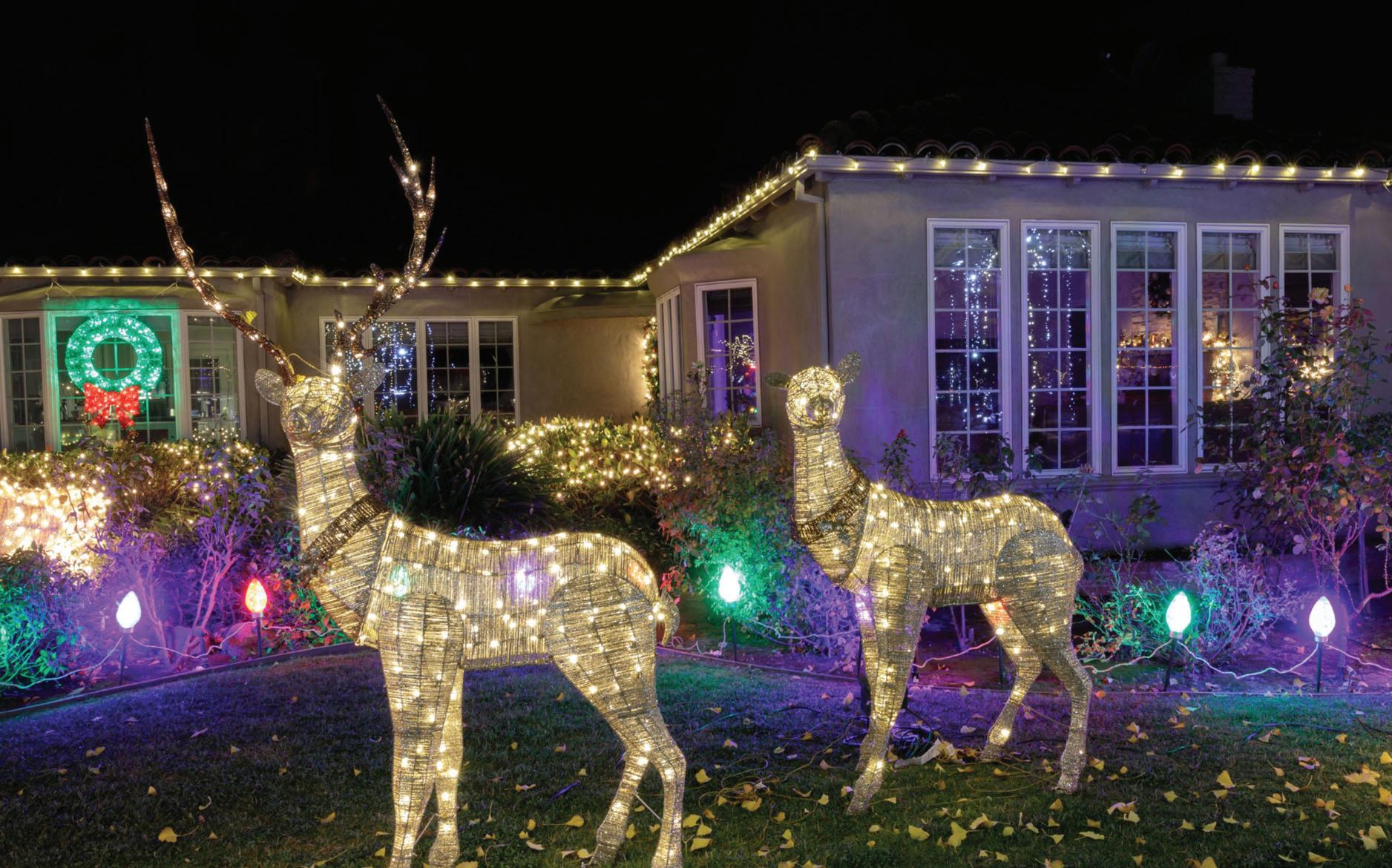
It’s almost time to deck the halls, string the lights, and spread some holiday cheer. Midstate’s 3rd Annual Light Up the Season Contest is back!
Join the fun by entering your holiday display for a chance to win a bill credit and be featured on our interactive Holiday Light Map. The map makes it easy for families across our service territory to tour and enjoy the most dazzling, creative displays in the community.
Whether you go all out with thousands of lights or keep it simple, we want to see your holiday spirit shine!
How to Enter:
1. Visit our website: www.midstateelectric.coop/holiday-lights.
2. Submit a photo or video of your holiday display.
3. Register your home to be included on our community Holiday Light Map during the online contest entry process.
Your holiday light display could win you a bill credit: 1st Place: $200 - 2nd Place: $100 - 3rd Place: $50
The Light Contest deadline is December 11. Winners will be announced on Midstate’s Facebook and Instagram on December 18.
Last month, we gave out 13 turkeys to lucky members who entered our “13 Days of Thanksgiving” contest. We hope our winners enjoyed their Thanksgiving turkeys! This year’s winners were:
• Chad Ash
• Russell King
• Jesse Warkentin
• Judy Rhodes
• Matthew Hatfield
• Laurie Zook
• Eric Green
• Rebeca Rohleder
• David Young
• Malcolm Doolan
• Jeffrey Sency
• Monica Tristan
• Lisa Downing
To celebrate National Cooperative Month in October, we held a contest on our website for four lucky members to win a $100 bill credit. This year’s Co-op Month winners were:
• Sylvia Grotjohn
• Tom Howe
• Diane Diehl
• Terri Norton
Thank you for taking part in our recent contests! Be sure to keep reading Ruralite magazine, the Midstate Connection newsletter, and visit our website regularly. These are the best places to learn about future contests, updates, and everything happening at Midstate Electric.
Your Midstate Electric Cooperative Board of Directors has evaluated the cooperative’s financial health and are happy to announce the retirement of $1,337,446 in capital credits. This month, members who purchased power in 2008 and 33% of 2009 will receive their share of these refunds, based on how much they contributed to that year’s margins.
As a not-for-profit cooperative, Midstate Electric operates at cost. Any excess revenue, known as margins, is allocated and eventually returned to members as capital credits. These margins are retained for a period to support operations and reduce the need for borrowing, which helps keep electricity costs down.
Receiving capital credit refunds is one of the many benefits of being part of an electric cooperative!
Tour
High school sophomores and juniors are invited to apply for the opportunity to represent Midstate at the National Electric Cooperative Youth Tour in Washington, D.C. June 14-21, 2026. This all-expense paid trip offers an unforgettable experience for students in our service area.
To apply, visit our website at midstateelectric.coop/community/ youth-tour. For more information, call 541-536-7220.
The deadline to apply is Thursday, January 29, 2026.
The Midstate office will be closed on Thursday, December 25, 2025, and Thursday, January 1, 2026, in observance of the holidays. Our 24/7 outage line will remain open at 800752-5935.






























Story and photos by Dave LaBelle
One-room schoolhouses once dotted the United States landscape. Before electric lights, cellphones and artificial intelligence, one teacher taught multiple subjects to all grade levels.
In 1869, there were 22 one-room schoolhouses in Washington, according to abandonedwashingtonstate.com. By 1889, that number exceeded 1,000. In neighboring Oregon, as many as 600 one-room schoolhouses marked the landscape, including a small building near Winston called Upper Olalla School.
The Olalla schoolhouse served students in grades one through eight, with anywhere from three to 29 children packed into the 790-square-foot structure. A single instructor taught students ages 5 to 17.
Active from 1884-1950, the original schoolhouse was abandoned and used as a barn. The second schoolhouse—built in 1913 on land donated by the Nellie Ware family—provided education for area students until it closed in 1950.
“Kids were sent over 10 miles (to school) then,” says Sue Wood, president of Upper Olalla Ladies Apron Club, which cares for the 112-year-old schoolhouse. “The highway down there didn’t exist when the school was running. This was the main road, and it was a logging road with all the traffic.”
Fond Memories
Barbara Carlson has a sharp memory of when she and her lifelong friend, Alex Freadman, walked the 31/2 miles to the school.
“Alex and I were in first grade together,” Barbara says. “I think there were eight of us in the first grade. We each lived in a log cabin without electricity, and we would meet at what we called the flats. My mom was the substitute teacher there for a while when the teacher had to take maternity. When I was in the fourth grade, my little brother, Dave, was in the first grade.”
She also recalls when she and Alex got caught in a rainstorm.
“Alex’s lunch was always in a lard bucket, that was his lunch pail,” she says. “I didn’t have one, so we got caught in this terrible rainstorm, and all I had was a paper sack. So, when I got to school, all I had was half a banana and soggy half a sandwich.”
“We hung our coats, boots and lunches as you come in the door,” says Alex, who attended the school from 1946-50. “We had a place
for our own hand soap, and I remember pumping water. We sat by the window on dark days. And on a cold day, we huddled around the furnace grate. There was a furnace underneath the school. The teachers had to put wood in it and had to have it going ahead of time. We did get electricity the last year or two.
“It wasn’t the best education,” he says with a laugh. “You got a few kids causing trouble, you got a few kids that needed more help. It was kind of like herding cats—one teacher trying to teach all eight grades.”
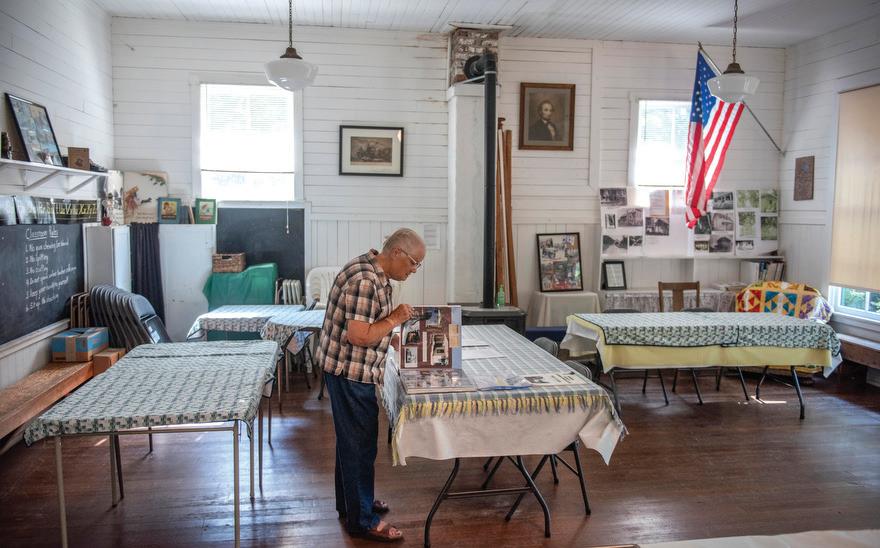
The historic schoolhouse retains its original blackboards, walls and floor. The sash windows are in the original frames, and many of the panes are original. Pictures of George Washington and Abraham Lincoln hang in their original places alongside prints of Daniel in the lion’s den and Washington crossing the Delaware River. A few textbooks remain.
Today, the schoolhouse is more than a container for memories. It’s a monthly meeting place for Upper Olalla Ladies Apron Club and offers educational glimpses into the past.
“We have homeschooled children come, and we set the wooden benches up like the way it would have been originally,” Sue says.
Upper Olalla Ladies Apron Club members are celebrating the organization’s 75th anniversary. The group started after the Olalla school closed, despite opposition from the community.
“It brought the community together,” says Colene Freadman, Alex’s wife and former club president for 16 years. “Then the women said, ‘This is great getting to know everybody,’ so they started the club in 1950 when the school was closed.”
The club has 12 members, and Sue is concerned for its future and the care of the historic schoolhouse.
“My greatest fear is that we will run out of people involved in the club, and it will have to be dissolved, and then I don’t know what will happen to the schoolhouse,” she says. “We’ve lost a lot to cancer. But thank God for good husbands. Truthfully, without our husbands and volunteers, we wouldn’t be able to do this.”
The club hosts two fundraisers a year—a spring chili supper and an ice cream social in September.



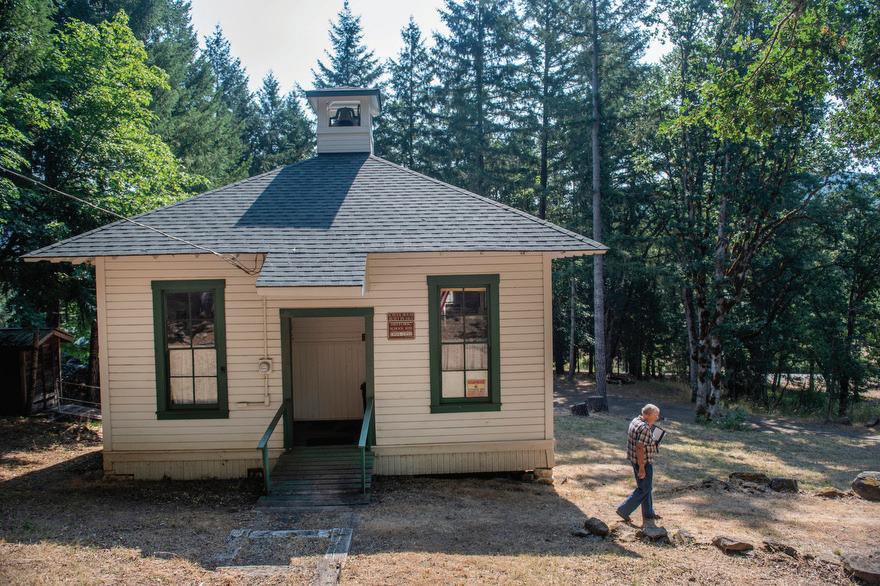
Sue Wood, president of Upper Olalla Ladies Apron Club, leaves the one-room schoolhouse where the group meets monthly.


“On a really good year, it [the chili supper] raises $600, and it’s by donation only,” Sue says. “We have had as little as $250 if the weather is bad.”
The community has stepped up to help when the schoolhouse needed big-ticket repairs.
“When we put the roof on, we borrowed money from a private party to go ahead and pay for the roof, and then we sent out a plea to the neighborhood, and people donated $10, $15, $20,” Sue says. “The neighborhood just kind of takes us under their wing a lot of times.”
She praises a grant from Ford, free tree work from Limb Walker in Roseburg, and other local businesses that donate time and resources.
More Than a Container for Memories
Life was different when Upper Olalla School was open, Barbara says. While everyone experienced their share of hardship, people pitched in to help one another.
“It was not like life was easy—it was right after World War II,” she says. “It was a good time, we learned great values. We actually put on little pageants and everything. And too bad there isn’t more of that kind of atmosphere in our schools and our education systems now.
“The main thing is just the community environment—that’s what keeps us alive or did back then. We don’t have that so much anymore. Everybody looked out for each other.” n
This year’s Christmas Social is 1-4 p.m. Sunday, Dec. 8, at Upper Olalla School House in Winston, Oregon. For more information, follow the group on Facebook at tinyurl.com/UpperOlallaLadiesApronClub.
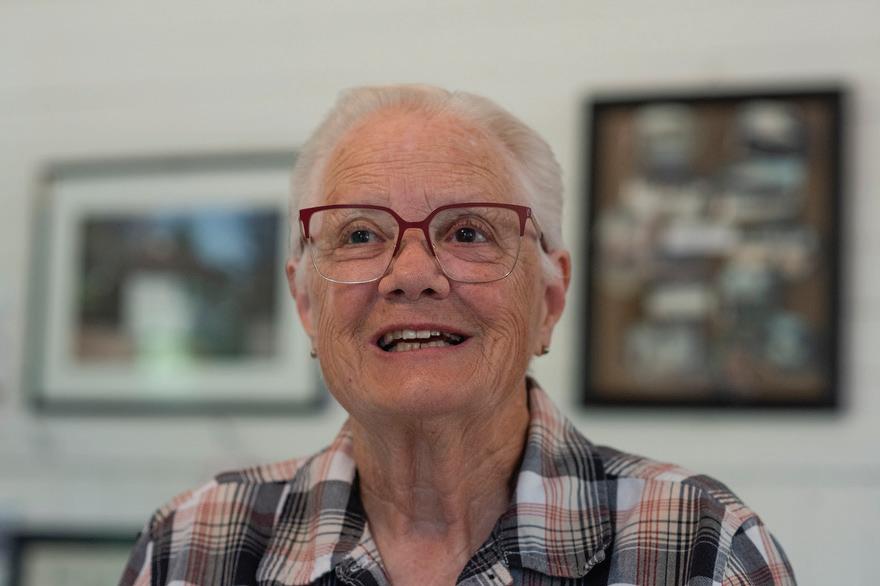
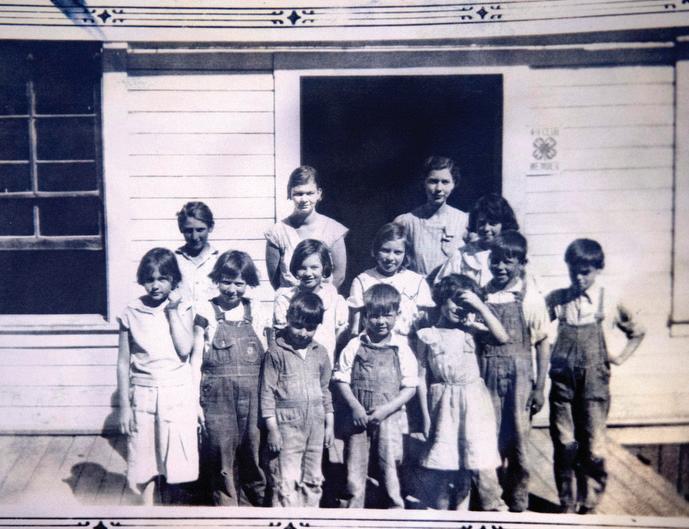
FROM TOP: Students pose in 1935 in front of the schoolhouse. Sue Wood is one of 12 members of the Upper Olalla Ladies Apron Club. Alex Freadman, left, attended the school from 1946-1950. Colene Freadman was club president for 16 years. Several photos, children’s books and historical records are on display inside the school.





By Ginger Meurer
Marcia Jacobs entered foster care when she was 17. For many children, entering the foster care system can pile additional stress on top of existing trauma. However, that wasn’t Marcia’s experience.
“It really was a rescue,” she says. “It wasn’t until a teacher at my high school was brave enough to be a mandatory reporter. The police came to the school and the whole nine yards. But the six months that I was with my foster family were the six happiest months of my childhood.”
More than 300,000 children were in foster care across the country as of Sept. 30, according to the Adoption and Foster Care Analysis and Reporting System. Nonprofits and government agencies work to find families to care for these children until—if and when—it becomes safe for them to return home.
“When you start talking about the people who love people who are affected, it’s like you drop the stone in the pond, and the ripples from the child welfare system get bigger and bigger,”

Marcia says. “You can pretty much honestly say that—in the United States at least—everybody knows at least one person who was impacted by the child welfare system. Probably they know multiple people, whether they know it or not.”
Like many former foster children, Marcia rarely spoke about her time spent in the system.
“I felt a lot of shame,” she says. “I felt there was something wrong with me for what happened, and I blamed myself. I internalized it, and I always considered myself less than. In fact, I described myself as ‘a dented soup can pushed to the back of the grocery shelf that nobody wanted.’ It’s only been recently that I can talk about it freely, and that’s because I got hired at Amara in 2021.”
Amara is one of many nonprofits in Washington helping guide potential foster parents—or resource families, as they are called today—through the certification process. Once certified, Amara provides resources, mentorship, education and network-building opportunities.
Amara invites people touched by the foster care system to submit photos for its annual Through the Foster Lens showcase— an outreach event where current and former resource parents and foster children share their stories through photography.
“When we first did it, we were not sure,” Marcia says. “Are people going to like this? Are people going to come? Is this going to be what we’re envisioning, which is a warm and welcoming space where people can tell their own stories?”
People came and shared their stories.
“We heard from folks who submitted how validating it was for them and how excited they were to participate and learn that other people were interested in their story,” Marcia says.
Amara CEO Fahren Johnson, who also spent time in foster care as a child, says it takes community to help these families.
“It takes flexibility and the ability to pivot as needed to help families experiencing separation get the support they need and heal at the same time,” she says. “It also takes lived experience that can provide the navigation tips to help system-involved

children, youth and families thrive. The best life lessons are taught by the one who has walked the journey already.”
Amara is part of a pilot program between the Washington Department of Youth and Families and the University of Washington to streamline foster certification for families taking in relatives. Whether it’s grandparents, aunts, uncles or older siblings, biological relatives can work through a shorter licensing process to care for specific children. Once they’re through, kinship care families get the same benefits and monthly stipends as other resource families.
It makes a difference when a child can stay with someone they already know, love and trust.
“They know the new house, they know the pets, they know the cooking and the neighbors, and often they get to stay in their same school,” Marcia says. “They get to continue with their same activities. That really reduces the trauma involved for everybody.”
Billy Cordero has firsthand experience with kinship placement. Today he’s the Oregon Department of Human Services resource family retention/recruitment program manager. But growing up in San Diego, his parents were involved with drugs and in and out of prison. Billy and his three siblings experienced bouts of homelessness and were often separated from their parents and one another.

“But for me, in that age range, I didn’t know any different,” he says. “I just thought, ‘This is life.’”
His aunt and uncle eventually took in his younger siblings, but Billy stayed with his mother. The breaking point came when Billy was 15 or 16 and returned from summer camp.
“There was nobody to pick me up,” he says. “My dad was incarcerated, and my mom was off on a drug binge. And there I was—everybody’s family came, got them, picked them up and took them home, and I’m just stranded on the streets of San Diego.”
Billy took a trolley and a bus to track down his mother in a drug house.
“I told her, ‘I can’t do this anymore. And I know you can’t parent me, but I’m going to go into foster care with my other siblings with my aunt and uncle,’” he says. “So, that’s what I did.
The next day, I went into foster care and started my junior year in high school, and things really turned around for me in relative family foster care.”
Billy was used to running wild and had to be introduced to rules like curfews.
“There was some push and pull, but they were committed,” Billy says. “They stuck with me and with my siblings. For the first time, living with them, I thought about what happens after high school or even completing high school.”
Kinship care helped Billy’s mother, too. She has been drug free for more than 25 years.
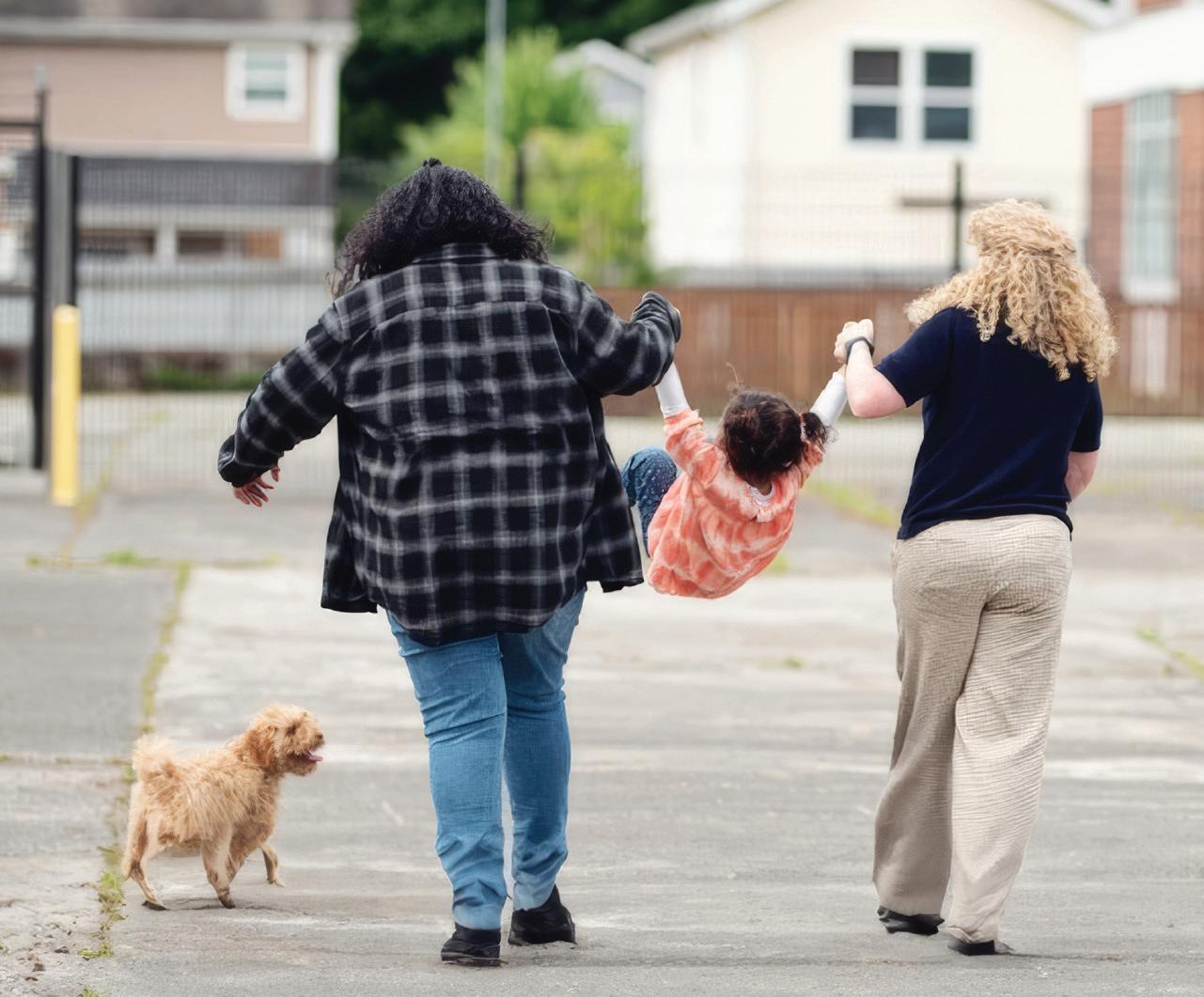

Recent changes to federal laws helped streamline Oregon’s kinship care certification process, called the Relative Pathway.
“We would love for the very first placement, the first time a child enters care, to be with a relative,” Billy says. “Sometimes, with that longer home study process, they would have to go to a stranger for a little bit until we could certify their relative. We’re trying to change that landscape, so that if Billy comes into foster care, how does he go with his aunt and uncle on that first night?”
Mobilizing the Community
Resource families need support—and not just financially. A big part of that support network in Oregon comes from Every Child Oregon.
“Every Child Oregon has been a significant, incredible collaborative partner,” Billy says. “They are inspired. They have the same vision we do about seeing Oregonians and families healthy and thriving and living their best lives. They have been a game changer for use at ODHS Child Welfare.”
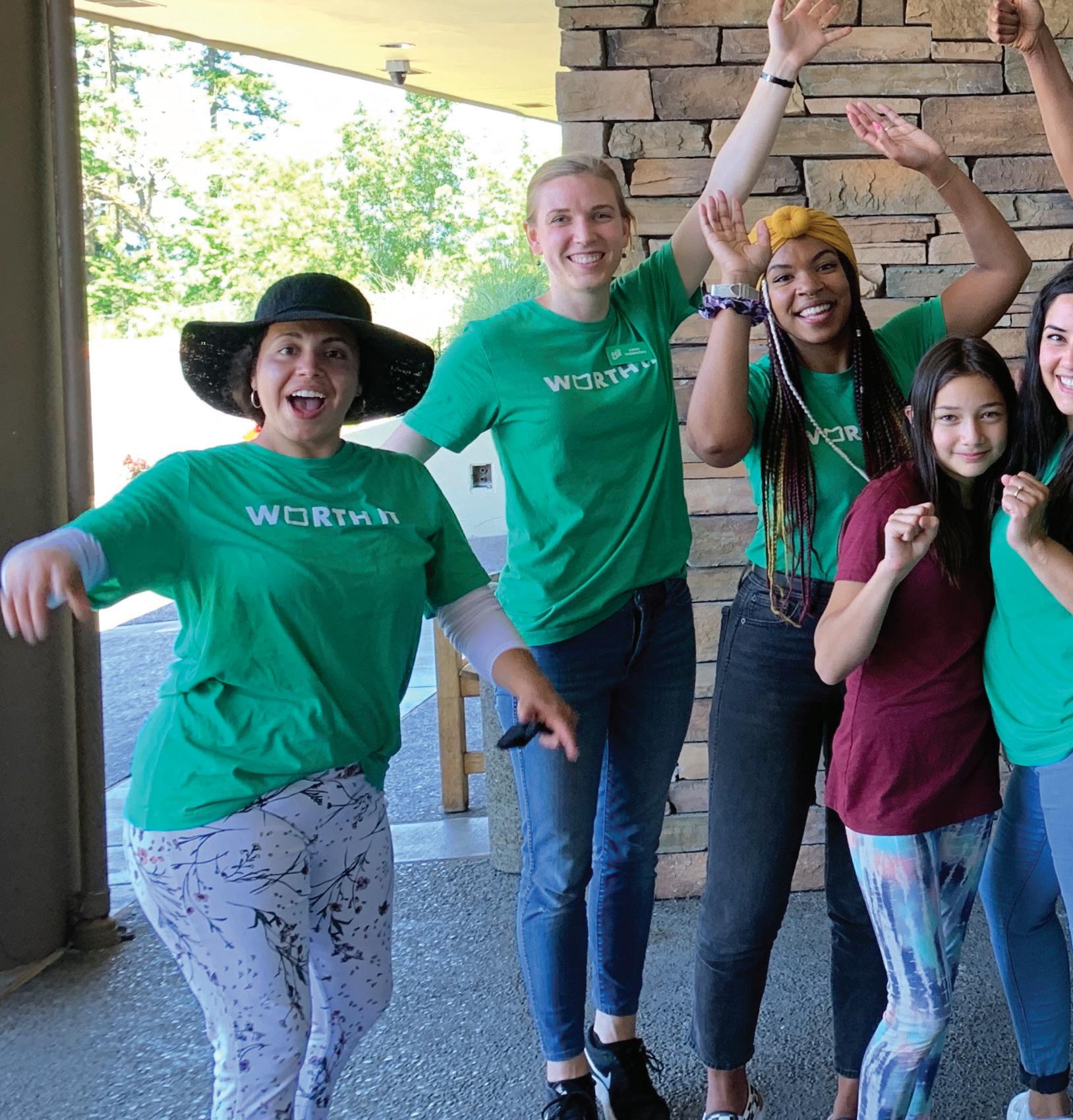
Every Child Oregon is an arm of The Contingent, a Portland venture nonprofit using the same strategies tapped in election campaigns to meet community needs. Founder Ben Sand spoke about The Contingent’s methods in his April 2024 TEDx Portland talk, “Harnessing Technology to Transform Foster Care.” The idea is to use high-tech data pooling to target messages where the need is great and mobilize the community to help fill gaps.
“That way, resource parents know they can always ask for help no matter what gaps emerge,” Ben says.
Every Child sends out requests to meet those needs to thousands of community members ready to send out supplies. Chris says this includes groceries, diapers, washers and dryers, “or maybe even a shoulder to cry on.”
Shelly Winterberg, senior director of Every Child Oregon, says ODHS can only be as strong as the community supporting it.
“A government doesn’t really make a great parent,” she says. “We need the community to step up and roll up their sleeves and say, ‘How can I be a part of the solution?’ As a community partner, we are really relentless about sharing that need and inviting people to step in in whatever way they can.”
While identifying resource parents is the main push, there are many volunteer opportunities to support people who step up to help.
“We recognize that not everybody is in a season of life to become a foster parent, but we believe that everybody can do something,” Shelly says.
The best-known Every Child program is Foster Parents Night Out, when resource parents can drop off their children for a respite night.

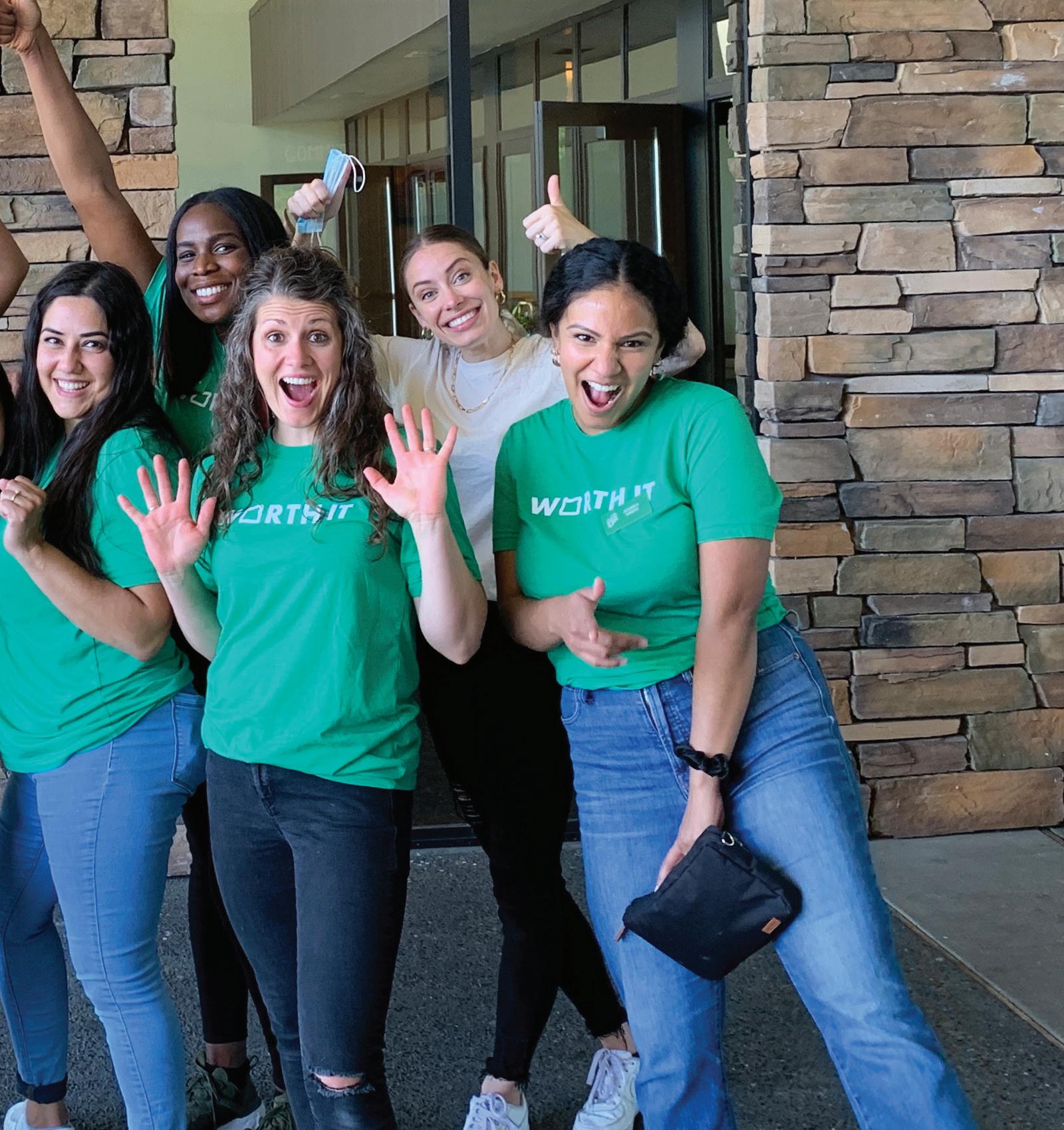
“The kids just get to have a night of fun,” Shelly says. “There’s different themes. They bring in special guests. They have dinner, activities, games and crafts, and the community volunteers are all background-checked and trained by Every Child Oregon. They just get to pour out love on these kiddos, and the parents get a much-needed break.”
Another benefit of the night is reuniting siblings who have been separated. Shelly says they’ve heard beautiful stories of kids “literally like a slow-mo running-through-the-daisies moment— looking up and seeing their sibling from across a room and running and embracing.”
Another Every Child program called My Community invites volunteers to adopt local resource families and commit to providing service every week or two for six months up to a year.
“This team can show up on their front porch and say, ‘Hey, we’ve got a lasagna, a salad and dessert all ready to go. Dinner is taken care of. It’s one less thing for you to worry about,’” Shelly says.
Shelly recalls a time when a resource family was on the brink of burnout.
“A My Community team showed up on their doorstep with just a vat of homemade chicken noodle soup,” she says. “The resource mom was just crying and later shared that, ‘That act of kindness, that kept us going. That was everything in that moment.’”
Every Child also administers My NeighbOR, an initiative available throughout the state where resource families’ needs are posted in real time. Neighbors can help by providing things like clothing, diapers, wipes or educational toys.
“Government is stretched so thin,” Shelly says. “Their mandate is to keep kids safe and help families in crisis. And that’s really why Every Child exists. Our mandate is to mobilize community and to invite people to roll up their sleeves and say, ‘What can I do to help?’ And then create those pathways that people can plug into.
“What I’ve experienced, at least in Oregon, is it’s not that people don’t care, or they don’t want to help,” she adds. “It’s often that
All are encouraged to apply to be resource parents—couples, singles, homeowners and renters. Anyone 21 or older, financially stable, who is ready for a home study, a background check and training is welcome.
Resource parents must support the goal of family reunification when safely possible. Specific candidates are in high demand. Families willing to take in sibling groups top the list.
“Those folks who’ve got some room and a willingness to take two, three children, maybe even of various ages—you’re kind of a unicorn. It’s a real need,” says Billy Cordero, Oregon Department of Human Services Resource family retention/recruitment program manager.
Resource families are also needed for:
X Teenagers
X Children with diverse gender identities
X Children with physical or mental health concerns
X Children who have experienced trauma
Another goal is to encourage participation by families of diverse cultures and backgrounds that match the diversity of children in the foster system.
For more information, visit childwelfare.gov.

they don’t know, and they don’t understand. Foster care can often be this hidden crisis. But when we pull back the curtain, and we share what the need is, people are so excited to help. They just need us to point them in a direction to that pathway or on-ramp, and once we do that, we find that people are willing to step into deeper and deeper levels of engagement.” n
Every Child’s mission is expanding, with branches in Arkansas and Tennessee already onboard, and at least 10 other states in the potential pipeline. Visit thecontingent.org/every-child for more information. To find out more about Amara, visit amarafamily.org.

1 roll puff pastry, defrosted
1/3 cup whipped cream cheese
10 to 12 thin slices salami or other cold cut
5 green olives
5 large cubes hard cheese
Lightly roll out puff pastry and smooth it out. Spread cream cheese evenly over pastry, and top with salami slices. Slice into nine or 10 strips lengthwise.
Fold strips of dough accordion-style. Start with narrow layers and widen as you go, mimicking the shape of a Christmas tree. Insert a long skewer through the center starting at the base, through the top of the tree. Place on a parchment paper-lined sheet pan.
Refrigerate trees for 15 to 20 minutes. While chilling, heat oven to 350 F. Bake appetizers about 15 minutes or until golden. Top each tree with a green olive or cheese cube.
32-ounce bag frozen, fully cooked meatballs
12 ounces chili sauce
10 ounces grape jelly
Add frozen meatballs to a slow cooker. Add chili sauce and grape jelly. Cover. Cook for 2 to 3 hours on high or 4 to 6 hours on low, until sauce is hot.
Serve directly from slow cooker with a serving spoon or toothpicks, or transfer to a serving dish.
½ cup butter, softened
4 cups shredded sharp cheddar cheese
2 cups all-purpose flour
1 teaspoon salt
¼ teaspoon ground red pepper
Heat oven to 400 F. Grease a sheet pan.
In a large bowl, cream butter and cheese together. Stir in flour and salt. Mix well. On a lightly floured surface, roll dough to ½-inch thickness. Cut into 2-inch strips. Sprinkle with ground red pepper.
Place strips 1½ inches apart on prepared pan.
Bake for 10 to 15 minutes or until crisp.
3 cups all-purpose baking mix
1 pound ground hot pork sausage, uncooked
1 pound extra-sharp cheddar cheese, shredded Cooking spray
Heat oven to 400 F. Lightly spray two sheet pans with cooking spray.
Combine all ingredients in a large bowl, pressing mixture together with hands. Shape into 1-inch balls. Place on prepared sheet pans.
Bake for 15 to 18 minutes or until lightly browned.
16 ounces cream cheese, softened
¼ cup sour cream
1½ teaspoons
Worcestershire sauce
1 teaspoon garlic powder
5.75-ounce jar sliced salad green olives with pimentos and juice
Pinch of paprika, optional
In a mixing bowl, use a hand mixer to cream together cream cheese, sour cream, Worcestershire sauce and garlic powder until light and fluffy.
Add sliced salad olives with juice. Use hand mixer to incorporate into creamy mixture. Cover, and refrigerate until ready to serve.
Before serving, remove olive spread from refrigerator and allow to stand 20 minutes. Sprinkle with paprika. Use olive spread to make tea sandwiches or crudites and crackers.
1 pound thick asparagus
spears, ends trimmed
1 tablespoon olive oil
1/8 teaspoon salt
1/8 teaspoon freshly ground black pepper
Heat oven to 425 F.
½ pound thinly sliced prosciutto
1 ounce ParmigianoReggiano cheese, plus more for garnish
Balsamic glaze
Place asparagus on a sheet pan, and drizzle with olive oil, salt and pepper. Toss to coat.
Lay the prosciutto slices on a cutting board. Slice each in half lengthwise. Sprinkle a thin layer of ParmigianoReggiano on top of prosciutto.
Roll each asparagus spear with cheese and prosciutto.
Arrange in a single layer on sheet pan.
Bake 7 to 10 minutes, until asparagus is still somewhat firm but tender.
Grate more cheese on top. Drizzle with balsamic glaze.
8-ounce package cream cheese, softened
2 tablespoons sour cream ¼ cup chopped walnuts
20 green olives with pimentos, chopped
1 bunch celery, trimmed and cut into logs
In a medium bowl, mix together cream cheese and sour cream. Stir in walnuts and chopped olives.
Spread filling onto celery pieces. Refrigerate until ready to serve.
Neiman Marcus Dip
6 slices thick-cut bacon, chopped
8-ounce package cream cheese, softened
1 cup mayonnaise
8 ounces sharp cheddar cheese, shredded
1 teaspoon black pepper
½ cup thinly sliced scallions, plus more for garnish
½ cup lightly toasted sliced almonds, plus more for garnish
1 teaspoon hot sauce
Assorted crackers, for serving
Cook bacon in a large nonstick skillet over mediumhigh heat, flipping often until rendered and crisp, 8 to 10 minutes. Transfer to a paper towel-lined plate to drain. Set aside.
Whisk together cream cheese and mayonnaise in a large bowl until smooth. Fold in cheddar, pepper, scallions, almonds, hot sauce and bacon until just combined.
Transfer to a serving bowl. Garnish with additional scallions and almonds. Serve with crackers.
I have 32 wine bottle corks that I’ve collected over the last two years. If you are a crafter that can use them, they are yours. Contact me, and I’ll send them to you USPS gratis.
Swonder Wilder
970 Castle Place Tillamook, OR 97141 swondertilly@outlook.com
Looking for someone who can use various sizes and colors of plastic caps for art projects. Cost to mail it is $24.75 in a large flat-rate priority box. I prefer the postage be paid by you, but if necessary I can cover the cost.
Lisa States P.O. Box 71485 Fairbanks, AK 99707
I’m looking for 100% wool sweaters or scarves to felt and use in craft projects. OK if already shrunk. Any colors. Sheep’s wool, cashmere and alpaca all work.
Melanie Butler 15757 Sparks Drive La Pine, OR 97739
Email questions to: G5andjunk@gmail.com
My mother would like to know if anyone has old unwanted jewelry or beads. She makes beautiful suncatchers to give to friends. Any help would be appreciated. Thank you. Send to Susan O’ Ryan, 94100 Horton Road, Blachly, OR 97412.
Sha Rose Eugene, Oregon
My mom turns 90 in January. She is the “Sunshine” card lady for our local Pahrump Springs Chapter of the Daughters of the American Revolution. It would be great for her to receive as many birthday wishes in return for all the years she has sent birthday, get well, sympathy and Christmas cards to others. Please send to Marcie Edwards, 4831 Quail Run Road, Pahrump, NV, 89060.
Carole A. Cusimano Pahrump, Nevada
My dear aunt, Marie, turns 104 this month. She was the oldest of several siblings and has outlived them all. She is a born-again Christian who goes to church whenever the doors are open and is a congregation favorite. Just last summer, she moved into a retirement facility. Prior to this, she lived on her own for many years. She remembers dates, names, directions and numbers. She can be forgetful but has her wits about her. She has trouble seeing and hearing, but will carry on a conversation and knows who she is speaking with. It would be incredible for her to receive birthday wishes from as many folks who are willing to send a card. We thank you in advance. She can be reached at 500 Ashbrook Drive, Suite 30, Farmington, MO 63640-9235.
Kath Smotherman Roseburg, Oregon
My mother, Beverly, celebrates her 90th birthday this month. She has lived in Panaca, Nevada, since the day she was born. Her ancestors settled the town in 1864. She loves her hometown and has always been active in her church and community. She reaches out to several of her peers weekly with phone calls and loves to take friends to lunch. For many years, at Christmastime, she delivered homemade bread and jam to widowers in town. All wishes are appreciated. Send to Beverly Lane, P.O. Box 321, Panaca, NV 89042.
Debbie Bradfield Panaca, Nevada
To the readers who acknowledged my 90th birthday, I send a big thank you. I received more than 350 cards from Alaska, Florida, the Midwest, New Mexico and all states in between. I enjoyed each one of them. The beautiful cards with family biographies and life stories made me feel like a part of your family. The handmade cards were amazing; a lot of talented folks out there, especially my new fifth grade friends from Camas Valley. I received books, seeds, a John Wayne collage, a handmade treasure box full of goodies, a gunslinger, and Ford truck cards and pictures. I grew up in Southern California in the 1950s. Three-window roadsters were highly desirable, hard to get and very expensive, which is why I didn’t own one. Route 66 went right through where I lived. Thank you for making my milestone birthday fun and special. My family has expanded to include all you wonderful readers.
Don
Whitehead Redmond, Oregon
Send your request (no attachments) to readerexchange@ruralite.org or mail to Reader Exchange, 5625 NE Elam Young Parkway, Suite 100, Hillsboro, OR 97124. Fill in the subject line with Reader Exchange.
Acceptance, scheduling and editing are at the editor’s discretion. Single requests only, please. No duplicates. If replying to a reader submission, please only send what is requested.
Submissions are handled first-come, first-served as space allows. We cannot honor every request.
Please affirm you have authorization from all appropriate parties before submitting. By submitting, you indemnify Reader Exchange, Pioneer Utility Resources Inc., its officers, directors, employees, utility clients and insurers from all legal liability incurred by the publication of information. We no longer accept pen pal requests. You may submit a pen pal request as a Marketplace ad (pricing applies).
When submitting a milestone request, please send it at least two months before the milestone.
Phone numbers are not published. Email addresses are if they are part of the ad, but you must include a postal address.
Requests must include the name and address of the electric utility that provides your magazine.
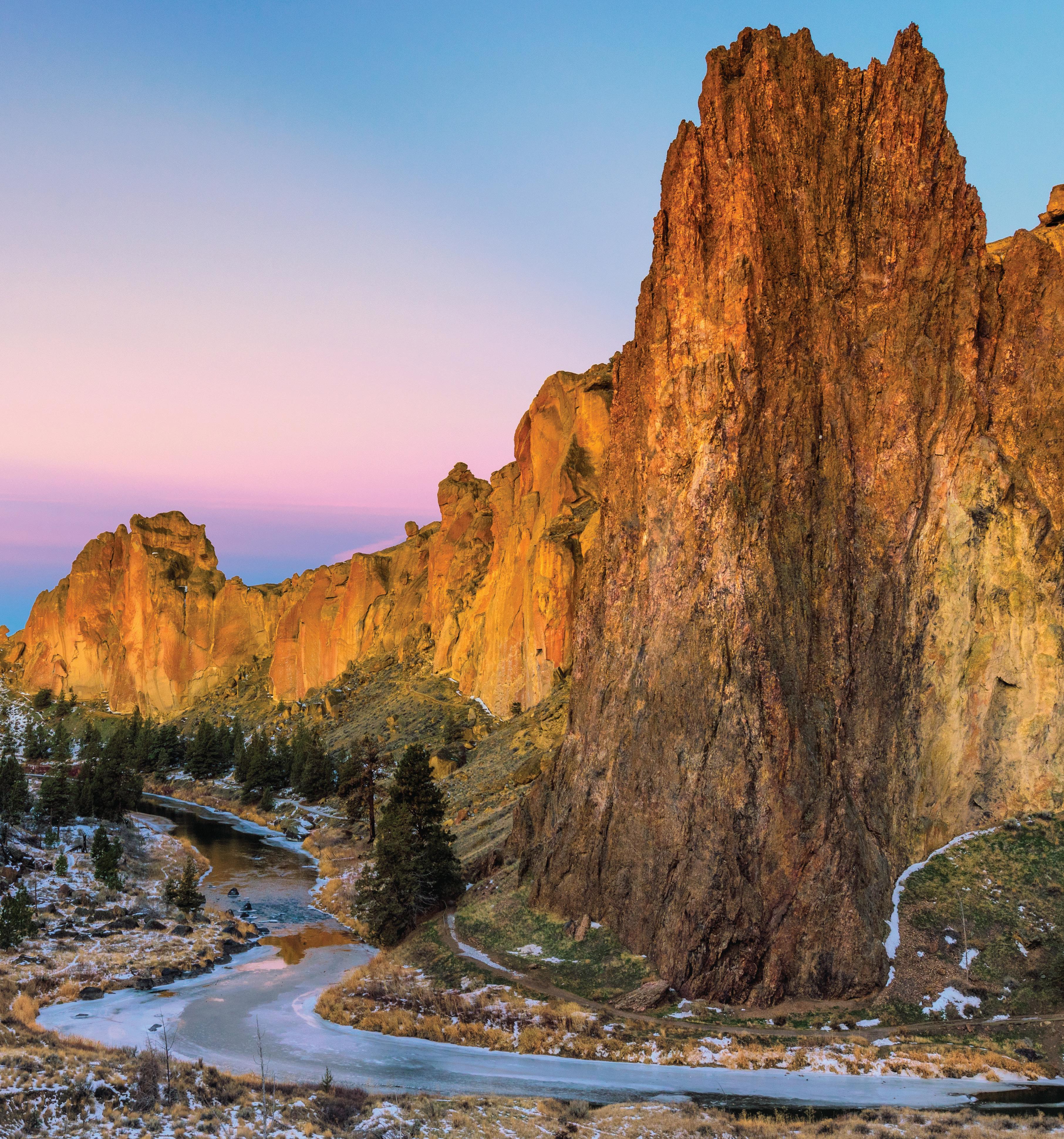
Sheer cliff faces and spires of rock rise more than 500 feet out of the ground in Central Oregon’s Smith Rock State Park. Visitors to the park have many ways to take in the geologic beauty, whether marveling at the rock formations or climbing up them.
Smith Rock is claimed as the birthplace of sport climbing. In the ’80s, climbers—such as Alan Watts— began drilling bolts into the cliff face along climbing routes, which climbers could connect ropes to, making it safer to scale the rock and allowing climbers to focus on technique. Today, visitors come from around the world to scale a few of the thousands of climbing routes at Smith Rock.
For those looking to walk around the park, rather than climb it, the 4.3-mile Crooked River Trail has great views of the area and of the climbers making their way up Smith Rock. It is moderately difficult, with some steep stretches. The harder, 6.2-mile Misery Ridge and Summit Loop Trail is one of the park’s most popular, giving hikers more than 1,700 feet of elevation gain.
If you’re making a trip through Central Oregon, consider heading south from Smith Rock State Park. It is about a half-hour drive to Bend and the Deschutes River. Those seeking more time on the trails can head a little farther on to the Deschutes National Forest, and skiing, snowboarding and other winter sports can be found just down the road at Mount Bachelor.
Visitors to Smith Rock State Park do need a permit. Oregonians must pay $10 per vehicle to park, and out-of-state residents pay $12.50. To start planning your trip, call 800-551-6949 or visit tinyurl.com/yd5vkmb4.
Sealed Vault Bags full of state silver bars are actually being handed over to the first U.S. residents who find their zip code listed in today’s publication and call before the 21-day deadline to claim the bags full of pure silver
Operators at the National Silver Hotline are struggling to keep up with all the calls.
That’s because Silver Vault Bags loaded with pure .999 State Silver Bars are now being handed over to everyone who beats the order deadline.
“That’s why U.S. residents will be hoarding all the silver bars they can get their hands on before the deadline ends. This comes as no surprise after the standard State Minimum set by the Lincoln Treasury was dropped for everyone who gets the Silver Vault Bags making them a real steal,” said Mary Ellen Withrow, the emeritus (Ret.) 40th Treasurer of the United States of America.
“As executive advisor to the private Lincoln Treasury, I get paid to deliver breaking news. And here’s the best part. This is great news for U.S. residents because the reduced State Minimum set by the Lincoln Treasury is a real steal,” said Withrow.
The only thing residents need to do is find the first 2 digits of their zip code on the Distribution List printed in today’s publication. If their zip code is on the list, they just need to call the National Silver Hotline before the deadline ends.
And here’s the good news. Residents who do are getting the reduced State Minimum set by the Lincoln Treasury of just $390 for each State Silver Vault Bag which is just $39 for each pristine solid silver one quarter ounce
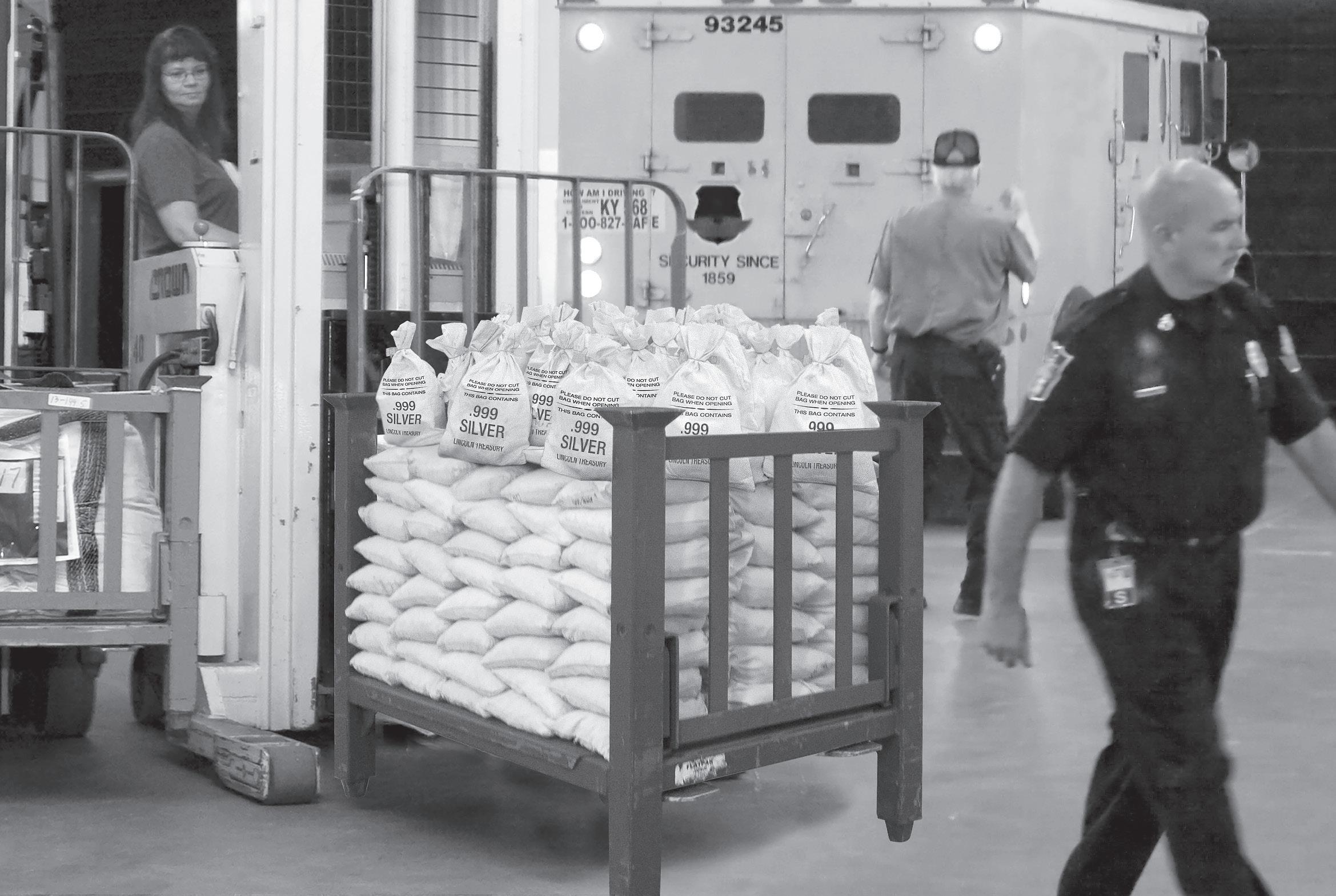
■ U.S. RESIDENTS CASH IN: Calls are pouring in from state residents who are trying to get their hands on the Jumbo Silver Ballistic Bags pictured above before the deadline ends. That’s because residents who find the first 2 digits of their zip code printed in today’s publication are cashing in on the reduced State Minimum price set by the Lincoln Treasury until the 21-day deadline expires.
bar as long as they call the National Silver Hotline at 1-866-295 - 2589 before the deadline ends.
Phone lines open at precisely 8:30 A.M. this morning and are expected to be flooded by U.S. residents looking to cash in on the reduced State Minimum set by the Lincoln Treasury to date. That’s why U.S. residents who find their zip code on the distribution list today are being urged to call. Since this special advertising announcement can’t stop anyone from buying up all the new 2026 Edition U.S. State Silver Bars they can get their hands on, the Lincoln Treasury has not set a limit of how many Jumbo Silver Ballistic Bags residents can get – these
are the bags pictured that contain 100 individual Silver Vault bars each. Everyone who gets these will be glad they did.
“Residents who want to cash in on the reduced State Minimum set by the private Lincoln Treasury better hurry. That’s because after the deadline ends, the State Minimum for these pristine quarter ounce U.S. State Silver Bars set by the Lincoln Treasury will go up to $59 per bar no matter how many bars people get,” Withrow said.
“We’re bracing for all the calls and doing the best we can, but with just hours left before the deadline ends, residents who find the first 2 digits of their zip code listed
in today’s publication need to call the National Silver Hotline,” Withrow said.
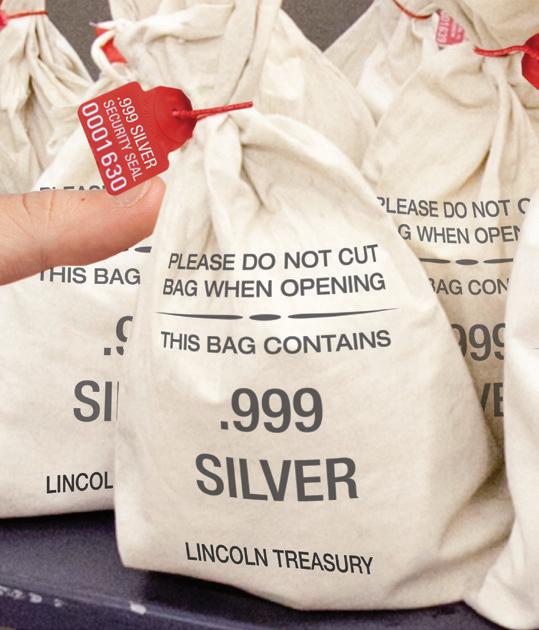
■ SILVER IS SOARING: It’s good news for state residents who get the Silver Vault Bags each loaded with 10 Fractional Reserve one quarter ounce State Silver Bars. That’s because residents are getting the State Minimum set by the private Lincoln Treasury as long as they call before the deadline ends.
Who gets the Silver Vault Bags: Listed below are the zip codes that get to claim the Silver Vault Bags. If you find the first two digits of your zip code below immediately call: 1-866-295-2589 DEPT. SQR102
Alabama 35, 36
Alaska 99
Arizona 85, 86
Arkansas 71, 72
California 91
Colorado 80, 81
Connecticut 06
Delaware 19
Florida 32, 33, 34
Georgia 30, 31, 39
Hawaii 96
Idaho 83
Illinois 60, 61 62
Indiana 46, 47
Iowa 50, 51, 52
Kansas 66, 67
Kentucky 40, 41, 42
Louisiana 70, 71
Maine 03, 04
Maryland 20, 21
Massachusetts 01, 02, 05
Michigan 48, 49
Minnesota 55, 56
Mississippi 38, 39
Missouri 63, 64, 65
Montana 59
Nebraska 68, 69
Nevada 88, 89
New Hampshire 03
New Jersey 07, 08
New Mexico 87, 88
New York 00, 10, 11, 12 13, 14
North Carolina 27, 28
North Dakota 58
Ohio 41, 43, 44, 45
Oklahoma 73, 74
Oregon 97
Pennsylvania 15, 16, 17 18, 19
Rhode Island 02
South Carolina 29
South Dakota 57
Tennessee 37, 38
Texas 75, 76, 77 78, 79, 88
Utah 84
Vermont 05
Virginia 20, 22, 23, 24
Washington 98, 99
West Virginia 24, 25, 26
Wyoming 82, 83
I keep calling and can’t get through: Keep trying. Right now everyone’s looking to cash in on the reduced State Minimum set by the Lincoln Treasury. In fact, we won’t be surprised if thousands of residents order up as many Silver Vault Bags as they can get their hands on before the deadline ends. That’s because the State Minimum set by the Lincoln Treasury has been reduced to just $39 for each solid silver one quarter ounce bar for everyone who gets the vault bags. And since each Silver Vault Bag contains 10 pristine State Silver Bars for just $390 we’re guessing state residents will be claiming two or more bags while they’re up for grabs. But all those who really want to cash in are taking the Jumbo Silver Ballistic Bags containing 100 State Silver Bars before the deadline ends and the State Minimum set by the Lincoln Treasury goes up to $590 per Vault Bag. In fact the State Minimum set by the Lincoln Treasury is reduced even further for those getting the Jumbo Bags so just be sure to ask the National Silver Hotline operator for your discount. So if lines are busy keep trying.
How much are the Silver Vault Bags worth: It’s hard to tell how much these Silver Vault Bags could be worth since they are in pristine condition, but those who get in on this now will be glad they did. That’s because the State Minimum set by the Lincoln Treasury goes up to $590 per bag after the deadline ends. So you better believe that at just $390 the Silver Vault bags are a real steal for everyone who beats the 21-day order deadline.
Can I buy one State Silver Bar: Yes. But, the reduced State Minimum set by the Lincoln Treasury of just $39 per bar applies only to residents who purchase a Silver Vault Bag(s). That means only those residents who order a Silver Vault Bag(s) or a Jumbo Silver Ballistic Bag get the reduced State Minimum set by the Lincoln Treasury. All single bar purchases, orders placed after the deadline and all non-state residents must pay the normal state minimum of $59 per silver bar.
Why is the State Minimum set by the Lincoln Treasury so low now: Thousands of U.S. residents stand to miss the deadline to get the silver at the reduced State Minimum set by the private Lincoln Treasury. Now all residents who find their zip code on the Distribution List above are getting the Silver Vault Bags for themselves and all the solid .999 pure State Silver Bars found inside. The price for each Silver Vault Bag after the deadline ends is set to the normal state minimum of $590 which is $59 per bar. But residents who beat the deadline only cover the reduced State Minimum set by the Lincoln Treasury of just $390 for each Silver Bar Vault Bag which is just $39 per bar as long as they call the National Silver Hotline before the deadline ends at: 1-866-295-2589 DEPT. SQR102 . Hotlines open at 8:30 A.M.
*** All States listed above are available - States not listed are already sold out ***


DATE NUMBERED IN WHICH THE STATE RATIFIED THE CONSTITUTION AND WAS ADMITTED INTO UNION






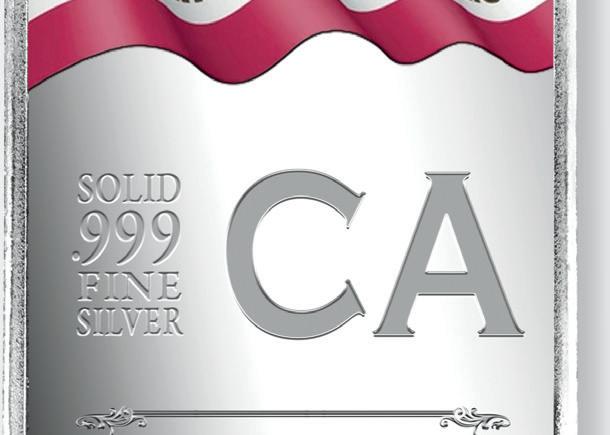






THESE SILVER BARS BECOME A PART OF YOUR FAMILY LEGACY WITH YOUR LAST

By Dave LaBelle
A lot of folks, especially those of my generation or earlier, still send out Christmas cards. I usually receive about a dozen annually, sometimes with a letter telling of the family’s accomplishments or the exotic places they have visited in the past year.
Some of my relatives and friends with a sense of humor send creative e-cards with digital scenes and messages. Since the U.S. Postal Service raised it rates again this year, and a first-class card or letter costs nearly a dollar to send, I expect many of us will receive more of these.
Being a print guy, I decided this year to send you, my readers, a picture Christmas card on slick magazine stock.
But not the kind you would expect.
There is no snow falling, no red-suited Santa, reindeer, stained-glass windows or religious reenactments.
Instead, here is my favorite photograph from this year—a real, unscripted, painful, yet beautiful scene of a father, son and best
friend together in sorrow.
However, there is more to this picture than meets the eye.
Beyond the pain of losing an important college lacrosse game, which eliminated any hope of the team making the playoffs, sophomore Logan Dedrick also learned his beloved grandfather passed away.
Logan’s father, Rick Dedrick, who traveled several hundred miles to watch his son play, didn’t want to tell Logan his grandfather had died before such an important game. Waiting until after the game as the team walked back to the locker room, Rick asked Logan’s best friend and teammate, Xavier Howard, to join him in breaking the news to his son.
“We didn’t want him to be alone when he learned of his grandfather’s passing,” Rick says.
Though Christmas is celebrated in a variety of ways, there is no substitute for a father’s love.
I hope each of you has a meaningful Christmas. n
NIKON D810, 70mm lens
ISO 200, f/4 at 1/1250
Rick Dedrick, left, tells his son, Logan, about his grandfather’s death. Xavier Howard, center, was there to support his teammate through the moment.
PHOTO BY DAVE LABELLE

What is your favorite or most meaningful photograph of 2025? Share why you chose the image you did. If you have not made your favorite image yet, you still have a month.
Email your best image—just one—with caption information, including an explanation of how it affects you, to gph@pioneer.coop. We may share submissions on our website and social media channels.
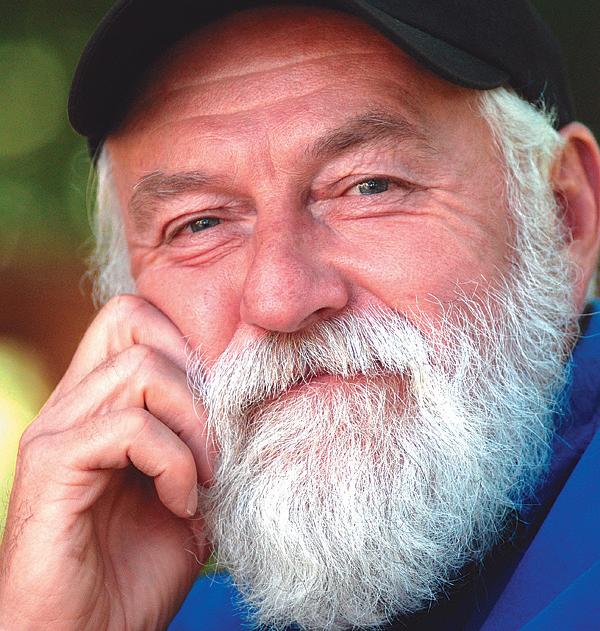
Internationally renowned author, photographer and lecturer Dave LaBelle has captured special moments for more than half a century. He has shared photo tips and life perspectives with readers since 2009. For more of his writings, visit davidlabelle.com and bridgesandangels.wordpress.com.
Discover this spectacular 6½-carat green treasure from Mount St. Helens!
For almost a hundred years it lay dormant. Silently building strength. At 10,000 feet high, it was truly a sleeping giant. Until May 18, 1980, when the beast awoke with violent force and revealed its greatest secret. Mount St. Helens erupted, sending up a 80,000-foot column of ash and smoke. From that chaos, something beautiful emerged… our spectacular Helenite Necklace
Helenite is produced from the heated volcanic rock of Mount St. Helens and the brilliant green creation has captured the eye of jewelry designers worldwide. Today you can wear this massive 6½-carat stunner for only $99!
Earrings -a $99
with purchase of Helenite Necklace

Make your emeralds jealous. Our Helenite Necklace puts the green stone center stage, with a faceted pearcut set in .925 sterling silver finished in luxurious gold. The explosive origins of the stone are echoed in the flashes of light that radiate as the piece swings gracefully from its 18" luxurious gold-finished sterling silver chain. Today the volcano sits quiet, but this unique piece of American natural history continues to erupt with gorgeous green fire.
Your satisfaction is guaranteed. Bring home the Helenite Necklace and see for yourself. If you are not completely blown away by the rare beauty of this exceptional stone, simply return the necklace within 30 days for a full refund of your purchase price.
JEWELRY SPECS:
- 6 ½ ctw Helenite in gold-finished sterling silver setting - 18" gold-finished sterling silver chain
Limited to the first 600 orders from this ad only
Helenite Necklace (6 ½ ctw) Only
Helenite Stud Earrings (1 ctw) $99 +S&P
Helenite Set $198
+S&P (Set includes necklace and earrings)
Call now to take advantage of this

Promotional Code HNN206-05
Please mention this code when you call.

wife received more compliments on this stone on the first day she wore it than any other piece of jewelry I’ve ever given her.”


It was a perfect late autumn day in the northern Rockies. Not a cloud in the sky, and just enough cool in the air to stir up nostalgic memories of my trip into the backwoods. is year, though, was di erent. I was going it solo. My two buddies, pleading work responsibilities, backed out at the last minute. So, armed with my trusty knife, I set out for adventure.
Well, what I found was a whole lot of trouble. As in 8 feet and 800-pounds of trouble in the form of a grizzly bear. Seems this grumpy fella was out looking for some adventure too. Mr. Grizzly saw me, stood up to his entire 8 feet of ferocity and let out a roar that made my blood turn to ice and my hair stand up. Unsnapping my leather sheath, I felt for my hefty, trusty knife and felt emboldened. I then showed the massive grizzly over 6 inches of 420 surgical grade stainless steel, raised my hands and yelled, “Whoa bear! Whoa bear!” I must have made my point, as he gave me an almost admiring grunt before turning tail and heading back into the woods.
But we don’t stop there. While supplies last, we’ll include a pair of $99 30x60 power pocket binoculars FREE when you purchase the Grizzly Hunting Knife.
I was pretty shaken, but otherwise ne. Once the adrenaline high subsided, I decided I had some work to do back home too. at was more than enough adventure for one day.
Our Grizzly Hunting Knife pays tribute to the call of the wild. Featuring stick-tang construction, you can feel con dent in the strength and durability of this knife. And the hand carved, natural bone handle ensures you won’t lose your grip even in the most dire of circumstances. I also made certain to give it a great price. After all, you should be able to get your point across without getting stuck with a high price.
Knife Speci cations:


Make sure to act quickly. The Grizzly Hunting Knife has been such a hit that we’re having trouble keeping it in stock. Our first release of more than 1,200 SOLD OUT in TWO DAYS! After months of waiting on our artisans, we've finally gotten some knives back in stock. Only 1,337 are available at this price, and half of them have already sold!
Stauer 30x60 HD Pocket Binoculars -a



• Stick tang 420 surgical stainless steel blade; 7 ¼" blade; 12" overall
• Hand carved natural brown and yellow bone handle
• Brass hand guard, spacers and end cap
• FREE genuine tooled leather sheath included (a $49 value!)
The Grizzly Hunting Knife $249 $79* + S&P
Save $170
California residents please call 1-800-333-2045 regarding Proposition 65 regulations before purchasing this product.
*Special price only for customers using the offer code.

To help protect our members from phishing scams, SmartHub is introducing an optional security feature: Two-Factor Authentication (2FA).
2FA adds an extra step when you log in to your SmartHub account. Instead of just entering your password, you’ll also enter a special code sent to your phone or email, making it more difficult for scammers to access your account—even if they somehow get your password.
Phishing is a scam where cybercriminals pretend to be a trusted company to trick you into giving up personal information like your login, password, or financial details. These scams often come as fake emails or text messages with links that look real but are designed to steal your data.
Why use 2FA?
With 2FA, you’re using two pieces of information to verify it’s really you. It’s a simple and effective way to keep your account secure and your information private.
How to turn on 2FA in SmartHub.
1. Log in to SmartHub — either on the web at midstateelectric.smarthub.coop or through the SmartHub mobile app.
2. Open the Menu and go to Settings
• Mobile app: Tap Settings, then select Security
• Web: Stay in Settings.

3. Select Two-Factor Authentication.
• Web: Select Enable TwoFactor Authentication
4. Choose how you want to receive your verification code (Email, text message, or one-time code generator app).
5. Enter your contact information and click Continue
6. Enter the verification code sent to you and click Verify/Continue to finish setup.

Once 2FA is activated, you’ll be asked for a code whenever you log in, reset your password, or add services to your account.
We encourage all members to enable 2FA for added peace of mind. With cyber threats evolving and becoming more sophisticated, ensuring the security of your account, and personal information is more critical than ever.
It’s quick and easy to set up and adds an extra layer of protection to your account.
Need help? Watch a step-by-step video on how to enable 2FA for SmartHub Web at: midstateelectric.coop/news-releases/ smarthub-two-factor-authentication.
• Cut up to a fifth of your bill by sealing exterior wall air leaks and drafts.
• If there are leaks or holes in your ducts, use sealant or metal tape to seal leaks. Air leaks in ducts can account for 20 to 30% of wasted heat.
• Lower the temperature while sleeping or away. A programmable thermostat can save up to 15% on your electric bill.
• Water heaters account for nearly a fifth of heating bills. Set yours to no more than 120 degrees.

• Open drapes on sunny days and change the furnace filter monthly.
Learn more at EffeciencyResource.org.
4x5 round bales, Meadow foxtail orchard grass. 4x4 timothy, small square. 208-435-4637 or 208-435-4002; nas@cpcinternet.com. 1225
Reinforced custom-sized pond liners (39 cents/sqft). Hay covers, greenhouse covers, any width and length. Truck tarps and more. High-puncture and tear strength. Best price guaranteed. Celebrating 44 years in business. btlliners.com. 541-447-0712.
Buying antiques and collectibles: advertising signs, porcelain signs, gas pumps, beer signs, antique toys, cast-iron coin banks, neon signs and more. Jason, tjabaughman@yahoo.com or 503-310-3321. 0326
Buying American Indian collectibles, Navajo jewelry, blankets, rugs. CA/AZ baskets and beadwork. Quality paintings of the early Southwest and Americas. Call 760-409-3117 or send photos to amer.ind.baskets@gmail.com.
1950s Monarch piano. Good condition, dark finish. Upright, 45x56x24”. Call Becky, 541-676-5342 or evanslive@hotmail.com.
1978 GMC Sierra 1500, straight 6, 3-speed manual, 4X4, short bed. Wiring harness and tow ball. One owner, 44.5K miles, very good condition. $7.5K. New battery 2024. Complete maintenance records. Text 208-301-3732.
1969 Mercury Cougar 351 cubic inches. Automatic. AC, classic auto air. 89.7K miles. Nice driver. $18.5K, OBO. 435-260-8972. 1225
Books, Magazines, Videos
Book restoration. Bibles, cookbooks, cherished family heirlooms. Beautiful work. We give renewed life, more durable than original, to last for generations. 775-537-7066; salacanstudio@gmail.com.
More “Montello Remembered” novels available. I’m also liquidating my NV history collection. Many rare and hard-to-find books now available. pruitt2010@frontier.com; 775-753-3254. 0126
Business Opportunities
For sale: quaint hardware store in Maupin, OR. Inventory and interior store recently updated and refreshed. See ad on Bizbuysell.com or email maupincountrystore@gmail.com. $129K.
Ads 25 words or fewer are $35 a month. An extended ad of up to 35 words is $50 a month. Contact information is included in the word count. Phone numbers and emails count as one word.
Longer ads may be placed. Contact 503-357-2105 or info@pioneer.coop for pricing information.
Ads are for customers of member co-ops, public utility districts and municipals only. Subscribers and nonmembers may inquire about pricing at 503-357-2105 or info@pioneer.coop.
Ads must be direct and in first person, and are subject to approval and editing.
Closing deadlines (in our office): February issue—Jan. 2, 2026.
If submitting ad by mail, send appropriate payment with your name, address, email, phone number and the name of the electric utility that provides your magazine to: Marketplace, P.O. Box 1306, North Plains, OR 97133. Make check or money order payable to Ruralite.
We accept credit card payments for ads submitted by email. Send ad to info@pioneer.coop.
Call 503-357-2105 to pay by credit card.
Advertisements are accepted in good faith. Pioneer Utility Resources is not liable for interactions between buyers and sellers.
Community Events
Art Center East’s Sip N’ Shop Saturdays. Dec. 6, 13 and 20 in La Grande, OR. Rotating artisan pop-ups each weekend. Learn more at artcentereast.org. 1225
Farm Equipment
1940s Caterpillar D-2, hydraulic blade up/ down, full canopy, many photos. Was my late father’s. Diesel engine stuck, so asking only $3.5K, OBO. Near Dayton, WA. 208-284-5073. 1225
Water trailer. Around 400 gallons, Homelite pump, on heavy-duty, ex-military trailer. Photos, no title. Pump not started since before COVID. Near Dayton, WA. 208-284-5073. 1225
Free Item
Free materials. When church/government unite, enforcing Sunday Law, the Mark of the Beast is here. Don’t be deceived, be informed. Leave mailing address only, TBSM, P.O. Box 374, Ellijay, GA 30540. 888-211-1715; tbsmads@yahoo.com. 1225AR
Help Wanted
Mature lady seeks caretaking position. Excellent with animals, plants and gardening. Many years of experience. Many references will be given on request. Call, 208-835-5425.
Hobbies, Gifts, Games
We ship warm, vintage Santa Letters and nature-inspired artwork from AK for holidays and gift giving. Choose from Santa Letter bundles, watercolor prints, cards, block prints, earrings and more. GV12 saves 10%. pamelasueartanddesigns.com. 1225
Granite cemetery markers at affordable prices. Will ship to most places. For more info: highdesertmemorials.com; Joe, 541-815-8906 or highdesertmemorials@gmail.com. 1225
Crushed rock for sale. John Long quarry on John Long Road at Rice Hill. 541-459-3072.
Tulsa 3-stage gear reduction. Good for building 4-ft. tunnel digger, as track drive for Link Belt or P&H 100-ton crane. Ted, 458-910-3727. 0126
Attention, landowners. Grants available now. Wildland fire fuel reduction service. Steep ground, remote, rocky, small lot, big acreage, no problem. Blue Mountain Defensible Space LLC. bluemountainbrush@gmail.com; bluemountainbrush.com; 509-399-3473. 1126
615 remote acres with views, cabin, fenced, creek, spring. $584K. Duke Warner Realty, 541-987-2363, ddwr@ortelco.net. 1225
320 acres east of Adel, OR. Borders Hart Mountain views, Steens Mountain and Beaty Butte. Landowner tags, very rural. $147K. Quick sale, due to injury. For maps: thejugglingman3@gmail.com; 541-659-1573.
Let me help you buy or sell ranch, farm and recreation property in OR. Fourth-generation Oregonian, prior ranch owner. For sale: Deschutes Canyon Mountain views, 118 acres, riverfront. $14.9M. John Gill, 541-480-9161; johngill@landandwildlife.com. Land and Wildlife brokerage. 1225
1996 Redmond single-wide manufactured home in Prairie City, OR. 56x14’. 2 bd., 1 ba. Needs some TLC. Priced right. $13K. Serious inquiries only. 541-610-4797.
160 acres in Central OR. Year-around creek and undeveloped spring. Borders BLM on two sides. Beautiful spot for RV, very remote on county road. Close to national forest and fishing. $240K. 541-233-8126. 1225
Home for sale. Built in 1880s, 5 bd., 2 stories. Original stain glass windows, newer metal roof, garage. Granite, OR. $395K. 541-755-5016.
Mobiles to mansions. Cabins to castles. Brookings, OR area Principal Broker Pat Piper, Century 21 Agate Realty. Helpful, educated, caring. 28 years area experience. patpiperbroker@gmail.com; 541-251-2152. 0526
Holiday gift idea? Book the summer of your dreams at WaveCatcher. Oceanfront cottage with direct beach access, on the spectacular Central OR Coast. Sleeps 6. All house amenities. Winter closure Nov.-March. Reservations or information email: relax@wavecatcherbeachrentals.com or text 541-740-2846 or 541-740-9953. 1225
Dawn Till Dusk Masonry. Brick, block, stone and pavers. Small jobs and repairs welcome. dawntillduskconstructionmasonry.com; 541-388-7605; 541-410-6945. License #245760 bonded and insured. La Pine, OR. 0226
Blue Mountain Defensible Space LLC Wildfire Fuel Reduction: clearing brush, thinning trees, animal habitat enhancement. Expert service. Grant money available OR, WA, ID. Bluemountainbrush@gmail.com; 509-399-3473; Bluemountainbrush.com. 1126
Gold, silver, coins/currency, buy, sell. Collections wanted. Fair prices paid. 45 years in retail store. Baker City, OR. 800-556-2133; garrymclin@aol.com. 1026
Buying American Indian collectibles, Navajo jewelry, blankets, rugs. CA/AZ baskets and beadwork. Quality paintings of the early Southwest and Americas. Send photos to amer.ind.baskets@gmail.com or call 760-409-3117.
Cash paid for old gas station and oil company signs, pumps, globes, metal oil cans. Good condition. Discreet cash settlement. Clifton Jones, collector. 512-413-4459. 1225
Get more than 400 recipes in a perfect-bound 8½-by-11-inch indexed book for $10, postage included.
BY MAIL: Send payment and number of cookbooks wanted, along with your name and address, to Ruralite Cookbooks, P.O. Box 1306, North Plains, OR 97133.
BY PHONE: Call 503-357-2105 to pay with Visa, MasterCard, Discover card or American Express.
ONLINE: Visit www.ruralite.org.


Electric utilities work hard to prevent power outages, but when one occurs, there is a clear plan to restore power quickly and efficiently
When the power goes out, utility staff springs into action to bring back the lights as quickly as safely possible. Office staff determine the extent of the outage, while line crews brave the elements to check damage to the grid and make repairs.
Restoring power can be complex. The North American power grid— comprised of multiple regional grids—is arguably the world’s largest machine, with substations, power lines and other infrastructure webbing out across the landscape to bring electricity to homes and businesses. To efficiently restore power across the grid, utilities typically start with the equipment that serves the most people and work down the line until all the lights are back on. n
Transmission lines deliver power from electricity generators to a local utility’s grid. Serving as the highways of our electric grid, high-voltage transmission lines cover huge distances. They often are controlled by organizations such as Bonneville Power Administration or a transmission utility.
These large towers and their lines rarely fail—typically only in the most severe weather. If they do, many communities will lose power. Transmission lines must be repaired before power can be restored locally.
Substations are distribution hubs where utilities receive and send electricity. Substations typically serve local communities. When there is an outage, utilities check to see if the issue is with transmission lines bringing in electricity, with the substation itself or with the power lines moving electricity to homes and businesses.
Prepare a safety kit to help you get through an outage. Your emergency kit should include:
X Bottled water (1 gallon per person per day for several days)
X Nonperishable, easy-to-prepare food
X Battery-powered or hand-crank radio
X Flashlight
X Multipurpose tool
X First-aid kit
Branching out like local roads, distribution lines take electricity from substations to towns, neighborhoods and other small groups of consumers.
Because distribution lines spread out like a web, rather than being condensed in one place like a substation, finding the cause of an outage along a distribution line can take more time. Often, utility line crews must patrol the lines to find the cause of the outage, such as a fallen tree that knocked down power lines.
X Extra batteries
X Moist towelettes, garbage bags and plastic ties for personal sanitation
X Manual can opener
X Cellphone with chargers and a backup battery
X Seasonal clothing or blankets
4
Service lines connect distribution lines to transformers that serve individual houses, businesses and other consumers.
If one home lacks power while lights are on in the rest of the neighborhood, the issue could be with the service line. If multiple homes have issues, it could be an issue with a transformer or distribution line.
During an outage, substations and distribution lines serving full communities are prioritized before repairs to individual service lines.
Nature surprises us through sunsets, picturesque landscapes and even by friendly wildlife visits to your backyard.
While on a recent hike, Kelly Ganzer took in the surrounding beauty and the reflections nature made on the water.
To submit your photo, email a JPEG to photos@pioneer.coop. Include “Before You Go” in the subject line and share a bit about what inspired you to make your photo. n
A tree’s reflection shows on the water at Lower Cottonwood Reservoir in Lakeview, Oregon.
PHOTO BY KELLY GANZER
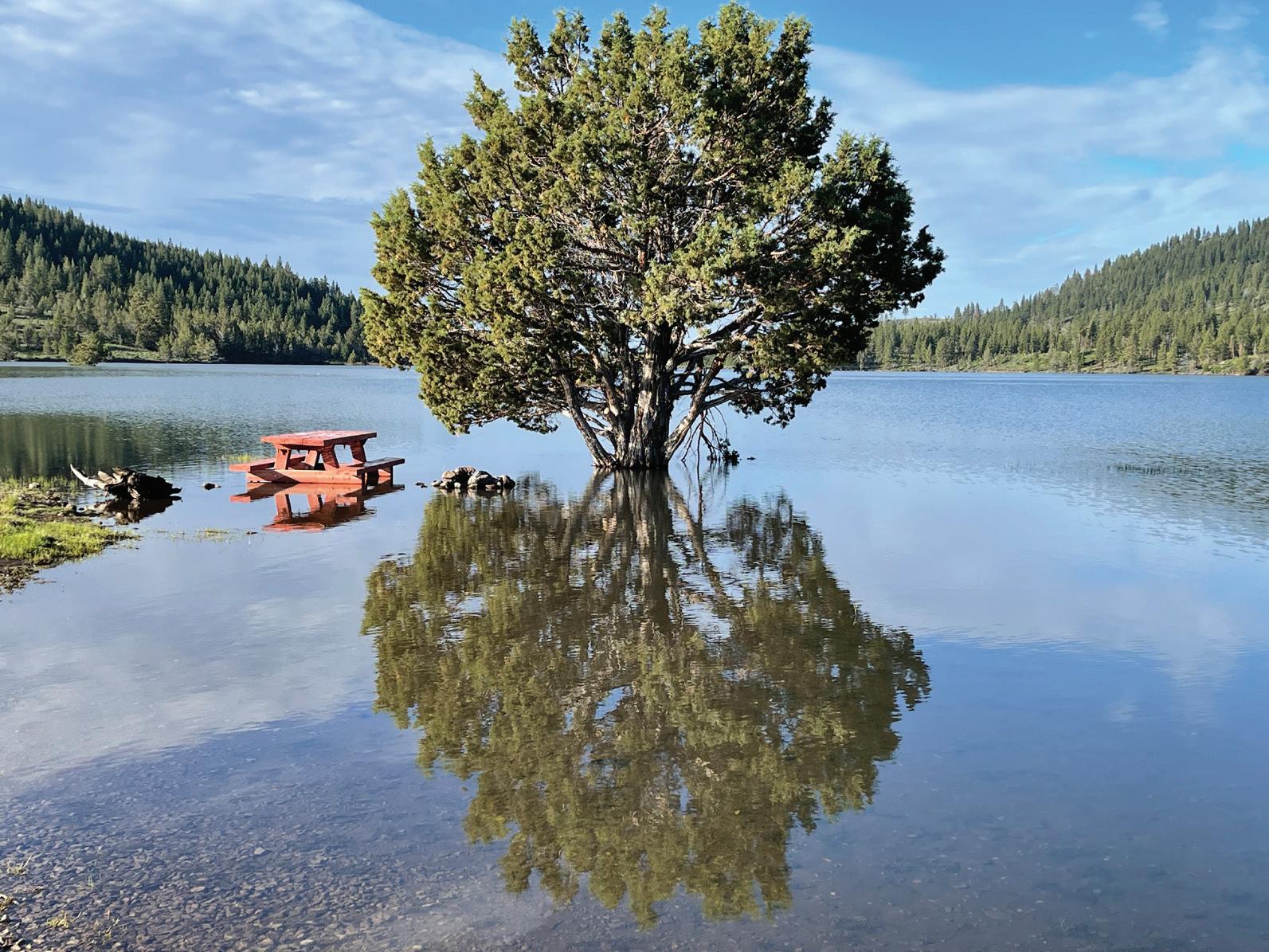
Get more than 220 recipes in a perfect-bound 8½-by-11-inch indexed book for $10, postage included. of cookbooks wanted, along with your name and address, to Ruralite Cookbooks, P.O. Box 1306, North Plains, OR 97133. BY PHONE: with Visa, MasterCard, Discover card or American Express.






Discover the enchanting allure of our Two Heart Necklace, where love’s symphony unfolds in timeless elegance. Inspired by that moment, when it all clicks and you realize you have found the one…. and where two become one, this exquisite piece captures the essence of two hearts entwined in a dance of destiny. Crafted with precision and passion and encased in 14k gold, it embodies the essence of your enduring love, echoing the sentiments of Shakespeare’s sonnets and the romances of Jane Austen. Our client’s favorite, it is now priced at its lowest ever even as gold reaches a record high, awarding it a stellar 4.9-star rating in reviews making it the Gift of the Year. Embrace the magic of shared dreams and whispered promises with the Two Heart Necklace, a treasure to cherish for generations to come.

your perfect match. Embrace the romance and elegance of a bygone era with our Two Heart Necklace, a treasure to cherish for a lifetime.
Falling in love costs nothing but the value is priceless. Showing your love with this two hearts set costs next to nothing and the feeling you will get when wearing it or giving it to your love will certainly be priceless.
Two Hearts Collection
A. Bracelet (13 2/5 ctw) $299 $39* + S&P Save $260
B. Necklace (2 ⅛ ctw) $199 $39* + S&P Save $160
Let this necklace be your own love story, a testament to the beauty of companionship and the joy of finding


C. Earrings (4 ¼ ctw) $229 $39* + S&P Save $190 Necklace, Bracelet & Earrings
$727 $79* + S&P Save $648



16755 Finley Butte Road
P.O. Box 127
La Pine, OR 97739
midstateelectric.coop
info@midstateelectric.coop
541-536-2126 • 800-722-7219
Departments
Member Service Option 3
Engineering ........... Option 4
Energy Efficiency ...... Option 5
Operations Option 6
After-Hours Outages and Emergencies: 541-536-2165 or 800-752-5935
OFFICE HOURS
7 a.m. to 5:30 p.m.
Monday through Thursday
Closed Fridays and holidays
BOARD OF DIRECTORS
President
Ron Cass, La Pine
Vice President
Daniel Jansen, Christmas Valley
Secretary/Treasurer
Steven R. Miles, Fall River
Tanna King, Chemult
Garry Journey, Crescent
Dick Luebke, Sunriver
Alan Parks, Fort Rock
Louis (Brad) Crement, Gilchrist
Steve S. Hess, La Pine
The board meets the fourth Monday of each month at the co-op office.
STAFF
General Manager
James “Jim” Anderson
Assistant General Manager
Sina Streeter
Engineering Manager
Tom Weller
CFO/Accounting Manager
Jami Steinhauer
Information Services Manager
J.D. Powers
HR and Communications Manager
Britni Davidson
Operations Manager
Brian Sharr
Attorney
Cable Huston LLP
OR-23
In mid-October, several environmental groups and the state of Oregon filed a motion in federal district court seeking an injunction to force major operational changes at the Columbia and Snake river dams. The request would require the U.S. Army Corps of Engineers and other federal agencies to operate reservoirs at minimum pool levels and spill more water over the dams rather than generating electricity through turbines.
At first glance, this may sound like a simple measure to help fish. In reality, it would fundamentally alter how the Northwest hydro system operates—reducing power output, straining reliability, and raising costs for every family and business that depends on affordable hydropower.
Hydropower provides more than half of the region’s electricity and more than 90% of Midstate Electric Cooperative’s power supply. It’s clean, renewable, reliable and carbon-free and has powered our communities for generations. The proposed changes would weaken that foundation when the region needs stability most.
By mandating lower reservoir levels and increased spill, the injunction would reduce the water available to run through turbines that generate electricity. Less water through turbines means fewer megawatts of clean power, especially during spring and summer when demand can be high. It would reduce the flexibility that hydropower provides for balancing sudden changes in supply and demand—a role that’s increasingly vital as more intermittent renewables come online.
In simple terms: More spill equals less generation. Less generation equals higher costs. Higher costs ultimately mean higher rates for those who can least afford them— our members.
During past spill programs, Bonneville Power Administration and other utilities
lost tens of millions of dollars each year in foregone generation. If this new injunction is granted, those losses could climb even higher. That means less revenue to support the federal hydro system and more upward pressure on the power rates that MEC and other cooperatives pay.
Beyond cost, there’s reliability. Hydropower provides critical capacity during extreme cold snaps and heat waves. Limiting reservoirs would restrict our ability to respond quickly to emergencies, ramp up production when needed or stabilize the grid when other resources falter.
The dams are lifelines for agriculture, transportation, flood control and local economies across the Pacific Northwest. Protecting them means protecting the people, jobs and communities they sustain.
This is where you can make a difference. We urge every member to speak up. Join Voices for Cooperative Power, a grassroots network of co-op members across America who share their stories and advocate for affordable, reliable electricity. Visit voicesforcooperativepower.com for details.
We also encourage you to contact your elected representatives and Gov. Tina Kotek to share your support for dam protection.
As we enter December, we find ourselves again defending the system that powers our region. Staying engaged ensures we continue to protect the clean, reliable power that keeps our homes warm, our communities strong and our future secure.
Season’s best,
Jim Anderson, CEO/General Manager
“Facts are stubborn things; and whatever may be our wishes, our inclinations or the dictates of our passion, they cannot alter the state of facts and evidence.” —John Adams