MERIDIAN The
SPRING
2026 |Volume 2 Issue 3
2026 |Volume 2 Issue 3
This winter may have been unusually cold and snowy, but we have been warmed by interest received from some outstanding nominees for potential new Advisory Council members! We are in the midst of our next cycle of research proposal reviews for Institute Faculty Fellowships. We have taken advantage of this non-conference year to begin to flesh out policy and procedure details for an exciting new program we hope to be able to launch soon – an Institute Student Affiliate program! Additionally, we have arranged a terrific and diverse line-up of educational events this spring semester!
Since its establishment, the Institute has prioritized involvement of varied constituencies. This has been achieved through an Advisory Council comprising Utica University and other faculty, licensed clinicians of Western medicine of multiple specialties and certified practitioners of a number of non-allopathic wellness modalities. It has been achieved through a similar cross-section of presenters and attendees at our conferences and smaller educational events, along with attendance by interested members of the community. It has further been achieved by student attendance and volunteer assistance at these events. All these constituencies are invaluable, bringing diverse knowledge, experience, and perspectives that enhance learning and fruitful exchange of ideas by all as we work toward the shared goal of increasing health and wellness by means of integrative, whole-person approaches.
Because we are based within an institution of higher education, we view as a particular priority the goal of benefitting students. This is also a priority because today’s students are tomorrow’s clinicians and practitioners. Consequently, raising their awareness of the approaches and benefits of
integrative healthcare may yield increasing rates of adoption of such approaches. Students have benefited from the Institute through participation in educational programming, conference volunteer and presentation opportunities, and engagement with Faculty Fellows’ research embedded within their coursework.
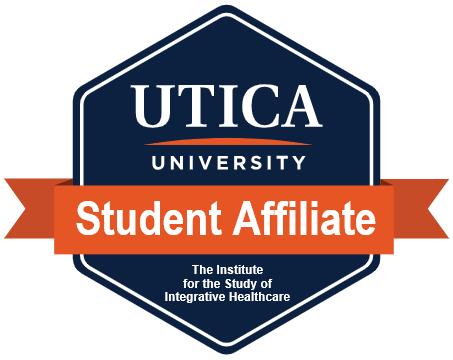
We are working now to add a new means by which students will benefit: an Institute for the Study of Integrative Healthcare Student Affiliate Program. The details are still being explored and discussed and will be presented in a future issue of The Meridian. However, at present we envision potentially a series of stepwise levels earned through accrual of various point amounts assigned to attendance at Institute or other relevant educational events or
the conference, volunteering, formal coursework, and community service. To achieve the top level – as well as a Digital Badge in Integrative Healthcare that could be posted on LinkedIn and other online pages – students would complete each of the prior levels plus an approved project or mentored research. The final structure and details will be forthcoming, but we are so excited by this developing program we couldn’t wait to share at least the kernel of this idea with you!
In addition to ongoing work on this future pathway for student involvement, we are surveying our budget and assessing the ability to potentially add new small grant programs to support research outside of the framework of the faculty fellowships. Whereas the fellowships specifically award course load reductions and/ or stipends to Utica University faculty to conduct research, we are exploring possibilities to award smaller monetary awards to support exploratory pilot projects by Utica faculty, Utica students, and perhaps even Advisory Council members. Budget permitting, we will follow-up with details about the amount of support and a procedure to request funds.
The Institute for the Study of Integrative Healthcare is in the midst of the application period for the next cohort of Faculty Fellows, making this an ideal moment to reflect on how integrative health principles are already woven throughout our Utica University academic community. Integrative healthcare intersects within – and across - each of the University’s three schools. This work is not confined to a single discipline, but instead thrives through collaboration, innovation, and shared purpose. By showcasing these connections, we invite faculty from across campus to envision how their teaching, scholarship, and professional practice can shape the next cohort of Integrative Faculty Fellows at Utica University. This holistic approach is increasingly reflected across academic disciplines, as faculty within the Schools of Arts and Sciences, Business and Justice Studies, and Health Professions and Education contribute distinct perspectives and skill sets that added together advance integrative health in both education and practice.
The School of Arts and Sciences at Utica University encompasses a wide range of disciplines—from natural sciences and mathematics to the humanities and social sciences—that provides a foundational knowledge base for research on integrative healthcare. In the natural sciences, majors such as biology, biochemistry, and neuroscience offer critical insights into human physiology and biochemical processes. Understanding the body’s biological systems is essential for integrative health professionals seeking to combine traditional therapies with preventive approaches to promote long-term wellness. For example, neuroscience helps future clinicians understand how stress and lifestyle factors influence brain function, while biochemistry informs knowledge of nutrition and its effects at the cellular level. At the same time, psychology and other social sciences emphasize the mental and behavioral dimensions of health, which are central to integrative care. Through the study of human development, cognition, and behavior, students gain tools to support emotional resilience and mental well-being alongside physical health—key components of whole-person healing.
At first glance, the connection between integrative healthcare and the School of Business and Justice Studies may be less apparent. However, today’s healthcare systems increasingly require professionals who can manage complexity, balance fiscal responsibility, and lead with ethical and innovative approaches. Programs in health studies management and business equip students with expertise in healthcare administration, policy, finance, and operations—preparing future leaders to design systems that integrate conventional medicine with whole-person care. Wellness programs, community health initiatives, and patient education efforts all depend on collaboration between traditional and integrative modalities to reach their full potential. By combining business acumen with an understanding of
healthcare systems, graduates assess if and help ensure that integrative health services are sustainable, efficient, and accessible. Additionally, disciplines such as criminal justice and public policy contribute to broader conversations about the social determinants of health, highlighting how safety, equity, and justice are essential considerations in designing integrative healthcare models that serve diverse populations.
A perhaps more intuitive connection to integrative healthcare can be found in the School of Health Professions and Education, whose programs prepare future clinicians and educators. Undergraduate and graduate programs in nursing, occupational therapy, and physical therapy exemplify integrative practice in action. Physical therapy, for instance, emphasizes whole-person movement, injury prevention, wellness promotion, and rehabilitation—core principles of integrative care that extend beyond symptom management to support long-term function and quality of life. Nursing programs at Utica University focus on the full continuum of care, from acute, evidence-based treatment to prevention and health education, preparing graduates to coordinate integrative care plans that honor patient preferences and lifestyle goals. Programs such as Child Life and Family Science, Health Studies, and Physical Exercise and Wellness further reinforce a holistic understanding of health, equipping students to support individuals and communities through prevention, adaptation, and behavior change.
The mission of the Institute is to foster and support the study of integrative healthcare. Whereas all three schools of the University have within them faculty with expertise to independently conduct research on integrative healthcare, the Institute’s mission emphasizes the additive power of collaboration between disciplines and, especially, between different schools. For example, a faculty member in Psychology (in Arts & Sciences) might be interested in assessing the effectiveness of a modality like loving-kindness meditation for stress reduction. A physical therapist (in Health Professions & Education) might want to pursue research on the role of stress reduction as an adjunct to reduction of neck pain. Each project, independently, has much value. The two might find added value, however, in collaborating to study if loving-kindness meditation as a means to reduce stress is thereby effective at reducing neck pain independently or as an adjunct to physical therapy.
Casting the net even more broadly might reveal new questions. For example, working with a healthcare administration faculty member (in Business & Justice Studies) might lead to a research question such as whether loving-kindness meditation is an effective and costeffective and safe alternative to NSAIDS for reduction of chronic neck pain among nursing home residents.
Regardless of discipline or area of expertise, the Institute has a role to play outside of research in the success of students,
faculty and staff at the University as well as the broader community. All members of the academic community must be equipped with the skills to keep themselves well, to recognize and combat burnout and fatigue, and to cultivate the physical and mental resilience needed to thrive. Faculty well-being is essential to effective teaching, mentorship, and student success, just as student well-being is fundamental to learning and personal growth. Staff and leadership well-being is fundamental to keeping the institution running smoothly. Integrative healthcare plays a vital role for all groups, offering practices that support the whole person, promote balance, and help prevent burnout as individuals teach, learn, and prepare to enter and compete in an ever-changing workforce.
Across all three schools at Utica University—Arts and Sciences, Business and Justice Studies, and Health Professions and Education—integrative healthcare emerges as a unifying theme. Whether through scientific inquiry, organizational leadership, or direct clinical preparation, Utica’s academic programs reflect the multidimensional nature of health in contemporary society. This interdisciplinary engagement prepares students and faculty not only to participate in their respective professions, but to contribute meaningfully to a healthcare ecosystem grounded in wholeperson wellness, ethical leadership, and systemic innovation.
Find Us at America's Greatest Heart Run & Walk Expo and Join Our Team!
For the first time, we will have a booth at the health expo for the Heart Walk and Run event on Friday, March 6th! We have also assembled a team to brave the cold and participate in the walk to help raise funds to help in efforts to reduce heart disease. Join the Institute’s Team for Heart Run on March 7th.
Also for the first time, we will have a booth at the Lender Expo 2026 on Creating Opportunity Through Community presented by Nascentia Health that will be held on Wednesday, March 11 and Thursday, March 12 at the Marriott Syracuse Conference Center. The goal of this two-day event is to foster shared strategies and collaborations in the region as well as hold workshops on program planning, data collection and storage, collaboration, grant-writing, and board relations as they pertain to mental, and other, health and wellness.

TUESDAY, FEBRUARY 25, 2026
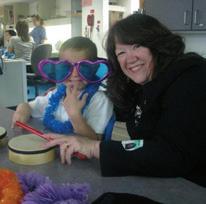
Speakers: KEYS Founder Colleen Bennett & Music Therapist Danielle Caringi Research shows that music is powerful medicine, with the ability to elevate mood, decrease anxiety, reduce pain and provide children a creative outlet to process and express emotions. KEYS founder Colleen Bennett shared how the KEYS Program has been harnessing the power of music to help in healing the minds, hearts and souls of children impacted by cancer and serious illnesses for over 30 years. Attendees actively participated in music interventions with KEYS board certified music therapist Danielle Caringi and acquire basic knowledge and techniques they can use to integrate music into the care of those they serve, and themselves. To learn more visit: https://www.thekeysprogram.org/
THURSDAY, MARCH 19, 2026 | 3:00 - 5:00 P.M.
Hislop Auditorium, Thurston Hall & Virtually
RSVP: https://forms.office.com/r/UrTxVt0xDv
Speaker: Ann Blaney, MSN, RN, PMGT-BC, Reiki Master, Coordinator of Integrative Therapies at Bryn Mawr Hospital, Bryn Mawr, PA.
The Institute for the Study of Integrative Healthcare invites you into a meaningful conversation about how nurses in acute care settings are integrating wholistic practices to support healing beyond the bedside. Join us in welcoming Ann Blaney, MSN, RN, PMGT-BC, Reiki Master, and Coordinator of Integrative Therapies at Bryn Mawr Hospital, Bryn Mawr, PA.
Ann oversees a team of over 200 Reiki Nurses as well as aromatherapy training, music therapy, yoga and other holistic programming for patients and staff.
Healthcare professionals, community practitioners, educators, and students are all invited to listen as Ann shares insights, challenges, and successes from bringing wholistic care into fast-paced clinical environments. Together, we’ll explore how these practices support patients, families, and nurses themselves—fostering connection, compassion, and resilience in modern healthcare. For more info visit: https://www.linkedin.com/in/ann-blaney/
WEDNESDAY, APRIL 15, 2026 | 4:00 - 5:30 P.M.
Hislop Auditorium, Thurston Hall & Virtually
RSVP: https://forms.office.com/r/CKhWJCqYu2
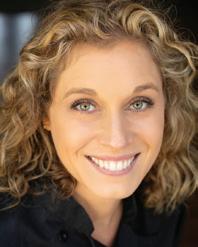
Speaker: Chef Kimber Dean
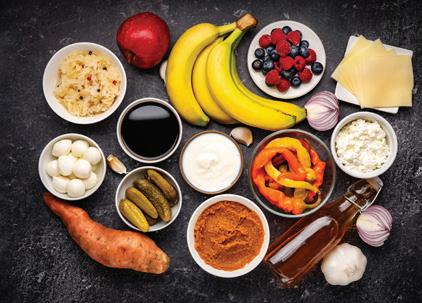
Join California Chef Kimber Dean and explore the vital role nutrition plays in gut health. Discover how nutrition directly influences overall wellness by learning the basics of your microbiome! We’ll also explore the differences between prebiotics, probiotics, and postbiotics, and their roles in supporting digestive function. Chef Kimber will also share how to assemble dietary strategies to support gut integrity as well as how to create simple, healing prepared meals. We’re bridging clinical knowledge with chef-inspired meals, connecting culinary science to real-world application and everyday wellness!
What You’ll Learn:
• How the gut microbiome works and why it’s crucial for overall health.
• The science behind prebiotics, probiotics, and postbiotics—and how to include them in your diet.
• What leaky gut is, how it affects the body, and dietary strategies to heal it.
• How to create practical, gut-supportive meals that promote digestion and wellness.
For more info visit: https://chefkimberdean.com/
Upcoming events are posted on our website and social media pages, so please check in often and share widely with your contacts! All previous event recordings can be accessed on our website in the Previous Institute Events section at the bottom.
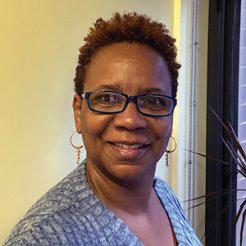
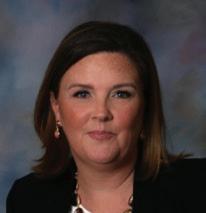
Lucia Corriette, PT, DPT, MBA, is this edition’s featured member of the Institute’s Advisory Council. Dr. Corriette has practiced as a licensed physical therapist in the Caribbean countries of Dominica, St Lucia, the Cayman Islands, The Bahamas and the British Virgin Islands. She now practices in New York City. She is a part-time faculty member in the Utica University Post-Professional DPT program and in the School of Health Professions and Education. In addition to prevention and wellness, Dr. Corriette has also taught courses related to pharmacology and global healthcare. Furthermore, she has advised patients on the use of supplements as an alternative or adjunct therapy in everyday physical therapy practice.
The focus article summarized on the following page was authored by Dr. Corriette, and by Deanna Errico, PT, DPT, ATC, Maryam Hashemian, MD, PhD, Samantha Marocco, PT, DPT, MS, EdD, Terri Provost, RD, PhD.

Study Overview
This cross-sectional study examined attitudes toward and patterns of dietary supplement use among adults in Iran, as part of a broader, multi-site, cross-cultural research initiative. With dietary supplements widely used worldwide and often consumed without professional guidance, the study aimed to better understand who uses supplements, why they use them, and how informed users are about potential risks
Objectives
The primary objectives were to evaluate:
• The prevalence and types of dietary supplements used
• Demographic factors associated with supplement use
• Motivations, sources of recommendation, and purchasing behaviors
• Participants’ knowledge and attitudes, particularly regarding safety and side effects
Methods
Researchers conducted a cross-sectional survey between February and June 2024. A total of 300 adults participated, with a mean age of 45.2 years. Women comprised 63.7% of the sample.
Data were collected using a 42-item questionnaire covering five domains:
1. Demographics
2. Physical activity
3. Lifestyle factors
4. Dietary supplement use
5. Attitudes toward dietary supplements
Responses were analyzed using descriptive statistics to identify patterns and group differences.
Key Findings
High Prevalence of Supplement Use
Dietary supplement use was common among participants.
The most frequently consumed products were:
• Multivitamins (44.3%)
• Vitamin/mineral combinations (44.3%)
• B-vitamins (33.3%)
Use of herbal and botanical supplements was also widespread, with turmeric/curcumin (51.3%) and ginger (48%) reported as the most commonly used herbal products.
Gender and Education Differences
Significant demographic differences emerged. Women were substantially more likely to use supplements than men (55.0% vs. 25.7%) and individuals with higher education levels reported higher supplement use compared to those with less education (60.5% vs. 42.6%). These findings suggest that supplement use is strongly associated with both gender and educational attainment.
Motivations for Supplement Use
Participants most often reported using supplements for illness prevention and general physical wellness. Together, these motivations accounted for 62.7% of reported reasons for supplement use, indicating that many individuals view supplements as a proactive health strategy rather than as treatment for diagnosed conditions.
Sources of Recommendation and Purchase
Healthcare providers, particularly physicians, were the most common source of recommendations (28.7%), and pharmacies were the primary point of purchase (38%). Despite healthcare professionals being a common influence, a significant portion of supplement use still appeared to occur outside of structured clinical oversight.
Limited Awareness of Risks
One of the most concerning findings was the low level of awareness regarding potential side effects. 75.7% of participants reported being uninformed about possible adverse effects. 37.0% stated they preferred dietary
supplements over prescribed medications. This gap highlights a potential risk for inappropriate or unsafe supplement use, especially when supplements are viewed as substitutes for medical treatment.
Several contextual factors influenced supplement use. Exactly half said their use stemmed from directly experiencing illness or symptoms. 30% claimed changes in healthcare providers lead to use. Additional factors include the COVID-19 pandemic and major life or relationship changes. These findings suggest that supplement use may increase during periods of health uncertainty or transition, rather than being driven solely by routine wellness practices.
The study demonstrates that dietary supplement use is widespread among Iranian adults, with clear differences based on gender and education. While many individuals use supplements to support health and prevent illness, there is a substantial lack of knowledge regarding potential risks and side effects.
The authors emphasize the need for targeted education initiatives, improved patient–provider communication, and greater emphasis on evidence-based supplement guidance. Addressing these gaps may help promote safer, more informed supplement use and reduce the likelihood of misuse or reliance on supplements in place of prescribed therapies.
In our December newsletter, we released links on our webpage for anyone to view the keynote speaker panel recordings from the September conference. Now, concurrent session recordings are available exclusively to event registrants; a link to access those sessions will be sent directly to the email address used at registration (not all sessions available).

Reiki and polarity therapy are both energy-based modalities designed to balance the body’s energy flow to improve physical, mental, and emotional health. Reiki is an energybased technique developed by Dr. Mikao Usui of Japan in the 1920s designed to reduce stress and promote relaxation. The word root “rei” means holy or natural spirit and “ki” refers to vital energy, so used together these
translate to “universal life-force energy”. Thus, reiki works to support the body’s natural healing abilities, often easing pain and anxiety, by balancing the body’s universal lifeforce energy. In the practice, hands are placed lightly on or just above a fully clothed person to channel energy.
Polarity therapy was developed by Austrian-born American Dr. Randolph Stone in the 1940s. It brings together elements from ayurveda, traditional Chinese medicine, and electromagnetic field theory. Whereas reiki focuses
solely on energy transfer, polarity therapy is a broader and more physical practice, incorporating gentle touch, deeper tissue massage, body movements such as “molding touch,” “rocking,” and “displacing” movements, and nutritional advice to address electromagnetic, nutritional, and physical imbalances. It may include also some yoga asana (postures). As the name implies, polarity therapy focuses on the existence and movement of electromagnetic charges (positive, neutral, negative) within the body.
Both therapies are used to reduce stress, improve circulation, and promote emotional release, among other things. Presently, the scientific research evaluating the effectiveness of each is minimal but growing, as is the use of these therapies by an increasing number of certified practitioners. In one example, a randomized controlled pilot study by Mustian and others in 2011 in Integrative Cancer Therapies found polarity therapy was effective for improving cancerrelated fatigue in patients with breast cancer receiving radiation therapy. A study published by Dyer and others in 2019 in the Journal of Alternative and Complementary Medicine found that reiki yielded statistically significant improvements in several indicators of psychological health, including positive affect, negative affect, pain, drowsiness, tiredness, nausea, appetite, shortness of breath, anxiety, and depression. In a more recent example, results of a randomized controlled study published by Akpinar and others in 2025 in the journal Pain Management Nursing showed
reiki was effective at reducing pain and enhancing immune system response in patients undergoing bone marrow transplantation.
Despite the limited number of larger scientific studies, there are a number of anecdotal success stories for each reiki and polarity therapy and a very large number of enthusiastic users. Reiki is more widely known and it, in particular, has gained widespread use in a number of hospitals and other healthcare facilities often before and after surgeries, during cancer treatments, for chronic pain, and in palliative care. It has been adopted, for example, by New York-Presbyterian Hospital, Duke University Hospital, Yale New Haven Children’s Hospital, and Dartmouth Hitchcock Hospital, and many others. Collectively, the emerging body of evidence, both scientific and experiential, underscores the expanding role of these therapies in shaping more holistic, patient-centered healthcare approaches.
Scan the QR codes learn more about each of these modalities:
The Five Precepts of Reiki translated from the Dr. Usui Memorial Stone. JUST FOR TODAY: DO NOT BE ANGRY. DO NOT WORRY. BE THANKFUL. DO WHAT YOU ARE MEANT TO DO. BE KIND TO OTHERS.