Hello, I’m Evelin Sorto; I am currently pursuing a degree in Architecture at the University of Technology, Jamaica. As a highly motivated and dedicated student, I consistently strive to deliver my best in both academic and design work. Beyond the studio, I enjoy cooking, baking, and spending time at the beach activities that inspire creativity and balance in my life.
Work Experience
Internship Virtuoso Architects (Summer 2024)
Software Proficiency
Revit
Sketchup
D5
Photoshop
Illustrator
InDesign
Word
Excel
PowerPoint
-Instituto Manantial de Valores 2012-2014
-Instituto Technologico de Administracion de Empresas 2015-2017 -The University of Technology, Jamaica 2023- Present
1876-575-0047
evelinsorto19@gmail.com
Casa Nexus
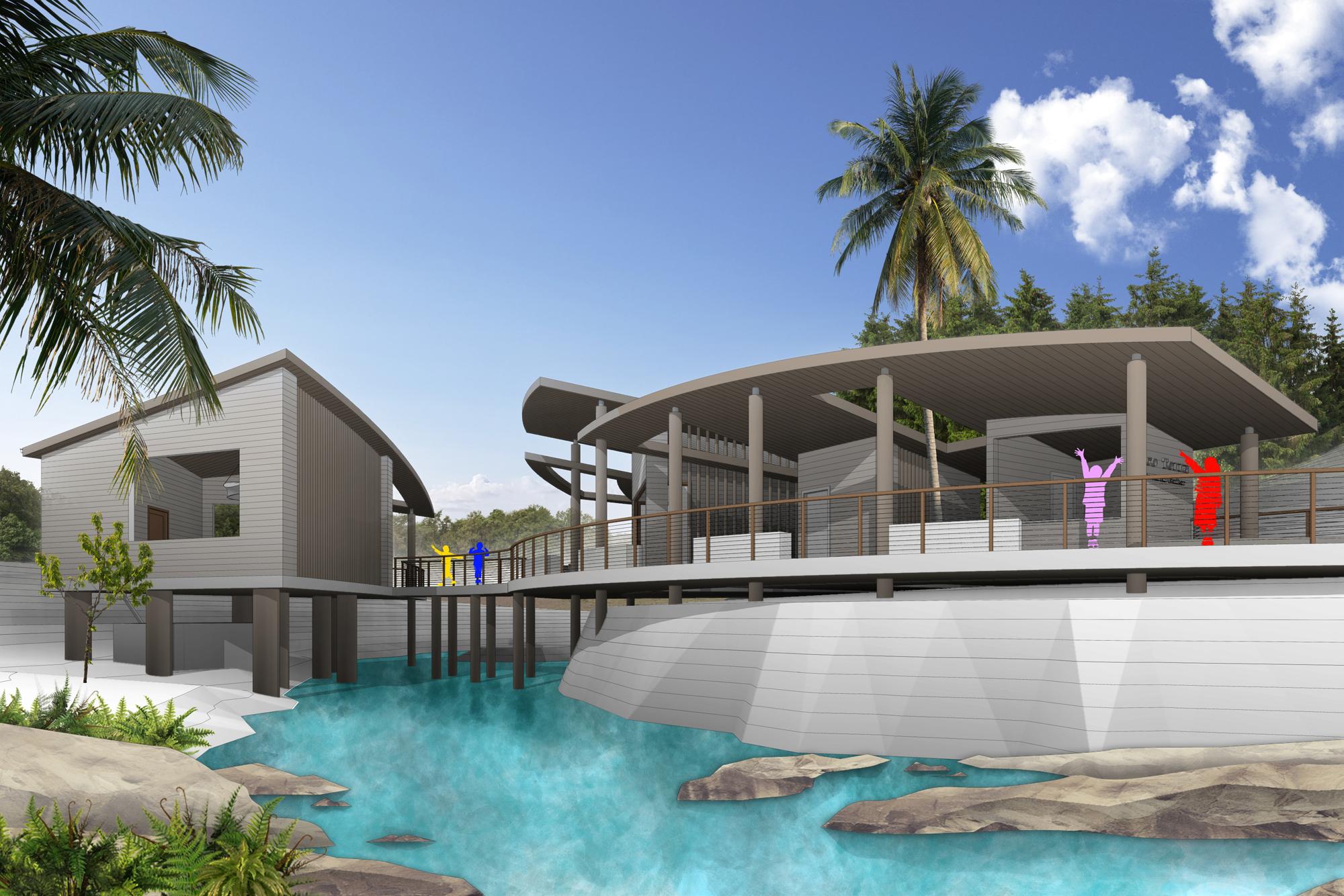
Eco Terra Research Centre
Climate
Tectonics
Live + Work
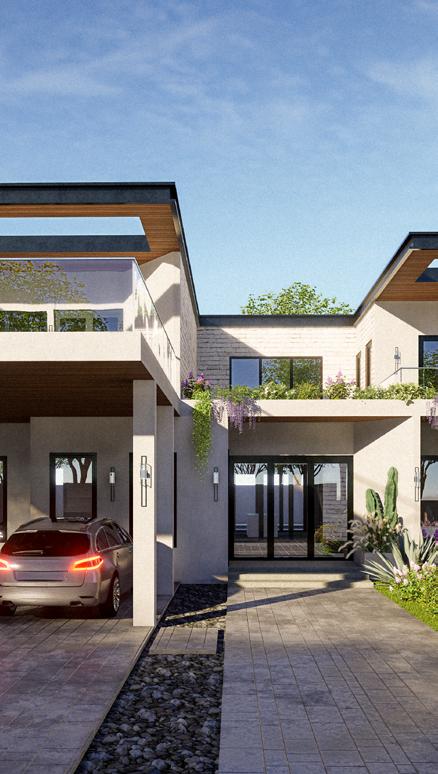
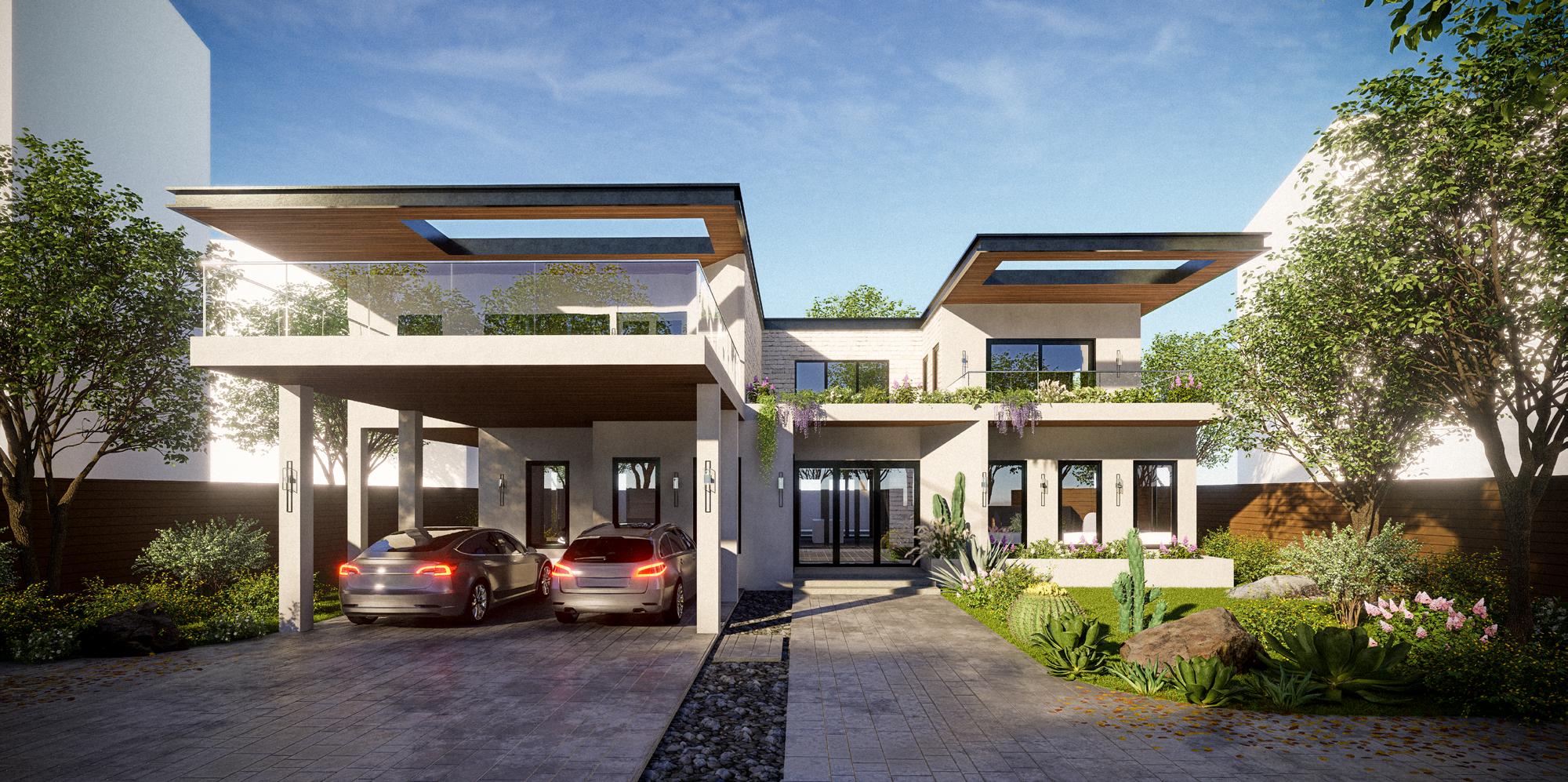
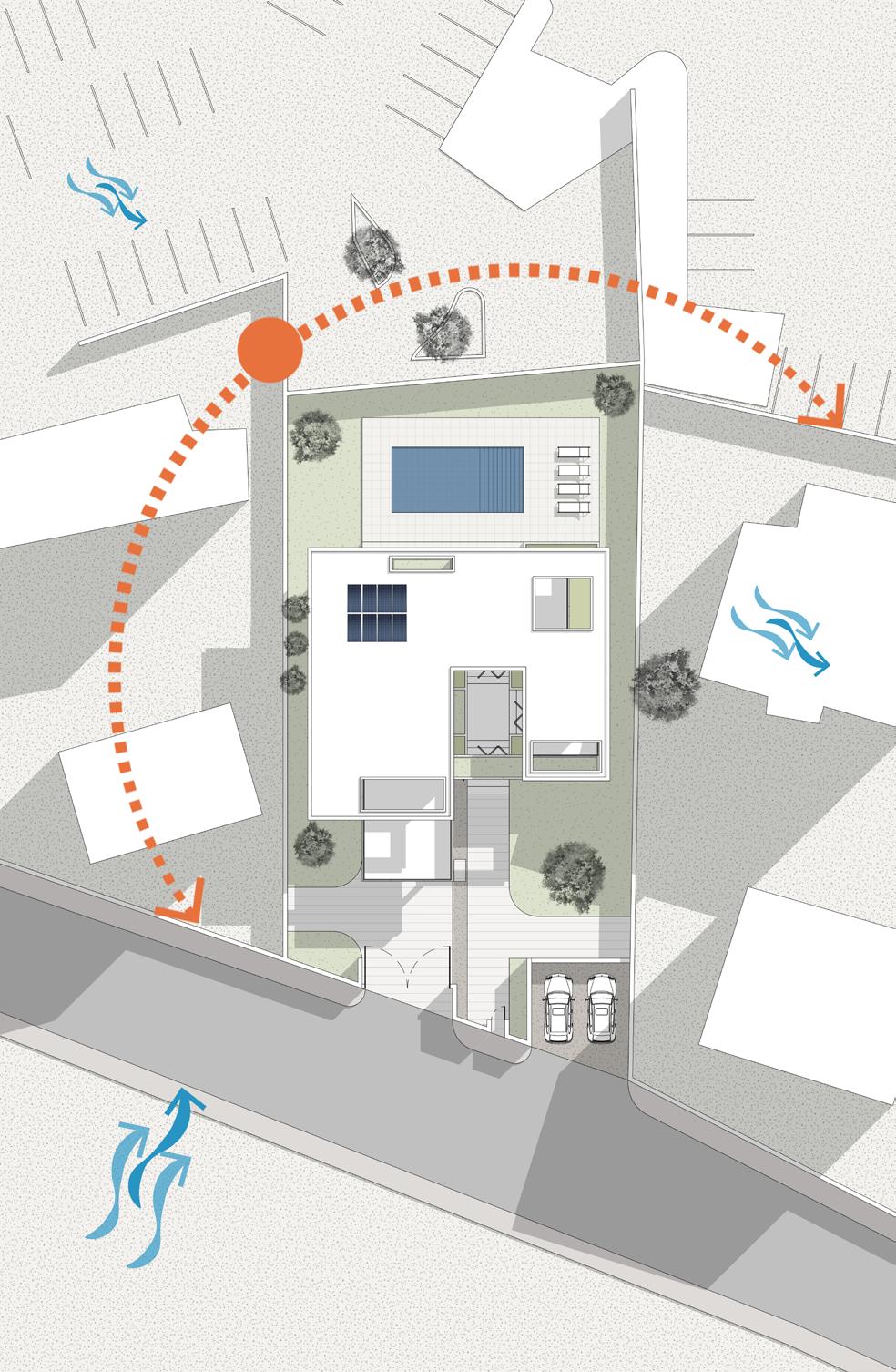
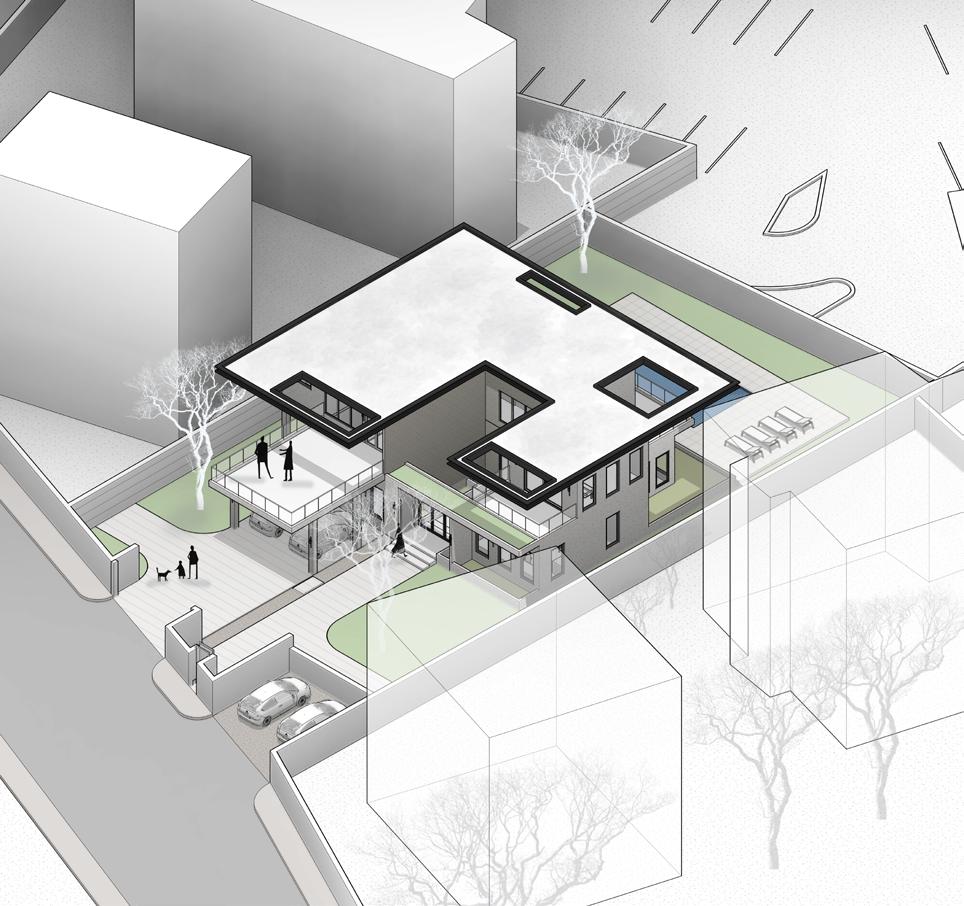
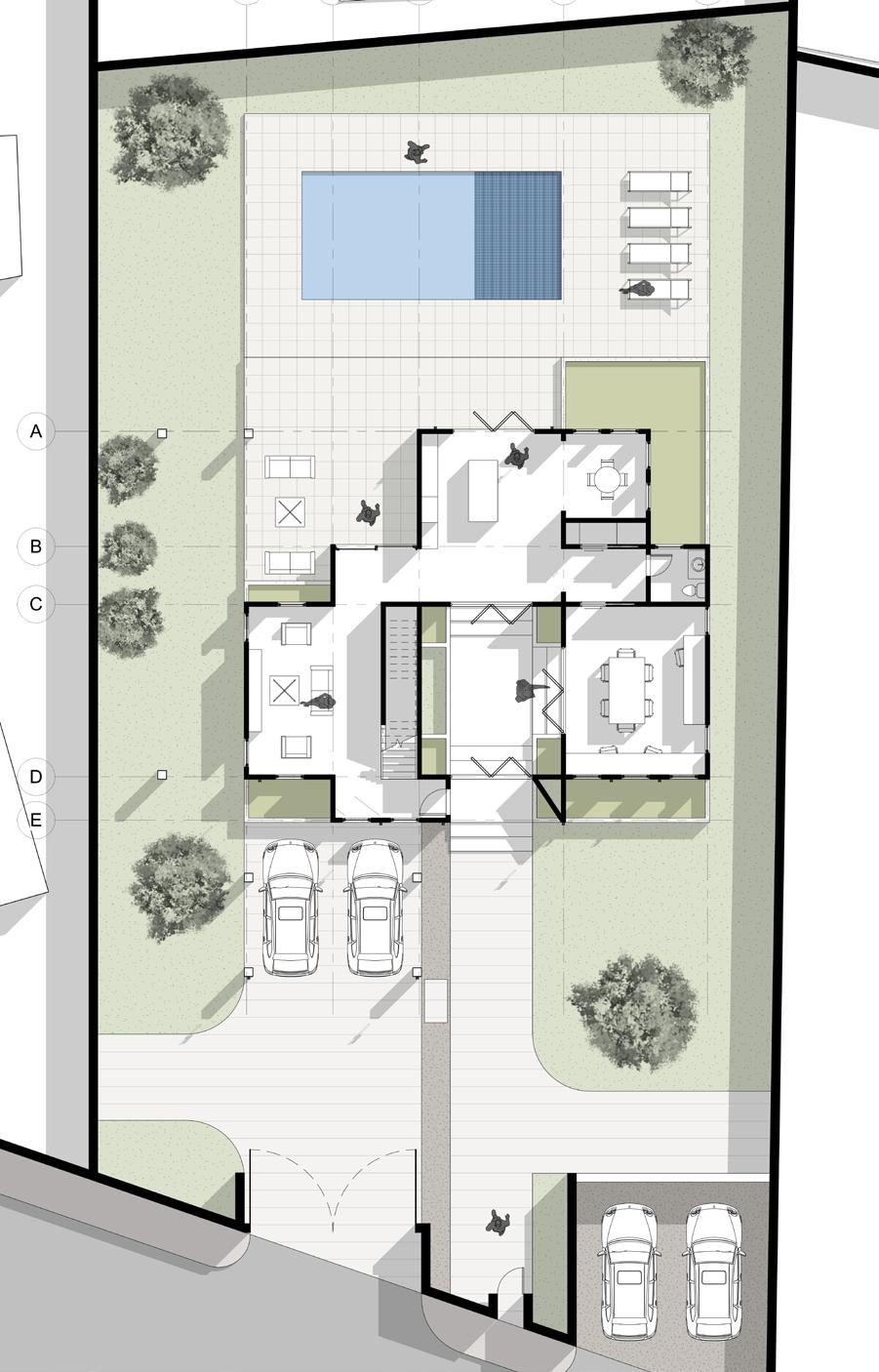
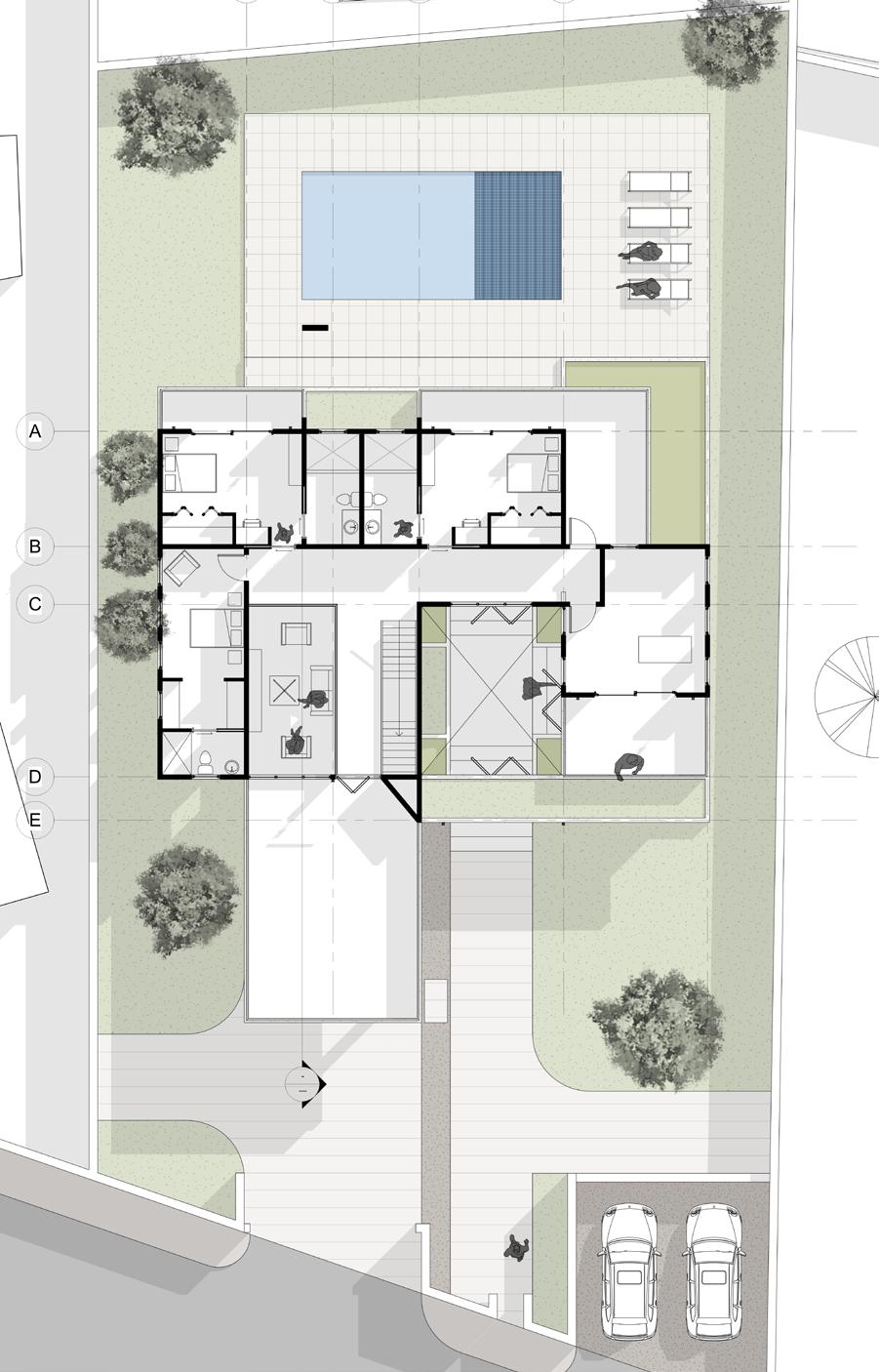
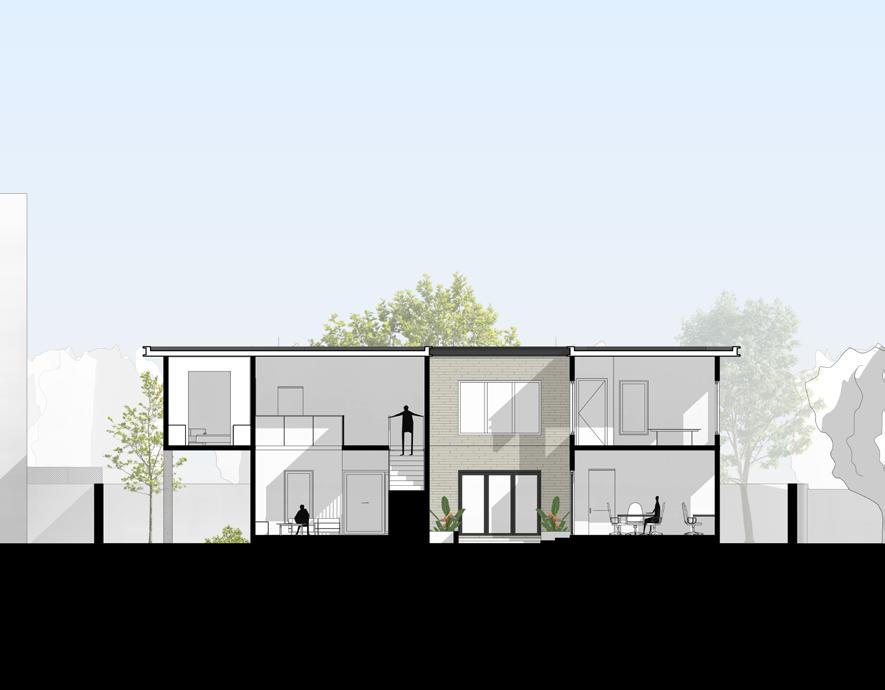
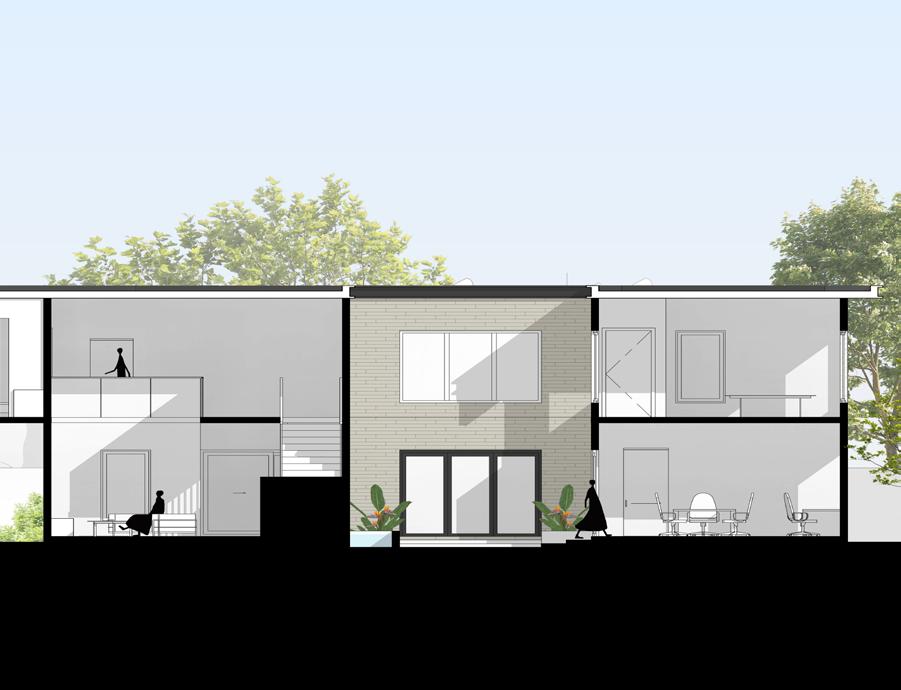
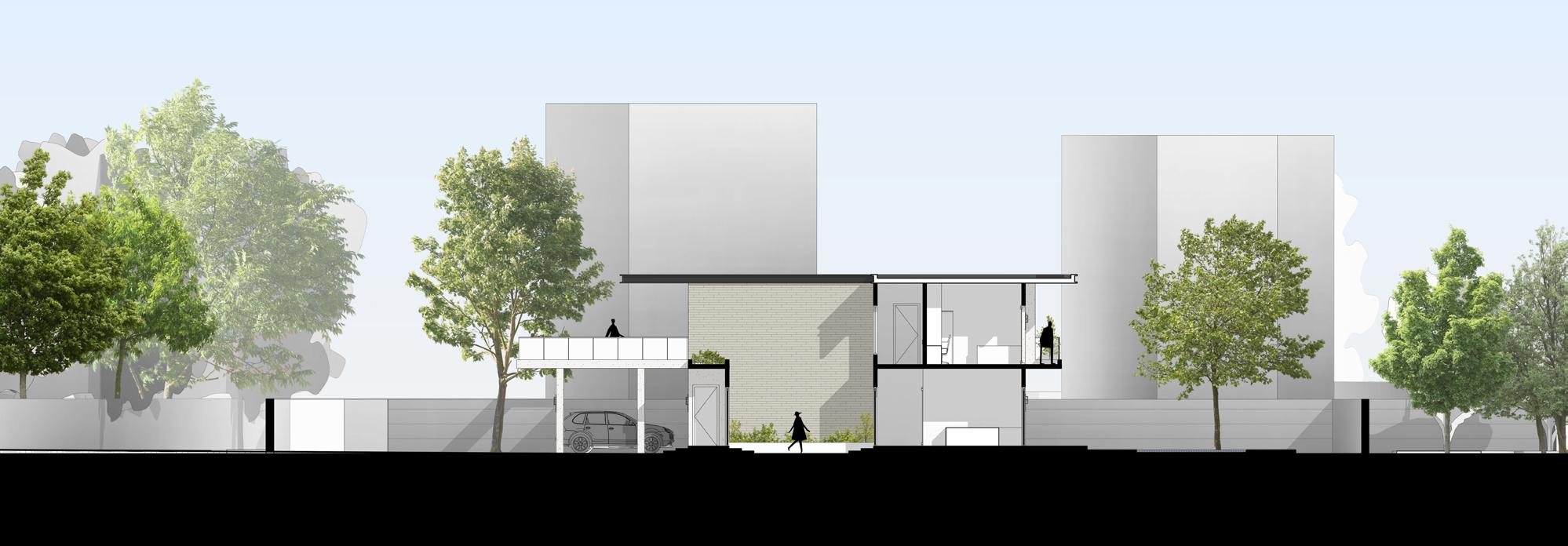
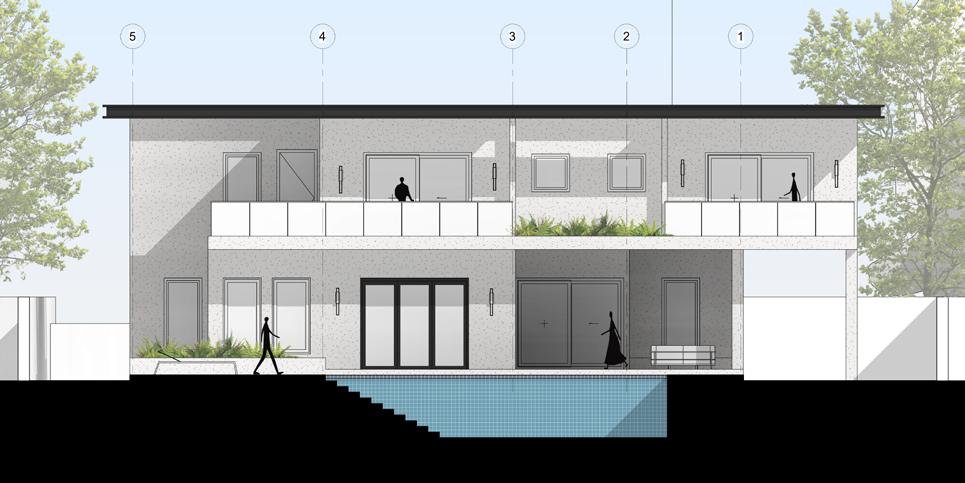
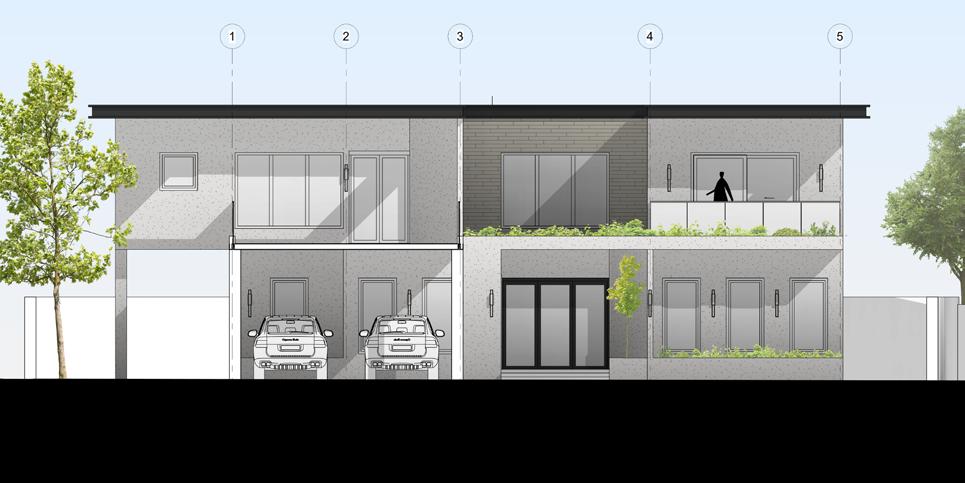
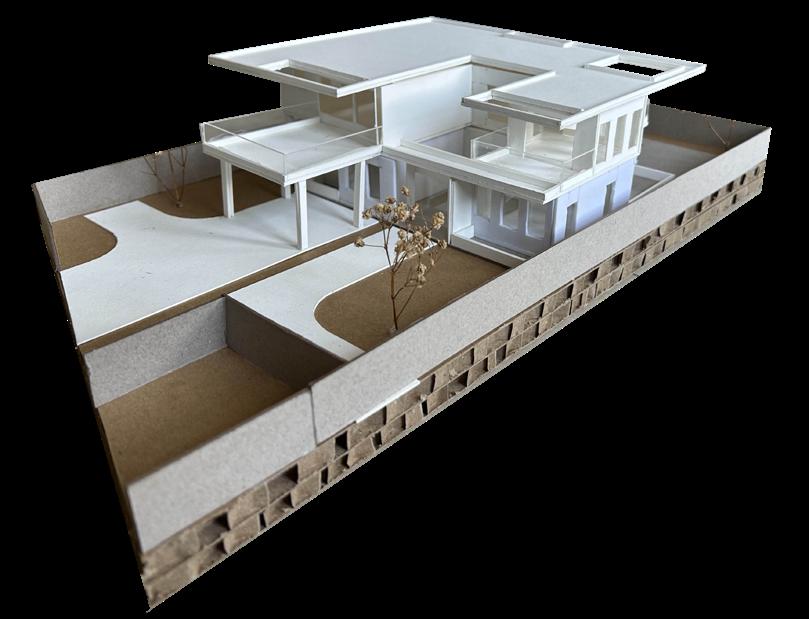
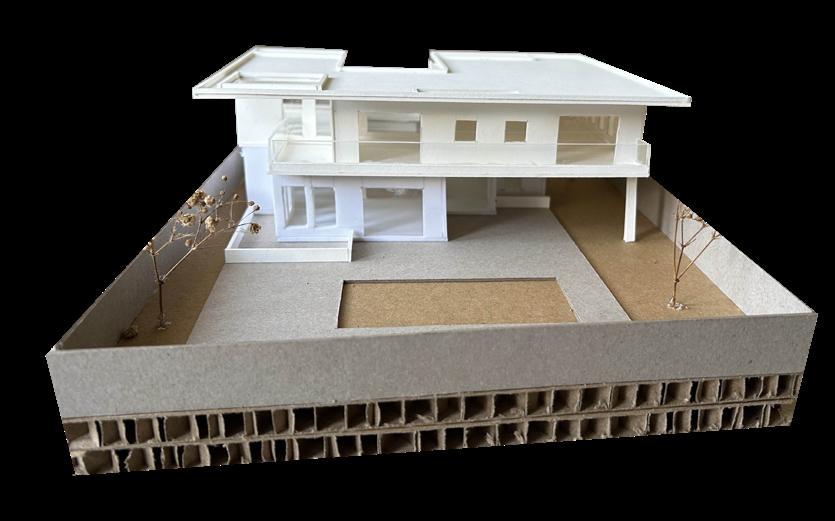
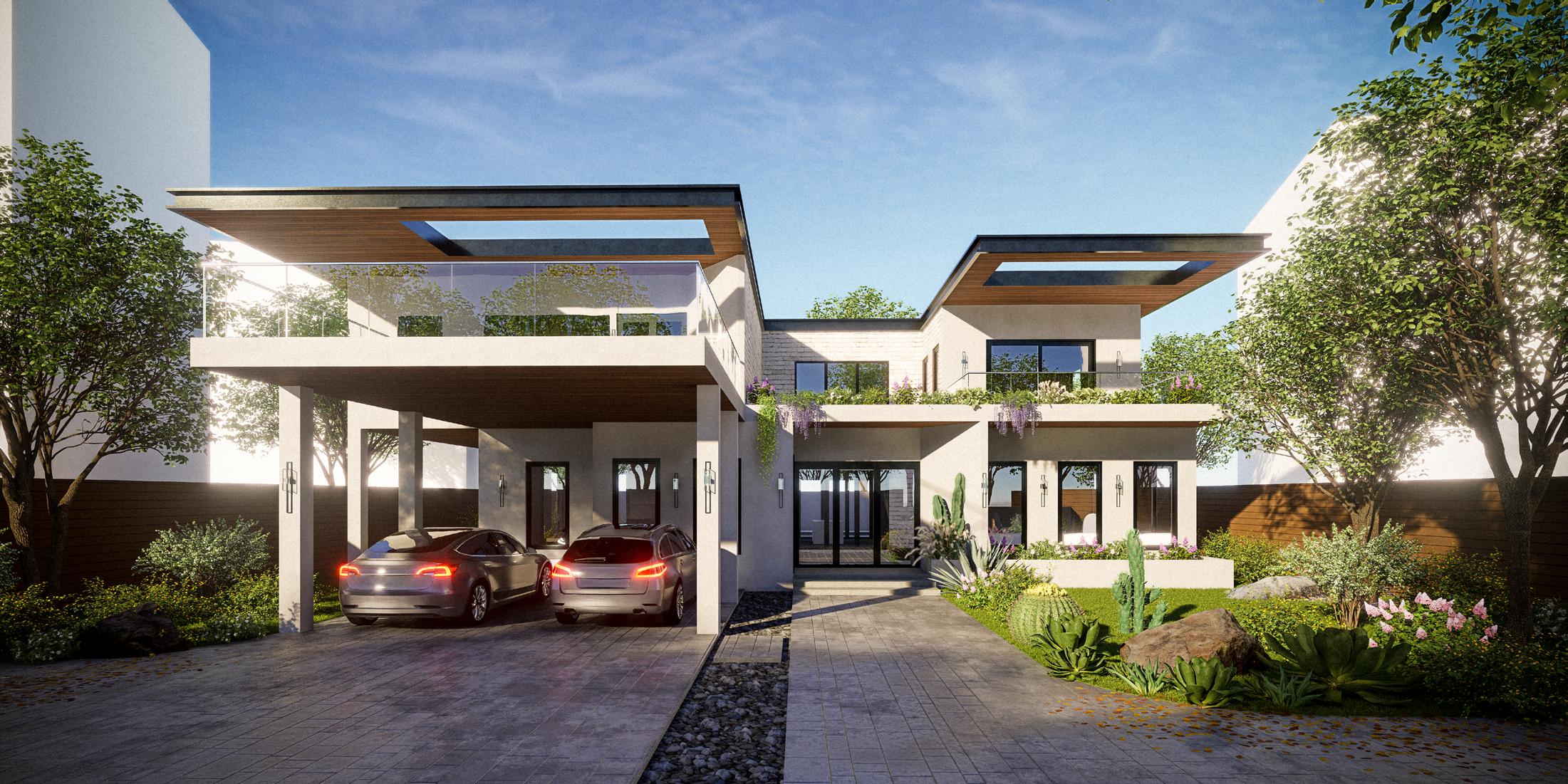
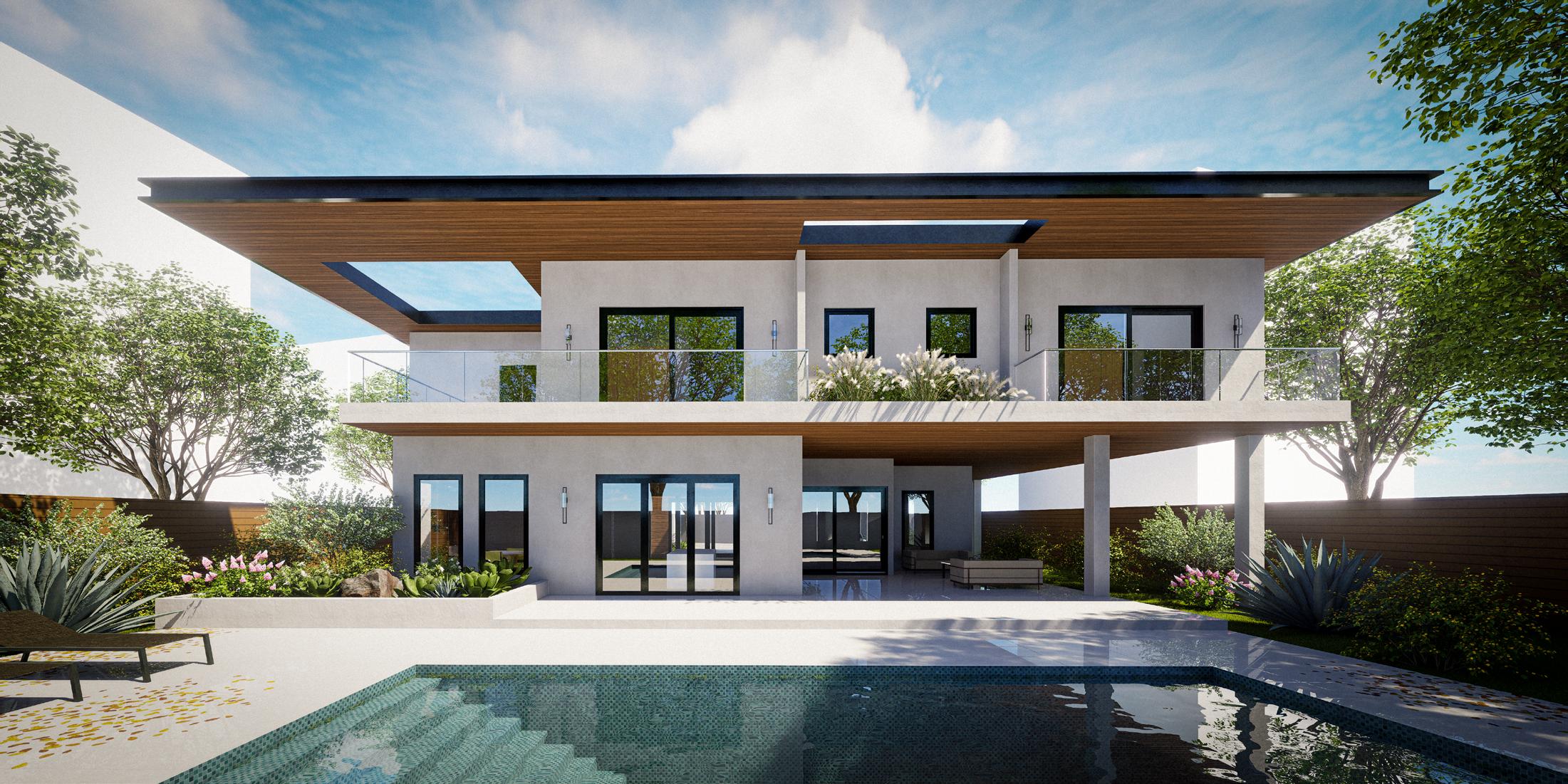
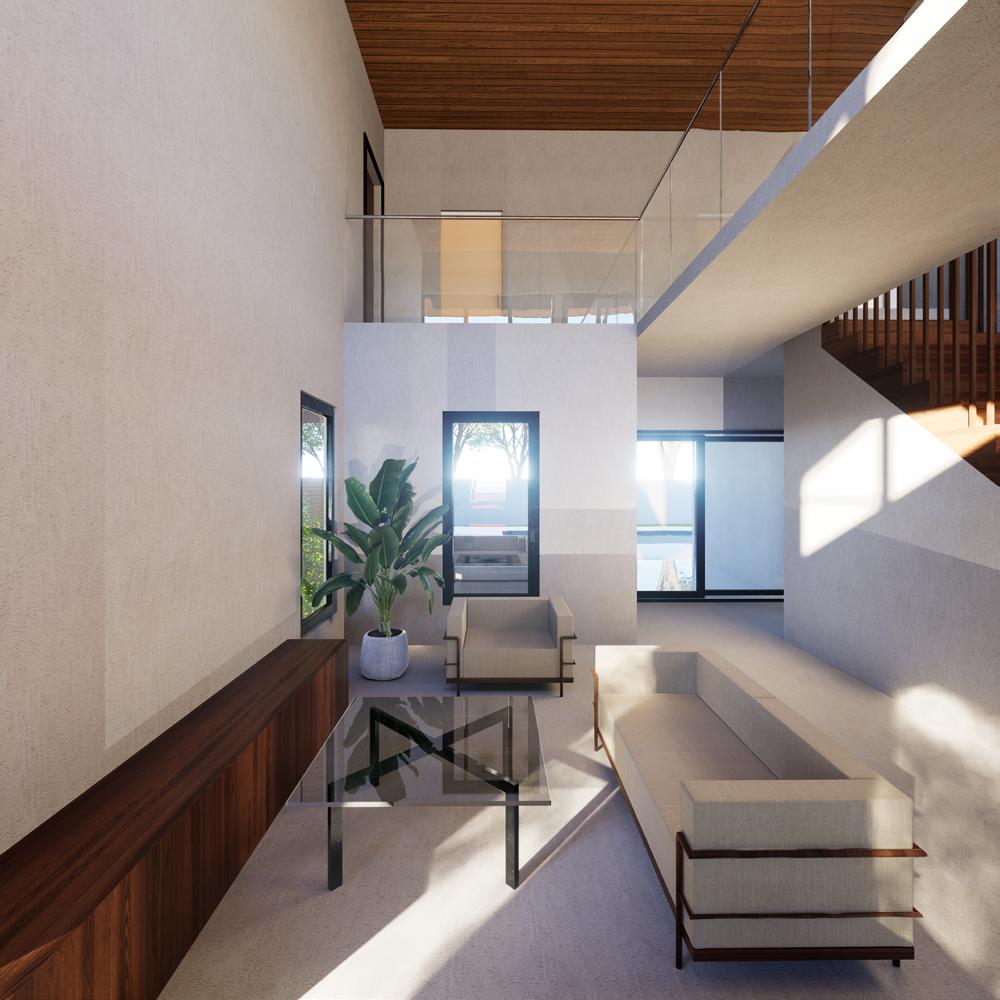
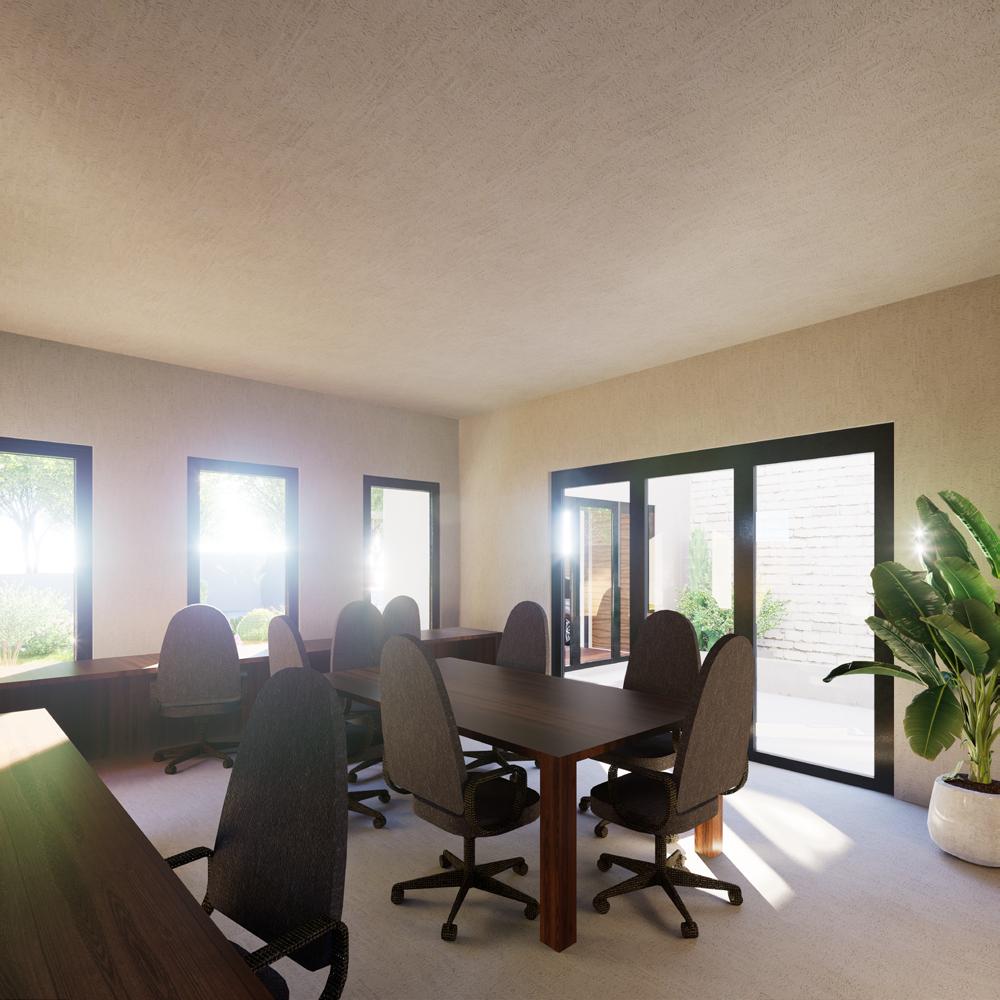
Casa Nexus is designed around the idea of spatial and emotional connection between people, nature, and purpose. The courtyard acts as the heart of the home, a living threshold that blurs the boundary between indoor and outdoor, solitude and gathering. The surrounding rooms open into this shared center, creating a rhythm of flow and pause, private focus and communal energy. The layout encourages movement, connection, and reflection, creating a warm and intentional home that supports both work and rest.
Casa Nexus
Location
Casa Nexus is situated in the heart of Kingston, Jamaica, within a dense urban neighborhood that balances residential life with creative and cultural activity. Positioned on a compact site surrounded by mid-rise buildings and local businesses, the house takes advantage of its central location to promote walk-ability, connectivity, and community engagement.
Its placement allows for easy access to public transportation, green spaces, and nearby amenities, making it ideal for its occupants — two architect siblings and their artist father — who live and work on-site. Despite its city setting, Casa Nexus integrates sustainable strategies and a private courtyard to provide a sense of retreat and connection to nature amid the urban landscape.
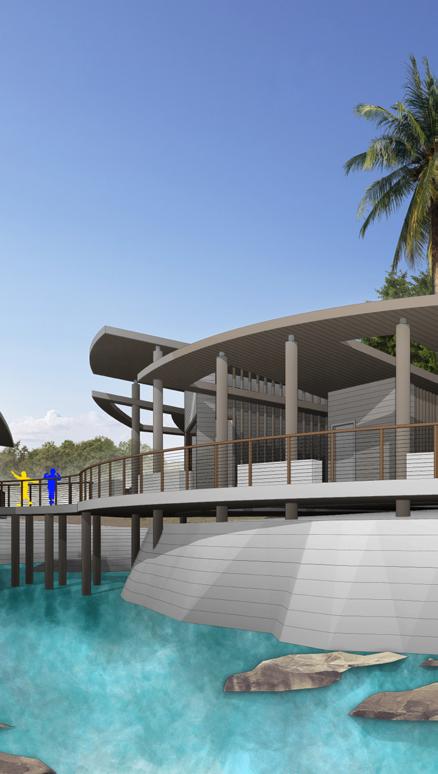
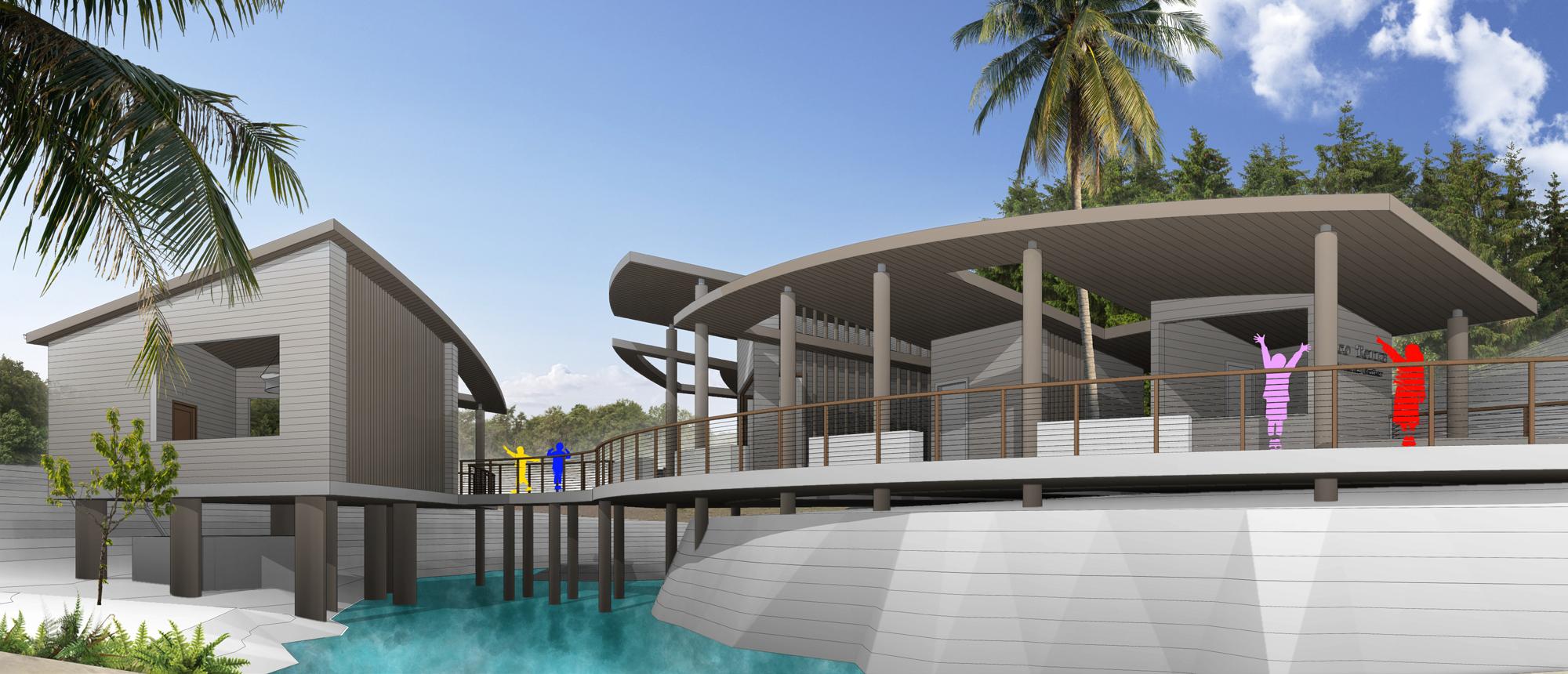
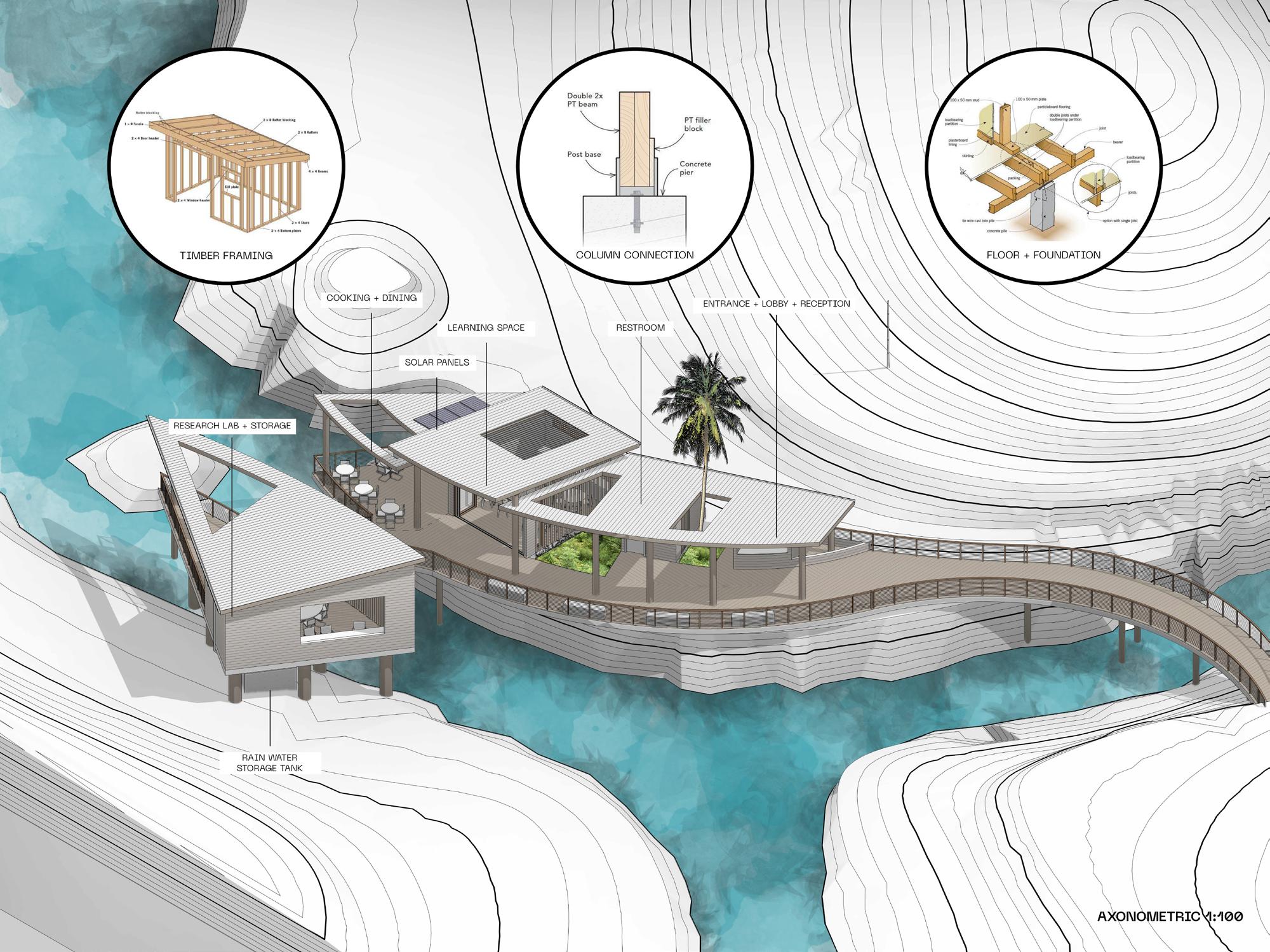
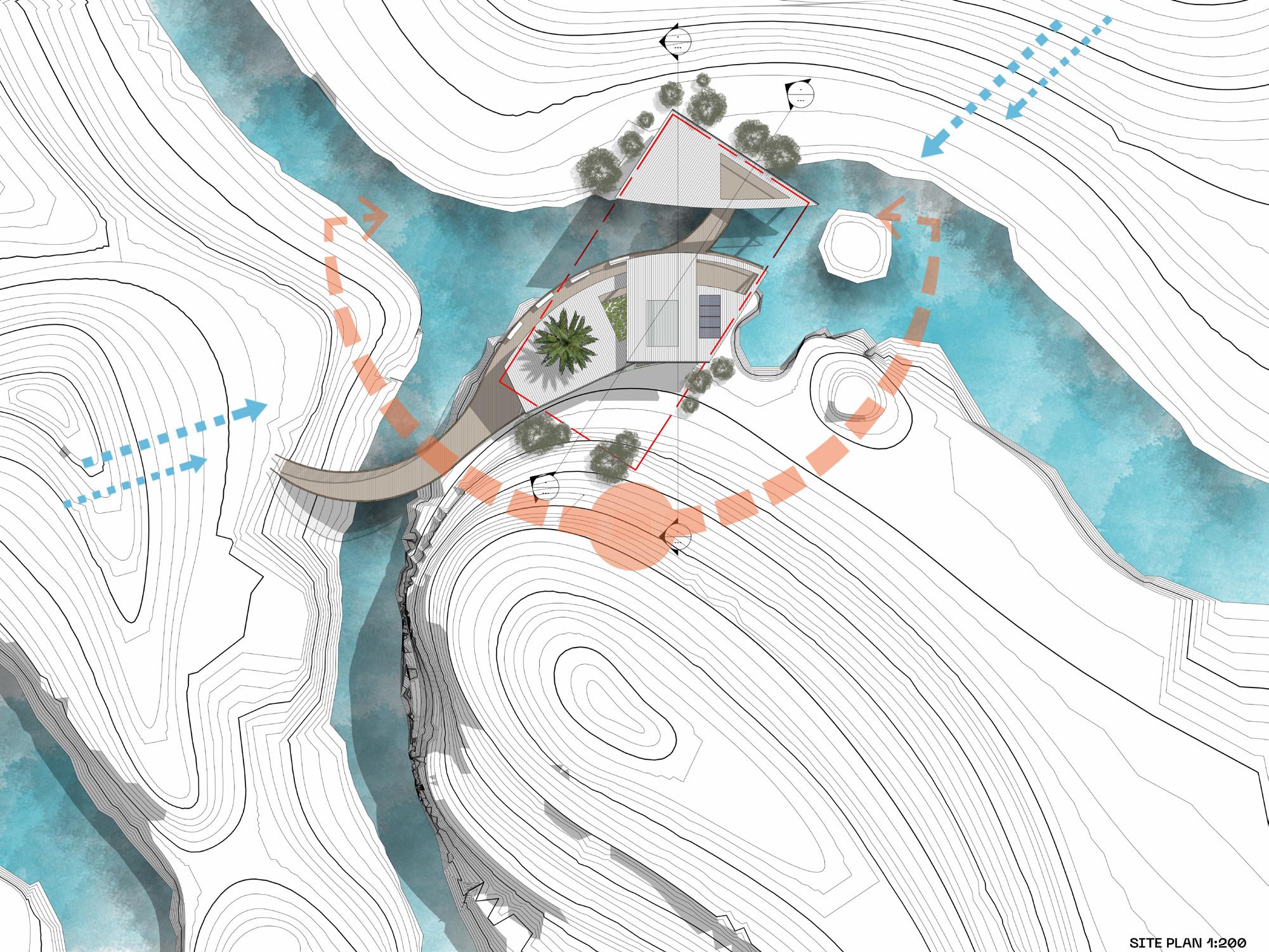
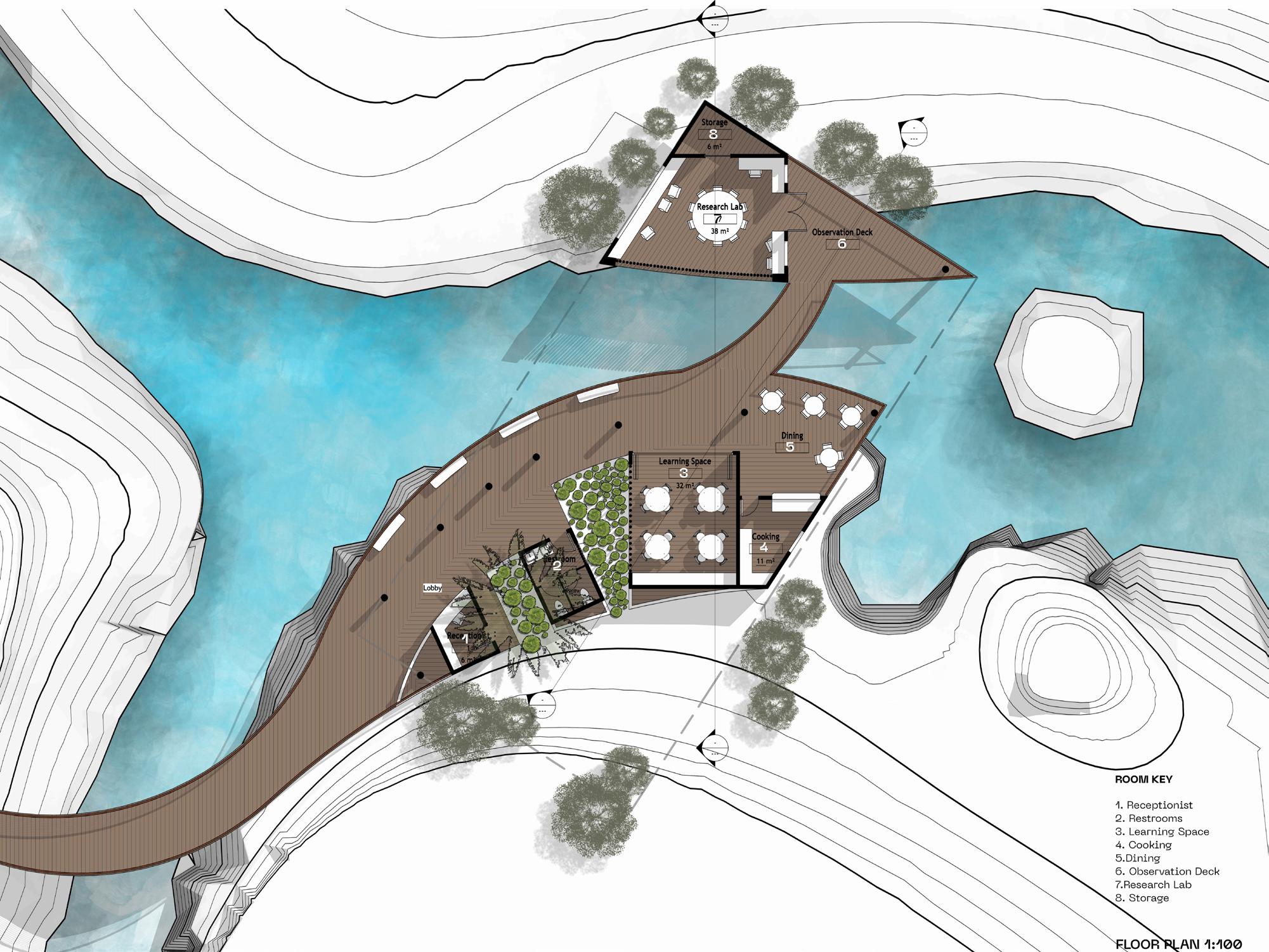
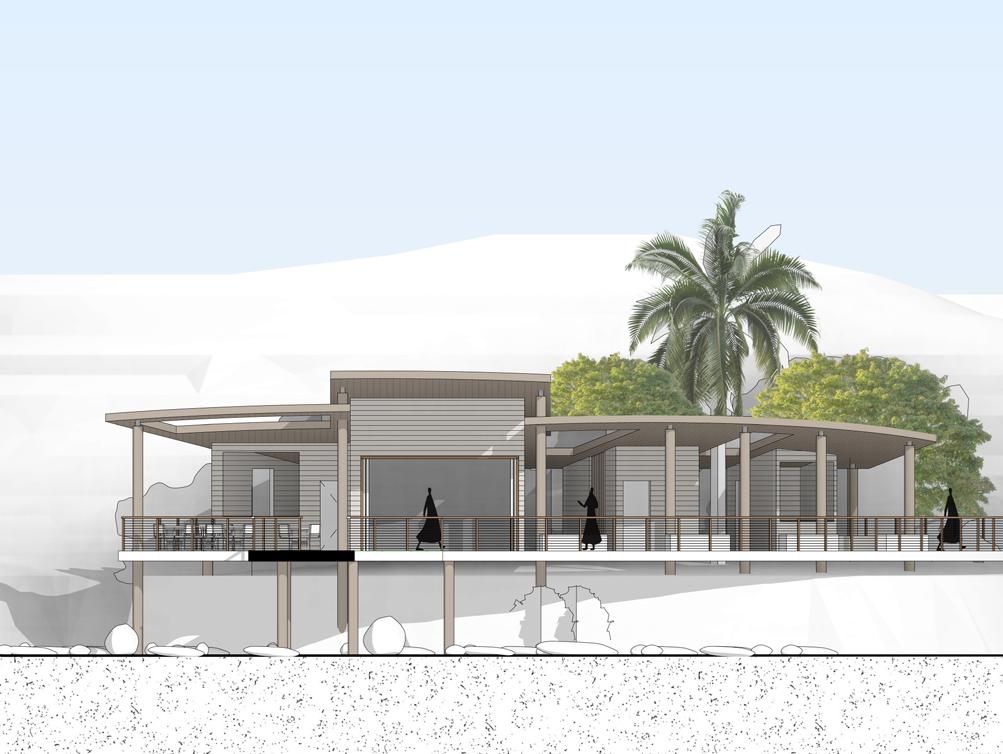
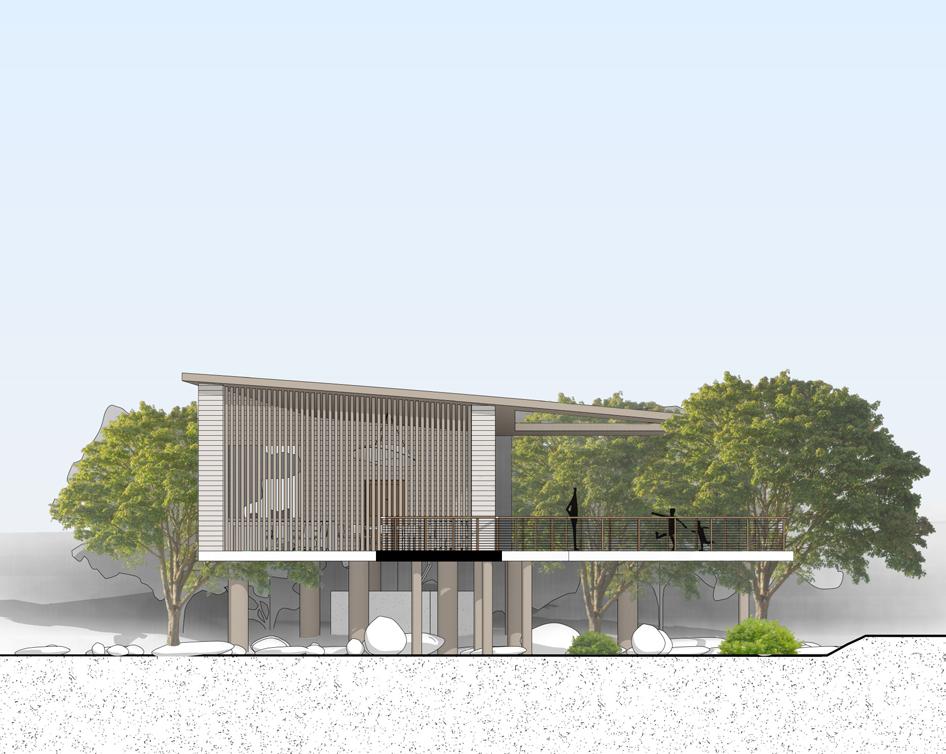
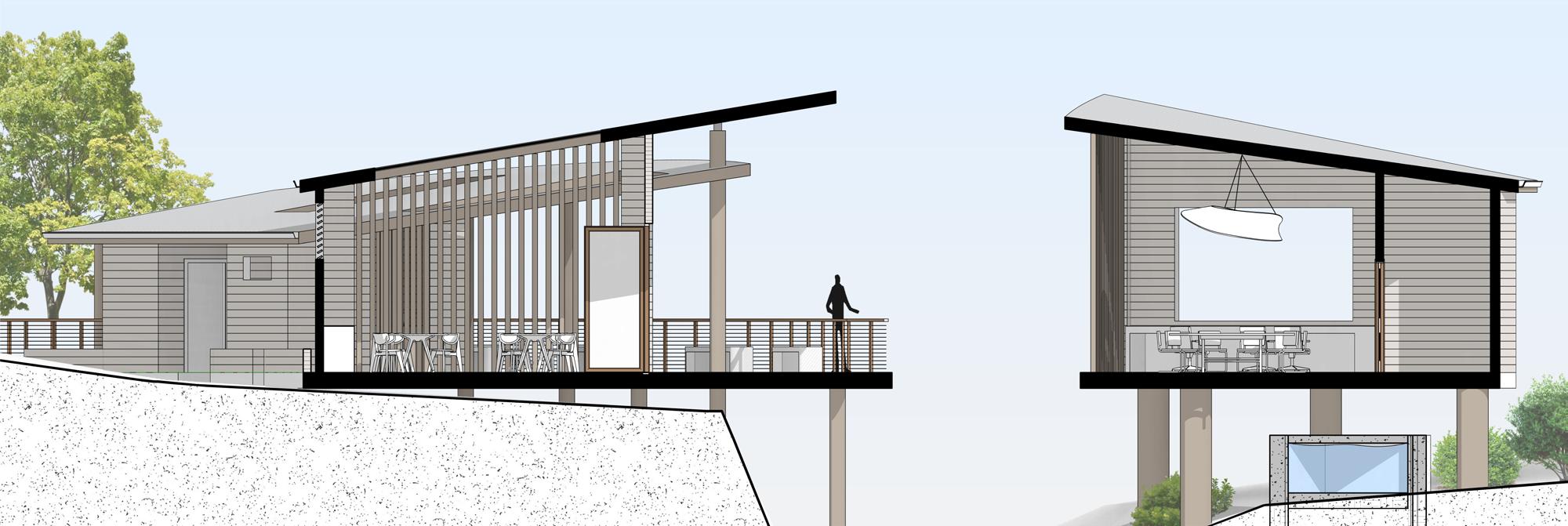
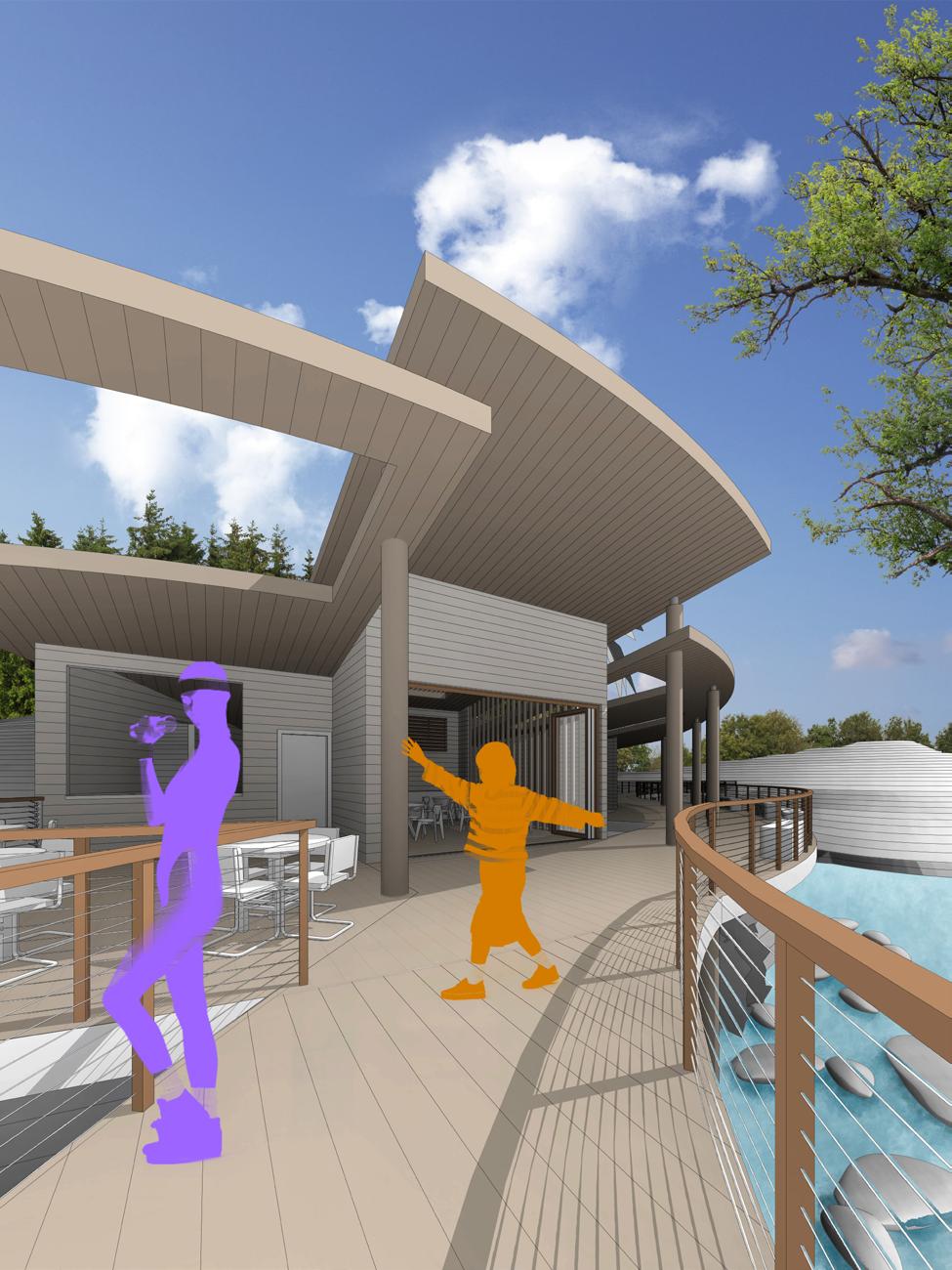
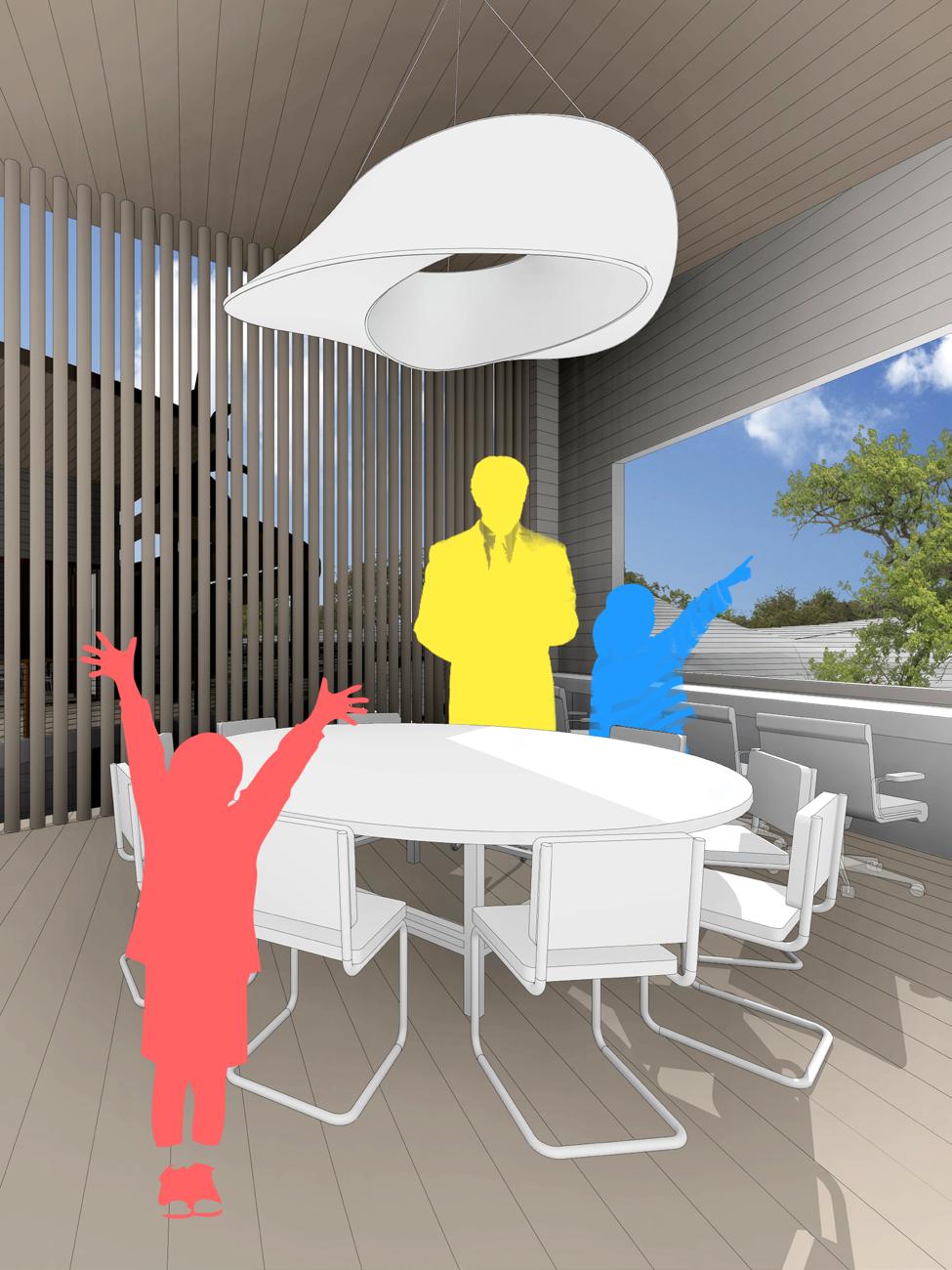
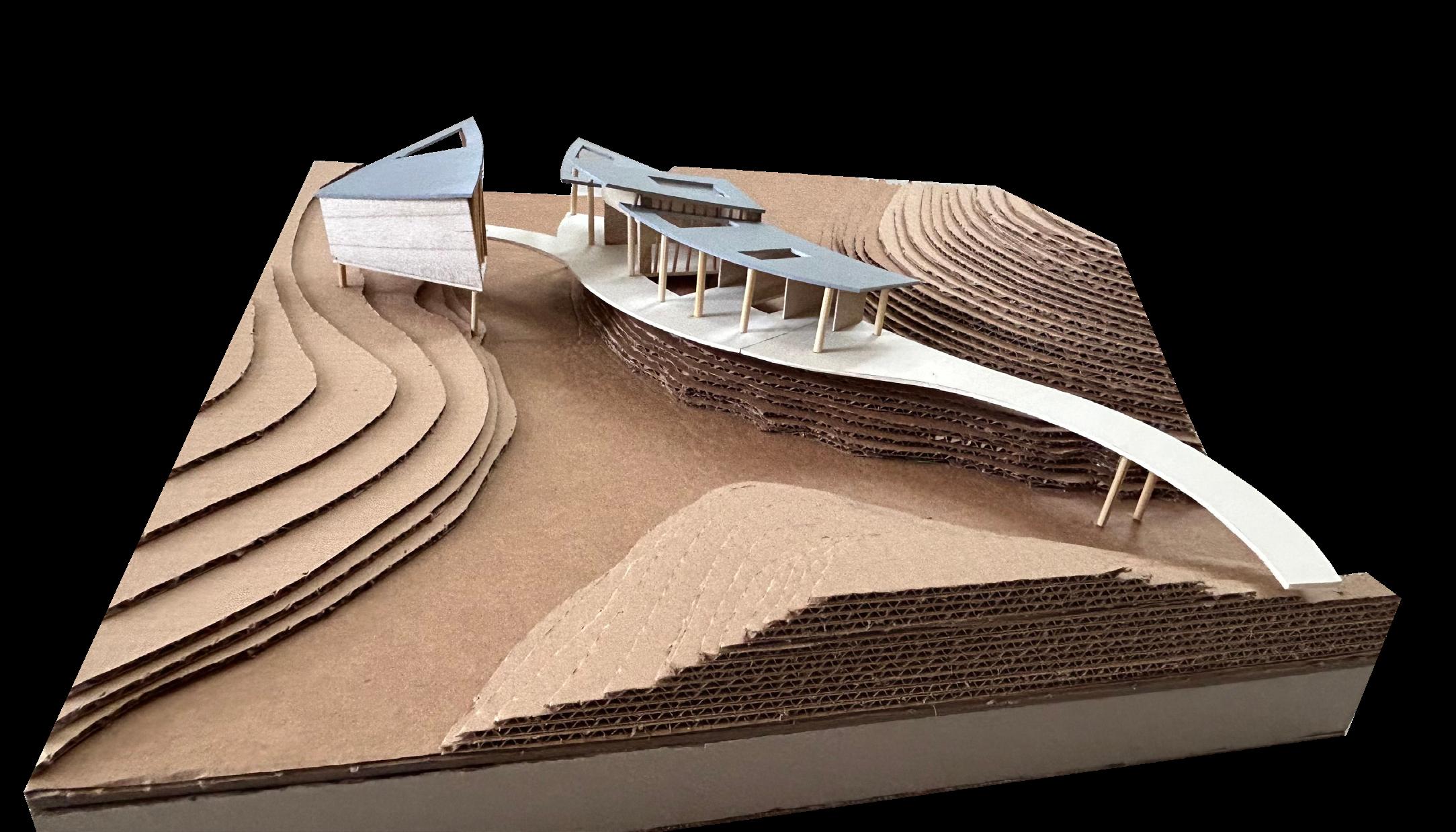
Eco Terra is a sustainably designed research facility that merges ecological responsibility with educational purpose. Conceived as a space for both scientists and children, the project supports environmental exploration through a carefully zoned layout of laboratories, learning areas, and support functions.
The design emphasizes openness, natural flow, and accessibility, fostering engagement across all age groups. Passive cooling, daylighting, solar panels, and rainwater harvesting systems are integrated seamlessly into the architecture, reducing the building’s ecological footprint. Material choices and spatial organization reflect a commitment to sustainability while maintaining clarity and functionality.
Eco Terra offers not just a place for research, but a dynamic environment that encourages curiosity, interaction, and a lasting connection to nature.
Eco Terra Research Centre
South Elevation
North Elevation
Bridge + Dining + Learning Space
Approach
Receptionist
Climate
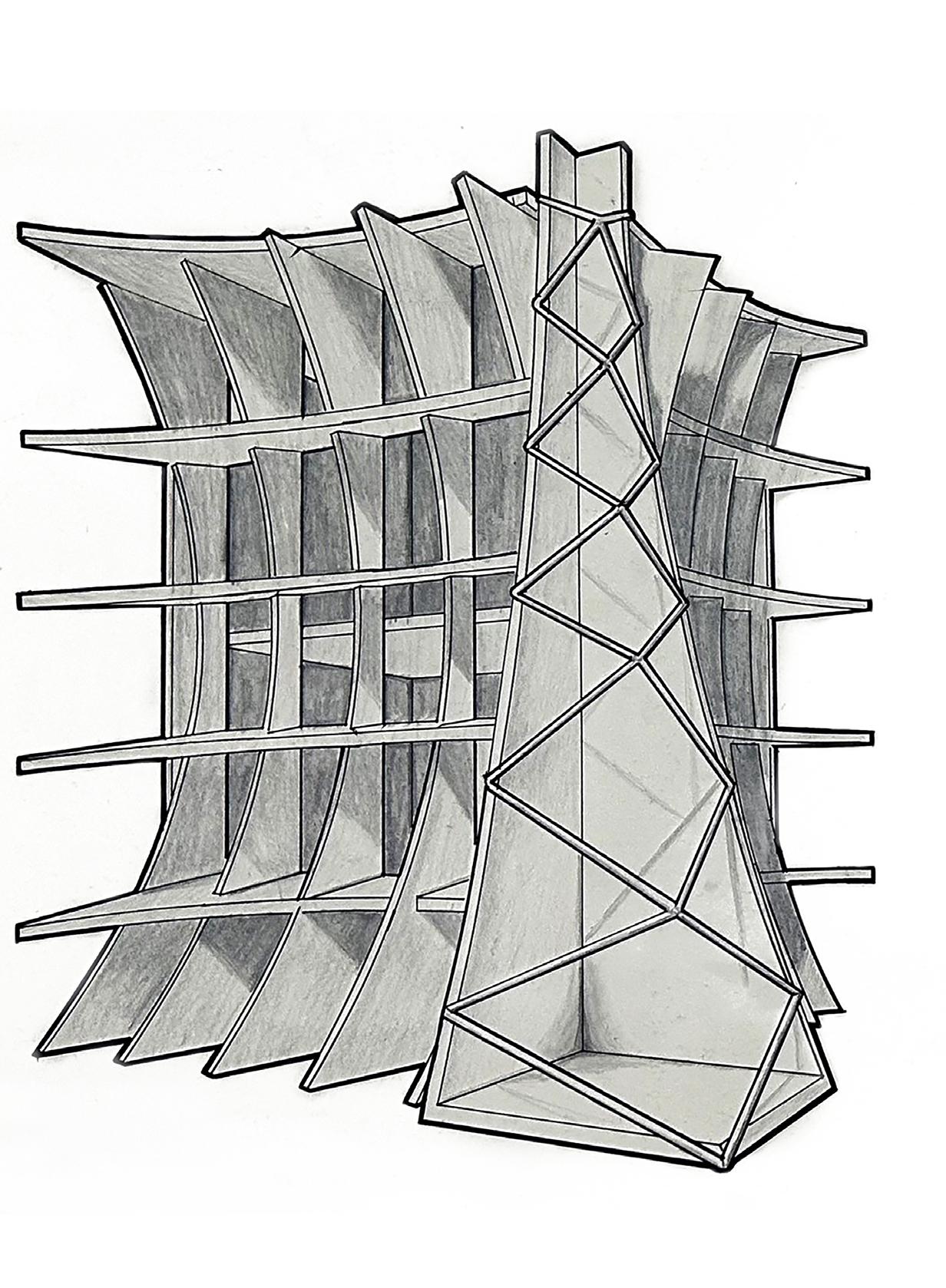
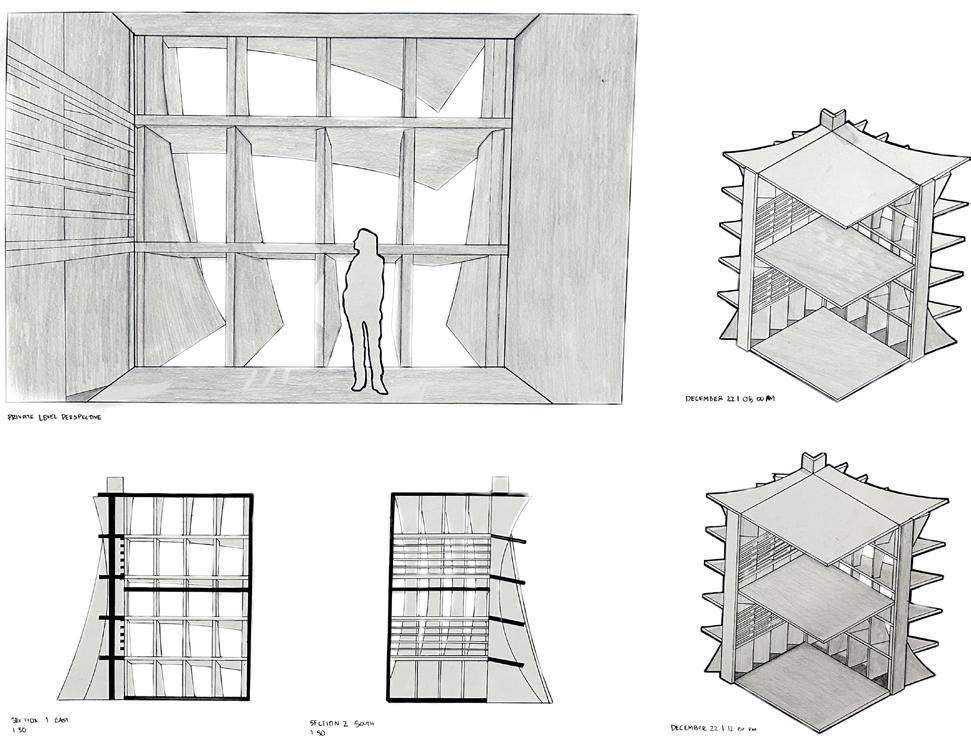
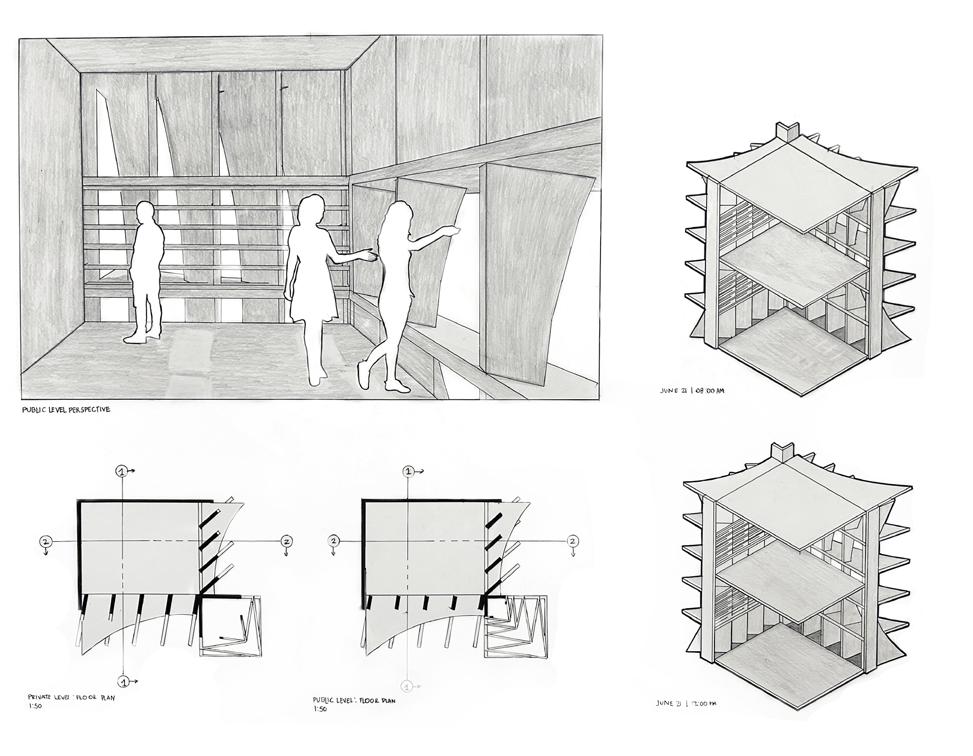
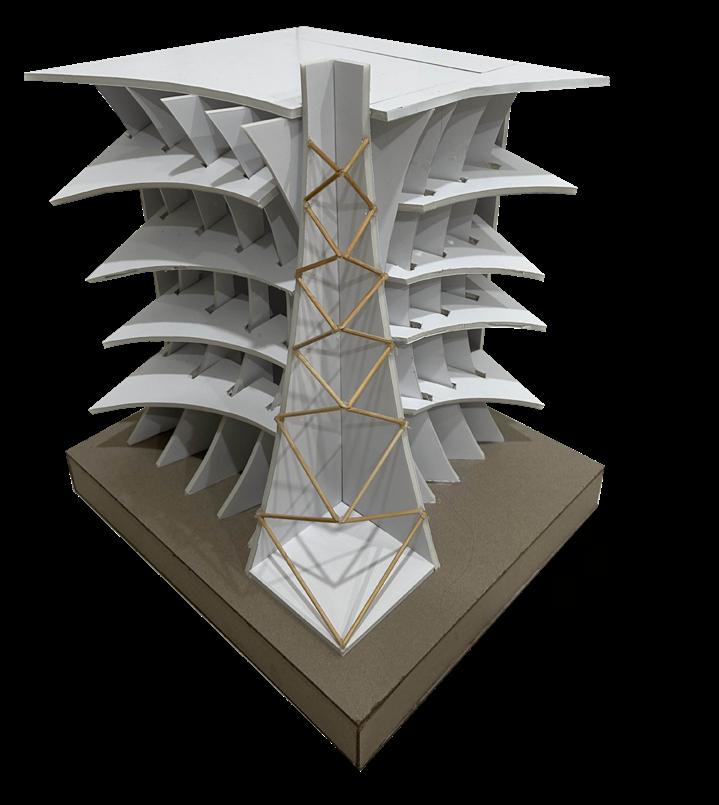
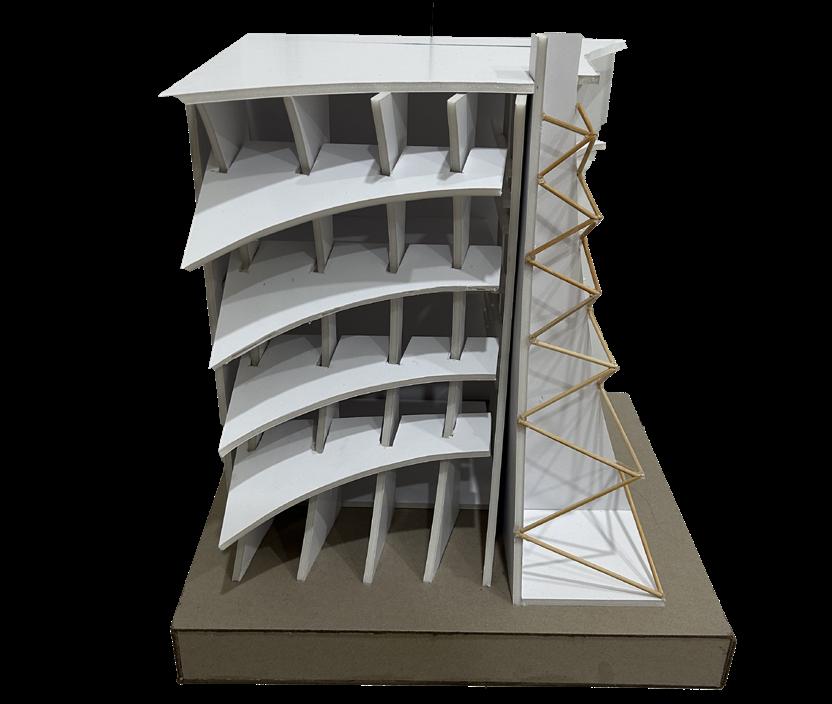
This project was the second assignment given during the first semester of second year. It was based on a solar study set in Kingston, Jamaica, with the objective of designing a twostory building featuring a creative façade or “skin” that would minimize the harsh sunlight from the South and West
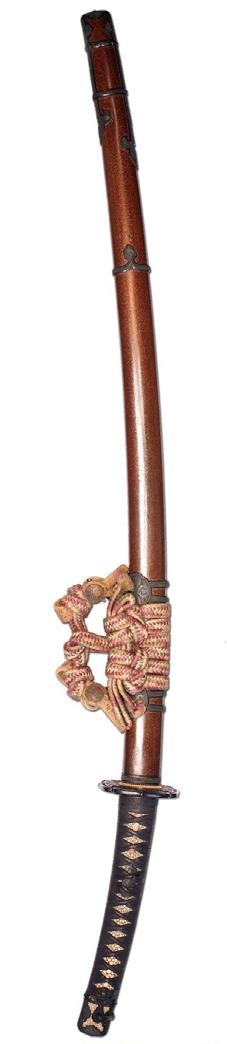
My inspiration for the design came from the form of a samurai sword. The curved shading devices were inspired by the elegant arc of the blade, serving both an aesthetic and functional purpose by blocking direct sunlight. The corner element of the façade draws from the shape and structure of the sword’s handle, creating a striking visual feature.
Additionally, the façade is designed to provide effective shading during sunrise from the east. The horizontal fins are angled at 30 degrees to reduce the intensity of the midday sun, while the vertical fins are tilted to protect the interior from the strong western light.
Long Odachi Samurai Sword
South Facade Shading
Facade Corner - Mimics the Odachi Sword handle
Tectonics
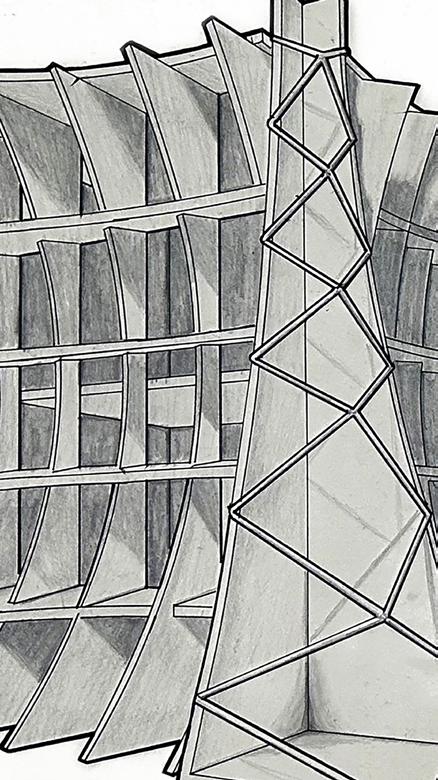
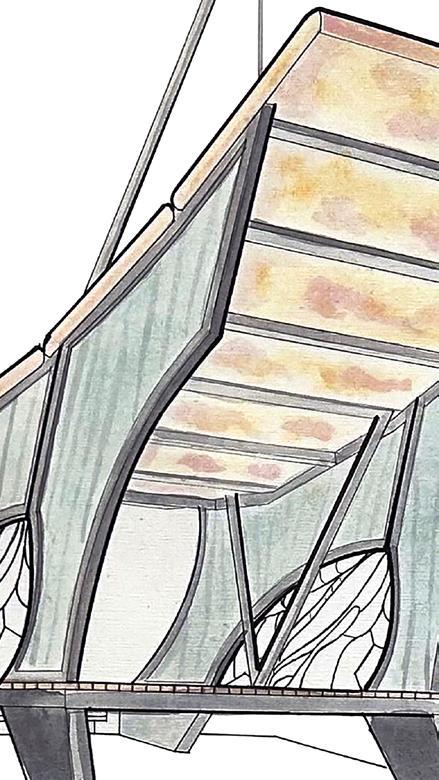
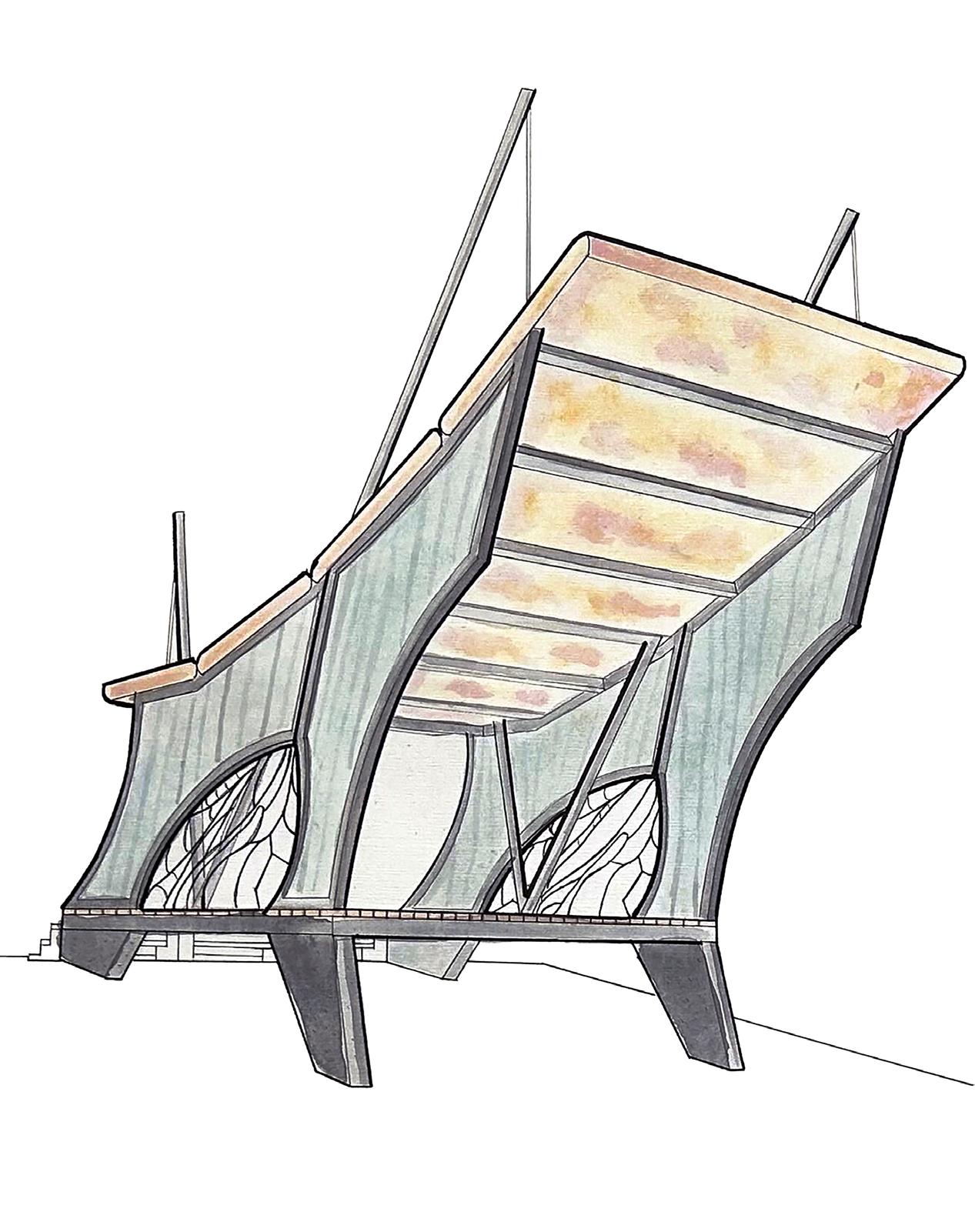
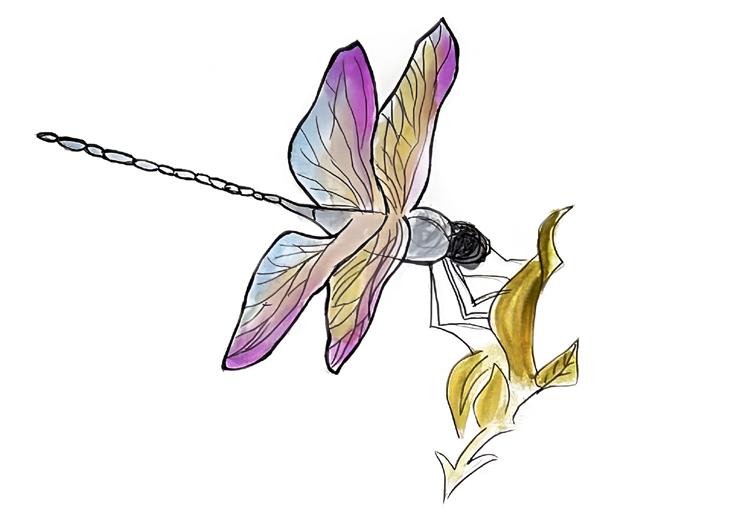
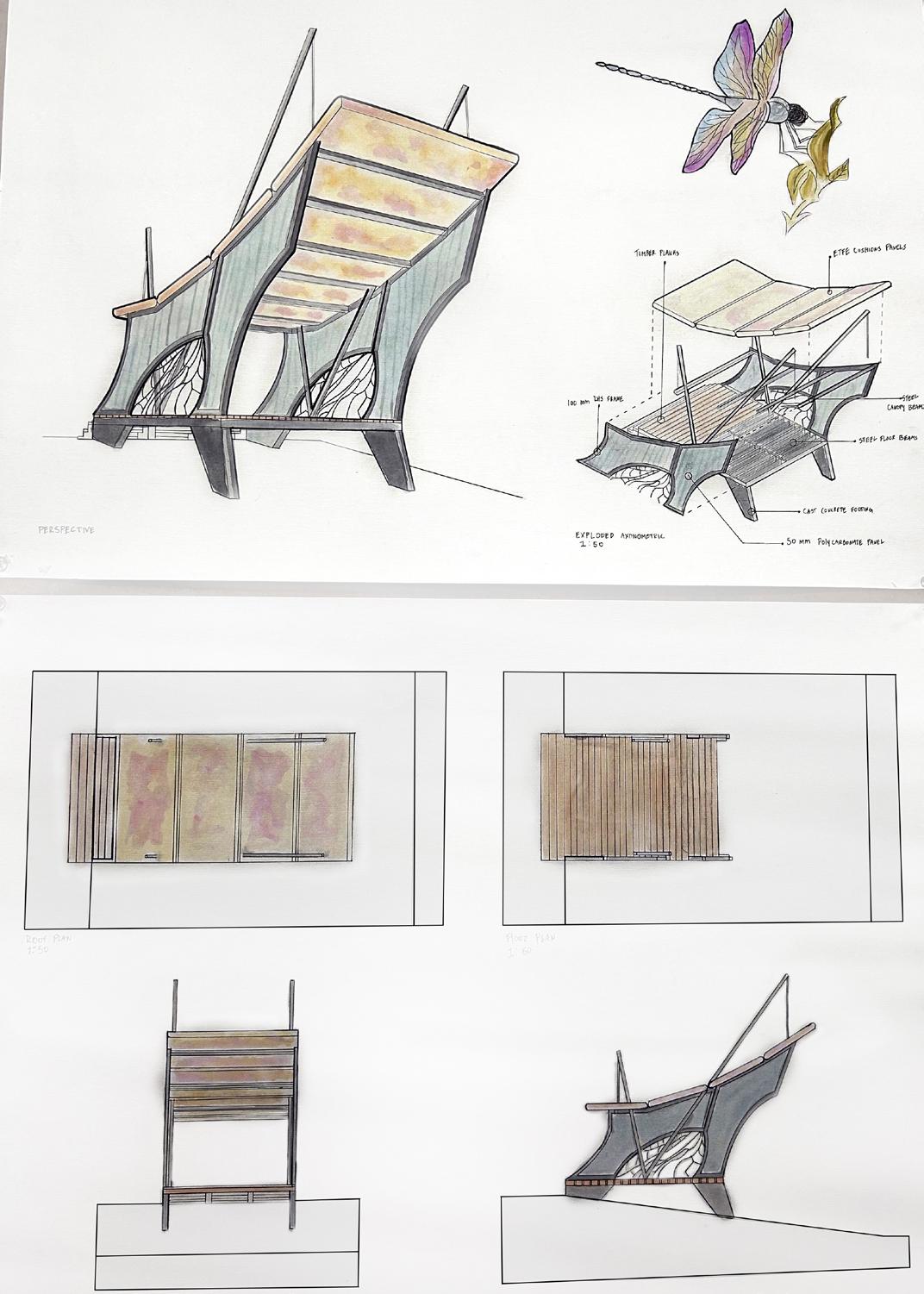
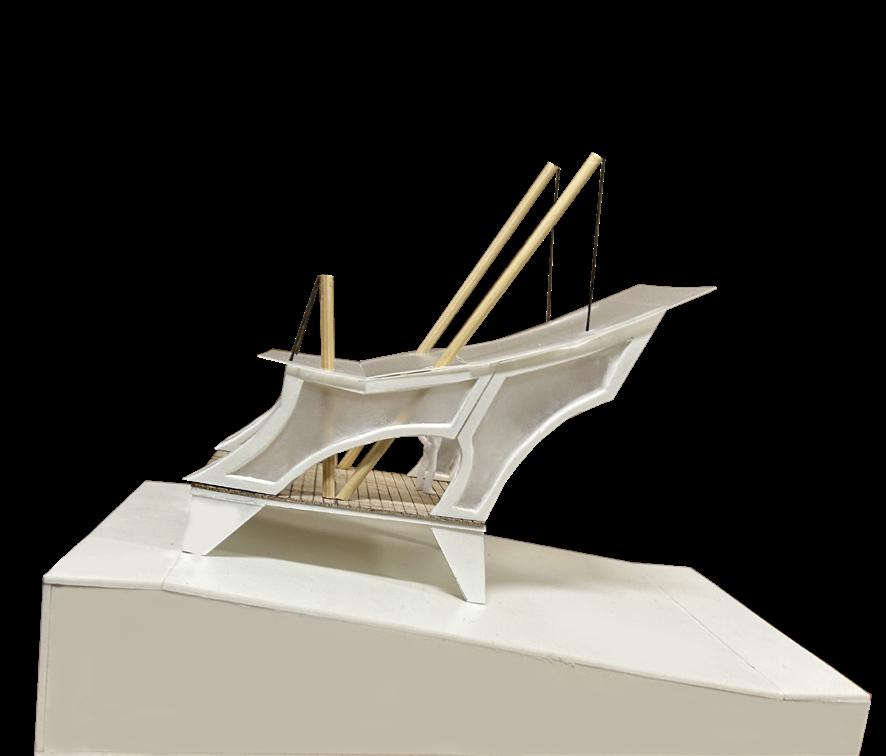
This was the first project assigned in the first semester, where we were tasked with designing a pavilion using biomimicry as our guiding concept. My inspiration came from the dragonfly not by imitating its exact form, but by analyzing and abstracting its structural qualities. I focused on the lightweight nature of the dragonfly and the delicate transparency of its wings.
These characteristics informed the design of the pavilion’s panels, which are intended to be both translucent and lightweight, mimicking the ethereal quality of dragonfly wings. The roof design draws inspiration from the flexibility of the dragonfly’s abdomen, allowing it to appear dynamic and capable of subtle movement.
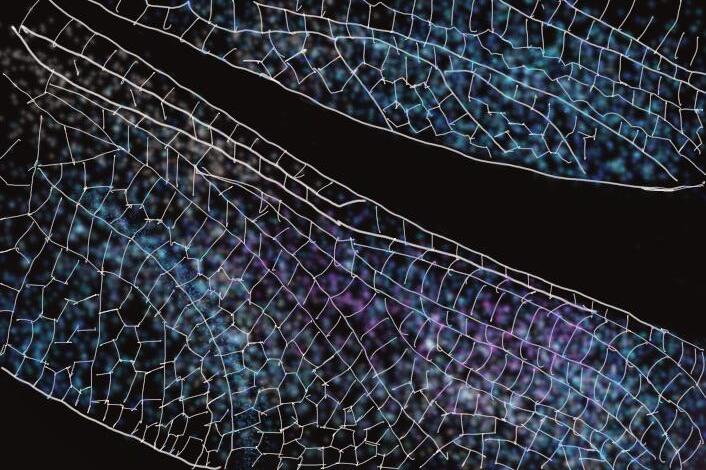
Additionally, the intricate vein patterns found in the dragonfly’s wings were translated into the façade as a decorative screen, providing both shade and visual interest while reinforcing the biomimetic concept.
Expressive Art Piece - Wing biology used as inspiration for EFTE Canopy on structure