ANNUAL REPORT FY 2022
A Note from the Director
Greetings,
Utah’s School & Institutional Trust System is continuing a strong performance trajectory for its beneficiaries, and FY 2022 was no exception. The Trust Lands Administration produced a record high earnings of $166 million from its surface and mineral estates. The Administration's diverse management portfolio has proactively grown in ways that allow it to weather the challenging market conditions as well as to take advantage of favorable opportunities as they arise.
The School and Institutional Trust Fund Office (SITFO) also has weathered well through difficult market conditions. Following the previous year’s impressive 26% rate of return on its investment portfolio, in FY 2022 the portfolio declined by 3.7%. Although the portfolio’s returns moderated from the prior fiscal year, it performed significantly better than the industry-wide average loss of 20% for the same period. The strong returns in FY 2021 and relatively small loss in FY 2022 reflects the SITFO portfolio is well diversified and balances risk versus returns for the Trust’s beneficiaries.
Most notably, the Trust’s beneficiaries collectively received a banner $100 million
in distributions during FY 2022. This record benchmark is a product of dedicated trustees, employees, and others involved with ensuring the integrity of the Trust’s intergenerational equity distribution system.
In addition to providing meaningful revenue for its beneficiaries, the Trust is proud of its land stewardship ethic and performance as a community player. The Trust continues to also contribute significantly to the economic viability of many communities throughout the state.
The successes you’ll read about in this report are the result of teamwork and partnerships. The Land Trusts Protection and Advocacy Office (Protection & Advocacy Office) appreciates the opportunity to work with dedicated professionals committed to trust principles and sustaining maximum performance for Utah’s Trust beneficiaries.
Kim Christy Director,
Utah Land Trusts Advocacy Office
Utah School and Institutional Trust System
The Utah School and Institutional Trust System consists of a group of entities that share trustee and fiduciary responsibilities. Collectively, these agencies ensure integrity, growth and protection of Utah’s School and Institutional Trust lands and funds, thereby benefiting the designated beneficiaries.
Created in 1994, the Trust Lands Administration is an independent state agency responsible for managing trust lands throughout Utah.
Created in 2014, the School & Institutional Trust Funds Office (SITFO) manages and invests the Permanent Funds for the Trust's beneficiaries.. Investment earnings are distributed to beneficiaries each year.
Fund Distribution Protection & Advocacy
Serving Utah's trust beneficiaries, distributions help fund public and higher education, health and human services, and state reservoirs.
Created in 2018, the Protection & Advocacy Office represents and protects the beneficiaries' interests, provides independent trust systems oversight, and helps the public understand and support these important endowments.
Distributions from the combined permanent funds provided more than $100 million dollars for beneficiaries in FY 2022; including $95.8 million for K-12 school beneficiaries and $4.6 million to other public institutional beneficiaries.
From Trust Lands to Your School: Public education receives 95% of the revenue generated from trust lands. Money goes to the Permanent School Fund and through parent-led councils at each school.
How It all Started
When Utah became a state in 1896, Congress granted the state land, with the requirement that any revenue generated from the land support public schools. Even before statehood, Thomas Jefferson played a key role in establishing the Land Ordinance of 1785, which allocated land to states entering the union to help fund public education. As Jefferson famously said, “A strong democracy is founded upon education for all.”
To ensure that lands were reserved for the benefit of public education, land parcels
were allocated by dividing Utah into 36-square-mile townships, with four sections of land granted to Utah in each township. Additionally, separate grants were given to support higher education, health and human services, and other state institutions.
Trust lands are not public lands and are managed to generate revenue for the designated beneficiaries—both now and for generations to come.
Supporting Utah Schools, Hospitals, & Institutions
Despite being relatively unknown, school and institutional trust lands in Utah have a significant impact on education, public institutions, and economic development. These lands generate tens of millions of dollars annually, which go towards academic programs in public schools, universities, hospitals, and other important beneficiaries. Additionally, the Trust is self-funded, meaning that taxpayers do not have to cover any administrative costs.
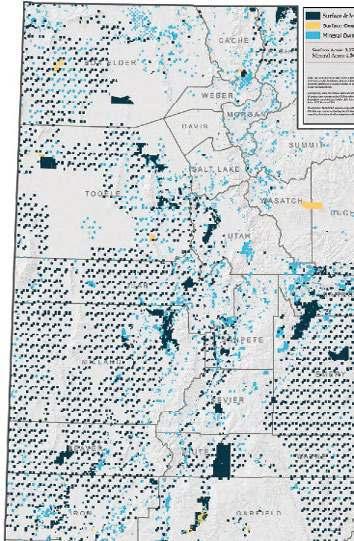
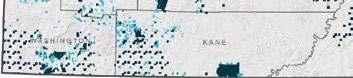
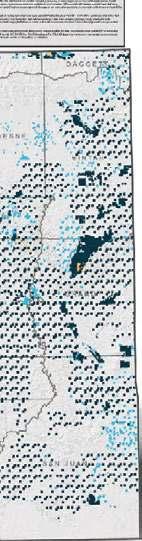
The map to the right shows the parcels that make up the 3.34 million surface acres and 4.49 million mineral acres of trust lands in Utah, which generate billions in revenue for beneficiaries.
Stewards of Utah's Trust Lands
TRUST LANDS ADMINISTRATION
Created in 1994, the Trust Lands Administration is an independent state agency responsible for managing Trust Lands throughout Utah.
The Trust Lands Administration is the steward of Utah’s Trust Lands and is responsible for generating revenue from the land for the benefit of public schools and other important state institutions for current and future generations.
2022 Highlights
Agency
Michelle E. McConkie was selected by the agency’s board of directors and confirmed by Governor Cox as the new Executive Director. Director McConkie has extensive experience working on Trust Lands issues with over 19 years at the agency, first in the legal group and most recently as the Managing Director of the Surface group.
The Trust Lands Administration generated record-breaking revenues for its beneficiaries last fiscal year, pulling in over $166 million, a remarkable $64 million increase from the previous year.
Development
Construction began on the new development of Ventana Resort in Kanab. The new community is a mixed-use development with commercial, multi-family, single-family, vacation homes, and desperately needed attainable housing units.
The Administration provides lasting change in Utah by transforming the Trust Land assets into greater economic benefit for local communities and its beneficiaries. The agency generates revenue through energy generation, real estate development and surface resource utility. The administration has generated $1.96 billion for the beneficiaries since 1996.
The Camp Korongo project, from the worldfamous Amangiri Resort in Big Water Utah, is estimated to begin construction on Trust Lands as soon as early Fall 2023.
Construction will begin on a 570-acre development known as Solente, in Green Springs Washington County. The same partner working on the Desert Color project will complete the upscale development.
Surface
The Trust Lands Administration completed the single largest land sale in its history. The Cinnamon Creek Block sold for $20,000,013 and was purchased by the Utah Division of Wildlife Resources through a public auction.
A critical acquisition by State Parks to create the new Utahraptor State Park north of Moab was completed through a negotiated sale. Utah State Parks purchased the land for $6,377,000.
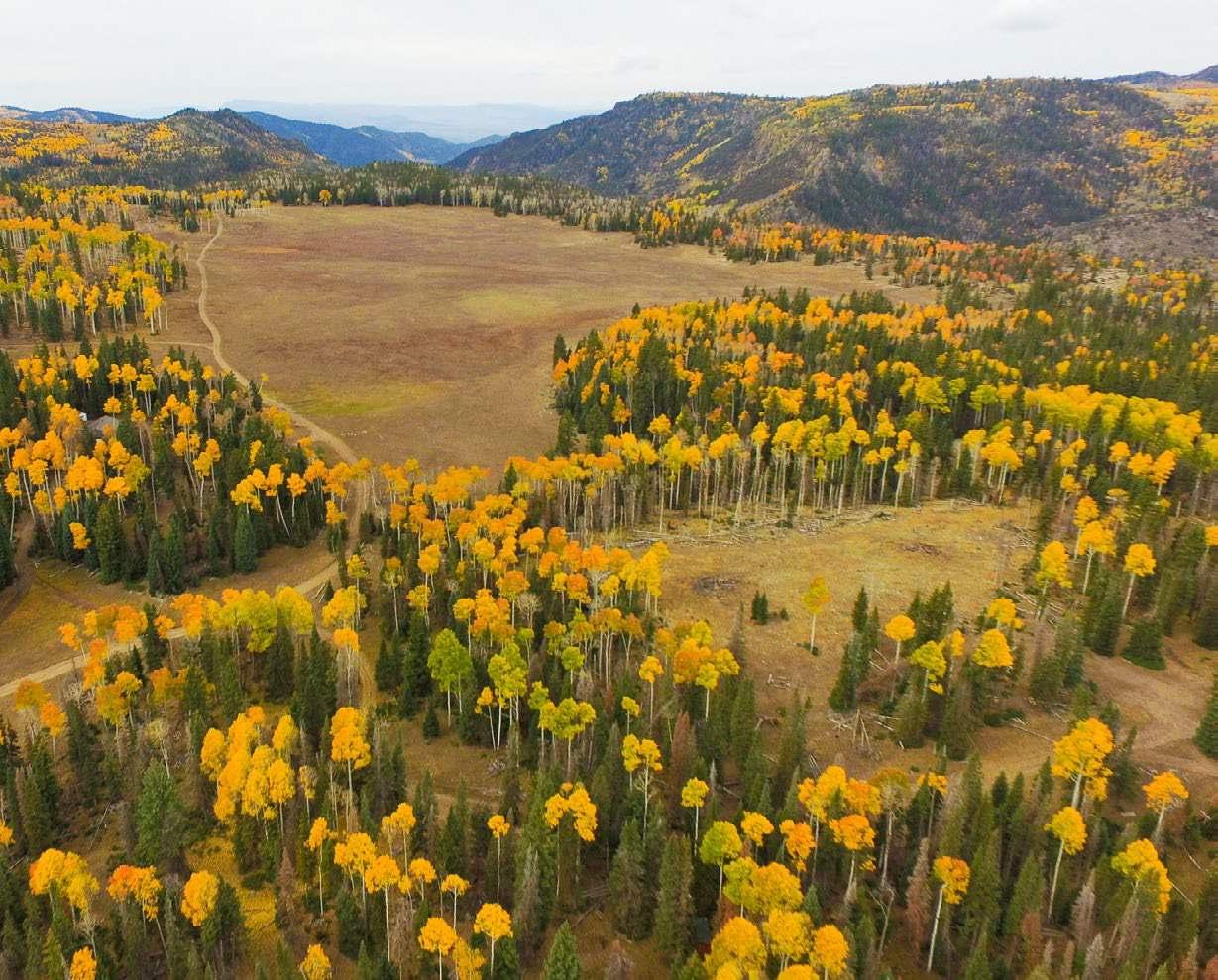
Significant wildfire fuels reduction and aspen restoration projects were completed on Tabby Mountain and Tushar Mountain properties.
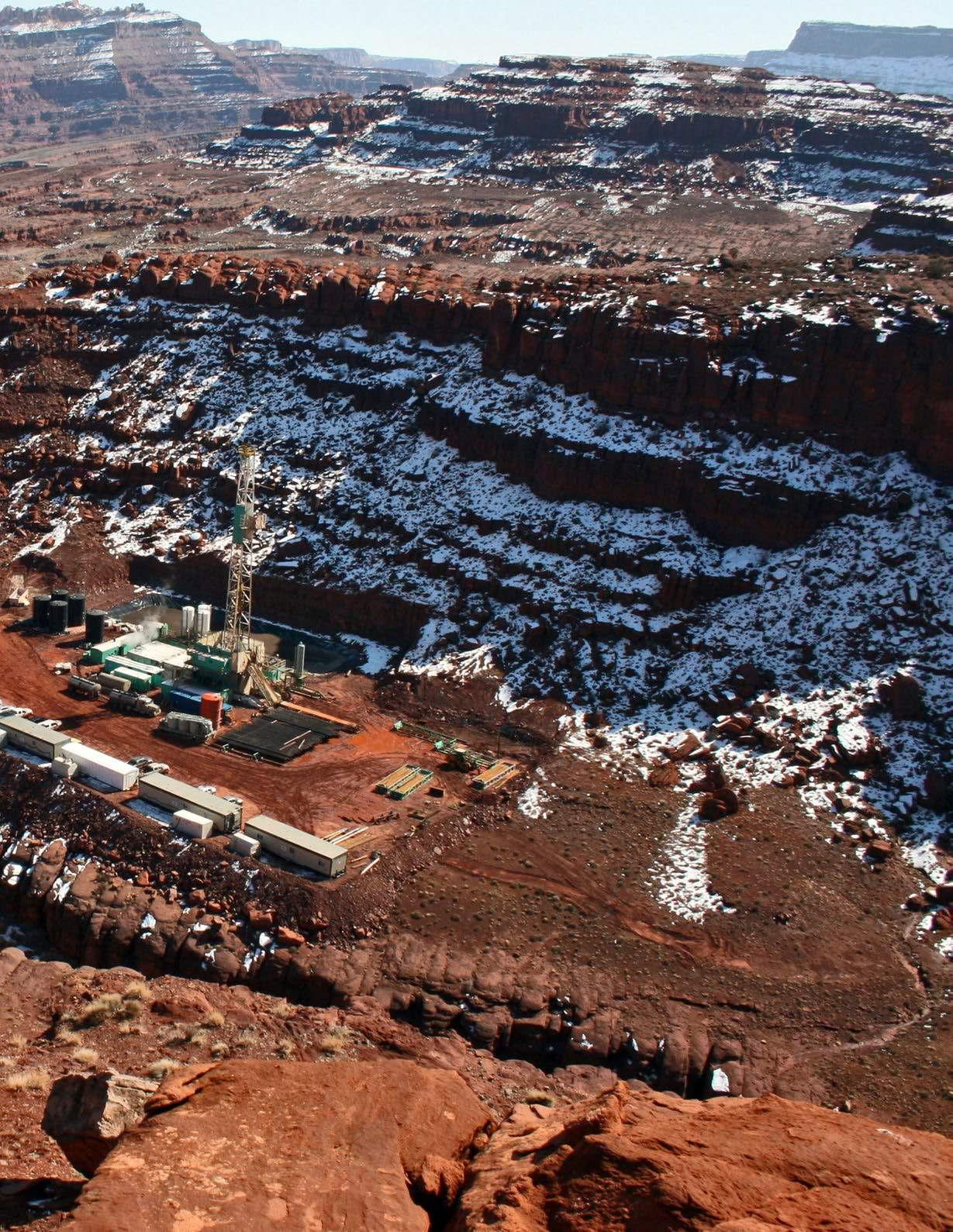
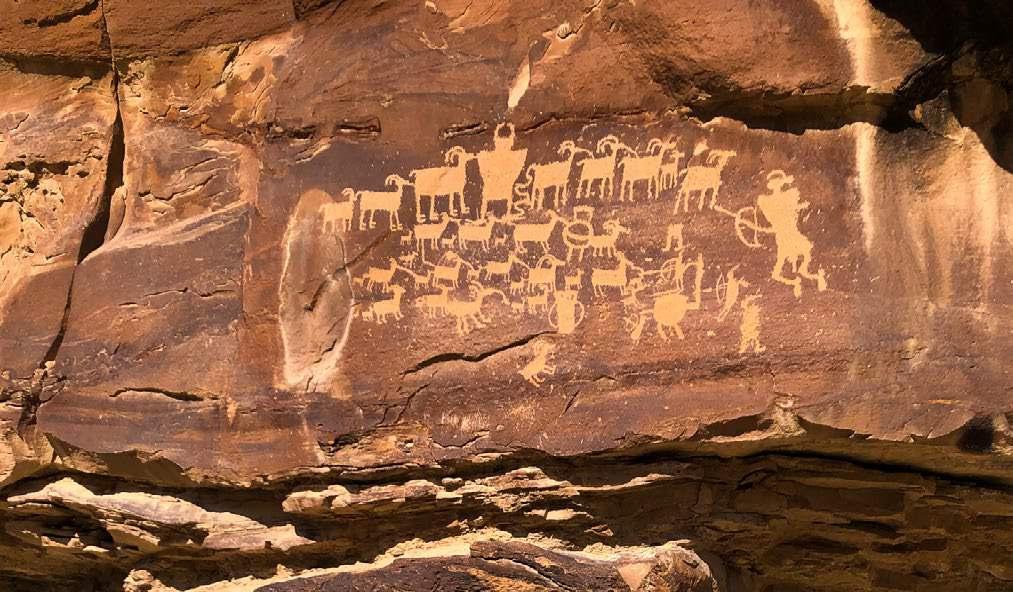
Restoration work near the Great Hunt Panel in Nine Mile Canyon was completed. Unfortunately, site improvements installed by the Trust Lands Administration and other partners in 2009 were severely damaged by flooding in August of 2021. The administration worked with Carbon County and others to clean up and repair the damage so that this worldclass site will continue to be protected and enjoyed by the public.
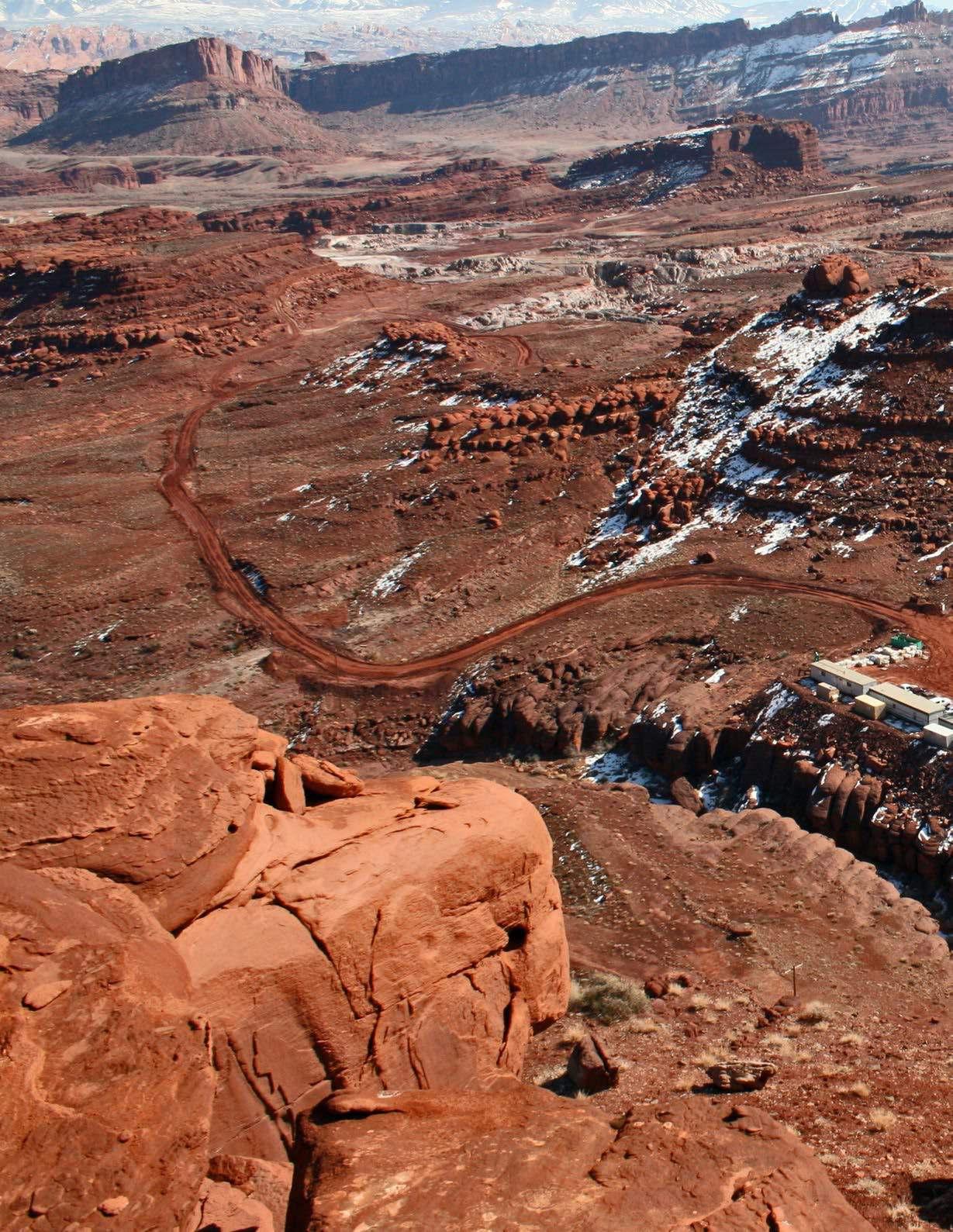
The administration deployed several measures on the Hurrah Pass 4WD trail, one of Moab’s most popular trails, which was damaged from unauthorized spur routes and off-hill climbs by some users. The administration’s efforts helped keep the trail open while protecting the surrounding trust lands.
Energy and Minerals
A major reorganization took place at the Trust Lands Administration in the energy marketplace. The new Energy & Minerals Team was established by combining three previously separate groups: oil and gas; hard rock mining and coal; and renewables. The Energy & Minerals team includes geoscientists, engineers, and former industry professionals who manage a lease portfolio of commodities such as oil and gas, helium, geothermal resources, coal, metalliferous minerals, industrial minerals, phosphate, tar sands, potash, gilsonite, lithium, sand and gravel, wind, solar, and energy storage.
Valence Resources drilled the first successful helium well in the Paradox Basin of southeastern Utah. The Jesse 1A well is located on Trust Lands in San Juan County and is the first well, outside of Harley Dome in east-central Utah,
The Great Hunt Panel
with economic concentrations of helium. The company plans to drill a second well, named Jessie #2, in 2023.
Communications and Legislative Affairs
The administration completed a total rebranding effort to update the visual iconography of the agency and created the first Brand Guide for the Trust Lands Administration. The new look and feel has received widespread praise.
In addition to the new brand, the administration is getting a new website. The new site is designed to provide information on the agency and the Utah School and Institutional Trust System as a whole as well as attract new industry partners to help diversify revenues and grow contributions to trust beneficiaries.
The administration recently hired a full-time governmental affairs position. Legislative outreach and open lines of communication are at the forefront of a new approach at the administration.
FY 2022 Trust Lands Administration Board of Trustees & Director
Rick Woodbury Chair
David Donegan Vice Chair
Bryan Harris Trustee
Tiffany
James Trustee
Michael
Mower Trustee
Warren H. Peterson Trustee
Mike Nelson Trustee
Michelle E. McConkie
Trust Lands Administration Director
Tushar Mountain
Growing the Trust SCHOOL &
INSTITUTIONAL TRUST FUND OFFICE
All the revenue the Trust Lands Administration generates (minus a few administrative and operating costs for the agency, ensuring taxpayer money is not used) is deposited into a permanent fund established for each beneficiary. The combined value of the permanent funds have grown from about $50 million in 1994 to $3.2 billion today. The School and Institutional Trust Fund Office (SITFO) was created to optimize these funds and then responsibly manage annual fund distributions.
SITFO’s long-term investment objective targets a return of CPI + 5%. This policy is to maintain the fund growth in perpetuity, while still being able to sustain and grow the annual distributions to the beneficiaries.
SITFO is overseen by a Board of Trustees chaired by the Utah State Treasurer. They are united with the education community, legislature, and state government. Together they help fulfill Jefferson’s vision by managing and growing revenue for Utah schools and other beneficiaries, opening the door for a future of well-educated and successful citizens.
FY 2022 SITFO Board of Trustees & Agency Director
Marlo Oaks Utah State Treasurer, Chair
Kent A. Misener Vice Chair
David R. Nixon Trustee
Jason Gull Trustee
John Lunt Trustee
Peter Madsen SITFO Director
The permanent fund has grown by 89% in the last 10 years (FY 2013–FY 2022).
89%
SITFO invests roughly $3.2 billion permanent funds in a globallydiversified investment portfolio.
$3.2 BILLION
SITFO’s long-term investment objectives maintain the trust fund in perpetuity, while focused on sustaining and growing the annual distributions to beneficiaries.
ASSET ALLOCATION
The asset allocation is designed carefully to avoid undue risk concentrations in any single asset class or category, reducing risk to the overall portfolio and optimizing the expected return relative to the level or risk acceptable to the board of trustees.
Making an Impact MEET OUR BENEFICIARIES
We see a bright future for Utah with the revenue generated for our beneficiaries through strategic and evolving land management and permanent fund investment.
PUBLIC SCHOOLS
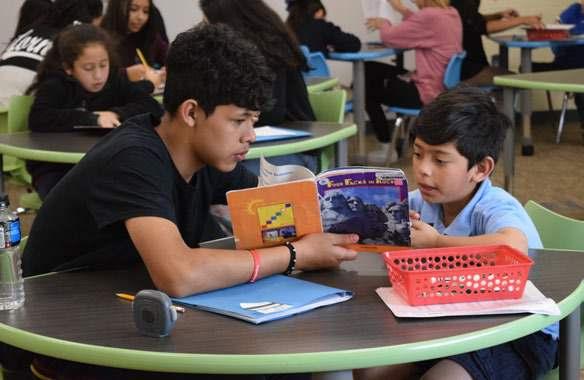
Utah’s schools receive 95% of all Trust distributions combined. K-12 schools receive Trust distributions separate from other legislatively appropriated funds for education. Parent-led councils at each school determine the wisest and best use of the School LAND Trust Funds.
Utah’s schools receive 95% of all Trust distributions combined. 95%
How Schools Have Used Funds
The Kauri Sue Hamilton School
The Kauri Sue Hamilton school in Jordan School District is a school for students with severe disabilities. They used most of their funds for Mandt Training.
Cedar City South Elementary
Cedar City South Elementary used Trust Land funds for five reading aides, a takehome library, and ongoing professional development.
Wasatch High School
During the 2020–2021 school year, the School Community Council at Wasatch High School used a portion of their funds to hire a bilingual parent liaison.
Want to know how your school utilized their trust land funds? Check it out here. schoollandtrust.schools.utah.gov/ publicreports
MINERS HOSPITAL
Distributions sent to Miners Hospital at the University of Utah provide funding to treat patients with mining related injuries and illnesses. There are currently 1,700 miners enrolled and receiving treatment from this program, with 480 new patients served in FY 2022.
UTAH SCHOOLS FOR THE DEAF AND BLIND
Utah’s School for the Deaf and Blind (USDB) Trust distributions provide specialized programming and enriched learning opportunities beyond the normal scope of traditional school programs. Trust Land distributions provide funding for a variety of enrichment programs including assistive technology, study abroad trips, and music therapy to name a few.
In 2022, funded by trust fund distributions, a team of students who are blind completed the Seventy48 boat race. Rowing an incredible 70 miles in under 48 hours from Tacoma

Washington to Port Townsend. The afterschool activity centered on problem solving, communication, math, fitness and teamwork.
“As wonderful as it was to hit that finish line, this is one of those experiences I believe you keep processing for a long time after the fact. What we learned, and the brightest parts of this experience, are yet to come.”
– Crew Leader and Director of Blind Campus Programs, Ryan Greene

Photo credit: Utah Schools for the Deaf and Blind
RESERVOIRS
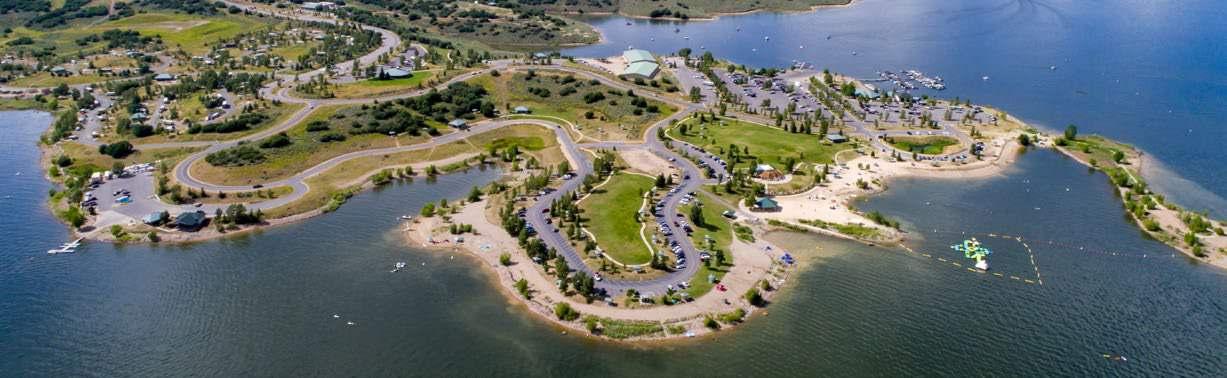
Distributions from the Reservoirs Trust are carefully utilized by the Utah Division of Water Resources and are used to help fund new water construction projects, fund repairs of existing and aging projects, and improve water efficiency across the state.
UNIVERSITY OF UTAH
Trust land fund distributions for the University of Utah, one of Utah’s prestigious land grant higher education institutions, are used to help fund an academic environment in which the highest standards of intellectual integrity and scholarship are practiced.
PUBLIC BUILDINGS
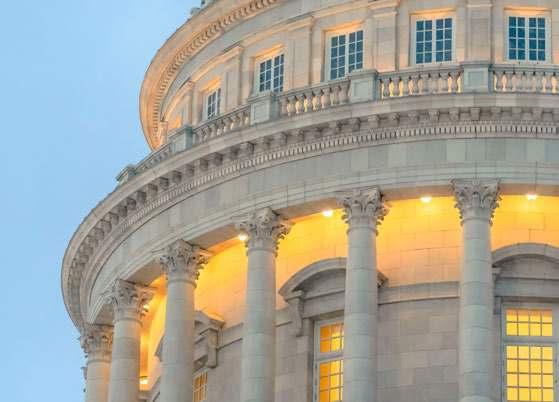
In advance of the 2004–2008 renovation of the Utah State Capitol, trust lands that were managed for Utah’s public buildings were sold. The proceeds were used to help offset the costs of extensive renovation and restoration of this iconic building.
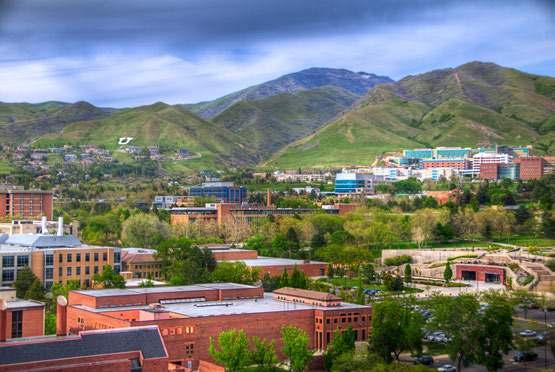
Photo credit: Utah Division of Parks and Recreation
TEACHING COLLEGES AT PUBLIC UNIVERSITIES
Distributions from the Teaching Colleges Trust help support the state’s teacher colleges and help train and strengthen Utah’s teaching community. The Teaching Colleges Trust consists of six universities throughout Utah who award teaching degrees.
COLLEGE OF MINES AND EARTH SCIENCES
Trust distributions sent to the College of Mines and Earth Sciences at the University of Utah help educate and prepare students for careers related to mining.
UTAH STATE HOSPITAL
Utah State Hospital Trust distributions assist in its mission to provide excellent care in a safe and respectful environment to promote hope and quality of life for individuals with mental illness.
UTAH STATE UNIVERSITY
Trust distributions sent to Utah State University help support its distinction of being one of the nation’s premier studentcentered land-grant universities.
JUVENILE JUSTICE AND YOUTH SERVICES
Trust Distributions sent to Utah’s Division of Juvenile Justice and Youth Services help provide youth offenders a continuum of supervision, education, and vocation training programs and rehabilitation.

Making an Impact
DISTRIBUTIONS
Over $1 billion dollars have been distributed to Utah’s beneficiaries since 1995.
2022 Distributions
Trust distributions benefited nearly 1000 public schools during the 2022–2023 school year, impacting over 675,000 students.
Trust Protection & Advocacy
PROTECTING THE BENEFICIARIES
The Protection & Advocacy Office was created in 2018 to provide a system of checks and balances ensuring undivided loyalty to current and future beneficiaries. The office works closely with legislators, the education community, and other key stakeholders to build awareness and enhance and preserve this perpetual source of funding.
The Protection & Advocacy Office is dedicated to protecting and advocating for the preservation, stability, and growth of the Trust's assets on behalf of the current and future beneficiary interests. The office is committed to cultivating prudent decision-making and entrepreneurial business practices, advocating for goal-oriented management, and engaging in large-scale, long-range planning efforts that will result in significant upward mobility of the Trust for years in the future.
What We Do
Advocate for productive and optimal generation of Trust revenue and effective distributions
Facilitate public outreach and understanding of the Trust’s importance and relevance
Monitor the Trusts, stay informed, account, and report
Represent beneficiary interests through political advocacy
FY 2022 Protection & Advocacy Committee & Office Director
Steve Ostler
Committee Chair
Paula Plant
Committee Vice Chair
Brigham Tomco Committee Member
Richard Ellis
Committee Member
Louie Cononelos Committee Member
Kim Christy Protection & Advocacy Office Director
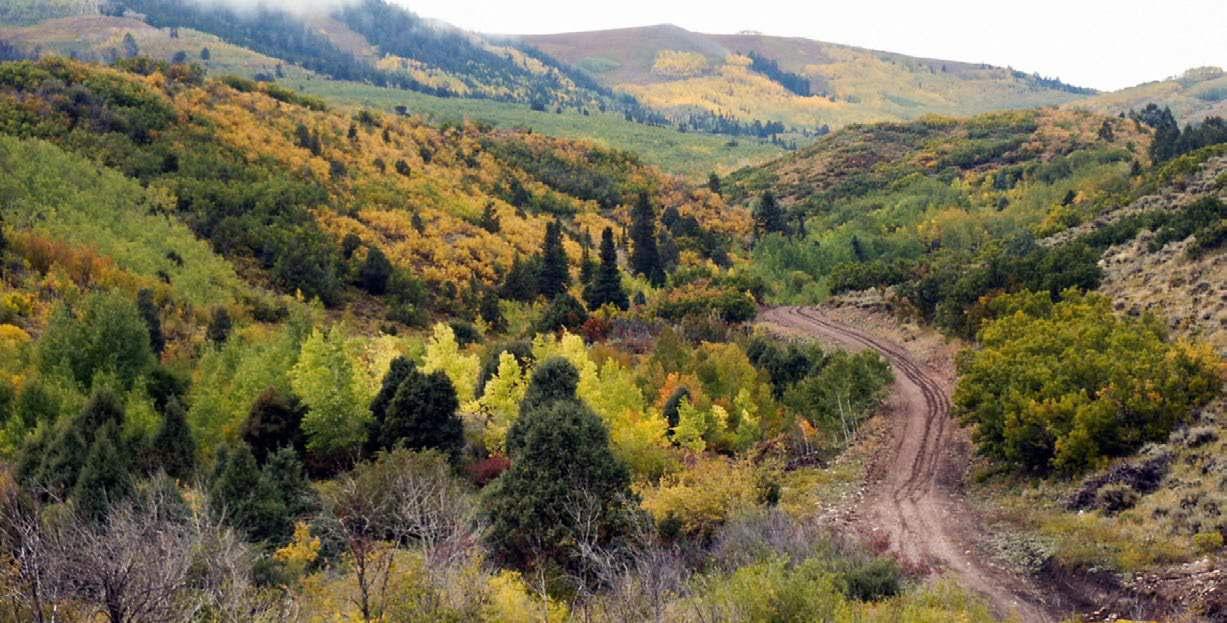
Tabby Mountain
Financial Summary
FY 2022
The Trust Lands Administration produced a record high earnings of $166 million from its surface and mineral estates in fiscal year 2022. Trust Land Administration revenues were shared among three major categories: energy and mineral revenues (31%); development and planning revenues (42%); and surface resource utility (27%).
SITFO saw some retracement in the performance of the permanent funds after a record fiscal year 2021. The
Permanent Fund Balances
disparity between FY 2021 and FY 2022 was significant and serves as a reminder of the importance of diversification and focusing on long-term, risk adjusted returns. Despite broad market headwinds globally with both stocks and bonds down 20% more in the last half of FY 2022, SITFO’s performance in FY 2022 was –3.7%. Over the longer time periods, returns are trending in line with the primary investment objective of CPI+5%.
FY 2022 Gross Land Revenue Per Beneficiary
Total Trust Acreage
3.34 MILLION
Income Summary 2018–2022
Energy & Minerals
Oil&GasRoyalties$33,334,309$34,934,441$23,299,042 $22,752,273 $41,480,978 OtherMinerals,Leases&Permits$6,745,850$6,878,830$7,216,555$8,545,722$8,857,988
Renewable*$705,777$1,359,138
Total Mineral Revenue$40,080,159$41,813,270$30,515,597$32,003,772$51,698,104 Development & Planning DevelopmentSales&Leases
Total Development & Planning Revenue $18,702,379 $31,598,032$34,464,651$42,969,980$70,176,900
Surface
Sales(Auctions&NegotiatedSales)$2,989,190$7,622,007$460,387$17,932,514$34,268,782 Leases,Permits&Easments$9,098,253$8,948,701$9,812,554
Permanent Fund Interest & Gains
Total Permanent Fund Interest &
Cumulative
* Prior to Dec. 2019 renewables were included as "industrial" revenue. ** The Protection & Advocacy Office began operating in 2019.
$456,075,384