
Date - January 27, 2026
Fiscal Year - 2025
trustlands.utah.gov







Date - January 27, 2026
Fiscal Year - 2025
trustlands.utah.gov
Michelle E. McConkie

It is my privilege to present the Fiscal Year 2025 Annual Report of the Utah School and Institutional Trust Lands Administration (TLA). Trust lands were established at statehood to provide enduring support for Utah’s public schools and other important state institutions, and they remain a vital asset for Utah’s citizens. Since TLA became an independent agency in 1994, the Permanent Fund has grown from $50 million to more than $4.1 billion –reflecting a sustained commitment to prudent land management, strategic planning, and solid investment returns.
During Fiscal Year 2025, TLA advanced significant initiatives across energy, minerals, real estate, and surface resource development. The agency continued to strengthen Utah’s position in both traditional and emerging resource sectors, including responsible energy development, critical mineral exploration, sustainable power generation, and carbon management. These efforts support economic activity throughout the state, particularly in rural communities, while securing future revenue streams for our beneficiaries. Major land transactions, including the completion of a historic federal land exchange, further aligned trust assets with their highest and best uses, creating new opportunities for responsible development and long-term growth.
TLA also continued to prioritize sound stewardship practices. The agency collaborated with state, federal, and private partners to advance forest health projects, reduce wildfire risks, and improve the overall condition and productivity of trust assets. Our land sale program remained an important tool for converting a small number of select properties that generate nominal revenue into financial assets that can be invested to generate lasting value.
Fiscal Year 2025 was marked by solid progress, strengthened partnerships, and disciplined execution of our mission. I extend my appreciation to our dedicated staff, our Board of Trustees, and our many collaborators across the state. As we look to the future, TLA remains fully committed to managing Utah’s Trust Lands with integrity, professionalism, and a longterm perspective that honors our responsibility to current and future generations.


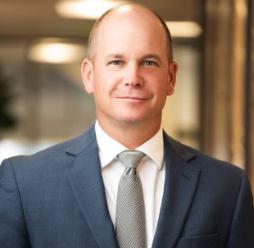

Tiffany A. James Chairwoman
Term expires June 2027

Energy industry leader and principal consultant with 25 years of experience in asset development, regulatory strategy, and industrial infrastructure projects across traditional and renewable energy sectors.
Bryan L. Harris
Co-Vice Chairman
Term expires June 2026
Mike Nelson
Co-Vice Chairman
Term expires June 2028
Development Director at Longroad Energy from Beaver, Utah, with expertise in renewable energy development, project management, and sustainable resource initiatives.
Former professor of Mining Engineering at the University of Alaska Fairbanks (1989–1994) and the University of Utah (1999–2023). Ph.D., Mining Engineering; M.S., Applied Physics; B.S., Metallurgical Engineering. Registered Member, Fellow, and Distinguished Member of the Society for Mining, Metallurgy & Exploration.
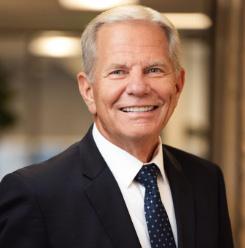
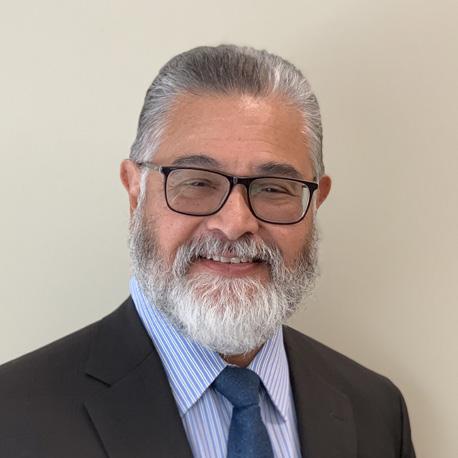
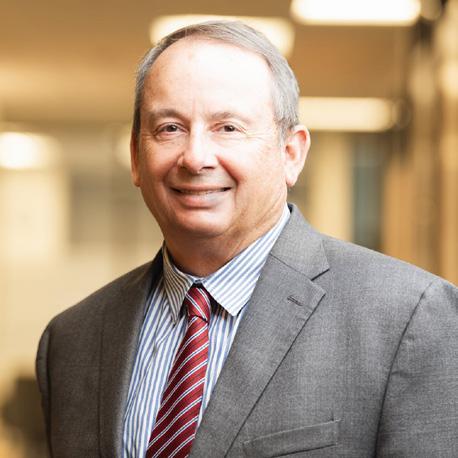

Dan Simons
Trustee
Term expires June 2029
John Baza
Trustee
Term expires June 2030
Associate Broker, Equity Real Estate Premier Elite–Commercial; second-generation real estate professional specializing in commercial real estate leasing, sales, development, consulting, and asset management along Utah’s Wasatch Front and greater St. George area.
Brian Tarbet Trustee
Major General (Ret.)
Utah National Guard
Term expires June 2031
Retired Director of the Utah Division of Oil, Gas, and Mining; Stanford-educated petroleum engineer with 45 years of experience, national leadership in energy and mineral development, and recipient of major industry awards.
Michael Mower Trustee
Term does not expire
*Governor’s Appointee
Retired Adjutant General of Utah and Chief Civil Deputy for the Utah Attorney General; Utah State University and University of Utah-educated attorney, National Security Fellow at Harvard, with decades of military and legal service and numerous state, national, and international awards.
Senior Advisor for Community Outreach and Intergovernmental Relations to Utah Governor Spencer J. Cox; longtime public servant with experience serving multiple governors, elected officials, and major infrastructure projects. He is a native of Ferron, Utah.
In the 19th and 20th centuries, as the United States expanded westward, the federal government controlled vast areas of land. Congress created a system that allowed newly formed states to use portions of these lands to generate income for public education. Land was granted to these states to be held in trust, with the explicit purpose of supporting public schools and other institutions. This reflected the fundamental belief that: a strong democracy depends on an educated public.
State trust lands exist because governments made a long-term promise to support education and other public institutions, ensuring these lands would provide lasting benefits.
When Utah became a state in 1896, it received trust lands under this system with legally defined beneficiaries and enduring obligations. Land was distributed across the state in a checkerboard pattern, with specific sections reserved for public schools and fixed acreage designated for other state institutions. Revenue from these lands is deposited into permanent endowment funds, guaranteeing that the benefits extend far into the future.
Utah’s Trust Lands are not public lands. Utah’s Trust Lands are managed on behalf of specific beneficiaries. The state acts as a trustee, with a legal duty to manage the land responsibly and profitably in the interest of those who are meant to benefit from it.

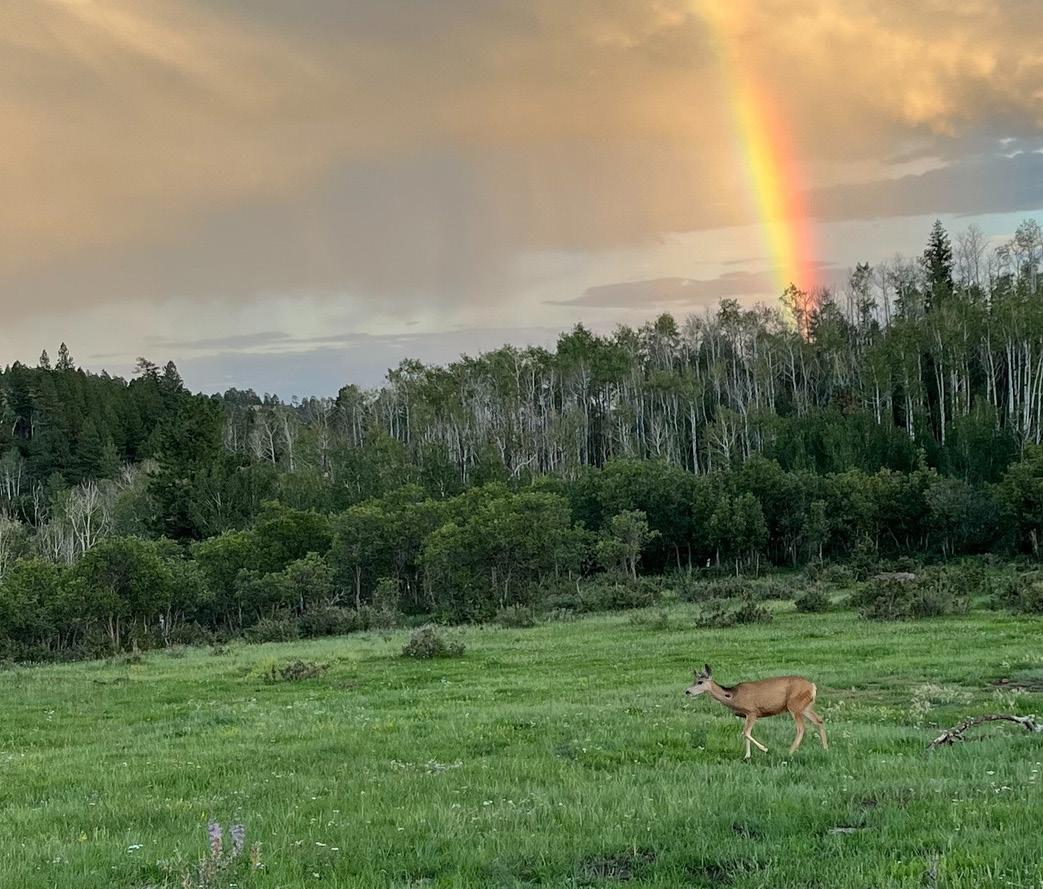
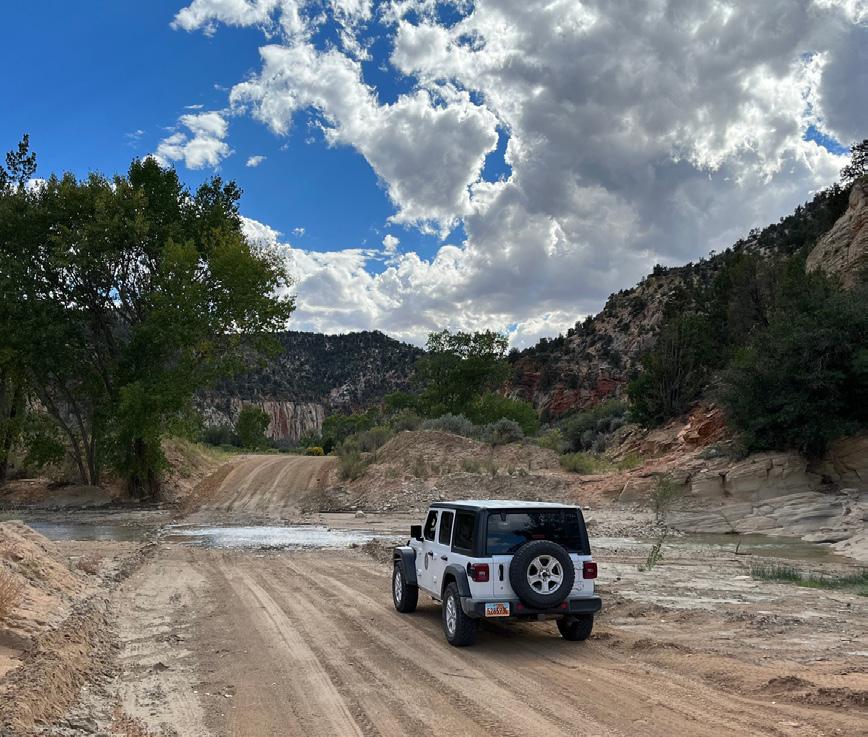
Before 1994, Utah’s Trust Lands were not always managed to their full potential. This meant the lands often failed to deliver on the promise made to beneficiaries. By the late 1980s, education advocates recognized the problem. Utah had been granted roughly 7 million acres of trust lands at statehood in 1896, but the Permanent Fund remained relatively small — around $50 million — highlighting the urgent need for reform.
To address this, the Utah Legislature created an independent, dedicated, more business-oriented fiduciary agency tasked with maximizing long-term returns for beneficiaries.
In 1994, the Utah School and Institutional Trust Lands Administration was established. Since its creation, revenues and the Permanent Fund have grown dramatically from tens of millions to billions of dollars demonstrating the impact of strategic, focused management of Utah’s Trust Lands.
TLA’s mission has always been the same - to generate ongoing income while preserving the land’s long-term value, fulfilling a promise made over a century ago: to manage Utah’s Trust Lands for the enduring benefit of public schools and other designated beneficiaries.
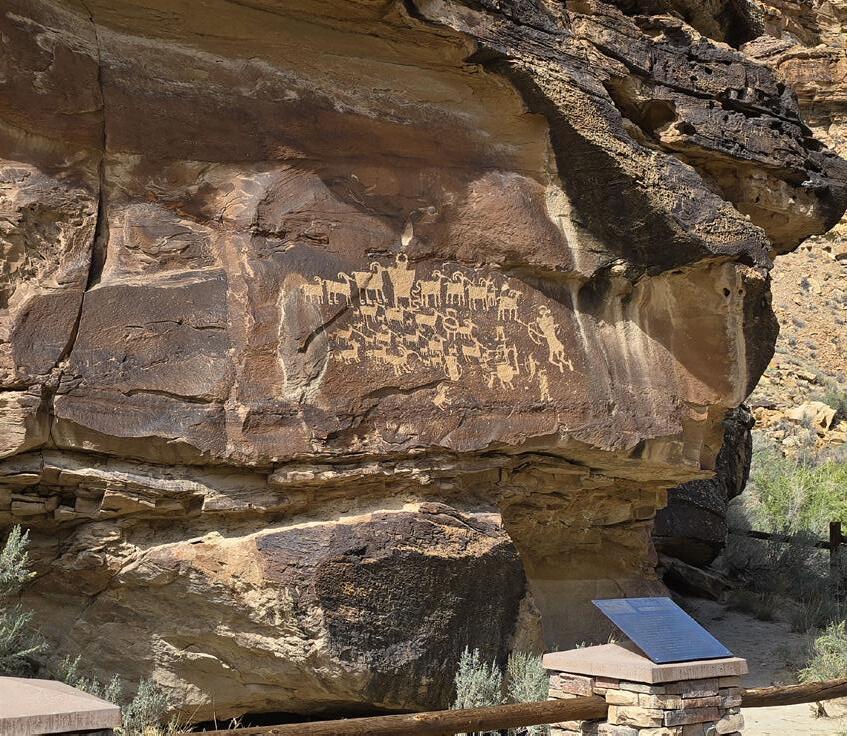
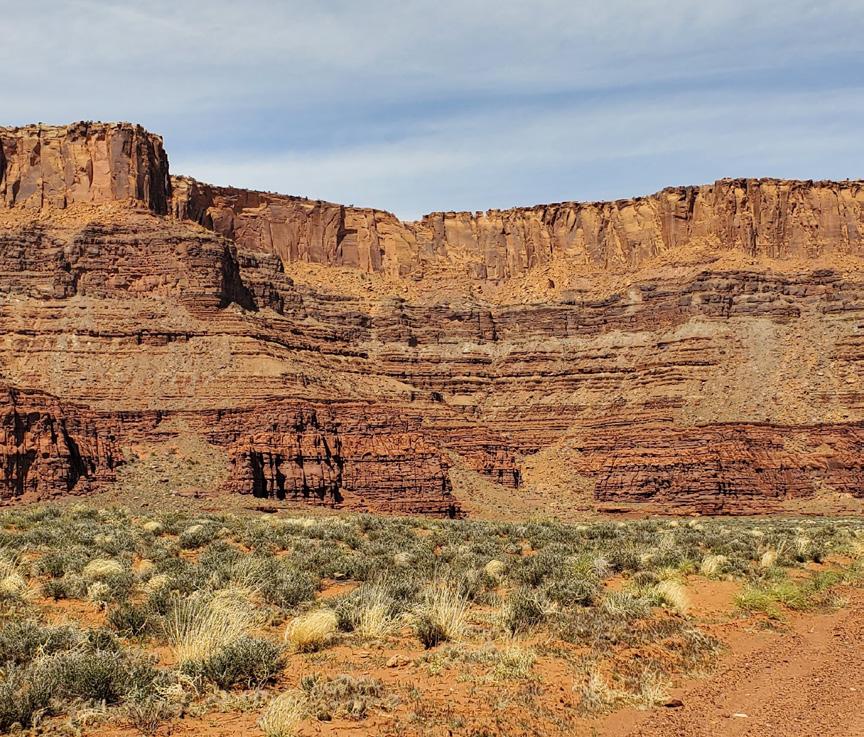
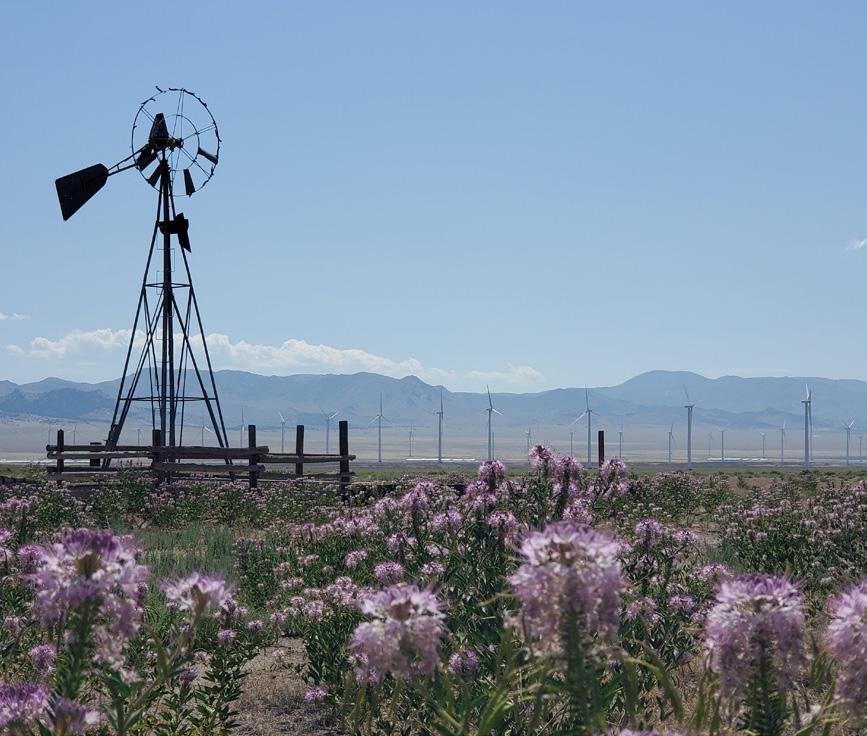
We enhance the value of Utah’s Trust Lands and maximize economic return for our beneficiaries. We generate revenue through energy development, real estate planning, and surface resource use. We manage our trust lands according to the state constitutional mandate. We empower our beneficiaries and all of Utah through thoughtful stewardship of trust land assets, both now and for the future.
Vision Statment
We are stewards of Utah’s Trust Lands. Utah’s Trust Lands are not public lands, but lands granted to the state to generate revenue specifically for the benefit of public schools and other important state institutions. We are an independent state agency that manages these lands and are responsible for generating revenue from them now and for future generations.
We see a bright future for Utah with the revenue generated for our beneficiaries through evolving strategic land management.
OLD LOGO:

NEW LOGO:
While the agency’s full name, purpose, and legal responsibilities remain the same, its visual brand identity has been thoughtfully refreshed to better reflect our values and impact.
In 2023, the agency updated its visual identity. The previous visual was a standalone logo, centered on the “SITLA” acronym and individual land parcels, but it did not represent a complete brand. The new design uses the simplified “TLA” acronym and introduces a cohesive visual identity that fully embodies the agency’s mission.
Importantly, this update did not change the agency’s name or core responsibilities.


Minerals Green Grass
Drawing inspiration from Utah’s diverse landscapes—blue skies, snowy mountains, sand dunes, red rock, green grass, and mineral resources—the refreshed brand and logo reinforce the agency’s enduring responsibilities while strengthening recognition, differentiation, internal alignment, and public trust. This visual refresh communicates who the agency is today, without altering what it has always stood for.
We provide lasting change in Utah by transforming trust lands assets into greater economic prosperity for our beneficiaries and local communities. We understand Utah’s magnificent and unique place in the West and are dedicated to managing this land responsibly. Through thoughtful and creative management we utilize these entrusted lands to create a brighter future for Utah. We are committed stewards of Utah’s Trust Lands. We preserve and protect 3.3 million surface and an additional 1.1 million mineral acres. We are upfront and transparent with how we approach revenue generation on Utah’s Trust Lands.
The Trust Lands Administration generates revenue through energy development, real estate planning, and surface resource use. When the Trust Lands Administration was created, the Permanent Fund was about $50 million, and since then, it has grown dramatically to currently stand at $4.1 billion.
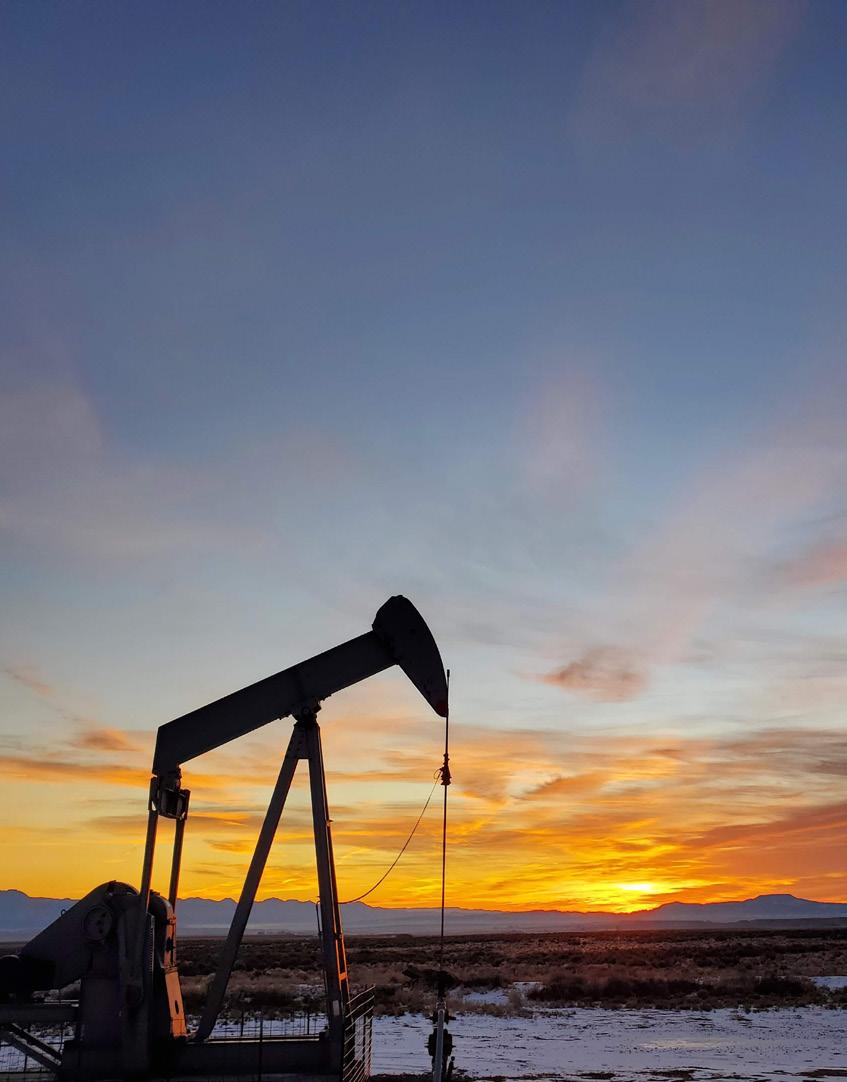
$142,167,804
REVENUE BY GROUP
$64,675,422 DEVELOPMENT ENERGY AND MINERALS
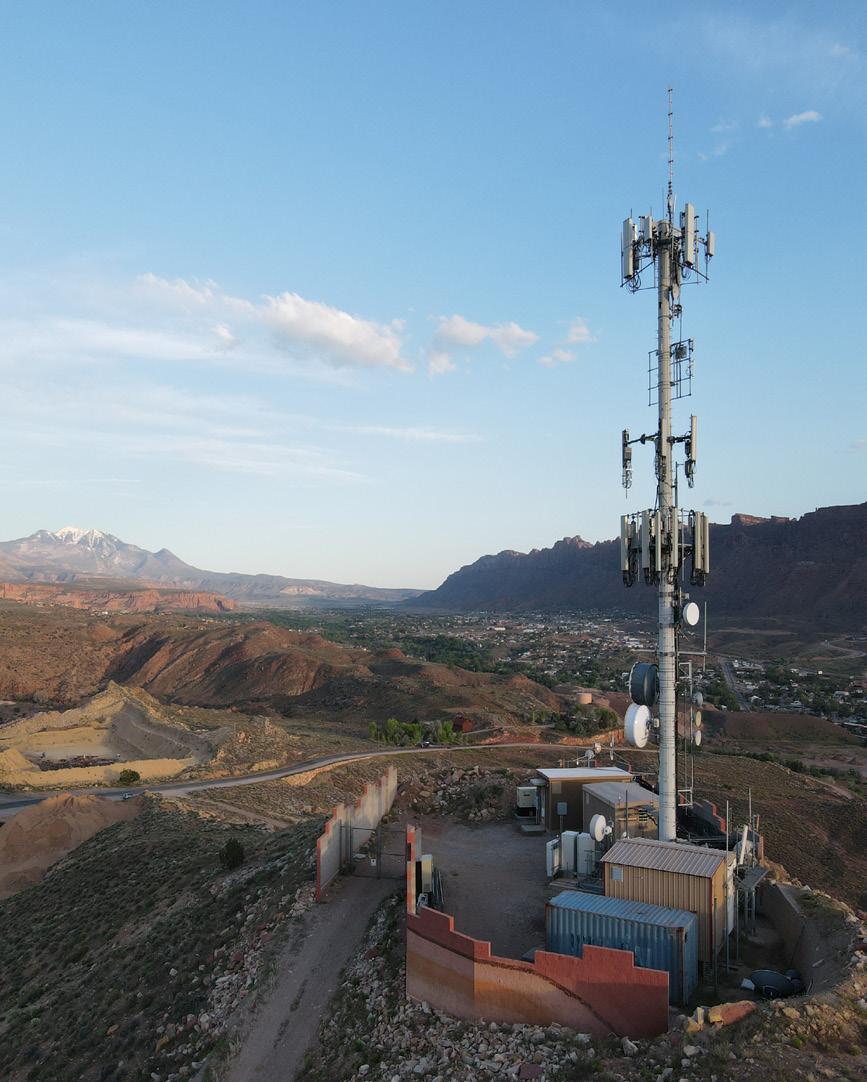
Activities on Utah’s Trust Lands are a major driver of Utah’s rural economies, generating jobs, private investment, and ongoing revenue for public schools and other beneficiaries. While rural economic development is not our mission, it is a direct outcome of how Utah’s Trust Lands are managed.
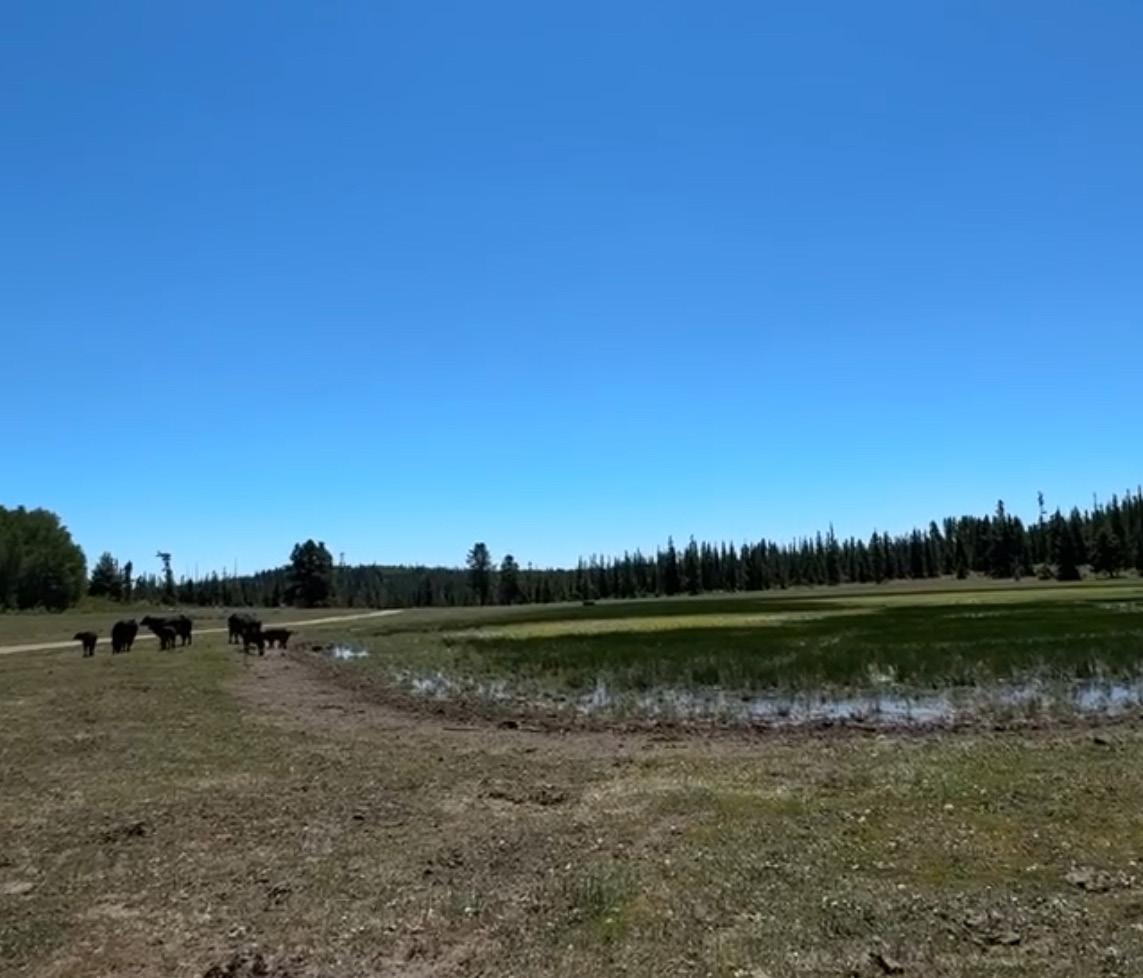
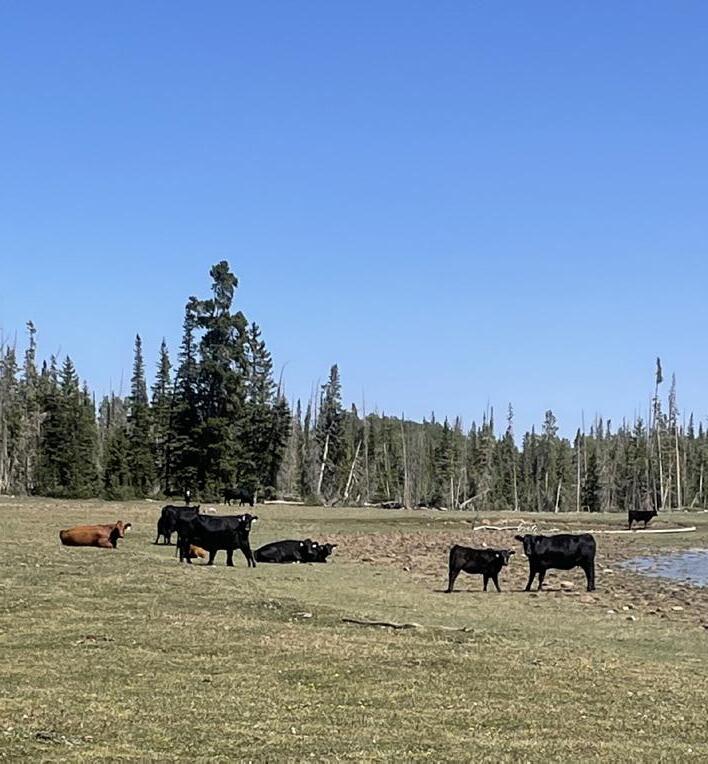
Utah’s Trust Lands support agriculture, grazing, energy production, and mining—industries that anchor employment and income in rural communities. Leasing land for these uses sustains local businesses, supports competitve wage jobs, and keeps economic activity in rural areas. In addition, development projects, including commercial, industrial, residential, and energy infrastructure, bring long-term capital investment, modern infrastructure, and expanded tax bases to rural counties and municipalities. Managed with a long-term, business-minded approach, Utah’s Trust Lands not only maximizes revenue for our beneficiaries but also ensures rural lands are not passively held but actively contribute to lasting economic growth across the state.



THE UNIVERSITY OF UTAH TRUST




JUVENILE JUSTICE SERVICES TRUST







SCHOOLS FOR THE DEAF TRUST
SCHOOLS FOR THE BLIND TRUST

COLLEGE OF MINES & EARTH SCIENCES AT THE UNIVERSITY OF UTAH

UTAH STATE HOSPITAL
Targeted rural outreach and community engagement are essential to fulfilling the Trust Lands Administration’s mission for current and future beneficiaries. By clearly showing how Utah’s Trust Lands are managed to maximize revenue, outreach helps rural residents see how every lease, development project, and land transaction directly supports public schools and other state institutions.
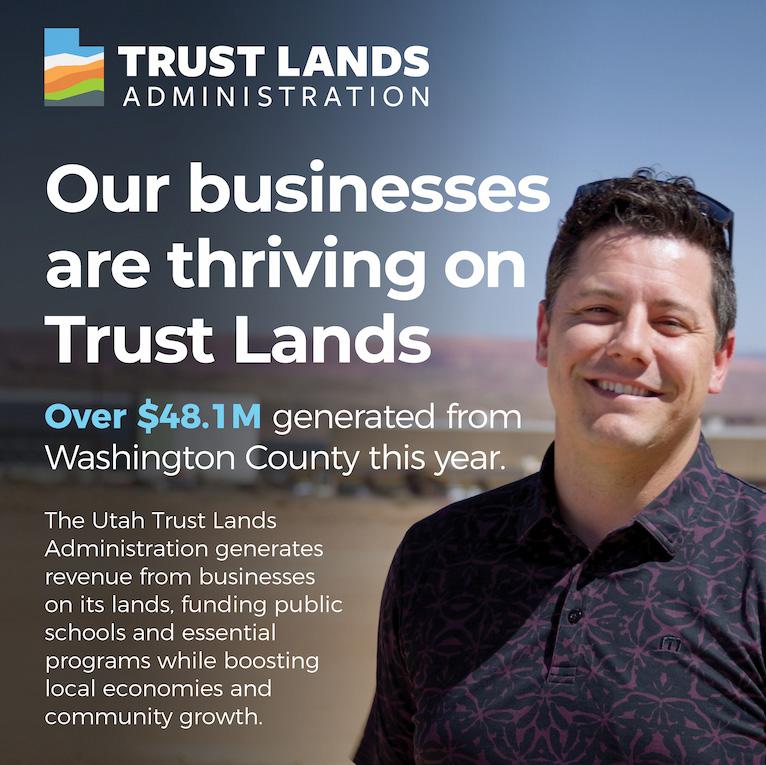
A multi-channel media campaign, including local newspapers, social media, radio, and community-focused meetings, demonstrated how TLA activities, such as grazing, energy development, and surface resource management, create local economic opportunities while generating lasting revenue for beneficiaries. Featuring local residents, the campaign helped build trust and strengthen connections across rural communities.

Activity on Utah’s Trust Lands supports jobs, attracts investment, and bolsters rural businesses, providing communities with tangible economic benefits while funding public education. By highlighting this dual impact, outreach reinforces that Utah’s Trust Lands are actively managed assets that deliver lasting value to both communities and public institutions.
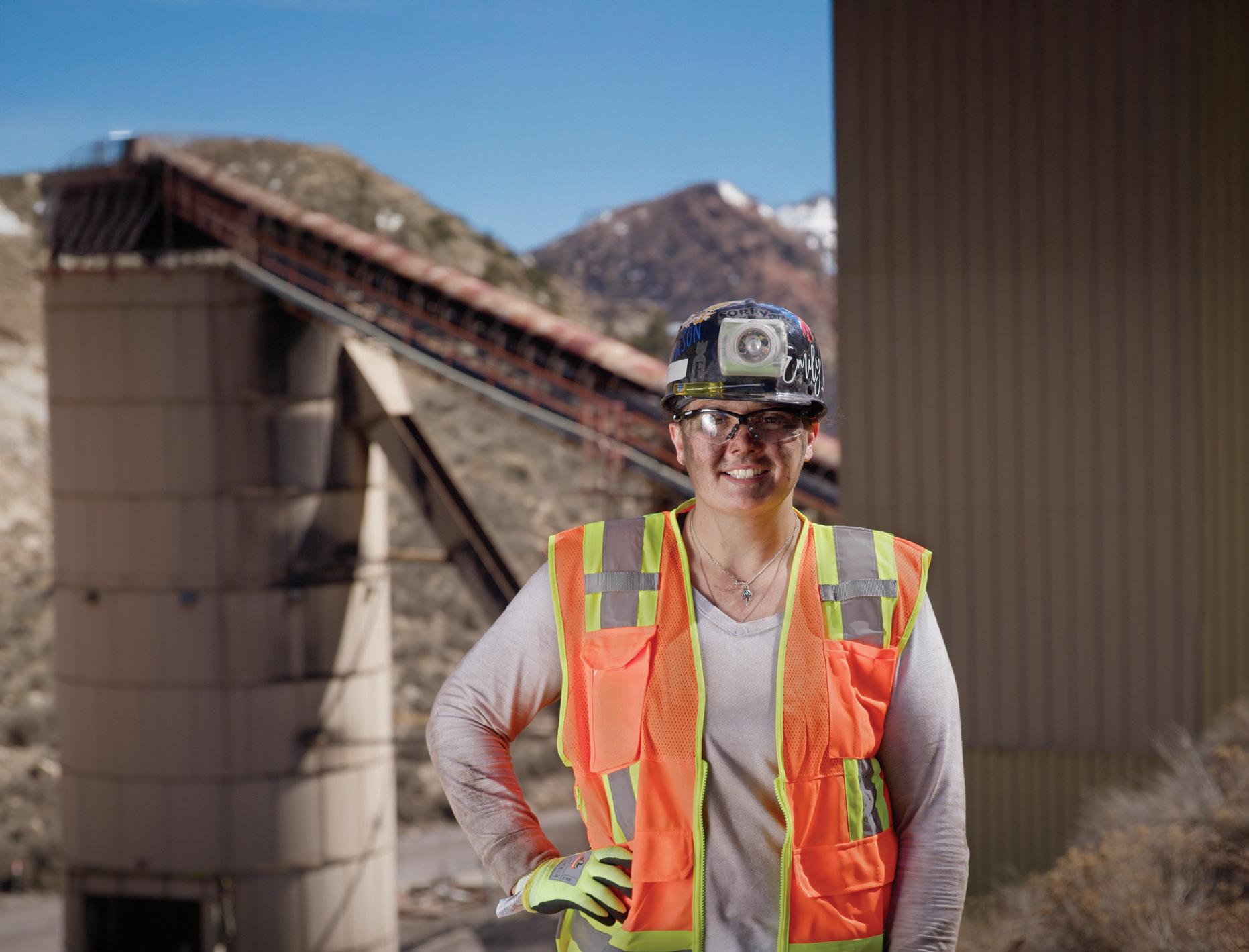
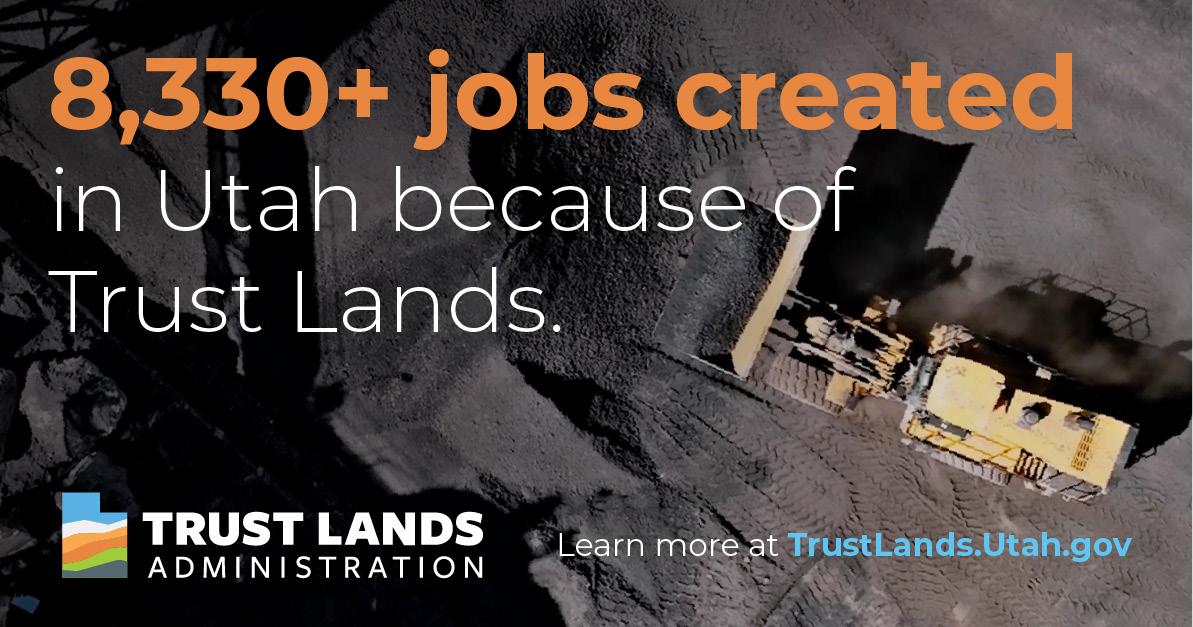
1,400+ jobs created because of Trust Lands in Carbon and Emery Counties.

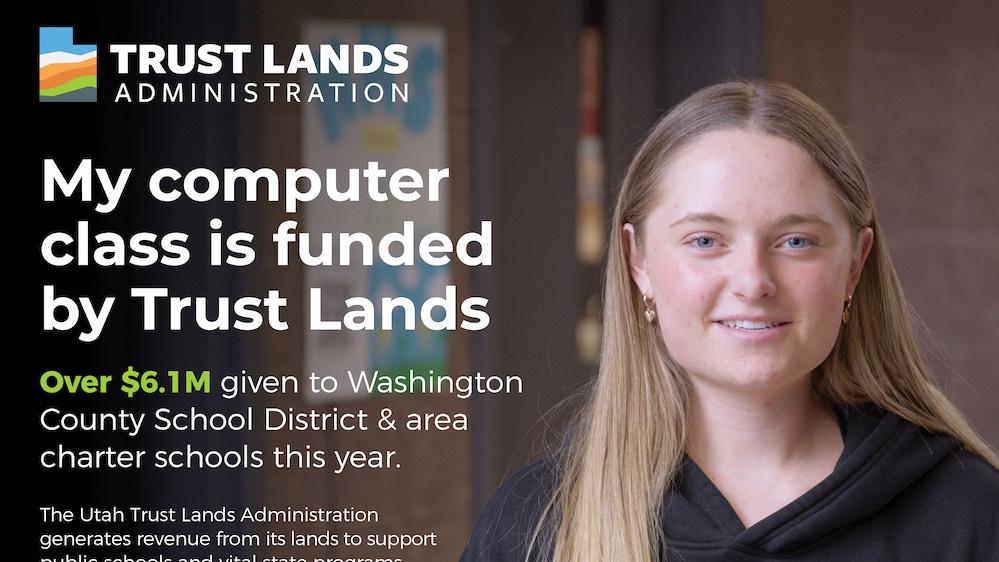
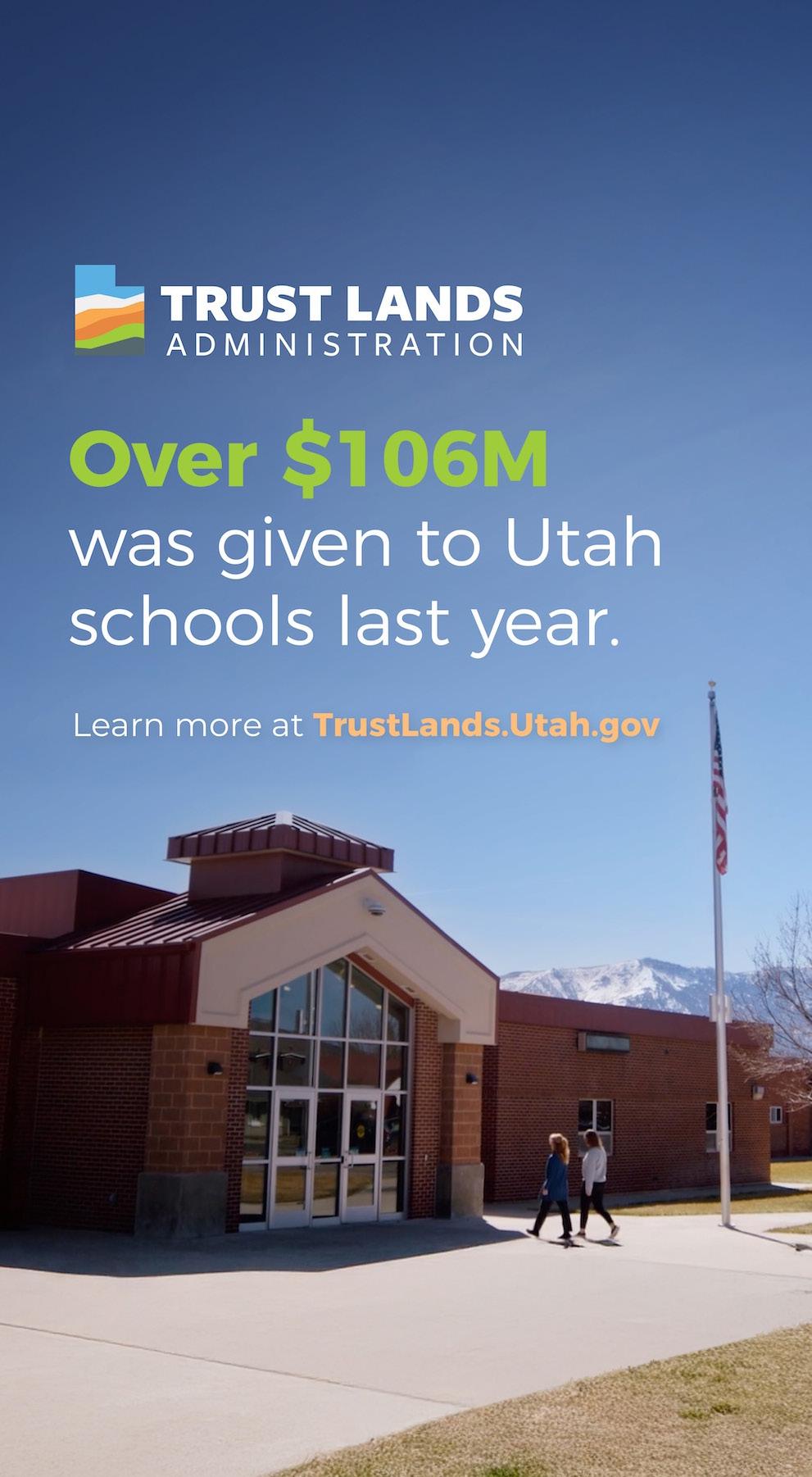
My students are supported by Trust Lands
Over $4.5M given to Cache County School Districts this year.
The Utah Trust Lands Administration generates revenue from its lands to fund public schools—supporting teachers, enhancing classrooms, and strengthening education across Utah.


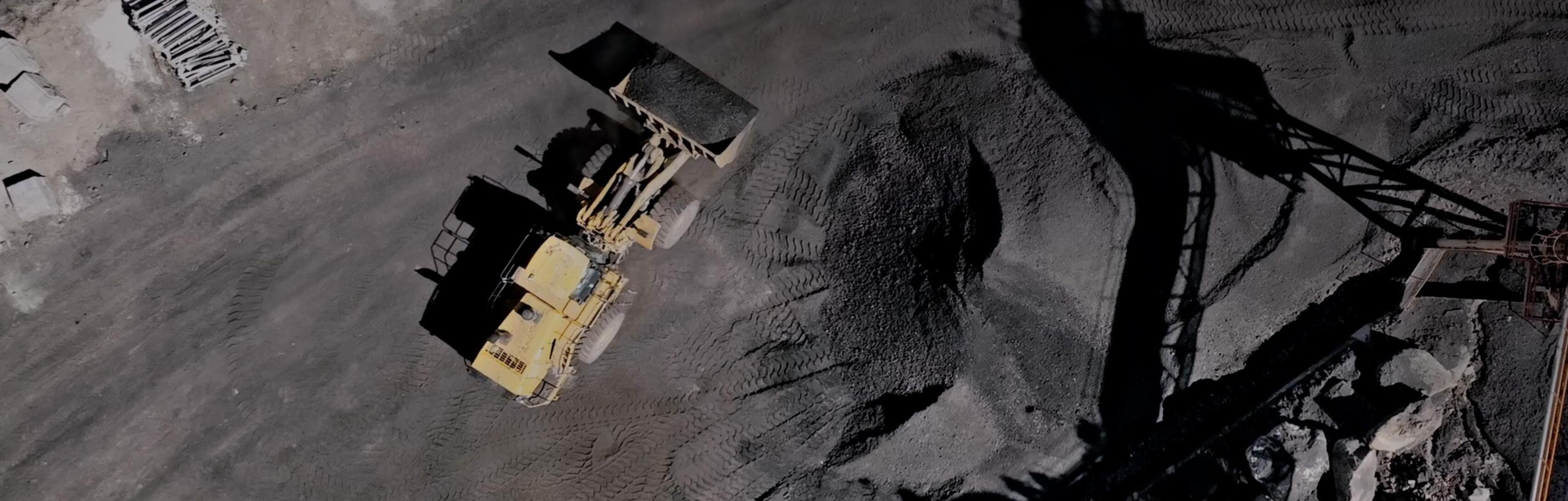
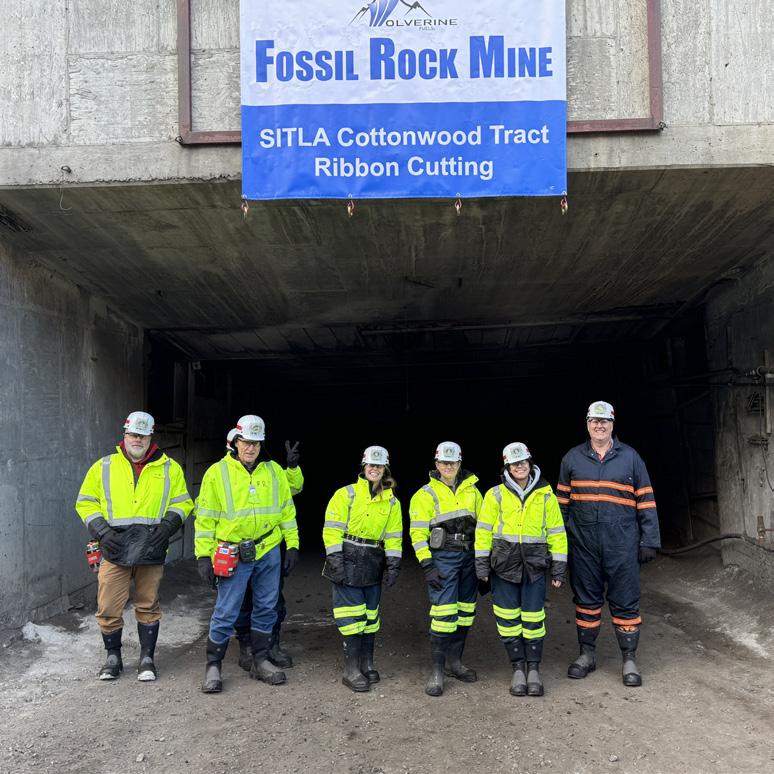
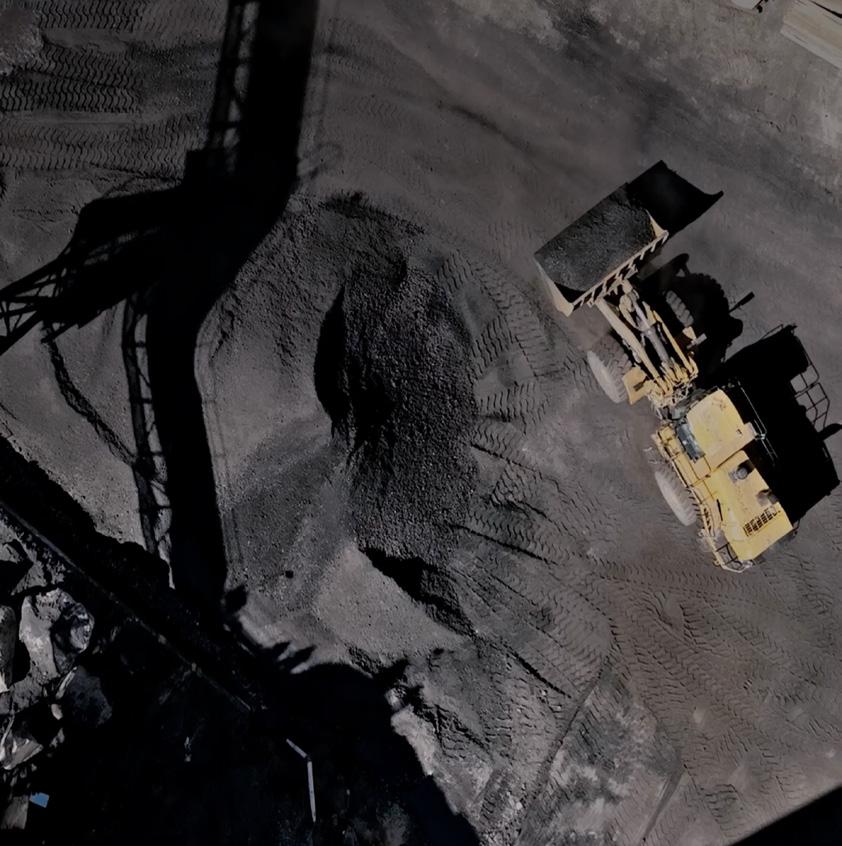
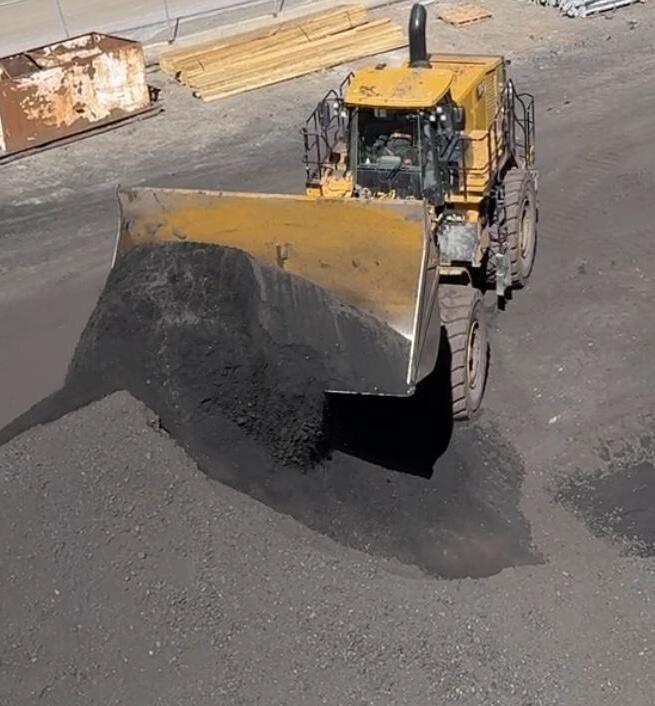
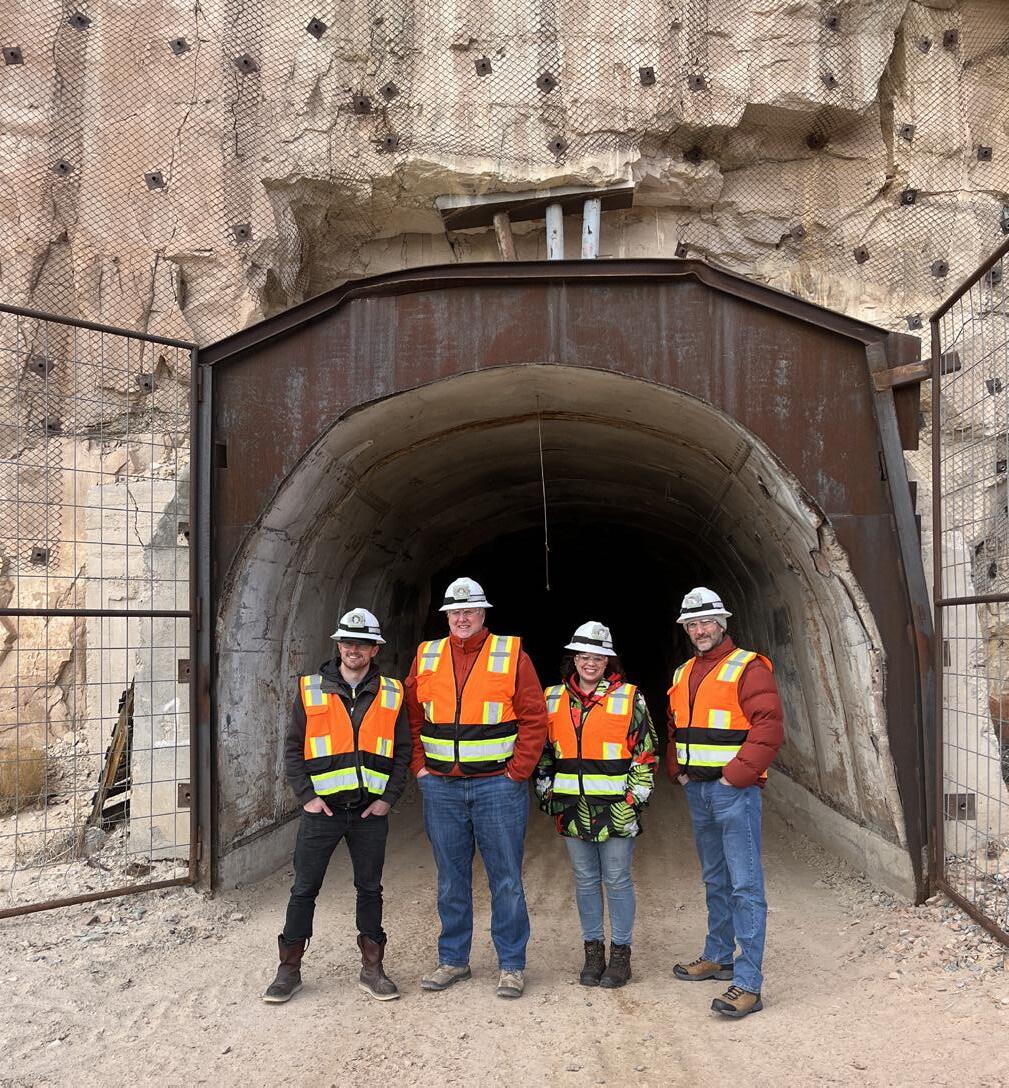
The Fossil Rock coal mine opened in January 2025. This coal tract was obtained by TLA in the 1998 Grand Staircase Escalante Exchange. The mine has been developing panels in preparation for longwall mining in 2026. This project will provide significant funds to beneficiaries and support the local economies of Carbon and Emery Counties.
TLA leased over 70,000 acres of land for critical minerals exploration and development in FY 2025. Critical minerals are used in technology, defense, aerospace, medicine, electric batteries, and more. The U.S. supply chain has relied heavily on China for the production of goods using these minerals. Due to national security interests, the U.S. is now seeking to develop some of its ample critical mineral resources. TLA plays an essential role in the access and development of these minerals.
Copper is one of the most highly sought-after commodities worldwide and was designated a critical mineral by the Trump Administration in 2025. TLA has partnered with dozens of copper exploration and development companies across Utah that are actively working to produce copper directly for the U.S. market.
Uranium, another critical mineral designated in 2025, is the feedstock for baseload nuclear power production and is one of TLA’s largest leasable commodities by number of operators. TLA has over 100 active leases held by partners currently exploring, extracting, and refining Uranium across the state.
A new oil play is emerging in the eastern part of the Uintah Basin. Operators have found significant amounts of oil within the deep Cretaceous Mancos shale. TLA has seen a strong uptick in oil wells drilled in the Mancos play, in addition to the growing number of wells in the Eocene formations in Uintah and Duchesne Counties.
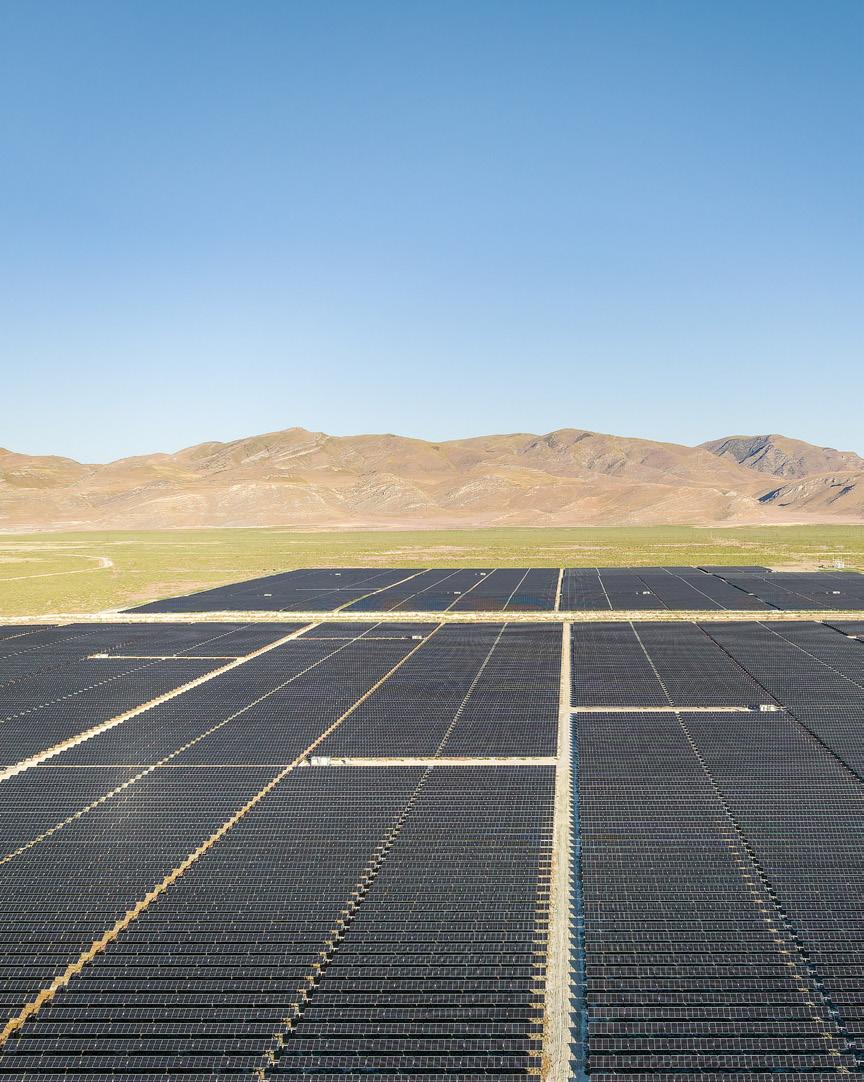
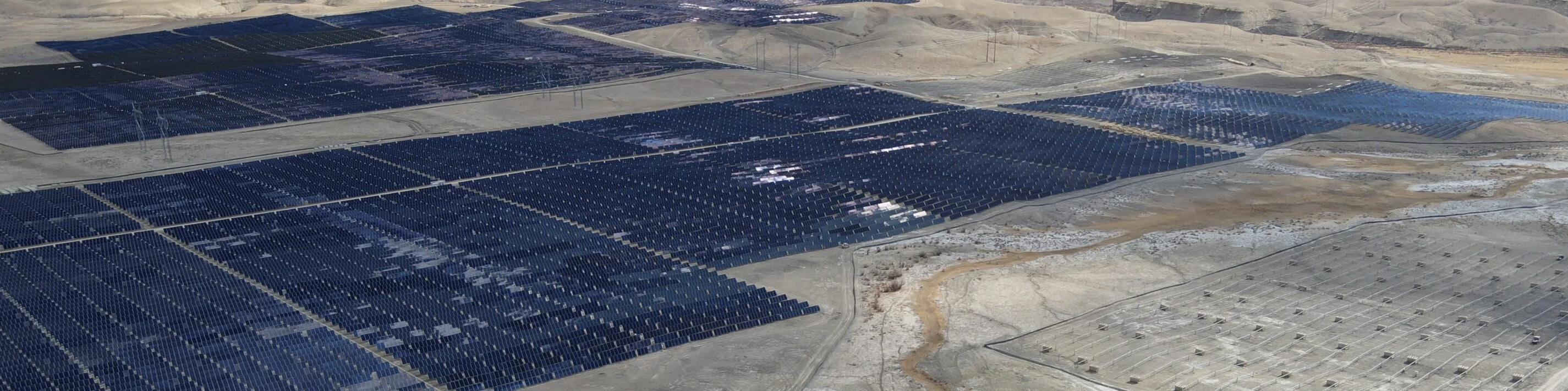
The Hornshadow Solar Project, operated by D.E. Shaw, went online this year. TLA has 580 acres within the 3,700-acre project area in Emery County. The TLA lease has the capacity to produce 62 MW of electricity. This project helps bring revenue to the beneficiaries and shows that TLA is truly an “all of the above” energy producer.
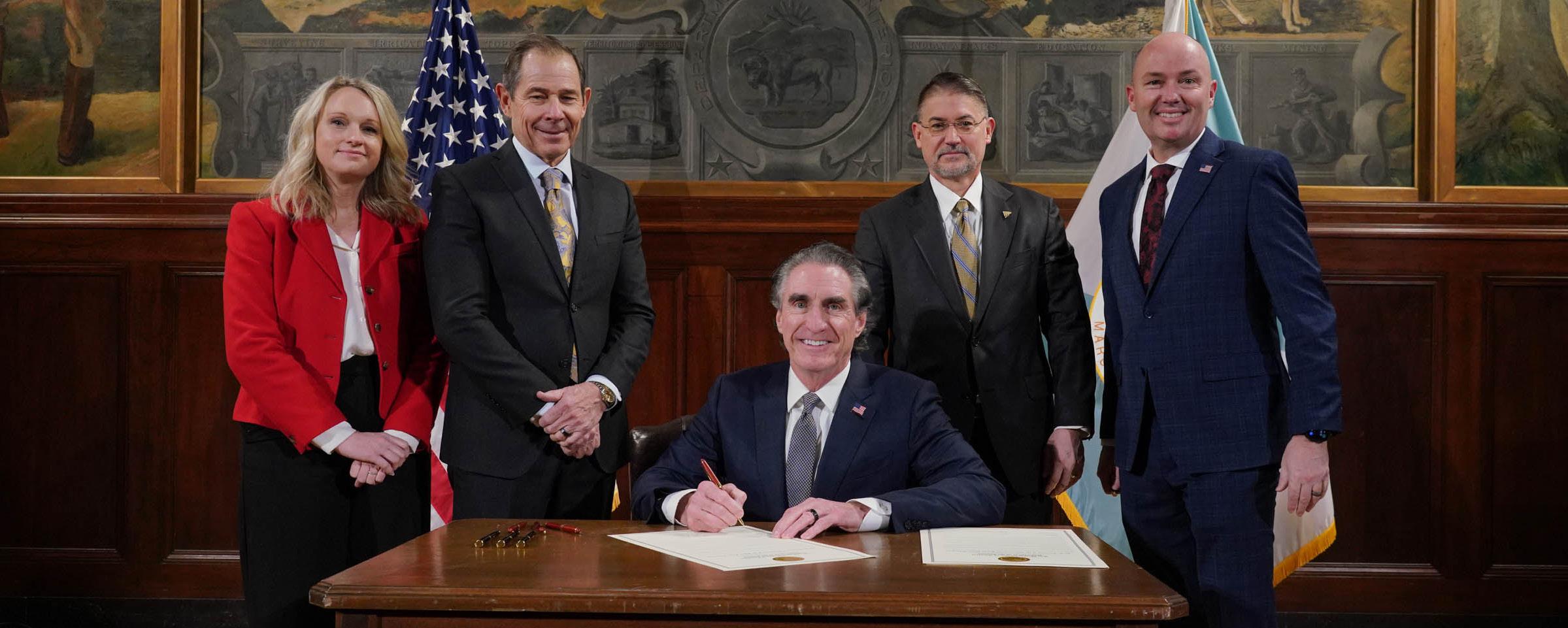
On February 22, 2025, TLA Director, Michelle E. McConkie, met in Washington, D.C. with Secretary of the Interior Doug Burgum, Governor Spencer Cox, and Senator John Curtis to finalize a historic land exchange with the Bureau of Land Management (BLM). Initially introduced by then-Representative Curtis and former Senator Orrin Hatch as the Emery County Public Land Management Act, the exchange was eventually incorporated into the John D. Dingell, Jr. Conservation, Management, and Recreation Act of 2019.
The exchange involved 18 counties and over 89,000 acres of BLM land, all of which were conveyed to the TLA. These newly acquired trust lands contain valuable mineral deposits, including critical minerals, and have potential for industrial, residential, renewable energy, and other development. The lands acquired by BLM will enable the consolidation of public lands within newly created wilderness and recreation areas in the San Rafael Swell, resulting in more cohesive management and protection.
Some of the new TLA parcels have already been put to work generating revenue for the trust beneficiaries and creating economic development opportunities for rural communities. Several leases for coal and critical mineral exploration have been approved in Emery, Juab, and Sevier Counties. Land sales to facilitate the Central Utah Agri-Park in Juab County, the Deer Valley East Village resort in Wasatch County, and agricultural use in Rich County are also being finalized.
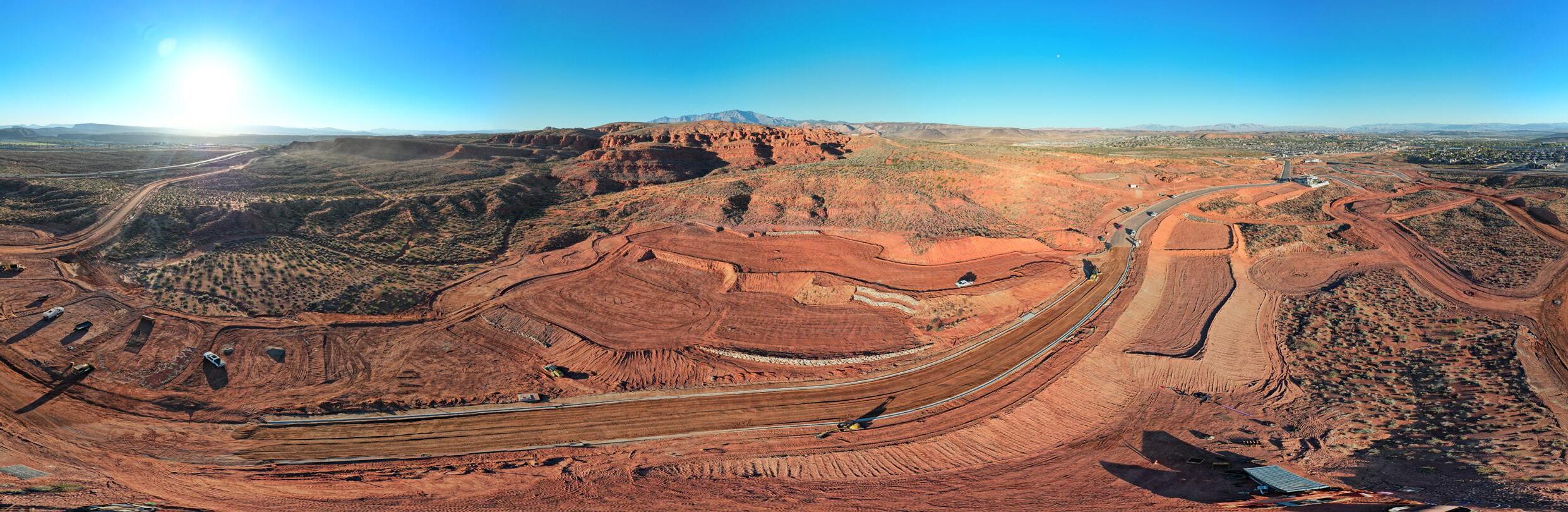
TLA is working closely with the Governor’s office and local leaders to help bring more attainable housing to the state. In Washington County, municipalities are considering zoning that allows for smaller lots, smaller setbacks, smaller homes, and ultimately lower home prices, so more Utahns can participate in home ownership. In Kane County, high-density was granted for a portion of a Trust Lands project, and the developer agreed to sell a percentage of their units at cost.
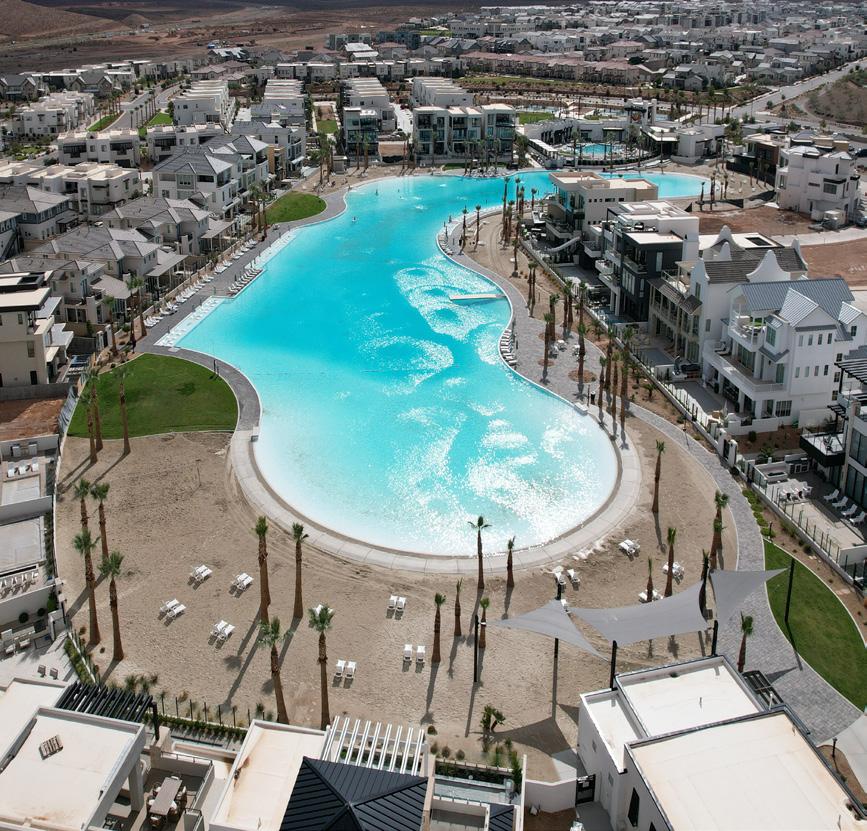
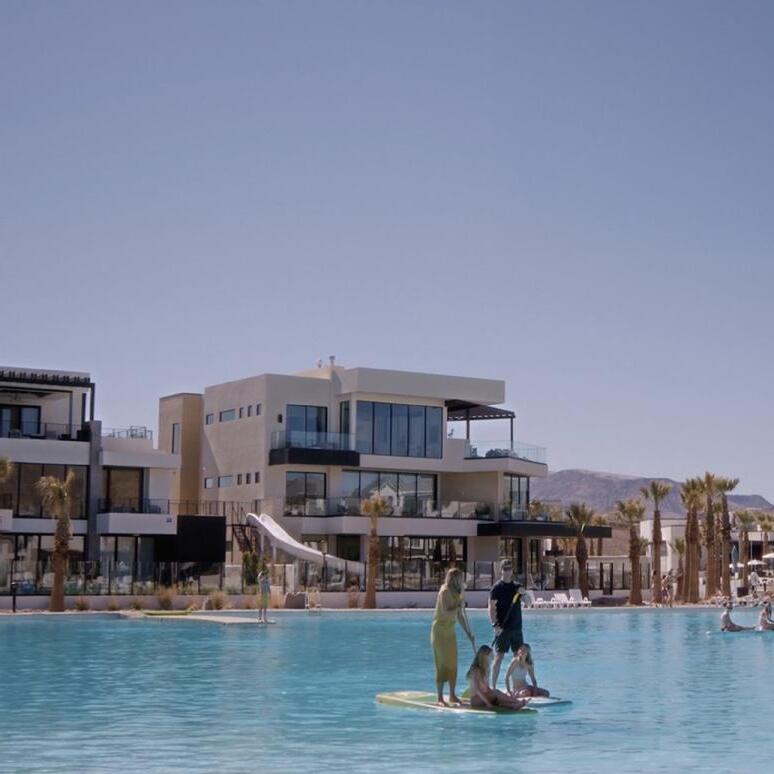
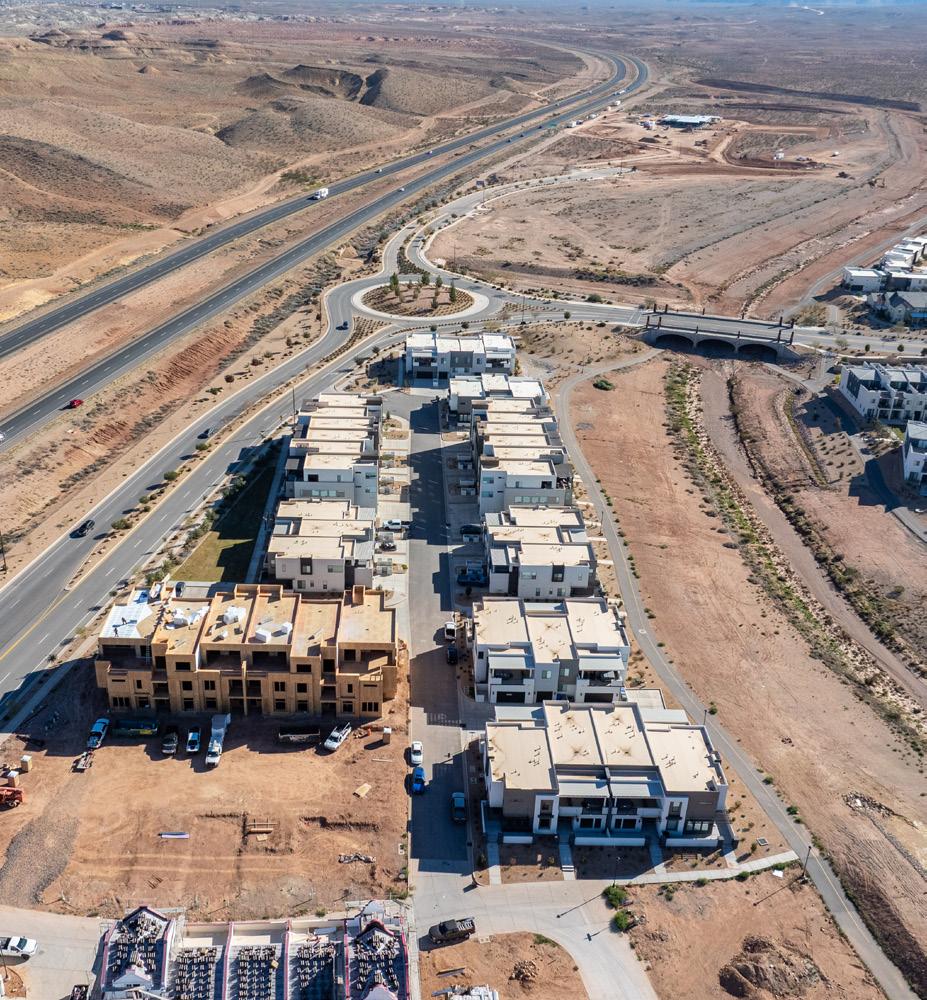
The partnership between Desert Color and TLA illustrates how we manage Utah’s Trust Lands to generate long-term value for beneficiaries while supporting the creation of well-planned communities. Rather than pursuing a one-time sale of the land, TLA structured the project to support phased development and provide an ongoing revenue stream as the community grows. To date, TLA has received $72 million for phase one of the project, including $8 million in FY 2025. Water planning at Desert Color reflects a forward-looking approach to conservation and sustainability. Recreational water for the project is supplied by a private well drawing “brackish,” non-culinary water that would otherwise remain unused. This water is treated and reused to support both public and private recreational amenities.
Nestled in one of Washington County’s most scenic and sought-after areas, the 1,388acre Green Springs development has quickly become a standout TLA asset. After the opening of Washington Parkway, TLA partnered with Clyde Capital Group to create a master-planned community of residential homes and lots, projected to deliver $137 million in revenue to TLA over 15 years. The project has also delivered a major community amenity: the Grapevine Trailhead, providing public access to extensive hiking within the Desert Tortoise Reserve, complete with parking and restrooms. By integrating public recreation with residential growth, Solente demonstrates TLA’s commitment to sustainable, community-focused development.
What began in 1990 as a modest 64-acre land sale has grown into 1,300 acres of thriving industrial development, making Fort Pierce Industrial Park a cornerstone of economic growth in St. George. Through a strategic public-private partnership with Larkin-Gifford-Jennings, supported by local government and utilities, TLA contributed land while partners provided investment and development expertise.
Today, the park is home to over 140 businesses and has created more than 5,250 jobs, attracting major tenants such as Amazon and Family Dollar while providing flexible space for a range of industrial users. Its strategic location near I-15, key roadways, and the St. George Regional Airport continues to draw new investment, and the project has returned approximately $50 million to TLA, delivering lasting economic and community benefits.
The Overland neighborhood in Eagle Mountain is shaping up to be one of Utah’s most significant master-planned communities, spanning 1,200 acres of Utah’s Trust Land. When complete, it will feature 3,000 single-family homes, several schools, and a central civic and commercial hub—creating a vibrant, self-sustaining community.
By the end of FY 2025, nearly 1,000 homes had been sold, generating $8 million for K–12 schools, with additional lot and parcel sales bringing nearly $10 million. The project is expected to generate approximately $85 million in net revenue.
The 776-acre Sienna Hills property, valued at just $3,600 per acre at the project onset, has become a model of thoughtful land stewardship. Through strategic planning, infrastructure investment, and partnerships with experienced developers, TLA has transformed the site, generating over $32.4 million in profits. A major milestone was the remediation of a capped landfill, which opened nearly 20 acres for multifamily development, now home to both government-subsidized and market-rate apartments. As of 2025, the Trust’s $15 million investment has yielded more than $47.5 million in revenue.
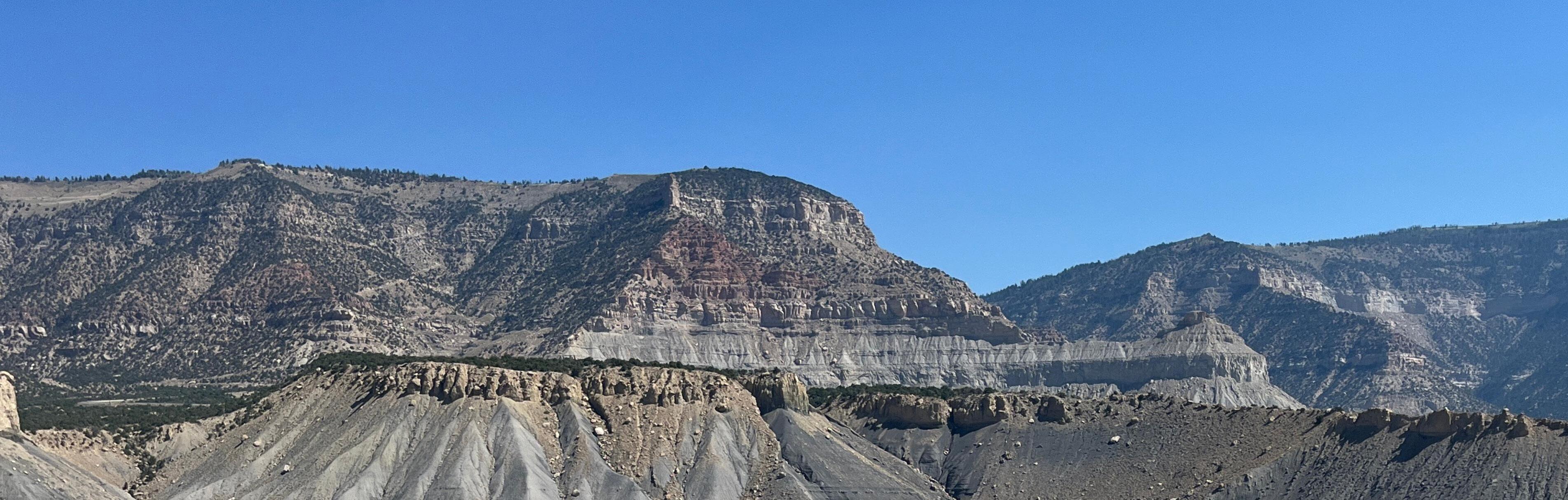
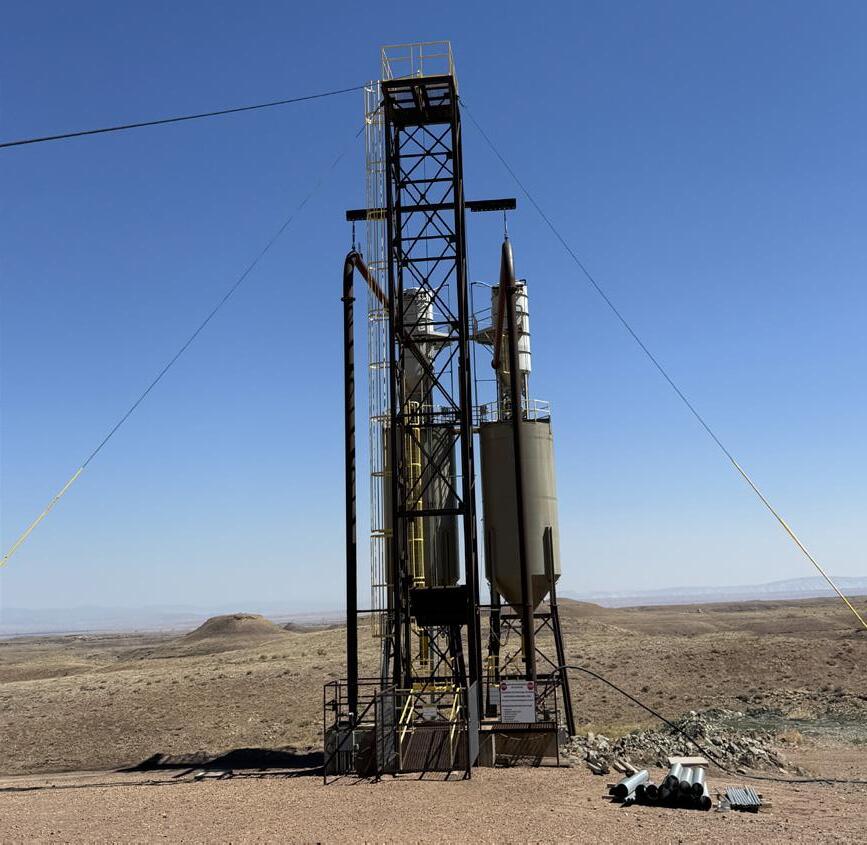
The TLA executed a significant, long-term agreement with Urban Oil & Gas Group, which establishes a new revenue stream for the agency through the leasing of subterranean pore space for carbon capture, utilization, and sequestration (CCUS) on 83,200 acres of trust lands in the Drunkards Wash area of Carbon and Emery Counties.
The TLA’s lessee, along with the University of Utah and other partners, was awarded an $8.9 million Department of Energy grant to study and implement a large-scale carbon storage hub. The agreement provided an initial payment of $832,000 to the Trust and will include additional payments per ton when CO2 injection commences.
This agreement is the result of the strategic assembly of the Drunkard’s Wash block as part of the Grand Staircase-Escalante National Monument land exchange in 1998, and it further utilizes existing infrastructure and geologic data in collaboration with a long-standing industry partner.
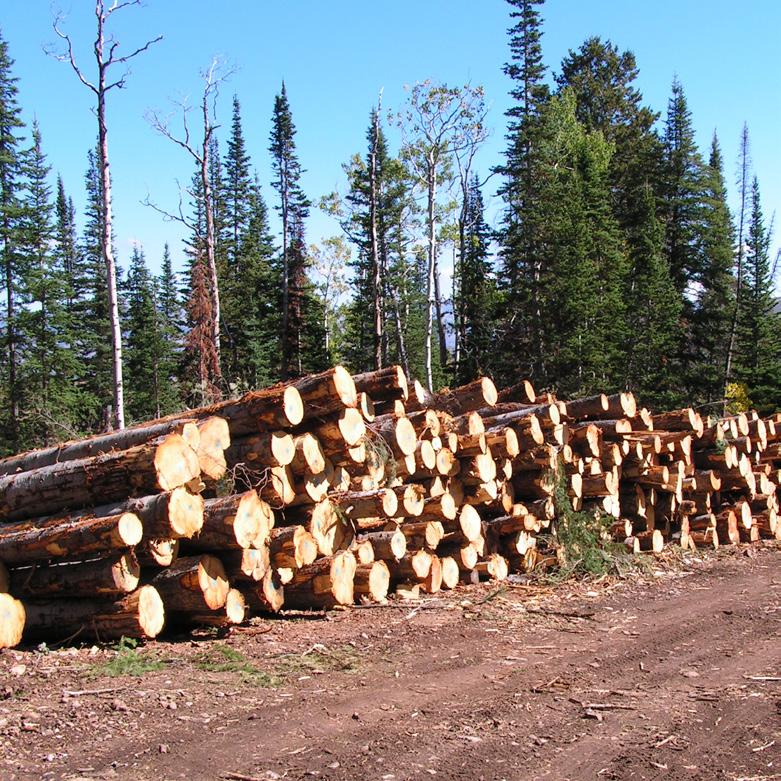
The TLA, in partnership with the Utah Division of Forestry, Fire, and State Lands (FFSL), completed additional work on the Beaver Mountain Fuels Reduction Project. This project is located on 118 acres of trust lands near the Beaver Mountain Ski Resort in Cache County. Funded through the State of Utah’s Catastrophic Wildfire Reduction Program, the project aims to reduce wildfire risk and increase forest health by thinning timber stands to desirable conditions and removing hazardous fuel accumulations.
This collaborative effort has enabled FFSL staff to gain critical on-the-ground experience with both mechanical and hand-felling timber techniques while enhancing the value of this trust asset. This work will also help protect the Beaver Mountain Ski Resort from future wildfire threats. The Beaver Mountain Ski Resort is an essential economic driver in the region and operates exclusively on Utah’s Trust Lands under a special use lease agreement.
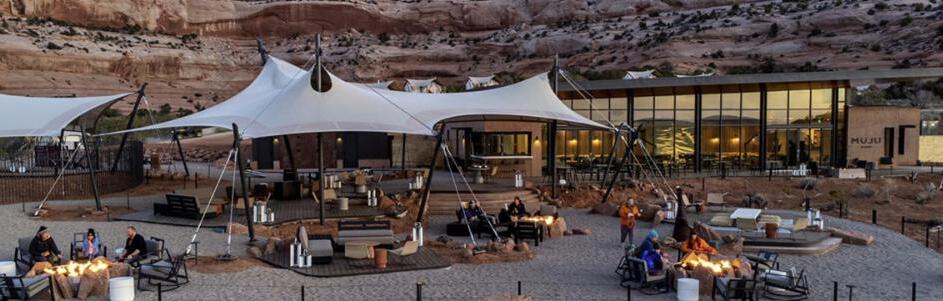
ULUM Moab Luxury Resort, located on Utah’s Trust Lands near Looking Glass Arch in San Juan County, has earned two Michelin Keys, placing it among the world’s most desirable lodging destinations. The Michelin Key recognizes the world’s most outstanding hotels and is awarded to properties that demonstrate exceptional guest experience, design quality, and a strong sense of place. This award represents not only a significant milestone for Utah’s outdoor hospitality sector but also a meaningful validation of the strategic partnership between ULUM and TLA. The partnership is also a significant source of income for the local economy and the county tax rolls.
ULUM’s recognition highlights the effectiveness of TLA’s approach to responsible, high-quality development. The resort’s thoughtful design, environmentally sensitive construction, and connection to Utah’s desert landscape reflect the type of innovative, low-impact projects that can thrive on Utah’s Trust Lands with the right vision and collaboration. It also underscores the value of TLA’s long-term strategy to diversify and enhance economic opportunities for our trust beneficiaries. By leveraging a partnership model, TLA helped enable a development project that both protects the surrounding environment and elevates the visitor experience to an international standard.
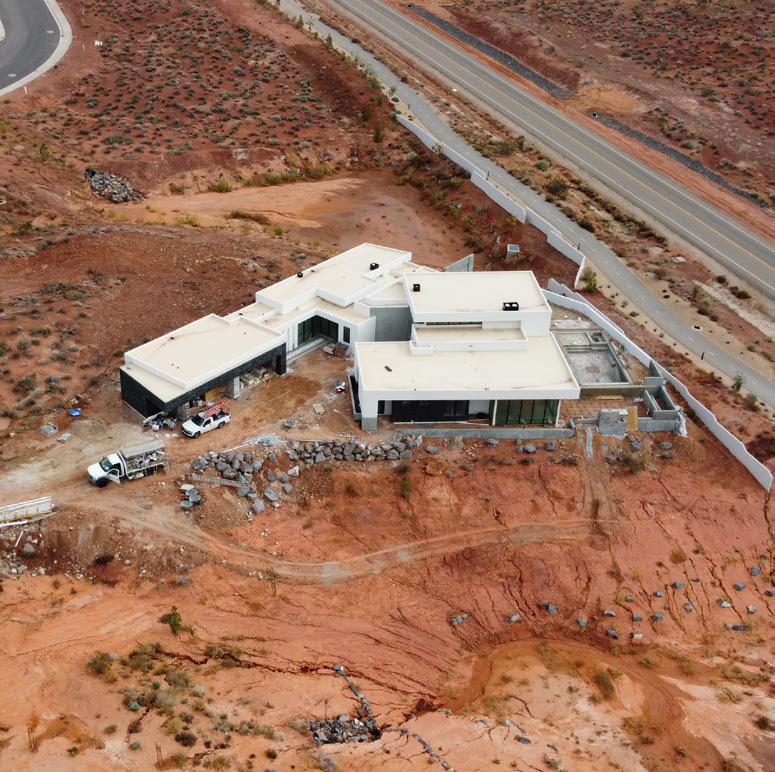
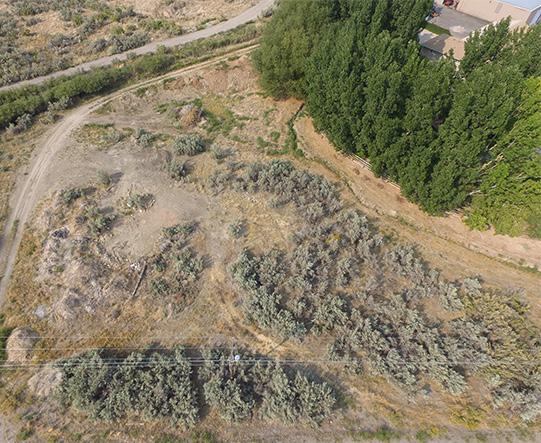
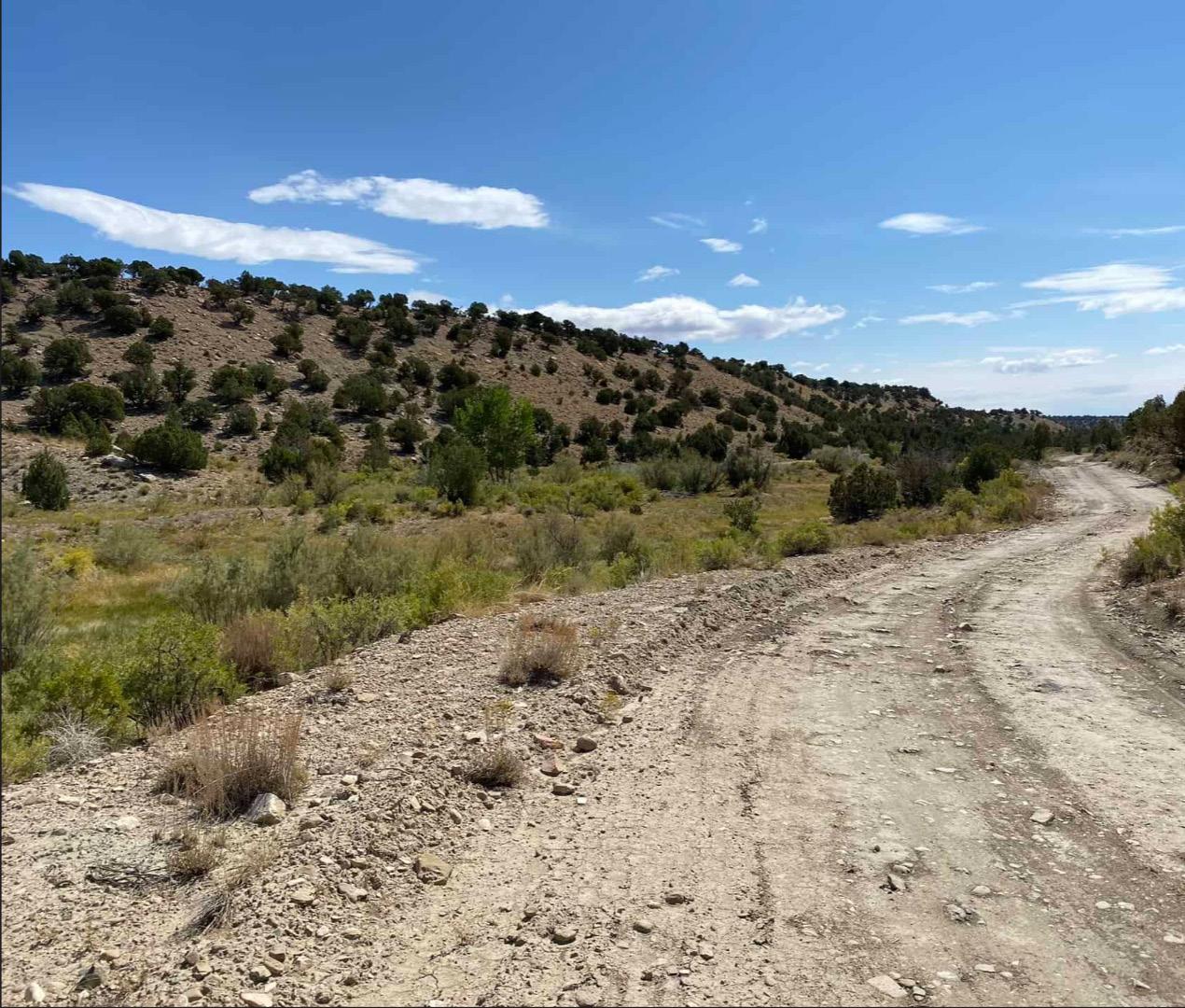
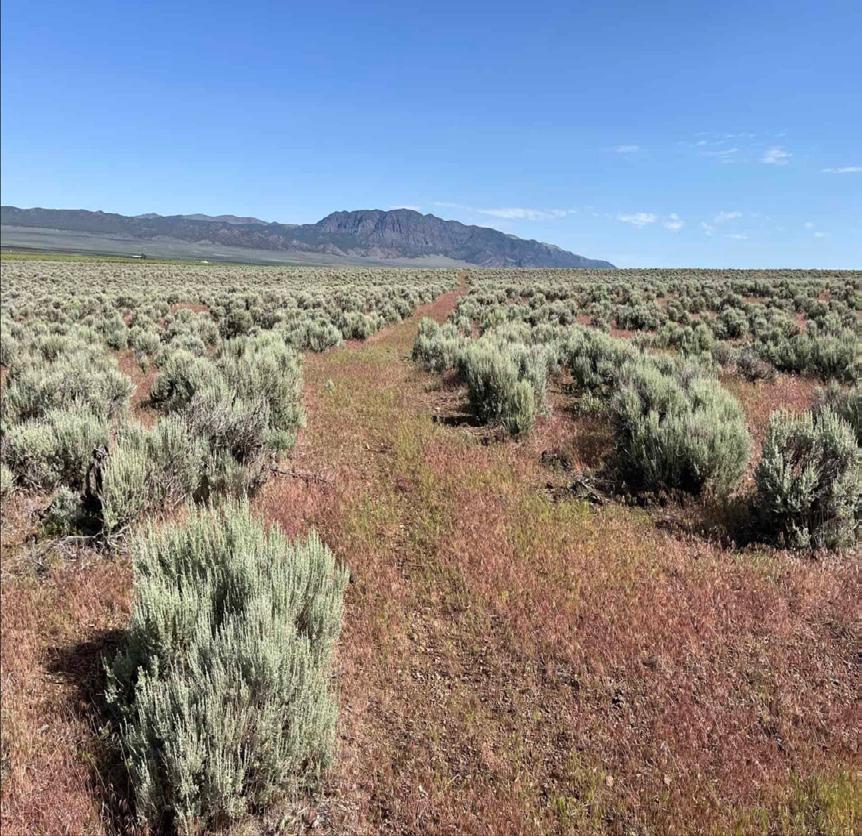
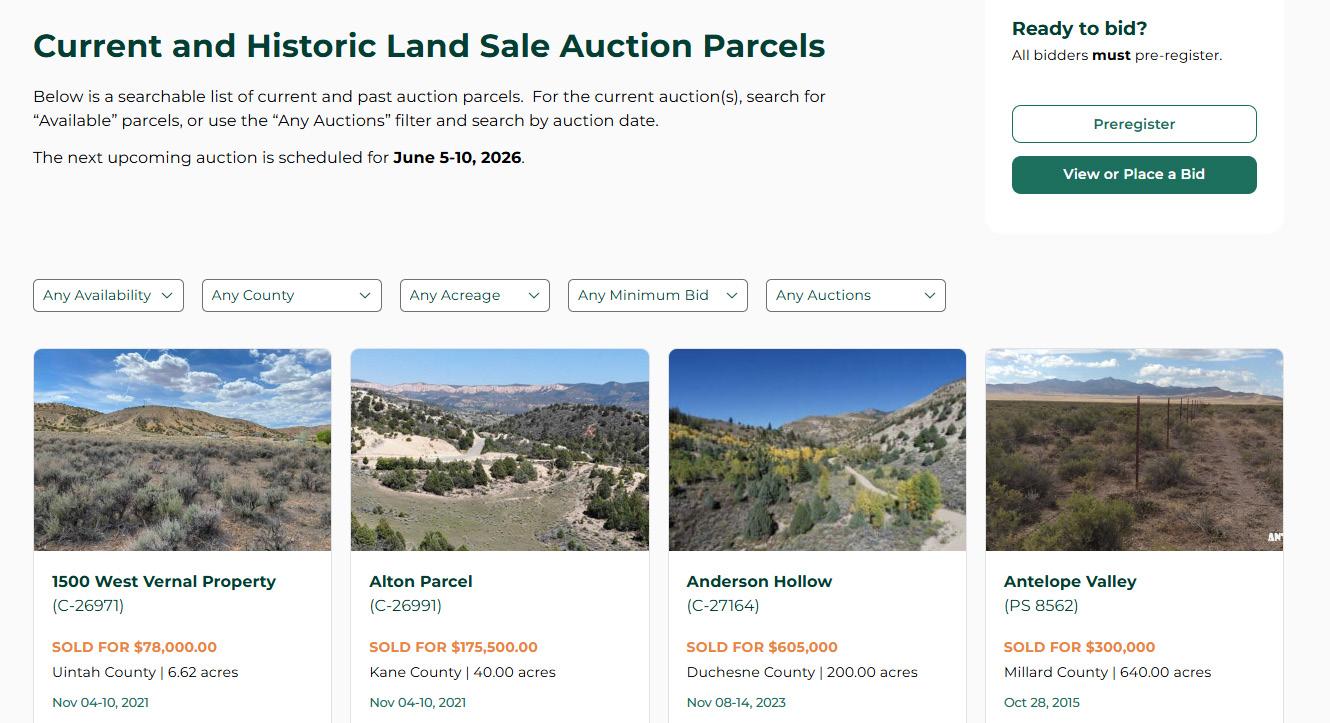
The Surface Resources group held three land sale auctions during fiscal year 2025: November 2024, April 2025, and June 2025. Seventeen properties sold, totaling 2,412.30 acres across 10 counties throughout the state. The total sale proceeds were $6,629,500. The beneficiaries of these auctions were Public Schools, Miner’s Hospital, and Utah State University.
Some of the highlights of the properties sold include: a 18.02-acre parcel on the east side of Bear Lake which sold for $2,003,000; a remnant 33.85-acre parcel near Kamas which sold for $620,000; a beautiful 209.44-acre property close to Scofield Reservoir which sold for $1,410,000; and 1,608.77 non-contiguous acres of agricultural property near the town of Beryl in western Iron County which sold for $1,024,000.
Our land sale auction program is an effective tool for converting underperforming land assets into cash assets that can more effectively generate revenue for beneficiaries when invested in their respective permanent funds. All lands offered for sale are carefully vetted before auction to avoid creating obstacles to future mineral, surface, or development opportunities.
Fund
CONSOLIDATED BALANCE SHEET
June, 30 2025
ASSETS
Cash
Accrued Interest Receivable
Certificates of Sale Receivable
Due From Other Funds
Enabling Act Land
Other Land & Improvements
Purchased Land at Cost Donated Land Water Rights
Buildings
Total Assets LIABILITIES
Unearned Revenue
Total Liabilities
FUND BALANCE
Beginning Fund Balance
Current Year Change in Fund Balance
Total Fund Balance
Total Liabilities and Fund Balance $$$ 1,168,589 809,754 15,699,375 9,370,565 13,588,231 32,689,870 1,090,454 440,269 11,083,493 260,676 86,201,276 19,999,424 19,999,424 67,904,942 (1,703,090) 66,201,852 86,201,276
*Unaudited data; audited data for the TLA is included in the State of Utah Annual Comprehensive Financial Report found at https://finance.utah.gov/state-agency-resources/reports.
The Beneficiary Permanent Fund Account holds lands granted to the state by the United States under the Utah Enabling Act, along with other lands and assets transferred into the Trust. These holdings are managed by the Trust Lands Administration for the benefit of the twelve beneficiaries specified in the Utah Enabling Act.
For the Fiscal Year Ended June 30, 2025
REVENUES
Development Land Sales Revenue
Surface Land Sales Revenue
Total Land Sales Revenue
Mineral Lease Revenue
Surface Use Lease Revenue
Development Lease Revenue
Total Lease Revenue
Interest / Other Misc. Revenue
Less: Budget Appropriations
Total Net Revenues
TRANSFERS
Revenue Transfers to SITFO
Investment Earnings
Distributions to Trust Beneficiaries
Total Change in Fund Balance $$$ 57,653,751 7,442,184 65,095,935 60,970,956 11,893,744 2,283,024 75,147,724 2,736,151 (18,110,918) 124,868,892 (126,571,982) 117,977,375 (117,977,375) (1,703,090)
*Each beneficiary has their own fund; for purposes of this report, they are represented collectively.
June 30, 2025 ASSETS
Cash
Royalty Receivable
Due From Other State Agencies
Prepaid Expense
Building Improvements
Equipment
Accumulated Depreciation and Amortization
Total Assets LIABILITIES
Accrued Expenditures
Accounts Payable
Due to Other Funds
Due to Other State Agencies
Unearned Revenue
Total Liabilities
NET POSITION
Beginning Net Position
Current Year Change in Net Position
Total Net Position $$$ 9,803,614 13,147,586 32,192 2,510 2,360,385 1,236,505 (1,350,436) 25,232,356 60,279 1,621,590 9,370,565 266,370 3,777,022 15,095,826 9,218,216 918,314 10,136,530
*Unaudited data; audited data for the TLA is included in the State of Utah Annual Comprehensive Financial Report found at https://finance.utah.gov/state-agency-resources/reports.
The Operating Fund contains the revenues necessary to finance the agency’s annual operating costs, as authorized by the Trust Lands Administration’s Board of Trustees and appropriated by the Utah Legislature. The Trust Lands Administration does not use any taxpayer funding or any state general fund dollars.
For the Fiscal Year Ended June 30, 2025
REVENUES
Budget Appropriations Fees and Assessments
Total Revenues
EXPENSES
Personnel Services
Administration & Other
Rentals and Leases
Maintenance
Depreciation
Data Processing
Supplies
Utilities
Total Expenses
Change in Net Position $$$ 18,110,918 358,661 18,469,579 11,573,505 2,875,204 1,112,667 343,095 122,203 497,891 337,231 689,469 17,551,265 918,314
*Unaudited data; audited data for the TLA is included in the State of Utah Annual Comprehensive Financial Report found at https://finance.utah.gov/state-agency-resources/reports.
Surface Estate
Land parcels with surface ownership held by TLA, regardless of mineral ownership beneath the surface.
Oil and Gas Estate
Land parcels with oil and gas rights held by TLA, regardless of surface ownership or other mineral interests.
Coal Estate
Land parcels with coal rights held by TLA, regardless of surface ownership or other mineral interests.
3,291,039
4,388,830
4,388,995
4,431,771
Land parcels with non–oil, gas, and coal mineral rights held by TLA, including metalliferous and industrial minerals.
Schools Trust
LAND SALES
Surface Development
LEASES & PERMITS
Development Oil & Gas
Renewable Energy
Coal Minerals
Sand & Gravel Agricultural Commercial Government
Grazing
Easements
Rights of Entry Interest / Other Misc. Receipts
Total Less: TLA Budget appropriation
Total contributions to Permanent Fund
Annual distribution from the Permanent Fund $$$ 7,418,460 55,236,388 1,706,855 34,236,585 2,461,042 3,070,827 6,450,751 1,269,162 154,709 2,614,393 679,420 3,735,971 97,899 1,313,145 5,049 1,434,743 322,653 162,599 2,597,182 124,967,833 (15,020,473) 109,947,360 111,314,466
Rights
Interest / Other Misc. Receipts
Total Less: TLA Budget appropriation
Total contributions to Permanent Fund
3,798 16 12 11,607 496,930 (198,691) 298,239 139,081
Annual distribution from the Permanent Fund $$$ 2,384 6,740 3 469,148 497(9,681) 8,700 890 2,816

LAND SALES
Surface Development
LEASES & PERMITS
Development
Oil & Gas
Renewable Energy
Coal Minerals
Sand & Gravel
Grazing
Easements
Rights of Entry
Interest / Other Misc. Receipts
Total Less: TLA Budget appropriation
Total contributions to Permanent Fund
Annual distribution from the Permanent Fund $$$88,806 39 253,95960064,563--571 11,612 419,637 (60,021) 359,616 920,178
LAND SALES
Surface Development
LEASES & PERMITS
Development
Oil & Gas
Renewable Energy
Coal Minerals
Sand & Gravel
Grazing
Easements
Rights of Entry
Interest / Other Misc. Receipts
Total Less: TLA Budget appropriation
Total contributions to Permanent Fund
Annual distribution from the Permanent Fund $$$-1,225,3272,052---32527,460 1,255,164 (406,863) 848,301 249,378

LAND SALES
Surface Development
LEASES & PERMITS
Development
Oil & Gas
Renewable Energy
Coal Minerals
Sand & Gravel
Agricultural
Forestry
Grazing
Easements
Rights of Entry
Interest / Other Misc. Receipts
Total Less: TLA Budget appropriation
Total contributions to Permanent Fund
Annual distribution from the Permanent Fund $$$20,262 1,781 884,4788,324760 12,846-3,90029,623 10 839 19,447 982,270 (193,542) 788,728 409,931

LAND SALES
Surface
Development
LEASES & PERMITS
Development
Oil & Gas
Renewable Energy
Coal Minerals
Sand & Gravel
Agricultural
Residential Telecommunications
Forestry
Grazing
Easements
Rights of Entry
Interest / Other Misc. Receipts
Total Less: TLA Budget appropriation
Total contributions to Permanent Fund
Annual distribution from the Permanent Fund $$$104,285 5,049 311,609 3,1161,196 232,9613,621 186 941-3,693 1,195 21 5,188 673,061 (158,307) 514,754 380,376

LAND SALES
Surface Development
LEASES & PERMITS
Development Oil & Gas
Sand & Gravel Agricultural
Grazing Easements
Rights of Entry Interest / Other Misc. Receipts
Total Less: TLA Budget appropriation
Total contributions to Permanent Fund
Annual distribution from the Permanent Fund $$$ 16,504 6,248,792 674,174 96,98324,532 397,7163,018-11 1,259 1,000 16 23,755 7,487,760 (237,205) 7,250,555 3,012,476

LAND SALES
Surface Development
LEASES & PERMITS
Development Oil & Gas
Renewable Energy
Coal Minerals
Sand & Gravel
Grazing
Easements
Rights of Entry Interest / Other Misc. Receipts
Total Less: TLA Budget appropriation
Total contributions to Permanent Fund
Annual distribution from the Permanent Fund $$$ 67,602 556,261 4,388 2,099,117 61,6503203,439 16,496 2,655 4,790 2,86238,252 158 1,181 57,269 2,916,440 (602,307) 2,314,133 497,867

LAND SALES
Surface Development
LEASES & PERMITS
Development
Oil & Gas
Renewable Energy
Coal Minerals
Sand & Gravel
Agricultural
Commercial Government Industrial
Residential Telecommunications
Forestry
Grazing
Easements
Rights of Entry Interest / Other Misc. Receipts
Total Less: TLA Budget appropriation
Total contributions to Permanent Fund
Annual distribution from the Permanent Fund $$$107,238 2,324 1,610,2671,562----2043,704 1,765,115 (513,138) 1,251,977 148,111

LAND SALES
Surface Development
LEASES & PERMITS
Development
Oil & Gas
Renewable Energy
Coal Minerals
Sand & Gravel
Grazing
Easements
Rights of Entry Interest / Other Misc. Receipts
Total Less: TLA Budget appropriation
Total contributions to Permanent Fund
Annual distribution from the Permanent Fund $$$ 58,209 162,893 5 321,294 7,5532,7402,554 2,816-17,340 4,975 3,527 2 30 18,146 602,084 (124,196) 477,888 313,596






LAND SALES
Surface
Rights of Entry
Interest / Other Misc. Receipts
Total Less: TLA Budget appropriation
Total contributions to Permanent Fund
Annual distribution from the Permanent Fund $$$ 22,138 20,820 8,374 155,673 23,290 2,541,056 21,038 10,700 15,246 21,525 1,864 8,06158,524 147 15,993 10 519 148,012 3,072,990 (552,559) 2,520,431 591,915
SALT LAKE CITY (MAIN OFFICE)
102 Tower
102 South 200 East, #600 Salt Lake City, UT 84111 801-538-5100 VERNAL OFFICE
152 E 100 N, 4th Floor South Vernal, UT 84078 435-781-5304
RICHFIELD OFFICE 2031 South Industrial Park Road Richfield, UT 84701
435-896-2559
1593 Grapevine Crossing Washington, UT 84780 435-522-7411
696 North Main Street
Monticello, UT 84535
435-259-7417 or 435-259-9565