Trust Lands Administration
State of Utah School and Institutional Trust Lands Administration
Fiscal Year 2018 Annual Report | July 1, 2017 — June 30, 2018
Senior Staff
David Ure, Director
Kim Christy, Deputy Director/Surface and External Relations
Mike Johnson, Assistant Director and Chief Legal Counsel
Lisa Schneider, Assistant Director/Finance
Rodger Mitchell, Assistant Director/Real Estate Planning and Development
LaVonne Garrison, Assistant Director/Oil and Gas
Tom Faddies, Assistant Director/Mining
Tim Donaldson, Assistant Director/Special Projects
Mike Brown, ITS Director
Ron Carlson, Audit Manager
Lisa S. Jones, Assistant to the Director and Board of Trustees
Board of Trustees
Thomas W. Bachtell, Chair
Scott O. Ruppe, Vice Chair
Lonnie M. Bullard, Trustee
Roger E. Barrus, Trustee
Donald G. Foot, Trustee
W. Richards Woodbury, Trustee
Michael Mower, Trustee - Governor Appointee
Message from the Director
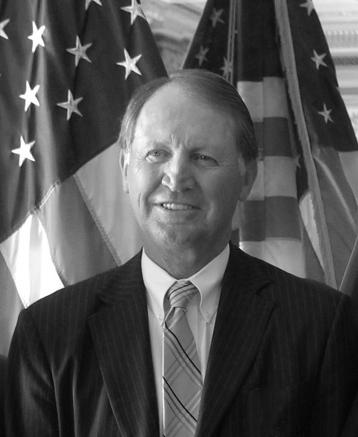
Advocacy for prudent and profitable management of trust lands led to the creation of SITLA, and continued advocacy of the Trust is vital for its growth and protection.
In 1994, advocacy by concerned educators and lawmakers led to the creation of SITLA, a move that helped to grow the permanent endowments for schools, hospitals, colleges, and universities to more than $2.5 billion today.
Many of these advocates, including the late State Senator Dennis Stowell, Margaret Bird, Utah PTA, and Representatives Mel Brown, Mike Noel, and James Gowans, have been recognized by SITLA and the School Children’s Trust as Friends of the Trust.
This year, I had the privilege of naming former Lieutenant Governor and Representative Gayle McKeachnie, and former Senator Margaret Dayton to that impressive list of Friends of the Trust. During their tenures, both McKeachnie and Dayton supported legislation and served as strong advocates for Utah’s K-12 public school trust.
Also this past year, the 2018 Utah Legislature created the Land Trusts Protection and Advocacy Office to represent beneficiary interests, support optimal revenue from trust lands, and advocate for prudent, profitable investment and effective distribution of trust revenue to beneficiaries.
As SITLA approaches earnings of $2 billion in revenue since 1994, we thank those who had the vision of a multi-billion endowment for public education and those who continue to champion the Trust.

David Ure
Cash Flow Fiscal Year 2018
$61.8 million
Total revenue deposited into Permanent Funds
*Stated on a cash basis.
Other Revenue
$33.3 million Oil and Gas
$ 6.7 million Mining
$ 9.1 million Surface
$ 1.3 million Real Estate
$ 1.0 million Interest
$ 1.5 million Unused appropriation from FY2017
Beneficiary contribution to agency expense
$15.1 million
Balance deposited into permanent funds
$37.8 million
Revenues by Business Group
Total Investment Earnings Distributed to Each Beneficiary
$3,000,000,000
$2,500,000,000
$2,000,000,000
$1,500,000,000
$1,000,000,000
2018 Fiscal Year Highlights
Audit Group
Information Technology (IT) and Geographic Information Systems (GIS) Group
Revenue Compliance: The Audit Group conducted lease revenue compliance procedures recovering $509,712 in unpaid rents and royalties. Deficiencies generally fall into three categories: sales stemming from production; values associated with surface and sub-surface activity; and the agency’s interest in those values as described in the various leases. The group follows an audit schedule approved by the director and meets periodically with the board of trustees audit committee.
Infrastructure Upgrade: The IT Group recently transitioned the business system onto internal servers allowing the agency to eliminate state hosting and database fees of approximately $10,000 annually.
GIS Upgrade: The group also completed an upgrade of the GIS server. This new software package creates the opportunity to expand GIS offerings and improve analytics using spatial data.
Modernizing the IT Model: The IT Group is re-envisioning the business system and how information from constituents and other state agencies is managed. The group is in the early stages of developing an updated, improved business system that can offer more online services to potential clients, including a more streamlined contract application process.
Geographic Information Systems (GIS) Portal for ArcGIS: The GIS Team expanded the presence of web GIS by sharing the agency’s story through utilization of Portal for ArcGIS, ArcGIS Server, ArcGIS Online, and distributed collaboration. For their work, the GIS Team was honored with ESRI’s Special Achievement in GIS Award. Selected from more than 300,000 eligible candidates, SITLA’s GIS Team received the award for its innovative application of mapping, data analytics, and thought leadership in the field of government.
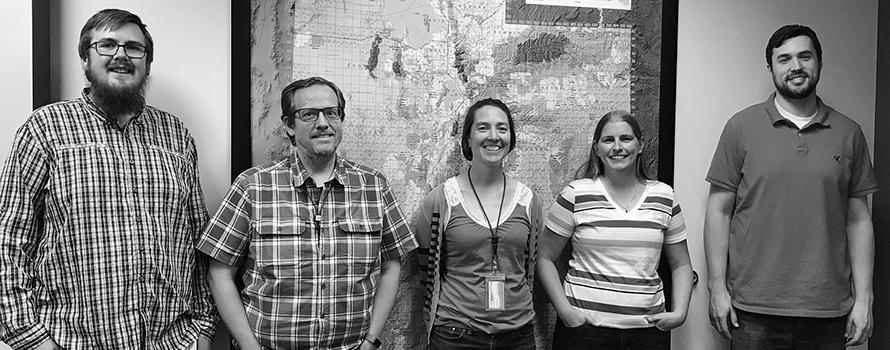
Parcel Fabric: The GIS Team continues its work with the Automated Geographic Reference Center and the Bureau of Land Management to migrate the GIS land ownership system into a parcel fabric environment that is enabled with the Local Government Information Model. A workflow was established between the three agencies to accomplish this task. Sixteen counties were successfully migrated into the parcel fabric to date. Vigilant maintenance of this parcel fabric will yield a clean and quality product for the entire GIS community.
Group
Group
Legal Litigation: The Legal Group continued to defend the school trust’s interests in various pending lawsuits by: securing water supplies for future mining activities through complex water litigation in Beaver County; defending SITLA title and interests in the historic Uncompahgre Reservation; litigating real estate development entitlements for a significant resort development planned for school trust lands in Moab; and participating in federal endangered species and public lands litigation affecting trust lands.
Real Estate Development: The Legal Group provides transactional drafting and legal support for all business activities on trust lands. Highlights in FY2018 included drafting and executing a complex development contract for a valuable parcel donated to the trust in the northwest quadrant of Salt Lake County, and contract drafting for what will be the trust’s largest real estate development ever, an almost 7,000-acre, mixed-use project on the trust’s South Block in St. George.
Land Exchanges: The Legal Group works with the agency’s business groups and Special Projects and Strategic Planning coordinator on SITLA’s efforts to exchange lands with the federal government to enhance financial returns from the trust. The most significant milestone during FY2018 was beginning implementation of a large state-federal land exchange in connection with the expansion of the Utah Test and Training Range in Utah’s West Desert. SITLA is also a significant participant in the Emery County and Washington County land bills. The agency is also monitoring developments from the revisions to the Bears Ears and Grand Staircase Escalante national monuments, and will be prepared to consider land exchange options once the legal status of the area is clarified.
FY2018 Revenue: Mining activity on trust lands resulted in gross revenue of $6.7 million. Revenue from metalliferous minerals, sand and gravel, potash, and limestone remained strong, while coal revenue declined due to production moving from trust lands to federal lands.
Permitting and Exploration: The Mining Group continued the permitting process for a potash project in Millard County and development of the lower coal seam at the SUFCO Mine in Sevier County. Exploration for low-grade gold continued in Tooele and Washington counties, while drill testing advanced on coal lands on the Fremont Junction Block and on porphyry copper targets in Juab, Millard, and Tooele counties.
Production: Sand and gravel-rock aggregate production increased this past fiscal year and revenue from calcined limestone products from Cricket Mountain in Millard County remained high. Geneva Rock increased production from trust lands and commissioned a concrete plant at their Pelican Point Quarry in Utah County. Materion expanded mine production at their Spore Mountain beryllium mine in Juab County. Potash production from lntrepid’s Moab and Wendover operations increased over the previous year and mining resumed in late spring at Lisbon Valley Copper.
Legal
Mining
Oil and Gas Group
Real Estate Planning and Development Group
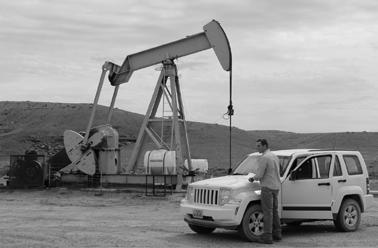
Revenue: Oil and gas development is a strong, consistent revenue producer for the trust. Oil and gas are leased to companies for a royalty between 12.5% and 18.75%. Much of the current leasing is at a 16.67% royalty, which equates to $166 to the trust for every $1,000 of oil and gas sold from trust land parcels. Most wells are not drilled exclusively on trust lands and may include federal or private lands, so the royalty distribution is sometimes shared among other parties.
Monitoring and Stewardship: The Oil and Gas Group of six employees monitors approximately 1,500 wells to ensure they are in good working condition and royalties are paid correctly. Land stewardship is an important component of the group’s efforts. Following oil and gas extraction, employees monitor reclamation work to ensure it meets agency standards.
To complement oil and gas operations, the group opened a field office in Vernal, the heart of the oil patch. The Oil and Gas Group is now well prepared to respond to energy-related issues as they arise in the field and to meet the needs of trust lands lessees.
Planning: The Planning and Development Group continued to capitalize on sustained planning and investment from prior years. The group is progressing on a number of real estate projects that will insure high annual revenue streams to the trust for decades to come. The group secured title to 770 acres of land in the northwest quadrant of Salt Lake City, which will be central to the future of Utah’s inland port. Planning is underway to make best use of this land for beneficiaries.
Development: Development of the St. George South Block has increased in velocity with the initiation of the Desert Color project. Estimated full buildout will add $3.4 billion in taxable value to the area. The trust expects more than $270 million in gross revenue over the 20 to 30-year life of the project, with significant revenue beginning in FY2019. Ivory Homes continued construction on a 1,200-acre master-planned development in Eagle Mountain. The trust anticipates upwards of $100 million in revenues will be produced from this project over the next 20 years. Development of the Coral Canyon and Sienna Hills projects have good momentum, and several areas of Sienna Hills opened in FY2018. Overall capital expenses for FY2018 were slightly under $4 million.
Revenue: Total development revenues for FY2018 were $18.7 million, which included significant earnings from Coral Canyon, Fort Pierce, Sienna Hills, Green Springs, SunRiver, and the South Block. The Group also completed the sale of an office building in Coral Canyon, which added an additional $2.5 million to the permanent fund. The group currently forecasts maintaining between $15 and $20 million in revenue over the next few years, depending on market conditions and specific timing of closings.
Surface and External Relations Group
Public Hunter Access Agreement: Working with the Governor’s Office, Utah Legislature, Department of Natural Resources and Division of Wildlife Resources, SITLA negotiated a new 15-year Hunter Access Agreement, which provides public access for hunting and fishing on Utah’s 3.4 million acres of unencumbered trust lands. The Utah Legislature committed $1 million in general funds annually, with DWR providing the remaining balance.
Cultural Resources and Stewardship: SITLA was honored with the 2017 Outstanding Achievement Award from the Utah Division of History. The agency was recognized for its outstanding long-term commitment to the archaeological and historic heritage of Utah while balancing the needs of trust land beneficiaries.
The Great Hunt Panel, a world-renowned petroglyph and pictograph panel located in Nine-Mile Canyon in Carbon County, is now listed on the National Register of Historic Places. Located on school trust lands managed by SITLA, the Great Hunt Panel or Cottonwood Panel, is a nationally-significant display of prehistoric rock art, associated with the Archaic and Fremont periods.
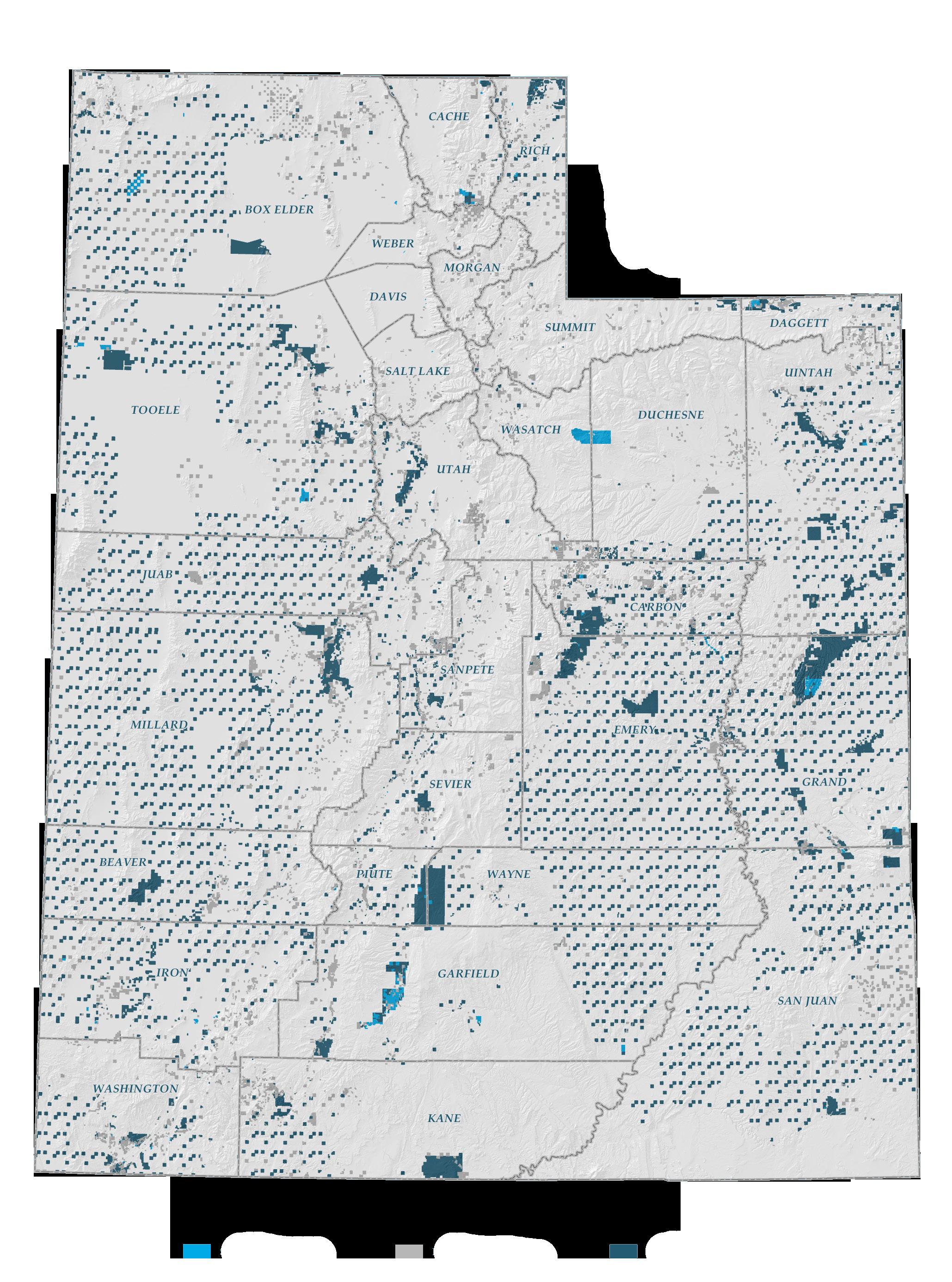
Land Exchange: When Congress passed the FY2017 National Defense Authorization Act, it authorized a land exchange between SITLA and the BLM for the 83,000 acres of trust land impacted by expansion of the Utah Test and Training Range. The Surface Group continues its work with the BLM to process and implement this land exchange, with anticipated completion in FY19. This complex exchange includes lands in Beaver, Box Elder, Juab, Millard, Tooele, and Washington counties.
Trust Land Access: In early 2017, the Bureau of Land Management (BLM) agreed to settle litigation brought by several conservation groups challenging six Resource Management Plans (RMPs) and associated Travel Management Plans (TMPs) issued by the BLM in 2008. Pursuant to the settlement agreement, the BLM will prepare 13 new TMPs covering portions of five BLM field offices over the next seven years. Approximately 840,000 acres of trust surface and severed mineral estate are located within the new planning areas. As access to trust lands is crucial to maximizing their economic development, the Trust will participate as a cooperating agency in these planning processes and invest significant time and resources into assuring trust land access is protected.

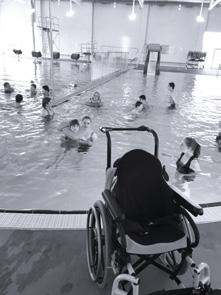

External Affairs: In cooperation with the School Children’s Trust Office at the Utah State Board of Education, SITLA held its annual trust land photo challenge. K-12 schools throughout Utah are encouraged to send a photograph showing how they use School LAND Trust Funds. Director Ure visited and presented additional trust funds to North Point Elementary School in Alpine School District and Con Amore School in Duchesne County School District for their winning photos and education programs.
State of Utah School and Institutional Trust Lands Administration
675 East 500 South, Suite 500
Salt Lake City, Utah 84102
801-538-5100 | trustlands.utah.gov