Trust Lands Administration
State of Utah School and Institutional Trust Lands Administration
Fiscal Year 2016 Annual Report | July 1, 2015 — June 30, 2016
Senior Staff
David Ure, Director
Kim Christy, Deputy Director/Surface and External Relations
John Andrews, Associate Director and Chief Legal Counsel
Lisa Schneider, Assistant Director/Finance
Rodger Mitchell, Assistant Director/Planning and Development
LaVonne Garrison, Assistant Director/Oil and Gas
Tom Faddies, Assistant Director/Mining
Jeff Roe, ITS Director
Ron Carlson, Audit Manager
Nannette Johnson, Assistant to the Director and Board of Trustees
Board of Trustees
Louis Cononelos, Chair
James M. Lekas, Vice Chair
Thomas W. Bachtell, Member
Scott O. Ruppe, Member
Lonnie M. Bullard, Member
Roger E. Barrus, Member
Michael Mower, Member
Message from the Director
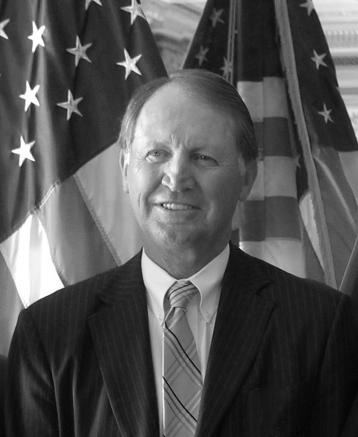
My tenure as SITLA Director began at the halfway point of FY2016 and I received quite an education during those first six months. SITLA is a complex agency that is often misunderstood. While Utahns are very familiar with private and public lands, the purpose of trust lands are lesser known.
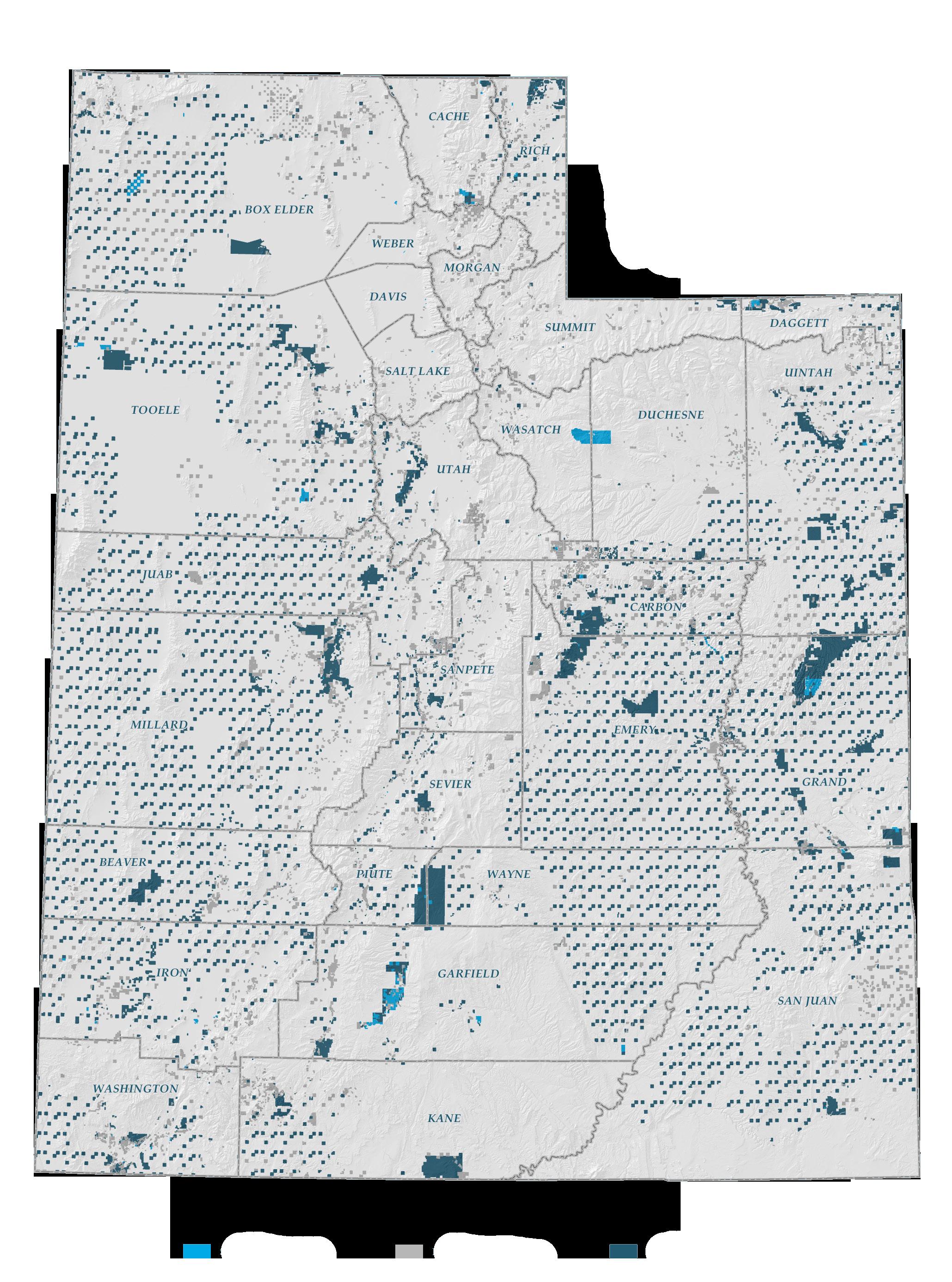
As director, one of my goals is to help Utahns understand our work as fiduciary of our state’s 3.4 million-acre land trust, which generated $66 million for the K-12 public education system, state hospitals, and universities this past fiscal year.
Another goal is to expand SITLA’s business model and explore new ways to generate revenue on behalf of trust land beneficiaries. As part of that innovation, we look to other states that manage trust lands and which face similar opportunities and challenges.
To discuss these complex issues, SITLA hosted the Western States Land Commissioners Association (WSLCA) Conference in Moab this past year. WSLCA comprises land managers responsible for administration of more than 440 million acres of public and school trust land assets in 23 Western states. Combined, these states represent the largest land owner group in the nation, second only to the federal government.
As I continue my work at SITLA, I will rely on a team of trust beneficiaries, the SITLA Board of Trustees, elected leaders, and employees dedicated to serving this agency. I’m proud of the work we’ve accomplished thus far and look forward to advocating for, protecting, and building this Trust.
David Ure
Cash Flow Fiscal Year 2016
Agency-Generated Revenue: $66 million
Non-Land Sales Revenue:
$43.9 million
Agency Expenditures:
Operating Costs - $9.8 million
Capital Costs - $1.3 million
Stewardship Costs - $0.5 million
$35.6 million
Deposited into the Permanent School Fund
$4.9 million
Distributed to the other beneficiaries
$0.9 million of unspent appropriation to be returned to all beneficiaries in FY 2017
Land Sales Revenue: $22.1 million
All sales revenue is deposited directly into the permanent fund of each beneficiary
Total revenue deposited into permanent funds or distributed directly to beneficiaries: $63.5 million
Asset Value Fiscal Year 2006 — 2016 Distributed to Schools Fiscal Year 2006 — 2016
financial information is unaudited.
audited information will be available online at trustlands.utah.gov by November 30, 2016.
Total Revenues by Business Group 2016
Total Revenues and Distributions for Each Beneficiary
*Distribution includes return of unspent share of F Y 2015 appropriation.
Audit Group
2016 Fiscal Year Highlights
Revenue Compliance: The audit group conducted lease revenue compliance procedures recovering $671,285 in unpaid rents and royalties. Deficiencies generally fall into three categories: sales stemming from production; values associated with surface and subsurface activity; and the agency’s interest in those values as described in the various leases. The group follows an audit schedule approved by the director and meets periodically with the board of trustees audit committee.
Information Technology and Geographic Information Systems Group
Legal Group
Mobility and Accessibility: The information technology (IT) group continued its work providing for an increasingly mobile and data-driven agency. In addition to improving capabilities with field offices and expanding services for mobile devices, the IT group upgraded and enhanced both the core business and document management systems. These two systems, paired with the GIS system, provide tabular and graphical representations of agency activities, including lands managed by the trust; leases and contracts on these lands; and all associated documents, which ensure accurate and timely revenue distributions to individual beneficiaries.
Geographic Information Systems (GIS)
Parcel Fabric: The GIS team continues its work with the Automated Geographic Reference Center and the Bureau of Land Management (BLM) to migrate the GIS system into a parcel network environment that is enabled with the Local Government Information Model.
Plat Map Rewrite: In 2010, the GIS group created a digital plat map to replace the paper plat map system. The GIS group is currently working on a second version that will include printing functions, simple interface, and in-house maintenance to allow for quick updates.
Utah Test and Training Range: The legal group continues work with Utah’s congressional delegation and U.S. Air Force on the proposed expansion of the Utah Test and Training Range, which would capture approximately 80,000 acres of state trust lands. In exchange for those lands, SITLA identified federal lands in Beaver, Box Elder, Juab, Millard, and Tooele counties that have greater economic utility for the state school trust. This proposal passed both houses of Congress and is expected to be implemented over the next several years. SITLA also worked with the Utah Legislature for approval of Senate Concurrent Resolution 8, which authorizes this SITLA-BLM exchange as required by state law.
Pending Litigation: The legal group continued to defend the School Trust’s interests in various pending issues, including complex water litigation in Beaver County; litigation challenging BLM’s land use plan amendments for management of the greater sage grouse; and environmental group litigation seeking to overturn BLM resource management plans throughout Utah.
Mining Group Coal and Other Solid Fuels: Coal production continued at the Dugout Mine, operated by Bowie Energy Company in the Book Cliff Field in Carbon County. Bowie is also proceeding with development on the Muddy Coal Tract in Sevier County, with plans to drill additional exploration holes.
Oil shale, uranium, and bitumen projects slowed due to low commodity prices. However, U.S. Oil Sands resumed construction of its commercial-scale pilot plant at PR Springs in Uintah County, with startup scheduled for fourth quarter 2016.
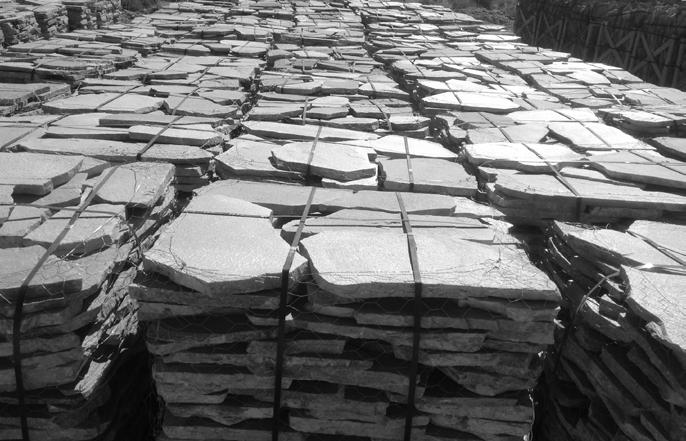
Other Minerals: Limestone production and revenues remained high for the year with Graymont’s operations at Cricket Mountain in Millard County leading production. Improved markets for crushed aggregates led to increased production from SITLA-leased quarries.
Materion increased stripping rates and mine production at their Spore Mountain beryllium operation in Juab County.
Potash Ridge announced a contractual agreement with SNC-Lavalin, which is undertaking a study for development of the Blawn Mountain potash resource in Millard County at a lower scale than was previously envisioned for the project.
Exploration for gold and copper continued on trust lands in the West Desert. While most exploration is conducted by major mining companies, several junior companies are also working on gold-related projects.
Oil and Gas Group
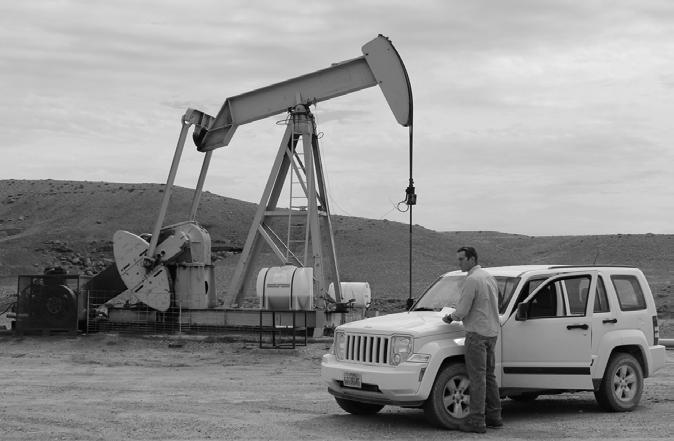
Revenue: Despite low oil prices, oil and gas revenues and royalties from trust lands topped $28.9 million this past fiscal year, which was over 43 percent of all SITLA revenue. The oil and gas group credits its consistent performance on its ability to provide flexible business arrangements and special development terms and the accessibility of online oil and gas lease offerings to new and existing business partners. The group anticipates a gradual rebound in oil prices and continued growth of oil and gas revenues for trust beneficiaries.
Real Estate Planning and Development Group
Surface and External Relations Group
Planning: In FY2016, the planning and development group continued to capitalize on sustained planning and investment from prior years. The group is in contracting stages for a number of real estate projects that will insure high annual revenue streams to the Trust for decades to come.
Development: During FY2016, the Trust selected Ivory Homes as its development partner for a 1,200-acre master planned development in Eagle Mountain. Contracts have been executed and the Trust anticipates upwards of $100 million in revenues will be produced from this project over the next 25 years. Southern Utah again led the planning and development group’s portfolio in 2016. Coral Canyon, Sienna Hills, Green Springs, Hidden Valley, and SunRiver all generated significant revenues for the Trust.
Revenue: Total development revenues for FY2016 were $19.7 million with capital investment and operating expenses staying under $2 million. While this revenue mark is a decrease from FY2015, it is the second highest year for gross revenue since FY2008 and second highest year of net revenue since FY2006. The group currently forecasts maintaining this roughly $20 million revenue level over the next few years.
Renewable Energy: The surface group successfully added a seventh project to its growing list of renewable energy projects. The most recent is a 1,700-acre lease of school trust lands in Millard County for development of a 300 megawatt photovoltaic solar power facility. The lessee is in the final stages of selling the project to a subsidiary of Electricite de France, one of the world’s largest utilities. The group manages two wind and five solar leases in various stages of development.
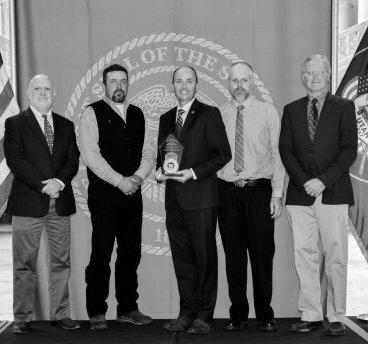
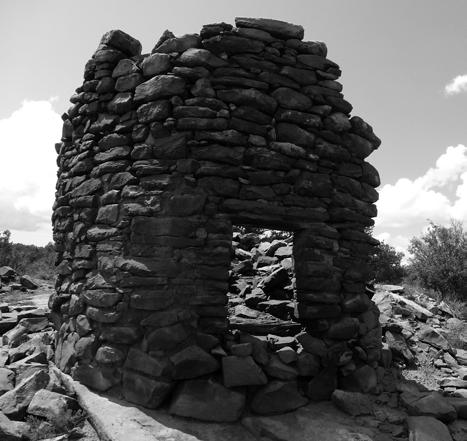
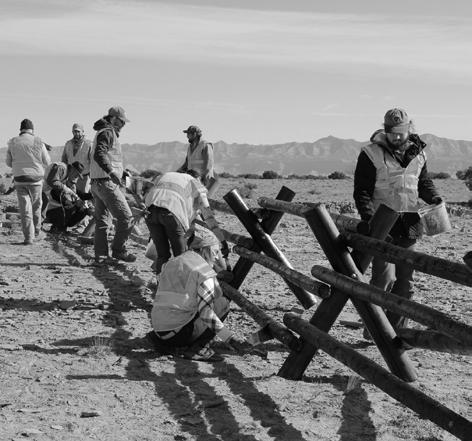
Stewardship: The cultural resources team received the Governor’s Award for Excellence for its work coordinating three stewardship projects in San Juan and Emery counties: Cave Towers, an Ancestral Puebloan site at the head of Mule Canyon; the historic Spirit Railroad grade; and Temple Mountain pictograph panel.
Surface and External Relations Group
Grazing Rule Changes: After extensive collaboration with the livestock industry, grazing rules were changed allowing SITLA to post expiring permits on the agency’s website, levy 15 years as the maximum length for grazing permits, set a fee of $10/AUM when permits are assigned, better manage grazing on trust lands, and work with permittees found in violation of rules.
Land Auctions: Two land sale auctions coordinated by the surface group earned $4.33 million for its beneficiaries including public schools, Utah State University, Miners Hospital at the University of Utah Medical Center, the Utah State Hospital, and state reservoirs. The lands sold include recreation, agricultural, grazing, and development parcels in nine counties.
Wild Horses: With assistance from the legal group, the agency entered into a cooperative agreement with the Bureau of Land Management to more effectively manage wild horses located on 555,000 acres of SITLA-managed lands. As part of this unprecedented collaboration, both agencies will meet annually to identify priority removal areas, ensure environmental review, conduct aerial population surveys jointly, and monitor rangeland resources and improvements.
External Affairs
Outreach Projects: The external affairs team continues its work sharing SITLA’s work and mission through a wide variety of platforms including Science-TechnologyEngineering-Math (STEM) Fest, energy summits, community events, education forums, website, and social media.
State Legislation: During the 2016 legislative session, the team successfully worked with elected leaders on successful passage of legislation. Senate Concurrent Resolution 8 granted legislative approval for a SITLA-BLM land exchange as part of the proposed Utah Test and Training Range expansion. Senate Bill 72 made technical corrections to the Trust Lands Management Act regarding target shooting regulations and online mineral lease auctions.

State of Utah School and Institutional Trust Lands Administration
675 East 500 South, Suite 500
Salt Lake City, Utah 84102
801-538-5100 | trustlands.utah.gov