Trust Lands Administration
State of Utah School and Institutional Trust Lands Administration
Trust Lands Administration
State of Utah School and Institutional Trust Lands Administration
Fiscal Year 2015 Annual Report
July 1, 2014 — June 30, 2015

Message from the Director
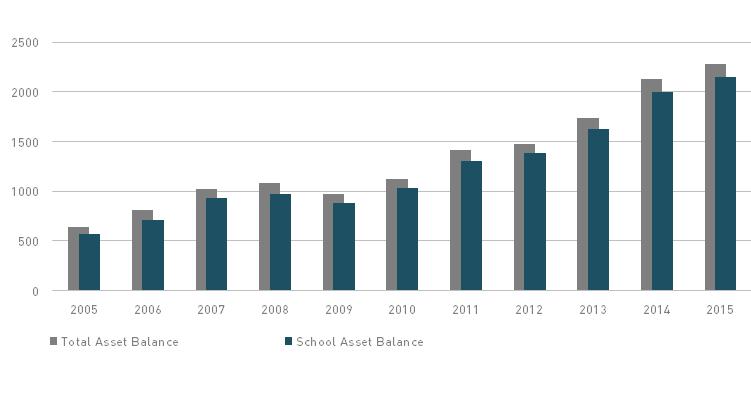
Fiscal year 2015 was a landmark year for our agency. SITLA topped $109 million in revenue, which helped the Permanent School Fund exceed $2 billion for the first time. It also marks my last full year before retirement from trust land management.
When I started with the Utah Division of State Lands and Forestry in 1981, we were a division within the Department of Natural Resources. In the late 80s and early 90s, recognizing a supportive climate for change, trust lands beneficiaries launched an effort to refocus the agency.
In 1994, the Utah Legislature enacted the Trust Lands Management Act, creating SITLA. This new, independent agency was absolved of all non-trust responsibilities, and instructed to function as a business, not government.
At that time, many doubted the impact SITLA would make. However, results confirm otherwise. Prior to the creation of SITLA, the balance of Utah’s Permanent School Fund was the lowest of the 23 trust land states at approximately $50 million. After 21 years, Utah’s Permanent School Fund now exceeds $2 billion, moving from last place among trust land states, to well within the top third. I am proud of the work SITLA has accomplished during my tenure.
I wish to thank trust beneficiaries, elected leaders, current and former members of the Board of Trustees, and dedicated SITLA employees for their continued advocacy and commitment to protecting and growing this important trust. This is the best job in the state.
Kevin S. Carter
Cash Flow Fiscal Year 2015
Agency-Generated Revenue: $109.2 million
Non-Land Sales Revenue:
$78.9 million
Agency Expenditures:
Operating Costs - $9.7 million
Capital Costs - $0.8 million
Stewardship Costs - $0.2 million
$59.1 million
Deposited into the Permanent School Fund
$5.8 million
Distributed to the other beneficiaries
$4.9 million
of unspent appropriation to be returned to all beneficiaries in FY 2016
Land Sales Revenue: $30.3 million
All sales revenue is deposited directly into the permanent fund of each beneficiary
Total revenue deposited into permanent funds or distributed directly to beneficiaries: $100.1 million
Asset Value Fiscal Year 2005 — 2015
Dollars in Millions
Distributed to Schools Fiscal Year 2005 — 2015
Dollars in Millions
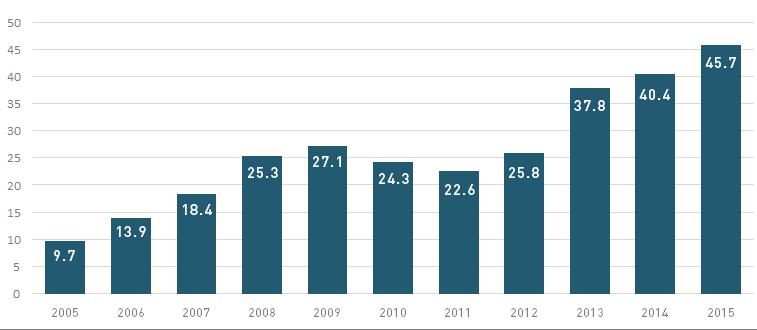
financial information is unaudited. Final audited information will be available online at trustlands.com by November 30, 2015.
Total Revenues by Business Group 2015
Total Revenues and Distributions for Each Beneficiary
$61,714,953 $28,076,124 $11,492,750 $438,558 $1,447,161 $3,360 $45,741,146 $562,627 $613,077 $348,352 $170,286 $195,075 $1,401,699 $280,473 $386,591
*Distribution includes return of unspent share of F Y 2014 appropriation.
2015 Fiscal Year Highlights
Audit Group
Information Technology and Geographic Information Systems Group
Revenue Compliance: The Audit Group conducted lease revenue compliance procedures to recover $ $1,112,555 in unpaid rents and royalties. Deficiencies generally fall into three categories: sales stemming from production; values associated with surface and sub-surface activity; and the agency’s interest in those values as described in the various leases. The group follows an audit schedule approved by the director and meets periodically with the board of trustees audit committee.
Mobility and Accessibility: The Information Technology (IT) Group continued its work providing for an increasingly mobile and data-driven agency. In addition to improving capabilities with field offices and expanding services for mobile devices, the IT Group upgraded and enhanced both the core business system and document management system. These two complex data systems provide the storage and interface for most agency business transactions. Additionally, IT streamlined procurement and deployment procedures to improve economy and efficiency.
Geographic Information Systems (GIS)
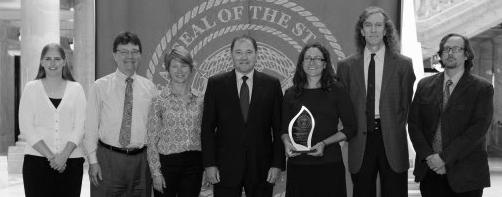
Governor’s Award: The GIS Team received the Governor’s Award for Excellence in Innovation and Efficiency. The team implemented the agency GIS data portal, which was recognized as a model of best practice by Esri, an international supplier of GIS software. The team was also credited with digitizing the agency’s historic plat maps, incorporating data from the SITLA business system to include ownership and encumbrance records.
Open Data Portal: The GIS Team also completed work on the agency open data portal, which provides the public with simple, transparent access to all open SITLA GIS data.
Legal Group
Mining Group
Hill Creek Cultural Preservation and Energy Development Act: SITLA has worked for nearly a decade with the Ute Indian Tribe of the Uintah and Ouray Reservation to solve split-estate mineral issues inside the Hill Creek Extension of the Ute Reservation. Since the Extension was created by Congress in 1948, approximately 40,000 acres of state trust minerals have been located within its boundaries. Resolution of split-estate issues took a large step forward in August 2014 when President Obama signed the Hill Creek Cultural Preservation and Energy Development Act into law. Under the Act, SITLA will relinquish 18,695 acres of school trust mineral estate in the Grand County portion of the reservation to the United States, in trust for the Tribe. This area has been managed by the Tribe for many years for wilderness, wildlife, and tribal religious use, and the SITLA conveyance will help protect this area into the future. In return, SITLA will select an equal acreage of federal mineral estate in the more-developed northern portion of the Hill Creek Extension. SITLA will then partner with the Tribe to develop oil and gas resources on the selected lands, for the mutual benefit of Tribal citizens and Utah’s school trust. Conveyance of the lands is now being processed by the Bureau of Land Management, which must issue and receive deeds for the subject lands.
Utah Test and Training Range: The Legal Group continues work with Utah’s congressional delegation and U.S. Air Force on the proposed 1,026,000-acre expansion of the Utah Test and Training Range, which would capture approximately 84,000 acres of state trust lands. SITLA proposes an exchange of these lands for Bureau of Land Management lands elsewhere in western Utah that would have greater economic utility for the state school trust.
Coal: Although initially slated for closure in 2015, Dugout Canyon Coal Mine operated by Canyon Fuel Company in Carbon County, submitted mining plans that provide for sustained, continued mine production on trust lands for the next 10 years.
A lease modification to the 99-acre Muddy Coal Tract was approved by the SITLA Board. This area is accessed via workings in the SUFCO Mine in Sevier County, also operated by Canyon Fuel Company. This action will enable the lessee to extend longwall panels, which are currently under development, and recover additional coal from the Muddy Exchange Tract, which was acquired in 1998.
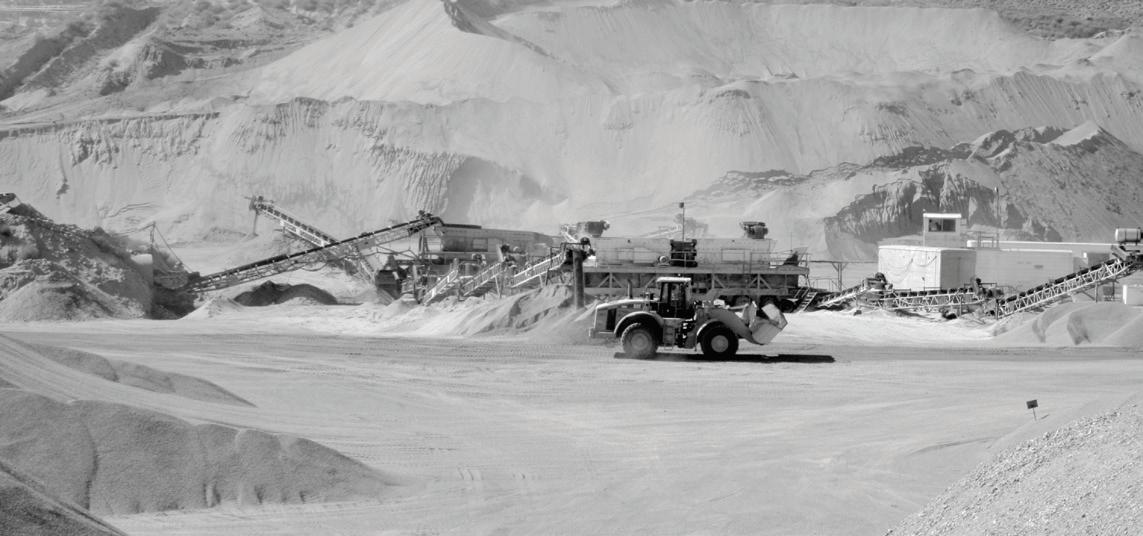
Limestone: FY2015 was a record year for production of limestone on SITLA lands. Increased production was noted in the West Lehi Pit in Utah County and from Strong’s Knob in Box Elder County. Production also remained strong from the Papoose quarry in San Juan County and from the Graymont operation in Millard County.
Oil and Gas Group
Bitumen: U.S. Oil Sands continued development work on its bitumen project located in the PR Springs area of the Book Cliffs in Uintah County. Construction of the plant is underway and commissioning is scheduled for the fourth quarter of 2015.
Minerals: Exploration for base and precious metals on and adjacent to SITLA lands in the West Desert was underway at five locations.
The Materion Corporation plans to increase beryllium production 100 percent from its properties at Spor Mountain in Juab County. All production from this mine produces royalties for SITLA. The increased mine production goal was achieved by mid-summer. Increased stripping is underway in the mine area, and work on plant facilities is ongoing.
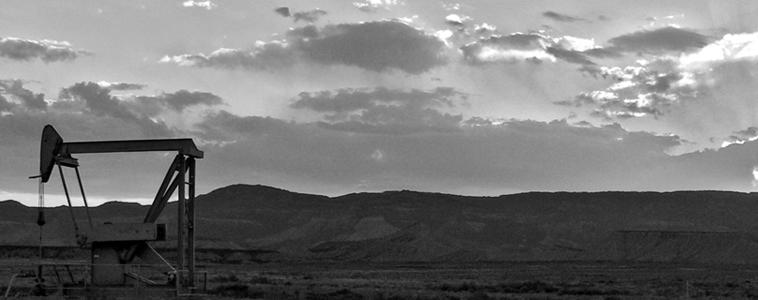
Consistent Performance: Despite the drop in oil prices, oil and gas revenues and royalties from trust lands topped $60 million this past fiscal year. The Oil and Gas Group credits its consistent performance on its ability to provide flexible business arrangements and special development terms, and the accessibility of online oil and gas lease offerings to new and existing business partners. The Group anticipates a gradual rebound in oil prices, and continued growth of oil and gas revenues for trust beneficiaries.
Real Estate Planning and Development Group
Near-Record Revenue: The Planning and Development Group posted gross revenues of $28.6 million, which marks a 75 percent increase over the previous fiscal year FY2015 was the third highest revenue year since the group’s inception in 1998, while combined capital and operating expenses were the lowest since 1999.
Planning and Investment: FY2015 saw completion of structured payments on land for the St. George Airport, as well as several bulk land sales in southern Utah. This year’s success is the result of sustained planning efforts and capital investment over a number of years, and renewed commitment in both areas should result in a continuation of superior results.
Future Plans: During FY2015, the group selected developers and entered into negotiations for two major master-planned development communities, which should begin producing significant revenues for the Trust over the next few years. The group remains cautiously optimistic about current market conditions and trends. Efforts to maximize added value on developable Trust properties will continue with a long-term focus to protect future values.
Surface and External Relations Group
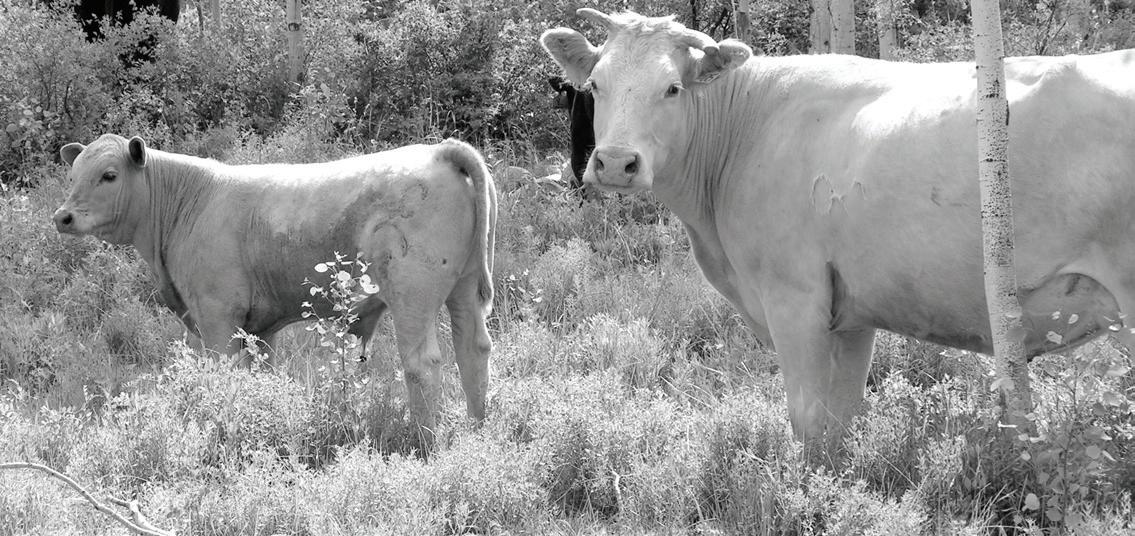
New Grazing Policies: The group successfully negotiated with livestock industry leaders to finalize new grazing policies and rules, which will allow SITLA to: 1) Publish notice of expiring grazing permits; 2) clarify procedures for reimbursement to permittees who lose the use of approved range improvements where trust lands are sold, exchanged or withdrawn; and 3) prohibit the extension of grazing permit expiration dates.
Land Sale Auction: The group sold six trust land parcels at the biannual public auction earning $1,957,000 for Utah’s Permanent School Fund. Four separate parcels in Garfield County sold for a total of $647,000; a parcel in Millard County sold for $260,000; and a 1,500-acre parcel in Grand County sold for $1.05 million.
Wild Horse Litigation: SITLA filed a lawsuit in U.S. District Court seeking an order directing the Department of the Interior and Bureau of Land Management to comply with the federal Wild Horse and Burro Act, requiring the BLM to remove wild horses from school trust lands in Beaver County.
County Road Claims: While easements are not marketed like property sales or other development transactions, the Surface Group maximizes easement revenue through several channels. The agency issued easements on 539 miles of county roads in FY2015, bringing in over $1 million and representing over half of the year’s easement revenue. The Off-Highway Vehicle Fund and grants from the Permanent Community Impact Fund Board allowed county commissioners to acquire those easements at no cost to the counties. The agency also resolved several longstanding power line, communication line, and pipeline easement issues. Combined with the processing of new easement requests, these efforts resulted in a banner year for the easement program.
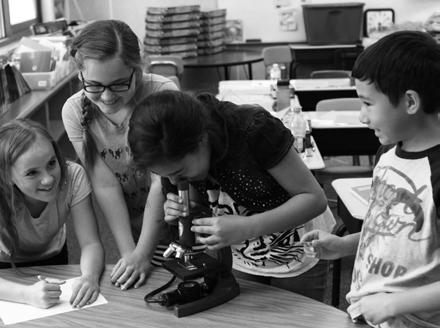
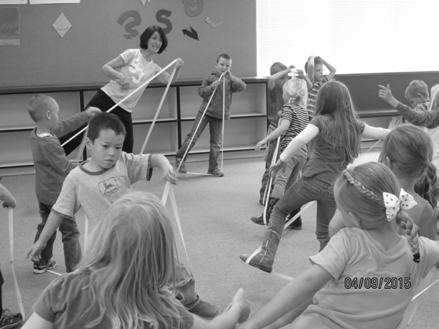
School LAND Trust Challenge: SITLA, in cooperation with the School Children’s Trust Office at the Utah State Office of Education, organized a social media photo challenge asking K-12 students, parents, teachers, and administrators to show how School LAND Trust Funds are used in their schools. More than 50 schools in 22 districts participated, with Valley View Elementary in Davis School District and Salem Junior High School in Nebo School District earning top honors.

Senior Staff
Kevin Carter, Director
Kim Christy, Deputy Director/Surface and External Relations
John Andrews, Associate Director and Chief Legal Counsel
Lisa Schneider, Assistant Director/Finance
Rodger Mitchell, Assistant Director/Planning and Development
LaVonne Garrison, Assistant Director/Oil and Gas
Tom Faddies, Assistant Director/Mining
Jeff Roe, ITS Director
Ron Carlson, Audit Manager
Nannette Johnson, Assistant to the Director and Board of Trustees
Board of Trustees
David Ure, Chair
Louie Cononelos, Vice Chair
James M. Lekas, Member
Thomas W. Bachtell, Member
Scott O. Ruppe, Member
Lonnie M. Bullard, Member
Michael Mower, Member
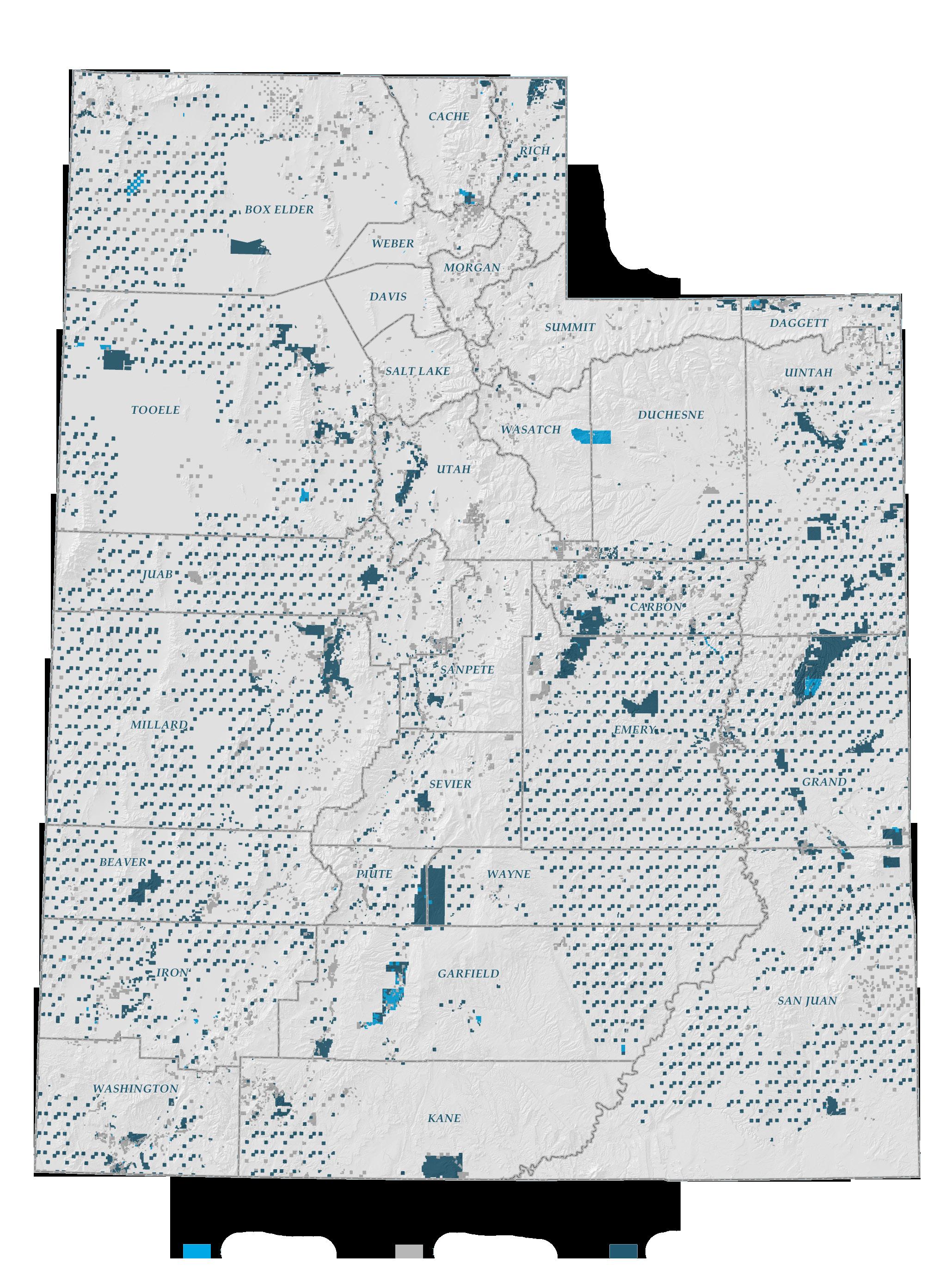

The Administration manages a land portfolio for each beneficiary, generating revenues through oil, gas, and mineral leases, rents, and royalties; real estate development and sales; and surface estate sales, leases, permits and easements.
Revenues generated from each land portfolio are placed into individual trust funds. These investment portfolios are managed and invested by a committee of beneficiary and private sector representatives, led by the state treasurer. Interest income earned from each trust fund is distributed to its beneficiary.
Utah’s public school system is the largest beneficiary, possessing 96 percent of all Utah trust lands. Revenue generated from school trust lands is transferred into the Permanent School Fund, growing the endowment for public schools. Income earned from the fund is distributed annually to individual school community councils using a per-pupil formula.
The Trust Lands Administration is entirely self-funded with no taxpayer or general fund support. A portion of revenue generated from managing trust lands activity is used for operations and administration.
In addition to its land management mandate, the agency also administers the Utah Land Exchange Distribution Account (LEDA). The Administration collects revenues from leases on lands previously exchanged with the federal government. These oil, gas, and coal royalties are then disbursed to state of Utah accounts and to the 27 counties involved with the Grand Staircase Escalante National Monument designation. LEDA was initiated at the time of this designation along with other transfers of trust land in-holdings within national parks, forests, and Indian reservations. The Administration anticipates this responsibility may grow as it continues collaboration with the federal government on land transfers and exchanges.
The Permanent School Fund has grown from $86 million in 1994, to more than $2 billion today.
•
•
Today, the Administration manages 3.4 million acres of land and an additional 1.1 million acres of mineral estate to benefit state institutions. Trust lands, unlike public lands, are held in private trust for the exclusive benefit of state institutions designated at statehood.
• Miners Hospital at the University of Utah
The School and Institutional Trust Lands Administration is committed to manage trust lands on behalf of and for the exclusive benefit of state institutions designated by the U.S. Congress in 1894.
At the time of statehood, Congress granted parcels of land to Utah from which revenue could be generated to support specific state institutions. Most trust land parcels were allocated by apportioning the state into townships, each six by six miles, and dividing each township into 36 square-mile sections. Utah was given sections 2, 16, 32, and 36 in each township for public schools, resulting in a checkerboard of land ownership. All other designated state institutions were granted fixed amounts of acreage selected by the state from the remaining public domain. More than one-half the original land grant acreage was sold during the first 35 years of statehood. Interestingly, approximately 30 percent of all private land in Utah was originally trust land.
In 1994, realizing the revenue potential of trust lands for public schools and other state institutions, the Utah Legislature created the School and Institutional Trust Lands Administration as an independent agency to manage and develop trust land assets.
• Reservoirs – Utah Division of Water Resources
• School of Mines at the University of Utah
• Utah Schools for the Deaf and the Blind
• Utah State Hospital
• University of Utah
• Utah State University
• Juvenile Justice Services
• Teaching colleges at the University of Utah, and
Dixie State, Southern Utah, Utah State, Utah Valley, and Weber State universities
Trust land parcels allocated to the state.

The Trust Lands Administration employs a team of business professionals who manage all facets of land management and administrative operations.
Administrative Services: Provides professional administrative support in all areas, including finance, human resources, and records management.
Audit: Provides lease revenue compliance services to all business groups by monitoring revenue components, such as rent, royalty, minimum royalty, advance royalty, and percentage rent. Other tasks include monitoring lease interest assignments, and providing beneficiary lease accounting and internal procedures and controls.
External Relations: Communicates the work, contribution, and mission of the agency.
Information Technology (IT) and Geographic Information Systems (GIS): Provides and supports technological resources for the entire agency, including data, equipment, document management, and applications such as an agency-developed business, land management, and inventory program. GIS manages the spatial or geographical component of land and lease records and provides mapping services, spatial analysis, and GIS project management.
Legal: Provides legal counsel on all matters affecting the trust; drafts and reviews transactional documents, such as leases and joint ventures, for disposition of trust lands; represents the agency in litigation; and supervises the agency’s law enforcement and environmental compliance activities.
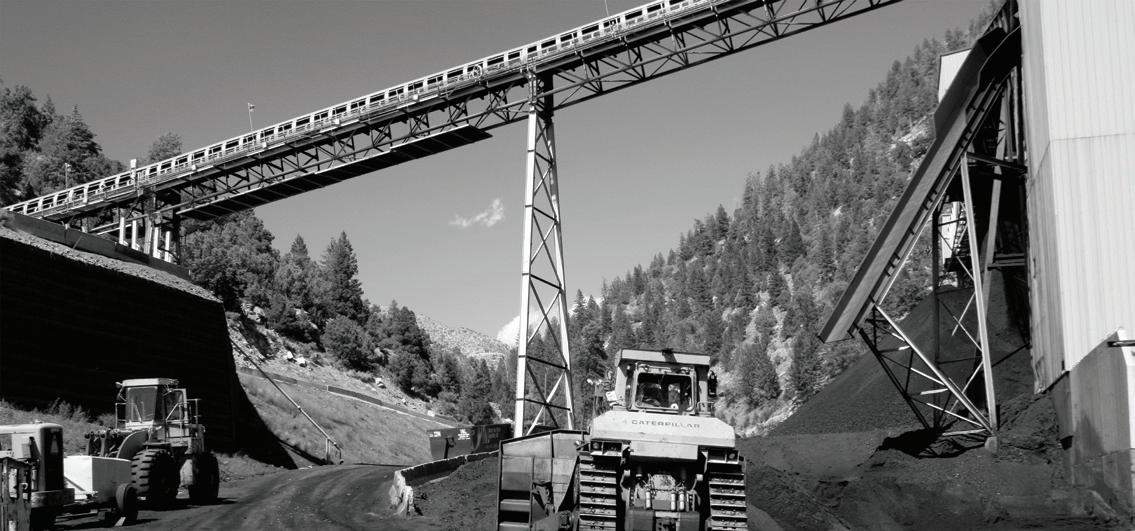
Mining: Leases trust lands to generate revenue from coal, oil shale, bitumen, potash, and phosphate; construction materials such as sand and gravel, rock aggregate, and high quality limestone products; and copper, beryllium and uranium.
Oil and Gas: Leases trust lands for oil and gas exploration; works with the energy industry creating opportunities to generate short- and long-term revenues.
Planning and Development: Works with private real estate developers to provide residential, commercial, and industrial development in Utah’s growing communities.
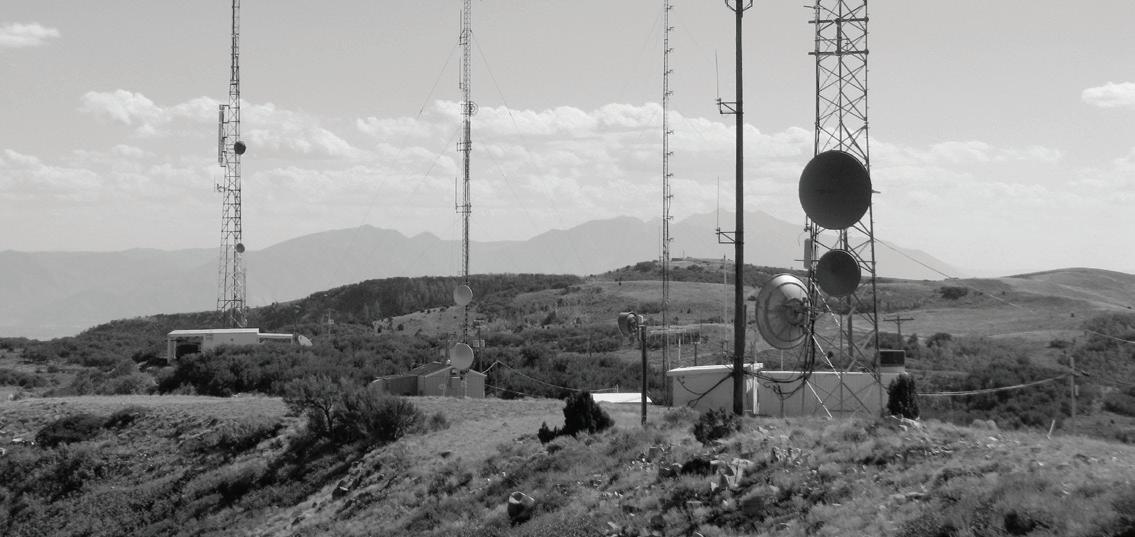
Surface: Leases surface rights for telecommunication, commercial, agricultural, and industrial purposes; issues easements, rights of entry, timber and grazing permits; conducts land sales and exchanges; and administers water rights. Within the Surface Group, the Cultural Resource Management team assists the entire agency in its compliance with Utah code requiring state agencies to consider effects on historic and archaeologic resources within project areas.
Mission: Administering school trust lands prudently and profitably for Utah’s schoolchildren and other trust beneficiaries.
Main Office
675 East 500 South, Suite 500 Salt Lake City, UT 84102 801-538-5100
Central Office 130 North Main Richfield, UT 84701 435-896-6494
Southwestern Office
2303 North Coral Canyon Blvd, Suite 100-A Washington, UT 84780 435-652-2950
Southeastern Office
217 East Center Street, Suite 230 Moab, UT 84532 435-259-7417