State of Utah School & Institutional Trust Lands Administration (SITLA)
Fiscal Year 2011
17th Annual Report (July 1, 2010 to June 30, 2011)
Table of Contents
Vision: Mission
The Trust is an increasingly significant source of funding for Utah’s schools . To administer the trust lands prudently and profitably for Utah’s schoolchildren and other Trust beneficiaries
Message from the Director
The financial results of the Trust Lands Administration for fiscal year 2011 were very good . We had revenues for FY 2011 of $121,730,413, which was $6,446,000 more than FY 2010 revenues . The agency is very fortunate to have significant assets in natural gas that continue earning revenues for our public schools and other Trust beneficiaries . Coal and other minerals also significantly contributed to our revenues . Further, SITLA reduced expenses by more than $9,000,000, thereby contributing even more money to the beneficiaries .
We have benefited from sustained improvement from our surface activities during the past decade . This includes things like the leasing of telecommunication sites, rights of way for oil and gas pipelines, providing locations for wind farms, grazing, and many more .
While real estate market conditions have significantly curtailed development activities, our internal work has resulted in a profitable development operation that is readying SITLA lands for the time the market improves
My staff and I continue to work to build Utah’s Permanent School Fund – providing perpetual revenues for our public schools . We also endeavor to be good citizens in the counties where trust lands are located and good stewards of the lands . Kevin S. Carter
Fiscal Year 2011 – Financial Summary
FY 2011 Revenues
SITLA revenue increased in FY 2011 by more than $6,000,000 from the prior fiscal year to a total of $121,730,000 . Oil and gas production led the way with almost 50 percent of the total .
Table #1 shows the total revenue produced by the various types of activities engaged in by the Trust .
Table #1 - Total Revenues by Type
Total Revenues for FY 2011 $121,730,413
There are 12 different trust land beneficiary institutions . Each beneficiary receives the revenue derived from the use of its own land . Table #2 shows the institutions in Utah that own trust lands, the approximate surface acreage owned by each, and the approximate percentage of the total trust acreage owned by each institution .
Table #2
Because most of Utah trust lands are public school lands (and have been since statehood in 1896), the largest share of revenues is earned for public schools . Of the $121,730,413 (Table #1) total earnings in FY 2011, more than $116,966,000 is from public school lands .
The law says that all of the net revenues for the public schools are put into the State Permanent School Fund The other 11 beneficiaries only put land sale revenues into their permanent funds . The rest of their earnings are distributed directly to them . This means that the Permanent State School Fund grows rapidly, while the permanent funds of the other beneficiaries do not grow as fast .
SITLA, along with the State Treasurer, has been working at building all permanent funds for 17 years – since FY 1994 . In 1994, after almost 100 years of statehood, the Permanent School Fund stood at only about $50 million . In the 17 years since SITLA was created, the Permanent School Fund has grown to 26 times the amount it was in 1994 At the end of FY 2011, the Fund topped $1,305,000,000!
The assets of the Trust are mostly dollars invested in the various permanent funds . The Permanent School Fund (public schools) is more than 90 percent of all Trust assets . For public schools, the earnings on the State Permanent School Fund for FY 2011 were more than $26,000,000 . Someday those earnings will be the largest source of Trust revenue, particularly for the public schools .
Beneficiary Revenues
Table #3 shows the FY 2011 revenues and distributions for each beneficiary . Note how the percentage of distributions to revenues is much smaller for the public schools . This is because most of the schools’ revenues are saved in the State Permanent School Fund . Only the earnings on that fund are distributed to public schools .
Table #3: Total Revenues and Distributions for each Beneficiary
Total Revenues Distributions to Beneficiary
Public Schools
University of Utah
Miner’s Hospital
Reservoirs
School for Blind
School for Deaf
State Hospital
Utah State University
Normal School
School of Mines
Youth Development Center
Public Buildings
Total Revenues
Because the funds are permanent, the earnings of those funds will continue to benefit Utah’s schools and institutions – forever . That is why SITLA puts so much emphasis on building the permanent funds * These beneficiaries had more distributed to them in FY 2011 than earned due to the amount of unspent appropriation of FY 2010. That appropriation was returned to them during FY 2011.
$116,966,833
$1,364,297
$1,210,042
$626,049
$418,651
$86,997
$26,155,378
$1,799,965
$1,078,900
$539,979
$391,843
$107,780
$135,374 $120,650
$334,544 $219,836
$309,149 $183,765
$233,516
$194,775
$37,743 $48,462
$7,218 $6,157
$121,730,413
* *
Beneficiary Assets
Chart #1 shows the success that SITLA and the State Treasurer have achieved since FY 2000 . The chart also shows how the assets of public schools have grown as a percentage of total assets .
#1 - Total Trust Assets
FY 2011 Highlights
Oil Field Efficiency
Royalty revenue derived from drilling oil and gas wells is the largest single source of money for the Trust . It provides more than 50 percent of the revenues generated . SITLA is interested in improving returns from its oil and gas properties .
Whether a well is completed as an oil well or gas well, production naturally declines from the time the well starts to produce until it reaches the end of its economic life and is permanently plugged and the location reclaimed .
Then why is one of Utah’s oldest natural gas fields, the Natural Buttes Field in Uintah County, which is more than 50 years old, producing more today than it did ten years ago?
The answer lies in better understanding the geology and new technology being applied today by oil and gas companies . Here are some of the changes made in the past ten years:
• Spacing. When the field was discovered, it was believed that one well could efficiently drain natural gas from a 40-acre area Current field analysis has proven that 40-acre spacing for wells is not efficient and was leaving significant amounts of gas underground . The analysis showed the wells were, in fact, only capturing gas from about a ten-acre area The drilling of new wells on closer spacing has dramatically increased the field production
• Directional drilling. Oil and gas companies have proven that economic new wells, called in-fill wells, can be drilled directionally from below the surface of existing well locations to other parts of the field, minimizing surface disturbance and capturing considerably more gas than ever before . There are well pads in the Natural Buttes Field in Uintah County that have about six acres of surface disturbance, but contain 17 producing wells compared with the old method of one vertical well per three-acre location .
• Improved drilling technology. New drilling techniques that are more efficient and environmentally friendly are now being employed to reach previously untapped oil and gas formations which will prolong the economic life of the field
The net result is that trust land revenues have increased four-fold over the past ten years in the Natural Buttes Field . This is good news for the Trust beneficiaries because it is a sustaining contribution to the Permanent School Fund and other beneficiaries These new methods are also being utilized by other companies elsewhere in the state which will keep the production of oil and gas viable on trust lands for many years to come .
Coal
High levels of coal production from trust lands continued throughout 2011 The bulk of the production came from coal tracts in the Wasatch Plateau and Book Cliffs coal fields that were acquired in the Grand Staircase-Escalante National Monument exchange in 1999 . Mining also continues from a school tract in the West Ridge Mine
Some of the coal acquired in the Grand Staircase-Escalante National Monument exchange was an interest in coal produced at the Mill Fork tract in Emery County . The coal interest that SITLA owned in that tract expired on August 31, 2011 .
The Mill Fork tract was very productive for the Trust SITLA received the royalties from 22 .3 million tons of coal in the tract, resulting in more than $25,612,000 in total revenue during the life of the interest from 2000 into 2011 .
Permitted reserves in the Muddy and Dugout Canyon tracts and in the West Ridge Mine are nearing exhaustion, which will create a substantial drop in SITLA coal revenues for the next few years . The Mining Group staff continues to work with industry to lease additional SITLA coal lands to replace these reserves .
Potash
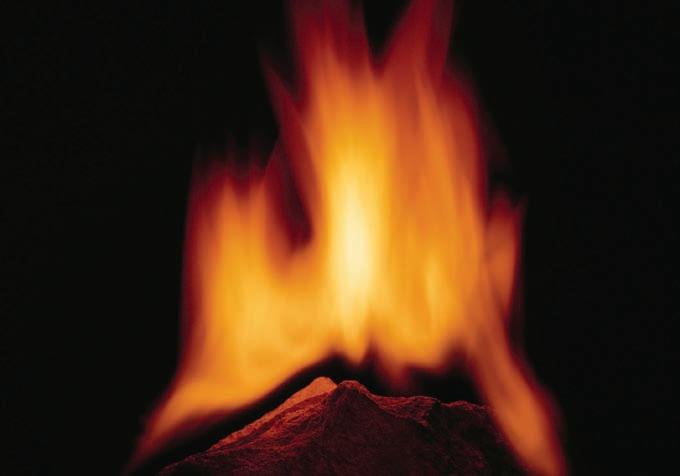
The term “potash” comes from the Old Dutch word potaschen . The old method of making potash (potassium carbonate - K2CO3) was by leaching wood ashes and evaporating the solution in large iron pots, leaving a white residue called “pot ash” . Later, “potash” became the term widely applied to natural-occurring potassium salts .
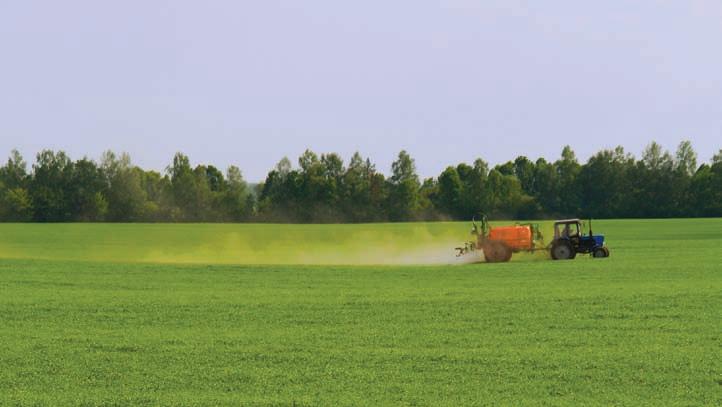
Potash is used as an agricultural fertilizer because it is a source of soluble potassium, one of the three primary plant nutrients; the others are fixed nitrogen and soluble phosphorus . In 2011, world potash markets began to recover after potash sales had declined from the combined effects of the world economic downturn . In the United States, agricultural demand for potash remained strong with continued leasing of trust lands in the Paradox Basin of Grand and San Juan Counties and the lease of trust lands within the lake bed of Sevier Lake in Millard County .
The majority of trust lands located on known potash resources were leased in FY 2009 and 2010 with substantial revenue return to the Trust in the form of bonus bids for issuance of the lease agreement Even though revenues from lease of trust lands declined in FY 2011, royalty revenues from potash production remained at 2010 levels with Intrepid Potash Company being the only producer of potash from trust lands in Utah .
In FY 2011, exploration and development of potash resources commenced on trust lands on the Crescent Junction Block in Grand County, on trust lands in Lisbon Valley in San Juan County, in the Hatch Rock area also in San Juan County, and on trust lands in the Sevier Lake area of Millard County
Tar Sands
The State of Utah has the largest number of tar sands occurrences, as well as the largest individual tar sands deposits in the United States . Within the 11 federally designated Special Tar Sands Areas, the Trust Lands Administration is well positioned holding more than 127,000 acres of land with known or probable tar sands resources .
Revenues from tar sands were just over one-half million dollars for FY 2011, an increase of approximately 75 percent over revenues of the prior year . This revenue is from three activities:
• Bonus bids received from competitive lease offerings
• Bonus bids from Board-approved business arrangements
• Annual rental lease payments
The increase in revenues reflects the continued interest in development of tar sands on trust lands .
In FY 2011, lessees of tar sands commenced exploration and development activities at two locations on Asphalt Ridge in Uintah County . More significantly, one development company received conditional approval from the Division of Oil, Gas and Mining to commence with a large mine plan at PR Springs in Uinta and Grand Counties . That company also commenced with an extensive drilling program to more specifically identify tar sands resources at PR Springs . That activity will continue well into FY 2012
Oil Shale
Trust lands oil shale acreage within the Uinta Basin continues to remain largely leased by companies on the leading edge of oil shale technology . Red Leaf Resources, Inc ., operating on trust lands in the Seep Ridge area of Uintah County, submitted a Large Mine Permit application to the Utah Division of Oil, Gas and Mining . The company hopes to initiate commercial production from oil shale within the next year using its patented Ecoshale In-Capsule Process .
Ambre Energy Technology, LLC, another oil shale developer, entered into an additional lease agreement with SITLA in the Seep Ridge area . Ambre plans to drill several exploration holes in the Green River Formation below the Mahogany Ledge member in an effort to expand its resource base .
The lands leased by Oil Shale Exploration Company, including several SITLA leases, were acquired by Enefit – an Estonian energy company that mines and utilizes oil shale to produce energy .
Special Use Leases
The Agency leases the surface estate of trust lands for a variety of purposes . Lease types include:
• Agricultural
• Commercial
• Industrial
• Governmental
• Residential
• Telecommunications
The issuance and administration of special use leases provide a significant source of revenue for the agency . Income from special use leases has seen strong and steady growth over the last ten years . Income from special use leases has increased from $1,500,000 in 2001 to over $4,500,000 in 2011 .
The Agency has seen growth in all lease types, but most especially in industrial leases which are associated with the extraction of oil and gas .
Easements
Easements issued across trust lands include roads, oil and gas pipelines, power lines, utility lines, and others . Beyond direct revenues received from issuing easements, they provide critical infrastructure for oil, gas, and other industrial development .
The Surface Group administers nearly 2,500 active easements and has seen more than a five-fold increase in annual income from this program over the last decade . SITLA has spent a significant amount of time and energy working with rural counties to complete road easements that complement other valid and existing-right road claims on trust lands and RS 2477 road claims on contiguous federal lands .
Partnering With Counties on RS 2477 Road Claims
The Trust Lands Administration has helped multiple counties claim rights to Class B Roads on trust lands under Federal Revised Statute 2477 . Provided that a road was established before the State of Utah retained title of land, a county can claim a valid existing right .
The Trust Lands Administration evaluates the evidence documenting the existence of a valid existing right; and, if one appears to exist, a recordable Conditional Disclaimer of Interest in Right of Way is issued . This process is completed at no cost to the county, protects the county’s interest in its existing road system, and provides leverage for the county when claiming rights across adjoining federal lands . Class D Roads are also eligible for the same procedure
Chart #5Special Use Lease Agreements
$5,000,000
$4,500,000
$4,000,000
$3,500,000
$3,000,000
$2,500,000
$2,000,000
$1,500,000
$1,000,000
$500,000
Chart #6 - Easements
$1,600,000
$1,400,000
$1,200,000
$1,000,000
$800,000
$600,000
$400,000
$200,000
Development
FY 2011 was another slow year for real estate sales . Even so, the SITLA Development Group remains strong and active This has happened because of several measures the group took to remain profitable:
• Reducing overhead
• Delaying most capital investments until the market improves
• Staying patient by not selling land at huge discounts
• Reducing staff
The Development Group has created a strategy for dealing with uncertain times . These strategies are:
• Identifying acceptable risks for managing lands
• Improving skills to understand and measure risk
• Remaining flexible in evaluating all opportunities
Further, the policies employed include:
• Partnering with well-capitalized, experienced real estate developers
• Using the most advanced land-use planning principles
• Selectively using capital expenditures to shorten the lead-time and risk developers face in choosing parcels for projects. This usually entails:
o Getting proper zoning and identifying legally allowed uses
o Securing lawful access to the property
o Making sure utilities, if needed, are available
The result is a portfolio of property interests that add value to the Trust by capturing, conserving, and preserving the uniqueness of special and sensitive land characteristics .
In addition to maintaining a positive cash flow position, the Development Group has taken advantage of a buyer’s market by:
• Improving SITLA’s ownership position in high-quality development projects
• Purchasing water rights at the lowest prices in recent history
• Making timely capital investments
Unlike some real estate development organizations, the SITLA Planning and Development Group is producing enough revenues to more than cover its expenses . In FY 2011 the Group had more than $3,357,000 in lands sales and $767,000 in leases .
Impact
of Federal Lands Policies
The Impact of Federal Land Policy on Utah’s Trust Lands
In much of Utah, trust lands are interspersed among federal public lands managed by the U .S . Bureau of Land Management (BLM) . Because SITLA and its lessees rely on surrounding federal lands for access and because most mineral projects require a substantial land footprint to be economic, the availability of federal public lands is critical to the economic use of school trust lands . Federal land-management policy – particularly with regard to wilderness and other conservation designations – directly affects Utah’s school trust During FY 2011, SITLA staff spent hundreds of hours responding to various public land issues that affect the school trust
Wilderness and Wild Lands
The issue of how much public land in Utah should be designated as wilderness has been contentious for decades . Under the federal Wilderness Act, wilderness is managed solely for primitive recreation, with motorized use, road access, and mineral development generally prohibited . Under the Federal Lands Policy and Management Act, BLM completed an inventory of BLM lands in Utah in 1991 and designated 3 2 million acres of BLM lands in Utah as wilderness study areas (WSAs)
WSAs are managed as wilderness pending either formal Congressional designation as wilderness or release from WSA status . Because of the lack of consensus in Congress, no sizeable designation or release of these lands has occurred since 1991 .
This situation creates an unacceptable situation for Utah’s school trust lands . More than 100,000 acres of school trust lands are located inside WSAs . These lands have been largely inaccessible since 1991, and mineral leasing on the surrounding BLM lands has been terminated . Both of these actions have caused direct financial loss to the Trust .
Environmental groups have proposed enormous designations of wilderness more than the 3 2 million acres currently in WSAs . SITLA estimates that, if the most expansive of these proposals were enacted, more than one million acres of trust lands – between ¼ and ⅓ of Utah’s entire trust portfolio – would be isolated . These expansive proposals, however, have failed to advance in Congress
On December 22, 2010, Interior Secretary Ken Salazar issued a Secretarial Order creating a new class of protected BLM lands, so-called “wild lands .” These lands would be managed as de facto wilderness and would be withdrawn from mineral leasing in most instances . SITLA was extremely concerned with the “wild lands” Order
The Secretary’s legal authority to create a whole new category of land management is doubtful; the criteria used to define “wild lands” were vague and subject to administrative whim . Most importantly, the Order threatened to administratively isolate hundreds of thousands of acres of additional trust lands from economic use .
In the intervening months, SITLA worked with the Utah congressional delegation and the Utah Attorney General’s office to challenge the “wild lands” policy legislatively and judicially . Litigation was filed by the State of Utah in April 2011 to have the Order set aside, and Congress subsequently defunded its implementation Shortly after the close of the fiscal year, Secretary Salazar formally placed the Order in abeyance in favor of a more collaborative approach to the wilderness issue .
County Land Bills
In the absence of consensus on the issue of wilderness statewide, several Utah counties have sought to find consensus locally by working with local citizens, land users, and the environmental community to see if mutually agreeable legislation can be developed on a county-by-county basis SITLA has been supportive of these efforts, with the caveat that any legislation to designate new conservation areas on federal lands must concurrently exchange any affected trust lands for other public lands so the interests of the Trust are not harmed
SITLA has worked with Piute, Emery, and San Juan counties to develop maps of lands appropriate for exchange . This effort is complicated by uncertain ground rules concerning how exchange lands will be valued and political gridlock over the appropriate level of wilderness . SITLA will work cooperatively with all parties in this process
Working
with Other States
SITLA is an active member of the Western States Land Commissioners Association (WSLCA), an organization of 23 states that manage lands granted by Congress for educational and institutional purposes . Many of the WSLCA states deal with land issues similar to those found in Utah .
One concern of many member states of WSLCA has been their inability to engage BLM and other federal agencies to exchange state trust lands trapped inside federal conservation designations such as WSAs and national monuments .
SITLA has worked with other WSLCA members and their congressional delegations to develop proposed federal legislation to create a streamlined process under which the states could relinquish their inheld trust lands and select replacement lands of equivalent value from the public land base in that state . This effort has also involved outreach to the environmental community . SITLA anticipates that the proposed legislation will be introduced in Congress in autumn of 2011 .
Army Corps of Engineers Issues
The U .S Army Corps of Engineers (ACOE) has jurisdiction under federal law for regulating the dredging and filling of “waters of the United States ” Traditionally, this power has been exercised to govern filling and modifications of wetlands and waterways .
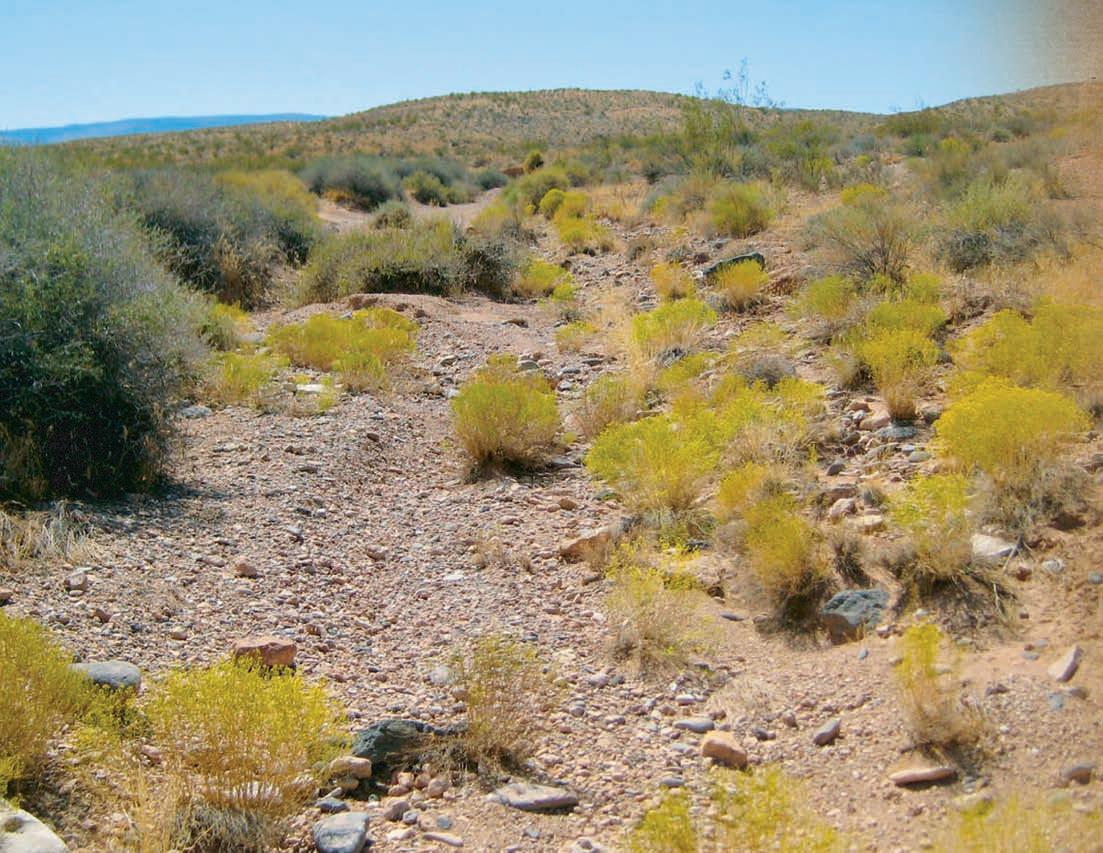
During the current federal administration, ACOE has sought to expand this power to regulate dry and ephemeral washes in Utah’s desert areas . This is of concern to SITLA, because ACOE’s actions have the potential to federalize traditionally local land-use decisions and considerably slow or prevent the development of trust lands in the St . George area for residential or commercial purposes SITLA has filed administrative challenges to several ACOE actions that it believes are beyond ACOE’s jurisdiction, particularly with respect to small dry washes such as the one shown
The U.S. Army Corps of Engineers identified this location to the left as a “jurisdictional” wash in Washington county.
Conservation & Stewardship
Reclamation of Oil and Gas Sites
Better drilling techniques allow new oil and gas wells to be drilled with less and less surface disturbance, usually three acres of land for drilling and even less during production . Technology has progressed to the point that companies are beginning to drill more horizontal or directional wells with multiple wellbores per location . These locations might require a slightly larger well pad per site, but much less than creating a disturbance for each well For example, Trust Lands has one pad that has 17 wellbores on a 6 .3-acre disturbance
Once a well reaches the end of its economic life, it must be plugged and abandoned according to the rules established by the Utah Division of Oil, Gas, and Mining so that there will not be any contamination coming from the wellbore in the future Once the well is plugged, SITLA’s rules require the surface to be restored so that the lands may be used for other purposes .
SITLA takes reclamation very seriously . Reclamation work is monitored by SITLA to bring the lands back to a useful, pre-disturbance state . This does not necessarily mean to the original contour and look; but it does mean that the contouring, reseeding, or other requirements will fit into the landscape for future uses Perhaps the agency will request that gas lines, water lines, and/or roads remain because they would be useful for future uses such as cabin sites, homes, business parks, or other post-oil and gas use
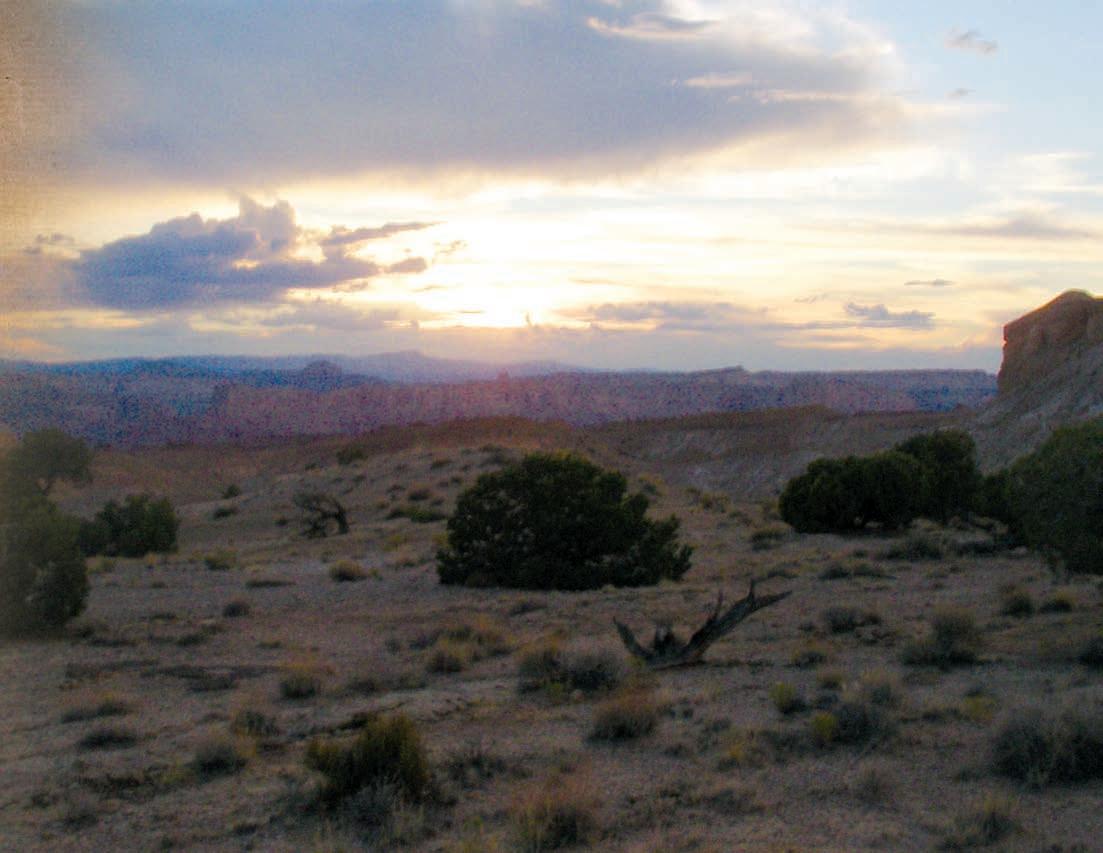
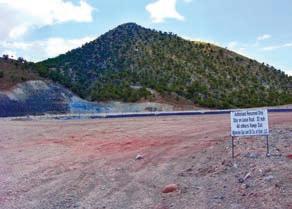
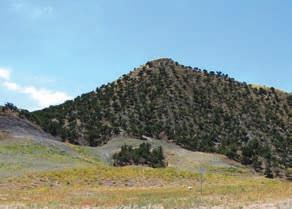
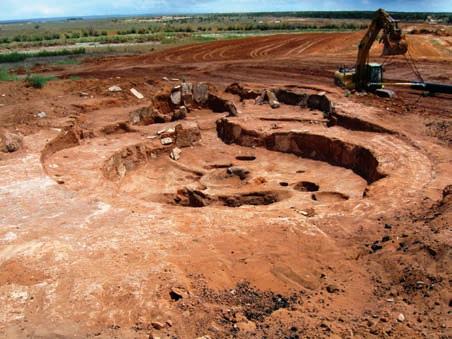
The pictures show a recent reclamation project in the Richfield area . The first picture shows the location as it is being built and the cuts in the hill to level the location The second picture shows the location with the drilling rig set up . The final picture shows the location about a year after the well was plugged and the lands re-contoured and seeded with vegetation native to the area . The re-vegetation is doing well . Within a few years, the site will be completely re-vegetated with sufficient cover to hold the soil in place .
Archaeology at Jackson Flat Reservoir
SITLA’s Surface Group has been involved in an important reclamation project located just south of the town of Kanab, Utah . The Kane County Water Conservancy District obtained federal and state funds to build a 232-acre water storage facility on land owned by the water district, along with its lease of nearly 44 acres of trust land for the project . The primary purpose of the reservoir is for storing irrigation water, but recreational use will be allowed The value of 100+ acres of trust land between the reservoir shoreline and the Arizona state line will be improved .
The water district obtained much of the money for design and construction of the reservoir from the US Army Corps of Engineers Using this money obligated the water district to comply with federal environmental and archaeological protection laws As a result of this work, more than a dozen archaeological sites were found; and 10 of those were determined to be important enough to require mitigation
Discovery and removal of the remains of 54 separate American Indians who died and were buried at one of the sites more than 1,000 years ago prompted great concern and involvement in the project by local tribes
As the beginning date for dam construction grew near, the water district found itself struggling to cope with the project and its archaeological complexities Given the benefit of the project to Trust beneficiaries and having staff with experience and expertise necessary to manage this type of project, SITLA partnered with the water district to guide them through its archaeological compliance issues .
The project offers evidence of SITLA’s concern for resource stewardship and demonstration of leadership in finding solutions to complex problems facing the state .
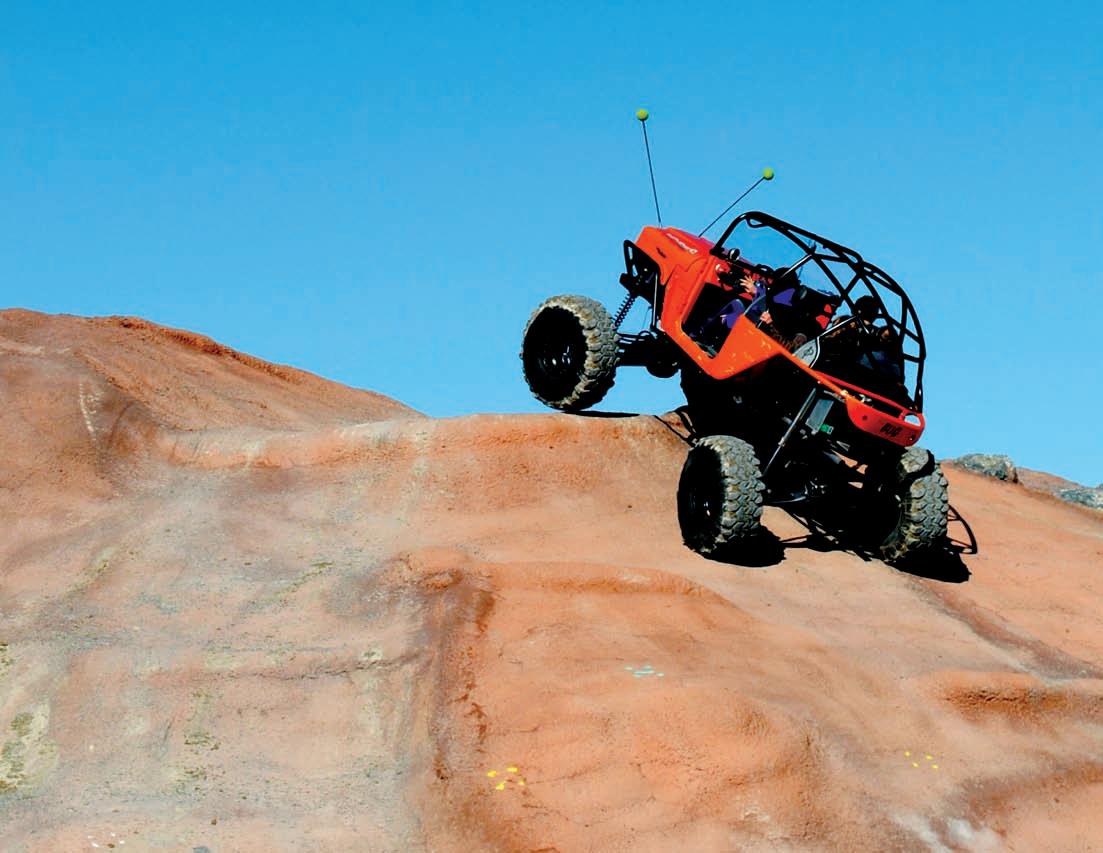
In conjunction with the Division of State Parks and the Larry H . Miller Group, SITLA sponsored the first annual “RideOn!” video contest this year The competition promoted safe and responsible off-highway vehicle use along with stewardship of school trust lands . It was open to all Utah students . The students who entered the contest showcased their talent and creativity by creating short videos emphasizing safe riding and good land stewardship practices .
The official contest kickoff was held at the Miller Motorsports Park and concluded with an awards ceremony at the Jordan Commons Megaplex 17 Theaters Both events were hosted by Greg Miller, CEO of the Larry H . Miller Group . Winning students received cash and prizes for themselves, their teachers, and their schools .
Although just in its inaugural year, the contest was a great success and served to educate Utah students about SITLA’s mission and responsible OHV recreation .
OHV Video Contest
Trust Lands Fundamentals
What Is The Trust Lands Administration?
The School and Institutional Trust Lands Administration (SITLA) is an independent agency of state government It was created in 1994 by the Utah state legislature to manage lands granted to the state of Utah by the United States for the support of public schools and other beneficiary institutions . Prudent and profitable trust lands management has put needed dollars to work in Utah’s schools . As a result, SITLA helps to create a better-educated workforce throughout the state .
What Are Trust Lands?
When Utah was granted statehood on January 4, 1896, the federal government gave the new state parcels of land to be managed in trust to provide financial support for public education and 11 other public institutions . The institutions that benefit from these lands are called beneficiaries . The lands are called trust lands and are scattered throughout the state .
From time to time, trust lands are sold . In fact, more than one-half of the original land grant has been sold, much of it during the first 35 years following statehood . Interestingly, about 30 percent of all private lands in Utah were originally trust lands .
Now, more than 100 years since statehood, the trust of each beneficiary consists of two portfolios: (1) the real estate portfolio which is its remaining trust land, managed by SITLA; and (2) the financial portfolio, which is the money from the management and sales of that land, managed by the State Treasurer .
The objective is to successfully manage both portfolios to provide financial support for the beneficiaries . Successful management of Utah’s trust lands means working as partners with our beneficiaries, the governor and the legislature, other state agencies, local communities, and the public at large .
Where Does the Trust Lands Money Come From?
Money from the management of trust lands comes from a variety of different sources:
• Mineral Revenues
The largest source of revenues from trust lands is from the leasing of minerals properties and royalties from the production of minerals . Mineral production comes from many sources, including gas and oil, coal, gold, and sand and gravel
• Leasing Surface Rights
Property owned by the SITLA is leased by a wide variety of users . Leased trust lands are currently used as telecommunications sites, commercial sites, industrial sites, recreational cabin sites, farm land, timber harvesting and forestry sites, and grazing lands for livestock . It is also used for rights of entry and in leases to other government entities .
• Trust Land Sales
There are times when the best way to make money for the beneficiaries is through the sale of trust lands SITLA land is generally sold in one of two ways: at public auction or through a development project .
Public auction sales are held twice a year and are becoming more and more popular, as they make more land available for private ownership in Utah Development sales occur when it is determined that profits for the beneficiaries could be optimized by adding value to parcels of trust land before selling them . Usually, SITLA participates with experienced private real estate developers to provide land for residential, commercial, and industrial uses to help Utah’s growing communities get where they want to be .
The revenues generated by SITLA have an increasingly significant impact on Utah public education and other Trust beneficiaries while building their permanent funds . The ultimate goal of SITLA is to make the school lands’ trust a major source of public school funding .
It should be noted that SITLA is entirely self-funded A portion of the money generated from managing the trust lands’ activities is used to operate SITLA . All expenses and capital costs are paid from these revenues . No tax money is required .
The Beneficiaries of Trust Lands
At the time of statehood, Congress designated trust land beneficiaries in Utah . By far, the largest percentage of trust lands was granted to public schools for the benefit of Utah schoolchildren .
The other beneficiaries now include:
• Reservoirs
• Utah State University
• University of Utah
• School of Mines
• Miner’s Hospital
• Normal School (The current beneficiaries of this trust are education departments at state colleges offering teaching degrees.)
• School for the Deaf and Blind
• Public Buildings
• State Hospital
• Youth Development Center
How Do Trust Lands Benefit Utah’s Schoolchildren?
SITLA works closely with local communities to build value for Utah’s schoolchildren . Cash generated by both trust land operations and trust land sales is transferred to the permanent state school fund By doing so, the endowment for the public schools grows more and more each year Investment income (interest and dividends) from the permanent fund is distributed to the schools each year for local academic needs . The distribution is primarily based on the number of students at each school .
Conservation of Trust Lands
As a cautious and far-sighted steward of the land, SITLA recognizes that certain trust lands have unique scenic, recreational, or environmental characteristics . In these situations, the organization works to sell the land for conservation purposes or exchange it for other real estate more suitable for development .
Our Mission
It is the mission of the School and Institutional Trust Lands Administration to administer school trust lands prudently and profitably for Utah’s schoolchildren and the other Trust beneficiaries
Board of Trustees - Fiscal Year 2011
Chairman
Michael Brown
Kaysville, Utah
Vice-President, Graymont Western US Inc .
Background: Environmental safety and geology Term: expires 6/30/2012
Vice-chairman
Daniel C . Lofgren
Salt Lake City, Utah
President, Cowboy Partners, Cowboy Properties
Background: Commercial real estate development Term: expires 6/30/2013
Board Member
David J . Lambert
Highland, Utah
Background: Geological/Oil and Gas Consultant Term: expires 6/30/2011
Board Member
Steven B . Ostler
Salt Lake City, Utah
Chief Executive Officer, The Boyer Company
Background: Business operations, asset management, and strategic planning Term: expires 6/30/2014
Board Member
David Ure
Kamas, Utah
Vice-president, URE Ranches, Inc .
Background: Legislative and agriculture Term: expires 6/30/2015
Board Member Louie Cononelos
Salt Lake City, Utah
Chief Advisor, Government & Corporate Relations – Americas, Rio Tinto
Background: Mining – government and corporate relations, public teaching Term expires: 6/30/2016
Board Member
Michael Mower
Murray, Utah
Governor’s Office, Deputy Chief of Staff/State Planning Coordinator
Background: Staff and policy advisor to state and federal elected officials Term: serves at the pleasure of the Governor
Board Member Nominee
James M Lekas Vernal, Utah
President, LEXCO Inc .
Background: Gilsonite mining and oil-shale research and development Term: Expires June 30, 2017
Senior Staff
Kevin Carter Director
Lynda Belnap Administrative Assistant to the Director
John W Andrews Associate Director and Chief Legal Counsel
Lisa Schneider Assistant Director/Finance
Kim Christy Assistant Director/Surface
Douglas O . Buchi Assistant Director/Planning & Development
LaVonne Garrison Assistant Director/Oil and Gas
Tom Faddies Assistant Director/Mining
Jeff Roe ITS Manager
Ron Carlson Audit Manager
Dave Hebertson Public Relations Manager
Photo Credits
Page 18 – Potash photo is stock photo
Page 20 – Photo of oil shale is stock photo
Page 24 and 25 – provided by Jim Davis of SITLA
Page 29 – provided by John Andrews of SITLA
Page 33 – provided by Wolverine Gas and Oil provided by Ron Torgerson of SITLA
Page 34 – provided by Kenny Wintch of SITLA
Page 35 and 36 – provided by Jessica Kirby of SITLA
All other photos by NormaLee McMichael of SITLA
State of Utah
School & Institutional Trust Lands Administration
Main Office
675 East 500 South, Suite 500, Salt Lake City, Utah 84102, Phone: 801-538-5100, Fax: 801-355-0922
Central Area
130 North Main, Richfield, Utah 84701, Phone: 435-896-6494, Fax: 435-896-6158
Southwestern Area
2303 North Coral Canyon Boulevard, Suite 100-A, Washington, Utah 84780, Phone: 435-652-2950, Fax: 435-652-2952
Southeastern Area
217 East Center Street, Suite 230, Moab, Utah 84532, Phone: 435-259-7417, Fax: 435-259-7473