
RE THINKING Behavior
UPCOMING EVENTS

43rd Annual Midwest Symposium for Leadership in Behavior Disorders
February 20-22, 2025
Sheraton Crown Center, Kansas City, MO
For the 43rd year, the Midwest Symposium for Leadership in Behavior Disorders will address cutting-edge issues of interest to professionals working with students with emotional/behavioral disorders and autism spectrum disorders.
Visit our website, www.mslbd.org, for a full program of events that includes Presymposium Workshops, Keynote Session, 36 Concurrent Breakout Session, Posters, Saturday Workshops, BCBA CEUs available including Ethics Credits.
KEYNOTE
Friday, February 21 | 8:30 -10:00 a.m.
A Story of Resilience with Ricky Kidd
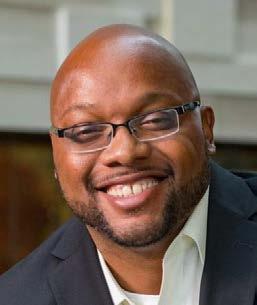
Ricky Kidd shares an inspiring message of resilience with practical tools for navigating personal and professional challenges. After enduring over two decades of wrongful imprisonment, Ricky’s journey from despair to victory exemplifies the power of resilience and determination. Now a national keynote speaker, he offers strategies to foster a positive mindset, tap into inner strength, and create partnerships to support our youth.
Ricky Kidd, National Keynote Speaker and Mindset Coach, Resilience Mode, Kansas City, MO
Workshop Highlights
• Behavior Data Made Easy: Less Time and Better Data!, Scott Fluke, PhD, and Cassie Barnett, MSE
• Trauma Responsive Techniques for Plan Development (FA/PBSP/BIP/ other), Torri Wright, MA-SPED, QMHP-R
• Practical Program Design for Behavioral Classrooms: Addressing Intensive Behavioral Needs, Jessica Sprick, MS
• Comfortably Numb: Understanding the Roles of Medications in Managing Complex Behaviors, Vanessa Tucker, PhD, BCBA-D
• Beyond the Box: Teaching Students with IDD to Communicate in the Real World, Robert Pennington, PhD, BCBA-D
• Self-Regulated Strategy Instruction in Written Expression for Students with EBD, Torri Lienemann, PhD and Jessica Hagaman, PhD
• Legal Developments in the Education of Students with EBD: What Teachers Need to Know and Why, Mitchell Yell, PhD and Antonis Katsiyannis, EdD
• Know My Name, Face, and Story: Integrating Culturally Responsive Community, Home, and School Supports to Engage Me!, Cathy Kea, PhD
• Supporting Paraeducators to Facilitate Student Learning and Independence, Erin Stewart
• Navigating School Roles, Environments, and Systems as a BCBA: Strategies for Understanding, Collaboration, and Success, Erin Farrell, EdD, BCBA REGISTER
Mary Jo Anderson
John J. Augustine
Anne K. Baptiste
Jennifer Bossow
Lisa Bowman-Perrott
Janet Burgess
Jenah Cason
Scott M. Fluke
Nicolette Grasley-Boy
Katherine A. Graves
Deborah E. Griswold
Aimee Hackney Mike Hymer
Shannon Locke
Maria L. Manning
Sharon A. Maroney
John W. McKenna
Lindsey G. Mirielli
Raschelle Nena Neild
Reece L. Peterson
Sandy Shacklady-White Brian Sims
Carl R. Smith
Jim Teagarden
Vanessa Tucker
Vivian Strand

Rethinking Behavior, ISSN 2578-5397, a magazine for professionals serving children and youth with behavioral needs, is published three times per year, fall, winter, and spring, Copyright ©2025 by the Midwest Symposium for Leadership in Behavior Disorders, P.O. Box 202, Hickman, NE 68372. 402-7923057. www.mslbd.org. Email: rethinkingbehavior@mslbd.org.

Rethinking Behavior welcomes proposal and manuscript submissions; for information visit www.mslbd.org or email rethinkingbehavior@mslbd.org
Peers as Positive Behavior Models
In the Fall 2023 Editorial of Rethinking Behavior, Katherine A. Graves and Lindsey G. Mirielli wrote about “the power of connection.” The schoolbased connections they wrote about included student-student relationships and the positive impact they can have. Peer-mediated interventions (PMIs) are one example of structured peer supports that foster these important connections. PMIs provide an avenue for peers to serve as models of positive behavior in classrooms and other school settings. They can play an important role in modeling, prompting, acknowledging, and reinforcing positive behaviors. Their impact can lead to increased or maintained positive social and/or behavioral skills, and a reduction in disruptive or off-task behaviors. Given that students continue to struggle with peer relations
since the pandemic, PMIs provide a needed classroom intervention.
PMIs have been used to encourage improvements in students’ academic as well as social and behavioral outcomes. This editorial focuses on employing PMIs to address the latter, as they allow for peer training of students to serve as mentors for the development of prosocial behaviors and social skills. Examples of PMIs include: peer tutoring models such as ClassWide Peer Tutoring (Greenwood et al., 1992), interventions using buddy systems (Aldabas, 2019), peer-delivered self-monitoring (see Kuntz & Carter, 2019), technology-based peer support (see Gunning et al., 2019), and theater-based peer assistance (see Chang & Locke, 2016). PMIs have been successfully
implemented in general education and special education classrooms, as well as group homes (Mayfield & Vollmer, 2007), alternative schools (Bowman-Perrott et al., 2007) and juvenile delinquency settings (Wexler et al., 2018). They are also effective for elementary- and secondary-aged students, and are beneficial for students with a range of disabilities (Bowman-Perrott et al., 2023).
Improvements in students’ quality and quantity of peer interactions, the frequency and duration of positive social interactions, sharing and turn-taking, on-task behavior, and use of peer praise have been reported in PMI studies. There are also features of some PMIs such as peer tutoring that make them adaptable. They include: their implementation in inclusive classrooms with students with and without disabilities, their use with native English-speaking and emergent bilingual students, and their use across content areas and grade levels. Some PMIs, such as peer tutoring, allow students multiple opportunities to respond to and practice prosocial behaviors. In addition, some research findings suggest that positive social interactions with peers may be a reward in and of themselves (e.g., Bowman-Perrott et al., 2014).
Teachers can use PMIs to help promote positive social exchanges between peers, and to provide opportunities for strengthening their social skills and prosocial behaviors. The flexibility of these interventions allows for same-age peers to serve as role models for one another, and/or for older students to model appropriate behaviors for younger students. PMIs can also easily fit into teachers’ established class schedules and lesson plans. As such, they are recommended as strategies for elementary and secondary level teachers as a way of supporting social and behavioral success for their students with and without disabilities.
References
Aldabas R. (2019). Effectiveness of peer-mediated interventions (PMIs) on children with autism spectrum disorder (ASD): a systematic review. Early Child Development Care. doi:10.1080/0 3004430.2019.1580275.
Bowman-Perrott, L., Ragan, K., Boon, R. T., & Burke, M. D. (2023). Peer tutoring interventions for students with or at-risk for emotional and behavioral disorders: A systematic review of reviews. Behavior Modification, 47(3), 777-815.
Bowman-Perrott, L., Burke, M., Zhang, N., & Zaini, S. (2014). Direct and collateral benefits of peer tutoring on social and behavioral outcomes: a meta-analysis of single-case research. School Psychology Review, 43(3), 260–85. doi:10.1080/0279601 5.2014.12087427.
Bowman-Perrott, L. J., Greenwood, C. R., & Tapia, Y. (2007). The efficacy of peer tutoring used in secondary alternative school classrooms with small teacher/pupil ratios and students with emotional and behavioral disorders. Education and Treatment of Children, 30(3), 65–87.
Chang, Y.-C., Locke, J. (2016). A systematic review of peer-mediated interventions for children with autism spectrum disorder. Research in Autism Spectrum Disorders, 27, 1–10. doi:10.1016/j.rasd.2016.03.010
Greenwood, C. R., Terry, B., Arreaga-Mayer, C., & Finney, R. (1992). The classwide peer tutoring program: Implementation factors moderating students’ achievement. Journal of Applied Behavior Analysis,25, 101–116.
Gunning, C., Holloway, J., Fee, B., Breathnach, O., Bergin, C. M., Greene, I., Bheolain, R. N. (2019). A systematic review of generalization and maintenance outcomes of social skills intervention for preschool children with autism spectrum disorder. Review Journal of Autism and Developmental Disorders, 7, 278–94. doi:10.1007/s40489-019-00162-1
Kuntz, E.M. & Carter, E.W. (2019). Review of Interventions Supporting Secondary Students with Intellectual Disability in General Education Classes. Research and Practice for Persons with Severe Disabilities, v44 n2 p103-121
Mayfield, K. H., & Vollmer, T. R. (2007). Teaching math skills to at-risk students using home based peer tutoring. Journal of Applied Behavior Analysis, 40, 223–237.
Wexler, J., Reed, D. K., Barton, E. E., Mitchell, M., & Clancy, E. (2018). The effects of a peer mediated reading intervention on juvenile offender’s main idea statements about informational text. Behavioral Disorders, 43(2), 290-301.
By
Lisa Bowman-Perrott, Deborah A. Griswold, and Sandy Shacklady-White Issue Editors
INNOVATORS
William C. Rhodes
Conceptual Models of Emotional Disturbance
William C. Rhodes was director and chief author of A Study of Child Variance: Conceptual Project in Emotional Disturbance in the early-mid 1970s. The purpose of the Conceptual Project was to collect, digest and disseminate what was known about the nature and treatment of emotional and behavioral disorders of children, especially as it related to education.
The Conceptual Project was a monumental endeavor involving Rhodes, researchers and graduate students at the University of Michigan together with over 50 experts in special education and treatment from across the country. Participants represented researchers, psychologists, trainers and practitioners. They served as consultants, conference participants, discussants, and contributors to the project. Many of the other innovators described in this series of articles were among the participants.
A Study of Child Variance included an introductory volume and five detailed volumes:
1. Conceptual Models.
2. Interventions,
3. Service Delivery Systems.
4. The Future,
5. Conference Proceedings.
Together the five volumes included over 2,990 pages of analysis.
Several criteria determined whether explanatory theories represented a particular conceptual model: a common methodology, common orienting outlook, common paradigm of behavioral genesis (causation), common solutions (treatments/interventions), and common ambience or identity. The five major paradigms or models used to explain the nature
William C, Rhodes is best known for the project he led during the 1970s known as the Conceptual Project in Emotional Disturbance. It led to a series of volumes, the “Study of Child Variance” and helped to understand and apply varying approaches to treating and teaching students with emotional disturbance.

and causes of emotional/behavioral deviance were: Behavioral, Psychodynamic, Biophysical, Sociological, and Ecological. (There was also a Counter-theory grouping of perspectives that challenged these conventional explanations.)

Interventions focused on techniques and practices used to intervene in the lives of children. These interventions followed the general organizational schemes of the conceptual models. For example, behavioral interventions focused on techniques for managing and modifying specific observable behavior, psychodynamic treatments focused on changing internal feelings and perceptions, biophysical on biological, often medical, treatments to change physical conditions (e.g. medications for hyperactivity), sociological on changing environmental, sociocultural influences (e.g. poverty, racial inequities), and ecological on improving multiple, interactive influences on children’s lives.
Service Delivery Systems explored the different systems of care, agencies and organizations that offer interventions. Those systems of care included public and private educational, social welfare, mental health, legal-correctional, social welfare, and religious and sectarian agencies. An individual child might be involved in several of these systems.
In Vol. 4, Rhodes acknowledged that conceptual models, interventions, and service delivery models are not purely distinct from one another and often overlap: “Relationships between the theories of variance… and intervention strategies are complex…[They] are not strictly deducible from the model and adherents

to different models may lay claim to intervention methods which on the surface appear the same…In an intervention, ideas, actions and outcomes are all tied together and greatly affect each other.” (p. 5).
In Vol. 5, Rhodes, et al. discussed emerging counter-forces (Counter theory), citing contemporary theorists such as Fritz Fanon, Michael Foucault, and Thomas Szasz who questioned the objective reality of conventional explanatory and treatment models and the social construction of what is considered normality.
Rhodes seemed to embrace counter-theoretical perspectives, referring to them as multi-realists who “celebrated deviance.” Some of those perspectives were apparent in his1983 Midwest Symposium keynote, where he referred to “social construction of reality” and “the Illusion of normality” which he had discussed in an article in Behavior Disorders in 1976.
The Conceptual Project in Emotional Disturbance, had a huge impact on special education for children with emotional/behavioral disorders and preparation of special educators. Just when federal legislation (Education of All Handicapped Children Act of 1975) was mandating special education services for EBD and other exceptional children, Rhodes’ Study of Child Variance assembled and shared state-of-the art information perspectives about the nature and treatment of these children.
References
Rhodes, W. C (1976). The illusion of normality. Behavior Disorders, 2(2), 122-129.
Rhodes, W.C. with Tracy, M., Paul, J., Head, S. (1974-1975). A study of child variance (Introduction and Vol. 1-5), Ann Arbor, MI: University of Michigan.
Robert H. Zabel, Professor Emeritus, Kansas State University, robertzabel@gmail.com, Reece L. Peterson, Professor Emeritus, University of Nebraska-Lincoln, rpeterson1@unl.edu, and Carl R. Smith, Professor Emeritus, Iowa State University, Ames, Iowa, csmith@iastate.edu
Frank H. Wood
A Shared Concern for Each Other INNOVATORS
Over his career, Dr. Frank Wood served as a general educator, special educator, university professor and administrator, researcher, project director, journal editor, and a leader of professional organizations. In every role, his involvement in the Society of Friends (Quakers) has influenced his philosophy of collective responsibility. He says, “There are some things that a society as a whole can do that individuals were not able to do…I’m very passionate about a society where people have a shared concern for each other.”
He was born in 1929 and after growing up in rural Kansas and graduating from Harvard College, he went to graduate school at Haverford College and earned a teaching degree from the University of Minnesota. Frank and his wife, Raquel, also an educator, taught on the Big Cypress Seminole Reservation in Florida for two years before he returned to teach in inner city Minneapolis. When the district established the first special classroom in Minnesota for students with behavior disorders, the Director, Evelyn Deno (see Deno, 1970) asked Frank to be its inaugural teacher. Deno also encouraged Frank to pursue graduate studies at the University of Minnesota, working as a student with other early leaders in special education, including Bruce Balow, Maynard Reynolds, and Frank Wilderson.
Frank Wood was the first PhD graduate to specialize in the education of students with behavior disorders at the University of Minnesota. In 1961 he organized meetings that led to the formation of the Council for Children with Behavioral Disorders (CCBD now the Division of Emotional Behavioral Health, DEBH). He later served as president of CCBD and on the Council for Exceptional Children Board of Governors.
Frank Wood has been a thoughtful and caring leader in education of students with behavior disorders. He is a pioneering teacher, teacher educator, researcher, author, editor, advocate, consultant, organizer, and mentor to many other leaders.

On faculty at the University of Minnesota, he co ordinated the preparation of teachers of students with EBD, directed Special Education Programs, and mentored numerous graduate students who themselves became leaders in the field. These
include Nance Bettenhausen, Sheldon Braaten, Sharon Maroney, Reece Peterson; Elisabeth Rogers, Russ Skiba, Mitch Yell, Mary Kay Zabel, and Robert Zabel among many others.
Dr. Wood established and directed the Advanced Training Institute in Serious Emotional Disturbance which gathered and disseminated state-of-theart information. He brought together leading researchers, teacher educators, practitioners, and innovators from across the country to share ideas, approaches, and research about identification, interventions, and programming.
When asked his advice for persons entering this field he said, “…I know I would enter this field again as a young person if I could. I found wonderful opportunities to work with very, very interesting, challenging students …they are fascinating, creative people. Those who are attracted to work with this group are themselves …attracted to a difficult challenge.”
Dr. Wood has received the Council for Exceptional Children J.E. Wallace Wallin Award for a lifetime of contributions to special education. He has also received CCBD’s first outstanding leadership award,
and the MSLBD Leadership Award. Dr. Wood passed away in December of 2023.
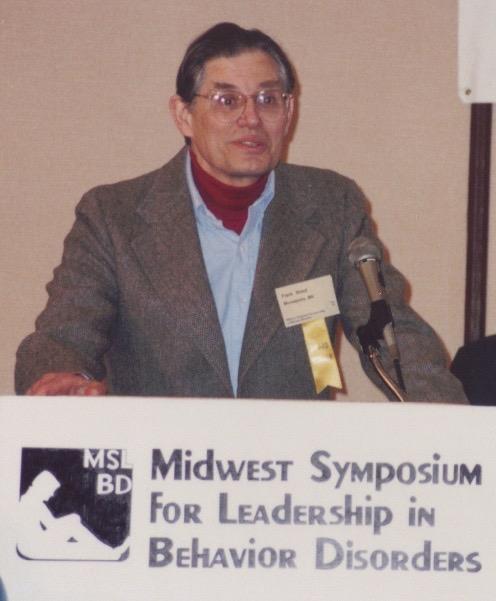
Interviews with Frank Wood appeared in ing Behavior in School and Clinic his MSLBD Janus interview is also on the MSLBD website.
Reece L. Peterson, Professor Emeritus, University of Nebraska-Lincoln, rpeterson1@unl.edu

By Beverly Holden Johns
Irecently talked to a veteran teacher who said, “What a rough world it is in the schools today.” I thought she was referring to the myriad of problems we read about. But what she said surprised me. She said it is the lack of “trust among colleagues” – colleagues who are supposed to be working together.
I thought about this, and it made sense to me. This teacher had worked in a building where the staff had been together, some for 30 years. They knew each other, they were like a family, they could predict what a fellow teacher was going to say before the individual said it. They understood and trusted each other. When that type of trust is taken away, relationships are diminished.
We have to work together to rebuild a sense of trust among staff within our schools. Trust is being threatened by factors I am now seeing and hearing about. In this article, I will share what I see as the factors that can diminish trust and destroy relationships and the actions we can take to actually build trusting relationships among our school colleagues.
lack of administrative support in their current environment. Maybe they don’t appreciate the daily moments of success with students that most of us experience. Regardless of the reason, educators leave and create turnover. Some schools experience significant turnover of staff.
When individuals are replaced the dynamics of the school family change. This requires a continual adjustment for returning educators. Over time educators get used to working with a team of individuals, but each time a new staff member comes in the communication and dynamic of the team changes. This requires adjustment among team members and can disrupt team momentum. Change is hard for all of us and adjusting to new staff takes work. We have to learn about the individuals and learn whether we can trust them. And sometimes, by the time we get to know them, they quit or move to a different school or position.
Associated with turnover is that some educators might develop a “loser identity” when they continue to work in a school that has high teacher turnover (Santoro, 2018). They begin to devalue themselves for staying which can impact their attitude and performance.
Staff Shortages
We have to work together to rebuild a sense of trust among staff within our schools.
Factors Which Diminish Trust
Staff Turnover
Turnover among staff is a major factor. Many educators change jobs. Some are looking for a better school or situation, a higher salary, or smaller class size. Perhaps they are dealing with toxic stress or
I hear the stories every day about staff shortages in schools. Some positions are not able to be filled with qualified teachers, and too often substitute teachers are not available when teachers are absent. Both instances make more work for those who have to address these shortages. Educators may be asked to mentor, assist, and spend time with the unqualified teacher, taking time away from their own class work. The absent teacher disrupts the structure and routine of the teacher who is left covering the classroom. The teachers left “holding the bag” may resent absent or unqualified teachers.
Depth and Quality of Training
In schools today, some teachers are hired with
an emergency license to work alongside teachers with a great deal of experience. An experience continuum exists in many schools today – ranging from teachers with no or little experience to those who have many years of experience and training. New teachers may not have the knowledge, skills, or experience to address complex student problems and may feel threatened by the experienced teachers. Experienced teachers may resent or feel
suspicious of the new employees’ lack of skills.
Snap Judgements
Making snap judgements about co-workers will not strengthen relationships (Cohen, 2022). Rather than assuming a co-worker did something with bad intent, consider they may have had an acceptable reason for their action. When a teacher leaves early, it may not be that they are cutting out, they may have an ill child or a doctor’s appointment. Negative and unfounded snap judgments reduce communication and trust.
Staff Evaluations
Pressure over test scores and teacher evaluations are also a concern I am currently hearing. Teachers are worried about how they will be evaluated. Evaluation systems continue to change and teachers who previously were evaluated as “excellent,” may no longer be evaluated as highly, even with consistently high skills. This can be made worse when teachers become competitive with fellow teachers who received higher evaluations. In such cases, resentment occurs, communication is cut, and trust diminished.
Judgement Based on Student Behavior and Achievement
Teachers are too often evaluated by the behavior and achievement of their students. One teacher may believe that their students would be doing better than they currently are, if the previous teacher had been more effective or more skilled. Sometimes educators are held accountable for a group of students that they only taught for part of the year when several staff contributed. Increasingly, students coming into our classrooms have behavioral and emotional concerns. Fellow staff members and administrators may be quick to assume that the problem behavior
is due to the teacher’s lack of skills and inadequate behavior management. Observers may start offering conflicting opinions about what the teacher should or should not do. Teachers may resent staff members for offering unsolicited advice without experiencing the full situation.
These, as well as others, are examples of the factors that I believe make it difficult to build trust with colleagues. However, it is possible to counter these factors and to build or regain trust and positive relationships with our colleagues. Here are actions we can take.
What We Can Do To Build Trust
Talk to the Colleague Directly
Talk to the person directly first. When we are having a problem with a fellow staff member, go to that person first and have a civil conversation with them. We may disagree with them, but we need to be aware of and respectful of their views.
Limit and Address Criticism of Others
When we start to criticize co-workers or co-workers start to criticize us, we need to stop and problem solve. We need to adopt the philosophy we use with students with EBD - taking the time to address concerns and problem solve. We need to find ways to help each other.
Recognize Positives
We need to adopt the motto - Never Take Good Behavior For Granted, Reinforce It. We need to recognize our fellow staff members for every positive thing they do for us. Gratitude can build trust. I find that gratitude gives us a better outlook during our school day. When we are looking for what others do well, we also feel better about ourselves. When we adopt an attitude of mentoring and teamwork, we build healthy relationships.
Use Active Listening
Active listening is critical. Our colleagues need to know that we are listening to understand, not
Keys to Building Trust Among Colleagues
Talk to the Colleague Directly
Limit and Address Criticism of Others
Recognize Positives
Use Active Listening
Avoid Gossiping and Maintain Privacy
Build Connections, Not Cliques
Accept the Need to Vent
Recognize Complexity
Filter What You Say
to respond. Sometimes an individual just needs to know that someone is there to listen to them and not to pass judgment. We might need to ask questions or clarify what the person is saying. We might say, “I hear you say that you are frustrated by the behavior being exhibited by Paul. “ or “Sounds like you had a rough day. What can I do to help you?” We need to support each other’s capacity for empathy, and turn to our colleagues for laughs and hugs (Benson, 2018). Responding to others in a compassionate way by making efforts to understand and show care and concern will build connections and foster a supportive school environment (Lein, 2024).
Avoid Gossip and Maintain Privacy
When someone confides in us about problems, we need to keep that information private and not engage in the teachers’ lounge gossip. Once we violate a person’s trust, it is very difficult, and sometimes impossible to get back.
Build Connections, Not Cliques
Be intentional to not be a part of the cliques in your school. I know how tough it can be. I have heard people say, “We like our group just the way it is and don’t want anyone else coming in.” In the real world that is not going to happen. Peo-
ple come and go and we have to accept that our groups are going to change. We need to welcome, not shun, new individuals. We are models for our students, and they know when staff have cliques in school. We tell them to be inclusive but are we being exclusive?
Accept the Need to Vent
Sometimes our colleagues just need to vent. They don’t want advice. They want a good listener who will not judge them or evaluate their intent. The person I interviewed who complained about trust said she used to be able to talk with fellow teachers to vent about a difficult day. Now she is worried that the teacher might go to the principal and report her, or the teacher might gossip about her behind her back.
Recognize Complexity
Consider Tomlinson’s (2018) “Iceberg theory” of teaching that referred to the hidden struggles and complexities of our student’s lives. We can take that same theory and apply it to our fellow educators who may be having struggles at home, financial worries, children to take care of, and/or other needs we are not aware of. Recognize that when a co-worker gets angry it may come from below the surface.
Filter What You Say
We need to filter what we are thinking and what comes out of our mouth. I have such a filter. I know that I need to think first before speaking. In today’s society, we see people blurting out statements that are hurtful, show bias, and ruin any chance of a trusting relationship. We may have a negative thought about what someone did, but we need to filter what we actually say to them.
Conclusions
When we are all intentional about restoring and building trust, we are setting a positive example for our students and taking the critical steps to develop a positive school climate. Trust is a critical component in a positive school climate. Staff
Staff need to believe in the strength of collaboration and teamwork.
need to know that they all share the common goal to support and build up each other. Staff need to believe in the strength of collaboration and teamwork. Staff must recognize that they need to be intentional in their help and support for each other.
As I reflect on the veteran teacher’s comment about trust, I believe we can restore a sense of trust. That teacher and many others practiced teamwork and a sense of enthusiasm and encouragement for fellow educators. She was a light for many as they struggled with the realities of their positions. Our gift to all educators is to instill a sense of hope that we can and must support and care about our colleagues. We each have the responsibility to model what it means to support each other. Our genuine attitude of caring can build the trust we all need.
References
Benson, J. (2018). When teacher self-care is not enough. Educational Leadership, 75(4), 38-42.
Cohen, G. (2022). Belonging: The science of creating connection and bridging divides. New York: W.W. Norton Company.
Lein, J. (2024). Let’s be trauma-sensitive to teachers, too. Educational Leadership, 81(6), 62-65.
Santoro, D. (2018). Demoralized: Why teachers leave the profession they love and how they can stay. Cambridge, Massachusetts: Harvard Education Press.
Tomlison, C. (2018). The iceberg theory of teaching. Educational Leadership, 75(4), 88-89.
Beverly Holden Johns, Learning and Behavior Consultant, beverleyhjohns@gmail.com

By Julia Richardson
Restorative justice practices have been gaining traction in schools across the United States over the last decade as alternatives to traditional discipline and zero tolerance policies. This paper serves to offer educators who are unfamiliar with the concept of restorative justice an introduction to common restorative justice practices used in schools, their history and the theory underpinning them, and studies conducted on their outcomes. Rather than solely punishing offenders, restorative justice practices focus on identifying and repairing the harm caused by violation of an agreement or a crime rather than punishing the violator, restoring relationships and trust, and supporting students in becoming accountable and responsible to their actions (Zehr, 1990).
Restorative justice practices are often implemented as an inseparable part of broader restorative practices in schools, although occasionally the terms are used interchangeably. Restorative practices are based on principles that emphasize the importance of proactively building positive relationships and a sense of community to prevent and address wrongdoing and involve processes to repair relationships when harm has occurred (Berkowitz, 2016; The Advancement Project, 2014).
Restorative justice practices in the criminal justice system originated in the 1970s as mediation or reconciliation between victims and offenders (McCold, 1999; Peachey, 1989). Its use spread through North America and to Europe through the 1980s and 1990s under various names including victim-offender mediation and victim-offender dialogue (Umbreit & Greenwood, 2000).
Restorative justice principles have roots in ancient and indigenous practices followed by cultures across the globe. Eventually modern restorative justice broadened to include communities of care as well, with victims’ and offenders’ families and friends participating in collaborative processes called conferences and circles which mitigate power imbalances between the victim and offender (McCold, 1999). Use of restorative
practices is increasing worldwide, not only in educational contexts and criminal justice, but in social work, counseling, youth services, the workplace and faithbased organizations (Wachtel, 2013).
In 2014, The U.S. Federal Government issued new guidelines recommending that schools revise their disciplinary policies to move away from harsh zero tolerance policies and towards restorative justice practices to foster positive school climates, increase retention and graduation rates, and ensure equity. As of 2021, major schools and districts which have adopted restorative practices include Baltimore Public Schools, Maryland; Boston Public Schools, Massachusetts; Chicago Public Schools, Illinois; Cleveland Metropolitan School District, Ohio; Denver Public Schools, Colorado; Los Angeles County Public Schools, California; Madison Public Schools, Wisconsin; Minneapolis Public Schools, Minnesota; New Orleans, Louisiana; New York City Public Schools, New York; Oakland Public Schools, California; and San Francisco Public Schools, California (The Advancement Project, 2014). 21 states and the District of Columbia have enacted legislation in support of using restorative justice in schools (Initiative on Gender, Justice & Opportunity, 2020).
In a small number of states (e.g., California, Colorado, Illinois, Minnesota, and Pennsylvania), restorative justice practices have been implemented in the schools for many years, shown by the presence of larger-scale, more established programs (Fronius et al., 2019). There are numerous supporting frameworks and models to help implement restorative justice practices that vary between districts and individual schools.
The most common restorative justice practices across frameworks that educators currently use in classrooms in the United States are community circles –small group mediations following a conflict bringing together the harmed student, the person causing the harm, and a group of their peers or adults; and affective statements. Two common types of community circles are proactive circles, which develop relation-
ships and build community bonds, and reactive circles, which respond to wrongdoing, conflicts, and problems. Community circles are used as a tool to teach social-emotional skills such as listening, respect, and problem solving. Community circles provide people a chance to speak and listen to one another in a safe atmosphere and allow educators and students to be heard and offer their own perspectives to the group. Circles are also used as emotional check-ins, to celebrate students, and to begin and close the day with reflection (Berkowitz, 2016). When used responsively to conflicts, circles allow the community to come together and offer individuals, including the student or students responsible for any harm, the opportunity to verbalize their experience and be heard by others, seek resolution, and fix any discord. Small group mediations are usually facilitated by an educator and may be organized informally following a conflict or formally following a suspension to reintegrate the student into the school community. Affective statements communicate feelings and impact in a nonjudgmental manner. They may include an observation, feelings, needs, and plans or requests. Educators model affective statements and support students in using them during circles and small groups. (Berkowitz, 2016; IIRP, 2018; The Advancement Project, 2014).
Resources for incorporating restorative justice practices in the classroom are mostly geared towards middle and high schoolers who theoretically already possess a basic emotional vocabulary and the ability to use it. Data suggests there is a need for more research on how to implement restorative justice practices with elementary aged students. For example, affective statements referencing feelings necessitate prior knowledge of emotion-specific vocabulary. Therefore, this vocabulary needs to be taught at the early elementary level to ensure student success with restorative justice models.
The SaferSanerSchools Whole-School Change program, developed by the International Institute for Restorative Practice (IIRP), is a model of school-wide restorative practices inclusive of restorative justice practices that is currently used in multiple districts across the United States. The RAND Corporation, funded by the U.S. Department of Justice Comprehensive School Safety Initiative, completed a recent evaluation of the IIRP’s SaferSanerSchools program. This evaluation is the most rigorous assessment of restorative justice

practices conducted to this date. The report shows that restorative practices improved school climate, reduced suspensions and decreased racial disparities in suspensions in 22 schools over two years in Pittsburgh Public Schools (Augustine et al., 2018). The program works with all school-based staff, follows an approximate two-to-three-year timeline, and involves baseline readiness assessment, strategic plan development, professional development and coaching cycles, the forming of professional learning communities, and yearly assessments.
The SaferSanerSchools program’s restorative practices framework lists the following as essential elements of restorative practices: affective statements, restorative questions, small impromptu conversations, proactive circles, responsive circles, restorative conferences, fair process, and reintegrative management of shame. These essential elements help staff strengthen key educational competences that support a restorative school climate and culture: 1) Compassion, 2) Conflict Management, 3) Courage, 4) Integrity and Trust, 5) Interpersonal Skills, 6) Listening, and 7) Valuing Diversity (IIRP, 2018). The SaferSanerSchools program outcomes are promising for the evolving field of restorative justice practices and echo positive trends in data gathered on many programs nation-wide.
The WestEd Justice & Prevention Research Center (JPRC) recently released a comprehensive review of the literature on restorative justice in U.S. schools. Restorative justice practices may complement Positive Behavior Interventions and Supports (PBIS) systems. Trends in restorative justice program outcomes show program effectiveness hinges on its embedding within the school culture through the creation of an environment that is respectful, tolerant, supportive and accepting. A key method identified to creating such an environment is by proactively nurturing relationships among students and staff characterized by active listening and respect, regardless if the school is a public, private, or alternative school. The program outcomes described in reports vary, some reports indicating restorative
SEVEN COMPONENTS OF RESTORATIVE JUSTICE
Compassion
Conflict Management
Courage Integrity and Trust
Interpersonal Skills
Listening
Valuing Diversity
justice practices have resulted in an improved school climate; others indicate an increase in student connectedness, improved student academic achievement, and a greater sense of community between students, staff and family members. Most of these reports are based on observations made by those directly involved in the restorative justice processes (e.g. educators, students), rather than on formal evaluations, which allow for potential bias and subjectivity. Nearly all of the empirical studies reviewed show a decrease in exclusionary discipline and harmful behavior, such as violence, after implementing a restorative justice program. Research points to the need for more rigorous studies and formal evaluations to offer definitive results on restorative justice program effective outcomes (Fronius et al., 2019). Given that restorative justice programs are for the most part in an infancy stage of implementation, more time is needed to document their effects and for stakeholders to achieve a working consensus on best policies and practices.
References and resources are available here.
This article is reprinted with permission of the author from Academia Letters, January 2022 Article 4742. https://doi.org/10.20935/AL4742
Julia Richardson, teacher, writer, curriculum developer, and consultant, UCLA, juliateachla@gmail.com

B. F. Skinner
Pigeon-Guided Missiles, Bird Brain Ideas, and Applied Behavior Analysis
By Robert H. Zabel and Reece L. Peterson
Today, it is hard to imagine education of children with Emotional or Behavioral Disorders (EBD), autism and other disabilities without the theoretical underpinnings and the interventions of applied behavior analysis (ABA).
The systematic use of response consequences to teach behavior is a central feature of many interventions in educational and treatment programs. Preparation programs for special education teachers require knowledge and application of the principles of applied behavior analysis, including careful observation and measurement, reinforcement, shaping, fading, token economies, etc. And today, completing a curriculum that features these principles allows an individual to become a credentialed Board-Certified Behavior Analyst (BCBA).
Skinner’s curiosity about pigeon behavior may have been inspired by birds he observed outside his office windows at the University of Minnesota. His ideas about human learning and behavior change were not based on studies of humans, but on laboratory studies of two common and sometimes maligned species - rats and pigeons. He then related his laboratory findings to human learning and behavior.
Burrhus Frederic Skinner (1904–1990) was an American psychologist, behaviorist, inventor, and social philosopher whose insights about learning and behavior were drawn from his laboratory studies of rats and pigeons. Building on the work of Ivan Pavlov, and others who had laid the foundations behavioral psychology, Skinner is often considered the “father of behaviorism,” and offered insights into the “hows” and “whys” of human learning and behavior. These insights led to the development of Applied Behavior Analysis (ABA) which has had a profound influence on the education of children with special needs.

Although he is often associated with Harvard, where he was a graduate student and later a professor, Skinner's first academic appointment was with the Psychology Department at the University of Minnesota (1936-1945). It was at Minnesota that he conducted seminal research that was the basis of operant learning theory (later called applied behavior analysis), as described in his first major publication, The behavior of organisms: An experimental analysis (1938).
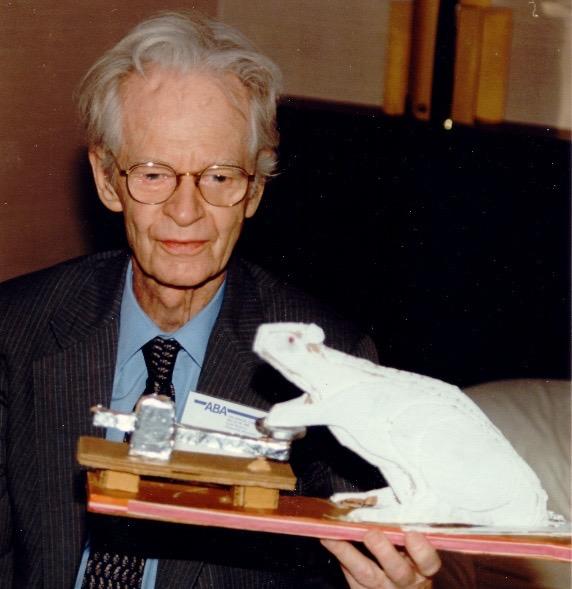
Pigeons were his favorite research subjects. In early studies, Skinner placed hungry pigeons in a cage with a mechanism that automatically delivered food "at regular intervals with no reference whatsoever to the bird's behavior.” The pigeons soon learned to engage in the actions they were performing when food was dispensed. Once they learned to associate specific behaviors and food consequences, Skinner demonstrated that he could maintain those learned behaviors with less frequent intermittent (or unpre dictable) reinforcement.
Based on those observations of relationships between behavior and consequences, Skinner used contingent reinforcement to teach pigeons more complex behaviors: turning clockwise and counterclockwise, pendulum type movements with heads
and bodies swaying back and forth, pecking at points on a screen, etc.
Pigeon-Guided Missiles
In the 1940s, WWII was raging across Europe and Asia; Skinner and other university researchers were looking for ways they could contribute to Allied war efforts. Having demonstrated that pigeons could be taught complex behaviors by “reinforcing successive approximations,” Skinner taught some to peck at targets on screens to guide missiles toward enemy targets – a kind of pre-drone technology! He even tested the real-world utility of this technology, successfully launching pigeon-guided missiles (unarmed) from atop a General Mills grain elevator in Minneapolis! Those efforts resulted in a $25,000 contract from the US Office of Scientific Research and Development to General Mills and Skinner.
Near the end of the war in 1945 and development of radar technology, military interest in a pigeon-guided missile system disappeared, and Skinner’s innovative guided missiles were never deployed in combat. Still, he believed the technology could have worked and possibly saved human

Nose Cone from Skinner's Pigeon-Guided Missile, on display in "Science in American Life." Photo courtesy American History Museum
pilots’ lives, although outcomes for the pigeon pilots would not have been bright.
Baby Tender Air Cribs
About the time Skinner was working on pigeon-guided missiles, he attracted public attention for his design of an innovative baby crib. Skinner and his wife were expecting a second child. To provide a healthier environment for their baby, especially in harsh Minnesota winters, and to ease demands on her parents, he designed a special crib. The “Baby Tender Air Crib” was larger than conventional cribs,
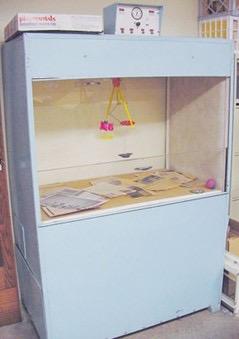
had a ceiling, three walls, and a safety-glass panel/ door on one side for observing and moving the baby in and out. Crib temperature and humidity could be controlled, air was filtered, and a canvas floor with sheeting could be rolled out for easy cleaning.
Skinner's daughter, Deborah, did spend much of her first two years in an Air Crib. By all accounts, including her own as an adult, she had a happy, healthy childhood. In 1945, the popular magazine Ladies Home Journal published “Baby in a Box,” with photos of Deborah peering out the crib. Although some cribs were sold, they weren’t a commercial success. Apparently, many parents were skeptical
about raising their babies in what some referred to as “Skinner Boxes.”
Utopian Visions
Throughout his career, Skinner was an effective communicator, both within his academic field and the general public. He wrote about twenty books, and numerous scholarly articles. In addition, he and his work were featured in popular media, including cover stories in Time Magazine (1971) and Psychology Today (1983).

While still at Minnesota, Skinner began writing Walden Two (1948), his fictional depiction of a utopian society based on operant learning theory. Henry David Thoreau’s original Walden (1854) proposed that individual happiness could be achieved by living a simple, self-reliant life. Skinner’s premise in Walden Two was that individual free will is weak compared to the environmental conditions and contingent consequences that shape behavior. He proposed promoting self-reliance at the community level. Rather than withdrawing from society, Skinner believed that the “good life” could be achieved by arranging contingencies that encouraged cooperative behavior for the greater good of the community.
Although he primarily studied pigeon and rat behavior in laboratory conditions, Skinner understood the relevance of his research for human behavior. His early laboratory studies translated to effective principles for modifying human behavior. Others soon saw their relevance and applied them to an array of settings and circumstances (e.g. smoking reduction, parenting, performance in sports, marketing, education, special education).
Skinner’s Influence on Special Education
Operant learning/ABA was soon found to be useful for teaching students with behavioral and emotional needs, especially those with what is now known as autism. At the time of Skinner’s early work in the
1930s,1940s, and 1950s, there was little of what would be considered special education for children with disabilities. Recognition and treatment of autism as a unique syndrome was still in its infancy. Not until 1980 did the DSM (Diagnostic and Statistical Manual) recognize autism as a diagnosis separate from childhood schizophrenia.
In addition, special education for students with disabilities was not yet considered a school responsibility, let alone a right. Interventions amenable for use in schools for behavior problems and autism were largely unavailable. Most treatment programs were in residential institutions, hospitals, and asylums, or, possibly, special day schools and were based on psychodynamic understandings of mental illness. Autism was generally viewed as the result of adverse early environmental conditions, such as dysfunctional parenting.
Beginning in the 1960s, however, some educators began to recognize the relevance of Skinner’s work and began adapting operant learning approaches to education of children with special needs. Operant learning theory/applied behavior analysis provided both a theoretical and operational foundation for observing, measuring, and systematically teaching behavior to students with a variety of disabilities.
As ABA developed, even the terminology of disability classifications became controversial. For example, the diagnostic category of “emotional disturbance,” reflecting a psychodynamic perspective, remains in federal law (Individuals with Disabilities Education Act), even though most educators now use the term “behavioral disorder” (or, “emotional or behavioral disorder”) which better corresponds with ABA perspectives.
Skinner’s Influence on Others
B.F. Skinner is usually associated with Harvard University, where he went to graduate school and later was on the faculty for many years. He was also a faculty member at the University of Minnesota from 1938 to 1946 and the University of Indiana from 1946 to 1949. At each of these, he influenced several individuals
who became early leaders in applying ABA interventions to schools and children with developmental disabilities, autism, and emotional/behavioral disorders.
E. Lakin Phillips (1916-1994) born in Higginsville, Missouri received a master’s degree from the University of Missouri and after WWII studied with Skinner at the University of Minnesota. Phillips then directed the counseling center at George Washington University and wrote numerous articles and several books applying behavior analysis to a wide variety of therapy/intervention situations, including early applications of ABA approaches to special education (Educating emotionally disturbed children, 1967, co-authored with Norris Haring).
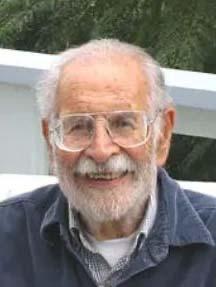
Sidney Bijou (1908-2009) earned a doctoral degree at the University of Iowa in 1941. Prior to his connection with Skinner, he and Joe Jastak developed the Wide Range Achievement Test (WRAT), a standardized achievement test still used to this day. After graduate school, Bijou joined the Psychology Department at Indiana University where he was Skinner’s colleague for two years. Bijou then moved to the University of Washington Institute of Child Development where he studied some of Skinner’s operant approaches to teaching children with developmental disabilities – using rewards such as praise, hugs and candy to teach positive behavior and timeout for inappropriate behavior. Bijou published numerous articles and books, and helped found the Journal of Applied Behavior Analysis in 1968.
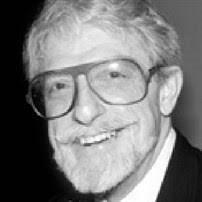
Ogden R. Lindsley (1922-2004), one of Skinner’s graduate students at Harvard University, helped develop the first human operant laboratory, and coined the term “behavior therapy.”
In 1965, Lindsley moved to the University of Kansas where he worked in special education teacher training until his death in 2004. He was best known for developing “precision teaching,” which involved breaking down complex behaviors into smaller components, gathering data, and targeting specific behaviors. Precision teaching tailored individualized treatment plans to the specific needs of each child.

Frank Hewett (1927-1994) was on the special education faculty at UCLA and also served as Director of UCLA’s Neuropsychiatric Institute for many years. In 1968 he co-authored The emotionally disturbed child in the classroom, which featured the “engineered classroom” (later called the orchestrated classroom) based on model programs he helped establish in the Santa Monica Schools. It was one of the first descriptions of classrooms designed and structured to apply ABA principles in special education programs.

Ole Ivar Lovaas (1927-2010), a colleague of Hewett’s at the UCLA Neuropsychiatric Institute. Lovaas, a Norwegian-American clinical psychologist and graduate of Luther College in Iowa, studied ABA interventions for children with autism. Before joining UCLA, Lovaas went to graduate school at the University of Washington where he worked with Sidney Bijou studying ABA interventions for persons with developmental disabilities. Lovaas sought to build more adaptive/acceptable behavior by using positive response consequences. To reduce self-abusive behavior, he also studied the use of aversive consequences, such as electric shock, which was controversial at the time and remains so today.
Norris Haring (1923-2019), native of Kearney, Nebraska, graduate of Kearney State College, masters at University of Nebraska-Lincoln, joined the special
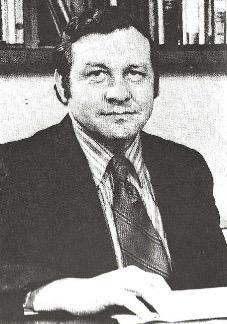
education faculty at the University of Kansas in the early 1960s. He and his young KU colleague, Richard Whelan (native of Topeka, Kansas, Washburn U. graduate, KU doctorate) co-authored “Modification and maintenance of behavior through systematic application of consequences” (1966). A year later, Haring Educating emotionally disturbed children with E. Lakin Phillips, who had worked with Haring to develop special education programs in the Arlington, VA schools.
Haring moved to the University of Washington in 1965 where he worked with Sidney Bijou and led development of the Experimental Education Unit. In a 2011 interview, Haring said, “a person who I’ve always felt was so significant in applied behavior analysis was Sid Bijou. Sid had a wonderful team of people that he had brought to the University of Washington in the development psychology label – Don Baer and Todd Risley. That whole group practiced perfect applied behavioral analysis…one of the most important advances we’ve ever had in the education of kids with disabilities.”

Richard Whelan (1931-2015) began his special education career as a teacher and then education director at the Southard School of the Menninger Foundation in Topeka, Kansas before joining the KU special education department in 1966, where he served as department head, college dean, and director of education at the Children’s Rehabilitation Unit. In an oral history project interview, Whelan noted, “During the mid-1960s my colleagues (including Noris Haring) and I began to review the clinical reports of psychologists using a therapy named “behavior modification” to change observable inappropriate behaviors of adults…Still later, other psychologists and special educators from the structured behavioral strategy advocated Applied Behavior Analysis (ABA)…
From my point of view, ABA’s major contribution is measurement…Without reliable and valid measurement procedures evaluation of our intervention approach for helping children with EBD is difficult at best.” (Zabel, Kaff, & Teagarden, 2011)
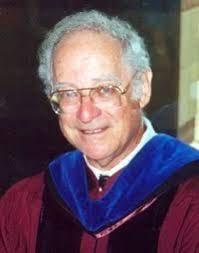
Donald Baer (1931-2002), Todd Risley (1937-2007), and several colleagues including Sidney Bijou founded the Journal of Applied Behavior Analysis, the first journal devoted to ABA research in 1968. In the early 1960s, Baer a native of St. Louis, graduate of the University of Chicago, had come to the KU from the University of Washington along with Risley, where they, like Lovaas, worked with Sidney Bijou, At the University of Kansas, Baer and Risley joined Ogden Lindsley. Lindsley and Haring are credited with developing laboratory behavioral research methodologies. They applied precision teaching, to applied settings, including special education classrooms for children with developmental disabilities, autism, and emotional disturbance.
P.L. 94-142, which later became IDEA). The other important influence was the development of applied behavior analysis. The first mandated appropriate special education for students with disabilities and the second provided a means to accomplish that appropriate education.

Credentialing ABA Practitioners: BCBA Training/Certification
Over the past 20-25 years, there has been movement to create a meaningful professional identity and credentialing for ABA practitioners working in a variety of settings and to assure health insurance providers that those services are delivered according to professional standards, and eligible for reimbursement.

What Special Education Leaders Say about Applied Behavior Analysis
Today there is widespread recognition of the key role that Applied Behavior Analysis has played in the practice of special education, especially for students with EBD. For the past 15 years, MSLBD’s Janus Oral History Project has interviewed more 60 leaders in our field – scholars, advocates, writers, leaders of professional organizations, and practitioners. Each participant is asked a series of questions, including “What events, policies, and people have had the greatest influence on your professional life?”
In the answers of 20 first generation leaders, two important developments were named by most participants. One was the court decisions and federal legislation that established a legal “right to an appropriate education” for students with disabilities (e.g.
Earlier, there had been efforts to get states to establish licensing of ABA specialists similar to state licensure of psychotherapists and psychologists. In 1968 an independent Behavior Analyst Certification Board® was formed to design training standards and a credentialing system for Board Certified Behavior Analysts (BCBA). These were officially adopted in 1998. Since then, additional levels of certification have been added, each requiring specified coursework, examinations, and supervised practicum.
According to the BCBA Board, there were more than 59,000 board-certified behavior analysts practicing in the United States in January 2023. Increasingly, this credential has been viewed as useful for educators working with students, especially since many states have backed away from teaching licenses specifically for educators of students with EBD or autism. (See Higgins & Higgins, 2020 for more about the role of BCBAs in schools.)
Some Criticisms or Limitations of ABA
Over the past few years, there has been increasing criticism of some applications of ABA, especially use of punishment, to change behavior of individuals with autism and developmental disabilities (Lord, 2024; see earlier discussion of Lovaas). Today, aver-
sive interventions such as the use of electric shock to suppress behavior, are considered unacceptable and are rarely if ever employed. Nevertheless, critics say that too often efforts are focused on reducing behaviors rather than building or increasing behaviors.
In addition, there has been recent criticism of ABA approaches for trying to make autistic persons more like “typical” peers, rather than recognizing and valuing their neurodiversity. Organizations such as the Autism Self-Advocacy Network assert that autism should be considered a form of neurodiversity rather than a disability. They argue that interventions – whether ABA or other approaches – should focus on building strengths and interests that will allow neurodiverse individuals to participate in society. Some have suggested that other conditions, such as ADHD, should be considered as forms of neurodiversity rather than disabilities. Rather trying to teach conformance with societal norms, the goal should be to appreciate individual differences, and to “celebrate neurodiversity” (Lord, 2024). In response to these critiques of ABA approaches, several papers have addressed and refuted those claims.
Conclusions
especially those with emotional and behavioral disorders, autism, and other disabilities.
References
Haring, N. G. & Whelan, R. C. (1965). Experimental methods in education and management. In Conflict in the classroom, N.J. Long, W.C. Morse, & G. Newman (Eds.), 389-405. Belmont, CA: Wadsworth.
Higgins, R. & Higgins, W.J. (Spring, 2020). What is a board certified behavior analysis? ReThinking Behavior.
Lord, C.(2024). The controversy around ABA: Why some autism parents and advocates find fault with the therapy. Child Mind Institute.
Nose Cone from B.F. Skinner's Pigeon-Guided Missile, on display in "Science in American Life." Photo courtesy American History Museum.
Psychology Today (1983). B. F. Skinner: His own epilogue.
Skinner, B. F. (1945). Baby in a box: The mechanical baby-tender. The Ladies Home Journal, 62, 30-31, 135-136.
Skinner, B. F. (1948). Walden Two, Indianapolis: Hacket Publishing Co.
Teagarden, J., Kaff, M., & Zabel, R. (2022). Janus Oral History Project, ReThinking Behavior, 5(3), 6-7.
Time (September 21, 1971). Skinner’s Utopia: Panacea, or Path to Hell?
Whelan, R. J. & Haring, N. B. (1966). Modification and maintenance of behavior through systematic application of consequences. Exceptional Children, 32, 281-289.

Like an explosion of numerous pigeons from one of his guided missile experiments, B. F. Skinner’s pioneering laboratory research and theories of behavior created a major and sustained burst of inquiry, research, and practical applications. His ideas and research and those who followed in his path have had profound influences developing a science of behavior change, Applied Behavior Analysis has helped educators and therapists to define and measure changes in behavior, to focus on individual specific goals and objectives, to employ objective measurement, and to determine the effectiveness of specific interventions. Over the past 60+ years, Skinner’s have had a tremendous impact on the treatment and education of children,
Zabel, R. H., Kaff, M. S., & Teagarden, J. M. (2011). An oral history of first-generation leaders in education of children with emotional/behavior disorders, Part 2: Important events, developments and people. Journal of Emotional and Behavioral Disorders, 19(3), 131-142.
Robert H. Zabel, Professor Emeritus, Kansas State University, robertzabel@gmail.com and Reece L. Peterson, Professor Emeritus, University of Nebraska-Lincoln, rpeteron1@unl.edu
Teamwork Makes Dreamwork
Pairing Co-Teaching with High-Leverage Practices
By Bobbie McBride, Marie Manning, and Amanda Boor
Photo
Imagine walking into an Algebra 1 class filled to the brim with 28 rambunctious eighth graders who would much rather be anywhere else. One lone, brave general education teacher is desperately trying to lecture over the noise in the classroom. She and the content she is trying to teach have morphed into background noise, droning on and on in a monotonous sea of nothingness. The students are mostly talking to each other. Some are on their phones, connecting through social media. Others have their hoodies over their heads, in their preferred position - face-down on the table. None have a singular care for school let alone the series of numbers and letters in front of them. It is obvious - they have completely checked out. The teacher is trying, but what has worked in every other class just “isn’t” with “these kids.” This group of atrisk students has a history of failing grades and poor motivation when it comes to academics. While some have identified disabilities, most of them have grown accustomed to the daily struggle. School has not been a space where these students experience success. The system is not working for these students and there needs to be a change. These students have fallen into a cycle of academic and behavioral deficits. They do not appear to have a positive regard for the teacher or content in front of them. They sneer back at her saying common phrases like, "Algebra is stupid," "I hate school," and "This is useless." Looking around, none of the behaviors from the teacher or the students surprise you. You recognize these students, and you know they are a tough bunch. You feel sympathy for this teacher who despite her best efforts is not reaching a single student.
Now imagine walking into another Algebra 1 classroom with a similar makeup of eighth graders but with two teachers: one general education teacher and one special education teacher. Some of these students have disabilities, but many of those sitting in this room have had behavior incidents resulting in various punishments including suspension. You know these students and their challenging backgrounds: a history of academic failure and behavior infractions. These are the “lost” students who fall through the cracks, but not in this class. Somehow
this class is breaking that familiar pattern of experiences. Somehow these students are excelling! You see posters and graphic organizers lining the walls, students walking around the room talking and working together, and cell phones left aside or turned off completely. Though the lights are dimmed, hoodies are off, and students are learning. Half of the students are visiting with their friends. Looking closer, you realize they are collaborating with their peers. Each teacher works with a small group of students, focusing on different skills and using different strategies for instruction. What is happening and how is it that the students are thriving in this room?
These were our actual experiences before and after implementing a co-teaching model with the general education and special education teachers working together to break the cycle. This article demonstrates how we transformed our classroom using effective co-teaching models.
We have heard educators talk about “co-teaching” in both a positive and negative light. Why are there such varying opinions on the effectiveness and use of this teaching practice? Our thoughts as practitioners are that teachers and administrators do not always understand this method and therefore, do not implement it correctly. Like any strategy, if co-teaching is not executed appropriately, its potential for significant academic and behavioral success remains unrealized. Chitiyo & Brinda (2018) reaffirmed that co-teaching is a method where a general education teacher and a special education teacher are paired in an inclusive classroom of students with and without identified disabilities. Both teachers plan the lessons, provide instruction, and assess students. This model has been used in special education for decades (Sparks, 2022). With the push towards inclusive classrooms and the redesign of the Individuals with Disabilities Education Act, the practice of co-teaching has gained traction in the general education realm. Despite evidence of the growth obtained when using co-teaching with fidelity, teachers in the field report they are not implementing co-teaching correctly. Teachers report challenges with under-
standing how to co-plan, how to use instruction/ development practices, and how to access mentors and support systems (Sparks, 2022).
While teachers said they understood what co-teaching was as a model, over half stated they did not feel confident implementing co-teaching and needed further training (Chitiyo & Brinda, 2018). Too often teachers preferred not to co-teach due to a lack of training and co-planning time. Teachers also reported rarely collaborating when determining co-instruction and assessment methods (Brendle et al., 2017). As practicing teachers, we have observed an additional challenge. There was a communication barrier between special and general education teachers that may be attributed to a lack of understanding of co-teaching models within inclusive settings. When substantial portions of the planning and instruction are completed separately, a disconnect in delivery will become obvious. For true co-teaching to be effective, both teachers must be able to clearly communicate within the areas of planning, instruction, and assessment.
Collaboration and communication are equally critical. Throughout their classroom practice, both teachers share responsibility for instruction and effective communication using a shared common language. Successful co-teaching can be implemented by using the 3 P’s: Planning Co-teaching, Practicing Co-teaching, and Participating in Professional Development. During the planning phase, the teachers must be available to collaborate. Practicing co-teaching
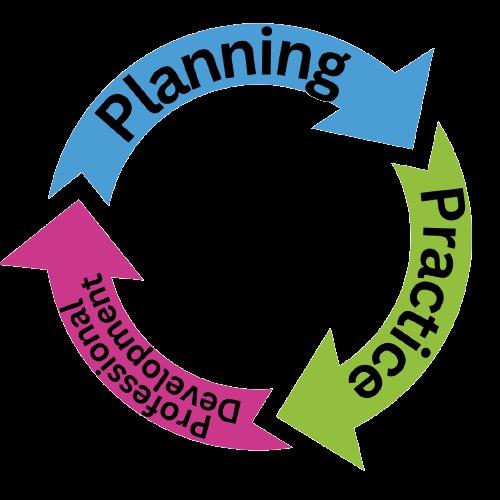
requires that both teachers take time to communicate what works and what does not. With clear communication in place, both teachers can lean on the expertise across both fields. Gaps in mutual understanding of best practices should be addressed through professional development. Both educators in the team must be fully invested in learning and growing together as demonstrated by their effective collaboration and communication throughout the process. With these three simple steps, co-teaching teams can begin to see positive outcomes.
Planning Co-teaching
Successful co-teaching starts with planning instruction and assessment strategies as a team. We quickly discovered that we both needed a common co-teaching tool such as a structured lesson plan to address communication issues, select best practices, implement assessment measures, and tackle other day-to-day challenges. Co-teachers need time in their schedule to work together. If one teacher is creating the plans and handing them off to the other teacher, it is easy to create a disconnect. Co-teaching is not effective if one teacher becomes the “leader” while the other feels like they are a “helper.” Such situations can result from misconceptions that special education teachers lack content knowledge, foster assumptions that general education teachers have autonomy in their rooms and increase challenges with teacher compatibility and communication. Teachers need time to talk about expectations for the class and with each other. These conversations allow time to set up classroom management expectations. Classroom management is an area where teachers disagree. Teams with dissimilar management styles or co-teaching expectations will not work. Failing to work through classroom management basics, class expectations, structure, and organization will result in dissonance in the classroom.
Both teachers need to read all IEPs, 504 Plans, and Behavior Intervention Plans. They both need to recognize a variety of possibilities for differentiation (e.g., by product, by process, by content, by
the learning environment) using co-teaching. There are six co-teaching models: team teaching, parallel teaching, station teaching, one-teach/one-assist, one-teach/one-observe, and alternative teaching (Figure 1), each more effective for certain types of lessons. The type of lesson and intended outcomes will determine which type of co-teaching model will
Six
Model
Team Teaching
Parallel Teaching
Station Teaching
One-teach/ One-assist
One-teach/ One-observe
Alternate Teaching
best serve the team. Through clear communication and careful exploration of each, the team should select a model that works best based on the planned content and student engagement. For example, we found station teaching to be effective because it allowed us to design engaging activities by utilizing different processes based on student needs and
Co-teaching Models (Friend et al., 2010)
Both teachers are at the front of the room taking turns giving information for the lesson. This is nice as it evens the playing field and shows that both teachers have a personal stake in the classroom and are content and strategy leaders.
Both teachers are teaching at the same time but to two diverse groups. This can be useful when teaching different strategies to solve problems, for example using a standard algorithm or graphing technique to find the slope.
Different learning stations are set up and students rotate through them. This is useful so that the teachers have smaller groups to instruct and can use this time to differentiate to their specific level of need. There would also be independent stations for students to reinforce their skills.
One teacher provides the instruction while the other teacher works through the room and helps individuals as needed. This is a good model to use when students are introduced to a new concept so you can make sure everyone is on the same page and provide extra help when needed.
One teacher provides the instruction while the other teacher is observing from somewhere in the room. This model is helpful when specific data needs to be recorded regarding a student’s behavior (time on task, outburst, etc.) and can also be used to inform and improve instruction.
One teacher instructs a large group while the other teacher pulls small groups and teaches an alternate or modified method based on the needs of the students.
When teaching a lesson on solving multi-step equations both teachers are teaching the whole lesson together. One teacher explains using algebraic terms while the other is modeling with concrete manipulatives.
When teaching how to determine slope, the class is divided into two groups. One teacher is using the slope formula while the other is teaching to find the slope from a graph. Parallel teaching promotes increased participation due to the smaller group.
The class is divided into three groups to support differentiated instruction and high student engagement. When preparing for an end-of-unit assessment on functions one teacher reviews function versus relations, one teacher reviews function notation, and one independent station with a self-checking activity.
To introduce solving inequalities one teacher gives the main instruction. The other teacher provides examples, manipulatives, guided notes, using prompts, and cues based on observed misconceptions
One teacher is leading an activity where students are solving systems of equations on whiteboards. As the students hold up their answers, the other teacher measures the frequency of correct responses.
As one teacher provides whole group instruction on simplifying radicals, the other teacher pulls a small group to remediate the prerequisite skill of factor trees.
interests. Stations allowed the students access to the information in a way that best works for them. Teachers need time to look at individual lessons, plan which co-teaching model will work best, and share the duties and instruction to create a positive learning environment for students. Ensuring a strong connection between lessons, outcomes, and delivery models is critical. Flexible grouping allowed us to embed various differentiation strategies. One teach/one assist provided opportunities for differentiation by product. Student responses could be in either written or oral format.
Lastly, careful evaluation of assessment measures must be addressed. Co-teachers need to take time when planning to think about the lesson they are teaching and determine clear outcome measures. We have found that key questions work well to develop our assessment strategies. Examples include: How will we conduct progress monitoring? How will we measure engagement? What is the learning target? We found one teach/one observe to be an effective method for conducting formative assessments and progress monitoring data collection. It is important to understand that each method is not time limited. Both teachers can start the class time using one method and pivot to the other based on student needs.
Questions for Assessment Planning
• How will we address progress monitoring?
• Is behavioral data needed?
• What types of data should we use?
• How will we measure engagement?
• Is this a review session or an assessment?
• What is the learning target?
• What co-teaching structure should we use?
• Who defines the teacher roles during each part of the lesson?
• How should we group students?
Practicing Co-teaching
Once we addressed planning for instruction, the next step to successful co-teaching was putting the plan into practice. When we taught together, our class of 20 comprised seven students with disabilities and 13 at-risk students. These students had never been successful in math before. Due to their behaviors, they were often placed in alternative settings before returning to our classroom. Based on formative assessments and other testing measures, significant learning gaps were identified. We began co-teaching by implementing high-leverage practices for students such as flexible grouping and positive feedback. However, we quickly realized that there was a communication barrier between general and special education teachers. We did not have a common language that outlined specific practices in our chosen fields. Both general and special education teachers use the term “high-leverage practices” (HLP) but were referring to a different set of practices. Special educators were referring to High-Leverage Practices for Students with Disabilities, developed by the CEEDAR Center and the Council for Exceptional Children, while general education teachers were referring to High-Leverage Practices identified by Teaching Works. The educators were doing the same things but using different terms to explain them.
Figure 2 presents both lists of HLP. Comparing these lists shows the several similarities in the practices considered high-leverage. For example, successful strategies for all students include cognitive and metacognitive processing/explaining and modeling (HLP 14/TW 2), scaffolding/coordinating and adjusting instruction (HLP 15/TW 6), implementing flexible grouping/small groups (HLP 17/TW 9), and establishing positive relationships (HLP 7/TW 10), with constant positive reinforcement/feedback (HLP 8/ TW 18). Once we were able to operationally define best practices, we used these strategies in ways that others, including our students, could understand.
First, let us consider cognitive and metacognitive processing. In special education, this process is defined
as talking oneself through a task or checking one’s performance. We needed to think about how our students view and understand numbers and math. Our students did not know where to start when it came to solving an equation. We used self-talk to show our thinking process and then created a checklist to help them follow the steps needed to solve the equations. On occasion, students struggled to flow through the steps independently. Student groups were created, and parallel teaching was used to model the process more thoroughly. Co-teaching allowed us to address this need simultaneously so that all students remained engaged and working on their instructional level.
Using scaffolding within co-teaching was another example of how having a common language created a positive impact on our teaching and students’ understanding. Scaffolding is defined as a system of most to least prompts where a teacher models and demonstrates a skill and then slowly steps back and encourages the students to solve independently. It is an important high-leverage practice that can be used in both general and special education. We modeled strategies and procedures with students following along step by step. Slowly and carefully, we started fading visual, verbal, and even written supports. The students continued to work through the steps while we evaluated their effectiveness in solving equations. When co-teaching, we balanced each other out and ensured that we were scaffolding the right level of support through continued progress monitoring. We combined the metacognitive process and scaffolding by modeling initially and then we slowly released control to the students through guided practice that led to independent problem-solving.
Because we were working with older students, we found that we needed to tackle a common misconception that students “should know” what to do. We addressed this misconception in our co-taught classroom by ensuring everything we did, every skill that was taught, and every expectation we had for the class was explicitly taught so there was no room for misunderstanding or miscommunication. Before
For true co-teaching to be effective, both teachers must be involved in planning, instruction, and assessment.
we could both use explicit instruction, we needed to agree on what this was and how it worked in the co-taught setting. We agreed that explicit instruction is maximizing a student’s growth by utilizing a structured and systematic method of instruction (Archer & Hughes, 2011). This method was useful as the students learned new concepts. We included examples and common misconceptions as we worked through the problems together. We continued to model and scaffold the steps and processes until the students could complete the work successfully and independently.
Another shared practice is flexible grouping in which the grouping or categorization of students is not static. Flexible grouping is used in classroom settings with one teacher but can be particularly useful in co-teaching settings. Grouping can be based on student interests or content, can vary from heterogeneous to homogeneous, and is a way to differentiate and build community within the classroom. When using flexible grouping you can choose to group students by ability/need or mix them to supply peer tutors and mentors to a group. These learning groups depend on the learning goals for that lesson. In our classroom, when teaching equations, we initially

High-Leverage Practices in Special Education
Collaboration
1 Collaborate with professionals to increase student success.
2 Organize and facilitate effective meetings with professionals and families.
3 Collaborate with families to support student learning and secure needed services.
Assessment
4 Use multiple sources of information to develop a comprehensive understanding of a student's strengths and needs.
5 Interpret and communicate assessment information with stakeholders to collaboratively design and implement educational programs.
6 Use student assessment data, analyze instructional practices, and make necessary adjustments that improve student outcomes.
Social/Emotional-Behavioral
7 Establish a consistent, organized, and respectful learning environment.
8 Provide positive and constructive feedback to guide students’ learning and behavior.
9 Teach social behaviors.
10 Conduct functional behavioral assessments to develop individual student behavior support plans.
Instruction
11 Identify and prioritize long- and short-term learning goals.
12 Systematically design instruction toward a specific learning goal.
13 Adapt curriculum tasks and materials for specific learning goals.
14 Teach cognitive and metacognitive strategies to support learning and independence.
15 Provide scaffolded supports.
16 Use explicit instruction.
17 Use flexible grouping.
18 Use strategies to promote active student engagement.
19 Use assistive and instructional technologies.
20 Provide intensive instruction.
21 Teach students to maintain and generalize new learning across time and settings.
22 Provide positive and constructive feedback to guide students’ learning and behavior.
CEEDAR Center
https://ceedar.education.ufl.edu/hlps/
Figure 2

1 Leading a group discussion
2 Explaining and modeling content
3 Eliciting and interpreting individual students’ thinking
4 Attending to patterns of student thinking
5 Implementing norms and routines for discourse
6 Coordinating and adjusting instruction
7 Establishing and maintaining community expectations
8 Implementing organizational routine
9 Setting up and managing small group work
10 Building respectful relationships
11 Communication with families
12 Learning about students
13 Setting goals
14 Designing single lessons and sequences
15 Checking student understanding
16 Selecting and designing assessments
17 Interpreting student work
18 Providing feedback to students
19 Analyze instruction to improve it
Teaching Works
https://library.teachingworks.org/
made two groups based on ability level, and then as we moved into the station teaching students were regrouped to allow student choice. Teachers must supply positive feedback throughout these interactions and check for any problems. Teachers should ensure there is equal participation and engagement for all students with both homogeneous and heterogeneous groups.
We wanted to make sure that all students felt comfortable within our class and had the opportunity to respond and engage in the way that best suited their learning style. Through daily icebreakers and checkins, we were able to build positive relationships within our classroom. We wanted our students to feel engaged and motivated to learn and work together. We were mindful of student interests and personal goals. We tied the students’ learning to real-life situations based on their cultural experiences. This is particularly important when working with reluctant learners or students who have not felt successful in the past. Students in our class felt safe making mistakes, asking questions, and relying on teachers and classmates to help without fear of judgment. We used parallel and station teaching where students could learn and practice various strategies.
After our students felt safe, cared for, and comfortable trying new things; we could address their behaviors and academics through positive reinforcement and feedback. We focused on effective feedback that strategically addressed learning needs. For example, when solving an equation if a student made a mistake we might say, “I like how you multiplied five by both sides. Can you look at your checklist and see what step you might have missed?” We stayed focused on the lesson’s objectives each day so that the students understood what we were teaching and what they needed to achieve. We felt it was important that the positive feedback heavily outweighed the negative. This ensured our students felt supported and were able to accept needed corrections. Our feedback was ongoing until the students had reached the lesson goal and then the class moved into the next lesson.
The practice of co-teaching happens daily in the classroom. After finding the common language between general education and special education, we were better prepared to discuss and implement the strategies reviewed above. The more we practiced, the more fluid our presentation of the material was. The next step was to explore professional development opportunities. Attending professional developmental opportunities helps teachers refine their craft; this is also true with co-teaching.
Participating in Professional Development
Shared professional development is critical for quality co-teaching. Professional development must look different. It has been our experience that general education and special education teachers attend separate training sessions. There is a lack of professional development that offers a combined learning experience that brings the team together. Allowing co-teaching teams to participate in a collaborative learning experience is essential. Innovative ideas and strategies emerge in this environment. Teachers must work smarter, not harder. Quality professional development for co-teaching incorporates curricula that provide access to the same information simultaneously, utilizes strategies that are easily implemented, fosters the development of lesson plans that are mutually attainable, and includes a clear structure to facilitate reflective practices with their co-teaching partner. These workshops build relationships and create opportunities for both teachers to engage in perspective-taking without the day-to-day classroom distractions. This is how we make the “team” work. Look for professional developments that provide shared learning experiences. For example, we recently presented at the Midwest Symposium for Leadership in Behavior Disorders offering training for both co-teachers, which was very well received by attendees. This training offered support to co-teaching pairs that provided practical tips using a common language created from HLP and TW while addressing the academic and behavioral needs of students using a co-teaching model.
Co-teaching can work well for a diverse group of students while providing equity and inclusion. It can be effective for students with behavioral disabilities and those at-risk. As educators, we wanted to ensure that our students were successful by measuring our teaching practices. We collected data on our cotaught class for two consecutive years and found that 95% and 100% of these students, respectively, were able to pass their end-of-year state exams. Over half of these students had never been successful before. We teamed together and used high-leverage practices to co-teach. Most importantly, we used academics to support behaviors. Utilizing these high-leverage practices in both general and special education settings aided us in reaching and teaching students regardless of their ability level or background knowledge by providing quality curriculum-driven instruction with the right support needed. It takes time and effort from both parties, but we feel it is obtainable when using the 3 P’s: Planning Co-teaching, Practicing Co-teaching, and Participating in Professional Development.
By utilizing the instructional model and ideas shared here educators can implement more effective classroom strategies. Just as these practices have helped us tremendously, we believe that co-teaching success is achievable for educators who wish to provide equitable education for students with behavioral needs and for those who are at-risk. Co-teaching will not be 100% successful on day one. You will have great days and good days, and days when you learn the most. In the end, co-teaching using high-leverage practices across general and special education will offer powerful tools for student success.
References
Archer, A. L., & Hughes, C. A. (2011). Explicit Instruction: Effective and Efficient Teaching (p. 1). The Guilford Press.
Brendle, J., Lock, R., & Piazza, K. (2017). A study of co-teaching identifying effective implementation strategies. International Journal of Special Education, 32(3).
CEEDAR Center, ceedar.education.ufl.edu/ Chitiyo, J., & Brinda, W. (2018). Teacher preparedness in the use of co-teaching in inclusive classrooms. Support for Learning, 33(1), 38–51.
The practice of co-teaching happens daily in the classroom.
Friend, M., Cook, L., Hurley-Chamberlain, D., & Shamberger, C. (2010). Co-teaching: An illustration of the complexity of collaboration in special education. Journal of Educational and Psychological Consultation, 20(1), 9–27.
Sparks, S. D. (2022). Co-Teaching: Valuable but hard to get tight. Education Week, 42(2).
Teaching Works Resource Library. (2023). High-leverage practices.
Bobbi McBride, LEA Representative and Doctoral Student, Fayette County Kentucky, bobbi.mcbride@fayette.kyschools.us
Marie Manning, Associate Professor at Eastern Kentucky University, Richmond, Kentucky, Marie.manning@eku.edu
Amanda Boor , Mathematics Teacher at CodeRVA Regional Highschool, Richmond, Virginia, amanda.boor@coderva.org

The School Day When
No One Eats Alone
By Michaela Haas
Lots of kids feel socially isolated — especially at lunchtime. A national movement is working to change that.
Laura Talmus felt helpless when her then-11-year-old daughter Lili kept calling her from school in tears. “It’s pretty nerve-racking when you’re getting phone calls from your daughter who’s just crying and begging you to come pick her up from school,” Talmus remembers. “The lunch breaks were the hardest.” After trying some interventions in the school with little success, Talmus and her husband, Ace Smith, eventually decided to homeschool Lili with private tutors.
Lili Rachel Smith was born with Apert syndrome, a rare genetic condition that made her look different and contributed to her feeling invisible and left out at school. According to her mom, she was not bullied by her classmates and did have some friends. “But in sixth grade, the kids sent the message by turning their backs in the cafeteria to let her know she wasn’t welcome to join them at their table,” Laura Talmussays, describing what she calls “the terrible social atmosphere” at the school. “Lili spent most lunchbreaks hiding in the library or the bathroom stalls, eating lunch by herself.”
After her daughter passed away from medical complications in her sleep at age 15 in 2009, Talmus put together a video celebrating her life. When she
showed the video, Lili’s classmates were shocked to realize how isolated Lili had felt, and Talmus understood that a lot of kids felt disconnected like her daughter had: “I was absolutely blown away when I saw how many kids raised their hands and wanted to talk about how they felt isolated.”
The next year, Talmus, a professional fundraiser, and her husband channeled their grief into forming Beyond Differences (www.beyonddifferences.org), a nonprofit that focuses on raising awareness about social isolation in youth and providing solutions. Since that time, the need has only become more clear. US Surgeon General Vivek Murthy raised the alarm last year when a study found rates of loneliness reported among young adults have risen every year for more than a decade. Teenagers spent nearly 70 percent less time hanging out with friends in person in 2020 than they did in 2003 (down from 150 minutes a day two decades ago to 40 minutes a day). The study notes that the Covid-19 pandemic accelerated the trend.
Talmus believes the social isolation her daughter experienced is affecting students all over the country and contributing to serious health issues, mental health problems, suicide and school violence: “They have trouble connecting, trouble feeling safe.” Beyond Differences started with Lili’s school and four
other schools in California’s Marin County, where the family lives, but has now grown to reach over one million students in all 50 states.
On February 16, 2,500 schools in all 50 states will participate in No One Eats Alone Day, a day of action created by Beyond Differences that encourages fifth through eighth graders to mingle, make new friends and become more aware and proactive about social isolation, especially at lunch.
“No One Eats Alone is completely rooted in the experience Lili had,” Talmus explains. “For many children, the lunch break or recess are the worst parts, so we started with that.” Beyond Differences sends backpacks or “Belonging Boxes” with a lesson plan, games, toys, art projects, stickers and conversation starters to participating educators, at no cost to the schools. Conversation starters could revolve around sports, video games or food, or be playful icebreaker questions like, “Would you rather have scales or fins?”
“The best [part] is that it’s intended to be led by students for other students,” Talmus says. “This is about
making inclusion a little bit more cool and acceptable. All tides lift boats.”
Crucially, the curriculum has been partially developed by slightly older peers, a group of 36 high school-aged student leaders across the country who form the nonprofit’s National Teen Board. “Their mission about ending social isolation in schools really struck me,” says Paarth Sharma, an eloquent 16-year-old high school student from Portage, Michigan, who has been on the Teen Board since November 2022. “A lot of the curriculum they develop is what I would have loved to have when I was in middle school.” Sharma believes his engagement in the nonprofit has made him able to better identify social isolation and be more inviting, for instance, when a new student joins his school.
Kids participating in No One Eats Alone Day this year will play an artsy game called “Let’s Grow” that Sharma helped develop. “It’s an art kit with elements like flowers, stems and clouds that the kids can write on,” he explains. “The flowers represent things that make them shine, the stems things that build them
Laura Talmus with her daughter Lili, who passed away at age 15. Courtesy of Beyond Differences
up, the roots can be things that make them grow, and the clouds represent something they struggle with.” In the end, the teacher will tape the contributions together as a “garden” that represents the seeds of connection and the potential of growth.
Sharma chose the “queer visibility” section of the national curriculum as his focus. In their monthly Zoom meetings, the teenagers on the Board talk about strategies to make sure school libraries carry books that are written by LGBTQ+ authors and feature LGBTQ+ characters as well as how to educate teachers and administrators and ways students can safely express their identity in conservative states.
“No One Eats Alone cuts across all those lines whether or not your state requests or requires teachers to teach social and emotional learning or health edu-
cation,” Laura Talmus says. “There has never been a case where anybody said, ‘You can’t bring No One Eats Alone to our school or our state.’”
With support from the New York City Department of Education, 10 New York schools measured the impact of No One Eats Alone in 2019 and found that key indicators, including “awareness of social isolation, frequency students intervened when they saw social isolation, student leadership, youth voice, and social emotional learning all increased significantly from beginning to end-of-year for seventh grade students who attended three or more Beyond Differences events.”
One principal quoted in the study says: “Beyond Differences has made an impact on our school community and fostered more student voice. Students are
Schools in all 50 states participate in No One Eats Alone Day. Courtesy of Beyond Differences
more aware that they can intervene when bullying issues come up in the school, and they are also more careful about using technology in a positive manner.”
Two other programs, Know Your Classmates and Be Kind Online, complement the lunch initiative. Classes can start in the fall with the Know Your Classmates program, which creates activities to help kids eliminate barriers to getting to know one another and understand others’ cultures, identities and stereotypes. And Be Kind Online “educates children about social media, identifies online behavior that leads to social isolation and creates opportunities for kids to engage positively with one another,” Talmus explains.
Talmus is convinced that the pandemic lockdowns made the initiatives more needed than ever. “I do believe that children are feeling less safe,” she
says, and refers to a recent study that found 71 percent of children are still struggling with the return to school since the lockdowns. “There is absolutely no easy place in America for children to be growing up right now.”
She feels that she is honoring Lili’s life by starting a national movement, enabling students to “just even take that first step to get to know somebody that they normally don’t sit with,” she says. “I have seen so many friendships blossom.”
Reprinted with permission from Reasons to be Cheerful, February 12, 2024, https://reasonstobecheerful. world/, The School Day When No One Eats Alone by Michaela Haas.

A Belonging Box for this year’s No One Eats Alone Day. Courtesy of Beyond Differences
What to Do After a Crisis
National Association of School Psychologists Guidelines

By Lawrence J. Altman and Katherine A. Graves
The National Association of School Psychologists (NASP) published the document Recovery From Large-Scale Crises: Guidelines for School Administrators and Crisis Teams in 2018 to help school administrators and school crisis teams respond to a school crisis or disaster (e.g., a school shooting). The goal of the document was to help decrease the likelihood of post-event trauma to students and staff beyond what was caused by the initial shock of the school crisis.
The NASP document divides the suggested responses over a timeline continuum, starting with the imminent aftermath of the crisis, one month after, six months after, and one year after. Moreover, each timeline section includes suggestions on what should be done to deal with the expected negative emotional impact of the crisis on staff and students.
That said, NASP assumes that each school has a crisis team in place and does not explain how to create one before a crisis occurs. Also, the NASP document does not discuss the school’s obligations to students required by the Individuals with Disabilities Education Act (2004) or Section 504 of the Rehabilitation Act (1973). This article will discuss the highlights of NASP’s publication (NASP School Safety and Crisis Response Committee, 2018), schools’ legal obligations as required by the IDEA and Section 504, and how to create a crisis team.
Part One: The Immediate Aftermath and the First Few Weeks After
Immediately following a crisis or disaster, there must be an immediate response and intervention for students and staff to decrease the potential for further trauma upon those impacted. Administrators and crisis teams must be prepared to engage with those impacted by the crisis or disaster as soon as the crisis ends. First, the challenges created by the crisis or disaster must be addressed. NASP recommends conducting psychological triage on all students and staff to assess the impact on each individual. If the school where the incident occurred is unavailable for crisis support immediately following the incident,
locate and use an off-site location where this support can be provided. This could be another school in the district or a community location that is made available for this purpose.
Further, schools should return students to school and implement the school’s routine as soon as possible. It is recommended that caregiving training be provided and that access to employee assistance programs be facilitated. This may require resources outside those available in the school district. Accordingly, community leaders must assist the school in obtaining the resources necessary to provide services to help students and staff deal with the event’s emotional impact.
Part Two: Six Months After
During the time between the crisis and six months after, data should be collected (i.e., mental health surveys, behavior reports, achievement) and analyzed to help decide what supports must be continued. This data collection must include a post-event timeline. For example, prepare for key milestone events such as graduations and birthdays of victims, along with the start of the first school year after the death of students and staff who were the victims of the crisis. These anniversaries can re-open wounds and anguish of those who experienced the crisis. There will need to be an ongoing triage of students and staff who went through it. School administrators and school mental health professionals must continue to assess the needs of students and staff and coordinate with community agencies that are helping those in need of mental health assistance. This is also a suitable time to review and, if needed, revise existing policies, protocols, and procedures implemented to help students and staff deal with school crises and disasters.
Part Three: One Year After
The anniversary effect can cause intense feelings and reactions for students and staff. Students, parents, and staff may be involved in incident-related lawsuits and criminal charges. This can be stressful and delay recovery or may re-traumatize students and staff.
Therefore, school administrators must expect and be prepared to address these issues caused by the “anniversary effect.” School staff, students, and their families must work together to develop an anniversary plan that meets the needs of students and staff. This includes continuing to coordinate with mental healthcare providers, treatment providers, and community agencies regarding the mental health status of students and staff and continuing to keep a timeline for the second school year after the crisis to evaluate the needs of students and staff.
Federal Obligations of IDEA and Section 504
NASP’s guidelines are created by experts in the field, and school administrators should incorporate their suggestions to help deal with post-crisis trauma caused by the event. However, what is not discussed are the obligations of federal laws regarding students with or at-risk of a disability. There is also no guidance on creating a crisis team or developing policies, protocols, and procedures that merge the federal law requirements and the NASP guidelines into one plan. As a starting point, the requirements of the IDEA and Section 504 will be discussed.
Schools must comply with the IDEA and Section 504 Child Find obligations (34 CFR Section 104.35 (a)). An evaluation must be conducted when:
• A referral for an IDEA or 504 evaluation is received from parents, or individual teachers
• A school is put on notice that a child may have a disability that requires the child to receive special education and related services
• A child has a disability that does not require special education and related services but does substantially impact a child’s major life activity
If the child’s evaluation concludes that the child has a disability that requires that the child receive special education services and related services, an Individual Education Plan must be created and fully implemented. If the child does not have a qualifying IDEA disability, the school’s obligations to the child do not end. The next
Schools have a legal obligation to provide Free, Appropriate Public Education to students who have mood disorders. Those disorders include but are not limited to experiencing manic and depressive disorders, depression, bipolar disorder, and disruptive mood dysregulation disorder. The IDEA and Section 504 require a student’s IEP Team or 504 team to develop an appropriate individual plan for these students with a qualifying IDEA disability or a qualifying 504 disability.
step is determining if the child has a qualifying 504 disability. The school’s assessment under 504 must apply a non-extensive, common-sense analysis to determine whether the child has an impairment that substantially limits a major life activity. Further, mitigating factors such as the need for medication must not be considered when making this determination. Accordingly, if the child does have an impairment that substantially impacts a major life activity, then the child has a 504 disability, and a 504 plan must be created and fully implemented. A 504 plan or an IEP must be developed for new students who have experienced the trauma of the crisis and now qualify.
In addition, both federal laws require schools to conduct assessments of students already receiving services under the IDEA or accommodations under Section 504. The reassessments may disclose that those students already receiving IDEA services may need additional services caused by the traumatic event so that they can continue to receive a Free Appropriate Public Education as required by the IDEA. The 504 reassessments may disclose that some of those students may now qualify as a student with a disability under the IDEA or require additional accommodations as required by 504. Accordingly, the traumatic event will place new burdens upon the school staff to enable the school to comply with the federal laws of the IDEA and Section 504.
Once a child’s plan is implemented, staff must ask: how do we know if our plan is working? Never assume it does. Rather, the best practice is to collect and then review the data to determine whether or not the plan is successful. What’s more, if the data shows that the plan is not successful, that does not mean that the school has failed. Instead, the school has learned what does not work. So, update the plan and try again. Then, repeat the data and evaluation process each time a change is made to the plan. This process, moreover, will help the school create and implement a plan that complies with the IDEA and Section 504.
How To Create a Crisis Team
The first step in creating a Crisis Team is to gather a group of individuals known as school stakeholders. The group should include mental health experts, school counselors, teachers, teachers of special needs children, and the primary stakeholders of all schools: parents and students. This group will be the Crisis Team and will have the duty and obligation to discuss what must be done to meet the goal of caring for students after a crisis occurs, including what needs to be done to comply with the IDEA and Section 504. Before a crisis occurs, the school’s Crisis Team should develop legally compliant policies, protocols, and procedures that will immediately be implemented post-crisis. Further, schools must have a plan before the event to provide the assets and resources needed to address all students needing support. What’s more, a goal of the development of this plan is to comply with the requirements of the IDEA and Section 504 and create a process that allows staff to triage all students to determine who needs and does not need assistance under the IDEA or Section 504. The suggestions published by NASP and the requirements for compliance with the
It is essential not to use a one-size-fits-all approach. Instead, the Team must create an individual plan for each student with a qualifying IDEA or 504 disability. The key word is individual!
IDEA and Section 504 are a road map for schools to help identify those needing more support and what each child requires to help them deal with post-crisis trauma.
NASP’s publication is an excellent mental health guide for schools to adopt to address the needs of students and staff after a school crisis such as a school shooting. Although not discussed in the publication, school administrators must also be prepared to comply with the IDEA and Section 504 requirements. The mental health guide must work with the two federal laws to implement educational requirements and mental health assistance. School administrators and crisis teams are critical in response and recovery efforts to help heal those impacted. Everyone’s task is to address the trauma in the lives affected by the crisis and find a new normal.
For years, however, doctors have advocated that their patients should take certain steps to help prevent cancer or heart attacks. They would opine that prevention of these diseases is less expensive and easier to implement than ignoring medical advice, being diagnosed, and then treated for cancer or a heart attack. Instead of making reactive plans, children, their parents, and school administrators should develop and implement proactive prevention plans that will eliminate the need to handle the multitude of post-traumatic issues created by school violence.
References
20 U.S.C. § 1415
29 U.S.C. § 794
34 CFR Section 104.35 (a)
NASP School Safety and Crisis Response Committee. (2018). Recovery From Large-Scale Crises: Guidelines for School Administrators and Crisis Teams. Bethesda, MD: National Association of School Psychologists.
Lawrence J. Altman, Adjunct Professor, Avila University, Kansas City, Missouri and formally the Lead Compliance Officer for Special Education, Kansas City, Missouri Public Schools, ljalaw@sbcglobal.net and Katherine A. Graves, PhD, University of Texas at Arlington, Katherine.graves@uta.edu
MEDIA
Television
Astrid: A Neurodiverse Mystery
Review by Robert H. Zabel
Astrid et Raphaëlle (Burtin & de Seguins, 2019-present) is a compelling crime thriller/mystery television series available on both PBS Passport and Hulu. Produced by a Franco-Belgian collaboration, “Astrid et Raphaelle” (just “Astrid” for English distribution) features intriguing characters and engaging stories. (Astrid on PBS.)
Each episode involves a murder investigation led by Major Raphaelle Coste (French actress, Lola Dewaere) and her team of detectives, assisted by Astrid Nielsen (Norwegian-French actress Sara Mortensen). Astrid is not a detective, but works as a librarian in the “Documentation Criminelle” which is set in the actual Departmental Archives building of the Paris police. Astrid’s deep knowledge of the Archives, her focus on details, love of puzzles, and recognition of connections are key to solving the cases.
Astrid is a 30-something, single, neurodivergent woman. Mortensen effectively portrays several characteristics of Level 1 autism spectrum disorder (ASD): discomfort in social relationships, preference for routine and sameness, and avoidance of eye contact. She is also echolalic, often repeats words and phrases, and engages in repetitive, ritualistic finger-flicking behaviors.
Most reviews of Mortensen’s portrayal of neurodiversity, including those by reviewers who identify as neurodiverse, have been positive. Effective actors need to communicate important information about their character’s inner thoughts and feelings with the audience. It would be challenging to avoid some stereotyping when, for example, portraying stereotypic behaviors. A strength of the Astrid series is that each of the characters, whether neurodiverse
or not, is portrayed as an individual. They all have distinct, personal back stories, different relationships and ways of interacting and communicating with one another, unique personalities, “strengths” and “weaknesses”.

Mortensen says her portrayal of Astrid has been influenced by the American animal scientist and autism advocate, Temple Grandin, as well as fictional detectives, such as Sherlock Holmes. In addition, one of the show’s writers has been diagnosed with ASD and several individuals with ASD review the scripts to ensure the depictions of neurodiversity are accurate.
Each episode features a main story with a mystery theme and several on-going subplots involving aspects of Astrid’s and Raphaelle’s personal lives, their relationships with the team of detectives, and, especially, their teamwork and personal friendship.
Some of the most effective scenes are meetings of Astrid’s support group involving several neuro- (and otherwise) diverse individuals. The group regularly meets to share their experiences, struggles to be understood and accepted, and provide mutual support. In certain episodes, their unique interests and expertise help solve the mysteries. The group’s leader, Jean Beniot Souilh (William Thomas) is featured in several episodes. He counsels and supports Astrid navigate a sometimes confusing and challenging world, and even helps her solve some mysteries.
Several characters are featured in on-going stories. They include detective colleagues, Benoit Michel (Nicolas Perran) and Melodeon Yacoubi (Arthur Enguien) and Astrid’s boss/archives director, Geof-
frey Thiebaut (Alain Gaillard), and a shy, quiet young man, Kengo Santo (Tetsuo Tanaka). Kengo works at the Asian market where Astrid regularly shops (same day/same time each week), and falls in love with her. She’s drawn to him in return but challenged by such a close personal relationship.
There also are flashbacks to Astrid’s childhood, where “adolescent Astrid” is masterfully portrayed by a younger actress (Sylvie Filloux), who looks and acts remarkably like young Astrid. Her father, Angus Nielsen (Alisha Itovich) and mother, Mathilda (played by Mortensen’s real-life mother, Elisabeth Mortensen) also appear in flashbacks that revisit Astrid’s childhood and some of the challenges related to peer and school expectations and acceptance of her neurodiversity.
Like all engaging mysteries, Astrid keeps viewers guessing, searching for clues, following leads, looking for connections, going down blind alleys, but confident that Astrid and Raphaelle will combine their unique talents to solve the puzzle and apprehend the culprits.
Astrid is now in its fourth season with about 25 onehour episodes. Because of the on-going underlying
Podcast
The Education Table with Katie Novak, Ed. D.
Review by Sandy Shacklady-White
“Welcome to The Education Table, a micro podcast that serves as a destination for insights into inclusive and innovative education, all in 10 minutes or less.”
Dr. Katie Novak’s The Education Table is a micro podcast that offers concise yet powerful insights into inclusive and innovative education practices in just 10 minutes or less. Each episode features Novak’s

themes and subplots, I recommend starting at the beginning and watching in order.
I think Astrid – the series and namesake character – will appeal to anyone who loves fictional murder mysteries with intriguing detectives. Educators of students who are neurodiverse might be especially interested in similarities and some differences in the way neurodiversity is depicted, interpreted, and treated in another culture. The Parisian setting/ culture is also appealing. Dialogue is in French, but English subtitles are available. Although subtitles can be distracting, in this case, they’re simultaneous with the dialogue, which helps non-Francophones (like me) understand what’s happening!
Robert H. Zabel, Professor Emeritus, Kansas State University, robertzabel@gmail.com
energetic style as she tackles essential topics like Universal Design for Learning (UDL) and MultiTiered Systems of Support (MTSS), giving educators practical, evidence-based strategies they can apply right away.

In the first episode, Novak greets listeners with her signature enthusiasm:
Season Topic Description
Episode 1 What is Universal Design for Learning (UDL)?
Episode 2 Too Many Choices!? The Ideal Number of Options to Offer Learners
Episode 7 Is Inclusion Really Good for Everyone?
Novak introduces the listener to her podcast and the evidence-based framework of UDL. She discusses the value of UDL and the research behind it. She shares some practical strategies to get started implementing UDL in the classroom.
Novak explores how offering too many choices can overwhelm students and presents research-backed tips on how to provide just the right number of options to maximize learning.
Novak delves into how inclusive practices benefit all students, providing both evidence and strategies to support inclusion in schools.
“Welcome to The Education Table, a micro podcast that serves as a destination for insights into inclusive and innovative education, all in 10 minutes or less. Today, we’re answering the burning question, what is Universal Design for Learning, or UDL?”
Novak, a seasoned educator, consultant, and author of over 14 books on UDL, uses each episode to blend personal anecdotes, research, and actionable strategies. Her approach helps listeners connect emotionally with the content while reinforcing the importance of research-based practices. For example, in Episode 1, she shares a personal story illustrating the value of UDL, followed by relevant statistics that emphasize its effectiveness. Finally, she provides simple, concrete strategies educators can immediately implement in their classrooms.
Launched in May 2024, The Education Table covers Novak’s key areas of expertise—UDL, MTSS, differentiated instruction, and learner engagement. It’s a must-listen for educators looking to enhance student-led classrooms, develop inclusive practices, and create environments where all students can thrive.
Episodes are easily accessible on her website, as well as on platforms like Spotify, iHeart Radio, Amazon Music, and Apple Podcasts.
One of the standout features of the podcast is its structure. Novak begins each episode with an engaging story, grounding her educational insights in real-world contexts. This is followed by a concise summary of relevant research, culminating in practical strategies for educators to implement. This three-
part format is both informative and highly accessible for busy professionals.
Here are some examples of episodes that may be of interest to those wishing to start their venture with Novak’s podcast. The episodes listed have been especially selected for educators working with children presenting with challenging behavior.
The Education Table is a must-listen for anyone working in schools. Novak’s ability to seamlessly integrate storytelling with data-driven insights and practical solutions is one of the podcast’s greatest strengths. Her down-to-earth yet passionate delivery makes complex educational concepts both understandable and actionable. She is clearly passionate about helping educators transform educational systems and improve outcomes for learners.
I highly recommend The Education Table with Katie Novak, Ed. D. to those who wish to be inspired to improve their ability to design and facilitate effective, inclusive learning environments for the benefit of ALL students being served.
Take time to tune in, try out the strategies, and tell your colleagues about it!
Available on Novak Education website, Spotify, Apple Podcasts, Amazon Music, and iHeart Radio.
Sandy Shacklady-White, Consultant, Pennsylvania Training and Technical Assistance Network (PaTTAN), Malvern, PA, sshackladywhite@pattankop.net
The Big Breakup
For “every human on earth that’s ever-typed text."
Several of the magazine team had been helping a few authors regarding articles they were hoping to submit to ReThinking Behavior, but when some of us opened up documents, something just didn’t look right on the screen! We couldn’t figure out what was going on! Some of us cleaned our glasses, turned on our desk lamps, and even rebooted our laptop – but still, something looked different.
Then we noticed that the font in the documents had changed! We hadn’t done that! After further investigation, we found that Microsoft had announced plans to replace the default “Calibri” font with a new one –“Aptos”. I’m guessing that millions of Microsoft Office users including educators were similarly shaken by this same malaise!
According to Catherine E. Shoichet of CNN, “Calibri –long the default typeface in programs like Outlook, Word, Excel, and PowerPoint – had been dethroned after 17 years. And now a new font named Aptos was king. . . It started rolling out on a larger scale in December to hundreds of millions of Microsoft 365 users around the world. . . The company has said the advent of higher resolution screens was a big factor behind their search for a successor.”
After weighing public comments on five finalists last year, officials announced that Aptos (a font named for a small town in California), would become the new default. In a nod to how far reaching the change could be, the announcement was addressed to “every human on earth that’s ever typed text.”
For a very fun video watch “Fonts Hanging Out” by Elle Cordova on Instagram or YouTube! In their skit, they represent fonts and discuss other fonts including Helvetica, Ariel, Grotesk, Calibri, Courier, New Times Roman, Futura, and Chiller among several others.
It’s Time for the Annual Hair Freezing Contest AFTER HOURS


With winter underway in the Midwest, why not combat your winter doldrums by joining the Annual Hair Freezing Contest at Takhini Hot Springs in Whitehorse, Yukon, Canada! You just might win $2,000! Check it out at www. hairfreezingcontest.com.
But if a trip to Whitehorse is not in your winter plans, consider developing your own local contest with colleagues when winter hits you in the face! As soon as the temps plummet to minus 4 Fahrenheit . . .
1. Dip your head in the hot springs (or a local equivalent), wetting your hair completely. The water in the hot spring is about 108 degrees Fahrenheit.
2. Allow the cold air to slowly freeze your hair. At minus 4 Fahrenheit your hair will freeze in a matter of minutes and stay iced.
3. Once your hair has become pure white with lots of frost and ice buildup, have someone take your photo.
4. We love to see your photos! Please send them to rethinkingbehavior@mslbd.org



https://education.missouristate.edu/clse/

RE THINKING Behavior

43rd Annual
Midwest Symposium for Leadership in Behavior Disorders –2025 Symposium Sheraton Crown Center, Kansas City, Missouri February 20-22, 2025 Register Today
SAVE THE DATES
2025 Richard L. Simpson Conference on Autism Springfield, Missouri October 2 & 3, 2025
44th Annual Midwest Symposium for Leadership in Behavior Disorders –2026 Symposium Sheraton Crown Center, Kansas City, Missouri March 5-7, 2026
Midwest Symposium for Leadership in Behavior Disorders