
RE THINKING Behavior
2023SYMPOSIUM
February 23, 24, & 25 | Sheraton Crown Center | Kansas City, Missouri
For the 41st year, the Midwest Symposium for Leadership in Behavior Disorders will address cutting-edge issues of interest to professionals working with students with emotional/behavioral disorders and autism spectrum disorders.
KEYNOTE
Friday February 24
8:30-10:00 AM Four Short TED Talk-like Keynote Speeches
Shifting from Classroom Management and Behavioral Control to Skill Instruction and Supports




Students with challenging behavior need teachers who have good classroom management skills and can maintain control in the classroom, but effective instruction and individualized support are just as important. Four professionals from the field will shift your perspectives and practice toward recognizing student difficulties and teaching the social and behavioral skills for success.
SYMPOSIUM AT-A-GLANCE
Thursday, February 23
7:30 a.m. Conference Desk Opens
9:00 a.m.-12:00 p.m. Pre-symposium Workshops
11:30 a.m.-5:00 p.m. Exhibits
12:00 p.m.-1:30 p.m. Lunch (on your own)
1:30 p.m.-4:30 p.m. Pre-symposium Workshops
Friday, February 24
7:30 a.m. Conference Desk Opens
8:00 a.m.-5:00 p.m. Exhibits
8:30 a.m.-10:00 a.m. Keynote Session
10:20 a.m.-11:20 a.m. Concurrent Sessions, Set I
11:30 a.m.-12:30 p.m. Concurrent Sessions, Set II
12:30 p.m.-2:00 p.m. Lunch (on your own)
2:00 p.m.-3:00 p.m. Concurrent Sessions, Set III
3:15 p.m.-4:15 p.m. Concurrent Sessions, Set IV
4:15 p.m.-6:00 p.m. Poster Session
Cash Bar and Complimentary Hors d’oeuvres
8:00 p.m.-11:00 p.m. Symposium Party
Saturday, February 25
8:00 a.m. Conference Desk Opens 9:00 a.m.-11:30 a.m. Saturday Concurrent Sessions 11:45 a.m. Adjournment
Dr. Regina Oliver Dr. Jason Chow Dr. Reesha Adamson Dr. Chad Rose
Reesha M. Adamson
Mary Jo
Anne Baptiste
Jennifer Bossow
Erika Calderon
Jenah Cason
Scott M. Fluke
Nicolette Grasley-Boy
Katie Graves
Deborah E. Griswold
Mike Hymer
Maria L. Manning
Sharon A. Maroney
John W. McKenna
Kris Melloy
Lindsey Mirelli
Mike Paget
Reece L. Peterson
Lisa A. Robbins
Sandy Shacklady-White
R. Smith
Teagarden

Rethinking Behavior, ISSN 2578-5397, a magazine for professionals serving children and youth with behavioral needs, is published three times per year, fall, winter, and spring, Copyright ©2023 by the Midwest Symposium for Leadership in Behavior Disorders, P.O. Box 202, Hickman, NE 68372. 402-7923057. www.mslbd.org. Email: rethinkingbehavior@mslbd.org.
Rethinking Behavior welcomes proposal and manuscript submissions; for information visit www.mslbd.org or email rethinkingbehavior@mslbd.org
Closing the Gap Between Research and Practice
Science advances quickly, but practice moves slowly. It can take years, and sometimes more than a decade, for new evidence-based practices to be adopted in schools. This time delay is called the research-to-practice gap, and it has serious implications for our students.
This gap translates to missed opportunities to do better by our kids. For example, researchers have known for years that retention is ineffective at best and very often harmful to students. Yet schools across the nation continue to retain their students. Similarly, the science is clear that positive behavior supports are far more likely to lead to behavior change than suspension, yet suspension remains a common practice.
The problem is not unique to education. Doctors, somewhat famously, also sometimes make recommendations that are not in line with the most cutting-edge research due to the delay of enacting research findings in practice (Munro & Savel, 2016). In both medicine and education, our consumers –patients and students – certainly deserve the best
services we can provide. Why, then, does this gap exist, and what can we do about it?
Why the Gap?
Like many challenges in education, the gap is complex with no simple cause. One contributing factor is that researchers write to and for other researchers. Academic journals feature highly technical writing, inlaid with advanced statistics and analyses (and to be clear, they must continue to be written this way). Meanwhile, educators are simply not trained to evaluate scientific research. Worse, research is typically hidden behind paywalls, so even a trained, research-savvy educator is not able to access needed articles.
Perhaps as a result, educators commonly turn to colleagues down the hall and sites like Teachers Pay Teachers, Pinterest, or similar teacher sharing sites for curriculum and interventions. While we hold no ill will towards these strategies, the reality is that they are by nature unrefereed, and therefore frequently propagate outdated practices or practices not supported by research. For example, a search for behavior clip charts on Teachers Pay Teachers reveals
many attractive, easy to use resources for this strategy that is not considered best practice.
Another contributing factor is the “file drawer problem” – academic journals and tenure committees are not very interested in intervention studies that did not work. These research projects wind up in the researcher’s “file drawer” rather than published, which can hide important data from the field when we assess the overall effectiveness of an intervention. Intervention research also too often relies on highly trained university staff to work effectively and show results. We need to know if the intervention can work in a typical school with typical staff.
There is simply no easy mechanism for an educator to access, learn, and begin to implement evidence-based practices. How can we expect a teacher to adopt new strategies if they cannot even access them?
What Can We Do?
As a field, we must do better. It will take action from both researchers and educators to close the gap. Just like we want doctors to use science to guide their work, we must let science guide ours. Here are steps our field must take now to close the gap.
Educators must:
● Reduce our reliance on Teachers Pay Teachers and Pinterest for curriculum and interventions. We cannot assume that because another educator created it, that it will be effective for our students.
● Allocate professional learning time to consuming evidence-based practices. Some free, accessible sources that don’t require extensive technical knowledge include https://k12engagement.unl.edu/, intensiveintervention.org, nclii.org, rtinetwork. org, pbis.org, and this magazine.
Researchers must:
● Follow through with the White House Office of Science and Technology Policy (OSTP) guidance
for research agencies to require free and immediate access to publicly funded research.
● Publish open access intervention materials and study results in a variety of outlets that are accessible (and written to be consumable) to the general public. Emphasize no-cost outlets, and create intervention materials that are ready to be used by educators. One example is the Resilience Education Program, freely available online.
● Encourage and reward tenure track researchers for publishing high quality work in nonacademic outlets. Treat null results like the interesting and meaningful results they are.
● Engage in participatory action research, in partnership with educators, families, and students. Demonstrate that interventions work in a typical setting with typical staff.
If action is not taken, our field will continue to deliver outdated and ineffective services to our students. They simply deserve better. The only solution is for educators and researchers to close the gap from both sides. Take steps now to begin closing the research to practice gap in education!
Reference
Munro, C. L., & Savel, R. H. (2016). Narrowing the 17-year research to practice gap. American Journal of Critical Care, 25, 194-196. doi:10.4037/ajcc2016449
Scott Fluke and Nikki Grasley-Boy, Issue Editors
Start Closing the Gap with this Issue
This issue highlights three websites offering evidence-based resources for educators.
• Positive Behavioral Interventions and Supports
• National Center in Intensive Interventions
• National Center for Leadership in Intensive Interventions
And a Look at Zombie Ideas in Education.
Arnold Goldstein
Aggression Replacement and Skillstreaming INNOVATORS
Although he nearly flunked out as an undergraduate, Dr. Arnold Goldstein went on to earn a Ph.D. in clinical psychology at Penn State University. After working as a psychologist at University of Pittsburgh Medical School and at the Veteran’s Administration in Washington, DC, he moved to Syracuse University, where he served as professor of psychology until 1985. At that time, Goldstein believed he had more in common with special educators and transferred to the Department of Special Education at Syracuse. He served as the director of the Center for Research on Aggression until his death in 2002. He was also Director of the New York State Task Force on Juvenile Gangs, and co-founder of the International Center for Aggression Replacement Training. He also served on the American Psychological Association Commission on Youth Violence and on the Council of Representatives for the International Society for Research on Aggression.
As part of his work with the Center, Goldstein direct ed a state-wide task force on violent gangs. One ac tivity included directly interviewing gang members. Goldstein himself was one of the interviewers on the streets of New York City. He used this information to provide teachers, social workers, and creators of public policy with eminently practical and effective programs for the prevention and treatment of vio lence among children and youth. Through training police and prison officers, he provided direction in how to respond to familial and youth violence with out escalating the problem.
Arnold Goldstein demonstrated repeatedly that aggression can indeed be effectively replaced by learning and using prosocial skill alternatives. His work has effectively and consistently exposed the fallacy that aggression is an unavoidable and innate trait in humans. He constructed and refined some of the most sophisticated yet easily taught programs of prevention and treatment of aggressive and violent behavior in children, youth, and adults.

Goldstein demonstrated repeatedly that aggression can indeed be effectively replaced by learning and using prosocial skill alternatives thus disproving that aggression is an unavoidable and innate trait in humans. His approach was based upon solid scientific and empirical knowledge gained through systematic research and practice throughout the world. His message was simple: Aggressive behavior is learned behavior. It is learned in the same manner as other social behavior.
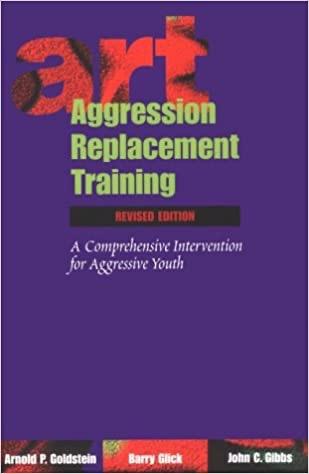
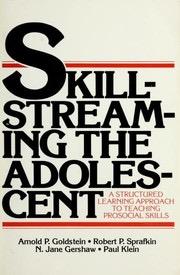
Arnie, as he preferred to be called, wrote or coauthored over 55 books and more than 100 articles in peer-reviewed journals and became one of the world’s leading experts on violence and aggression. In 1979, he and colleagues published Skillstreaming the Adolescent, which was one of the first curricula for teaching prosocial skills to adolescents. This book which detailed how educators could easily implement his Structured Learning Approach (via Skillstreaming) became one of the most respected and well-used social skills curricula. This material, along with subsequent Skillstreaming publications for educators and clinicians directed toward other age and disability groups of youth, remain among the leading sellers for the Research Press publisher.
One of Goldstein’s books was a novel, The Shoes of Maidanek, which he wrote following a pilgrimage to the concentration camp at Maidanek, Poland. It was a holocaust tribute, in form of a diary, to those who died. A quote from the book – “Your shoe still leaves deep footprints, footprints that say by your death the world has had less love, less laughter, bridges unbuilt, hurts unsoothed, less joy, less humanity. Such loss is our lesson and your legacy.” (p.60.)
Goldstein researched, taught, and wrote on the development of pro-social alternatives to aggression and subsequently constructed and refined some of the most sophisticated yet easily taught programs of prevention and treatment of aggressive and violent behavior in children, youth, and adults. In addition to his work with aggressive youth, he
I first met Dr. Goldstein at his presentation of Skillstreaming the Adolescent at the Council for Exceptional Children. As a consultant in Behavioral Disorders I was excited to take his work back into the elementary level self-contained behavior classrooms in Des Moines, Iowa. It was so exciting to now have a way to tell the students what to do instead of what not to do!
After adapting specific prosocial skills to an elementary level vocabulary and developing other skills needed by this age group, we noted the students’ behaviors improved. Additionally, the personal satisfaction of both the teacher and the students dramatically improved as well. In other words, the classroom was a much happier place to be!
I contacted Dr. Goldstein to share this information with him. He requested I send him the material that was being used. After doing so, he contacted Research Press to assess their interest and Skillstreaming the Elementary School Child was later published. Dr. Goldstein gladly promoted the work of others in the field and this was just one example of his support.
Dr. Goldstein and I continued to work together and later published Skillstreaming in Early Childhood and workbooks for each of the Skillstreaming levels as tools to support implementation. After his death in 2002, his process continued to expand to assist learners with Autism.
Ellen McGinnis-Smith
applied his Structured Learning theory to those children and adults who lacked prosocial skills in areas such as empathy, planning, and handling everyday stress. Goldstein’s work has touched and transformed the lives of tens of thousands of indi-
viduals, families, and schools across the world.
Two of Goldstein’s works, in particular: The Prepare Curriculum and Aggression Replacement Training, provide students and teachers, prisoners and wardens, children and parents, with the skills to live peacefully with one another. These works provide individuals, groups, and societies with the tools to critically evaluate their own and others’ actions as well as effective strategies for providing young people with the skills necessary for fulfilling their individual potential. Most important, they enable us to withstand the barrage of incitements to use force to achieve goals and to full-fill our common human responsibilities toward a more peaceful world.
His emphasis on whole school, community, and systemic approaches to removing and replacing the conditions that foment aggressive behavior has inspired countless projects and programs in more
than 17 countries. His programs of treatment are being used by parents, teachers, social workers, and psychologists of all creeds and ethnicities – clearly a major and lasting achievement.
His work was honored with numerous awards, including the Career Achievement Award from the American Psychological Association’s Committee on Children, Youth, and Families, the Senior Scientist

Award from the APA Psychology Division, and the 2002 Devereux Massachusetts Legacy of Caring Award. Just before his death in 2002, Professor Goldstein was nominated for a Nobel Prize.
“Aggression will not be reduced by simple solutions and sometimes simple-minded solutions. Needed, instead, are the solutions that match, in their complexity, the complexity of aggression's roots itself.”
Arnold Goldstein
From Violence in America: Lessons on Understanding the Aggression in Our Lives 1996, p 269.
This article was adapted from an article by Sheldon Braaten with his permission which appeared in Reclaiming Children and Youth, 12:3, fall 2003, pp. 130-131
Sheldon Braaten, Meeks Distinguished Professor of Special Education, Ball State University, Muncie, Indiana, and executive director of the Behavioral Institute for Children and Adolescents, Little Canada, Minnesota, where Arnold Goldstein’s personal library of over 4,000 books is housed. sbraaten@behavioralinstitute.org
I first met Dr. Goldstein in 1982 at the National Adolescent Conference in Minneapolis, which I had organized, and where he presented Skillstreaming the Adolescent. Following that I arranged for him to provide several workshops for the Minneapolis Public Schools including Aggression Replacement Training at my school. In 1992 he met with me to discuss using the Behavioral Institute for Children and Adolescents, a non-profit which I had created, to sponsor and do logistics for his training in cities across the U.S. which we did for the next nine years. In 2001 he founded the International Center for Aggression Replacement Training which sponsored the European Conference on Aggression in Malmö, Sweden in September that year. In July, prior to that conference he was diagnosed with brain cancer and he asked me to attend the conference on his behalf in the event that he was unable to attend. I did go and fortunately he was able to be there. It was his last public appearance.
During the conference I was please to write a letter of support for his nomination for a Noble Peace Prize. Sadly, it was never considered because one must be alive to receive the prize.
Contributing author, Ellen McGinnis Smith, retired, Mental Health and Dispute Resolution Consultant, Iowa Department of Public Instruction; Principal, education program at residential and day treatment center for youth with mental health needs, Des Moines, IA; and co-author of several of the Skillstreaming materials. elmcsmith@aol.com
Goldstein’s books and materials are available from the publisher and libraries worldwide...
A side note: the European Conference, attended by people from 22 countries, was held during the week of the Sept 11 (Tuesday) attack on the World Trade Center. On that Friday at noon all of Europe paused for two minutes of silence. The conference session that ended at noon was “Anger Control Training.”
We were hopeful for successful cancer treatment and in December began planning our future agenda for 2002 which was not to happen.
Following his death, I inherited his personal library of over 4000 books now housed at the Behavioral Institute for Children and Adolescents.
Sheldon Braaten
Girls and ADHD
The Reality of Referral Bias

By Micah D. Raines and Marie L. Manning
When I was a little girl, I found it hard to exist in my own skin. I had a constant feeling that I did not fit in with my peers. It wasn’t that I made bad grades or acted out in class. I was a model student who excelled in academics. It just always seemed like I was different somehow. Throughout my middle and high school years, I would attempt to express how I felt to my parents. They would disagree with me saying “I wasn’t so out there” and that I was a good kid despite my collection of multiple clinical diagnoses including generalized anxiety and depression. However, it didn’t feel this way to me. I was struggling to maintain friendships and felt uncomfortable in large group settings. At school, I was an ideal student. At home, I felt like I was falling apart. Little did any of us know there was something more going on. Something was different about me. I was neurodivergent. At 17, I was diagnosed with hyperactive and inattentive types of Attention Deficit Hyperactivity Disorder; better known as ADHD. This bombshell dropped in exactly five months prior to the COVID-19 shutdown. My family and I were very confused by this newfound discovery, and we were convinced that I was misdiagnosed. I did not fit into the stereotypical norm of outward presenting behaviors for ADHD.
The period immediately following my diagnosis was very challenging. It meant a lot to me to finally be able to explain why I felt different. Receiving the diagnosis introduced me to a whole new world as I cycled through various stages of acceptance. First came denial. I couldn’t possibly be one of those kids with ADHD. I didn’t have learning impairments and I absolutely did not engage in stereotypical behaviors listed in the DSM-5 that explained this neurological disorder. It took me months to overcome those feelings. As I reflected on myself, I realized that I have specific behaviors that aren’t always seen as a warning sign as they do not manifest as commonly recognizable ADHD characteristics. Since I did not show the common characteristics, such as failing to complete assignments or participating in attention-seeking behavior, my internal struggles weren’t the most obvious to others. After I recognized that
I had ADHD and was undiagnosed all this time, I became angry. Why had I been left on my own? Why had I been overlooked instead of being identified like my male peers? Truthfully, at the age of 20, I still do not have these answers and sometimes I am still angry about it.
I am neurodivergent. I most likely always have been and that’s okay.
Distance from my neurotypical peers during COVID-19 gave me the time to reflect and really find out who I was instead of trying to be like them. Combined with talk therapy, I was able to become a little more open-minded. Researching ADHD for myself, I realized my understanding was very one-sided and extremely limited. For example, the Cleveland Clinic (2021) reported that only about 30-40% of people with ADHD would have co-existing learning disabilities. This was important because I saw my academic achievements as a justification as to why I could not have ADHD, rather than viewing it as a tool in my success. That isn’t to say that it was easy. I felt like I deserved better than having to teach myself to “mask” to fit in. Acting like I was someone else, someone not me, was the worst part of being around everyone else. I deserved interventions to help me excel to my full potential even if I was already doing well academically. Without obvious identifiers, I was not recognized as needing assistance when I could have benefitted from them in reality.
Despite these hostilities and complaints, I was finally able to come to a place of acceptance. Truthfully, I owe it to completing high school in COVID-19 lockdown for being able to accept who I am. It was like a breath of fresh air to be able to discover and accept myself with the help of my sister. I was able to
embrace all my quirks and finally stop resenting myself for being different. I am neurodivergent. I most likely always have been and that’s okay. I am still the family comedian, my dad’s best friend, my mom’s overachiever, and my sister’s secret keeper. Knowing that I have ADHD changed a lot of things, but it didn’t change me; it just gave me a label for when I had to explain why I had tendencies that other people don’t. I continue to find solace in other females online through TikTok and other platforms who had been diagnosed in their older teenage years or even adulthood with stories that so closely parallel mine. They are so much like me, and it gives me comfort. For once, I wasn’t different.
I still experience long-term effects from the lack of identification and not having anyone to work with me to develop a plan for interventions/accommodations following my diagnosis. While COVID-19 restrictions did help me mentally, it also created
it is hard to get providers to understand and sign off that I need accommodations. My educational battles become clear in scenarios that fuel distractibility and enhance anxiety brought on by small timelines to complete tasks. I am aware that is not how my brain and body work to their best ability, but I struggle to be comfortable when advocating for accommodations because of internalized biases. I feel that I do not need to ask my university to provide me with extended test time or other options to help me pursue academic excellence when I am successful. On the other hand, I crave the simplicity that could come from having accommodations.
Males are more likely to be identified at younger ages and receive interventions several years prior to when the female population will receive a diagnosis.
complexities and challenges in getting the help I needed immediately. Being diagnosed one month and two days before I turned 18, I was technically an adult who had no clear path for self-advocacy. My voice was muffled even before I could develop it.
I am now in college seeking accommodations with limited-to-no success. I have no record of previous services from being diagnosed during a transitional period from high school to college. Because of that,
Starting college back in-person raised concerns about living with an invisible disability. I would have to go back to the days of “masking” and must deal with the constant inner struggle with who I truly was. Navigating accommodation requirements and my feelings about needing them did not make it easier. Thankfully, I have found a group of friends, while neurotypical, who accept me for all of me, ADHD included. They are the first friends I have made since my diagnosis, and they have taken it upon themselves to understand I struggle socially and can appear different at times but that does not mean that they treat me differently or want me to change. My friends take it in stride and help me navigate areas that can be emotionally murky when engaging in social relationships. They also help provide me with self-acceptance because I can see the way they accept me as I am.
That is not to say that I do not still face challenges related to my disorder. They are always there, but sometimes they aren’t as noticeable. My mental health can fluctuate rapidly, leaving behind very strong feelings of recurrent depression and anxiety that are thought to stem from being undiagnosed into my adolescent years. Major depressive disorder and generalized anxiety disorder were my initial diagnoses. They were classified by my therapist as comorbidities due to lack of intervention or treatment. While I can have instances where it seems as if they are in partial remission, the ugly truth is that
because of the years I suffered in silence with ADHD, they will always be intertwined and present in my adult life as they are with so many other females who did not receive their diagnosis until far after our male peers. This difference in diagnosis is known as referral bias.
These challenges are not mine alone. Referral bias is more common than one would think (Lynch & Davison, 2022; Young et al., 2020). Lynch and Davison have stated that males are more likely to be identified at younger ages and receive interventions several years prior to when the female population will receive a diagnosis. Young et al. (2020) noted that there have been significant discrepancies in boys and girls with recognizing symptoms of ADHD. Referral bias exists when teachers and/or clinicians hold beliefs that ADHD is more common in boys and do not recognize how the disorder may manifest in girls. Research has suggested a significant impact from gender stereotypes that commonly interfere with obtaining an ADHD diagnosis (Skolgi et al., 2013, Quinn & Wigal, 2004). For example, Quinn and Wigal stressed that ADHD in girls was more likely to impact self-esteem and may be miscategorized as depression or anxiety. I was lucky to stumble upon a therapist who recognized my challenges through her own personal journey. To be diagnosed later in life simply due to referral bias is frustrating. The under-identification and lack of knowledge surrounding female neurodivergent experiences are unacceptable. Young girls and older women are suffering because of this failure. Academic success can be lowered, substance abuse can become a significant risk, and prolonged psychiatric disorders can occur without productive treatments simply because of the comorbidity to untreated ADHD (Kauffman & Landrum, 2018). This is not a way to live. Referral bias is unfair and inappropriate because of the toll it takes on mental health to navigate the world that is not geared for neurodivergence.
Further, referral bias increases issues related to diversity and equity. Women for years have been underdiagnosed, misdiagnosed, or entirely overlooked when considering this neurodevelopmental disability. The lack of studies, knowledge, and information on females with ADHD is sourced from gender bias. Symptoms will present differently in males and females. Girls tend to present broader and more severe social impairments that are tied to more long-term con-

sequences including anxiety, depression, and borderline personality disorders (Babinski et al., 2020). Professionals typically do not identify the signs when disruptive behaviors do not exist. Girls are left in the dark to manage their symptoms such as low social skills, poor self-esteem, and high anxiety.
I have told my story of struggle, diagnosis, and post-diagnosis. I am one of so many women who were looked over in middle school when we needed the most help. So many others have waited far longer than me and some are still waiting. This is not acceptable, and it falls on the shoulders of our mental health and psychological providers, our educators, and other professionals to teach others to look deeper when considering an ADHD diagnosis. It is time for a change. A recent study by Baninski et al. (2020) suggested that targeted behavioral programming that addresses social deficits has been proven effective. One very specific drawback continues to address limitations in diagnosing girls with ADHD. We need to find and hear from those female voices who can explain their realities of coping with neurodivergence and the comorbidities that come from being adults with ADHD who were not diagnosed until later in life. It is time to educate others about the issues and concerns that uniquely coincide with Adult Female ADHD. Referral bias must continue to be addressed to ensure girls are supported earlier in life just as their male peers are. Education will be our hope for future generations to be identified as neurodivergent equally between males and females. Our disability may be invisible, but it does exist. Females with ADHD do exist, and we deserve better.
References
Babinski, D. E., Mills Huffnagle, S., Bansal, P. S., Breaux, R. P., & Waschbusch, D. A. (2020). Behavioral Treatment for the Social-Emotional Difficulties of Preadolescent and Adolescent Girls with ADHD. Evidence-Based Practice in Child & Adolescent Mental Health, 5(2), 173–188. Cleveland Clinic. (2021, December 1). Attention-deficit hyperactivity disorder (ADHD) in children & adults. Cleveland Clinic. Retrieved March 17, 2022, from h

Lynch, A. & Davison, K. (2022). Gendered expectations on the recognition of ADHD in young women and educational implications. Irish Educational Studies, 1–21.
Kauffman, J. M. & Landrum, T. J. (2018). Types of Disordered Behavior. In Characteristics of Emotional and Behavioral Disorders of Children and Youth (Eleventh, pp. 152–155). Pearson.
Quinn, P. & Wigal, S. (2004). Perceptions of girls and ADHD: results from a national survey. MedGenMed : Medscape general medicine, 6(2) 2.
Skogli, E. W., Teicher, M. H., Andersen, P. N., Hovik, K. T., & Øie, M. (2013). ADHD in girls and boys--gender differences in co-existing symptoms and executive function measures. BMC psychiatry, 13, 298.
Young, S., Adamo, N., Ásgeirsdóttir, B. B., Branney, P., Beckett, M., Colley, W., Cubbin, S., Skirrow, C., Tierney, K., … Woodhouse, E. (2020). Females with ADHD: An expert consensus statement taking a lifespan approach providing guidance for the identification and treatment of attention-deficit/ hyperactivity disorder in girls and women. BMC psychiatry, 20(1), 404.
Micah D. Raines, Student, Occupational Science/ Therapy, micah_raines9@mymail.eku.edu, and Marie L. Manning, Assistant Professor, Teaching, Learning and Educational Leadership, marie. manning@eku.edu, Eastern Kentucky University, Richmond.
Special Educator Burnout
Macro- and Micro-Ecosystem Considerations
By Robert H. Zabel
“Robert, Avoid burnout! Mix up your workouts to stay fresh and run longer.” So said an ad for athletics shoes that popped up in my news feed. Burnout is ubiquitous. It might be the defining term for these times!
Hardly a day passes when we don’t hear or read something about burnout. Some refer to people working in human services professions – health care providers, emergency responders, and educators. In 2019, The World Health Organization (WHO) officially added burnout to its International Classification of Diseases (ICD).
There are news reports of teacher shortages due to a combination of teacher attrition and insufficient numbers of trained personnel to replace them. A recent Ed Week headline was “Teacher job satisfaction hits an all-time low: Exclusive new data paints a picture of a profession in crisis” (Will, April 14, 2022).
In Spring 2022, Minneapolis Public School teachers went on strike. This doesn’t happen often; the last was in 1970 – before most of today’s teachers were born! The teachers’ central demands were: smaller
WHO Definition of Burnout
In 2019, the World Health Organization (WHO) added burnout to its International Classification of Diseases (ICD):
“Burn-out is a syndrome conceptualized as resulting from chronic workplace stress that has not been successfully managed. It is characterized by three dimensions:
• feelings of energy depletion or exhaustion;
• increased mental distance from one’s job, or feelings of negativism or cynicism related to one's job; and
• reduced professional efficacy.
Burn-out refers specifically to phenomena in the occupational context and should not be applied to describe experiences in other areas of life.”
class sizes, better pay for teachers and support staff (para-educators), and more mental health services for students. There were many reasons for the strike, and two years of the COVID-19 pandemic may have provided the tipping point.
The Minneapolis educators’ concerns and demands were generated by multiple factors in the larger (macro) and smaller (micro) ecosystems of schools. While the boundaries of macro- and micro-ecosystems are indistinct and interactive, it might be helpful to separately consider some macro “bigger picture” and micro “smaller picture” influences on educators’ feelings and behavior.
Macro-Ecosystem Influences
Educators’ emotional and physical health and their ability to educate their students are influenced by a wide range of factors beyond what happens in their individual personal lives, classrooms and schools. Those factors also include distressing conditions and events in their larger world, including, but not limited to, economic depression, inflation, political conflict and unrest, racism and racial tension, reproductive rights, gun violence, climate change, extreme weather events (e.g. floods, droughts, fires, storms), divisive political figures, wars…and pandemics.
For the past three years of COVID-19, educators, students, and parents have had to adopt and adapt to very different approaches and protocols in the interest of reducing contagion, including distance, hybrid, and in-person learning venues, physical distancing, face masks, etc. Those public health measures have introduced unfamiliarity, uncertainty, and adjustments to usual ways of doing education.
Parents, including those who are educators, have had to arrange child care and supervision necessary for distance schooling, students have missed opportunities to interact directly with peers and teachers, participate in extracurricular activities, and engage in their communities. Educators, too, have missed opportunities for social, cultural, and professional engagement with others.
While many public officials, parents, and the general public have recognized and appreciated how educators have dealt with pandemic-related conditions, others have not. At the same time, some people have focused on curricular issues, especially teaching about race and/or gender identity, and how those topics should (or should not) be addressed in school policies and curricula. Some have shared their criticisms on social media and directly to school boards, administrators, and teachers, sometimes in physically and emotionally threatening ways. A number of state legislatures have introduced legislation to limit or control what and how educators can teach.
These challenging macro-system conditions – pandemic-related changes in educational practice and intrusion of extreme socio-political viewpoints –have led some educators to reconsider their career commitments. Some have decided to quit, retire early, or look for work that might be less emotionally and physically stressful.
According to the National Education Association, more teachers are leaving the profession or retiring early, and fewer people are choosing careers in education. In 2020-2021, 48 of the 50 states reported shortages of special education teachers. Unfortunately, these shortages of adequately prepared replacements are further exacerbating the responsibilities and occupational stress of those who remain.
A nationally representative poll of more than 1300 teachers (Merrimack College Teacher Survey) and reported by the EdWeek Research Center (Will, 2022) reported teachers’ job satisfaction at an all-time low… much lower than just a few years
ago. Barely half of today’s teachers say they are satisfied with their jobs – just 12% are “very satisfied” compared to 39% ten years earlier. A majority say they wouldn’t advise their younger self to pursue a teaching career.
At this time, COVID-19 seems to be abating – numbers of positive test results, hospitalizations, deaths are on the wane. However, the long-term prognosis is uncertain and the impacts of the pandemic on American education and educators’ mental health and behavior are uncertain.
Study of Occupational Burnout
In addition to stressful conditions in the macro-environment, conditions in educators’ micro-ecosystems – relationships and experiences in their personal lives and conditions of their jobs – affect their emotional and physical health and job performance. Relatively little research has focused on the influence of personal factors on job-related stress, likely because it’s
hard to identify and measure the variety and multitude of personal influences that might be relevant. However, the examination of how job-related conditions can adversely impact emotions and behavior has led to the study of occupational burnout.
The current terminology and formal study of occupational burnout can be traced to two psychologists working on opposite coasts of the US in the 1970s. At a free mental health clinic in New York City, psychologist Herbert Freudenberger (1974) noticed that some clinic volunteers experienced a troublesome combination of feelings that adversely affected their mental health and job performance. He called those feelings emotional depletion, loss of motivation, cynicism, and resentment.
About the same time in California, Christina Maslach (1976) was analyzing extensive interviews with state employees in social service organizations. She noted a similar pattern of emotional exhaustion, depersonalization (negativity toward clients), and lack of personal accomplishment that affected their job satisfaction, intention to continue, and effectiveness with clients. Like Freudenberger, Maslach referred to the syndrome as occupational burnout.
Maslach subsequently developed the Maslach Burnout Inventory (Maslach, Jordan, & Leitner, 1981-2016) to measure burnout across a variety of occupations. The MBI consists of three scales: emotional exhaustion (EE), depersonalization (DP), and personal accomplishment (PA). Participants respond to 22 symptom statements reflecting those factors on a 7-point scale of the frequency they are experienced (never = 0…every day = 6). Higher scores of EE and DP and lower PA scores indicate greater burnout. (The MBI-ES is a later version for use in educational settings.)
Since the 1970s, research on occupational burnout has examined the influence of specific job-related conditions on burnout. There have been hundreds of published studies of burnout among human services professionals, including health care workers (doctors and nurses), emergency responders, police, teachers, administrators…and special educators.
Special Educator Burnout
Early in my career as a special education teacher (SET) educator, I became concerned about some teachers’ accounts of job-related stress. One of my graduate students, a teacher in emotional and behavioral disorders (EBD), asked me to meet with a group of his colleagues to talk about job-related stress. I agreed…and then realized that I needed to learn more about the phenomenon. That led me to emerging research about causes and effects of occupational stress and burnout among human services professionals who work intensely and intimately with people on a continuous basis learning about their psychological, social, and
physical problems and expected to provide aid or treatment (Maslach & Pines, 1977).
To explore the possible relevance of the burnout construct for special educators, Mary Kay Zabel and I designed and conducted an early study of job-related factors of burnout among SETs (Zabel & Zabel, 1982). Twenty years later we replicated the study (2001) to see what, if anything, had changed as the field of special education grew and evolved.
We mailed the MBI, which we adapted for educators, a questionnaire about job-related conditions, and return envelopes to a large sample of Kansas SETs. We asked about participants’ age, professional preparation (academic degrees, certifications), experience (number of years teaching in general and SE), student disability labels used at that time (LD, EMR, TMR, ED, G, M/S, HI, VI), service delivery models (consulting, itinerant, resource, self-contained, institutional), age/ grade levels (preschool, primary, intermediate, junior high, high school), number of students, length of work week, time for administrative tasks, availability of teacher assistants and team teachers, and support from colleagues, administrators, and parents. The response was impressive: nearly 80% (n= 601) returned completed surveys! That alone, we thought, indicated interest in the topic.
Our analyses focused on relationships between characteristics of respondents’ jobs and their scores on the MBI. Among other significant findings, we found:
• SETs who believed their number of students was too high scored higher on burnout than those whose load was about right or small.
• SETs who worked primarily with students with emotional/ behavioral disorders reported higher levels of burnout.
• SETs with more general and special education experience and those with more professional preparation reported less burnout.
• SETs who experienced more support from colleagues, parents, and, especially, administrators reported less burnout.
While
many public officials, parents, and the general public have recognized and appreciated how educators have dealt with pandemic-related conditions, others have not.
• SETs working in the most restrictive (institutional) and least restrictive (consulting) service delivery models reported higher levels of burnout.
Since our early study of SET burnout, there have been many more. In 2014, Brunsting, Lane, and Sreckovic reviewed 23 studies published between 1979 and 2013 that included SETs as participants and used a quantitative measure of burnout (usually, the MBI-ES). The Brunsting, et al. (2014) analysis provided support for associations between burnout and a range of variables at the individual, classroom, school, and district levels, including amount of teacher preparation and experience, types of student disabilities, role conflict and ambiguity, and administrative support. They concluded that special educators should:
• “be aware of the risks of burnout to their career, their health, and to their students;
• continue developing their classroom management skills and confidence in their use;
• identify role conflict and ambiguity and problem-solve to alleviate issues;
• seek support from colleagues and administrators; and
• engage in self-care techniques such as stress management.” (p.701-702)
Conclusions
Interactive influences in educators’ macro- and micro-ecosystems (including their personal lives), affect their mental and physical health. The past three years have been especially challenging for educators, including SETs. Stories in popular news media regularly highlight multiple factors in the macro environment that are adversely affecting educators’ job performance, satisfaction, mental health, and student performance.
Among the most disturbing factors has been gun violence directed at schools, students, and educators and the inadequate public will to outlaw readily accessible, deadly assault weapons. The 18th century framers of the 2nd Amendment to the U.S. Constitution – only white, male property owners, including some slave owners being eligible to serve – could not have imagined the deadly capacity of these military weapons any more than they could imagine nuclear weapons! Today’s 21st century educators, however, are faced with the daily reality that schools, once among the safest environments, are now easy targets.
Of course, teaching is (and has always been) stressful, especially for special educators whose students present behavioral and emotional challenges. There are no simple ways to control the negative effects of factors in the macro- or micro-environments that contribute to burnout. I believe that emotional sensitivity and empathy are defining traits of effective SETs, making it especially difficulty to diminish their vulnerability to occupational burnout.
Several years ago, MSLBD’s Janus Oral History Project interviewed Nicholas J. Long, a leading pioneer in education of students with EBD (Teagarden, Kaff, & Zabel, 2011). When asked for his advice to someone considering entering this field, he said,
You have to look within yourself and begin to ask the painful question: Why do I want to commit myself to a program where I am going to be rejected…where I am going to be resisted? There’s no immediate
Barely half of today’s teachers say they are satisfied with their jobs . . . A majority say they wouldn’t advise their younger self to pursue a teaching career.
pleasure in working with these troubled students. You have to earn their trust, and once you finally get it, the student moves on and another difficult student takes his place. This means that teachers can’t get their emotional needs met from these students. It means they have to get their needs met in other interpersonal relationships. That’s so critical.
Long encouraged special educators to find and cultivate sources of mutual support – with family, friends, and communities, and with others in the profession who experience similar challenges.
The COVID-19 pandemic seems to have been a tipping point for educators who have had to adopt and adapt to new, different ways of teaching and interacting with students, colleagues, and parents. They’ve encountered more students with behavioral and mental health issues due to, or exacerbated by, increased tensions on communities and families, less adult attention, supervision, and support. In addition, educators have experienced less community respect and support.
To adequately address this confluence of circumstances that contribute to SET occupational stress and burnout will require multiple kinds of interventions. Those interventions will need to be directed first at teachers’ and prospective teachers’ expectations about the students, colleagues and supervisors they will encounter, the nature of the programs, facilities, and resources they will have, and the expec-
tations about their roles, responsibilities and skills to competently perform them. Once in those roles, SETs will need to find reinforcement – extrinsic (e.g. status, money), ancillary such as schedule, location, and, especially, intrinsic reinforcement such as satisfaction of a job well-done, belief that their work is important, and their efforts have positive outcomes.
References
Brunsting, N., Lane, K.L., & Sreckovic, M.A. (2014). Special education teacher burnout: A synthesis of research from 1979 to 2013. Education and Treatment of Children. 37(4), 681-711. DOI: 10.1353/etc.2014.0032
Freudenberger, H. J. (1974). Burn-out: Occupational hazard of the child care worker. Child Care Quarterly, 6, 90-98.
Maslach, C. (1976). Burn-out. Human Behavior. 5, 16-22.
Maslach, C.; Jackson, S.E.; Leiter, M.P. (1996–2016). Maslach Burnout Inventory Manual (Fourth ed.). Menlo Park, CA: Mind Garden, Inc.
Teagarden, J., Kaff, M., & Zabel, R. (2011). Looking back to move the field of emotional and behavior disorders forward: an interview with Nicolas J. Long. Intervention in School and Clinic, 46, 312-316.
Will, M. (2022). Teacher job satisfaction hits an all-time low. EdWeek (April 14, 2022).
Zabel, R. H., & Zabel, M. K. (1982). Factors in burnout among teachers of exceptional children. Exceptional Children, 49, 261–263.
Zabel, R. H., & Zabel, M. K. (2001). Revisiting burnout among special education teachers: Do age, experience, and preparation still matter? Teacher Education and Special Education, 24, 128–139.
Robert H. Zabel, Emeritus Professor, Kansas State University, robertzabel@gmail.com.
Finding the Evidence-Based Strategies You Need

To reinforce this issue’s editorial on the research to practice gap, we present three websites highlighting free resources on evidence-based practices for educators. First, a review of pbis.org by Nikki Grasley-Boy provides an overview of the website hosted by the US Department of Education’s Office of Special Education Programs (OSEP) and Office of Elementary and Secondary Education (OESE) National Technical Assistance Center on PBIS. This site includes resources for implementing all three tiers with fidelity and information on specific, high-interest topics (e.g., mental health/social-emotional-behavioral well-being) within the context of PBIS. Next, Caitlyn Majeika and Zachary Weingarten review the National Center on Intensive Intervention (NCII) website, another OSEP-funded project
designed to support educators with resources for implementing intensive interventions for learning and/or social, emotional, or behavioral needs through data-based individualization. Finally, Sarah Wilkinson reviews the National Center for Leadership in Intensive Intervention (NCLII), an NCII-facilitated project where scholars develop accessible and practical resources on intensive interventions, including practice guides, research to practice briefs, and scholar-designed courses aimed at teacher educators and administrators. Taken together, these three websites provide a wide range of free and accessible resources and information on evidence-based practices across a continuum of support that can be implemented by educators at the individual and classroom level through district and state administration.
Photo courtesy of AdobeStock.com
Website Review by Nikki Grasley-Boy
Positive Behavioral Interventions and Supports (PBIS) is a multi-tiered framework designed to improve behavioral outcomes for all students through the integration of behavioral data, operating systems, and use of evidence-based practices at each tier. PBIS is implemented in over 26,000 schools internationally. Though it is primarily implemented in schools, PBIS systems have been adapted to meet the unique needs of alternative schools, residential treatment centers, and early childhood settings.
Currently, the US Department of Education’s Office of Special Education Programs (OSEP) and Office of Elementary and Secondary Education (OESE) support a National Technical Assistance Center on PBIS. This center is made up of national experts in PBIS practices and supports schools, districts, and states with their implementation efforts. This technical assistance center maintains the website PBIS.org, which contains a multitude of freely accessible resources for teachers as well as school and district leaders. The website’s homepage typically highlights several timely resources, such as incorporating culturally-responsive and equitable practices into PBIS systems, supporting students’ social-emotional and behavioral needs, and adapting PBIS for virtual learning.
Educators will find numerous explanatory documents and videos, along with ready-to-use resources across a variety of related topics on PBIS. org. When navigating the website, there are seven drop-down tabs at the top of the page with links to pages on PBIS, Topics related to PBIS, Tools, Publications, Presentations & Videos, the PBIS Leadership Forum Conference, and information About the Center. Each tab has an extensive list of associated content for a range of audiences. For example, the PBIS tab is ideal for those looking to learn
about PBIS or interested in building the framework within their schools. PBIS tabs include – What is PBIS?, Why Implement PBIS?, Getting Started, Tier 1, Tier 2, and Tier 3. Each of these options leads to a page of content and additional resources, providing an overview of the selected area along with links to supporting research.
Resources for Educators
The Topics tab is perhaps the most useful starting location for educators looking for resources on PBIS.org who are already familiar with the PBIS framework; those new to PBIS should start with the PBIS tab. The Topics tab links to resources for the following areas:
• Bullying Prevention
• Classroom PBIS
• Coaching
• Data-based Decision Making
• District & State PBIS
• Early Childhood PBIS
• Equity
• Family
• High School PBIS
• Juvenile Justice
• Mental Health/Social-Emotional-Behavioral Well-Being
• Opioid Crisis and Substance Misuse
• Restraint/Seclusion
• School Climate Transformation Grant
• School-Wide
• Students with Disabilities
Typically, each topic page includes a description of the topic and how it fits within or relates to a tiered framework. Some topics, such as Bullying Prevention and Classroom PBIS, also provide brief descriptions for getting started with incorporating those practices in classrooms or schools.
For each topic, links are often available for related Tools, Publications, Presentations, and Videos. Each of these links to a page of resources contained on the website that have been tagged with the topic name, and allows users to select additional keyword filters to further screen results. Tools links to a variety of assessments, checklists, blueprints, and sample materials broadly related to the topic. Publications links to practice-briefs and peer-reviewed publications highlighted on PBIS.org. Presentations provides the user with slides from past conference and symposia presentations focused on research and practice. Videos links to recorded presentations from conferences and webinars.
Topic Example
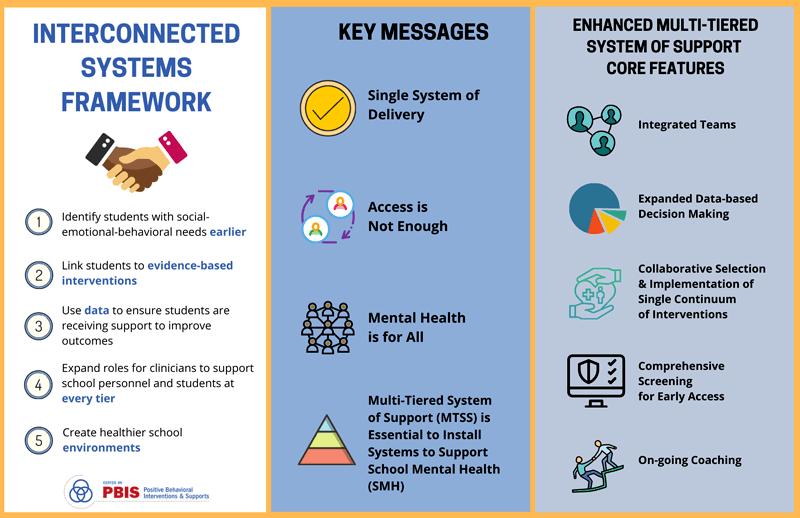
Let’s take a closer look at the topic “Mental Health/Social-Emotional-Behavioral Well-Being.” The main topic page contains a wealth of information about incorporating mental health and social-emotional-behavioral well-being into a tiered system using the Interconnected Systems Framework (ISF; Barrett et al., 2017). First is a video introducing ISF, followed by a section highlighting the ISF implementation guide with links to PDFs of each chapter and a companion video on the guide and tools provided in each chapter. Next is an infographic on why ISF should be used to support mental health in schools, followed by another graphic illustrating how strategies supporting mental health and social-emotional-behavioral well-being fit across a tiered framework. Finally, there are resources for getting started with ISF and state, district, and school installation, in addition to ISF implementation guides and briefs, presentations, and videos.
Other Highlights
The Tools tab may be particularly helpful for teachers, both beginning and experienced, across an array of settings. By selecting All Tools, the user is taken to a list of all the assessments, blueprints, examples, and materials housed on PBIS.org. To help filter, the user can select specific Topics and Keywords related to resources they are searching for. Only one Topic can be selected at a time, but multiple keywords can be selected simultaneously. For instance, selecting the Classroom PBIS topic results in links for almost a dozen tagged resources including the School Climate Survey Suite, a planning template for setting up classroom PBIS, the Classroom Family Engagement Rubric, and the Classroom Problem Solving manual, among others. Tools are typically provided as PDF or Word documents for users to download and complete. When a user clicks on the Download link, they are taken to another page with the tool summary, download link, tagged topics and keywords, publication and revision dates, and links to other related resources. The tabs at the top of the page for Publications and Presentations & Videos use the same Topic and Keyword filtering as Tools, and similarly provide links to PDFs of the given resources.
The Conference tab contains links to recorded sessions and presentation handouts from the annual PBIS Leadership Forum aimed at school, district, regional, and state PBIS leadership teams. Currently, users can access recordings and handouts from the 2021 and 2020 conferences, and handouts only from the 2019 conference. Keywords are tagged for many of the included sessions, which links them to specific Topic pages as mentioned previously.
Finally, the About tab contains links to learn more specifically about the Center on PBIS and contact information. Users can also see highlights of PBIS in the News and center Announcements. Potentially the most useful link in this tab, however, is a link to center-affiliated PBIS State Coordinators for each state in the U.S. For each state, email links are provided for the PBIS Center partner as well as the state PBIS Coordinator, who is an excellent resource particularly for administrators interested in adopting PBIS in their schools or districts. State PBIS Coordinators are able to direct teachers and administrators to partner organizations or individuals who can provide training and coaching on building and implementing a PBIS framework.
PBIS.org is an excellent resource for information and ready-to-use documents related to behavior systems at the district, school, classroom, and individual student level. The website is maintained and updated with timely, evidence-based content that educators can trust. Further, it provides information for a range of user experience, from beginning to advanced educators, from exploring PBIS in one classroom to fully implementing across districts. PBIS.org is a great first stop for behavior-related resources across a wide variety of contexts and situations.
National Center on Intensive Intervention: Data-Based Individualization
Website Review by Caitlyn Majeika and Zachary Weingarten
The National Center on Intensive Intervention (NCII), housed at the American Institutes for Research (AIR), is funded by the US.Department of Education’s Office of Special Education Programs (OSEP). The mission of NCII is to build knowledge and capacity of state and local leaders, faculty, and professional development providers, educators, and other stakeholders to support implementation of intensive intervention for students with severe and persistent learning and/or social, emotional, or behavioral needs using data-based individualization (DBI).
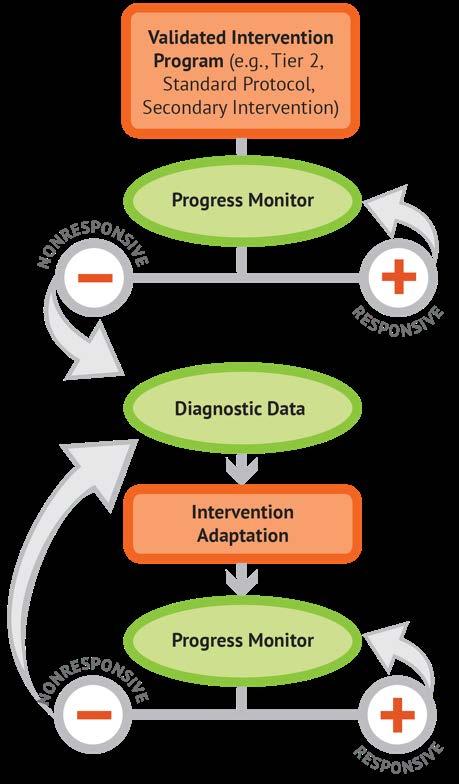
DBI is a research-based process for individualizing and intensifying interventions for students with severe and persistent learning and behavioral needs. The process integrates evidence-based intervention, assessment, and strategies using five interactive steps. DBI is NCII’s approach to intensive intervention, often referred to as Tier 3 supports in settings that use a response to intervention (RTI) or multi-tiered systems of support (MTSS) framework.
References
Barrett, S., Eber, L., & Weist, M. (Eds.). (2017). Advancing education effectiveness: Interconnecting school mental health and school-wide positive behavior support. Available from www.PBIS.org
Nikki Grasley-Boy, Assistant Research Professor, Juniper Gardens Children’s Project, University of Kansas, ngb@ku.edu.
In this article we describe the core steps in the DBI process, share publicly available resources from NCII that can be used to support the implementation of these steps, and provide considerations when implementing DBI to improve academic skills and behavioral skills.
Steps of DBI
The steps of DBI are listed in the table, along with a key question associated with each step, and resources available from NCII to support the im-
STEP KEY QUESTION RESOURCES
1. Validated intervention Program What intervention should be used?
2. Progress Monitoring Did the intervention work?
3. Diagnostic Assessment Why didn’t the intervention work?
4. Intervention Adaptation What change is needed?
5. Ongoing Progress Monitoring Did the change work?
plementation of each step. The resources shared can be used to help students with intensive needs in academics and/or behavior. Many students with intensive needs require support in both areas; therefore, we’ve emphasized the integration of academics and behavioral supports throughout the DBI process. The table serves as a quick guide to DBI-related resources. A detailed description of each step in the DBI process and additional information on each resource is provided in the subsequent section.
• Taxonomy of Intervention Intensity
• Academic Intervention Tools Chart
• Behavioral Intervention Tools Chart
• Academic Intervention Taxonomy Briefs
• Academic Progress Monitoring Tools Chart
• Behavioral Progress Monitoring Tools Chart
• Strategies for Setting High-Quality Academic Individualized Education Program Goals
• Strategies for Setting Data-Driven Behavioral Individualized Education Program Goals
• Student Progress Monitoring Tool for Data Collection and Graphing
• Example Diagnostic Tools
• Focusing on Function of Behavior Within the Context of DBI
• Informal Academic Diagnostic Assessment: Using Data to Guide Intensive Instruction
• Clarifying Questions to Create a Hypothesis to Guide Intervention Changes: Question Bank
• Intensification Strategy Checklist
• Literacy Sample Lessons to Support Intensifying Intervention
• Mathematics Sample Lessons to Support Intensifying Intervention
• Behavior Strategies to Support Intensifying Intervention
• Academic Progress Monitoring Tools Chart
• Behavioral Progress Monitoring Tools Chart
• Strategies for Setting High-Quality Academic Individualized Education Program Goals
• Strategies for Setting Data-Driven Behavioral Individualized Education Program Goals
• Student Progress Monitoring Tool for Data Collection and Graphing
1. Validated Intervention Program
The first step in the DBI process is to select an evidence-based program or instructional practice that provides targeted instruction in a specific skill or set of skills (e.g., phonemic awareness, problem solving, social skills) matched to students’ needs or the function of their behavior and delivered with fidelity. When evaluating or selecting a validated intervention program, it is important to consider several key dimensions of the intervention including the evidence supporting the intervention, the alignment of the intervention with the student’s needs, and other considerations. The resources below can help teams select and evaluate intervention programs.
Taxonomy of Intervention Intensity
The Taxonomy of Intervention Intensity provides a framework for evaluating or selecting a validated intervention platform. The Taxonomy includes six dimensions to help educators understand the utility of a current intervention or guide decisions when selecting a new intervention.
• Strength: the evidence of effectiveness for students with intensive needs.
• Dosage: the number of opportunities the student has to respond and receive feedback from the teacher.
• Alignment: how well the intervention matches the targeted academic skills or behaviors of concern, as well as incorporates grade-appropriate standards or behaviors we would expect for a particular context.
• Attention to transfer: whether the intervention is explicitly designed to help students make connections between the skills taught in the intervention and skills learned in other contexts and environments.
• Comprehensiveness: how well the intervention incorporates a comprehensive array of explicit instruction principles.
• Behavioral or academic support: whether an academic intervention incorporates behavioral strategies that may support students with self-regulation, motivation, or externalizing behaviors that may impact their ability to learn, or whether a behavioral intervention considers academic components as part of the intervention.
Academic and Behavior Intervention Tools Charts
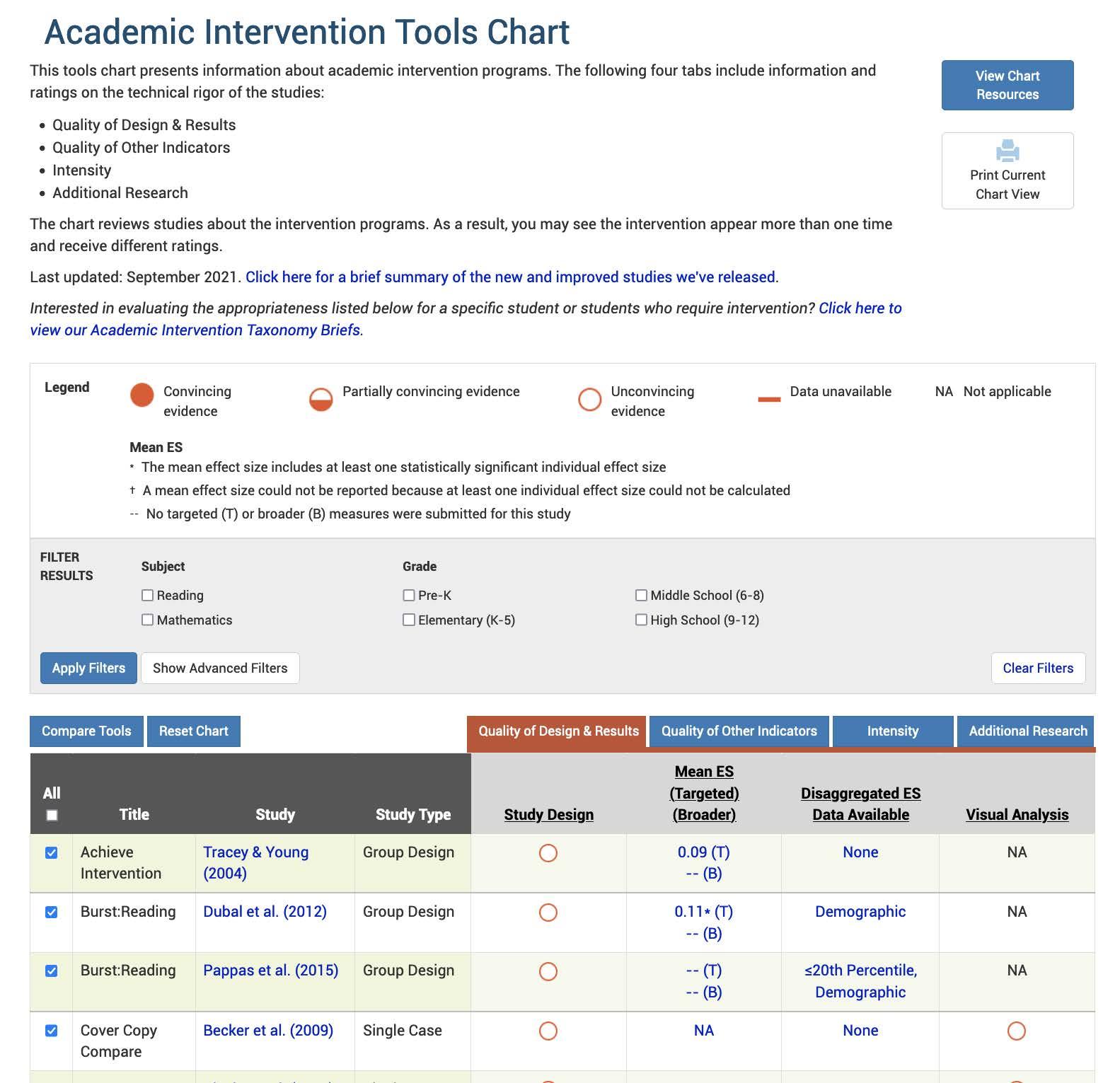
The NCII Academic Intervention Tools Chart and the Behavioral Intervention Tools Chart are valuable resources for gathering information on the quality of the design and technical rigor of the studies that evaluate various interventions. The tools charts also report key information about administering each intervention. (See Academic Intervention Tools Chart on next page).
Academic Intervention Taxonomy Briefs
Another resource to learn more about validated intervention programs is NCII’s Academic Intervention Taxonomy Briefs. Aligned to mirror the dimensions of the Taxonomy, each brief presents detailed information about elements of each intervention. These briefs can be used to evaluate the appropriateness of academic interventions available on the academic intervention tools chart for students who require intensive intervention.
2. Progress Monitoring
The second step of the DBI process is progress monitoring. During this step, educators use brief, valid, and reliable assessments to collect student performance data to determine if the student is responsive to the intervention. The resources below can help practitioners select and use progress monitoring tools.
Progress Monitoring Tools Charts
The Academic Progress Monitoring Tools Chart and Behavioral Progress Monitoring Tools Chart provide key information about the technical rigor and usability of progress monitoring tools. When selecting or evaluating a progress monitoring
tool, the tools charts provide important technical information to help identify a tool that will meet students’ needs.
Goal Setting Guides
During the progress monitoring process, it is critical to use a valid strategy for setting the student’s goal. The goal represents the level of performance that the student is expected to achieve as a result of the intervention. A goal also allows educators to make informed decisions about whether the stu-
dent is responding adequately to the intervention and is likely to meet the goal. Two NCII resources, Strategies for Setting High-Quality Academic Individualized Education Program Goals and Strategies for Setting Data-Driven Behavioral Individualized Education Program Goals, present guidance on how to set goals for academic and behavior progress monitoring. Each guide offers details on selecting a measure, establishing baseline performance, choosing a validated goal-setting strategy, and writing and sharing the goal.
Data Collection and Graphing
Once progress monitoring data collection begins, it is essential to graph the data. Graphing progress monitoring data helps team members interpret trends in students’ performance and communicate progress with other educators, family members, and the student, when appropriate. NCII’s Excel tool, Student Progress Monitoring Tool for Data Collection and Graphing, supports educators in collecting and graphing academic progress monitoring data and setting individualized goals across a range of progress monitoring measures.
3. Diagnostic Assessment
When progress monitoring data indicate that the student is unresponsive to the validated intervention program, the next step in the DBI process is to collect diagnostic data and determine a hypothesis for why the student is not responding. Educators use diagnostic data to understand the student’s specific skill gaps or the factors that predict and maintain challenging behavior.
Diagnostic Tools
Informal diagnostic tools that are easy to use and require little training may be more efficient when collecting diagnostic data as part of the DBI process. NCII provides a list of Example Diagnostic Tools for literacy, mathematics, and behavior and includes informal tools such as checklists and observation tools.
Focusing on the Function of Behavior
Understanding the function of a student’s behavior can help educators develop a hypothesis for why the student is not responding to intervention and help determine how to adapt the intervention. The NCII training module Focusing on Function of Behavior Within the Context of DBI introduces the function of behavior and gives suggestions for how you can apply this understanding within the context of the DBI process.
Using Data to Guide Intensive Instruction
To better understand a student’s academic needs,
educators can examine errors in student work samples or progress monitoring data. NCII provides a module on Informal Academic Diagnostic Assessment: Using Data to Guide Intensive Instruction that includes guidance on using student work samples and progress monitoring data as a diagnostic data source as part of the DBI process.
Clarifying Questions to Create a Hypothesis
When developing a hypothesis, teams should consider the intervention design, fidelity of implementation, and learner needs. The NCII resource Clarifying Questions to Create a Hypothesis to Guide Intervention Changes: Question Bank can be used to support the development and refinement of a hypothesis for why the student may not be responding to an intervention.
4. Intervention Adaptation
Once the team has developed a hypothesis using diagnostic data, the next step is to select and implement intervention adaptation strategies to address the hypothesis. It is important to implement only a few adaptations at one time, and we recommend using easier changes first. For example, increasing dosage (e.g., intervention frequency, length of session or duration) is a powerful strategy for intensifying an intervention when the student requires more opportunities to practice a skill.
Intensification Strategy Checklist
The Intensification Strategy Checklist, organized around the dimensions of the Taxonomy, offers ideas for how to intensify an intervention.. In addition, NCII includes a set of sample lessons and strategies in literacy, math, and behavior that can be used to implement an intervention to address hypotheses generated about student needs.
5. Progress Monitoring
The fifth step of the DBI process is to conduct continued progress monitoring to determine if the student responds to the adapted intervention. During this step, educators once again use brief, valid, and
reliable assessments to collect student performance data. See resources listed in Step 2 for support with progress monitoring within the DBI process.
Implementation Considerations
Fidelity of implementation: Throughout the DBI process, it is important to consider fidelity of implementation. Fidelity refers to how closely prescribed procedures are followed and, in the context of schools, the degree to which educators implement programs, assessments, and plans the way they were intended.
NCII has several resources to assist educators with assessing and supporting fidelity of implementation of the DBI process.
• The Student Intervention Implementation Log can be used as a daily and weekly record of implementation of an individual student’s intervention plan.
• The NCII Intervention Plan (For Small Groups or Individual Students) can assist with planning and documentation of the DBI process.
Teaming: While it is possible to implement DBI as an individual educator, high-functioning teams strengthen the efficiency of DBI implementation and problem-solving. NCII provides Data Teaming Tools to help educators facilitate data meetings for students with intensive needs. These resources include a facilitator’s guide, meeting agenda, and other templates.
National Center for Leadership in Intensive Intervention: Educator Resources
Website Review by Sarah Wilkinson
For many years, the research-to-practice gap has been an often-discussed and well-documented challenge in the field of special education. In both K–12 schools and higher education settings, innovative research developments do not readily impact practice and, thus, do not improve outcomes for students to the extent researchers in-
Scheduling: How do you find time to provide intensive intervention amidst all of the other demands in busy school schedules? Strategies for Scheduling: How to Find Time to Intensify and Individualize Intervention is intended to help educators find the time for this intensification within the constraints of busy school schedules.
NCII’s Intensive Intervention & English Learners webpage includes a variety of educator resources.
Want to learn more about DBI?
Sign up for these FREE self-paced modules within NCII’s LMS
• Introduction to DBI (30 min)
• The Five Steps of DBI (30 min)
• Overview of the Taxonomy of Intervention Intensity (30 min)
• Putting It All Together: Using Teaming to Implement DBI (60 min)
• What is Progress Monitoring? (30 min)
Caitlyn Majeika, Knowledge Development Task Lead, NCII; Researcher, American Institutes for Research, cmajeika@air.org and Zachary Weingarten, Product Development Coordinator and Evaluation Liaison, NCII; Senior Researcher, American Institutes for Research, Arlington, VA, zweingarten@air.org

tend. A primary way researchers have attempted to address this gap is through increased dissemination of their work, making it freely accessible to teachers and teacher educators who have direct connections to students with significant service needs.
The National Center on Leadership in Intensive Intervention (NCLII) is an Office of Special Education
Programs (OSEP) funded consortium of universities that prepares doctoral scholars to be future leaders in special education. Since 2015, nine universities (i.e., Michigan State University, Southern Methodist University, University of Connecticut, University of Georgia, University of Illinois at Chicago, University of Minnesota, University of Texas at Austin, Vanderbilt University, Virginia Commonwealth University) have been a part of the consortium through two grant cycles. The first iteration of the grant, NCLII-1, focused on intensive intervention for students with persistent academic and behavioral disabilities, and the current iteration, NCLII-2, focuses on intensive service needs of students with complex and comorbid learning disabilities and behavior disorders. As part of NCLII efforts, consortium scholars, under the mentorship of established faculty members, have collaborated to develop a series of three different types of resources, all available through the NCLII website (https://nclii.org/). All of these resources were designed to share current special education research with teachers, school leaders, and teacher educators in an accessible and practical manner. Current scholars continue to work on resource development, and the website is updated with new materials as they become available.
Intensive Intervention Practice Guides
Each Intensive Intervention Practice Guide focuses on one approach to intensive intervention for a particular population of students. Within the guides, scholars describe the identified approach,
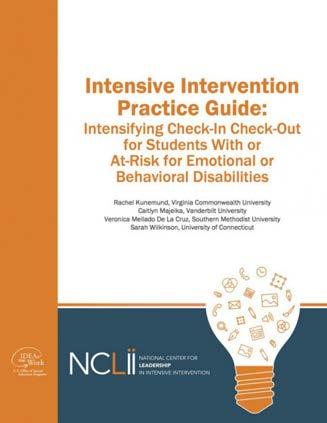
summarize its existing evidence base, and discuss next steps for implementing the intervention. These practice guides can be used by educators, instructional coaches, and school administrators who are interested in an accessible way to learn more about evidence-based approaches to teaching students with disabilities. They may also be used as supplemental readings in postsecondary-based education courses focused on intensive intervention or instructional methods for students with disabilities. Currently, NCLII published practice guides cover the following topics:
• Check In Check Out
• Explicit Instruction in Sentence Combining
• Functional Analysis
• Literacy Supports for Math Content Instruction
• Motivation Training
• Opportunities to Respond
• Reading Comprehension
• Secondary Students Reading Comprehension
• Student Choice
• System of Least Prompts
• Visual Activity Schedules
Research to Practice Briefs
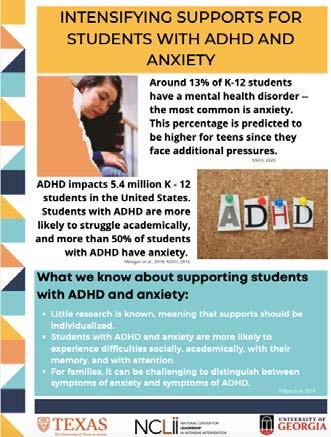
Primarily aimed at educators, Research to Practice Briefs are concise summaries of strategies to support students with comorbid areas of need (e.g., mathematics and behavior, reading and anxiety). The briefs provide both background information and practical suggestions for improving student outcomes. Each brief summarizes common characteristics of and supports used with students within the identified population. They also consider approaches for students when there is a need for intensifying such supports across the seven dimensions included in the taxonomy of intensive intervention – strength, dosage, alignment, attention to transfer, comprehensiveness, behavioral or academic support, and individual-
ization. Current Research to Practice Briefs include:
• Comorbid Behavioral and Writing Difficulties
• Comorbid Reading Comprehension and Executive Functioning Disability
• High Quality Vocabulary Instruction for Learners with Complex Communication Needs
• Intensifying Supports for Students with ADHD and Anxiety
• Supporting Math Writing for Students with Mathematics and Writing Difficulty
Scholar-Designed Courses
To support teacher educators (e.g., university faculty) and school administrators or trainers, NCLII scholars have also created comprehensive courses appropriate for graduate-level special education courses based on the most current research on topics related to intensive intervention. Each course includes a syllabus, learning objectives, slides, activities, and readings for at least 14 weeks of instruction. The courses also highlight the use of case studies that provide illustrations of at least one teacher and student scenario connected to the course content. Course materials may be used as developed or adapted to fit into existing courses. Published courses are available for the following topics:
• Assessing Student Response to Intensive Intervention
• Classroom and Behavior Management for Students with Disabilities
• Data-Based Individualization in Academics and Behavior
• Data-Based Intensive Intervention Practicum in Academics and Behavior
• Intensifying Behavioral Interventions Using a Data-Based Decision-Making Approach
• Intensive Interventions in Reading
NCLII.org provides trustworthy, current, and free resources across a range of special education and intensive intervention areas. Classroom teachers, special educators, curriculum coaches, school administrators, and higher education faculty alike can benefit from exploring this growing collection. Though there is still work to be done in the field as a whole, NCLII has actively worked to address the research-to-practice gap and to instill in future special education leaders the importance of making their research accessible and available to practitioners who work every day with our students who have the most intensive educational needs.
Reference
Greenwood, C. R., & Abbott, M. (2001). The research to practice gap in special education. Teacher Education and Special Education, 24(4), 276–289.
Note: The National Center for Leadership in Intensive Intervention (NCLII) was funded by the U.S. Department of Education (#H325H140001 and #H325190003; the Project Officer is Celia Rosenquist). Resources posted on the website do not necessarily represent the policy of the U.S. Department of Education and endorsement by the Federal Government should not be assumed.
Sarah Wilkinson, Assistant Professor, University of Southern Maine, PBIS Consultant, Maine Department of Education, sarah.wilkinson@ maine.edu

Zombie Ideas in Education
By Bryan Goodwin

It can be hard to spot them at first. Those dispelled education theories that research shot down long ago. They creep up in studies, shuffling around mumbling in the reference lists, or moan loudly in blog posts. Often, while I’m sifting through studies to write my regular column for Educational Leadership, I stumble across these “zombie ideas” that keep returning to life, despite researchers’ best efforts to put them six feet under.
I’m guessing you’ll have heard of a few. Let’s take a look at some of these (un)dead ideas and why we need to stop giving them authority.
(Un)Dead Idea #1: Students Have Different Learning Styles
This particular idea might be better characterized as a mutant idea – an innocuous idea that fused with another and has been running amok ever since. In the early 1980s, Harvard researcher Howard Gardner (2011) advanced a rather straightforward theory of multiple intelligences. Basically, it says people are “intelligent” in different ways. Some excel at music; others pick up foreign languages quickly. Some have a knack for math, and others have a gift for relationship building. As educators, we ought to appreciate and encourage students’ diverse gifts. Fair enough.
Yet almost from the beginning, Gardner’s theory of multiple intelligences morphed with another theory: that students have unique learning styles. They can be visual, auditory, or kinesthetic. For example, some students might learn best through movement, so teachers should allow them to understand the solar system by dancing around like orbiting planets; others may be auditory learners, so they might best learn geography through music. Or so the theory goes.
Serious research, however, has found little evidence students use so-called “intelligences” in one field (like dance) to learn another (like astronomy), or that people learn best with experiences that match their learning style (Pashler et al., 2008). In an interview with the Washington Post, Howard Gardner himself cautioned against using learning styles to label stu-
dents, since that might imply deficits in other areas, rendering such labels “unhelpful, at best, and ill-conceived at worst” (Strauss, 2013).
Nonetheless, a cursory internet search yields a dizzying array of people still blogging about, offering courses in, surveying for, and encouraging the use of “learning styles” in classrooms – advocating for teachers to individualize students’ learning experiences to match these styles.
The reality is far simpler. Yes, (news flash) kids are different. And yes, we sometimes prefer one way of learning over another (group vs. independent work, for instance), but that does not mean we learn better with a particular modality. At best, research shows benefits from learning in multiple ways – for example, reading about a scientific phenomenon, seeing it in a video, and experiencing it.
We might put this zombie idea to rest by substituting the word preference for the word style and noting that preferences are just that. Preferences.
(Un)Dead Idea #2: Students Learn Best Through Unguided Discovery
Like many zombie ideas, this one contains a germ of truth: Lectures can be boring and ineffective. A study of college students, for example, found they had higher grades and were less likely to fail courses with elements of active learning vs. straight lectures (Freeman et al., 2014). In response to the tedium of long-winded lecturing, theorists in the 1960s began to espouse a different approach called “discovery learning,” which said students learn and retain more when they discover new insights for themselves. That, too, is partially true – a meta-analysis of 43 studies of problem-based learning found that encouraging students to extend and apply learning by independently solving complex problems supports better long-term retention of learning (Dochy et al., 2003).
Over the years, though, purists took these ideas to an illogical extreme – namely, that teachers should

be minimally involved in learning and students should “learn by doing,” such as by conducting experiments, engaging in research, or solving complex problems with minimal guidance from teachers. A meta-analysis of 164 studies, however, found students learned significantly more from direct instruction than from unassisted discovery learning (Alfieri et al., 2011). Further, this kind of minimally guided learning – that is, giving students a complex problem to solve with little prior instruction – is particularly ineffective for lower-performing and younger students, as they tend to learn skills incorrectly and develop misconceptions (Kirschner, Sweller, & Clark, 2006).
Empirical research, in fact, makes a strong case for direct instruction – such as modeling a practice for students (showing them how to balance a chemistry equation) before students attempt the practice on their own (Pashler et al., 2007). Often, the shortest route to learning is a straight line: telling and showing students what they need to learn.
In many ways, this zombie idea emerges from a false dichotomy that pits direct instruction against discovery learning, when really the two strategies work better together. The best approach (even better than direct instruction) is “guided discovery” – providing students with learning objectives, direct instruction, modeled examples, and feedback during the process of discovery, thus ensuring they develop accurate conclusions and proper skills (Alfieri et al., 2011).
(Un)Dead Idea #3: Students Should Learn to Read Through Authentic Reading
This zombie idea continues to shamble out of teacher colleges, where a surprising number of instructors appear to eschew systematic, explicit use of phonics in favor of giving students interesting choices of reading materials, focusing on meaning making, and unpacking the sound-symbol code in a more incidental way. Decades of research, however, point to a more straightforward approach to teaching reading, based on
The fundamental building block of reading is being able to make sound-symbol connections (Castles, Rastle, & Nation, 2018).
There is nothing intuitive about the connections between symbols (letters) and sounds (phonemes), so we must teach them directly to students (Moats, 1999).
A cursory internet search yields a dizzying array of people still blogging about, offering courses in, surveying for, and encouraging the use of "learning styles" in classrooms.
guage practices, such as giving students interesting reading materials and encouraging a love of reading, are sensible and constructive. At the same time, some so-called phonics practices, such as asking students to decode nonsense syllables, fail to translate into authentic reading skills (Allington, 2013). In short, making students decode nonsense syllables is, well, nonsense. Not to mention tedious.
(Un)Dead Idea #4: Students Don’t Need Facts, Just Critical Thinking Skills
We can summon Siri or Google to answer nearly any factual question these days. So, what’s the point of teaching facts? Isn’t it more important to learn to be a critical consumer of information?
• Students must practice making these connections through reading and writing practice until they become automatic in their brains, allowing them to read fluently (Castles, Rastle, & Nation, 2018).
• Ultimately, fluency is the key to comprehension; only when students read with automaticity can they comprehend what they’re reading (Castles, Rastle, & Nation, 2018).
The good news is that when we provide students with direct instruction in decoding, most can learn to read on grade level. A study of low-income 1st grade students of color, for example, found that students given direct instruction in decoding could attain decoding and comprehension abilities on par with national averages – far higher than students with little or no direct instruction in decoding (Foorman et al., 1998).
Although this has been settled science for years, it does not appear to be taught in many pre-service programs. A study by the National Council on Teacher Quality (Ross, 2018), for example, found that only 37 percent of U.S. pre-service education programs actually teach the science of reading to aspiring teachers.
So, does this mean “phonics” works and “whole language” doesn’t? Well, not exactly. Some whole-lan-
Yes – and no. Certainly, critical thinking skills are important. The number of job postings referencing “critical thinking” doubled between 2009 and 2014 (Korn, 2014), and studies find that college graduates with better critical thinking skills land higher-paying jobs (Zahner & James, 2015). However, student critical thinking isn’t a skill in the typical sense of the word – something learned in one area that transfers easily to another (Abrami et al., 2015). Rather, it tends to be interwoven with domain-specific knowledge. Students employ scientific thinking with science knowledge, textual analysis with literature, quantitative reasoning in mathematics, and so on. Students must think critically about something –namely, facts and content knowledge.
That said, we cannot simply teach content knowledge and expect students to develop critical thinking skills via osmosis. A meta-analysis of critical thinking approaches (Bangert-Drowns & Bankert, 1990), for example, found that simply exposing students to literature, history, or logical proofs did little to help them develop critical thinking skills; only when students were taught how to employ critical thinking (e.g., learning how to parse correlation from causation) and provided opportunities to practice these skills within a subject area could they develop them.
(Un)Dead Idea #5: If It’s Worth Teaching, It’s Worth Grading
Many teachers are in the habit of slapping a grade on everything that moves – every scrap of homework, every quiz, every draft assignment, every classroom discussion – with the idea that if it’s worth doing, it should be graded. That habit can be hard to kick because the idea contains some truth – namely, what you measure is what you get. It’s easier to stick to a diet if we count calories.
Grades, however, have a finality to them. They imply something is finished and hence ready to be certi-
Making students decode nonsense syllables is, well, nonsense.
Not to mention tedious.
fied with a number or a letter. Yet learning is iterative – it’s less a process of learning and more one of re-learning from mistakes and experimentation. You wouldn’t grade an artist in the midst of creating a masterpiece (“Looks like a block of marble to me, Michelangelo”), but that is, in effect, what we do when we grade learning at every step along the way.
Moreover, all those grades can make students construe that the goal of learning is to rack up points in a gradebook instead of to master important knowledge and skills. As Carol Dweck (2000) found in her series of classroom studies, students who see the purpose of schooling as earning a grade do not grow richer as learners, tend to be less motivated, and demonstrate lower overall performance.
Consider, too, the common practice of grading homework assignments. A McREL meta-analysis of research
on instructional practices (Beesley & Apthorp, 2010) found only a small effect size for homework but a significant one (four times as large, in fact) for practice. In short, homework should be practice. So, why grade it? Some teachers insist that students won’t do their homework if it’s not graded, which begs another question: Do students understand the benefits of homework – namely, to practice, learn from mistakes, and move toward mastery?
Perhaps most important, shoehorning more scores into a gradebook doesn’t make grades any more fair or accurate. To the contrary, an examination of hundreds of teacher grades for thousands of students found that most were a “hodgepodge” of subjective (and likely inequitable) measures, including attitude and effort (Cross & Frary, 1999, p. 52). As a result, grades may not actually reflect whether students have met their expectations for learning, which should be the real purpose of grades. Everything else is superfluous.
(Un)Dead Idea #6: Smaller Classes Are Better
This last zombie idea is hard to kill because it’s true – at least in theory. Students are better off in small classes. A comprehensive review of class-size
research (Whitehurst & Chingos, 2011), for example, concluded that significant reductions in class size (shrinking classes by as much as 7–10 students per class) can result in significant, positive effects on achievement – equivalent to three months of improvement in learning over a nine-month school year.
The trouble lies, though, in applying this finding in the real world. California learned that the hard way in the late 1990s when it spent $22 billion to reduce average K–3 class sizes from 30 to 20, hiring 25,000 new teachers and constructing thousands of new classrooms. The results? Students benefitted from smaller classes, but the benefits were wiped out by an influx of seemingly less capable teachers (Jepsen & Rivkin, 2009).
In the end, teacher quality has far more effect on student learning than smaller class sizes. Students can gain as much as a year’s worth of additional learning in a classroom with a highly effective teacher than with a highly ineffective one (Hanushek, 2011). In fact, school systems might actually be better off increasing class sizes to be able to recruit and retain great teachers with higher pay. By one estimate, adding five students per class could translate into 34 percent raises for teachers (assuming all savings were passed on to teachers) (Whitehurst & Chingos, 2011). That’s a trade-off many teachers might accept, putting this zombie idea to rest once and for all.
Let’s Use Our “Braaaaains”!
Zombie ideas remind me, in many ways, of a quip attributed to Will Rogers and, alternately, Mark Twain: “It isn’t what we don’t know that gets us into trouble, it’s what we know to be true that ain’t so.” As it turns out, neither man actually said this, yet it seems plausible that either of them might have. Therein lies the trouble with many zombie ideas. No matter how many times we bury them, they crawl back out of the grave because they seem so darn plausible, often because they contain an ounce of truth. The good news, though, is that each of these zombies has a real-life converse that points toward better classrooms and schools – often with less complexity, less effort, and fewer resources. Let’s work to keep those theories alive and kicking.
References available online https://www.ascd.org/el/articles/zombie-ideas-in-education
Bryan Goodwin, president and CEO of McREL, lead author of the book, Learning that Sticks: A Brain-Based Model for K–12 Instructional Design and Delivery (ASCD, 2020).
Reprinted with permission from Educational Leadership/ASCD. Originally published in May 2021, Volume 78, Number 8, Pages 44-49. Web version: https:// www.ascd.org/el/articles/zombie-ideas-in-education

STRATEGIES
Teaching Strategies with PENCILS
By Kaity Boyle and Sarah Wilkinson
After Aria, a 2nd grade student, has several challenging outbursts during class, Mr. Williams, a first-year teacher, realizes he needs to teach her to utilize emotional self-management and coping strategies when she is angry. He recently read about the TAKE 10 strategy and thinks it would be perfect. Mr. Williams shares his idea with his mentor, Mrs. Gonzales, and asks if she has any advice. Mrs. Gonzales reminds Mr. Williams that he needs to be explicit and systematic when teaching multi-step strategies, and she shares with him the strategy she always uses to teach them effectively: the PENCILS method.

There are countless strategies that can be taught in schools, however the process for teaching them involves a set of common practices, regardless of the strategy being taught. The purpose of this article is to present a universal mnemonic device that can be used by teachers and other educators to self-manage whether their procedures include the essential components of strategy instruction.
Strategy instruction involves many of the elements of explicit instruction and has long been considered an evidence-based practice in special education. Self-Regulated Strategy Development (SRSD) and Strategic Instruction Model (SIM) are two of the most common frameworks for strategy instruction (Budin et al., 2019). Strategy instruction has been found to be effective for teaching students with emotional and behavioral disorders (EBD) in the areas of math (Peltier & Vannest, 2016), writing (Ennis et al., 2015), and reading comprehension (Sanders et al., 2018).
A strategy is a particular approach for how to learn a skill. Examples of skills may be academic or behavioral, such as how to solve a word problem in mathematics, how to write a persuasive essay, and how to calm one’s emotions when feeling frustrated during class. Specific strategies vary across content areas and individual student needs, but often include supports such as the use of checklists, self-monitoring sheets, and mnemonic devices.
Mnemonic devices are strategies that help students remember a process or a set of information. These can be
acronyms where each letter of a word represents a step or an item (e.g., HOMES can remind a student that the five Great Lakes are Huron, Ontario, Michigan, Erie, Superior) or acrostics where the first letter of each word in a sentence represents a step or an item (e.g., “My Very Educated Mother Just Served Us Noodles” can remind students that the order of the eight planets from the sun are Mercury, Venus, Earth, Mars, Jupiter, Saturn, Uranus, Neptune). The acronyms STOP and DARE have been used in several studies to successfully teach students with EBD the steps for persuasive writing. Using the STOP acronym, students are taught to – Suspend judgment, Take a side, Organize ideas, and Plan more as you write. Using DARE, students are taught to – Develop your topic, Add supporting ideas, Reject at least one argument for the other side, and End with a conclusion. When teachers implemented the STOP and DARE strategy, Ennis and colleagues (2015) found statistically significant improvements in both writing skills and academic engagement for students with EBD.
Though special educators are largely familiar with the benefits of strategy instruction, it can still be challenging to teach multi-step strategies. It is especially difficult to teach such strategies to students who struggle with dysregulation or maintaining attention, yet those are often the students who need to learn the strategies the most. The PENCILS method provides educators with their own mnemonic device to help plan and implement well-structured and comprehensive strategy instruction.


PPre-teach Prerequisite Skills
A prerequisite skill is a foundational skill that students must master and apply in order to learn a more advanced skill. For example, learning addition and subtraction is essential prior to learning fractions or percentages. Before teaching an advanced skill, educators can and should use a variety of methods to activate students’ prior knowledge, such as leading a discussion about the topic, assigning a relevant reading before and during the lesson, or utilizing visuals, such as images, graphics, charts, or timelines. Teachers can use these activities to determine whether students need a review of prerequisite knowledge or if they require re-teaching of those more basic skills. Teachers can assess and re-teach prerequisite skills during class-wide lessons, small group lessons, or individually. Students cannot be expected to process new information if they have not yet mastered the relevant prerequisite or foundational skills. Therefore, prior knowledge should be the foundation of every lesson, so that students apply previously mastered concepts to new learning and understanding.
Following the PENCILS method, Mr. Williams begins Aria’s lessons on anger management by reviewing the prerequisite skill of recognizing and identifying emotions. Since this is an important skill for all students, he has incorporated lessons around emotions as part of his class morning meeting routine. First, Mr. Williams reads aloud an excerpt from “When Sophie Gets Angry –Really, Really Angry” by Molly Bang, in which Sophie’s little sister takes Sophie’s toy. Mr. Williams asks the class, “How do you think Sophie feels? How would you feel if your brother or sister took your toy?” A student responds, “I bet Sophie is mad. I always get mad when my sister uses my toys without asking.” Next, Mr. Williams shares
the class pictures from “When I Feel Angry” by Cornelia Maude Spelman, and asks, “How does the main character feel? Why does she feel that way? How would you feel if some friends at school were making fun of you?” When he calls on Aria, she responds, “I think she feels sad because she wants her friends to like her. I would be sad and also a little bit mad if my friends made fun of me.” Based on her response, Mr. Williams determines that Aria is able to recognize emotions and he can begin teaching her what to do when she feels that way.

EExplain Why, How, When, and Where to Use the Strategy
Once students have mastered designated prerequisite skills, focus turns to teaching the student to use the strategy to learn the new, more advanced skill. The teacher first describes why and how the strategy is used, and then when and where students can apply this knowledge. For example, imagine a teacher is giving a grammar lesson on types of sentence structure. Once the prerequisite skills (e.g., parts of speech) are mastered, the teacher can focus on teaching students why this lesson is beneficial. In this case, the teacher should explain to students that sentence structure and grammar are essential for effective communication, especially in school or career-related writing or speaking. Then, the teacher can show the students how to use the strategy and in what situations it is appropriate. This process provides an opportunity for students to grow from their prerequisite background knowledge and gain fluency with the new strategy. Students develop an understanding of why it is important to apply this skill to their life, how to implement it, and when and where to use it. This is crucial for students to generalize skills, and to become independent thinkers and problem solvers.
PStep
Pre-teach prerequisite skills
EExplain why, how, when, and where
NNarrow down the strategy into smaller chunks
The PENCILS Method
Key Points to Remember
• Activate the student’s prior knowledge
• Determine whether the student needs a review or re-teaching
• Move on to next step only after the student has demonstrated mastery of component skills
• Explain why the strategy is important and how it will help the student learn
• Describe situations where the new strategy can be used
• Break the new strategy into a sequence of manageable steps
• Teach Step 1
• After the student masters Step 1, then teach Step 2
• Follow this procedure until the student has mastered the entire strategy
CClear, step-by-step demonstrations
LIInner language modeling
Let students engage in repetitive practice
SShow students how the strategy can be used in different contexts
• Show the student what it looks like to use the strategy using an authentic situation
• Provide scaffolding so you do less and the student becomes more active in the demonstration as they master the steps
• While modeling the strategy, verbalize what you are doing so the student can connect the thoughts to the actions
• Provide multiple practice opportunities for the student to use the strategy
• Provide specific praise and corrective feedback to the student as they practice
• Ensure as many practice opportunities as possible reflect authentic, real-world scenarios
• Identify for the student additional settings and/or activities in which the strategy can be used
• Prompt the student to use the strategy in the identified settings and/or activities
• Provide positive feedback when the student uses the strategy in new and appropriate situations
To begin teaching Aria why, how, when, and where she can utilize coping strategies, Mr. Williams first explains why coping strategies are beneficial to both Aria and those around her, and how she may use the coping strategy. “Being angry is no fun, right? I know I don’t like being angry. Sometimes when we are angry, we do things or say things that we shouldn’t; sometimes these things make other people sad. If you use a coping strategy instead of yelling or hitting, you’ll feel better faster, and you won’t risk making your friends or family sad. Today, you’re going to learn how to use TAKE 10.” Next, Mr. Williams points to pictures from the book, When I Feel Angry, and says, “She feels angry because her mom asked her to clean her room. Instead of yelling at her mom, she could use a coping strategy to help herself calm down.” Then, Mr. Williams expresses to Aria that coping strategies should be used in any place and at any time she is feeling angry, including at home and at school.

NNarrow Down the Strategy into Smaller Chunks
After students understand what they will be learning and why, the teacher begins teaching the strategy step-by-step. This is critical to prevent students from becoming overwhelmed and to increase the likelihood students will fully grasp the entirety of the content. The IRIS Center provides a helpful example of providing students with a series of steps to follow via a self-monitoring checklist. In this example, an elementary student is given a checklist to help guide them through a math problem when they feel stuck. The list includes: “1. Read the problem; 2. What is the problem asking? 3. Draw a picture; 4. Does the drawing match the problem? 5. Solve” (The IRIS Center, 2017). Breaking down each step reduces
cognitive load, prevents students from becoming overwhelmed, and makes learning the overall task more manageable.
Mr. Williams gives Aria a step-by-step explanation of the TAKE 10 strategy. First, he presents a small poster with the TAKE 10 strategy written out with pictures, which he references and physically points to while explaining each step. “When you start to feel angry, the first thing you should do is stop and TAKE 10. T is for Take three deep breaths; this will help you slow down so that you have time to think of the next step. The next step is very important: A is for Always be safe – that means no hitting, no kicking, or anything that could hurt you, your friends, your family, your teachers, toys, or property. Then, the letter K helps you will remember to Kindly use your words. Now, you can move on to letter E for Explaining why you are angry. Finally, count to 10 to help yourself relax. If you are still feeling angry, start over with letter T.”


CClear, Step-by-Step Demonstrations
Once students have been explicitly told what is expected of them, the teacher models the strategy. This promotes transitioning the strategy from cognitive to metacognitive, where students first learn the steps, then apply them to their own thinking. To assist in this transition, educators use scaffolding, gradually releasing support from the teacher, while increasing student independence. For example, a lesson on long division, would involve writing an example problem on the board and solving the problem while verbalizing each step.
Mr. Williams uses the same excerpt from “When Sophie Gets Angry – Really, Really Angry” that he used previously to demonstrate the TAKE 10 strategy. “Let’s look back at Sophie when her sister snatched her gorilla toy. Now she’s feeling angry – what should Sophie do first? You can look at our poster if you need help remembering.” Aria says, ‘She should take three deep breaths.” “Great job remembering the first step, Aria! Let’s try taking deep breaths together.” Mr. Williams and Aria take three deep breaths at the same time. Then, Mr. Williams continues, “Now, let’s go back to Sophie. When Sophie got angry, she tried to snatch her toy back, and then she fell. Instead of snatching and hurting herself, what should Sophie have done instead?” Aria answers, “Sophie should have remembered to always stay safe.” “Exactly, Aria. You remembered Step 2, always be safe. Now, let’s think of how Sophie could have kindly used her words instead of yanking on the toy. If you were Sophie, what would you say instead?” Mr. Williams gives Aria time to think, and then she responds, “Could I please have my toy back?” “Great job, Aria! That is a very kind way to ask for what Sophie wanted. After Sophie asks for her toy back, what is a nice way that Sophie could explain to
her sister why she is angry?” Aria says, “It makes me angry when you take my toys without asking first.” “Well done. That is a very helpful way to share with someone how you feel. Now, what’s the last thing you should do to help yourself calm down?” Aria answers, “I should count to 10.” Mr. Williams says, “Excellent job, Aria. And if you’re still feeling angry after you count to 10, you go back to T and do all the steps again.”

IInner Language Modeling
Once students have a solid idea of each step of the strategy, the teacher will talk through each step, verbalizing their own thought process throughout. For example, if a teacher is reading a selected text aloud, and then comes across a word that is unfamiliar to the students, the teacher will stop and say, “Wait –I’m not quite sure what that word means! I should use my context clues to figure it out.” Inner language modeling gives students a chance to see how they can translate their teacher’s thought process into their own way of thinking. For students with disabilities, this can be a very helpful step in learning how to think their way through a problem or question.
To demonstrate inner language modeling, Mr. Williams creates an imaginary scenario without using pictures or excerpts. He says, “Let’s pretend I am at home, and my mom yells at me because I forgot to throw away my garbage. I really don’t like it when she yells at me, so I start to feel angry! I want to yell at her and storm off to my room – but then I remember the TAKE 10 strategy. So, I think T: Take three deep breaths.”
Mr. Williams takes three deep breaths. Then he continues, “A: Always be safe, so I stop myself from yelling or throwing. Next, K: Kindly use my words, so I decide to say to my mom, ‘I’m
sorry, I forgot.’ Last, E: Explain why I’m upset, so then I’ll say, ‘Sometimes when you yell at me, it makes me feel angry.’ My mom thanks me for apologizing, but I’m still feeling angry that I have to get up and throw away my garbage! So, now I will count to 10.” Mr. Williams counts to 10. He finishes by saying “If I was still feeling angry, I’d start over, but I’m feeling a little better now, and I’m ready to listen!”

LLet Students Engage in Repetitive Practice
Once students have been properly equipped with the knowledge to use the strategy on their own, it is essential that the teacher provides them with multiple practice opportunities. Practicing strategies is most effective when it is done in an authentic setting in naturalistic contexts to promote generalization to real world scenarios. Younger students could practice math with a group scavenger hunt that requires basic addition and subtraction, or a student with ADHD could practice a staying-on-task strategy while working on a homework assignment. Practice is important for all students in any content or goal area, but students with disabilities need to practice strategies authentically to develop self-regulation skills (Reid et al., 2013). Self-regulation refers to a child’s ability to monitor and evaluate their own emotions or behaviors. Granting a student time to practice a strategy not only benefits their mastery of that particular strategy, but it also helps them develop self-regulation.
Mr. Williams acts out different scenarios in which Aria needs to recognize her anger. They walk through each step of the TAKE 10 strategy together and Mr. Williams continues to praise Aria for remembering and performing each step
correctly. Mr. Williams knows that independent work time and after lunch are the most difficult parts of the day for Aria and angry outbursts in school occur most frequently during these times. Mr. Williams begins reminding Aria of the TAKE 10 strategy before reading and when she first returns after lunch. He points to the poster on the wall and simply states, “Aria, remember to TAKE 10 if you begin to feel angry.” Whenever Aria uses the strategy during class, Mr. Williams praises her for demonstrating self-regulation and appropriately managing her feelings.

SShow Students How the Strategy can be Used in Different Contexts
Once students have mastered independent use of the strategy in the taught contexts, the teacher can begin to focus on generalizing that skill to other situations. In the long-term, most opportunities for the student to use a strategy will be outside of the location where it was initially taught. For example, there is a reading comprehension strategy called SCROL, in which students are supposed to Survey chapter headings, make Connections between them, Read the text, create an Outline for the text, and then Look back at the text to see if their outline is accurate (Reid. et al., 2013). Even though the strategy may be taught in one specific setting, it can be used when reading texts for every single content area. Once students have mastered the SCROL strategy in the first setting, they can then be prompted to realize that they can use SCROL when reading texts for all their classes. Students need to understand the value of a strategy to want to use the strategy. Once students know the value of a strategy, they can develop the desire to use it across different contexts.
Mr. Williams takes time to tell Aria about different situations in which she can use the TAKE 10 strategy. Mr. Williams says, “Some steps of the TAKE 10 strategy are helpful when you’re feeling scared or nervous, too. Next time you feel nervous, try taking deep breaths and slowly counting to 10. The next time you’re scared, try using your words to explain why you’re scared. And remember, if you are having a lot of trouble calming down, it’s always better to ask a teacher for help instead of lashing out.” Mr. Williams also gives Aria a bracelet with 10 beads, so that she has a reminder for using the TAKE 10 strategy if she begins to feel angry, nervous, or scared in other locations, such as the playground or at home.
Mr. Williams learned about strategy instruction in his teacher education program, and he has seen how effective it is in his own classroom. Teaching these strategies promotes student success. Whether he is teaching a student like Aria important strategies for self-regulation or teaching a small group intervention for solving math word problems, Mr. Williams uses the PENCILS method to remember the essential aspects of strategy instruction and to ensure he is doing his best to support all of his students.
References
Budin, S., Patti, A. L., & Rafferty, L. A. (2019). Teaching cognitive and metacognitive strategies to support learning In J. McLeskey, L. Maheady, B. Billingsley, M. T. Brownell, & T. J. Lewis (Eds.), High leverage practices for inclusive classrooms (pp. 181–196). Council for Exceptional Children and Routledge.
Ennis, R. P., Jolivette, K., Terry, N. P., Fredrick, L. D., & Alberto, P. A. (2015). Classwide teacher implementation of self-regulated strategy development for writing with students with E/BD in a residential facility. Journal of Behavioral Education, 24(1), 88–111.
The IRIS Center. (2017). High-quality mathematics instruction: What teachers should know. Retrieved from https://iris.peabody.vanderbilt.edu
Peltier, C., & Vannest, K. J. (2016). Schema-based strategy instruction and the mathematical problem-solving performance of two students with emotional or behavioral disorders. Education and Treatment of Children, 39(4), 521–544.
Reid, R., Lienemann, T. O., & Hagaman, J. L. (2013). Strategy instruction for students with learning disabilities (2nd ed.). Guilford.
Sanders, S., Ennis, R. P., & Losinski, M. (2018). Effects of TWA on science text comprehension of students with emotional and behavior disorders in a special day school. Education and Treatment of Children, 41(4), 483–506.
Kaity Boyle, Teacher, Kenosha Unified School District, WI, kmwillia@kusd.edu, and Sarah Wilkinson, Assistant Professor, wilkinss@uwp.edu, Special Education, University of Wisconsin-Parkside, Kenosha, WI.

POLICY
Do Public Schools Have Obligations to Students Suffering from the Bystander Effect?
By Lawrence Altman
Child Find, under the Individual with Disabilities Education Act, requires public schools to locate, identify, and evaluate all students who reside in the district who are in need of special education services. The requirement of Child Find also applies to Section 504 of the Rehabilitation Act. Sometimes the Child Find requirement can even arise when a previously nondisabled child has been the victim of bullying. Indeed, one federal judge said that when any student is bullied, there is the possibility that the negative impact of the bullying may give rise to a previously nondisabled student developing a disability
under the IDEA or Section 504. The judge, therefore, ruled that the school failed to comply with the Child Find requirements of Section 504 when it did not assess a nondisabled student victim of bullying for the manifestation of a qualified disability.
In addition, although withdrawn by the Department of Education in 2014, the Department of Education said that the negative impact of sexual harassment, a form of bullying, upon a nondisabled student could cause that student to become disabled under the IDEA or Section 504. Hence, the document concluded that in those situations, Child Find obligations are attached.
What’s more, the Office for Civil Rights has informed schools that there is a mandatory obligation to determine if bullying has impacted a disabled student’s ability to receive a free appropriate public education (FAPE). And if it does, the school must implement changes that would allow the student to continue to receive a FAPE. Thus, all students who are the victims of bullying have been afforded certain protections that help ensure that they receive a FAPE.
However, what about students who observe bullying and fail to come forward to report the act? What about students who have knowledge that another student is thinking about self-harm and don’t inform anyone? If something tragic happens to that student, and the school knows or should know that there were bystanders who did not come forward, do schools have an obligation to assist these students? And what about students who have lived through a tragedy, such as the one that took place in Parkland, Florida? What IDEA or Section 504 obligations does the Florida school now owe those students?
The fact that there are no cases, federal publications, or state publications that have specifically addressed these questions may not relieve schools of an obligation to reach out to bystanders who do not report a potential problem, and then a tragedy takes place that results in serious harm to a victim or worse, death by suicide of the victim. And it may not relieve schools of their obligations under federal law for students, like those in Florida, who had to live through a tragedy that none of them will ever forget.
Hence, a review of some potential federal or state legal requirements that may provide guidance might be of use to school administrators and staff.
Bystander Effect
A student who observes what might be a potential bullying problem but fails to inform anyone is considered to be a student who has “bystander effect.” Publications have discussed this phenomenon and defined it as “an effect that occurs when a group of people watch a bullying incident and no one responds.” Yet, the definition does not indicate whether single students who watch a bullying incident and do not respond are deemed to be included in the definition of “bystander effect.” But even if a single student observes a bullying incident and fails to respond or report it, that student may still end up having an emotional disorder. To illustrate, some studies have discussed the negative impact that may occur to students who are bystanders of an incident of bullying. What’s more, this negative impact might occur regardless of whether or not the person reports or responds to the incident. Therefore, despite not being the primary target, a bystander who witnesses one child being bullied by another still suffers negative effects from the incident such as anxiety, depression, guilt or helplessness. ” Accordingly, bystanders who witness bullying, whether or not they respond to or report the incident, may develop an
emotional disorder that might need to be addressed by school personnel.
Although not discussed in publications, it would seem to follow that negative effects to a non-reporter might also occur when a student is informed by a peer that he or she is considering self-harm, the bystander does not inform anyone of this discussion, and the peer later dies by suicide. In fact, Missouri has enacted a law that requires schools to develop a policy and train staff on protocols for responding to deaths by suicide in the school setting. Thus, the Missouri Legislature was concerned with the negative impact a death by suicide would have upon the students of the school where the death took place, including, but not limited to, bystanders who did not inform anyone that they were aware of the possible threat of self-harm by the student who died by suicide.
In addition, the Florida school shooting has created another situation where many students may now develop PTSD, depression, or anxiety. The entire student population at Marjory Stoneman Douglas High School (“MSDHS”) now must deal with recovery issues. Some of those students will certainly develop an emotional disorder or symptoms of PTSD. Hence the question: What, if any, legal obligations under the IDEA and Section 504 does the school owe those students?
Federal Cases
If a school knows or should know that a child is suffering from depression or anxiety, it might be required to determine whether the child has a qualifying disability under Section 504 or the IDEA. To illustrate, in Krebs and Krebs v. Kensington-Arnold School District a federal district court ruled that a school district had committed an act of illegal discrimination under Section 504 of the Rehabilitation Act of 1973 when it failed to meet its Child Find obligations. In this case, the student was not receiving services under the IDEA or accommodations under Section 504. The parents informed the school that because of bullying their child had been diagnosed with bullying related anxiety, depression, and anorexia. In addition, the parents claimed that since their child had been bullied, she had lost thirty pounds, and instead of receiving A’s and B’s in her classes, she was receiving F’s. The school admitted that it was aware of these problems but claimed that the student was not disabled under the IDEA or Section 504 because she was not disabled at the time of these events. Thus, the school argued, the parents and their child were not entitled to relief under Section 504.
In rejecting the school’s argument, the court held that Section 504 had a Child Find element. In fact, the school had information that the student might have a disability under Section 504 or the IDEA. The school was aware that the student had been bullied, that since the bullying had occurred the student’s grades had dropped, and that she had lost thirty pounds. Despite this information, the school failed to meet its Child Find obligations when it did not assess the student to determine whether she had become
What about students who observe bullying and fail to come forward to report the act?
disabled as defined in the IDEA or Section 504. This failure to meet its Child Find obligation, therefore, was an act of illegal discrimination.
However, the Court of Appeals for the Eighth Circuit has ruled that parents have an obligation to put the school on notice that their child was bullied. And a failure to provide the school specifics on any alleged incident of bullying will prevent parents from proving their claim that a school’s failure to act violated federal law. In this case, the parents did inform the school of concerns that their child was being bullied. Yet at no time did the parents provide specific information about alleged incidents of bullying that occurred. In addition, the student, who was sixteen, informed the school he was dropping out. When he discussed this with school staff, he did not mention or complain that he was bullied. Rather, he told the school that he was tired of going to school, wanted to get a GED and move on with his life. Further, the student’s grades remained consistent. The court concluded that there was no evidence that the school had been put on notice about any incidents of bullying directed against the student, the student’s behaviors did not indicate he was at risk for self-harm, and the parents did not provide any specific complaints that their child was the victim of bullying or harassment. Accordingly, their federal complaint was dismissed.
Knows or Should Know: The Key Component to Action
Assuming the data supports a conclusion that bystanders of a bullying incident may end up suffering from anxiety or depression, a school may have the
obligation to help the bystander if the school has reason to know or should know the identity of the bystander. It may not matter whether the bystander reported the incident because the studies do not distinguish any difference in the negative impact that the bullying incident has upon any bystander. But the key is that the school must know or should know the identity of the bystander.
In schools that have video devices in place, when investigating an allegation of bullying some of those bystanders may be seen on the video. For those identified students, this would put the school on notice that those students might develop an emotional disorder or PTSD that qualifies as a disability under the IDEA or Section 504. And this, therefore, would trigger the Child Find obligations of the IDEA or Section 504 obligations for those bystanders who already are receiving IDEA services or Section 504 accommodations.
This, however, does not address the students who are unknown bystanders of a bullying incident. In addition, there will be no video evidence for those students who learn that a peer is contemplating self-harm, do not report the threat, and then the peer dies by suicide or attempts to take his or her life. Those unknown students are just as likely to develop symptoms of anxiety, depression, PTSD, or guilt as those students who are known bystanders of bullying incidents. To be sure, the data does not indicate that unknown bystanders are any less likely to develop anxiety, depression, PTSD, or guilt than known bystanders. Still, schools may need to know or must have reason to know the identity of bystanders before the obligations of the IDEA or Section 504 attach.
The Parkland Florida Tragedy
The killing of seventeen individuals by a lone gunman at MSDHS could result in a considerable number of students in the school developing symptoms of PTSD, depression, anxiety, and guilt. Some students who have been interviewed by the press have reported about their anxiety, sleepless nights, and
accessing mental healthcare providers for symptoms of PTSD. Some of these students will have already qualified as being disabled under the IDEA or Section 504. Further, the school district knows the name of every student who attended the school where the tragedy took place. Yet this is not a bullying incident nor is it a suicide of a fellow student – it is a schoolwide tragedy. Assuming these facts, does this mean that the school might have an obligation to monitor and assess all the students to determine whether the IDEA or Section 504 imposes additional educational obligations upon the school? Can the school take no steps to assess these children until a parent informs the school that their child is now suffering from an emotional disorder, PTSD, or is seeking help from a mental healthcare provider?
Because the school should know the impact the tragedy will have on many students and knows the name of each student in the school, waiting for a parent referral may not comply with the Child Find obligations of the IDEA or Section 504 or with the IDEA or 504 obligations for students who were disabled under either federal law. In addition, this tragedy may increase the number of new students who develop a disability under the IDEA or Section 504, far beyond the school district’s capacity to meet the needs of these students.
What’s more, this does not account for the additional cost and personnel that might be needed to provide current IDEA and 504 students with additional services or accommodations caused by the negative impact of the tragedy. Accordingly, the Florida tragedy may have created a “factual model” not considered by the Florida school or other schools when developing legally compliant policies, protocols and procedures for the IDEA and Section 504.
The Need to Develop a “Florida Model”
Although not the first, the tragedy in Florida presents a factual situation, perhaps not previously considered, that requires the development of legally compliant policies, protocols, and procedures for schools to adopt so that any school can comply with the legal requirements of the IDEA and Section 504
when a school-wide tragedy occurs. The goal is to create a model that will allow school staff to triage all the students to determine who does and does not need assistance under the IDEA or Section 504 and then having in place the assets and resources to address those students. This will require the school to frequently monitor a student’s progress and when supported by the data, provide the student with appropriate, high-quality instruction and interventions.
If there is no existing model, then even if one is developed, that first model may not be the last. When creating and then putting into operation the first model, a critical component will require the collection and assessment of data. What the data might disclose is which groups of students are more likely than not to develop a qualified IDEA or Section 504 disability and how long after the event the manifestation of symptoms is likely to start. Even if it is assumed that the group with the most problems should be those who either saw the shooting or lost a friend or family member, data may disclose other groups that were equally impacted or even identify groups that may have been impacted to a greater extent. Because this is a new model, until data is collected and assessed, preliminary assumptions might not be proven to be true. After the assessment, it should not be surprising that the first model will need some revisions to
If … the school knows or should know that there were bystanders who did not come forward, do schools have an obligation to assist these students?
improve expected outcomes. The procedure then is repeated: The revised policies, protocols and procedures are implemented, data is collected and then assessed. The findings may indicate the need for more modifications to improve the end product. Yet, this is not a failure. Rather, this will allow users to understand what does and does not work.
How This Might Look
1. Create a team of staff members that will serve as the contact for school staff to report to when a staff person believes that a student might need assistance related to the incident. This team should also serve as the parent contact source for reporting concerns about their children that they believe are related to the shooting.
2. Inform parents that the school is going to create a policy that will allow all students to be assessed for a possible disability that requires the school to provide assistance. In addition, the notice should inform parents of students who already are receiving services under the IDEA or Section 504 that those students will be assessed to determine whether modifications to the student’s existing plan are needed to ensure that those students continue to receive a FAPE. The notice should inform the parents that their help is needed. If parents notice any “unusual” behaviors from their child or have taken their child to a mental healthcare provider, they should inform the district as soon as possible. Explain that this is critical infor-
mation for the school to have as it moves forward with the needs assessment of the students. The notice should include contact numbers and email addresses for staff that parents can use to report their concerns.
3. Inform all staff that if any student comes to them to discuss what happened because the student is having problems coping with what took place, the staff must inform a designated team of staff members of the identity of the student.
• A member of the team should then meet with the student for further discussions.
• After this discussion, if there is a concern, a referral for assessment could be made to either the IDEA or Section 504 coordinator for assessment of a possible disability or for those students already having a qualified disability under the IDEA or Section 504, an assessment to determine whether the current education or accommodation plan still provides the student with a FAPE.
4. Create a data collection model. First, divide the students into two groups: Those students who were not receiving services under the IDEA or Section 504 and those students who were either IDEA or Section 504 students.
Second, divide each group as follows:
• Students who lost a friend or relative and witnessed the shooting.
• Students who witnessed the actual shooting but did not have a friend or relative killed in the shooting.
• Students who did not witness the shooting but had either a family member or friend killed as a result of the incident.
• Students who were in the building, who did not witness the shooting, did not have a friend or family member killed, but saw some of the carnage.
• Students who were in the building, who did
not witness the shooting, did not have a friend or family member killed, and did not, at any time, see the carnage.
• Students who were absent.
Third, after the second division has been done, divide each group by age and gender.
Fourth, for the IDEA and Section 504 students only, separate them into IDEA students and Section 504 students.
Fifth, for the IDEA and Section 504 students, separate those students who are receiving IDEA services or Section 504 accommodations related to an emotional disorder including, but not limited to, PTSD and those who are not. To illustrate, if a student is receiving help because of ADHD or depression, those are deemed to be mental health issues for purposes of this policy. Also, ADHD and depression is not the exhaustive list of mental health issues. When in doubt, include the student with this group.
Sixth, implement and start collecting the data.
Seventh, review the data at three points in time.
Eighth, after the data has been collected three times, assess the findings and then determine whether modifications are required. This data may help the school determine whether there actually has been an increase in the number of students who either developed a disability or for the IDEA and Section 504 students, required additional help. This data should also provide information as to when any symptoms first became apparent. It may also indicate that certain groups of students had more “problems” than other groups. If this turns out to be accurate, it may help schools focus on specific groups of students as the school allocates resources.
This is not a “one-size-fits-all” model. Rather, it might be a starting point. Before the first roll-out of the model, best practice would require input from multiple sources that could then discuss and make suggestions regarding a model policy. For example, the discussion group might include school administrators, teachers, school counselors, mental healthcare providers, lawyers who have knowledge of the requirements for the IDEA and Section 504, parents, and students. Bringing a diverse group together to discuss and help develop a legally compliant policy, protocols, and procedures will help ensure the full implementation of the model. which will then further ensure its success.
Disability Assessment or Review
The fact that a school is required to assess a child for a disability or review an existing education plan or accommodation plan for a disabled student does not mean that a student has become disabled or needs additional services or accommodations. The requirement is nothing more than the assessment of a potential disability or change in a plan. What’s more, the assessment may show that data does not support that a student has a disability or requires additional IDEA services or Section 504 accommodations. Schools are required to assess, not automat-
ically make any conclusion because a student was a bystander, did not inform anyone that a peer was contemplating self-harm or was part of the Florida student population. Rather, schools are meeting their legal obligations to determine whether a group of students might need assistance so that they can obtain their education.
There have been several publications that discuss the bystander effect. These publications focus upon how schools can convert bystanders into reporters. Yet there has been little discussion about the negative impact that can happen to a bystander. The information that does exist indicates that bystanders tend to suffer from PTSD, depression, or anxiety at a somewhat higher rate than the general student population. Accordingly, there might be yet another group of students who now may develop mental health issues that might require services under the IDEA or accommodations under Section 504, if the school knows or should know the identity of these students.
In addition, there are students who have knowledge that one of their peers is considering self-harm. But the student does not know if or to whom to report this information. Sadly, the peer dies by suicide. Now the student who knew and did not report what he or she knew may have to deal with the guilt or other mental health issues that may arise. If the school has knowledge of this bystander, it would seem that it would have the same obligations that it might owe to known bystanders of bullying.
What’s more, the Florida school shooting presents a situation that hopefully never becomes common but nonetheless could produce significant challenges for school personnel over and above those dealing with how to make schools more secure. It would not be a surprise if many students at MSDHS now develop mental health issues including, but not limited to, PTSD, depression, or anxiety related to the shooting. If this does become factual, IDEA and Section 504 requirements may come into play for a considerable number of students at the
What about students who have lived through a tragedy, such as the one that took place in Parkland, Florida? What IDEA or Section 504 obligations do schools owe those students?
school. After Columbine, Sandy Hook, MSDHS and others, schools may need to consider the possibility of creating policies, protocols, and procedures to deal with these tragic events so that affected students receive the help they may need and that the IDEA and Section 504 requirements are met. A possible roadmap for helping schools deal with this kind of horrific, but unfortunately possible, event has been presented here for consideration.
References available online at https://www.nsba. org/cosa
Lawrence Altman, retired Lead Compliance Attorney, Kansas City Public Schools, Kansas City, MO and Adjunct Professor, Avila University.
Reprinted with permission form Inquiry and Analysis, National School Board Association (NSBA), Council of School Attorneys (COSA). Originally published in May 2018
MEDIA Podcast
Ologies – Asking Smart People Dumb Questions
Review by Robert H. Zabel
https://www.alieward.com/ologies
Would you like to know more about opossums (opossumology), blood flukes (bilharizoology), butts (gluteology), or thankfulness (awesomeology)? Not sure? What about quarantines (quarantinology), COVID-19 immunity (infodemiology), sleep (somnology), happiness (eudomology)…or the universe (cosmology) –not be confused with cosmetology (grooming)? Still, unsure? Then, how about more familiar disciplines such as birds (ornithology), insects (entomology),or trees (dendrology)?
Each of these scientific specialties – plus 400 others –has been featured on the Ologies podcast hosted by Alie Ward. Ward is a journalist, actor, comedian, and science communicator who “asks smart people dumb questions to learn about their professional obsessions.” Some of the topics might seem obscure, insignificant, or bizarre, but you can count on her guests – researchers passionate about their disciplines – to convince us of their importance and relevance.
A few Ologies episodes have direct relevance to folks in our field such as speech language pathology, pedagogology (teaching), molecular neurobiology (brain chemicals), and fearology (anxiety, stress). Many offer interesting ideas and information that could be shared with students, colleagues, or families or to just enlighten, enjoy, or take you into unknown arenas. I already knew something about these topics, but learned much more.
Among my personal favorites are episodes about how brains function (neurology), concussions (neu-
ropathology), procrastination (volitional psychology), and ignorance (agnotology.)
The agnotology expert, Robert Proctor, is a Stanford professor of the history of science. He has studied how and why some people hold patently false beliefs even when there is clear, scientific evidence (or even common sense) to the contrary. Contemporary examples of agnotology include climate change deniers, anti-vaccers, birthers, and conspiracy theorists.
Ward’s conversations with the ologists are always lively and engaging. Clearly, she has prepared by reading background research that leads to informed questions and discussion with her guests who seem genuinely delighted to share their expertise with thousands of listeners. Some questions are submitted by podcast listeners, who receive on-air credit.
In the interest of sharing some Ologies with children, Ward has also created several Smologies – edited and shortened versions of episodes that could be used in schools. (Edited out is some occasional scatalogical language (“s__,” “f__”) Ward sometimes uses for emphasis.
If you haven’t already checked out Ologies, I guarantee you’ll find several, and more likely, dozens, that will educate, enlighten, and entertain you about scientific topics you never knew you wanted to know more about. And, you’ll impress your family, friends, and students with your encyclopedic knowledge.
Robert H. Zabel, Professor Emeritus, Kansas State University, robertzabel@gmail.com
Book
The Tomorrow Game Book Review by Jarren Dean
Rivel teenagers, their race for a gun, and a community united to save them.
I just finished The Tomorrow Game by Sudhir Venkatesh, an American sociologist and urban ethnographer. He immersed himself into life in Southside Chicago for many years. This book is the result. The Tomorrow Game is non-fiction, but it reads like a fiction story.
The Tomorrow Game focuses on two groups of young men, and their struggles to prove themselves to those around them. One wants to show his incarcerated cousin that he is capable of taking over his well-established drug business. The other wants to prove to his friends, his father, and himself that he is strong enough to defend himself when being threatened. Both young men are acting out of fear and survival when the decision is made to bring guns into the conflict.
2022 Outstanding Educator of Students with Autism Award
From members of the gun trade, a community police officer, and the neighborhood elders, this book brings to light the difficult choices people make daily in neighborhoods filled with chaos and poverty. How far would you go to defend what you love most?

We are so often shown the image of urban youth as power-hungry, violent monsters. What I loved most about this book is that Venkatesh shows these young people as complex, intelligent, and thoughtful human beings with deep emotions. Rarely do we get this perspective on young people. The Tomorrow Game is absolutely the best book I’ve read in months, and I will be thinking about it for years to come.
The Tomorrow Game by Sudhir Venkatesh, 2022, Simon & Schuster Publisher.
Jarren Dean, Teacher, EBD Care and Treatment Program, District 287, West Metro, Twin Cities, MN. jarrenpeterson@hotmail.com
The Richard L. Simpson Conference on Autism held October 6 & 7, 2022, recognized Stacy Martin with Summit Behavioral Services and the Assistant Director of Summit Center for Child Development in Kansas City, Missouri, as the recipient of the “2022 Outstanding Educator of Students with Autism Award” for her excellence in service to students diagnosed with Autism Spectrum Disorder (ASD).
Ms. Martin was recognized for her long career supporting and improving the lives of individuals with ASD. She has been a passionate and dedicated educator in the classroom and the clinical setting. Ms. Martin excels as a coach and trainer to ensure those teaching and supervising instruction of students with ASD are exceptional practitioners in the field.

“In recognition of her dedication to achieve the best outcomes for her students and for her advocacy on behalf of individuals with autism and their families.”
AFTER HOURS
The Invisible Child
By Linda LeGarde Grover
Teacher, I’m quiet here at my desk looking down you think at an empty lined worksheet, my chapped fingers with bitten nails holding a pencil that’s lost its eraser so I can’t make mistakes, and I’m no trouble to you at all, hiding behind a white girl in a pretty dress.
You don’t see my spirit leave this desk to fly like a bat out of hell through the halls rehearsing cannonballs, loop-the -loops, skyrockets for the day you might see me, when I become real the day I find the updraft and really do fly.
I’m undersized and quiet, mousy you think and it irritates you to see me puffing my mouse cheeks while I read at my desk. You don’t know it’s my teeth. My teeth a painsong accompanying what I do when they hurt too much, I get one pulled and the nails in my shoes rise into my heels and my wash-worn socks fall into my shoes all winter my cold makes me talk so kids laugh and my family’s so big you make jokes about us right at me and I don’t get it, teacher.
Don’t know what sex is or birth control but I know it’s a joke. Sometimes I laugh too so you can’t see.
My eight-year-old feelings hurt, but you can’t see. Teacher, who’s more ignorant you or me?
I’m quiet and undersized and no trouble at all, Behind that girl in the pretty dress. Watching your world I listen to you and think about you too
As my spirit flies like a bat through the halls Unseen, teacher, unseen until the day I become real. The day I find the updraft and really do fly.

Editor Note: Only recently have we begun to recognize the horrible efforts in the US and Canada to eliminate the culture of indigenous people by sending their children to boarding schools. Almost 500 government funded Indian boarding and day schools existed in the US from about 1860 until 1978 when the Indian Child Welfare Act was passed. According to the National Native American Boarding School Healing Coalition, “In boarding schools, Indian children were forcibly abducted by government agents, sent to schools hundreds of miles away, and beaten, starved, or otherwise abused when they spoke their native languages.”
Linda LeGarde Grover, author, Professor Emerita of American Indian Studies at the University of Minnesota Duluth, and member of the Bois Forte Band of Ojibwe.
Reprinted with permission from the book, The Sky Watched, Poems of Ojibwe Lives, by Linda LeGarde Grover, (2022) University of Minnesota Press, Minneapolis. https://www.upress.umn.edu/ book-division/books/the-sky-watched





RE THINKING Behavior
Midwest Symposium for for Leadership in Behavior Disorders February 23-25, 2023
Sheraton Crown Center, Kansas City, Missouri
Advance Registration Deadline –January 27
2023 Richard L. Simpson Conference on Autism
Date & Details Coming Soon
Midwest Symposium for Leadership in Behavior Disorders