RE THINKING Behavior
UPCOMING EVENTS
October 6 – 7, 2022
Overland Park, Kansas
Complete Program information available soon at:
https://mslbd.org/autism-conference/
Tentative Presentation Topics Include:
Promoting Generative Learning
Practical Functional Assessment
Using Technology to Create Visual Supports
Transportation and Travel Skills for Young Adults with ASD
Intensive Toilet Training

Preparing Students for Kindergarten Reinforcement Systems
Augmentative and Alternative Communication
Parent Coaching with Black Families
Trauma and Students on the Spectrum

Sheraton Crown Center | Kansas City, Missouri
Complete Program information available soon at:
https://mslbd.org/symposium-conference/
Reesha M. Adamson
Mary Jo Anderson
Jennifer Bossow
Mary Davis
Scott M. Fluke
Nicolette Grasley-Boy
Deborah E. Griswold
Mike Hymer
Maria L. Manning
Sharon A. Maroney
John W. McKenna
Mike Paget
Reece L. Peterson
Lisa A. Robbins
Carl R. Smith
Ryan C. Speelman
Jim Teagarden
Vanessa Tucker
Graphic
Vivian Strand

Rethinking Behavior, ISSN 2578-5397, a magazine for professionals serving children and youth with behavioral needs, is published three times per year, fall, winter, and spring, Copyright ©2022 by the Midwest Symposium for Leadership in Behavior Disorders, P.O. Box 202, Hickman, NE 68372. 402-7923057. www.mslbd.org. Email: rethinkingbehavior@mslbd.org.
Rethinking Behavior welcomes proposal and manuscript submissions; for information visit www.mslbd.org or email rethinkingbehavior@mslbd.org
Mind The Reading Gap, It is Widening!
Teaching good reading skills is a unifying goal for American educators. The historical and foundational role of reading in our schools is codified by its place at the front of the three Rs. Successful engagement with the diverse curricula offered by schools depends upon good reading skills. Students lacking basic reading skills have limited access to the general education curriculum and experience more failure. All teachers can embed reading strategies and vocabulary skills into their already rich grade level instruction. Readers with limited skills will be motivated to participate and engage in ways that rarely coexist with disruptive behaviors!
Benefits of Good Reading, Impacts of More Limited Skills
Skilled reading is good for people. More reading leads to better reading, a wider vocabulary, and better brain development. Adults with better reading skills have stronger cognitive skills, mental health, better life outcomes, and a general sense of well-being (Hooper et al., 2021). Conversely, poorer reading correlates with fewer training opportunities, higher unemployment, lower pay, less access to health care, and riskier health habits. Outcomes for poor readers are more likely to include delinquent and anti-social behaviors. Students with ADHD, emotional and behavior disorders, as well as other conditions become frustrated with their poor reading skills and over time fall further behind.
Declining Scores for Poorer Readers
How effectively are American schools providing instruction in reading? Despite decades of increased scrutiny of educational outcomes, reading skills have remained stagnant–average scores for 4th, 8th, and 12th graders on National Assessment of Educational Progress reading tests remained unchanged in 2019 (NAEP Reading). That finding obscures the fact that
Thanks!
We thank all teachers and service providers for persevering through ever-changing health and safety recommendations and the chorus of voices questioning your work! Thank you for the extra time and effort you spend compiling data, writing IEPs, preparing lessons, building relationships with students and families, the great instruction you provide, and for all the other great work you do for students!
– The Editorial Team
better readers improved their skills while the size of the group of students with “below basic” skills increased by 3% for 4th and 8th graders and by 2% for 12th graders. Losses were concentrated in literary, not informational material.
Continued resistance of many educators to base early literacy instruction on phonemic awareness may explain this poor performance. Researchers established decades ago that early literacy depends on explicit and systematic phonics instruction but those findings have not been fully implemented (American Public Media). Phonetic skills are the basis of decoding. Students failing to gain automaticity in decoding by the end of the 3rd grade are likely to struggle with reading for the rest of their lives. They fall behind in other academic areas in later grades as independent reading becomes necessary to access the general education curriculum. They are also less likely to graduate.
Impact of Pandemic School Closures
School shutdowns in response to the pandemic negatively affected all students in all skill areas. The full impact of the pandemic closures won’t be clear

for some months because federal testing requirements were suspended in March, 2021. However, some states continued their testing and the findings provide a partial picture. The Texas Education Association (TEA) released their report in June 2021. Fourth graders meeting or exceeding state reading expectations fell 7% in 2021 compared to the results from 2019. Eighth graders meeting or exceeding state reading standards in 2021 was 8% lower than in 2019. Losses of this magnitude will take years for students and teachers to make up.
A Widening Racial Gap
The expanding gap in reading skills between White and Black students is a disturbing aspect of the reading challenges summarized here. The average reading score for Black 12th graders in NAEP’s 2019 report was a 263 (on their 500-point scale) near the bottom of NAEPs “Basic” reading category while the average score for 12th grade White students was near the top of the “Basic” category, at 295. This gap was wider in 2019 than it was when NAEP completed their first tests in 1992 (NAEP Reading-Grade 12).
Testing completed by Indiana in the Spring of 2021 suggests that pandemic related school shutdowns contributed to the reading gap. Their testing found broad drops in English skills for all groups (reading is not separated out in their assessment). However, they found larger drops for poorer students and those students from minority communities compared to White students. Some researchers describe an “intersectionality” of the needs of identified students and those who are culturally and linguistically diverse for explicitly taught strategies and routines that focus on vocabulary and improving reading skills (Carlisle et al., 2021).
What Can Be Done?
Supports currently provided by special education services, tiered systems, and paraeducators will continue to be essential. However, these supports cannot be scaled up sufficiently to meet the needs of this sizable group. It will be challenging to continue to provide high interest instruction to classes that include students reading at grade level while at the same time meeting the needs of readers with
widely scattered gaps in basic reading skills—this will require the full attention and focused efforts of all teachers.
Models such as the Universal Design for Learning, which call for multiple on-ramps for students with more limited sets of skills, offer a promising framework. Classes need to be more reading and word-centric. All teachers can support struggling readers by embedding vocabulary and reading comprehension skills and strategies into their already rich grade level curriculum (Schwartz, 2022). This instruction must include explicit and systematic phonemic awareness and phonics instruction, practice for fluency, and vocabulary and reading comprehension strategies. Adding these activities will significantly increase student responses and interactions in class: Intentionally maintaining high rates of student responses has been shown to improve student behavior. Additionally, students who may not personally be attracted to course content may be motivated to stay engaged in order to improve their reading skills. Special educators with their expertise in evidence-based practice, have an essential role helping teachers and schools transform instruction in dynamic ways to help struggling readers.
Good reading underpins American beliefs in equitable treatment, individual liberty, and democracy itself. Let’s use all available resources to increase reading skills in those students who are most in need. Administrators and all teachers must make improving student reading a priority!
Michael Hymer and Deborah Griswold, Issue Editors


Happy Anniversary MSLBD!
In celebration of the 40th anniversary of the Midwest Symposium comments from 57 participants and planning committee members were gathered. Here is a few of those comments. Read all the greetings and learn more about each person here. Enjoy our short 20 minute anniversary video and 25 short stories about MSLBD’s history and activities.
From the moment I stepped into my first conference, I felt like I had finally found the people that understood me…I finally felt was going to help “that one kid.” – Matt McNiff
I feel intellectually and emotionally refreshed just knowing that so many good people are carrying forward our important work. ,– Frank H. Wood
MSLBD has truly been my lifeline. I would have burned out long ago without the many great friends and colleagues I have made over the 25 years I have involved with MSLBD! – Kaye Otten
It feels like 100 years ago since I was first connected with the MSLBD planning committee. What I remember is a group of kind folks who were all committed to providing a forum for teachers, administrators, university folks, and parents of kids with behavior issues where none existed. – Perry Hilvitz
The Symposium is filled with colleagues, it is filled with friends, and it’s filled with people that are excited about helping kids with behavior issues. Honestly, it is one of the most invigorating things that I look forward to every single year. – Reesha M. Adamson
Congratulations to MSLBD for 40 years of impact, and cheers to the next forty years of positively impacting the lives of children, teachers, families, and communities! – Jason Travers
MSLBD… My family, my mentors, my support, my teachers and my guides. I am forever grateful, and my heart is forever with you. – Deborah Cisco
My 40-year involvement with MSLBD has offered opportunities to: engage with (most of) the leading thinkers and innovators in our field, collaborate with colleagues/friends to “put on a show,” to celebrate the contributions of people who strive to improve the lives of kids and families. – Robert H. Zabel
As someone who engages with school systems all over the world, and as a father of a child with unique needs, MSLBD has become such a huge part of my life. Today, many of my MSLBD contacts have become my dear friends and an invaluable support network to me professionally and personally. – Tim Geels
I can say with absolute confidence of ‘the eyes of age’ that association with the MSLBD was the most personally and professionally rewarding of my career. Thanks for having me as part of this organization. – Rick Lindskog
Midwest Symposium for Leadership in Behavior Disorders
My favorite times are sitting around tables at “Spectators Bar” and hearing a teacher say, “I have this kid who…” and then hearing support envelope that person. – Cathy DeSalvo
MSLBD was the thread that kept me hanging on as a young teacher of students with emotional or behavioral disorders and it continues to feed me after all these years. – Linda Geier
MSLBD is my favorite of all professional conferences I attend regularly. It has been the highlight of my professional career for decades…For me, an award from this group is more meaningful than any other recognition. –James M. Kauffman
I remember going to this conference for the first time and writing down so many ideas that I wanted to take back and try in my classroom right away…I encountered a group called the Master Teachers. I joined this group and I have not stopped learning. – Jessica A. Nelson
MSLBD is a strong professional family where I can grow as a leader…It has allowed me to meet personal and professional goals…and stretch my skills much further than I ever dreamed. – Marie Manning
I see MSLBD as not only an annual symposium that has positively impacted countless administrators, teachers, and students in its 40 years, but as an academic family. – Lisa Bowman-Perrott
I started my journey with MSLBD during my junior year of my undergraduate education at Missouri State University…I found myself on a Thursday night at a Symposium sitting in a group of veteran teachers learning just a ton about how to work with students with disabilities. –Brian Sims
MSLBD has provided me with a professional home that gives me comfort when our professional values may be challenged. – Carl R. Smith

For me, MSLBD has for the last 35+ years served as a family. It's a place where my people get together and share the commitment and passion for working with a population of students that need that focus. – Jim Teagarden
Working with this population of students can be very lonely and most EBD teachers lack a system of support within their schools… The fun we engage in during the talent shows and karaoke events has always been a highlight for me…My greatest memory is Carl Smith and I coming in 2nd during one of the competitions singing "Teen Angel'. Although I think it was really a first-place performance. – Richard Van Acker
Simpson Autism Conference
In early 2017, the Planning Committee at one of its retreats recognized that its “Conference for School Leaders on Behavior Issues” was struggling to achieve attendance. While the concept was still important, it had difficulty attracting the right audience. At the same time, the Planning Committee felt that there was a strong need to bring together the professionals working in autism. As a result, the decision was made to discontinue the “Leaders Conference” and instead plan to offer a conference focused on Autism. This MSLBD conference would focus specifically on the unique needs of educators of students with autism spectrum disorder. A small sub-committee of MSLBD’s planning committee began planning and identifying speakers for the first autism conference in the fall of 2018.
Dr. Richard L. Simpson, a professor at the University of Kansas and founding MSLBD planning committee member, had long been a leader in the field of autism. He passed away unexpectedly from a heart attack in November 2017. Determined to carry on Rich’s vision for a conference on autism, the planning committee decided to name the conference in his honor and, if successful, make it an annual conference. The Planning committee continued to recruit his colleagues and students from around the country to put on the first MSLBD Richard L. Simpson Conference on Autism in October 2018.
An alliance with the Kansas Technical Assistance System Network (TASN) broadened the resources available for the conference. TASN has supported the conference each year since its inception. The conference was unique in that it focused on bridging the research to practice gap and bringing general educators, special educators, and board-certified behavior analysts together to support the use of evidence-based practices in the school setting to students across the autism spectrum.
Topics of presentations in the first two conferences included academic instruction, video-based instruction, sexuality education, behavior interventions, inclusion, social skills instruction, and verbal behavior interventions, to name a few. Speakers from the Midwest and all over the country have presented workshops, sessions, and keynotes including Rob Pennington, Jay Ganz, Brenda Smith Myles, Brian Boyd, Lee Stickle, Rose Mason, Stephen Crutchfield, Kaye Otten, Paul Lacava, and Mary Beth Patry. In 2019, the keynote speakers were a panel of individuals with autism who were also self-advocates. They shared their perspectives and experiences about autism and special education.
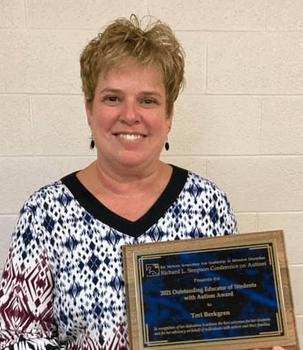
In conjunctions with the Autism Conference, MSLBD also has instituted an Outstanding Educator Award to annually recog-
nize an individual for outstanding achievement and excellence in classroom service to students diagnosed with autism spectrum disorder (ASD). The recipients receive expense reimbursement to receive the award at the conference. Four individuals have received this award as of 2021.
Midwest Symposium for Leadership in Behavior Disorders
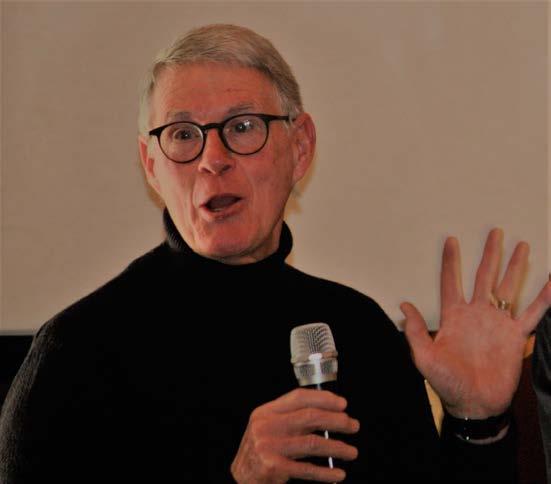
About 250 people participated in the first conference, and about 200 in the second. The third Simpson Autism Conference was postponed in 2020 due to the global COVID pandemic, but a virtual Simpson Autism Conference was held October 7 & 8 of 2021, attracting about a 175 participants from around the United States.
More information about the conference and the award is available on the MSLBD website at:
https://mslbd.org/autism-conference/outstanding-educatorof-students-with-autism.html
Janus Oral History Project
For the past 15 years, the Midwest Symposium for Behavior Disorders (MSLBD) has supported the Janus Oral History Project. The Janus Project’s purpose is to record, save and share the professional experiences, perspectives, and wisdom of leaders in education of students with emotional and behavioral disorders (EBD). Janus Project staff are Jim Teagarden, Marilyn Kaff, and Robert Zabel, colleagues at Kansas State University and members of the MSLBD Planning Committee.


The Janus Project criteria for “leadership” are broad and varied. Leaders are individuals who identify with the profession and have contributed to the field by leading professional organizations, conducting, and publishing research, designing and operating innovative programs, serving as editors and on review boards, participating in professional meetings, serving on advisory panels and task forces, and/or advocating for children with EBD. They include individuals who could be considered “pioneers,” “first generation,” and “contemporary” leaders.
To date, the Janus Project has interviewed more than 62 individuals, with most interviews conducted during the Midwest Symposium or at other professional conferences. In addition, Janus staff traveled to interview several pioneers in their homes. A complete list of the people interviewed can be found below and at: https://mslbd.org/what-we-do/janus-project/.
Common Themes Across Interviews
• Career was a happy accident
• Need for a supportive group of colleagues
• Need for foundational knowledge and advanced training
• Professional organizations are important
• It ’s the greatest job in the world!
Employing oral history methodologies to conduct and analyze the oral histories, Janus interviews use the same questions and format. Participants are asked: 1) how they entered the field; 2) what persons, policies, and programs have had positive influences on their professional life and on the field; 3) what have had negative influences; 4) what the future holds; and 5) what advice they would give to persons entering the field. Typically, interviews are about one hour in length.
Janus Project as of October 1, 2021 Number
Janus individual interviews 37
Group interviews
Manuscripts published based on interviews
Different individuals interviewed
Symposium keynote recordings 98
“My most memorable student” stories 80
Initially, some interviews were conducted in small groups of 2-4; later, most have been individual interviews. All interviews are videotaped then transcribed into print format. The videos and written transcripts are available on the MSLBD website at https://mslbd.org/what-wedo/janus-project/, and are housed permanently on the Internet Archive.
Albrecht, Susan
Benner, Greg
Braaten, Sheldon
Brendtro, Larry
Bullock, Lyndall
Cartledge, Gwen
Cessna, Kay
Cheney, Doug
Colvin, Geoff
Conroy, Maureen
Denny, Ken
Espelage, Dorothy
Forness, Steve
Gable, Robert
George, Michael
Gresham, Frank
In line with its goals, the Janus staff have published articles in several professional journals. Topical compilations of responses to specific questions have been published in the Journal of Emotional and Behavioral Disorders and Beyond Behavior. More than 30 individual interviews have been published in Intervention in School and Clinic, and excerpts from interviews are a regular feature of Behavior Today, the CCBD newsletter. In addition, the MSLBD’s ReThinking Behavior has published portions of a few interviews (e.g. Frank Wood, Richard Whelan, Richard Simpson). A complete list of the publications of the Janus Project is available at: https://mslbd.org/whatwe-do/janus-project/what-is-the-janus-project.html.
Midwest Symposium for Leadership in Behavior Disorders
The Janus Project has also assisted in the video recording of MSLBD Keynote Speakers (https://mslbd.org/whatwe-do/video-recordings/) and in the creation of the MSLBD “My Most Memorable Student” recordings available at: https://mslbd.org/what-we-do/educator-stories. html.
Individuals Interviewed by Janus Project as of 1/4/2021 (N=62)
Guetzloe, Eleanor
Haring, Norris
Huntze, Sharon
Johns, Bev
Jones, Vern
Katsiyannis, Antonis
Kauffman, Jim
Kern, Lee
Kerr, Mary Margaret
Landrum, Tim
Lane, Kathleen
Lewis, Tim
Long, Nicolas
Maag, John
Malloy, JoAnne
Maroney, Sharon
Melloy, Kris
McGinnis-Smith, Ellen
McIntyre, Thomas
Neel, Rick
Nelson, C. Mike
Nolls, Mary Beth
Otten, Kaye
Peterson, Reece
Rhys, Jane
Rose, Chad
Ryan, Joe
Sasso, Gary
Simpson, Rich
Scheuermann, Brenda
Scott, Terrance
Smith, Carl
Sprague, Jeff
Sprick, Randy
Sugai, George
Travers, Jason
VanAcker, Richard
Wehby, Joe West, Richard
Whelan, Richard Wood, Frank
Wood, Mary M.
Yell, Mitch
Young, K. Richard
Zabel, Mary Kay
Zabel, Robert

The 1960s were a time of significant changes in our country, particularly the civil rights movement that impacted me and others in my hometown of Roanoke, Virginia. We were taught the polite term “colored people,” although I just as often heard “ni–er” as well as “ni–er town” to denote the part of Roanoke where Black people lived. I thought that it was normal for Blacks to ride in the back of a bus, to drink from separate, wellmarked drinking fountains, to eat at separate lunch counters, and, of course, to use separate toilets. Everything was separate – with the “understanding” that both groups preferred it this way. I was led to believe that Black people were different, and they even seemed to drift into an amoral life between the stage of being a cute small child until becoming a polite, older, “colored” person.
Toward the end of my elementary school years, we began to hear more about that dreaded movement known as the civil rights movement. John Kennedy had been elected president with the enthusiastic support of union members. Daddy talked about Kennedy in positive terms. Kennedy was
Growing Up in Multiple Ways
By Carl R. Smith
pro-labor (look at what he did to confront the steel companies), he had concern for the working man, and perhaps most important, he was a Democrat who even resembled the young FDR, whom my father held in high esteem.
My seventh-grade teacher had warned us that Kennedy would have to obey the Pope, even at the expense of American interests. Daddy explained that such a proposition was being pushed by those afraid of a Catholic president. This was my first exposure to anti-Catholic prejudice. My Catholic friends were not so frightening. I even spent much of my high school social life with Catholic friends, including catechism classes with my beautiful Catholic girlfriend, Margaret.
At the beginning of Kennedy’s tragically short tenure as president, Daddy’s enthusiastic support for him remained. As he said, “JFK will have to screw up to not be reelected in 1964.” Later he concluded JFK did screw up in supporting the civil rights movement and particularly the work of Dr. Martin Luther King.
During this time significant events took place in other parts of the South. Martin Luther King’s
name and face were seen daily in the news. School desegregation in Little Rock had occurred earlier, but I don’t remember our community being affected. Yes, our department stores were being forced to desegregate to some extent, but this was handled in the least offensive manner; least offensive, that is, to the status quo. For example, the Black elevator operator at one of our larger department stores for 20 years was made a clerk. Everyone loved her anyway and she wasn’t really seeking this job.
As the result of school desegregation court rulings such as Charlotte-Mecklenburg, we were also being asked to integrate our schools. The Prince Edward County schools in Virginia had handled this situation efficiently, according to the wishes of its all-White school board, by closing all of the public schools. This showed all who was really in charge! A number of private schools sprang up to provide an education for White children.
From seventh grade I went directly to Cave Spring High School in 1962. Similar to the experience of not having preschool or kindergarten, we did not have a junior high available to us. As eighth graders we were distanced from the “real” high school students, with our classrooms located in a separate wing of the building. This was probably a fortunate policy for me because I had only attained a height of four feet eleven inches by this time.
This was the year the Roanoke County Schools were ordered to desegregate the schools, including, of course, our high school of approximately 1,200 students. The first-year plan for desegregation consisted of having one Black student entering high school as part of our eighth-grade class. This student would be a young girl, less trouble that way.
As is true of students moving directly from elementary to high school, I was quite anxious on our first day of school. I cautiously entered the school bus and, to add to my problems, noticed that not only would I be expected to attend school with a
colored girl but that my bus was to transport her. There she sat in the first seat of the bus, directly behind the driver. I proceeded to the back of the bus, ironic as that seating arrangement may have been, and joined my friends in whispering about the colored girl on our bus. Our bus had many students standing in the aisle. It was crowded that first day, but Marion, whose name I learned after roll was called in one of our classes, had more room than anyone else. She had a seat to herself that day and every school day thereafter. I would be remiss if I did not point out that Marion was not the only Black person in our high school. Three of the four custodians were also Black!
The year passed without any incidents. Marion rode my bus and was in several of my classes, yet we never spoke. I never saw anyone converse with her aside from necessary teacher-pupil interactions. She was alone – on the bus, in class, at lunch, everywhere. I wish I could say now that I broke with the code, accepted Marion and rose above my upbringing and peer pressure to be-
As the result of school desegregation court rulings such as Charlotte-Mecklenburg, we were also being asked to integrate our schools
friend her. I wish I could say that, but I can’t. On the last days of school, we were all passing around our copies of The Accolade, our high school yearbook, so that we could have our classmates and teachers write remembrances and personal notes in them. As some of us were standing outside our building before the start of school one day, sev-
eral bigger boys in my class seized my yearbook and took it to Marion for signing. She gracefully penned, “Carl Smith, Very Best for the Coming Year. Marion.” When my yearbook was returned, I quickly marked through the message.
Recently, I wanted to determine how many Black students were enrolled at Cave Spring in 1966, my senior year. The count, after four years, was 20. Marion was not among the 20.
Another illustration of those times took place at a summer dance in my hometown at the Marine Corp Armory. This was an event we all eagerly anticipated. One evening I was curious why everyone had congregated in one corner of the gym. As I edged forward through the group, I saw the source of everyone’s attention. There was an attractive White girl dancing with a Black man. This was shocking. This also, in my opinion, verifies a major source of fear among Whites regarding desegregation. Would this step lead to mixing of the races?
Over the years I found myself changing in my perception of the importance of race by being around many kind and talented people of different races and skin colors. The fear of the unknown was being positively impacted by being with those whom I had previously feared and/or disliked. Thomas Pettigrew, a noted Harvard psychologist, stated that the primary means of eliminating prejudice is through consistent experience and positive exposure and interaction with those for whom we held such prejudices. The change in my attitudes, perceptions, and “gut feelings” since that first bus ride in the eighth grade seems to confirm this hypothesis.
As an added note, I attended the state university in Richmond, Virginia. Our university had the largest Black population of any of the formerly all-White colleges and universities in Virginia. During my third year I took a Black studies class: Characteristics and Behavior of Afro-Americans. The professor was also Black! I continued to change, and for the
first time in my life, could say that I had friends who happened to be Black. Together we explored such concepts as prejudice. I reached the point where I argued, sometimes bitterly, in favor of forced school busing to achieve desegregation. This carried so far as to cause me to publicly confront a professor in educational psychology who was presenting a discourse on the evils of forced busing. I had been his model student; no longer.

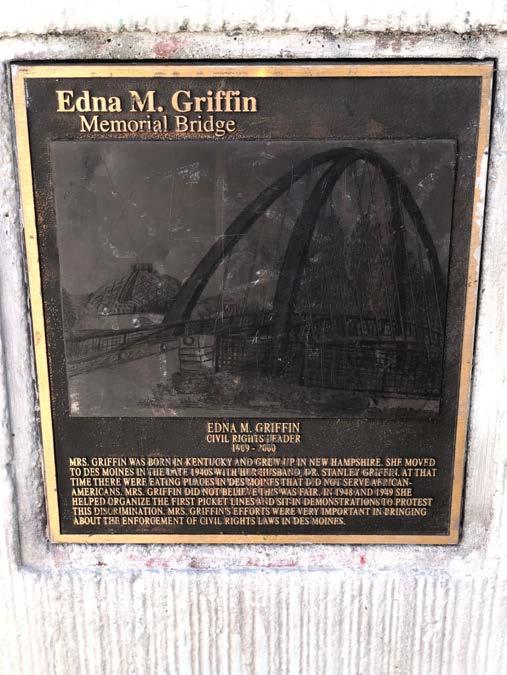
I shared these high school experiences on the anniversary of Martin Luther King’s birthday at the First Unitarian Church in Des Moines in 1978. My experience was certainly a contrast to the other testimonials given that day, which typically involved advocacy activities on behalf of civil rights. Among the church members present that day was Edna Griffin, one of our few African American members. Edna was a civil rights leader in Des Moines who led a sit-in at Katz Drug Store in 1948. Her actions led to further protests and a court case that eventually went before the Iowa Supreme Court, which affirmed the drug store’s violation of Iowa civil rights law. Note that this occurred prior to many similar demonstrations in other parts of the country.
My trepidation in sharing the not-so-flattering reminiscences from high school was offset by the beautiful note I received from Edna the following week.
Text of the March 3, 1978 Letter:
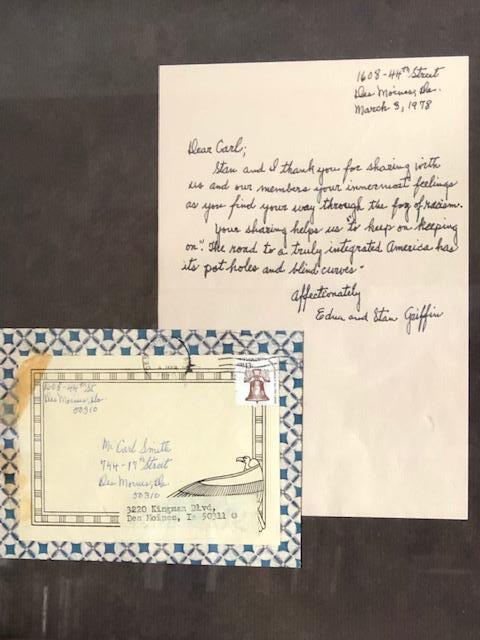
Dear Carl,
Stan and I thank you for sharing with us and our members your innermost feelings as you find your way through the fog of racism.
Your sharing helps us “to keep on keeping on.” The road to a truly integrated America has its potholes and blind curves.
Affectionately,
Edna and Stan Griffin
My subsequent thoughts and feelings regarding the critical need for acceptance of others, particularly relevant in these times of racial unrest, have been brought into focus in my personal life. Being a parent and member of a multiracial family sharpens the focus on what may have been a hypothetical at another time into the reality of today.
In our current political and social context these experiences provide, what I believe to be, particular significance. Sharing such experiences may provide
importance for our preparation of today’s profes sionals entering the field of behavioral disorders or education overall. Those of us entering these fields bring varying life experiences that may be perceived by others or ourselves as positive or negative. Perhaps the biggest threat to our professional integrity lies within the realm of any attempts we make to deny such experiences to ourselves and others. Such may also be the story line for many families and youth we serve.
*Significant portions of this essay were adapted from the book Passing for Normal by the author
Carl R. Smith, Professor Emeritus, Iowa State University, Ames, Iowa, csmith@iastate.edu
Learning to Pivot Self-Care and the Pandemic
By Tracy Kidd Slone and Maria L. Manning
Teaching is not your average eight-hour job. Ask any teacher and my guess is the majority would agree that we spend countless hours completing job related tasks, thinking about student needs, and planning daily activities. In special education, the demand can be even more complex
at times. For example, as a special educator, I use high leverage practices developed by the Council for Exceptional Children (e.g., McLeskey et al., 2017). I must think about how I can incorporate collaborating with others, conducting assessments, engaging with social/emotional and behavioral skills, and

Photo by energepic.com from Pexels
implementing specialized instruction. For me, these critical skills in special education became even more evident during the COVID-19 pandemic. My responsibilities as an educator remained the same. However, I had to completely reimagine how to teach in a fully virtual setting, with the same effectiveness. Some days I found myself working from morning until night, just trying to keep up with the demands of virtual learning, along with intensive documentation and paperwork. I was no longer bringing work home to complete because my workplace WAS my home. As a result, work became something that I could never escape. I experienced an ongoing internal conflict between choosing to spend quality time with my sons and knowing that taking a break from work would only put me further behind. I spent most days feeling drained and frustrated because no matter how hard or how long I worked, the end never seemed to be in sight.
Daily Life During the Pandemic
On a typical day, I spent my mornings virtually co-teaching 5th grade general education reading and writing classes. The next few hours were dedicated to meeting with individual students via Zoom, where I would provide special education services in various academic areas based on the specific needs of each student. Around noon, I taught a specialized small group math lesson targeted to help my students overcome previous skill deficits that were only widened by the sudden transformation of the classroom to a fully virtual setting. While attempting to learn new technology myself, I used precious instructional time teaching my students how to navigate numerous complex learning platforms. During the afternoon, my days were spent in Zoom meetings helping students to meet their IEP goals through completing grade level assignments and reviewing supplemental material. Occasionally, I was afforded a precious few minutes to collect progress monitoring data, which isn’t as easy as it may sound in a fully virtual setting. As long as I didn’t have an IEP meeting, faculty meeting, or a teaming conference, I could squeeze in some time to update documentation such as: special education parent contacts, daily accommodations record, and data collection. As if my daily teaching schedule wasn’t complex enough, I simultaneously communicated with parents who were attempting to meet the academic and behavioral needs of the students at home. Every day, I answered parent text messages, phone calls, and emails detailing the struggles that their child faced during virtual learning who were requesting any means of help available. In preparing for the next day, I often discovered that my schedule was obsolete and had to be redone. After eight
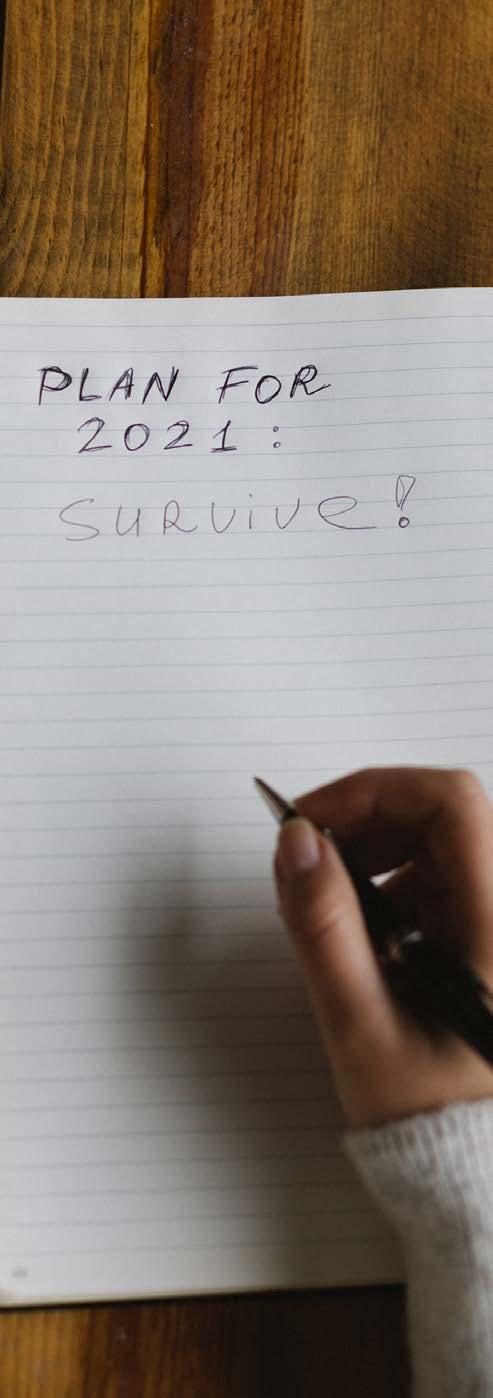
Photo by Meruvert Gonullu from Pexels
hours of troubleshooting, re-directing, and teaching each day I was physically exhausted and mentally drained. Intuitively I knew something had to give. I started feeling like there was no time left in the day to address my own personal needs and the needs of my family. Needless to say, there was zero time to even consider incorporating coping skills such as self-care.
While I spent all day trying to help my students develop skills and gain as much knowledge as possible, as well as assist their families as they transitioned to virtual learning, I watched helplessly as my own three sons (ages 4, 8, and 13) seemed frozen in time, existing only to watch tv, eat, and ask me countless times when I was going to be off the computer. I felt helpless. My heart broke a little more each day as I watched my middle son, Eli, continue to fall further and further behind. Eli has an emotional behavior disorder and receives special education services for reading, writing, math, and social-emotional skills. He was still attempting to recover from limited growth over the last two years when the pandemic hit and the traditional school setting was forever
altered. For him, virtual learning was a nightmare. Technology created an accessibility barrier for Eli, which resulted in significant academic shortfalls. He needed one-on-one instruction simply to access Zoom and complete assignments. I was teaching my own Zoom classes all day and could not duplicate myself to provide supports for him at the same time. Even homeschooling became a herculean task that inevitably led to hiring a private tutor.
I tried to begin each day with a positive attitude and an optimistic feeling that I would finally be able to mark all of the items off my constantly growing to-do list. Sadly, the day never ended the way I imagined it would each morning. During the evenings, I felt like I had little time for myself or my family; though those responsibilities were still there, waiting for me. Each day I found myself adding items to my to-do list faster than I could complete tasks and mark them off. After working all day with my students through this new medium, I would attempt to complete my own graduate-level coursework only to finish just in time to make supper, take my oldest son to basketball practice or games, play a game with or read a book
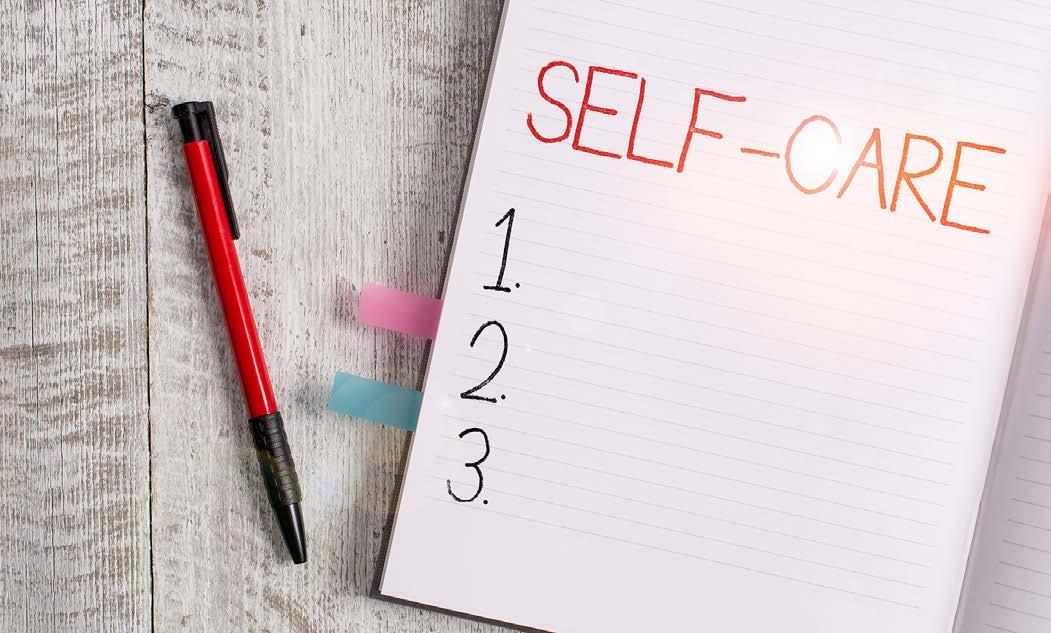
I could never escape.
to my two younger sons, do laundry, wash dishes, get everybody ready for bed, and get ready to repeat the same process all over again the next day. The constant repetition was exhausting. I felt like I was living in a world where teachers are applauded for putting student needs before their own family, while continuing to receive empty reminders about the importance of self-care. At this point, it was unfathomable to conceptualize what this might even look like.
Finding Balance
After the realization that the vast number of hours I spent working and going to school left little time for me to spend with the most important people in my life (my kids), I decided to start dedicating the weekends to spend quality time with them. I guess this was my way of easing my “mom guilt” not even realizing that I was taking care of myself at the same time. My boys and I started a Sunday afternoon ritual of going to our local skating rink. Spending time with my boys, seeing them smile, hearing them laugh and capturing those small moments that create lasting memories, became my therapy. The simplicity by which they viewed the world was refreshing. Those special moments with my boys provided a way for me to escape the mundane, repetitive, overwhelming cycle that had become my everyday life.
ABCs of Self-Care
AWARENESS: Be aware of your own stress levels
BALANCE: Seek balance in all areas of your life including home and work
CONNECTION: Build connection and supportive relationships with others
Please do not misunderstand, although it may sound like I do not enjoy teaching and one might advise me to seek another profession, it is because I love teaching that I continue to teach. Sure, having a 10-month
contract is nice and is often looked upon by outsiders as an unfair perk of the job, but ask anyone that has been a teacher for more than a few years and I bet they would agree that a few weeks off in the summer is not considered a perk, but a necessity to maintaining his/her sanity. Even before the pandemic, teacher shortages were looming. According to the U.S. News & World Report (Camera, 2019), in the past eight years teacher preparation programs in almost every state in the country have experienced drastic declines in enrollment. It could have been this noticeable decline, or the realization that many teachers are experiencing burnout, as they try to constantly push themselves to meet unrealistic demands, that brought about the newfound focus on self-care that now seems to exist in many school districts. Regardless of the reasoning, the outcome is where the importance lies...teachers need to realize that self-care is essential for maintaining balance in life.
Whenever I used to hear the word self-care, I immediately thought of a meme that was posted by the group, Teacher Goals, on Facebook. The meme is divided into two panels. In the top panel is a teacher “drowning” in a swimming pool surrounded by papers (that I can only assume need to be graded), with text that reads “Me: Trying to make it through the 2020/2021 school year.” In the bottom panel is a man (hilariously enough, Will Ferrell) that appears to be shouting with text that reads “Them: Don’t forget to practice self-care!” Ironically, this meme couldn’t provide a more accurate depiction of how teachers attempt to balance the challenges of the pandemic with their own sense of self. Special educators continue to juggle intense workloads that existed before COVID-19 which have exponentially multiplied due to confounding pandemic variables. In these moments, incorporating self-care was the last thing I wanted to think about. Attempting to practice self-care has always felt like adding one more thing to my to-do list – something extra to schedule like massages and yoga, which I cannot afford and would have to find a babysitter to attend – adding another added source of stress. Thus, I concluded that it was easier for me to not practice self-care at all. This
perception is not uncommon. However, according to Palmer (2019), self-care is not a selfish indulgence. In reality, the opposite couldn’t be more true, self-care is taking care of yourself, so you will be able to care for others. Teachers need to give themselves permission to relax, rest, and spend time nurturing bonds with family and friends. Ultimately, teachers have to make self-care a priority.
A New Vantage Point
I had grown accustomed to my world as an educator during the pandemic. A world where teachers who were once devalued, were instantly hailed as heroes for doing the same job that they had always done, but somehow at that time it wasn’t good enough. A world where teachers were given more responsibilities and were working longer hours but received no compensation. As you can imagine when I was offered an opportunity to co-write an article with Dr, Manning about how I engaged in self-care during the pandemic, my initial response was NO WAY! However, lured by my love of writing, I accepted
the offer and my journey to a true understanding of self-care began. A journey that proved to not only be enlightening, but therapeutic as well. Along the way, I discovered that self-care can be whatever I want it to be. It is different for each person and my source of self-care cannot be defined by others. Self-care is whatever I need to help me refuel for my journey. Most importantly, it isn’t a task that creates an added source of stress in my life, but a necessity for my success.
If you would have asked me about self-care during the first few months into the pandemic, my response would have been vastly different. As a special education teacher in the throes of the pandemic, I found myself overwhelmed, exhausted, guided by misconceptions and to be honest, almost bitter, as I struggled to navigate the unchartered waters of virtual learning. If I had actually been in a boat, it would have easily capsized, due to my inability to balance the weight of the many new responsibilities in my life during that time. Reflecting on the 2020-

I discovered that self-care can be whatever I want it to be.
2021 school year, I am not sure that I ever found complete balance, but I did learn that balance is essential, which kept my boat afloat, and helped guide me through the most challenging year of my entire teaching career.
Future Directions
In my opinion, teachers who work in special education, especially those who work with students with EBD, must first understand its value. We work with diverse students who bring a variety of significant challenges to instructional settings whether face-to-face or virtually. Issues facing students from marginalized groups have been magnified during the pandemic and will likely linger for a long period of time. Traditional demands on top of new challenges can impact a teacher’s ability to meet student needs, administrative responsibilities, and personal expectations resulting in compassion fatigue, burn-out, and even secondary trauma. Self-care allows us an opportunity to take care of ourselves during high-stress times, whether it be from COVID-19 or another unforeseen crisis. While exploring and developing a self-care protocol may seem like an impossible task, it is an invaluable tool to ensure we continue to be a driving force for our students.
Take A Quick Look at Self-Care
Educator Resilience Trauma-Informed SelfCare Self-Assessment and Planning Tool (2020), American Institutes for Research.
Self-Care Tips (2020), TherapistAid.com.
Three Tips for Teacher Self-Care (Smith, 2019), Council for Exceptional Children.
If, like me, you have no idea where to start practicing self-care all hope is not lost. Start by understanding yourself and building an individualized self-care plan that works for you.
The Center on Great Teachers and Leaders has developed an easy to understand self-care assess-
ment and planning tool that can help determine how self-care may already be a part of your daily routine. It also helps to identify other coping skills you may wish to incorporate. However, keep in mind the process should not induce more stress, but allow you to manage your current stress levels. While each person’s journey to self-care looks different, it should include three basic aspects: awareness, balance, and connection (The National Child Traumatic Stress Network, 2018). No matter the journey you take, remember that self-care does not mean self- indulgence, nor does it mean selfishness. While we all feel like we are drowning in a swimming pool filled with papers at times, take time to take care of yourself.
References
Camera, L. (2019, December 3). Sharp Nationwide Enrollment Drop in Teacher Prep Programs Cause for Alarm. U.S. News & World Report.
Center on Great Teachers and Leaders at the American Institutes of Research (2020). Educator resilience and trauma-informed self-care: Self-assessment and planning tool.
McLeskey, J., Barringer, M-D., Billingsley, B., Brownell, M., Jackson, D., Kennedy, M., Lewis, T., Maheady, L., Rodriguez, J., Scheeler, M. C., Winn, J., & Ziegler, D. (2017, January). High-leverage practices in special education. Arlington, VA: Council for Exceptional Children & CEEDAR Center. © 2017 CEC & CEEDAR
Palmer, P. (2019). The teacher self-care manual Simple strategies for stressed teachers. Alphabet Publishing.
The National Child Traumatic Stress Network (2018). Tips for helping school-age children after disasters
Tracy Kidd Slone, Exceptional Child Educator, Berea Community Elementary School, Berea, KY, Graduate Student, Eastern Kentucky University, Richmond, and Parent of a child with exceptional needs. Tracy. slone@berea.kyschools.us
Maria L. Manning, Assistant Professor, Department of Teaching, Learning, and Educational Leadership at Eastern Kentucky University, Richmond. Marie. Manning@eku.ed
INNOVATORS
Albert Bandura
Social Cognitive Theory and Self Efficacy
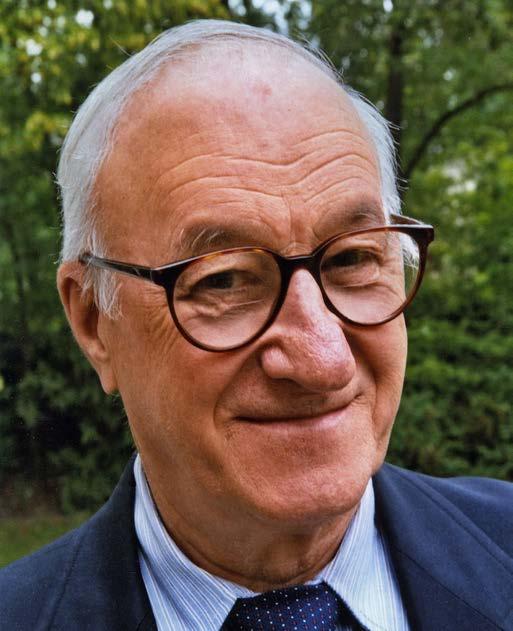
Albert Bandura is a world-renowned social cognitive psychologist whose Bobo Doll experiments and theory of social learning transformed the field of psychology. His theory of social learning revealed the importance of observing and modeling behaviors. Dr. Bandura, Professor Emeritus, Stanford University, died peacefully on July 26, 2021. He was 95.
Bandura is internationally recognized as one of the world’s most influential social psychologists for his groundbreaking research on the importance of learning by observing others. In a 2002 issue of the General Review of Psychology, Bandura was ranked the fourth “most eminent psychologist of the 20th century” behind B. F. Skinner, Jean Piaget, and Sigmund Freud.
“Albert Bandura was a giant in the field, whose influence spanned clinical, cognitive, affective, and developmental psychology,” said Laura Carstensen, Fairleigh S. Dickinson, Jr. Professor in Public Policy at Stanford.
Bobo Doll Experiments
In 1961 Bandura began a series of experiments that became synonymous with his name and defined his early career. In these “Bobo Doll” experiments, children who observed an adult hitting and yelling at an inflatable doll, called Bobo, were more likely to display aggressive behavior toward the doll when playing with it later. The children watched interactions with the doll in person and (in later experiments) via video with similar results.
Albert Bandura is best known for developing social cognitive theory (also known as social learning theory); the concept of self-efficacy – the idea that a person’s belief in their ability to succeed can shape how they think, act, and feel. Bandura’s Bobo Doll Experiments changed the way we viewed the behavior of children.
The Bobo Doll studies demonstrated that children learn from watching adult behavior and suggested that televised violence can teach and glamorize aggressive behavior. The findings of the experiments upended the established behavioral
doctrine that learning was a conditioned response to external punishments and rewards. The results also challenged the prevailing theory that watching violence on television alleviated aggressive impulses in children.
Bandura testified on Capitol Hill with Fred Rogers (of the television show Mr. Rogers’ Neighborhood) on the effects of televised violence on children. As a result, the Federal Trade Commission passed new standards for televised advertising and depictions of children performing certain activities were no longer allowed on television.
“The knowledge gained regarding social modeling in the early Bobo Doll experiments … enabled people to change their lives for the better,” Bandura wrote in the book Communication of Innovations (Sage Publications, 2006). Carol Dweck, the Lewis and Virginia Eaton Professor in H&S, noted that before Bandura’s research, “most work in social development was about reinforcement learning or about direct socialization – what adults did to children to shape them. Al’s work made children active seekers of learning and showed that children actively observe the world and make inferences that guide their future behavior. This was a real turning point – and we are still reaping the benefits of his insights today.”
Over the course of his nearly 57-year research career, Bandura wrote and co-authored hundreds scientific papers and 17 books. Bandura received 19 honorary degrees and was elected to the American Academy of Arts and Sciences in 1980. He received numerous awards and honors. In 2016, Bandura was awarded the National Medal of Science by President Barack Obama.
An honest to goodness giant who taught us to take theory seriously, and whose experimental originality and insight into the social nature of psychological relationships between behavior and cognition, children and role models, self-efficacy and self-regulation quite simply changed psychology forever. His thinking has been a constant source of novel and usable ideas in special education. Many times, I had what seemed like a new thought in my early career, it was almost certain that Bandura had gotten there first. There have not been many like him nor will there be in the future.
– Michael Gerber, Special Education, University of California Santa Barbara. mgerber@ucsb.
Material in this story is adapted from a story on the Stanford University News Service, July, 2021. https://news.stanford.edu/2021/ 07/30/psychology-professor-albert-bandura-dead-95/
Bandura was an amazing psychologist. I was a master’s student when I first read one of his many seminal articles, The Self-System in Reciprocal Determinism, published in 1978 in the journal American Psychologist.
– John Maag, Special Education, University of Nebraska-Lincoln jmaag1@unl.edu
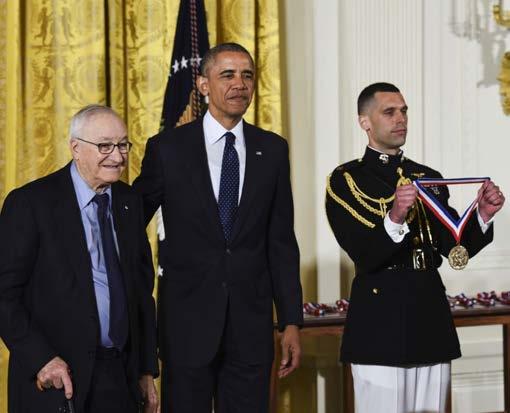
Image credit: Ryan K. Morris and the National Science & Technology Medals Foundation
Frank B. Wilderson, Jr.
Called to Serve INNOVATORS
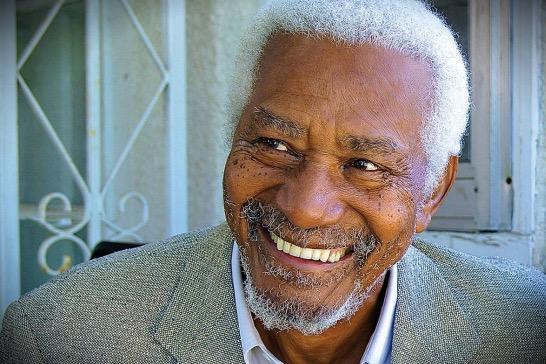
Frank Wilderson was the first Black tenure-track professor at the University of Minnesota. In 1962, Wilderson earned his PhD in educational psychology at the University of Michigan, where he had been working on a grant to support children with reading difficulties. He and Dr. John L. Johnson— then a doctoral student at Michigan State University—also started Michigan’s first-ever Council for Exceptional Children Division focused on children with emotional and behavioral disorders (EBD).
After his graduation, Wilderson joined the Univer sity of Minnesota’s (then) College of Education as an assistant professor of educational psychology. At the time, Minnesota had just passed legislation to help fund licenses for teachers of children with EBD. Frank Wood was a doctoral student working with Wilderson to create the training program and the first special education class for children with EBD in Minneapolis schools.
Not long after he started at the University, Wilderson was called by the College of Educa tion’s Dean’s Office to run the Urban Education Program. The program trained existing elementa ry education teachers in techniques for students with EBD. During this time, Wilderson and Wood, now a tenure-track professor himself, continued to work together. They ran a psychoeducational clinic where they worked with parents, students, and teachers on an early version of what would become the Individualized Education Plan (IEP).
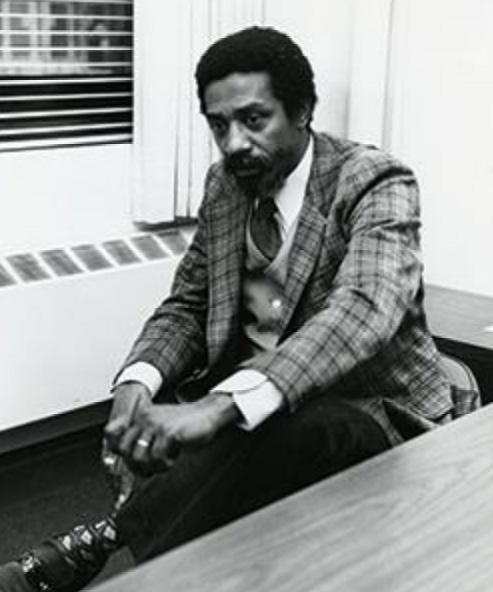
Frank B. Wilderson, Jr., the first Black tenuretrack professor at the University of Minnesota and one of the first faculty members in special education focused on students with emotional or behavioral disorders at a major university spent many years on issues of diversity, equity, inclusion, and mental health services.
In January 1969, about 70 Black students on the Afro-American Action Committee (AAAC) took over the University of Minnesota’s bursar’s and
records office. They were protesting hostile treatment of Black students on campus and demanding an African American studies department. The AAAC students called Wilderson to help communicate their list of demands to the University President. “They had a list of about 20 different demands,” Wilderson recalls. “I told them …they
are going to take one or two of them … Pull out a few of your highest priority demands.” Ultimately, the University accepted the students’ demands and the African American Studies Department was established with Wilderson’s leadership by fall of that year.
Shortly thereafter, the Office for Student Affairs encouraged Wilderson to apply for its vice president position. He was quickly selected for the role, and for 14 years, Wilderson served as Vice
According to his colleague, Professor Frank Wood, “He pioneered in places where people were all-too ready to see him not succeed. There was pretty overt racism on this campus in the 1950s and 1960s.”
“He did a good job, and did so with real courage, grace, and modesty,” Wood said. “I never could understand how Frank could keep it all balanced, and maybe he didn’t. He made amazing contributions, particularly because he was called on to serve all of the time.”
President for Student Affairs, where he oversaw and supported programs and students across the University. At one point, his role temporarily expanded to include oversight of the Athletics Department and the University Police Department.
After his VP role ended, he became the Special Education Program Coordinator in the Department of Educational Psychology for 10 years where he continued to find ways to serve his community by supporting those with mental health or behavioral issues and advocating for equity, often together with his wife. Dr. Ida-Lorraine Wilderson was a special education teacher and administrator for the Minneapolis schools and a social activist who passed away in 2019.
Wilderson kept busy practicing as a clinical psychologist (with a private practice for many years), establishing several community programs, working with the Department of Corrections and rehabilitation centers serving the African American community, and serving as a trustee on the board of the Hazelton Betty Ford Foundation. After 37 years at the University of Minnesota, Wilderson retired in 1999. Today, Frank B. Wilderson, Jr. lives in Minneapolis, with his daughter, Fawn, who is also a special education teacher.
This material was adapted from a story by Sarah Jergenson which appeared in CEHD Connect, University of Minnesota, fall 2021. https://connect. cehd.umn.edu/called-to-serve. Photos courtesy of Bonni Allen, and University of Minnesota Libraries, University Archives.
Mitigation of Trauma for BIPOC Learners
By Elizabeth Bifuh-Ambe and John William McKenna
While today’s schools have become increasingly diverse with students from multicultural, multilingual, and multi-socio-economic backgrounds, K-12 teacher demographics have remained predominantly White female middle-class. These educators often struggle with teaching students from diverse backgrounds that they themselves do not have much exposure to. Experiences like racism, discrimination, social injustice, inequities, and subjugation leave Black, Indigenous, and People of Color (BIPOC) with traumas that may disrupt the education of K-12 students. Parents of school age children generally try to shield their children from some of the societal challenges that they themselves might have encountered as children and focus on keeping up the fight for a better future for their progeny. Generally, one would also assume that BIPOC students might also be protected from some societal realities, as they spend most of their days learning, within the confines of the school building.
However, the spring, summer, and fall of 2020 was a perfect storm for Americans and the global community. COVID-19 hit, and the Black Lives Matter movement (BLM) took on a life of its own following the police killings of George Floyd, Ahmaud Arbery, Breonna Taylor, and other Black Americans. Largely peaceful demonstrations erupted across the
country, with thousands of people of all races, ages, creeds, and genders marching on U.S. streets and around the world protesting racial injustice. During this maelstrom, there was no hiding place for BIPOC students. Children, as well as adults, were continually exposed in real time to the trauma of racism and societal injustice. Images of such injustices were everywhere– on tv, social media platforms, and in discussions with friends and family. Because of the pandemic lockdown, the eyes of a great number of Americans were glued to these images and focused even more on such discussions. Schools could no longer serve as a buffer from trauma for K-12 BIPOC students. This proved particularly true with the transition to online learning.
For adolescent students who are at an age where peer interactions and validation can be more valuable than school performance, the challenge of staying engaged with virtual learning was particularly hard. Teachers had a difficult time transitioning to virtual teaching/learning, especially since the demands of teaching were stretched beyond content delivery to needing skills of handling the traumatic effects of a turbulent social climate on students. Teachers struggled to meet the needs of engaging students virtually to maximize academic outcomes, while managing social and emotional issues. Mc-
Kown (2017) narrowed the definition of social emotional learning (SEL) to three broad skill areas: thinking, behavior, and self-control.
Considering recent and ongoing events from an applied behavior analytic perspective, experiences of great uncertainty and trauma due to racism, acts of police violence on BIPOC, and COVID-19 may likely serve as setting events in K-12 school settings. Specifically, BIPOC are likely to experience heightened levels of anxiety and stress, which may present in schools as lower levels of engagement, higher levels of inattention, and the performance of challenging behavior at school. As a result, K-12 educators must account for the unique needs of BIPOC through the provision of research-based instruction and supports rather than disciplinary exclusions and practices that view BIPOC and their parents/guardians from a deficit perspective. It is also critical for practitioners to refrain from using methods that result in students receiving less instruction and support from understanding, caring, and dynamic educators. In sum, K-12 educators need to be able to effectively support and respond to the needs of BIPOC students during these public health and social crises.
Effectively Responding to the Crisis
Some researchers recommend implementation of a variety of models and strategies that support SEL, improve students’ success with learning, social behaviors, and attitudes towards school, and reduce depression (Durlak et al., 2011). These positive effects are noticeable for all students, irrespective of race and SES backgrounds, years after interventions (Taylor et al., 2017). In effect, children with greater social-emotional competency are more likely to be ready for college, be successful in their careers, and have better social relationships and mental health. K-12 educators can use research-based practices to create safe, structured, and consistent school environments that provide meaningful opportunities for BIPOC students to learn and grow. Providing opportunities to develop SEL skills in addition to academics can therefore be used both as mediation and prevention for BIPOC students, dealing with difficult and
traumatic experiences during these difficult times of global pandemic and racial consciousness. The resources examined here can be used by teachers and other school personnel to inform discussions on proactive and responsive supports and methods during these challenging times.
TREP Resources
This past summer, the Trauma Responsive Educational Practices Project (TREP) held an online conference titled “Evidence-based guidance for how schools can respond to a national mental health crisis in the wake of COVID-19.” This included a number of panel discussions and presentations, which focused on the following topics.
• The Importance of Centering Psychological and Emotional Trauma in Planning for the Coming Academic Year. This panel discussion provided an overview of the topic, including a discussion of evidence that BIPOC have been disproportionally affected by the negative effects of COVID-19. The panel also discussed student and family stressors stemming from institutional racism and acts of police violence on BIPOC. Panelists emphasized the importance of being responsive rather than reactive, the use of strength-based approaches, and utilization of research-based practices to support students and teachers.

Schools could no longer serve as a buffer from trauma for K-12 BIPOC students.
• Frameworks for Thinking about the Prioritization of Social and Emotional Learning and Mental Health for Academic Gains. This panel presentation emphasized the importance of collaborative systems of practice that are proactive, provide opportunities for students and educators to develop critical skills, and promote a feeling of safety and consistency. A discussion of social emotional supports for K-12 educators was included, as was information on the importance of differentiated social and emotional supports for children who have experienced trauma. Part of the discussion focused on using assessments to measure implicit bias. We would point out that implicit bias is real but can be difficult to measure. Video link.
• Utilization of Discipline and Behavioral Data to Identify Students in Need of Additional Supports. This presentation included a discussion of ineffective and immoral practices such as disciplinary exclusions, as well as the benefits of positive behavioral supports such as function-based thinking and function-based approaches, relationship-based approaches, and tiered systems of support. Discussion of the use of universal screening to identify students who need more intensive and individualized research-based intervention and supports was included. Panelists also discussed the experience of fear by BIPOC due to racism and acts of violence against BIPOC and the inability, if not the unwillingness, of systems

and public institutions to address factors that contribute to their occurrence, and the need for “open spaces” for students to talk about social justice issues and racism, their experiences, and feelings. Please note: We would like to encourage our readers to take a strength and asset-based perspective of the families/guardians they work with and to consider the full range of possibilities for the occurrence of challenging behaviors other than a lack of attention at home.
• COVID-19 Related Traumatic Stress Screening and Managing Traumatic Stress Response Behaviors in the Classroom. This presentation provided information on how trauma affects ability to self-regulate and increases reactivity to stressors. Also provided was information on research-based preventative practices as well as methods for responding to student behavior. The use of local data to inform practice was also emphasized. Video link.
• Practices for Educating Students Coping with a High Cognitive Stress Load. This presentation provided information on accommodations and modifications that can be used to appropriately deliver and differentiate instruction for students who are experiencing high levels of stress.
• As part of this conference, TREP also created a series of practice briefs that offer research-based guidance for supporting students who have experienced trauma and those who educate them.
Additional Resources
• Institute of Education Sciences webinar titled “Using data to promote culturally responsive teaching.” Although the target audience is pre-service teachers and those who prepare them for in service teaching responsibilities, this webinar provides information on a number of strategies and resources to improve knowledge and capacity to provide culturally responsive instruction.
• Practice guide from the Center on Positive Behavior Supports & Interventions titled “Returning
to School During and After Crisis.” This resource provides research-based recommendations for utilizing tiered systems of support and intervention to promote the development of academic and social-emotional skills. The authors emphasize a systems-based approach involving state, local, and school stakeholders.
• Institute of Education Sciences web page titled “COVID-19: Evidence-Based Resources.” This webpage includes a wealth of resources focusing on improving the provision of opportunity and student support during remote instruction. Subtopics covered include, but are not limited to, students with disabilities, collaborating with parents/guardians, mental health, and students who are English Language Learners.
• Website titled “Basic FBA to BIP.” This website provides training modules and materials focusing on completing functional behavioral assessments and using this data to develop individualized positive behavior support plans.
• As in every other academic skill, assessment and remediation go hand in hand (Bifuh-Ambe, 2007). Wang et al. (2014) designed a 5-factor, 24-item, Classroom Engagement Inventory (CEI) for measuring 4th to 12th grade students’ engagement. The CEI measures: (1) Affective Engagement, (2) Behavioral Engagement–Compliance, (3) Behavioral Engagement–Effortful Class Participation, (4) Cognitive Engagement, and (5) Disengagement. Because the CEI is relatively short, it can be used to quickly measure multiple dimensions of engagement through student self-reports. When conditions demand, the CEI can also be administered virtually to gauge not only engagement, but also factors that may hinder students’ investments in classroom learning. Another potential assessment tool is the use of Direct Behavior Ratings, which can be used to estimate the degree to which students are engaged during instruction. When this data is collected systematically over time, educators can have discussions about the degree to which students are positively responding to instruction,

and to make informed decisions about what timely adjustments may be needed to improve engagement.
References
Bifuh- Ambe E. (2007). Inviting reluctant readers to the literacy club: Some comprehensive strategies to tutor individual or small groups of reluctant readers. Journal of Adolescent and Adult Literacy, 50(8), 632-639.
Durlak, J.A., Weissberg, R.P., Dymnicki, A.B., Taylor, R.D., & Schellinger, K.B. (2011). The impact of enhancing students’ social and emotional learning: A meta-analysis of school-based universal interventions. Child Development, 82, pp.405-432.
Mckown, C. (2017). Social-emotional assessment, performance, and standards. The Future of Children, SPRING 2017, Vol. 27, No. 1, Social and Emotional Learning (SPRING 2017), pp. 157178.
Taylor, D. R., Oberle, E., Durlak, J., Weissberg, P.R (2017). Promoting positive youth development through school-based social and emotional learning interventions: A meta-analysis of follow-up effects. Child Development. 88 (4). https://doi. org/10.1111/cdev.12864
Wang, Z., Bergin, C., & Bergin, D. A. (2014). Measuring engagement in fourth to twelfth grade classrooms: The Classroom Engagement Inventory. School Psychology Quarterly, 29(4), 517–535. https://doi.org/10.1037/spq0000050
Elizabeth Bifuh-Ambe, Associate Professor, Elizabeth_ Ambe@uml.edu, and John William McKenna, Associate Professor, john_mckenna@uml.edu, University of Massachusetts Lowell.
Interconnections of the Pandemic, ACEs, and Compassion
By Robert H. Zabel
In the midst of the COVID-19 pandemic it’s hard to think of anyone or anything that has been unaffected. Our usual ways of thinking and behaving have changed dramatically, and the longterm impacts are uncertain. Educators have had to adopt and adapt to dramatically different teaching venues–“virtual” and “hybrid”–or interacting with students, colleagues, and parents. Those working with students with disabilities and/or with Adverse Childhood Experiences (ACES) are especially distressed due to limitations and constraints of distance education.
As we look at the pandemic in the rearview mirror, I hope you, your families, and colleagues emerged healthy and appreciate a new normal without persistent, pervasive threats to your physical, emotional, and social well-being. I also hope that we remember the contributions of essential workers, health care providers, and emergency responders who tried to maintain a safe, functioning world. Of course, educators are essential workers. Some, such as educators of students with emotional/behavioral disorders (EBD), could be considered emergency responders (Zabel, 2020).
COVID-19 Threats to Children and Families
There is growing evidence that students with disabilities and students of color, have been especially affected by COVID-19. There have been increased truancy and academic failure in these populations. In addition to threats of illness and death, many of their families experienced increased social isolation and financial distress, unemployment, and under-employment due to pandemic-related layoffs and closures (Sanders, 2020; Save the Children, 2021). The result has been a complex array of “uncertainty, social isolation and parental angst” (Wagner, 2020).
In addition, many already at-risk students, educated remotely in their homes, have not had access to physical environments and conditions conducive to learning, technology necessary for distance learning, or adults who can competently oversee their
Our usual ways of thinking and behaving have changed dramatically…
learning. It’s likely that the additional financial, social and emotional stress experienced by many families–more time together and less with others–also contributed to more psychological and physical abuse.
Paradoxically, children’s visits to hospital emergency rooms and referrals to social service and counseling agencies for emotional and behavioral problems actually decreased during the pandemic, likely due to fewer referrals by teachers and other school personnel (Swedo, et al., 2020). Many at-risk children were not physically in schools where educators could learn of their emotional, social, and behavioral needs, respond to them, and/or refer for support services.
Most people have not fared as well during the pandemic as in “normal” conditions. Most adults and children have experienced more anxiety, uncertainty, inconvenience, social isolation, and frustration related to the pandemic. Children have missed opportunities for learning and social involvement. We won’t have a clear picture for some time about how pandemic conditions have affected students’ social, emotional, and educational development. However, it seems likely that COVID-19 will continue to have an impact even after the pandemic has abated.
Interconnections of COVID-19, ACEs, and Other Adverse Experiences
COVID-19 also has exacerbated the damaging effects of Adverse Childhood Experiences (Bryant et al., 2020). ACEs are social/environmental conditions that have long-term consequences, which include experiencing and/or witnessing:
• violence, abuse, and/or neglect
• mental illness
• chronic physical illness
• substance abuse or addiction
• separation due to incarceration, divorce, death, suicide
While the pandemic has affected everyone, it has disproportionately damaged already vulnerable children and families. ACEs are interactive–the more ACEs, the more damage to a child’s mental, physical, and behavioral health. They undermine children’s sense of safety, stability, and bonding with adults and can negatively impact their education and job opportunities in adulthood.
ACEs may be exacerbated by the social isolation, job loss, school closures, and other stressors unleashed by the pandemic. First, the pandemic may have increased intra-familial adversity, by exposing children to increased parental anxieties, especially those associated with job loss, food insecurity, and housing insecurity. Second, by amplifying toxic stress, increased family adversity may impair child brain development, particularly during the early years. Third, the pandemic's indirect social and economic impact on family stress may linger for months or years. Fourth, the pandemic and its response are disproportionately affecting low-income and ethnic minority populations, which are already at increased risk for ACE-impacted chronic conditions like preterm birth, diabetes, hypertension, and chronic lung disease. Taken together, the indirect effects of the pandemic response could exacerbate each of the common ACEs in children's lives (Sanders, 2020).
Implications for Special Educators
Individually, educators can do little to prevent the impact of COVID-19 on students any more than they can directly prevent ACEs. Educators can’t, for example, change past public health policies and programs–or lack thereof–that did not adequately prepare for a pandemic. However, even in the context of the chal-
lenges posed by ACEs and the pandemic, there is room for optimism. Educators can mitigate the impact on their smaller ecosystems–themselves, their families, their schools. They can reduce the threat of contracting the virus by following the familiar public health advice limiting exposure and getting vaccinated. They can support organizations, government agencies, and political representatives committed to implementing policies and programs that vigorously address the pandemic, assist those who are especially affected, and prepare for possible future challenges.
According to the CDC, “Creating and sustaining safe, stable, nurturing relationships and environments for all children and families can prevent ACEs and help all children reach their potential” (CDC Newsroom, 2019). Educators, especially those who work with children with emotional and social challenges, are on the front lines of “creating and sustaining safe, stable, nurturing relationships and environments.” They can be alert to evidence of ACEs and find ways to protect and support their students, communities, and themselves from damaging consequences by working with colleagues—social workers, psychologists, counselors, and administrators—to connect students and families with care providers and support in their schools and communities (Wong, et al., 2020).
Taking Care of Yourself
In uncertain, distressing times, it’s especially critical that educators attend to their own physical and mental health. According to a recent Rand Corporation study, “Teacher morale has plummeted over the
While the pandemic has affected everyone, it has disproportionately damaged already vulnerable children and families.
course of the pandemic…Teachers say they’re spread thin with technology challenges, a decline in student engagement, the fear of contracting COVID-19, and personal child-care or caretaking responsibilities. Many teachers also say they feel unappreciated by the general public as the debate over whether to reopen school buildings reaches a fever pitch” (Will, 2021).
As mentioned earlier, special educators are in some respects like emergency responders trying to help persons in crisis. And, like other emergency responders, special educators are susceptible to work-related stress and burnout. The implications and demands of the pandemic add to the job-related stress educators must manage if they are to be effective. One cognitive strategy for combatting stress is understanding how interconnected factors influence students’ emotions, behavior, and learning and, in turn, affect themselves.
Recognizing those interrelationships can help build empathy or compassion, key elements of therapeutic interventions. When educators understand what their students are experiencing, they are better able to dispassionately intervene. In the process, they become stronger, more effective, and less at-risk of burnout. Of all the instructional and behavioral competencies educators need to effectively support students’ emotional and behavioral development and education, the most important may be cultivating compassion for students, colleagues…and themselves. Unfortunately, that is especially challenging when communication modalities are constrained by masks, physical distancing, and distance communication.
Even under the best circumstances, working directly with people with problems is stressful. When COVID-19 and other circumstances make that work even more challenging, care givers are more likely to feel helpless, irritable, dissatisfied, exhausted, and develop physical ailments. They may experience “compassion fatigue” (Wu, 2021).
A first step to combatting that fatigue is acknowledging that this work is always challenging, and made more so by pandemic conditions. That awareness requires deliberate action by educators, including compartmentalizing work and non-work life and adopting self-care practices. Specific remedies will differ according to individual preferences, resources, and opportunities. They might, for example, include adopting nutritious, healthy diets, getting adequate
rest, engaging in regular exercise, recreational activities, hobbies, and other extra-curricular interests. For some, self-care might involve practicing mindfulness activities, such as relaxation, meditation, journaling, reading for pleasure/escape, or other supportive therapies that help refresh and recharge compassion capacity.
A critical component of self-care is finding and cultivating social and emotional support with family, friends, and with other professionals who have similar interests, roles, responsibilities, and face similar challenges. That support can be created and found when educators engage informally and formally with colleagues in their home schools and districts to share ideas, approaches, innovations, successes, and frustrations. Mutual support also can be found in state, regional, and national professional organizations, attending meetings and conferences (e.g. Midwest Symposium for Leadership in Behavior Disorders, the MSLBD Autism Conference) and reading professional literature (e.g. ReThinking Behavior). Those resources offer opportunities to learn and share state-of-theart and promising practices, research, policies, professional issues, as well as innovative, challenging, and entertaining perspectives and opinions. Participation in the larger profession expands professional knowledge and skills, builds a professional identity, provides opportunities to develop friendships, find (and provide) mutual professional support…and have some fun.
Professional Identity, Engagement, and Mutual Support
Most special educators are drawn to this challenging work because of compassion-generated motivation to help improve their students’ lives. To sustain their efforts, they must deliberately attend to their own physical, emotional, and social health. Educators are the care providers nearly all children will encounter. As such, they are in the best position to recognize, understand, and intervene to mitigate the interconnected effects of ACEs, the COVID-19 pandemic, and other adverse experiences on their students’ physical, emotional, cognitive, social development.
References
Bryant, D. J., Oo, M., & Damian, A.J. (2020). The rise of adverse childhood experiences during the COVID-19 pandemic. American Psychological Association. https://doi.apa.org/fulltext/2020-43450-001.html
CDC Newsroom (Nov. 6, 2019). Transcript of CDC telebriefing: At least 5 of the top 10 leading most causes of death are associated with Adverse Childhood Experiences. https://www.cdc. gov/media/releases/2019/t1105-aces.html
Will, M. (2021). Teachers are stressed out and it’s causing some to quit. https://www.edweek.org/teaching-learning/teachersare-stressed-out-and-its-causing-some-to-quit/2021/02?
Sanders, L. M. (2020). Is COVID-19 an adverse childhood experience (ACE)?: Implications for screening for primary care. Journal of Pediatrics, https://www.jpeds.com/article/S00223476(20)30749-6/abstract
Save the Children (2021). Childhood in the age of COVID. https://www.savethechildren.org/content/dam/usa/reports/ advocacy/2021-us-childhood-report.pdf
Swedo, E., Idaikkadar, N., Leemis, R., et al. (2020). Trends in U.S. emergency department visits related to suspected or confirmed child abuse and neglect among children and adolescents ages <18 years before and during the COVID-19 Pandemic—United States, January 2019-September 2020. CDC Morbidity and Mortality Weekly Report. https://www.cdc.gov/ mmwr/volumes/69/wr/mm6949a1.htm
Wagner, K.D. (2020). New findings about children’s mental health during COVID-19. https://www.psychiatrictimes.com/ view/new-findings-children-mental-health-covid-19
Wong, C. A., Ming, D., Maslow, G., & Gifford, E. J. (2020). Mitigating the impacts of the COVID-19 pandemic response on atrisk children. Pediatrics, https://pediatrics.aappublications.org/ content/pediatrics/early/2020/04/17/peds.2020-0973.full.pdf
Of all the instructional and behavioral competencies educators need to effectively support students’ emotional and behavioral development and education, the most important may be cultivating compassion for students, colleagues…and themselves.
Wu, J. (2021). Out of emotional bandwidth? How to prevent compassion fatigue, Savvy Psychologist Podcast, Episode 307, Feb. 12. https://www.quickanddirtytips.com/health-fitness/ mental-health/prevent-compassion-fatigue
Zabel, R. H. (2020). Special educators as emergency responders, ReThinking Behavior, 4(1), 4-9.
Robert H. Zabel, Emeritus Professor, Kansas State University, robertzabel@gmail.com.
What do you call a fairy princess that has not taken a bath? Stinker Bell
Recording and Reviewing Student Behavior Check-In/Check-Out
By Reesha M. Adamson, Jessica Nelson, and Lauren Rector
Mrs. Campbell has a total of 20 students on her current special education caseload that are being monitored on academic and behavioral interventions and goals. Many of these students spend time within her resource classroom but also out in inclusive general education environments. Her school has invested in a computer-assisted benchmarking tool for academic progress monitoring. It is efficient and quick for students to complete each week and it automatically generates a report that can be used for programming and reporting progress. For behavior, Mrs. Campbell has always used multiple behavioral progress-monitoring strategies. Among them, students take a clipboard and self-monitoring sheet into their classroom. Students and teachers have provided feedback on student performance within general education environments on this documentation. Mrs. Campbell has the task of getting ready multiple clipboards, running photocopies of various self-monitoring behavior sheets, and organizing her documents for the start of the day. To accomplish this task, she commonly starts her work hours before the start of the school day or comes to school on weekends.
Recently, the students have not been making it back to her room with their self-monitoring behavior sheets and therefore she has not been able to adequately monitor their performance in other environments or keep an accurate record of their progress. Mrs. Campbell has also become overwhelmed with the data that she has collected in her own classroom and has a pile of behavior sheets waiting to be inputted into her computer and graphed before the upcoming progress monitoring report cards. Without the graphs, she is unable to work with students to address their behavioral progress, strengths, concerns, and interventions and goals. She has based all of her conversations with students and teachers on what she perceives to be going on, not on actual data. Mrs. Campbell feels that she can never catch up on the behavioral data collection process with her current caseload and feels overwhelmed in organizing student progress monitoring.
In this scenario, the special education teacher is responsible for progress monitoring for all the students on her caseload across all school environments. This expectation can become a daunting task with increasing caseloads and the amount of time that students are spending in inclusive class settings and other school environments (i.e., general education classrooms and other area of the school environment). In addition, teachers like Mrs. Campbell often have limited planning time, and the available time is commonly used for curriculum development and differentiation of instruction to ensure that the academic needs of all abilities of students are met. At times, data collection may take a back seat to instructional planning. Compounding this issue is the emphasis, during the COVID-19 pandemic on the use of virtual instruction, which is not conducive to traditional models of data collection. Students who are receiving virtual instruction are no longer in a classroom environment where educators can collect accurate and current data. To alleviate this problem, a quick, inexpensive, virtual, and efficient way of managing data is needed. One possible solution is to use Google Forms as a behavior data tool.
Many schools are increasing student and teacher access to technology (e.g. one-to-one programming, the use of tablets, iPads, and Chromebooks) specifically in times of online, hybrid, and distance learning in addition to traditional classroom instruction. The prevalence of technology allows for ample opportunities to quickly access Google Forms and allows for versatility of access across multiple platforms and devices. Google Forms is a free tool which can be customized to fit many of the data collection formats
She
commonly starts her work hours before the start of the school day or comes to school on weekends.
that are currently being used for behavioral progress monitoring. Daily progress reports are one example of a commonly used progress monitoring format (Gurley et al., 2014) and it is a key component in many popular evidence-based behavior management systems (e.g., Check-In/Check-Out Program; Mitchell et al., 2017).
Daily Progress Reports
Many schools have utilized a multi-tiered system of support to assist in the prevention of problem behavior within the school setting and address specific academic and behavioral needs of students. A “targeted group” of students within this structure can benefit from increased adult attention. Modeling behavioral expectations and providing regular, specific, immediate feedback from all adult stakeholders should help to increase progress toward goals and provide a formalized intervention to ensure that high rates of adult attention and progress monitoring are completed. This format is commonly a part of an emerging evidence-based practice, the Behavior Education Program or Check-in/Check-Out (Park & Blair, 2020). Figure 1 includes an example of a generic check-in/check-out daily progress report that can be personalized for an individual learner according to their school and Individualized Education Program (IEP) goals. The IEP team must decide on the information critical for input and data collection. Figure 1 Example of a Check-in/Check-out Daily Progress Report
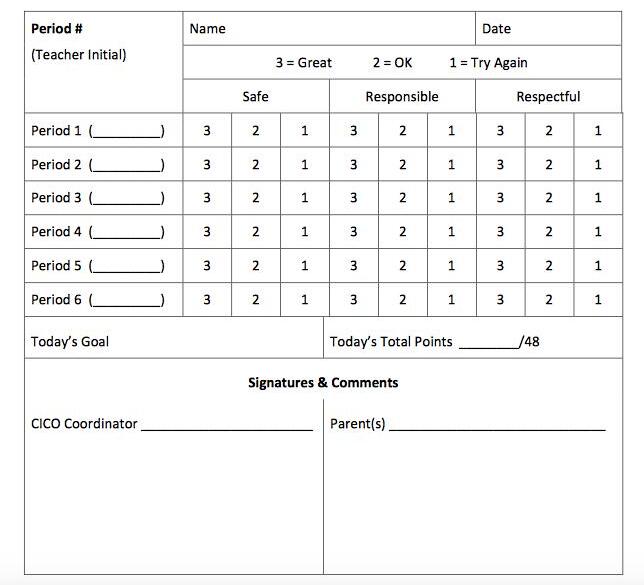
Figure 1: Example of a Check-in/Check-out Daily Progress Report.
In this system, students check-in and check-out with educators at the end of each class period or at a scheduled time, and with an individual at the beginning and end of the day. Information is sent to parents at the end of the day to process with their child and provide consistency on behavioral expectations and performance across the school and home environments. Parents typically debrief about the child’s performance and then send the signed paper form back to the school to document their acknowledgement of the child’s behavior. Data across each behavioral expectation and the home/school component is compiled weekly to determine changes in student performance and document if there is student success in responding to the additional adult feedback and process monitoring. For success with the implementation of this targeted intervention, it is important to consider that the fidelity of universal tier one interventions exists for all students with implementation consistency daily across school settings. It is of specific importance to note that the use of the “Behavior Education Program,’’ a Tier 2 intervention, has been demonstrated as effective for students who exhibit attention seeking and externalizing behaviors. However, there is current research which supports that the Behavior Education Program may also help improve outcomes for students who internalize behaviors. Recommendations for students with more severe behaviors, such as aggressive or dangerous behaviors, include a program with more intensive individualized interventions. Please reference the manual, Responding to Problem Behavior in Schools: The Behavior Education Program, 2nd Edition (Crone et al., 2010), for a thorough explanation of and training on the Check-in/Check-out program and the associated documentation/data forms.
The use of the Check-in/Check-out program results in paperwork that the implementer is responsible for reviewing and retaining. The translation of the Daily Progress Reports can be implemented virtually through an online platform to make it more efficient and accessible. One option is to use Google Forms an online Google service that allows users to create forms and surveys from scratch, or
with a template. The forms created can be shared with individuals to complete, and the results of the forms are automatically collected. The following paragraphs and figures demonstrate to readers how to utilize Google Forms as a data collection tool within the classroom.
Creation of an Account
Accessing and creating a Google Form requires an account within the Google Platform. This account is free and can be tied to any existing email address or the user can create a new Google email address. Having or creating a Google account is commonly also a format that is used within Google Classroom. Figure 2 illustrates this process.
Step 1: Open Google Drive
Step 2: Press “New” in the left-hand corner

Step 3: Select the purple “Google Forms” icon
Figure 2: Step-by-Step Instructions for Creating a Daily Check-In/Check-Out via Google Forms.
A Step-by-Step Guide for Using Google Forms
Developing the goals and expectations for a student and documenting progress monitoring as part of a daily progress report (as referenced in the Behavior
Step 1 Open Google Drive
Step 2 Press “New” in the left-hand corner
Step 3 Select the purple “Google Forms” icon
Step 4 Title your Google Form
Step 5 Click into the question box
Step 6 Edit the question to say “Today’s Date”
Education Program) within an online format has multiple benefits. Figure 3 presents the step-by-step process of creating a sample daily progress report.
Creating the Google Form is not, in itself, an intervention. The intervention comes from self-monitor-
Step 7 Click the drop-down list on the right-hand side to view all question types
Step 8 Select “Date: (Google Forms may auto-select this option once you type in your question in Step 6)
Step 9 Click the “Required” toggle so that it is purple (This requires the individual to complete the question)
Step 10 Click the three-dot icon in the bottom right corner of the question box
Step 11 Click “Description” to add more information to your question
Step 12 Type in a description/prompt for this question
Step 13 Click the “+” symbol on the right side of the screen to add a new question
Step 14 Edit question to say “Class Period”
Step 15 Click the drop-down list on the right-hand side to view all question types
Step 16 Select “Dropdown”
Step 17 Enter the Student’s class periods
Step 18 Click the “Required” toggle so that it is purple (This requires the individual to complete the question)
Step 19 Click the “+” symbol on the right side of the screen to add a new question
Step 20 Edit question to say “Target Skill 1: *(type your first target skill here)
Step 21 Click the drop-down list on the right-hand side to view all question types
Step 22 Select “Linear Scale”
Step 23 Click the three-dot icon in the bottom right corner of the question box
Step 24 Click “Description” to add more information to your question
Step 25 Type in a description/prompt for this question
Step 26 Click the arrow next to “1” to edit the scale
Step 27 Set scale minimum to “0”
Step 28 Add labels to scale if desired
Step 29 Click the “Required” toggle so that it is purple (This requires the individual to complete the question)
*Repeat Steps 19-29 to create a question box for each target skill that you are tracking
Step 30 Click the “+” symbol on the right side of the screen to add a new question
Step 31 Edit question to say “Additional Comments”
Step 32 Click the drop-down list on the right-hand side to view all question types
Step 33 Select “Paragraph”
Step 34 Click the “Required” toggle so that it is gray (This makes the question optional when filling out the form for those who have comments)
Step 35 Click the “Eye” icon in the top right corner to preview the form
Step 36 Click the purple “Send” button in the top right-hand corner once you are satisfied with your form
Step 37 Share form via email or link if you are sharing this form with others
Figure 3: Step-by-Step Instructions for Creating a Behavior Sheet via Google Forms.
There was no longer a pile of behavior sheets on her desk, and she came to IEP meetings and conferences more prepared to show student progress.
ing and getting consistent feedback from multiple environments around the behavioral expectation. This is an important consideration as it must be used consistently and aligned with the best practices (e.g., fidelity of implementation, focusing on improvement and positive behaviors, self-monitoring) of the Check-In/Check-Out intervention (Park & Blair, 2020). Another important factor is to consider baseline as compared to intervention. Baseline provides current pre-intervention data. Baseline can be completed across days by educators who provide feedback after the intervention begins. It helps teachers to design interventions and to determine realistic, appropriate goals. Comparing baseline with intervention data (i.e. student performance data during implemented interventions) helps determine the interventions’ impacts and whether interventions need to be modified or adjusted in any way. It is always critical to teach the intervention before implementation. In the Check-In/Check-Out intervention (Park & Blair, 2020), teaching the intervention is done through explicit teaching of self-monitoring and requesting/receiving structured classroom performance feedback.
Evaluation of Performance
Utilizing a systematic format for behavior progress monitoring allows educators to quickly enter and access data reports for instructional planning and programming. An online platform allows for data to be easily shared between all stakeholders (i.e., school and home) and across all environments. Google Forms is a free tool that all educators can access providing security measures privacy configurations
that meet Health Insurance Portability and Accountability Act of 1996 (HIPAA) standards. An electronic Google Forms format has the capability to create a data repository and data can be tracked and illustrated through graphing options. All stakeholders can easily access information housed in Google Forms. For initial implementation it is critical that there is a point person monitoring use, access, regular input of information, and overall usability. This ensures that processes are completed and done correctly to help roll out the system for use. Figure 4 includes a sample Google Form and corresponding behavior sheet. Google Forms allows for export of data into Excel where specific responses can be coded to track student progress, create trend lines, and visually graph student performance for use in educational decisions.
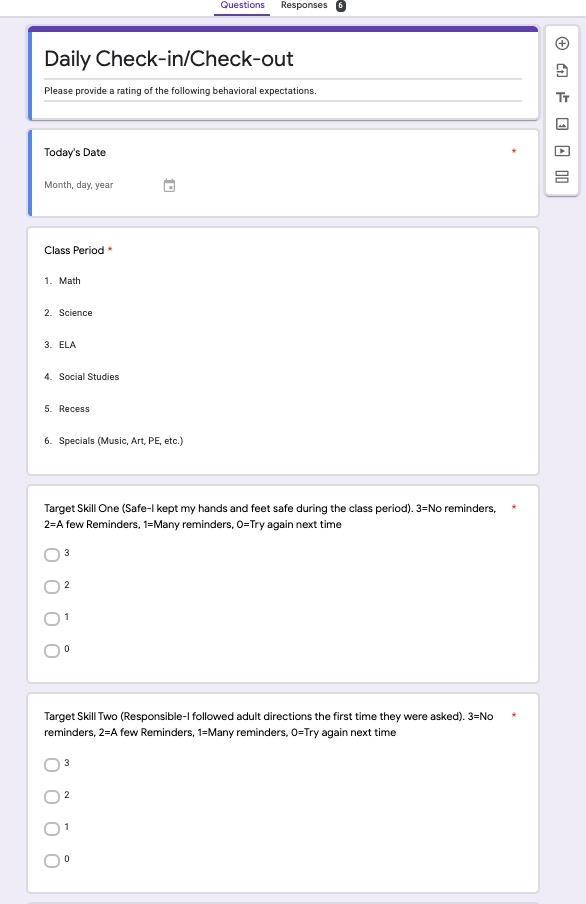
Figure 4: Sample Behavior Sheet via Google Forms.
Closing Thoughts
The initial vignette shows what many teachers experience when monitoring student progress in their classrooms and the school environment. Special educators with large caseloads can experience difficulty when trying to manage individual behavioral data collection across all school settings each student participates in each day. Google Forms can provide an efficient model of progress monitoring that is cost effective and efficient while also supporting the use of an evidence-based practice within the school setting across environments (Mitchell et al., 2017). While the transition to Google Forms requires training and implementation monitoring for all users, the resulting consistent and accurate data are well worth the effort.
Mrs. Campbell began implementing a Google Forms system for monitoring student progress using the Check-in/Check-out intervention. She found that she had more communication with teachers and environments where her students were having difficulty and more accurate data collection. Mrs. Campbell
received more consistent data from teachers and was able to quickly email a daily report to parents at the end of the day rather than trying to find time to rush to the copier in the chaos of dismissal. There was no longer a pile of behavior sheets on her desk, and she came to IEP meetings and conferences more prepared to show student progress. She also was able to conference with students daily about their performance to set up a plan for success in the mornings and debrief at the end of the day.
References
Crone, D. A., Hawken, L. S., Horner, R. H. (2010). Responding to Problem Behavior in Schools, Second Edition: The Behavior Education Program. United States: Guilford Publications.
Gurley, D. K., Peters, G. B., Collins, L., Fifolt, M. (2014). Mission, vision, values, and goals: An exploration of key organizational statements and daily practice in schools. Journal of Educational Change, 16, 217–242. https://doi.org/10.1007/s10833-0149229-x
Mitchell, B. S., Adamson, R., & McKenna, J. W. (2017). Curbing Our Enthusiasm: An Analysis of the Check-In/Check-Out Literature Using the Council for Exceptional Children’s Evidence-Based Practice Standards. Behavior Modification, 41(3), 343–367. https://doi.org/10.1177/0145445516675273
Park, E. Y. & Blair, K. S. C. (2020). Check-in/check-out implementation in schools: a meta-analysis of group design studies. Education & Treatment of Children. 43, 361–375. https://doi. org/10.1007/s43494-020-00030-2
Reesha M. Adamson, Associate Professor, radamson@missouristate.edu, Jessica Nelson, Assistant Professor, jessicanelson@ missouristate.edu, and Lauren Rector, Graduate Student, rector1999@live.missouristate.edu, Missouri State University, Springfield. What is the most musical part of the chicken?
Focus on Paraprofessionals
By Florence Simmons

Clearly define the roles of paraprofessionals in different contexts, whether that be in a general education classroom, a special education resource room, or a self-contained room, said Reesha Adamson, Associate Professor of Special Education at Missouri State University.
Photo by Seema Miah on Unsplash
This is one of the takeaways of a study on paraprofessional training and development in rural school districts that Adamson conducted with two colleagues: Felicity Post, assistant professor of special education at Peru State College in Nebraska, and Jessica Nelson, assistant professor of special education at Missouri State University.
“We knew this was a critical area that needed exploration,” Adamson said. Based on the takeaways from the study, she and her colleagues offered recommendations for districts on elements to include when training paraprofessionals.
Here is a look at how to clarify the role of paraprofessionals for teachers, students, and for the paraprofessionals themselves.
Teachers. The professors found a disconnect between what general education teachers and special education teachers think paraprofessionals should do. “Our idea of what paraprofessionals should be doing is not the same as what general education teachers think paraprofessionals should be doing,” she said. As a result, paraprofessionals often ended up simply doing things that teachers didn’t have time to do.
“It is critical to make sure that ... educators understand these roles also, to make sure that paraprofessionals are there to support students, not to do clerical work,” she said.
Students. Work hard to ensure that paraprofessionals have the maximum amount of time to spend in the classroom with students, Post said. Paraprofessionals are there to support students in accessing their curriculum. However, that does not mean that they should do the work for the students.
Train paraprofessionals on specific strategies they should use to support students, Adamson said. Have the paraprofessional think about the level of assistance students need, if students are working on independence or generalization, and what assisting students, rather than doing tasks for them, looks like.
Paraprofessionals. “Paraprofessionals were being thrown into different positions but didn’t have a clear idea of what they were supposed to do,” Post said. As a result, many served as aides, simply doing tasks such as making copies, putting up bulletin boards, and other clerical work.
Encourage teachers to provide paraprofessionals with a list of dos and don’ts, Post said. Tell them what exactly you expect from them, model it, and then provide feedback. To do this, you will need to carve out time to spend with your paraprofessionals. “The opportunity to do that doesn’t exist in passing, brief conversation,” she said.
4 Challenges to Training
Paraprofessionals in Rural Settings and How to Address Them
By Florence Simmons
If you put the time in up front to train paraprofessionals, their job satisfaction will be a lot greater, said Reesha Adamson, associate professor of special education at Missouri State University. “You’ll have individuals better trained, more willing to work together, and an overall more supportive system for everyone involved,” she said.
Adamson, together with colleagues Felicity Post, assistant professor of special education at Peru State College in Nebraska, and Jessica Nelson, assistant professor of special education at Missouri State University, recently concluded a study on parapro-
fessional training and development in rural settings. The professors asked educators at school districts in rural counties seven open-ended questions about their paraprofessional training processes.
Then, based on their own experiences as special education teachers, existing research, and standards on paraprofessional training, the professors came up with recommendations on how to address common challenges identified in the study. Here are a few that you might face in your district with the professors’ recommendations on how to address them.
1. Training topics are limited.
More often than not, if paraprofessionals received any sort of training, it revolved around crisis intervention processes, Adamson said.
The recommendation: Address a range of topics in your paraprofessional training.
When Post and Nelson taught together, they created a paraprofessional training manual that included a variety of topics, including role and responsibilities, feedback, supervision, data collection, key terms and acronyms, learning strategies, critical elements of IEPs, and professionalism, Post said.
You might consider using The Special Ed Administrator’s Training Toolkit or DirectSTEP® eLearning courses for paraprofessional training in your district.
2. Training doesn’t come from teachers.
The special education teachers said they didn’t have any say so or control over paraprofessional training, Adamson said. Training that did occur happened primarily at the district level. As a result, the training was not individualized to the paraprofessionals’ needs.
“[They were] getting a very superficial district training,” Adamson said. “Code of conduct, confidentiality. The amount of training getting broken [down] to the classroom or individual was few and far between.”
The recommendation: Paraprofessional training should be ongoing throughout the year, Post said. Every morning, teachers can meet with paraprofessionals and incorporate different areas of training into the time before the start of each school day.
3. Paraprofessionals aren’t trained to work with students with challenging behaviors.
Far too often, paraprofessionals are asked to work with students with the most challenging behavioral needs, Post said. They are the ones who put behavior plans into place and actively carry them out throughout the school day. But, they don’t have the same level of education as the teacher. The work is intense and taxing, both emotionally and physically.
“Kids with challenging behavior need a lot of hands-on support and time,” Post said. “Oftentimes our paraprofessionals are not equipped with what they need to be able to support kids. Teachers ... have the background training and professional development. Paraprofessionals don’t always have that, [and] we’re asking them to work with these kids.”
The recommendation: Include behavior support strategies in paraprofessional training, Adamson said. They should know how to de-escalate situations, how to look for antecedents and triggers, and how to help address the replacement behavior to help get the students’ needs met in a positive fashion.
4. High turnover.
Paraprofessionals have significant turnover rates.
The recommendation: Administrators need to have an eye on longevity as they implement paraprofessional training, Adamson said. If paraprofessional training is quality, then when new paraprofessionals come on board, you have more resources to help support in training them.
“A seasoned paraprofessional can help a newer paraprofessional,” she said.
Fix These 2 Common Problems in Feedback Given to Paraprofessionals
An important part of training paraprofessionals is providing feedback. In a recent study of paraprofessional training and development in rural settings, professors Felicity Post, Reesha Adamson, and Jessica Nelson found the topic was one of the major themes to surface in the results. “That is an area we’re all really passionate about and very much see the value [in],” said Post, an assistant professor of special education at Peru State College in Nebraska.
The professors included questions on the survey such as, “If you’re going to give feedback to paraprofessionals, what does that look like?” and “How often should feedback come into play?” said Adamson, an associate professor of special education at Missouri State University.
Two common problems emerged from the answers. For each one of them, the professors offer recommendations on what schools can do based on their own experiences as special education teachers, existing research, and published standards on paraprofessional training.
If the feedback you give your paraprofessionals presents one of these problems, consider the recommendations for what you might do instead.
Problem 1: Feedback is not informative.
For schools that were able to provide feedback to their paraprofessionals, it was centered around the students and not the performance of the paraprofessionals, Post said. Teachers would fill out a feedback form at the end of the year that provided an overall outlook of how paraprofessionals performed.
However, the feedback given did not include opportunities for paraprofessionals to make changes, set goals, or work on changing undesired behaviors. Paraprofessionals were unable to get a feel for what they were doing correctly or incorrectly, and the opportunity for growth wasn’t maximized because the feedback they received was minimal, she said.
The recommendation: Provide feedback on an ongoing basis, Post said. Have teachers do evaluations of their paraprofessionals every four to six weeks, meeting individually with them to provide that feedback. Have personal conversations on a regular basis, Post said. Check in with them to see how they are doing mentally. Ask them how you can better support them and what their goals are for the upcoming weeks.
Problem 2: Feedback is more punitive than constructive in nature.
Paraprofessionals were not given positive affirmation for their work, Adamson said. Often, they would receive feedback that was only punitive in nature. Therefore, they did not know how they were doing overall.
The recommendation: Think about triangulating feedback, so that paraprofessionals are getting input from multiple sources, Adamson said. Though the supervisor will know who said what, as he will be the one to collect it, the sources of the various feedback should be anonymous to the paraprofessional. Pull one to collect it, the sources of the various feedback should be anonymous to the paraprofessional. Pull together all the feedback and make a plan based on the compilation. Delineate the paraprofessional’s strengths as well as what she needs to improve.
Florence Simmons covers Section 504, paraprofessionals, and transportation for LRP Publications. These three articles were originally published by Special Ed Connection on December 8, 2020 and are reprinted here with permission. Copyright 2020© LRP Publications
Controversy and Policy: Physical Restraint and Seclusion in Schools
By Reece L. Peterson

The use of physical restraint and seclusion in schools and treatment programs has been and continues to be controversial. Physical restraint is when adults use their bodies to prevent movement of a student’s arms, legs, or body. Seclusion occurs when a student is placed in an environment where they are alone and prevented from leaving. Both procedures are intended to only be used when a student is in a behavioral crisis in which they could injure themselves or others. The purpose of this update is to briefly explain this controversy and the status of laws and policies, and to suggest how to diminish the use of these two procedures.
Controversy Regarding Restraint and Seclusion
Both the use of physical restraint and seclusion procedures in schools, has been controversial for some
time. Students continue to die or suffer injuries while in physical restraints or seclusion. There have been numerous reports of the inappropriate, or even abusive use of these procedures by educators. And finally, these procedures have been reported to be used far more frequently than good practice would indicate.
Injuries or Deaths. There is no official mechanism to know how often deaths or injuries have occurred because of these procedures for either students or staff. When deaths or injuries do occur, they are often the subject of news media reports. One of the most recent deaths of a student being restrained in a residential treatment center in Michigan occurred in May of 2020. Numerous government, advocacy, and news media reports have documented deaths and injuries. One study identified 79 restraint related deaths of children and youth since 1995 (Nunno et. al, 2021).
Photo courtesy of Hannah Yoon
Inaccurate Data. Schools are required to submit data about the number of occasions they have used these procedures to the U.S. Department of Education’s Office of Civil Rights. However, data submitted for many schools have been shown to be inaccurate and significantly under counted the actual use of these procedures (e.g. Cohen & Richards, 2020). The required data even when accurate does not indicate whether injuries occurred to students or staff, why the procedures were employed, the situation which prompted the incident, or other details.
Inappropriate or Abusive Use. There have been ongoing reports of inappropriate use of these procedures. Students have been restrained or secluded for minor inappropriate behavior when the student was not in a dangerous behavioral crisis. Students have been restrained too long causing restricted breathing, broken bones, or the triggering of other health problems. Students have been secluded for extended periods of time - multiple hours per day for multiple days - when guidelines would recommend seclusion for just a few minutes. Poor record keeping and lack of supervision have also been documented.
Additionally, these procedures have been used on a far more widespread basis than most would reasonably predict. A recent report on the use of these procedures in Illinois found widespread use in situations where there were not true behavioral emergencies (Cohen & Richards, 2020). The reports of the abusive and inappropriate use of these procedures along with the overuse for non-emergency situations have energized parents and advocates to restrict or end their use.
When deaths or injuries do occur, they regularly lead to lawsuits against the schools and educators who were involved. While some of these cases may also have issues related to special education under the federal special education law, in some cases they are directed toward accusations of assault or child abuse and are handled by state and local courts. Parent and disability advocacy organizations may often support parents bringing these lawsuits. Since these state
and local cases are not catalogued in the same way that federal court special education cases are, it is difficult to know how many of these cases may be occurring and their results. Moreover, many of these cases are settled out of court. That may mean that school districts choose a monetary settlement rather than continuing a court case to a decision. When that happens, there is no permanent record of the case. Nevertheless, it is likely that these lawsuits cost taxpayers and school districts substantial financial penalties when they occur. Individual educators may also be liable for damages in civil lawsuits if they have used these procedures inappropriately or in violation of district policies.
Advocacy Organizations
The Council of Parent Attorneys and Advocates (COPA), its state and local affiliates, and other advocacy organizations have continued to make the reduction of the use of physical restraint and seclusion a priority both nationally and at the state and local levels. They, along with other disability and human rights advocacy organizations, have continuously lobbied national, and state policy makers on these topics. They have continued to support parents whose children have been subjected to physical restraint and seclusion in schools, and to make those situations visible in news media. These organizations have been successful at having national legislation introduced for each Congressional term since about 2009 when the U.S. House of Representatives first heard testimony on this issue.
Federal State and Local Policy
Although the use of physical restraint and seclusion are regulated in federal law for hospitals, there is currently no federal law regarding the use of these procedures in school settings. Over the last 15 years, bills have been introduced in Congress to restrict the use of these procedures in schools, most often with a bill titled, “Keeping All Students Safe Act.” None of the federal bills on the topic of physical restraint and seclusion has passed both houses of Congress. A similar bill was introduced in the current 117th
Congress in May of 2021 but is unclear whether this bill may go further than in the past.
At this point, the only federal guidance on this topic for schools is a “Resource Document” published by the U.S. Office of Education in 2012. That document identified 15 principles which should be incorporated in state and local district policies. It made a variety of quite specific recommendations regarding the circumstances in which these procedures could be appropriately used, and how educators could minimize the need for using these procedures.
• Specific training related to the dangers of, and appropriate circumstances for the use of these procedures.
Ban on Seclusion
The one change in these bills is that recent federal bills and some state bills (including the North Dakota bill mentioned below) have now called for a complete ban on the use of seclusion in schools. The most recent versions of the Keeping All Children Safe Act in the U.S. Congress have also included a ban on the use of seclusion. Although some advocates have opposed the use of seclusion for a long time, the recent decision to seek a ban in policy may reflect several factors.
One study identified 79 restraint related deaths of children and youth since 1995.
Content of Proposed Federal Legislation
All the federal bills and the U.S. Department of Education resource document call for:
• Only using these procedures when there is an “imminent risk of serious physical injury” to the student or to someone else
• Better training of staff and better record keeping regarding the use of restraint and seclusion
• Informing parents quickly after these procedures are used with their children, and increasing efforts to debrief after the incidents to prevent them from occurring again
• Implementation of evidence-based practices such as positive behavior supports, and better use of de-escalation to prevent the need for these procedures in the first place
Seclusion, in particular, has been overused inappropriately as a discipline or punishment procedure, with students being placed in seclusion in inappropriate unsafe environments, and for excessive periods of time by educators without training.
There is an argument that if an out-of-control student has regained sufficient behavioral control to be released from a physical restraint, a placement in seclusion is arguably no longer necessary.
Moreover, there are existing alternatives to seclusion which may include sending or taking a student to a more secluded or private location, but not leaving the student alone, and not locking the student in that location.
As with physical restraint, seclusion possess risks of psychological injury as well as physical injury or death. Children and youth who have experienced child abuse and/or neglect, may be particularly traumatized by seclusion. There is no evidence of any therapeutic or de-escalation value to seclusion which prevents injury, and in fact, it may escalate student inappropriate behavior.
It should be noted that some special educators have argued that seclusion can have value and should be maintained. They argue that with adequate training, appropriate expertise, and careful use, it can be
done in a way to avoid the problem described earlier. Nevertheless, almost all agree that its use should be greatly restricted.
State Laws and Policies
In addition to federal bills, advocacy organizations have also been active in having legislation on this topic introduced at the state level. According to Butler in 2019, about 30 states have laws regulating restraint and seclusion. However, state laws have continued to be introduced since 2019, including one in North Dakota introduced in January of 2021 (House Bill 1318, not yet passed into law) which would ban the use of seclusion. Another law passed in 2021 in Florida, limits the use of seclusion and restraint as a punitive measure against students with disabilities. In addition to state laws, some state departments of education are reviewing and modifying state regulations on these topics. For example, after a Civil Rights violation regarding restraint and seclusion in one of its districts in 2021, the Maryland Department of Education is doing a “top-to-bottom” review of state regulations to eliminate discriminatory use of restraint and seclusion. As a result, these state policies vary widely in the way they prescribe or restrict the use of these procedures, and in their definitions and requirements (Marx & Baker, 2017). Moreover, states are continuing to review and change policies.
Both the federal guidelines and most states urge local school districts to have their own policy guidelines for the use of restraint and seclusion. In spite of long-standing calls for school districts or cooperatives to have policies, it is not known how many districts have policies, let alone the content of those policies. Studies so far have found great variability (Van Acker, 2020; Van Acker et al., 2021).
Training on Restraint or Seclusion
Although federal guidance identifies the importance of training for those who engage in physical restraint or seclusion, relatively little is known about the con-
None of the federal bills on the topic of physical restraint and seclusion has passed both houses of Congress.
tent of training and whether the training provided to districts is in accord with federal guidelines. About 17 private for-profit organizations contract with local school organizations to provide the bulk of training on these topics, but there are no standard guidelines indicating who receives this training or the nature of the training (Couvillon et al., 2018).
Reducing Use of Restraint and Seclusion
While it is beyond the scope of this article to provide detailed strategies to reduce or eliminate the use of physical restraint or seclusion in schools, many strategies have been recommended. These include:
• Creating a caring and positive school climate
• Implementation of a tiered system of positive behavior supports and prevention practices
• Provision of mental health services and supports to students who need them
• Effective behavior intervention plans for individual students
• Training and implementation of crisis de-escalation practices for all educators
• Creating the expectation that that these procedures are only used in extremely rare situations, and only when the student’s behavior poses a risk of “eminent threat of serious bodily injury” to someone
There is no magic formula to reduce the use of these procedures in school settings. However, some schools have been very effective in reducing and even eliminating the use of these procedures. A
good description of how restraint and seclusion were virtually eliminated in a special school program for students with severe behavioral needs has been documented by George (2018).
Recommendations
In order for local districts to avoid or minimize potential problems associated with these procedures school board members, school administrators, special education teachers, and psychologists should:
• Establish policies (or re-examine existing local polices) to ensure that they follow the specific guidelines in the federal resource document
• Ensure that local policies are shared with parents and community members
• Ensure that teams of educators are trained not only on the usual crisis intervention certification programs, but also on the dangers of death and injury associated with these procedures, and on state and local policies
• Ensure that state and local policies are being carefully followed
• Ensure that every use of these procedures is thoroughly documented, and efforts are made to determine how it can be prevented from occurring again in the future
• All educators should attempt to drastically reduce or eliminate the use of physical restraint or seclusion in their schools
Conclusions
Given the continuing deaths and injuries resulting from these procedures, and the record of abusive or inappropriate use of these procedures, the push for specific federal policy will likely continue. In the meantime, state and district policies should reflect federal guidance. Strategies and policies to reduce the need for the use of these procedures, as well as to provide training to make these procedures as safe as possible when employed, are essential.
References
Butler, J. (2019). How safe is the schoolhouse? An analysis of state seclusion and restraint laws and policies. Autism National Committee.
Cohen, J. & Richards, J. (April, 2020). Illinois quietly reversed its ban on a dangerous physical restraint for students.
Couvillon, M. Kane, E. J., Peterson, R. L., Ryan, J. B., Scheuermann, B. (2018). Policy and program considerations for choosing crisis intervention programs. Journal of Disability Policy Studies. 30(1), 353-45.
George, M. (2018). Eliminating restraint. Things to do and things to stop doing ReThinking Behavior, 1(2), 18-23.
House Bill 1318, (undated) Sixty Seventh Legislative Assembly of North Dakota.
Marx, T. A., & Baker, J. N. (2017). Analysis of restraint and seclusion legislation and policy across states: Adherence to recommended principles. Journal of Disability Policy Studies, 28(1), 23–31.
Nunno, M.A., McCabe, L.A., Izzo, C.V. et al. (2021) A 26-year study of restraint fatalities among children and adolescents in the United States: A failure of organizational structures and processes. Child Youth Care Forum. https://doi.org/10.1007/ s10566-021-09646-w
U.S. Department of Education. (2012). Restraint and seclusion: Resource document
Van Acker, E. Y. (2020). A Descriptive Analysis of District Restraint and Seclusion Documentation and Data-Driven Decision Making. Doctoral Dissertation, 2020, University of Illinois at Chicago.
Van Acker, E., Kane, E.J., Brico, N.C. & Peterson, R.L. (November, 2021). Analysis of One State’s District Physical Restraint and Seclusion Policies. Behavioral Disorders. 40-52. DOI: 10.1177/0198742920973213.
Reece L. Peterson, Professor Emeritus of Special Education, University of Nebraska-Lincoln, rpeterson1@ unl.edu.
Note: A version of this article was published in the Missouri CASE Newsletter in February 2021. Permission to reprint material from that article has been granted by the President of Missouri CASE.
Podcast Pulse
Criminal Podcast Review by Reece L. Peterson
Criminal is an award-winning podcast about true crime. It has “Stories of people who’ve done wrong, been wronged, or gotten caught somewhere in the middle.” This is not a podcast which will help you directly in your teaching or with strategies to change behavior, and I’m not suggesting a link between behaviors disorders and criminal behavior. However, if you are interested broadly in behavior, you will find this podcast engaging, if not fascinating.
Criminal launched in January of 2014, and new episodes come out twice a month, always on Fridays. At this writing, there are 163 episodes available covering a wide variety of topics, all of which have something to do with potential or actual criminal behavior:
• When two men were charged with murder (Episode #154), they had dozens of witnesses that could confirm that they had been at a party and not at the location where and when the shots were fired. But during their trial, not even one of those witnesses was asked to testify. This episode explains how they achieved their freedom after being in prison for more than 20 years.
• The song “I Fought the Law” by the Bobby Fuller Four reached number 9 on the Billboard Charts in the week of March 12, 1966. Just months later, Bobby Fuller was found dead. Episode #162 addresses the mystery of what happened to him. It has been called “the rock and roll version of John F. Kennedy’s assassination.”
• Episode #158 is based in part of on the book by David Zucchino, The Murderous Coup of 1898
and the Rise of White Supremacy. This podcast tells the story of how Wilmington, North Carolina, a model of a functioning mixed-race community, was transformed by white supremacists in a racially motivated rebellion. In their campaign of terror, they stuffed ballot boxes, intimidated some officials while forcing others to resign, and intimidated women and create a rigid system of segregation and discrimination.
• Honor killing is the murder of a member of a family due to the belief that the victim has brought shame or dishonor upon the family. Episode #157 addresses the “honor killing” of a woman in Pakistan, which had tolerated such killings, and shows how the government was forced to respond and change.
• Episode #155 discusses the unofficial and highly secretive high-speed cross-country auto race called the “Cannonball” from New York City to Rodondo Beach, California.
• One of my favorite episodes was #156 - Sister Helen. In 1982, Sister Helen Prejean was invited to write a letter to a man on death row named Elmo Patrick Sonnier. She told us, “I
thought that all I was going to be doing was writing letters. And lo and behold, two years later, I am in that execution chamber.” She’s now 81 and has been present at the executions of six men but is profound in her analysis of her values and her role.
As you can see the podcast covers an astoundingly wide array of topics- all in some way associated with actual or potential crime. The stories are well documented and appear to be factually complete. The stories are not typically vivid or gory, nor necessarily depressing, but are always engaging. They illustrate a wide variety of behaviors and the way that laws have intersected with and provided consequences for those behaviors.
Books
Fair Weather Daughter
By Jim Teagarden
Fair Weather Daughter (2021) is a work of fiction by Beverley H. Johns which depicts the long-term destructive impact of mental illness over three generations. The older sister, Andrea, is plagued with obsessive-compulsive disorder and physical beauty. This toxic combination sets in motion more extreme behaviors that lead to havoc for her mother, father, and younger sister, Patrice. The story is told from the viewpoint of Patrice and the reader is able to witness Andrea’s ability to manipulate family members and school personnel with her demands. This unchecked progression leads to an increasing web that later impacts Andrea’s husbands, a son, and all others around her.
Although this is a work of fiction, the plot and characters reflect the author’s professional experience
According to its website (https://thisiscriminal. com/), “Criminal” is one of the most popular podcasts in the world and has been featured in “Best of” lists in Time, The Atlantic, Rolling Stone, Cosmopolitan, USA Today, and Wired. Criminal is hosted by Phoebe Judge and created by Phoebe Judge and Lauren Spohre. It does include some commercials.
A review of this podcast would not be complete without commenting on the smooth, articulate voice of Phoebe Judge! Aside from the content, this is a voice which you want to listen to no matter what she is saying!
Reece
l. Peterson, Professor Emeritus, University of Nebraska, rpeterson1@unl.edu

in special education. The plot of the work, similar to the work of Torey Hayden, allows the reader a different perspective in which to view the impact upon siblings, parents, and teachers.

Throughout the daily lives of Andrea, Patrice, and their family and friends the reader is able to see that without appropriate interventions the challenges presented by mental illness may become life’s central focus. This novel presents the reader with numerous unanswered questions such as the role of environment on the development of what becomes patho-
logical behavior. At certain points one may question the label of OCD and search for other mental health conditions that also explain Andrea actions. The co-morbid nature of many conditions may help the reader understand that the label applied to the set of symptoms is really not the issue. The real issue is the impact of the mental illness on the person with that challenge and those surrounding them.
Johns stated that her purpose in writing this fictional account was to educate others on the importance of early identification and treatment of mental illness – which I believe this novel does well. This work also points out the long-term rami-
fications for the individual and their families when treatment is delayed or absent. I believe readers will find the implications of seeking support and assistance as critical to the long-term development.
Johns, B.H. (2021). Fair Weather Daughter: Available on Amazon.
Jim Teagarden, Associate Professor, Kansas State University, Manhattan, mrt@ksu.edu
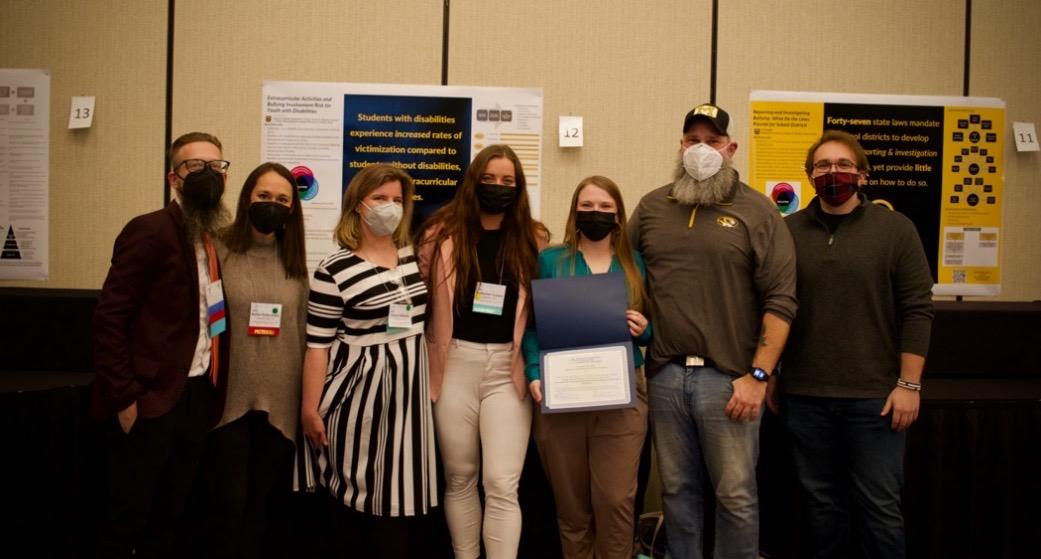
Congratulations to the 2022 MSLBD Poster Awards
Mickey Losinski Memorial Poster Award for Exemplary Applied Research
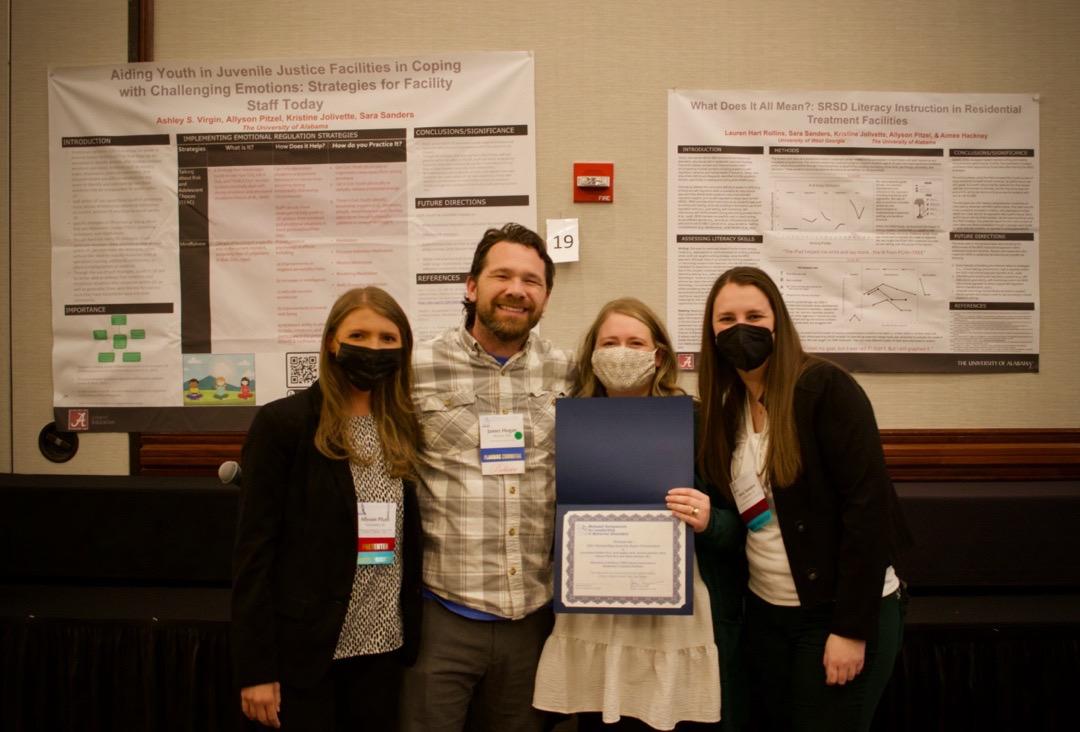
Lindsey G. Mirielli, Katherine A. Graves, Tracey Milarsky, Cannon Ousley, Monica Romero, Laura Avery, Chad A. Rose. “Extracurricular Activities and Bullying Introvert Risk for Youth with Disabilities”
Nicholas Gage (Awards Committee), Robin Parks Ennis (Award Collaborator), Tracy Milarsky, Katherine A. Graves, Lindsey Mirielli, Chad A. Rose, Cannon Ousley (L-R)
Poster Award: Kristine Jolivette, PhD, Ashley S. Virgin, MEd, Sara Sanders, EdD, Allyson Pitzel, MA, Aimee Hackney, MA. “A SocialEmotional Learning Journey: Adaptations & Effects of Positive Action for Youth with EBD and Staff Implementers in Juvenile
(left) Alyson Pitzel, James Hogan (Awards Committee Co-Chair), Ashley Virgin, Sara
Nicolette Grasley-Boy, PhD, BCBA, Juniper Gardens Children's Project, University of Kansas, Kansas City, KS and James Hogan (Awards Committee Co-Chair).
“How is SWPBIS Fidelity Related to Student Discipline?” (No photo available)
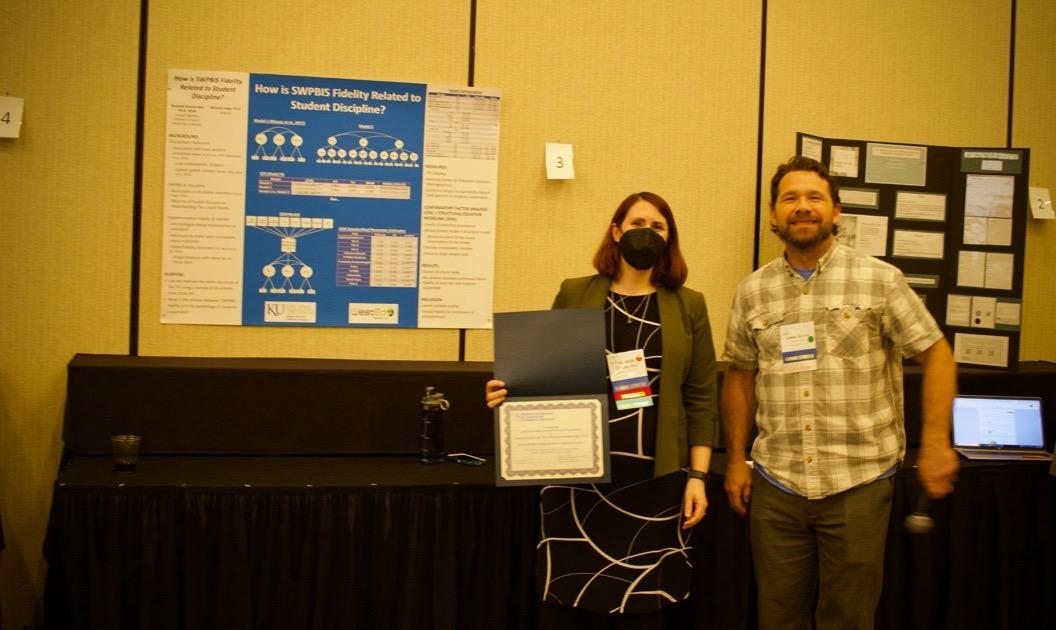
Congratulations to the 2022 MSLBD Award Recipients!
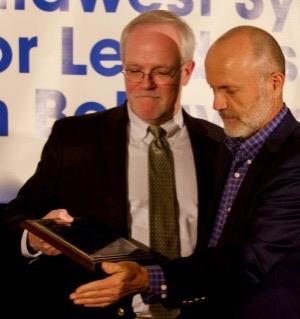
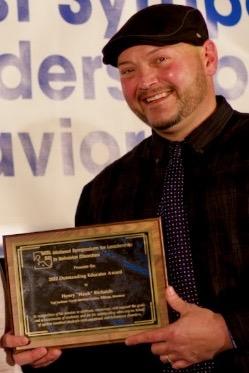
The Outstanding Leadership Award for outstanding service and leadership to the field of behavior disorders on a national level. In recognition of his outstanding research, leadership in the field, and commitment to colleagues and students to improve the lives of students with emotional and behavioral disorders. Dr. Timothy Landrum, Professor of Special Education, University of Louisville, Kentucky.
Building Leadership Award. For outstanding achievement and excellence as a building or program administrator serving students with behavioral needs. P.J. McGinnis, Northgate Middle School, North Kansas City Schools, Missouri.
Outstanding Educator Award. Heny “Hank” Richards, Ted Lechner Youth Service Center, Billings, Montana.
Building Bridges: Seeds for Development Award. Edgar Murry Learning Lab, Edgar Murray Elementary, St. Clair R-13 School District, Missouri.
Unsung Hero Award This award recognizes an individual who has contributed significantly to the success of MSLBD but may not have been recognized for these contributions. Dr. Sharon Maroney, Blue Grass, Iowa.
MSLBD Doctoral Degree Stipends. Gretchen Scheibel, University of Kansas, Lawrence, Kansas. (No photo available)
Master Teacher Recognition. Kristen McKearney & Stephanie Kopecky, Brook Valley South Educational Service Unit 3, LaVista, Nebraska.
Sallye Lee, Kristen McKearney, Carrie Fairbairn, & Stephanie Kopecky. (R-L)
Jammie Hogan, Samantha Todisman, Mike Paget (Awards Committee), Melissa Huyser, Ashley Barnette (L-R)

Is the Glass Half Empty or Half Full?
By Doug Tressler
Iremember when I was a paraeducator, before I became a teacher, and working in a day school for students who were EBD. I was working with a very gifted teacher who was teaching about the cup of water being half empty or full.
We had a 16-year-old student who could barely write his own name. He was unfortunately still in the eighth grade. The teacher put out that cup of water, hoping to talk with that kid about living up to his potential, using what he had, and being the best person he could with the tools he had.
This teacher said to the student, “Tell me, is this glass half empty or half full?”
The student paused, looked up, and said slowly, “It depends on who’s pouring!”
That got me! At that moment I realized that student was my teacher! And I realized it was my responsibility to “pour.” It was my responsibility to fill kids up. It was my responsibility! My obligation! My privilege to give them something!
I think that’s what we must do as educators. We must know that regardless of budget, regardless of conditions, we have the opportunity to fill children. That’s our calling! It goes beyond a career! I teach them “me.” I am giving that studentwhether it is teaching mathematics or something else - I am giving that student a human, a part of myself. I am filling them up with who I am.
And so, it behooves me as a teacher to be the very best, to fill myself with information, to fill myself as a teacher with the very best knowledge, to be articulate, to understand the concepts – and just be the best I can be. That’s what I learned from that student. That’s it!
View Tressler’s telling of My Most Memorable Student: https://mslbd.org/whatwe-do/educator-stories.html.
Doug Tressler, Assistant Director of General Supervision of Timely and Accurate Data for the Kansas Technical Assistance System Network (TASN)



RE THINKING Behavior
Conference
See MSLBD website for details
October 6-7, 2022
The Fourth Annual Richard L. Simpson Conference on Autism Overland Park, Kansas
February 23-25, 2023
Midwest Midwest Symposium for Leadership in Behavior Disorders
Sheraton Crown Center Kansas City, Missouri
MSLBD
Nomination
See MSLBD website for details
Before July 1 Outstanding Educator – Autism Award
Before November 1
Outstanding Leadership to the Field Outstanding Educator Outstanding Building Leadership Outstanding Advocacy Building Bridges Seeds for Development Stipends for Doctoral students Stipends for Master’s Students
Nominate Yourself or a Colleague for Membership in the MSLBD Master Teacher Program

Midwest Symposium for Leadership in Behavior Disorders