Rethinking Behavior welcomes proposal and manuscript submissions; for information visit www.mslbd.org or email rethinkingbehavior@mslbd.org
Should Police be in Schools?
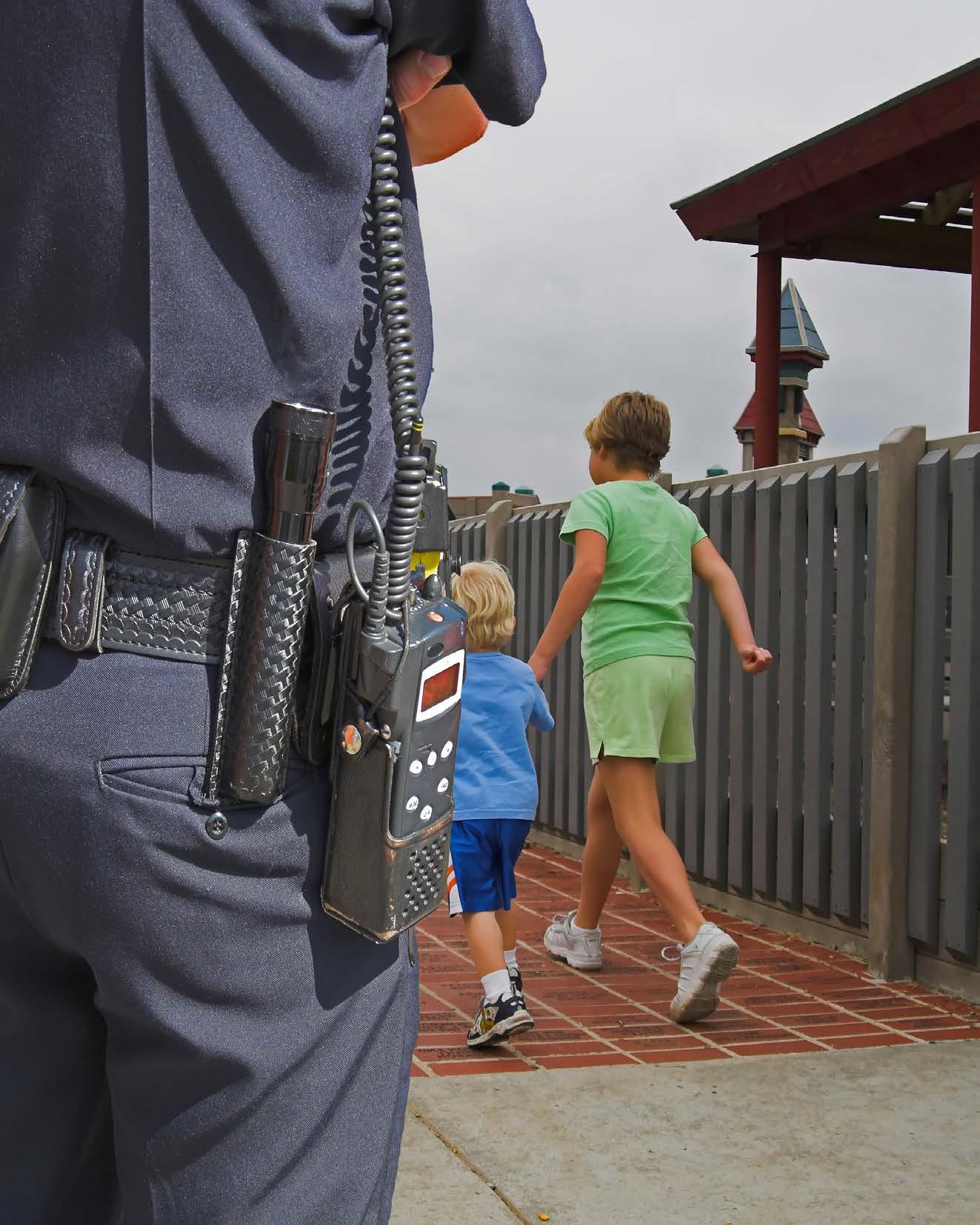
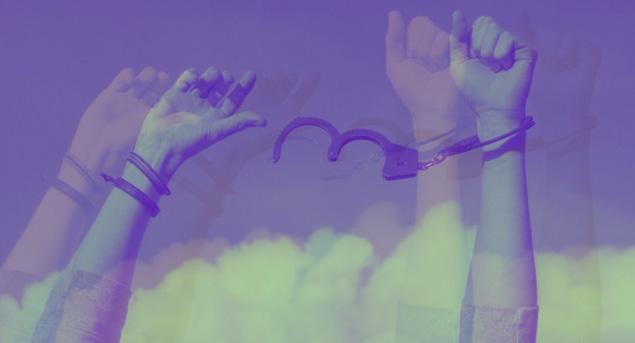
several years, media have reported several incidents of school police officers inappropriately or needlessly arresting, handcuffing, restraining, and removing students from classrooms. Instead of protecting or preventing crime, the presence of uniformed officers with weapons and handcuffs might actually escalate behavioral crises. Their involvement may result in trauma to students, teachers, and staff whether
Unfortunately, officers typically do not have specialized training in child and youth development. They may not understand how to address trauma in students or be able to recognize students who have invisible disabilities such as emotional or behavioral disorders, developmental disabilities, or autism. They may not have training in conflict de-escalation, and instead rely on their authority as law enforcement officers. Ultimately, they may escalate behavioral crises and arrest students for behavior that could be better addressed through school behavior intervention plans or other, less confrontational procedures.
This criminalizing of school discipline has contributed school-to-prison pipeline” where youth are funneled into the juvenile and criminal justice systems beginning with minor incidents on school grounds resulting in legal repercussions. A large percentage of these are students of color. Many of these children and youth have learning disabilities, histories of poverty, abuse, or neglect, and other adverse or traumatic experiences. Instead of being able to access help and support in their schools, too often they are isolated, punished, and pushed out. In some instances, students report being afraid to go to school, fearful of making a mistake that could have legal ramifications and may negatively impact their future. Police
presence is correlated with lower graduation rates and higher school-based arrests. They are precisely the students who could benefit most from additional school-based mental health and special education services.
While school-based policing is one of the fastest growing areas of law enforcement, many school districts are questioning the value of housing police in schools. While it is estimated that there are 14,000 to 20,000 officers in about 30% of the nation’s schools, there is no evidence that shows adding more SROs results safer schools (Corley, 2018). Instead, a recent study suggests that policing in schools is a detriment to students rather than a deterrent to crime (Gottfredson, et al, 2020). Gottfredson and colleagues found that increased presence of SROs increases drug and weapon-related offenses, and results in more exclusionary discipline and criminalization without improving school safety. The authors recommend alternatives that do not require regular police presence.
Meanwhile, school counselors, school social workers, and school psychologists have almost double the caseloads recommended by their professional organizations as needed to provide effective services. Many school districts in multiple states are questioning the traditional role of police officers in schools and are reducing and reallocating budgets for those services. They are attempting to reduce police presence and use the resources to provide services that address behavioral and mental health needs and crises.
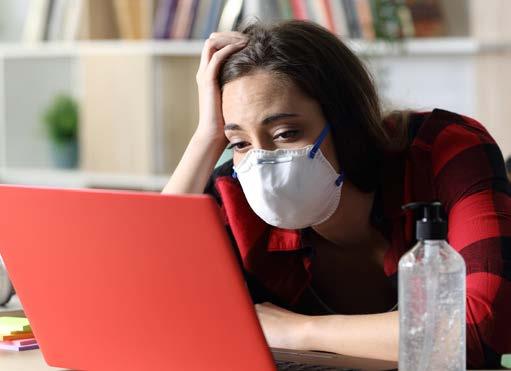
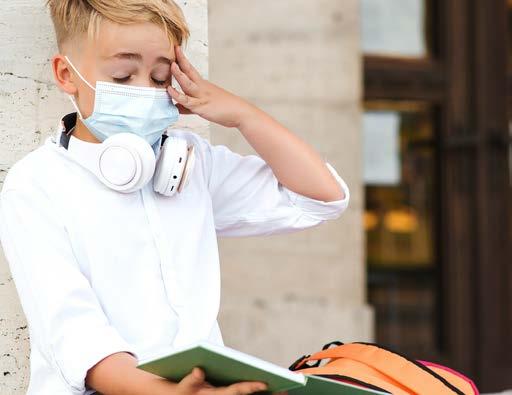
For many adults as well as children there is a widespread sense of anxiety and stress due to the pandemic. There are reports of increased youth suicide and crime, as well as aggressive behavior in and out of school. The pandemic-related anxiety affects us all in different ways but may interfere with positive academic outcomes and lead to increased behavior problems when in-person learning resumes. These challenges will require proactive, preventive mental health measures that do not criminalize behavior.
Instead of school-based police, we need behavioral supports and “crisis Intervention safety teams” in our schools. These teams could include highly trained educators such as school counselors, school psychologists, school social workers, special education teachers, administrators, or others, who have already established positive relationships with students and parents, understanding of causes and nature of behavioral and mental health challenges, and training to intervene in positive, supportive ways. They should focus on addressing school and community specific behavioral health, and employ proactive data-based prevention, problem solving, and de-escalation strategies to deal with behavioral crises. It’s time to move away from law enforcement officers housed in schools, and instead redirect those resources to mental health services and crisis intervention supports!
Reece L. Peterson, rpeterson1@unl.edu
Maria L. Manning, maria.manning@eku.edu
References
Corley, C. (2018). Do police officers in schools really make them safer? National Public Radio. Retrieved from https://www.npr. org/2018/03/08/591753884/do-police-officers-in-schools-really-make-them-safer.
Densley, D., Erickson, G., and Peterson, J. (2021). Presence of armed school officials and fatal and nonfatal gunshot injuries during mass school shootings, United States, 1980-2019. JAMA Network, 4(2).
Gottfredson, D., Crosse, S., Tang, Z., Bauer, E., Harmon, M. Hagen, C. Greene, A. (2020). Effects of school resource officers on school crime and responses to school crime. Criminology & Public Policy, 19, 905-940.
Resources & Links on Policing in Schools
For additional resources and references on this topic download this pdf list. See also: “Rethinking the Role of School Resource Officers” in the Spring 2018 issue of ReThinking Behavior. 2(3), 16-21.
By Nicholas A. Gage
Gun violence happens in schools and when it does, it is tragic. There is an implied social contract between families and the schools they send their children to that they will be safe from harm. Unfortunately, gun violence, including school shootings resulting in youth homicide, does occur. School shootings resulting in one or more youth homicide are not new, but have become a significant national concern. From the events at Columbine High School in 1999 to Sandy Hook Elementary School in 2012 to Marjory Stoneman Douglas High School in 2018, we’ve endured repeated tragedies of unimaginable scale. As a father of four daughters, I cannot imagine the pain of those directly involved in these tragedies, and I’ve been shook by each one. My two oldest daughters were in a Connecticut elementary school just 30 miles away from Newtown on the morning of December 14, 2012. They were also in a Florida high school on the morning of February 14, 2018. Those experiences have significantly impacted their lives.
I routinely hear them talk about what they would do in the event of a shooter on campus, or how unsafe they feel at school, even with an armed school resource officer (SRO) on campus. Every time I hear their fears, I attempt to comfort by falling back on what I know: statistics. I tell them, every time, that they are safer at school than they are anywhere else. Being adolescents, they ignore my numerical facts and parental logic. So, instead of continuing to argue with them and trying to get them see my point, I decided to do the second-best thing I know: write. This article is based on my experiences trying to convince my own children that schools are the safest place for kids. Although futile with my teens, I hope that I’m able to convince you that there is evidence that schools are safer from gun violence than most other places.
The Data
Finding accurate and reliable data is critical for understanding any phenomenon, but particularly one as socially and emotionally charged as school shootings. As W. Edwards Deming noted, “without data, you’re just another person with an opinion”
(Goodreads). Thus, I begin my argument with a great deal of data. Thankfully, there are a number of useful and trustworthy resources available. First among them is the joint report on Indicators of School Crime and Safety developed by the National Center for Educational Statistics, the Institute of Education Science, and the Bureau of Justice Statistics (Musu et al., 2019). The report provides a comprehensive review of all available data on school crime and safety from federal datasets. For example, the authors leverage data from the Center for Disease Control’s (CDC) Wide-ranging Online Data for Epidemiologic Research (WONDER), which includes mortality records for all US citizens.
Among the many indicators of school safety, the joint report includes data on the number of youth homicides in schools, relative to the number of total youth homicides. According to the report, between 1992 and 2016, the average number of youth homicides in school was slightly more than 22. Figure 1 presents the number of youth homicides that occurred in-schools, which are almost exclusively the result of a gun, across time. Other than a few outlier years, particularly 2012-2013 (Newtown), the raw number of youth homicides in school are decreasing across time. For reference, Figure 2 provides the raw number of youth homicides occurring outside of school. Based on the raw data from Musu and colleagues, school-based youth homicides represent slightly more than 1% of all youth homicides. Last, Figure 3 provides the raw number of students attending US public schools across the same time span. Overall, the data suggest that there are more students attending US public schools and fewer youth homicides each year.
Let’s take this a little further. How likely is it that a child homicide will occur in school? Taking the average number of homicides in school per year and the average number of students attending US schools, we can estimate the odds of the event. Based on national statistics, the odds of a youth homicide in school for a child between the ages of 5 and 19 during the 2015-2016 school year was 1
in about 2,780,000. For comparison, the odds of a homicide for a child between the ages of 5 and 19 outside of school during the 2015-2016 school year was 1 in about 34,000. Put differently, there is a greater chance of being struck by lightning, (1 in 114,000), getting a royal flush in your first hand in poker (1 in 650,000), and being called to “Come on down!” on The Price Is Right (1 in 36). However, the odds are greater than a shark attack (1 in 3.7 million) or winning the Powerball lottery (1 in 292 million).
Another useful data source is The K-12 School Shooting Database Project conducted as part of the Advanced Thinking in Homeland Security (HSx) program at the Naval Postgraduate School’s Center for Homeland Defense and Security (CHDS). The database includes documentation about every instance a gun is brandished or fired, or a bullet hits school property for any reason, regardless of the number of victims, time, day of the week (e.g., planned attack, accidental, domestic violence, gang-
related). According to the CHDS, of the almost 1,540 shooting incidents that have occurred in US public schools since 1970, only 78 (or 5%) were considered an attack, defined as “a shooter pre-planned attack with the intent to kill and injure as many victims as possible” (Riedman & O’Neill, 2020). However, across the 40 years of data collection from the CHDS, 2018 had the single most school attacks, seven, compared to all other years.
So, What Do All the Data Really Say?
The data unequivocally suggest that children are safer in school than out-of-school. Honestly, the figures I report do not account for opportunity for an event to occur, which means the odds are actually much lower. The odds of winning the lottery is based on a single event occurring as a result of buying a lottery ticket. Yet, children go to school most weekdays, thus the opportunity for a youth homicide to occur should consider the number of potential
Figure 1. Youth Homicides in-School
times the event could occur. Assuming an average of 180 school days a year, the odds of a youth homicide occurring during the 2015-2016 school year are really 1 in over 500 million, suggesting that you are more likely to win the Powerball than experience youth homicide. Thus, schools remain the safest place for children.
Yet, these figures do not make us feel safe. The comparison with a shark attack resonates for me. I live in Florida and can readily access a beach. Yet, as a Midwesterner raised on shark attack movies (thanks Mom), I have a completely irrational fear of swimming in the ocean. I know the fear is irrational, I’ve seen the numbers, yet I still won’t ride one those inflatable banana boats. Chances are, the same is true for school shootings. As news of school shootings and youth homicide grows, particularly in our hyper-information, social media age, the perception of schools as unsafe places proliferates. Indeed, recent polling by Gallup found that 35% of parents fear for their child’s physical safety when
they are at school (Brenan, 2019). The challenge, then, is how do we as educators, reduce those fears for children and parents alike?
Following the shooting at Marjory Stoneman Douglas High School, I wrote a statement on behalf of Executive Committee of Council for Children with Behavioral Disorders (CCBD). In that statement, CCBD advocated for bringing school-based mental health services to the forefront of what schools do (Kern et al., 2017). Evidence-based school mental health services start with universal screening for risk, including depression, anxiety, social isolation, and conduct disorders. Schools then use that data to identify those in need of social, emotional, or behavioral supports. One school-wide approach for preventing and intervening is school-wide positive behavior supports (SWPBIS), which relies on a multitiered prevention logic (Simonsen et al., 2008; www. pbis.org). There are a number of evidence-based prevention and intervention strategies that can be implemented across all grade levels and school
types. I believe that the best way to increase school safety, and, most importantly, students’, parents’, and teachers’ perceptions of school safety is to systematically screen and intervene. Will these efforts eliminate school shootings and youth homicide in school? No, but they can help create strong, durable, and positive schools that may be able to decrease the likelihood such an event does occur. Schools are the safest place for kids and, through systematic prevention and intervention efforts, including schoolbased mental health, we can hopefully help everyone feel safe in and around school.
References
Brenan, M. (2019). Parents’ concern about school safety remains elevated. Washington, D.C.: Gallup. Retrieved from https://news.gallup.com/poll/265868/parents-concern-schoolsafety-remains-elevated.aspx
Kern, L., Mathur, S. R., Albrecht, S. F., Poland, S., Rozalski, M., & Skiba, R. J. (2017). The need for school-based mental health
Nicholas A. Gage, Associate Professor, School of Special Education, School Psychology, & Early Childhood Studies, University of Florida, Gainesville, FL, gagenicholas@coe.ufl.edu 38,.000,000
services and recommendations for implementation. School Mental Health, 9(3), 205-217.
Musu, L., Zhang, A., Wang, K., Zhang, J., and Oudekerk, B.A. (2019). Indicators of School Crime and Safety: 2018 (NCES 2019-047/NCJ 252571). National Center for Education Statistics, US Department of Education, and Bureau of Justice Statistics, Office of Justice Programs, US Department of Justice. Washington, DC.
Riedman, D., & O’Neill, D. (2020). CHDS – K-12 school shooting database. Center for Homeland Defense and Security, retrieved from https://www.chds.us/ssdb/dataset/
Simonsen, B., Sugai, G., & Negron, M. (2008). Schoolwide positive behavior supports: Primary systems and practices. Teaching Exceptional Children, 40(6), 32-40.
By Maria L. Manning, Angela Tuttle Prince, Brenda Bassingthwaite, and Susan Skees Hermes
One of the top three “why” questions asked in Google’s search engine of 2020 was “Why was George Floyd arrested?” (Southern, 2020). The top “why” question, however, was “why were chainsaws invented?” While much of the country may be wondering what reasons led to the invention of the chainsaw, it is more interesting that fewer people inquired about an awakening that pushed the country to reconsider racism, diversity, and social justice. The protests during the Summer of 2020 and the controversial transition of presidential power are reminders of deep-seeded challenges in our society. We are at a crossroads in our society that demands we craft a lens to talk to each other in ways that foster a sense of connection and integrate diverse backgrounds, perspectives, and experiences.
As communities become more diverse, society continues to grapple with complex viewpoints
We need to continue to work on an individual level, shaping our own dialogue, identifying our own biases, and promoting our own changes.
which contradict our willingness for change (Horowitz, 2019). The Council of Chief State School Officers (CCSSO, 2013) expressed the need for personal growth that matches the surge of diversity in schools. Educators should recognize experiences, backgrounds, talents, languages, cultures, and community values that their students bring to the classroom. This can be challenging as we continue to have a predominately white educator workforce with 80% of graduating teacher cohorts from around the United States identifying as White (United States Department of Education, 2016). Research also reports both a resistance to and fatigue from talking about race (Sleeter, 2017). However, following George Floyd’s murder and the needful racial revolution, educators should be wondering what steps to take to show they welcome and celebrate all differences in their classroom.
Goldenberg (2014) suggests that educators participate in the self-reflection of their own positionality in the classroom that creates supportive environments and appreciates everyone’s differences. Educators must understand how their identities have positioned them in relation to others in historical, political, and social contexts (Takacs, 2002). Further, educators should not attempt to deny their own culture and race as they teach their students. Instead, they should reflect on how their culture and race influence who they are to their students and colleagues. (Goldenberg, 2014). It is through this reflective and attentive lens that we can identify shifts in our own thinking.
This reflective approach is supported through educational standards. CCSSO’s Interstate New Teacher Assessment and Support Consortium (InTASC) developed standards for high-quality teaching that educators are expected to follow (2013). The CCSSO stated that teachers should develop a deeper understanding of one’s own frame of reference to recognize how potential biases can impact expectations and relationships with students and their families. Standard Two defines the need for teach-
ers to understand and embrace individual differences and diverse cultures. Standard Nine stresses that teachers be reflective, continually evaluate their choices and actions, and seek out ways to grow professionally. While reflective thinking can promote forward thinking and promote change, positionality statements allow a deeper understanding of point of view.
Statements of positionality are simply a description of the identifiers that have shaped who someone is and describe his or her position within relationships (Takacs, 2002). The statement can be derived from any identifier that is relevant to their position within the societal context and helps to frame whether the information is coming from someone who is in a position of power or a position of marginalization. The author selects which identifiers best suit them, but generally explains
As white parents with a Chinese-American child, our family is constantly aware of the implicit and explicit racism occurring in our country – Prince.
factors like race, ethnicity, religion, language of origin, heritage, immigration status, gender, family status, geographic location, age, sexuality, occupation, and education. Together, reflection and positionality can shape a broader view by which to discuss equality, diversity, and social justice.
Given the scope of current events, we reflected on our own concepts of diversity and our personal histories that shaped our perspectives of diversity, equity, and social justice. We closed with positionality statements which broaden perspectives, clarify point of view, and unify us all through the larger context for understanding one another. It is our hope that these vignettes may serve as a prompt for one’s own reflection and ignite conversation with others.
The Room Where It Happens
Angela Tuttle Prince, PhD, Assistant Professor in Special Education, Iowa State University
As early as junior high school, I wanted to adopt. As a high school student, when I envisioned my future family, it consistently included children who did not grow in my body or look like me. Growing up in a conservative Southern family, I rarely dared to utter these plans. When I did, the listener assumed it was a phase I would grow out of. I did not.
While our multicultural family has not shirked from “hard” conversations, the onset of the pandemic seemed to increase the frequency and intensity of these conversations. Following the July 2020 release of the Hamilton musical by Disney+, our 10-year old daughter evolved into a dedicated fan. In our house, it’s all Hamilton, all the time. If the Hamilton soundtrack is not in the background, it’s because my daughter is not at home. One of her favorite songs is “The Room Where It Happens’’ where Aaron Burr, nemesis of Alexander Hamilton, bemoans be-
ing left out of decisions of national importance. The dinner meeting between Alexander Hamilton, Thomas Jefferson, and James Madison - which has historical evidence of actually having occurred - included a pact to support each other’s political agendas. The significance of the song is that major decisions about the livelihoods of many people are frequently made behind closed doors.
The most beautiful aspect of the Hamilton musical, in my opinion, is the racial diversity of the cast. Because my daughter is now part of the dedicated
I want to celebrate who I am, and I want to celebrate those whose identities are different from mine – Bassingthwaite
#HamFam, I’ve heard a podcast about the intent of the representation. Lin Manuel-Miranda, creator of the musical, and fellow cast members have noted that women and people of color were indeed present at the beginning of the United States. Yet, in whitewashing history, we have conveniently left out these groups. If you were not an active participant who was driving the change, or you were not in “The Room Where It Happens,” your best interests and needs were not represented.
As white parents with a Chinese-American child, our family is constantly aware of the implicit and explicit racism occurring in our country. In the midst of a global pandemic and a racial revolution, we have uncomfortable, necessary conversations about what racism looks like. Our thoughtful daughter asks difficult questions that I often cannot answer. As a white, heterosexual, middle class, highly educated, almost middle-aged Southern woman living in the Midwest, I have a significant amount of privilege in most social and professional situations where I find myself. More often than not, I am present - or at least represented - in “The Room Where It Happens.” My daughter? Not so much. Beyond my own family, I am compelled to ask, where does my responsibility lie for those who have no representation? Who will be in the Room for them?
The Stories that We Celebrate
Brenda Bassingthwaite, PhD, BCBA, Associate Professor in Psychology, University of Nebraska Medical Center
Igrew up in Watertown, South Dakota, a community with a population just over 20,000 people. We were known as the Watertown Arrows for sports and other team events. It is predominantly a white community with current statistics showing that 93% of its citizens are White (non-Hispanic; United States Census Bureau, 2021). In the 1920’s, a legend was written by Gen. M.W. Sheafe about
young love between the daughter of a Sioux Chief and a young Pawnee brave that was so strong it united the two tribes. This legend became known as the KiYi Legend and every year during homecoming festivities, a court of maidens and braves were named with a designated King and Queen. The homecoming court dressed in outfits representative of braves and maidens. I believe it was in 2015 that the educational leaders put an end to this tradition out of respect for the Native American community, but every year there seems to be petitions that circle about reinstating the tradition.
While the legend was a positive fictional story (i.e., love, happy endings, peace between tribes), I’m interested that a white man chose to write about Native Americans and that a predominantly white community chose to accept it as their own story to bring the community together. There are certainly conflicts among the white communities that could have served as inspiration. My grandmother who grew up in Kulm, ND, a Swedish community, enjoyed telling the story of her declining an invitation to dance with a young Lawrence Welk at a community event because he was Norwegian. She was taught that Norwegians and Swedish should not engage with each other. While there wasn’t warring going on between the communities, there certainly would have been some divisiveness to address.
I was pleased to see the homecoming tradition change. Our community was celebrating a fictional story that wasn’t about us (a predominantly white community) and in so doing, was disrespectful to the community of focus (Native Americans). This isn’t about political correctness but it is social justice and equality. Our times are changing and hopefully our understanding of inclusive communities is growing.
As I reflect on the stories that we celebrate, I hope we can celebrate all stories within a community. I am a 48-year-old, white, heterosexual, Luther-
The removal of statues and changing names of important buildings is about changing our schemas rather than removing history – Manning.
an female who grew up as the youngest child with two brothers in the rural Midwest to middle-class parents who continue to be married today. I’m a third-generation college graduate who earned a Doctorate in Psychology. These variables, and others, provide a reference for my lived experiences and perspectives when engaging in conversations. I want to celebrate who I am, and I want to celebrate those whose identities are different from mine. I want to make space for others to lead their celebration on their own terms. It is common to have biases as people share their identities, and hopefully, recognizing those biases leads to further personal reflection and growth. How can we create spaces to tell and listen to real stories so that we can make amazing things happen together?
The Things That Define Us
Maria L. Manning, PhD, Assistant Professor in Curriculum and Instruction, Eastern Kentucky University
Iam the youngest of six in a blended family. While I grew up among tumbleweeds and mesquite trees in Southwest Texas, I spent countless summers in Pennsylvania coal country. The larger dichotomy and complex contradictions between my Texan identity and northern family roots were always there, but none more so than over this past summer.
I wonder how we accelerate diversity, equity, and social justice for our future generations – Hermes.
The killing of George Floyd prompted a series of events across the country, including the removal of monuments, statutes, and namesakes who were proponents of slavery and other controversial historical figures. As a result, the middle school I attended went through the arduous process of changing its name. A series of petitions were posted online calling the district to move away from recognizing the damage caused by Robert E. Lee and toward a name that represented a safe space where all students could feel confident in their cultural heritage. Though a name change had been brought up over the years, the current conflict created a micro civil war of its own across the city. At first, I was frustrated, just like many of the students and community members. Though I have been long gone from my hometown, my heart for the people and the community still remains.
I worried that the school would lose its rich history and sense of identity. Those critical years in middle school have become a part of me. I personified our rebel mascot and our school colors ran deep. Even today, I have an affinity for civil war history and lean toward shades of blue and grey. Without even realizing it, I found myself relating to the traditional culture of the south.
After some introspection this summer, I pondered on my perspective of cultural diversity. My anxiety about losing the picturesque heritage of a middle school name indicated that I was still connected to a history that did not represent me. Had growing up in a school with the seal of the confederate approval impact my perspective? Was it possible that exposure to confederate statues shifted my views? I teach diversity and address bias in my college classes to pre-service teachers, but it wasn’t until I explored implicit bias that I truly understood what it meant to our country to remove these barriers. Rynders (2019) defines implicit bias as the unconscious cognitive schema that organizes day-to-day functioning. The removal of statues and changing names of important buildings is about changing our schemas rather than removing history. I hope that going forward we can appreciate our own heritage, but more importantly, embrace our future. These ideas cannot flourish and grow without looking beyond our own lens.
I identify as a middle-aged, white, female, first generation college student with a PhD in special education who grew up in the south with family heritage from the north who now resides between the two. Meanwhile, my husband is a veteran whose heritage is rooted in Mohawk tradition and military service. While two of my three children are grown and have their own identities with their own positionalities that include descriptors like transgender, disability, and single, I still wonder how the youngest one who will be entering a middle school will describe himself. How can we foster a sense of cultural identity as we explore diversity, equity, and social justice with our pre-service teachers and our younger generation?
The Generational Gaps and Growth
Susan Skees Hermes, OTD, Assistant Professor Occupational Sciences and Occupational Therapy, Eastern Kentucky University
My favorite cousin and I often reminisce on our shared family memories about our grandparents’ Kentucky farm mostly to laugh and to find guiding wisdom, but also to get a better understanding of our parents and countless cousins in a different light. We find ourselves pondering the changes from farm life to urban mobility. Our work ethic and skill set from our younger years on the farm with our grandparents helped further our careers. He retired as an Air Force Colonel and I continue to work as a health care educator. The years have taken us away from our family’s farm roots to other countries and cultures. However, looking back, I am grateful that our life experiences pushed the expansion of our cultural competency and allowed us to embrace diversity with our careers and community activities.
It was over two decades ago that my own sons began to develop curiosities about life beyond our small town. I wanted to nurture the perspective-taking and open mindedness I experienced. My cousin and I took the young teens on an exploratory trip through Washington, D.C where we viewed the vast diversity, history, and knowledge of our country. They were glued to his every word, and I found myself reliving the pages of my old history books. As we walked around the markers of time, we glossed over how racism, ethnicity, and religion had the potential to drive wedges between our families and communities. As we connected across generations, there were still pieces left out. Life goes on and, as many of us do, we just left that story untold. However, the events over the past year have me reliving the experiences with a new lens.
Prior to this year, I had a simplistic view of diversity as only the collection of places and people we encounter. Wells et. al (2016) propose an intentional cultural effectiveness model where
self-awareness, knowledge and skills are dynamic and intentional. Through reflection and candid conversations, I became astutely aware of how diversity is a key part of heritage and distinctly derived through courageous self-awareness and inquiry. My cousin recently told me about the family’s “great divide” with our grandparents. My grandmother’s family were Yankee sympathizers who boarded horses and provided meals to traveling soldiers. However, my grandfather’s family owned slaves who then stole those horses to support the Confederate’s efforts. These divisions in loyalties and beliefs ran deep creating an undercurrent of prejudice and racism. While our parents slowly made behavioral changes by squelching the outward name calling, they were ill equipped to examine the implicit biases across the generations found in white privilege, racial discrimination, and equal rights.
In these turbulent times, people find themselves on different sides of the political rift. In light of the constant inflammatory rhetoric during these years, our last two generations are beginning to unify in progressive change. My own sons took my unexpressed desire to be an advocate and voice for others and led me into their sense of “we,” building a strong sense of social justice and embracing diversity. They have taught me that we don’t have time for a generation to only “nudge change.” Evolution and change previously unfolded across generations, but now has to occur in a lightyear.
I wonder how we accelerate diversity, equity, and social justice for our future generations. I am a white, middle-aged divorced female, 5th generation southerner, cradle Catholic, culturally attentive, single mother of two energetic sons who is relaunching a third career as an assistant professor teaching school-based practices in occupational therapy. How do we foster a growth mindset that disrupts the generational cycle to allow for timely reconciliation and healing?
What are the Next Steps?
As educators, we are responsible to pursue diversity, equity, and social justice in ways that ensure everyone has a voice. Milner (2017) stressed that personal reflection and an understanding of one’s own positionality can teach students how to disrupt stereotypes. Reflecting on prior experiences and their impact on current events is a start. It helps us to determine what is working and where more work needs to be done. One of the first tasks President Biden addressed when he took office on January 20, 2021 was to sign two executive orders that addressed discrimination and racial equity (Sullivan, et al, 2021; Olson, 2021). Nominees to his cabinet are of more diverse backgrounds than any previous administration. If these nominees are confirmed by the Senate, we can expect a kaleidoscope of voices that have the potential to reshape our nation’s policies. However, we need to continue to work on an individual level, shaping our own dialogue, identifying our own biases, and promoting our own changes. We encourage you to develop your own reflective statement and positionality that helps to model forward-thinking change for your students. Most important, take action now for a better future for everyone. Let your voice be heard. Start simple by discussing diversity with your colleagues and your students. Tell your story to Rethinking Behavior.
References
Council of Chief State School Officers. (2013, April). Interstate teacher assessment and support consortium InTASC model core teaching standards and learning progressions for Teachers 1.0: A resource for ongoing teacher development. https://ccsso.org/resource-library/intasc-model-core-teaching-standards-and-learning-progressions-teachers-10
Goldenberg, B.M. (2014). White teachers in urban classrooms: Embracing non-White students’ cultural capital for better teaching and learning. Urban Education, 49(1), 111 - 144.
Horowitz, J. M. (2019, May 5). Americans see advantages and challenges in country’s growing racial and ethnic diversity. Pew Research Center
Milner, IV, H.R. (2017). Race, talk, opportunity gaps and curriculum shifts in (teacher) education. Literacy Research: Theory, Method, and Practice, 66(1), 73-94.
Olson, A. (2021, January 21). Biden revokes Trump order banning some diversity training, AP news. https://apnews. com/article/joe-biden-donald-trump-race-and-ethnicity- lawsuits-courts-3205d98ddb320f7edd37742373a47379
Rydners, D. (2019). Batling implicit bias in the IDEA to advocate for African American students with disabilities. Touro Law Review, 35(1) Art. 18.
Sleeter, C.E. (2017). Critical race theory and the whiteness of teacher education. Urban Education, 52(2), 155-169.
Southern, M. (2020, December 9). Google reveals top searches of 2020. Search Engine Journal. https://www.searchenginejournal. com/google-reveals-top-searches-of-2020/390344/#close
Sullivan, K., Hickey, C, and O’Key, S. (2021, January 22). Here are the 30 executive orders and actions Biden signed in his first three days. CNN. https://www.cnn.com/2021/01/22/politics/joe-biden-executive-orders-first-week/index.html
Takacs, D. (2002). Positionality, epistemology, and social justice in the classroom. Social Justice 29(4), 168-181.
United States Department of Education. (2016). The state of racial diversity in the educator workforce. Washington, DC: U.S. Department of Education, Office of Planning, Evaluation and Policy Development, Policy and Program Studies Service.
United States Census Bureau. (2021) Quick Facts: Watertown, SD https://www.census.gov/quickfacts/fact/table/watertowncitysouthdakota/IPE120219.
Wells, S. A., Black, R. M., & Gupta, J. (2016). Culture & occupation: Effectiveness for occupational therapy practice, education, and research (3rd ed.). Bethesda, MD: AOTA Press.
Maria L. Manning, Assistant Professor, Eastern Kentucky University, Richmond, maria.manning@eku. edu; Angela Tuttle Prince, Assistant Professor, Iowa State University, Ames; Brenda Bassingthwaite, Associate Professor, University of Nebraska Medical Center, Omaha; and Susan Skees Hermes, Assistant Professor, Eastern Kentucky University, Richmond.
Children
By Robert H. Zabel
Photo courtesy of AdobeStock.com
For me, one of those “aha” moments occurred when I first read Fritz Redl and David Wineman’s accounts of their work with children with emotional disturbances in the late 1940s and early 1950s. When I first encountered their work, I had already worked with kids with emotional/behavioral disorders (EBD) for several years, first in a residential treatment center and then as special education teacher. In Children Who Hate (1951) they identified and described common patterns of disturbed behavior, and in Controls From Within (1952) they described effective interventions. (The two books were later combined in one, The Aggressive Child in 1957).
Even now, as I look back over my career in this field, I think that Redl and Wineman offer some of the best descriptions of children’s disturbed behavior and therapeutic interventions. Today, we are more likely to use language, explanations, and approaches influenced by advances in behavioral, cognitive, and neurological sciences. Redl and Wineman’s terminology and descriptions are much more based on the
psychoanalytic approaches and terminology which were prevalent at that time. However, the nature and causes of EBD are essentially the same now as described by Redl and Wineman seventy years ago. Since I suspect that many of today’s special educators may be unfamiliar with their pioneering work, I think it is worth revisiting.
Prior to the 1940s and ‘50s, most children who we today would consider disabled, were denied admission to public schools. Or, once there, they were expelled because of their aberrant behavior. Most of our society did not yet view students with disabilities, including those with EBD, as deserving public education and treatment. Not until the late ‘50s and ‘60s, did a few public schools begin to develop special education programs. There was no national “right to education” until Congress passed The Education of All Handicapped Children Act in 1975.
Until then, if children with EBD received any formal treatment, it was typically outside of the public schools, in correctional institutions (e.g. “reform schools” or “mental hospitals”). The earliest deliberate efforts to treat mental illnesses of children and youth occurred in residential facilities, including state hospitals and some private hospitals and treatment centers, such as the Southard School at The Menninger Foundation in Topeka, Kansas. It was in this context that Redl and Wineman founded Pioneer House, a residential treatment center for delinquent youth near Wayne State University in Detroit, Michigan. Redl and Wineman’s Pioneer House program was experimental and innovative. They referred to their kids as “pioneers,” and they, themselves, were pioneers exploring new territory, trying to understand and treat children with EBD.
Pioneer House provided Redl and Wineman with the participant observation research that helped them describe and understand patterns of disturbed behavior. They believed it was essential to recognize and understand these patterns when designing therapeutic environments and interventions to effectively treat those behaviors.
Redl and Wineman explicitly recognized that “children who hate” are “children who hurt.” Because they had been hurt themselves, they were more likely to hurt others and themselves. Redl and Wineman also believed in the importance of recognizing and understanding troubling behavior in order to design and select therapeutic interventions and environments. To test their beliefs, they kept detailed logs where they recorded, shared, and analyzed experiences in order to better understand their kids and develop effective therapeutic interventions. They wanted to know what worked and why. They then shared what they had learned in their books.
Children Who Hate
In Children Who Hate (1949), Redl and Wineman described common patterns of disturbed behavior –22 “ego weaknesses” – they saw as the direct result of adverse environmental experiences. By “ego,” they meant “that part of the personality which is charged with keeping us in touch with ‘reality’ and with helping us to regulate our impulse expression so that it is within the bounds which such a reality dictates” (p. 16).
Both Redl and Wineman were deeply immersed in the intrapsychic or psychoanalytic perspectives that dominated interpretations and treatment of emotional disturbances at that time. Redl (1902-1988) was an Austrian-American child psychoanalyst and educator, who studied with Anna Freud at the Psychoanalytic Institute in Vienna before emigrating to the U.S. in 1936. In addition to serving on the Social Work faculty at Wayne State, Redl later headed the Children’s Bureau of the National Institute of Mental Health, served as president of the American Orthopsychiatry Association, and authored several books on child psychopathology. Wineman (1911-1995), a clinical social worker, was also on the faculty at Wayne State. He also directed the University of Michigan summer camps for children with EBD and was an advocate for children with the ACLU.
Missing Links
Redl and Wineman believed that disturbed behaviors (ego weaknesses) resulted from damaging envi-
ronments – “missing links”. Their pioneers had experienced “very few of the things we might call ‘good,’ ‘lucky,’ or ‘happy.” They had missed opportunities for positive identifications with parents and other adults, feelings of being loved and cared for, gratifying recreational experiences, and healthy peer relationships. Their family structures were weak or disturbed, they had little community engagement, and they lacked economic security. Those multiple, negative childhood experiences resulted in pervasive pessimistic outlooks and aberrant behavior. Today we would refer to Redl and Wineman’s missing links as risk factors or Adverse Childhood Experiences (ACEs):
“ACEs are potentially traumatic events that occur in childhood (0-17 years) such as experiencing violence, abuse, or neglect; witnessing violence in the home, and having a family member attempt or die by suicide. Also included are aspects of the child’s environment that can undermine their sense of safety, stability, and bonding such as growing up in a household with substance misuse, mental health problems, or instability due to
Table 1: Missing Links and Family Protective Factors
Redl &
Wineman – Missing
Links
Factors leading to identification with adults, feelings of being loved and wanted, and encouragement to accept values and standards of the adult world
Opportunities for and help in achieving a gratifying recreational pattern
Opportunities for making community ties, establishing a feeling of being rooted somewhere where one belongs, where other people besides your parents know you and like you
Opportunities for adequate peer relationships.
Ongoing family structures which were not in some phase of basic disintegration at almost any given time in their lives
Adequate economic security for some of the basic needs and necessities of life
CDC – Family Protective Factors (ACEs)*
Nurturing parenting skills
Household rules and child monitoring
Stable family relationship
parental separation or incarceration of a parent, sibling, or other member of the household.”
Whatever the terminology we use, missing links or ACEs, they are essentially the same kinds of psychosocial conditions that place children at risk for EBD. Some examples of how Redl and Wineman’s missing links align with ACEs Family Protective Factors are shown in Table 1.
Ego Weaknesses
Redl and Wineman believed that, due to missing links in their lives, their pioneers had developed impoverished or delinquent egos. They identified 22 situations where their pioneers had difficulty resulting in maladaptive behavior, and assigned labels for each of these problems. Table 2 lists problem situations or difficulties which can trigger maladaptive behavior and the terminology Redl and Wineman assigned to each of those situations.
Given the prevailing psychoanalytic explanations of the time, they referred to these behavioral patterns as ego weaknesses. Ego weaknesses closely resemble the psychoanalytic construct, ego defense mechanisms – unconscious psychological strategies that
Parental education
Caring adults outside the family who can serve as role models or mentors
Supportive family environment and social networks
Concrete support for basic needs
Adequate housing
Stable
Parental employment
Access to health care and social services
help individuals manipulate, deny, or distort reality to defend against feelings of anxiety and unacceptable impulses. While the terminology may seem a bit dated, the situations they described ring true as patterns of disordered behavior we recognize today.
The boys who lived on my unit of the residential treatment where I worked provided my earliest education about children’s emotional and behavioral disorders. As a houseparent, I saw those boys in a wide variety of situations, “up close and personal,” over a long period. Redl and Wineman’s descriptions of ego weaknesses resonated with my own experiences. They reminded me of some of my boys’ challenging, poignant, and sometimes confusing behaviors. Below are descriptions of two especially memorable ego weaknesses, “newness panic” and “warfare with time,” displayed by two of my boys (I’ve changed both of their names).
Newness Panic. Lester was a wiry, fidgety 8-year-old who seemed to be always moving, his eyes darting from one stimulus to another. When he was especially “nervous,” Lester sucked on his wrist where he had a permanently swollen welt. With his free hand, he pulled a piece of silky edging from a blanket
Table 2: Problem Situation and Ego Weaknesses
Problem Situation or Difficulty
Inability to deal with feelings generated by minor frustrations, resulting in outbursts of impulsivity and aggression
Difficulty dealing with uncertainties by total flight and avoidance or ferocious attack and diffuse destruction
Difficulty resisting situation lures, “gadgetorial seductions,” and contagion
Opportunities for adequate peer relationships
Ongoing family structures which were not in some phase of basic disintegration at almost any given time in their lives
Easily being drawn in to misbehavior of others
Overreacting to situations and/or misuse of “gadgets”
Inability to appropriately care for objects, equipment, and possessions for future use
Difficulty dealing with new experiences, places and people evident by using “delusion of familiarity,” “assaultive mastery,” and/or buffoonery and ridicule
Difficulty dealing with emotion-laden memories
Unwillingness to admit or talk about misbehavior and aggression toward the accuser when confronted about misbehavior
Inability to accept responsibility for misbehavior
Engaging in disturbing behavior patterns when uncertain about routines and rules
When offered gratification and affection, accusing adults of hostility and withholding fun
During stressful times, inability to recall and appreciate earlier good experiences
Reacting to already established rules and routines as if they are new and intended to single out and persecute
Difficulty relating the “subjective experience” of time with the “objective measurement” of time
Insensitivities to other persons’ feelings, group codes of what is ok and not ok, and collective mores for behavior
Inability to make valid inferences from previous experiences
Inability to apply experiences of others to their own
Over-reactions to their own positive and negative experiences
Difficulty being a team member and dealing with winning and losing
Being easily influenced by the larger group, i.e. contagion
Ego Weaknesses
Redl & Wineman Terminology
Frustration (in)tolerance
Coping with insecurity, anxiety and fear
Temptation resistance
Supportive family environment and social networks
Excitement and group psychological intoxication
Sublimation deafness
Taking care of possessions
Newness panic
Controlling the floodgates of the past
Disorganization in the face of guilt
Evaporation of self-contributed links in the causal chain
Spontaneous establishment of substitute controls
Remaining “reasonable” under the impact of unexpected gratification offerings
Using previous satisfaction images as resources
Realism about rules and routines
Warfare with time
Assessing social reality
Learning from experience
Drawing inferences from what happens to others
Reactions to failure, success, and mistakes
Exposure to competitive challenge
Ego integrity under the impact of group exposure
Using interactive techniques with others that are inappropriate or ineffective The wisdom of tool appraisal
Redl and Wineman referred to their kids as “pioneers,” and themselves as pioneers exploring new territory, trying to understand and treat children with EBD.
(“my silk”) from his pocket and rubbed it between his fingers and on his cheek. That fabric was his most precious possession. While sucking on his wrist and caressing his silk, Lester’s eyes appeared to glaze over and he disconnected from whatever was happening around him. After a few minutes, he stopped, put away his silk, and rejoined the world.
Lester was especially anxious in unfamiliar places. When we went to a park, shopping, or another off-campus location, Lester repeatedly pronounced his familiarity with the new place, stating, “I’ve been in that store…I lived in that building…I came here with my mom…” (“delusion of familiarity”). Like all our children, the details of Lester’s earlier life were mostly unknown. He was a ward of the state, and had been removed from his mother’s custody due to chronic neglect. After several unsuccessful foster placements, he was placed with us.
Over time, the stability and security he experienced and treatment he received in the therapeutic environment led to marked improvements in his behavior. By the time he was 10 or 11, Lester stopped sucking his wrist, and he ceremoniously announced that he no longer needed his “silk,” which he put away in his dresser.
Warfare with Time. I worked with Kelly when he was 8, 9, and 10 years-old. Like all of our kids, Kelly was a “ward of the state” and we knew little about his life before he was placed in residential treatment. He’d been removed from parent custody due to severe neglect and was in a series of unsuccessful
foster care placements before he came to us. According to Kelly’s records, his mother had left when he was a baby. His father had alcohol and drug problems, and was unable to care for Kelly. He was often left alone.
Kelly showed flat affect in facial expressions and body language. He expressed no emotional highs or lows and seemed to operate “in a fog.” He had special difficulty with time, both objective markers of time like clocks and calendars and a general awareness of past and future. He showed confusion about temporal concepts like yesterday, tomorrow, next weekend, etc. Kelly even had difficulty remembering his birthday, which he often asked about. We repeatedly reminded him the date, showed him on the calendar, and helped him calculate the months, weeks, and days until the date. In Kelly’s early life experience, there were no regular markers for morning, noon, or night like getting up, having lunch, or going to bed. For Kelly, time was an abstraction.
One image is especially poignant for me. A few of our kids still had some contact with a parent, and a social worker occasionally arranged to take them to an off-campus office to meet with their parent. Prior to planned meetings with Kelly's dad, he repeatedly asked about the schedule: “What day, what time, how many days…until I see my dad?” He made presents and carefully wrapped them. We helped him get spiffed up and sent him off with his social worker, dad’s gift under his arm. More often than not, Kelly returned, too soon, his present still under his arm. His dad hadn’t shown up. No wonder Kelly was at warfare with time.
Controls From Within
In Controls From Within (1952), Redl and Wineman turned their attention to strategies to treat ego weaknesses. They believed that their pioneers’ egos had been simultaneously weakened and strengthened by adverse experiences, making their survival tactics especially resistant to change. They wrote, “What is so strange and paradoxical is that side by
side with [weak egos] lies an enigmatic and unex pected power, a vigilance and ingenuity in the use of psychic energies that one would never expect if these children were only seen in moments of task failure” (p. 18).
Not only could their pioneers avoid feelings of guilt, embarrassment or shame, they also were skilled at finding peer support for delinquent behavior. In fact, they actively engaged in “warfare with change agents” – child care workers, therapists, and teachers – who tried to change their antisocial behavior.
To address their resistance to change, Redl and Wineman believed that a comprehensive therapeu tic approach was necessary: “(I)n order for a good educational diet to work, considerable repair must first be done on their basic personality weakness es…a new design must be invented to cope with the problems these children present.” They classified their interventions into what they called four “tiers”:
• therapeutic milieu
• programming for ego support
• techniques for antiseptic manipulation of surface behavior
• clinical exploitation of life events
Therapeutic milieu refers to a physically and psychologically supportive environment. Because of the missing links in their kids’ lives, they desperately need predictability and continuity. They need to know what to expect from their environment and the adults within it. A therapeutic milieu has regular, predictable schedules, procedures, and routines. It provides clear, consistent rules of conduct and consequences, and it prompts and reinforces pro-social behavior. And, most critical, all adults in a therapeutic milieu must “be on the same page” – united in their belief in and adherence to the program’s therapeutic philosophy and procedures.
Programming for ego support refers to deliberate efforts to use activities and program structures to build self-esteem. “Whether a given program is any good or not depends primarily on the question of whether it achieves its goal, without doing dam-
programming tries to both minimize failure and frustration and maximize success. It involves careful sequencing of learning tasks, grouping, and sensitivity to individual and cultural backgrounds in order to help children see themselves as competent and capable.
Techniques for the antiseptic manipulation of surface behavior are ways to interfere with relatively minor misbehavior, such as talking out, inattention, misusing equipment and materials, and disregard for rules and procedures. Redl and Wineman say, “(N)o matter what may be therapeutically desired, many life situations arise in which the immediate behavior of children needs interference for reality reasons” (p. 154). These antiseptic techniques interfere with troublesome behaviors in ways that minimize escalation, resistance or conflict, and don’t draw other students into misbehavior. In other words, they intervene before smaller problems (surface behaviors) escalate into bigger problems (behavioral crises). Table 3 contains brief descriptions of these techniques.
Redl and Wineman acknowledge that, even in therapeutic environments with supportive programming and antiseptic manipulation of surface behaviors, crisis events such as fights, arguments, and running away can occur. The clinical exploitation of life events (sometimes called life space interventions)
Table 3: Antiseptic Manipulation of Surface Behavior
uses a crisis as an opportunity for participants to better understand why and how a crisis developed, the roles they played in it, and to learn alternative behaviors that will reduce the likelihood of future crises.
Planned Ignoring. Deliberately ignoring disruptive, distracting, annoying behaviors that seek attention (e.g. noise making, pouting, making faces) from others. Behaviorists call planned ignoring extinction. Attention-seeking behavior may initially escalate when it’s ignored as the attention-seeker assumes their behavior simply hasn’t yet been noticed. Teachers can minimize peer reinforcement of attention-seeking behavior by giving attention to (reinforcing) appropriate, pro-social behavior exhibited of other students who might otherwise be attracted the misbehavior. It’s also essential to reinforce (attend to) the student when they cease or diminish the troubling misbehavior.
Signal Interference. When students are off-task, distracted or about to misbehave, teachers can use nonverbal signal interference (e.g. eye contact, gestures, finger to the lips [shh”], thumbs up, “no” head shake) to communicate awareness and interfere with the misbehavior.
Proximity and Touch Control. Teachers’ physical presence can interfere with distracted/disruptive behavior by communicating awareness of the misbehavior and by moving closer to the student. Proximity control can also be accomplished both by the teacher moving closer to the student or moving the student closer to the teacher. Teachers can circulate around their classrooms and be a presence in less structured situations and times (e.g. doors and hallways at transition times). A teacher’s touch control can support or calm a student by lightly placing a hand on a student’s shoulder or arm to physically redirect the student to another area or activity. Of course, teachers need to be sensitive to an individual student’s responsiveness to touch, and to their verbal or physical responses that might indicate it is unwelcome.
Involvement in an Interest Relationship. Build positive relationships with students by noting and expressing interest in their thoughts, feelings, experiences, and interests. For example, teachers can notice positive student behavior (e.g. “Thanks for helping clean up in the lunch room today,” “Ms. M__ showed me your creative art project!”), remark positively about appearance or behavior (“Your new glasses are really classy!” “You seem very focused today.”), and share interests in hobbies, music, pets, athletic teams, etc. Active listening, eye contact, using students’ names, asking followup questions, remembering and acknowledging interests, etc. can help build positive relationships.
Hypodermic Infusion of Affection. Extra doses of attention and caring in teachers’ positive statements (e.g. “Great job getting your desk organized.” “What a thoughtful thing to do!”), facial expressions and non-verbal signals (e.g. smiles, eye contact, winks, nods, thumbs up). When a teacher senses a student is upset or discouraged, (s)he might pat the child’s shoulder, communicate support (“Hey, it’ll be ok.”) or quietly acknowledge student’s feelings (e.g. “You look a little down today,” “You seem uncertain,” “How about we talk about this later?”).
Tension
Decontamination through Humor. Funny comments or expressions, as long as they don’t make fun of, demean or criticize a student, can defuse potentially negative situations while simultaneously communicating a teacher’s comfort and confidence. Self-directed humor, especially, helps communicate a teacher’s comfort and control.
Hurdle Help. Adults can help students over hurdles or around obstacles to getting started by providing an extra boost, e.g., reviewing steps or procedures (“Let’s go over how we did this yesterday.”), making sure students are on the right page, providing necessary materials, helping complete first problems, reading first sentences, etc.
Interpretation as Interference. Reducing potential conflict and preventing escalation by helping students interpret upsetting events in more benign ways. For example, teachers can help explain misunderstandings of others’ behavior, e.g. a student bumping into another student was accidental rather than deliberate provocation.
Regrouping. Physical proximity of students offers opportunities for distraction and provocation – insults, teasing, poking, silliness, etc. Teachers can diminish distractions and territorial conflicts by moving closer to students, moving students closer to them, rearranging seating, and/or changing the membership of groups. As with proximity control, teachers circulating through trouble prone areas communicate their comfort, confidence, and control.
Restructuring. Activities or lessons don’t always go as planned and can leave students distracted, frustrated, or bored. Sometimes, a teacher’s acknowledgement that things aren’t going as planned, taking a break, or even scrapping the original plan and moving on to another activity is better than forging ahead with an unsuccessful activity.
Direct Appeal. Sometimes angry, frustrated students respond to a teacher’s direct appeals for their cooperation and help. Examples are “I really need your help with this,” “I know we can do better,” “Ok, let’s get back on track.”
Limitation of Space and Tools. Some objects have “seductive properties” that invite distraction, impulsive and inappropriate use. Schools and classrooms need to prohibit especially distracting or hazardous objects. Even some legitimate school materials (e.g. scissors, rulers) can be used inappropriately. Some objects can encourage distraction and disruption (e.g. toys, candy) or are especially fragile and costly (e.g. electronic devices, science equipment). Teachers need to determine materials/equipment/objects that may need restricted access or explicit rules governing access or use. Teachers might invite student input about objects and equipment that need extra protection and care and to help develop reasonable rules about access and use.
Antiseptic Bouncing. A student may need to be separated from a group or activity due to threatening, intimidating, scapegoating or when the student is susceptible to group contagion. When a student shows signs of growing frustration, the teacher might ask the student to help with a classroom task or provide facesaving opportunities to leave the potentially volatile situation. For example, the teacher might ask the student to deliver a note to the school office (e.g. “Ben needs a break. Please keep him there for a few minutes before sending him back”). Antiseptic bouncing simultaneously removes the student from a difficult situation and allows them to perform a “service” that builds their self-esteem.
Physical Restraint. Redl and Wineman were clear about the physical and psychological dangers of physical restraint to everyone involved: “From time to time, ‘children who hate’…will invariably be given to violent fits of rage, accompanied by a total loss of control…they will hit, bite, kick, throw anything with their reach, spit, scream, swear, and accompany all this by disjointed and meaningless movements of lashing out at things or people…” They say, “The worst thing about it…is that, in such moments, the child also loses – temporarily – all relationship he has had before to the adults around him and his ego is suddenly stripped of all channels of communication. This makes us powerless. Neither fear of consequences nor of law, nor authority, nor respect, seems to have any effect, and even the ties of love and friendship, where they have been developed, are out of commission. In fact, this is the hardest part to take; the adult so proud of his successes in establishing a ‘good relationship’…will suddenly see it gone completely.” (209-210). Although such out-of-control situations might occur, they view physical restraint as dangerous and counter-therapeutic, and they offer no guidance for its use.
Soon after a crisis event, when emotions have settled but memories are still fresh, the adult leads the participants through the following steps:
1) What happened (e.g. who, what, where, when)?
2) How did/do they feel about it?
3) How they could handle such situations differently/better in future?
4) Create and commit to a workable plan.
At each step, the discussion leader attempts to ensure that participants come to an accurate and common understanding of the crisis event, what happened and why it happened, the emotions it elicited, and then together design a specific, realistic plan to prevent such crises in the future.
Conclusions
Early in my career it was enlightening and affirming to read Redl and Wineman’s descriptions of their pioneers and discover that others encountered challenging behavior similar to my own experiences. Simply naming, describing, and understanding troubling behavior patterns helped me become more dispassionate, clinical, and empathetic about troubling behavior and respond therapeutically. Redl and Wineman offered a vocabulary that helped me recognize and understand common patterns of disturbed behavior and straightforward approaches to encourage pro-social behavior. I could recognize newness panic, for example, and understand that it was an outcome of erratic, confusing experiences (missing links) in the child’s earlier life.
In the 70 years since Children Who Hate and Controls From Within were first published, there have been many changes in the explanations, meanings, terminology, and approaches to treating children’s emotional and behavior disorders. Those changes are evident in differences in language and explanations offered by the intrapsychic perspectives of Redl and Wineman’s era and today’s behavioral approaches (e.g. planned ignoring/extinction, antiseptic bouncing/time out). These changes reflect expanded research and knowledge from fields
including behavioral sciences, cognitive psychology, and neurology as well as special education.
Redl and Wineman’s pioneering work helped lay the foundation for today’s ecologically oriented, multitiered interventions. Today, we have a growing body of empirical evidence for the efficacy of comprehensive, ecological interventions to improve student behavior and academic performance, reduce disciplinary exclusion, etc. (e.g. Gage, et al., 2020).
These School-Wide Positive Behavior and Supports (SWPBIS) include features of many of the approaches Redl and Wineman first described and championed 70 years ago.
I think that Redl and Wineman’s early descriptions of children’s disturbed behavior and their therapeutic management approaches have held up well and would still be considered good practice today. They knew that adults (educators) first need to understand the nature of their students’ emotional and behavioral disorders (the whys and hows) and then employ a range of therapeutic interventions that will help their students grow and thrive.
References
Center for Disease Control and Prevention (2019). Module About Adverse Childhood Experiences. https:/www.cdc.gov/violenceprevention/acestudy/pdf/BRFSS and the Adverse Module.pdf https:// www.cdc.gov/violenceprevention/childabuseandneglect/riskprotectivefactors.html.
Gage, N. A., Grasley-Boy, N., Lombardo, M., & Anderson, L. (2020). The effect of School-Wide Positive Behavior Interventions and Supports on disciplinary exclusions: A conceptual replication. Behavioral Disorders, 46(1), 424-53.
Redl, F. & Wineman, D. (1951). Children Who Hate: The disorganization and breakdown of behavioral controls. The Free Press.
Redl, R. & Wineman, D. (1952). Controls From Within: Techniques for the Treatment of the Aggressive Child. New York: The Free Press.
Redl, F. & Wineman, D. (1957). The Aggressive Child. New York: The Free Press.
Robert H. Zabel, Emeritus Professor, Kansas State University, robertzabel@gmail.com.
How Redl Influenced My Career
By Mike Hymer
Training based upon Fritz Redl’s work with children with severe behavioral challenges was the earliest I recall receiving after starting a job as a “Substitute Counselor” – essentially a front-line worker – at a Psychiatric Residential Treatment Facility (PRTF) in Salina, Kansas, in 1978. I consider this to be my first professional position.
I had little exposure to abnormal psychology or how to respond to children with behavioral challenges despite the social science and education courses I took to earn a BS in Social Studies education at the University of Kansas.
Some of the boys were admitted to the PRTF in lieu of placement in the state’s juvenile detention facilities following juvenile convictions for a variety of crimes. While some of the crimes had selfserving motives, many seemed to be impulsive or angry acts. Others were placed in the PRTF by their families when community resources failed to redirect self-destructive behaviors that family members feared might lead to police involvement.
They often appeared to be average kids. Many behaved normally for significant stretches of time. Most often, they had a fairly typical variety of athletic skills. However, they often struggled with social and academic skills. Also typically, each one struggled with one or more types of challenges or circumstances such as with peers or authority figures, in competition, during transitions, etc. Periodically some acted out in ways that destroyed progress they had painstakingly made over weeks or months.
Assumptions. I hypothesized that their problems were rooted in inconsistent or poor parenting and failed relationships with significant authority figures. They suffered, I thought, from inconsistent supports and structure from caring authority
figures including inconsistent consequences for misdeeds. I thought that maybe they lacked moral instruction. Upon these presuppositions, I joined in the debates our weekly treatment team had over what consequences were appropriate for which kids for which behaviors. My co-workers and I fell into a predictable spectrum during these debates from those arguing for more firm and consistent consequences and those advocating for more generous and understanding responses. I recall feeling anxious about these decisions from fear of getting it wrong. I think I was also troubled by a vague sense that we weren’t even asking the right questions. An additionasl sticking point in these discussions was the question of whether to allow the resident to participate in upcoming scheduled activities or events or to withhold those permissions due to some misbehavior.
Redl Training. The Redl training relieved me and our team from these dilemmas. Redl’s list of 22 characteristics convinced me that he knew and understood the boys I worked with. I still find the list arresting and persuasive. These descriptions convinced me that the challenges faced by our guys were deeply ingrained. This relieved me from the delusion that imposing just the right consequence might make some crucial difference. He suggested, as I recall our trainer explaining, that our guys didn’t have the ego strength, fortitude, or grit to persevere through a punitive consequence that might be considered standard for similarly aged kids without similar challenges, much less consolidate some pro-social learning from it.
In subsequent discussions, our team concluded that no matter what level or consequence system we developed, many guys would end up at the bottom levels with detentions, demerits, or demotions building until the end of time. We also knew that we had residents who would act out from feeling guilty if they didn’t receive what they felt were
some kind of “appropriate” consequences for misbehaviors. We concluded that we needed some kind of level and consequence system, but that it needed to be incentive and opportunity rich. I can’t recall what we settled on but it was less punitive and a much better fit for our guys.
That training also communicated Redl’s conviction that our guys needed to be included in a wide variety of culturally and socially enriching experiences despite their behaviors. The training emphasized Redl’s belief that many of these kids hadn’t benefited from years of unconditional love and nurturing. As children they didn’t enjoy access to wide arrays of experiences; in short, they lived unusually narrow lives with little or no access to cultural, social, or intellectually enriching activities. Therefore, programs and workers supporting these kids need to think of how to actively provide those opportunities and set aside any reason for blocking or preventing access to those opportunities other than safety. Our team set aside our concerns about consequences and worked to provide an enriching mix of fun and engaging activities and cultural experiences for all the residents.
The Crisis Cycle. I believe that training was the first time I was introduced to the crisis cycle. Redl saw a crisis as an opportunity to find out about
the difficulties facing residents. Workers who were supportive rather than reactive during a crisis could help the resident process and learn from the event during the recovery phase. This was empowering for myself and my co-workers. I felt this suggestion mirrored what a caring parental figure would do with a child they loved. In my experience, the timing was important and sometimes required workers to check back a few times to find out if the young person was ready to talk and process the event. These talks had to proceed gently and respectfully because the resident was usually feeling unusually vulnerable.
Redl’s list of 22 characteristics convinced me that he knew and understood the boys I worked with. I still find the list arresting and persuasive.
Therapeutic Milieu. A third take away from that early training for me was the idea of a “therapeutic milieu". One might think of this as the opposite of the chaotic and unpredictable environments some of our guys came from. This concept emphasizes that workers’ model polite, respectful, and positive interactions with their clients and with each other in a variety of settings and activities. Schedules need to be clear. Kids need to feel safe, that their needs are being met, and that a variety of activities are available and can be looked forward to. This helped our team envision what we wanted our commons room and our typical after-school scheduling to be like. This also suggested to our team the need for staff members to remain calm and respectful as misunderstandings and tensions arose. Our guys were used to adults raising their voices and reacting but were not used to re-directing, calming down, and thinking things through. By remaining calm, we contributed to our therapeutic milieu.
Contagion and Therapeutic Bouncing. Related to both the crisis cycle and maintaining a therapeutic milieu were Redl’s ideas about “contagion” and “therapeutic bouncing”. At the Pioneer House, Redl observed that when one of his students became upset, it often agitated other boys. Having trained in medical settings with licensed physicians, he called this phenomenon
“contagion” and suggested it could be fended off by temporarily separating one or more boys from the group. He noted that every program and classroom did such bouncing but that when done without anger for just as long as the person needed to recover, it could be therapeutic – he called this “therapeutic bouncing” and thought it was central to maintaining a therapeutic milieu. It could be done preemptively when workers begin to notice signs of stress by assigning errands or some other opportunity to unwind without calling the individual out or otherwise escalating an upset. These alternatives could also provide the resident an opportunity to gain some kind of positive recognition or attention.
Freedom from Prejudices. My early Redl training helped me to get my feet on the ground in the field. It freed me from some of the prejudices that I believe are pretty widely held about these kids that tend to contribute to punitive practices and rigid responses and approaches. Being more informed helped me relax and enjoy and even love my work. I found it helped me to have strategies for helping to design and advocate for child centered programing and helped me predict and intervene in behavioral challenges rather than react to them. These foundational beliefs have helped in establishing program principles and training for newer front-line workers and team members.
In later years, I read Children Who Hate which confirmed and strengthened my regard for Fritz Redl. I saw that he unconditionally cared for his clients and those that provide support and care for children like them. For me, now, the name he gave his experimental program, “The Pioneer House”, has additional meaning.
Mike Hymer, mhymer99@gmail.com.
By Timothy J. Lewis
Photo
As educators, we cannot “make” children and youth behave. For decades educators have looked for the package, program, or curriculum that will eliminate problem behavior. Unfortunately, many non-evidence-based packages, many with steep price tags, have been purchased in the hopes of “making children behave.” The good news is that as educators we can create environments that increase the likelihood children and youth will use appropriate social, emotional, and behavioral skills. The key in creating effective and supportive environments is an understanding that behavior is functionally related to the environment. A functional relationship is simply a probability that when something predictable happens in the environment students will predictably respond. This key is grounded in the principles and practices of applied behavior analysis (ABA) which layout a simple, yet sophisticated, understanding of how we learn and why we engage in certain behaviors under certain environmental conditions. This key principle is also why packaged and short-term approaches to changing and supporting prosocial behavior repeatedly fail children and youth with emotional/behavioral disorders (EBD).
Early Strategies
Prior to the mid-1980s, the majority of behavior management and behavior change strategies focused on the form of behavior and simply sought to eliminate the problem behavior when it was observed. This simple approach emphasized “reinforcing” the student when they displayed appropriate behavior and “punishing” the student for the problem behavior. Educators were taught that when the student engaged in appropriate behavior, give them a reinforcer, and when the student displayed problem behavior, take something reinforcing away or deliver an aversive. This simplistic view of changing and maintaining behavior resulted in little meaningful or lasting change in appropriate and problem behavior. Research conducted in the early 1980s moved past the form of behavior by extending the principles of ABA to understand why children and youth display problem behavior and radically altered our thinking
This new focus on function demonstrated why many practices failed to alter behavior, including early ABA work.
about challenging behavior shifting the focus from form to function (Carr & Durand, 1985; Iwata et al.,1982). This new focus on function demonstrated why many practices failed to alter behavior, including early ABA work.
Focus on Education
For example, in the early 1980s I was invited to visit a center that served students with autism who also had moderate to severe cognitive impairments. Built on the principles of early ABA, the center gave out high rates of what they deemed were “reinforcers” (e.g., verbal praise, points to exchange for other items, edibles) and used seclusion time-out booths to “punish” inappropriate behavior. During my visit, I observed a student engage in stereotypic behavior, in this case filtering the light by waving his fingers in front of his face. After a couple of prompts to stop, he was given a time-out in one of the booths attached to the classroom, where he spent the next ten minutes engaging in the same stereotypic behavior. A functional lens explains that time-out actually strengthened the student’s behavior by setting up the environment to allow him to do what he found highly reinforcing. Understanding this functional relationship between student behavior and the environment allows us to understand that the student learned how to access time-out where he could engage in filtering light. Also evident is that the educators inadvertently taught this and unfortunately did not teach the student when it is socially appropriate to filter light and when it is not.
Using the principles of ABA and understanding that behavior of both the student and the adult is functionally related to the learning environment is essential to effectively supporting children and youth with EBD. This article encourages the field to move beyond the form of behavior and establish behavioral supports for children and youth through a functional perspective by focusing more on the environment in which behavior occurs, to incorporate the evidence-based practices (EBP) and recommendations of our field, and to not be seduced by the promise of success through a packaged or non-differentiated set of supports.
The Challenge of Consistency
The use of functional assessment to guide behavioral intervention plans has been well supported in the professional literature over the past four decades (Gage et al., 2012). While the basic logic of understanding functional relationships and using this logic to assess why students engage in problem behavior and develop behavior intervention plans has resulted in several demonstrations of behavior change, the remaining challenge is altering environments to create consistent responding to appropriate and inappropriate behavior. This challenge is further compounded given the unique learning history of each student and the myriad of adults and peers they interact with across the school day, and in their
homes and communities. Simply stated, behavior change through the use of EBP is more likely to maintain or generalize when the environment does not allow students to get their needs met using problem behaviors, while consistently providing high rates of getting their needs met for the appropriate behavior.
Consider the student who disrupts and acts out in their general education classroom because the tasks they are given are aversive to them based on their learning history (e.g., reading skills four grade levels below the task’s reading requirement) and acting out allows them to escape that task because the teacher will predictably send the child to the office for disruptions and non-compliance. Teaching the student what to do instead is typically easy and straightforward (e.g., ask for help, work with a peer). But getting every adult in the school to prompt the appropriate skill, consistently acknowledge the student when they use the replacement skill, and agree to alter the work and/or consistently put in supports across classroom environments to increase the likelihood the student uses appropriate skills that assist in making the task less aversive is the true challenge. To achieve consistency across all educators within a school setting will require frequent skill-based professional learning with performance feedback. Building fluency in these more effective practices often takes educators out of their comfort zone and requires significant time (State et al., 2019).
Considerations For Intervention
In an effort to address the above pattern of problem behavior, any intervention plan must consider the following. First, an understanding of the student’s learning history is key. All children and youth display social skills that they have learned to get their needs met including accessing social attention and escaping or avoiding tasks, situations, or social interactions they find aversive. Second, while the student may know what to do under several social or academic situations, it is still important that we teach and practice pro-social “replacement” skills (i.e., those skills
Photo courtesy of Edvin Johansson on Unsplash
that will access the desired outcome from student and teacher perspective). Finally, perhaps the most critical and challenging step is to consistently alter the environment to allow the pro-social skill to access the function of the problem behavior and to not allow the problem behavior to result in the same or similar function and (i.e., get or avoid something).
Recommendations
We in special education have been fortunate to have a long tradition of instruction-based strategies suitable for educational contexts. Nearly three decades ago, the Peacock Hill Working Group of leading scholars in the field of EBD developed a set of recommendations based on the empirically supported practices and an examination of key supports necessary to implement them with fidelity (Lewis et al., 2019). The group recommended the following.
• Use of systematic, data-based interventions
• Continuous assessment and monitoring of progress
• Provision for practice of new skills
• Treatment matched to problem
• Multi-component treatment
• Programming for transfer and maintenance
• Commitment to sustained intervention
All these recommendations remain relevant today and yet the field has largely failed to consistently implement them. Similarly, a group of scholars within EBD recently proposed an additional set of guidelines extending that work.
• All students, regardless of current challenges, should have access to a range of effective educational opportunities and social/emotional supports that lead to quality-of-life outcomes.
• Educators, researchers, and policy makers should strive to maximize investment in early, preventative, and intensive intervention to improve the lives of all students and create economically efficient systems.
• Science should continue to guide implementation of feasible, acceptable, and effective practices to benefit all students, educators, and communities of practice.
This new focus on function demonstrated why many practices failed to alter behavior . . .
• Sustained use of effective practices will require ongoing commitment to building capacity at the federal, state and local levels.
• The field should continue to invest in professional and community partnerships (Lewis et al., 2019).
Unfortunately, it has been well documented that special and general educators rarely receive the necessary knowledge and skills to implement EBP (Gage et al., 2017). While pre- and in-service teachers may be taught what to do, seldom does the field build in opportunities to practice those skills and receive high rates of specific feedback (State et al., 2019). The majority of schools do not set up environments to ensure that all educators in the building are implementing EBP consistently and with fidelity. These explicit recommendations from the field should not be taken lightly and should guide not only our research around this area but also our practices within the field.
Intervention and Prevention
While the field of EBD has yet to establish consensus on critical elements of effective behavior support, the overwhelming majority of the field advocates for early intervention and prevention (Conroy et al, 2004). The recent work exploring the “school to prison” pipeline (examining key events in students’ education that increase the likelihood of being arrested) also points to the need for early intervention/prevention strategies (Christle et al., 2005) and a focus on function.
The first step in understanding problem behavior is examining learning history. Early intervention programs are predicated on the concern that many children growing up in high-risk environments will unfortunately learn “inappropriate” social skills to interact with others. While the learned skills are deemed inappropriate by educators and larger society, from a functional perspective, they may be effective and efficient in getting the child’s needs met and therefore viewed as “appropriate” within that home environment. The need to alter those early learning patterns before they become chronic is key (Covington-Smith et al., 2011). Second, early intervention allows educators to provide at-risk children with multiple learning opportunities to practice pro-social behaviors and receive high rates of feedback so that new patterns of skills can be established. Finally, the environments children encounter should focus on building fluency with new skills through positive consistent interactions. The school-to-prison pipeline literature points to several environmental factors that contribute (i.e., establish a learning history) to the likelihood of incarceration, chief among them being exclusionary school discipline practices (i.e., suspension and expulsion). Without consistent positive supportive learning environments, it is impossible to establish appropriate social/emotional/behavioral skills sets among high risk children.
Putting It All Together
Consider that within the US we identify less than 1% of students under the Individuals with Disability Education Act (IDEA) category of seriously emotionally disturbed. Using a conservative prevalence estimate of 5% of the total population of school-aged children and youth in the U.S. equates to over 2½ million children and youth who might otherwise be eligible but not be receiving special education service (US Department of Education, 2019). Many of the students who present challenging behavior in school might be served through other IDEA categories such as autism, learning disabled, or other health impaired. However, those who are not identified rely on behavioral interventions and supports found
within general education. To address those needs requires comprehensive school-wide positive behavior supports. Also consider the call for early intervention/prevention strategies to protect against risk factors that may lead to fewer children and youth manifesting problem behavior. Finally, consider the focus on function which requires intervention that considers individual learning history, explicit teaching of appropriate social/emotional/behavioral skills, and consistently implementing EBP school-wide with fidelity while differentiating those supports to meet the educational needs of all children and youth. A difficult, but not impossible task.
School-wide Positive Behavior Support (SW-PBS) is a problem-solving framework that is built on the logic of functional relationships and the three essential elements of effective behavior change and supports (Sugai & Horner, 2009).
Implementation Steps. First, school teams are taught to use data that reflect prior student learning history to select EBP. Second, teams are taught to use data to progress monitor impact on students to ensure effective strategies remain in place, and to differentiate behavior support for students still displaying problem behavior. Third, school teams are taught to not make assumptions about the staff’s knowledge and skill level in using EBP and to build in environmental or systemic supports that explicitly teach skills and allow staff to practice skills and re-
Photo courtesy of Jeswin Thomas on Unsplash
ceive feedback on their implementation (i.e., create school-wide environments that are consistent with high implementation fidelity). This data-practice-system framework allows educators to build environments that can also differentiate student supports based on small group and individual student behavior patterns without creating siloed and disconnected supports.
Tier 1 Supports. The initial focal point of this problem-solving framework is to establish universal school-wide supports focusing on social, emotional, and behavioral skills that replace current patterns of problem behavior and lead to student success. Recall, educators can’t “make” students behave, but they can build environments to increase the likelihood. Once skills are identified, all staff teach, build in student practice opportunities, and provide high rates of positive specific feedback to build student fluency. For students who are not successful with universal supports alone, schools differentiate their supports by putting in Tier 2 support strategies.
Tier 2 Supports. Tier 2 strategies still follow the universal teach-practice-feedback approach, but provide more frequent and intense opportunities across the school environment and are informally matched to current functional relationships between student behavior and the environment.
Tier 3 Supports. Finally, for students who present chronic or intense behavioral problems, Tier 3 provides individual supports that focus on teaching and practicing functional replacement pro-social skills. When needed mental health and other related supports are provided through an inter-connected system. All tiered supports still follow a teach-practice-feedback strategy. At this level of differentiated support, the instructional and environmental supports are highly individualized based on a more formal functional assessment. (Visit pbis.org for more information.)
Myths and Misunderstandings
Myths and misunderstandings of the SW-PBS logic and purpose are unfortunately commonplace.
Myth of Lost Intrinsic Motivation. SW-PBS is not only about “rewarding” behavior, potentially doing harm to intrinsic motivation. Without feedback, academic or social, the vast majority of students will fail to learn. Providing specific feedback on learning does not harm the oft misunderstood intrinsic motivation and is a necessary element to build fluency (see Maag, 2001).
Simply stated, behavior change through the use of evidencebased practices is more likely to maintain or generalize when the environment does not allow students to get their needs met using problem behavior . . .
Myth of Replacing IDEA Evaluation. SW-PBS, or the broader multi-tier system of supports (MTSS) including academic supports is not intended to replace the current comprehensive evaluation provisions within IDEA. Data used on student non-response to academic or social interventions are appropriate to use as one element of a comprehensive special education evaluation. This will require strong documentation that data were used to differentiate and guide intervention and that interventions were put in place across a sufficient amount of time with high fidelity. SW-PBS allows practices to be matched to student needs and allows integration of supports through the school-wide system (e.g., emotional regulation strategies, embedding cognitive behavioral strategies for students with depression in Tier 2 supports or embedding “trauma-based” strategies in schoolwide universal supports).
Myth that SW-PBS is a Program. SW-PBS is a framework, not a package or a program, that uses the science of behavior to match behavioral supports to students based on their unique learning history and the necessary environmental supports to increase the likelihood of skill maintenance and generalization, including social/emotional strategies and mental health supports. The abundance of SW-PBS research does not advocate the use of non-response to intervention as the sole criteria to determine special education eligibility. The MTSS/SW-PBS logic embraces an understanding of functional relationships between students and the school environment. It uses the same principles to support adult learning to increase fidelity of implementation. And it embeds the core recommendations offered by the Peacock Hill Working group, the Creekbend Consortium, and other EBP.
A Functional Perspective is the Key
By adopting a functional perspective, educators can not only increase the likelihood of student intervention success. It helps educators understand student learning history and provide teaching and practice opportunities with feedback. It requires altering the environment to make problem behavior less effective across all adults who interact with children and youth. We can’t make children and youth behave, but we can create environments that increase the likelihood they will use appropriate social, emotional, and behavioral skills!
References
Carr, E. G., & Durand, V. M. (1985). Reducing behavior problems through functional communication training. Journal of Applied Behavior Analysis, 18(2), 111-126.
Christle, C. A., Jolivette, K. & Nelson, C. M. (2005) Breaking the school to prison pipeline: Identifying school risk and protective factors for youth delinquency. Exceptionality, 13, 69-88,
Conroy, M. A., Hendrickson, J. M., & Hester, P. (2004). Early identification and prevention of emotional and behavioral disorders. In R. B. Rutherford, M. M. Quinn, & S. R. Mathur (Eds.), Handbook of research in emotional and behavioral disorders (pp. 199-215). New York: Guildford Press.
Covington-Smith, S., Lewis, T.J., & Stormont, M. (2011). The effectiveness of two universal behavioral supports for children with externalizing behavior in Head Start classrooms. Journal of Positive Behavior Interventions, 13, 133-143.
Gage, N. A., Adamson, R., MacSuga-Gage, A. S., & Lewis, T. J. (2017). The relation between academic achievement of students with emotional and behavioral disorders and teacher characteristics. Behavioral Disorders, 43, 213-222.
Gage, N. A., Lewis, T. J., & Stichter, J. P. (2012). Functional behavioral assessment-based interventions for students with or at-risk for emotional and/or behavioral disorders in school: A hierarchical linear modeling meta-analysis. Behavioral Disorders, 37, 55-77.
Iwata, B. A., Dorsey, M. F., Slifer, K. J., Bauman, K. E., & Richman, G. S. (1982). Toward a functional analysis of self-injury. Analysis and Intervention in Developmental Disabilities, 2, 3-20.
Lewis, T. J., Wehby, J. H. & Scott, T. M. (2019). The Peacock Hill Working Group “problems and promises” three decades later: Introduction to the Creek Bend Consortium special issue. Behavioral Disorders, 44, 67-69.
Maag, J. W. (2001). Rewarded by punishment: Reflections on the disuse of positive reinforcement in schools. Exceptional Children, 67, 173-186.
State, T. M., Simonsen, B., Hirn, R. G., & Wills, H. (2019). Bridging the research-to-practice gap through effective professional development for teachers working with students with emotional and behavioral disorders. Behavioral Disorders, 44, 107-116.
Sugai, G., & Horner, R. H. (2009). Responsiveness-to-intervention and school-wide positive behavior supports: Integration of multi-tiered system approaches. Exceptionality, 17, 223-237.
U. S. Department of Education (2019). The Condition of Education. Washington D.C.: National Center for Education Statistics, Institutes for Education Science. https://nces.ed.gov/programs/coe/indicator_cgg.asp
Timothy J. Lewis, Professor, University of Missouri, Columbia, MO, LewisTJ@missouri.edu
Note: The development of this article was supported by the Office of Special Education and Rehabilitative Services, Office of Special Education Programs, US Department of (H326S130004). The opinions expressed are those of the author and do not represent views of the Office or US Department of Education.
By Brian Sims and Charity Hollan
Photo courtesy of AdobeStock.com
If you’re reading this article, it’s very likely that you work with students with moderate to severe behavioral needs. These are students who occasionally may have a behavioral crisis while at school. A behavioral crisis can be defined as events in which a student may become very upset and may physically act out and present a situation in which they might harm themselves or someone else. The purpose of this short article is to share some hard-earned insight and successes that we have had while communicating with parents during and after a behavioral crisis which have improved our relationships with families rather than damage them. Some of the ideas and suggestions we will offer come from both research and our professional experience.
Individuals with disabilities have unique needs. Caregivers and families of students with disabilities, especially students who exhibit behavioral challenges, also face unique hardships. The hardships faced by these families include increased stress, strained relationships among spouses and other children, and more difficult relationships among friends (Burke & Hodapp, 2014; Kiri et al., 2018). As a teacher, your primary mission is to meet the needs of the student. However, by also meeting the needs of the family you will support the students and improve their education while at school. When parents have positive communication with teachers and administrators, they are more likely to perceive that the school’s actions are more appropriate (Parker et al., 2016).
Regardless of the method of communication, it is important to remember that all communication becomes an educational record . . .
While IDEA mandates parent participation in meetings and notification throughout the IEP evaluation and implementation process, effective positive communication throughout the entire education process will support the learning environment of students with behavioral challenges. Effective parent communication, along with other factors, is important in the education and support of families of students with EBD (Simpson et al., 2011). Given the unique communication technologies that currently exist, it is important that parent teacher communication is conducted through a modality that works for both the educator and the family. Communication can include daily or weekly communication and can take the form of newsletters, emails, phone calls, webpages, as well as a host of other face to face or high-tech tools. Using more modern communication formats based on the caregivers’ comfort level may bring more success. Many families will choose to use text messaging over email; there are many texting apps to choose from. There are also a variety of computer-based messaging tools that are commercially available including: Remind, Seesaw, TalkingPoints, ClassDojo, and Bloomz (2019). Regardless of the method of communication, it is important to remember that all communication becomes an educational record and as such it should be treated with professionalism.
More often than not, school-parent communication is centered around behavior problems (McCormick et al., 2013). Research supports that negative parent/school communications can escalate problems and lead one party to assign blame (Parker et al., 2016). Conversely, positive parent communication is important because it helps foster positive parent/ school relationships and trust. So how can we foster positive communication and build positive relationships with parents?
Before
Staples and Diliberto (2010) suggest increasing parent involvement by organizing activities which encourage parents to come into the school and classroom on a daily basis. Inviting parents to join the
class for lunch, school parties, guest speakers, and field trips will help make them feel more connected to their child’s classroom and assist in building those essential positive parent-teacher relationships. Additionally, inviting parents to participate in activities such as monthly award ceremonies can also serve to improve the relationship. It is important to plan after-school events that allow parents with day-time jobs to participate. After-school activities which lend themselves to parent participation include family fun nights and carnivals. At these events, parents get a chance to participate in school activities in a nonthreatening, that is to say, less formal environment.
Building successful relationships with parents prior to a crisis begins with effective communication. You can even consider the metaphor of a bank: by depositing positive communication prior to a crisis, you will have more trust to draw from when a crisis occurs. Always make positive contact with families before a crisis occurs. This may be before school starts – as the first day of attendance could bring on a crisis. Home visits and phone calls play an important role in determining how ready the student (and family) is for a new school year. It is an opportunity to offer resources that your school provides to all students, while beginning to foster a positive relationship well before they might hear from you during a crisis.
During
As we are sure you understand, positive relationships with parents will not eliminate behavioral concerns. As previously discussed, communication prior to a behavioral crisis is important for establishing a positive parent-teacher relationship. Similarly, but sometimes forgotten, is the communication that happens during and after a behavioral crisis. We are not advocating that educators make a phone call while a student is in imminent danger of harming themselves or someone else. However, we have experienced situations in which a student is exhibiting a prolonged behavioral crisis. At some point, during that prolonged behavioral crisis there might be an opportunity to step away for a brief minute and let
other staff members support the student in a crisis while the teacher/administrator communicates with parents. During this brief conversation, an educator can continue to build on a relationship that has already been established. This is what we refer to as communication during a crisis.
During a crisis, parents may respond with anger, hostility and fear. Communication during this time is essential to maintaining a positive relationship with parents. Be mindful of these key elements during an initial call:
▪ The parent/s may be somewhat surprised by your phone call and will then become part of the crisis. It is possible they will be at work when you call.
▪ The parent/s may feel as though they are being judged by the behaviors exhibited by their child.
▪ Be as objective as possible when describing the child’s behavior to the parent/s and be mindful of any tones of judgment in your voice.
▪ Indicate early on that you as a school/we as a team are not “giving-up” on the child.
▪ You must continue to foster a positive relationship with parents and families that will last beyond this behavioral crisis.
This initial call during the crisis informs the parents of the ongoing situation, serves to build trust with the parents, and even allows the parents an opportunity to provide input that might allow the school team to understand any setting events that could be impacting the behavioral incident. Common setting events which the parents could describe to the school could include the student being up late the previous night, the student missing a meal, the student feeling ill, or even a report of a family argument/fight. Here is an example of a script that you might consider following when making an initial phone call during a crisis:
Hello ______, this is not a major emergency. I am calling because (student) is having some difficulty and (very briefly describe the challenging behaviors that have led to the phone call). They seem to be calming down and we are doing absolutely every-
thing we can to help the situation. I do not have all of the details (antecedents) leading up to the crisis but assure you that I will fill you in once the crisis has ended. We are going to keep working with (student) and I will call you back in 15 minutes or so to let you know how things are going.
Parent Pick-Up
In a perfect world, the behavior intervention plan (BIP) would work as designed and any given student would not be in a crisis. The next perfect situation would be one in which, after our initial phone call, we might be able to call the parent back and say that the student had calmed down and now we are moving forward with our day and are back on track with our behavior plan. But, we do not live in a perfect world, and while we realize that there is no evidence-base to support sending a student home because of a behavioral incident (Mendez & Knoff, 2003), we are realistic and understand that it still happens. There are many alternatives to suspension/ removal of services. While this article is not designed to cover all of the different options, any educational placement which allows the student to continue to work towards their goals would be preferable to removal from the educational environment. A good alternative to suspensions could be having the student work more closely with adults, within the parameters of the IEP/BIP, to build behaviors that are functionally equivalent to the behaviors exhibited during the behavioral incident. These adults could be staff specialized to help with behavior interventions or adult mentors who have a relationship with the student.
However, given our best efforts, a situation might occur in which the student may be sent home from school early because of a behavior crisis. These situations should be extremely rare and are often a result of the school’s zero-tolerance policy. Suspending students is not best practice related to addressing student behaviors, but we know that it happens. Requiring a parent to pick up a child after a behavioral incident qualifies as a suspension and therefore a removal from service. This removal from service and
may trigger manifestation determination procedural requirements. If the student’s behavior is motivated by parent attention, the removal from services could serve as reinforcement, possibly increasing the occurrence of the problematic behavior which led to the removal. Removing a student from school/services is truly unfortunate. As a teacher and administrator, we see it as a loss for the school, the student, and the parent. Poor communication during this crisis can damage a previously healthy relationship. In the unfortunate event that a parent must come to school to pick up a child after a behavioral incident, effective communication and empathy are extremely important in maintaining a good relationship. It is at this time that you have the ability to maintain and possibly even continue to build the relationship that the school has with the family during this pick-up meeting. Remain cognizant of these factors in this situation:
• The parent is also now part of this crisis.
• The student can hear and understand what you are saying (or you should proceed as though they can).
• This is a better time to schedule a meeting than to hold a meeting. The behavioral incident may trigger a need or even requirement to revisit the student’s IEP/BIP.
• Always show empathy! It’s OK and most likely appropriate for you to tell the parent you are sorry. Sorry for what??? That the child has to go home; that they had to come pick the child up; that the BIP did not work in this instance and
. . . Consider the metaphor of a bank: by depositing positive communication prior to a crisis, you will have more trust to draw from when a crisis occurs.
Photo courtesy of AdobeStock.com
the child was removed from services. You are sad this happened today. You know how difficult days/incidents like this are for their child – and for them. This piece has historically been absent from parent communication at this stage. Even though the behavioral incident may be seen as a failure, you can still use it as an opportunity to build on the relationship you have established with the family as well as support them in their time of crisis.
• Parent pick-up is also a good time to ask the parent how you might be able to help provide support for them. This might include providing the parent with information about resources available outside the school or simply offering to provide the parents with homework that the student might miss while they are away from school.
After
Having a student in crisis is a challenging situation even for the most veteran and experienced educators. It is a high stress situation that exhausts all those involved – student, educators, and parents/ family. After the situation has passed, and the student has gone on with their day or has been picked up by their parent, an additional follow-up phone call is important. Call to check on the student (and the parent) before they return the next school day. The parent may respond that their afternoon/night is going great, and they have not experienced any behavior problems since being home. Celebrate with the parents! Use statements such as, Oh, that’s great news. I was hoping to hear that. Regardless of the parent report, remain positive, and end the conversation by thanking them for their support and saying how glad you are to see them again tomorrow. This final communication after the behavioral crisis will show the family that you are empathetic and will also provide an opportunity for you to reach some closure for a very stressful situation.
Don’t be afraid to communicate with parents before, during, and after a crisis. Based on research and our experiences, it is evident that families feel more
connected to the educational process when schools actively engage them through effective communication. This collaboration between schools and families will only serve to improve the education students with behavioral challenges receive. Positive relationships between educators and parents build trust, which will create an atmosphere of support for the student. Our hope is that the information provided in this article will serve to increase and improve school/family communication.
References
Best messaging apps and websites for students, teachers, and parents. (2019, June 27). In Common Sense Education. Retrieved from https:// www.commonsense.org/education/top-picks/best-messaging-appsand-websites-for-students-teachers-and-parents
Burke, M. M., & Hodapp, R. M. (2014). Relating stress of mothers of children with developmental disabilities to family-school partnerships. Intellectual & Developmental Disabilities, 52(1), 13–23.
McCormick, M. P., Cappella, E., O’Connor, E. E., & McClowry, S. G. (2013). Parent involvement, emotional support, and behavior problems. Elementary School Journal, 114(2), 277–300.
Mendez, L. M. R., & Knoff, H. M. (2003). Who gets suspended from school and why: A demographic analysis of schools and disciplinary infractions in a large school district. Education & Treatment of Children, 26(1), 30
Parker, C., Paget, A., Ford, T., & Gwernan-Jones, R. (2016). ‘He was excluded for the kind of behaviour that we thought he needed support with…’ A qualitative analysis of the experiences and perspectives of parents whose children have been excluded from school. Emotional & Behavioural Difficulties, 21(1), 133–151.
Patton, K. A., Ware, R., McPherson, L., Emerson, E., & Lennox, N. (2018). Parent-related stress of male and female careers of adolescents with intellectual disabilities and careers of children within the general population: A cross-sectional comparison. Journal of Applied Research in Intellectual Disabilities, 31(1), 51–61.
Simpson, R. L., Peterson, R. L., & Smith, C. R. (2011). Critical educational program components for students with emotional and behavioral disorders: Science, policy, and practice. Remedial & Special Education, 32(3), 230–242.
Staples, K. E., & Diliberto, J. A. (2010). Guidelines for successful parent involvement. Teaching Exceptional Children, 42(6), 58–63.
Brian Sims, Assistant Professor, Pittsburg State University, KS, bsims@pittstate.edu, and Charity Hollan, Principal, Fair Grove R-10 Schools, MO, hollanc@ fgsmail.org.
Has Section 504 Been Overlooked?
By Lawrence J. Altman
These are not “normal” times. And we are just beginning to realize their impact.
COVID-19 already has and will continue to negatively impact our students. MSNBC, CNN, FOX, and other news outlets have presented interviews with mental health experts discussing the impact this pandemic has had and will continue to have upon students. What’s more, on May 8, 2020, the American Academy of Pediatrics (AAP) published an article stating the need for schools to comprehensively plan for their re-openings. The AAP stated, when students return to school, staff must expect that many will exhibit behaviors and mental health problems not previously seen before education was disrupted. Schools must be prepared for the need to assess the mental health of all students upon their return to school and provide mental health services at significantly increased levels.
Unfortunately, this pandemic has also brought additional trauma and emotional harm to our students of Asian descent and their families. Statements made by some referring to COVID-19 as the “Chinese virus” have resulted in harassment and threats to Asian Americans. News reports from around the country have reported incidents of harassment and physical attacks upon our citizens of Asian descent.
Compounding this, the ugly head of racism has again emerged with the killing of George Floyd by a white police officer. The impact of this traumatic event should not be overlooked, especially for our students of color and their families. Schools cannot assume that if these students misbehave, it is because they are “bad kids.” Schools must understand that misconduct may be caused by trauma produced by the environment of racial hatred that all students, es-
by
Photo
Joshua Sukoff from Unsplash
pecially students of color, have had to endure their entire lives.
Understanding the negative impact of the trauma from COVID-19 and racial discrimination and hatred requires schools to implement policies, protocols, and procedures that will account for and address the resulting mental health needs of our students. Implementing the provisions of Section 504 of the Rehabilitation Act can enable schools to support students and help them remain in school.
Child Find
Schools should already be aware of the Child Find requirements of the Individuals with Disabilities Education Act (IDEA) and Section 504 of the Rehabilitation Act. Child Find requires public schools to locate, identify, and evaluate all students residing in their district who may be in need of special education services or educational accommodations. These laws require schools to assess any student they suspect of having an IDEA or Section 504 disability and provide the required services or accommodations that will allow that student to receive a free, appropriate, public education (FAPE).
Qualified Disability
The definition of a qualified disability under the IDEA is not the same as the definition of a qualified disability under Section 504. IDEA is an educational law requiring schools to provide special education and related services to all students with qualifying
disabilities. The determination of a qualifying disability under IDEA requires the school to identify the student as having one of the 13 specified disabilities and prove that the student’s educational performance is adversely impacted due to that disability. The 13 disability categories are autism, deaf-blindness, deafness, emotional disturbance, hearing impairment, intellectual disability, multiple disabilities, orthopedic impairment, other health impairment, specific learning disability, speech or language impairment, traumatic brain injury, and visual impairment (including blindness).
Section 504 is an anti-discrimination law requiring schools to provide students that have a qualifying Section 504 disability equal access to the opportunities the school provides to non-disabled students. Section 504 is not an education law and does not require that the disability be educationally related. A student who has a physical and/or mental impairment which causes substantial limitation of a major life activity may have a qualified Section 504 disability requiring the school to provide the student with reasonable accommodations. Major life activities include caring for one’s self, walking, seeing, hearing, speaking, breathing, working, performing manual tasks, and learning. Mental impairments include, but are not limited to, conditions that prevent the mind from functioning normally. Accordingly, students who have suffered trauma that causes them to experience depression, PTSD type symptoms, or other mental illnesses may qualify as having a Section 504 disability.
The assessment for qualification under Section 504 must be conducted without considering mitigating factors. To illustrate, consider the student who presents with severe depression. While on medication, the student’s problems are significantly reduced. But, Section 504 directs that the correct question to address during assessment is, “What if the student was not on medication?” If the answer is that the student would be unable to attend school because of uncontrolled emotional problems, the student may have a Section 504 disability. Students who have behavioral or mental health problems that rise to the level of substantially limiting a major life activity have the right to receive reasonable accommodations from schools even if many of their symptoms might be reduced with medication.
Best Practice
If a school concludes that a student’s mental health problems do not qualify as an IDEA disability, it should then assess the student for a Section 504 disability. Some students experiencing mental health disorders who do not qualify for services under the IDEA, do qualify under Section 504. Once schools have collected the assessment data required under IDEA, they should use that data to complete a Section 504 assessment.
In our current situation, before punishing, suspending, or expelling the student due to behavior issues, schools should ask “What is driving those behaviors?”
To answer this question, schools must look at the environmental and societal issues that may be contributing to the behaviors. As one expert stated, “The ambient stress in a locked-down household in which parents are fretting, perhaps quarreling, and disinfecting everything does not go unnoticed by children.”1
This stress can create a mental health disability for a child who never had mental health issues before the pandemic. Additionally, schools must consider the impact of racial discrimination and bias upon students of color and the threats and harassment experienced by Asian students related to COVID-19. These environmental and societal factors must be included in the assessment to determine whether or not a student has
The ambient stress in a locked-down household in which parents are fretting, perhaps quarreling, and disinfecting everything does not go unnoticed by children.
a disability under Section 504 and therefore requires educational accommodations.
Section 504 provides important protections for the education rights of students who have a substantial limitation of a major life activity including, but not limited to, mental health problems. Identifying students who meet the disability qualifications under Section 504 allows schools to implement accommodation plans that offer equal access to education for all students, disabled and not. The current pandemic with its lock-down requirements, increased economic and emotional stress, and disruption of normal life combined with the magnification of racial discrimination and hatred has and will tremendously impact the mental health of our students. Section 504 of the Rehabilitation Act can offer schools a way to provide students the mental health supports they need.
References
American Academy of Pediatrics (May 2020). COVID-19 Planning Consideration: Return to In-Person Education in Schools.
The Kids Are Not Alright, (Jeffrey Kluger, quoting Robin Gurwitch, Professor, Duke University Medical Center, Time Magazine, August3/ August 10, 2020, page 67)
Lawrence J. Altman, J.D., Adjunct Faculty, Avila University, School of Business and School of Education, Kansas City, Missouri, ljalaw@sbcglobal.net
Films
Film Review by Lauren Rector
Life, Animated
Life, Animated is an award-winning documentary directed by Roger Ross Williams that follows the life of Owen Suskind, through a mixture of home films, Disney movies, illustrated comics, and the present-day camera crew. Owen, an individual with autism, incorporates his preferences for and connections to Disney movies into his interactions with his environment. It’s only when family and friends recognize and accept this that they are able to connect with Owen. The documentary shows Owen’s life at the point in time when he is graduating from high school and moving on to a more independent lifestyle. Owen shares that he “is a little nervous” and “a little excited” just as so many other young adults taking this next step in life. As a future special educator, I found this documentary to confirm and expand what I’ve been taught about autism and to challenge my current perspectives and future activities as an educator.
After first giving the viewers a glimpse into Owen’s current-day life, the documentary flashes back to his childhood. His father and mother explain how at the age of three, Owen “vanished” and began to show unusual characteristics, slow motor skills, and delayed language skills, which ultimately led him to only speak “gibberish.” His parents explain what happened as a “kidnapping” and that someone had stolen Owen out of his body. During this time, a doctor diagnosed Owen with autism.
Owen’s parents then explain how Owen “got his voice back” through Disney movies. They are shown describing the moment when the family was watching The Little Mermaid and Owen said, “just her
voice,” quoting the movie. This provided his family with hope that his language may return. Owen’s doctors explained this as echolalia (repetition of vocalizations made by another) and not Owen trying to communicate. His parents did not believe that and began a “rescue mission” to try to reach Owen and “bring him back.”
A few years later, Owen had only been speaking “gibberish” until his brother’s birthday when Owen used Disney movie characters and themes to explain the way his brother must have been feeling. After that, Owen’s dad began using a Disney puppet to talk to Owen and share feelings and thoughts. As a young child, Owen began to use Disney themes, characters, and plots to share his emotions and feelings with others. The exaggerated emotions and facial expressions allowed Owen to more easily understand the concepts in the movies. As I have learned in my education, some people with autism have difficulties showing and understanding facial expressions and emotions and the use of exaggerated facial expressions and emotions has been shown to be an effective way to teach people with autism to recognize the emotions of others.
The documentary follows Owen as he navigates through his transition from high-school to adulthood. Owen is shown in school leading the Disney club he founded, in therapy and speech settings, independent living, his new workplace at a movie theater, and on dates with his girlfriend. It depicts Owen’s relationships with his parents, brother, and girlfriend, as well as how he handled the emotions during his breakup with his girlfriend. It also offers insight into the perspectives of those people in his life.
The documentary includes Owen’s brother, who was a mentor for Owen throughout his life, providing me with insight into what it is like to have a sibling with a disability. In my coursework, I have learned the value of strong mentors to help teach various social and emotional concepts and Owen’s brother is shown in this role along with Owen’s peer mentors. Through this documentary, I was able to recognize the stress and fear that some siblings may feel.
One specific segment of the documentary focuses on Owen during a transition planning meeting where teachers, staff members, and family members discussed their concerns and ideas for Owen’s future past high school. Owen shared that he had concerns and reservations about his independent future. This scene offers a glimpse into the world of Individualized Education Plan (IEP) and transition planning meetings. It shares the feelings of participating members and that the feelings and concerns of the student with disabilities should be represented within these meetings.
At the end of the documentary Owen is shown attending a conference in France as a speaker where he shares with the attendees how people with autism can use their passions to understand the world around them. Owen shares his passion for Disney and how he uses it to connect with his world. I appreciated that Owen is shown as a leader. Individuals with disabilities are not often thought of as leaders and seeing Owen as a speaker at a large conference challenges that bias.
I believe this film provides an accurate representation of Owen and other people with disabilities,
allowing viewers to see what it is like for a person with autism to live their life. It shows the realities of relationships, transitions, and feelings. While not every person with autism may be able to use Disney movies to relate to their life experience, this film emphasizes the importance of meeting the child where they are and using their interests and preferences to connect with them. It showcases the strengths of Owen, not his deficits. Not only is this documentary entertaining to watch, it might also be used by educators to help other teachers, therapists, and professionals expand their perspectives and views of autism. Hopefully, the impact of the documentary will not end once the credits roll. After watching this film, viewers may feel challenged to find out what their passion is in life and how to use that to connect with the world. Others may feel challenged to expand their views, perspectives, and biases on people who view the world through a different lens. I feel challenged to use the information I learned from this documentary in my future classroom. I want to find ways that my students can use their strengths to connect with the world around them. Regardless of how viewers were impacted by Owen’s story, it is evident that Owen was able to use his talents and strengths to better his life.
Visit the Life, Animated website, https://www.lifeanimateddoc.com/ , for more information about the documentary and for the free curriculum guide. You can watch Life, Animated on Amazon Prime, Hulu, Apple TV, YouTube, and Hoopla.
Lauren Rector, Student, Missouri State University, Springfield. MO, lrnrector@gmail.com
Podcast Pulse
By Jimmy Nuse
ABA Inside Track, Episode 58: School Refusal Behavior (June 20, 2018)
If you are not familiar with ABA Inside Track, take some time to listen to this podcast featuring a behavior all too familiar for those of us who work with students with emotional and behavior disorders (EBD). This podcast, featuring hosts Robert Parry-Cruwys, Diana Parry-Cruwys, and Jackie MacDonald, addresses a variety of topics relevant to educators and behavior analysts through a light-hearted and straight-to-the-point review of professional journal articles. In fact, they have coined that their podcast is “... like reading in your car... but safer.” As busy educators and professionals supporting students with EBD, we might not always have the time to read the most recent publications relevant to our work. Thankfully, ABA Inside Track has taken on some of the work for us.
Episode 58 is focused on school refusal behavior. As is the case for most of their episodes, the hosts dig into multiple journal articles related to the topic. Because school refusal is considered somewhat of a niche area, all of the selected readings featured Christopher Kearney, Ph.D., as the first author and therefore considered an expert on the topic. The hosts provide us with a variety of takeaways upon review of each of the four articles featured.
Before diving into the podcast, the hosts made sure to clarify what school refusal is and is not, highlighting that in this discussion, school refusal did not necessarily include truancy and school phobia. Rather, it focused on chronic absenteeism which could be considered excusable or inexcusable. When
thinking about why this is an important issue to target, Kearney and the hosts shared a variety of issues such as a high rate of drop out and reduced access to support which can ultimately lead to economic deprivation and mental health concerns, among other things.
When addressing school refusal behavior with your students, it is important to begin with a proper assessment to identify why the child is refusing to attend class. The hosts shared a tool that can be utilized by educators as a starting point called the School Refusal Assessment Scale (SRAS, 1988). Through this tool, educators can typically identify one of four categories as to why a child is engaging in school refusal, which can assist IEP teams in developing strategies to address these concerns. Through a case study method, the hosts reviewed the results and interventions utilized in each of the articles throughout this episode.
Should you be encountering this type of behavior in your classroom, be sure to check out Episode 58 of ABA Inside Track! At approximately 1 1/2 hours long, there is a lot to digest with regards to potential strategies to use in your classroom!
As professionals who work with students with behavioral needs, we turn our focus to Session 74 of The Behavior Observations Podcast by Matt Cicoria. If you are not familiar with this podcast, Cicoria, the host, is a Board Certified Behavior Analyst who works as a school-based behavioral consultant. While most episodes utilize a question and answer format with leaders in the field of ABA, this one takes a different route where Cicoria turns the table on himself and provides a variety of practical tips for the classroom. Matt begins by reminding us to recognize that not only is every district different, but the same is true for each classroom. Prior to starting, consultants should recognize their own weaknesses and biases to better establish an initial relationship with the team. Furthermore, Cicoria makes an excellent point that consultants should be pairing themselves with all things good, just as we would when initially working with a student. One way we might do this is by ensuring that we’ve identified the most problematic behavior for the teacher as our goal for behavior intervention, which demonstrates a willingness to listen and collaborate.
Cicoria’s podcast sets the foundation that our work should be based on a positive relationship between ourselves and the teacher. As the episode continues, we are reminded that just because a teacher “may appear available”, does not necessarily mean that they are. Teachers preparation times are critical, necessary, and yet often taken away by interruptions. We should identify times that are mutually convenient for us to meet with the teacher. In addition to respecting time, we also need to respect the classroom environment. Yes, that means no interrupting a lesson by walking in just because you arrived at that point in time. Cicoria suggests identifying a good time to enter beforehand or to wait for a natural transition between lessons. Once in the classroom, it is imperative that we locate ourselves in an inconspicuous place to not disrupt students.
One pro tip is to make sure you provide the classroom teacher with a response when kids start asking “who are they?” One potential response to this is that you are simply there to observe the teacher and their lesson.
As Cicoria moves away from the environmental suggestions, he ends with a few more relevant tips. For instance, we should make sure that the data collection systems we design are easy to use and the least intrusive, yet they lead to the best data possible. Cicoria ends things with a few more tips. Ultimately though, this episode reminds us that even though we might have every tool in our toolbelt to create meaningful behavior change, we must ensure that we are developing positive relationships with the teams we are asked support and as Cicoria stated, “at the end of the day, you can’t do that kid any good, if you’re not there providing services”. Episode 74
Read our past Behavioral Observations Podcast recommendations in ReThinking Behavior Winter 2021 and Winter 2020.
Jimmy Nuse, Doctoral Student, University of Northern Colorado, nuse0076@bears.unco.edu
Newsletter and Videos
The TA Telegram and Monthly Minute
The Substance Abuse and Mental Health Services Administration (SAMHSA) of the US Department of Health and Human Services offers an email newsletter, the TA Telegram, produced at the University of Maryland for their National Training and Technical Assistance Center for Child, Youth and Family Mental Health (NTTAC). A regular feature of the newsletter is a series called Monthly Minutes, consisting of short videos on topics related to children’s mental health services. These animated videos, five minutes or less in length, provide an overview of a topic each month which can be shared with parents, clients, and practitioners to explain key mental health topics. Also provided are links to other resources on the same topic.
To subscribe to the TA Telegram visit the Institute at the University of Maryland and click subscribe. Then go to the TA Network’s YouTube page to view and subscribe to the Monthly Minute videos. A variety of other resources such as webinars, podcasts are also available with the videos. Two examples of these Monthly Minutes are described here.
Monthly Minute: Introduction to Wraparound (4 minutes)
This short, animated video offers a general introduction to Wraparound for children, families, and others who may be learning about it for the first time. It describes why this care coordination process was created, and how its team approach helps children and youth who experience serious mental health or behavioral challenges, and their families.
Monthly Minute: Psychosis (2 minutes)
This video discusses the how people experience psychosis and discusses how it affects people. It addresses stereotypes associated with psychosis, its challenges, and how getting help from a support network can address and assist people to connect and find meaning in their struggles with psychosis.
Reece L. Peterson, Professor Emeritus of Special Education, University of Nebraska-Lincoln, rpeterson1@ unl.edu
AFTER HOURS
Be(coming): The Evolution of Teachers’ Humanity
By By Alexis Freeman and D’Annette Mullen
I am perplexed.
How am I supposed to discover my own identity when my professors are trying to give me one?
My hands are bound
as if I were my ancestors shackled in chains. I can’t seem to see past the disinterest that possesses those who can’t see the human inside of humanity.
With every word, what am I portraying, what am I really saying?
I wear my headphones in an attempt to tune out the white noise coming from my own mouth.
It’s supposedly considered content but I am discontent and yearning for more. More freedom, more life, more . . . something.
And my students . . . oh my students.
Their freedom is actually there but we have learned to be locked down within an institution that sees success in the rigor of possible death. Are you working so hard that you’re losing your conscience?
My hands are bound as if I were my ancestors shackled in chains.
My demeanor persists as I work towards gaining respect.
I acknowledge to myself that I am no older than their big sisters, only a few years removed from the birth of their being.
These students of mine are going to shine.
The humanity of their work will live.
Every woman in my room gleams and glows, but they are dim.
They are sucked into the hole that hasn’t let them be whole.
My assumptions are baffling, maybe. Would you not want the freedom to think outside the encased four-walls called a classroom?
I am working for the institution, and I will not become it.
Class comes and goes, students turn in assignments, reading required one and done.
What am I expecting?
Image by D’Annette Mullen
Why would there be interest if none has been mutually acquired?
Do I even know them?
Have I taken the time to step out of my comfort, my high and mighty stool, to see who they are? No!
This is just like every other class and I haven’t encouraged it to be any different.
I am working for the institution and I will not become it.
I take the opportunity to step outside my comfort as I realize that in order to change, I must change within.
The institution has placed its expectations on me, and I have found ways to navigate them.
Humanity over laid rules always, otherwise, how are new educators going to thrive?
Teaching has been a roller coaster, rebellion within myself, but smoothly polished delivery.
Constantly thinking about the students, I mean standards.
How can I ensure institutional success while teaching what really matters? And what does really matter?
My hands are bound as if I were my ancestors shackled in chains. The structure of my class is a forethought
Curriculum, standards, all top down approaches Teachers, students…addendums?
But I guess nothing trumps the splendor of checking off a box.
Let go and receive. Reflect on what has been given and you may see the shackles you have developed over time.
The ones that bind your hands And will eventually bind your students’.
I am no longer tongue tied.
I find the release in the words that must be shared and open my ears to the stories that led to this point.
I work for the institution, but I am NOT becoming it.
These words sit unsettled like water and oil. What is thought to refresh dies it... dead.
I see what was there all along.
Alexis Freeman, Doctoral Student, ajfreeman@ufl. edu and D’Annette Mullen, Doctoral Candidate, dl. mullen@ufl.edu, Special Education, School Psychology, & Early Childhood Studies, University of Florida, Gainesville.
Image by D’Annette Mullen
2021 Awards Midwest Symposium for Leadership in Behavior Disorders
2021 Outstanding Educator of Students with Autism Award
“In recognition of her dedication to achieve the best outcomes for her students and for her advocacy on behalf of individuals with autism and their families.”
The Richard L. Simpson Conference on Autism recognizes Jessica Schmidt, as the recipient of the 2020-2021 “Outstanding Educator of Students with Autism Award” for her excellence in service to students diagnosed with Autism Spectrum Disorder in the Leavenworth Unified School District 453 as well as the great community of Leavenworth, KS.
(Left to Right) Craig Idacavage - Principal David Brewer Elementary, Jessica Schmidt - Autism Teacher David Brewer Elementary, Cathy Redelberger - Director of Special Education for USD453, Leavenworth, KS.
2021 Doctoral Degree Stipend Recipient
Nikita McCree, University of Missouri-Columbia
My name is Nikita Mc Cree and I am pursuing my doctoral degree in Special Education with an emphasis in Behavior Disorders at the University of MissouriColumbia. My passion and interest for serving children with emotional and behavioral disorders (EBD) began while I worked as a Guidance Counselor in several elementary schools on the island of Trinidad and Tobago. My current projects include a meta-analysis examining the effects of academic interventions on students of color who are diagnosed with EBD. I am also examining how working memory training can affect the behavioral and academic outcomes for students with EBD and lastly, I will be examining the cultural preparedness of preservice teachers to teach culturally diverse students in the classroom.
Having grown up in a family with autism, I started my career in behavioral modifications and supports from an early age. I have continued to gravitate toward supporting students with more significant social and behavioral needs. I feel very strongly about working with school and community settings to develop equitable opportunities for this population. Helping improve outcomes for these students and adults have become my career and life-long passion.
Submit an Award or Stipend Nomination!
• Outstanding Educator of Students with Autism Award, recognized at the Fall Autism Conference, Deadline July 1.
• Outstanding Educator, Building Leadership, Outstanding Advocacy, Outstanding Leadership, Building Bridges Program Development Award, Stipends for master’s and doctoral level studies. Deadline November 1.
would like to thank the following for their financial support
Consider Making a Financial Donation to
Donations help offset the costs of ReThinking Behavior, and the other activities of MSLBD. Donations are tax-deductible, and any amount is welcomed! Donations of $300 or more will result in an acknowledgment in ReThinking Behavior.
To donate go to https://mslbd.org/get-involved/donate.html.
RE THINKING Behavior
Nomination Deadlines!
Before July 1
Outstanding Educator – Autism Award.
Before November 1
Nominations: Outstanding Educator, Outstanding Building Leadership, Outstanding Advocacy, Outstanding Leadership, Building Bridges Program, & Stipends for master’s and doctoral students.
Master Teacher – Nominate yourself or a colleague. Information & application.
Conference Dates!
October 7-8, 2021 - The 3rd Annual Richard L. Simpson Conference on Autism, Overland Park, Kansas.
February 17-19, 2022
40th Anniversary! Midwest Symposium for Leadership in Behavior Disorders, Sheraton Crown Center, Kansas City, Missouri.
Midwest Symposium for Leadership in Behavior Disorders