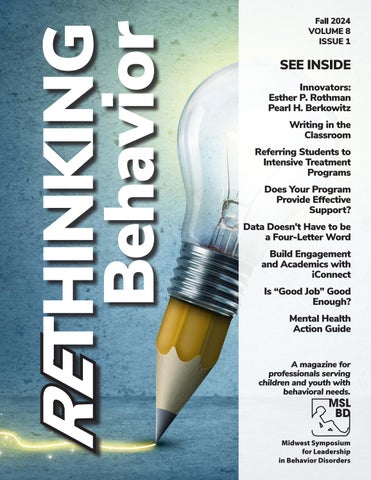

RE THINKING Behavior
UPCOMING EVENTS
6th
Annual Richard L. Simpson Conference on Autism October
3 & 4, 2024
BEST Conference Center, Overland Park, Kansas
BCBA CEUs Available Early Bird Rate of $190 through September 20
https://mslbd.org/autism-conference/

43rd Annual Midwest Symposium for Leadership in Behavior Disorders
February 20-22, 2025
Sheraton Crown Center, Kansas City, MO
For the 43rd year, the Midwest Symposium for Leadership in Behavior Disorders will address cutting-edge issues of interest to professionals working with students with emotional/behavioral disorders and autism spectrum disorders.
Visit our website, www.mslbd.org, for a full program of events that includes Presymposium Workshops, Keynote Session, 36 Concurrent Breakout Session, Posters, Saturday Workshops, BCBA CEUs available including Ethics Credits.
Workshop Highlights
• Behavior Data Made Easy: Less Time and Better Data!, Scott Fluke, PhD, and Cassie Barnett, MSE
• Trauma Responsive Techniques for Plan Development (FA/PBSP/BIP/ other), Torri Wright, MA-SPED, QMHP-R
• Practical Program Design for Behavioral Classrooms: Addressing Intensive Behavioral Needs, Jessica Sprick, MS
• Comfortably Numb: Understanding the Roles of Medications in Managing Complex Behaviors, Vanessa Tucker, PhD, BCBA-D
• Beyond the Box: Teaching Students with IDD to Communicate in the Real World, Robert Pennington, PhD, BCBA-D
• Self-Regulated Strategy Instruction in Written Expression for Students with EBD, Torri Lienemann, PhD and Jessica Hagaman, PhD
• Legal Developments in the Education of Students with EBD: What Teachers Need to Know and Why, Mitchell Yell, PhD and Antonis Katsiyannis, EdD
• Know My Name, Face, and Story: Integrating Culturally Responsive Community, Home, and School Supports to Engage Me!, Cathy Kea, PhD
• Supporting Paraeducators to Facilitate Student Learning and Independence, Erin Stewart
• Navigating School Roles, Environments, and Systems as a BCBA: Strategies for Understanding, Collaboration, and Success, Erin Farrell, EdD, BCBA
Mary Jo Anderson
John J. Augustine
Anne K. Baptiste
Jennifer Bossow
Lisa Bowman-Perrott
Janet Burgess
Jenah Cason
Scott M. Fluke
Nicolette Grasley-Boy
Katherine A. Graves
Deborah E. Griswold
Aimee Hackney
Mike Hymer
Shannon Locke
Maria L. Manning
Sharon A. Maroney
John W. McKenna
Lindsey G. Mirielli
Raschelle Nena Neild
Reece L. Peterson
Sandy Shacklady-White
Sims Carl R. Smith
Jim Teagarden
Vanessa Tucker Graphic
Vivian Strand

Rethinking Behavior, ISSN 2578-5397, a magazine for professionals serving children and youth with behavioral needs, is published three times per year, fall, winter, and spring, Copyright ©2024 by the Midwest Symposium for Leadership in Behavior Disorders, P.O. Box 202, Hickman, NE 68372. 402-7923057. www.mslbd.org. Email: rethinkingbehavior@mslbd.org.

Rethinking Behavior welcomes proposal and manuscript submissions; for information visit www.mslbd.org or email rethinkingbehavior@mslbd.org
Starting the Year with a Plan Programming for Students with Behavioral Concerns
In March of 2024, Netflix released a three-part investigative docuseries titled The Program, centered around the “troubled teen industry.” The Program follows Katherine Kubler (Director) and others who attended a behavior modification program at the discretion of their parents in the early 2000s. It is important to note that The Program is a very emotional and heavy docuseries - if you intend to watch the show, please be sure to check all content warnings, as it contains graphic depictions of violence, references to child abuse, language, and is rated TV-MA. Throughout the episodes, survivors of this program recount the physical and emotional abuse endured, the lack of formal education received, and the lasting impact of these experiences on their adult lives. Albeit disturbing and difficult to watch at times, the series concludes with glimmers of hope thanks to the community of survivors who have come together to increase public awareness and advocate for legislation surrounding this topic. While these stories do not directly depict the current experiences of students attending public schools, the series sheds light on the importance of adults providing safe, effective, and appropriate programming and support for students across all settings, especially for the students who are at-risk.
Beginning the school year is an exciting and nerve-wracking time for both students and teachers. Working with students with significant academic, emotional, and behavioral needs can be demanding. The Program demonstrates from the student’s point of view the importance of appropriate programming designed to support their needs. Thankfully, the beginning of a new academic year provides a clean slate for adopting, reviewing, and revising systems or programming intended to support students. Starting the year with a plan for supporting students across multiple domains not only sets the student up for success but also has the potential to positively impact teachers. Specifically, research has found that increased self-efficacy in behavior management results in decreased teacher burnout (Zee & Koomen, 2016).
... the beginning of a new academic year provides a clean slate for adopting, reviewing, and revising systems or programming intended to support students
While some of the decisions surrounding programming for students with behavioral concerns may occur solely at the building or district level, there are many decisions educators can make in their individual classrooms to better support their students.
Many of the articles in this issue of Rethinking Behavior cover programming, systems, and practices that can be adopted by individual classroom teachers or groups of educators to support their students, especially those with behavioral concerns. This issue includes information on implementing effective classroom practices (e.g., behavior-specific praise), how to adopt a data-based individualization framework, and updates on the CDC’s action guide for addressing the mental health crises of students. Furthermore, this issue provides direct guidance on components of effective programming for students with EBD, as well as points of consideration for referring students to intensive treatment programs. We hope this issue provides educators with guidance and tools for starting the 2024-2025 academic year with a plan!
Lindsey G Mirielli & Katherine A. Graves Issue Editors
Esther P. Rothman and Pearl H. Berkowitz
Our First Teachers of Students with EBD
Esther P. Rothman
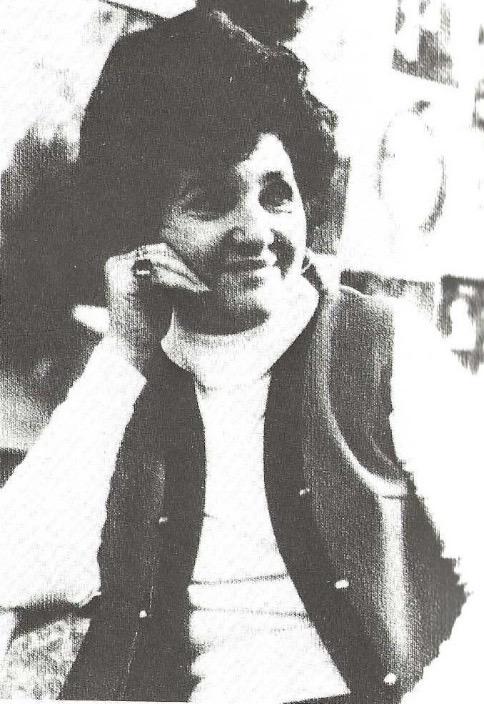
Esther P. Rothman was among the earliest teachers of students with mental health and behavioral needs.
A first generation American born in 1919 in New York City, she experienced anti-Semitism at an early age and had mixed experiences in her own elementary and secondary education. Rothman took a circuitous route to teaching. She attended Hunter College, which at the time, was for women students only. Because career choices for women were limited and there was a teacher shortage, Rothman took a test that allowed her to be an elementary teacher.
It took her a year to get her first teaching job because she didn’t really try very hard and “Children frightened me.” She started as a middle school English teacher. “It was a year of shouting, laryngitis, nervous stomach, and swollen feet from standing too much for fear of losing control if I should sit down. It was also a year of teaching retarded children in the Brownsville section of Brooklyn and of learning that some of the children weren’t really retarded; they were black.”
After a variety of short-term teaching assignments, Rothman came into special education as “serendipitously” as she had come into teaching. In 1949 she took a position as a teacher at Bellevue Psychiatric Hospital. She later indicated that her years there were exciting, fruitful, and inspiring. She completed a second master’s degree and then a doctorate in psychology while working at Bellevue. “I once had a four-
Superman and broke a leg trying to fly from a rooftop.
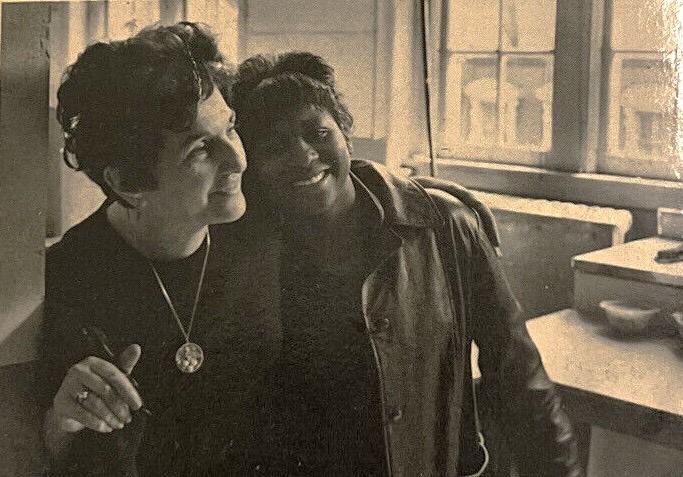
In 1959 Rothman became Principal of the Livingston School for Girls, a public day-school in New York, for so-called emotionally disturbed and socially maladjusted adolescent girls who had been suspended from “regular” schools because of extreme aggression. They were the incorrigibles of the New York school system, and over 85 percent of them were black - since white girls got sent to social service agencies and other residential treatment programs. Rothman identified seven “decision making” steps in the educational-therapeutic process (abbreviated here):
1. The teacher must accept all the child’s feelings, emotions, and attitudes…there are no wrong feelings.
2. The teacher must help the child to accept his or her own feelings without guilt. …having a “bad” feeling does not make him a “bad” person.
3. The teacher must recognize that all behavior is meaningful and serves some fruitful gain…In some way, the apparently destructive behavior meets the child’s needs.
4. The teacher must confront the child with his or her destructive behavior and present alternative ways of behaving.
5. Using adroit and therapeutic questioning, the teacher can help the child to see the consequences of the decisions he or she makes.
6. The teacher must recognize that the answers to the questions, “What do you want and what will you do?” requires the process of self-determination. The child, through self-insight obtained with the help of the teacher, makes a decision.
7. The teacher will now elicit from the child a statement of a decision and a commitment.
During her time at Belleview Hospital and Livingston School, Rothman had the opportunity

to work and collaborate with other pioneers in psychology and medicine, including David Weschler and Lauretta Bendler. She also met and collaborated with Pearl H. Berkowitz. Together they wrote several papers together, and in 1960, published The Disturbed Child, about the important role of teachers in addressing the mental health needs of students. She also published “The Angel Inside Went Sour” (1971) about her work and the children at Livingston School.

According to her obituary, Esther Rothman “put her heart, spirit and endless energy into bettering the lives of the disadvantaged through her life's work in education. She passed away at age 90 in New York City in 2009." (Obituary, The New York Times, August 30, 2009)
The Disturbed Child: Recognition and Psychoeducational Therapy in the Classroom by Pearl H. Berkowitz and Esther P. Rothman, 1960, New York University Press. Review excerpt.
Drs. Berkowitz and Rothman emphasize the significant contribution to the mental health of school children that can be made through the observational skill of the teacher and her sensitivity to behavior symptomatic of underlying conflict. Their text is clearly an attempt to increase this observational skill and sensitivity. Separate chapters describe the schizophrenic child, the child with organic malfunctioning, the neurotic child with internalized conflicts, the child who expresses his conflicts in acting-out behavior, sexual deviations in children, and the psychopathic personality. Later chapters deal with the teacher's psychological relationship to the disturbed child and with the curriculum for emotionally disturbed children.
Review by Daniel Raylesberg (1961), Psychoanalytic Review,48B(2):126-127.
Pearl H. Berkowitz
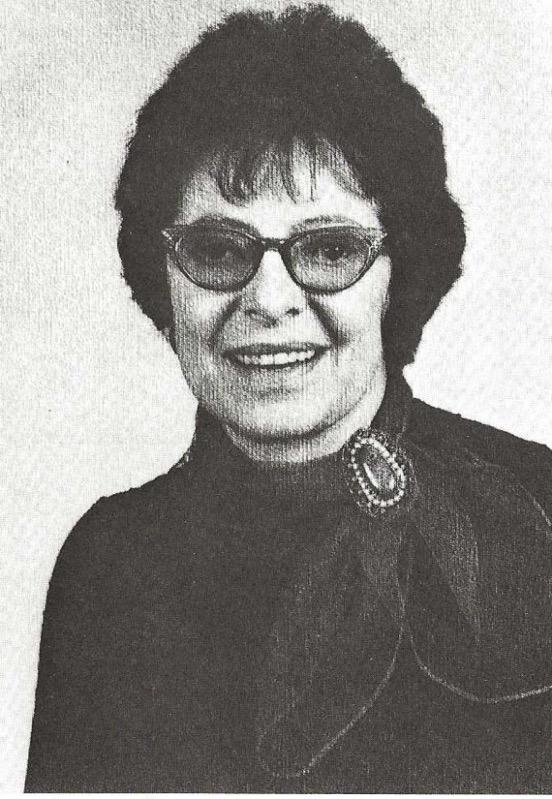
Pearl H. Berkowitz was among the earliest teachers of students with mental health and behavioral needs. Born in New York City in 1921, she received a bachelor’s degree in music from Queens College and a Master of Arts degree in music from Teachers College, Columbia University. Much later she received her Ph.D. degree in psychology from New York University in 1957.
Berkowitz originally intended to be a performing musician. However, her performances created severe anxiety, and she changed her career aspirations to teaching music instead. However, WWII interrupted. After a stint as a civil service worker during WWII, she tried to return to teaching, but could not find a high school music teaching position. As a result, she took a position as an elementary teacher. While she liked the children, the school was too rigid in its policies, and she soon looked for a different position.
Berkowitz’s Recommendations for Teachers - Still Valid Today
Although these recommendations for teachers from Berkowitz are more than 50 years old, and the terminology may have changed, her positions are not dissimilar to current good practice. (Examples from her chapter in Kauffman & Lewis, 1974.)
“In order to develop a feeling of well-being, the emotionally damaged child must be presented with innumerable opportunities to experience success on every level, to get a sense of achievement, to develop confidence, and, above all, to release his tensions and externalize his anxieties in an acceptable manner.”
“The teacher, unlike the therapist must focus on the healthy aspects of the child. Yet, like the therapist who cannot become personally involved in a patient’s problems, so too a teacher must maintain a professional distance while providing the therapeutic structured environment so desperately needed by the disturbed child.”
“In this environment, establishment of routines is essential. Children are not happy when they can do anything they want, because most often they do not really know what they want. Emotion, not reason, governs their behavior and they need the teacher to help them develop controls.”
“Even when punishment does act as a deterrent to unacceptable overt behavior, nothing of lasting value is gained. Quite the opposite, it may destroy a good relationship and, even more important, serve to preserve the child’s inner defiance against authority. This does not mean that there are no consequences for unacceptable behavior, but these must be inherent in the behavior itself and result from the natural response of the environment. Externally imposed punishment too often is totally unrelated to the offense and therefore, contributes little to learning self-discipline.”
According to Berkowitz, her entrance into the field of working with children with emotional disturbance (ED) was “via the back door.” As a result of a friend’s suggestion, she interviewed and accepted a teaching position in 1948 at the Bellevue hospital school. This was the first public school in New York City in a hospital setting. The educational program was experimental, the first to focus on children and youth with ED. It became the model for other schools in this area of special education.
Berkowitz had contact with and learned from many colleagues. She met Esther Rothman who shared many of the same interests and motivation. Both obtained Ph.Ds. in psychology during their time at Belleview Hospital. (See the innovator story about Rothman). Together they wrote several papers and conducted research projects. They coauthored the book, “The Disturbed Child” in 1960 (See the review of that book in Box #2). It was an exciting time of observation, learning, and experimentation regarding education and treatment of children with ED. Two of her other well-known colleagues were Lauretta Bender and Dr. David Wechsler (See the Box #3).
Berkowitz taught children with ED at Bellevue Psychiatric Hospital from 1948 to 1953 and then served as an assistant principal there until 1960. Although she was born in 1921, no record of her death was found. She would have been 103 years old in 2024.
Note: This article relies heavily on material and quotes which appeared in Chapter 9 pp.218239 of Kauffman, J. & Lewis, C. (eds.). (1974). Teaching Children with Behavior Disorders. Personal Perspectives. Charles E. Merrilll Publishing: Columbus, Ohio.
Colleagues and Co-workers
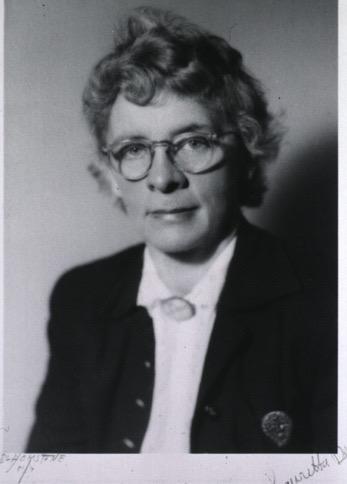
Among many other pioneers who interacted with Pearl Berkowitz and Esther Rothman while they were teaching and working at Bellevue Hospital were David Wechsler and Lauretta Bender.
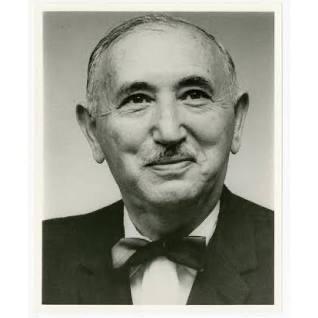
David Wechsler (18961981) was a RomanianAmerican psychologist who developed the well-known intelligence scales, the Wechsler Adult Intelligence Scale (WAIS) and the Wechsler Intelligence Scale for Children (WISC), which were developed to gain knowledge about patients at Bellevue Hospital. A 2002 survey ranked Wechsler as the 51st most cited psychologists of the 20th century.
Lauretta Bender (1897–1987) was an American child neuropsychiatrist known for developing the Bender-Gestalt Test, a psychological test to evaluate visual-motor maturation in children.
Reece L. Peterson, Professor Emeritus, University of Nebraska-Lincoln, rpeterson1@unl.edu
First published in 1938, the test became widely used to assess children's neurological function and to screen for developmental disorders. She also conducted research in the areas of autism spectrum disorders in children, suicide, and violence. She was one of the first researchers to suggest that mental disorders in children might have a neurological basis, rather than attributing them to poor upbringing. Because she was not trained as a psychologist, but as a medical doctor and psychiatrist, most of her work focused on diagnosis of mental disorders in children. Beginning in 1934, Bender also served as the head of the children's psychiatric service at Bellevue Hospital for 21 years.

By Alexandra Wolf
All behavior is learned and serves a function. That function may be to escape, obtain something, or meet a biological, psychological, social, or sensory need. When I first began teaching in a suburban school district receiving Title I funding, I worked with eighth graders in an English language arts classroom inclusive of students with varying abilities, socioeconomic statuses, and cultures. As the school year progressed, I noticed several of my students habitually manifesting avoidance behaviors to escape one specific task: writing. As a novice teacher, I initially had difficulty understanding why. I loved to write, but my students did not share my perspective – and for good reason.
One class in that first year dramatically shifted my perspective. A few months before the state standardized test emerged to terrorize all in its path, I was told to prepare my students for the writing component: the text-dependent analysis (TDA). While we had been working on using textual evidence to support assertions all year, students equated the TDAs to the monsters growling from under their beds. This writing task was something to be dreaded and feared. To reduce that fear through capacity building, we began practicing TDAs through the graphic organizers and formulas provided to structure responses. Students who wrote outside of the structure were penalized because it was not “organized, effective writing” as stated by the curriculum. Later in my career, I would realize how Eurocentric and ableist this practice was.
Nevertheless, I noticed that whenever it was time to write, several avoidance behaviors emerged. Elijah (pseudonyms) would ask to use the bathroom. Jacqueline will put her head down. Nevaeh would open a game on her laptop. Jaden would begin bothering his brother, Josiah, in the hopes that the latter would interrupt the lesson. The students in this class were labeled as struggling readers and writers. I tried to keep the class of 28 students learning, but as a new teacher with emerging skills and knowledge, I struggled. I felt like I was dragging students through a curriculum that they did not ask for against their will,
Behizadeh’s work surrounding increasing authenticity in writing prompted me to reconceptualize writing as an opportunity for students to use writing to connect with what was important for them.
and that it was all to prepare for a state test that I did not believe accurately assessed their skills.
The push that I needed to make change came in the form of Josiah asking me what was even the point of writing in school. He expressed how difficult writing was for him and how the class never wrote about anything that matters. If he had to write, he wanted it to be about something that mattered to him. While he may not have known about the larger scholarly debate, Josiah was echoing a sentiment shared by scholars in the field of writing instruction and their research participants (Kixmiller, 2004; Behizadeh, 2014; Sedlacek & Lomelí, 2024).
I took his words as a call to seek change through exploring the research on writing instruction. Behizadeh’s work surrounding increasing authenticity in writing prompted me to reconceptualize writing as an opportunity for students to use writing to connect with what was important for them. After all, writing is supposed to be a tool that can spread ideas, persuade others, retain history, and accomplish the aims of the author. For many of my students, writing may be the tool that they use to apply for a career or write a toast for an event that means something to them. I wanted my students to have the words ready for them when they needed them most. Because of that, I needed to frame the aims of writing different-
ly than I had in the past for a grade or to prepare for a test. Instead, writing needed to serve my students in and out of school. We paused in our TDA instruction laden with random excerpts from past exams and started from a place of curiosity, asking my class how they use writing as a tool. Texting and email were overwhelmingly popular answers, revealing communication as a key motivator to write. Others spoke of creative writing and journaling. Through this discussion, we realized just how much writing we did in a day. My students pointed out that the TDAs, the more formulaic writing, was the problem because my students felt that TDAs had no value, no benefit for them.
From that point, I honored the perspective of my students and centered my writing instruction around more authentic writing tasks. By this, I mean that students wrote for an audience beyond myself as their teacher for a grade. Students would send their writing to an audience who would actually read and hopefully be impacted by the writing. I started small with only a slight increase in authenticity, having students write an email to a teacher in the building with a request or note of appreciation. Students wrote emails asking for time to meet for help, extensions for assignments, and clarifications surrounding due dates and projects. Others wrote heartwarming emails expressing gratitude. I gave students a choice of which state standards we would use to guide our lesson, and the class chose several grammar and
mechanics standards with students noting that they wanted to be taken seriously by the teachers. They felt that a more skills-based investigation of grammar instruction in Standard American English was the way to do that. This was a short lesson guided by student inquiry that laid the foundation of authenticity for the growing writers in my classroom.
I noticed more engagement with the English language arts material and less avoidance behaviors. As I expanded opportunities for student choice, the development of writing for an authentic audience, and crafting an author’s purpose, students who detested writing came to class with a notebook of ideas to write about, inspired by the novel chapter we read the day before. For the argumentative essay at the end of the school year, I left room for choice in genre and topic. Several students wrote to their local Congresspeople to voice concerns surrounding food insecurity and pollution in the community with arguments laden with robust internal citations and references. Other students wrote slam poetry that merged their experiences with institutional racism with their research, integrating their sources in creative ways. Two students chose to write a letter to family members arguing for change within the household. As students tackled these rigorous state standards with my support through engaging, authentic writing, our classroom became a place where we did what my students deemed as “real writing”. By the end of the year, my students were seeking writing opportunities through creative writing competitions and online publishing instead of seeking to escape.
By the end of the year, my students were seeking writing opportunities through creative writing competitions and online publishing instead of seeking to escape.
Of course, shifting to authentic writing in my classroom did not eliminate all concerns surrounding behavior. I did, however, notice that the shift seemed to reduce the amount of avoidance regarding writing. Instead of dreading that monster under the bed, students took out a flashlight and began investigating. As I reflect on this shift, the connection between instruction and behavior is reinforced. I see instruction as a key player that can deeply impact the behavior of our students for the better or worse.
As educators, we can examine our instructional practices with a critical eye. We can identify barriers to learning, whether those barriers are from a lack of authenticity, cultural responsiveness, or accessibility, and then we can make change. After all, if the instruction is truly disconnected from our students’ lives, then we must do more than force individuals to cope with that irrelevance.
References
Behizadeh, N. (2014). Adolescent perspectives on authentic writing instruction. Journal of Language and Literacy Education [Online], 10(1), 27-44.
Kixmiller, L. A. (2004). Standards without sacrifice: The case for authentic writing English Journal, 29-33.
Sedlacek, Q. C., & Lomelí, K. (2024). Towards authentic purposes for student science writing using culturally relevant pedagogy. Cultural Studies of Science Education, 1-22. https://doi.org/10.1007/ s11422-023-10203-1
Alexandra Wolf, Doctoral Student, University of Massachusetts Amherst, Amherst, Massachusetts, alliewolf@ umass.edu

We can identify barriers to learning, whether those barriers are from a lack of authenticity, cultural responsiveness, or accessibility, and then we can make change.

By Reece L. Peterson, Carl R. Smith, and Scott M. Fluke
Some children have entrenched disruptive behaviors which do not appear responsive to the kinds of instructional strategies provided in schools, even in the most restrictive school special education settings. Some student aggression offers a threat to the safety of other students and staff. Educators may feel that they do not have the knowledge, skills or resources to adequately serve some students in typical school settings. These students present such complex behaviors that they may require more intensive and specialized services than most public schools can provide onsite.
The purpose of this article is to provide guidance to school Individual Education Program (IEP) teams in understanding some options for sending students to more intense service options. We will identify:
• Student behavior which may lead schools to seek outside programs and the related goals of school teams in sending students to these programs.
• Three common types of outside intensive programs – day treatment, residential treatment, and hospital programs.
• Characteristics of effective outside intensive treatment programs.
• Why these types of “outside” programs may be needed to ensure a “continuum” of appropriate services for students with disabilities.
• Requirement that districts revise treatment unless progress is documented.
• Serious problems which have emerged within some intensive treatment programs across the US.
• Incentives and disincentives for using these outside programs.
• Expectations for continuous efforts to achieve progress on students’ goals.
• Suggestions for how to locate or identify outside programs.
• Expectations for communication and data sharing once a program is identified.
Student Behavior and School Team Goals
Student behavior or characteristics which are most likely to be viewed as needing outside more-specialized assistance may include:
• Students who are aggressive, physically acting-out, or violent
• Students whose behavior poses an immanent risk of serious injury to other students or staff
• Students who are extremely manipulative
• Students with autism with complex support needs along with severe behavior problems- particularly if they have limited or no communication skills
• Students for whom schools lack technical expertise such as those requiring complex medication management
• Students who are very large (e.g. 250+ pounds), who are aggressive, and for whom staff don’t feel they can safely intervene in dangerous situations.
The goal for school teams in identifying outside specialized services is typically to provide more effective services to manage the student’s behavior and to be able to maintain a safe school learning environment.
Three Types of Outside Intensive Programs
When an IEP team decides that it does not have the internal capacity to serve a student within its own school program due to the student’s behavioral or mental health needs, there are typically three general categories of programs to consider. These include “day treatment”, “residential treatment”, and “hospital programs”. Although these types of programs might be used with people of any age, we focus here on school age children who are referred by their special education team to these types of programs for behavior and mental health needs.
Day Treatment. Day treatment programs provide education and therapy to serve students during the school day. Students are transported to the program and back to the parents or guardian each day. The nature of the “treatment” or therapy provided in these programs as well as education services may vary widely. Ideally, day treatment may include comprehensive psychiatric treatment, family therapy, and other activities along with special education services.
Residential Treatment. Residential treatment allows students to receive 24-hour care in the facility where they can be supervised and monitored by trained
staff. Therapy often includes frequent individual and group therapy. Treatment may be more intense, and the student is out of their normal living environment which may facilitate behavioral change. Meals, recreation, sleeping, and other needs of the student are addressed.
Hospital. To be identified as a psychiatric or mental health hospital program, the hospital must be licensed and meet the criteria for a medical facility. Entry to a hospital program usually requires a referral by a licensed physician. Treatments may include various types of therapy as well as various medications addressing behavior. Although we have included psychiatric hospitalization as an option, school teams have less direct control over admission to hospital programs.
Other Types of Programs. We should note that some alternative options exist that do not fit within these three categories. These may include treatment foster care, group homes, wilderness, or adventure camps, as well as military and boarding schools. Although sometimes employed to address behavior by parents and social service agencies, these programs do not typically offer special education services or intense therapies for addressing behavior and mental health. It is beyond our scope here to address these types of programs.
Characteristics of Effective Intensive Treatment Programs
According to the Academy of Child and Adolescent Psychiatry (ACAP), effective residential treatment programs provide at a minimum:
• A comprehensive evaluation to assess emotional, behavioral, medical, educational, and social needs, and support these needs safely;
• An Individualized Treatment Plan that puts into place interventions that help the child or adolescent attain these goals;
• Individual and group therapies addressing student behavior; and
• Psychiatric care coordinated by a child and adolescent psychiatrist or psychiatric prescriber (ASCAP, 2018).
These same characteristics may be adapted to apply to day treatment or hospital programs.
Specialized Services as Part of a “Continuum” of Services
All public schools are required to have a range or “continuum” of special education options or support available for students with disabilities, even for students with very severe disabilities. Residential treatment and day school programs are often part of a school district’s continuum of services to allow for the provision of more intensive, and specialized services, and when helpful, provided on a 24-hour basis. Deno (1970) described this as a “cascade of services” where the intensity of services provided matches the intensity and unique needs of the student.
While all students with disabilities are guaranteed a right to a free appropriate public education (FAPE) by the Individuals with Disabilities Education Act (IDEA), this law does not require that education services need to be only provided by or within local schools. That is, of course, also true for students with emotional and behavioral disorders (EBD), autism, and mental health needs, just as it is true for students with other disabilities.
Although it may be tempting for school districts to consider sending all students with aggressive or violent behaviors to outside programs, any such standing policy of employing segregated settings would clearly violate the individual student’s rights to an individualized education program in the least restrictive setting. This violation of student rights was recently evident in the state of Georgia where students with aggressive or violent behaviors had automatically been sent to a Georgia Network for Educational and Therapeutic Support, a state funded program for students with serious emotional and behavioral needs. The “Letter of Finding” in a lawsuit against this system in 2015 concluded that Georgia
Policy Regarding A Continuum
In the U.S. Code of Federal Regulations, a continuum of services is described as “… instruction in regular classes, special classes, special schools, home instruction, and instruction in hospitals and institutions.” … a range of placement options, to meet the unique educational needs of students with disabilities. (OSEP, 1994).
violated the Americans with Disabilities Act and discriminated against children with disabilities by unnecessarily relying on, and creating incentives for school districts to choose a segregated program to provide behavioral and mental health services, and by providing students in those settings, services that are unequal to the services offered to students in typical special education settings (Wrightslaw, 2016).
Court decisions have required schools to provide effective services for students with violent or significantly disruptive behavior. The Willie M. case in North Carolina in 1979 was filed on behalf of four adolescent children who were adjudicated as delinquent in juvenile court. These children had a history of violent behavior but also had significant mental health needs. The mental health and education systems had routinely rejected these and other similarly described children, expelling them from school and determining that they were psychiatrically untreatable. However, the court required that “services would be tailored to each individual child regardless of whether the service previously existed at the time that the class member’s personal treatment needs were clarified (Dodge et al., 2000).
Providing no or ineffective services is also not acceptable. In 1995 a related case was brought forth in Hawaii resulting in a Consent Decree. This was a result of the assertion that children and youth in Hawaii who were eligible for special education and mental health services were not receiving it. In the end this led to a comprehensive change in Hawaii’s public school system (Chorpita, et al., 2005).
Revise Treatment Unless Progress is Documented
Recently the U.S. Justice Department and the U.S. Department of Education’s Office of Civil Rights have investigated school systems and treatment and correctional programs for lack of appropriate instruction, or supports, and lost instructional time for students with disabilities caused by behavior and mental health needs due to inadequate staffing, and in some cases, for excessive time spent in physical restraints or seclusion (U.S. Department of Justice, 2022). Unless reasonable progress is made, districts must continuously revise and update student instruction and services even when students are placed out of the home district. These intensive programs may also be asked to provide progress data including data about restraints and seclusion. The local school district who sends a student to receive specialized service is responsible for ensuring that students placed outside the district receive appropriate services.
Perhaps as a result of some of these concerns about appropriate implementation of student rights, the U.S. Department of Education has begun to require states to do more comprehensive supervision and monitoring of local school districts to ensure that districts are meeting FAPE for students with disabilities regardless of the student’s placement in an out-of-district setting. “With this guidance, States will have the information necessary to exercise their general supervision responsibilities under IDEA and ensure appropriate monitoring, technical assistance (TA), and enforcement regarding local programs. In
addition, this guidance reaffirms the importance of general supervision and the expectation that monitoring the implementation of IDEA will improve early intervention and educational results and functional outcomes for children with disabilities and their families” (OSEP, 2023).
Recent Problems in Day, Residential, and Hospital Programs
However, despite the positive expectations for these outside services and programs, school teams must be cautious. Recently there have been numerous reports across the U.S. regarding problems with day and residential care programs which have included:
• Despite their high cost, these programs often struggle with delivering consistent services which they indicated they would provide.
• Private for-profit treatment programs expected to make “profit” for investors, yet inadequately funding the staff and services they supposedly provide.
• Inadequate qualifications, and/or untrained or poorly trained staff (often associated with inadequate pay for staff).
• Child abuse or child sexual abuse by other students (when inadequate supervision is provided), but also in some cases by program staff.
• Inadequate documentation of client treatment plans, documentation that planned treatment is actually delivered, and lack of data/lack of communication.
• Abusive or inappropriate use or excessive use of physical restraint or seclusion (or other punishments).
Even full-time special education in a self-contained classroom may not offer sufficiently intense treatment for some students.
School teams should be aware of these problems and investigate in advance the proposed service providers to attempt to avoid these potential problems.
Incentives and Disincentives for Outside Placement
School teams may have both incentives and disincentives to provide outside services outside the district.
Examples of References for Problems in Day, Residential, and Hospital Care Programs
Gartner, L., (Updated Apr. 8, 2019). Pennsylvania closes the Glen Mills Schools amid child-abuse investigation. The Department of Human Services said it is revoking the school’s license. Philadelphia Enquirer (abuse and intimidation; culture of abuse, coercion, and silence).
Gilbert, C. & Dake, L. (Sept. 28, 2020) More than 40 states have sent their most vulnerable kids to facilities run by a for-profit company named Sequel. Many of those kids were abused there. American Public Media (for-profit; abuse and neglect).
Laker, B. (Sept. 25, 2020). Children To be removed from Devereux after lax Supervision Found. The Philadelphia Inquirer/TNS (sexual abuse; lack of supervision)
Leys, T. (Updated Apr. 8, 2022) Iowa to close scandal-plagued Glenwood institution for people with severe disabilities. Des Moines Register. (allegations of poor medical care, ex-superintendent accused of organizing unethical "sexual arousal" research on residents.)
Mann, B. (Feb. 15, 2001). As addition deaths surge, profit-driven rehab industry faces ‘Severe ethical crisis’. NPR Morning Edition. (profits and lack of adequate pay for staff, etc.)
Murray, & Wyden, R. (July 22, 2022) Murray, Wyden Demand Answers on Mistreatment at Youth Residential Treatment Facilities. A press release of a letter from two senators. (regarding stories of exploitation, mistreatment and maltreatment, abuse and neglect, and fatalities in these facilities).
Pfankuch, B. (June 10, 2019) Residents suffer physical, mental and sexual abuse at S.D. youth home. Sioux Falls Argus Leader, SD News Watch. (physical, mental and sexual abuse by employees)
Reicher, M.& Ramadan, L. (Nov. 26, 2022) Invisible Schools. At Washington special education schools, years of abuse complaints and lack of academics. Seattle Times Propublica Special Report. (special education schools, years of abuse complaints and lack of academics)
Shutzer, M & Mueller R.L. (Oct. 30, 2022). Repeated abuses, overlooked complaints and a surge in suicide attempts at a detention center with powerful allies. The New York Times. (abuse; unqualified employees; disregard for state rules).
Thompson, L. (July 1, 2020). “It Was a Torture Chamber”: The Facility That Killed a Black 16-Year-Old Had a Long History of Abuse. Mother Jones
Incentive – Effective Education and Treatment. Most educators want the best education and treatment for all students they serve. Hopefully the over-riding desire is to find effective treatment for students who cannot be served adequately in the public school setting.
Incentive – Avoiding Dealing with Difficult Students. It is important to recognize that the nature of the behavior of the student may create a strong incentive for the school staff to place a student outside of the district in order to “be rid” of a student who is challenging and the related difficult behavior.
Incentive – Staff Injuries. Frequently staff may be injured by violent or out of control students. Cost for workers compensation claims may mount. Moreover, staff frustration in their inability to serve some students may exacerbate special education staff stress, and result in staff departures and shortages.
Disincentive – Inability to Locate Appropriate Outside Services. It can be difficult to identify appropriate programs which are willing to work with school teams to provide appropriate individualized services for some students. Moreover, many programs have waiting lists, with their own staff shortages, and may not be willing to accept students with difficult behaviors.
Disincentive – Costs. Specialized day, residential and hospital programs have very high costs. If the district refers a student to these types of programs because it feels its own programs are not sufficient, it is responsible for paying those costs. These costs may range from hundreds to thousands of dollars per day. Clearly, school teams have a strong disincentive to send students to these programs unless absolutely necessary due to the high costs.
On the other hand, if the district staff can collaborate with the parents along with the parent’s physicians or licensed therapist to make this referral, the responsible party for these costs might not be the school but on the parent’s health insurance or even the parent’s own finances. Parents or guardians who are able sometimes choose to send their children to these programs and may pay the costs themselves if able to do so. As a result, this can lead to conflict between the schools, the parent’s health insurance providers, and the parents regarding when and where to send students and about who will pay for these services.
The high cost can be a barrier to having a true continuum of services (e.g., choosing not to send a student because the price tag is very high) but can also be a barrier to providing adequate services (e.g., sending a student to a less expensive but less effective program).
Locating or Choosing Treatment Programs
Identifying potential intensive service providers may be difficult. The availability of day, residential or hospital treatment programs can be limited, particularly in rural areas. Some state departments of education or mental health units may have lists of programs, or licensed or accredited programs. Checking with other school districts or special education organizations for referrals may be possible. Sometimes programs in other states may need to be considered. This may make it difficult to identify appropriate programs and verify their quality.
If a potential service provider is identified, district teams should check the program’s website, and check
Educators should not simply assign all difficult or dangerous students to outside treatment programs- the treatment program must be tailored to the specific needs of each student.
on licensing and accreditation with state agencies and professional organizations. Also attempt to find out if there are any complaints with state agencies, or by parents or media online. Request information about credentials of staff- particularly direct service staff, and data about success rates from admission staff. Have other school districts in the area had experience with the program? If so, what is their evaluation of their partnership with this program?
It is crucial that the sending school team ensures that the receiving day, residential, or hospital program will monitor progress and continuously adapt its programming to demonstrate progress on individual student goals. It should be willing to work closely and cooperatively with the sending district. Other questions to ask may include:
• What are the treatment approaches employed, and what is the evidence base for the program’s effectiveness in serving the target population of students?
• Does the program have policies and procedures for nonviolent and predictable ways to help youth with emotional and behavioral issues? The use of physical punishment, manipulation or intimidation should not occur in any day or hospital residential treatment program.
• It may be likely that restraint or seclusion are employed in some of these programs. What are their guidelines for the use of these procedures,
and would data be provided on restraint or seclusion use be sent back to the district on any students sent to this program?
• How does the program involve the child’s family, guardians, or other support system? Does the program encourage and provide opportunities for family therapy and contact through on-site visits, home passes, telephone calls and other modes of communication? How often?
Expectations for Identified Intensive Treatment Programs
We recommend collaborating to obtain information from and about the program, and the nature of the treatment to be provided for the identified student.
• Who would be the liaison with the school to provide information and updates?
• What are the specific assessments and treatment goals? How will the sending school IEP team know that it is the right time to bring the student back to the school? Re-entry plan?
• What services would be provided for this student? What is the overall “treatment” plan and how does this relate to the student’s IEP?
• What is the evidence base for the specific services or therapies to be provided to this student?
• How would the student’s IIEP be modified or developed and implemented along with any behavior intervention plans (BIP)?
• Ensure that the IEP or revised IEP contains measurable goals and objectives and that data would be gathered and shared with the sending school. What would be the expected length of treatment? Are planned follow-up meetings set to occur at reasonable intervals?
• Create the expectation that data on progress toward identified goals, and other progress reports be shared with the school system regularly according to a predetermined schedule.
• A home school case manager will be assigned to receive data and reports and continue contact with legal guardians and primary care givers.
We recommend the types of data which the intensive program should provide back to the school IEP team.
• Progress reports of accomplishment of objectives and goals.
• Frequent data about any restraints or seclusions (frequency and duration).
• Regular communication through designated contacts.
• If a program does use physical restraint or seclusion, each instance of the use of these with the student must be reported back to the school as the school may be obligated to include this information in reports to the U.S. Department of Education, Office of Civil Rights.
Conclusions
Sending students out of a school district for specialized intensive services is appropriate if a school team feels it cannot provide adequate or appropriate services within its schools. This is mandated by IDEA’s expectation of a continuum of placements for students with disabilities. A continuum of placements must be made available to meet the needs of students with disabilities by each public agency. However, such intensive placements may entail diffi-
culties in finding appropriate services, and in determining the quality of these programs.
School teams will be expected to maintain connections to service providers for students placed in outside intensive programs. The school team may communicate with the program service providers regularly to ensure that progress toward student goals is occurring, and student needs are being addressed in that placement- thus meeting the district’s obligation to provide FAPE for that student. By following these suggestions, the district will meet its obligation to provide FAPE to students in need of intensive services that are not available in the district. And importantly, the students will obtain the professional supports and services to successfully achieve their goals.
References
Academy of Child and Adolescent Psychiatry. (Sept., 2017). Residential Treatment Programs.
Chorpita, B. F., & Donkervoet, C. (2005). Implementation of the Felix Consent Decree in Hawaii: The Impact of Policy and Practice Development Efforts on Service Delivery. In R. G. Steele & M. C. Roberts (Eds.), Handbook of mental health services for children, adolescents, and families (pp. 317–332). Kluwer Academic/Plenum Publishers.
Code of Federal Regulations [Title 34, Volume 2][Revised as of July 1, 2018]
Deno, E. (1970). Special education as developmental capital. Exceptional Children, 37(3), 229-237.
Dodge, K.A., Kupersmidt, J.B. Fontaine, R.G. (2000) Willie M: Legacy of legal, social and policy change on behalf of children. Report to the State of North Carolina, Division of Mental Health, Developmental Disabilities, and Substance Abuse Services.
OSEP Memorandum 95-9 (November 23, 1994), 21 IDELR 1152.
OSEP, (July 24, 2023). State general supervision responsibilities under parts B and C of the IDEA, monitoring, technical assistance, and enforcement. U.S. Department of Education.
U.S. Department of Justice Letter Findings of the Alabama State Department of Education, (October 12, 2022). Re: School Children with Emotional and Behavioral Disabilities in the Foster Care System in Alabama, D.J. No. 169-1-127
Wrightslaw (Sept. 22, 2016). Feds Sue: Georgia’s Segregated Schools for Kids with Disabilities Are Illegal.
Reece L. Peterson, Professor Emeritus, University of Nebraska-Lincoln, rpeterson1@unl.edu, Carl R. Smith, Professor Emeritus, Iowa State University, csmith@iastate.edu, and Scott M. Fluke, PBIS Coordinator and School Psychologist, Olathe Public Schools, KS. smfluke@olatheschools.org
Does Your Program for Students with EBD Provide Effective Support?
By Vern Jones and Skip Greenwood
Do educators employ effective methods to support students identified with emotional and behavioral disorders (EBD)? Are the programs in your district designed to create learning environments that can make a positive difference for these students? How does a teacher know what supports can make a difference?
The concerns expressed below by leaders in the field of education suggest educators today must look to find answers to these important questions.
• “There is little reason to believe that most students identified with EBD are currently receiving
an education based on effective methods and that all educators who work with these learners are well prepared to use strategies, curriculum, and procedures that are associated with the best outcomes” (Simpson et al., 2011, p. 231).
• “Conditions necessary for learning and implementing evidence-based practices are seldom present in these settings” (Bettini et al., 2017, p. 83).
• “Although strategies exist for serving students with EBD, these are too seldom implemented with fidelity, leading to low rates of academic and behavioral success for students identified as EBD” (Jones & Greenwood, 2022, p.3.).

• “The complex needs of students with EBD require school personnel to make concerted efforts to provide multifaceted, synchronized, and validated supports” (Zaheer et al., 2019, p. 118).
• “At the classroom level, teachers of students with EBD infrequently use evidence-based practices in their instruction” (Lloyd et al., 2019, p.88).
• “Unfortunately, widespread implementation of effective interventions to prevent the development of emotional disturbance, or to ameliorate the problems of these students when they first appear, has not been achieved” (Mitchell et al., 2019, p. 78).
Our experience working with educators serving students with EBD, especially those working in self-contained programs, validates these concerns. While there are many well-intended educators serving students with EBD and we have seen instances of excellent services for students with EBD, the delivery of services in special education programs rarely reflects a systematic use of current best practices. This has been especially true in programs for students with the most severe behavior problems.
Causes of the Problem
There are many reasons why programs that serve students with EBD may be viewed as lacking quality support. These include inexperience or inadequate training of staff, high turnover, large caseloads of students with intense behavioral needs, or excessive time demands. However, it is our experience that one noticeable contributor is a lack of guidance in identifying and monitoring key components that would lead to more effective programs for students with EBD.
A Solution
Based on an extensive review of the research and literature on best practices in serving students with EBD, we developed a program assessment instrument that provides a map for developing a program that effectively supports students with EBD. The instrument serves three important functions.
One noticeable contributor is a lack of guidance in identifying and monitoring key components that would lead to more effective programs for students with EBD.
• First, it identifies 12 key components that exist in programs that effectively serve students identified as EBD.
• Second, it provides a method to assess successful implementation of these core components, and
• Third, it provides a mechanism for actively engaging those who serve students with EBD in celebrating and improving their efforts.
Just as an IEP team creates an individualized program (plan) that includes effective strategies to address the individual needs of a student, a team of educators can also develop an effective program for a classroom that involves a set of best practice activities to be delivered, procedures to be followed, and guidance for staff and student behavior to create a safe and supportive learning environment.
Below are the 12 core components of an effective program that make up the program assessment instrument. Each component presented here includes a brief statement regarding the rationale and indicators for the component. A more detailed explanation and rationale for these components as well as meth-
ods for assessment can be found in Jones & Greenwood (2022). Each component can be assessed by the program team using the following criteria:
1 = No evidence of implementation; 2 = Partially implemented; 3 = Consistently implemented.
Component 1: District-adopted and written EBD program entrance and exit criteria exist.
• Rationale: District-supported entrance and exit procedures including criteria for placement help maintain the integrity of an EBD program and reduce the potential for placement without a student first receiving an array of supports.
• Indicators: Prior to entrance there is evidence of a behavior support plan (BSP) implemented with fidelity, data collection, and reviews and modifications of the plan. Exit criteria should include clear statements about the skills a student must have to be successful in their home school and a detailed transition plan.
Component 2: Administrative support exists for the program and its staff.
• Rationale: Effective administrative support includes being informed about the EBD program and its students, active leadership in integrating the EBD program with the entire school, and supporting and guiding the EBD program and school staff in their use of a tiered system of behavioral supports.
• Indicators: Administrator’s active involvement with the program team, knowledge about the program’s structure and goals as well as familiarity with individual students and their needs.
Component 3: Effectively written Individualized Education Program (IEP) goals are in place for all students in the program.
• Rationale: All students in the EBD program need descriptive written behavior IEP goals. These will include a broad long-range goal and shortterm objectives that identify skills a student must demonstrate to achieve the IEP goal and
experience academic and behavioral success. IEP behavior goals should be written to address academic engagement, developing relationships with peers and adults, and meeting school and classroom expectations.
• Indicators: Evidence of IEP goals in academic engagement, developing relationships with peers and adults, and meeting school and classroom expectations.
Component 4: Positive, supportive staff model effective communication skills in their interactions with colleagues and students.
• Rationale: The quality of adult relationships is a foundation of effective support for students with EBD. It is imperative that students believe the adults in their classroom know them, care about them, believe they can achieve their academic and behavioral goals, and support their efforts with behavior-specific feedback.
• Indicators: Staff in the classrooms will actively learn about student’s lives, including their cultural and ethnic backgrounds and current relationships. Staff will demonstrate a high ratio of positive to negative statements, strive to maintain calm and regulated interactions, and frequently use behavior-specific feedback.
Component 5: Effective classroom management methods and skills are consistently used.
• Rationale: Because students with EBD struggle with emotional regulation, it is imperative that situations in which they study and interact are characterized by consistent structure and positive support.
• Indicators: General classroom behavior standards and classroom procedures are effectively taught and communicated to students. When asked, students demonstrate an understanding of classroom standards and expectations and also understand what procedures staff will follow to manage behavior in the classroom.
Component 6: A procedure is in place for assisting students in understanding and reviewing progress toward their own academic and behavioral goals.
• Rationale: Students with EBD often do not appreciate how they can influence their academic and social success. To build agency, students in the program must actively participate in all aspects of their education including developmentally appropriate involvement in discussions and planning for their academic and social-emotional education and consistent review of academic and behavioral goals with staff members.
• Indicators: Students demonstrate awareness of their learning profiles, identify behavior strengths and weaknesses, and consistent with their level of cognitive and emotional development, can explain reasons for their involvement in the program. Staff frequently inquire about student’s perceptions and solicit student input about their learning and behavior.
Component 7: Social-emotional learning is integrated into all aspects of the program.
• Rationale: Students with EBD benefit from effective behavioral instruction and learning that address their social-emotional awareness and understanding, their ability to regulate emotions and behavior, and the development of social skills. This learning should include an ongoing curriculum focused on various social-emotional skills and when appropriate, targeted skill-building for individual students.
• Indicators: Evidence that some form of social-emotional learning curriculum is in place. Staff are appropriately trained to deliver social-emotional learning. Some form of problem-solving is utilized that supports students in acknowledging their behavior, demonstrating an understanding of how their behavior affects others and developing new skills and alternative behaviors.
Component 8: Staff utilize curriculum and instruction students find meaningful, and students experience academic success.
• Rationale: Most students with EBD have a history of poor academic performance. They need to believe they can be academically successful and find meaning in their academic work. It is critical for them to understand the value of learning goals and be able to see areas of improvement or success.
• Indicators: Students indicate they find work meaningful, understand the reason for and value in the work they are doing, are actively involved in their learning, and as appropriate, are given opportunities to make choices about academic content and learning methods.
Component 9: Within a framework of tiered interventions, a written program plan (based on an existing behavior support plan and additional relevant information) is developed and implemented for each student.
• Rationale: Key supports for students with EBD are most effectively delivered when the framework of tiered supports for general education students is mirrored in special programs. Most students in a specialized program will have their needs met through universal (Tier 1) program supports. More individualized support (Tier 2 and 3) for specific student needs can be implemented as needed. More focused, individualized learning is available for students who need that level of support. Students benefit from having a written program plan they have some ownership in developing. This plan has goals for successful program participation and inclusion in the mainstream.
• Indicators: The program has developed and implemented a system of tiered supports. There is evidence of a written program plan. There is evidence that students meet with staff to review program plan goals. The plan is readily available to all stakeholders.
Component 10: Students are provided with interpretive feedback directed at helping them understand the dynamics of their behaviors.
• Rationale: To facilitate long-term change, it is essential for staff members to assist students in understanding the underlying perceptions and assumptions that are influencing their behavior. In order to provide this assistance, staff members must be able to respond thoughtfully when student statements reflect cognitive distortions, inaccurate perceptions, or self-talk.
• Indicators: Staff members have appropriate training in understanding cognitive-behavioral principles and are able both to respond appropriately to cognitive distortions and to implement curriculum that supports student’s accurate thinking and self-talk.
Component 11: The program staff views students’ caregivers as an important source of support for the student and the program, and this is consistently communicated to caregivers.
• Rationale: Parent or caregiver involvement in supporting students identified as EBD can be an important component in helping students succeed. Involvement is enhanced when parents
The quality of adult relationships is a foundation of effective support for students with EBD.
and caregiver participation in the program is encouraged. Parents or caretakers also can provide more effective support to the student and program when staff can give them assistance in understanding the complex legal and technical paper trail that accompanies a student’s involvement in specialized support.
• Indicators: There is evidence of formalized structures for involving parents or caregivers and organized efforts to bring parents or caregivers to the program to meet staff, address concerns, or offer input.
Component 12: The staff has an awareness of resources in the community and a willingness to engage in collaborative efforts to support the students in the program.
• Rationale: For students with EBD, many of the barriers to school success are rooted in the community. It is therefore essential for school staff to develop an understanding of, and involvement with a variety of agency’s roles, limitations, and potential supports available within the social service community.
• Indicators: Written documentation exists that identifies the EBD program’s policies and procedures regarding program-community relations. Additionally, evidence exists of guidelines for and records of school staff’s interactions with community providers.
When developing, assessing, and improving their program for students with EBD staff can certainly add additional components as well as additional indicators and assessment methods. The key is that any set of components allows program staff to have clear goals for what they are attempting to accomplish and that they regularly review their progress toward those goals.
The use of this program assessment instrument should be an integral part of an ongoing, continuous quality improvement of any EBD program. It is important to understand that this instrument is
not meant to be a one-time method to evaluate a program. Rather, it is best used as a method that becomes an integral part of an ongoing, continuous quality improvement of any program supporting students with EBD.
A valuable aspect of continuous improvement is providing staff with ongoing professional development support through performance feedback and coaching. An effective method for providing this support involves having a consultant work with the staff to select components that everyone agrees should be a priority for improvement. The consultant can then observe the classroom and other school settings where students with EBD are being served with a focus on how these components are being implemented. Immediately following each observation, which may last from several hours to a full school day, the consultant meets with the staff to provide positive feedback and establish goals where further growth is needed. This goal setting then becomes the basis
This instrument is not meant to be a one-time method to evaluate a program. Rather, it is best used as a method that becomes an integral part of an ongoing, continuous quality improvement of any program supporting students with EBD.
for the next observation. This type of consultation support is most effective when it occurs every two to four weeks, and in between these visits, program staff meets with a support staff other than the primary consultant(s) such as a school psychologist, counselor, or administrator, to discuss progress the program is making on implementing the strategies associated with recommendations from the previous consultant visit.
References
Bettini, E., Cummings, M. Merrill, K., Brunsting, N., & Liaupsin, C. (2017). Working conditions in self-contained settings for students with emotional disturbance. The Journal of Special Education, 5, 83-94.
Jones, V., & Greenwood, A. (2022). Understanding and supporting students with emotional and behavioral disorders. Baltimore: Paul H. Brooks, p. 3.
Lloyd, B., Bruhn, A., Sutherland, D., & Bradshaw, D. (2019). Progress and priorities in research to improve outcomes for students with or at risk for emotional and behavioral disorders. Behavioral Disorders, 44, 85-96.
Mitchell, B., Kern, L., & Conroy, M. (2019). Supporting students with emotional or behavioral disorders: State of the field. Behavioral Disorders, 44, 70-84.
Simpson, R., Peterson, R., & Smith, C. (2011). Critical educational program components for students with emotional and behavioral disorders: Science, policy, and practice. Remedial and Special Education, 32, 230-242.
Zaheer, I., Maggin, D., McDaniel, S., McIntosh, D., Rodriguez, B., & Fogt, J. (2019). Implementation of promising practices that support students with emotional and behavioral disorders. Behavioral Disorders, 44, 117-128.
Vern Jones, Emeritus Professor, Lewis & Clark College, Tualatin, OR, fore2fish@gmail.com and Al “Skip” Greenwood, Practitioner and Consultant, and Co-founder of 321 Insight . www.321insight.com, Portland, OR , 2skipgreenwood@gmail.com
By Jonie B. Welland, Emily L. Singell, Erica S. Lembke, and Matthew K. Burns
Teachers are flooded with data – state test scores, diagnostic assessments, homework grades, quiz scores, exit slips, etc. They are also faced with a huge challenge – to accurately collect, interpret, and use all that data to inform their decision-making (Espin et al., 2021). Data-Based Individualization (DBI) may be the solution that many practitioners seek.
The DBI framework can be used to help teachers make sense of their data and assessment results and to inform instructional adaptations. DBI is a framework proposed by the National Center for Intensive Intervention (NCII) to be integrated into any curriculum for any content area (Jung et al., 2018). DBI is not a specific curriculum, assessment, or single intervention. It is a dynamic process of ongoing assessment and intervention. DBI helps practitioners analyze results and apply their understanding of a student’s learning needs to make instructional decisions, allowing for a more individualized curriculum. Not only is DBI and the systematic use of data helpful for practitioners, but it positively impacts the outcomes of all students, including those with disabilities (Balu et al., 2015; Feng & Sass, 2013).
The DBI framework begins with selecting a validated intervention program that can be adapted or modified to better meet student needs based on student progress in the intervention (Figure 1). There are three types of assessment data that practitioners can use to effectively implement DBI: screening, diagnostic, and progress monitoring. These three data sources can help practitioners make unique decisions for student and classroom needs.
• Screeners (e.g., STAR, NWEA MAP, Aimsweb, DIBELS) help practitioners identify students who may need a supplemental intervention.
• Diagnostic assessments help practitioners identify the specific needs of students who are struggling (e.g., measures of specific skills).
• Progress monitoring provides information on student growth (e.g., Acadience, Aimsweb, DIBELS, and FastBridge CBM-R).
Step 1. Validated Intervention Program
Step 2. Progress Monitoring
RESPO NSIVE NONRESPONSIVE
Step 3.
Diagnostic Academic Assessment/Functional Assessment
Step 4. Intervention Adaptation
Step 5. Progress Monitoring
RESPO NSIVE NONRESPONSIVE
Figure 1
Data-Based Individualization Framework (National Center on Intensive Intervention)
In this article we describe how universal screening, diagnostic, and progress monitoring measures can be used within the DBI framework. We also provide teachers with specific measures that can be used for each data type, as well as how to interpret those results for the class. Our goal is to help practitioners be more confident in interpreting data to make individualized instructional adaptations for all students, but especially those with academic and behavioral disorders.
Screening
Universal screening of all students is utilized before beginning the DBI process to determine which students are in need of supplemental intervention (Step
1). This involves administering screening measures to a classroom, grade level, or entire school typically 3 times per year (Fall, Winter, and Spring) to identify individual student and classwide needs. Screening ensures timely intervention to prevent students from falling further behind, by answering two questions:
• Which students are not meeting grade level expectations given core instruction?
• Is there a classwide need?
Screening Measures
Curriculum-based measurement (CBM) has been consistently used by practitioners as the primary universal screening measure for academic assessment (Balu et al., 2015). Over 50 years of research demonstrates that when practitioners use CBM for instructional decisions, practitioner decision-making improves, students learn more, and students become more aware of their performance. CBM entails simple, efficient procedures to measure fluency, or the ability to produce answers on an academic task quickly and accurately, within each academic domain (i.e., reading, writing, math). CBM is used as a general outcome measure (GOM), meaning it serves as a global indicator of student performance, rather than measuring specific skills. For example, in reading CBM can determine if students are performing below expected levels in overall reading ability, but they do not provide information on the specific skills in which students are experiencing difficulty (e.g., phoneme blending, decoding CVC words). Because CBMs provide an indication of overall student performance, they are used as screening tools to determine which students need diagnostic measures to assess the need for supplemental interventions.
CBMs are well-suited to universal screening because are relatively easy to administer and score (Oral Reading Fluency measures for a class of 30 students can be scored in less than 1 hour) and are relatively inexpensive. CBM tools can be acquired from various sources at little to no cost (e.g., Acadience, DIBELS, AIMSweb, easyCBM). Additionally, there are different types of CBM measures available for each aca-
Data in Action!
At the end of the second week of the school year, the third-grade teachers at Heatherstone Elementary met to focus on the six students who were identified as at-risk for mathematics difficulties in the previous week’s screening. Heatherstone Elementary follows the 5-Step DBI framework (Figure 1). As part of Step 1, these six students received supplemental instruction in addition to core instruction provided in their general education classroom, often referred to as Tier 2 support within a multi-tiered system of supports (MTSS). As the students received their validated (evidence-based) instructional interventions, their teachers monitored their progress on a regular basis – Step 2. If a student was not demonstrating adequate progress, a diagnostic assessment was administered to see what skills the student needed help learning –Step 3. The teachers then used the diagnostic assessment data to make educated decisions on how to adapt instructional intervention for individual students – Step 4. For example, in a mathematics classroom, this may include increased use of explicit instruction strategies (modeling, guided and independent practice, eliciting frequent responses), increased use of multiple representations, and/or increased practice of math fact fluency. After implementing the intervention adaptations, the teachers returned to progress monitoring to determine if the adaptations were appropriate and beneficial for the student using DBI decision rules – Step 5. In this case, the teachers found that four of the six students responded well to the additional instruction provided in Step 1, and after three weeks of increased practice on math fact fluency and guided modeling and practice, the other two students were showing progress (Step 4 and 5).
demic area (i.e., Oral Reading Fluency; Math Computation Fluency and Applications; Word Dictation and Story Prompt Writing).
While many practitioners are familiar with administering and scoring CBM and many schools regularly collect CBM data, practitioners often report lacking clarity on how to effectively use the collected data for universal screening. Figure 2 presents an example of the process.
After collecting CBM data for a classroom, grade, or entire school, the first step is to analyze the data for each classroom (Step 1). Start by ordering the CBM scores of the students from greatest to least and identify the median, which is the score in the middle of the range (Step 2). If there is an even number of scores, take the average of the middle two scores to find the median. Examine the median student score and compare it to the grade-level benchmark for the CBM screener used (Steps 3 and 4). If the classwide median is below the benchmark for the designated time period and grade level, implementation of a classwide intervention is needed (e.g. Partner Reading, Paragraph Shrinking, Fraction Face Off).
1. Order the CBM scores of the students from greatest to least (e.g. words read correct per minute).
2. Identify the classwide median, or middle score (e.g. 92).
5. If "No" for step 4, determine which intervention should be implemented for all student scoring below the benchmark (e.g. students F, G, H, and I
Figure 2
Using CBM to Identify Classwide Needs
When most students are performing below expectations, it is more efficient in terms of time and resources to target the entire class rather than implementing one-on-one or small group interventions for a large group of students. However, when the classwide median is above the grade level benchmark, identification of students performing below that benchmark is required (Step 5). Diagnostic assessments are used to determine individual student needs and Tier 2 intervention. This simple process shows the value of CBM screenings. Students are efficiently identified, and practitioners can easily determine how to most effectively allocate resources in order to enhance growth in their classroom.
In December, Ms. Davin, a 2nd grade teacher at Heatherstone Elementary screened her classroom using a 2nd grade Oral Reading Fluency CBM. She found the classwide median (92) was higher than the grade level benchmark for the time of year (90), so her class did not need a classwide intervention. Next, she looked at all students who performed below the benchmark (students F, G, H, and I). She decided to use diagnostic assessments to determine which interventions she should implement for each student.
3. Compare the classwide median to the grade level benchmark for the designated time period (e.g. 90 WCPM for 2nd Grade Winter Benchmark)
4. Evaluate if the classwide median is below the grade level benchmark: Yes
Implement a classwide intervention. No Identify which students scored below the benchmark.
Diagnostic Assessment
Once a student is identified as in need of additional support using universal screening, diagnostic assessments should be utilized to determine the student’s specific needs and decide on the content and/or instructional design features that should be incorporated into the intervention. This decision-making process can be guided by evaluating the diagnostic assessment with two questions in mind:
• What are the student’s correct conceptualizations or understandings of the content?
• What are the student’s persistent misconceptions and errors?
Diagnostic assessments serve a dual purpose - help design individual Tier 2 interventions by pinpointing the skill deficit, and help identify any associated environmental variables that can be addressed to enhance intervention effectiveness (e.g., student does not have background information to complete the skill, student lacks motivation to complete the skill, etc.).
Diagnostic Measures
The measures employed for diagnostic assessment are sometimes referred to as subskill mastery measures (SMM). Unlike general outcome measures, SMM break down long-term curricular goals and content into short-term objectives. SMM assess accuracy within smaller domains of learning based on predetermined criteria for mastery, enabling practitioners to clearly identify which specific skills a student has not yet mastered. Diagnostic assessment of Reading might include any of the following skills.
• Phonemic Awareness
o Initial, Medial, Final Sound Isolation
o Phoneme Blending
o Phoneme Segmenting
• Phonics
o Nonsense Word Decoding
o CVC, Digraph, Blend, CVCe, Vowel Team, Variant Vowel Decoding
o Oral Reading Accuracy
• Fluency
o Oral Reading Fluency
• Vocabulary & Comprehension
o Clarifying
o Predicting
o Questioning
o Summarizing
Diagnostic assessments can take myriad forms, including unit or chapter tests, teacher-made tests, or formal diagnostic assessments in academic areas. For instance, the Diagnostic Checklist from the Early Writing Project (Figure 3) provides practitioners key questions to answer to determine which writing skills students have mastered and which skills should be targeted in an intervention. Free or low-cost resources for diagnostic measures can be found at interventioncentral.org, the Diagnostic Online Mathematics Assessment (DOMA, Letsgolearn.com), or the CORE Assessing Reading: Multiple Measures book (corelearn.com).
When using existing diagnostic measures present in a classroom (e.g. chapter tests, worksheets), error analysis can be an efficient approach for identifying specific needs. Error analysis involves examining student incorrect responses to determine which category of skills the majority of errors fall. Error analysis is an efficient method that relies on permanent product data (worksheets, tests, assignments). It may be limited in the range of skills assessed so additional assessment may be required. Furthermore, error analysis may be more suitable for observable skill areas such as math or writing than for reading.
Once a diagnostic assessment has been conducted, interventions should be planned to sequence content from least complex to most complex, starting with targeting the most foundational skill in which the student experiences difficulty. It is crucial to incorporate evidence-based strategies along with explicit, systematic instruction, problem solving structures, visual representations, and fluency building. After a validated intervention program is designed and implemented with fidelity, the 5-Step
Process
Observe your student during the writing process.
Handwriting
Does the student . . .
● hold the pencil or pen comfortably?
● write fluidly without excessive erasing or scribbling?
● form letters independently without referring to an alphabet strip?
● produce letters and words fluently without painstaking effort?
● sustain writing for an extended time without struggle?
Product
Examine your student’s writing samples (from CBM or other assignments)
Handwriting
Does the student write all letters
● in upper and lower case legibly?
● in the correct direction?
● using smooth strokes?
● in an acceptable size (not too large, not too small)?
● with proper slant?
● with correct spacing between letters and words?
● evenly on lines?
DBI framework is utilized to guide subsequent decision-making.
Ms. Davin used the Quick Phonological Awareness Screening (QPAS; HPEDSB) and Quick Phonics Screener (QPS; Hasbrouck & Parker, 2001), two free subskill mastery measures she found online as her diagnostic assessments. Each measure took only a few minutes to administer individually with Students F, G, H, and I. She found that all students had mastered the foundational phonemic awareness skills, but all students had difficulties with some of the phonics skills. Students F and G exhibited skill deficits in reading CVC words, digraph and blend (CCVC or CVCC) words, CVCe words, and all other skills in the phonics sequence (i.e., vowel teams, variant vowels, r-controlled vowels, etc.) Meanwhile, Students H and I only had difficulties reading CVCe words and all other skills in the phonics screener. For Students F and G, she chose a smallgroup intervention involving explicit, systematic
Matched Interventions
Select interventions that align with your student’s writing needs
Handwriting
● Mini-lesson TR2: Alphabet Practice
● Mini-lesson TR5: Alphabet Rockets
(Based on McMaster & Lembke, 2018)
instruction in decoding CVC words, since this was the most foundational skill in which they experienced difficulty. For Students H and I, she chose an intervention targeting CVCe words, since they had already mastered decoding CVC and digraph words.
Intervention Adaptation
Diagnostic data are not only useful in determining supplemental interventions (Tier 2), but the data can also be used to determine what intervention adaptations are needed if interventions are not leading to student improvement. A skill-by-treatment interaction (STI) framework can help practitioners identify intervention adaptations when evidence-based interventions are not successful (Burns, 2021). In an STI framework, the Fuchs et al. (2017) taxonomy for intensifying intervention is applied to the phases of the learning hierarchy (Haring & Eaton, 1978). Practitioners working with students experiencing difficulties should focus on the first three stages of learning by asking these questions.
Figure 3
Early Writing Project Diagnostic Checklist
• Acquisition – Does the student perform the skill slowly and inaccurately?
• Proficiency – Does the student perform the skill accurately but slowly and may not remember it the next day?
• Generalization – Does the student perform the skill accurately and quickly but cannot apply it to novel settings and applications?
After determining which phase in the learning hierarchy each student is, practitioners can choose an intervention adaptation from the Fuchs taxonomy to adapt the intervention (Figure 5). After implement-
Learning Hierarchy
Acquisition
Student performs the skill slowly and inaccurately.
Alignment
Comprehensive-ness
ing this adaptation, the DBI process should continue with progress monitoring.
Ms. Davin implemented the Tier 2 intervention for several weeks while conducting progress monitoring (discussed below) for each student. She determined that Students F and I were making adequate progress with the current intervention, but students G and H needed an intervention adaptation at the Tier 3 level. She realized that student G could not perform the skill at the end of the lesson (decoding CVC words), so they were in the acquisition stage. For students in
Target skills that the student has yet to learn but does not address skills the student has already mastered.
Include components of direct instruction such as high modeling, using simple and direct language, and building background knowledge before teaching.
Check phonemic awareness skills and target as needed before teaching phonics skills.
Provide modeling and explicit instruction in decoding CVC words.
Proficiency
Student performs the skill accurately but slowly and may not remember it the next day.
Generalization
Student performs the skill accurately and quickly but cannot apply it to novel settings and applications.
Figure 4
Dosage
Transfer
Skill-by-Treatment Interaction Framework (Burns, 2021)
Increase the number of intervention sessions each week, number of minutes, and opportunities to respond (OTR) in each session, and/ or amount of individual instruction.
Explicitly teach how to transfer the skill to other forms and contexts and how to recognize connections between mastered and new skills.
Increase OTRs by using incremental rehearsal with high frequency CVC words.
Practice reading words in other formats, such as passages that contain CVC words.
the acquisition stage, two different adaptations could be made: alignment or comprehensiveness. Since she had already used the PAST and QPAS to make sure student G had adequate phonemic awareness skills and their target skill was decoding CVC words, she decided to use a comprehensiveness intervention adaptation instead of an alignment adaptation. For student G, she kept implementing the same intervention but incorporated more modeling and direct language into the intervention. For student H, she determined that they could perform the skill at the end of the lesson (decoding CVCe words) but could not remember it the next day. She implemented a dosage adaptation by offering more opportunities to practice the skill in each intervention session, and offering two intervention sessions a day instead of one.
Progress Monitoring
After gathering data on what skills students or classrooms need to work on through the diagnostic assessment phase and deciding on an intervention to implement, it is time to progress monitor student growth. Progress monitoring is the process of regularly assessing skills to track the rate of learning of a student or class. The four purposes of progress monitoring are to:
• Inform the teacher’s instruction,
• Determine the student’s response to current instruction and/or intervention,
• Determine if a student needs more or less support in learning content, and
• Help determine if a student should be referred for a special education disability identification evaluation (see Lembke et al., 2010 for an example).
Progress Monitoring Measures
To get the best picture of student progress, practitioners should collect regular (most typically on a weekly basis) data at both the general outcome level and at the specific skill level, using both general outcome measures (GOM) and subskill mastery
measures (SMM). Collecting both types of data allows practitioners to understand how well students are mastering specific, sequential skills (e.g., single digit addition SMM), as well as providing information about student growth towards the broader outcome (e.g., overall multi-skill computational fluency CBM).
CBM probes are most often used as GOM, as they provide a key indicator of overall growth towards a broad academic goal, as opposed to specific skill indications. However, CBMs can be used as SMMs if the CBM used is directly measuring the specific skill a student is working on (e.g., Letter Sound Fluency CBM probe for a kindergarten student working on letter-sound correspondence).
While this terminology (GOM and SMM) is often used interchangeably, and different authors provide various examples in the field, the most important thing to remember is that practitioners should use two measures to monitor growth: one that directly measures the specific skill that is currently being targeted, and another that measures the broader growth towards an overall academic goal. The SMM should be changed frequently as the student progresses through the sequence of skills, while the GOM should be broad enough to remain constant for the student’s entire grade. For the remainder of this article, CBMs will be assumed to measure the general outcome, while SMMs will be used to measure specific skills.
There are a variety of resources for progress monitoring tools. The National Center on Intensive Intervention has charts for academic and behavioral progress monitoring measures that have been evaluated in terms of their psychometric validity. It is crucial to use research and evidence-based measures to ensure efficient and effective measurement of student growth. As mentioned above, there are a number of different types of CBMs and SMMs. Practitioners could use the results from the universal screener and diagnostic assessment to inform what measures are selected to properly monitor progress.
Ms. Davin decided to use two measures to progress monitor her four students receiving an inter-
vention. She used Oral Reading Fluency probes as the GOM to measure each student’s overall reading progress. For student F and I, she used CVC word reading fluency probes as the SMM to measure their progress towards their specific goal. For students G and H, she used CVCe word reading fluency probes as their SMM. She kept the GOM constant, but changed the SMM she was using for each student if they passed one skill and moved on to the next skill. Student F quickly passed CVC words and began working on decoding Digraph and Blend words, so Ms. Davin switched the SMM to a word reading fluency probe for Digraph/Blend words, but kept their Oral Reading Fluency GOM constant.
Monitoring Progress
It may seem like an overwhelming task to collect two measures from a student every single week, consistently over time, but with the right tools and systems in place, it can be an efficient way to make instructional decisions. Our goal is for practitioners to understand how to successfully implement progress monitoring and data-based decision-making using data-based individualization and basic visual analysis of student data. To get the most out of progress monitoring, there are four steps that practitioners need to follow.
1. SMM should be at a student’s instructional level, as opposed to their grade level. Measuring specific skills at a student’s instructional level allows practitioners to see the small changes in growth. In contrast, the GOM should be at the student’s grade level to measure overall growth over time and allow practitioners to compare student progress to grade-based norms.
2. Practitioners should set an ambitious long-term goal.
3. Practitioners need to collect these assessments on a consistent schedule, for instance every Thursday for SSMs and every Tuesday for CBMs. Sticking to a consistent schedule allows practitioners to make accurate estimates of student
performance. This is important because practitioners need at least six points before they can make a meaningful decision about student growth.
4. Apply the DBI decision rules to determine if the student is making adequate progress with their current instruction. This process should sound familiar now, as it is inherent in the data-based individualization framework (Figure 1).
Goal Setting. When working with students it is crucial to set ambitious goals over easy or difficult goals. A goal that is too easy will be achieved quickly and will not be engaging. An overly difficult goal will potentially hurt the student’s motivation and disengage them. So just like Goldilocks, we need to find the goal that is just right for each individual. There are typically normative levels that have been determined for each CBM product and these are provided by the company for the measure used. For instance, suggested levels of performance or normative levels might be provided for a given grade level for each type of CBM measure for Fall, Winter, and Spring. Teachers use a student’s initial baseline score and the Spring level of performance to set a goal for each student. The National Center on Intensive Intervention posts additional goal setting tools.
Decision-Making. After collecting progress monitoring data for at least 6 to 8 weeks, practitioners can start making decisions regarding intervention response, student growth, and next steps. Generally speaking, the more data collected, the greater confidence one can have in the decision-making process. Once the data are collected and graphed, along with goal and trend lines (Video Example), practitioners can examine three variables that serve as key indicators of student growth: level, trend, and variability.
• Level. When looking at the level, determine where the data points are compared to the goal line. Ask yourself: Are most points above the goal line? Are most points below the goal line? or Are most points near the goal line?
• Trend is the student’s rate of growth (also known
as the trend line) compared to the goal line (the rate the student needs to be on to reach the goal set). The trend line in its most basic form is a line connecting the individual data points, reflecting the student’s rate of growth. When examining the trend ask yourself these questions: Is the trend line above or steeper than the goal line? Is the trend line the same as or even with the goal line? or Is the trend line below or flatter than the goal line?
• Variability is the last indicator of growth, but an important one. Variability refers to the amount of “bounce” between data points around the goal line. When looking at variability, ask yourself: Is there variability between scores or are they relatively stable? If data have high variability (considerable bounce), practitioners cannot make reliable decisions about student growth and need to brainstorm why there is so much variability. If the data are stable, practitioners can make decisions about student growth. If the data are stable, practitioners can begin making data-based decisions. Next, examine the trendline in relation to the goal line, utilize the Decision Tree to determine next steps for a student (Figure 6).
Progress monitoring happens consistently throughout the DBI process to help practitioners repeatedly “take a pulse” on the effects of instruction on student growth. With an understanding of the decision-making process, practitioners can visually analyze graphed data to determine if that growth is adequate based on standards and ambitious goals. Since the DBI framework is an iterative process, practitioners should return to progress monitoring after every decision is made.
How All Data Fit Together
There is an abundance of data on student academic performance within schools, and with it, the potential to individualize instruction to benefit all students, especially those with academic and behavior disabilities. In this article, three sources of data: screening, diagnostic, and progress monitoring, were discussed as tools to individualize instruction within each tier. Each of the three assessment types play an important role in the DBI process. Universal screening allows practitioners to first flag students who are not meeting grade-level expectations or determine when there is a classwide need. Next, practitioners can use diagnostic assessment to determine exactly what skills each student has mastered and which
they have yet to master to target intervention adaptations. Once adaptations are made, progress monitoring is used to monitor student growth. All three should be used together to obtain a holistic picture of student academic performance (Figure 7). While we hope this article to be a helpful guide for practitioners in getting started using the DBI process, to most effectively use these tools practitioners must engage in continual reflection and professional development to ensure assessment is being implemented ethically and interventions are using principles of evidence-based practice. For more resources on how to get started, refer to the National Center on Intensive Intervention modules covering DBI.
References
Balu, R., Zhu, P., Doolittle, F., Schiller, E., Jenkins, J., & Gersten, R. (2015). Evaluation of Response to Intervention Practices for Elementary School Reading. NCEE 2016-4000. National Center for Education Evaluation and Regional Assistance
Burns, M. K. (2021). Intensifying Reading Interventions through a Skill-by-Treatment Interaction: What to Do When Nothing Else Worked. Communique, 50(4).
Espin, C. A., van den Bosch, R. M., van der Liende, M., Rippe, R. C., Beutick, M., Langa, A., & Mol, S. E. (2021). A systematic review of CBM professional development materials: are teachers receiving sufficient instruction in data-based decision-making?. Journal of Learning Disabilities, 54(4), 256-268.
Feng, L. & Sass, T.R. (2013). What makes special education teachers special? Economics of Education Review, 36, 122-134.
Fuchs, L. S., Fuchs, D., & Malone, A. S. (2017). The taxonomy of intervention intensity. Teaching Exceptional Children, 50(1), 35-43.
Haring, N. G., & Eaton, M. D. (1978). Systematic instructional technology: An instructional hierarchy. In N. G. Haring, T. C. Lovitt, M. D. Eaton, & C. L. Hansen (Eds.), The fourth R: Research in the classroom (pp. 23–40). Columbus, OH: Merrill.
Jung, P. G., McMaster, K. L., Kunkel, A. K., Shin, J., & Stecker, P. M. (2018). Effects of data-based individualization for students with intensive learning needs: A meta-analysis. Learning Disabilities Research & Practice, 33(3), 144-155.
Universal Screening
1 to 3 times a year; Fall, Spring, Winter
Assessments:
• District Tests
• Curriculum-based measurement – benchmarking (DIBELS, AIMSweb, FastBridge, NCII, easyCBM
Questions answered:
1. Which students are not meeting grade level expectations given Universal Instruction?
2. Is there a class-wide need?
Progress Monitoring
Weekly (SMM) & Monthly (GOM)
Assessments:
• Subskill mastery measures (SMM)
• General Outcome Measure (GOM)
Questions answered:
1. What does student growth look like?
2. Is the growth adequate?
Figure 6
Diagram of Assessment Types
Diagnostic Assessments
As needed based on Progress Monitoring
Assessments:
• Subskill mastery measures (SMM)
Questions answered:
1. What specific skills are mastered?
2. What are the specific needs of students?
Causal Variable
Curriculum-Based Measurement (CBM)
Diagnostic Assessment
Error Analysis
Explicit Instruction
Glossary of Key Terms
A modifiable environmental factor closely associated with a student’s lack of learning growth
A method of assessing a student’s progress towards a broad academic goal
A method used to identify mastered and unmastered skills in students
A systematic examination of a student’s errors in homework, tests, and assessments to identify unmastered skills
A systematic, direct, and evidence-based teaching approach for teaching new skills
Fluency Building Activities used to teach students to complete mastered skills with greater speed
Foundational Skill
The first, least complex unmastered skill within a student’s scope and sequence of academic skills
General Outcome Measure (GOM) A global indicator of student performance; broader than SMMs
Instructional Adaptations Modifications in the learning environment to provide equal curriculum access for all students
Level
Oral Reading Fluency (ORF)
Permanent Product Data
Problem Solving Structures
Progress Monitoring
Skill-by-Treatment Interaction (STI)
Subskill Mastery Measures (SMM)
Trend
Universal Screening
Validated Intervention Program
Variability
Visual Representations
The position of data in relation to the Y-axis on a graph (high, moderate, low)
1-minute reading assessment that quantifies a student’s reading accuracy and rate
Tangible objects or outcomes such as assessment results, homework, tests, and in-class work
Schema-based instruction; an evidence-based teaching method for solving word problems
Brief assessments determining a student’s response to instructional adaptations or interventions, progress toward academic goals, and learning rate
A framework used to identify instructional adaptations when current evidence-based interventions are not yielding anticipated learning outcomes
An assessment that measures mastery of a specific set of skills or a singular skill; narrower than a GOM
The overall direction of the data on a graph (positive, negative, or flat) indicating the growth rate
Assessments given to all students at least three times a year to monitor general learning progress and identify at-risk students
A standardized, evidence-based program or instructional practice that provides targeted instruction in a specific skill or set of skills
Refers to the difference between scores on a graph from point to point (high variability, low variability)
Concepts represented in tangible or visual forms
Lembke, E. S., Garman, C., Deno, S. L., & Stecker, P. M. (2010). One elementary school’s implementation of response to intervention (RTI). Reading & Writing Quarterly, 26(4), 361-373.
McMaster, K.L. & Lembke, E.S., (2018). Data-Based Instruction in Beginning Writing: A Manual. Earlywritingproject.org.
Jonie Welland, School Psychology Doctoral Student, jbwck4@umsystem.edu, Emily L. Singell, Special Ed-
ucation Doctoral Student, eljwww@umsystem.edu, and Erica S. Lembke, Professor, Department of Special Education, lembkee@missouri.edu, University of Missouri, Columbia. Matthew K. Burns, Irving and Rose Fein Endowed Professor of Special Education and Assistant Director of the University of Florida Literacy Institute, burnsm1@ufl.edu
Building Engagement and Academics with iConnect

By Shannon Spadoni, Gretchen Scheibel, and Howard P. Wills
One of the biggest hurdles that teachers face in the classroom is lack of student engagement. Distractibility, technology, and the transition back to an in-person learning environment have all made it more difficult than ever for students to focus on academics. Lack of engagement often results in frequent reminders by teachers, which interrupts meaningful lessons. Lower student productivity due to disengagement puts students at risk for academic underachievement, and negative teacher attention can weaken student-teacher relationships, making teachers more susceptible to burnout. For students who persistently struggle to stay focused and get work done, technology-based self-monitoring may provide a simple solution that requires little to no teacher direction.
Self-Monitoring
Self-monitoring is an intervention that puts the student in control of their own behavior. It involves selecting a behavior for the student to increase (e.g., on-task behavior) and having the student observe
and record whether they are exhibiting this behavior at various times throughout a class or lesson. Technology-based self-monitoring can make this process even easier by tapping into the notification system to which many of us have become accustomed. Technology-based self-monitoring apps, such as I-Connect, streamlines self-monitoring by reducing the number of materials needed, allowing full customization to meet the needs of a variety of different learners, and automatizing data compilation and analysis. Instead of manually tracking students’ progress, teachers have access to all student data and the ability to adjust monitoring intervals or student goals at any time.
The I-Connect app that students use during the intervention, eases the implementation of selfmonitoring by housing the prompting, recording, and data collection. I-Connect, which is available on IOS, Android, and Google devices, is designed to prompt students with a ping, buzz, or flash, intermittently and allows them to quickly assess their own behavior. Customizable prompts like, “Am

For students who persistently struggle to stay focused and get work done, technology-based self-monitoring may provide a simple solution that requires little to no teacher direction.
supported by strong evidence that suggests students who use I-Connect to target engagement behavior double the time they spend on-task compared to work sessions without I-Connect (Scheibel et al., 2022). Further, students using I-Connect to improve engagement behavior showed improvement in academic accuracy and productivity and a decrease in disruptive behavior.
I on-task?” or “Am I working on the assigned task?” provide students the opportunity to evaluate what they are doing in the moment and make changes, independent of their teacher. The best part is that most teachers who used I-Connect reported high acceptability and feasibility of the intervention and were able to implement self-monitoring with no formal training (Scheibel et al., Under Review).
As a classroom intervention, self-monitoring is effective when used alone but can also be paired with additional components to meet unique student needs (e.g., self-monitoring and reinforcement). A student using I-Connect opens the app and starts the timer to start a monitoring session. The app then alerts the student with a prompt (e.g., “Am I on task?”) at various times through a lesson or period. When the student is alerted, they quickly choose “yes” or “no” in response to the prompt and return to work until alerted again. When they finish the task, or when the lesson or period ends, the student ends the monitoring session by stopping the timer, and all data is stored and graphed in the web portal for teachers and other stakeholders (such as parents) to access. Separate from the app, teachers manage student accounts and settings through the online I-Connect portal. This is where teachers customize how often the student is prompted and what the prompt says, as well as download student data and save monitoring settings based on lesson or subject needs (e.g., math and ELA). I-Connect is
David was an outgoing and enthusiastic fourthgrade student who wanted to succeed at school. At the time he was in the pre-referral process for Special Education with a diagnosis of ADHD. During class, David enjoyed engaging with his peers, and found it hard to focus during lessons, especially during math. He had the hardest time transitioning after lunch and would often get out of his seat to talk to peers while his teacher was modeling math problems. This meant that his teacher issued frequent reminders for him to return to his seat and stop distracting others. These reminders were sometimes effective at redirecting David, but often resulted in a power struggle and frustration from both David and his teacher. Tired of having to stop her lessons, David’s teacher searched for an intervention that could help him stay on task. A colleague recommended she try using I-Connect to teach David to self-monitor his time on task.
Selecting a Target Behavior
The first step in implementing self-monitoring using I-Connect is partnering with the student to select a target behavior. This target behavior should be meaningful for both the teacher and the student and should be a behavior that makes sense for the setting and academic content. Self-monitoring is more effective when used to increase a desirable behavior (e.g., on-task behavior, using appropriate language, or increasing independence) than when it is used to decrease an undesirable behavior (e.g., blurting, aggression, or disruptive behavior),
(Kirkpatrick et al., 2020). This is not to say that self-monitoring cannot help address disruptive behaviors; rather, educators should help the student identify a positive behavior to replace the undesirable behavior that the teacher is wanting to decrease. For example, a student who often distracts others during independent work time could monitor working independently or being quiet.
When coming up with a target behavior, it is recommended that the student and teacher discuss the importance of the target behavior and its intended impact for both the teacher and the student, (e.g., “We’ve talked about how important it is for you to complete your work in class, so you don’t have to finish it at home every night. I think by focusing on your on-task behavior, you will be able to get more work done at school, and I won’t have
For some students, defining a target behavior that is not possible to perform while engaging in the undesirable behavior leads to greater success.
be primarily student-driven – meaning it requires little supervision from the educator after a student is trained. Prior to implementing a self-monitoring intervention, conversations with the student regarding a target behavior can help build students’ self-advocacy skills. During the intervention, students collect their own data which gives them a concrete benchmark for assessing their behavior and agency over their progress. In the I-Connect app, students can easily view their progress by accessing the automatic self-monitoring graphs. Student-teacher conversations using these graphs to discuss the student’s progress can provide a good opportunity for the student to offer feedback on what is working and not working for them. Including students at the start of the self-monitoring process encourages students to take control of their own learning and become more attuned to their own needs. Additionally, recent research using I-Connect as a part of a multi-component intervention supports its use with Black, low-income elementary students in helping to monitor and maintain previously taught SEL skills (Campbell et al., 2023). The high customizability of I-Connect makes it easily adaptable for diverse student needs.
Getting Started
to come over and bug you as often.”) When first implementing self-monitoring, it is recommended that the teacher and student focus on increasing one target behavior initially. After the student has shown consistent success with their first target behavior, teachers may consider adding a second or third target behavior.
Promoting Student Self-Advocacy
The simplicity of self-monitoring is particularly appealing as a classroom intervention because it can
Once a target behavior has been identified by the student and teacher, the teacher can begin to set up the self-monitoring intervention using I-Connect. First, a mentor account will need to be created through the I-Connect Portal, the registration process takes less than five minutes, is simple and, can be done here: www.portal-iconnect.ku.edu/login. A mentor account allows teachers to add and manage multiple student users and access student data. Student data is automatically graphed and can be downloaded to attach to reports or other communication. Teacher resources and implementation supports are housed on the I-Connect website (www.iconnect.ku.edu/).
The ‘Classroom’ tab contains a Teacher User Guide with step-by-step instructions on using I-Connect, as well as tips and tricks to help to optimize teacher and student use.
Customizing Student Settings
Once a mentor account is created, it is time to setup the student’s account. Setting up the student account includes selecting the location where the student will monitor, identifying the target behavior the student will monitor (i.e., prompt), choosing between a fixed or variable interval, and setting the monitoring interval and performance goal. This can be done by navigating to ‘Manage Students’ within the I-Connect Portal and selecting ‘Add New Student.’ The portal screen guides mentors through specifying a monitoring location (e.g., home, school, or community) and academic area (e.g., math, reading, or writing). There is an option to save different monitoring settings for different locations and/or subjects after the initial setup. Students may have up to three prompts per location, though students first learning to self-monitor should start with one prompt. Prompts can be customized in any language, making I-Connect highly adaptable for students whose native language is not English. Additionally, emoji prompts can be used to support students who benefit from symbolic or visual prompts.
The selected prompt should remind the student to monitor an explicit and discrete behavior (target behavior) such as academic engagement. Good prompts are simple, positively worded, and easily understood by the student. It is recommended that students and teachers brainstorm a prompt together to ensure the student knows how to evaluate their behavior, when prompted. Examples of common prompts include, “Are you doing your work?” and “Are you on-task?” Once a positive target behavior has been identified, the teacher must select an appropriate interval that will determine how often the student will be prompted. It is recommended that the initial interval be selected based on observation of the selected target behavior. A student monitoring on-task behavior should be observed to determine how long they are able to sustain on-task behavior, then the interval should be set slightly below the observed duration. A lower interval will prompt the student more frequently and
is preferred as students begin learning to monitor their behavior. As the student becomes more comfortable with self-monitoring, the teacher and student may decide it would be helpful to set a goal for the target behavior, (e.g., Alexa will have on-task behavior for 70% of math time.). This goal can be incorporated into the app by specifying a goal under the student’s settings in the web portal. This goal will show as a line on the student’s progress monitoring graphs so it easy to measure attainment (see progress monitoring section for more information about graphs). After the initial setup of the student account, the teacher is ready to train the student to start the intervention.
Training Students
Student training is a critical step for ensuring selfmonitoring success, as it provides an opportunity for students to learn how to navigate the selfmonitoring system (i.e., I-Connect) and accurately report if the behavior is occurring, as well as encouraging student buy-in. Training methods can vary based on individual student needs, though students in research studies have been successful with 20–40-minute training sessions which include
teaching students how to discriminate their target behavior and navigate within the app using an explicit instruction approach (Scheibel et al., 2023). Training may include additional components such as modeling, video modeling, or practice sessions to ensure students know how to monitor accurately (Beckman et al., 2019; Clemons et al., 2016). Teachers should take care to provide students with a rationale for using the app and some of the benefits they can anticipate (e.g., “I-Connect is an app that will help you stay focused in class and will flash to remind you to check in on your behavior.”). Further, it is important to give students examples and nonexamples of the target behavior and provide an opportunity to practice and receive feedback before the student uses I-Connect to self-monitor. These methods will help the student to monitor accurately and increase student buy-in. Students with extensive support needs may need more intensive training methods (e.g., multiple training sessions, use of video models, multiple practice sessions); the Teacher User Guide contains more information on how to best support these students. When the student has shown they know how to monitor accurately, they are ready to start using I-Connect in the natural setting.
Monitoring Progress
Student progress is easily accessible through the ‘My Charts’ feature on the app or through the online teacher web portal. Charts generated by I-Connect will compare data from individual monitoring sessions through the use of bar graphs that break down how the student responded to the prompt (e.g., yes, no, or non-response). These graphs are color-coded and are intended to be easily accessible for a large range of students. Teachers viewing these graphs through the web portal can send or download the data and visualizations, making it effortless to share students’ progress with parents and other stakeholders, such as Special Education teachers. It is also recommended that teachers and students review these graphs frequently and use them to guide the intervention.
I-Connect implementation supports suggest the use of weekly student-teacher check-ins to ensure efficient student progress is made. The goal of these meetings is to discuss student progress and make any necessary adjustments or changes to the student’s prompt, interval, or device. It is common for teachers to increase a student’s interval duration as they improve their behavior and show evidence of mastering self-monitoring with the app. The use of I-Connect might be faded or another prompt may be added once the student demonstrates maintenance of the initial target behavior. The weekly check-ins with the student should be viewed as a collaborative time when the teacher and student come together to problem-solve learning obstacles. Optimally, these meetings can happen within five to ten minutes, and provide an opportunity for teachers to provide positive feedback and reinforcement to the student.
Sandra and her teacher had chosen I-Connect as an intervention to help her stay focused during English Language Arts. Sandra loved the idea of using an iPad during class and quickly bought into the intervention, but stopped responding to the alerts after three days of using the app. During their end of week check in, they checked the My Charts feature and noticed the non-response rate had grown over the last three days. Sandra’s teacher asked her what changed. Sandra said that she was annoyed by the alerts because she had to stop reading her book to respond. Sandra’s teacher lengthened the monitoring interval and changed Sandra’s settings to a vibration rather than an audible ping. Sandra agreed to give the app a try for one more week and was able to start responding consistently with the customized settings.
Troubleshooting Roadblocks
As with any intervention, self-monitoring may not be an intuitive transition for every student.
Some common obstacles include inaccurate monitoring, accurate monitoring while engaging in an undesirable behavior, and ignoring the alerted prompts or frequently responding “no.” If students are not monitoring accurately, it may mean that they do not have a clear idea of what the target behavior looks like (e.g., what on-task behavior looks like). Reteaching how to monitor accurately using examples, non-examples, and incorporating a different instructional method such as video modeling, role playing, or peer models may help to improve monitoring accuracy. Additionally, it may be helpful to remind the student that they will not get in trouble for responding “no” (i.e., they are not engaging in the target behavior) instead to use the prompt as a reminder to get back on track. If the teacher feels that the student is monitoring accurately but is continuing to engage in unwanted behavior, consider revising the target behavior so it is incompatible with the student’s current behavior. For some students, defining a target behavior that is not possible to perform while engaging in the undesirable behavior (e.g., staying in seat and walking around the room) leads to greater success.
A differential reinforcement system may also be helpful in teaching the student which behaviors are expected and unexpected. Teachers can choose to provide reinforcement for the behavior being monitored; however this should only be used with students who are able to self-monitor accurately or if the teacher can co-monitor along with the student. Alternatively, reinforcement can be provided for a behavior related to the monitored target behavior (e.g., the student monitors engagement during a math lesson and reinforcement is provided for completing all math problems during the lesson).
Lastly, students who ignore the alert with the prompt or are often responding “no” to the prompt may need a shorter interval length to reflect the student’s current ability to sustain the target behavior and provide them an opportunity to build behavior momentum. Teachers should also talk with their student to determine whether they are noticing the prompts and decide if adding reinforcement may be appropriate. Additional recommendations for incorporating reinforcement can be found in the I-Connect User Guide (University of Kansas, 2022). Since I-Connect is a student-driven intervention,
teachers should engage students in the problemsolving process and encourage them to share their feedback on how the intervention is going.
A Simple Solution
Student disengagement can have dire effects on academic progress and may erode teacher-student relationships over time. Conversely, teachers may not feel they have the necessary resources to employ a class-wide behavioral intervention while also maintaining high academic standards. Incorporating technology-based self-monitoring such as I-Connect can help to stop the cycle of incessant redirection and build students’ autonomy and independence in the learning environment. Progress monitoring, troubleshooting, and goal setting all provide opportunities for the teacher and student to approach disengagement as a team and come up with a solution that works for both parties. Teachers can be assured that others who have used I-Connect have experienced success and seen noticeable improvements in student behavior. Furthermore, implementation supports and resources for implementing I-Connect in the classroom are freely available at www.iconnect.ku.edu/.
References
Beckman, A., Mason, B. A., Wills, H. P., Garrison-Kane, L., & Huffman, J. (2019). Improving behavioral and academic outcomes for students with autism spectrum disorder: Testing an app-based self-monitoring intervention. Education and Treatment of Children, 42(2), 225–244.
Campbell, A. R., Sallese, M. R., Thompson, J. L., Fournier, C. J., & Allen, M. (2023). Culturally Adapted Social, Emotional, and Behavioral Support for Black Male Learners Remedial and Special Education, 44(6), 443-456.
Clemons, L. L., Mason, B. A., Garrison-Kane, L., & Wills, H. P. (2016). Self-monitoring for high school students with disabilities: A cross-categorical investigation of I-Connect Journal of Positive Behavior Interventions, 18(3), 145–155.
Kirkpatrick, M., Rivera, G., & Akers, J. (2020). Systematic Review of Behavioral Interventions Using Digital Technology to Reduce Problem Behavior in the Classroom. Journal of Behavioral Education
Scheibel G., Grasley-Boy, N.M., Wills, H.P., & Zimmerman, K.N. (under review). Preliminary investigation of usability perceptions among authentic implementors. (Unpublished manuscript).
The best part is that most teachers who used I-Connect reported high acceptability and feasibility … and were able to implement self-monitoring with no formal training.
Scheibel, G., Zimmerman, K. N., & Wills, H. P. (2023). Increasing on-task behavior using technology-based self-monitoring: A meta-analysis of I-Connect. Journal of Special Education Technology, 38(2), 146-160.
University of Kansas. (2022). I-Connect Mentor User Guide. Lawrence; The University of Kansas, www.iconnect.ku.edu/
Shannon Spadoni, Graduate Research Assistant, shannon.vail@ku.edu, Gretchen Scheibel, Assistant Research Professor, gscheibel@ ku.edu, and Howard P. Wills, Professor and Senior Scientist, hpwills@ku.edu, Juniper Garden’s Children’s Project, Kansas City, KS
Is “Good Job” Good Enough?
Effective Use of Behavior-Specific Feedback
By Vern Jones
Areview of 50 years of research on behavior-specific praise concluded that it is highly effective and a “cornerstone practice for classroom management" (Ennis et al., 2020).
Unfortunately, because of the pace of classroom events and the demands of working with students demonstrating challenging behaviors, teachers far more often use the less effective general praise that includes feedback such as “good job” or “great work” (Floress, 2022; Markelz et al., 2022). Another possible reason is that educators fail to clearly understand why effective behavior-specific feedback is beneficial. This article will help you not only improve your skills in using this important strategy but also increase your understanding as to why this method benefits all students, especially those with emotional and/or behavioral disorders (EBD).
Increasing the Effectiveness of Behavior-Specific Feedback
Dweck (2008) found that students praised for their intelligence/ability were less likely to select challenging tasks and were more likely to cheat or lie about their scores. Students provided with feedback related to the processes in which they were involved, “their effort, their strategies, their concentration, their perseverance, or their improvement” (Dweck, 2008) selected more challenging tasks, and were concerned whether their efforts would help them learn. These students saw ability not as fixed but as something they could change with their efforts.
When children and students receive praise that includes a statement about their effort, strategies, and improvement, they are more likely to be motivated to complete tasks Additionally, teachers who use more behavior-specific feedback have less off-task and disruptive behavior in their classrooms and more on-task behavior (O’Handley et al., 2023).
In place of the word praise, educators will be better served using the term feedback. The word praise tends to conjure up a sense of judgment and subjectivity while feedback refers to more objective, descriptive, and less personally judgmental statements. Students experiencing ongoing or serious behavior problems feed off subjective experiences, both negative and positive, and externalize responsibility. Praising students can reinforce an external locus of control when we want to encourage and promote an internal locus of control in the student.
Research on effective feedback was discussed by O’Leary and O’Leary (1977) who found that it should be contingent – immediately following the behavior to be praised, specific – describe the behavior being praised, and credible – appropriate for the situation. More recent work (Collins et al., 2018) supports these findings in indicating that effective behavior-specific praise is:
• Immediate
• Positive
These students saw ability not as fixed but as something they could change with their efforts.
• Specific
• Sincere/credible
• Nonjudgmental
• Varied
While these are keys to effectively responding to desired student behavior, it is also essential to provide students with useful feedback regarding their agency, effort, and positive impact on their learning and that of others. As discussed later in the article, unless feedback helps students understand these aspects of their behavior, it fails to provide key aspects of feedback most needed by students with EBD.
In an article on providing feedback to students with EBD, Allday et al. (2012) provide two examples of behavior-specific praise,
I like how you are sitting crisscross applesauce.
You are doing a good job of writing your letters.
The wording in the first statement identifies a desired classroom behavior, but it suggests the student should be performing the behavior to please the adult. This does not provide the student with a reason to use this behavior in settings where a preferred adult is not present nor does it indicate how the behavior supports the student in their learning, helps others learn, and helps others feel safe or positive. Instead, the teacher might say,
When you sit crisscross applesauce, you are ready to learn and are helping everyone in our class learn.
This type of feedback provides the student with clues about desired classroom behavior and implies the desired behavior is connected to the student’s learning and the learning of others.
The second statement, You are doing a good job of writing your letters, does not provide the student with specific feedback about what aspects of the writing are improved, how the student’s effort or learning strategies may have contributed to the student’s performance, or why the performance may be valuable. Instead, the adult might say,
You looked like you were really concentrating and working hard. That helped you keep your small ‘e’ under the line, and this makes it easier for people to read your writing. Keep up the good work!
More recently, an article on improving educator use of behavior-specific praise noted that this strategy “provides feedback to the student specifying which behaviors the teacher is acknowledging and how those behaviors meet the expectation” (Miller & Uphold, 2021). An example of effective praise included:
Jack, I like that you showed all your calculations for that word problem.
While this type of feedback indicates the student’s decision and thus implies the student has the ability and agency to complete the task, it places the emphasis on pleasing the teacher, and it fails to indicate how this work might benefit the student or others. Instead, the educator might say:
Jack, when you show all your calculations for the word problems, it shows that you understand the process, and that helps you and me know you’ve met your goal and are ready for the next step.
A recent review of examples of effective behavior-specific praise found on the internet includes the following:
Ali, thank you for lining up quickly and quietly.
Jon, your area is cleaned up - it looks nice.
Thanks for using your copying skills, Nora.
Great job of raising your hand.
Note that all these examples specifically or indirectly suggest the behavior has pleased the teacher, but none of these examples provide the student with a sense of hope or empowerment that they are learning to make decisions that support their learning or that of others.
Why is Behavior-Specific Feedback So Important for Students with EBD?
Behavior-specific feedback benefits all students, but it is particularly important for students with EBD because its focus on the student’s role in impacting their success and assisting others helps provide them with a sense of hope, empowerment, and engagement in academic work.
Hope
The vast majority of students identified with EBD have experienced limited academic and behavioral success at school. They often have a negative identity related to school success and have little hope that they will succeed in school. By providing high rates of behavior-specific feedback, students can begin to see how their own behavior can impact their success. Their success is not based on luck or task difficulty but on decisions they make, which are validated and reinforced by an educator. This new
awareness can increase students’ sense of hope for school success.
Hope is divided into two major areas:
• cognitive hope, which refers to an individual’s motivation to set and attain goals.
• behavioral hope, which refers to an individual’s skills in developing strategies to reach their goals (Bryce et al., 2020; Dixon, 2019).
Cognitive hope has been associated with positive school outcomes such as greater motivation, higher rates of engagement, and academic success (Bryce et al., 2020); higher rates of adequacy and interest in school (Gungor, 2019); and reduced stress, anxiety, and depression (Du et al., 2016).
Behavioral hope has also been found to be both student achievement and academic engagement (Gestsdottir et al., 2011; Li et al., 2010). Cognitive and behavioral hope “both play critical roles in promoting youths academic functioning and life outcomes” (Bryce et al., 2020).
psychological well-being and is associated with lower rates of internalizing and externalizing behavior problems (Lin et al., 2022). Given the lack of hope and efficacy experienced by students with EBD, it is no wonder they often fail to put forth a good effort to succeed in school and instead experience depression or frustration.
Empowerment
The statement identifies a desired classroom behavior, but it suggests the student should be performing the behavior to please the adult.
One factor influencing students’ sense of empowerment is what they view as the causes of any successes, however large or small, they experience at school. Research on attribution theory indicates that students attribute their success or failure to the task’s ability, effort, luck, or difficulty. If students attribute their success to effort, they can view their performance as influenced by factors within their control (an internal locus of control) and are, therefore, able to expect success in similar situations if they make the effort. However, when success is attributed to ability, luck, or difficulty of the task, students, especially those who have been relatively less effective at mastering school academic and social goals, feel less control over results and begin to believe that making a concerted effort in the future will have little effect on the outcome. By providing students with performance-based feedback that focuses on the student’s effort and their ability to influence their success, teachers can help students develop an internal locus of control, take credit for their successes, and have greater hope for future success.
Engagement
Increased hope has been found to predict students improved emotional and behavioral health (Lorenzo-Blaco et al., 2022). Hope and a sense of self-efficacy have been shown to be related to student engagement and academic success (Tomas et al., 2020). An increased sense of hope helps promote students’
It is not surprising that the more students are engaged in the learning process, the higher will be their achievement gains (Estevez et al., 2021). Also not surprising is that students with a high sense of self-efficacy (i.e., the ability to complete a task successfully) were more likely to be highly engaged in the learning process (Jian, 2022). Since behavior-specific feedback assists students in developing a belief that their behavior can and does lead to success, this type of feedback can help to promote students’ self-efficacy, engagement, and achievement.
Feedback is most effective when it includes a statement regarding how specifically the behavior benefits the student and others. By providing students with feedback on how a specific behavior supports their own learning and that of others, an educator increases the likelihood the student will develop a sense of empowerment, and hope and be more actively and successfully engaged in the learning process.
References
Allday, A., Hinkson-Lee, K. Hudson, T., Neilsen-Gatti, S., Kleinke, A., & Russel, C. (2012). Training general education teachers to increase behavior-specific praise: Effects on students with EBD. Behavior Disorders, 37, 87-98.
Bryce, C., Alexander, B., Fraser, A., & Fabes, R. (2020). Dimensions of hope in adolescence: Relations to academic functioning and well-being. Psychology in the Schools, 57, 171-190.
Collins, L., Cook S., Sweigart, C., & Evanovick, L. (2018). Using performance feedback to increase special education teachers’ use of effective practices. Teaching Exceptional Children, 51, 125-133.
Dixon, D. (2019). Hope into action: How clusters of hope relate to success-oriented behavior in school. Psychology in the Schools, 56, 1493-1511.
Du, H., King, R., & Chu, S., (2016). Hope, social support, and depression among Hong Kong youth: Personal and relational self-esteem as mediators. Psychology, Health, & Medicine, 21, 926-931.
Dweck, C., (2008). Brainology: Transforming students’ motivation to learn. Independent School, 67, 110-119.
Ennis, R., Royer, D., Lane, K., & Dunlap, K. (2020). Behavior-specific praise in K-12 settings: Mapping the 50-year knowledge base. Behavioral Disorders, 45, 131-147.
Estevez, I., Rodriquez-Llorente, C., PPineiro, I., Gonazalez-Suarez, R., & Valle, A. (2021). School engagement, academic achievement, and self-regulated learning. Sustainability, 13.
Floress, M., Beaudoin, S., & Bernas, R. (2022). Exploring secondary teachers’ actual and perceived praise and reprimand use. Journal of Positive Behavior Interventions, 24, 46-57.
Gestsdottir, S., Urban, J., Bowers, E., Lerner, J., & LernerR. (2011). Intentional self-regulation ecological assets, and thriving in adolescence. A developmental systems model. New Directions for Child and Adolescent Development, 2011, 61-67.
Jiam, Z. (2022). Sustainable engagement in academic achievement under impact of academic self-self-efficacy through mediation of learning ability - evidence from music education students. Frontiers in Psychology, 13.
Li, Y., Lerner, J., & Lerner, R. (2010). Interrelations of behavioral, emotional, and cognitive school engagement in high school students. Journal of Youth and Adolescence, 42, 20-32.
Lin, S., Fabris, M., & Longobardi, C. (2022). Closeness in student-teacher relationships and students’ psychological well-being: The mediating role of hope. Journal of Emotional & Behavioral Disorders, 30, 44-53.
Lorenzo-Blaco, E., Zhang, M., Cobb, C., Mesa, A., Szapocznik, j., J., Unger, J., Cano, M., Schwartz, S. (2022). Longitudinal change in adolescent hope among recent immigrant Latino adolescents: Links with adolescent and parental cultural stress, family functioning, emotional well-being, and behavioral health. Child Development, 93, 87-102.
Markelz, A., Biden, B., Flores, M., Balint-Langel, K., Heath, J., & Pavelka, S. (2022). Teachers’ use of specific, contingent and varied praise. Journal of Positive Behavior Interventions, 24, 110-121.
Miller, R., & Uphold, N., (2021). Using content acquisition podcasts to improve preservice teacher use of behavior-specific praise. Teacher Education and Special Education, 44, 300-318.
O’Handley, R., Olmi, J., Dufrene, B., Radley, K., & Tingstrom, D. (2023). The effects of different rates of behavior-specific praise in secondary classrooms. Journal of Positive Behavior Interventions, 25, 118-130.
O’Leary, D., & O’Leary, S. (1977). Classroom management: The successful use of behavior modification (2nd ed.). Pergamon Press
Tomas, J., Gutierrez, M., Georgieva, S. & Hernandez, M. (2020). The effects of self-efficacy, hope, and engagement on the academic achievement of secondary education in the Dominican Republic. Psychology in the Schools, 57, 191-203.
Vern Jones, Ph.D. Professor Emeritus, Lewis & Clark College, Tualatin, OR, fore2fish@gmail.com
Mental Health Action Guide: A Summary

By Lawrence Altman and Katherine Graves
In December of 2023, three agencies jointly published an “Action Guide” to address the mental health crisis of students (Division of Adolescent and School Health [DASH], National Center for Chronic Disease Prevention and Health Promotion [NCCDPHP], & Centers for Disease Control and Prevention [CDC], 2023). This was a follow-up to three 2021 publications that called the state of mental health of children in the United States a “National Emergency” (Altman, 2023). The authors of the Guide, moreover, concluded that based on data, the mental health of adolescent students had worsened over the past few years. See Figure 1 for results from data collected in 2021.
Photo courtesy of AdobeStock.com
42% of high school students reported having felt so sad and hopeless for at least two weeks in the past year that they could not engage in regular school activities
When students experienced poor mental health, there was a likelihood that those students would have increased absences from school, a higher dropout rate, were more likely to engage in risky sexual behaviors, and have an increased likelihood of substance abuse.
The Guide was designed for K-12 school administrators, principals, and leaders of school-based support teams. It describes six in-school strategies that promote and support student mental health and well-being. Before describing the strategies, however, the Guide informs schools that the principle of equity applies to all six strategies. “Equity” means giving people the support and assistance they need to achieve the same outcomes, considering their differences. Equity is more related to justice and fairness than equality.
Indeed, schools must think about how plans to achieve mental health for students will result in equitable outcomes for all students. To meet this goal, therefore, schools must: 1) use data to understand students and staff; 2) be aware of the unique groups of students and staff that make up the school, such as race, ethnicity, gender identity, sexual orientation, mental and physical abilities, income levels, urban, suburban, and rural neighborhoods, and educational levels; 3) adapt programs and practices to address the diverse backgrounds of students in the school’s setting; and 4) recruit staff who reflect the unique backgrounds of the school’s community. The Malcolm Baldridge Excellence Planning Model helps
Female, lesbian, gay, bisexual, or queer students who had experienced racism or sexual harassment in schools had a higher percentage rate of experiencing mental health issues then other students attending the same school.
22% of high school students reported that they seriously considered suicide.
assess the strengths and opportunities for improvement of an organization. It helps organizations, schools, and businesses achieve goals in problem solving by focusing on improvement and core values. The model could be used to help schools develop the policies, protocols, and procedures suggested by the CDC Guide to achieving the goal of creating a mental health plan that results in equitable outcomes for all students (Altman & Cohen, 2020).
Strategy One: Increase Students’ Mental Health Literacy
Schools can increase students’ mental health literacy by delivering classroom-based mental health education and implementing peer-led programs (i.e., a health education curriculum). The suggested curriculum should include interactive skill-based lessons that may incorporate testimony from young adults and their mental health journey. The curriculum should:
• Inform the students about the causes and symptoms of mental illness.
• Explore stigma as it applies to mental illness and how to reduce this stigma.
• Emphasize to students that mental illness is treatable.
Figure 1. Results from Data Collection in 2021
• Discuss with students the barriers to obtaining mental health services.
• Encourage students to talk with trusted adults and seek mental health treatment.
Strategy Two: Promote Mindfulness
Mindfulness is defined by the Guide as a skill that involves bringing one’s attention to the present moment by noticing thoughts and sensations in a non-judgmental and non-reactive way. The Guide suggests that schools should provide all students (i.e., Universal/Tier 1) with mindfulness education, and provide small group mindfulness interventions to students who have elevated mental health symptoms (i.e., Targeted/Tier 2). Mindfulness helps teachers reflect on their assumptions and behaviors in ways that are helpful for identifying and reducing bias in the classroom. That said, the Guide mentions that teachers, staff, and students should be involved but not pressured to incorporate mindfulness strategies into their classrooms. The use of mindfulness by students and staff can help to develop a more open and inclusive classroom environment.
Strategy Three: Promote Social, Emotional, and Behavioral Learning
Schools can promote social skills and emotional development by focusing on self-management, responsible decision-making skills, relationship skills, social awareness, and self-awareness. K-12 schools can provide classroom-based programs that include instruction on social skills and self-regulation. These programs are linked to school climate and positive personal relationships between peers and staff. Further, schools should consider using transformative and emotional learning. This will allow students to focus on advancing equity among peers and explore contextual and individual factors contributing to inequity.
Strategy Four: Enhance Connectedness Among Students, Staff, and Families
School connectedness refers to each student’s belief that adults and peers at school care about
their learning and themselves as individuals. Some students, including students of color, students with disabilities, and students who identify as LGBTQIA+, have a higher risk of experiencing feelings of social isolation and alienation at school. Thus, these students have a higher risk of suffering from mental health problems. Accordingly, when creating policies, protocols, and procedures, schools must include input from students at disproportionate risk of being marginalized and disconnected at school. To help these students more time may be needed to focus on them so that they feel connected and wanted by the school community. Moreover, staff representatives of the racial, ethnic, and gender backgrounds of a school’s population can increase connectedness between staff and students.
A Word of Caution:
Because of the recent United States Supreme Court Ruling in Students For Fair Admission, Inc. v. President and Follows of Harvard College, (Supreme Court, October 2023 Term, No 20-1199) use of an “affirmative action” plan may not be used to meet this objective.
The American Bar Association published an article about how to prevent violating the Supreme Court’s Rule in the Harvard College case. The article suggested adjusting rules to look at more than just race when determining who is in most need of assistance. This would prevent the violation of the Fourteenth Amendment’s Equal Protection Clause and comply with the Supreme Court’s affirmative action prohibitions. As suggested by the CDC, the data suggests that students of color, students with disabilities, and students who identify as LGBTQIA+ have a higher risk of experiencing feelings of social isolation and alienation at school. Thus, these students have a higher risk of suffering from mental health problems and would require more mental health assistance than other groups. Accordingly, schools that adopt this methodology in determining what students are most in need of mental health assistance avoid affirmative
action violations because more than race is considered in the determination of who often needs more mental health assistance.
Strategy Five: Provide Psychological Skills Training and Cognitive Behavioral Interventions
Cognitive behavioral interventions teach students to identify their own unhelpful thoughts and replace them with alternative thinking strategies. Students learn how to identify situations that elicit a strong emotional response and how to avoid these situations or demonstrate appropriate responses and behaviors in these situations. Psychological training asks students to explore whether their behaviors align with their personal values and, if not, prepare them to amend their behaviors. Like mindfulness, these interventions and training also promote acceptance of one’s current circumstances. It is also critical that students who have experienced trauma get the opportunity to receive trauma-informed interventions. These interventions must address the unique needs of these students. Also, staff must become aware of fight-or-flight emotional responses and prevent potential outbursts or disruptive behaviors from students (Altman, 2019; National Threat Assessment Center, 2019).
Strategy Six: Support School Staff
Seventy-three percent of K-12 teachers and eightyfive percent of principals experience job-related stress. This is about twice as many people as the average for all other workforces. Educators of color, especially Latinx teachers, were more likely than their White peers to experience symptoms of depression. Poor teacher mental health is related to a poor learning environment and lower student academic achievement. In addition, teachers and principals of color were more likely to experience race discrimination than their White peers. What’s more, data shows that victims of racial discrimination have worse mental health than those not subjected to racial discrimination. The Guide suggests that schools address race discrimination and promote inclusivity
using the following strategies:
• Offer culturally relevant mental health and well-being support to the staff.
• Ensure efforts to create a supportive environment.
• Include safe spaces for staff.
• Provide social support activities and promote resilience for students and staff.
Equity Does Not Equal Equality
Throughout the Guide, the authors use the word “equity.” Indeed, the Guide never uses the words “equality” or “equal” when discussing the steps suggested to obtain the goal of promoting the mental health and well-being of students and school staff. Because “words have meaning,” this is an important distinction (Altman, 2021). “Equal” is about creating fair access, opportunities, and advancement for everyone. “Equality” means giving everyone the same opportunities and resources, regardless of their differences. This term is related to equal treatment and equal distribution of resources. “Equity” means giving people the support and assistance they need to achieve the same outcomes, considering their differences. Indeed, equity is more related to justice and fairness than equality.
An example of equity is how the first COVID-19 vaccines were distributed by the government. Because senior citizens were more prone to catch and die from COVID-19, the government gave priority to vaccinating seniors before the general public had access to the vaccine. This was just but not equal. If equal distribution of the COVID-19 vaccine had occurred, there would have been no consideration of age when distributing the vaccine. This would have created a significant increase in the number of senior citizens who would catch and then die from COVID-19.
Equality does not always result in Equity, and Equity does not always guarantee Equality. So, the goal
of the Guide is to obtain justice and fairness for those in need of mental health services, even if the per-student funding or resources for these services are not equal.
The Guide advocates for schools to implement these six strategies to achieve positive mental health and well-being of students and staff. Included are details to help develop the policies, protocols, and procedures to achieve these goals. The Guide provides ample data to support its recommendations. That said, there are problems schools may encounter when adopting the Guide’s suggestions. To illustrate, the cost of adding the services needed may be beyond the financial abilities of many schools. Also, teachers are already overwhelmed with requirements to meet academic goals, preventing and addressing issues related to bullying, sexual harassment, and racial discrimination. This Guide would, therefore, require adding another item for teachers and staff to address. In addition, the Guide suggests adding more topics to be taught in the classroom. When will teachers have the time to complete this during the school day? And if this topic is added to the daily academic calendar, what gets removed? These questions, therefore, must be addressed if all of the Guide’s recommendations are to be put into place.
A possible solution to some of these problems is offered. For example, Step One of the Guide suggests that schools expand the availability of mental health services through partnerships with local, state, and regional organizations. If this does occur, these partners may be able to provide financial aid to the school and may include experts needed to implement the Guide’s suggestions at no cost to the school. Although only one example, Washington University’s assistance does serve as a road map for how the Guide’s suggestions can be implemented. Indeed, schools and their students are part of the entire community. Further, parents and potential parents want their children to attend the best schools. Also, local and regional organizations are “corporate citizens” of communities. They have a stake in schools that may serve their employees. So, school administrators should not hes-
itate to ask local and regional organizations, including universities, for help so that the goals of mental health and well-being for all students are achieved.
Example:
One of the St. Louis area’s high schools was having student behavior issues. Administrators of the school district reached out to Washington University for help. Help was given at no cost to the school district. What’s more, with the assistance of some University Professors, a plan was developed and then implemented. Because of this cost-free assistance, the school’s behavior problems were significantly reduced, and academic performances improved.
References
Altman, L. J. (2019). Summation of United States Secret Service’s Guide for Preventing School Violence. Continental Who’s Who Inner Circle Executive Magazine.
Altman, L. J. (2021). Words Have Meaning: How Transgender and Special Education Rights Were Protected. National School Board Association.
Altman, L. J. (2023). A national emergency: The state of children’s mental health in the United States. Rethinking Behavior
Altman, L. J., Cohen, S. M. (2020). Bullying Navigator: The Ultimate Parent’s Guide to Protect Your Child from Bullying and Sexual Violence at School. Stratton Press.
Division of Adolescent and School Health (DASH), National Center for Chronic Disease Prevention and Health Promotion (NCCDPHP), & Centers for Disease Control and Prevention (CDC; 2023). Promoting mental health and well-being in schools: An action guide for school and district leaders. Centers for Disease Control and Prevention.
National Institute of Standards and Technology. (2024). Baldrige Performance Excellence Program NIST.
National Threat Assessment Center. (2019). Protecting America’s Schools: A U.S. Secret Service Analysis of Targeted School Violence. U.S. Secret Service, Department of Homeland Security.
Lawrence Altman, retired Lead Compliance Attorney, Kansas City Public Schools, MO, ljalaw@sbcglobal.net.
Katherine A. Graves, Postdoctoral Fellow, University of Texas at Arlington, katherine.graves@uta.edu
MEDIA
Podcast
Everyday Nonviolence
Review by Jarren Peterson Dean
The Podcast Everyday Nonviolence explores topics of nonviolence in all areas of everyday life. Examples of the kinds of topics addressed in the 40 plus episodes in the podcast series include topics such as breaking the cycle of domestic violence, healing the invisible wounds of war, mental illness and the police, and surviving gun violence. Listening to this podcast I always find myself having those “lightbulb moments” as I learn something new from each guest. While not always focused specifically on school settings, the principles can always be applied in schools. (Full disclosure: I was interviewed for an episode over a year ago and loved it so much. I was recruited and became one of the hosts.)
The specific episode of Everyday Nonviolence I am recommending as an educator is “Applying Restorative Practices in Schools.” Restorative practices are a method of school discipline and conflict resolution that include all individuals who have been affected by a “transgression”- students, teachers, families and community together to resolve conflict, promote healing, and restore communities. In this recent episode, Angel Dawson is interviewed about her position as a Restorative Practices Coordinator in an intermediate special education school district in the Twin Cities in Minnesota. Dawson breaks down her view of restorative practices in schools and how they truly benefit everyone by reducing or addressing the sources of conflict and diminishing the use of exclusionary discipline. I believe that this would be a great episode to share with colleagues who may be unaware, doubtful, hesitant, or downright resistant to incorporating restorative practices into schools.
What I enjoy about this podcast series most is that although they really dive into heavy topics, there is an element of hope in each episode.

I also recommend the miniseries of six short episodes on Kingian Nonviolence. Kingian Nonviolence is a philosophy of nonviolent conflict reconciliation, based on the work of Dr. Martin Luther King, Jr, and the organizing strategies he used during the Civil Rights Movement.
Other episodes I found interesting and helpful include the Minnesota Prison Writing Workshop episode about the importance of creative expression and “Surviving Gun Violence, Advocating for Change.”
The Everyday Nonviolence podcast series is produced by Friends for a Nonviolent World (FNVW) and is just one of the organization’s activities. The organization based in St. Paul, Minnesota works to “promote and create peace and justice in our community by using the principles and practices of nonviolence to transform conflict and to address the root causes of violence.” It is affiliated with the Society of Friends (Quakers) who are known for their advocacy of peace and social justice. In addition to the Everyday Nonviolence Podcast, FNVW has an Alternatives to Violence Project which provides experiential workshops in prisons, jails, and communities on how to lead nonviolent lives to build community, cooperation, and trust. FNVW also operates summer people camps, and advocacy and outreach activities.
Jarren Peterson Dean, Special Education Teacher, psychiatric hospital setting, Twin Cities, MN, jarrenpeterson@hotmail.com
Teach Happier
Review by Sandy Shacklady-White
This weekly podcast is for anyone who works in schools! Each episode will share a small shift we can incorporate in our lives to make a positive impact at home and at schools…all in about 5 minutes!
“Welcome back to the Teach Happier podcast. I am Suzanne Dailey, your delighted host. Let’s get into the healthiest head space and heart space for our upcoming week working in schools, whatever our important role may be.”
This inviting opening of the weekly podcast Teach Happier is how listeners will start their journey with Suzanne Dailey, a Pennsylvania educator, author, and national speaker. Dailey is dedicated to nurturing and developing the whole child and each educator. For Dailey, “educator” includes everyone working in our schools – teachers, paraprofessionals, facilities workers, transportation providers, volunteers, administrators, and everyone in between. Each of us can gain insights into our own actions and thought processes from each of Dailey’s approximately five-minute Sunday episodes.
Since November 2020, Teach Happier has shared small shifts in thinking and practice that can have positive influences on the lives of those who work with students. The podcast has topics such as gratitude, happiness, relationships, conflict, and selfcare. It can be found on Suzanne Dailey’s website, suzannedailey.com, as well as on platforms such as Spotify, Teach Better, or Apple.
The strategies are simple to implement in or outside the classroom. When implemented, the strategies promoted on Teach Happier can lead to healthier relationships with students and colleagues. For example, in the episode, What Are You Feeling? (April 30, 2023) Dailey shares a tiny shift in our language. We often are asked, or we ask others, “How are you feeling?” It can be overwhelming to articulate
the ‘how.’ Instead, we can shift by asking, “What are you feeling?” Dailey has found this shift tends to lead to students identifying their emotions more specifically, which can then lead to more in-depth conversations. She relates this strategy to Brene Brown’s work - when the ability to name one’s emotions consistently helps a person to learn from those feelings and learn how to respond. The question “What are you feeling?” is more apt to help others feel seen, heard, and supported.
Although the strategies address wide-ranging topics, some episodes, such as those included in the table above, are especially relevant for educators working with children and youth who display challenging behaviors.
Teach Happier is a must-listen for anyone working in schools. Dailey is engaging, enthusiastic, and downto-earth. She works in the schools and “gets it.” After a few weeks of tuning in to her podcast, listeners will feel like Dailey is a dear friend, wise and compassionate. She truly desires to help listeners start their week off with a positive head and heart space so that the students and adults with whom they work feel valued, honored, and respected.
Season Topic Description
Season 1
Season 2
Win Today
Emotional Equity
Season 3 Small Shifts; Full Circle Gifts
Season 4
Season 4
Conflict Entrepreneurs
Rush Hour Reactions
How to define success as we move through our days.
How three small shifts in thoughts and language can help us look at situations as logically and rationally as possible.
How the tiniest shifts in thoughts, language, and actions turned into a beautiful, full circle moment with a former student.
The qualities of a conflict entrepreneur and how to protect yourself from their negative influence.
How to slow down and focus on the important things when you are in a “high hurry” state. The episode examines a study that showed how decisions are made when we feel rushed and how those decisions can affect our relationships and happiness.
I highly recommend Teach Happier to educators who wish to learn, be inspired by brief weekly messages, and make small shifts in their thinking and practice that will enrich their professional and personal lives.
Take time to tune in, test out the strategies, and tell others about Suzanne Dailey and Teach Happier!
In addition to her podcast, Suzanne Dailey has recently published Teach Happier This School Year: 40 Weeks of Inspiration and Reflection.
Sandy Shacklady-White, Educational Consultant, Pennsylvania Training and Technical Assistance Network (PaTTAN), Malvern, PA, sshackladywhite@ pattankop.net


https://education.missouristate.edu/clse/


RE THINKING Behavior
Conference
October 3-4, 2024 2024 Richard L. Simpson Conference on Autism
BEST Conference Center
Overland Park, KS
February 20-22, 2025
Midwest Symposium for Leadership in Behavior Disorders
Sheraton Crown Center, Kansas City, Missouri
Award Nominations Due November 1
Outstanding Advocacy Outstanding Leadership Outstanding Educator
Outstanding Building Leadership
Doctoral Student Stipend Commitment to Equity
Pre-Service Student Stipend
Master Teacher Nominations

Midwest Symposium for Leadership in Behavior Disorders