
RE THINKING Behavior
As a result of the need to ensure the safety of everyone involved, and the unknown situation related to the COVID-19 pandemic this fall and winter, the MSLBD Board of Directors has made the difficult decision to postpone both of our annual conferences.
Third Annual Richard L. Simpson Conference on Autism!

Sponsored by the Midwest Symposium for Leadership in Behavior Disorders And The Kansas Technical Assistance System Network
The Richard L. Simpson Conference on Autism originally scheduled for October 8 & 9 2020 has been postponed until October 7-8, 2021 and will be held in Overland Park, Kansas.

The Midwest Symposium originally scheduled for February 25-27, 2021 has been postponed until February 17-19, 2022 and will be held at the Sheraton Crown Center, Kansas City. https://mslbd.org
Reesha M. Adamson
Mary Jo Anderson
Jennifer Bossow
Erika Calderon
Mary Davis
Scott M. Fluke
Linda Geier
Deborah E. Griswold
Mike Hymer
Marie Manning
Liv Marie
Sharon A. Maroney
John McKenna
Jessica Nelson
Mike Paget
Reece L. Peterson
Seth A. Piro
Lisa A. Robbins
Carl R. Smith
Ryan Spelman
Jim Teagarden
Jason C. Travers
Vanessa Tucker
Cassandra L. Williams
Keneesha Woods
Kathleen N. Zimmerman
Robert H. Zabel
Rethinking Behavior, ISSN 2578-5397, a magazine for professionals serving children and youth with behavioral needs, is published three times per year, fall, winter, and spring, Copyright ©2020 by the Midwest Symposium for Leadership in Behavior Disorders, P.O. Box 202, Hickman, NE 68372. 402-7923057. www.mslbd.org. Email: rethinkingbehavior@mslbd.org.
Rethinking Behavior welcomes proposal and manuscript submissions; for information visit www.mslbd.org or email rethinkingbehavior@mslbd.org
New Beginnings
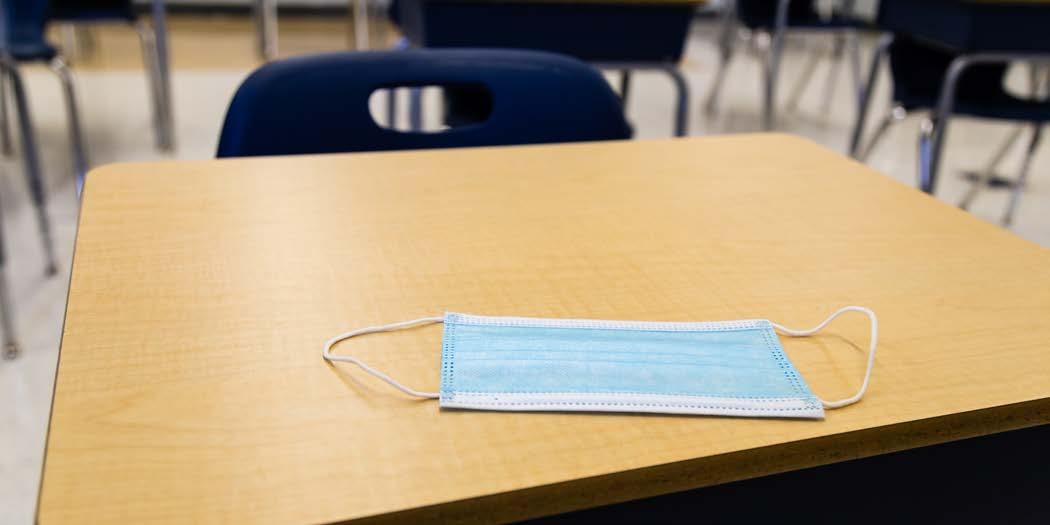
Throughout education, the sense of “normalcy”, “routine”, and “back to school” have presented a challenge different than any before with the COVID-19 pandemic. Across the world, educators continue to come together to overhaul if not re-invent entire educational systems to provide instructional supports to students through online, blended, and socially distant instruction. At the time of this writing, there is still great uncertainty regarding the pandemic’s implications for students with and without disabilities. However, there is one thing we do know: the community of educators continues to demonstrate what a powerful and unfailing resource they are and make incredible professional and personal sacrifices in their unwavering efforts to support students and families. The value of talented and dynamic educators should never again be underestimated. The outpouring of resources, instruction, responsibility, and caring that educators have taken on to support their students both inside and outside the classroom while simultaneously managing personal challenges and responsibilities is something that will never be forgotten.
Educators risk their lives and the safety and general wellbeing of their families as first responders in this international crisis. This pandemic has created many emotional challenges for everyone involved. Educational “normalcy” is gone. For months, there were no open school buildings, no morning hugs, no afterschool activities, and no traditional graduations, promotion ceremonies, or senior proms. Access to basic needs such as breakfast and lunch were put in jeopardy. Many of our students and families experienced a level of trauma that had not been seen in this capacity before. There was widespread panic and uncertainty around safety, general wellbeing, and financial and employment matters. As we reconvene this fall, those feelings are still present. The issues are still very real. In fact, in some instances and situations uncertainty has only grown.
During the pandemic response, statistics showed that calls to Child Protective Services decreased significantly. Implying that many of our students were thrust into environments where they may have been at risk for abuse and neglect with no daily check-in on their wellbeing. Domestic violence rates were
at national highs, which may mean that many of our students saw the modeling of unsafe behaviors (e.g., the performance of maladaptive behaviors in response to increased levels of stress and anxiety at home). Many students saw their parents go to work at jobs that were considered “essential”, where they lacked the necessary equipment to keep themselves safe from the virus. All families experienced heightened levels of stress and/or anxiety, with some families experiencing higher levels compared to others. The world as we knew it changed, and changed forever. We must take this knowledge and consider how we can support our students knowing that the exposure to trauma and uncertainty may continue for at least some. Much like the response to the pandemic, science and access to researchbased information, instruction, intervention, and support should show the way.
While this school year holds many uncertainties, one thing it does show us is that we have an unstoppable community of educators that will overcome this challenge as they have many before. The value of student access to caring and dynamic teachers leading communities of student scholars should never again be underestimated. The value of student access to teacher-delivered researchbased instruction should never again be taken for granted. This issue of ReThinking Behavior cannot address all of the issues, considerations, and examples of heroism that were performed during the pandemic, and it cannot answer the many questions you struggle with. What it can do is state that research-based practices, provided by highly qualified teachers, who teach in school conditions that promote their success matters, and that educators and those around them need to be supported and support one another. This includes students, their parents/guardians, and those who serve them in Pre-K-12 settings. We must become a community that rallies around each other in these unprecedented times and supports the wellbeing of students instead of casting judgement. Teacher organizations are the voice of the field and they are stronger now than ever before. We
encourage our readers to press on, focus on our students, and continue to help make a change.
Included within this issue are articles focused on timely issues for supporting our educational community. These include grassroots advocacy strategies to make your voice heard, educators as first responders, and what it felt like when our classrooms changed overnight. We also focus on collaborating with and empowering parents, taking care of ourselves, and supporting student engagement. Overall, we hope this issue gives a voice to everything that you have been feeling over the past few months, and some steps to strengthen your wellness and mental health throughout this time of continued uncertainty. We support you and are here to listen. Connect with your colleagues and reach out to us through our MSLBD Facebook page and the many educators that are walking alongside you. Tell us what you need that you are not getting so that we can advocate for you and with you. Tell us about your successes, both small and great, so that we can learn from you.
We want to hear you, we want to support you, and we want to walk this journey with you.
Reesha M. Adamson and John W. McKenna, Issue Editors
Special Education Teachers as First Responders
By Robert H. Zabel
When we think of “first responders” or “emergency responders,” our first images are of firefighters, police officers, EMTs, emergency room physicians, and nurses. I would suggest that special educators, and especially those who work with children with emotional/behavioral disorders (EBD), are potential “first responders” and life savers!
As I write this, the US and much of the world are in some state of social distancing and quarantine to help stem the spread of the coronavirus, COVID-19. The reaction to this world-wide pandemic is affecting everyone. Hospitals are overwhelmed, schools closed, “non-essential” workplaces empty, transportation systems shut down. Every aspect of the economy seems to be in freefall.
By the time you read this, I hope that our collective actions made the pandemic less damaging than feared, and that we have returned to some semblance of “business as usual.” In the midst of a crisis it’s hard to imagine what life will be like when the threat has passed and what kinds of impacts it may have on how we humans behave, interact with one another, and view our larger world.
My hunch is that this coronavirus pandemic will have pervasive, fundamental, long-term influences on our thinking and behavior. There may even be some positive side-effects –silver linings, if you will–to this crisis. Although people are social distancing, more people seem to smile and nod to one another. If nothing else, I hope we emerge with a heightened awareness of how we all depend on one another. A pandemic has no natural or humanmade boundaries. It can affect us regardless of race, nationality, geography, and socioeconomic status. We were and are all in this together.
I also hope we remember our fellow humans who did what they could to help us through this crisis, sometimes at risk to their personal well-being. They are people with different backgrounds, roles and skills who continue doing essential work that helps keep people safe, healthy, fed, and comfortable. They include everyone from emergency first responders and health care professionals to public service workers to grocery store workers and suppliers, truckers, and custodians. All kinds of “emergency responders” stepped forward to save lives, mitigate dangers, and ensure that basic and critical services continued. I hope that we all continue to recognize people who step forward to help, not only in times of crises, but in our every-day, “normal” worlds.
Adverse Childhood Experiences and Childhood Trauma
According to a recent report from the Center for Disease Control and Prevention (CDC Newsroom, 2019), childhood trauma contributes to serious health issues throughout life. Based upon a large
What the CDC Says About ACEs?
Preventing ACEs can lower risks
The CDC says, “Preventing ACEs can help children and adults thrive and have the potential to substantially lower the risk for conditions like asthma, cancer, depressive disorder, and diabetes. Preventing ACEs could reduce risky behaviors like smoking, heavy drinking, and substance misuse, and improve education and job potential.”
The CDC believes that preventing childhood trauma could potentially prevent 1.9 million cases of coronary heart disease, 2.5 million cases of obesity or overweight, and 21 million cases of depression. In addition, childhood trauma negatively affects social well-being, making it less likely children will finish high school. “Preventing ACE’s could keep 1.5 million students from dropping out of school.”
Positive childhood experiences can buffer trauma
The CDC concludes that ACEs are a major public health issue demanding concerted interventions. Fortunately, there are proven approaches to preventing and mitigating effects of childhood trauma. Positive childhood experiences, especially, can buffer against trauma and strengthen a child’s resilience.
body of research collected over the past 25 years, the CDC concludes that children in the US who experience adverse childhood experiences (ACEs; such as abuse or neglect, witnessing violence at home, growing up in a family with mental health or substance abuse problems) are at higher risk of mental health and substance abuse disorders. They’re also at significantly higher risk of dying from five the 10 leading causes of death: coronary heart disease, cancer, asthma, diabetes, and depressive illness.
Based on a survey involving 144,000 adults from 22 states that began in 1995, more than half of
US children experience at least one ACE during childhood, and one in six children experience four or more kinds of ACE. The more ACEs, the higher risk.
At the heart of prevention and protective factors, are supportive, nurturing relationships and environments for children and families. According to the CDC report, “A stable, reliable person in your life can help you at the individual level…Mentoring programs that connect children with caring adults at school, or in the community, have been shown to support children through difficulties in their lives.” In addition, economic and social support, access to primary care by physicians and other health care providers are key factors in preventing and remediating ACEs.
Special Educators as Emergency Responders
When I read the CDC report, it occurred to me that special educators are also, in many ways, “emergency responders” to this public health crisis. Some of their students have experienced multiple adverse childhood experiences, and are in a state of trauma, which is often a chronic condition (Kane et al., 2018). As such, their teachers are not only tasked with addressing their students’ psychological and educational needs, they may literally save lives. Some of these children may encounter physicians and other medical professionals who can treat physical and psychological issues related to ACEs and connect them to social services that support children
and families in crisis. Virtually all children, however, encounter educators, who are ideally positioned to provide direct support and help them and their families access additional forms of support.
Although when we think of “emergency responders,” our first images are of firefighters, police officers, EMTs, emergency room physicians, and nurses, I suggest that special educators, as well as school psychologists and social workers, are potential life savers! Like emergency responders, they rush toward children in crisis. They try to mitigate the social/emotional distress of adverse childhood experiences, while providing support and building children’s social, emotional, and intellectual skillshelping them learn and adapt. In so doing, they are helping mitigate long-term, and sometimes deadly, physical ailments associated with ACEs.
So, what are attributes of other types of emergency responders, and how do they relate to characteristics of special educators? Here are some of the attributes and skills that appear in most lists of characteristics of first responders:
Communication Ability to communicate with victims in high pressure situations to calm and reassure and communicate with other caregivers.
Empathy
Fitness
Ability to understand a victim’s perspective and how they may see a crisis situation.
Physical and psychological fitness to help get victims out of dangerous situations.
Initiative Ability to assess complex situations, respond quickly and hygienically, and quickly establish a plan of action.
Positivity Belief that there can be positive outcomes to a crisis, despite significant challenges.
Selflessness Despite potential physical or psychological risks to themselves, stepping forward to help in a crisis.
Vigilance Ability to quickly assess emergency situations, potential risks to victims, others, and self, and to determine the best course of action.
Teamwork Ability to work effectively in teams to address client needs.
I believe these characteristics of emergency responders are a good match for those of effective educators of students with behavioral needs, such as EBD. These educators need to be good communicators, be psychologically fit, be positive, be a part of a team, and be vigilant. They take initiative and are selfless. Perhaps most important, EBD educators are empathic. Of course, these are not binary characteristics; they represent a continuum of positivity, empathy, and selflessness.
While some of these characteristics reflect individual temperamental traits (i.e., more empathic, positive people may be drawn to this kind of work) some are also influenced by individual personal experiences. And, I think that some of them can, and must, be further developed in preparation programs and from experiences. I believe that teachers’ understandings of who their students are, and why they have behavioral and mental health needs (emotional disorders) are as essential to their preparation as is learning and practicing effective intervention skills.
One difference between special educators and other emergency responders is that special educators not only rush to crisis situations, they also stay for the
long haul. Special educators try to rescue injured children and help heal their wounds. They also help their students develop tools that will enable help them to be become emotionally, socially, intellectually…and physically healthier. They do that over extended periods of time.
Teacher Stress and Burnout
In light of the COVID-19 pandemic, the general public has become more aware of the critical roles first responders play. We have also learned that those roles place them at greater risk of becoming injured or ill themselves as well becoming emotionally and physical stressed as a result of their work. Another Center for Disease Control and Prevention bulletin (CDC, 2018) describes causes and characteristics of stress and burnout experienced by emergency responders and suggests practices to mitigate the adverse effects of stress and reduce burnout. Coincidentally, just last year (2019), the World Health Organization added burn-out as an “occupational phenomenon” to its International Classification of Diseases.
Likewise, there’s strong evidence that special educators, particularly those working with kids with EBD, are at risk of stress and burnout. Despite their individual strengths, psychological fitness, and preparation, their on-going efforts supporting children in crisis can take a personal toll on teachers’ emotional, psychological, and social health.
Over my career as a general and special education teacher, child care worker, and teacher educator, I’ve had the opportunity to observe and talk with many colleagues. I’ve long been concerned about the effects of special educators’ stress and burnout on their well-being as well as on teacher attrition. There has always been a shortage of people willing to do this work. Apparently, this is not work that most people are drawn to or willing to do (For a comprehensive analysis of special education teacher shortages see Anderson et al., Spring 2018 ReThinking Behavior). This is very challenging work, and, for many, the compensating rewards are
There are strong arguments for thinking of special educators, as well as school social workers and psychologists, who serve students with EBD and other behavioral and mental health needs as emergency responders.
and teacher attrition rates, but it also affects the quality of education available to their students.
As for approaches and practices to reduce negative effects of work-related stress, Brunsting and colleagues point to improved administrative support, mentoring, teamwork, reduced paperwork, as well as better alignment of job demands with time and resources. Professional preparation that matches pre-service role expectations with the realities of this type of teaching is particularly important (Zabel et al., 1984).
insufficient to attract and retain the people who are needed. Fortunately, there are some folks with the necessary personal attributes and professional skills, who are willing to take this on and thrive. However, too many of us leave the profession.
In early studies of special education teacher burnout conducted several years – even decades – ago, researchers found that teachers of students with EBD scored higher than even other special education teachers on measures of emotional exhaustion, depersonalization (cynicism), and they scored lower on personal accomplishment (Zabel & Zabel,1982, 2001). While I am not aware of more recent studies of similar characteristics in current teachers, I suspect these same characteristics apply to these teachers today. If so, these findings suggest that teacher trainers and educational administrators must work to prevent and mitigate these characteristics.
A comprehensive review of studies of special education teacher burnout (Brunsting et. al., 2014) provided clear support for associations between burnout and a range of variables at the individual, classroom, school, and district levels. Brunsting and colleagues conclude that teacher preparation, age, experience, student disability, role conflict, role ambiguity, and administrative support are particularly salient factors. Burnout not only adversely affects teacher mental and physical health
There are strong arguments for thinking of special educators, as well as school social workers and psychologists, who serve students with EBD and other behavioral and mental health needs as emergency responders. I believe there is face validity to identifying the same kinds of characteristics in effective teachers – communication, empathy, fitness, initiative, positivity, selflessness, vigilance. These are people who come forward to help kids in crisis…and they continue helping. Consequently, as for other kinds emergency responders, they are at greater risk for job-related stress and burnout.
In the midst of the COVID-19 pandemic, it’s difficult to find silver linings. We don’t know how this pandemic will develop or the full extent of disruption and damage – deaths, illnesses, economic distress – it will cause. It seems likely that the different kinds of “school” experiences – virtual, distance, home teaching and learning – will affect both educators and students. Many students living in supportive, stable home environments may readily adapt to these new different educational experiences and be relatively unscathed by the experience.
Others, however, and especially students who have already experienced adverse childhood experiences, may not fare so well in these new regimens. Their home environments may place them at risk for additional ACEs. We are seeing reports of increased incidence of domestic violence and of high rates of “truancy” among at-risk children. In addition,
these kids do not have on-going, direct access to supportive factors offered by school –safety, protection, nutrition, on-going, consistent structure and routines, and positive, supporting interactions with their teachers. Currently, special education teachers are trying to offer some of those supports virtually. However, it seems likely that many students with behavioral needs are less likely to able to participate in virtual schooling, let alone derive as much benefit compared to students with fewer risk factors. When schools do return to more usual faceto-face, non-physical distancing practices, teachers of students with EBD will likely need to therapeutically address additional stresses related to the pandemic.
As we’ve learned from recent attention to other kinds of emergency responders, the demands and stress of their work places them at-risk of emotional and psychological dangers. They need to pay attention to that reality and practice approaches to ameliorate stress and prevent burnout. Pre-service preparation programs need to deliberately address the psychological risks these teachers and support personnel will encounter and include guidance and resources about therapeutic practices of stress reduction, such as meditation, exercise, hobbies, and potential sources of support.
What Can We Do?
We have seen evidence of the connection of children to their teachers in the parades and signs honoring teachers, and the efforts of teachers to stay connected to their students. Just as for other emergency responders, teachers have been acknowledged for their roles in supporting children. However, it is not clear that the special role of teachers serving children with special behavioral and mental health needs have been adequately acknowledged or understood.
When school is back in session, school administrators will need to ensure that support systems, such as mentoring and team building, access to social/emotional counseling, and on-going opportunities for going professional development
(e.g. participation in professional education and activities and mutual support systems!) are available.
Of course, teachers must take care of themselves as well. They will need to acknowledge the risks inherent in their work, pay attention to their mental and physical health, find and build support systems within their schools and beyond, and adopt stress reduction approaches that fit their individual needs and preferences.
References
Anderson, J. A., Andrews, L., & Monda-Amaya, L. (2018). Teacher shortage in special education. ReThinking Behavior, 2(1)14-22.
Brunsting, N. C., Sreckovic, M. A., & Lane, K. (2014) Special education teacher burnout: Synthesis of research from 1979 to 2013. Education and treatment of children, 37(4), 681-712.
CDC Newsroom (November 6, 2019). Transcript of CDC telebriefing: At least 5 of the 10 most common causes of death are associated with Adverse Childhood Experiences (ACES). https:// www.cdc.gov/media/releases/2019/t1105-aces.html
Centers for Disease Control and Prevention (2018). Emergency Responders: Tips for taking care of yourself. https://emergency. cdc.gov/coping/responders.asp
Kane, E., Bricko, N., Hoff, N., & Peterson, R. (2018). Trauma informed classrooms. ReThinking Behavior, 1(3), 28-36.
WHO (2019). Burnout as an “occupational phenomenon”: International classification of diseases. https://www.who.int/ mental_health/evidence/burn-out/en/
Zabel, R. H., Boomer, L. W., & King, T. R. (1984). A model of stress and burnout among teachers of behaviorally disordered students, Behavioral Disorders, 9(3). 215-221.
Zabel, R. H., & Zabel, M. K. (1982). Factors in burnout among teachers of exceptional children. Exceptional Children, 49, 261263.
Zabel, R. H., & Zabel, M. K. (2001). Re-visiting burnout among special education teachers: Do age, experience and preparation still matter? Teacher Education and Special Education, 24, 128-139.
Robert H. Zabel, Professor Emeritus, Kansas State University, robertzabel@gmail.com
A Parent’s View on Education During COVID-19 Close Enough to Count
By Tim Geels
There is a statement I have heard all of my life that goes “close only counts in horseshoes and hand grenades”. It’s an idiom often used to mean close does not count when someone says, “I was close.” It’s in a sense saying, yes, but you still failed. Honestly, it’s a phrase I often used when I was young to point out to my friends and siblings, in essence, they still fell short of the mark.
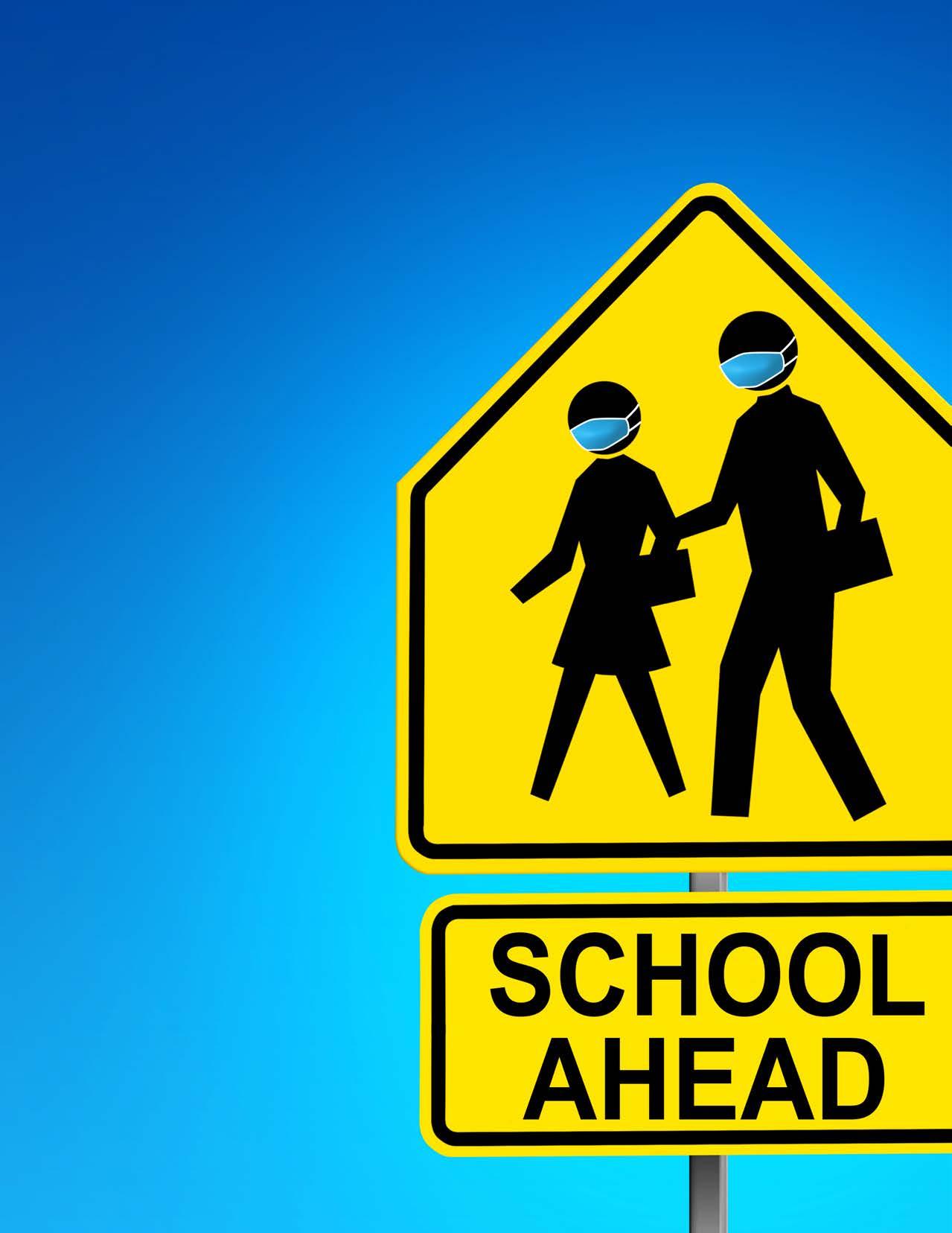
However, age has taught me that sometimes close is the best you can do… and it’s okay! This week I have been reminded of that once again. We have been saying for months now that we just want to get back to normal. COVID-19 has changed everything. This week my kids started back to school face to face. It has not been like it was last February
or the first part of March. We have new rules, new scheduling, masks being worn and less freedom of movement. Families in our district also had an opportunity to sign up their kids to continue their education but from a virtual platform to start the year. We as parents were given options to choose based on what we felt was safest and best for the needs of our individual families.
Before school even started our teachers and leaders worked hard to communicate what to expect. We had time to ready our boys for what to expect and try out different mask options. My son, Tyler, 14, who has Fragile X would not put on a mask but will wear a face shield. Is it a mask? No, but he has done amazing when asked to wear his shield. Austin, my 10-year-old, has not had a problem with the mask but his had to be “cool”. The school has installed over 100 air purifiers in the buildings to help with air quality and they have increased cleaning of all areas. Open house was virtual. Kids who ride the bus now have assigned seats. Lunchroom time is now organized with assigned tables. Everything is different. Will it be enough? Only time will tell, and we have no doubt we will at some time need to adjust.
In my work, we talk about the importance of trusting relationships built on dignity, respect and honesty that are strengthened over time. I can truly say we trust the people at Dakota Valley School District with the decisions they have made to have our kids return to school. We appreciate the open and honest dialogue along the way and the providing of options for those who still didn’t feel safe to send their kids back just yet. We trust all the safety precautions which have been put in place will increase the safety for the kids and staff in all the buildings.
I can honestly say it does not feel normal. There is still fear, anxiety and worry. However, watching my kids light up the past couple days about being able to once again see their friends and have a predictable schedule has been amazing. We are social creatures and no amount of technology can ever replace the feeling of being in the same room with a person who you like, love and trust. Is it normal? No. Is it ideal? No. Is it what I hoped my kids’ school experience would be like? Absolutely not. But…it’s close. It’s close enough to count!!
Tim Geels, SVP Corporate Instruction & Implementation, The Mandt System McCook, SD, tim@mandtsystem.com P
This essay, originally published August 24, 2020, is reprinted with the permission of the author. https://www.mandtsystem.com/2020/08/24/ close-enough-to-count/

By Sherry White
In March 2020 teachers across the states were faced with transitioning from traditional face-toface instruction to 100% online instruction. This sudden transition affected every student, teacher, family, and community. This is the story of how things happened for me, a 15-year veteran special education teacher. The names have been changed, but the stories are real.
Training and Planning
A series of intense preparations that involved professional development and staff meetings to ensure teachers could effectively transition classroom learning to the adopted online platform ensued. Teachers were expected to rewrite Individual Continuous Learning Plans, communicate with parents, and determine how paraeducators would be utilized and how to address vocational training.
Three days of district level training and meetings were held on items including new requirements for teachers serving as case managers, training on instructional platforms, and approved technologybased tools. Sorting through the information
required collaboration, long hours, and professional resilience. Other issues included addressing district technology challenges, adjusting requirements and resources, determining how to deliver services for each student, and reconfiguring student and paraprofessional schedules.
Block schedules remained in place Monday through Thursday. Friday was reserved for virtual conferences and staff meetings. Virtual class periods were reduced by 50% and teachers were given flexibility to choose when they occurred to allow for independent work time. For my students, the varying daily schedule resulted in increased issues with time management and attendance. Teachers posted office hours to provide support or address missed work; two of my students utilized this service regularly, and two others responded to set office hours when their parent could be present.
The resource room is typically direct instruction between a teacher and student while other students work independently, with a partner, or with a paraeducator. Virtual breakout rooms can mimic this model, but without adult supervision, students often became distracted by YouTube videos, Xbox, or just walking away. Adding to this challenge, my ten students required services to be coordinated around the schedules of over 20 classroom teachers.
Scheduling conferences with students on Fridays revolved around staff and IEP meetings and when the students were most likely to show up. This resulted in continuous meetings the first two weeks. After that, attendance became scarce as students chose to sleep-in or prioritize family activities. Consistent attendance was problematic, requiring ongoing parent communication and reminders.
An additional requirement of special education case managers was to schedule weekly parent meetings. Two parents were unable to meet during the school day. One could meet before school started, and the other could only meet in the evenings. My days kept getting longer. Just when I thought I was able
to complete paperwork and plan lessons, a new student arrived from a specialized day school. The paperwork I received was limited, taking nearly a week to get what I needed from the former school.
Paraeducators
New procedures for paraeducators required direct supervision from a certified staff member individually or through a virtual class session. Pairing the paraeducator with a teacher that the student did not know resulted in students not showing up or leaving the session. I invited students to join a virtual Zoom session with me followed by a 10-minute delay in which the paraeducator joined the session until the student became comfortable with the paraeducator. I could then mute myself but remain an active observer. Although this did not allow me to monitor and serve multiple students at a time, it did allow time for additional communication to parents, students, and staff.
Vocational Training
The impact on students who participated in vocational training was related to businesses being closed. A senior, who worked in a restaurant twice a week, was given the option to attend virtual transition sessions on career readiness. The student opted out of this service, choosing to rely on our scheduled conference times to attend to postsecondary needs.
There was a lot at stake to ensure my students were provided every opportunity to earn credits towards graduation. Understanding the grim future that lurked over them if we did not get this right raised the stakes even higher.
Three stressful weeks working through training, meetings, technological quirks, and planning out every aspect of instruction possible brought us to the day instruction was set to begin. We relied on our leaders,
My ten students required services to be coordinated around the schedules of over 20 classroom teachers.
Informational Technology (IT) professionals and the expertise of one another to get to this point. Well into the night before the big day, communication with teachers, parents, and students continued. Preparations in place, the idea of this new endeavor was both exciting and uncertain. I felt a sense of relief, knowing that tomorrow, our first day of virtual instruction, had finally arrived.
Ready or Not
Day 1. I sat waiting and hopeful that my students would respond to a discussion board as part of our new morning check-in routine. Before the pandemic this was the time for a friendly greeting where students moseyed in with backpacks slung over their shoulders and phones in hand. I would ask if they needed breakfast, had meds, or needed help with anything as they put their things away. Stories would be told, students would ramble on about social chatter, or grumble about an array of things.
On virtual Day 1 an empty discussion board loomed until the last five minutes when Robert responded to my morning post. Instead of late arrivals of students for check- in, parents bombarded me with phone calls, “What is Amanda supposed to be doing right now?” One just headed out the door to pick up a hotspot that was ready days ago; others could not get their teen out of bed. There were calls of despair at navigating the online platforms. The call from the district social worker was comforting after our virtual group session collapsed due to a technology glitch. Moving forward, we shared the responsibility of
addressing students’ needs throughout the morning by using screen sharing apps and talking students through the components of their classes by phone. The social worker called students that had not attended, providing support for other teachers as needed. Eventually Robert joined the virtual session for speech class, but his attendance was shortlived as he jumped on, disrupted class with chatter about video games and then left. The school social worker held things together while I got through an IEP meeting, requiring the parent to attend by cell phone until about three quarters into the meeting when she figured out how to join the virtual session. Working through the electronic signature program would have to wait till later. Students were allotted an hour for lunch ensuring they had the opportunity to utilize the school’s grab and go lunch program. My lunch was interrupted by a phone call from a probation officer regarding an incident that occurred prior to spring break and had just reached the courts.
Grabbing a quick lunch before a conference call with Tom’s mom, I was planning to share my concerns about his absence today. The absence was unexpected coming from the most consistent student on my caseload. Tom’s mom explained that her son’s long anticipated trip to Philadelphia to see his uncle, who was like a father to him, did not happen, informing me that his uncle had passed away over the weekend from the virus. Tom was now refusing to eat, staying in his room, and sleeping a lot. I notified his teachers and the school social worker who put together a gift box with his favorite snacks and a note to let him know his school family was here for him.
Sending IEP documents from earlier in the day took nearly an hour. Preparations for the next day and completing communication logs consumed the remainder of the evening for our first day of “teaching” online.
Day 2. With reminders sent out about appointment times with the school social worker, I received a
phone call from Steve, “I made a schedule and I am ready to do this.” He intended to navigate work on his own and check in with me by phone at the end of the day. Tom was excused due to the circumstances. I received a message from my new student’s mom stating that she was at work and her son told her he was not coming to school and she refused to cover for him. That morning, other than Tom, despite phone calls to parents, I had no takers on my office hours. The social worker and I conversed about how these kids were “living their best life!” We imagined late nights, sleeping in, endless hours on social media and video games. Contact with parents resulted in explanations from the internet not being capable of handling multiple devices for each of the children attending online classes, to a whole world of tech issues. Eight of our ten students were not signing in for classes. We were feeling helpless and already working harder than ever before.
Day 3. My morning started out with a phone conference. I was sure I woke her up though the time had been proposed by the parent during the previous week’s initial conference. I had tripled my communication efforts, including sending text messages to parents just before class reminding students to join the virtual session. With three adults and three students, the unit topic was self-efficacy; five minutes in and I could no longer see the tops of the heads of my students, sensing that one of them had dozed off. Attendance issues resulted in a day filled with paperwork. By 7:15 pm, the social worker and I participated in a 45-minute virtual session with a parent to address attendance concerns. Despite increased pressure put on parents to get students to log into classes, less than half of my students were trying.
Day 4. I had handled technology-based attendance issues by consulting with tech companies. But there were multiple other concerns including a parent’s availability to supervise their student, time needed for mental health services, a lack of services due to telehealth being set up, and trying to manage multiple children with intense needs. Some students’ homes struggled to provide order and support, leaving the students struggling to access the order and support schools might provide.
Friday morning was filled with students’ conferences, except for two who did not show. The afternoon was filled with meetings and a sense of complete exhaustion. In my 15 years of teaching, this week had been the longest week ever.
Over the course of the month, I had dealt with a wide range of challenges that required more time than a normal school day. Parents needed tech support, law enforcement needed consultation, and student attendance was a daily challenge. Frustrated and stressed parents were sometimes disrespectful toward staff. For parents who worked during the day, it was often necessary to assist their child outside of the workday or over the weekend. Classroom teachers were more than accommodating, sending out packets that included a few pieces of candy to students requiring assignments on paper and supporting students in private virtual sessions. Communication was non-stop to support student engagement and learning.
What have I learned from this unexpected immersion in virtual education for my challenged students?
• Creative ways to nurture relationships with students and parents, and to support social emotional growth, are essential.
• Trusting partnerships between educators and parents become more important to support virtual instruction. Teachers would benefit from training on how to strengthen these partnerships.
• With practice, teachers, students, and parents will get better at virtual communication and technology-supported instruction.
• Teaching independent time management is important.
• While it is important to establish clear guidelines, educators should plan to be flexible when the need arises.
• Districts should develop practical guidelines to address virtual attendance issues.
Educators have worked incredibly hard to figure out how to provide flexible and virtual learning experiences. We need to remind ourselves that sometimes Less is More!
In my 15 years of teaching, this week had been the longest week ever.
Although the first week of teaching virtually was the longest week of my teaching career, it along with the many other experiences has shaped me into being the professional I am today. I am humbled and honored to work with this special population of students, supportive administration and talented colleagues. As we move into the 2020-2021 year I wish all educators an incredible year that will be unlike any other. Embrace each student as you embrace each day!
Sherry White, High School Teacher of Special Education EBD, swrunning136@gmail.com

Teaching Never Gets Any Easier, But It Gets Better

IBy Justin Minkel
used to think that at some distant point on a shimmering horizon – five or 15 or 25 years into teaching – suddenly it would get easier. I would know exactly how to teach struggling readers to read. I would handle misbehavior with the masterful, no-nonsense tone of Mary Poppins laying down her expectations for Jane and Michael Banks. When I got a new student with out-of-control behavioral issues,
I would jump at the chance to stretch myself for a new professional challenge.
Once that distant day arrived, my face would no longer flush with awkwardness and self-doubt each time my principal walked into my room to observe a lesson. I would never again see glazed boredom settle over each student’s face like a limp rubber
mask. I wouldn’t once lose my temper, no matter how many times my students refused to listen or work quietly at their desks.
When that long-anticipated day arrived, I would wake up to a magnificent transformation, my methods suddenly as effective as fictional karate master Mr. Miyagi’s, my demeanor as jolly as a Tibetan monk’s.
Here’s the harsh truth I have finally accepted, this year of all years for some reason, two decades since walking into P.S. 192 in New York City as a 22-yearold first-year teacher with a heart full of good intentions and a badly knotted tie: That day will never come.
This job is never going to get any easier. I am who I am. Teaching is what it is. Like two long-married people who aren’t compatible but love each other too much to leave, this difficult profession and I are stuck with each other for the long, arduous haul.
Why It’s Still Hard
I still struggle to help some readers unlock the baffling intricacies of print. I still stifle an internal sob when I get a new student whose misbehavior defies both kindness and stern words.
Heat still sears my throat when my principal walks in with a clipboard at the worst possible moment. I still watch my students get so bored that they gaze at the cracks in the ceiling rather than pay attention to my lesson. I still get so grumpy with them some days
that I sound more like the Soup Nazi in “Seinfeld” – “No reading on the class couch for you!” – than a jocular Tibetan monk.
It doesn’t matter how long you’ve been teaching or how much you care about children. This job is hard. Especially if you teach children with special needs or kids living in poverty. Especially if you’re one of those teachers who finds no comfort in the mantra “I’m doing my best” when your students aren’t making the growth they need, and instead you hear Winston Churchill’s gruff voice in your head: “It is not enough that we do our best; sometimes we must do what is required.”
Why We Shouldn’t Quit
It won’t get any easier. It will get better, though, because you will get better.
You’ll learn to look at your class and see each individual clearly: that entire evolving constellation of needs, strengths, interests, and personality traits within every child.
You’ll learn to balance responsibility with delight – to make sure your students work hard each day but get to laugh hard each day, too.
You’ll get better at both the art and the science of teaching. Knowing when to follow your instincts and when to question your beliefs, when to trust yourself and when to ask for help, when to give your methods time to work and when to try something different.

“…you realize that the answer is not to try to make the job any easier, but to open your heart even wider.”
You will bring your thousands of hours of experience to bear on each new situation, whether it’s a child who still can’t read or a child who won’t stop crying and come out from under her desk.
You’ll stop seeing all these tests, rubrics, and standards as an end in themselves, and recognize them as the means to a greater end: helping children live the lives they dream. Helping them find joy and meaning in the imagined worlds within books, the orderly possibilities of numbers, the elaborate architecture of the natural world, and the mysterious galaxies within themselves.
You will teach little brothers and sisters of former students whose families have come to love you. You will be standing in line for movie tickets when you hear a timid, delighted voice say, “Mr. Minkel?” and you will turn to see that the marvelous boy you taught in 3rd grade has grown up to be a marvelous man.
You’ll learn, like Odysseus does in Homer’s Odyssey, that the trials of a day, year, or an entire career can become sweet in the telling – that the absurd situation that made you gnash your teeth this morning is kind of hilarious as you tell your loved ones about it over a glass of wine tonight.
You’ll discover, as Henslowe promises in “Shakespeare in Love,” that it really will all turn out well in the end – Pritha will learn to read, Abigail will stop crying and come out from under her desk –
Justin Minkel on Teaching Vulnerable Populations During the Pandemic
(3:29 minutes)
Justin Minkel, an elementary school teacher from Arkansas, discusses the progress he saw through remote learning, his concerns for the vulnerable population he teaches, and what he’s preparing for come fall. https://video.edweek.org/detail/ video/6163484402001/justin-minkel-onteaching-vulnerable-populations-during-thepandemic?autoStart=true&cmp=eml-enl-vid-p7
though just how it will work out is always a mystery until the end.
What We Can Do
When author Marie Mutsuki Mockett lost her father, she kept waiting for the grief to abate. Finally, she realized that it never would. She told NPR:
“What I learned was, it wasn’t really possible for me to miss my father less. But ... that world, the backdrop against which I missed him, could be larger, which had the effect of making that pain feel less. And the only way to do that was to sort of open my heart up more.”
A new school year will arrive in your fifth or 15th or 25th year when you realize that the answer is not to try to make the job any easier, but to open your heart even wider.
Children you have come to love will still struggle through abuse, neglect, learning disabilities, systemic racism, and poverty. You will still confront the pressures and demands of a job that often feels impossible. You will continue to doubt your abilities, the strength of your spirit, and your decision to become a teacher more often than you want to admit.
You will never manage to reduce the magnitude of those hard things through effort, skill, or years of experience. But you will do something even greater. You will make your love for these children and this work so vast that all the frustrations, failures, heartbreaks, and exhaustion become smaller in comparison to the mass and gravity of that mighty love.
That’s all we can do. It’s enough.
Justin Minkel, 1st and 2nd grade Teacher, Jones Elementary, Springdale, Ark., former Teach for America Corps member, and the 2007 Arkansas Teacher of the Year, jminkel@sdale.org.
This essay, originally published by Education Week on September 11, 2019, is reprinted with the permission of the author.
Parents as Partners: Empowering Parents of Youth with Emotional and Behavioral Disorders
By Jacqueline Huscroft-D’Angelo, Alexandra Trout, Kristin Duppong Hurley, and Matthew Lambert
Nurturing and involved parents serve as a powerful protective factor in the life of a child especially when they are engaged in their child’s academic, social, and emotional development. An essential component of parental involvement is empowerment. Empowerment is “The ability to seek control over one’s life by taking action to get what one wants and needs” (Murray et al., 2013, p. 146). Empowered individuals possess the knowledge, skills, and motivation to achieve a desired outcome. People with higher levels of empowerment feel they can promote positive changes to improve their quality of life or foster a life-style change that is necessary for achieving successful outcomes. Thus, empowerment plays a crucial role in parenting, including parental involvement in school. When parents are empowered, they can have a greater influence on their child’s educational experience, more effectively communicate with school staff, and have increased access to school-based resources, information, and supports.
High levels of parental empowerment have been positively correlated with improved academic achievement, improved child behavior, and positive school behavior (Holcomb-McCoy & Bryan, 2017). When parents are empowered to assist with school related activities at home (e.g., homework routines), children see benefits such as higher rates of homework completion, improved test scores, and engagement in informal learning. Finally, when parents are empowered, children tend to be more engaged in the school setting (e.g., involvement in extra-curricular activities, high graduate rates). However, for some families, barriers can hinder home-school engagement and the parents’ sense of empowerment.
Barriers to Empowerment
Parents of children with emotional and behavioral disorders (EBD) often face barriers that can challenge empowerment levels. This may include mistrust with teachers and service providers, feelings of blame and stigma, poor relationships with pro-

fessionals, difficulty navigating school services, and negative prior school interactions. These barriers, coupled with the challenges of caring for a child with EBD, can contribute to poorer family functioning, increased parental stress, and ultimately decreased empowerment, self-efficacy, and ability to advocate for their child. Children with EBD often receive services and supports in and outside of school that require engagement and advocacy from parents. Therefore, it is imperative to reduce potential barriers and empower parents.
Educators continually work to improve parent involvement especially for parents of students with EBD often with little success. Many schools schedule parent meetings at convenient times, encourage teachers to call parents to share positive news about their child’s accomplishments, and invite parents to be partners in designing IEPs. Yet, the perspectives of parents of children with EBD show complex and at times paradoxical findings. For example, while some parents frequently help their child with homework, they also report high levels of dissatisfaction with the school. Other parents regularly attend meetings with teachers, yet are described as passive and not actively contributing. While parents of students with EBD may attend more parent-teacher conferences, these meetings are likely to focus on negative issues like suspensions, rather than to encourage productive homeschool partnerships.
Building Parent Empowerment and Promoting Parents as Partners
In spite of the barriers, successful approaches do exist. Two promising approaches, Parent Connectors and On the Way Home (OTWH), have established preliminary evidence for building parent empowerment and helping families of children with EBD.
Parent Connectors (PCs)
Parent Connectors (Kutash et al., 2013) is a manualized parent-to-parent support intervention, where peer-parents (parent of a child with EBD

who has received special education services) provide weekly calls to a parent of a child with EBD who is currently receiving special education services over the course of the school year. Parent Connectors is founded on the Double ABCX theory on family stress, coping, and adaptation as well as the Theory of Planned Behavior. The primary goals of the calls are to provide emotional support to reduce feelings of stigma and blame, promote positive attitudes towards school and mental health services for their child, provide informational support on school special education services, and help families link to community programs for instrumental support, such as assistance with paying electrical bills or finding affordable healthcare for their child.
Empowerment is particularly important and challenging for parents of children with EBD.
In Parent Connectors, all parent support occurs through weekly phone calls. During the call, the PCs share their experiences, provide emotional support, discuss expected positive benefits of the parent engaging with others, and problem-solve solutions with the parent. On average, parents engage in calls with their PCs on average over 6 hours with some families over 40 hours throughout the academic year. The use of phones to deliver parent-to-parent support allows the intervention to be conveniently delivered to families any time or day of the week, while addressing additional barriers such as transportation or having child-care.
In addition to the weekly conversations with the parent, the PCs also participate in weekly supervision sessions with a trained Parent Connector Coach, who is a licensed mental health profession-
Parent Connectors Core Components & Empowerment Supports
Intervention Content Intervention Process
Emotional Support
Positive Attitudes Towards Services
• Listen to parental concerns
• Interest in parent's experiences
• Express empathy
• Importance of social support and benefits of services
• Can influence educational and MH services for child
Informational Support
Instrumental Support
• Sharing information about youth behavior, school & developmental transitions, coping, parenting, IEPs
• Parents learn to identify basic family needs
• Learn skills and find resources to meet these needs
al (social worker, psychologist, or mental health practitioner), experienced with children who have emotional and behavioral difficulties, knowledgeable about special education programs, and experienced with working with families. Supervision allows for ongoing conversation, feedback, and insight on additional strategies that could be used to engage and empower parents. These combined efforts are expected to reduce feelings of parental isolation, improve parents’ perceived benefits for working with schools and community mental health services, improve parent-teacher relationships, reduce caregiver stress and strain, and increase parental engagement in their child’s education. Improvements in these areas are then expected to improve the child’s emotional and behavioral functioning at home and school.
PCs have a unique perspective on how this program benefits families and the role it plays in fostering empowerment in parents who have a child with EBD.
Peer-support from parents with similar experiences
Weekly 30-minute phone calls to parent
Individualized parent connectors support to meet families’ unique needs
Weekly parent connector supervision of client progress
“I feel like Parent Connectors is needed because there are so many families that come into special education without knowing what to do – they have behaviors at home and behaviors and school …and it helps to increase their engagement at school.” – Andi
“Parent Connectors is a program that helps parents who have youth who may have challenges that are emotional or behavioral, and we help the parents fully engage and be effective partners with their school and social service providers.” – Andrea
“I wish the Parent Connector program would’ve been around when I was going through my struggles with the schools and helped me navigate the schools. It would’ve made my life and experience a lot easier.” - Dawn
To learn more about Parent Connectors or to become a trained PC site visit https://cehs.unl.edu/ parentconnectors/. #
On the Way Home (OTWH)
OTWH (Trout et al., 2013) is an aftercare model developed to address the education and transition needs of youth at-risk and their families following a stay in residential care. Services are delivered by trained Family Consultants and target three primary components – parent support, dropout prevention/school engagement, and homework support - for a period of 12 months. On average, Family Consultants meet with participating families for two hours per week to discuss youth school engagement, work on targeted youth and family skills, and review youth homework progress. Family Consultants also work directly with schools to
address youth needs and monitor risk indicators to prevent failure and promote school engagement. Parent support is addressed through Common Sense Parenting (CSP; Burke & Herron, 1996), a behavioral curriculum designed to increase parental empowerment and family functioning through 18 key skill areas (e.g., effective praise, preventive teaching, teaching self-control), taught to parents one-to-one in the home, and reinforced through role-plays and re-teaching over the 12 months. Family Consultants use direct instruction, observations of video-taped and live modeling of skills in use with children, and role playing to practice each skill in a structured learning environment prior to using them with their own families.
On the Way Home Components and Developmental-Ecological Framework
Family Support (Common Sense Parenting)
• Skill Development
• Promote parent preparedness/ confidence for the youth’s reintegration
School Support (Check and Connect)
• Monitor Risk Behaviors
• Promote Engagement
• Address Risks
Academic Support (Homework Intervention)
• Develop Homework Routine
• Monitor Work Completion
• Link to Educational Supports
Results
Youth Placement and School Stability
Improved Academic and Behavioral Outcomes
Increased Parent Self-Efficacy and Empowerment
STRATEGIES
Assumptions
• Enhanced parent self-efficacy and empowerment improve youth placement stability.
• Students who are emotionally and behaviorally engaged with the school present better school stability.
• Effective parent-school communication and enhanced educational supports improves student attainment of educational goals.
School engagement and dropout prevention are addressed through a modified version of Check & Connect (C&C; Christenson & Thurlow, 2004). C&C was designed to enhance child, family, and school relationships and prevent school dropout. Key features of C&C include: relationship building, routine monitoring of alterable indicators, individualized and timely intervention, long-term commitment, persistence plus, affiliation with school and learning, and problem-solving. These features are addressed through two components, “check” and “connect”. In “check” alterable factors for scshool engagement (e.g., absenteeism, detentions, truancy) are monitored weekly to indicate level of risk. These data are then used to determine the necessary supports for the “connect” component. Connect involves two student-focused interventions, basic and intensive. All students receive the basic interventions, while students who display high risk within the alterable indicators receive additional intensive interventions to reduce problem behavior and increase school engagement. Parents work with the Family Consultant to monitor these risk factors and participate in discussions to determine the most appropriate level of intervention in connect.
Finally, academic engagement is addressed through a homework support intervention designed to promote youth independence and decrease homework related family stress. The homework intervention consists of two components, basic and enhanced. The basic strategy involves working with the parents and youth to develop a functional homework environment and an approach to record and monitor tasks. The enhanced component is for youths and families who require additional support with homework completion. Supports include strategies such as identifying a tutor, contacting a homework helpline, establishing behavioral contracts for homework completion, and adding a study period to the child’s academic schedule.
Across all three OTWH components, Family Consultants work to implement several strategies that address parental empowerment.

• Initiating weekly conversations with the families to determine necessary parent and family supports
• Facilitating frequent and ongoing proactive communication with the child and the school regarding educational expectations, goals, and progress
• Engaging parents in strategies to monitor student progress via online portals, school calls, and homework planners
• Providing structured direct instruction and modeling of key behavioral strategies to build parent skills and confidence in increasing prosocial and decreasing antisocial child behaviors.
Families and Consultants acknowledge the benefits offered to them through involvement in OTWH.
“My family would not be where they are today without this program.” – Brenda, a parent
“If it wasn’t for OTWH, our family would not be stable and together.” – Bre’anda, Brenda’s daughter is currently enrolled in college planning to become a counselor.
Mac, a family consultant is – “able to watch parents grow, become confident, stay calm, and work through difficulties”
To learn more about On the Way Home or how to incorporate this in your school visit https://cehs. unl.edu/ccfw/way-home/
Take-Aways for Your School
Parent Connectors and OTWH address parental empowerment as one area of focus among other social, behavioral, and academic goals. Both interventions are conceptualized from distinct theoretical frameworks, require different delivery methods, and varied intensity levels. However, there are common themes across both programs that are
practical to implement and generalize into school settings if your district is not able to be trained in either formal approach.
1. Parental empowerment in families who have a child with EBD increases when directly addressed through strategies and supports. It is well-established that empowerment has been identified as a mediator for child behavior, stress, resources, child development, parent engagement, satisfaction with decisions made, and experiences with services and supports. Feeling empowered allows parents to bring about positive change for themselves and their families and is important for maintaining and enhancing family well-being. This encourages and allows parents to become involved at multiple levels within the school and home. Both Parent Connectors and OTWH demonstrate that empowerment increases across multiple areas (family, services, community) when explicitly addressed. Finding opportunities within the school setting to incorporate empowerment strategies such as
o Explicitly teaching parents to monitor student educational indicators,
o Identifying a school-home liaison to share both adaptive and maladaptive child behaviors, and
o Establishing regular contact with parents to identify family goals for their child’s education can contribute to more meaningful outcomes in situations such as during an IEP meeting, problem-solving during periods of elevated risk, or during transitions.
2. Enhancing empowerment through the provision of supports. Parent Connectors and OTWH deliver supports through a variety of personnel (e.g., veteran parents, school personnel, service providers). In our studies with families of students with EBD, we found it does not have to be the school counselor, or teacher, or a specific person to take on the role. Schools can look within their building or
. . . It is imperative to reduce potential barriers and empower parents.
community to identify who might be the most appropriate individual to work with families. Understanding aspects of the parent’s background (e.g., potential barriers, characteristics) would be an important factor when deciding who could be a potentially effective support. Similar to students, parents also have varied needs. Therefore, some may need more personal connections such as a peer-parent while others may require more formalized supports from a professional service provider.
3. Connect parents to resources that will build knowledge and understanding of special education. Finding resources that could help parents understand the process of special education also contributes to increased empowerment. Each state has a parent training center supported by the U.S. Department of Education (https://www.parentcenterhub.org/ find-your-center).
4. Consider visiting your own state department of education website to see if there is a parent page and review the available resources for parents. Finally, when parents are provided documents by the school, find time to ensure they understand the information being presented to them. Special education is complex and parents may feel easily overwhelmed by the print material if they do not have a working knowledge of the basic terminology affiliated with special education.
Assessing Your Efforts
How do we know if parents are empowered? Is it through self-report? Engagement in school activities? Conversations with school personnel? Child academic or behavioral outcomes? Realistically, each one and all combinations of these strategies can demonstrate if strategies are effectively promoting empowerment in parents. Ideally, it would be beneficial to monitor parental empowerment via two or more methods. For example, one might collect parental surveys of empowerment, school records of parent attendance and participation in IEP meetings, and parent and teacher surveys regarding teacher-parent relationships. Having multiple sources of information that could be monitored repeatedly over time will help school professionals better understand if their efforts to improve parental empowerment are successful.
One direct method to examine changes in empowerment is by self-report. Both Parent Connectors and OTWH evaluate parent empowerment using the Family Empowerment Scale (FES; Koren et al., 1992). The FES contains 34-items designed to measure the empowerment of a parent or caregiver who has a child with an EBD. All items are rated on a 5-point scale (1= not true at all to 5= very true) with higher scores representing more empowerment. FES items are grouped in three subscales: Family (12 items; e.g., I feel I am a good parent, I feel my family life is under control), Service System (12 items, e.g., I know what services my child needs, I am able to make good decisions about what services my child needs), and Community (10 items, e.g., I help other families get the services they need, I have ideas about the ideal service system for children), and an overall score. The scores from the FES have been found to be reliable and valid for use in this population of caregivers (Huscroft-D’Angelo et al., 2018).
The necessary role of parental empowerment in school involvement is well-established. Empowerment is particularly important and challenging for parents of children with EBD. Parent Connectors and OTWH are two examples of successful approaches to improve
parental empowerment, contributing to decreased parent stress and strain, increased parent engagement, advocacy, and parent-teacher relationships, and increased student behavioral and academic outcomes.
References
Burke, R., & Herron, R. (1996). Common sense parenting: A proven, step-by-step guide for raising responsible kids and building happy families. Boys Town, NE: Boys Town Press.
Christenson, S. L., & Thurlow, M. L. (2004). School dropouts: Prevention considerations, interventions, and challenges. Current Directions in Psychological Science, 13, 36-39.
Holcomb-McCoy, C., & Bryan, J. (2017). Advocacy and empowerment in parent consultation: Implications for theory and practice. Journal of Counseling & Development, 88, 259–268. doi:10.1002/j.1556-6678.2010.tb00021.x
Huscroft-D’Angelo, J., Lambert, M., Duppong Hurley, K., & Trout, A. L. (2018). Investigating the factor structure and validity of the Family Empowerment Scale for parents of children with emotional disturbance in middle school. Children and Youth Services Review.
Koren, P. E., DeChillo, N., & Friesen, B. J. (1992). Measuring empowerment in families whose children have emotional disabilities: A brief questionnaire. Rehabilitation Psychology, 37, 305-321. doi:10.1037/h0079106.
Kutash, K., Duchnowski, A. J., Green, A. L., & Ferron, J. M. (2013). Effectiveness of the Parent Connectors program: Results from a randomized controlled trial. School Mental Health, 5, 192-208. doi:10.1007/s12310-013-9106-4
Murray, M. M., Handyside, L. M., Straka, L. A., & Arton-Titus, T. V. (2013). Parent empowerment: Connecting with preservice special education teachers. School Community Journal, 23(1), 145-168.
Trout, A. L., Lambert, M., Epstein, M., Tyler, P., Stewart, M., Thompson, R. W., & Daly, D. (2013). Comparison of On the Way Home Aftercare supports to usual care following discharge from a residential setting: An exploratory pilot randomized controlled trial. Child Welfare, 92, 27-45.
Jacqueline Huscroft-D’Angelo,, Alexandra Trout, Kristin Duppong Hurley, & Matthew Lambert, University of Nebraska-Lincoln, jndangelo@unl.edu
This research was supported by the U.S. Department of Education through Grant #R324A120260 to the University of Nebraska-Lincoln. The opinions expressed are those of the authors and do not necessarily represent the views of the Institute of Education Sciences or the U.S. Department of Education.

A Trauma-Informed Approach for Managing Educator Stress
By Rachel Jones STRATEGIES
As a mental health professional who has spent more than a decade supporting diverse school systems around the importance of mental health education and helping them access services for students with critical mental health needs, I have been equally concerned for the mental health of the dedicated administrators, teachers, and staff. Their mental health is as important as that of the children they serve. Their own chronic and toxic stress impacts their well-being just as chronic and toxic stress impacts the students and families they interact with regularly. It is through that lens that I want to state the case for schools to use trauma-informed approaches to bolster their best resource – school personnel – to achieve good mental health and overall well-being. Everyone benefits in the end.
Types of Stress
Stress is a normal part of the human experience. Within school environments, educators respond to stressors ranging from the demands of the work and schedule to managing social-emotional reactions of students, families, colleagues, and community members. Stress in their personal life influences their work. Stress in their work influences their personal life. The responsibility of managing stress cannot lie solely on the shoulders of each individual. Schools can and should
implement a trauma-informed approach to help educators and staff manage stress and improve the overall school culture.
Stress comes in many forms. Some is considered positive. The start of a new school year or semester, transitioning into a new role, meeting a new group of students, or celebrating graduation are examples of events that people look forward to and celebrate, yet also associate with a certain amount of stress. Hallmarks of this type of stress are surges of energy, focus, and excitement and the feeling that this stress manageable.
Tolerable stress is stress that initially causes a person to feel overwhelmed and fearful that they cannot overcome the situation. While it may be more severe and frequent, protective factors and a positive support system often help individuals manage tolerable stress. For many educators, protective factors can include consistent sleep, balanced nutrition, regular physical activity, social connections in and outside the workplace, a “growth mindset”, hobbies, and leisure activities. But if absent, tolerable stress can evolve into something more serious or chronic eventually affecting one’s quality of life.
Toxic stress is both chronic and absent of protective factors and support systems that

promote resilience and recovery. Though often associated with early childhood trauma and development, toxic stress is also experienced by adults. Consider how many helping professionals within a school system are threatened or harmed and/or experience negative workload, isolation, role ambiguity, and conflictual relationships with colleagues. Such toxic stress can take a toll on the person’s well-being.
Secondary traumatic stress often impacts many helping professionals in schools. Secondary traumatic stress refers to both direct and indirect exposure to trauma. For example, an educator may be the victim of a trauma that occurs in school. They may also be exposed to another person’s suffering and trauma. Hearing stories, seeing evidence of or suspecting abuse and neglect, writing reports about a person’s trauma history, or helping someone manage unpredictable and chronic problems can feel unmanageable and emotionally draining. In some cases, a person can develop symptoms similar to posttraumatic stress disorder, depression, or anxiety disorder.

The Stress Response System
No matter the type of stress, it is important to understand how the brain and body work together when under stress. Everyone has a stress response system. When a threat is detected, the stress response is activated. What is considered a threat? That depends on several personal factors. Some examples found in the school environment may include drills, student outbursts, classroom disruption, and abrupt changes in schedules, lockdowns, and evaluations. What one person considers threatening may not seem threatening to another.
Once the stress response system is activated, it stimulates the nervous and endocrine system and produces stress response hormones like cortisol and neurotransmitter hormones such as epinephrine and noepinephrine (Levitt, 2018). Messages are sent from the brain to different organs in the body to fight, flight, or freeze. Once the threat has passed, it can take a considerable amount of time for the body to return to its normal state. If the stress threat is repeated or prolonged, a person may become irritable, fearful, nervous, worried, angry, or forgetful. This often goes beyond thoughts and emotions. A person might also experience migraines, chest pains, sleep deprivation, muscle aches, bone and joint pain, itchy skin, hair loss, or constipation. Left untreated chronic, painful, emotionally, and financially costly health conditions can develop.
An interesting thing about the stress response system is that the brain cannot tell the difference between perceived or real threat. The stress response can be triggered whether or not the thing someone is worried about actually happens or not. Consider for a moment how many times a person worries about or prepares for the worst possible outcome. They might even rehearse how they will respond when what they are afraid of happens. Their brain is detecting stress and threat, so their response system is already working overtime. This partly explains why some people have stomach
aches, headaches, and restless sleep leading up to events that cause them anxiety. Whether or not the event turns out better or worse than predicted, or happens at all, makes no difference to the stress response system.
Helping Educators Manage Stress
The growing body of research on stress and trauma in the workplace points to how an overstressed and traumatized worker may experience difficulties with memory, creativity, performance, decisionmaking, attendance, and the ability to work in teams and manage change (traumaawareschools. org/secondaryStress). Much of the focus on stress management has rested on the individual’s habits, choices, and need to improve their self-care strategies. The intention is good, because there are benefits to self-awareness and most people have the ability to improve their lifestyle choices. But individual change alone does not solve the larger problem. As a licensed professional counselor, I am well-trained to teach people the benefits of deep breathing, body scans, thought-stopping, and creating self-care plans. Those strategies work. But changing a person’s habits may not be enough if they work in a stressful environment.
Encouraging staff to care for themselves is simply not enough. In fact, sometimes it backfires. Individuals can feel annoyed, pressured, and resentful whenever they are told to carve out time for selfcare. Resilience helps people overcome adversity. When positive experiences outweigh negative ones, the results include positive outcomes and a more balanced well-being. But, the science of resilience shows us that it requires supportive relationships and opportunities for skill-building. Resiliency is also promoted when internal predispositions and external experiences interact. Neither individual characteristics nor social environments alone will produce positive outcomes for toxic stress environments. Both must work together (Center on the Developing Child, 2015).
Teams and organizations can also experience a
Stress in their personal life influences their work. Stress in their work influences their personal life.
collective stress response. How many times do teams or groups within the school system feel the collective stress response when reacting to a critical situation? Sometimes it looks like chaos, heightened emotions or arguments when responding to a critical situation that impacts several people like accidents on school property or serious safety threats. At other times, collective stress is seen when staff members are managing critical student situations without debriefing or planning ahead, or responding to the same type of problem repeatedly without strategically planning to try different interventions. A change in the work culture and climate is needed to better address collective stress responses.
How can schools address personal and collective stress? They can begin by creating a work culture that helps people manage and mitigate stress to include:
• having clear expectations and processes
• management that is available to staff
• regular and productive meetings
• clear emergency protocols
• debriefings after incidents
• predictable schedules and breaks
• addressing barriers to supportive professional development
• incorporating school staff feedback
• providing training for school personnel to identify their own signs and symptoms of toxic or traumatic stress
• offering resources through Employee
Assistance Programs to help reduce stress and promote well-being (National Child Traumatic Stress Network, Schools Committee, 2017).
These components can be implemented by adopting a trauma-informed approach within each school system. The process takes time. It will not happen overnight, or even over one academic year. But, it is worth it to begin the journey. Becoming a traumainformed school means examining and adjusting policies, procedures and practices that impact administrators, teachers, staff, students, families, and stakeholders. My experience has shown that if trauma-informed principles became the norm for how everyone is treated, work is assigned, decisions are made, and problems are solved - the ability to manage stress would increase and the occurrence of stressful situations would decrease.
Trauma-Informed Support
Recognizing how stress and trauma impact brain development, relationships, learning, long-term health, and social consequences is critical to creating trauma-informed change. The first step is to implement the trauma-informed principles of safety, trustworthiness, choice, collaboration, and empowerment which will foster healthy interactions and environments, help prevent re-traumatization, and promote resilience and recovery (Harris & Fallot, 2001). The Missouri Trauma Roundtable (MTR, Alive and Well Communities, 2018) adapted those principles to include cultural competence and establish the following definitions.
• Safety – Ensure physical and emotional safety. Recognize and respond to how racial, ethnic, religious, gender, or sexual identity may impact safety across the lifespan.
• Trustworthiness – Foster genuine relationships and practices that build trust. Make tasks clear. Maintain appropriate boundaries. Create norms for interaction that promote reconciliation and healing. Understand and respond to ways in which

explicit and implicit power can affect the development of trusting relationships. Acknowledge and mitigate internal biases and recognize the historic power of majority populations.
• Choice – Maximize choice. Address how privilege, power, and historic relationships impact both perceptions about and ability to act upon choice.
• Collaboration – Honor transparency and self-determination. Seek to minimize the impact of the inherent power differential while maximizing collaboration and sharing responsibility for making meaningful decisions.
• Empowerment – Encourage self-efficacy. Identify strengths and building skills which leads to individual pathways for healing while recognizing and responding to the impact of historical trauma and oppression.
A second component of a trauma-informed approach is the focus on social and emotional learning (SEL). Over the last couple of decades, schools have become increasingly aware of the social and emotional needs of students. Terms such as
behavioral health, mental health, or social emotional health, are sometimes used interchangeably to refer to the social, emotional, and psychological needs students have that support learning core academic skills. But, social and emotional skills are not just for students. Adults benefit from learning and practicing them as well. The most successful schools that implement SEL embrace the idea that SEL is vital for everyone’s health. The Collaborative for Academic, Social, and Emotional Learning (CASEL) defines social and emotional learning as:
• Self-awareness - knowing your strengths and limitations which promotes confidence and a growth mindset
• Self-management - managing stress, controlling impulses, and motivating yourself to set and achieve goals
• Social awareness - understanding another person’s perspective and empathizing with them, especially people of diverse cultural backgrounds different from your own
• Relationship skills - communicating clearly, listening to learn, cooperating with others, resisting unhealthy social pressure, negotiating conflict, and asking for and offering help when needed
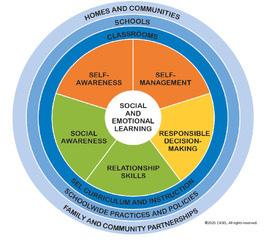
• Responsible decision making - making constructive choices about personal behavior and social interactions through the lens of ethical standards, safety, and social norms
CASEL’s framework has been used to help classrooms, schools, districts, homes, and communities. Research of their model, spanning over two decades, highlights benefits that include an 11% gain in academic achievement and decreased dropout rates, school and classroom behavior problems, drug use, teen pregnancy, mental health problems, and criminal behavior. Results have shown that for every dollar invested, there was an eleven dollar return on investment.
The CASEL SEL Trends brief, “Strengthening Adult SEL,” highlights key components such as strengthening central office expertise, providing high-quality professional learning, deepening adult SEL competence and building staff trust, community and collective efficacy.
How much better would educators feel and perform if they had more time in the classroom to focus on students without distractions and disruptions?
How much more job satisfaction would administrators feel if they could use their knowledge and skills constructively, rather than addressing repetitive and systemic problems.
How would quality of life improve for all individuals in a school culture that supports strengthening social-emotional health?
The Missouri Model
In 2014, the Missouri Department of Mental Health and MTR created, Missouri Model: A Developmental Framework for Trauma-Informed Approaches, incorporating the stress knowledge base, traumainformed principles and practice, and the CASEL model. The Missouri Department of Elementary and Secondary Education adopted the model and collaborated with Alive and Well Communities and MTR to create the guidance document, The Missouri
Model for Trauma-Informed Schools in 2019 (link to https://dese.mo.gov/traumainformed. ) This model defines four stages along the continuum of becoming trauma-informed –
Trauma Aware u Trauma Sensitive u Trauma Responsive u Trauma-Informed.
The guidance document identifies twelve indicators of trauma-informed schools with key tasks, processes, indicators, and resources for each.
1. School leadership and staff demonstrate an understanding of the impact and prevalence of trauma in daily practice.
2. An equity lens is applied to all programs and policies to address bias and the impact of historical trauma and systemic oppression.
3. Students are given age-appropriate information about stress, trauma, and emotional/behavioral regulation and opportunities to develop new coping tools.
4. Staff have access to needed supports, including coaching, consultation, and meaningful professional development; benefits that support their health and well-being; necessary materials and resources; and administrative support in prioritizing self-care.
5. Schools actively, appropriately, and meaningfully engage parents and caregivers in relevant educational opportunities and decision making at all levels.
6. Discipline practices and policies support restoring and repairing community, addressing the unmet, underlying needs driving behavior, exercising compassion, and supporting a culture of accountability.
7. Students are given meaningful and developmentally appropriate leadership and decision-making opportunities, particularly around issues that directly impact their experiences and education.
8. Staff have access to meaningful leadership opportunities and are supported in trying new and innovative techniques to support students.
9. Schools actively, appropriately, and meaningfully partner with community organizations to meet the needs of students and staff.
10. Curriculum design across grade levels and subject areas supports the trauma-informed process.
11. Human resources and supervision practices, including hiring, performance management, and employment transitions reflect the principles of trauma-informed care.
12. Schools have a system in place to continually evaluate and improve practices and policies.
Included in the guidance document is specific information on the implementation of each of these twelve indicators; as shown in this example.
Indicator 1: School leadership and staff demonstrate an understanding of the impact and prevalence of trauma in daily practice.
Trauma Aware Trauma Sensitive Trauma Responsive Trauma Informed
Staff members are able to articulate basic information about the impact and prevalence of trauma
All staff have received a standardized training on trauma and trauma- informed schools
Staff show signs of understanding information about trauma, referencing it informally
Staff begin to understand the importance of addressing their own stress and trauma
Teaching is stressful, so stressful at times that it impacts job performance and quality of life. The increasing focus on mental health in schools should not apply only to the student body. Administrators, teachers, and school staff deserve the benefits of positive mental health and wellness. They must make and practice healthy lifestyle choices to build resilience and prevent and manage stress. Equally important, their school environments must be prepared to support them. Implementing trauma-informed principles in system-wide policies, procedures and practices, promoting social emotional learning for staff and students, and using a model to achieve trauma-informed school indicators can effectively provide support to schools. Expecting individuals to carry the burden of stress and practice self-care without changing the environment they work in will yield short-term results. A trauma-informed approach promotes lasting change and better outcomes for all.
Staff begin to change their approach to instruction and discipline to better reflect the impact of trauma
Staff begin to proactively work to strengthen their own regulation and the regulation of their students
All staff respond to students and one another in a way that reflects the science of trauma
Staff members routinely share new information and innovative ideas to meet the changing needs of students
Trauma-informed responses are embedded within the organization
References and Resources
Alive and Well Communities. (2018). www.awcommunities. org/our-vision
Center on the Developing Child (2015). www.developingchild. harvard.edu
Collaboration for Academic, Social and Emotional Learning. https://casel.org
Harris, M. and Fallot, R. (Eds.) (2001). Using Trauma Theory to Design Service Systems. New Directions for Mental Health Services. San Francisco: Jossey-Bass.
Levitt, P. (2018) Toxic Stress www.dnalc.org
Lee, D. (1996). The hidden costs of trauma in the workplace. Employee Assistance Professionals Association (EAPA) Exchange, January/February, 18-22.
National Child Traumatic Stress Network, Schools Committee. www.nctsn.org/trauma-informed-care/trauma-informedsystems/schools/nctsn-resources
Rachel Jones, Licensed Professional Counselor and Manager of Trauma Informed Treatment, Missouri Division of Behavioral Health, Jefferson City, MO. Rachel.Jones@dmh.mo.gov


Five Daily Affirmations for Special Educators During COVID-19
By Kaleigh Picket


Teaching during the COVID-19 pandemic brings new struggles, fears, and joys as special educators totally revamp daily specialized instruction, attempting to reach students who already struggle. “Pandemic Teaching” requires heightened levels of the skills we use daily in our classrooms, both instructionally and emotionally. These daily affirmations are for those folks who are showing up for kids, and doing what’s not been done before.
1. I am flexible in responding to student needs, and my own.
Working and learning from home is a new way of life for both students and educators. As much as we are used to being flexible with the needs of students we serve, we need to be flexible to our own needs.
2. I am an innovator, who is not afraid of new things.
We’ve all heard the saying “don’t reinvent the wheel” but as special educators, we know that that’s not always possible. Accommodating, creating, and modifying digital assignments for specific student needs is not always simple or fast, but it’s your specialty.
3. Encouraging words should be simple and frequent.
“Wow! Thank you so much for logging in today!” is enough some days. For you, for students, and for your colleagues. This is a time of unprecedented trauma in the lives of every American, whether we realize it or not. Businesses are closed, much of the country is quarantined to their homes, and people are writing Facebook and blog posts about “the end of times” being near... Just showing up is well worth encouraging right now.
4. I am both a source of support, and someone who needs support.
As a special educator, you and your department provide incredible amounts of support, to the students you serve, your colleagues, parents,
administrators… you’re used to it. And at times like these, people may be looking to you for more support than usual. Parents especially. Don’t forget to reach out to your circle for support for yourself. You deserve it.
5. My worth as an educator does not depend on online student engagement. Internet issues, parent involvement, student motivation... None of this determines your worth as a special educator, or validates/invalidates the work you’re doing to provide meaningful digital learning for your students. We have no idea what students are doing at home right now, so do what you can, and rest knowing that you’ve given it your best.
You are part of something bigger than yourself, part of every student, parent, and colleague’s life that you touch. Take care of yourself and your students, and keep moving forward!
Kaleigh Picket, Special Educator, Republic Middle School, Republic, MO kaleigh.pickett@republicschools.org
Published with permission: Missouri Council of Administrators of Special Education, www.mo-case.org.

Tips for Supporting Students’ Behavioral Needs During Virtual Reading Instruction
By Valentina Contesse and Holly Lane
Reading instruction presents difficulties for many students, including students with emotional behavioral disabilities (EBD). Increasing student engagement through the use evidence-based classroom management practices can help students experience more success during reading instruction. Evidence-based classroom management practices, such as setting and teaching behavioral expectations and providing frequent, specific, and contingent behavior specific praise, can have a positive impact on students’ on-task behavior, and subsequently, achievement.
Due to the COVID-19 pandemic, many students are receiving remote instruction and intervention. This change in learning environment has caused educators to adjust their instructional and behavioral practices in order to meet students’ needs. This article provides helpful strategies for supporting students’ behavioral needs during virtual reading instruction. The goal of the article is to present tips to help increase instructional organization and momentum, successful management of behavior, and student engagement while providing reading instruction virtually.
Instructional Organization and Momentum
The routines and organization associated with classroom instruction are important elements in supporting student learning. The same basic principles apply to virtual instruction, although the implementation of practices may be somewhat different in an online environment.
Appropriate instructional activities. All students, including students with EBD, should receive targeted instruction. Learning activities chosen for virtual reading instruction should be based on students’ instructional needs. Assessment data is critical for identifying appropriate learning activities for a student or group of students. It is also helpful to begin with review concepts before introducing new concepts through virtual instruction.
Consistent routine. A consistent instructional routine allows teachers to be able to plan more efficiently and students to have a sense of predictability. To accomplish this, think about the skills and concepts you need to teach and the main activities that you want to include each time you teach a new lesson. Plan an instructional sequence that makes sense for your students. Having a structure and consistent routine does not mean the instruction needs to be boring. To the contrary, you will want to ensure the instructional activities chosen are engaging for your students. Making activities occur in a predictable sequence takes a lot of the anxiety and frustration away for students, gives them more confidence that they can succeed, and makes planning lessons easier for you.
Visual schedule or checklist. Using a visual schedule (that includes words and pictures) at the start of each lesson serves as an advance organizer for you as the teacher and your students. The visual schedule can be used as a completion checklist throughout the lesson. If possible, send home a printed version of the schedule. The printed checklist can be laminated so that students can check off each step as they complete them, then wiped clean for use next time.
Explicit and systematic instruction. Throughout your lesson, it is important to provide explicit instruction, with frequent checks for understanding. In order to facilitate students’ skill acquisition and generalization, concepts being introduced should be explained, demonstrated, and practiced sufficiently. During each lesson, provide students with clear explanations and modeling (I do), as well as various guided practice opportunities (We do), and independent practice opportunities (You do). Explicit instruction should include frequent opportunities for review. It is also important to systematically present skills and concepts to your students. Students benefit from new skill or concept introduction that is sequential, progressing from simple to more complex. Your lessons should follow a scope and sequence for foundational skills in reading.
Visual cues and supports. Providing visuals can help support students’ understanding of directions. Visual cues can include hand motions or pictures. Visual

supports, such as pictures or clipart, can also help support students’ understanding of new vocabulary used in lessons.
Clear directions. While giving students directions, it is important to use clear and specific language. For activities with multiple steps, provide one direction at a time. Some students will benefit from repeated directions. As much as possible, keep directions short. After giving directions, it is helpful to provide students with examples. Visual supports (pictures or hand motions) are also helpful when providing directions in a virtual learning environment. It is important to check that students understand the directions (e.g., asking students to give you a thumbs up that they understand). It is also helpful to provide students with an opportunity to ask questions before beginning the activity.
Behavior Management
The same evidence-based behavior management practices that work in classroom settings can apply to the virtual instruction setting. Tried and true strategies, such as clearly stating behavioral expectations and providing behavior-specific praise, should be used during remote lessons.
Behavioral expectations. It is important to establish and teach positively stated behavioral expectations during your first virtual instruction session. With virtual teaching, it may take longer to teach and practice expectations than in a classroom setting, so be prepared to repeat your explanations and practice expected behaviors a few extra times. Reviewing and reinforcing behavioral expectations throughout lessons helps students consistently engage in appropriate behaviors. When establishing your behavioral expectations, you should determine
what behaviors will result in high levels of student engagement and a positive virtual learning environment. These expectations should be clear and as concise as possible. Some students may benefit from visuals for these expectations. It is helpful to explain to students why certain expectations are important. An example of this is explaining to students that it is important to stay in a specific area during a virtual lesson because you as the teacher needs to be able to see and hear them in order to support their learning.
Behavior specific praise. Acknowledging when students display appropriate behavioral expectations is an important practice during virtual instruction. You can reinforce appropriate student behaviors by presenting specific and contingent behavior-specific praise statements following desired academic or social behaviors. Examples of possible behaviorspecific praise statements related to virtual reading instruction include “Great job blending the sounds together to read the word!” and “Thank you for staying in your area during the activity – I could see you and hear you!” Some students may need more frequent acknowledgement of appropriate behavior than other students, and you may find yourself needing to provide more frequent praise during virtual teaching than in the classroom.
Precorrections. Just as in face-to-face instruction, precorrections can decrease students’ inappropriate behaviors and increase appropriate behaviors during virtual instruction. Precorrections can be presented at the start of a virtual lesson or between activities, during transitions. The precorrections you use should be based on the predictable problem behavior(s) your students are engaging in. For example, if a student often leaves the area during
a specific instructional activity, you can provide a precorrection during the transition to this activity by saying “Remember to stay in your learning area so I can see and hear you during the activity.”
Brief Breaks. Some students may benefit from brief breaks during a virtual instruction session. Some examples of breaks that can be used during virtual instruction include drawing for one to two minutes, watching a brief video, doing some exercises (e.g., 15 jumping jacks), or engaging in non-academic social time. Appropriate break choices will depend on feasibility, as well as students’ interests and age.
Targeted behavior supports. Some students may need more targeted behavior supports, such as the use of a token economy. Incorporating a token economy can help you reinforce targeted, appropriate behaviors. A token economy can be used in a virtual learning environment by presenting the student with a virtual “token” or “sticker” on a slide through screensharing. When using a token economy, it is important to identify the skills or expectations you are targeting. An example of a specific expectation being targeted is the student following teacher directions the first time during each activity presented during the virtual reading session. You should also determine the number of tokens that are required for each specific reinforcer available to the student. For example, a student may need to accumulate 10 gold coins (tokens) to earn five minutes of playing a computer game or watching a YouTube video (reinforcer). These activities can
be presented at the end of the instructional session or after the conclusion of the session. Collaboration and coordination with the student’s family is key in ensuring the consistent delivery of these activities, whether it is allotting time at the end of a session or coordinating that the family provides access to these activities after the session.
Student Engagement
One of the most challenging aspects of virtual teaching is keeping students engaged. In a classroom, the teacher has a degree of control over the physical environment, including being able to minimize distractions. In a virtual teaching environment, the child’s home may present many distractions that are out of the teacher’s control. When possible, you should collaborate with parents to create an environment that is conducive to learning. This may include finding a dedicated space for schoolwork, away from the television, toys, and siblings. It is also important to recognize this is not possible in all homes, so having strategies to maximize engagement despite inherent distractions is essential.
Pacing. Sitting in front of a screen for long periods of time can be tiring, so virtual lessons need to pack a lot of learning into a short period of time. This means that the pace of your lessons should be brisk, without going so fast that students are not able to keep up. Careful lesson planning and organization of materials can make the lesson go more quickly and smoothly, making it easier for students to maintain attention.
Opportunities to respond. It is critical to provide students with frequent opportunities to respond during virtual reading instruction in order to help increase on task behavior and engagement. During virtual reading sessions, you can present students with opportunities to respond orally or visually. If you are working with a small group of students, you can ask an individual student to respond or the entire group to respond, through a choral response. You can provide students with opportunities to present a visual response, by using hand signals (e.g., thumbs up, raise a hand, show me on your fingers) or written responses
(e.g., writing on a whiteboard or typing into a video conferencing chat box). When asking students to respond visually it is helpful to provide a verbal and/or visual cue, such as “3…2…1… show me your whiteboard!”

Student interests and choices. It is important to use specific student interests to engage students during virtual reading sessions. As often as possible, it is helpful to include student choices during an instructional session. Student choices could include, which material students want to use to spell words (e.g., paper or a whiteboard), which color ink they want to use for the virtual whiteboard, or which book they want to read.
While working with all students, but especially students with EBD, it is important to identify academic and behavioral supports that can make their learning experience more positive. Although this article focused on reading instruction, the tips provided can be used during virtual instruction of any subject in order to increase instructional organization and momentum, successfully manage student behavior, and increase student engagement.
In addition to the tips presented here, the University of Florida Literacy Institute has created the UFLI Virtual Teaching Resource Hub to provide online teaching resources for educators to use during virtual reading instruction. The materials are based on successful evidence-based UFLI intervention models implemented face-to-face by preservice and practicing teachers. The interactive instructional materials can be shared with students via video
conferencing platforms for synchronous virtual lessons. The materials can also be used to record videos for asynchronous lessons. The UFLI Virtual Teaching Resource Hub includes a section with tips for managing students’ behavior and maintaining their attention during virtual reading lessons. You can access all of these free resources by visiting https://education.ufl.edu/ufli/virtual-teaching/
Valentina Contesse and Holly Lane, Doctoral Students, University of Florida, Gainesville, FL, valufgator@ufl.edu, hlane@ufl.edu

Five Strategies to Boost Engagement During COVID-19
By Blaine Broderick
If you are an educator like me, March and April sure seemed to be an emotional roller coaster that lasted a lifetime. In a matter of weeks, the State of Missouri went from “Ah! Spring Break is right around the corner,” to “Wait… We won’t get to see our students in person for the rest of the school year?” This announcement delivered by Governor Parson on April 9th was one that shook the educational world leaving hundreds of thousands of parents, students, and teachers all across Missouri wondering, how is school going to look for the next two months? One thing for certain is that as educators, it remains our responsibility to ensure our students continue receiving curriculum and instruction, whether that is through printed materials or through online platforms such as Google Classroom, Canvas, Blackboard, etc. Although much of what goes on with our students and families from day to day is out of our control, there are ways in which we can maximize the potential of engaging students and families, regardless of their demographics and motivation. If you are currently struggling with participation and are looking to boost that engagement and create a successful learning environment during these unprecedented times, follow these five tips and tricks. When in doubt… COVID it out.
Photo courtesy of Shutterstock.com
C Communicate
O Offer
V Vary
I Inquire
Communicating to your parents that their child is valued, thought of, and at the top of your list of priorities is one major first step in building a successful virtual learning foundation.
Offering a reason to “show up” to online class outside of just academic work will boost your participation, engagement, and ultimately, rebuild your sense of climate and community.
Varying instructions, lessons, and assignments to meet a broad range of unique learning styles will increase the likelihood of success among your students. Students who are successful experience more motivation to continue being engaged and continuing to work hard.
Inquire by asking for feedback. What is working well? What issues are families currently facing that might be getting in the way of their learning?
D Determine
Determining which students may need some additional encouragement may just be the difference between half of your students participating and well over 75%. Just like with traditional school, how are you going to motivate the unmotivated?
1. C = COMMUNICATE. Perhaps now more than ever, communication is vitally important when it comes to engaging your students and parents. Students want to hear from you and parents want to know that their child’s teacher is doing everything in his or her power to make the best of an uncertain situation. Whether your district requires you to make a certain amount of contact with families or not, make it a priority. Call, email, send out broadcasts. Find the most efficient way for you and your families to connect and check in to see how they are doing. When communicating, remember that there may be more pressing issues going on than whether or not a child is completing the assignment you gave them. Focus on their overall well-being and view the child and family as a whole. As educators, we are responsible for ensuring that our students become well-rounded individuals who are healthy both physically and emotionally. Don’t forget to ask the simple question, “How is your child doing and in what ways can I help?”
2. O = OFFER. Let’s be honest, it is extremely rare to find a student who looks back on their educational experiences and remembers their teachers based on the lessons and assignments they delivered. You might also find it rare for a student to say, “I really enjoy going to her class because of the work she gives us.” No. What students remember most is how they felt in your class, as well as the engaging activities with classmates and feeling of connectedness within the walls of your classroom. Offer your students a reason to “show up” to virtual class for something other than academic instruction. During these difficult times, many online educational platforms have stepped up to the plate in a huge way and are offering free access to their premium content for the remainder of the school year, some even into June and July. Be creative with this. Host a Quizlet Live session, GimKit money race, or Kahoot! Offer a day of the week just to Zoom or Google Hangout and simply touch base. Make coming to class enjoyable, memorable,

and rebuild the sense of community with your students that was stripped away from the entire nation with our orders to stay at home.
3. V = VARY. We’ve all heard it time and again, differentiation is one of many key factors in determining successful student outcomes. During this online learning process, it is much more difficult to deliver a lesson and immediately know which students grasped the concept and which students need tier-two support. In other words, you are now more a facilitator than an educator. Be sure to vary instruction, lessons, and assignments so that all three tiers of students can experience success. No one knows your students better than you at this point in the school year, so rely on what you’ve discovered regarding their learning styles and meet them where they are. No YouTube? No problem! Type the letters “vd” right after “www.” on anything you’d like to convert and you can download instantly. The power of teaching in person may have been taken from you during this time, but the ability to provide quality material to ensure all students have a
chance at success is very much within your realm and expertise as a teacher.
4. I = INQUIRE. Ask for feedback. Perhaps your district is already taking care of this, perhaps not. If not, take it upon yourself to find out what is working well with your families. Find out how much time it is taking students to complete lessons, and most importantly, find out what the most common issues are that your families are facing. Are there any issues that you can help alleviate? Keep it simple and stick to what you truly want to know. Finding out what is working well with families will give you insight on things to keep in mind and continue for future lessons, activities, and assignments. If it isn’t broken, don’t fix it. Finding out what struggles your families are currently facing will give you insight on how to work around those issues so that you are maximizing the total number of students who are experiencing success. Whether you use a Google Form, SurveyMonkey, or any other quick and easy resource, use the information to help you. One final note on inquiring: do not take any negative issues personally. Use it as constructive feedback rather than destructive feedback.
5. D = DETERMINE. After continuous communication, offering engaging activities beyond

Photo courtesy of Julia M Cameron from Pexels
Photo courtesy of Matilda Wormwood
Pexels
traditional assignments, varying instruction and assignments, and inquiring to find out what is working and what needs to go, determine which families need just a little more encouragement than others. Set a goal. Do you want at least 50% of your students engaged and actively participating in your daily assignments? Perhaps you’ve seen success very early on and 75% or more of your students were engaged but now your numbers are decreasing. Determine what efforts need to be made so that you can increase that participation each and every week. It is highly unlikely that you will experience 100% participation, but if so, congratulations! One important thing to keep in mind, regardless of your participation levels, is to not let your absentees discourage you from what is working well with those who are present. It can be extremely easy to focus your attention on those not participating, leading to frustration and possibly the overwhelming feeling that you’re working tirelessly for nothing. Remind yourself not to lose sight of those who are showing up, working hard, and aiming to please their teacher.
Just remember that you have always been there as a place for your students to come and be themselves and interact. Just because school buildings are closed does not mean the community and relationships you strived to establish are lost. Be there for your students and even if they haven’t engaged yet, there may be a time when they need to. Know that you are doing the best you can and remember the principles of COVID that I have put here. These will help you in your journey, but remember at this unsure time, we are all learning.
Blaine Broderick, 6th Grade Teacher, Nixa Public Schools, Nixa, MO, BlaineBroderick@nixaschools.net
Published with permission: Missouri Council of Administrators of Special Education, www.mo-case.org

Dollars Tree Bologna
Gerry Brooks, shares how educators are feeling about the fall based on his bag of items purchased at the Dollar Tree, including his bologna, dart board, Tums, and his sand timer. Video is just over 3 minutes.
https://video.search.yahoo.com/ search/video?fr=jnazafzv&p=j erry+brooks+dollar+tree#id=1 &vid=26b6e08008d5db5831ce 0f5fc10a7f7f&action=click
Your Silence Makes Other Voices Louder
By Lisa A. Robbins
At the end of each calendar year we reflect on the legislative decisions that were made. Now we are preparing for those that lie ahead in 2020. Will we elect a new president or re-elect the current one? Who knows? We have recently witnessed an historic event with a president of the United States being impeached by the House of Representatives for only the third time in our country’s history. What the long-term effects of this decision will be remain to be seen. But, one thing is for sure, if you have not been involved in political decisions, now is the time to become involved and informed! Grassroots campaigns and demonstrations of activism have made the front pages of newspapers across the country as individuals ban together to help shape, among others, our educational systems.
One of the benefits of living in a democratic system is that all citizens have the right to advocate. As a voter, you are an essential part of our democratic system and your advocacy can be an important tool to influence Congress and its actions. Citizens are more powerful than they realize when it comes to influencing members of Congress to take a position of support or opposition on legislative actions. A study conducted by the Congressional Management Foundation discovered that constituent visits to the Washington, D.C. office (97%) and to the district/state office (94%) have “some” or “a lot” of influence on an undecided member of Congress (CITE). While I am in no way suggesting that we all need to figure out ways to pilgrimage to Washington, D.C. or even to your state capital, I am suggesting that we work to gain knowledge on
by
Photo
Joshua Sukoff from Unsplash
what legislation may be upcoming nationally and locally and how that legislation may impact us, our families, our community, and those who cannot advocate for themselves.
Advocacy in all its forms seeks to ensure that people, particularly those who are most vulnerable in society, are able to have their voices heard on issues that are important to them, their rights defended and safeguarded, and their views and wishes genuinely considered when decisions are being made about their lives. It’s precisely this type of advocacy that the Council for Exceptional Children (CEC) supports through its Legislative Action Center by examining policy issues, developing scripted responses on the impact of these issues, and using that information to influence individuals within the democratic process. CEC also monitors and develops recommendations related to program regulations and funding. The organization does all of the work for us. All we need to do to participate in this process and make our voices heard is to visit their website and arm ourselves with the knowledge related to current legislation. From there, we can move forward, advocating for legislation that impacts individuals with exceptionalities. I have been a member of CEC, off and on, over the last 35 years, but only recently became aware of this very unique opportunity to become involved and communicate with my legislators relative to current legislation with potential impact for individuals with exceptionalities. You don’t even have to be a member of CEC to access these resources!
It’s easy to become involved in grassroots advocacy. First, access the CEC website at www.cec.sped.org/ Once you’ve reached the home page the first topic area posted on the website is Policy and Advocacy, making it super easy to navigate. Hovering over this area will produce a drop-down menu with the first item – Take Action!, which is CEC’s Legislative Action Center. This element of the website takes you to the “behind the scenes” work meant to keep educators informed about the policies currently up for consideration that may have significant

impact on our work with children and youth with exceptionalities. Spend a few minutes browsing this section. If you want information about your own elected officials, enter your zip code in the designated space. How easy is that! This will give you access to information about the committees on which your elected officials serve and their contact information. Some of these individuals represent those served by our local schools. You can make yourself heard within both platforms.
Perhaps the most significant and helpful feature of CEC’s Legislative Access Center is the ability to Take Action! If you choose this feature and enter your contact information you will receive access to a preconstructed letter regarding a current legislative topic urging the representative to support/oppose the current legislation and why. You can leave all of the information as is, take something out, tweak it to fit your own personal situation/message, and choose to send it to all or some of your current members of Congress. Most of these letters are more powerful to the elected officials when they are individualized and have specific information on how the policy issue impacts you.
When I learned about this feature a couple of months ago, I decided to send a message to one of my congressmen regarding education vouchers. While the preconstructed message was actually very well written, I decided to make a few changes to make the message more personal to my own circumstances as an educator. I completed the
message and sent it, expecting to get no personal response. Within a short amount of time I received a “message” from my congressman thanking me for my interest and message. I was not surprised to see that the message seemed like something that was sent out to anyone who makes contact. However, I was pleasantly surprised when I received a much more detailed message a few days later with additional information regarding the congressman’s position on a federal voucher program and its impact on Missouri Public schools. Since then I have received additional information from this congressman asking for my thoughts on additional current issues beyond those impacting children with exceptionalities and their families. I have responded to those that I have direct experience with or am passionate about. I can definitely say that I am much more informed about many different issues that could impact me, my family, and my community thanks to CEC’s Legislative Access Center.

Advocacy in all its forms seeks to ensure that people, particularly those who are most vulnerable in society, are able to have their voices heard on issues that are important to them, their rights defended and safeguarded, and their views and wishes genuinely considered when decisions are being made about their lives.
We have all seen what can happen when people are put into positions they are not qualified to perform. Not all legislative positions are elected, some are appointed by administration. While we may not have much influence on those appointed positions, we are in a position to arm ourselves with knowledge regarding upcoming elections, candidates’ beliefs and voting history, and various legislative proposals going through the decision-making process. It is important for all of us to be aware of issues that will impact our communities and schools. As a constituent, we are indispensable contributors to our democratic system, and our advocacy is an important mechanism to influence decisions at the local, state, and federal levels. While accessing the CEC website isn’t the only way to become informed it is certainly an efficient way to find current information that will impact individuals with exceptionalities. It’s also an easy way to find contact information for representatives in our areas.
While the legislative process can be long and complex, effective advocacy does not have to be. Take some time to learn more about your
Photo by
representatives, which committees they serve on at the state and federal levels, and their positions on various issues. Arm yourself with information. Contact your representatives with questions and expect a direct response or a response from members of their staff. Share your opinions on issues and legislation with your representatives! Lawmakers listen to the powerful messages they hear from educators. Along with data, stories influence legislation. You have a story, perhaps many! Tell your story! Meet with your legislative representatives, write letters, and send emails.
You have the ability to educate your elected officials about important legislation that impacts individuals with exceptionalities. Encourage them to incorporate those considerations into decision-making and problem-solving conversations across all policy areas. Every voice makes a difference and there are many groups trying to get their voices heard. If they are talking and you are silent, how will anyone know your point of view or the impact legislation may have on those who are unable to advocate for themselves? Your silence makes your opponents’ voices even louder.
So, what does advocacy mean to you and what does it look like for you? Everyday advocacy can be very powerful. It can make a big difference, one campaign and one piece of legislation at a time! Advocacy efforts can extend beyond interacting with our members of Congress. To amplify our message and build greater public support, we can help by educating the public about the important government considerations that can have an impact on individuals with exceptionalities who are unable to advocate for themselves. We can have conversations with family, friends, and colleagues about current issues and the importance of advocacy. We can use our social media platforms or submit op-eds and letters to the editor of our local newspapers and educational blogs to highlight key education/special education issues and priorities. I’ve been in public education for more than 30 years and I agree with the general consensus that we can

and should be much more vocal. By digging into the passion that we share with colleagues at conferences and meetings, and spreading that passion to those who may not be so well informed or in touch with the relevance of special education, we are advocating not only for education/special education as an institution, but for ourselves. Our values and our dreams for the communities and students we serve can be realized.
While I’m still trying to find the right position for myself – somewhere between advocacy and activism, something that embodies writing my local politicians to campaign against education vouchers and telling my Uber driver all the reasons why seclusion and restraint are being misused in our schools – I encourage you to find your voice and use it!
References
Congressional Management Foundation. www. congressfoundation.org/projects/communicating-withcongress/perception-of-citizen-advocacy-on-captiol-hill.
Council for Exceptional Children. www.cec.sped.org/Policy-andAdvocacy
Lisa A. Robbins, Associate Professor, Special Education, School of Teaching and Learning, University of Central Missouri, larobbins@ucmo.edu
Photo by Ttorsten Dettlaff from Pexels
Podcast Pulse
A Time for Self-Care
Reviewed by Cary Trump
Our lives have forever been altered by COVID-19 and the numerous effects of social distancing, lockdowns, and our new alternate reality have taken a toll on people’s mental health. As a result, the World Health Organization (WHO) issued guidance on mental health during COVID-19, which includes having a routine, limiting screen time, helping others, and staying in contact with people by phone or other virtual means (for more on this, check out the #HealthyAtHome campaign). Therefore, I really wanted to take this time to highlight podcasts that support mental health during this time. Afterall, we need to remember that we need to put our own oxygen mask on first, before we are able to effectively help others. However, as I was looking through podcasts to try to find the perfect one, I realized that I was viewing self-care from my lens. What self-care means to me could be, and likely is, completely different from what self-care means to others. So, I decided to briefly highlight a few different self-care podcasts in hopes that one might resonate with you.
Behaviorbabe: Shane Spiker on Self Care and Saying No
(April 1, 2020, 29 minutes) https://anchor.fm/behaviorbabe/episodes/ShaneSpiker-on-Self-Care-and-Saying-No-e2v0pk
In this episode, Amanda Kelly mentioned a quote from a former professor stating, “What good is it to


harness the power and the magic of the science of behavior analysis to help other people if we can’t help ourselves?” This sentiment was shared by her guest, Shane Spiker (a Board Certified Behavior Analyst), as he discussed recognizing that we cannot pour from empty cups and measures we can take to keep our cups filled. For example, Spiker discussed drawing boundaries, being able to say no, and allowing yourself to take a step back. As educators, this is a really hard concept to grasp as sometimes we spend eight hours a day without a bathroom break, but I encourage others to take a listen to this and see if it helps with your own self-care.

Unlocking Us: Brené on Comparative Suffering, the 50/50 Myth, and Settling the Ball
(March 24, 2020, 25 minutes)
https://brenebrown.com/podcast/brene-on-comparative-suffering-the-50-50-myth-and-settling-the-ball/
In this episode, Brené Brown discussed being so focused on what’s happening next that we never notice that our “normal” life has been ripped away during a crisis. This episode specifically focuses on moving out of crisis and moving into something more sustainable. For example, Brown gave the analogy of settling a soccer ball so that you can make a calm and rash decision about your next move, as opposed to simply continuing to kick the ball without a plan. About halfway through the episode, Brown discussed two topics for sustainability, which include a family gap plan, and addressing comparative suffering. I could go into each of these, but instead, I urge all readers to listen and see if these topics help you during this difficult time.
Balanced Black Girl: Making Self-Care Accessible with Michelle White
(Feb 5, 2019, 50 minutes)
www.stitcher.com/podcast/balanced-black-girl-podcast/e/58593642
The Balanced Black Girl podcast creator, Lestaundra “Les” Alfred, crafted this space to help women reach their health and fitness goals by amplifying diverse voices within the wellness space. The purpose of this podcast is to create a broader definition of wellness for women of all backgrounds, which is illustrated

throughout all of Les’ episodes. This episode, with guest Michelle White (a licensed social worker), focused on self-care while working in a demanding field. In fact, White shared a story of not recognizing the need for self-care until a child asked her if she was okay. White began by defining self-care as the intentional practice of taking care of your needs, which first involves identifying your needs (lack of sleep, limited time to do things that bring you joy, etc.) and taking one step to start fulfilling that need. Specifically, White discussed how to address barriers to accessing selfcare and making sure we identify self-care interventions that actually match our needs.
As a behavior analyst, the sentiment of matching self-care interventions to our self-care needs reminds me of using function-based interventions in a classroom setting. We know how to do this for our students, but we need to make sure we also do this for ourselves. Check out this podcast episode to learn more!
Cary Trump, Assistant Professor, University of Northern Colorado, Greeley, CO, cary.trump@unco.edu
Answers for Page 56
Attachment Disorder and Post Traumatic Stress Disorder
Websites
What’s Your Favorite? Continued
Here are a few more favorite websites from our readers, FB friends, and Master Teachers.

Reesha Adamson, Professor. I love the Missouri PBIS website. When I consult with schools and they are working to expand their continuum of supports for students, the workbooks and resources are a wonderful place for them to start thinking about what this would look like. pbismissouri.org/

Shantel Farnan, Assistant Professor/Coordinator.
At Northwest Missouri State University in the Special Education program we often use the following to provide resources and modules to our special education teacher candidates: The IRIS Center, a national center dedicated to improving education outcomes for all children, especially those with disabilities birth through age twenty-one, through the use of effective evidence-based practices and interventions; and The National Center on Intensive Intervention, a site to find tools and resources to support intensive intervention implementation and explicit instruction. iris.peabody.vanderbilt.edu/ intensiveintervention.org/

Assistant Professor. ASCD. org posts that “Relationships are not an add-on or a tip; they are in fact the intervention our students most need.” I love this site with its helpful articles detailing different ways to build relationships in the classroom. www.ascd.org
Stacy M. Hirt, Doctoral Candidate. This week my favorites are - Math interventions for students atrisk on the Evidence-Based Intervention Network, University of Missouri and the National Center on Intensive Interventions. Another favorite is Great 8 Classroom Universals of Classroom Management.
This is a set of short lightboard videos on behavior management tips for teachers that I filmed in Austin in January 2020 for Project STAIR. (It was my 1st time, do enjoy. J ) ebi.missouri.edu/?page_id=805 intensiveintervention.org/ www.youtube.com/watch?v=nY76WcssGaw...
Taylor Janota, Graduate Student. I love the Intervention Central website! This website
is a great resource for reading, writing, and sight word activities. I always look here first when trying to decide on which intervention to use when I’m working with kids. www.interventioncentral. org

Matthew McNiff. The Behavior Advisor is my alltime favorite. It gave me my start in behavior. You can’t go wrong with Dr. Mac. www.behavioradvisor.com
Kaye Otten, Behavior Consultant. The Incredible Five Point Scale! Teaching students (and adults) about the continuum of behavior is powerful! Stay away from a 5! www.5pointscale. com
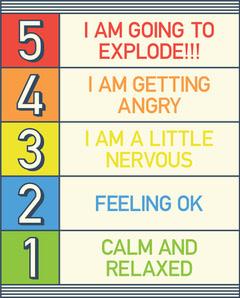
Seth Piro, Administrator. Sage Journals. As an administrator who supports content teams, I think it is important to stay connected to current practices in content areas to improve coaching, decision making, and model life-long learning for others. Journals like Beyond Behavior and

Podcasts like The Behavioral Observations Podcast with Matt Cicoria make staying current with best practices and current trends easy and, if you're a geek like me, entertaining. While rewarding, bringing research to practice isn’t always for the faint of heart, especially at the system level and at scale. I have found that resources provided by NIRN, the National Implementation Research Network, UNC-Chapel Hill, help with these efforts.

journals.sagepub.com/home/bbx behavioralobservations.com nirn.fpg.unc.edu/national-implementation-researchnetwork

Felicity Post, Assistant Professor. The IRIS Center and SEL in Practice page of the University of Minnesota Extension. Both of these websites are staples in my instruction. They provide thoughtful application of core principles and best practices in teaching. My Teacher Candidates rave about the resources that are instantly accessible to them, and the conversations that happen as a result of website exploration are purposeful and meaningful. iris.peabody.vanderbilt.edu extension.umn.edu/youth-work-courses/sel-practice
Check out the Spring 2020 issue of ReThinking Behavior for more favorite websites and if you’d like to share your favorite, email us at rethinkingbehavior@mslbd.org.
Keeping It Together When Things Fall Apart
By Jim Teagarden
The past three issues of ReThinking Behavior have featured a selection of the artistic representations of various mental health disorders constructed from paper clips. Each of these representations was the product of an art therapy activity attempting to show the affective state of selected disorders. Many times those of us who do not suffer from these disorders are hard pressed to empathize with just how overwhelming a disorder can be.
This issue features two additional pieces from the collection. I believe each of these has particular relevance as we begin to recover from the COVID-19 impact on each of our daily lives. I'd invited you to think about what each of these pieces might represent and then check page 53 to see if your interpretation matches mine.
My hope is that these pieces in some small way foster reflections and discussions on not only the conditions which they were designed to represent but also the impact of mental health issues on the lives of children and families that we know and work with every day.
Join the ongoing discussion of the impact of mental health issues on children and families on the MSLBD Facebook page.


Teagarden, Associate Professor, Kansas State University, Manhattan, KS, mrt@ksu.edu
©James Teagarden, 2020
©James Teagarden, 2020
Jim
AFTER HOURS
An Autobiography in Five Short Chapters
By Portia Nelson
Chapter 1
I walk down the street.
There is a deep hole in the sidewalk. I fall in. I am lost . . . I am helpless. It isn’t my fault. It takes forever to find a way out.
Chapter 2
I walk down the same street. There is a deep hole in the sidewalk. I pretend I don’t see it. I fall in again. I can’t believe I am in the same place. But it isn’t my fault.
It still takes a long time to get out.
Chapter 3
I walk down the same street. There is a deep hole in the sidewalk. I see it is there.
I fall in . . . it’s a habit . . . but my eyes are open. I know where I am. It is my fault. I get out immediately.
Chapter 4 I walk down the same street. There is a deep hole in the sidewalk. I walk around it.
Chapter 5
I walk down a different street.
Reprinted with permission from Atria Books.
would like to thank the following for their financial support

Diagram of Zoom Meeting Attention

Consider Making a Contribution to Support MSLBD Activities!
Like other organizations affected by the COVID-19 pandemic, the Midwest Symposium for Leadership in Behavior Disorders has had its activities disrupted. Both of our conferences have been postponed. As a result, we hope you will consider making a financial donation to MSLBD!
Donations will help to offset the costs of publication of our free electronic magazine, ReThinking Behavior, and the other activities of MSLBD including the Master Teacher Project, Janus Project, as well as our two conferences.
MSLBD is a 501c3 non-profit corporation (donations are tax-deductible) with its programs created and supported by professionals who volunteer their time to support its activities.
Any amount is welcomed, but donations of $300 or more will result in a sponsorship acknowledgment published in the magazine.
Go to https://mslbd.org/get-involved/donate.html for more details and to make a donation.
Thanks for your continuing support of MSLBD!
Midwest Symposium for Leadership in Behavior Disorders