
















































Case Study - Bonded Warehouse

Page 1


Introduction

A bonded warehouse allows businesses to meet strict customs compliance rules while also leveraging flexibility in storage, tax payments, and distribution timing. Imported goods get closer to their final destination, with secure storage for up to five years, reducing last mile delivery costs. When goods are held in bonded warehouses, they’re considered to be still in transit to their destination. Duties are only due when imports are released for distribution.

Customs & Border Protection (CBP) is tasked with approving new customs bonded warehouses. They review standards on security, employee

hiring, record-keeping, storage conditions, organization, and conduct inspections. Upon entry of goods into the warehouse, the warehouse proprietor incurs a liability for the merchandise under a warehouse bond. This liability is generally canceled when the merchandise is:

• Exported;

• Withdrawn for supplies to a vessel or aircraft;

• Destroyed under CBP supervisions; or

• Withdrawn for consumption within the United States after payment of duty.
Opportunity

Upfront payment of duties and fees would be especially rough on companies that import goods long before they're needed to avoid sudden shortfalls. Bonded warehouse goods are in the joint custody of CBP and the warehouse proprietor. The latter assumes liability for securing that cargo until customs clears it. If there is ever a compliance issue, the warehouse picks up the tab. Insurers offer large discounts to cover goods in bonded warehouses because of established controls. To support a variety of imports, there are eleven types of bonded warehouses.

1. Premises that may be owned or leased by the Government, when the exigencies of the service as determined by the port director so require, and used for the storage of merchandise undergoing examination by CBP, under seizure, or pending final release from CBP custody. Merchandise will be stored in such premises only at CBP direction and will be held under “general order”.

2. Importers private warehouse used exclusively for the storage of merchandise belong to or consigned to the proprietor. A class 4 or 5 warehouse may be bonded exclusively for the storage of goods imported by the proprietor, in which case it shall be known as a private bonded warehouse.

3. Public bonded warehouse used exclusively for the storage of imported merchandise.

solely for

and for the manufacture for domestic consumption or supervision, and at the expense of the proprietor.

9. Bonded warehouses, known as "duty-free stores," used for selling conditionally duty-free merchandise for use outside the

Customs territory. Merchandise in this class must be owned or sold by the proprietor and delivered from the warehouse to an airport or other exit point for exportation by, or on behalf of, individuals departing from the Customs territory or foreign destinations. These stores may also sell other than duty-free merchandise.

10. Bonded warehouses for international travel merchandise, goods sold conditionally duty-free aboard aircraft and not at a duty-free store. This is based on amendments to 19 U.S.C., section 1555(c), approved 11/00. Regulations governing this type of warehouse are being written.

11. Bonded warehouses established for the storage of General Order (G.O.) merchandise. G.O. is any merchandise not claimed or entered for 15 days after arrival in the U.S. (or final U.S. destination for in-bond shipments).

Bonded facilities offer extended storage periods, a maximum of five years, which means businesses can store goods until market conditions become favorable for their product. By keeping products in bonded warehouses, duty fees can be avoided on exports of your product to another market.

This prevents companies from having to pay “double duty” for exports of existing inventory. Having this flexibility can bring about significant tax savings while enhancing commercial performance by being able to seamlessly switch markets depending on demand.

Our Solution The Results

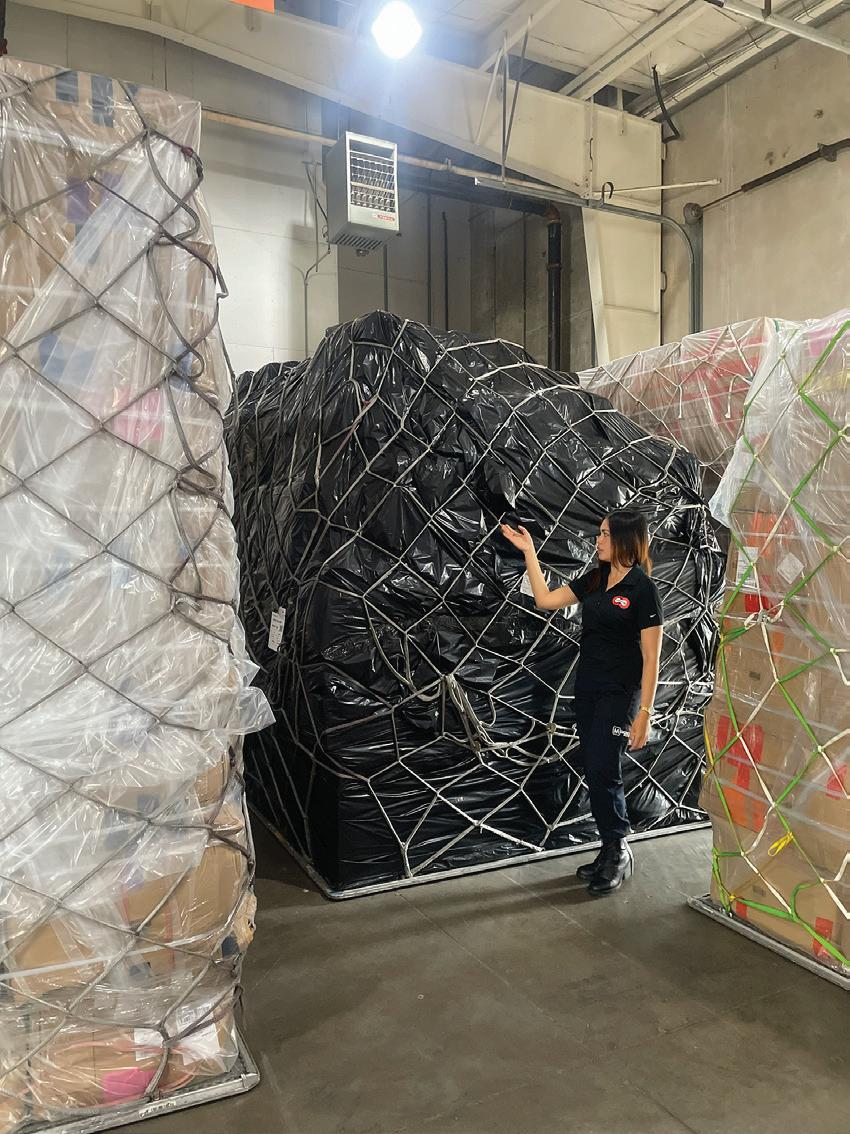
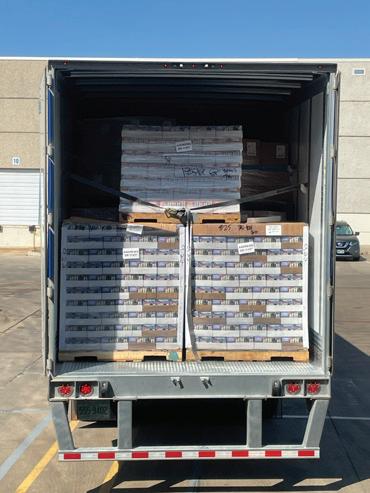
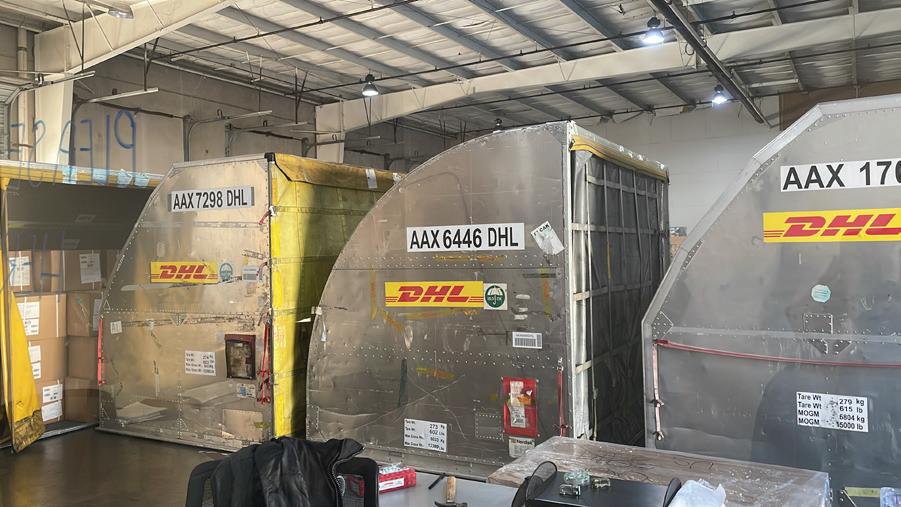
US Cargo Link provides public bonded warehouse space for imports. By staging our bonded warehouse in the North West Air Freight Terminals of the Dallas-Fort Worth International Airport, we are strategically placed to receive shipments from all over the globe.

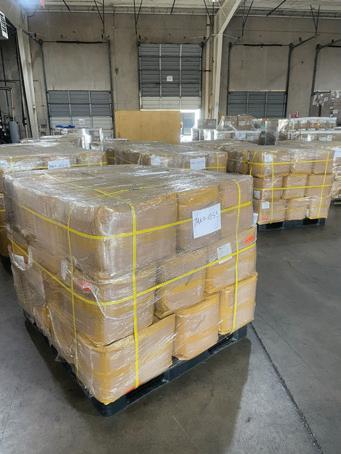
Our warehouse organization and layout is based on our dedicated spaces for bonded and non-bonded goods. On top of secure storage, facilities are monitored 24 hours a day by multiple camera feeds.

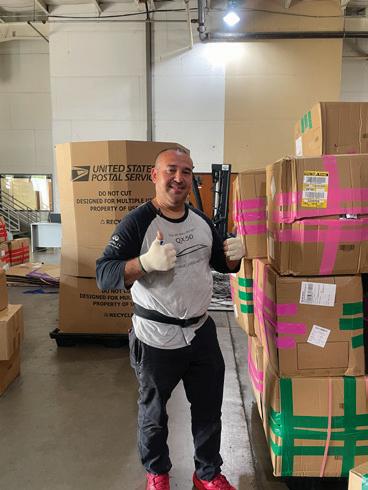
With all employees, not just warehouse employees, extensively background checked, we can limit access to our warehouse space to authorized personnel only. Keeping our facilities safe is at top of mind for our security team.

By keeping meticulous records of imported goods – USCL can provide reports on stock, provide access to CBP officials when requested, and efficiently dispatch a shipment when it is ready for export.

US Cargo Link offers is customs bonded warehouse to its customers as a service for those importing goods into the United States. By maintaining CBP’s strict standards and regulations, USCL can provide peace of mind to those planning to use our warehouses for long term storage.

We are committed to providing an experience that is secure, expedient, transparent, and cost-effective.

Turn static files into dynamic content formats.

Create a flipbook
Case Study - Bonded Warehouse by uscargolink - Issuu