Spider Insider Spider Insider
ROLLING WITH URPD
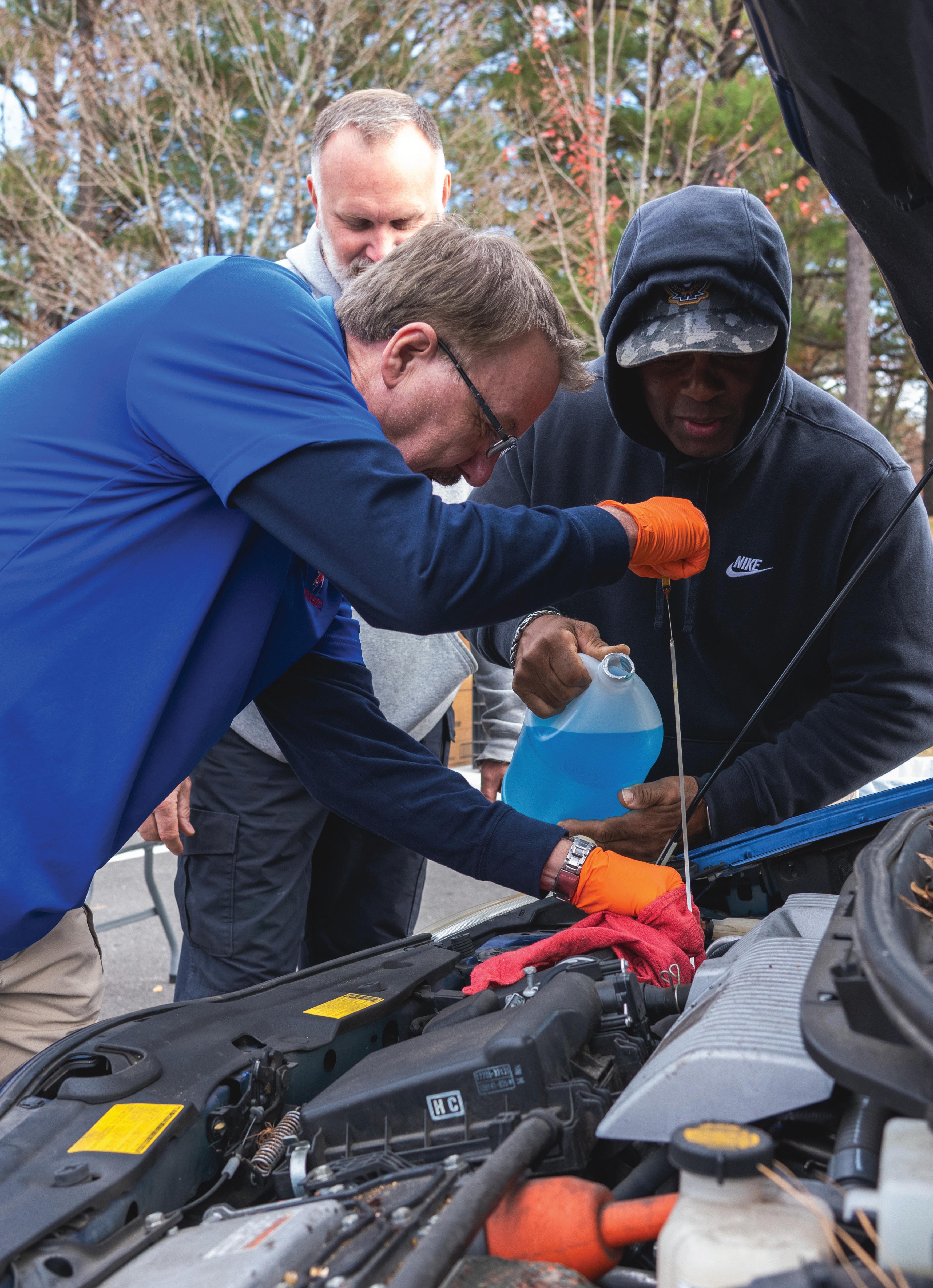
The University of Richmond Police Department helped students, staff, and faculty hit the road safely for Thanksgiving break during URPD’s Vehicle Safety Day. Sgt. George Mihalcoe, Sgt. Craig Buchbinder, and Officer Dave Johnson (pictured, left to right) were among those inspecting fluid levels, belts, hoses, and tire condition and air pressure — helping to ensure vehicles were dependable and road-ready for long-distance travel.
During the event, URPD typically services more than 100 vehicles, providing pizza and sodas to those who attend.
“URPD is excited to host this event every semester,” said Maj. Eric Beatty. “We have a great time engaging with the community while checking basic safety items on their vehicles.”
Vice president for communications and chief marketing officer
Tom Addonizio
Associate vice president for communications and media relations
Cynthia Price
Editor Cheryl Spain
Associate vice president for creative and design services
Samantha Tannich
Graphic designer
Ashley Gladner
Photographer Jamie Betts
Staff contributors: Lauren Anesta, Sunni Brown, Alexandra Byrum, Sandi Cauley, Megan Condict, Catherine Cribbs, Nia Darrisaw, Rachel Dawson, Sophia Demerath, ’26, Matthew Dewald, Lucy Gilbert, Phillip Gravely, Terrance Henderson, Kevin Heraldo, Alicia Hubbard, Lee Anna Jackson, Pamela Lee, Rachel Long, Jennifer Lo Prete, Katie McBride, Rayne Miller, Amy Ogle, ’26, Gordon Schmidt, Sandra Shelley, Cindy Smith, Greg Thompson, and Michael Warchol
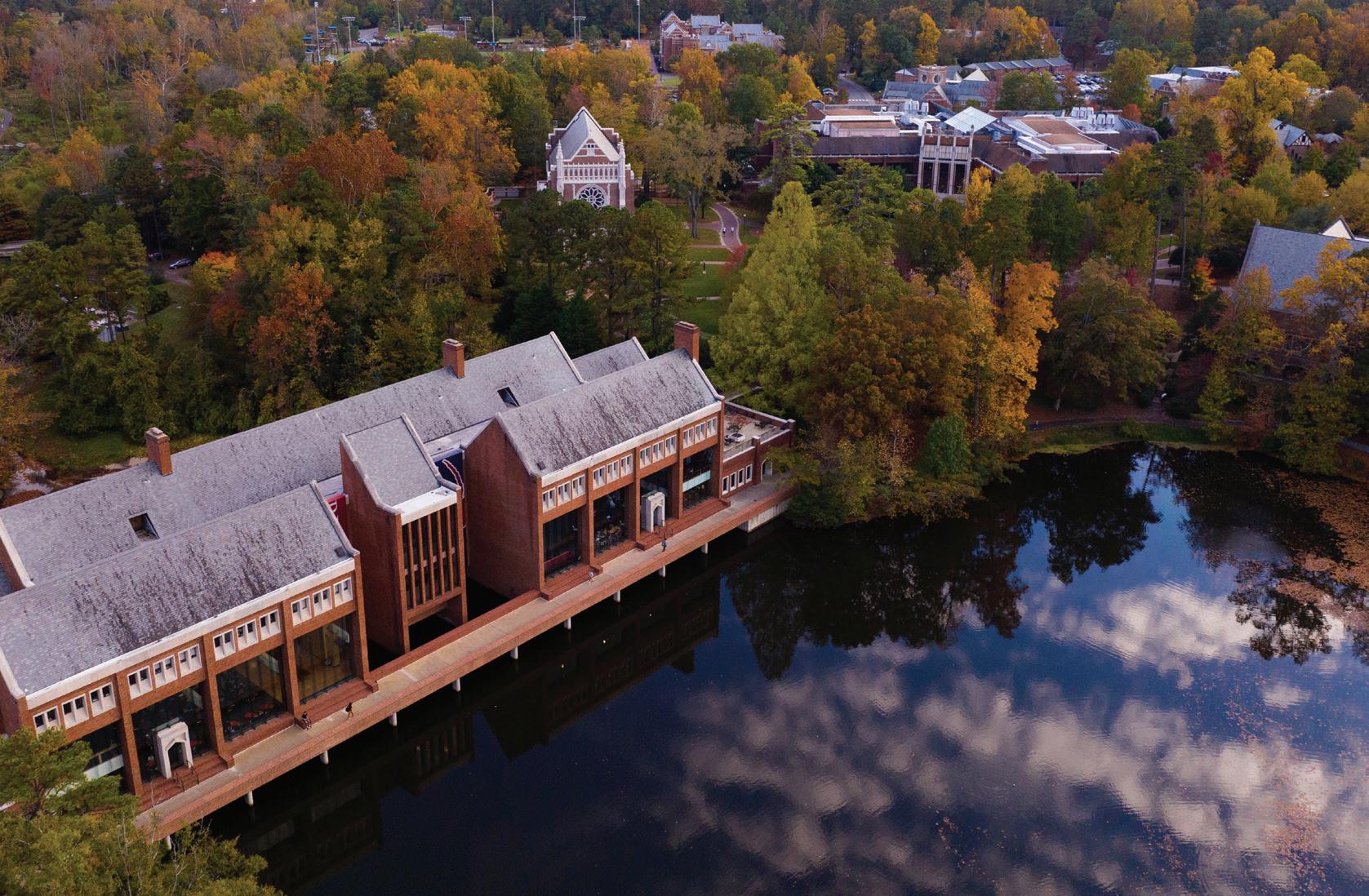
AROUND THE LAKE
STAY CONNECTED
Read more of President Hallock’s messages to the University community — or share your thoughts with him at any time — at president.richmond. edu.
‘It
Takes All of Us’
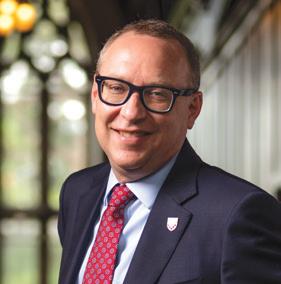
Dear Spiders,
As the Class of 2026 prepares for launch, we have good reason to celebrate their and our achievements. We have equipped them with knowledge, skills, and relationships that will help them lead flourishing lives and careers. And later this year, we will welcome the Class of 2030. Bringing in new classes of remarkable students to our undergraduate and graduate programs may seem inevitable. But it is only possible thanks to our Spider community’s hard work, ingenuity, and total commitment to our students.
In fact, you might not have even noticed, but last fall we again, gracefully, braved “the demographic cliff.” Due to lower birth rates starting during the Great Recession, fewer students have been graduating from high school. Colleges and universities have been competing more aggressively to fill their undergraduate classes. Yet this fall, Richmond received more than 18,400 applications from students clamoring to be Spiders — setting a new record, again.
Students continue to apply to Richmond because what we offer on this breathtaking campus is special. They are inspired by the opportunities they will have inside and outside the classroom to explore their interests, make connections, and find community. And their families are reassured by all the ways we support the journey — from academic to career wayfinding to our focus on student health and well-being. Our Admission staff is UR’s front line for student recruitment. Their tireless efforts and dynamic approach continue to fuel our success. They have increased school visits substantially and innovated in how we seek students. This year, a new partnership with QuestBridge, a
nonprofit that connects high-achieving students from low-income backgrounds with transformative educational opportunities, opened a new recruitment pipeline for undergraduates.
But recruiting a new class is not the job of Admission alone. Frequently, students who are considering Richmond, those who have committed to attend, and those still making their final decision visit our campus. These visits are pivotal. They are our first chance to welcome our newest Spiders and help them feel at home. They are also our best chance to show prospective Spiders what Richmond has to offer.
Everything our visiting students and families see, hear, and experience has an outsized impact. Every single staff and faculty member plays an important role. It takes all of us to create a relentlessly welcoming environment, foster a culture of well-being, and demonstrate a total commitment to student success. It takes all of us to keep this campus beautiful, safe, and operating at its best.
In a few weeks, Spiders from across our five schools will graduate, better prepared to navigate our world. And, thanks to our combined efforts, we are on track to welcome another class of outstanding students this fall. These are achievements worth celebrating. Thank you for all you’ve helped Richmond accomplish this year. Together, we will continue to build toward an even brighter future for the Spiders of today and tomorrow.
Kevin F. Hallock President and Distinguished University Professor of Economics
Meetings of the Minds
UR convenes
scholars and advances ideas through national and international conferences
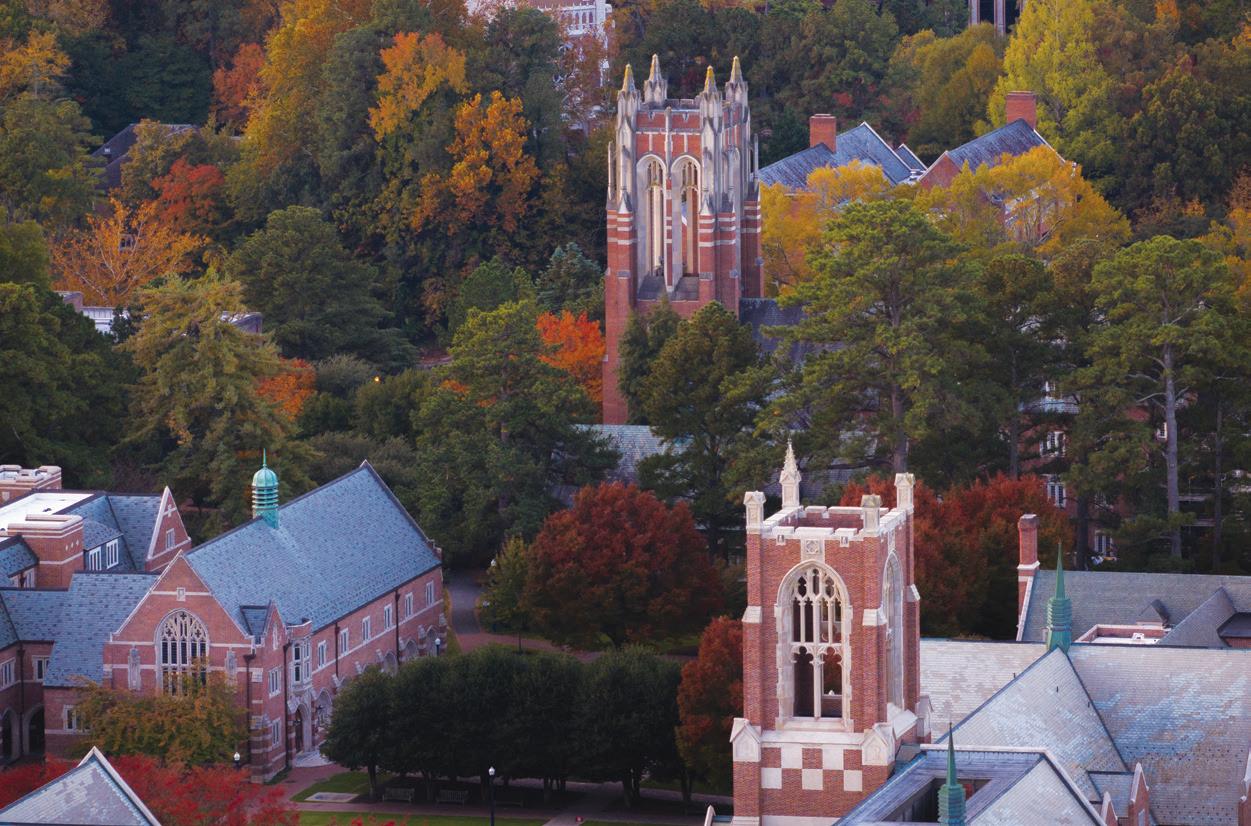
The University of Richmond recently welcomed scholars from across the United States and around the world for major academic gatherings — from a national music conference to international meetings on global commodities markets and the history of economic thought. These events brought leading thinkers to campus while strengthening UR’s reputation as a hub for academic exchange.
In March, music professor Joanna Love chaired the local arrangements committee for the Society for American Music conference held in Richmond, connecting campus with hundreds of American music scholars, performers, and enthusiasts.
“It’s not often that you have a chance to have so many distinguished colleagues in one place working toward the shared goals of advancing our field.”
fellow American music scholars and performers.”
“This was the first time this national conference was held in our city,” said Love. “The visit coincided with the nation’s 250th anniversary, the perfect time to share both Richmond’s history and our thriving musical community on and off campus with
Faculty across disciplines played a role in planning the event and organizing excursions highlighting the city’s musical and historical landscape, including a tour led by leadership studies professor Julian Hayter and a visit to the historic Byrd Theatre guided by music professor Bruno Alcalde. The music department also hosted the conference’s signature concert event featuring the Legendary Ingramettes.
Last semester, the Robins School of Business hosted the eighth annual Central Bank Research Association Workshop for Commodities and Macroeconomics in collaboration with the Board of Governors of the Federal Reserve System. The event convened economists and policymakers from around the world to examine topics ranging from supply chains and inflation to geopolitics and risk management.
The Jepson School of Leadership Studies also hosted the 52nd annual meeting of the History of Economics Society, welcoming more than 100 researchers and featuring presentations on topics ranging from money and banking to economic development to the evolution of economic thought.
“It’s not often that you have a chance to have so many distinguished colleagues in one place working toward the shared goals of advancing our field,” said Sandra Peart, dean of the Jepson School of Leadership Studies and a past president of the History of Economics Society. “We were fortunate that the place was our campus.”
SOCIAL BUZZ
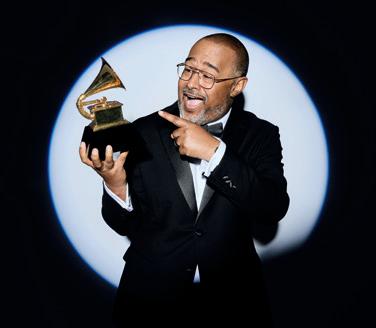
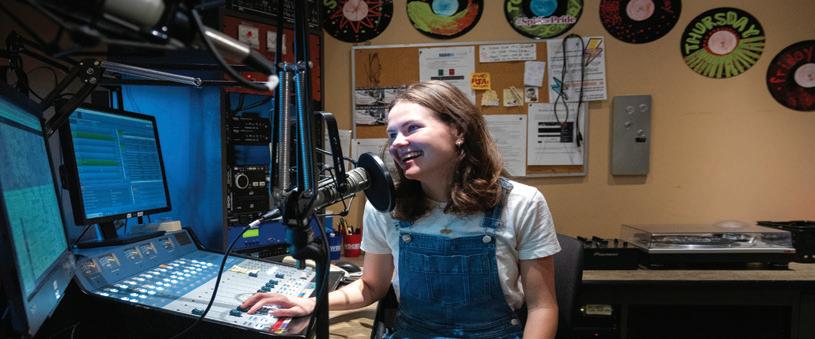
How fantastic and well-deserved is this! I’m having flashbacks to the “old days” visiting Mad Skillz at the radio station upstairs in THC where he had his own show!!
—Zuri Walker via Facebook, referring to Donnie ‘Mad Skillz’ Lewis’ Grammy win for Best Spoken Word Poetry Album for Words for Days Vol. 1
We absolutely appreciate the personal involvement & communication from the Hallocks. We have children at multiple universities, and this personal touch is not a given. The tone they set definitely carries over to the faculty and staff, and ultimately to students.
—Christine Lataillade via Facebook
—mamatulka via Instagram

Had such a great time taste-testing all the amazing creations and hearing the incredible pitches! I’m always blown away by how innovative our community is and so inspired by how our schools are fostering the next generation of young entrepreneurs.
—William Willis via LinkedIn, referring to Bench Top Innovations product pitches
Incredible to see how international students find a home at Richmond. Greetings from Brazil, the Spider spirit truly reaches everywhere!
—gustavoalvezoficial via Instagram, referring to study abroad at UR
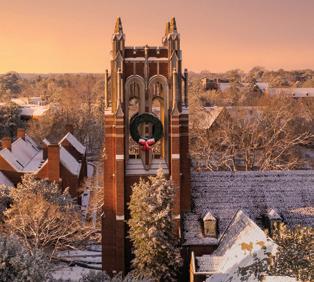
It was such a blessing to attend such a great school and absolutely beautiful campus!
—Wade Jewell via LinkedIn
Connect with us on Facebook, X, Instagram, and TikTok: @urichmond
Yeah! Shout out to #wdce! I’m a former dj and radio station librarian (long time ago) for WDCE. #collegeradiostation
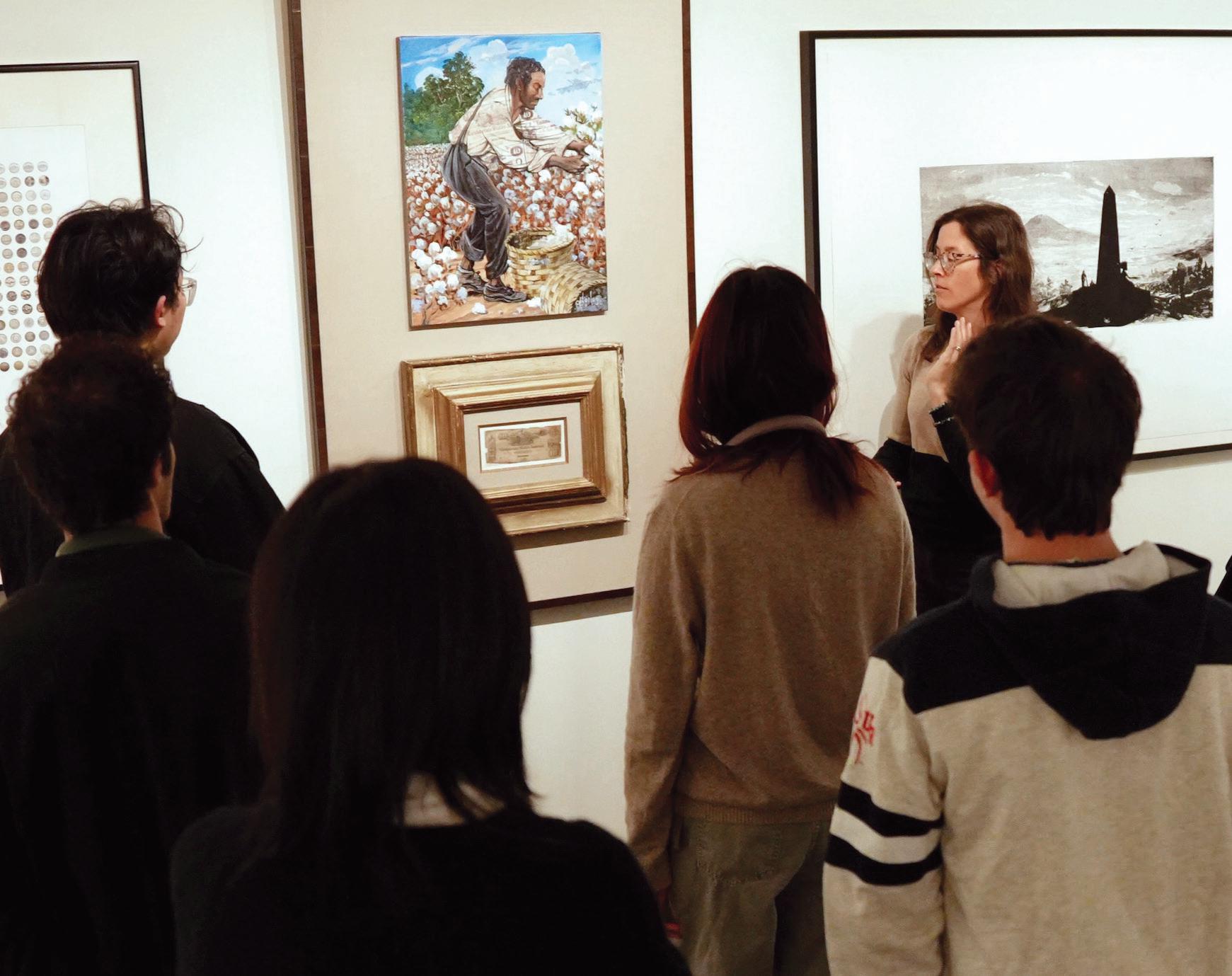
Students in the course
Making America’s Wars, taught by Corey Payne, assistant professor of sociology, examine an artwork on loan from the Black History Museum and Cultural Center of Virginia during a fall 2025 Museums+ exhibition in UR’s Pickels Gallery.
COMING TO MUSEUMS+ IN FALL 2026
On view in the fall, How Do Worlds Feel? explores the Humanities Center’s 2027–28 question through three lenses: being the world (self), being in the world (community), and being of the world (a part of nature).
Co-curated by Martha Wright, curator of academic initiatives, and Dafne Luna, assistant director for Latinx student support, the installation will collaborate with gender and sexuality studies faculty to ensure relevance across multiple courses.
Faculty interested in connecting upcoming courses to this installation are encouraged to reach out early.
Bringing the Collection Into the Curriculum
Museums+ transforms gallery space into an extension of the classroom
When Issa Lampe arrived as executive director of University Museums in June 2023, she and her team set a clear priority: Expand access to the University’s permanent art collection in support of curriculum across campus. Martha Wright, curator of academic initiatives, shared that goal and saw an opportunity to deepen collaboration with faculty — exploring how artwork might supplement teaching and learning in disciplines well beyond the visual arts.
“I wanted an intentional gallery dedicated to using art from the collection to support pedagogical objectives of courses being taught each semester,” Wright said.
That vision became reality in spring 2024 with the launch of Museums+ in the Joel and Lila Harnett Museum of Art. Since then, the initiative has engaged faculty across disciplines in sustained and meaningful ways.
Museums+ in Practice
Museums+ is built around collaboration and access. Wright invites faculty to participate, supporting courses with four to five artworks to be co-curated around the goals of the syllabus. Up to eight courses can be supported in the gallery
at a time. Selected works remain on display for the semester, allowing ongoing engagement rather than a single cursory viewing.
Faculty may propose a specific idea or begin with a broader question about how museum resources might aid a class. Together, Wright and the instructor identify works from the collection and determine how they reinforce key themes and learning objectives.
“Museums+ is a curricular gallery,” Wright explained. “I co-curate exhibitions with faculty, driven by the goals of the course and using the collection to support what students are learning in the classroom.”
The artworks supporting these courses are organized in clusters that suggest visual transitions — often structured to mirror conceptual progressions or thematic relationships. With these groupings on display for the full semester, students return as their understanding evolves. Faculty build group visits, independent returns, written assignments, and class discussions around the installation.
“It’s not just about which artworks are selected,” Wright said. “It’s also about how those pieces are in conversation with each other — and
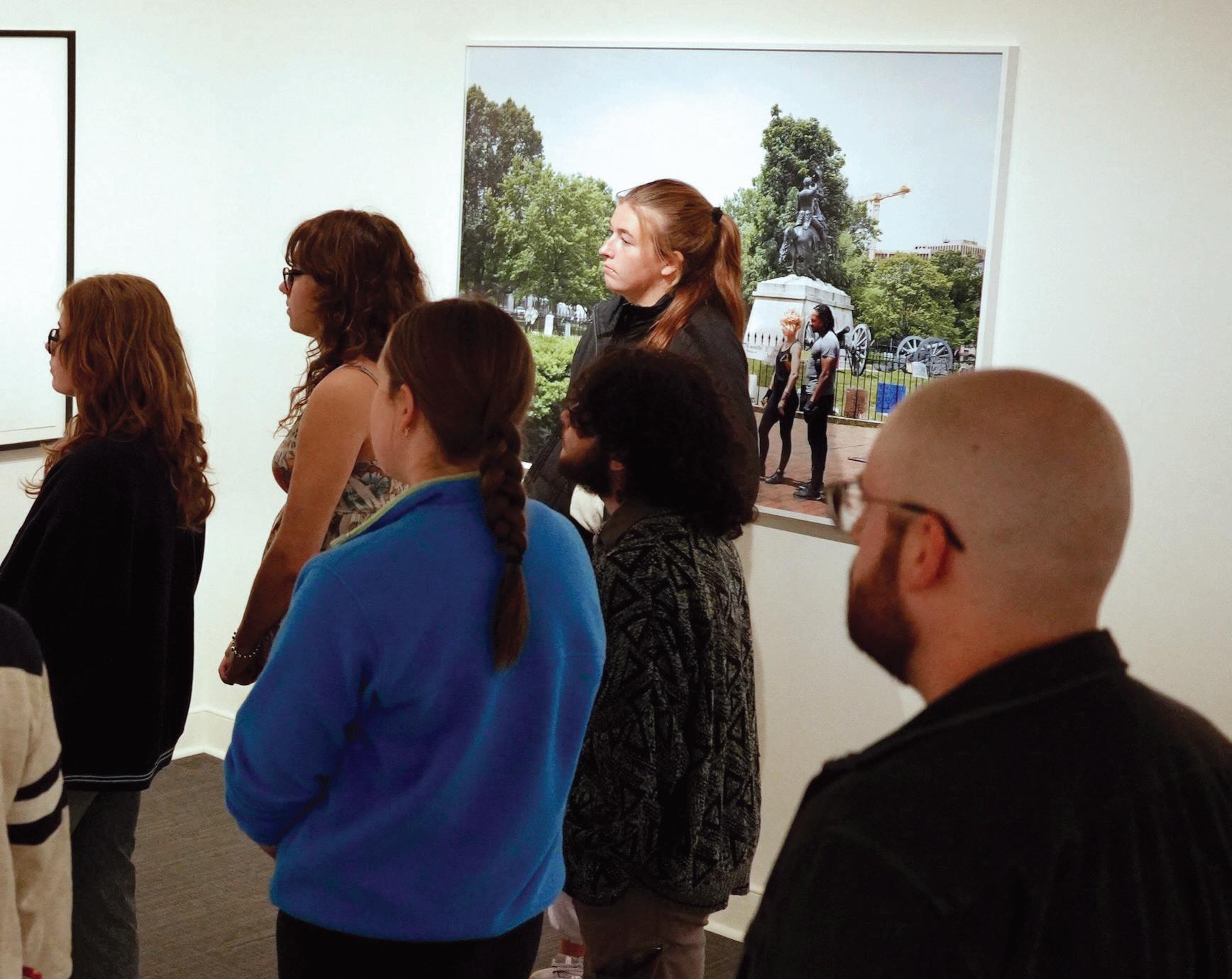
how that conversation supports what’s happening in the classroom.”
While visual arts courses have been included, Museums+ primarily supports classes outside of those fields. Faculty from sociology and English to law and leadership studies have participated.
From Foundational to Capstone Museums+ has proven adaptable across all levels of the undergraduate experience, supporting both early and advanced inquiry. In her senior capstone course The Art of Friendship, Julietta Singh, professor of English and gender and sexuality studies, partnered with Wright to curate an exhibition that functioned as a semester-long touchstone. The course examined friendship across minoritized communities and liberation movements, drawing on theory, literature, film, and visual art.
For Stephen Brauer’s first-year seminar Seeing, Believing, Knowing, the gallery served a different but equally intentional purpose. Early in the semester, Brauer, visiting associate professor of English, brought students to Museums+ to examine not only what they saw, but how they saw it.
“I wanted students to value the multisensory experience of seeing an artwork as something as compelling as ‘understanding’ or ‘getting the point,’” Brauer said. Students centered major essays on their museum visit, and many returned independently. As the semester progressed, Brauer observed their interpretations become “less rigid, less linked to a particular ‘meaning,’ and more inquisitive about the nature of art and of engaging with art.”
“It’s not just about which artworks are selected. It’s also about how those pieces are in conversation with each other — and how that conversation supports what’s happening in the classroom.”
“Martha assembled an expansive deck of images that explored friendship either directly or more abstractly,” Singh said. “We reviewed them together, identifying works that resonated with the questions and texts we were studying.” Students began with a guided visit and returned throughout the semester as their frameworks deepened. “As our ideas of friendship shifted over the course of the term, students were able to see those shifts reflected in how they engaged the images.”
For Wright, that continued engagement is a measure of success.
“What’s really rewarding,” she said, “is hearing that discussion about the art keeps coming up in class.”
When students return on their own and reference specific works weeks later, the museum shifts from a one-time visit to an ongoing academic resource. By keeping exhibitions on view for the semester and shaping them around course objectives, Museums+ moves beyond enrichment to sustained academic engagement.
AROUND THE LAKE
BRINGING MUSEUMS+ INTO YOUR COURSE Museums+ has partnered with faculty across multiple disciplines and at every level of the curriculum. Artwork groupings are co-curated around course objectives and remain on view for the semester.
Faculty can begin with a conversation with Martha Wright, curator of academic initiatives, at mwright3@richmond. edu.
More faculty resources can be found at museums.richmond. edu.
ACCOLADES
The U.S. Department of State’s Benjamin A. Gilman International Scholarship Program named UR a GILMAN PROGRAM TOP PRODUCING INSTITUTION as part of its 25th anniversary campaign. The recognition honors U.S. colleges and universities that have supported the most Gilman Scholars from 2001 to 2025. UR ranks among the top 25 institutions in the small colleges category, with 118 students awarded Gilman Scholarships since the program’s launch.
Poets&Quants for Undergrads, a website for undergraduate business education news, ranked the Robins School of Business No. 17 on its list BEST UNDERGRADUATE BUSINESS SCHOOLS” for the second year in a row. The Robins School has been in the top 20 for five consecutive years. The business school also ranked No. 15 for career outcomes, No. 17 for academic experience, and No. 21 for admissions standards.
The Southern Association of Colleges and Schools Commission on Colleges awarded UR an inaugural TORCH AWARD, which celebrates member institutions for their leadership in affordability, student success, and post-college outcomes. UR was recognized for student support and completion.
The Carnegie Foundation for the Advancement of Teaching awarded UR the 2026 CARNEGIE COMMUNITY ENGAGEMENT CLASSIFICATION in honor of the University’s commitment to community engagement and outreach. UR, one of 277 institutions to receive this year’s classification, has held the classification since 2010.
UR placed first in the Campus Race to Zero Waste 2025 GAMEDAY FOOTBALL ZERO WASTE TOUCHDOWN CHALLENGE in the food organics per capita category, which measures organic matter donated, reused, or composted, thus diverted from the landfill. It’s the second consecutive year UR has taken first in the touchdown challenge, winning in the category of recycling per capita in 2024.
A New Approach to Web Search
AI is reshaping how users discover information online
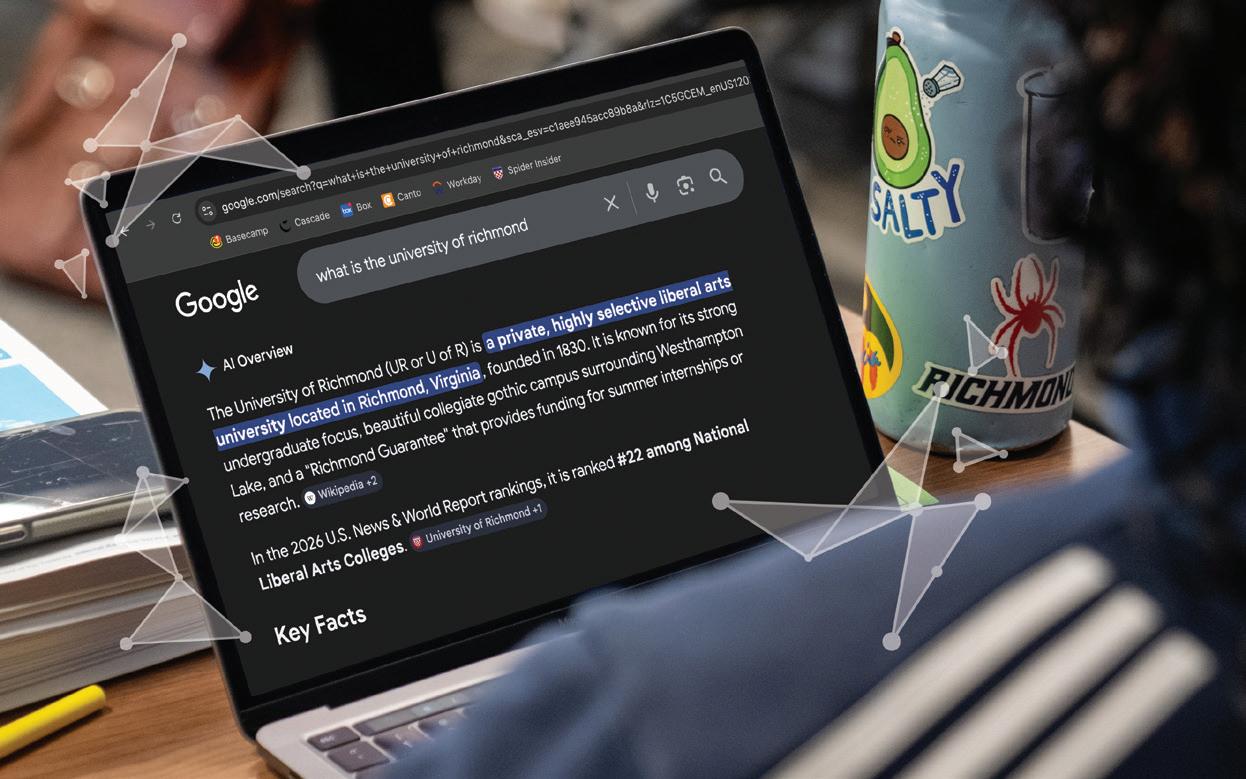
Anyone who has searched online recently has probably noticed something different. Rather than lists of website links, they likely received AI-generated “overviews” providing responses to their queries — and, they may not have clicked on anything else to find what they needed.
That difference may seem subtle, and it’s undeniably handy. But for the University, it represents a game-changing shift in how we approach websites, social media, and other digital content.
This shift is called generative engine optimization (GEO), and its impact is significant.
Rather than linking users to websites based on their searches, “generative AI” engines like Google, ChatGPT, and Claude now provide answers to users directly in the search results page. They do so based on information they are able to “scrape” from online sources, including but not limited to university websites and social media channels.
“AI engines now have a lot of control over how the University is being represented to the world. We have to be proactive in helping them tell our story correctly.”
“This creates two significant new realities,” says Phillip Gravely, associate vice president for marketing and digital engagement. “The first is that we, like all organizations, are seeing decreases in traffic to our websites since fewer users need to click through. The second is that we have to think differently about how we approach digital content because we now also need to ‘feed’ these engines in particular ways to make sure they deliver and prioritize what we want them to.”
The University’s web team, comprising members of University Communications and Web Services, is implementing a comprehensive plan that aims to maintain a good website experience for users who do click through while also equipping AI engines to deliver the right information to those who do not. The plan includes recommendations on content strategy, formatting, technical infrastructure, and more. The team soon will reach out to campus website editors and digital content creators to offer guidance on best practices and next steps.
Gravely adds that the proliferation of AI-driven search is far more than a trend. “It’s a sea change,” he says. “AI engines now have a lot of control over how the University is being represented to the world. We have to be proactive in helping them tell our story correctly.”
A Tradition of Inquiry
A&S Student Symposium: 40+ years of commitment to student scholarship
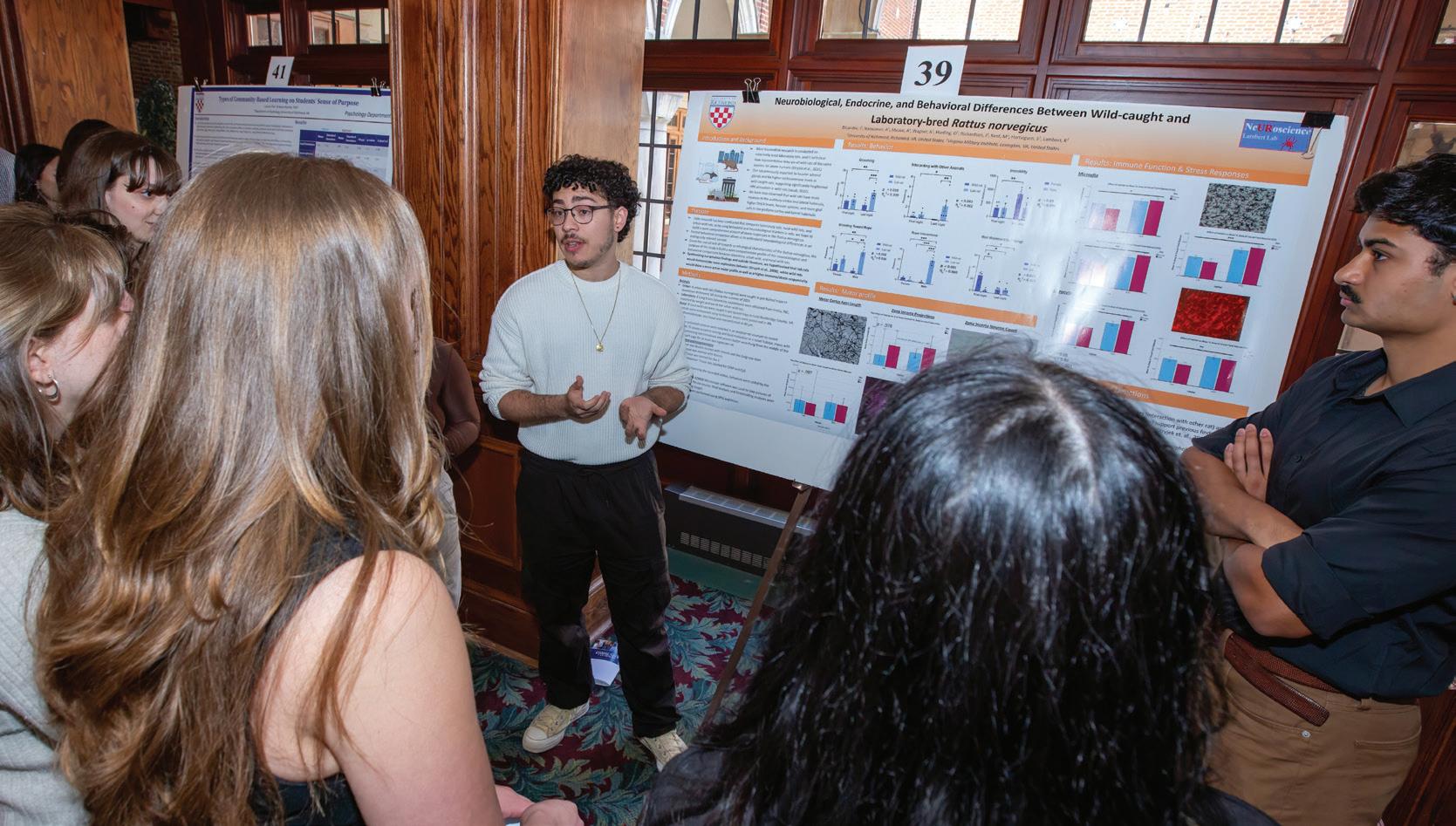
On a Friday in April each year, classrooms, art and performance spaces across campus, and the Modlin Center for the Arts’ Booth Lobby transform into a campuswide celebration of inquiry. More than 400 undergraduate students present original research and creative work at the A&S Student Symposium — the culmination of months and sometimes years of facultymentored exploration.
The symposium, which marked its 40th anniversary in spring 2025, has grown significantly since the 25 student poster presentations in its inaugural year. The symposium began in 1985 following a conversation between chemistry professor Emma Goldman and Sheldon Wettack, former dean of the School of Arts & Sciences, who envisioned a public forum for undergraduate scholarship.
volunteers make the day possible. Teams schedule presentation times for hundreds of participants, reserve spaces, and produce marketing materials and the 80-plus-page program.
While Booth Lobby serves as the symposium’s central hub for multiple poster sessions, oral presentations occur in locations across campus, including the Gottwald Center for the Sciences and Weinstein Hall. Facilities support services transports 60 easels and foam core boards; telecom/media support services provides multimedia A/V support in each space; and A&S staff volunteers assist with setup and breakdown and directing presenters throughout the day.
“What has always mattered to me is giving students a venue to present their work beyond the lab or classroom.”
“What has always mattered to me is giving students a venue to present their work beyond the lab or classroom,” Goldman said. “When they step back to report their findings, explain their methods, and answer questions, they gain valuable perspective on their work and begin to think about the next step.”
Over four decades, the symposium expanded to include capstones, exhibitions, film screenings, and performances in the arts, as well as the Latin American, Latino, and Iberian Studies Symposium, where students present research in Spanish and Portuguese.
Behind the scenes, months of planning by the faculty symposium coordinator, the A&S dean’s office, Modlin Center staff, and A&S staff
“Coordinating the A&S Symposium is indeed a bit of a challenge,” said David Brandenberger, professor of history and faculty coordinator of the symposium. “Aside from advertising the event and dragooning students into registering for it, scheduling is surprisingly complicated. Not only are there hundreds of poster presentations and dozens of student panels and performances to organize, but a surprising number of students wish to present two or even three projects.”
The symposium ultimately reflects the range of scholarship and research in A&S’s 24 departments and 13 interdisciplinary programs. Just as importantly, it highlights the dedication of more than 170 faculty mentors and staff across campus working together to showcase a hallmark of a Richmond education: student-led, faculty-mentored research.
AROUND THE LAKE
BY THE NUMBERS
The A&S Student Symposium brings together students, faculty, and staff for one extraordinary showcase. Here’s a look at the event by the numbers:
• 400+ A&S student presenters
• 170+ faculty mentors
• 20 A&S staff
• 8 facilities support services crew members
• 230 posters
• 96 oral presentations
• 60 easels
• 10 classrooms and presentation spaces
• 1 art gallery
• 1 recital hall
• 1 energetic Modlin Center Booth Lobby
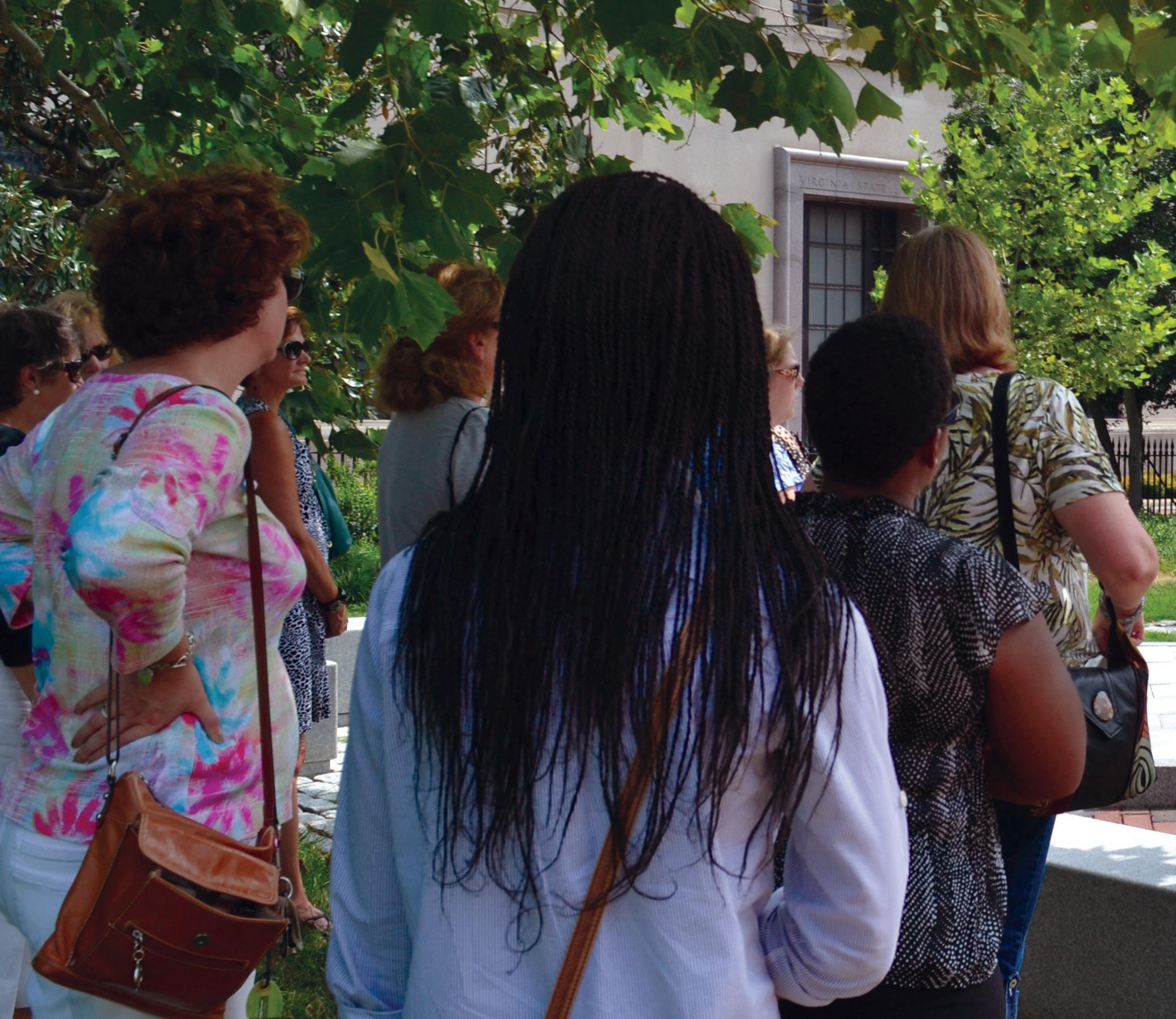
Summer in the City participants visit the Virginia Civil Rights Memorial during a guided tour of the Virginia State Capitol grounds in 2013.
BE A PART OF THE EXPERIENCE
This year, Summer in the City will head to the newly reopened Maymont, which is celebrating 100 years; the Shockoe Institute’s new Expanding Freedom exhibition at Main Street Station; and the reconstructed Skipwith-Roper Cottage and JXN Haus. Event and registration details are shared via SpiderBytes and at engage.richmond. edu/events/ summerinthecity.html.
Summer in the City
Staff and faculty explore the region with the Bonner Center for Civic Engagement
“Hot town, summer in the city,” the lyrics from the Lovin’ Spoonful’s classic tune, could easily describe Richmond in June and July. While the temperatures rise, staff and faculty take advantage of a few quieter summer days on campus to explore the city through the Bonner Center for Civic Engagement’s (CCE) Summer in the City program.
The series launched in 2013 with lunchtime excursions to City Hall, the Virginia State Capitol, and Preservation Virginia’s John Marshall House.
“During the first years of the program, we wanted to showcase the wonderful destinations and community partners in downtown Richmond,” said Kim Dean-Anderson, CCE senior associate director of community relationships.
“Our biggest hope was that the excursions would spark personal curiosity and ideas for future University-community connections.”
Over the years, Summer in the City has introduced participants to a variety of downtown landmarks and organizations, including the Carpenter Theatre, the John Marshall Hotel, the Richmond Slave Trail, the Valentine Museum, the Bolling Haxall House, the Storefront for
Community Design, Old City Hall, Virginia’s Executive Mansion, Richmond Region Tourism, the Black History Museum and Cultural Center for Virginia, and 1708 Gallery.
“These trips teach us more about our city and take us places we may have never been,” said Marjorie Banister, administrative coordinator in the Robins School of Business dean’s office.
“We enjoy the travel time getting to know other campus folks we may have never met or ones we hope to know better.”
Robin Mundle, academic coordinator for the journalism and rhetoric and communication studies departments, echoed the sentiment.
“I have truly enjoyed the time with co-workers outside of the work setting,” she said.
Banister, who has attended numerous Summer in the City excursions, lists the HI Richmond Hostel and the Children’s Hospital of Richmond at VCU as her top experiences.
“I’ve been able to share the opportunities and spaces I’ve learned about with others, including transportation options,” Banister said. “We also got the experience of riding the GRTC Pulse from Willow Lawn to downtown Richmond.”
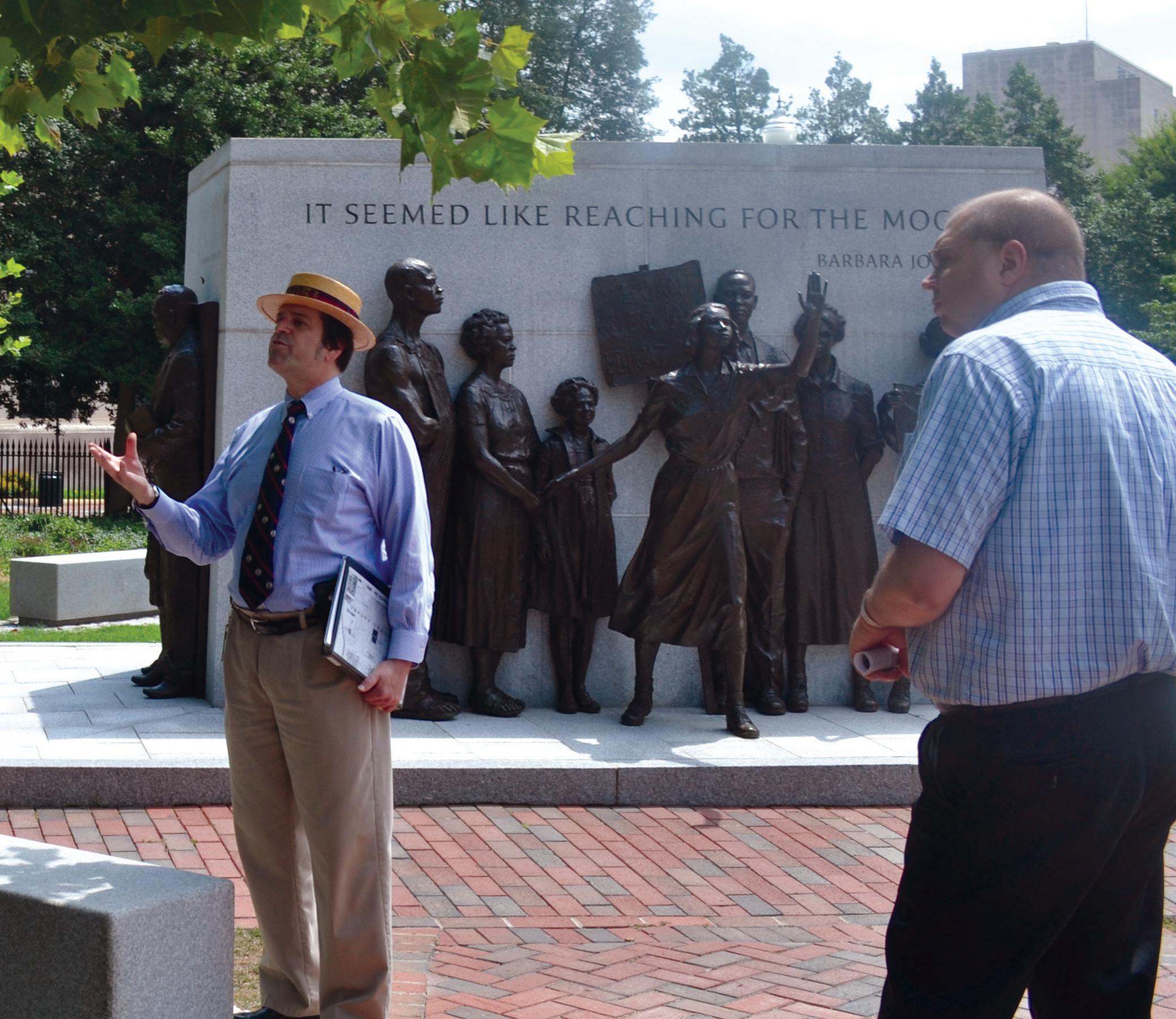
Mundle counts tours of the 17th Street Market, Main Street Station, and the Library of Virginia among her favorites. “Summer in the City is a must for the young and old, new to UR and to RVA, and the natives,” she said. “I wish it could be all year round.”
For some faculty and staff, the excursions have inspired future community engagement and experiential learning.
“After going on a walking tour of the Richmond Slave Trail, I incorporated it into a summer children’s and young adult literature class,” said Angela Leeper, education studio director in the Department of Education. “We read select children’s and young adult literature set in Richmond and visited some sites from these books.”
volunteer opportunities, the funding, and more. Just by giving some time and effort, skills are learned and shared, and what a fantastic way to help our neighbors in a meaningful, long-lasting way.”
Last summer’s destinations included the Well Collective, Bellemeade Park, and Jackson Ward.
“At Bellemeade Park, Mr. Bob, who will be one of your favorite people you’ve met, gave us a tour,” Banister said.
“Every year, our excursions reach capacity. It shows our UR community’s love for this remarkable region.”
In recent years, Summer in the City trips have expanded beyond downtown to include sites and community organizations across the region.
Participants have visited places such as Richmond Metropolitan Habitat for Humanity, another standout experience for Banister.
“Habitat for Humanity is a marvelous organization that builds housing for low-income families,” she said. “We went to a site being built, learned about the process, the land purchase, the
“He shared inspiring community stories about the kids and families who benefit from this park. This is a remarkable place built for educating youth, and of course, we learned so much.”
Summer in the City destinations are selected by the Bonner Center for Civic Engagement staff each spring with an eye toward new initiatives and community partners throughout the region.
Each trip includes lunch and transportation, and registration typically opens in May.
“Every year, our excursions reach capacity,” said Sasha Hollister, CCE assistant director of community relationships and place-based engagement. “It shows our UR community’s love for this remarkable region.”
AROUND THE LAKE
LEARN MORE ABOUT THE CCE
The Bonner Center for Civic Engagement connects students, faculty, staff, and community stakeholders in social change efforts that value the knowledge and potential in our communities.
Inquiries about community engagement opportunities are always welcome, and resources to learn more about the region are available on the CCE website at engage.richmond.edu.
UR ACHIEVES CARNEGIE DESIGNATION
The Carnegie Foundation for the Advancement of Teaching has awarded the University of Richmond the 2026 Carnegie Community Engagement Classification. This national recognition honors the University’s commitment to community engagement and outreach.
UR is one of 277 institutions to receive this classification.
UR engages with the wider Richmond community in many ways, including through the Volunteer Income Tax Assistance program, Partners in the Arts, the Bonner Scholars program, the Spider Business Hub, and the pro bono law services provided by the Richmond School of Law’s in-house clinics.
UR has held the Carnegie Community Engagement Classification since 2010.
Where Service and Learning Meet
UR’s
Volunteer Income Tax Assistance program prepares future professionals while providing free services to Richmond-area residents
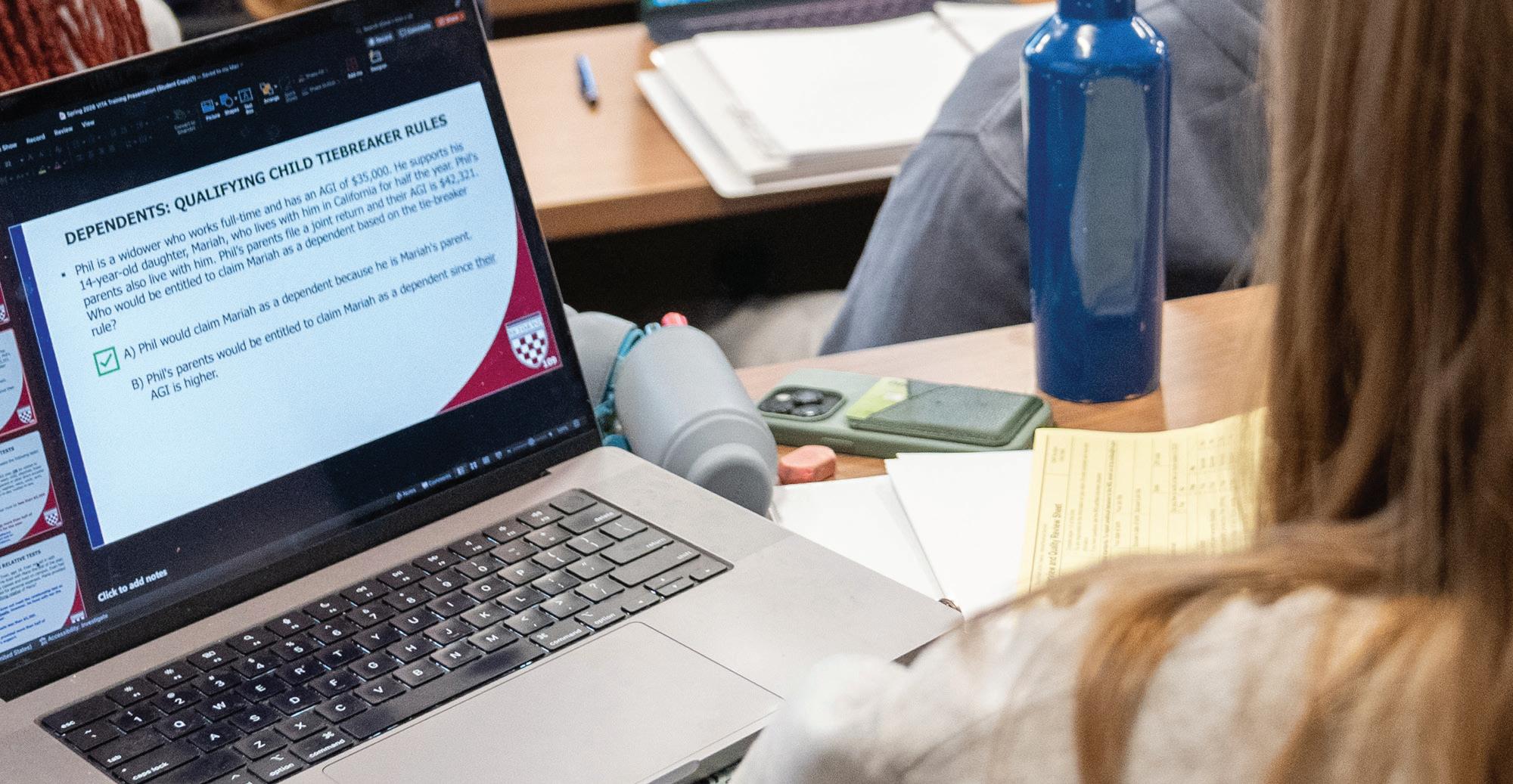
The University of Richmond’s Volunteer Income Tax Assistance (VITA) program, jointly administered by the Bonner Center for Civic Engagement (CCE) and the Robins School of Business, was instrumental in UR’s recent achievement of a Carnegie designation for its commitment to community service. Through the program, students provide free tax preparation for families and individuals with an income of $69,000 or less. It’s the 15th consecutive tax season UR has offered the service. During the 2025 tax season, 69 student volunteers prepared more than 820 tax returns.
Sasha Hollister, assistant director of community relationships and placebased engagement at the CCE, and Michael Yager, adjunct professor of accounting, serve as coordinators at UR’s tax prep site at St. Paul’s Episcopal Church in downtown Richmond. The site is one of 12 IRS VITA programs the United Way of Greater Richmond and Petersburg sponsors in the region.
is to get the students comfortable with using the IRS volunteer resources, navigating the tax software, and interacting with clients,” she said. Returning students also play a key role in training, providing guidance to new volunteers during tax return simulations and leading role-playing sessions that model the client service experience.
“These students learn the value of civic engagement, gain experience working with clients, and provide real-world impact.”
This year’s training included updates reflecting recent federal tax law changes, such as an additional $6,000 deduction for seniors and deductions related to tip income. Students also become familiar with special credits such as the earned income tax credit, the child tax credit, and the credit for the elderly or the disabled. Upon completion of the program, students are certified as tax preparers by the IRS. Students with prior program experience are trained as quality reviewers who check the work of every return before it is filed on-site.
This year, appointments at the UR VITA site ran from Feb. 4 to April 15, with one tax day specifically for UR staff and faculty.
“These students learn the value of civic engagement, gain experience working with clients, and provide real-world impact by saving our Richmond neighbors the expense of tax preparation,” Hollister said of the 76 students who became IRS-certified to support the program this year.
Before students begin their volunteer service, they receive classroom training led by accounting instructor Jordyn Farizo. “The goal of training
“One community member brought in treats to share with the student tax preparers as a way to express her gratitude,” Hollister said. “Many of our community members return to the site each year, and we are proud to provide a great service for them every time.”
To learn more about the Volunteer Income Tax Assistance program, including its history, visit engage.richmond.edu/programs/vita.
Cooking Up Student Safety
Campus special diets program helps students with food allergies feel supported and at home
What does it take to create a home away from home? Philip Knight, special diets chef, and Karen Hensley, senior registered dietitian, believe one of the most important steps is providing a comfortable and safe dining experience. They manage the special diets program, which ensures that students with food allergies, intolerances, celiac disease, or other dietary needs are given nutritious meals without worrying about cross-contact.
“This is the first time that someone else is cooking for [students] besides their parents or guardian,” Hensley said. “Having a special diets program can alleviate anxiety or fears the student might have being away from home.”
To enroll in the program, students submit an accommodation application to the Office of Disability Services. Once the request is approved, the student meets with Hensley to discuss how the program works before deciding if they want the special diets meals prepared by Knight. As of fall 2025, 25 students are participating in the program, following a steady increase each year.
they have all-day access to a pantry and fridge with food items to complement their meals and snacks.
“We want them to feel comfortable and be able to eat and nourish themselves because they’re here to get an education,” Hensley said. “Proper nourishment supports both the mind and the body, which is essential for academic success.”
Knight’s role often extends beyond preparing meals. As students stop by to pick up their food, he takes time to talk with them and learn their stories.
“Proper nourishment supports both the mind and the body, which is essential for academic success.”
At Fare, the special diets station in D-hall, Knight operates on a four-week cycle of lunches and dinners. He researches and designs recipes over the summer, and Hensley checks to ensure any allergies outside the top nine allergens and gluten are eliminated. Students can pick up lunch starting at 11:30 a.m. and dinner at 5 p.m., and
“I can tell when they’re stressed, and I offer some fruit or dessert — something to cheer them up and give them a little message of positive reinforcement,” he said.
When Knight accepted the position, he didn’t expect relationship building to play such a significant role. Now, he believes its importance is second only to preparing safe and nourishing food. Through his partnership with Hensley, the special diets program has become fundamental to helping students feel cared for and at home on campus.
“I’m going to treat them like my kids,” Knight said. “That’s how focused I am on making sure they’re getting fed well and they’re not thinking about anything other than their studies here.”
Philip Knight, special diets chef, and Karen Hensley, senior registered dietitian, stand in front of Fare, the special diets station in the Heilman Dining Center.
AROUND THE LAKE
ALLERGEN-FREE
When the special diets program was introduced, Philip Knight, special diets chef, prepared separate meals to accommodate food allergies, food intolerances, and celiac disease. Today, after partnering with dietitian Karen Hensley to make the Fare station free of gluten and the top nine allergens, he can prepare a single meal that safely meets the needs of all students.
The Fare station is free from:
• Milk
• Eggs
• Fish
• Shellfish
• Tree nuts
• Peanuts
• Wheat
• Soybeans
• Sesame
• Gluten

JOIN THE CONVERSATION
This article has been adapted for length with permission from the author. A complete list of The Conversation articles, including this one in its entirety, is available at news.richmond.edu/ placements/ conversation.html.
Faculty interested in writing for The Conversation can contact Sunni Brown, senior director for media relations and strategic communications, at sbrown5@richmond. edu, or Lauren Anesta, media relations manager, at lauren.anesta@ richmond.edu.
Reprints of The Conversation articles appear frequently in Spider Insider, University of Richmond Magazine, and UR Now (urnow. richmond.edu).
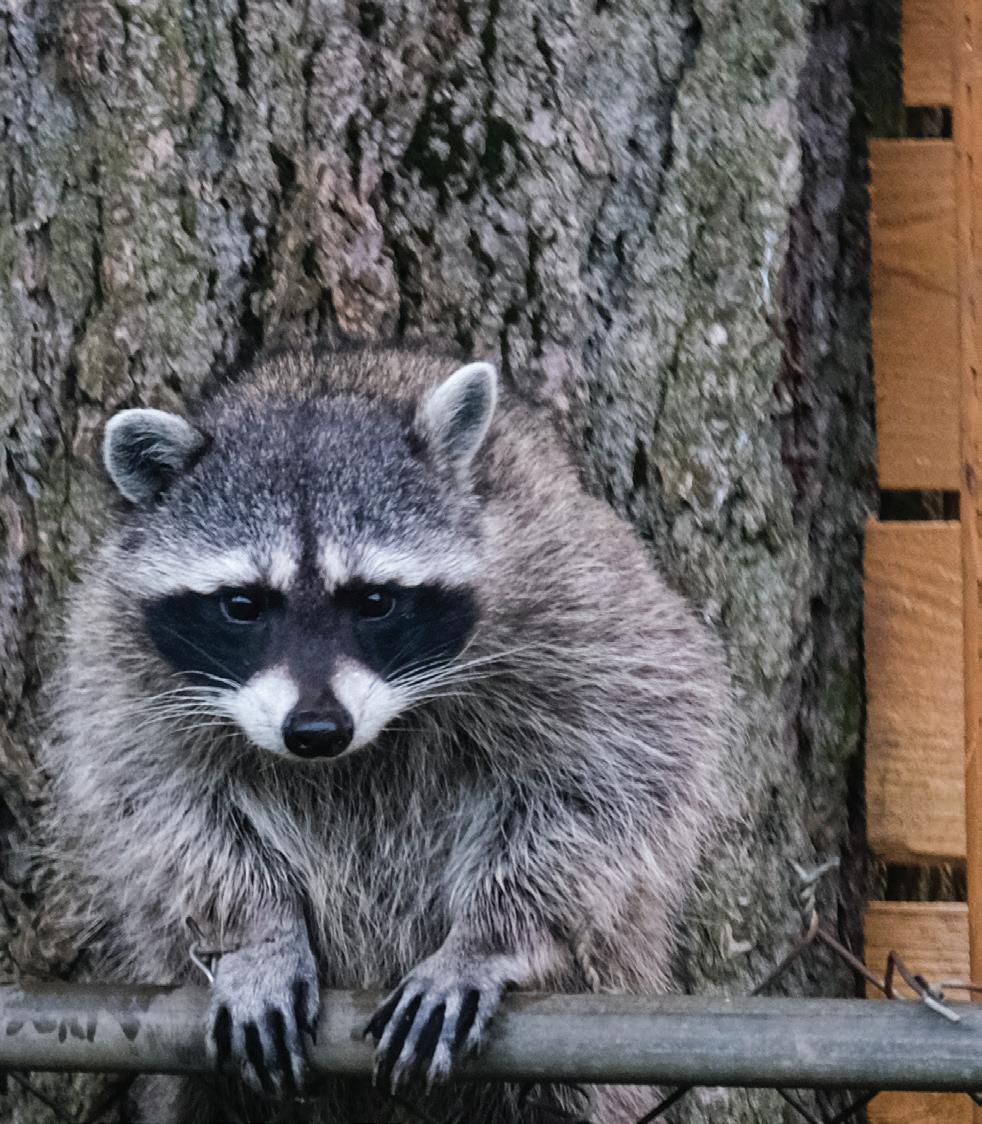
Inside the Brilliant Minds of Raccoons — and What It Teaches Us About Human Intelligence
When a curious raccoon broke into an Ashland, Virginia, liquor store in December 2025, sampled the stock, and passed out on the bathroom floor, the story went viral within minutes — resulting in national and international media attention, raccoon-themed cocktails, “trashed panda” merchandise, and even a cameo on Saturday Night Live
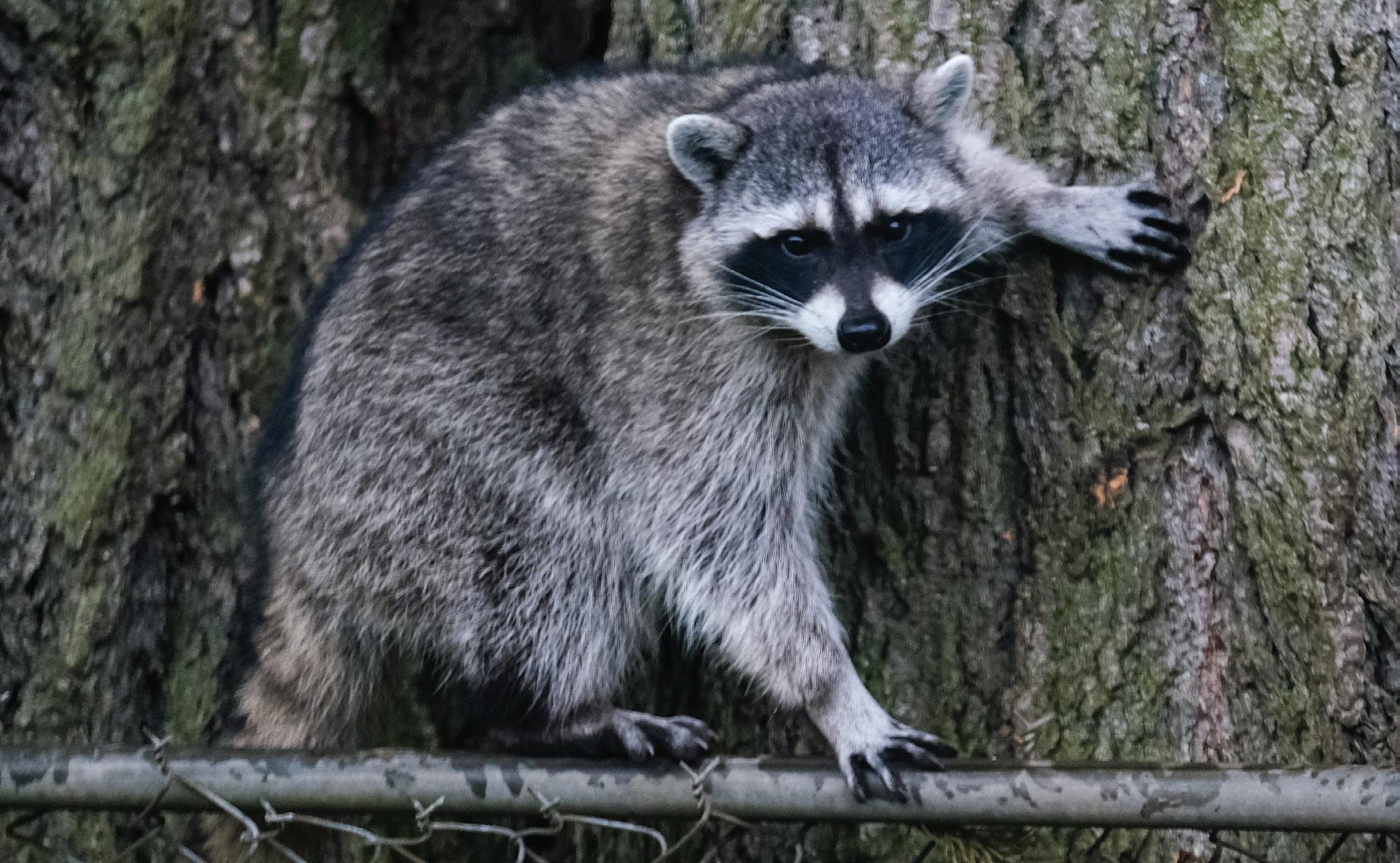
Although the so-called drunken raccoon made questionable decisions after breaking into the liquor store, the species — Procyon lotor — is known for its impressive intelligence, curiosity, and problem-solving skills.
Despite being one of the most intriguing mammals living alongside humans, raccoons have avoided the scientific spotlight. Long before rats dominated psychology labs, raccoons were a leading candidate for animal models of problem-solving and intelligence. That ended when scientists realized they’d met their cognitive match. In one study, researchers reported that all raccoon participants escaped through the laboratory ventilation system.
they were auditing the morning lesson.
Inspired by Montessori education principles, I visited a raccoon rehabilitation center in Saskatoon, Canada, called Bandit Ranch Rehab a few years ago. After introducing young raccoons to slinkys, puzzles, and blocks, I sat in awe as they interacted with these objects with the focused enthusiasm of preschoolers on a mission.
“Researchers have found that raccoon forepaws are mapped onto their cerebral cortex — the outer layer of the brain — in a similar manner to human hands.”
Humans have an ambivalent relationship with raccoons. They appear too wild to be domesticated, too endearing to be treated purely as pests, and too ubiquitous to be considered exotic wildlife. And the role confusion continues today with glimpses of humanlike behaviors in raccoons as they enter our living spaces. One report described raccoons interacting with playground equipment at a child care center on Canada’s west coast in ways similar to human children and even breaking into classrooms as if
This interspecies confusion seems to be mutual. Recent evidence suggests that urban raccoons are becoming increasingly tolerant of humans, especially when it suits them. But they are quick to leave when curiosity or opportunity calls.
The drunken Ashland raccoon captured global attention because it fit the narrative people have projected onto the species: mischievous, opportunistic, clever, and more than a little humanlike. But their sophisticated brains and mental capacities, aligning more with primates than other mammals, are even more intriguing.
Early behavioral research suggested that raccoons can learn a task, walk away, and later return to solve it accurately — as if having mentally rehearsed the solution. In contrast, other species, including dogs and rats, needed to maintain continuous focus. Scientists have speculated that raccoons have mental imagery capabilities similar to humans.
When a rogue raccoon scaled a 25-story skyscraper in Minneapolis several years ago, I couldn’t help but wonder what that animal was anticipating at the top. Do raccoons form internal representations of future outcomes? And
THE CONVERSATION
if so, how much agency and foresight do they bring to their decisions?
To answer these questions, I have collaborated with wildlife biologists, veterinarians, and neuroscientists around the country to study what may be one of the most underestimated and understudied brains in the animal kingdom. We’ve found that raccoons pack an astonishing number of neurons — an amount comparable to primates — into their brains. Scaled up to size, a raccoon brain would contain roughly the same number of neurons as a human brain.
We also found that raccoons possess specialized fast-conducting brain cells known as von Economo neurons, which are also found in humans, other great apes, and a few additional large-brained mammals. This neural arrangement may help explain the species’ striking combination of clever problem-solving and rapid decision-making during exploration — frequently leading to risky behaviors that can have unfortunate consequences. These findings raise the possibility that raccoon neuroscience could offer useful insights into the neural foundations of impulse control and distracted attention.
In addition to their impressive brains, raccoons’ dexterous hands play a key role in their cognitively creative escapades. Indeed, researchers have found that raccoon forepaws are mapped onto their cerebral cortex — the outer layer of the brain — in a similar manner to human hands.
As I argue in my latest book, Wild Brains understanding raccoon intelligence requires observing them in the environments they choose — not confining them to the small, simple spaces that suit rats and mice. So-called living laboratories that monitor wildlife without restricting their behavior may be scientists’ best chance at unlocking the secrets of this species’ remarkable mind.
By Kelly Lambert, professor of behavioral neuroscience
MEDIA MENTIONS

Political science professor DAN CHEN, who studies comedy in China, is quoted in “The American Comedian Who Became a Funnyman in China.” She discusses how generational tension and workplace pressure are popular topics in Chinese stand-up. She also said that there has been a “generational shift” in the last decade in the type of comedy popular with younger Chinese consumers. “There is this need for really authentic, direct personal expression in public discourse,” she said. “And a lot of stand-up comedians in China, they talk about issues that bother them.”

Economics professor SAIF MEHKARI, an expert on the use of AI in the classroom, is quoted in “How AI Is Evolving in Business Schools” in this business magazine. “For any school, a big decision-making point is: Do our students need it?” Mehkari explains. “And if you hear that this is something that employers are looking for, it becomes imperative for us to teach it.”

TERRY DOLSON, senior associate director for community-engaged learning, is quoted in “Teaching: What do you want from your teaching center?” She explains how she uses collaborative notetaking in the classroom to improve student engagement. “Students are doing so much more than copying down information they will spit back,” she writes. “They are making meaning, and that is done well when it is done collaboratively.”

Historian and leadership studies professor LAUREN HENLEY authored “A young woman confessed to the ‘axman’ serial voodoo murders. Experts aren’t so sure it was her.” The piece discusses Henley’s research into the story of Clementine Barnabet, a young Black woman accused of being a serial killer in the early 20th century.

Biology professor LINDA BOLAND co-authored “Colleges face a choice: Try to shape AI’s impact on learning or be redefined by it.” She explores how she is answering the question, “What is the purpose of a college education, as AI is rapidly reshaping how students think, learn, and prepare for careers?”
LAUREN TILTON, digital humanities professor and director of UR’s Center for Liberal Arts and AI, is quoted in “Integrating AI Across the Liberal Arts.”
Tilton discusses how CLAAI is helping students and faculty explore artificial intelligence across disciplines.
“The more we approach [AI] collaboratively and from a place of trust — while also critically evaluating any new technology in a productive way — the better positioned we are to guide students,” she said.

Law professor ALLISON TAIT, an expert on trusts and estate law, is quoted in “Why Your Pet Should Be in Your Estate Plan” on the importance of having a pet trust in place. She also authored an article on the topic in The Conversation, titled “Diane Keaton’s $5M pet trust would be over the top if reports prove true – here’s how to ensure your beloved pet is safe after you are gone.”
Visit news.richmond.edu to view additional media mentions or connect with University Communications’ Media and Public Relations team, Cynthia Price, Sunni Brown, and Lauren Anesta.
AROUND THE LAKE
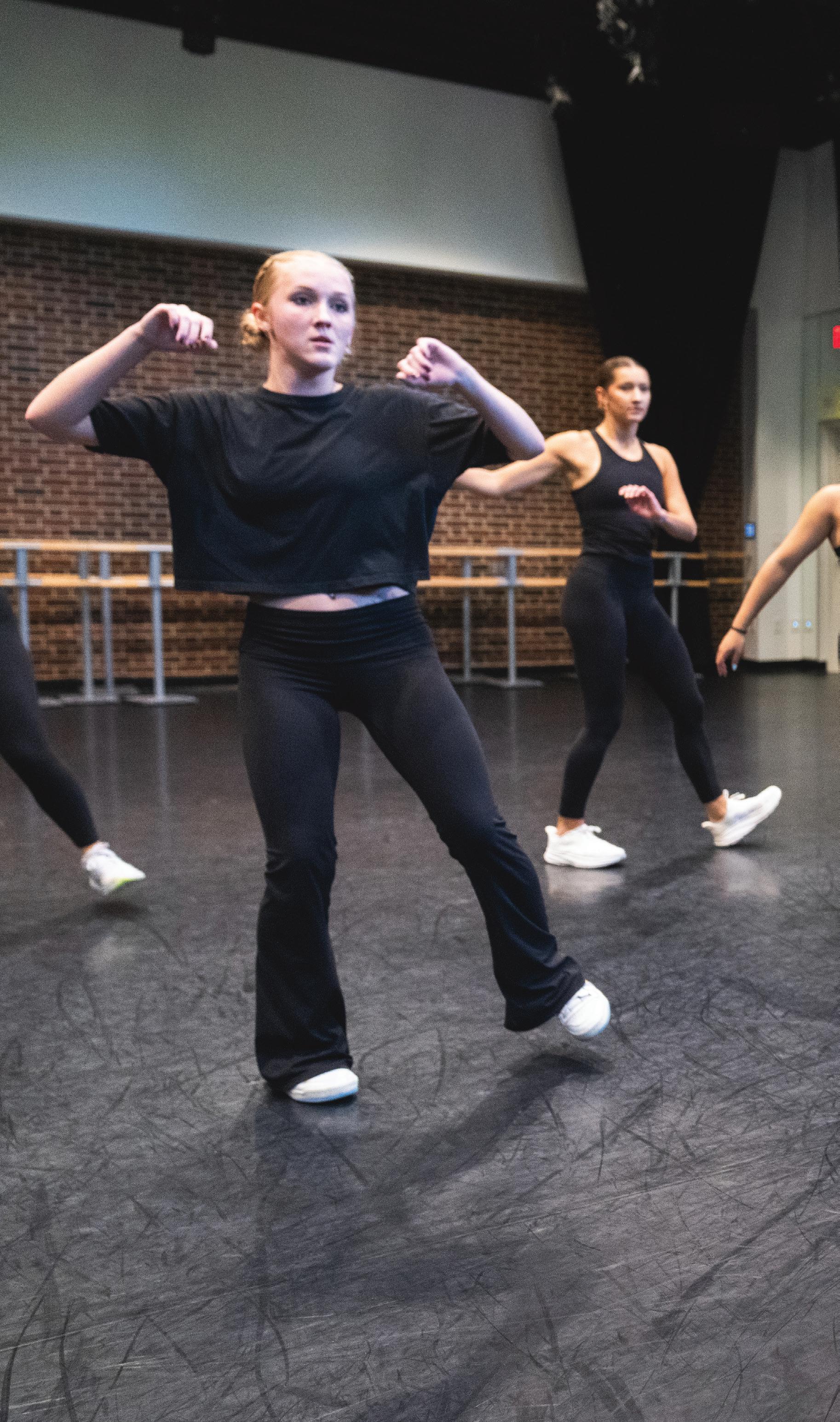
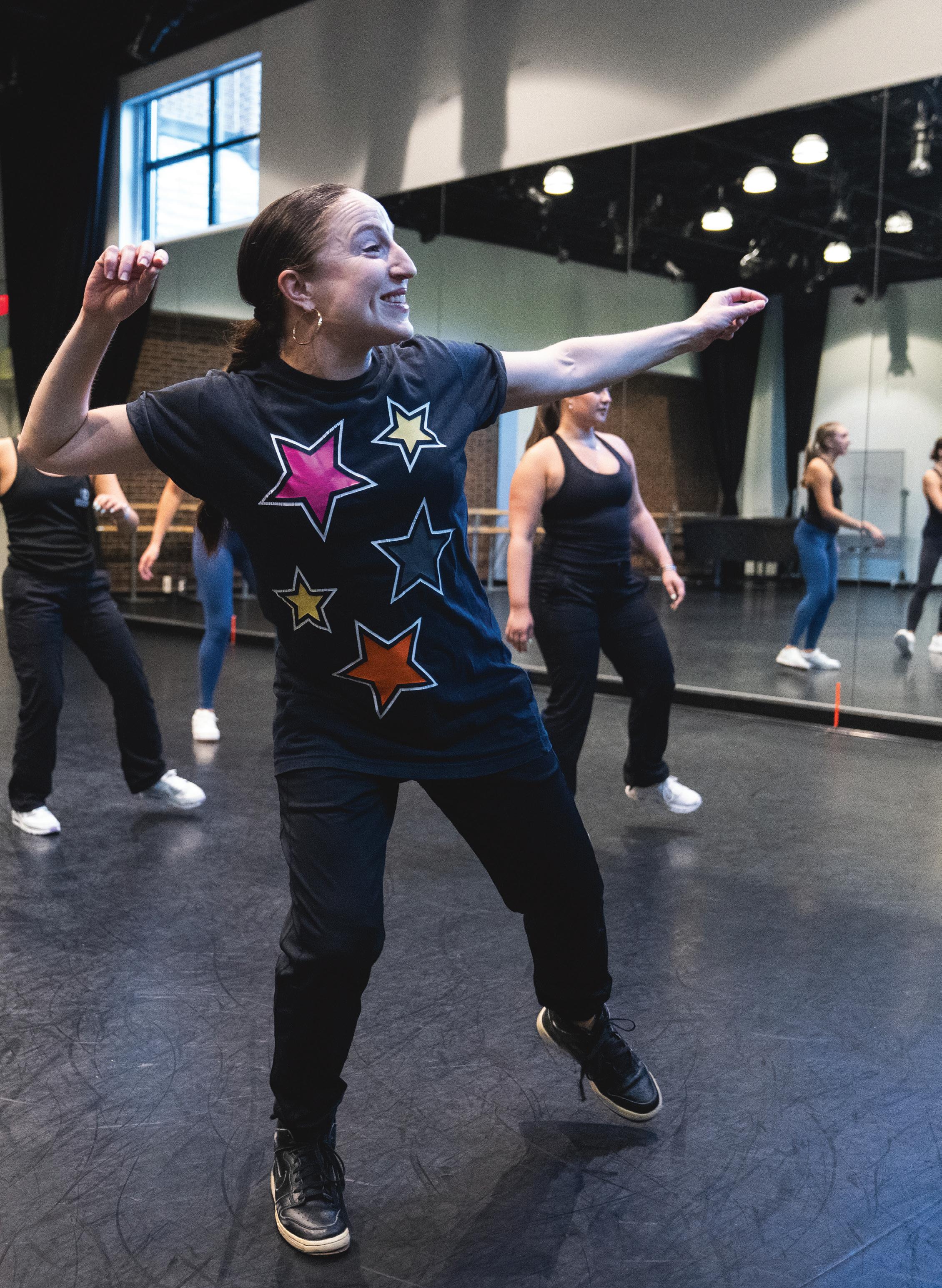
NEW VOICES, FRESH MOVES
Guest choreographers brought dynamic energy and fresh perspectives to campus as they collaborated with faculty and student performers to shape Currents, the University Dancers’ 41st annual spring concert. Among them, Ephrat Asherie (front right) — a New York City-based director, choreographer, performer, b-girl, and 2016 Bessie Award for Innovative Achievements in Dance winner — shared her approach to movement during her residency from late September through early October.
These residencies offer invaluable opportunities for students to engage directly with working artists, deepening both their technical skills and their creative insight.
“Working with guest artists offers students a distinct experience from collaborating with their regular faculty and choreographers,” said Anne Van Gelder, senior teaching faculty in theatre and dance and artistic director of the University Dancers. “It requires the dancer to adapt quickly, not only to new ways of working, but also to unfamiliar movement vocabularies.”
See more accomplishments and submit your own grant, publication, or honor at richmond.edu/ faculty-staff.
OUR ACCOMPLISHMENTS
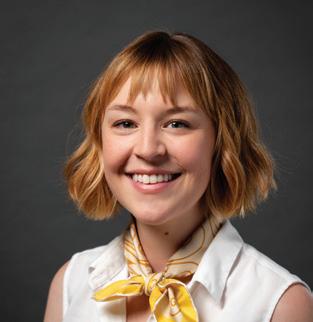
LAUREN ANESTA, media relations manager, served as a panelist for the session “Marketing your membership on campus,” which featured communicators speaking on strategies for recruiting scholars and generating buy-in amongst leadership, at
The Conversation’s member conference in Boston.
TAYLOR ARNOLD, professor of data science and statistics, and Lauren Tilton, professor of digital humanities and director of UR’s Center for Liberal Arts and AI, received a $250,000 grant to support their research to develop AI models that analyze film and television. The funding is part of a larger award from Schmidt Sciences and includes collaboration with two other institutions.
KRISTIN BEZIO, professor of leadership studies and associate dean of academic affairs in the Jepson School, published Shakespeare and Identity in a Divided World (Routledge).
COURTNEY BLONDINO, assistant professor of health studies, co-published “A Community Conversation Process To Establish Resident and Service Provider Perspectives on Needs Related to Use and Treatment of Opioids and Substances” in Frontiers in Public Health and “Describing psychosocial risk in the Mexican working population by sex, generation, and industry: a cross-sectional study” in Safety Science
JENNIFER BOWIE, professor of political science, co-published the 13th edition of Judicial Process in America (CQ Press).
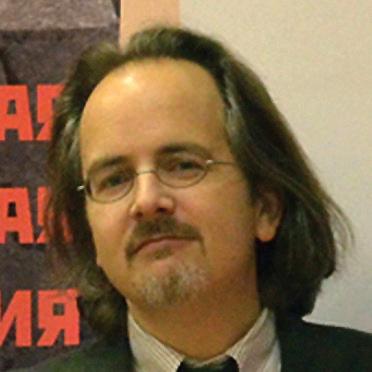
DAVID BRANDENBERGER, professor of history and global studies, published Stalin’s Usable Past (Stanford University Press) and “‘Basically, It’s a History of the Russian State’: Russocentrism, Etatism, and the Ukrainian Question in Stalin’s Editing of the 1937 Short History of the USSR” in Nationalities Papers. Brandenberger presented “The Foundations of Russian Statehood: An Analysis of the New ‘Civilizationism’ Curriculum in Russia’s Higher Educational Institutions” at a conference hosted by the Polish Academy of Sciences’ Institute of History.
ALLISON BRENNING, teaching faculty of education, received a 2024 Henrico Police Athletic League (PAL) Significant Contributor Award in honor of her partnership with the Henrico PAL after-school program at Dumbarton Elementary, where she coaches and supports UR students providing literacy and math instruction to elementary students.
JAMES BROOMALL, William Binford Vest Chair in History, was invited to serve on the American Civil War Museum’s Historian Advisory Council. He also serves as an academic advisor of and reviewer for the exhibition and book The Soldier’s Gaze: Picturing the Civil War (Rizzoli Press). The Virginia Museum of History and Culture will premiere the exhibition in 2027.
KAVITHA CARDOZA, assistant professor of journalism, was awarded the American Mosaic Journalism Prize for her work as a freelance reporter. The prize is awarded to journalists who exemplify excellence in reporting on underrepresented communities in the United States.
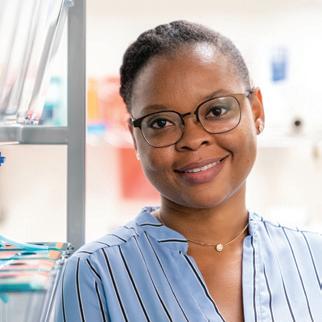
COLLEEN CARPENTER-SWANSON, assistant professor of biology, was named to the Wiley Index of Inspiring Black Scientists. The index is a public database, created by scholars and Wiley, showcasing inspiring Black scientists from diverse backgrounds for education, collaboration, and networking.
VLADIMIR CHLOUBA, assistant professor of leadership studies, published “Seeing Is Believing: Voluntary Gender Quotas Change Female Leadership Stereotypes” in Research and Politics and co-published “Examining Institutional Academic Freedom and STEM Research Production in the OECD” in the International Journal of Educational Research. Chlouba presented his research on traditional leadership and democracy at the African Studies Association annual meeting in Atlanta.
ALLISON CORNELL, assistant professor of biology, co-published “Life-history stage-dependent effects of food supplementation on gut microbiome diversity in Sialia sialis (Eastern Bluebird)” in Ornithology and “Sequestration of plant defenses by spotted lanternfly (Lycorma delicatula) and effects on avian predators” in the Journal of Chemical Ecology
JOHN CRAFT, director of information security, presented “Staying Secure in Today’s Digital World” for the Commonwealth Women’s Club.
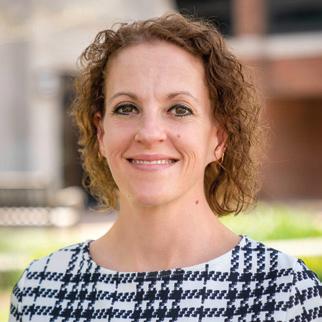
STACEY CRISWELL, director of microscopy and imaging; Omar Quintero-Carmona, associate professor of biology; and students published “Cells stably expressing shRNA against MYO10 display altered cell motility” in microPublication Biology
RONALD CRUTCHER, president emeritus and University Professor, received the American Association of Colleges and Universities President’s Award for Outstanding Contributions to Liberal Education.
JENNA DARBY, adjunct assistant professor of education, was appointed an interim representative to the Chesterfield County School Board for the Clover Hill District, effective Jan. 1.
MARIAMA REBELLO DE SOUSA DIAS, associate professor of physics, co-published “Physics-informed generative adversarial networks applied to dichroic filters’ properties regression” in Physica Scripta
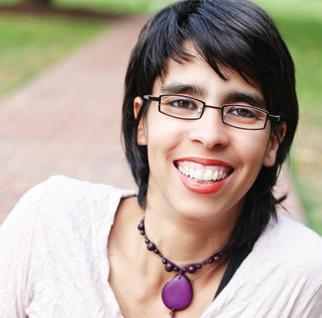
ALICIA DÍAZ, associate professor of dance, and Patricia Herrera, professor of theatre, published the chapter “Radical Imaginings of Feminist Solidarities Entre Puerto Rico y Richmond” in Porque Estamos Aquí: Puerto Rican Feminisms Against Empire (The Feminist Press at CUNY). Díaz and Herrera presented the short films ruinas: bagazo and ruinas: guardianas del dolor at New Spiritualities: Film as Ritual at the Institute for Contemporary Art at Virginia Commonwealth University.
KELLING DONALD, Clarence E. Denoon Jr. Chair in the Natural Sciences, and an undergraduate student published “Chapter 10 – On the origins of local positive potentials on group 13 central atoms and the ouroboric cyclization of heteroorganic chains” in Theoretical and Computational Chemistry and “Sigma-hole-supported interactions in complexes of group 5 oxyhalides (MOX3) with insights for their extended solids” in Physical Chemistry Chemical Physics.
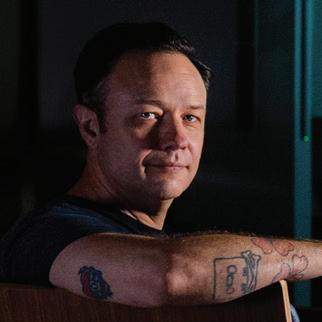
JEREMY DRUMMOND, associate professor of studio art, presented his film Monument at the Dresdner Schmalfilmtage and as an official selection at CineSalon Experimental Film Festival, Centre Film Festival 2025, the Anticensura Film Festival, the Fargo Film Festival, Ethnografilm Paris, and the Arquiteturas Film Festival. Monument was selected for the Best of Revolutions Per Minute (RPM25) Film Festival program, received the first place award in classic experimental film at the Denver Underground Film Festival, and received first place and the Kathryn Stephens Virginia Filmmaker Award at the James River Film Society’s 32nd Short Film Showcase at the Virginia Museum of Fine Arts, where it was an official selection.
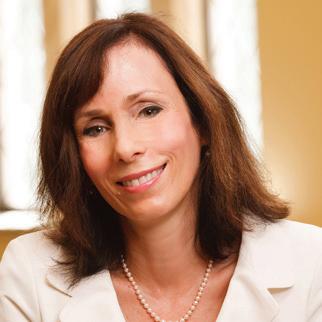
SHARON FELDMAN, William Judson Gaines Chair in Modern Foreign Languages and professor of Spanish and Catalan Studies, translated Liberto, from the original Catalan Llibert, a play by Barcelona playwright Gemma Brió. The work premiered in February at Theater for the New City.
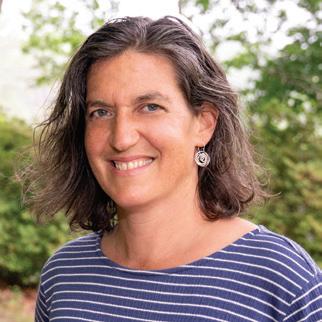
SYLVIA GALE, executive director of the Bonner Center for Civic Engagement; Nicole Maurantonio, associate provost for academic affairs and professor of rhetoric and communications; and Derek Miller, associate director of community-engaged research, scholarship, and relationships, presented “Supporting Early-Career Community-Engaged Faculty and Their Evaluators” at the 2025 Engagement Scholarship Consortium in Roanoke, Virginia. Gale also published the Deaconess Foundation Report “Practicing Community, Cultivating Democracy: Lessons from Professional Power Shifters” and delivered the keynote “Seeking epistemic justice or, why practitioner scholarship matters” at the University of Helsinki as part of the Helsinki Inequality Initiative.
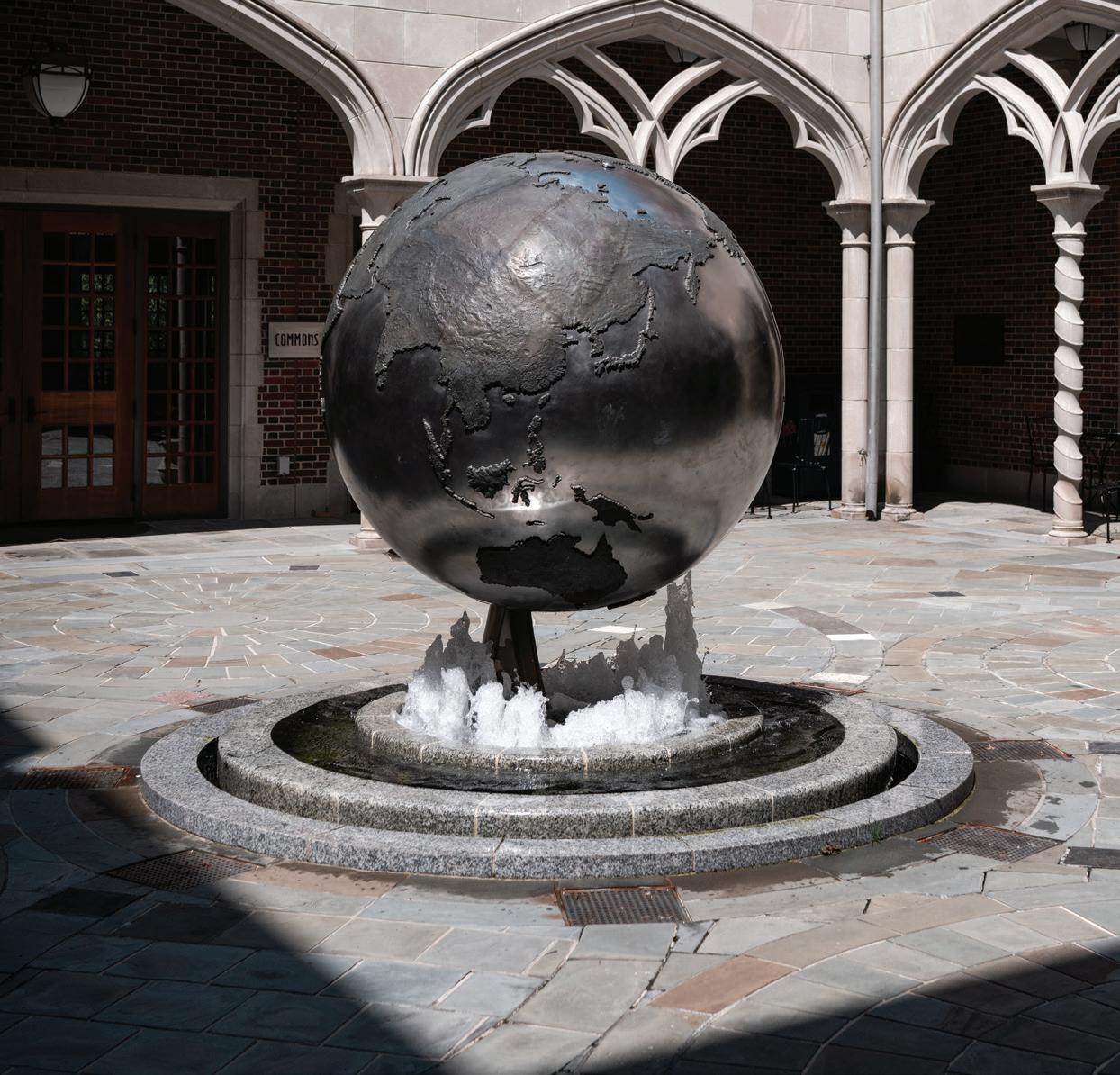
Global Engagement Awards
Each year, the Center for Global Engagement recognizes students, staff, faculty, and alumni who perform exemplary acts of internationalization to benefit the University of Richmond and communities beyond.
For a complete list of award winners, visit global.richmond.edu.
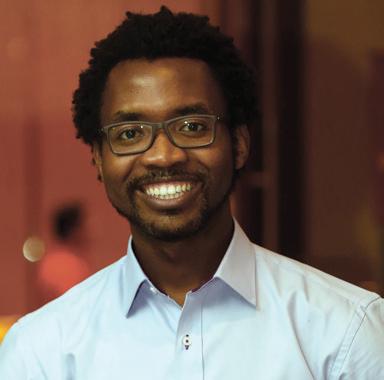
NIGEL JAMES
Assistant Professor of Health Studies
For his generous collegiality and impactful global engagement with Ghanaian partners, dedicated student mentorship in lifesaving health studies, and steadfast commitment to elevating awareness of and engagement with Africa
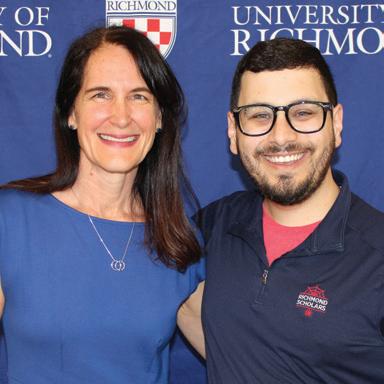
THE OFFICE OF SCHOLARS AND FELLOWSHIPS
DANA KUCHEM
Director of Scholars & Fellowships
ETHAN KNIGHT
Associate Director
For their dedication to mentoring UR students in powerful storytelling, sustaining Fulbright Top Producer status, advancing global fellowships, and mobilizing faculty and staff to identify the next generation of mission-driven Global Spiders
KAMAL GASIMOV, assistant professor of Arabic studies, published “Philosophical Encyclopedia in a Mystical Fatwā: The Sufi Readers of the ‘Brethren of Purity’ in Sixteenth-Century Cairo under Ottoman Rule” in Arabica: Journal of Arabic and Islamic Studies and co-published “Eurasia and eschatology. Dugin’s antiliberal resonances in the Muslim world” in Studies in East European Thought.
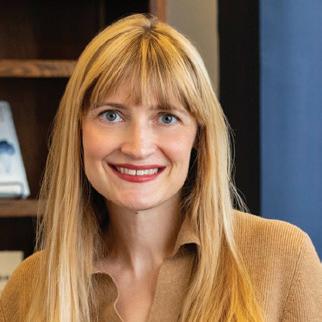
RHIANNON GRAYBILL, Marcus M. and Carole M. Weinstein & Gilbert M. and Fannie S. Rosenthal Chair of Jewish Studies, co-published Ruth: Themes and Issues in Biblical Studies (Equinox Publishing).
PATRICIA HERRERA, professor of theatre, and Alicia Díaz, associate professor of dance, published the chapter “Radical Imaginings of Feminist Solidarities Entre Puerto Rico y Richmond” in Porque Estamos Aquí: Puerto Rican Feminisms Against Empire (The Feminist Press at CUNY). Díaz and Herrera presented the short films ruinas: bagazo and ruinas: guardianas del dolor at New Spiritualities: Film as Ritual at the Institute for Contemporary Art at Virginia Commonwealth University.
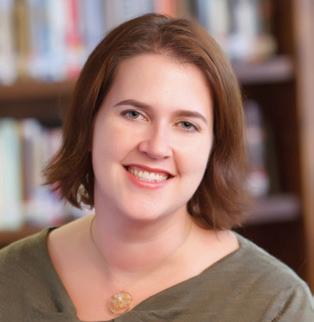
ANGIE HILLIKER, associate professor of biology, and students published “A genetic interaction between DED1 and HAT1 in Saccharomyces cerevisiae reveals a role for Hat1p in cytoplasmic RNA granule accumulation” in G3: Genes, Genomes, and Genetics.
JEREMY HOFFMAN, adjunct lecturer of health studies, was selected as a 2025 honoree for the de Beaumont Foundation’s 40 Under 40 in Public Health.
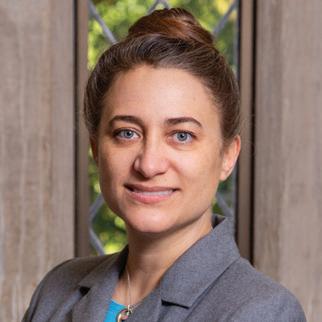
KATHRYN JACOBSEN, William E. Cooper Distinguished University Chair and professor of health studies, was selected to serve as a senior research fellow with the Earth Systems Governance Project of Future Earth, hosted by Uppsala University in Sweden. Jacobsen was the lead author of “An updated definition of global health” in Global Heath Research and Policy, co-published “Newborn screening for sickle cell disease in Caluquembe, southwestern Angola, 2024–2025” in PLoS One, and published three Global Burden of Disease papers in The Lancet, one on demographics, one on mortality, and one on the epidemiology of nonfatal health conditions.
NIGEL JAMES, assistant professor of health studies, was awarded the 2025 American Public Health Association Cancer Forum Global Health Award for “Transforming Detection: Assessing the Impact of Task Shifting in Nurse-Led Breast Cancer Screening in Rural Ghana.” He received the highest award in the global health category.
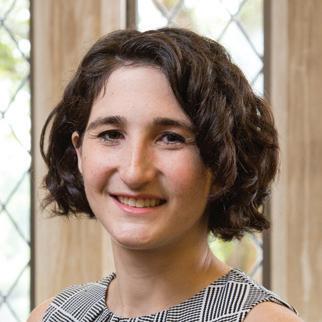
MICHELLE KAHN, associate professor of history, was selected as a finalist by the German Studies Association for two book prizes, including the 2025 DAAD/GSA Book Prize for the Best Book in History and Social Sciences and the 2025 David Barclay Book Prize, and won the Berkshire Conference of Women Historians Book Prize for Foreign in Two Homelands: Racism, Return Migration, and Turkish-German History (Cambridge University Press).
LAURA KNOUSE, professor of psychology, co-published “Bridging the Gap: Digital CBT for Adults Managing ADHD Challenges” in the Journal of Attention Disorders.
KYLIE KORSNACK, associate director of pedagogical practice in the Faculty Hub, co-published the collection “Creating a Classroom Environment in Which Civil Discourse Can Thrive” in Facilitating Constructive Dialogue in a Challenging World.
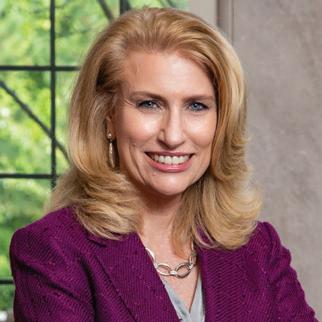
KELLY LAMBERT, MacEldin Trawick Professor of Psychology and professor of behavioral neuroscience, published the chapter “The Mother of All Brains” in What is Success? A Kaleidoscope of Possibilities from Women in the World Around the World (Cambridge Scholars Publishing). She presented “What teaching rats to drive taught me about joy” at TEDxRVA Youth and was appointed an advising editor of Brainfacts.org.
MICHAEL LEOPOLD, Floyd D. and Elisabeth S. Gottwald Chair in Chemistry, was awarded a $70,000 Undergraduate Research Grant from the American Chemical Society. Leopold and students published “Design of Nanomaterial-Based Sensors for Enhanced Halogen Bonding” in ACS Omega.
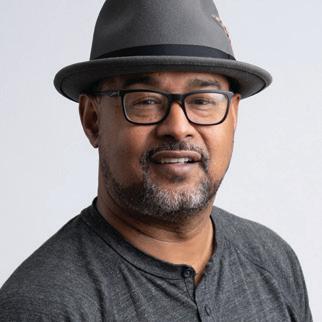
DONNIE LEWIS, aka Mad Skillz, adjunct instructor and former School of Professional and Continuing Studies artist-in-residence, won a Grammy for Best Spoken Word Poetry Album for his project Words for Days Vol. 1 at the 2026 Grammy Awards.
KERRISSA MACPHERSON, adjunct instructor of health studies, was named to Style Weekly’s Top 40 Under 40 Class of 2025.
PATRICK MARTIN, assistant professor of computer science, received the Claude C. Gravatt and Ann S. Gravatt Faculty Fellowship for “Live Coding Language for Real-Time Coordination of Human-Robot Teams.” The fellowship, awarded by UR, supports faculty research in STEM fields in the School of Arts & Sciences.
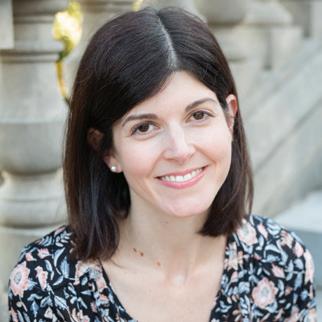
NICOLE MAURANTONIO associate provost of academic affairs and professor of rhetoric and communications; Sylvia Gale, executive director of the Bonner Center for Civic Engagement; and Derek Miller, associate director of community-engaged
Outstanding Service Award Winners
These awards, given annually, honor staff for exemplary commitment and service to the University in the following categories: administrative, clerical support, dining services, and service/maintenance. Outstanding Service Award winners are nominated by their colleagues and supervisors and receive $1,000 and a personalized plaque.
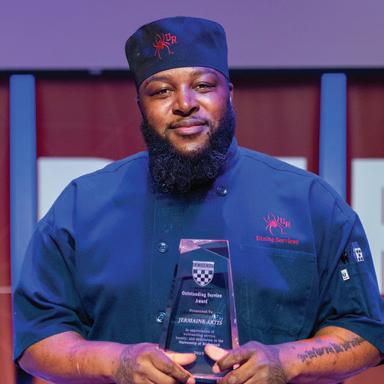
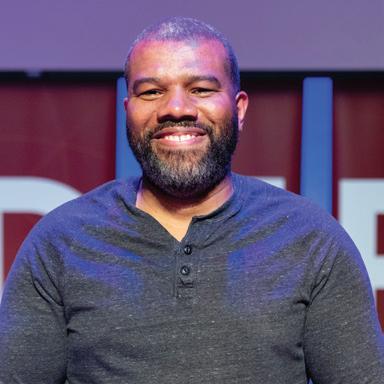
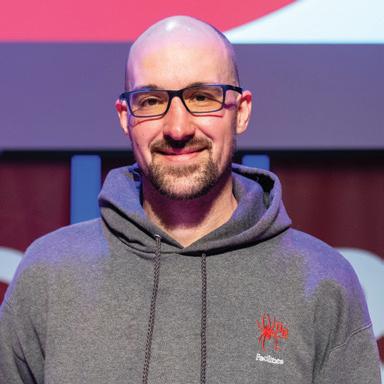
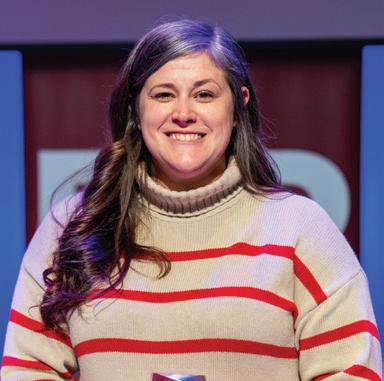
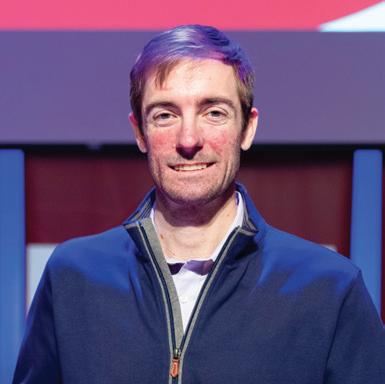
JERMAINE ARTIS Cook II Heilman Dining Center
MATTHEW BELK Physics Lab Manager Department of Physics
CHARLIE CRAWFORD Gardener University Facilities/ Landscape Services
RACHEL KOCH Assistant Director of Training Counseling and Psychological Services
ROBBY WILLIAMS Lighting and Sound Supervisor Department of Theatre and Dance
research, scholarship, and relationships, presented “Supporting Early-Career Community-Engaged Faculty and Their Evaluators” at the 2025 Engagement Scholarship Consortium in Roanoke, Virginia.
RICK MAYES, professor of health policy, chaired the research panel “Privatization, Regulation, and Health Care Markets” and shared his research on a “Medicare at 60” panel at the 2025 American Political Science Association Conference. Mayes presented his research on Medicare policy at the 2025 American Public Health Association’s annual meeting in Washington, D.C., and for the Better Healthcare Policy Group at the University of California, Berkeley School of Public Health. He also co-published “From Disappointment to Predominance: Medicare Advantage’s Ascendancy and Transformation of Medicare” in The Milbank Quarterly
KITTY MAYNARD, Faculty Hub director, co-edited Transformative Coaching for Faculty and Staff in Higher Education: Powerful Tools to Address Institutional Challenges (Routledge). Maynard co-authored the chapter “Getting Started: Putting Coaching Into Practice as Educational Developers.”
TAMMY MILBY, senior teaching faculty of education, received a 2024 Henrico Police Athletic League (PAL) Significant Contributor Award, honoring her partnership with the Henrico PAL after-school program at Dumbarton Elementary, where she coaches and supports UR students providing literacy and math instruction to elementary students.
DEREK MILLER, associate director of community-engaged research, scholarship, and relationships in the Bonner Center for Civic Engagement, presented “Developing a Community of Care: Interdisciplinary Engagement with East End Cemetery” with musician Leyla McCalla at the 2025 Place-Based Justice Network Annual Symposium in New Orleans. Miller; Sylvia Gale, executive director of the Bonner Center for Civic Engagement; and Nicole Maurantonio, associate provost of academic affairs and professor of rhetoric and communications, presented “Supporting Early-Career Community-Engaged Faculty and Their Evaluators” at the 2025 Engagement Scholarship Consortium in Roanoke, Virginia.
MALCOLM OGDEN, visiting assistant professor of rhetoric and communication studies, published the chapter “The Weird Internet and Speculative Knowledge” in the De Gruyter Handbook of Digital Cultures (De Gruyter).
JESSICA OLIVER, communications center supervisor in the Department of Public Safety, received the Federal Bureau of Investigation – Law Enforcement Executive Development Association Trilogy Award for completion of the Executive Leadership Institute and the required leadership courses — supervisor, command, and executive leadership.
HEMALI OZA, assistant professor of health studies, co-published “Household resilience and adaptation strategies for enhancing access to energy, water, and food during droughts and floods: A qualitative study” in the International Journal of Hygiene and Environmental Health. Oza presented “Household Energy and Water Resource Disruptions and Coping
Strategies During Floods and Droughts in Kenya” at the 2025 UNC Water and Health Conference.
CAROL PARISH, Floyd D. and Elisabeth S. Gottwald Chair in Chemistry; Eugene Wu, associate professor of biology and biochemistry; and students published “Understanding the Fidelity and Specificity of DNA Polymerase I” in ACS Omega.
JON PARK, associate professor of computer science, co-published “Supporting Reviewing Reviews: How HCI Authors Handle Peer Reviews of Manuscripts” in the Proceedings of the International Conference on Human-Engaged Computing
BEN PETTIS, assistant professor of rhetoric and communication studies, published a book review of Move Slowly and Build Bridges: Mastodon, the Fediverse, and the Struggle for Democratic Social Media in Convergence: The International Journal of Research Into New Media Technologies
JULIE POLLOCK, associate professor of chemistry, received the 2025 Henry Dreyfus Teacher-Scholar Award from the Camille and Henry Dreyfus Foundation.
TERRY PRICE, professor of leadership studies and philosophy, politics, economics and law, was named to the Virginia Business list of 100 People to Meet in 2026: Educators.
OMAR QUINTEROCARMONA, associate professor of biology, and students published “The C-Terminal Regions of TRAK Proteins Contain MIRO-Independent Mitochondrial Localization Domains” in Cytoskeleton
Quintero-Carmona; Stacey Criswell, director of microscopy and imaging; and students published “Cells stably expressing shRNA against MYO10 display altered cell motility” in microPublication Biology.
GRANT RISSLER, assistant professor of organizational studies, presented “Barriers to the Integration of Virginia’s Immigrants” as part of the January Advocates for Intercultural RVA (AIRVA) meeting.
CHRISTOPHER SHUGRUE, assistant professor of chemistry, and students, published “Benzothiazole sulfones as a tool for peptide modification and cleavage” in Bioorganic & Medicinal Chemistry
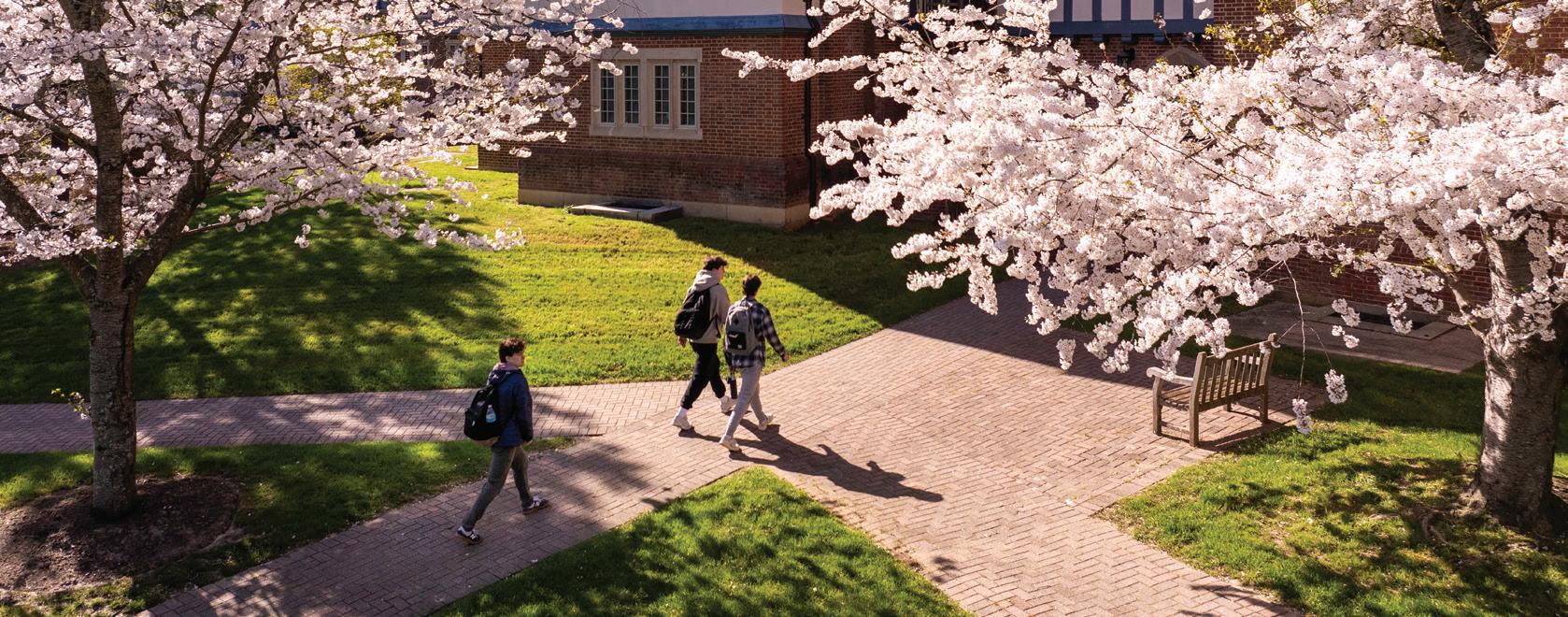
Business Affairs Award Winners
The annual Business Affairs Awards recognize individuals or teams who excel in the performance of their duties, promote teamwork, inspire excellence in others, and consistently reflect the values of the Business Affairs division — inclusivity, cooperation, and collaboration; working together for the good of the whole; working in an open and accountable manner; and being innovative.
Individual Winners
KAYLA JOHNSON Event Coordinator Events, Conferences, and Support Services
SpiderShop Team
SCOTT LINCOLN Associate Director of Custodial and Environmental Services University Facilities
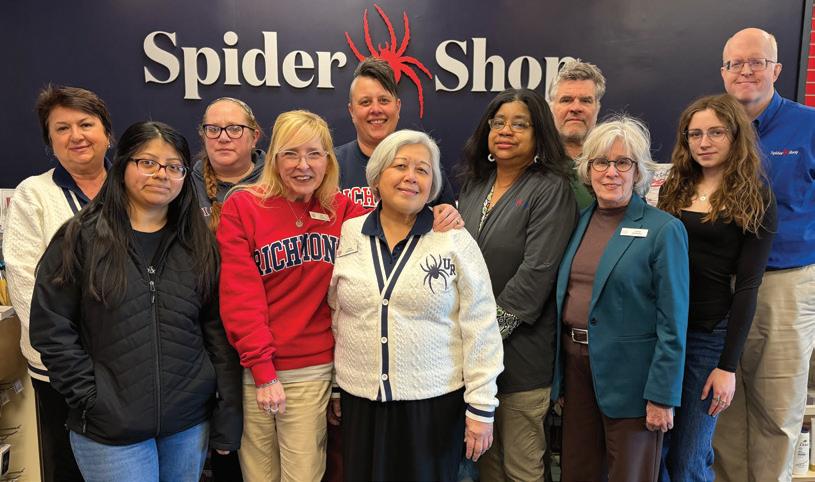
ASHLEY BELL
Shipping and Receiving Associate
TIM COATES Course Materials Manager
LOIDA DOMASIG Merchandiser
SABIHA EDRENIC Associate
GINA FOSTER Director
CHARNELL GRACE General Merchandise Manager
TREVOR MOULTON Marketing and Retail Specialist
LINDA SHEPARD Associate
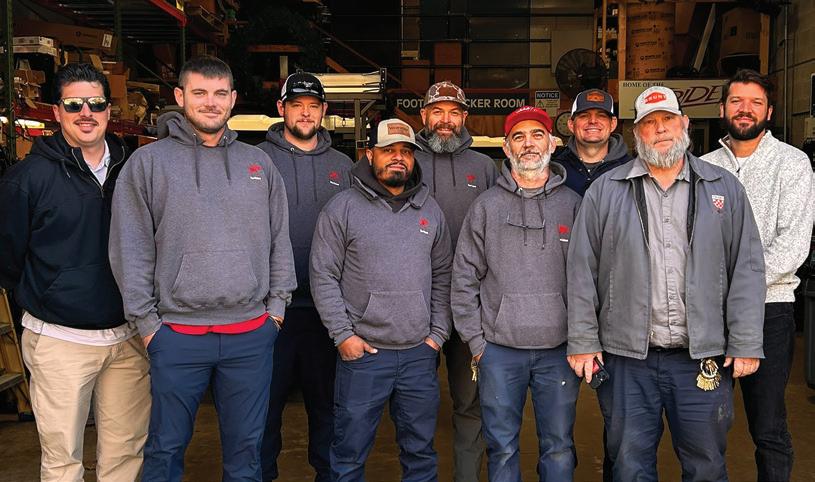
ARGALAS Electrician II
NOEL BROOKING Electrician I
MICHAEL CARPENTER Events Technician
ERIC ESTES Assistant Director, Utilities Distribution and Controls – Energy Management
AUBREY GRUBBS Electrical Supervisor
CHRIS MACHALSKI Electrical Team Leader
DAVID RODRIGUEZ Electrician II
CHRIS SULLIVAN Electrician II
KURTIS TAYLOR Electrician II
NIA WILLIAMS Café Manager 8:15 at Boatwright
BRIAN
Milestones
Congratulations to these UR staff and faculty who celebrated major service anniversaries of 25 years and more in 2025.
45 Years of Service
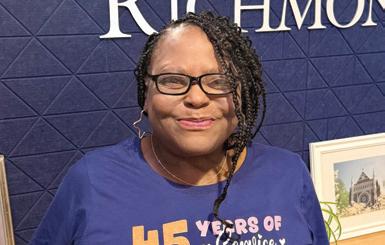
JOYCE EARLEY Custodial Services
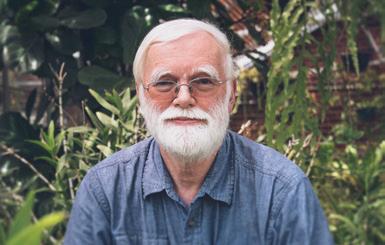
JOHN HAYDEN Arts & Sciences faculty (Biology)
40 Years of Service
KATHY HOKE Arts & Sciences faculty (Mathematics and Statistics)
35 Years of Service
VINCE HARLOW Carpentry Services
PHIL SHERMAN
Telecommunication and Media Support Services
ANGELA SMITH Major Gifts
WALT STEVENSON Arts & Sciences faculty (Classical Studies)
30 Years of Service
KATHRIN BOWER Arts & Sciences faculty (Languages, Literatures, and Cultures)
CHIP BRYAN Financial Aid
LESTER CAUDILL Arts & Sciences faculty (Mathematics and Statistics)
ANTOINETTE FERRELL Custodial Services
DEE DEE HATCH Custodial Services
AURORA HERMIDA-RUIZ Arts & Sciences faculty (Latin American, Latino, and Iberian Studies)
TIM JOHNSTONE HVAC Services
LARRY LANGLEY Custodial Services
JABRIEL PITTMAN Heilman Dining Center
JEFFREY RIEHL Arts & Sciences faculty (Music)
STEVE ZINSKI Enterprise Identity and Access
25 Years of Service
KARLA CONNELLY Procurement and Strategic Sourcing
MITCH CONOVER Robins School faculty (Finance)
FRANCES DICKERSON-KING Controller
JOANNA DRELL Arts & Sciences faculty (History)
SHARON FELDMAN Arts & Sciences faculty (Latin American, Latino, and Iberian Studies)
MARSHALL GEIGER Robins School faculty (Accounting)
CHARNELL GRACE SpiderShop
KELLY HARRIS Vice President Student Development
CASSANDRA HARTRIDGE Custodial Services
OSCEOLA HERBERT Telecommunication and Media Support Services
DAVID HERSHEY University Museums
L.J. JONJIC Custodial Services
WESLEY LEWIS Boiler Plant
DEVON LOCKHART SLOUGH Controller
LJILJANA MARTIC Custodial Services
MIRIAM MCCORMICK Arts & Sciences faculty (Philosophy)
GREG MILLER Enterprise Identity and Access
DAVID NORTH Robins School faculty (Finance)
KRITTIKA ONSANIT Global Engagement
KELVIN RANDALL Heilman Dining Center
JOHN REEVES Telecommunication and Media Support Services
TANJA SOFTIĆ Arts & Sciences faculty (Art and Art History)
ANNA KAY TRAVIS School of Professional and Continuing Studies
DOUG WINIARSKI Arts & Sciences faculty (Religious Studies)
ANDREA ZINSKI Enterprise Applications
LIZ ST. JOHN, project manager in collegiate licensing and business services, was named the National Association of College Auxiliary Services’ 2025 Rising Star of the Year for the East region.
MARIBEL STREET, director of emergency management, received the International Association of Emergency Managers Presidential Citation for her contributions to the emergency management field for 2024–25.
LAREE SUGG, deputy director of athletics for policy and sports management, was named to the Chesterfield Sports Hall of Fame Class of 2026 in recognition of her decades-long impact as a golfer, coach, and athletics administrator.
IGNATIUS SUGLO, assistant professor of rhetoric and communication studies, was appointed to the editorial board of the flagship journal Communication, Culture, and Critique.
RANIA KASSAB SWEIS, associate professor of anthropology, joined the editorial board of the International Journal for Middle East Studies (IJMES), the flagship interdisciplinary journal in the field of Middle East studies. Sweis presented “The Making of Syrian American Medical Humanitarians” at the Global Health in a Turbulent Middle East and North Africa: Anthropological Perspectives conference hosted by the Yale MacMillan Center Council on Middle East Studies.
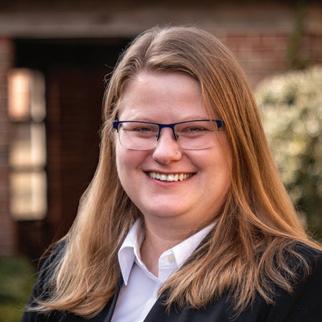
AGNIESZKA SZYMAŃSKA, associate professor of art history, published “Slaying the Embodiment of Lust: A Painting of a Martyr-Monk Vanquishing a Female Demon” in the Journal of Early Christian Studies.
MARGARET TAIT, assistant professor of health studies, received the Anders Andren Faculty Fellowship for “Health and Hype: Exploring the Spread of Health-Related Misinformation Through Multi-Level Marketing Programs.” The fellowship, awarded by UR, supports outstanding faculty members performing innovative teaching, scholarship, research, or creative work in the School of Arts & Sciences.
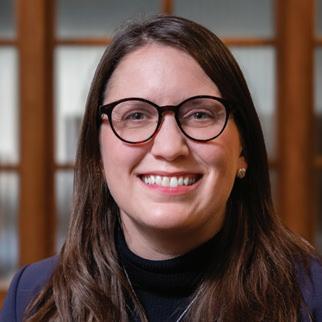
LAUREN TILTON, professor of digital humanities and director of UR’s Center for Liberal Arts and AI, and Taylor Arnold, professor of data science and statistics, received a $250,000 grant to support their research to develop AI models that analyze film and television. The funding is part of a larger award from Schmidt Sciences and includes collaboration with two other institutions.
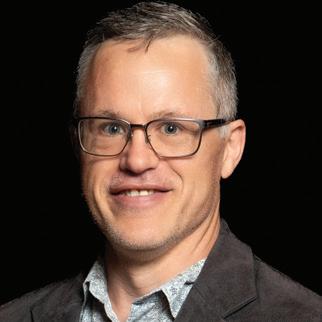
CHRISTOPHER VON RUEDEN, professor of leadership studies, co-published “Egalitarianism is not equality: Moving from outcome to process in the study of human political organization” in Behavioral and Brain Sciences.
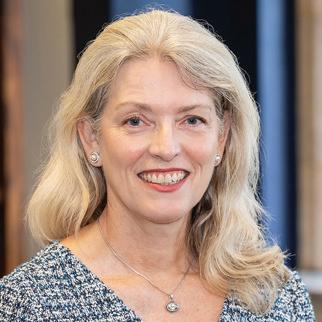
SYDNEY WATTS, associate professor of history and gender and sexuality studies, presented a paper on the transatlantic migration of the Dupont household (17971830) at the Stay or Leave: Family Survival Tactics During the Age of Emigrations, 1770-1830s workshop at Goethe University.
EMMY WELDON, assistant professor of theatre and dance, was awarded third place at the 32nd annual James River Short Film Showcase for As You Liked It! A Reflection on Waste Culture, a documentary short film about the play performed at UR and its creative set design.
DAVID WILKINS, professor of leadership studies, co-published The Navajo Nation Political Experience, fifth edition (Bloomsbury Academic) and “Indigenous invisibility: Gaps in education about Indigenous peoples among environmental decision-makers” in Earth Stewardship. Wilkins served on the 2025 Native American Cultural Celebration History Panel at the University of Mary Washington and presented “Indigenous Nations and the US: A ‘Peculiar’ Relationship” at Houghton University’s Kindschi Faith and Justice Symposium.
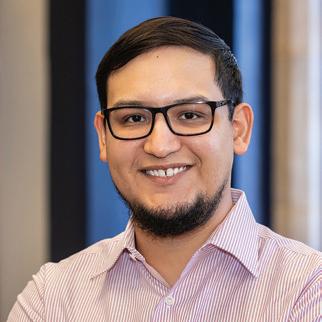
JORGE WONG MEDINA assistant professor of classics, published a review of Alloglōssoi: Multilingualism and Minority Languages in Ancient Europe in the Journal of Literary Multilingualism Wong Medina presented “Homeric ὑπόδρα ἰδών” at the Annual Meeting of the Society of Classical Studies.
EUGENE WU, associate professor of biology and biochemistry; Carol Parish, Floyd D. and Elisabeth S. Gottwald Professor of Chemistry; and students published “Understanding the Fidelity and Specificity of DNA Polymerase I” in ACS Omega.
TIANYUAN XU, assistant professor of mathematics and statistics, presented his research on orthogonal roots at The Interplay Between Distance Geometry, Combinatorics, and Coding Theory workshop held at the Brin Mathematics Research Center at the University of Maryland.
LIFE AFTER DEANSHIP
University of Richmond School of Law
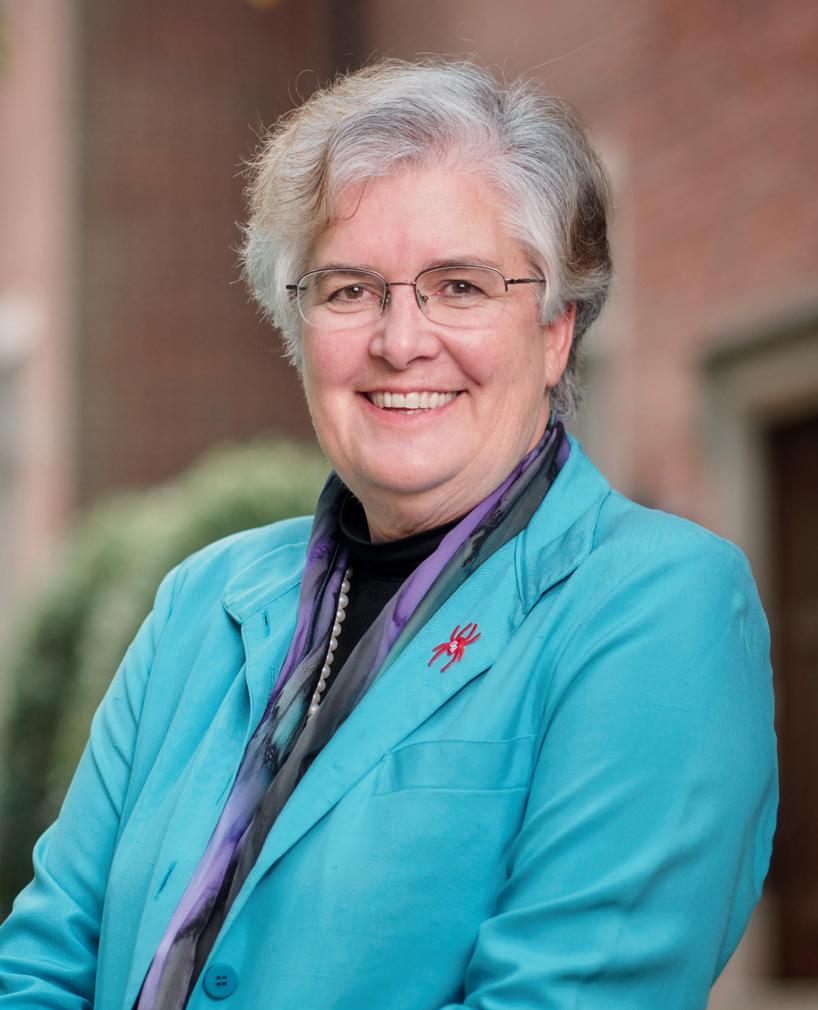
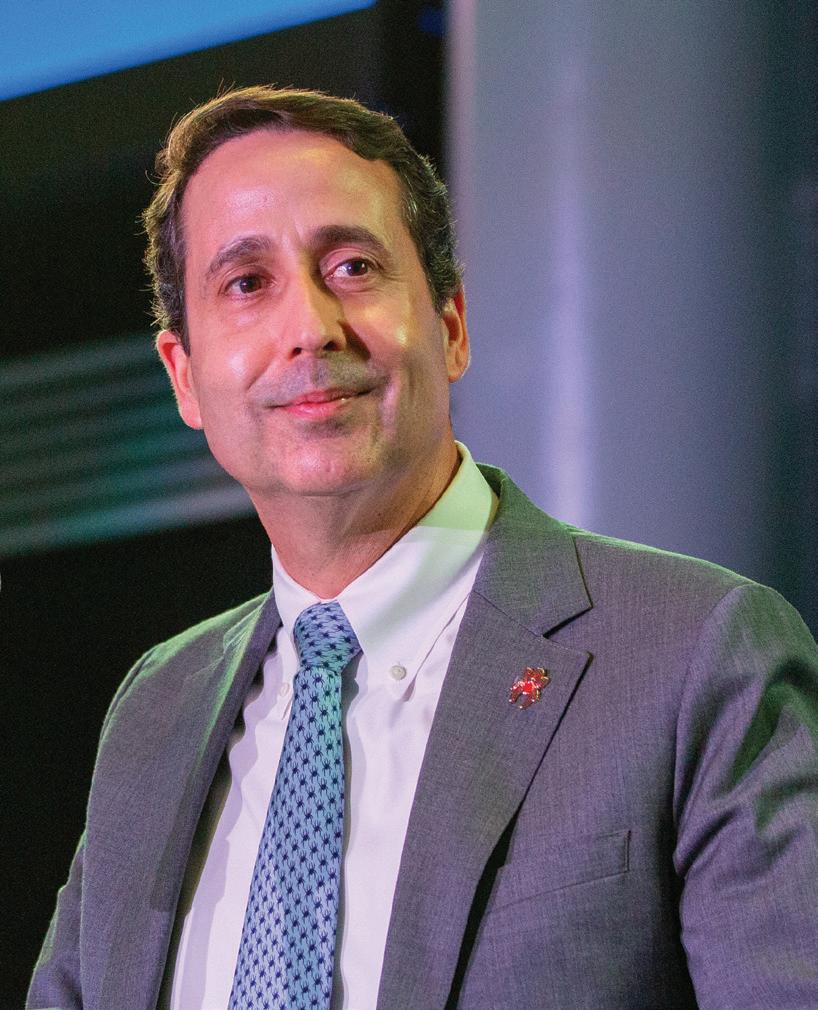
Dean Wendy Perdue and Robins School of Business Dean
Mickey Quiñones will step down from their roles at the end of the 2025–26 academic year, concluding 15 years and 7 years of service as deans, respectively. Following sabbaticals, both plan to return to teaching at the University of Richmond. As she transitions from her leadership role, Perdue looks forward to spending more time with her four grandchildren. Quiñones is especially excited to return to the classroom. “There is something special about working closely with students over a semester, seeing their thinking sharpen, watching them gain confidence,” he said. “It is very energizing work.”
A Legacy of Leadership
A conversation with law school Dean Wendy Perdue and business school Dean Mickey Quiñones
As deans Wendy Perdue and Mickey Quiñones prepare to step down at the end of the academic year, they share insights on their time leading their respective schools.
What shaped your approach to leadership?
Perdue: I had the benefit of having served for a number of years as an associate dean at Georgetown under Dean Judy Areen. Judy brought a vision of excellence in legal education and worked tirelessly to implement that vision. As a leader, she was simultaneously attentive to the details of all that happened in the school while also providing everyone with a high degree of autonomy in their areas of expertise.
Quiñones: I have always believed this role is about stewardship. You inherit something strong; you protect its core; and you try to move it forward responsibly. Culture matters enormously. If people trust one another and feel respected, they’ll stretch, experiment, and build together.
What are you proudest of from your time at UR?
Perdue: I am proud that this law school is a place in which outstanding faculty, students, and staff can thrive. It is exciting to see the fabulous work that so many people are doing.
Quiñones: I have reveled in our students’ successes. Watching a team win a national competition. Seeing students present confidently to executives. Those moments are deeply gratifying because you know how much work went into them and the faculty and staff who supported them.
How does your school prepare students for the rapidly changing world?
Perdue: In a rapidly changing world, it is particularly important that students know themselves
and their values — something we focus on in our Professional Identity Formation course. Beyond that, students need to be curious about technological changes and willing to experiment, but they also need core human skills including the ability to communicate effectively, to think creatively, to identify what is important, to discern what others need and value, and to adapt with resilience. All of these are skills that students get to hone in our many clinics and practice-oriented opportunities.
Quiñones: In a world shaped by AI and rapid change, the ability to think clearly, adapt, persuade, and act ethically becomes even more valuable. We operate within a liberal arts environment, which means our students are trained to think broadly and connect ideas across disciplines. That combination gives them resilience in a world that will continue to evolve.
What do you hope your successor will build on?
Perdue: Everything! We have a fabulous faculty, terrific students, a dedicated staff, loyal alumni, a gorgeous building, and we are part of a truly outstanding university. I am excited to see where our next dean takes us.
Quiñones: I hope they continue to nurture the culture. Strategy can change with the times. Culture is what sustains an institution over decades.
What will you miss?
Perdue: The most important strength of Richmond Law is its people, and happily, I will not miss that because I plan to remain on the faculty. Quiñones: I will miss the daily interactions and the shared victories.
The following highlights full- and part-time faculty and staff hires and retirements from Nov. 1, 2025, to Jan. 31.
NEW HIRES
STAFF
ACADEMIC AFFAIRS
SCHOOL OF LAW
Ariele Dashow Research and Faculty Services Librarian
Taylor Graves Law Clinic Paralegal and Administrative Specialist
Kara Thebeau Admissions Specialist
SCHOOL OF PROFESSIONAL AND CONTINUING STUDIES
Keelyn Butcher Administrative Coordinator
PROVOST
Shakeela Noori Administrative Specialist
Jazmyn Worley Library Access Services Specialist, Boatwright Memorial Library
Addie Wright
Assistant Director for Student Engagement and the Bonner Scholars Program, Bonner Center for Civic Engagement
ATHLETICS
Rudy Morrow
Assistant Athletic Trainer, Spider Performance and Development, Sports Medicine
BUSINESS AFFAIRS CAMPUS SERVICES
Yannick Albert Events and Projects
Technician, Events, Conference, and Support Services
Maureen Greany
Assistant Director of Camps, Conferences, and External Events, Events, Conferences, and Support Services
Hodry Madriz Accounts Payable Specialist, Finance and Accounting
Angela Stiens Assistant Director, SpiderShop
DINING SERVICES
Magdaline Akwah Utility Associate, Heilman Dining Center
Russell Copper Cook II, The Cellar
Julius Daddario Café Associate, FlavUR
Donald Gray Cook I, Tyler’s Grill
FACILITIES
Rosa De la O Custodian
Devin Moorer Custodian
Isaac Pope Custodial Floor Technician
ENROLLMENT
MANAGEMENT
Maria Santini
Admission Counselor
INFORMATION SERVICES
Sam Raposo
Multimedia Specialist NE 5, Campus Telecommunications
PLANNING AND POLICY
Casey Kerins
Assistant Director of Reporting and Analytics, Institutional Effectiveness
RETIREMENTS
50 Years
RICHARD BECKER Arts & Sciences faculty (Music)
28 Years
TED PEEBLES Arts & Sciences faculty (Latin American, Latino, and Iberian Studies)
27 Years
CHARLEY KING Controller’s Office
24 Years
JIM MONKS Robins School faculty (Economics)
23 Years
DOUG GOAD University Recreation
20 Years
CHUCK MIKE Arts & Sciences faculty (Theatre and Dance)
18 Years
MARY BETH BENNETT Music
17 Years
DEBBIE FISHER Robins School –Graduate Programs
CLAUDIA MILLS Professional and Continuing Studies –Dean’s Office
14 Years
NYADENG AROP Custodial Services
11 Years
YVETTE JOHNSON Custodial Services
410 Westhampton Way
University of Richmond, VA 23173
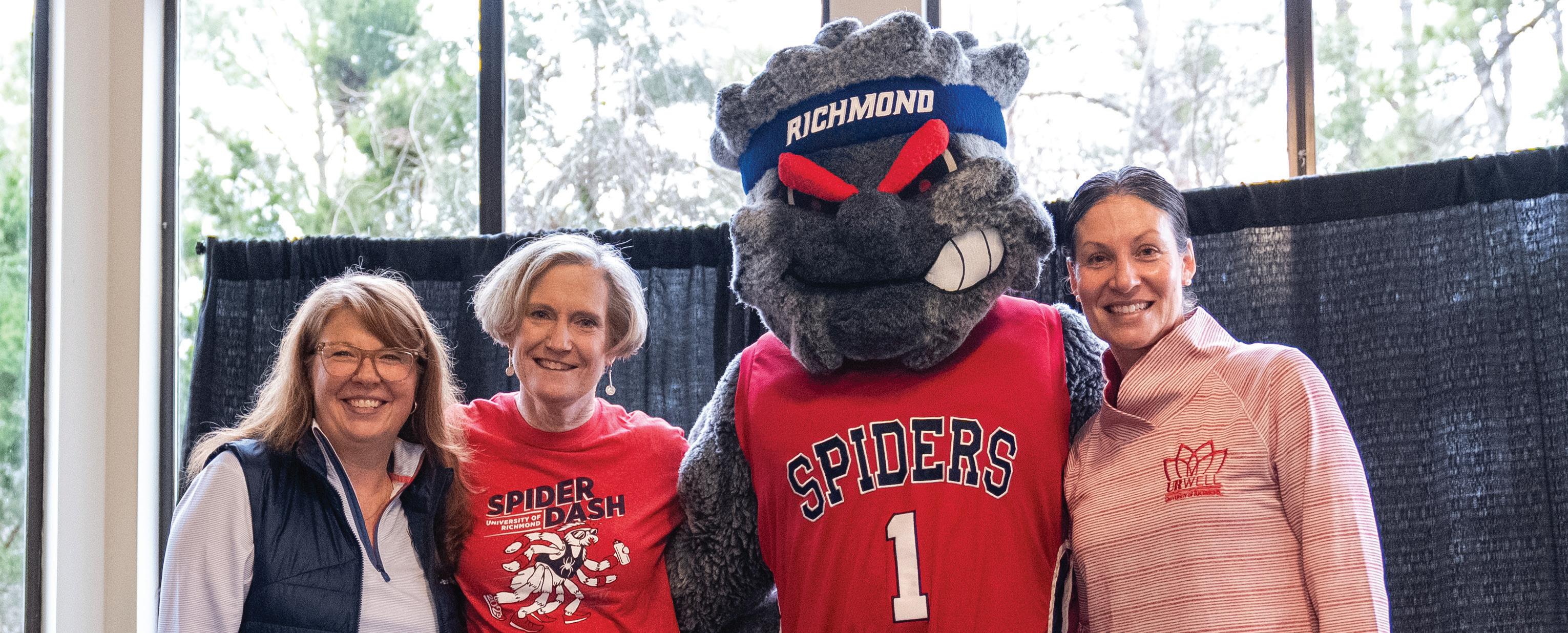
Strong Finish
Spider Dash 5K co-chairs Kirsten McKinney, director of marketing in dining services; Laura Dietrick, director of benefits and employee well-being; and Heather Sadowski, director of health promotion, pose with WebstUR during the after-race award ceremony.
We welcome your input.
Send your story ideas or comments to spiderinsider @richmond.edu.
MAY
May 4, 9–11 a.m.
University Faculty Meeting
Tyler Haynes Commons, Alice Haynes Room
May 9–10
Commencement
May 13, 8:30–10:30 a.m.
Spiders in the Know
Modlin Center for the Arts, Camp Concert Hall
May 21, 3–4:30 p.m.
SummUR Sounds Westhampton Green
May 25
Memorial Day
May 29–31
Reunion
JUNE
June 19
Juneteenth
JULY
July 3
Independence Day (observed)
AUGUST
Aug. 19, 2 p.m. Colloquy
Modlin Center for the Arts, Alice Jepson Theatre
Aug. 24
First Day of Undergraduate Fall Classes
SEPTEMBER
Sept. 7 Labor Day
Sept. 12
Preview Richmond Open house for prospective students and their families
Sept. 25–26
Access Richmond
Overnight introduction to UR for underrepresented prospective students
Sept. 25–27
Family Weekend
USAC
The University Staff Advisory Council represents the needs of staff to senior administration and works to make the University of Richmond an employer of choice.
Meetings*
May 12
June 9
July 14
Aug. 11
Sept. 8 1–3 p.m.
Visit usac.richmond.edu for meeting locations.
*Unless otherwise noted, meetings are open to all faculty and staff.
FACULTY SENATE
The University of Richmond Faculty Senate represents faculty in the University’s governance process on matters that impact the University or affect more than one school.
Visit facultysenate. richmond.edu for meeting times and locations.