University of Rochester | Ernest J. Del Monte Institute for Neuroscience Vol. 28 - 2026
John J. Foxe, PhD
Kilian J. and Caroline F. Schmitt Chair in Neuroscience
Director, Ernest J. Del Monte Institute for Neuroscience
Professor & Chair, Department of Neuroscience
Director, Golisano Intellectual and Development Disabilities Institute
FROM THE DIRECTOR’S DESK
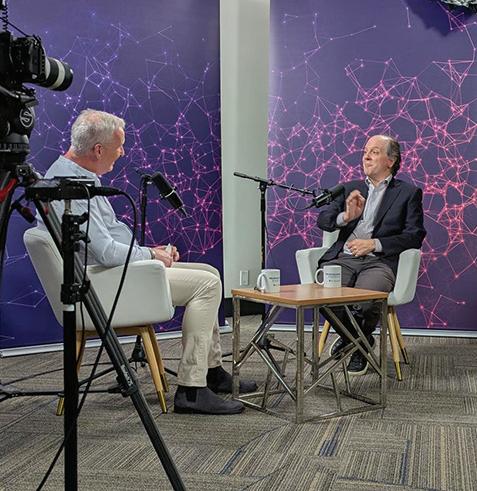
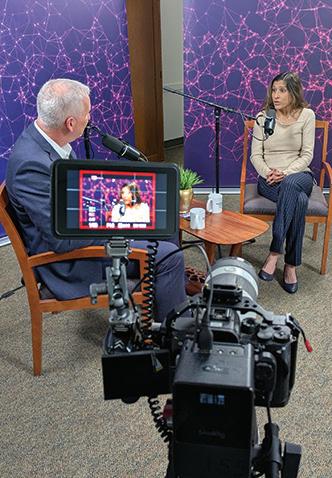
Afewmonths ago, I interviewed Dr. Paul Geha, a neuroscientist and psychiatrist at the University of Rochester, on our podcast Neuroscience Perspectives. He said something that has stayed with me. I’ll paraphrase: Science is the one force that consistently changes the world.
We saw that power firsthand when an RNA vaccine helped reopen the world during COVID. Yet we are also watching misinformation erode public trust, allowing diseases like measles—once declared eliminated in the United States—to resurface. This will be a long fight. You may not always feel equipped for it, but armed with evidence, rigor, and resolve, we stay the course together. Science has always prevailed, and it will again.
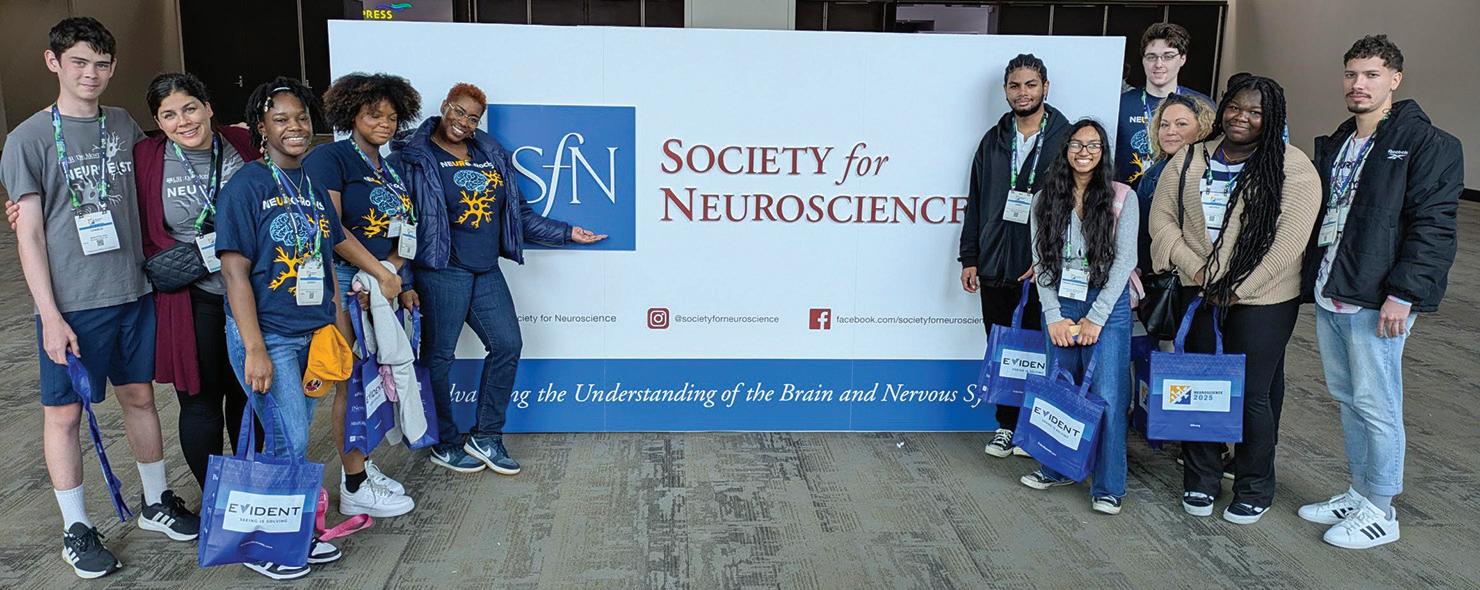
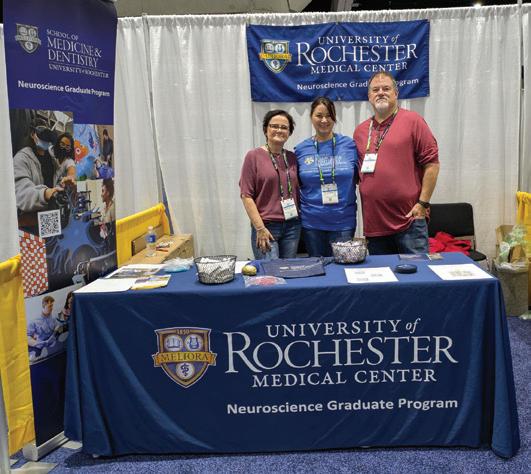
for high school and undergraduate students. I was especially proud to see undergraduate NEUROCITY alumni present their work at the Society for Neuroscience meeting in San Diego. These trainees are the future of our field.
Supporting bold, high-risk research is central to the Del Monte Institute. Our pilot program has leveraged $4.25 million in seed funding into more than $37 million in external support. As we open this year’s competition to faculty across the University and the School of Medicine and Dentistry, the importance of flexible, catalytic funding has never been clearer in an increasingly unpredictable funding climate.
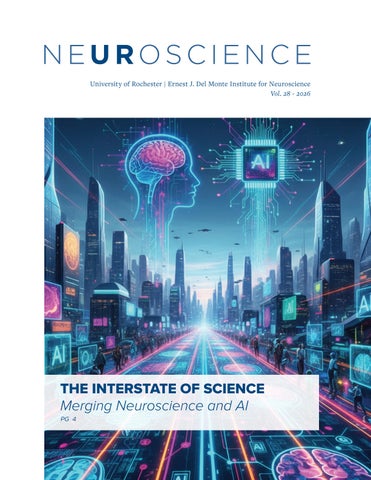
ON THE COVER:
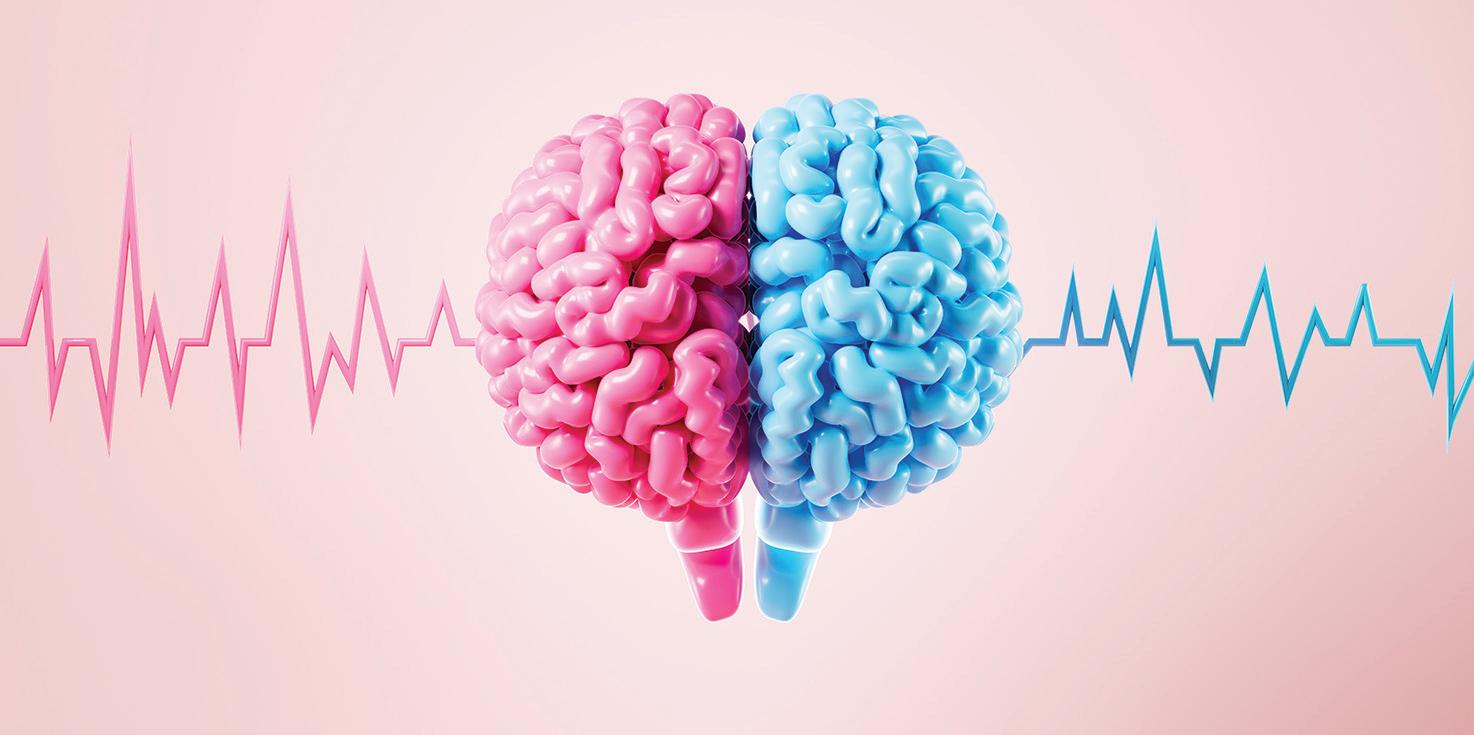
Image generated using Canva Magic Media from the prompt: ‘The Interstate of Science: Merging Neuroscience and AI', 2026.
John Foxe, PhD
Chair, Department of Neuroscience
Bradford Berk, MD, PhD
Professor of Medicine, Cardiology
Robert Dirksen, PhD
Chair, Department of Pharmacology & Physiology
Diane Dalecki, PhD Department of Biomedical Engineering
That effort begins with investing in future scientists. Our NEUROYES speaking series launched its 2025–2026 season with two exceptional early-career researchers. By bringing postdoctoral scholars from across the country to Rochester, the program is building a community of young investigators committed to advancing brain science. It remains a cornerstone of our Neuroscience Commission, alongside community outreach and mentorship programs
Jennifer Harvey, MD
Chair, Department of Imaging Sciences
Robert Holloway, MD, MPH
Chair, Department of Neurology
Paige Lawrence, PhD
Chair, Department of Environmental Medicine
Hochang (Ben) Lee, MD
Chair, Department of Psychiatry
As the Medical Center enters its second century, the University of Rochester’s legacy is front of mind. I am confident we will continue to lead in research and education, while setting the standard for clinical excellence. Let’s remain at the forefront of the science that changes the world.
In Science,
John J. Foxe, PhD
Shawn Newlands, MD, PhD, MBA
Chair, Department of Otolaryngology
Webster Pilcher, MD, PhD
Chair, Department of Neurosurgery
Steven Silverstein, PhD
Professor, Department of Psychiatry
Duje Tadin, PhD
Interim Dean, School of Arts & Sciences
NE
Editor/Writer
Kelsie Smith Hayduk Kelsie_Smith-Hayduk@ urmc.rochester.edu
Contributors
Mark Michaud, Barbara Ficarra
Feature Photography
John Schlia Photography, J. Adam Fenster, Brandon Vick
Del Monte Institute for Neuroscience Executive Committee
NE
2 NEWS BRIEFS
New discoveries in CBD and pain treatment, how nonmusicians can pick up on complex musical structures, and the importance of understanding eye movements to help improve VR.
4 THE INFORMATION HIGHWAY
How the continuous loop between neuroscience and AI is advancing both fields, and why those at the forefront of research say humans must continue to have a role.
8 FACULTY Q&A
Tanzil Arefan, PhD, is an assistant professor of Neuroscience. His research focuses on the development of imaging biomarkers and computational tools to unravel the complexities of brain disorders.
9
STUDENT SPOTLIGHT
Lia Calcines-Rodríguez, a PhD candidate in the Neuroscience Graduate Program, investigates sex differences in Alzheimer’s disease
Research Hints at the Potential of Pain
Relief with CBD
Reaching for CBD-infused lotion or oil may seem like a low-risk way to find pain relief, but little is actually known about the impact that CBD has on the nervous system. Kuan Hong Wang, PhD, professor of Neuroscience, collaborated with researchers at Harvard Medical School and Boston Children’s Hospital and recently discovered that they could effectively deliver CBD to the brain to relieve neuropathic pain with no adverse side effects in mice. By developing a method to bypass the blood-brain barrier, researchers found that pain relief was provided within 30 minutes, with no common adverse side effects, such as loss of movement or balance or memory issues, that occur with conventional pain drugs. The pain relief also lasted through repeated use.
Brain Immune Cells May Drive More Damage in Females than Males with Alzheimer’s Disease
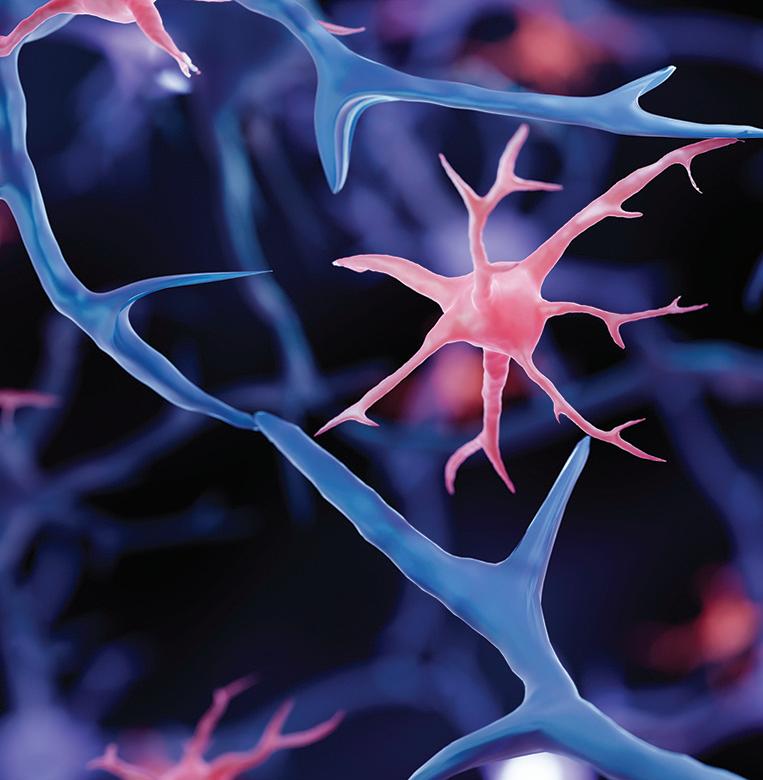
Research led by M. Kerry O’Banion, MD, PhD, and Neuroscience graduate student Lia Calcines-Rodríguez discovered that the immune cells in the brain, known as microglia, act differently in the male and female Alzheimer’s brain and appear to cause residual harm in the female brain. They discovered that in mice, when microglia respond to amyloid-plaques—the sticky clumps of protein that accumulate in the brain in Alzheimer’s disease—female microglia express more interferon-related genes. In the body, interferons are known for their role in combating viral infections; however, the role of interferons in Alzheimer’s disease is unknown.
Previous research has shown that interferon signaling can drive neuroinflammation and can damage synapses, the connections between neurons. Researchers believe that as the microglia consume the amyloidplaques, they may be exposed to DNA or RNA, mistake it for a virus, and this may cause the cells to release interferon, although the exact cause and function of interferon in Alzheimer’s remains unclear. This research also found that female microglia leave behind larger and more irregular plaques, which damage more neuronal connections than those in the male brain. They also considered hormone fluctuations and found no difference in amyloidpathology or microglia gene expression in females, suggesting that hormone fluctuations may not explain these differences.
Are Humans Predisposed to Understand the Complexities of Music?
Listeners, regardless of formal musical training, can track complex tonal structures, offering a unique look at how the brain processes context. Research by Elise Piazza, PhD, assistant professor of Brain and Cognitive Sciences and Neuroscience, discovered that nonmusicians pick up on tonal patterns in music like tonic, dominant, and cadences, just from listening to music over their lifetime. Researchers found that participants—musicians and nonmusicians— integrated increasing amounts of context at similar rates to enhance the prediction of what measure should come next when listening to music. Both groups became more accurate as the information about the tonal structures increased. The amount of musical training did not predict better overall performance.
Brainwave Study: Sex, Age Shape Progression of Batten Disease
Researchers Yanya Ding, PhD '25, and Kuan Hong Wang, PhD, professor of Neuroscience, found that male and female brains show different responses as Batten disease progresses. They also found a model of the disease that could transform future treatments. Using a non-invasive measure of brain electrical activity, electroencephalography (EEG), and an audio test, researchers detected how the brain responds to changes in sound patterns in male and female mouse models of CLN3, the most common type of this disease. They surprisingly discovered that male mice showed early auditory problems that improved with age, while female mice had persistent difficulties, evidence that both age and sex play important roles in the progression of Batten disease.
Batten disease is a rare inherited condition that affects brain development and function. The symptoms are life-changing. They usually begin between the ages of four and seven. Children will experience vision loss, problems with cognition, movement, seizures, and difficulties with speech.
Brain Uses Eye Movements to See in 3D
When you go for a walk, how does your brain know the difference between a parked car and a moving car? This seemingly simple distinction is challenging because eye movements make even stationary objects move across the retina.
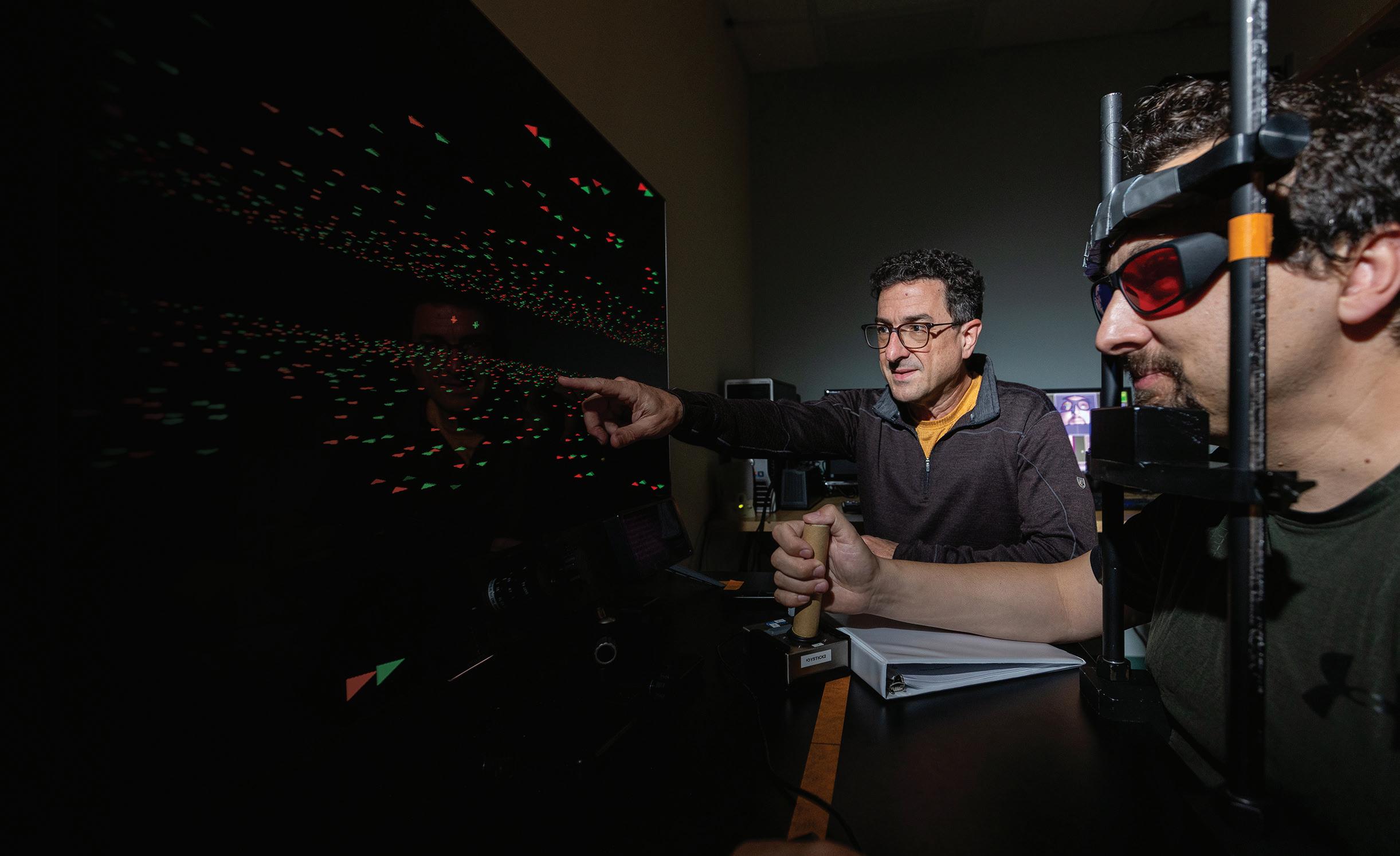
Greg DeAngelis, PhD, George Eastman Professor, professor in the Departments of Brain and Cognitive Sciences, Neuroscience, and Biomedical Engineering, and the Center for Visual Science, has discovered that instead of being meaningless interference, the visual motion of an image caused by eye movements helps us understand the world.
The specific patterns of visual motion created by eye movements are useful to the brain for figuring out how objects move and where they are located in 3D space. This research has important implications for understanding visual perception, which informs how the brain interprets everyday activities like reading and recognizing faces. But it could also provide insight and new applications for visual technologies such as virtual reality headsets.
Professor Greg DeAngelis (left) looks on as postdoctoral fellow Vitaly Lerner performs a virtual reality task investigating how eye movements help the brain interpret 3D space.
THE INTERSTATE OF SCIENCE: Merging Neuroscience and AI
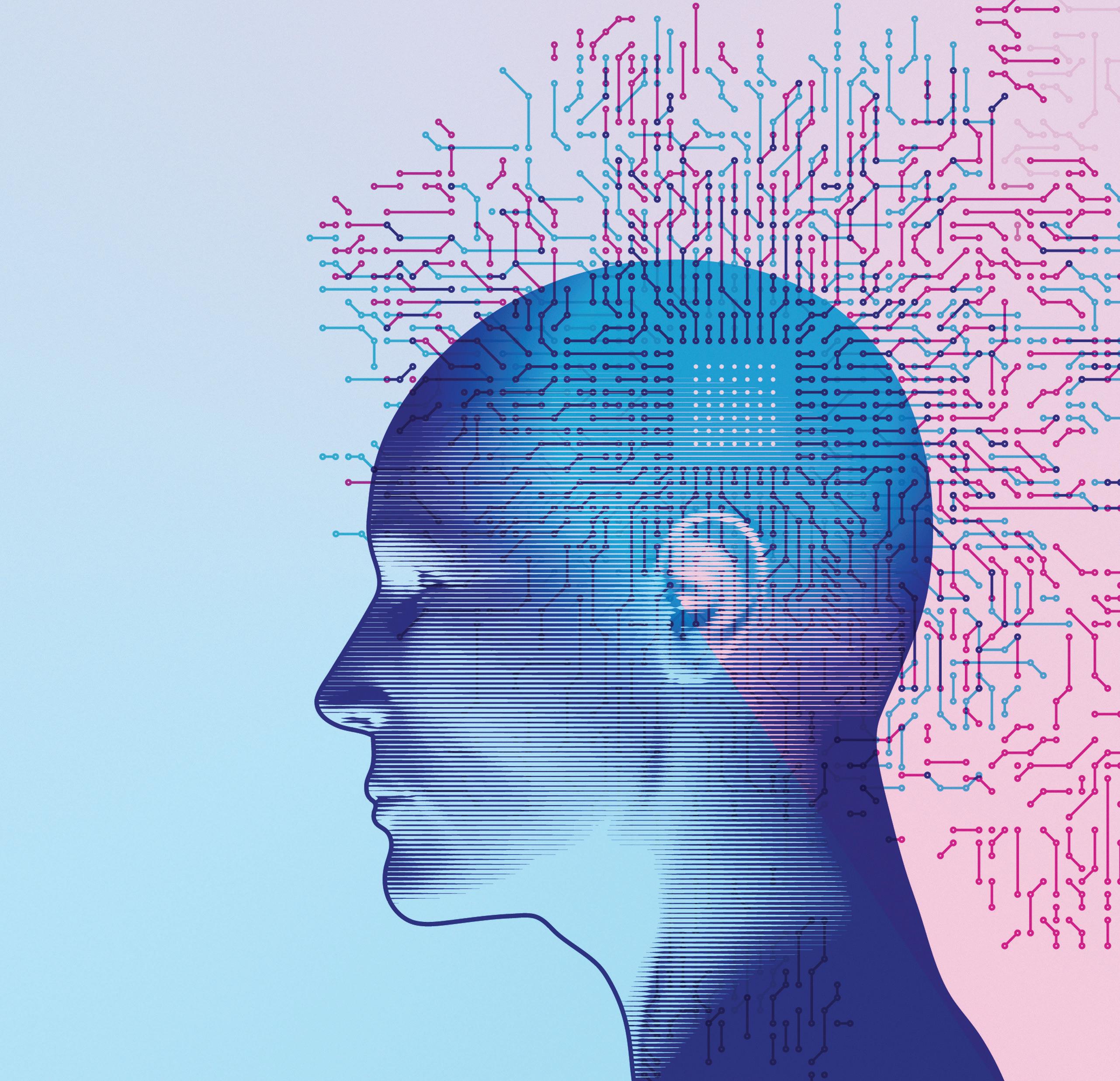
Enter a world of possibilities: generate ideas, get answers, have conversations, create endless images. Often artificial intelligence or large language models, like ChatGPT, Gemini, or Claude, can seem almost human-like. But this technology is still far from accurately representing the human brain. No matter how sophisticated the tools seem, AI does not think for itself, nor are its connections as deeply complex as the brain. However, AI is in an important feedback loop with Neuroscience. Advancing the questions being asked, accelerating technology, and fostering discovery.
Building Brain Tools
Our senses, emotions, and memories make us uniquely human. How we take in information from the outside world and process it through our eyes, ears, nose, mouth, and fingertips is still very much a mystery that neuroscientists and other researchers are trying to solve, and as we learn more, better model systems can be built to answer new questions at an accelerated rate.
Discovering how neurons in the auditory cortex respond to and process sound to build better computational models of speech aligns with individual neuron research being conducted
by Samuel Norman-Haignere, PhD
, an associate professor of Neuroscience and Biostatistics at the University of Rochester. NormanHaignere’s research is leveraging techniques from AI to build better computational models that can predict how the human brain codes complex sounds such as speech and music. His lab collects precise, largescale data from the human brain to train better computational
Norman-Haignere
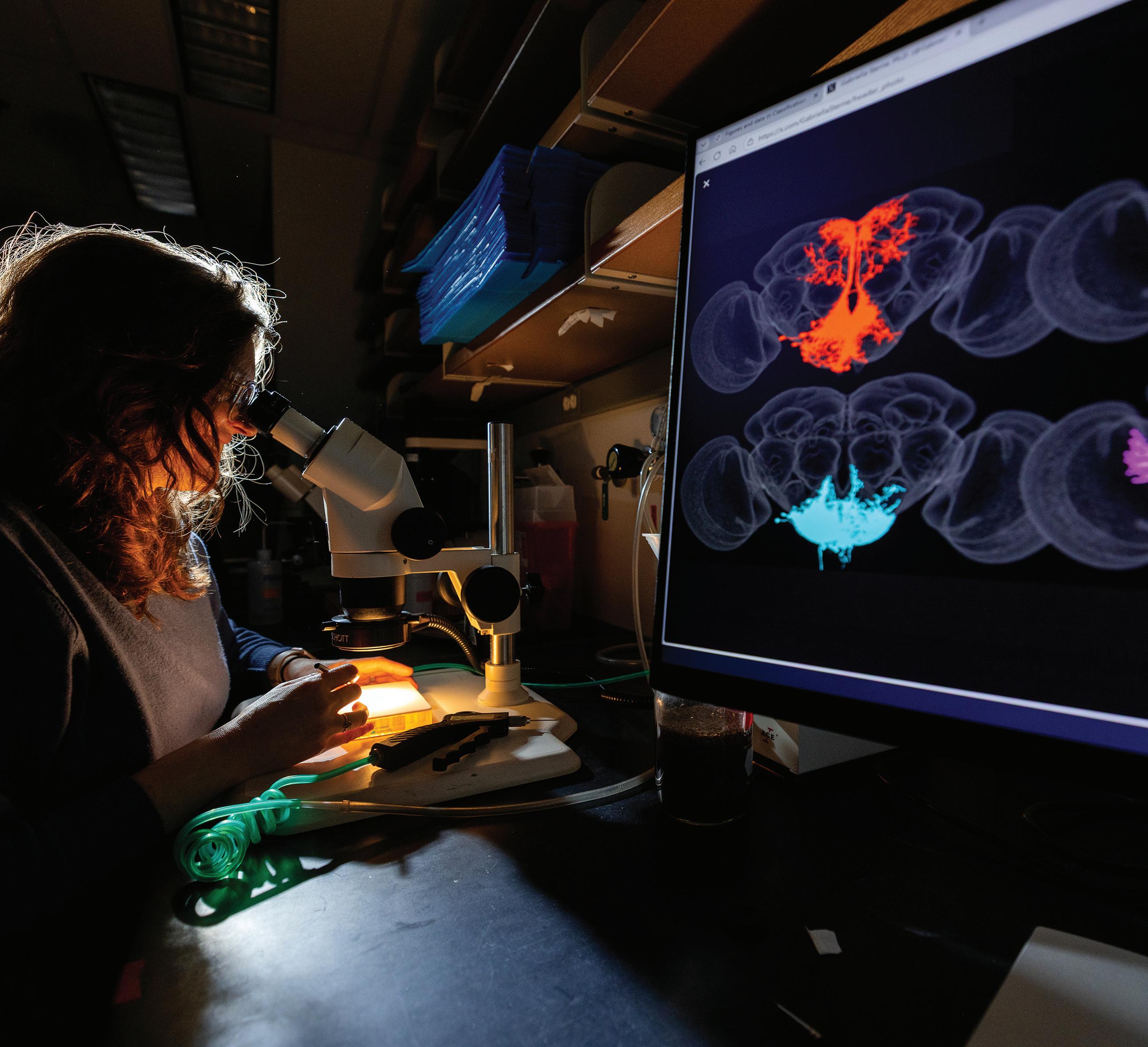
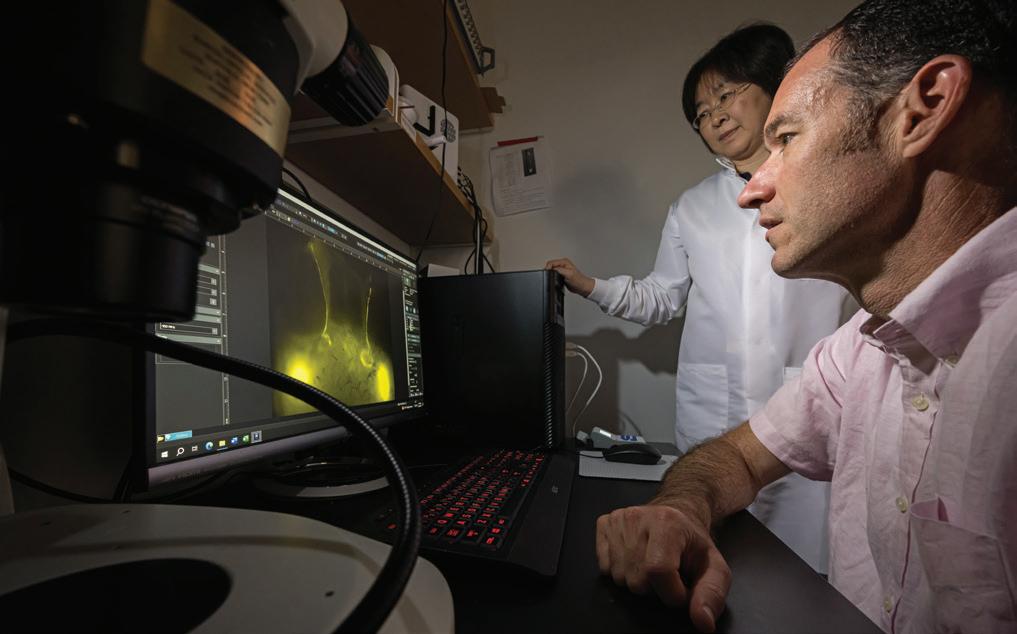
Gabriella Sterne, PhD, assistant professor of Biomedical Genetics and Neuroscience at a microscope in lab at Medical Center.
models, and also conducts experiments on models to generate predictions for the next generation of auditory neuroscience experiments, while testing whether the computations of existing models align with the brain.
The scientific loop between computation and model systems is exemplified in the FlyWire Connectome. It is a map of every neuron and synaptic connection in the central brain of Drosophila Melanogaster, or the fruit fly. Assistant Professor of Biomedical Genetics and Neuroscience, Gabriella Sterne, PhD, contributed to this research and has since used the neural connections mapped in the connectome to accelerate findings in the living fruit fly brain. For instance, she was part of a team that found there’s an overlap in circuitry for different tastes, something that would have taken years, if not an entire career, to discover if a computational model based on the connectome had not pointed researchers in the right direction. “The connectome could not be completed without machine learning,” said Sterne. “These findings showed that connectome-based models can predict features of circuits that are non-intuitive, which can then be confirmed experimentally.”
The Gears of Collaboration
Krishnan Padmanabhan, PhD, an associate professor of Neuroscience, conducts fundamental research on the relationship between the olfactory system and memory. It has applications in understanding several brain diseases, as disruptions in smell are often a symptom of neurodegenerative disorders. He and Associate Professor of Neuroscience Julian Meeks, PhD, use machine learning to sift through large data analysis to better understand this relationship.
Padmanabhan also collaborates with Gourab Ghoshal, PhD, professor of Physics and computer science, to develop new ways to explore what computation in the brain means and how it may provide insight into how the brain works. “Rather than studying a specific brain region, my group
focuses on how patterns of activity in large networks encode and transmit meaningful information, and how these dynamics support coherent behavior,” Ghoshal said. “This has relevance both for understanding biological brains and for developing new computational principles that may inform future AI systems. The broader field is seeing a lot of crosspollination with AI. Tools from machine learning increasingly shape how we analyze neural data, while ideas from neuroscience, such as recurrent dynamics, modular organization, and energy-based structures, continue to influence AI architectures.”
That deep understanding can be modeled in a tool outside of the brain, and recognizing patterns based on previously shared information is a strength in current AI systems; however, despite being able to recognize patterns, AI does not have the ability to know where the patterns came from. Adam Snyder, PhD, an assistant professor of Neuroscience and Brain and Cognitive Sciences, studies cellular relationships in the biological brain. He and Ralf Haefner, PhD, associate professor of Brain and Cognitive Sciences, are investigating how learning progresses in the brain and how understanding is shared across many neurons. “This suggests that future systems may benefit from moving beyond recognition alone, toward internal models that can explain, predict, and reason about their inputs,” Snyder said.
The AI of today is far from this point. But as Haefner points out, their research is a step toward changing that. “Even with all the advances in experimental techniques, it will be a long time until we have enough data to constrain all the parameters that such a model requires. But our research points to a crucial role of feedback connections, which are mostly missing in modern AI systems, including models of the brain.”
Ghoshal.
// Photo by B. Vick / University of Rochester
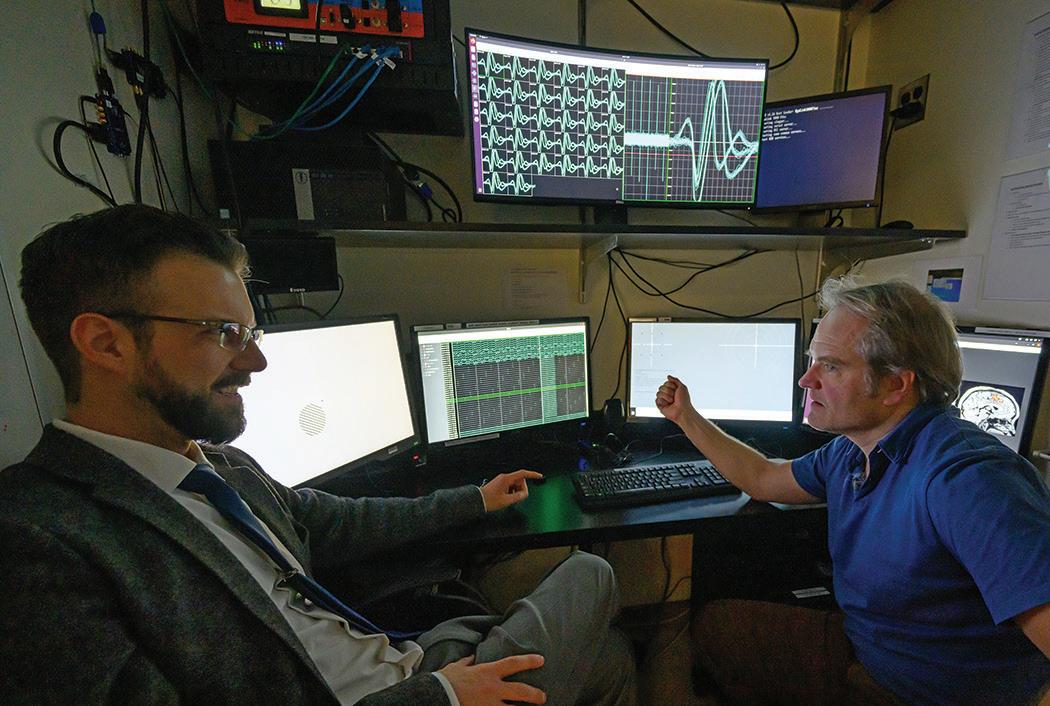
Snyder (left) and Haefner. // photo by J. A. Fenster / University of Rochester
Padmanabhan (left) works with MD/PhD student Anna Kolstad in lab at Medical Center.
Machine Learning of Yesterday and Today
Machine learning’s roots can be traced back to the 1940s, when Warren McCulloch and Walter Pitts introduced the first mathematical model of a neural network. It has transformed over the last 80 years, and over the past several decades, it has accelerated into a tool that is rapidly advancing science.
In recent history, researchers known as AI’s “godfathers,” Geoff Hinton, Yoshua Bengio, and Yann LeCun, took much inspiration from neuroscience to create AI models.
“Many of the biggest advancements in AI have been inspired by the brain. In my opinion, the biggest challenge is that many researchers today in AI are not interested in neuroscience and think it has nothing left to give; however, I strongly disagree,” said Christopher Kanan, PhD, associate professor of Computer Science and associate director for AI Strategy, Goergen Institute for Data Science and Artificial Intelligence.
public interest organizations, and small companies to accelerate the development of artificial intelligence centered in public interest.
AI-ccelerating Science
In 2012, Maiken Needergard, MD, DMSc, co-director of the University’s Center for Translational Neuromedicine, discovered the glymphatic system. The discovery of this system, which clears waste away from the brain as we sleep, has accelerated our understanding of fluid flow, sleep, and their relationship to human health and disease. It has also created a need in the neuroscience community to dive deeper into how it and other fluids move through the brain. This is how Mechanical Engineering Professor Douglas H. Kelley, PhD, became embedded in Neuroscience research, a scientific field that was foreign to his research a decade ago. “URochester has lower boundaries between departments than any university I’ve seen,” said Kelley. “I wouldn’t be studying brain fluid dynamics if she [Needergard] weren’t at URochester.”
“AIwill soon be like simulation—not a single scientific tool, but a whole class of problem-solving approaches."
Kanan’s research aims to enable AI models to learn over time—mimicking the brains of humans and other animals.
“I take a lot of inspiration from the memory consolidation mechanisms that happen during sleep, and specifically the role of the hippocampus during NREM (non-rapid eye movement) sleep and the impact of REM (rapid eye movement) on improving neural representations.” In the visual system, Kanan’s research incorporates mechanisms related to the prefrontal cortex into deep neural networks. He draws inspiration from neural architecture to overcome the limitations of today’s large language and vision-language models, such as ChatGPT.
In 2025, the University joined the Empire AI Consortium, a group of other public and private research institutions in New York State that aims to bridge the gap between researchers,
Today, Kelley and colleagues build machine-learning models of brain fluid flows, measuring the unmeasurable. “We train our models simultaneously on in vivo measurements and the physics of fluid mechanics. Our models can reveal quantities like pressure and estimate important quantities like flow rates far more accurately than other methods,” said Kelley. “AI will soon be like simulation—not a single scientific tool, but a whole class of problem-solving approaches. New methods are being invented all the time, each better tuned to a particular problem. One way that neuroscience and fluid mechanics are impacting AI is by pinpointing important problems where new AI methods are needed and could really make a difference.”
Kanan // photo by Matt Mann / University of Rochester
Kelley (right) and Ting Du // photo J. A. Fenster / University of Rochester
Moving Research to Clinic
Advancements in machine learning to analyze large datasets are accelerating research by Frank Garcea, PhD, assistant professor of Neurosurgery, and Michelle Janelsins, PhD, MPH, the Joan and Gary Morrow Endowed Distinguished Professor of Supportive Care in Cancer at the Wilmot Cancer Institute. Working with cancer patients through the Program for Translational Brain Mapping, Garcea, Janelsins, and MD/ PhD student Emma Strawderman have discovered that brain networks in the right hemisphere rewire in response to a tumor in the left hemisphere—and that patterns of rewiring before surgery can predict whether a patient will have a deficit in fluent speech after surgery.
Garcea sees this technology as a promising clinical tool, but he emphasizes the need for caution. “There are real risks if we change how we use this technology to predict outcomes,” he said. “For example, not all rewiring matters the same—how the right hemisphere vision network rewires before surgery does not predict whether a patient will have a deficit in fluent speech after surgery, but how the right hemisphere language network rewires does.”
He emphasizes that with each technological advancement comes new risks to consider in his work, and across science. “Careful evaluation of training data and prediction accuracy is essential, underscoring the importance of keeping human expertise central to the use of these tools in both research and clinical decision making.”
From left: Strawderman, Garcea, and Janelsins
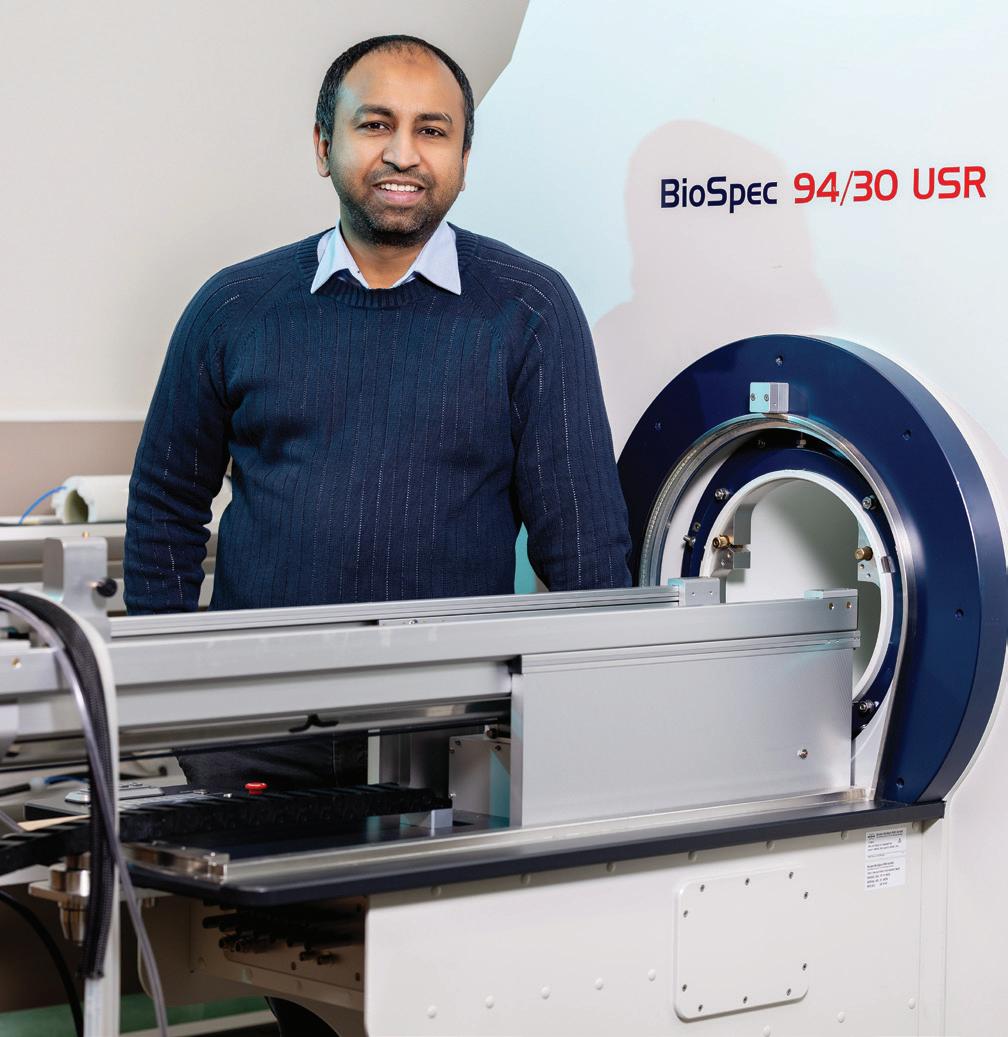
Q&A with Tanzil Arefin, PhD
Tanzil Arefin, PhD, is an assistant professor of Neuroscience. He completed his postdoctoral training in Biomedical imaging at NYU Langone Medical Center and studied Neuroscience in graduate school at the University of Freiburg, Germany and University of Strasbourg, France. He has two Master’s in biomedical engineering from The Czech Technical University, Czech Republic, and University of Groningen, The Netherlands, and completed his undergraduate degree in Electrical and Electronic Engineering at the Islamic University of Technology in Bangladesh.
Please summarize your research.
My research focuses on the development of imaging biomarkers and computational tools to unravel the complexities of brain disorders in animal models. To be more specific, I combine multimodal MRI-based techniques with microscopy and transcriptomics and trace the molecular mechanisms to rescue alcohol-related damage in the brain. The goal is to translate these discoveries into actionable clinical insights, contributing to the broader scientific community’s understanding of alcohol addiction.
How
did you become interested in your field?
My interest in addiction research stems from a desire to understand the biological mechanisms that turn voluntary actions into compulsive, life-altering behaviors. During my Master’s, I worked in a lab that uses imaging biomarkers to understand the link between the addicted brain and behavior. Learning that addiction is a chronic disease that hijacks the brain’s so-called “reward system”—rather than a failure of willpower—sparked a fascination with how drugs and behavioral addictions rewire brain circuitry.
I became compelled by the potential to bridge the gap between molecular neurobiology and clinical treatment, specifically by understanding how neurotransmitters and neural pathways change over time. Ultimately, I am driven by the hope that decoding these brain alterations can lead to more effective, evidence-based treatments and reduce the stigma for individuals struggling with recovery.
What brought you to the URochester?
The University of Rochester provides a consolidated research environment that aligns perfectly with the facilities I have always sought. I am collaborating with Dr. M. Kerry O’Banion, whose expertise in neuroinflammation and Alzheimer’s disease aligns with my research theme. I am also collaborating with Drs. Gail Johnson, Paul Geha, and Jinjiang Pang. In the future, I look forward to collaborating with Dr. Krishnan Padmanabhan.
What is your favorite piece of advice?
Commit to daily growth, no matter how small. To me, a day without learning is a day wasted.
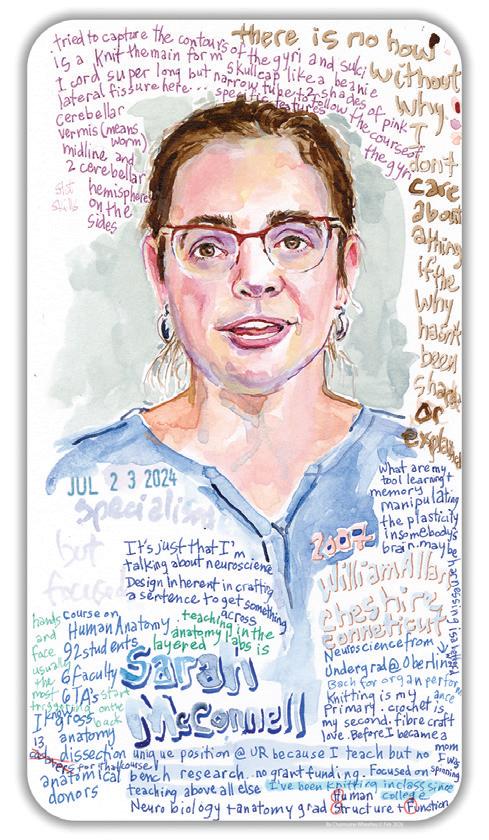
VISIT THE GALLERY TODAY Neuroscientists in Color
Sarah McConnell, PhD
Lia Calcines-Rodríguez
Lia Calcines-Rodríguez, a PhD candidate in the Neuroscience Graduate Program, works in the lab of M. Kerry O’Banion, MD, PhD. She completed her undergraduate studies at the University of Rochester, majoring in Neuroscience. During that time, she worked in the labs of David Dodell-Feder, PhD, and Steve Goldman, MD, PhD The research and collaborative environment of URochester was so welcoming that she decided to pursue her PhD at the School of Medicine and Dentistry.
Today, her research investigates sex differences in Alzheimer’s disease. She recently led a study that found the brain’s immune cells, called microglia, respond differently in male and female Alzheimer’s model mice, potentially driving more damage in females, a population that accounts for twothirds of cases (see pg. 2).
“Many people believe that Alzheimer’s is more prevalent in women because they live longer than men. However, recent evidence shows it is more complex than that and that there is a biological reason beyond the survival bias,” Calcines-Rodríguez said. “For instance, women with Alzheimer’s have more inflammation in the brain compared to men of the same age, and this is also seen in preclinical models.”
Her research, published in the Journal of Neuroinflammation, also looked at female mice at two hormonally distinct stages of the cycle and found that microglia’s gene expression did not fluctuate, suggesting that hormonal fluctuation does not fully explain the differences. Today, they are transplanting male microglia into the female mouse brain and female microglia into the male Alzheimer’s
mouse brain to understand if microglia are inherently different in males and females with Alzheimer’s.
“We want to know whether microglia are the culprits behind the sex differences in Alzheimer’s disease or whether they are mere responders to a sex-specific pathology.”
In 2025, she was named the Sarah C. Mangelsdorf and Karl S. Rosengren Presidential Awardee, which celebrates “students who demonstrate both scholarly excellence and leadership potential, particularly through mentoring, interdisciplinary collaboration, and public or science communication.” It is one of many honors she has received for her research and mentorship at URochester.
Calcines-Rodríguez’s path to Neuroscience started with the biology classes she began taking after moving from Cuba to London with her family at the age of 12. “I remember reading about the organelles in the cell in the biology textbook and thinking that the authors had a good imagination. To me, it seemed impossible that we could see a cell and its components under a microscope. From that moment, my fascination with biology and human behavior began, for which many years later I decided to pursue a degree in Neuroscience.”