
EDUCATION FOR RECONCILIATION
Made possible by the 2022 Intercultural Capacity Building Grant by the Office of Indigenous Engagement, University of Calgary with support by the Richard Parker Initiative.
PROJECT//MAGAZINE TEAM
Fabian Neuhaus - Principal Investigator
Sandra Abegglen - Project Lead
Hal Eagletail - Cultural Advisor
Sven Kohlschmidt - Design Advisor
Pallavi Singh - MPlan, Graduate Assistant Researcher
Nissmah Atif - MPlan, Graduate Assistant Researcher
School of Architecture, Planning and Landscape University of Calgary




In 2015, the Truth and Reconciliation Commission released its final report into the lasting impact of Canada’s residential school system. Alongside the report, the Commission also released 94 Calls to Action, calling upon Canadians and institutions to take part in the path towards reconciliation. It was these specific and direct calls to action that challenged us to begin the journey towards reconciliation in the PLAN 616 design studio.
The PLAN 616 Spring 2022 course, open to University of Calgary graduate Planning and Landscape Architecture students, was entitled “Baukultur”, and focused on the culture of building. Hal Eagletail, traditional Knowledge Keeper from the Tsuut’ina Nation, was appointed as a full-time studio instructor for the course, together with Sven Kohlschmidt, an Urban Planner from Germany, specializing in co-creative urban design.
In this magazine, we show how we have built respectful relationships with Indigenous Knowledge Keepers and Elders, and integrated their voices into a university course, with the final piece being an interactive exhibition, raising questions and inviting you to reflect on how to decolonize education and design practice.
URBAN DESIGN STUDIO
CULTURAL INPUTS STUDENT REFELECTIONS MAGAZINE EXHIBITION
The process
CROSS CULTURE process place making
BAUKULTUR
REFLECTION
Intervention
The course elements
ELDERS
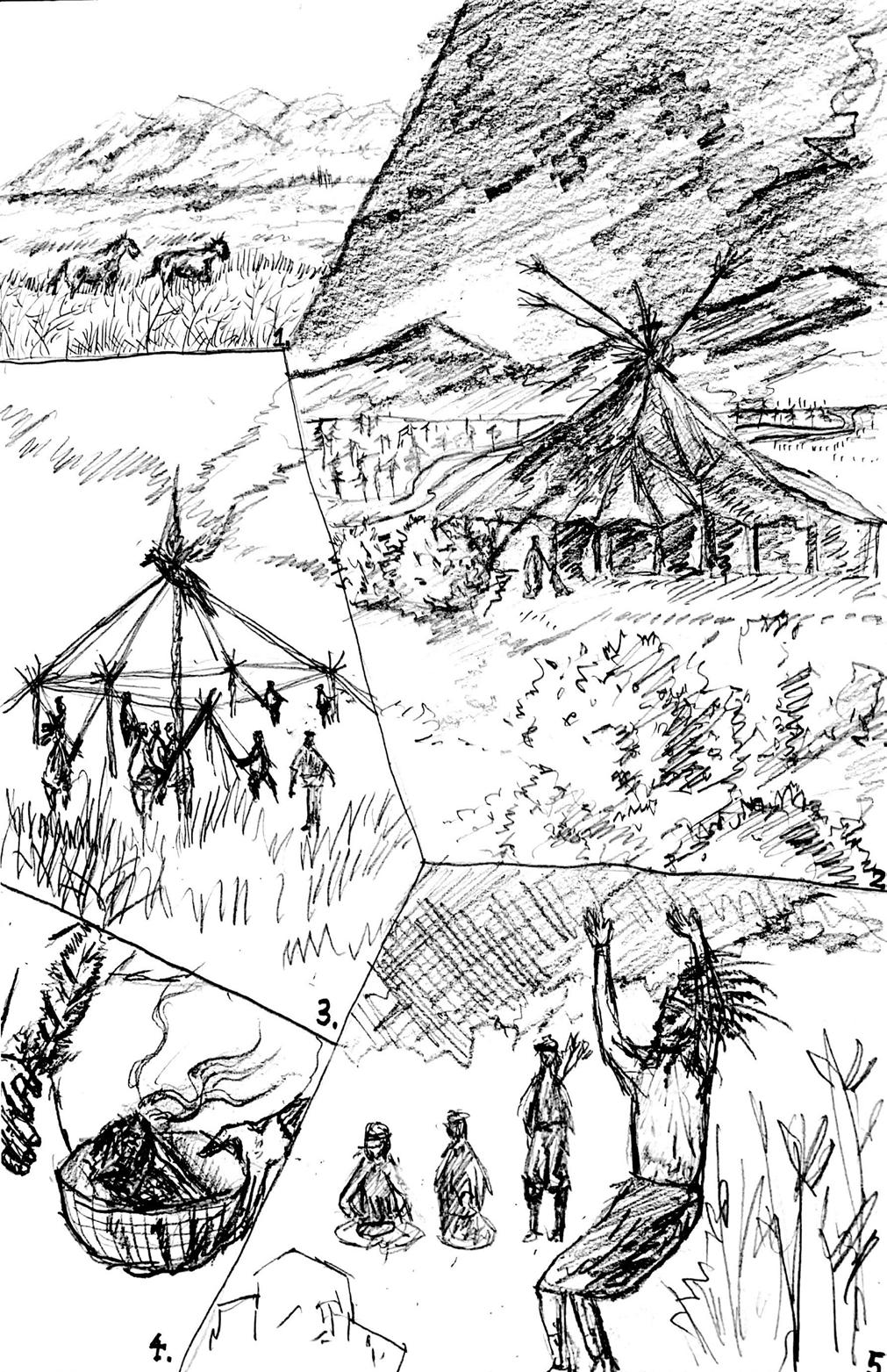
Every week, an Elder from a Treaty 6 or Treaty 7 Nation provided a cross culture learning input. The studio program also included visits to the Tsuut’ina Reserve, a Sweat Lodge and various film screenings.
Students were asked to reflect on each Elder’s input using one of the following media: collage; diagram; storyboard; writing; found object; sculpture; photograph; or vlog – one of which had to be created in teamwork. These creative reflections formed part of the overall assessment but mainly acted as a tool for learning and cross-cultural exchange.
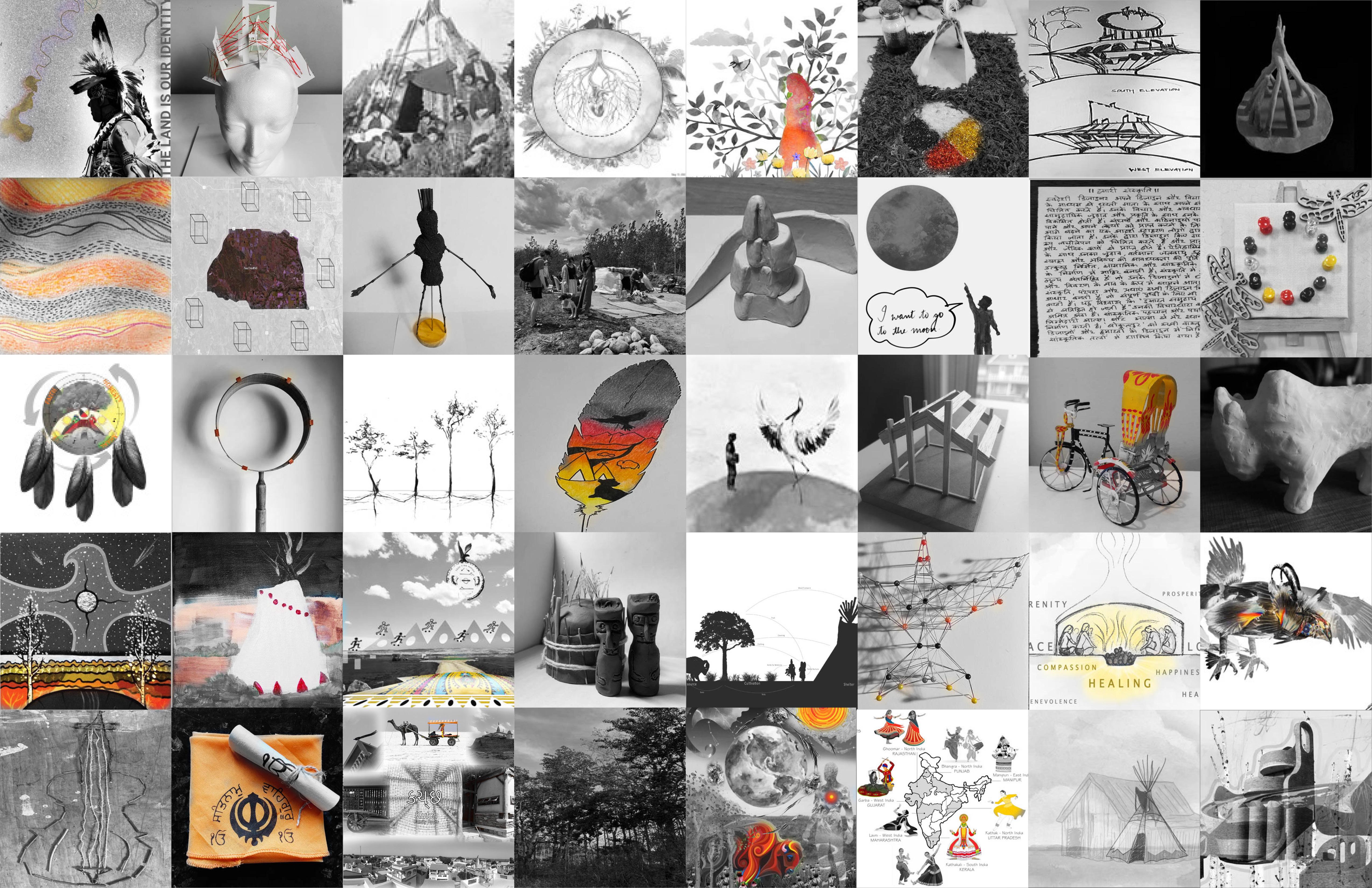
The artifacts created by students in response to Elders’ stories and teachings are presented in this magazine - and they feature in a curated exhibition focusing on ‘Education for Reconciliation’, an effort to showcase exemplary approaches to walking a parallel path in higher education teaching and learning.
Education played a fundamental part in the implementation of the destructive assimilation policies of the past, and thus we have a moral and ethical obligation to walk the path towards reconciliation. It is the responsibility of everyone, but especially Settlers, to recognize and acknowledge the colonial past and its present-day impacts. This requires thoughtful reflection, ongoing dialogue, and dedication.
Reconciliation is an ongoing process – for many years, perhaps generations – but it needs to be started now – and this project would like to further the discussion of how higher education can meaningfully include Indigenous knowledge in the curriculum without appropriation.
Specifically for design education and planning there are important truths to be acknowledged - from the Dominion land survey to the creation of Reserves and the Residential School system - and changes to be made to teaching, to move forward in a good way.
CASEY EAGLE SPEAKER
BLACKFOOT ELDER FROM THE KAINAI NATION
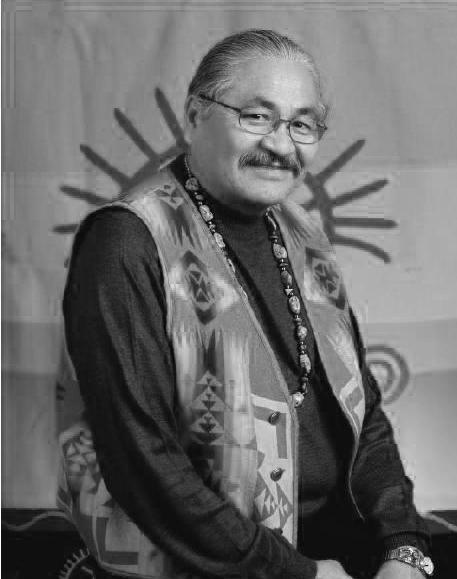
Casey, also known as “Sorrel Horse”, is a Knowledge Keeper and Spiritual Advisor well known for his work with youth and people struggling with addictions. He has been working with Hull Services since 1998 as Aboriginal Resource Coordinator, and is a consultant on numerous projects within the local health services. In 2000, Casey was awarded the Chief David Crow Child Award from the City of Calgary for his work on cross-cultural awareness, and in addition the Dr. Jospeh Crow Shoe Award from the University of Calgary for his contributions to Indigenous education. Casey has received numerous other awards and recognition for his work.
INPUT
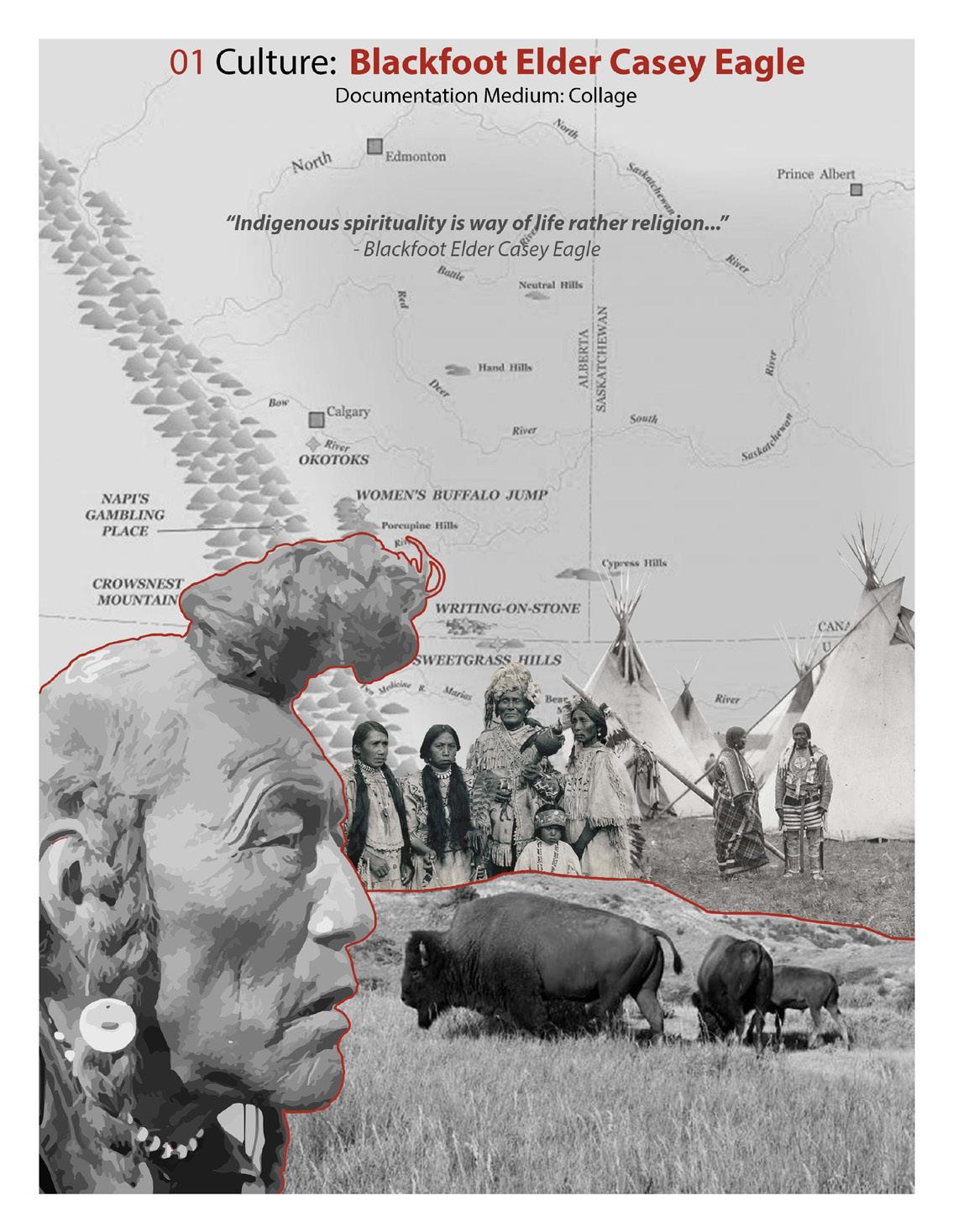
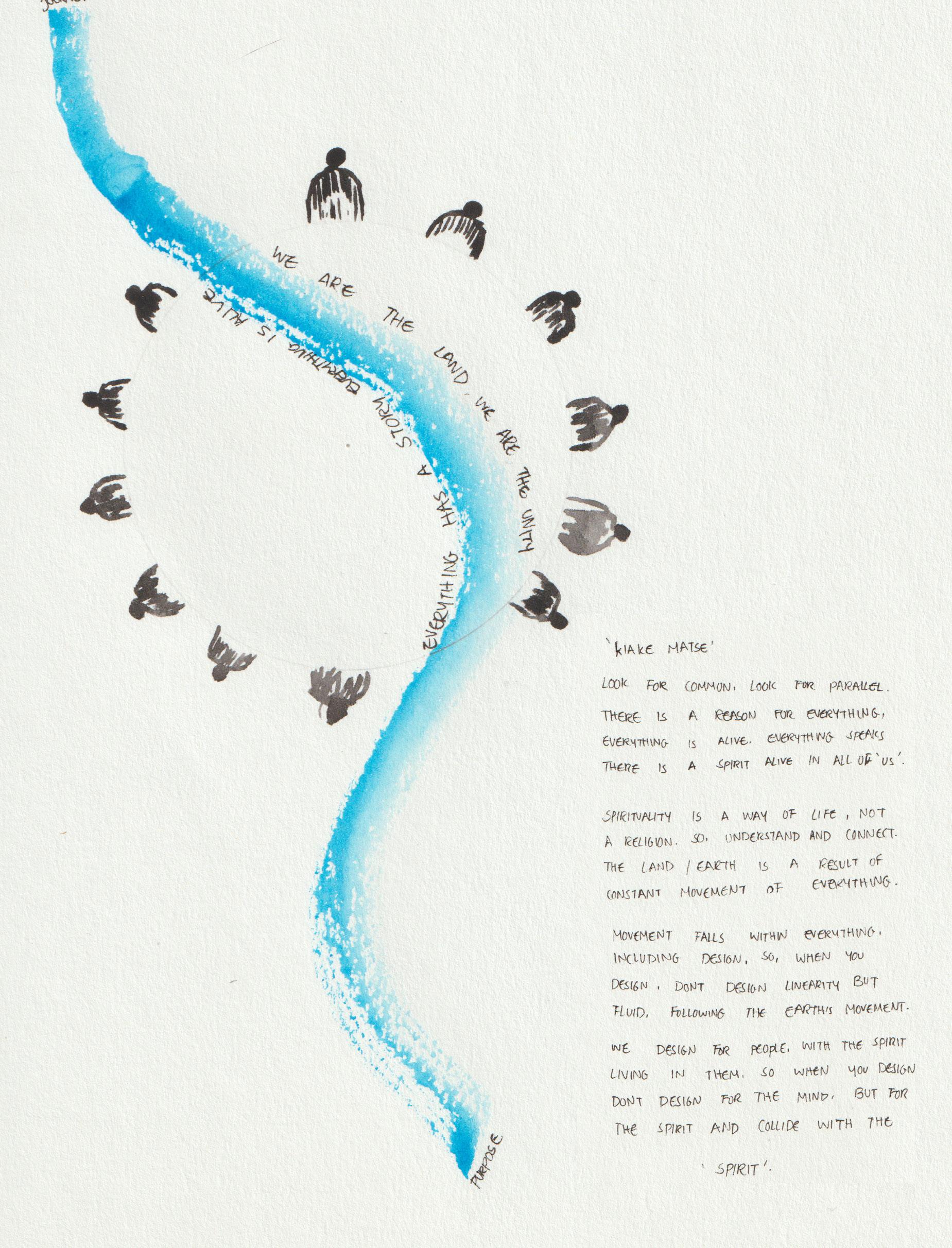
Casey’s input focused on identity and our relation to the land. He emphasized that we are all part of the land and that our relationship with it is intricate. According to Casey, everything has a spirit - everything and everyone is related. Casey also spoke about how residential schools systematically undermined Indigenous culture across Canada, disrupting families for generations, and severing the ties through which Aboriginal culture is taught and sustained.
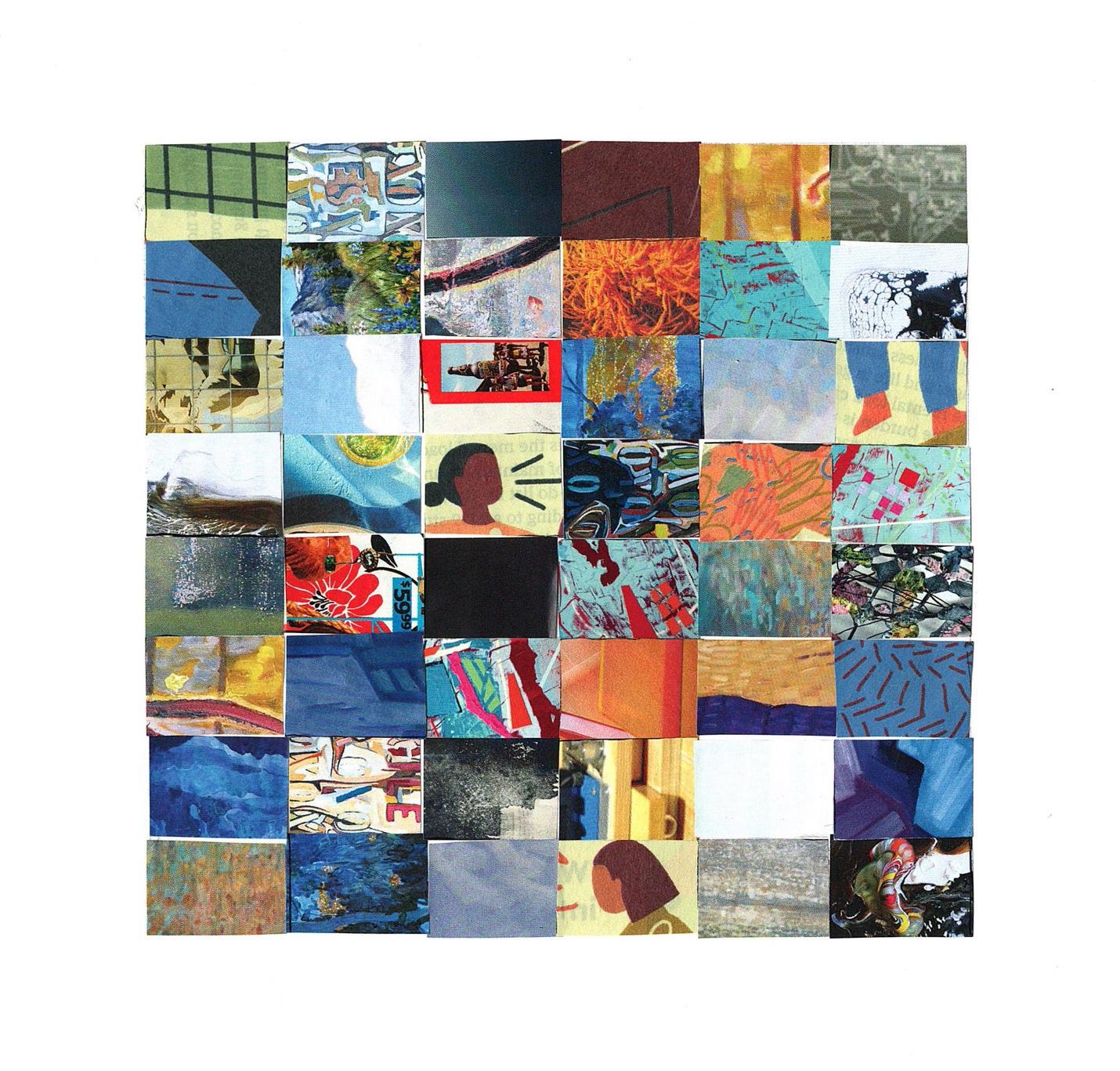
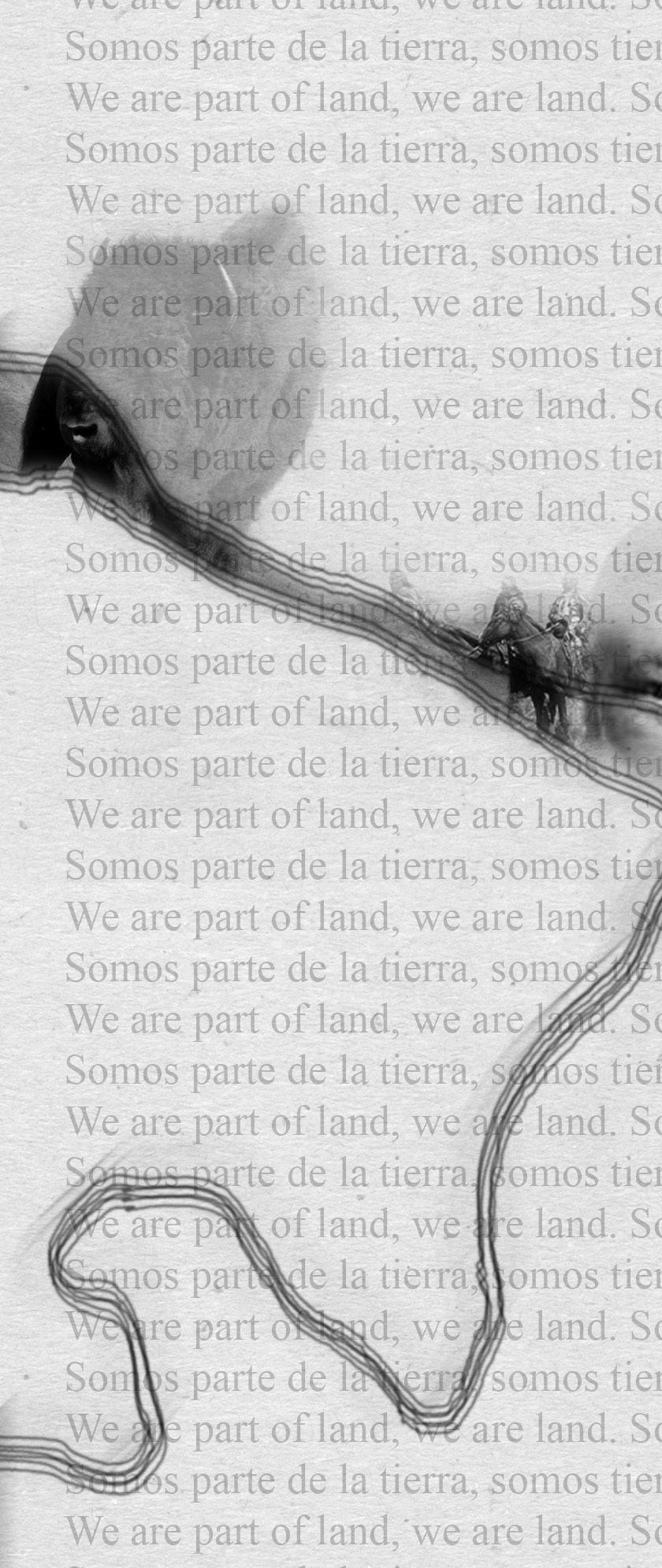
“May You Have a Good Lifetime Today” Magazine Cutouts on Paper (Collage).
The aspect of Casey Eagle Speaker’s talk that resonated with me the most was the idea that
Colin Lees
Pranshul Dangwal
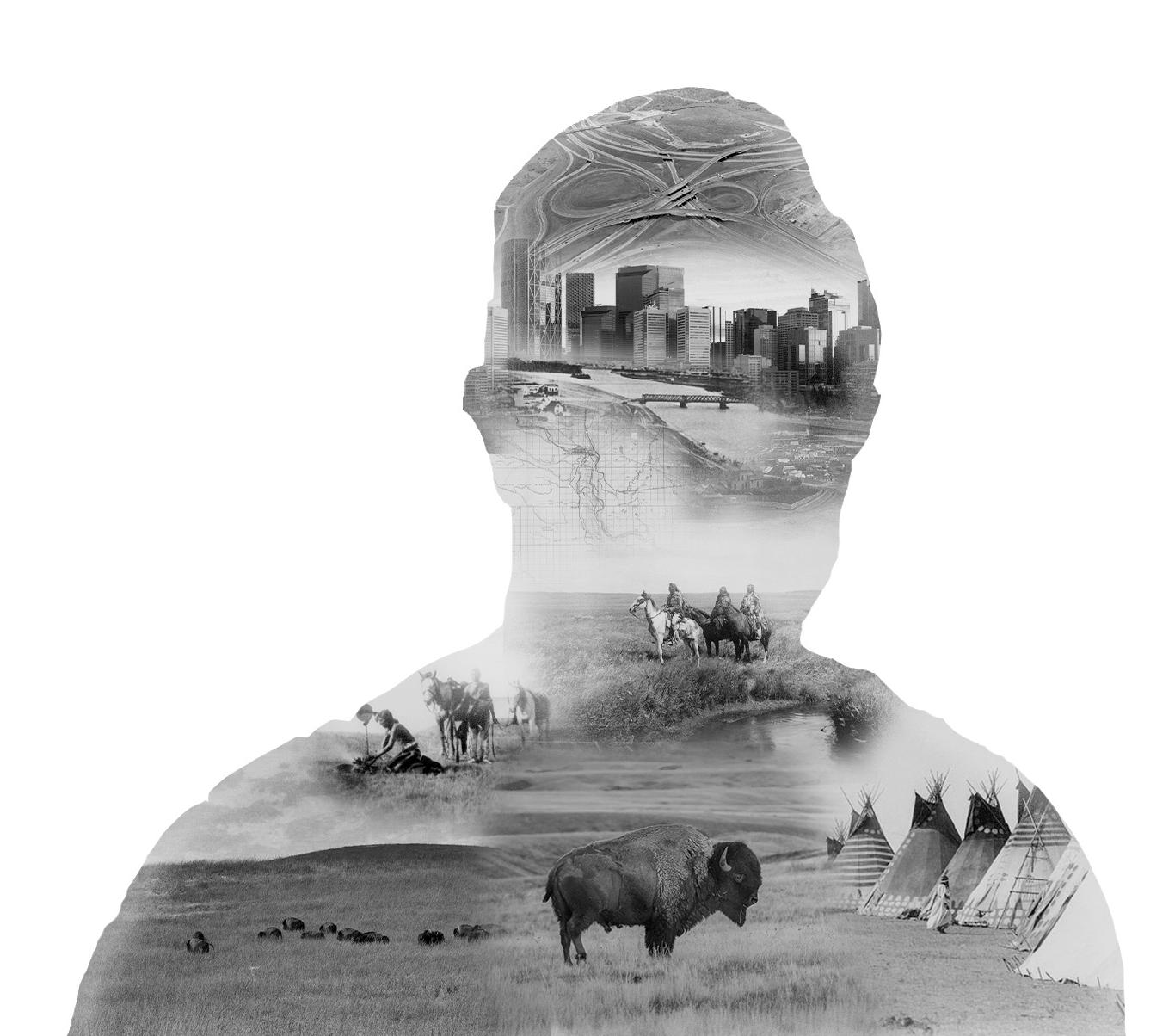
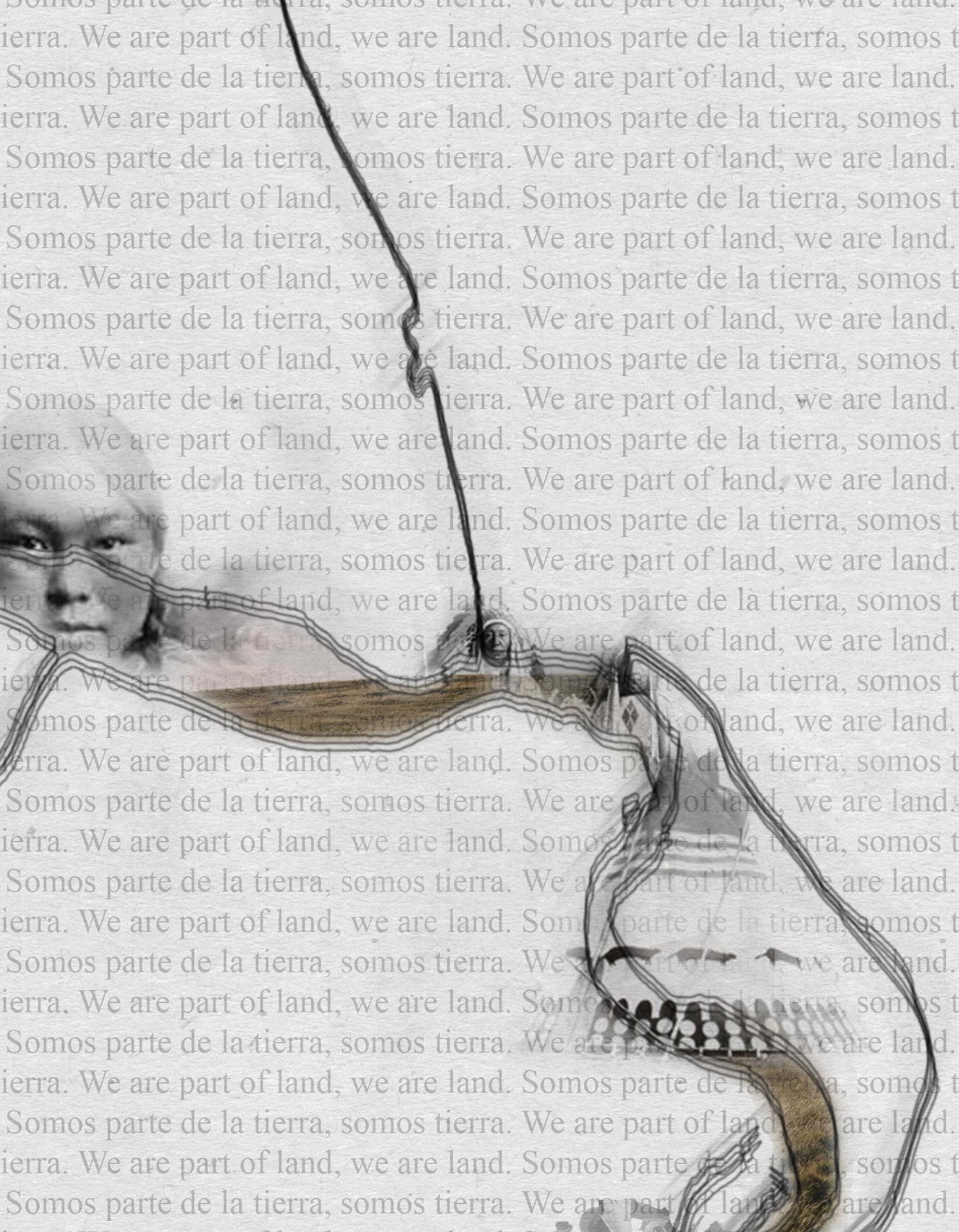
I am the land

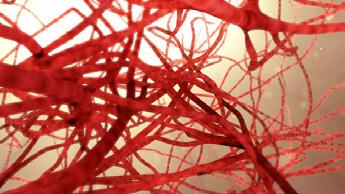
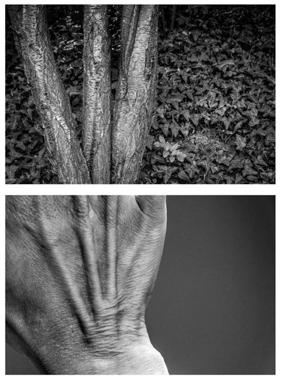
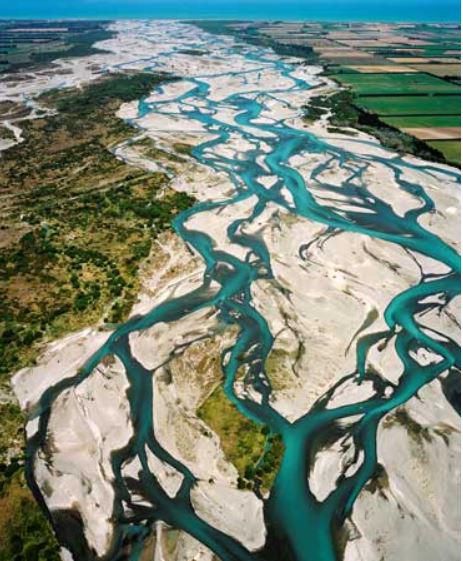
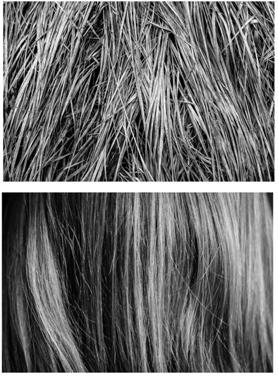
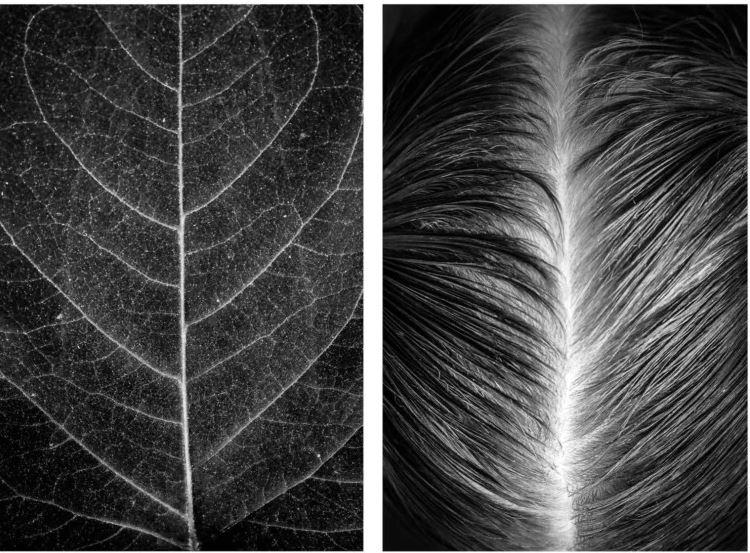
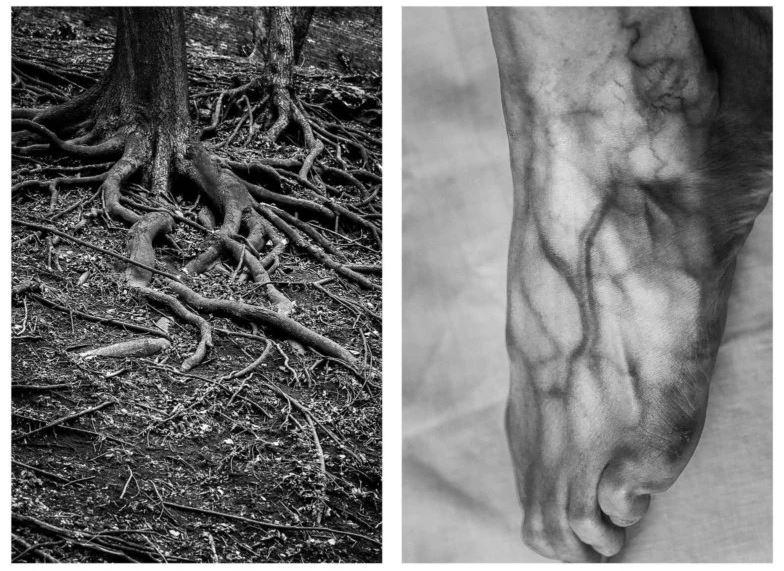
I am the first to walk through the nation. I shaped my path that weaved through my past. Paying respect is the way I have lived, Nature gives me life and nurtures my spirit. I am the land, and the land lives through me. Thousands of footsteps fill the empty.
I am the land that sees no color, Color for people that divide us with terror. My blood keeps on flowing from the mountain tops, A stream full of life that everything keeps on growing.
My body represents the wilderness, The scenic ocean of greens covers the landscape. I breathe air and thus create wind.
The structure of nature is built within me.
I shaped rocks and terrain as my solid foundation, I am the first to walk through the nation.
- Renz Paul Mendez
HUMAN FORM AND NATURE
Samuel Bowerman
Human form and nature - Bulbul Sethi
- Lucia Blanco
PABLO RUSSELL
BLACKFOOT ELDER
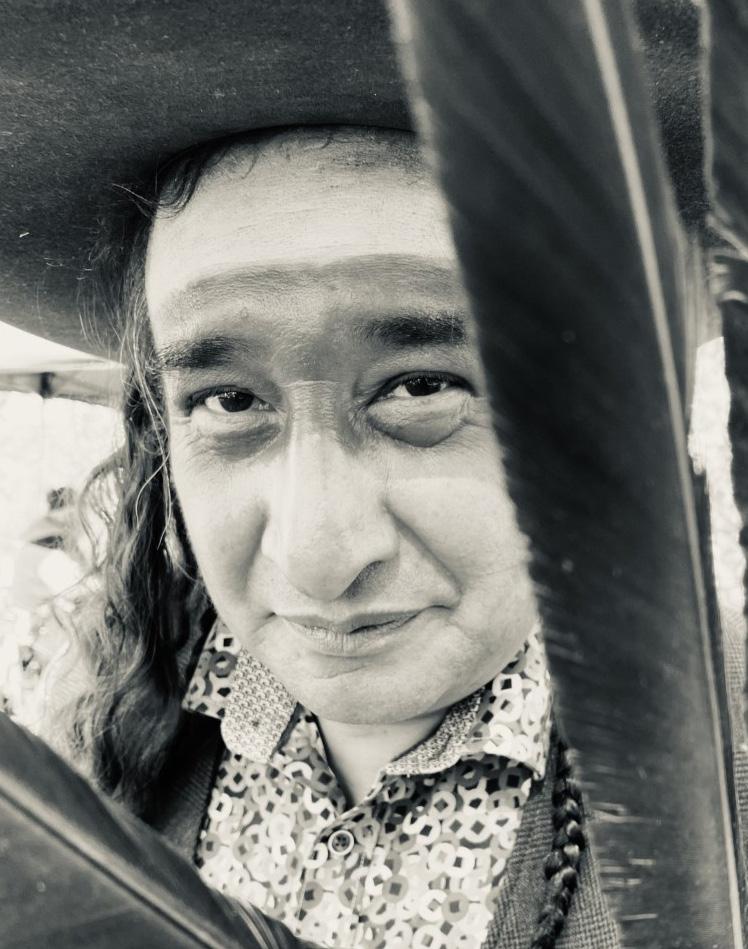
Native to the Kainai of Southern Alberta, Pablo, aa’spahk’ko’mii’kwan “Shooting in the Air”, is an award-winning international speaker, author, respected Blackfoot ceremonialist, and cultural consultant. Pablo grew up with his grandparents nourished in traditional ceremonial life. Nearly 40yrs after joining the sundance as a young man, he continues to lead The Path of the Buffalo Sundance every summer. Sharing stories is vital to education, belonging, and cultural preservation. Pablo has pledged his life in service to the Old ways, spreading deep and simple truths that cut through the modern haze for people all over the world.
INPUT
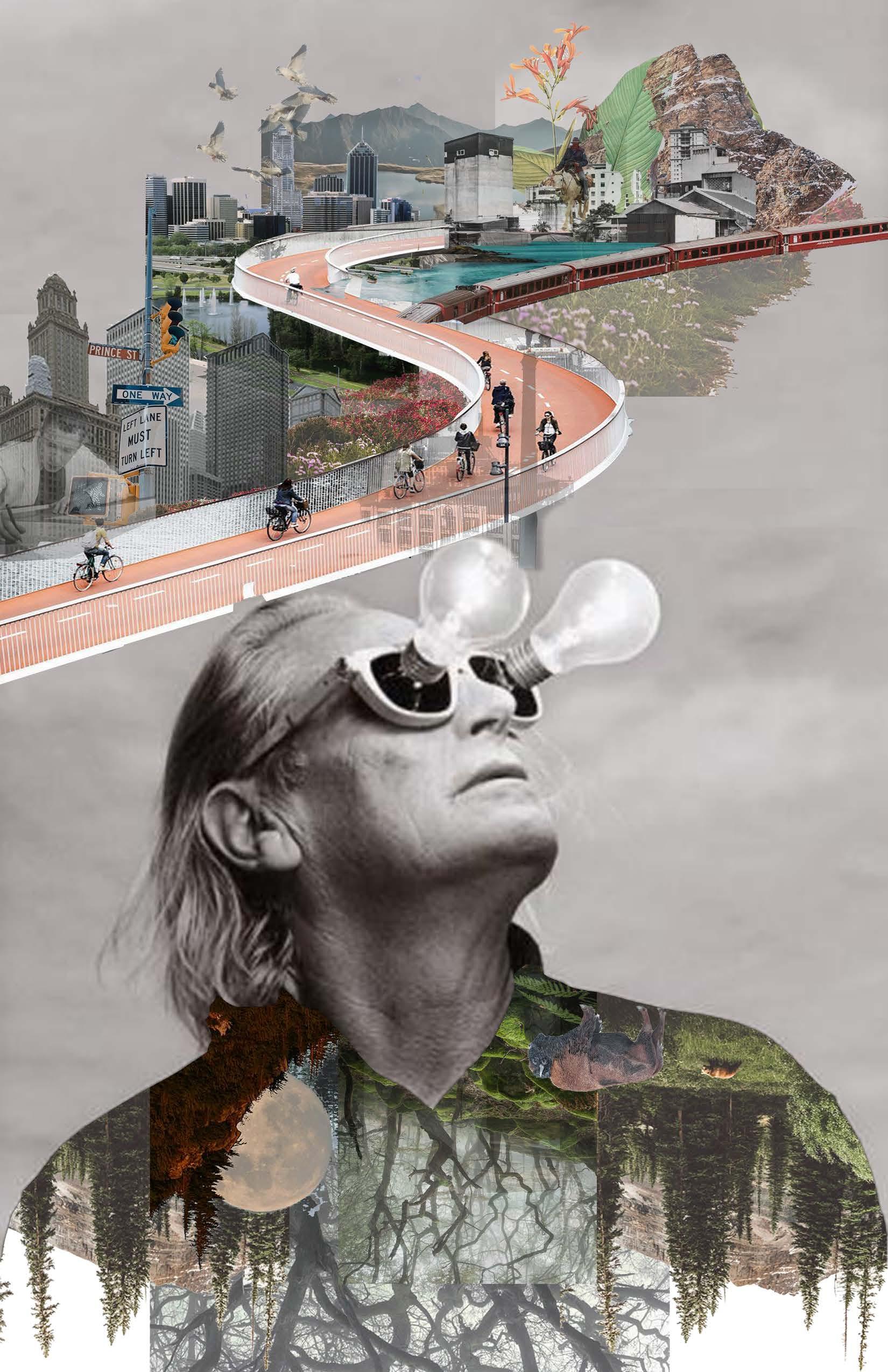
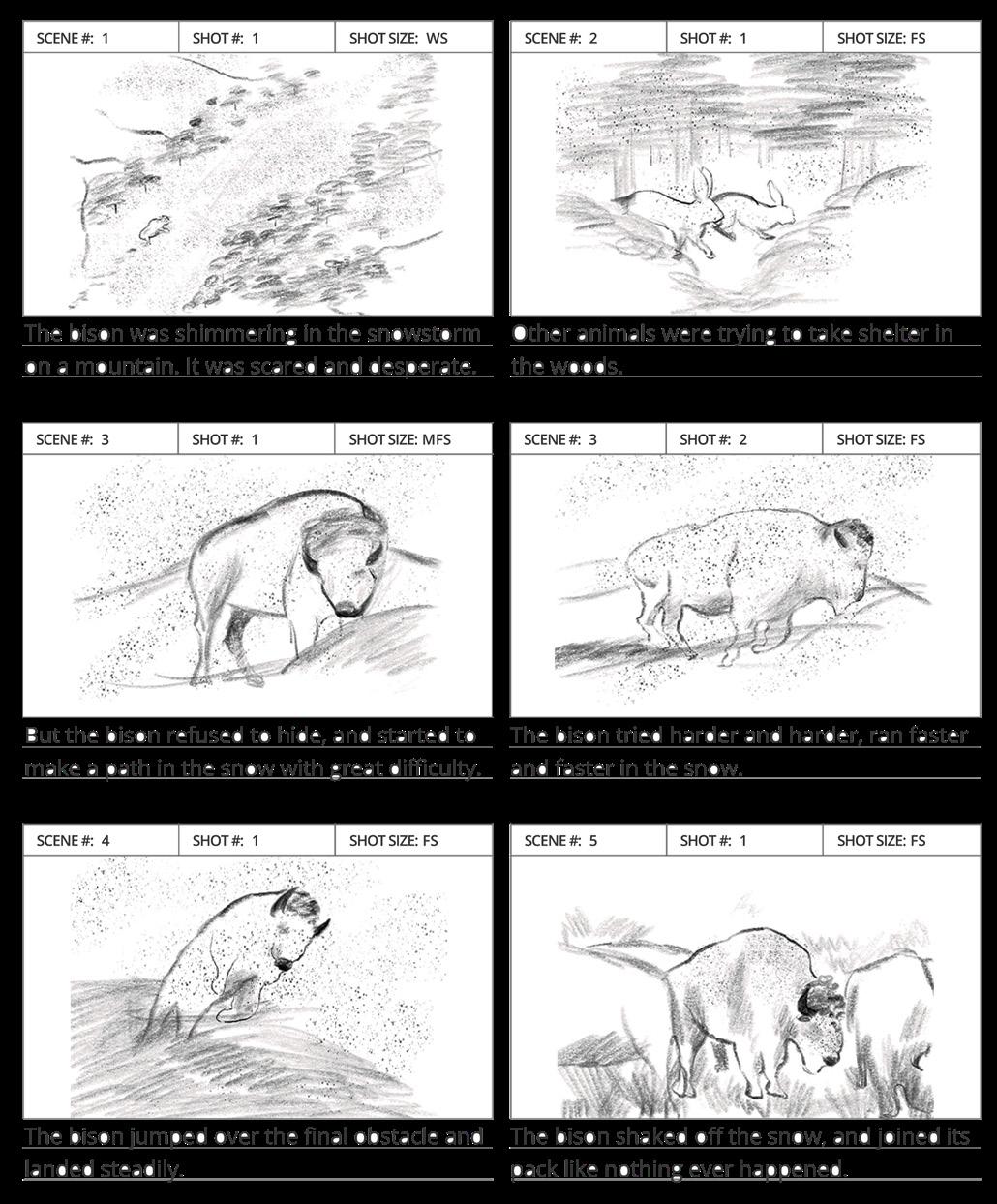
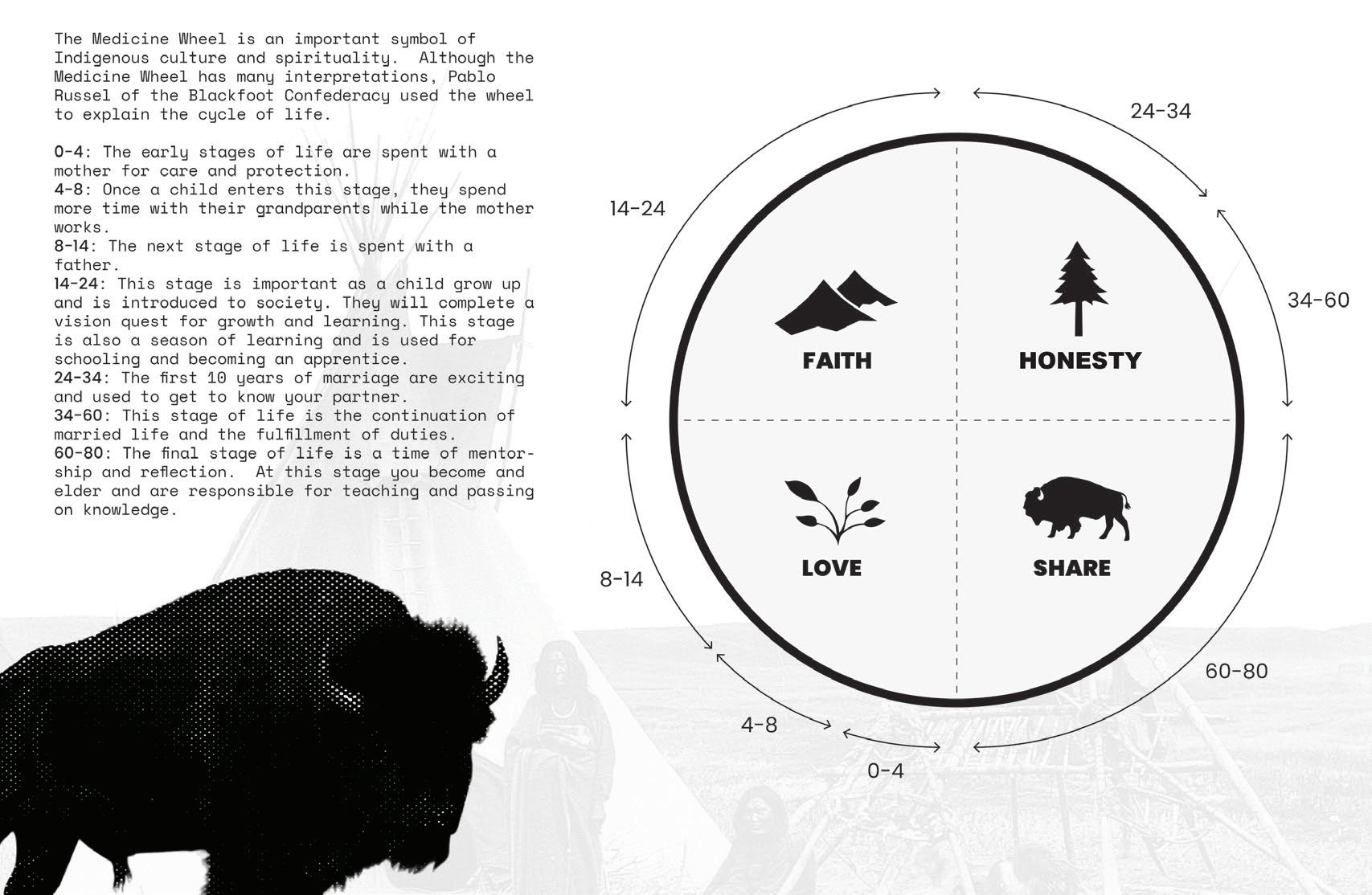
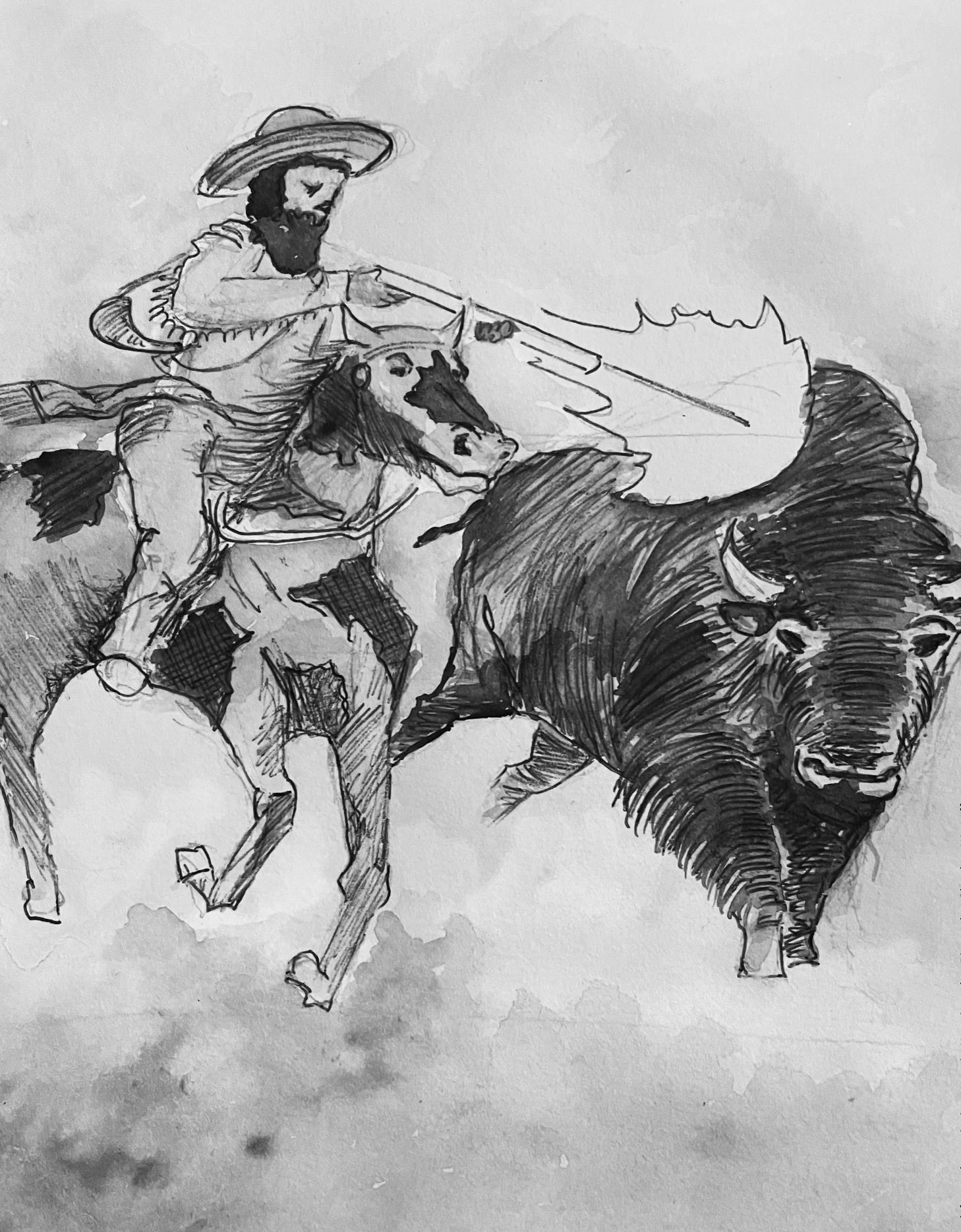
Pablo’s input was based on the Medicine Wheel - the traditional ways of living, knowing and healing. Following the ‘way of the Buffalo’, he emphasized the need to take responsibility for our own actions, thoughts and words. He also emphasized the need for spirituality - the qualities of perseverance, facing the storms of life and walking into them.
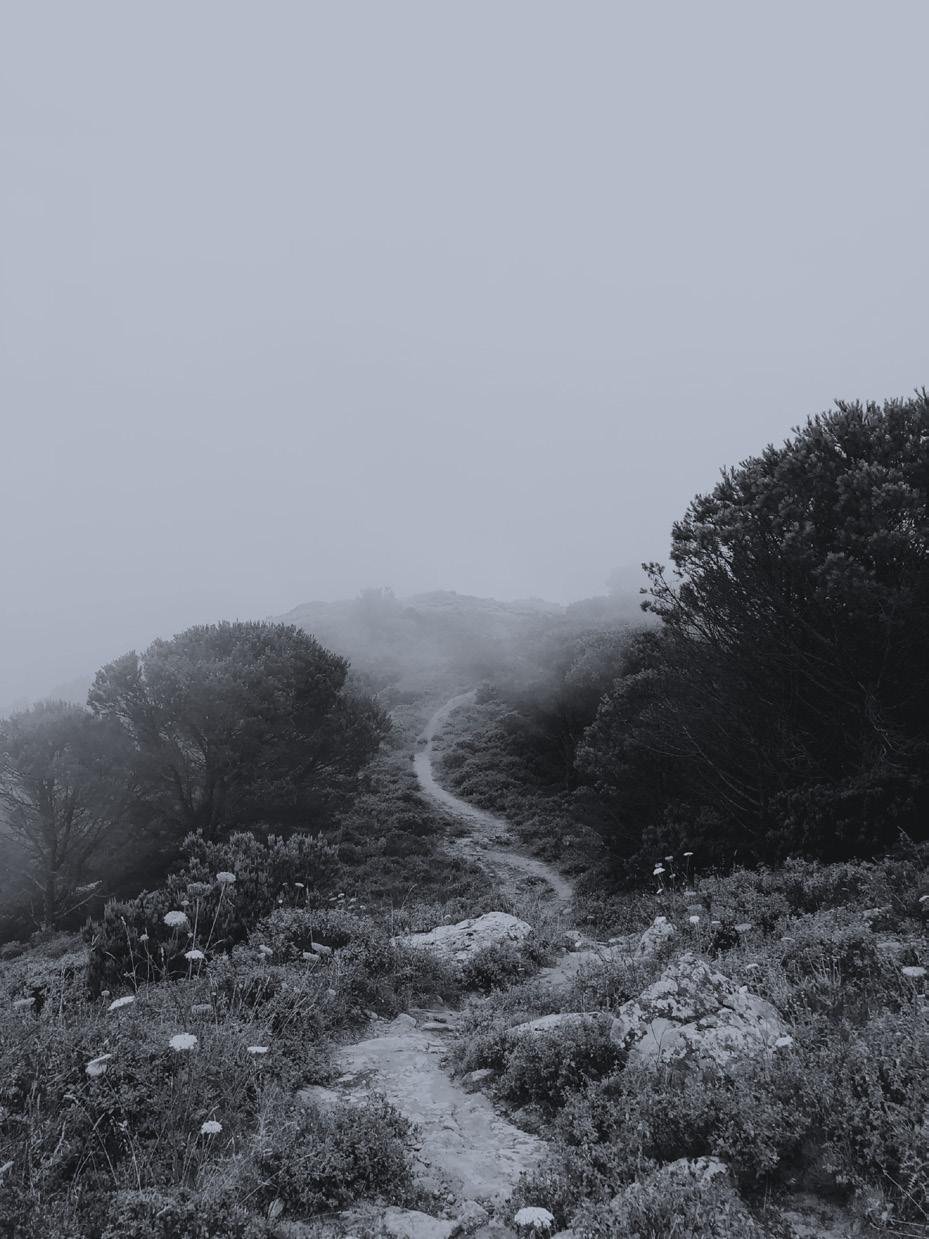
- Feiyuan Lin
The Bison in the snow storm - Shuo Yu
The path to forgiveness - Colin Lees
Medicine Wheel - Benjamin Dore
ROD HUNTER
BEARSPAW ELDER FROM THE STONEY NAKODA NATION
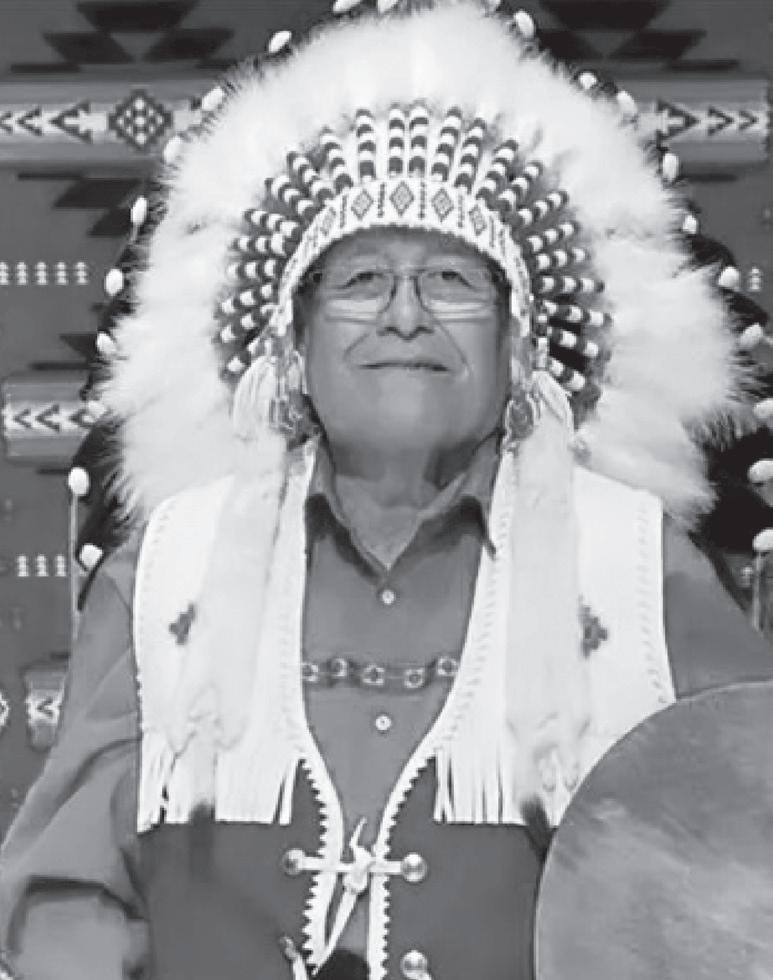
Rod is a traditional Knowledge Keeper, Sundance Maker, and Medicine Holder - and a Residential School Survivor. He is also a former Councilor for the Bearspaw First Nation of the Stoney Nakoda Nations in Morley, Alberta. Rod gifted the Honour Song to the University of Calgary as a way to inspire graduating students. He co-founded the popular award-winning drum group Eya-Hey Nakoda with his son Anders in 1994 and still leads the family drum group today.
INPUT
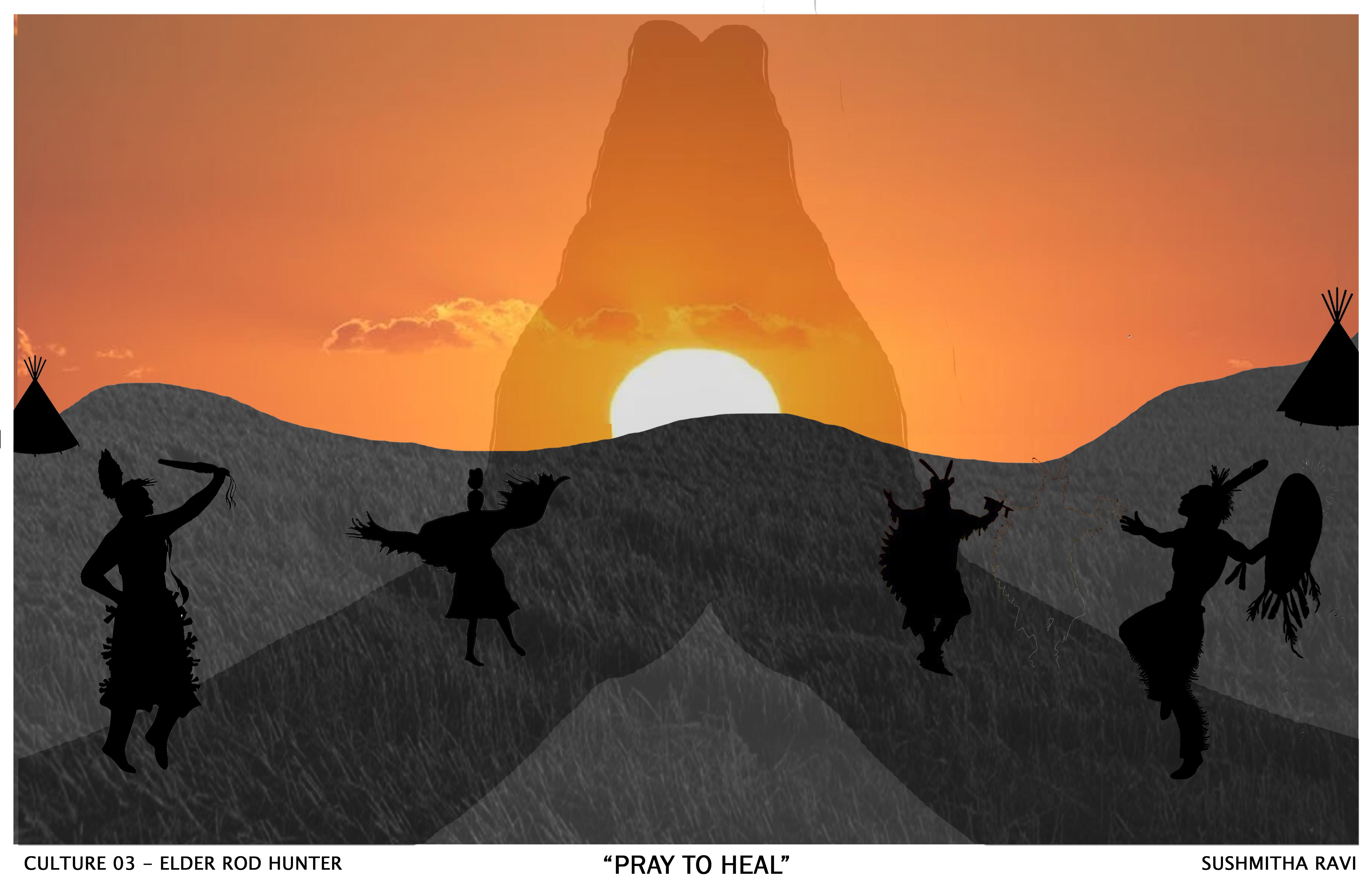
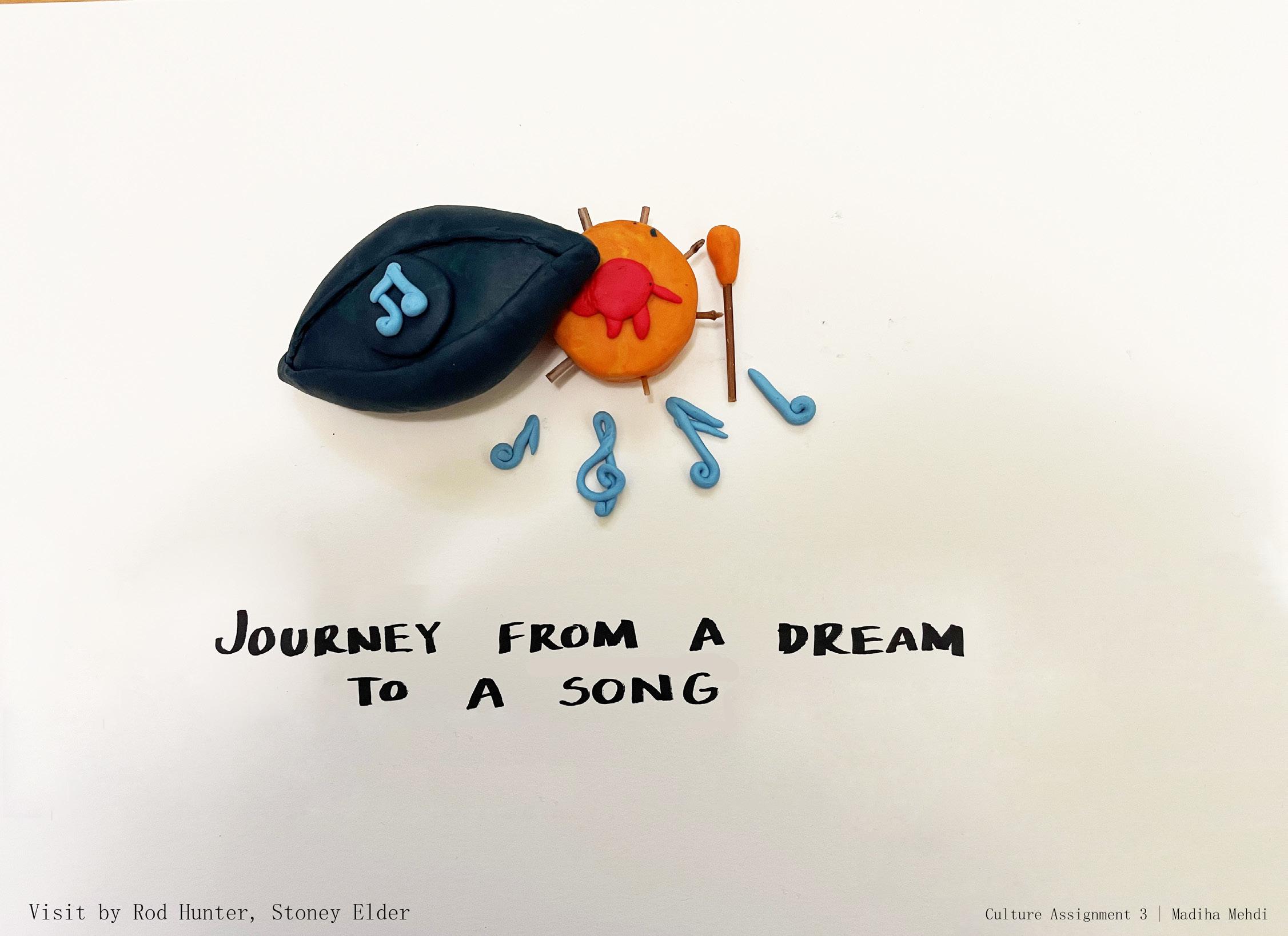
Rod talked about the importance of music, singing and dancing - and the drum - for Indigenous people. Most of his songs come to him in his dreams. They have significance for health and healing. Rod emphasized how important it is to treat people the way one wants to be treated and letting the creator take care of the rest.
Madiha Mehdi
Feiyuan Lin
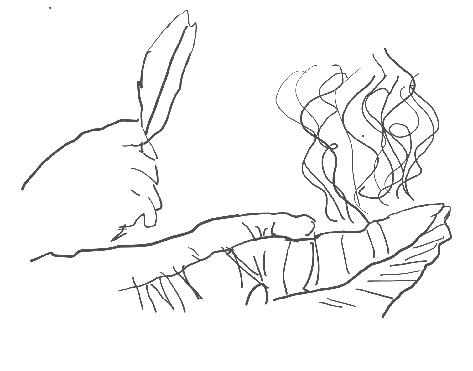
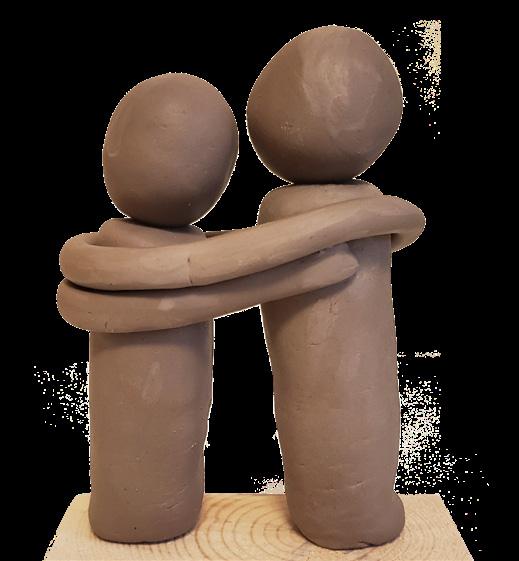
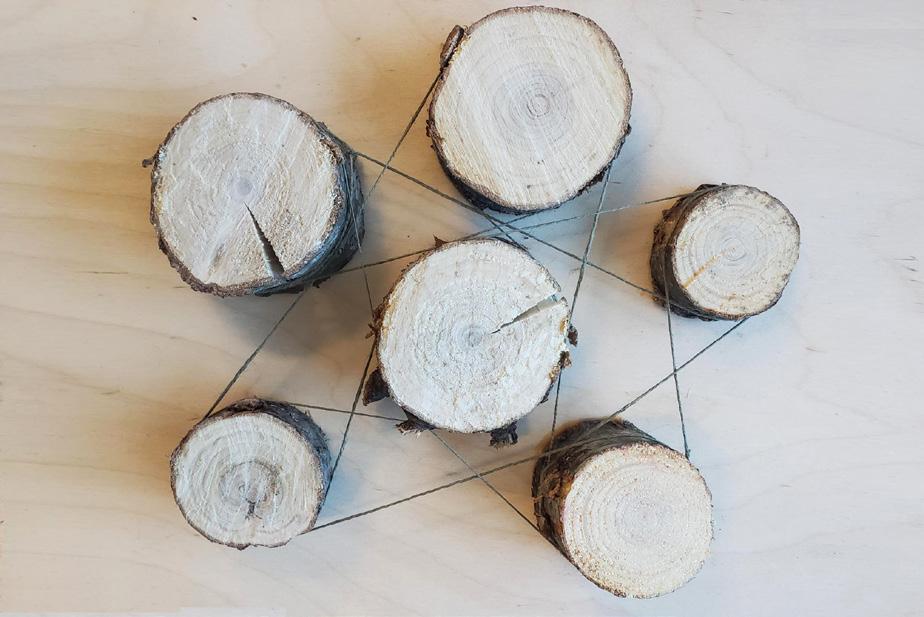

The aspect of Rod Hunter’s talk that resonated with me the most was the Sun Dance. I decided to research this ceremony further. The Sun Dance establishes and maintains kinship with all the people’s relatives, including other humans, the animal and plant relatives of this earth, and the cosmic relatives of the spirit realm. In my discoveries, I found and watched a documentary by the National Film Board of Canada called “Circle of the Sun.” It was the first time that the Sun Dance was captured on film and showed the Kainai (Blood Nation) in Alberta as they celebrated the Sun Dance. One of the major motifs of this film and the ceremony is the circle. According to the filmmaker, “Some observers say a key to the old religion is to be found in the circle. The power of the world works in circles. The sky is round. The stars and the earth are round. The seasons form a great circle. The life of a man is a circle from childhood to childhood. And so it is in everything where power moves.” This sculpture represents my explorations of the Sun Dance ceremony, the significance of the circle and establishing/ maintaining connections.
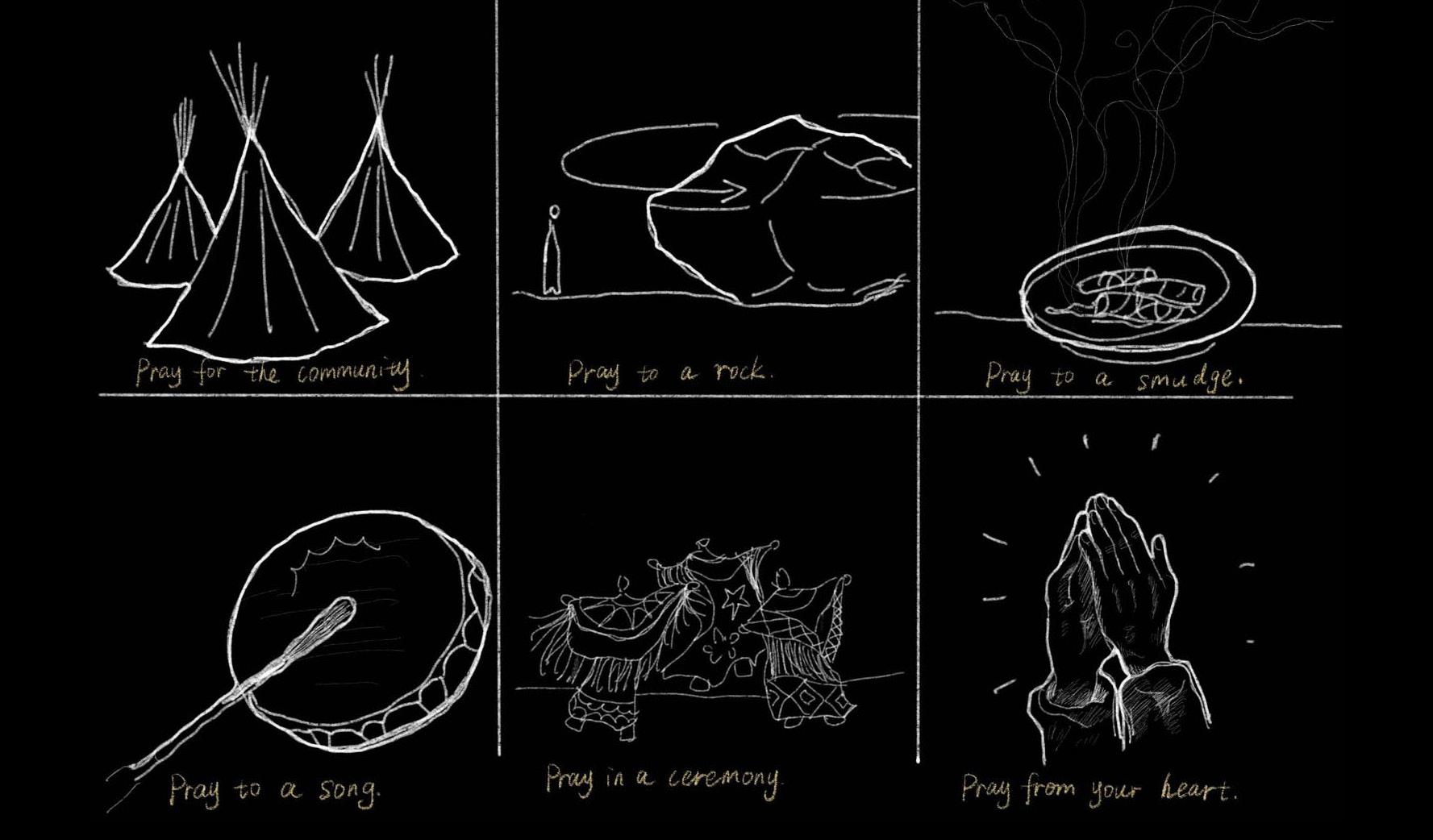
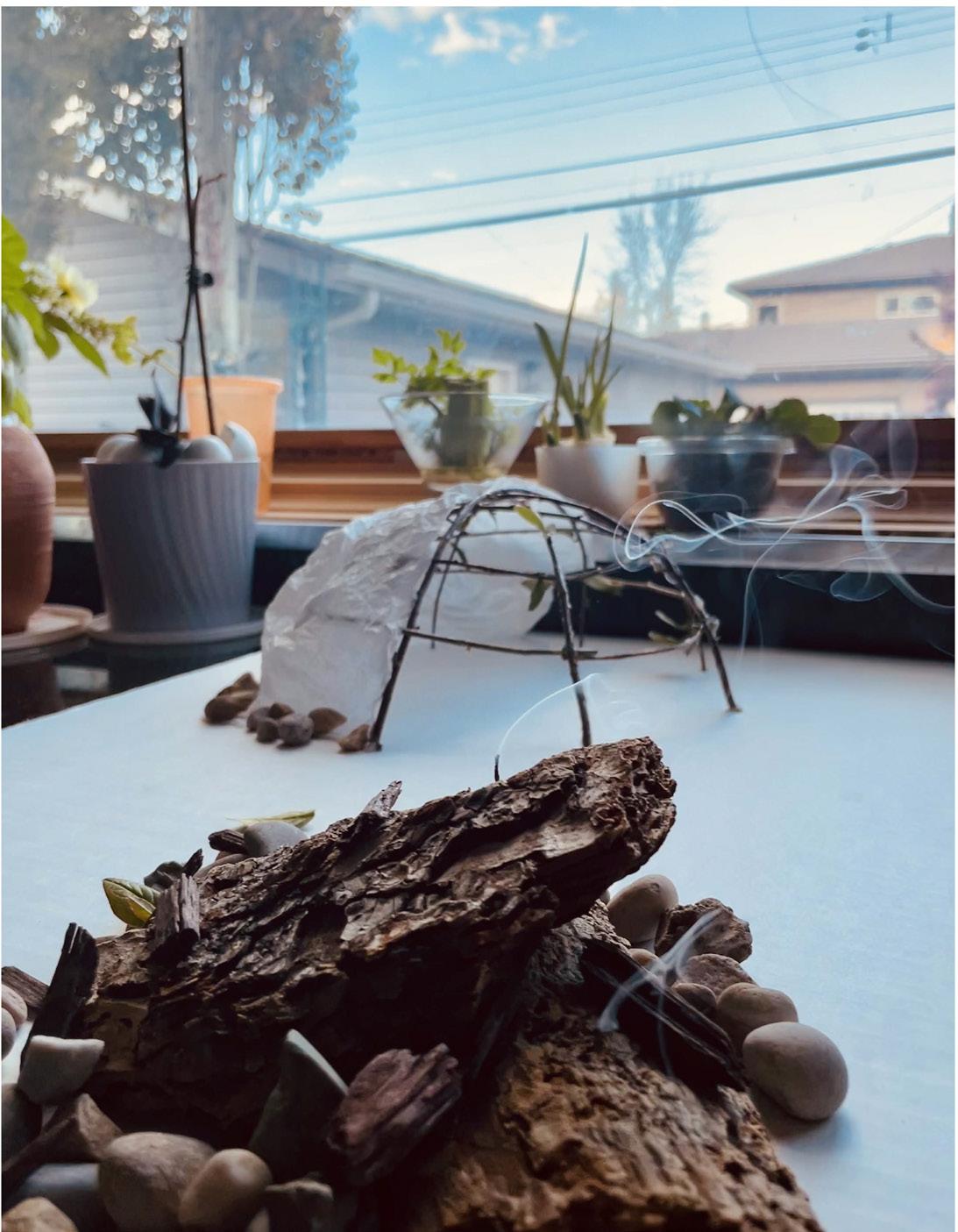
Smudge Ceremony - Shannon Giesberch
Circle of the sun - Colin Lees
Yihui Xu
- Renz Paul Mendez
Talia Mimura
JUNIOR BUFFALO
CHIPPEWA CREE KNOWLEDGE KEEPER
Junior’s late mother was from Alberta, and his late father was from Helena, Montana. His great-grandfather was Chief Rocky Boy from Montana and his grandfather, Chief Bobtail, from Pasqua. His family are the holders’ of the only First Nations record of Treaty 4 negotiations created by Chief Paskwa. The pictograph was transferred to a buffalo hide. Junior grew up in the Cree community in Montana. In his late teens, he joined the powwow circuit traveling as a dancer across Turtle Island. In addition to traditional dancing, he was also a break dancer thoughout the late 80s and early 90s, with the name Breaker One Nine. Junior enjoys storytelling, sharing knowledge, and his role as a sun dance helper.
INPUT
Junior talked about the importance of believing, and acceptance of one’s own journey. He explained how he found his path - sharing stories of significance and objects of importance with students. He pointed out why a difficult and painful past requires facing the truth to move forward in a good way.
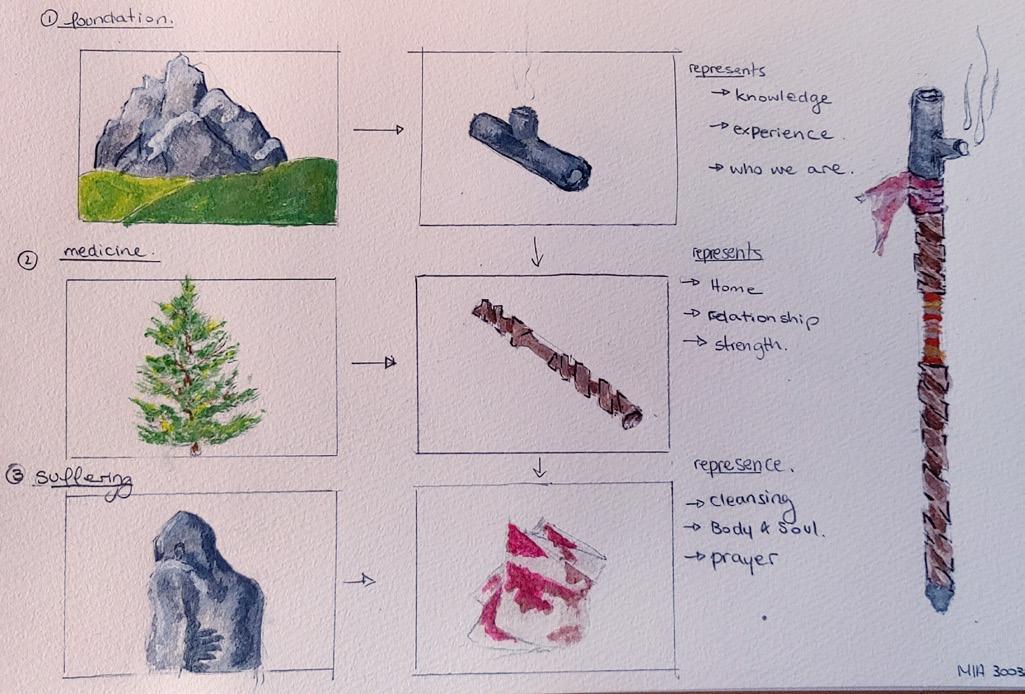
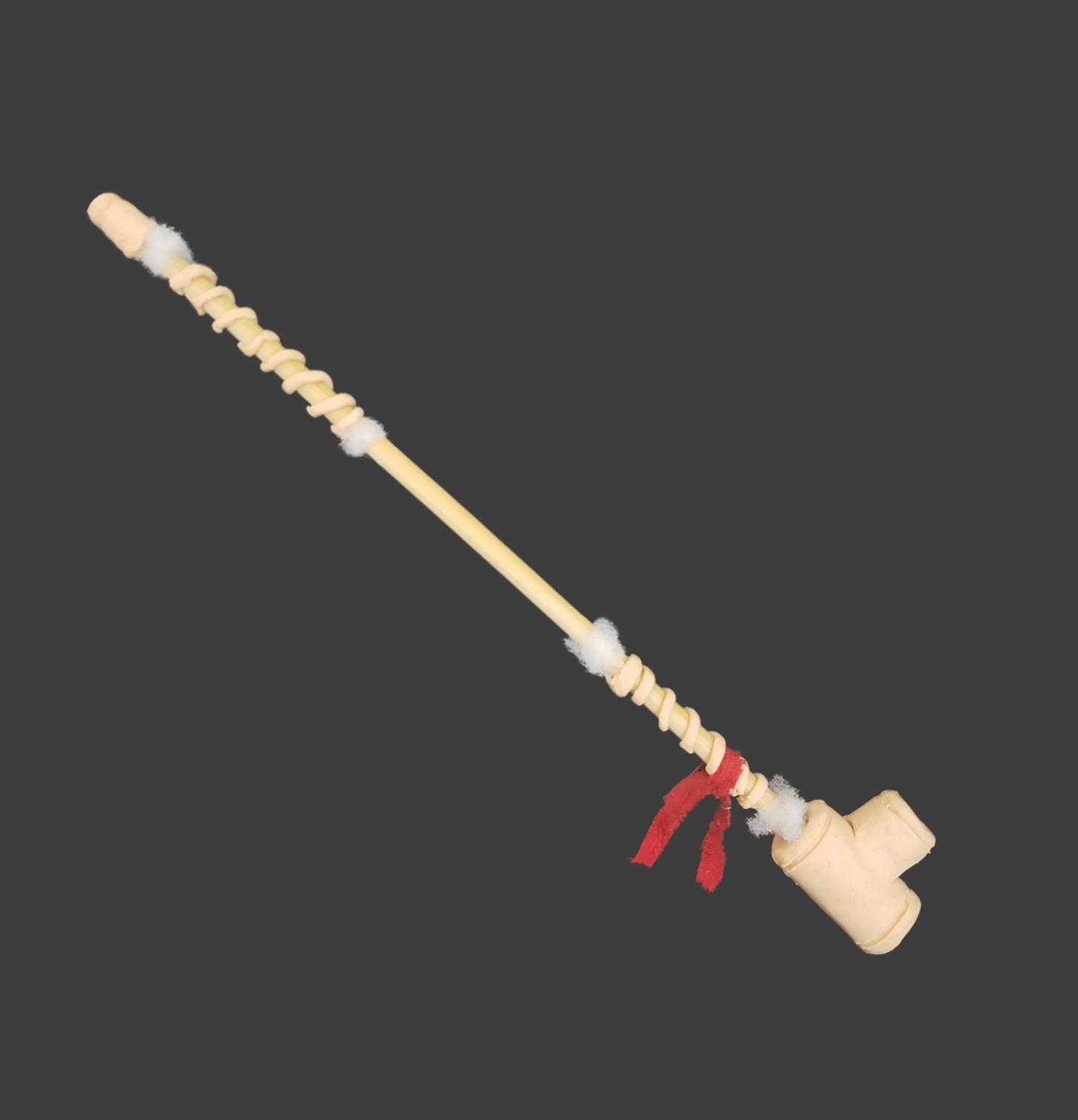
SMOKE PIPE


In the cultural visit,
described the bottom part of the pipe, which is made of the stone, which signifies the foundation of a family. The stem is made of wood and is carved with windings that extend towards the top and bottom, which represents man and woman.
CULTURE - 5
PALLAVI SINGH
Sculpture of the smoke pipe belonging to the family of Cree Elder Junior Buffalo May 30th, 2022
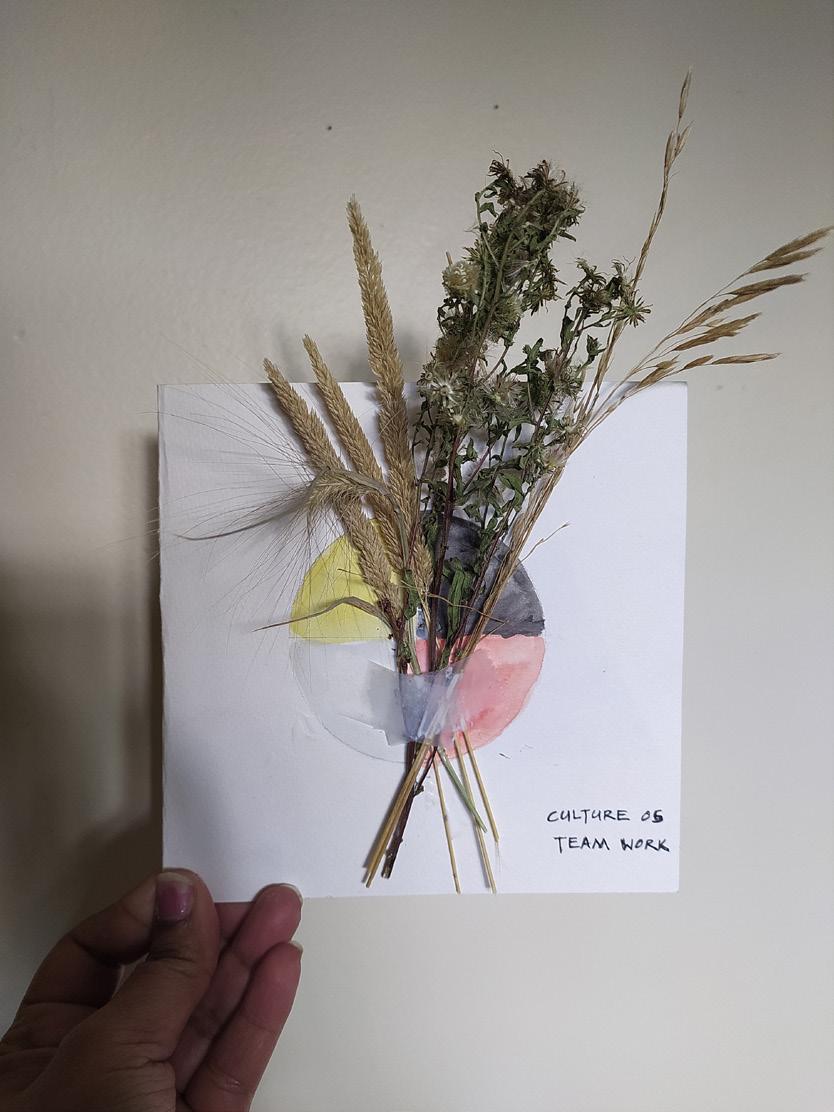
In the cultural visit, Cree Elder Junior Buffalo described the bottom part of the pipe which is made of the stone signifies the foundation of a family. The stem is made of wood and is carved with windings towards the top and bottom which represents man and woman.
The making of a pipe - Mia Leung
Sculpture of the Smoke Pipe belonging to the family of Cree Elder Junior Buffalo - Pallavi Singh
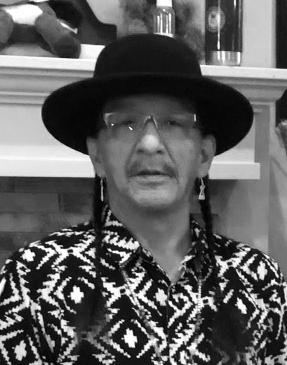
Chippewa Cree Knowledge Keeper Junior Buffalo

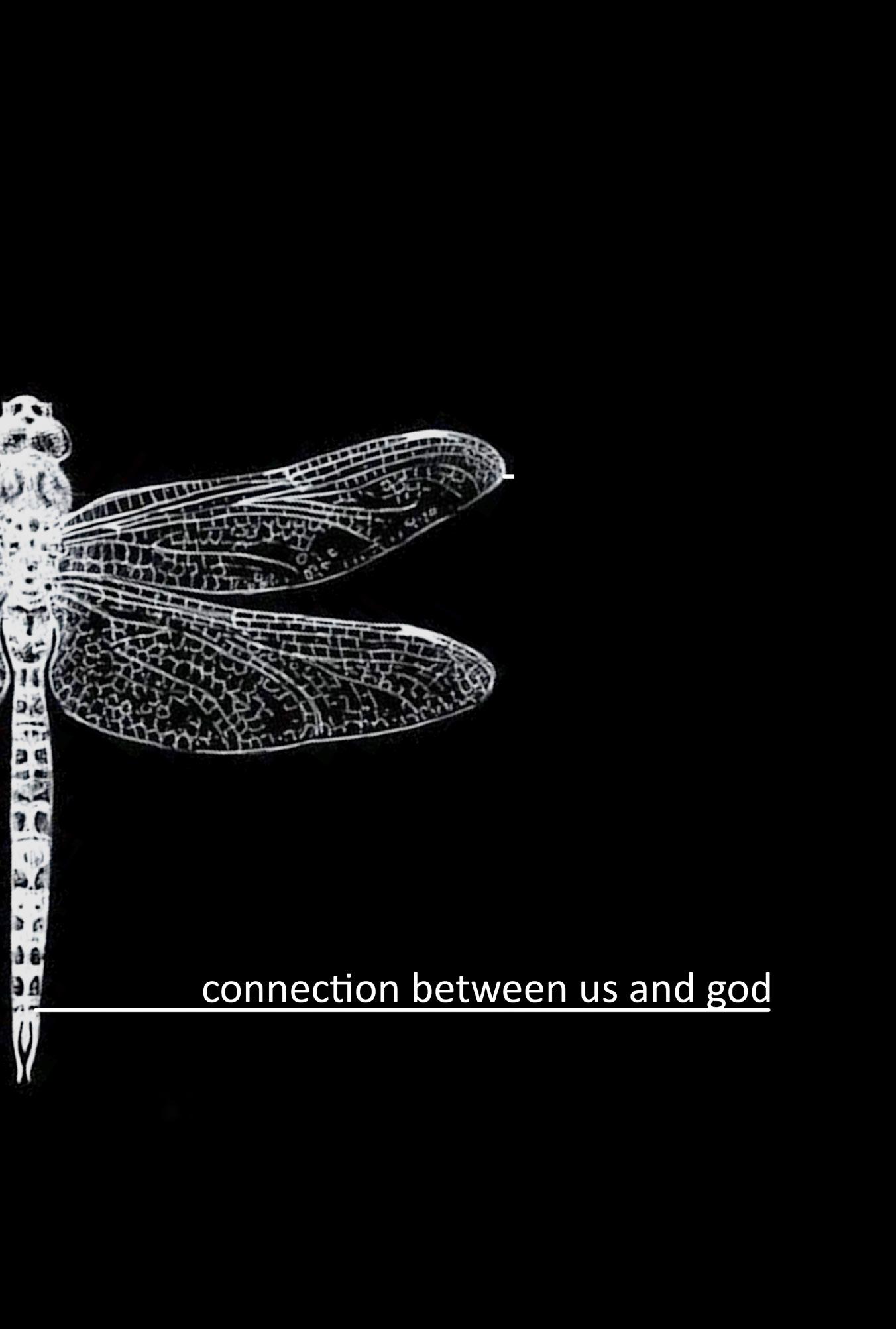
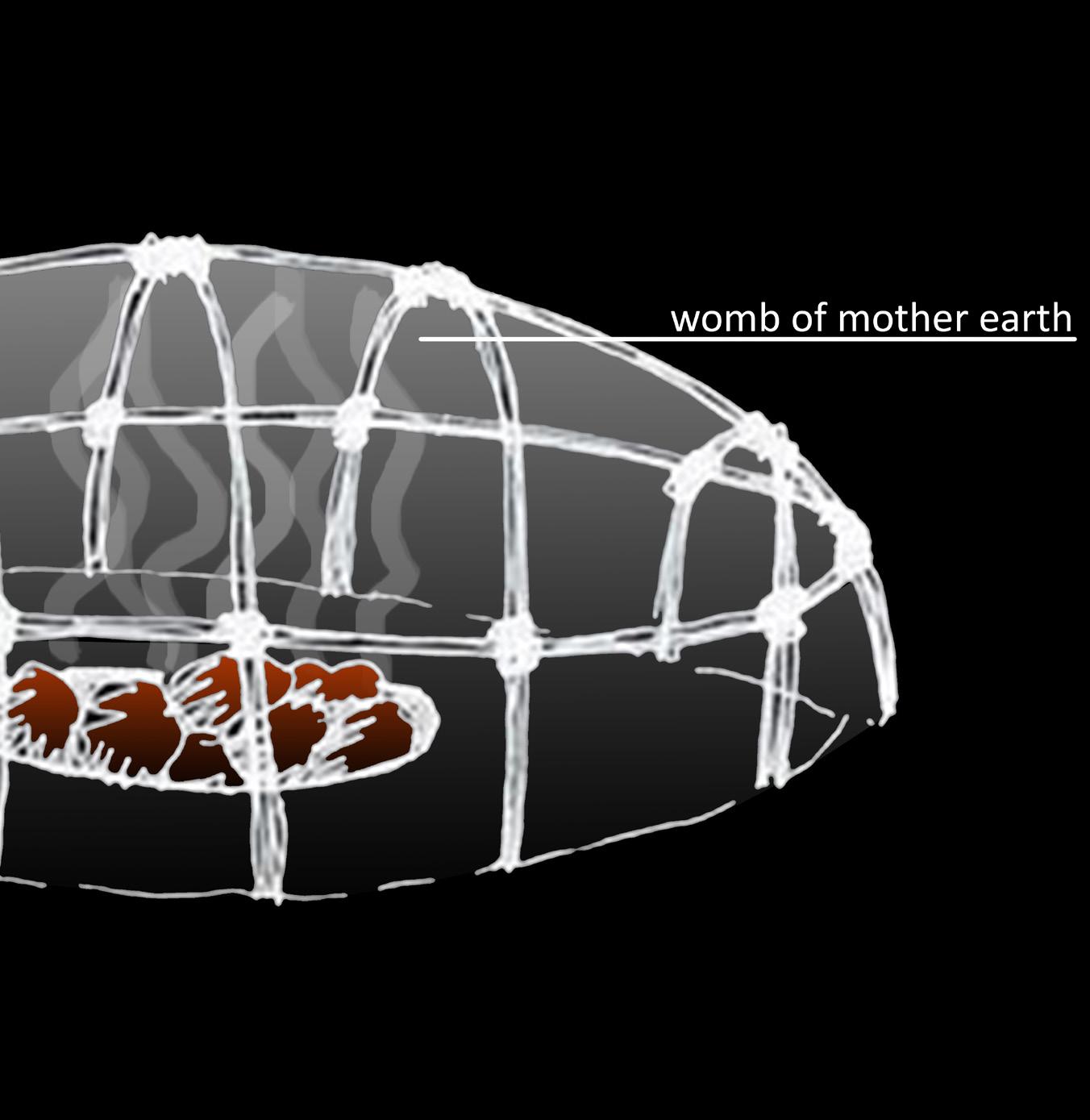
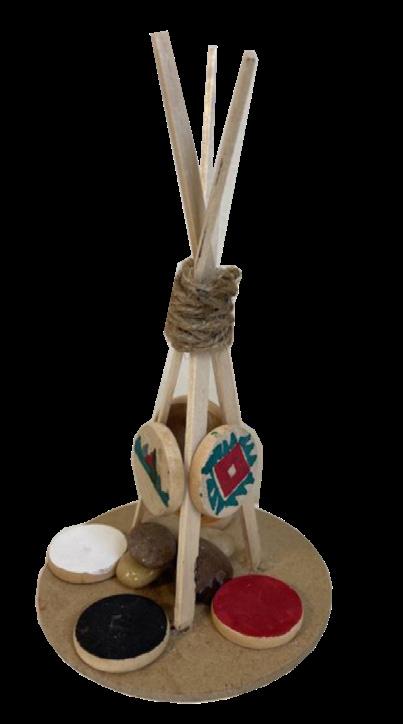
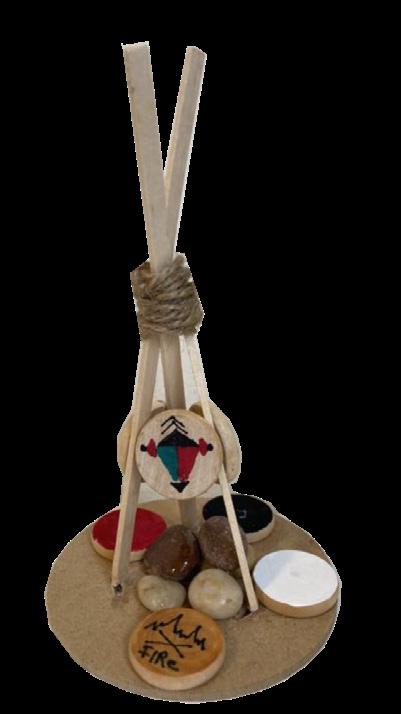

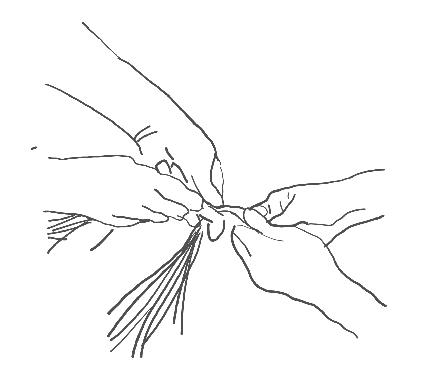
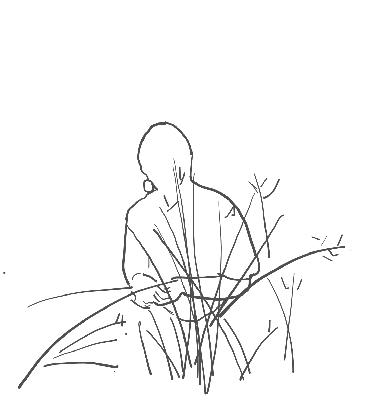
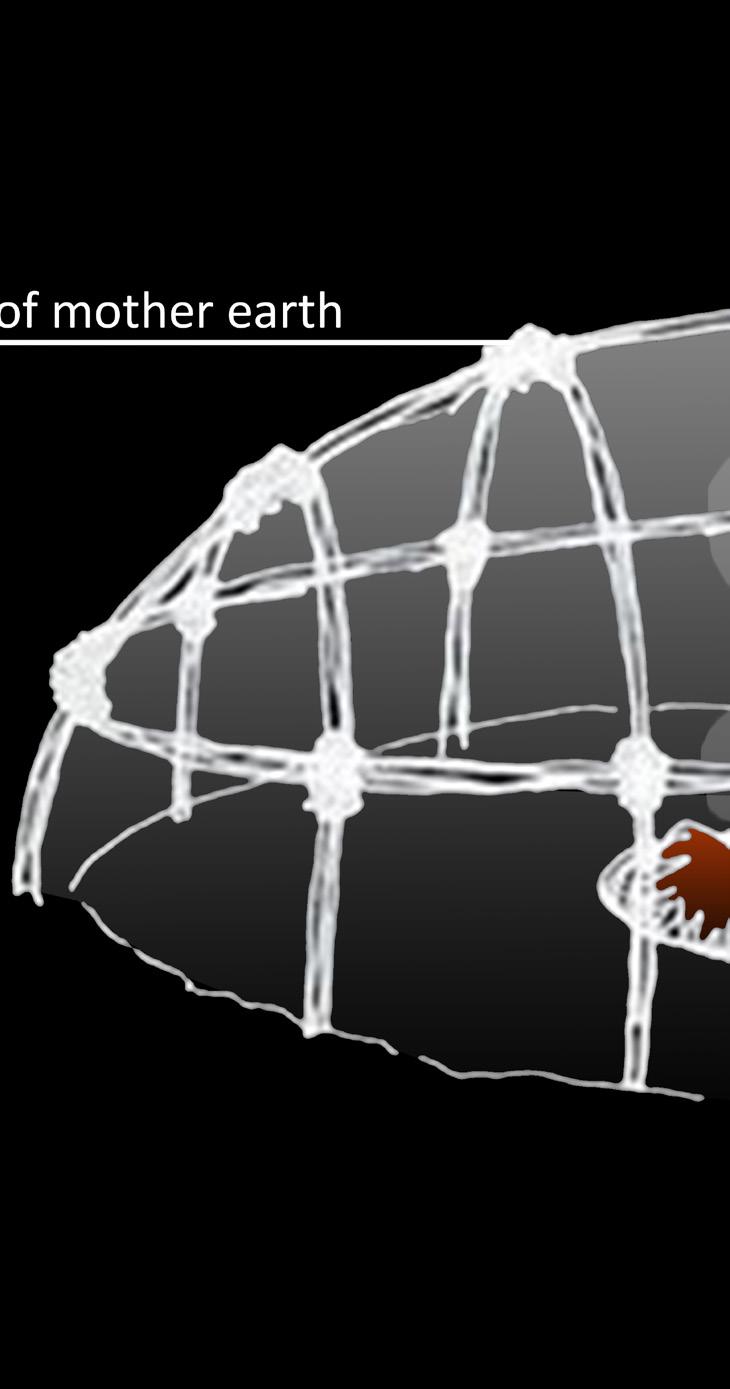
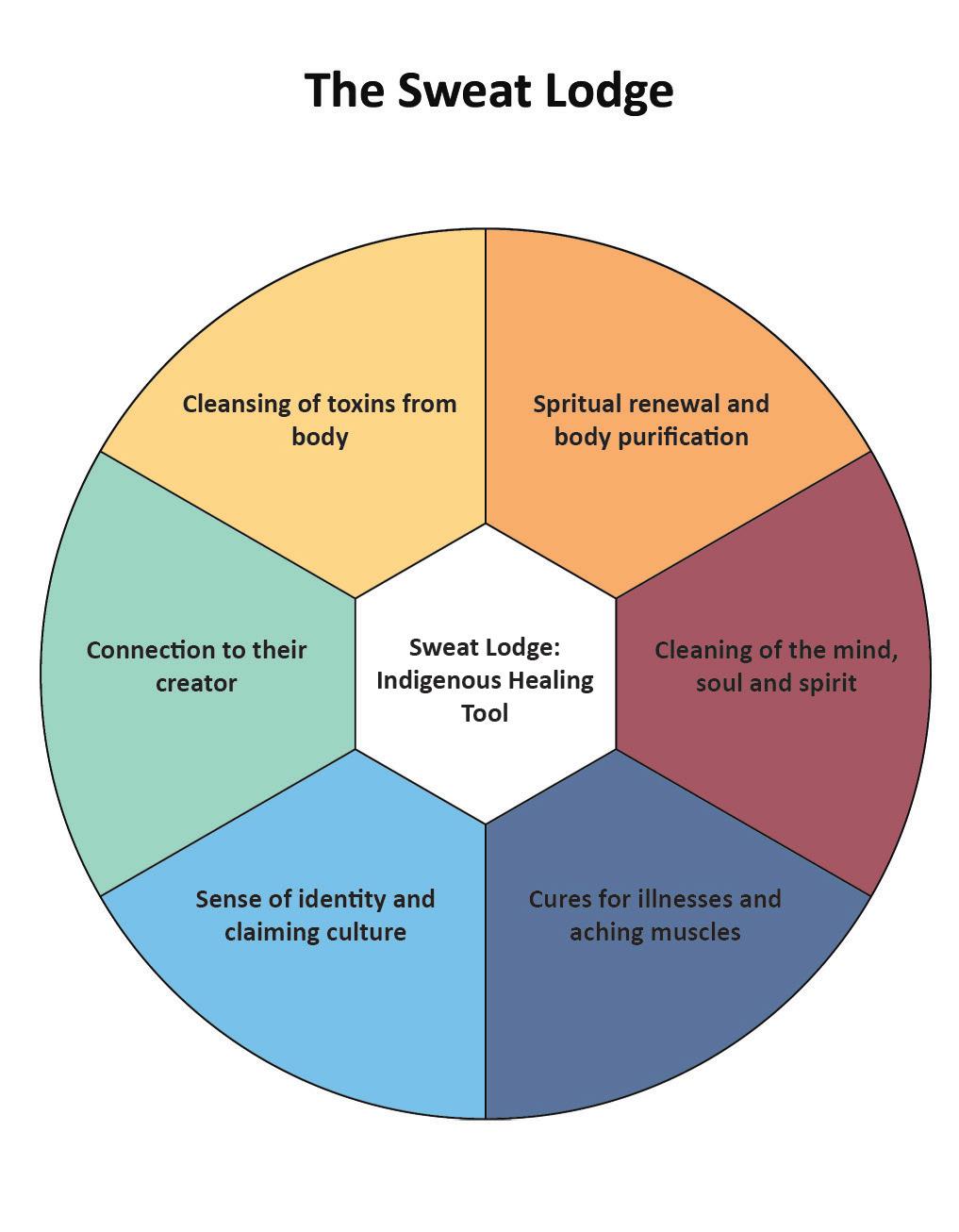
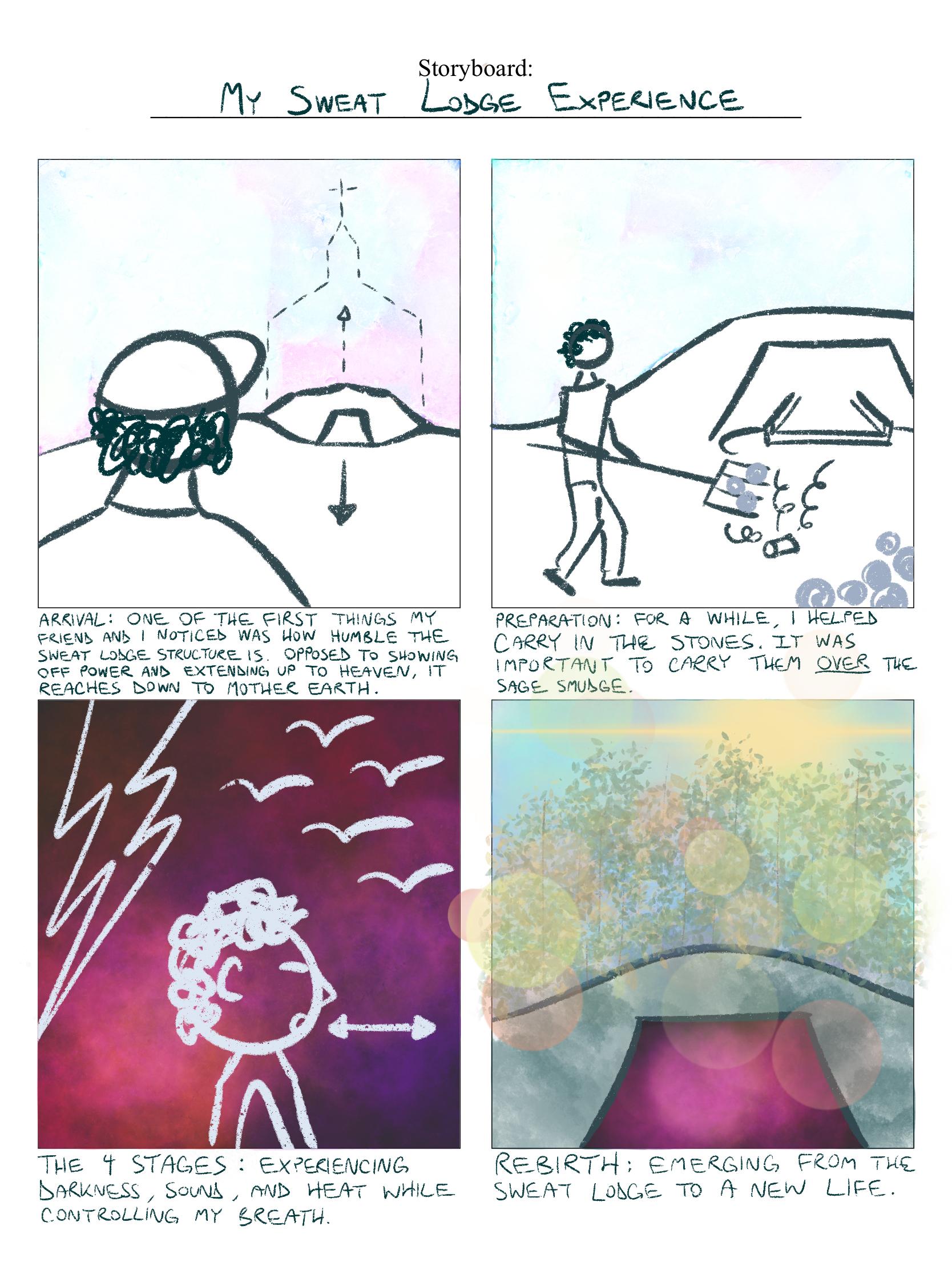
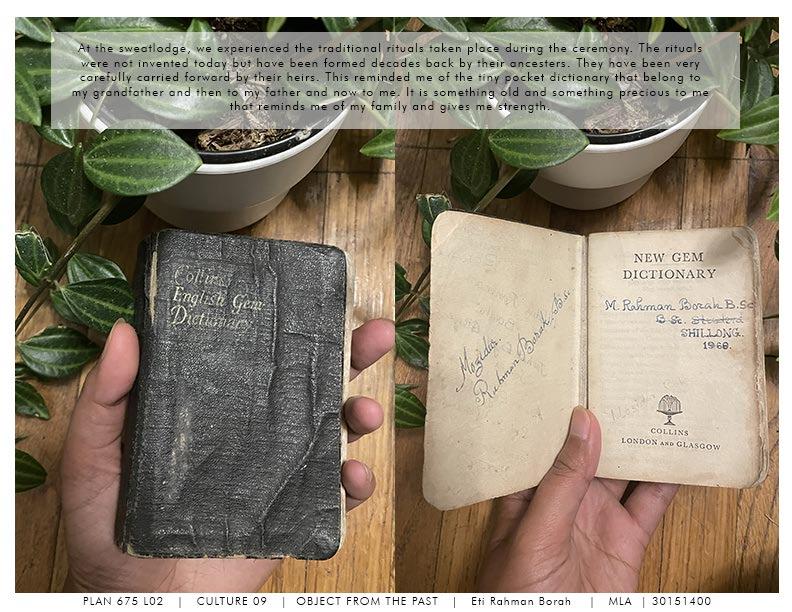
The Sweat Lodge is a traditional ceremony of Indigenous people used for prayer and healing. Historically, the structure is a low dome made of willow branches and animal skins in which participants sit in the dark (or in the womb) and pour water on hot stones (ancestors) while praying and singing healing songs. They pour water from their Elders or Keepers of Medicine. The ceremony itself is a humble and sacred act of thanksgiving and purification given by the person who has the right to hold the medicine.
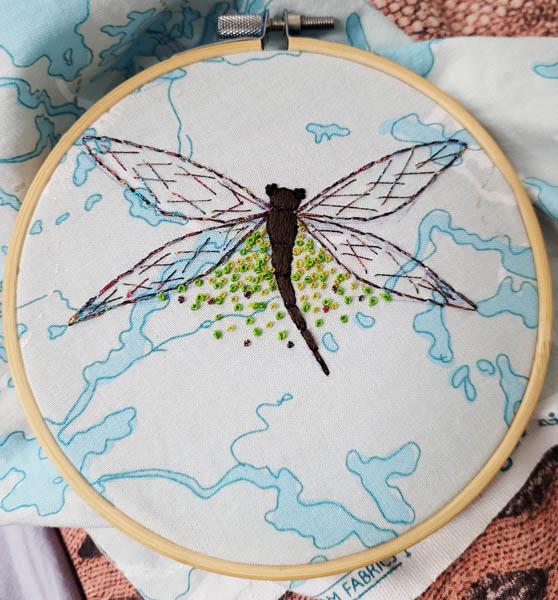

Deepali Dang & Bulbul Sethi
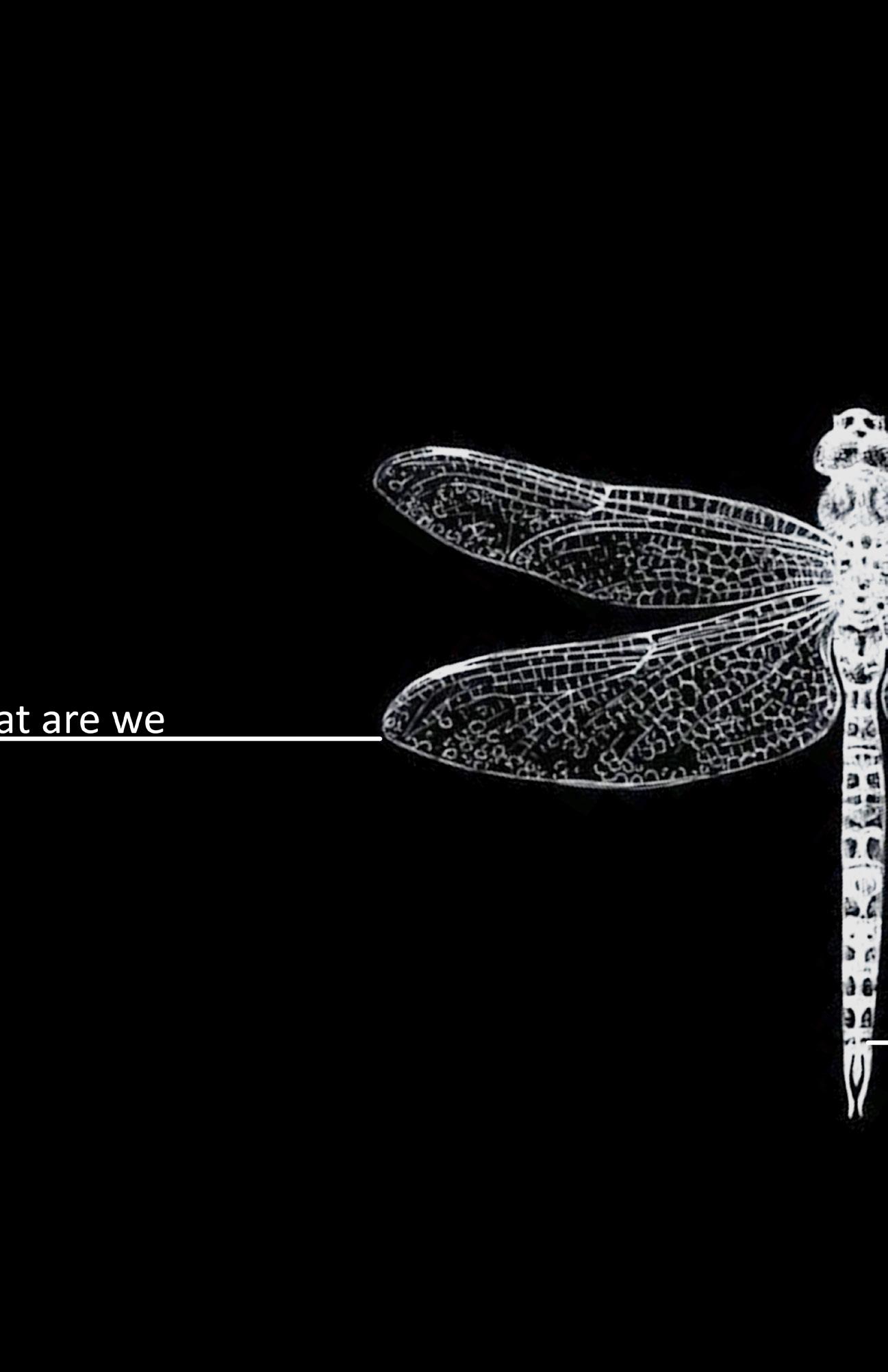
Dragonfly - Marie-Astrid Levert
Sweat Lodge - Shabnam SeifHamedan
- Baha Alzeitawi
GILBERT CROWCHILD
TSUUT’INA ELDER
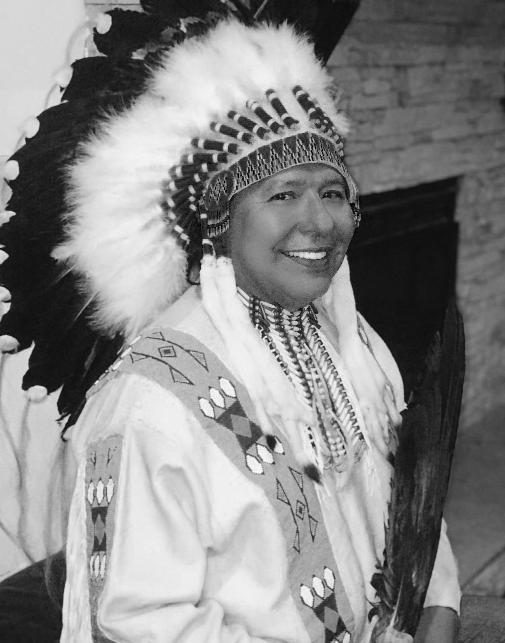
Gilbert is an Entrepreneur, Protocol Advisor for the Tsuut’ina administration, and a former Community Leader/Councillor. Gilbert leads many different efforts to retain and expand ancestral knowledge and cultural practices.Gilbert is also a natural law enthusiast and advocates environmental awareness.
INPUT
Gilbert’s input focused on interconnectedness. He explained how everything is related and thus connected. He pointed out how everyone and everything has a purpose, is worthy of respect and caring, and has a place in the grand scheme of life. Before colonization, First Nations lived in harmony with their environment for millennia. They were stewards of the land and left a very light footprint on the earth. He advocated more sustainable living.
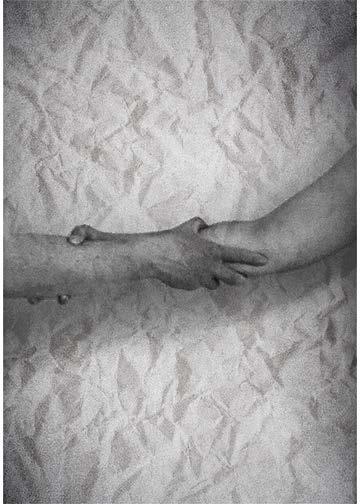
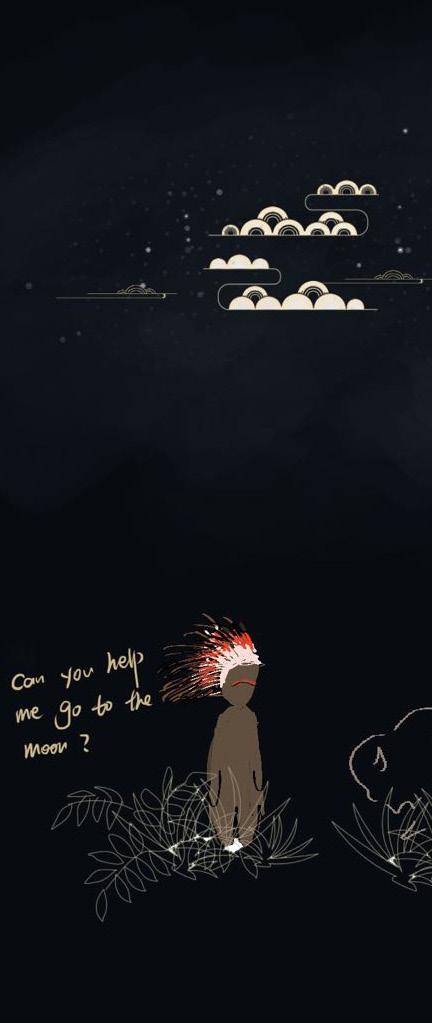
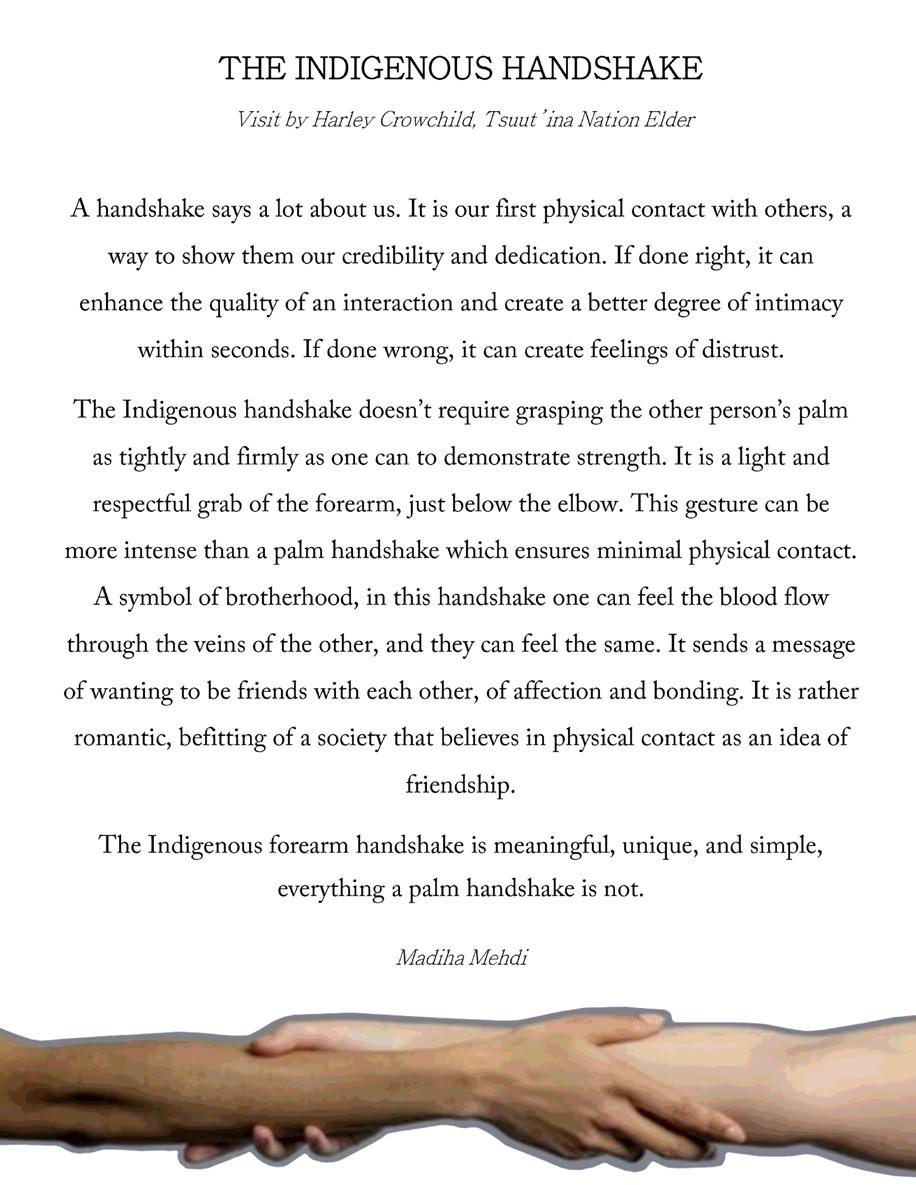
The Indigenous handshake Shannon Giesbrecht & Madiha Mehdi
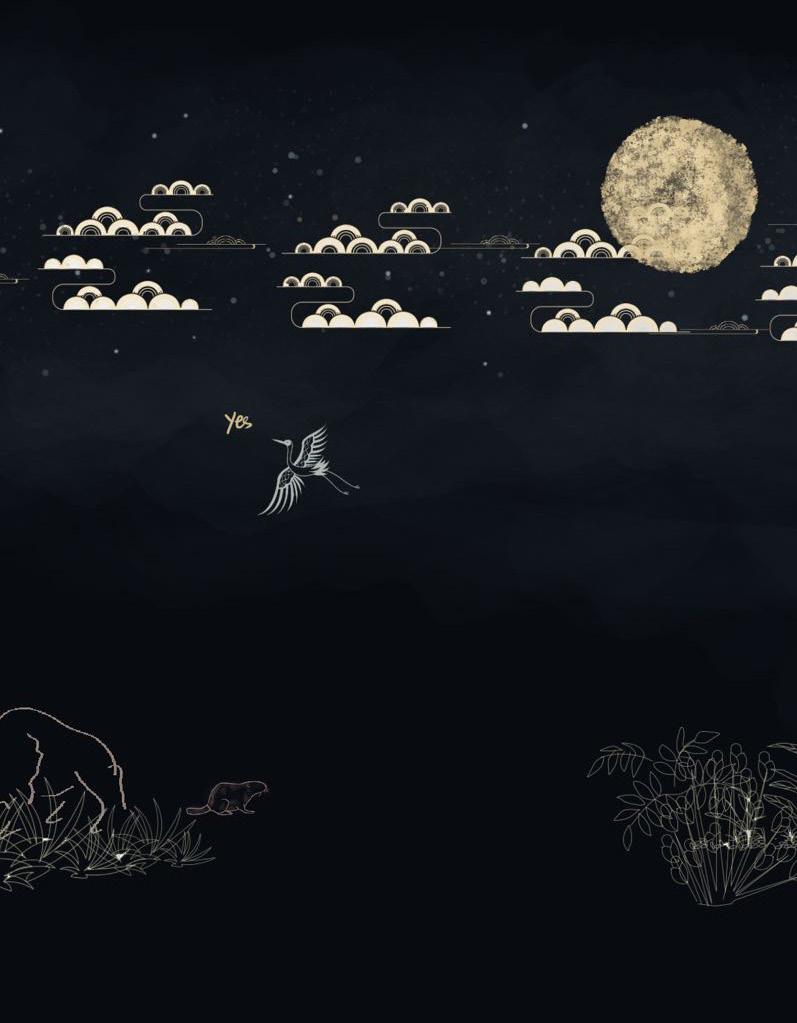
The Blue
The
symbolizes wisdom, awareness, and courage. To me, it is a symbol of connection and higher awareness to nature and our surroundings. It represents a way of
symbolizes wisdom, awareness, and courage. To me, it is a symbol of connection and higher awareness to nature and our surroundings. It represents a way of
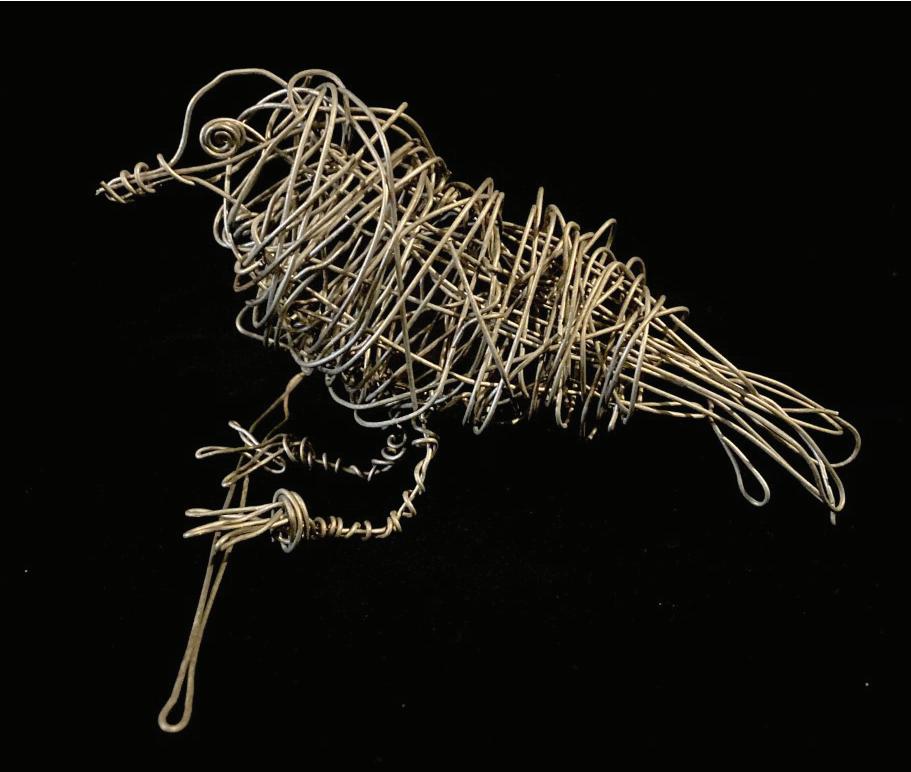
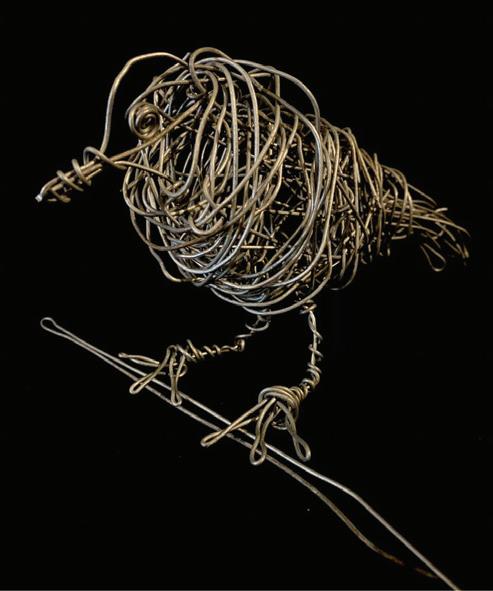
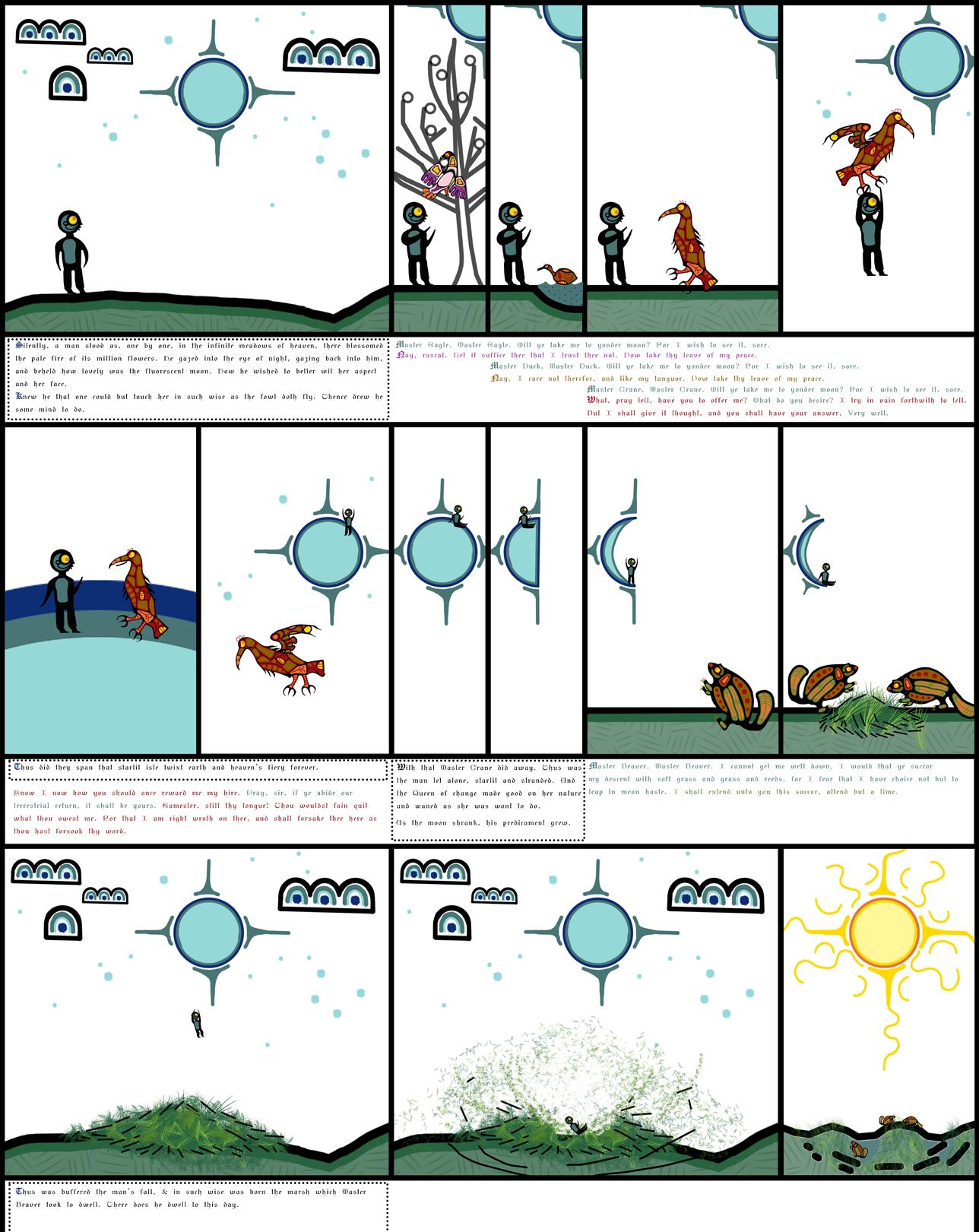
Nada Attan
Jay
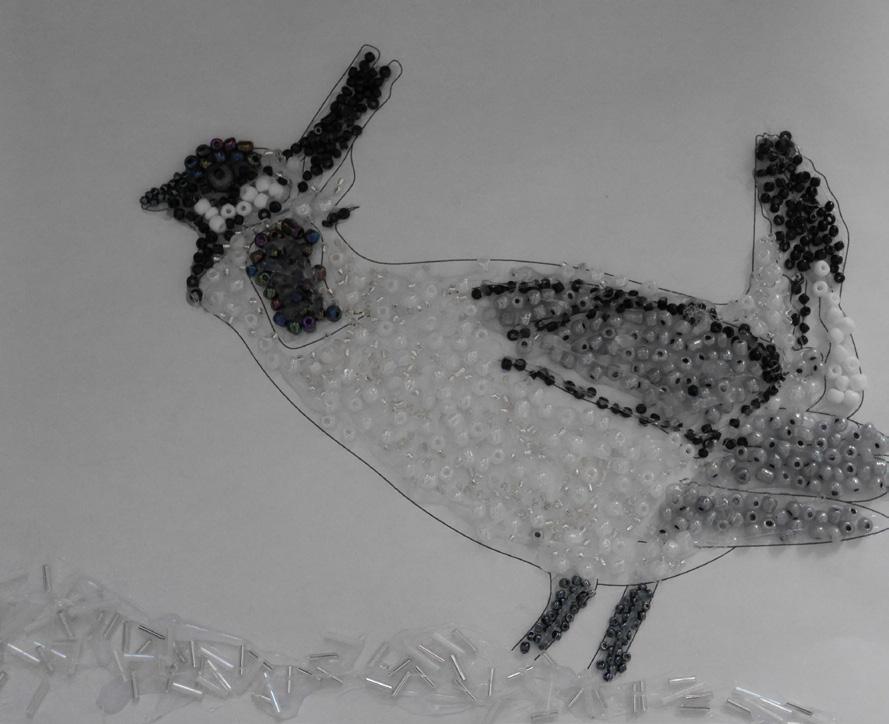
Steel-wire Blue Jay sculpture
Blue Jay
Steel-wire
Blue Jay sculpture
Blue joy - Nada Attan
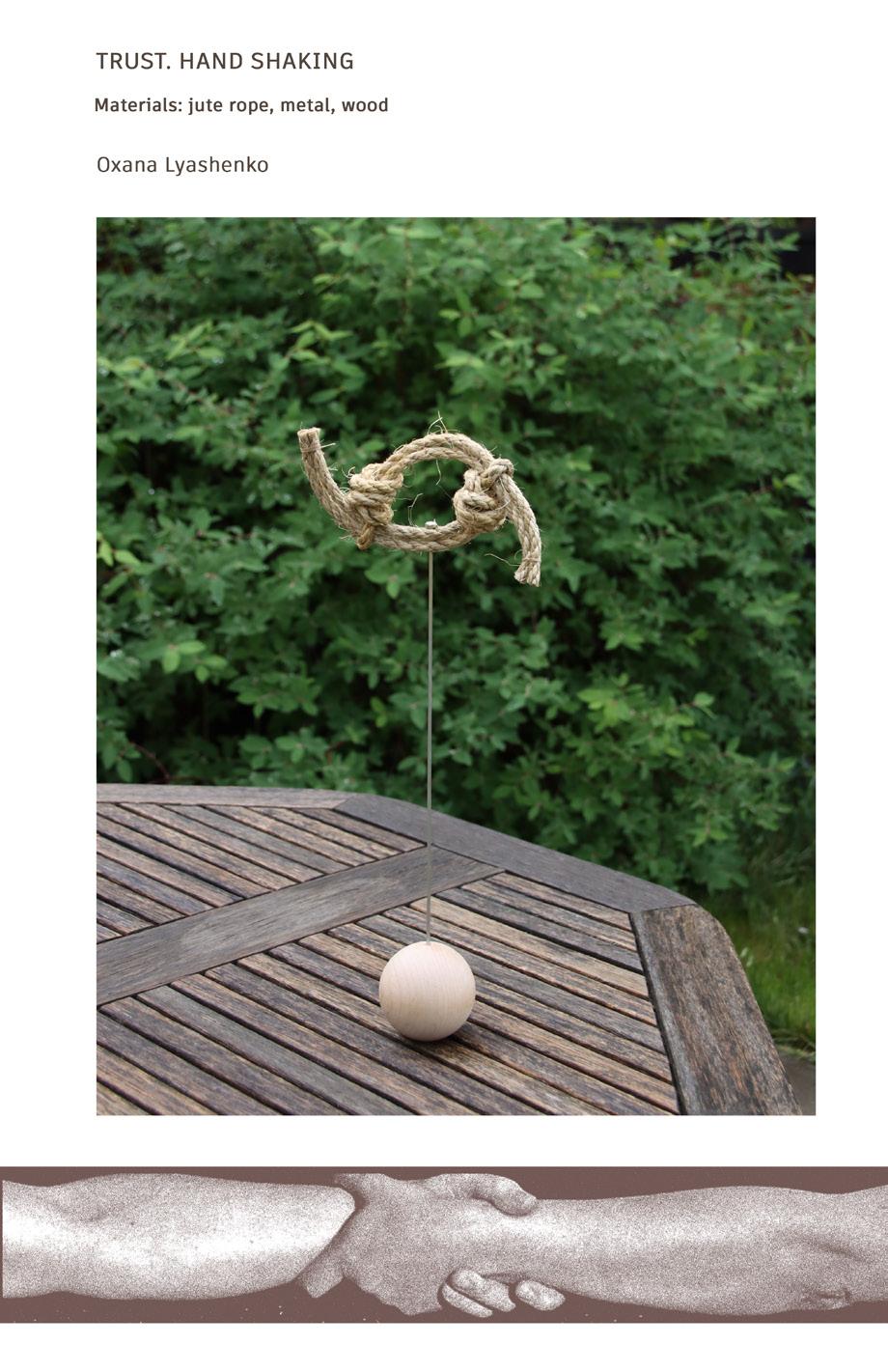
Trust. Handshaking Oxana Lyashenko
Daniel Cote
- Yixuan Xia
DOREEN BERGUM
MÉTIS ELDER
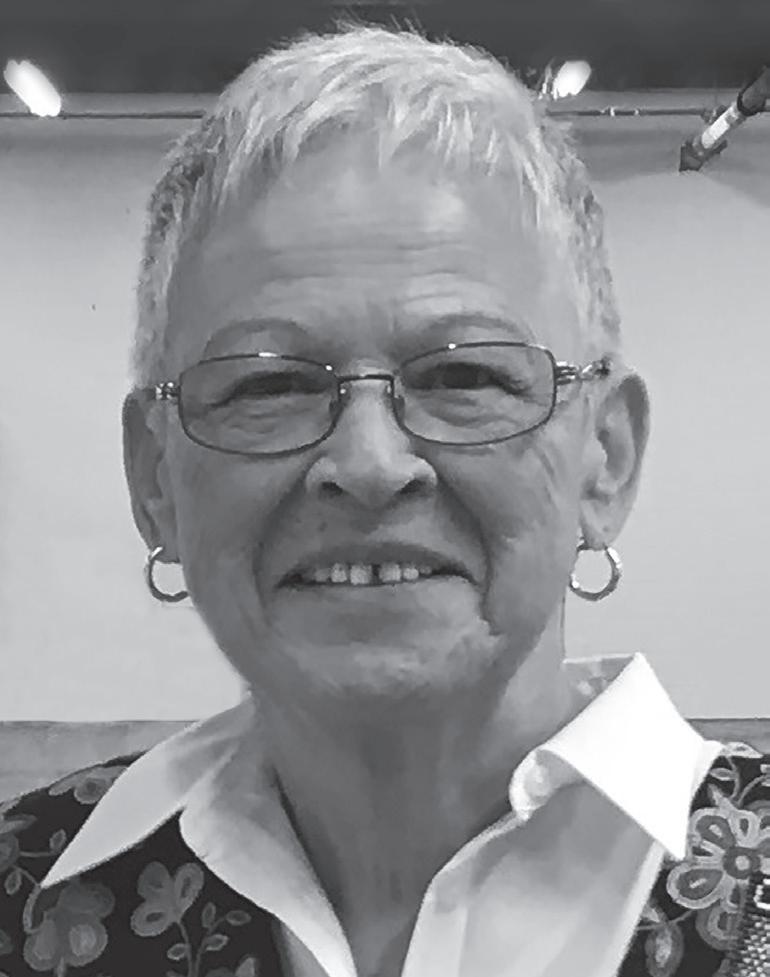
Doreen is the Métis Elder for the Homeland of the Métis Nation of Alberta Region 3.Born in an era when it was illegal to express one’s Métis culture, Doreen has become an inspiration to Métis peoples.
Doreen dived into her culture at age 55, when laws changed. She learned music, dances, and handicrafts secretly shared in her childhood. She shares her culture with students in schools, Colleges and Universities and creates storyboards and museum displays.In 2019, Doreen received a Women of Excellence Lifetime Achievement Award for her work.
INPUT
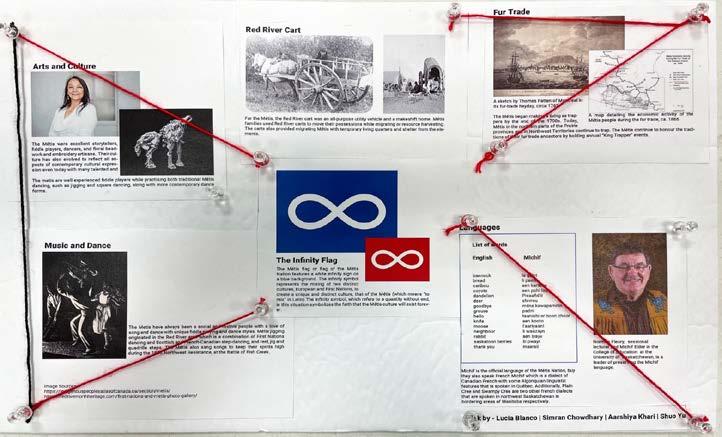
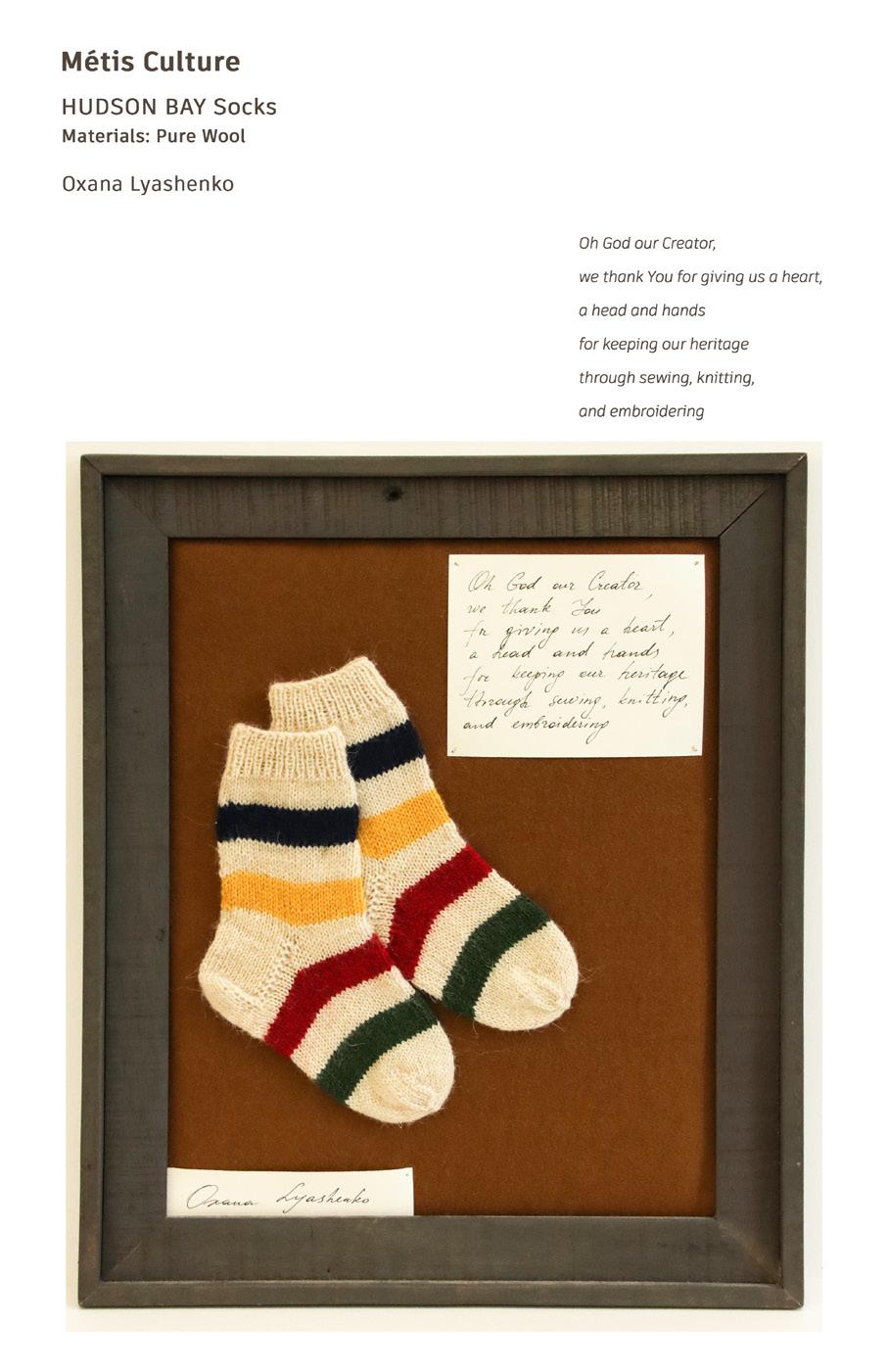
Doreen feels it is important for First Nations, Métis and Inuit people to share their culture in the broader community. In her input she talked about the history and culture of the Métis in Canada. She showed the class culture cards she had created to aid understanding and shared knowledge about the Métis sash and beadwork, traditional music and dances, ceremonies (eg. Buffalo hunting), and food. She pointed out how these cultures have been changed and assimilated over time.



Feiyuan
Type:
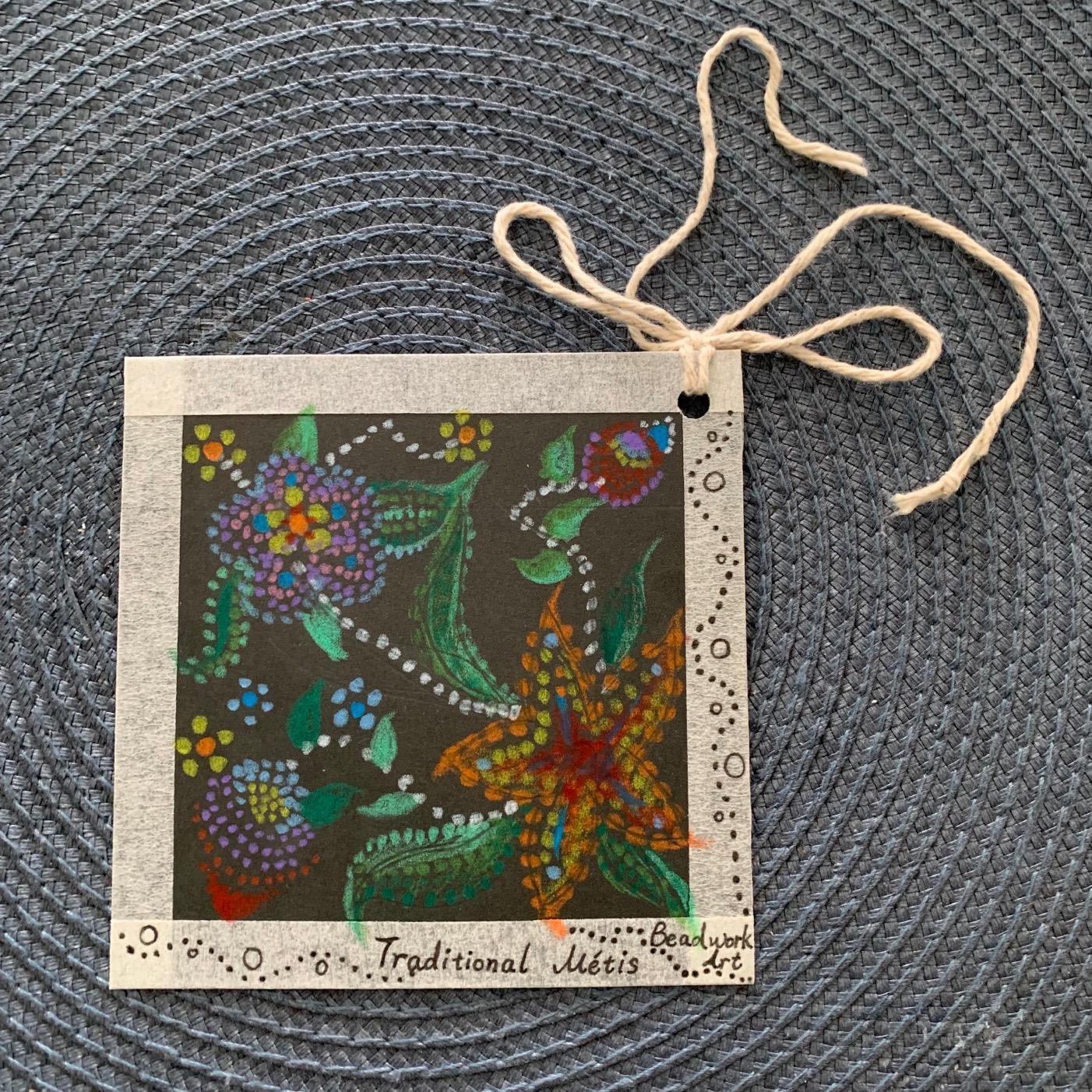
Cultural 09: Métis
Lin
Bookmark design
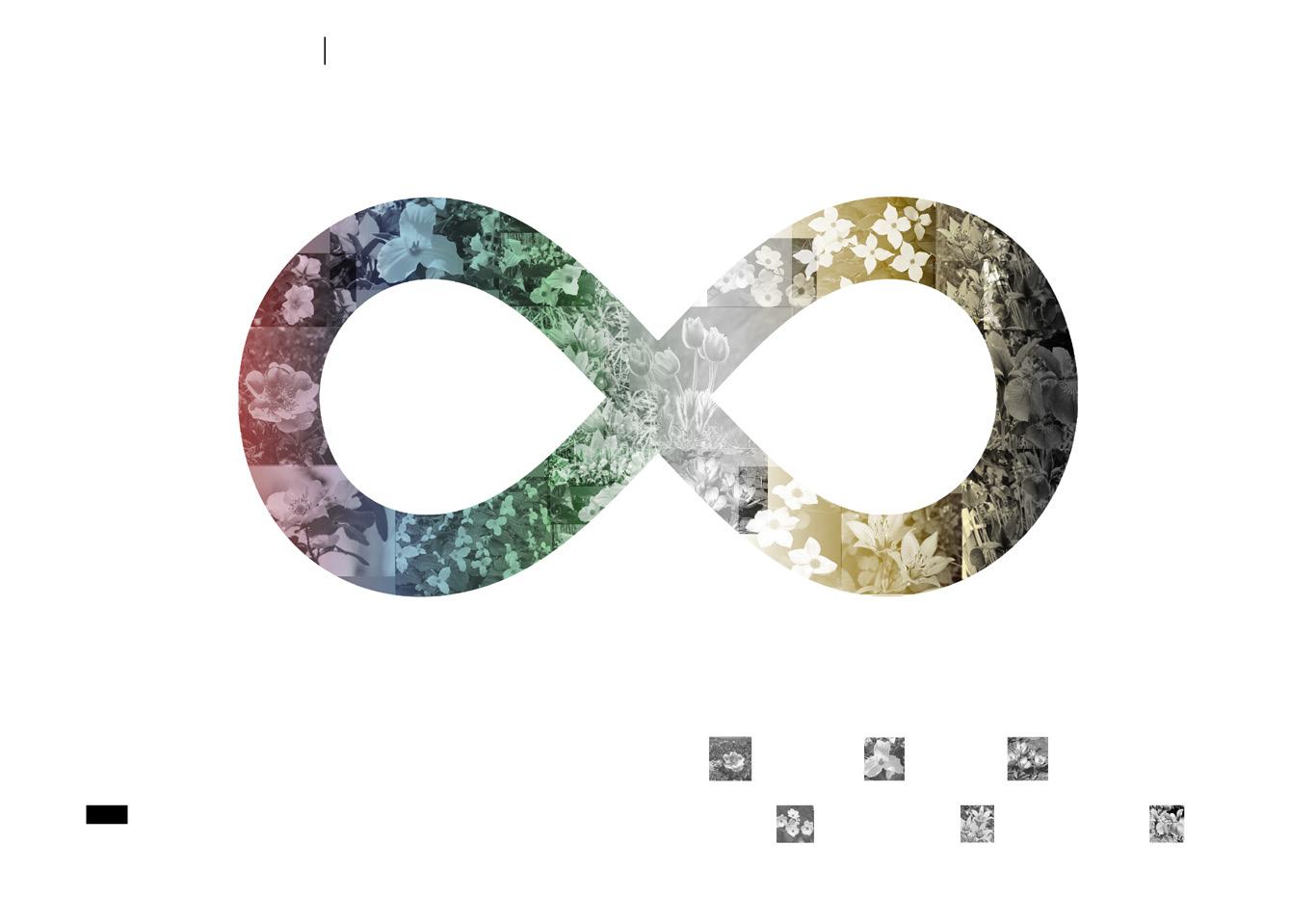
Inspired by Traditional Métis Beadwork Art
Beadwork Art Introduction:
Métis are heirs to a vibrant culture of decorative arts that emphasizes the brightly coloured floral motif in beadwork and embroidery.
Friendship CircleAarshiya Khari, Ben Dore, Lucia Blanco, Mia Leung, Oxana Lyashenko and Parnian Nazemzadeh
Beadwork Bookmark - Feiyuan Lin

CULTURE 10
Lucia Blanco, Simran Chowdhury, Aarshiya Khari & Shuo Yu
- Eti Borah
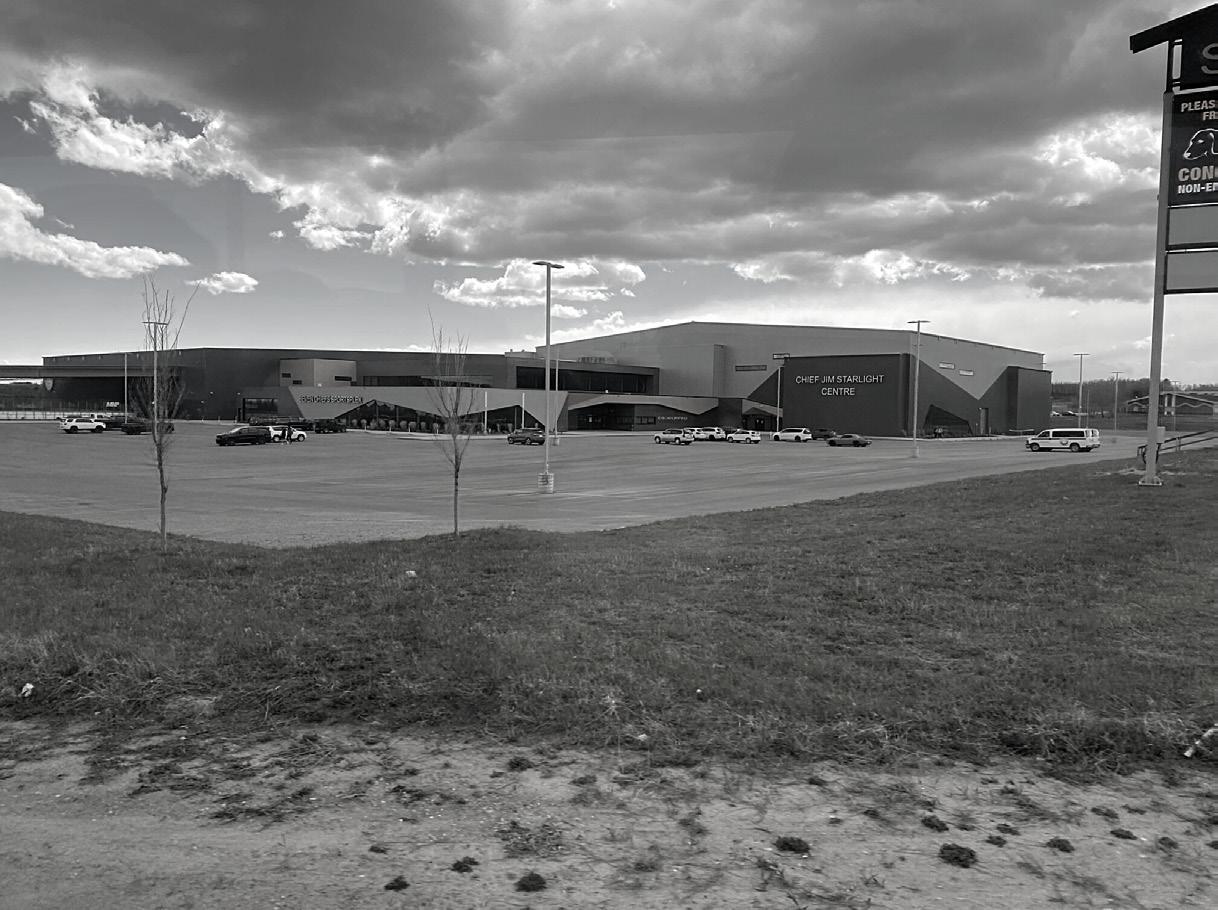
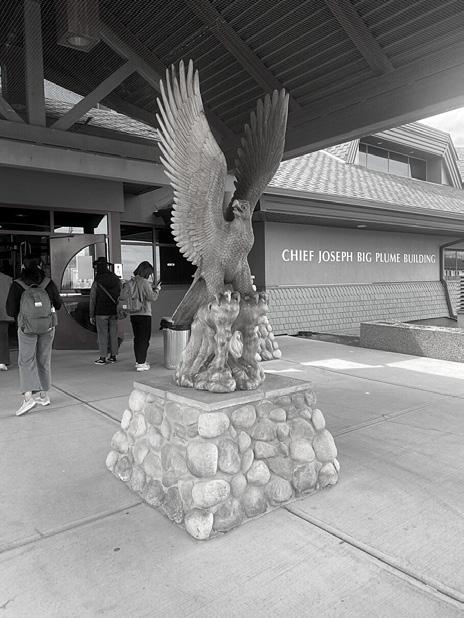
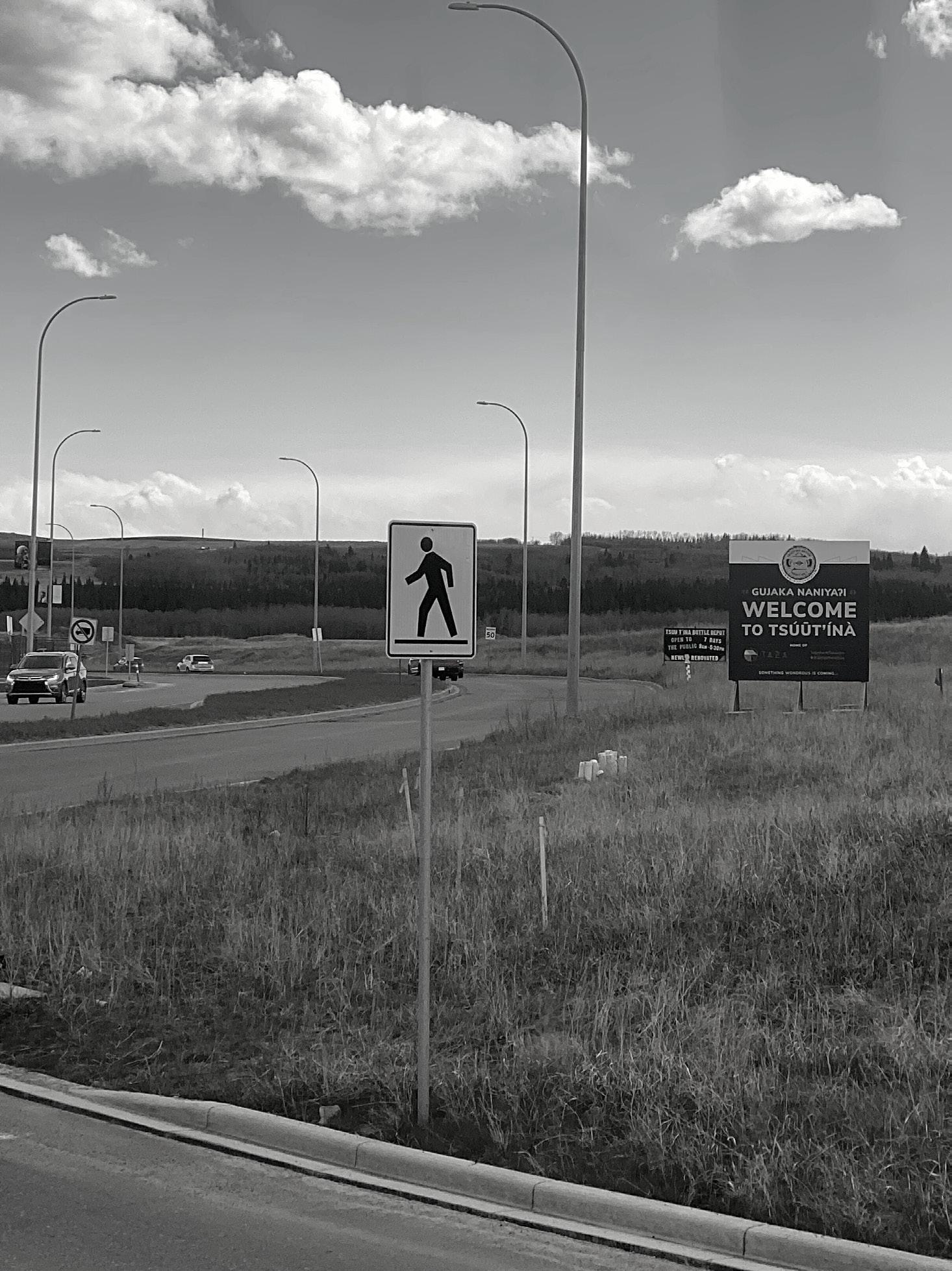
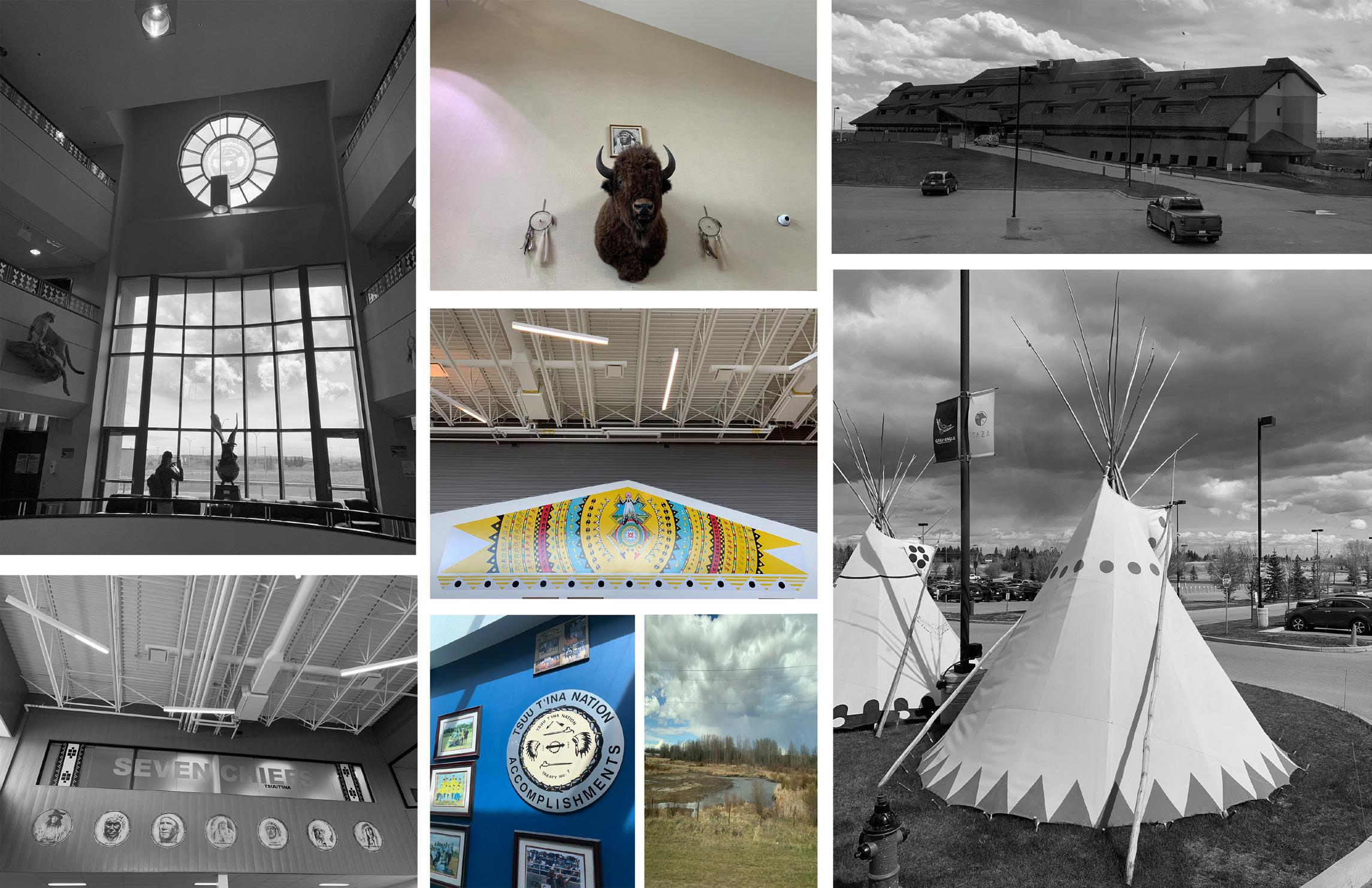
VISIT TO TSUUT’INA NATION
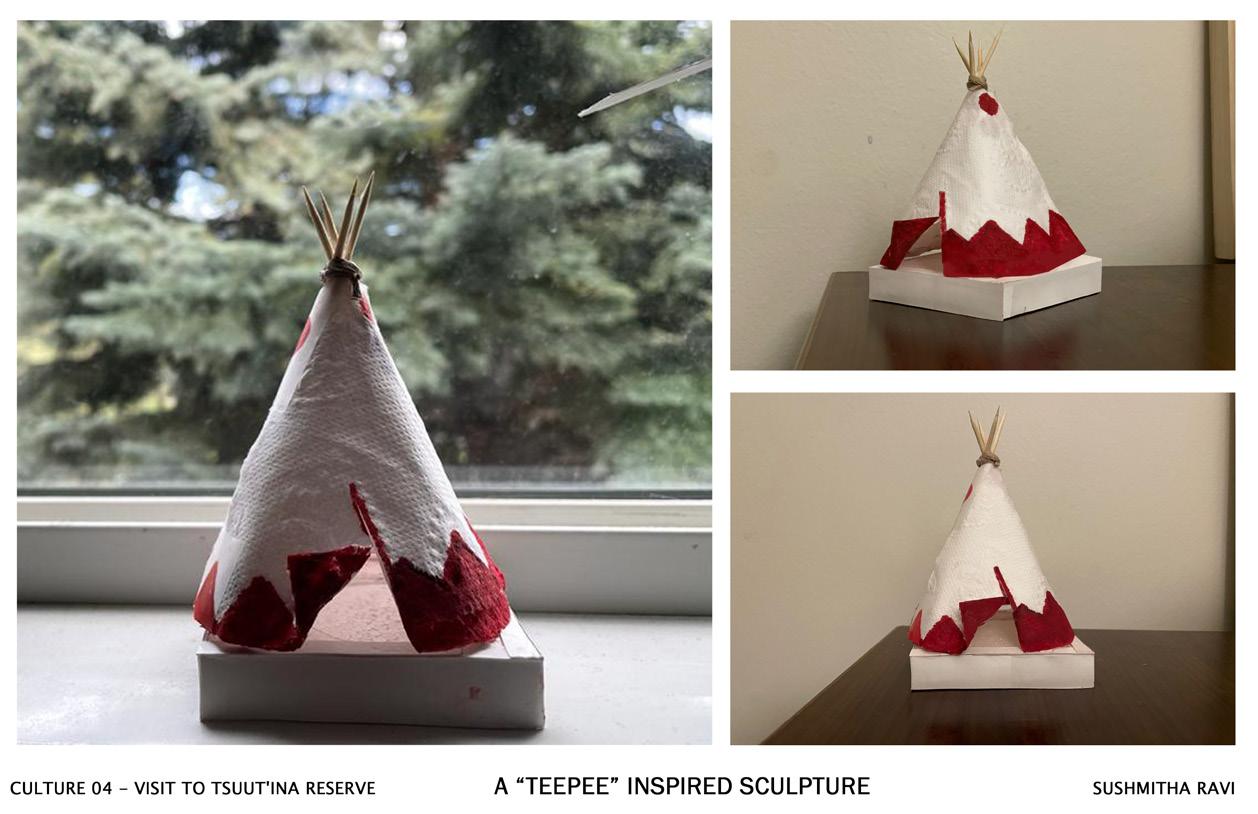
A “Teepee” inspired structure - Sushmita Ravi
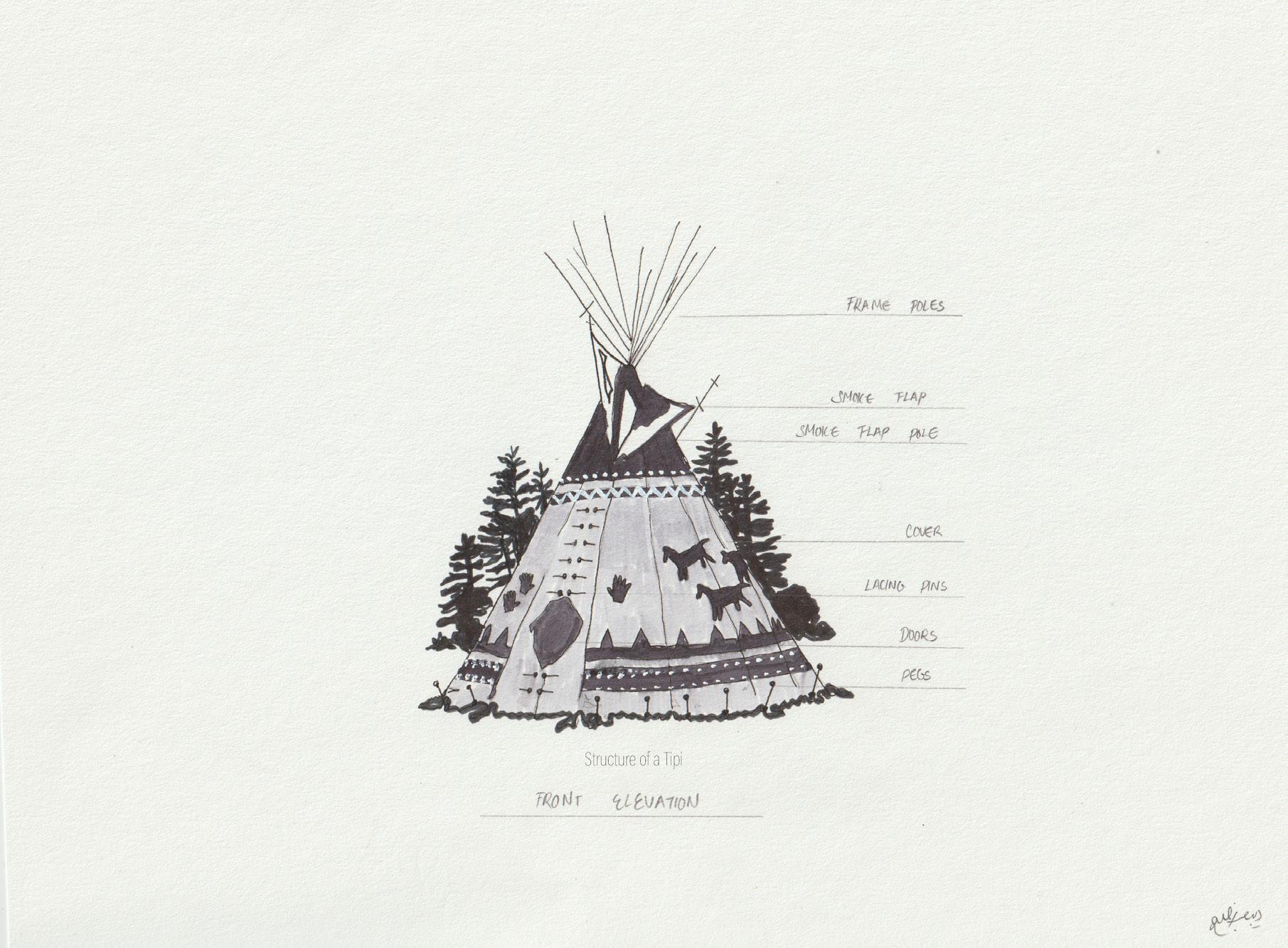

Culture 04 I Ben Dore
Ben Dore
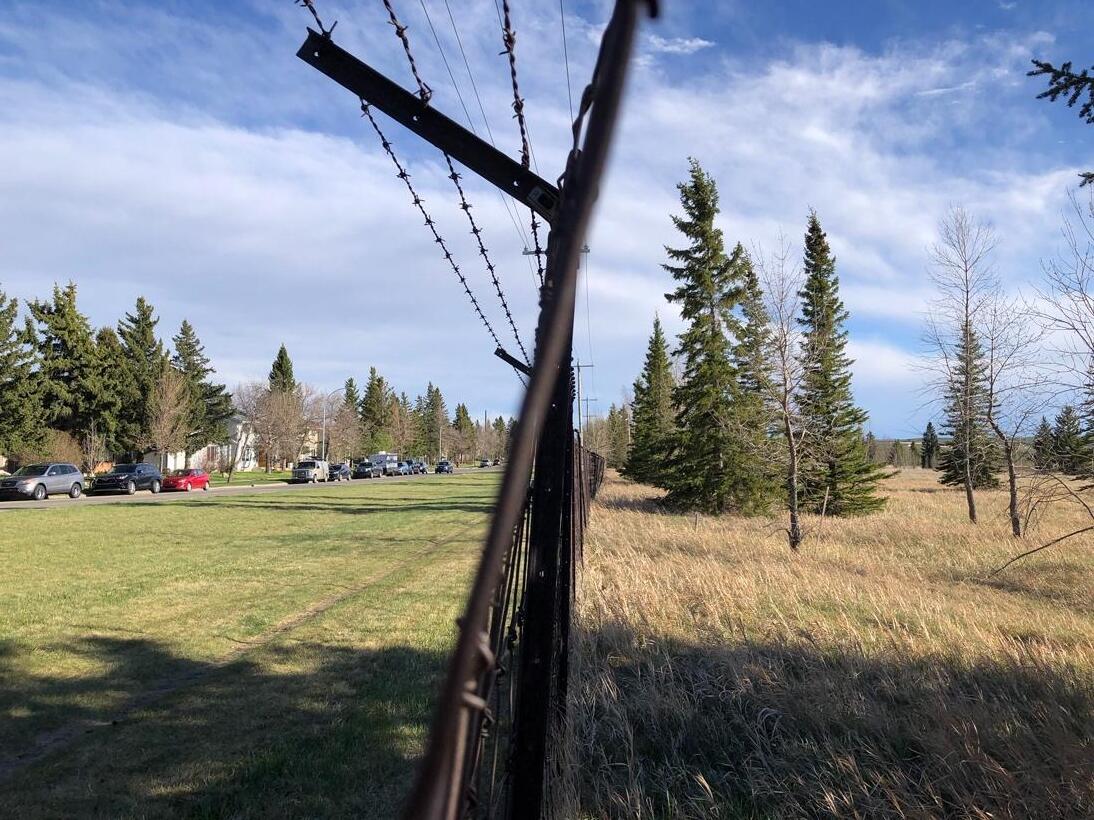
I grew up in (and have since returned to) the community of Lakeview, which is one of the few Calgary communities that shares a direct border with the Tsuut’ina Nation 145 reserve. As one grows up, they slowly expand their horizons of familiar places further and further away from their home (from the household-level to the neighbourhoodlevel to the city-level and so on), although the Tsuut’ina Reserve has always been a significant blank space on my mental map, a place not to be visited, a place about which myself and my peers had only a surface-level knowledge. Being invited onto the reserve for our site visit was extremely fulfilling for me as I was finally able to develop an understanding of a place that has always been so close to my home, yet so far away. At the end of the visit, I decided to get off the coach at the Grey Eagle Casino and make the walk back to my home. For the first time in my life, I was able to experience the transition from Tsuut’ina land into the neighbourhood where I grew up. Prompted by the site visit, I began to criticize the traits of the neighbourhood in which I grew up compared to the First Nations land directly adjacent. I started to notice the bright green and carefully manicured lawns of Lakeview compared to the wild grasses and natural landscape of the Tsuut’ina reserve. The Europeanintroduced tree species compared to stands of aspen trees. Open spaces compared to car-heavy, enclosed streets. Diverse wildlife compared to domesticated pets. It was only when I was prompted to see the direct contrast of a different world that was so close to my home that I started to really form an understanding of what exists beyond the periphery of settler colonial spaces. A land that is respected and far less altered, rearranged and destructed. This is not to glamorize First Nations reserves in Canada seeing as the social conditions on reserves tend to reflect the historical neglect towards people of Indigenous ancestry (nor should the seizing of land and colonialism have occurred in the first place), but my observations and the transition while walking from the Tsuut’ina reserve to the neighbourhood in which I grew up was a very strong reminder of the land on which I stood. The barbed wire fence in this photo represents the barrier that has both physically and symbolically kept me separated from the journey towards decolonization.
“Its our turn to take care of the bu alo”











“It’s our turn to take care of the buffalo” - Shannon Giesbrecht
Samuel Bowerman
The Boundary - Colin Lees
PARTICIPATION IN A SWEAT LODGE
SINGERS & CEREMONY SUPPORTERS
Anson Eagletail
Cherokee Easgletail
Tristan Eagletail
Ilias Manymoon
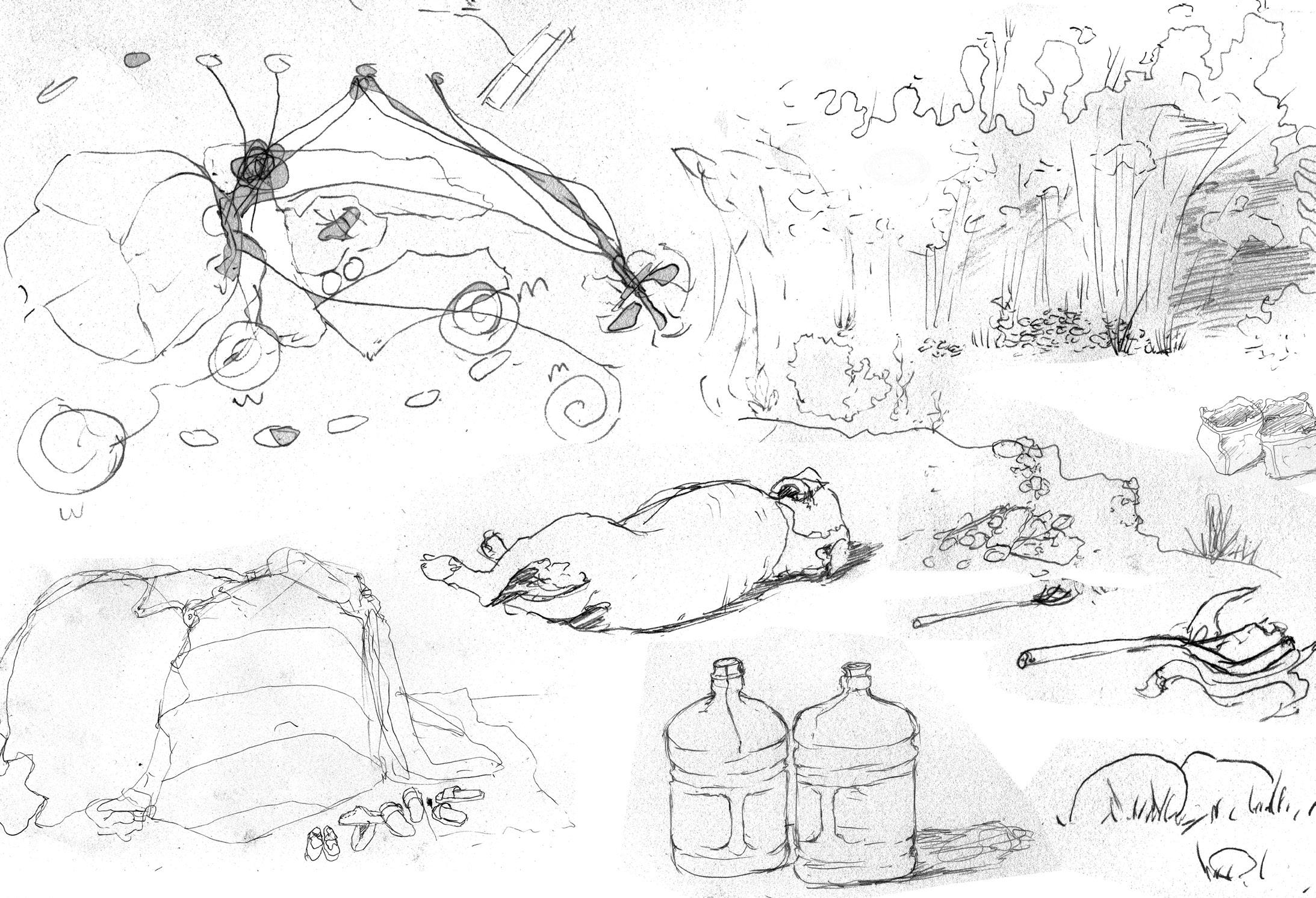
The Sweat Lodge - Erin Schwab
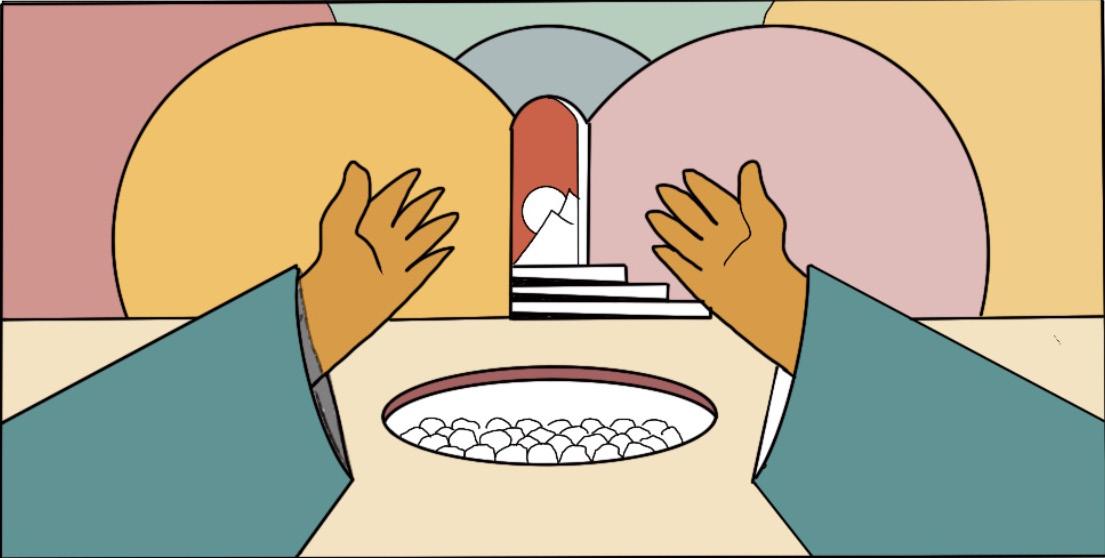
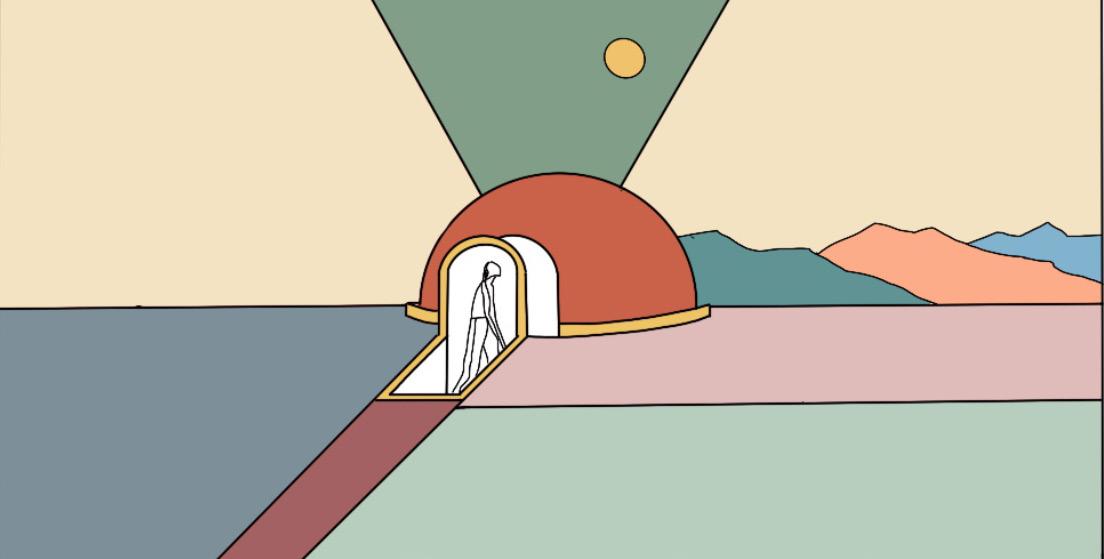
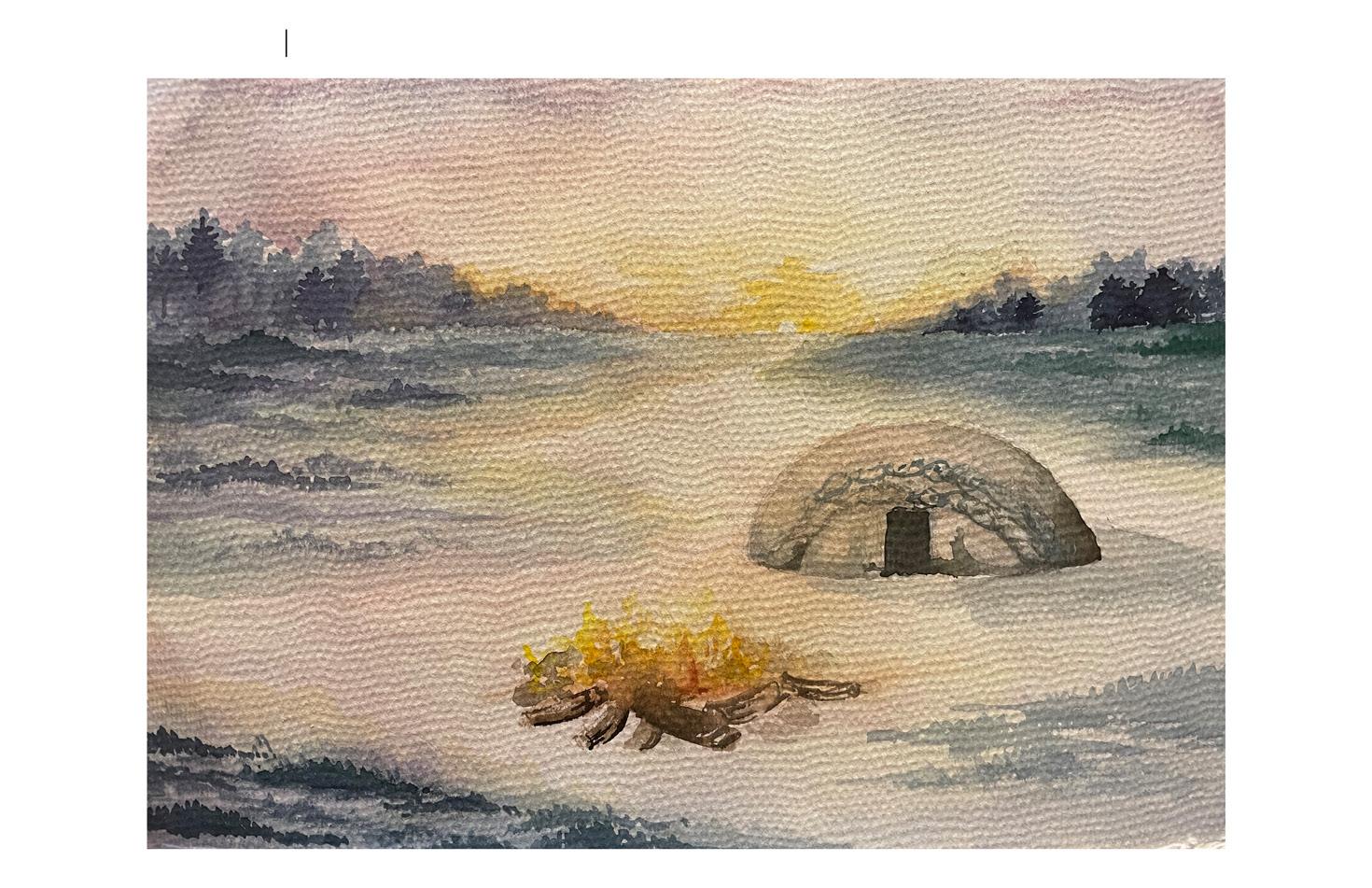

Sweat Lodge - Vy Vu
Colin Lees
Mona Meschi
Simran Chowdhary
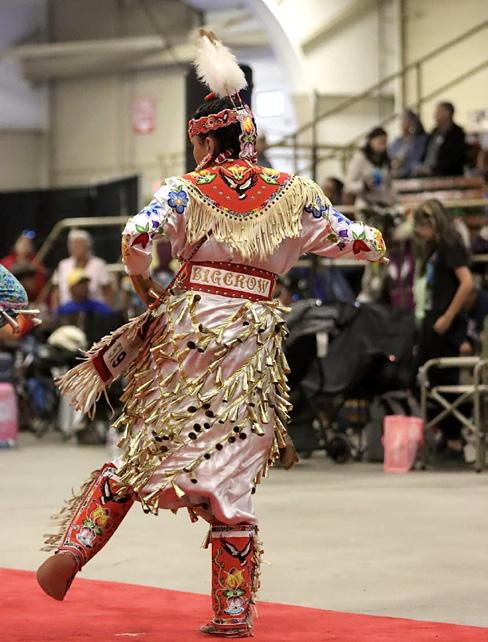
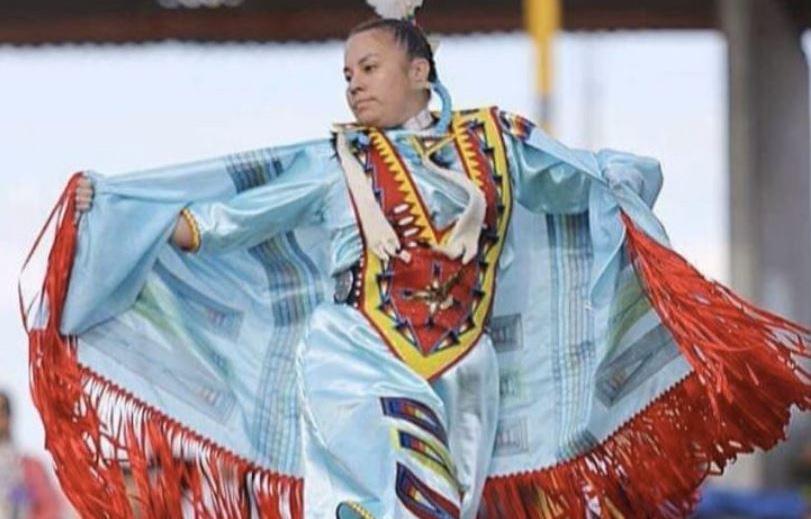
TRADITIONAL DANCE & SONG
CHICKEN DANCE - Anson Eagletail
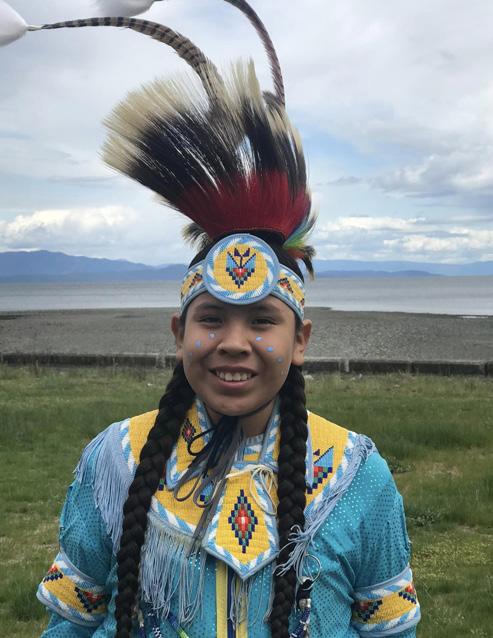
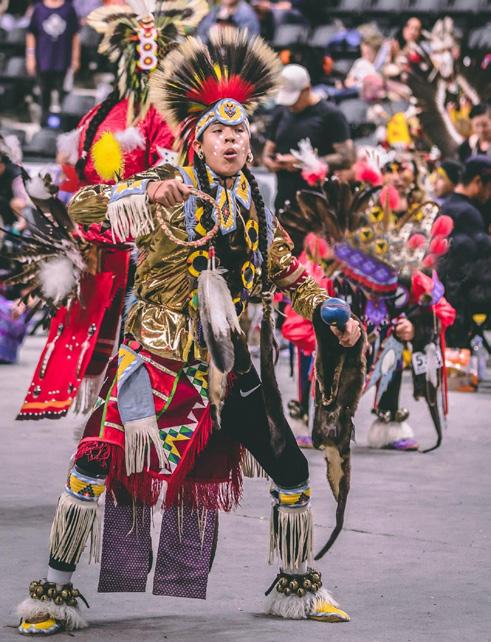
JINGLE DRESS DANCE - Natayja Big Crow
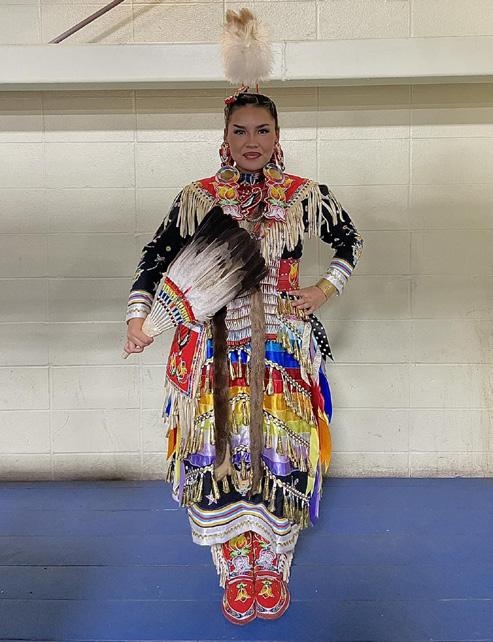
FANCY SHAWL DANCE - Sarah Milward
SINGER / DRUM - Tristan Eagletail
SINGER / DRUM - Junior Waskawitch
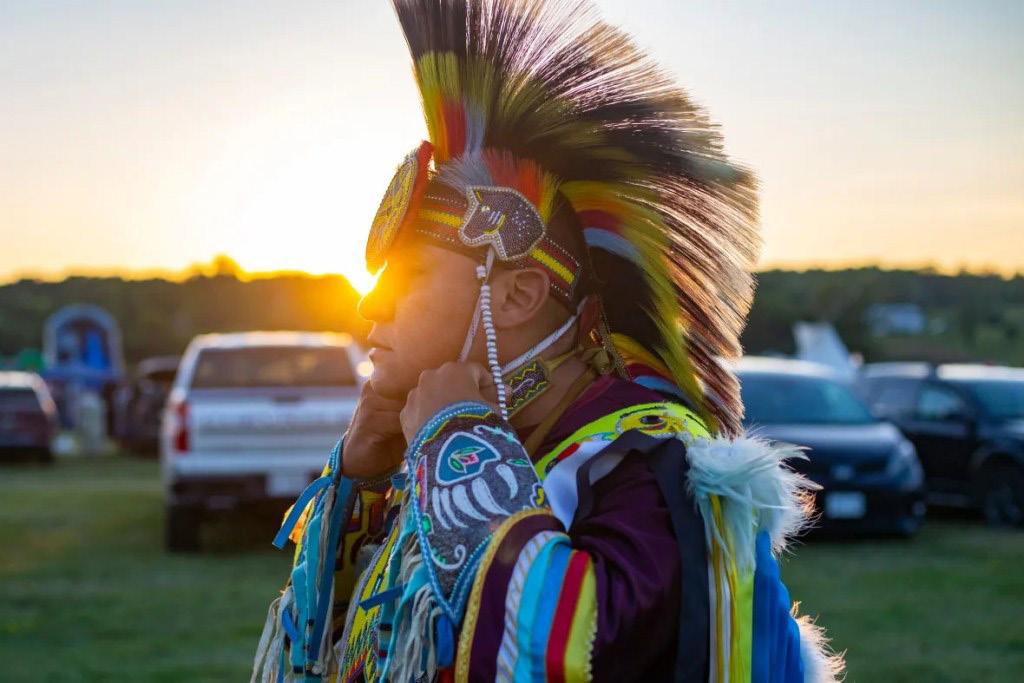

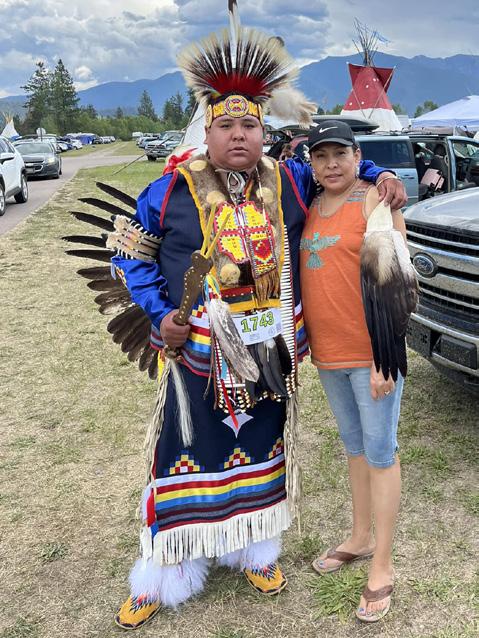
A feather is a symbol within native culture that signifies honor and connection between the owner, the Creator and the bird the feathers come from. The headresses worn during ceremonies and dances have feathers attached to them. These are typically from a fallen bird that is native to the local area of the tribe making the headress. A part of the dress worn for dances are bells which are often fastened to sheep skin and then tied to the ankle. Bells create a grand entrance for the dancer and help keep the rhythm with the beat of the music.


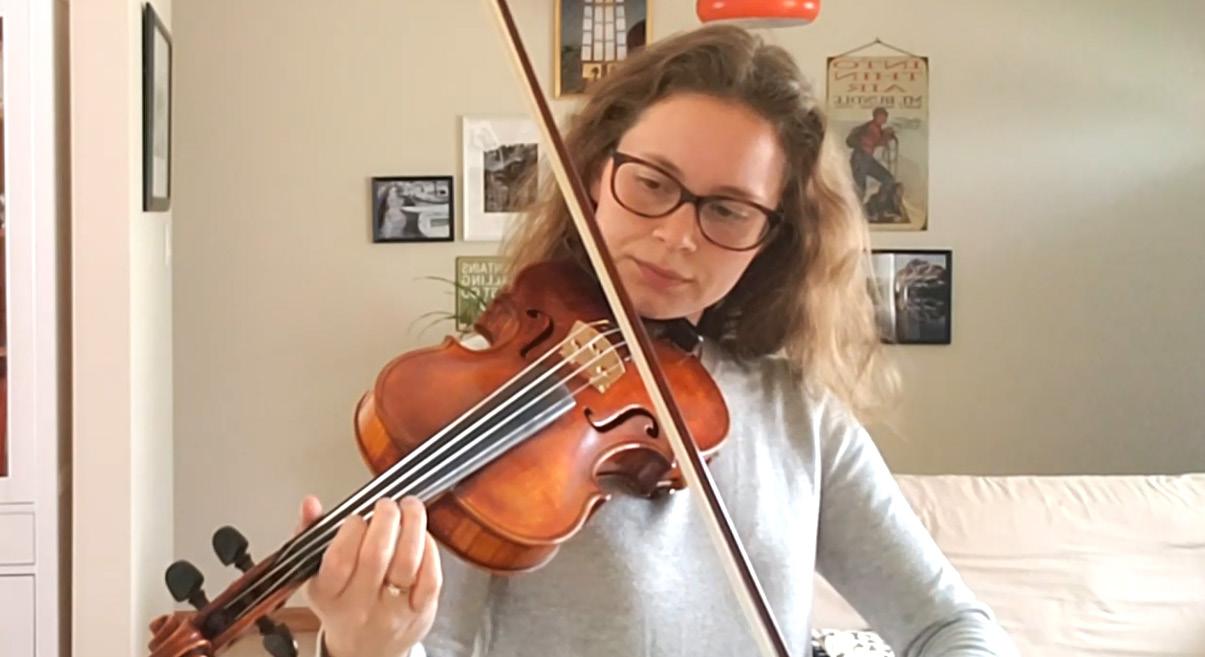
Metis fiddling for dancing -
Xiren Zhang
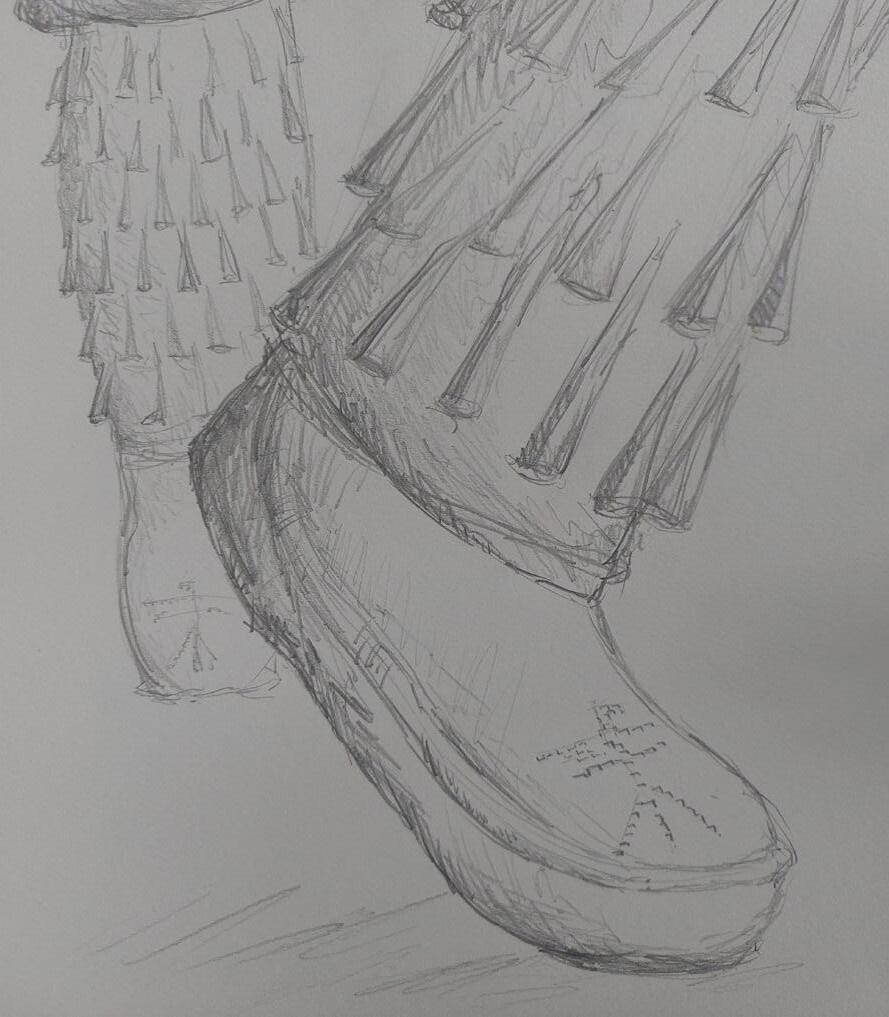
Chicken dance - Madiha Mehdi
Devin Legisa
Talia Mimura
Samuel Bowerman
CONNECTION TO ONE’S CULTURE
In the Iranian handicrafts, your eyes will stare at Kilim Irani with long but soft villi, suitable and even thick underlayment to protect it from the cold. Also, it should be said that the image woven on the Iranian Kilim in the past showed signs of ethnic customs.
The Iranian kilim continues to be present in the regions, according to the traditions, culture, and identity of each weaving ethnicity. The weavers, under the influence of natural landscapes, present their art.
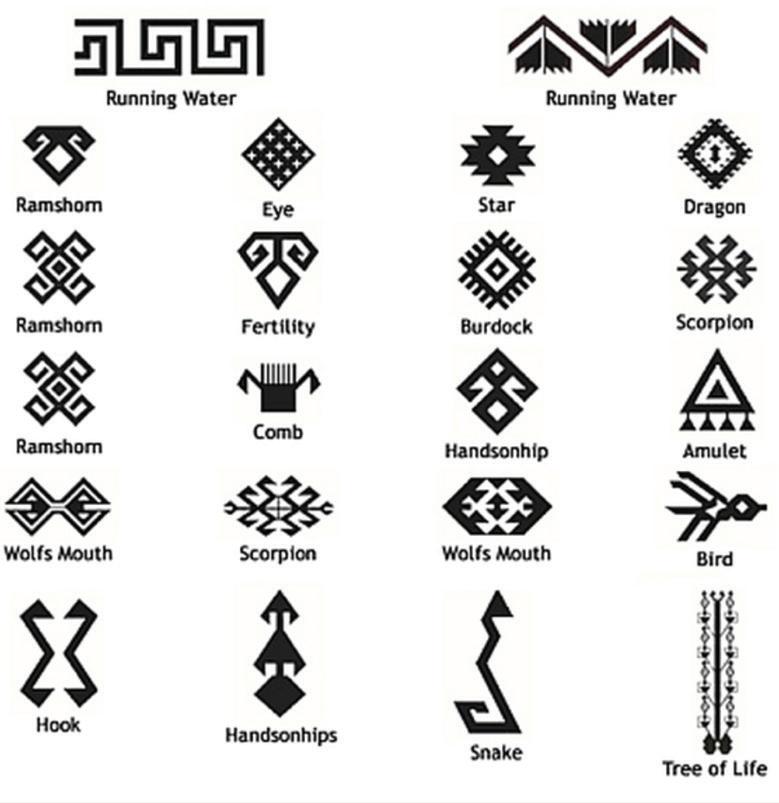
https://m.yilongcarpet.com/2018/12/10/symbols-in-persian-rugs/
https://reiseniran-de.translate.goog/fa/%DA%AF%D9%84%DB%8C %D9%85-%D8%A7%DB%8C%D8%B1%D8%A7%D9%86%DB%8C /?_x_tr_sl=fa&_x_tr_tl=en&_x_tr_hl=en&_x_tr_pto=sc
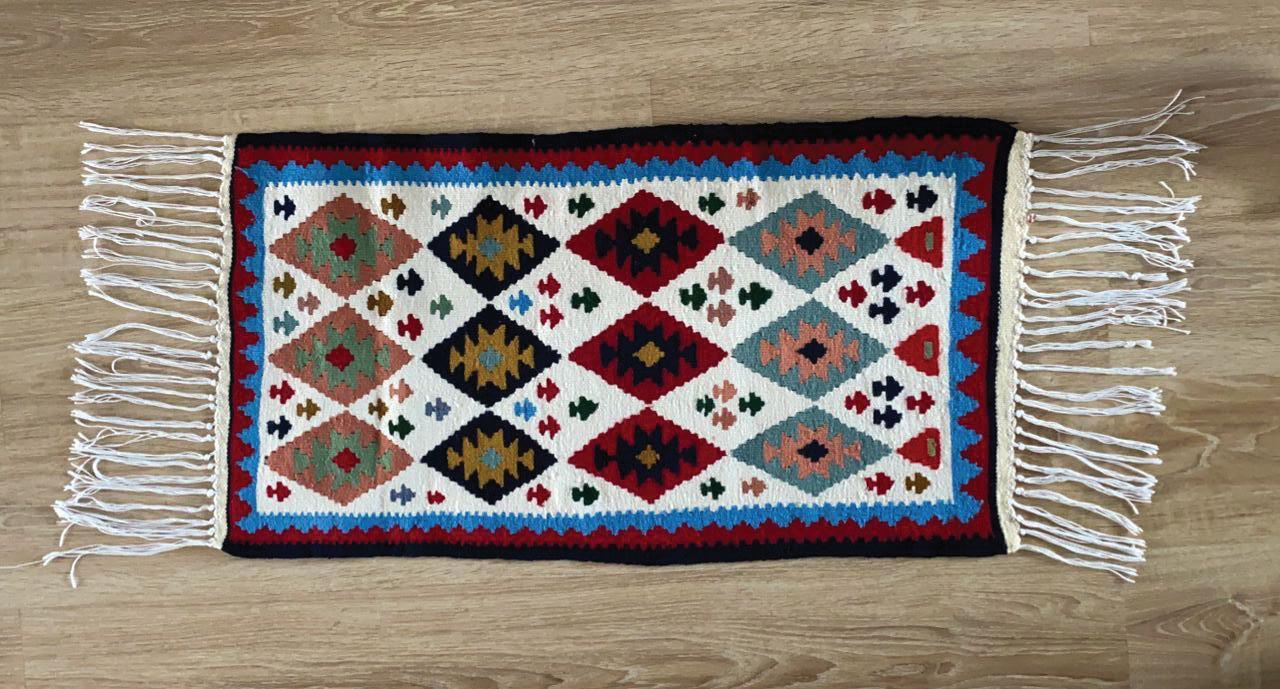
Iranian kilim
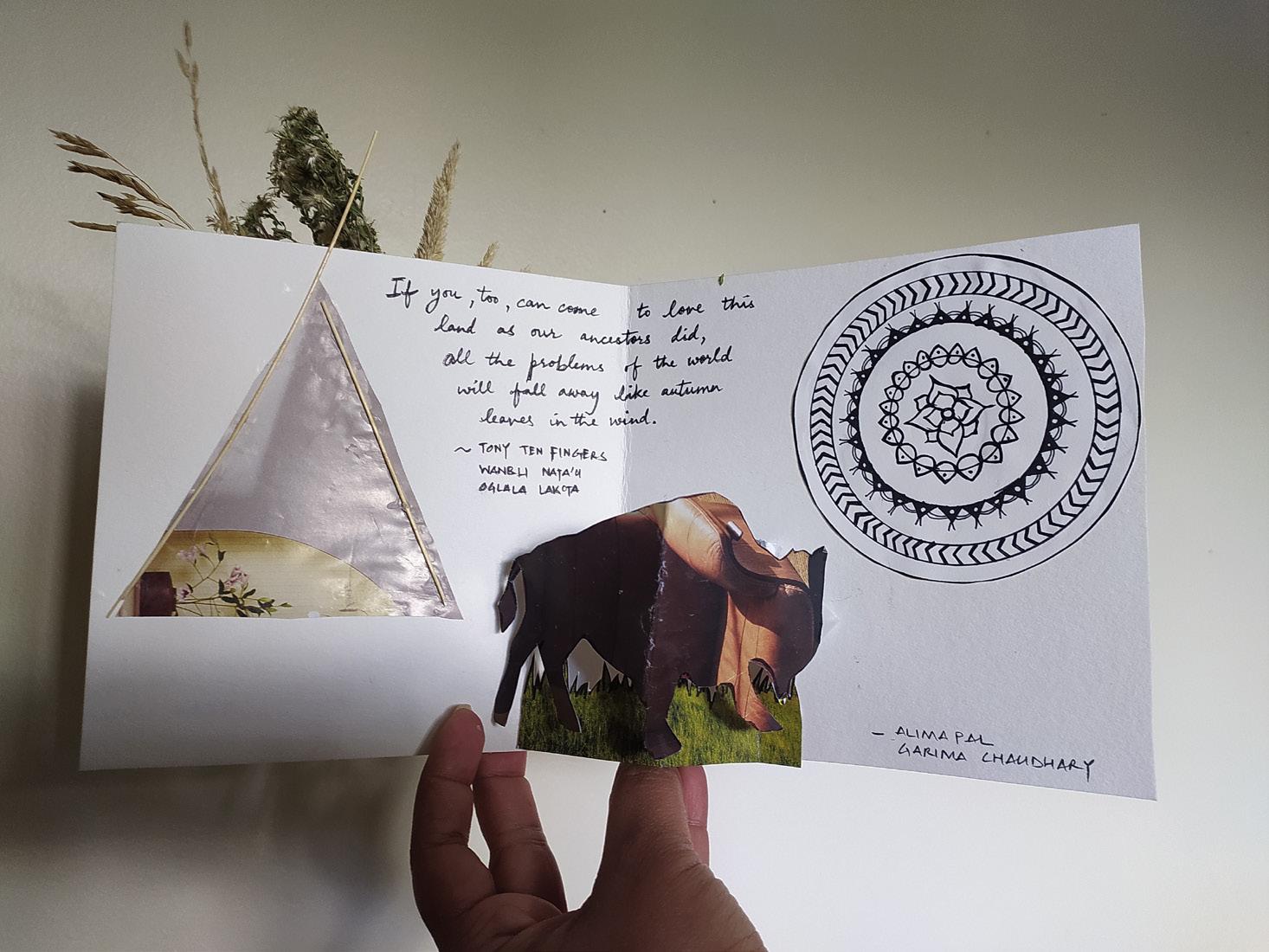
Alima Pal
Iranian Kilm - Shabnam Seifhamedan
Storyboarding
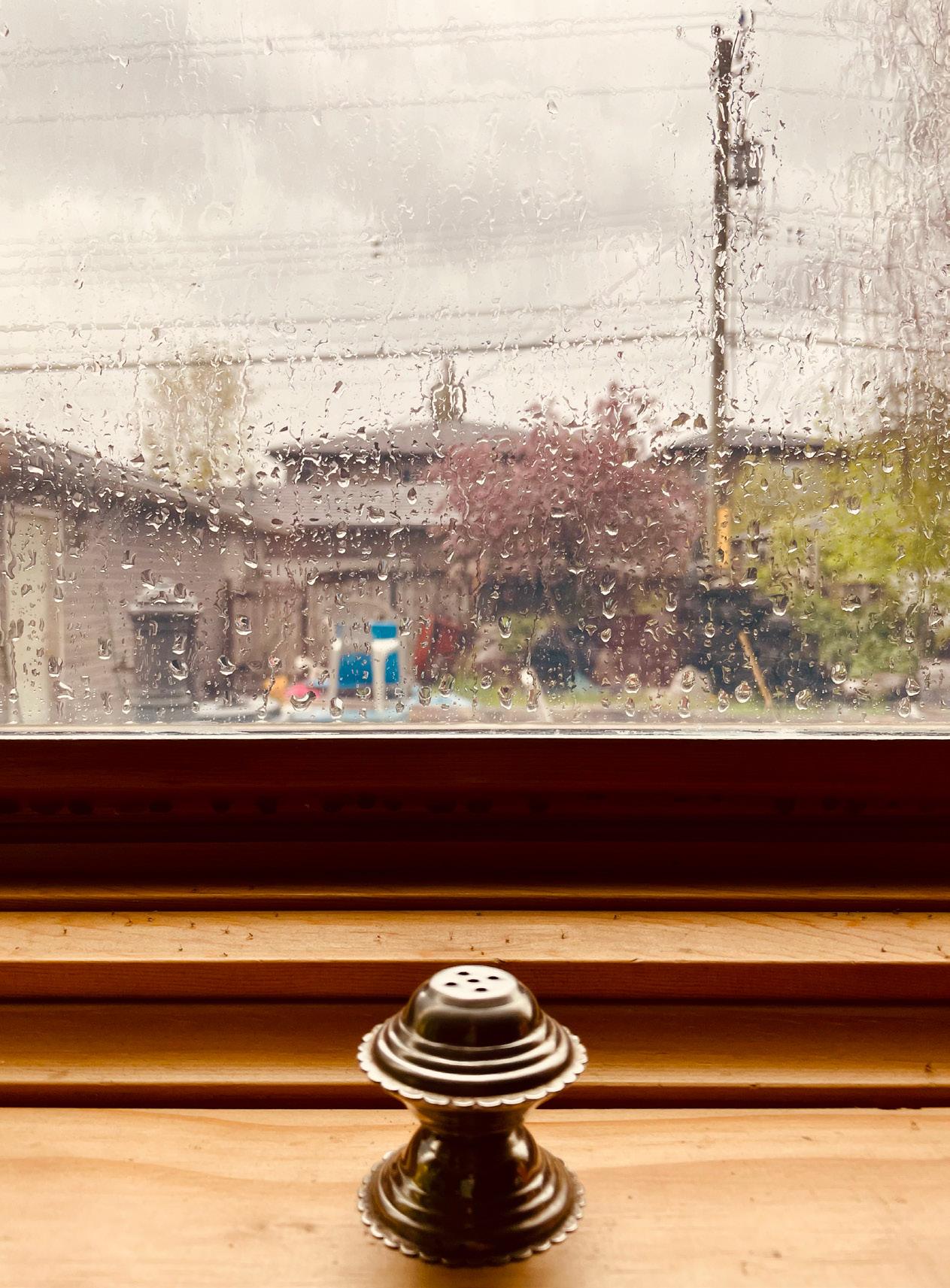
The Container (A cast iron tray)
The Container (A cast iron tray)

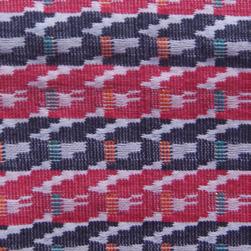
DHAKA PATTERNS
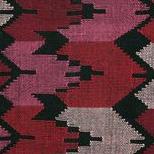


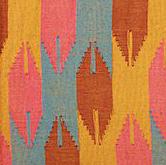
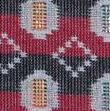
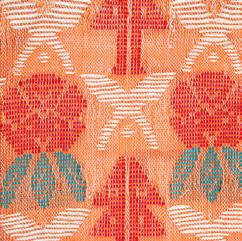
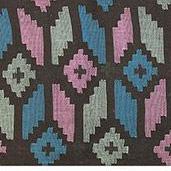
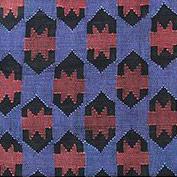
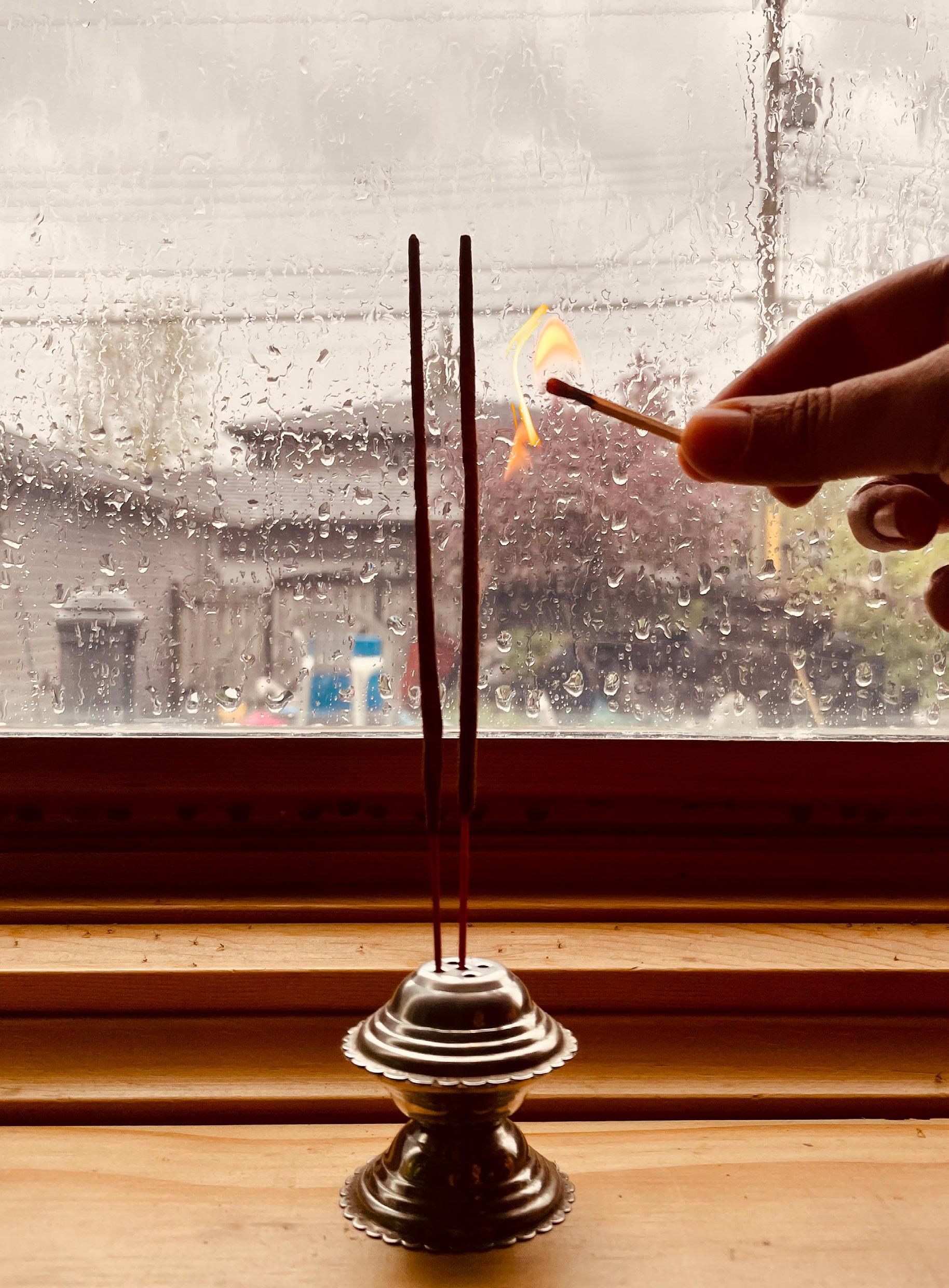
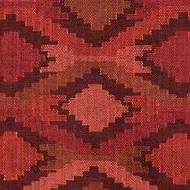
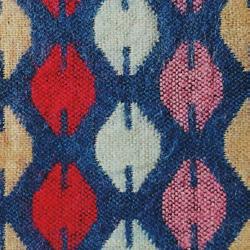
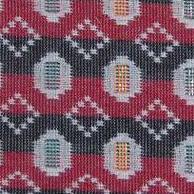
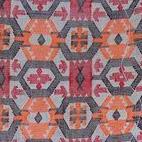

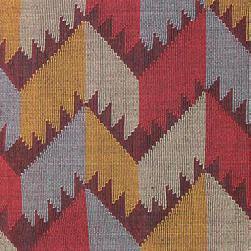

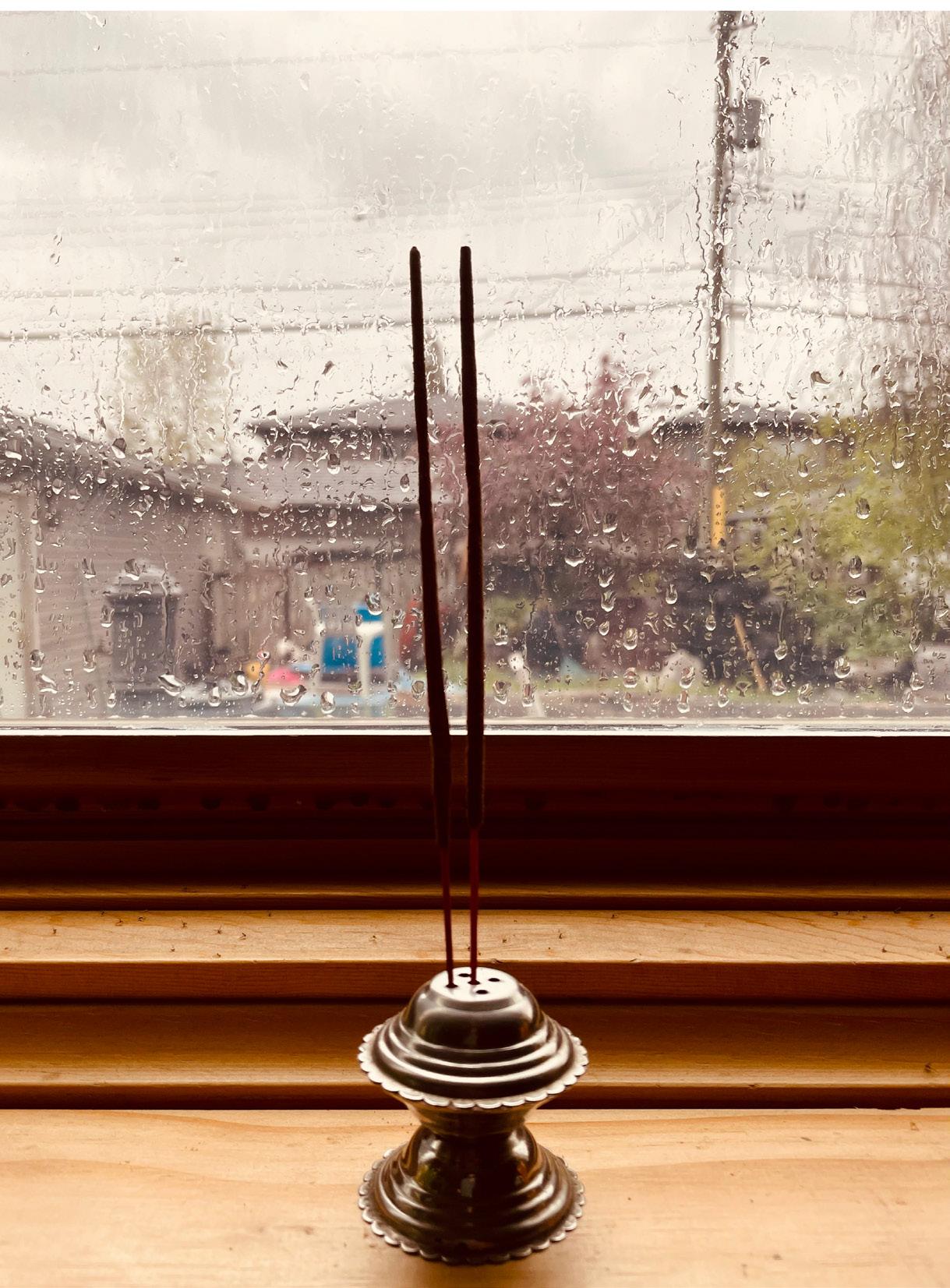
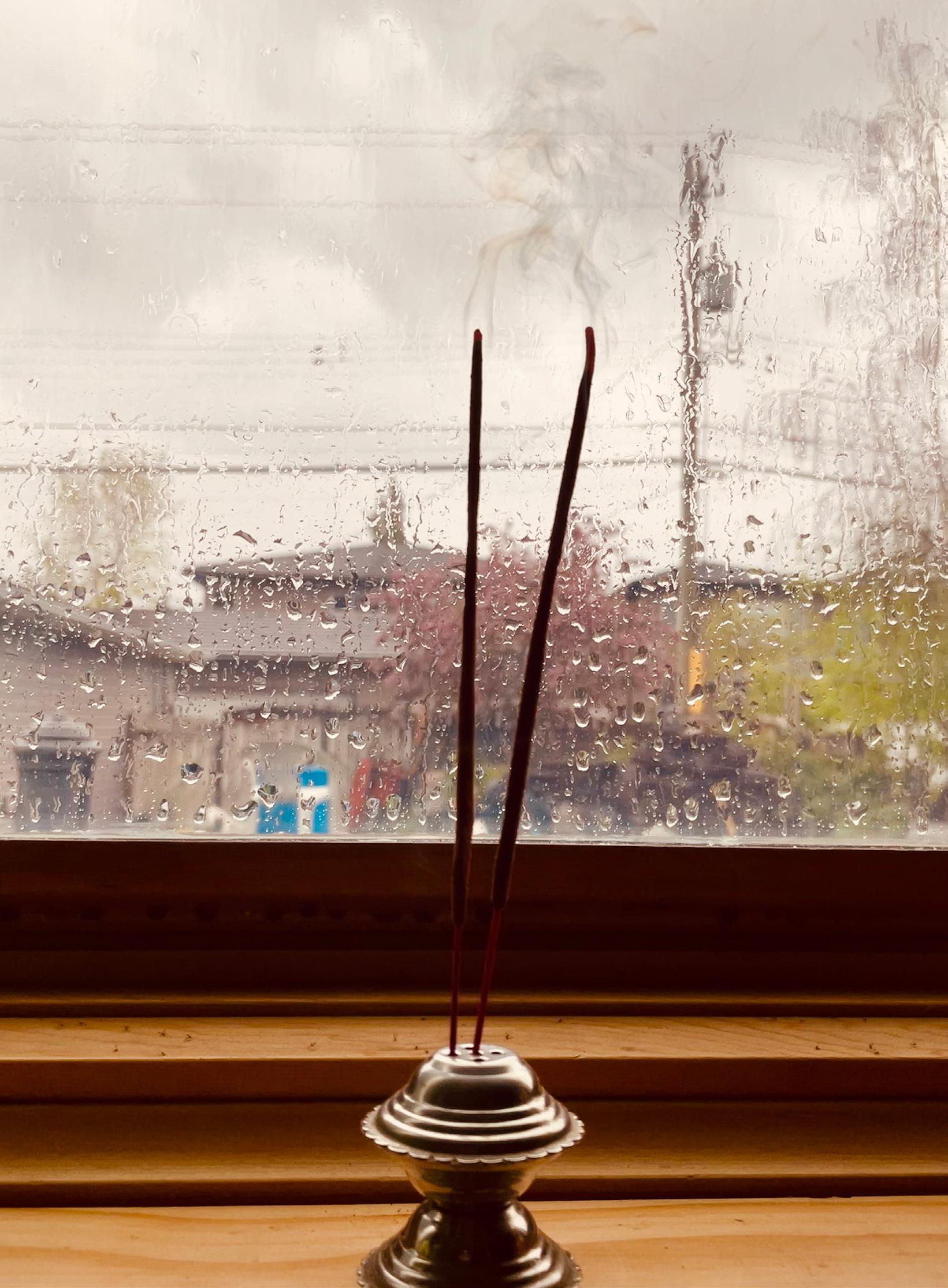
The Patterns of Smoke
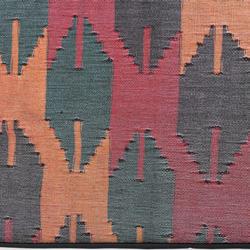
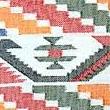
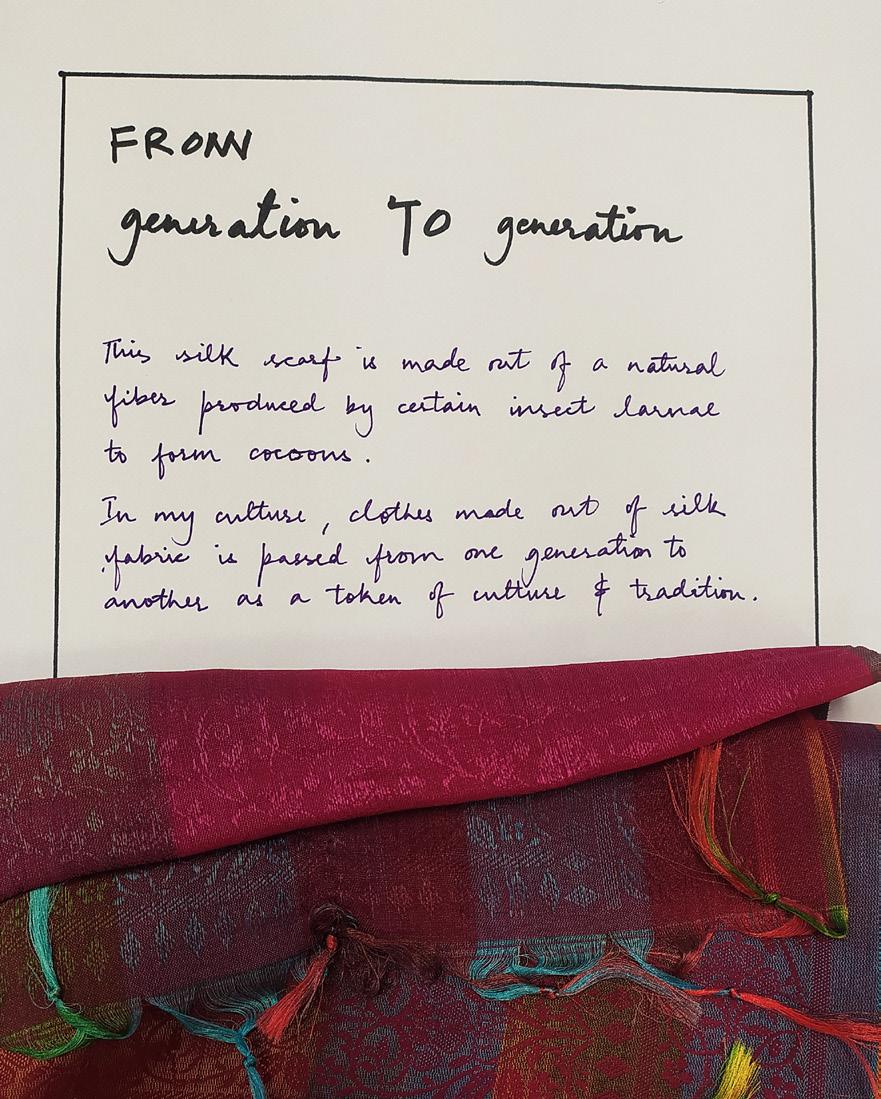
is a Patterned Textile that symbolises Nepalese Culture and Tradition. It is said that no two fabrics are identical: each has its own individual pattern, reflecting the creativity and skill of the weaver.

DHAKA is a patterned textile that symbolises Nepalese culture and tradition. It is said that no two fabrics are identical: each has its own individual pattern, reflecting the creativity and skill of the weaver.
- 8
DHAKA
CULTURE
PALLAVI SINGH
Erin Schwab
Dhaka Patterns - Pallavi Singh
CONNECTION TO ONE’S CULTURE
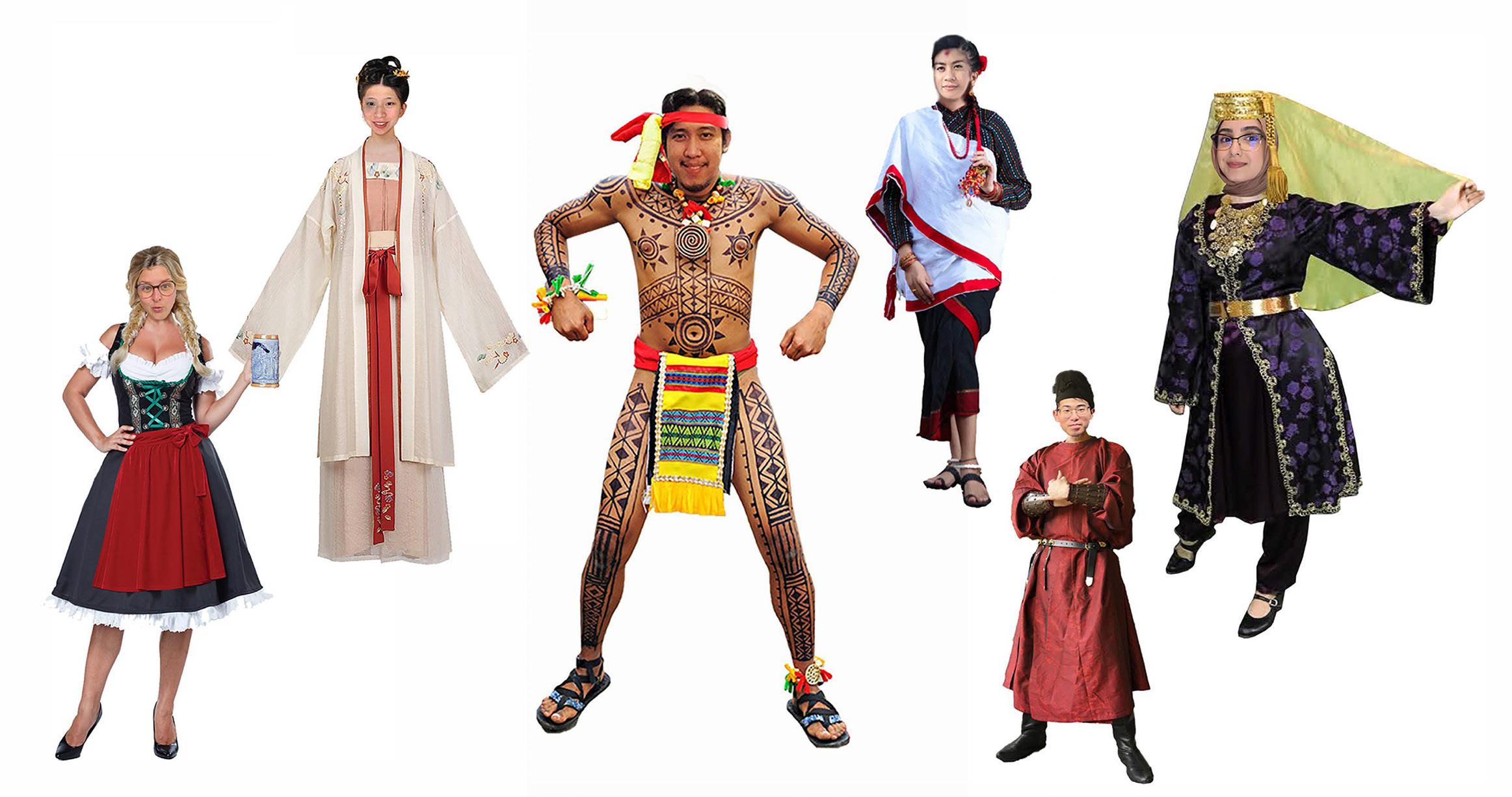
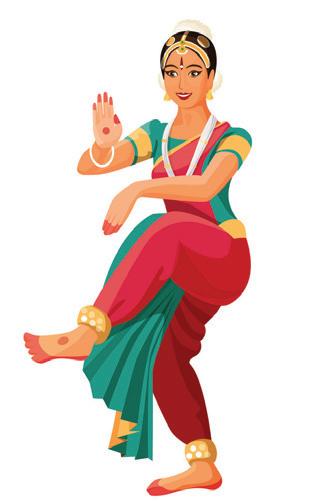
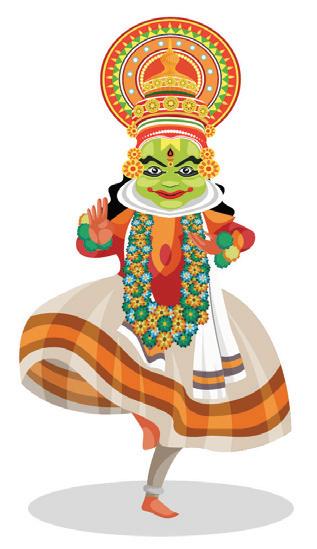
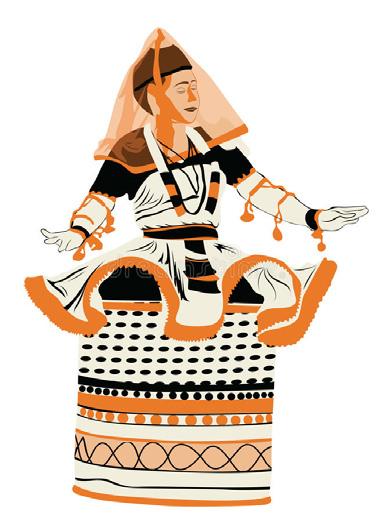
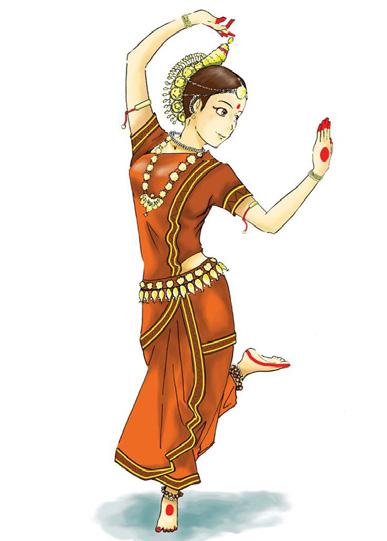
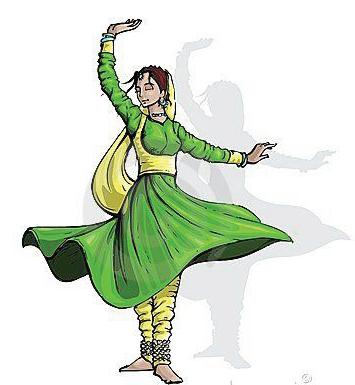
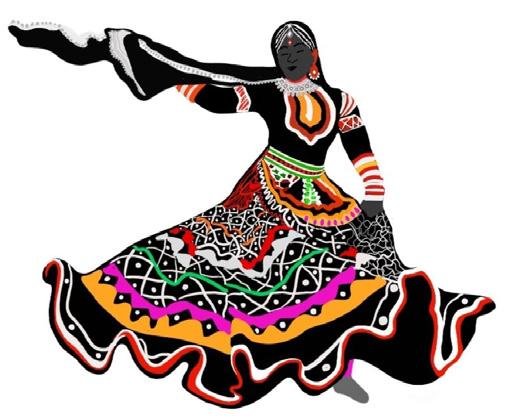
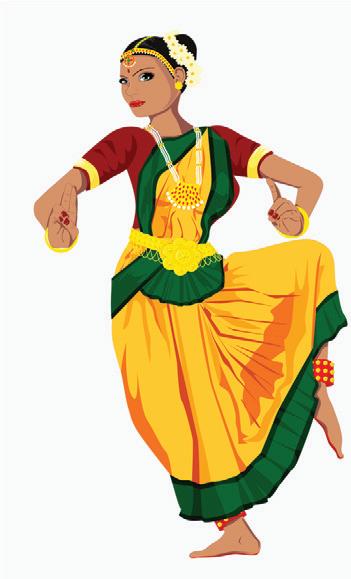
DANCE FORMS OF INDIA
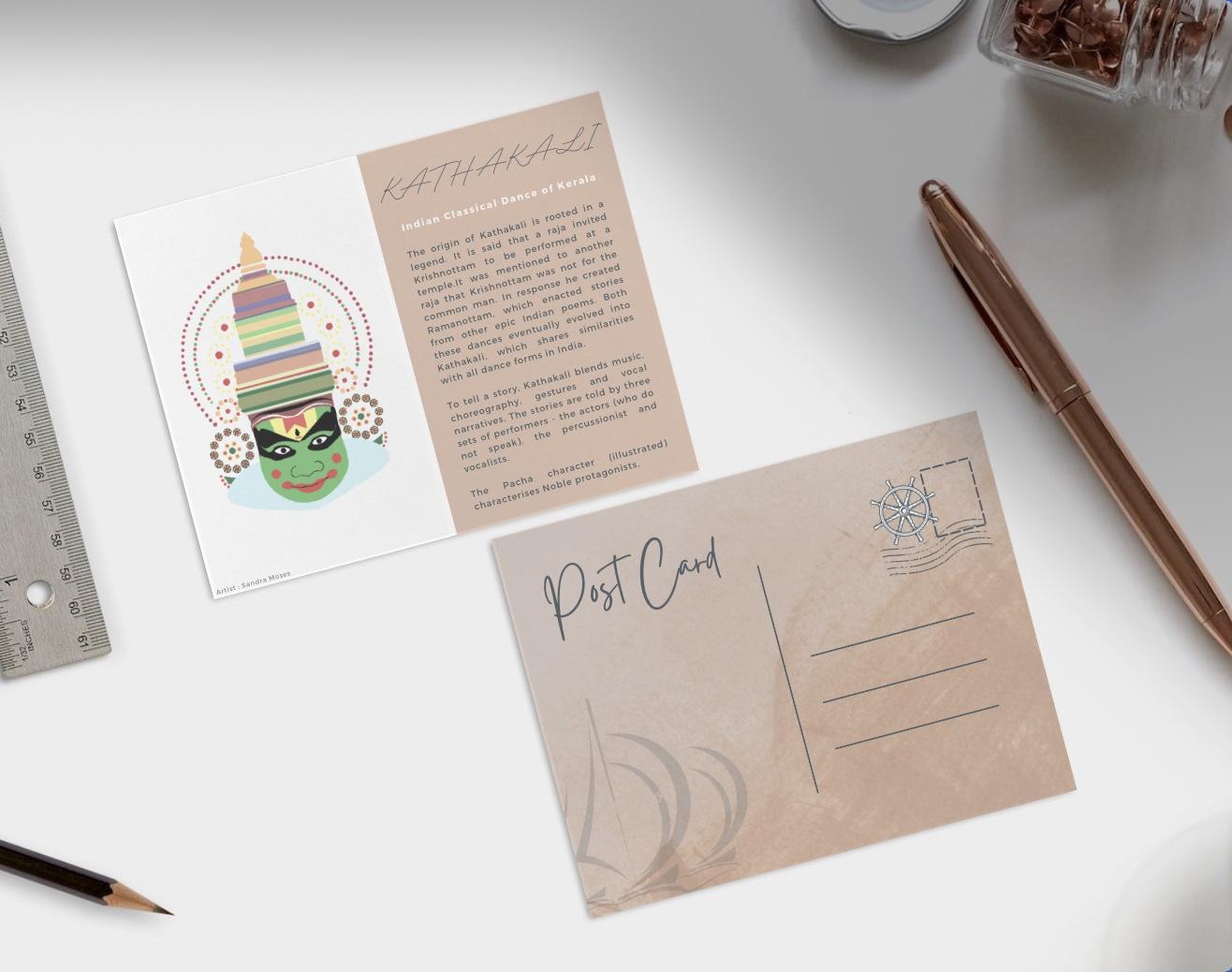
Our Roots - Erin Schwab, Rimin Chen, Feiyuan Lin, Pallavi Singh, Renz Mendez & Nada Attan
Indian Classical Dance of Kerala - Sandra Moses
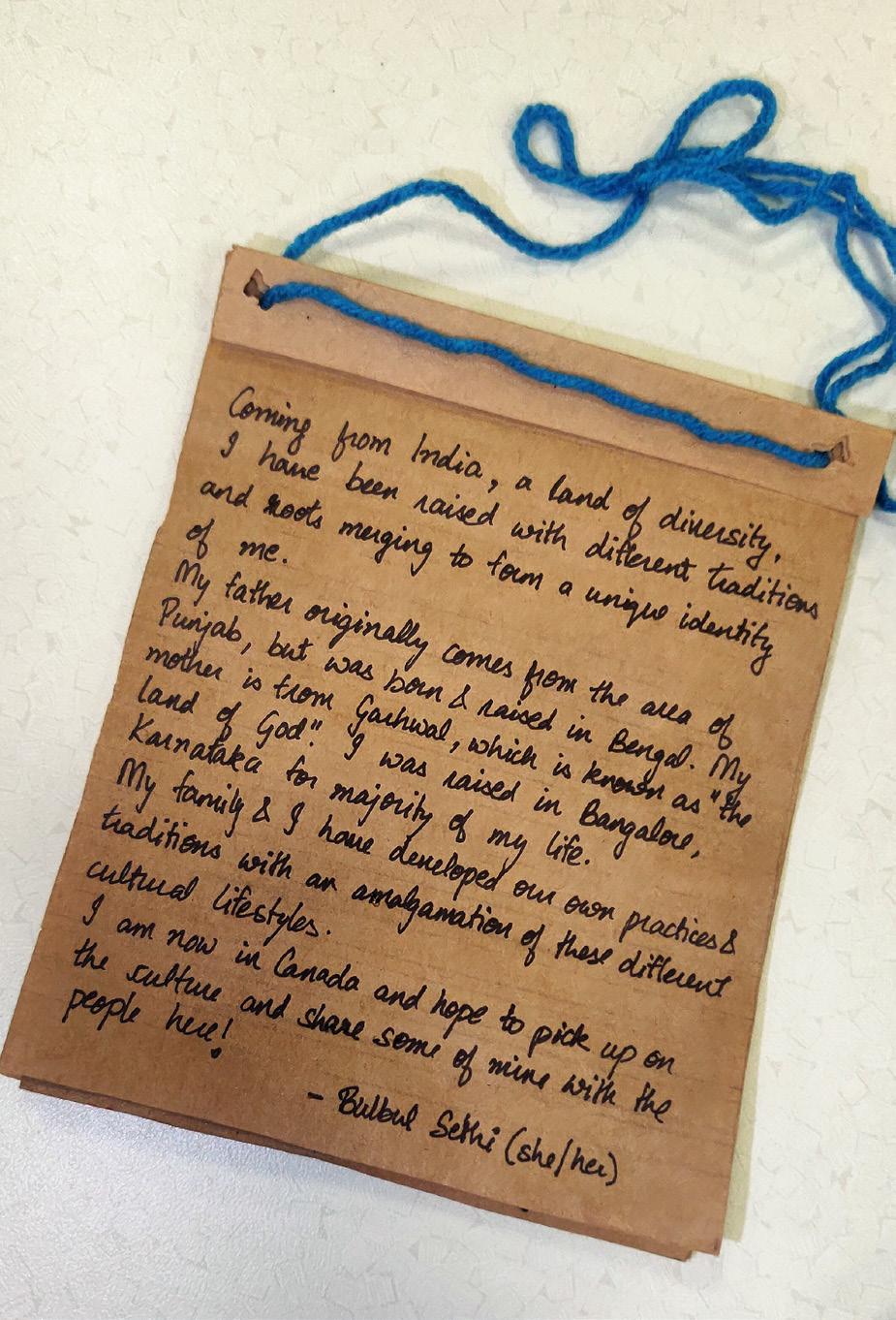
Dance forms of India - Bulbul Sethi
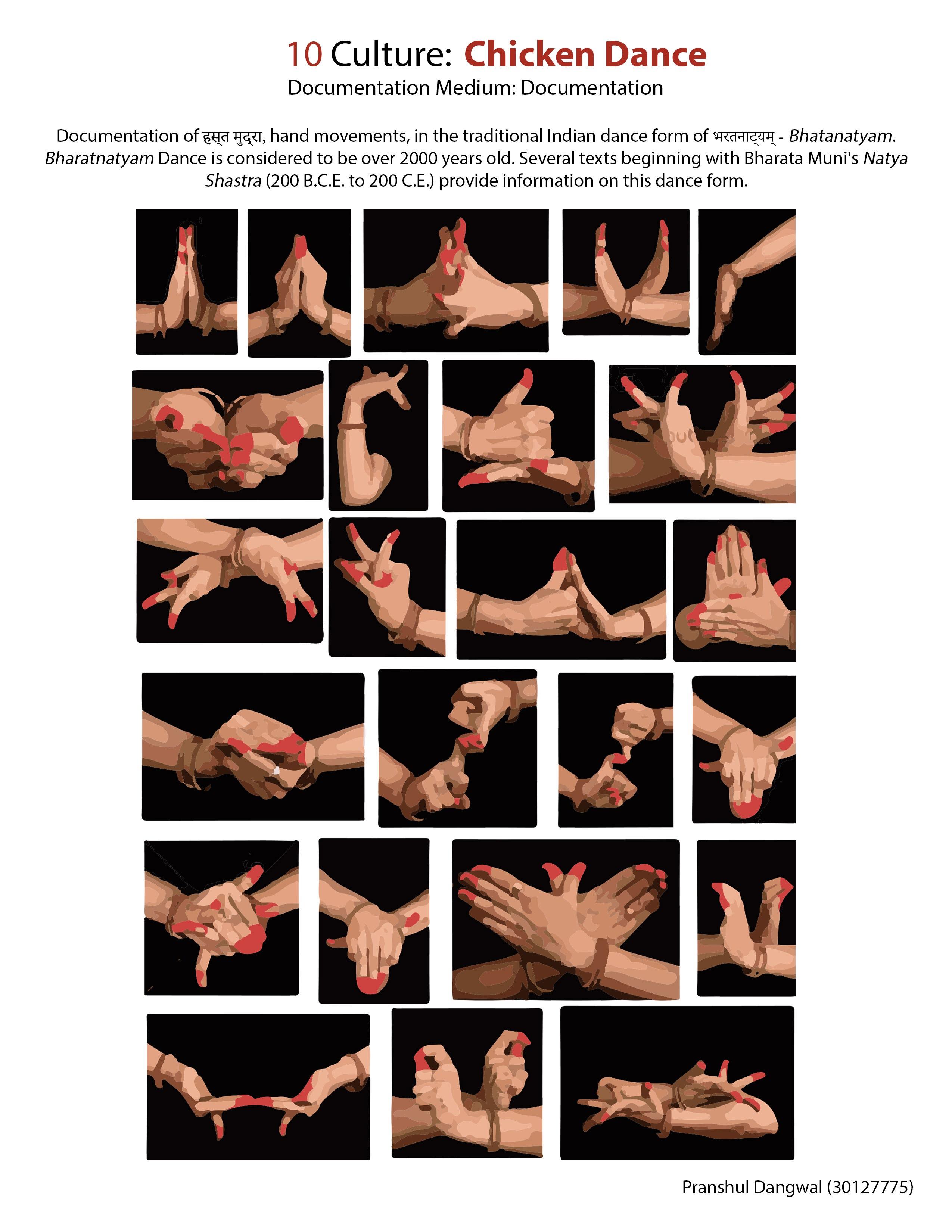
Documentation of hand movements in traditional Indian dance form - Pranshul Dangwal
CONNECTION TO ONE’S CULTURE
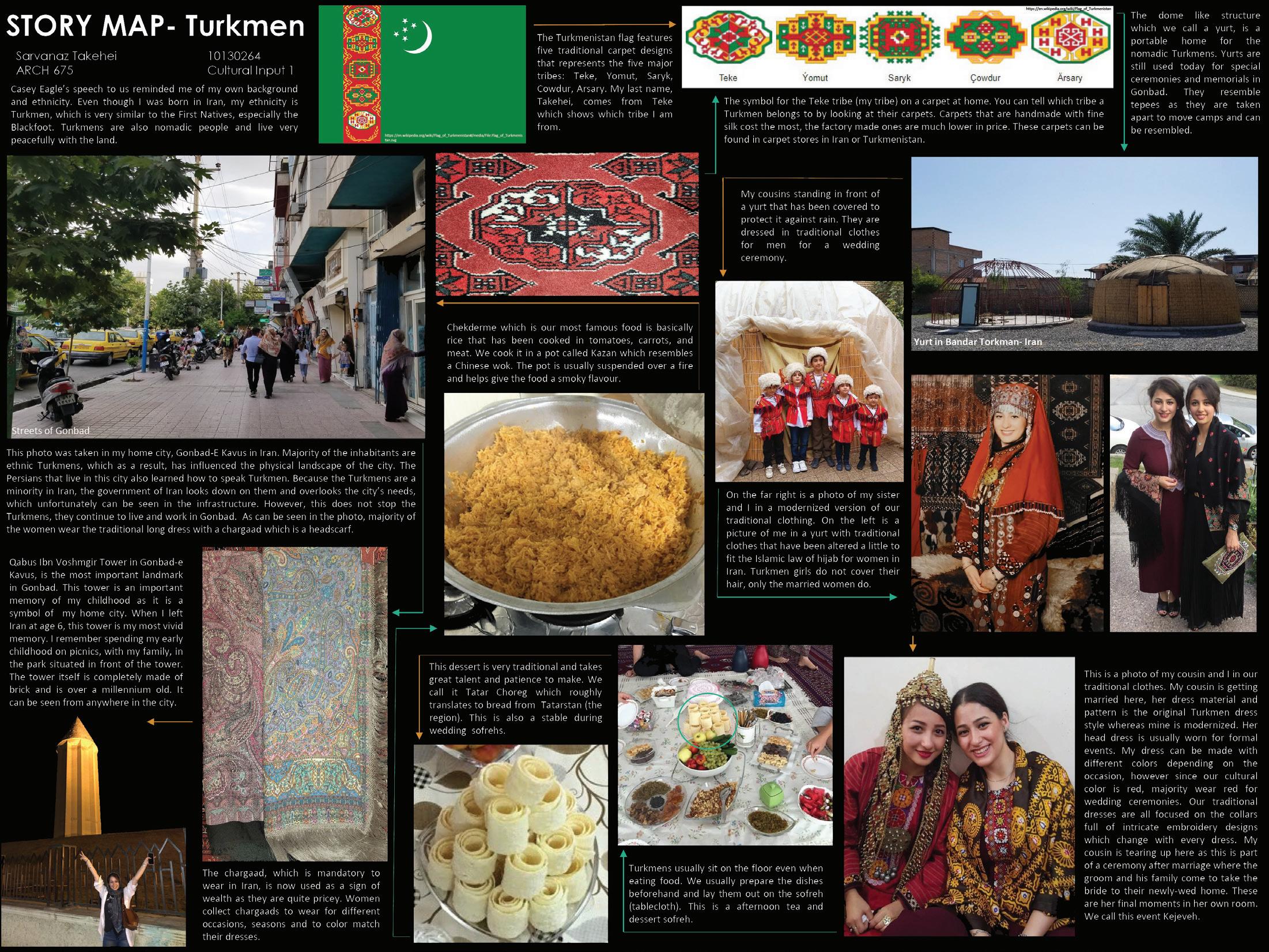



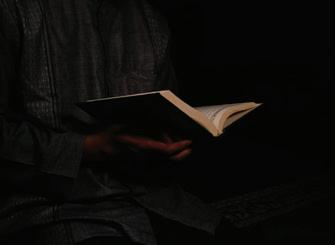
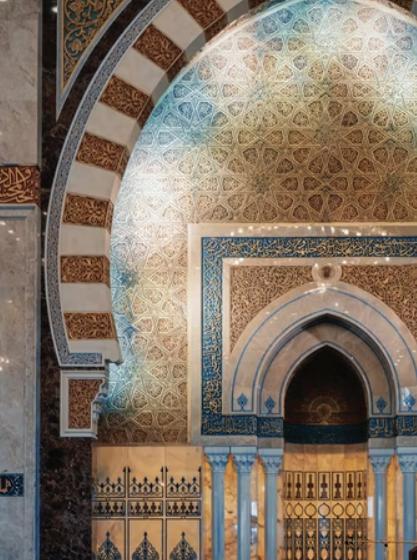


Elements of Faith - Nada Attan
Sarvanaz Takehei
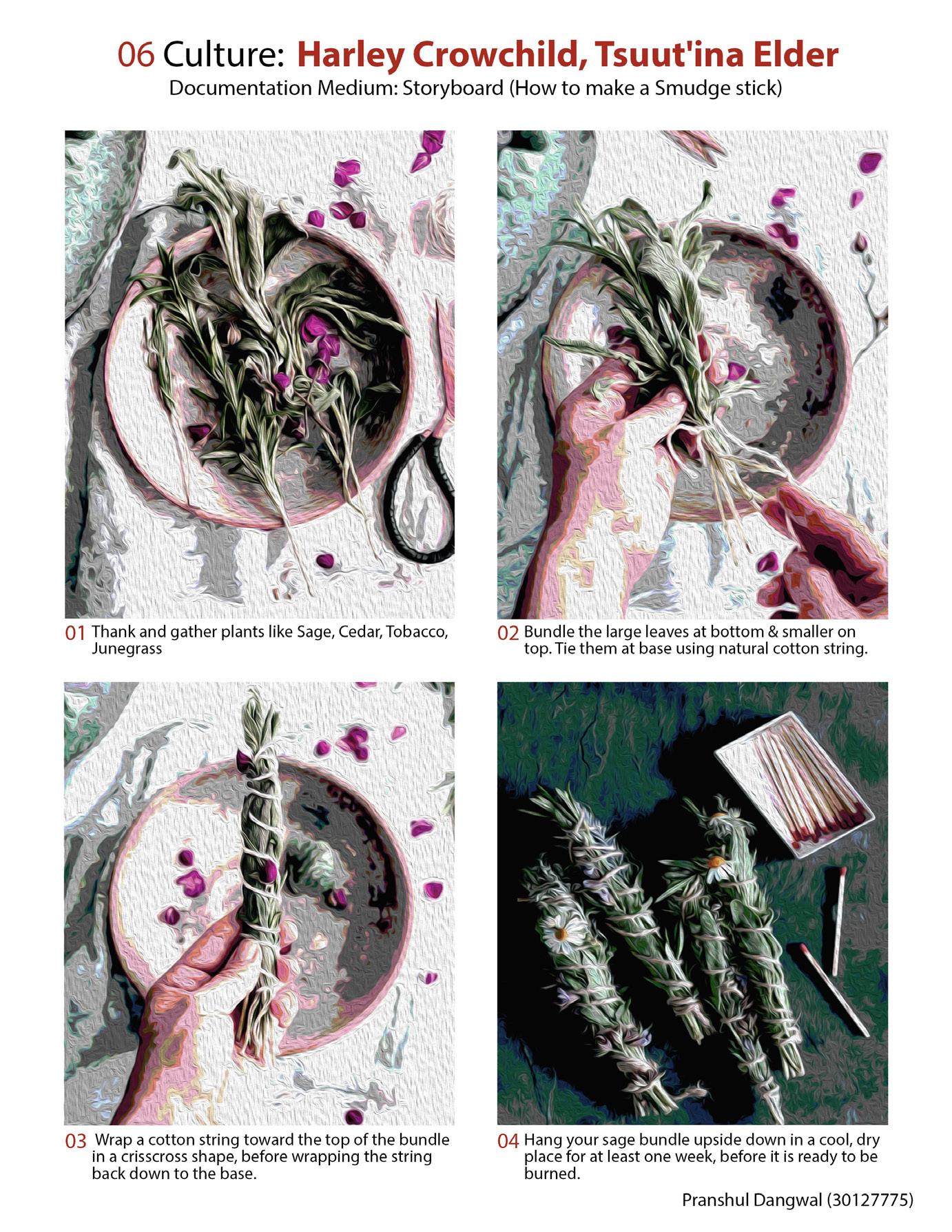
How to make a Smudge Stick - Pranshul Dangwal
Bulbul Sethi
APPLICATION OF LEARNING
There is a way to re-connect with creator, with others and with yourself...
Lucia Blanco
Feiyuan Lin
4. Heart 4. The rest of the body
Mind
2. Ears
3. Mouth
Lucia Blanco
Culture 06- Storyboard
APPLICATION OF LEARNING
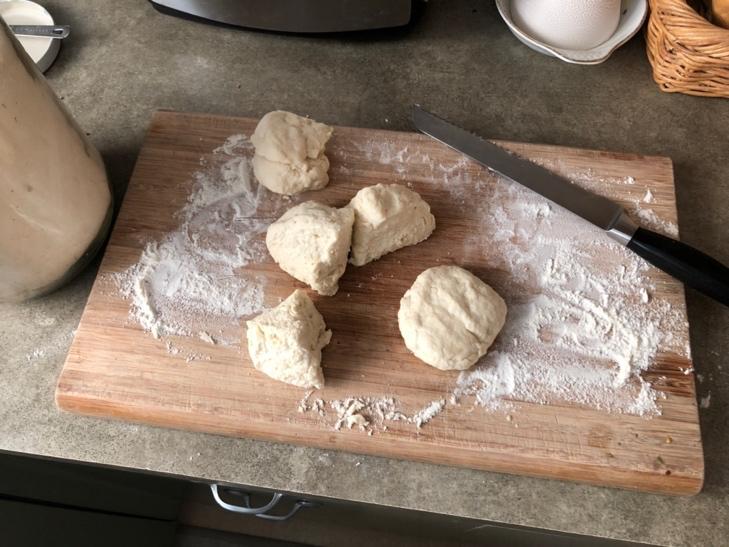
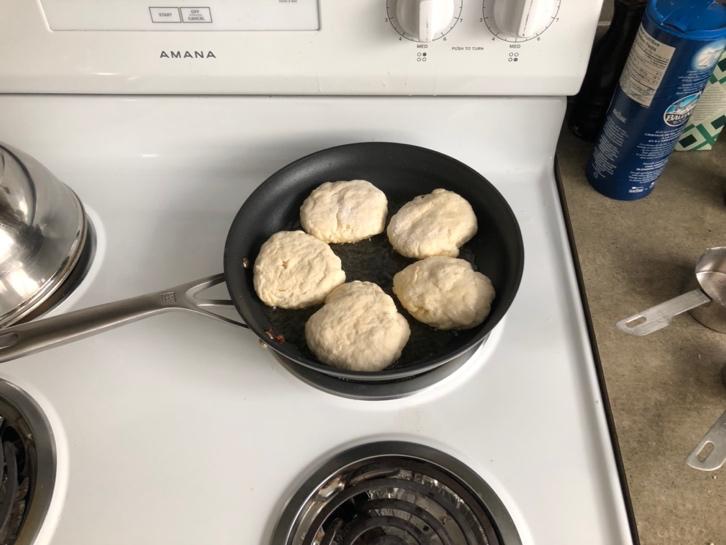
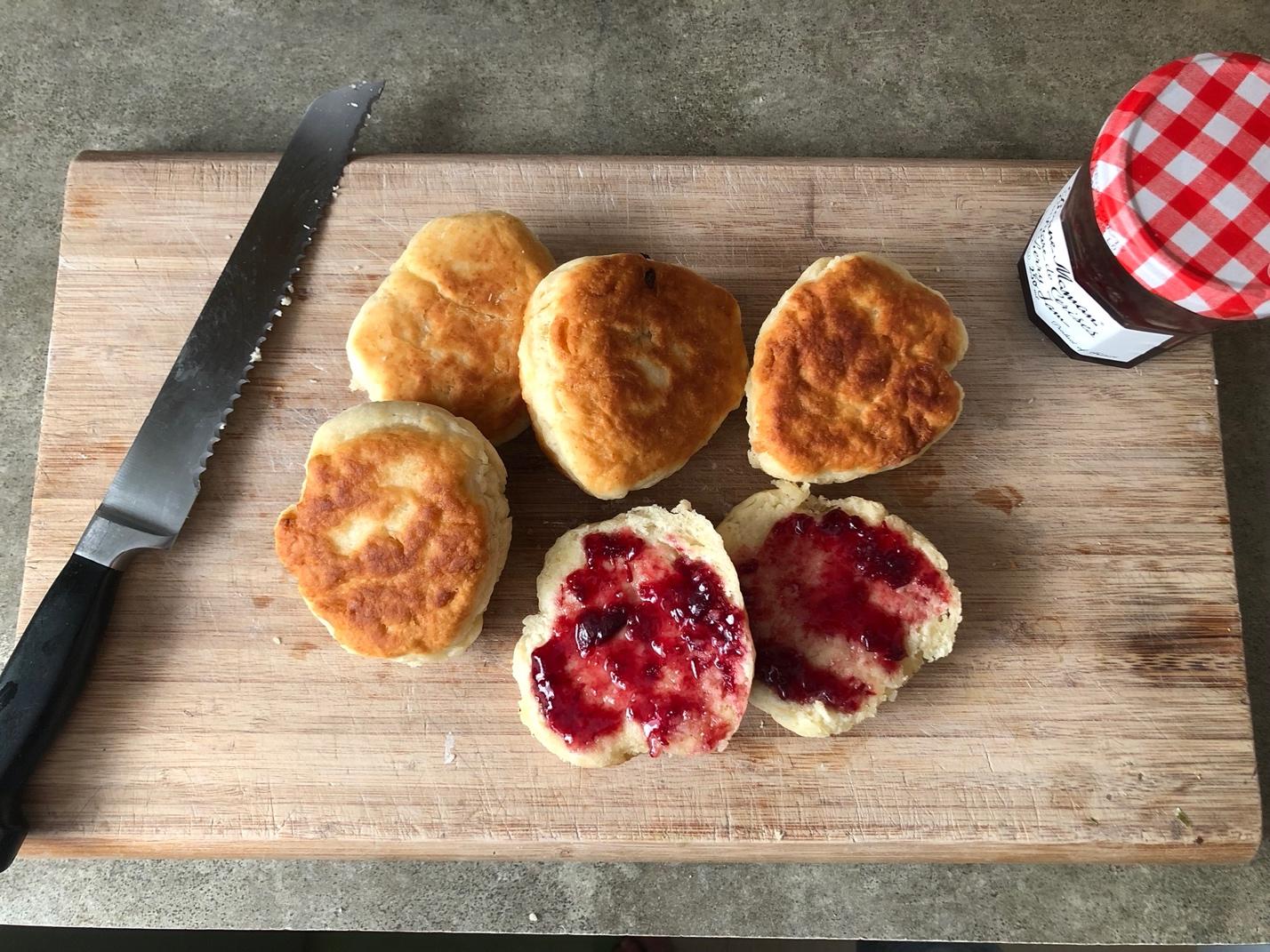
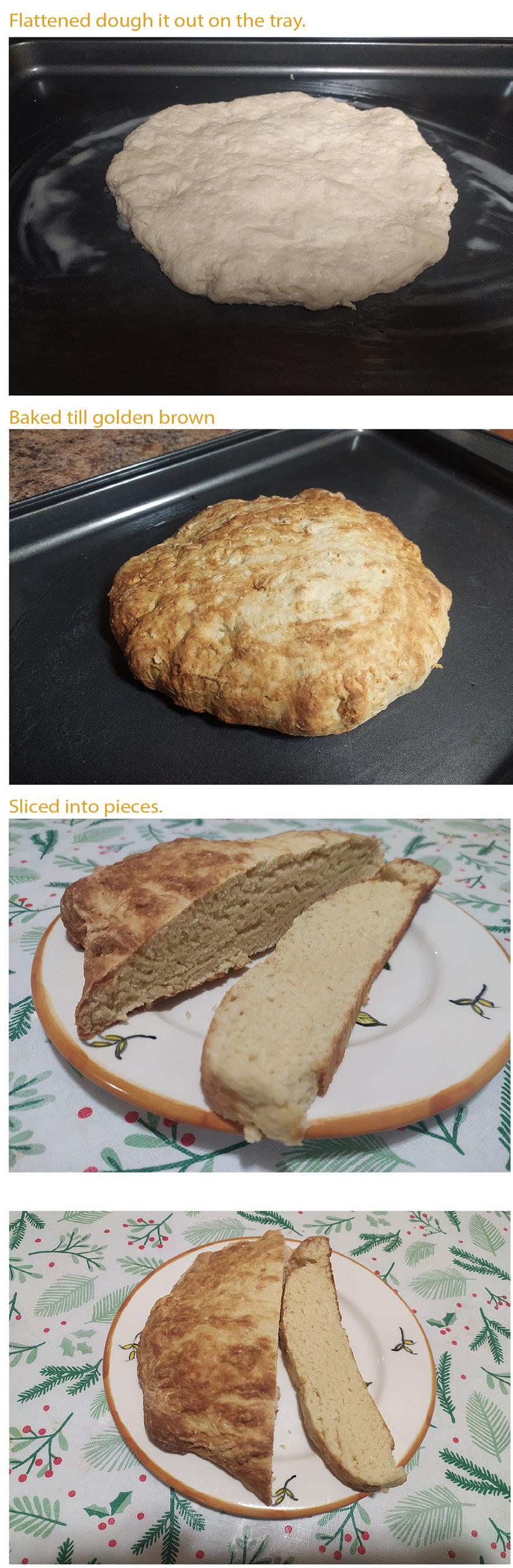
During the cultural input by Métis Elder, Doreen Bergum, I was given the card on Traditional Métis Food where I learned that one of the most significant staple foods was Bannock, a type of flatbread that could be baked or fried. The benefits are that it is easy to make, transport, lasts a long time and is quite filling. I was a aware of this type of bread, but I had never made it before so I decided to take this bonus assignment as an opportunity to respond the Métis culture and give it a try It was really good, and even better with cherry jam!
Colin Lees
Oxana Lyashenko
Alima Pal
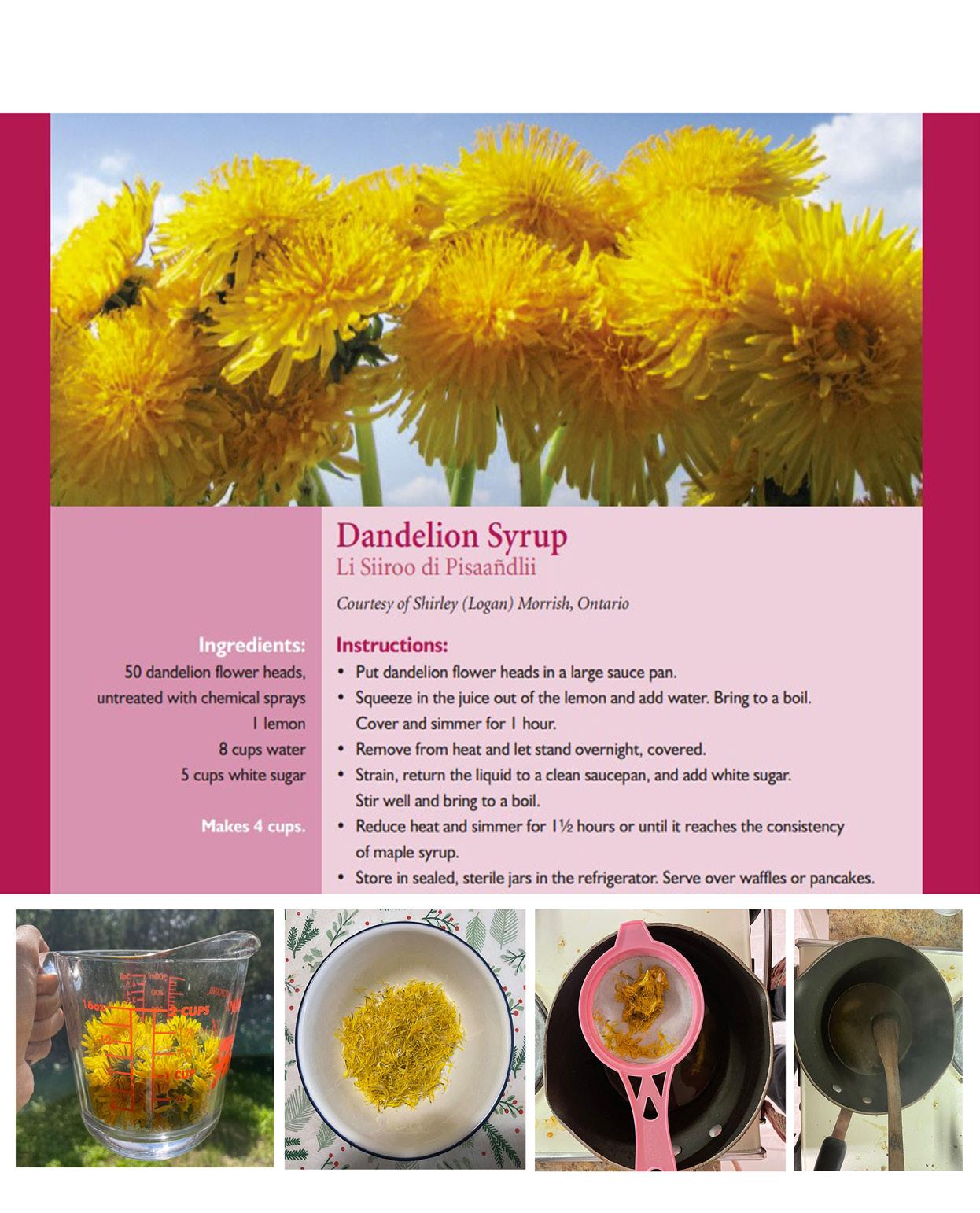

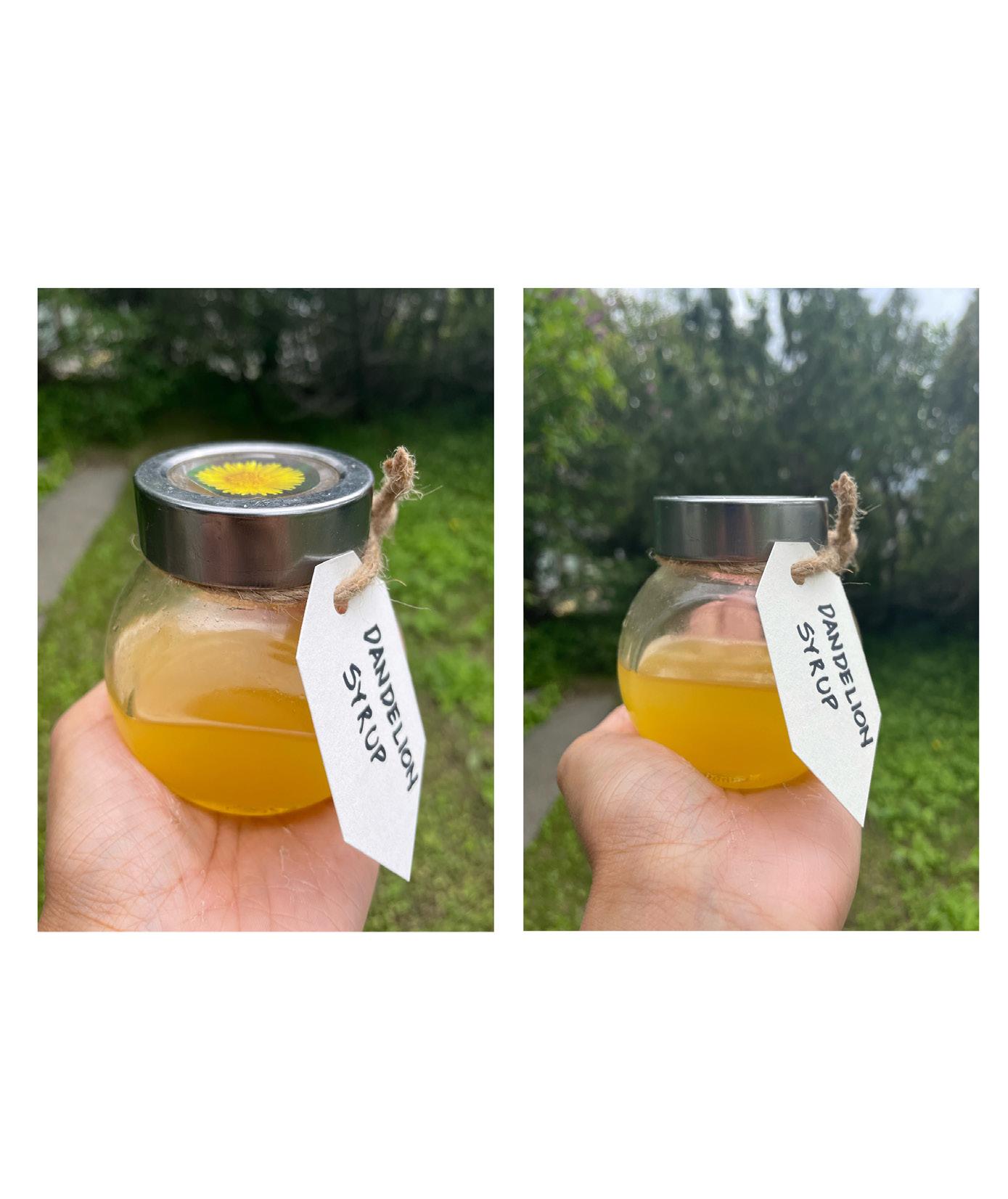
Adam Schwartz - PLAN 616 - Culture Input #1
fake (mweci tapwi ka totamihk)
real (tapwehtakwan)
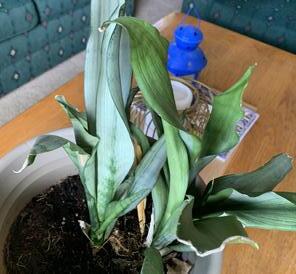
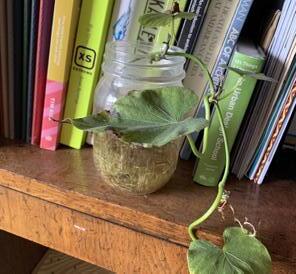
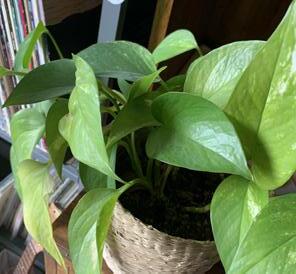
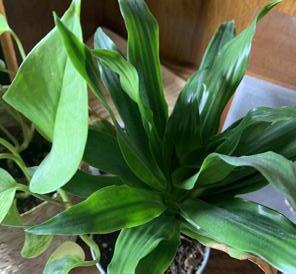
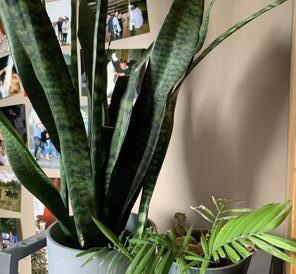
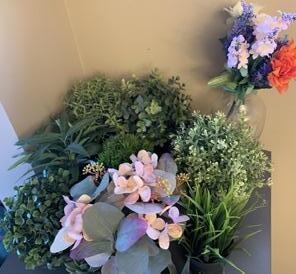
Upon listening to our Elder speak deeply about the connection we should have with all living things, i returned to my home to collect all my plastic plants. I reflected on the ways culture has lost touch with the reality of plants
Upon listening to our Elder speak deeply about the connection we should have with all living things, I returned to my home to collect all my plastic plants. I reflected on the ways culture has lost touch with the reality of plants as living things, and simply treats them as decor. Most people want greenery in their home, and I feel its a sign of wanting this relationship with living things. Real plants take time, effort, and energy, yet they can be the most beautiful and thoughtful living things. I am getting rid of these plastic plants, and focussing on the real ones.
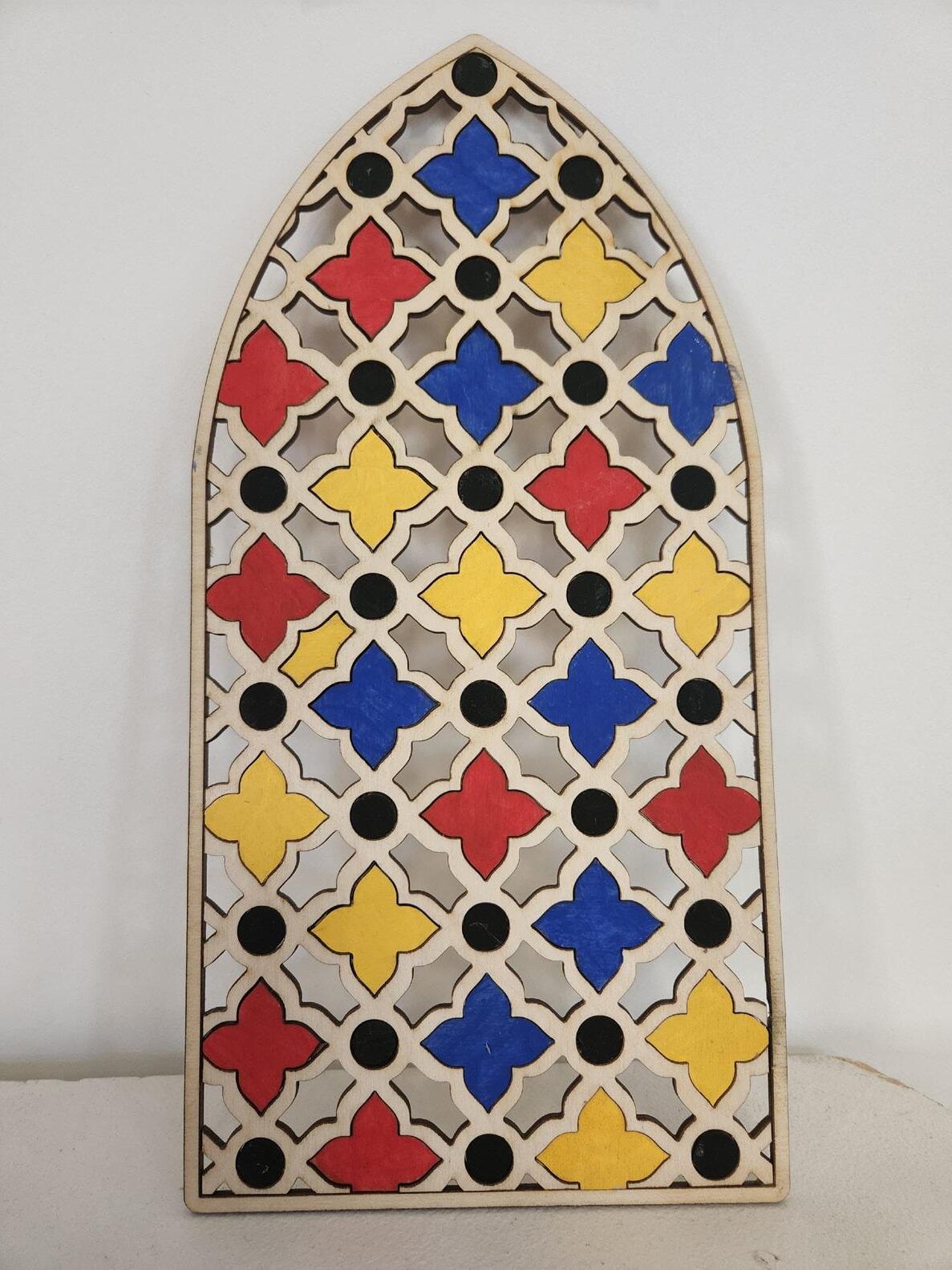

Pahjareh Lsser Cut
Shabnam Seif Hamden & Diba Mohebzadeh
Adam Schwartz
Madiha Mehdi
APPLICATION OF LEARNING
DIY Rattle

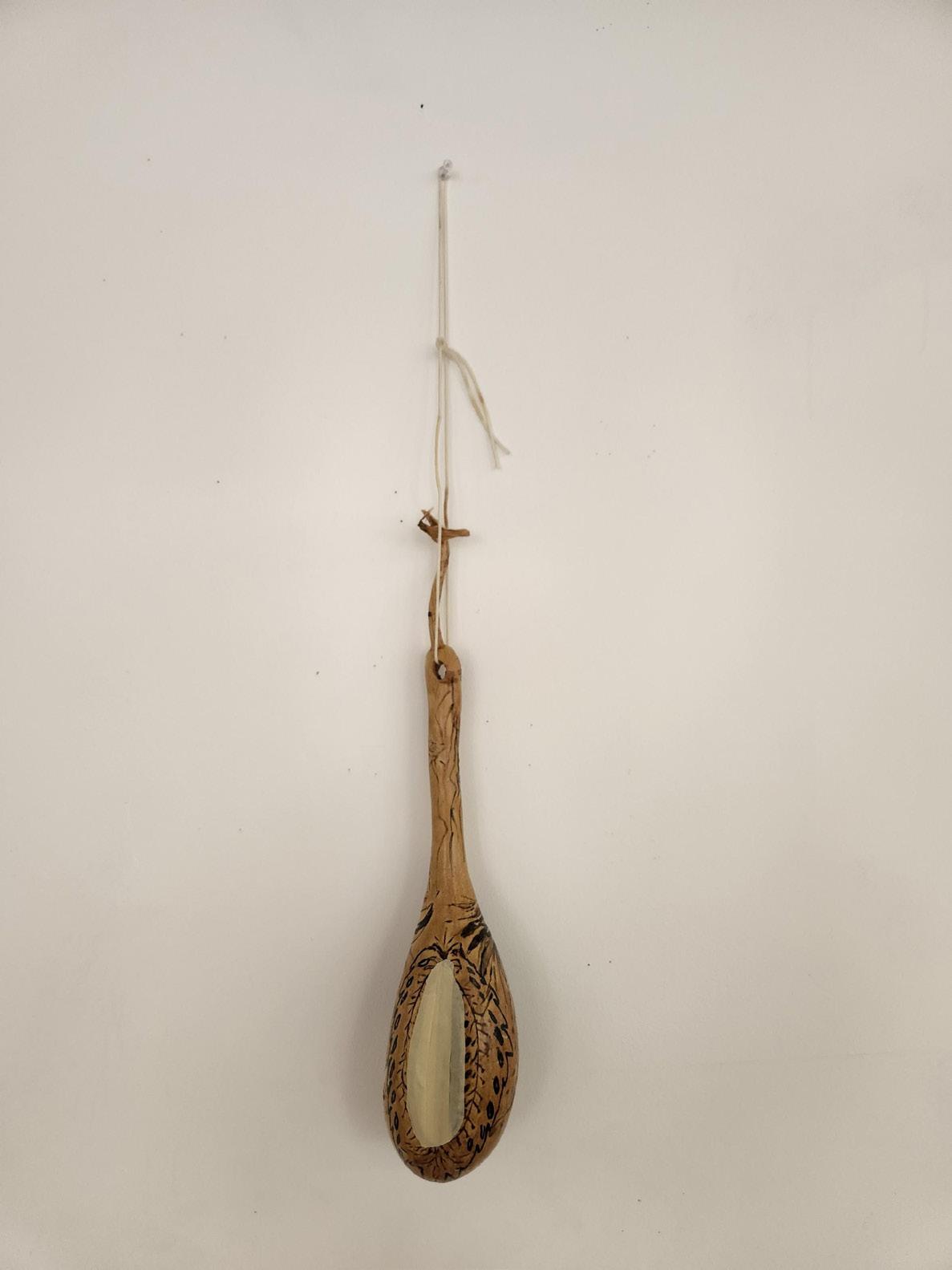
This month, I heard many stories from my class mates and mostly the Elders that made me want to pay a visit to WIN - Women In Need. This thrift shop sends the money from the purchased items to women who go through domestic abuse. I found this object, which seemed like a rattle, yet was not one and decided to add kidney beans inside and convert it into a rattle. In the chicken dance, the rattle resembles a universal sound.
Alima Pal & Garima Chaudhary
Eti Borah
Diba Mohebzadeh
Joshua Bateman
Joshua Bateman
STUDIO TEAM
HAL EAGLETAIL
Tsuut’ina Knowledge Keeper, Design
Studio Instructor & Cultural Advisor
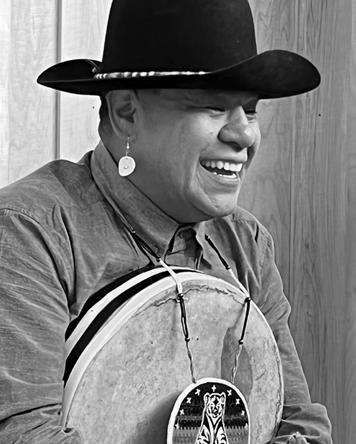
Hal is the owner of Eaglestar Enterprises ltd, a company that specializes in cultural consultant work for all industries. He also owns a bottle depot business and partners with Pacific Developers known as Eagle Pacific. Hal acts as a traditional wellness liasion, and helps Indigenous patients get back to health with traditional knowledge of herbs and ceremony. He is also a Master of Ceremonies for First Nation Pow Wows and Round Dance celebrations across North America. Hal facilitates many conferences and workshops promoting First Nations history and cultural identity.
VINCENT
YONG
Teaching assistant, Student, Master of Environmental Design, School of Architecture & Planning
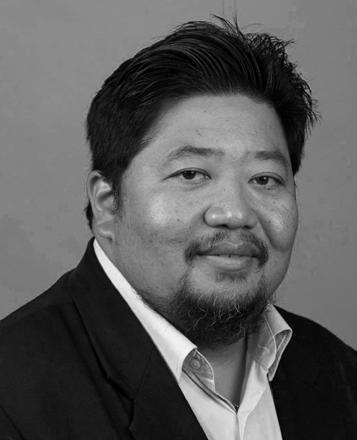
Vincent is a MEDes student at SAPL, researching Public Private Non-Profit Organization Partnership in resolving Affordable Housing in Calgary. He holds a Dip. in Quantity Surveying, a BBA in Finance with 1st Class Honours, an MBA in Finance and Applied Investment. Vincent’s professional experience includes the positions of Quantity Surveyor, Contracts Manager, Senior Project Manager and Senior Development Manager in Singapore, Malaysia, Brunei, Dubai and Abu Dhabi. His portfolio include Jerudong Park Resort, Damansara Perdana, Cyberjaya, Langkawi, Palm Deira, LuLu Island, Reem Island, Yas Island and Dubai Expo 2020.
SVEN KOHLSCHMIDT
Urban Planner urbanista, Design Studio Instructor & Design Advisor for Education for Reconciliation
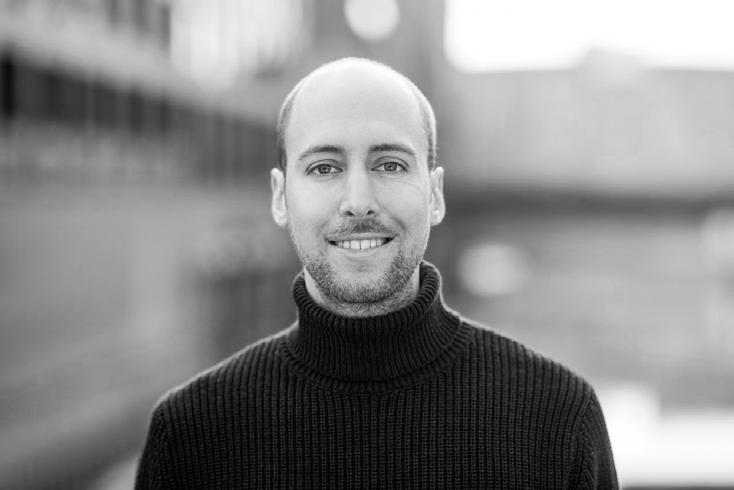
Sven is an urban planner focused on people-centred design. He studied spatial planning at the Technical University of Dortmund. Since 2018 he has supported urbanista in the field of co-creative urban design. His focus lies in the creation of urban visions of the future as well as research on digital platforms as a contribution to participatory urban development. In addition to his work at urbanista, Sven is co-founder of the freelance collective Simeri Laboratorio Urbano and works on placemaking strategies for rural revitalization in Southern Italy.
FABIAN NEUHAUS
Associate Professor Planning, SAPL, Design Studio Lead & Principal Investigator for Education for Reconciliation
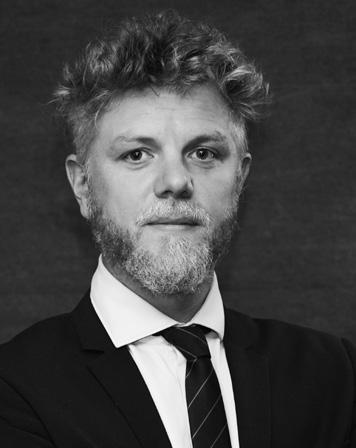
Fabian, PhD, is an Associate Professor at the University of Calgary with a strong interest in decolonization in the context of the built environment. He is the Principal Investigator for the Richard Parker Initiative and the Project Lead for NextCalgary. His research interests are the temporal aspects of the urban environment, focusing on the topics of habitus, type, and ornament in terms of activity, technology, and memory. He has worked with architecture and urban design practices in the UK and Switzerland as well as on research projects with universities internationally, with a focus on participation and co-creation.
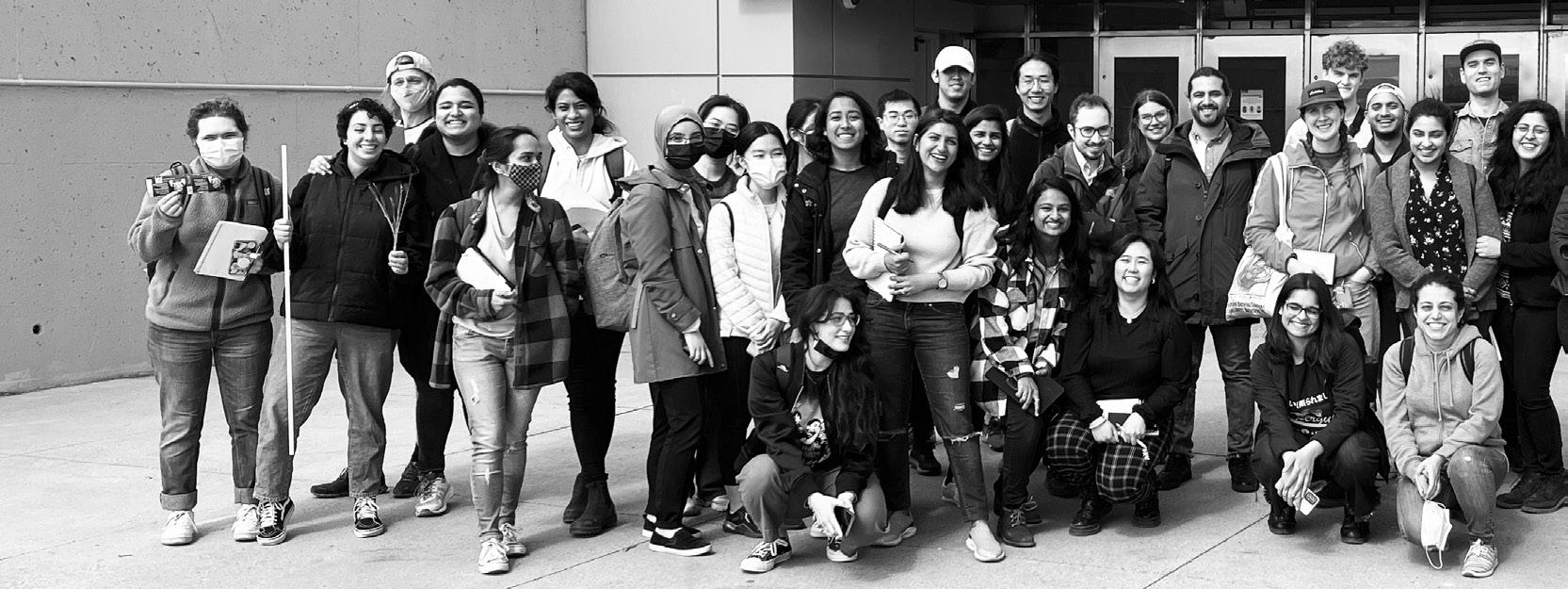
STUDENTS
Nada Affan . Baha Alzeitawi . Joshua Bateman . Lucia Blanco Vega . Eti Borah . Samuel Bowerman . Garima Chaudhary . Rimin Chen . Simran Chowdhary . Daniel Cote . Deepali Dang . Pranshul Dangwal . Benjamin Dore . Shannon Giesbrecht . Ari Goldstein . Aarshiya Khari . Colin Lees . Devin Legisa . Mia Leung . Marie-Astrid Levert . Feiyuan Lin . Sushmitha Ravi LNU . Oxana Lyashenko . Madiha Mehdi . Renz Paul Mendez . Mona Meschi . Talia Mimura . Diba Mohebzadeh . Sandra Moses . Parnian Nazemzadeh . Alima Pal . Erin Schwab . Adam Schwartz , Shabnam Seif Hamedan . Bulbul Sethi . Krisha Shah . Pallavi Singh . Sarvenaz Takehei . Vy Vu . Yixuan Xia . Yihui Xu . Shuo Yu . Xiren Zhang .
SANDRA ABEGGLEN
Researcher, SAPL, Design Studio Support Advisor & Project Lead for Education for Reconciliation
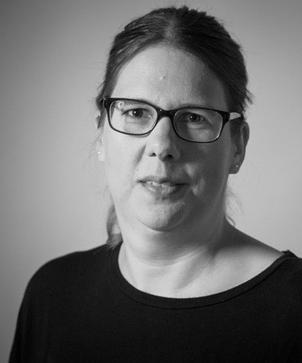
Sandra is a Researcher in the School of Architecture, Planning and Landscape at the University of Calgary. She is the Principal Investigator for Playful Hybrid Higher Education and the Project Lead for TALON. Her research interests are in digital education, academic literacies, peer mentoring, creative learning and teaching methods, inclusion, visual narratives, identity, and qualitative methods. She has presented her emancipatory work nationally and internationally, and has recently been awarded a CATE Award by ALDinHE for her cross-national creative work with #creativeHE.
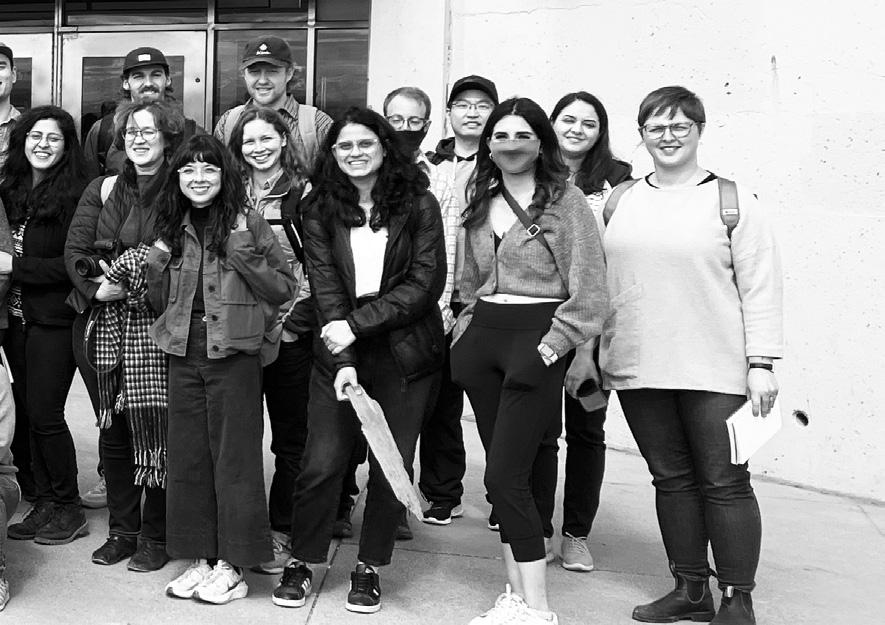
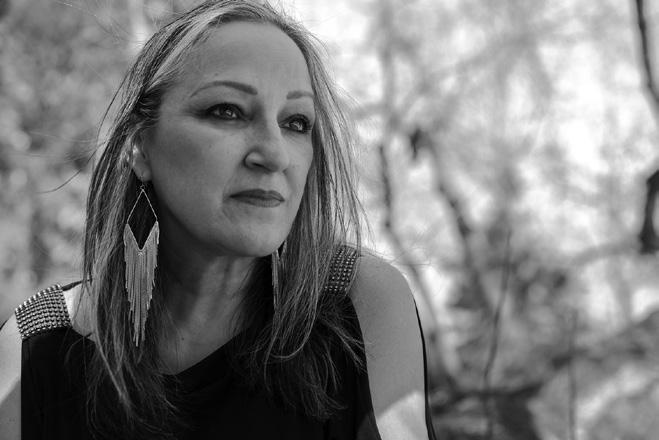
SANDRA SUTTER
Award-winning Cree Métis recording artist, songwriter, musician, poet and filmmaker
When I was young I would occasionally catch a glimpse of a warrior reflected far behind me in the mirror, and in my dreams. I knew this was a relative and yet I questioned my vision and my intuition. I had already learned to doubt my own knowing (not knowledge) of truth. When I was a teenager I could not see myself reflected in my family, or in my friends. I was drawn to a beautiful Indigenous teenager who moved to town. To me she was Freedom. To others, with lighter skin, she was Trouble. I was taught to doubt my own deep recognition of relatives.
Near that time a group of boys chased me with a knife and said that if they caught me they would kill me because I was an ugly Indian squaw. I was faster and found a good hiding place. I learned that ugly was more than a hurtful word and that even for people like me who can pass, who were raised in privilege, racism sees who I am and is very real. I am unlearning hiding.
I travel across Turtle Island speaking with people; learning, unlearning, seeking, finding, sharing, and breaking bread with others. One thing I know for sure is that knowledge received with a critical mind and open heart has the power to heal. Learning is a process, like Reconciliation is. Knowledge has to live inside of us, to rest within us, to breathe inside us before it can claim us, impact us, and benefit us. Knowledge is a powerful gift that must be embodied wisely. We travel the twin paths of Education and Reconciliation in parallel because we must engage in learning, together, to be able to see one another; to be able to see our individual pasts and our collective future, and to honour our respective ancestors reflected behind the images that we present to the world. The creations of students engaged in deep learning become vessels that
carry endless possibility, and are a reflection of Reconciliation as well as education. I have seen the results of what can happen when humans who are deepening their understanding of the world that we share are able to merge a growing body of western knowledge systems with their own emerging land-based understanding. I have borne witness to several iterations of a thematic building, centered around specific geography and use, an actualized vision of what is possible for learners and for humanity. I have seen what is possible for humanity’s future within the physical structures that embody the students’ advancing western education, deeply felt passion, and the values that they themselves have sought to include: wisdom, truth respect, and honesty, and impossibly, love, courage and humility.
I see our world being reborn through the eyes of learners because they have sought to be vulnerable, and have been able to safely and freely express who they are becoming.
I am a better person today because we have seen one another.
With respect, Sandra , December 2022
ADDITIONAL STUDENT WORK
Indigenous Strategy

University of Calgary