IN PARTNERSHIP WITH
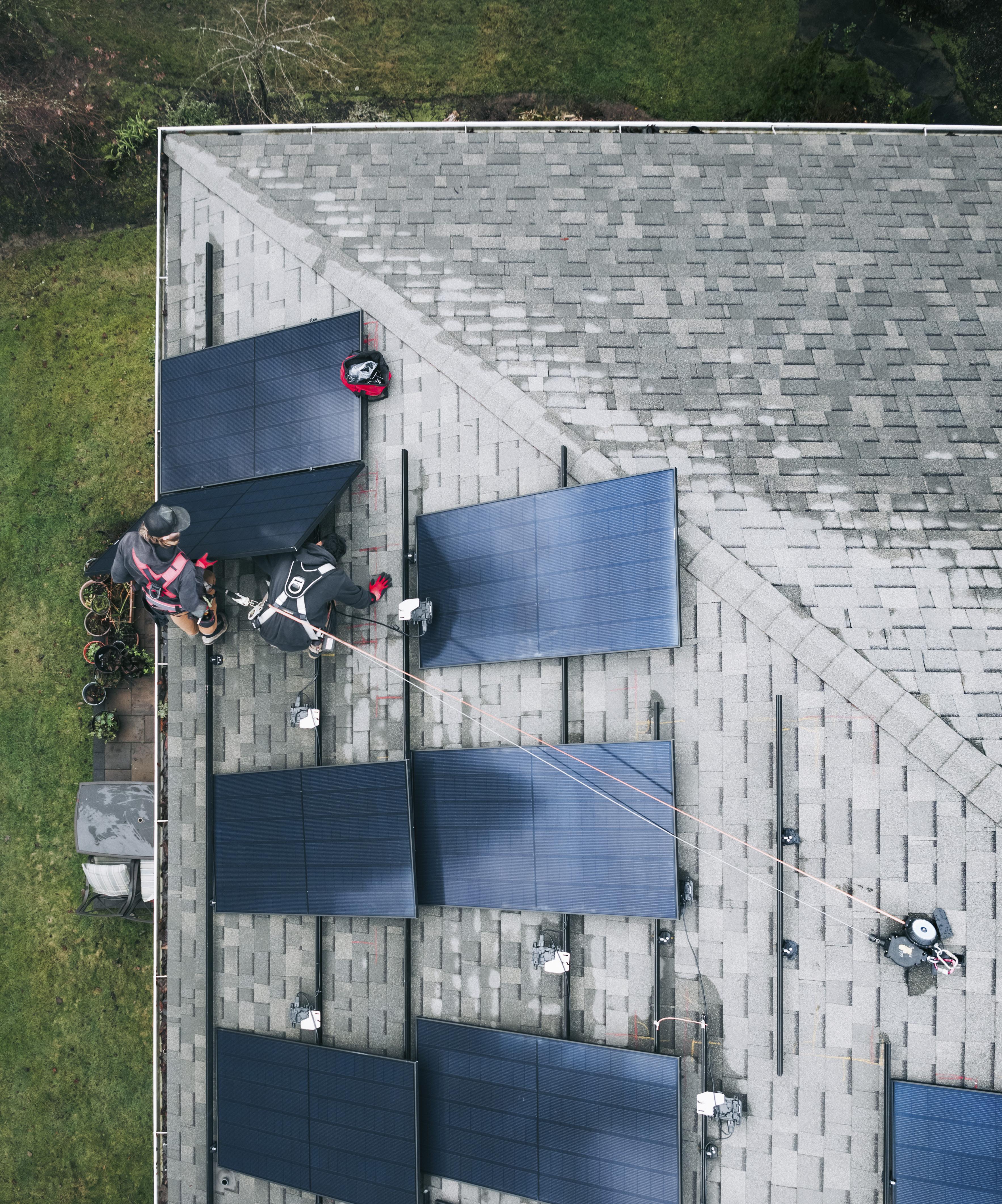
The Best Time to Take Charge
It means being a recognized leader in New York State for modernizing the electric grid, expanding access to clean energy, and driving significant reductions in greenhouse gas emissions through innovative programs, strategic partnerships, and community-focused investments.
#1 in distributed solar with the most interconnected solar generation among New York utilities
SUSTAINABILITY AND ENVIRONMENTAL MILESTONES
16,000 customers enrolled in community distributed generation facilities
22,000 equivalent metric tons of CO2 reduced from replacing aging infrastructure since 2011 Visit our website to learn how we are helping advance New York State’s climate and clean energy goals.
#1 in building electrification with the most heat pumps installed per customer among New York utilities
1.3B pounds of greenhouse gas emissions avoided annually since 2009
$5M allocated to install electric vehicle charging plugs across the service territory
64,600 homes powered by saved energy since 2009

Welcome to the 2026 Clean Power Guide. Sustainable Hudson Valley and Upstate House are thrilled to bring you the information you need to get your life off fossil fuels—because, frankly, we believe this is the best time ever to take that step. True: In 2024 and 2025, the economics of moving to renewables were better than in years past thanks to Inflation Reduction Act tax credits. That policy brought outof-pocket expenses to all-time lows for solar panels, heat pumps, insulation, and EVs. Today, with only New York State and utility incentives, the picture is not as great but still good. You can pay for your solar panels and have years of free electricity ahead after a payback period of as little as eight years. An EV still saves you dollars over its lifecycle because operation and maintenance costs are so low. And low-cost financing is getting easier to access since these technologies entered the mainstream. Aside from the economics, we believe there is an even more compelling reason to take charge of your energy consumption today: values. Solar, wind, geothermal,
and other renewable technologies are fundamentally different than gas, oil, and propane: Once you own them, you own them. Jobs installing small-scale renewable technology are local jobs and opportunities for local small businesses. If you have been watching the political drama, if you know in your bones that climate change is not a hoax, then voting with your consumer power is a pretty impactful thing to do, especially if you encourage your networks to do the same.
You can also be part of the most hopeful trend in play these days. As Bill McKibben writes in Here Comes the Sun: “Sometime in the early part of the 2020s, we crossed an invisible line where the cost of producing energy from the sun dropped below the cost of fossil fuel. Beginning about the middle of 2023, we entered the really steep part of this growth curve that could redefine our future, crossing another invisible line, this one marking the installation of a gigawatt’s worth of solar panels on this planet every day.”
With federal subsidies gone sooner than we’d expected, the price of solar is still
coming down and the reason to go solar is to show the world where you stand. As we saw when Tesla drivers made their voices heard, consumer power matters. To build a powerful clean energy consumer movement, this year’s Clean Power Guide distribution will be more active than usual, in recognition of the importance of our collective action. In addition to the traditional launch party, on January 28 from 5–7 pm at the Fuller Building at 45 Pine Grove Avenue in Kingston, we’ll be throwing four Clean Power Expo events, two in the spring and two in the fall, and pop-up solar home tours, EV ride-and-drives and an educational campaign. Join us!
—Melissa Everett, PhD, Executive Director, Sustainable Hudson Valley
Sustainable Hudson Valley PO Box 145 Rhinebeck, NY 12572
845-514-8567
Sustainhv.org

BY KIARA CARMAN
Electrification is at the heart of our energy transition. Combustion will never be truly clean, but electricity powered by renewables can be. Yet every heat pump and induction stove adds demand to a grid already under strain. To keep the transition affordable—and resilient—we have to pair electrification with serious energy efficiency.
An easy way to increase energy efficiency is through appliance choices. Federal appliance standards are periodically updated—the most recent update was in 2024—and so far, they have withstood political headwinds. You can buy one electric induction burner for primary cooking needs, use minimal energy, and impress your guests.
A bigger opportunity for efficiency lies in the buildings themselves. In New York State, buildings account for 32 percent of all greenhouse gas emissions. In response, lawmakers passed the AllElectric Buildings Law, which requires that most new construction use electric heat and appliances beginning in 2026. The law applies only to new buildings, not existing homes or renovations.
Electrifying a home benefits both people and the planet. Homeowners can save on heating and cooling
while gaining more precise control over temperature, humidity, and noise. All-electric homes are also healthier: Without fossil fuel combustion, there are no fumes, indoor pollutants, or risks from gas leaks. Cleaner indoor air reduces respiratory issues, and removing oil and gas systems eliminates the potential for spills and other environmental hazards. By switching to electric, we cut emissions and support a safer, healthier climate future.
Homeowners planning new construction should know that all-electric homes can save up to $1,000 a year on heating costs. They’re also cheaper to build, since one heat-pump system replaces separate heating and cooling equipment. Efficient all-electric homes use far less total energy than buildings that rely on fossil fuels.
Some worry about winter performance, but modern cold-climate heat pumps operate effectively down to -13°F while using roughly one-third the energy of oil or gas systems. And in the event of a power outage, backup generators are still permitted for new homes. Concerns about grid capacity are valid, but New York
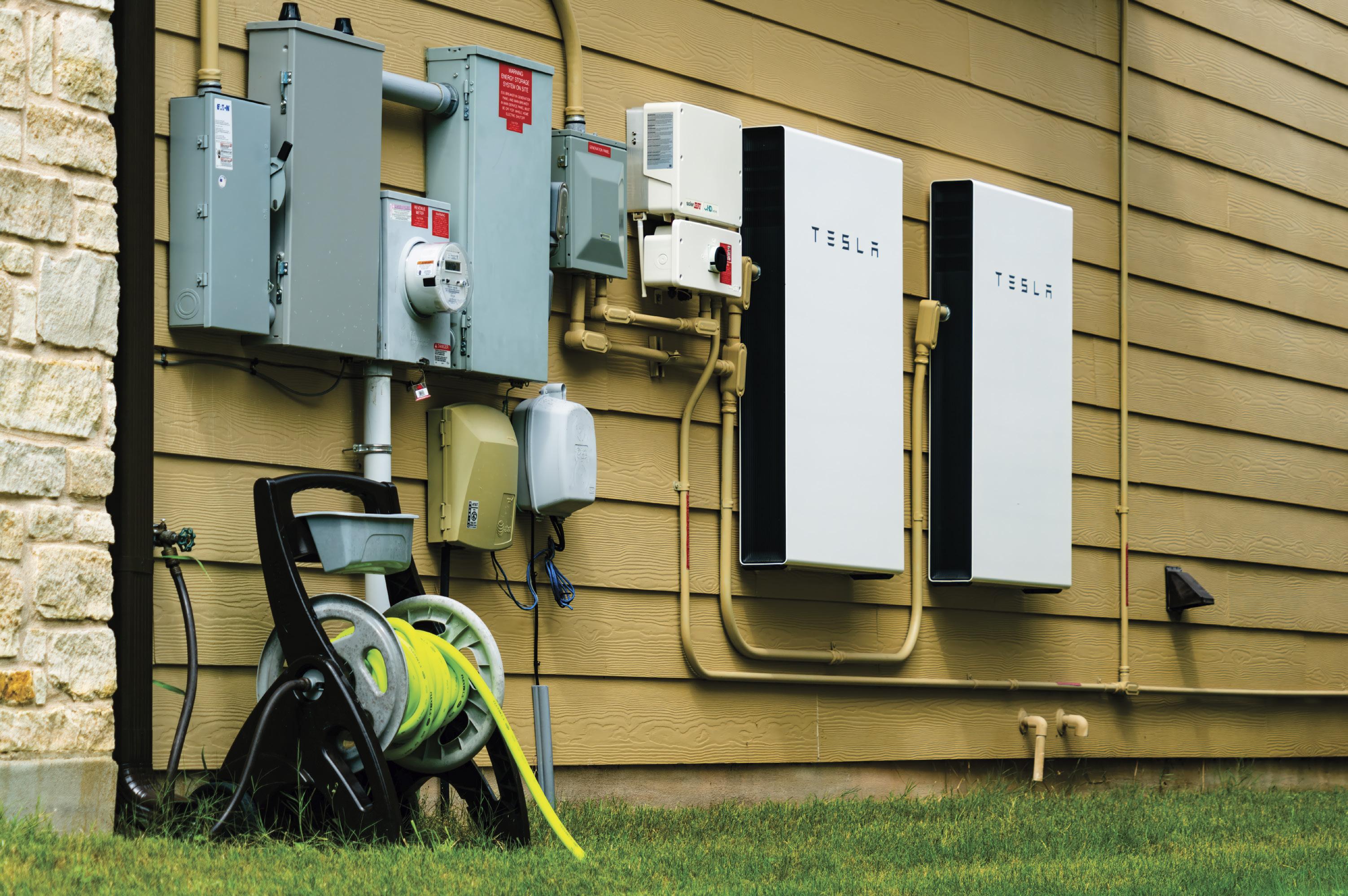
incentives. New York State offers rebates, tax credits, and low-interest financing for heat pumps, insulation, and other clean-energy upgrades.
If you’re considering solar, electrify first. Because solar systems are often sized based on a home’s current energy use, completing electrification and efficiency upgrades before installation ensures the solar array can meet your long-term energy needs.
is already expanding renewable generation and transmission to meet rising electric demand.
For homeowners planning to convert an existing house to all-electric, the first step is weatherization. Improving insulation, sealing air leaks, and upgrading windows reduces heat loss and lowers energy use, which makes it possible to install smaller, more efficient electric systems. Weatherization cuts energy costs and ensures heat pumps and other electric equipment perform at their best.
After improving the building envelope, homeowners should take advantage of available
Your home’s electrical load is the amount of power your devices use at any given time, measured in watts or kilowatts. This includes lighting, appliances, HVAC systems, and EV charging. You can estimate your load using the Department of Energy’s online calculators or by reviewing your utility bills.
Every home also has a fixed electrical capacity— the maximum amount of power it can safely handle. Electrification increases demand, so it’s important to assess your electrical panel and wiring before upgrading systems. In some cases, you may need a panel upgrade; in others, your existing service may be sufficient. A licensed electrician can evaluate
your system, prevent overloads and safety risks, and recommend the right upgrades.
Once you know your load and capacity, you can plan improvements. Start with simple steps like replacing bulbs with LEDs. Next, consider swapping older appliances for efficient, Energy Star-certified electric models, which reduce energy use and lower bills. The largest upgrades—heat pumps, electric water heaters, and other HVAC systems—typically make the biggest impact. The ideal time to replace these systems is as they near the end of their life, though it’s wise to plan ahead so you’re ready to choose a clean, efficient option when the time comes. Upgrades can be done all at once or in stages. Prioritize improvements that deliver the greatest savings—often heating systems, especially if you currently use oil. Rebates, tax credits, and financing incentives may also influence timing, since taking advantage of available programs can significantly reduce costs.
Kiara Carman is Sustainable Hudson Valley’s Communications Associate and a graduate student at Bard College.
By Kiara Carman
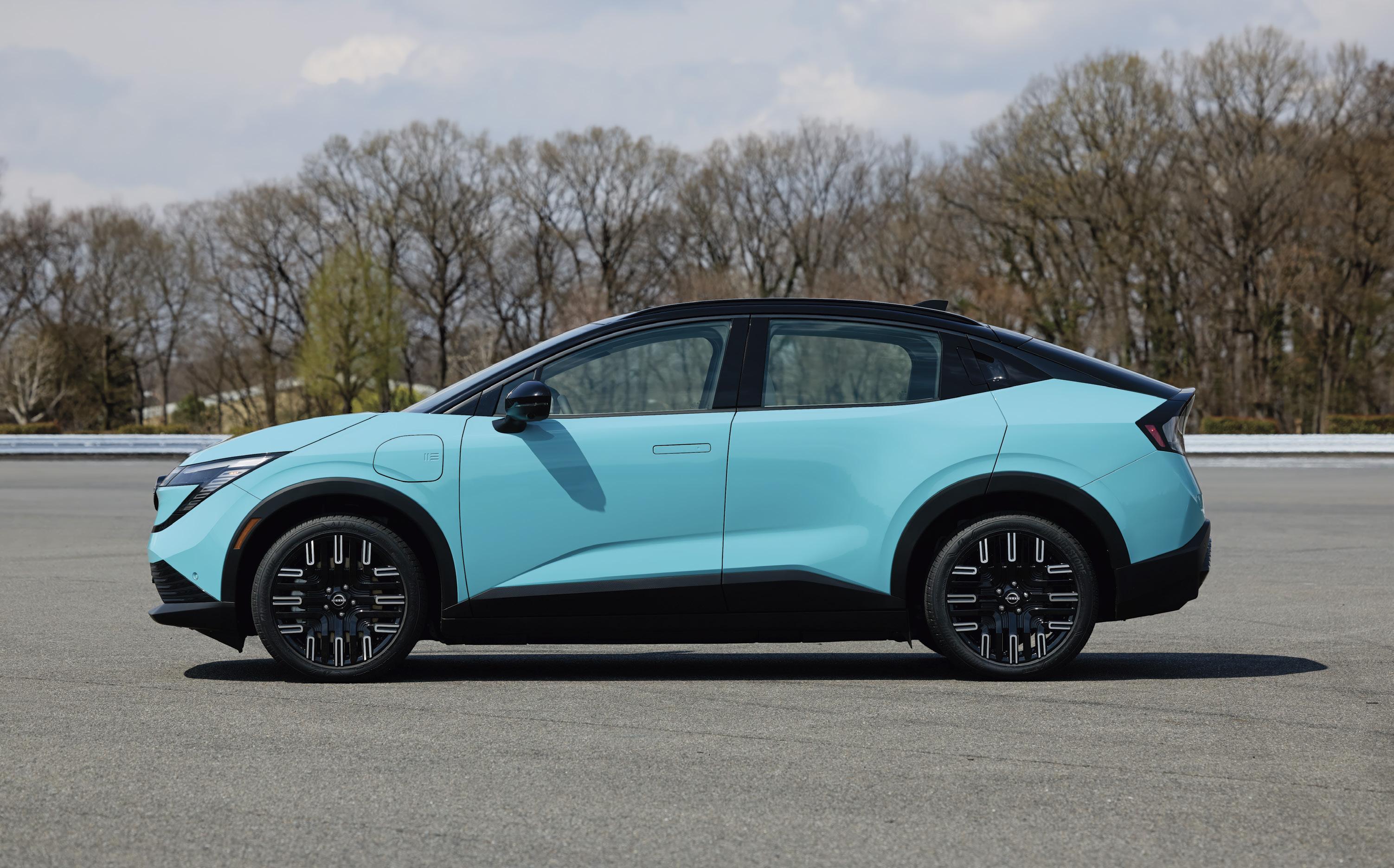
Globally, electric vehicle (EV) sales continue to climb, with EVs expected to make up one in four new cars sold by 2025. China leads the market, where more than half of new vehicles are already electric. In the United States, growth is slowing due to policy changes, including the repeal of federal tax credits or rebates for EVs and the pushback to California’s requirement that by 2035 all new passenger vehicle sales in the state must be zero-emission. California is the biggest passenger vehicle market in the country, so what happens there has effects on the rest of the country. Despite these setbacks, over 60 makes and models of EVs are available in New York, including two under $30,000, the 2026 Chevy Equinox and Nissan Leaf.EV enthuiast groups are proliferating all over, from the Electric Vehicle Association to EV Hybrid Noire.
Despite political headwinds, EV infrastructure continues to improve. Battery prices are falling as manufacturers expand capacity and diversify supply chains beyond China. Automakers are adopting common charging standards—Hyundai and Kia will now use Tesla’s system—and more companies are investing in fast-charging networks, including along the New York Thruway.
The benefits of going electric remain compelling. EVs have lower lifetime costs than gasoline vehicles: Electricity is cheaper per mile than gasoline,
and EVs have far fewer moving parts, reducing maintenance expenses by up to 40 percent. EV drivers also tend to stick with the technology—92 percent say their next car will be electric.
The smartest first step is understanding available incentives. New York’s Drive Clean Rebate offers up to $2,000 off the purchase or lease of eligible new EVs at participating dealerships. The amount depends on vehicle price and electric range; plugin hybrids also qualify. A list of eligible models and participating dealers is available at Nyserda.ny.gov.
Once you know your price range, compare models on range, charging compatibility, and long-term costs. The Chevy Bolt remains one of the most popular EVs and returns in 2027 with a $29,000 model—though it currently will not qualify for the state rebate. Reliable, affordable options like the Nissan Leaf and Hyundai Kona Electric remain eligible and widely recommended.
Most EV drivers charge at home. Public charging is expanding in the Hudson Valley, but Level 2 chargers—providing roughly 25 miles per hour of charge—still dominate. DC fast chargers are faster
Built for distance and efficiency, the 2026 Nissan Leaf delivers up to 303 miles of range from its 75 kWh battery pack.
but limited in number and often have only one port. Utilities must upgrade infrastructure before networks can scale.
Home charging comes in two options:
• Level 1: standard outlet; adds three to four miles of range per hour.
• Level 2: 240-volt circuit; adds 20 to 40 miles per hour.
A Level 2 charger may require electrical panel or wiring upgrades, so consult a licensed electrician. Many utilities, including Central Hudson, Orange & Rockland, NYSEG, National Grid, and ConEd offer incentives for off-peak charging.
Many EVs include a Level 1 cable; Level 2 chargers are typically purchased separately. Leading options include the $600 ChargePoint Home Flex and the $620 Tesla Universal Wall Connector, both compatible with most EVs and designed for coldclimate charging.
While US policy uncertainty has slowed the market, EV technology continues to advance, charging access is growing, and costs keep falling. With lower fuel and maintenance costs—and state rebates—EVs often remain the most affordable and environmentally sound choice over the long haul.

Support the clean energy movement and help other members do the same, all while earning 3.56% APY interest.
Support the clean energy movement and help other members do the same, all while earning 3.56% APY interest.
Annual Percentage Yield (APY) is accurate as of 11/6/25.
Minimum opening balance of $25 to open checking account. For additional qualification visit www.cleanenergycu.org/personal/checking-accounts



Every energy efficiency choice matters for our future.

The 2024 UNEP Emissions Gap Report warns that failing to strengthen our collective commitments puts the planet on a trajectory for a catastrophic temperature increase. The solution lies in empowering communities and individuals with the financial tools to act, which is precisely where the Clean Energy Credit Union steps in.

cleanenergycu.org
Year to date the Clean Energy CU has funded over 14,000 clean energy loans and offset more than one million tons of carbon dioxide equivalent, by providing focused financing for projects like solar PV systems, geothermal heat pumps, and electric vehicles and other green home improvements.
As a 100% fossil-free, mission-driven, and Certified B Corp financial institution, Clean Energy CU is dedicated to making clean energy accessible and affordable for everyone. Ensuring that your banking choice directly secures a livable future.
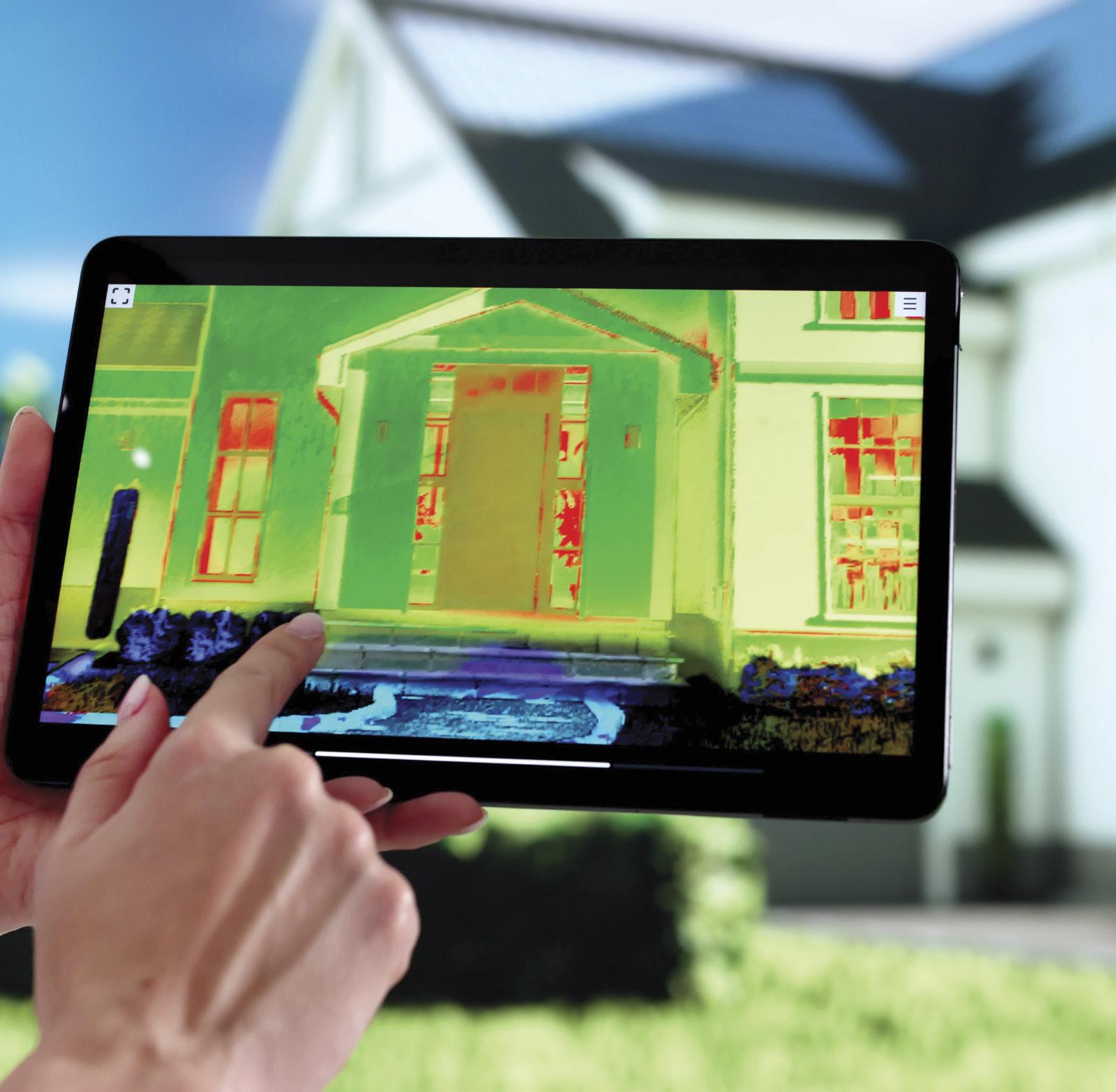
Our team of Building Performance Institute Certified Building Scientists has the training and tools to diagnose comfort, air quality, and efficiency issues in homes, commercial spaces, and historic buildings. Using advanced diagnostics—including infrared imaging, blower door testing, and air quality analysis—we help you make informed, cost-effective improvements that boost comfort and lower energy costs.
Trust Energy Conservation Services to maximize your building’s performance and comfort for the long haul.
Call 845-338-3864
ecsbetterhome.com

By Barbara Todd
As energy prices rise and the climate shifts, many homeowners are rethinking how they heat and cool their homes. Heat pumps have emerged as one of the most efficient, comfortable, and future-proof solutions. Maximizing their benefits depends on matching the technology to your home and lifestyle.
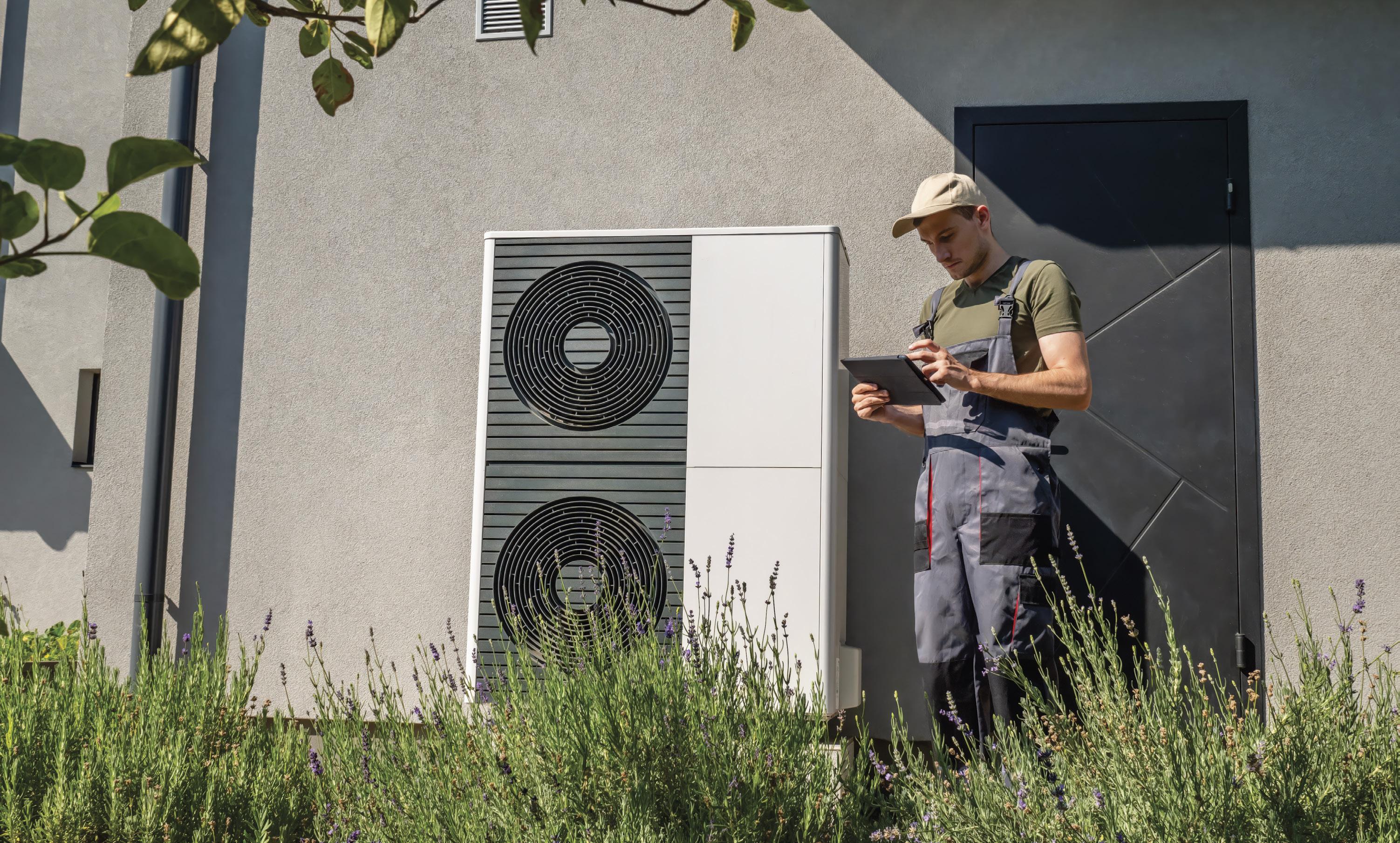
A heat pump doesn’t create heat the way a furnace or boiler does—it moves heat. In winter, it extracts warmth from the air or ground and brings it indoors. In summer, it pulls heat out of your home to cool it. Because it moves energy instead of burning fuel, it can deliver two to four units of heat for every unit of electricity consumed.
Compared with oil or gas furnaces, this means lower operating costs and a smaller carbon footprint. Even without federal tax credits, heat pumps make good financial sense in New York, where state incentives remain strong and the longterm economics of gas and oil are grim. Delivered fuels continue to rise in cost due to delivery and infrastructure expenses, while electricity generation gets cleaner and cheaper each year for the utilities.
The Right Fit: Matching System to Home
Heating and cooling systems are like clothing— your home needs the right size and fit for your comfort. What matters most is matching the system to the home’s heat-loss rate and the occupants’ comfort preferences.
Proper insulation and air sealing should come first, followed by a heat-load assessment. These assessments model how quickly each room gains or loses heat, guiding the selection of air-source, ground-source, or air-to-water systems for even, efficient comfort.
Unfortunately, most US heating systems are sized and installed by rule of thumb rather than careful calculation, resulting in rooms that are too hot or too cold and furnaces that waste fuel by cycling on and off. Heat pumps perform best when tailored to the home, running steadily and efficiently.
OF HEAT PUMPS
Air-Source Heat Pumps
• Transfer heat between indoor and outdoor air.
• Can operate efficiently even in subzero temperatures.
Ductless Mini-Splits
• The most common type of air source heat pump.
• Compact, wall/ceiling/floor-mounted indoor units with an outdoor compressor.
• No ducts required; ideal for older homes, additions, or individual rooms.
• Zoned comfort and high efficiency via inverter technology.
• Require external drainage access.
Ground-Source (Geothermal) Heat Pumps
• Use underground loops to exchange heat with the earth.
• Efficient but more expensive to install due to drilling/trenching.
Air-to-Water Heat Pumps
• Provide low-temp hot water for hydronic radiators or radiant floors.
• Common in Europe; emerging in the US.



Geothermal isn’t just about comfort. it’s about energy independence, grid resilience, and good jobs.
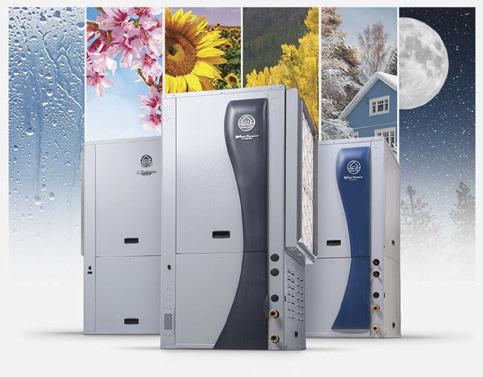
Geothermal heating and cooling doesn’t just make homes more comfortable and efficient—they’re powered by a domestic, underground energy source that’s available 24/7, rain or shine.
Made in the USA: Our geothermal systems are built right here in America, supporting advanced manufacturing jobs.
Grid-friendly: While AI, EVs, and data centers push power demand to new heights, geothermal helps reduce peak load—easing the burden on our utilities.
Job-creating: From HVAC contractors and well drillers or trenchers to engineers and architects, geothermal supports a wide network of high-paying, skilled jobs in every community it touches.
Geothermal isn’t just smart for homeowners. It’s smart for the country. visit us at waterfurnace.com
WaterFurnace is a registered trademark of WaterFurnace International, Inc. ©2026 WaterFurnace International, Inc.














Packaged Window/Through-the-Wall Heat Pumps
• Two-way heating/cooling for a single space.
• Affordable and easy to install and swap out for apartment use.
• New York City Housing Authority is deploying thousands for apartments.
Heat pumps are remarkably reliable when properly maintained—but nearly all manufacturer warranties require regular care and documentation. Neglecting basic maintenance can void coverage for major components like compressors and coils. Proper maintenance is essential to protect your warranty and system longevity. Most installers offer service plans.
Air-source & mini-splits:
• Clean or replace indoor filters every one to three months (more often in dusty conditions).
• Keep the outdoor unit clear of leaves, snow, and debris to prevent airflow blockages or icing.
• Schedule annual professional service to check refrigerant levels, coil condition, electrical connections, and defrost operation.
• Ensure professional installation and keep records. Most warranties require installation by a licensed contractor and annual service documentation.
• Use genuine parts and maintain logs or invoices—lack of proof can void coverage.
Ground-source systems:
• Annual professional maintenance is required for refrigerant, pumps, and controls.
• Loop system checks fluid level; pressure and flow rate must be verified yearly to prevent damage from leaks or poor circulation.
• Water chemistry (glycol mix and pH) must stay within manufacturer limits to avoid corrosion.
• Document loop installation and commissioning by a certified installer—improper loops are a common cause of voided warranties.
Warranty Tips
• Get the warranty in writing before installation.
• Ensure it starts at installation, not manufacture date.
• Target 10 years for major components (compressor, heat exchanger, reversing valve).
• Standard components (fans, pumps, accessories) for two to five years.
• Ground loops may have much longer warranties (pipe warranties up to 50 years).
• Aim for two to three years or more for labor coverage.
• Review exclusions carefully.
• Understand and follow maintenance requirements.
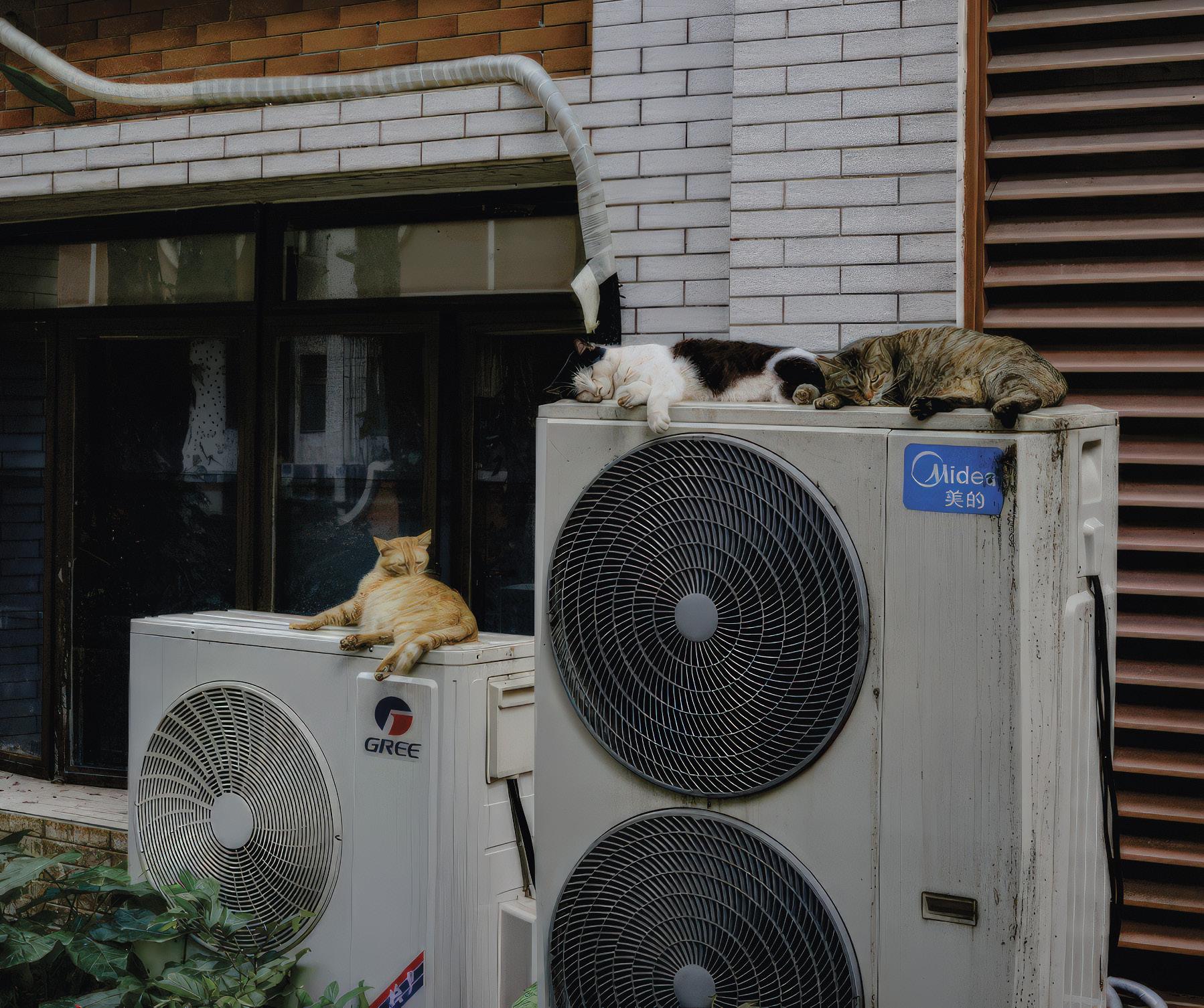
Refrigerants are some of the most powerful greenhouse gases known and have a huge impact. Here are a couple of tips on handling them responsibly:
Before charging refrigerant into a new system, contractors are supposed to test the refrigerant circuit by pressurizing it with nitrogen and confirming that the pressure doesn’t decline over time. If the pressure declines, there’s a leak that needs to be fixed before moving forward. If the pressure stays high, it’s a sign the system is ready to be turned on.
The refrigerant circuit is not normally opened during regular maintenance, unless signs indicate something is wrong with the heat pump. If your contractor has to open the refrigerant circuit, ask them in advance to provide you with a written record of how much refrigerant was taken out and/or how much was put in. They are required by law to do this.
Shreyas Sudhakar, founder of heat pump installation company Vayu and author of Heatpumped.org, explains that most homeowner complaints stem from a lack of understanding of how differently heat pumps operate compared with furnaces.
Air doesn’t feel hot
Heat pumps deliver moderate-temperature air, which warms the room over time and creates comfortable, even warmth.
Poor humidity control
Oversized systems cycle on and off so they don’t dehumidify efficiently. The installer should perform load sizing calculations based on performance, reviewing your previous utility bills to size your heat
pump system—not using rules of thumb or matching the size of your current system.
Excessive supplemental heat
Electric resistance heat should only be a backup during very cold weather; well-insulated homes can be served with only cold climate heat pumps and no backup system. Proper thermostat settings and climate-appropriate system selection prevent unnecessary auxiliary heat usage.
The Real Value: Affordable Luxury
Heat pumps are more than energy-efficient devices—they transform home comfort.
Proper sizing, professional installation, regular maintenance, and attention to warranties unlock their full potential: effortless comfort, predictable costs that easily compete with fossil fueled heating and cooling, and minimal environmental impact.
While the politics of the moment have had us fretting about reduced tax incentives, heat pumps remain a financially competitive choice and an investment in lifetime value for your property.
“A well-designed system that makes people comfortable is the available luxury that most people are not familiar with,” says Tom Kacandes, a senior consultant with Vermont Energy Investment Corporation. “Heat pumps can give us the truly luxurious experience of not spending a lot of money to be truly comfortable. That’s the real prize—freedom from getting whacked with an oil delivery bill. Because the humidity is controlled and filtration reduces dust, every hour of every day, that’s your experience of luxury,” he says.
Barbara Todd is Program Coordinator at Sustainable Hudson Valley and has a background in software quality assurance, management and the arts.

By Erica Affronti
As of December 2025, homeowners can no longer claim an efficient energy home improvement tax credit, worth up to $3,200. If you didn’t pivot in time to take advantage of this, let’s be clear: the game is still on. The price of solar panels is falling. The economic benefits are built in: you own your own source of power and state tax incentives in New York still help with the purchase price.
To get a real sense of how solar could benefit a typical household, Google’s Project Sunroof is a free online tool that estimates solar costs and savings based on your address and electric bill, estimating: the total cost of installing solar before tax incentives; the amount covered by state tax credits; net cost after those savings; estimated monthly energy savings and break-even time.
For a typical home of 1,340 square feet in the city of Kingston, Sunroof targets a 3.6 kW system costing $12,883 up front. Subtract the 25-percent state tax credit of $2,128 and the net upfront cost is $10,755. This system covers 94 percent of the home’s electricity. If the remaining bill over 20 years is $368.50 a year or $7,370 (adjusted for inflation), then the total 20-year energy cost to power the home with
solar is $10,755 plus $7,370 or $17,404, while the cost for the same period without solar is $28,984.
The economics even work for my home, which is large and all-electric. My upfront cost of $44,800 is reduced to $39,864 with the state tax credit (which caps at $5,000), so the system pays for itself in 13 years. You can try yourself at: Sunroof.withgoogle.com.
If you are drawn to the life-cycle savings and sense of control that comes from owning your own power source but don’t have the upfront capital, solar loans allow homeowners to finance the cost of a solar energy system while maintaining full ownership.
These loans are offered by solar companies, banks, and credit unions, including mission-driven institutions like Clean Energy Federal Credit Union, which was founded for this purpose. Loans come with a variety of terms on interest rates, payment schedules, and credit requirements.
Some loans can bundle with other upgrades, such as roof repairs or other energy-efficiency improvements. Solar loans can be secured (using your home or the system as collateral) or unsecured. In most cases, monthly loan payments are designed to be lower than the savings on your electric bill, allowing you to start saving and build equity.
The Solar Energy System Equipment Credit is offered for homeowners who have purchased solar panels, lease them, or have entered into a power purchase agreement (see below) of at least 10 years. The credit is for 25 percent of the equipment expenditures and up to a maximum of $5,000. For homeowners, this means significant upfront savings and a faster return on investment.
There is the ingenious approach known as the power purchase agreement (PPA). Under a residential solar PPA, a solar provider installs and maintains a system on the homeowner’s property at no upfront cost. The homeowner pays only for the electricity the system produces, usually at a rate lower than their utility’s. Some PPAs include a buyout or rent-to-own option, allowing the homeowner to purchase the system after a set period, often five to seven years or at the end of the 10 to 25-year contract. Of course, this contract (like any contract), should be reviewed closely.









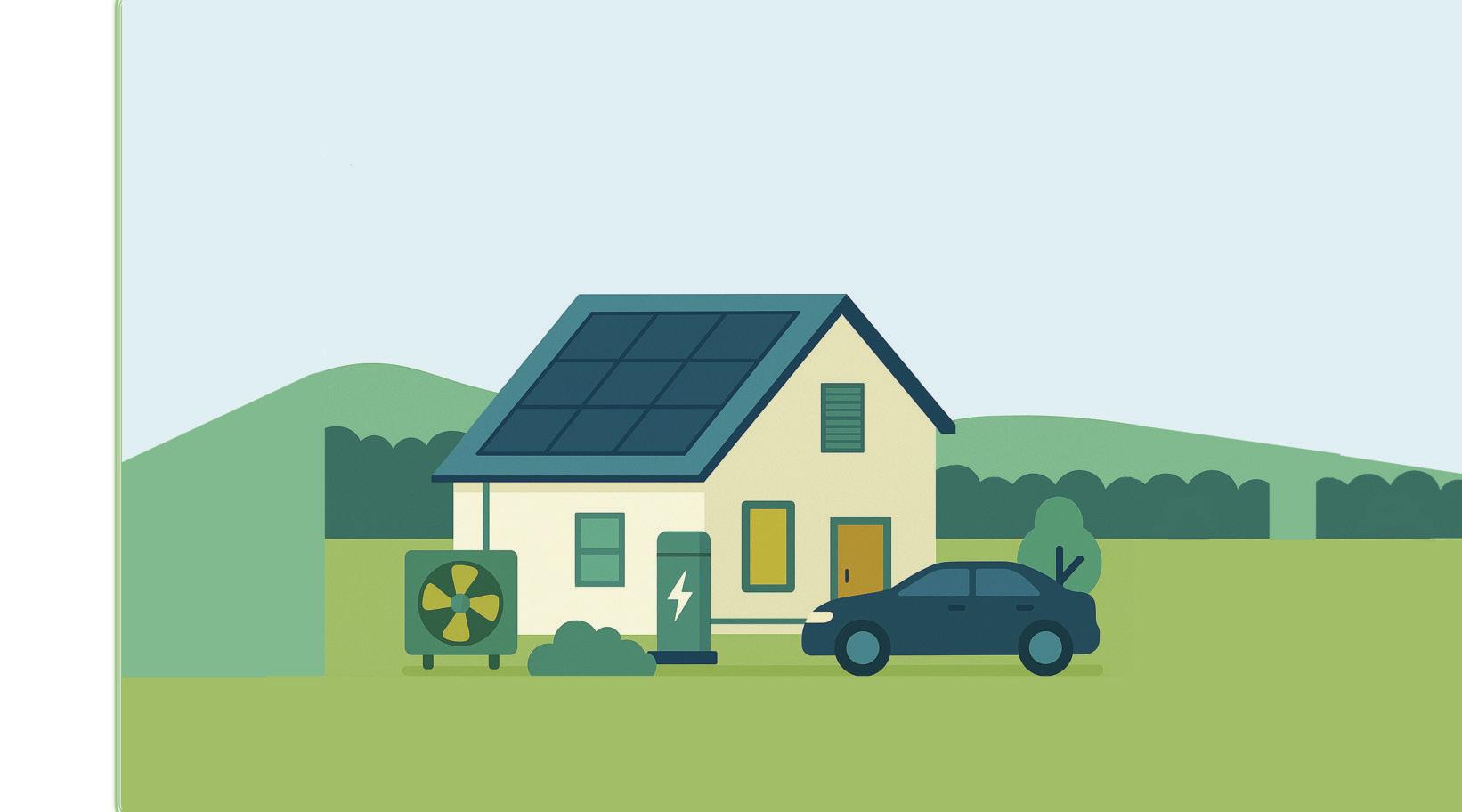

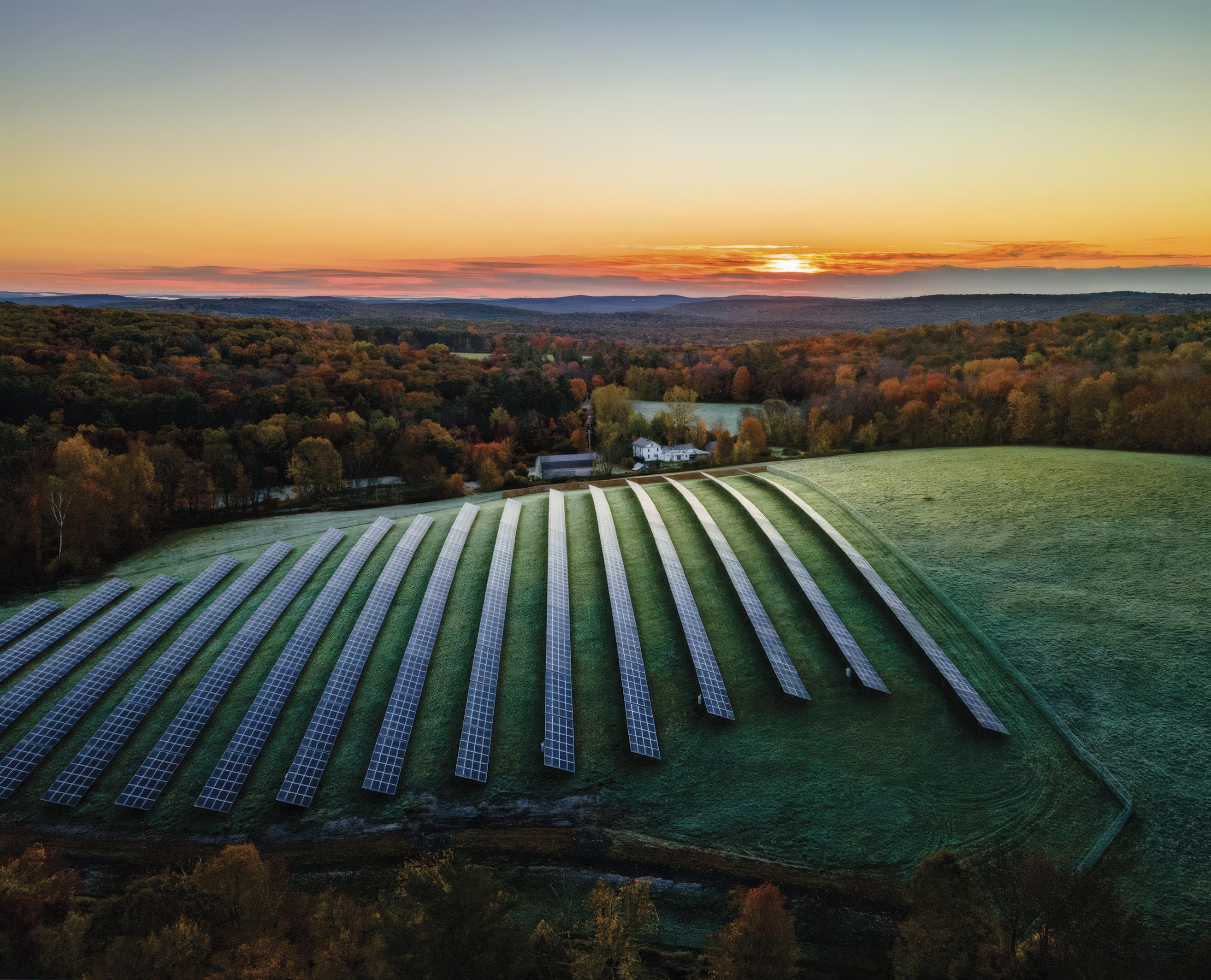
An easier alternative is to tap into the power of solar without even installing solar panels. Community Solar offers homeowners the opportunity to reduce their carbon footprint while lowering their monthly costs. Community Solar is a great option for people who can’t install rooftop solar such as renters, those with shaded roofs, or homes in historic districts where it isn’t technically impossible but is often a challenge. Since 2018, almost anybody in New York can participate in Community Solar through two state programs and two types of market programs.
NY-Sun is a statewide initiative that promotes solar energy by supporting community solar programs across New York. Participating solar farms, such as Nexamp, Clearway, and Meadow offer an annual 10 percent discount on your energy bill with no upfront cost and no equipment needed. To find one of these projects near you, visit Nyserda.ny.gov, find the NY-Sun program, and enter your zip code and utility provider.
Solar for All is a program that provides lowerincome New Yorkers with monthly energy bill credits for accessing a portion of their power from solar, typically saving $5 to $15 per month. Just like NY-Sun, there are no upfront costs and it’s completely free to sign up. Eligible participants include: veterans receiving disability benefits, individuals on a fixed income; minimum wage earners, and others who meet income or assistance program criteria.
There are also two ways to access community solar directly. With purchase models, you buy solar panels within a community solar project. You’ll receive bill credits for every kilowatthour your panels generate. After the panels are paid off, you continue paying a small service fee (typically around $15 per month) but otherwise access the power from those panels for the rest of their life (usually 25 years). With subscription model, you pay a monthly fee that is typically less than the cost of that power from the utility,
and you are assigned a percentage of the solar project’s output.
Whatever your solar plan, if you want to pay only for the energy you need—without waste— the first step to going solar is to get an energy assessment to identify areas of energy waste, like drafty windows or poor insulation. In New York, low- and moderate-income households may qualify for a free home energy assessment through NYSERDA’s EmPower+ program.
The end of federal tax credits doesn’t mean the end of accessible solar energy. With state-level tax incentives, the range of financing options still available, and the easy option of community solar, homeowners can continue to make cost-saving, climate-conscious choices. More information on the programs referenced in this article can be found at Nyserda.ny.gov.
Erica Affronti is an Electronic Media major at SUNY New Paltz.

By Melissa Everett
Would you love to take charge of your home energy systems and kiss fossil fuels goodbye, if only it didn’t seem so complicated? Do you wish for guidance on how even to do the research? Want to have a more confident conversation with contractors? Today more than ever, there is help for you.
Yes, that is a thing. Actually, a person. Energy coaches are independent experts who have passion for clean energy and experience with their own home systems, who are often paid by independent organizations to help you. New Yorkers for Clean Power has a team of exuberant energy geeks you can talk with at no cost, who can demystify technologies and help you make sense of options from heat pumps to EVs. Some are teachers, along with a financial analyst and a retired engineer.
Tom Konrad, PhD, CFA is a financial analyst and writer on clean energy, with characteristic patience and a hard-to-stump level of knowledge. He says, “Some people have very specific questions—tell me what kind of heat pump to buy. Others don’t know where to start and just say ‘Help me figure out my house.” This is a large, complex process. One of the best things a coach can do is break it down into simple steps.”
Coach Samrat Pathania, a high school science teacher, says: “To be well prepared for working with an energy coach, ask yourself what you really need. People come full of wants, but what do you need?”
New Yorkers for Clean Power: Nyforcleanpower.org
Throughout New York State, the NYSERDA Clean Energy Hubs are local points of contact offering connections to New York State’s clean energy programs and incentives. The virtual hubs are staffed by real people whose job is to be there for you on the energy journey. In the Hudson Valley, the Mid-Hudson Regional Clean Energy Hub, also known as Mid-Hudson Energy Choices, is coordinated by Cornell Cooperative Extension Dutchess County, with support from New Yorkers for Clean Power and Sustainable Westchester and other local CCEs. They have connected thousands of folks through large-group info sessions, handing out energy kits with useful items like power strips, door sweeps, and LED bulbs. They also provide free one-on-one energy advisor services at every step.
Mid-Hudson Regional Clean Energy Hub: Midhudsonenergychoices.org
Finally, there is a new business model that we predict will catch on: one-stop project management services for homeowners, businesses, and government agencies alike. The Hudson Valley’s first one is New Energy Project Management, co-founded by long-time energy advisors Craig Hightower, Drew Zarrella, and Marcy Cleveland. For the fee of an energy audit, the company helps customers understand their unique building and financial situation. Cleveland, whose path into clean energy came through real estate, says: “In decisions about energy projects, it really takes the stress out just to have another
set of eyes looking at the situation.” NEPM helps homeowners, businesses, and local governments to plan and sequence projects “so you don’t put spray foam into your attic before you mount your solar panels, which could damage the foam,” according to Cleveland.
New Energy Project Management: Newenergypm.com
Mid-Hudson Energy Transition
There are more resources out there than you may imagine. Mid-Hudson Energy Transition has created several funds to help homeowners and others reduce financial barriers to energy improvements while improving health, safety, and comfort for people with limited finances.
If you are a Kingston homeowner earning at or below the Area Median Income (AMI), the Home Upgrade Grant (HUG) program provides holistic supports including project management, energy assessments, contractor coordination, grant assistance, and government incentives to deliver free and immediate improvements that increase the health, safety, and energy efficiency of homes in preparation for future electrification. This fund has awarded $47,000 in small grants across 64 projects, unlocking $320,000 in government assistance for Kingstonians, while planning for expansion to other communities and more availability to renters. They’re building up another fund, HELP, to support more substantial energy projects and return on community members’ investments. They also provide eligible households with free induction stoves, heat pump water heaters, and portable heat pumps, in partnership with the City of Kingston.
Mid-Hudson Energy Transition: Mid-hudson.energy
Plug N Play Blog tracking the trends and data impacting EVs and infrastructure by Steve Burkitt. Evi.plugnplayev.com
EnergySage Online marketplace that helps homeowners compare quotes and access vetted installers for solar panels, home batteries, EV charging, and heat-pump systems. Energysage.com
Plugshare Community-driven mobile app and website that maps electric vehicle charging stations worldwide and lets users browse, rate, and share realtime information about chargers. Plugshare.com
Rewiring America Nonprofit committed to helping American households switch to all-electric, cleanenergy systems by providing tools, policy advocacy, and research to make electrification accessible and affordable. Rewiringamerica.org
NYSERDA New York State Energy Research and Development Authority delivers analysis, programs, and technical expertise to help New Yorkers boost energy efficiency, adopt renewable energy and decarbonize buildings and systems. Nyserda.ny.gov