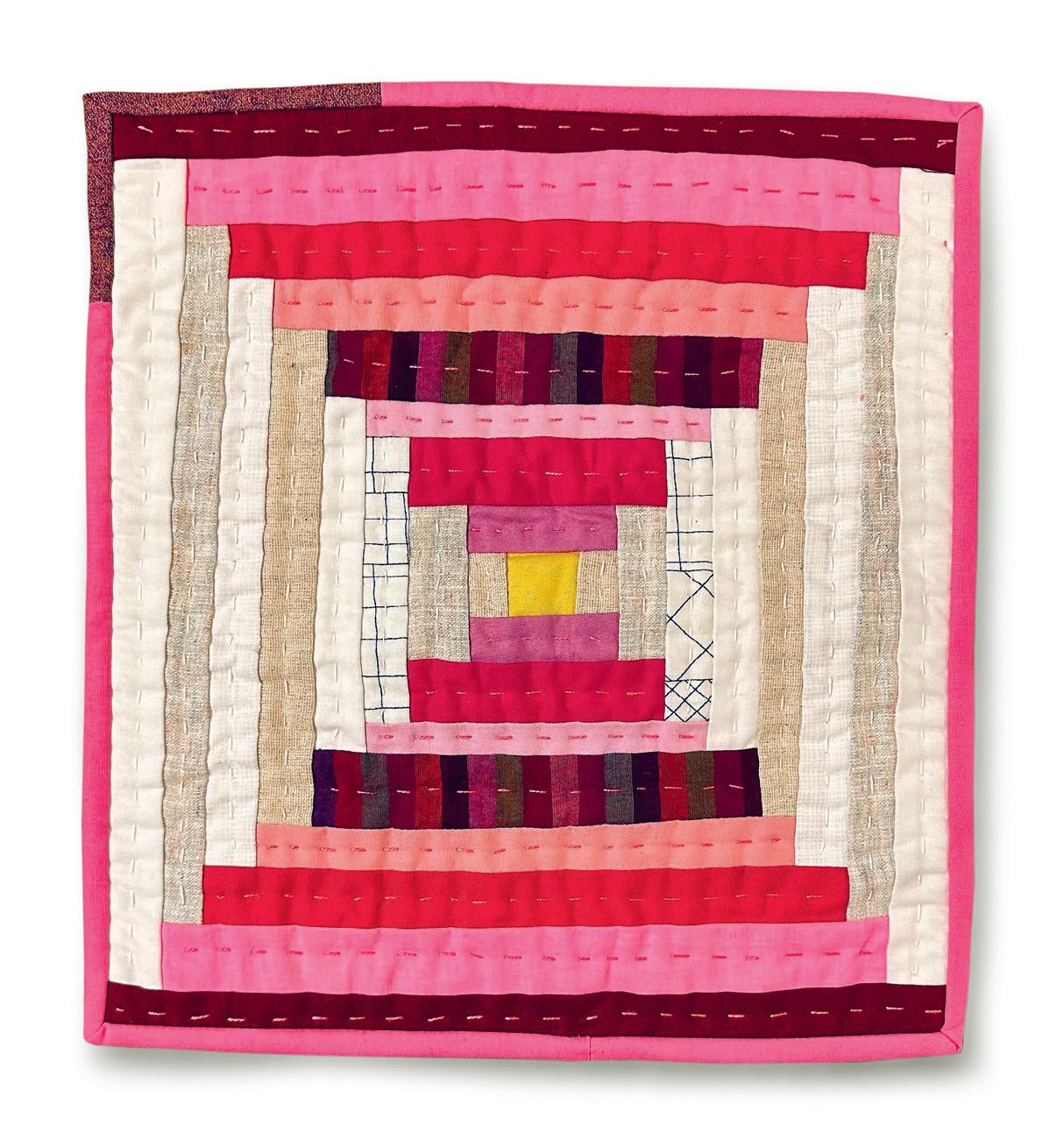
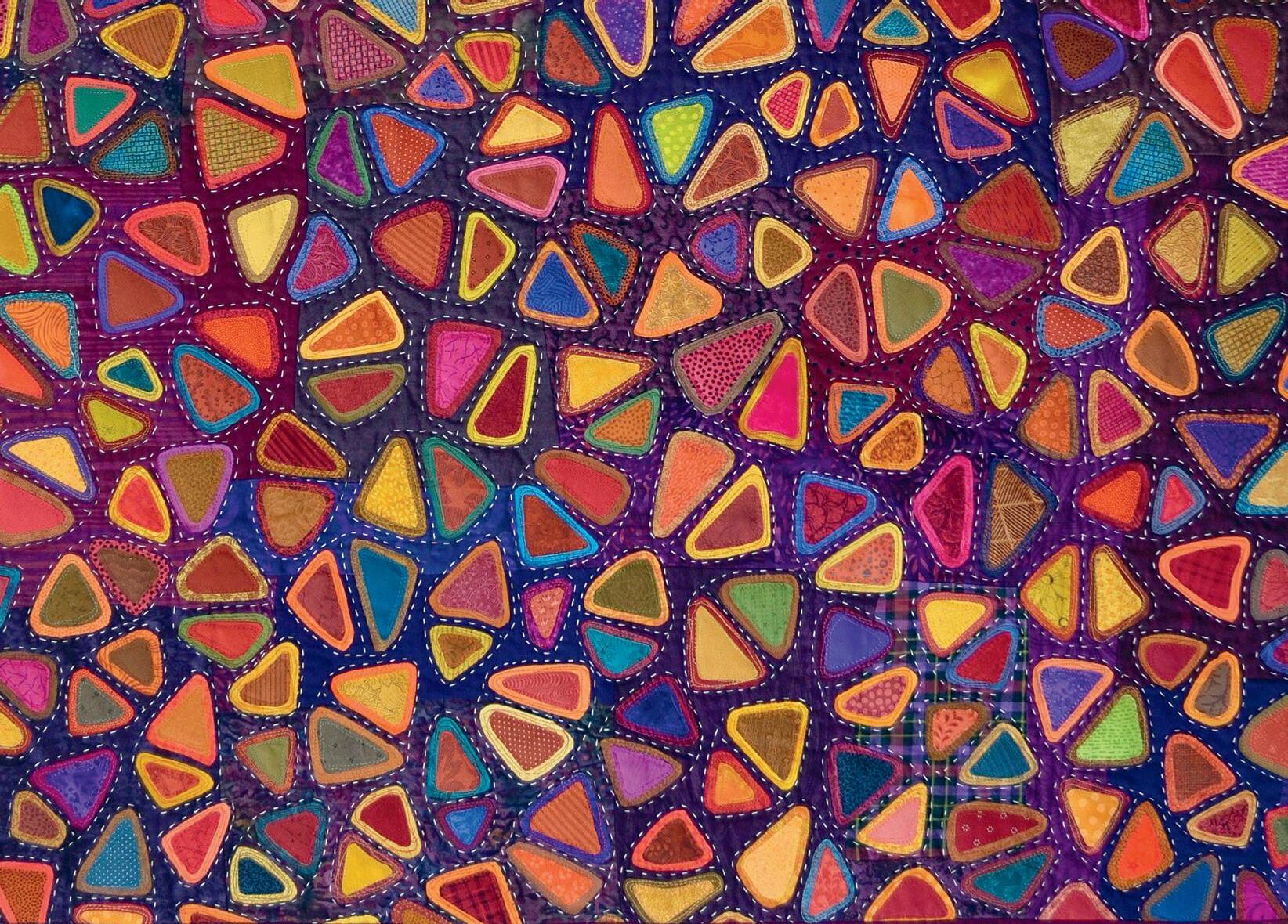
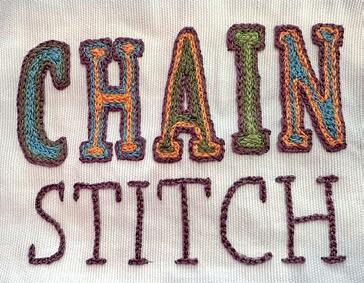
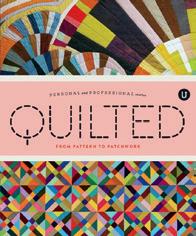
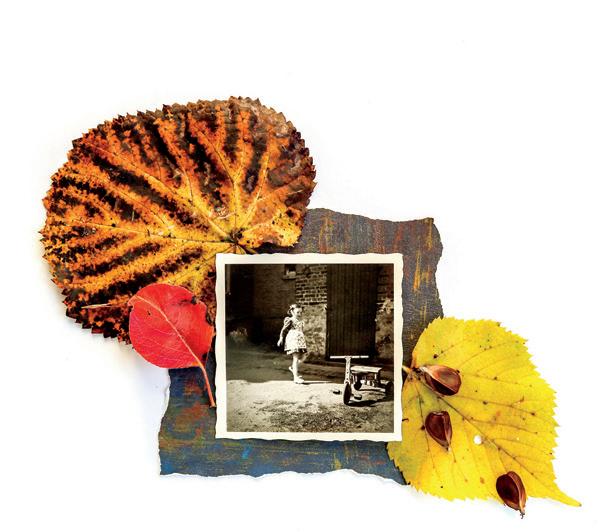
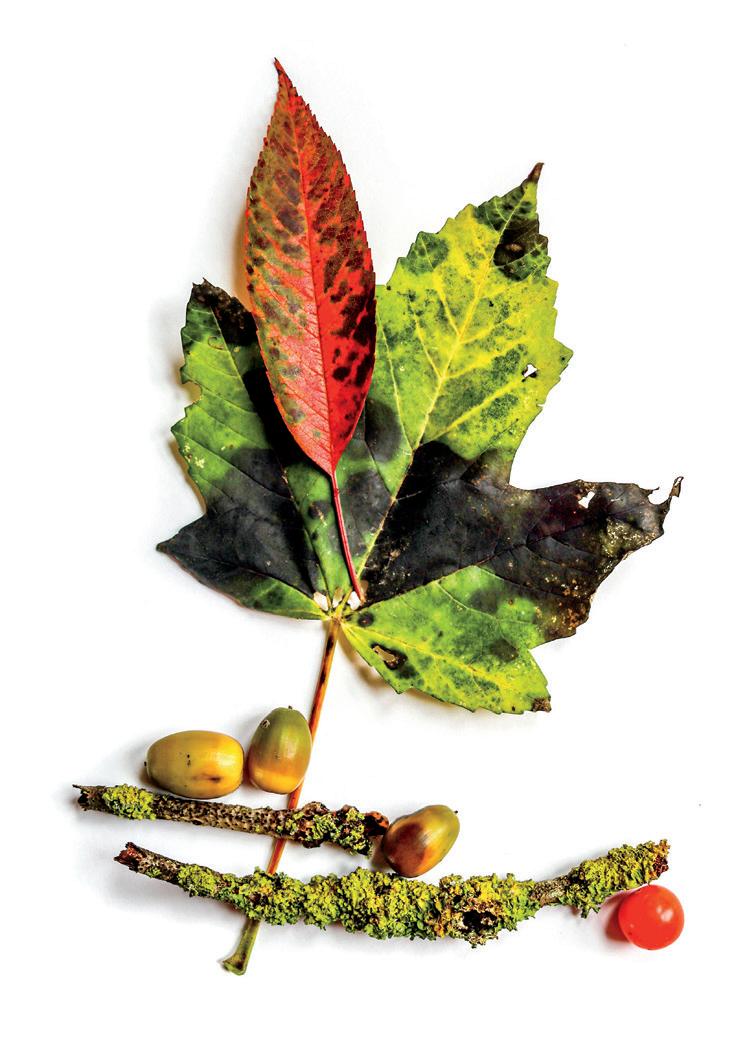
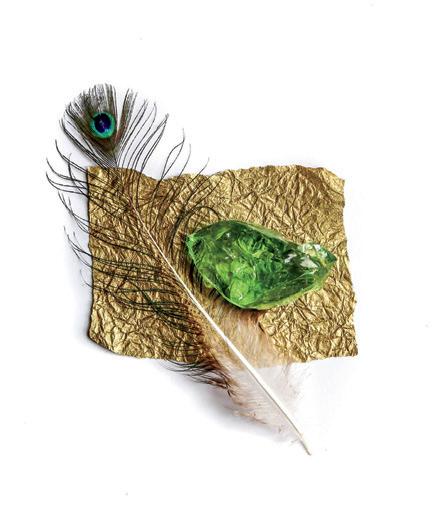
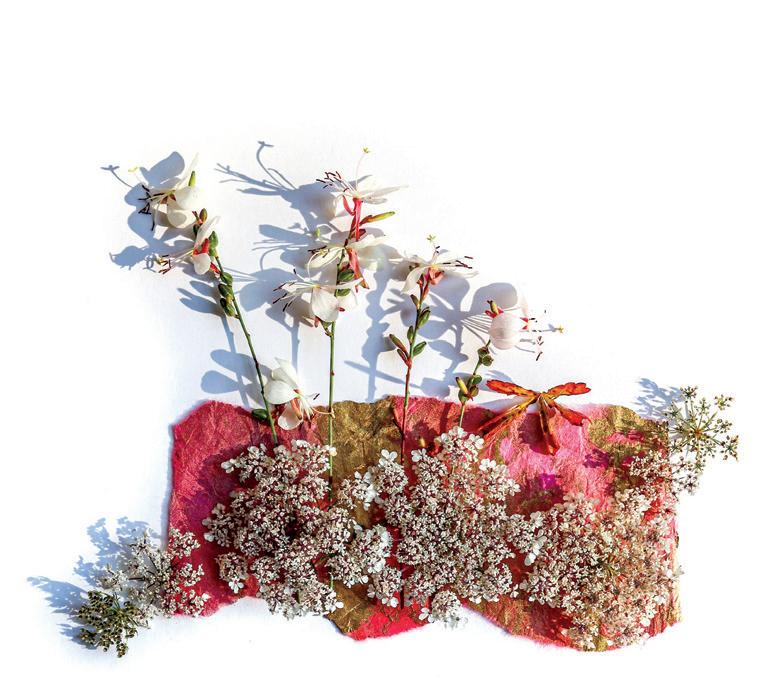
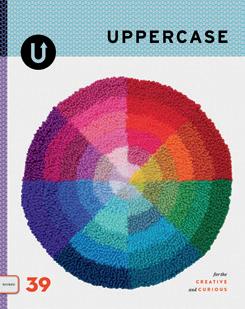
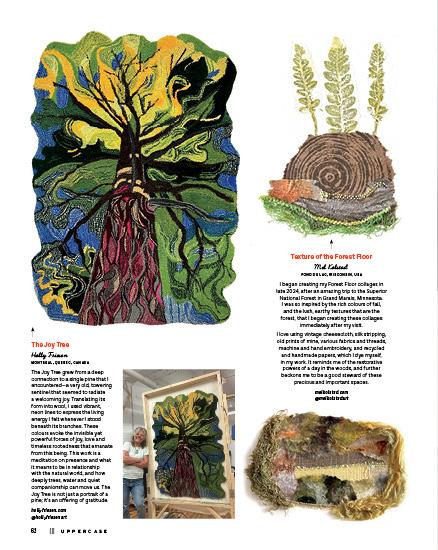
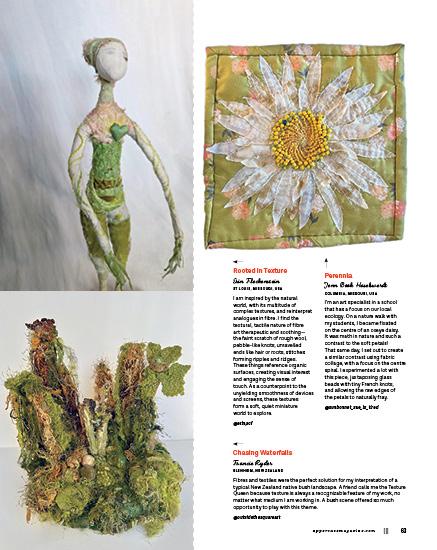
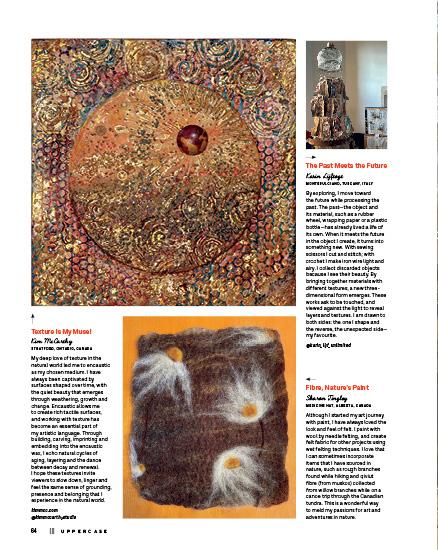
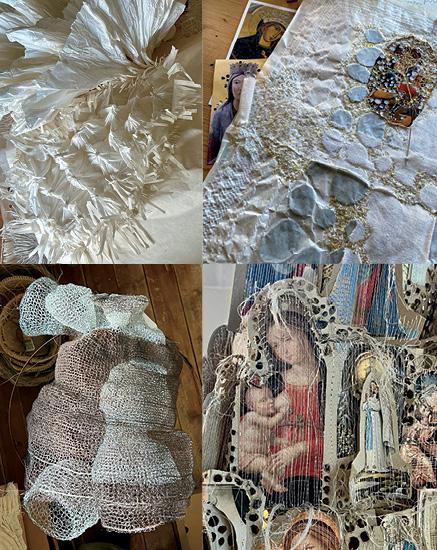
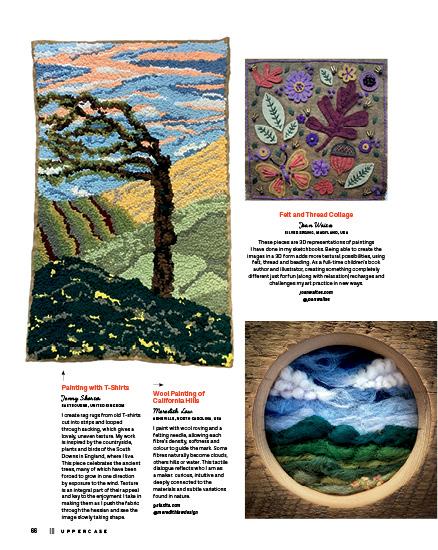
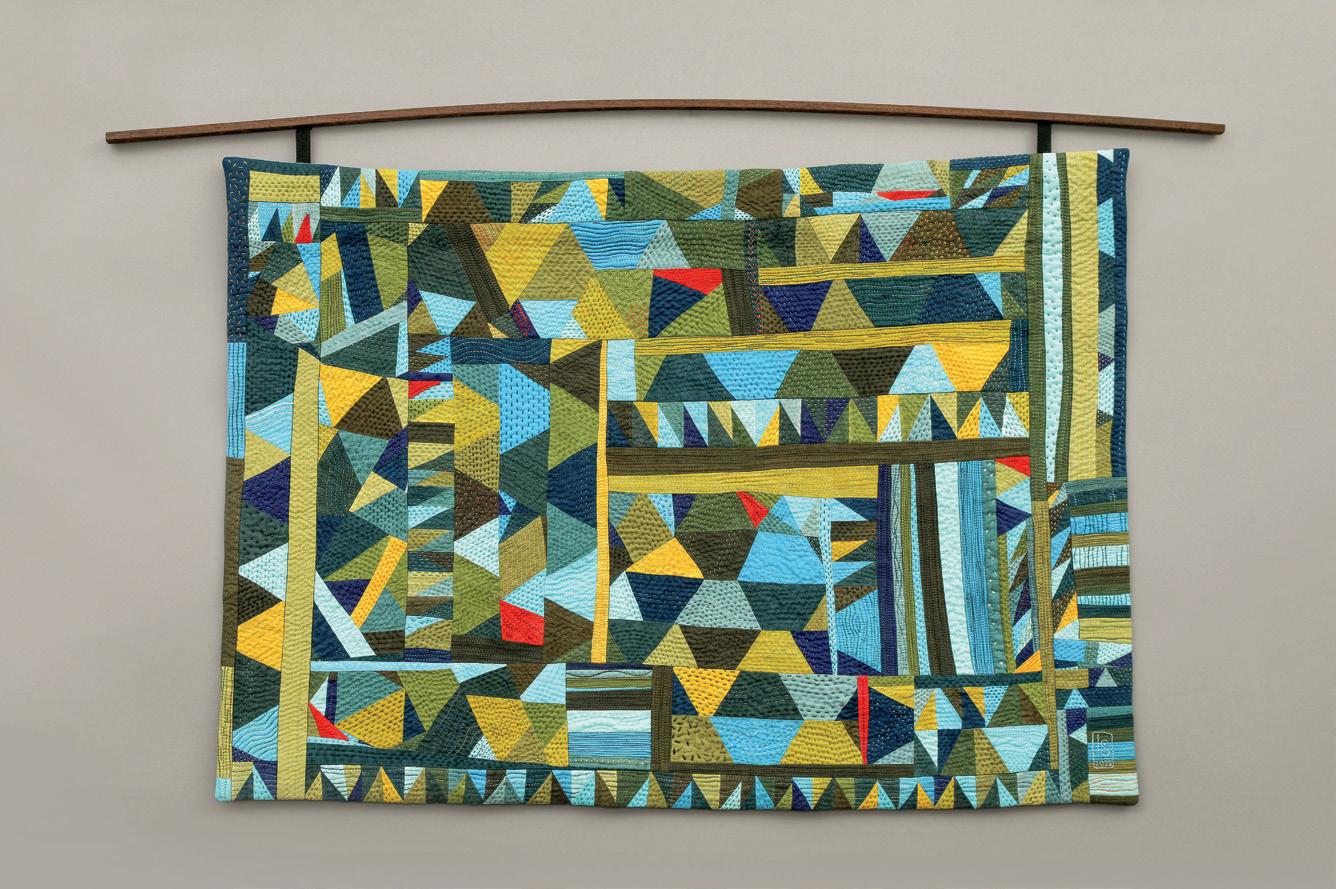
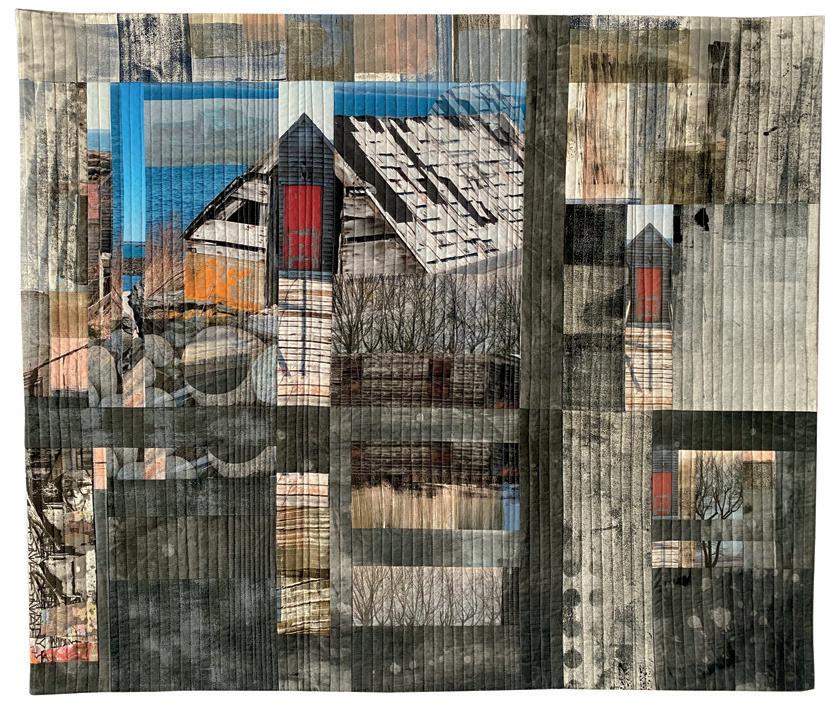
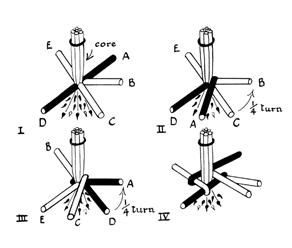
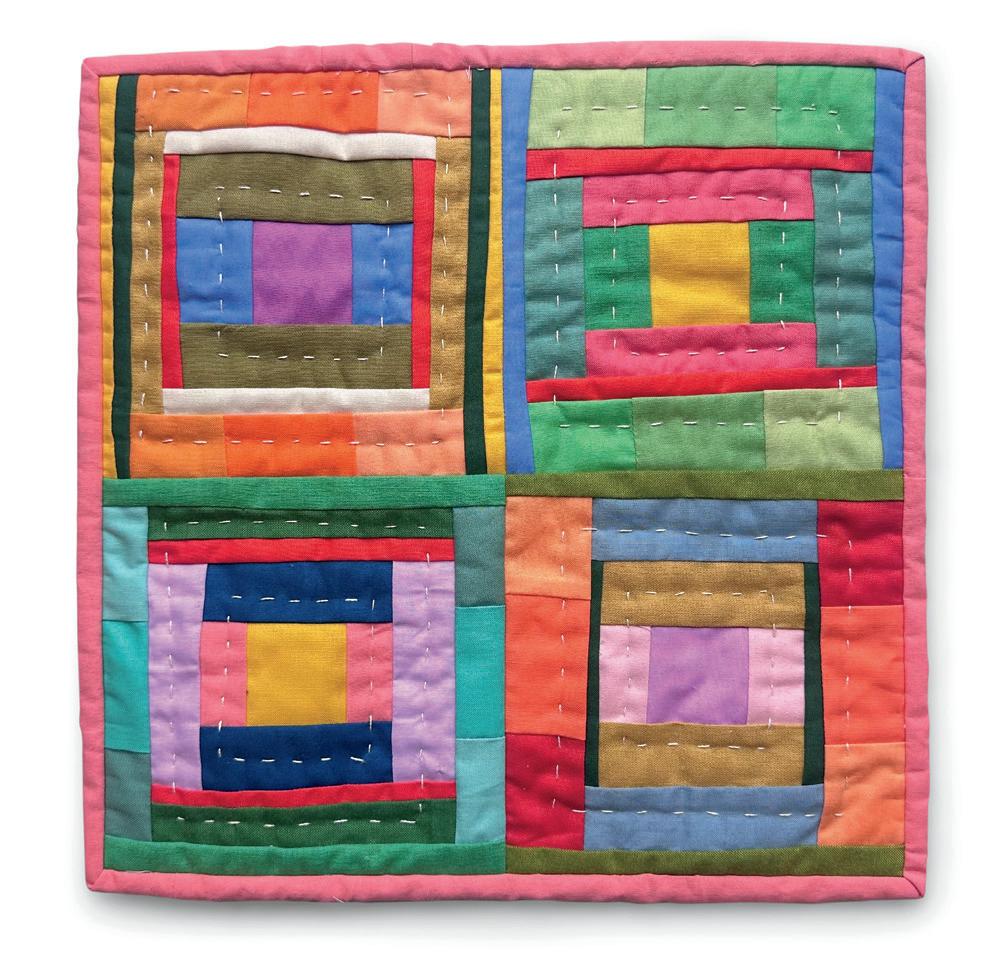
A log cabin quilt block begins with a central square. Traditionally, a red centre represented the hearth of the home, with other strips of fabric—the logs—built around it.
Starting from this simple concept, a log cabin quilt can be as unique as the person making it. Infinite variations of fabric, tonal value and proportion make the log cabin design an expressive and enduring pattern, even over a century and a half after it first became popular.
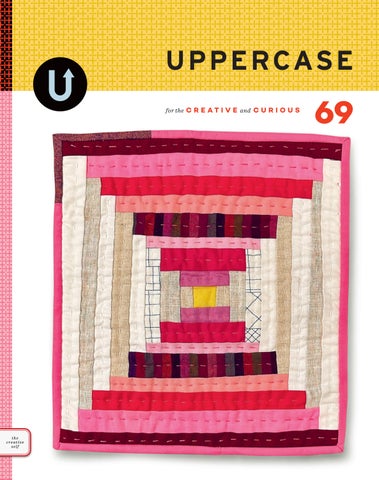
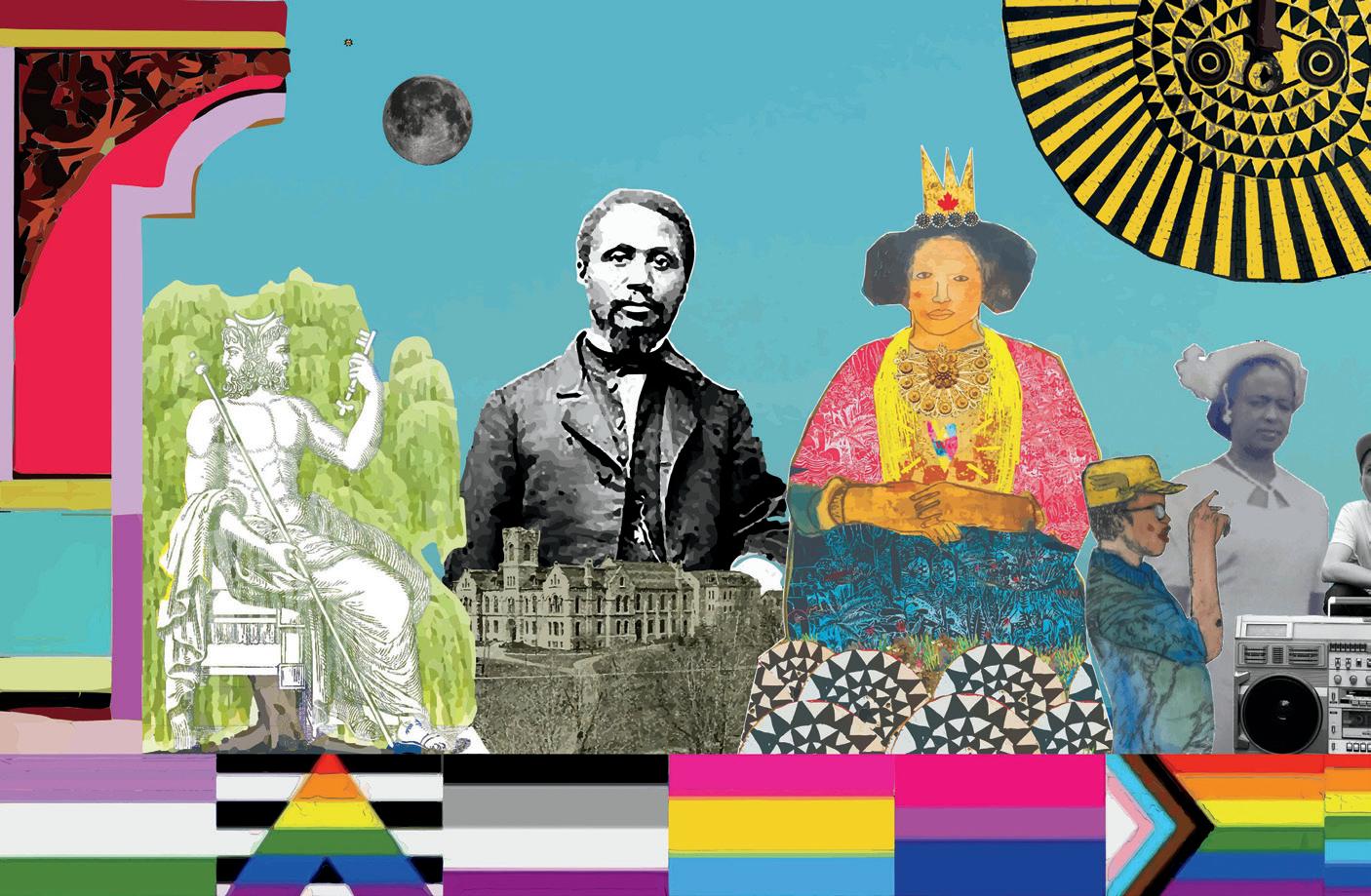
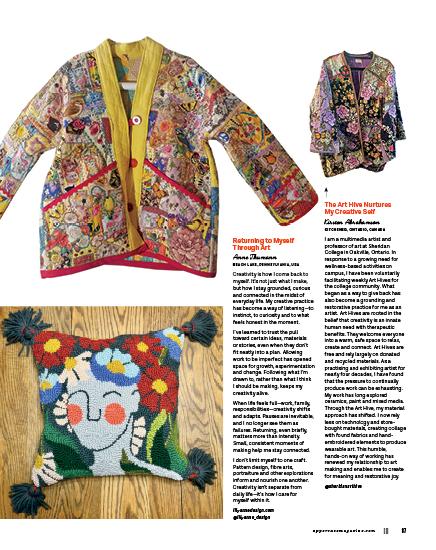
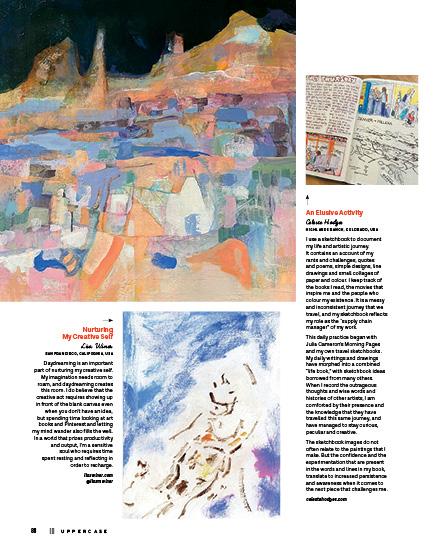
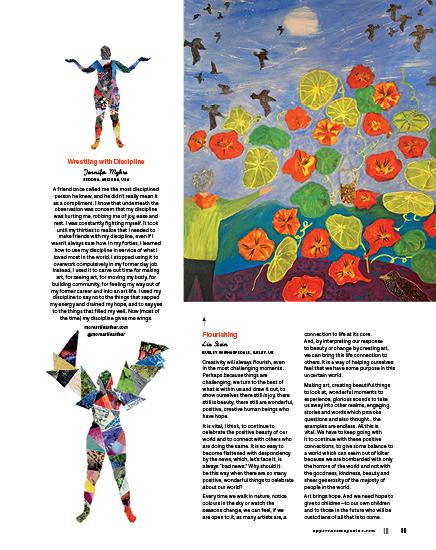
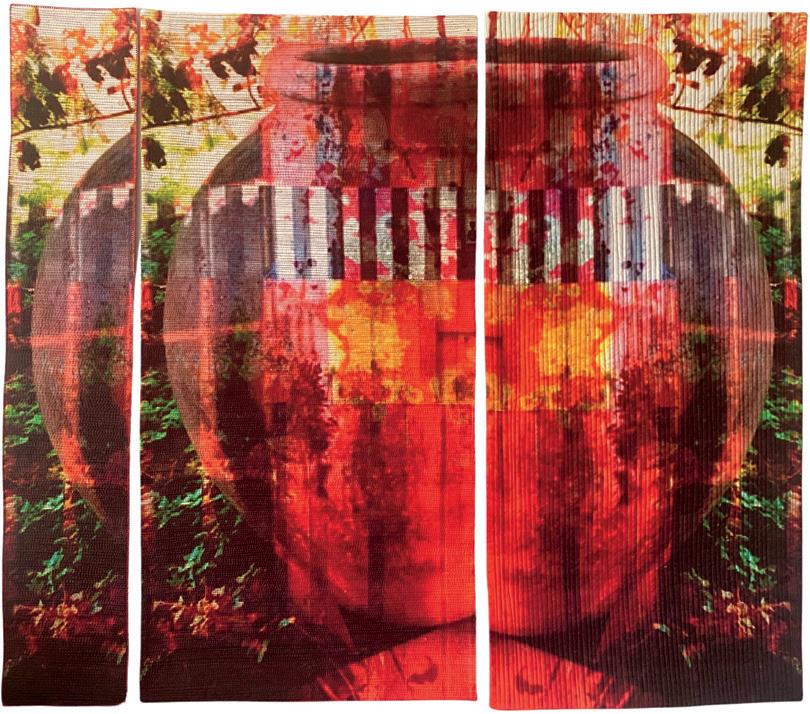
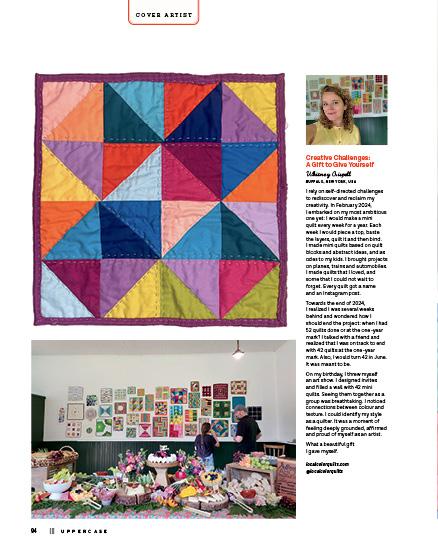
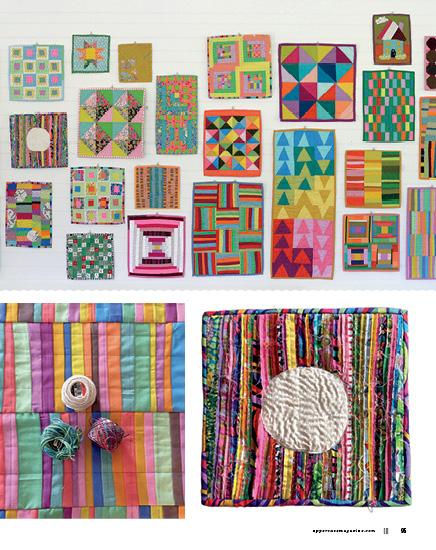
This issue’s cover artist, Whitney Crispell, set out to rediscover her creative self with a self-imposed challenge to make a mini quilt every week for a year. Old-fashioned blocks, contemporary designs and textural explorations inspired these small, quilted sketches.
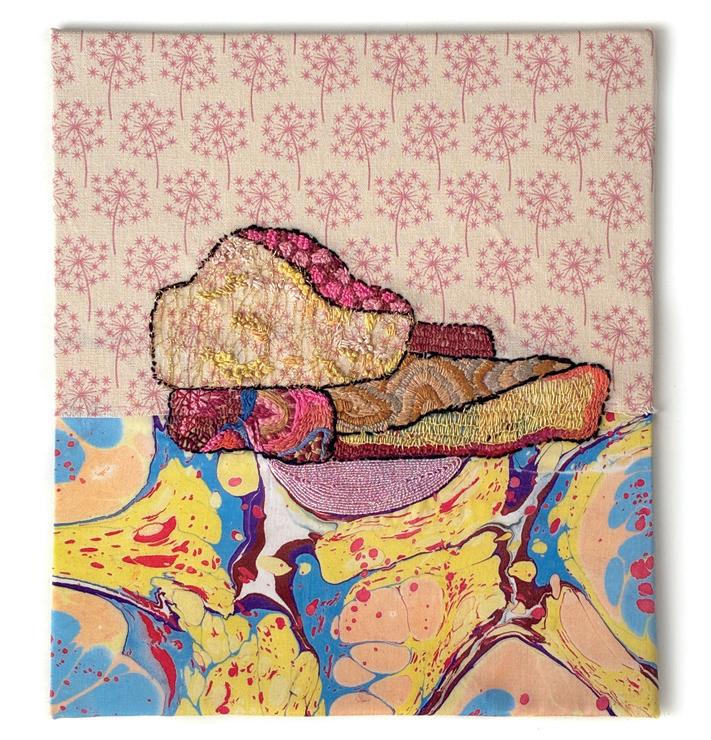
When I look at her log cabin composition, I see the central yellow square as the “self” from which everything else is anchored. Over time and through experience, we build ourselves up and grow outward. Our values emanate from our centre and are sewn into being.
Although we’re looking inward in this issue, it is not selfish to nourish one’s creativity. Compassion, generosity and care for ourselves is necessary so that we may also extend it to others.
Janine Vangool PUBLISHER, EDITOR, DESIGNER
Receive my weekly musings, delivered to your inbox! uppercasemagazine.com/free
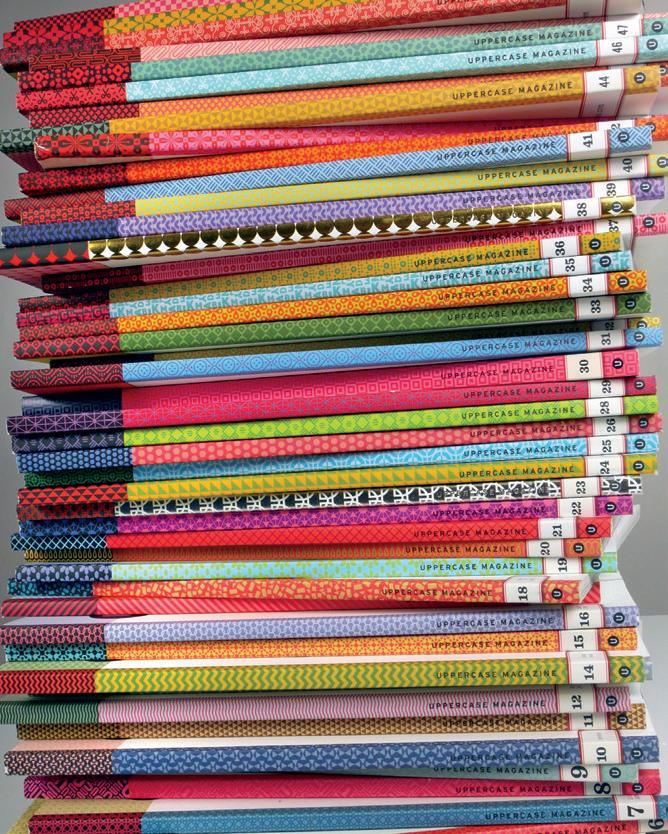
This issue marks 17 years since the very first UPPERCASE magazine was published! Curious about how it all started? The first 54 issues are available as digital editions in the Archive. uppercasearchive.com
UPPERCASE
1052 Memorial Dr NW Calgary, Alberta, Canada T2N 3E2
Interior pages are printed on 100% post-consumer recycled Rolland Enviro 100.
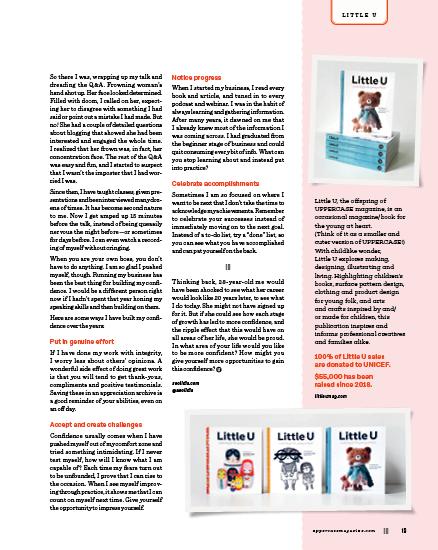
Sustainability Initiatives
Through the Wren Trailblazer fund, UPPERCASE pledges between $250–$1000 USD per month towards offsets. This pooled fund goes towards technologies that permanently remove carbon from the atmosphere, as well as traditional offsets. Please join fellow readers in the Wren Impact forest. wren.co/groups/uppercase uppercasemagazine.com/eco
In the spirit of reconciliation, we acknowledge that we live, work and play on the traditional territories of the Blackfoot Confederacy (Siksika, Kainai, Piikani), the Tsuut’ina, the Îyâxe Nakoda Nations, the Métis Nation (Region 3) and all people who make their homes in the Treaty 7 region of Southern Alberta.
SUBSCRIBE
This independent magazine thrives because of you— its loyal subscribers!
uppercasemagazine.com
SUBSCRIPTIONS
This quarterly magazine is released in January, April, July and October. CANADA
CAD $96 UNITED STATES
USD $80
INTERNATIONAL
CAD $144
Our shop will do the currency conversion for you.
RENEWALS
You will receive a notice by email when it is time to renew. Renew online anytime to add issues to your current subscription.
GIFTS
Simply enter the recipient’s name and address in the shipping information and your name, email and billing address during checkout.
STOCKISTS
To view our list of stockists or to carry UPPERCASE in your shop:
uppercasemagazine.com/ stockists
Thank you to all of the talented writers, illustrators, creative collaborators and loyal readers who contributed their talents to this issue of UPPERCASE.
QUESTIONS?
Have a question about your subscription or a change of address? Email us: shop@uppercasemagazine.com
NEWSLETTER
Sign up for the UPPERCASE newsletter to receive free content and behind-the-scenes peeks at the making of the magazine— plus a welcome discount on your subscription!
uppercasemagazine.com/free
Thank you to everyone who submitted to the open calls for this issue. Even if you weren’t featured within these printed pages, your effort was noticed and appreciated!
SUBMISSIONS
UPPERCASE welcomes everyone and all identities, ages, talents and abilities. We share an inclusive, positive and community-minded point of view. Everyone is welcome to explore our creative challenges and submit to the magazine. Pitch your own work, propose an article or suggest a topic through the Open Pitch submission form. Be familiar with the magazine and its writing and visual style.
uppercasemagazine.com/participate
Magazines are not reprinted— get our back issues while you can! Out-of-print issues are available digitally in the Archive.
uppercasearchive.com
100 MAKING
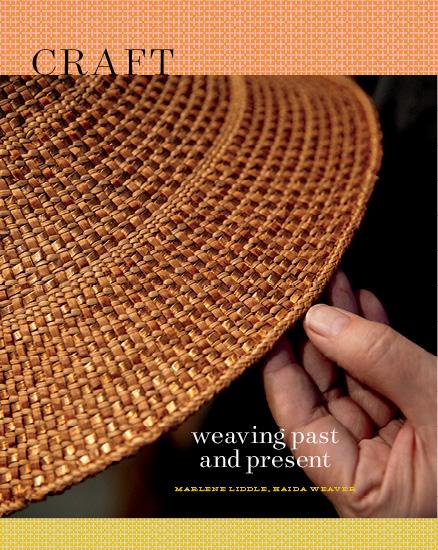
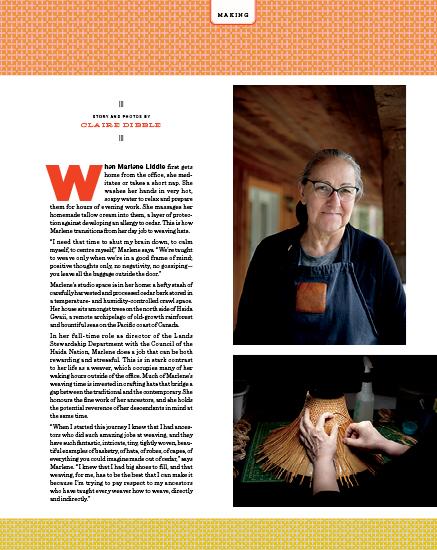
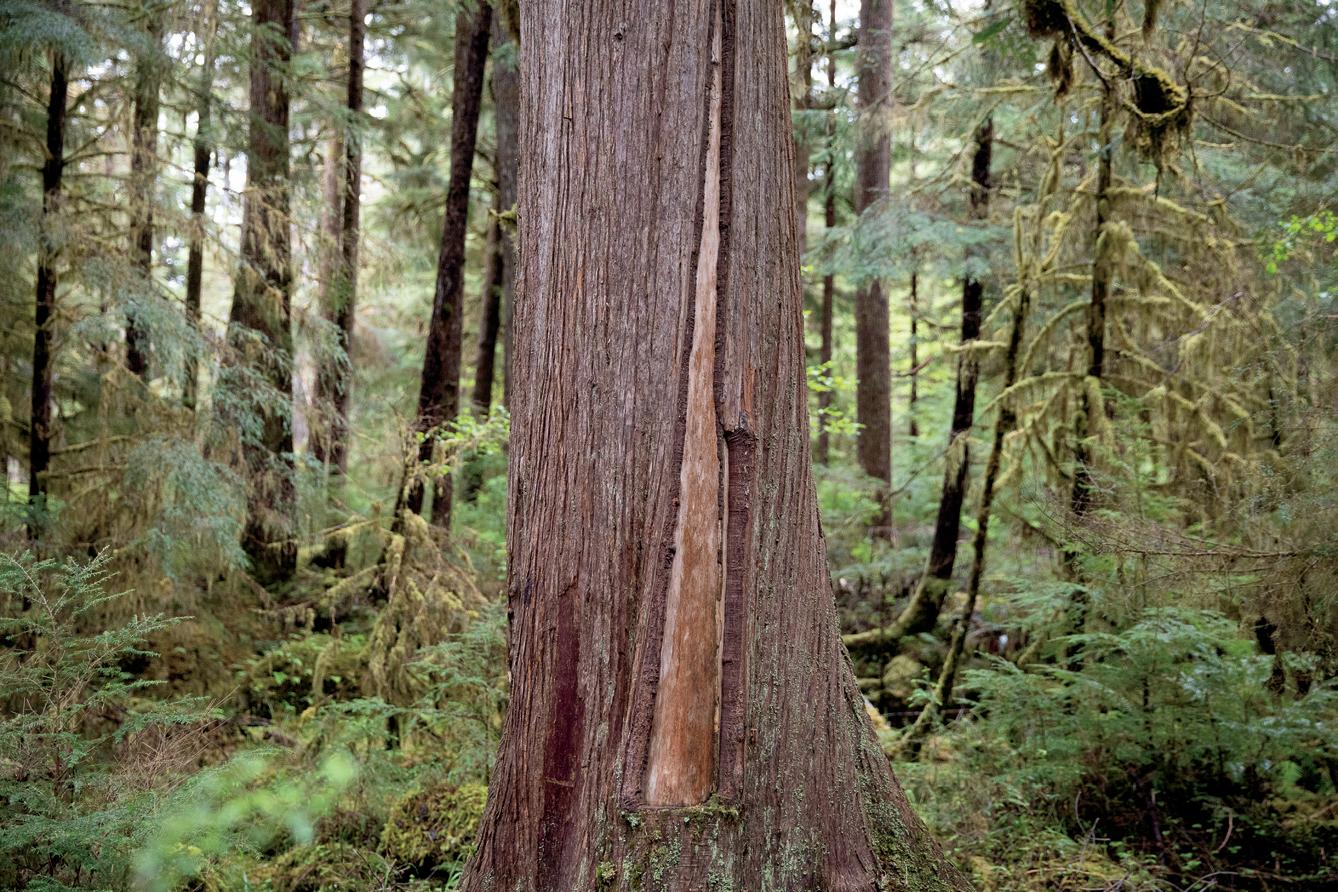
Haida Weaver Marlene Liddle: Weaving Past and Present STORY AND PHOTOS BY CLAIRE DIBBLE 108 ORIGIN
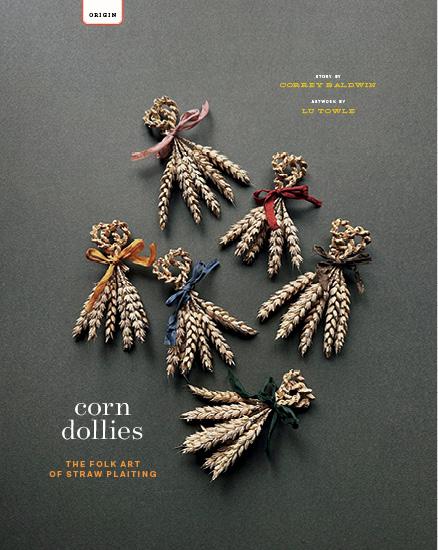
Corn Dollies: The Folk Art of Straw Plaiting
BY CORREY BALDWIN ART BY LU TOWLE
112 PLACES
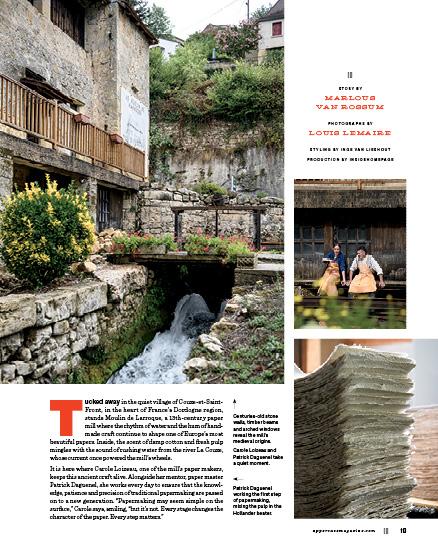
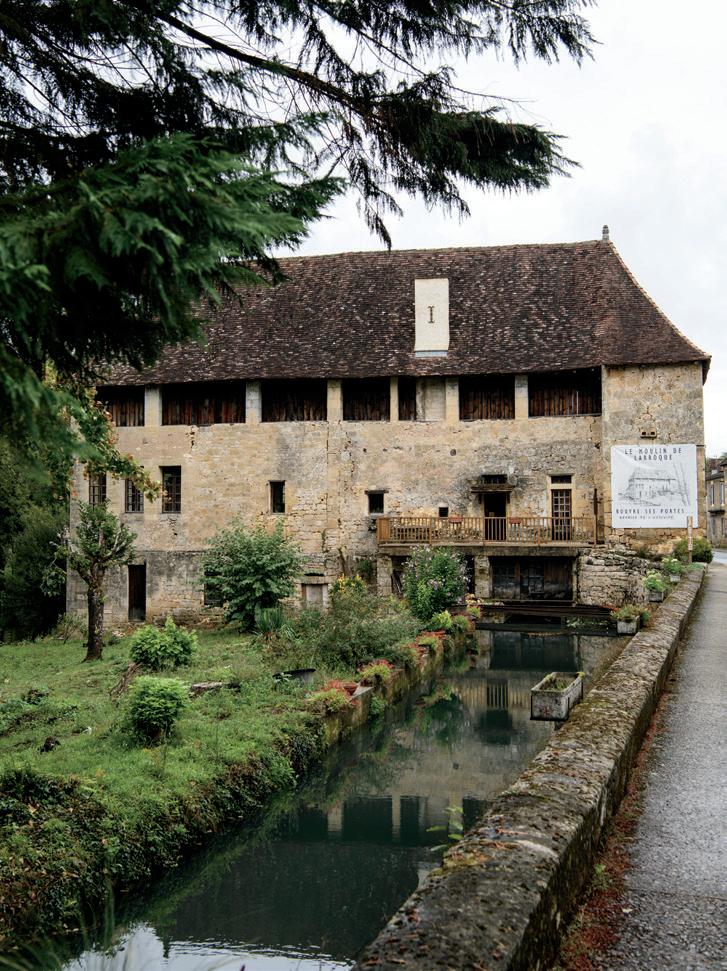
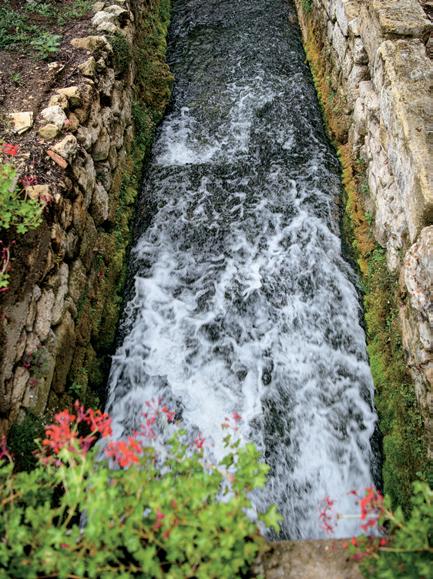
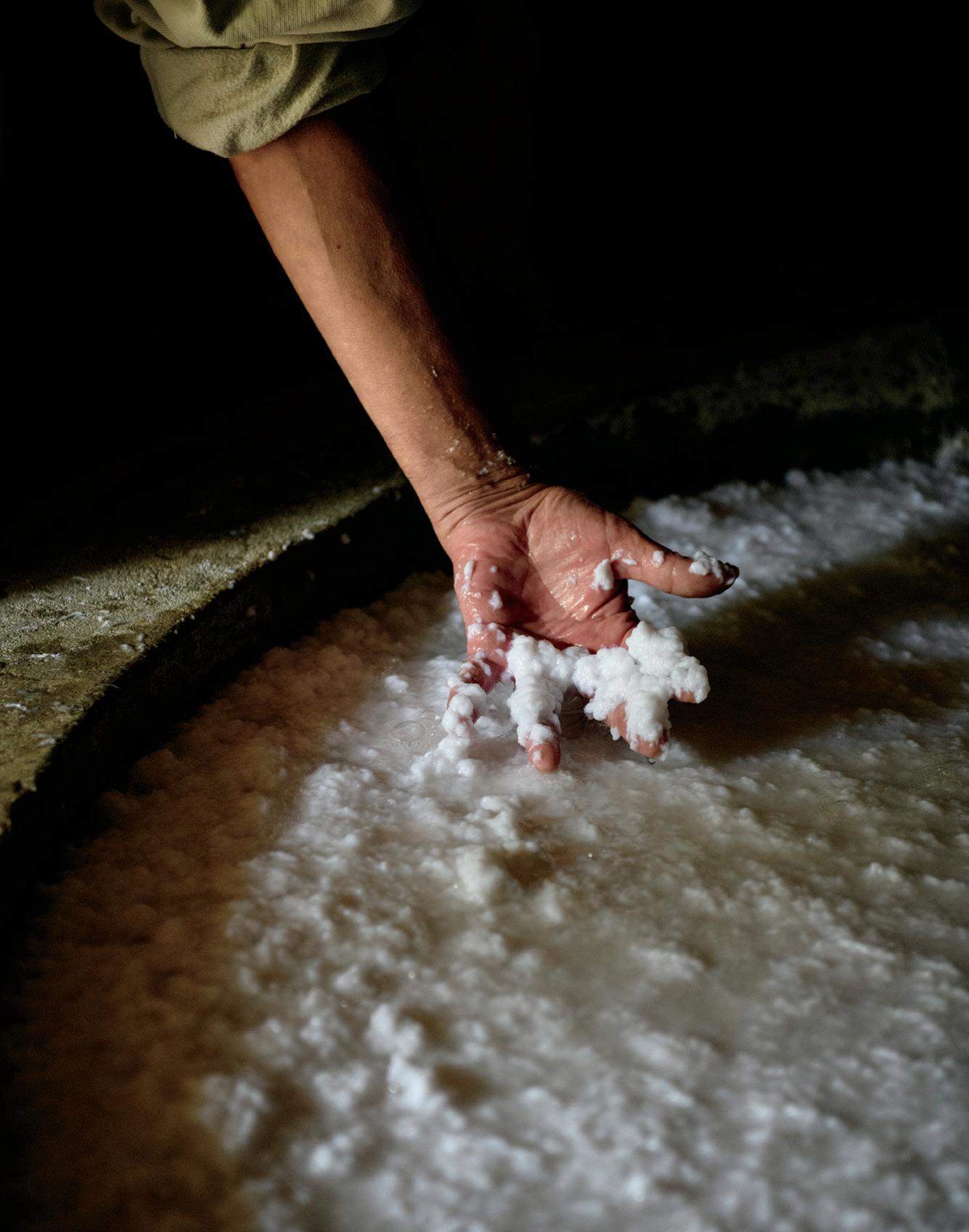
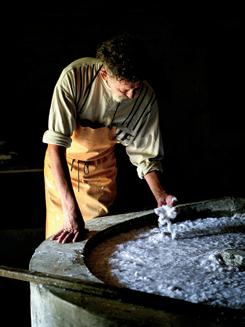
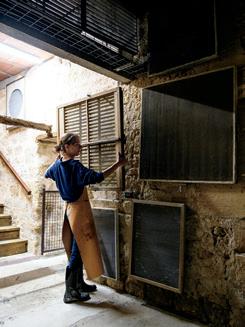
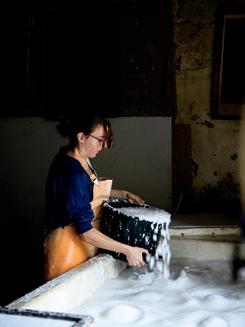
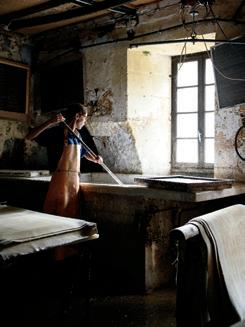
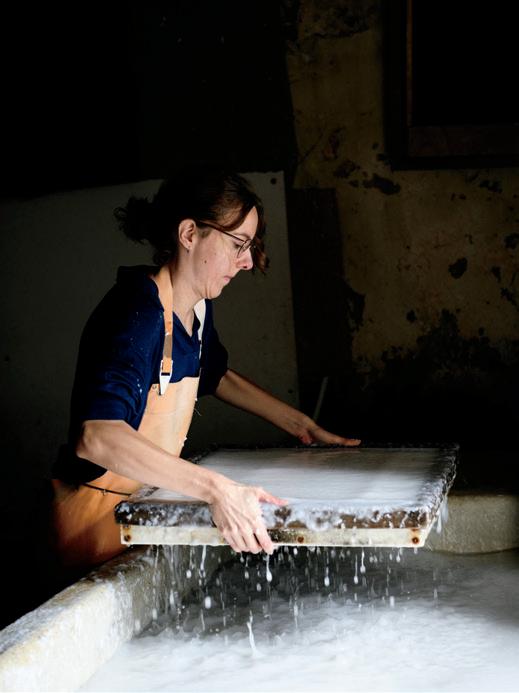
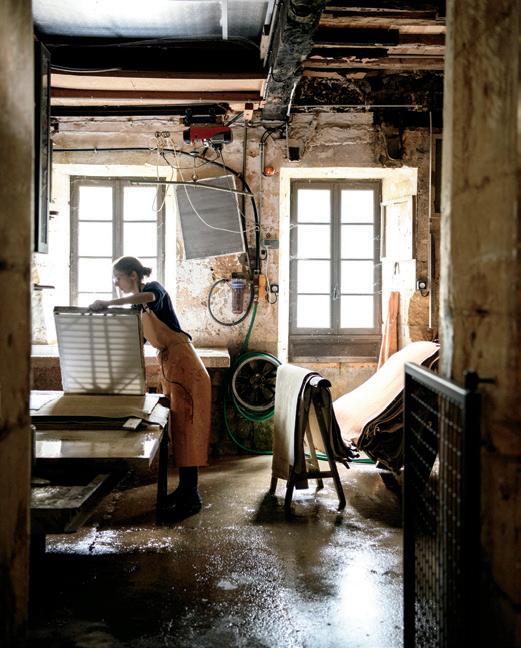
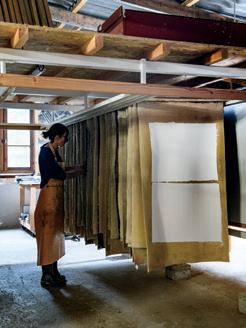
The Soul of Paper: Moulin de Larroque STORY BY MARLOUS VAN ROSSUM PHOTOS BY LOUIS LEMAIRE 120 MUSING
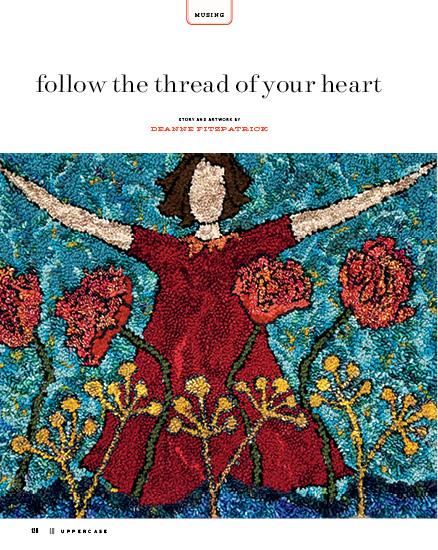
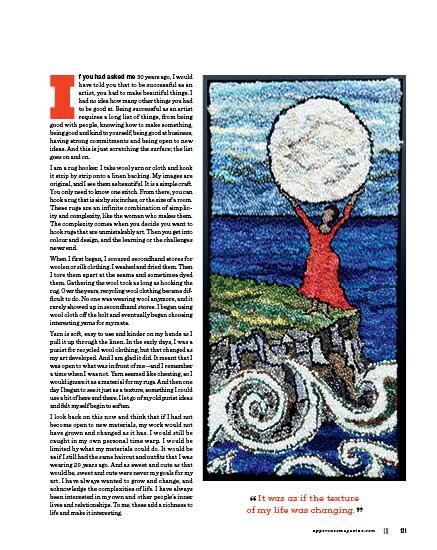
Follow the Thread of Your Heart STORY AND ART BY DEANNE FITZPATRICK
FOULKS
D’AQUINO
HOBBY
Art Without End STORY BY BRENDAN HARRISON ART BY KYLE BEAL 126 STUDIOS Rae Missigman 128 KRAFT Make a “Kraft”
CIRCLE
Get to know the UPPERCASE Community 130 COVET
Wherever You Go
STORY AND PHOTO BY ANDREA JENKINS
SNIPPETS
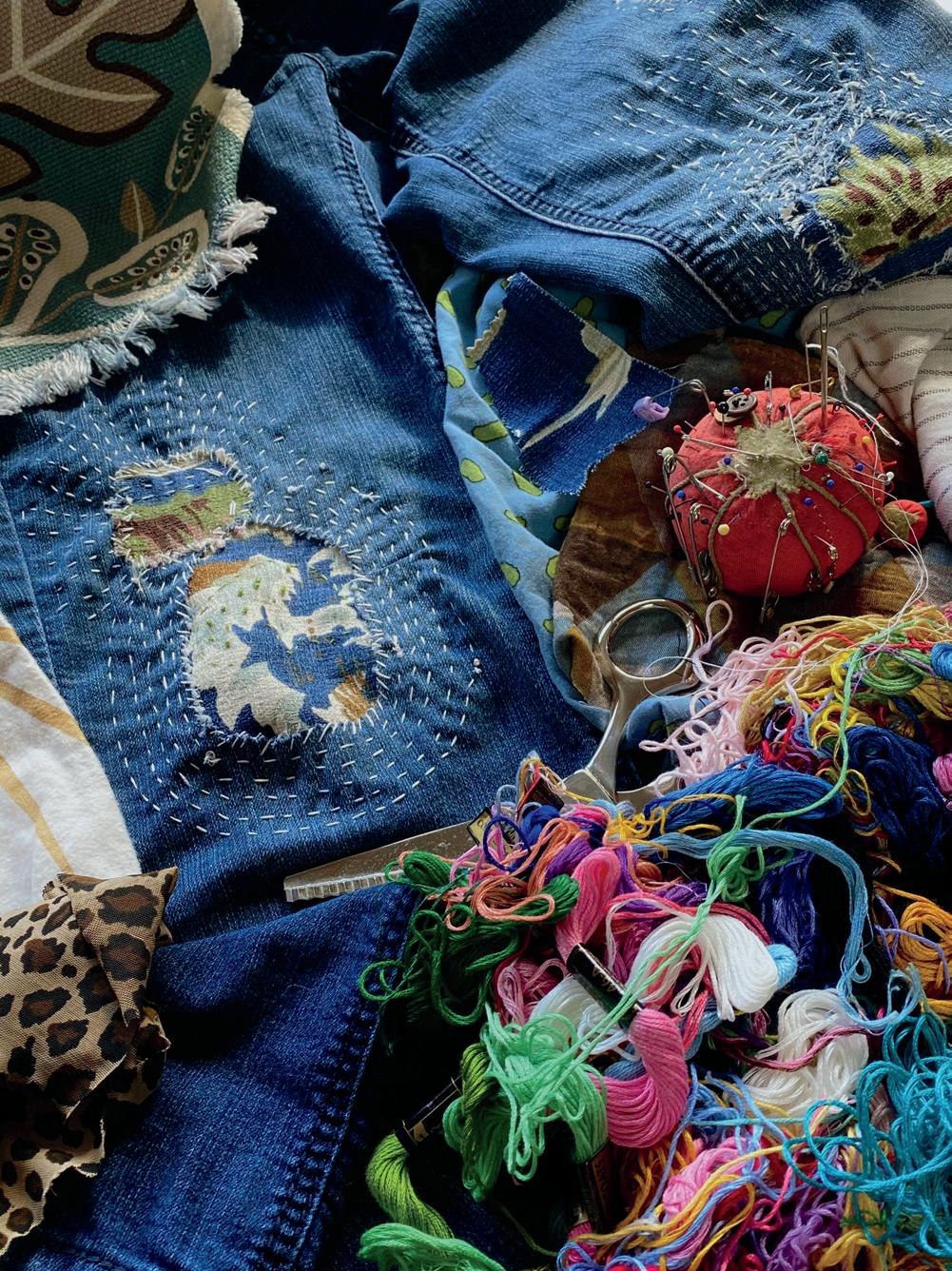
Shashiko Blue Jeans
Jane E. Pakis
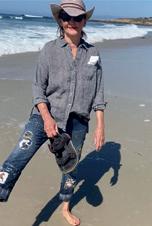
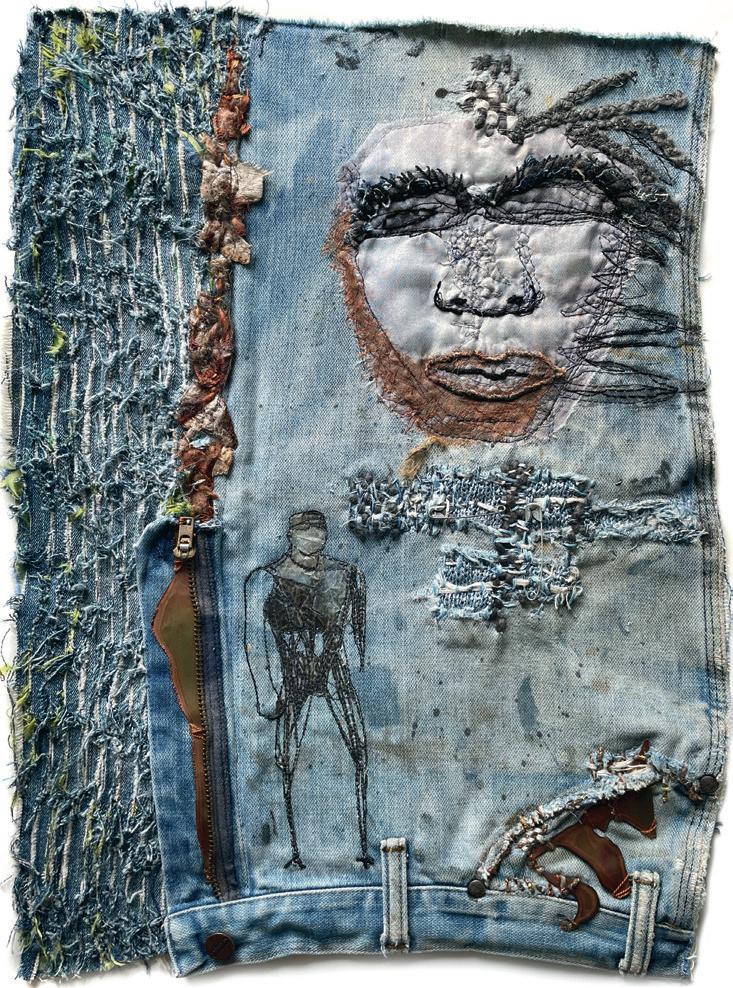
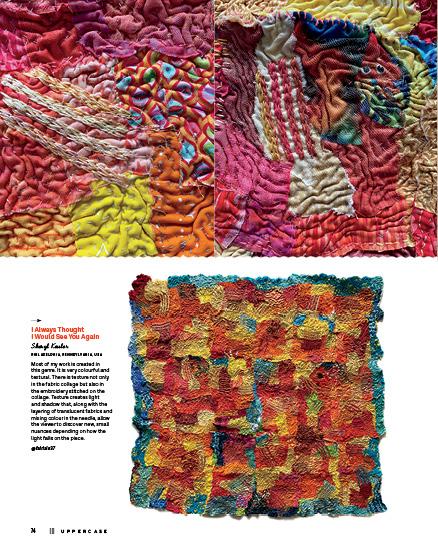
My grandmother taught me how to embroider when I was four. It was the early 1950s; we didn’t have TV or a phone. The country was still reeling from the Second World War, and things were sparse. My mom and grandma made rag rugs, quilts, our clothes, embroidered bed linens. Everything got recycled. I didn’t realize we were doing it out of necessity! I thought it was for fun. If I got a new dress, my doll also got one from the scraps. These jeans started out with a hole in the knee, so I patched it. As parts wore out, I’d mend them. Now it’s for the simple joy of creating. I know my upbringing plays a large part in that, and I am grateful. I still love to reinvent! I never have a plan. I just rummage through my bins of scraps until something seems right and then I go where it takes me. It’s collaging with fabric!
@janepakis
CHARLOTTE, NORTH CAROLINA, USA
Touch Labels
The Stanley Museum of Art in Iowa City is exhibiting Canadian artist Sandra Sawatzky’s The Black Gold Tapestry—a 220-footlong hand embroidered tableau interpreting the cultural history of fossil fuels. Museum exhibitions such as this contain very appealing textiles, but for practical and conservation reasons they are definitely hands-off experiences.
To occupy curious hands, Linzee Kull McCray (author of UPPERCASE’s Feed Sacks) and Codi Josephson (owner of Home Ec Workshop) are creating “touch labels” to accompany the exhibition. “It’s an interesting trend in museums that show textiles—creating something touchable so people are less tempted to touch the works of art.” Since the tapestry primarily uses four stitches, Linzee has stitched labels for chain and couching methods and Codi is creating samples for laid and outline stitches. Museum visitors will be able to feel these samples and examine them up close to further their experiential understanding of the artworks on display.
Textile art is very physical, where emotions pass through the manipulation of the objects, creating a third dimension.
—MARIE-DOMINIQUE ROULEAU
The Feel for Texture
Marie-Dominique Rouleau
QUEBEC CITY, QUEBEC, CANADA
Touching, feeling the textiles and playing with my hands is what gives life to a textile piece. Assembling found and given materials enables me to bring their stories, more or less intuitively, into a new meaning. Textile art is very physical, where emotions pass through the manipulation of the objects, creating a third dimension. Texture is present in the variations of colours, values, marks and the nature of each type of textile and object, giving originality to my work.
HANDS-ON
FEEL FREE
the perfect day
an exercise in self-discovery
ILLUSTRATION
AND
BY MEERA LEE PATEL
For as long as I can remember, “artist” defined my identity. It’s how I differentiated myself from others and gave my life value. It is my work that has imbued me with a sense of selfworth—a dangerous relationship, especially as I struggled to step into the roles of partner and mother. Rather than integrating my creativity into both roles, I fought to keep them separate. I was an artist and a partner and a mother— each treated as isolated entities within myself. This created a stressful hierarchy in which the separate parts of who I was competed for my attention. I wasn’t able to be present in each role. I couldn’t sink into the fullness of this season, and the bulk of each day felt overwhelming, lonely and scarce.
In talking about his own life, David Lynch said, “If you’re transcending every day, building up that happiness, it eventually comes to: it doesn’t matter what your work is. You just get happy in the work. You get happy in the little things and the big things. And if the result isn’t what you dreamed of, it doesn’t kill you, if you enjoyed the doing of it. It’s important that we enjoy the doing of our life.”
Reading Lynch’s words made me realize that I needed a change: I wanted to enjoy the doing of my life. The sketches, the inky mistakes, the countless reworked endings; the tantrums, bathtimes and tiny laughter; the miscommunications, cold feet and tangled limbs. I wanted to create a large shift, one that would transform the way I thought about myself, my work and the future unfolding in front of me—one that would then ripple through the choices I was making in my everyday life.
|||
The Perfect Day Exercise
I was first introduced to the Perfect Day exercise, originated by sociologist Martha Beck, nearly a decade ago. In it, you are asked to imagine your ideal, perfect day, 10 years into the future. I find this exercise particularly useful for two reasons: first, it encourages you to focus on the small details that contribute to your perfect day—waking up without an alarm clock, for example, or ending your day with a good book in bed. Second, it forces you to take a quick look at the entirety of your life: do you live alone, or with a partner or family? Do you spend your mornings hiking or working in your dream career? Are you in the mountains, country or city?
Doing this exercise creates a blueprint to use as a reference against your present life. After designing your perfect day, you work backwards to evaluate whether the habits you have now, along with the values, beliefs and desires that motivate them, are moving you closer towards, or further away from, the future you envisioned.
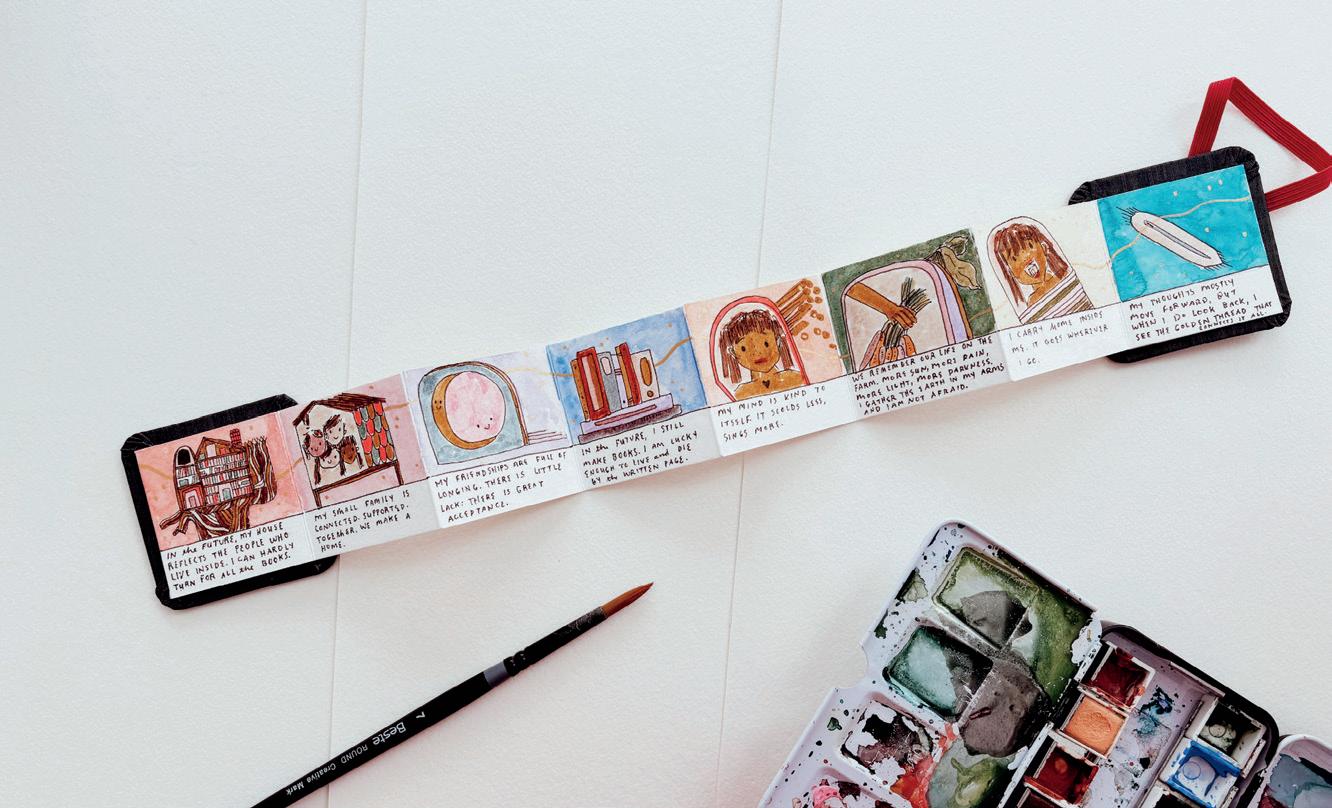
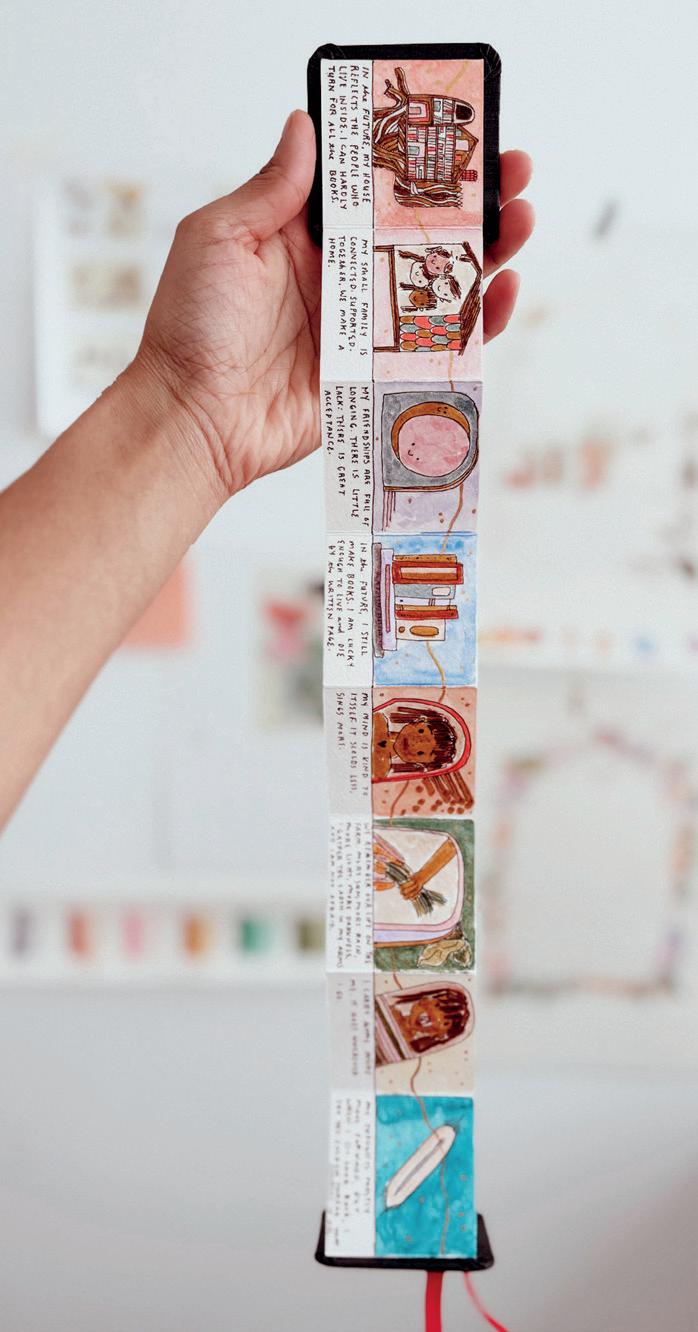
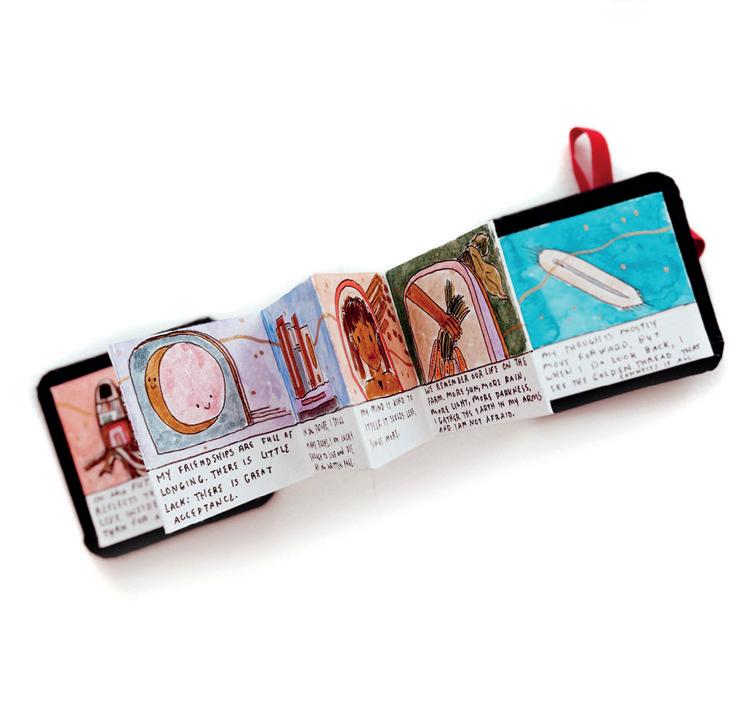
Using the Perfect Day exercise as my framework, I created a tiny book to help unveil changes I can make today to create the future I want 10 years from now. I wanted to deeply explore my feelings, motivations and thought patterns: are they a consequence of conscious thought, or are they just old habits? If I make no changes, what will my life look like in a decade— and am I comfortable with that? What do I want my life to look like—and more importantly, what do I want it to feel like? How do I want my family and loved ones to feel around me? What role does stress play in my life? What do I want to carry into the future? Who am I now—and who do I want to become?
It was difficult to admit that I did not have it all figured out, but I reminded myself that I have done this work before. I used my book of illustrated essays, How It Feels to Find Yourself, as my guiding text for the exercises and prompts that I worked through, and found it helpful to see where my core values had changed over the years. I centred my tiny book around eight integral areas of life: self, love, friendship, family, home, purpose, dreams and the larger world.
Asking Myself Questions
Self
What is the source of my selfworth? How do I want to feel about myself 10 years from now? Have I learned to accept who I am?
Love
What does it mean to love someone fully? How do I show love? Do I notice love when it is present?
Friendship
How do I show up in my friendships? What do I want my friendships to look like in 10 years?
Family
The questions and exercises I used for reflection varied, but they all orbit the same principle: if I am honest with myself, I can rediscover what my values are and pinpoint whether I am living in alignment with them. If I learn that I am not, I can evaluate whether a certain value is as important to me as I believe it is. If it is, then I can determine the behaviour and actions that need to change. If it’s not, I can replace it with a new value that resonates more deeply with who I am now.
What will be my relationship with my children 10 years from now? How do we rely on each other? How do we feel around each other?
Home
What will my home look like? Where is it? What’s inside it?
Purpose
What drives my sense of purpose and fulfillment? How do I find meaning?
Dreams
10 years from now, what will I be grateful to have accomplished?
World
How am I living in harmony with the earth and my community?
The amount of stress I was living with made it clear that I was not living in accordance with my values—or that over time, my values had shifted. I set myself some guidelines for completing the work that was involved, and dove in. This exercise resulted in an eight-page tiny book: one that reminds me, every day, of the life I want to live now. The very process of creating this book enmeshed the three roles most important to me— artist, mother and partner—and helped me realize that my creativity is not meant to reside within the four walls of my home studio. It goes where I go: in the meals I make, in the photographs I take and in all of the ways I show my love.
This tiny book is a compass: it guides me in daily decision-making, reminding me what my priorities are, and where to invest my time and energy. It reminds me what my values are, and which areas of my life deserve my focus and heart. It also, quite simply, helps me let go: I have released years of resentment, anger and loneliness simply because I did not want my future self to hold onto it. For that simple reason, whether the pain was justified or not, I let it go. Without protest, it slipped out of my hands like sand.
Not only is it normal for me to lose sight of where I am or where I am going, it is also normal to change destinations: it means I am growing. I have always believed that self-exploration is a continual process, and while completing the exercises in this workshop, I reminded myself of this. I am one being, a complex, living and breathing person, who exists as an artist at the same time as being a partner, a mother, a sister and a friend. Over the course of my life, I hope to count numerous other identities among these. Through the making of this tiny book, I learned that what I want most, and what I will always be striving towards— is harmony, within myself and with the world that surrounds me.
Meera Lee Patel
Meera Lee Patel is a self-taught artist, writer and internationally recognized bestselling author who writes books that help people connect with themselves, each other and the world around them. Her work advocates for greater mental health awareness in children and the grown-ups who care for them.
meeralee.com @meeraleepatel
Alana Jelinek
OAKLAND, CALIFORNIA, USA
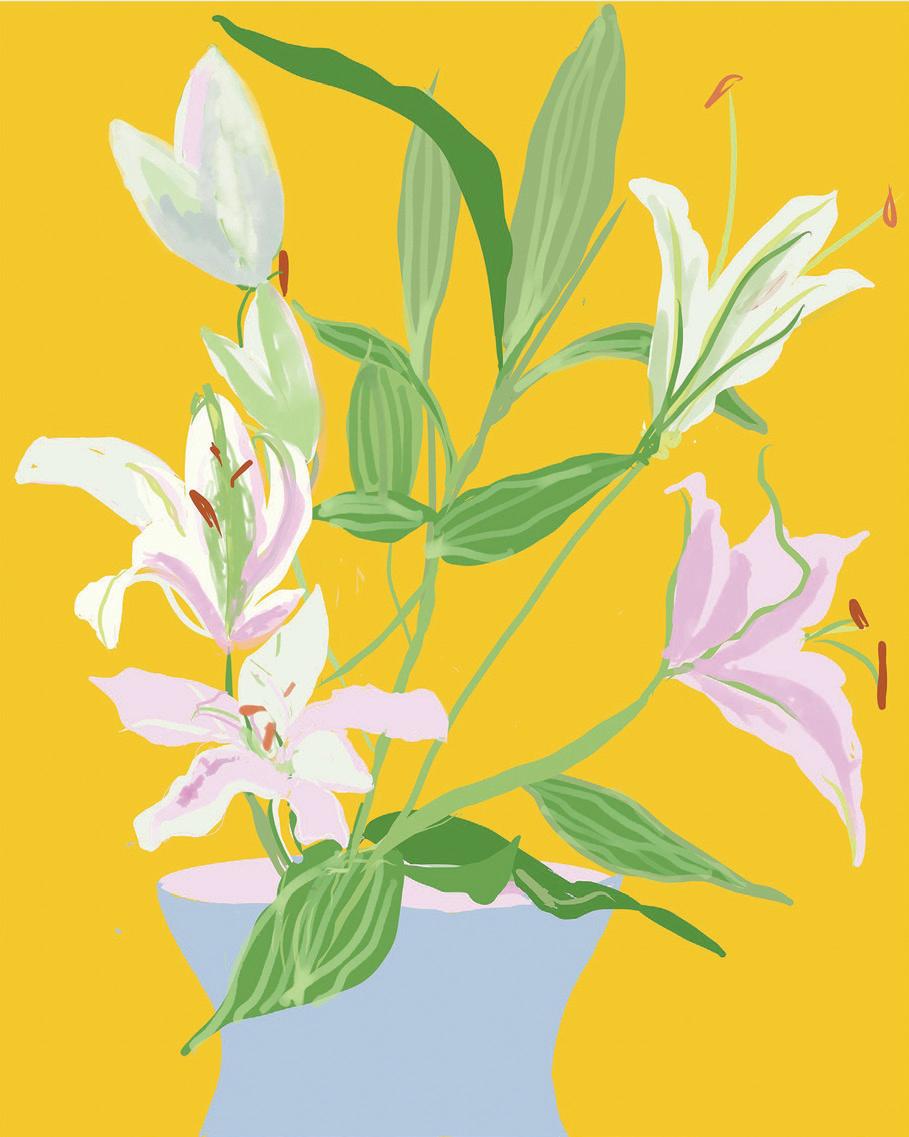
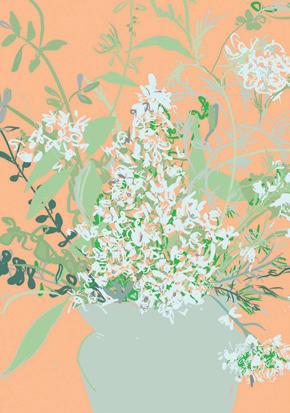
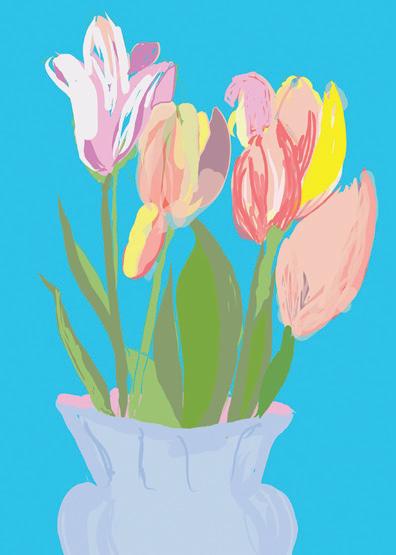
I started out as a department store fashion illustrator back in the day and have had a 50-year career as an art director in the fashion and cosmetics industry, a prepress artist and a freelance branding and web designer.
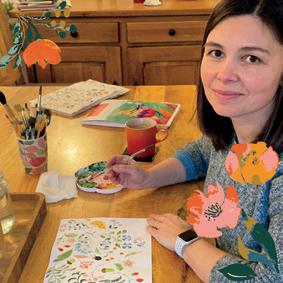
In 2023, when my main client’s company brought all their design work in-house, I took off for a creative sabbatical and spent a year in Mexico, where I started a series of watercolour flowers. Now that I am back in the US, I have been working on more florals using Adobe Fresco. Fresco works wonderfully for my workflow, with a smooth interface with Illustrator or Photoshop. The work I am submitting has not be published anywhere and I am anxious to share it here. It is among my best work.
@alanajelinek_studio
Whether you’re a fresh graduate or mature artist, it is often a dream to be published for the first time! You are welcome to submit your art for consideration.
uppercasemagazine.com/participate
Joanna Plucknett
LYMINGTON, UNITED KINGDOM
I’ve always been drawn to patterns—there’s something mesmerising about how small details come together to create a sense of rhythm and flow. Flowers are my constant starting point; their organic shapes and abundance of colour feels endlessly generous and satisfying.
My journey into design wasn’t a straight line. I came to surface pattern design later, after following a different professional path. It was quite a lonely process at times. I didn’t have much guidance and didn’t know many other artists, so I learned mostly through trial and error, taking small, often uncertain steps forward. Much of my work begins with watercolour because it allows for softness, movement and imperfection—qualities I’m naturally drawn to.
I hope my work continues to find its way into everyday spaces— through collaborations with brands who value thoughtful design, and eventually through my own small collection of home goods. At its heart, my creative practice is about making things that feel gentle, uplifting and lived in.
joannaplucknett.com
@joanna_plucknett
Claire Warburton
BREWOOD, UNITED KINGDOM
Having had a great career as a leadership consultant in large global organizations, I retrained as a ceramicist to start my muchdesired creative career. As I progressed, I wanted to develop the way that surfaces were treated in ceramics, and I developed a way of producing a multilayered, graffiti-inspired glazing process, whichhelped me win the graduate prize for my master’s degree (at the age of 68!). Surface pattern design soon became my happy place and I have repurposed my pottery studio to be a design studio.
What do I want to do? I want to revitalize the designs used in our leading affordable home brands, which in the UK are probably IKEA, Wayfair and Dunelm. IKEA has wonderful product design ideas, which millions of us follow, but to me, their surface patterns lack pep and variety.
I create my designs in two ways. For one, I hand draw motifs using fine liner, scan them into Photoshop and organize, colour and scale the images to form patterns. In the second, I take photos of botanicals, scan them and do the same process, preserving the organic details whilst creating more abstract patterns.
I’ve built up several different portfolios of designs: floral, abstract, geometric and quirky. @claire_warburton
FINE PRINT
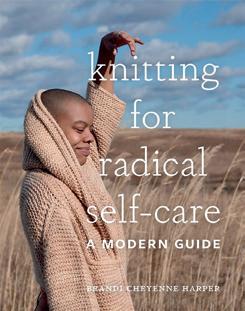
Knitting for Radical Self-Care: A Modern Guide
BY BRANDI CHEYENNE HARPER
“When I speak of radical self-care, I’m speaking of the transformative shift we make in our perspectives. Inquisitive dialogue inside quiet solitude. How we show up in and for our communities. How we actualize our potential. Connecting and surrounding ourselves with nature. Radical selfcare is a collection of the actionable steps we take to manifest our values in our day-to-day lives.”
A Black, queer knitter, Brandi Cheyenne Harper holds creativity, authenticity and courage as her self-care values. Her creativity extends beyond designing patterns for beautifully textural and functional garments. Creating through knitting is a way of caring deeply about one’s self, with each stitch both a meditation and evidence of an ever-growing completeness. “Frolic in learning with the light-heartedness of a child running in a meadow,” she writes.
@brandicheyenneharper
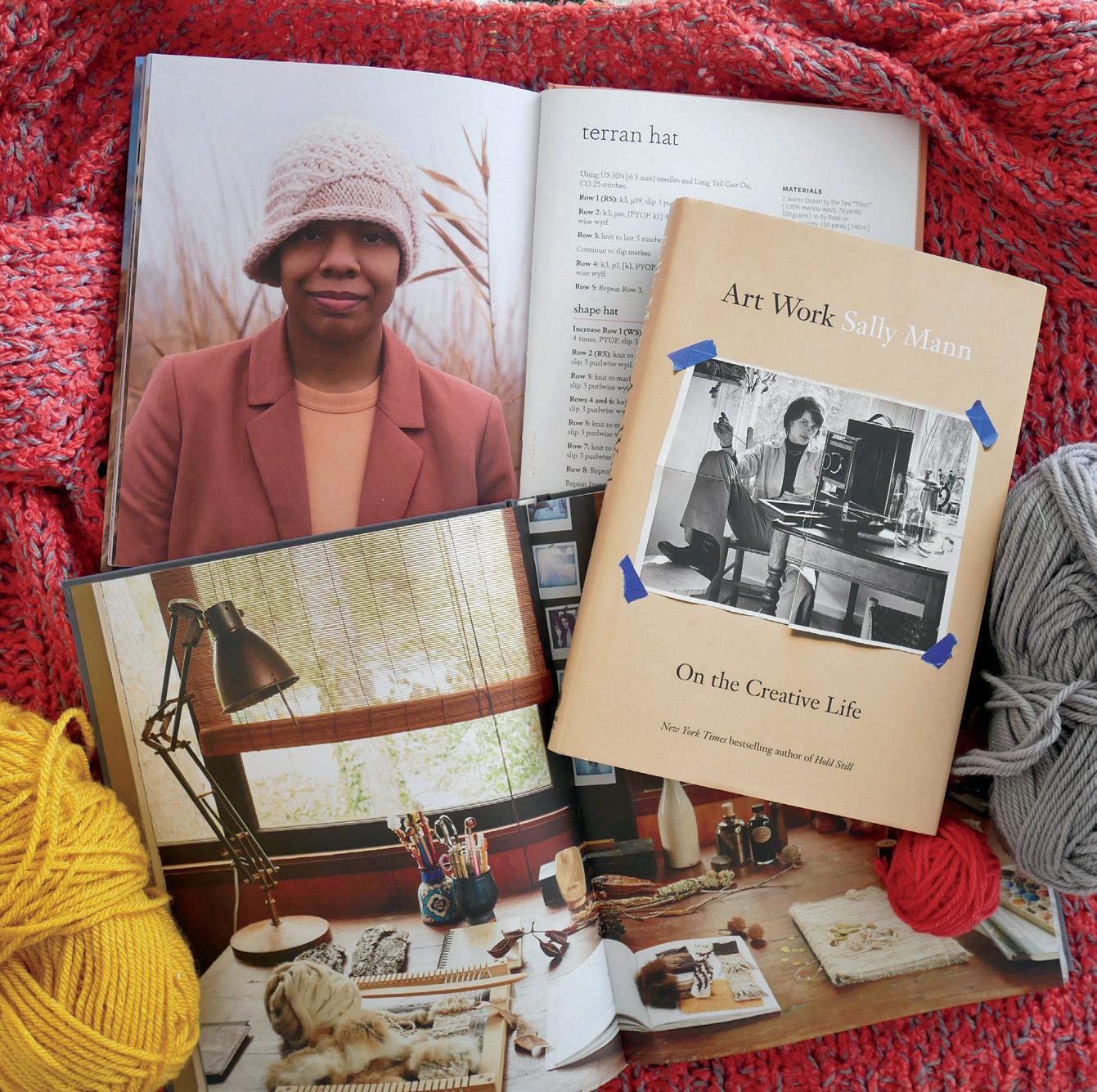
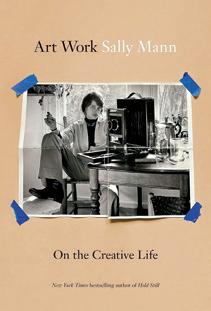
Art Work: On the Creative Life
BY SALLY MANN
“We each have our unique narrative, and its power derives not from what is sieved in from the surrounding culture, but from what you wrench out of the dense nucleus of chance and circumstance that is your life. The art we make is inevitably autobiographical; the accretion of interpretation and embellishment that has at its core our own personal experience.”
Born in 1951 in Lexington, Virginia, Sally Mann has had a long career as an art photographer. She is known for her large-format film portraits of her family in rural America, landscapes and artistic documentations of raw topics. Some of her portfolio has been controversial and is often censored.
This book was my introduction to Mann, having not known much about her or her work. I was uncomfortable with her brashness; her attitude, language and art are entirely different than my own. But as I waded out into the chapters of her musings, the deeper waters drew me in. This is an immersive book, perhaps because its voice is so distinct—as Mann’s vision is, as well. sallymann.com
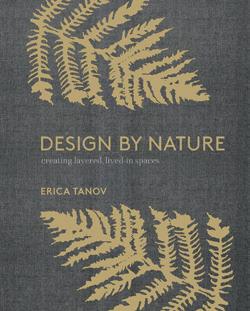
Design by Nature: Creating Layered, Lived-In Spaces
BY ERICA TANOV PHOTOGRAPHY BY NGOC MINH NGO
“I find myself repeatedly pulled to things that show signs of age and time. Things in a state of disrepair. There is so much beauty to be found in objects that have naturally changed course.”
I have a stack of home design books in my bedroom and more on my living room shelf. While I don’t often feature interior design books in this column, this is a book genre that I turn to when I need a relaxing escape. My preference is for down-to-earth aesthetics: a bit of vintage, some eclectic choices, creative clutter— spaces for real, working people, as opposed to austere and expensive interiors meant to impress more than anything else.
Written by fashion designer Erica Tanov, Design by Nature is an exceptionally beautiful book that shows how natural textures in the outdoor environment inspire interior textures of fashion and décor. Photographer Ngoc Minh Ngo’s images are sensitive, organic and tangible. This is one of those books that fully envelopes you in a different world, one that is restful yet invigorating. It’s a creative retreat in book form. ericatanov.com ngocminhngo.com
The Creative Wellbeing Handbook: How to Fuel Creativity, Find Balance and Stay Inspired BY
EMMI SALONEN
Graphic designer Emmi Salonen’s Creative Ecosystem model has five key areas: Connection, Wonder, Pause, Movement and Joy. Learning how to centre yourself in each can reduce career stress and bring greater fulfillment. emmi.co.uk
|||
Art for Self-Care: Create Powerful, Healing Art by Listening to Your Inner Voice BY JESSICA SWIFT
Through personal experience, illustrator Jessica Swift has learned how to process grief and uncertainty by channeling difficult emotions into making art. Art can be a means of connecting with your inner voice and taking steps towards healing. jessicaswift.com
|||
Give Yourself Margin: A Guide to Rediscovering and Reconnecting with Your Creative Self BY STACIE BLOOMFIELD
Open this book of illustrated mantras by Stacie Bloomfield if you need a quick reminder to give yourself margin: time and space to breathe, grow and change. staciebloomfield.com
|||
The Reset Workbook: A Guide to Finding Your Inner Magic BY JUSTIN SHIELS
If you are always in motion but don’t have a clear direction, maybe it’s time for a reset. Justin Shiels’ workbook is a friendly and accessible way to start asking yourself harder questions. justinshiels.com
designingsurvivalfor
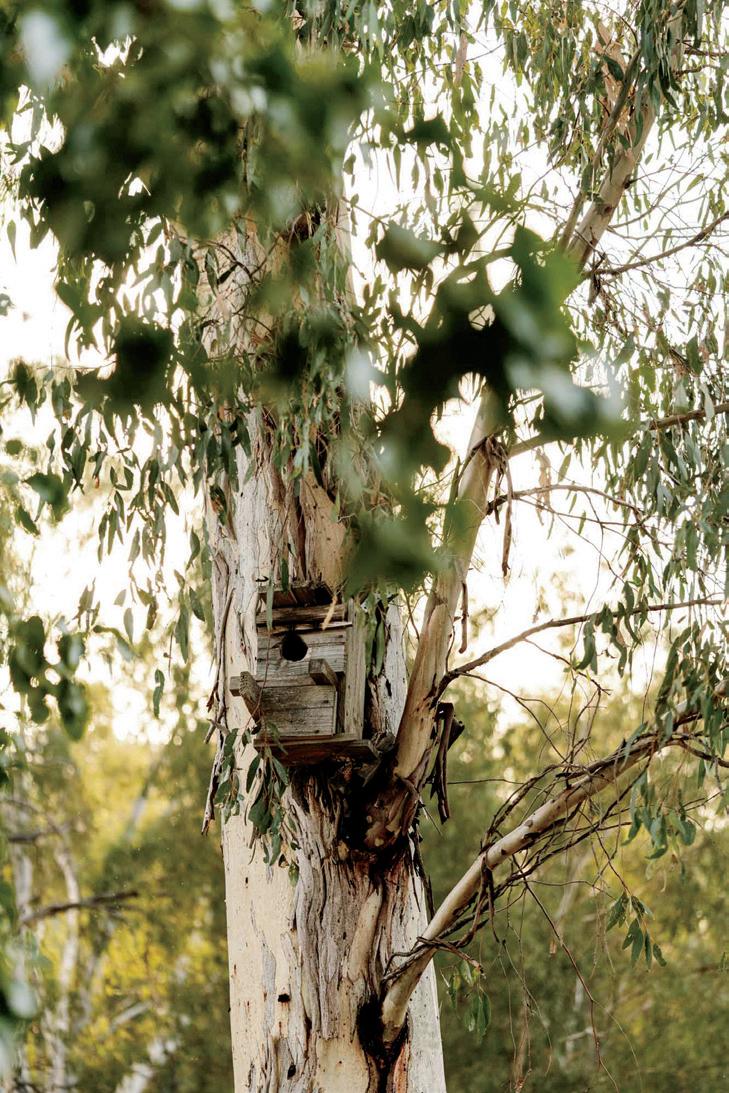
In the weeks after fire, landscapes reveal what is usually hidden. Bark is stripped back. Soil is exposed. Trees that once held complex internal cavities are fractured or gone entirely. Texture comes to the surface. Roughness, voids, grain and break replace canopy and shade.
For wildlife, these surfaces are not aesthetic; they are infrastructure.
Much of Australia’s fauna evolved alongside large, old trees with deep hollows formed slowly through decay, weather and time. These hollows regulate temperature, retain moisture, provide a safe place to breed and offer protection from predators and heat. When fire removes them in a single event, the loss is immediate and functional. Replacement through regrowth alone can take many decades, often more than a century.
As fire frequency and intensity increase, the gap between habitat loss and habitat recovery continues to widen. In many regions, animals cannot wait for ecosystems to repair themselves unaided. This is where man-made habitat plays an increasingly important role.
Artificial hollows, nest boxes and refuge structures are now widely used as interim habitat across fire-affected landscapes. Their effectiveness depends far less on appearance than on material performance. Texture, in this context, is not a design choice; it is a requirement.
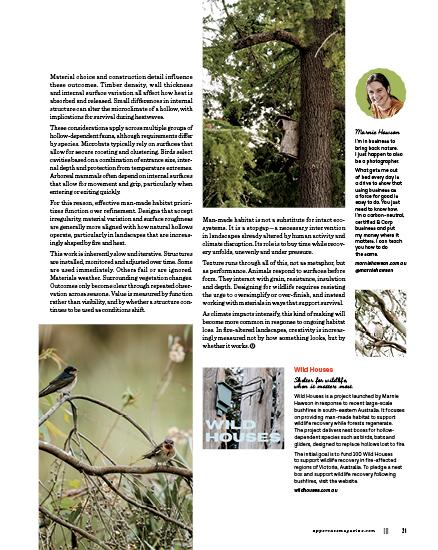
Field observations and monitoring in Australia and comparable fire-prone landscapes point to several consistent considerations. Highly polished or smooth internal surfaces are often less suitable than rougher finishes for hollow-dependent species. Textured internal surfaces can assist with climbing, roosting and movement, particularly for animals that rely on using their claws or grip rather than perching.
Variation also matters. Artificial hollows and nest boxes with uniform internal dimensions tend to suit a narrow range of species. Designs that vary in depth, diameter or internal structure can accommodate different occupants over time. This mirrors the diversity of natural hollows, which form irregularly rather than to a standard specification.
MARNIE HAWSON
Thermal performance is another critical factor. Many hollow-dependent species are sensitive to temperature extremes, especially following canopy loss after a fire. Artificial structures with thin walls or limited internal complexity can heat up rapidly, increasing the risk of heat stress during hot weather. Thicker materials and layered construction can moderate internal temperatures by slowing heat transfer and creating insulating air spaces.
impressions on paper
EMBOSSED EPHEMERA
THE COLLECTION OF
MARK E. SACKETT
ARTICLE BY MELANIE ROLLER
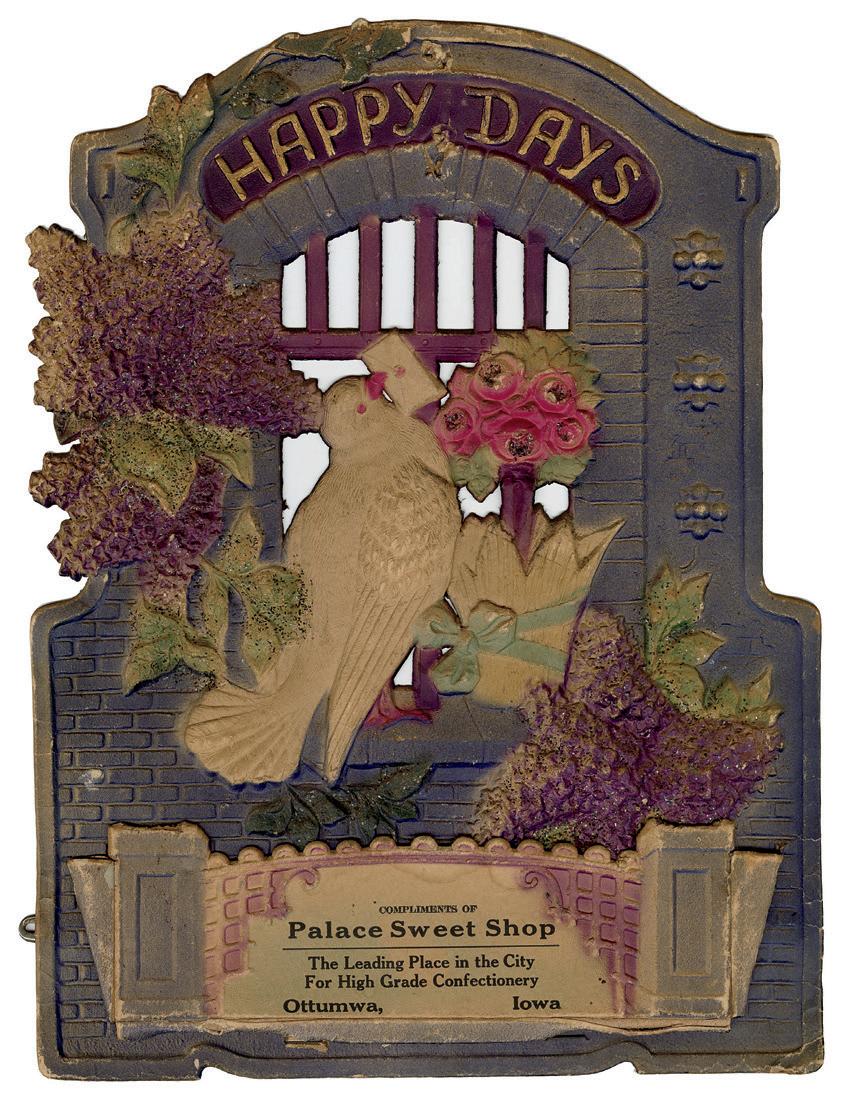
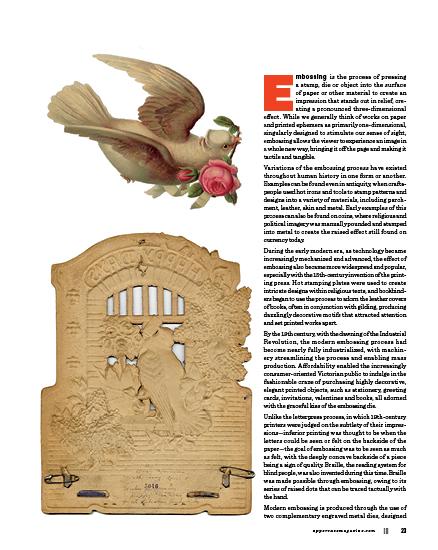
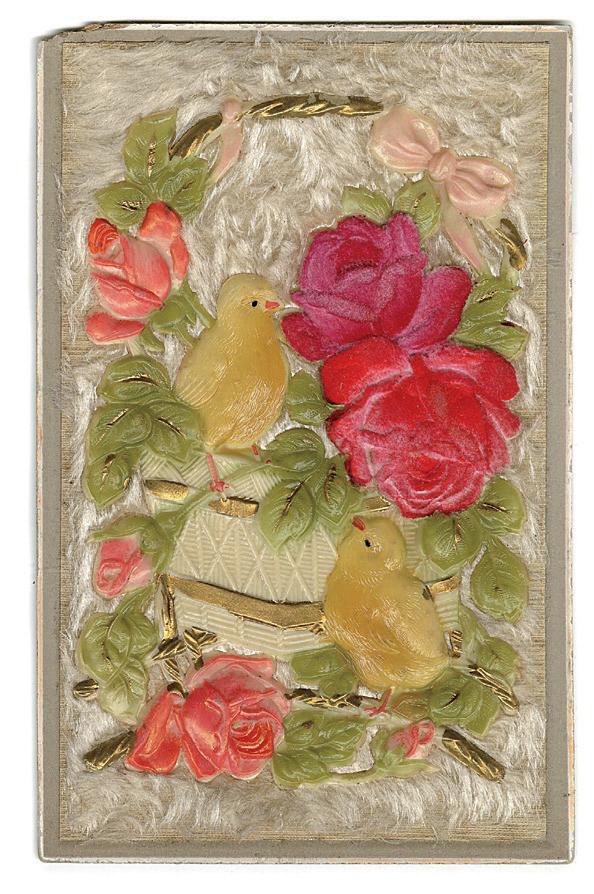
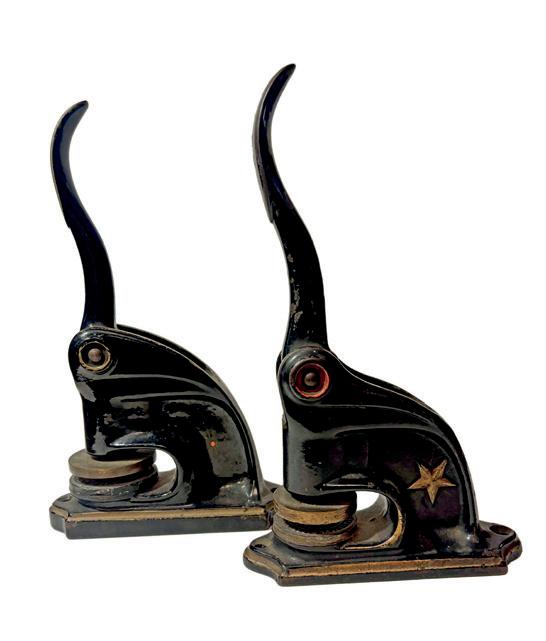
to fit together. The top die contains the raised image, and the bottom, the recessed one. The two are then pressed together, causing the fibres of the paper, the tin or other material inserted between them to take on the 3D impressions of the dies. Consequently, the side of the paper showing the lifted image has been embossed, while the converse side with the indented image has become debossed. The key to successful embossing and to ensuring that the image is properly transferred is the coalescence of three primary factors: pressure, the depth of the die and, sometimes but not always, heat.
Embossing is a versatile process that can be used on its own or to enhance pre-existing imagery. Blind embossing is used to create a raised design without the addition of ink or foil, simply to create a bare impression in the paper without decoration. In contrast, registered embossing is used in conjunction with a finished work to build on, raise and highlight certain areas, creating a dimensional, sophisticated image. Both processes were used to produce printed ephemera throughout the 19th and 20th centuries.
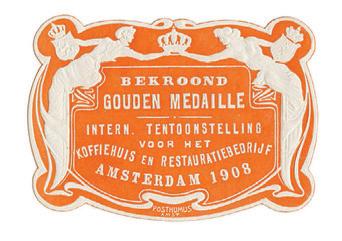
On the surface, embossing is a purely cosmetic technique designed to add interest and depth to a flat and static work. However, at its heart, the process of embossing brings an image to life. With its interplay of shadow, dimensionality and its ability to add a tactile, sensory experience to a work on paper, it is easy to see why adding an embossed element to a product or commercial good would be highly desirable. Within the context of ephemera, embossing tends to fall into three broad categories: business related, advertising and objects for special occasions.
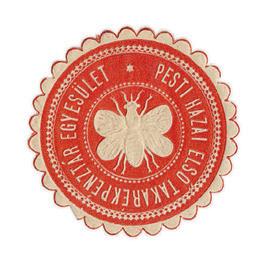
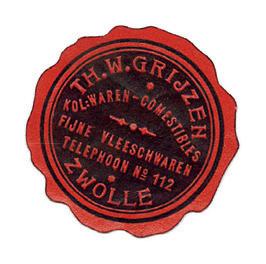
On the business-related end, embossing exists today much as it did in the 18th and 19th centuries. Although we are a much more digital-based than paper-based society, we still see embossing used on printed contracts, deeds, records and diplomas. Embossed seals, whether pressed into the paper itself or used on adhesive seals, add a polished authenticity and authority to documents, making them appear legitimate and trustworthy to the viewer. Embossing also serves another important purpose: to protect against fraud, as the process of embossing is difficult to replicate or counterfeit.
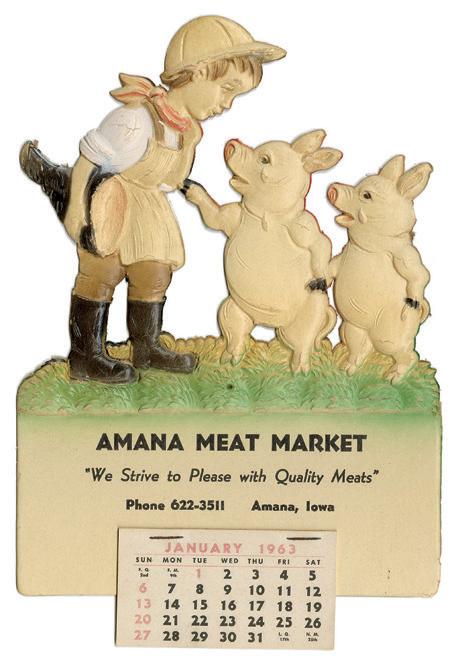
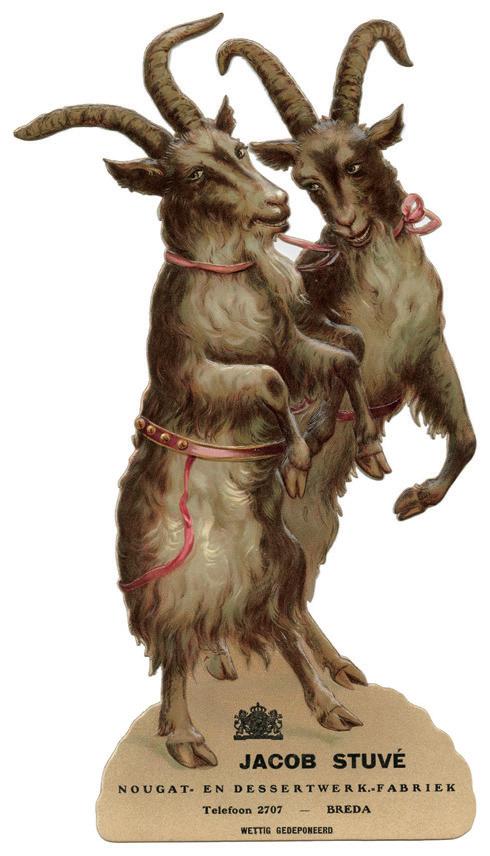
Embossing has also been widely used in advertising over the last century and a half, thanks to its ability to attract and hold attention. In the past, business owners and companies often created decorative promotional premiums to advertise a service or product, featuring idyllic, colourful imagery enhanced with foil, gilt or embossing. These premiums often took the form of calendars, decorative advertisements or die-cut giveaways. To a public increasingly enchanted
with novelty, the use of embossment ensured that the producer would stand out in a crowded advertising market, often as a daily reminder through the imagery placed on mantles or hung as decoration on household walls.
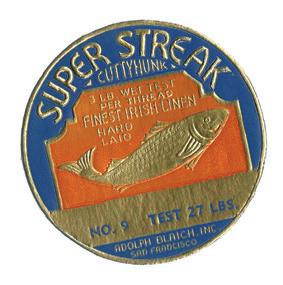
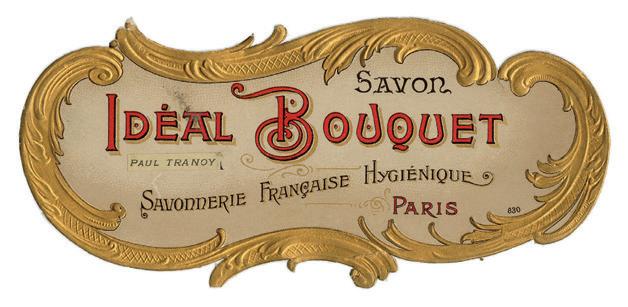
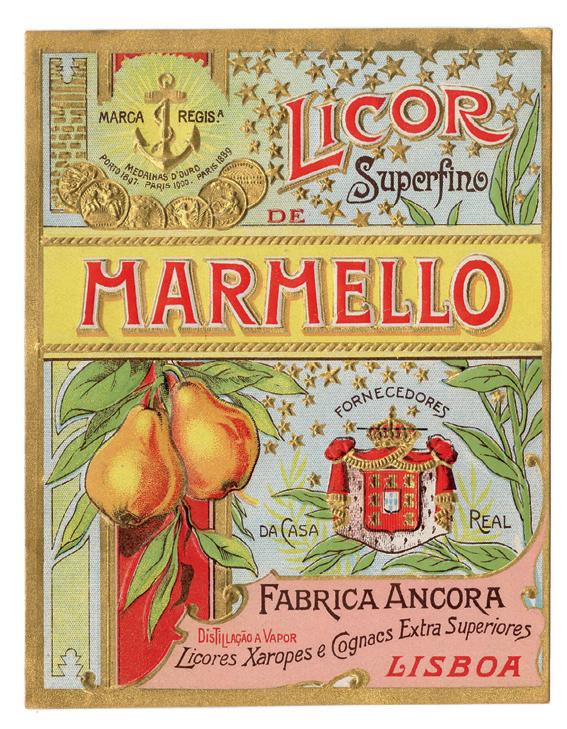
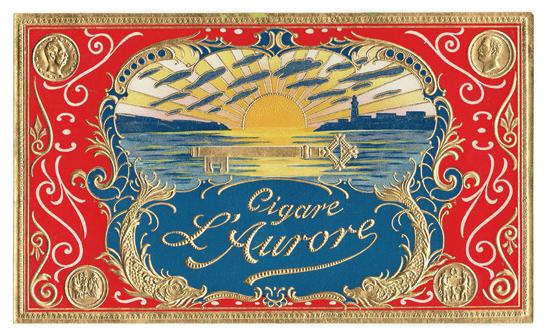
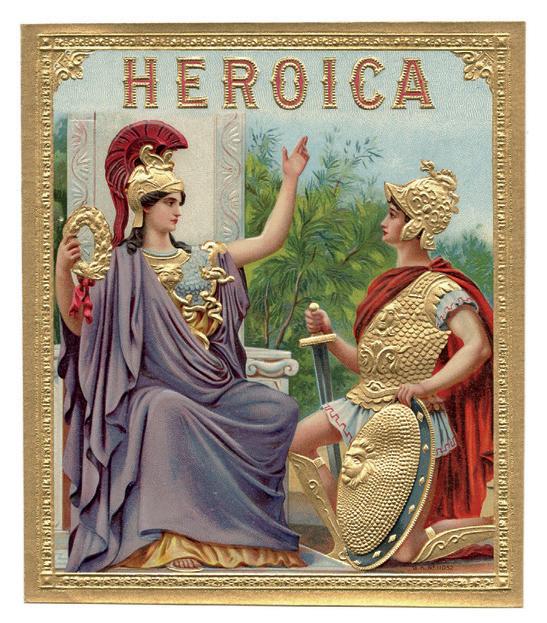
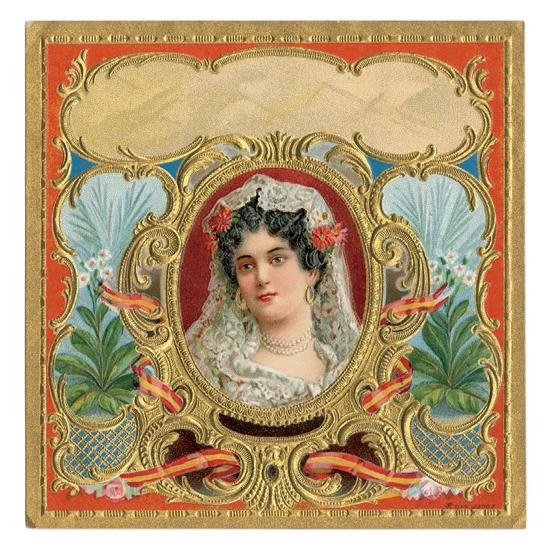
Likewise, embossing was used for book creation, packaging and product labels. Because of its distinctive effect, embossing became closely associated with high-quality or luxury products, specifically because of the extra effort and cost needed to produce it. A company that used embossing on its labels or packaging would have gone above and beyond in the public view, thus denoting quality. Embossing was most commonly used on specialty products, such as labels for cosmetics, alcohol and tobacco. The most striking examples are found on the cigar packaging created during the turn of the century, when heavily embossed paper labels, often covered in metallic inks and gilt, were produced in all manner of designs and motifs. These box labels could be incredibly elaborate, as producers sought to differentiate their products from the competition, pulling out all the stops to design a visual fantasia onto their miniature works of art.
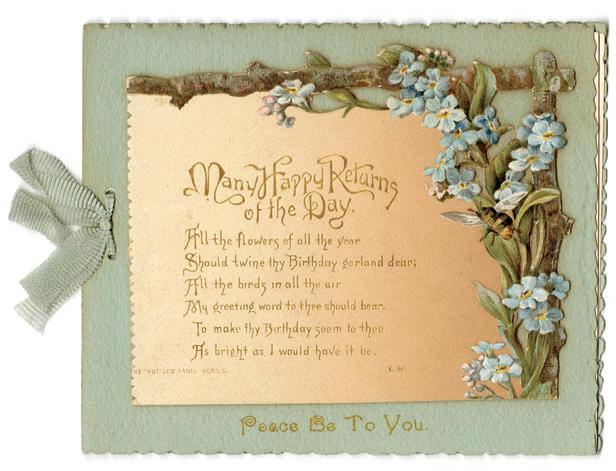
Finally, as with today, a large category of embossing falls under holiday or special occasion objects. Embossing has historically been used to add a special, elegant touch to denote a special moment in time, such as a wedding, anniversary, holiday or birthday. We see this especially in the early 20th century, when improvements in national and international postal services led to a massive postcard market. Highly decorative postcards were mass-produced and sold cheaply for every major holiday, allowing ordinary middle-class people to send beautiful and thoughtful remembrances to their loved ones throughout the year.
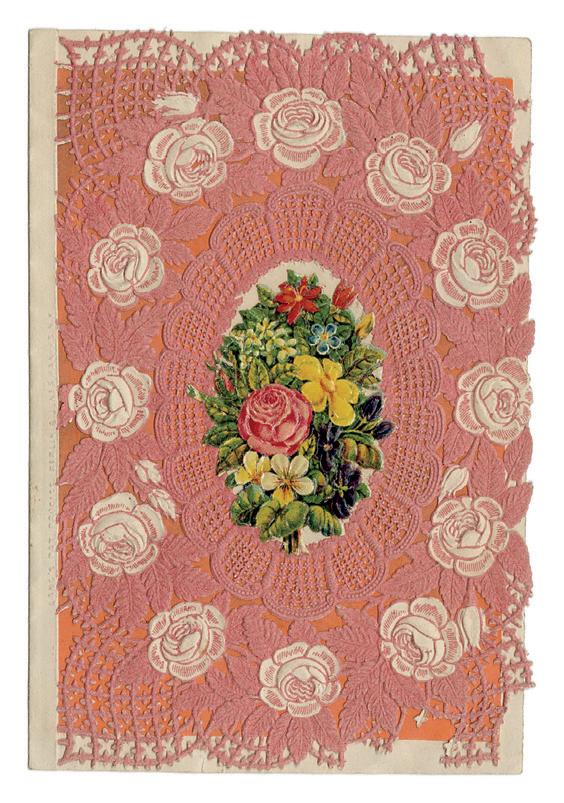
This was also paired with the time-honoured tradition of sending paper valentines to family and acquaintances. Like the postcard and greeting card markets, the paper valentine market also took off in the early 20th century, allowing consumers to buy premade products instead of creating them by hand. Manufacturers produced gorgeously crafted printed and embossed works, often with mechanical or trick elements, that added an extra surprise upon receipt. These beautiful remembrances are now highly sought after and collectible because of their decorative and embossed elements.
In our modern era, with our emphasis on digital greetings and communication, although we may not notice the presence of embossing, it remains synonymous with extra effort and quality. As it simultaneously stimulates our visual and tactile senses, it remains a stimulating and striking way to elevate an average or mundane printed object.
theboxsf.com @theboxsfmercantile
we/nous
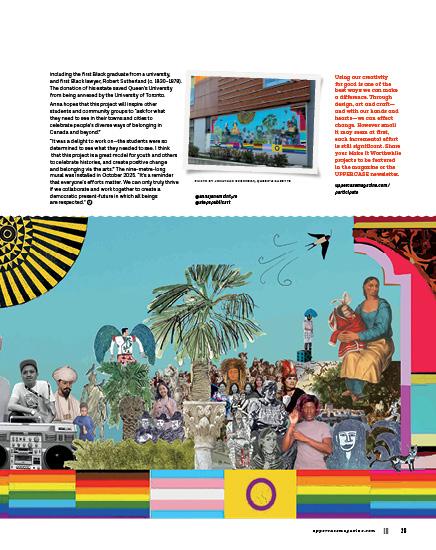
ANNA J. M c INTYRE COLLABORATES WITH UNIVERSITY STUDENTS ON A COMMUNITY MURAL
Anna J. McIntyre is a Black artist based in Montreal. In 2021, Anna was one of 10 artists from across Canada mentored in the STEPS Public Art CreateSpace BIPOC Public Art Residency. The mentored artists were provided the opportunity to propose a mural design for the community at Queen’s University in Kingston, Ontario. Anna’s proposal, We/Nous, was chosen by public vote.
The commission was a project spearheaded by the student-led Queen’s University Advocacy Coalition in collaboration with Queen’s University’s Office of the Principal and Vice-Chancellor. “We/Nous is a mural celebrating the diversity of the Queen’s University community,” says Anna. The concept was developed over several years in close collaboration with students who wanted to see a diverse representation. The mural features the students, Anna’s artist friends and family members (her grandmother Thelma Paul is under the sun), and past and present community members,
I wondered what I might create if I wasn’t constantly stimulated by other people.
—KIM CARDOSO
Kim Cardoso OAKLAND, CALIFORNIA, USA @kimcardosoart
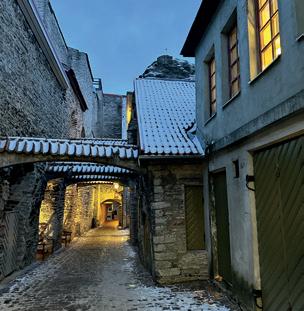
COPPER LEG ARTIST RESIDENCY, ESTONIA copperleg.rae.ee
industrialized cities and immerse themselves in nature. And today, some might argue that we are living in a golden age of residencies. Improved modes of travel, as well as convenient methods of communication, have created an incredibly diverse and accessible residency landscape—supporting artists in creative research, reflection, experimentation, productivity and even collaboration.
For many artists, nothing sounds quite as enticing as retreating to a beautiful (or bustling) location to immerse oneself in a creative pursuit, and residency offerings are as varied as the creatives who seek them. Programs are founded by a number of entities, including galleries, museums, nonprofit foundations, philanthropists and even local and federal governments, and can be fully funded, partially supported or entirely at the cost of the artist. The acceptance of an applicant may be based on their intention to work on a specific body of work or explore a designated theme, or it could be entirely open-ended, while spanning a few days, several weeks or even months. Whether the goal is to write a bestselling novel, paint a masterpiece, compose a piece of music, choreograph a series of dances or simply let each day unfold without expectation, one might find their perfect sanctuary in a museum, a seaside cottage, a remote wilderness cabin, a historical villa, an urban gallery or, for the more adventurous, perhaps a former chicken coop or even a glass igloo.
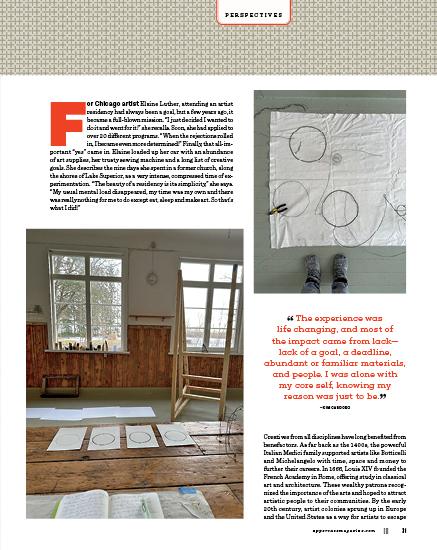
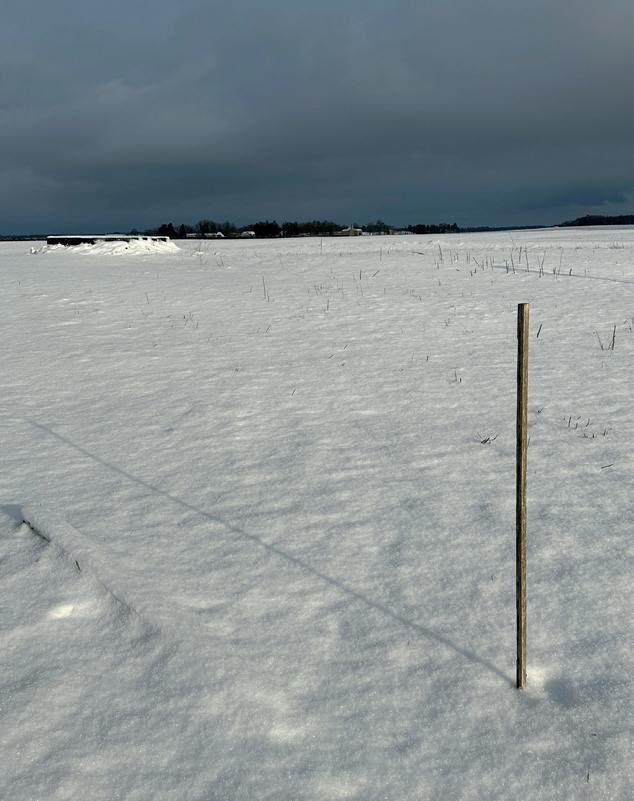
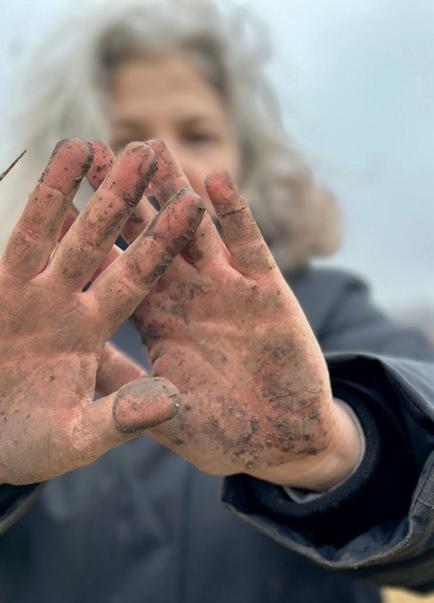
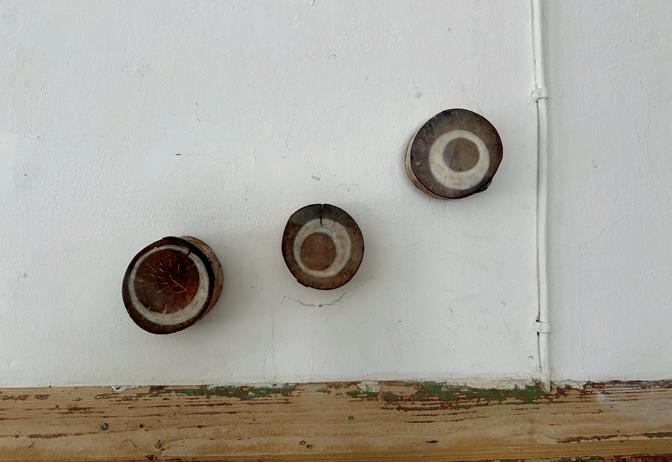
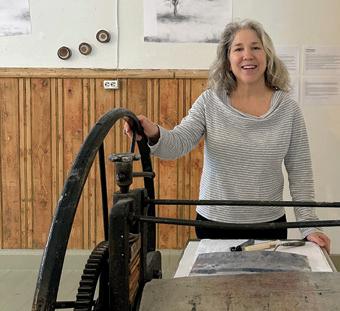
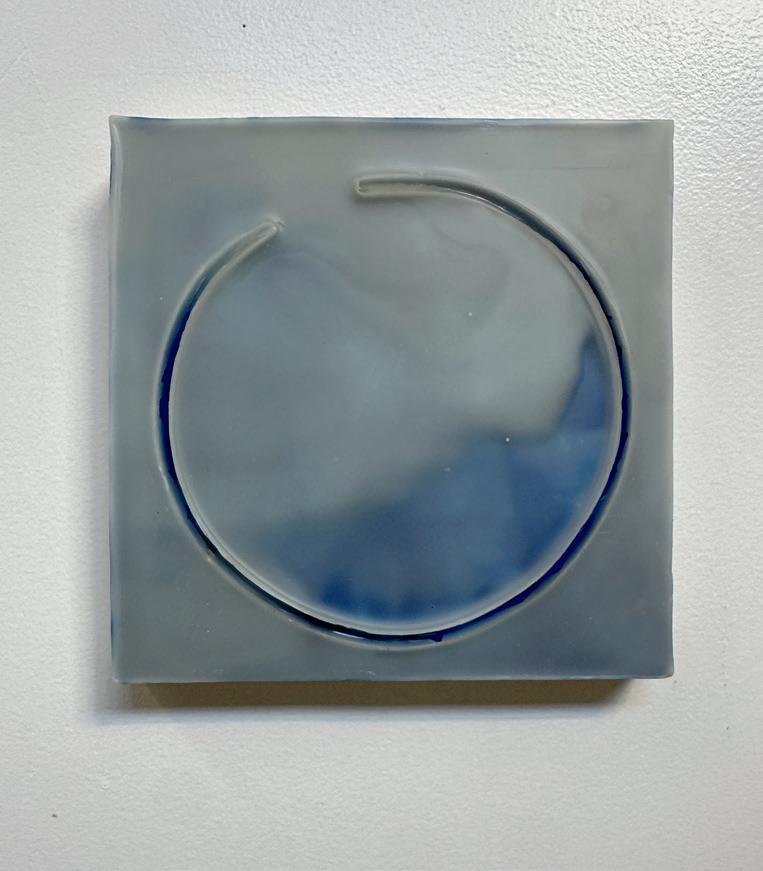
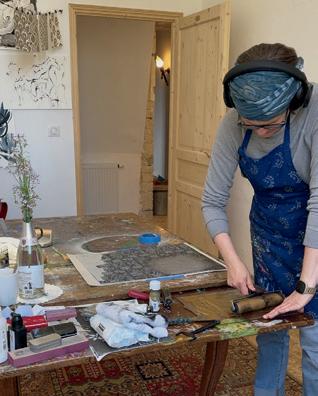
Visual artist and midwife Kim Cardoso says that having a shared studio space while living in busy Oakland, California, had her intent on finding a remote residency where she could create in quiet and solitude. This, combined with a yearning to connect to her ancestry, led her to rural Estonia, where she spent three wintery weeks in an old schoolhouse. “I was surrounded by wide-open fields and went days at a time without seeing another person.” Kim says she arrived with very few materials and set no work-related expectations. It was while forming circles with wire (found in the basement), applying ink (left behind in a desk drawer) and putting the inked wire in an old printing press that something clicked, and she began to associate the shapes—sometimes intact, and sometimes broken—with containment, family stories and the idea of holding onto things while also letting them go. Kim says she found great comfort in manual activities— gathering wood, cooking meals, riding a bike to get groceries, even digging a hole in the frozen ground to install a makeshift sundial. “All of these activities were part of unravelling my connection to this place.”
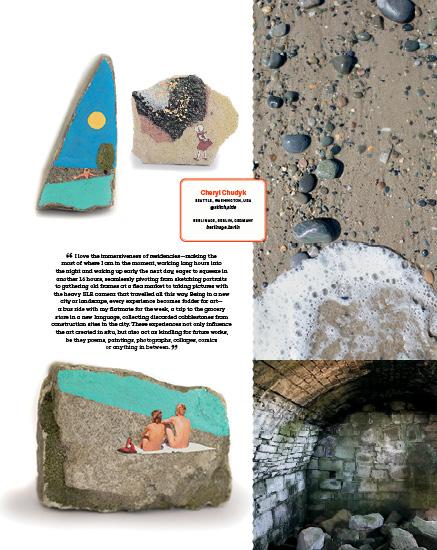
The appeal of residencies also lies in the respite they provide from daily distractions. Seattle printmaker Diane Kappa says this was particularly liberating during her residency in the French countryside. “At
Diane Kappa SEATTLE, WASHINGTON, USA @dianekappa dianekappa.com
CHÂTEAU D’ORQUEVAUX, FRANCE chateauorquevaux.com
@orangefloorstudio
home I wear many identities: licensing artist, wife, daughter, sister, cook, dog mom,” she says. “For the first time, artist was the only identity I carried. That freedom changed everything.” By shedding her usual labels, Diane says she felt empowered to take creative risks and trust her instincts. “Fully embracing my identity as an artist continues to shape how I approach my work, giving me greater confidence and ambition.”
Stepping away from stressors and shedding labels can also help artists find clarity regarding how they work best. For Kim Cardoso, this was having the flexibility to switch directions whenever the mood struck—sitting on the schoolhouse floor, making wire sculptures, then sketching at the big table or playing on the old printing press, followed by digging in the dirt, or taking a walk in the snow. Since her residency, Kim has set up varied work areas in her studio to allow for similar whims and tangents. “For me, abandoning one task and picking up another is a fruitful process, not a lack of discipline. This was a really significant realization that came out of my residency.”
While away, many artists have high expectations, hoping to unleash a flurry of fresh new work. At the very least, they want to come away revitalized, with a spark of inspiration and motivation for future projects. New Zealand textile artist Karen Johnston says that her first, and so far only, residency was in a rural community in the North Island of New Zealand. “I felt I needed to justify and account for my time there, so after six weeks, I expected to come away with a bulging sketchbook, and a few masterpieces completed. In reality, I finished one very small stitched piece and partially filled just 10 sketchbook pages.” But it was not wasted time. Over a year later, Karen says that she has completed several works influenced by her time away, many of which will be part of an upcoming exhibition with other regional artists. “While my residency did not produce immediate tangible outcomes, the effects have been ongoing.”
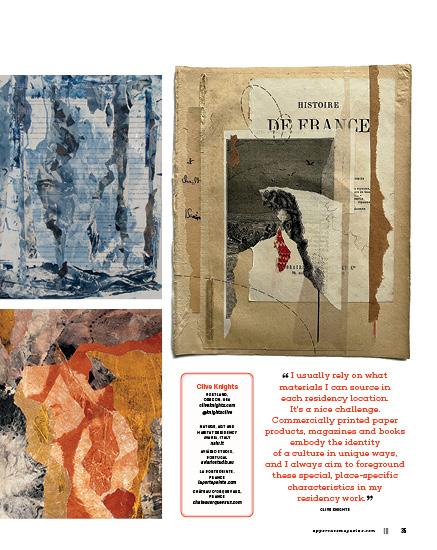
While alone time is what many residency-seekers crave the most, Clive Knights feels that it is the communal atmosphere of his four residencies that has impacted him the most. Clive, a collagist, printmaker and professor, says he enjoys having his own studio space, but finds the proximity of other working artists particularly energizing: “I want to meet people, to socialize and have conversations about art and culture.” Clive recalls lively conversations over shared evening meals at a remote chateau in France— conversations about common interests and overlapping artistic themes, which naturally led to working relationships. “It was wonderful to collaborate with a dancer, a poet and other visual artists in such a creative atmosphere,” he says. Years later, a core group of artists from this time continue to reconnect in each others’
My ideal residency includes a change of geography, but one that feels safe. I have no desire to be alone in the woods or on a private island! I also want a level of community, and a private studio. Oh, and prepared meals would be just great!
—ELAINE LUTHER
Elaine Luther
CHICAGO, ILLINOIS, USA @elaine_luther elainelutherart.com
GRAND MARAIS ART COLONY, MINNESOTA, USA grandmaraisartcolony.org
LAKESIDE INN, MICHIGAN, USA lakesideinns.com/ artist-residency
home countries. In fact, he has an ongoing project with a Canadian poet in which they interpret each other’s work, with one book published and a trilogy in the works. In his opinion, the shared common experience of a residency cultivates a unique social “glue.” “We’re friends for life,” he says.
Social interaction among residents varies from place to place, and often depends on individual group dynamics. However, it is becoming increasingly common for programs to schedule public presentations or exhibitions as a way to foster dialogue between artists and the local community. Clive says that these culminating events are a nice “punctuation” to the residency experience, motivating him to complete work and form a narrative to share with others. In Italy, he was provided an open garage-like space in the heart of the village. Despite the language barrier, many locals stopped by to browse, and even to purchase his pieces. Interacting with the wider community makes Clive feel more connected to the faraway locations that come to feel like home. He points out that some residencies ask participants to donate a piece of work to their permanent archives. “It’s a way to leave a bit of myself in these places.”
With two positive experiences under her belt, Elaine Luther says she wants to inspire others to realize their residency dreams. “I have learned so much about this process, and it is absolutely worth it!” First and foremost, she stresses that there are programs out there for everyone, no matter their budget, goals or experience. She encourages her fellow creatives to simply start scouring the Internet and social media channels, as well as seeking input from fellow artists. She recommends casting a wide net, but taking into consideration acceptance rates—weighing the cost of the application with the likelihood of being accepted. From personal experience, she emphasizes that persistence is key, and until you get the “yes” you have been waiting for, “just remember, being turned down is not a reflection of your talent.” While she is not sending out as many applications these days, there are a few “holy grail” residencies that she applies to every year, without fail. “You never know, maybe this will be my year!”
Sarah Lykins Entsminger
Feeling restless and uninspired, I knew I needed to take a bold step to recapture my love of art. I found the perfect residency in a rural part of France, but just before leaving, I found out that I would not have access to the equipment that I needed to do my textile work. After initially spinning in despair, I chose to embrace the complete artistic freedom ahead of me. Once I arrived, I explored the property, took photographs, collected bits of nature and created flat-lay photographs, all the while journaling and writing poetry. I remembered being four years old, standing and painting at an easel that my father built for me until the paint pots ran dry. The experience felt like coming home to myself.
Lu Grompone
RAVENSBURG, BADEN-WÜRTTEMBERG, GERMANY @lugrompone lugrompone.com
BOISBUCHET, FRANCE boisbuchet.org
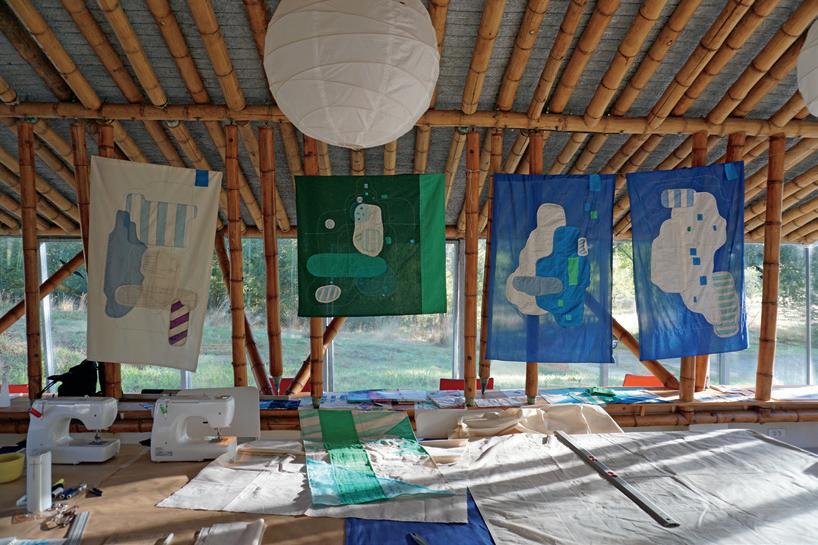
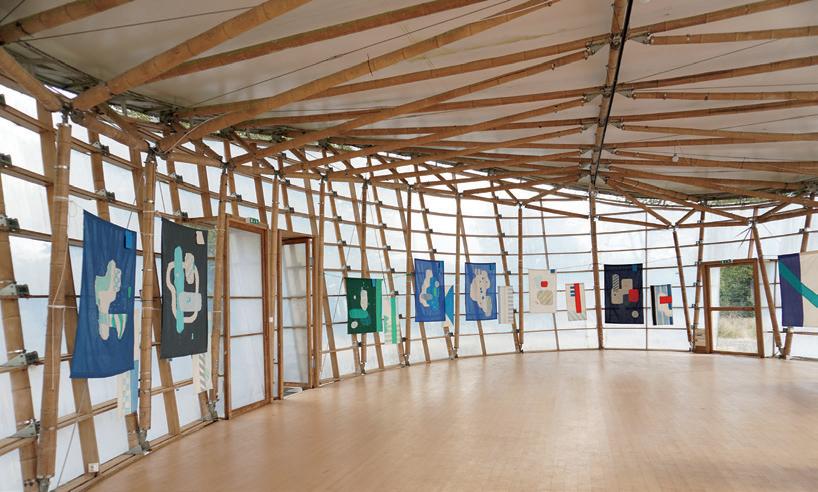
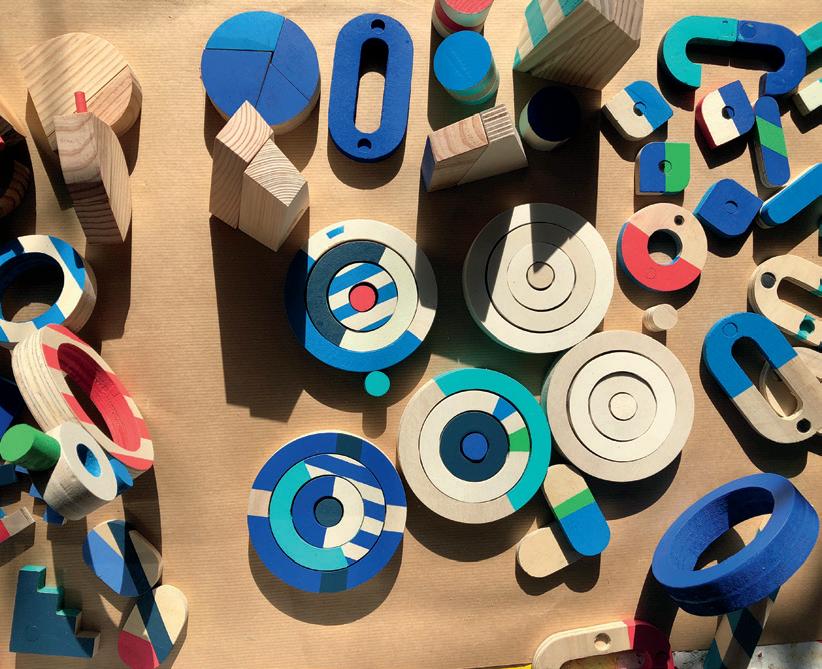
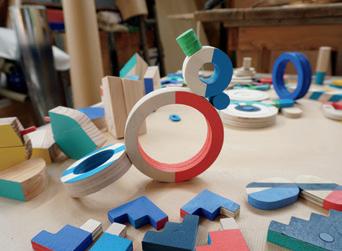
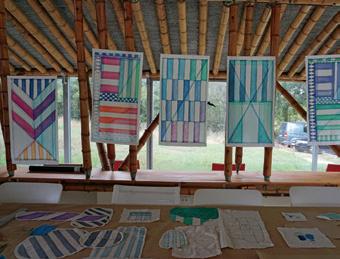
My residency experience was incredibly inspiring, due to the natural setting, work atmosphere and amazing people there. I also appreciated the architecture—including the bamboo pavilion and house where I worked and stayed. I had so many ideas and was motivated to work all day to prototype them in the well-equipped workshop. Two weeks there in the summer was the best thing that could have happened to me. So the following summer, I did it again! I sometimes set out to achieve that level of inspiration and efficiency in my studio by trying to block out a week to work solely on one project. I never quite achieve that level of effectiveness, but I’m getting a little closer.
THE SELF-APPOINTED
artist residency
AMY STEWART
STORY
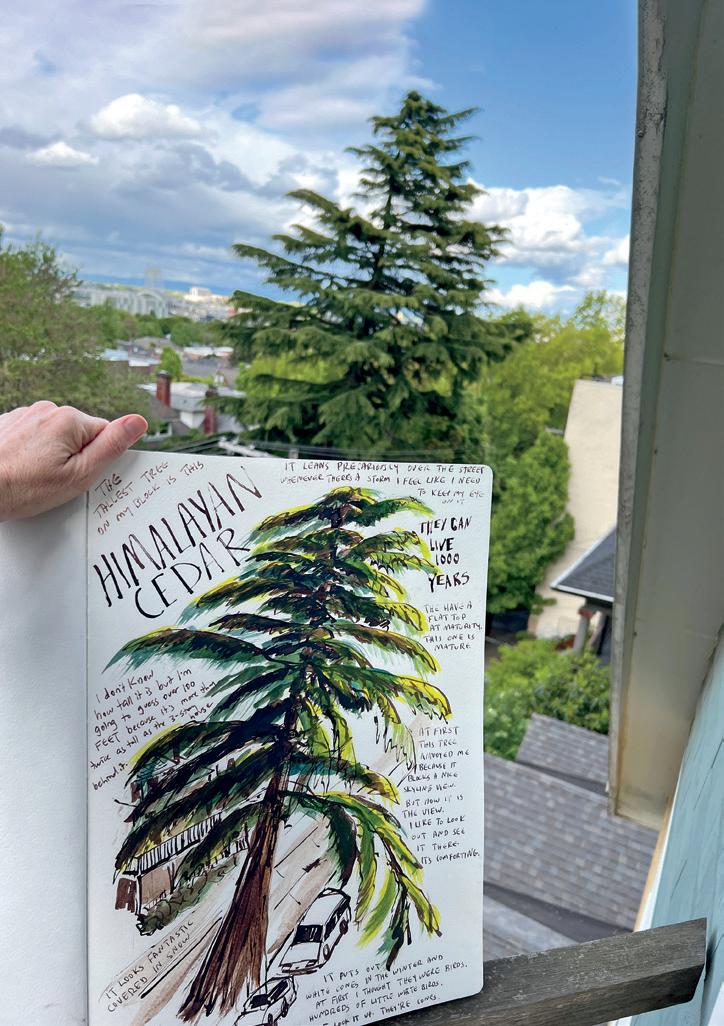
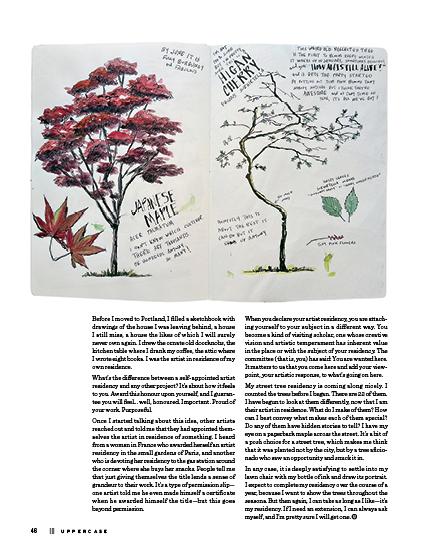
Last summer, I dragged a lawn chair out to the sidewalk and settled in with a pot of ink, my watercolour palette and an enormous sketchbook. A neighbour stopped by, looked down at me, and squinted up at the tree I was drawing.
“I’m drawing all the trees on our block,” I told him. “I’ve appointed myself the artist in residence of the trees on this street.”
He laughed. “Of course you have. This is exactly what I love about Portland.”
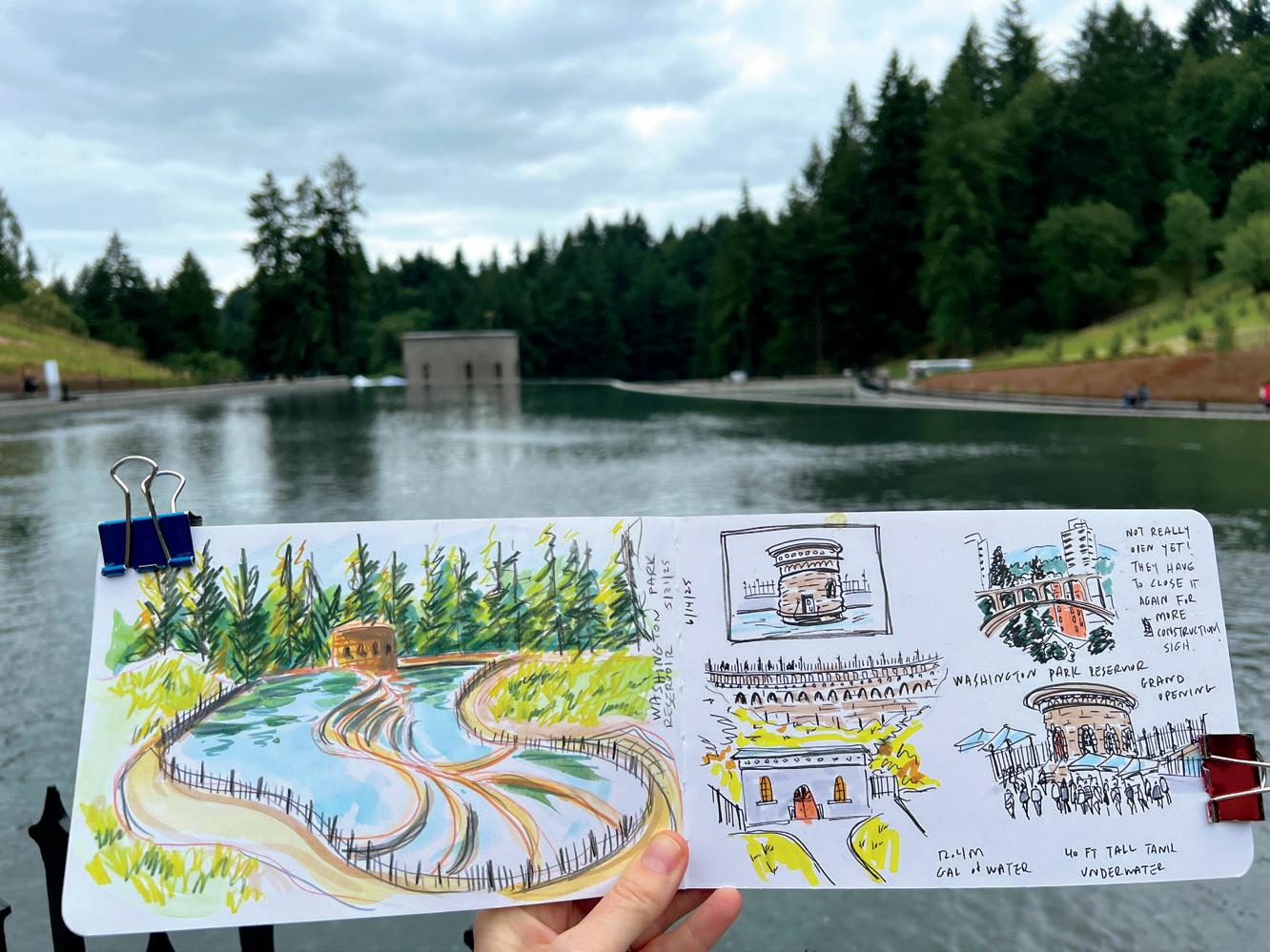
A self-appointed artist residency is not unique to Portland, Oregon, where I live, but it is the second one I have done here. A few years ago, I awarded myself an unofficial artist residency at Washington Park, a 410-acre park near my house that contains a zoo, an arboretum, a rose garden, a Japanese garden and miles of walking trails.
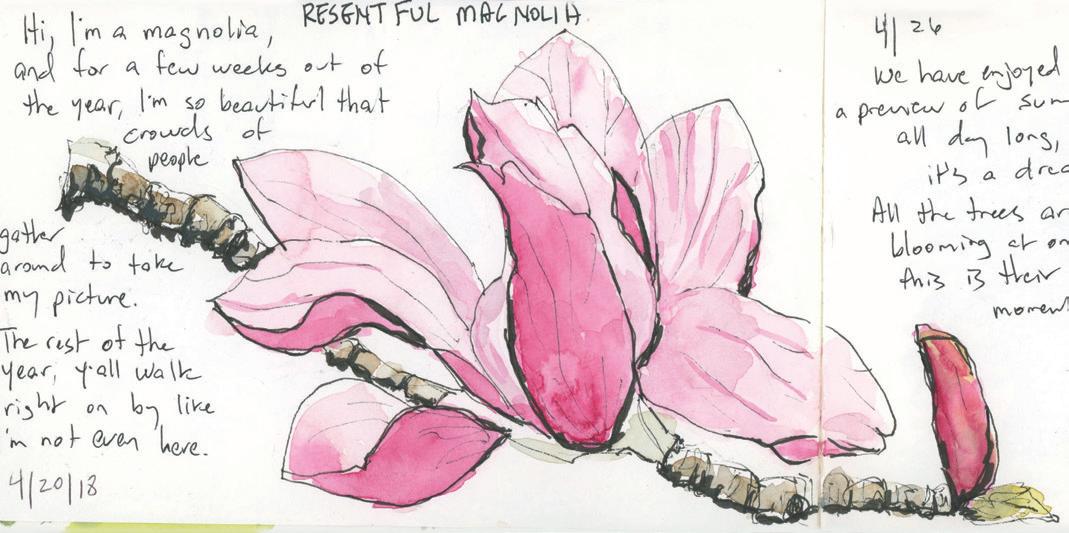
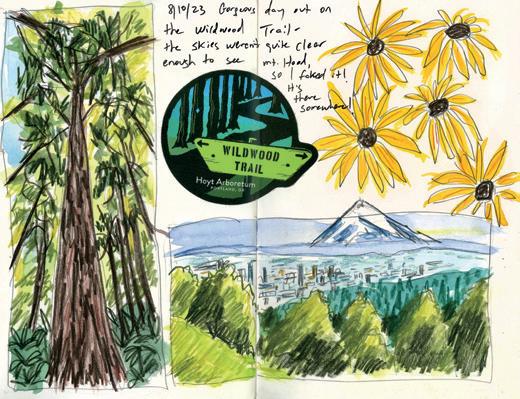
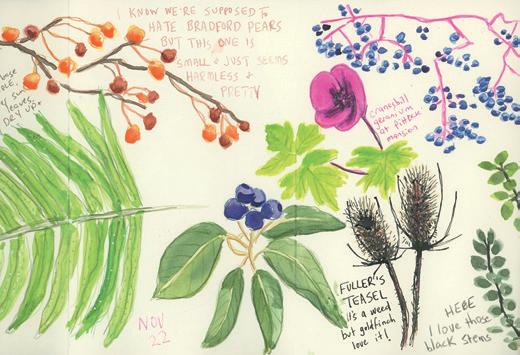
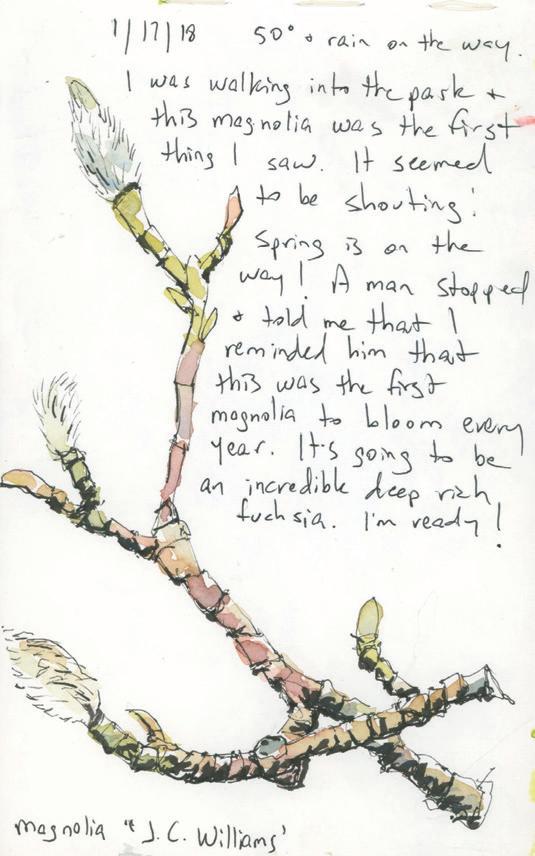
Because every artist residency requires a scope of work, I declared that mine was to walk through the park once a week or so, and draw whatever was in bloom. I started in late December, around the winter solstice, and continued for a year, filling a sketchbook with drawings of winter-blooming camellias, springtime viburnum, roses in summer and brilliant red maple leaves in fall.
It was the perfect project for a residency: portable, pleasant and never rigorous or demanding. If you are an artist of any kind—a poet, a painter, a knitter, a maker of maps or a writer of songs—you might wish for such a residency to give your work a little focus, a little validation and a little structure.
I am here to tell you that if you want a residency like mine, you can have one. You just need to do what I did: stop waiting for an invitation and appoint yourself.
An artist in residence is usually understood to be a person who has been invited by a host to come and make art at the host’s location, probably (but not necessarily) about their location. A residency could last any amount of time—a week, a year—and the artist might make any sort of art: music, writing, painting, photography, video, sculpture, dance.
Sometimes a residency comes with a small payment, charitably called a “stipend,” and often lodging or other travel expenses. Or not! Your local museum might have an artist-in-residency program that offers no money or lodging at all, only the freedom to explore the collection and make art about it.
These residencies tend to have hoops to jump through: applications, interviews and some sort of obligation to do a public event, show or community project. If that sounds like it might fall into Thoreau’s “beware of all
enterprises that require new clothes” category, then I ask you this: Why not declare yourself an artist in residence and skip all that hoopla?
I couldn’t have done my residency any other way. Washington Park is run in part by the city and in part by various nonprofits, all with their own boards of directors and procedures and protocols. None of them had any idea that they had acquired an artist in residence. I went about my work cheerfully and quietly, and while I did post a picture on social media now and then, no one from the park noticed or responded. I had what every artist longs for: solitude and a total lack of oversight from authorities.
I did enjoy the camaraderie of other visitors to the park. People often stopped to chat and look at my sketches. They would ask if I was drawing for a class, or if I came to this spot a lot to draw. I would say, “Actually, I’m the park’s artist in residence. I’m documenting what’s in bloom all year long.”
Sometimes they would say, “Oh wow, I didn’t know they had an artist in residence.”
Requiem for a Tree: a send-off for a cedar is posted on my Substack amystewart.substack. com/p/requiem-fora-tree
“Oh, they don’t know they have one either,” I’d tell them. “I appointed myself. You could have the residency next year, if you like.”
That always got a laugh. People admire the plucky spirit of an enterprise like this. They want to get in on the fun themselves.
The advantages of a self-appointed artist residency are immediately apparent to anyone who has applied for the other kind. You will not have to assemble a list of vague but fancy words into an artist’s statement, or endure the humiliation of asking some other, better respected artist for a letter of recommendation. You will not have to sift dolefully through your body of work to put together a portfolio. There is no need to iron a shirt for a luncheon with the committee.
Most important of all: you cannot be rejected.
At the end of your residency, you will not have to work out how to assemble your paintings into a coherent set of slides for a presentation, nor will you have to pose for a picture in which you hoist your sculpture awkwardly into the air and wonder if anyone can even tell that your work is meant to represent, say, the way that a dry riverbed is a metaphor for resilience and renewal. You also won’t be paid, which is to say that the
compensation for a self-appointed artist residency is not noticeably different from any other residency.
All you ever have to do is make your art. Do it on your own schedule, in whatever format you prefer, for whatever time frame suits you. Share it or don’t share it, as you wish. But I think you should share it: I will even hazard a guess that your friends would come to a little party to celebrate the completion of your self-appointed artist residency. Buy your own Champagne; hold your own celebration.
In 2013, Banksy announced that he would be sending himself on a month-long artist residency in New York City. If Banksy can do it, so can you. Would you like to be the unofficial artist in residence of Venice, or the Grand Canyon? Book the trip. If you can get yourself there, the residency is yours.
Or you could be the artist in residence of your local coffee shop, a public park, a bridge or a sports team. I intend to soon become the artist in residence of our excellent public transit system. I am also giving serious consideration to the public library down the street.
It does not even have to be a physical place. You could be the artist in residence of summer. Or jazz. Or cats. Or… I don’t know, love. Grief. Dreams.
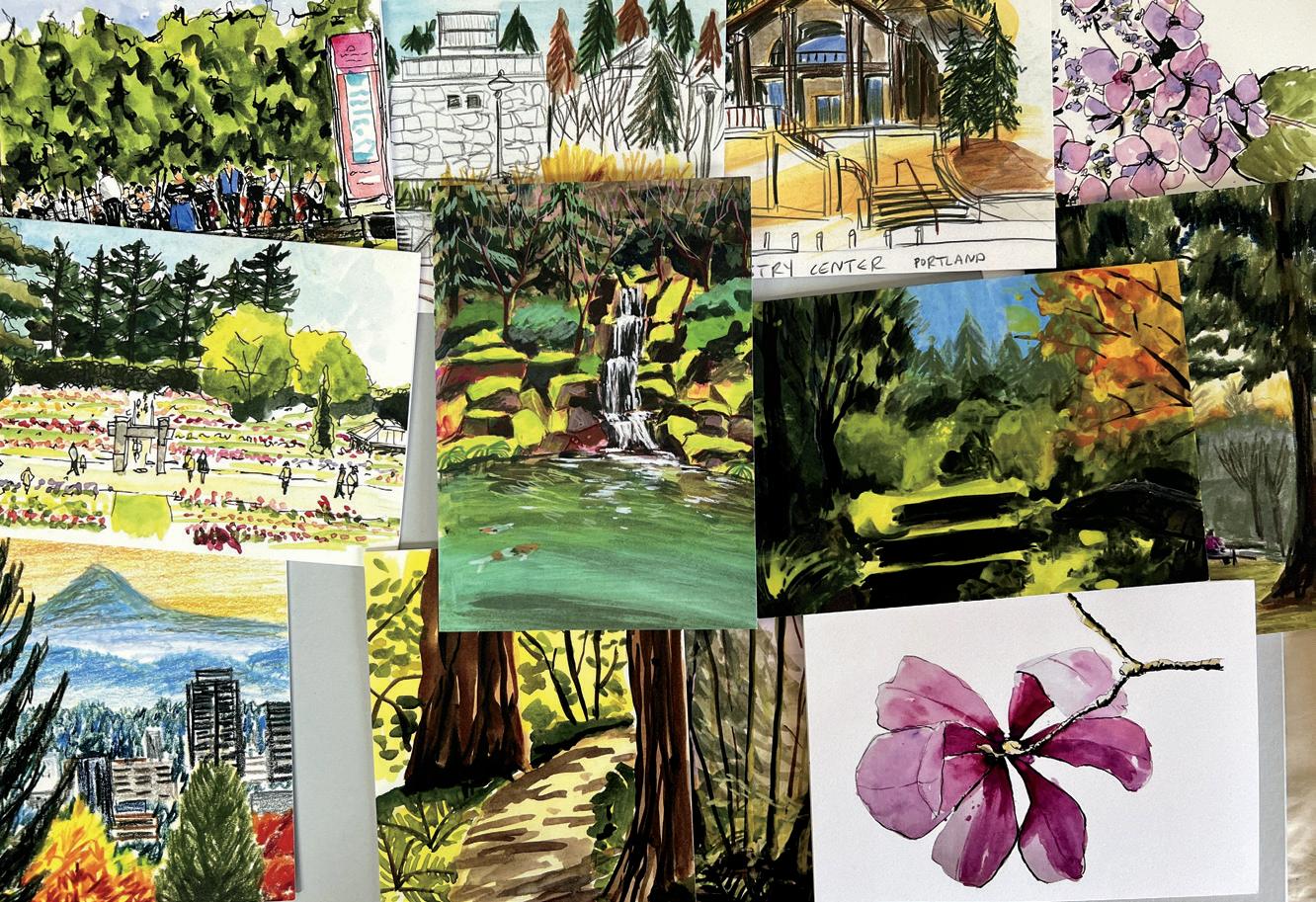
Washington Park cards from my self-appointed residency
from illusion to impasto
the evolution of texture in painting
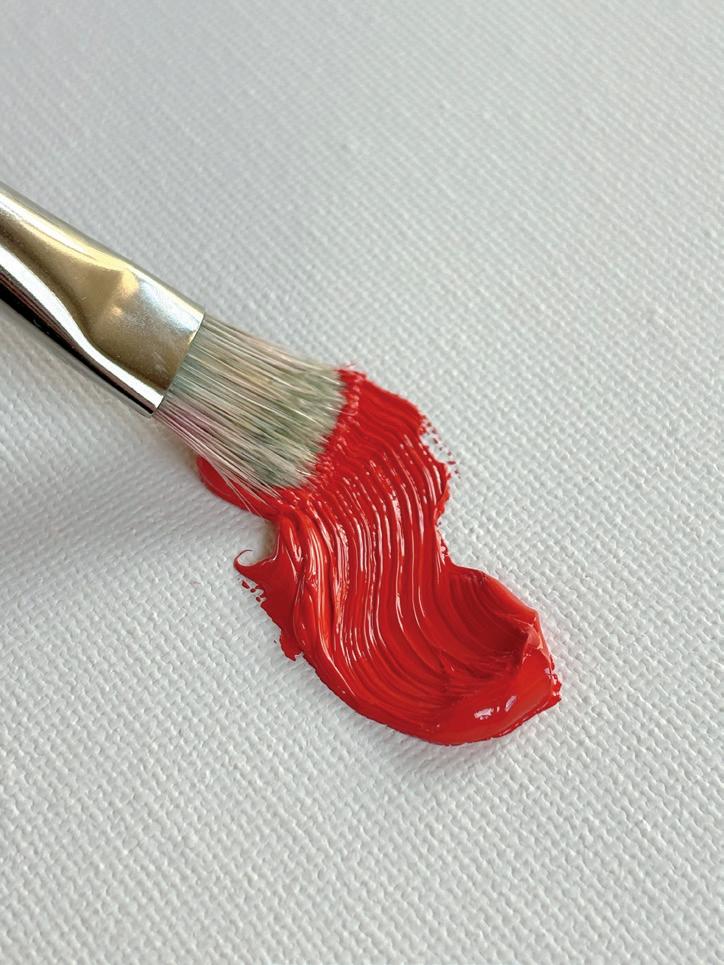
Since the earliest days of painting, texture has been one of art’s most powerful tools. Buttery swaths of paint, scrubbed and smeared across the canvas, can make a work practically vibrate with the artist’s energy, while silky, meticulously blended surfaces invite us to lean in, squint and marvel: how did they do that?! Its presence—or deliberate absence—plays a vital role in shaping the viewer’s experience.
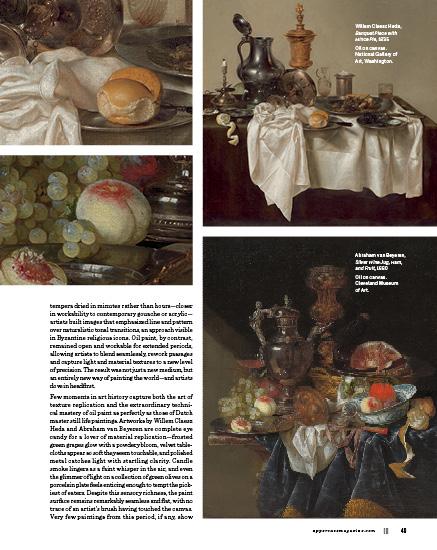
The way painters have used texture in their works has dramatically evolved over time. For much of art history, physical paint texture was intentionally minimized; painters devoted themselves to illusion, smoothing paint into seamless surfaces that could convincingly mimic the real world: the gleam of metal, the soft fuzz of fruit skin or the translucence of flower petals. What mattered was skill, subtlety and convincing mimicry, with no visible trace of the artist’s hand.
Over time, texture expanded from an illusionistic tool into an expressive force, a shift that coincided with the invention of photography. As documentation became possible at the click of a button, painting was freed from its exclusive role as a recorder of the visible world. This gave artists permission to explore paint handling, gesture and emotional resonance (as if they ever needed the permission!). Painters began asking the question: What if a brushstroke could carry emotion as powerfully as subject or colour? Questions like these opened the door to one of the most transformative shifts in the history of painting—the move from representing texture to physically building it. As artistic priorities evolved, texture moved from a trompe-l’œil device to a deliberately sculptural, expressive element. Today, texture continues to be one of the most dynamic elements in a painter’s repertoire. Some artists still pursue the quiet precision of smooth realism, while others embrace the physicality of impasto, using peaks and ridges of paint to heighten energy. A cloud might be rendered through delicate sfumato blending—or it might be piped onto the canvas with a pastry bag full of thick, white paint. In contemporary practice, the way paint sits on the surface has become inseparable from the story the painting tells.
So how did this shift—from replicating texture to constructing it—come to be? One clear way to trace this evolution is through still life painting, a genre uniquely suited to exploring material surfaces.
Around the 1400s, oil paint began moving to the forefront of European art. This “new” medium opened an extraordinary range of technical possibilities. Prior to the widespread use of oil paint, many painters worked primarily in egg tempera, a fast-drying medium that encouraged linear, flat approaches to form. Because
emotional expression; they focus entirely on the artist’s skill in faithfully capturing what lay before them.
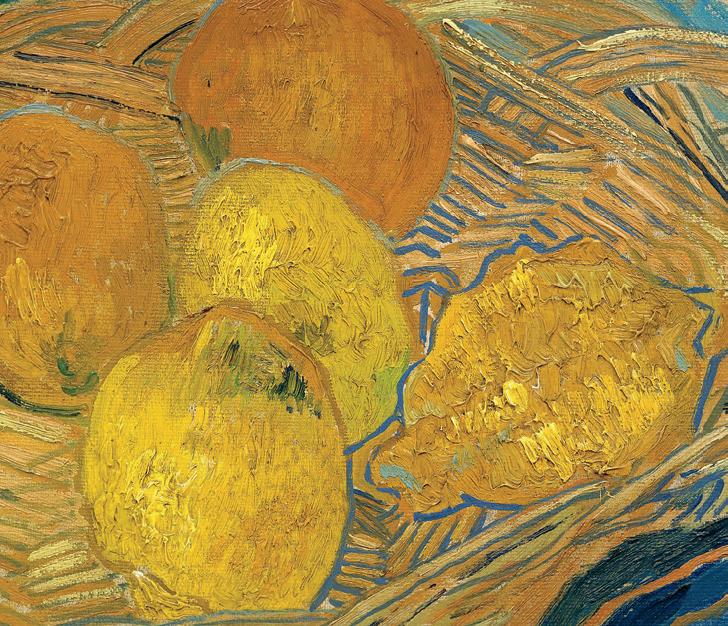
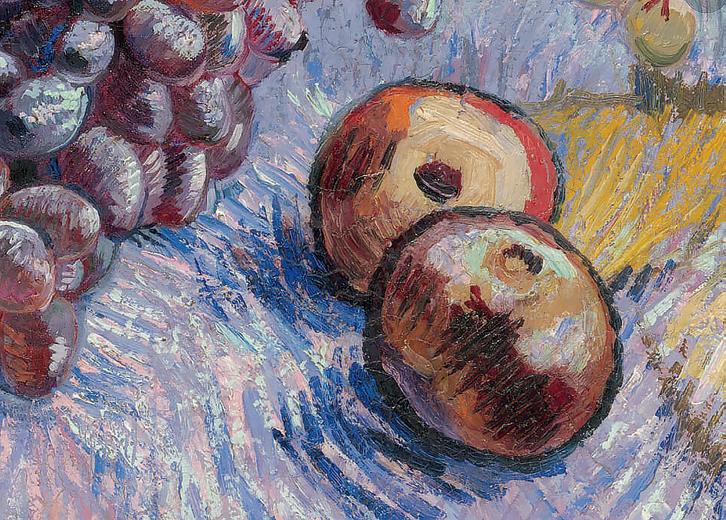
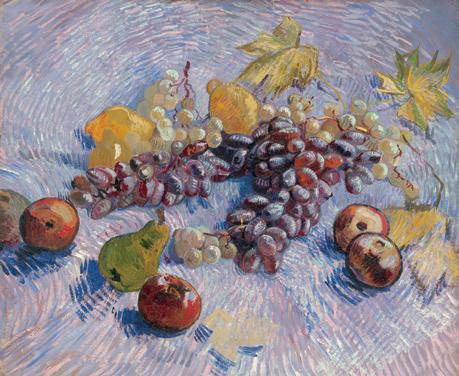
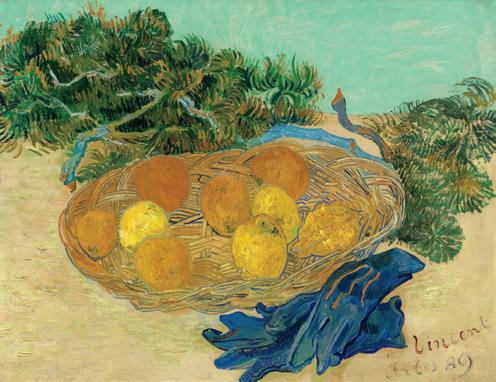
As artistic priorities shifted in the late 19th century, painters increasingly moved away from strict imitation and towards expression. With the rise of Impressionism and Post-Impressionism, artists began to explore how the physical application of paint itself could evoke sensation and emotion. Smooth surfaces often suggest restraint and control, while dense, peak-filled passages can transform even quiet subjects into fields of vibrating energy. The works of Vincent van Gogh powerfully exemplify this shift; his paintings insist that paint itself has a pulse—their dancing, stroke-filled backgrounds etched into the memory of anyone who has stood before them. In his still lifes, the fruits and backgrounds are not merely depicted, but are built, lifted from the surface in thick impasto that casts its own shadows. His texture carries emotional charge, and is as integral to the painting’s meaning as the subject it describes.
At the heart of this evolution lies the difference between imitating texture and constructing it—and the different experience that each brings to the viewer. When the primary role of painting was to record the visible world, realism and restraint were paramount. If meaning was to be conveyed, it was often communicated through symbolism, composition or subject matter. As academic ideals loosened and new technologies emerged that could replicate reality instantly, painters began prioritizing sensation, atmosphere and feeling over exact description. Texture became a way to communicate experience, rather than appearance alone.
Oil on canvas.
Art Institute of Chicago.
Today, painters are no longer constrained by a single style, movement or set of expectations, making the possibilities for paint application and approach virtually limitless. Curator and art historian Matthew
Vincent Van Gogh, Still Life of Oranges and Lemons with Blue Gloves, 1889 Oil on canvas. National Gallery of Art, Washington.
Vincent Van Gogh, Grapes, Lemons, Pears, and Apples, 1887
Israel, author of A Year in the Art World , describes our era as a “pluralist art movement”—one in which no style dominates, and artists are free from societal or institutional constraints in their creation process. At the same time, painters have newfound access to an expansive range of materials and tools that allow them to either soften and blur texture, or exaggerate and build it until it physically protrudes from the canvas. As a result, texture today is less about following rules and more about intentional, expressive choice—about deciding how a painting should feel as much as how it should look. Artists can now operate anywhere along the textural spectrum: from the smooth, photorealistic surfaces of Mary Pratt and Audrey Flack, where paint appears almost airbrushed into place, to the thick, squeezed mounds of paint found in the works of Wayne Thiebaud and Kim Dorland, where paint swells, piles and oozes beyond the image itself. Hanging in a gallery, these vastly different approaches coexist without friction—their technical differences not a point of tension, but a quiet celebration of painting’s expanded possibilities.
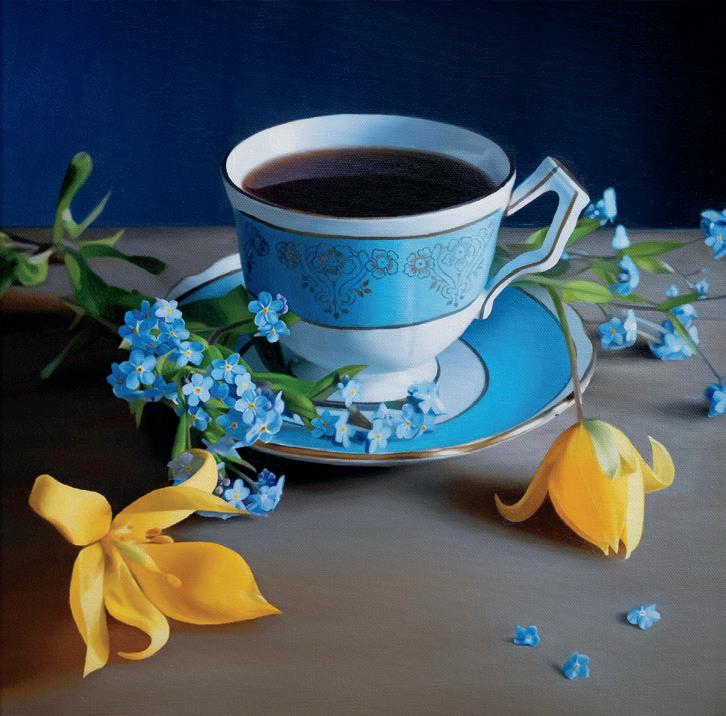
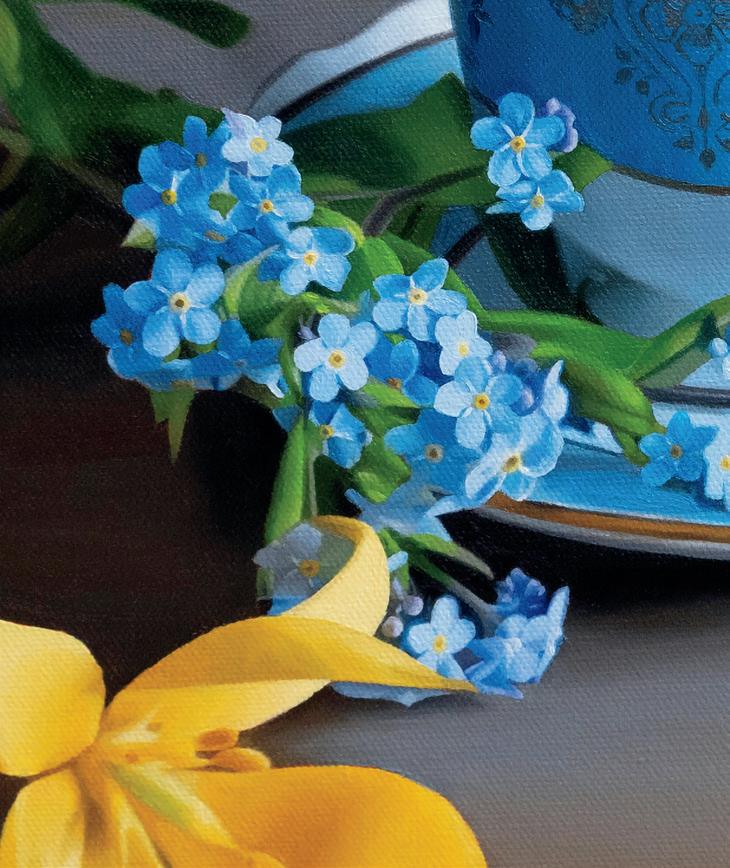
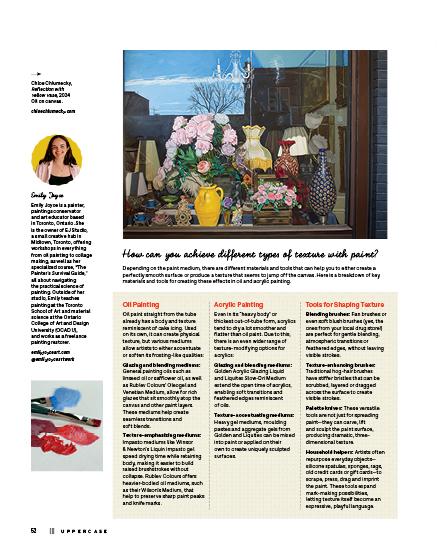
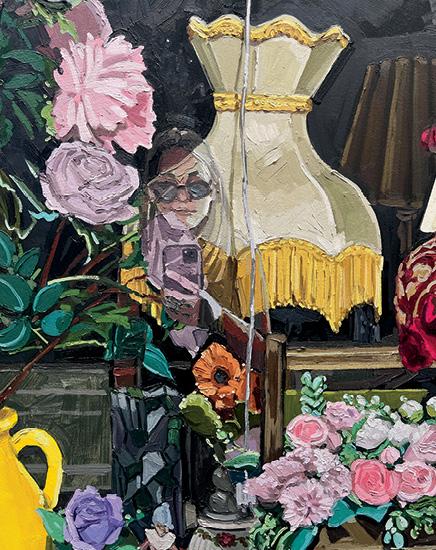
Contemporary Canadian artists such as Emily Valentine and Chloe Chlumecky illustrate the range of textural approaches in today’s art world. Valentine’s carefully curated still lifes are defined by luminous, saturated colour and seamless blending—so smooth that the closer you look, the more that hints of the weave of the canvas itself begin to quietly emerge. This underscores the level of control in her technique: paint is applied thinly, with precision, and guided into place rather than built up. On the other hand, Chlumecky embraces heavily paint-loaded brushes and unapologetically visible strokes, letting each brushmark sing. Even “flat” areas of her works—walls, backgrounds, skies—breathe with raised, rolling gestures, like tiny hills and valleys of colour. It is a beautiful reminder that texture is versatile: it can whisper, it can shout and it can shape the emotional life of a painting in countless ways.
So the next time you are wandering through a gallery, let your eyes linger on the surface. Follow the brushstrokes. Notice the lumps, the scrapes, the silky smooth passages—and pay attention to how they make you feel. If you yourself paint, turn that same curiosity inward and ask what your textures reveal about your instincts and process. The history of texture is rich, demonstrating how the physical presence of paint shapes not only what we see, but how we feel in the presence of art.
Emily Valentine, Forget-Me-Not, 2024 Oil on canvas. valentinefinearts.com
artistic texture
BY
COMPILED
LYDIE RASCHKA
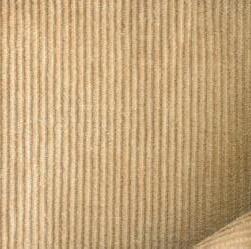
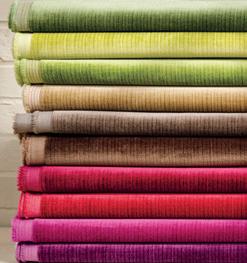
Corduroy
Cotton fabric with ridges, or a road made of logs laid across the path.
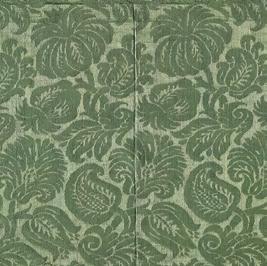
Damask
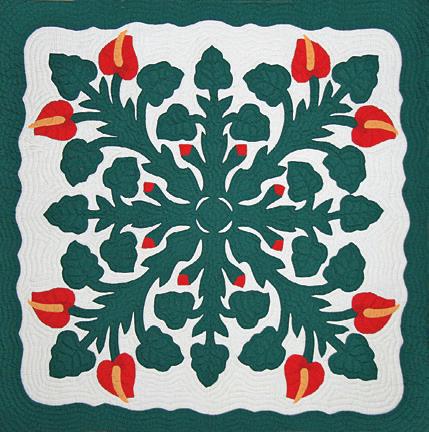
Appliqué
Decorative pieces of fabric (or metal) stitched to a surface.
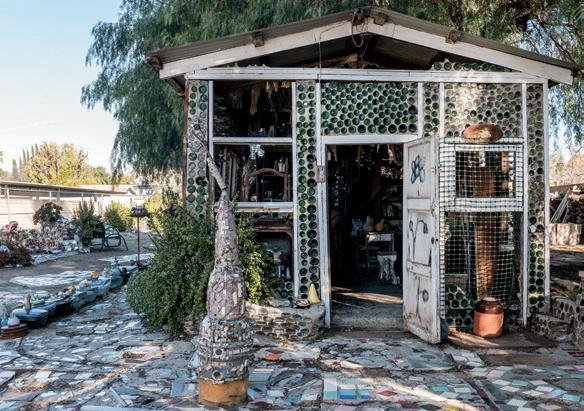
Village
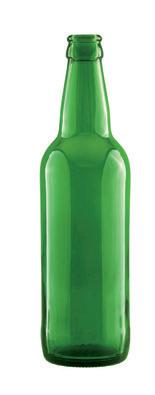
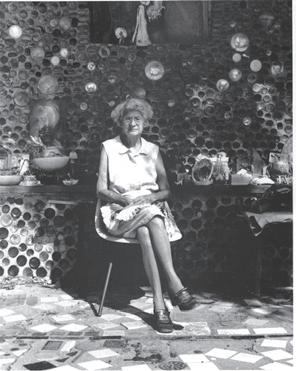
California artist Tressa Prisbrey built structures from glass bottles she found at the dump—an inventive bricolage (another B!), turning found objects into art.
Embossing
A silk fabric with designs woven into the surface, creating subtle texture and sheen.
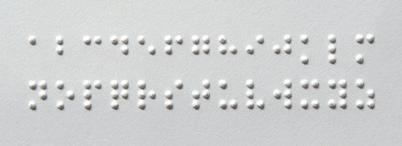
A raised design on stationery or fabric; it can also refer to the raised dots used in braille.
Glaze
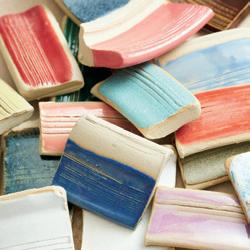
A thin, shiny layer on
Impasto
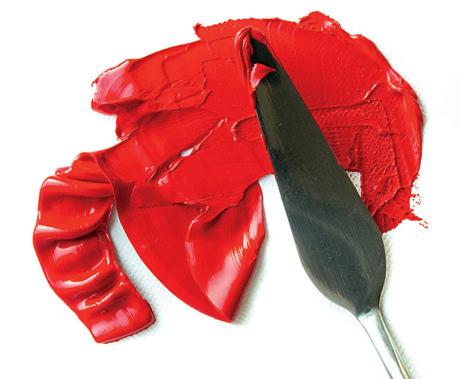
Applying paint thickly with a knife or a brush so that the strokes stand out, adding a sculptural quality.
Jagged Uneven, rough, a little wild at the edges.
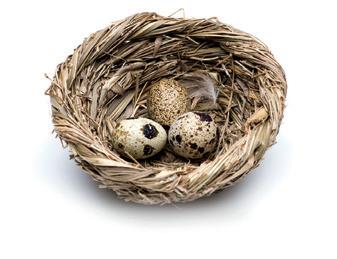
Lightly speckled, like freckles, or paint flicked across a canvas.
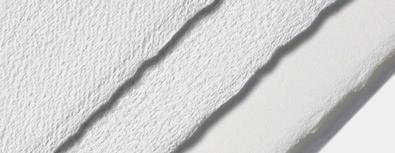
Hot-pressed paper
Smooth, fine-textured watercolour paper with little “tooth” (see “T”), made by running
“I knyt bonettes or hosen.”
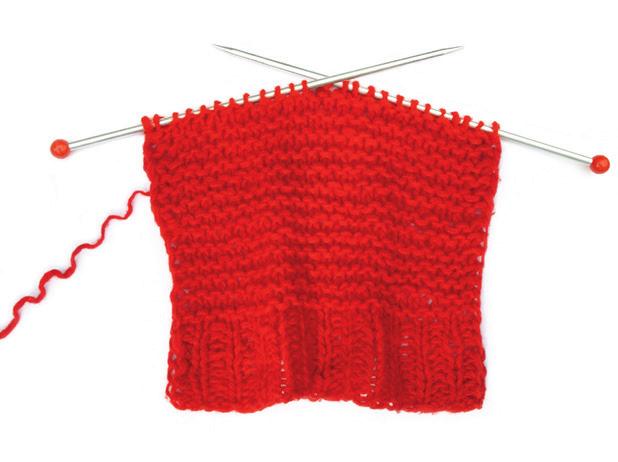
Knitting
Interlaced loops of yarn— noted in an early mention by John Palsgrave in 1530: “I knyt bonettes or hosen.”
Bottle
lekker
A 17th-century Dutch term, meaning “tasty,” for parts of a painting that delight the eye.
Matte
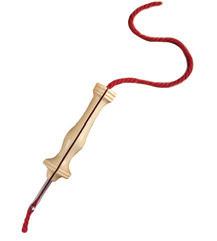
Punch Needle
A technique for creating rugs, cushions, purses and other items, limited only by the maker’s imagination.
Before cellphone photos, we used to hear: “Do you want glossy or matte prints?”
Nap
The direction of a fabric as it comes off of the loom, which you can detect when you run your hand over it.
“Such is the uneven State of human life.”
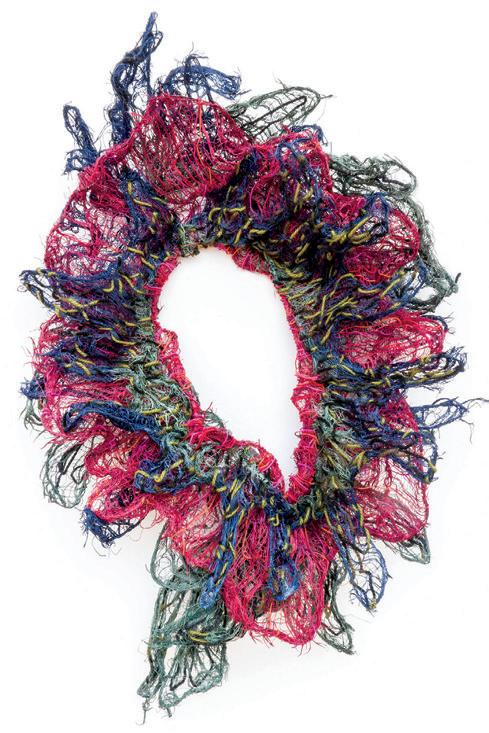
Okore
Australian-born Nigerian artist Nnenna Okore explores organic forms, as in Oyele, made from burlap, yarn, dye and wire.
Fine, irregular streaks that give fabric a soft, painterly look.
Quiet Resistance
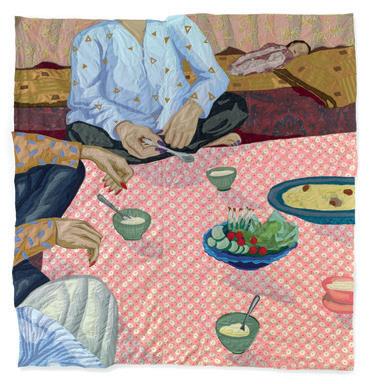
This 2023 series by AfghanCanadian artist Hangama Amiri is composed of contrasting textures.
“Such is the uneven State of human Life” (Daniel Defoe, Robinson Crusoe, 1719). Think brushstrokes, textures or bumps.
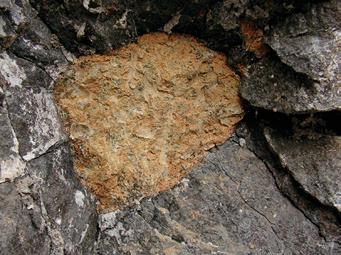
Xenolith textures
A rock trapped inside another rock, in ways mysterious to anyone who is not a geologist.
Yvette Mayorga
Chicago-based Mexican American artist who often applies pink paint with pastry piping bags to explore identity and culture.
Variegated
Showing two or more colours in a mottled pattern.
A traditional Aboriginal fine-hatching technique in ochre, used to form intricate clan designs.
Tooth
The measure of a paper’s ability to grab the marks of graphite, crayon, watercolour or ink.
Weaving
When threads cross on purpose, on a loom or in a spider’s web.
grass
A lawn grass with a fine, cushiony feel, named for
Strié
Uneven
Zoysia
botanist Karl von Zois.
STORY AND ILLUSTRATION BY TAMISHA ANTHONY
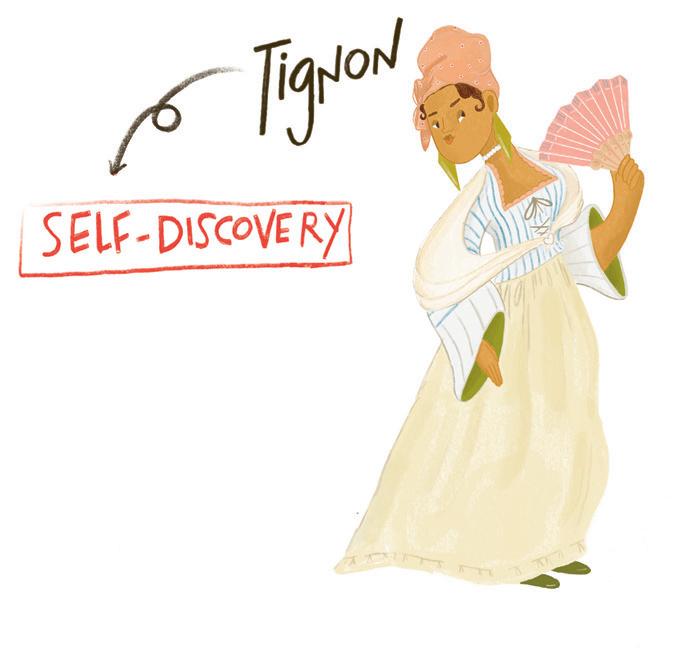
In Louisiana in 1786, the Tignon Laws forced every Black woman, both free and enslaved, to cover their hair with a headscarf called a tignon. This law was an attempt to control and quiet their identity. There was a lot of fear around the attractiveness of Black women, particularly women of colour who were free and able to dress elegantly. These free Black women were a threat to the desired social order. The Tignon Laws were enacted to quiet their beauty and show a clear distinction between women who were white (seen as superior) and women who were of African descent. But from this barrier, a greater creativity was born. These oppressive measures were reframed into an artform. Black women wrapped their scarves intricately, adding decorations of ribbons, jewels and feathers, making their appearance even more of an attraction and a fashion statement. Although the Tignon Laws were meant to bring about conformity and self-denial, this negativity was redirected to self-discovery. Black women found a way to uncover and further understand their unique gifts in art and design.
IDlove writing at night or in the early morning when the house is quiet, the world is quiet and finally my mind quiets a little, too. So it is around 10pm when I sit down in my studio to think about this volume’s theme, “the creative self,” and the subtheme, “texture.” I have several subpar ideas as I take down my naturally textured 4B/4C hair to prep it for my “wash day” routine. As I run my fingers through my coily locks, I wonder if it is silly to begin my wash routine this late at night… when suddenly I pull my hair with delight (ouch!): an idea has struck me!
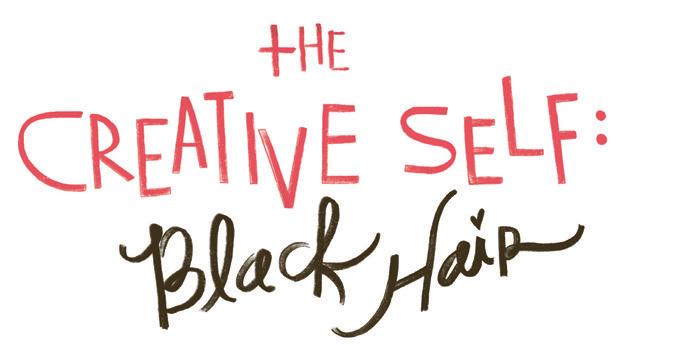
I will focus on the pride, celebration and creativity of Black hair!
From cornrows to locs, to box braids and two-strand twists, the beautiful stylings and expressiveness of Black hair encapsulates the creative self (and, of course, includes the artistry of “texture,” too!). Black hair represents identity, strength and culture. Throughout history, Black hair has been used to show pride, like in the “Black is beautiful” movement during the 1960s, and resistance, like with the CROWN Act, established in 2019 to protect people from discrimination based on race-based hairstyles. Whether braided in a protective style or flying free as an afro, Black hairstyles are unique. They are expressive. And they are powerful.
uring the 1960s, as Black people fought for equal rights during the civil rights movement, the “Black is beautiful” cultural movement also fought for positive public perceptions. People fought against how Black people were negatively depicted in the media and how self-hatred grew from internalizing these hurtful lies. This movement began as a challenge to the racist idea that Black people’s skin colour, facial features and hair were ugly. Prior to this movement, Eurocentric standards of beauty were the most desirable in many social exchanges. Preference and certain privileges were given to lighter-skinned
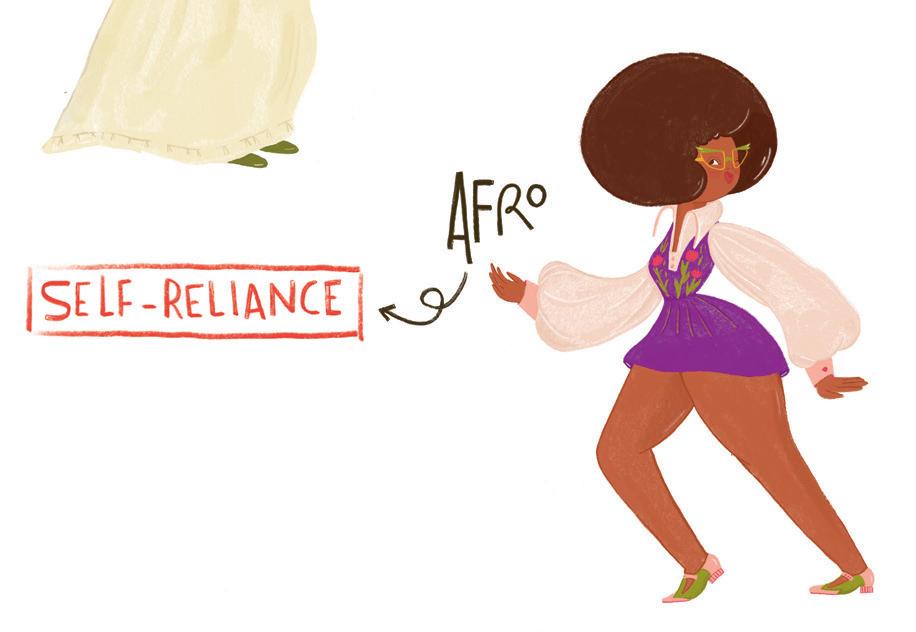
Black people, weakening love and acceptance within the Black community. Obviously, this was damaging emotionally, socially and psychologically to African Americans. The “Black is beautiful” movement aimed to repair this affliction by purposely embracing all varieties of skin tones, hair textures and facial features throughout the Black community. Many African Americans put away their hair straighteners and embraced the “afro” hairstyle. Activist Angela Davis used her afro as a political symbol of Africanheritage pride. The afro was a clear and defiant way to establish self-reliance. Black people began to
depend on (and embrace) their own resources by reclaiming their curly, coily hair, radiant skin and beautiful bodies. By using what they had all along, they supported themselves.
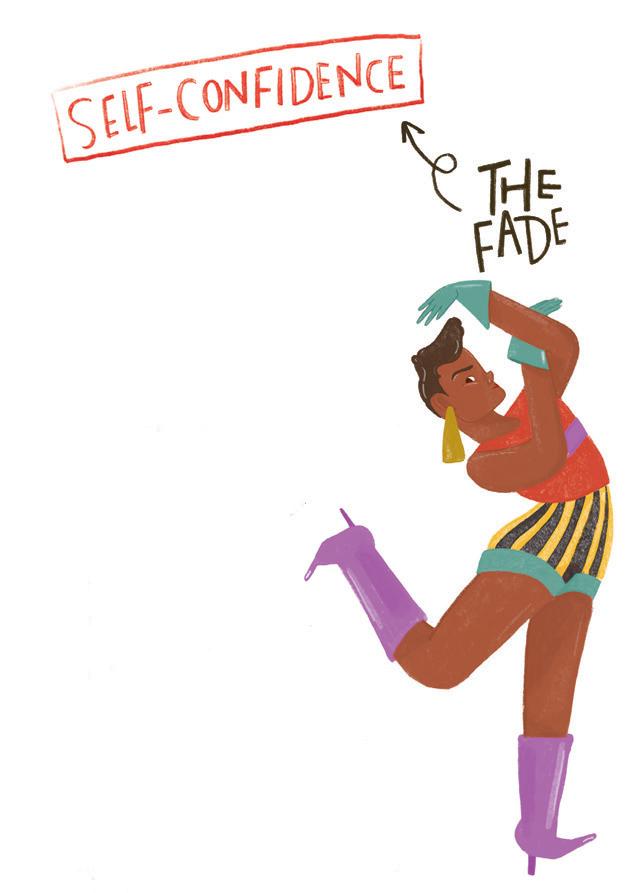
During the 1980s, the golden age of hip-hop, the hi-top fade was a fashionable hairstyle for Black men, and for some women, too. This musical era gave a booming voice to Black and Latinx people. These were Black and Brown kids and young adults who were marginalized but who found power in expressing social issues, anti-racism and politics through music, dancing, fashion and, of course, hair. As the fade haircut’s popularity increased, so did the height of the hair. Think about the Fresh Prince of Bel-Air, or even more exaggerated, the hip-hop duo from NYC, Kid ’n Play. It was a daring haircut for a time of daring expression. It was also a re-embracing of the idea from the 1960s that natural hair textures were not only beautiful, they challenged anyone not to accept them. On the music album cover of Warm Leatherette, Grace Jones, the model, actor and singer, is pictured with this dynamic hairstyle. The hi-top fade was not a hairstyle chosen by many women. Obviously, Grace was not conventional, but it still took a lot of courage and self-confidence to rock this haircut. This hairstyle is clearly not about shrinking away—with the fade you do not fade into the background.
DJackson’s starring role in the movie Poetic Justice started a fashion craze for box braids. Black women and girls all wanted the effortlessly cool look that Jackson embodied in this film. If you grew up in the 1990s and early 2000s, you may remember the TV show Moesha, starring Brandy Norwood and her beautiful box braids. I remember wearing my box braids as a child, with beads added at the ends. When my mom finished braiding my hair I would parade around the living room, proudly shaking my locks. Box braids are still a popular go-to hairdo, but they were not born in the nineties. They originated in ancient Africa, symbolizing identity, marital status and age. Enslaved Black people in America would sometimes
use braiding designs as secret escape maps. Box braids have a deep and long history in Black culture: braiding is a technique that is passed on from generation to generation. I remember learning how to braid from my Big Mama (grandmother). The process of having your hair braided is connected with care, love and gentleness. There is compassion. And as an adult, when I braid my own hair, I practice selfcompassion. I am nurturing myself. As I braid, I am relaxed and mindful of my day and of myself. When braiding my hair, I am providing it with a protective style that promotes growth and stimulation.
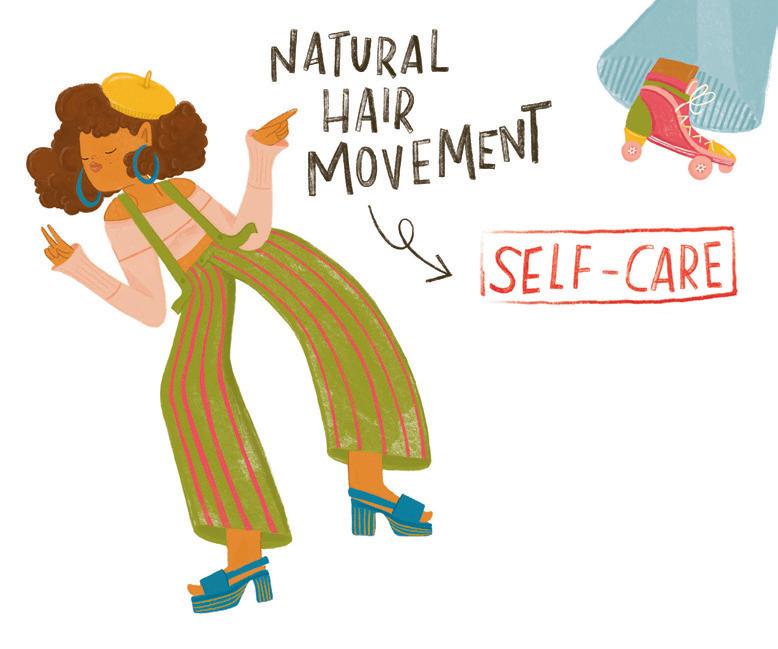
During the 2000s, the natural hair movement encouraged people to embrace their natural coily, curly hair. I remember doing my “big chop” when I moved from the South to NYC. My closest friend had beautiful, natural hair and encouraged me to snip off my relaxer-straightened ends and to try “going natural.” This may sound familar—yes, it is a rebirth of the 1960s “Black is beautiful” movement, but with a slightly different mission. Self-care is at the centre of this movement. Yes,
it emphasized embracing natural Black hair texture, but it also challenged Black people to take a second look at their hair products. This movement questioned and rejected the damaging ingredients being used in hair relaxers and other Black hair products. It encouraged Black people to focus instead on properly managing their hair and scalp health. Most importantly it encouraged love and care for the natural hair you were born with. This movement did not aim to shame people for straightening their hair, but rather to embrace the wealth of possibilities in Black hair—whether flat ironed, coily or braided.
tamishaanthony.com
@tamisha.anthony
texture
Readers share their creative projects in which texture is a primary feature: created surfaces that are tactile, tangible and expressive.
In the Garden
Charlese Annette Phillips
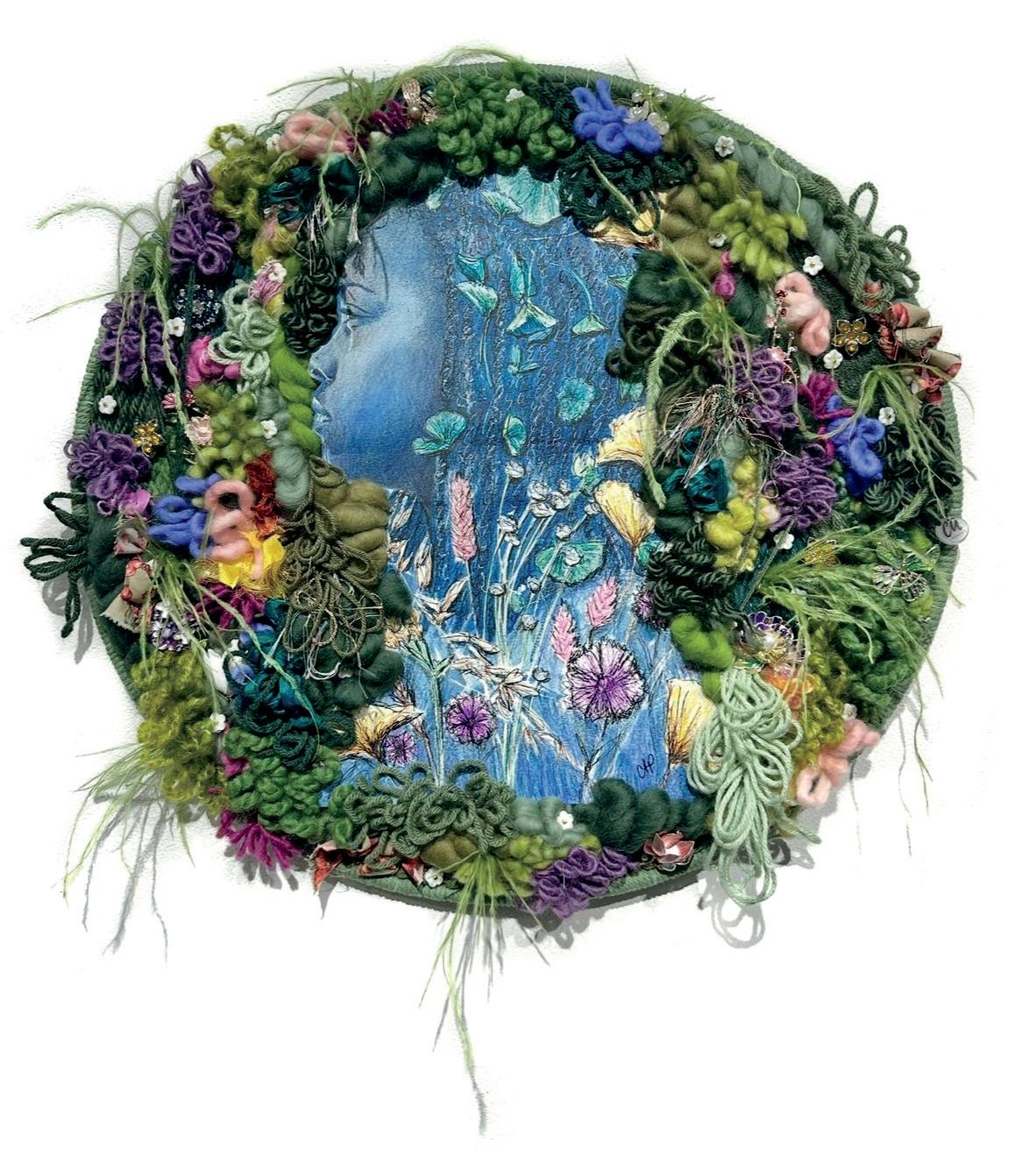
DELAWARE, USA
Texture is essential in this work. It is pivotal to the depth needed to create the feeling of being in a lush garden: an immersive visual of texture from woven elements and embellishments in conjunction with the smooth nature of the cyanotype on watercolour paper. This piece expresses who I am as a creative person with its focus on bright colours, a variety of elements and the use of myself, as the subject. Spending time in my garden helps ground me and I wanted to create a piece to honour that place.
charleseannette.com
@charleseannettecreates
Luxurious Experience
Annie Chrietzberg
BEND, OREGON, USA
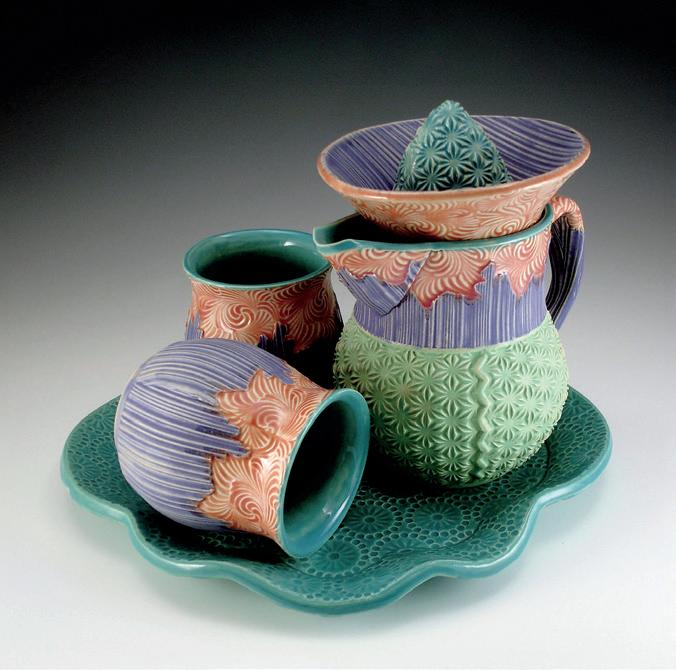
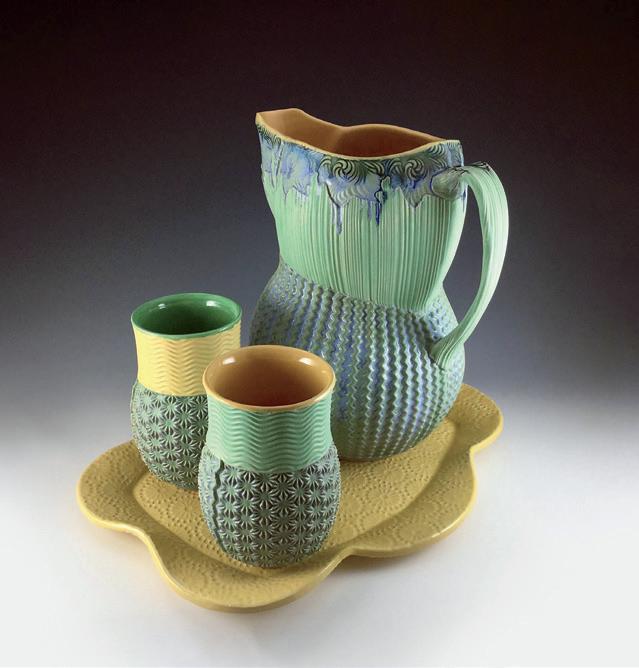
Within the bounds of functional objects, I compose in texture, colour, pattern, shape, form, feel and experience, as functional objects only reach their true potential during actual use. Impressing texture into the surface of clay creates an object that can provide a rich and ever-unfolding sensory experience, giving the user a greater sense of engagement with each piece.
earthtoannie.com
@earthtoannie
Feeling Seen
Dana Rau
BURLINGTON, CONNECTICUT, USA
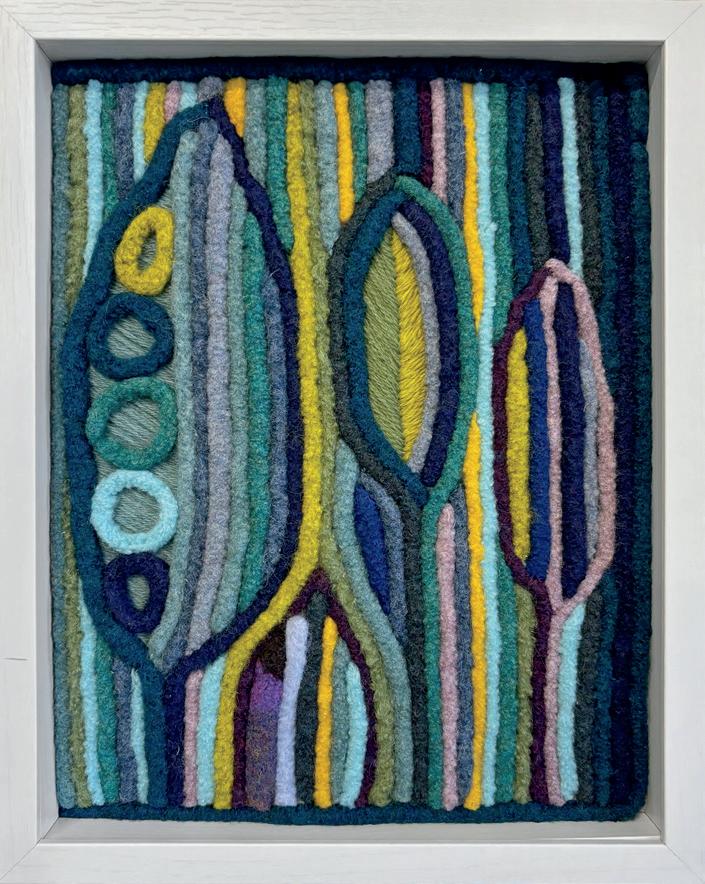
After my older brother passed away, I considered his access to visual art. He was blind and relied on his other senses to navigate the world. While some art is accessible to the blind, visual art is not often inclusive, so I’ve been playing with pieces that have wider accessibility. Since I grew up in the same household as my brother, it is no surprise that I am drawn to texture as much as colour and shape. I knit with wool yarn, then wet felt my creations in the washing machine and shape them as they dry. I have created bowls and vessels, and also cords that become framed pieces. The process is tactile, meditative and transformative. The resulting work is meant to be held or touched so that everyone experiencing it can feel seen.
danameachenrau.com
@danamrau
Printing Palms for Preservation Lindsay Schmittle
PITTSBURGH, PENNSYLVANIA, USA
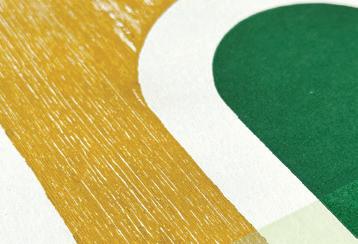
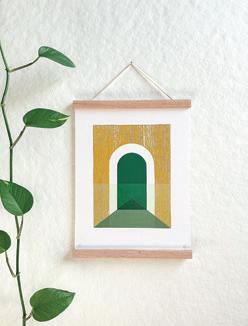
While on an artist residency with the ACEER Foundation in the Peruvian Amazon, I collected natural textures from the forest floor and pressed them in a large homemade flower press. My favourite texture was a fallen palm leaf sheath from the Huacrapona palm, which I tile-mounted to an MDF block to print upon my return to my studio. The texture in this limited-edition letterpress print adds depth to the artwork and represents the depth, beauty, complexity and rarity of the Amazon rainforest. The emerald inner arch represents the Maijuna Indigenous community’s hunters, who navigated us through the rainforest from the bow and stern of the riverboats, acting as the key to accessing and conducting research in these precious primary forests in need of protection.
gingerlypress.com @gingerlypress
Lake Paupac Cardinal Luanne Seymour
WHIDBEY ISLAND, WASHINGTON, USA
This quilt is meant to be an impression of a moment in time when my husband pointed to a cardinal flitting through the forest. I never saw the whole bird but just the colour flashing and the visual texture of the tree bark, the leaves and the lake shining through the spaces.
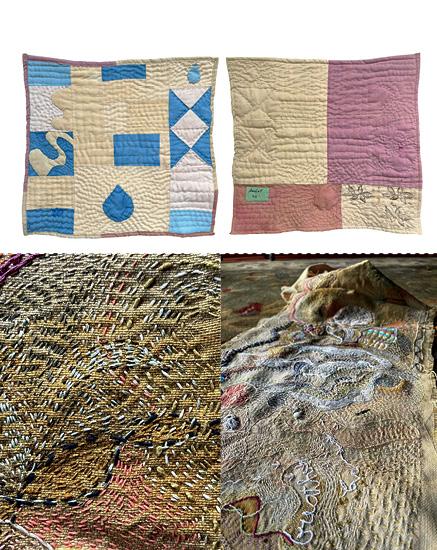
I chose to hand stitch the entire surface of this quilt because I love texture. I felt like as I stitched, it became more of a tapestry than a quilt because of the texture the stitching created. What I notice as I hand stitch a piece is that it changes not only visually but also in how it feels. Stitching softens the whole quilt while adding the bumpy surface of the stitches. My favourite pieces to work on are the ones with hand stitching because I enjoy the tactile nature of the work.
luanneseymour.com
@luanne.seymour
Stained Glass with a Twist
Jennifer Kelley
SAN CARLOS, CALIFORNIA, USA
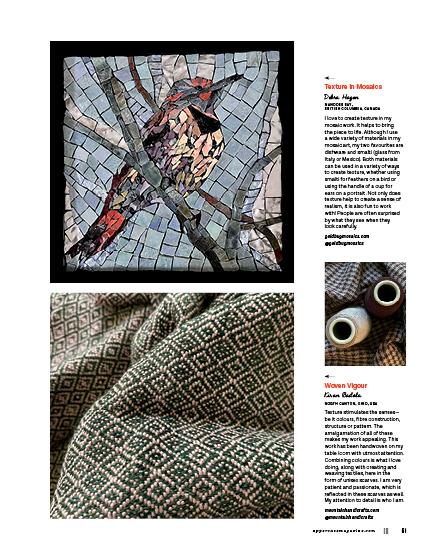
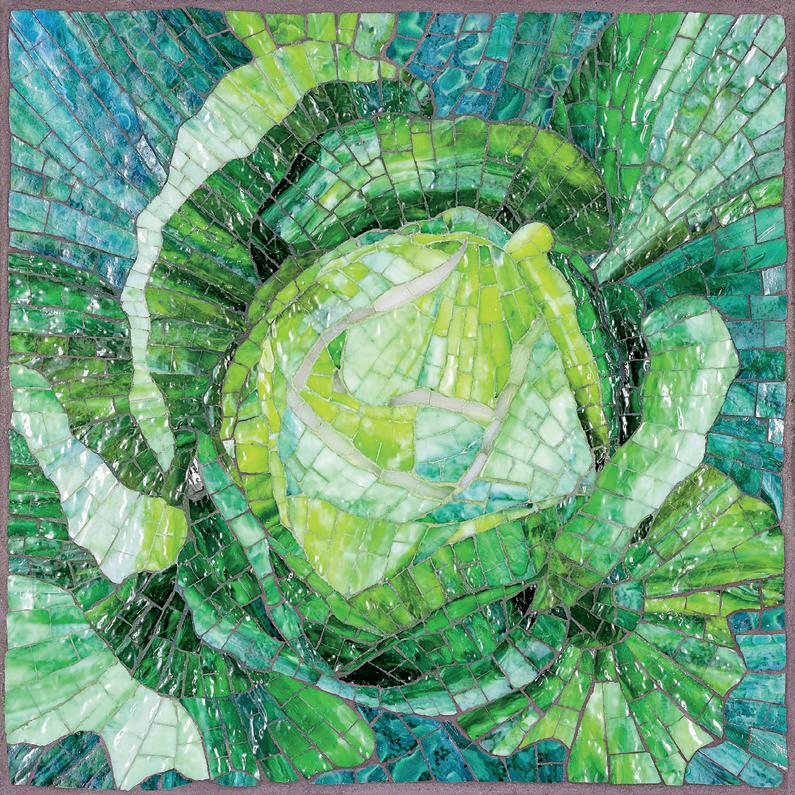
The texture of the stained glass in the mosaic feels like bumpy lettuce. The glass features natural, wobbly variations rather than a perfectly flat surface. I chose this glass for its organic, rippling texture and the way its uneven surface distorts light. Using stained glass to make realistic-looking mosaics provides the viewer with a pleasant surprise, using a familiar resource in an unexpected way. None of my mosaics are finished exactly as planned; that’s what I love about making them.
jenniferkelleymosaics.com
@jenniferkelleymosaics
Time Stood Still
Ken Roberts
ST ANDREWS, SCOTLAND
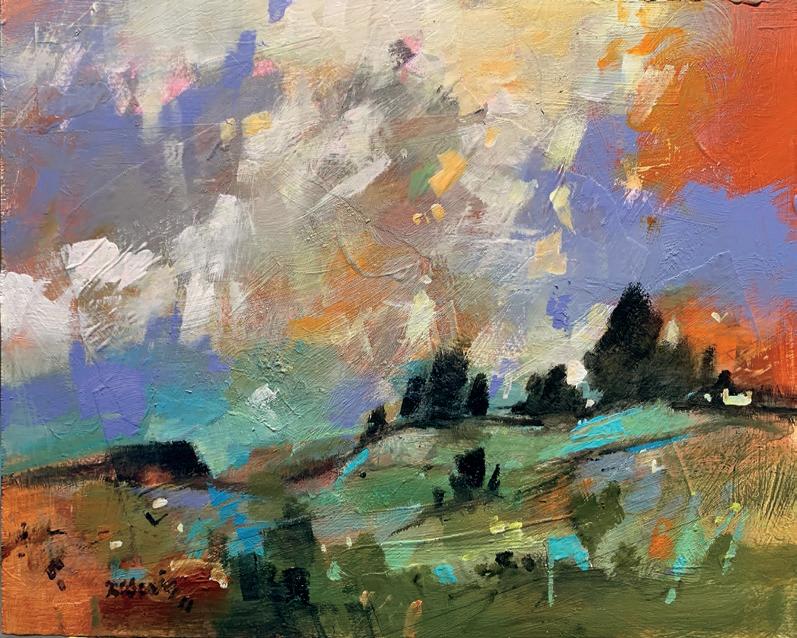
I paint on hardwood plywood panels, which I first coat with acrylic gloss gel, and when they are dry I apply a coat of nonabsorbent gesso. Both these applications provide just enough brush strokes to allow for happy accidents in the process, which add interest. I create black-andwhite printed patterns and paste them on the board strategically but sparingly. I then apply acrylic colours with satin mediums for the finished mixed-media effect. Only the edges of collage rips are evident, along with tiny pieces of mono patterns. So all in all, the textures are subtle but essential enhancements.
artbykenroberts.com
@fromkenroberts2u
Obsessed with Texture
Melissa Lear
INDIANAPOLIS, INDIANA, USA
As a fibre artist, texture has a main character role in every piece I create. It works in tandem with its partner, colour—entwined to tell a story. From wall hangings to shawls to fibre branch sculptures, texture allows me to weave in a complex emotional structure. And it’s not just the texture of the fibre, but the way I use these textures in each piece to convey meaning and mood.
Silky or smooth fibre conveys peace and calm. Rough, chunkier fibre gives off vibes of strength and fortitude. Twisted or knotted fibre speaks of turmoil or of necessary grit. When incorporated together, distinctly different textures can collectively give us quite the show. It is what draws people to my work, making it almost impossible to not reach out and touch.
spindleandspade.com @spindleandspade
Texture in Contemporary Embroidery Marian Cvik
BUENOS AIRES, ARGENTINA
In my contemporary embroidery practice, the delight in the treatment of surfaces is a fundamental part of my work. How does the thread transport me on this journey? Totally and definitively, with subtlety or intensity, revealing my inner states with each gesture. In repeated work, in experimentation, in the insatiable search, texture defines the image.
In the Islands series, there is an exacerbation, a luxury of textures: each composition consists of two printed fabrics (hand printed or industrially produced) that compose a basic landscape. And upon them, a form, an island, is drawn in infinite stitches, on brocaded surfaces, in mysterious geographies; and a metallic form overflows in a promise. Pure texture, pure textile.
mariancvik.com
@elbordadocomotrazo
Rust Proof Tanya Fenkell
TORONTO, ONTARIO, CANADA
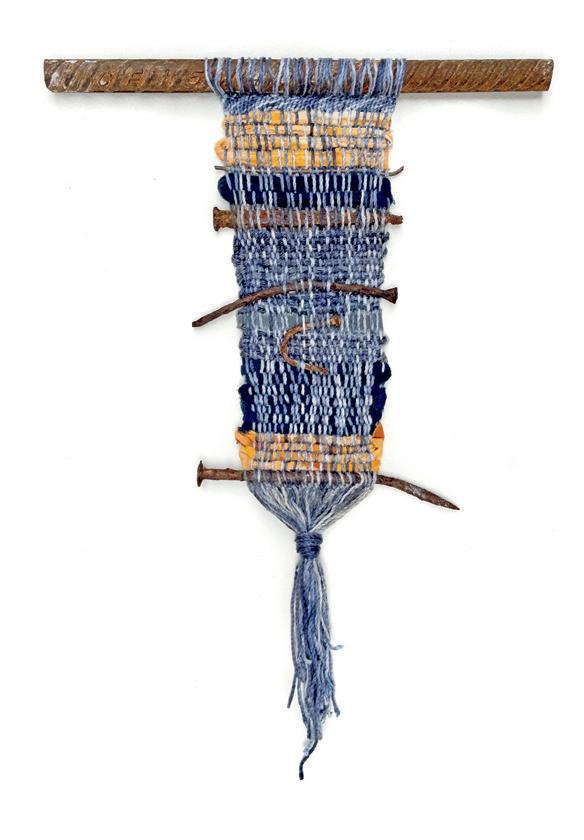
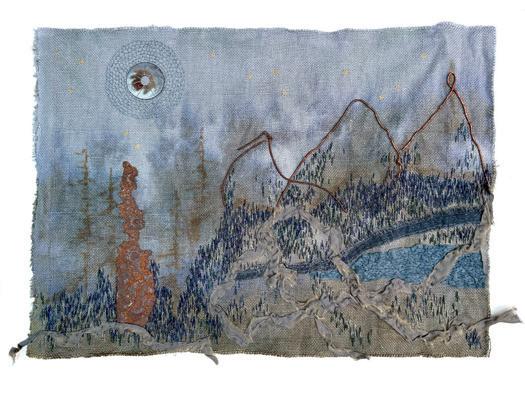
My “Rust Proof” series is a group of textile pieces using metal debris I pick up on walks and runs. The opposition of textures both invites touch and creates resistance. The hard, sometimes sharp textures of rusted metal against the fine handwork and natural fibres point to the ways human beings create beauty but also environmental catastrophe. The rough, industrial metal is almost jarring, encased within or surrounded by hand stitching, with its implied human touch. Hard, sharp edges, inextricable from delicacy and softness, show the two sides of human resilience; I use the contrast of textures in my artwork to emphasize the carelessness with which we have treated our planet and that change is crucial. At the same time, on a more basic level, I hope to invoke the very human desire to touch.
tanyafenkell.com
@tanyafenkellart
Whimsical Fibre Suzanne Macpherson
FERGUS, ONTARIO, CANADA
The texture I use in my artwork is what guides me. I have always loved fibre. I collect it, I love all the colour; it is all the texture and different fibres that drive my creativity. It makes my heart sing when I find that special piece of fabric. I use all kinds of fibre in my artwork, from hand-dyed wool fabric to recycled merino wool sweaters and recycled sari silk and chiffon.
Blood and Guts
Victoria Covo
MADRID, SPAIN
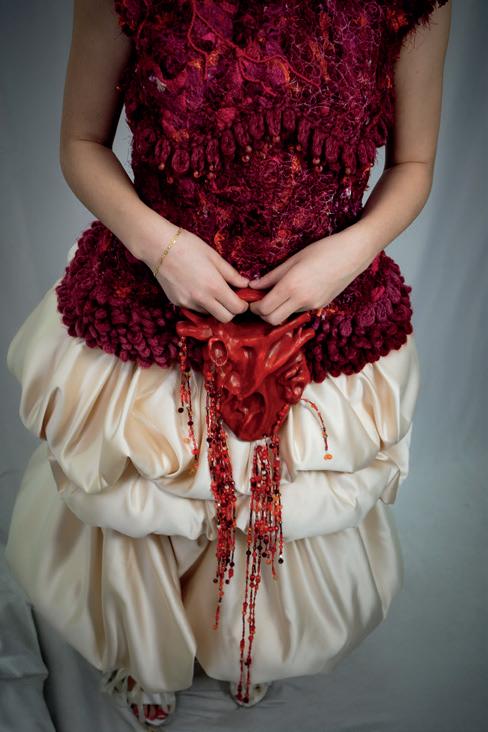
Texture is essential in this work because it is the main way the concept is communicated. Inspired by muscle tissue and blood, the work includes layered threads, dense yarns and varied stitching that create a tactile surface that mimics organic fibres and blood vessels. The depth and irregularity make the piece feel alive, drawing the viewer in and encouraging close inspection. Texture transforms the textile into an illusion of living tissue rather than a flat surface.
This focus on texture reflects who I am as a creative person. I am drawn to hands-on, experimental processes and to materials that allow for imperfection and complexity. By layering and manipulating fibres, I explore themes of the body, vulnerability and transformation, creating work that is both captivating and slightly unsettling.
@vivicovoibarra
Fibre Designs Marianne Biagi
MORRISON, ILLINOIS, USA
I have been creating art my entire life. My interests include fabrics, beads and natural fibres. I take my inspiration from the natural world. I love the elements of the woods, the leaves, tree bark, moss, flowers, seed pods. I love that there is a bit of chaos in nature—bumps, ridges, waves and colour—but somehow it all settles into a beautiful, peaceful harmony. I want to transmit my feelings of nature to my art and to invite the viewer to see the natural world in the way that I do.
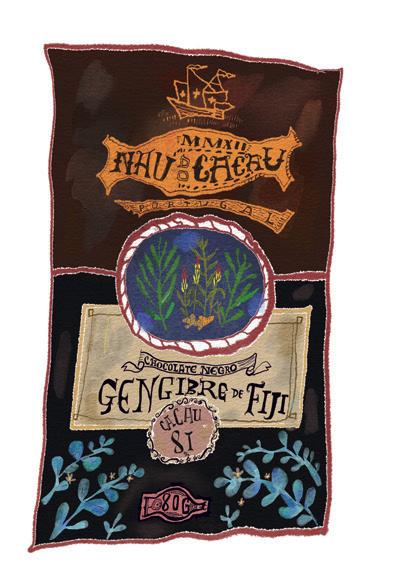
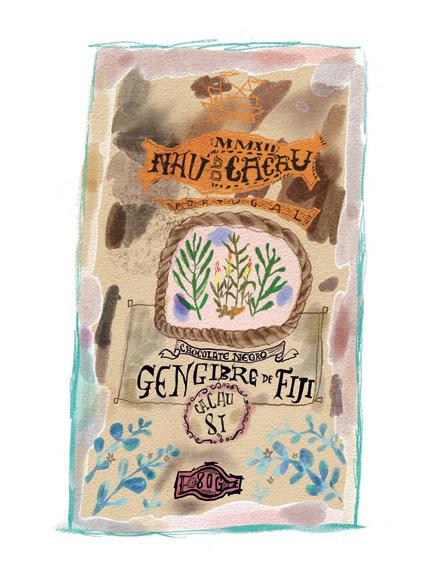
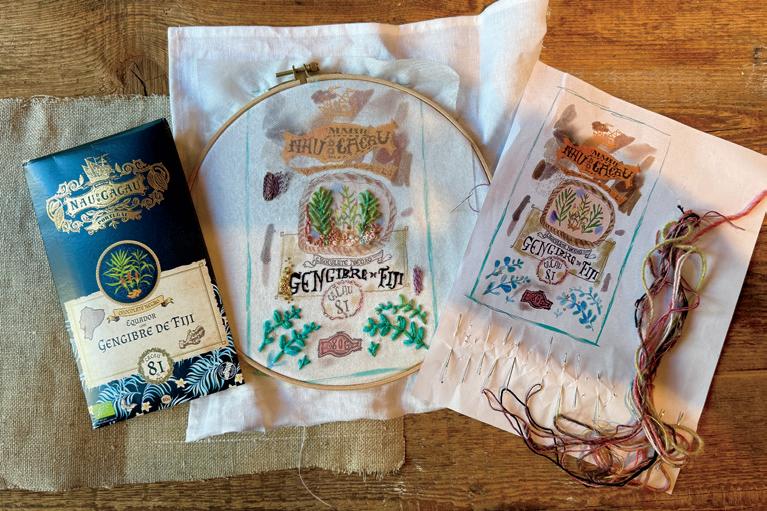
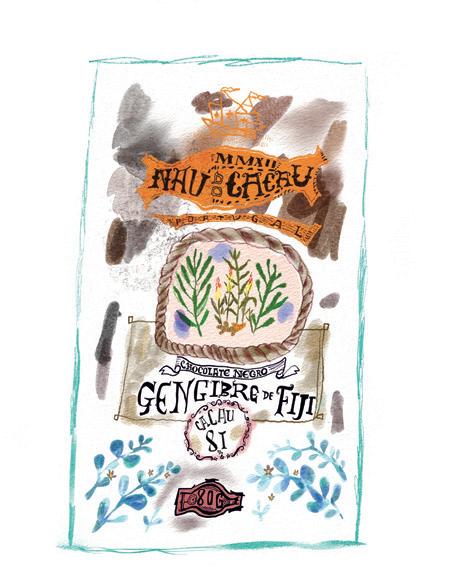
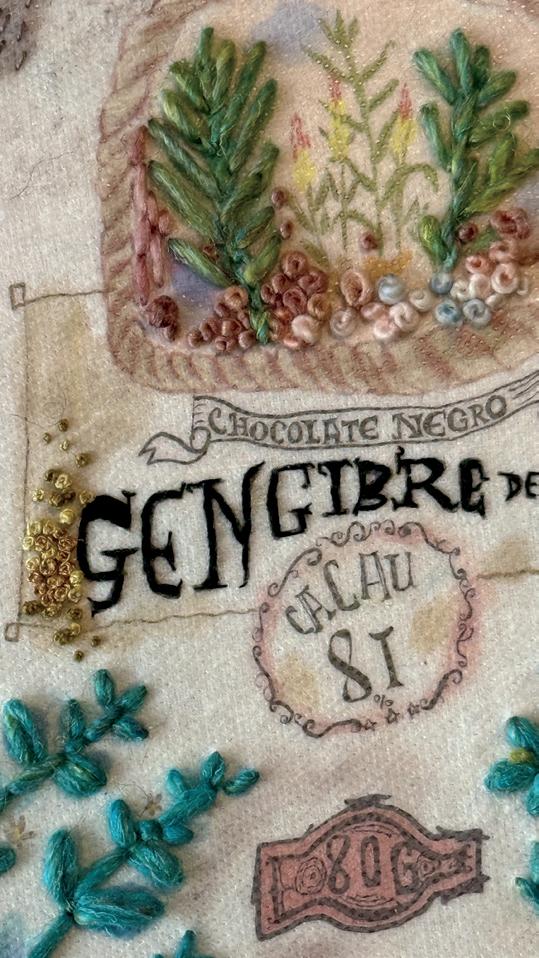
Gengibre de Fiji chocolate bar
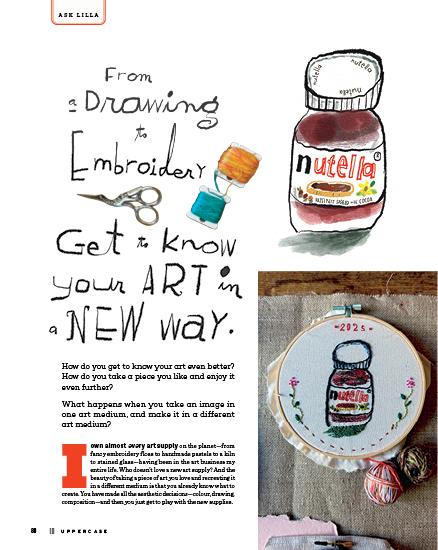
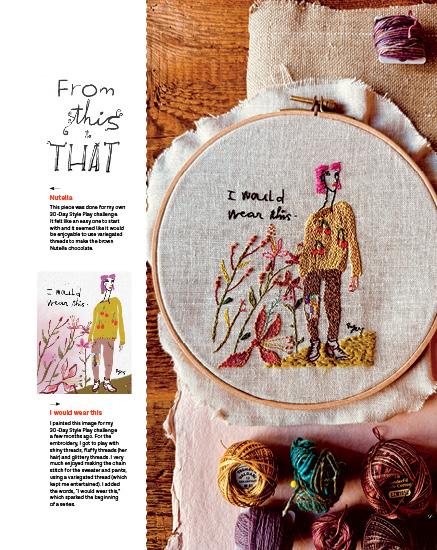
I bought this fancy candy bar in Portugal, simply for the gorgeous lettering.
First, I drew it on my iPad. I was quite happy with the image, but when it came to embroidering it, I didn’t feel like stitching all of that brown background, so I redrew it with a multicoloured background.
However, even though the background was varied, it still felt like it would be a bit overwhelming to embroider, so I redrew it with more white space. Thank goodness for the ease of edits that Procreate allows. I was happy
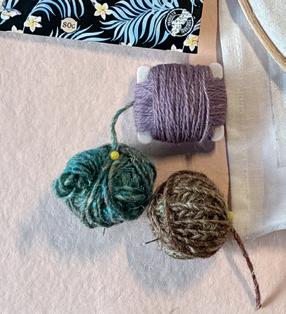
I wanted a break from the gorgeous (yet tiny) threads, so I broke out my chunky yarns.
Making as a way of being Ana Buzzalino
CALGARY, ALBERTA, CANADA
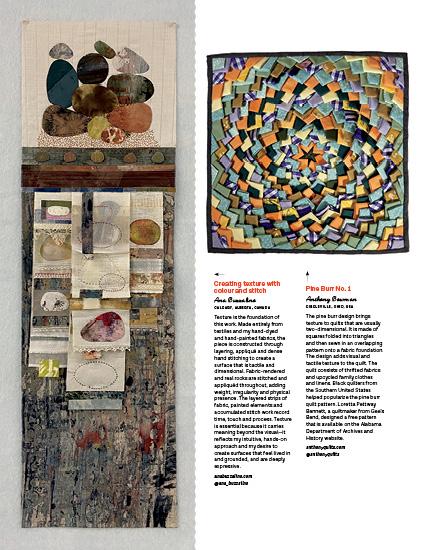
My creative practice is inseparable from who I am. Making is not something I turn on and off; it is how I move through the world. Over time, creating has taught me how to be kind to myself. I’ve learned that perfection matters far less than making. Imperfections are no longer failures, but opportunities for learning and discovery, part of the conversation between my hands and my materials. Self-confidence did not arrive all at once. It came slowly, almost imperceptibly, through repetition and persistence. The more I made, the more I trusted myself and my instincts. I nurture my creative self by showing up every day. Some days this means hours of focused work; other days it may be only a few stitches. Both are equally important. Even when my hands are still, my mind is creating— observing, imagining and problem-solving. Creativity is a daily practice, a form of self-care and a vital part of who I am. I don’t know who I would be without it. anabuzzalino.com @ana_buzzalino
My background in biology influences my work, as both art and science have much in common by questioning the world and revealing the unseen.
Every day I open my sketchbook with the intention to tell a story. Whether from a memory or an observation, what matters is the time I devote to my art. For me, creativity has always been a process of exploration and self-discovery. Through drawing and painting, I repeat this process continuously out of a desire for personal growth and self-awareness. By showing up every day, surrounding myself with beautiful art supplies and welcome mistakes or happy accidents, I take care of my well-being and build compassion. My sketchbooks are at the heart of my creative process. In their pages, I draw and paint freely, without restraint. In recent years, I have been carefully filtering the work I share on the Internet out of concern for copyright but also to preserve my sensitivity. In doing so, I can leave my studio at night feeling grateful, eager to return.
This daily practice of drawing and playing has profoundly impacted my life, both creatively and mentally. It allows me to leave room for authenticity instead of perfectionism. Flipping through the pages, I can trace the evolution of my ideas and techniques, gaining a deeper understanding of my artistic identity. These books are not just a collection of drawings and paintings, they are a testament to my creative journey.
veroniquefrancoeur.com
@verofrancoeur
For thousands of years, nearly all of the containers in use on Haida Gwaii were woven: from the tiniest pouch to big, watertight baskets that functioned as cooking pots when a hot firestone was placed in the water it held.
“Weaving played such a vital role in our culture,” Marlene says. “It’s often overlooked because it’s something that mostly women did, so it wasn’t seen—and still isn’t seen—as something as monumental as a totem pole or a canoe or a big house, but it’s something that made us functional on a daily basis.”
Marlene weaves hats from traditional materials like the bark of western red cedar and the higher elevation yellow cedar, and occasionally she incorporates the roots of the Sitka spruce. In addition, she is integrating contemporary materials like copper tape, gold foil and abalone veneer.
Marlene didn’t start off wanting to be a weaver. In fact, in early adulthood she sought a life beyond the island of her heritage and moved across the country in pursuit of it. “I wasn’t too interested in my culture, aside from songs and dances and maybe a little bit of regalia making,” Marlene says. “But in 2000, when I came home, I started harvesting bark with friends. The social aspect was the attraction for me, not the intent of becoming a weaver.”
A red cedar near the Yakoun River shows the scars of Haida bark harvesting.
This tree was not harvested by Marlene.
As a traditional craft material, straw is as old as they come. It may not be the first to come to mind: we are more likely to reach for wool or cotton, or leather or clay or paper. But for as long as people have worked the land, they have been braiding straw into beautiful forms—some simple, some complex. Traditionally, the objects created from straw work have served as expressions of hope and gratitude, as charms and as objects of blessing, with a connection to the land and the bounty that it can provide.
This use of straw in folk art should come as no surprise. Even though today many of us live disconnected from an agrarian lifestyle, our societies have largely developed from communities built around agricultural work. For millennia, wherever cereal crops have been grown—crops like wheat, rye, oats and barley—people have tilled the soil, planted seeds and harvested the fields—threshing the grain and gathering its straw. Inevitably they began working that straw with their hands, binding and weaving it, creating objects both beautiful and sacred.
Much of this work comes from ancient and pagan rituals, or the reimagining of these rituals to adapt to Christian traditions. But straw work also became a proper trade in itself, leading to entire commercial industries producing straw hats and basketry. Even today our encounters with straw work are most likely to be a wide-brimmed summer straw hat or a delicately woven basket.
One of the most common forms of traditional straw work—also known as straw plaiting (pronounced “plating”) or wheat weaving—is the corn dolly, a harvest token that can come in any number of shapes and forms, depending on the region: looped, elongated, bell-like—nearly all employing spiral plaits. The corn dolly is a product of the UK, though variations can be found across Northern and Eastern Europe, from Belgium to Germany to Poland. In Ukraine, for example, the didukh, meaning “grandfather” or “forefather,” was a bundled sheaf of crop with nearly identical ritual meaning. It was not braided, but rather was decorated with dried flowers, herbs and ribbons.
Harvest is a time and an activity that holds great symbolic meaning. Unsurprisingly, some of the most meaningful objects made from straw, like the corn dolly, tend to be those connected with the harvest.
The widespread belief in European pagan cultures was that as a field was being harvested, the spirit of the harvest would take refuge in the last remaining stand of crop. This final sheaf was cut and then woven into a figure or other form that embodied or symbolized that spirit. This object, a corn dolly, was brought inside and hung in the home—often from the rafters,
“Spirit of the grain”
The name “corn dolly” can be misleading. The word “corn” does not mean “maize,” but rather comes from an old word meaning the grain of any cereal crop. “Corn” could mean, for example, wheat, barley, rye, oats or flax. And even though corn dollies sometimes take the form of a human figure, “dolly” here does not mean a doll, as in a figurine; rather it likely comes from the word “idol”—that is, a representation of something sacred, or even further back, a spirit. A “corn dolly” thus means, literally, the “spirit of the grain.”
Photograph and diagram from Corn Dollies and How to Make Them, originally published in 1958 by the Herefordshire Federation of Women's Institutes antiquepatternlibrary.org
Harvest/countryman’s favours were traditionally worn pinned to a lapel or through a buttonhole over the heart as a token of love.
The Sun Favour was designed by Jenny Towle, and represents light and the circle of life.
We depend on this river. It gives life to the paper— quite literally.
—CAROLE LOIZEAU
A RIVER RUNS THROUGH HISTORY
Papermaking in Couze-et-Saint-Front dates back to the Middle Ages, when no fewer than 13 mills lined the riverbanks. The clean, mineral-rich waters of the Dordogne River made the region perfect for producing fine papers for schools, printers and artists. Today, only three mills remain in this village, and just two—including Moulin de Larroque—still produce true papier artisanal by hand.
The story of this mill is one of endurance. In the 18th century, it adapted to industrial change by producing filtre papers for scientists and laboratories, before finally falling silent at the end of the 19th century. The buildings slowly decayed, the sound of water wheels replaced by birdsong.
Revival came in 1972, when Georges Duchêne, a former textile executive with a love for fine materials, bought the ruins and restored the mill and some of the old equipment. He reopened the mill, trained a new generation of craftsmen and created the paper that would make Moulin de Larroque famous among artists worldwide—the textured Colombe paper. Decades later, it remains the mill’s signature product.
One of those who helped keep Duchêne’s legacy alive is Daguenel, now a master papermaker who has worked at the mill for more than 45 years. Deeply knowledgeable and quietly precise, he now mentors a new generation of papermakers—including Carole.
“Some of Europe’s greatest artists have used our paper,” Carole says proudly. “Pierre Soulages, Yayoi Kusama, Pierre Alechinsky… They loved its texture and strength.”
|||
LEARNING THE CRAFT
Carole didn’t arrive at the mill by chance. Before joining in early 2025, she worked as a tour guide at a neighbouring paper mill, explaining the process of papermaking to visitors. Yet she longed to move from words to action. “When I heard that Moulin de Larroque was looking for someone to learn the craft, I said yes immediately,” she recalls. “I wanted to work with my hands, to really feel the paper.”
Since February 2025, under Daguenel’s patient guidance, she has been mastering each step of the process—a sequence almost unchanged since the 13th century.
Exterior of the mill by the river—the stone walls of Moulin de Larroque stand over the Couze, reflecting its centuries-old bond with water.
In addition to a visual inspection, feeling the pulp allows the papermaker to know how far the refining process has progressed.
THE SIX STEPS OF PAPERMAKING
Originally, paper at Moulin de Larroque was made from linen and hemp rags transported by boat along the Dordogne. Today, the mill uses recycled cotton from the textile industry—free of synthetics, soft and pure. All of the water used in production comes from the river La Couze, which flows directly past the mill. Its natural pH levels and purity are crucial for producing fine paper. Heavy rain can cloud the water, so large filtres ensure that only the cleanest water flows into the tanks.
1. From rags to pulp
Carole taking one of the moulds from the
Carole transfers the pulp to another vat.
Carole readies the pulp for the next step.
Crafting a wet sheet, Carole lifts the mould and deckle, bringing fibre and water into the form.
The cotton fibres are mixed with water in a large vat and crushed in a Hollander beater, a metal cylinder that transforms the mixture into a smooth pulp over several hours. Four to 14 hours of refining time— depending on the desired result—are necessary to obtain a homogeneous pulp. “The first step is the hardest,” Carole says. “It can take up to 14 hours, and it decides the quality of everything that follows.”
2. Forming the sheet
The pulp is poured into another vat filled with water. Using a mould and deckle, the paper master lifts a mould through the surface, shaking it gently so that the fibres intertwine. As the water drains away, a delicate sheet of paper appears.
3. Couching
The wet sheets are transferred onto a wool felt, building up alternating layers of paper and felt— a rhythmic motion requiring precision and care. When a pile of around a hundred sheets is ready, it moves to the press.
4. Pressing
At Moulin de Larroque, they still use a hydraulic press that exerts three tons of pressure. It removes 90% of the water and strengthens the bond between the fibres.
5. Drying
The felt and sheets are hung on racks in a drying room. Depending on the weather, drying can take from three to six days. In winter, when humidity slows the process, the mill uses a unique electric drying room built by Duchêne to control heat and airflow.
6. Sorting and finishing
Once dry, every sheet is inspected by hand. Imperfect sheets are set aside; others are passed through a calender for a satin finish or left with their natural, cloth-like texture, beloved by artists for its organic feel. “You have to clean every tool perfectly,” Carole explains. “If a single speck of dirt remains, the quality of the entire production can be affected.”
Patrick inspecting the texture of the paper pulp.
wall.
THE MAGIC OF THE SECOND STEP
Among all the stages, Carole’s favourite is when she lifts the mould from the vat, and the paper first appears.
“It’s so fragile then,” she says. “When the sun hits the surface of the pulp, it sparkles. On cold mornings you see little clouds of steam rising—it’s beautiful.”
That sense of wonder is part of what makes Moulin de Larroque feel like a living artwork. Every sheet bears subtle marks of the human hand—a rhythm, a gesture, a pause—impossible to reproduce by machine.
PAPER FOR ARTISTS
Today, the mill produces over 50 types of paper, in weights ranging from 250 to 1,600 grams and formats up to two metres long. They serve a wide community of artists, calligraphers and bookbinders across Europe and beyond.
“Some artists even use our papers for sculpture or embroidery,” Carole says. “They send us pictures of what they create—it’s wonderful to see how differently they use it.”
Smaller sheets are always in stock, while larger or heavier papers are made to order—a process that can take a month. Special commissions sometimes include flowers or fibres embedded within the pulp, created with custom deckles that define the exact size and shape of the sheet.
Although the mill once coloured its papers, it no longer does so. The cleaning required between colour runs is simply too time consuming. “After a month of coloured paper production,” Carole explains, “you need another month to clean everything.”
The wet sheet is transferred onto a wool felt.
The felt and sheets are hung on racks in the drying room.
Close-up of the artisanal paper just freshly produced
So it was important to me to carry these things into my artwork, to dig into it, to understand the possible complexities of the materials, the design, the execution. And this, of course, is exploration. It is the texture of making. And it happened slowly: someone looking at my work would not have been able to see it from rug to rug. As an artist, I could trace slight changes in my work—tiny things that were pushing me along; a new shade, a looseness in my lines, a new material. That is what I loved about yarn, as opposed to cloth: there was always a new material to explore. All cloth began to feel the same when I started using more commercially milled wool. I lost interest in it. I could tell from across the room what material a rug was made of, how it was dyed. I wanted my rugs to make people curious, to make me curious, to draw people in and make them wonder, to make me wonder. Using hundreds of different kinds and shades of yarn opened up that possibility for me.
But I was conflicted, too. To grow, I had to let go of the way I had always done things. I had to say goodbye to the way both of my grandmothers had done it. And so I did it a strand at a time: slowly over the years, yarn replaced cloth as the main ingredient in my rugs. And slowly over time, I embraced this. It was as if the texture of my life was changing. My values and beliefs
about what I was making and how I was making had to change so that I could become the artist I wanted to be. I unlocked the door, and this lead to so much change in my work.
Now when I look at my older rugs, I see one story, while my current rugs tell me another. If I had not begun using new materials, I might have lost interest in making rugs. Every time I introduce a new material, or a new colour combination, I am opening up possibilities. It gives me new ideas and experiences in making. And I try to carry this into my life, staying open to new people, new ideas, new activities. These add texture to my life; they bring interest, wonder and beauty to my everyday life—because art and life are like two strands of wool twisted together into a single yarn. I need to remain confident and curious, and let myself change and grow in art and life. This takes love and self-compassion to understand that it is okay to let things go, to set aside the old for the new, to unlock doors and let the wind blow through them. You have to rely on your instincts to know when and how to change. There is no clearly defined set of directions, just the map of your heart and the beat of your art. Follow that.
hookingrugs.com
@deannefitzpatrickhookingrugs
art without end
STORY BY BRENDAN HARRISON
Ihave been lucky to be close friends with a group of working artists for the past 20 years. As one of the few writers among them—and one who usually exercises his creativity in the corporate context—I’ve often felt like an interloper when invited into their studios. Standing amid half-finished canvases and paint-streaked tables, I feel fortunate to be granted access to a space so intimate and vulnerable. In these rooms, over many years, I have seen the same ideas and interests resurface, mutate and evolve. I’ve watched as they work through variations on a theme, bringing fresh ideas and renewed enthusiasm to their work. To my inexpert eyes, it looks at times like they have spent years trying to solve the same puzzle, relying on their instincts and experience to conjure up missing pieces. And it’s always fascinating to see the culmination of their efforts appear in art shows, to see which fragments of thought were successful enough to end up on the gallery wall.
The funny thing is, in conversation, we rarely speak about the art itself. It’s always easier for my friends and me to talk about our day jobs. Those daily frustrations—indifferent students, endless performance reviews, looming deadlines—feel familiar because at work, we are all judged by our outputs. On the other hand, it’s harder for me to relate to their creative lives, especially now that my creativity is largely confined to my nine-to-five job.
I didn’t really question this default approach to conversation until my daughter crashed a coffee chat I was having with my friend Kyle Beal, a multidisciplinary artist based in Edmonton, Alberta. She was on a mission to earn a Girl Guide merit badge that required her to interview an artist, and she was not about to waste the opportunity. “What do you like about being an artist?” she asked him before we had even taken our coats off.
I had never asked him that question so directly before. I half expected him to talk about craftsmanship—the discipline of mastering materials, the satisfaction of bringing an idea to life. Instead, he simply said, “I love that my job lets me think about the world and understand it better.”
His response stuck with me as we drove home, and long afterwards. It made me reconsider how I think about the time my friends spend in their studios. Their work isn’t an attempt to solve a problem—it is a form of deep, sustained thinking. The repetition, the false starts, the long stretches of experimentation are not about
finishing something—they’re about the act of inquiry itself. It’s natural that I fixated on the objects hung on the walls as being their end, but this missed the point. Art is about exploration, not creation. Kyle is not an artist because he makes art—he makes art because he is an artist.
Later, over another round of drinks, I noticed once more how easily our conversations drifted back to the measurable side of our lives: lessons delivered, installations completed, items purchased, goals met. In a society where we are all judged by our economic output, it makes sense that this would become a way we could all relate to one another. But the work that had first drawn us to creative fields was not measurable at all. We pursued it because it gave shape to our uncertainty. My friends had not gone to art school to create saleable objects any more than I had spent ten thousand hours writing so I could help my department meet quarterly targets. I wrote because doing so calmed my anxious mind and helped me think more clearly. Somewhere along the way, as I learned to sell my skills for profit, I forgot what they were really for.
These days, with the world feeling increasingly hard to understand, I miss that kind of sustained thought. The older I get, the less I want answers and the more I want time to wonder—to sit with uncertainty until something interesting starts to take shape.
When my daughter asked her question and scribbled Kyle’s response in her notebook, I caught a glimpse of the younger version of myself doing the same—writing for curiosity’s sake. I see that tenacity in my friends, too, persisting through uninspiring jobs to fund their real work, trying to make sense of the world through creative acts.
Since that day, I’ve felt a strong pull to reclaim that part of myself, to make room for writing that doesn’t need to justify itself through clicks or conversions. And I have vowed that from now on, when I see my friends, I’ll avoid asking them about their nine-to-fives. Instead, I’ll ask what’s keeping them in the studio, and I’ll tell them what’s spilling onto my pages. Hopefully, these conversations will remind us all that the value of making is not the final product, but the time spent trying to understand. And maybe, years from now, when my daughter starts asking even bigger questions, I’ll have shown her that wondering—the act of truly paying attention—is what makes the world begin to make sense.
A Wonderful Illusion
Metal leaf and acrylic paint applied to back side of glass mirror, gelatin size, MDF
30 × 24 inches
2021
Kyle Beal
EDMONTON, ALBERTA, CANADA
subscriber studios
Want to be featured? Submit your studio story! uppercasemagazine.com/participate
Art Studio Workspace
Rae Missigman
HARMONY, FLORIDA, USA
I’m a mixed-media artist and instructor whose story began from humble mark makings rooted in great tragedy. What started as a coping mechanism in a corner of my living room grew into something therapeutic and beautiful, and along with it grew a studio where I could share my passion. In the beginning I didn’t know I was making art. It was just myself, a notebook and a pencil. All these years later I have learned to live with tragedy, and in turn, I have watched my art grow into something alive and vibrant. I am known for my vivid colours, intricate layering and signature repetitive art marks. As an instructor, I strongly encourage all artists to trust themselves to fearlessly do what they love. I believe we need to be true to our own style and never second guess who we are as artists. I believe we should embrace our gifts and use them every day. My studio is a safe place where I can do all those things without the fear of criticism or conflict. I never stop to think about whether someone will see my work or not. I just create as if it were for my eyes only. It’s the only way I know how to create without that feeling of stage fright. Whether I am in the studio or not, I’m continually challenging myself to leave my mark on the world in a colourful and meaningful way because I know what art did for me. I know it matters.
raemissigman.com @raemissigman
Have you made something with the kraft envelope, upcycled the magazine or reused the postcards in an interesting way?
Share your pictures and stories of UPPERCASE books and magazines on Instagram and in our community, the UPPERCASE Circle. @uppercasemag uppercasecircle.com
Reuse and upcycle your mailer
Make connections, nurture your creative spirit and grow your business!
The UPPERCASE Circle is our online home for print subscribers. Membership is included with your print subscription!
Members can also enjoy a free preview of the UPPERCASE Archive to read digital versions of beloved back issues long out of print. (Ongoing Archive access is available via paid plans.)
Connect with kindred spirits in an algorithm-free environment that is kind and uplifting.
uppercasecircle.com uppercasearchive.com
Posts from Janine about all things UPPERCASE. There’s also a Video Library of all past broadcast events and interviews.
Inspiring graphics, articles and shares to keep everyone’s spirits up through creatively challenging times.
Share your UPPERCASEinspired “krafts” using the mailer envelope, postcards and upcycled magazines.
Links to what’s currently inspiring, interesting and informative, shared by Janine and community members, plus monthly meetups.
Hundreds of creative prompts to scroll through—you’ll be sure to find something that ignites your creative spark!
Focused topic areas for posts and discussions, including Surface Pattern, Textiles Love, Make it Worthwhile and more.
Connect with eager customers through the Marketplace—post your wares, courses and other creative offerings.
ISSUE 70
Jul-Aug-Sept 2026 ISSUE 71
Oct-Nov-Dec 2026
ISSUE 72
Jan-Feb-Mar 2027
ISSUE 73
April-May-June 2027
Calls for Submissions
Sign up for my weekly newsletter for behind-the-scenes updates and the latest on open calls for submissions for UPPERCASE books and magazines. uppercasemagazine.com/free
Pitch your article ideas and suggestions! uppercasemagazine.com/participate
JOT
Help crowdfund the next volume in the Encyclopedia!
Published in whimsical, nonalphabetical order. Thirteen books in this series have been released since 2016: F, S, B, P, E, V, Q, C, Y, A, R, N and, most recently, G. J for “Jot” will be next!
Make sure you’re subscribed to the UPPERCASE newsletter to hear about the next volumes and how you can audition to be profiled in them.
Just for fun, earn badges when you post and share in the UPPERCASE Cricle.
wherever you go
The dream of the ideal creative retreat lives deep in the imagination of every artist I know. We tend to it as if it was a small, secret fire that must be kept burning. And while most of us keep our proverbial cards close to the chest, we will talk if another artist asks. Over the years, I have listened to fellow creatives wax poetic about shabby cottages located off beaten paths, close enough to feel the shake of the ocean, and gothic old farm houses tucked deep inside storybook forests. I myself have bent many an ear with my own dreams of ancient attic spaces, gloriously crumbling at the edges.
Starry-eyed, I told them that I dreamt of windows that flood the space with a light so deliciously transcendent, you could drink it. But while details and geographies may swing in all directions, what I have learned is that we all just really want the same thing: time in places and spaces that both calm and electrify us, where we will be left alone to tend the work we long to make and, more importantly, tend the artist self. Most artists I have spoken with, however, can scarcely get away for the most humble of retreats, let alone the dream version. And while we are all well aware of just how vital retreats are to our creative and mental health, extracting ourselves from the cogs and obligations of life for even a sliver of time can feel nearly impossible. I was travelling solo by train to Chicago when I found an answer. On the front end of a 28-hour trip, I realized I had everything I needed for a creative retreat: several hours of (mostly) uninterrupted time, a small
andreacorronajenkins.com @hulaseventy
table and a window seat with a generous view of the outside world as it tumbled by. Hours and hours to read and write, to make photos and sketch, to just stare out the window and let my mind wander. I have been riding trains for 20 years now, intentionally choosing this slower way of travelling whenever possible, and it has always been a genuine respite, but for some reason this particular shift cracked my thinking wide open.
Since that shift, I have been rewarded with a series of mostly unusual and impromptu micro-creative retreats. Once, on a whim, I volunteered to help clean a majestic old 19th-century church library, nestled deep in the woods of rural Georgia. I was pleasantly surprised when, in exchange for my hard work, they granted me two whole days there, which I spent in complete solitude. Last year, after a work project in New England, I found myself in Boston for 24 hours. I was on the slimmest of shoestring budgets, so I reserved the lower bunk in a four-bunk room in a downtown hostel. The women I shared the room with were total strangers, but somehow, the space felt welcoming and reverent. I draped a blanket around my bunk to create a tiny, private fort, and inside I was able to write for hours, wholly undisturbed. Early the next morning, I wandered the streets of Boston and, enchanted by my surroundings, returned to my makeshift fort to write even more. Retreat is a mindset, I thought. Any place or time can serve as such, as long as your mind is open to it. And while that shared bunk room in the city hostel was no gothic farmhouse or Venetian attic space, I got exactly what I needed. I am not saying I will ever give up the possibility of my dream retreat (some fires are meant to burn eternal), but sometimes the ideal is not found in some magnificent, faraway place—sometimes it’s the one that finds you and meets you, right where you are.