‘Images of Research’ is an innovative way for Early Career Researcher (ECR) staff and Postgraduate Research (PGR) students, to showcase the wide range of research that is taking place at the University of Exeter, and to enable everyone to look at research in a new and exciting way.
There are two main aims of the competition:
l To engage the public in academic research, particularly the breadth of research taking place at the University of Exeter.
l To provide an opportunity for researchers to communicate often complex research to non-specialists.
Scan the QR code to watch Prof Krasimira Tsaneva Atanasova, Vice President and Deputy Vice Chancellor (Research and Impact), explain more about the competition and the benefits it brings.
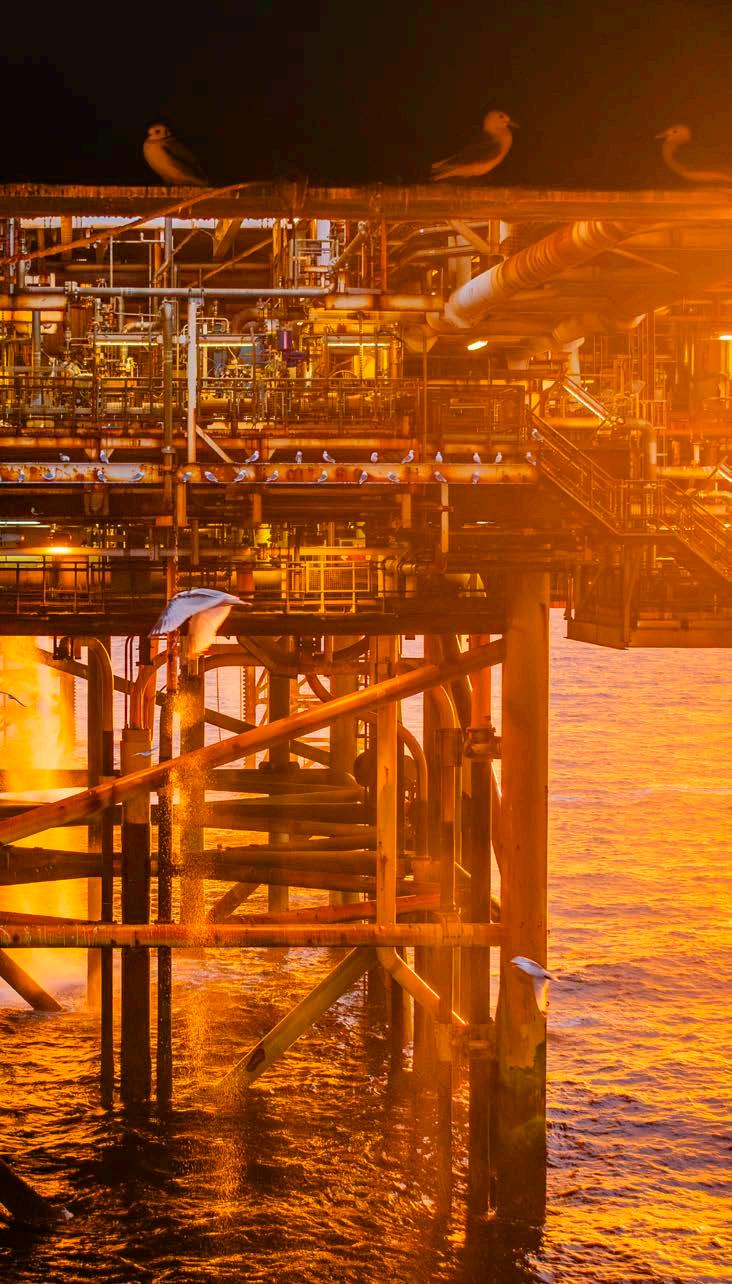
Sunset on an oil and gas platform
Debs Allbrook
Collaborators: Dez Delahay and Tim Hounsome (RSK Biocensus); Robbie McDonald, Stu Bearhop and Richard Sherley (Exeter)
The mechanical roar of an oil and gas processing platform. Howling wind across the waves. Periodic booming tannoys. Amongst all this, an unexpected sound can be heard: the cries of over 1000 kittiwakes. Over the summer, this rig in the Irish Sea becomes habitat for around 600 breeding pairs of our vulnerable, red-listed seabird: bringing benefits such as ample nesting area, access to foraging sites and a lack of predators. An ideal example of wildlife adapting to coexist with anthropogenic activity!
However, with focus turning to renewable power, rigs like this one are facing decommissioning in the form of repurpose or removal. My research centres on understanding better the behaviour, ecology and productivity of this unique population in order to mitigate impacts during the transition to greener energy. Hopefully, the end of oil and gas doesn’t mean the sun setting for kittiwake colonies making use of hundreds of these platforms.
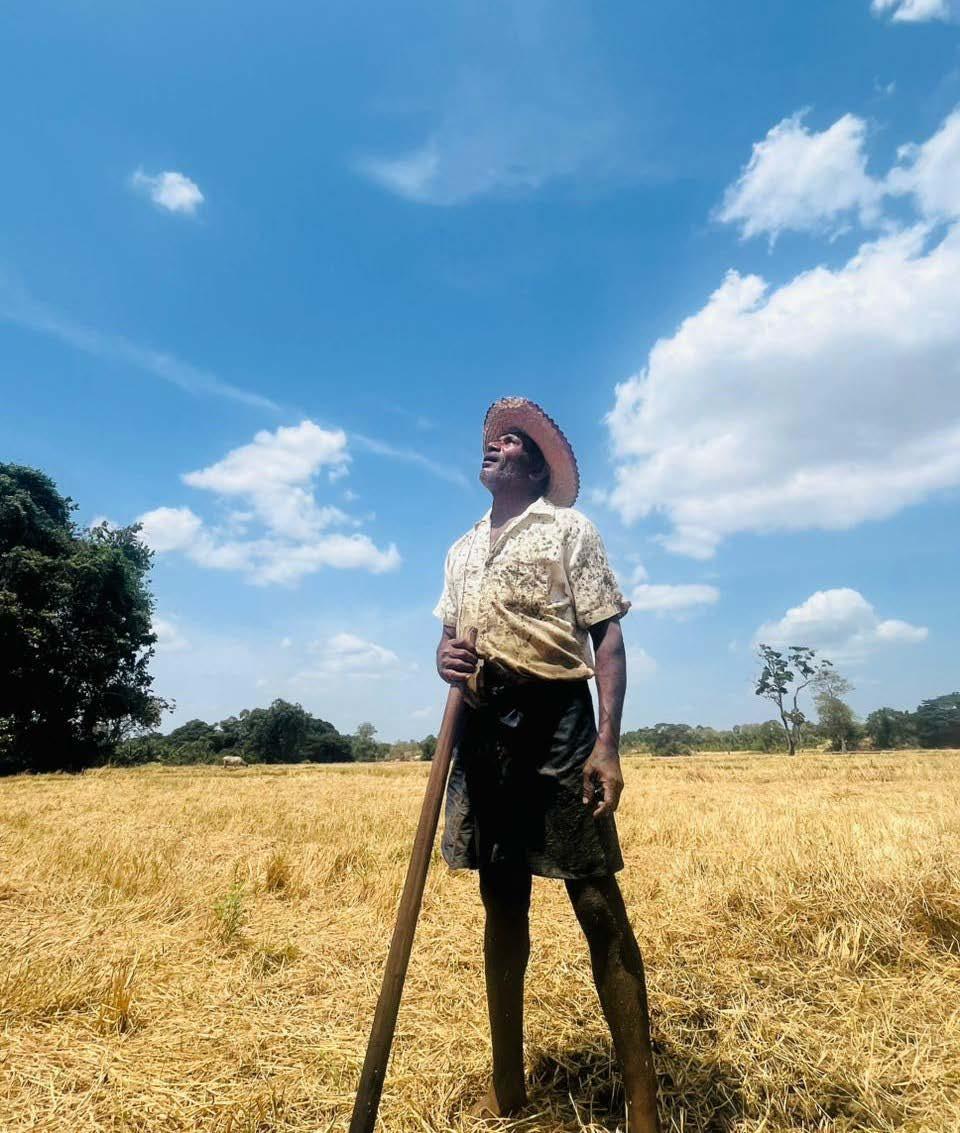
From strain to sustainability: Exploring the emotional journey amid extreme weather events
Hansani
Athurupana Kottashe Arachchilage
Collaborators: Prof Steffen Boehm, Dr Andreas Gorgeous, Kashyapa Athurupana (photographer)
A farmer stands in his parched field, gazing at the empty sky, his posture capturing the heavy toll of drought and the strain of living with extreme weather. Sudden floods and prolonged droughts are not just environmental disruptions but deeply personal events symbolising the emotional toll of extreme weather. In collaboration with my supervisors, the study focuses on the lived realities to highlight the human side of climate disruptions. The study is exploring how
farmers’ emotional responses to extreme weather events shape the way they adapt towards sustainability in the climate disruption. This work aims to highlight the role of the heart via emotions over the brain (rationality), when they carry the weight of climate extremes on their shoulders in dealing with extreme weather events towards a sustainable future.
Small barriers, big impacts
Mehdi Bagheri Gavkosh
Collaborators: Richard Brazier, Diego Panici, Alan Puttock
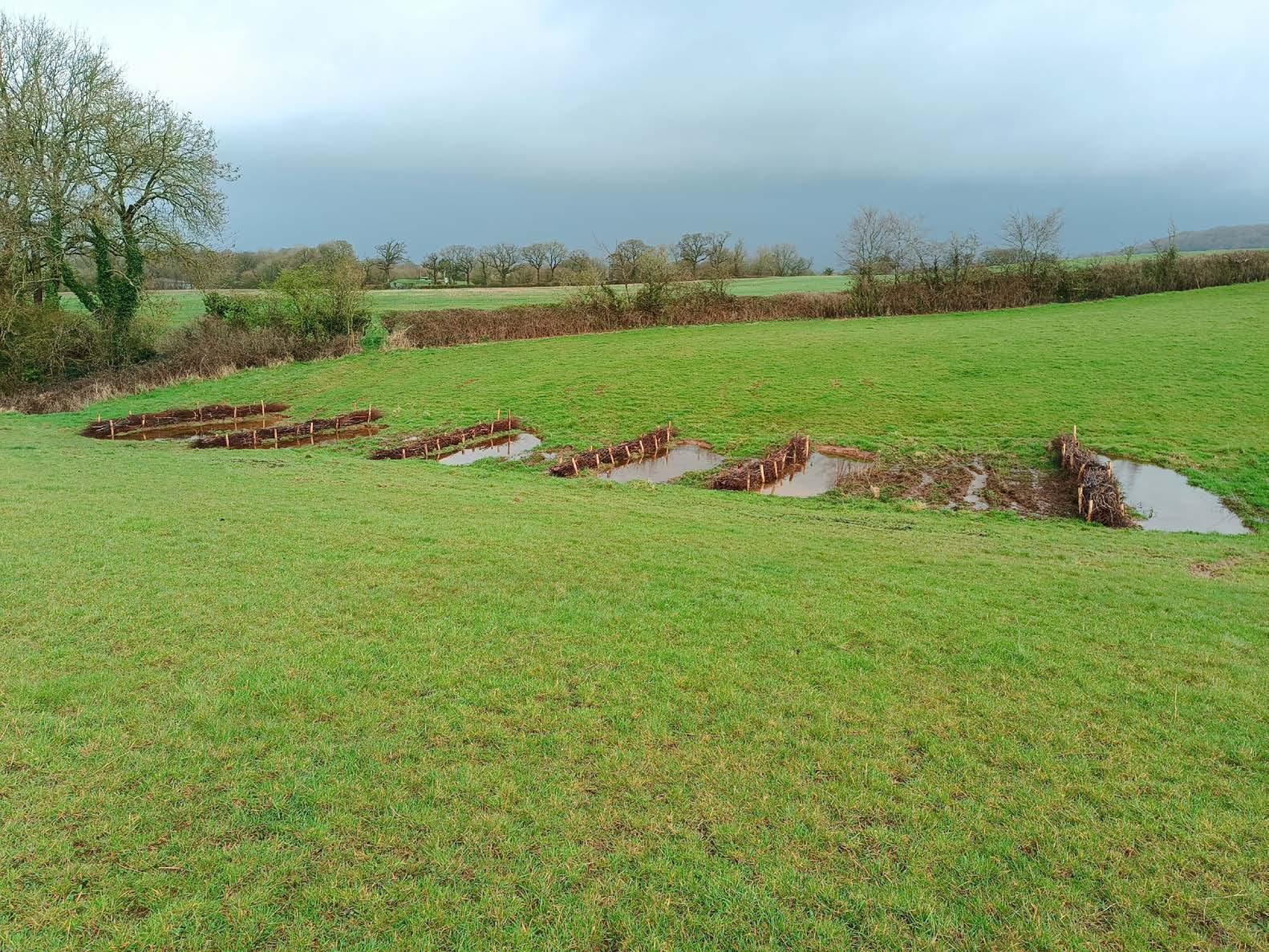
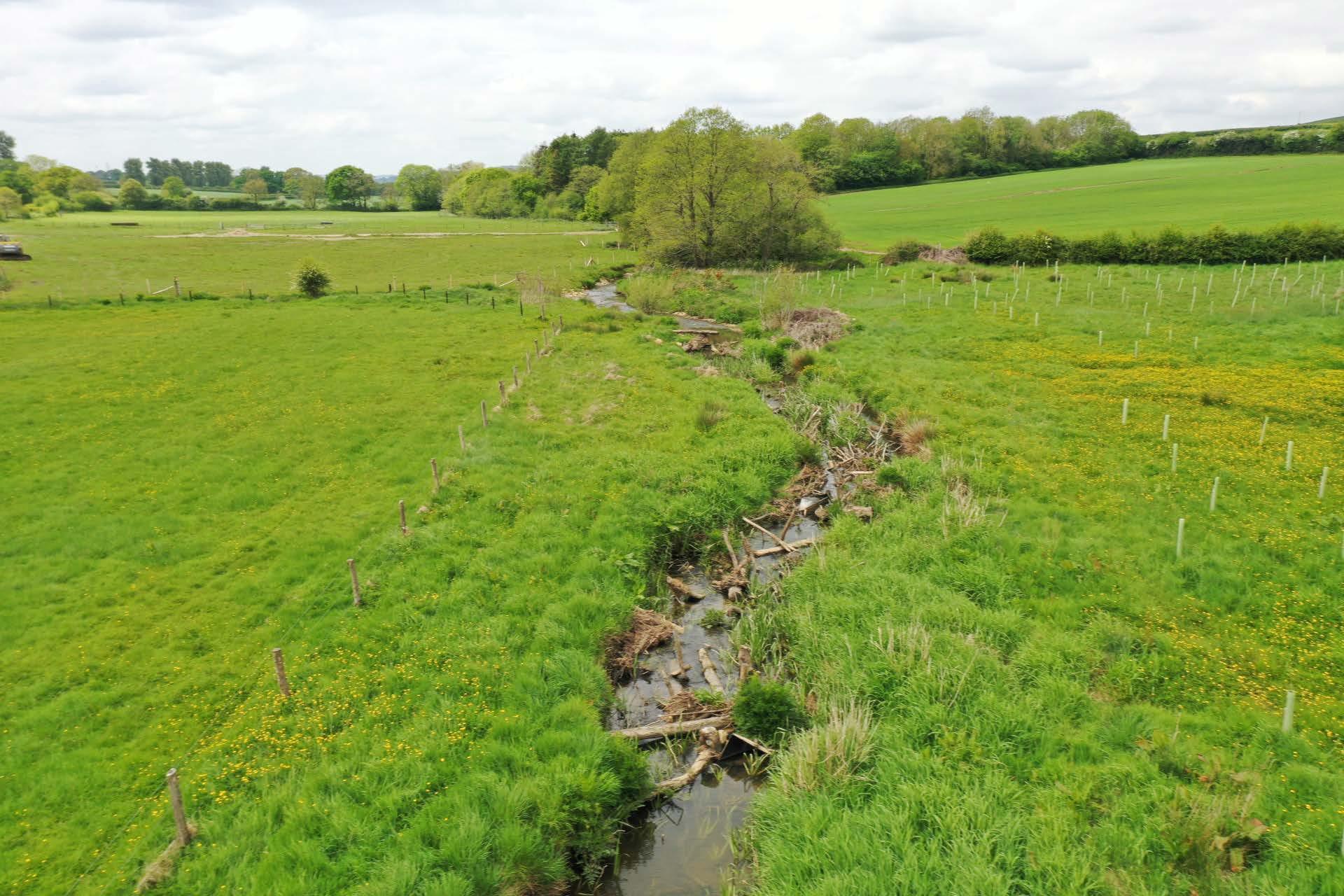
Imagine a heavy storm: rivers fill quickly, water rushes downhill and a nearby town braces for flooding. This scene repeats across the world, where floods remain among the most damaging natural hazards, affecting millions of people every year. With climate change bringing more intense rainfall, the need for solutions that are sustainable, affordable, multi-beneficial and kind to nature has never been greater. One promising answer lies in the nature itself, through strategies known as Natural Flood Management.
In this picture, a row of “leaky” wooden barriers shows how something so simple can act like a speed bump for water, slowing the flow and reducing the pressure downstream. Our research combines ground-to-sky field monitoring with computer modelling to test how small-scale interventions can create far-reaching effects. Findings show they can reduce flood peaks, increase water storage, and extend travel times, offering valuable lessons for building resilience in communities worldwide.
A subcellular ‘creation of Adam’
Jessica Bamsey
Collaborator: Steffen Scholpp
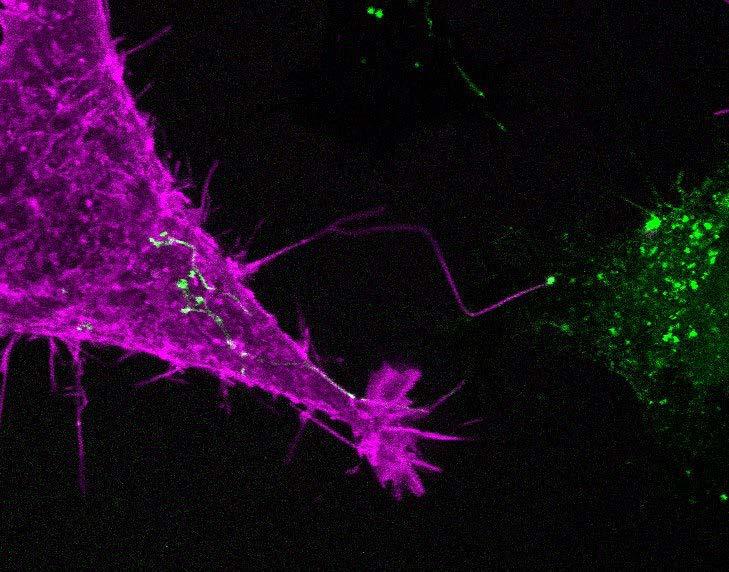
We are made of trillions of cells that must communicate with each other to achieve balance and coordination as they grow and change. It is a fundamental process, key in our creation and development. Here, in a way like the renowned painting “The Creation of Adam”, fluorescent cells reach out to pass molecular signals over thin, cellular threads called cytonemes: the hands by which they can communicate. In magenta on the left, a membrane-marked receiving cell
reaches out for the neon green Wnt signal, presented at a producing cell on the right. These are zebrafish fibroblasts, grown on a dish and exposed to modified DNA to give it the instructions to produce these bright colours. The cells are visualised under a high-resolution microscope, and the entire image is only 70μm wide. Observing these cell-cell communications helps us develop understanding of the intricate processes that drive life itself.
Wellbeing in fishing communities
Sophia Buchanan Barlow
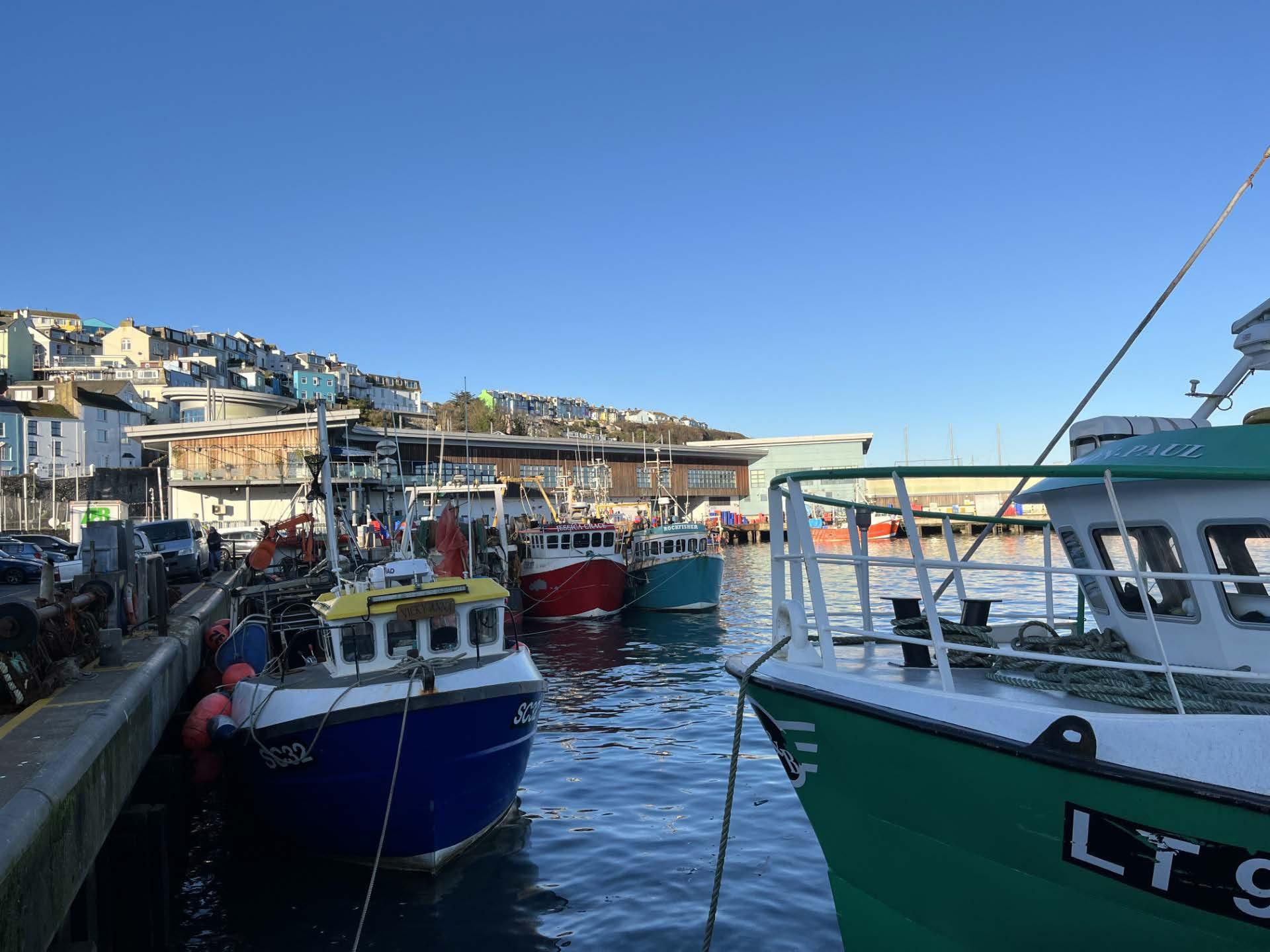
The early morning sun casts light over the harbour as fishermen board their boats. They say goodbye to their families and greet their crew, as they prepare to spend anything from a day to weeks out at sea. Fishing is a highly challenging job but often considered as ‘a way of life’ and as crucial to the social and economic fabric of coastal communities. The idea that fishing is integral to the wellbeing of fishermen and wider society is a consideration
increasingly embedded into marine policy. However, how to mobilise wellbeing in policy is a difficult task. This PhD project examines experiences of wellbeing of fishermen and residents residing in coastal communities. It explores how people’s wellbeing influences their engagement with marine governance and their behaviour towards the environment, and how the implications of this can be better embedded into marine policy and practice.
Motion at the origin of life
Julien Bouvard
Collaborators: Samuel Bentley, Hannah
Laeverenz-Schlogelhofer
and Prof Kirsty Wan
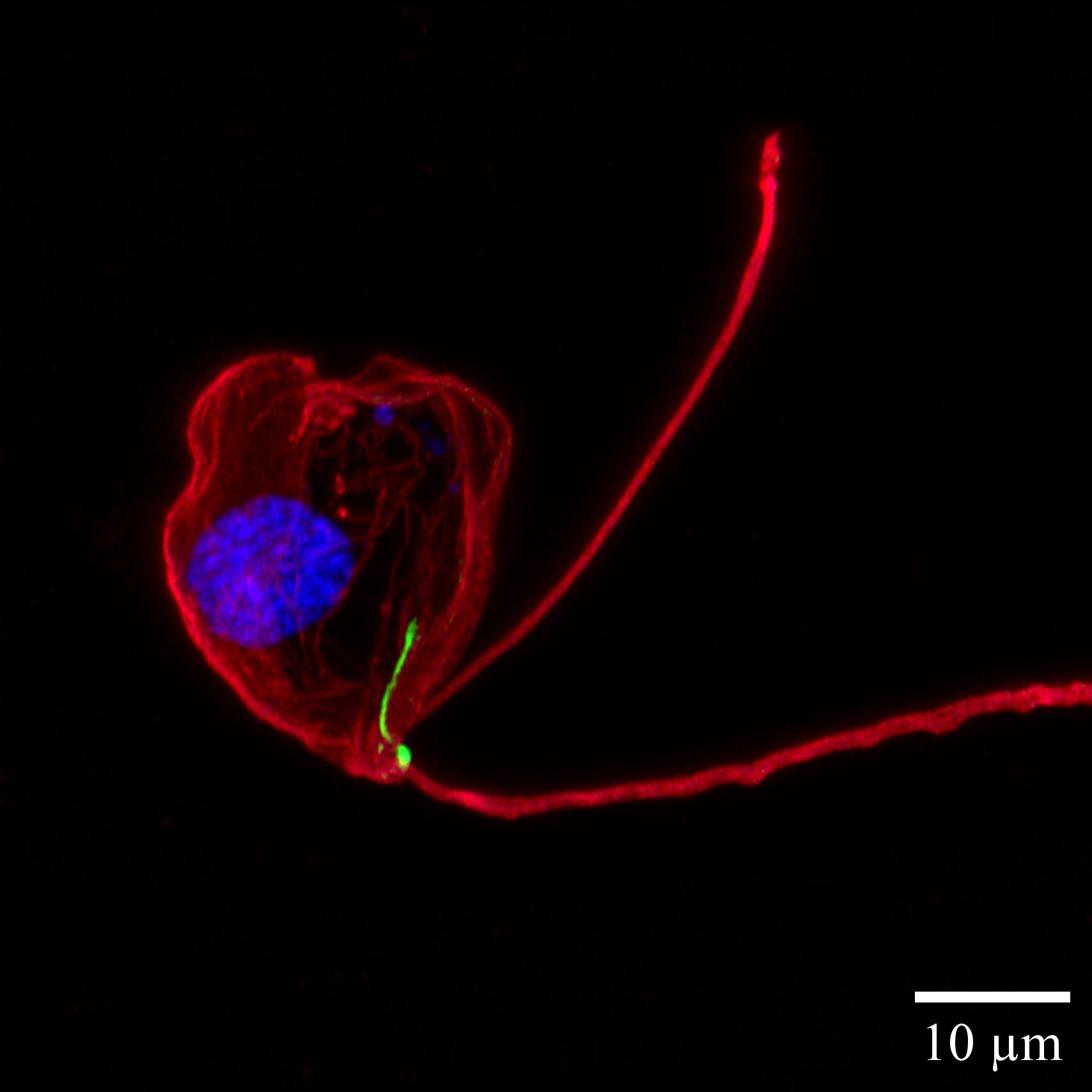
Moving seems natural to us nowadays, and essential to most of our activities, but how were our ancestors moving more than one billion years ago? In collaboration with Canadian and Danish laboratories, we study the organisms still living today that are the closest to our billion-year-old common ancestors. We look at the behaviour and morphology of
these microorganisms of barely a few micrometres, using microfluidics and microscopy techniques at the cutting edge of technology that allows us to considerably enlarge their size for instance. This project might shed some light on the apparition of motion in the common ancestor of all plants and animals, which are still moving to this very day.
Transforming research into action
Jo Bowler
Collaborators: Dr Fay Manning (photographed) and Theo Moye (photographer)
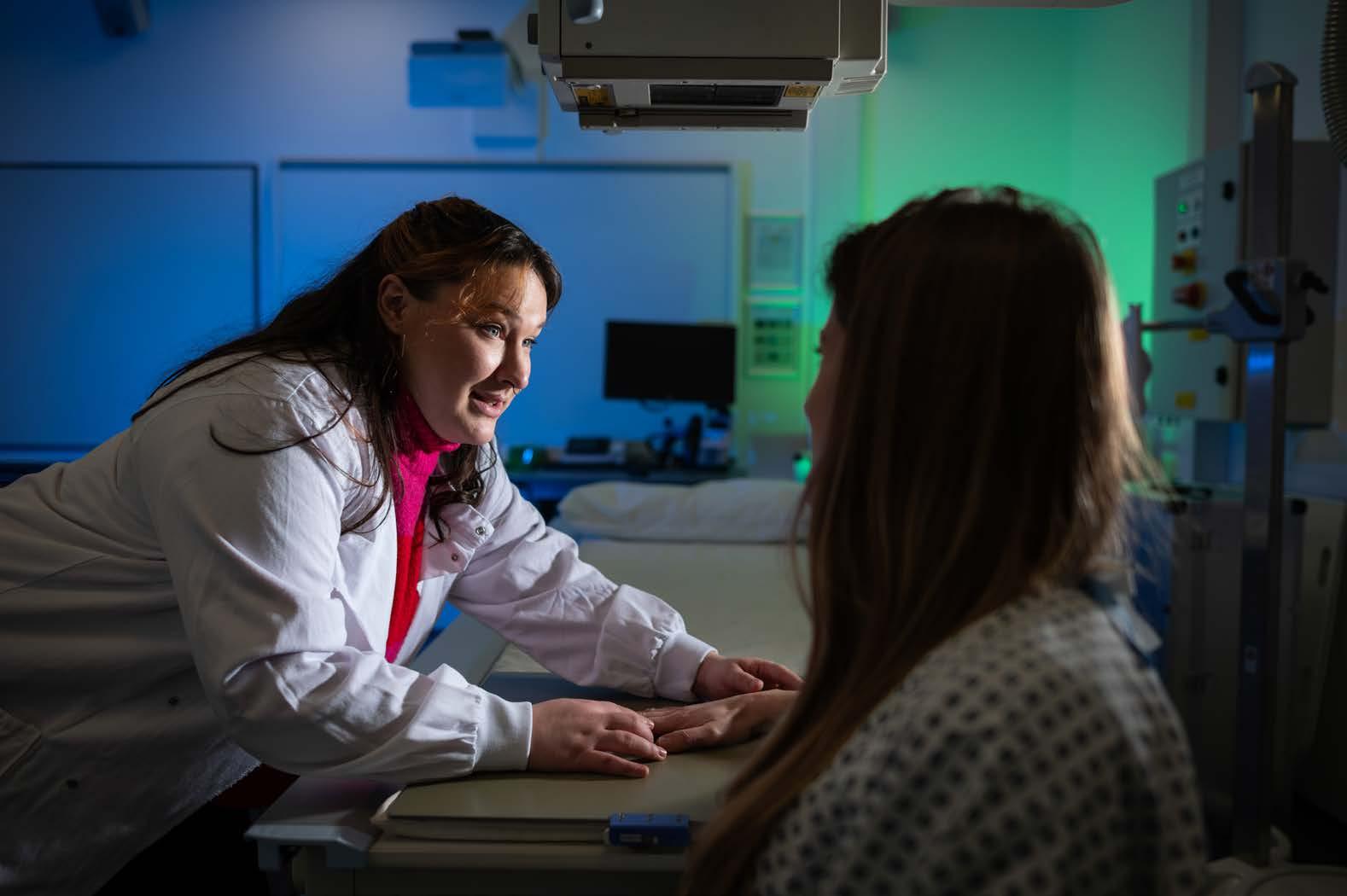
While posing for a photoshoot to highlight academia -industry collaboration in the Medical Imaging Suite at St Luke’s Campus, Developing Business-Aware Academics (DBAA) Impact Fellow, Jo Bowler, chatted to bone health researcher and Lecturer, Fay Manning, about why she feels that collaborations with industry and the NHS are so important. Fay’s research focuses on fractures, falls and frailty and her research partnerships have helped improve the lives of people with musculoskeletal conditions. One of Fay’s projects involves working with a medical analytics
company to implement X-ray system software that can identify osteoporosis early, with the potential to slow down progression through early interventions. DBAA is trialling new evidence-informed approaches to researcher training and networking as well as gathering case studies to inspire similar collaborations with non-academic organisations. The case studies are also being analysed to identify the typical catalysts that help researchers connect with industry, policy or charity partners.
Soapy water, clear insight: Mutuality in motion in a Tanzanian classroom
Stuart Busby
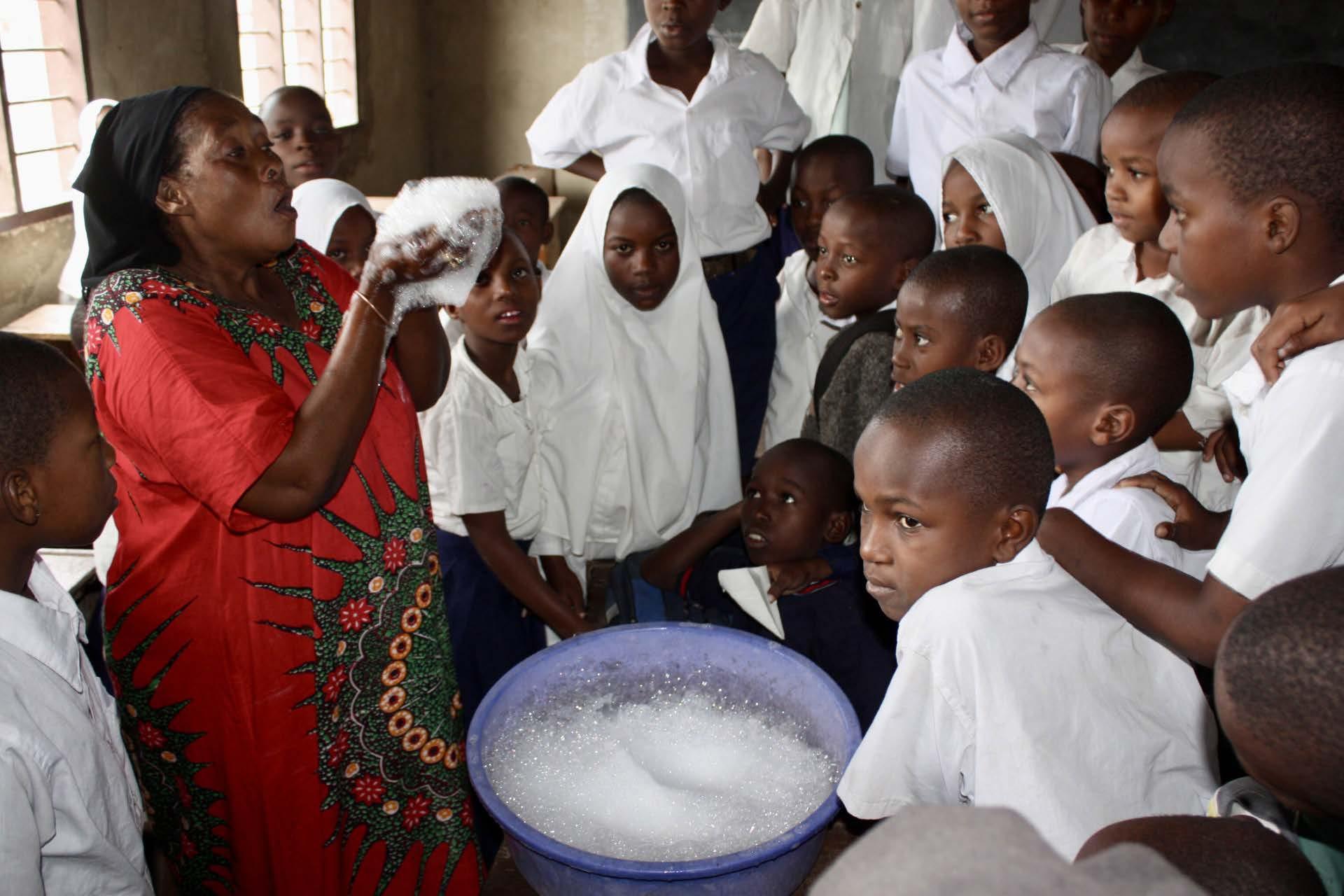
This photograph, taken during my research visit to Donge Primary School in Tanga, Tanzania, captures a moment of joyful engagement as children gather around a basin of warm, soapy water – a simple resource that elicited profound delight. The image powerfully illustrates a central theme of my research: the mutuality of benefit in school partnerships between England and Tanzania. While classical paradigms have often privileged Northern epistemologies, my study – drawing on Globalisation and Post-Colonial Theory – challenges this asymmetry by foregrounding Southern agency and pedagogical
innovation. As explored in my thesis, the motivations for partnership must be critically examined beyond donordefined metrics, recognising that English schools have much to learn from Tanzanian creativity and resourcefulness. This image exemplifies how low-cost, contextually embedded practices can foster meaningful learning, inviting a rethinking of reciprocity in global education. It is a visual testament to the potential for equitable, dialogic collaboration across borders.
Category: Postgraduate research students
CSMbow
Misagh Ghobadi
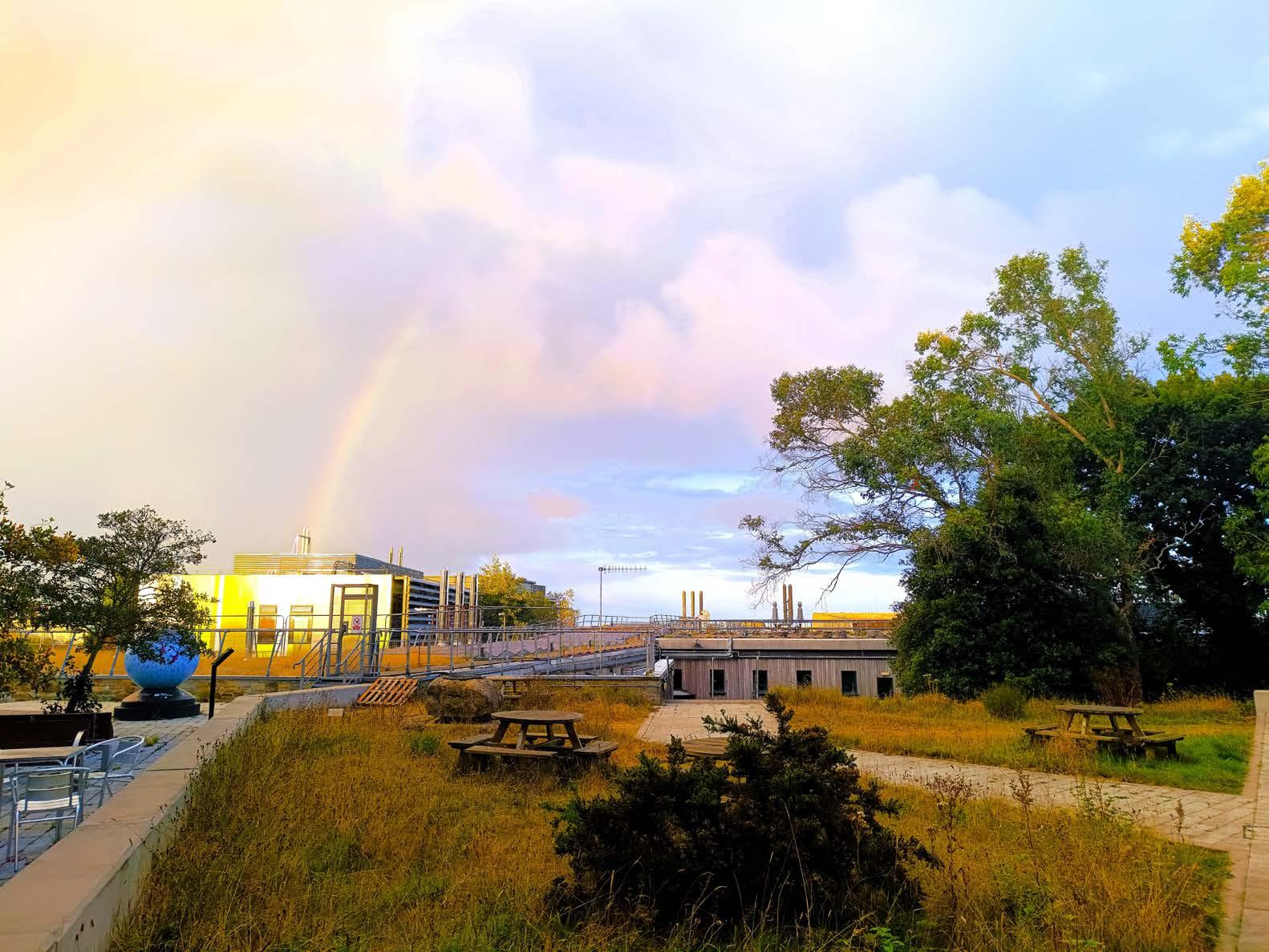
Summer offers one last touch in the final breath of August, as the sun prepares for its slow descent. Its golden fingers reach toward CSM, brushing it with the waning light of a rainbow’s tail – ephemeral, captivating, and nearly whispered. From this fleeting union, the CSMbow emerges: a prism of moment and light, suspended between seasons. It is not merely a spectacle, but a quiet reminder etched in colour – “We Follow the Light” (Lucem sequimur).
Something’s fishy about these motoneurons
Stephanie Jones
Collaborator: Nikolas Nikolaou
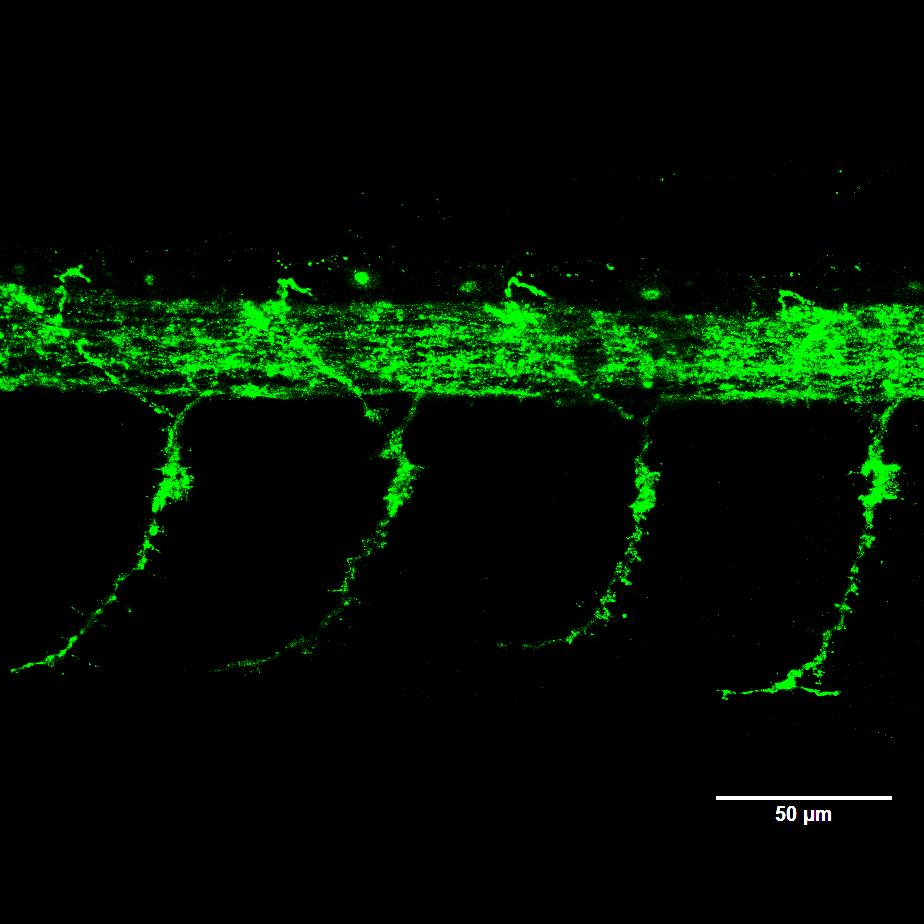
Motoneurons are a type of nerve cell essential for controlling movement and basic bodily functions including breathing and walking. Dysfunction in these motoneurons results in neurodegenerative diseases such as Amyotrophic Lateral Sclerosis (ALS).
Using zebrafish, motoneurons are pictured in green showing their normal development at 30 hours post fertilisation with confocal microscopy. Long finger-like projections, called axons, can be seen extending away from the spinal cord to form connections with nearby muscle.
Zebrafish are an excellent model due to their high genetic similarity with humans as ~70% of human genes are shared with zebrafish. Their optical transparency also allows for high-resolution imaging techniques to be used.
The aim of our research is to elucidate the molecular and cellular mechanisms that regulate how neuronal connections are formed and maintained. Understanding how deviations from normal neuronal wiring occur will contribute to our knowledge on human neurodegenerative diseases and identify new therapeutic targets.
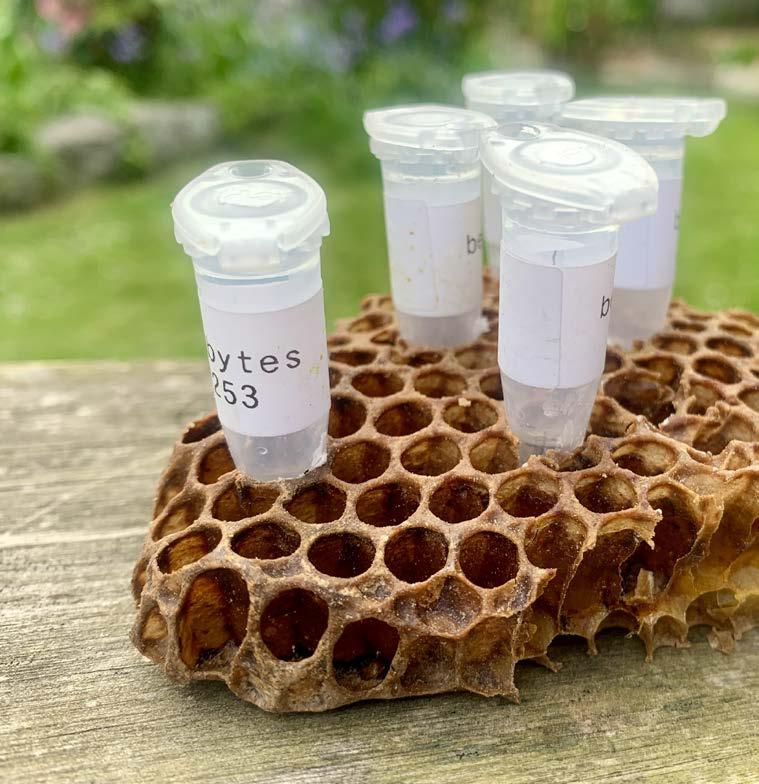
Am I studying honeybees, or are they studying me?
Fay Kahane
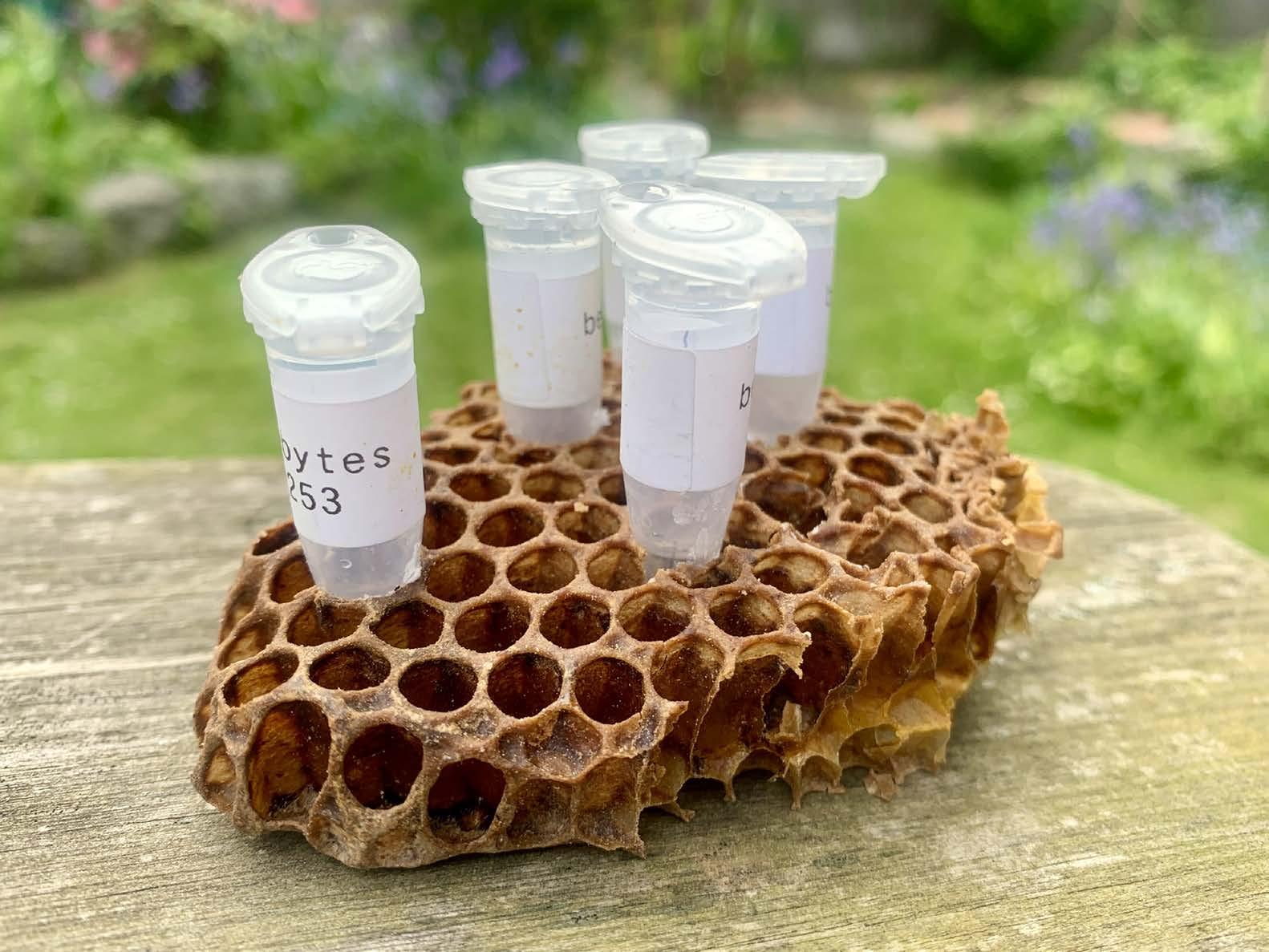
Our relationship with honeybees is ancient. Their hard work and social coherence inspires us. Their danger and alienness can rouse fear. Their refusal to respect boundaries confuses us. Turning nectar into honey, tree-sap into antiseptic propolis, and making wax that humans turn into candlelight, they generate wealth and power. Above, we see wax comb being used by a human scientist (me) to hold Eppendorf tubes containing honeybee DNA samples – to investigate ‘what is sustainable beekeeping?’ How can/ should government support beekeeping – a vocation
fraught with vulnerabilities? Does our ‘native’ subspecies of honeybee need conserving? Should we ‘rewild’ honeybees? Do managed honeybees threaten wild pollinators? For one-and-a-half years I’ve been gathering scientific and ethnographic data with seven experienced beekeepers and over twenty honeybee colonies across Southwest England. Combined with a nationwide survey and critical analysis of ‘sustainable beekeeping’ narratives, we will describe which social/ecological/political factors combine to influence the ‘sustainability’ of beekeeping.
Rooibos tea for a healthier heart and brain
Merlisa Kemp
Collaborators: Professor Jeanine L Marnewick and Clive Von Metzinger
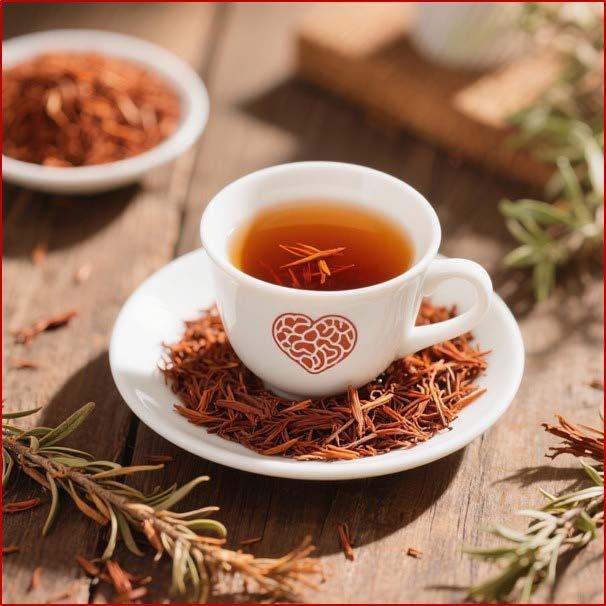
Rooibos tea, also called Red Bush, is derived from the fynbos plant, Aspalathus linearis, and native to South Africa. It is caffeine-free, rich in unique antioxidants, including aspalathin, with a naturally sweet taste. Two randomised controlled trials (South Africa) investigated Rooibos’ effect on heart health in people at-risk of cardiovascular disease. Results showed six cups daily of traditional Rooibos improved the cholesterol profile and the body’s ability to manage oxidative stress. Both green and
traditional Rooibos were shown to support heart function. Based on these results, we plan to conduct a similar study in the UK. This time, focusing on older healthy adults, to see how Rooibos affects vascular health and cognitive function in ageing populations. A recent review reported Rooibos to prevent neuro-inflammation induced by oxidative stress, which in turn, may improve cognitive function. Drinking Rooibos regularly may help prevent and manage cardiovascular disease and age-related cognitive decline.
Sharing life
Clara Kleininger-Wanik
Collaborator: Arnulfo Hernandez
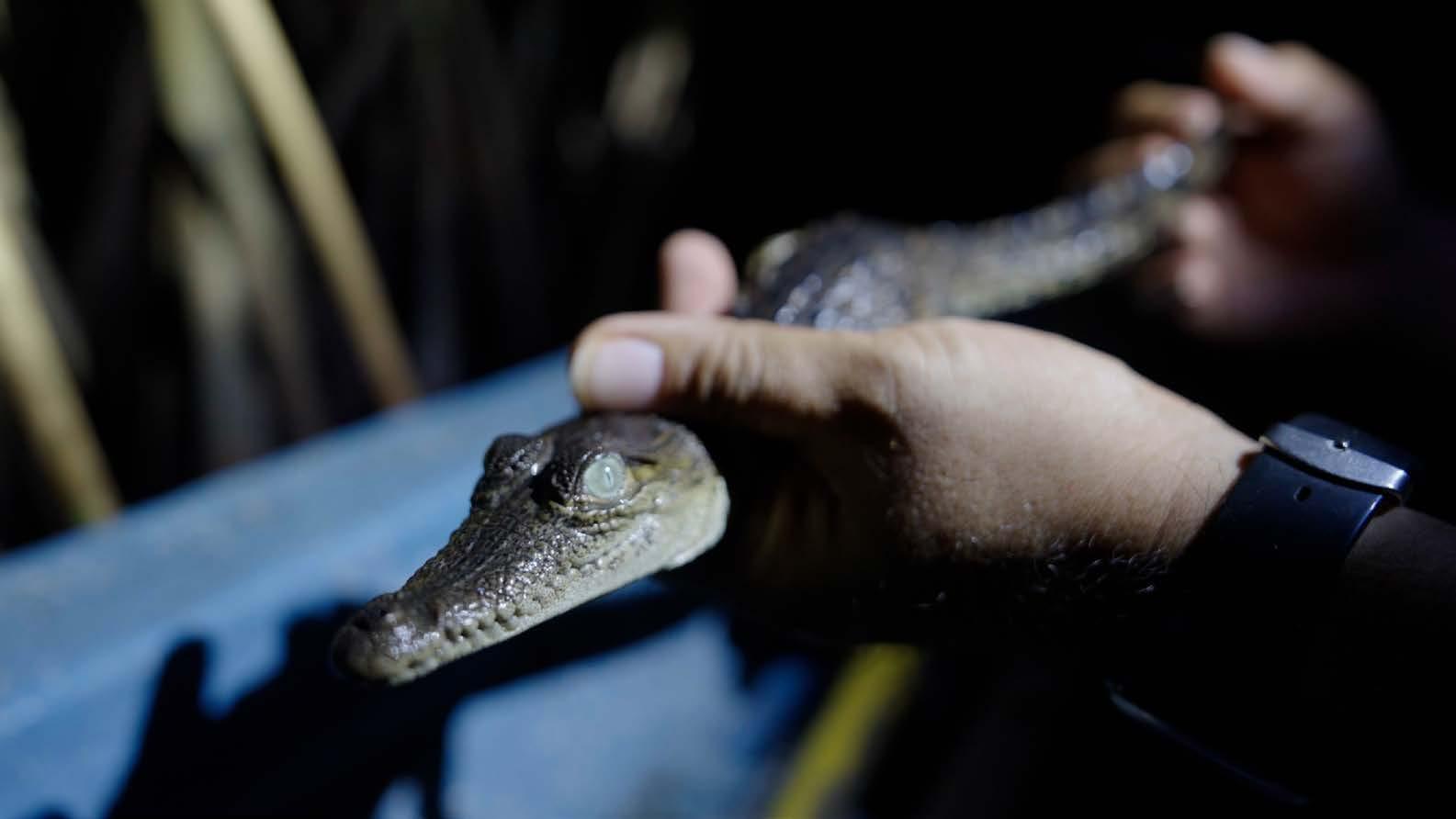
This one-year-old crocodile is an inhabitant of the Chacahua Lagoon, one of Mexico’s oldest national parks, located on the Pacific coast. The two conservationists who have just pulled him from the water are checking his species identification before releasing him. Due to the introduction of Morelet’s crocodiles from the Gulf of Mexico, many of the lagoon’s native Crocodylus acutus are now hybrids. All of the lagoon’s crocodiles are protected and monitored through community-led conservation initiatives.
The lagoons’ human inhabitants are tonal, share life with a particular animal, a bond between a human and another animal: what happens to one will affect the other as well. My research explores the intersection of Afro-Mexican and Indigenous knowledge and conservation practices and how the relationships between multiple species can be represented on film, within an ecologically and culturally significant lagoon increasingly threatened by pollution, tourism and foreign investment.
Category:
No more heroes?
Julie Lockwood
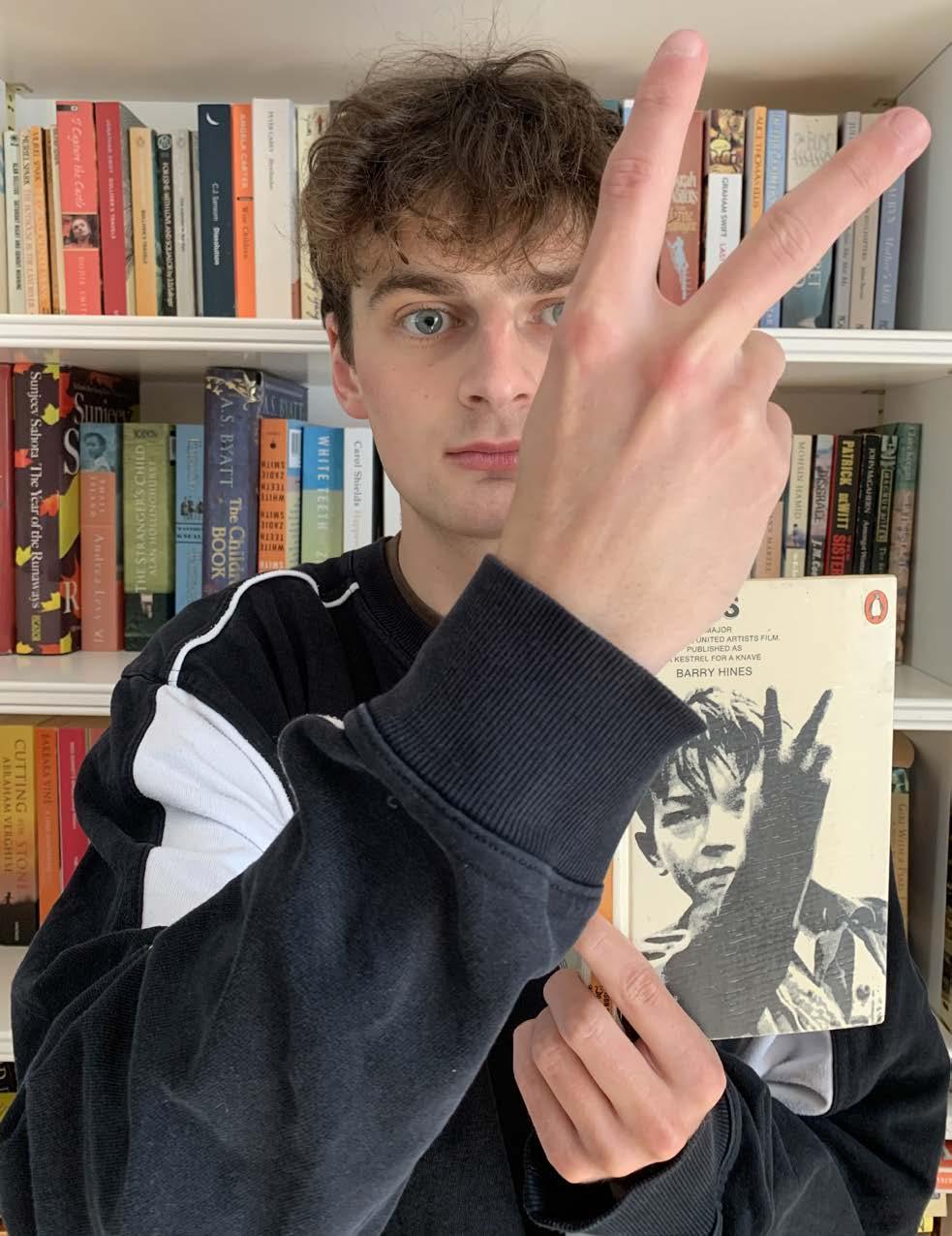
My examination of the novels shortlisted for the Booker Prize between 1969 and 2013 reveals that following the ‘golden age’ of English working-class fiction in the 1950s and ‘60s, the English working class was largely ignored in contemporary literary fiction for several decades. When they do re-appear, in the new millennium, they are often vilified and appear as fat, uneducated, out of control
stereotypes who are a threat to middle-class English society. This picture shows a young, working-class boy, in the pose of Billy Casper from Kes (or A Kestrel for a Knave) written by Barry Hines in 1968 when working-class characters appeared with depth and interiority. He is surrounded by the Booker shortlisted novels from which he is either excluded or stereotyped.
Seeing the unseen: Temperature in polymer 3D printing
Melany McBean
Collaborators: Nan Yi and Oana
Ghita
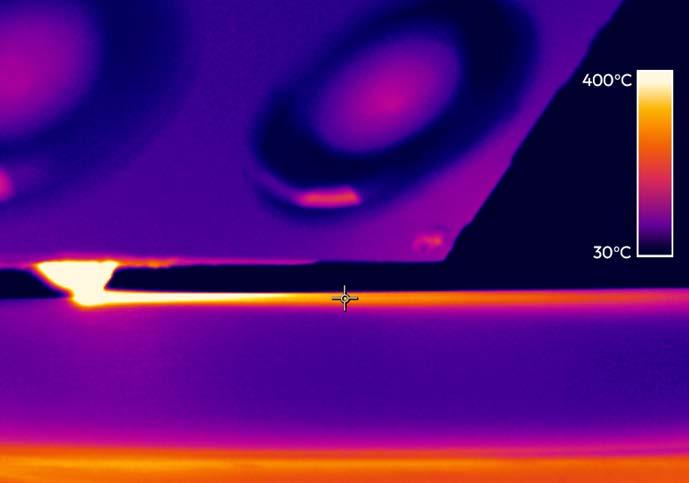
This image shows the 3D printing process of Polyaryletherketone (PAEK), from the perspective of an infrared (IR) camera. The image highlights the temperature distribution during printing, with warmer areas shown in bright yellow and white and cooler regions in purple and blue. The heat from the nozzle and freshly deposited material is clearly visible, helping to identify how the temperature changes as the material cools. Infrared imaging like this is a useful tool in research, as it allows for
real-time monitoring without physical contact. By observing the thermal profile, researchers can better understand and control the printing process, ensuring consistent quality and performance of high-temperature materials like PAEK. The use of colour in infrared imaging helps make thermal differences easier to interpret, offering a clear visual representation of otherwise invisible heat data. This contributes to improvements in both the process and the final printed parts.
The mongoose spa
Leela Channer
Collaborators: Prof Michael Cant, Onismus Bwambale, Francis Mwanguhya PGR WINNER
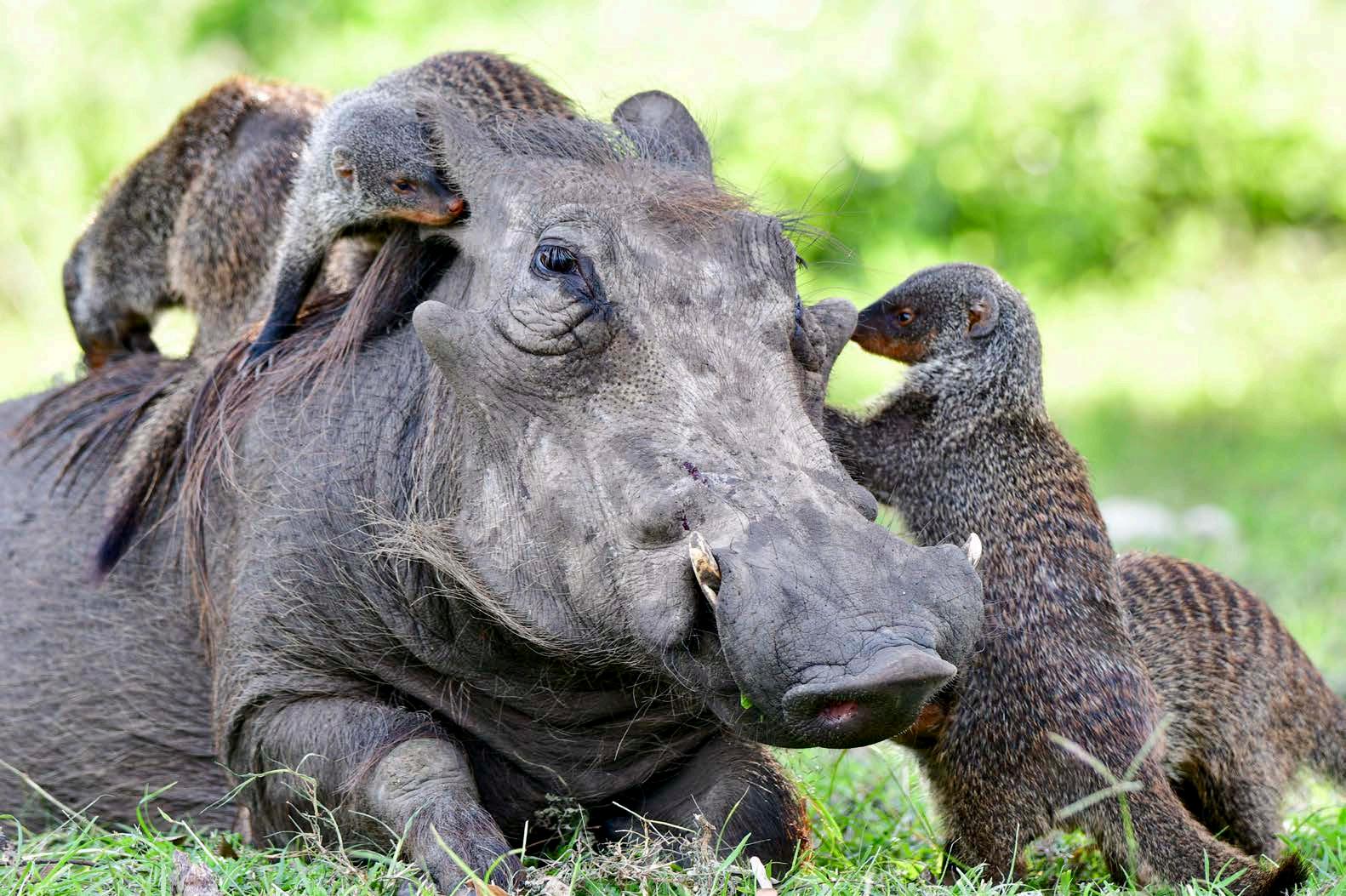
How cooperation arises between members of different species remains a puzzle of evolutionary biology, as we lack a detailed understanding of the behaviours involved these relationships. Here, I’m looking at the cooperative cleaning relationship between banded mongooses and common warthogs; uniquely, the only cleaning symbiosis known to occur between two mammal species. Warthogs solicit cleaning from mongooses by approaching them and kneeling down, with the mongooses then eating parasites such as ticks from the warthogs’ skin. The mongooses
I study have shaved markings so we can recognise individuals and tease apart differences in warthog cleaning between mongooses of different ages, sex, health and personality. Despite cleaning relationships being well studied amongst coral reef fish, they have received little attention on land, leaving many questions to be answered on how new individuals learn the behaviour, the potential benefits and risks involved, and how the two species communicate.
Synergy
Nicholas Clifton & Alice Franklin
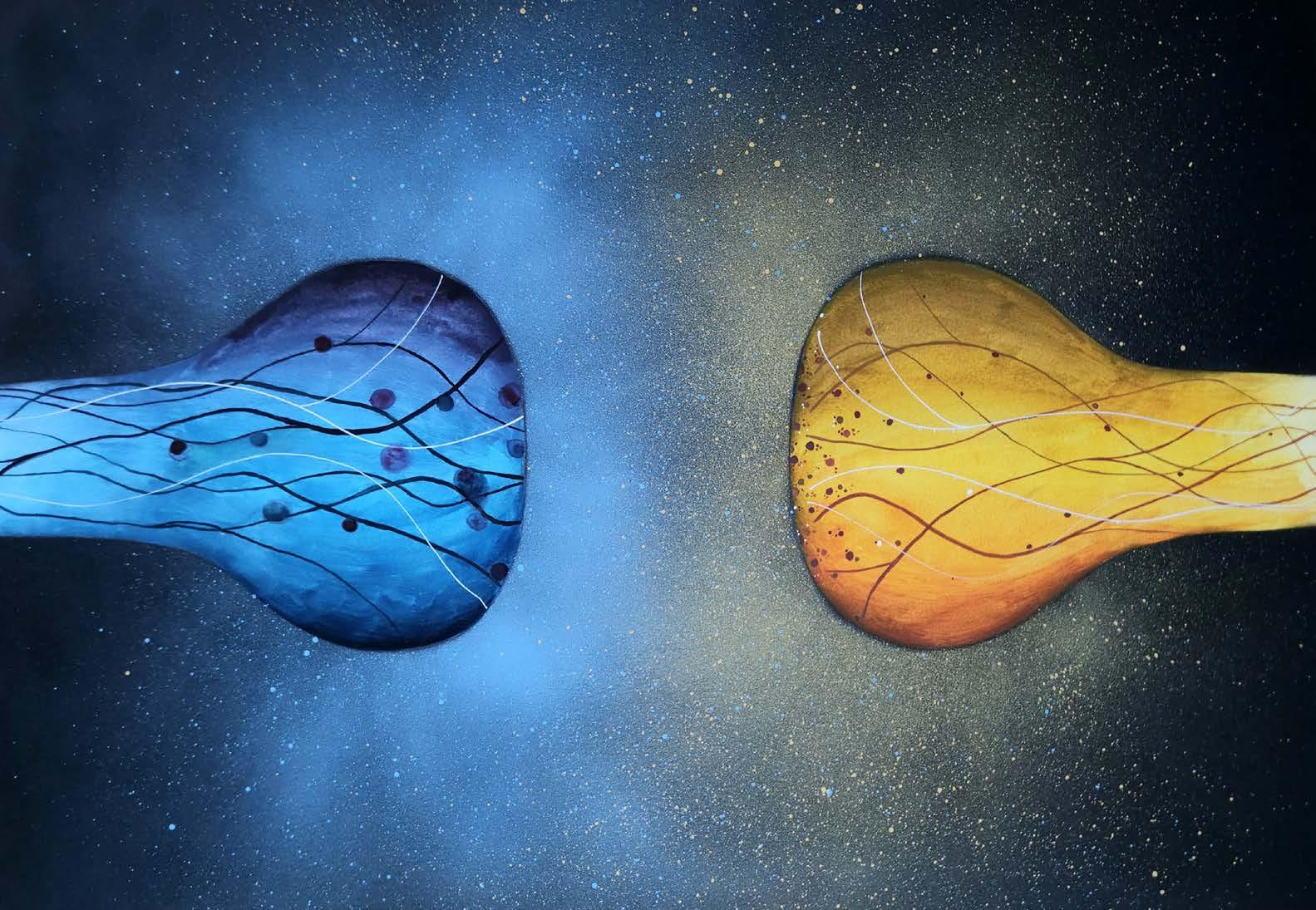
Two nerve terminals extend towards one another, forming a synapse. Yet this connection is fragile, its stability never assured. During brain development, trillions of such junctions are created, bridging cell pairs to permit near-instantaneous communication via chemical neurotransmitters. From these connections, the neural networks underlying thought and memory emerge. Each synapse is plastic, able to strengthen or weaken depending on use and health. Those that remain unused or impaired are pruned, eliminating those channels of communication. The proper formation and plasticity of
these delicate connections underpin cognition and mental health. Genetic variation contributing to psychiatric and neurodevelopmental disorders, including schizophrenia and autism spectrum disorders, affects these processes. Our research follows the molecular impact of genetic variants on synapse growth, adaptation, and elimination, across diverse nerve cell types. Through this work, we aim to reveal mechanisms that may serve as urgently needed therapeutic targets.
Media: watercolour and aerosol paint.
Human movement in the Syrian interior in the eleventh century (and today?)
Lucas McMahon
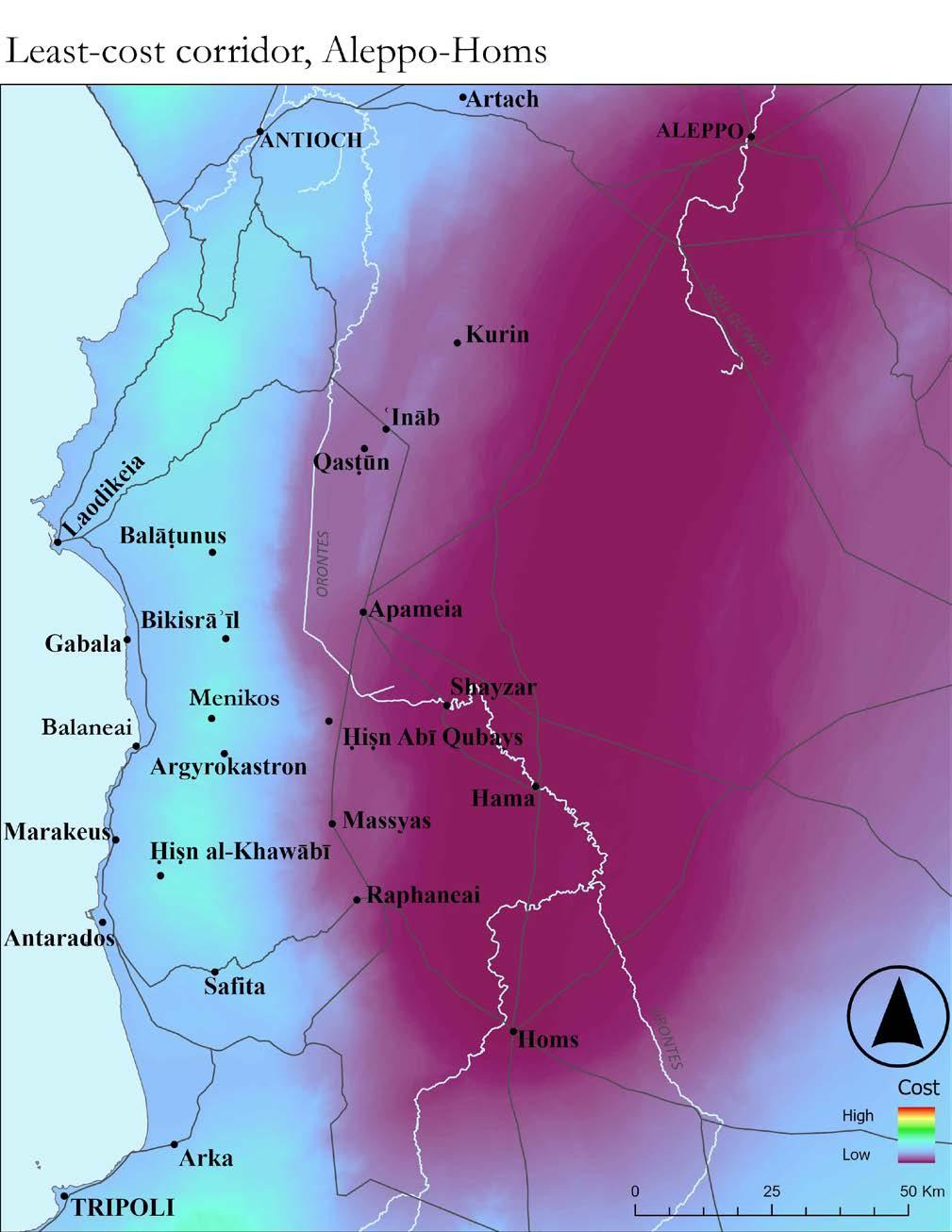
This colourful slice of what is now north-western Syria and southern Turkey is a least-cost corridor, a GIS (Geographic Information Systems) technique that assesses movement across a simulated space by viewing the landscape in terms of how difficult it is to move across. The purple zone is a corridor between Aleppo and Homs, which shows that geographically, movement between the two cities is fairly wide open.
I built this to look at region competition in the early eleventh century between the eastern Roman Empire and Fatimid Empire based in Egypt. A conflict broke out around 1030 in the mountains west of the Orontes. Paired with another least-cost corridor, this shows how much harder it was to access the mountain valleys from the Syrian interior.
As I completed this, Syrian Opposition Forces were moving from Aleppo to Damascus but avoided entering the coastal mountains, much like the conflict 900 years before.
The beauty inside polymers
Monis Luqman Mohammed
why? Like many others he was inspired
of British skateboarding. My research the UK and listens to their stories and connects to the communities they are
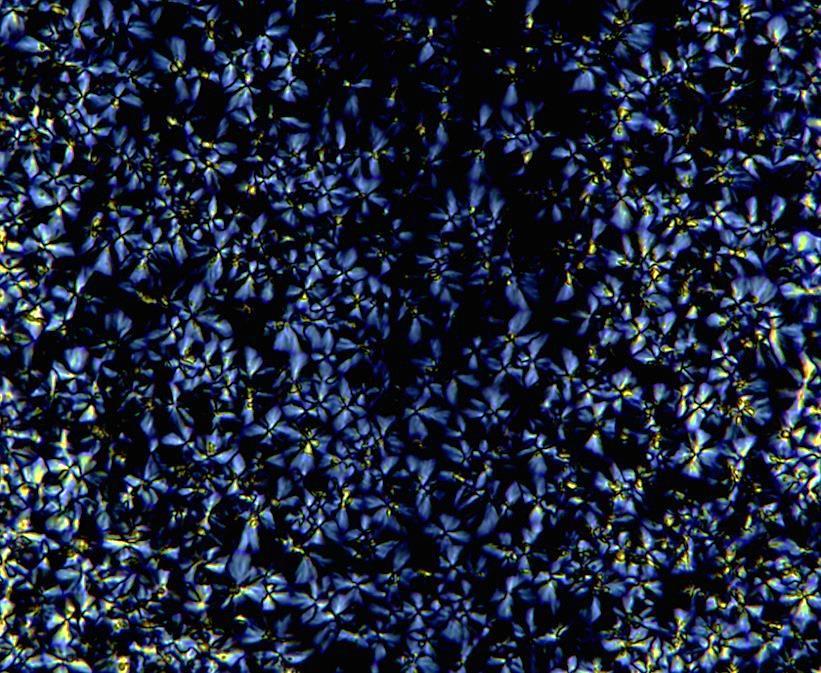
Plastics, or polymers, often get bad press, but there is also beauty. Under the lens of an optical microscope, a high performing material (PEEK copolymer) used in aerospace and for medical applications, reveals its stunning microstructure spherulites that develop like delicate, flowerlike petals. These intricate patterns arise from the growth of crystals during the cooling process. As polymer chains align, they form concentric layers that branch outward, creating the visual illusion of natural floral symmetry. A characteristic Maltese cross pattern appears at the centre
of each spherulite, highlighting the internal alignment and captures the quiet elegance of molecular self-assembly, reflecting both the complexity and the beauty of polymer crystallisation. This image shows the intersection of science and art, where functional materials exhibit patterns that mirror those found in nature. Far beyond their aesthetic appeal, spherulites play a vital role in determining the material’s mechanical strength, thermal resistance and overall performance.
Mob grazing cows in winter
Hannah Mortimer
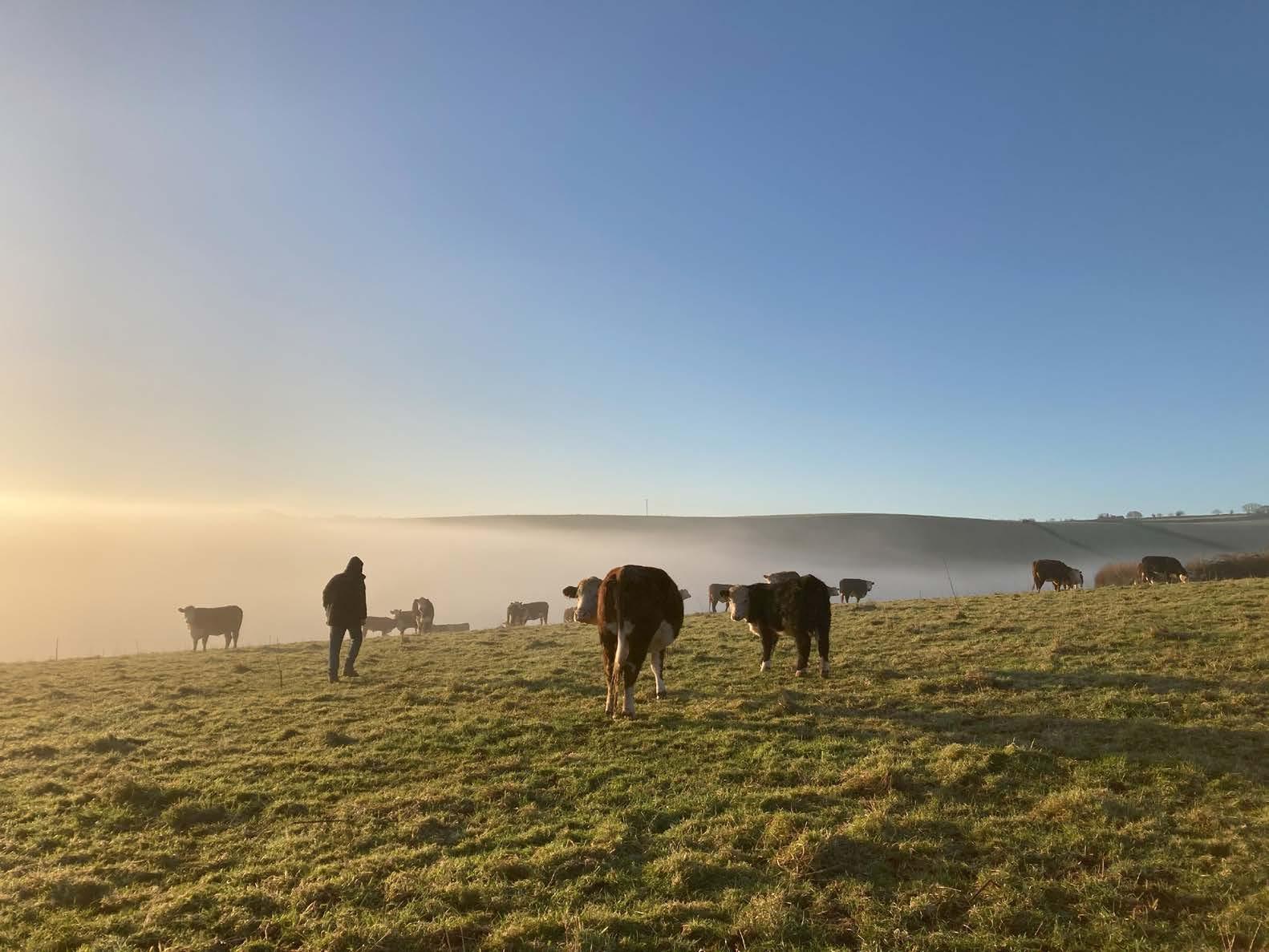
Morning in mid-Winter. I follow a farmer as he walks through his herd of Herefords, visually checking their welfare. The steep incline leaves me panting for breath. Birdsong resounds all around us. A layer of mist blankets the valley. The sky is a bright blue; dewy grass glistens in the morning sunshine. ‘Morning cows!’, the farmer calls. I help him move the electric fence, creating an opening for the cows. This research focuses on human-animal feeding within regenerative farming in Devon. The above
vignette describes ‘mob grazing’, whereby fields are divided into smaller sections and cattle regularly move between them to graze. Feeding cattle in this way is popular and prioritises grazing as a form of ecological care. From listening, observing, questioning and participating, I gained knowledge of feeding and caring throughout the seasons. This novel approach contributes to our understanding of ‘good farming’ within the regenerative agriculture community.
Be humble, sit down!
Gayatri Mundhe
Collaborators: Russ Edge, Jordanna Broom, ALM lab, Dept of Engineering for 3D printing, Florian Schur lab for grid holder design
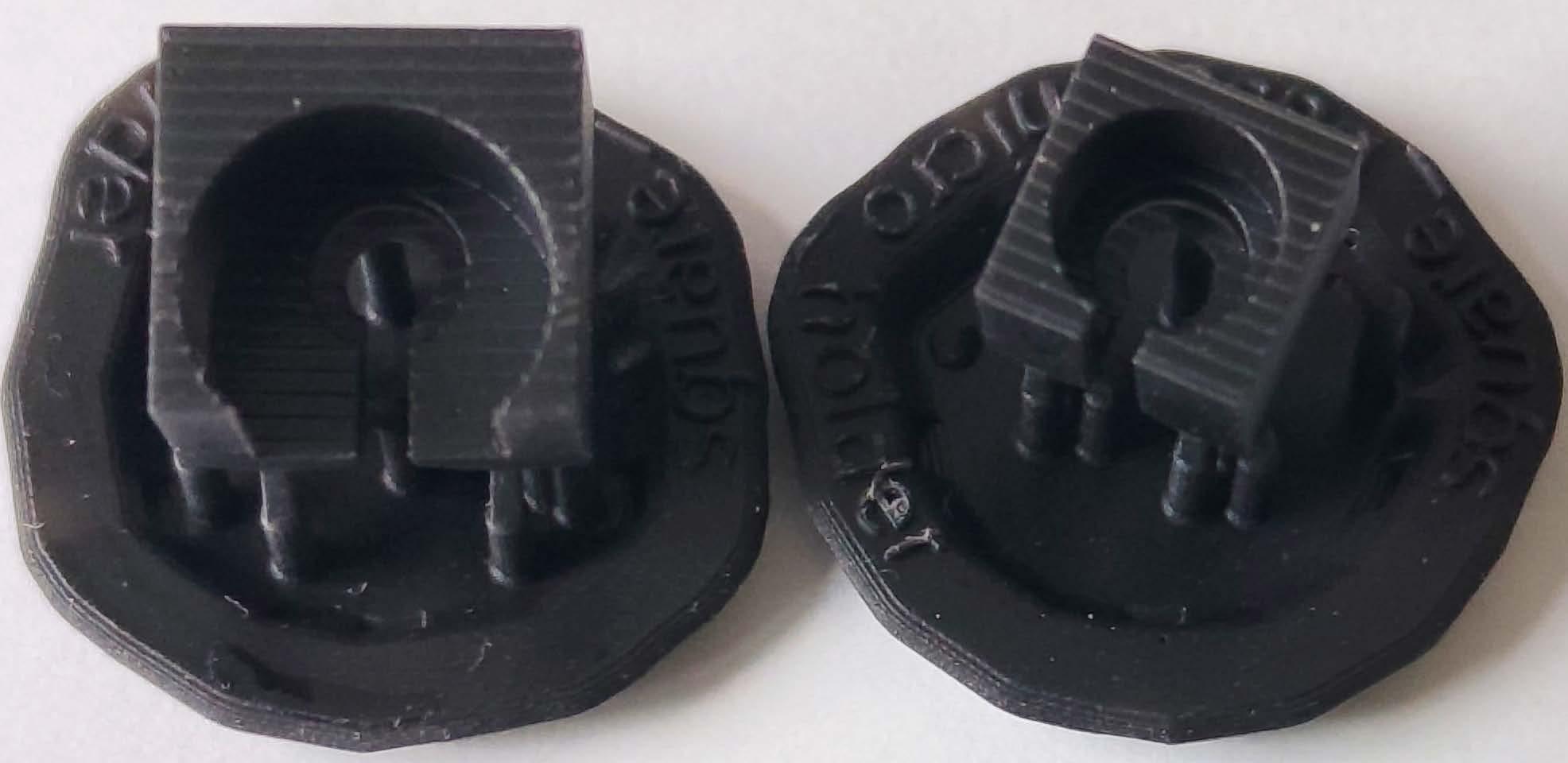
This image shows two small, 3D-printed holders designed to keep electron microscopy (EM) grids safely in place during cell culture experiments. Normally, these fragile grids are placed directly at the bottom of a well plate. When liquid is changed, the grids can float away or become damaged through handling, risking the loss of valuable samples.
These holders, made from biocompatible material using the University of Exeter’s engineering 3D printing facilities, solve this problem by securing grids firmly in place. This simple tool reduces the number of handling steps to just two – placing the grid at the start and retrieving it at the end.
For me and my field, this means more reliable experiments and fewer lost samples. For collaborators, it creates smoother workflows. For society, it accelerates biomedical discoveries that rely on EM, from understanding diseases to developing new treatments.
Log in to restore
Ghazaleh Nassaji Matin
Collaborator: Fiona Sobolewski Bravo
Rivers are vital freshwater habitats that support a wide variety of life – over 10,000 fish species alone, making up about 10% of all known species. But human actions like farming, channel straightening and removing large wood (such as fallen trees and branches) have harmed river ecosystems, cutting habitat quality and fish numbers. Pollution, invasive species, overfishing, and habitat destruction have made the situation worse: freshwater vertebrate populations have plummeted globally and only about 14% of UK rivers meet good ecological standards.
River restoration, especially re-introducing large wood, is now a major focus worldwide. Large wood creates pools, structural diversity and complex habitats that boost biodiversity and ecological function. While some placements don’t always succeed, many studies report clear benefits. Today, flexible, context-aware approaches are recommended to manage risks while maximising benefits. This growing understanding highlights the important role of large wood in bringing rivers back to life.
Taking matters into their own hands
Noreen Orr
Collaborator and photographer: Morwenna Rogers
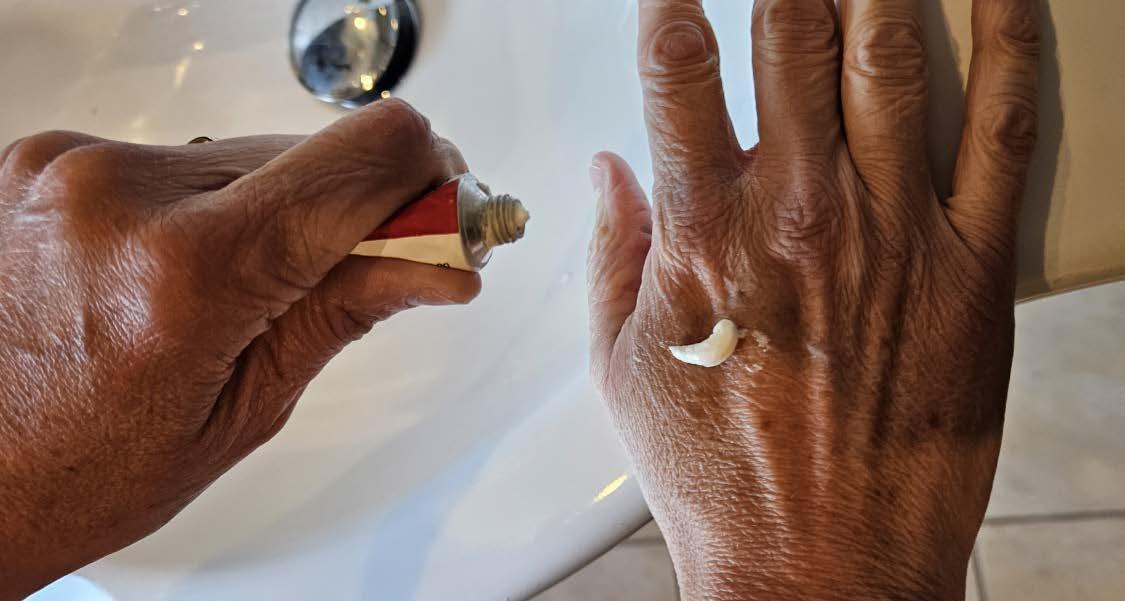
Globally, around 100 million people use topical steroid creams for chronic conditions such as atopic dermatitis, the most common form of eczema. Although steroid creams are effective for many people, Topical Steroid Withdrawal Syndrome (TSWS) is recognised as a side effect of their prolonged use. However, it is still a contested condition with limited research. Social media posts by those experiencing TSWS have proliferated in the last decade. Our research compared social media posts of those experiencing TSWS with academic literature. The academic evidence focuses on cause, physical symptoms and pharmaceutical treatments while social media posts describe the physical and mental anguish of living with TSWS and the effects it has on families, jobs and lives.
Olympians bleed too Rebekah
Osborne
Collaborators: Professor Andy Jones (photo credit also), Professor Brett Kirby, Professor Anni Vanhatalo, Dr Matt Black, Dr Jimmy Wangdi
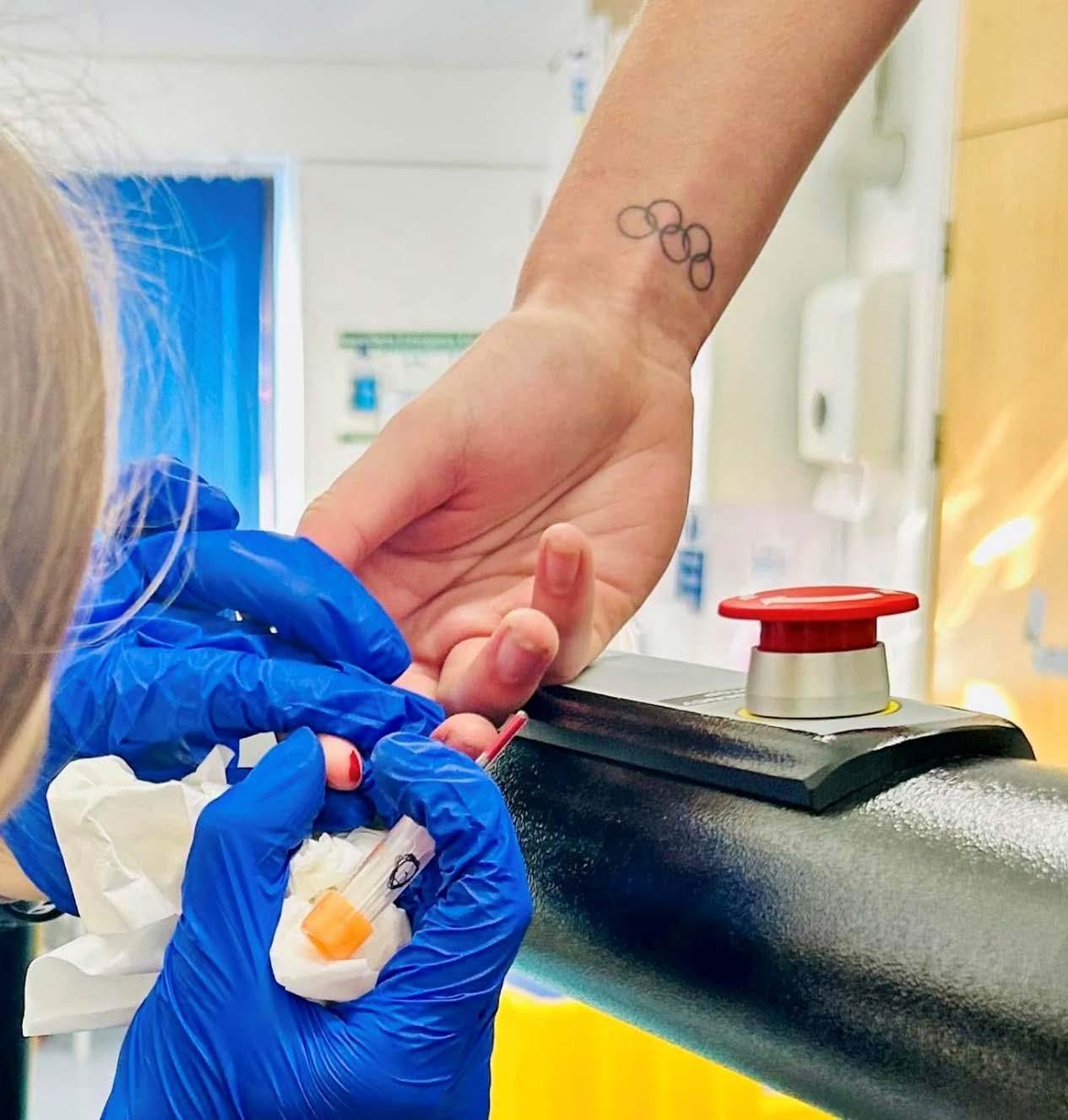
Blood, a unifying feature between every human being, is used here to help explain our differences. In applied physiology, a small sample of blood is used to measure an individual’s response to a stimulus. In this instance, the stimulus is an incremental increase in running speed using a treadmill. Everyone will respond differently to the stimulus due to varying levels of fitness and genetic predispositions. As the body becomes more fatigued, this will be reflected in what is measured in the blood sample. By measuring the
response of an Olympic athlete, we can build a picture of what differentiates them from general population and even sub-elite athletes. This research project was designed to investigate the physiological determinants of successful middle-distance running performance. We hope this research will help athletes of all levels, from club runners to Olympic champions, improve their performance and break new ground. Our differences can be uniting.
Shining a light on the quantum world
Charlie Patrickson
Collaborators:
Isaac J Luxmoore, Valentin Haemmerli, Shi Guo, Andrew J Ramsay
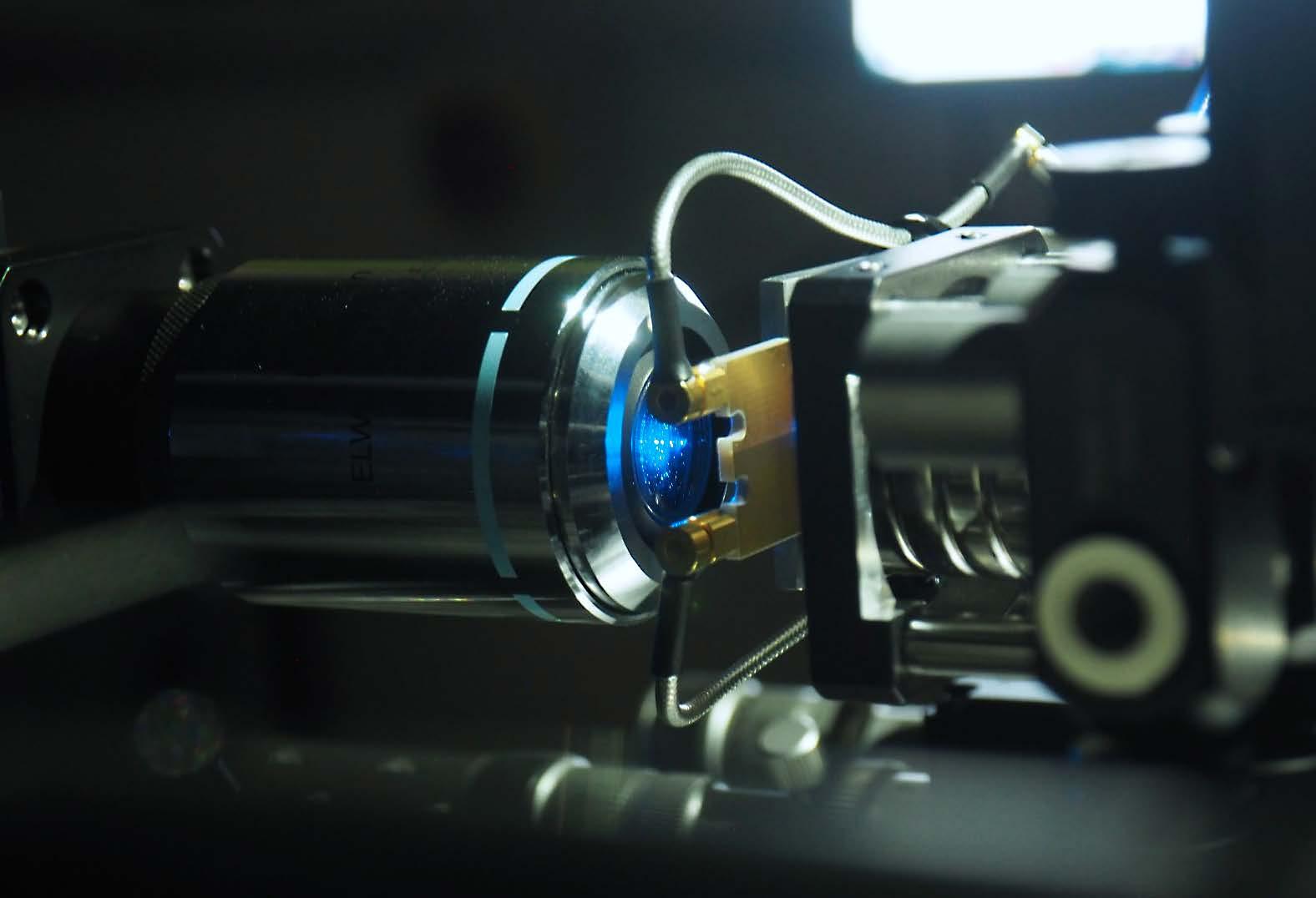
Quantum mechanics describes the behaviour of individual particles. Often these behaviours are unintuitive – a single light particle can exist in two places at once and a single electron can spin clockwise and anticlockwise at the same time. These fragile quantum states are extremely sensitive to their surroundings; a property we exploit to detect changes that are invisible using conventional technologies. At Exeter, we develop quantum sensors that use this property of single electrons called spin, which makes them
behave like ultra-sensitive, microscopic bar magnets. These electrons are trapped at the sites of missing atoms in an electrically insulating crystal. To probe their magnetic state, we focus a blue laser onto the crystal (pictured), causing the electrons to emit red light. This red light reveals the state of the electron spins – clockwise, counterclockwise, or even in a quantum superposition – providing a window into the invisible magnetic landscape around them.
From fragile to bold, drag stories told Lance Peng
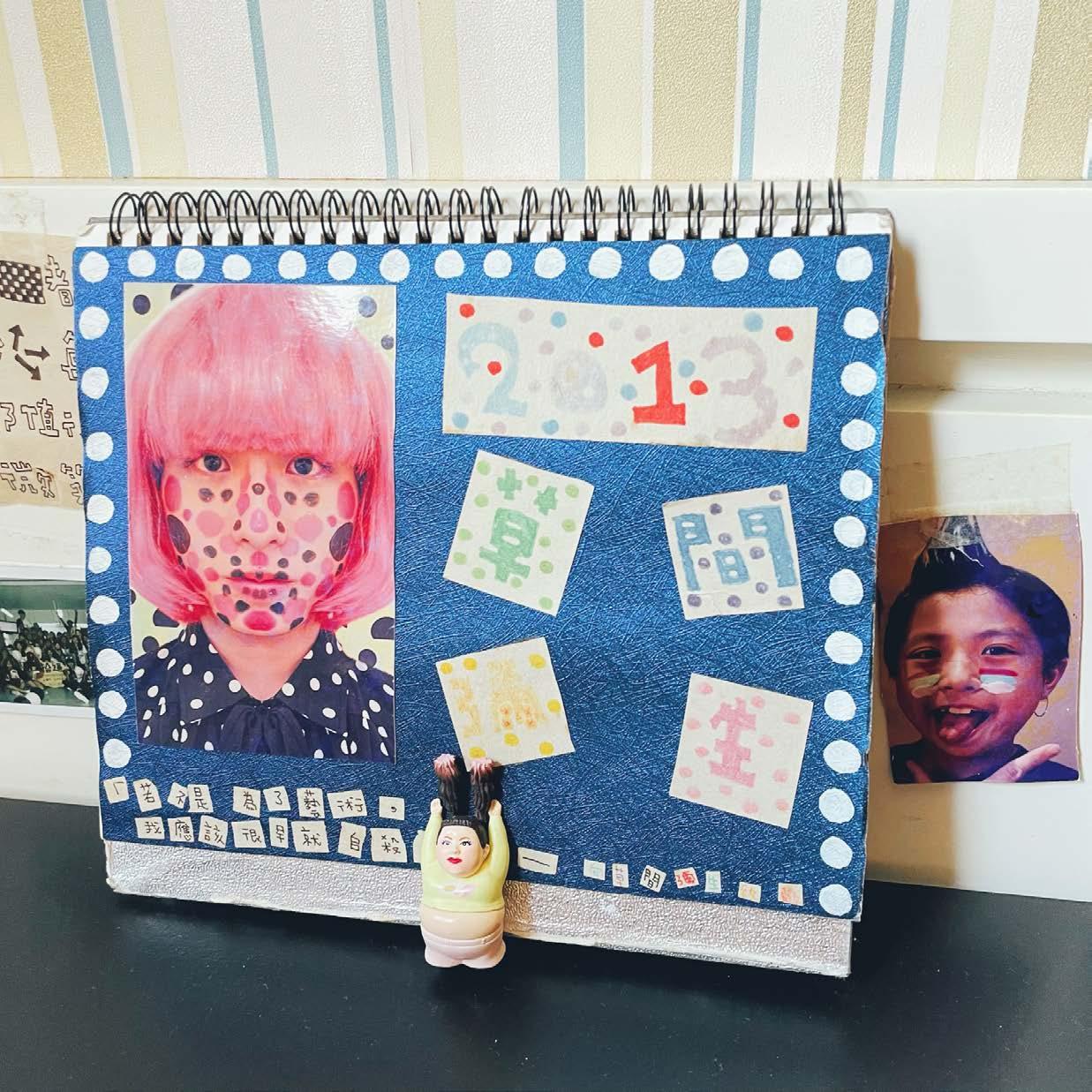
This image binds together two apparitions: the child I once was and the drag-inspired artwork I later conjured. Yet it is not myself I study but the luminous, unruly communities of drag in Cornwall. My research seeks to listen where silence has long been enforced, to trace how marginal lives compose new cosmologies of belonging. Drag here, is not masquerade but metamorphosis: archive and altar, defiance and dream. I pursue this work with the ambition to
render visible what has been effaced, to honour the fragile splendour that erupts at the margins. This artwork becomes talisman, recalling Yayoi Kusama’s lament on the cover (“if it were not for art, I would have committed suicide already”) a reminder that creation is lifeline. To research drag is to risk beauty against erasure, to wager survival against forgetting, to follow art as a torch lit by those who refuse to disappear.
Research is what happens when you’re making other plans
Emma Piercy-Wright
Collaborators:
Isabella Warnham, Jessica Insley, Dr Kirstin Kennedy
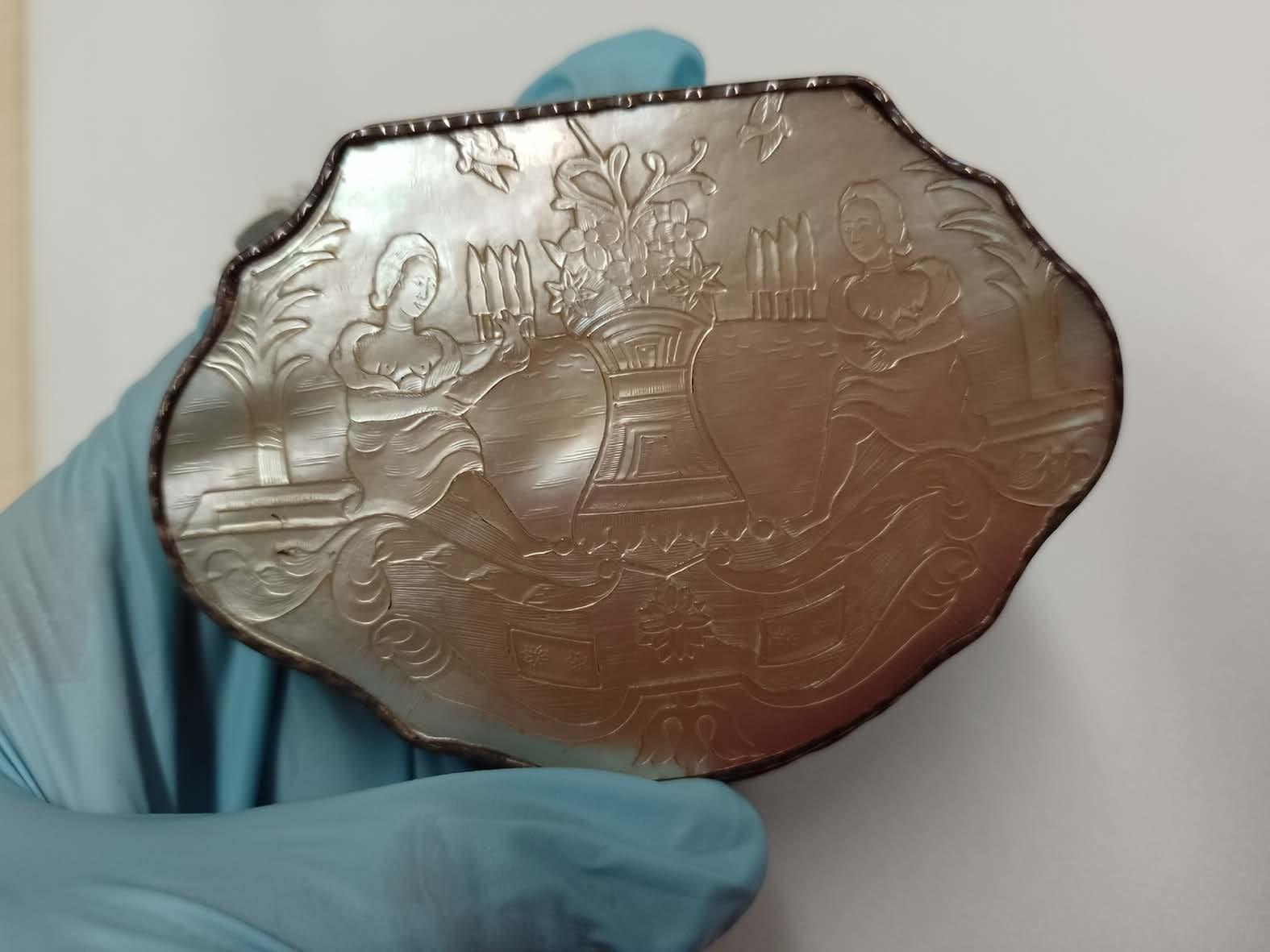
After two joyful hours spent handling ornate motherof-pearl snuffboxes at the Victoria and Albert Museum (including one owned by Louis XV), it was this rather humbler artefact which actually piqued my interest. Crudely constructed of two pearlescent plaques mounted on a tarnished silver framework that had seen better days, the lid depicts two black women on a ship’s prow, both barebreasted and shackled by slave collars, with one proffering a pineapple. Striking in its simplicity, this unassuming box encapsulates a hidden history which the other sumptuous,
bejewelled treasures, in all their lavish ostentation, seemed so eager to obfuscate. Rendered in glistening mother-ofpearl, itself a substance concealed within a shell and on the periphery of art historical discourse, this and other such marginalised iridescent objects are the focus of my doctoral research, which uses this intriguing material as an alternative and exceptionally vivid means of revealing neglected narratives in Enlightenment France.
Anchored for discovery
Felix Pym
Collaborators: Dr Felipe Franco-Gaviria, Roberto Sáenz-Gómez, Señor Hugo, Isabella Villa Deossa
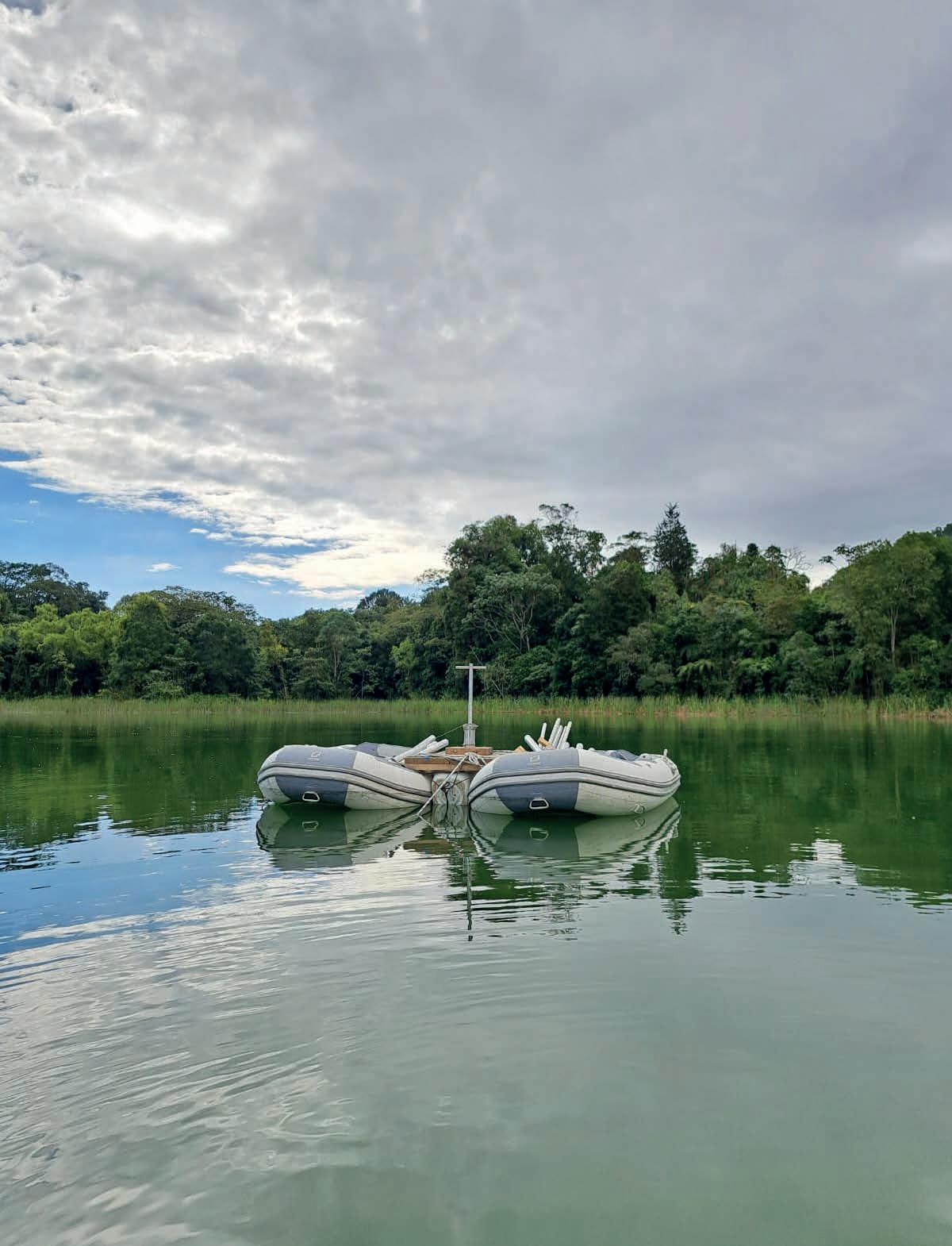
Anchored in the middle of a Colombian lake and surrounded by tropical forest, this floating platform – built between two small dinghies – became our laboratory on the water. Lakes are natural archives: their sediments preserve fossils that allow us to understand past climates, ecosystems and human activity over thousands of years. By manually extracting sediment cores from the bottom of the lake pictured, we aim to reconstruct the timing and
consequences of the extinction of large herbivores from the Ice Age – creatures like ground sloths taller than elephants and giant armoured relatives of armadillos.
This study could help us to understand the consequences of extinctions in the past to support habitat protection and the conservation of animals in Colombia today.
Organising with nature
Patrick Quaye
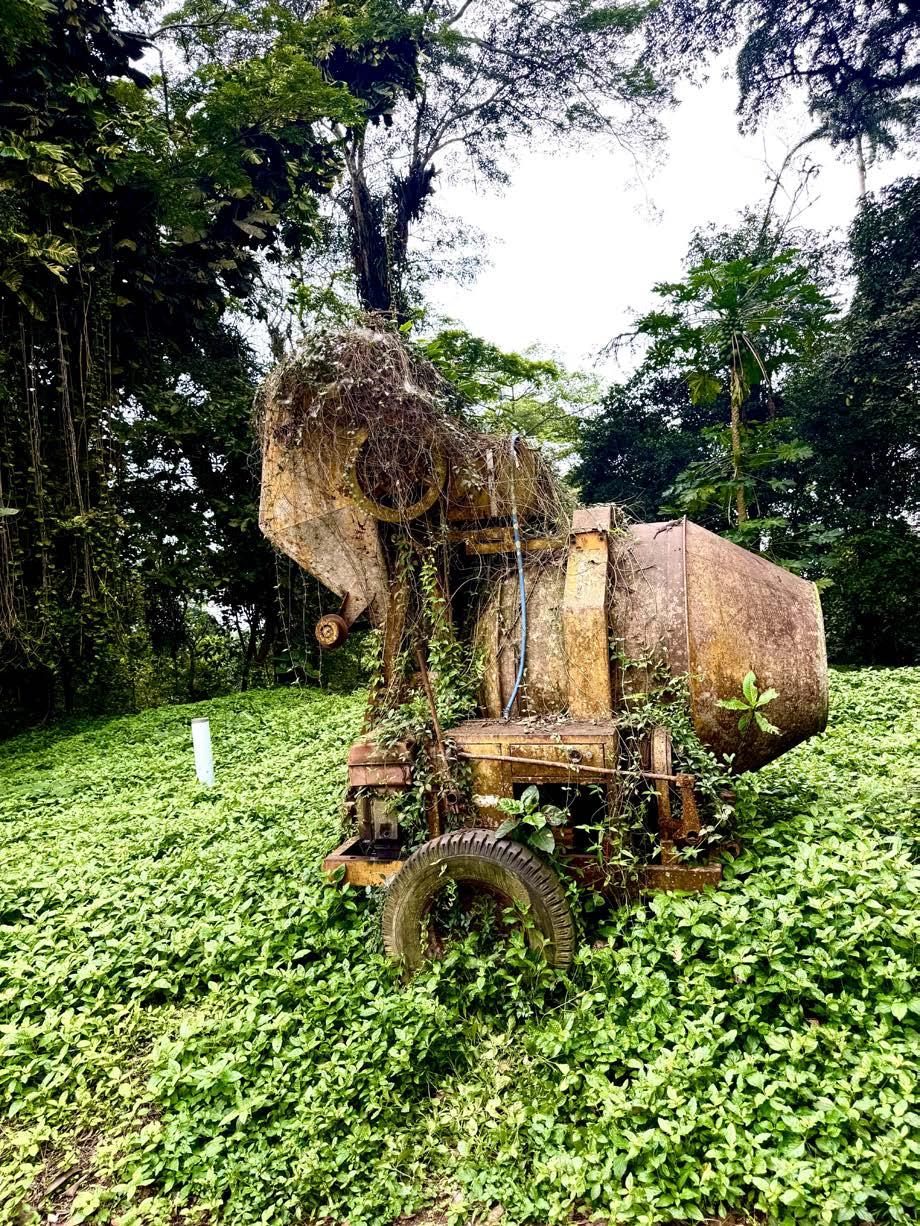
This photograph, taken at Aburi Botanical Gardens in Ghana, depicts a small scale concrete mixer once central to human construction, now enveloped by climbing plants. The machine symbolises an anthropocentric orientation: an artefact designed to shape the earth’s materials to human ends. Yet, as nature steadily reclaims it, the image reveals a biocentric opening: ecological life reorganising, softening and ultimately overpowering the very tool meant to master it.
Together, these layers illustrate what I describe in my research as an anthro-biocentric orientation: the entanglement of human and natural systems where neither dominates entirely, but instead co- exist in tension and transformation. The photograph thus becomes more than a record of decay; it is a visual metaphor for rethinking our relationship with nature. Rather than treating nature as a passive backdrop to human progress, we are invited to see it as an active organiser; as one whose resilience demands that we learn to build with it, not against it.
Goodbye bulky solar panels — hello stylish solar bricks
Anurag
Roy
Collaborators: Dr Yusuf Chanchangi and Prof Tapas Mallick
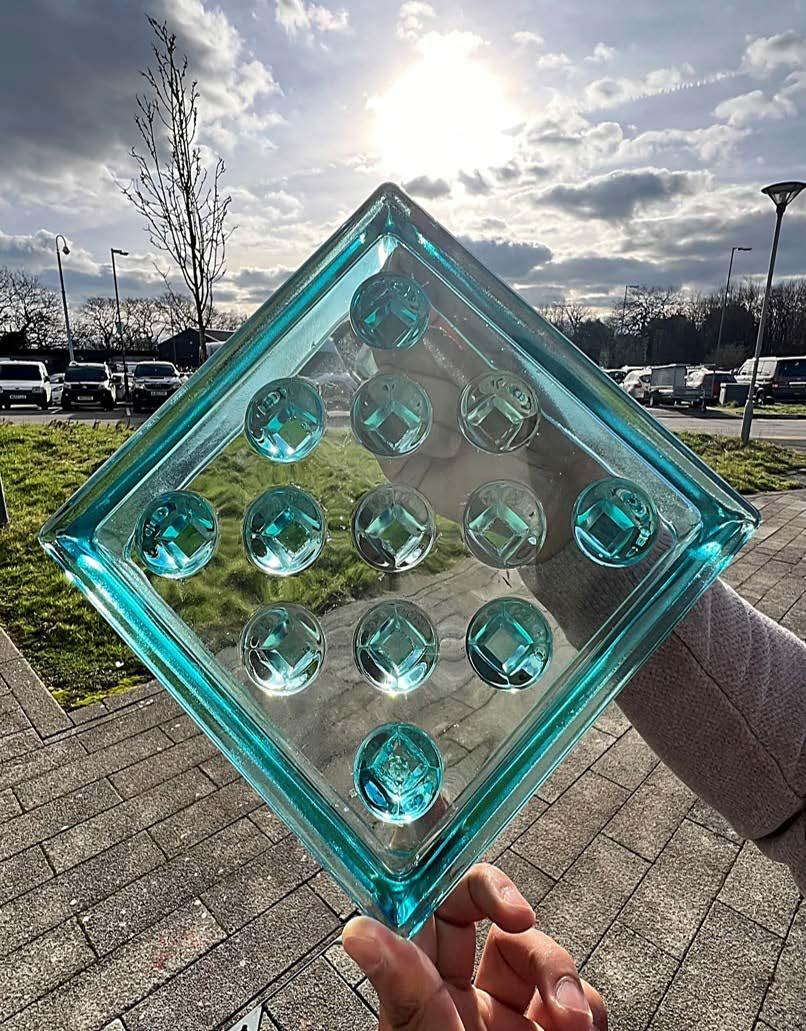
This research introduces a groundbreaking solar innovation: a transparent prototype lightweight Solar Brick. Engineered for integration into windows, façades, and vertical surfaces, this device redefines how we generate solar power in modern architecture. It can boost energy output by up to 500 times, even in low-light conditions, offering a powerful alternative to traditional bulky rooftop solar panels.
Each solar brick circular block contains embedded perovskite solar cells and a built-in optical concentrator, like a lens, where the light concentration mechanism
increases the intensity of light reaching the cells, enabling greater power output from a smaller surface area. The sleek design allows natural light to pass through without moisture or dust, preserving transparency and aesthetics, making it ideal for a renewable energy build environment.
Beyond its performance, the brick is cost-effective, compact and low-maintenance. This visual highlights a step forward in low-cost, lab-grown, aesthetic, space-saving and scalable solar energy solutions.
Shaping our lungs at heart
Fabian Salazar Lizama
Collaborator: Dr Emily Sey
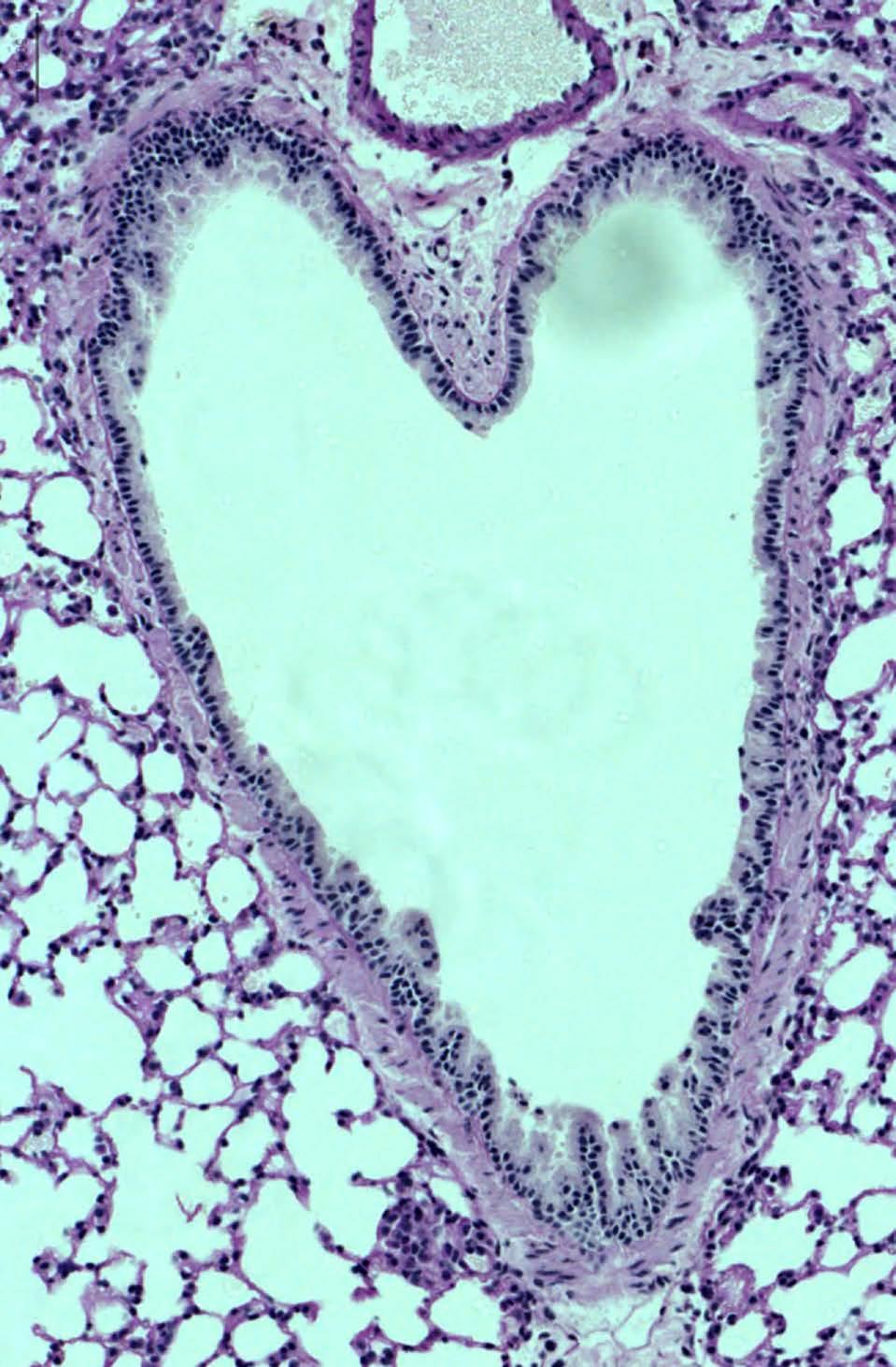
A heart-shaped lung airway under the microscope is a reminder of how vital it is to protect our lungs from hidden threats like fungi. Every day, we breathe in hundreds of fungal spores, most of which are harmless and quickly cleared. But in people with chronic lung conditions or weakened immunity, these fungi can persist and silently reshape the lungs.
My research focuses on how long-term exposure to the fungus Aspergillus fumigatus alters the behaviour of airway immune cells. Normally, these cells keep the lungs healthy by clearing debris and pathogens, controlling inflammation and repairing tissue. However, persistent fungal exposure can reprogramme them to drive harmful inflammation, tissue damage and scarring. At the same time, fungal exposure may change the way these cells respond to other pathogens such as viruses.
By uncovering these processes, my goal is to identify new ways to diagnose, prevent and treat fungaldriven lung diseases.
Nucleus pulposus (NP) on a microfluidic chip
Prashanth Saseedharan
Collaborators: Dr Timothy Holsgrove, Dr Ben Sherlock
Low back pain is often caused by intervertebral disc (IVD) degeneration but there is a limited understanding of how it occurs and current treatments have limited success in reducing pain or restoring the structure of the IVD.
Pre-clinical models of the IVD are important to study degeneration and potential treatments, but existing models have limited physiological relevance, or are expensive with limited throughput. Our project aims to build a microfluidic “intervertebral disc on-a-chip” to mimic the nutrient
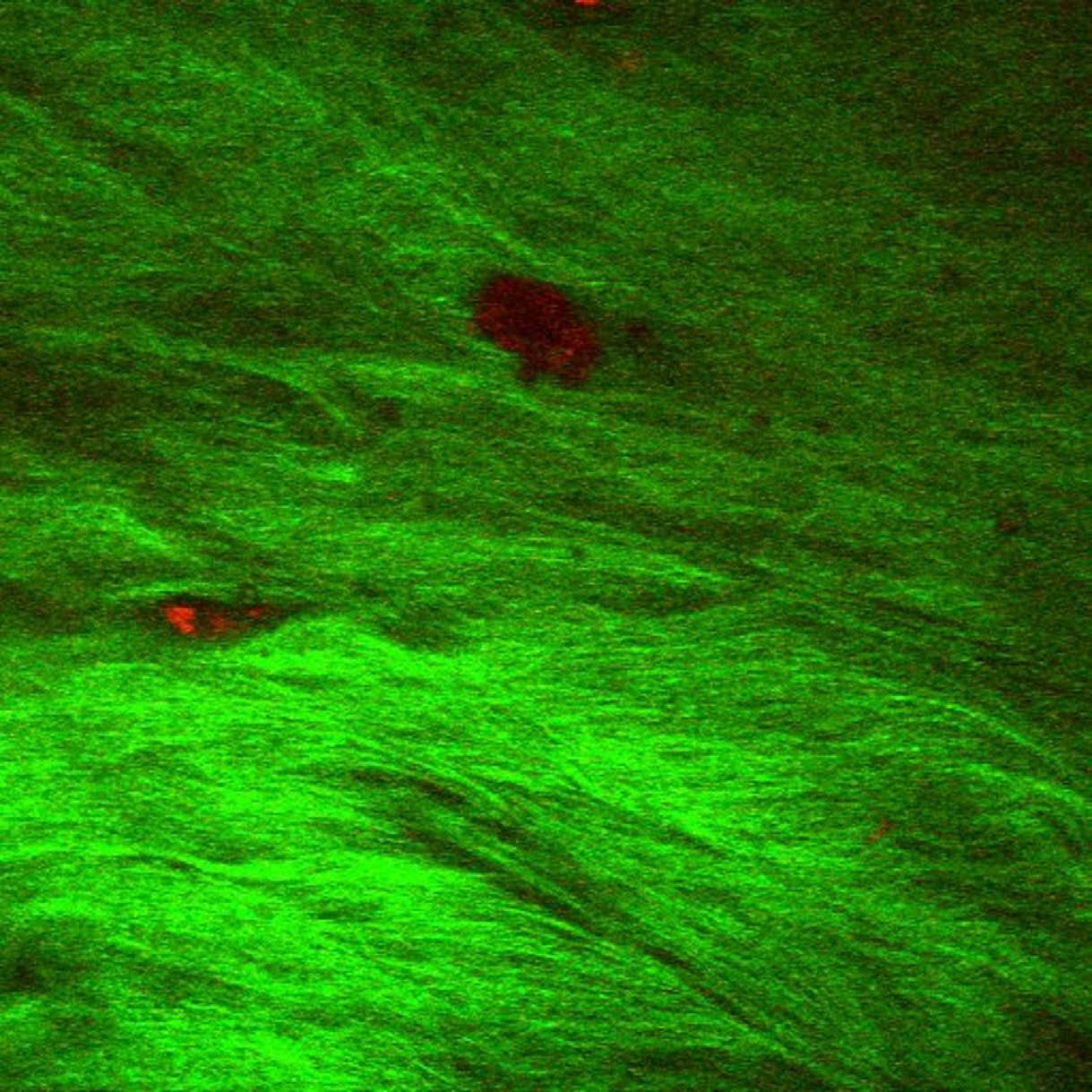
flow and mechanical loading within the central part of the IVD called the nucleus pulposus (NP). A 3D-printed device was fabricated, offering a rapid and cost effective approach to explore how different environments influence the cells and extracellular matrix (ECM). The image shows non-linear microscopy of bovine NP tissue after seven days of culture in the microfluidic chip, with cells (red) embedded into the collagen (green) rich extracellular matrix (ECM).
This is not a sad story
Sarah Scaife
Collaborators: Emma Capper, Dr Bryan Brown, Dr Maria Vaccarella
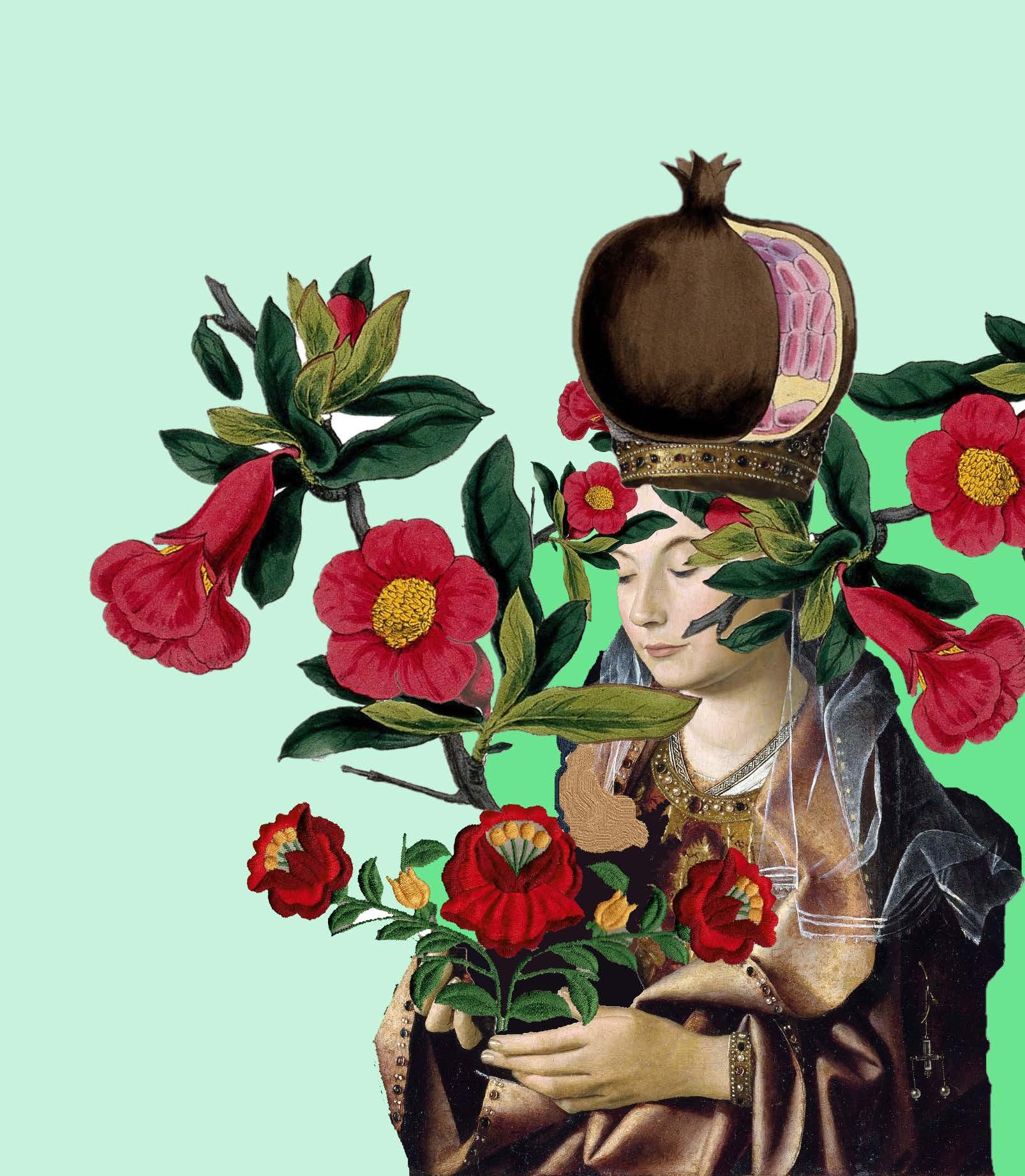
Along with your body, treatment for breast cancer scars your sense of self and your relationships. My Creative Health research seeks to fertilise radical re-imaginings of ourselves within such uncertainty.
Using a potent methodology of ‘practice research’ lends itself to authentic connections outside the university. In an intimate collaboration, I listened to a small group of people who – like me – survived breast cancer treatment. These reflective gatherings were held in a beautiful garden.
Participant, Holly said: “This is not a sad story, the final chapter of a sad life. This is a more beautiful world our hearts know is possible, circling up around me here, in this life, right now.”
My sound and visual artworks extend stories of rediscovering ourselves to a wider audience. This collage reworks archival sources. A split-open, fabulous pomegranate fruit and flowers speak of the breast but also new beginnings and the possibility of finding renewal.
Precision in practice with the most complex organ in the universe
Ismail Shaikh
Collaborators: Dr Hope Gangata (Supervisor/ Senior Author & Photographer); Hazel Chambers, Sofia Syed, John Donnelly, Josh Ryley (Co-authors); Matt Wade, Ki Loveday Edwards (Technical staff)
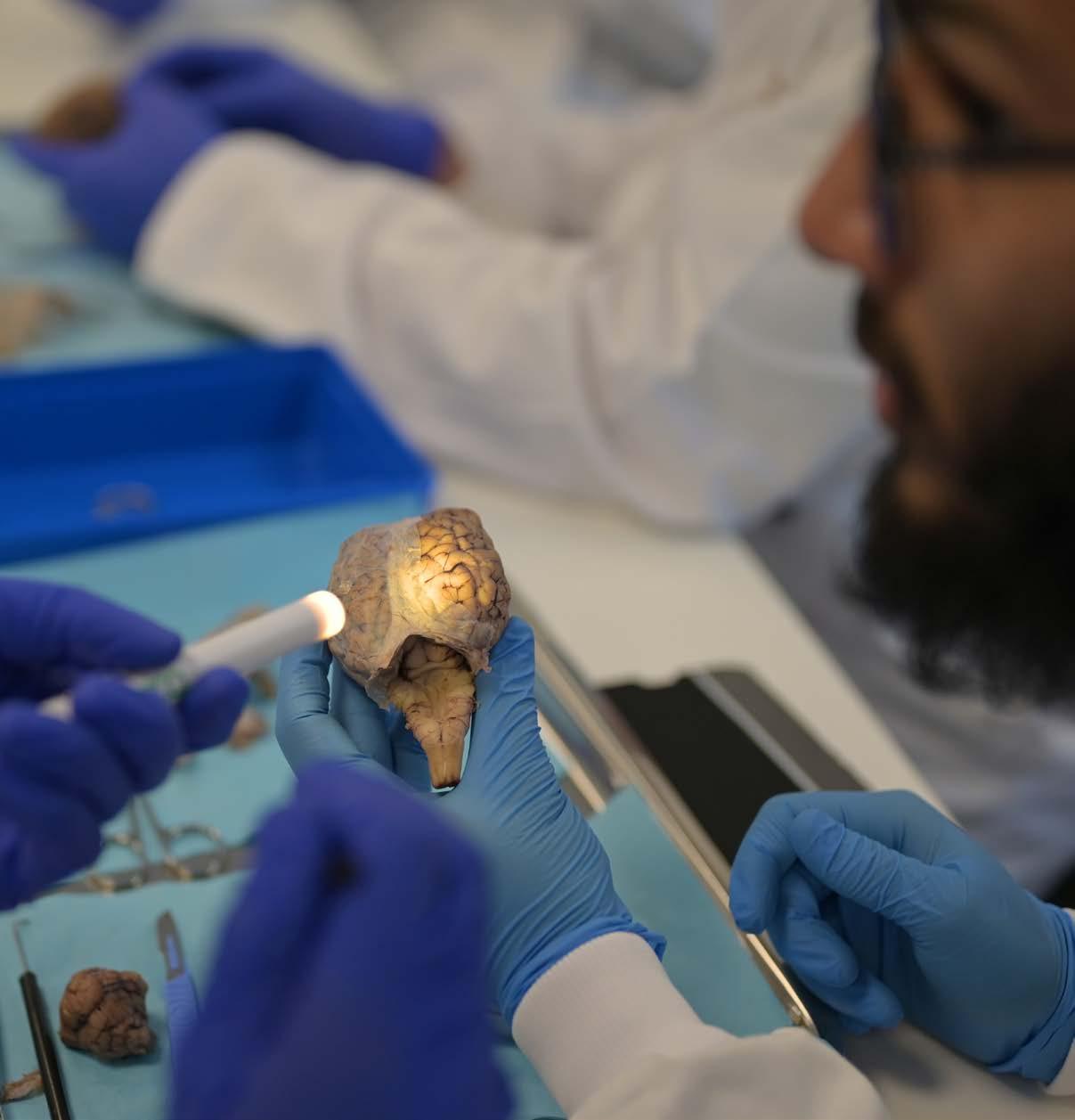
This engaging image showcases a curious individual eager to explore a sheep brain during dissection. As a third-year medical student coauthoring a Neuroanatomy Dissection Manual for undergraduates as a research project, this photo makes a big impact by sparking curiosity about how thoughts and actions work. Its relevance is highlighted by its hands-on experience, a key part of the manual that helps students learn brain anatomy in three dimensions
for future medical careers. Connects to research by showing how studying these structures guides surgeries and understanding complex neurological conditions. In simple terms, it turns a tricky subject into an exciting learning tool, helping undergraduates grasp complex ideas step-bystep, boosting their confidence and preparing them to care for patients – all while inspiring a love for neuroanatomy without confusing terms!
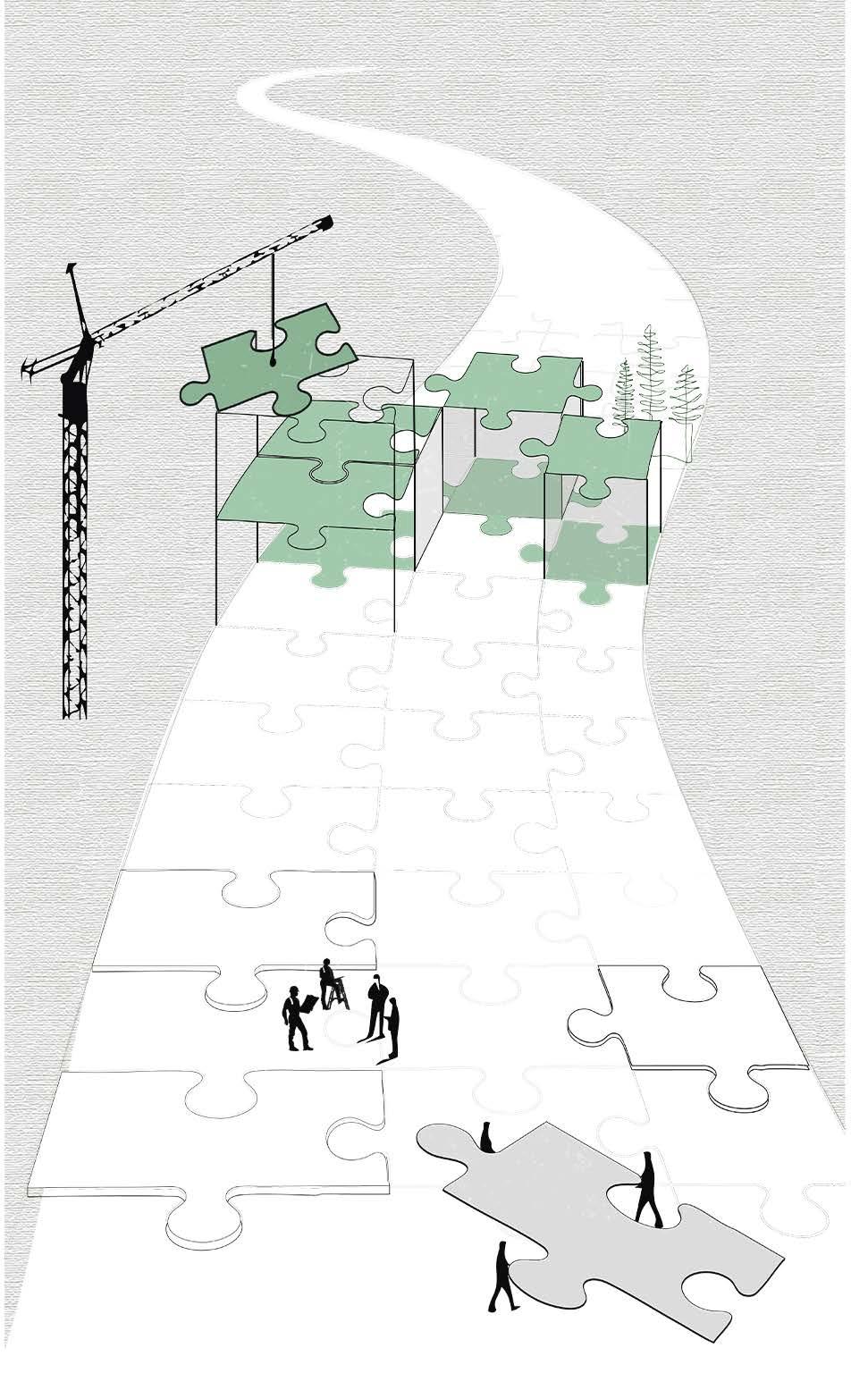
Identifying the barriers and enablers of modular and off-site construction
Taban Shirani
This research investigates the enablers and barriers to prefabricated and modular buildings. It examines each stage of the process – from factory production to on-site assembly – to identify challenges and opportunities and to consider what the future of prefabricated and off-site construction could look like.
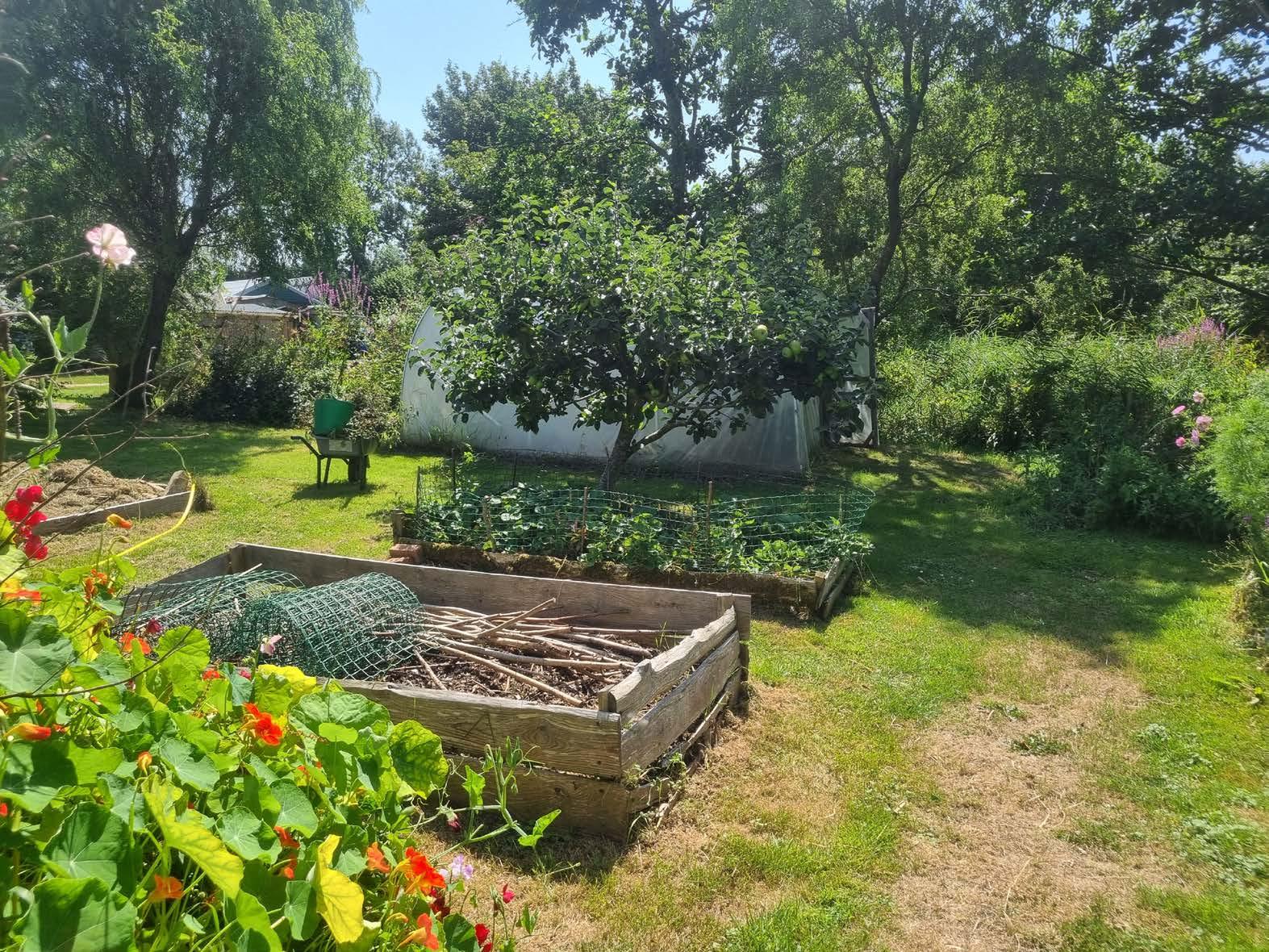
The theological creativity of permaculture
Jennifer Stazicker
Collaborators: Professor Christopher Southgate, Professor Michael Winter
Permaculture is an agroecological design system that promotes perennial crops and self-sustaining ecological systems to create a permanent (agri)culture. This image is of a permaculture site that I visited whilst conducting an interview with a permaculture practitioner in the Southwest of England. In this ecotheological project, I develop Philip Hefner’s theology of the created co-creator and explore permaculture as an instance of co-creation.
The qualitative interviews are intended to fill a gap in the literature surrounding the agro-cultural practices of permaculture in England, exploring how permaculture makes sense of the human relationship to the land and whether permaculture can be understood as a vocation. This project interprets the agro-cultural and material practices of permaculture that I discuss in these interviews within a theological context, while also contributing to the wider ecotheological and agroecological discourse on conventional agriculture and agro-cultural practice.
Escape into a world of research
Beccy Summers
Collaborators: The Brilliant Club
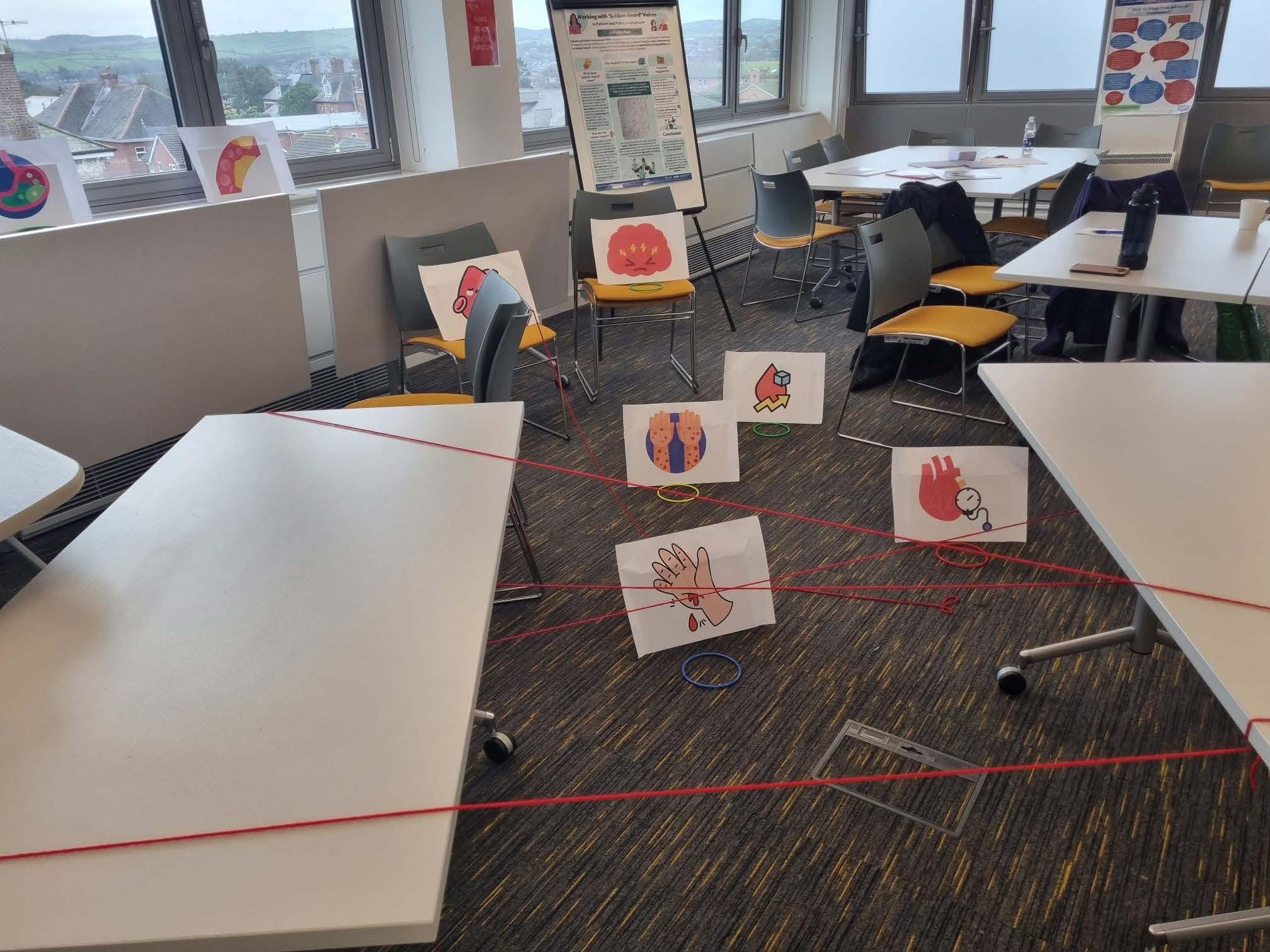
This is one puzzle in the Professor Spangler’s escape room I designed – the player must avoid the red laser beams, whilst correctly treating each health condition (ie throw the correct treatment beanbag into the hoop in front of each health condition). The escape room has numerous healthcare related puzzles, integrated into an overall narrative. It’s an immersive experience with sound effects, background music and Professor Spangler audio snapshots.
I use the escape room in schools across Devon and Cornwall to raise awareness of patient and public involvement (PPI) in healthcare research, with students aged 13 -17 years. PPI means researchers and patients working in partnership to do research. Working in this way ensures higher quality research that is relevant to patients. Young people are often missing from PPI. Therefore, it’s critical we develop creative ways to engage with young people about research, so that they too inform future research we do.
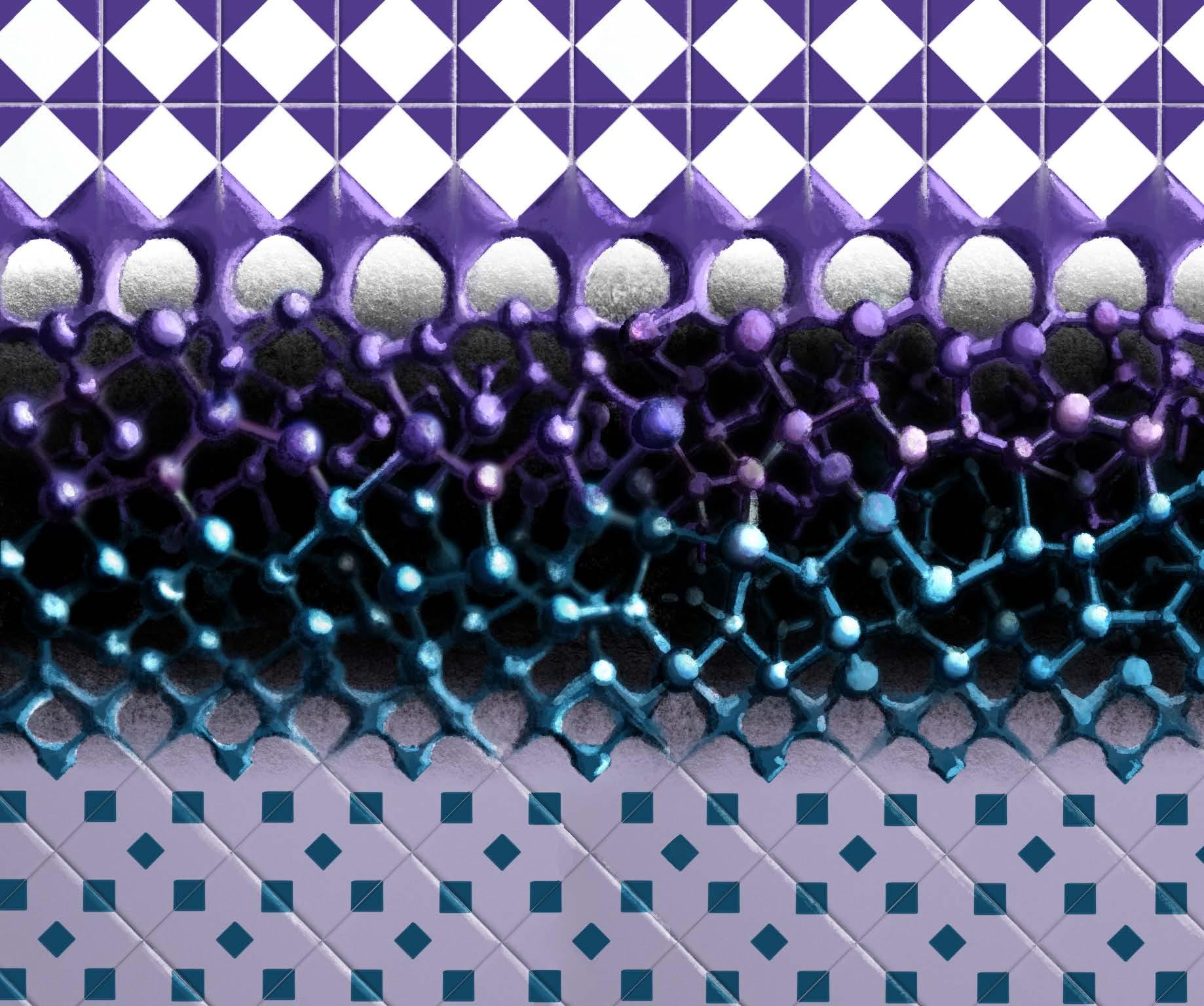
From tiles to atoms: The challenge of matching
Ned Taylor
Collaborators: Joe Pitfield, Francis Huw Davies, Steven Paul Hepplestone
When two materials meet, their atoms don’t simply snap together – they often shuffle and rearrange, creating an entirely new region unlike either material on its own. This disordered zone, the interface, is crucial to how devices function, yet notoriously difficult to predict. It’s a bit like trying to line up two mismatched sets of bathroom tiles: you can cut, shift, or force them together, but the join will
never be perfect. To tackle this challenge, we’ve developed RAFFLE, software that combines physical insights with machine learning to speed up identifying how atoms actually arrange at interfaces. This brings us one step closer to answering the fundamental question: What is an interface?
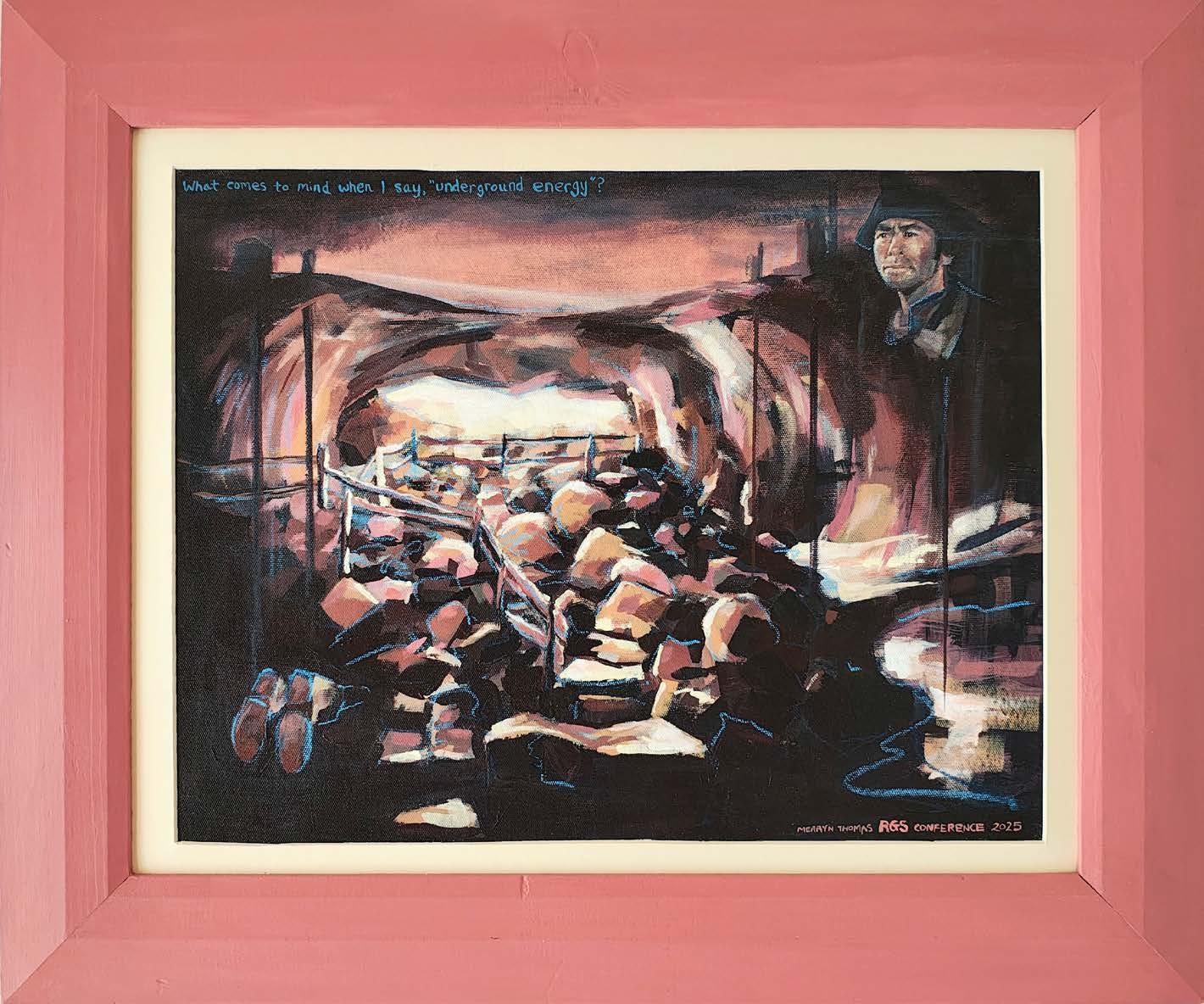
What comes to mind when I say, “underground energy”?
Merryn Thomas
Collaborators: Dr Iain Soutar and Prof Patrick Devine-Wright
The underground could play a key role in reaching Net Zero, using technologies like geothermal energy and underground energy storage. But for many people, it remains out of sight and hard to imagine. This painting is part of a research project exploring how art can help people express their thoughts and feelings about the underground.
Created for the 2025 Royal Geographical Society conference, the painting reflects my own mixed emotions – fascination, fear, and curiosity. It’s inspired by memories of lava tunnels, childhood caving trips and Cornish mining
adventures, and nods to the strange, inner-world journey of the 1987 film Innerspace. The vertical lines represent my past and current research into extraction and underground energy.
Next, I’ll work with participants to create their own paintings, using artistic, psychological and geographical methods. The goal is to better understand how people relate to underground energy, spark public conversations and help shape more inclusive energy policies.
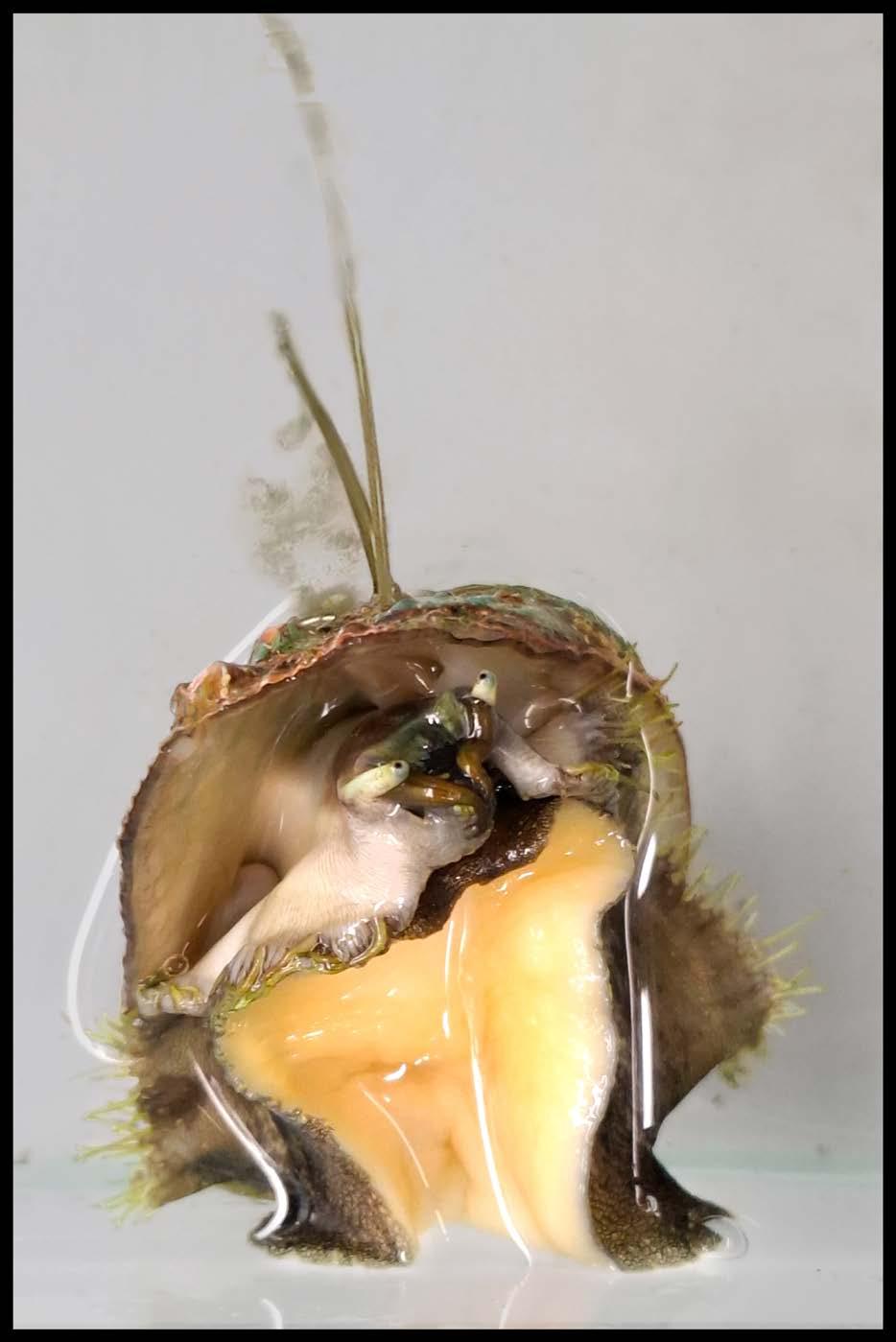
Spawning abalone: The release of new life
Susanne Vogeler
Collaborator: Callum Teeling
The European abalone, also called the “green ormer,” is a sea snail found along the coasts of the British Channel Islands, France and the Mediterranean Sea. Female abalones spawn by forcefully expelling eggs through openings in their shell, a process that begins with vigorous movement and convulsions to build the required pressure. Nearby males release sperm into the water just beforehand, which helps trigger the females to spawn. This image was captured during induced spawning in the laboratory as part of research into the biological pathways that regulate early larval development and metamorphosis.
Abalones are both ecologically and economically important. They are valued for their meat and for their shells, which are used in decorative crafts. However, overfishing, pollution and the effects of climate change have caused populations to decline and the species is now classified as vulnerable. Understanding how their development is regulated may support future conservation efforts.
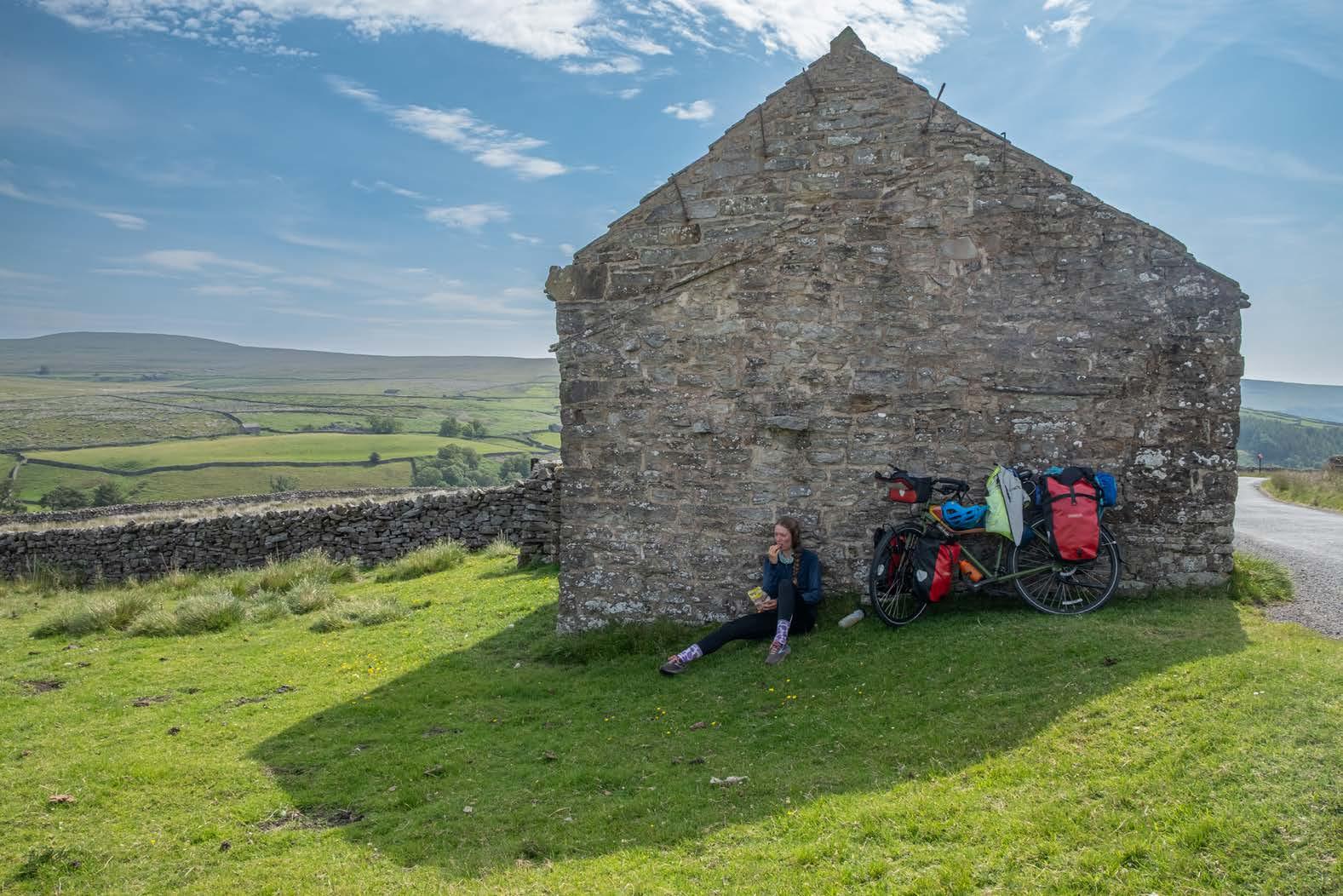
Seeking shade in a warming world
Veronica White
Collaborators:
Saffron O’Neill, Angela Cassidy
RUNNER UP PGR
The shade of the barn offered respite from the harsh sun as I climbed through the open moorlands of the Yorkshire Dales. I didn’t know it yet, but I was cycling through England’s warmest June on record. The heatwave was physically exhausting and I was struck by an even greater admiration for farmers and farm workers who work outside every day, no matter the weather. This spring, I cycled over 2,000 miles across England to interview women in farming
communities about their visions for the future of farming. My low-carbon, human-powered fieldwork adventure allowed me to reach participants in rural areas and connect deeply with the farmed landscapes I rode through. Through my fieldwork, I was able to explore my participants’ hopes and fears for the future of farming, including what these farmed landscapes may look like. Personally, I hope there’s more trees to shade us in a warming world.
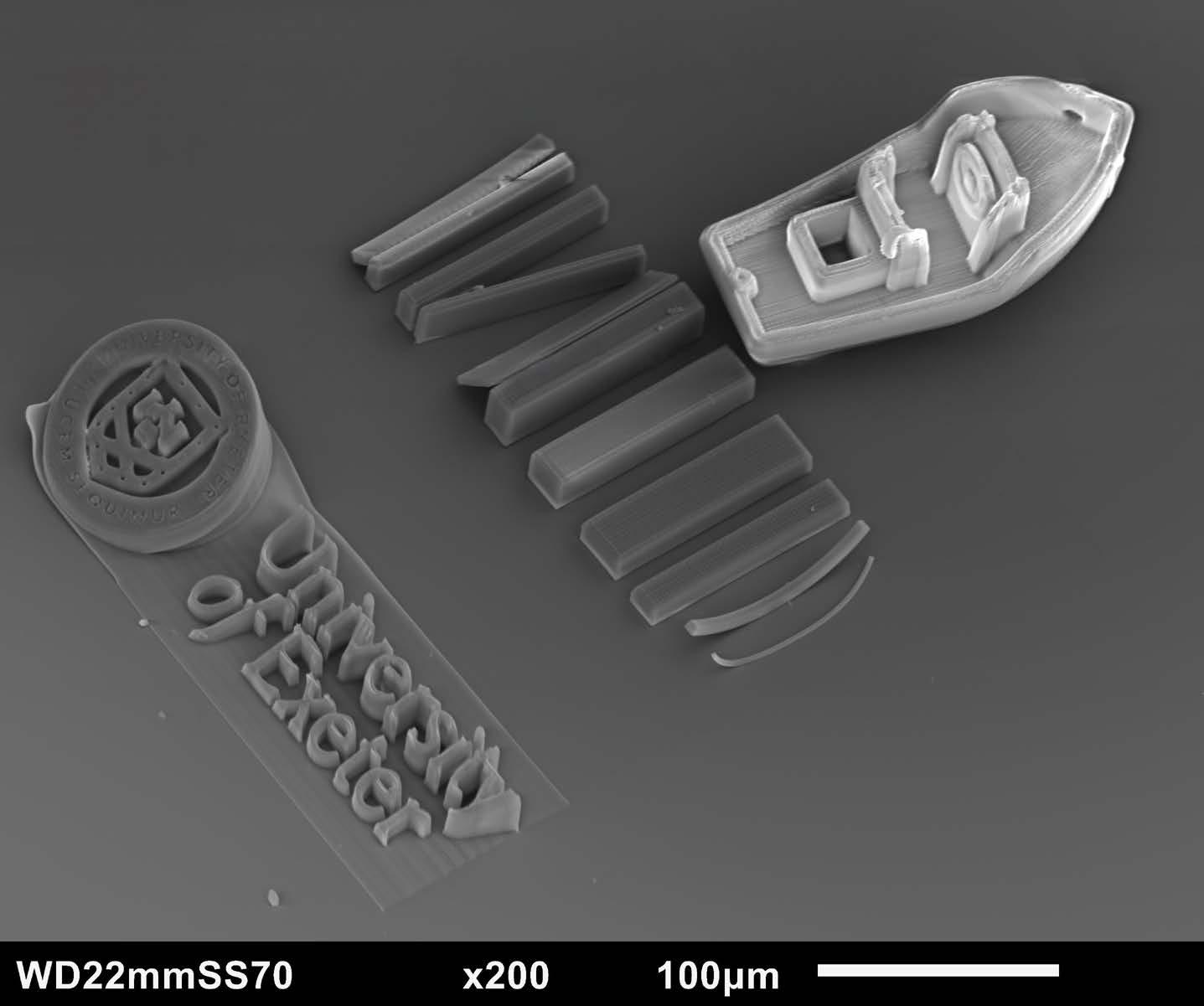
Exeter in a hair’s width
Calum Williams
Collaborators:
Olivia Chillingworth & Mark Heath
A scanning electron microscope image showing a 3D printed boat and University of Exeter logo, each smaller than the width of a human hair (approx. 75 um). They were fabricated in a single process using two-photon polymerisation – where tightly focused, ultrafast laser pulses solidify a photosensitive resin only at the focal point. This allows 3D structures to be built with sub-micron
precision. These test structures demonstrate the capability of the technique for producing complex microstructures. Although this vessel will never set sail, the same process can produce functional components for diverse applications, from micro-optics, metamaterials to biomedical scaffolds. Built entirely with light, the work captures both the precision and creativity possible in photonics research.
Revolutionising fluid dynamics with quantum computing
Chelsea Williams
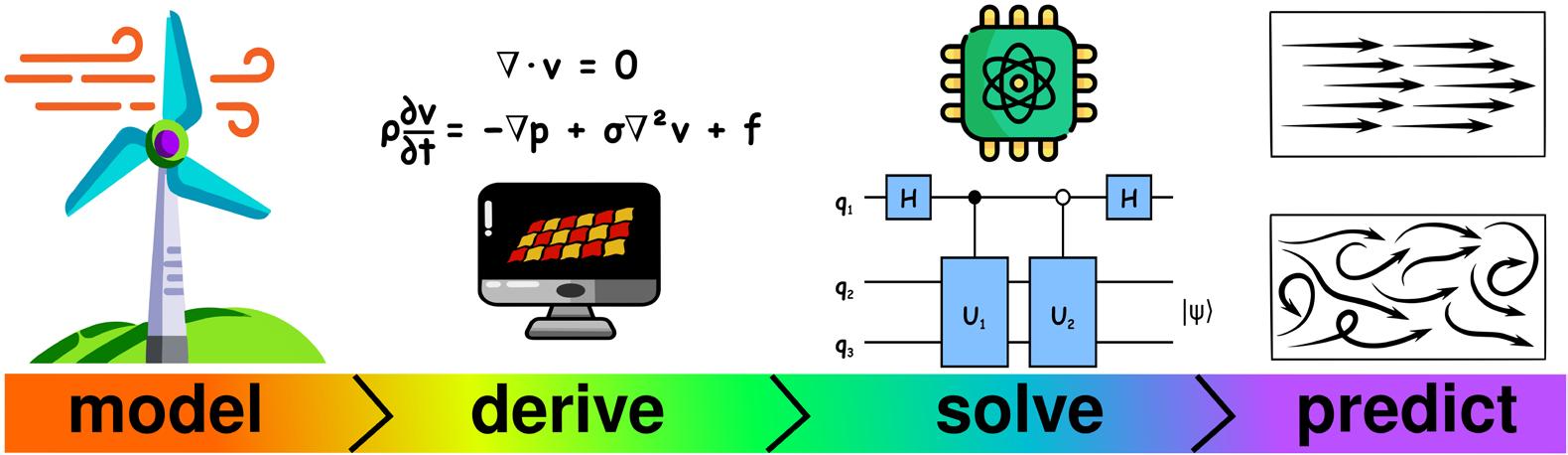
This image presents a four-step pipeline for solving complex engineering problems using quantum computing. Engineers often rely on computational fluid dynamics to predict how fluids such as air and water move, but simulating fluid flow is extremely demanding. First, we create a digital model of the system, such as a turbine, to optimise design and performance. Second, we use equations that describe how fluids move and break the model into thousands of tiny cells so a computer can solve the equations step-by-step. Third, rather than relying on traditional computers, we develop specialised algorithms that offload the hardest calculations to a quantum processor. Finally, these solutions allow us to predict important flow behaviours, from smooth laminar motion to chaotic turbulence. By harnessing quantum computing for fluid dynamics, we aim to speed up simulations and enable more accurate engineering designs that benefit society’s transition to cleaner technologies.
Invisible borders: Three performers, three locations
Kelvin Wong
Collaborators: Mille Sale, Neon Sugimoto, Samuel Tin, Lee Si Jin, Liishvaar Kumar, Professor Cathy Turner, Professor Heike Roms, Professor Paul Clarke, Sugein Revindran (photographer)
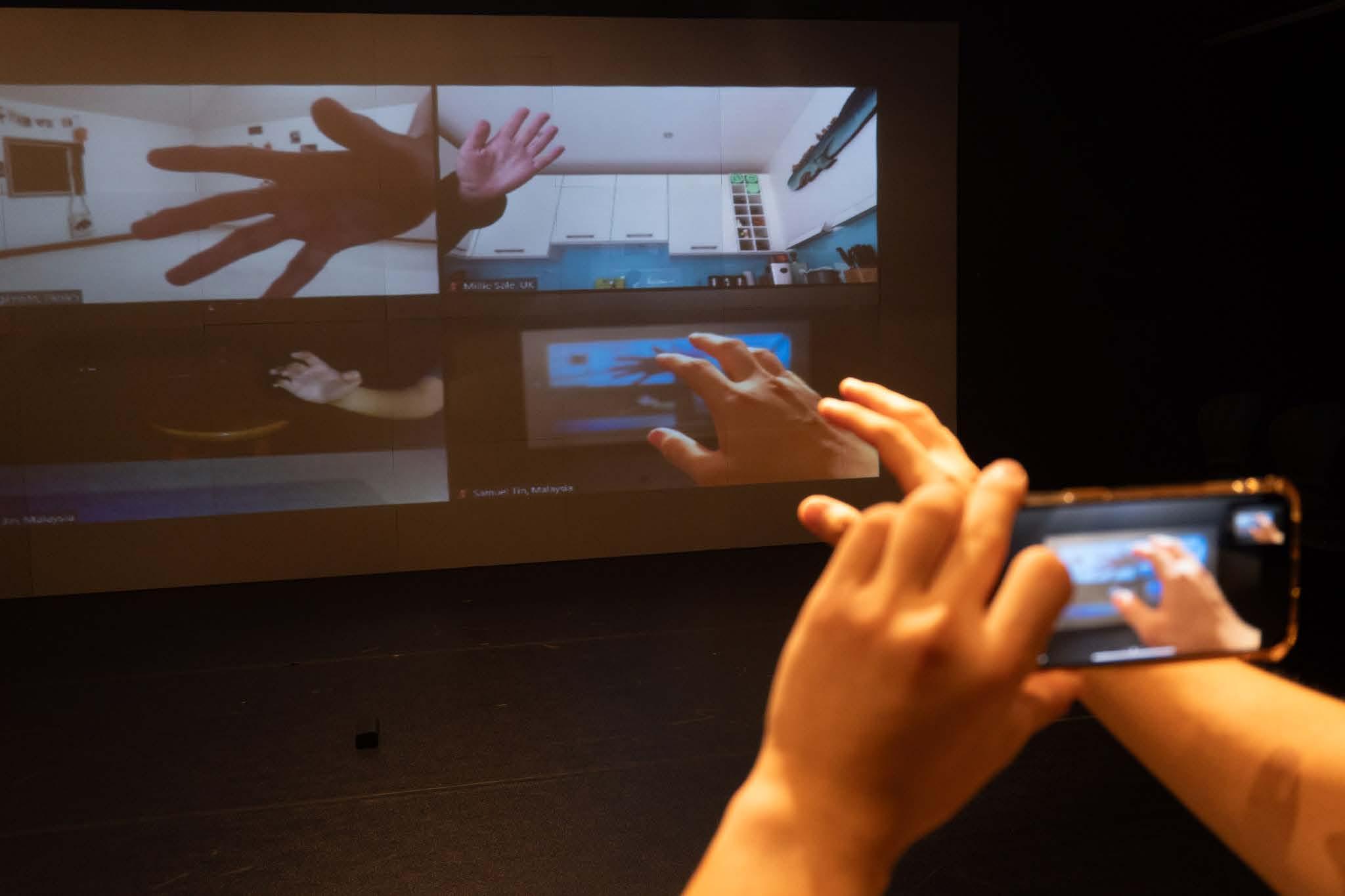
Unsilent Mode is a transnational performance project exploring precariousness of home and belonging. Shaped by lessons from the pandemic, it rethinks how performance makers in different locations can collaborate without travelling, choosing instead to rehearse and perform from their own places. This approach lowers costs and environmental impact, while also deconstructing the way we live in a hypermediated world, where physical and digital identities overlap.
This image, from Unsilent Mode Vol. I (2024) in Kuala Lumpur, Malaysia, shows performer Samuel Tin streaming his hand through a phone. Projected alongside collaborators in Japan and the UK, his hand attempts to touch theirs. The act reflects an expanded form of live performance: intimacy, reciprocity and co-presence stretched across physical and digital realms. It captures the paradox at the heart of this project: fragile separation and resilient togetherness unfolding across invisible borders.