
The place where you are born and grow up shapes your life’s pathway. Children and young people represent a third of the UK population, yet we are failing to safeguard their futures adequately.
Nationally, the trends are alarming. Childhood obesity is rising, children born today have a shorter life expectancy than those born just 5 years ago, type 2 diabetes is increasing among young people, mental health concerns in children are growing, and youth vaping is rapidly escalating.
These challenges disproportionately affect those from disadvantaged areas who face higher risks of poor health outcomes and reduced opportunities simply because of where they live. On the south coast, this disparity is stark. Southampton, Portsmouth, and the Isle of Wight rank among the most deprived areas in the UK, with lower educational achievement and higher childhood obesity rates than national averages.
Launched in 2008, LifeLab is a unique educational initiative created by the University of Southampton in collaboration with the National Institute for Health and Social Care Research (NIHR), Southampton Biomedical Research Centre and University Hospital Southampton (UHS).
It’s designed as an immersive journey embedded within the school curriculum, where evidence-based components engage young people through scientific inquiry to understand the science behind health messages and the profound impact of lifestyle choices on their own health and that of their future families.
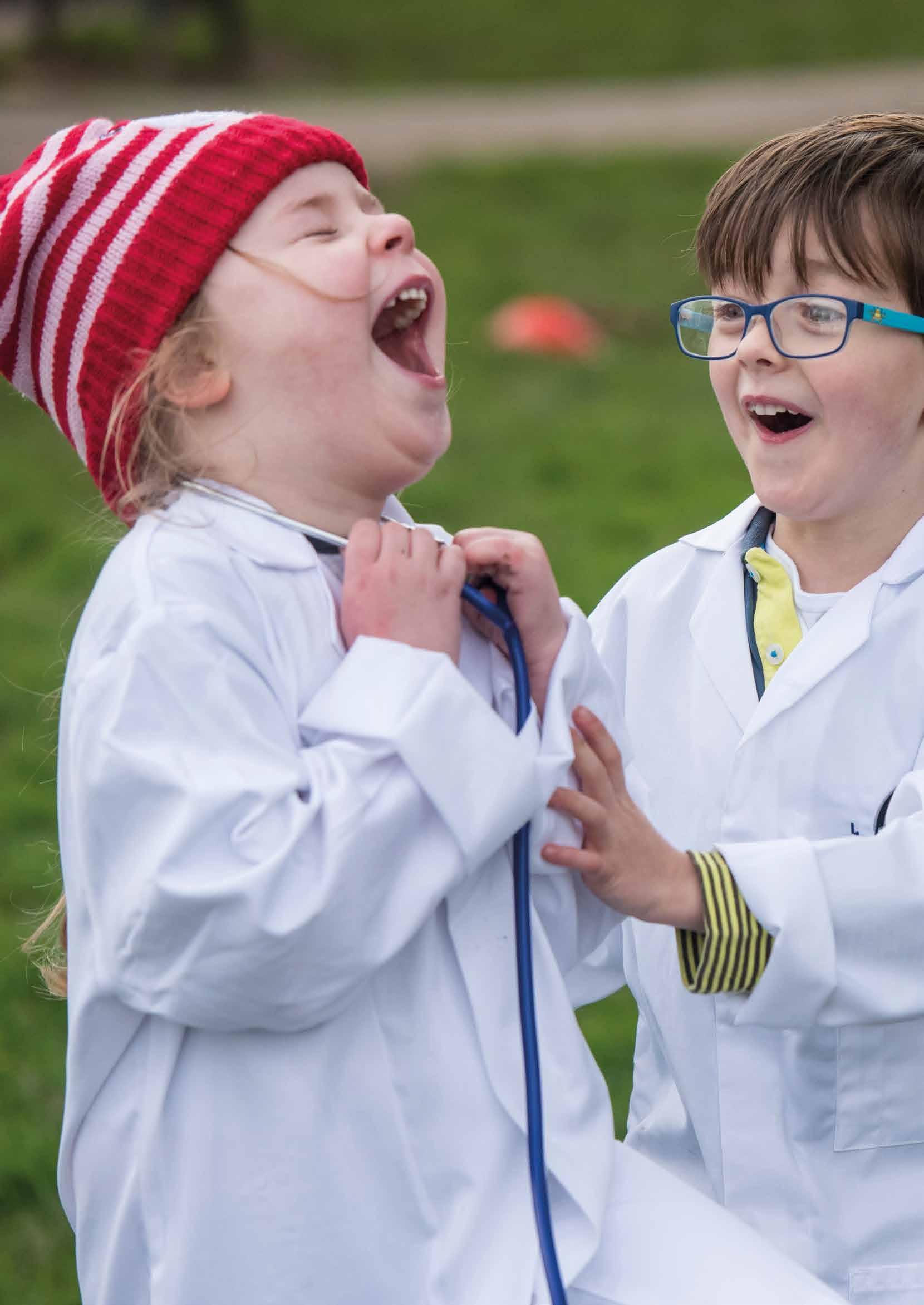
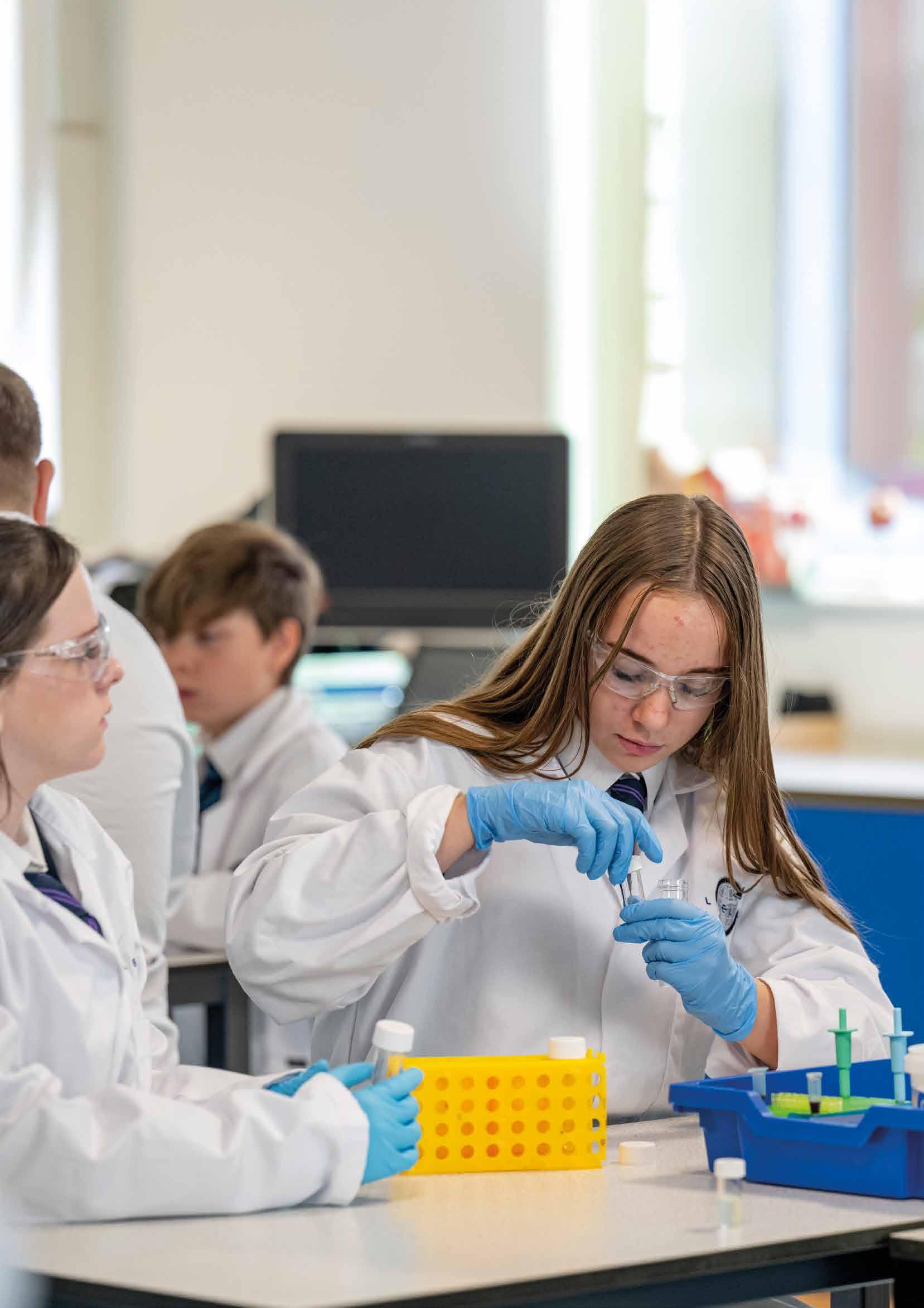
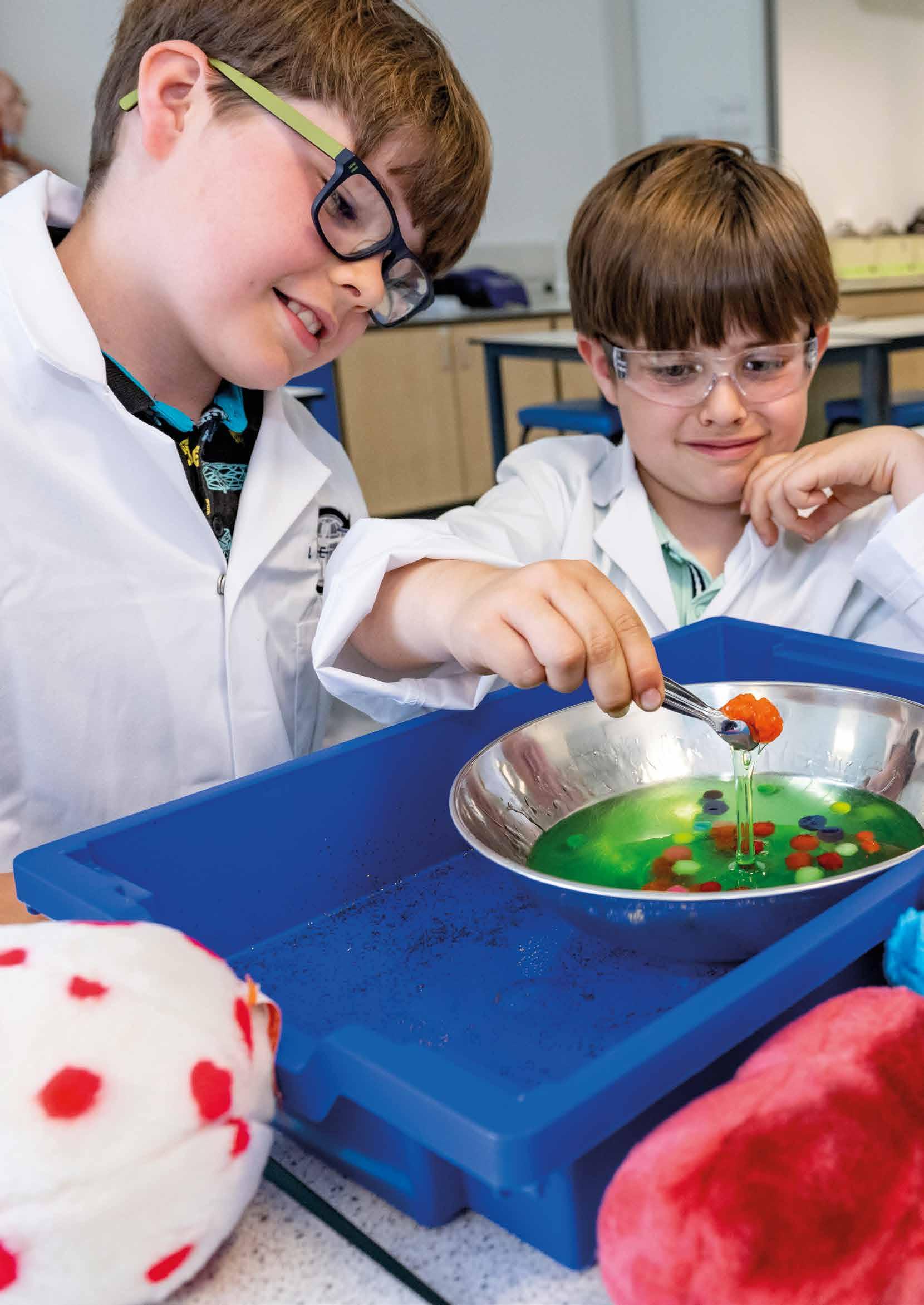
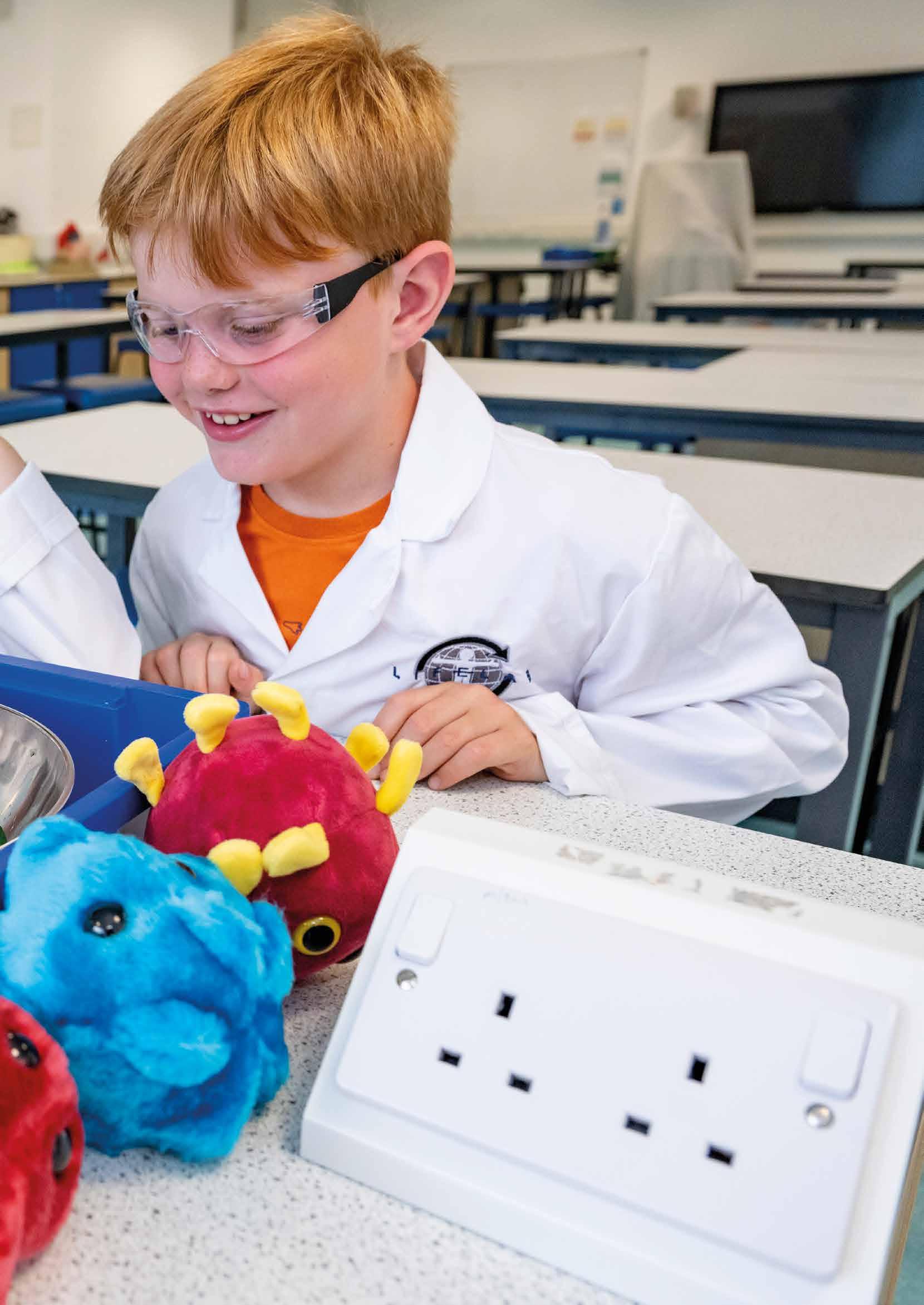
At our purpose-built lab in UHS, young people take part in fun and engaging sessions, conduct experiments, meet scientists, and learn first-hand how and why to lead healthier lives.
We aim to:
´ Reverse the trend of rising unhealthy behaviours and lifestyles for children and young people
´ Address the link between health behaviours, disadvantaged backgrounds and under achievement to reduce social and health inequality
´ Co-create, with children and young people, an environment which allows their voices to be heard, to advocate for change and to enable them to flourish and build resilience for a changing world.
This hands-on approach ensures students revisit core ideas while connecting knowledge through direct, real-world experiences.
Our comprehensive activities include fully resourced educational programmes for in-school delivery, teacher professional development, opportunities for scientists to train and take part in our programmes, research studies, work experience opportunities, and our Experience Medicine with LifeLab programmes.
Our vision:
For every child and young person to have the opportunity to experience LifeLab at multiple touchpoints throughout their educational journey. From Early LifeLab at primary school to A-Level work experience, through experiential interactions that provide them with the skills and knowledge to understand the science behind health messages. This will empower them to become invested in their own futures and achieve their full potential to live healthy, happy, and productive lives.
Since our unique educational facility opened at the heart of University Hospital Southampton in 2013, we have:
´ Worked with over 125 schools in Southampton, Portsmouth and the rest of Hampshire and the Isle of Wight
´ Engaged over 17,500 students at LifeLab
´ Involved over 8,400 children in our Early LifeLab Health Warriors programme
´ Trained over 800 teachers through our CPD programmes
´ Trained over 1,100 students through our developing talent programmes
´ Delivered 11 Youth Panels, employing over 70 young people
´ Trained over 550 Meet the Scientists
´ Expanded internationally with LifeLab programmes in Dublin, Sydney and Soweto.
Our society faces a growing crisis of long-term health conditions, with people spending more of their lives managing ill-health. Traditional public health approaches have struggled to address this issue effectively, largely due to chronic underfunding.
By implementing innovative, cost-effective strategies that engage young people and inspire lasting behavioural change, we can create healthier futures for them now, in their future and for their future families.
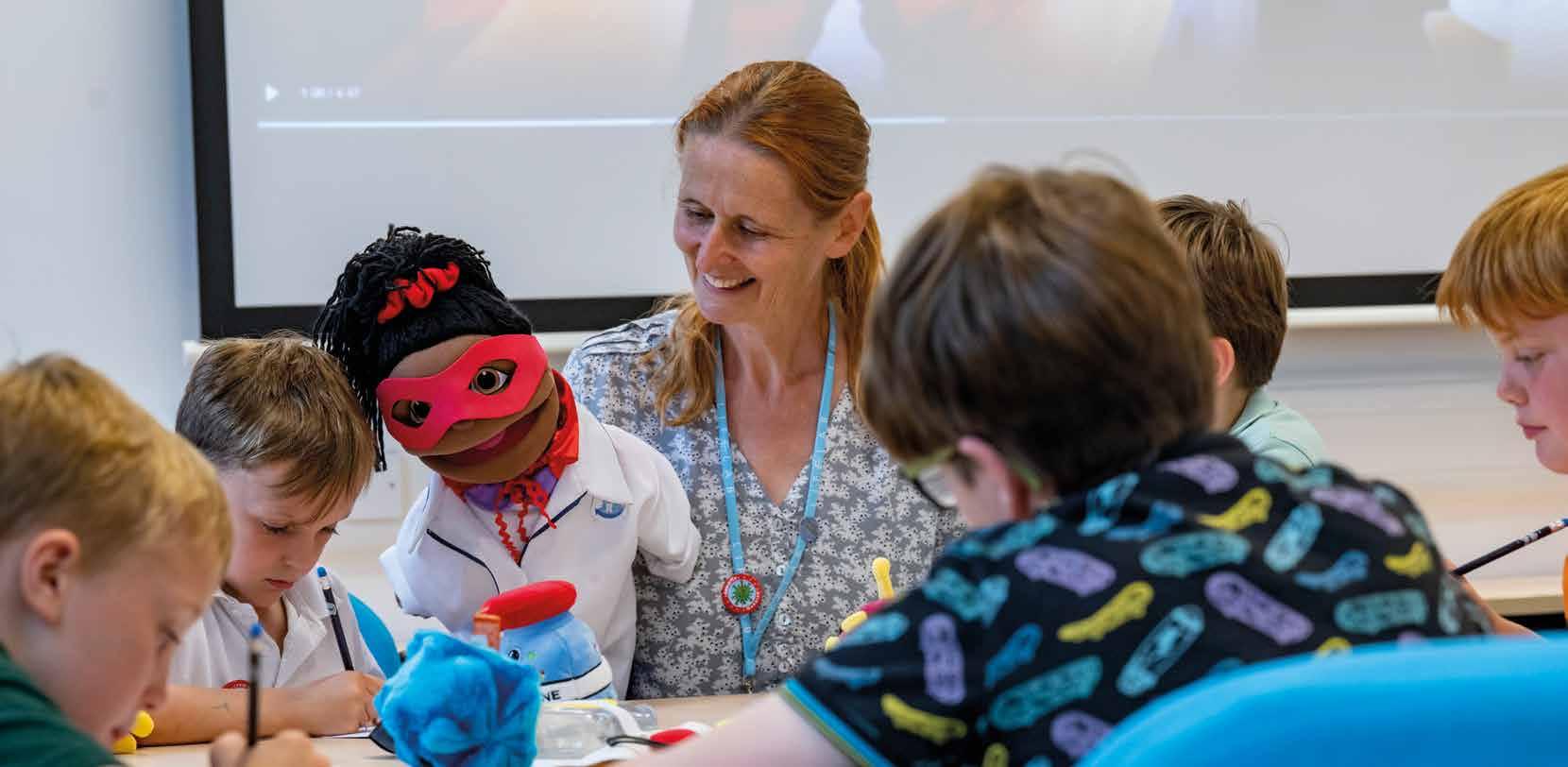
Since 2008, over 17,000 teenagers and over 8,000 children have experienced our award-winning programmes, with over 800 teachers trained to deliver our curriculum. Our approach spans the educational journey, combining professional development for teachers, curriculum-linked health literacy modules, and immersive hands-on experiences, either at our UHS facility for secondary students or through portable activity kits delivered to primary schools.
Through randomised controlled trials, we have shown that the LifeLab programme leads to increased health literacy, a greater critical reflection of health and increased attainment at GCSE level.
A year R teacher from Tanners Brook Primary School said: “The resources we had were very engaging, age appropriate and helped to foster curiosity, exploration, learning through play and early scientific thinking and language.
Ian Tinkler, Head of Science at Caldicott School, said: “LifeLab allowed our Year 9 students to get a hands-on view of healthcare, take responsibility for their own choices and learn about possible career options for the future. It is a fabulous local resource that we will return to as often as we are allowed!”
Perhaps more importantly, students recognise the power they have to change the trajectory of their lives after attending LifeLab.
One year 9 student said: “I now realise how unhealthy my lifestyle actually is and that I only need to make small changes to make sure I’m at less of a risk.”
Another year 9 pupil said: “I had never considered that what I do now could affect mine and my family’s future. I will be making more informed decisions in the future thanks to LifeLab.”
Dr Debbie Chase, Director of Public Health, Southampton City Council, said: “The opportunity for children in the city to have access to the LifeLab resources is very much in line with our work in early health prevention and education messages.
Programmes like this from LifeLab are essential in helping our community build positive outcomes for the future.”
The resources provided hands-on interactive opportunities and helped us to support the learning in line with the Early Years Framework. Our children really enjoyed all the resources, and we look forward to doing Early LifeLab every year.”
Join us in empowering young people to take control of their health destiny. Your sponsorship creates a legacy of healthier generations to come.
NxtGen Researcher Programmes are essential for developing research capacity and reshaping the landscape of research, particularly when it comes to understanding and addressing the needs of communities.
Young people represent a distinct and often misunderstood demographic with powerful insights that traditional research fails to capture effectively. When young people interview their peers, authentic perspectives emerge that otherwise remain hidden from adult researchers, transforming understanding and driving meaningful change in services.
This isn’t just about better research, it’s about fundamentally reshaping who creates knowledge and how decisions are made about young people’s lives.
Our NxtGen Researcher Programme covers the entire research cycle, equipping young people with comprehensive research skills. The culmination of the programme is a Co-Production Assembly, where the researchers and decision-makers co-create an evidence-based action plan.
This programme simultaneously supports students’ academic qualifications while generating authentic research insights unreachable through traditional approaches.
Libby, a young researcher, said: “How are the policymakers going to know what policies to make if they don’t have input from people?
When the policies are so community focused, especially in areas like healthcare, it’s a massive part of everybody’s lives.”
Another young researcher, Sophia, added: “It’s fundamental for all individuals to feel like they have a say in policies, recommendations, and the way our systems are run, especially in areas like healthcare and education.
This helps individuals feel empowered and to feel like their voice matters. Personally, I have a stammer. I’ve always felt that I should shy away and that my voice doesn’t matter. But I think citizens need to make it clear that their voice does matter and their place in society matters and that they should take that opportunity to make sure that their voice is heard.”
Partner with us to pioneer a revolutionary approach to evidence generation, where those most affected by decisions become the architects of understanding what shapes policy and practice.
Established in 2022, LifeLab’s Youth Panel embeds young voices at the heart of our work. These dedicated panels of six students work intensively each school term, engaging in weekly online discussions and independent projects that convert research into action.
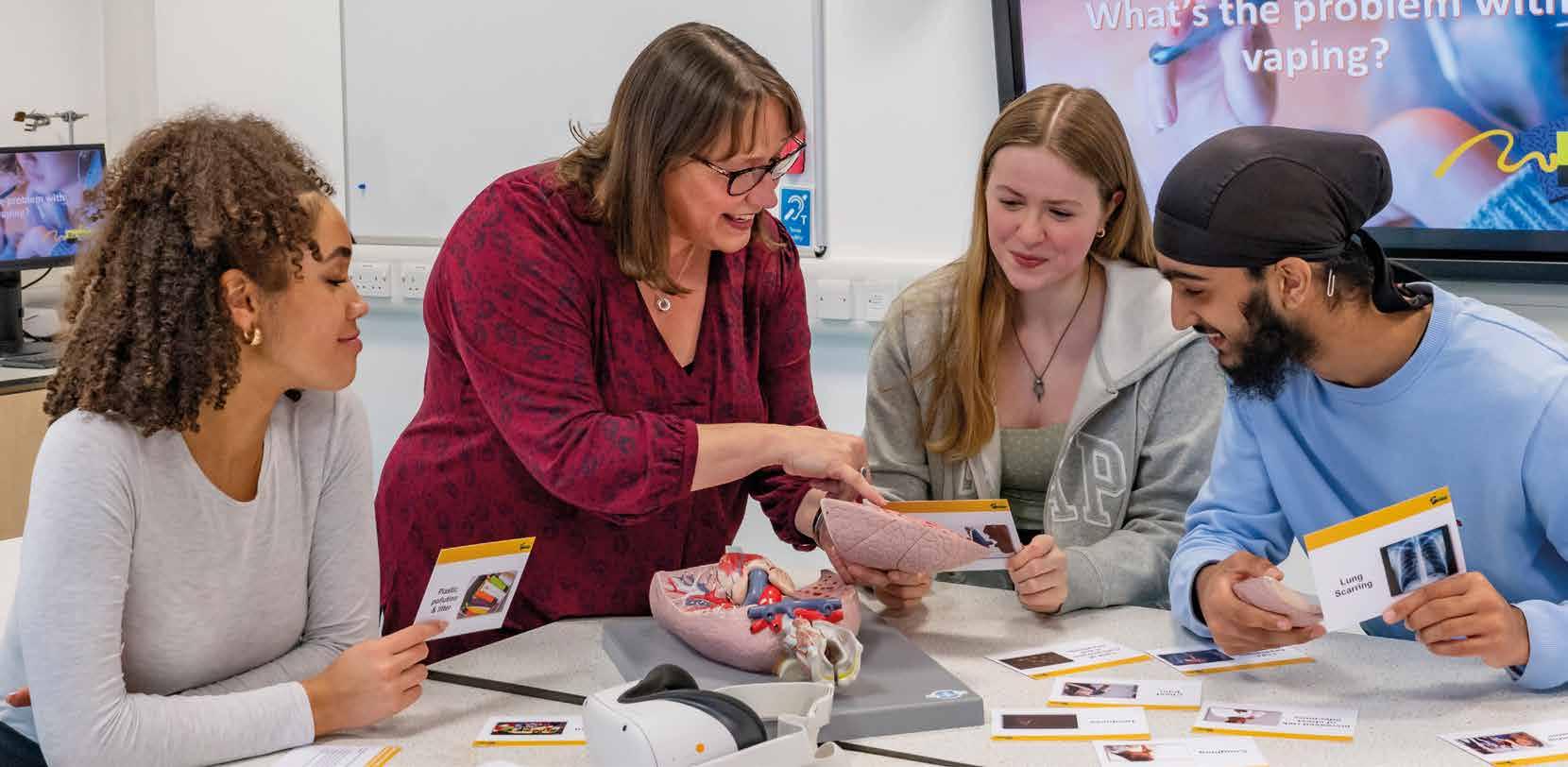
A recent Youth Panel focused on the role vaping plays in their lives. Vaping has risen sharply among young people, with a quarter of 11 to 15-year-olds using a vape last year. After collaborating with a Global Health Masters researcher, the panel gathered critical focus group data from peers, confirming that colourful marketing and fruity flavours deliberately target young people.
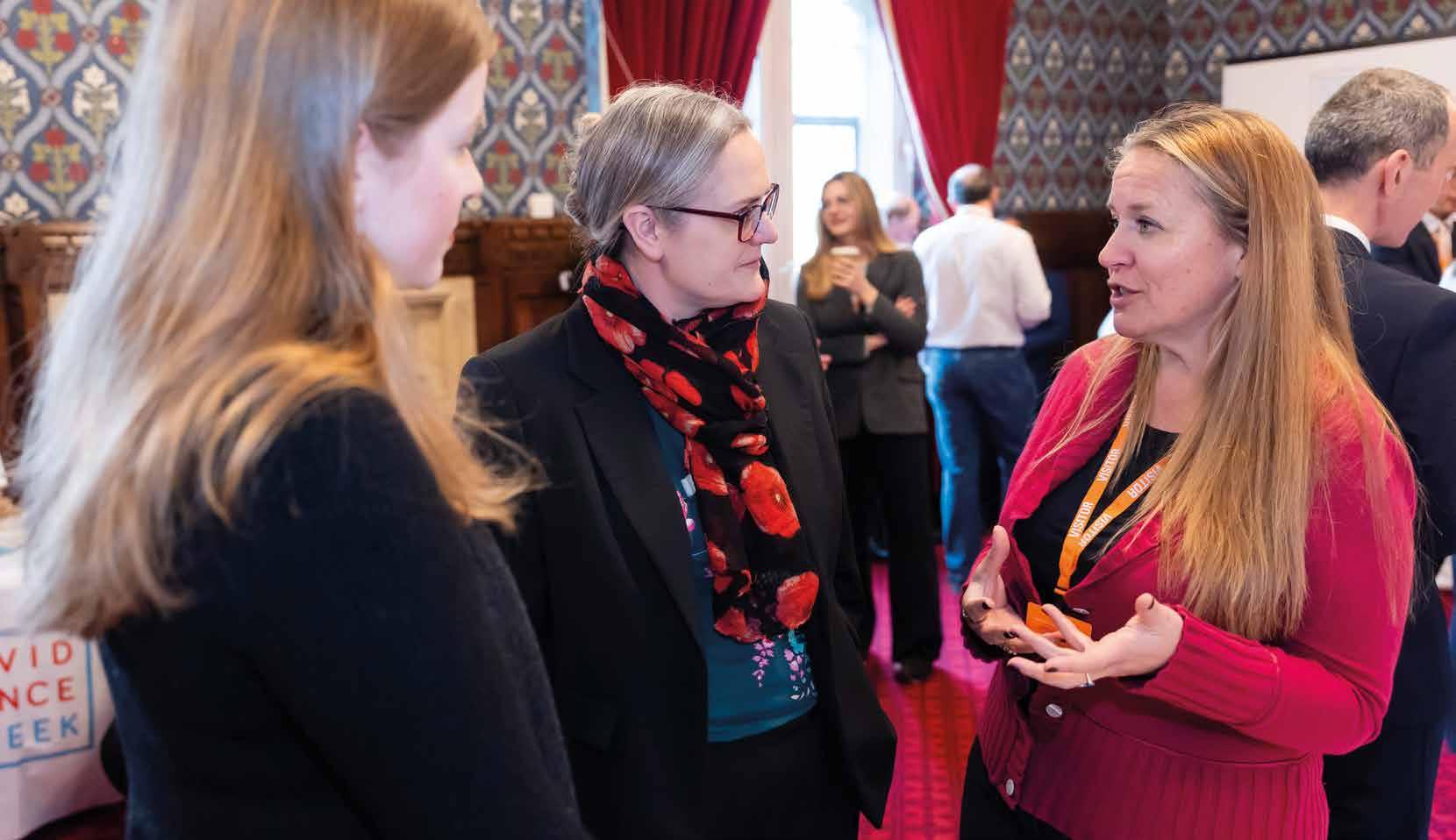
Going beyond identifying problems, they developed educational resources which are now being implemented in schools across the region. This work proved so compelling that panel members presented their findings directly to MPs in parliament during Sense about Science’s Evidence Week, influencing national policy conversations.
LifeLab Youth Panel member, Eva Morrill, 16, said: “To come to Parliament to present my research to the public, parliamentarians and researchers from across the UK was an incredible experience for me and it’s something that I would not have been able to do at this age without LifeLab.
This experience has really helped me personally; I feel so confident and humbled to think that my research could affect policymaking. But more importantly, these events help. They set up research connections and increase MPs literacy in the current research topics affecting the nation and it was important to involve young voices.
“Many in the room agreed and wanted to increase the engagement of the youth. I think this is the right way forward and will ensure that the policies that are made today, and will affect us in the future, have been shaped by us too.”
Your support will empower young people to address the health challenges most relevant to their generation while gaining visibility as an organisation committed to youth empowerment and public health innovation.
The UK currently faces a STEM (Science, Technology, Engineering and Mathematics) skills gap and a healthcare workforce gap. The STEM workforce requires young people who are inspired and motivated to want to pursue careers in these fields.
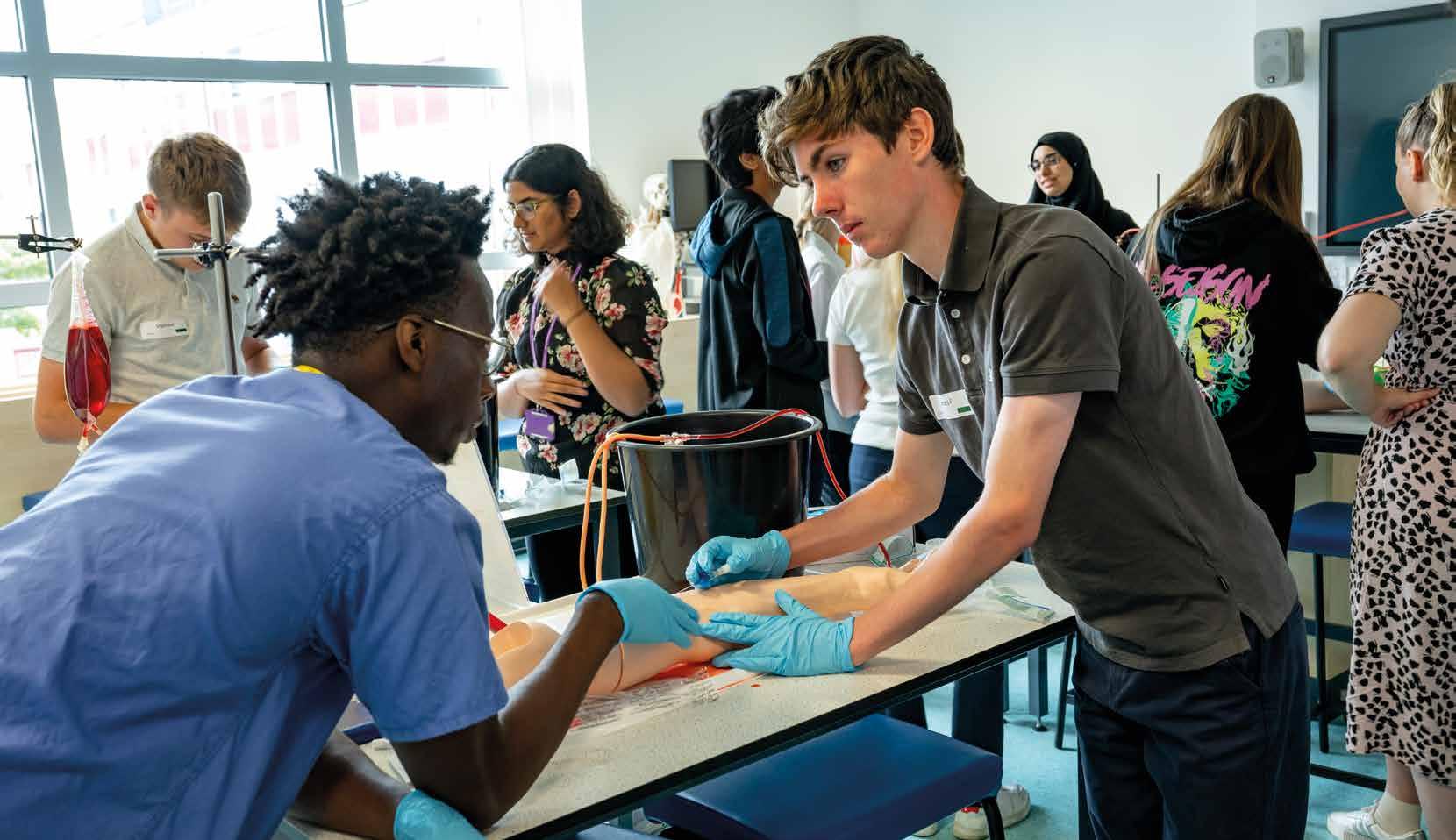
LifeLab addresses this by captivating young minds with the possibilities of medical careers through immersive, hands-on experiences. Our flagship Experience Medicine with LifeLab summer school places students directly into the pulse of hospital life.
Participants don’t just observe, they practice drawing blood, explore anatomy in professional labs, walk the bustling corridors of UHS, and gain invaluable insights from current medical students.
This summer programme complements our year-round offerings which include regular Meet the Scientist sessions, comprehensive virtual work experience opportunities in partnership with UHS, and our newly created online Experience Medicine programme delivered each term.
All these events are designed to encourage a new generation of healthcare professionals and are full of valuable experiences and opportunities that are unfortunately hard to come by.
Ria Hill attended a summer school in 2017 and has since completed a BSc Biomedical Science and is now a Post Graduate Medicine student at the University of Southampton. Ria said: “The clinical work was amazing to talk about in my personal statement and reassured me that this was the right path for me.
LifeLab allowed me to have a deeper insight into the clinical side of practising artificial limb skills such as cannulation that I wouldn’t have been able to practise in years otherwise. It reassured me this was what my future would look like and gave me plenty of experiences to reflect upon.”
These transformative experiences are opening doors to medical, healthcare and STEM careers that many young people might otherwise never discover. Your support cultivates the essential STEM and healthcare workforce of tomorrow.
Thank you for taking the time to read our brochure. After 17 years of delivering our award-winning LifeLab programme, we’re more committed than ever to making a positive difference in the lives of even more young people.
The health challenges facing our children today represent both a crisis and an opportunity. Sponsoring LifeLab is a strategic investment in the future workforce, healthcare system, and economic prosperity of our nation.
Every pound invested now returns multi-fold through reduced healthcare costs, increased productivity, and the unleashing of human potential that might otherwise be constrained.
Contact us to discuss how your organisation can become an integral part of LifeLab’s vision for a healthier, more equitable future for all children and young people, regardless of where their life journey begins.
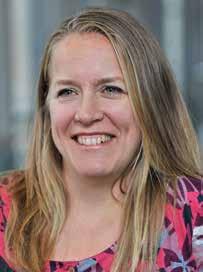
Professor Kath Woods-Townsend LifeLab Programme Director K.Woods-Townsend@soton.ac.uk
+44(0)23 8120 8979
Find out more: www.lifelabonline.org
www.linkedin.com/company/lifelab-university-of-southampton @lifelab_soton www.facebook.com/lifelabsouthampton @lifelab
www.lifelabonline.org
+44(0)23 8120 8979
LifeLab, University Hospital Southampton, Level D, Room LD150, Mailpoint 847, Southampton, Hampshire SO16 6YD