

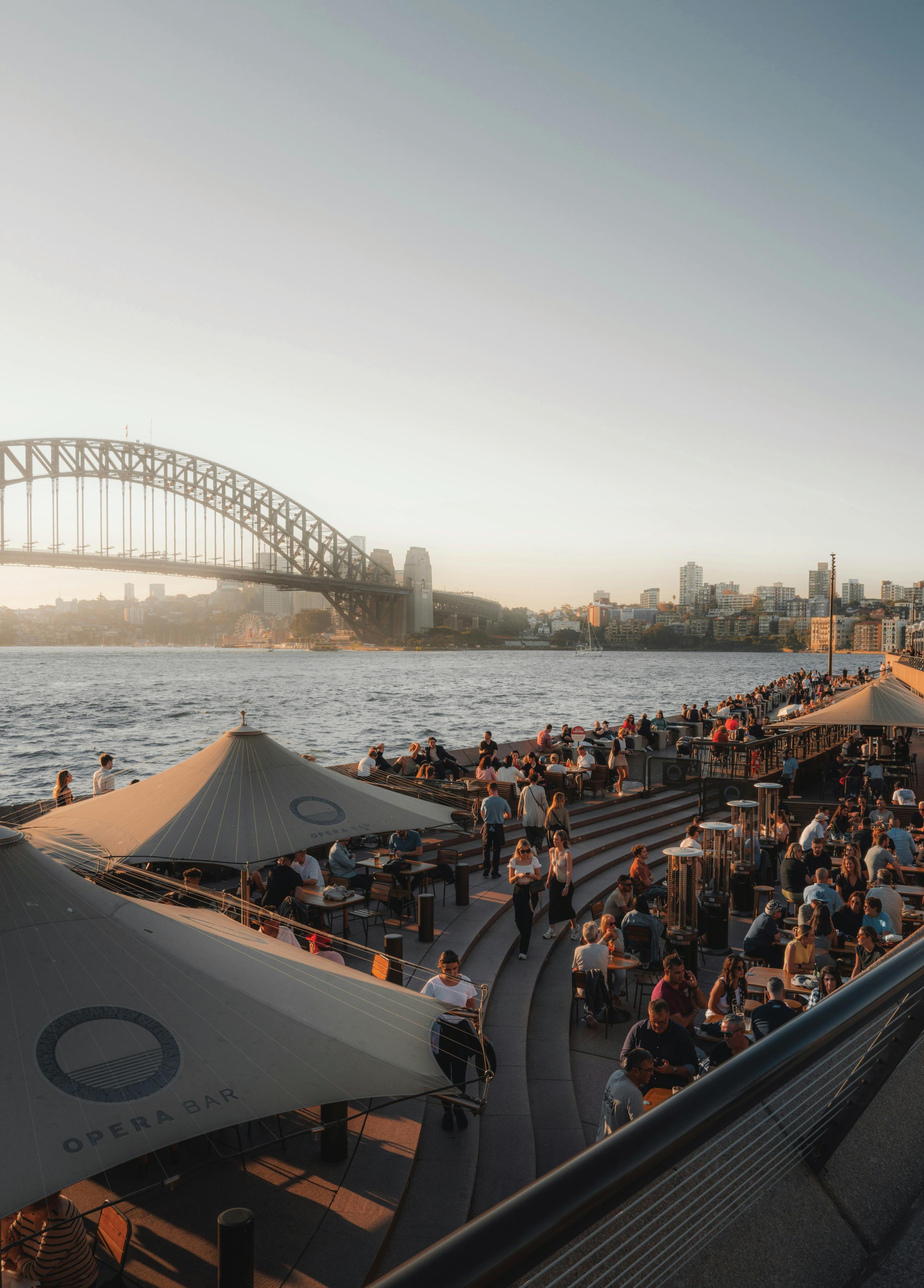













Events, Tourism & The Arts



GREEN BUILDING solutions

ENABLING BENEFITS for all
RESILIENCE IN urban greenspaces

THE PRICE of nature
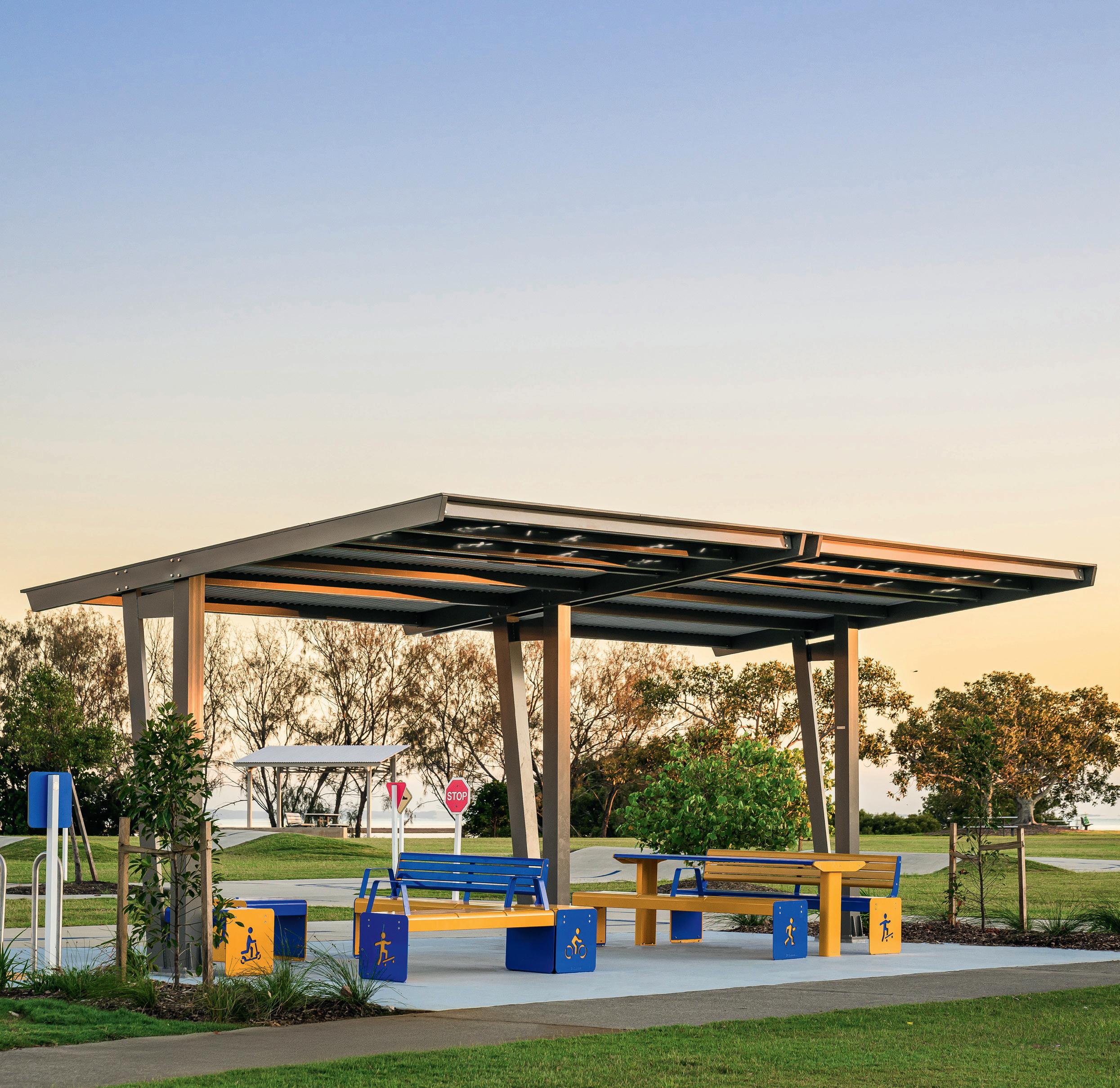

55 Colours and Custom Laser Cut Designs: Your Perfect Look Awaits
PRODUCTION EDITOR
Nicole Mulloy nmulloy@umco.com.au
EDITORIAL COORDINATOR
John Senior journal@parksleisure.com.au
ADVERTISING PRODUCTION
COORDINATOR
Taylah Britt DESIGNER
Marija Tutkovska
SALES/ACCOUNT MANAGERS
Antonia Bewley | 0438 388 900
David Gifford | 0413 444 260
CHAIRMAN/CEO
Prema Perera
PUBLISHER
Janice Williams
CHIEF FINANCIAL OFFICER
Vicky Mahadeva
ASSOCIATE PUBLISHER
Emma Perera
CIRCULATION BUSINESS
DEVELOPMENT MANAGER
Mark McTaggart
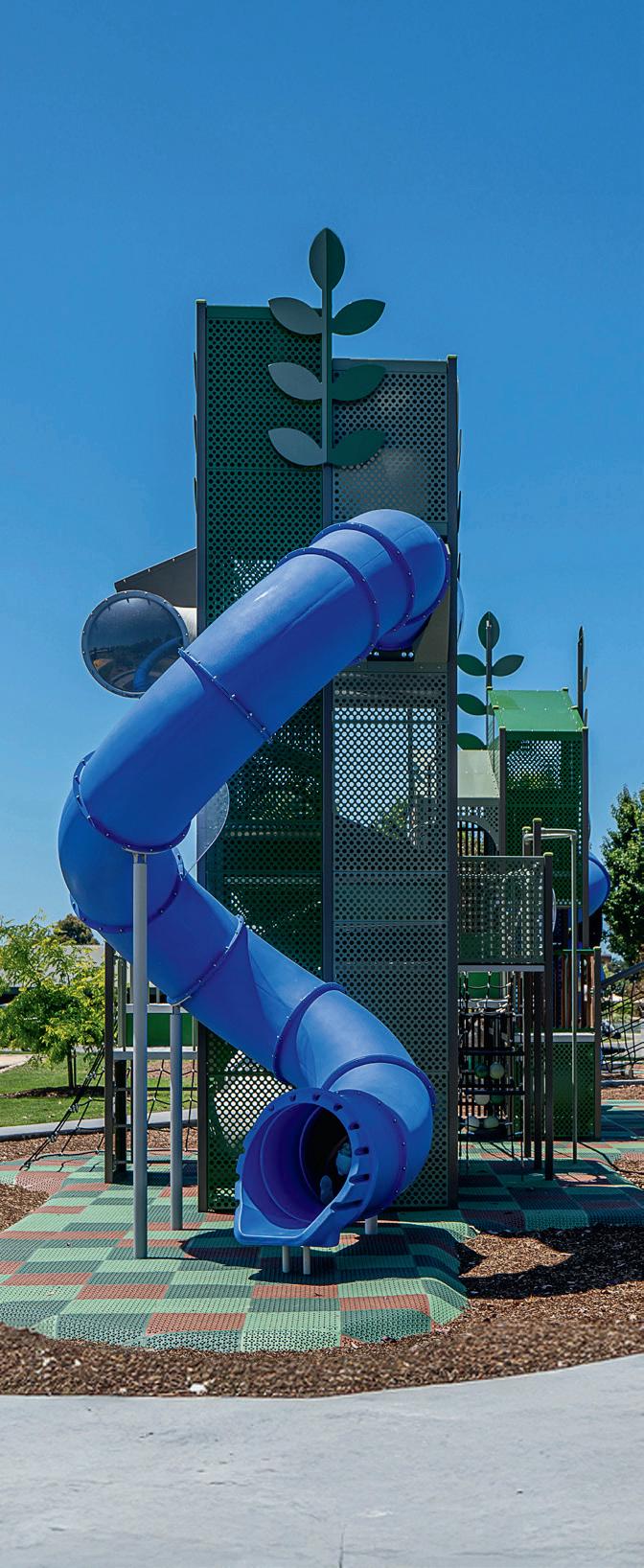
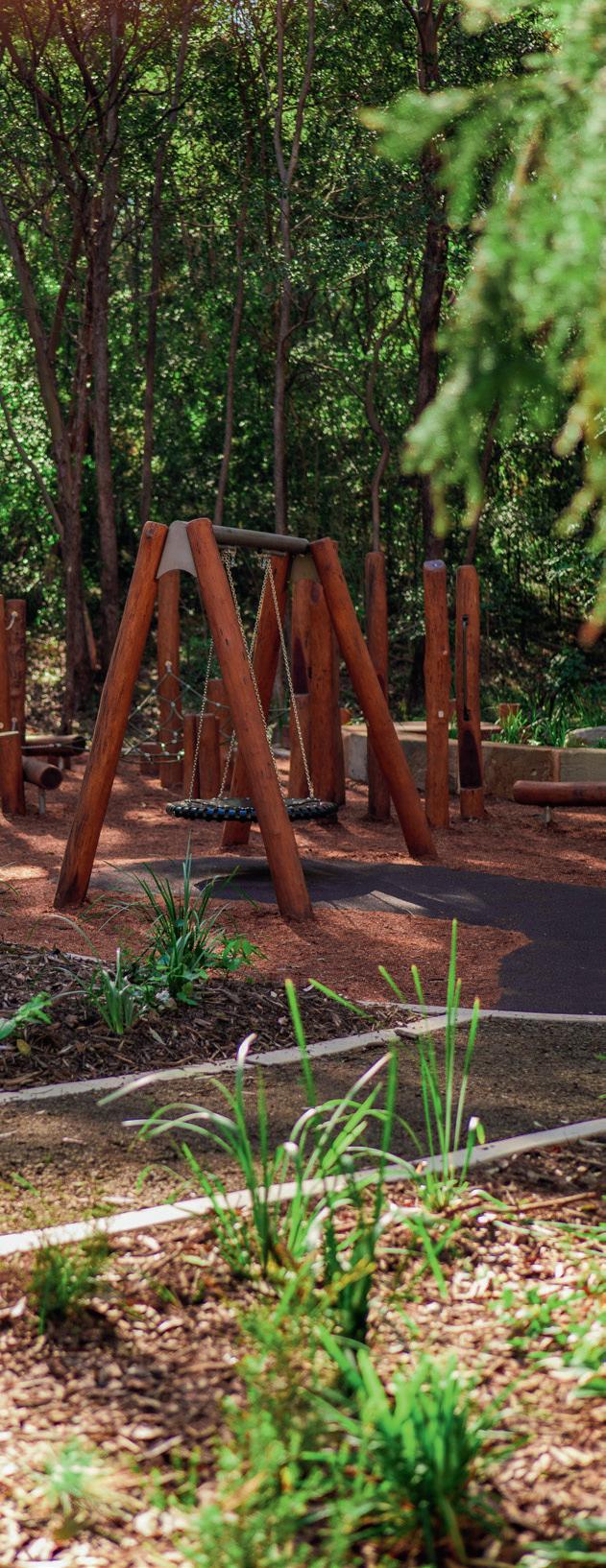
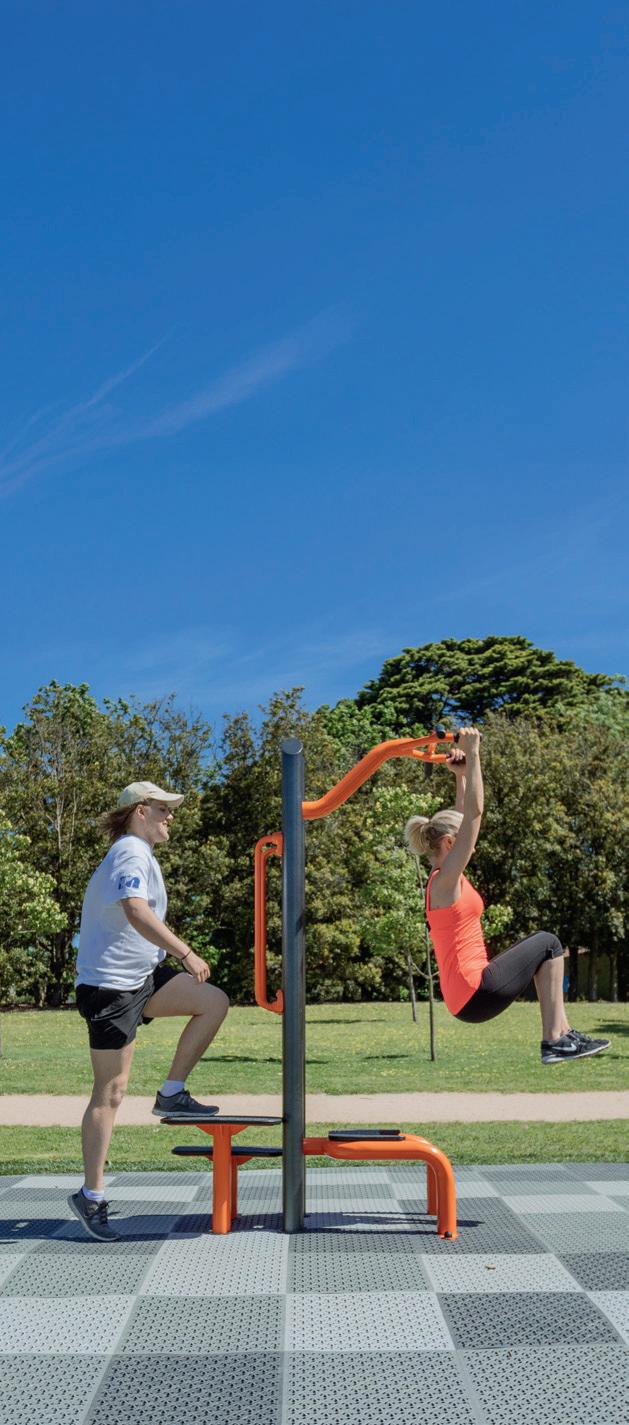
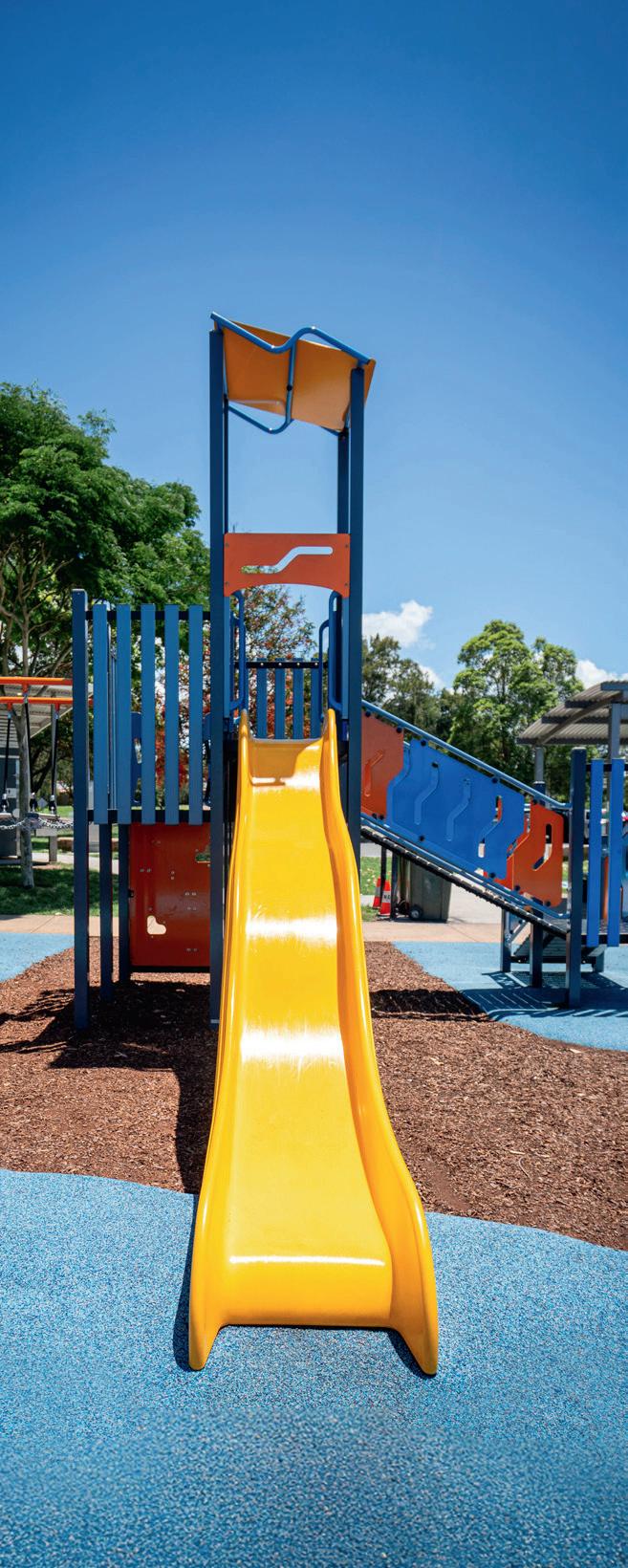

PlayCo is your go-to for playgrounds, outdoor fitness and playground markings, all under one trusted name.
With Australian-made equipment, five factories, and a national team, we design, deliver, and support in creating spaces that bring communities together.
Whether it’s inspiring imagination or encouraging movement, we make it easy to create places people love — on time, on budget, and built to last.



Speak to the professionals in play 1800 655 041 | hello@playco.com.au www.playco.com.au

JOHN SENIOR
As its main feature, the Summer edition of the PLA Journal contains a report on PLA’s recent National Conference recently held in Hobart. It also includes a summary of this year’s National Award

KRISTIN DAVIES
In the world of parks and leisure, recognition is a quiet currency. Our work shapes communities, yet it is often unseen, uncredited or claimed by others. We plan, design, advocate, fund and deliver, often without our names attached to the ribbon cuttings or the headlines. We work behind the scenes, navigating complexity, compromise and competing priorities, not for accolades but because we believe in the power of place to change lives. But recognition matters. Recognition matters because it validates the invisible labour that underpins every playground, trail, facility and recreation strategy. It honours the hours spent refining business cases, the
winners, as well as this year’s Frank Stewart Awardee, Les Munn.
As usual, this edition contains a wide range of topics from around Australia: Brisbane’s new international cycle park ready for the Olympics, an accessible outdoors program in South Australia, an incredible transformation of the Belgrave South Recreation Reserve in Victoria, and news of a series of Best Practice guides on managing resilient urban greenspaces in Australian cities, which are being developed by Western Sydney University.
From New Zealand, we have Recreation Aotearoa’s updated recreation strategy Resetting the Sails (its next strategic horizon), an article on improving access to recreation for people with disability, another on the newly released
updated mountain bike trail design guidelines, and finally some reflections from a young recreational professional.
In addition, you will find a variety of articles from around the world: three from Canada (an affiliation of health insurer Manulife and British Columbia Parks Foundation’s PaRx), a new Toronto park and, from Waterloo University, how cities can prepare for climate change.
In addition, there is a delightful personal reflection on how US grandparents taught the author about nature, and a Japanese University analysis exploring the relationship between socio-economic status, nature and wellbeing. Surely something of interest for everyone!
John Senior Editorial Coordinator
late-night report rewrites, the weekends lost to consultation and site visits, and the courage it takes to collaborate across silos and disciplines. It acknowledges that professionals in our sector are not merely service providers, we are community shapers, innovators, and stewards of public good.
As professionals, particularly in the public sector, we have learned to lead from behind. We give others, CEOs, directors, councillors and politicians, the confidence, data and narratives they need to champion our work. And that’s part of our craft. But somewhere in the process, the practitioners themselves, the planners, project officers, designers, maintenance teams, engagement specialists, coordinators and strategists, can become invisible.
At Parks and Leisure Australia, recognition is at the heart of what we stand for. Our Awards of Excellence showcase the very best in our profession, shining a light on individuals and teams whose passion and dedication transform communities. Yet recognition must extend beyond the awards night. It must be embedded in our everyday practice, in how we speak about our work, how we acknowledge our colleagues, and how we elevate
We thank our national sponsors and partners:



the next generation of leaders. We must celebrate our young professionals and emerging voices, those bringing new energy, technology and ideas to our sector. We must uplift the practitioners behind the scenes, those who turn vision into delivery, who hold the line between ambition and practicality. We must recognise the bravery of collaboration; the courage it takes to let go of control and share ownership of outcomes. And we must honour our veteran stalwarts, those whose decades of service have built the foundation we all stand upon.
Recognition is not about ego, it is about value. When we recognise our people, we strengthen our profession. When we tell the stories behind the projects, we reveal the care, skill and humanity that make them possible. So, let’s do better, for our peers, our teams and ourselves. Let’s make visible the extraordinary people behind the ordinary moments of community life. Because when we see each other, truly see each other, when we celebrate and uplift each other, we strengthen our profession and our purpose. That’s when our profession shines brightest.
Kristin Davies National President, Parks & Leisure Australia


















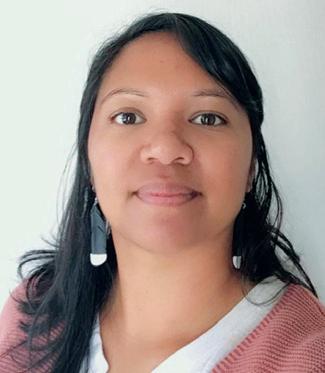
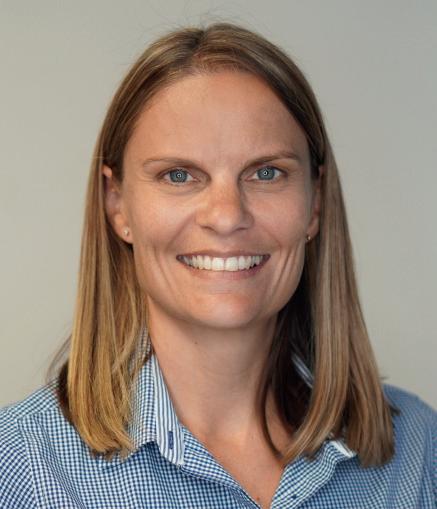
BOBBY CLARK-HEU & KIRSTY KNOWLES
Ko te tarakihi, ko te pihareinga; ko ngā manu a Rehua (The locust and the cricket are the songbirds of summer). Nau mai a Hineraumati me ngā hihi o Tamanuiterā (We welcome the Summer Maiden and the rays of the sun).
Having a clear vision and strategy is one thing, living it through the work we do is another. Last month, the Recreation Aotearoa Board came together with Te Kāhui Kura Māori, our navigational group, to explore how we continue to bring our strategy, Te Whai Oranga, to life. Over two days, we connected, discussed, planned and asked ourselves what it truly means to lead in Aotearoa.
Te Whai Oranga calls on us to weave together worldviews and imagine a more connected, equitable New Zealand, where the recreation industry leads the way in enhancing the wellbeing of people, place

This summer New Zealanders will hit tracks and trails across the motu, some on foot and some on wheels. Our parks and open space network are world-class. Getting out into nature for a walk, tramp or ride, particularly in the warmer months, is part of who we are. Driving excellence in recreation is a key strategic priority for Recreation Aotearoa. When it comes to tracks and trails, this means providing tools and guidance to support safe, inclusive, sustainable tracks and outdoor experiences that offer something for all.
This year, we’ve launched two significant guidelines to support the provision of tracks, trails and associated infrastructure. The Outdoors Accessibility Design Guidelines are a New Zealand first, providing comprehensive
and nature. Getting out of the boardroom and into te ao Māori spaces is a critical part of how we live our strategy. Apumoana Marae in Rotorua played host to our wānanga, and we continued our tradition of getting out on the water in waka on beautiful Lake Ōkāreka. Once again, we experienced the power and magic of working together as one to move forward — a powerful metaphor for how we seek to collaborate to support our members.
The second half of the year is event season for Recreation Aotearoa. We returned to Ōtautahi Christchurch in August for a hugely successful Waves Conference and Aquatics Awards Dinner, as well as the hotly contested Lifeguard of the Year competition.
In the spirit of trans-Tasman cooperation, we were joined at the conference by several Australian speakers, including RJ Houston from Royal Life Saving Australia. RJ delivered a standout keynote on the state of aquatic facilities in Australia, which highlighted the shared challenges we face and the opportunities we have to learn from and support each other.
Our Generate Network goes from strength to strength and hosted its annual gathering in September (now a conference in its own right). The committee put together an exciting
programme, and it is fantastic to see the continued growth of the network. The future of our sector is in good hands.
We are also looking forward to welcoming members to our reimagined Recreation Leaders’ Summit in November. For many years, our November event has brought together leaders, established and emerging, from around the country to network, learn and celebrate. This year, we are offering discounted tickets for senior leaders and up-and-coming leaders who attend together, as part of our ongoing commitment to developing the next generation of recreation leaders.
2025 has been another busy, and at times challenging, year. As the days grow longer and warmer, we hope you find some time for your own rest and recreation. Thank you for your ongoing support of Recreation Aotearoa. We look forward to continuing to support you in the important work you do.
Ki te kotahi te kākaho ka whati, ki te kāpuia e kore e whati (When we stand alone, we are vulnerable, but together we are unbreakable). Ngā manaakitanga.
Bobby Clark-Heu & Kirsty Knowles Co-Chairs, Recreation Aotearoa
guidance on creating and maintaining accessible, inclusive outdoors opportunities. Parallel to this, we’ve undertaken a comprehensive review and rewrite of the New Zealand Mountain Bike Trail Design Guidelines. We’ve worked closely with the Department of Conservation and Ngā Haerenga New Zealand Cycle Trail to agree on a single set of standards for New Zealand, and added in critical new guidance on maintenance, safety signage and auditing.
Both these documents are aimed at supporting our members to create highquality places and spaces for all New Zealanders to be active. The feedback from the sector, and beyond, has been hugely positive. A personal highlight for me was seeing the disability community come out in force for the launch of the accessibility guidelines in Rotorua, earlier this year. Already, we’re seeing landowners and trail managers embrace the new guidance and expand the range of opportunities available.
Continuing the theme of inclusivity, in August we released new Trans and Gender
Diverse Guidelines for exercise and recreation providers. Grounded in the principle that everyone has the right to access recreation in a safe, inclusive, welcoming environment, these guidelines provide practical advice as well as case studies and examples.
As the days get longer and the weather warms up, many across the recreation industry will be heading into their busiest months of the year. Others may be lucky enough to get some time out to enjoy some recreation of their own. To those of you poolside at our summer pools, delivering programmes or out and about in our parks and reserves, we salute you. Thank you for all that you do to enable New Zealanders to be active and well through recreation.
To those of you who get to enjoy a little time off during the summer, thank you, too. Through our collective efforts, we are making a difference to the wellbeing of New Zealand and New Zealanders.
Sarah Murray Recreation Aotearoa, Chief Executive
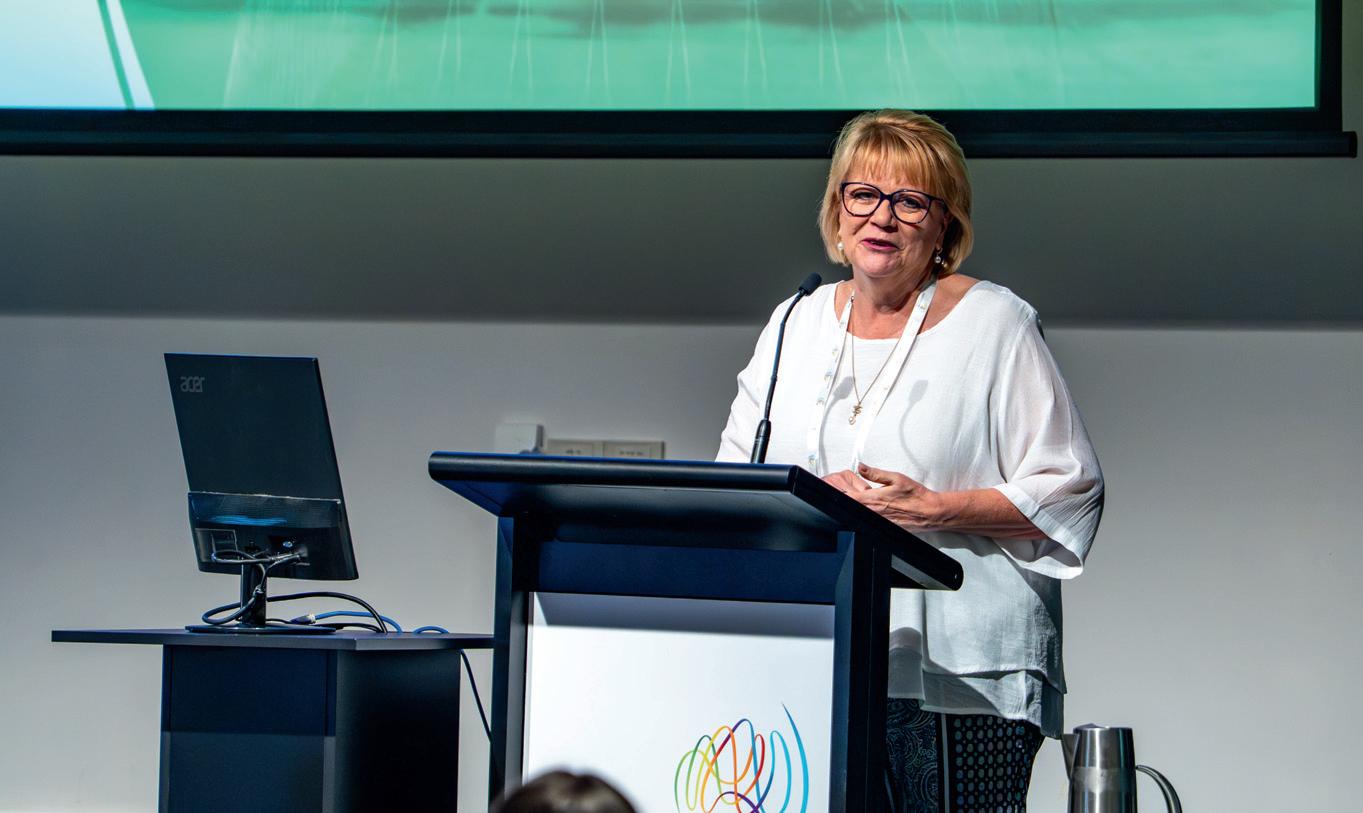
PLA’S 2025 NATIONAL CONFERENCE WAS HELD FROM 9-12 NOVEMBER
WORDS JOHN SENIOR, CONFERENCE ORGANISING COMMITTEE CHAIR
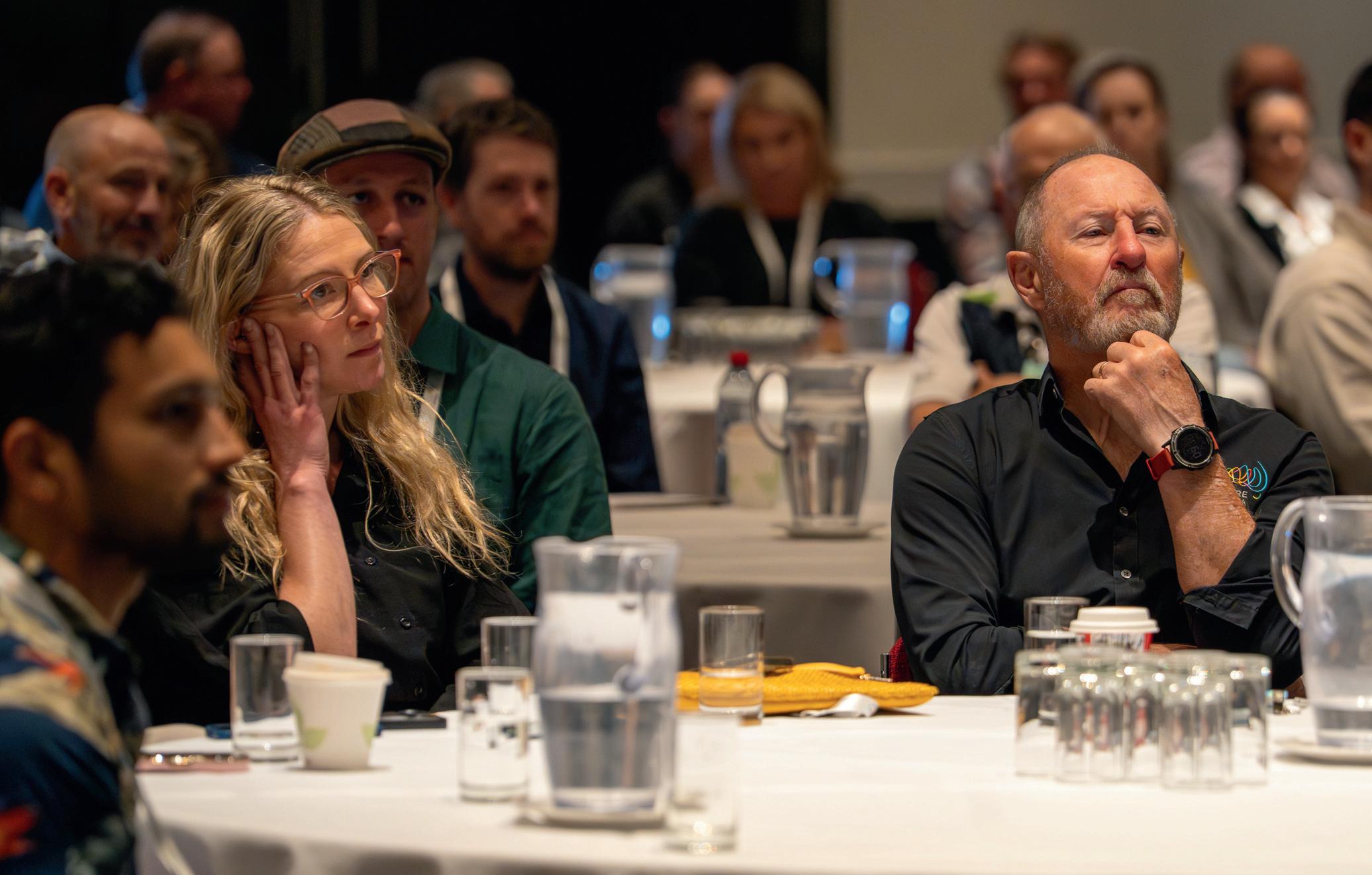
This year’s annual conference was a huge success, even if delegate numbers were lower than normal (250). All who attended highly praised what this year’s event offered.
Running under the theme of Inspired by the Past | Visions for the Future, the conference began with a Sunday welcome reception at Franklin Wharf Restaurant, where delegates were greeted by Deputy Lord Mayor Cr Sherlock. The two-day in-house conference that followed was held at the Grand Chancelor Hotel in Hobart, followed by a day of technical tours.
KEYNOTE SPEAKERS
Overall, we had five inspiring keynote speakers, the first two on Monday were a dramatic contrast. Allana Corbin gave her first speech after an 8-year absence following the death of her husband in a helicopter crash. But
her trauma started much earlier when, at 23, she herself suffered terrible injuries in a similar crash while piloting on a rescue mission.
After suffering a broken back and lower leg injuries during the accident, Allana determinedly learned to walk again, making sufficient recovery to fly once more, even achieving her aim by flying a helicopter solo around Australia in 1998. Her story of overcoming adversity was truly inspiring.
Allana was followed by Steve Sammantino, a futurist with a particular focus on Artificial Intelligence (AI). He gave an energetic presentation, full of humour, about what AI can and will offer. His latest venture, Macro3D, is a ground-breaking AI and robotics company that 3D prints houses. Since co-founding the company, Steve has managed to 3D print a house and is now embarking on building the world’s first home built entirely by AI. Steve
took the complex and made it simple, and human.
Leading Tuesday’s program we again had contrasting keynotes. The first was Dyan Currie AM, who provided an international perspective on sport and legacy, particularly about the journey towards the Brisbane 2032 Olympics. Dyan was recently the city planner for Brisbane City Council, where she led preparations for the Brisbane 2032 Olympic and Paralympic Games. She gave a very considered presentation that included insights into to the complex politics of the behind-thescenes world of international sport. She also covered more basic aspects like initiatives to increase and simplify spectator speed of entry.
Second up was John Toomey, a seasoned speaker who has worked all over the world. With a uniquely broad understanding of human wellbeing and thriving, he spoke on the Nature
of Humanity. John serves as Global Chair of the Men’s Wellbeing Initiative at The Global Wellness Institute in Miami. He brought a sense of humility to his presentation, encouraging the audience to feel a deeper connection to who they are and their own personal sense of mission in their life. A few days after our event, John attended the Global Wellness Summit in Dubai — an event he attends annually — to commune with some of the world’s top minds in human wellbeing.
In a plenary at the end of Tuesday’s program, we heard from Steve Marquis, a Senior Advisor with the Australian Sports Commission. Steve introduced the ASC’s new Spirit of Play Well Program, which is about to be launched nationally.
Over the course of the two days of the conference, we heard from 60 excellent presenters across four concurrent streams. In addition, there was a panel discussion and four workshop sessions. The last of these was a well-attended workshop titled Future of Park & Leisure Industry run by the PLA Advisory team — a summary of which can be found in the Advisory column of this Journal (p53).
The sold-out expo also attracted 33 exhibitors, who occupied the 40 booth spaces. PLA is once again indebted to the sponsors and all those exhibitors who supported this year’s annual event.
On Wednesday, the fourth and final day of the conference, delegates had the opportunity to participate in several technical tours, which included:
Hobart’s sporting and recreation treasures (15)
A tour of Brighton Council’s sports and parklands precincts (8)
A ride on the Intercity Cycleway (5)
Exploration of Kununyi/Mount Wellington (10)
On the social side of the conference program, a number of activities were available to attendees. On Sunday, before the conference sessions began, a dozen delegates explored the history and nature of Hobart Rivulet via a walking tour.
At the end of the first full conference day, on Monday, we had the usual Happy Hour gathering in the expo area.
On Tuesday evening, 225 delegates dressed to the nines to celebrate the vibrant and exciting Awards of Excellence Gala dinner, which was held at Wrest Point.
To find out who were the winners on this big night, flip over to page 12 of this Journal and read all about the amazing award-winning projects that were honoured.
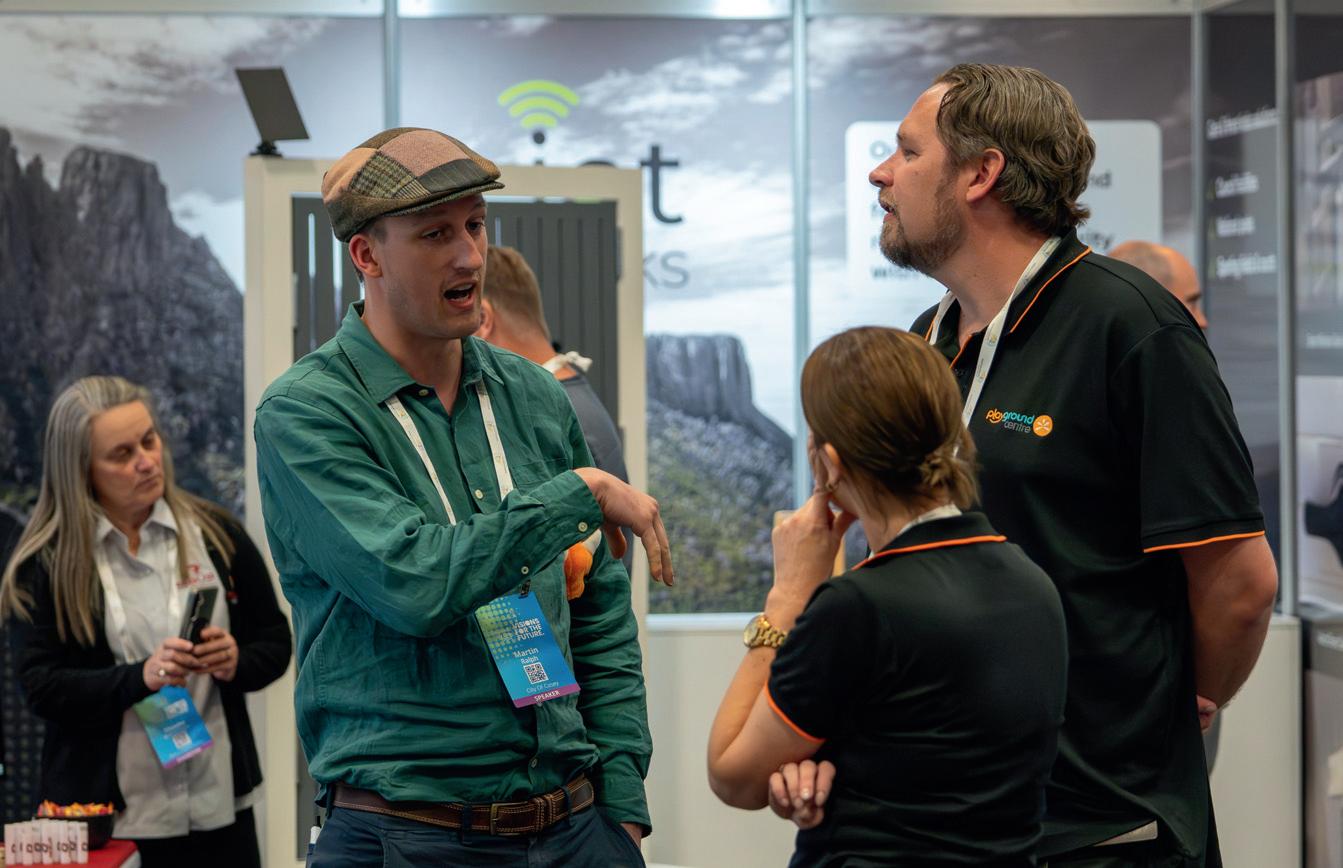
In the final plenary session of the conference, Organising Committee Chair John Senior paid tribute to Cathy D’Aloia for 12 years as the national conference event manager.
In closing the conference, and as we move towards our centenary year, PLA President Kristin Davies introduced PLA’s centenary logo. Over the past century, PLA has championed accessible, inclusive, and resilient spaces that support active living and community wellbeing. By learning from our past and sharing knowledge from this conference, PLA members and partners remain committed to advancing the importance of parks and leisure experiences for generations to come.
What a milestone 2026 will be and what a significant and celebratory event next year’s annual conference in Melbourne promises to be – make sure you do not miss it!
In keeping with past practice, PLA has issued a Conference Statement, which can be viewed at on the following page.
Through this declaration, PLA encourages its members to commit to the following six key principles:
Foster collaboration
Promote sustainability
Advocate for equity
Embrace innovation
Champion health and wellbeing
Community engagement
The commitment to these principles will positively impact the future of the parks and leisure industry.
The following reflections were gathered from a few of the delegates. They paint a picture of a highly successful and valuable event.
“One standout session for me was Allana Corbin’s story of resilience, courage and overcoming adversity and fear. As her first keynote back on the speaker’s circuit, she delivered her powerful message about not giving up with vulnerability, honesty and humour. Futurist Steve Sammartino then delivered a very engaging and fresh look at technological advances, in particular AI.”
“My favourite quote was ‘get the robots to do the menial so we can do the meaningful’ and the takeaway message of having the courage to walk into the fog, then we will see further the path ahead.”
“As always, the social and networking events present great opportunities for reconnecting, new connections and celebrating amazing achievements in our industry. Bring on Melbourne 2026!”
There have been so many inspirational speakers and presentations at the PLA National Conference this year. Some of the thoughts that resonated included:
“Keynotes who inspired us to have a positive outlook – always look for and see the silver lining! Set achievable goals and don’t give up. Take time to connect and control your wandering mind. Remember to connect with nature.”
“Such thoughtful observations about the challenges in our rural and regional
areas to managing pools. Built around the 1960s these facilities that are at end of life play a really important role in local communities. These are major challenges to solve and put a spotlight on the broader complexities of access for small communities, and elevate the need for discussion on finding strategic solutions for sustainable provision.”
“I’m looking forward to reading the new Disability Sports Community Facility Guidelines, which have been developed to improve access and participation in community level sport, with a focus on location, facility design and management and access. (ASAPD and Otium planning group).”
“The detailed keynote and workshop from Dy Currie about the journey towards Brisbane 2032 were so engaging! For us to create legacy, to connect our communities into the Games, we need to start now. We need to create our plans to welcome athletes or visitors to our communities.”
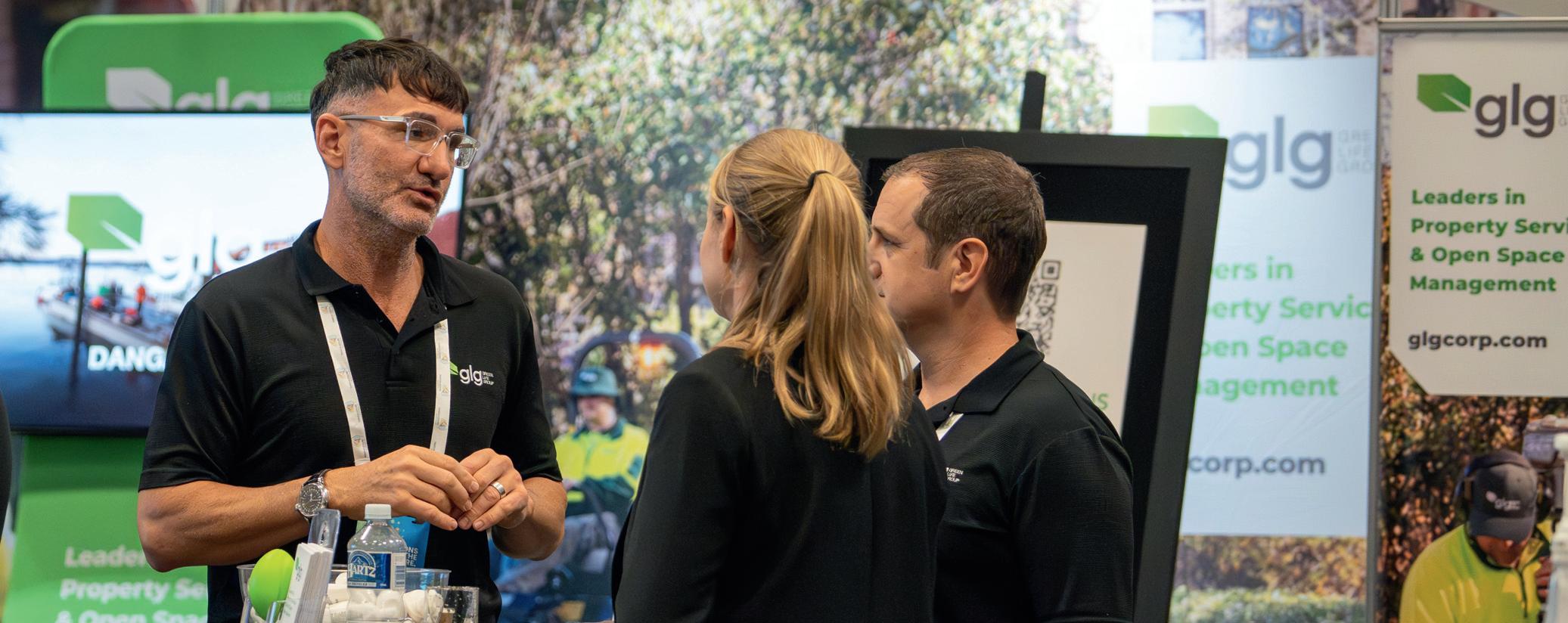
There was a lot of energy among the conference delegates as they explored the trade show, listened to the latest innovations and contributed to workshops. The universal focus was about how to deliver better park and leisure experiences. Comments regarding the trade show included:
“I am always struck by the diversity of the park and leisure workforce. This Conference had participants responsible for managing turf, open space developments, working with specific population groups, building and managing facilities and overall management of municipal park and leisure departments. The event truly provided something for everyone
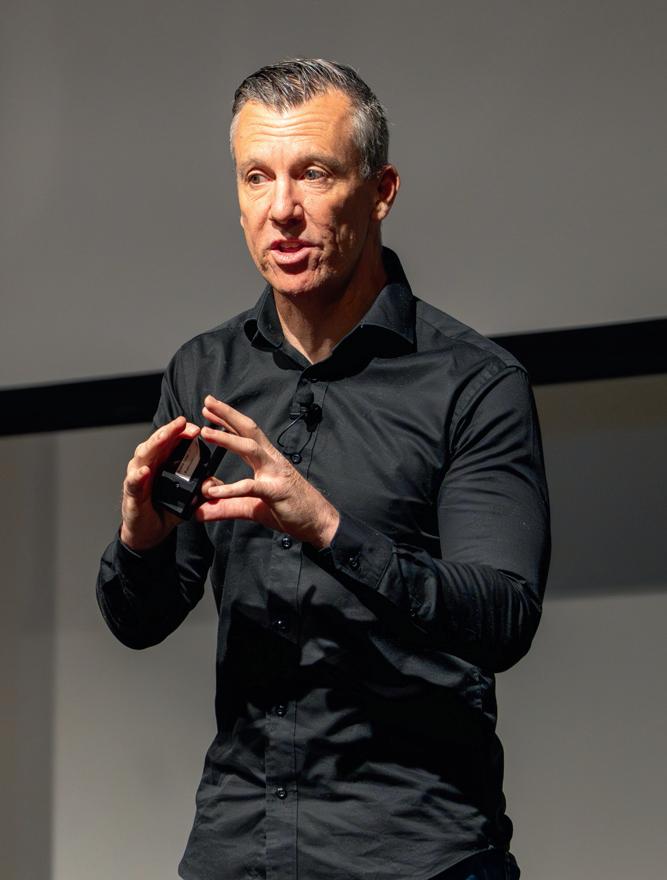
and was a great opportunity to gain new ideas to deliver park and leisure activities as well as providing a great opportunity to be exposed to the latest innovations and reflect on current work practices. I often get new ideas for my work while listening to presentations.”
“The Trade Show is always a key feature of the Conference. It provides the opportunity to see and touch the latest equipment and talk with the sales representatives. One delegate told me, ‘I am really impressed with the new smart mowers. I made a good contact and made arrangements to trial some of the equipment in my city’s sports grounds’. This demonstrates a good outcome for everyone!”
“The social program provided the time to meet new people, build cohesion among work teams and relax among colleagues. One of the best aspects of the social functions is sharing time with other professionals who share common goals, values and commitment.”
BEST REGIONAL/RURAL INDUSTRY CONTRIBUTION AWARD
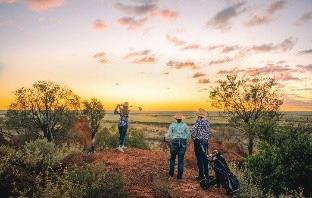
Outback Queensland Masters | Golf Australia
As Australia’s most remote golf series, players take on some of the unique golf courses in Australia. This is a one-of-a-kind tournament that features a mix of traditional and sand greens, where your game is set to be tested. In Outback Queensland, the greens aren’t always green, water hazards are extremely rare and don’t be surprised to find an abundance of kangaroos, emus or brolgas to tip your Akubra to while playing. For taking on the challenge, there is a whole swag of prizes up for grabs along the journey including the Million-Dollar Hole in One.
Drowning Prevention Technology and Analytics | Lynxight
Drowning happens in seconds. Lynxight’s AI sees what humans might miss. Our technology works alongside lifeguards, detecting swimmers in distress and alerting Lifeguards before emergencies develop. No distractions. No fatigue. Just constant, reliable vigilance that spots subtle distress signals, provides real-time alerts, reduces response time and creates measurably safer facilities. Lynxight doesn’t replace lifeguards, it supercharges them.


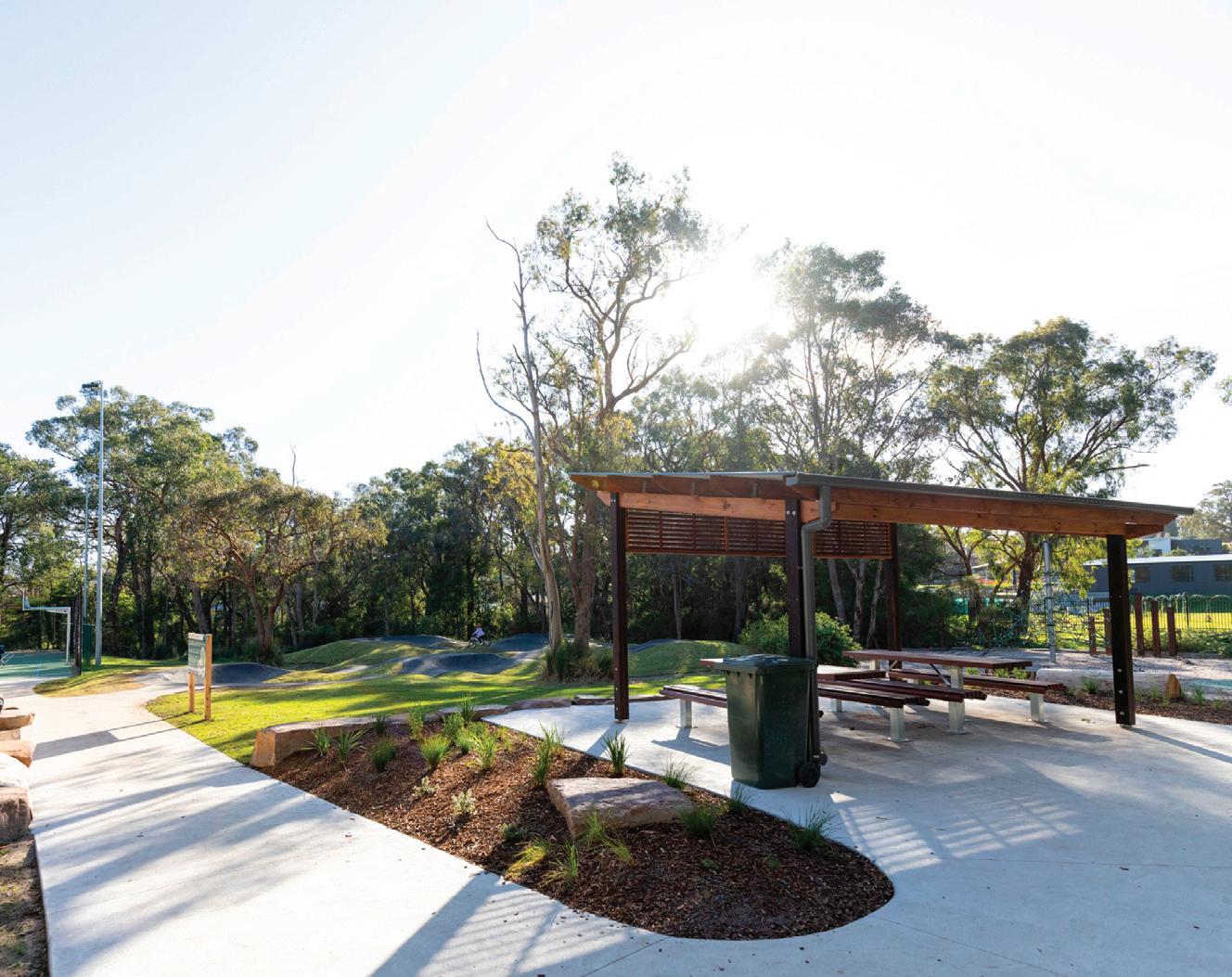
Belgrave South | Create, Protect, Love | Yarra Ranges Shire Council
The Belgrave South Recreation Reserve project enhances safety, accessibility and inclusivity, with a focus on women, girls, youth, families and individuals with disabilities. Using local student engagement and crime data, the design prioritises safety through providing a recreation space for all. Gender and inclusivity consultations, including a Gender Equity Walk and Youth involvement, ensure the space caters to diverse needs. Accessible paths and Indigenous artwork complete the welcoming, multiuse space for all community members.

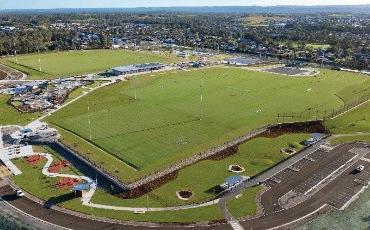
Gipps Street Recreation Precinct | Penrith City Council
Penrith City Council transformed its disused waste facility site at Gipps Street into an exciting recreation precinct. The site presented a unique opportunity to address Penrith’s need for more sport and recreation facilities to support the growing population. It’s a dynamic facility that responds to community requests for a variety of recreation opportunities with sports fields, playspaces, youth zones, dog park and more. The precinct welcomes thousands of visitors weekly, supports an active and vibrant city and enhances Penrith’s reputation as the most liveable place in Western Sydney.
ENVIRONMENTAL STEWARDSHIP AWARD
Walk on Wangal Nature Trail | City of Canada Bay
The Walk the Wangal Nature Trail is a transformative project enhancing biodiversity, climate resilience and community engagement. Delivered by the City of Canada Bay, it restored a neglected biodiversity corridor, planting 60+ native species to support wildlife and urban cooling. It integrates Woody Meadows research, Indigenous knowledge and community-led conservation. Supporting the Council NSW Biodiversity in Place framework, it balances urban growth with greenspace, fostering sustainability, education and long-term stewardship, setting a model for urban greening initiatives.


AWARD (LESS THAN $500K)
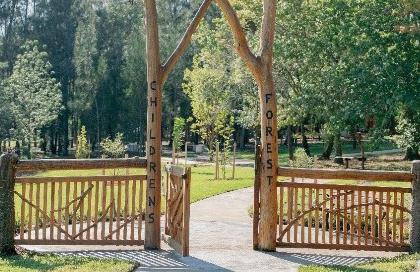
Fagan Park Children’s Forest | Hornsby Shire Council & Fiona Robbé Landscape Architects
The Fagan Park Children’s Forest connects children with nature through play and environmental education. Transforming an underutilised area, it features over fifty new trees and interactive educational pods. Children engage in discovery-based learning, exploring sustainability, biodiversity and the importance of trees. Aligned with Hornsby’s Urban Forest Strategy and Play Plan, the space fosters physical, cognitive and social-emotional development while promoting eco-consciousness in future generations.

PLAYSPACE AWARD (MORE THAN $500K)
Rathmines Youth Hub | Lake Macquarie City Council & Convic
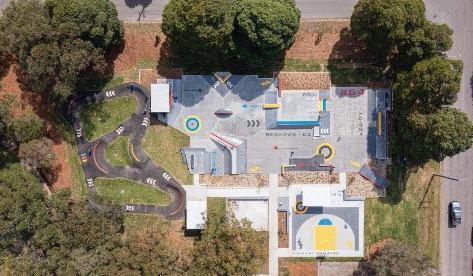
The Rathmines Park Youth Hub is a destination recreation space incorporating a 1000sqm skate park, pump track, basketball court, bouldering wall, carpark, public amenities and passive recreation areas integrated within the broader regional park. The youth hub encourages active lifestyles and provides a dedicated and engaging environment for social interactions. It plays a crucial role in promoting wellbeing, social cohesion, outdoor recreation and exemplifies collaboration between local and state authorities to create a recreational space that benefits youth and the wider community.
PARK OF THE YEAR AWARD
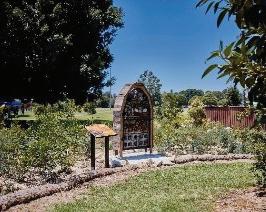
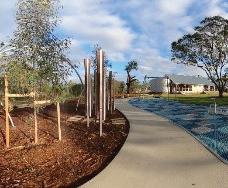
Old Menangle School Site | Wollondilly Shire Council Council worked with Civille and G3 Architecture to develop the designs for the conversion of the locally heritage listed Old Menangle School into a new community hub and park, and for the restoration of the former school building. The project involved Sue Rosen Associates to ensure the design conserved the heritage significance of the site. The project was constructed by Growth Civil Landscapes.
AWARD


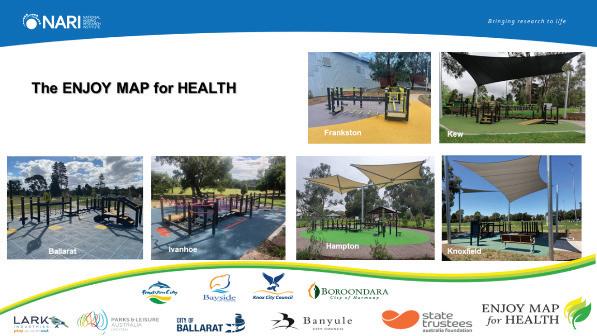
ENJOY MAP for HEALTH: For Active and Healthier Communities | National Ageing Research Institute, Boroondara City Council & Knox City Council
The installation of Seniors Exercise Parks and the implementation of supportive programs across six upgraded parks have significantly increased park visitation and physical activity among older people. By transforming public spaces into age-friendly, active environments, this project has created vibrant community hubs in six Victorian municipalities, where older adults can gather, exercise and socialise — promoting health, wellbeing and stronger, more connected communities.



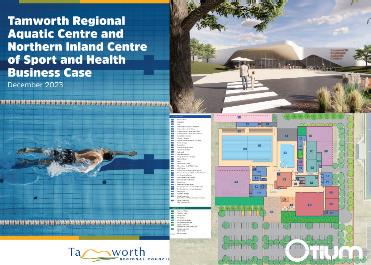
Tamworth Regional Aquatic Centre | Otium Planning Group & Tamworth Regional Council
The Tamworth Regional Aquatic Centre, incorporating the Northern Inland Centre of Sport and Health, will provide a regionally significant destination for sports, recreation, health and leisure. This development aims to generate substantial health, social, wellbeing and economic benefits for both the Tamworth community and the broader region. Through effective strategic planning, continuous stakeholder engagement, innovation, leveraging co-location opportunities and comprehensive business case development, the project has successfully secured funding from all three levels of government.

Ashley Dean is a transformational leader in the parks and leisure sector, driving strategic change, innovation and inclusion. As an active member of Parks & Leisure Australia (PLA), Ashley is shaping the future of sport and recreation through policy development, infrastructure planning and digital transformation. A strong advocate for equity and diversity, Ashley has led major initiatives promoting fair access, community engagement and industry collaboration. His expertise, leadership and commitment to progress make him a driving force in the sector.
As a Senior Sports and Active Spaces Planner at Stonnington City Council, Ashley has led strategic initiatives to improve sports and recreation services, championed equity and inclusion and implemented digital transformations to enhance operational effi ciency.

Ashley’s dedication to professional development is evident through extensive education and training. He holds a Master of Science in Strength and Conditioning, a bachelor’s degree in health (Sport and Exercise) and a Graduate Certificate in Business Management. Furthermore, Ashley has actively pursued continuous learning, applying advanced statistical analysis and UX design principles to enhance customer experiences in health, fitness and community spaces. With a proactive approach to change management and strategic planning, Ashley has not only improved organisational culture but also contributed to the long-term sustainability of sports and leisure services.
Ashley is an active member of Parks and Leisure Australia (PLA) and has continuously contributed to discussions and initiatives that enhance the sector. His involvement in major projects, such as the Fair Access and Sports Infrastructure Plan, showcases his ability to lead transformative change that ensures all members of the community have access to quality sports and recreation opportunities.
A highly engaged and influential member of Parks & Leisure Australia (PLA), Ashley has actively contributed to the growth and development of the sector through collaboration, mentorship and thought leadership. His dedication to advancing the industry is demonstrated through his ongoing engagement with the Region Council for PLA Vic/Tas, mentoring of industry professionals and participation in key PLA initiatives.
As an active PLA member, Ashley has built strong relationships across the industry, working closely with the Region Council for PLA Vic/Tas and cross-council working groups aligned with PLA. He has played a pivotal role in fostering knowledge-sharing and collaboration between local governments, ensuring best practices are implemented across sports and leisure services. Through these initiatives, Ashley has helped drive strategic planning, policy development and operational improvements that benefit the broader industry.
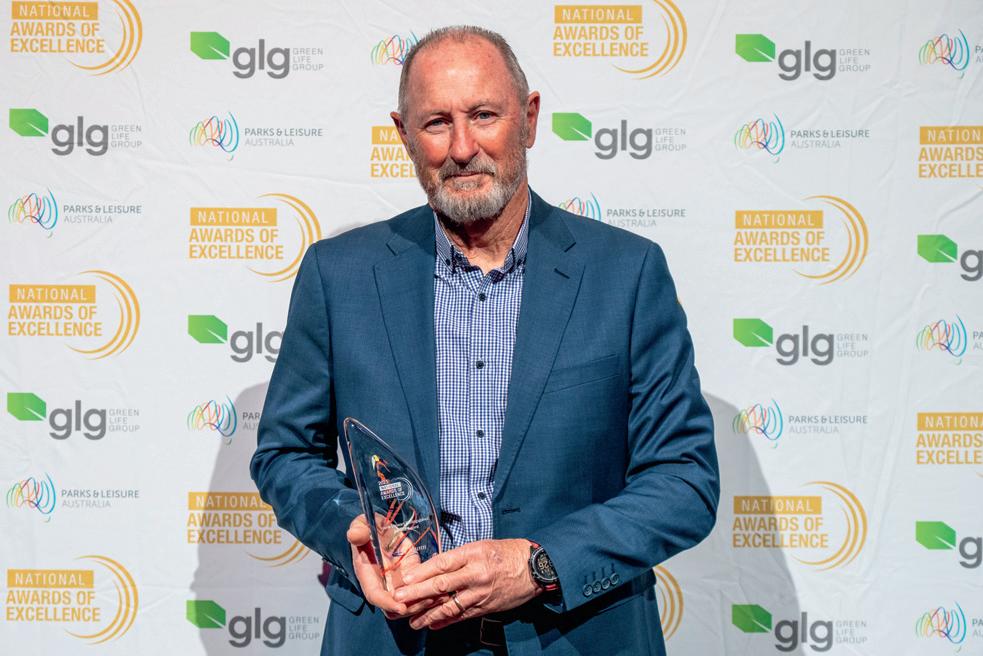
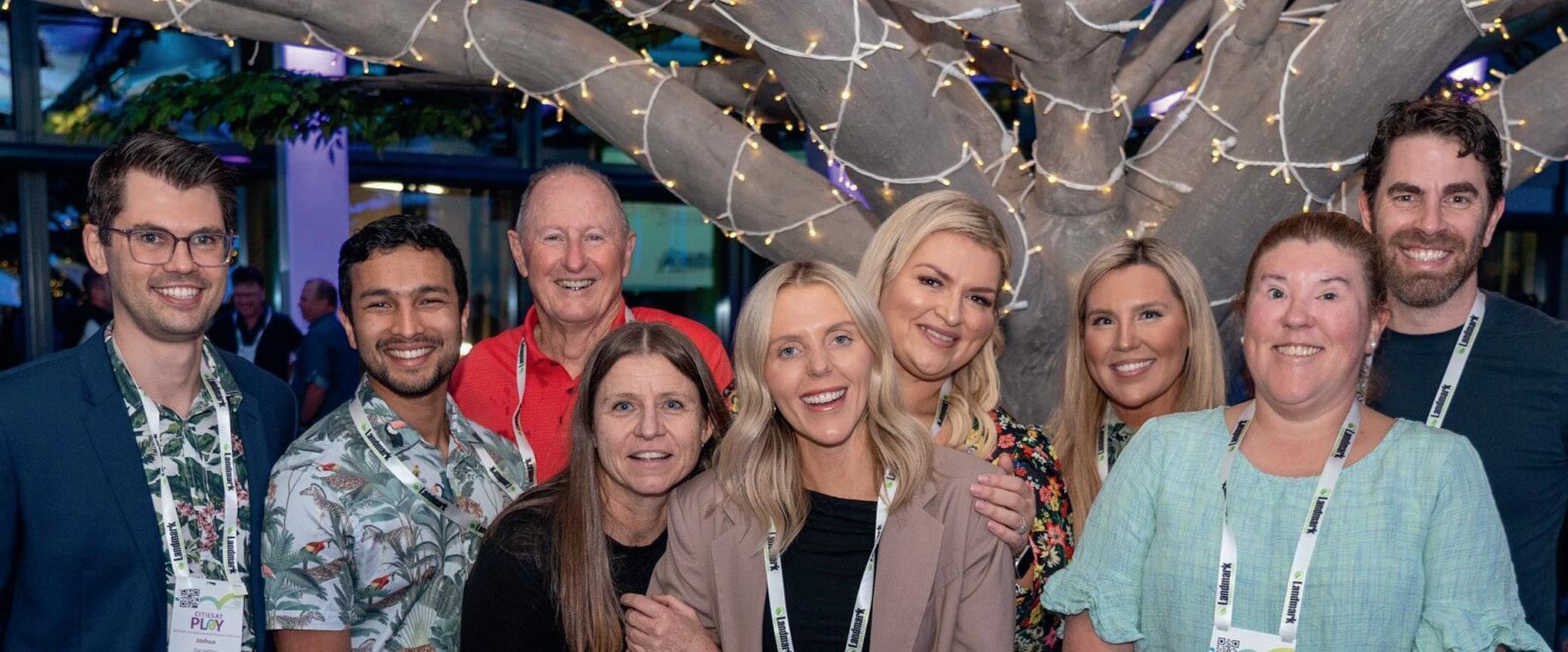
Les Munn has an unequalled commitment and service to the parks and leisure industry both in his professional career and as a long-term Parks and Leisure Australia member. He has worked in the industry as a recreation and open space manager professional and undertaken voluntary roles for a period of close to 50 years. Over this time, Les has demonstrated a strong passion and commitment to helping organisations create and deliver great quality parks and open spaces that improve the lives of the community. Ensuring areas are liveable for local residents.
Les began his distinguished NSW local government career at Warringah Council on Sydney’s Northern Beaches in 1981, where he worked within the recreation team for three years. He was soon in a senior management role when he joined North Sydney Council in 1985, enjoying a nine-year tenure, working there until 1994. His experience and expertise were then sought by Rockdale Council, where he spent four years managing the parks and open space team, until 1998. This was followed by his longest
appointment at Pittwater Council where Les served as Reserves and Recreation Manager for 18 years.
Since finishing up at Pittwater, Les has spent time in contract roles providing his open space management and leadership expertise to Northern Beaches Regional Council and Cootamundra-Gundagai Regional Council. His last working position was as the Parks and Recreation Manager at Wollondilly Shire Council, a rapidly growing peri-urban area on the fringe of Greater Sydney.
Les’s commitment to the Parks and Leisure industry is further highlighted by the numerous memberships and voluntary roles he has held with industry represented bodies. He was one of the early members of the Royal Australian Institute of Parks and Recreation in the 1970s, an organisation established to represent the interests of professionals working in the industry. He was also an inaugural member of Parks and Leisure Australia in 1998.
However, participation as a member on these bodies was not enough for Les, he needed to take on leadership roles. After becoming involved with
the Committee, he became NSW/ACT President in 2004, spending 16 years in the role. This led to his involvement in the national body, which he joined in 2013. Les served as National Deputy President 2018-2022, then National President from 2022-2024. He continues to serve as a member of both the National Board of Parks and Leisure Australia and NSW/ACT Region Council.
Having engaged closely with a range of people from all aspects of the industry, Les is well known in both the private and public sector. With a long-term career in the NSW local government sector, he has mentored many young staff starting out in their careers and supported their ongoing professional development. He has provided guidance and support to Regional Council members for PLA NSW/ACT, as well as National Board members, and consistently makes himself available to provide advice when it is sought.
Les has sat on a range of advisory committees as a representative of PLA, including the Greater Sydney Commission, NSW Department of
Planning Housing and Infrastructure, Sports NSW, and Local Government Advisory bodies. On these forums, he has been able to bring the experience he has in delivering parks and leisure services and facilities to the community, ensuring there is practical consideration of the issues and plans being discussed. Les has consistently been a strong advocate for the benefits of active and passive recreation, focussing on ensuring there are practical and deliverable positive outcomes for the broader population.
In addition, Les has worked tirelessly to achieve great outcomes in the sporting sector, delivering results through different aspects of sports pathway programs, from elite level to grassroots. His work with the Manly Warringah Rugby League Club on Brookvale Oval has achieved a longterm legacy for the area, bringing improved facilities and amenities to the players within the club and spectators visiting the ground. He also led the delivery of the Synthetic Sports Field at Narrabeen Sports High, which was an innovative approach to partnering with an education facility in delivering open space infrastructure to the community.
Throughout his involvement with
Parks and Leisure Australia, both at a State and National Level, Les has worked hard to ensure industry conferences and workshops are regularly offered for the benefit of improving professional standards across the sector. He works to ensure the programs for these events are of a high quality and uses the connections and contacts he has developed in the industry to assist with the effective delivery of these programs. This has often been done in a challenging environment, with limited resources available to him and the organisation.
Through his varied and vast experience, professionally and in voluntary roles, Les is seen as a leader within the industry. He has garnered a significant amount of respect and admiration from his colleagues and peers and is regularly requested to speak in public forums and represent the industry, which he does to a high standard.
His approach and attitude to the industry makes Les well respected among his colleagues, being recognised as an individual who represents the parks and leisure industry in a positive manner. He consistently demonstrates his passion

for the industry and professionally advocates for its enhancement and improved recognition.
The outstanding leadership demonstrated through his tenure as State President for Parks & Leisure NSW/ACT, saw Les successfully guide a volunteer-based organisation through some challenging periods. He diligently worked to provide strong and clear direction to the Executive Officer, and worked effectively with a committee of volunteers who had varying capacity to dedicate to the organisation.
As a proven leader, Les went on to become the President for the national body. In this role, he was required to lead the organisation through a period of significant change; from the organisation being operated under a contract management structure to one that was internally managed by the Board. This process required strong and focussed leadership and the ability to work collaboratively with the other board members of the national body.
The implementation of this change had many challenges along its path, however the consistent leadership and dedication from Les helped the organisation navigate through it in an effective manner.










WORDS RECREATION AOTEAROA
The recreation sector plays a vital role in supporting the wellbeing of people and the natural environment in the face of growing challenges. Te Whai Oranga 2025–2030 marks the next phase of our intergenerational strategy — a continuation of the journey Recreation Aotearoa began five years ago.
Te Whai Oranga 2025-2030 continues a journey that began in 2020 with the introduction of Te Whai Oranga, meaning “the active pursuit of wellbeing”. The strategy is shaped by Aotearoa, for Aotearoa. It weaves together Māori and non-Māori concepts, knowledge and approaches. By doing so, it provides a living example of Te Tiriti o Waitangi in action.
SHAPED BY COLLECTIVE WISDOM
In 2024-2025, the Recreation Aotearoa Board and Māori Navigational Group, Te Kāhui Kura Māori, worked together to review and update the original strategy. This process was deeply collaborative and informed by the voices of Recreation Aotearoa members. A series of workshops and an online survey helped gather insights and aspirations from across the motu (country).
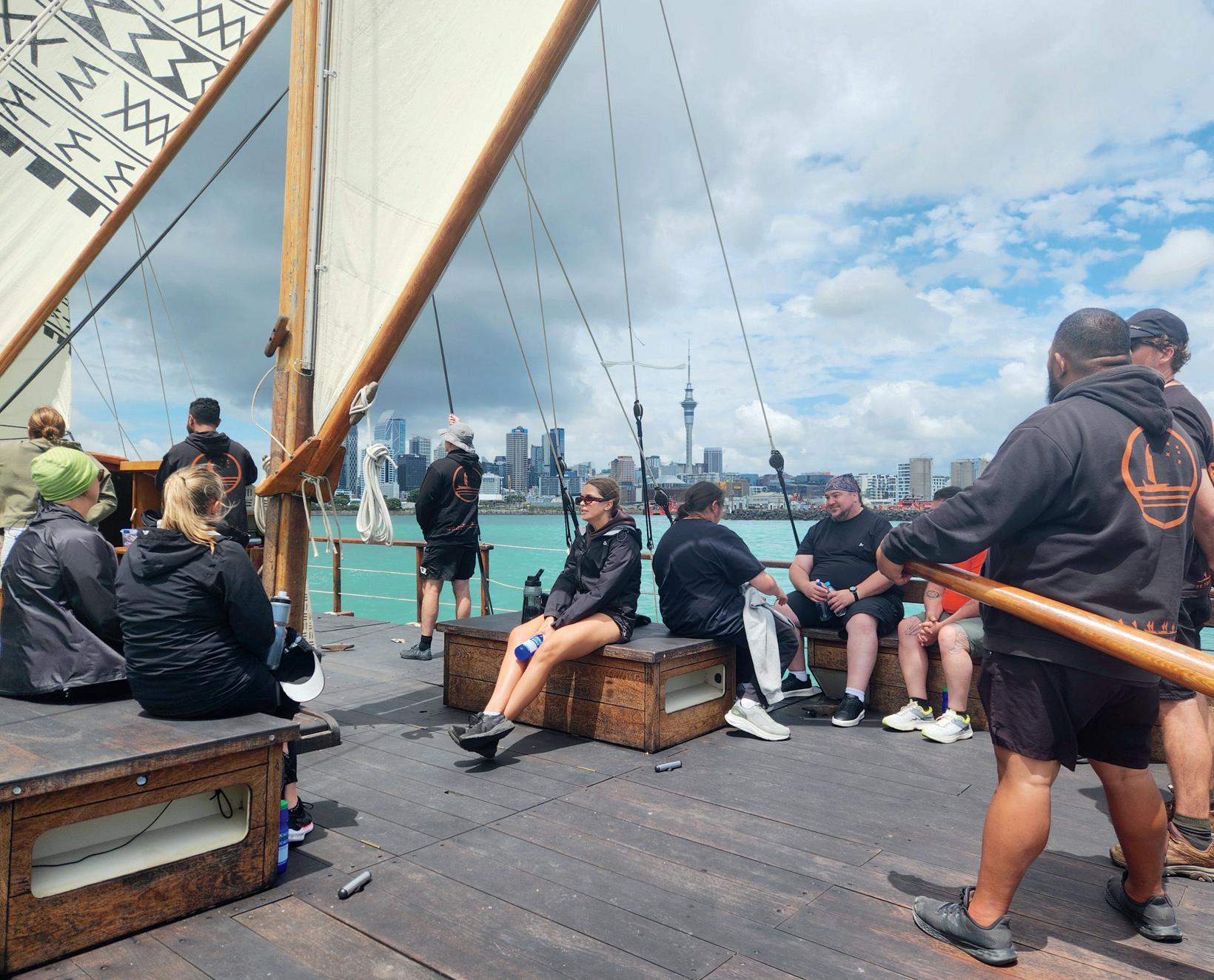
Board and Te Kāhui members also came together in wānanga (discussion) at Umupuia Marae and
experienced waka hourua (doublehulled canoe) voyaging with master navigator Houturoa Barclay-Kerr and Te Toki Voyaging Trust. These shared experiences helped ground the strategy in te ao Māori and in our responsibilities across generations.
Te Whai Oranga 2025–2030 builds on the progress and lessons of the last five years. Rather than replacing the previous strategy, it resets the sails for the next leg of our shared journey.
Te Whai Oranga 2025-2030 is an environmentally centred strategy and is inherently future focused. It recognises the inter-connectedness of the natural environment, place and people (past, present and future). It recognises that in order to improve individual and community wellbeing through recreation, we must also focus on the wellbeing of the natural environment and place. By centring nature, we stay grounded in place and connected to our responsibilities across generations.
Te Whai Oranga 2025-2030 embeds te ao Māori in a way that is foundational — honouring our responsibilities under Te Tiriti o Waitangi and enhancing how we view the world around us. It uses a voyaging narrative to describe where we have come from and where
Recreation Aotearoa is heading. Using the concept of ngā pae (the many horizons) it looks backwards at where we have come from and forward into the future with our aspirational vision. The strategy outlines:
Te pae rangi | The stars that guide us: our aspirational vision
Te pae tawhiti | The far horizon: our long-term outcomes
Te pae tata | The near horizon: our short-term outcomes.
Our strategic priorities are shown as islands of success along the way. These priorities shape our annual work programme and guide the programmes, events and services we deliver for members.
Te Whai Oranga is an Aotearoa-centric strategy. It draws on a belief that by weaving together different ways of seeing the world, the recreation industry can help create a better future for New Zealand.
This worldview reminds us that progress is not always forward in a straight line, but woven through past, present and future.
Te Whai Oranga 2020-2025 used the waka hourua as a metaphor to describe a shared journey of Māori and non-Māori travelling together. In Te Whai Oranga 2025-2030, the metaphor expands to a fleet of waka hourua, representing Recreation Aotearoa and our members, voyaging together towards our shared goals and the horizons beyond.
This worldview also reminds us that progress is not always linear; it is woven through time, grounded in nature and shaped by collective effort.
We’re proud to share the next step in our journey — Te Whai Oranga 2025–2030. This strategy is supported by a Statement of Strategic Direction, which summarises our outcomes, priorities and measures for the next five years. We encourage you to read both documents, which can be found on: nzrecreation.org.nz/ what-we-do
WORDS
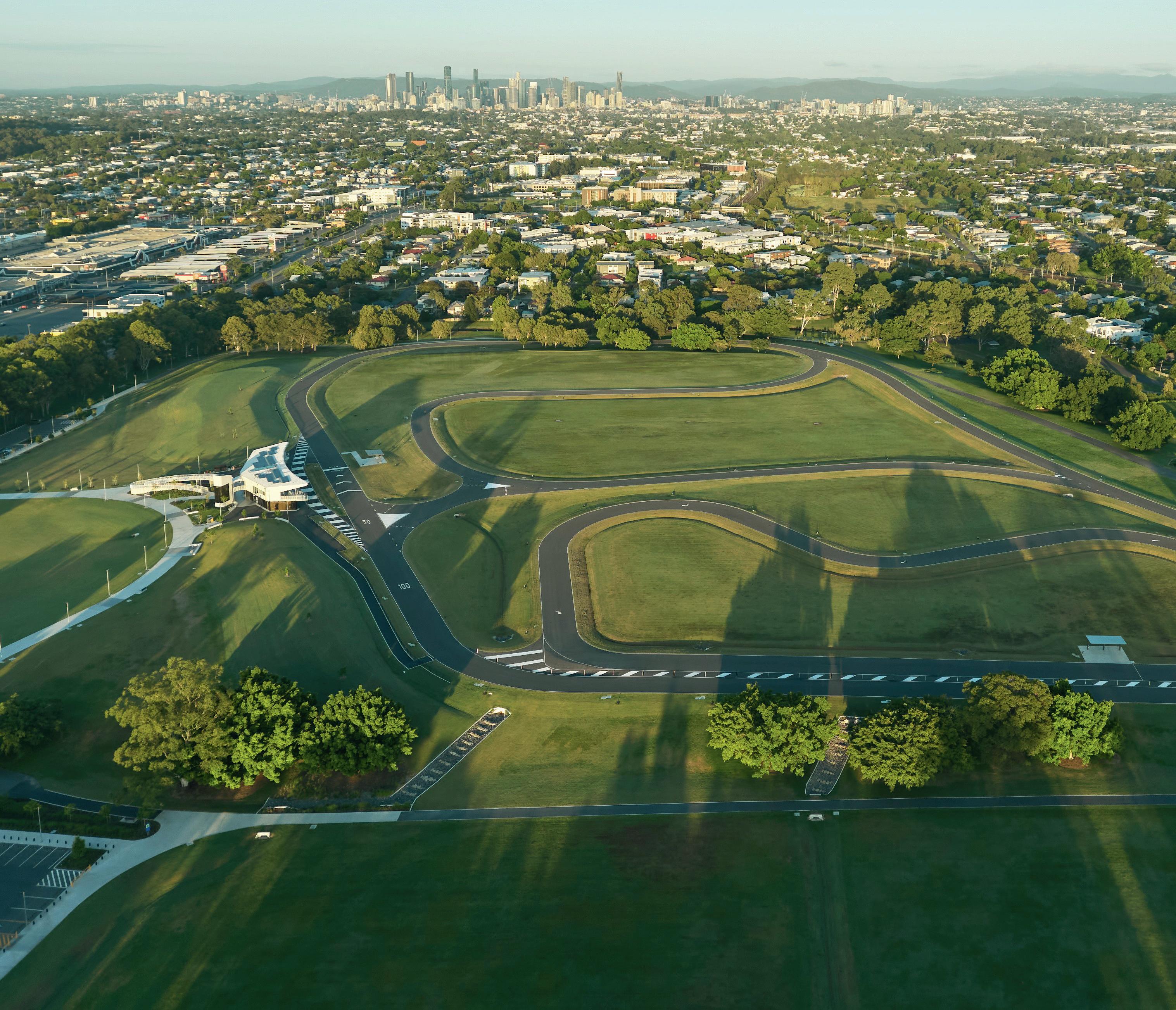
As Brisbane prepares to host the 2032 Olympic and Paralympic Games, the city’s landscape is steadily transforming to reflect its global aspirations. Among its most striking new facilities is the Brisbane International Cycle Park at Murarrie Recreation Reserve (Cycle Park) — a 34-hectare active sports precinct that has redefined what sustainable, community-driven infrastructure can look like in Australia.
Officially opened in 2024, the Cycle Park brings together an internationalstandard criterium track, road cycling course, inline skating track, and a multi-purpose clubhouse designed for flexibility, inclusivity, and longevity. But it’s more than a sporting venue. It’s a statement of intent — one that champions environmental innovation, accessibility, and community activation, setting the benchmark for post-Olympic legacy projects across the nation.
The idea for a new cycling facility grew out of years of community advocacy and the growing need for safe, purpose-built infrastructure in
Brisbane’s east. The Balmoral Cycling Club had long been based at Murarrie Recreation Reserve, making it the ideal location for expansion. As interest in cycling and skating surged (accelerated by the city’s focus on active lifestyles and green travel), Brisbane City Council recognised an opportunity to create a multi-user, international-calibre facility that could serve both elite athletes and local residents. “Community engagement shaped every aspect of the project,” explains the project team.
“We worked closely with local clubs, peak sporting bodies and accessibility advocates to ensure the design truly reflected the needs of its users.”
The result is a facility that seamlessly caters for cyclists, skaters and spectators of all ages and abilities, supporting social enterprise programs that use cycling as a platform to empower young people and promote healthy living.
Architecturally, the facility’s centrepiece is the two-storey clubhouse pavilion — a striking curved structure that mirrors the sweeping
geometry of the criterium track. Its elegant form not only creates a strong visual identity for the park but also responds to the practical needs of both athletes and visitors.
The upper-level viewing platform floats above a recessed lower level, providing shade and protection for competitors below while offering panoramic views of the racing action. At ground level, purpose-built registration spaces, secure club storage and a community canteen support the day-to-day running of events.
Upstairs, an open-air deck doubles as a flexible community gathering space, complete with meeting facilities, tea-making amenities and audiovisual equipment. It’s designed to transition effortlessly between cycling events, school programs and community workshops.
The attention to universal access is also notable. From an adult-accessible change room to gender-equal facilities and dedicated wheelchair viewing areas, the design reflects Council’s commitment to inclusivity and
aligns directly with United Nations Sustainable Development Goal 5 –Gender Equality.
From the outset, sustainability wasn’t a feature to add; it was the framework that guided every design decision.
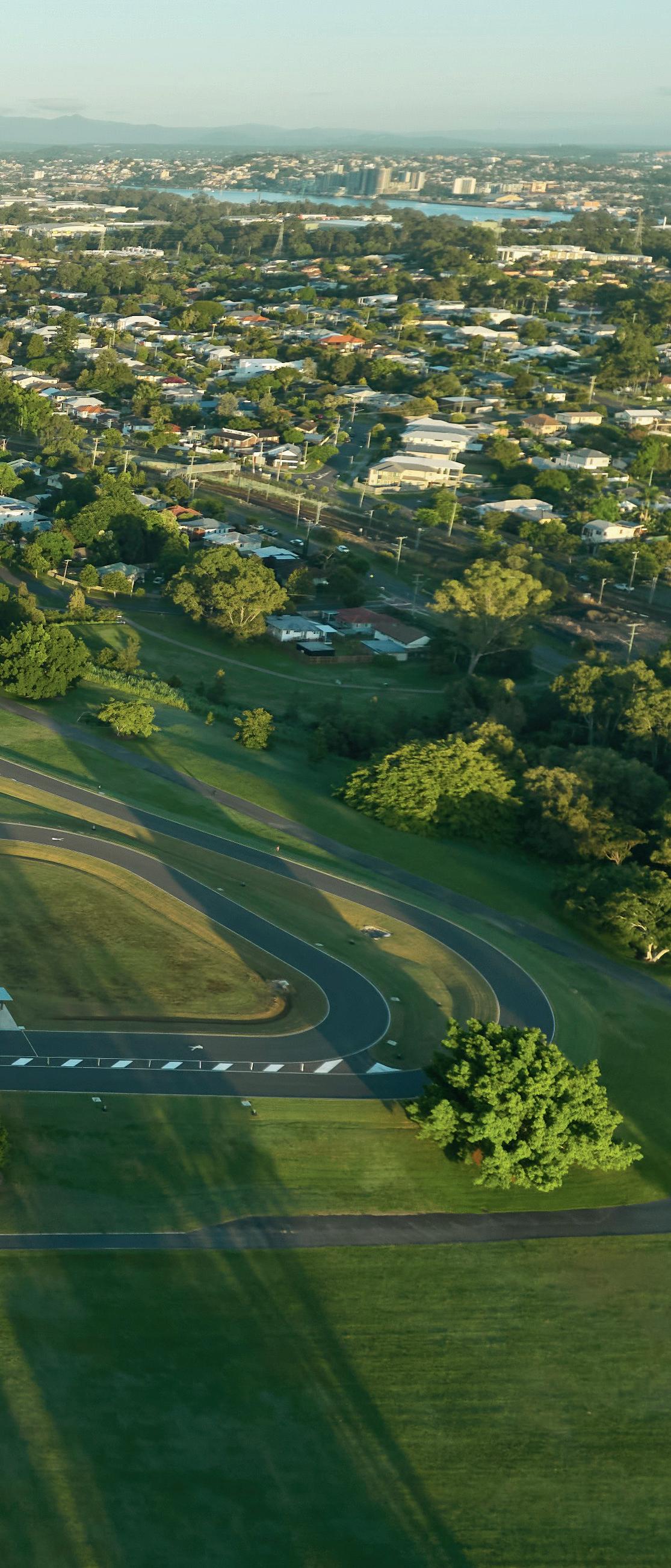
The clubhouse operates as a 100 percent electric building, powered by a 25-kilowatt solar array that generates more electricity than it consumes. Rainwater is harvested for flushing toilets and irrigating gardens, while bio-retention systems treat stormwater
THE BRISBANE INTERNATIONAL CYCLE PARK IS BOTH A WORLD-CLASS FACILITY AND A COMMUNITY HUB — REDEFINING WHAT SUSTAINABLE SPORT INFRASTRUCTURE CAN ACHIEVE.
runoff before it leaves the site.
The project team also turned a potential environmental liability into an asset: the Cycle Park sits atop a former landfill site that operated in the mid20th century. By capping contaminated material and reshaping the terrain, the team transformed the once-derelict landscape into lush green spectator mounds; shaded, sculptural features that provide elevated viewing points without the need for grandstands or heavy construction.
The use of low-carbon concrete, recycled asphalt and onsite road base further reduced embodied carbon and construction waste. Lighting and building materials were carefully modelled to exceed Section J of the National Construction Code energy efficiency requirements. The site is now fully powered by 100 percent renewable electricity through Council’s green energy purchase agreement.
Delivering such a major facility on a former landfill presented complex engineering challenges that required careful innovation.
Land settlement, gas migration and leachate corrosion posed risks to both structures and underground services. To counter this, engineers designed flexible building foundations and utility systems capable of accommodating long-term ground movement.
The criterium and inline skating tracks were engineered with resilient subgrades that allow for minimal flex while maintaining international sporting standards — a critical factor in securing the site’s long-term performance.
Despite the complexities, the project was delivered within an approximate $30 million investment, with 20 percent allocated to environmental and engineering controls. Council’s multidisciplinary approach, combining civil, structural, environmental and sustainability expertise, ensured the facility’s technical success without compromising community accessibility or design quality.
Behind the scenes, Council’s governance and project management approach was as innovative as the infrastructure itself. The project was managed under a transparent, multistakeholder governance framework, ensuring clear communication between planners, contractors, lessees and community clubs.
Long-term asset lifecycle management plans were developed with third-party consultants, ensuring the site’s operational sustainability for decades to come.
Post-opening, Council continues to activate the park through community events and a proposed new booking system, maintaining equitable access and high utilisation rates.
The Brisbane International Cycle Park exemplifies the type of cityshaping infrastructure that will define Australia’s next decade of growth. It not only strengthens Brisbane’s Olympic readiness but also creates an enduring local legacy; a place that encourages active living, environmental stewardship and social connection.
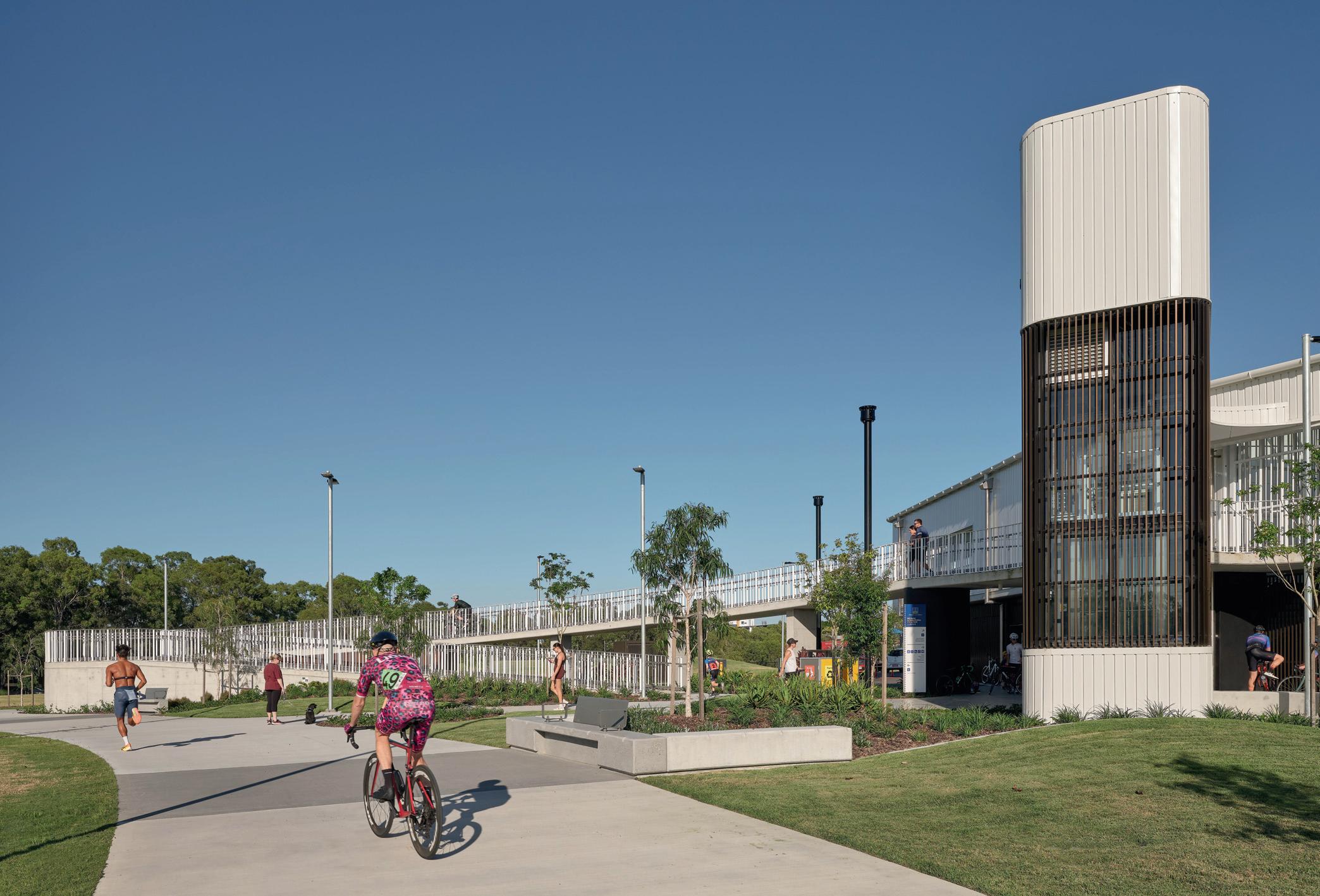
The facility has become a beloved destination for cyclists, families and local residents. From early morning criterium races to casual weekend skaters, the park hums with activity, embodying the city’s vibrant outdoor culture.
As Brisbane continues its journey toward 2032, the Cycle Park stands as both a benchmark for sustainable design and a symbol of community pride; proof that with vision, collaboration and purpose, even a former landfill can become a world-class stage.
WORDS ROBERT GULLEY, CO-CHAIR, GENERATE NETWORK NZ STEERING COMMITTEE, AND ADVISOR, PARKS AND OUTDOORS RECREATION, KĀPITI COAST DISTRICT COUNCIL
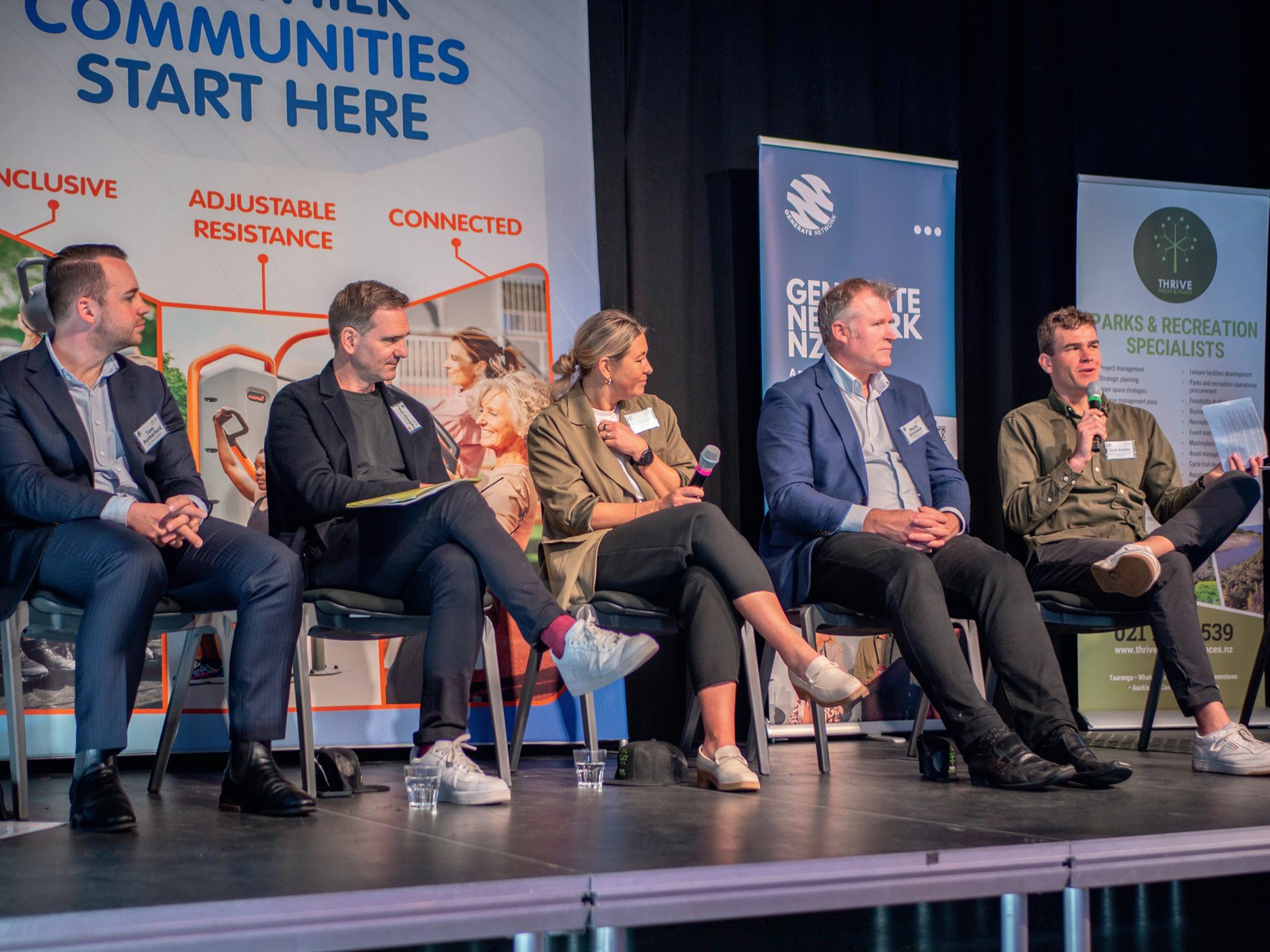
Ilove my job! In high school, I never imagined a career in recreation. I enjoyed sport and using recreational spaces, but the path into this world wasn’t clear. There was no school career fair booth that said “Come work in recreation — it’s rewarding, dynamic and full of purpose.” Yet, somehow, I found my way here. Now, I want to help make that path clearer for other young professionals.
In this reflection, I’ll share my thoughts on building a career in the recreation sector: the professional development that’s been most meaningful, the challenges I’ve faced and the changes I believe could strengthen the industry. My hope is twofold: it serves as a guide for young professionals and a prompt for sector leaders to consider how we can better attract and retain the next generation.
My journey into recreation was shaped by a decision I made straight out of high school. Instead of jumping into university, I took a gap year and worked as an Outdoor Instructor at YMCA Shakespear Lodge, running kayaking, archery and climbing sessions. At 18, I was responsible for people’s safety,
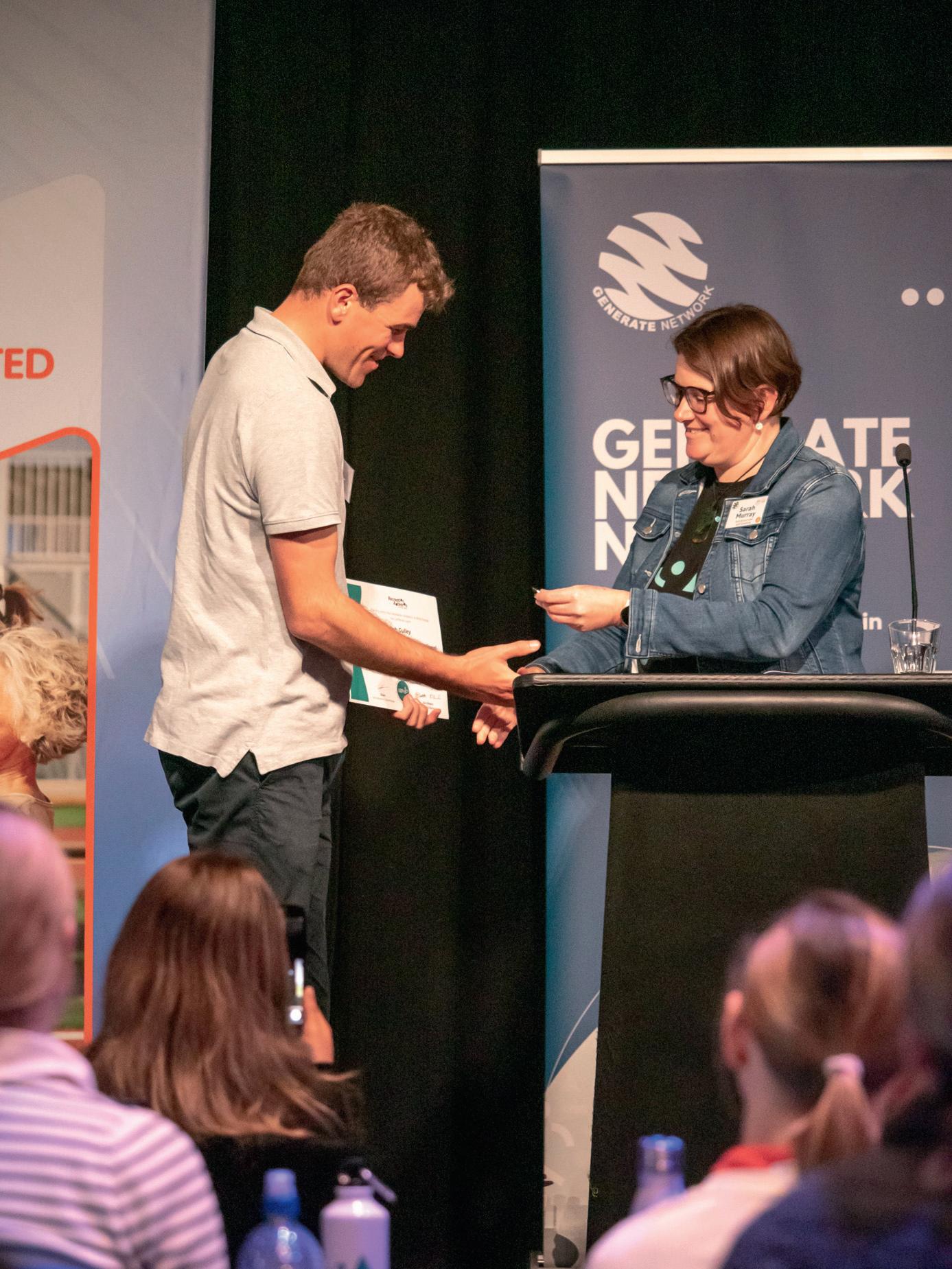
summer placements and graduate roles can give young people confidence that a path exists. Local councils could particularly benefit from seasonal or year-long internships. These programmes allow students to gain insights into the sector’s breadth, while bringing fresh energy to teams.
One of the biggest barriers in my career was trying to get a job without enough experience. Gaining experience often requires already having a job, and I faced many early rejections due to my age or lack of sector experience. This demoralising experience isn’t unique to me. If entry points remain blocked by this catch-22, young professionals who could strengthen the sector might be excluded.
The experience barrier extends beyond job applications. Many young professionals find their ideas and passion welcomed in principle but shut down when trying to innovate or present opportunities. Some parts of the sector perpetuate an unspoken hierarchy, where those with over 20 years’ experience are seen as the only ones qualified to lead.
Institutional knowledge is important, but so is fresh a perspective. At my workplace, learning flows both ways: I learn from my team and they learn from me. Young professionals shouldn’t have to wait a decade before their ideas are taken seriously.
Professional development can be seen as optional, but, for me, it has been essential. Opportunities to attend conferences, participate in mentoring and gain experience across different areas of the sector have been key to my growth. Conferences offer chances to learn, allowing me to return with new connections and ideas for my team.
Internal development is equally important. In my role at Kāpiti Coast District Council, I work across a range of programmes, from community events to sport partnerships to strategy. This variety keeps me engaged and curious, and helps clarify the kind of leader I want to be. Young professionals benefit from exposure to different parts of the sector through secondments, cross-sector projects and short-term placements.
Participating in the Tuakana — Teina mentorship programme,
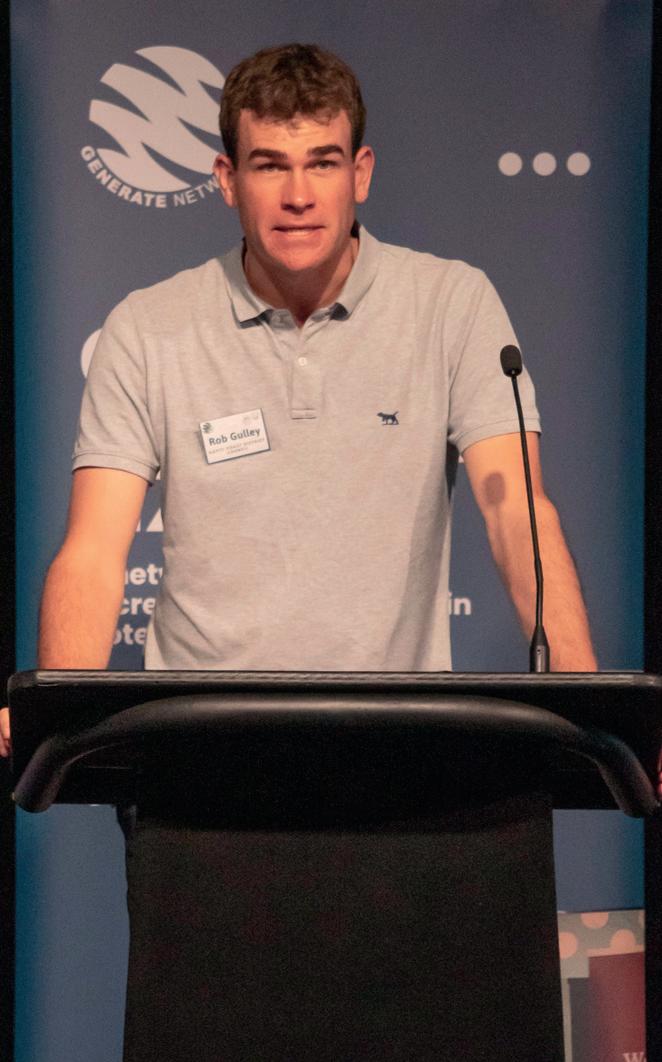
run by Recreation Aotearoa, was a transformative experience for my career. Grounded in te ao Māori (the Māori worldview), it recognises that both mentor (tuakana) and mentee (teina) bring value. It’s about shared growth, not just older teaching younger.
Paired with a General Manager from Sport NZ, our conversations helped me feel seen, heard and supported. Having someone to bounce ideas off, ask for advice or check in with after a challenging day made a huge difference to my confidence and decision-making.
Young professionals need to understand the power of their own voices. We bring knowledge of emerging technologies, cultural trends and fast-changing community dynamics. When these perspectives are welcomed, the whole sector benefits.
Joining Generate Network New Zealand was a turning point for me.
A space run by young professionals, for young professionals, it has pushed me to take a step up in my own development. Through Generate, I’ve co-chaired national conversations, contributed to Sport NZ strategy and championed youth engagement. These experiences show that young people can lead and shape the future of recreation right now.
Leadership isn’t just about titles, it’s about creating community. Not everyone wants governance roles, and that’s okay. But for those who do, the sector must make pathways clearer.
We need more diverse faces and voices at decision-making tables, including younger ones. Age should never be a barrier to influence.
Recreation is about wellbeing, yet many professionals struggle to maintain balance. We’re passionate, often over-committed, and will jump in to help (often at the expense of our own wellbeing). The sector is full of purpose, but also prone to burnout. I prioritise tennis, running and beach walks. It’s not just exercise; it’s a reminder of the importance of sport and recreation. Being part of a team that ensures these spaces exist and thrive gives me pride.
Employers play a critical role. Flexibility, support and genuine care for staff wellbeing should be nonnegotiable. To retain great people, the sector must ensure they thrive not just survive.
The recreation sector attracts people who care, people who want to improve communities, believe in the power of sport and play, and understand access to recreation is a social good, not a luxury. That’s what keeps me here and brings back those who leave.
We must honour that passion. We must value diversity, nurture innovation and make equal space for experience and new ideas. We must support those who leave the sector to return. We must make recreation a career that people can see themselves in, from high school to retirement.
Thriving as a young recreation professional in Aotearoa requires resilience, curiosity and initiative, but it’s deeply rewarding. You see the impact of your work every day on people, communities and the environment.
My message to other young professionals is simple: put yourself out there. Say yes to opportunities that scare you. Ask questions. Find mentors. Back yourself. Your voice matters, and the sector needs you.
To those shaping the future of recreation (employers, leaders, educators): keep listening. Keep making space. Believe in the next generation’s potential. Together, we can build a stronger, more inclusive and more vibrant future for recreation in Aotearoa.
WORDS EMILY BOYLE, RECREATION & SPORT PROGRAM OFFICER, YARRA RANGES COUNCIL, VICTORIA
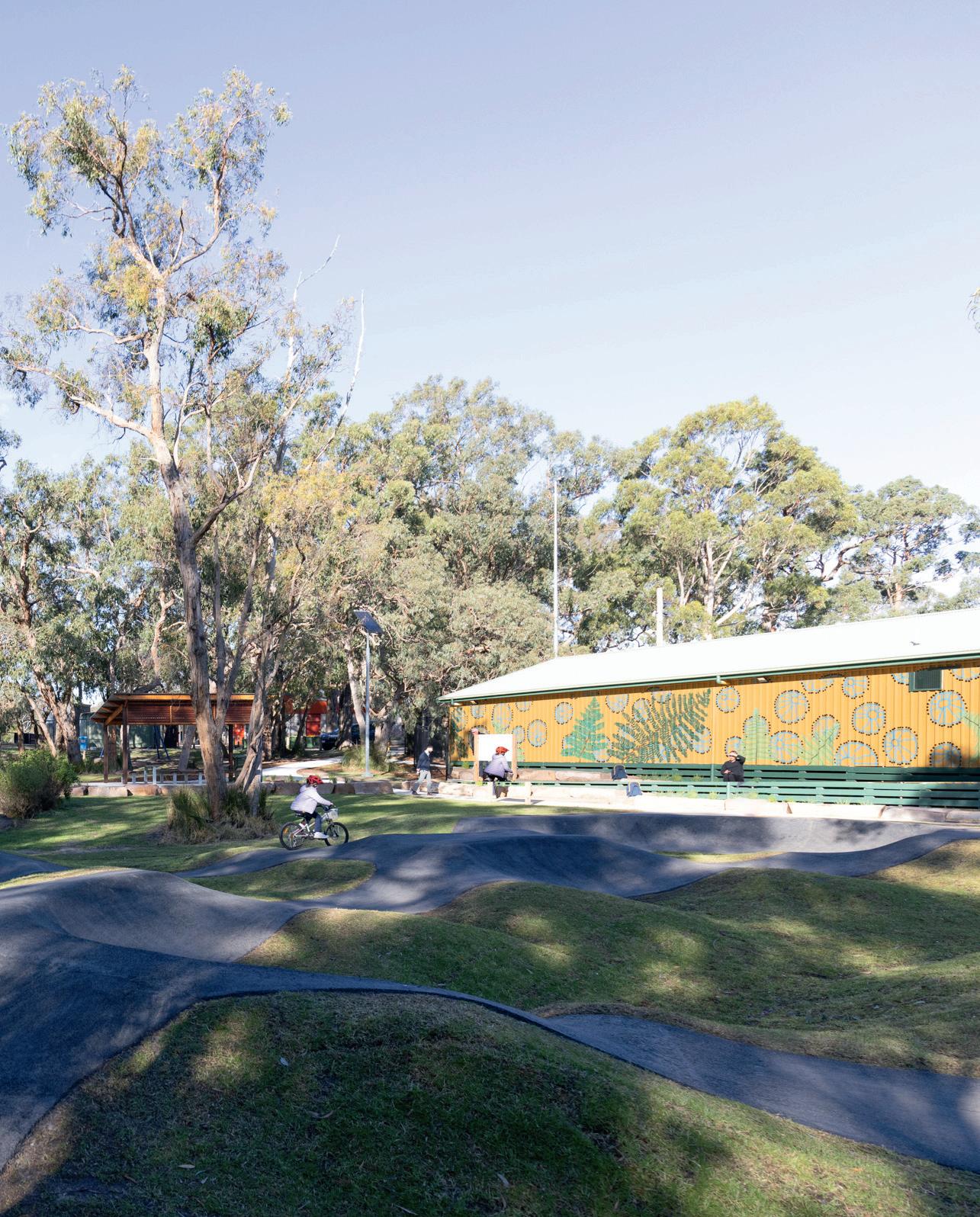
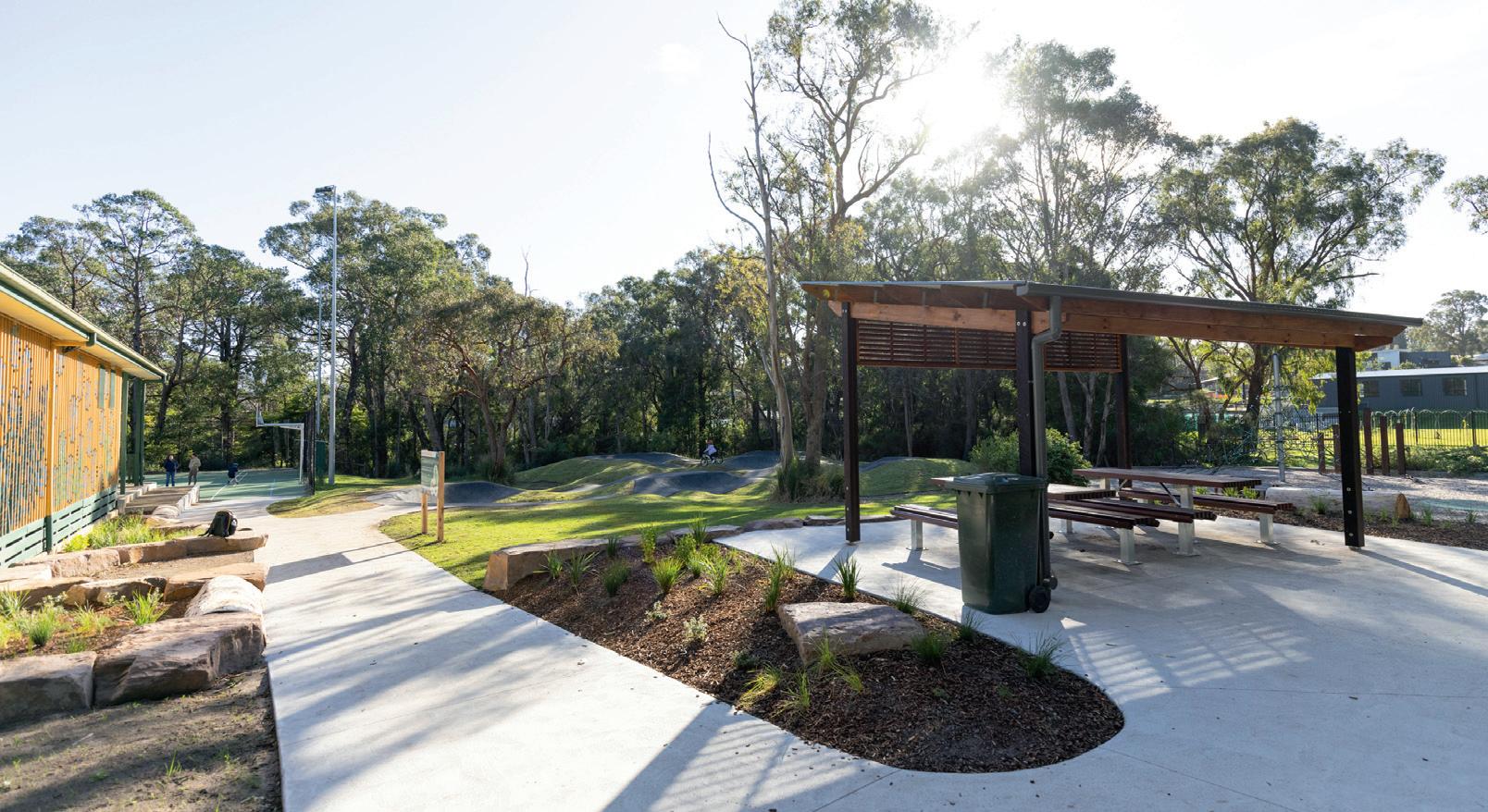
Belgrave South Recreation Reserve has undergone an incredible transformation. Once a site plagued by vandalism and graffiti, the Reserve is now a vibrant, inclusive space that reflects the values and needs of its community. This change was driven by an initiative that combined crime prevention principles with meaningful community engagement, resulting in a safer and more welcoming environment for all.
Funded through the Department of Justice and Community Safety’s Creating Safer Places program, the project took a proactive approach to safety. Rather than relying on traditional security measures, it applied Crime Prevention Through Environmental Design (CPTED) principles to redesign the physical environment in ways that deter crime and encourage positive use.
CPTED focuses on the strategic design of public spaces to reduce opportunities for crime and increase natural surveillance. In Belgrave South, this meant improving lighting, enhancing sightlines, and activating previously neglected areas to encourage community presence and ownership.
What made this initiative unique was its emphasis on community-led design, particularly the involvement of local schools and students. Their voices shaped the project from the outset, with students voting on and helping to design key elements of the Reserve. This not only ensured the space met their needs but also fostered a sense of ownership and pride among young people. The process empowered them to see themselves as contributors to their community, and their ideas directly influenced the final design — an approach that has proven to be very effective.
Inclusivity was a central focus throughout the project. Recognising that public spaces are often dominated by male users, the team applied a gender lens to ensure the Reserve would be welcoming for women and girls.
A Gender Equity Walk, conducted in partnership with Women’s Health East, invited local women to tour the site and share their experiences. Their feedback led to tangible improvements, including better lighting, clearer signage, upgrades to the netball pavilion, and enhanced cleanliness through the installation of a bin cage.
These changes were not just cosmetic, they addressed real barriers to participation and safety — particularly for women and girls who often feel excluded from public recreational spaces.
The initiative also engaged the Youth Advisory Group to refine language and engagement techniques, ensuring the project resonated with young people.
Engaging with the Disability and Indigenous Advisory Committees helped ensure the space was accessible and culturally respectful. These efforts resulted in features such as accessible pathways, inclusive seating and a mural created by a local Indigenous artist. Inspired by the surrounding environment, the artwork incorporates native plants and natural elements, celebrating First Nations culture and adding a layer of meaning and beauty to the Reserve.
The inclusion of this artwork was a direct response to student feedback, who expressed a strong desire to see Indigenous culture represented in the space.
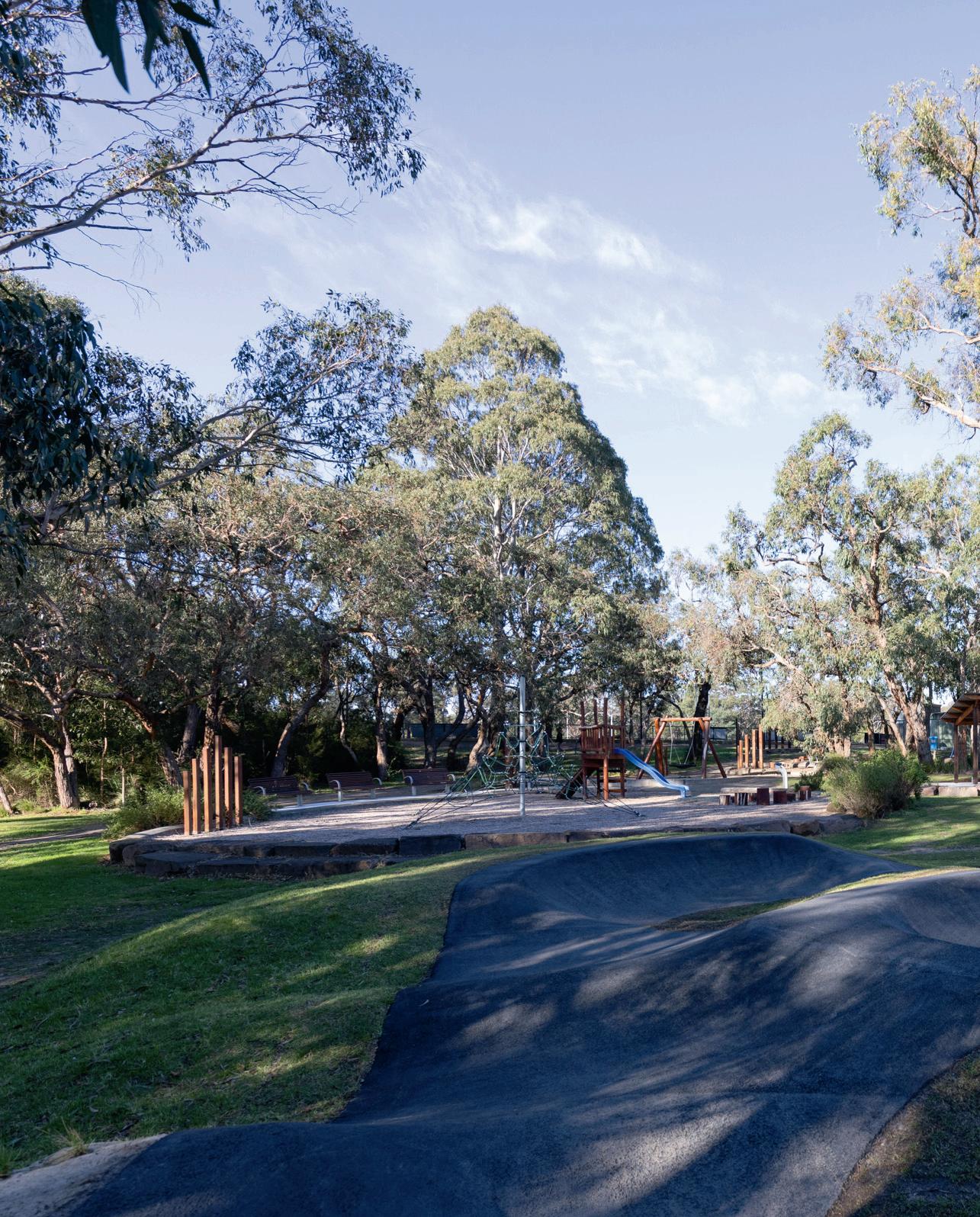
The physical transformation of the Reserve included the addition of a small pump track, a multi-sport halfcourt, gathering areas, and vibrant public art. These features were carefully chosen to reflect the diverse preferences of the community.
During school consultations, boys expressed interest in active recreation, while girls preferred passive social spaces. The final design successfully blended both, creating a balanced environment that caters to a wide range of users. This thoughtful integration of different recreational styles has resulted in a space that feels welcoming and engaging for everyone, regardless of age or gender.
The impact of the initiative has been profound. Safety perceptions have improved significantly, with more residents feeling secure in the space both during the day and at night. Prior to the project, only 37 percent of residents reported feeling safe at night in the Reserve. That number has since increased to 87 percent, and the space is now regularly used by families, young people and members of local sporting clubs.
The Reserve supports physical activity, mental health and social interaction, enhancing overall wellbeing and fostering a stronger sense of community.
One of the key challenges faced during the project was balancing the differing recreational preferences between
boys and girls. Through thoughtful engagement and collaboration, the team was able to design a space that met both active and passive needs. This approach is transferable to other communities, highlighting the importance of listening to diverse voices and finding creative ways to integrate different needs.
Another learning emerged around language. The term Gender
Equity Walk was unfamiliar to many community members, creating confusion during engagement. Future projects will use simpler, more accessible language to ensure broader understanding and participation.
The project also demonstrated the value of multi-channel engagement. By combining online and in-person consultation methods, the team was able to reach a broader cross-section of the community, including those who may not typically participate in traditional engagement processes. This inclusive approach ensured that the final design reflected the needs of the entire community, not just the most vocal or visible groups.
The benefits of the initiative extend beyond physical infrastructure. The process itself has strengthened community ties, built trust between
residents and local government and created a model for future projects. The reserve is now a place where people gather, connect and feel a sense of pride. It has become a symbol of what’s possible when communities are empowered to shape their own spaces.
Belgrave South’s transformation demonstrates the power of communityled design in creating safer, more inclusive public spaces. By listening to diverse voices and applying bestpractice principles, the initiative has revitalised a neglected area into a thriving hub of activity and connection. Its success lies not only in its physical outcomes but in its process — one that prioritised engagement, inclusivity, and innovation. As the community continues to enjoy the renewed Reserve, the message is clear: when we create spaces with and for the people who use them, we build environments that are not only safer, but loved.



Since 1986, Atlantis Corporation has been introducing green building solutions to the market that create industry standards in the water management sector globally. The company’s multiskilled team of environmental engineers, landscape architects and biologists work together to solve green building challenges in an ethical and holistic way.
In conversation with Christian Urriola, CEO, we discover what Atlantis Corporation sees for the green building industry moving forward.
Q. What opportunities do you predict for the growth of your industry in the next 12 months?
A. Atlantis anticipates significant opportunities for growth within the water management industry, aligning with critical United Nations topics. Addressing water scarcity, our innovative systems offer a sustainable solution by capturing and purifying stormwater, contributing to increased water availability. Concerning water quality and wastewater, Atlantis excels in thorough cleaning and filtration processes, aligning with global efforts to ensure access to clean water.
Our commitment to creating urban spaces as water sponges resonates with UN initiatives on water and ecosystems, fostering biodiversity-rich habitats and mitigating the impact of urbanisation on natural environments. As urbanisation intensifies, Atlantis’s comprehensive approach to managing stormwater runoff is on track to align with UN goals, offering an effective means to counter urban flooding and create harmonious urban environments.
Atlantis envisions a pivotal role in advancing these UN objectives,
transforming urban landscapes into resilient, nature-inspired ecosystems that address pressing global water challenges.
Q. In what direction would you like to see your company move over the next five years?
A. Atlantis is committed to spearheading both system and product innovation in the near future. Systematically refining stormwater capture and purification processes remains a priority, with a focus on enhancing adaptability and efficiency across diverse urban landscapes. Expanding our modular storage tank solutions and biofiltration swales will be pivotal in ensuring robust stormwater management during major events.
Concurrently, Atlantis is dedicated to pioneering cutting-edge product innovations that transform urban spaces into water-responsive ecosystems. This includes the development of permeable roads and tools for urban planning.
Notably, Atlantis is unwavering in its commitment to consistent innovation, fostering collaborative research partnerships with universities. By pushing the boundaries of technology and knowledge, we aspire to redefine industry standards, contributing significantly to global efforts in sustainable water solutions and urban resilience.
Q. What do you feel is your industry’s biggest contribution to the public space arena over the last decade and what lasting changes has it supported?
A. Over the last three decades, Atlantis has been at the forefront of revolutionising urban water management. Since 1986, our innovative
products and systems have not only pioneered sustainable stormwater solutions but have also become industry standards. By transforming urban landscapes into resilient ecosystems, we’ve significantly contributed to mitigating flooding, improving water quality, and enhancing public spaces.
Our enduring legacy includes the establishment of these groundbreaking solutions as benchmarks for the industry, setting a standard for sustainable development and reshaping urban environments worldwide.
Q. What is unique to your company that is not being widely done by others in your industry and why is it valuable?
A. From our inception in 1986, Atlantis has been on a visionary quest to reshape urban landscapes. Our main aim, then and now, revolves around transforming the urban concrete jungle into a sustainable green city. While others focus on stormwater management, our unique approach encompasses a broader vision— enhancing urban environment by introducing green infrastructure.
We foresaw the importance of harmonising cities with nature, making strides to improve both water and air quality, and pioneer the use of recycled plastics. As we continue leading the industry, our unwavering commitment persists.
Q. Who is your target audience and what is it you want them to be most aware of regarding your industry?
A. Our target audience comprises consultants and contractors in the building industry, as well as individuals across all levels of government. We want them to be acutely aware of the innovative solutions our industry offers for sustainable urban development. Specifically, we aim to emphasise the importance of integrating green infrastructure and stormwater management systems in construction projects.
It is crucial for our audience to understand the broader impact of these practices, including improved environmental sustainability, water quality and overall resilience in urban planning. By fostering awareness of these key aspects, we hope to encourage informed decision-making and collaboration to create more ecofriendly and resilient built environments.
For more information visit atlantiscorporation.com.au
WORDS PETER STOKES, SA WATER
Overwhelming evidence shows us that spending time outdoors has health and wellbeing benefits. Contact with nature is critical for physical, mental, social and spiritual health. Despite this, people with disabilities encounter more barriers to access our natural environment. People with disabilities often have poorer health and would benefit from time spent in nature.
Recreation at South Australia’s reservoir reserves, national parks and forest reserves improves community health and wellbeing by offering opportunities for people to increase physical activity and connect with and immerse themselves in nature. These spaces are unique and offer special destinations for South Australians to be active outdoors. Raising awareness and working towards improved ways to reduce the barriers faced by visitors to
public spaces is a critical component of improving community health and wellbeing. Recognising that people with disabilities comprise around 20 percent of the population, creating inclusive, accessible recreation spaces is a vital part of enhancing community connection to nature.
SA Water partnered with ForestrySA, National Parks & Wildlife and Bedford Group to develop the Accessible Outdoors Program (AOP), which provides opportunities for more people to experience the wonder and beauty of South Australia’s natural places.
The AOP focused on working with people with disability and disability service providers, particularly new and novice users of natural publicly managed lands, through activities that provided them with confidence to visit those spaces independently and more regularly. The program engaged with
Bedford Group, a local disability service provider, to reach people living with disability and their carers.
A cross-tenure trial program of supported initiatives was undertaken between September and November 2023 to provide insight into:
• Facilities and infrastructure that allow more people to enjoy different activities.
• Support and assistance required to help overcome challenges or impediments to participation.
The strategic aims of the program were to promote national parks, reservoir reserves and forest reserves to people with disability and encourage visitation, while also fostering advocacy and education in areas such as conservation and visitor behaviour.
The program specifically provided activities that promoted and enabled
a deeper connection between people with disability and the natural and cultural landscape in our statemanaged lands. The trial program ensured inclusivity and contribution to community health and wellbeing by delivering weekly accessible activities over a 12-week program. It also enabled connection to the cultural landscape by providing activity options led by local First Nations people or that have a focus on European cultural heritage features. A number of the programmed activities provided opportunities for people to contribute to the ongoing conservation and sustainability of managed lands through assisting in dedicated programs.
The range of facilitated activities offered in which people with disability could participate allowed land managers to gather information about elements that are beneficial or enjoyable for participants. A specific program of activities was developed by the three land holders in collaboration with Bedford Group to provide a range of options for participants with varied capabilities.
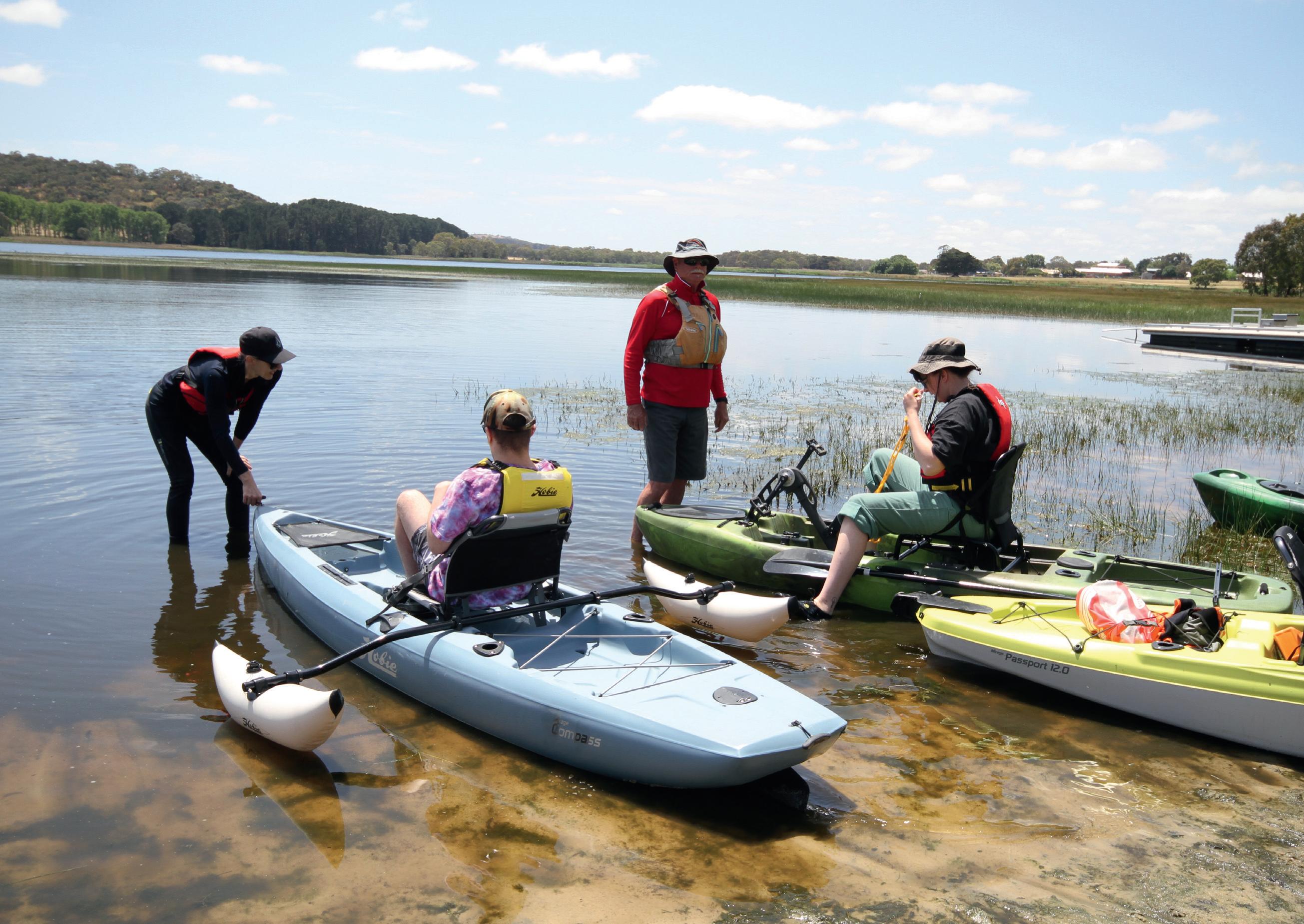
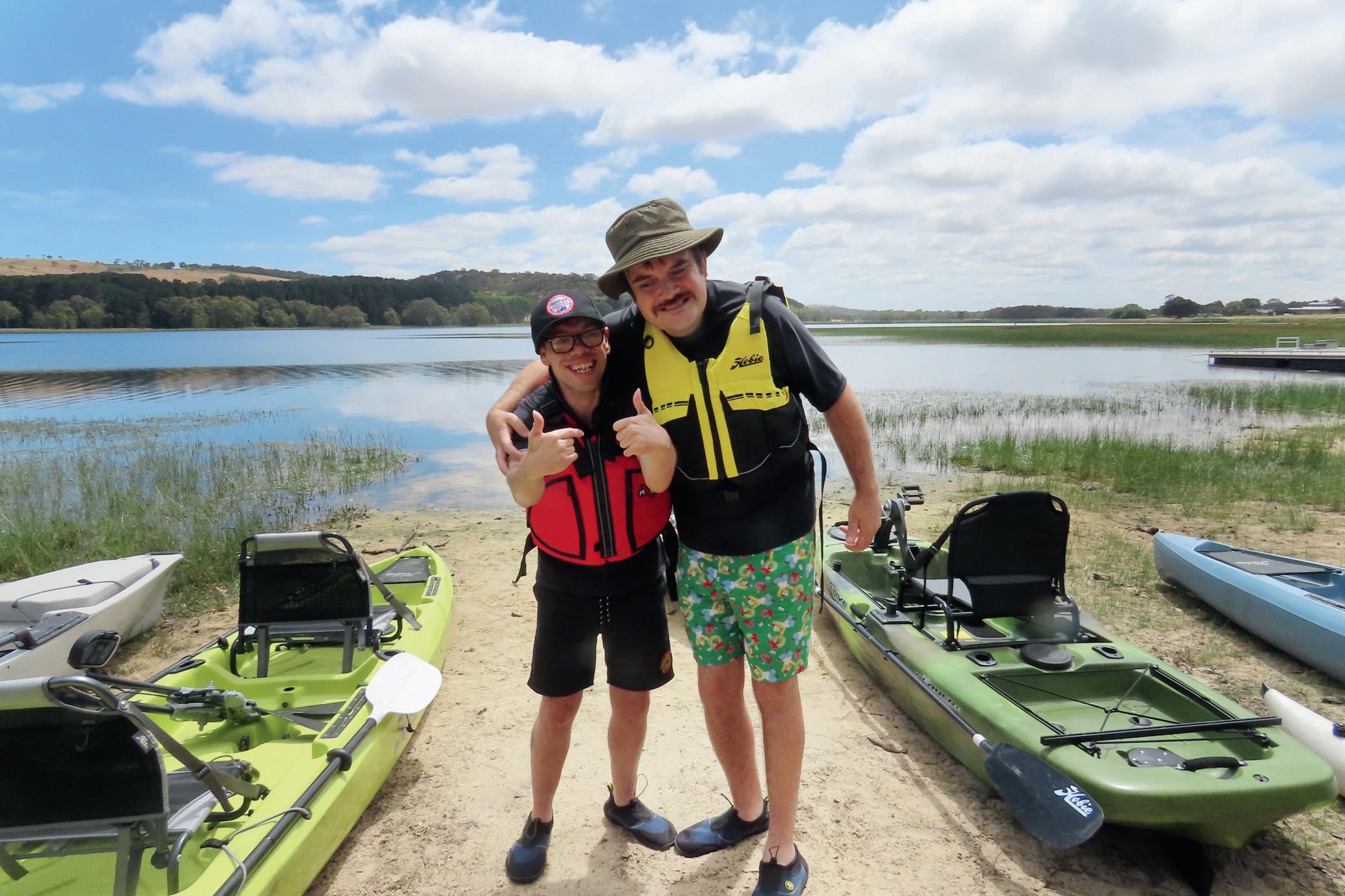
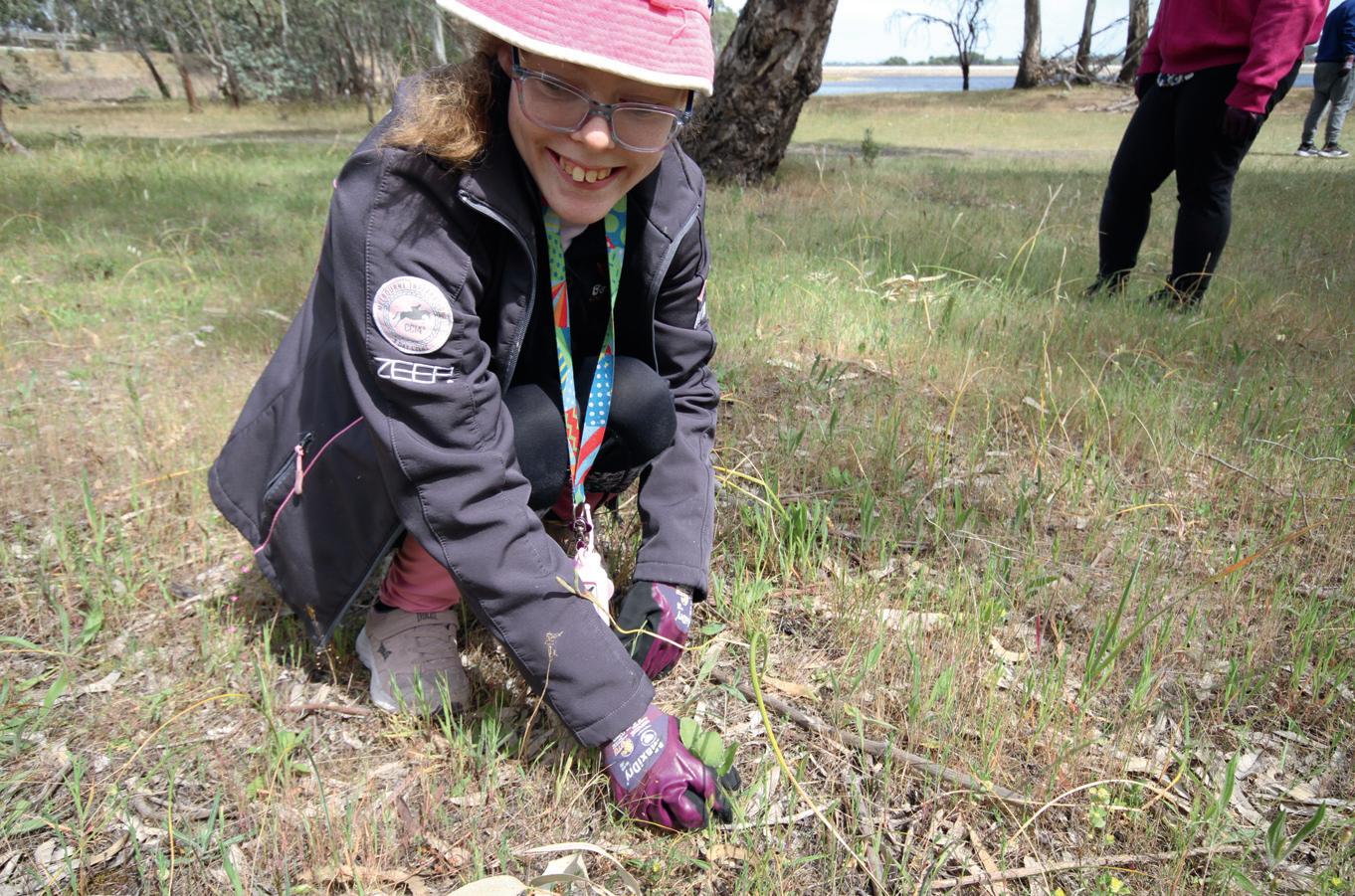
At SA Water’s Happy Valley and Myponga reservoir reserves, participants were offered the chance to enjoy kayaking, fish-stocking, hiking and weed removal. Other activities, including fossicking, reef rambling, collecting koala food and campfire cooking, were provided at ForestrySA and National Parks reserves. Each activity was tailored
to cater to the participants and to ensure the safety of all.
SA Water invested in training and resources to enable their people to provide assistance as part of the program. In particular, a small fleet of five kayaks was purchased (selected specifically for their stability and ease of use), and Paddle SA were engaged to train staff as kayak supervisors.
Paddle SA’s assistance with supervision of the kayaking activities throughout the trial program was highly valued and greatly appreciated. Bedford Group recommended the kayaking to those clients considered capable of attempting the activity. All were able to enjoy being on the water in the SA Water kayaks, either in a tandem kayak or towed by carers in solo kayaks.
By engaging people living with disability over the cross-tenure trial program, the three agencies were provided insights into facilities and infrastructure that allow more people to enjoy different activities. Specific activities were selected to provide a deeper connection between people living with disability and the natural and cultural landscapes.
In all, 55 of Bedford’s clients participated across the 16 sessions of the trial program (a total of 112 attendances). Staff involved with delivery of the program frequently commented on how heart-warming it was to observe the joy on the faces of those
experiencing these outdoor activities and to hear their enthusiastic reflections.
Participant feedback was formally collected via an online survey, which participants filled out following activities (independently or with the assistance of a carer). All participants stated that they were “happy” or “very happy” with the activities that were offered, and that they were “satisfied” or “very satisfied” with their experience in the program.
Participants were asked to nominate their favourite part of the program and to provide any additional feedback. The most commonly listed favourite past-time was simply “being in nature”, including walking and seeing a variety of native animals. Kayaking, fish release, fossicking and the therapeutic horticulture session were also among those listed as favourites.
The program’s aim, to have a high level of engagement from participants and to find improved ways to reduce barriers faced by visitors living with a disability, was clearly met. An unexpected outcome included massively improved support for Bedford’s day excursion program, which increased by 400 percent following the successful trial program. The day excursion program has now been further expanded upon. Bedford Group is better informed to be able to undertake any of these activities without the direct involvement of the land managers.
Following the broad success of the trial, it was continued for a further two years in 2024-25. This expanded upon the activities tested through the 12-week trial to incorporate a number of skillbuilding goals, including:
• Personal fitness and mental wellbeing through walking, kayaking, forest bathing and therapeutic horticulture.
• Developing skills to use a kayak solo and water safety.
• Development camping skills such as selecting and preparing a site, setting up a tent, cooking food with gas burners and setting up a campfire.
Volunteer opportunities have been made available at Happy Valley Reservoir Reserve, Kuitpo Forest, Cleland National Park and Sturt Gorge Recreation Park. More recently, Nature Play SA have joined the program to offer their expertise in nature education, offering further activities to participants.
The AOP trial successfully provided Bedford Group’s clients the opportunity to participate in a range of outdoor activities and to understand and assist in conservation programs in parks, forests and reservoirs. Land managers have collected information about elements of each activity that are beneficial and enjoyable for participants, and
taken note of challenges or barriers experienced by users.
The aim of the program was to have a high level of engagement from participants, to raise awareness and work towards new and improved ways to reduce the barriers faced by visitors living with a disability. Following the trial, Bedford Group is better informed to be able to undertake any of these activities without the direct involvement of the land managers. Through observation of the participation of Bedford’s clients
and staff in the activities, land managers have recognised elements that could improve the experience in future activities, both in the format of the program and through development and improvement of on-ground facilities. Beyond this, maintaining facilities and programs at their current excellent level is key.
With the program now expanded, increasing the availability of experiences to reach more people living with a disability will be crucial.
“Building sustainable landscapes one tree at a time”
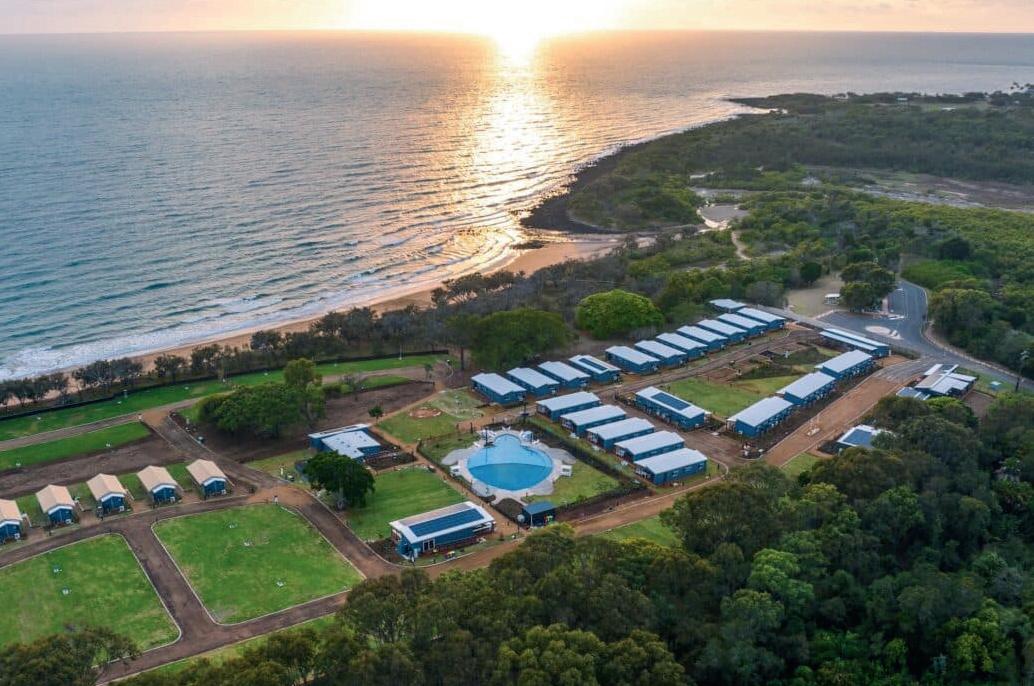
Australian Environmental Landscapes specializes in restoring, rehabilitating, and maintaining bushland, as well as providing environmental landscaping, landscape construction, fencing, and parkland structures and their upkeep.
Our ability to balance commercial goals with ecological priorities ensures we deliver cost-effective solutions for government and commercial clients. We proudly serve all of Queensland and beyond.

We have unique expertise in balancing the commercial needs of the construction industry with the environmental objectives of ecologists. Get in touch to find out how we can help you.
WORDS CRYSTAL BRINDLE, LINCOLN UNIVERSITY MASTER’S STUDENT AND SENIOR RANGER, DEPARTMENT OF CONSERVATION
For many New Zealanders, outdoor recreation is fundamental to cultural identity, wellbeing and social connection. However, not all members of society benefit equally from these opportunities. People with disability continue to encounter informational, physical and attitudinal barriers that limit participation in nature-based recreation. This article outlines these barriers and highlights new Outdoors Accessibility Design Guidelines, developed by Recreation Aotearoa. It provides actionable strategies for land managers and recreation providers to foster greater inclusion, contributing to equitable outdoor access for all.
For many New Zealanders, the experience of recreation outdoors (in whatever form and wherever it happens) is woven into their sense of identity. New Zealand’s natural
environment is an intrinsic part of these leisure experiences — from coasts and lakes to parks and alpine trails.
A growing body of evidence confirms the positive effects of naturebased recreation on physical and mental health (Bell, 2019; Martin, 2013). This includes benefits for individuals with physical, sensory or cognitive impairments. But not everyone benefits equally. People with disability frequently encounter social, environmental and attitudinal barriers, often shaped by outdated constructs of disability.
In 2024, Recreation Aotearoa released new Outdoors Accessibility Design Guidelines. These guidelines provide practical, evidence-based recommendations, tools and strategies for park managers, staff and community groups to support inclusive, accessible design and operation of outdoor spaces.
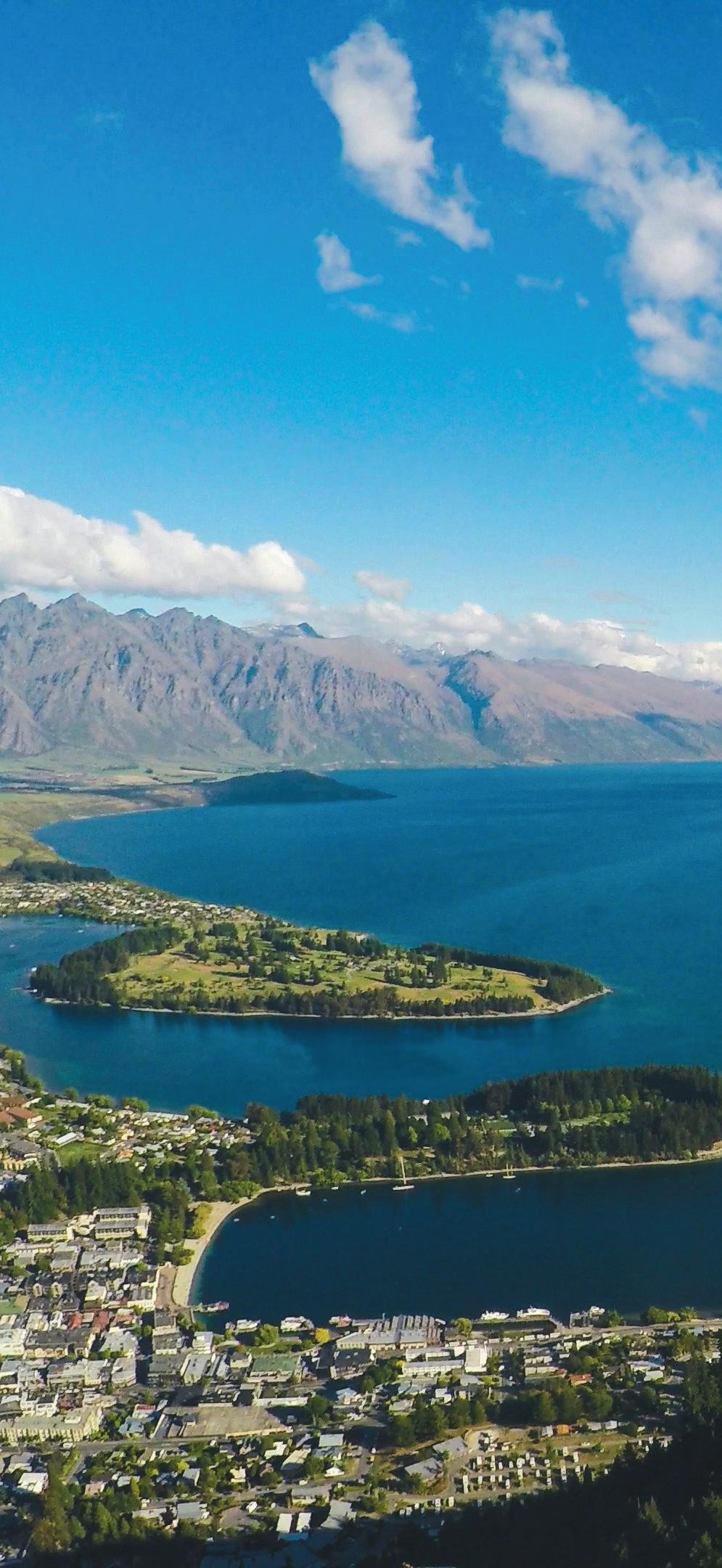
Despite a strong desire to access outdoor recreation, New Zealanders living with disability continue to face significant barriers. The Outdoor Recreation Accessibility Survey (Department of Conservation, 2024) identified constraints that align with a widely recognised three-part typology (Hennig et al, 2015):
1. Informational Environment | Barriers in wayfinding, previsit information and interpretive resources.
2. Physical Environment | Inaccessible trails, carparks, toilets and recreational facilities.
3. Attitudinal Environment | Social barriers lack of stocial support, judgement and stigma for risk-taking.
Accessibility barriers occur at multiple points in a recreation experience —
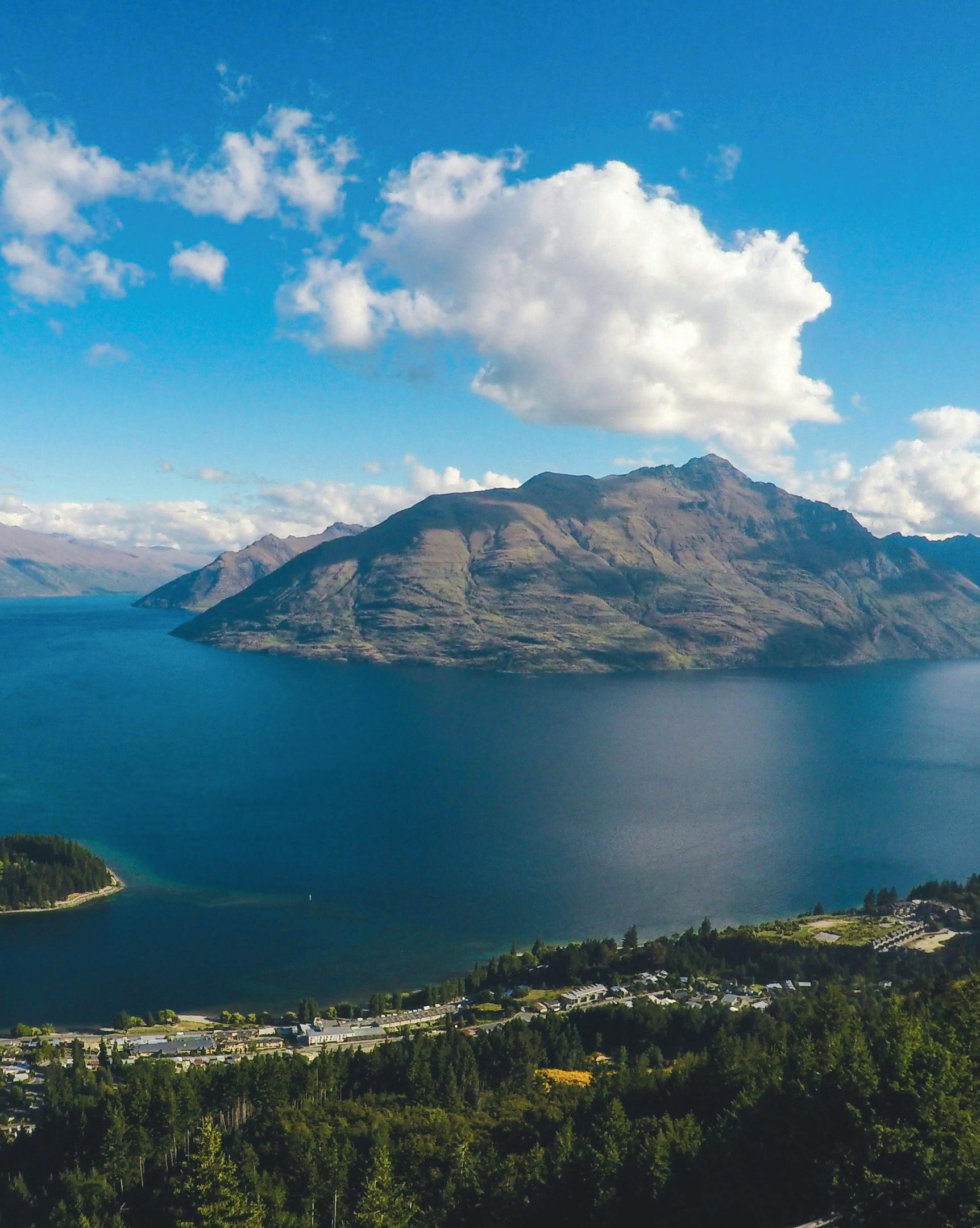
from previsit planning to onsite use.
The Chain of Outdoor Recreation
Experience illustrates where barriers can impact a participant’s experience and likelihood of returning.
Research suggests that the software of an experience (the human and relational aspects) is often more significant to the satisfaction of people with disability than the hardware of facilities (Chikuta et al. 2019).
Public land management plays a central role in enabling inclusive outdoor recreation. Staff at all levels can contribute to positive change, particularly:
Hosts, rangers, guides and frontof-house staff | Through culture setting and positive interactions.
Management teams | By embedding inclusion and accessibility into strategy and operations.
Sector leadership | By fostering partnerships, advocating for inclusive policy and modelling best practice.
An example of inclusive practice is Destination Queenstown’s Accessible Trails Guide. Developed in partnership with local organisations, the guide profiles six wheelchair-friendly and mobility-accessible trails, including alpine lakeside walks, historic Arrow River bridges, and routes through the Gibbston wine region.
To improve access, public land managers and recreation providers can take the following evidenceinformed actions.
Reducing informational barriers:
Provide an accessibility tab on each park or place website detailing available facilities and services.
Collaborate with advocacy groups and disabled people to ensure information is relevant.
Offer resources in multiple formats.
Overcoming physical barriers:
Connect visitors with providers of adaptive mobility equipment.
Improve coordination with transport services.
Consider access across the entire recreation journey, not only within the site.
Prioritising experience software:
Foster an inclusive organisational culture through staff training and inclusive hiring practices.
Cocreate services and facilities with people with disability, adhering to the principle of “nothing about us, without us”.
Aotearoa New Zealand’s public outdoor spaces should reflect the diversity of those who wish to access them. It is a human right for disabled people to participate in outdoor recreation on equal terms. Public land managers and recreation providers have a clear role in dismantling informational, physical, and attitudinal barriers through inclusive policy, accessible design, and proactive community partnerships. By embedding accessibility at every stage, the recreation sector can ensure that the benefits of outdoor experiences are truly available to all.
1. Bell, S L (2019). Experiencing nature with sight impairment: Seeking freedom from ableism. Environment and Planning E: Nature and Space, 2(2), 304–322.
2. Chikuta, O, Du Plessis, E, & Saayman, M (2019). Accessibility expectations of tourists with disabilities in national parks. Tourism Planning & Development, 16(1), 75–92.
3. Department of Conservation. (2024). Outdoor Recreation Accessibility Survey 2024. Wellington, New Zealand.
4. Hennig, S, et al. (2015, May 5–7). How to improve accessibility of natural areas. Paper presented at Plan Together—Right Now— Overall: From Vision to Reality for Vibrant Cities and Regions, Germany.
5. Martin, J J (2013). Benefits and barriers to physical activity for individuals with disabilities: A social-relational model of disability perspective. Disability and Rehabilitation, 35(24), 2030–2037.
6. Recreation Aotearoa. (2024). Outdoors Accessibility Design Guidelines. Wellington, New Zealand.
NOTE Views represented in this article are not necessarily those of the Department of Conservation
KATHARINE VANDERWAL, RESEARCH PROJECT MANAGER, URBAN TRANSFORMATIONS RESEARCH CENTRE, WESTERN
As we grapple with the escalating impacts of climate change, the need for adaptive solutions across public and private sectors has never been more urgent. Increasingly severe weather events, driven by global warming are placing immense strain on cities and their residents. From blistering heatwaves and flash droughts to torrential flooding and bushfi climate whiplash (the rapid swing between extreme climate conditions) is redefining the challenges cities face.
These volatile conditions can trigger cascading effects, where one event sets off a chain reaction, compounding risks to communities and ecosystems. Extreme heat, amplifi heat island effect (warming resulting from heat absorption and trapping by buildings, roads and other grey infrastructure as well as loss of vegetation), creates tinder-dry conditions that can fuel bushfi regions, which in turn strip landscapes of vegetation, leaving them more vulnerable to flooding and erosion when heavy rains inevitably return. As a result, when temperatures soar, the cooling effects from vegetation is lacking, further exacerbating extreme heat conditions. Responding to these multi-hazard events requires integrated strategies to minimise their impact in our cities and towns.
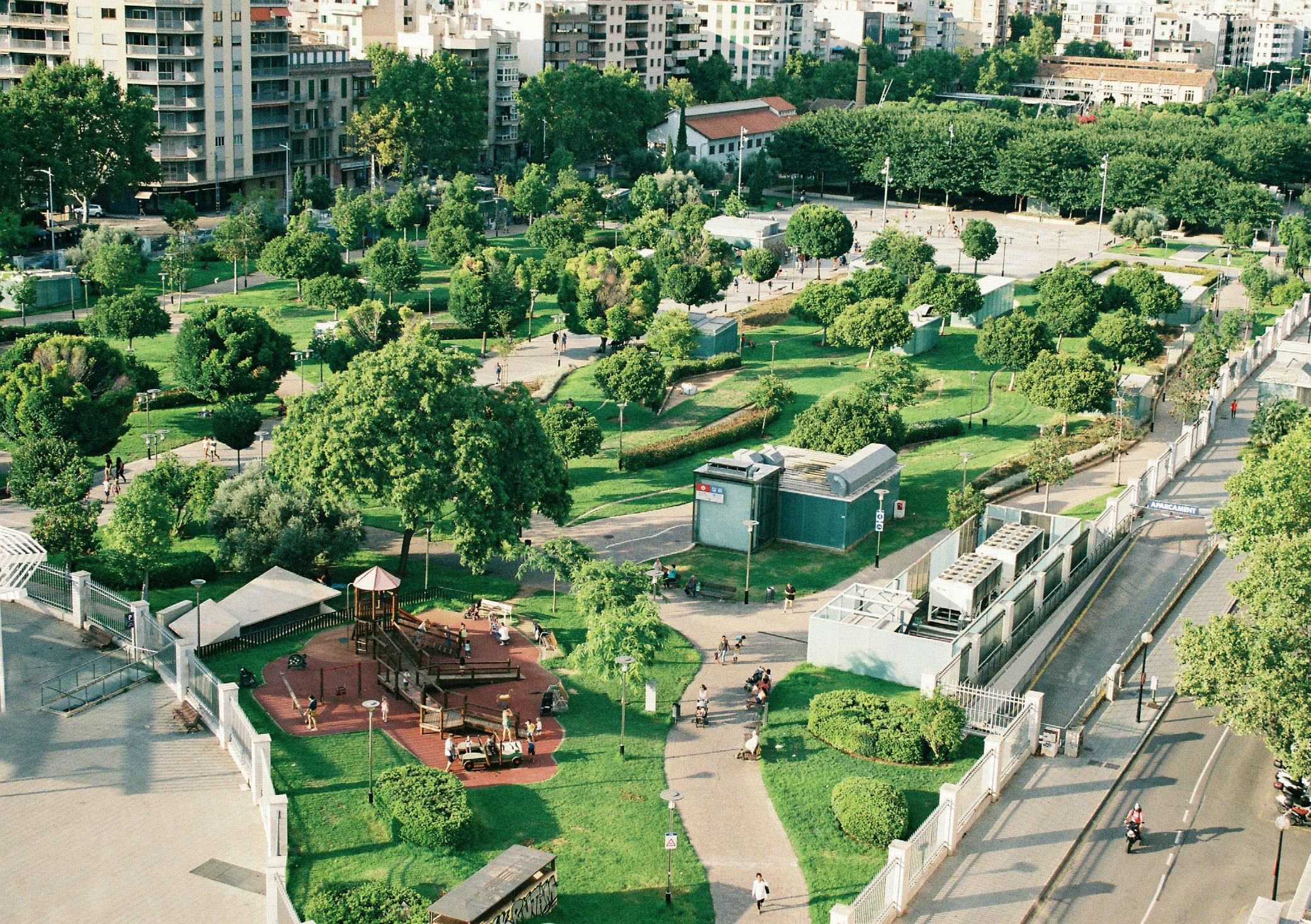
Urban Greenspaces (UGS) can offer effective, holistic strategies to mitigate the impacts of heat, flooding and bushfires. However, assumptions that UGS are inherently beneficial oversimplifies the challenges of designing and managing them for resilience. Poorly planned or maintained greenspaces can compound risks, such as increasing fuel loads for bushfires, increasing surface temperatures during heatwaves if lawn areas become too dry or failing to adequately manage stormwater during heavy rainfall. The recently released federal National Adaptation Plan highlights that a coordinated, multihazard approach is essential for transforming UGS into resilient, multifunctional systems capable of enduring the complexities of climate change.
To address these challenges, Managing Resilient Urban Greenspaces
in Australian Cities, funded by Hort Innovation through the Frontiers Research Program, is developing a series of better practice guides. These resources will help urban planners, designers and managers build actionable strategies for public and private urban greenspaces (for example parks, verges, reserves, golf courses and school grounds, to name but a few) to ameliorate risks and enhance liveability as climate extremes intensify. The first three guides will address extreme heat, flood and fire separately, while the fourth and final guide will promote a multihazard approach addressing priorities and trade-offs in approaching those single hazards.
Extreme heat is the most immediate and severe threat to Australians, causing more deaths than all other natural disasters combined. Through shading and evapotranspiration, UGS
offer a highly effective strategy for passive cooling of urban areas at the neighbourhood scale.
Effective cooling requires healthy trees, large canopies and high evapotranspiration rates. Trees with broad, dense crowns provide the most significant cooling benefits, particularly when strategically placed to shade buildings, active transport corridors and heat-absorbing hard surfaces. The guides developed by the project team will aid designers with recommendations for hazard mitigation through greenspaces, such as in selecting the most appropriate species for their climate zone, while considering tradeoffs and compromises.
Flooding, intensified by more frequent and severe rainfall events, is another significant challenge for Australian cities. Urbanisation exacerbates flood risks by replacing permeable vegetated
landscapes with impermeable surfaces that increase runoff
Optimal design for urban flood risk can involve nature-based solutions like bioswales and detention ponds, which play a crucial role in managing stormwater and reducing flood risks. These systems act as natural sponges, capturing excess water and slowing its flow. Other features, such as permeable pathways and high vegetation density, support this effect. Constructed wetlands and floodplains provide critical storage during heavy rain, while well-vegetated riparian zones stabilise riverbanks and prevent erosion. However, balancing flood management with other climate priorities, such as fire mitigation, requires careful planning.
The table below shows examples of compromises that may need to be made. For example, dense vegetation that intercepts rainfall may also increase fuel loads, highlighting the need for integrated, multi-functional designs. The guides will support these designs.
Bushfires, fuelled by rising temperatures and prolonged dry conditions, and more frequent electrical storms pose a severe threat too, especially to peri-urban areas. In fireprone regions, UGS can act as either a protective buffer or a dangerous fuel source. Effective fire mitigation hinges on smart planting strategies and possibly mechanically controlling fuel loads, as the use of controlled burns in populated urban areas is unlikely. The project’s guides will include strategies for reducing bushfire hazards, such as planting more fire-resistant species and reducing fuel loads through management and maintenance.
Computer-based simulation is a key tool in this effort, enabling scenario testing and quantifying trade-offs between fire, heat and flood mitigation.
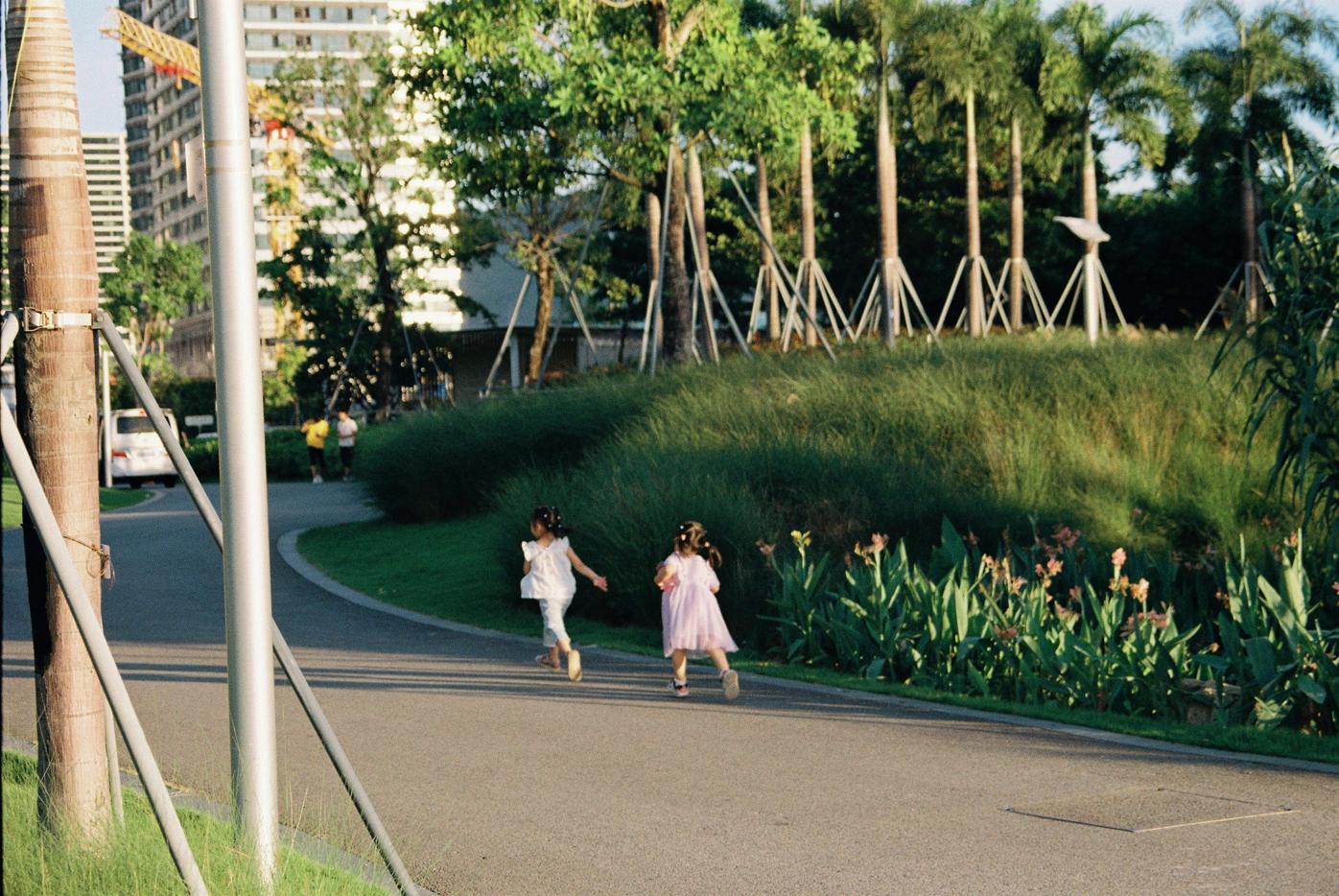
Using urban microclimate models, urban catchment hydrology models and landscape flammability models, the project will assess scenarios of different UGS designs and management options under various climate conditions, providing a science-based foundation for the guides. Species selection, design and management approaches can be used to balance these risks and create safer, more resilient landscapes. If an UGS is designed to specifically mitigate the impacts of a single hazard, managers of this infrastructure can use the multihazard approach to identify strategies that will be most effective when other hazards strike.
Beyond risk mitigation, UGS play a vital role in enhancing liveability. Parks, gardens and green corridors improve mental and physical health, foster social connections and provide habitat for wildlife. Neighbourhoods with abundant greenspace have been found to experience lower rates of heat-related illness and mortality (bmjopen.bmj.com/ content/14/9/e081632), particularly among vulnerable groups according
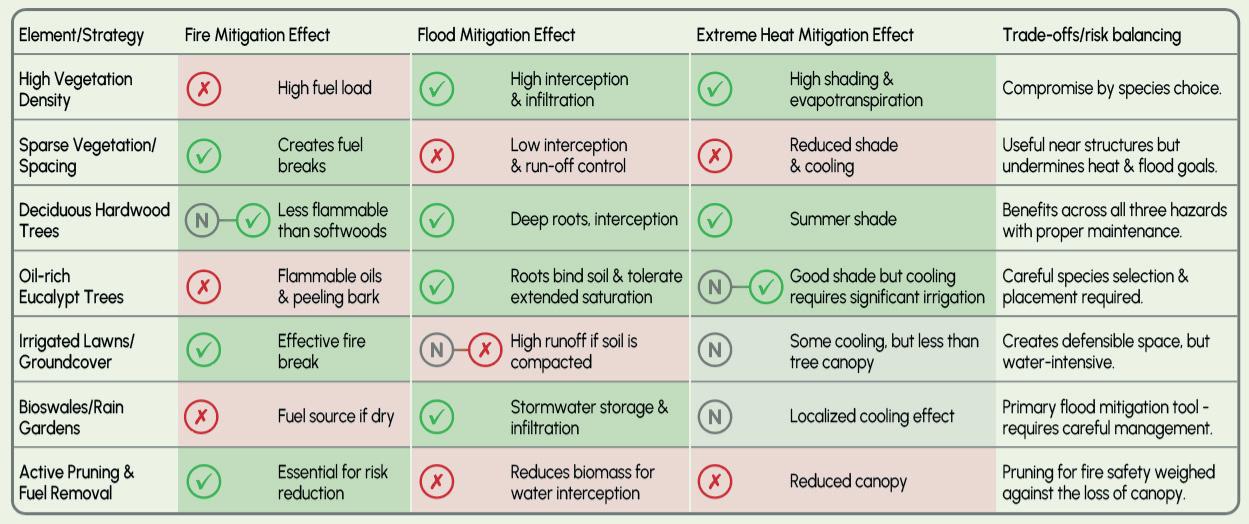
to researchers at the London School of Hygiene and Tropical Medicine
The Better Practice Guides will equip Australian cities with the knowledge and tools needed to make better use of UGS for climate change adaptation. By providing freely available guides focused on design, plant selection and maintenance, the project empowers the public and private sectors to prepare and implement nature and science-based solutions that address immediate and long-term climate challenges.
UGSs are more than tools for risk mitigation, they can be a cornerstone of resilience, sustainability and equity in the face of a changing climate. Fire outbreaks in Europe and North America, flooding in Asia and extreme heat in the Middle East, Europe and Africa underscore the urgency of acting now. Delaying action will only increase the cost of adaptation and place more lives, infrastructure and ecosystems at risk. Resilient greenspaces are not just an immediate necessity but a critical step toward future-proofing our communities.
The Better Practice Guides will be available in early 2027. Visit resilientparks. org for more information.
Managing Resilient Urban Green Spaces in Australian Cities is funded through Frontiers, developed by Hort Innovation, with coinvestment from Western Sydney University, University of Melbourne, University of New South Wales, Campbelltown City Council, Penrith City Council, Wyndham City, and contributions from the Australian Government.
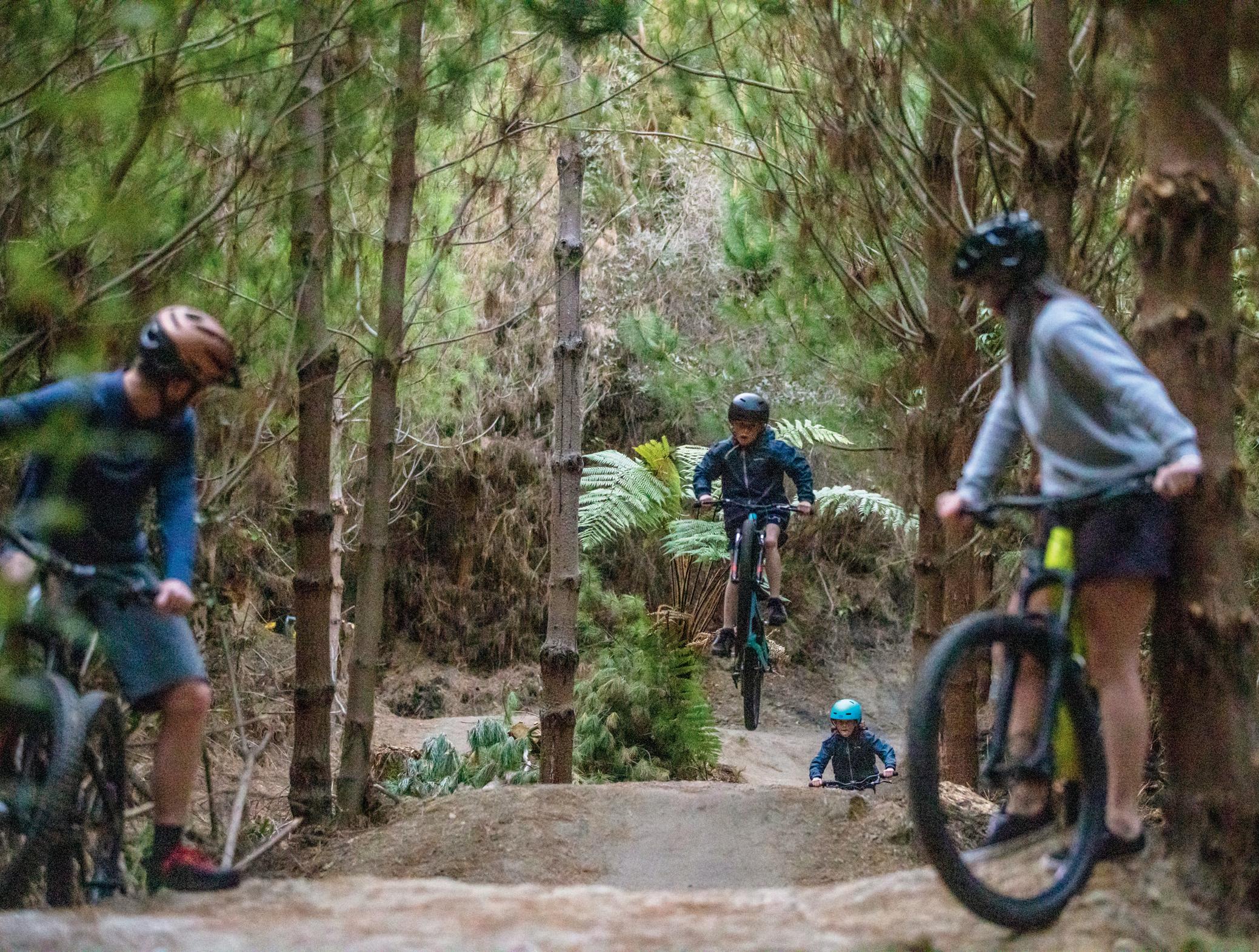
AN UPDATED EDITION OF NEW ZEALAND’S MOUNTAIN BIKE TRAIL DESIGN GUIDELINES HAS JUST BEEN RELEASED
WORDS RECREATION AOTEAROA
New Zealand is globally recognised as one of the world’s top mountain biking destinations. With our natural landscape and extensive trail network, mountain biking attracts high levels of participation from locals and tourists alike.
There is risk involved with the sport. Data from the ACC (Accident Compensation Corporation), the government agency in New Zealand that provides insurance for people who suffer personal injury from an accident, shows mountain-biking-related injury claims are on the rise.
Following a Coroner’s recommendation to create a more nationally consistent approach to trail safety and signage, Recreation Aotearoa led a review of the existing New Zealand Mountain Bike Trail Design & Construction Guidelines. In August 2025, the updated New Zealand Mountain Bike Trail Design Guidelines were released.
Developed in partnership with the Department of Conservation (DOC), Ngā Haerenga New Zealand Cycle Trails, ACC and Sport NZ, the guidelines provide practical advice for anyone involved in trail design, construction or maintenance — from councils and landowners to volunteers and trail builders.
The updated New Zealand Mountain Bike Trail Design Guidelines cover all aspects of trail development, including design principles, construction guidance and ongoing management. It includes advice for building trails that cater to a range of riders, including those using adaptive bikes. Key changes include:
New signage guidance developed with support from the Land Safety Forum New Zealand.
New auditing guidelines.
New guidance on maintenance, trail enhancers and safety in design.
Refreshed diagrams and technical drawings.
Minor changes to ensure trail criteria are consistent and concise.
Updated guidance on inclusive trails.
These changes better reflect how trails are currently being built and used and help ensure a more consistent and safer experience for all riders.
The guidelines emphasise building trails that are welcoming, sustainable and safe — protecting both people and the environment. By following these best-practice principles, trail developers can create high-quality experiences that support the continued growth of mountain biking across Aotearoa.
“The updated guidelines respond to a clear call for national consistency across
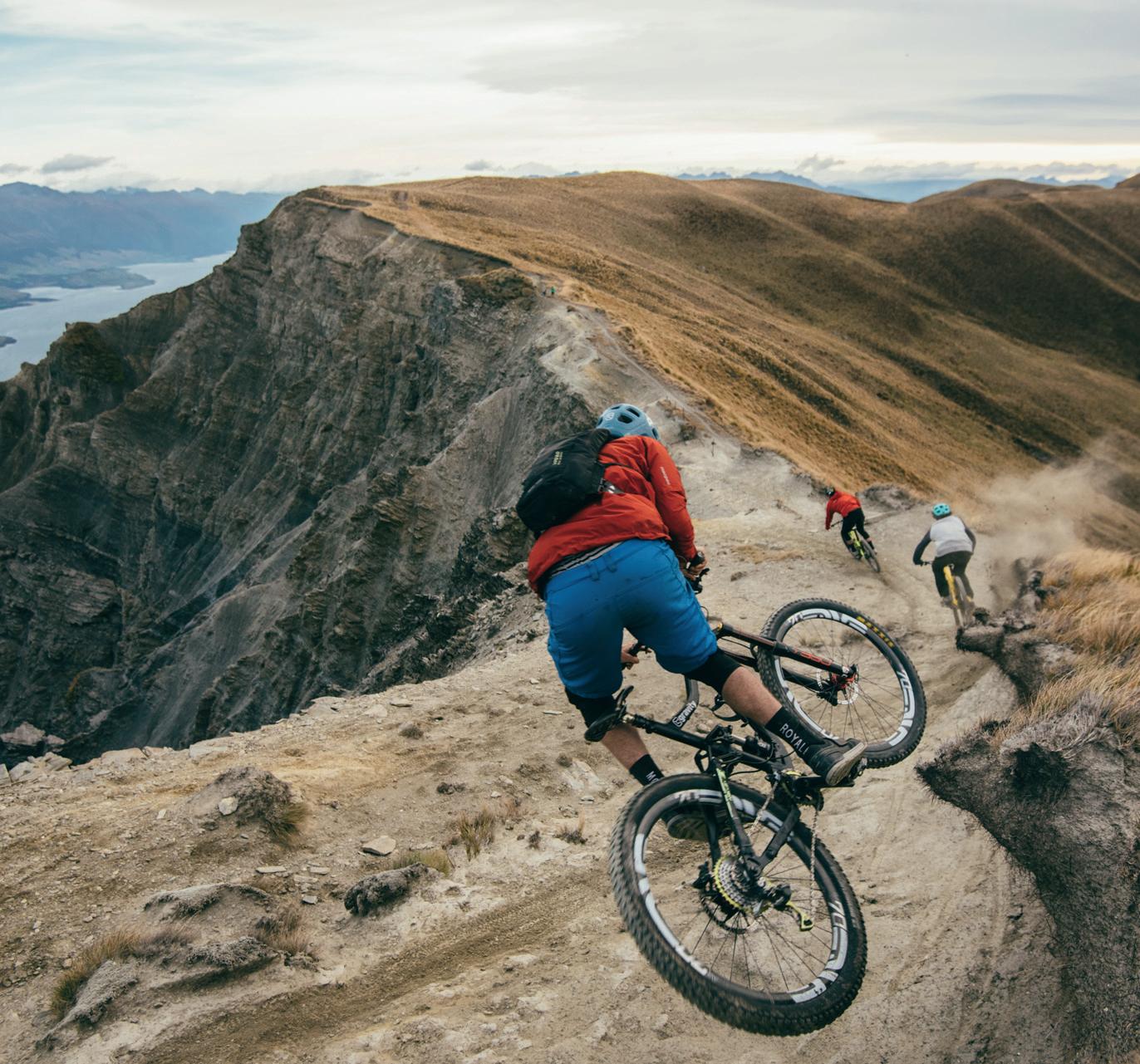
trail guidance, design and safety,” explains Sarah Murray, Recreation Aotearoa Chief Executive.
“They not only improve rider safety they also support more sustainable trail development. We’ve also taken the opportunity to incorporate guidance on inclusive trails as part of our recently released Outdoors Accessibility Design Guidelines.
“By working with DOC and Ngā Haerenga, we’ve aligned existing guidance into one practical, accessible resource for everyone involved in trail planning, building and auditing,” she added.
Alongside the New Zealand Mountain Bike Trail Design Guidelines, a new Trail Builders’ Handbook has also been released. This handy resource offers practical, in-field guidance for builders, with diagrams and technical details for each of the six mountain bike trail grades used in New Zealand.
Recreation Aotearoa partnered with Trail Fund NZ to distribute copies of the new handbook to trail builder networks across New Zealand.
“Every area and club are different, and trail builders collectively hold a broad range of skills and approaches to providing trails across the country. However, we are confident those involved have done their homework and put forward high-quality guidelines
that provide a robust framework for trail building around the country,” said Trail Fund co-president John Humphrey.
Trail Fund NZ will continue to act as a conduit between trail builders and Recreation Aotearoa, passing along onthe-ground feedback to ensure the Trail Builders’ Handbook will continue to be the best it can be.
“In 2024, there were over 5,500 mountain biking injury claims, costing $22.4 million. The average claim was just over $4,000 — making it the most expensive of any sport or active recreation category, and more than twice the average claim cost for rugby,” said Kirsten Malpas, ACC Public Health and Injury Prevention.
“ACC is proud to support the development and launch of the New Zealand Mountain Bike Trail Design Guidelines, aimed at helping people enjoy mountain biking safely. With more riders enjoying the growing network of incredible trails across Aotearoa, consistent signage is essential in helping riders understand what lies ahead and choose trails that match their skill level. Injuries (especially serious ones) can have a major impact on people’s lives.
“We want to ensure everyone can continue to enjoy the activities they love (like mountain biking) while staying safe and injury-free,” said Malpas.
DOC has transitioned to the New Zealand Mountain Bike Trail Design Guidelines. The Ngā Haerenga New Zealand Cycle Trail Guidelines will also be updated to ensure alignment. Sport NZ has included the updated guidelines on its website. ACC has been promoting the guidelines as part of stories shared in the media, which are focused on safety and injury prevention.
Recreation Aotearoa run two webinars for those involved in trail building, design and management, to unpack the New Zealand Mountain Bike Trail Design Guidelines. Recreation Aotearoa members can access a recording of the webinar on the Recreation Aotearoa Members’ Hub.
In the two months following the release of the Guidelines, over 1,200 people have viewed them on the Recreation Aotearoa website.
Both the New Zealand Mountain Bike Trail Design Guidelines and the Trail Builders’ Handbook can be found on the Recreation Aotearoa website: nzrecreation.org.nz/new-zealandmountain-bike-trail-design-guidelines
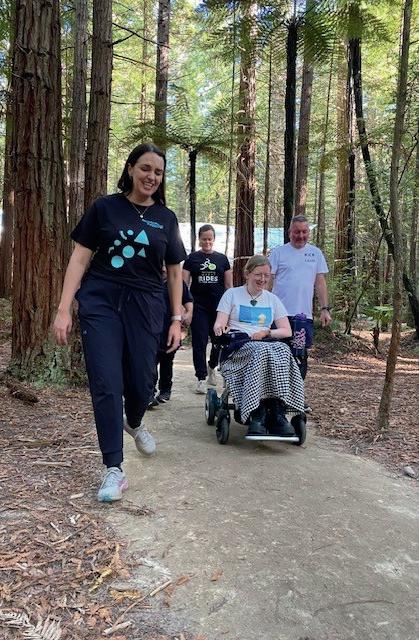
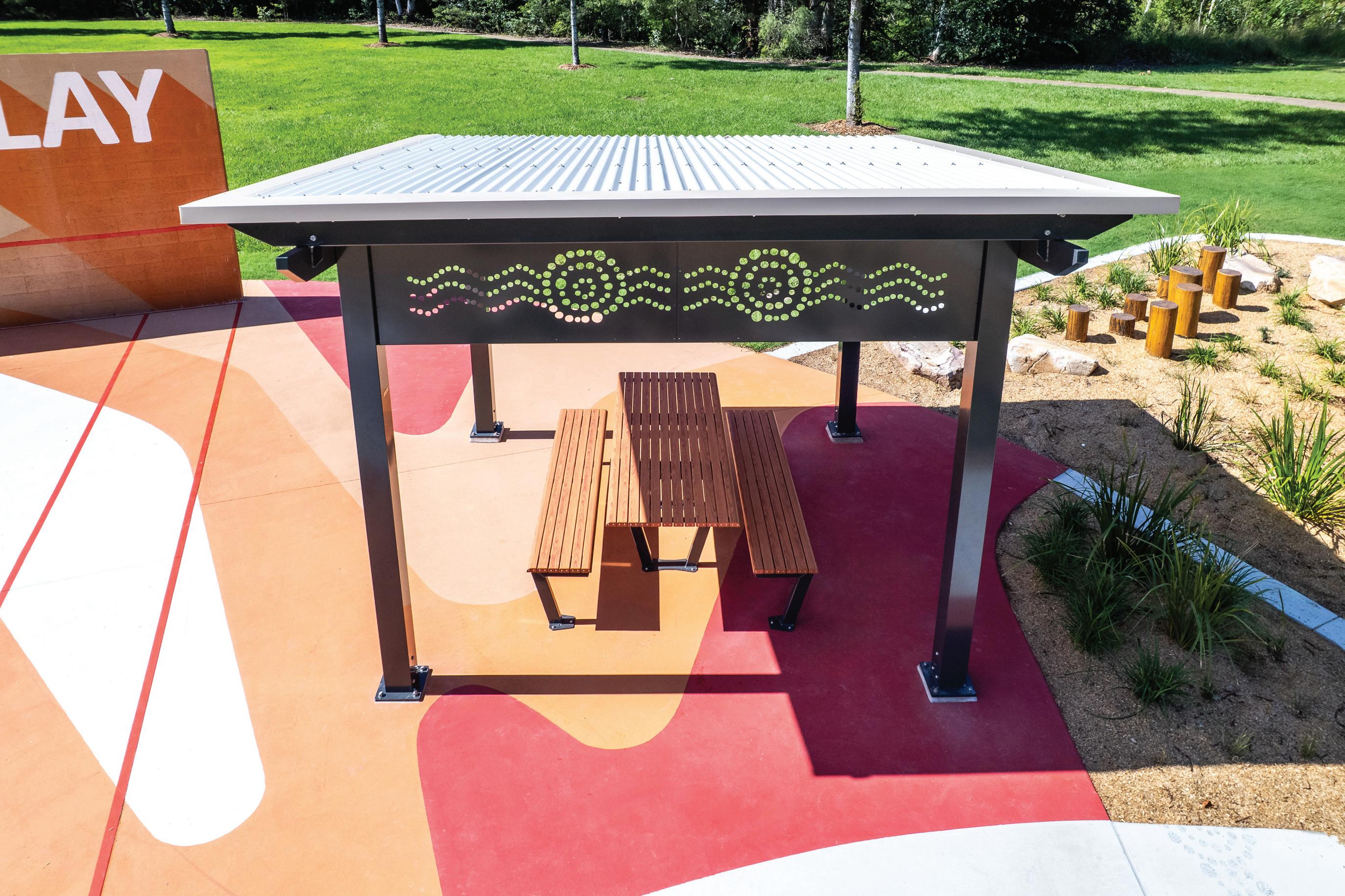


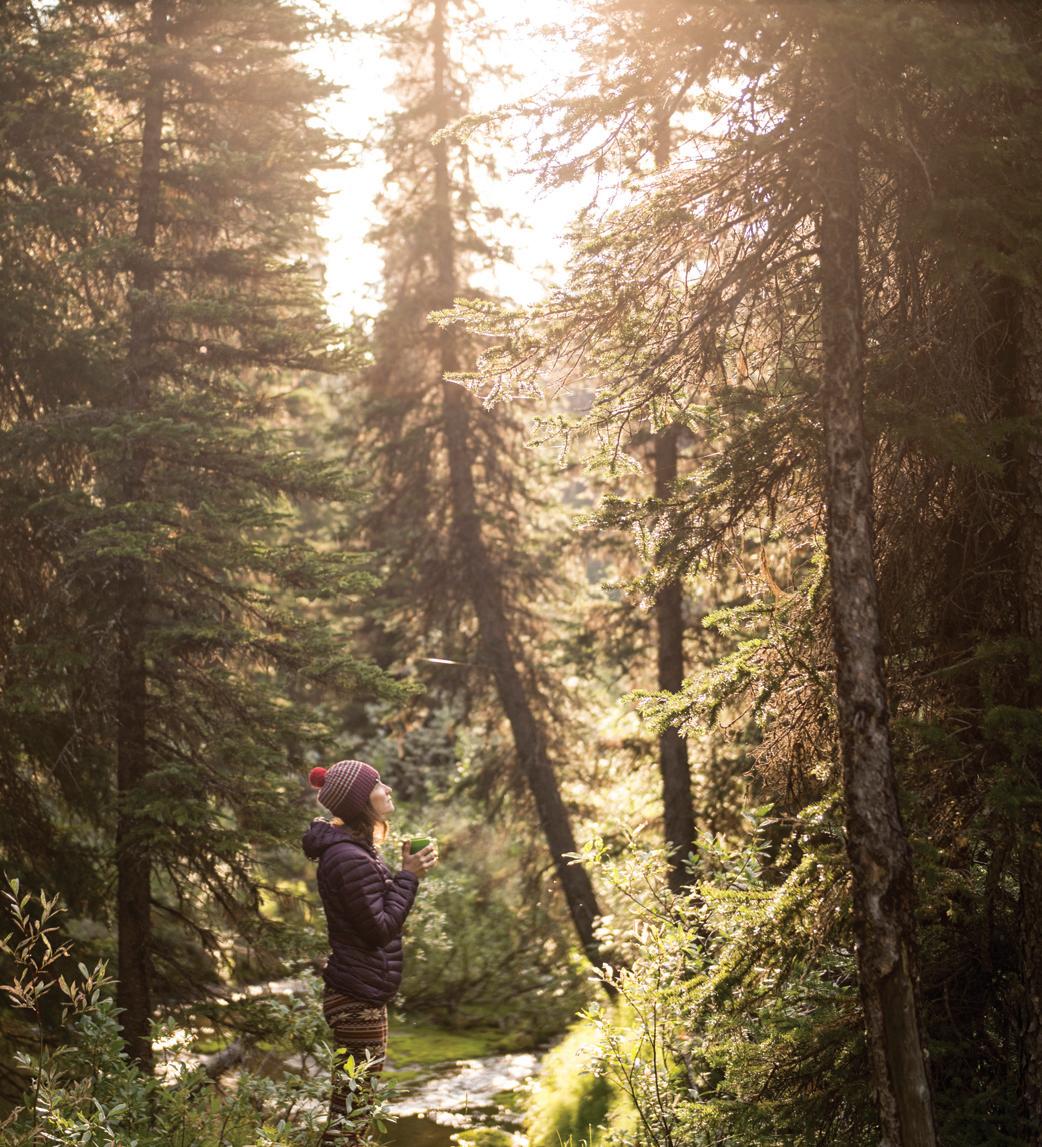
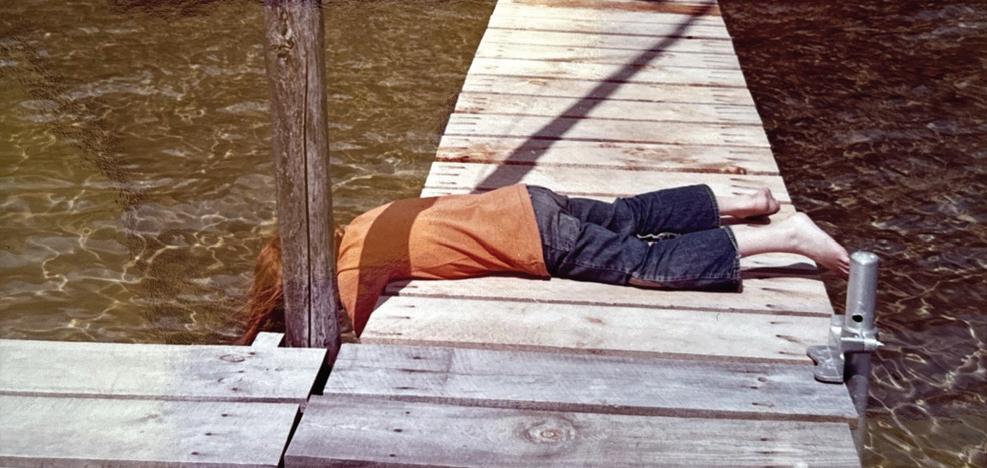
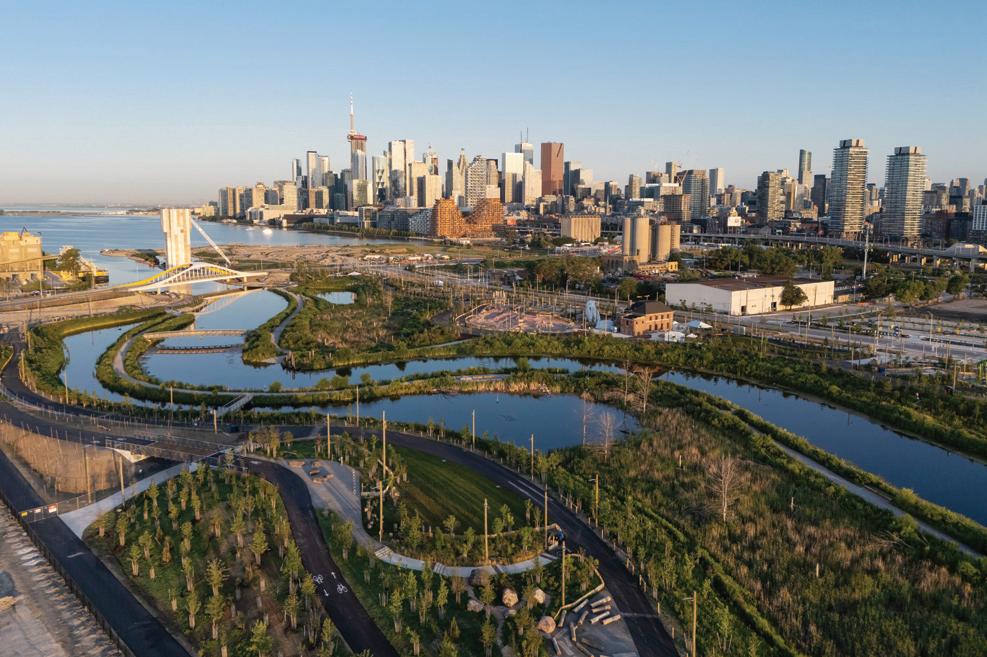









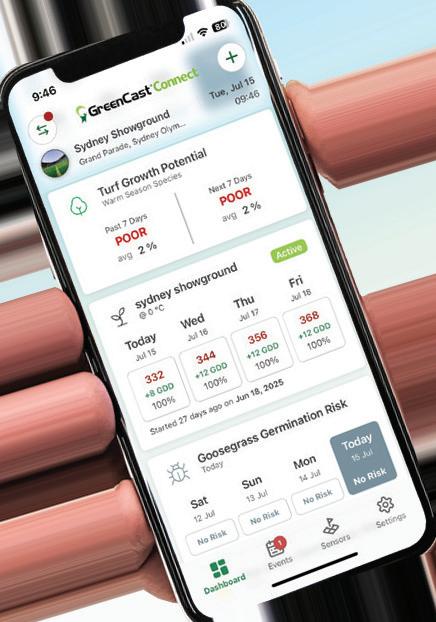


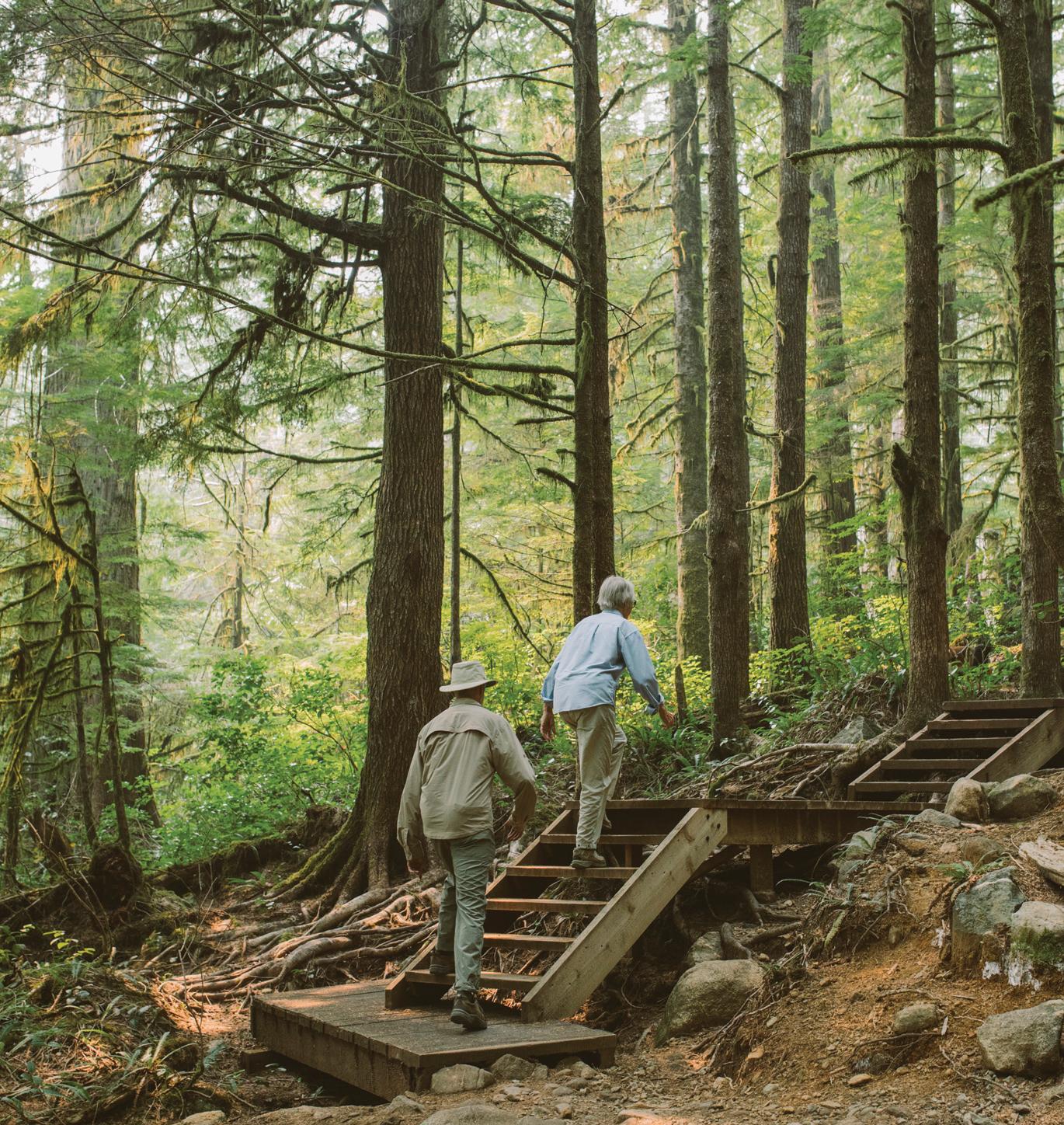
WORDS CHELSEA ROONEY, SENIOR MANAGER, COMMUNICATIONS, BC PARKS FOUNDATION, CANADA
In September 2025, Manulife announced it would become the first life and health insurer in the world to support a national nature prescription program. The move, a partnership with BC Parks Foundation’s PaRx initiative, marked a milestone for preventative health in Canada and a global signal that the era of prescribing nature has entered the mainstream.
Launched in 2020, PaRx (Park Prescriptions) is Canada’s national nature prescription program. In just five years, it has evolved from a grassroots collaboration between physicians and
park professionals into a movement that bridges medicine, conservation and policy. Today, more than 19,000 healthcare providers have registered as prescribers, collectively issuing an estimated 1.5 million prescriptions for time in nature. Each nature prescription represents a conversation between doctor and patient that redefines what care can look like.
Through this new partnership, Manulife will help PaRx expand its reach and impact, supporting the
growth of the program across Canada and making it easier for more people to access the health benefi ts of nature in their daily lives.
“By supporting PaRx, we hope to see more Canadians spend time in nature, which is proven to have a tangible impact on physical and mental health,” says Sarah Chapman, Chief Sustainability Officer at Manulife. “This is about advancing better, longer lives through innovative, preventative solutions.”
For Jennie McCaffrey, Vice President of Health and Education at BC Parks Foundation, Manulife’s involvement reflects a wider cultural realignment. “We’re thrilled that Manulife is taking this groundbreaking step in recognising the role of nature in health and wellbeing,” says McCaffrey.
“By becoming the first insurer to support a national nature prescription program, Manulife is helping to bring nature prescriptions into mainstream health initiatives and ensuring more Canadians can benefit from quality time outdoors.”
The science behind PaRx is compelling. Research consistently shows that time in nature reduces stress, lowers blood pressure, strengthens the immune system and improves mental health outcomes.
These findings underpin the concept of nature as a fourth pillar of health, alongside nutrition, exercise and sleep.
For prescribers like Dr Jake Zamora, an endocrinologist and PaRx advocate, that fourth pillar is actionable.
Studies have found that patients are significantly more likely to follow through when a physician provides a written prescription, compared to verbal advice. PaRx harnesses that effect by transforming a simple walk in the park into a formalised — and motivating — part of a care plan.
“The opportunity to provide evidence-based recommendations rooted in nature adds a unique dimension to managing chronic illness,” says Zamora. “With Manulife’s support, we can bring these benefits to even more Canadians, making it easier for patients to step outside, improve their health and value the greenspaces that sustain us all.”
Manulife’s partnership could mark the beginning of a broader shift toward prevention and holistic wellness. Across sectors, organisations are recognising
that access to nature touches multiple, overlapping priorities, including environmental stewardship, community wellbeing and health equity.
PaRx began in British Columbia and now extends across Canada and well beyond clinical settings. Its partners include e-transportation providers like Lime and Evo, which help patients reach nature more easily, and large conservation organisations such as Conservation Halton and Assiniboine Park Conservancy, which provide PaRx participants with free or discounted admission. The program is endorsed by the Canadian Medical Association, supported by Parks Canada, and recognised by the World Health Organization for advancing planetary health.
McCaffrey believes this diversity of partnerships has been key to PaRx’s rapid growth and lasting impact.
“We’ve seen healthcare, conservation, and now insurance align around the shared truth that spending time in nature is one of the most powerful and accessible tools for wellbeing,” she says. “When organisations take that seriously, not as a tagline but as actual policy, it changes everything.”
The idea of a nature prescription was once considered a niche concept championed by environmental organisations and forward-thinking physicians. Now, as companies like Manulife invest in its expansion, it is emerging as a framework for preventative health policy.
Programs like PaRx bridge two worlds that have operated in parallel:
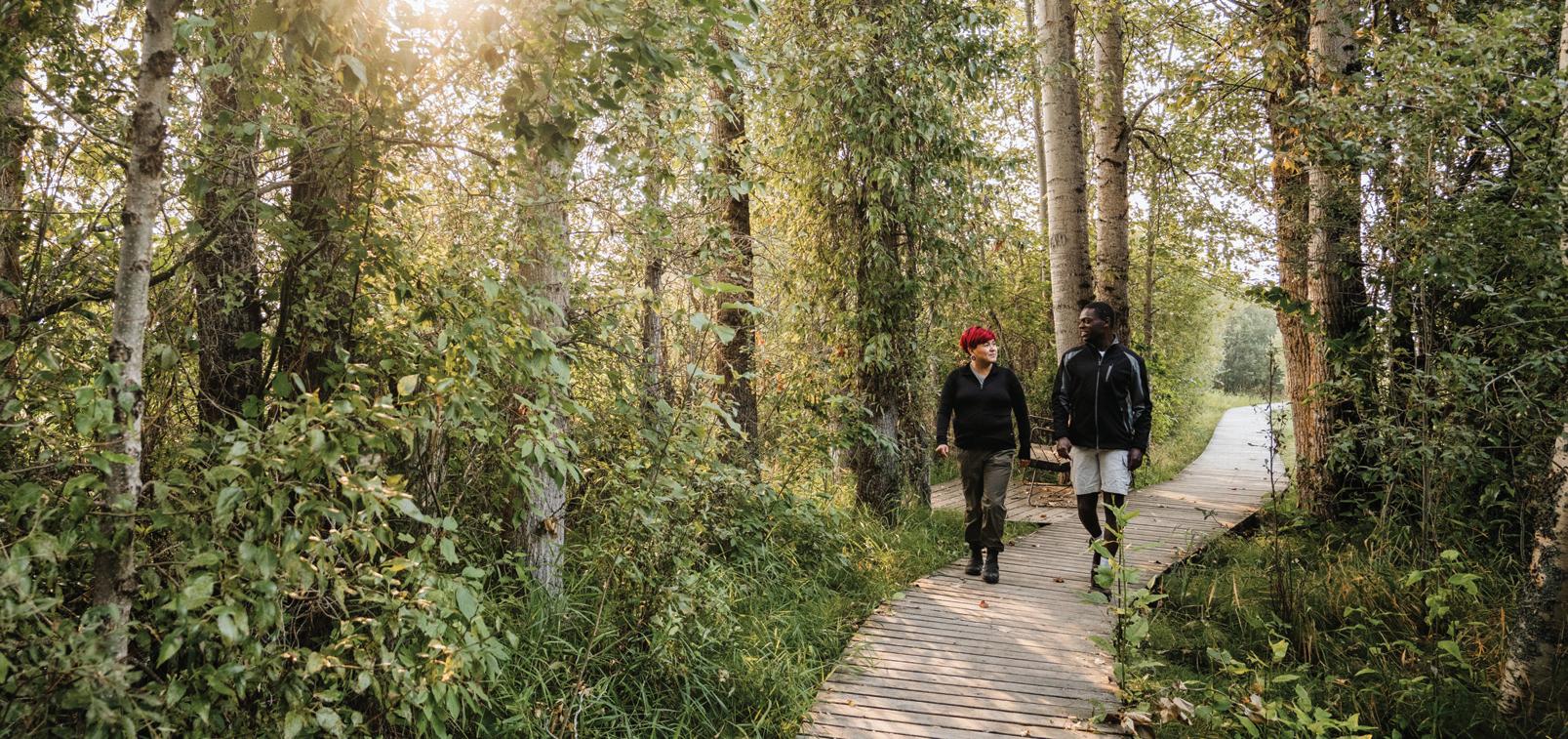
healthcare and environmental stewardship. Each prescription improves individual wellbeing while deepening awareness of the ecosystems that make that wellbeing possible.
And that reciprocity matters, because research shows that when people connect with nature for their own health, they are more likely to take action to protect it. Every PaRx prescription becomes part of a feedback loop, healing people while inspiring stewards of the planet.
The Manulife partnership may prove to be a model for the next wave of crosssector collaboration where public, private and nonprofit partners embed nature directly into the framework of healthcare systems.
At BC Parks Foundation, that evolution is already underway. Thanks to a unique Federal/Provincial/Private partnership, the Foundation’s Healthy by Nature programs are expanding
onto school grounds across British Columbia, (visit healthybynature.ca/ learning-by-nature for more info), helping children experience the health benefits of nearby greenspaces. “When kids grow up connected to parks and protected areas,” says McCaffrey, “they understand how they affect nature and how nature affects them.”
Happening around the world, conversations about mental health, climate resilience and community wellbeing are increasingly intertwined.
In the United States, Park Rx America is equipping clinicians with digital tools to integrate nature into treatment plans. In Europe, Visit Sweden’s Prescribed by Nature campaign has captured public imagination by inviting travelers to experience the restorative power of the outdoors. Yet no other country has built a nationally coordinated, clinicianled system like PaRx.
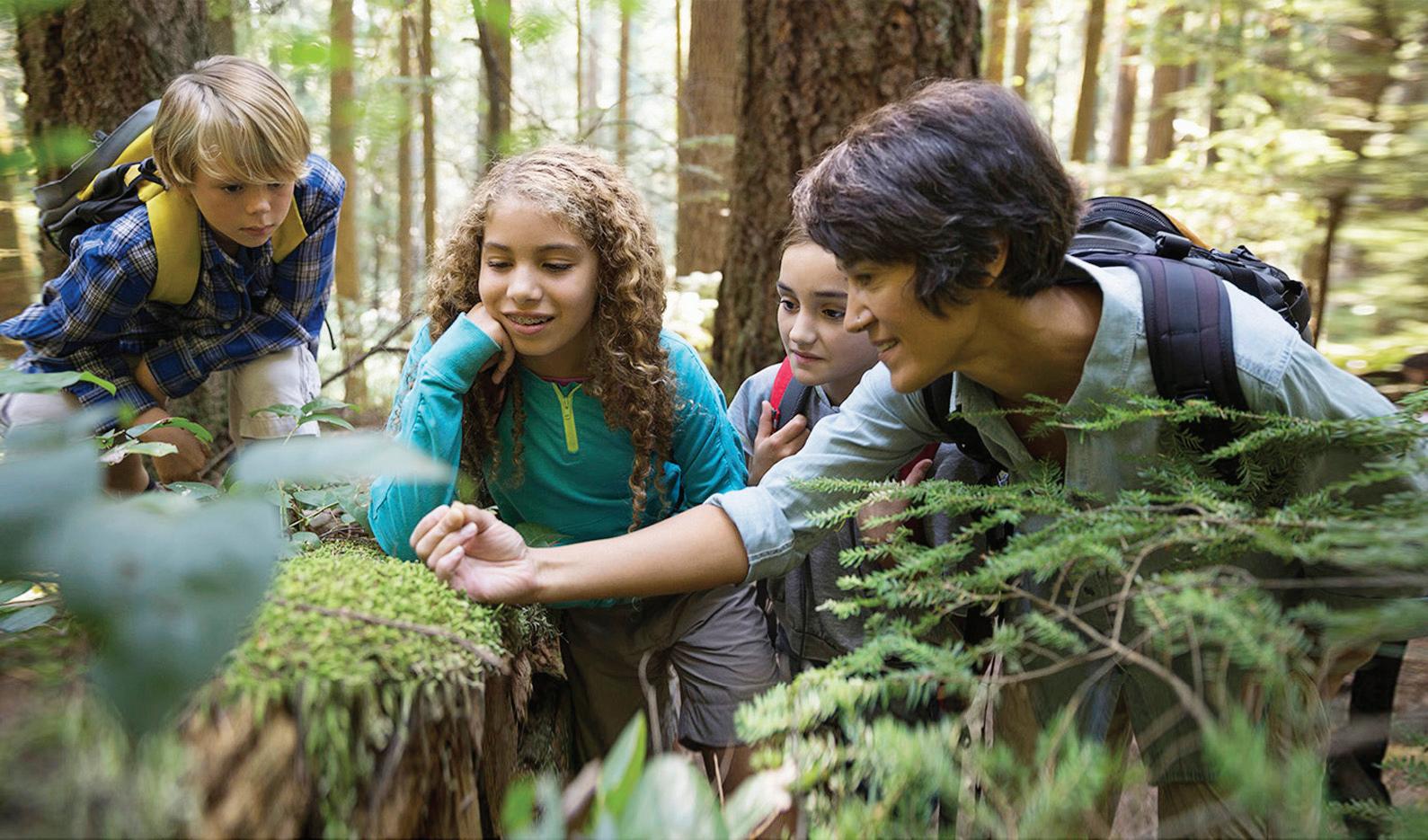
Canada’s model shows what becomes possible when healthcare and environmental organisations move in tandem and when the natural world is treated as a partner in wellness rather than a backdrop to it.
Manulife’s partnership marks a new chapter in that story, one that invites other insurers, policymakers and practitioners to imagine what’s next: a healthcare culture that values time outdoors as a path to personal and planetary health, a prescription as timeless and restorative as the forests themselves.
For more information about PaRx, visit parkprescriptions.ca. To learn more about Manulife’s Impact Agenda, visit manulife.com/impact
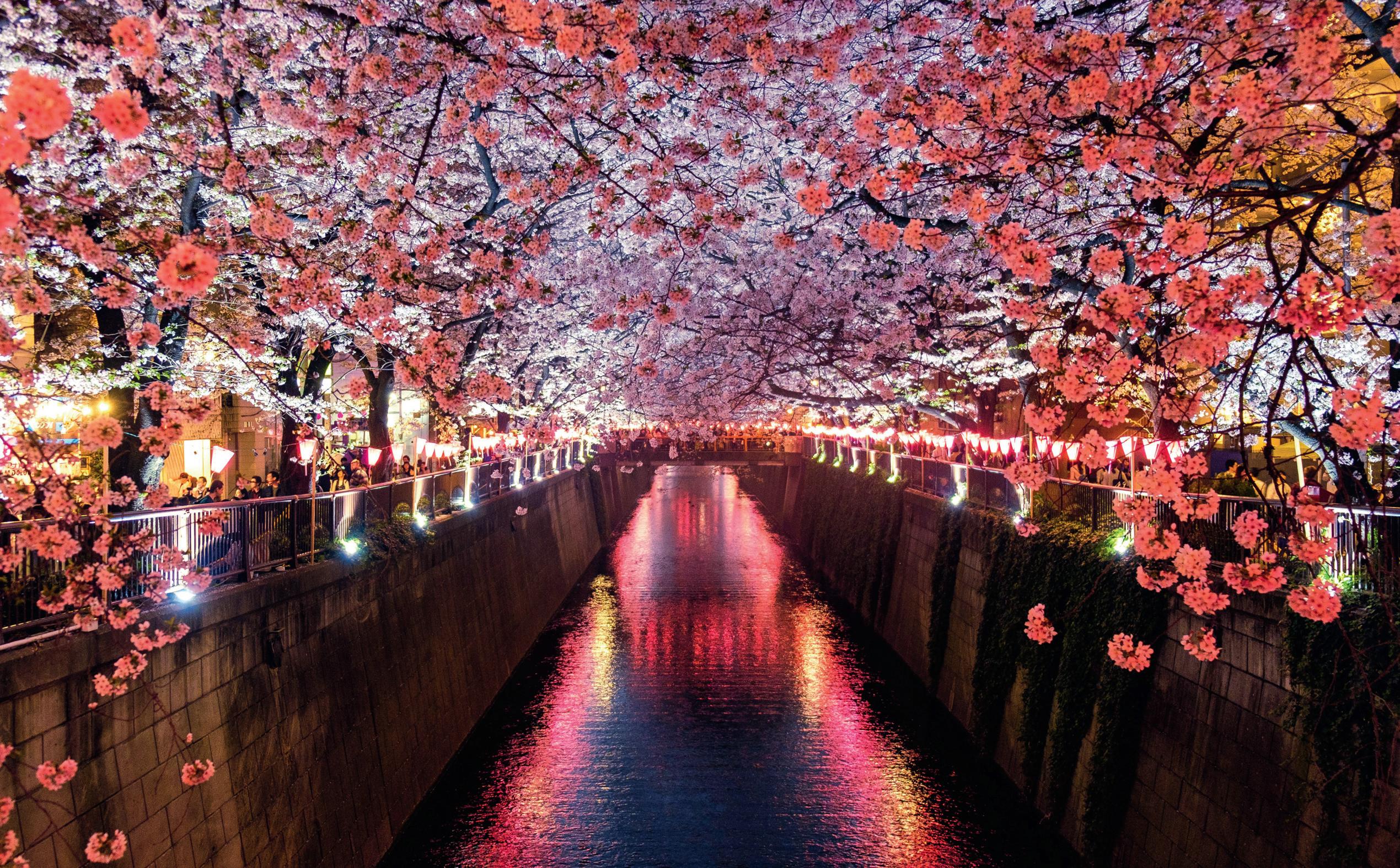
JAPAN’S KOBE UNIVERSITY ANALYSIS EXPLORES RELATIONSHIP BETWEEN SOCIOECONOMIC STATUS, NATURE AND WELLBEING
WORDS UCHIYAMA YUTA, ASSISTANT PROFESSOR GRADUATE SCHOOL OF HUMAN DEVELOPMENT AND ENVIRONMENT, KOBE UNIVERSITY, JAPAN
Japan’s Kobe University has released an analysis exploring the connection between visiting urban parks and socioeconomic status, with the study based on survey results from two major Japanese metropolitan areas.
Be it a current hobby or a childhood pastime, many urban residents have engaged in activities that have nurtured in them a positive relationship with nature. But in our modern society, disparities in access to nature have only grown larger between residential areas. And while this especially affects those in Japan facing social and economic challenges, research that explores the relationship between district-level socioeconomic status, nature and wellbeing remains limited.
Kobe University human environmental scientist and Assistant Professor Graduate School of Human Development and Environment, Uchiyama Yuta specialises in studying
how differences in urban and rural lifestyles affect quality of life. He and his team surveyed 3,500 residents in two major metropolitan areas of Japan (Tokyo-Yokohama and Osaka-Kobe) in order to determine their relationship with nature — objectively (based on proximity and access to natural spaces) and subjectively (based on perceived relatedness to nature). The responses were then categorised based on socioeconomic status by area and the degree of urban development of their residential area, to serve as a third dimension in clarifying the relationship between wellbeing and nature.
The results of this study, published in Landscape and Urban Planning, show that the more related to
ORIGINAL PUBLICATION
nature people feel, the better their overall wellbeing is, and that this relationship is particularly pronounced in urbanised areas with poorer socioeconomic conditions.
Related studies suggest that nature visits are important for maintaining and improving health for those under substantial stress, and that this is especially true for residents of areas with poorer socioeconomic conditions. Conversely, residents of areas with better socioeconomic conditions have access to additional resources for enhancing their health and wellbeing, making the effects of nature visits relatively less pronounced.
Y Uchiyama et al: Association between objective and subjective relatedness to nature and human well-being: key factors for residents and possible measures for inequality in Japan’s megacities. Landscape and Urban Planning (2025). 10.1016/j.landurbplan.2025.105377
Uchiyama explains what this means for policies aimed at reducing inequality in wellbeing: “We anticipate that conserving and enhancing existing natural spaces and organising community events will have a positive effect on wellbeing in areas of relatively poor socioeconomic status. Interestingly, of the factors we surveyed, childhood experience with nature in particular was a significant predictor of adult wellbeing.”
This finding further emphasises that early-life exposure and equitable access to nature are essential to public health.
Moving forward, further analysis of the relationships between independent variables as well as key factors that vary over time (eg. moving between regions of differing socioeconomic level) should prove useful in obtaining a clearer picture of the relationship between nature relatedness, socioeconomic level and wellbeing.
“As these findings are consistent with similar studies conducted in other regions, interventions for both subjective and objective factors should be applicable to other regions with similar socioeconomic contexts, such as other cities in Monsoon Asia,” Uchiyama notes.
“Currently, as part of an international collaborative project, we are analysing how knowledge and perceptions influence wellbeing, resilience and preparedness of citizens and decisionmakers in major cities in Asia, including Bangkok and Manila.”
This research was funded by the Japan Society for the Promotion of Science (grants JP23K25067, JP23K25106, JP23K28298, and JP23K28295), the Environment Research and Technology Development Fund (grant 1FS2201), and Asia-Pacific Network for Global Change Research (CRRP2023-10MY-Uchiyama). It was conducted in collaboration with researchers from the University of the Ryukyus, the University of Tokyo and Nanzan University.
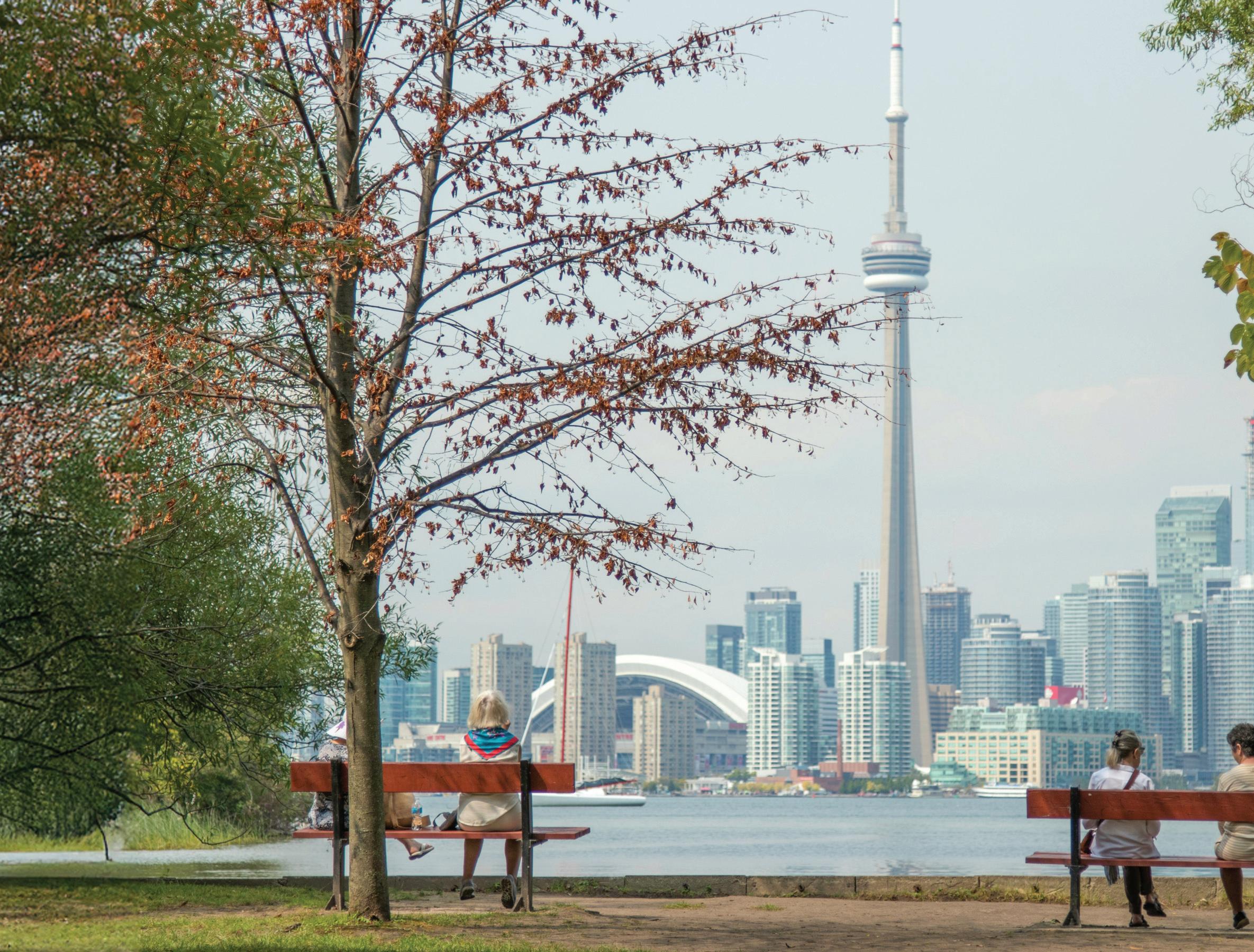
WORDS ADAM SKOYLES, PHD CANDIDATE & MICHAEL DRESCHER, ASSOCIATE PROFESSOR, SCHOOL OF PLANNING, UNIVERSITY OF WATERLOO, CANADA
The housing affordability crisis is top of mind for many around the world, including Canadians. Between 2019 and 2024, house prices in Toronto and Montréal had an average annual increase of 6.7 percent and 10.2 percent, respectively.
Prices throughout the country are expected to continue increasing over the next decade and, as a result, the pressure is expected to rapidly increase residential development. Yet, municipal governments must balance this pressure
with other tasks, such as preparing for the effects of climate change
Some of the most pressing challenges for cities include meeting their housing and climate change goals without massive changes in land use to maintain greenspaces and the benefits they provide to people.
Natural spaces like parks and woodlands provide many diverse benefits to city residents, from helping to cool off surrounding neighbourhoods to providing recreational areas. The
advantage these spaces have over grey infrastructure is that they can simultaneously help combat multiple challenges faced by cities, including poor air quality, heatwaves and flooding When nature is intentionally used to combat these types of challenges, it is referred to as nature-based solutions
Nonetheless, nature-based solutions are still rarely implemented in developments. Therefore, it’s important to identify and use key opportunities that can help communities balance their competing goals by increasing the use of nature-based solutions.
In our recent study, we interviewed planners and developers throughout Ontario to identify these opportunities.
Municipal planners and private land developers across Ontario are obliged by provincial policy to consider nature in their decisions about the planning and development of neighbourhoods. However, this largely happens because they are required by law to protect municipal natural heritage
Overall, the professionals we interviewed recognised that nature can help communities fight the effects of climate change. They stated that planning policies are also starting to change in ways that can address concerns. For example, many municipalities have established tree canopy targets or introduced more restrictive stormwater management.
mechanism for introducing benefits of nature in developments. These standards work, for example, by mandating a minimum percentage of green landscaping on a development site. Unfortunately, Ontario’s recently passed Bill-17 has created uncertainty around these standards.
systems (large woodlots or wetlands, for example), and not because they understand or support the benefits from nature, such as flood prevention.
Natural features that fall outside the natural heritage system, such as smaller woodlots or individual trees, are not protected by provincial policy. Instead, they can be protected by municipal policy or bylaws. However, these policies and bylaws vary, and some municipalities do a better job than others in protecting nature for their residents.
Developers often see protected nature as a barrier to development, but some of them also understand that it provides benefits to residents. Some try to make use of nature in innovative ways, like building natural pathways or naturalised creeks through a subdivision.
Unfortunately, municipalities sometimes push back against these innovations because of concerns over maintenance costs and worries about possible interference with infrastructure.
But climate change is rarely stated as the reason for a change to policy. For example, a city might recognise tree cover is important for the environment and introduce a tree protection bylaw, but that does not mean the bylaw addresses climate change.
Similarly, developers might plant trees to beautify a neighbourhood and make it more desirable for home buyers, but they might not be doing it to reduce climate change impacts. Addressing climate change only implicitly or as a side effect makes it much harder to coordinate different actions and can limit their overall effectiveness.
A main reason why the climate change benefits of nature are considered only implicitly is that planners and developers are uncertain about how reliable the information is for quantifying these benefits.
Another problem is that municipalities differ in how they address these issues, which creates highly variable regulatory conditions. Having province- or nationwide standards would help fix this issue.
Though not yet widely implemented across Canada, some municipalities use green development standards as a key
There are key opportunities to support building more sustainable and climate-ready communities through increased use of nature-based solutions in developments. These opportunities largely come through policy, tools and people:
1. Provincial and municipal policy changes that consider the climate change benefits of nature-based solutions can help increase its use in development. This could be done by strengthening and expanding green development standards, like those currently implemented in some cities
2. Developing and using tools that can rigorously quantify the climate change benefits of nature-based solutions could also have substantial impact. These tools could clarify the benefits of nature-based solutions and provide a solid argument for their increased use.
3. Collaboration between the public and private sectors is crucial to encourage increased use of naturebased solutions. Whether it is working together to craft realistic policy goals or to incorporate new tools, both sectors are key to ensuring changes are effective and efficient.
TORONTO JUST OPENED ITS BIGGEST NEW PARK IN A GENERATION — AND IT’S ABSOLUTELY SPECTACULAR
WORDS RON JOHNSON, EDITORIAL DIRECTOR, POST CITY MAGAZINES
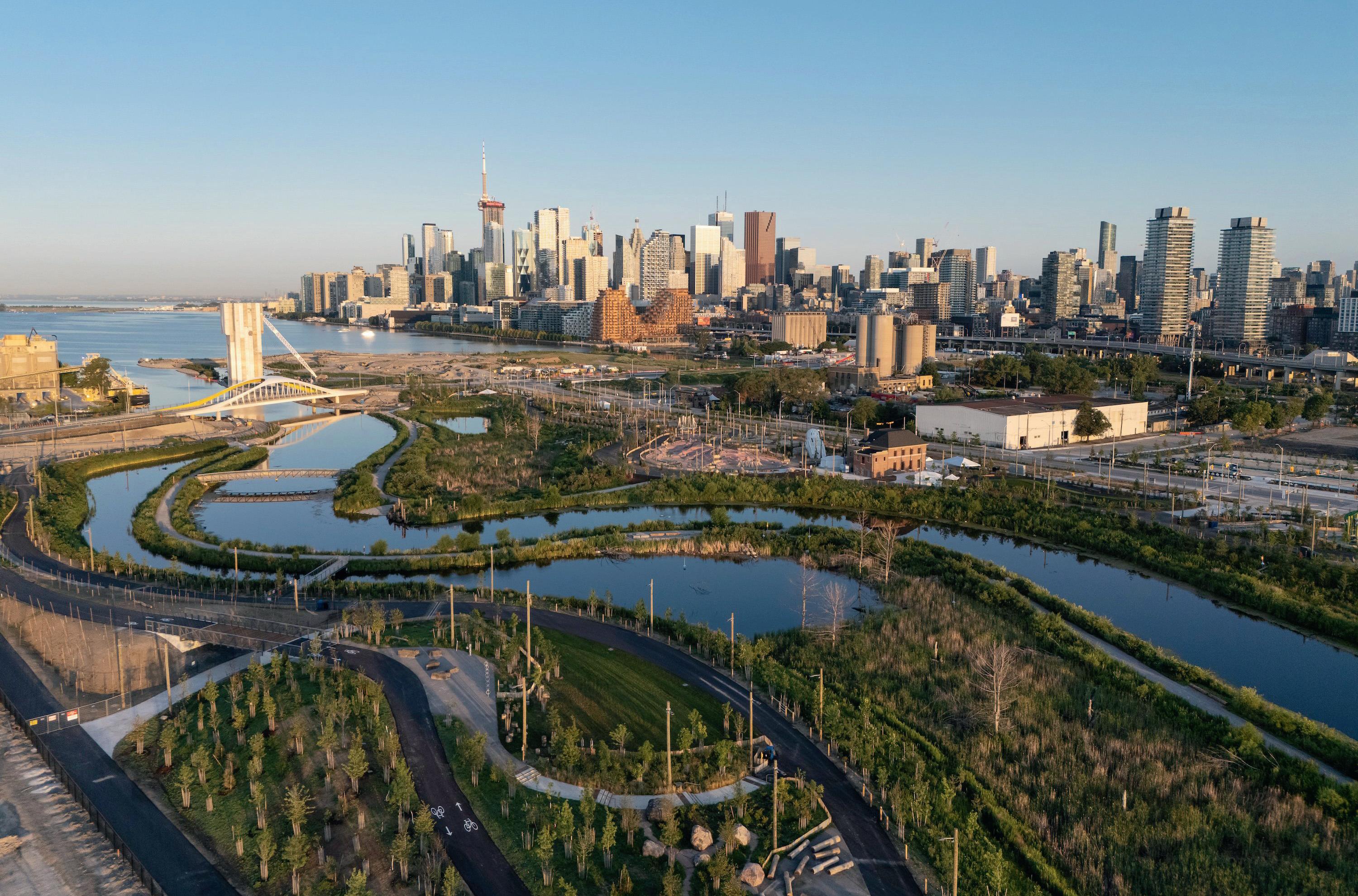
All too often we hear about what Toronto is getting wrong, but when we get something right, we tend to get it really right. Case in point, the incredible new Biidaasige Park in the city’s Port Lands at the mouth of the Don River.
Toronto unveiled its largest new park in a generation on Friday and it is a stunner. This expansive park is part of a major flood protection and revitalisation effort that is reshaping the city’s eastern waterfront and setting the foundation for future sustainable communities.
Biidaasige Park sits on Ookwemin Minising, a new island formed through
the rerouting and naturalisation of the Don River. The name Ookwemin Minising means “place of the black cherry trees” in Anishinaabemowin and reflects the landscape’s Indigenous roots. The creation of the island and park was driven by the need for flood protection in the Port Lands, one of the largest urban renewal efforts in North America.
The Port Lands Flood Protection project, which involved rebuilding the mouth of the Don River, was designed not just to safeguard 174 hectares of land from future flooding but to create new natural environments and accessible public space. Biidaasige Park
is the first completed public amenity on this reimagined terrain.
Biidaasige (pronounced bee-dawsih-geh) means “sunlight shining toward us”. And the park lives up to its name with bright, open spaces, extensive native plantings and dynamic features for recreation and play. The park space is spread over a whopping 50 acres (20 hectares) — with another 10 acres (4 hectares) coming in 2026. The current park includes:
An incredible and huge naturally contoured playground with largerthan-life animal sculptures representing Indigenous dodems (clans).
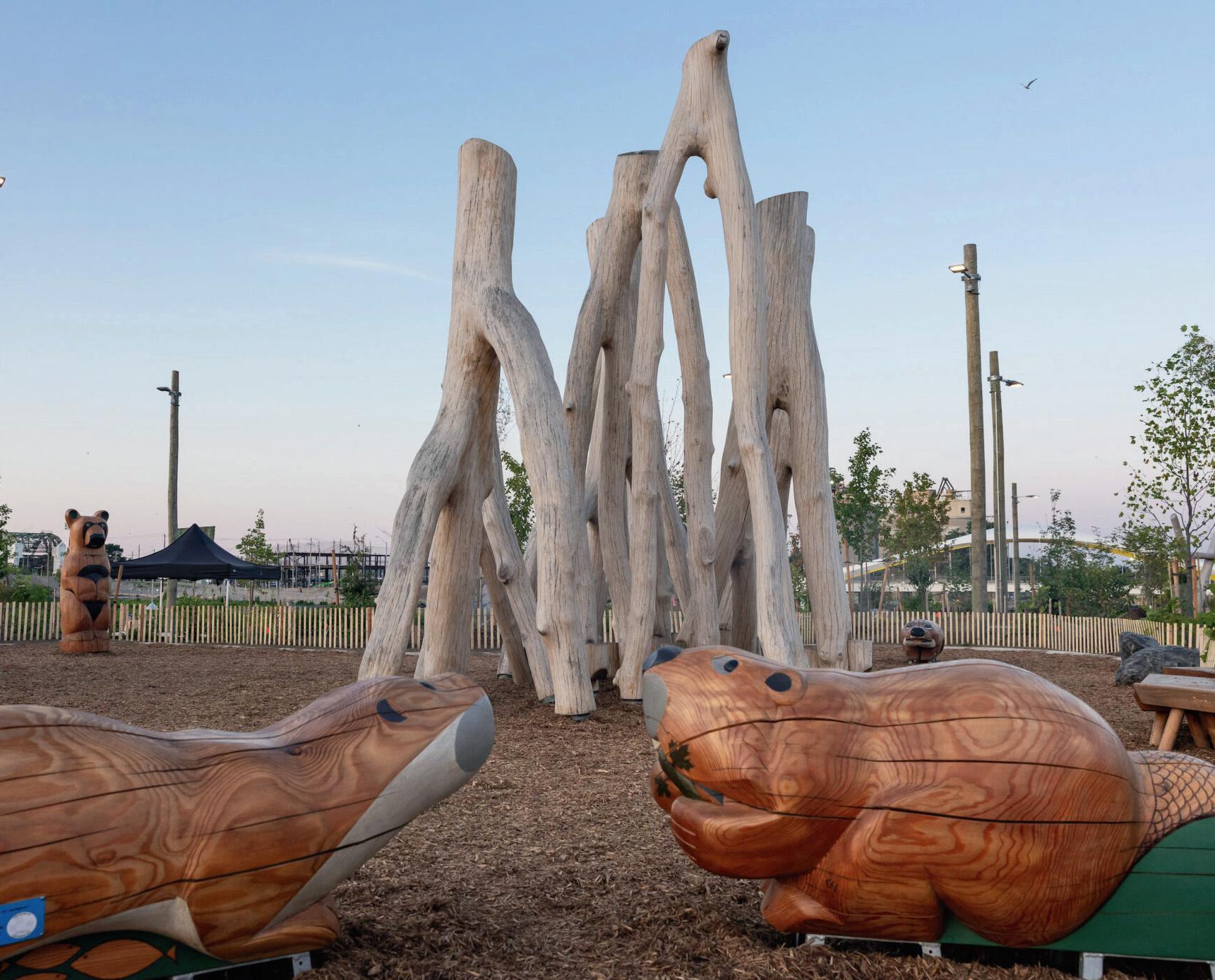
The city of Toronto’s first-ever ziplines — which are modest but super fun.
The Badlands Scramble (a waterplay and climbing area).
Picnic grounds and two off-leash dog zones.
A pebble beach-style landing area for launching kayaks and canoes.
Fishing platforms and step-downs to the river for nature access.
Trails for walking and cycling.
Wetlands and native vegetation for birdwatching, including the Don Greenway wetland corridor.
This first phase alone features over 5,000 trees, 77,000 shrubs and two
million herbaceous plants, all a part of a carefully restored riverine ecosystem.
What makes the new park so impressive, beyond the playground and the amazing spaces designed for people to congregate and enjoy the area, is that it sprawls. You can explore much further afield than one might think upon a first visit.
The trails actually run on the other side of the new Don River and stretch all the way to the shipping channel south of the park, which provides an incredible experience for visitors — an area rarely seen up close by anyone who lives here. Any active types, joggers, cyclists, paddle boarders and kayakers, will love this new play space,
especially when combined with Cherry Beach for an epic loop option.
While Biidaasige Park is the fi rst completed piece of public space on Ookwemin Minising, the broader vision is ambitious. At 98 acres (39 hectares), the island is expected to eventually support more than 15,000 residents, nearly 3,000 jobs and 15 additional acres of parkland. Mixeduse developments and sustainable housing are already in planning, made possible by the foundational fl ood protection work.
The naturalisation of the Don River and the creation of Biidaasige Park represent a significant environmental milestone. Where once stood a neglected industrial floodplain, there is now a living river valley with new habitat, green infrastructure and public access to water — all designed to withstand the climate-related challenges of the future.
The next phase of development will see the expansion of the island community and additional parks and public amenities. The Lassonde Art Trail will open in 2026 alongside the park’s final section. And with plans to accelerate housing construction on both Ookwemin Minising and the adjacent Quayside lands, this newly accessible stretch of the Toronto waterfront is poised to become a model of sustainable and inclusive urban growth.
Biidaasige Park may be a new arrival, but it won’t take long for this to be a cherished public space in the city. It is easily one of the top three parks in the city already.
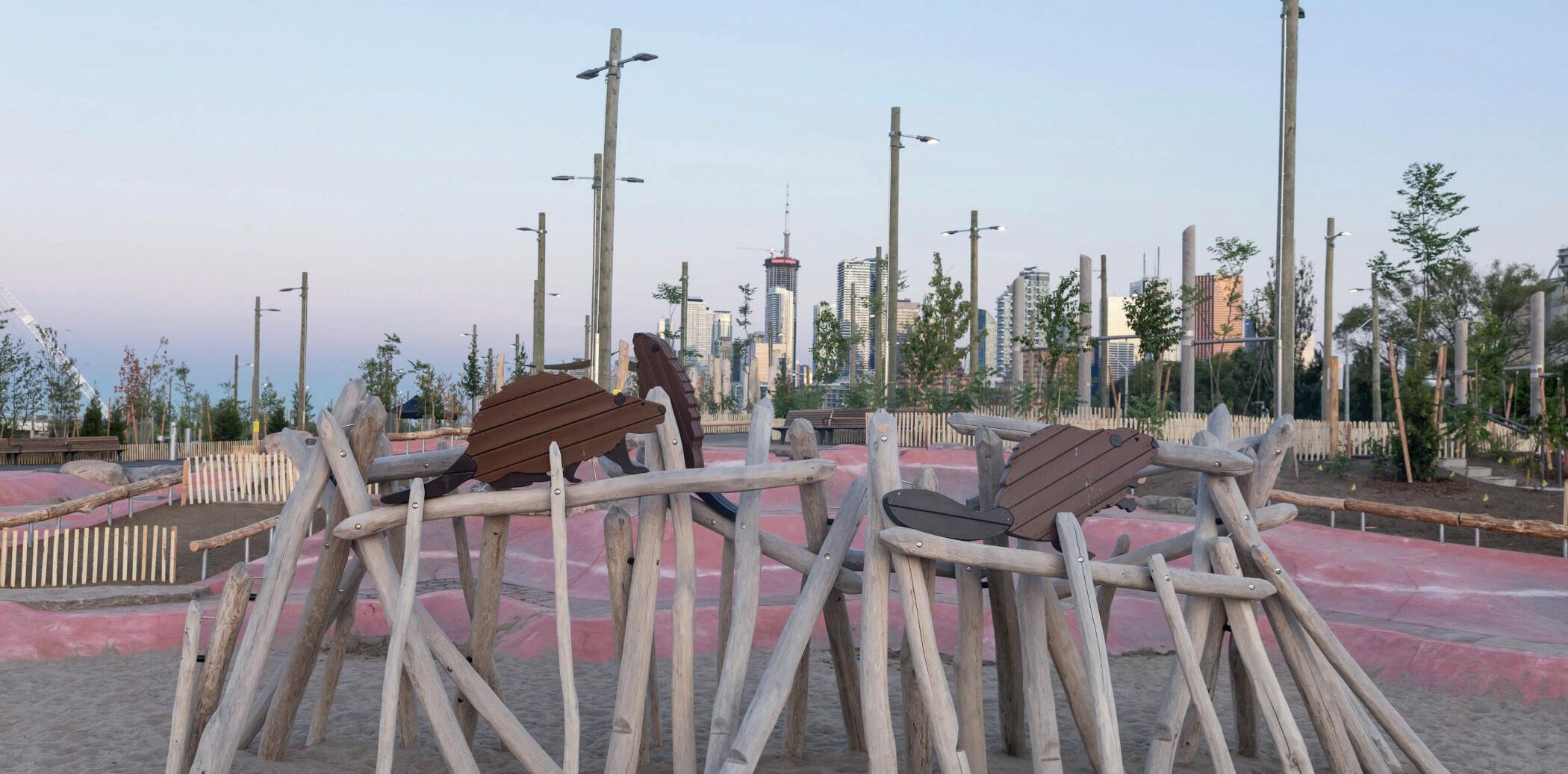
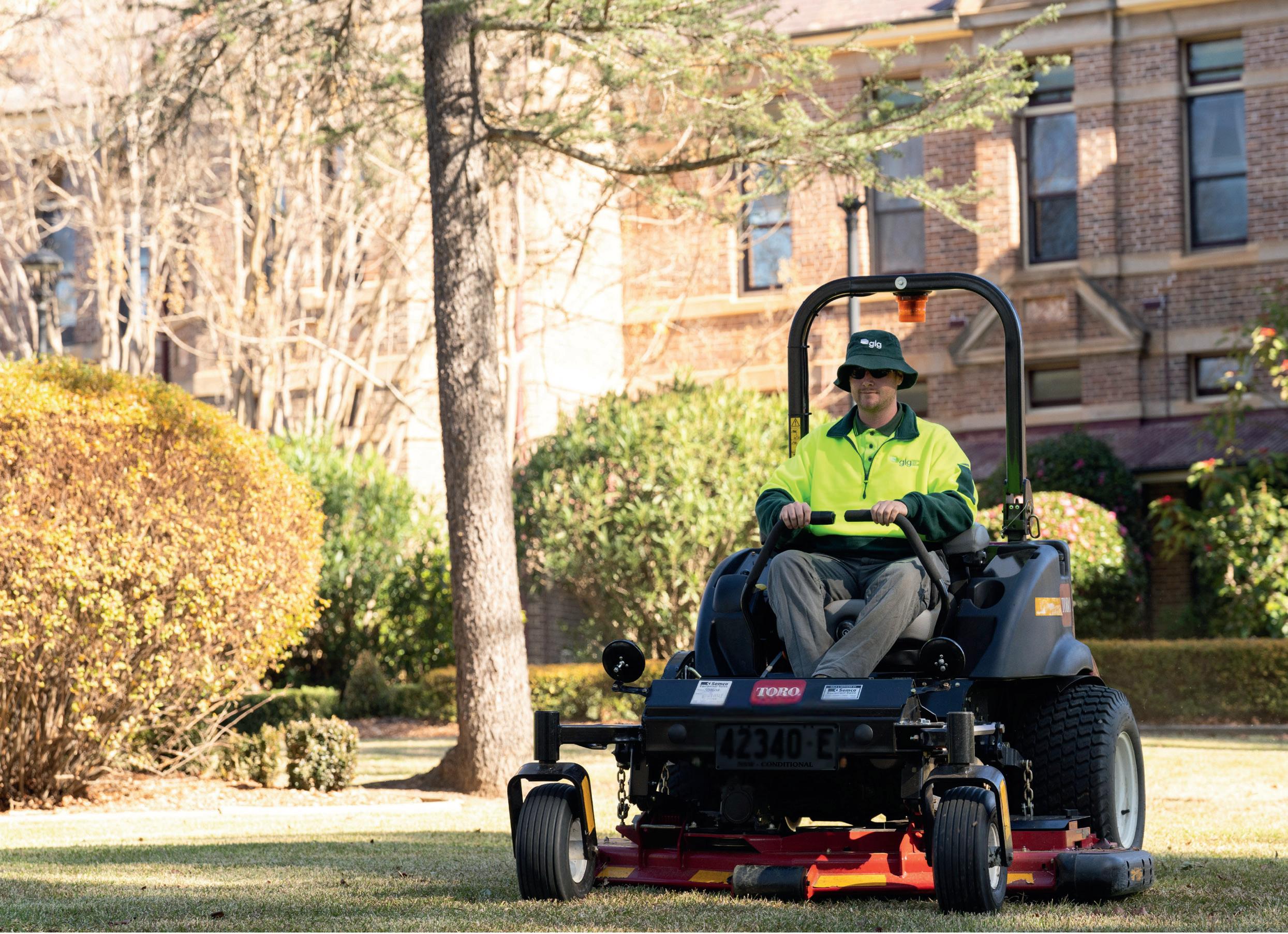
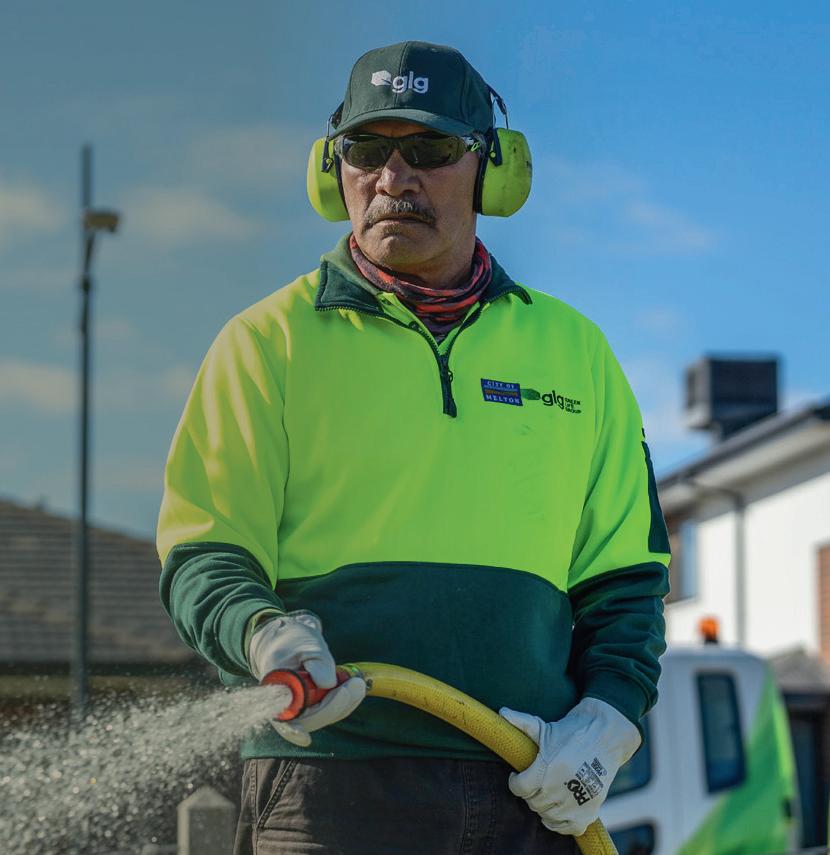
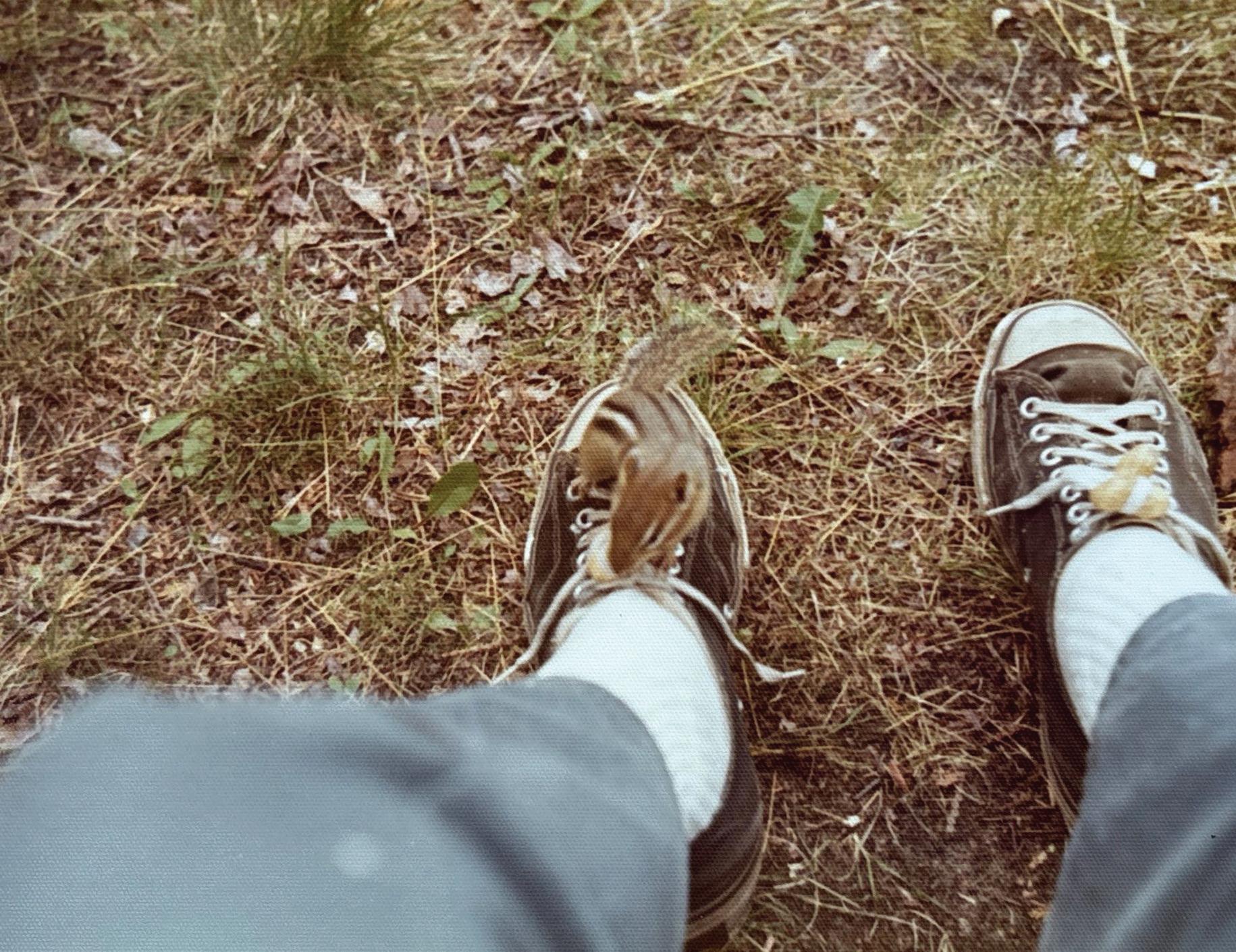
WORDS SUSAN PAGANI, JOURNALIST, MINNESOTA, USA
Icome from a long line of walkers. My family walks to think, to discuss hard or happy matters, to make decisions, to celebrate nature and, of course, to get places. Some of my earliest memories are of charging down the paths of San Mateo Central Park in California with Wilda, my beloved paternal grandmother.
Wilda walked in long, energetic steps and, as a child of 5 or 6, I had to skip beside her to keep pace. It was worth it because she had a wonderful knowledge of songbirds and plants, and a long, amusing narrative of all she could see poured from her as she strode along. She told me more than once that I, too, should try to learn the names of all the wild things. “It will make your world bigger,” she’d say.
Imagine looking into a crowd of people, seemingly strangers, and
seeing the face of an old friend come into focus. I think that’s how Wilda looked into her neighbourhood park. “Look,” she’d say, “the yellow rhododendrons are finally blooming. Don’t touch, very sticky. Oh, there’s the rotten scrub jay that’s been harassing my hummingbirds. On the ranch, my mother used to shoot them with a potato gun. We don’t shoot birds, Susan, but I really am half-tempted. I’m told this fig tree is over 200 years old — it came all the way from Australia.”
My grandfather John also loved Central Park, but our walks together were less rambling, our conversations less focused on the nature around us — though we stopped to appreciate it. He talked about the goings on at his ophthalmology office, where he specialised in fitting contacts to oddshaped eyeballs. He recounted, in great
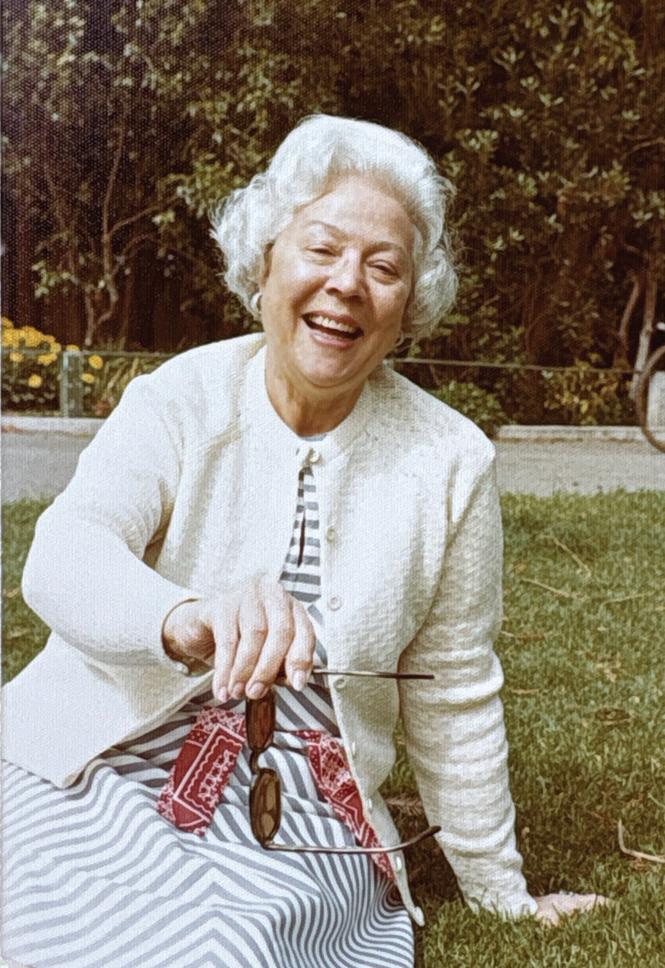
detail, the plots of books and operas. Sometimes, he whistled entire arias or an Ella Fitzgerald tune. Sometimes, John said very little at all. I didn’t mind. He’d buy us ice cream cones, and they made the silence companionable as we walked the length of the park, stopping at our favourite bits.
I’d take us to a life-size statue of a dog that had been placed way back at the turn of the last century, when the park was a private estate (a tribute to a faithful guardian). In summer, its shaggy fur absorbed the sunshine and I liked to put my small hands on the
warm cast iron. John led us around the tiny, well-groomed paths of the Japanese garden. For me, this was a treasure hunt: Turtles napped on logs, pagodas rose out of the shrubbery and, many days, Buddha had fresh-cut flowers in his lap. A wooden bridge arched steeply over the pond and we’d pause at the peak to watch the koi slowly wagging through the water. The gardeners showed me how to tempt them to the surface with the pads of my fingers. I remember their spots as gold and orange and red, their touch as gentle as a kiss and their whiskers as fearsome. If I screamed, it was equal parts fear and delight.
There is an element of the ritual to these walks that might sound stodgy. But like many children, I loved a routine and I never tired of the park’s paths. My family moved often (27 times before I left for college) but every summer I’d visit San Mateo. Finding the turtles again was joyful and comforting, a kind of homecoming. These walks helped me see my grandparents as whole humans with interesting lives. They gave our friendships a richness that otherwise might have been hard to develop.
My mom’s folks, Grandpa and Grandma, filled the gaps in this bustling nature education with stillness and quietude. They spent summers on Majinbeesh (Higgins Lake) in Michigan, a lake so clean and clear you could see the sandy ridges on the lakebed — and all the minnows swimming up to investigate your toes. In the afternoon, Grandpa and I liked to sit on a bench in the front yard. We’d tie peanuts to our
sneakers and sit very still, not talking. In the quiet, I noticed the water gently lapping against the seawall, the breeze shushing through the tops of the birch trees and the farther off sounds of screen doors slamming, ring-billed gulls laughing, boats whining like mosquitoes. How lulling these sounds were: Grandpa would close his eyes and drift off to sleep. I stayed awake to watch the chipmunks tiptoe up to our feet and eat the peanuts right out of our shoe laces.
Another thing we did: Get up at dawn, tell everyone we were going fishing, row out to the middle of the lake, eat fried-egg sandwiches and take a nap. But not before enjoying the solace of a long, unimpeded view of the empty lake, glassy in the early morning light.
I do make him sound slumberous, but in truth he was always puttering around outside in his “overhauls”, as he called them, holding off entropy with sandpaper and paint. In this way, he kept an eye on us kids. Once, during a family reunion, he caught one of my cousins smashing mussels against the seawall with a rock. They put the bodies in a coffee can and, later, Grandpa held a funeral in the woods next to the house. All creatures, great and small.
I can’t ask Grandpa how he experienced these moments in nature, he, like John and Wilda, is gone now. During World War II, he had been interned in a camp in France under German occupation. He came home, had my mom and her sisters, and
worked at a Ford dealership. I can only wonder. But looking back at the little bit we shared, he seemed to exude quiet contentment. I felt his deep sense of gratitude for all of us and for all the goodness in his life, especially for nature and the peace of the lake.
All these years later, my partner and I live in a neighbourhood that runs along Haha Tanka (Mississippi River Gorge) in Mni Sóta Makoce (Minnesota). We’ve lived here for 18 years, which is longer than I’ve lived anywhere else in my life.
We walk nearly every day, and after so many seasons of watching the light change, the leaves and the birds come and go, the paths along Haha Wakpa (Mississippi River) feel as familiar to me as the parks of my childhood. I see the black-capped chickadees, the honey locust trees, the eagle’s nest and Bonne Chance, the affable mini schnauzer who often walks at the same time we do, and still every season, my world, my community, gets bigger.
Like my grandpa, I have learned the joy of puttering around outside. Our garden is a messy place, full of life, and I am the interloper. I settle down among the weeds and wait for the birds to come back. When they do, their voices are so familiar I don’t have to look up to see them — the goldfinch perched and wagging on a slim lavender stem, the hummingbird humming deep in the trumpet vine, the neighbour’s hens quietly cooing hello to the morning. It is extremely pleasant, and if the urge to close my eyes comes over me, well, there is no better time or place.
NOTE
This story was originally published in Finding Nature News, a publication of the Children & Nature Network. To read the full article you can visit bit.ly/fnn-grandparents
rainbowshade.com.au (07) 5580 5366 | email@rainbowshade.com.au

This edition of Research Connections provides nine articles about research or information based in Australia. All are available for free. A couple of the articles share research about community recreation centres. There are also articles about alternative pursuits, such as informal sport and esport. in addtion, there are two documents about sport turf carrying capacity, the 20-minute city, e-festivals and Masters games participation. All the articles may contribute to professional understanding of how the latest scholarly research helps them deliver better park and leisure experiences.
APPLYING EXPERIENCE SAMPLING METHODS IN LEISURE RESEARCH CONTEXTS (2025)
Authors Carly Yeomans, David Purser & Adam Karg
Abstract This study addresses the need for practical and modern methodologies in Experience Sampling Methods (ESM) research, particularly emphasizing the importance of capturing temporally dynamic outcomes and minimizing temporal distance between measurements and events. Traditional survey approaches often fail to account for these temporal nuances, leading to potential inaccuracies in data collection; this is notwithstanding leisure research which often explores experiences and outcomes of engagement. By integrating mobile technologies and sensor data through a modern microservices architecture, this methodology off ers more precise, real-time data collection. Further, the fi ndings support the value of leveraging both event-based and signal-based sampling within ESM studies, demonstrating statistically signifi cant differences between the two sampling methods for a 4-item Subjective Wellbeing (SWB) composite outcome. Theoretically and practically, this study provides detailed and practical guidance for conducting ESM in leisure research.
Published Leisure Sciences, 1–20
Download doi.org/10.1080/01490400. 2025.2517347
Cost FREE
Authors P Ziaesaeidi, T Washington, D F Cushing & L Buys
Abstract Park design plays a significant role in the social well-being of and social sustainability among park users. Although evidence suggests that neighbourhood parks are used by youth from different Socio-Economic Status (SES) neighbourhoods as a place to meet others, there is a lack of research on the engagement of youth who visit neighbourhood parks unsupervised. Therefore, this research focuses on how parks can facilitate social engagement and impact social activities for youth from low-SES neighbourhoods. A total of 13 youth (aged 16–23 years) from low-SES neighbourhoods within the Moreton Bay Region of South-East Queensland, Australia participated in a one-off workshop. Findings show that while parks have the potential to foster positive social connections, they are often places for anti-social behaviours that complicate the youth experience. This identifies the dual nature of park environments as both attractions and barriers to youth engagement by creating conflicting experiences for youth.
Published Annals of Leisure Research, 1–25
Download doi.org/10.1080/11745398
.2025.2497801
Cost FREE
(2025)
Authors C Yeomans, A Karg, R Storr, K Symons & D Purser
Abstract Despite the growing interest in esport research, significant gaps remain in understanding the social and wellbeing benefits and outcomes of digital leisure activities. This study
aims to adapt and validate the Club Social Capital Scale (CSCS) for esport contexts and explore the relationship between esport social capital, social connection, and subjective wellbeing. Respondents (n = 317) completed an online survey using the CSCS, Social Connection Scale — Revised (SCS-R), and a single-item measure of life satisfaction. Findings led to revisions of the CSCS for valid and reliable measurement. More ‘active’ participation types, like competitive esport and streaming, significantly predicted social capital, while ‘passive’ types of consumption such as recreational esport and spectating were not consistent predictors. Esport social capital showed significant relationships with social connection and subjective wellbeing, highlighting the importance of fostering social capital in digital leisure. Overall, this research supports how esport can cultivate meaningful relationships and enhance wellbeing outcomes.
Published Leisure Sciences, 1–20 Download doi.org/10.1080/01490400.
2025.2500338
Cost FREE
Authors Michael Butson, Eric Du, Ruth Jeanes & John Tower
Abstract Leisure organisations’ most valued staff are often the most likely to leave. Leisure employees (e.g. swim instructors) are resources essential to organisational performance requiring proactive strategies by managers and human resource departments to retain talented individuals. The association between job satisfaction and turnover intention is well supported in the literature. The study aimed to identify and explain the current turnover intention of Victorian, Australia swim instructors. Methods Using a modified version of Roodt’s Turnover Intention Theory, this study utilised semistructured interviews with current swim instructors (n = 42; 62% female, 38% male). A deductive content analysis assisted to explain the turnover intention
of current swim instructors. Results Younger swim instructors (i.e. 18–28 years old) presented a high turnover intention. Older swim instructors (i.e. 45+ years old) presented a low turnover intention. Implications Managers of swim schools should contemplate implementing retention strategies to reduce the turnover intention of younger swim instructors and consider the benefits of having a workforce containing older swim instructors. Supporting the industry to manage turnover intention might support in improving ineffective pedagogy and teaching, enable more individuals to participate in swimming lessons, and improve drowning outcomes.
Published Managing Sport and Leisure, 30(3), 321–339
Download doi.org/10.1080/23750472. 2023.2180081
Cost FREE
Authors J Dolley & M Howes
Abstract This paper examines the contributions that community gardens can make in achieving Target 7 of UN Sustainable Development Goal (SDG) 11, namely, to “provide universal access to safe, inclusive and accessible, green and public spaces” (UN 2021). The paper focuses on a subset of green and public spaces, namely community gardens, to examine if their features enhance the capacity of public spaces to contribute to achieving target 11.7. In doing so, the paper applies a more expansive definition of ‘inclusive’ than that currently suggested by the target. The paper draws on findings from interviews with participants in several types of community gardens in Australia. The data indicates that community gardens contribute to solving the challenges of UNSDG 11.7, by improving the inclusivity and activation of public spaces through their design features, governance and community involvement. The development of additional target
indicators that planners and policy makers can use to measure progress towards meeting the target is an area in need of further research.
Published Australian Planner, 60 (3–4), 160–176
Download doi.org/10.1080/07293682. 2024.2421176
Cost FREE
Author The State of Victoria Department of Energy, Environment and Climate Action
Abstract The purpose of this guide is to support public open space managers in the preparation of open space strategies that collectively deliver on this ambition. These strategies are critical for the future planning, provisioning, protecting and resourcing of open space networks as part of creating liveable communities. (GOSS, p. 4). Published Department of Energy, Environment and Climate Action. (2025). Guide for Open Space Strategies. State of Victoria, Melbourne. Download environment.vic.gov.au/ open-space-for-everyone/guide-foropen-space-strategies
Cost FREE
Authors B Sandberg, L Hurmerinta, A Kangasniemi & H M Leino
Abstract Although there is growing interest in the reasons for avoiding leisure-time physical activity (PA), the impact of past negative experiences on leisure-time PA has received scant attention in the research literature. This research explores the triggers of negative PA experiences, their impact on leisure-time PA, and the role of experiential avoidance in leisure-time PA. The analysis of rich interview data on adults’ past PA experiences and their current emotions and behaviours related to leisure-time PA showed that past negative PA experiences can hinder,
prevent — or occasionally even increase — leisure-time PA. Furthermore, the study provides a classification of distinct triggers for negative PA experiences and adds on the research on experiential avoidance by extending it to the context of leisure-time PA.
Published Leisure Sciences, 1–21
Download doi.org/10.1080/01490400. 2025.2517342
Cost FREE
ANGLERS
Authors E Bjorkyik, E Laszlo Ambjornsson & P Ronnback
Abstract Recreational fishing is, like many other outdoor activities, shaped by gendered power relations that privilege men and masculinities over women and femininities. This study explores how women anglers experience and navigate these dynamics in Swedish recreational fishing, with particular attention to the postfeminist discourse and the growing anti-gender ideology. Drawing on semi-structured interviews and feminist theories of gender performances, gender hegemonies, and microaggressions, the analysis reveals an in/visibility paradox: women are overlooked as anglers, yet made hyper visible as women. Despite this paradox, the women anglers in this study resisted subordination by embodying qualities associated with masculinity in their gender performances. While this strategy enabled them to gain legitimacy as knowledgeable anglers, it also reinforced the existing gender hierarchy. Another form of resistance involved engagement in a women’s fishing organisation. The analysis further shows how wider narratives of already having achieved gender equality can obscure the full significance of such women-only spaces. Overall, the paper illustrates the contradictions involved in navigating gendered power relations in the outdoors and offers insight for
recreational fisheries management to foster angling communities where neither men nor women are constrained by gender.
Published Leisure Studies, 1–18 Download doi.org/10.1080/026143 67.2025.2517092
Cost FREE
Authors C Paudel, A Timperio, J Salmon, V Loh, B Deforche & J Veitch
Abstract This study aimed to examine the relative importance of micro-level design features of outdoor fitness areas preferred by older adults and whether preferences varied according to gender, park accompaniment, and mobility status. A series of Adaptive Choice-Based Conjoint (ACBC) tasks were completed by older adults (n = 372, 65–93 years, 57% female) in an online survey. Ten different microlevel design features of outdoor fitness areas were examined including surface type, location of fitness equipment, equipment designed for older adults, equipment distribution, shade sails, light fixtures, shady trees, benches, drinking water, and water body near fitness area. Hierarchical Bayes analyses within Sawtooth software were used to identify the relative importance scores and part-worth utilities of the design features. For the overall sample, the three most important features were as follows: surface type (21.5%, 95% CI 20.0, 22.9); equipment specifically designed for older adults (18.7%, 95% CI 17.3, 20.2); and shady trees around the fitness area (14.0%, 95% CI 12.9, 15.0).
A few significant differences in the relative ranking of design features were observed by gender and mobility status. This study will help stakeholders in understanding which design features to prioritise when (re)designing outdoor fitness areas for older adults.
Published Leisure Studies, 44(3), 383–396
Download doi.org/10.1080/026143
67.2024.2320357
Cost FREE
Authors J Harmon & K ‘Jerry’ Lee
Abstract The “midlife crisis” is a popular phrase used to describe the condition of being stuck during the middle-age years, alongside the realization that one’s life is approximately half over. It is called a crisis because that is how it is often socially portrayed and personally perceived: something must be done to ensure one makes the most of their remaining time. In the following sections, we assert that there is a dearth of research on the role of meaningful leisure pursuits in middle adulthood and that little attempt has been made at the theoretical development of transitions at midlife as it relates to leisure. We also posit since midlife is one of the longest life stages, it would be valuable to develop important insights into successful aging for the “back nine” and that exploring these issues requires us to understand the “psychological clock” that resides within us all.
Published World Leisure Journal, 67(2), 201–210
Download doi.org/10.1080/16078055. 2024.2413066
Cost FREE
CALL FOR ARTICLE
ABSTRACTS AND REPORTS
Abstracts of research projects and reports of interest to PLA members are always welcome. Please forward material or enquiries to PLA Advisory Research research@parksleisure.com.au
Have you completed a report that may be of interest to your Australian parks and leisure colleagues? You can share it via PLA’s PaRC platform at parksleisure.com. au/library/.
Please share your comments and suggestions about Research Connections so we can use the articles to better meet PLA member needs.
This edition was compiled by John Tower of PLA Advisory.
PLA
There was a productive buzz among the participants at the 2025 PLA Conference in Hobart. I still feel that vibe as I write this column the day after the Conference. Advisory were active contributors to this year’s event. We were directly involved in two sessions and individual members chaired several sessions across the three days. Advisory’s two sessions at the Conference were designed to support and guide PLA member’s delivery of park and leisure experiences.
Anand Pillay and Neal Ames provided an overview of PLA Advisory’s latest publication, A Guideline to Managing Construction Costs in the Parks and Leisure Industry. The Guide is designed to help park and leisure professionals to manage park and leisure construction costs.
PLA members have identified managing park and leisure construction costs as a significant issue. Advisory managed a workshop on this topic at the 2024 National Conference and two regional conferences in 2025. The output for this effort is A Guideline to Managing Construction Costs in the Park and Leisure Industry.
The Guide provides insights from the Advisory team and the workshops as a practical tool to complement the wide variety of how-to resources that are readily available. The Guide provides explanations of how-to manage or reduce costs at each stage of a project.
A copy of the Guide is available via the PLA website. Advisory plan to deliver a series of workshops during
2026 to discuss and share case studies about managing park and leisure construction costs.
The Conference theme, Inspired by the Past, Visions for the Future, was addressed in the Advisory workshop delivered towards the end of the Conference. We shared a quote from Gough Whitlam’s 1972 speech, when he said, “There is no greater social problem facing Australians that the good use of expanding leisure.”
(Whitlam, Blacktown Speech 1972) Our industry has come a long way since the Whitlam reforms over 50 years ago. We remember the importance of these initiatives by naming PLA’s most prestigious award the Frank Stewart Distinguished Service Award.
Frank Stewart was the first Australian Minister for Tourism and Recreation from 1973 to 1975. He helped set the foundation for many park and leisure initiatives that we still enjoy in the 21st century.
Advisory’s workshop was designed for participants to explore the vision for the future of the park and leisure industry. The workshop had a freeranging conversation to identify the desirable future. The conversations identified challenges and desirable arrangements for what our industry would deliver.
Finding a balanced approach to managing the complexities of making decisions when influenced by large sport clubs, politicians, developers and vocal community groups that may diminish our capacity to address
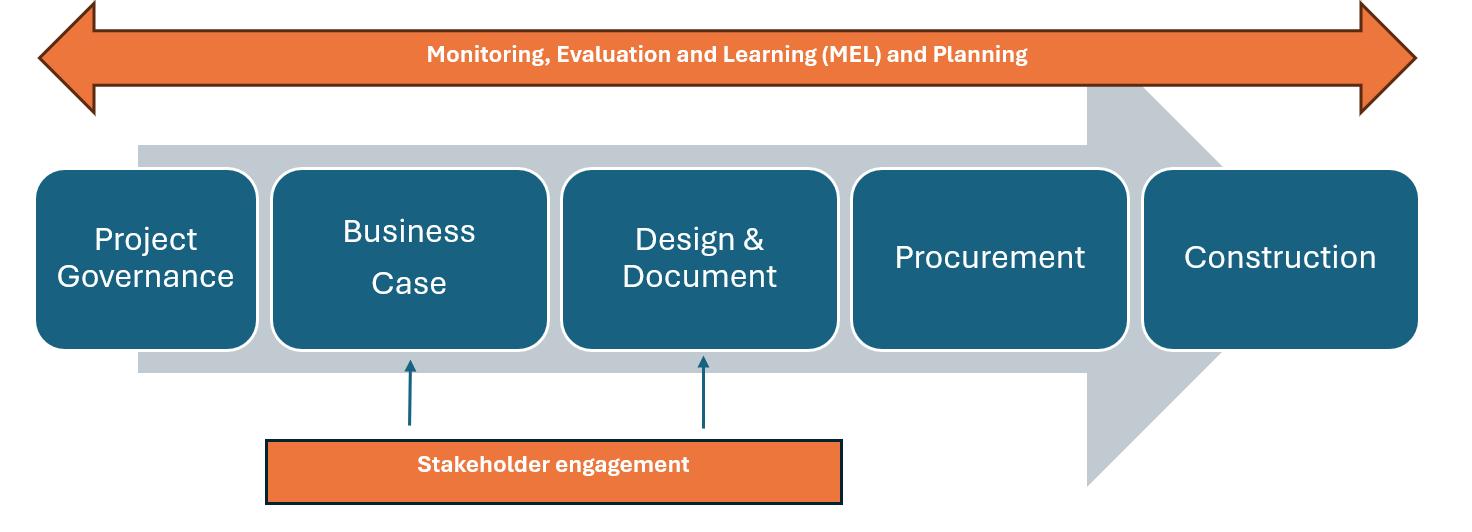
equity expectations and respond to the importance of unstructured participation.
Having a workforce with the skills and knowledge to be at the front edge of change and the flexibility to be responsive to emerging trends and issues.
Understanding what programs, facilities and services exist so the park and leisure workforce can collaborate with relevant agencies to deliver quality leisure experiences.
Desirable futures:
Having a park and leisure workforce empowered to collaborate with local, regional, state and national stakeholders including engineers, town planners, sport managers, traditional owners and politicians to deliver quality leisure experiences.
Understanding resource availability and required expertise to inform decisions about the delivery of park and leisure programs, facilities and services.
Recognising the importance of engaging with all the community, including children, youth, families and seniors from diverse sectors to guide experience delivery.
Delivering accessible learning opportunities, such as local playground and facility tours, for all the park and leisure workforce to gain necessary skills and knowledge.
Informed local, regional, state and national stakeholders that recognise the value of responding to real community needs by delivering leisure experiences based on valid and reliable data.
Collaborating with education and research institutions to train the parks workforce to be informed by the most current and relevant research.
Strategies to achieve the desirable future:
The workshop’s comments will be used to inform the PLA Board, PLA Advisory, PLA members and kindred organisations to create the desirable future. PLA Advisory will use the insights from the workshop to guide their 2026 initiatives.
Join our Facebook community to:
• Get the best bits of the quarterly Australasian Parks & Leisure journal
• See photos of regional and national award winners and guests
• Read about topical industry news
• Stay abreast of national conference activity before, during and after the conference
• Discover what seminars and events are going on in your area
• Receive news and live updates from official PLA events
• Access quick, up-to-the-minute conference news
• Speak one-on-one to managers in your PLA community about your organisation’s projects
• Discover and network with like-minded people in your industry
• Unearth industry seminars and events going on in your area
• Read hand-picked articles from the quarterly Australasian Parks & Leisure journal that matter to you, your organisation and your industry



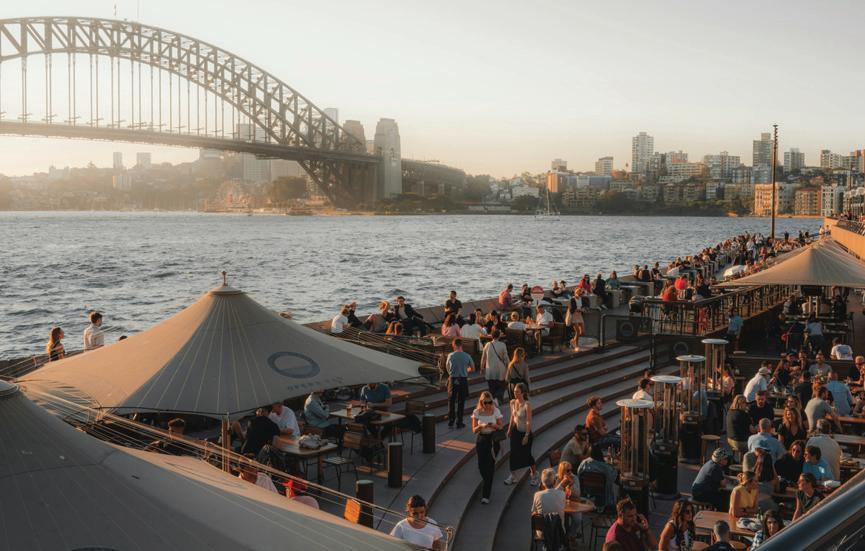








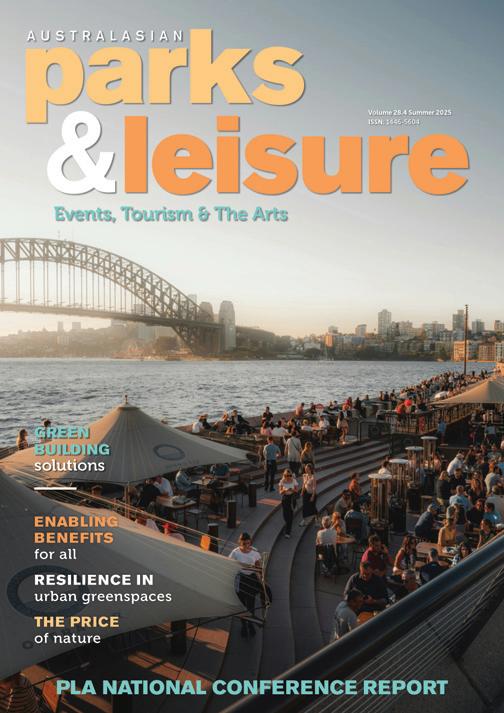














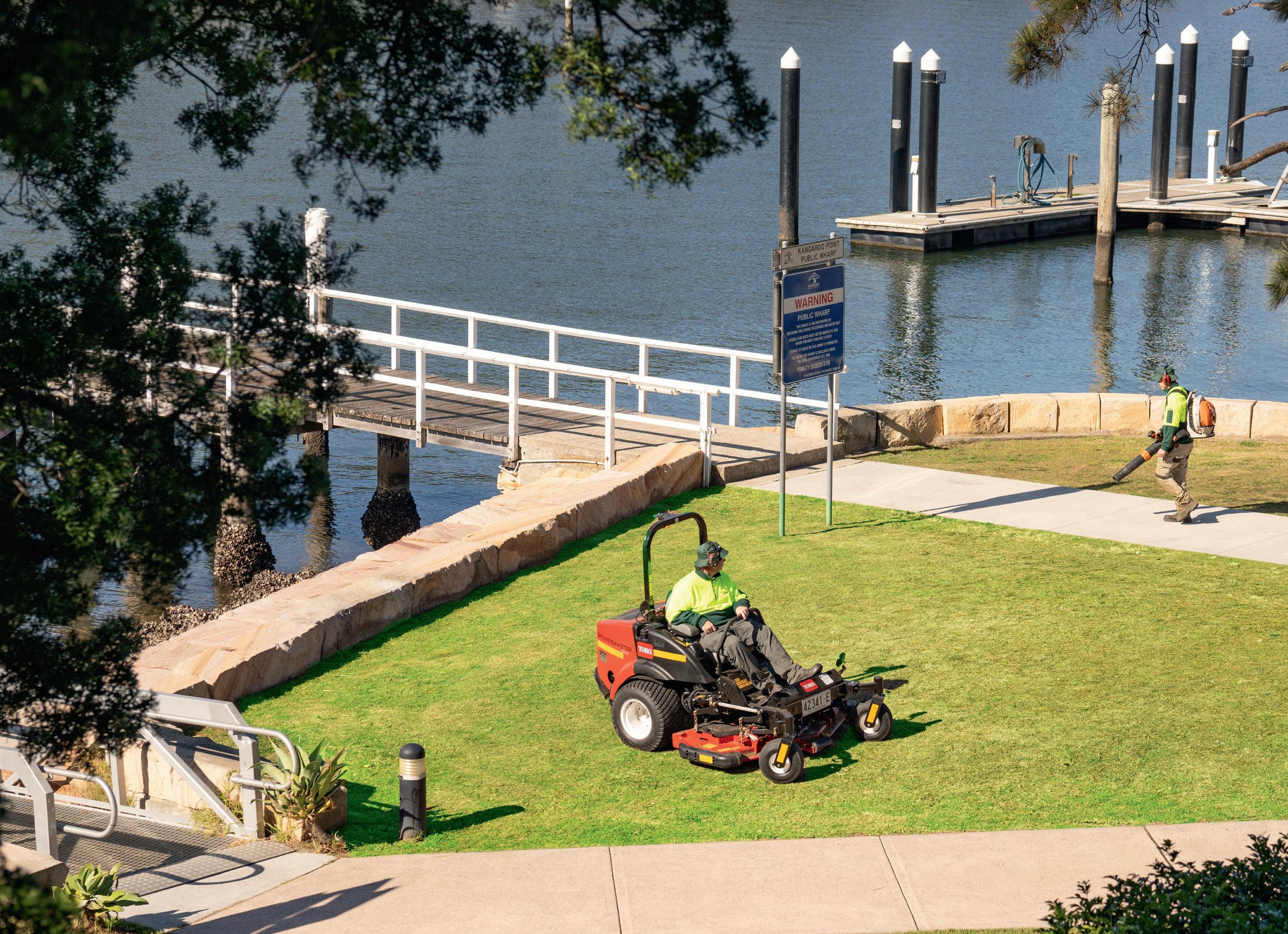
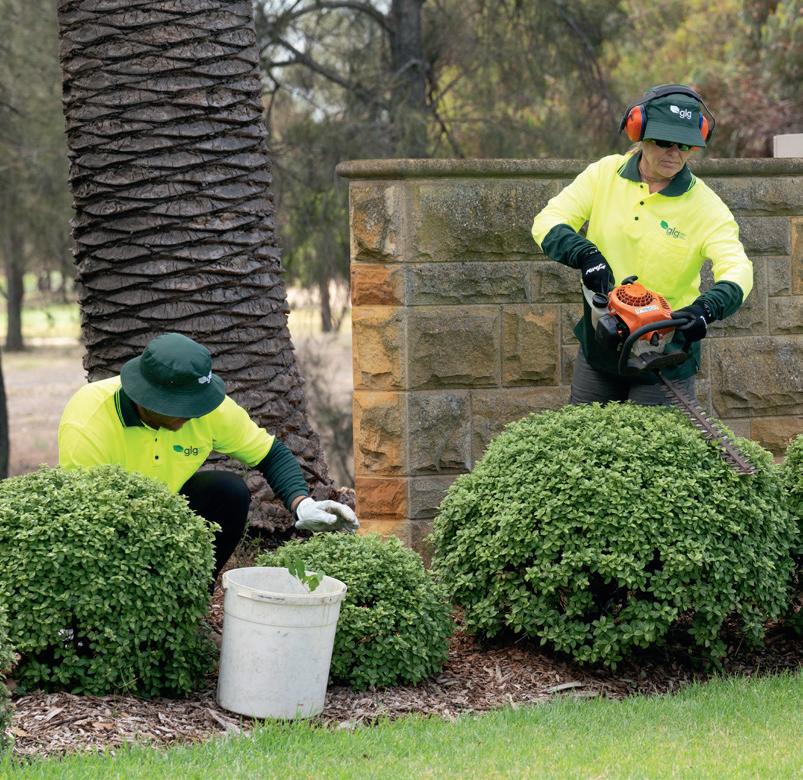
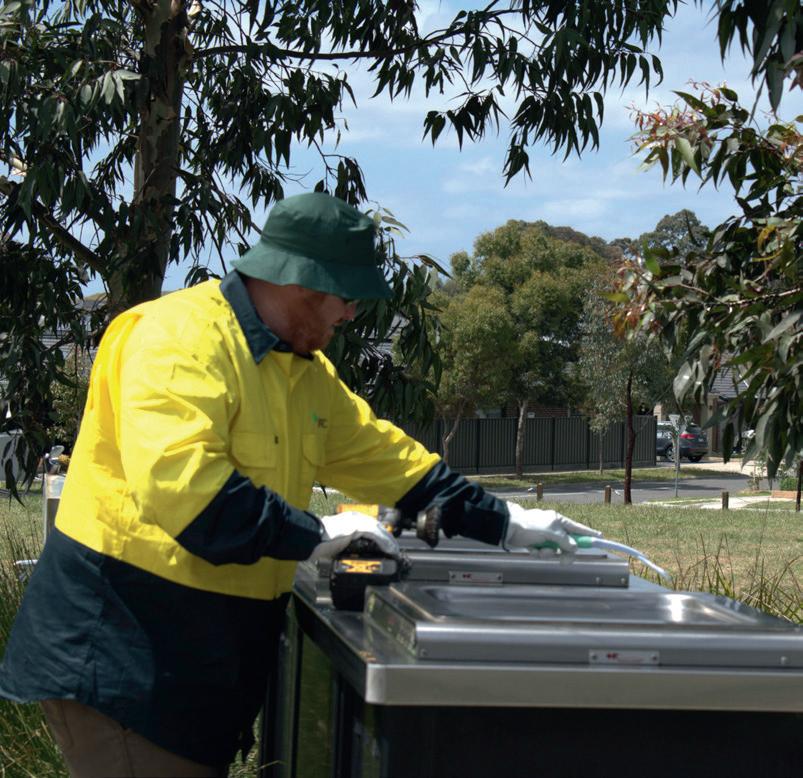
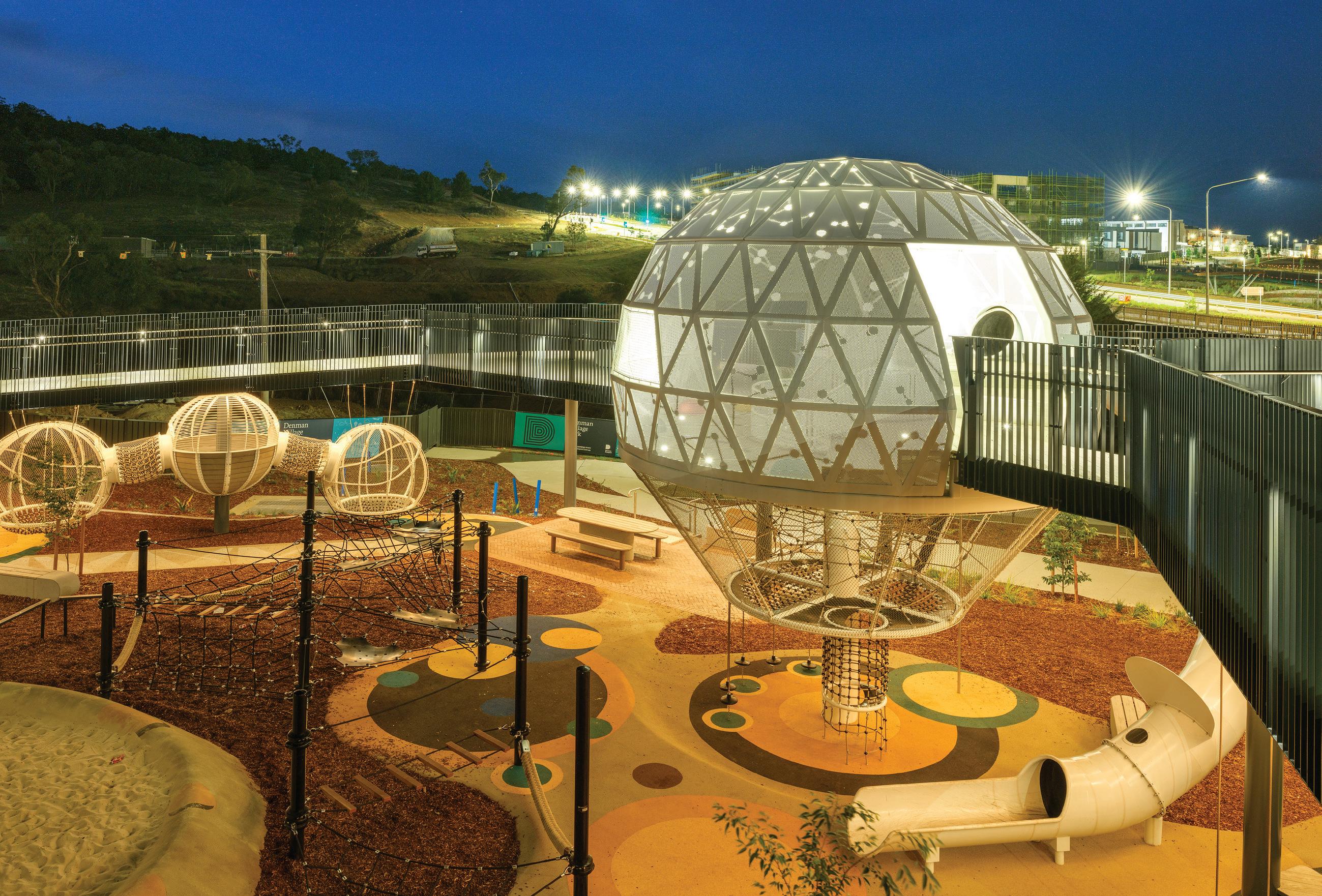

FORGE better reflects who we are and our commitment to unlocking the power of the outdoors, forging connections between people, place and nature. Same expert team, same dedication to craftsmanship and same commitment to delivering on our clients’ vision and specification – delivering the most sought-after outdoor structures in Australia.