

















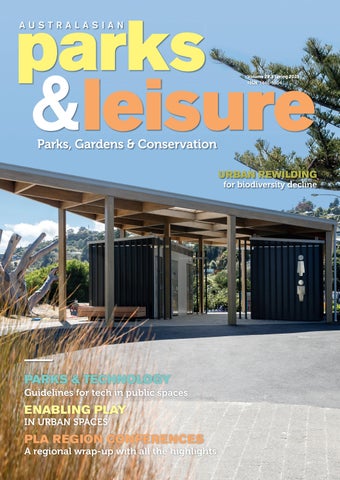
Guidelines for tech in public spaces
ENABLING PLAY IN URBAN SPACES





A regional wrap-up with all the highlights
URBAN REWILDING for biodiversity decline









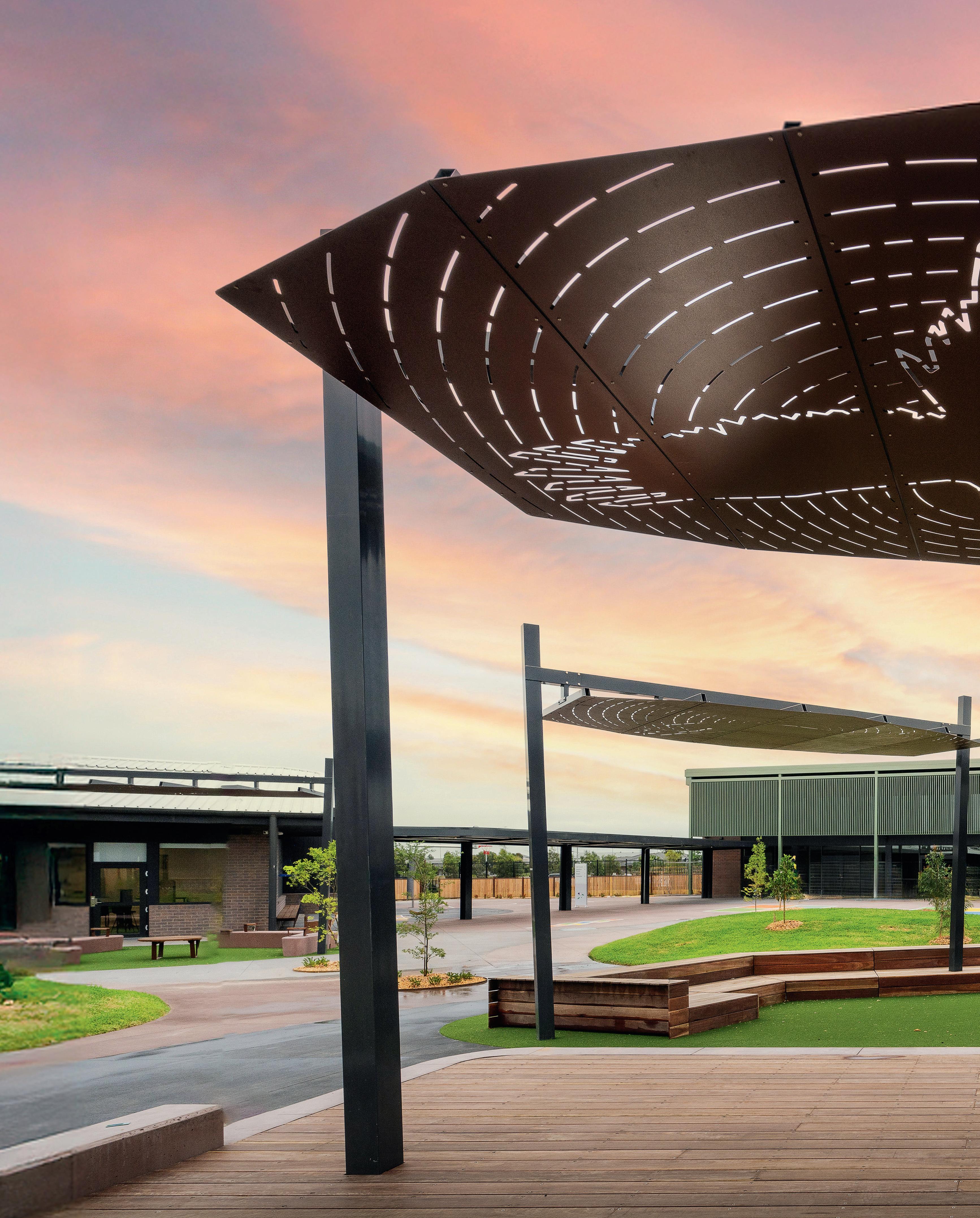
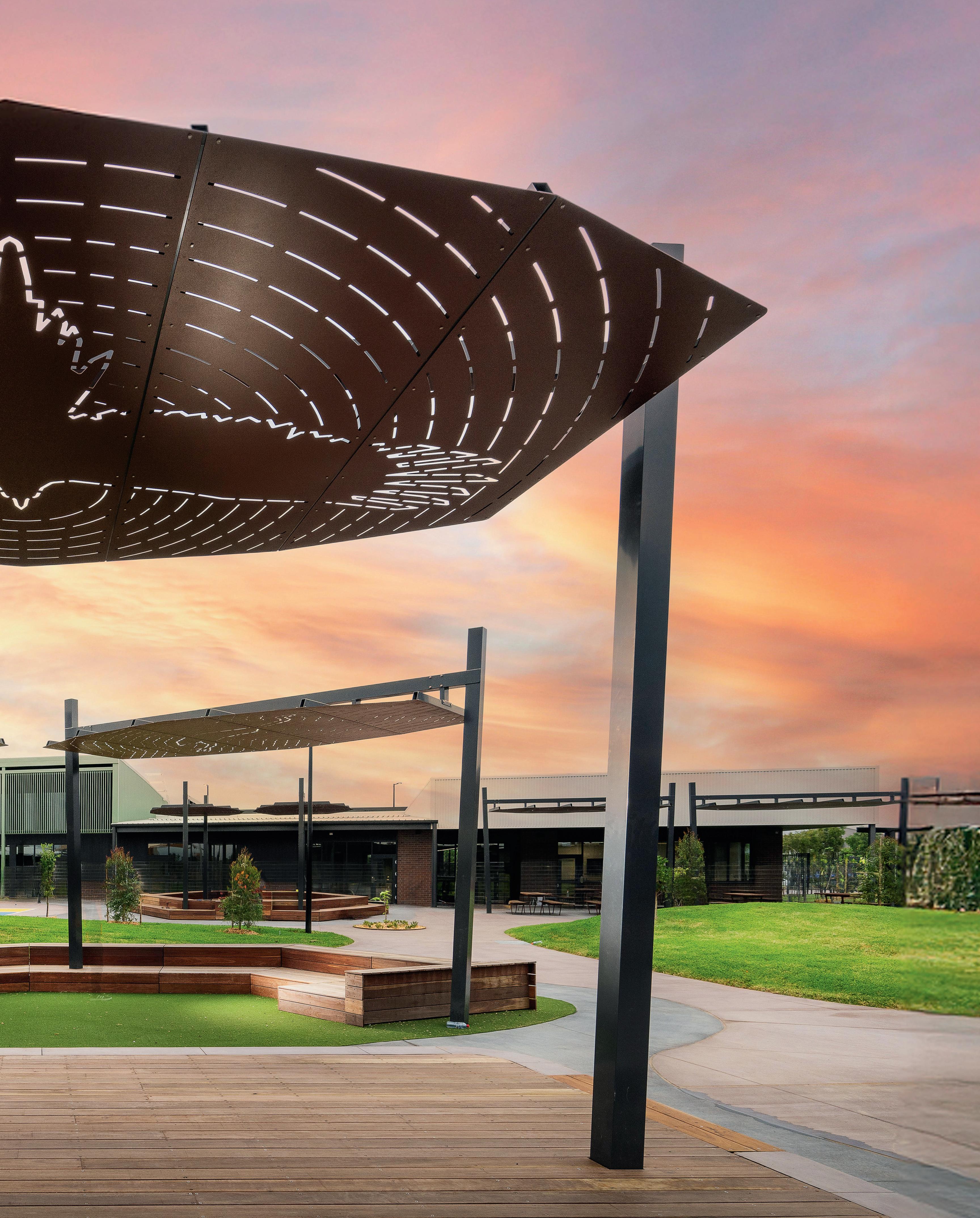


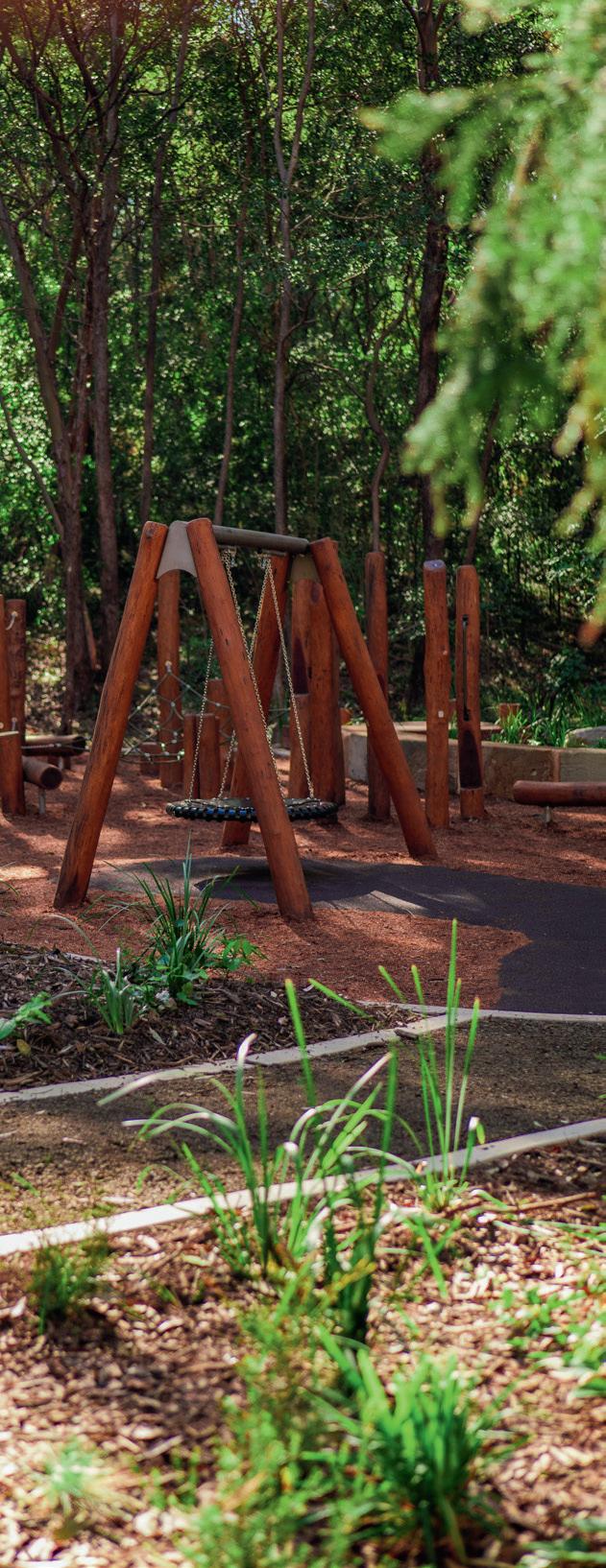


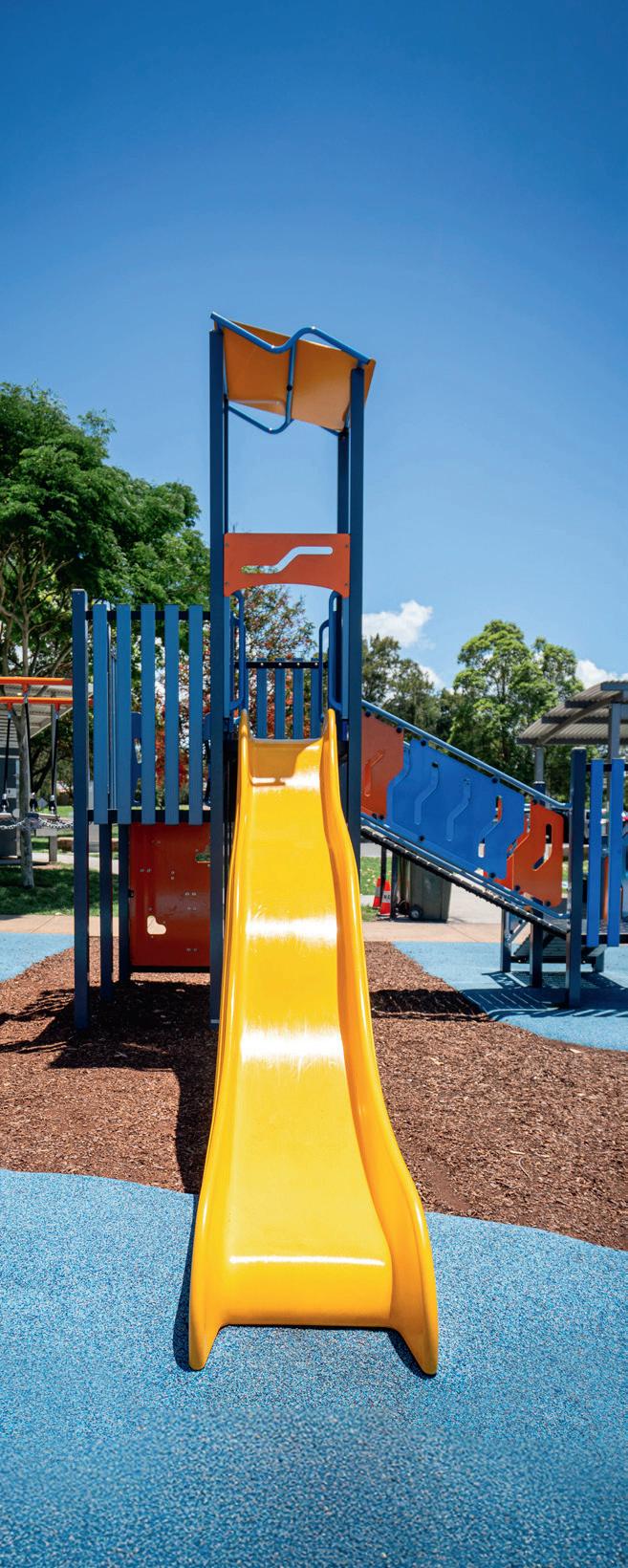

PlayCo is your go-to for playgrounds, outdoor fitness and playground markings, all under one trusted name.
With Australian-made equipment, five factories, and a national team, we design, deliver, and support in creating spaces that bring communities together.
Whether it’s inspiring imagination or encouraging movement, we make it easy to create places people love — on time, on budget, and built to last.



Speak to the professionals in play 1800 655 041 | hello@playco.com.au www.playco.com.au

PRODUCTION EDITOR
Nicole Mulloy nmulloy@umco.com.au
EDITORIAL COORDINATOR John Senior journal@parksleisure.com.au
ADVERTISING PRODUCTION
Taylah Britt
DESIGNER
Linda Klobusiak
SALES/ACCOUNT MANAGERS
Antonia Bewley | 0438
David Gifford | 0413

CHAIRMAN/CEO
Prema Perera PUBLISHER
Janice Williams
CHIEF FINANCIAL OFFICER
Vicky Mahadeva
ASSOCIATE PUBLISHER
Emma Perera
CIRCULATION BUSINESS DEVELOPMENT MANAGER Mark McTaggart









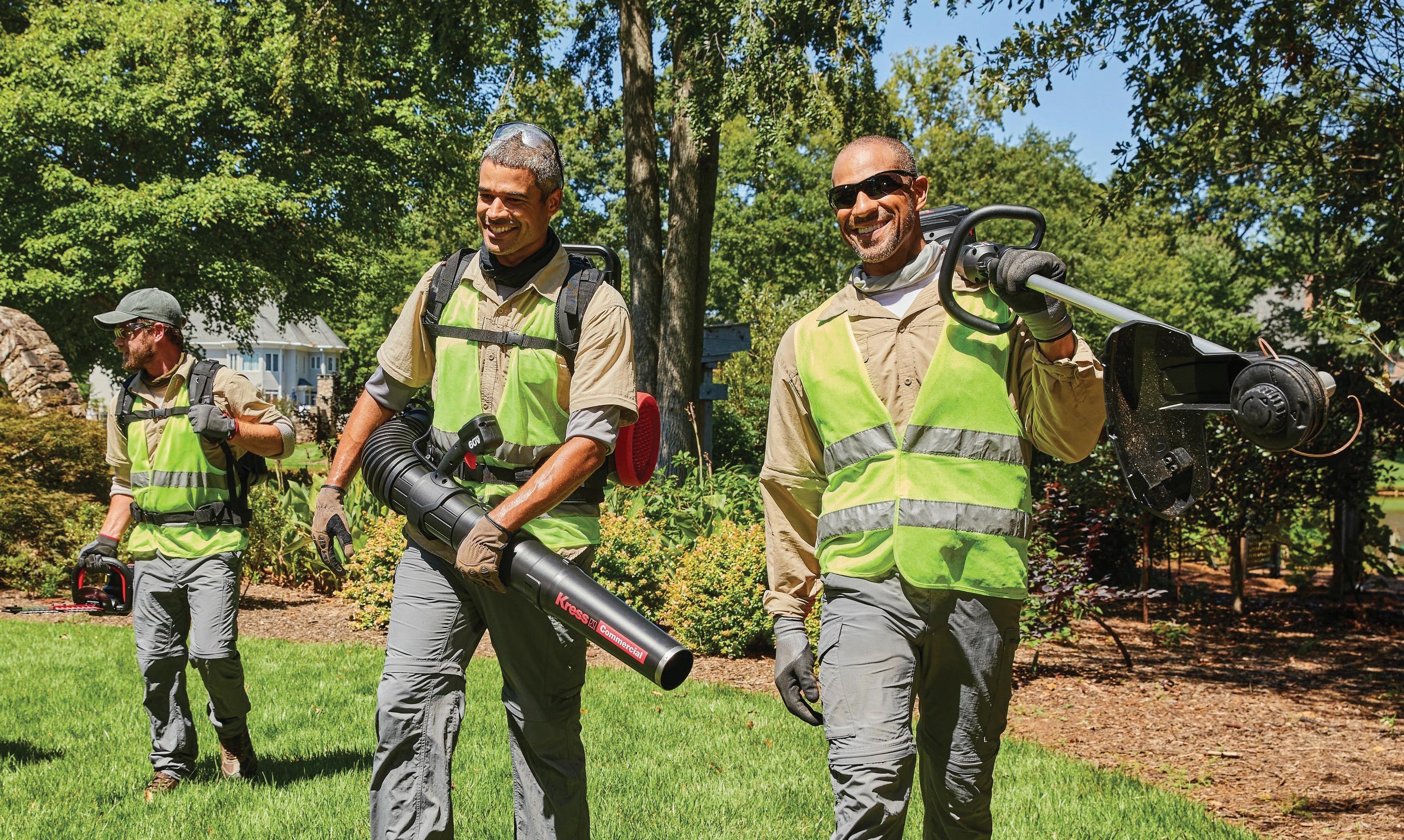



The Kress CyberSystem is the fastest-charging, longest-lasting battery solution available. Guaranteed for 3,000 cycles, Kress CyberPack batteries are the only batteries to outsave fossil fuels. Charging in as little as 8 minutes, they allow you to power through the work day with minimal downtime. The future is now.








JOHN SENIOR
Hello again. In this issue of the Parks & Leisure Australasia Journal we present reports from the four well-attended PLA Regional Conferences, which occurred mid-year. You’ll also find

As we close out 2025, we do so on the shoulders of a deep legacy. The PLA National Conference in Hobart marks the beginning of our centenary celebrations, a powerful moment to pause, reflect and reignite. The theme, Inspired by the Past — Visions for the Future, captured the spirit of the moment, reminding us of the rich and varied contributions of parks and leisure professionals over the past 100 years.
Across the parks, places and spaces of Hobart, one message rings clear; the future of our sector lies not in replicating past success but in reimagining what’s possible. We are being called to challenge assumptions, shift paradigms and expand our collective view of what sport, recreation and public space mean in the lives of our communities.
an article from country New South Wales, another about the expansion of Queensland National Parks and a third about a University of Sydney international study into rewilding of urban areas to combat biodiversity decline.
There are several contributions from Recreation Aotearoa, including one on enabling play in urban settings. A second feature explores sustainability across parks management, while a third attempts to answer the question “What is the perfect amount of parks?”. Finally, a young horticulturalist shares her career journey and the surprising lessons she’s learned.
In the overseas section of the Journal, you will find a wide diversity of writings. From the US, we share City
Park Alliance’s guide on park technology, a feature on how a well-known San Francisco highway became a thriving public park, and NRPA delivers a piece on the “top trends” in parks and recreation.
From further afield, two reports out of the UK deliver some interesting news. One shares the success of the latest Rivers Week in London, while the second details how the city has reopened its first public park after a full upgrade. You’ll also find articles on research into how nature helps sufferers to deal with chronic back pain, as well as a report on tackling the health impacts of climate change.
Something of interest for everyone
John Senior Editorial Coordinator
No longer can we define sport and recreation by the boundaries of structured competition or facility use. Today, we understand that participation exists on a fluid, dynamic spectrum where elite athletes, social players, walkers, riders, gardeners, dancers, carers and adventurers can be one person at any time, and all belong. Whether on a field, in a park, along a trail, within a stadium or in a school, movement matters; and it happens in many forms.
The emerging view of the sport and recreation spectrum reminds us of this diversity. It challenges the linear view of participation and instead reflects the reality that people move in and out of different activities throughout their lives. Participation is not a ladder, it is a landscape. It flexes with time, health, access, age, identity and motivation, reminding us that everyone has a place in sport and no one should be left behind.
This broader lens is critical to how we plan, design, invest and advocate. We must support every entry point and every pathway, not only those that are funded, formalised or familiar. The goal is not to funnel people into a particular model but to ensure everyone can find their way, at every age, stage and ability.
It’s here the Play Well Sport and Recreation Ecosystem comes into sharp focus. An interconnected web of people, places, programmes and partners. It is
We thank our national sponsors and partners:



this ecosystem that enables diverse and lifelong participation.
Local government, in particular, remains a powerful force within this system as the custodian of public spaces and facilities, facilitator of programs and convener of partnerships that bring it all together. But we do not act alone. Schools, health services, community organisations, state bodies, clubs and volunteers all play essential roles in helping people move, connect and thrive.
As we look to 2026 and beyond, our legacy will not be measured in hectares or headcounts alone. It will be measured in the inclusion we foster, the systems we reimagine and the lives we improve.
Let us walk boldly into our next century of Parks and Leisure Australia with a clear vision: a sector that is more connected, more courageous and more inclusive than ever before. One that champions lifelong participation, celebrates diversity of experience and acknowledges the evolving ways people choose to be active.
Let’s honour our past but not be constrained by it. Let’s continue to push boundaries, elevate unheard voices and collaborate across sectors to build a future where everyone has a place and no one is left behind.
Kristin Davies National President, Parks & Leisure Australia












































BOBBY CLARK-HEU & KIRSTY KNOWLES
Ka tangi te Pīpīwharauroa, ko te karere a Mahuru (when the Pīpīwharauroa [Shining Cuckoo] calls, it is the message that spring has arrived).
Spring is a time of growth and renewal. For us at Recreation Aotearoa, it signals the next chapter in our journey as an organisation. Over the past 12 months, the Board has worked closely alongside our navigational group, Te Kāhui Kura Māori, to review our strategy, Te Whai Oranga. At Matariki (Māori New Year) in June, we launched Te Whai Oranga 2025–2030, an exciting new phase in our journey.
More than just a review, this was an opportunity to reflect on where we’ve come from and set our sights on the horizon ahead. Member feedback played a critical role in the process, as did charting our path

Ensuring recreation is valued and understood is a key strategic priority for Recreation Aotearoa. We want the wellbeing benefits of recreation to be reflected in policy and decision making, and for parks and recreation to be valued as critical community infrastructure. Growing understanding and support for the work of our members is central to achieving our collective aspirations.
Earlier this year, I wrote about the proposed changes to conservation management in New Zealand. This is a once-in-a-generation opportunity to influence legislative reform and ensure recreation is supported and enabled alongside the protection of our treasured publicly owned lands. As I write, another key
forward in an Aotearoa-centric way that reflects who we are and what we value. There wasn’t a flip chart or Post-it note in sight as the Board and Te Kāhui Kura Māori members came together at Umupuia Marae in Auckland and set sail aboard Haunui, a waka hourua (double-hulled vessel). Together, we reflected, discussed, debated and experienced waka hourua navigation — not as a metaphor but as a way of moving forward as one.
Te Whai Oranga 2025–2030 celebrates the significant shifts we’ve made over the past five years and reaffirms our commitment to enhancing the wellbeing of nature, people and place through recreation. It outlines our long-term aspirations and goals, the short-term outcomes we’re working towards, and the strategic priority areas we’ll focus on to get there. It reflects the growth and progress of Recreation Aotearoa and marks a renewed focus as we move into our next strategic phase.
Speaking of renewal, we were delighted to formally renew our partnership with Parks and Leisure Australia at this year’s Green Pavlova Conference. As two organisations with a shared commitment to the power
of parks, recreation and leisure to create positive change, we share much in common. It was wonderful to host PLA Chief Executive, Anand Pillay at Green Pavlova and continue a long-standing tradition of trans-Tasman learning and collaboration.
In November, we’ll be hosting our inaugural Recreation Leaders Summit. This one-day event builds on the legacy of the Recreation Conference (for those with longer memories, the National Conference). This reimagined offering aims to inspire, empower and connect leaders across the motu. It’s an opportunity to come together, navigate shared challenges and explore opportunities to take our industry to the next level. We’d love to see you there.
We hope spring brings its own kind of growth and renewal for you and your organisation. Thank you for everything you do to enhance community wellbeing through recreation, and all the best for the warmer months ahead. Turou hawaiki (blessings to all).
Bobby Clark-Heu & Kirsty Knowles Co-Chairs, Recreation Aotearoa
piece of legislation is under debate. Like the Conservation Act, there’s agreement that the Resource Management Act is overdue for reform. Ensuring any future approach balances development and protection — including the protection of recreational values — will be central to our advocacy. In a rapidly changing world, where threats like climate change place unprecedented pressure on our shared natural resources, providing a strong voice for our members matters more than ever.
Spring is a time for shaking off winter and getting out into our parks and open spaces. This edition of our Journal includes some great contributions from Recreation Aotearoa members, including a wonderful article from our 2023 Young Amenity Horticulturist Competition winner, Renee Johnson. Renee’s story highlights the importance of providing young leaders with opportunities to challenge themselves and take on new experiences. The Young Amenity Horticulturist Competition has gone from strength to strength over the past few
years and is one of the ways we promote and celebrate industry excellence. This year, we had seven amazing young people competing for the 2025 title, which was taken out by Wellington’s River Foster.
Spring is also when many of our regions hold their annual meetings. I’m looking forward to getting around the country, hearing from our members and updating you on the work of Recreation Aotearoa over the past year. With our refreshed strategy, Te Whai Oranga, fresh off the press, I’ll be sharing an update on where we’re heading and how we can support you in the important work you do. Many of you have contributed to shaping our new strategy and I want to extend a huge thank you for your insights and contributions.
Until then, ngā mihi mahana ki a koutou (warm greetings to you all). I look forward to connecting kanohi ki te kanohi (face-to-face) in the coming months
Sarah Murray Chief Excecutive, Recreation
Aotearoa

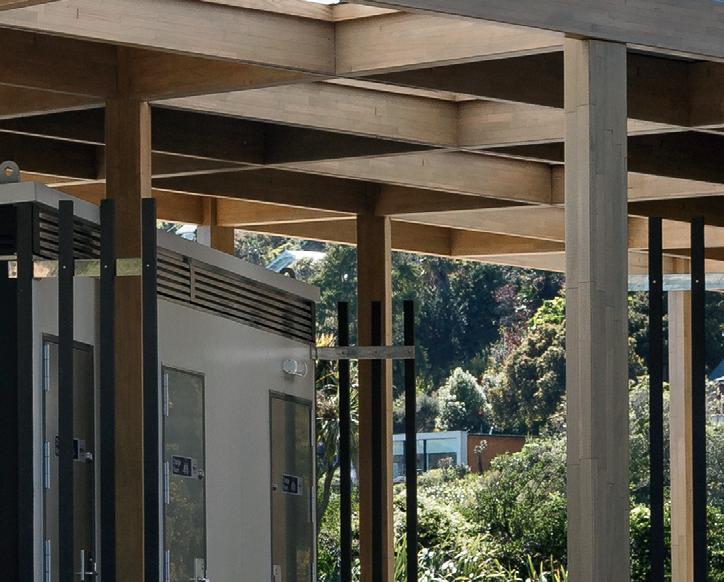
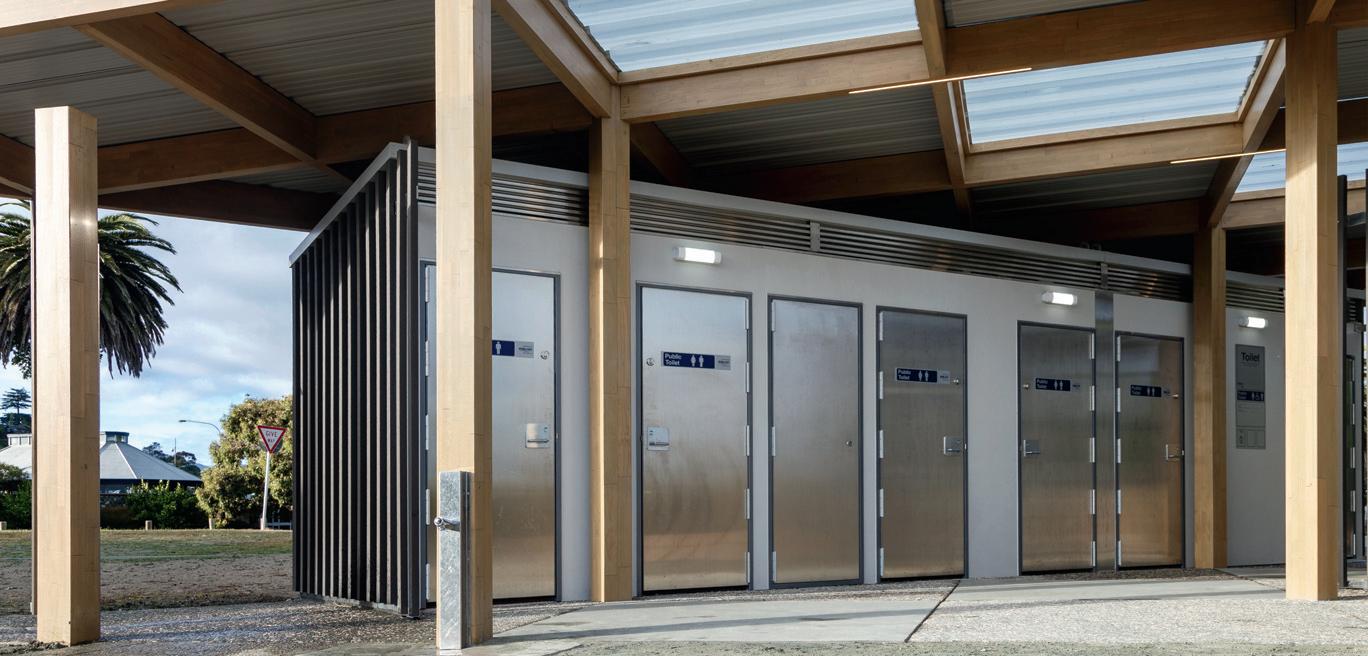
With a great install team and contractor support network across Australia and New Zealand, Exeloo has the capacity to offer quality turnkey solutions for public amenities units to councils, contractors and developers. With over 30 years of experience, Exeloo has developed a reputation for success based on its focus on innovation in design and product features.
Josh Hunt, Exeloo Australia and New Zealand Sales Manager, notes, “We have seen a trend towards upgrading parks spaces that include sports fields, which often require changing facilities. As a result, Exeloo has evolved its product range to include changing room facilities.” Some of these units have full hot shower features, referee rooms, store rooms, kiosks, as well as enough room to house entire football teams.
An example of Exeloo’s capabilities is the large-format toilet and changing room recently installed at Scott Point in Auckland, New Zealand.
Designed to be a fully sustainable sports park, the Scott Point project was approached with the aim of achieving the highest ISCA:IS accreditation rating. The IS rating scheme is Australia New Zealand’s only comprehensive rating system for evaluating the economic, social and environmental performance of infrastructure assets.
With this goal in mind, Exeloo was able to deliver a facility with design aspects in construction and operational performance that supported the overall sustainability objectives of the park.
The Scott Point unit utilises solar to power the whole unit, while also sending power back to the grid. Exeloo implemented a range of 100 percent recyclable materials as well as filter and sensor systems that help measure waste and minimise emissions.
When it comes to Exeloo amenity units the options are endless, from auto sliding doors, touchless hand basins, soap dispensers and hand dryers to self-cleaning and timed-use functions, voice messages, music and usage statistics sent to a laptop, allowing councils to cater for cleaning schedules and so much more.
For its many benefits, Exeloo uses a prefabricated construction system, with units delivered to site fully formed and, in most cases, ready to plug and play.
Prefabrication is an efficient and sustainable construction method. Some benefits include improved Health and Safety outcomes as a result of being in a controlled environment, lower emissions from less site travel and material handling, and less waste as short ends can be used in other projects. In addition, the units are relocatable and have a durability warranty of 50 years.
Having pioneered the automatic public toilet system in Australia and New Zealand, Exeloo is currently trailblazing its way across the USA and continues to go from strength to strength. With more product innovation slated for the near future, the company remains committed to delivering its products and generating even more flexibility for customers across the public space sphere.
LONG-TERM PLANT PERFORMANCE AND LOW-MAINTENANCE LANDSCAPING START WITH ONE KEY FOUNDATION: HEALTHY SOIL
Across parks, playgrounds, streetscapes and public gardens, soil degradation is one of the most common and costly challenges faced by landscape professionals. Poor soil leads to compacted areas, inconsistent plant growth, poor drainage and increased need for water and fertilisers.
Earthlife’s range of rock mineralbased soil conditioners offer a natural, effective way to rebuild soil structure, restore fertility and improve water efficiency across large and small-scale greenspaces. Products such as Garden Mate, Lawn Blend and Break Down Plus combine broad spectrum rock minerals with beneficial microbes. These blends improve aeration and nutrient availability, boost microbial life and increase the soil’s ability to retain moisture, resulting in stronger root systems, healthier plants and more resilient turf and garden beds that require less ongoing maintenance. Unlike synthetic fertilisers that
deliver a quick hit but fade fast, Earthlife products provide long-term benefits by improving the soil itself. Landscapers use them in turf preparation, garden bed establishment, tree planting and site rehabilitation — with excellent results. Whether you’re establishing new plantings or correcting longneglected soil, Earthlife provides targeted, no-dig solutions for a range of landscape applications.
In a testament to the efficacy of Earthlife products, Jason Kay, landscaper and owner of iLandscape, states; “We have found that our gardens require less water and the plants take up the natural nutrients in the soil much quicker giving us better colours and foliage in all our plants. We strongly recommend using Earthlife products as Best Practice in all our projects and could highly recommend adding it to your next landscaping project.”
Discover how Earthlife can help you improve your soil’s health by visiting earthlife.com.au















WORDS ALEXA SPRINGALL, NSW REGIONAL EO
The 2025 combined PLA NSW/ACT & QLD Regional Conference, held on 7–8 May in Newcastle, New South Wales, brought together over 250 professionals from across the parks, leisure, sport, planning and place sectors for two days of learning, collaboration and connection. Under the theme IMAGINATION + INNOVATION, delegates explored the bold ideas, evolving challenges and emerging solutions shaping the future of our industry. This year’s programme offered something for everyone, with a dynamic mix of keynote presentations, concurrent speaker sessions, handson workshops, technical tours and sold-out networking opportunities — all delivered in the stunning coastal setting of Newcastle, a city at the heart of transformation.
Day One featured dual keynote presentations. Dr Paul Callaghan, a proud Worimi man, captivated the audience with his reflections on Indigenous perspectives, leadership and reconnection with Country. His message — centred around humility, respect and a deep listening to people and place — resonated powerfully with attendees looking to embed more culturally responsive practices into their work.
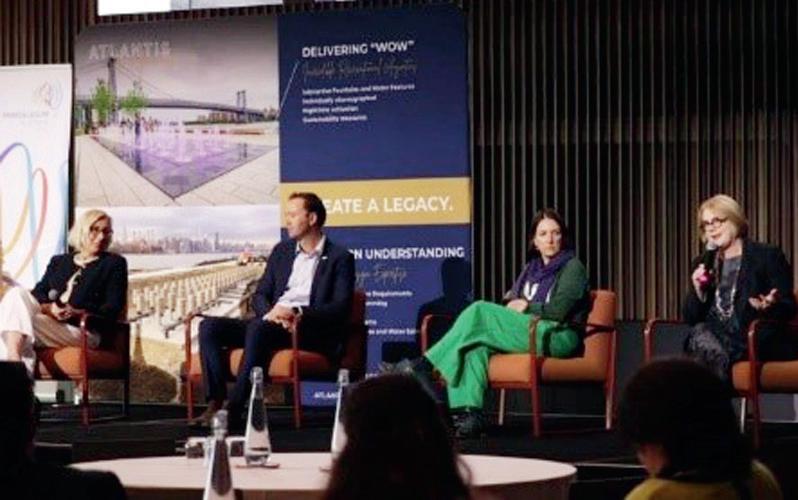
Following Paul, Denise Ora, CEO of Centennial Parklands, offered a forward-thinking keynote on leadership and stewardship in evolving public spaces. Drawing from her extensive experience managing some of
Australia’s most iconic greenspaces, Denise spoke to the growing need for adaptive leadership, strategic planning and embedding innovation into everyday operations.
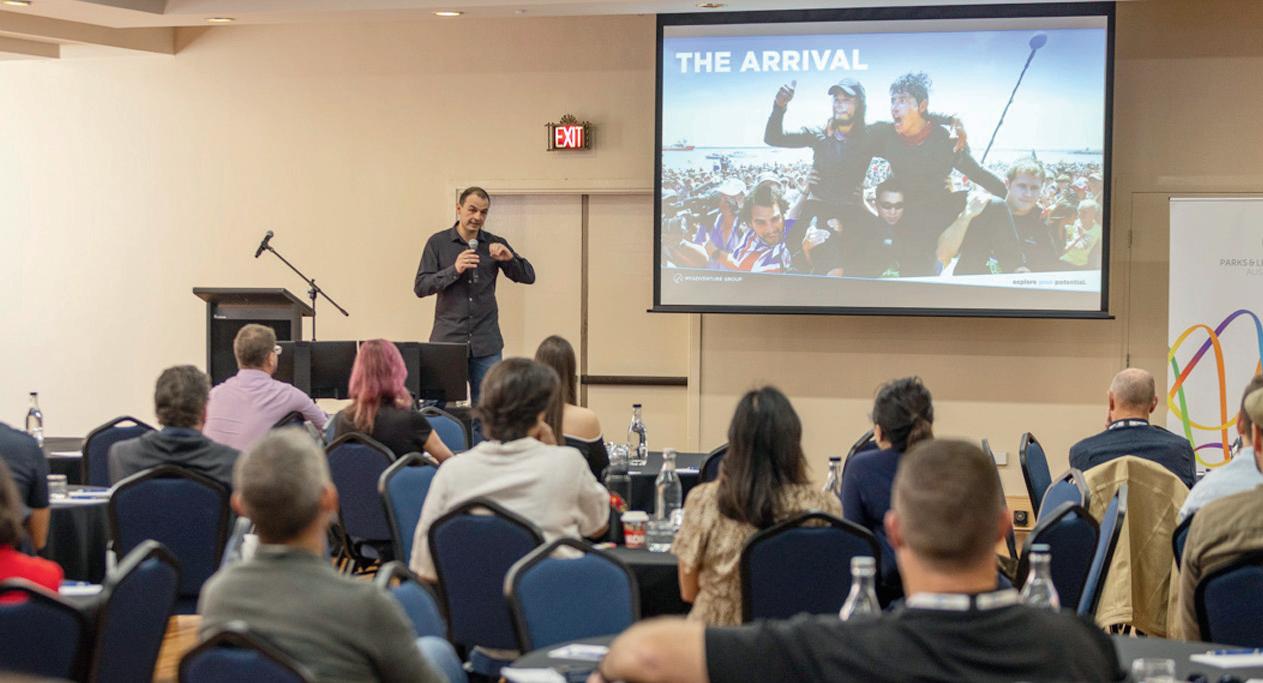
James Castrission delivered a standout keynote on Day Two, taking delegates on a gripping journey through his record-setting Antarctic expedition. With humour, humility and insight, James explored the importance of grit, resilience and celebrating small wins, drawing parallels between highstakes adventure and the professional challenges faced by those shaping public spaces and community wellbeing. The presentation left the audience both inspired and energised to push beyond limits.
Across both days, the conference featured three concurrent presentation streams, reflecting the diverse interests and professional areas of our members:
Parks + Gardens
Social + Play + Wellbeing
Sports + Leisure + Aquatics
Each stream was carefully curated to offer a blend of case studies, emerging research, policy discussion and on-the-ground examples. Presenters ranged from local government staff and consultants to researchers and private sector leaders. Many sessions reflected not just technical excellence but a genuine passion for improving community outcomes through inclusive, sustainable and engaging places.
Attendees also had the option to deep-dive into specialised topics through a series of seven masterclasses,
workshops and tours, offered across both days. These sessions encouraged hands-on learning, candid discussion and practical takeaways. Highlights included:
Plans of Management Masterclass | Led by Sandy Hoy, with NSW Crown Lands, this session explored legislative and operational considerations when preparing PoMs, including templates, Native Title and strategic alignment.
Sportsfields and Turf Focus Workshop | A panel of turf experts (Dr Mick Battam, Michael Bradbery, Grant Greenway and Dr Paul Lamble) discussed common pitfalls and emerging best practices for natural field management, tied to the upcoming NSW Best Practice Guidelines.
Advancing Asset Management and GIS in Parklands | Featuring Mark Bruhn (GSP), Kieran Bowles (City of Sydney) and Karl Nesbitt (XYST), this masterclass focused on performance-based planning, data strategy and GIS-informed decision making.
Unleashing the Power of Nature Play | A workshop exploring the role of nature play in child development, community connection and biodiversity, with practical advice on design, funding and implementation.
Future-Ready Parks: Technology in Action | Featuring speakers from Powerblocks, ActiveXchange, Positec and Greenhill, this workshop looked at how clean energy, AI, unmanned mowing and data
tools are reshaping public space management. Outputs from the session will inform an upcoming industry position paper.
Rippit Golf Facility Tour | An immersive tour of a high-tech, community-focused golf facility, including hands-on experience with simulators, mini golf and driving range innovations.
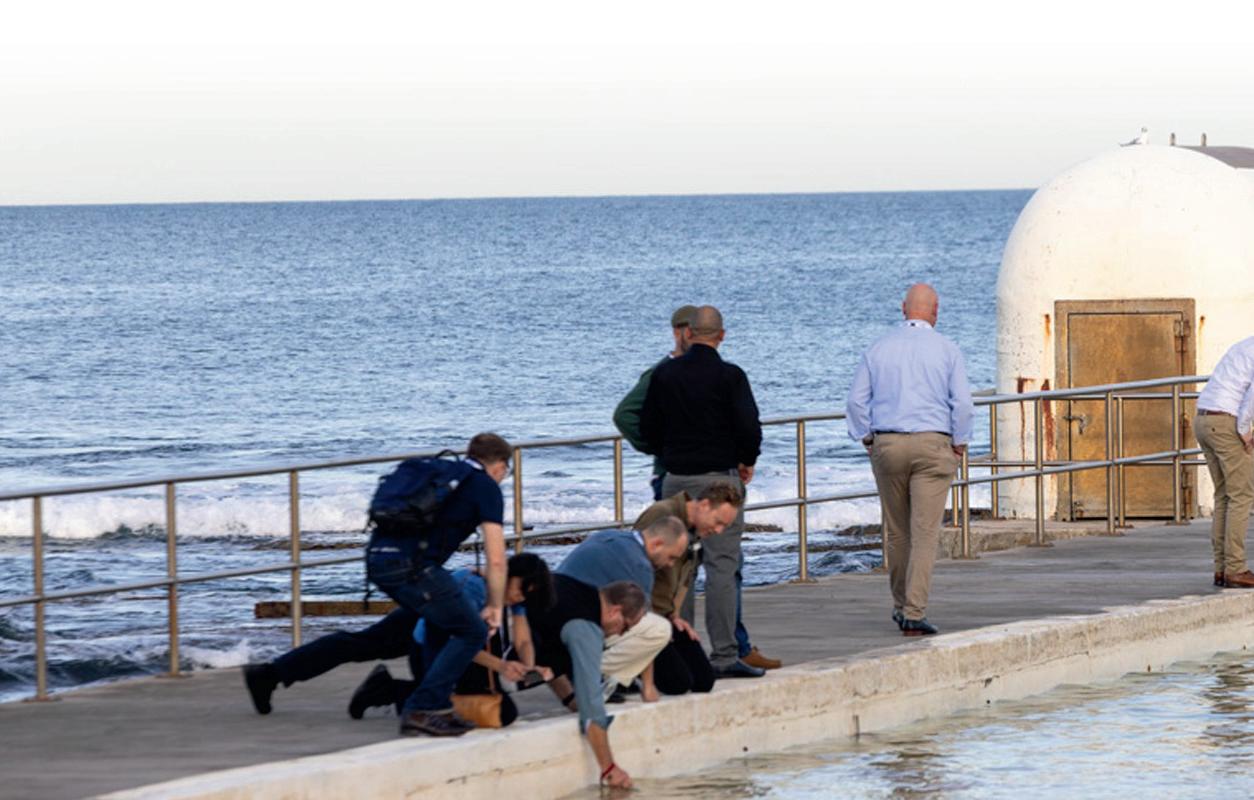
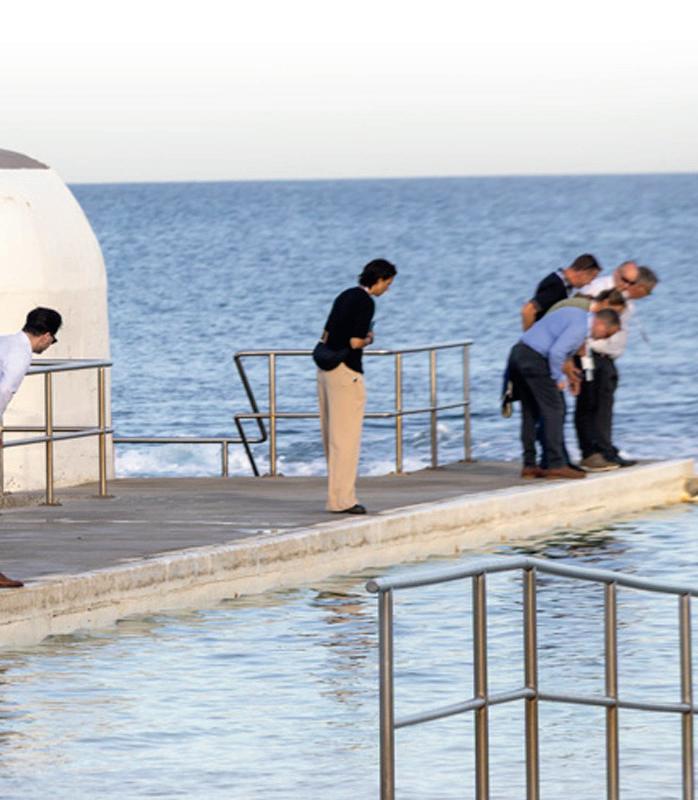
Newcastle Ocean Baths Tour | Delegates explored the recently upgraded heritage baths with insights into coastal design, community heritage and infrastructure renewal.
This year’s Trade Exhibition sold out weeks before the event, with 35
organisations showcasing cuttingedge products, services and solutions across design, play, turf, aquatics, infrastructure and software. The exhibition floor became a true hub of connection, with many delegates making the most of the coffee cart (sponsored by KOMPAN) or joining in for the Welcome Breakfasts held in the space each morning.
In addition to structured learning, the conference offered numerous informal opportunities to network and connect. The Welcome Networking Event on Wednesday evening, generously sponsored by Landmark Products, brought together delegates, speakers, sponsors and exhibitors in a relaxed setting to catch up, collaborate and forge new relationships. Between
WORDS DAN FERGUSON, EXECUTIVE OFFICER
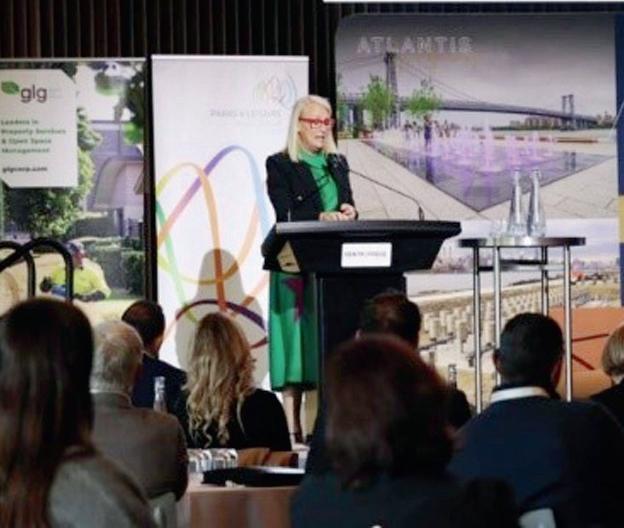
We returned stronger than ever, heading to CENTREPIECE at the iconic Olympic Park in the heart of Melbourne for our 2025 Regional Conference and Awards of Excellence. Across several dynamic days, over 350 attendees came together for an
incredible program of networking, knowledge sharing and showcasing the best our industry has to offer. As the only sector conference created by local government for local government and its supporters, it was a true celebration of the PEOPLE behind the PLACES.
We launched the event with inspiring
sessions, the buzzing exhibition, morning coffees and shared meals allowed conversations to continue beyond the presentation rooms — a reminder of the importance of in-person connection, especially in a digital world.
In lieu of speaker gifts, PLA NSW/ ACT & QLD Regions made a donation on behalf of all presenters to Got Your Back Sista, a Newcastle-based charity that supports women and children escaping domestic violence. A cause close to the heart of the region and the theme of community wellbeing, the gesture was warmly received and supported by our speakers.
The 2025 PLA NSW/ACT & QLD Regional Conference in Newcastle truly embodied the IMAGINATION + INNOVATION theme, bringing together new ideas, diverse voices and practical strategies for creating more vibrant, equitable and connected communities. Thank you to all who attended, presented, sponsored, exhibited and supported this year’s event. We look forward to seeing you in 2026 with fresh ideas, new places and the same commitment to impact.
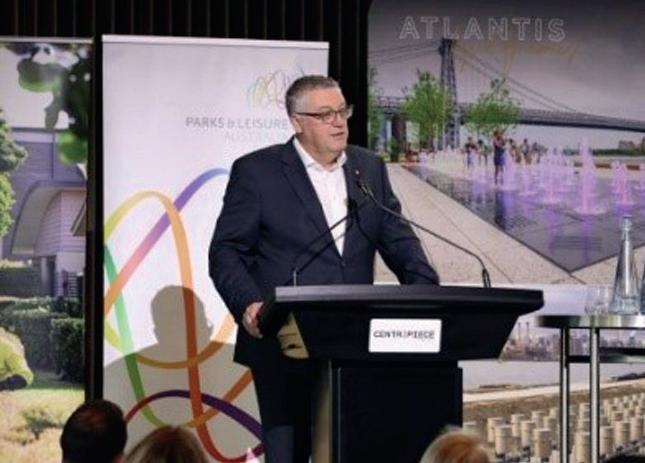
opening keynotes from John Harnden and Sally Capp, followed by a thoughtprovoking panel of council CEOs. From there, delegates experienced two full days of rich content, with more than 12 hours across three diverse streams. We wrapped up on a high with a captivating closing keynote from Beau Miles.
The first opening keynote was provided by John Harnden, the CEO of the Melbourne and Olympic Parks Trust. John was appointed as CEO in 2019 and his experience in sports and entertainment spans a 30-year career in key leadership positions. Previously (n 2007,) he had been awarded an Order of Australia for services to sport for his work as the Chief Executive of the Melbourne 2006 Commonwealth Games.
John’s keynote focused on welcoming delegates to Melbourne Park — one of the premier sports venues in Melbourne. Since 1988, Melbourne Park has been home of the Australian Open, played each year in January. Thanks to the nearly $1 billion Melbourne Park Redevelopment funded by the Victorian Government, Melbourne Park will remain the home of the Australian Open until at least 2046, providing the best facilities and amenities for players and fans alike. The project includes a strong emphasis on the comfort of patrons with more open space and shade, increased seating capacity, better connections to public transport and the city, and easier movement into and within the precinct.
The second keynote presentation was provided by Sally Capp AO, Former Lord Mayor of Melbourne. Sally is a trailblazing leader whose career spans business, government and academia. She was the first woman to serve on the Collingwood FC board, the first female Agent-General for Victoria in the UK, Europe and Israel, and the first woman directly elected as Lord Mayor of Melbourne. In 2024, Sally became a Vice Chancellor’s Fellow at the University of Melbourne, further cementing her legacy of leadership. Her varied career gives her unique perspectives and some hilarious stories!
Sally’s presentation focused on her achievements in office and her learnings along the way. She singled out several major projects as her legacy, including managing through COVID, the Queen Victoria Market redevelopment, the Greenline project and Make Room — the conversion of a council-owned building into homelessness accommodation and support services. Sally said she is proud to have overseen projects that will “go beyond my time” and “haven’t just been focused on short-term initiatives to fit in with an election cycle.”
“We’ve actually been making decisions that are good for the city even if we know that we won’t get to have a photo or cut a ribbon,” she stated.
We closed out the conference opening session with a Council Chief Executive Officer Panel moderated by Sally Capp, exploring the challenges and opportunities of our industry. Panel CEO’s were handpicked for their ties to the Parks and Leisure industry — some starting out as learn to swim instructors, others being former members of the PLA Vic/Tas Regional Council. This ensured a relevant, robust and honest conversation about what the future holds for the sector. Panel members included:
Cathy Henderson, Merri-bek City Council
Fiona Blair, Brimbank City Council
Lincoln Fitzgerald, Loddon Shire Council
Jacqui Weatherill, City of Greater Dandenong
Places + Spaces | panellists examined strategies for adapting urban environments to manage densification and shrinking green areas. Case studies such as the ‘A Park Close to Home’ strategy at Merri-bek illustrated the tensions between development pressure and the need for enduring community infrastructure.
People + Planning | In this segment, the discussion turned to inclusivity and responsiveness in leisure planning. With increasing cultural diversity and shifting generational needs, councils are adopting more nuanced data collection methods, such as local participation surveys, to ensure park upgrades and investment reflect the realities of their communities.
Parks + Projects | This theme highlighted real-world impacts, including the Brimbank Aquatic Centre, demonstrating how targeted infrastructure investment can support both social cohesion and economic activation. Co-design approaches, including the use of community panels, were emphasised as key to embedding genuine public input into planning processes.
Sector Development | This panel addressed shared challenges, from funding constraints to stakeholder tension, and stressed the importance of innovation, partnerships and intergovernment collaboration to safeguard green outcomes for future generations.
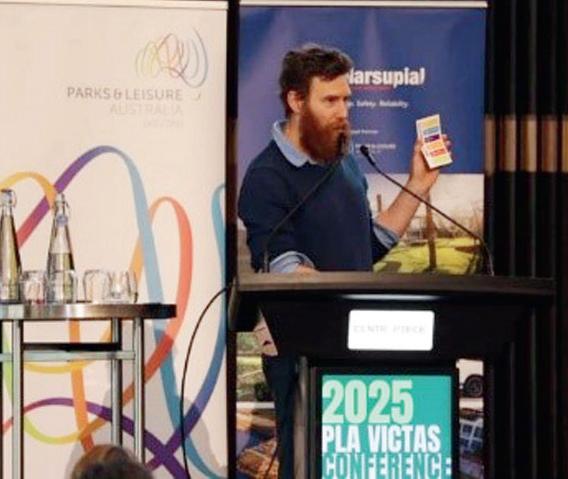
The closing keynote presentation was given by Beau Miles. Beau is a Father, YouTuber, award winning filmmaker, author of The Backyard Adventurer, wannabe farmer and maker
of stuff from other people’s junk. He needs to shower more. Known for oddball storytelling that aims to make seemingly mundane or hair-brained ideas into something that’s enjoyable, challenging and insightful. He started to lecture at Monash University in outdoor education and later earned his PhD in Outdoor Education, which was an autoethnographic inquiry into sea kayak expeditioning.
Beau’s presentation was less about a particular topic and more about an occasional, and often defining, life on water and in nature. From oceans and seas to rivers and lakes, treetops and rainforests, to bush and the city, the conversation was about key moments in life, the personal meaning that he derives from this and his search for insights into humanity. And, where fun and adventure reside.
We were thrilled to have Brett Phillips as our MC for this event. Brett is a leading tennis commentator and long-time supporter of PLA. He is the host of SEN’s The First Serve, a dedicated twohour weekly radio show covering the world of tennis from the elite to grass roots here in Australia and abroad. Brett is also a host of Channel 9’s French Open, Wimbledon, US Open, Davis Cup, Billie Jean King Cup, Brisbane International and Adelaide International TV coverage, as well as being the big screen host for Tennis Australia at the Australian Open.
It takes a collective effort to deliver this exciting event and we thank all of the presenters over the last couple of days for volunteering their time to showcase the best our industry has to offer.
We were thrilled to have over 25 trade exhibitors this year where delegates could find all the information needed on the latest and greatest innovations from our industry suppliers.
A big thank you must also go out to our sponsors. Without their support we wouldn’t be able to host this event. A special shoutout to our platinum sponsors Green Life Group, who have been a longtime supporter of PLA both nationally and in Vic/Tas. In addition, our thanks go to our conference GOLD sponsors: SPORTENG, Green By Nature and Marsupial Landscape Management, our program and content partners Syngenta, our SILVER sponsors Atlantis Liquid Dynamics, together with Golf Australia, PLA industry partner, plus Brand Architects who supplied our lanyards, and Landmark Products and iDwala who provided much needed caffeine hits across two barista carts throughout the conference.
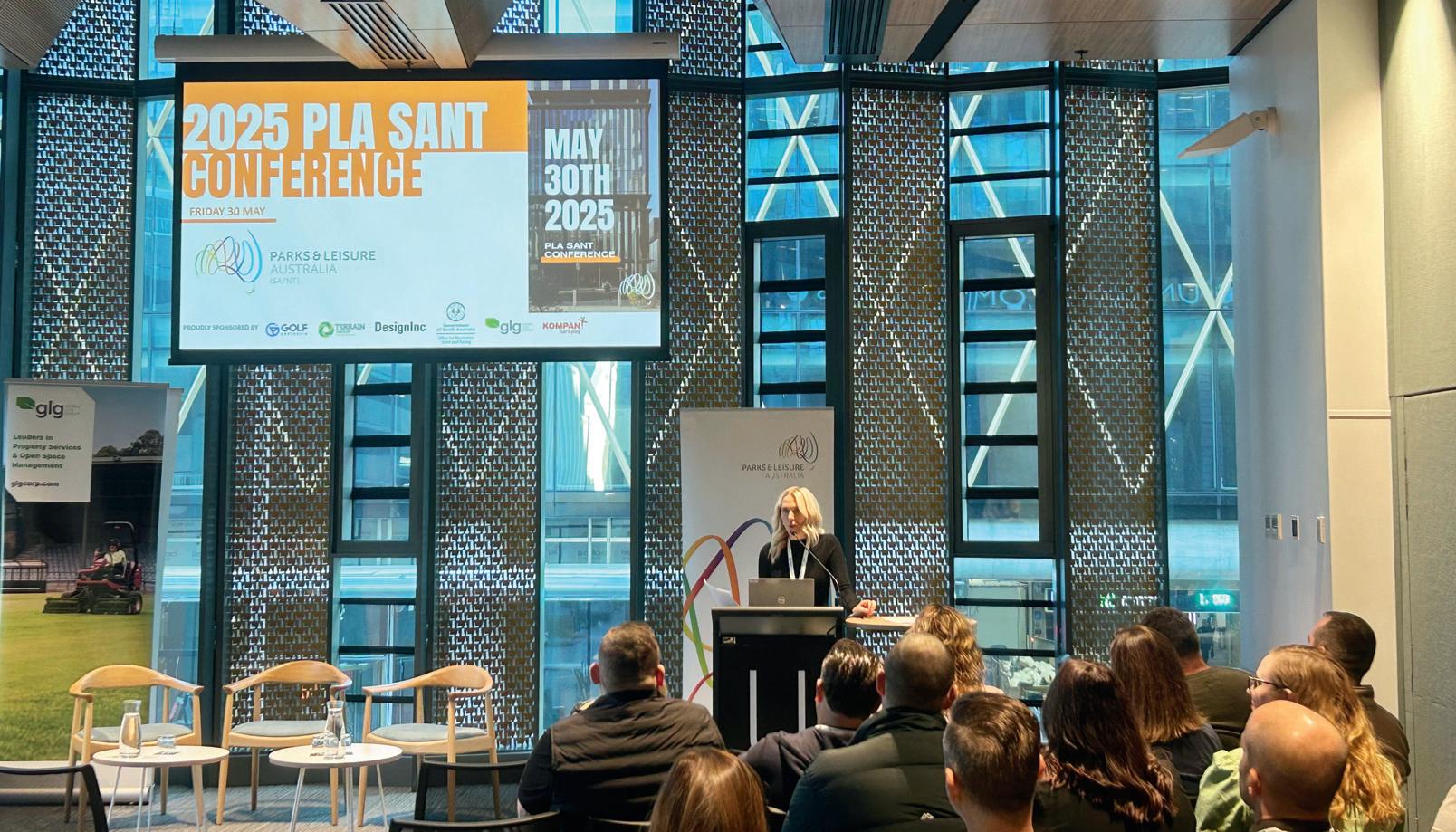
The Parks and Leisure Australia SA/NT Region Conference returned once again, taking place in the vibrant heart of Adelaide at the U City Function Centre. It was a day to remember, with around 100 attendees gathering for a dynamic program filled with plenty of networking opportunities, knowledge sharing and a showcase of the very best our industry has to offer.
As the only sector conference created by local government for local government and its supporters, the event truly celebrated the PEOPLE behind the PLACES.
The conference kicked off with an official opening from the Honourable Nat Cook MP, Minister for Human Services, Welcome to Country by Cliffy Wilson from Kuma Kaaru Cultural Services, and an address from PLA SA/ NT President Hayley Ashworth.
An inspiring keynote address from Stephen Yarwood set the tone for the day. Stephen is a renowned Futurist, highly respected Urbanist and the Former Lord Mayor of Adelaide. Serving as a catalyst for change for both corporate and community organisations, his passion extends beyond envisioning the future; he educates, motivates and empowers people to shape it. With a strong skill set in cross-disciplinary strategic foresight, Stephen is deeply fascinated by the dynamic interplay between people, places, technology and change.
Stephen’s presentation explored the transformative role of artificial intelligence in shaping the future of open spaces, community assets
and citizen interactions. Highlighting the shift toward AI-driven service delivery, intelligent infrastructure and personalised citizen engagement, it emphasised the urgent need for local governments to adapt strategically, ethically and proactively to remain relevant and resilient.
The keynote address was followed by an insightful industry panel with Campbelltown City Council CEO Paul Di Iulio and the Executive Manager Strategic Projects and Climate at Mitcham Council, Amy Pokoney Cramey.
This forward-focused panel explored the transformative role of AI in shaping future-ready communities, unpacking how generative AI is redefining citizen engagement, asset management and public sector leadership. Panellists considered how AI can empower citizens to co-design services, while also grappling with the ethical implications of AI influencing behaviour in public spaces.
From predictive maintenance of parks and infrastructure to envisioning smart upgrades for today’s dumb assets, the session examined the strategic, operational and workforce shifts local governments must navigate. Leaders also debated the adequacy of existing policy frameworks and strategic plans in an AI-enabled future.
Finally, the conversation turned to evolving citizen expectations: should AI help measure hard-toquantify outcomes like mental health and placemaking success? This dynamic discussion challenged participants to rethink their approach to governance, service delivery and the
role of technology in fostering more responsive, inclusive public spaces.
Delegates then delved into a wideranging program across two engaging streams and more than six hours of content! We were thrilled to be teaming up with our program partners who presented throughout the conference including: Australian Sports Commission; SA Office for Recreation, Sport and Racing; Green Adelaide; Heart Foundation; Golf Australia; The University of Adelaide; DesignInc; SPORTENGT; Common Ground; Torgersen Gilbey; Tredwell; Limestone Coast Local Government Association; City of Marion; and Campbelltown City Council.
The day concluded on a high note with a powerful closing keynote from Jed Altschwager, sharing his story from trauma to Paralympic gold and everything in between. A passionate surfer from a young age, Jed has always valued his connection with the water; and it was one that would only grow deeper following a traumatic workplace accident that forced the amputation of his left leg below the knee in 2015. Sport played a central role in Jed’s journey back to full physical and mental wellbeing. He fell in love with Para-rowing in the process, which proved pretty successful as he went on to win a World Championship, the Paralympics (World Record in his event), and secured Australia’s first ever Gold Medal in Para-rowing.
It takes a collective effort to deliver this exciting event and we thank all of the presenters for volunteering their time to showcase the best our industry has to offer.
We were thrilled to have numerous trade exhibitors join us at the conference this year, allowing delegates to find all the information needed on the latest and greatest innovations from our industry suppliers.
A big thank you must go out to our sponsors, who without their support we wouldn’t be able to host this event: Design Inc (Bronze partner), SA Office for Recreation, Sport and Racing (Region partner), Golf Australia (PLA industry partner), Terrain Group, (lanyard suppliers), KOMPAN Australia (barista carts) and, of course, our Platinum sponsor GreenLife Group, who have been a long-time supporter of PLA through many of our regional and national conferences.
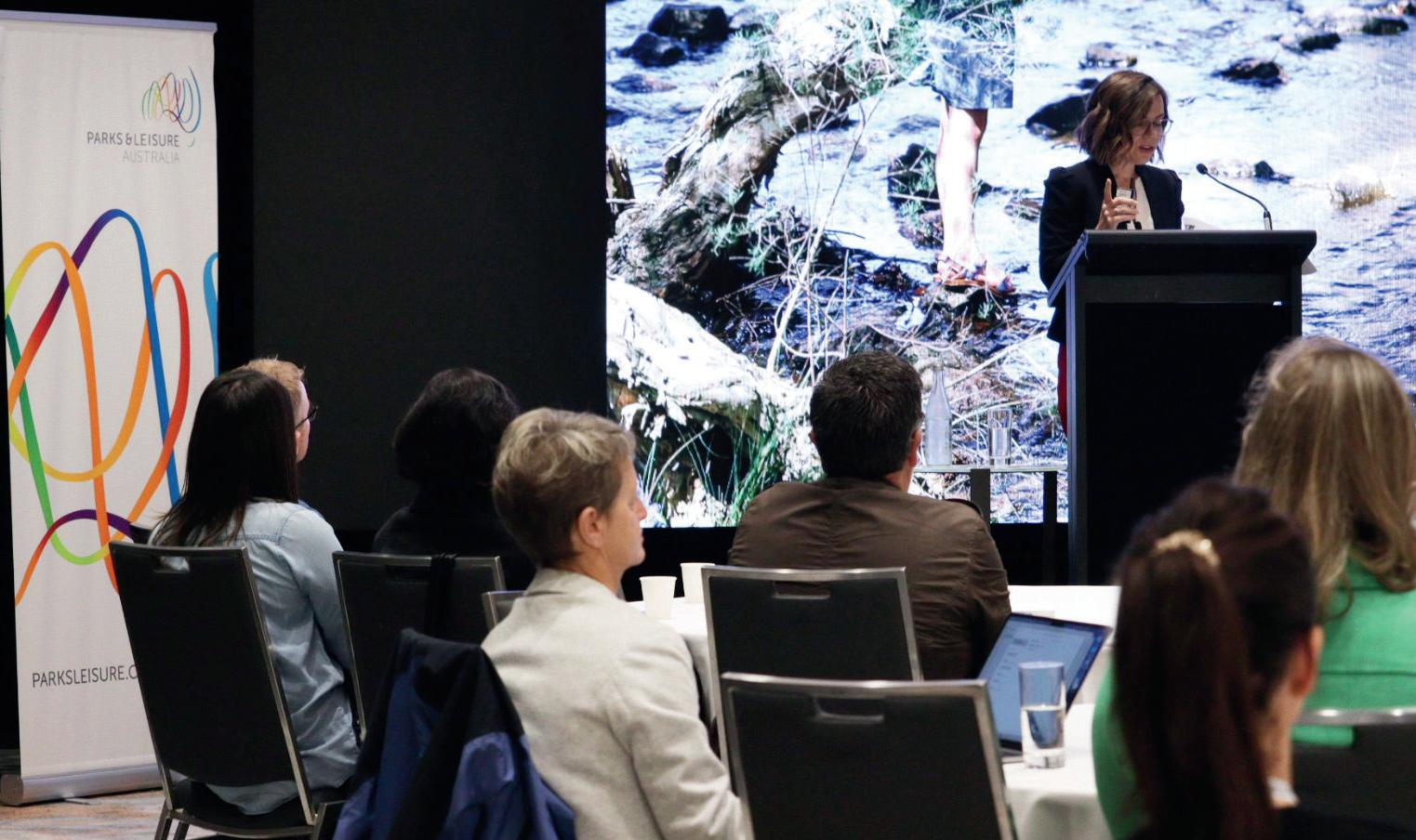
The 2025 Parks and Leisure
Australia (PLA) WA Region Conference made a strong return this year, hosted over two vibrant days (17-18 June) at the beautiful Pan Pacific Hotel in Perth. The event brought together more than 120 professionals and leaders from across the parks and leisure sector for two days of knowledge-sharing, inspiration and celebration.
The conference commenced with a warm welcome from Parks and Leisure Australia CEO Anand Pillay, followed by a culturally grounding Welcome to Country delivered by Matthew Maguire, traditional owner of Whadjuk/Noongar Boodjah.
The opening day featured a dynamic lineup of keynote speakers, beginning with Stephen Yarwood, former Lord Mayor of Adelaide, and Dr Brad Pettitt, Member of the WA Legislative Council. Both shared powerful insights on future-focused urban planning and sustainability.
Following these sessions, delegates broke out into three concurrent presentation streams: Participation + Planning, Parks + Places, and Parks & Leisure Workshops. These streams covered a wide range of topics from leading experts across the industry.
Day one concluded with an inspiring keynote from Dr Maria Ignatieva followed by a relaxed networking event — with exceptional hospitality provided by the Pan Pacific Hotel. Delegates also visited and engaged with the following six trade exhibitors who were
onsite throughout the conference: Play Collective, Magic Mineral, Musco, Kress Commercial, Benara Nurseries and Little Rippers.
Day two began with the ever-popular Parks Managers Breakfast sponsored by Green by Nature, bringing together professionals from local and regional councils in an informal setting to connect and share experiences.
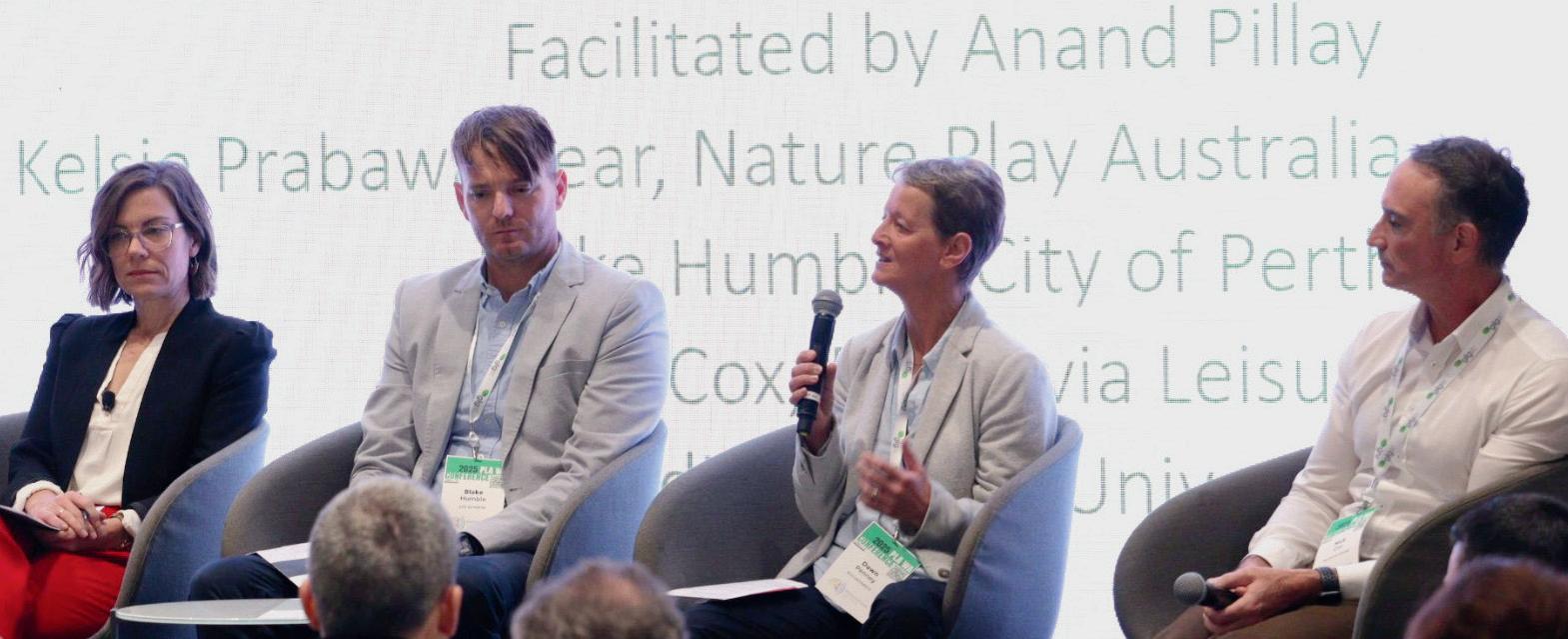
The morning keynote was delivered by Dr Kelsie Prabawa-Sear, CEO of Nature Play WA, who spoke passionately about the importance of nature-based play and its impact on community wellbeing. Her session set the tone for the much-anticipated Industry Leaders Panel, which featured:
Dr Kelsie Prabawa-Sear (Nature Play WA)
Dawn Penney (Professorial Research Fellow, ECU)
Blake Humble (Parks and Environment Manager, City of Perth)
Nick Cox (CEO, Belgravia Leisure)
Facilitated by Anand Pillay (CEO, PLA)
This engaging panel sparked thoughtful discussion around innovation, leadership and the future of the industry.
After morning tea, delegates again chose from three streams of expert-led presentations before reuniting for the final keynote of the conference — an energetic and motivating address by Nick Cox, CEO of Belgravia Leisure.
The conference concluded in celebratory style with the WA Awards of Excellence, sponsored by Green by Nature, which recognised outstanding achievements across six categories within the PLA WA community. Hosted by the charismatic Lisa Woodbrook, the event was a true highlight of the conference. Attendees enjoyed delicious canapés and refreshments as the region’s best were honoured.
The 2025 PLA WA Region Conference was a tremendous success— offering valuable insights, fostering collaboration and celebrating the passion and innovation that define the parks and leisure industry in Western Australia. We thank all speakers, sponsors, delegates, exhibitors and partners who helped make this event memorable.
PLA would like to recognise the following sponsors as we could not have run this event without you and your generous support:
The Play Collective (Bronze partners)
Green by Nature (Awards of Excellence and Parks Managers Breakfast sponsors)
Golf Australia (PLA industry partner)
Green Life Group (lanyard suppliers)
We look forward to seeing you at the 2026 PLA WA Region Conference.
WORDS PROLUDIC
At Proludic, innovation is a core value that drives the company forward. Their commitment to pushing the boundaries of outdoor play and fitness design has been recognised with seven Good Design Awards from Good Design Australia — a testament to their dedication to creating functional, inclusive and engaging products and playspaces.
The company’s award-winning ACTI’FUN by Proludic solution is a powerful example of this approach. By blending accessibility, thoughtful design and smart technology, ACTI’FUN makes outdoor fitness more inclusive, more fun and more supportive for people on every stage of their fitness journey.
This commitment to meaningful innovation comes to life at the newly upgraded GR Bricker Reserve Outdoor Gym in Moorabbin, Victoria, delivered by Proludic in partnership with Kingston City Council.
Designed as part of a broader master plan for the reserve, this revitalised fitness space is more than
just a collection of equipment, it’s a vibrant, inclusive community hub that encourages active lifestyles for people of diverse ages and abilities.
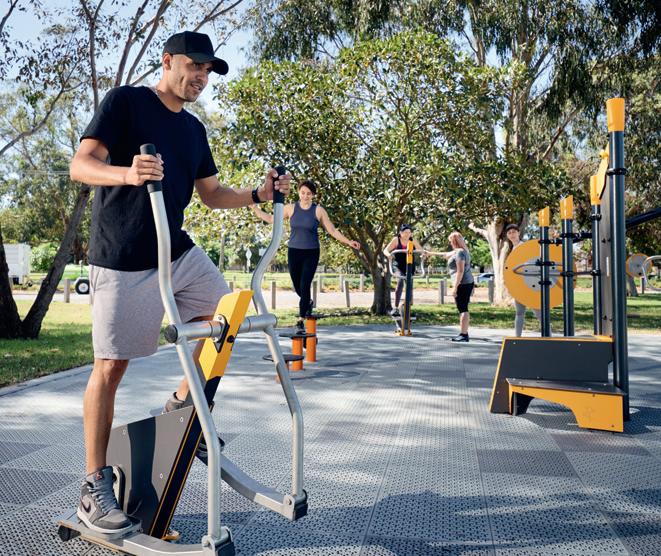
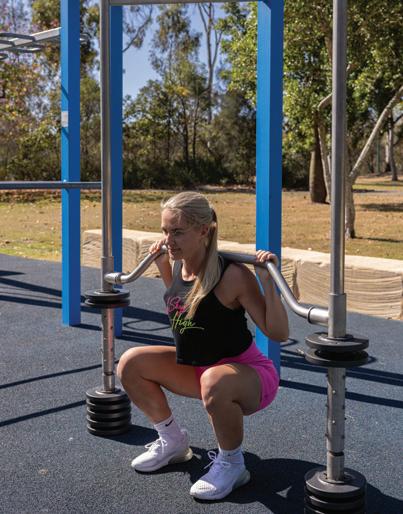
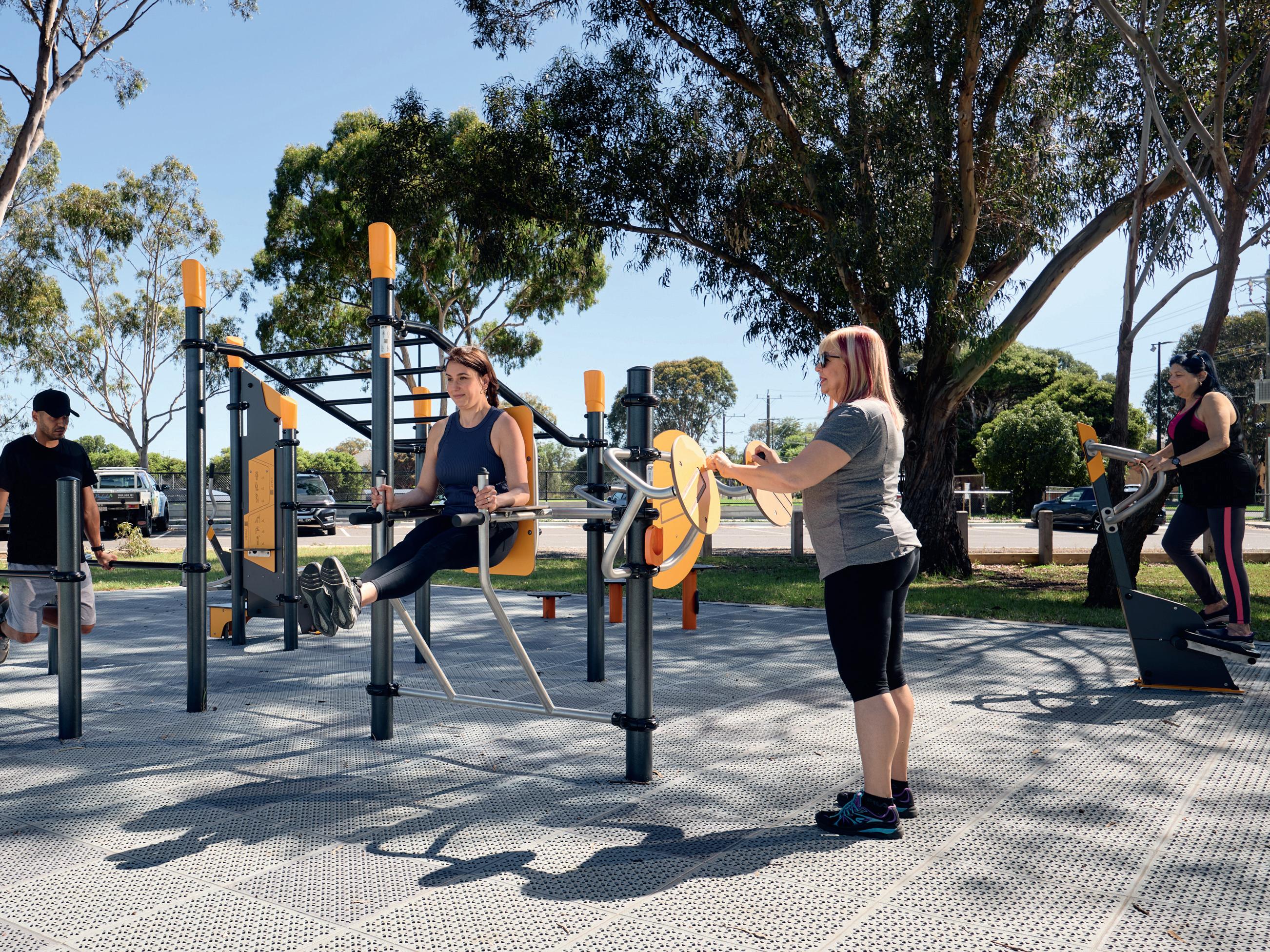
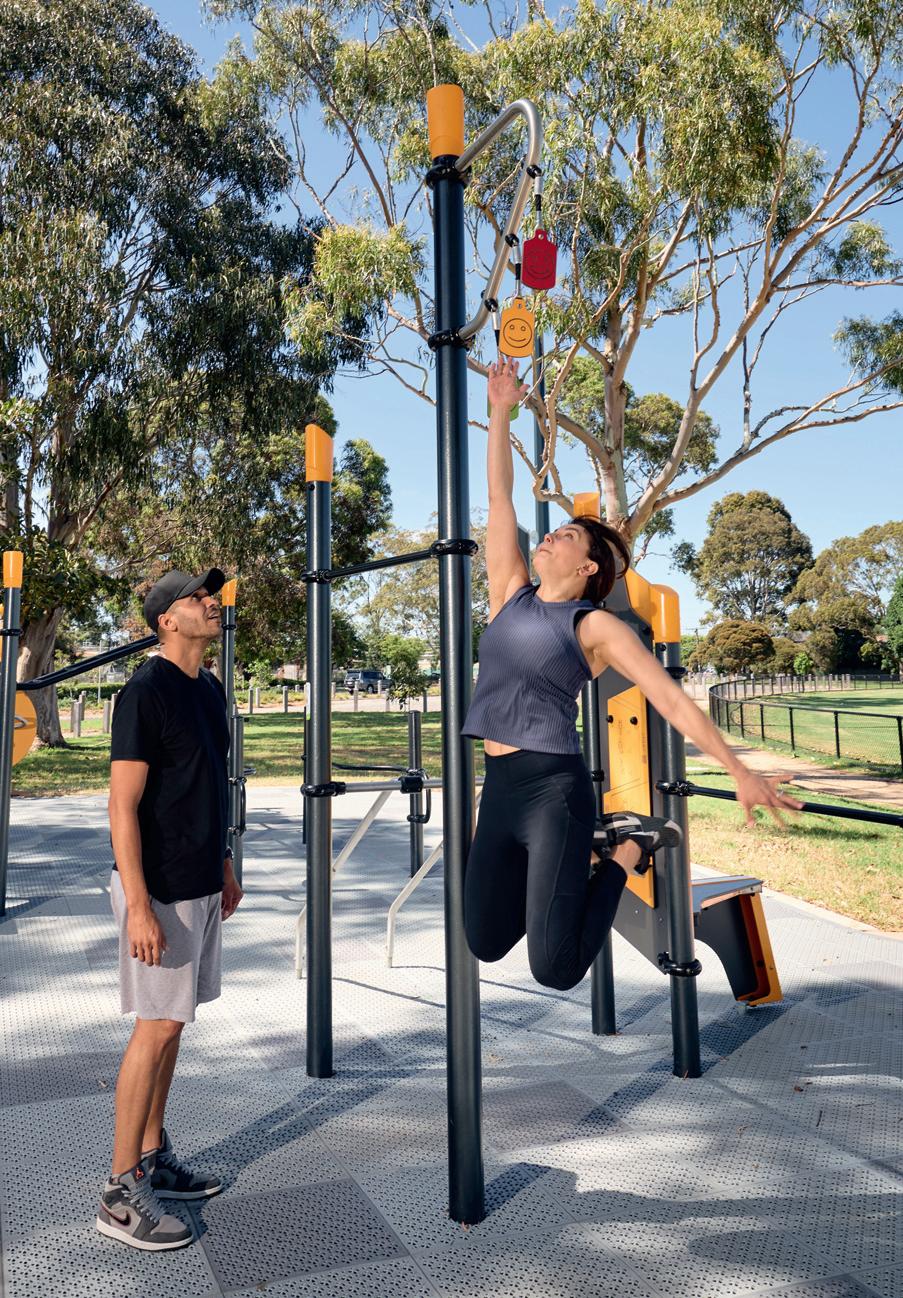
The GR Bricker Reserve Outdoor Gym combines elements from Proludic’s Inclusive Fitness Station and Compact Fitness Station, creating a spaceefficient, high-impact solution that supports full-body workouts. From upper-body strength and mobility training to balance, coordination and core activation, the gym offers a wide variety of movement opportunities.
The layout invites everyone to engage in a way that suits their needs, whether it’s a quick circuit, a low-impact rehab session or a social workout with friends. The equipment has been purposefully selected to remove barriers to participation, with intuitive designs that support users of all fitness levels, including those using a wheelchair.
The space also includes cardiofocused modules, such as an elliptical
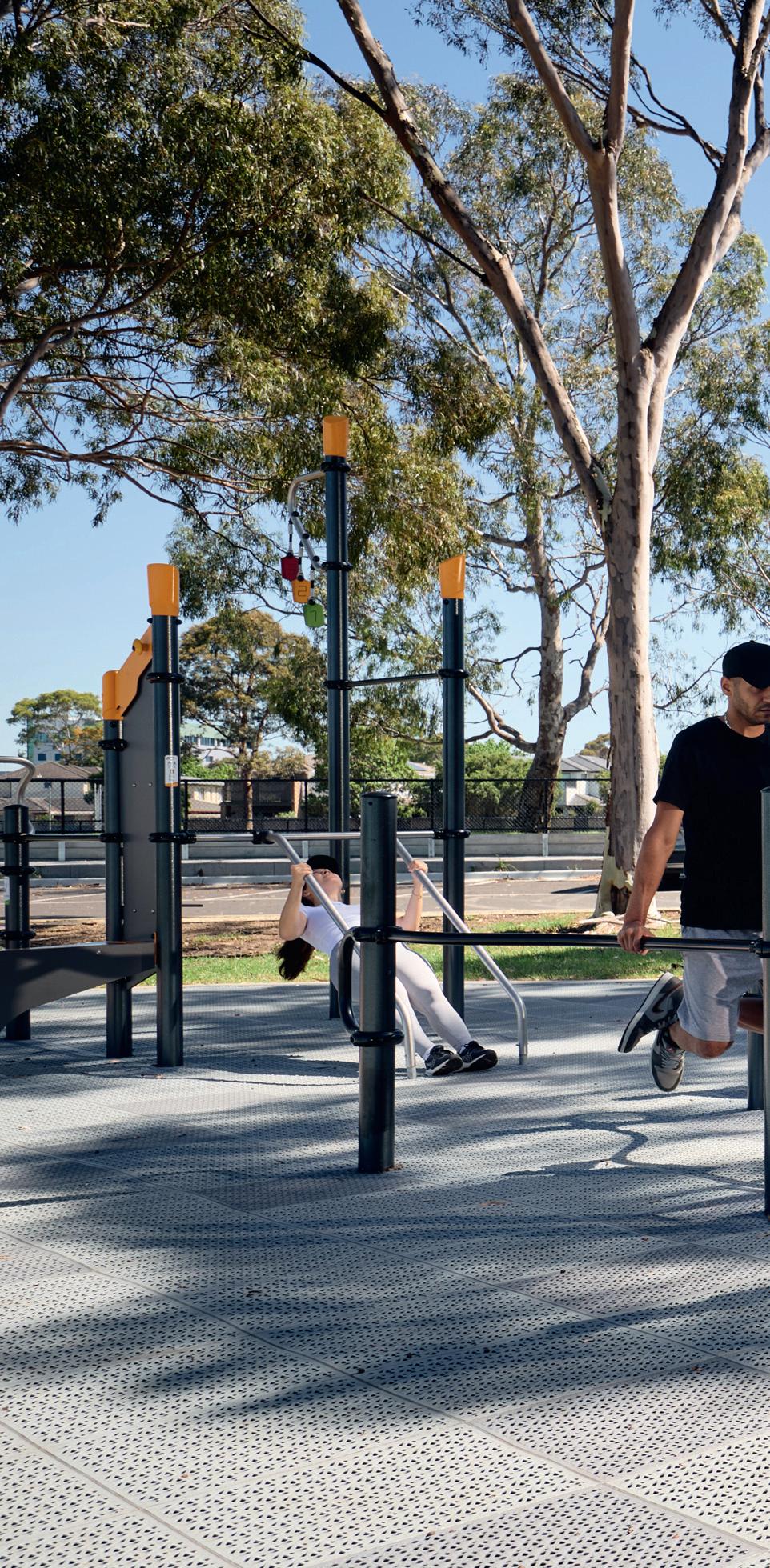
trainer and a resistance-adjustable stepper, offering low-impact endurance training with scalable challenges. Plyometric steps add dynamic, high-energy movement to the mix to encourage users to build power, agility and coordination in a fun and engaging way.
As Tristan Smith from Kingston City Council’s recreation team shared: “Proludic really stood out as an industry leader in inclusive fitness design.”
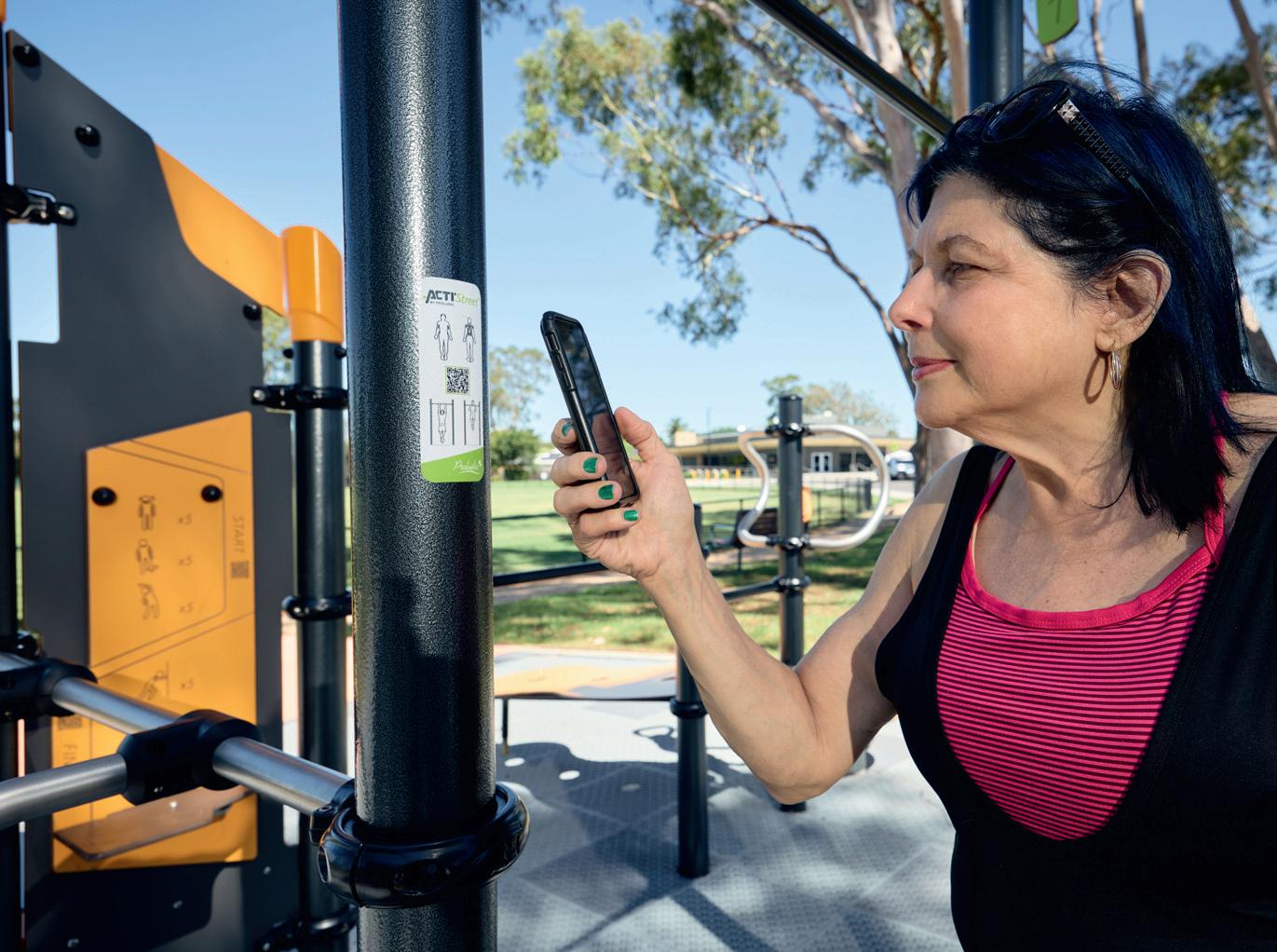
What sets this gym apart is the way it integrates digital technology to elevate the user experience. Each piece of equipment connects with the ACTI’FUN by Proludic app, an interactive fitness platform accessed via QR codes onsite. With the ACTI’FUN app users can:
Watch guided videos tailored to three different fitness levels, including wheelchair-accessible options.
Track progress over time, helping to build motivation and measure achievements.
Challenge a friend to a workout, adding a fun competitive element to training.
Choose exercises based on difficulty, ensuring sessions are always appropriately challenging.
A unique feature of the ACTI’FUN system is the smartphone holder built directly into the equipment. This allows users to easily follow workout videos, amplify music or film their movement for playback, enhancing both guidance and enjoyment.
Whether users are starting their fitness journey or pushing their personal best, ACTI’FUN makes it easier, smarter and more connected.
The GR Bricker Reserve Outdoor Gym has become more than just a place to exercise. It is a space where the community comes together. Whether it’s friends meeting for a morning workout, neighbours encouraging each other through new challenges or
families enjoying time outdoors, the gym is helping to foster a culture of movement, connection and wellbeing.
With equipment designed for diverse ages and abilities, the space invites everyone to participate, regardless of fitness level or experience. The intuitive layout and inclusive features ensure no one is left behind, while the integration of the ACTI’FUN app adds a layer of guidance, motivation and play.
The GR Bricker Reserve Outdoor Gym is a celebration of what’s possible when community ambition meets truly inclusive, innovative design. It demonstrates how thoughtful planning, smart features and authentic engagement can come together to create a space that encourages healthier, happier lives.
WANT MORE
Find out how Proludic can help with your next outdoor fitness project at proludic.com.au



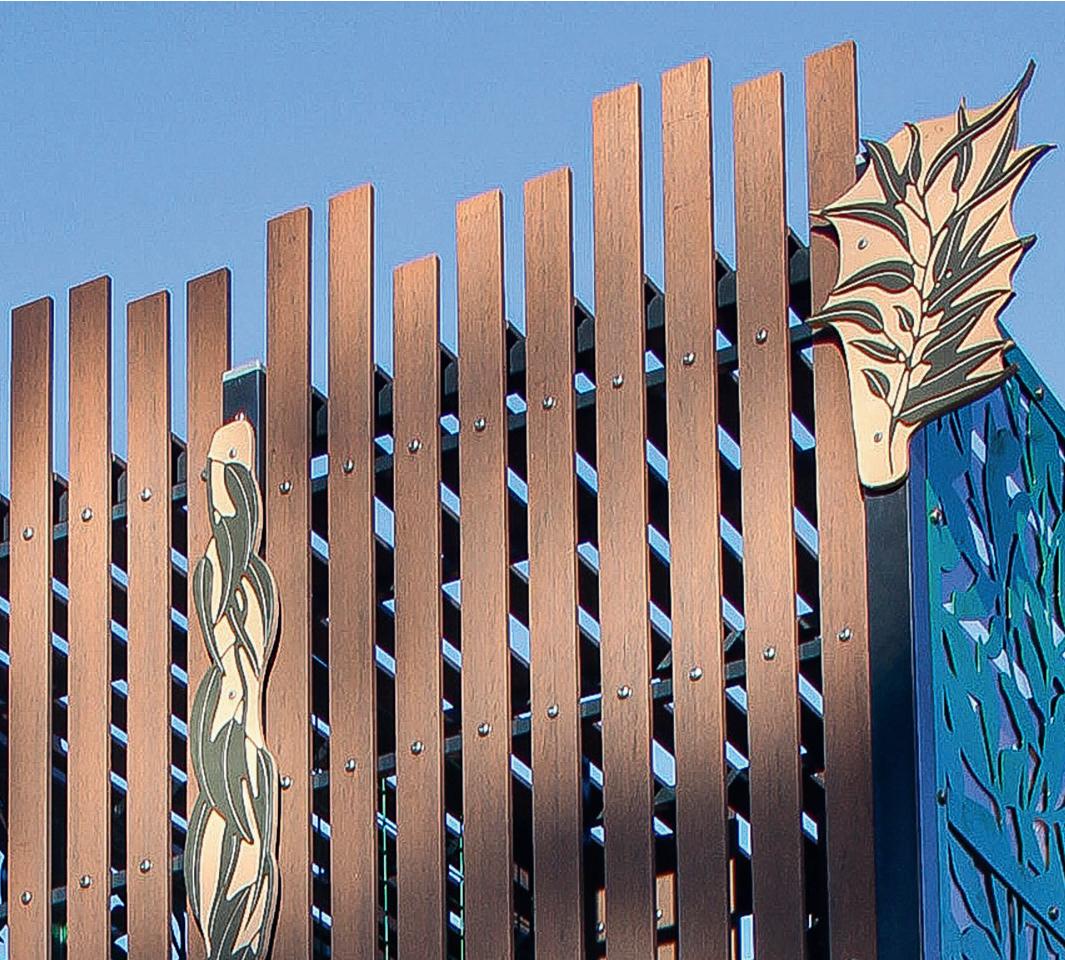

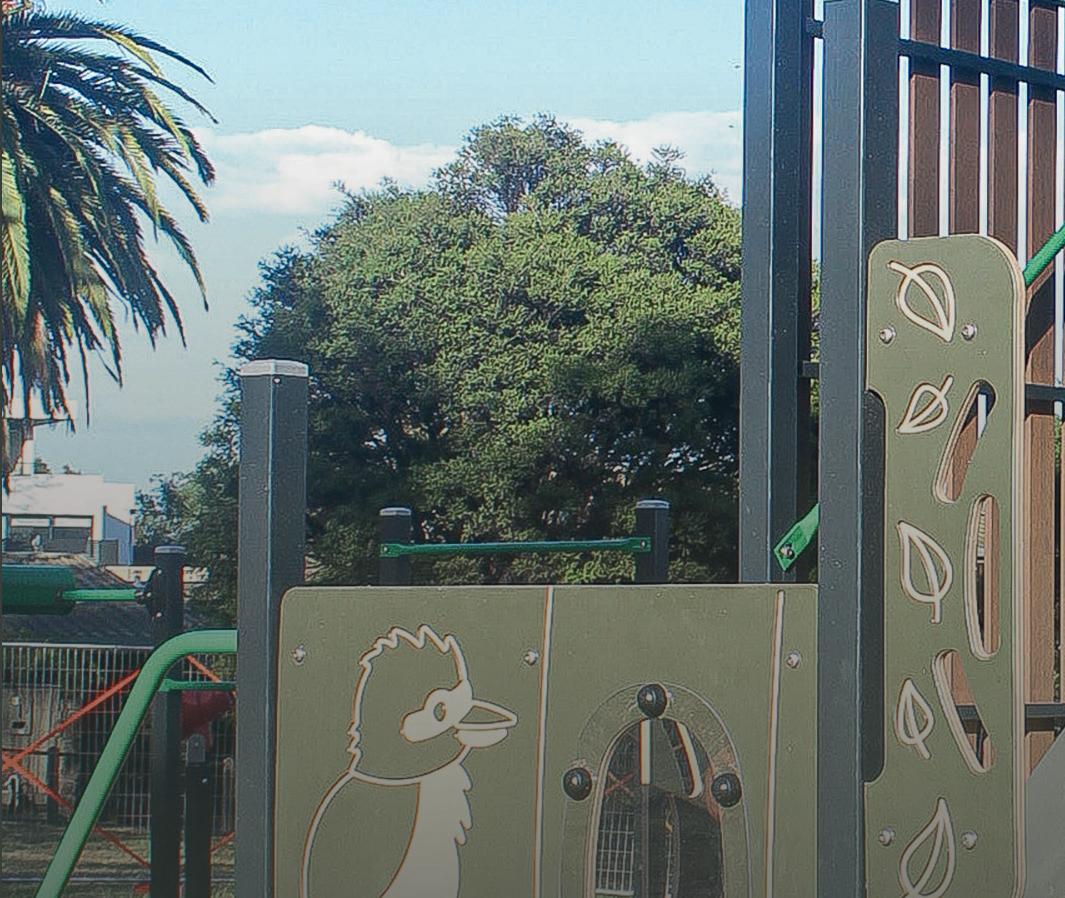
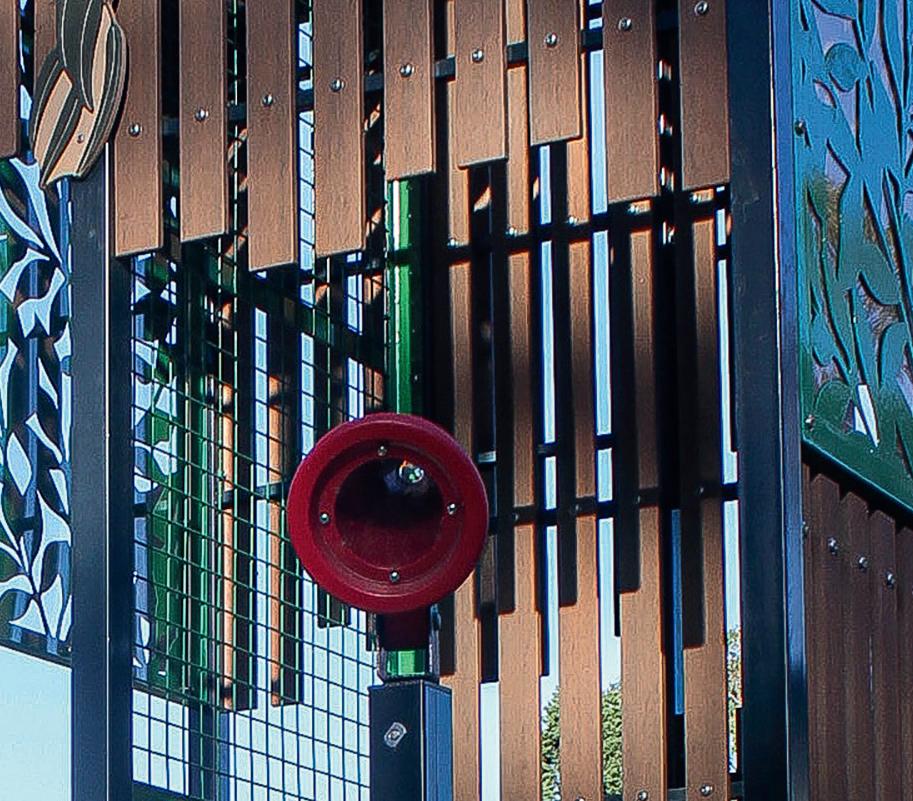
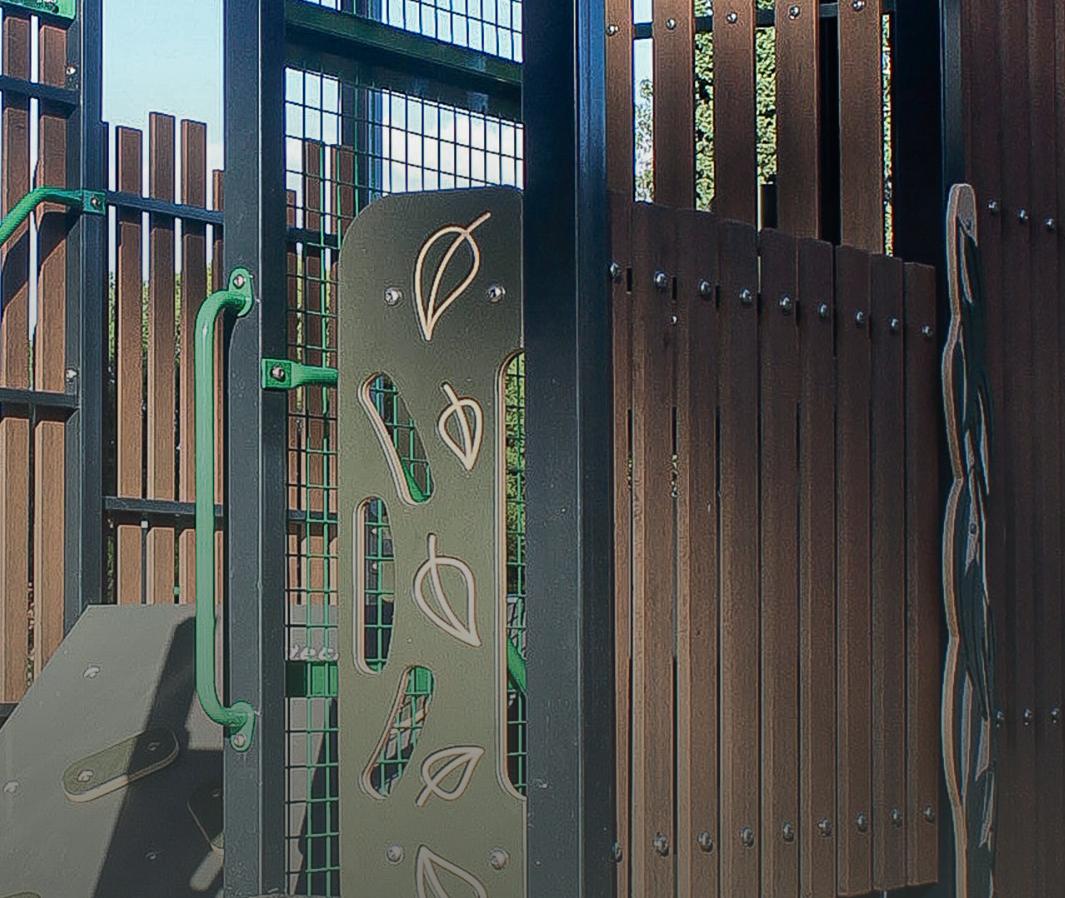
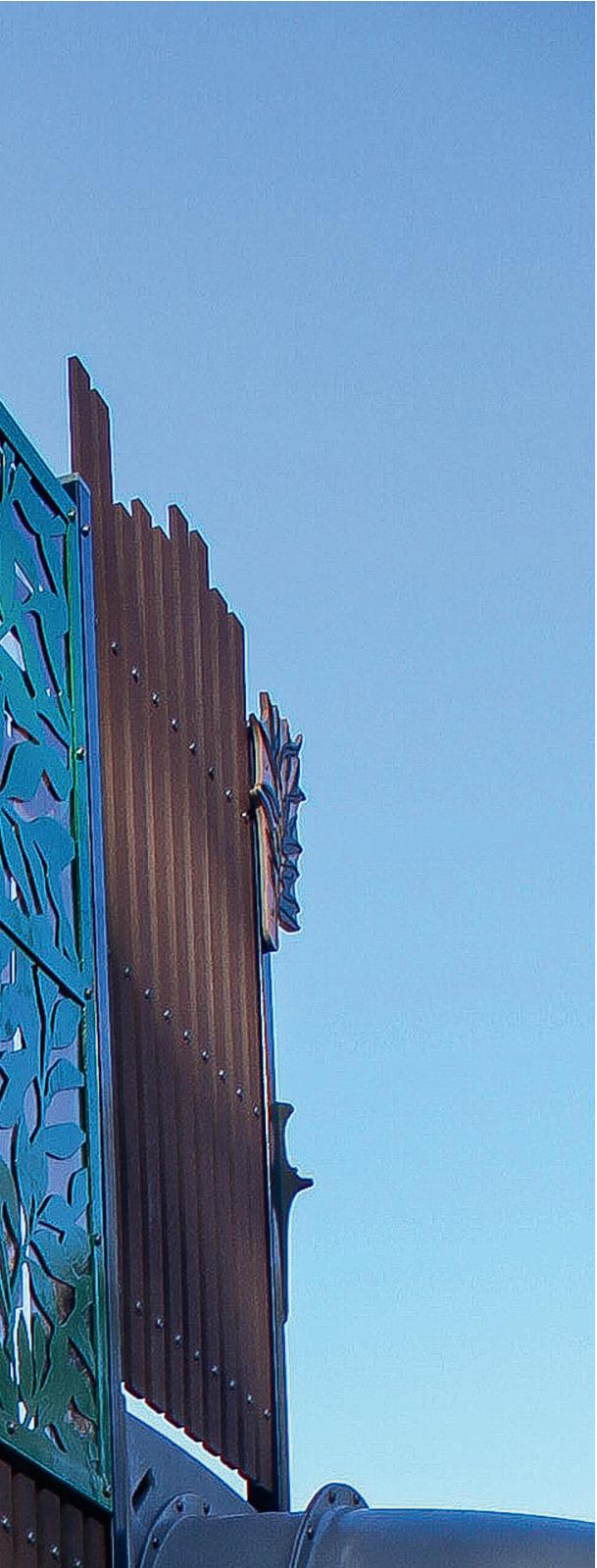

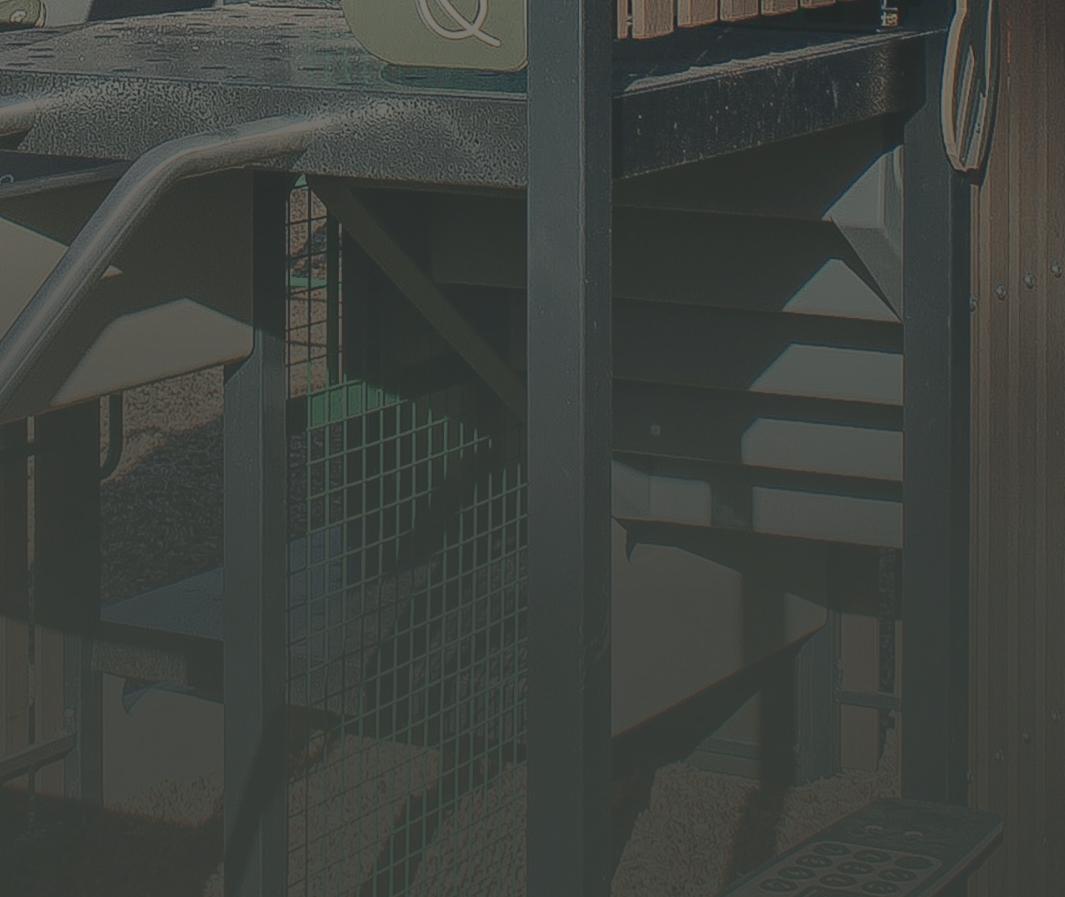

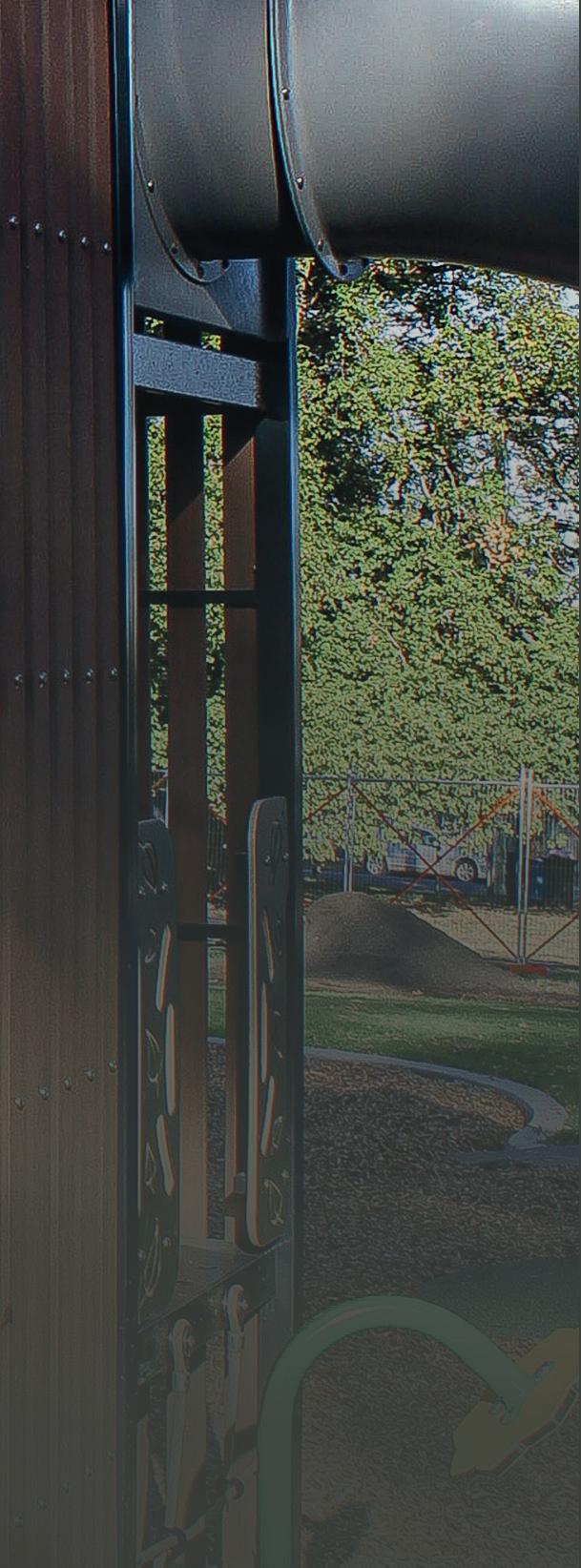
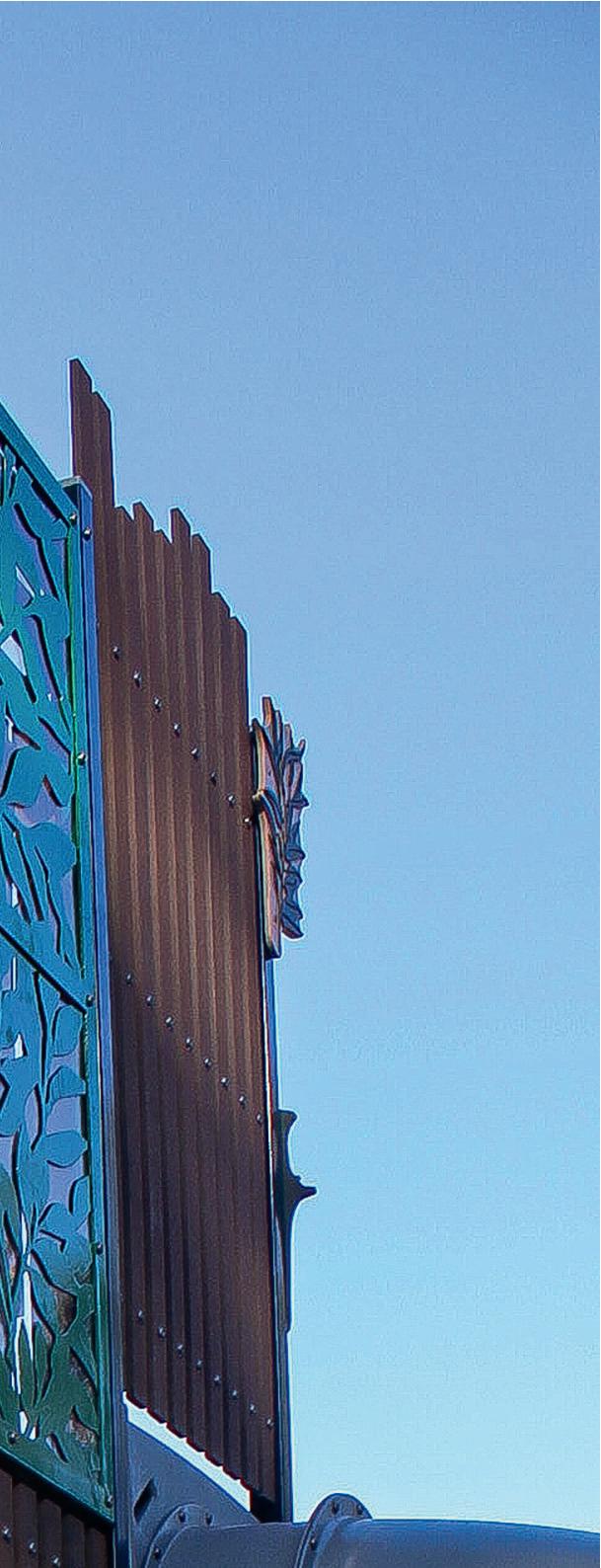
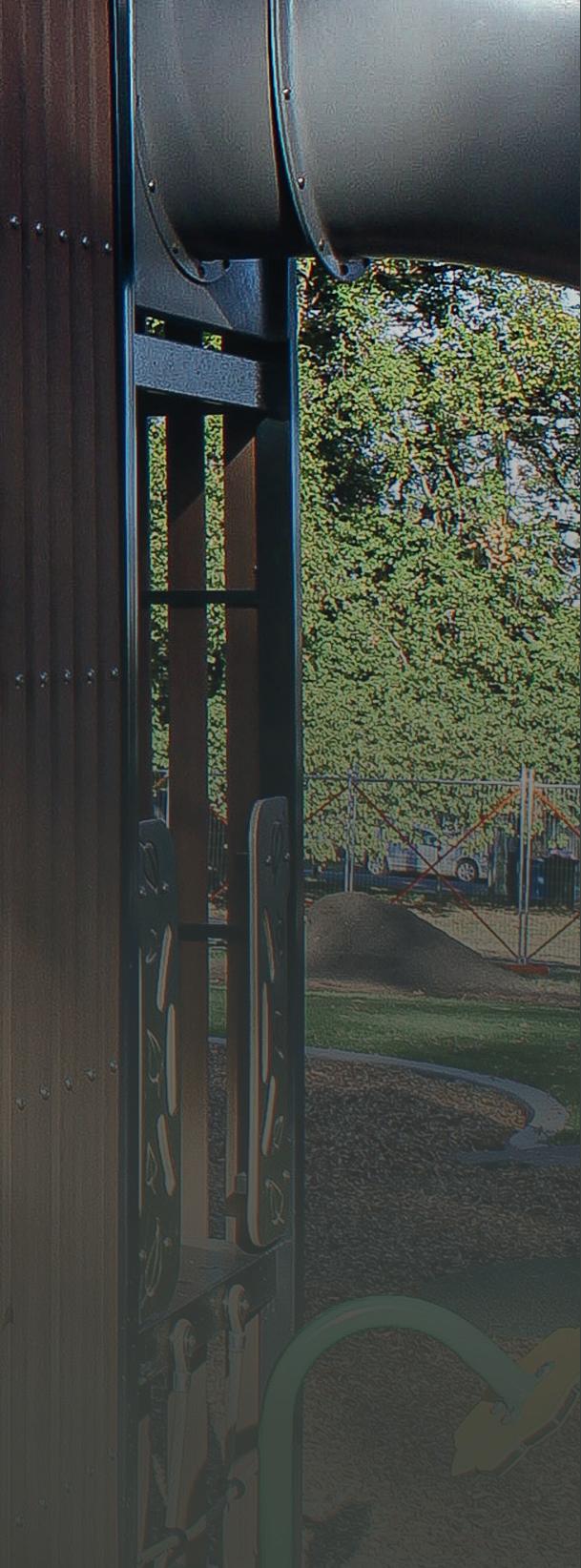
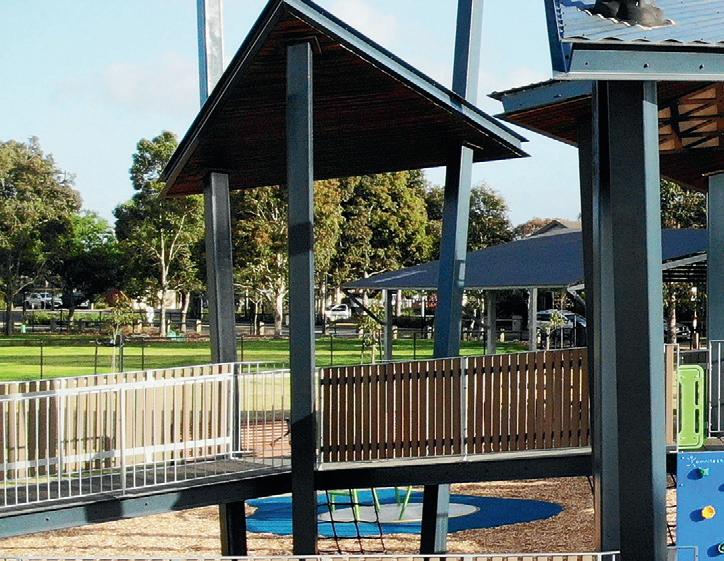
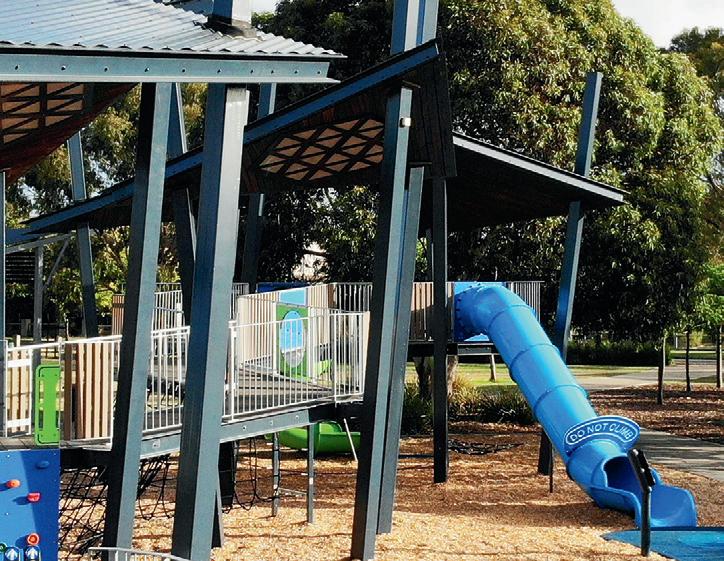
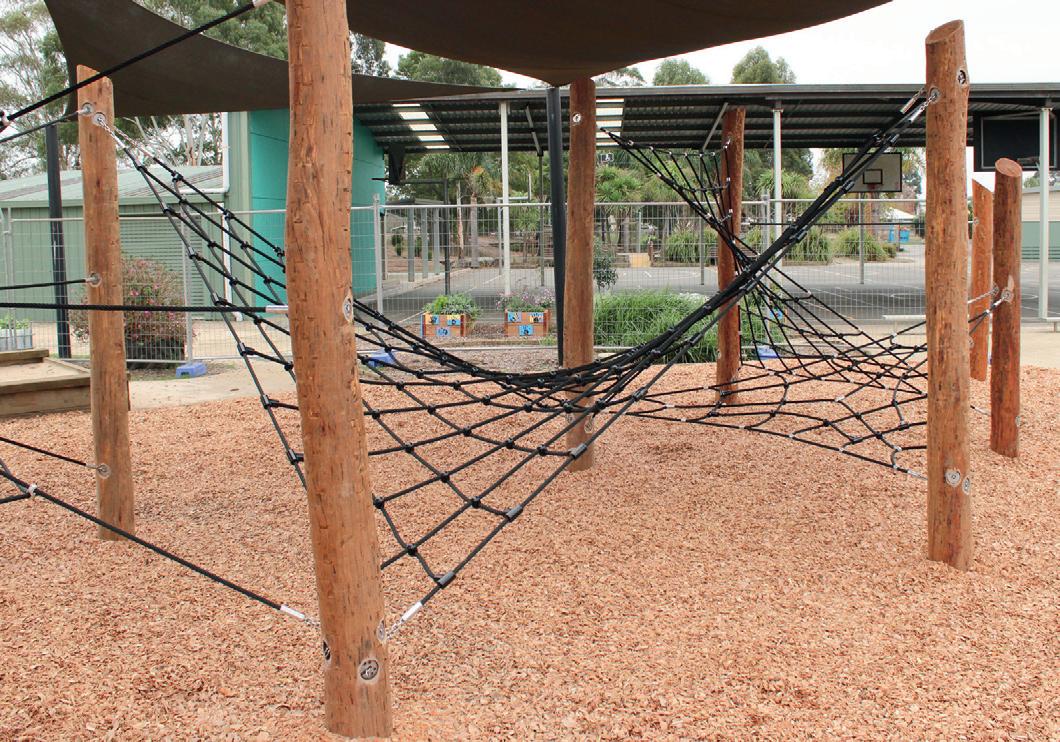
Our extensive in-house manufacturing facilities across our two Melbourne factories enable us to create beautifully durable playgrounds built to last against the Australian landscape. Our multi-faceted team utilise decades of their combined knowledge, skills and experience to maintain expert quality control and consistency in every piece of equipment which leaves our factory, proudly using locally sourced materials to ensure the highest quality for our playground equipment.






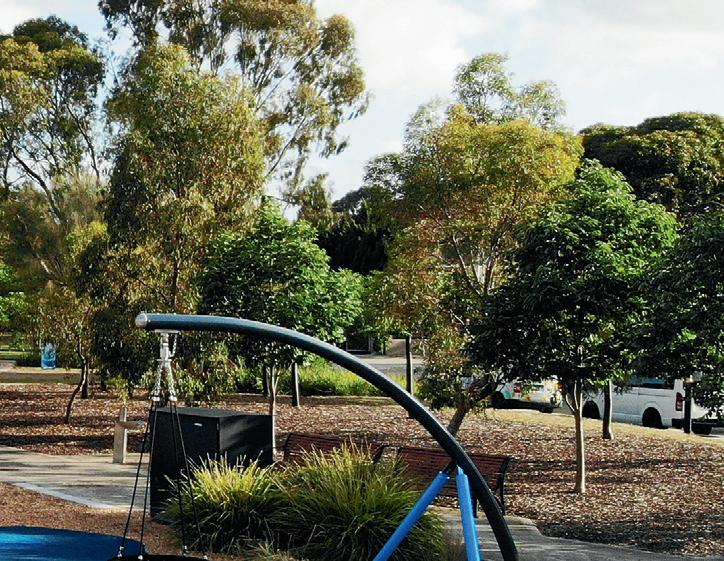

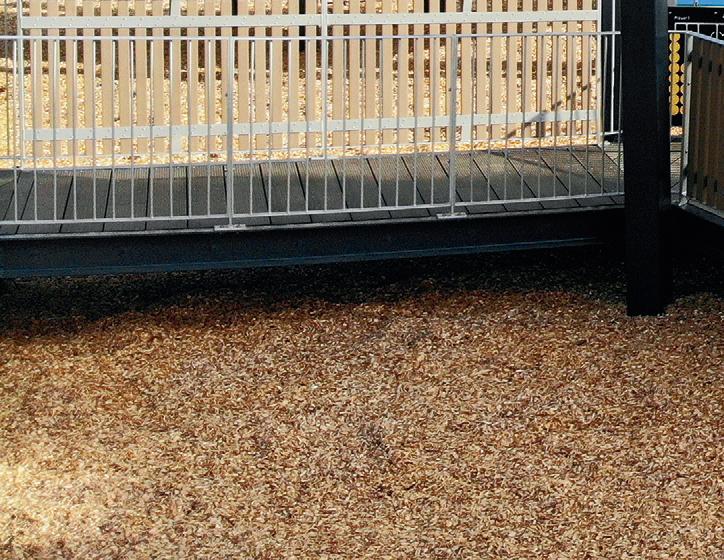

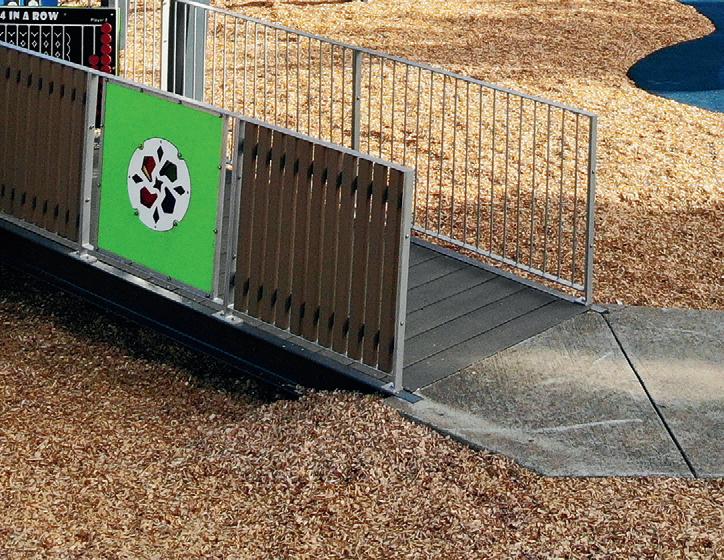
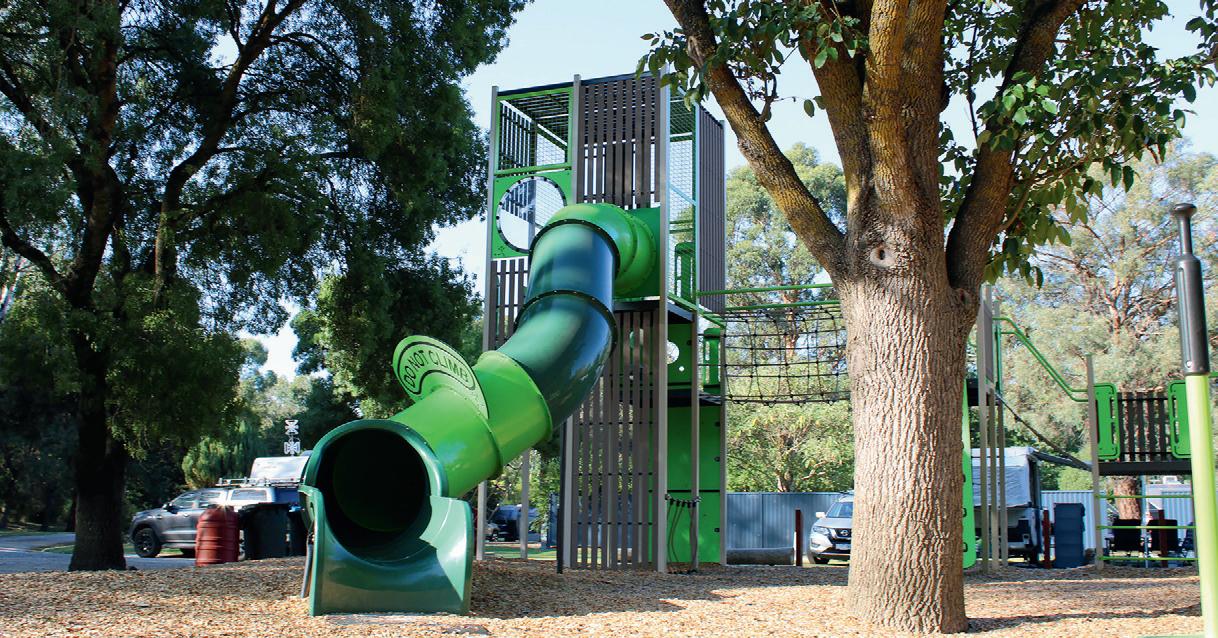

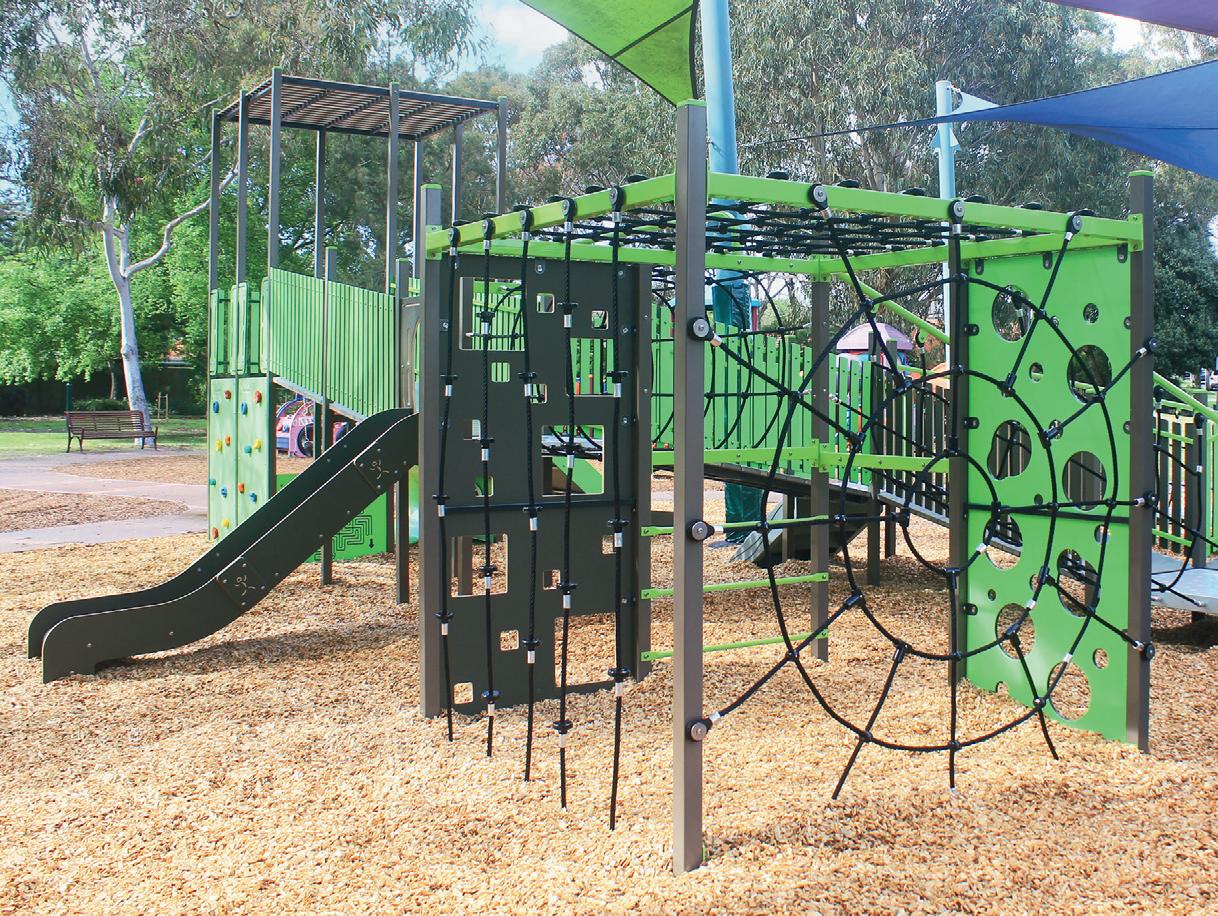



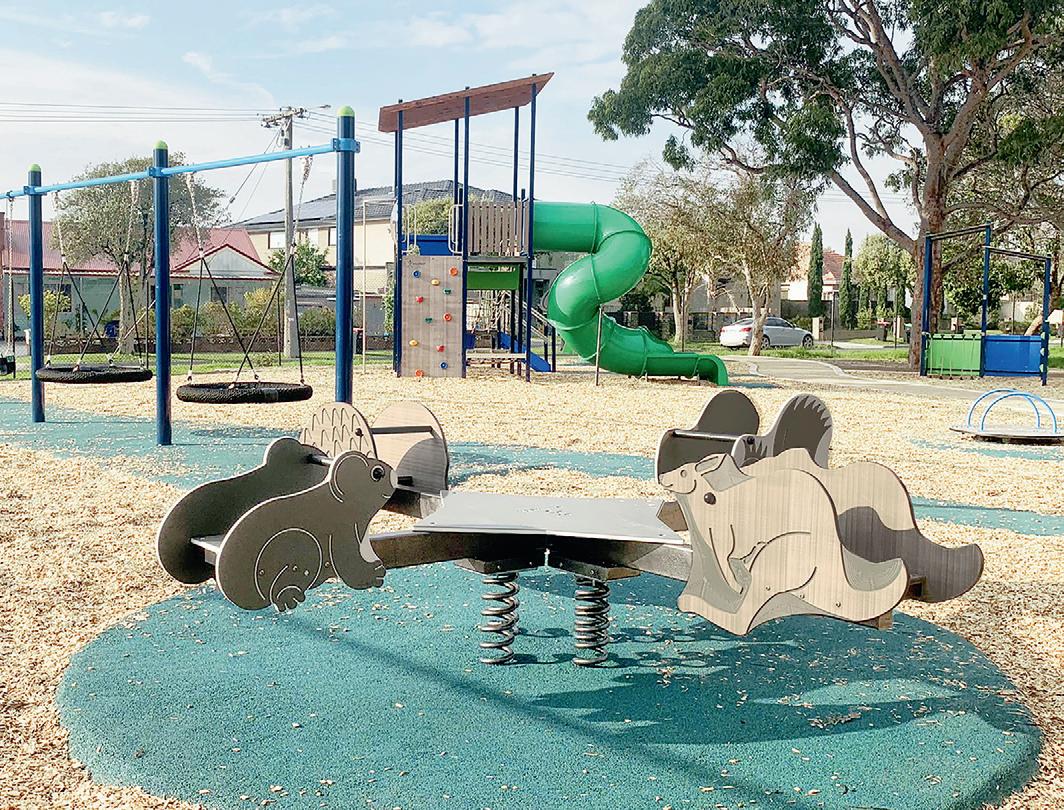
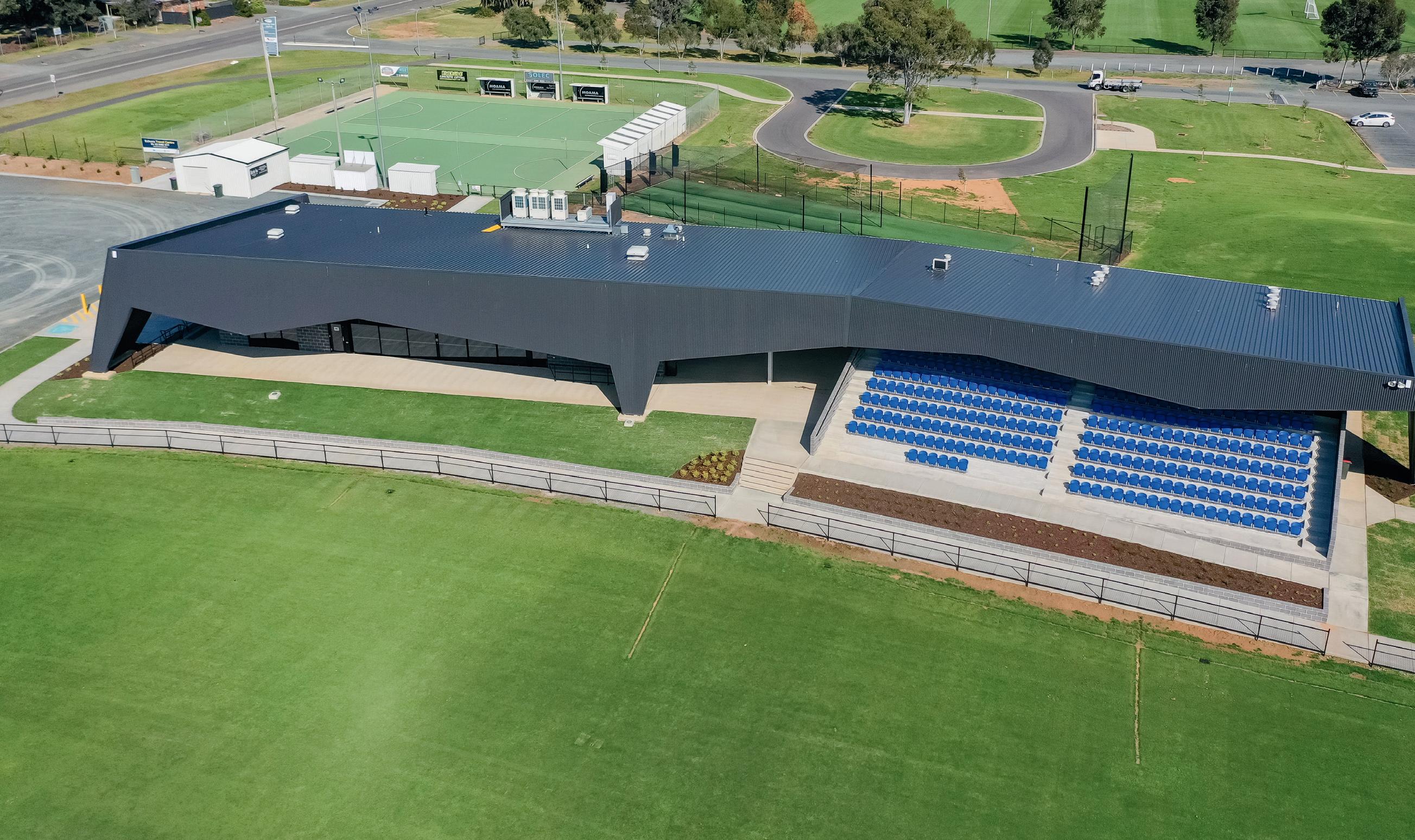
From the lush riverbanks of the townships to the shaded reserves in rural villages, open spaces are the heart of the Murray River Council region. So, when Murray River Council developed its Parks and Open Spaces Strategy last year, it offered a comprehensive framework designed to manage, protect and invest in the network of open spaces that weave through the local communities.
Adopted in July 2024, the Parks and Open Spaces Strategy sets out a plan for the long-term sustainability and functionality of Council-managed open spaces. It covers a broad scope, including parks, sportsgrounds, cemeteries, bushland reserves, drainage areas, and road reserves: over 380 parcels of land in total, encompassing 205 hectares of parks and sportsgrounds and 322 hectares of bushland.
Importantly, this strategy isn’t just about maintaining what Council has, it’s about planning for what communities may need. It lays out a clear hierarchy that categorises each space based on its location, assets and community value. This hierarchy informs service delivery levels, ensuring every space — whether a neighbourhood park or regional sportsground — is managed to an agreed level.
The development of this strategy was deeply rooted in both community engagement and operational insight.
In 2022, Council launched the Open Spaces Needs and Demands Assessment, which saw numerous QR codes installed at local parks. Community members shared how they used the spaces, what activities they engaged in, and how they rated the condition of local facilities. This feedback gave the Council a vital window into community priorities and preferences.
On the operational side, Council’s parks and gardens teams played a key role in developing the supporting Service Delivery Plan, which outlines minimum servicing standards for each open space category. Staff reviewed current maintenance practices, evaluated cost-effectiveness, and workshopped innovative approaches to service delivery; from revised mowing schedules to reduced embellishments in low-use areas. The result is a practical plan that aims to balance resourcing constraints and community expectations.
Council’s Manager Parks and Biosecurity, Luke Keogh said the Strategy and supporting Service Plan is helping to guide open space management in a time where financial pressures require councils to be
more strategic than ever. “For years Council has inherited and accumulated more open space than it can sustainably manage. This has led to a mismatch in servicing, with some areas receiving more attention than needed while others fall short of community expectations. The Parks and Open Spaces Strategy addresses this imbalance. It offers a rationalised approach that guides where investment should be focused, where improvements can make the greatest impact, and where underutilised spaces may be repurposed. It offers a transparent agreement between council and the community of open space management right across the council footprint.
At its heart, the strategy is about creating equitable, accessible, and financially sustainable open spaces for all residents.
Whether it’s upgrading a regional sportsground to support community events or maintaining a small neighbourhood park where locals meet for morning walks, this strategy ensures that Council’s approach to open space provision is measured, strategic, and future-focused.
To view the full Parks and Open Spaces Strategy, visit yoursay.murrayriver.nsw.gov.au/parks-and-open-space-strategy



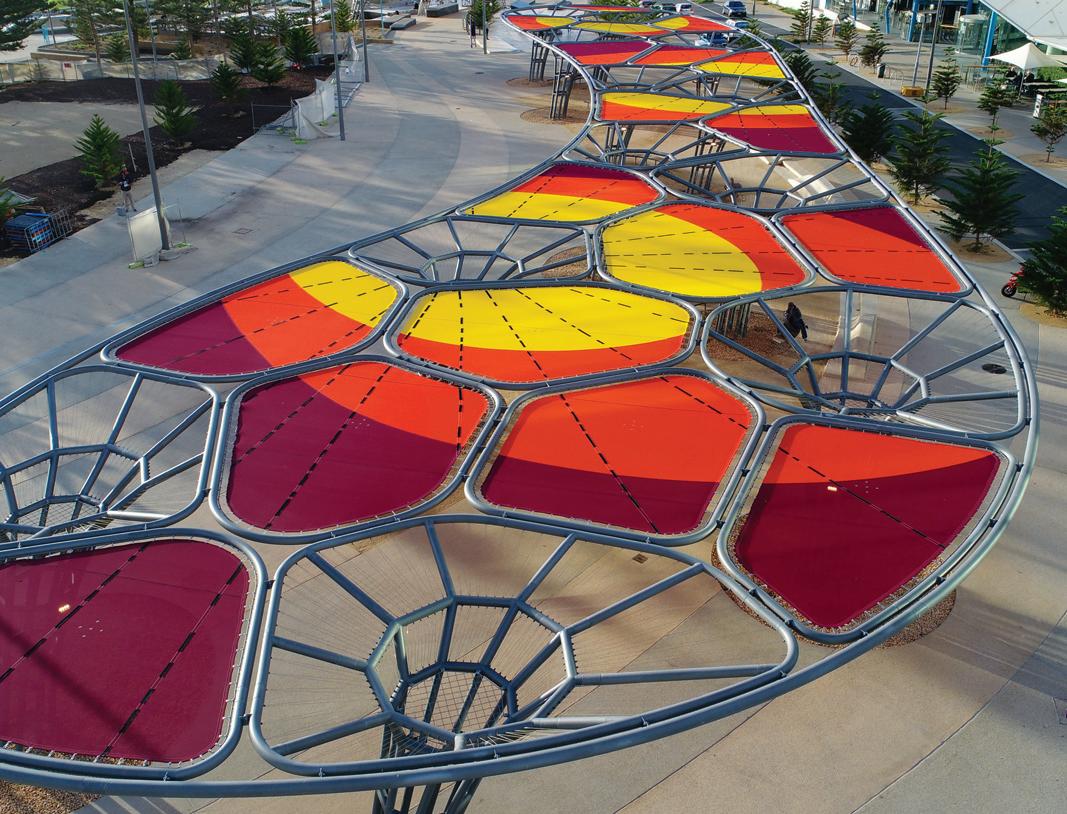
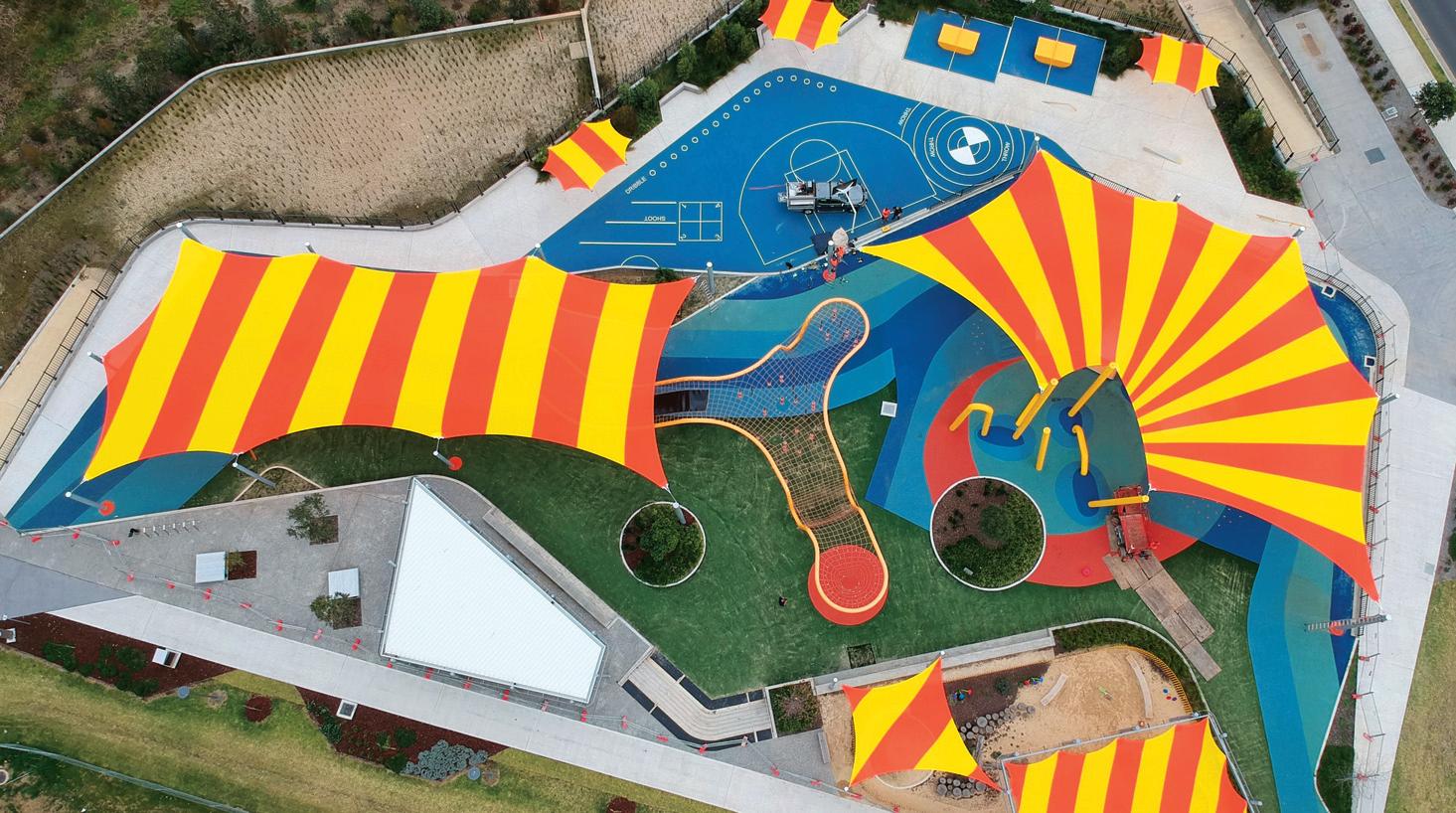
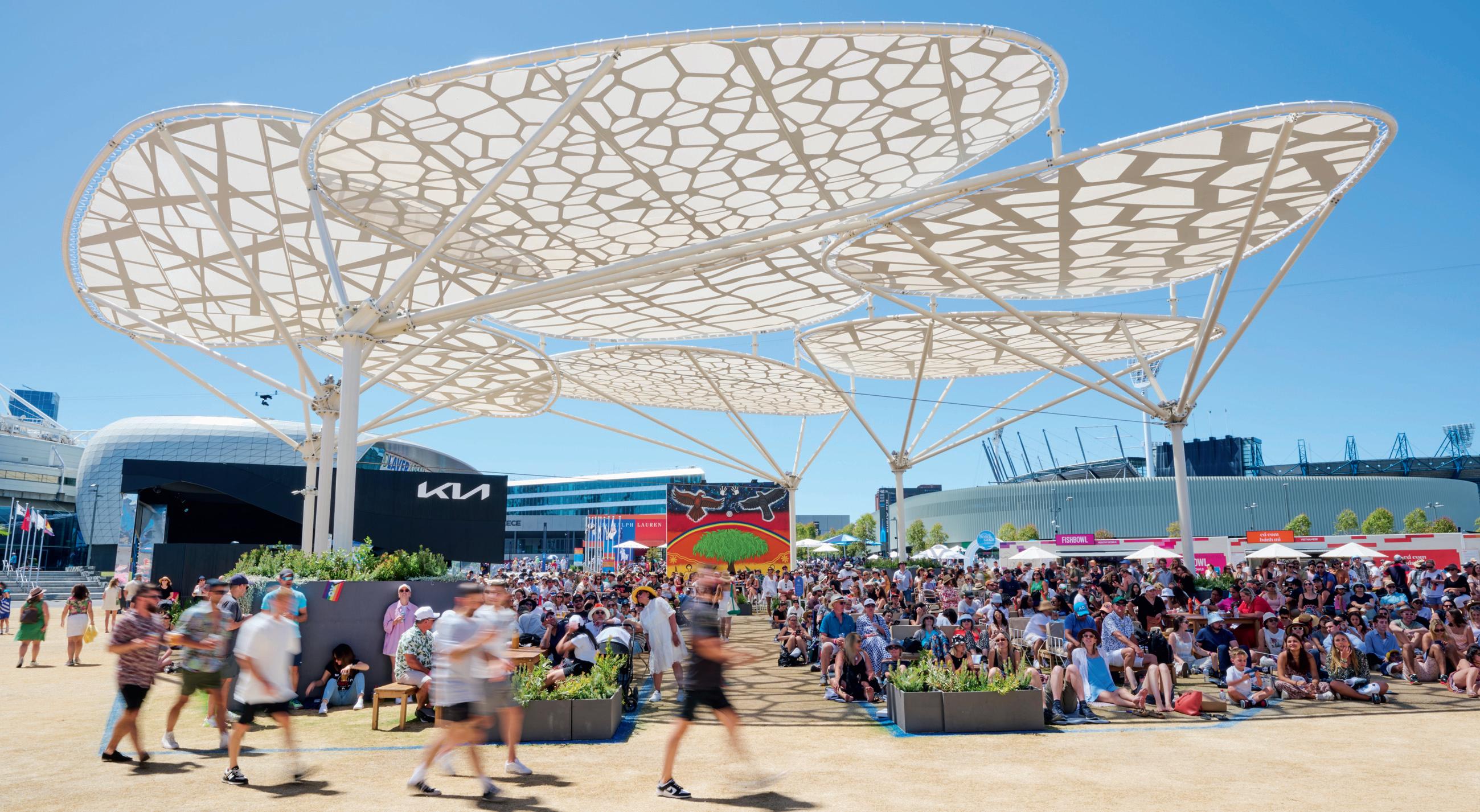
Pro-Knit Industries proudly manufactures and supplies Monotec Shadecloth, the only Australian-made fabric, designed for use in commercial shade sails and structures across Australia and the world.

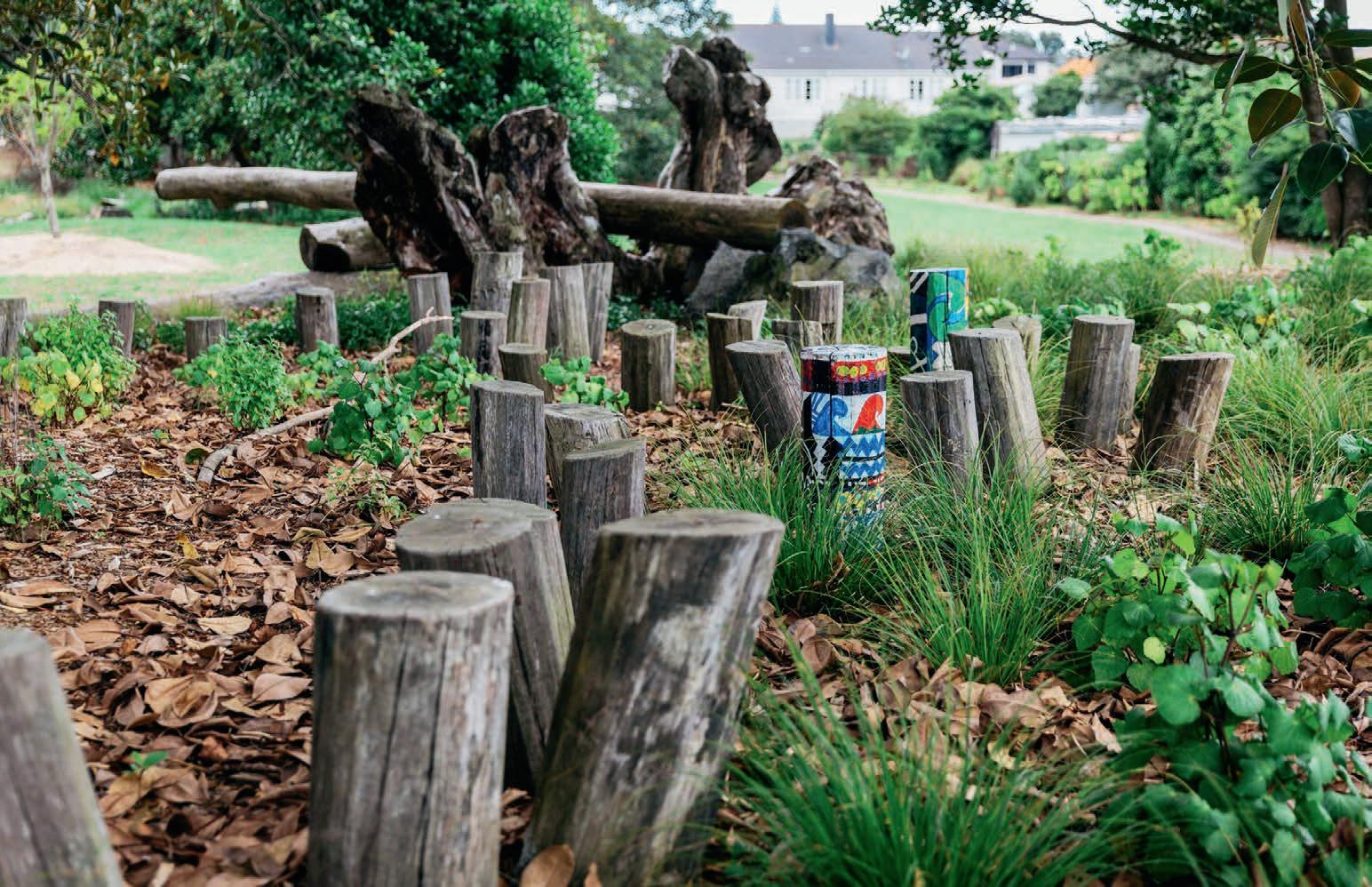
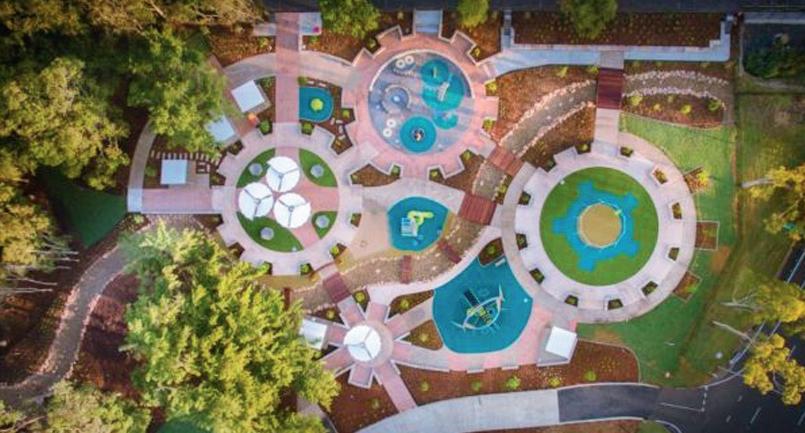
WORDS RECREATION AOTEAROA, INSIGHTS 8
Play can emerge whenever conditions allow. It’s woven into everyday — mo(ve)ments that feel alive, where anything is possible.¹
Three out of four New Zealanders live in urban areas of more than 10,000 people, with half concentrated in just four cities. Dr Kate Bishop, co-editor of Designing Cities with Children and Young People (2017), outlines the growing challenges for providers of quality playspaces. Increasingly, childhood happens indoors and in private spaces, with fewer opportunities to experience natural environments. We’re still learning how to design spaces that nourish children’s innate playfulness.
Urban renewal projects rarely cater for children, who often occupy leftover spaces to create their own fun. Now, more than ever, children need champions for the cause of play.
Every child has the right to rest, leisure and play, as outlined in Article 31 of the United Nations Convention on the Rights of the Child. This includes access to recreational activities appropriate for their age and the freedom to participate in cultural life and the arts.
This right is central to the UNICEF Child-Friendly Cities initiative, which includes three key principles for providers in Aotearoa:
Access to greenspaces
Opportunities to meet friends, play and enjoy themselves
Freedom to express opinions and influence decisions that affect them
To genuinely support children’s right to play, we must look beyond the physical signs of play and focus on cultivating the conditions in which playfulness thrives.
A deeper understanding of play’s value has shifted play area design away from static and sterile structures towards spaces that reflect how children actually play. The best contemporary playspaces accommodate:
A variety of landscapes and natural features
Different heights and flexible, moveable materials
Access to the elements
Loose parts for experimentation
These places create environments where children feel the world is full of possibilities, with adaptable spaces and resources2
CASE STUDIES AND EXAMPLES
Canberra Destination Playgrounds Study
This audit of destination playgrounds offers valuable insights, including:
Shade, age-appropriate enclosures and weather protection
Challenging and diverse play opportunities
Facilities and equipment for a wider age range
Natural features mixed into design
DESIGN IS A SOCIAL ACT — OUTDOOR SPACE IS AN ACTIVE, PHYSICAL ENVELOPE, AND DECISIONS MADE IN THE DESIGN PROCESS HAVE SOCIAL CONSEQUENCES. — DR KATE BISHOP
Larger, higher-quality playgrounds in key locations
Upgrades for older playgrounds
Proximity to homes, cafés and other amenities
Mara Hupara Playground, Auckland
This project returned to traditional Māori games following codesign workshops with local school children. It complements the restoration of Te Auaunga Awa, demonstrating how playgrounds can reflect local history and identity.
Enabling inclusive play
The AllPlay initiative creates inclusive pathways for children and young people typically not included in mainstream play opportunities. Based on extensive collaborative research, the programmes include AllPlay Footy, AllPlay Dance and AllPlay Learn.
In Queensland, Gladstone Lions Park used a sensory design methodology to achieve a truly inclusive space, beyond just physical accessibility. At night, motion-activated lighting and misting features transform the space into a sensory wonderland, encouraging broader use3
1. Russell, W & Lester, S (2017). Playful Movements and the Creation of Play Space. IPA Conference Presentation, Canada.
2. Lester, S & Russell, W (2010). Children’s Right to Play: An Examination of the Importance of Play in the Lives of Children Worldwide. Early Childhood Development (57).
3. playscapecreations.com.au/lions-parkgladstone/

WORDS INTEGRATED POWER
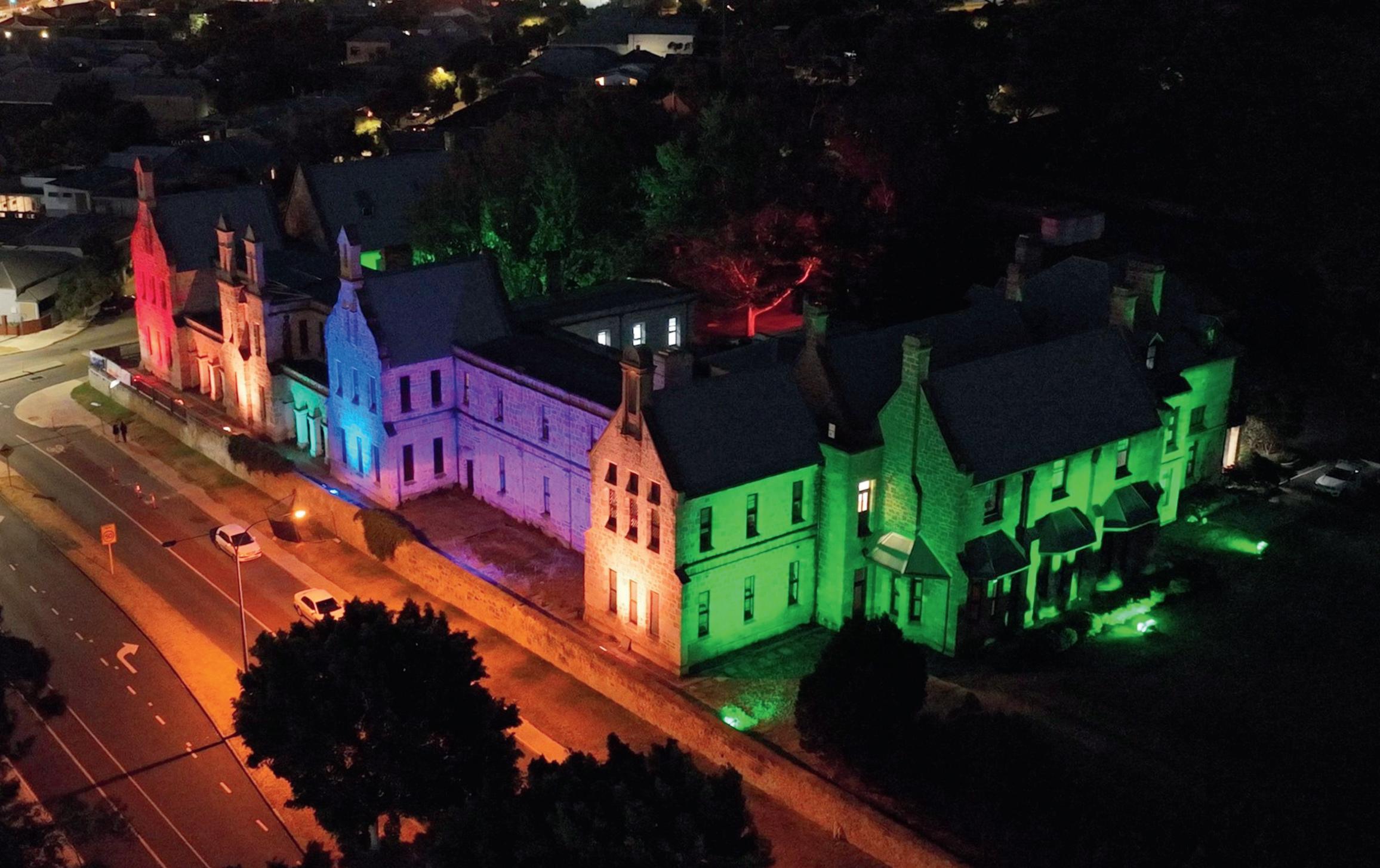
In the heart of Fremantle, Western Australia, one of the area’s most iconic heritage buildings has received a striking, modern upgrade. The Fremantle Arts Centre — famed for its limestone façade and rich cultural history — now features a vibrant, dynamic RGB lighting system that transforms its exterior while respecting its historic character.
Integrated Power, specialists in smart lighting design and control, played a pivotal role in reimagining the centre’s nighttime presence. Working closely with the City of Fremantle, the team delivered a solution that balances technical innovation with architectural sensitivity.
Through several design iterations, Integrated Power specified and tested a number of RGB floodlights from their Premiere Series range. Each fixture was strategically positioned to optimise light coverage and colour impact on the building’s textured limestone surface.
Central to the project’s success was the adoption of the Casambi wireless lighting control platform. With mains power already available, Casambi’s wireless capabilities eliminated the need
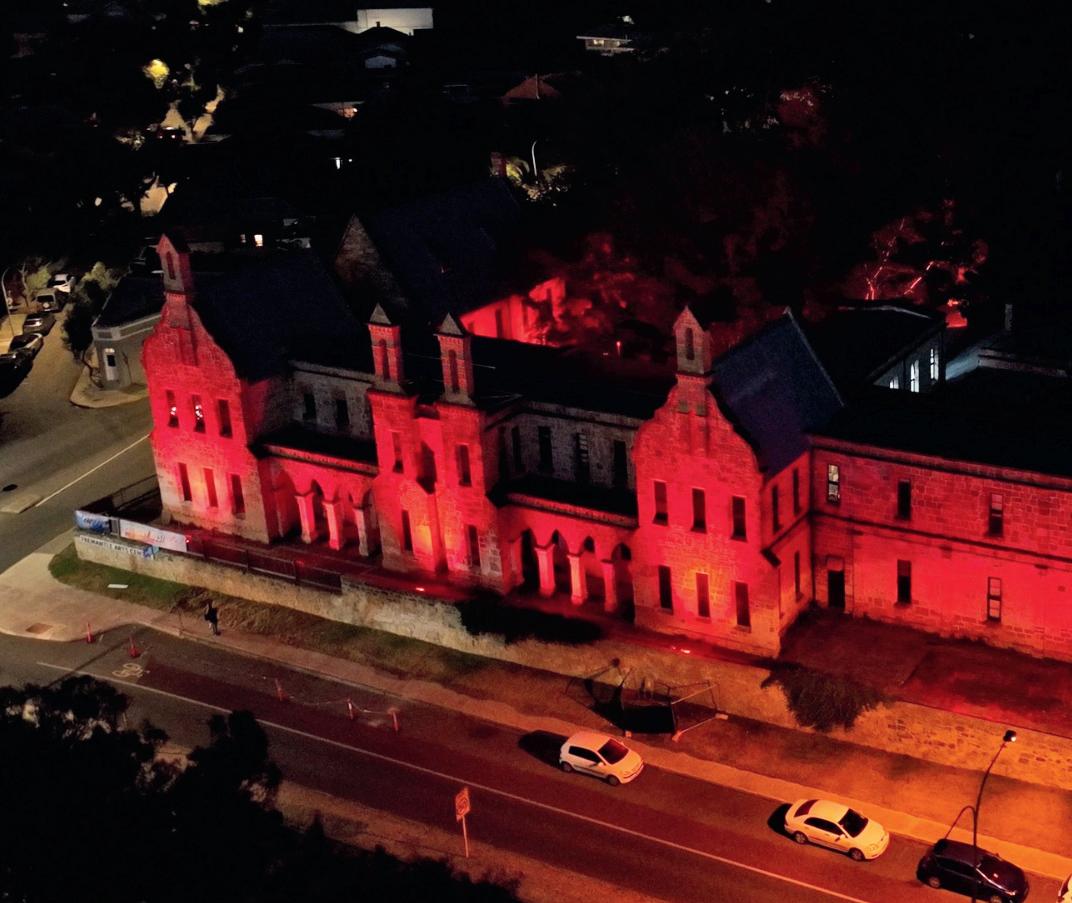
for disruptive and costly underground control cabling, providing a significant saving in both time and budget.
But the benefits of Casambi go far beyond installation. The system’s advanced scheduling tools allow the Arts Centre team to plan lighting scenes months in advance, aligning with commemorations, festivals and local events. The interface is intuitive, giving staff the flexibility to adjust lighting on demand, without the need for specialist support or ongoing subscription costs often associated with legacy lighting control systems.
The installation itself was professionally delivered by The WA Electric Company, who oversaw the project from start to finish, ensuring all works met time and cost expectations. Fine-tuning the lighting required several after-dark visits to carefully aim the fittings and calibrate the
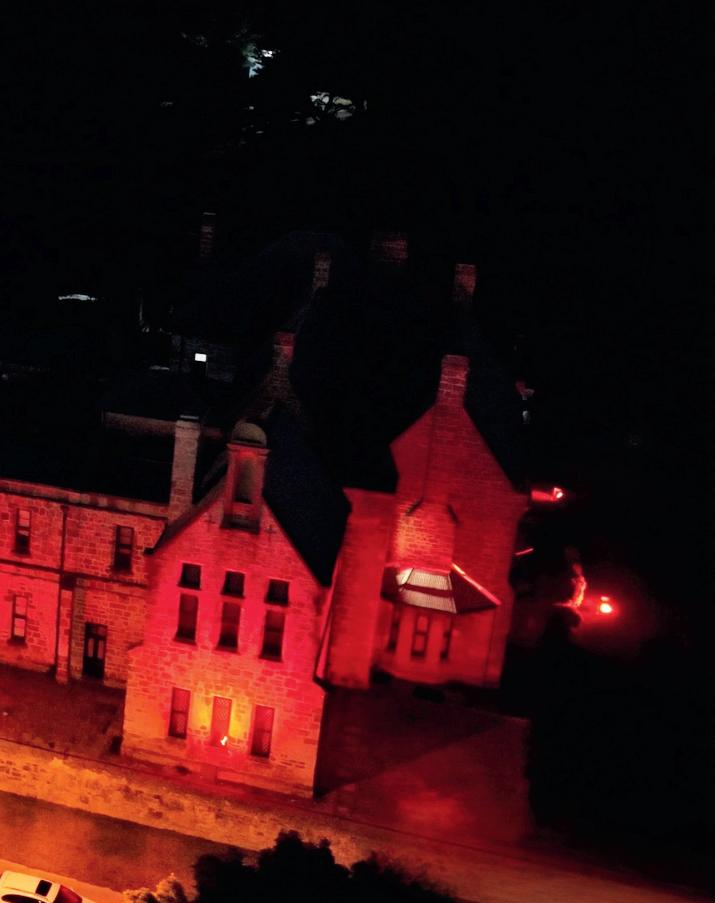
colours. This ensured the vivid hues complemented the limestone rather than overwhelming it.
Energy efficiency was another major consideration. The new lighting system not only reduces total energy consumption compared to the previous white-light setup, it also allows for smart dimming or timed switch-offs later in the night to further minimise energy usage.
The outcome? A dramatically enhanced Fremantle Arts Centre that now stands out in the evening landscape as much as it does by day. The City of Fremantle can now highlight key moments, support community events or simply let the building glow, all at the push of a button.
To find out more about how Integrated Power can help with your next lighting project, visit integratedpower.net.au
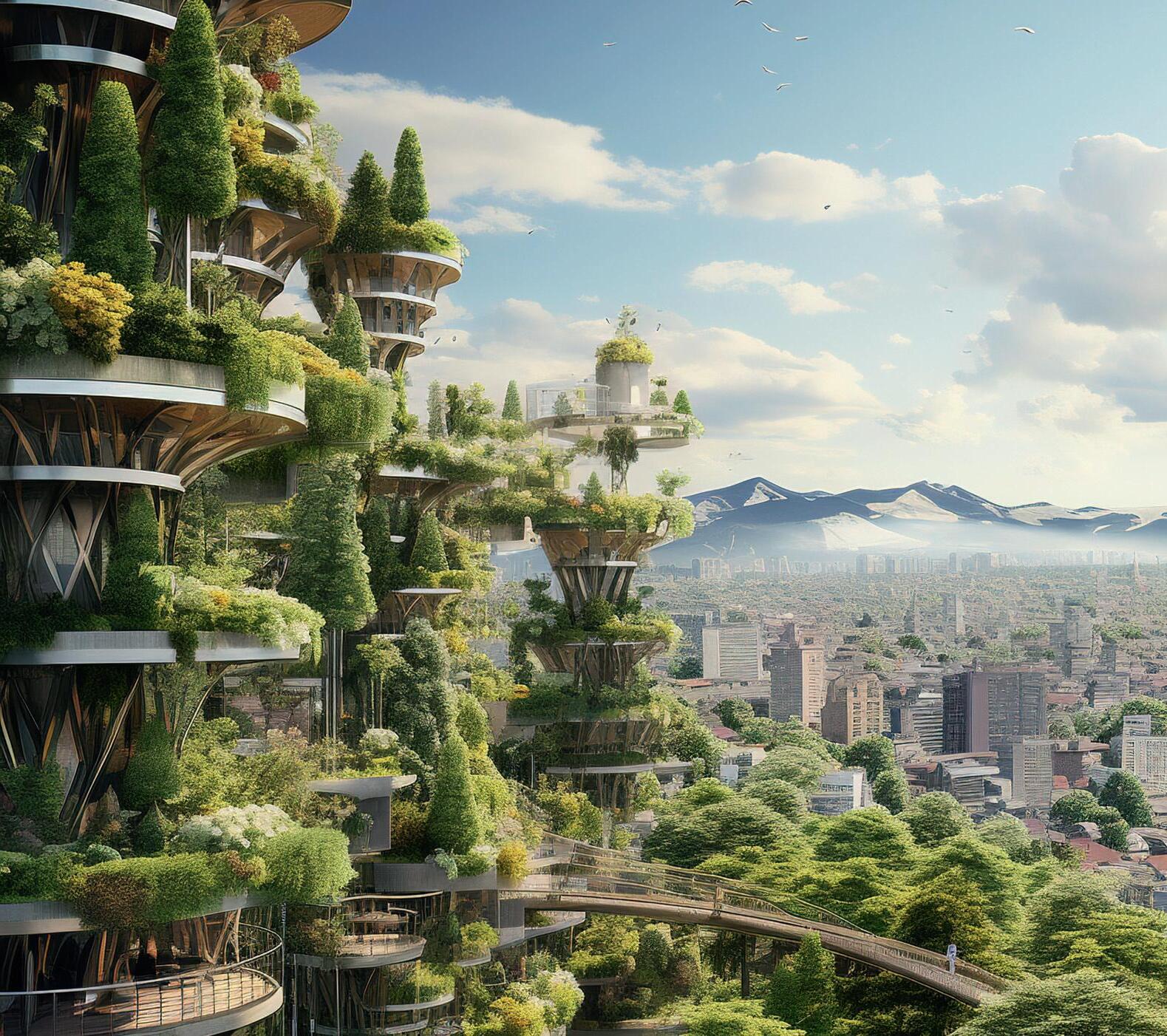

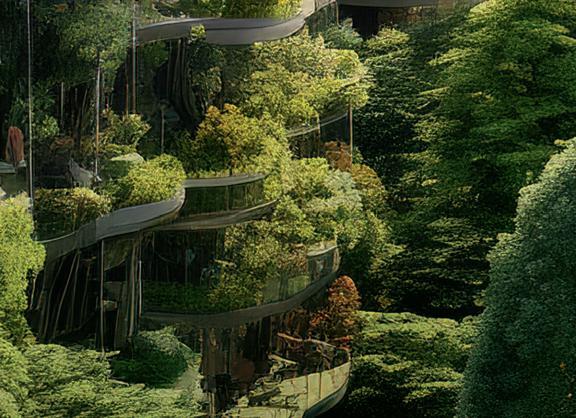
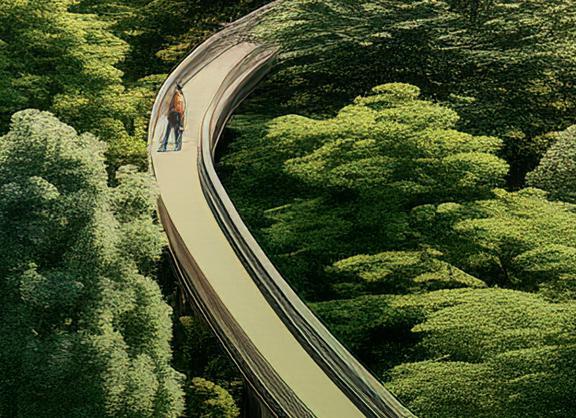


RAPID URBANISATION IS CONTRIBUTING TO UNPRECEDENTED BIODIVERSITY DECLINE WORLDWIDE. URBAN REWILDING CAN HELP
Anew study led by the University of Sydney reveals how cities around the world are restoring wildlife to their former habitats in the face of ongoing urban sprawl.
The global literature review, led by Dr Patrick Finnerty from the University’s Faculty of Science, points to successful examples of urban rewilding from around the world:
Beavers are swimming in London for the first time in 400 years.
Falcons now nest in American high-rises.
Leopard frogs have been successfully restored to Las Vegas.
Howler monkeys are breeding in Rio de Janeiro.
The Oriental Pied Hornbill has been reintroduced to its historical range in Singapore.
In Australia, platypus populations are growing on Sydney’s periphery.
Published in Bioscience, the research highlights the emerging global movement of urban rewilding: reintroducing native animals like beavers, hornbills and even platypuses into city parks, wetlands and reserves.
Dr Finnerty and colleagues reviewed 2,800 scientific papers
on reintroducing species to areas where they once thrived. It found fewer than one percent of rewilding programs involved reintroducing terrestrial fauna into cities. Two-thirds of urban conservation programs focus exclusively on vegetation. Yet the success stories emerging from the review offer insights into unique opportunities for conservation and community engagement in cities.
About 70 percent of the world’s population of 10 billion people will live in urban areas by 2050. This is a 20 percent increase in current urban populations and will necessitate rapidly expanding urban footprints.
As cities expand, the natural world around them contracts. Species decline faster in and around cities than almost anywhere else. But what if cities could become part of the solution — places to actively restore biodiversity rather than just areas of loss?
To date, the rewilding movement has largely focused on reintroducing animals to wilder, more remote areas. The University’s review of more than 2,800 rewilding papers found only 17 in urban environments.
Most nature restoration in cities forgets about the animals. Many cities are working to bring nature back through tree planting, wetland restoration and expanding greenspaces. These projects offer real benefits: cooler streets, cleaner air and healthier places for people to live. But when it comes to wildlife, most urban nature restoration stops at plants, birds, bees and beetles. Less mobile animals such as reptiles and mammals are often left out.
The red squirrel (Sciurus vulgaris) was once common across Portugal but died out in the 16th century. In the early 1990s, Portuguese authorities successfully reintroduced the red squirrel to urban parks in two cities.
For decades, conservationists have worked to bring back urban forests in Rio de Janeiro in Brazil. In 2015, they successfully brought back the brown howler monkey (Alouatta guariba) and the red-rumped agouti (Dasyprocta leporina) to these forests.
By the end of the 16th century, beavers had been hunted to extinction across the United Kingdom. But in 2023, rewilding efforts in the countryside expanded to cities. A family of beavers now swim in wetlands in Ealing, 20 kilometres outside London’s centre.
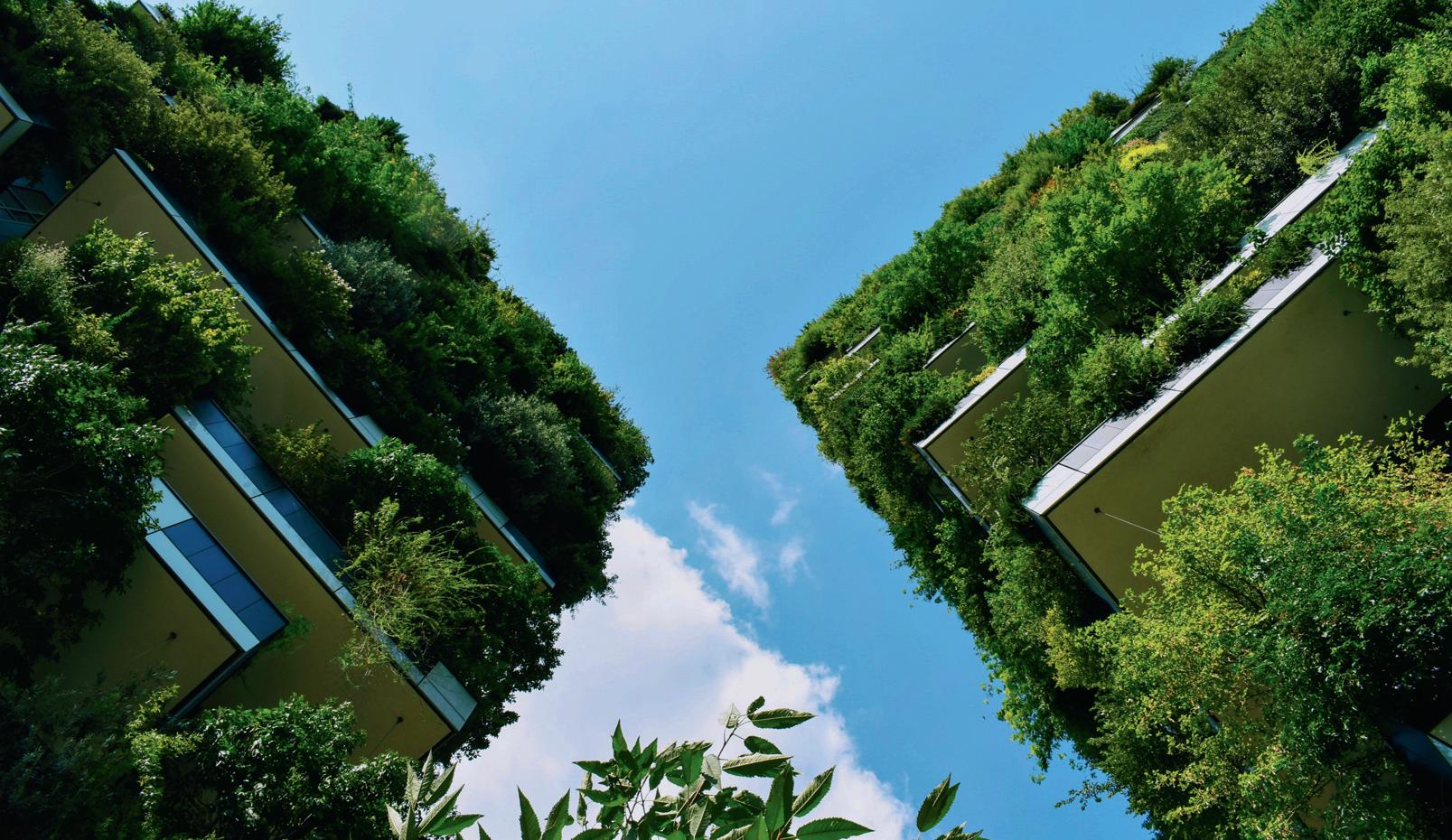
The city-state of Singapore has successfully added a great deal of greenery to urban areas, from parks to green buildings. Creating this habitat enticed back the adaptable oriental pied hornbill (Anthracoceros albirostris) which is now breeding amid skyscrapers. Conservationists helped by building nesting boxes.
In 2023, Ornithorhynchus anatinus (platypuses) were reintroduced to the Royal National Park on Sydney’s urban fringe for the first time in more than 50 years. Recent monitoring confirms they are breeding.
The Quenda, or southwestern brown bandicoot, has been successfully reintroduced to parks around Perth in Western Australia. Their prolific digging has been crucial for soil aeration, seed dispersal, and the spread of fungi that benefits plant growth.
Selecting the best species for rewilding can be tricky, but our recent research outlines a simple framework to identify those most likely to succeed. A good first step is to start with regionally common but locally missing species. This helps keep common species common. If cities want to bring wildlife back, rewilding must be ecologically smart, socially inclusive and built to last.
In countries with colonial histories, working with Traditional Owners and embedding Indigenous knowledge should be central to urban rewilding, not just for cultural inclusion but to ground projects in Country and ensure they endure.
More and more, humans are disconnecting from nature. As more people live in cities, daily encounters with wildlife have become rare. This fuels what’s been dubbed nature deficit disorder.
In the United States, for instance, children can recognise over 1,000 corporate logos, yet struggle to name even a handful of native plants and animals. Australians, too, are interacting with nature less. If we don’t experience nature, we’re less likely to support conservation efforts to protect it.
Urban rewilding offers a way to change this. By bringing native animals back into city parks and reserves, we can create everyday opportunities for people to see, hear and connect with wildlife.
Urban rewilding is still in its early days. But the method shows promise and can build on existing work to green cities. Actively bringing wildlife back will mean pairing habitat restoration with targeted species returns, supported by tools like predator control, artificial habitat and movement corridors. We also need better research: longterm studies to track which rewilding efforts actually work and new tools to help cities choose the right species, balance ecological goals with public support, and plan for the long haul.
If we want greener, wilder and more resilient cities, we can’t stop at plants. It’s time to bring the animals back as well.
“My co-authors and I propose urban rewilding should be a vital part
This summarisation is based on the full article by Patrick B Finnerty, Alexandra J R Carthey, Peter B Banks, Rob Brewster, Catherine E Grueber, Donna Houston, John M Martin, Phil McManus, Francesca Roncolato, Lily M van Eeden, Mareshell Wauchope & Thomas M Newsome published in BioScience journal.
To view the original article visit doi.org/10.1093/biosci/biaf062
of broader ecological restoration initiatives, offering a holistic approach to enhancing urban biodiversity while promoting human wellbeing,” states Dr Finnerty.
“These projects do more than boost biodiversity. They reconnect people with nature – an antidote to what researchers call nature deficit disorder. In today’s urban environments, many children can name hundreds of brands but often not a single native bird or mammal. Bringing wildlife back into daily life improves mental health, fosters environmental stewardship, and reminds us that nature isn’t something out there,” he adds.
The authors say successful urban rewilding requires careful planning, community involvement and addressing the threats that caused local extinctions in the first place. They call for cities to build on existing greening efforts by actively restoring not just habitats but the species that belong there.
Dr Finnerty claims, “By integrating wildlife into urban landscapes, we have a unique opportunity to shape healthier and more resilient cities for future generations.”
Urban rewilding, as described by these authors, relies on the reintroduction of faunal species into relatively small patches within or near areas of human commerce and habitation. According to Finnerty and colleagues, such approaches may “increase wild-ness, enhance ecosystem function, optimise trophiclevel occupation and food webs, restore historical species assemblages, and foster more self-sustaining ecosystems.”
Such outcomes distinguish the urban rewilding concept from traditional urban conservation approaches, which tend to rely on the reintroduction of plant species.
WORDS Renee Johnson, horticulturist and recent finalist for Young Horticulturist of the Year
As a child, I was convinced I was going to be a veterinarian. After fainting during work experience, I decided it might not be for me. Ten years later, I started working as a trainee gardener, which involved much less blood. I fell in love with the creativity and botanical science involved and the positive impact gardens have on both the gardeners and the people enjoying them.
This blossoming passion led me to enter the Young Amenity Horticulturist Competition and the Young Horticulturist Competition. My journey through these events not only polished my skills but also culminated in a oncein-a-lifetime opportunity to travel to Japan with the prize money I earned — a country renowned for its horticultural artistry and traditions.
After completing my amenity horticulture apprenticeship, I entered the Young Amenity Horticulturist Competition to assess my abilities in business and horticulture. I was unsure what to expect but fully intended to put my best foot forward, repeating the
mantra “you get out what you put in.”.
The competition was held virtually. Entrants’ interpersonal skills were tested during a panel interview and we each delivered a speech on youth contributions to public gardens. After the judges’ deliberation, I received a phone call to let me know I was the Young Amenity Horticulturist of the Year for 2023. This win made me a finalist for the Young Horticulturist of the Year Competition, where I would go head-to-head with other winners from across the industry.
The Young Amenity competition has gained momentum over the last couple of years. I was delighted to attend the 2025 competition to support the finalists in person and see how far the event has come. There is now a host of sponsors and the finalists can connect with other industry professionals at the Green Pavlova conference in the days that follow.
Building on the experience I gained from the Young Amenity Horticulturist Competition, I stepped into the broader and more challenging arena of the
Young Horticulturist Competition in November 2023. This event brought together skilled individuals from across the horticulture sector, including production, nursery, amenity, floristry, arboriculture, landscaping and viticulture.
Preparation for this competition was demanding. Again, I kept repeating my mantra: you get out what you put in. I spent months juggling horticultural study, competition projects and trying to maintain some kind of a social life.
The practical challenges were diverse, from reversing a trailer in a manual vehicle to calculating profit margins for a business. A personal highlight was presenting my innovation project to a panel of judges. This project asked us to develop a new business or product idea relevant to horticulture.
It was the result of months of work and plenty of nerves in the lead-up to the presentation, but I was proud of what I had produced. It included a full business plan, market research with phone interviews across industry sectors, financial forecasts, brochures, and a PowerPoint pitch to convince the judges my proposal was a worthy venture — Shark Tank style.
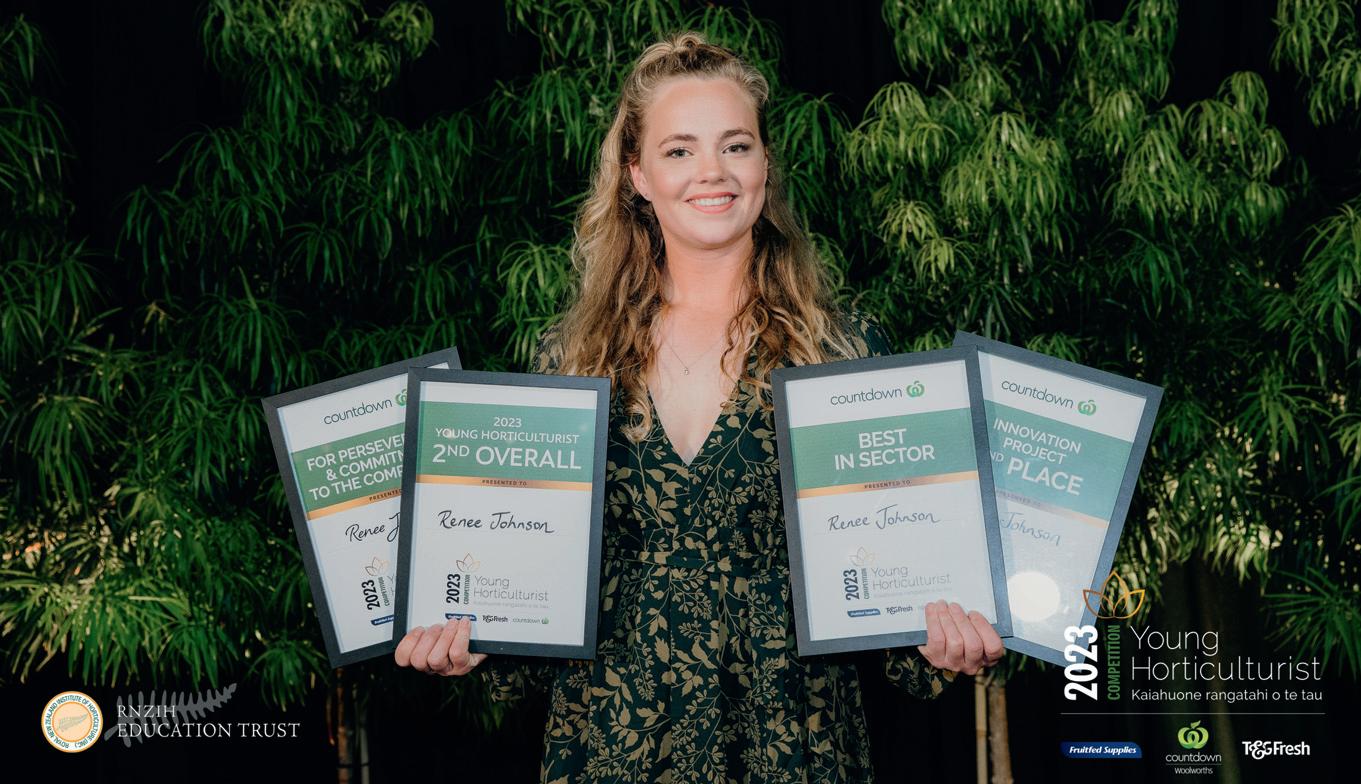
My preparation and effort paid off on awards evening, where I was proud to receive multiple awards, including:
Best in Sector (highest points in the sector-specific component)
Second place, Innovation Project
Second overall, Young Horticulturist Competition
These achievements validated the hard work and passion I have for this industry, and came with a generous prize. After some thought about how best to use it, I decided to explore the horticultural traditions of Japan, a country famous for its distinctive garden styles and craftsmanship.
Armed with prize money intended for professional development, I planned a journey to Japan, focusing on its renowned gardens and horticultural traditions. Japan’s horticultural heritage is grounded in careful attention to detail, harmony and the philosophy of wabi-sabi (the acceptance of imperfection and transience in nature).
This distinctive garden culture developed during Japan’s two-century sakoku isolation period (1603–1868).
I timed my visit to align with sakura
My awards at the Young Horticulturist Competition.
Image Sarah Weber
(cherry blossom) season in April 2025 and visited twenty-five gardens.
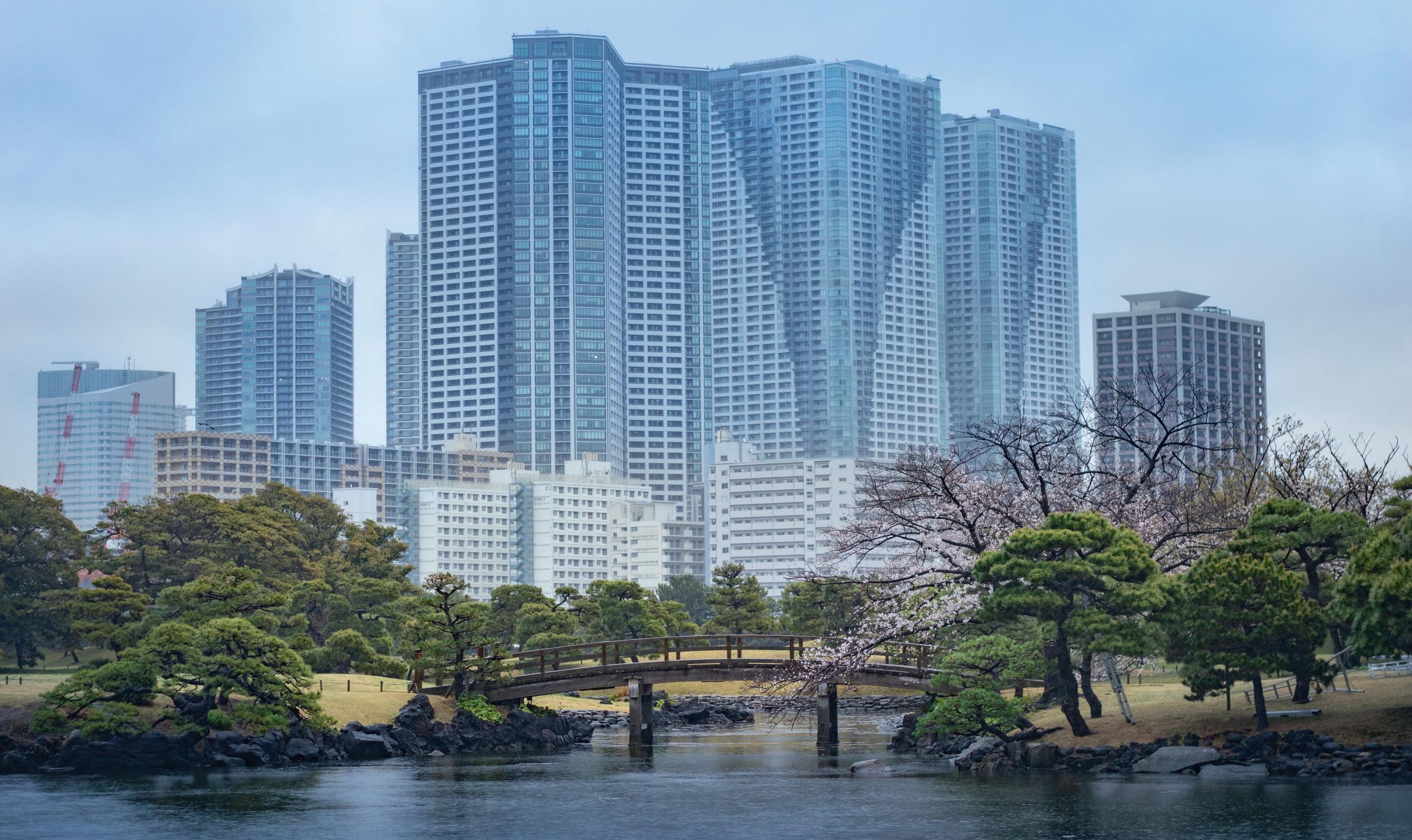
My first stop was Tokyo, home to many of Japan’s iconic gardens. I visited Hamarikyu and Koishikawa Kōraku-en. Both blend Edo-era aesthetics with modern urban surroundings. The contrast between towering skyscrapers and peaceful greenspaces reminded me how important it is to preserve these historic places, even in dense urban areas. They offer pockets of calm and reflection, a welcome escape from the fast pace of life beyond the garden gates.
Kenroku-en in Kanazawa was the highlight of my trip. Construction
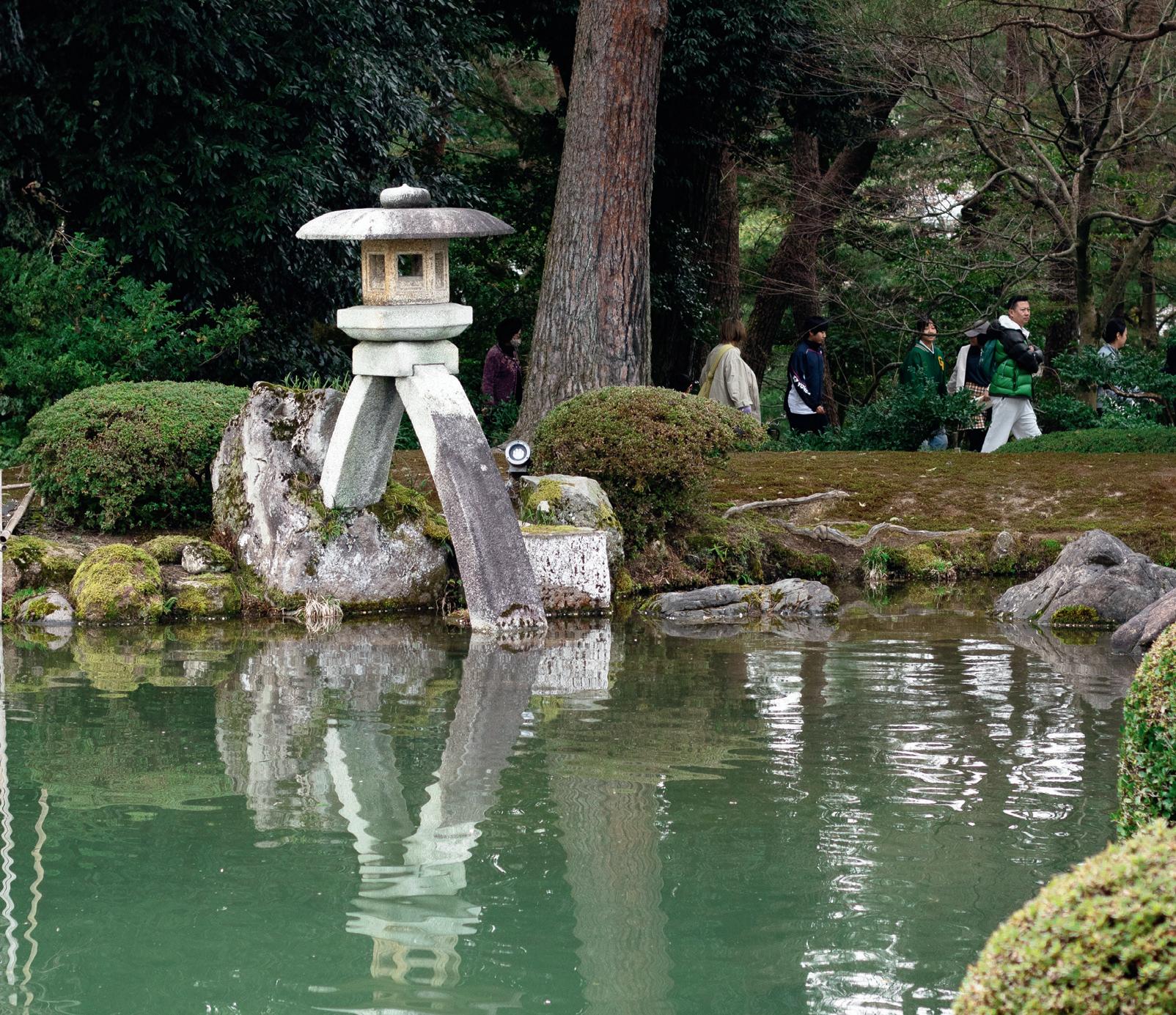
began in 1676, and the garden has continued to evolve over the past three hundred years.
I’d wanted to visit Kenroku-en since early in my gardening career, making it surreal to actually wind my way through cherry trees and moss beds past vistas of snow-capped mountains and streams snaking their way into serene, blue-green ponds carved into the landscape.
The name Kenroku-en means “garden that combines six characteristics”: spaciousness, seclusion, artifice, antiquity, water sources and magnificent views. It is a space that truly lives up to its name.
I was also fascinated by Japan’s approach to tree pruning, especially with pine trees. Gardeners use a range of techniques to create cloud-like forms and shape trees into different structures. Some are styled as symbolic representations of animals, a feature typical of Edo-era gardens.
Participating in the Young Amenity Horticulturist and Young Horticulturist competitions reinforced the importance of perseverance, adaptability and continuous learning. These qualities have also become vital for my mental wellbeing.
Travelling to Japan broadened my perspective, offering inspiration for both garden design and maintenance practices. I was reminded that the value of gardens is universal. They offer places for recreation, relaxation and reflection. The work we do to care for them matters, and I hope it can help connect cultures through shared appreciation.
As I now share my experiences with colleagues and peers, I hope to inspire others to embrace horticulture as both a profession and a passion.
WORDS CHRIS MCAULAY, MANAGER - PARKS OPERATIONS, INVERCARGILL CITY COUNCIL
In the sometimes-challenging natural environment of the deep south of New Zealand, people are known for their “get on and do it” attitude. Invercargill City Council’s Parks and Recreation department is no exception, taking a practical approach to sustainability that’s delivering tangible results.
Across Invercargill, our teams have implemented a range of changes that have improved sustainability without sacrificing the high levels of service we provide to the community. These sustainable practices are becoming our default approach in the parks, reserves and cemeteries sector.
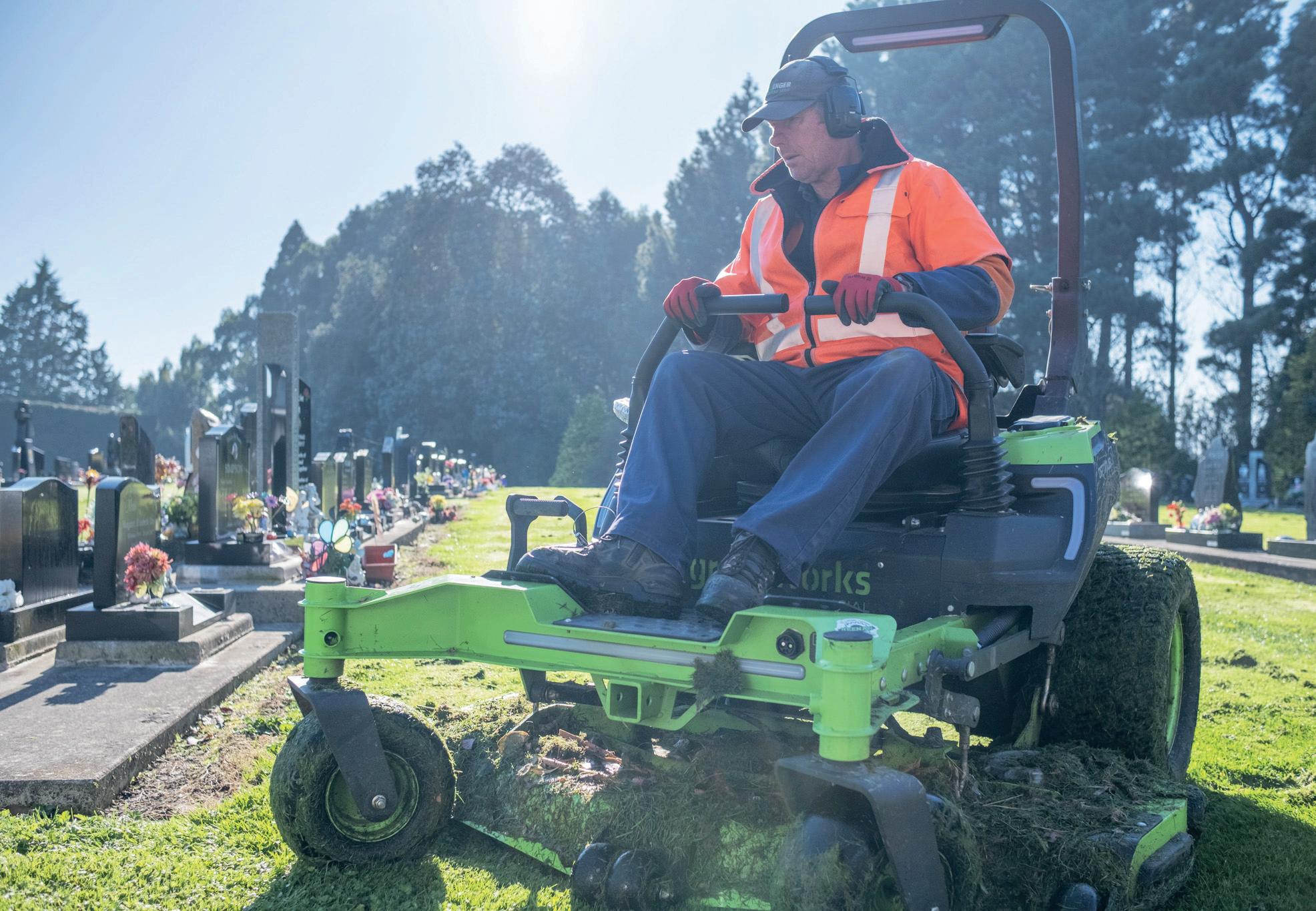
One of the most visible changes in our parks operations is the switch to electric mowers and batteryoperated equipment.
Three 52-inch electric mowers are now used in our premier park, Queens Park, as well as in Invercargill’s main
cemetery and the town of Bluff. We are adding an electric side-by-side vehicle to this fleet to transport a 60-inch mower to other parts of the city, while our ranger teams use a side-by-side for spraying activities.
Six electric John Deere Gators have replaced diesel and petrol vehicles within Queens Park, while we have introduced other battery-operated handheld equipment.
Using electric equipment has reduced our fossil fuel emissions, and the drop in fuel consumption offers significant cost savings. Each electric mower used in place of a traditional model represents approximately $25,000 of savings in fuel and service costs over a three-year period.
Alongside the 52-inch electric mowers, we have a 32-inch electric stand-on mower, which is ideal for manoeuvring around headstones. We are also adding
to the fleet of Gators, with a dedicated electric vehicle for the cemetery team.
As well as saving fuel, the quieter operation of this machinery helps preserve the tranquil surroundings around our cemeteries and crematorium. We know that cemeteries are highly valued and sensitive spaces, so removing unnecessary noise is one way we show care and respect for our visitors.
At Southland Crematorium, we’ve switched from plastic to biodegradable wooden urns — an environmentally responsible choice that has been warmly welcomed by the public. Other practices we’ve introduced include using mulch in gardens instead of herbicides and increasing native plantings to encourage the return of birdlife, such as tūī, kererū and pīwakawaka.
These efforts saw Invercargill City Council take home the Green Award at New Zealand Cemeteries and Crematoria Collective’s 2025 cemeteries awards.
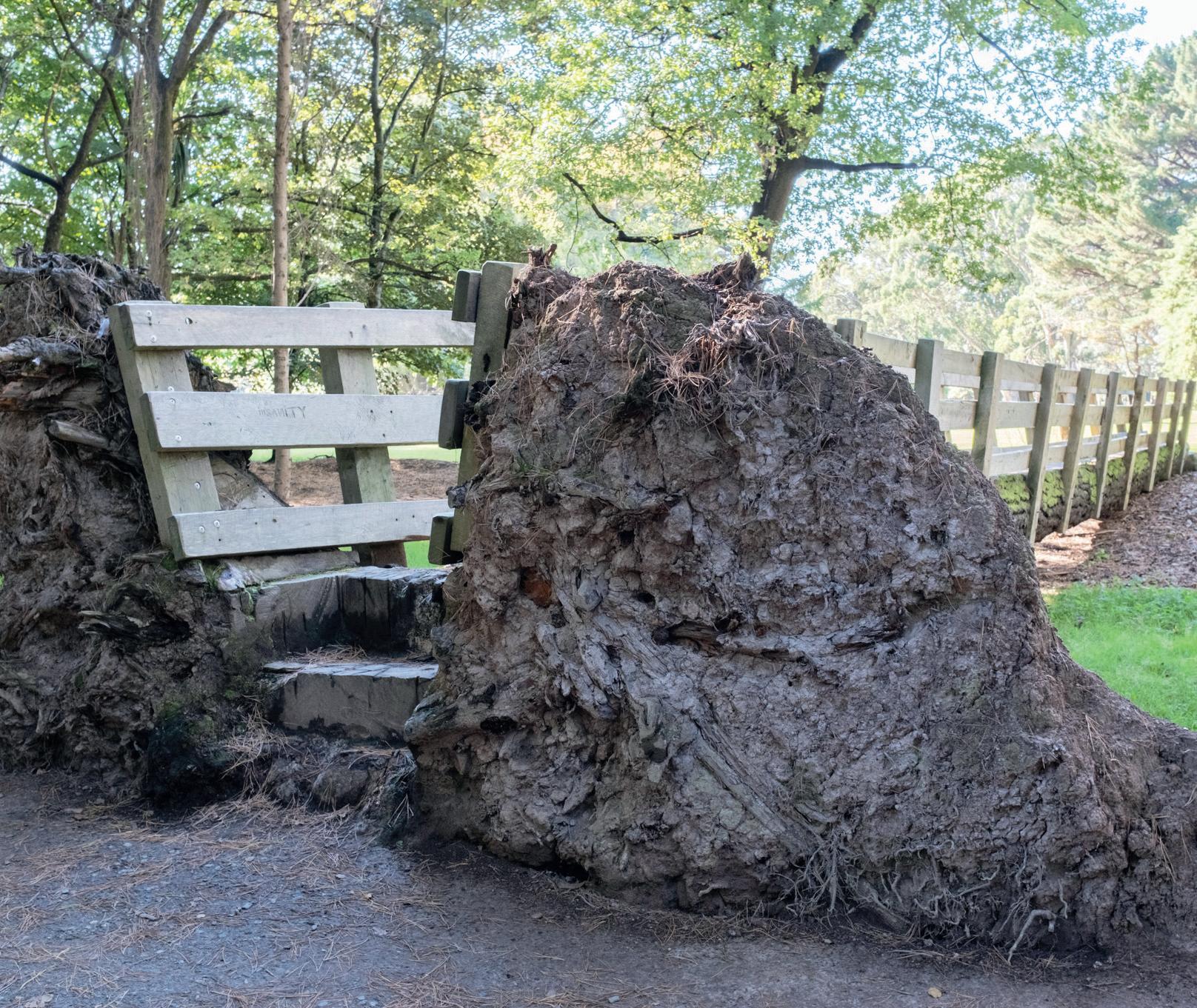
When a tree falls in one of our parks, we assess whether it can be repurposed. Opportunities to reuse logs and branches include creating natureplay features or park furniture, providing new spaces for community enjoyment.
We’ve created a dedicated natureplay area in Queens Park, as well as revitalised under-utilised neighbourhood parks using recycled logs.
All branches we remove are processed into mulch for use in our garden beds. Piles of mulch themselves can become temporary play areas, encouraging families to engage with the environment in our parks in new ways.
Recycled mulch is also helping us restore native ecosystems. Slash from exotic forestry at Sandy Point Domain has been chipped on site and will be spread across areas that will be replanted with native forest species. The mulch will greatly assist in moisture retention and weed suppression, giving the plants a better chance to establish.
In Queens Park’s Winter Gardens, a haven for warm-climate plants in Southland’s cold weather, we’ve moved away from using synthetic insecticides, choosing plant-based alternatives instead. We also use biological control methods. Natural predators that feed on scale, whitefly, aphids and mites are introduced onto plants, providing effective and environmentally friendly pest control.
As part of the redevelopment of Invercargill’s inner-city area in 2022, rain gardens were added to reduce runoff and contaminants. These engineered systems use vegetation and soils to treat stormwater through filtration, helping to naturally maintain cleaner waterways.
Invercargill has partnered with a personal protective equipment (PPE) supplier that offers a recycling programme, allowing used PPE to be repurposed at the end of its useful life.
We receive impact statements detailing how much waste has been diverted from landfill and the emissions that have been prevented. In this way, we extend the life of materials and reduce our environmental impact.
We’ve made great progress so far embedding sustainable ways of working into our everyday operations. We’re always looking for new opportunities to improve, whether through better tools and systems, planting or public education.
As we continue this sustainability journey, we hope Invercargill City Council can be an example of “getting on and doing it”, showing that small actions add up to big results, no matter where you are in the world.
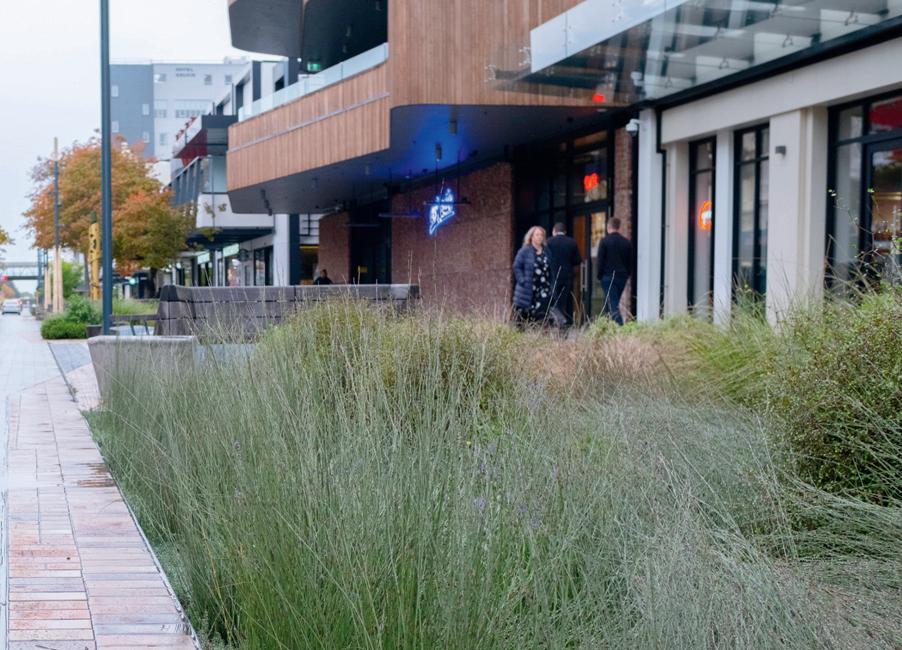

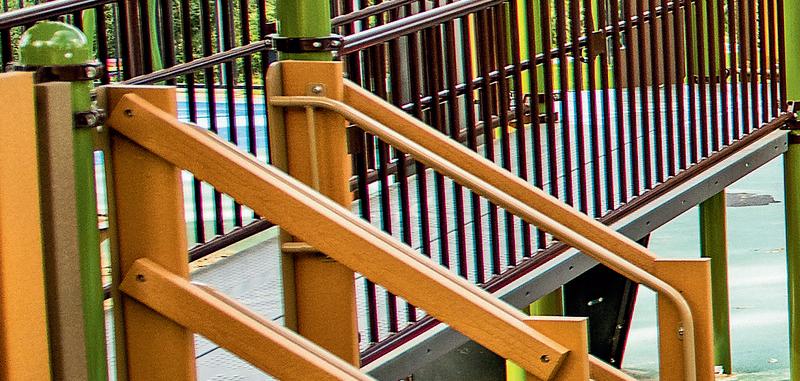
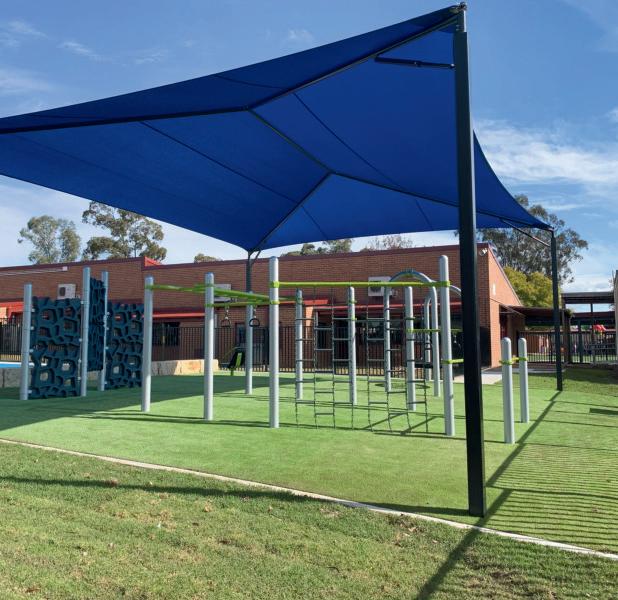
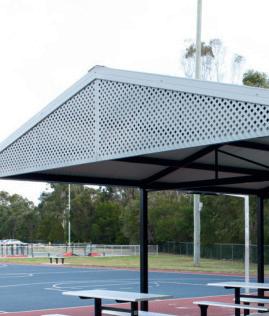




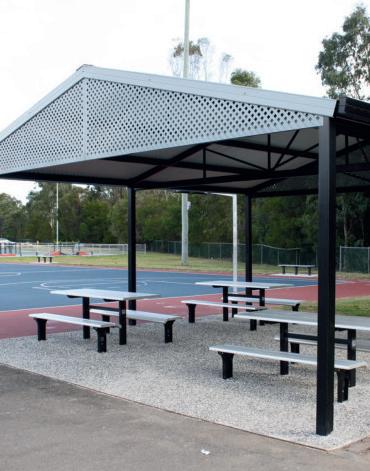













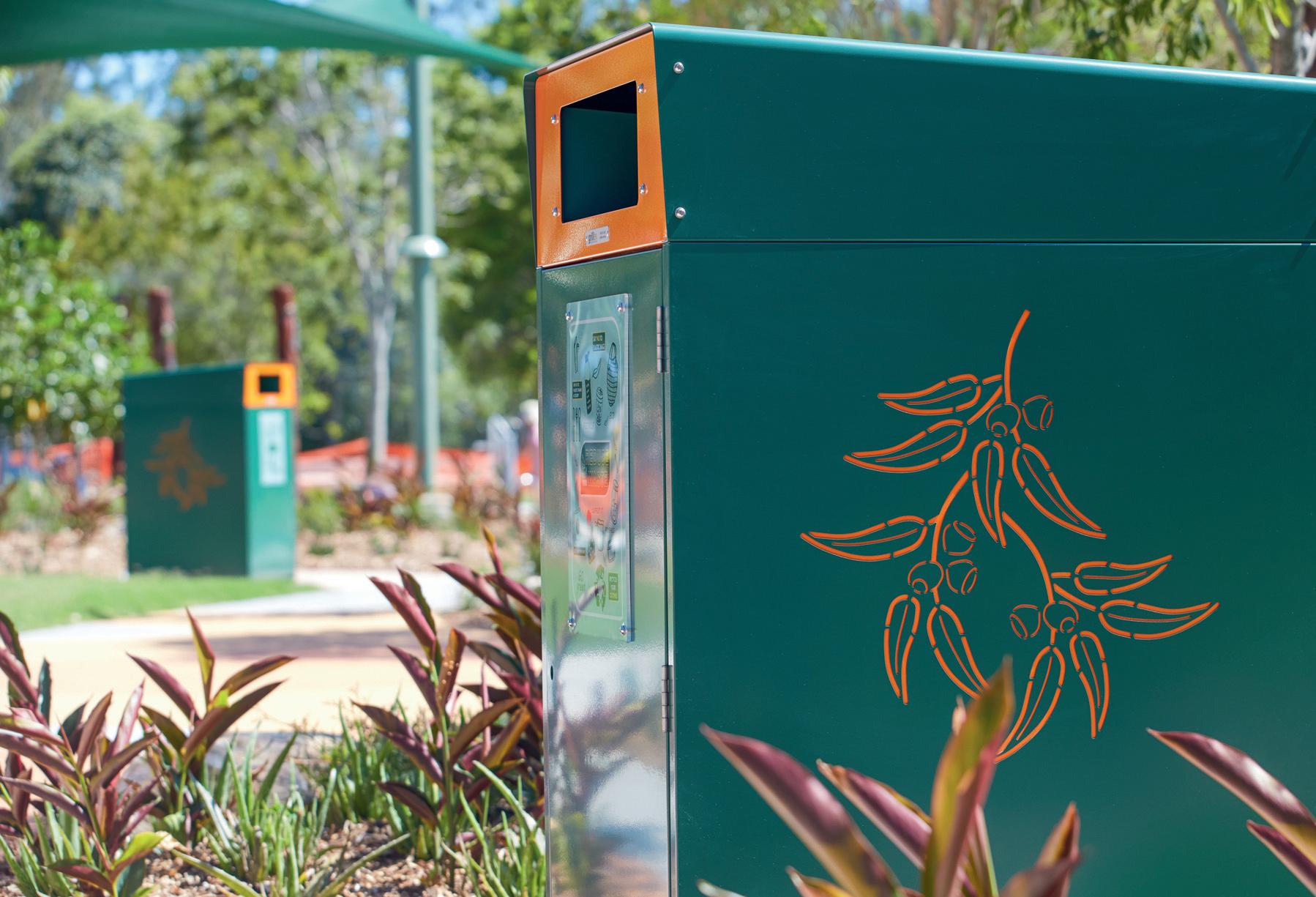
GX OUTDOORS HELPS DESIGNERS, ARCHITECTS AND COUNCILS TO UNDERSTAND WHY SEMI-CUSTOMISATION IN LANDSCAPE ARCHITECTURE MATTERS
WORDS GX OUTDOORS
Outdoor public spaces can no longer follow a onesize-fits-all approach. With Australia’s diverse landscapes and rapidly evolving multicultural population, spaces must now be functional, meaningful, sustainable, and thoughtfully designed to meet the unique needs of the communities they serve. And when you consider that from a return on investment perspective, parks reflecting local identity and culture see up to 30 percent higher community engagement than generic designs, it becomes a necessity for Landscape Architects, Designers, and Councils to respond accordingly.
Semi-customisation offers a practical pathway to achieving design distinctiveness and tailored
functionality without the expense of fully bespoke solutions. This approach enables Landscape Architects and Councils to create spaces that reflect local identity and celebrate cultural, historical, or environmental significance. It allows for contextsensitive designs and configurations that meet specific site needs and respond to surroundings, aligning with the project’s design intent.
Semi-customisation is the ability to modify an existing product design to meet specific project requirements. It strikes a balance between standardised products and fully bespoke solutions, offering meaningful design flexibility with more predictable costs and lead times.

While each approach has its place, semi-customisation is particularly helpful when tight budgets and deadlines meet a strong design vision. It enables tailored outcomes, with lead times up to 40 percent shorter than fully bespoke alternatives.
GX Outdoors designs and manufactures solutions for public spaces that bring people together outdoors. Their commitment to collaborating with industry means that Landscape Architects, Councils, and Developers can deliver practical, durable, and visually distinctive outcomes for the communities they collectively serve.
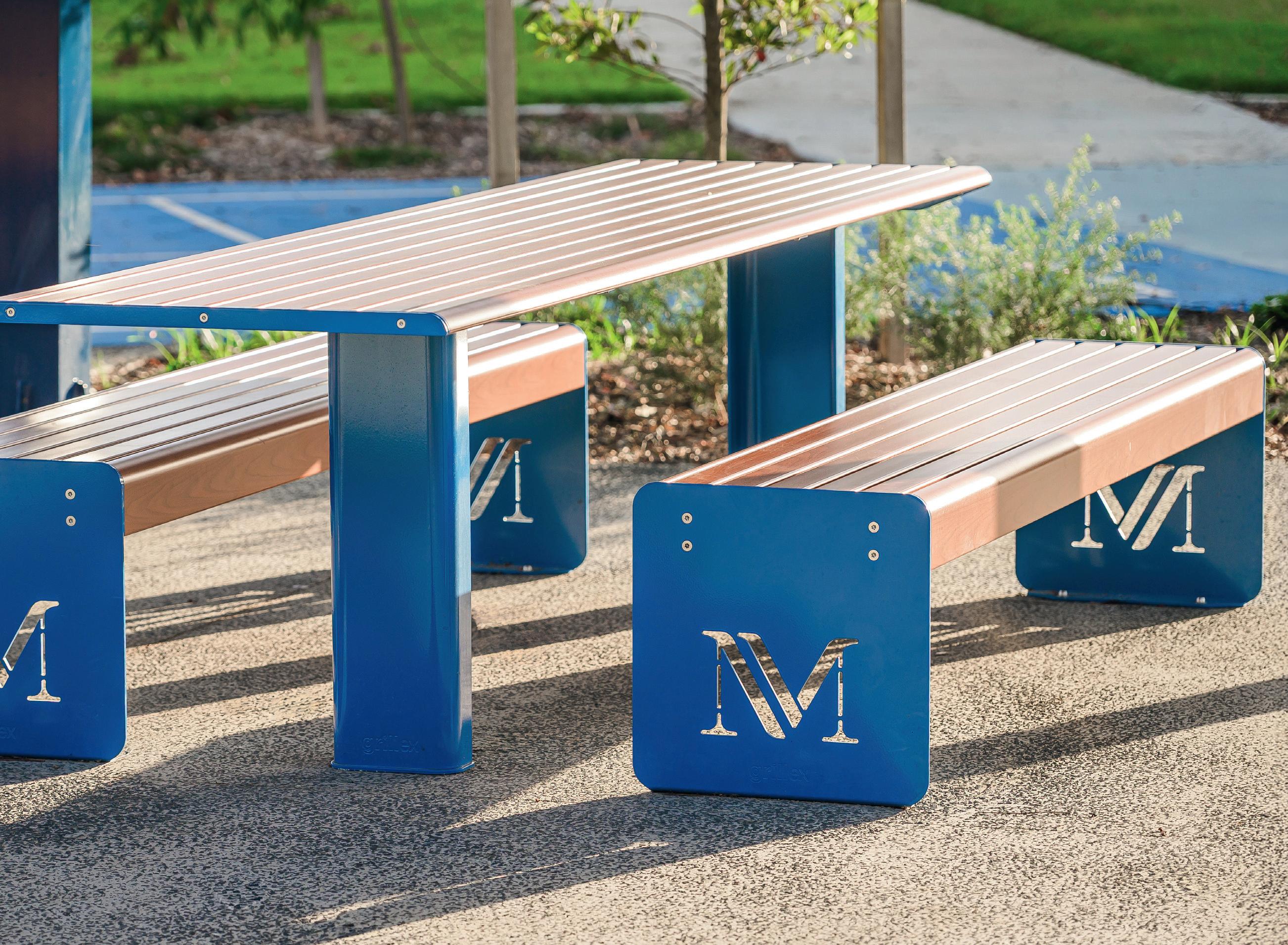
As specialists in semi-customisation, GX Outdoors ensures that projects can reflect local character, community needs, and specific site requirements. Whether incorporating custom artwork into laser-cut panels, adjusting dimensions, or applying local colour
palettes and finishes, GX Outdoors combines design flexibility with efficient, reliable delivery.
To learn how semi-customisation could benefit your next project, contact a GX Outdoors specialist on 1300 552 112 or visit gxoutdoors.com
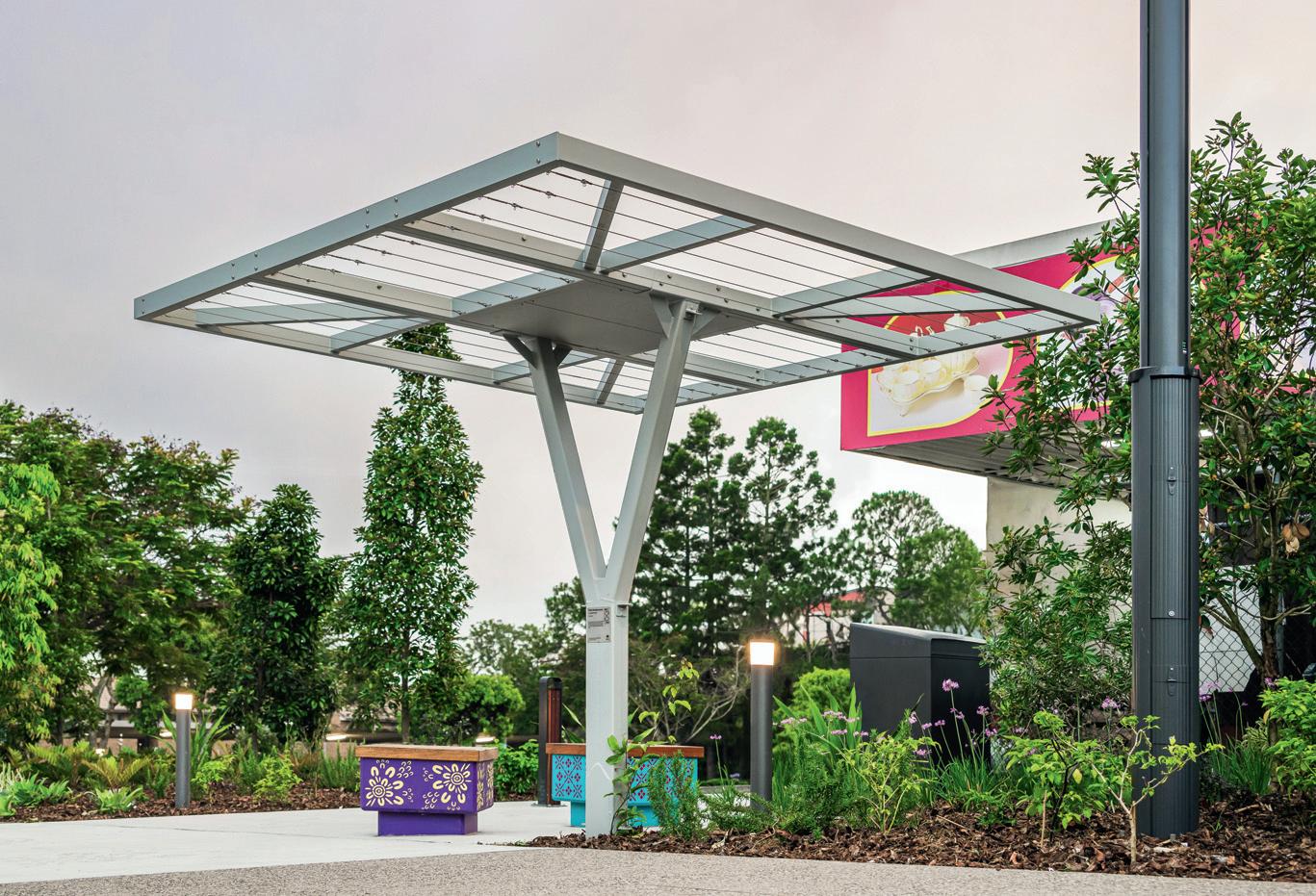
CASE STUDY: GLOBAL FOOD MARKETS WOODRIDGE, QLD
Project Overview
As part of the Logan Central urban renewal, GX Outdoors worked with TLCC to deliver a semi-customised shelter solution that supported their vision for a green canopy. By adapting the Acacia Shelter to allow vine growth, the design introduces natural shade and visual softness along the street, while enhancing environmental performance and community comfort. It serves as a practical example of how a small design shift can deliver significant placemaking outcomes.
Client
The Landscape Construction Company (TLCC)
Products
GX Outdoors Acacia Shelter
Semi-Customisation — removal of panels and insertion of wiring to allow for canopy growth.
The ever-increasing demand for dog facilities and Australia’s record dog ownership has the potential to create its own problems for the community — namely dog waste and what to do with it.
Doggie Dunnies™ by AMS ECO Products has created a practical solution to this problem. Doggie Dunnies’™ Australian-designed and manufactured waste separation units allow the clean separation of dog waste, in compostable waste bags, from general waste and landfill. This aids the community in being a part of the solution, with the units encouraging parks to become a “destination” for dog owners, rather than adding to the everincreasing costs of council landfill with standard bins.
This can then be added to the community green waste or FOGO programme, allowing it to become a usable compost and then, in turn, helping the circular green economy.
The units have a separation success rate of up to 98 percent when used in conjunction with a compostable dog waste bag. An average single unit (based upon extensive field trials) can collect up to 60kg per week in an average dog park. That equates to over 3000kg per annum — that is just for one unit!
Imagine, if every dog park in your community had just one of these units, what a contribution it could make to a cleaner more sustainable environment.
The units come in four design options: 55L/120l/240l and Retriever Sulo-bin compatible lid. They can be manufactured in a preferred colour scheme and come complete with operation decals — ensuring correct usage by the community
Doggie Dunnies™ provides a practical and sustainable community engagement and education vehicle, while at the same time, helping the environment. The units are currently in operation in states all across Australia and community support and participation has been overwhelming. See many of these units in operation, along with other educational videos at doggiedunnies.com.au
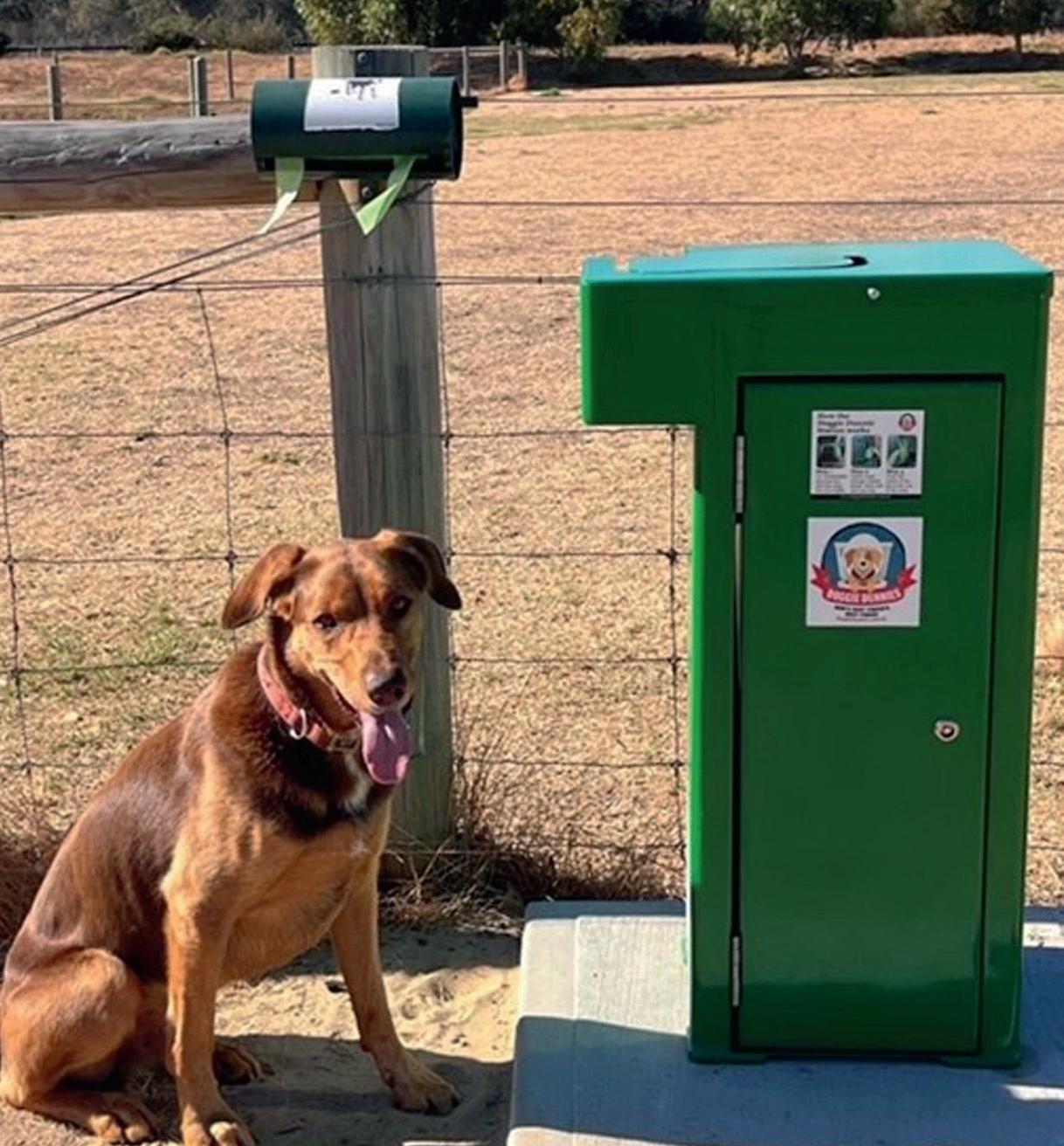



ABOUT DOGGIE DUNNIES
Doggie Dunnies™ is a family-owned Australian company that is part of the AMS Eco and Woodlands sister group of companies. In operation since 1988, these companies are a long-term supplier to local government across Australia. Our goal has and continues to be providing practical and pragmatic Australian-made solutions for local government, developers and the community in parks and landscape projects.
WORDS ABC NEWS RELEASE
Premier David Crisafulli has announced, the Queensland Government will expand protected areas for the state’s endangered species and “get serious” about managing the land with more rangers.
Under deals with landholders, about 8,700 hectares will be added to national park conservation areas, with about a quarter set aside for new nature refuges on private land.
While Mr Crisafulli conceded the numbers announced on Sunday were small (Queensland covers 172 million hectares), he said it was a start. “If we can increase that threshold of protected areas, it sends a strong message about how much we value the environment.”
The Queensland government has set an “ambitious” target to protect more areas at a greater rate in one term than the previous government did in the past 10 years. Mr Crisafulli said the plan would include hiring 150 more wildlife rangers and committing more funding to groups that manage their resources. “It takes money, but to not do it is an investment in stupidity. We have to get this right.”
The announcement comes just days after environmentalists blasted the Government’s decision to open tenders for nine new areas of gas exploration.
Queensland Conservation Council director Dave Copeman called that decision “devastating and deceitful”,
saying it covered a much larger area than the total amount of protected land.
About 8.59 percent of the state (a total of 14.55 million hectares) is protected, a long way short of the Government’s target. “The Queensland Government’s protected areas strategy says we need to get to 17 percent,” Mr Copeman said. “We can’t get there if we keep granting exploration permits for mining leases and gas over all of Queensland.”
Asked how the Government’s new gas exploration sat with its land protection strategy, Mr Crisafulli said it was “about balance”. “Gas is going to become a really important part of our energy mix as part of the transition to a more renewable future.” He added that gas exploration would only be allowed in areas where there is “minimal environmental impact.”
Mr Crisafulli and Environment
Minister Andrew Powell made their announcement at the Daisy Hill Koala Centre, south of Brisbane.
Koalas are endangered in Queensland, New South Wales and the ACT, where threats to them include habitat loss, disease, car strikes and dog attacks.
“We’ve got some major populations of koalas that are in real threat if we don’t do something,” Mr Crisafulli said. “To know that we’ve got a vision, I hope, shows to Queenslanders that we’re serious about it.”

The 18 new nature refuges include several that seek to protect koala habitats, partly by forming corridors to larger national parks. They include 184.3 hectares of land at Quad’s Nature Refuge in Mackay and the new 21.4-hectare Rowlands Nature Refuge, west of Gympie. The largest of the protected parcels designated for koala habitat is the 1,372.49-hectare Parrattamow Creek Nature Refuge north-west of Augathella, north of Charleville.
Koala conservation groups say valuable koala habitat is being destroyed by developers, who they claim are knocking down mature trees to build new infrastructure.
Rebecca Larkin, from the Ipswich Koala Protection Society, said humans and koalas needed to co-exist and good planning could allow both to thrive.
“All the scientists agree that if we keep going the way we’re going, there aren’t going to be any left in south-east Queensland,” Ms Larkin claimed.

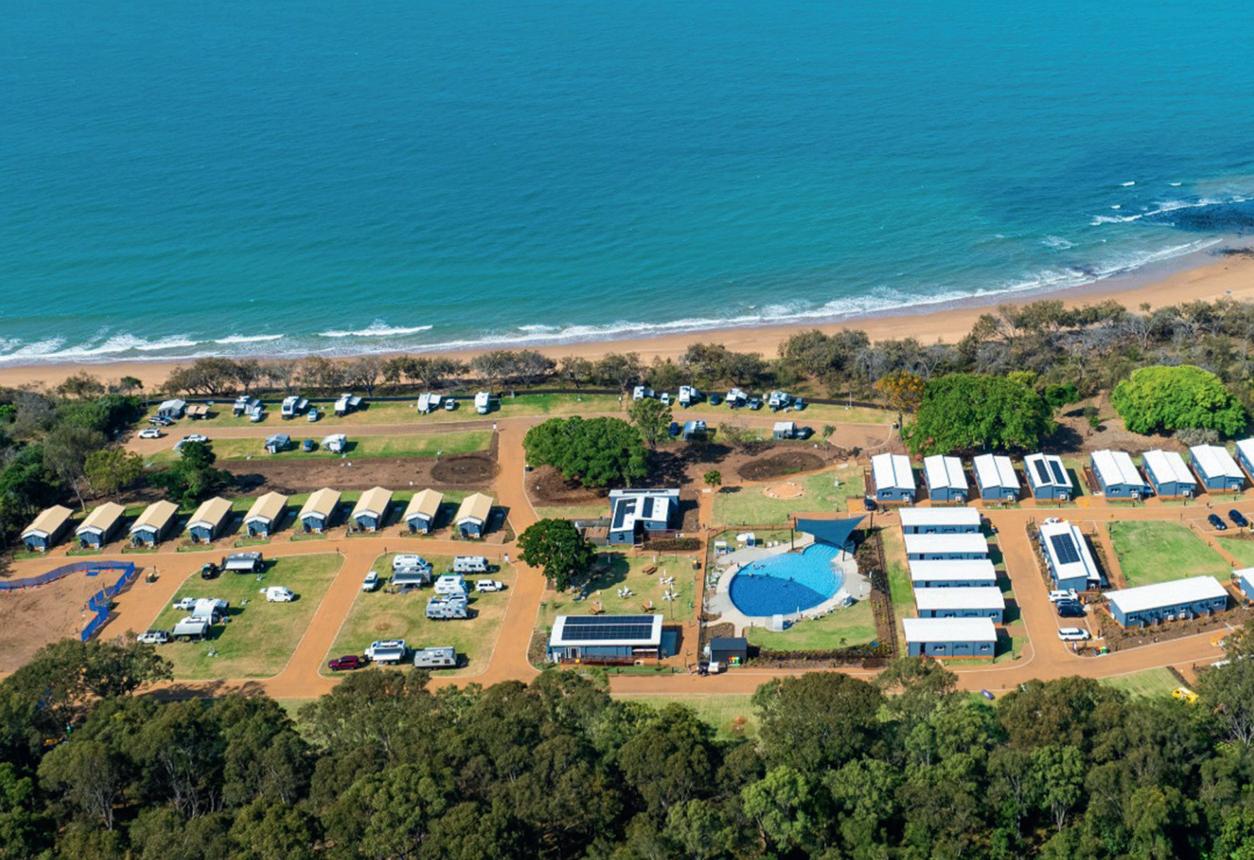
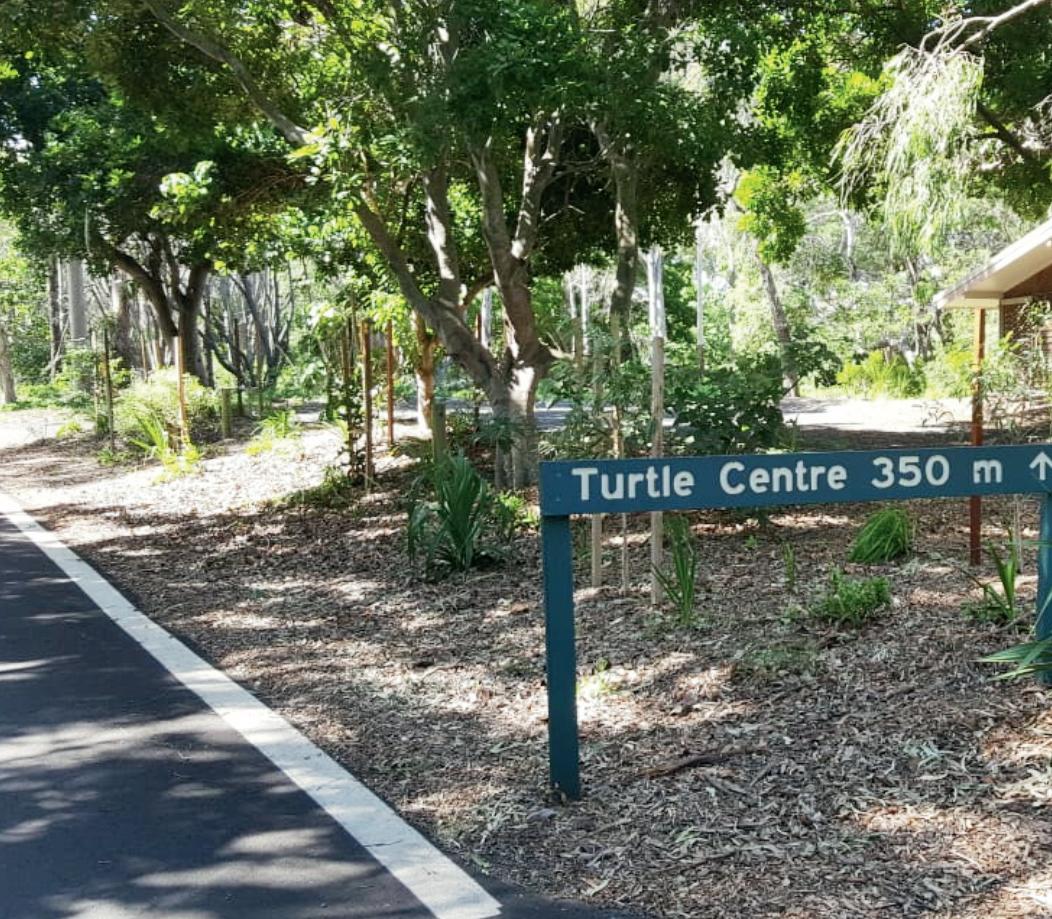
Acoastal location in the Bundaberg region of Queensland, the small town of Mon Repos is home to an important environmental site: Mon Repos Conservation Park. This hub for turtle conservation is a globally significant site, supporting the largest concentration of nesting marine turtles on the eastern Australian mainland.
To ensure the continuing development of this important site, Australian Environmental Landscapes (AEL) was contracted by Murchie Constructions to complete a comprehensive landscaping scheme at the Turtle Sands Rehabilitation Centre. Completed in 2020, the centre is now flourishing and has become an educational resource and a vital source of conservation for the local turtles who come to nest in the area each year.
The extensive project required all contractors to communicate with council officers and park rangers to ensure the area was maintained and any improvements made were done so with the specific needs of the local fauna in mind. This collaboration extended to local community members and Indigenous consultants, all of who provided input into the facilities in order to create walking paths, seating areas and landscapes designed to bring everyone together.
AEL’s scope of works included the incorporation of a smart irrigation system to all gardens, removing the
chance of introducing any chemicals into the surrounding areas that would be harmful to local fauna and flora. All plant species were chosen carefully, after extensive discussions with experts, in order to ensure the optimum natural habitat surrounding the protected areas. These choices had the effect of creating a unique landscape that speaks directly to the surrounding environment and can’t be found anywhere else.
Once complete, AEL maintained the new landscape for a period of 12 months. No chemicals were
used throughout this establishment period, to ensure no harm or damage occurred to the habitat in any way.
Located next to the Turtle Sands Holiday Park, also overhauled by AEL, the combined works serve to create an overall safe environment that is thriving as an educational experience for visitors from the area and abroad, while also ensuring minimal impact to the ongoing turtle nesting cycles and the surrounding environment.
To find out more, visit Australian Environmental Landscapes at aelscapes.com.au
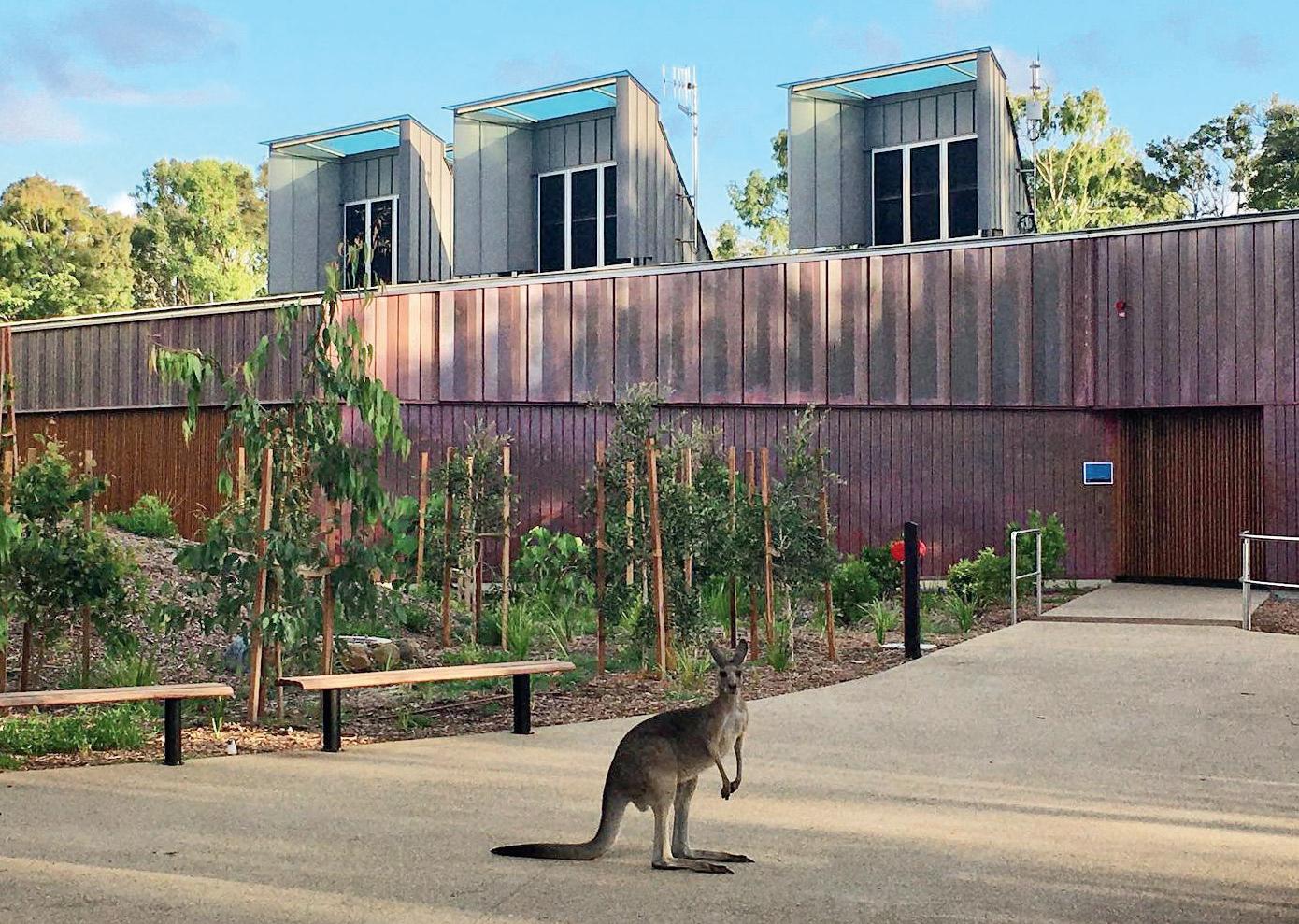
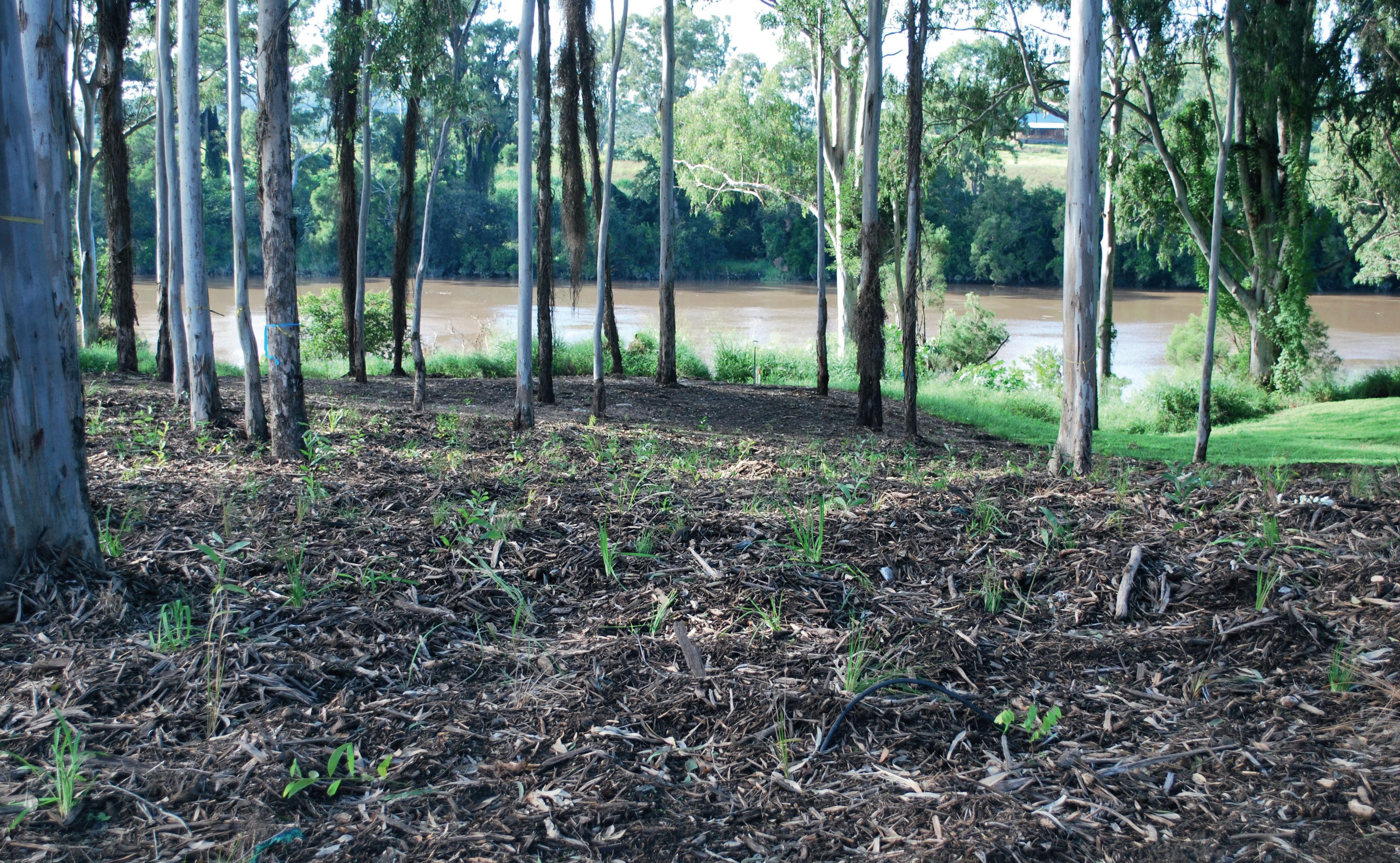
“Building sustainable landscapes one tree at a time”
Australian Environmental Landscapes specializes in restoring, rehabilitating, and maintaining bushland, as well as providing environmental landscaping, landscape construction, fencing, and parkland structures and their upkeep.
Our ability to balance commercial goals with ecological priorities ensures we deliver cost-effective solutions for government and commercial clients. We proudly serve all of Queensland and beyond.

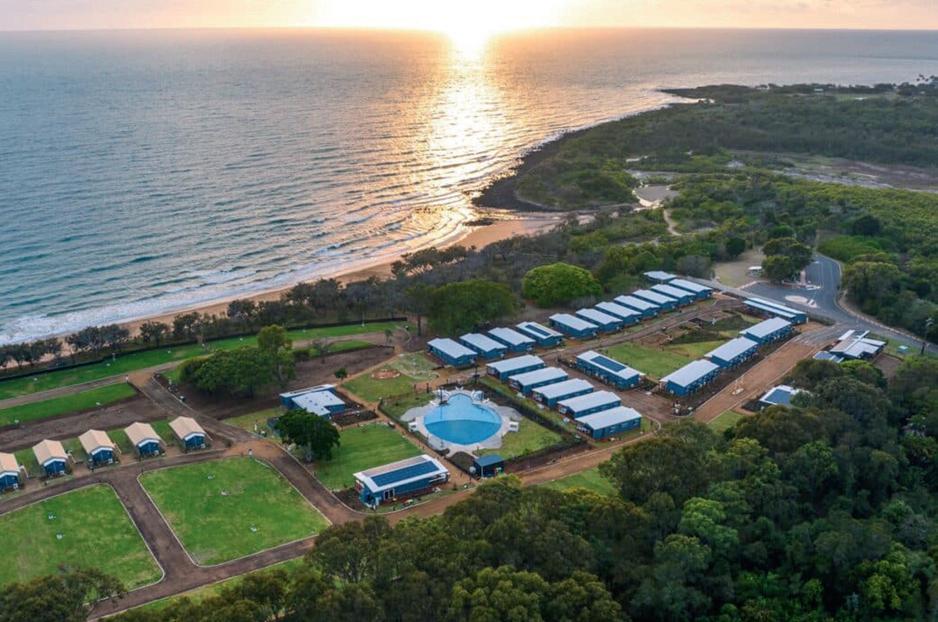
We have unique expertise in balancing the commercial needs of the construction industry with the environmental objectives of ecologists. Get in touch to find out how we can help you.
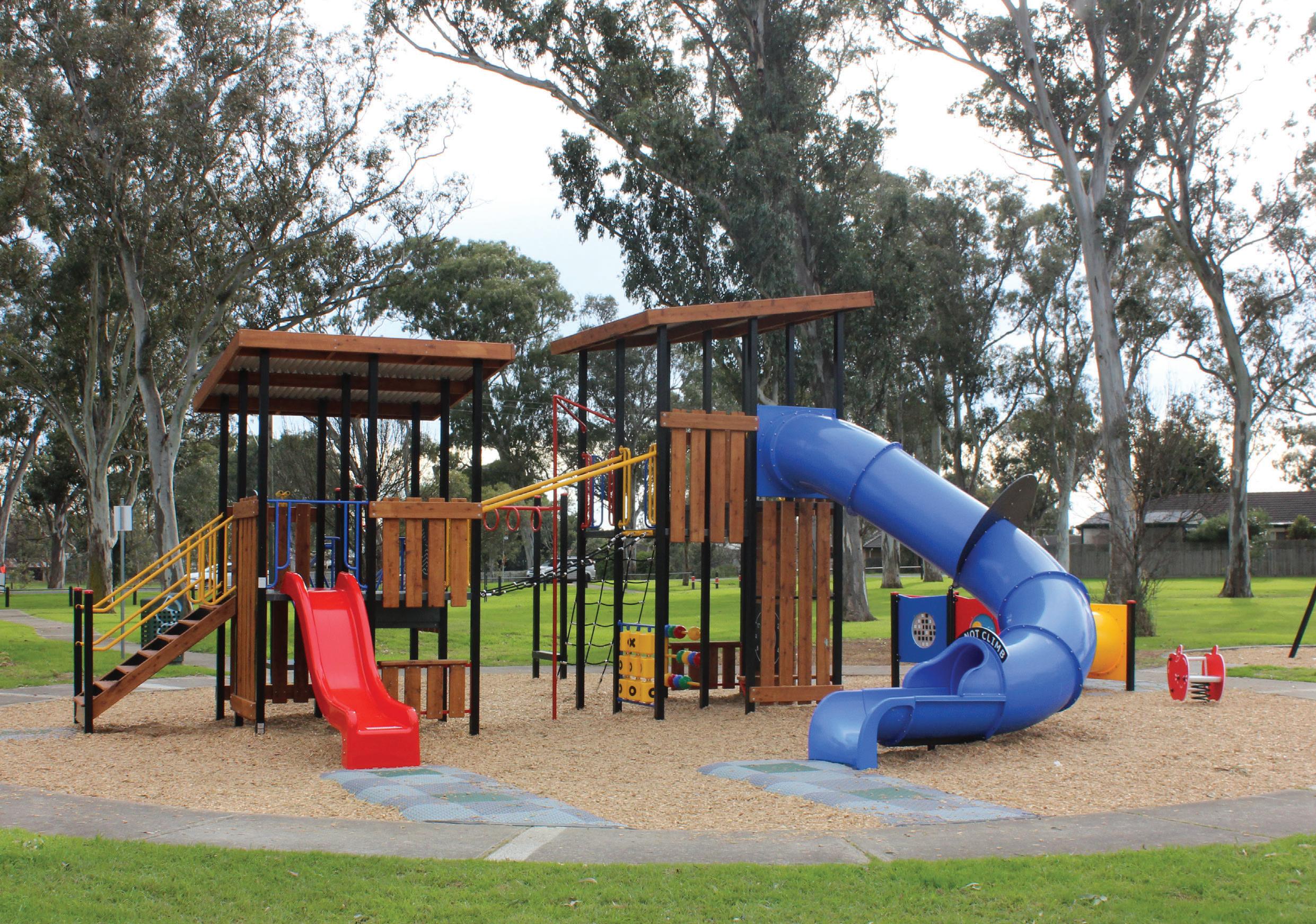
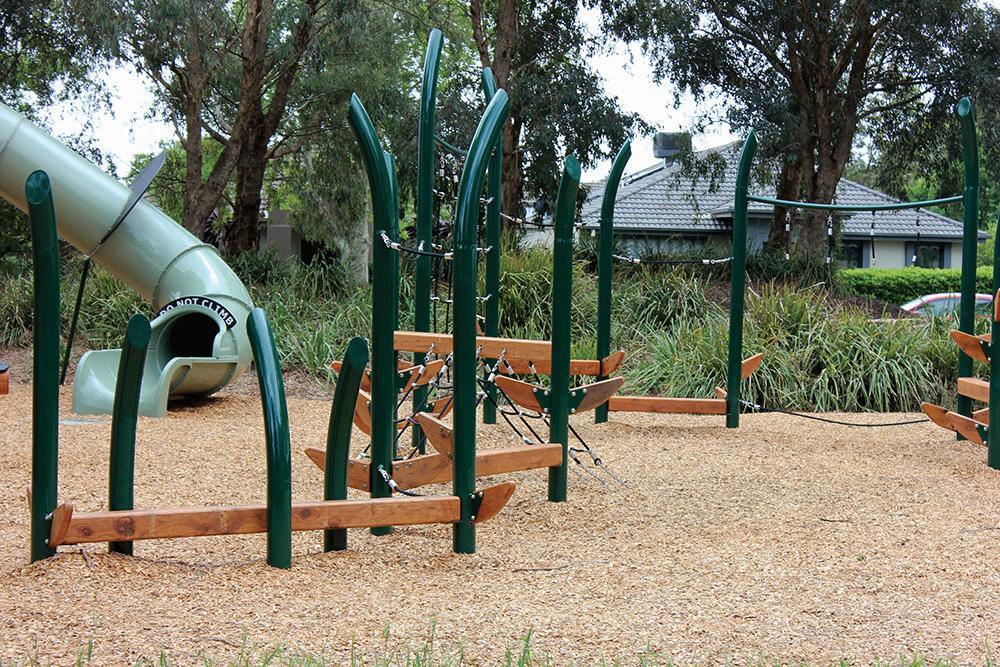








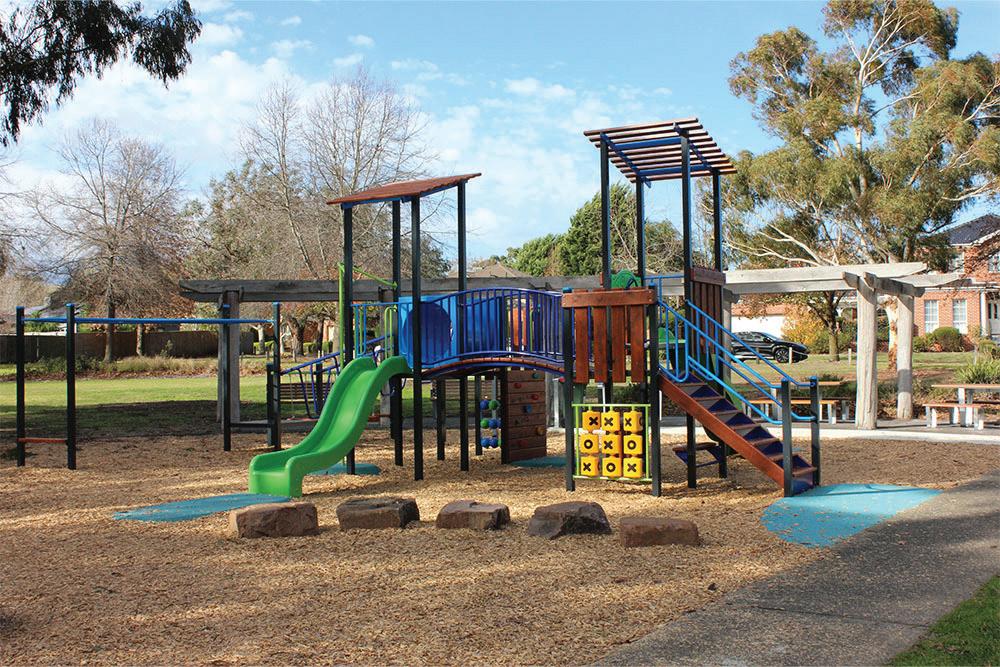


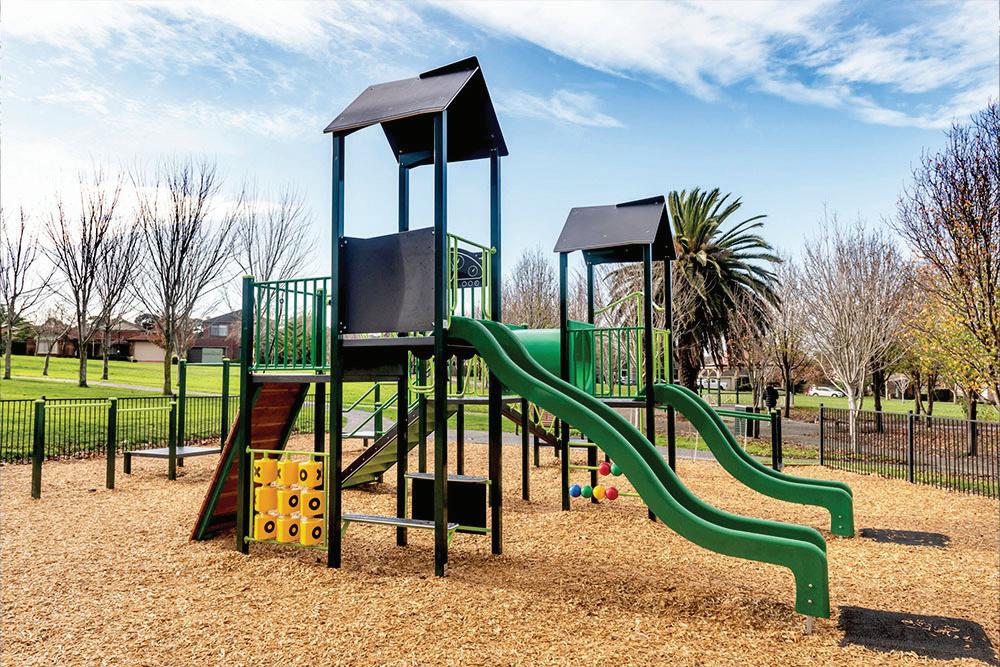

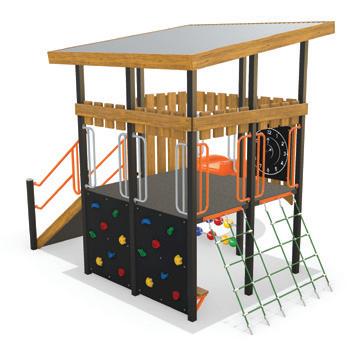

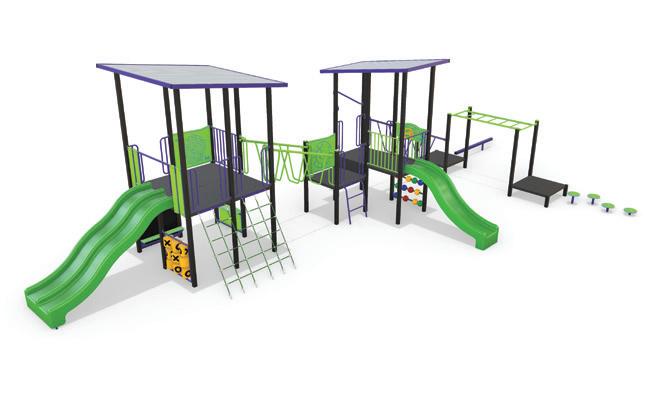




WORDS SAM STRONG, RECREATION AND OPEN SPACES PLANNER, THRIVE SPACES AND PLACES
Imagine a city without parks. A town without any open space. No shady trees to lounge under on a sizzling summer day, no grassy fields for a spontaneous frisbee match, no winding trails where the only traffic jam comes from a parade of ducks. Open spaces are the unsung heroes of our neighbourhoods — nature’s playgrounds, community living rooms and the lungs of our cities all rolled into one. But as our cities stretch skyward and sideways, the million-dollar question looms: how much open space is enough? Is there a magic number or is it more about the secret sauce that makes open space irresistible?
Parks are the ultimate multitaskers. They boost our health, connect us with nature’s daily rhythms and help cities weather climate curveballs. Access to parks and reserves lets people connect with nature, be active and socialise — all of which are linked to improved wellbeing and community cohesion. It’s not just fun and games; studies show that being near greenspaces can lower stress, foster social bonds and make us happier humans.
The World Health Organization (WHO) agrees and champions equitable access to greenspaces. Everyone deserves a slice of green, no matter where they live. But as cities like those in Aotearoa (New Zealand) grow denser, these precious spaces are under threat. The Parliamentary Commissioner for the Environment’s 2023 report warns that the loss of urban
greenspaces is reducing cities’ resilience to climate challenges and restricting people’s access to high-quality, diverse recreational environments.
If only there were a one-size-fits-all formula for open space allocation. Determining the right amount is complex. In reality, the answer is as varied as the open spaces themselves. Factors such as population density, land use, topography and transport infrastructure all influence what’s needed and what’s possible. Internationally, there is no single agreedupon standard for open space provision. Instead, a range of metrics exists, often tailored to local contexts. Common provision metrics include: Area per capita, percentage of open space per dwelling / neighbourhood, minimum distance to the nearest park, canopy cover targets, and functional diversity and design characteristics.
For example, the WHO suggests a minimum of 9m² of greenspace per person, with an ideal of 50m². The European Union recommends 26m², the United Nations recommends 30m², and the US Public Health Bureau recommends 18m² per capita. In terms of accessibility, the WHO advocates for every urban resident to be within 300 metres (about a five-minute walk) of a public greenspace of at least 0.5–1 hectare. As you can see, there’s no consistency.
Some cities have adopted the “3-30300” rule: every home should see three trees, have 30 percent canopy cover in their neighbourhood and be within 300
metres of a greenspace. Areas across Aotearoa are adopting some or similar provision metrics, but provision in New Zealand is historically rooted.
The country boasts a rich legacy of publicly accessible open spaces, managed by local and regional councils as well as central government agencies like the Department of Conservation. Since the 19th century, planners have recognised the value of green belts and parks as the lungs of the city, providing buffers against urban sprawl and ensuring recreation opportunities for all.
However, New Zealand’s statutes, such as the Resource Management Act 1991 and the National Policy Statement on Urban Development, do not specify minimum standards for open space provision. Instead, local authorities develop their own policies, often drawing on international guidance. For instance, Auckland Council’s Open Space Provision Policy recommends neighbourhood parks of 0.3–0.5 hectares within 400 metres of high-density housing but does not set a strict per capita target.
While ensuring enough open space is essential, the quality of that space is equally important. A small, well-designed park may serve a community better than a larger, poorly maintained one. Recognising this, planners are increasingly focusing on the characteristics that make open spaces inviting, inclusive and functional, favouring a quality-overquantity approach. Key dimensions of open space quality include:
Accessibility and connectivity
Comfort and amenities
Inclusiveness for all ages and abilities
Range of activities and uses
Maintenance and safety
Attractiveness and visual appeal
Recreation Aotearoa supports this quality notion, having developed a Parks Categories Framework in 2011 to help councils classify and manage different types of open spaces based on character, purpose, and level of service, not just size. This approach ensures that open spaces are designed and maintained to meet specific community needs, whether as neighbourhood reserves, sports grounds or conservation areas. Councils should aim to adopt quality assessment tools that bridge the gap between quantity and quality by enabling them to evaluate both aspects of their open space networks. Drawing on experience, there is a clear need for such a tool to assess open space networks to better plan for intensification and growth. Ultimately, this tool would take a holistic approach to assess each specific category type across ten dimensions, from accessibility to maintenance. The tool’s ten dimensions:
Accessible and connected
Purposefulness
Comfort
Inclusiveness
Activities and uses
Maintenance
Attractiveness and appeal
Safety and security
Size
Distance/time (accessibility)
Each dimension would be scored based on a set of indicators, providing an overall quality rating for each open space. For example, a reserve may score highly on accessibility and safety but need improvement in comfort and range of activities. This holistic assessment would help councils identify where upgrades are needed and ensure that their open space networks remain fit for purpose as communities grow and change.
Overall, the overarching theme in open space planning is equity: ensuring that all residents, regardless of age, ability, income or location, have safe and convenient access to quality open space.
Research consistently shows that proximity to greenspace is linked to better health outcomes, yet urban intensification threatens to widen disparities in access. Planners must therefore balance competing demands for land, funding and infrastructure while also engaging communities in the design and stewardship of their reserves.
Looking ahead, there are many opportunities and challenges. Obstacles such as budget constraints and competing land uses may create barriers
for some councils, but significant opportunities also exist in policy innovation, community engagement and design excellence.
As urban areas continue to intensify, preserving and enhancing existing open spaces becomes even more critical. Once land is developed, it is difficult, if not impossible, to reclaim it for public use. The choices we make today about how much space to set aside, how we design and care for it, and how we invite everyone in, will shape the health and happiness of generations to come.
So, what’s the perfect amount of open space? Maybe it’s not a number, but a feeling: when you step into your local reserve and see kids laughing, bees buzzing and neighbours chatting, you know you’ve found the sweet spot. The best outcomes arise from a nuanced approach that considers both the quantum and quality of open space, tailored to the unique needs of each community.
Tools like the Public Open Space Quality Assessment Tool offer practical frameworks for councils to benchmark, plan and improve their parks networks. Ultimately, parks and reserves are invaluable public assets. By prioritising both access and excellence, New Zealand’s cities and towns can remain green, resilient and healthy, now and for generations to come.
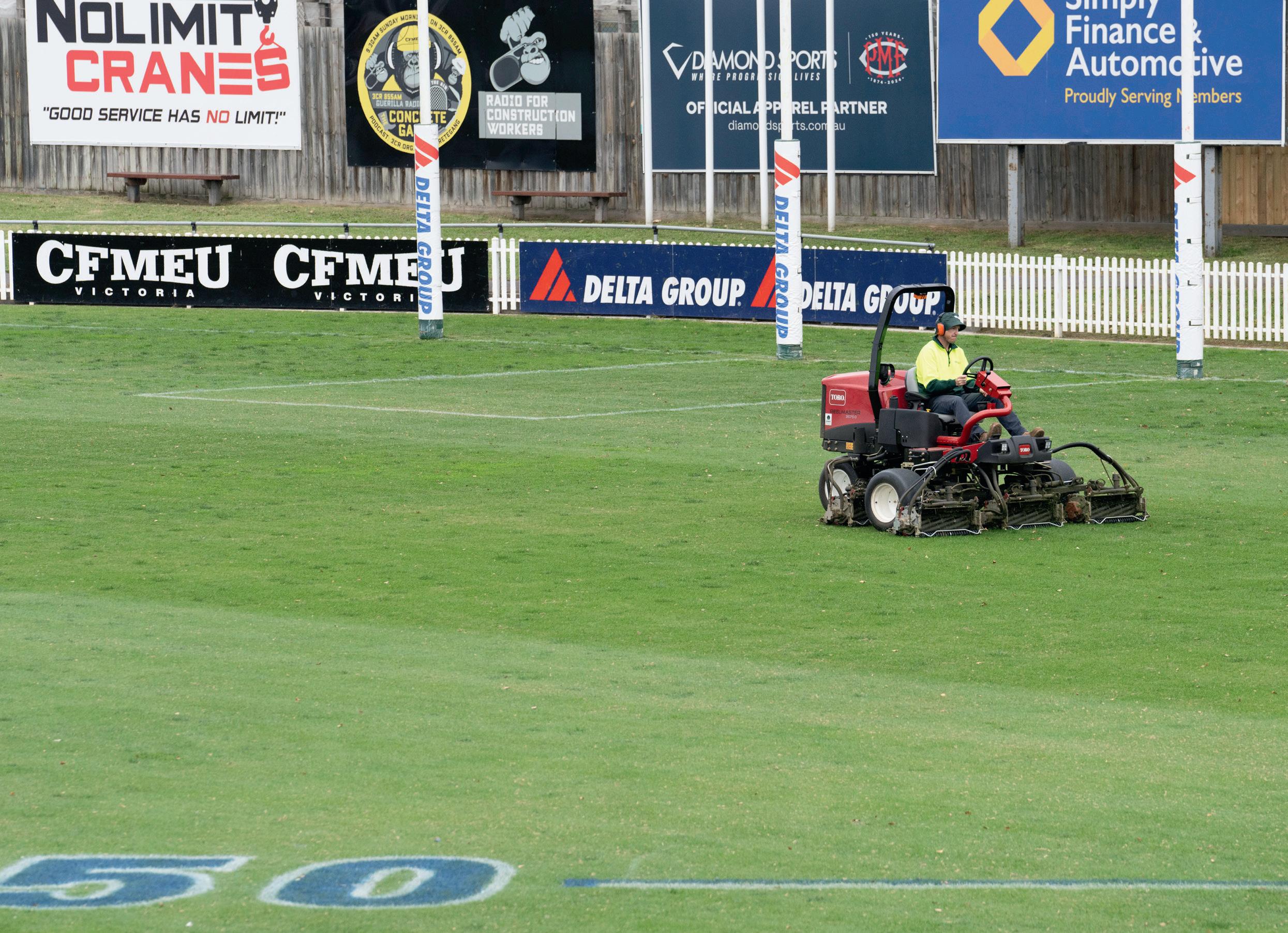
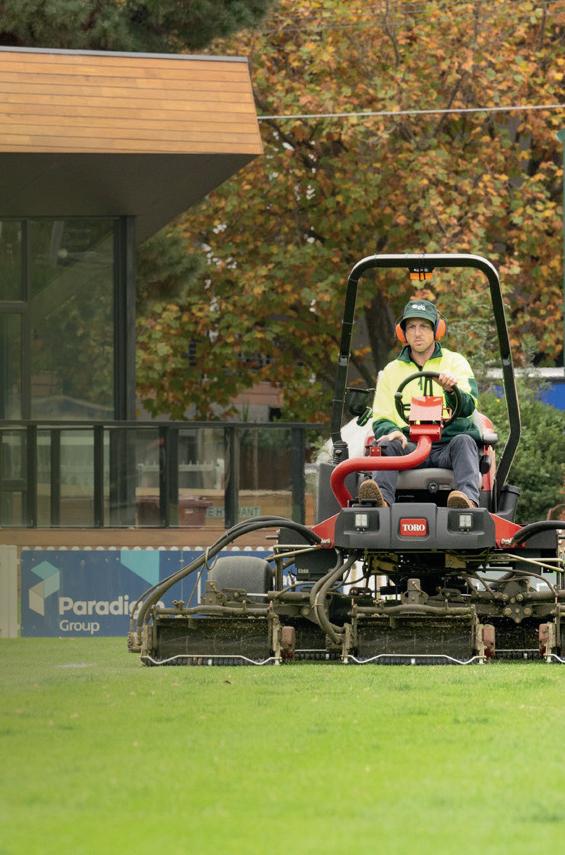
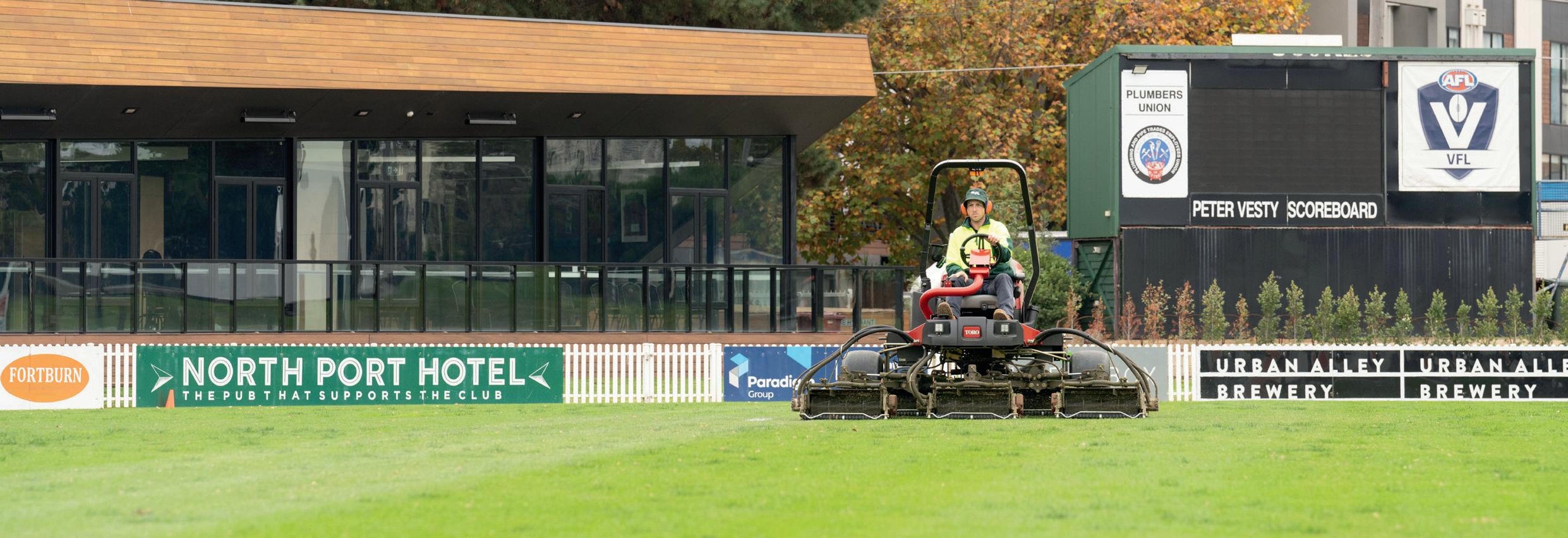

WillPlay stands at the forefront of innovation, transforming public spaces into hubs of joy, activity, and community connection. Our recent revitalisation of Pat Fagan Park in Coolangatta showcases this commitment, where we delivered a complete turnkey solution from initial design and manufacturing to the final installation of all play equipment, shade and surfacing.
Our promise of quality and safety is engineered into every project. The challenge of a harsh coastal environment was met not with expensive upgrades but with superior design as a standard. Using corrosion-resistant materials like powder coated aluminium and stainless steel, we created a vibrant surf-themed playground built to endure, delivering sustainable long-term value for the community.
Our approach creates more than just play areas; we build lasting memories and robust communities. The design fosters inclusive and active environments with diverse equipment like the central Surf Life Saving Tower, accessible swings and interactive panels, encouraging imaginative play and social connection for children of all abilities.
With a legacy of successful installations across Australia, WillPlay continues to set the standard for outdoor recreation. Our projects are a testament to our expertise and the reason WillPlay is the emblem of excellence in creating community spaces.
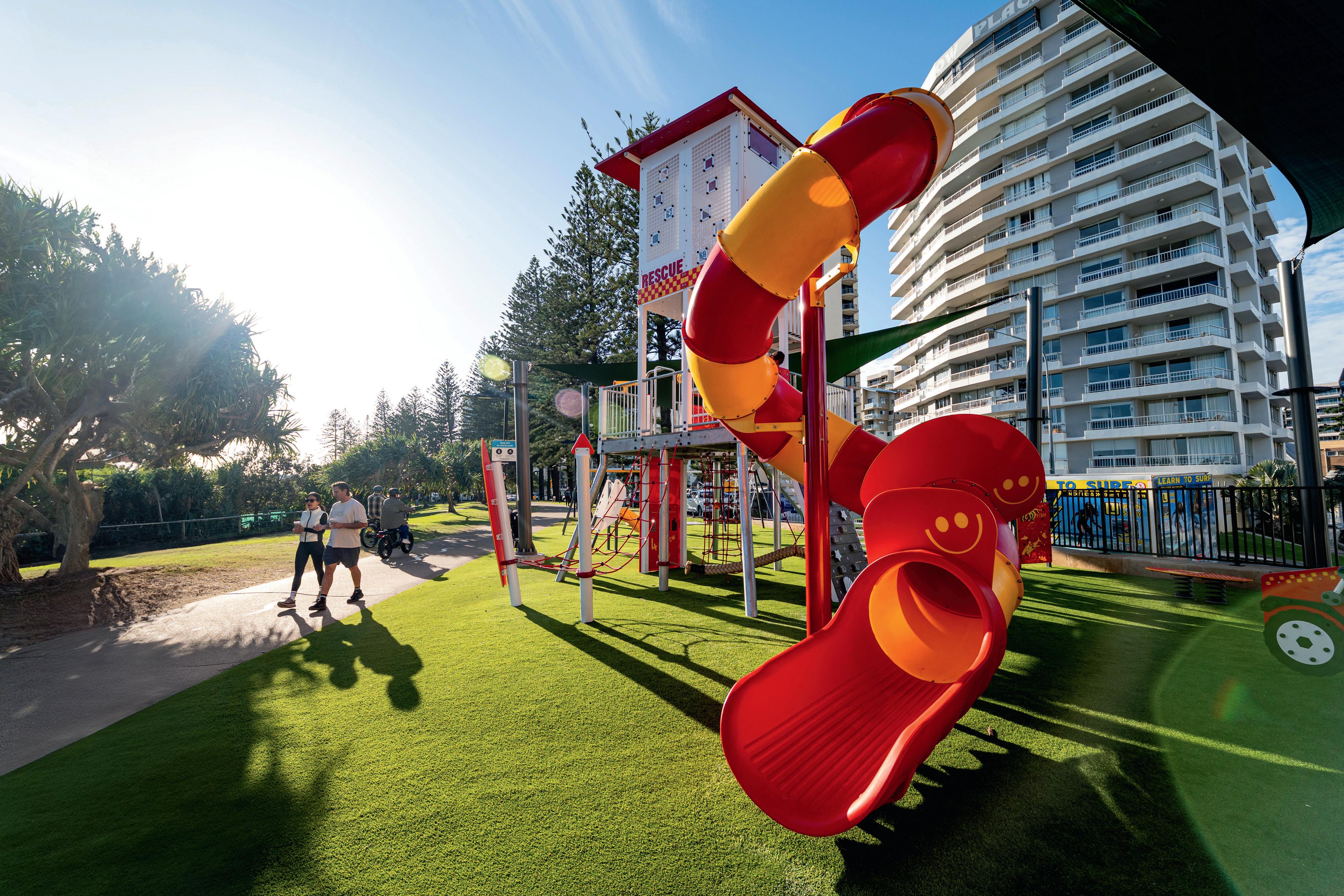


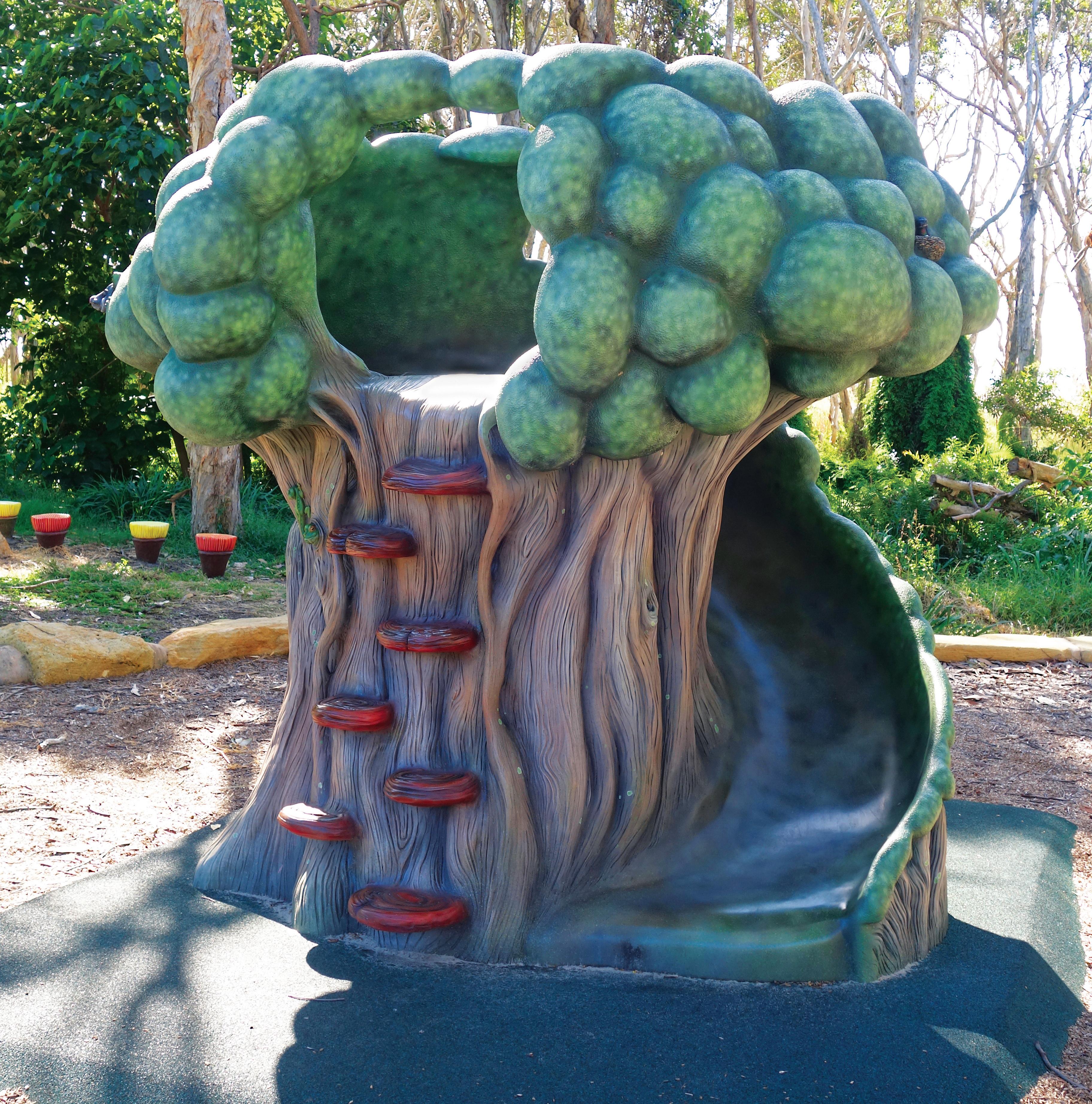
































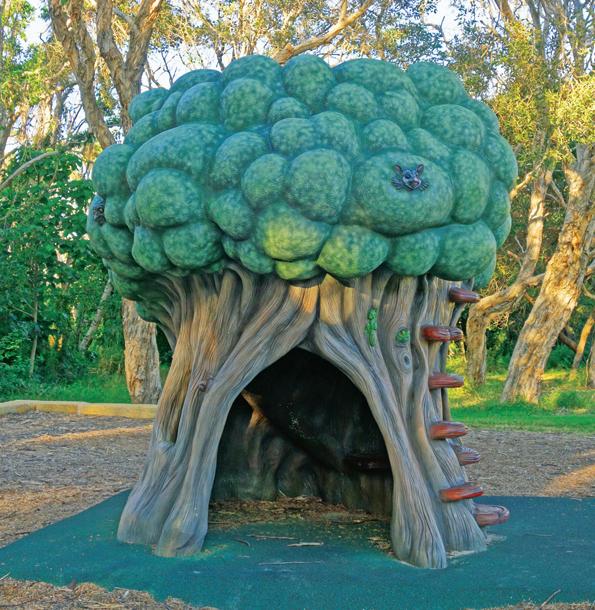


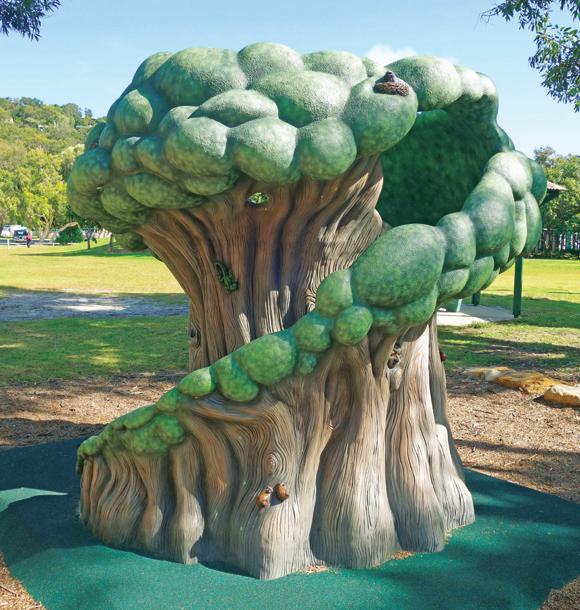
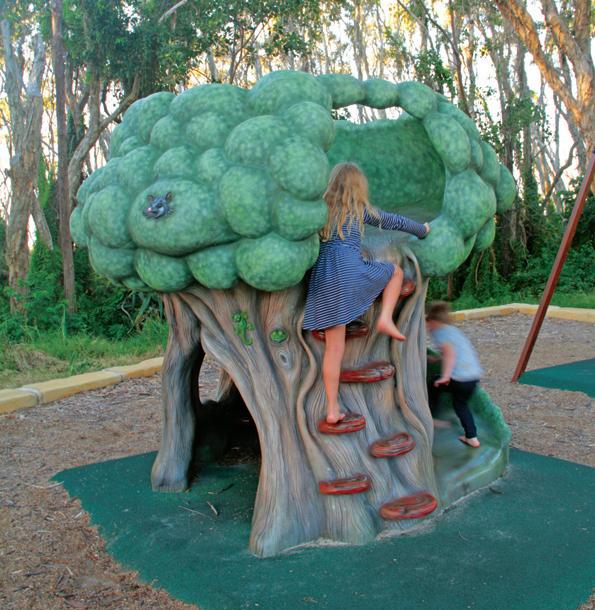
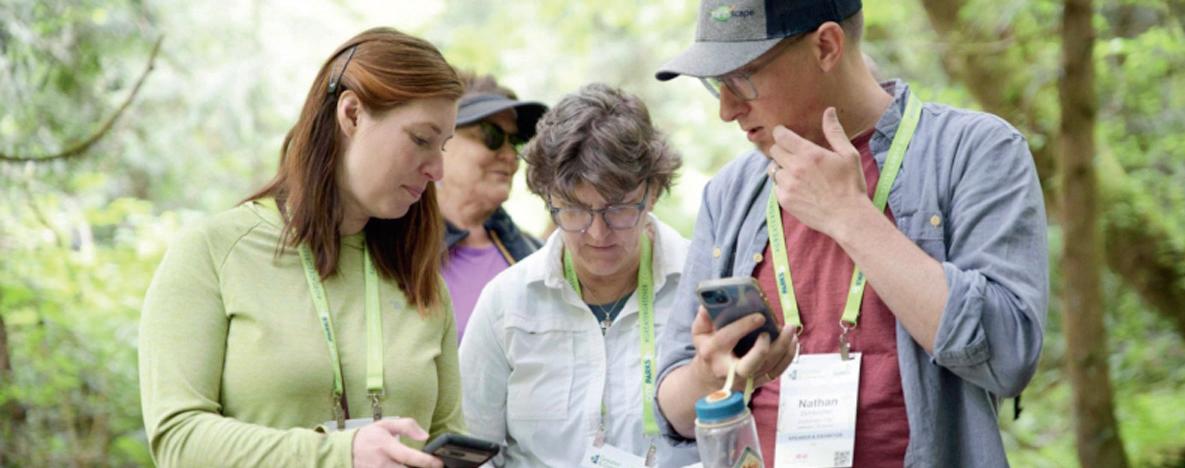
Imagine the ability to use data and technology to more effectively serve your community’s needs through parks. Our Parks and Technology report unpacks how technology is helping public space managers better understand, manage and enhance these spaces through:
People (understanding use patterns and demographics)
Places (assessing facilities and conditions)
Policy (measuring impacts and benefits)
In this report, discover:
How cutting-edge technologies are providing unprecedented data about how people use parks.
How technology is enabling realtime assessment of the condition of parks and greenspaces.
How real-time data is informing decisions about park investments in policy.
Case studies and examples from cities and organizations from across the country who are leading the way in implementing innovative technologies in their parks.
Actionable and proven strategies for adopting new technologies that you can apply to your own park projects.
Integrating technology into parks and public spaces is here to stay. Whether you’re a park practitioner, urban planner, policymaker or community advocate, this report is your essential guide to staying ahead of the curve.
New technological tools are helping park and public space managers better understand use patterns, track operations and provide new services and experiences. But there is now a
need for innovative tools that provide a more nuanced understanding of park use, connect park visitors with more inclusive narratives, aid in the discovery of nature and biodiversity, crowdsource community advocacy and analyse equity in park investments, among other goals.
As the range of technology-driven solutions expands, park leaders increasingly have questions ranging from the philosophical to the practical. These centre on the efficacy, ethics and privacy concerns of new tech tools as well as how to reduce the cost of implementation through partnerships.
To address these questions, City Parks Alliance is publishing a policy brief as part of its Parks and Technology Initiative. This initiative aims to make park leaders aware of the potential benefits and the very real challenges of using technology to make data-driven decisions on the use and management of parks and public spaces, promote community engagement and partnerships, expand narratives about place, and improve social equity in parks and the public realm.
City Parks Alliance has been conducting programming for several years focused on the intersection of parks and technology. In this policy brief, we share practical and innovative approaches for how technology can be used to effect transformative change in parks and public spaces related to people, places and policy.
Measuring and understanding how people use parks has always been one of the biggest data collection challenges. New types of data collection, like collecting cell phone location data, allow for ongoing counts, cover broad areas and connect to other demographic
information. The places and facilities that make up modern public spaces are complex, especially in a citywide system of parks, therefore it can be challenging to assess conditions in real time. Policymakers are also seeing the value of technology to measure park usage, and policy is increasingly being informed by compelling, real time, data-driven evidence on the benefits and impacts of parks systems.
Drawing from the examples in this report, we offer a framework for park leaders to approach their exploration of technology solutions. A framework for exploring technology solutions includes:
Defining the challenge new technologies are meant to address.
Building trust by engaging the community, other stakeholders and partners and key decision-makers within your organisation.
Asking peers and partners about their tech solutions and thoroughly exploring available data collection processes and policies within your organisation to inform questions to potential providers.
Following up with stakeholders, partners and organisational leaders about the selection of solutions and how their input and concerns were addressed.
Communicating with the public and illustrating with signage the type of technology in use, how it is implemented, why it is being used and where you can learn more.
Planning for periodic review to see if the technology tool is accomplishing its intended purpose.
While the specific technological tools are likely to change over time, the challenges and opportunities that park providers and their partners face in adopting new technologies in public spaces will remain relevant.
Download the full Parks and Technology guidelines for free at cityparksalliance.org/wp-content/ uploads/2025/03/Parks-andTechnology.pdf

The evolution of golf’s image and its broader societal impact hinges on strategic innovation in venue management and participation promotion. To truly thrive, golf venues must embrace a multifaceted approach that attracts new players, enhances existing experiences and fosters a welcoming, sustainable environment.
In 2024, 3.8 million adult Australians played golf, a 9 percent year-onyear increase. The largest growth comes from casual “round players” and increasing engagement from younger demographics, women, and juniors. This shift is fuelled by popular, accessible formats like entertainmentbased driving ranges, indoor simulators, and mini-golf.
Importantly, over a third of adult Australians use golf venues for nongolf activities, making these venues a vital community asset nationwide and highlighting golf’s considerable capacity to drive financial sustainability and serve as multifaceted community hubs.
Promoting diverse participation | Successful golf venues are characterised by their ability to attract
a broad audience through diverse offerings and innovative approaches. This includes not only building new venues tailored for beginners but also expanding golf formats and ancillary services at existing locations.
Cultivating a welcoming culture and engaged workforce | At the heart of a successful venue is a welcoming culture supported by an engaged and service-oriented workforce. A welltrained and customer-focused team not only improves the workplace environment but also significantly enhances the overall experience for all visitors, encouraging repeat visitation.
Overcoming Barriers | Addressing common barriers to participation, such as time constraints, is key. Shorter formats, such as 9-hole courses and par-3 options, along with flexible pricing have proven highly effective in attracting new golfers, particularly those with limited time.
Tailoring offerings | While broad innovations are vital, targeted programs and interventions are often necessary to engage specific demographic groups. This includes initiatives for juniors, women, seniors, people with disabilities and multicultural communities, to help broaden golf’s appeal.

Leveraging technology | Modern golf venues are embracing technology to elevate player experiences and maximise revenue. Ball-tracking software and other emerging technologies offer engaging new ways for players to interact. And, back-end improvements like online booking systems streamline operations, improve visitor flow and encourage repeat business.
Maximising social benefits | Golf courses are inherently social spaces. By providing opportunities for friends, colleagues and families to connect, and by hosting community events, venues can significantly boost their social impact.
Championing quality environments | Successful venues demonstrate a commitment to quality environments that benefit players, the community and local ecosystems. Initiatives like thoughtful landscaping, native planting and effective waste management also underscores golf’s positive environmental contribution.
Experiences and partnerships | Packaging experiences with business partners allows golf venues to integrate into wider regional tourism, sports and entertainment offerings, driving mutual revenue growth and broader community benefits.
Embracing change and rewarding risk | Ultimately, the most successful golf venues are those that are open and responsive to change. This adaptability is essential for delivering improvements that benefit everyone.
The collective value proposition of golf is immense, yet there remains a significant opportunity to further enhance its impact. In a world crying out for social connection, golf offers a powerful platform. The challenge lies in fostering collaboration among organisations to ensure that everyone has a place within the sporting landscape, rather than competing for limited resources.
Ultimately, the role of landowners, contractors, administrators, commercial entities and clubs and facilities, working as a unified industry, is to champion the profound societal impact of sport, ensuring golf continues to contribute to healthier, more connected and economically vibrant communities.
MORE INFO
Reach out to Golf Australia for further information at golf.org.au
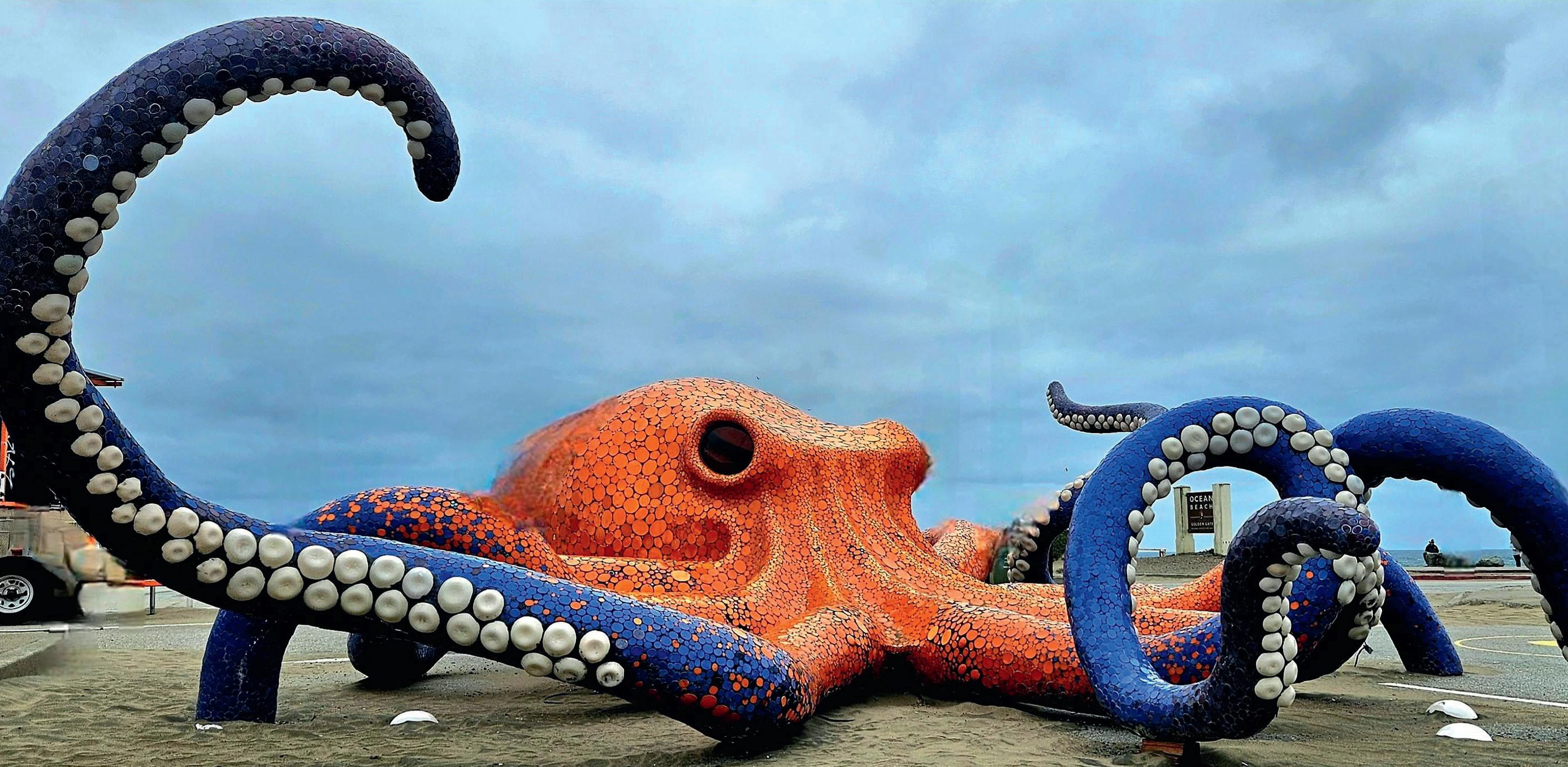
When the Covid-19 pandemic hit, San Francisco leaders went all-in on socially distanced recreation. Within a matter of months, the city established a citywide network of traffic-diverted “slow streets” where pedestrians were invited to walk in the middle of the roadway. The city expanded the regular weekend closure of John F Kennedy Drive, one of the main roads in Golden Gate Park, to seven days a week. In particular, it banished cars from the central portion of the Great Highway through the Sunset District between Golden Gate Park and the San Francisco Zoo.
In 2021, as the pandemic began to recede, the City allowed cars back onto the Great Highway on weekdays, while retaining the weekend closure. But the ocean had other plans. In the spring of 2024, city officials determined that the section of the Great Highway south of the Zoo, which was never previously closed for recreation, would have to permanently shut due to erosion that was affecting the city’s wastewater treatment plant. This would significantly reduce the rest of the road’s usefulness as a transportation artery, eliminating a direct connection to San Mateo County, south of the city.
“Mother Nature gave us a lemon in that extreme coastal erosion was closing the southern section of the Great Highway no matter what,” said Joel Engardio, a member of the San Francisco Board of Supervisors. “That raised the question of what, then, to do with that middle section of the highway.”
Such is the setting for Sunset Dunes, San Francisco’s newest park. Until April 2024, this two-mile long, 55-acre space was known as the Great Highway. It was one of the most scenic drives in a city famous for them, rising above Ocean Beach on one side and nauticalthemed houses on the other. The City permanently banned cars from a scenic oceanfront roadway to create Sunset Dunes Park. The change has brought out big crowds — and plenty of controversy.
This stretch of road, a stone’s throw from the Pacific Ocean, was the domain of speeding vehicles. Now it’s populated by walkers and bikers and a giant octopus. The highway’s sudden transformation into a park is the latest and most conspicuous payoff of San Francisco’s pandemic-era efforts to carve out car-free spaces for recreation and community life.
To its supporters, the new park demonstrates how progressiverun municipalities can create transformative civic improvements quickly and cheaply at a time when budgets are tight. To its detractors, Sunset Dunes is yet another inconvenience imposed upon motorists by the city’s escalating “war on cars” and a threat to residents of nearby blocks who must now contend with an increase in cut-through traffic. “There’s a public trade-off,” says Lucas Lux, the leader of the nonprofit Friends of Sunset Dunes, who lives three blocks away. “Can you drive on the next parallel arterial for a few minutes longer a day in exchange for opening
the coast to yourself and everybody else in the city to enjoy?”
The four-lane former highway, divided by a median strip of ice plant and other coastal vegetation, is now demarcated into two zones by stencilled markings on the ground. The inland side is a “shared” space, meant for people biking or jogging at a healthy pace; the ocean side is a “slow” space, for kids and pedestrians. But even the light touch amenities installed so far, which cost under $1 million, give the ex-highway a recognisably park-like feel. Already, the space has become the third-most-visited park in the city’s portfolio. The quick work by city staff and volunteers to transform this space is living proof, Lux said, that “blue cities can still do ambitious projects.”
Transforming the highway into a park was fairly straightforward. Due to a quirk of San Francisco history, wherein the city’s Recreation and Parks Department has owned the land underlying the Great Highway since the 1870s. SF Rec and Parks, working closely with the nonprofit Friends of Sunset Dunes, began developing plans to activate the park with temporary amenities. Now complete, at least in its initial form, the park is organised around three nodes of activity, roughly equidistant from one another, featuring reclaimed wood benches, skate parks and plenty of kid-friendly interactive art. Even during its weekend closures, “people knew this as a space to move through. You’re jogging, you’re walking, you’re biking,” Lux said. “We wanted to create invitations to stop and linger.”
Wayfinding is another important part of the design scheme. Wooden signs at major intersections point the way to nearby businesses — an effort to leverage the crowds of visitors for local economic benefits.
Andytown Roasters, a coffee shop with three locations close to the new park, saw customer traffic increase by more than 20 percent year over year in April, according to co-founder and chief executive office Lauren Crabbe. “We’re fortunate because our business is very compatible with a park,” Lauren claimed. “I’m sure other business owners will have different experiences.”
Increased traffic and travel times are the biggest concerns among park opponents, as roughly 20,000 daily car trips are shifted to other routes. The San Francisco Municipal Transportation Agency is planning to release updated traffic counts this summer after all the planned signalling improvements are installed along parallel roads and drivers have a chance to get used to them.
In April, the San Francisco Standard interviewed commuters who said their trips had increased by as much as 15 minutes each way because of the road closure, as well as others who noted no change at all. Residents living on the quiet residential streets immediately adjacent to the former highway reported increases in traffic, though they characterise its severity differently.
Phil Ginsburg, SF Rec and Parks GM, lives in the Sunset District. He thinks there’s a “little bit more angst” about the park. “More fundamentally, it’s about, do we fight harder to hold on to the past? Or do we fight harder to create a better future?”
Special events are drawing big crowds to Sunset Dunes. An April Easter Egg hunt brought out 10,000 attendees. This summer, the park will play host to the city’s 4th of July parade — an event not previously celebrated in San Francisco. This Halloween will mark the 5th annual Great Hauntway trick-or-treating party, which has attracted thousands of kids to the space in previous years.
Rec and Parks is working quickly to install new park amenities such as water fountains and wild-life friendly trashcans, vista points, gathering spaces, public art, new signage and recreational elements. These interim projects will support the recreational use of the new park and esplanade to ensure that these are swiftly and effectively implemented.
* This article has been extracted and integrated from various news reports.
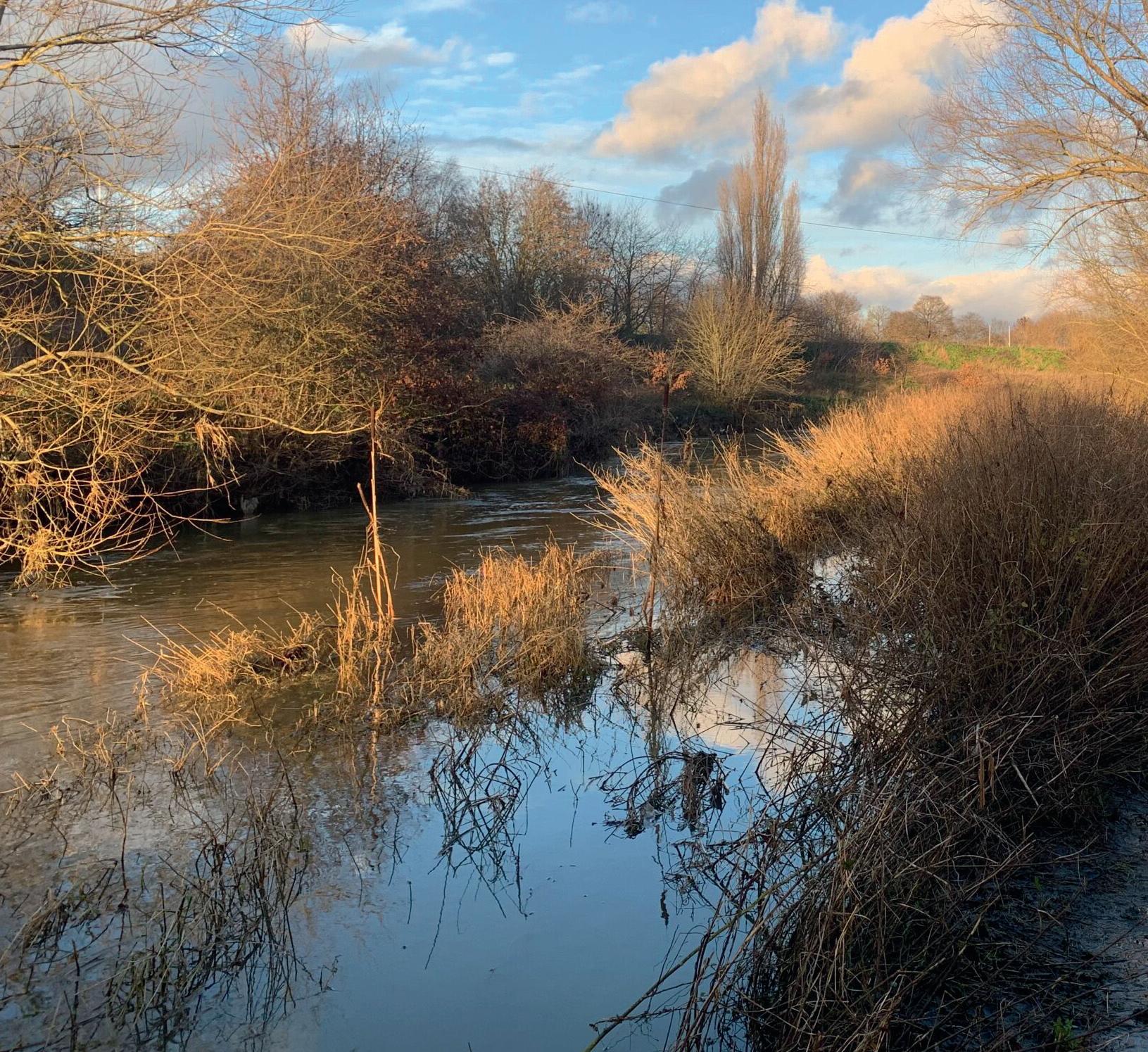
WORDS THAMES21
Organised by the London Rivers Week Steering Group on behalf of River Partnerships in London (RiPL), London Rivers Week, now in its ninth year, ran from Friday 30 May to Sunday 8 June 2025. And this year’s event was bigger and better than ever!
London Rivers Week is a week-long annual campaign inspiring the public to celebrate all of London’s rivers and the many projects taking place to protect them. All events were free and included guided walks, talks and cultural events. The theme this year was on access to nature and good quality blue and green spaces: quality rivers for all
London’s rivers are an important natural asset, containing iconic species such as brown trout, kingfishers and water voles. They also connect important wildlife sites, bringing nature to the very heart of the city. Unfortunately, recent years have emphasised how fragile our blue

and green spaces are in the face of pressures such as climate change and pollution. There will be something for everybody — individuals, families and children. The main aim was to connect communities with their local rivers.
The principal organisations running London Rivers Week are the Environment Agency, Thames21, South East Rivers Trust, London Wildlife Trust, ZSL, CPRE London, and the Thames Estuary Partnership. In addition to these organisations, many other groups run and contribute to events, walks, talks and seminars to demonstrate the value of our rivers.
London’s rivers have benefitted from an impressive transformation of around 62km of waterways restored since 2000 through initiatives such as wetland creation and reedbed installation. River restoration initiatives include projects such as adding wood material to a river to “naturalise” it, removing concrete barriers from its banks, or reconnecting
a river to its floodplain. Dedicated London volunteers have been crucial to the delivery of many of these projects.
The city’s rivers are havens for wildlife and people, but they also face great challenges, including regular discharges of untreated sewage, run-off from busy roads and increasing plastic pollution. In this critical era of climate and biodiversity crises, the need to restore and enhance local rivers and reinstate their natural functions has never been more urgent. Healthy rivers are not only biodiversity hotspots they also play a vital role in reducing the impacts of climate change.
The rewilding efforts benefit the environment and communities, through collaborative projects such as Rewilding the Rom, which reconnected the River Rom in Dagenham, East
London, to its floodplain and created a new wetland for people and wildlife to enjoy. In addition, the River Ravensbourne in Bromley underwent the installation of cobbles and gravel on its riverbed to enhance fish passage within the waterway.
Chris Coode, CEO at Thames21, states: “London Rivers Week is more than a celebration, it’s a platform to showcase the remarkable restoration efforts underway across the capital. While it’s vital to continue addressing pollution and sewage issues, the festival spotlights the innovative solutions and many benefits these projects already bring to both people and nature. We want to inspire hope and drive action, encouraging Londoners to connect with and protect their local blue spaces. We invite everyone to get involved in the many exciting events taking place throughout the week [each year].”
Thames21’s vision is to put healthy rivers at the heart of community life, and is taking a four-pronged approach to get there. It claims: “Through our education programme, we are empowering people. Our environmental enhancement work is transforming rivers. And our pioneering research and advocacy work is paving the way for sustainable change. All of this is achieved with the direct engagement and support from a wide network of dedicated volunteers.”
1. Environmental improvements that transform | We help communities reclaim their rivers through rewilding projects that improve river banks access, increase biodiversity and beautify waterways. We help clean rivers and reduce urban flooding by creating rainscapes and reedbeds. And we wouldn’t be Thames21 if we didn’t work alongside local communities to organise regular clean-ups where we transform a river in just a few hours.
2. Education that empowers | Our education programme teaches schoolchildren, individuals and communities of the value of our river networks. We are nurturing generations of people through accredited trainings, school outreach, outdoor classrooms and informal community education, supporting and enabling the collective to become future guardians of our waterways.
3. Pioneering research that influences | Coupling the latest technology with tried and tested methods of data collection puts us in a robust position to understand the health of our rivers. In partnership with Brunel University, we have launched a trailblazing project that will use remote controlled boats to survey the water quality of our rivers in hard-to-reach locations. Meanwhile, our citizen science programme is making valuable contributions to science by helping us better understand the health of the Thames through water quality testing as well as litter monitoring, analysing the types and quantities of litter, which helps us tackle the sources of litter that are reaching the Thames.
4. Advocacy that energises | We use our solid reputation to influence meaningful change for communities and waterways; advocating for rivers and communities at a senior level. We partner on key campaigns to galvanise change such as cutting plastic pollution in our rivers. We contribute to policy and advisory groups that introduce effective and sustainable measures such as Break The Bag Habit, and host and bring together many catchment partnerships across London that collaborate to share ideas and best practice.
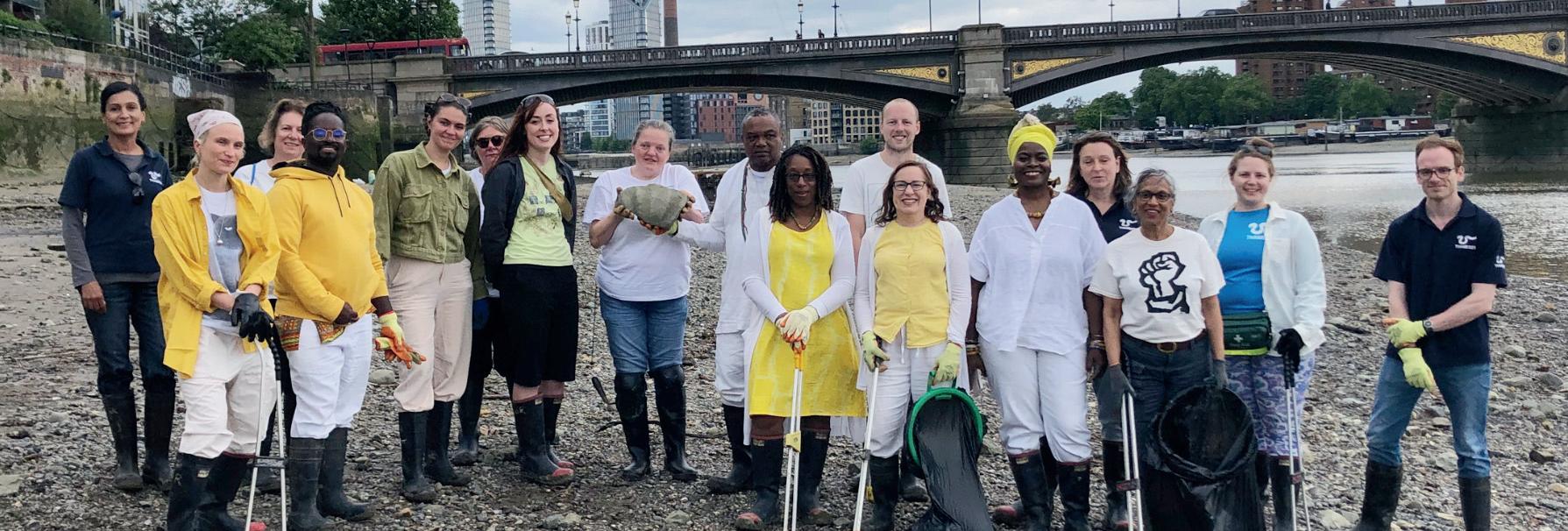
WORDS RICHARD J DOLESH, VICE PRESIDENT OF STRATEGIC INITIATIVES FOR NRPA (RETIRED) AND EDITOR-AT-LARGE FOR PARKS & RECREATION MAGAZINE
Whether we call it climate change or adopt a euphemism to call it something else, the rapid pace of extreme weather events and long-term stresses from climate change are forcing park and recreation agencies to do a much better job planning and budgeting for singleevent disasters and the long-term impacts of climate change.
The devastation caused by the recent back-to-back hurricanes Helene and Milton in Florida and other Southern and mid-Atlantic states has solidified a growing realisation that no areas of the country are safe from the effects of extreme weather. Climate catastrophes like torrential rains, windstorms, wildfires, drought and extreme prolonged heat can happen anywhere, even hundreds of miles from the events that cause them.
Climate-aggravated weather events and long-term climate change stresses present a grave challenge to parks and recreation, while at the same time offering agencies opportunities to adapt to changing conditions and to mitigate climate-change conditions through strategic planning and proactive actions.
Kelly Bohrer, sustainability manager for Five Rivers Metroparks in Dayton, Ohio, says, “I am seeing an exponential increase in concern regarding climate change and considerations of actions to address climate change, engage in climate-change mitigation, and view parks as essential to climatechange adaptation and resilience for communities across the US.”
Parks and recreation provide a free or very low-cost homegrown path in every community to age-appropriate
activities that can lead people to forge deeper connections to others that truly do lead to positive social interactions. Seeking to solve the epidemic of loneliness is a trend that will come to the fore in 2025 and provide lasting opportunities for public parks and recreation to contribute meaningfully to solving the growing problem of social isolation and loneliness, now and for years to come.
NRPA Director of Programs Allison Colman says, “We have been framing much of our work around the power of parks to build social and intergenerational connectedness and relationships across differences.” She notes that the Surgeon General’s report calls for the need to invest in social infrastructure and names parks and community centres as an excellent way to address isolation and loneliness. “We expect this to be a growing area of focus for our work moving forward, as we know that parks and recreation has a unique role to play!”
RECREATION PROGRAM TRENDS: SWIMMING AND AQUATICS
Even though many public aquatics facilities are having difficulty in recruiting and retaining lifeguards, developing opportunities for public swimming is an increasingly important priority for public park and recreation agencies. Extreme heat in urban heat islands and a lack of public swimming pools in underserved communities have contributed to the urgency.
New York State is leading the way in innovative approaches to improving and expanding opportunities for public swimming. Among the galvanising ideas stimulating public interest is the design of a floating water-filtering public swimming pool to be placed in the Hudson River near Pier 35 in the Lower East Side of Manhattan.

Short mat bowling? Walking soccer? Kathy Ballantyne, director of facilities and services for County of Brant in Ontario, Canada, says that the baby boomers who are retiring in waves in Ontario are active and energetic and looking for new activities to add to their traditional older adult programs, such as community dances, adult skating, forest tours, Bee City pollinator initiatives and trail clean-ups.
But you’ve got to love short mat bowling and walking soccer. Both are played indoors on turf or a carpet-like mat. Short mat bowling is played with large balls — bigger than bocce balls — on a pre-marked mat 45 feet (13.7m)

long by six feet (1.8m) wide. Unlike in traditional lawn bowling, a block of wood can be placed at the middle line to make it a smidge harder to roll balls directly towards opponents’ balls. Walking soccer is just like it sounds — no running and no contact. Rather like soccer in slow motion, don’t you think? Teamwork and camaraderie matter more than agility and speed in walking soccer. “Both of these sports are creative and lots of fun for seniors,” says Ballantyne.
John McGovern, principal-in-charge of the accessibility practice for the WT Group, an engineering consulting
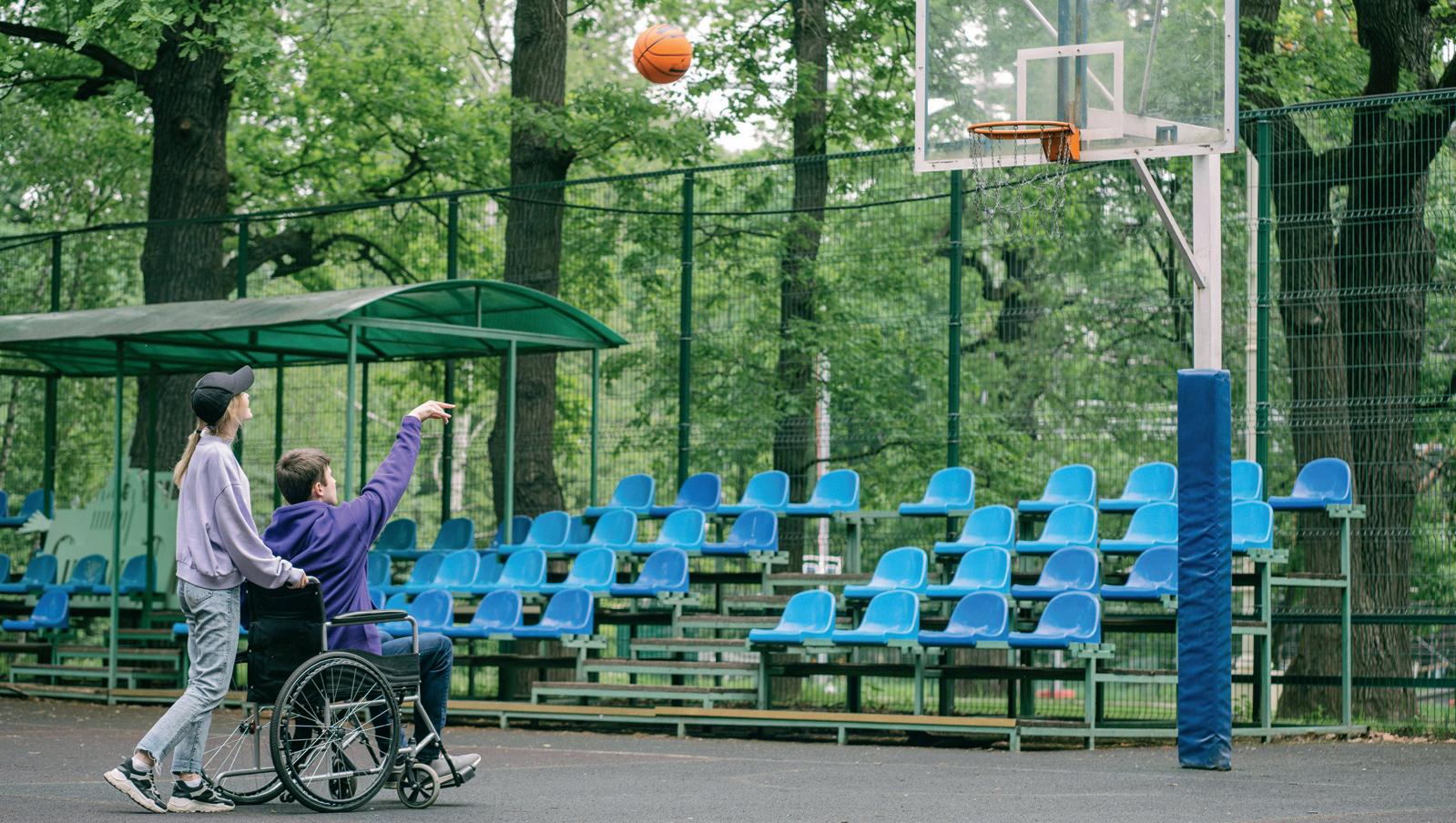
firm near Chicago, says that he was gratified to learn at the 2024 NRPA Annual Conference in Atlanta of a number of agencies that are newly kicking off community-based therapeutic recreation programs, adaptive sports programs and specialised recreation programs. While some agencies have been doing these types of programs for decades, he was pleased to learn of all the new startups in therapeutic recreation.
At the Charleston County (South Carolina) Parks and Recreation Commission, Mark Madden, assistant director of recreation, says that they are growing their range of adaptive and inclusive recreation programs, including Wheel to Surf (inclusive and adaptive surfing), Adaptive Climbing Day, Inclusive Swim Nights, Silent Disco and Inclusive Santa. “A key to success,” he says, “has been providing transportation for participants who need it.”
Arts programming is flourishing. Park and recreation agencies are in the vanguard of bringing vibrant visual and performing arts to their communities. As the pandemic receded, arts programming has been resurgent. Across the country, business leaders, developers and civic leaders have realised the value of community-based arts programming in placemaking and revitalisation.
The implications for parks and recreation are profound. The most significant impact will be that promoting recreation programs and events will migrate to mobile platforms much more quickly because it will become much easier,
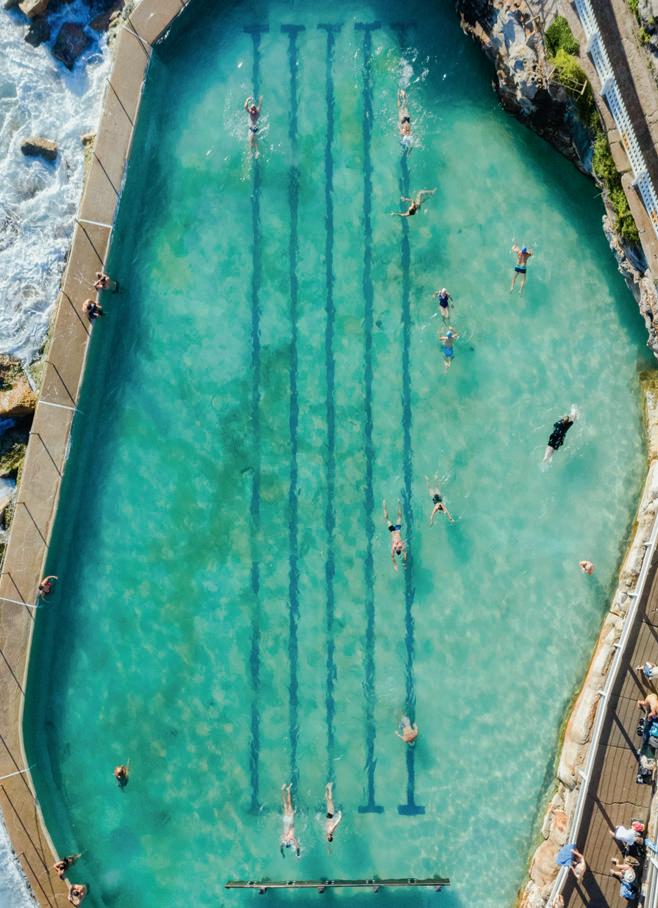
cheaper and faster to do. It also means that the printed recreation class program distributed to residents will be going the way of the dodo sooner than you think.
According to a report in Pest Management Science, CyberDogs paired with an AI model can ferret out colonies of Red Imported Fire Ants three times better than human observers. Red Imported Fire Ants are a globally destructive species that is found in 13 states throughout the South and Southwest. If CyberDogs can be programmed to find and identify fire ants, could they also be programmed to find and identify other invasive and destructive species? Perhaps they could be programmed to carry and apply herbicides on noxious weeds.









SYT0072_GreenCast_Halfpage_v1-1.indd 1
SYT0069_Halfpage_Ads_v1-2A.indd 1




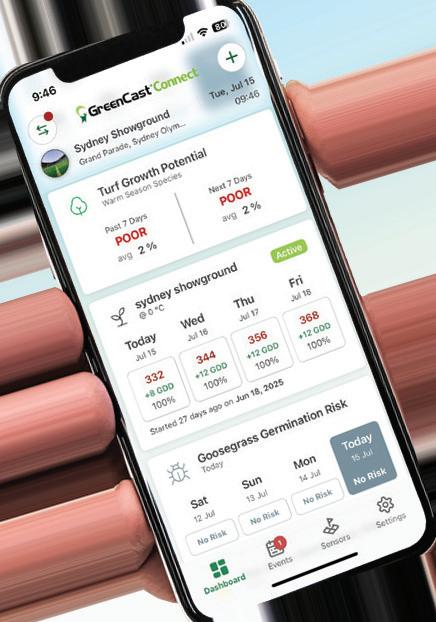





WORDS EXTRACTED FROM BBC AND CITY OF LONDON REPORTS
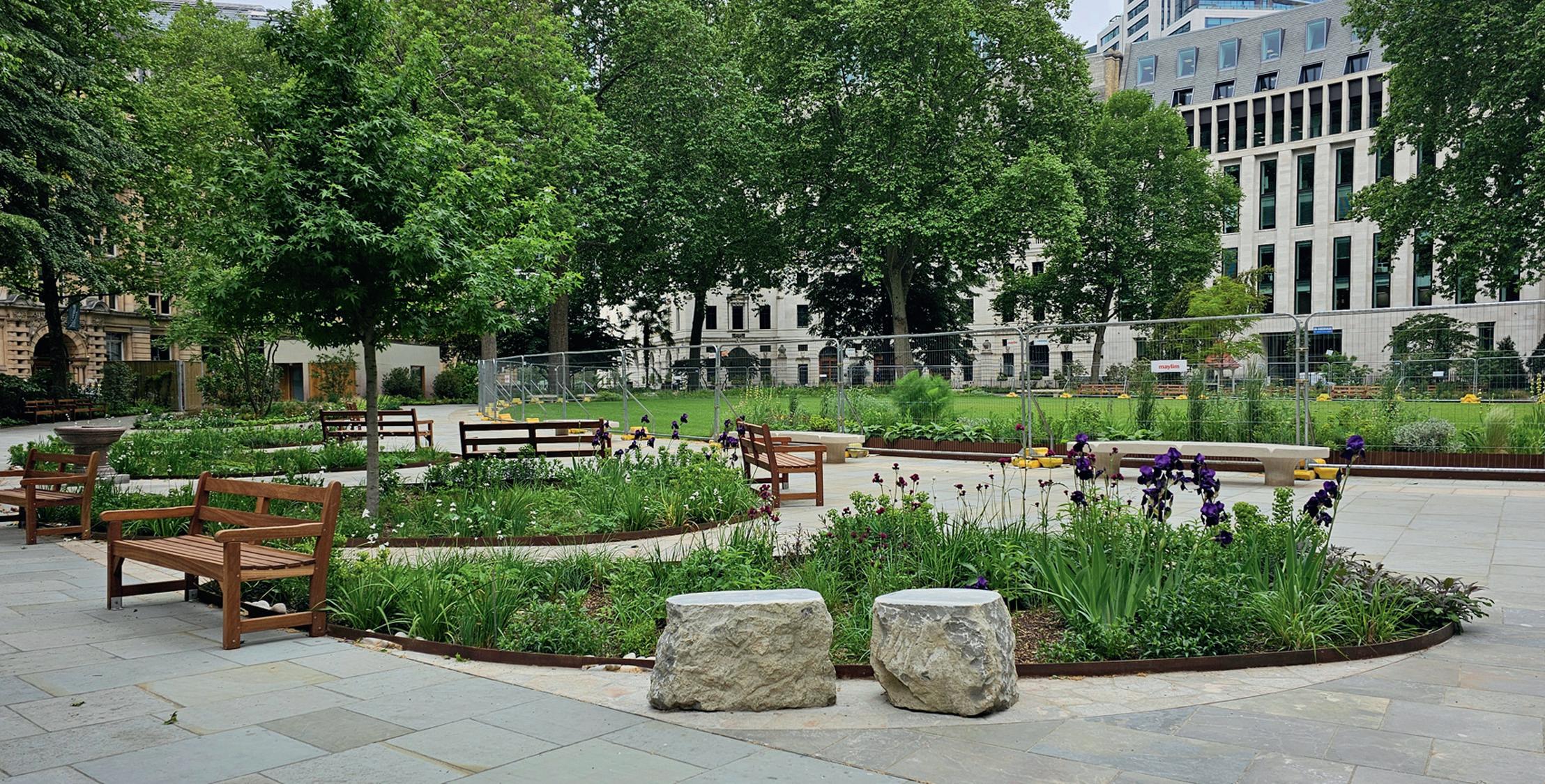
London’s first public park has reopened after a decade largely spent as a building site for the construction of the Elizabeth line. For most of the past 10 years, Finsbury Circus Gardens has been closed to the public while it was used by Crossrail to build the nearby Liverpool Street Elizabeth line station.
The extensive closure, which began when Crossrail operations required the gardens as a construction staging area for the Liverpool Street Elizabeth line station, initially appeared to be a devastating blow to the Square Mile’s limited green infrastructure. However, the City of London Corporation seized this disruption as an opportunity for comprehensive improvement rather than simple maintenance.
The park, which holds the distinction of being the capital’s inaugural public greenspace, has undergone a comprehensive regeneration program that goes far beyond simple restoration. It has been the focus of a major transformation project by the City of London Corporation since 2023, with
the Grade II listed site’s lawn revitalised, seating improved and landscaping added. The largest open greenspace in the Square Mile, it has had 12 additional tree species, more than 13,000 plants and 6,000 bulbs added to its site to boost biodiversity, creating a habitat for birds, bees and bats, as well as making it an appealing space for humans, away from the nearby skyscrapers and constant Moorgate traffic.
Chris Hayward from the City of London Corporation emphasised the park’s renewed role as a “tranquil” space that has been “revitalised and ready to be rediscovered,” highlighting how the restoration balances peaceful recreation with environmental responsibility.
The site’s remarkable journey began in the 1600s when it first welcomed public visitors as Moor Fields transforming what was once marshy terrain into London’s pioneering experiment in accessible greenspace. The formal design elements visitors recognise today were implemented by renowned architect George Dance the Younger in 1815, establishing the

geometric layout that has defined the space for more than two centuries.
This historical significance makes the recent restoration particularly poignant, as the park represents not just a recovered greenspace but a restored piece of London’s urban development heritage.
After spending the better part of a decade buried beneath construction equipment and safety barriers, London’s oldest public park has made a spectacular comeback, with significant environmental enhancements and restored Victorian-era charm.
Hayward claims: “Our greenspaces play a vital role in making the Square Mile a welcoming and attractive place to live, work and visit, delivering on our vision for a more inclusive, innovative, and sustainable City.”
The corporation’s natural environment board chairperson, James St John Davis, notes the Square Mile’s parks and gardens, which attract over 21 million visits a year “truly punch above their weight,” adding “they offer a vital escape from the bustle of daily life.”
A large central lawn is surrounded by flat, wide pathways and seating in the form of many benches, which will no doubt be popular with workers from nearby offices during sunny lunchtimes. The restoration prioritised ecological enhancement, reflecting modern understanding of urban greenspaces as crucial environmental assets rather than merely aesthetic amenities. The introduction of 12 additional tree species represents a deliberate strategy to increase habitat diversity and strengthen the park’s resilience against climate challenges and urban stressors.
The garden’s role as the largest open greenspace in the Square Mile makes this restoration particularly
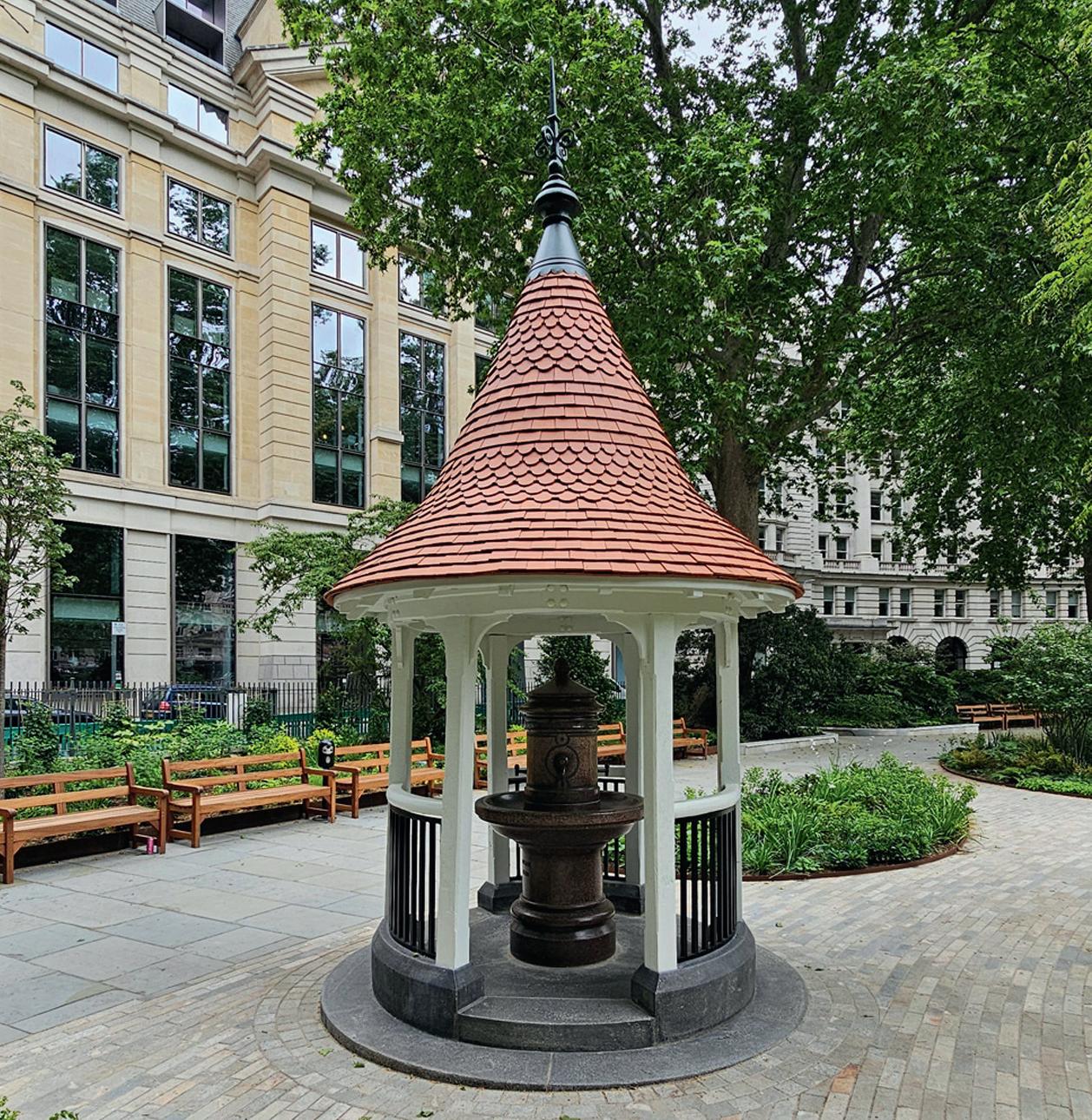
significant for workers, residents and visitors seeking natural environments within one of the world’s most densely developed financial districts.
The park’s return follows a carefully planned timeline. This staged approach allows for final adjustments while providing immediate access to a community that has waited nearly a decade for this greenspace to return.
The timing coincides with increased recognition of the importance of urban greenspaces for reasons of mental health, environmental sustainability and
community wellbeing factors, which have gained public prominence since the original closure began.
The transformation of the park also demonstrates how major infrastructure projects can serve as catalysts for environmental improvement, rather than being viewed merely as sources of temporary disruption. The Corporation’s approach of using construction necessities as opportunities for enhancement offers a model for other urban areas facing similar challenges.
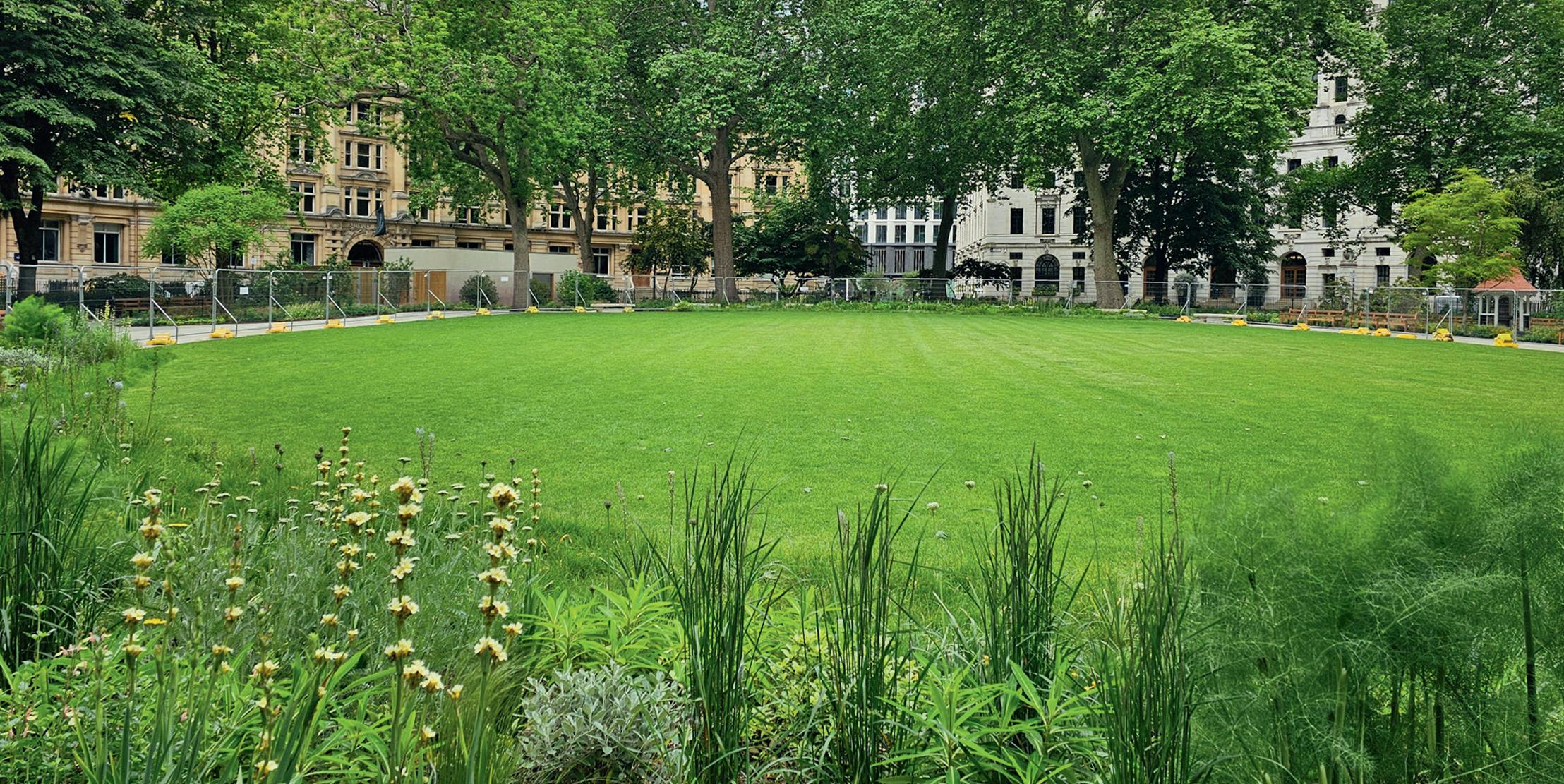
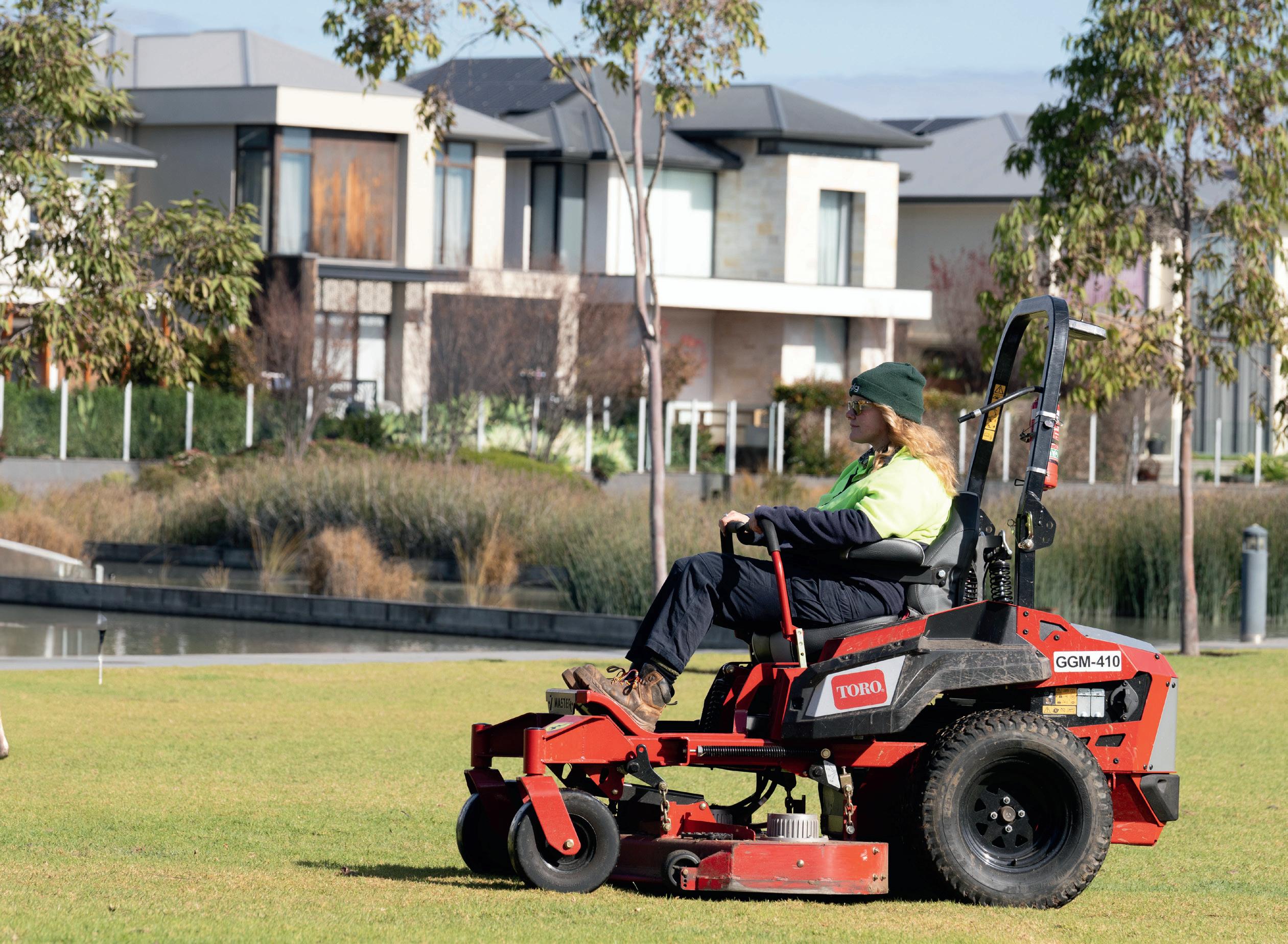
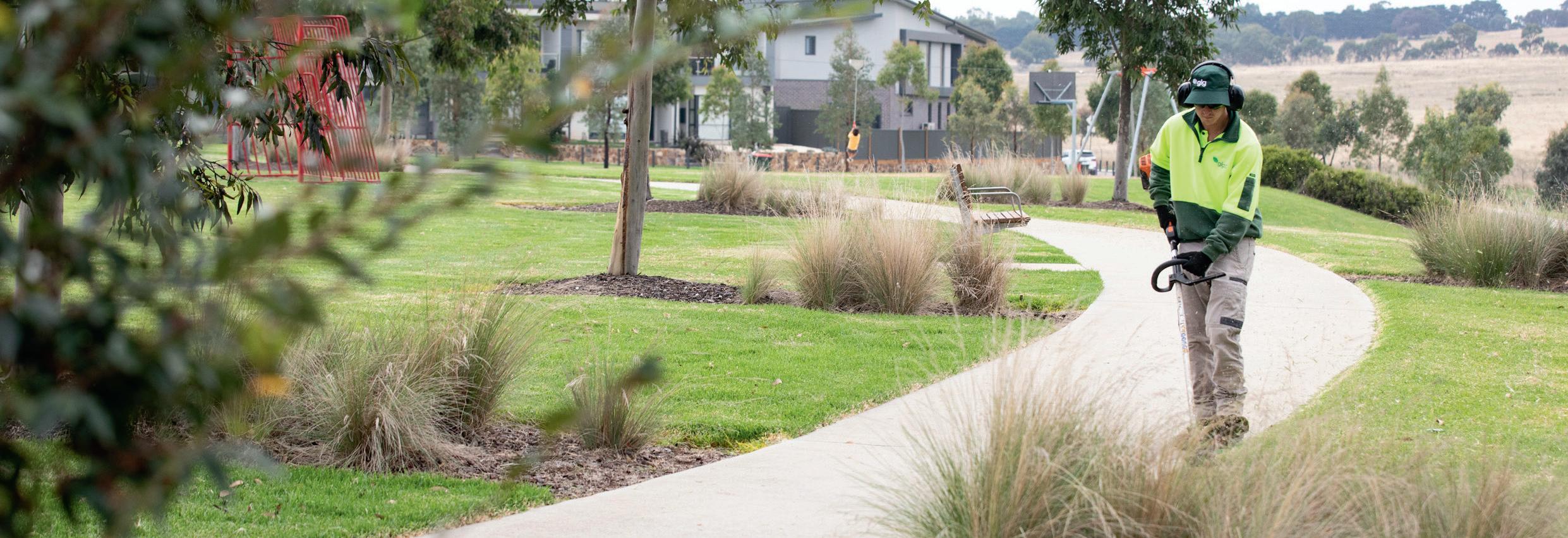
WORDS LOUISE VENNELLS, UNIVERSITY OF EXETER, UK
Anew centre focused on delivering research on climate change and its impacts on health that will address climate/ environment/health inequalities across each life stage is being created by the University of Exeter. Together with the UK Health Security Agency (UKHSA), the National Trust, Forest Research, the Met Office and other partner organisations, the £10m Centre for Net Positive Health and Climate Solutions is funded by UK Research and Innovation (UKRI). The centre will focus on finding net positive solutions to the well-established negative impacts of the climate crisis and associated environmental changes in human health.
This new centre will be based at the University of Exeter. From biodiversity loss to water scarcity and food supply chain disruption, climate change is having direct and indirect effects on human health, including nutrition, mental health and diseases. This centre will gather evidence and develop solutions to address the challenges.
From heatstroke to the link between air pollution and heart disease, the increased likelihood of new pandemics as well as understanding and mitigating against these negative effects is of vital importance. It will also seek to ensure that any new measures don’t exacerbate existing inequalities among communities most impacted by climate change.
From its hub in Cornwall, with staff across the UK, the centre will contribute to scientific advances, policy advice and innovation to reduce the negative health impacts of climate change while maximising the benefits of research.
Professor Tim Taylor, who leads the Centre for Net Positive Health and Climate Solutions, explains: “Climate change is having major impacts on our health — whether that’s directly through heat-related illnesses or infectious diseases, or indirectly through our food systems. Ecosystems play a critical role in mediating these impacts. Through
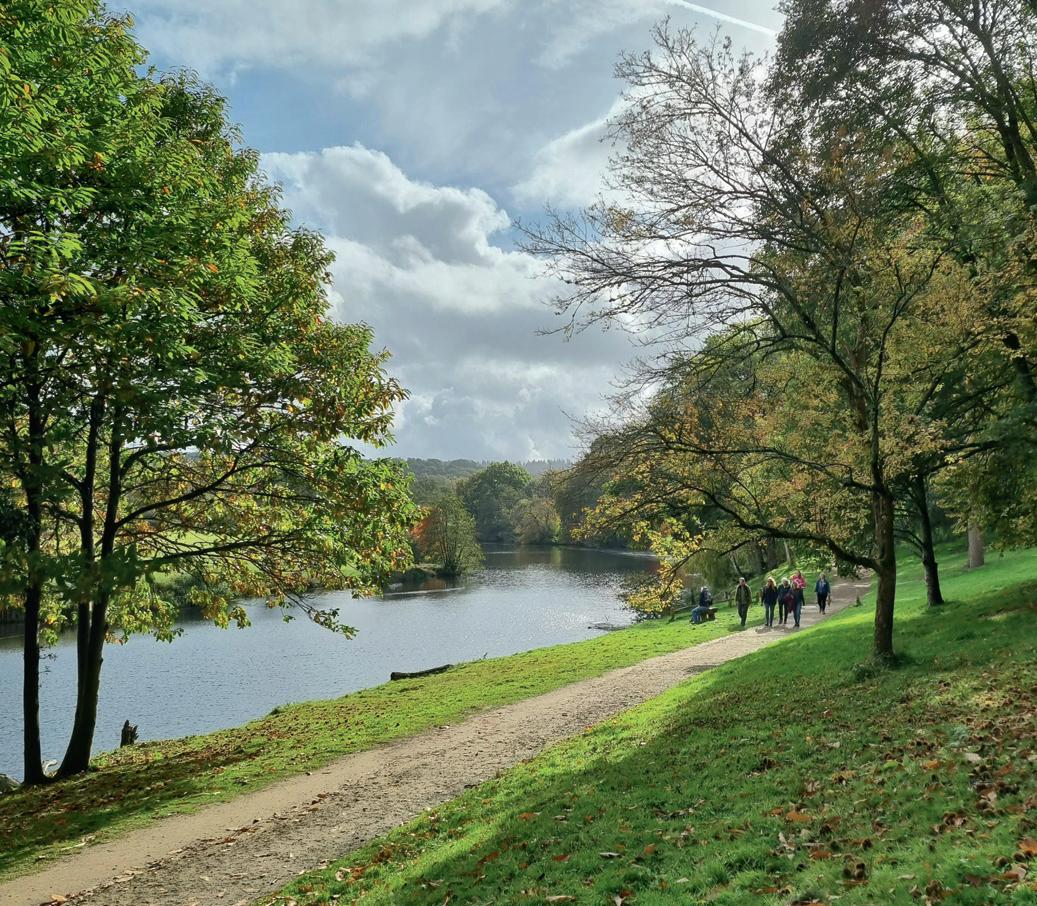
better design of our urban spaces, our green and blue spaces, or through food systems, we can reduce greenhouse gas emissions and better respond to emerging health threats. The Centre will gather evidence on emerging risks and opportunities, work with communities to create responses and inform policies to improve the health and wellbeing of communities across the UK and beyond.”
Professor Lisa Roberts, Vice Chancellor of the University of Exeter, added: “We are delighted that UKRI has chosen the University of Exeter to lead this vitally important research. It is a testament to the globally recognised expertise of our teams. The centre will unite researchers from our well-established European Centre for Environment and Human Health with those across disciplines such as humanities, computer science, epidemiology and more. Importantly, it will build on our partnerships with UKHSA, Forest Research, the National Trust and Met Office to ensure real world impact and solutions that make a difference to people’s lives.”
From a PhD investigating the links between thunderstorms and asthma to analysis of mental health and climate linkages, the scope of work will be wide ranging, engaging with the public and policy makers at all levels and demonstrating why climate change is a public health issue.
Professor Isabel Oliver, Chief Scientific Advisor, UKHSA, said: “As our Health Effects of Climate Change report shows, the evidence is clear, climate change is not solely a future health threat. Health impacts are already being felt everywhere, and these risks will accelerate over the coming years. That is why research of the kind that will be conducted through this new centre is so crucially important, and why the UKHSA Centre for Climate and Health Security will work with University of Exeter and other academic partners to make sure
that we can best protect health in the context of our changing climate. There are significant opportunities for solutions that can help to combat climate change, manage its impact and improve health. The decisions we make today will determine the severity and extent of climate impacts inherited by today’s youth and their children. It’s vital that those decisions are based on the best possible evidence.”
Professor Rosie Hails, Director of Science and Nature at the National Trust notes: “We are seeing the impacts of climate change across our landscapes with more frequent flooding events, storms uprooting trees, drought and high temperatures baking the land and disturbing and disrupting wildlife. The Trust is making interventions at scale in both urban places and the countryside, on our land and in the wider landscape with partners, to help alleviate the impacts of climate change and deliver benefits for people and wildlife. Working with our partners in this programme will facilitate evidence-led approaches, while at the same time our interventions can contribute to that evidence base. For example, our work in urban places will explore how to improve built, green and blue infrastructure in ways that will deliver multiple benefits for people and reduce inequalities.”
Liz O’Brien, Social Scientist at Forest Research, claims: “Forest Research is a UK leader in social research examining the relationship between people and treescapes. This is an exciting interdisciplinary research project. Our contribution will be undertaken on behalf of the GB-wide Natural Environment Social Research Network, which also includes Natural England, Environment Agency, Natural Resources Wales and NatureScot. Through exploring solutions to the challenges of climate change for people’s health, the network aims to contribute a better evidence base that will inform policy and practice.”


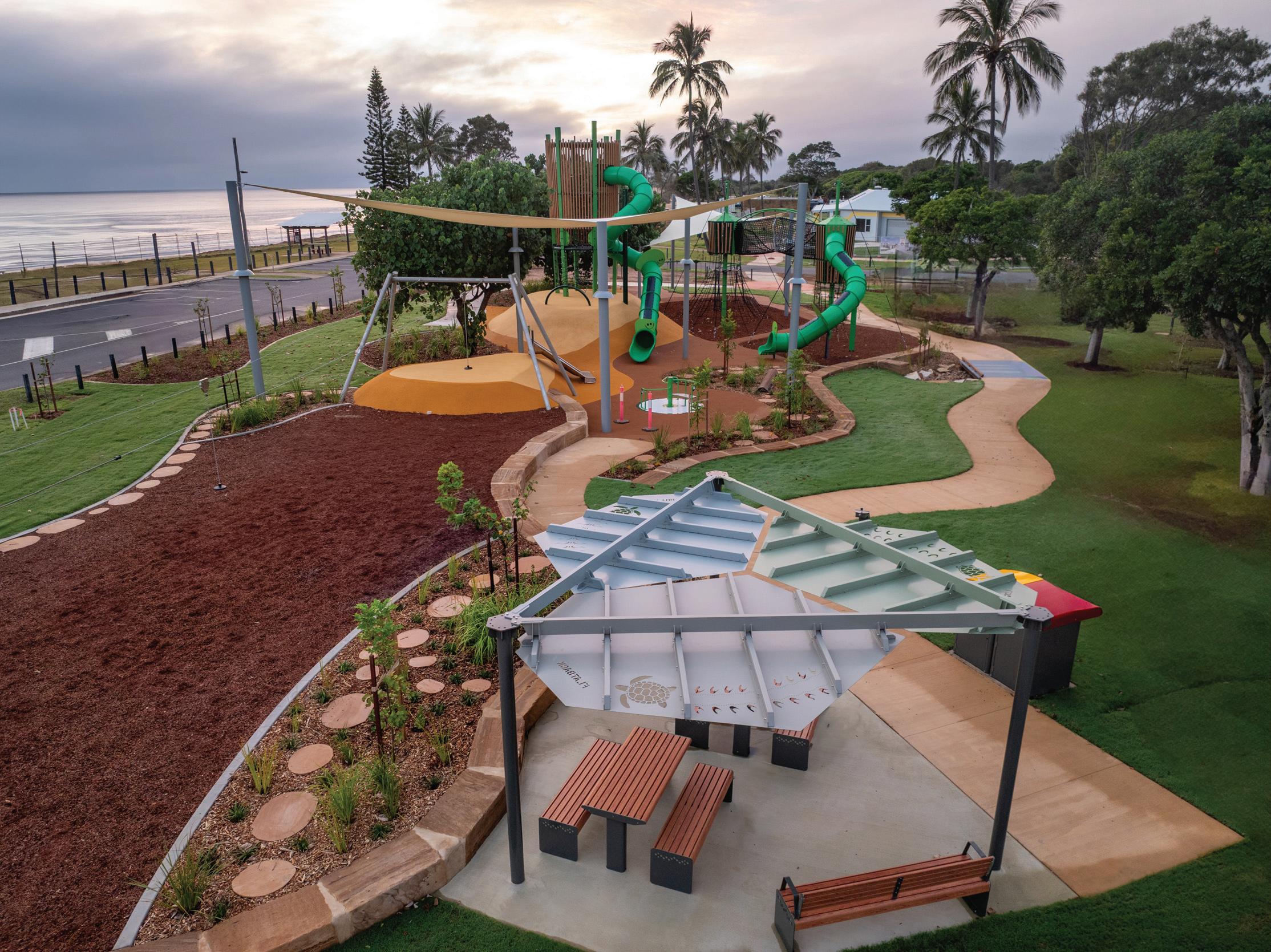
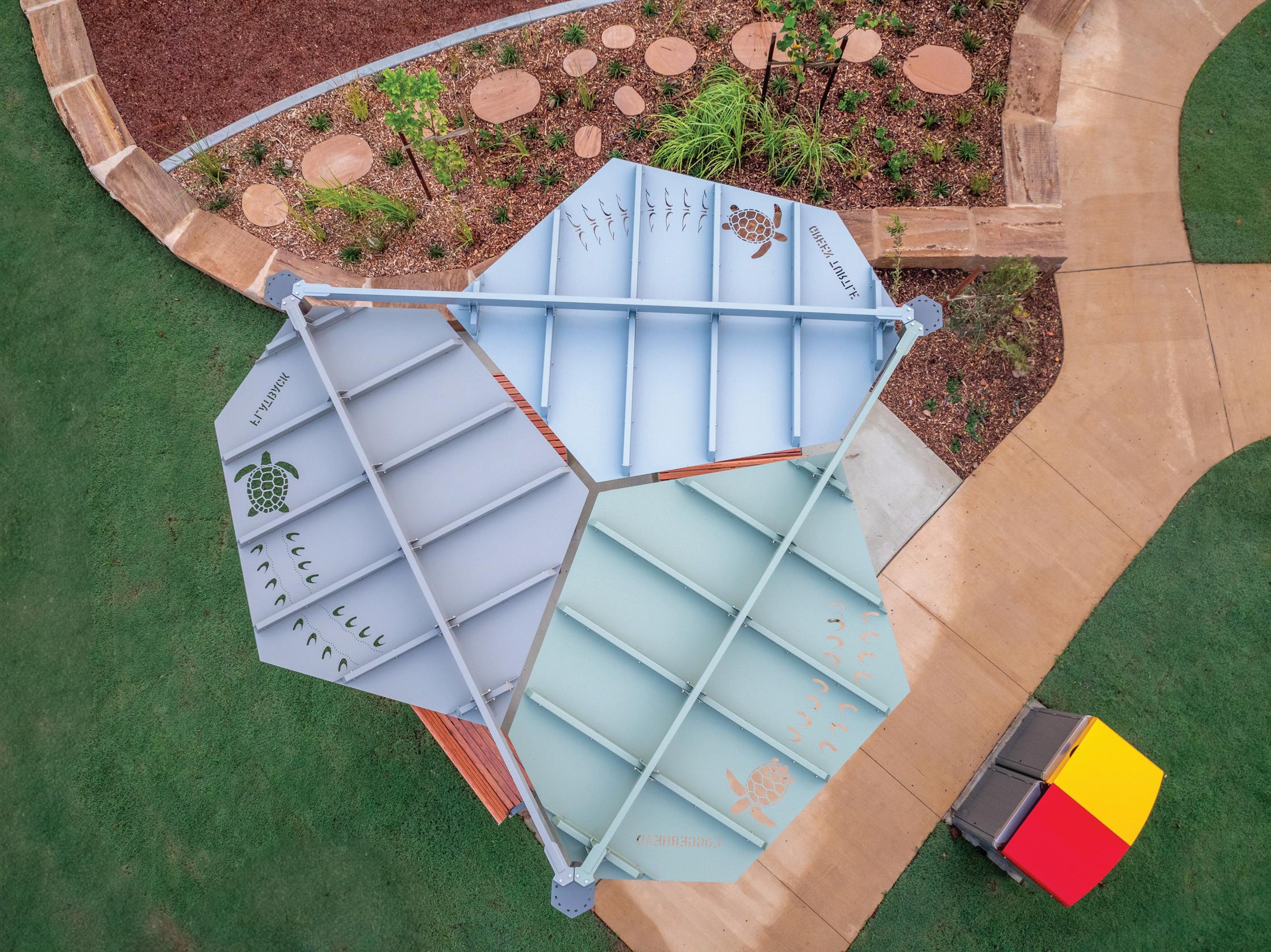
WORDS DR SAM HUGHES, SENIOR LECTURER (PAIN NEUROSCIENCE), UNIVERSITY OF EXETER & ALEXANDER SMITH, PHD RESEARCHER, UNIVERSITY OF PLYMOUTH SCHOOL OF PSYCHOLOGY, UK
Spending time in or around nature can provide people suffering from chronic lower back pain with a degree of escapism that helps them better manage their physical discomfort, a new study has shown.
The research, published in The Journal of Pain, is the first of its kind to ask people experiencing chronic lower back pain (in some cases for almost 40 years) about the role nature plays in any coping strategies they employ to help manage their condition.
The study, conducted by experts in pain management and environmental psychology at the University of Plymouth and University of Exeter, was based on interviews with 10 people who had experienced chronic lower back pain for between five and 38 years.
Researchers found that people able to get out in nature said it enabled them to connect with others on a social level, otherwise they might otherwise spend the majority of their time indoors and isolated. It provided them with a degree of distraction from their pain and a sense of escapism from their daily
lives. They also enjoyed the opportunity to exercise in pleasant surroundings, preferring it to gyms or similar settings.
In addition, interviewees said that natural features such as fresh air and the sound and visual presence of water helped give them a feeling of tranquillity that relieved the stresses and anxieties created by their pain levels.
However, participants did have concerns about the accessibility of some spaces, with factors such as unsteady or uneven terrain and a lack of seating having the potential to reduce their enjoyment of certain places, making them less inclined to visit those places.
Based on their findings, the researchers have recommended that people with chronic lower back pain, and the clinicians treating them, give greater consideration to the role nature can play in their health and wellbeing. They have further suggested natural spaces could be adapted to incorporate more accessible design features.
The researchers are also working with people with varying forms of chronic pain to develop and test virtual
reality innovations that may enable them to experience the benefits of being in nature on occasions where they can’t physically access them.
This research follows previous work highlighting the benefits of nature in fighting stress and promoting mental health. Another study showed that exposure to nature can regulate the sympathetic nervous system in as little as five minutes. Mindfulness-based therapy has also been shown to be effective.
“This means that we can get an almost immediate benefit from stepping outside,” Mayo Clinic nurse practitioner Jodie Smith explained. “Doing so on a recurrent basis may prevent cumulative effects from stress, which could mean a lower risk for chronic disease, illness and mortality.”
However, people with chronic back pain may need to be more cautious when heading out on a hike.
Lead author, Alexander Smith, a PhD researcher in the University of Plymouth’s School of Psychology, said: “Lower back pain, like many other forms of physical discomfort, can be debilitating, isolating and exhausting. But amid a push for novel and more holistic therapies to treat chronic pain, nature has been suggested as a potential option. Our research showed that those able to get out into nature saw the benefits of doing so, both from a physical and a mental perspective. Simple changes, such as better paths and seating, and technological innovations including virtual reality may help make those benefits accessible to everyone. But we hope our findings open the door to greater exploration of how that might be achieved.”
Dr Sam Hughes, Senior Lecturer in Pain Neuroscience at the University of Exeter and senior author on the study, added: “This study addresses important questions about health equity and the significant physical barriers faced by people living with chronic pain in accessing natural spaces. Many individuals encounter substantial obstacles, including uneven terrain, limited seating or difficulties leaving their homes, making it challenging for them to benefit from the restorative properties of nature. We think that future research could use immersive technologies, such as virtual reality, to help overcome these barriers, which would enable individuals to experience the benefits of nature without needing to physically navigate inaccessible environments. This could significantly enhance inclusivity and accessibility in chronic pain management strategies in the future.”
This edition of Research Connections provides nine articles and documents about research or information based in Australia. All the documents are available for free. A couple of the articles share research about community recreation centres. There are also articles about alternative pursuits (ie. informal sport and esport), two documents about sport turf carrying capacity (thank you Dr Paul Lambie), the 20-minute city, e-festivals and Masters games participation. All the articles may contribute to park and leisure professionals’ understanding of how the latest scholarly research helps them deliver better park and leisure experiences.
OF
ADULTS’ LEISURE-TIME PHYSICAL ACTIVITY IN AQUATIC AND LEISURE FACILITIES (2024)
Authors Michael Butson, Ruth Jeanes & Justen O’Connor
Abstract For older adults, being physically active is positively associated with various health benefits. Despite the positive benefits of leisure-time physical activity, most older adults within Australia do not participate in physical activity at a level to generate health benefits. Aquatic and leisure facilities are important infrastructure for supporting leisure-time physical activity with local governments in Australia investing significant public funds into their development and re-development. Little is currently known regarding the experiences of older adults in these facilities. Guided by a socio-ecological approach and drawing on a qualitative methodology, this study aimed to explore the experiences of older adults (n = 20, M = 73 years of age) using aquatic and leisure facilities to better understand how this setting might be more effectively utilized to support older adult leisure-time physical activity. Multilayered analysis revealed that the social cultural environment including social networks and the behaviour setting including location and having multiple leisure-time physical activity options, assisted in supporting participation. While social norms in the perceived environment detracted from older adult’s experience. Among other
recommendations, aquatic and leisure facilities could consider implementing a comprehensive word of mouth strategy into the marketing framework and generate awareness of the broad social opportunities available.
Published World Leisure Journal, 67(1), 124–144
Download doi.org/10.1080/16078055. 2024.2351077
Cost FREE
Authors Justen O’Connor, Ruth Jeanes, Jonathan Magee, Ramon Spaaij, Dawn Penney & Satoshi Miyashita
Abstract As traditional sport participation stagnates or declines, flexible informal sporting forms are increasingly a focus for those with a vested interest in maximising participation in sport and physical activity. This study critiques existing definitions of informal sport as overly binary, largely unhelpful, and conceptually diffuse. We propose a more nuanced understanding of informal sport that explores participant proximity to the negotiation of practices that come to shape the sporting experience and therefore levels of (in)formality. Drawing on qualitative data from three Australian case studies, we examine how participants negotiate key features of their sporting experience, such as affiliation, environment, scheduling, competition, rules, social relations, and dress. Findings reveal that informal sport is characterised by participants’ proximity to the negotiation of these features, challenging the binary formalinformal distinction. Understanding sport as a spectrum of negotiated practices and decision-making, provides a useful framework for understanding (in)formality. A sport sector that pays attention to the types of negotiations people want to have some control over, whilst negotiating other elements on their behalf, will be well positioned to respond effectively to the changing nature of sport.
Published Journal of Sport and Social Issues, Vol 49, Iss 2-3
Download doi.org/10.1177/019372352
51 321855
Cost FREE
ESPORT SOCIAL CAPITAL: AN AVENUE TO DEVELOP SOCIAL CONNECTION AND SUBJECTIVE WELLBEING (2025)
Authors Carleigh Yeomans, Adam Karg, Ryan Storr, Kasey Symons & David Purser
Abstract Despite the growing interest in esport research, significant gaps remain in understanding the social and wellbeing benefits and outcomes of digital leisure activities. This study aims to adapt and validate the Club Social Capital Scale (CSCS) for esport contexts and explore the relationship between esport social capital, social connection, and subjective wellbeing. Respondents (n = 317) completed an online survey using the CSCS, Social Connection Scale – Revised (SCS-R), and a singleitem measure of life satisfaction. Findings led to revisions of the CSCS for valid and reliable measurement. More ‘active’ participation types, like competitive esport and streaming, significantly predicted social capital, while ‘passive’ types of consumption such as recreational esport and spectating were not consistent predictors. Esport social capital showed significant relationships with social connection and subjective wellbeing, highlighting the importance of fostering social capital in digital leisure. Overall, this research supports how esport can cultivate meaningful relationships and enhance wellbeing outcomes.
Published Leisure Sciences, 1–20
Download doi.org/10.1080/01490400. 2025.2500338
Cost FREE
Authors Evald Iversen & John Tower
Abstract Purpose/rationale: We explore how managers of community recreation centres (CRCs) based in Victoria, Australia, measure the value of their operations and to what extent they work with financial value outputs and public value outcome measurements.
Design/methodology/approach: A multiple case study design was used to gain insights from respondents, including seven CRC managers and three council leisure officers, via semistructured interviews. We use theories with a focus on economic outputs (new public management theory) and on wider community outcomes (public value theory). These theories were used to guide the qualitative analysis. A convenience sample gained insights from ten managers in three geographical settings. Findings: Most CRC performance indicators relate to financial value outputs and reflect the impact of new public management.
CRC managers are aware of the value of assessing public value outcomes, but they have limited understanding of how to assess public value outcomes. Research contribution: We found that the “voice of the managers” provided insights from those responsible for CRC management. The analysis provides insights to support and guide CRC value assessments. The research also reinforces the impact of new public management and public value theories in leisure settings.
Originality value: The research article combines theoretical insights with empirical findings to shed light on the complexities of managing CRCs.
Published Managing Sport and Leisure, 1–15
Download doi.org/10.1080/237504
72.2025.2506617
Cost FREE
BEST PRACTICE GUIDELINES FOR SPORTING FIELDS: A GUIDE FOR CLIMATE RESILIENT PLAYING SURFACES IN NSW (2025)
Author NSW Department of Climate Change, Energy, the Environment and Water
Introduction The best-practice guidelines for NSW sporting fields provides help with (statement from page 5 of the report):
Understanding the science and evidence to improve the planning, design, construction and management of community sporting fields and common limitations.
Flexible, outcomes-focused principles to develop solutions tailored to local conditions while achieving best practice.
Understanding sporting field performance benchmarks, including water use, playability and carrying capacity.
Optimising the performance, resilience and sustainability of sporting fields to meet our social, recreational, environmental and economic outcomes.
Making more effective use of financial resources.
Comparing different sports field construction types, such as perched water table, best practice and hybrids. These guidelines on data from detailed assessments of fields across NSW, including:
Irrigation systems from about 100 sporting fields.
Soil, playing surface condition, micro-climate and sport wear levels from about 2,000 sporting fields.
Published NSW Department of Climate Change, Energy, the Environment and Water (2025). Department reference number PUB24/757
Download water.dpie.nsw.gov.au/__ data/assets/pdf_file/0009/627165/ best-practice-guidelines-for-sportingfields.pdf
Cost FREE
OPPORTUNITIES FOR GROWING CARRYING CAPACITY OF NATURAL TURF SPORTING FIELDS ON SYDNEY’S NORTH SHORE: NEW GENERATION TURF CULTIVARS
Authors Dr Mick Battam & Dr Paul Lambie
Abstract This report examines opportunities on Sydney’s North Shore to expand the carrying capacity of existing sporting fields. It examines existing infrastructure including: turf cultivar, drainage, soils and lighting. Some of the most striking findings are:
Only 20% of fields have a wear tolerant turf cultivar.
25% of fields do not have lights (severely limiting use).
If all existing fields were upgraded to Best Practice (and had lights)
then the carrying capacity could be increased by over 290%, providing ample capacity for existing users plus room for significant growth in population and/or participation.
Published AgEnviro Solutions and Turf NSW. Sydney Australia. Download turfnsw.com.au/wpcontent/uploads/2025/05/AgEnviroreport-on-North-Shore-Sporting-Fields2024-assessments-v32.pdf
Cost Free
Author Ben Green
Abstract A popular turn to online live music in response to the COVID-19 pandemic included the staging of so-called virtual music festivals, including Splendour XR, an ‘extended reality’ version of Australia’s largest ticketed music festival in 2021. Where the ‘liveness’ of online performance is now broadly accepted, a virtual music festival necessarily makes a more ambitious claim, as popular music festivals are valued for their construction of certain types of places affording particular kinds of experience. This article considers this claim in light of the history and meaning of popular music festivals, including the role of mediating technologies, before presenting a case study of Splendour XR drawing on primary research at the event. The article explores key issues for the online delivery of popular music festivals including the negotiation of liveness, the construction of place and the music festival experience.
Published Leisure Sciences, 47(5), 958–975
Download doi.org/10.1080/01490400. 2023.2171519
Cost FREE
Authors Tiebei Li, Anthony Kent, Jago Dodson & Yina Sima
Abstract Most x-minute city studies
focus on liveability and neighbourhood accessibility to local services, but rarely include primary employment. This paper complements these studies by examining the urban employment structure and transport dynamics of an Australian city under the 20-minute city concept framework. To do this, we develop a comprehensive method to model residents’ job access time using census-based journey to work (JTW) data and detailed household activity and travel survey. Analysing JTW time stepping down to diverse industry and employment categories and transport modes allows new insight into the disparity in residents’ job and housing locations and transport choices at local scales. By evaluating the distribution of working residents, types of employment, and transport performance, this paper examines possible policy responses and challenges of change in expanding the 20-minute planning target for employment. The analysis suggests that housing infill development could support reduced JTW time for residents experiencing longer time for work travels. However, this would require active planning of both land-use mix and dwelling design to meet prevalent household expectations about dwelling size and quality.
Published Urban Geography, 46(5), 1131–1156
Download doi.org/10.1080/02723638. 2024.2415795
Cost FREE
Authors Casey P Mainsbridge, Nicholas Hookway, Vaughan Cruickshank & Zack Dwyer
Abstract Recent evidence illustrates a pattern of consistent decline in adult sport participation in Australia across the adult lifespan. This study examined the motivations of 248 adults who took part in the 16th Australian Masters Games (AMG). The Physical Activity Leisure Motivation Scale (PALMS) was used to collect data on motives to participate in sport and to identify
how motivations were shaped by age. PALMS results showed that the highest ranked motives for participation were enjoyment and physical condition subscales, with affiliation and mastery subscales also prominent motives amongst the cohort. Age-related differences in motives were reported for the PALMS subscale affiliation and mastery, identifying that specific differences in motivation across young adulthood, middle adulthood, and old adulthood do exist. The findings highlight opportunities for government, policy makers, and sporting organisations to more effectively target specific adult populations and encourage participation in sport across the lifespan.
Published Annals of Leisure Research, 1–21
Download doi.org/10.1080/11745398.2
025.2503780
Cost FREE
Abstracts of research projects and reports of interest to PLA members are always welcome. Please forward material or enquiries to PLA Advisory Research research@parksleisure.com.au
Have you completed a report that may be of interest to your Australian parks and leisure colleagues? You can share it via PLA’s PaRC platform at parksleisure.com. au/library
Please share your comments and suggestions about Research Connections so we can use the articles to better meet PLA member needs.
This edition was compiled by John Tower of PLA Advisory.
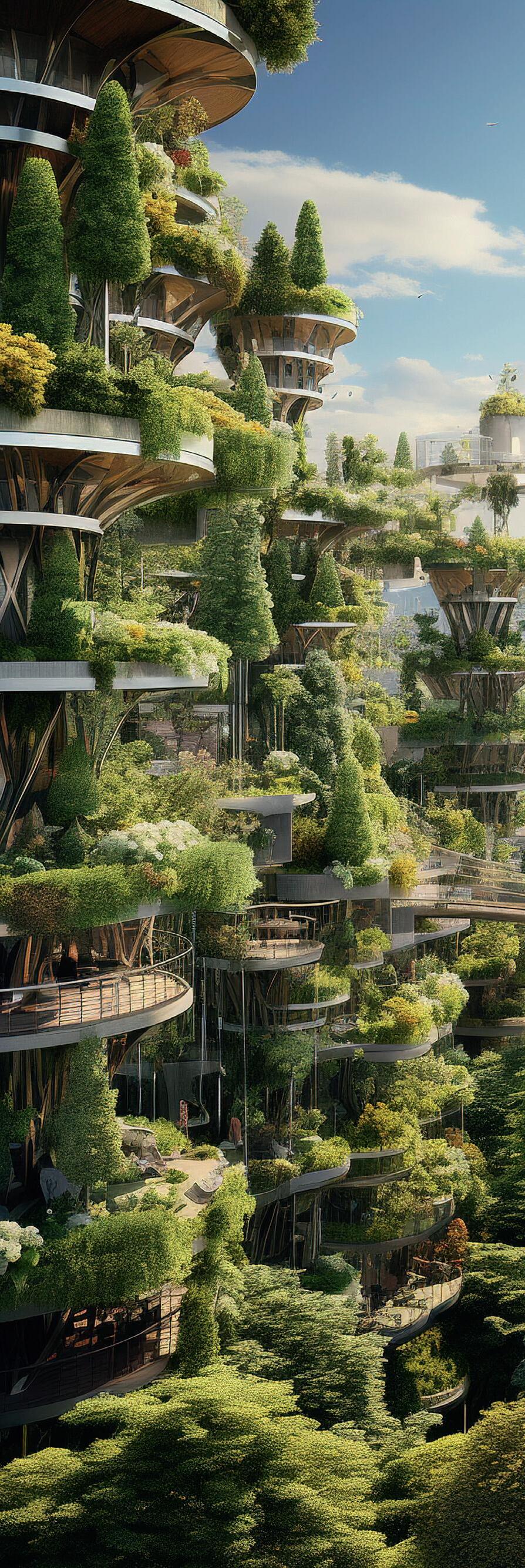
WORDS DR JOHN TOWER, PLA ADVISORY CHAIR
This edition of PLA Advisory’s (PLA A) column is providing a different perspective about how PLA A produces its outputs. The last edition of the PLA A column, by Steph McCallum-Keily, provided a great overview of our various projects, and PLA members will learn more from Advisory members when they attend the National Conference in Hobart.
An explanation of how PLA A works must initially acknowledge the wonderful team of experts who volunteer their time to contribute to making the park and leisure industry more efficient and effective. The profiles and photos of PLA A members can be found on the PLA A page of the PLA website: parksleisure.com.au/ about-us/pla-advisory-committee
Some of the PLA A members have been contributing to the Advisory’s activities since its inception and others, like me, are in their first triennial appointment. The dedicated team provide hours of voluntary work to contribute to a range of projects. It is also important to recognise the important role that Fiona MacColl has as our liaison person with the National Board. Fiona presents Advisory Reports to the Board and provides PLA A with feedback on our initiatives.
We have one-hour monthly meetings to maintain momentum on our projects and keep everyone informed about our activities. Our monthly meetings usually have an extensive agenda, so we must be efficient to cover everything. We manage the administration of our meetings ourselves and have a roster of note-takers sharing the load of what needs to be done.
Although different members tend to take the lead on different projects, we remain flexible so people can step up or pause their contributions due to paid work obligations, family and other responsibilities.
We have also established working groups for some of our projects. For example, the Park & Leisure and
University Collaboration project has a working group with members from Australian and New Zealand Association of Leisure Studies as well as interested community members. These working groups provide additional expertise beyond the skills, knowledge and understanding of PLA A members.
We also meet face-to-face twice a year for a day to review our activities, explore issues and plan future initiatives. Our most recent planning day, in July, asked Advisory members to review three documents: the Global Issues Report, notes from the 2024 Planning Day, and the 2024 Membership Survey Report. Our review of these documents functions as a reminder of past issues that may need more attention and helps to guide our future initiatives.
We also conducted a PESTLE (Political, Economic, Social, Technology, Legal and Environment) scan to identify how broader community issues may impact on our park and leisure initiatives. These faceto-face meetings function as a rigorous review process and guide the course of our future initiatives.
PLA A does not just function within a formal meeting structure. We usually establish small groups of our members to manage projects, especially to manage the first draft of conference workshop sessions or early drafts of background documents. A good example of this approach is the current project to address the rising costs of park and leisure construction. A small team organised the first draft of the format for the delivery of the 2024 National Conference Workshop about rising construction cost issues.
This team prepared a Workshop Report that acted as a guide for the 2025 Regional Conference sessions to gain input to guidelines for how the park and leisure industry may address the rising construction cost issues.
The most satisfying aspects of how Advisory function is the level of collaboration, flexibility and appreciation of everyone’s expertise. Everyone contributes to discussions, drafts of reports and workshop leadership. Our collaboration
We welcome any feedback on our activities and additionally welcome comments on matters of importance to PLA members and the industry. Are you interested in joining the PLA Advisory team?
Please contact John Tower, Chair, PLA Advisory at john.tower@vu.edu.au to express your interest.
always makes the formal reports and workshop sessions better. Our capacity to be flexible enables Advisory members to contribute within the constraints of their other responsibilities. The breadth of Advisory members’ expertise provides us with a foundation of skills, knowledge and understanding to address a range of park and leisure issues.
On a personal level, I feel privileged to work with the Advisory team. Everyone’s willingness to learn, engage with new topics and contribute to PLA A’s activities provides a dynamic and challenging environment. We do our best to contribute to improvements to how the park and leisure industry delivers experiences that contribute to communities’ quality of life, health and wellbeing.
WENDY SIMPSON, HUMAN KINETICS AUSTRALIA & NEW ZEALAND

FOUNDATIONS OF PHYSICAL ACTIVITY AND PUBLIC HEALTH (3E)
By Harold W Kohl III, Tinker D Murray & Deborah Salvo
The third edition explores concepts in public health and exercise science, techniques to measure physical activity and the health impacts of physical activity. It details the planning, implementation and evaluation of health promotion programs including strategies for effecting physical activity promotion.
ISBN 9781718224001
Published 2025
MANAGING SPORT FACILITIES 5E
By Gil B Fried & Matthew Kastel
This text focuses on fundamental issues faced by sport facility managers. Contributions from industry professionals provide an inside look at their facility’s unique issues and concerns, from systems and operations to maintenance and green practices. An additional emphasis is placed on technology and how that is impacting venues.
ISBN 9781718223806
Published 2025
QLD MASTER CLASS + AWARDS OF EXCELLENCE
Friday 5 September 2025
The Precinct Innovation Hub, Fortitude Valley QLD parksleisure.com.au/event/pla-qld2025-masterclass-and-awards
ONLINE LEADERSHIP PROGRAM 2025
29 October 2025
parksleisure.com.au/event/vic-tas-leadershipprogram-2025
PARKS AND LEISURE NATIONAL CONFERENCE
9-12 November 2025
Grand Chancellor Hobart, Hobart Tasmania parksleisure.com.au/event/2025-planational-conference
ANZALS 2025
Exploring Leisure Landscapes: Trends, Transformations and Traditions 1-4 December 2025
UTS Business School, Sydney NSW anzals.org.au/conference/2025-sydney
RECREATION LEADERS’ SUMMIT 2025 20-21 November 2025
Christchurch 8013, Canterbury, New Zealand
recreationaotearoa.glueup. com/event/recreation-leaderssummit-2025-141954/
Human Kinetics (HK) leads the world in providing information related to physical activity. That information takes many forms: textbooks, books for consumers, instructor support materials, journals, online courses, video, digital products and more. Through its relationship with HK, PLA and Recreation Aotearoa are able to offer discounted costs to members.
HK have set up a new page on its distributor’s website (Woodslane) for Parks & Leisure Journal readers. You can access it via woodslanehealth. com.au/pages/parks-leisure-australia
Use the code PLA15 to receive a 15% discount on a number of titles
NRPA 2025 ANNUAL CONFERENCE 16-18 September 2025
Orange County Convention Centre, Orlando USA conference.nrpa.org
FACEBOOK Join our Facebook community to:
• Get the best bits of the quarterly Australasian Parks & Leisure journal
• See photos of regional and national award winners and guests
• Read about topical industry news
• Stay abreast of national conference activity before, during and after the conference
• Discover what seminars and events are going on in your area
• Receive news and live updates from official PLA events
• Access quick, up-to-the-minute conference news
• Speak one-on-one to managers in your PLA community about your organisation’s projects
• Discover and network with like-minded people in your industry
• Unearth industry seminars and events going on in your area
• Read hand-picked articles from the quarterly Australasian Parks & Leisure journal that matter to you, your organisation and your industry












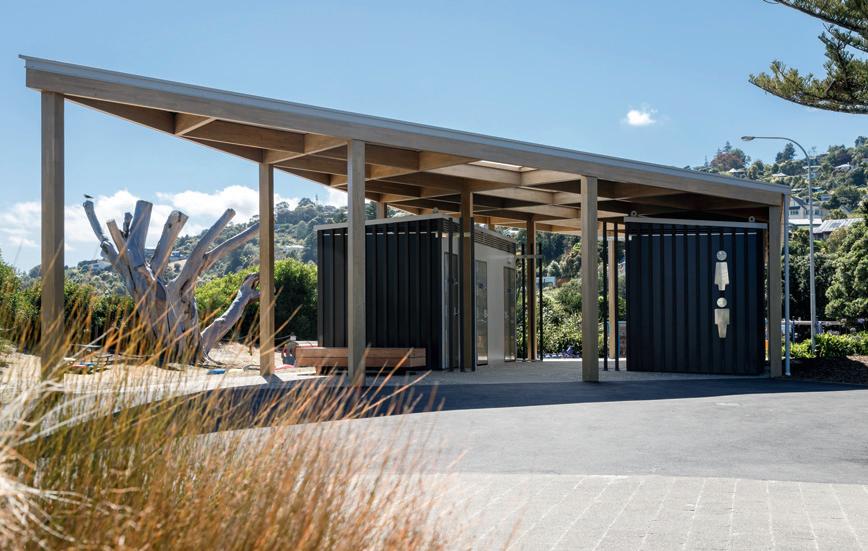



















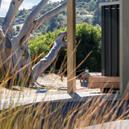




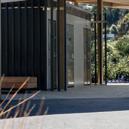







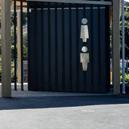
























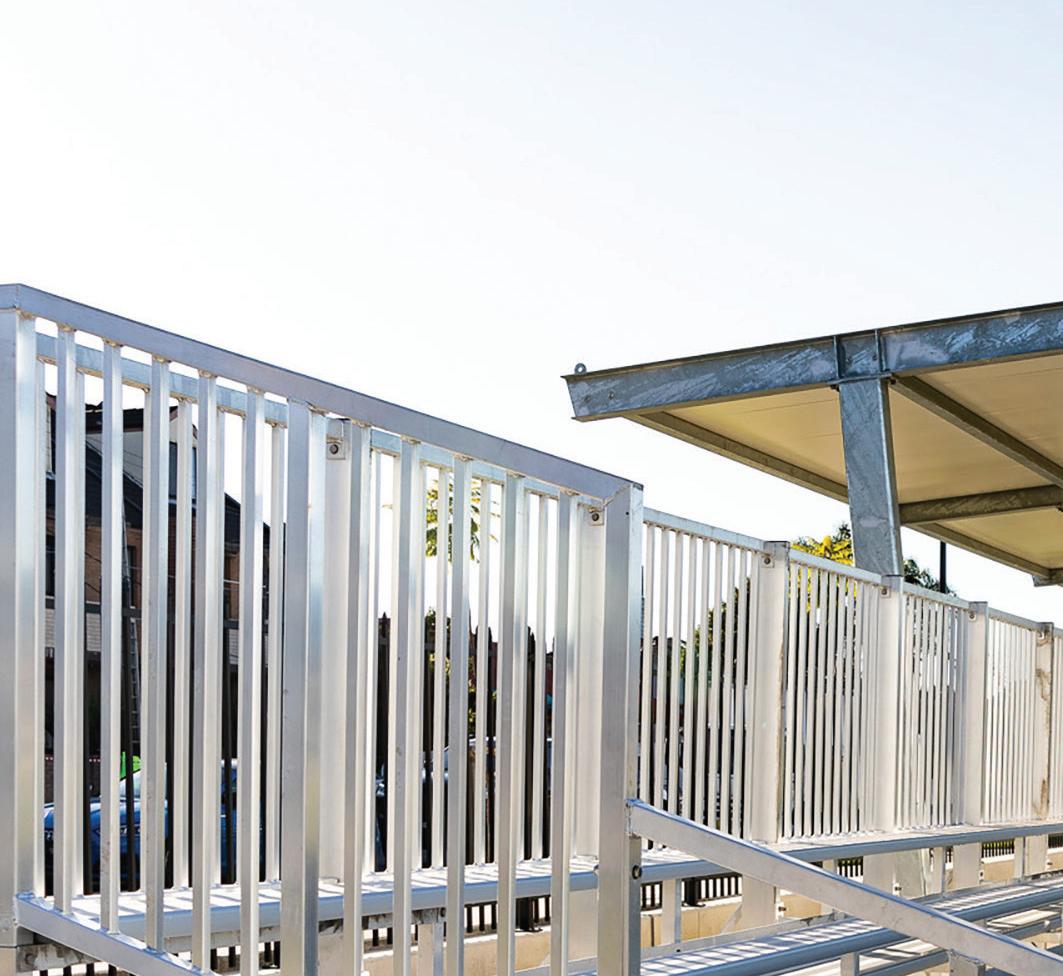


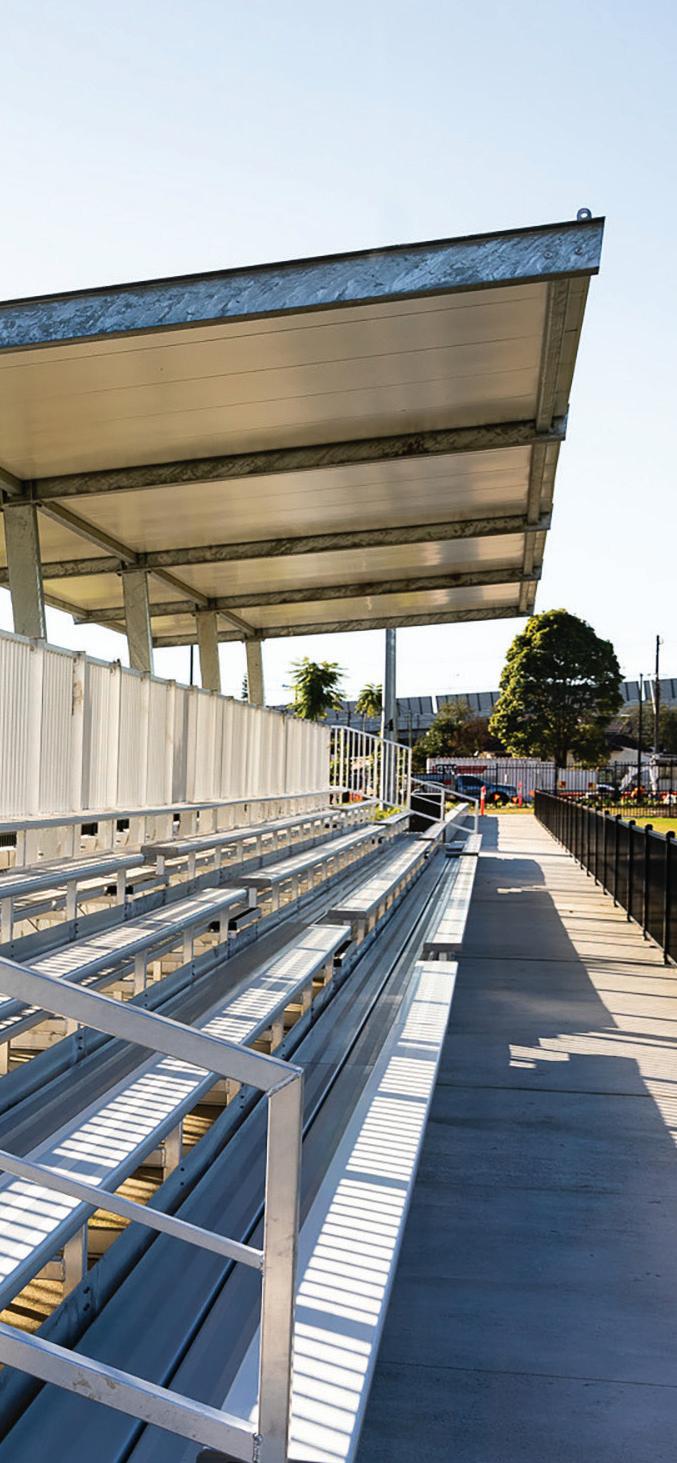
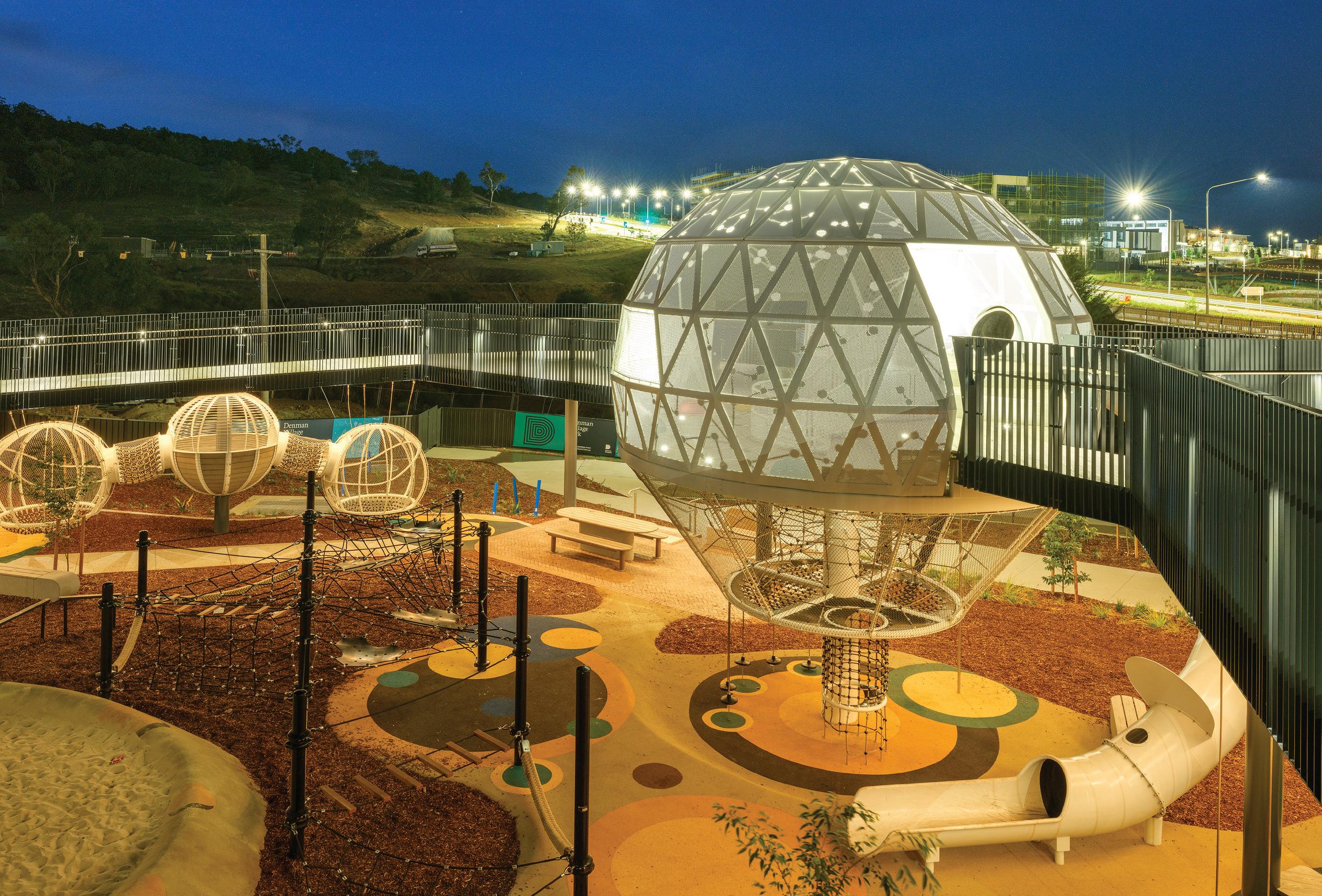

FORGE better reflects who we are and our commitment to unlocking the power of the outdoors, forging connections between people, place and nature. Same expert team, same dedication to craftsmanship and same commitment to delivering on our clients’ vision and specification – delivering the most sought-after outdoor structures in Australia.