2026
FOUR LEADING EXPERTS SHARE THEIR DISCOVERIES. JOIN US.
Presenting sponsor
The Shepard Broad Foundation
William J. Gallwey, III
KB Life Enhancement Forum
Key Biscayne Community Foundation
Joan McCaughan Family Foundation
Nicole and Myron Wang
Southern Glazer’s Wine & Spirits
Leading Earth System Science. Transforming Lives and Minds.
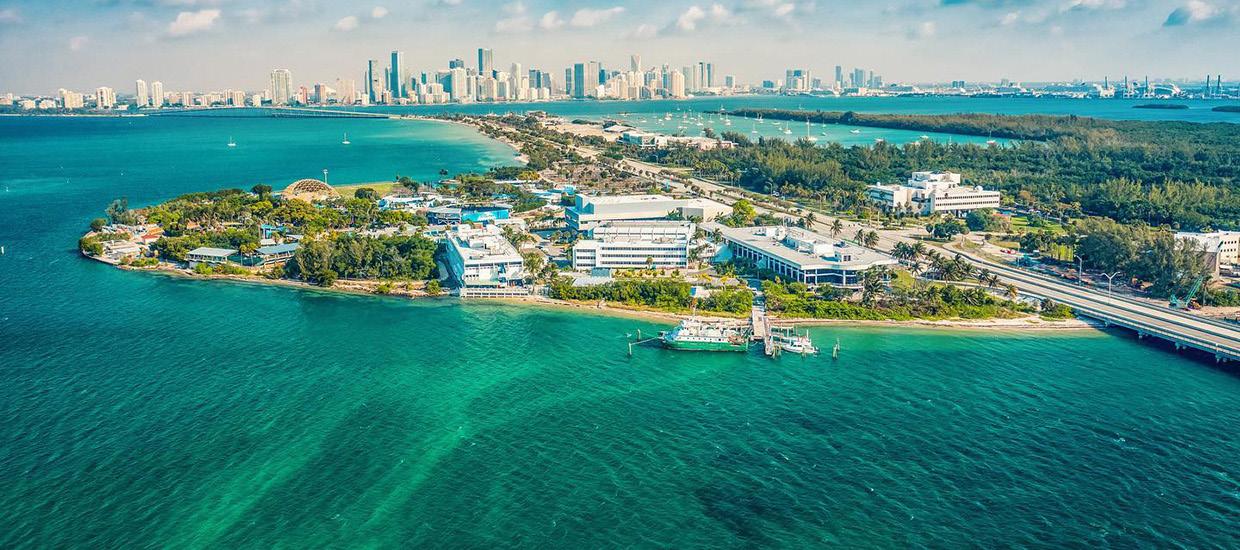
Established in 1943, the University of Miami Rosenstiel School of Marine, Atmospheric, and Earth Science unites cutting-edge technology with top-notch minds to tackle global challenges, including weather, climate, sea level rise, hurricanes, marine conservation, and sustainable aquaculture. Through transformational research, dynamic interdisciplinary academics, and support for the establishment of sound environmental policy, we explore the Earth’s great mysteries, improve the quality of human life, and educate tomorrow’s leading scientists.
Join us as we travel the world with distinguished scientists and explorers at the edge of discovery during this series of evening programs designed for the non-scientific community.
All lectures are free and open to the public. To register for one or more lectures, please go to the link for each speaker.
email: development@earth.miami.edu
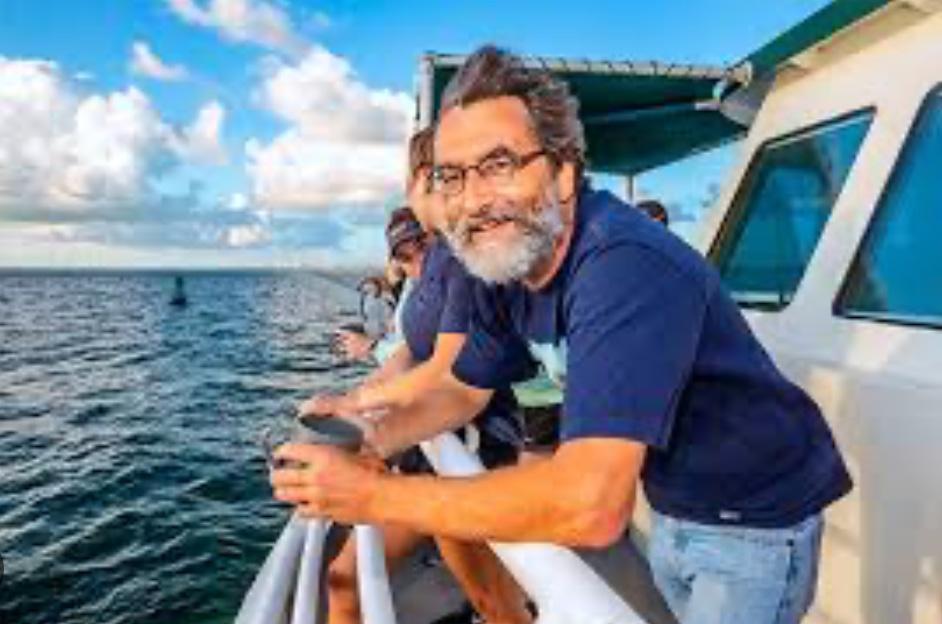
WILL DRENNAN, Ph.D.
Explore the Galápagos: Where Learning Meets Adventure
uesday, January 20, 2026 Program at 6:00 p.m. Reception following the program
Rosenstiel School Auditorium
RSVP
Cannot attend in person? Zoom link here - https://rebrand.ly/Drennan
Hosted by Will Drennan, Ph.D., and presented by faculty and students of the Rosenstiel School Marine Science Undergraduate and Master of Professional Science Programs
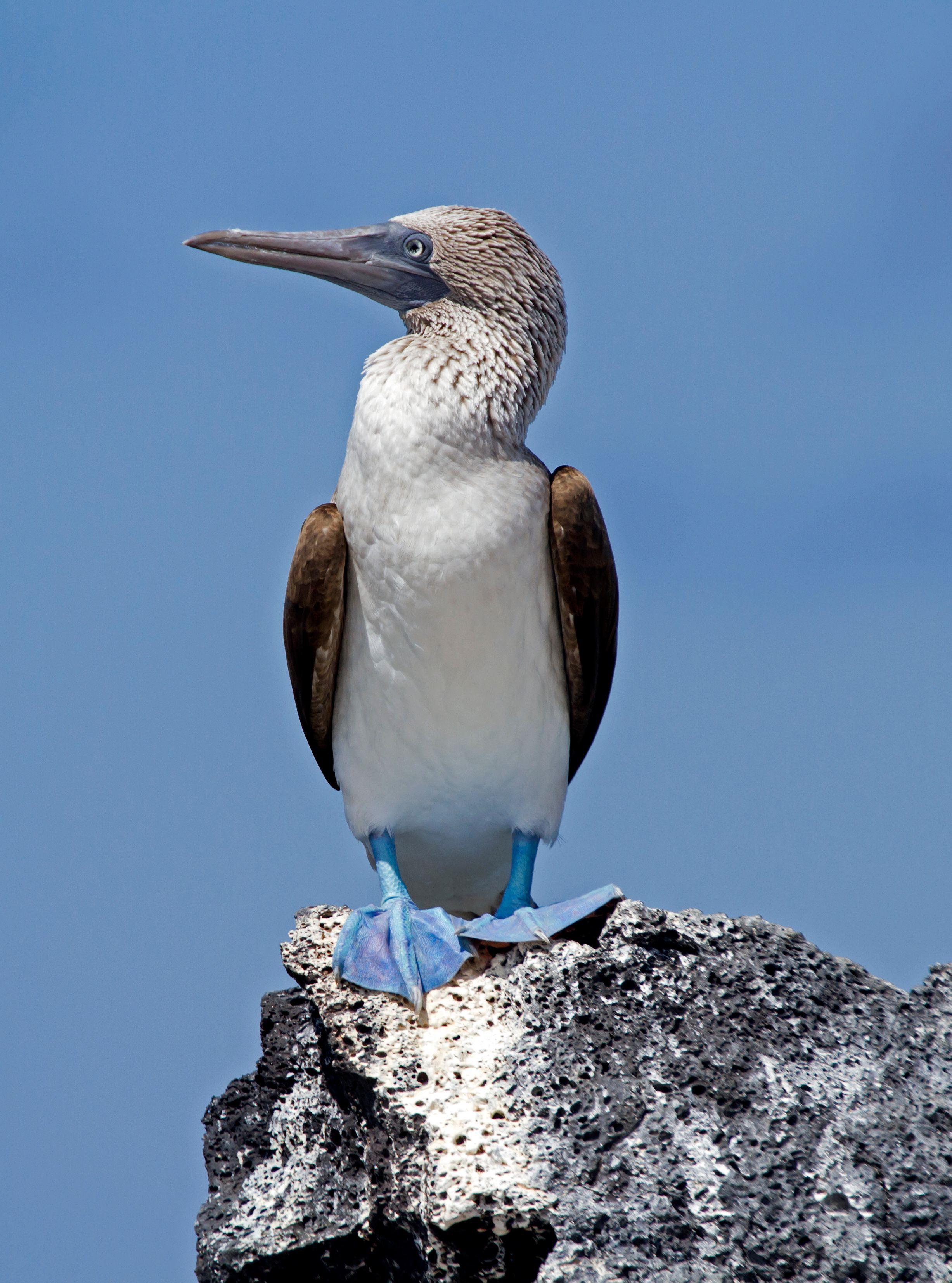
Imagine studying marine science in one of the most breathtaking places on Earth—where sea lions nap on the beach, blue-footed boobies dive for fish, and volcanic landscapes tell stories of evolution and resilience. Since 2010, the Rosenstiel School has offered students this once-in-a-lifetime opportunity through UGalapagos—an immersive semester program set in the living laboratory of the Galápagos Islands.
In partnership with the Intercultural Outreach Initiative on Isabela Island, students spend 12 unforgettable weeks combining classroom lessons with hands-on fieldwork. They explore coral reefs, volcanic coasts, and mangrove forests while learning directly from Rosenstiel School faculty and engaging with local communities working to protect this fragile ecosystem.
Join us for a fascinating look inside this transformative program. Hear firsthand stories from students and faculty about what it’s like to study and live in one of the most extraordinary environments on the planet—and how the experience is shaping the next generation of marine scientists and global change-makers.
Will Drennan has been a faculty member at the Rosenstiel School since 1997. His research interests, while focused on air-sea interaction, include elements of climate, oceanography and meteorology. During his time as associate dean of undergraduate education, Drennan played an important part in developing the UGalapagos Fall semester program. He served as the UGalapagos program director in 2017 and 2019. He currently oversees the program, providing guidance and leadership to faculty teaching courses in the Galapagos. Drennan is a regular in the Fall schedule, teaching the course "Climate, Oceanography and Biogeography of the Galapagos."
01. 20 . 2026
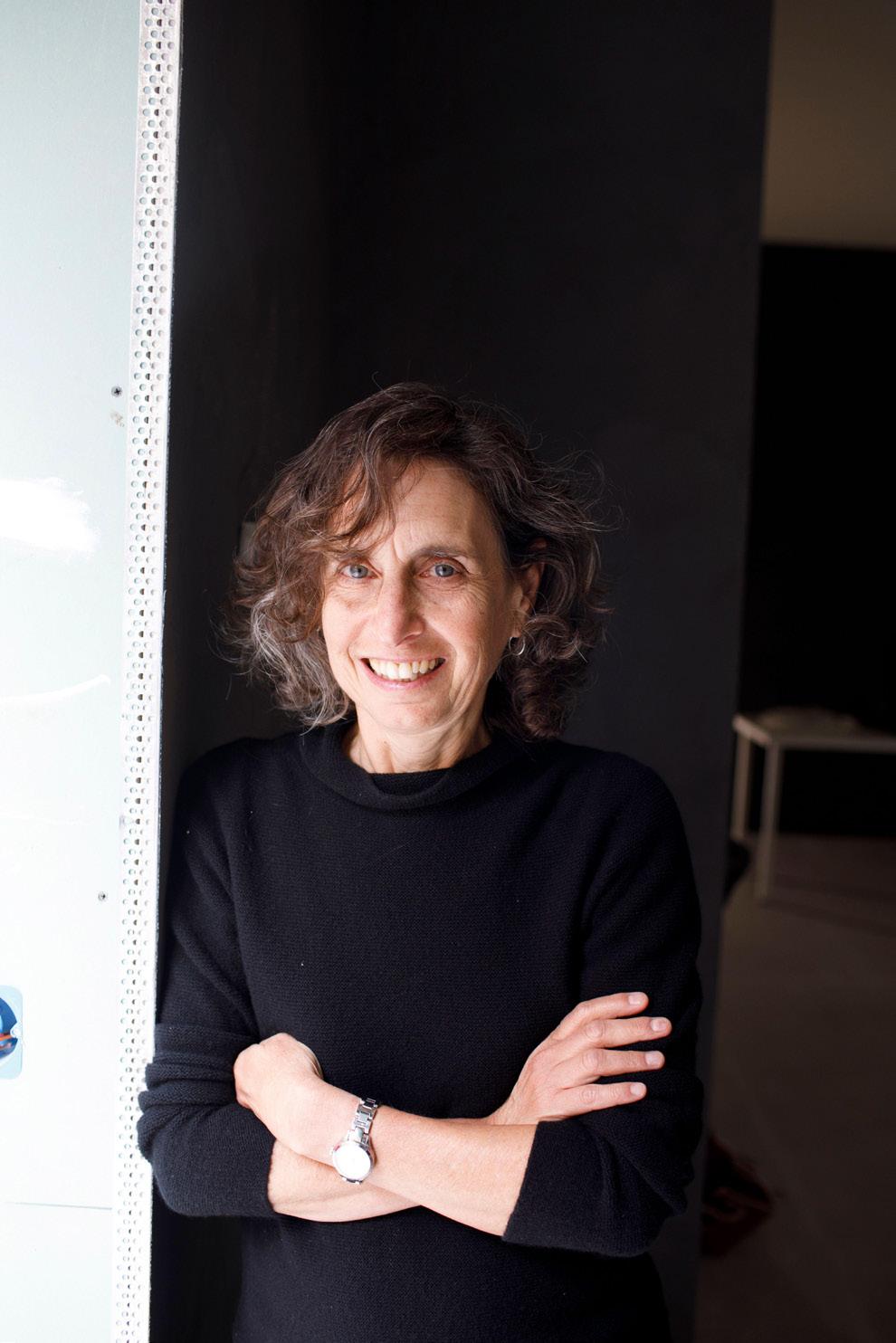
ELIZABETH KOLBERT
Dispatches from a Changing World— In Conversation with Kerry Sanders
Tuesday, February 10, 2026 Program at 5:30 p.m. Reception following the program
Rosenstiel School Auditorium
Cannot attend in person? Zoom link here - https://rebrand.ly/Kolbert
Pulitzer Prize –winning journalist and bestselling author Elizabeth Kolbert joins Kerry Sanders, former NBC News correspondent, for a conversation that brings decades of environmental reporting into sharp focus. Kolbert’s work has taken her from melting ice sheets and disappearing species to communities grappling with climate change and scientists testing the boundaries of geoengineering. Her insightful storytelling has shaped global understanding of how human activity is transforming the planet.
The discussion will feature her latest book, “Life on a Little-Known Planet: Dispatches from a Changing World,” a collection of deeply reported essays that captures an era of profound ecological change. Kolbert follows researchers and conservationists into the field—tracking caterpillars in Texas, confronting invasive species in New Zealand, and exploring surprising attempts to heal damaged ecosystems. Blending scientific findings, field updates, and wry humor, the book reveals the tension between ecological loss and the enduring wonder of the natural world.
Kolbert and Sanders will also revisit themes from her Pulitzer Prize–winning “The Sixth Extinction,” along with other influential works that illuminate the cascading impacts of climate change, species decline, and the choices that will shape Earth’s future. Their conversation offers a compelling look at the urgent environmental questions of our time—and at the role of journalism in helping society understand and navigate a rapidly changing world.
Elizabeth Kolbert has been a staff writer at The New Yorker since 1999 and is the author of “Field Notes from a Catastrophe”; “The Sixth Extinction,” for which she won the Pulitzer Prize for general nonfiction in 2015; “Under a White Sky: The Nature of the Future,” which was named one of the best books of 2021 by The Washington Post, TIME, Publishers Weekly, Kirkus Reviews, and Smithsonian Magazine; and "H Is for Hope: Climate Change from A to Z," which grew out of essays she wrote for The New Yorker. Her newest book is a collection of essays titled “Life on a Little-Known Planet.” Kolbert is the recipient of numerous awards and honors including the prestigious Heinz Award in the Environment, which recognizes individuals for their work in confronting environmental concerns, as well as the Blake-Dodd Prize from the American Academy of Arts and Letters. In 2021 Kolbert was voted into the American Academy of Arts and Letters.
MARYBETH ARCODIA, Ph.D.
How AI Is Transforming Climate Prediction
Tuesday, March 10, 2026 Program at 5:30 p.m.
Reception following the program
Rosenstiel School Auditorium
Cannot attend in person? Zoom link here - https://rebrand.ly/Arcodia
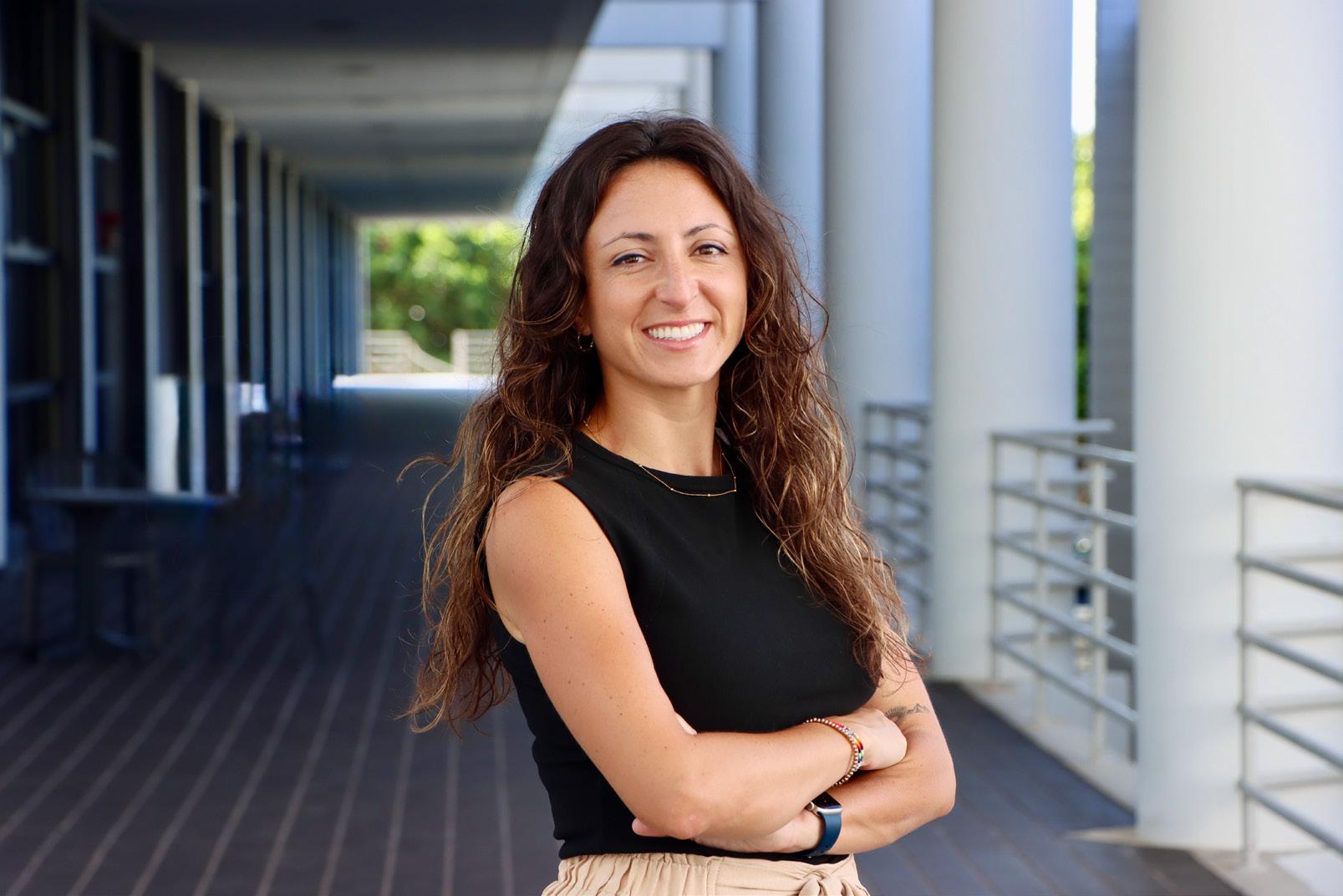
Marybeth Arcodia, Ph.D., assistant professor, Department of Atmospheric Sciences, Rosenstiel School, and core faculty member, Frost Institute for Data Science and Computing
The climate system is chaotic and noisy—yet within this noise lie windows of predictability that enable more accurate weather and climate forecasts. In this talk, Marybeth Arcodia explores how artificial intelligence is transforming our ability to forecast Earth’s climate. By combining next-generation AI tools with explainable approaches that make machine learning more transparent, researchers are uncovering new sources of predictability and translating vast amounts of data into meaningful insights. These advances are redefining the limits of traditional climate prediction, helping society better prepare for extreme events and understand the dynamics of our rapidly changing planet.
Marybeth Arcodia is an assistant professor jointly appointed in the Department of Atmospheric Sciences at the Rosenstiel School and the Frost Institute for Data Science and Computing at the University of Miami. Her research bridges Earth system predictability and prediction, integrating atmospheric science with AI-based techniques to understand variability and change from weather to climate scales. She focuses on localized impacts in future climates to improve preparedness for climate risk. Arcodia is a member of the US CLIVAR Predictability, Predictions, and Applications Interface Panel and the Working Group on Climate Data and Predictions for Coastal Solutions. Before joining the Rosenstiel School as a faculty member, she was a research scientist at Colorado State University and earned her Ph.D. in atmospheric sciences from the Rosenstiel School.
GABRIEL REYGONDEAU, Ph.D.
Unveiling the Ocean’s Hidden Hotspots: Mapping Marine Biodiversity in a Changing World
Tuesday, April 7, 2026 Program at 5:30 p.m.
Reception following the program
Rosenstiel School Auditorium
Cannot attend in person? Zoom link here - https://rebrand.ly/Reygondeau
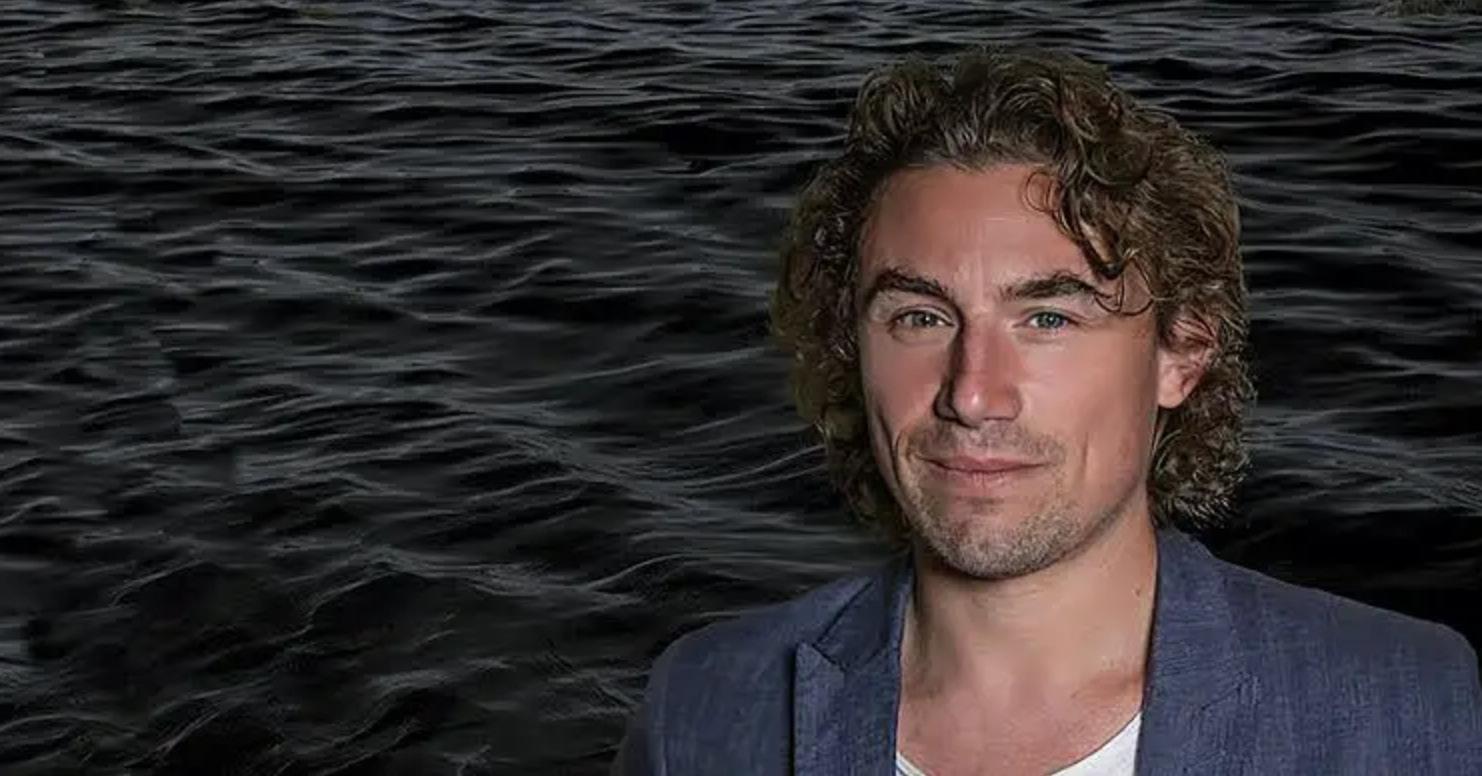
Gabriel Reygondeau, Ph.D., assistant professor, Department of Marine Biology and Ecology, Rosenstiel School, and core faculty member, Frost Institute for Data Science and Computing
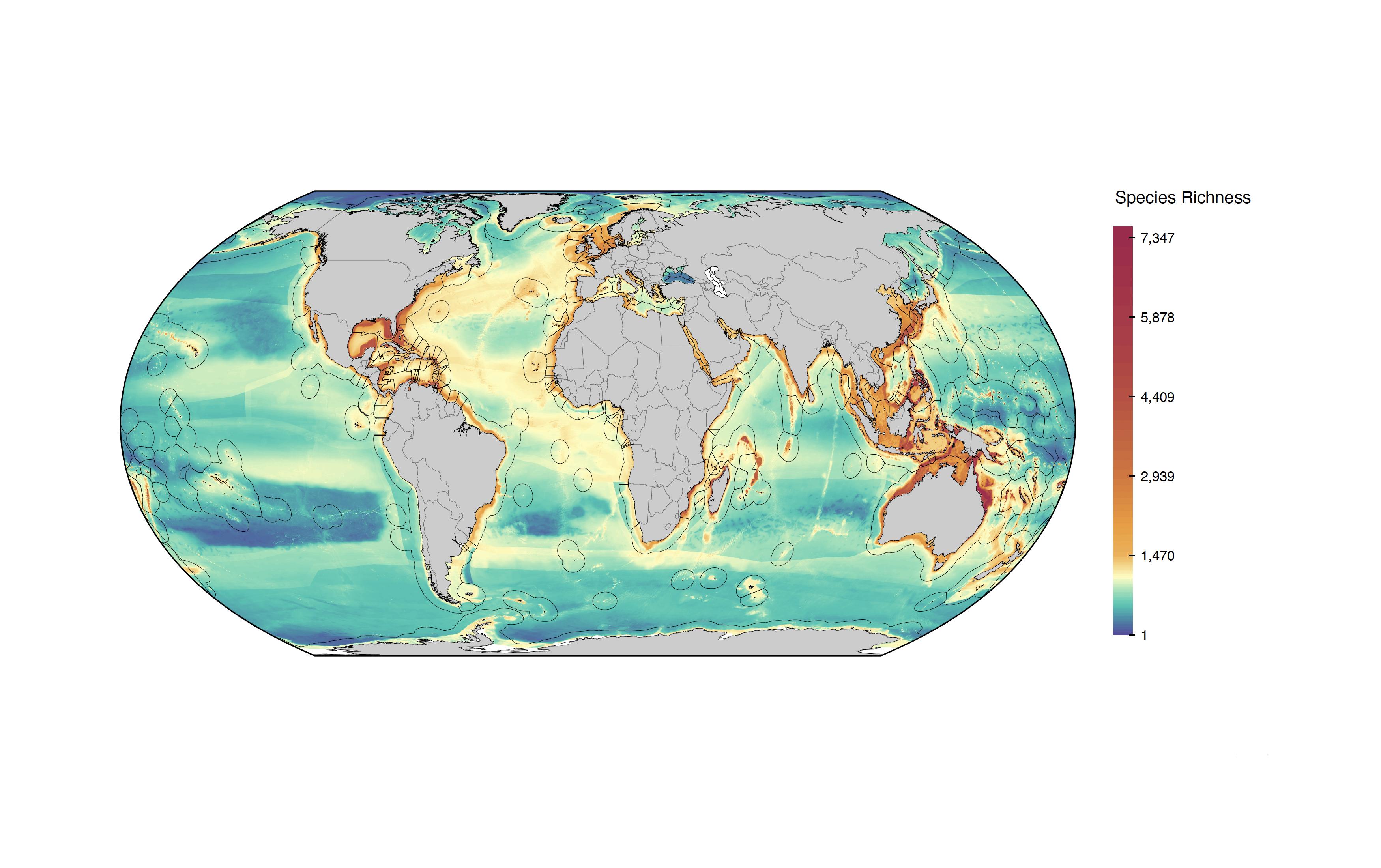
Marine biodiversity research has evolved from field observations to powerful global modeling frameworks that reveal the ocean’s hidden patterns of life. In this talk, Gabriel Reygondeau will trace that evolution—from the creation of FishBase, which revolutionized ecological synthesis, to the development of AquaMaps 2.0, a next-generation platform integrating machine learning, high-resolution environmental data, and ensemble forecasting. Capable of projecting the distributions of more than 30,000 marine species, AquaMaps 2.0 generates detailed global maps of species richness, rarity, and phylogenetic diversity, providing new insights into biogeographic patterns, conservation priorities, and how climate change is reshaping biodiversity across our planet’s oceans.
Gabriel Reygondeau is a marine ecologist and oceanographer and assistant professor at the University of Miami Rosenstiel School. His research explores global marine biodiversity, climate-driven shifts in species distributions, and the development of large-scale ecological niche models. He leads the AquaX initiative (AquaMaps 2.0) under the FishBase Consortium, integrating machine learning and environmental data to model more than 30,000 species worldwide. Reygondeau contributes to global science-policy efforts including the Intergovernmental Panel on Climate Change, IPBES, the Nereus Program, and the Half-Earth Project, linking biodiversity science with conservation action.
04 . 07 . 2026
Map of marine biodiversity for 32,000 species. Produced by Aquamaps 2.0/ AquaX.