Stonyhurst College

Warwick School
Warwick School
As Chair of Trustees, I am greatly looking forward to welcoming guardians and schools to the AEGIS Conference 2026, which will take place this March at Woburn House in central London This annual conference is a key moment in the AEGIS calendar, bringing together colleagues from across guardianship, education and related sectors to engage with the most important issues affecting international students and their welfare.
. Edward May - AEGIS Chair
The conference offers an excellent opportunity not only to hear from outstanding speakers, but also to reconnect with colleagues, build new relationships, exchange ideas and enjoy time together away from the pressures of daily practice It is always a pleasure to see familiar faces, welcome new members of our community and continue the conversations that strengthen our shared work
This year’s programme reflects both the complexity and the evolving nature of the environment in which we operate We are delighted to welcome Dr Dominique Thompson as our keynote speaker A highly respected clinician and speaker on young people’s mental health, Dr Thompson will explore how professionals can best support students to thrive amid the increasing pressures of modern life - a topic of growing importance across all settings
Safeguarding in a rapidly changing digital landscape will be addressed by Alex Dave, who will examine the implications of generative AI and emerging technologies, and what these developments mean in practice for safeguarding, risk management and organisational policy. This session promises to be both thought-provoking and highly practical.
Legal responsibilities and regulatory expectations will be explored by Kris Robbetts of VWV, who will provide clarity on the legal frameworks that shape our work, alongside guidance on navigating complex safeguarding and compliance scenarios with confidence.
The programme is further strengthened by panel discussions drawing on the expertise of AEGIS-accredited guardians and member schools, focusing on cultural awareness and current compliance challenges Our conference is now almost fully booked, reflecting the continued value of this shared space for learning and dialogue I would like to thank everyone involved in shaping the programme and look forward to what promises to be a stimulating and rewarding conference
The AEGIS team loves working with and supporting our members, and our community is continuing to grow, with more than 140 AEGIS guardians and nearly 240 member schools
Accredited Guardianship Organisations since our Autumn Newsletter
Since our Autumn newsletter we congratulate the following AEGIS members for passing accreditation
Accreditation
Kew Learning Vanguard UK Guardianship Ltd
Re-accreditation
UKinsight (previously ICON Education)
Gateway Guardianship UK Ltd
UK2Learn
Full List of AEGIS Gold Standard Accredited Guardianship Organisations
Accreditation
Anglo International Student Centre Educate Study
Qiuguo Harvest Ltd
Oaks International Education Ltd
Russo Education
Sunshine 365 Limited
UK Speeder Consulting Ltd
Re-accreditation
Shell Education Edukatus Ltd
Burton International Consultancy Ltd
Full List of AEGIS Accredited Guardianship Organisations
If you are interested in finding out more about accreditation, please do contact Sharon Sverdloff for more information, via sharon@aegisuk.net.
If you are a school reading this and you are not yet an AEGIS member then please do get in touch with Sophie Lindsay, via sophie@aegisuk net
Bosworth Independent College
Bournemouth Collegiate School
Cambridge School of Visual and Performing Arts (CSVPA)
Campbell College, Belfast
CATS Cambridge
Finborough School
Guildhouse School
King’s High School
St Michael’s School
The Worthgate School
Warwick School
Full List of AEGIS member schools

We thank all of our new members and accredited organisations for your hard work and support!

With the increased scrutiny and pressure on best practice and compliance when it comes to guardianship arrangements, it has never been more important for school staff to understand the intricacies of how guardianship works, how AEGIS inspects and regulates the sector and how school teams can work effectively with guardians. We are excited to announce that AEGIS has developed a resource for schools to use in-house for this purpose.
We know how important it is for our school members to keep their teams up to date with compliance requirements and good practice AEGIS has therefore created an online course about AEGIS and guardianship as a useful training resource, explaining the workings of guardianship for school staff

Educational guardianship can seem like a complex world. Not only are there increasing layers of guidance, there is also a wide range of companies and individuals supporting international students, with differing structures, reporting lines and areas of expertise Learning how these organisations and elements work, and understanding how AEGIS inspects, accredits and holds guardians accountable, will help your staff work as efficiently as possible with guardians, which will in turn help you remain compliant.
AEGIS member schools have access to this training resource free of charge

AEGIS’s new training course is an easy-to-use ‘click-through’ resource covering the fundamental elements and facts relating to educational guardianship.
The AEGIS Member School training course can be used by as many staff members as you choose. It could form part of your INSET or induction provision, or be used at any other time to support your staff
On successful completion of the course, a certificate will be issued, giving schools reassurance that their staff are well-informed and sufficiently prepared to work effectively with guardians
For more information on this initiative, or about AEGIS School Membership, please contact sophie@aegisuk.net.
Woburn House
Tavistock Square
London WC1H 9HQ
Will you be joining us?
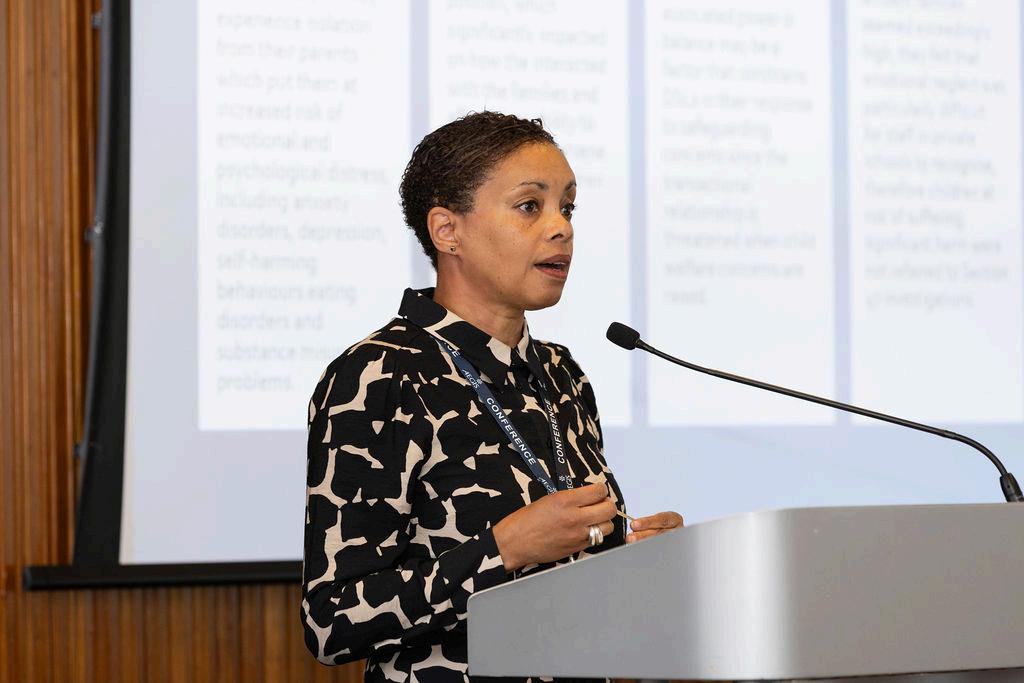
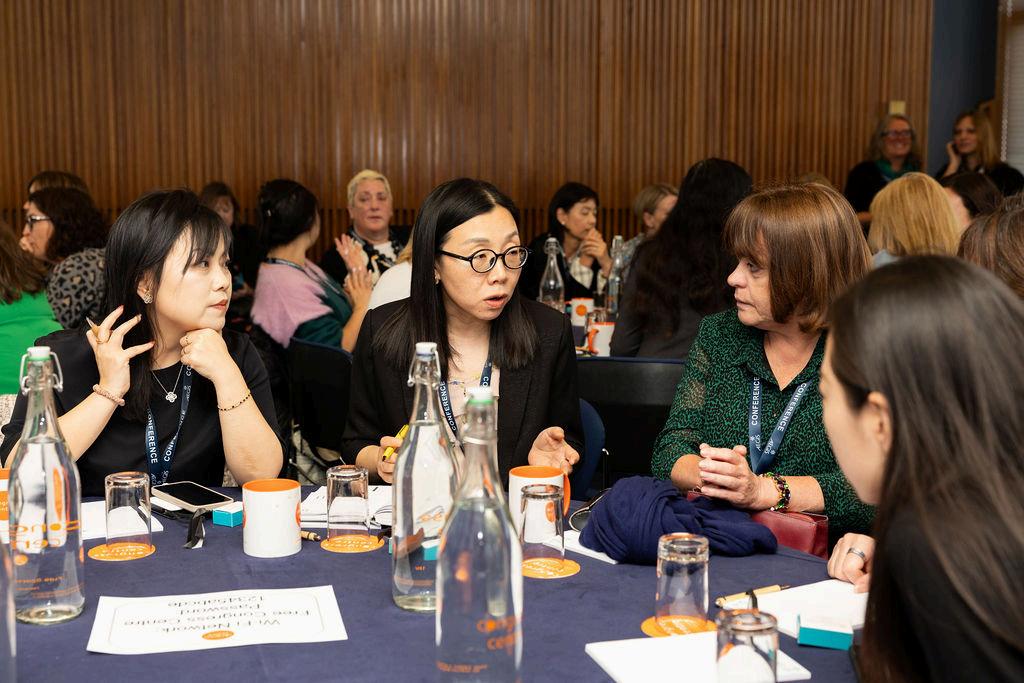
AEGIS’s day-long conference in London will be a student-centred event for those committed to the welfare of international students studying in the UK.
There are still a very small number of places left for the next AEGIS Conference, which will take place on Wednesday 18 March 2026 at Woburn House in London. th
If you would like to join us, please reserve your place now, via the link below:
click here to book your place
Guardians, schools and sector experts will come together to tackle the critical question: how can we ensure the best possible support for international students?
KEYNOTE SPEAKER
SPEAKER SPEAKER

DR DOMINIQUE THOMPSON Award winning former GP, independent mental health consultant & speaker
Dr Dominique Thompson is the UK’s leading expert on student mental health. She will reveal why students might be struggling more, and what we can do to help them develop the life skills they need to thrive in a changing world
ALEX DAVE
Safeguarding Lead, LGfL
The risks of AI to students is a highly concerning area for schools, guardians and homestays Alex will explore the risks involved in this presentation, and will share practical examples of strategies we can all adopt to take a safeguarding approach to AI
KRIS ROBBETTS
Education Lawyer and Partner, VWV LLP
Kris will examine complex and sensitive scenarios involving international students He will clarify where the responsibilities of schools and guardians begin and end, and how to navigate legal and safeguarding grey areas
Other AEGIS Conference Highlights:
Compliance and Cultural Awareness Panels
The Luna Award
AEGIS AGM
Networking and refreshments
Spaces are very limited, so do not miss out. Details and booking can be found via the link below, including our full programme. And yes, a delicious lunch, coffee and tea are included!

SKOLA is a junior English language summer school in Regent’s Park for 5-to-17-year-olds
They welcome over 1200 students from 70 countries making it one of the most popular schools in central London.
Their residence for 12-to-17-yearolds is in historic Marylebone. It is a short walk from the school and has single-room accommodation.
Students learn English in the morning, have lunch, and then follow an afternoon programme of sports, arts, excursions, and leadership
With over 50 years of experience make skola co uk your next visit
Contact info@skola co uk or WA +44 7340 516781 for more information

StudyTravel has over 30 years’ experience in connecting agents and educators in print, online and in- person
StudyTravel Magazine reaches an expansive audience of 22,000 agent readers across 129 countries, providing news, statistics and market insights on all of the industry sectors.
ST Alphe Conferences provide an opportunity for international educators to meet with referencechecked study travel agents from around the world
StudyTravel also organises the annual peer-voted ST Star Awards and ST Secondary School Awards
Our online platform, StudyTravel Network (STN), connects you to over 8,500 active users in the study travel industry
https://studytravel network


ICEF facilitates access to the right relationships, insight, and training, driving growth for educational institutions, student recruitment agents and relevant service providers
At the heart of the international education community for over 30 years, ICEF connects the industry and worldwide networking events, provides the latest market intelligence, and improves industry standards through professional development and agency accreditation
www icef com

Safehire.ai is an AI-powered Safer Recruitment platform designed to support schools, trusts and education professionals in making more confident, insight-led hiring decisions By analysing publicly available digital data and deep web sources, our technology highlights potential safeguarding risk signals that traditional checks may overlook Human-verified results reduce noise and provide clear context, helping busy teams and safeguarding leads protect their communities more effectively
Safehire ai strengthens safer recruitment for organisations entrusted with the care of children and vulnerable people, complementing existing safeguarding frameworks with faster, smarter screening
AI-powered safer recruitment for schools and education organisations.
https://www.safehire.ai/
At Fragomen, we are a firm of more than 6,000 immigrationfocused professionals and staff spanning more than 60 offices worldwide Immigration has been our sole focus for 70 years, and today we offer support in more than 170 countries We are problem-solvers, innovators and established thought leaders in immigration and our firm is recognized year after year by Chambers, Best Lawyers and Who’s Who
https://www fragomen com
There will be time to meet our Exhibitors throughout the conference at their stands in the networking area.

International Programme Lead, Girls’ Day School Trust (GDST)
I’m delighted to share my reflections on safeguarding sponsored students in day schools for this edition of the AEGIS Standard. My perspective draws on more than 15 years in immigration advice and compliance across the university and legal sectors, as well as my current role supporting international programmes at the Girls’ Day School Trust (GDST) in both boarding and day school settings.
Safeguarding in independent schools has never been more robust. Strong statutory guidance, clear inspection frameworks, embedded internal processes and dedicated staff ensure that pupils are well protected during the school day. Yet for sponsored day students, a potential gap can emerge once the school day ends, with the level of oversight not always matching what they experience within the school environment. For certain pupils, the consistency and quality of care provided by schools is not always mirrored in the arrangements that await them beyond the school gates.
This gap matters because sponsored students are inherently more vulnerable. They are navigating a new culture, a new education system and often an entirely new way of life. Many are living apart from their families for the first time. In this context, the traditional model –where overseas parents arrange accommodation and pastoral care with limited school oversight – has become increasingly untenable. It is unreasonable to expect international families to understand UK safeguarding standards or accurately assess the suitability of living arrangements from thousands of miles away
The updated guardianship requirements introduced under the Child Student route on 29 May 2025 bring welcome clarity to the responsibilities of sponsoring schools They reinforce a vital principle: safeguarding and welfare obligations extend beyond the school day and require active oversight For schools sponsoring international pupils, ensuring appropriate guardianship and living arrangements is not simply good practice – it is a core sponsor duty that demands intentional, ongoing engagement rather than passive reliance on parents and third-party providers
Much of the recent debate, guidance and training in this area has evolved within the boarding context, leaving limited opportunities for shared learning among day schools While this focus is understandable (most sponsored pupils are found in boarding schools) it overlooks the increasing number of sponsored students joining day schools, where the complexities around longterm care and guardianship arrangements can be more significant.
A central challenge is determining what constitutes a “suitable” care arrangement. UKVI guidance provides a defined list of acceptable options, but real-life circumstances do not always fit neatly into those categories Admissions teams often encounter complex scenarios: parents based in the UK on temporary visas, blended families, involvement of friends or distant relatives, or arrangements that fall into private fostering I have supported schools through difficult conversations where an arrangement seemed “almost acceptable” but still raised compliance or safeguarding concerns It is essential that school safeguarding leads are fully involved in these decisions, as they are best placed to assess risk, ensure regulatory compliance, and uphold the school’s safeguarding responsibilities
For pupils without family ties in the UK, guardianship organisations play a vital role in providing homestay arrangements and educational guardianship. Although the decision about which provider to appoint rests with parents, I believe that schools have an important part to play in building trusted relationships with guardians, helping parents to navigate the guardianship landscape and offering reassurance that their children will be well supported.
For these partnerships to function effectively, clarity of roles and responsibilities is essential As the visa sponsor, the school holds overarching safeguarding accountability; this does not detract from the expertise that guardians bring but instead provides the framework within which their work can be most effective Schools and guardianship organisations need to agree on standards of care and how safeguarding information will be shared When expectations around communication, reporting, escalation and review are clearly defined, high quality agencies can demonstrate their strengths and integrate smoothly with school systems Ultimately, homestay works best when guardians, schools and parents work together rather than operating in parallel when concerns are shared promptly, information flows and everyone understands their role
Experience shows that safeguarding failures rarely stem from a single dramatic oversight More often, they arise from assumptions, unclear responsibilities, or misplaced confidence in arrangements that have “always been fine.” The recent regulatory changes offer day schools an important opportunity to pause, reflect, and work collectively to share best practice and strengthen how they support the sponsored children in their care.
Ultimately, this work is not about inspections, compliance, or immigration policy. It is about protecting children. Independent schools already safeguard a diverse range of vulnerable pupils every day; that same consistency, confidence and commitment must now extend to the international students they choose to sponsor The regulations set a baseline As school sponsors, our responsibility is to exceed it
Charlotte Gasson is the International Programme Lead at The Girls’ Day School Trust (GDST), a family of twentythree independent schools and two academies across the UK, dedicated to academic and pastoral excellence


Co-Founder and Owner, Oxbridge Holdings Director and Founder, UKGuardianship
11pm on a January Friday, our emergency phone rang. A 15-year-old we look after had an epileptic seizure in the boarding house, fell, split their chin. House staff did what they’re trained to do and got the pupil to hospital. We called the parents - 5,000 miles away - kept updates calm and factual. By sunrise, one of my team was at the bedside to support, translate, sort transport and together with school, brought the child safely back once cleared.
No fanfare No “ta-da” Just adults doing the right things, in the right order, so a child felt held, not alone That is what education guardianship is for
Not a logo, not a visa tick-box It’s the invisible net that catches the bits of boarding life that happen outside lessons, outside the school gate and outside parents’ time zones
Schools first, guardians provide a shoulder.
The best guardians work WITH schools Same side: the child’s
If something happens on campus, at say 11am or 11pm, school is first responder They have the nurse, matron, medical centre, DSL Pulling a child out to “recover” in an unfamiliar place can add stress
I’ve seen well-meaning guardians rush in to “take over” when the kindest thing was to let the child stay where they felt safe. Our job is to shoulder alongside: keep parents informed, manage logistics and step in ONLY when it improves safety, comfort, or continuity, not to create motion for optics.
What good education guardians actually do (and don’t).
In plain English: we sit between school and family so the child doesn’t fall through the cracks
Day to day, good guardians cover the messy middle: hospital runs and missed trains; exeats and half-terms that actually have beds, addresses and curfews; accommodation that’s been seen by someone with eyes, not just a website; steady briefings for parents who aren’t here and don’t speak the jargon
What we don’t do: replace parents or the school.
We’re NOT legal guardians with parental responsibility We coordinate, translate, document and escalate fast so parents can consent and schools can act within policy
Money, expectations and the 11pm reality
Boarding fees are the sticker price A real year includes exeats, half-terms, delays, taxis, hospitals, last-minute stays. None of this is scandalous; it’s life.
But if families discover it only when they’re tired and worried, we’ve failed at expectation management. Give a plain-English scope before arrival: what’s included, what triggers extras, how caps and decisions work.
No compromise: when schools must say “no”.
Schools cannot, must not, compromise to “seal the deal ” If a family’s appointed guardian doesn’t meet best practice, decline the appointment
If a family’s chosen guardian won’t pass basic checks, won’t answer at night, can’t communicate with staff, doesn’t have the right status to host, or is proposing a revolving short-let as “home”, the answer is no, even if it means delaying admissions Protecting a child beats filling a bed every time
Who owns what (so nothing gets dropped)
School leads on-site care and shares verified facts fast The guardian answers the phone at silly o’clock, sorts safe logistics and keeps parents properly in the loop
Parents make the big calls, provide consent and information and pick up even when time zones bite.
Agents, be wary of focusing on the “cheapest package for the visa”. If you wouldn’t put your own child there, don’t put someone else’s.
Say it out loud to families
Schools and agents should say, in normal human language: guardianship is how distance parenting actually works If something happens at school, staff lead and your guardian supports the plan
Holidays are the wobbly bits, so we’ll agree the address, supervision, curfew and return before the break You’ll know who calls whom for consent, even across time zones And yes, we follow AEGIS standards on stringent vetting
What parents can and should do? Conduct three quick, practical checks: see the actual address and the bed your child will sleep in; call the “24/7” number at night to see who picks up As far as possible, choose a package that matches your reality; if you can’t self-arrange in English, don’t pick “basic”
Guardianship isn’t glamorous It’s turning up, writing things down, telling the truth and keeping adults aligned so the child doesn’t carry the weight. Guardianship is indispensable not because it sounds important, but because at 11pm it is important, and not something to compromise on.

Director of School Memberships & Marketing, AEGIS
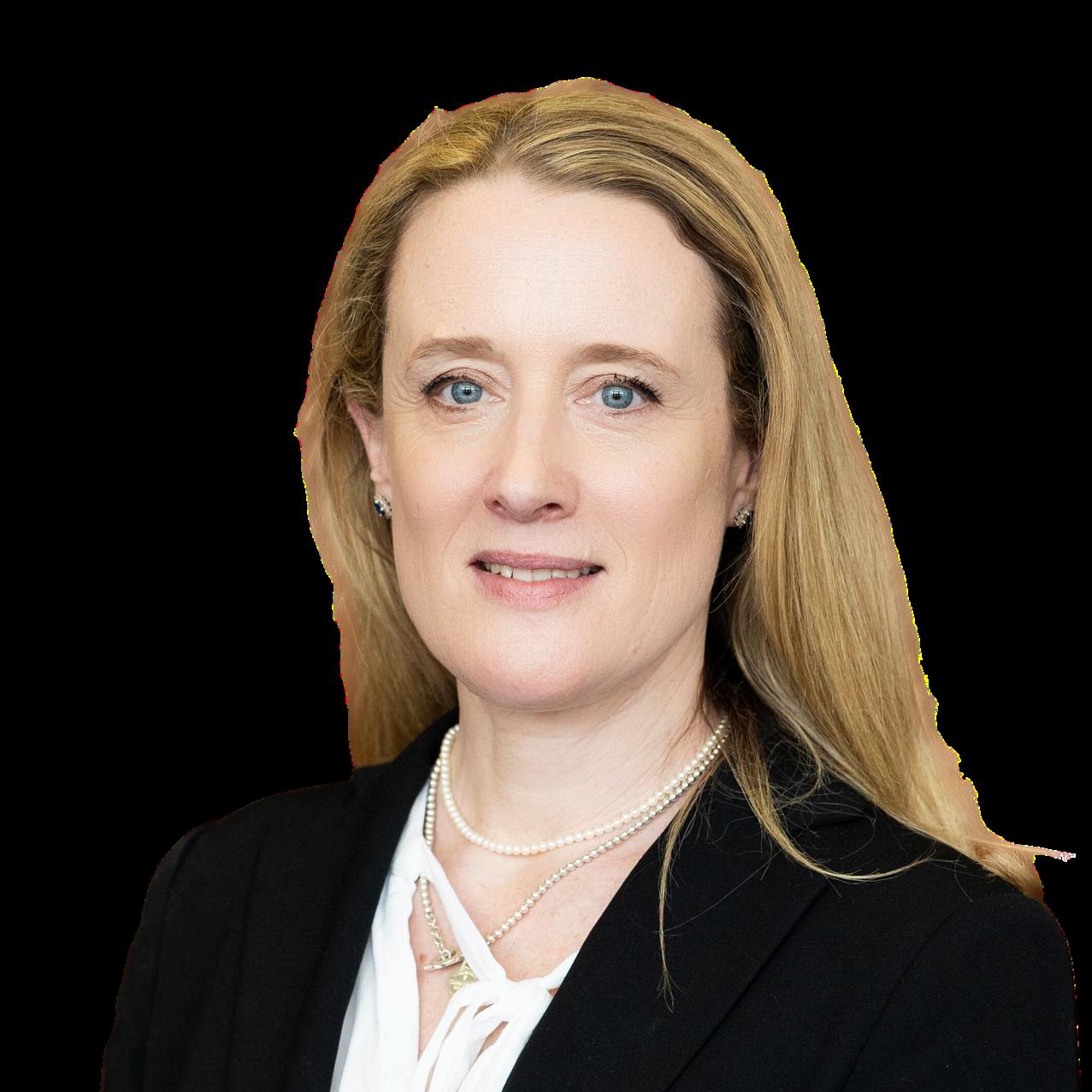
When I wrote for the Spring 2025 AEGIS Standard, I had no idea of the turbulence that lay ahead for educational guardianship in the UK. In my article, I highlighted AEGIS’s long-standing commitment and advocacy that have helped advance support and guidance for the sector, from giving evidence at the IICSA Inquiry to lobbying for a standard on guardianship in the revised NMS, but little did I know, the next challenge was imminent.



If you're not tracking your enquiries through a basic pipeline, you're either flying blind or stuck in the weeds
A good pipeline gives you a big-picture view of what’s happening in admissions Not every form or checkbox - just the sales flow:
�� How many enquiries are coming in this week?
�� Where are they sitting in the pipeline right now?
�� What needs to happen to nudge them to the next step?
�� And where are the drop-offs you can actually fix?
You don’t need a snazzy CRM (though if you’ve got one, great). Even a spreadsheet can show you what stage families are in, and where things are stalling. It's not about creating more admin it's about spotting where to focus. And when you can do that? You stop losing families who were actually a great fit. Let’s be clear: these are sales stages, not admin stages.
We’re not tracking “sent invoice” or “waiting on a form.” We’re tracking momentum. Gates they need to pass through to move closer to enrolment.
Here’s what that might look like:
For schools:
Enquiry → Visit → Registration → Offer Sent → Offer Accepted → Enrolled / Not Progressing
For guardianship providers:
Enquiry → Meeting Arranged → Quote/Negotiation → Agreement Sent → Signed / Dropped Off
And yes there might be nuance within those If you can’t send an offer until a test is passed or a visa is granted, that’s fine It still sits under the same stage What we care about is: are they moving forward, or have they stalled?
I often see bottlenecks after open days, visits, or great agent meetings You’ve smashed the first impression, then crickets The follow-up is light, vague, or left to the family That’s where conversions quietly die
This is where your pipeline helps you laser in.
Find the stuck stage, fix it, and see your numbers shift no extra leads needed
So no, I’m not suggesting more tracking I’m suggesting smarter effort
A simple pipeline = clarity, focus, and more enrolments without more chaos
If you’d like an informal chat with Nicola about how she helps schools and GOs ‘sell education’ you can book it in here https://calendly.com/nicolalutz/chat-with-nicola-lutz-aegis
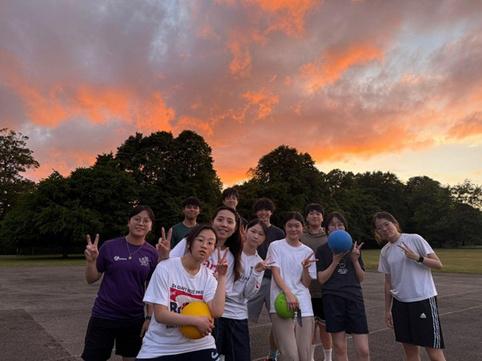
This half-term holiday camp has become a cherished tradition for me. Now in its fourth year—and after eight camps in total— it still feels exciting every time. We are back once again at the Royal Masonic School for Girls, a venue that has welcomed us warmly, while past camps have also taken place at Worth School, The Oratory, and Stowe. Each setting brings its own character, but the heart of the camp is always the same: a few days where students can pause from their regular school life, learn a little, play a lot, and simply enjoy one another’s company.
Our May programme keeps a natural balance between study and fun. Mornings might start with a lively maths quiz, while afternoons are filled with squash or touch ball on the courts and fields. Evenings are for shared meals and conversation— whether that’s a Japanese dinner in London or our traditional hot-pot finale. Somewhere along the way, a debate inevitably breaks out about which boarding school really has the “worst canteen food,” and it always ends in laughter.

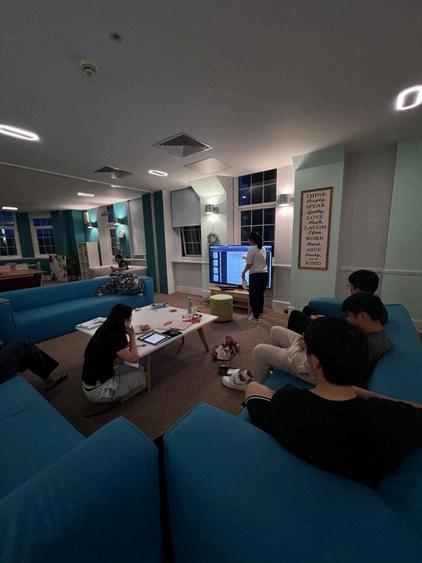
This year brought a new milestone: recognition as a Duke of Edinburgh Award Activity Provider. One student even submitted her time at camp as part of her DofE qualification and was approved, which felt like a quiet confirmation that what we do here matters.
For me, the best moments are still the simplest - watching friendships form, hearing late-night giggles, and seeing students discover small pieces of independence that will stay with them long after the camp ends.
At Homecamp, we believe that international students deserve more than just accommodation outside of school, they deserve a true sense of belonging. Our guardianship ethos is rooted in warmth, care, and everyday moments that make a house feel like home.
Our homestay families are not just hosts. They are mentors, role models, and cheerleaders, offering the encouragement and reassurance that young people need when far from home. From helping with homework to sharing in milestones and achievements, they provide the steady support that enables students to thrive academically and personally.
Meals at Homecamp Homestays are about more than nutrition, they are about connection. Students gather around the table with their homestay families to share food, stories, and laughter. Whether it’s a homemade birthday cake, playful steamed buns, or a comforting Sunday roast, mealtimes are more than just eating, they're a chance to chat with your new family and fellow students, swap stories, and have a good laugh.
Life with a Homecamp family also means plenty of opportunities to grow outside the classroom. Spacious gardens and nearby parks encourage students to play sports, explore nature, and enjoy the outdoors, fostering teamwork, resilience, and balance in their busy lives. Even simple joys, like relaxing with the family pet after a long school day, are part of the care that makes our guardianship unique.
Above all, our goal is to help students feel at home while they pursue their studies. We nurture independence while providing security, ensuring that every student under our care feels safe, valued, and supported. By embedding them into loving family environments, we give them the foundation to become not only successful learners, but confident, compassionate global citizens.


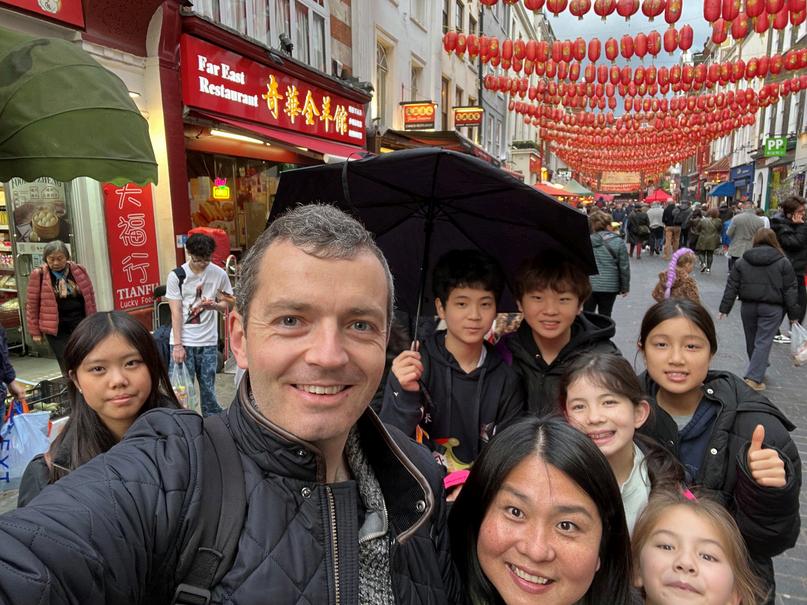
In the nearly ten years I spent living in China, one of the comments that people often made when I told them I was British was that I must be a “shēn shì 绅 ⼠ ”, the Chinese for ‘gentleman’. I often wondered what images this word brought to mind for the average Chinese person. Was a ‘gentleman’ simply a man in a suit and bowler hat carrying an umbrella?
I was reminded of these interactions a few weeks ago in conversation with one of our students about an incident at school. Rushing to get to class on time, she had pushed open a door and neglected to hold it open for a teacher who was waiting on the other side, leading to a telling off and behavioural sanction. She felt hard done by, arguing that she had been in a hurry to get to class because she didn’t want to get in trouble for being late and felt that the teacher was unduly harsh. Being habitually in a rush myself, I sympathised, but I also realised that she perhaps hadn’t fully grasped why the teacher had been cross with her; as she saw it, she was simply walking through a door! As her guardian, I did my best to tactfully explain this particular rule of etiquette and its importance in British culture: being polite or ‘gentlemanly’ and holding open a door for someone, even if you’re in a hurry.
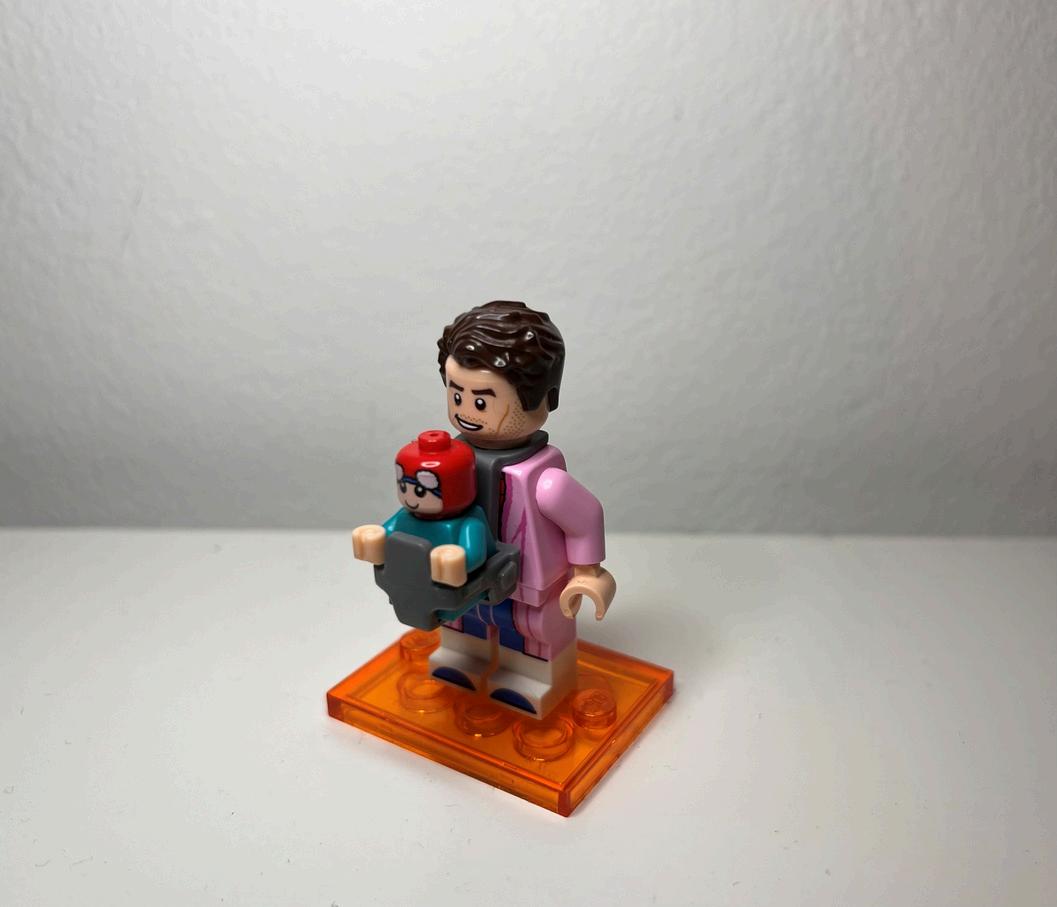
Helping to explain and interpret the manners and idiosyncracies of our culture to our students is one of the responsibilities and privileges of being a guardian, but equally rewarding, and humbling, is the opportunity to experience and learn from the virtues of our students’ cultures. Just before the Christmas holidays, I was presented with the gift of this Lego minifigure of a father and baby by another of our students before he left. His reason? “I saw it and thought of you - because you look after children too”. A small token of appreciation reminded me of the admirable generosity and thoughtfulness I had experienced living in China all those years ago.

Guardianship and host families supporting students through changing landscapes
Recent sector-wide trends have sparked discussion around international student experiences in the UK. Enrolment pressures, policy changes, and rising costs have affected perceptions of UK education, while staffing challenges in boarding schools have raised questions about the consistency of pastoral support.
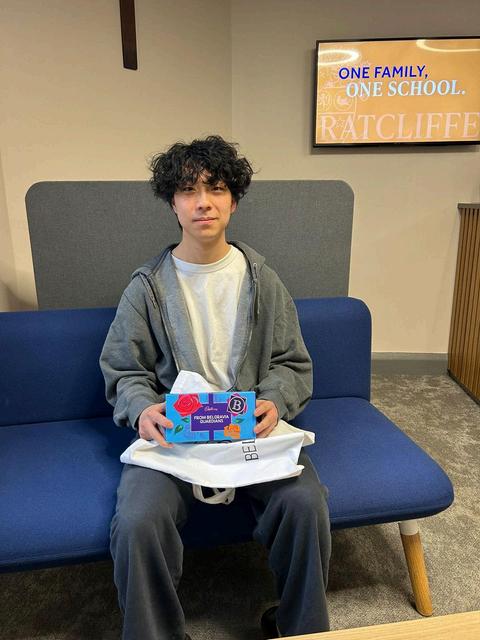
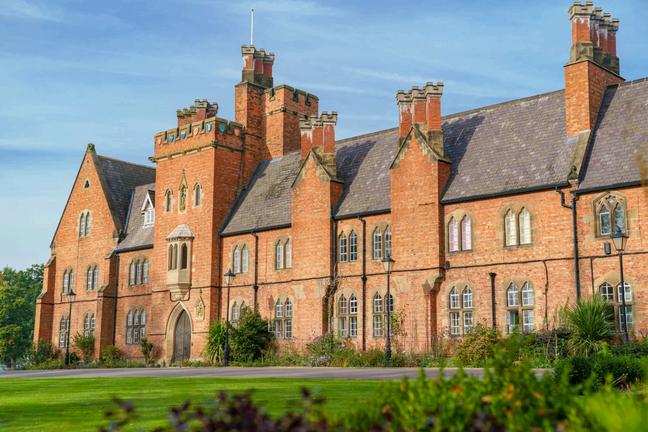
At Belgravia, however, our observations show a different picture. Despite financial pressures, including VAT increases, parents, guardians, and schools remain committed to ensuring that pastoral care and safeguarding continue at the highest standard. In our recent interactions with schools such as Ratcliffe College, for example, the level of academic guidance and pastoral support for Year 11 students has been exceptional. Students receive first-rate reporting, pathway advice for GCSEs, and guidance for future A-level choices and 6th form planning.
While broader trends may influence community diversity and peer networks, schools continue to feel vibrant, welcoming, and inclusive. One student, Joe at Ratcliffe College, has benefited from attentive houseparenting and pastoral care— critical during the challenging post-holiday adjustment period and with Chinese New Year approaching. Even in a sector where recruiting sufficient residential staff can be difficult, boarding communities remain lively, safe, and supportive.
Looking ahead, logistical and practical considerations remain important. Guardianship and travel arrangements are crucial, especially for younger students managing weekend trips home, half-term plans, and other journeys. Host families and guardians play a key role in providing reassurance and guidance, ensuring that students feel supported in every aspect of their lives.
Through consistent, timely care and collaboration between schools, guardians, and host families, students can navigate sector challenges with confidence—ensuring wellbeing, continuity, and a sense of belonging remain at the heart of their educational experience.
"The attention to detail from my host family and school pastoral team made transitions around holidays and travel smooth Their guidance and care gave me confidence, knowing I was supported academically, socially, and personally."

This year, Anglo Connection has had the joy of helping our students settle into British boarding schools and adapt to a new way of life. Many began the year feeling homesick and overwhelmed, but with care, guidance, and support, they have grown in confidence and happiness.
We welcomed students into our dedicated host families during half terms and whenever they were unwell, ensuring they always had someone to rely on. Marisa herself visited the students, offering reassurance and companionship, reminding them they were never alone. Over time, we have grown into a big little family, celebrating every smile, achievement, and milestone.
One story that highlights our work is of a student who struggled with the challenging behaviour of peers at his boarding school. Feeling isolated, he wanted to make the most of the incredible opportunities his parents had provided. Our team supported him every step of the way, helping him transition to a new school where he now thrives. We even found him a tennis academy to pursue his passion. Today, both he and his parents are very happy and grateful, and seeing him succeed reminds us why our work matters.
We are proud to say that our first AEGIS year has been a tremendous success, allowing us to love our roles fully while embracing the responsibility and joy of guiding these young people.
At Anglo Connection, every student’s journey is unique. With dedication, care, and a close personal approach, we continue to build a community where students feel supported, confident, and inspired to reach their full potential.
“Watching our students grow in confidence and happiness reminds us every day why care, guidance, and human connection truly matter”
Marisa Gregor. Owner and director Anglo Connection

When severe snowstorms swept busiest arrival days of the year, acted swiftly to ensure the safety students.
On January 2 , thousands of passengers flights between Schiphol Airport, either cancelled or severely delayed, guardianship students. Both cancellations, with one unable restrictions. nd

Although Bright World does not have staff based in Amsterdam, our Emergency Duty Managers provided continuous remote support, remaining available around the clock and ready to act as needed.
Clear and consistent communication between our Out of Hours Duty Care Manager, the Guardianship team, host families, taxi drivers, schools and parents helped prevent an already difficult situation from becoming even more distressing.
After more than 30 hours of disruption, the students were understandably exhausted, both physically and mentally, the collective effort of all involved found alternative ways to get the students safely back to their schools in the UK.
One student’s mother, Mrs Shiroyama, wrote:
“Thank you all for your support and care throughout this whole situation. I truly appreciate everything you’ve done to help us get him back safely.”
We are proud that our intervention helped to ease the situation and reassure everyone involved.
Su Warren, Managing Director of Bright World, commented:
“The success of this operation was only possible through teamwork. By working closely with schools, host families, students and parents, Bright World upheld its commitment to student welfare. Everyone was extremely grateful to Simon King, our Duty Care Manager, whose constant support during this stressful time made a real difference.”


In an era where sustainability and affordability matter more than ever, our agency and guardianship company is proud to promote a practical initiative that benefits both families and the wider community: encouraging students to buy and use second-hand school uniforms from their schools.
Independent school uniforms are renowned for their quality and durability, often remaining in excellent condition long after a student has outgrown them. By promoting the reuse of these uniforms, we are helping families make smarter financial decisions while also reducing unnecessary waste. This approach aligns perfectly with our commitment to responsible guardianship, where student wellbeing, environmental awareness, and community values go hand in hand.
We actively encourage our students and parents to consider second-hand options when purchasing uniforms. With our guidance and support, many students are already beginning to embrace this initiative. Through organised channels at schools and by parents, families can access clean, well-maintained uniforms that meet school standards at a fraction of the cost of new items. This not only eases financial pressure, particularly for international families, but also normalises sustainable choices within the school environment.
Importantly, students who participate in this initiative feel supported and confident, knowing they are contributing to a positive cause. Wearing a second-hand uniform does not compromise appearance or quality; instead, it reflects thoughtful decision-making and environmental responsibility. Schools benefit too, as this culture of reuse fosters inclusivity and reduces the overall environmental footprint of their communities.
As a guardianship company, we believe our role extends beyond logistics and supervision. By encouraging second-hand uniform use, we are helping to shape responsible global citizens. With growing student participation and strong family support, this initiative is already making a meaningful impact and we are excited to see it continue to grow.

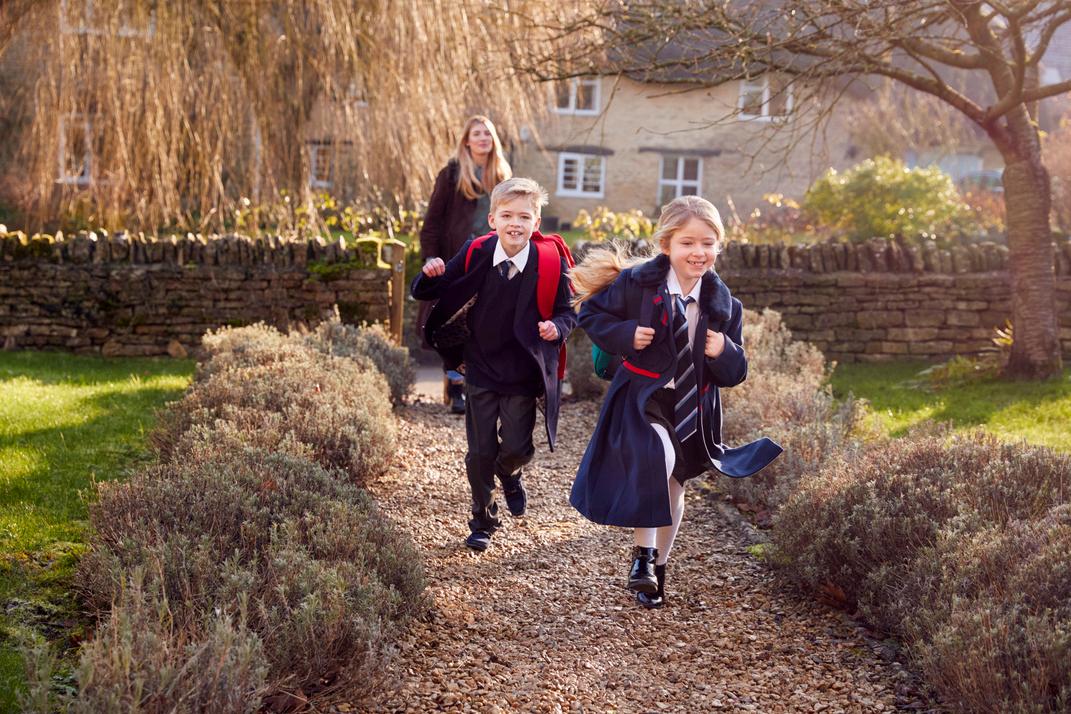

For many host families one of the key issues faced is the supervision and capping of student screen time. On 23 January, Cambridge Guardian Angels hosted a free workshop entitled Raising and Supporting Young People in the Digital Age
The workshop was led by Nova Eden. Nova pioneered the initiative that made Barnet the first UK borough to introduce a borough-wide smartphone-free policy in schools. She is currently working closely with parliamentarians and the Department for Education to drive meaningful change at a national level.
As Nova noted; “a particular challenge within the boarding school sector is that international parents are, in many cases, geographically distant. Host families therefore play a vital role, requiring both parental and school support to promote digital wellbeing and healthier digital habits.”
“The challenge is further compounded by the understandable desire of parents to remain in regular contact with their children, often resulting in increased reliance on digital devices,” added Julia Evans, Director of Cambridge Guardian Angels
Therefore, the workshop emphasised the importance of collective action, highlighting that parents, host families and schools must work collaboratively to provide young people with a consistent, structured approach to managing screen time and developing healthy digital habits.
The workshop explored several practical strategies through which schools, parents and host families can work together effectively, including:
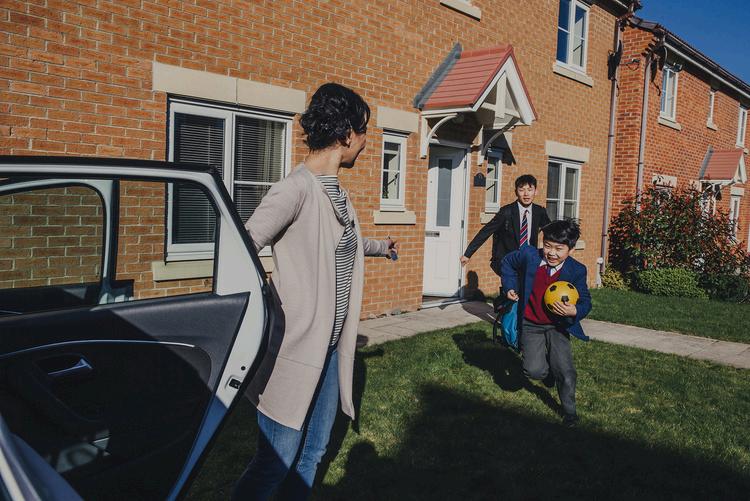
Establishing agreed daily times for children and parents to communicate.
Implementing a household rule whereby smartphones are kept out of bedrooms at night, supporting quality rest and uninterrupted sleep.
Charging all phones and devices overnight in a shared space, such as the kitchen.
Encouraging clear boundaries around phone use at mealtimes to promote presence, conversation and engagement
Advising students to keep their phones in a different room while studying to minimise distractions.
Promoting the habit of starting each day with intention by avoiding immediate smartphone use in the morning, allowing for greater mental clarity and optimal functioning.
The workshop reinforced that, when aligned, families and schools can play a powerful role in fostering digital balance and supporting the overall wellbeing of young people.
Supporting students through the unexpected: a guardian’s role
The start of term is often busy, but not always predictable. While much of guardianship happens quietly in the background, it is often when things go wrong that the role of a guardian becomes most visible, and most important.
Recently, one of our students, Daisy, was travelling back to the UK from China when her flight was delayed. She missed her connecting flight and found herself facing a long, unexpected wait in Amsterdam airport. Throughout the delay, we stayed in constant contact with her, checking she was safe, calm, and supported. We shared practical advice, monitored updates, and reassured her parents and school until she was back on her journey.

A few days later, we were contacted by a school to say that a student, Jordan, had been suspended with immediate effect. With little notice, we arranged suitable accommodation with a trusted homestay family the same day and ensured he was collected safely from school. Situations like this require quick decisions, clear communication, and calm coordination between school, family, and guardian.
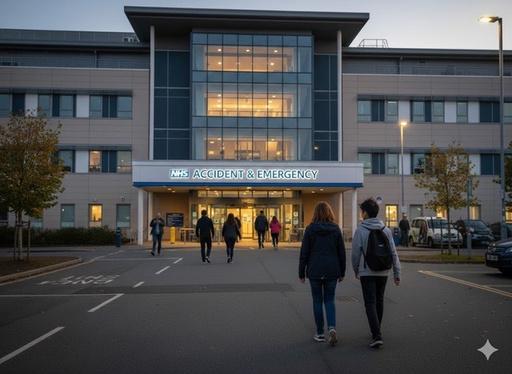
In a separate incident, we received a late-afternoon call from a school informing us that a student, Souji, needed to attend A&E. We went straight to meet him at the hospital, stayed with him throughout the evening, and returned him safely to his boarding house later that night. Follow-up communication with the school and parents continued over the following days to ensure his wellbeing was closely monitored.
These situations are never planned, but they are not uncommon. Guardians provide continuity, reassurance, and immediate practical support when students are far from home. Being available, responsive, and prepared to act, especially at short notice, is a vital part of safeguarding and caring for international students. By combining proactive support with quick response when emergencies arise, guardians ensure students feel safe, supported, and understood throughout their time abroad.
“Thank you for staying with Souji until late and for taking care of everything for him. Thank you also for contacting the school, for the medication and for the detailed diagnosis. I feel reassured that you are Souji’s assigned contact.” Souji’s mum.
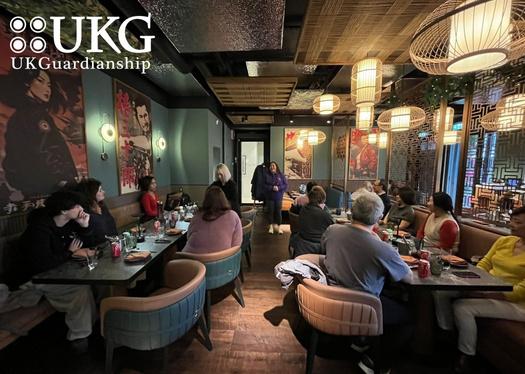
At UKGuardianship, we believe effective guardianship is built on people, not just processes. Policies and procedures are essential, but it is the strength of relationships that truly supports students when situations change unexpectedly. This approach was reflected in a recent Christmas lunch with our host families and school partners - a relaxed opportunity to mark the end of a busy term and to recognise the important role host families play within the wider safeguarding network.
While informal in setting, the gathering reflected something fundamental to our work: strong collaboration between schools, guardians and hosts. These relationships form the foundation that allows guardianship to function smoothly, particularly when additional support is required at short notice.
Although many students only use homestay provision occasionally, schools need to know that reliable alternatives are available when circumstances change. A well-established host family network enables guardians to respond promptly and appropriately, in line with safeguarding expectations — without placing extra pressure on boarding or pastoral teams.
When the Unexpected Happens
A recent case illustrates this clearly A French student in our care, who usually returned home during school holidays, became unwell during term time The school requested an immediate emergency homestay so she could rest and recover. As the student has a gluten allergy, careful placement was essential Drawing on our close knowledge of our host families, we identified a nearby couple with availability, no other students staying at the time, and experience preparing tailored meals Although Chinese by background, they have lived in the UK for over 30 years and are fluent in English, ensuring clear communication and a calm, reassuring environment for the student.
Throughout the placement, UKGuardianship remained in close contact with both the school and the family, providing regular welfare updates. The student recovered quickly, and her parents were reassured by the consistent communication and thoughtful handling of the situation.
Strong Relationships, Calm
This experience highlights the value of trusted guardian - host relationships built in advance. When these partnerships are already in place, schools can be confident that unexpected situations will be managed calmly, professionally and with student wellbeing at the centre - allowing pastoral teams to focus on their wider responsibilities.

This term, we welcomed our colleague Hailey from the Hong Kong office to the UK, where she visited students at several boarding schools. These visits are an important part of our work, allowing us to see first-hand how students are settling in and to make sure they feel supported and well cared for during their time in the UK.
The visits took place after the holiday period, once students had returned to their routines and term-time life had properly resumed. This point in the term can be a more challenging time for some students, with shorter days, colder weather, and fewer breaks. Visiting during this period gave us a more realistic picture of boarding life and allowed us to work closely with schools to understand how our students are coping.
By spending time in schools and students’ boarding houses and speaking directly with students and pastoral staff, we were able to gain a clearer understanding of students’ daily experiences. These conversations help us identify both the challenges students may face and the support that works well, ensuring we can continue to provide practical, emotional, and academic support that meets their needs. This also helps us give families meaningful and accurate updates.
During the visits, students were treated to snacks, including some from their home country, along with our branded Post-it notes. These small gestures helped remind students that support is always available. Whether they are feeling homesick, stressed, or just need someone to talk to, they know they can always reach out to us.
Visits like these are an important part of how we stay connected with our students and ensure they feel supported throughout their UK boarding school journey.
“Thank you so much for the update. E loves all the goodies. He was very excited about your visit and thanks for your time and support.” Parents from Hong Kong
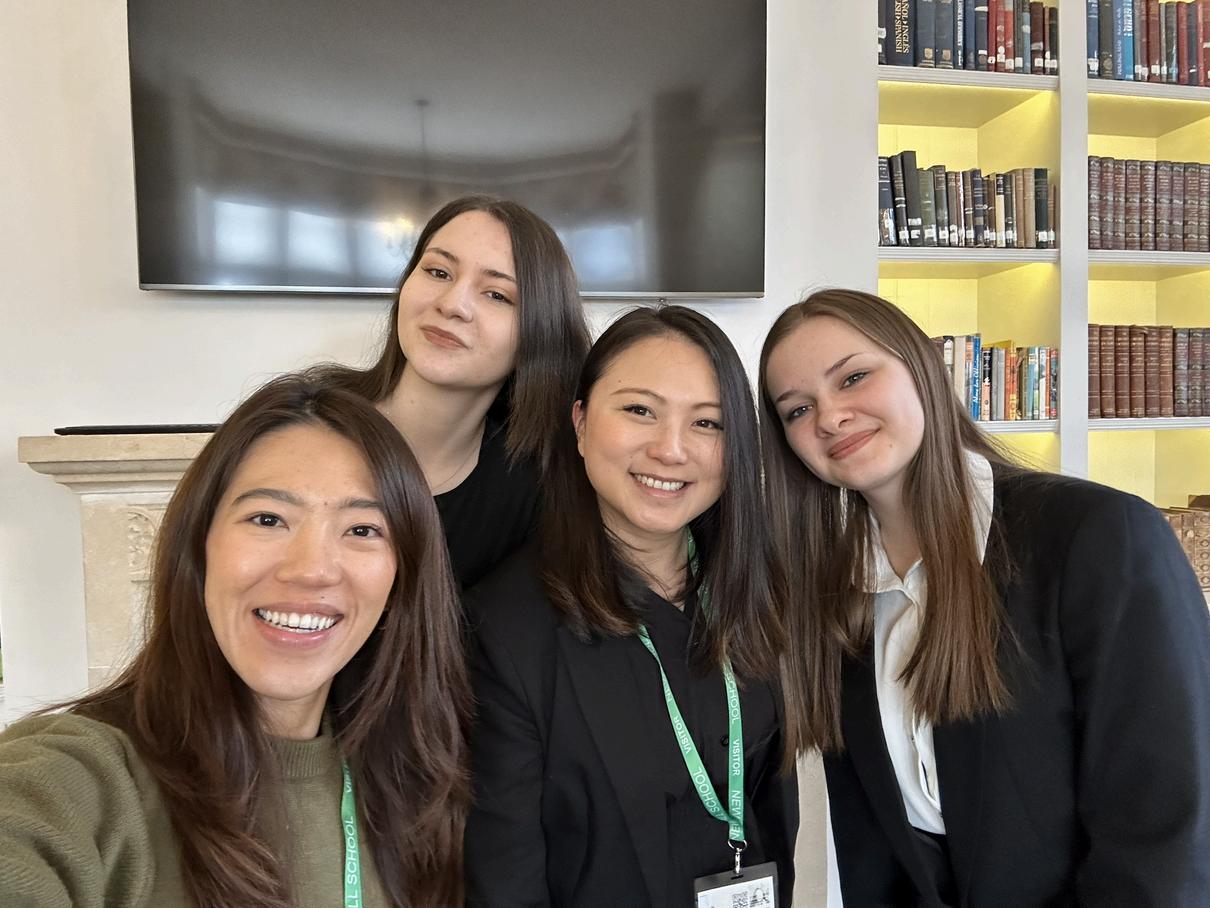


Tell us about yourself: where are you from, how long have you been learning English, and when did you come to study in the UK?
I am from Kyiv, Ukraine, and I have been learning English for over ten years. I came to the UK in September 2024 to study.
What were your first impressions of the school and the country, and how have they changed after a year?
My first impressions of both the school and the country were very positive. Everyone was friendly and supportive, and the school offered many opportunities through its clubs and activities. I was also impressed by the welcoming atmosphere in the UK and the beautiful, varied architecture. Over time, these impressions have only improved. I have made close friends, I enjoy the subjects I study, and I have had the chance to visit different cities and attend football matches.
What was the most unusual thing, what was the most difficult to get used to? What was the role of teachers and guardians in this process?
One of the most unusual things for me was left-hand traffic, which took some time to get used to. Another challenge was finding a host family, but my guardian supported me throughout the process, which made a big difference in my first year.
Tell us about your leadership role at the school. What recommendations would you give to the newcomers?
I am a House Captain for Gurney House. This role involves organising house meetings, preparing activities, and sharing information about competitions and events. It is an important position because it helps bring the house together and gives students a voice.
My advice to new students is to come with an open mind and confidence. Don’t be afraid to make mistakes—people are understanding and supportive, and you will quickly feel part of the community.



Sixth Former Lily leads the way with West Midlands’ highest maths score
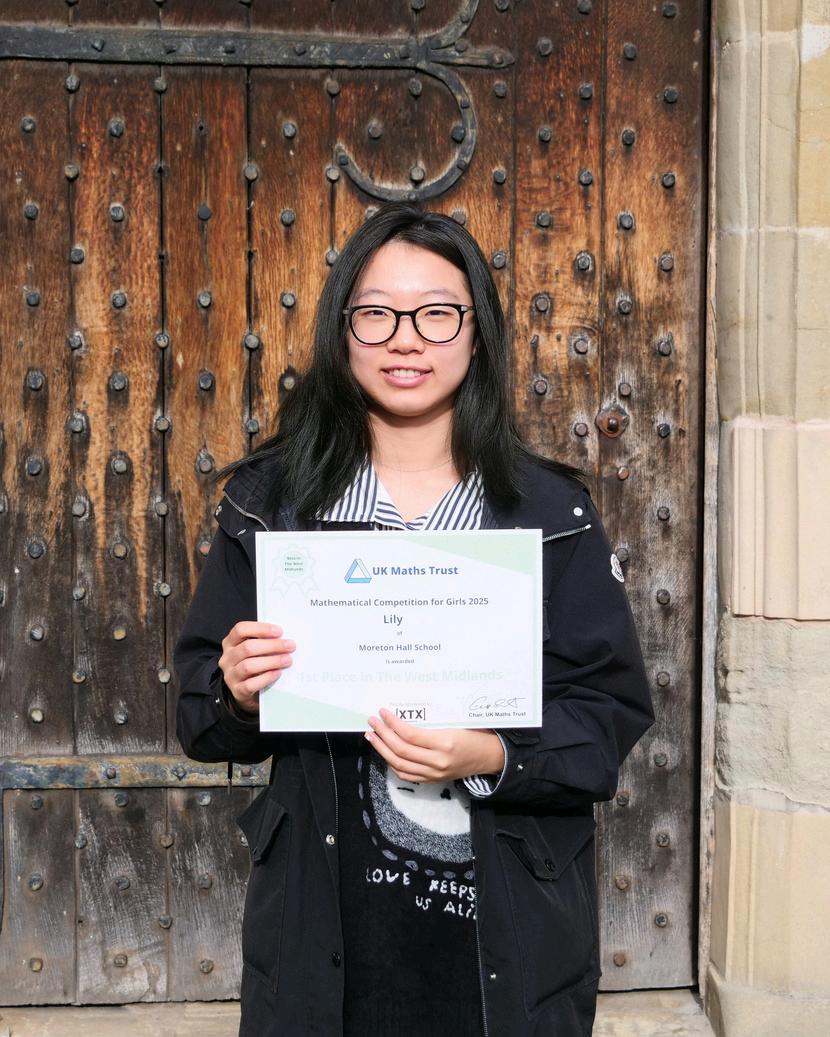
Meet Yixuan (Lily), an Upper 6 student at Moreton Hall who has established herself as one of the school’s leading mathematicians. Having joined in 2023 as an Upper 5 student, Lily now studies Mathematics, Further Mathematics and Physics at A Level.
Over the course of her Sixth Form journey, Lily has gone from strength to strength, consistently performing at the top of her cohort. This year, she achieved the highest score in the West Midlands in the inaugural Mathematics Competition for Girls, a new national competition running alongside the Maths Olympiad for Girls. She has also secured Gold Awards in both the Senior Maths Challenge and the invitational Andrew Jobbings follow-up competition, placing her among the strongest performers nationally.
Lily’s success is underpinned by a proactive approach to learning: she makes full use of subject clinics, seeks regular feedback from her teachers, and embraces extension and enrichment opportunities that deepen understanding beyond the syllabus.
Looking ahead, Lily is applying to study Mathematics and Data Science, with choices including the University of Bath, Imperial College London, UCL, Warwick and Birmingham. Alongside her A Level studies, she is preparing for the TMUA entrance examination.
Outside the classroom, Lily is an accomplished pianist preparing for ABRSM diploma-level examinations, enjoys exploring jazz, and plays badminton for fun.
Her journey reflects the opportunities available to Sixth Form students at Moreton Hall: high academic expectations, personalised support, and encouragement to pursue excellence in and beyond the classroom.
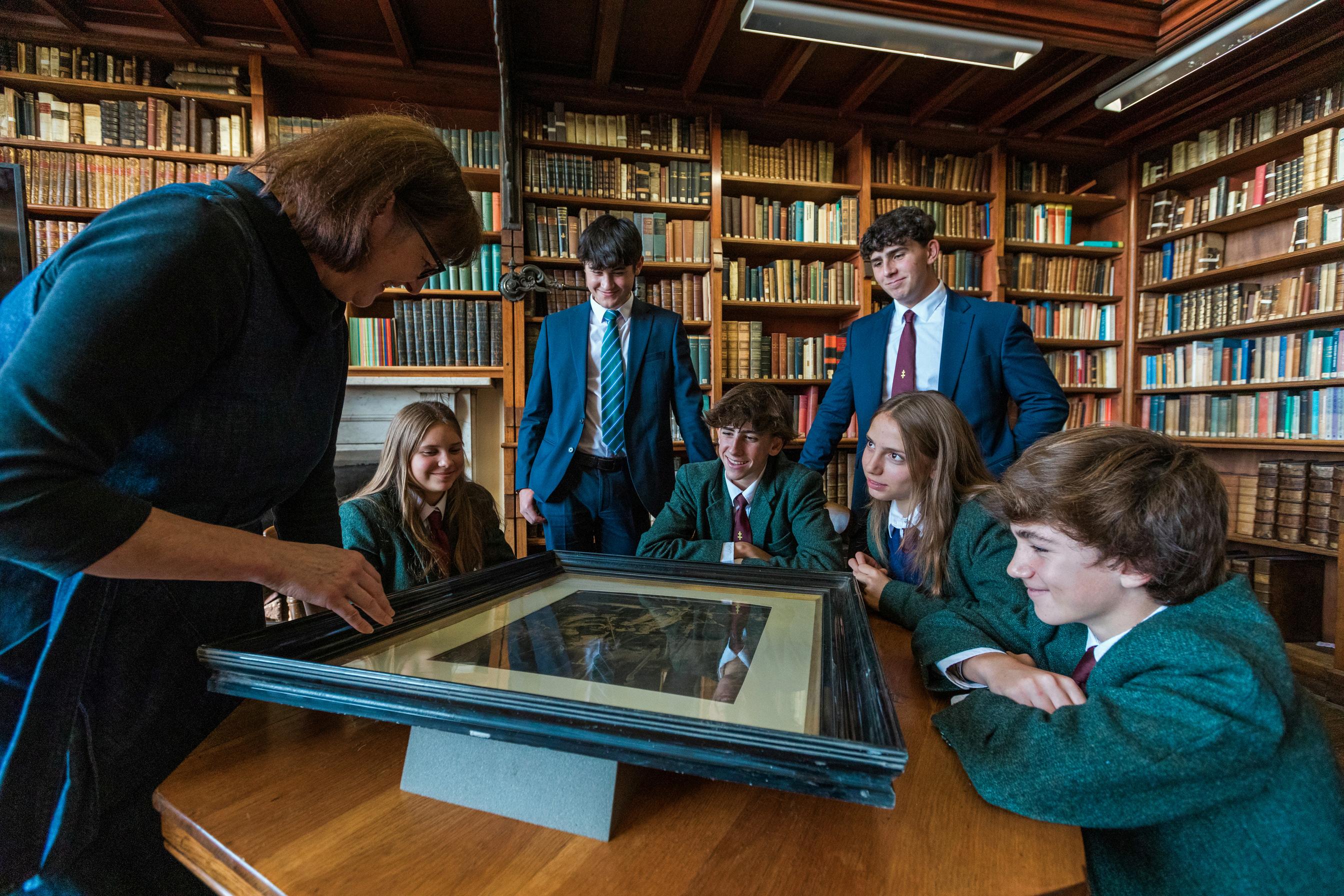
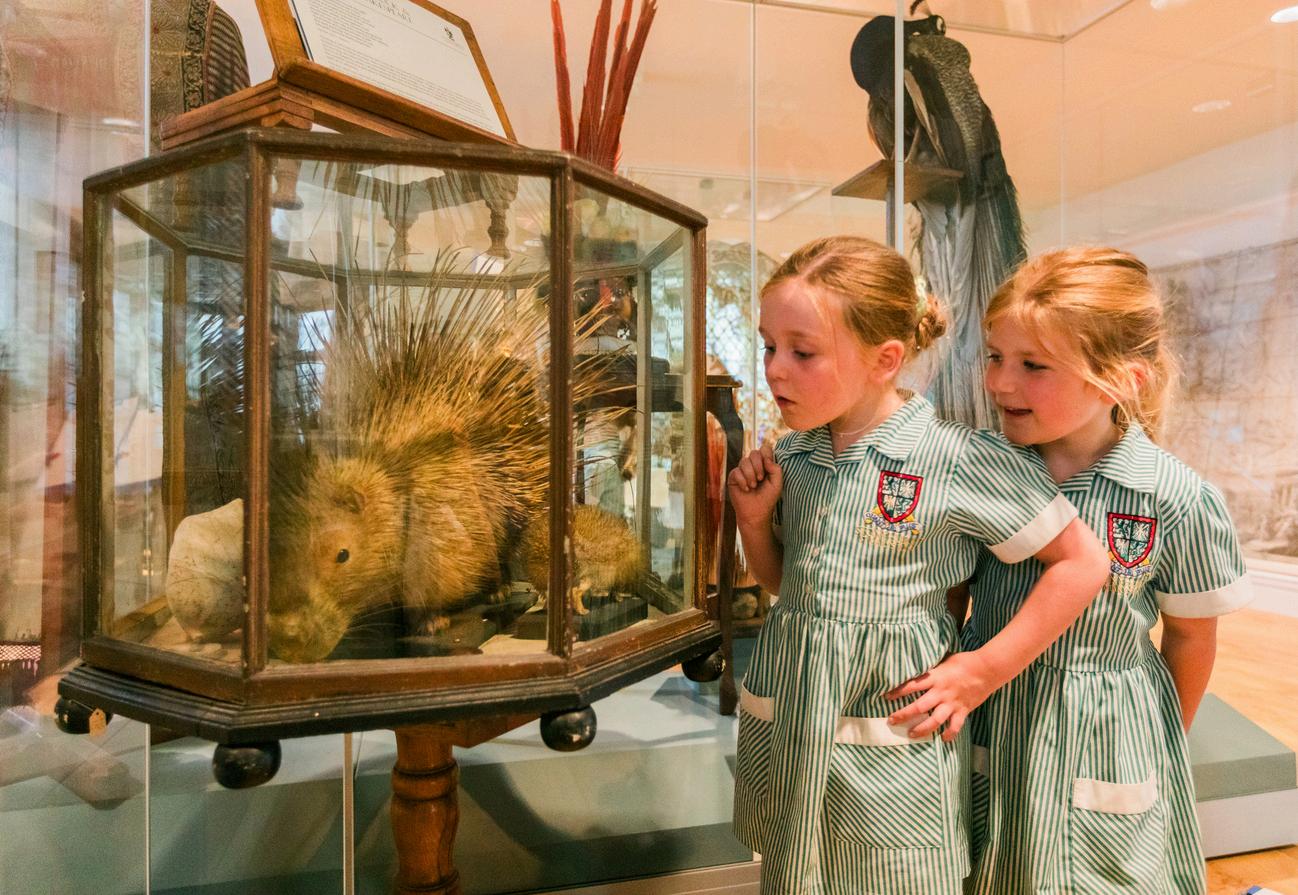
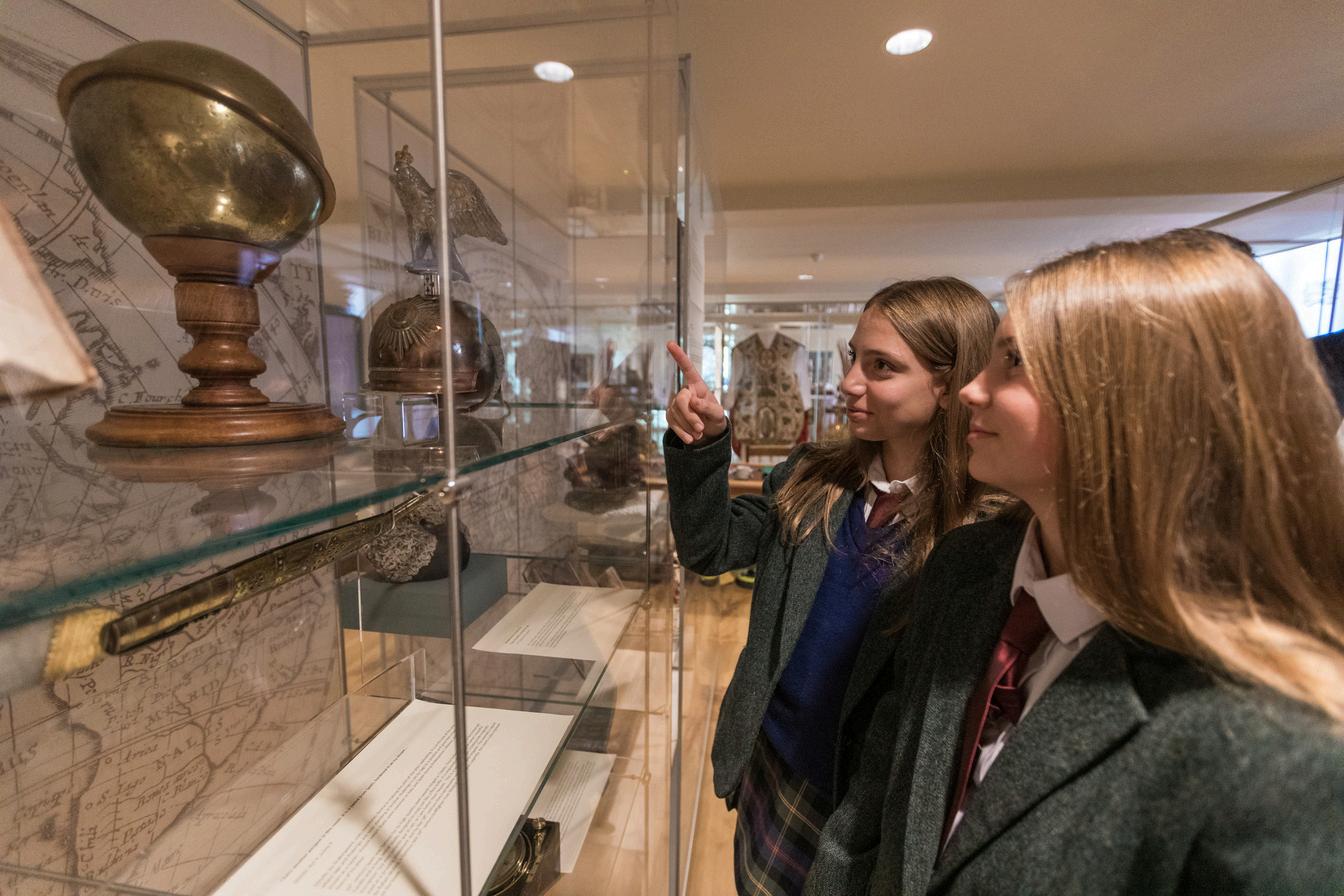
At Stonyhurst, history is not confined to textbooks or glass cases. Rare and remarkable objects are touched, examined and brought vividly to life during lessons, giving even the youngest pupils the opportunity to learn from the past.
Nestled within the historic halls of Stonyhurst College lies a museum and archive like no other. Spanning centuries and continents, the Stonyhurst Collections are recognised as one of the most important educational collections in the UK Their story begins in 1609 with a single golden cope and unfolds through four centuries shaped by upheaval, devotion and resilience
Today, the collection has grown into an archive of around 100,000 books, 40,000 manuscripts and 70,000 artefacts - from a 4,000-year-old spearhead to the fossilised tooth of a woolly mammoth
“The Jesuits have always recognised that objects have the power to illuminate and inspire,” explains Dr Jan Graffius, Curator of the Stonyhurst Collections.
To bring history alive, Dr Graffius established the Junior Curators Scheme for pupils aged nine and ten, teaching them to handle, interpret and communicate the stories behind objects. Children may find themselves holding a Greek drinking cup unearthed at Pompeii or examining the carefully engineered curve of a Neolithic spearhead.
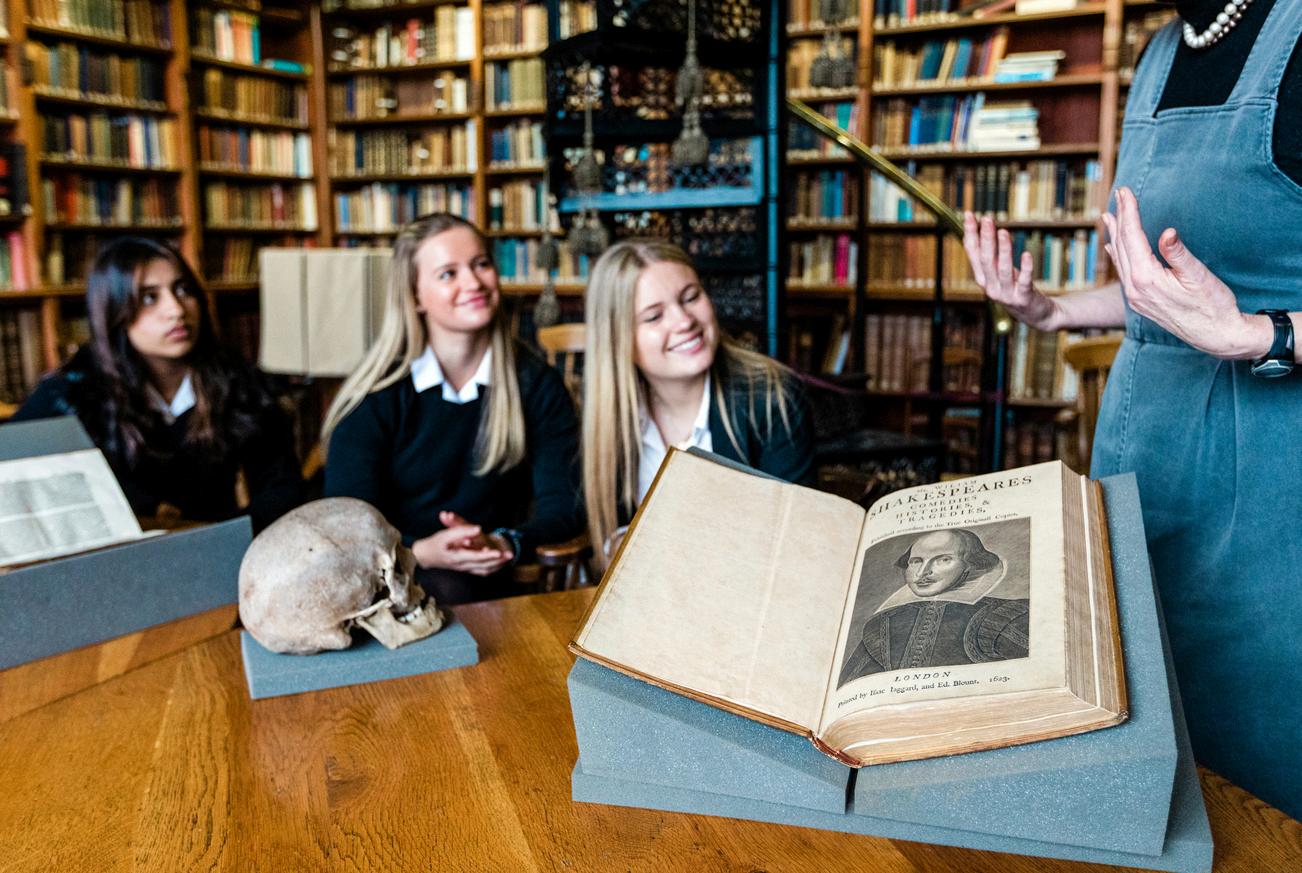
Stonyhurst houses part of the celebrated Waterton Collection, assembled by Victorian explorer Charles Waterton, which introduces pupils to natural history, preservation and global exploration A 50-million-year-old megalodon tooth sparks discussions about palaeontology, while Shakespeare’s First Folio opens a gateway to English literature
Older pupils use the collections to deepen their studies Sixth Formers curate exhibitions using artefacts, while art and biology pupils draw inspiration from the Waterton specimens A recent pupil-led exhibition, Womanuscripts, explores women’s voices in history through letters, recipes and manuscripts
The legacy of Stonyhurst’s collections extends beyond the artefacts themselves, connecting pupils to alumni such as Arthur Conan Doyle Through these objects - tools, texts and treasures - Stonyhurst pupils are given a rare opportunity to hold the past in their hands and carry its lessons into the future
Discover more about the Stonyhurst Museum and Collections
Two Sherborne Boys pupils (LVI/Y 12) reflect on what it means to study Chemistry at Sherborne.
Nenad (from Serbia, joined Sherborne Boys in the Sixth Form): Nenad has always been drawn to the big questions. “I have always been fascinated by science. I wanted to understand how everything happens. Why does soda have bubbles? What makes the sky blue? I perpetually had questions racing through my mind.”
It was only natural, then, that he expected Chemistry at school to be full of excitement but sadly the reality fell short until he arrived at Sherborne Boys. “Not only was I greeted by high-tech, modern and spacious laboratories filled with anything you’d ever need,” he wrote, “I was ecstatic to find that multiple times a week, the pupils had the chance to perform experiments practically by themselves. Flame tests, titrations, identifying unknowns, organic preparations, you name it”; Nenad was finally immersed in the hands-on Science he had been waiting for. “To me, this was everything I had hoped Chemistry would be.”
Marc (from Bermuda, joined Sherborne Boys in the Third Form): Marc found the shift to the English curriculum a real adjustment. “I started Third Form in set 6 with not the best grades in Physics and Biology,” he recalled. But rather than be discouraged, Marc embraced the challenge: “I was encouraged to push myself and helped tirelessly by my teachers.” That support – and his own determination – paid off. By the time he came to choose his A Levels, his 8:8 score in dual award showed that he was more than up to the task.
“I found the course very fulfilling, and the feeling of finally mastering a topic extremely satisfying.” What stood out most him were the Core Practicals. “They’re fun, especially at they get to, some lasting over several lessons. It was moments that Chemistry came to life.”
Two boys from different traditions, one with a head questions and unmet expectations, the other from a quiet perseverance and steady progress, have both found route into Science at Sherborne Boys.
“Chemistry is about transformations, but it can transformative in its own way, as both our boys have discovered!” William Buckley, Head of Chemistry

Have
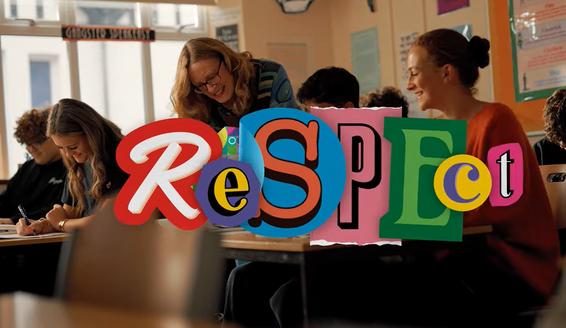
2025 marks 100 years of Frensham Heights School. We are celebrating an education that made Frensham different, even revolutionary back in 1925, but today as our new film quotes “has never felt more relevant”.
In the new film, a student asks “Have you found it yet?” before taking you on a fast-paced, graphically vibrant tour of Frensham today, emphasising what makes Frensham stand out, whilst dispelling misconceptions some may have of the school.
At Frensham we encourage students to be creative and curious and we champion an environment in which students can be “human, hardworking, happy”.
We are often asked why an international student would choose Frensham Heights. We hope our film gives you an authentic sense of what you can expect, as endorsed by our students who say the film “really shows Frensham as it is” and is “true to our school and shows what we are really about”.
It might also be a number of other reasons including:
Progressive ethos - a refreshing option for those considering boarding in the UK, perhaps even more familiar for those used to a more informal setting.
Our location - set in beautiful countryside on the border of Surrey/ and Hampshire, just 45 miles from London and close to Heathrow and Gatwick airports.
A breadth of subjects on offer with more of a focus on creativity (in all subjects).
Co-educational boarding from Year 7 upwards - family feel and real life!
The film is live on the Frensham Heights website here: Frensham.org or you can view it on our YouTube channel.
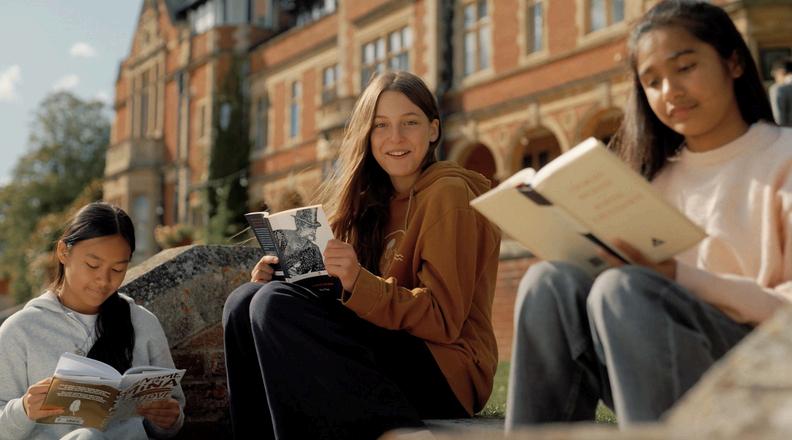

At Frensham we encourage students to be creative and curious and we champion an environment in which students can be “human, hardworking, happy”.

Warwick School is one of the oldest in the UK - with a history stretching back to 914. It is a leading independent day and boarding school for boys. At Warwick School, we prepare our children for the time when they must go it alone - for the day when we are not there to uphold the rules or show them the possible consequences of their actions.
Our purpose is simple and powerful: ‘To inspire and nurture every pupil to thrive in the world, now and in the future’. To thrive is to be happy, fulfilled, and have a positive impact on the world.
King’s High School, rooted in excellence since 1879, is dedicated to educating curious, courageous, and compassionate young women, empowering them to 'aspire, achieve, and enjoy'. At King’s High, we educate Changemakers for the future.
Our world-class, state-of-the-art school on the Foundation campus represents one of the largest investments in girls’ education in the UK. It embodies our commitment to creating inspiring spaces where our students can thrive.
There is no typical King’s High girl. Instead, we celebrate individuality, diversity, and difference as we respond to the unique strengths and interests of each student. Whilst our academic results are superb, our focus is on the complete educational experience.
At both schools, we are firmly committed to delivering a firstclass single-sex education, with our students developing and enjoying a broad range of opportunities without the constraints from gender stereotypes.
We also recognise the social benefits of a coeducation environment. Our shared campus enables a rich co-educational environment outside the classroom, including a purpose built Sixth Form Centre and a wide range of joint extra-curricular activities.
Further, many of our Thrive Friday Electives take place across both schools. The programme empowers these pupils to collaborate and socialise with like-minded peers and truly reflects our ‘best-of-both worlds’ approach.
This unique structure fosters strong academic outcomes while helping students to develop the social confidence and soft skills essential for life beyond school - whether at university or in the workplace.
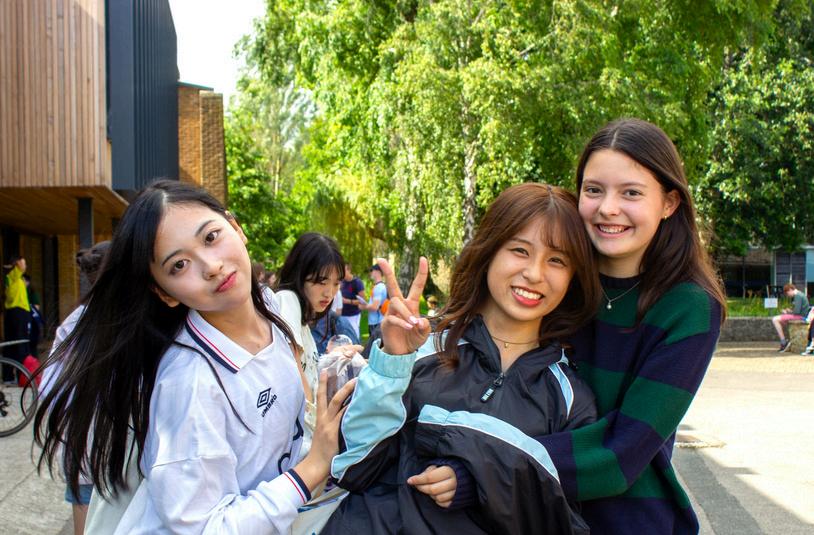
For many years, the activities programmes offered on UK summer courses for international students followed a familiar and largely reliable formula. Students of all ages, once lessons had finished for the day, would embrace a structured schedule of games, sports and evening entertainment. This youthful abandon made activity planning relatively straightforward: a well-organised programme, delivered with energy, was usually enough to guarantee high levels of participation.
However, the expectations of today’s international students have shifted markedly. Increased self-awareness, heightened academic and social pressures, and the ever-present competition from screen-based entertainment mean that engagement can no longer be taken for granted. Students are more discerning about how they spend their free time and less willing to participate in activities that feel generic, overly intense, or poorly aligned with their interests and age group.
As a result, activities provision now demands far more sophisticated planning. Greater emphasis must be placed on choice, variation and appropriate levels of intensity, alongside careful coordination and visible staff involvement to encourage participation. Simply offering activities is no longer sufficient; students need to feel that programmes are designed with them in mind and that their preferences genuinely matter.
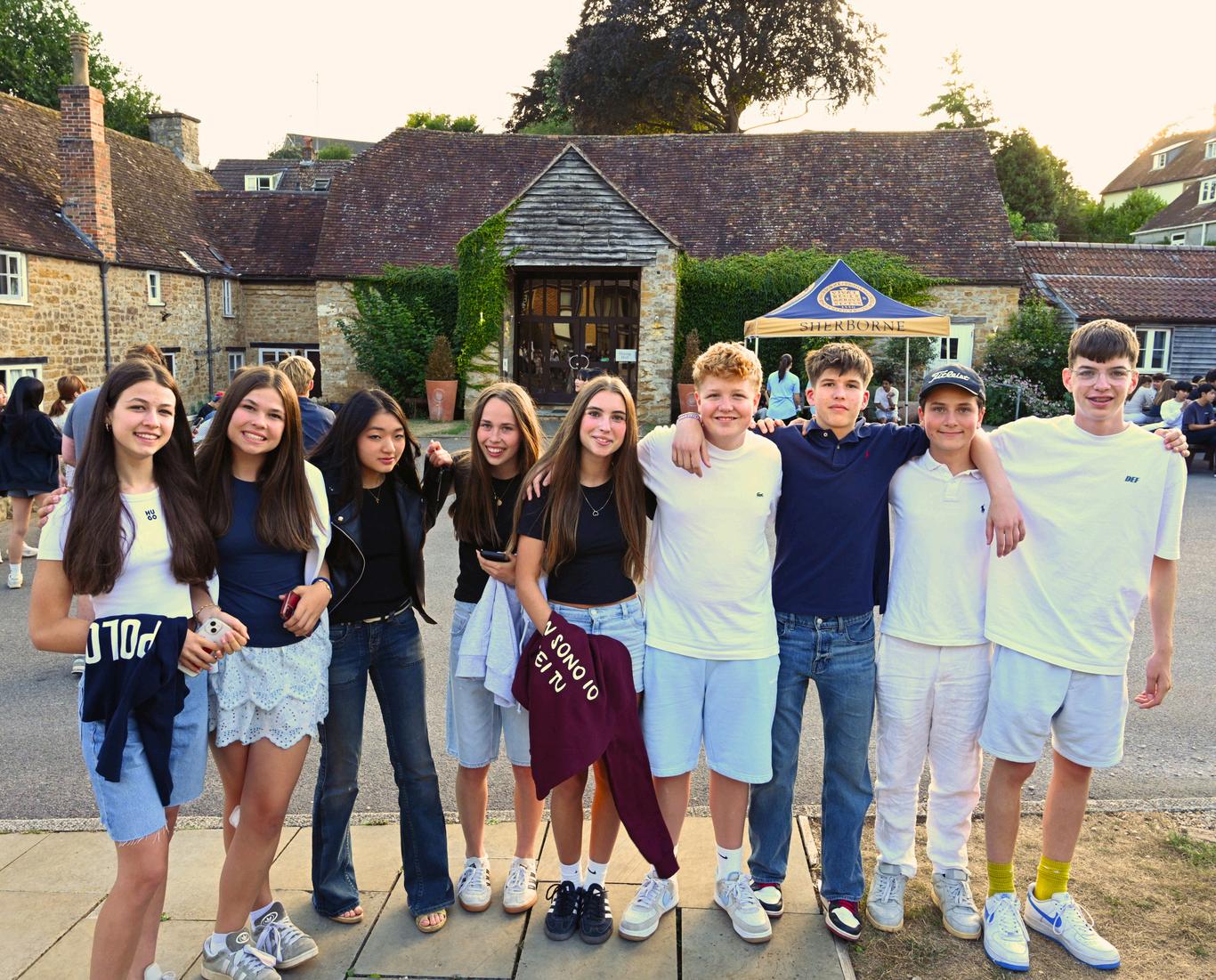
At Sherborne International, we have responded to these challenges by rethinking both the structure and philosophy of our activities programmes. One key development has been increased age separation for certain activities, recognising that what appeals to a 14-year-old may be very different from what engages a 17-year-old. We have also prioritised student agency by offering clearer choices, seeking real-time feedback, and adapting provision quickly where engagement is low.
Alongside this, we have invested in a broader and more creative range of activities Successful initiatives have included tear-andshare family-style meals for older students, external organisations delivering specialist demonstrations, live band nights, and housefocused events such as themed baking evenings and lowintensity pamper nights. These activities acknowledge the social, cultural and emotional needs of students, rather than focusing solely on high-energy entertainment
In an increasingly competitive market, activities provision is no longer a peripheral consideration. Programmes that offer genuine choice and variety, centred on what students actually want, are far more likely to foster engagement, wellbeing and positive memories of their time in the UK.

‘All the World’s A Stage…’ and ours has a suitably international flavour!
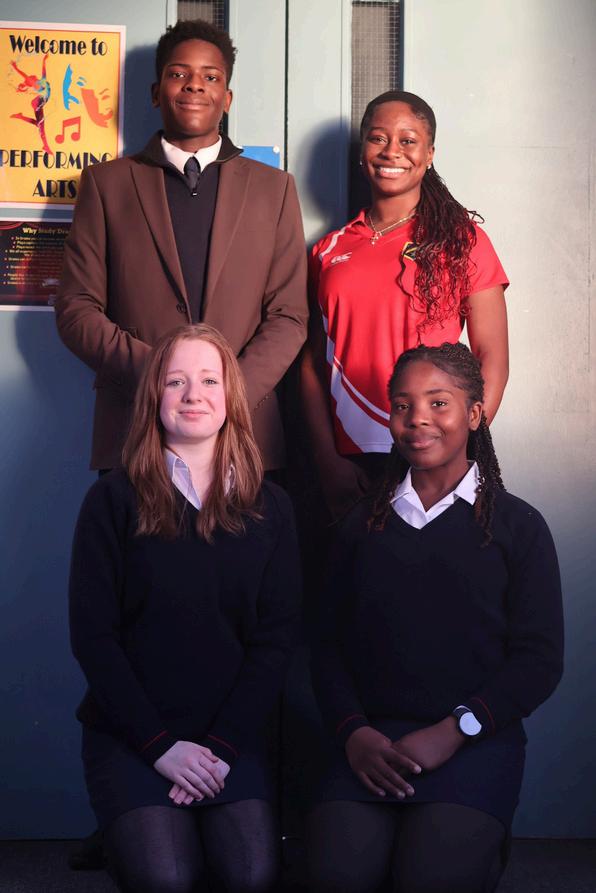
It is a point of pride at St Joseph’s College Ipswich that the annual senior musical production is open to all comers. The magic happens when the result magnifies the talents and ambitions of the individual cast members. Voices are discovered, stunning dance moves unleashed and even the shyest newbies step into the limelight. This year’s production of Footloose, about to be performed as this magazine went to press, was no exception.
Director of Music at St Jo’s, Miss Emma Wong, said, ‘It has been lovely to have our international and UK boarders take part and immerse themselves in the experience of putting on a musical theatre show. They have been able to form friendships and excellent relationships with their peers.
‘This experience has allowed them to create another family environment within the school apart from boarding. One of our Upper Sixth boarders, Josh, has worked with students from Year 7, for example, and I know students look up to him as a role model within our musical community.’
‘Skills developed during this sort of collaboration go way beyond the classroom and are transferable to other disciplines, too,’ she added.
Among those taking leading roles were boarders Demi and his sister Tiwa. Accomplished public speaker Demi, who took the role of the Rev Shaw Moore, said, ‘I’ll be playing Shaw… and I am most excited for putting my own unique spin on it!’
Tiwa added, ‘I’m excited to perform with my brother and to play in front of my grandparents.’
Break a leg, everyone!
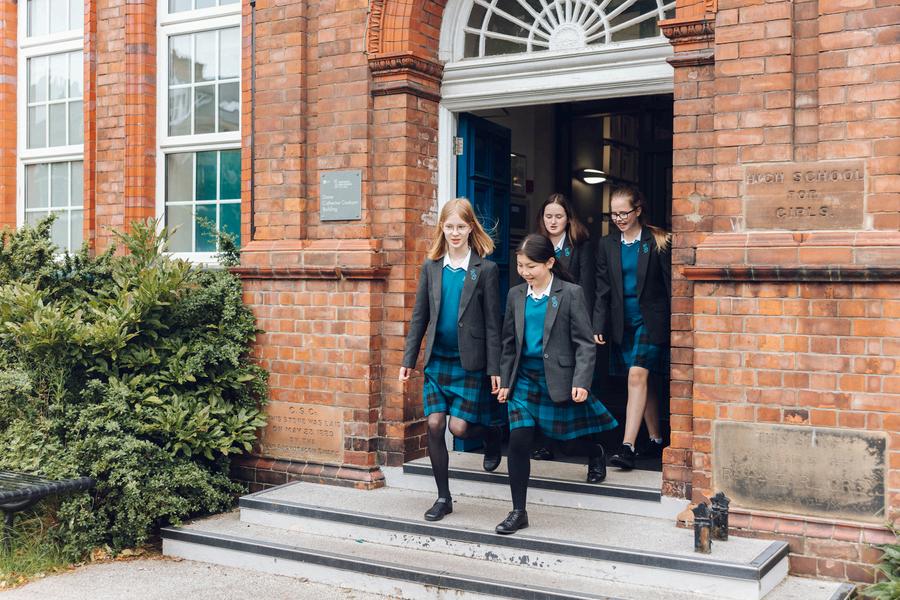



The Girls’ Day School Trust (GDST) is the UK’s leading network of independent girls’ schools - and the largest group of girls’ schools in the world.
For over 150 years, we’ve been shaping the future of girls’ education, putting girls first in everything we do. Our tailored approach to learning leads to higher academic standards and outstanding future outcomes for girls and young women. GDST alumnae are the largest global network of professional women and are leaders and change makers in their chosen fields across science, technology, medicine, politics and the arts.
Our network of schools offers academic excellence and exceptional pastoral care resulting in incredible success in the classroom and beyond. You’ll see our success in the grades our girls achieve, but you’ll also see it in their smiles and ambitions.
GDST is a one-stop shop for international families seeking a high-quality academic and cultural educational experience for their daughter, with proven pathways to top universities in the UK and US. Families can choose between boarding, homestay, day school and short-stay education options in prestigious and culturally rich locations close to major UK airports.
As a recognised global leader in girls’ education, GDST is dedicated to nurturing confident, happy and fearless young women from across the globe, equipping them with the skills to be the leaders of the future and the shapers of a more equitable world.
For more information, visit gdst.net
“The dedication GDST schools give to students in whatever they want to do is amazing… an Oxbridge advisor, a link tutor, partnership opportunities, its brilliant. I would never have imagined having that much support”
Yasmin, GDST sixth form student
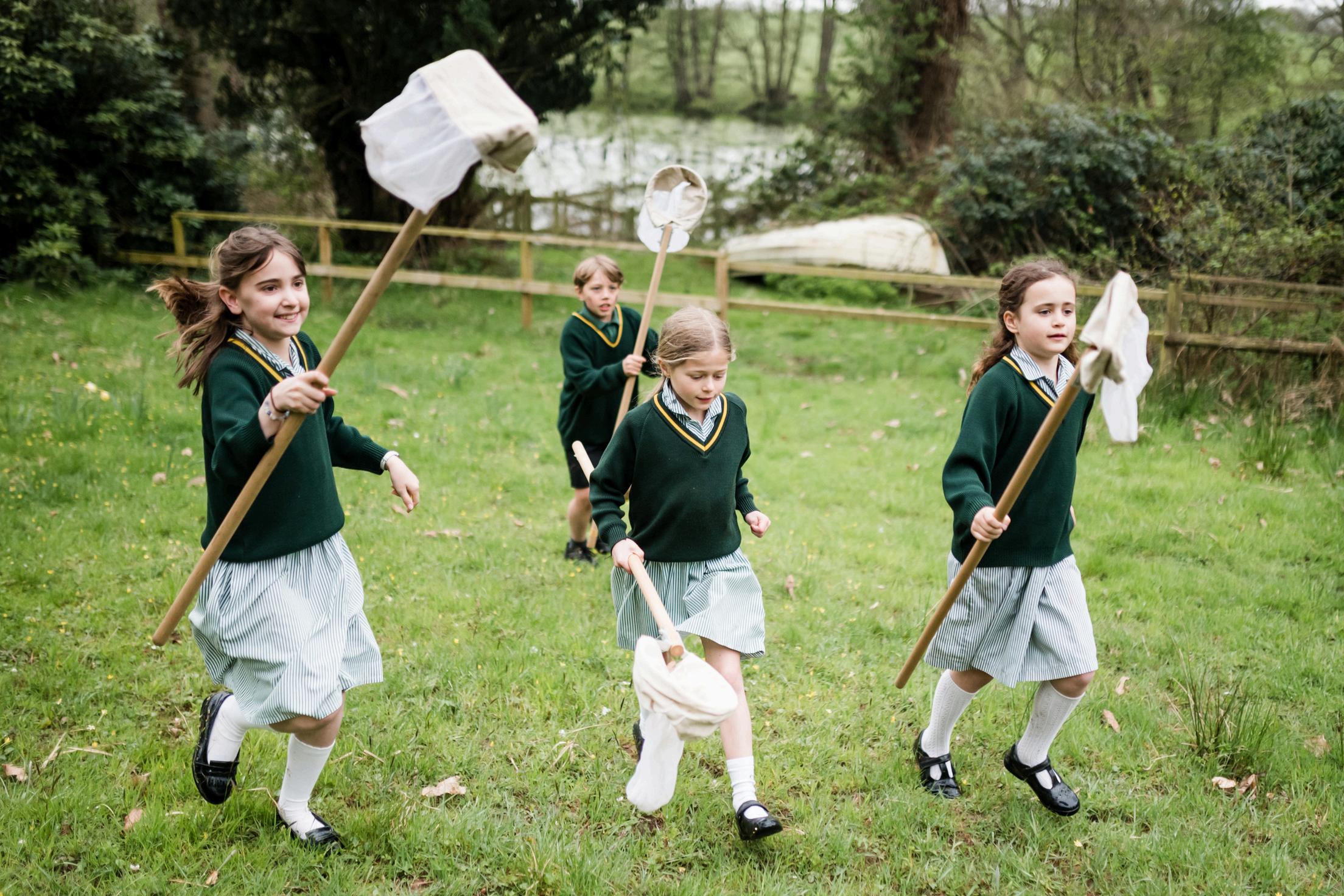
Set in the heart of the English countryside, close to the historic market town of Ludlow, Moor Park offers an exceptional prep school experience for international pupils seeking the very best of British education.
Charlotte Edwards, Head of Admissions, invited two international families to share their experiences with the school.
“Having spent three years in a large, high-performing school in Dubai, my children have no doubt benefited from strong academic rigour and high assessment standards, however, along the way, some of the simple joys of childhood were being lost. At Moor Park, learning feels purposeful yet joyful, and childhood is not rushed.
My eldest, while not naturally sporty, is now part of every sports team, competing weekly against other schools. This has significantly boosted his confidence and sense of self-worth, an opportunity that simply doesn’t exist in larger schools unless one is already exceptional.
My son also loves boarding! As we do not come from a boarding-school heritage, I was initially reticent, however, any concerns I had were swiftly put to rest. To him, it feels like an extended sleepover with friends; for me, it feels like parenting supported by a team I trust implicitly. The pastoral care is exceptional, and the sense of belonging he feels has been transformative after being in such a large school.”
Alice Fishleigh, Dubai.
"Our family chose Moor Park School for our daughters because it offers a truly immersive English environment in a peaceful setting away from London. As a small Catholic boarding school, it provides outstanding pastoral care and a warm, supportive atmosphere where each child is known, valued, and well looked after. We were also drawn to the school’s strong academic standards and its beautiful gardens and extensive grounds. In addition, despite its rural location, Moor Park is conveniently close to two airports with direct flights to Barcelona, making it an ideal choice for our family." Inés Alegre, Spain
For international families seeking an authentic English education in a nurturing, inspiring environment, Moor Park remains one of the finest choices; a school rooted in tradition, built on community, and dedicated to ensuring every child feels a true sense of belonging.



Keep up with all our news on our social media channels
Opinion Disclaimer
The views, thoughts and opinions expressed by our contributors and authors to this AEGIS newsletter solely belong to the contributors and authors, and do not necessarily reflect the views of AEGIS.