from forage to feed
A Scalable Proof of Concept for Hawaiʻi’s Livestock
Feed Infrastructure
February 2026


ACKNOWLEDGeMENTS
This study was made possible through the State of Hawaiʻi Department of Business, Economic Development and Tourism (DBEDT) and the Agribusiness Development Corporation (ADC). We would like to recognize ADC’s leadership and staff whose technical input and institutional knowledge supported the development of this proof of concept. Sincere mahalo to the Office of Senator Donovan M. Dela Cruz for advancing the dialogue around local agricultural, food security, and regional economic development.
We would also like to acknowledge all the producers, industry representatives, and advisors who contributed their time and technical expertise to this study. A special mahalo to: Austin Tom, Hawaiian Earth Products; Avery Barry, Waialua Fresh Eggs; Eric Bello, Sweet Land Farm; Jesse Cooke, Ulupono Initiative; Joshua Uyehara; Nicole Galase, Hawaiʻi Cattlemen’s Council; Ryan Murashige, Diamond Head Seafood Company; Taylor Kellerman, Kualoa Ranch; University of Hawaiʻi College of Tropical Agriculture and Human Resilience (CTAHR): Melelani A. Oshiro, Yunuen Bustamante, Dr. Rajesh Jha; and the attendees of the 2025 Hawaiʻi Cattlemen’s Council Convention and Hawaiʻi Farm Bureau Convention.
Project Team
Kimi Makaiau, Principal Investigator
Jonathan Malu Stanich, Research Associate
Daniel Luna, Research Associate
Hannah Valencia, Research Associate
Alexa Buskirk, Graduate Research Assistant
Logan Shiroma, Graduate Research Assistant

2410 Campus Road, Room 101A Honolulu, HI 96822 https://www.uhcdc.manoa.hawaii.edu
The University of Hawaiʻi Community Design Center (UHCDC) is a service learning program and teaching practice established and led by the University of Hawaiʻi (UH) School of Architecture that provides a platform for applied research, planning, placemaking, and design. UHCDC involves UH faculty, staff, students, and partnered professionals across UH campuses, departments, and professional disciplines.
Executive Summary
The Hawaiʻi Feed Facility Proof of Concept is a statewide initiative led by the Agribusiness Development Corporation (ADC) with support from the University of Hawaiʻi Community Design Center (UHCDC). It responds to structural challenges in Hawaiʻi’s livestock and agricultural sectors, including high feed costs, dependence on imported inputs, limited processing infrastructure, and exposure to supply chain disruptions.
The study evaluates the feasibility of re-establishing feed capacity in Hawaiʻi through a scalable, modular facility model capable of serving multiple livestock sectors and supporting inter-island distribution. It explores a hybrid feed supply approach that integrates locally produced forages, agricultural byproducts, and strategically imported commodities to improve cost stability, resilience, and local value retention.
The proof of concept frames the feed facility as enabling agricultural infrastructure, emphasizing phased implementation and design flexibility to accommodate variable demand, capital availability, and island-specific conditions. The report summarizes applied research, stakeholder engagement, and preliminary design work conducted by UHCDC between 2025 and early 2026, and identifies key operational, siting, and policy considerations to inform future investment and decision-making.
This document is organized into six primary sections:
1. Introduction
2. Feed Sector Overview
3. Methodology
4. Research & Engagement
5. Proof of Concept
6. Conclusion
1. Introduction
This section introduces the broader agricultural, economic, and policy context within which Hawaiʻi’s feed system operates, highlighting the structural constraints that limit livestock production and reinforce dependence on imported feed. It outlines the role of feed as a critical upstream bottleneck affecting both the feed system as a whole and Hawaiʻi’s climate resilience. The section also establishes ADC’s statutory role and policy alignment, framing feed infrastructure as a potential leverage point within broader statewide efforts to strengthen agricultural resilience, food security, and local value creation.
2. Feed Sector Overview
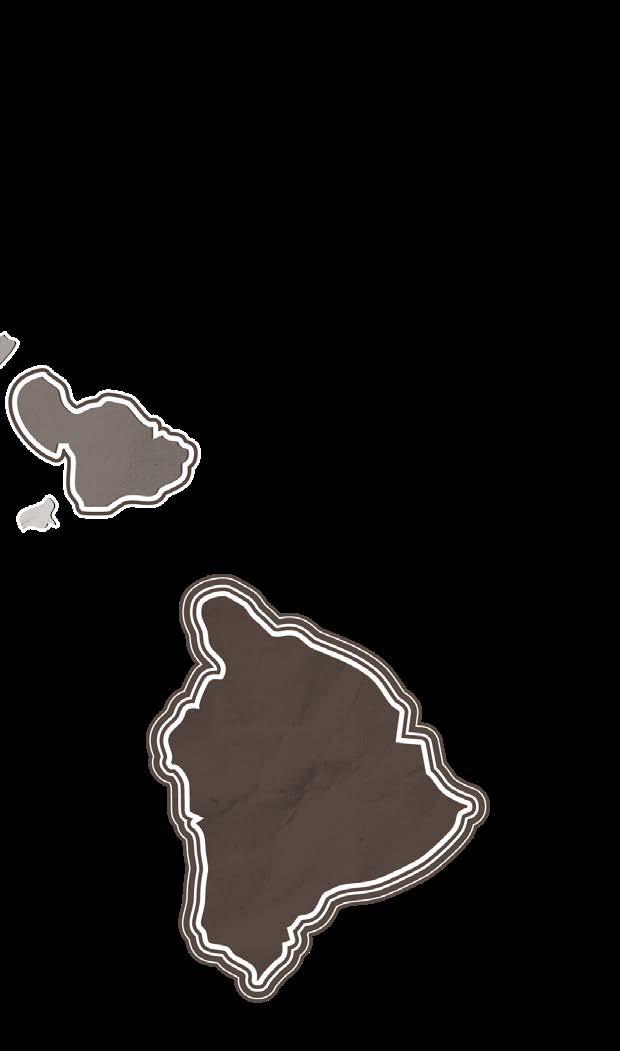
This section summarizes the historical evolution and current structure of feed systems in Hawaiʻi, tracing shifts from Ancient Hawaiian systems to the modern cow–calf–dominated model. It presents key data on feed expenditures, ingredient pricing, and the spatial distribution of existing feed distributors across the islands, and identifies locally available forage species and agricultural byproducts with potential for integration into future feed systems.
The section also provides a structured overview of Hawaiʻi’s livestock and aquaculture sectors to establish a consistent analytical basis for feed demand estimation and facility planning. For each species group, it outlines animal populations, farm numbers, and geographic distribution, along with prevailing feed system models, relevant lifecycle stages, and estimated annual feed requirements based on population and intake assumptions. Collectively, these profiles contextualize relative scale, spatial concentration, and feed system complexity across sectors, supporting comparison of feed demand and evaluation of strategic priorities for a pilot feed facility.
3. Methodology
This section outlines the methodology used in this report. Methods included extensive literature review to establish an evidence-based foundation for evaluating the feasibility, scale, and functional requirements of a feed facility serving Hawaiʻi’s livestock sector. The review emphasized applied research, historical precedent, and relevant data to ensure findings were grounded in Hawaiʻi’s unique agricultural, geographic, and economic conditions. The literature review was integrated with stakeholder engagement, site visits, and precedent analysis to ensure alignment between documented research and on-the-ground conditions. This combined approach informed a feed facility proof of concept that is grounded in local context while remaining adaptable for application across multiple islands.
4. Research & Engagement
This section documents the engagement process and technical evaluations that informed the Feed Facility Proof of Concept, integrating stakeholder input with forage preservation systems. It summarizes outreach to producers, distributors, agencies, and community organizations across Hawaiʻi, and describes how site
visits, conferences, and engagement tools shaped understanding of feed practices, infrastructure constraints, and regional variation.
Engagement findings are paired with focused assessments of pelletized poultry feed as a feasible anchor sector, opportunities to incorporate local agricultural byproducts, and comparative evaluation of feed production methods. Together, these analyses ground facility recommendations in both community priorities and operational realities, supporting selection of feed products, processing technologies, and pilot-scale strategies.
5. Proof of Concept
This section defines the role of the Proof of Concept (PoC) as a strategic tool for testing the feasibility, scalability, and operational logic of a statewide feed facility in Hawaiʻi. It outlines the PoC’s function in translating stakeholder priorities, market conditions, and sector-specific feed needs into preliminary facility models, process flows, and infrastructure assumptions that can inform subsequent professional design phases.
This section presents two complementary facility models, a regional forage drying facility and a centralized pelletizing feed mill, and examines how each could function within a distributed feed system. The proof of concept illustrates key planning and design decisions, including siting logic, parcel selection, programmatic adjacencies, and facility scale, and translates these considerations into conceptual site plans, architectural diagrams, and illustrative renderings. Together, these materials demonstrate a phased and adaptable approach to feed infrastructure that supports operational feasibility, island-specific conditions, and potential future expansion.
6. Conclusion
This section outlines a set of recommendations and next steps to advance Hawaiʻi’s feed infrastructure from proof of concept toward implementation. It translates the study’s findings into coordinated actions that address data gaps, infrastructure phasing, land use, technical feasibility, and governance, recognizing that feed system development will require incremental, regionally responsive investment rather than a single, centralized solution. Collectively, the recommendations provide a strategic framework for ADC to manage risk, align feed infrastructure with livestock system constraints, and guide future planning and capital decisions.
Summary of Key Recommendations
• Commission a systems study to consolidate inventories, feed demand by species, seasonal variability, and growth scenarios needed for accurate facility sizing and investment decisions.
• Integrate feed planning with livestock retention and production to ensure infrastructure assumptions reflect potential shifts in exports, local finishing, and sector growth.
• Conduct a statewide inventory of agricultural and food byproducts to validate feedstock availability, seasonal constraints, and competitive uses prior to incorporation into facility design.
• Advance a phased and regionally distributed feed infrastructure strategy, recognizing that Hawaiʻi’s feed needs vary by island and subregion and cannot be addressed by a single facility.
• Prioritize hay drying as a near-term, lower-risk investment to establish operational experience, validate demand, and support incremental feed system development.
• Identify additional regional hay drying sites aligned with local forage production and logistics.
• Maitain pellet feed production as a subsequent phase, acknowledging its higher complexity, imported input dependence, and greater logistical and qualitycontrol requirements.
• Align feed infrastructure planning with slaughter and processing capacity to ensure expanded feed availability supports viable finishing and market throughput.
• Coordinate feed infrastructure with ADC-controlled and other public land assets to assess where forage and feed-relevant crop production can realistically support facility operations.
• Clarify technical assumptions, equipment responsibilities, and utility requirements to refine capacity, cost, and operational feasibility.
• Clarify governance, financing, and delivery models, including ADC’s role, ownership and operating structures.
Table of Contents
Background
ADC Mandate
Sustainability and Climate Resilience
History of Feed in Hawaiʻi
Hawaiʻi’s Livestock Feed System Overview
Current Feed Sources in Hawaiʻi
Local & Drought Tolerant Forages
Feed Byproduct Opportunities in Hawaiʻi
Livestock Overview
Cattle
Swine
Poultry
Sheep & Goat
Aquaculture
Other
Engagement Methods
Research Methods
Overview
Stakeholder Identification
Site Visits
Conferences
Engagement Materials
Precedent Studies
Silage Production Methods
Hay-Drying Methods
Feed Types & Processing Methods
Overview
Regional Model vs. Statewide Model
Site Selection
Agricultural Connectivity
Design Considerations
Conceptual Site Plan
Forage Processing Facility Concept
Forage Processing Facility Render
Pelleting Feed Facility Overview
Program Flow
Program Inventory
Floor Plan
Program Areas & Facility Flow
Elevations
Sections
Pelleting Feed Facility Render
Recommendations
Bibliography
Meeting Summaries
Feed Mill Throughput Calculator
Cost Estimate
List of Abbreviations
AAFCO
ADC
cGMPs
CTAHR
DBEDT
FAO
FCR
HACCP
HDAB
HRS
NAICS
PoC
UH
UHCDC
USDA
USDA NASS
Association of American Feed Control Officials
Agribusiness Development Corporation
Current Good Manufacturing Practices
College of Tropical Agriculture and Human Resilience
Department of Business, Economic Development and Tourism
Food and Agriculture Organization of the United Nations
Feed Conversion Ratio
Hazard Analysis and Critical Control Points
Hawaiʻi Department of Agriculture and Biosecurity
Hawaiʻi Revised Statutes
North American Industry Classification
Proof of Concept
University of Hawaiʻi
University of Hawaiʻi Community Design Center
United States Department of Agriculture
United States Department of Agriculture National Agricultural Statistics Service
glossary of terms
The following list of terms provides definitions for terminology used in this report in alphabetical order.
Agrovoltaics (also called agrophotovoltaics, agrisolart, or dual-use solar) is the dual use of land for solar energy and agriculture.
Aquaculture is the breeding, rearing and harvesting of fish, chellfish, algae, and other organisms in all types of water environments.
Bales are a large quantity of something such as paper or hay that is tightly tied together, especially into a block.
Baleage is forage baled at a higher moisture and then wrapped with plastic to create an anaerobic environment to ferment and ensile the high moisture forage.
Byproducts are incidental or secondary products made in the manufacture or synthesis of something else.
Ectothermic animal, also commonly known as a “coldblooded” animal, is one who cannot regulate its own body temperature, so its body temperature fluctuates according to its surroundings.
Feed(s) are any single or multiple materials, whether processed, semi-processed or raw, which is intended to be fed directly to animals.
Feed Ingredient is a component part or constituent of any combination or mixture making up a feed, whether or not it has nutritional value in the animal diet, including feed additives. Feed ingredients are of plant, animal or aquatic origin, or other organic or inorganic substances.
Feed Mill refers to a facility that processes and produces balanced animal feed, mixing grains, supplements, and other ingredients into consistent, digestible formulas for livestock, poultry, fish, or pets, using machinery for grinding, mixing, and pelleting to meet specific nutritional needs.
Forage is defined as the edible part of a plant, other than the separated grain, that is generally above ground and that can provide feed for grazing animals or can be for harvesting for feeding.
Hay, in agriculture, refers to dried grasses and other foliage used as animal feed. Usually the material is cut in
the field while still green and then either dried in the field or mechanically dried by forced hot air.
Livestock are defined as domestic or farmed animals raised for food and fiber such as hogs, sheep, cattle, and horses.
Monogastric refers to an animal with a singlecompartmented stomach. Examples of mongastrics include humans, pultry, pigs, horses, rabbits, dogs, and cats.
Precedent is a person or thing that serves as a model.
Roughage refers to the fibrous indigestble material in vegetable foodstuffs which aids the passage of food and waste products through the gut.
Ruminants are even-toed, hooved, mammals with a four chambered stomach (rumen, reticulum, omasum, abomasum). In adults, the largest chamber is the rumen, anatomically different from, but often closely associated with the reticulum, and the reticulum and rumen sometimes referred to singularly as the reticulorumen. The abomasum, the last chamber prior to the small intestine, is an acid producing organ similar to nonruminant mammals. Important agricultural ruminant species include goats, sheep, and cattle. Horns or antlers may or may not be present in both males and females.
Silage refers to any crop that is harvested green and preserved in a succulent condition by partial fermentation in a more-or-less airtight container such as a silo.
Slaughter refers to the deliberate, controlled process of killing livestock (such as cattle, pigs, sheep, and chickens) for the purpose of converting them into meat products for human consumption.
AQUACULTURE-related terms
Bait Fish refer to a small fish (such as opelu and nehu) that attracts and is a food source for a larger game fish.
Crustaceans are invertebrate animals in the phylum Arthropoda, subphylum Crustacea, and include the barnacle, crab, crayfish, lobster, shrimp, water flea, and pill bug.
Mollusks are any soft-bodied invertebrate of the phylum Mollusca, usually wholly or partly enclosed in a calcium carbonate shell secreted by a soft mantle covering the body.
Ornamental Fish means live fish kept in an aquarium, tank, pond, or container for decorative or display purposes and not intended for release.
Sport Fish refer to popular fish species pursued by recreational fishers (typically anglers), and can be freshwater or saltwater fish.
cattle-related terms
Backgrounders/Stockers refer to a steer or heifer that is 6 to 9 months of age and weighs 400 to 700 pounds. After weaning from its mother, a stocker is put on grass or some other type of forage to promote growth and weight gain.
Cow-calf operation refers to a method of rearing beef cattle in which a permanent herd of cows is kept by a farmer or rancher to produce calves for later sale.
Feedlots are confined areas where livestock, primarily cattle, are intensively raised and fattened on a concentrated, grain-based diet for a short period before slaughtyer, maximizing weight gain for market.
Finishing refers to what cattle eat in the final months of their lives.
Forage finished/grass finished means the cattle consumed only grass and forage their entire lives: from weaning to harvest.
Grass-fed generally means the cow ate grass or forage for at least part of its life - typically early on while grazing pastures.
Grazing refers to feeding on standing vegetation, as by livestock or wild animals.
Pasture/Pasture Lands are areas devoted to the production of forage (introduced or native) and harvested by grazing.
Weaning is the substitution of solid food for maternal milk or milk substitutes in the diet of a child or young mammal.
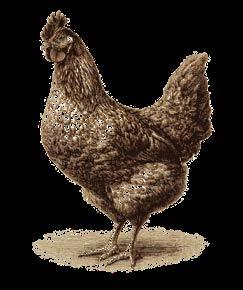
poultry-related terms
Broiler chickens are bred and raised specifically for meat production.
Chick refers to a young bird, especially one newly hatched.
Grower refers to the stage of rapid development in broiler chickens before becoming market-ready.
Layer is a female chicken specifically bred and raised for high-volume egg production.
Market-Ready refers to the time in which a broiler has reached the desired size, weight, and age for processing and sale.
Pullet is a young female chicken, typically under one year old, that has not yet started laying eggs.
Spent Hen is a female chicken that has finished its commercially productive egg-laying life and is no longer viable for laying eggs.
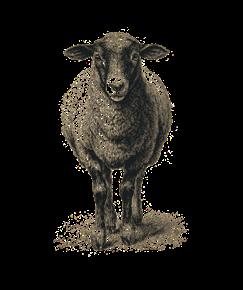
sheep/goat-related terms
Doe (or nanny) is an adult female, responsible for reproduction and milk production.
Doeling is a young female goat, especially one hat has not borne young.
Ewe is an adult female sheep.
Kid refers to a young goat.
Lamb refers to a young sheep.
glossary of terms
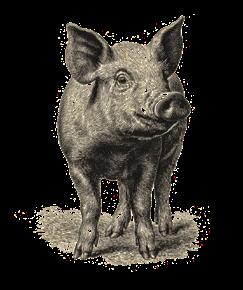
swine-related terms
Farrow to Feeder System refers to raise pigs from birth (farrowing) until they reach market-ready weights before selling them as feeder pigs to specialized finishing operations.
Feeder to Finish Farms buy weaned or feeder pigs and raises them on feed until they reach market weight.
Finishers is the term used to describe the final growth phase until market weight.
Growers is the term used to describe the stage after the nursery (weaning) where pigs build muscle and develop strength prior to finishing.
Piglet refers to a young pig.
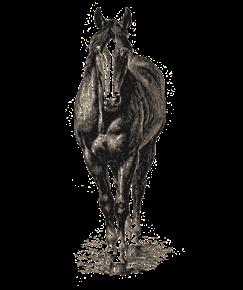
other species-related terms
Equine is in relation to or affecting horses or other members of the horse family.


Introduction Introduction
Background
background
Hawaiʻi’s livestock and protein production systems operate within a highly constrained agricultural context shaped by geographic isolation, limited processing infrastructure, and long-standing dependence on imported inputs. Animal feed represents one of the most significant and volatile cost drivers across livestock sectors, with the majority of feed commodities imported from the continental United States. This reliance exposes producers to shipping costs, supply chain disruptions, and market volatility, while limiting the ability of local agriculture to scale, adapt, or respond to climate and economic stressors.
Local feed production exists primarily at small or farmspecific scales and remains insufficient to meet broader system demand. While Hawaiʻi’s climate supports year-round forage growth, constraints related to land availability, processing capacity, storage, and distribution
Report Objectives
have prevented locally grown feed from meaningfully offsetting imported supplies. Seasonal variability, drought, and competition for agricultural land further complicate the reliability of forage-based systems, particularly for livestock operations that require consistent, nutritionally standardized feed inputs. In addition, limited on-island drying and post-harvest conditioning capacity constrains the viability of locally grown feed crops, as tropical production conditions often result in high-moisture biomass, such as locally grown corn, that requires energyintensive drying to achieve shelf-stable, transportable feed inputs.
These feed constraints intersect with other structural challenges across the livestock system. Limited slaughter and processing capacity, especially for cattle, restricts market pathways and reduces producers’ ability to respond

Identify priority livestock sectors whose feed demand, scale, and operational characteristics are most compatible with local feed production and processing.
Assess potential feed inputs, including locally produced forages, agricultural byproducts, and strategically imported materials, with attention to availability, seasonality, and nutritional requirements.
Evaluate facility models and processing approaches capable of operating at pilot scale while allowing for modular expansion or replication across islands.
Define land, infrastructure, and utility requirements necessary to support feed production, processing, storage, and distribution within Hawaiʻi’s agricultural and regulatory context.
Examine operational and logistical considerations, including sourcing, throughput, storage duration, inter-island distribution, and integration with existing agricultural operations.
Identify key risks, constraints, and dependencies that affect technical feasibility, economic viability, and long-term system resilience.
to fluctuations in herd size, feed availability, or demand. Inter-island shipping costs and logistical complexity further fragment agricultural markets, increasing costs for producers and limiting coordination between feed production, livestock operations, and processing facilities. As a result, Hawaiʻi’s livestock sectors remain highly sensitive to external disruptions and internal bottlenecks, reinforcing dependence on imports and constraining local value creation.
Within this context, ADC holds and manages agricultural lands that present a potential opportunity to address some of these systemic vulnerabilities. Strategic use of these lands, particularly where infrastructure, access, and scale align, could support feed production or processing activities that reduce reliance on imported inputs and strengthen local agricultural systems. However, the
feasibility of such interventions cannot be assumed. Questions of scale, sourcing, operational models, infrastructure requirements, and economic viability must be evaluated within Hawaiʻi’s unique agricultural and logistical conditions.
This report advances a proof-of-concept approach to examine whether a local feed facility could function as a viable component of Hawaiʻi’s agricultural system and under what conditions. Rather than proposing a single predetermined project, the proof of concept establishes an analytical foundation to test assumptions, identify constraints, and clarify the enabling conditions necessary for feed production to support livestock operations across multiple islands. In doing so, it situates feed infrastructure as a potential systems-level intervention within a broader set of agricultural challenges facing Hawaiʻi.

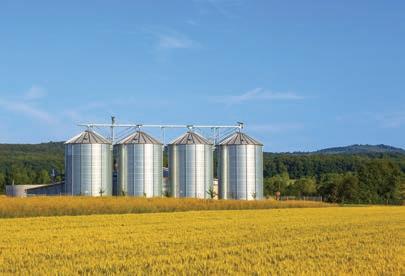
Photo Credit: Adobe Stock © Zhao Youli
ADC Mandate
The ADC is established under Hawaiʻi Revised Statutes (HRS) Chapter 163D. The statutory mandate of ADC is defined in HRS §163D-1, which states:
“The purpose of this chapter is to create a vehicle and process to make optimal use of agriculutral assets for the economic, environmental, and social benefit of the people of Hawaiʻi. This chapter establishes a public corporation to administer an aggressive and dynamic agribusiness development program. The purposes of the corporation shall be to support the production of local agricultural products for local consumption in a manner that is economically and environmentally sustainable...”
This mandate positions ADC as the State’s primary entity responsible for guiding Hawaiʻi’s transition from plantation-era agriculture toward a diversified, competitive, and resilient agricultural economy. The statute explicitly charges ADC with addressing structural gaps in agricultural infrastructure, conducting market analysis to inform sector evolution, and providing leadership in the development and improvement of agricultural assets that advance statewide food and economic security.
Within this mandate, feed production and distribution represent a critical leverage point for agricultural self-sufficiency. Hawaiʻi’s livestock producers face persistent constraints driven by high feed costs, limited local processing capacity, and heavy reliance on imported feed materials. These conditions increase system vulnerability, restrict the viability of local protein production, and limit the ability of agricultural lands to transition into diversified, value-generating uses.
Consistent with its mandate, ADC is charged with:
Facilitating the conversion of former plantation lands and infrastructure into productive agricultural use.
Identifying and supporting emerging agricultural enterprises that contribute to statewide diversification and resilience.
Conducting market analysis and sector research to inform strategic investment in agricultural facilities, infrastructure, and innovation.
Providing leadership in agricultural development, including coordination across public agencies, industry partners, landowners, and researchers.
The Feed Facility Proof of Concept directly advances ADC’s statutory responsibilities by evaluating whether feed production capacity can be expanded in a technically feasible, economically viable, and operationally scalable manner. Rather than proposing a single project or site, this report is intended to function as a planning tool that allows ADC to evaluate strategic options, identify risks, and guide future investment decisions. 01 02 03 04 05
Developing, financing, and improving agricultural assets that advance Hawaiʻi’s food system goals.

ALIGNMENT WITH STATEWIDE POLICY INITIATIVES
The Feed Facility Proof of Concept is aligned with multiple statewide initiatives that establish binding targets for food production, institutional procurement, and foodsystem coordination. In particular, this study supports implementation of Act 151, which directs HDAB to create a strategic plan aimed at doubling local food production by 2030. Achieving this target requires corresponding investments in upstream inputs, including feed, without which livestock sector expansion remains structurally constrained.
The proof of concept also aligns with Acts 175 (HRS §302A - 405.6) and 176 (HRS §27-8), which establish escalating local food procurement requirements for state institutions, including the Department of Education, Department of Health, Department of Corrections and Rehabilitation, and the University of Hawaiʻi. These mandates increase demand for locally produced protein and animal products, reinforcing the need for reliable, locally accessible feed supply to support compliant producers.
Upcoming ADC Projects Connectivity
The proof of concept is also intentionally structured to complement and inform ADC’s active and planned investments across the livestock and food system value chain. ADC’s strategic focus on expanding protein processing capacity, including the planned small-animal slaughter facility on Oʻahu and feasibility studies for livestock processing statewide, addresses downstream bottlenecks in poultry, swine, and small ruminant sectors. Feed availability and cost directly influence throughput, scale, and economic performance of these facilities.
Similarly, ADC’s investments in food hubs, value-added facilities, and institutional procurement infrastructure such as the Central Oʻahu Agriculture and Food Hub, the Wahiawā Value-Added Product Development Center, and future Entrepreneur Product Manufacturing Facilities, are predicated on consistent agricultural supply. For livestock systems, this consistency is inseparable from feed access. Addressing feed constraints upstream strengthens the effectiveness of these downstream projects and supports coordinated sector growth “from both ends” of the supply chain.

SUSTAINABILITY AND CLIMATE RESILIENCE
Agriculture is highly susceptible to the impacts of climate change. From soil degradation to increasingly frequent extreme weather events, nearly every stage of the world’s food supply is being affected by a warming climate. The feed industry represents one of the most vulnerable links in this system, as feed crops are directly dependent on temperature, rainfall, and soil health.
The most significant projected impacts include:
Productivity
Rising soil salinity in coastal areas, storm surges, and shifting pest and disease ranges threatens long-term soil fertility and crop productivity.
DROUGHT IN HAWAIʻI
Nutritional Quality
Warmer and drier conditions favor C₄ plants and can reduce protein and mineral content in feed crops while increasing toxicity in some species.

Feed Availability
Climate variability will make feed supply less predictable, with extreme events disrupting production and animal access to pastures.
Drought is the primary climate threat to agriculture in Hawaiʻi. Rain-fed fields and pasturelands are the most vulnerable, with about 80% of Hawaiʻi’s agricultural land classified as pastureland. Long-term drought monitoring reveals a growing trend toward more frequent droughts.
Hawaiʻi Percent Area in U.S. Drought Monitor Categories
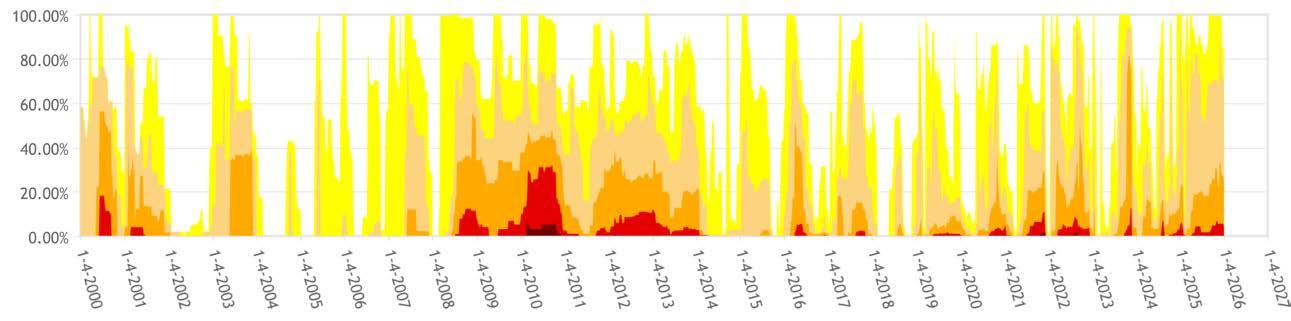


Historical data illustrates the economic toll:

• 1980–81 drought: $1.4 million in agricultural losses.
• 2000–02 drought: All counties declared disaster areas; $9 million in cattle losses.
• 2008–16 drought: $44.5 million in cattle production losses, with over 20,000 head lost.
Annual drought-related losses currently average $4–6 million statewide. Loss of pasture and forage forces ranchers to rely on costly supplemental feed, a challenge raised in our conversations with local producers. This dependency not only increases operational costs but also exposes ranchers to global market volatility and shipping disruptions.
Since 1996, over $84.5 million has been distributed to Hawai‘i producers through federal drought relief programs, including the USDA’s Livestock Forage Disaster Program ($50M) and crop insurance payouts ($9.7M). These numbers highlight the systemic vulnerability and the need for a more resilient, localized feed system.
TOWARD A RESILIENT FEED FACILITY FOR OʻAHU
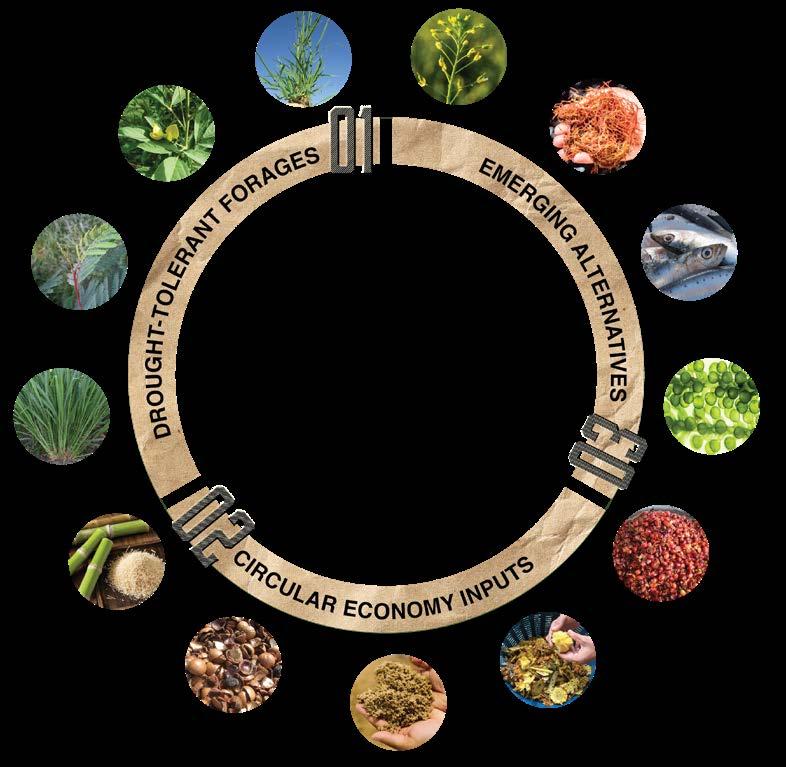
To strengthen Hawai‘i’s food sovereignty, security, and resilience, the proposed feed facility on O‘ahu will prioritize local production and climate-smart design. By reducing dependence on imported feed and integrating droughttolerant, low-carbon, and circular production systems, this facility aims to form the foundation of a sustainable agricultural network.
01
01
03 02 02
Prioritize drought-tolerant, locally adapted forage species suited to Hawaiʻi’s dry conditions to support reliable feed production during climate variability.
Incorporate agricultural and food-processing byproducts and waste from local industries to strengthen closed-loop cycling in the agricultural industry.
Explore emerging feed ingredients, including seaweed and oilseed crops, as strategic opportunities for emissions reduction and nutrient supplementation.
These innovations represent strategic opportunities for future adaptation and research collaboration, aligning with Hawai‘i’s broader goals of advancing circular and climate-resilient agriculture.
BUILDING CLIMATE RESILIENCE AND CIRCULARITY 03
By prioritizing drought-tolerant species, local byproduct integration, and methane-reducing feed additives, the proposed facility supports Hawai‘i’s climate adaptation goals. This approach will:
• Reduce import dependence and transport-related emissions
• Support a circular economy, keeping local agricultural byproducts in the system
• Build resilience to drought and feed supply variability
• Contribute to a lower-carbon livestock industry, reducing methane and fertilizer inputs
Through these design principles, this facility represents a step toward a climate-smart, food-sovereign Hawai‘i— grounded in place-based solutions that reflect the islands’ unique ecological and cultural conditions, creating a more sustainable and resilient future of Hawaiʻi’s food systems at the base.
Feed Sector Overview feed sector overview
Pre-1800s
1800s
1900s - - 1900s
1970s
History of Feed in Hawai ʻ i
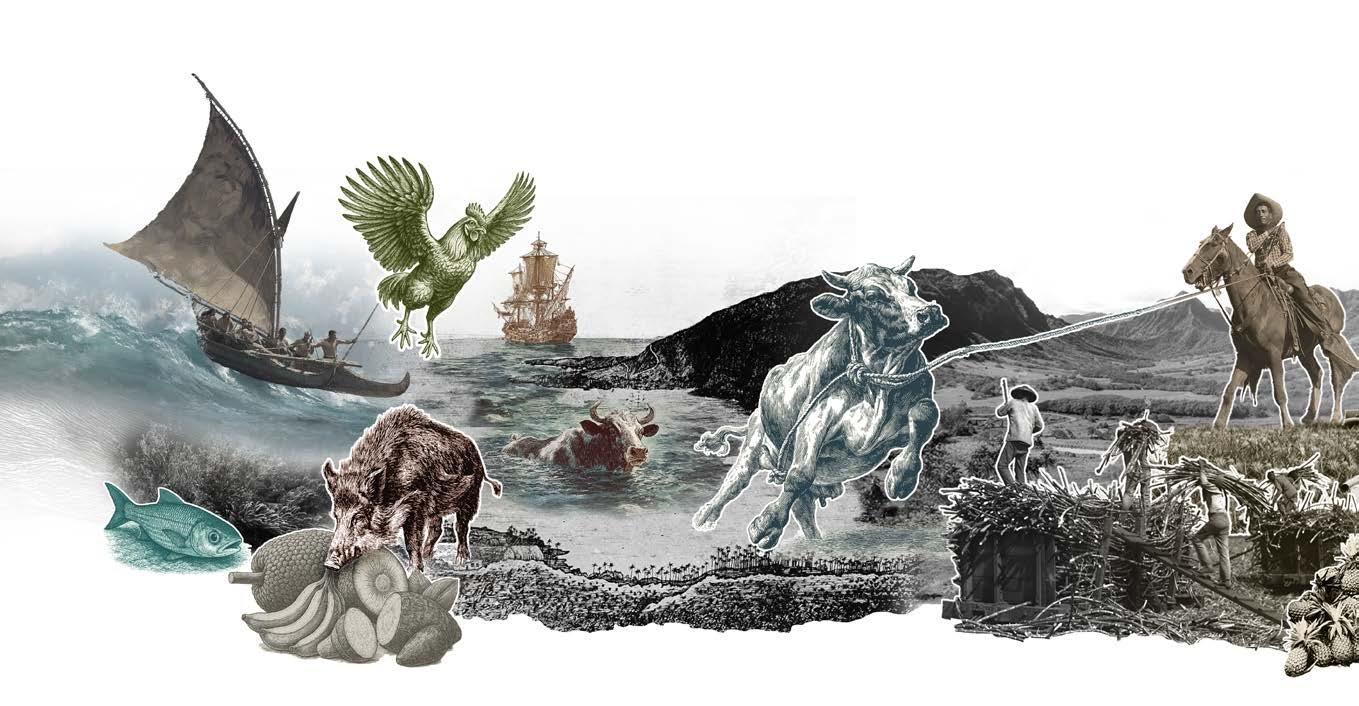
1. Indigenous Agricultural Systems (1000s–Pre-1800)
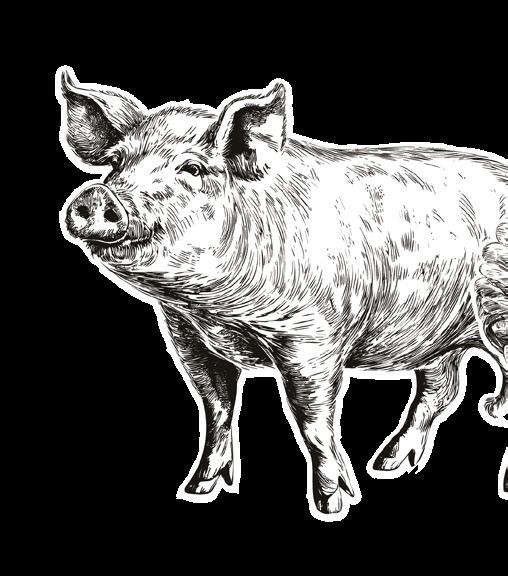
Prior to Western contact, Hawaiians raised pigs and chickens as part of a diversified subsistence system. These animals were integrated into household and agricultural cycles, consuming kitchen scraps, starchy byproducts from crops such as kalo, ʻuala, and ʻulu, and occasionally cut vegetation. With no large grazing livestock present, there was no specialized feed sector; rather, animal nutrition was embedded in daily food production and waste reuse. Feed technology was minimal and centered on cut-and-carry forage and household refuse.
2. Plantation & Ranching Expansion Era (1800s–1900s)
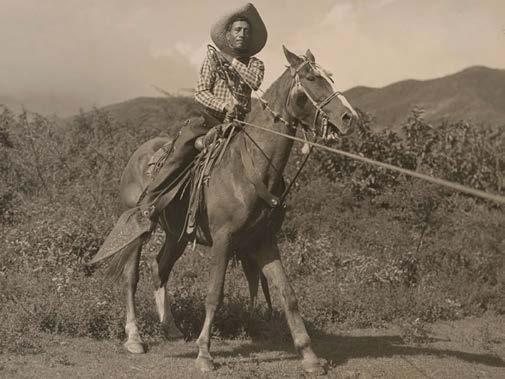
The introduction of cattle by Captain Vancouver in 1793— combined with a subsequent kapu on hunting—allowed herds to expand rapidly and necessitated organized ranching across the islands. By the 1830s, Mexican vaqueros (paniolo) trained Hawaiians in cattle handling, forming the foundations of Hawaiʻi’s ranching culture.
During this period, livestock relied almost entirely on open-range grazing. Introduced tropical grasses gradually replaced many native species, supporting an expanding ranching sector. Manufactured feed was not used for cattle, sheep, or goats, and feed technology focused on fencing, water developments, and land management rather than feed processing.
3. Industrial Feed & Feedlot Development Era (1900s–1970s)
As sugarcane and pineapple plantations scaled up, their byproducts became central to Hawaiʻi’s feed supply, especially for dairies. Molasses, pineapple bran (dried trimmings, peel, and core), and green-chop from pineapple fields provided accessible roughage and energy sources. By the mid-20th century, pineapple bran production exceeded 30,000 tons per year, with major processors such as Dole, Del Monte, and Maui Land & Pineapple supplying local livestock operations.
University of Hawaiʻi research on pineapple bran began as early as 1931, highlighting its nutritive value for dairy cattle. Plantation byproducts became integral to feed rations, though handling and transport were basic by today’s standards. Local trials with sorghum-sudangrass and other forages supplemented these residues, but large-scale local feed grain production remained limited.
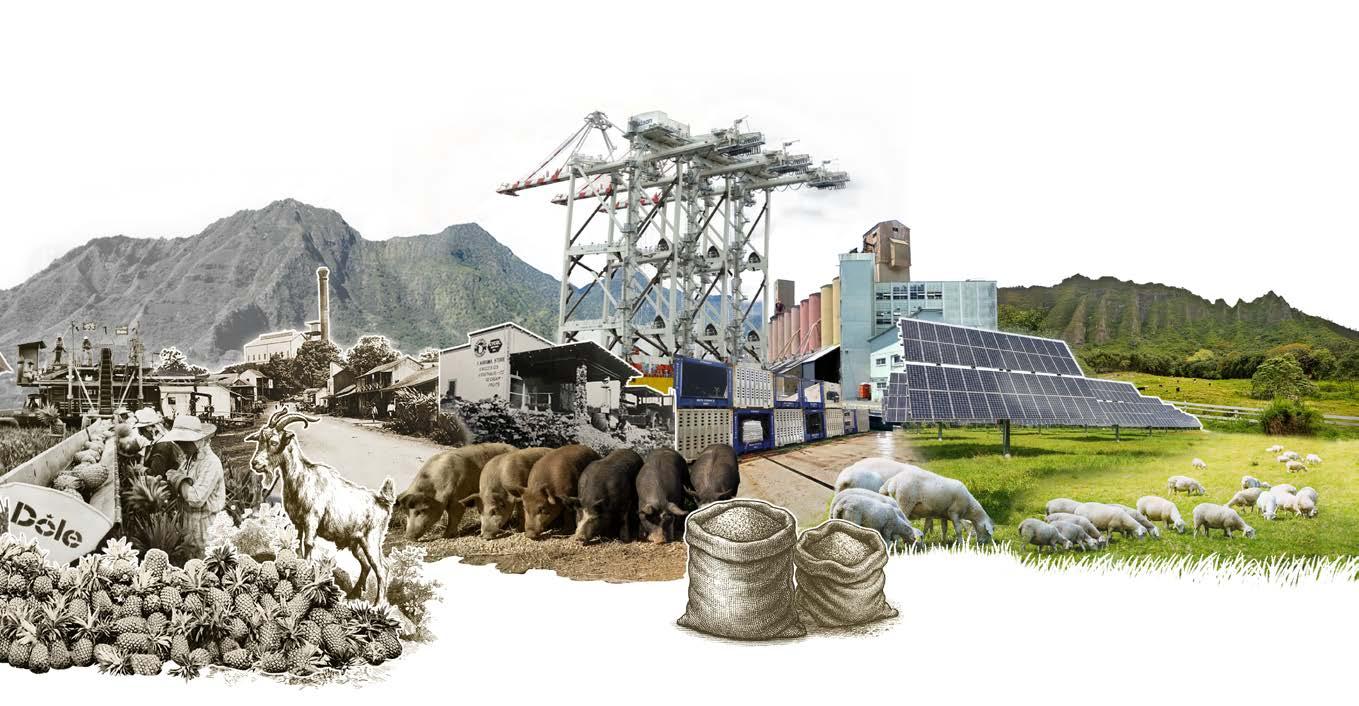
4. Transition to Cow-Calf Dominance (1970s–2000s)
The feed industry modernized significantly with the development of bulk grain import facilities. Prior to 1959, all imported feed arrived in sacks, increasing labor and cost. The opening of Honolulu Harbor’s first bulk grain storage facility in 1959—and a similar facility with a mixing mill at Kawaihae Harbor in 1962—reduced handling costs and enabled commercial-scale feed mixing.
2000s
1970s 2000s - - Present
Despite these improvements, Hawaiʻi remained structurally dependent on imported concentrates. Import volumes grew from approximately 136,700 tons in 1964 to about 177,500 tons by 1973. Local feed-crop trials, including large sorghum grain projects and alfalfa and corn silage efforts, showed limited scalability due to pests, water limitations, and production costs. Meanwhile, commercial feedlots on Oʻahu, Maui, and Hawaiʻi Island continued to rely heavily on imported maize and soybased rations.
5. Import-Dependent Modern Era (2000s–Present)
Economic and regulatory shifts in the late 1980s and early 1990s led to the closure of the last feedlots and most instate slaughter capacity. This prompted the adoption of a cow-calf model in which weaned calves are shipped to mainland feedlots for finishing. By the 2000s, 70–80% of Hawaiʻi-raised calves were routinely exported, and locally produced beef accounted for only 5–10% of consumption.
Pasture-based cow-calf systems now dominate Hawaiʻi’s livestock sector. While niche markets for forage-finished beef have grown since the 2010s—driven by consumer interest in local, natural, and hormone-free production— quality variability and limited pasture availability remain challenges. A complete return to in-state grass finishing would require either a reduction of the breeding herd or significant increases in pasture productivity and water reliability.
Over the past decade, the industry has explored hybrid feed strategies, blending imported concentrates with locally available supplements and emerging agroindustrial byproducts. Renewed interest in small-scale pelletizing, forage drying, and modular feed infrastructure reflects an effort to reduce dependence on volatile import markets while improving resilience to drought and fluctuating global feed prices.
Hawai‘i’s Livestock Feed System Overview
Hawaiʻi’s livestock sector accounts for a relatively small share of total agricultural sales, yet it is structurally dependent on purchased feed across nearly all production systems. Poultry and dairy operations rely almost entirely on imported compound feed, while pasture-based cattle and small ruminant systems require supplemental feed during dry seasons, finishing phases, and periods of climate disruption. As a result, feed functions as the main constraint on livestock viability rather than a marginal input, despite the sector’s modest scale.
Statewide feed demand is difficult to quantify precisely, as feed tonnage by livestock sector is not systematically reported. Available estimates are derived from a combination of USDA Census data, FAO consumption estimates, and Hawaiʻi Department of Agriculture and Biosecurity (DAB) slaughter feasibility studies. Together, these sources indicate that Hawaiʻi’s feed system is dominated by imported commodity ingredients, specifically corn and soybean meal, to support poultry, dairy, and finishing rations, with smaller volumes of distillers grains, wheat byproducts, and oilseed meals

AGRICULTURAL INDUSTRY 2022

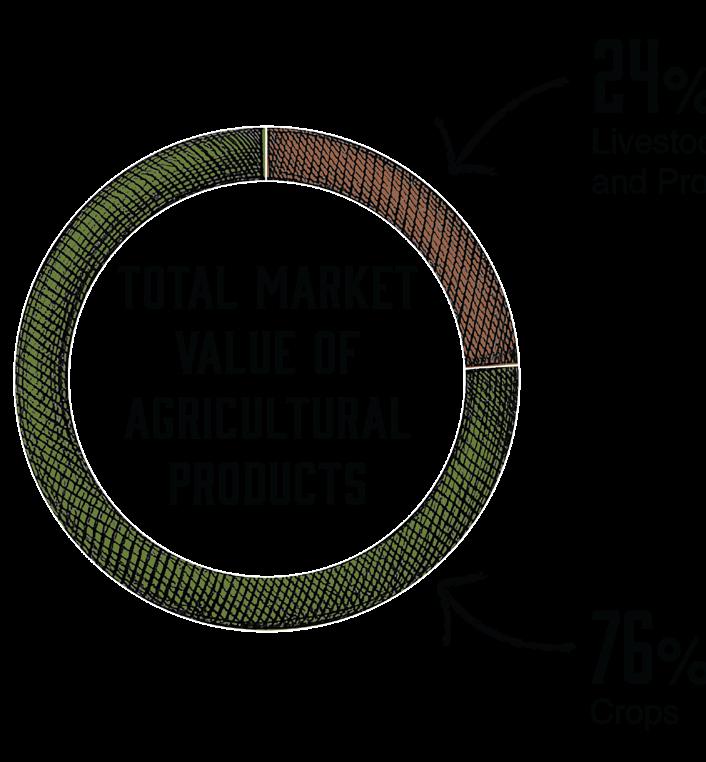
Feed represents the single largest operating expense in livestock production in Hawaiʻi, accounting for an estimated 50–75 percent of total production costs. This cost exposure reflects Hawaiʻi’s geographic isolation, reliance on imported feed ingredients, and limited in-state processing capacity.

Based on the USDA 2022 Census of Agriculture State Profile

79,091 tons
Total Estimated Feed Demand for all Livestock in Hawaiʻi
Although livestock contributes approximately 24 percent of Hawaiʻi’s total agricultural sales, demand for animal protein remains high. Consumer preference for locally produced meat, growing interest in grass-fed products, and statewide institutional procurement goals such as the Department of Education’s mandate to source at least 30% of school food locally by 2030 continue to place upward pressure on local livestock systems.
Spent on Feed in 2022
$39.7 million 2,232 farms
Purchased Feed in Hawaiʻi
Based on the USDA 2022 Census of Agriculture
Definitions & Classifications
For the purposes of this report, the following definitions were used:
Feed(s): Any single or multiple materials, whether processed, semi-processed or raw, which is intended to be fed directly to animals.
(CODEX Alimentarius, 2004).
Feed Ingredient: A component part or constituent of any combination or mixture making up a feed, whether or not it has nutritional value in the animal diet, including feed additives. (CODEX Alimentarius, 2024)
Feeds are grouped into eight standardized classes classes by the U.S. National Research Council. The numbers and the classes designated are as follows:
• (1) Dry forages or dry roughages
• (2) Pasture, range plants and greenchop feeds
• (3) Silages
• (4) Energy feeds
• (5) Protein supplements
• (6) Minerals
• (7) Vitamins
• (8) Additives


current feed sources in hawai‘i
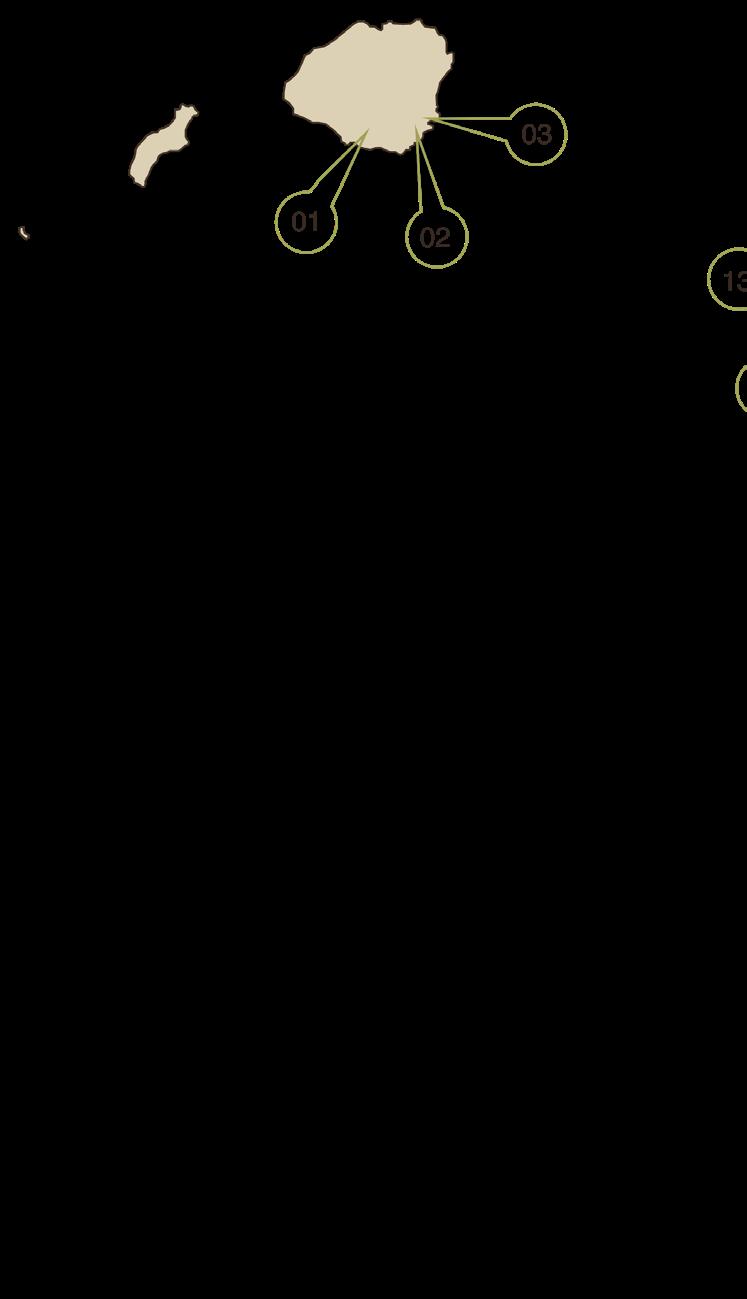
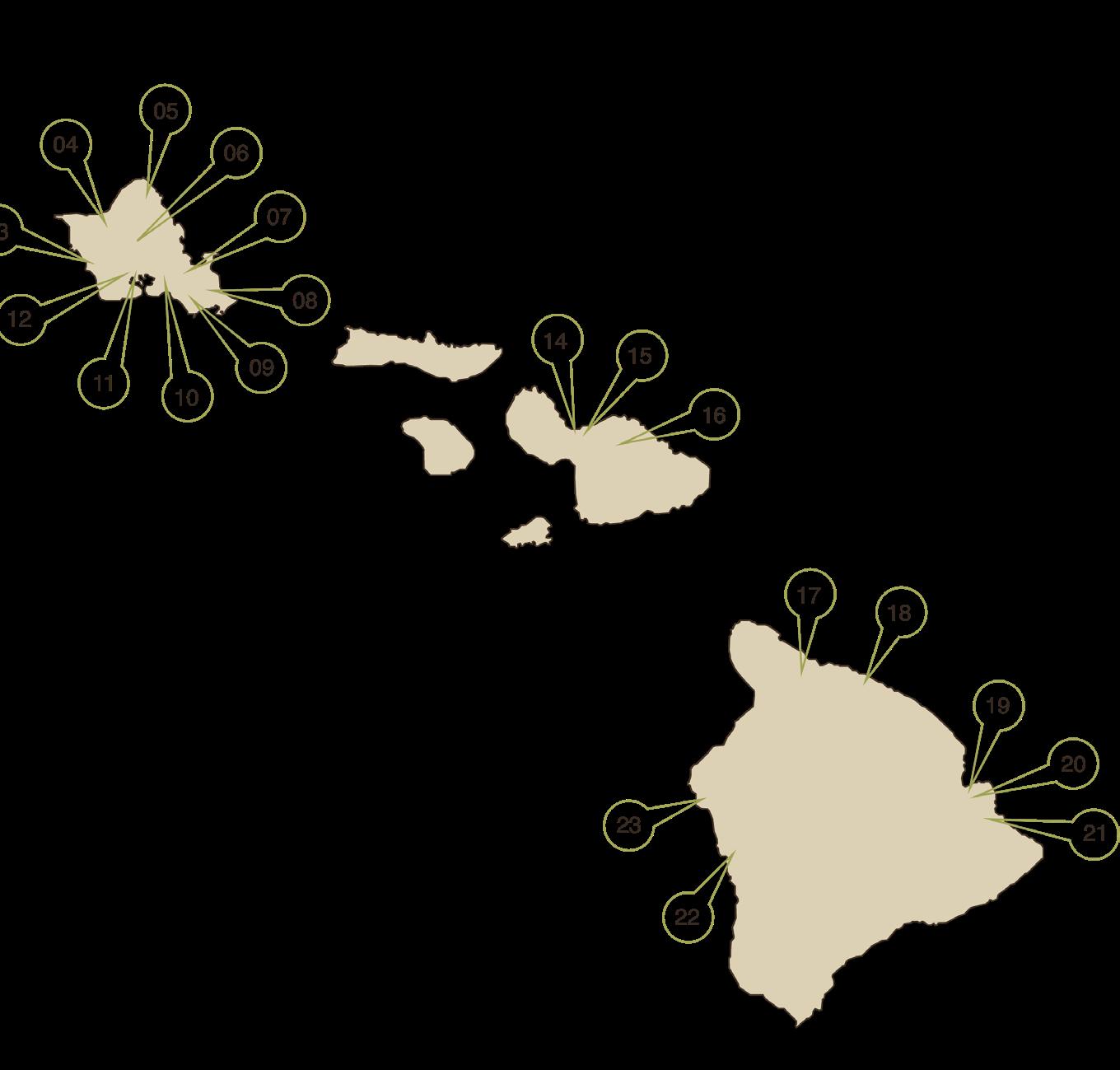
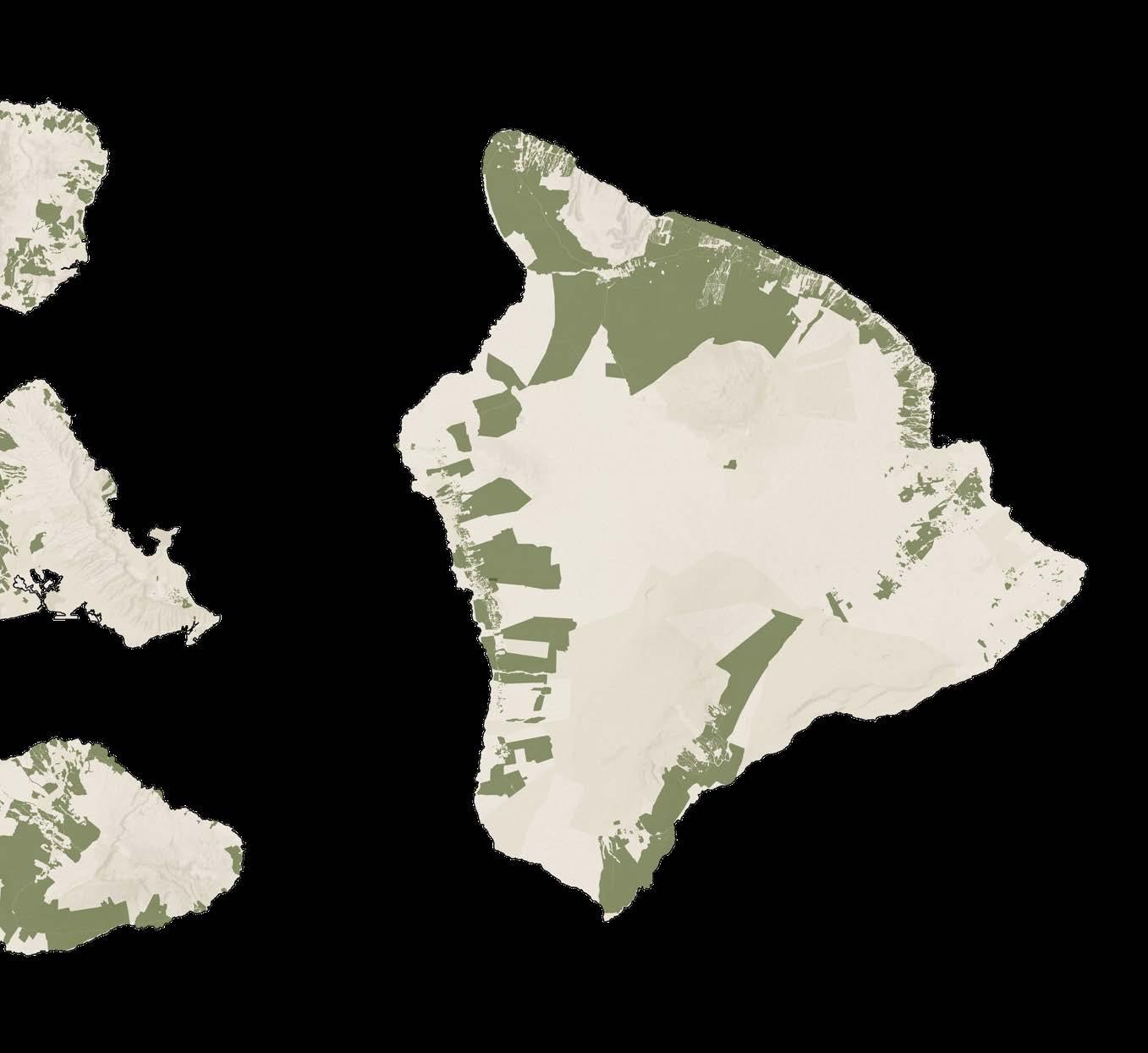
Feed procurement in Hawaiʻi varies by livestock species, production scale, and geographic location. Commercial producers, small-scale farms, and household animal owners frequently rely on a shared network of retail feed stores that distribute imported concentrates, mixed rations, and bagged feeds. These outlets serve a broad customer base including cattle, poultry, swine, equine, small ruminant producers, and non-commercial pet and homestead users. The result of which is a highly generalized retail feed landscape rather than a sector-specific supply system. For many producers, particularly those operating at small to mid scales, retail feed stores represent the most accessible and consistent source of feed inputs, despite limited product differentiation and price volatility driven by off-island supply chains.
The locator map to the right reflects the geographic distribution of publicly identifiable feed retailers but does not capture the full scope of feed sourcing across the state. Producers who grow forage onsite, utilize agricultural byproducts, engage private contract growers, or import feed directly from national or international suppliers are not represented. These parallel supply channels are largely undocumented, and there is limited publicly available data quantifying feed volumes, sourcing pathways, or species-specific allocations across Hawaiʻi.

Feed System Transparency
Hawaiʻi’s feed system remains partially opaque, characterized by structural reliance on imported inputs and limited visibility into alternative or informal supply arrangements. Because feed sales, species-specific demand, and sourcing pathways are not systematically reported, statewide feed demand must be inferred indirectly using livestock inventories, production statistics, and stakeholder interviews. These data limitations constrain coordinated planning and shape the analytical approach of this proof of concept, reinforcing the use of conservative assumptions and the prioritization of modular, adaptable facility models over fixed, single-use infrastructure.
Local & Drought-tolerant Forages
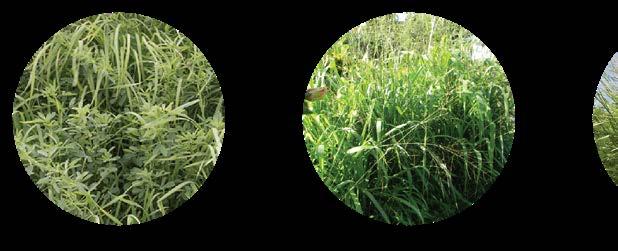
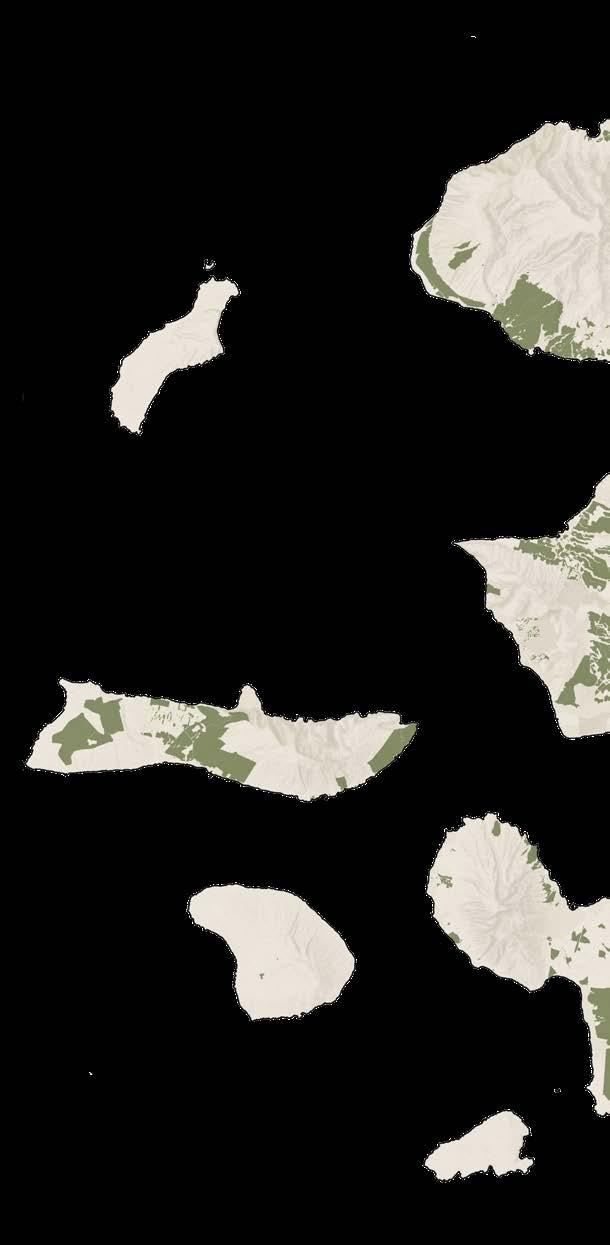
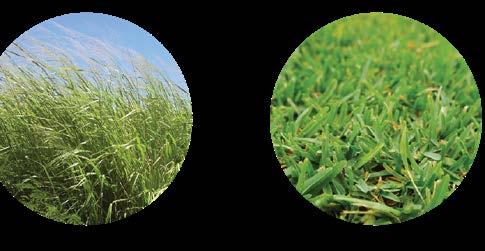
For livestock producers not relying completely on imported bagged feeds, we found, through interviews with ranchers across the state, that most cattle producers rely primarily on the forage available on their own land, turning to purchased feed only during periods of severe drought or other acute shortages. Common species include alfalfa, california grass, guinea grass, kikuyu, melayu, pangola, sourgrass, and timothy. While these forages provide a baseline nutritional source, ranchers noted that on-ranch production is highly sensitive to rainfall patterns, seasonal variability, and increasingly frequent drought conditions. As a result, purchased feed is generally reserved for times of drought or forage shortages.
When supplemental forage is purchased locally, it is most often alfalfa silage. Stakeholder engagement revealed the demand for alfalfa spikes during dry seasons and regularly exceeds local supply, indicating a demand for drought-resilient feed. Ranchers also seek out foragebased feeds to maintain grass-fed and grass-finished labeling, aligning with current market preferences. Cubed alfalfa was found to be a preferred feed product for cattle, further expressing a strong market for high-quality, consistent dried or processed forage products.
Ranchers also expressed interest in the potential use of grain-based feeds, noting the benefits grain can offer in finishing and efficiency. However, the high cost of imported grain makes its use economically unfeasible. Without a local grain processing option or alternative feed ingredient supply chain, grain-based diets remain limited. However, several cattle producers utilize the cow-calf model, wherein weaned calves are shipped to mainland feedlots for finishing. This model has proved financially viable, but results in substantial economic leakage, increased supply chain vulnerability, and environmental trade-offs, limiting the state’s ability to build a resilient, locally integrated livestock system.
ALFALFA CALIFORNIA
Sources: Esri, Tom Tom, Gramin, FAO, NOAA, USGS, OpenStreetMap and Human Resources), State Agricultural Land Use Baseline (2020).
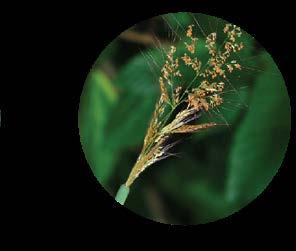
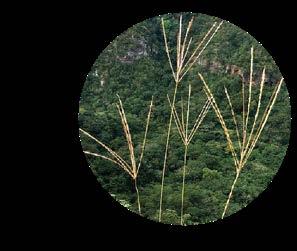
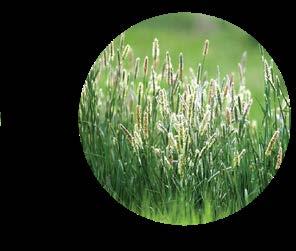
Pangola melayu
FEED BYPRODUCT OPPORTUNITIES IN HAWAI ’ I
Feed in Hawaiʻi can be diversified through the strategic use of agricultural and food-processing byproducts. Conversations with major feed suppliers across the island indicate that no local byproducts are currently being produced or sold at scale. While large-scale grain or soybean cultivation remains infeasible due to limited suitable land and high production costs, the islands generate a range of residues that have the opportunity to substitute imported feed ingredients.
Several ranchers interviewed are conducting small-scale on-farm trials using locally available byproducts, including sweet potatoes, molasses, and brewers’ grain sourced from local breweries. While these practices remain limited in scale and confined to individual operations, stakeholder engagement indicates large interest among ranchers across the islands in integrating local byproducts into their feed systems. Utilizing byproducts represent a circular economy approach, linking existing industries to the feed supply chain while reducing waste and greenhouse gas emissions.
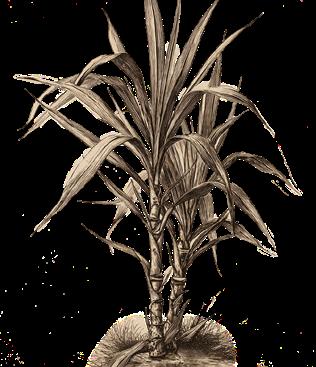

Sugarcane residues, once widely available, remain a potential feedstock through bagasse and molasses. In tropical livestock systems such as Brazil and Fiji, these materials are commonly ensiled with urea or ammoniated to enhance their digestibility and energy value. Although Hawaiʻi no longer processes sugarcane at scale, small volumes of bagasse may still be recoverable from bioenergy operations.
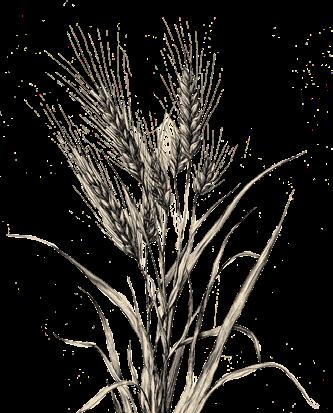


Breweries across Oʻahu, Maui, and Hawaiʻi Island produce consistent quantities of wet grain residues. BSG is rich in fiber and moderate in protein, making it suitable for cattle feed when dried or pelletized. Its high moisture content limits storage life, so investment in dehydration or compacting systems would be necessary.

Macadamia processing yields nutrient-dense organic residues comparable to oilseed cakes used globally. The cake contains up to 20% protein and valuable fats, suitable as a partial replacement for soybean meal in ruminant or swine diets.
Macadamia husks and shells, though more fibrous, can be ground and blended as low-cost energy fillers.


Cassava, already several islands, as a starch-rich In Southeast roots and chips or ensiled with urea protein content stability. Hawaiʻi’s conditions are expansion of cassava purpose crop—providing food and feed.
CASSAVA AND PEELS
SUGARCANE BAGASSE AND MOLASSES
BREWER’S SPENT GRAIN (BSG)
MACADAMIA NUT CAKE AND HUSK
ENVIRONMENTAL AND ECONOMIC IMPLICATIONS
Studies show that substituting conventional feed with agricultural byproducts can reduce forage production emissions by roughly 25% without lowering productivity. Emerging biofuel production offers an opportunity to use associated byproducts for feed further supporting Hawaiʻi’s sustainability and resilience. This approach aligns with the state’s broader goals for carbon reduction and food system resilience. Byproduct feed integration would also divert organic material from landfills, reduce import dependence, and create co-benefits for the macadamia, brewing, coffee, and pineapple industries.
Pacific Biodiesel serves as a successful model for this concept, regeneratively farming sunflowers, macadamia nuts, and corn that are refined into biofuels, with the residual meal (from crushed seeds and nuts) used as a high-protein ingredient in local livestock feed.
Feed byproducts represent Hawaiʻi’s most practical path toward greater feed self-sufficiency. The products below can provide substantial energy and protein inputs for local livestock systems. Developing processing capacity to integrate these resources would transform existing agricultural waste streams into valuable feed, contributing directly to lower feed costs, improved resource efficiency, and long-term sustainability in Hawaiʻi’s livestock sector.


already cultivated on offers potential starch-rich energy feed. Asia, cassava chips are fermented urea to increase content and storage Hawaiʻi’s agroclimatic favorable for cassava as a dualcrop—providing both
PINEAPPLE AND FRUIT WASTE
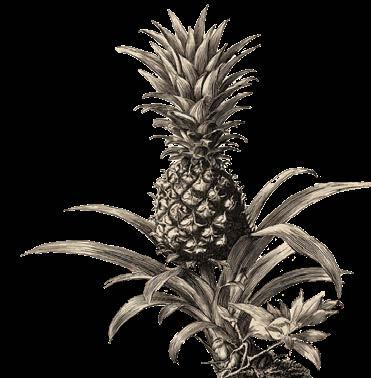
Residues from pineapple processing—such as cores, skins, and pulp—are widely used in Australia and the Philippines as ensiled cattle feed. These materials supply soluble carbohydrates and moisture during dry seasons. Hawaiʻi’s existing pineapple industry produces similar waste streams that could be collected, chopped, and ensiled for ruminant use.

Residues from coffee processing after detoxification can be incorporated into ruminant diets as a low-cost energy and fiber source. East African systems have successfully integrated coffee byproducts into cattle and goat rations. Adoption in Hawaiʻi would require drying or composting facilities near processing centers to prevent spoilage.

Camelina (Camelina sativa) is an emerging oilseed crop in Hawaiʻi being cultivated primarily for renewable aviation fuel, with its residual seed meal as a potential local protein feed source. Recent dairy research demonstrated that camelina meal can completely replace soybean meal in lactating cow diets. The byproduct is suitable for cattle, swine, and poultry rations.
COFFEE PULP AND HUSK
CAMELINA MEAL (OILSEED BYPRODUCT)
Livestock overview
This section provides a structured overview of Hawaiʻi’s livestock and aquaculture sectors to establish a consistent analytical basis for subsequent feed demand and facility planning assumptions. Species are organized according to the North American Industry Classification System (NAICS), with select subcategories augmented or grouped for clarity where production practices or feed systems overlap.
For each species group, the section summarizes core metrics derived primarily from the 2022 U.S. Census of Agriculture, including the number of animals, number of farms, and primary geographic distribution by island. Each species highlight also outlines prevailing feed system models (distinguishing between industry-standard practices and Hawaiʻi-specific adaptations), key lifecycle stages relevant to feed demand, and generalized assumptions regarding annual feed requirements expressed in tons, based on population estimates and dry matter intake or feed conversion ratios.
Collectively, these profiles are intended to contextualize relative scale, spatial concentration, and feed system complexity across sectors, providing a foundation for comparing feed demand potential and evaluating the strategic focus of a pilot feed facility.
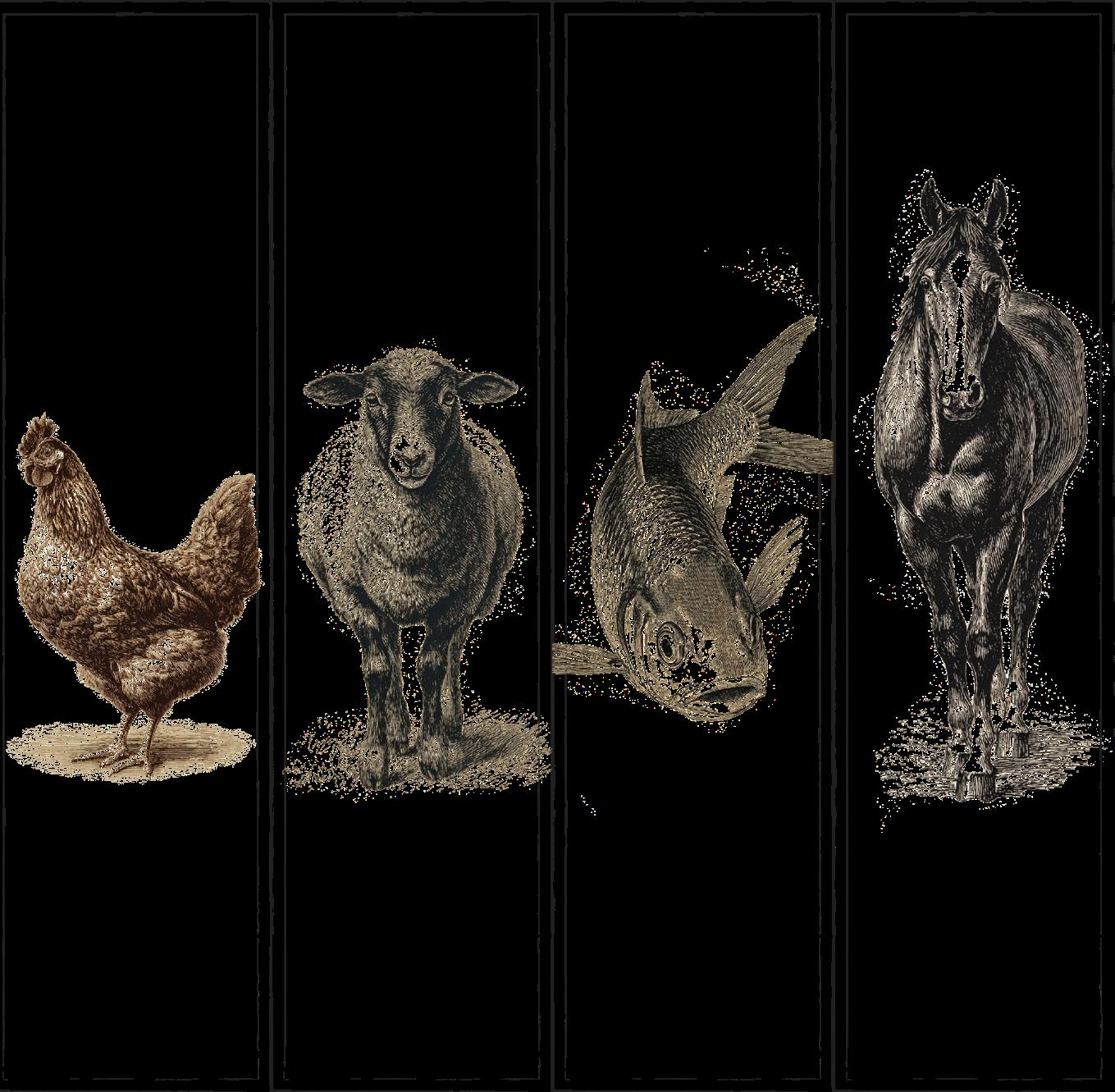
*Feed Conversion Ratio (FCR) values shown are indicative.
Cattle
131,616
Total Cattle & Calves
1,058 Farms
75,013 Head of Beef
633 Milk Cows
33,200 K Tons of Annual Feed Demand
Source: Animal Feed Consumption. Decision Innovation Solutions, report, Feb. 2025.
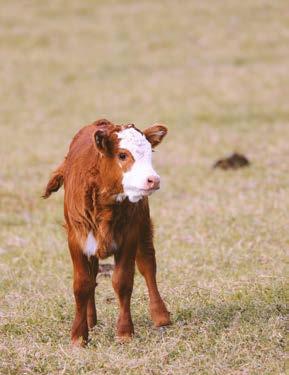
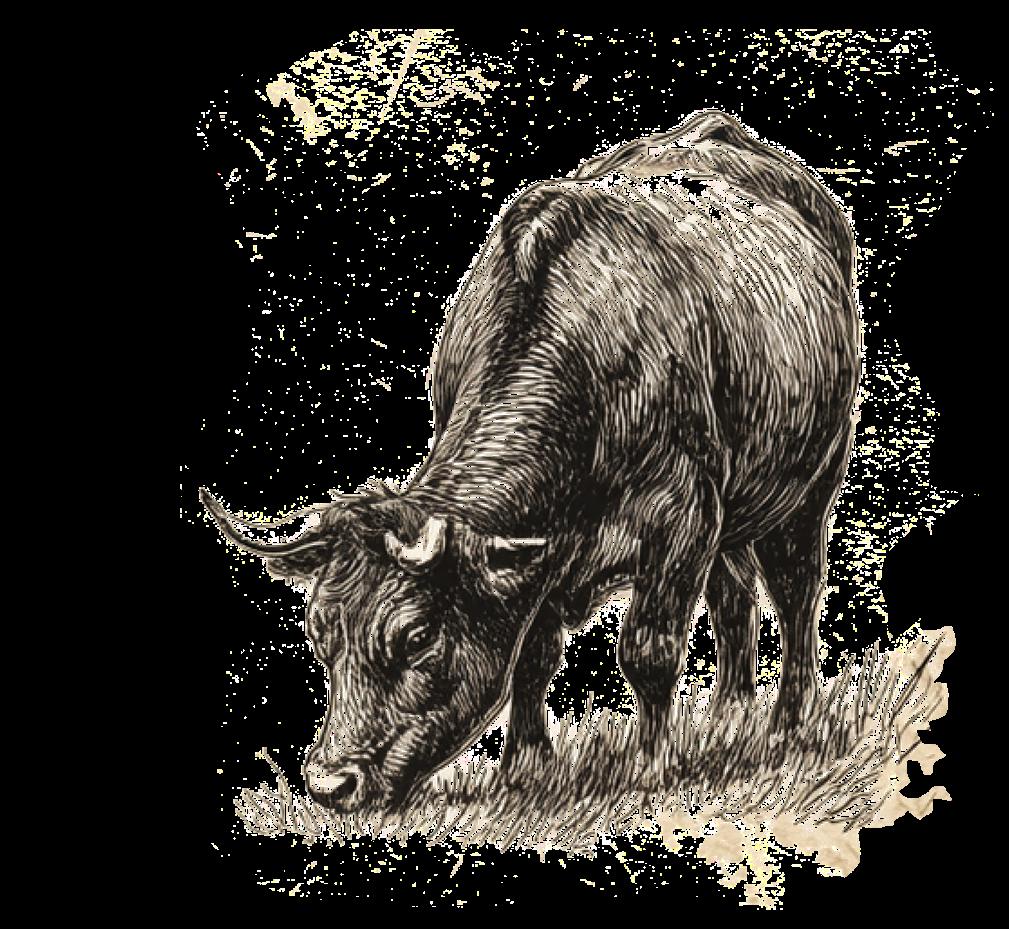
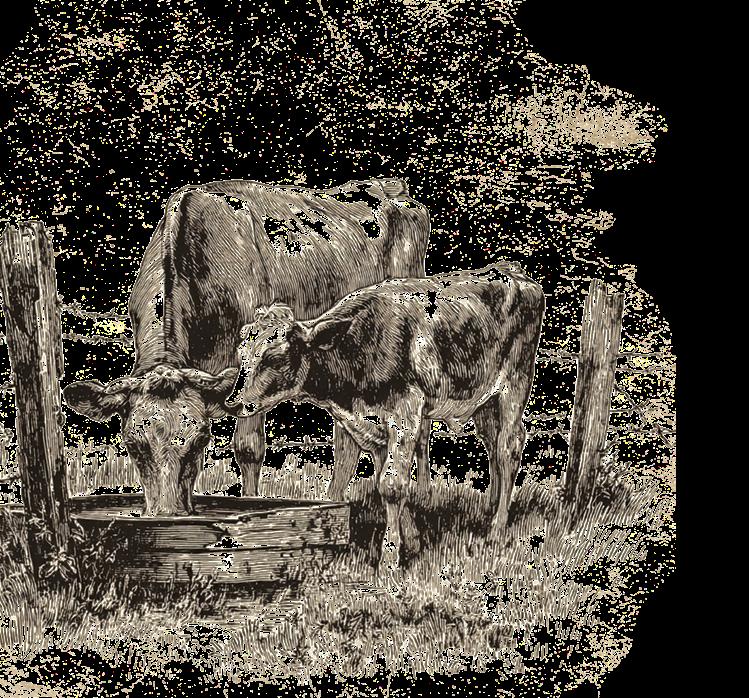
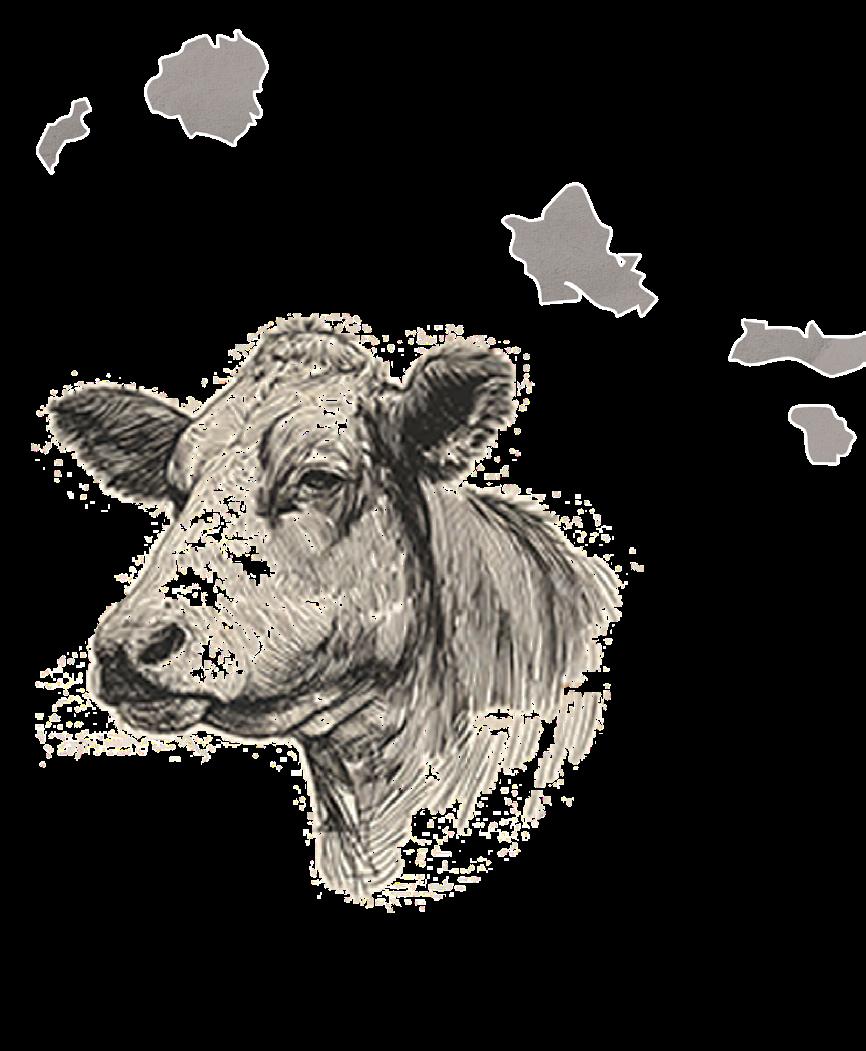
Cattle represent the largest livestock sector in Hawai‘i, supported primarily by extensive pasture systems and a long-established cow–calf industry. Herds are concentrated on Hawai‘i Island, where year-round forage production enables calf rearing before most animals are shipped to mainland feedlots for finishing. Local finishing does occur in select operations, though high feed costs, limited processing capacity, and drought vulnerability constrain expansion. Feed systems therefore rely heavily on tropical grasses supplemented by imported feed and regionaly available byproducts.

Feed System Model:
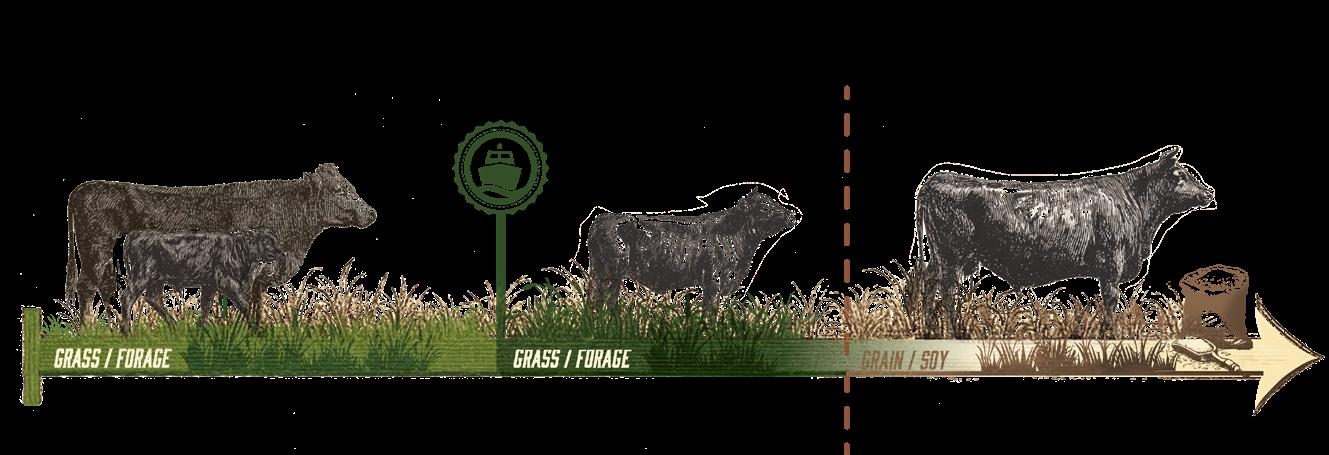
Cattle production in Hawai‘i differs significantly from feed system models on the US continent, where abundant grain, large-scale feedlots, and extensive processing infrastructure enable rapid, high-energy finishing. In contrast, Hawai‘i’s industry is structured around cow–calf and stocker phases supported by year-round tropical pasture, with limited access to affordable grain or confinement feeding. Most calves, nearly 90%, are weaned at 6–9 months and shipped to continental feedlots for backgrounding and grain finishing, while the portion retained locally is finished exclusively on forage.
Feed requirements for cattle are dependent on species type and stage of lifecycle. There are three primary stages in cattle production, Calf, Backgrounder/Stocker and Finishing. Cow–calf herds rely almost entirely on pasture quality and mineral supplementation; stocker cattle require consistent forage availability to achieve moderate gains; and finishing animals, either on grass or grain, need higher-energy rations to reach market weights.
While finished cattle can generate two to three times the gross per-head value of exported calves, studies consistently show that higher feed, labor, and holding costs in Hawaiʻi substantially erode this difference, resulting in comparable or lower net returns relative to calf export under current conditions.
Swine
6,514
Total Hogs & Pigs
194 Farms
3,53 M Pounds of Pork
2,900
K Tons of Annual Feed Demand
Source: Animal Feed Consumption. Decision Innovation Solutions, report, Feb. 2025
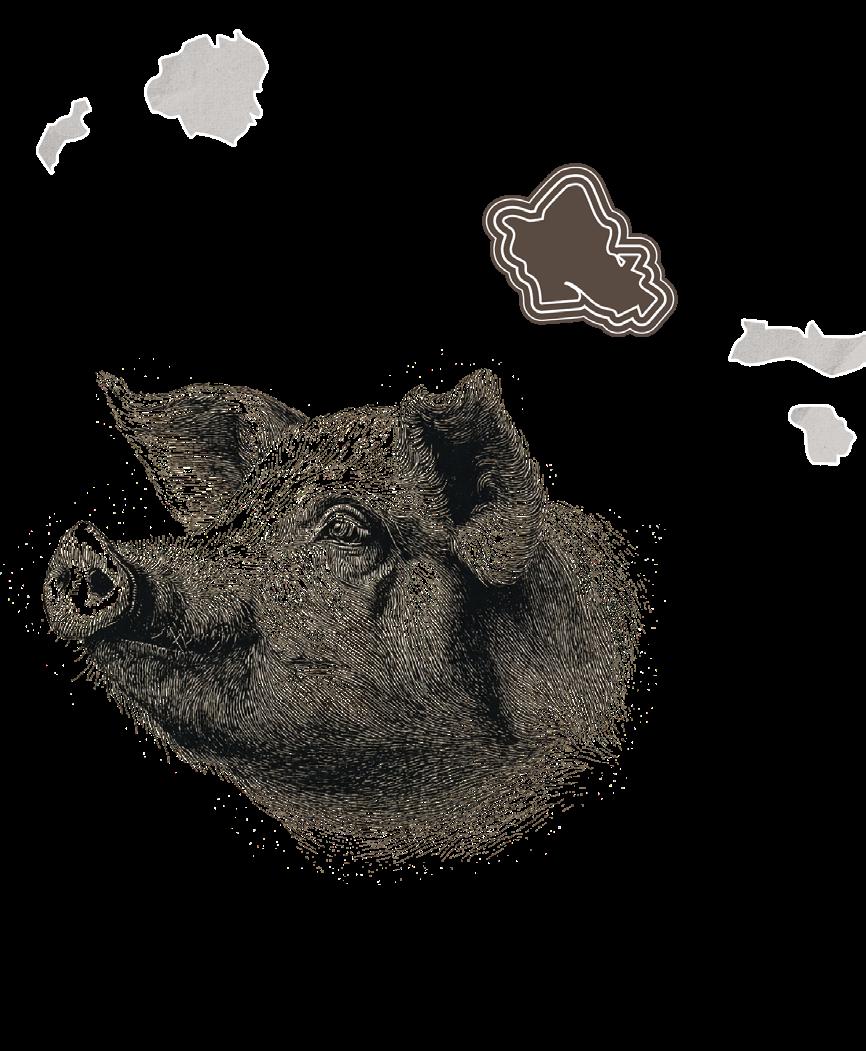
Swine production in Hawai‘i is a small but culturally and economically significant sector composed largely of family-scale and mid-size operations. Herds are concentrated on O‘ahu, Hawai‘i Island, and Maui, where producers supply fresh pork, processed products, and whole animals for cultural and ceremonial uses. Although USDA-reported hog numbers have declined steadily over the past two decades, a 2025 DBEDT analysis indicates that commercial slaughter represents only a fraction of local production; an estimated 80 percent of locally produced pork enters the market through “farm-to-table” or grey-market harvesting.
Feed System Models
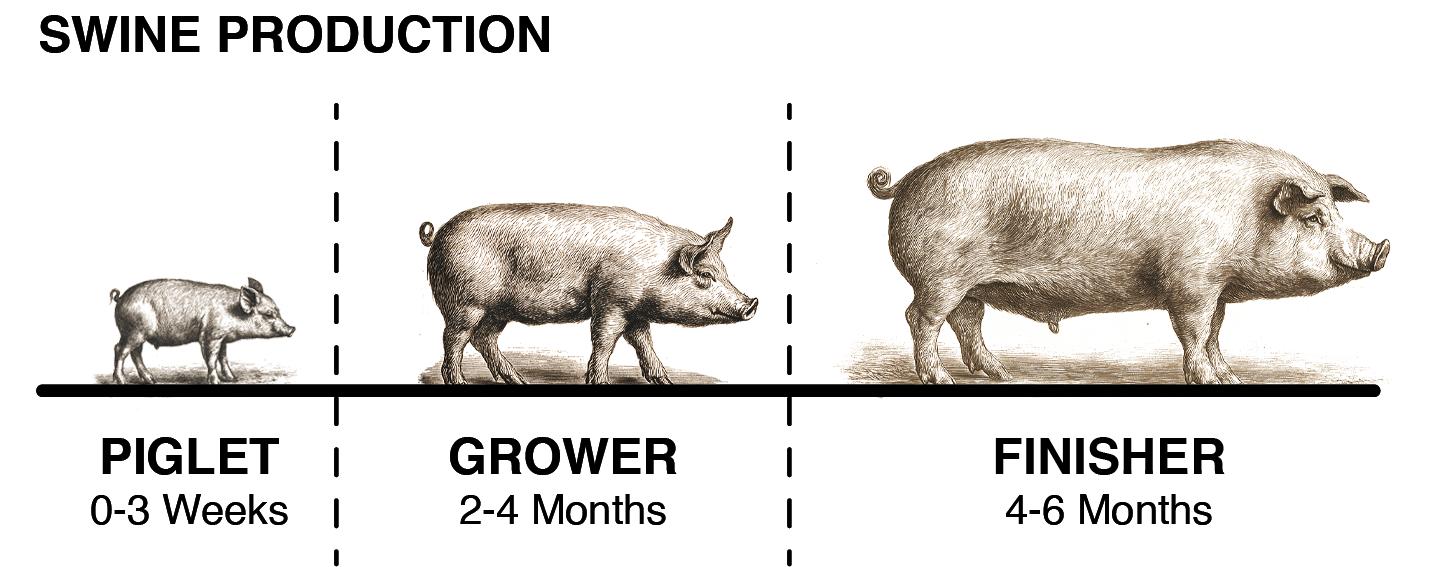
Swine production follows several established models: farrow-to-finish operations manage breeding through market weight; farrow-to-feeder systems sell piglets at roughly 50 pounds; and feeder-to-finish farms raise purchased pigs to 200–240 pounds. Nutritional demands shift across phases: piglets require high-protein creep feeds (18–20% protein), growers between 50 and 125 pounds are fed 15–16% protein diets, and finishers transition to 13–14% protein rations to efficiently reach market weight.
Conventional swine production on the continental U.S. depends on high-energy, grain-based feeds to support rapid and efficient growth in confinement systems. In these systems, swine diets rely on corn, sorghum, soybean meal, cottonseed meal, fish meal, and premixed vitamins and minerals. These ingredients result in the required growth curves and predictable feed conversion ratios which highly structured farrow-to-finish operations depend on.
In Hawai‘i, feed systems differ significantly in composition and scale primarily due to the high cost of imported grain. Most farms rely on cooked food waste to meet core nutrient requirements, but many incorporate local byproducts—such as okara, cassava chips or silage, taro, sweet potato, macadamia nut cake, brewery grains, or molasses—to reduce feed costs where supply is reliable.
Poultry
317,681
Total Birds
782 Farms
298,360 Layers
12,768
Broilers & Meat Type
21,100
K Tons of Annual Feed Demand
Source: Animal Feed Consumption. Decision Innovation Solutions, report, Feb. 2025
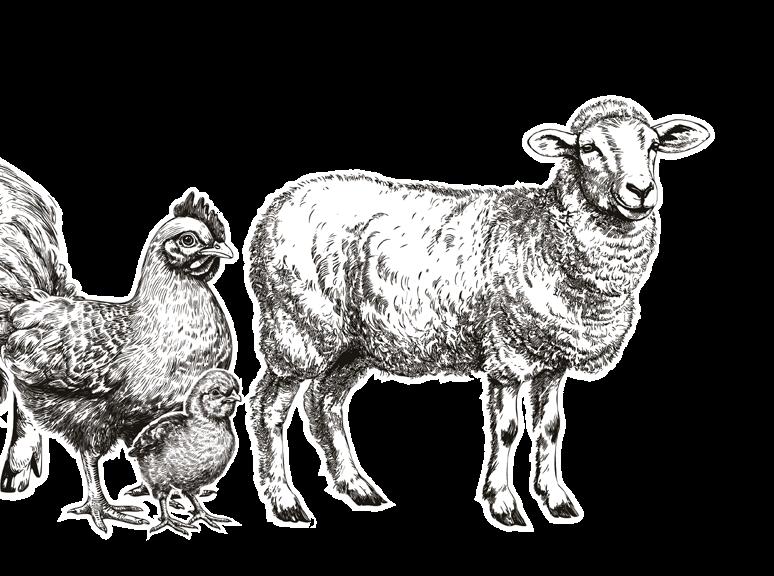
Poultry production—especially egg-laying operations—is one of the few livestock sectors in Hawai‘i that has expanded in recent years, driven by new investment and rising demand for local eggs. Flocks are overwhelmingly concentrated on O‘ahu, which houses more than 275,000 layers as of 2023, while Hawai‘i Island, Maui, and Kaua‘i maintain comparatively small numbers. Broiler production remains limited and largely confined to small, pasture-based farms. Poultry systems have the highest feed intensity per unit of output among livestock sectors and are almost entirely dependent on imported grain-based rations, making feed cost and supply stability the primary constraints to growth.
Feed Requirements:
Poultry feed requirements are closely tied to life stages and precise nutrient demands. Pullets are raised to approximately 18–20 weeks before entering lay, and commercial flocks may be maintained for 90–100 weeks depending on productivity. Broilers in U.S. commercial systems reach market weight at approximately 47 days, supported by phased diets that begin with highprotein starter feeds and transition to grower and finisher formulations.
Nutritional precision is critical for businesses in this industry as layers require balanced amino acids, calcium, and micronutrients to sustain egg production, while broilers need dense energy and protein sources to achieve target growth and feed conversion ratios.
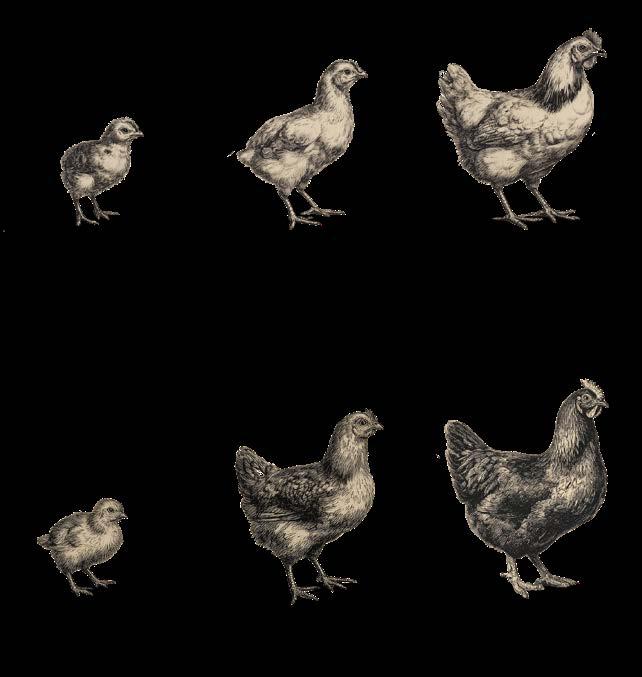
Feed System Models:
Continental poultry operations rely on complete rations formulated with corn, soybean meal, and standardized mineral–vitamin premixes. Feed is typically provided as crumbles or pellets across the starter-grower-finisher sequence for broilers and developer–layer phases for hens. Because feed costs account for a substantial share of operating expenses, efficient grain procurement and formulation are central to commercial competitiveness in US systems.
Poultry feed systems in Hawai‘i diverge sharply from continental models which benefit from abundant low-cost grain, vertically integrated supply chains, and high-capacity processing infrastructure. Local broiler production is minimal and centered on small, pasture-based farms, while the majority of poultry activity is concentrated in the commercial egg sector. These operations depend on a steady supply of imported layer rations engineered for high-density housing systems. Opportunities to incorporate local feedstuffs remain limited by nutrient precision requirements, regulatory standards, and the absence of local grain production, making imported feed the foundational input for all commercial-scale poultry enterprises.
sheep & goat
33,788
Total Sheep & Goat
457 Farms
12,278
Goats (Meat & Dairy)
21,510 Sheep & Lamb
8,700
K Tons of Annual Feed Demand
Source: Animal Feed Consumption. Decision Innovation Solutions, report, Feb. 2025
Sheep and goats represent a moderate but steadily growing livestock sector in Hawai‘i. Herds are concentrated on Hawai‘i Island, Maui and Oʻahu, where extensive rangelands support both commercial meat production and targeted grazing enterprises. These species are well adapted to tropical forage systems and are increasingly recognized for their compatibility with diversified land uses such as agrovoltaics, where grazing can provide vegetation management while reducing feed costs. Market demand for local small ruminant meat remains niche in cultural and culinary circles, and a small but notable dairy goat sector supplies value-added products.
Feed Requirements:
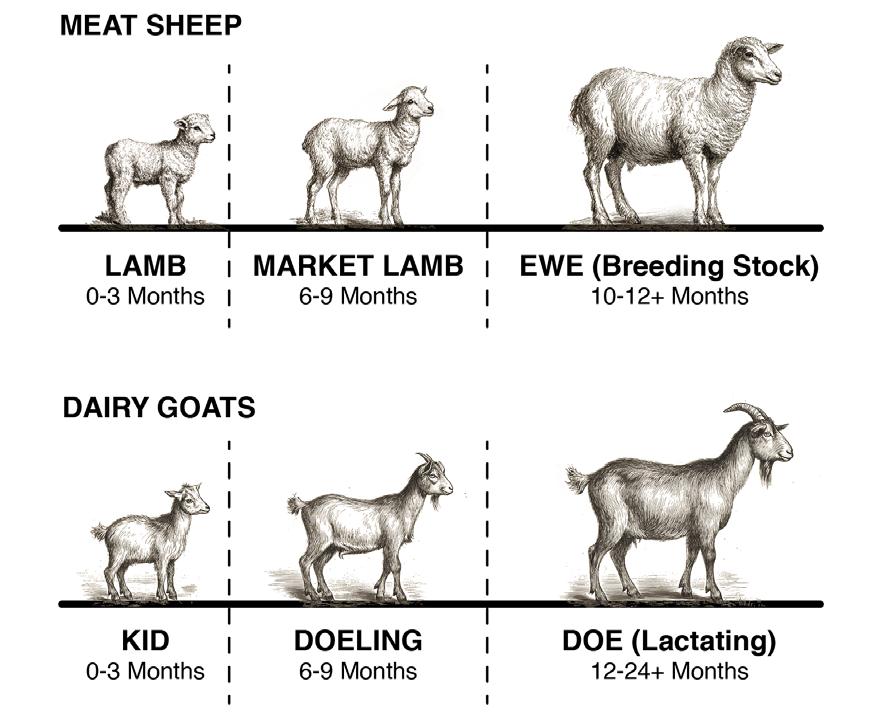
Lifecycle patterns differ by species and production goal. Meat sheep typically lamb once per year, with lambs marketed at 6–9 months of age. Meat goats follow a similar pattern, with kids harvested at 6–9 months and 60–80 pounds live weight. Dairy goats wean kids at roughly two months and are milked for 9–10 months per lactation, requiring higher-quality forage and supplemental concentrates to sustain production. Sheep and goats are efficient browsers and grazers capable of utilizing a wide variety of tropical grasses and woody vegetation, which reduces reliance on imported feeds for meat operations. Dairy systems, by contrast, require greater nutritional precision and higher-energy rations.
Hawai‘i Feed System Models
In Hawai‘i, small-ruminant feed systems rely primarily on year-round grazing of kikuyu, pangola, guinea, and mixed tropical grasses, supplemented by browse species such as kiawe and koa haole. Goats, in particular, serve a dual role as meat animals and vegetation managers, reducing the need for purchased feed through targeted grazing in brushy or invasive-plant landscapes. Supplementary feeds such as alfalfa hay, silage, and baleage are used during drought or on improved pastures, however the primary constraint for this sector is access to affordable slaughter services.
aquaculture
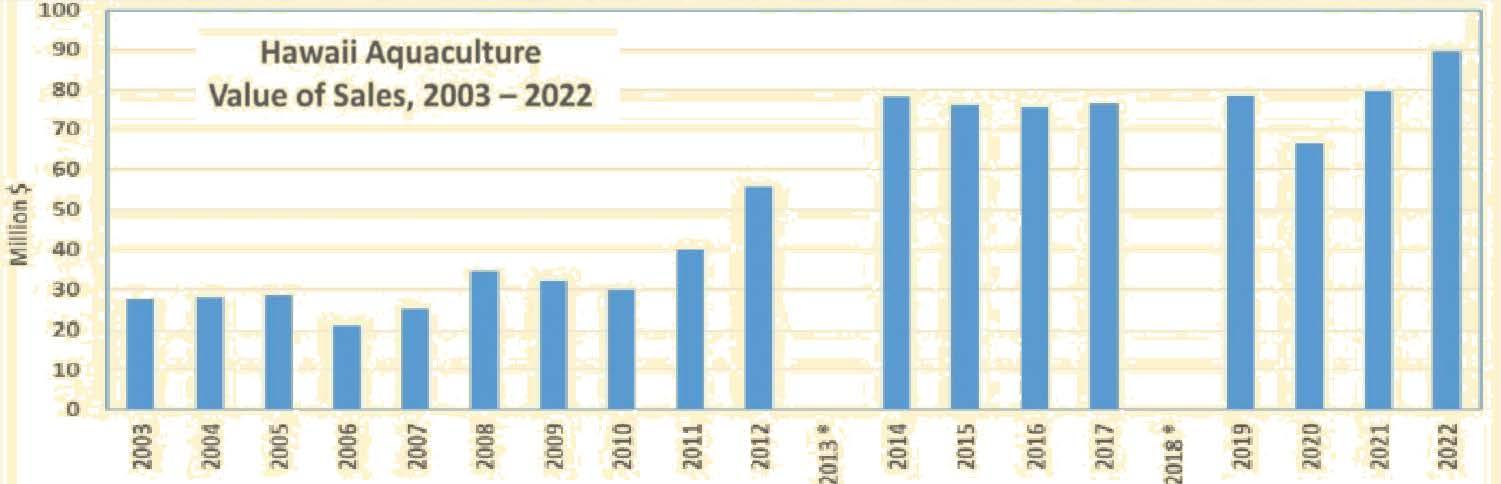
$89,600,000
Total Sales Statewide (2022)

In Hawaiʻi, aquaculture represents a diversified component of the broader agricultural economy, characterized by a mix of food production, ornamental markets, and specialized niche species. The sector encompasses multiple production categories including food fish, crustaceans, mollusks, ornamental fish, bait fish, and sport fish each with distinct infrastructure, feed requirements, and market pathways. Available data indicate that crustaceans, particularly prawns and shrimp, account for the largest share of reported sales, followed by food fish such as tilapia and catfish, with mollusks, primarily Pacific oysters, representing a smaller but established segment.
(D) means the information is withheld to avoid disclosing data for individual farms.
Sources: USDA NASS Pacific Region- HI Aquaculture (2022)
Food Fish
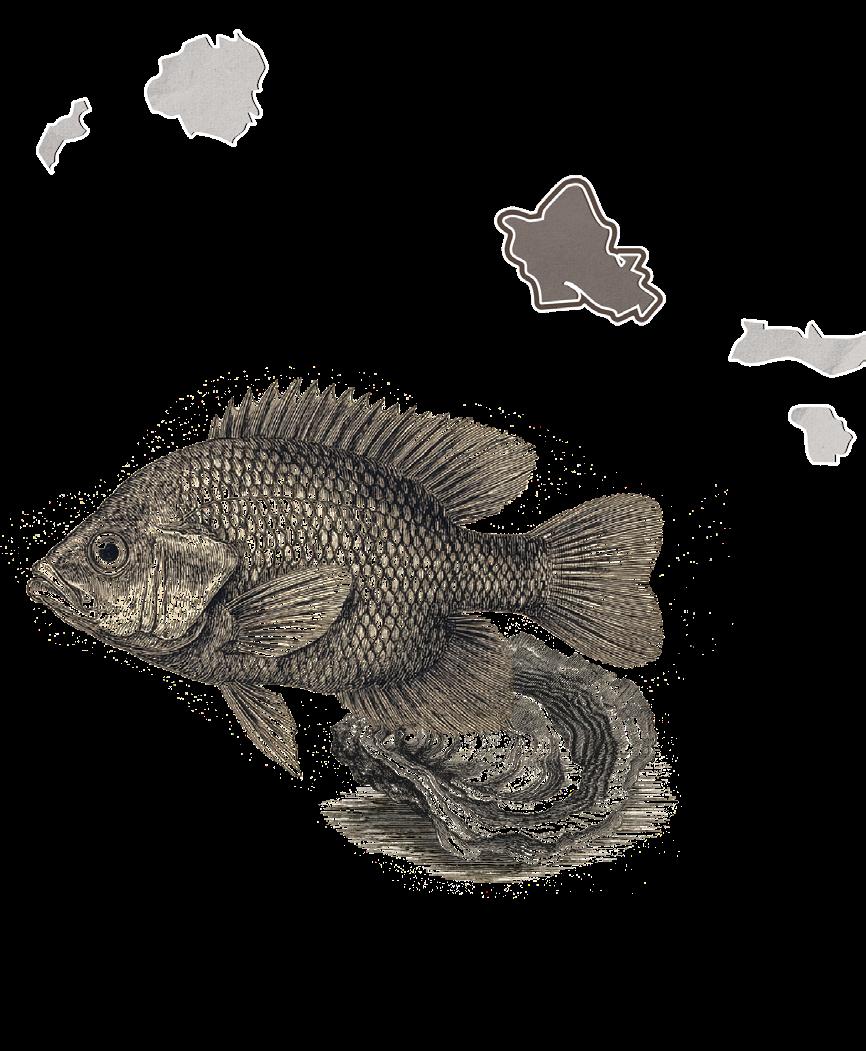
Food-fish aquaculture in Hawaiʻi primarily consists of warm-water freshwater and brackish species. Documented species include tilapia and catfish, which together represent the majority of reported food-fish sales and farm counts. These species are typically raised in pond-based systems and rely on formulated feeds that are largely imported.
Crustaceans
Crustaceans represent the highest reported sales category within Hawaiʻi aquaculture. Species include freshwater prawns and marine shrimp, with a small number of farms accounting for a disproportionate share of total aquaculture revenue. Production systems are input-intensive and depend on formulated feeds, post-larval sourcing, and controlled water quality
Mollusks
Mollusk aquaculture in Hawaiʻi is dominated by Pacific oyster farming, with additional small-scale production of clams. These operations are generally coastal and rely on hatchery seed rather than feed inputs, as mollusks are filter feeders.
Ornamental Fish
Ornamental fish production is a distinct and export-oriented segment, including koi, goldfish, and livebearers. Feed requirements are specialized but comparatively low in volume relative to livestock sectors.
Other
This category includes niche or emerging species such as seaweed, algae, and experimental aquaculture products. These operations are limited in scale and are often research-driven or pilot-based, but represent a promising avenue for feed supplementation and byproducts.
Sources: USDA NASS USDA NASS Pacific Region- HI Aquaculture (2022)
Other
4,595 Total Equine
756 Equine Farms
4,316 Horses & Ponies
279 Mules Burros & Donkeys
6,300 K Tons of Annual Feed Demand *For Equine
Source: Animal Feed Consumption. Decision Innovation Solutions, report, Feb. 2025
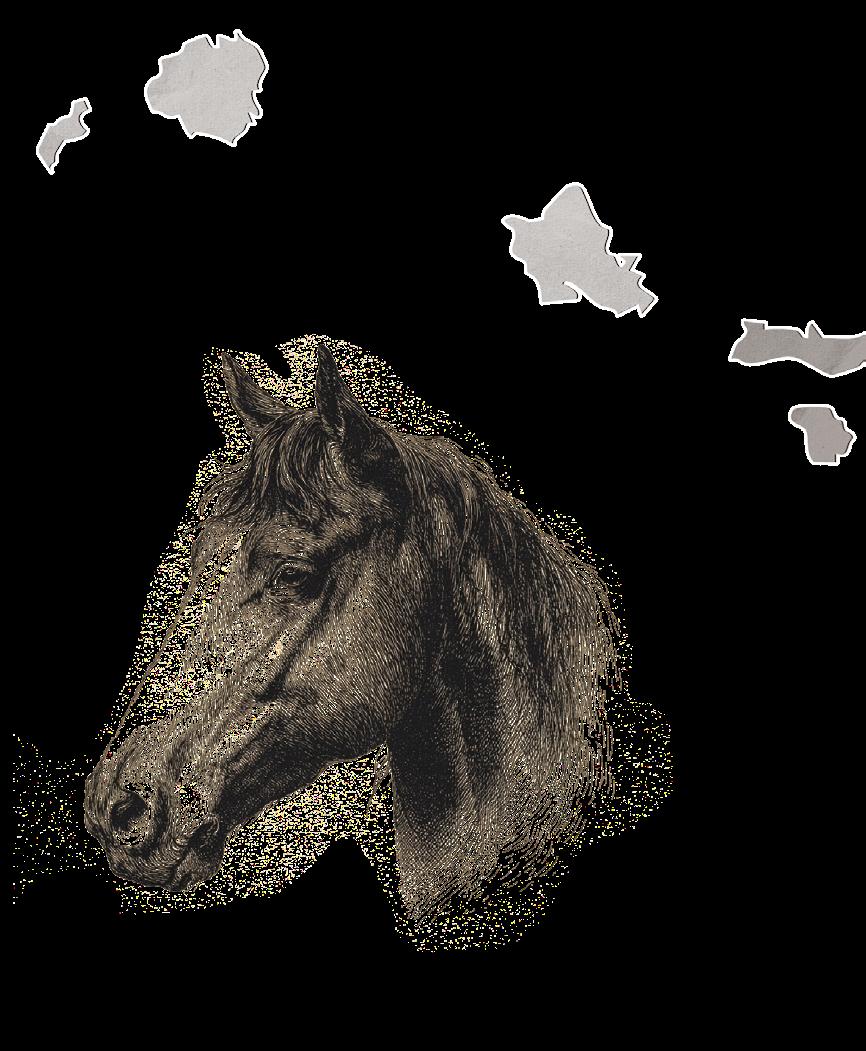
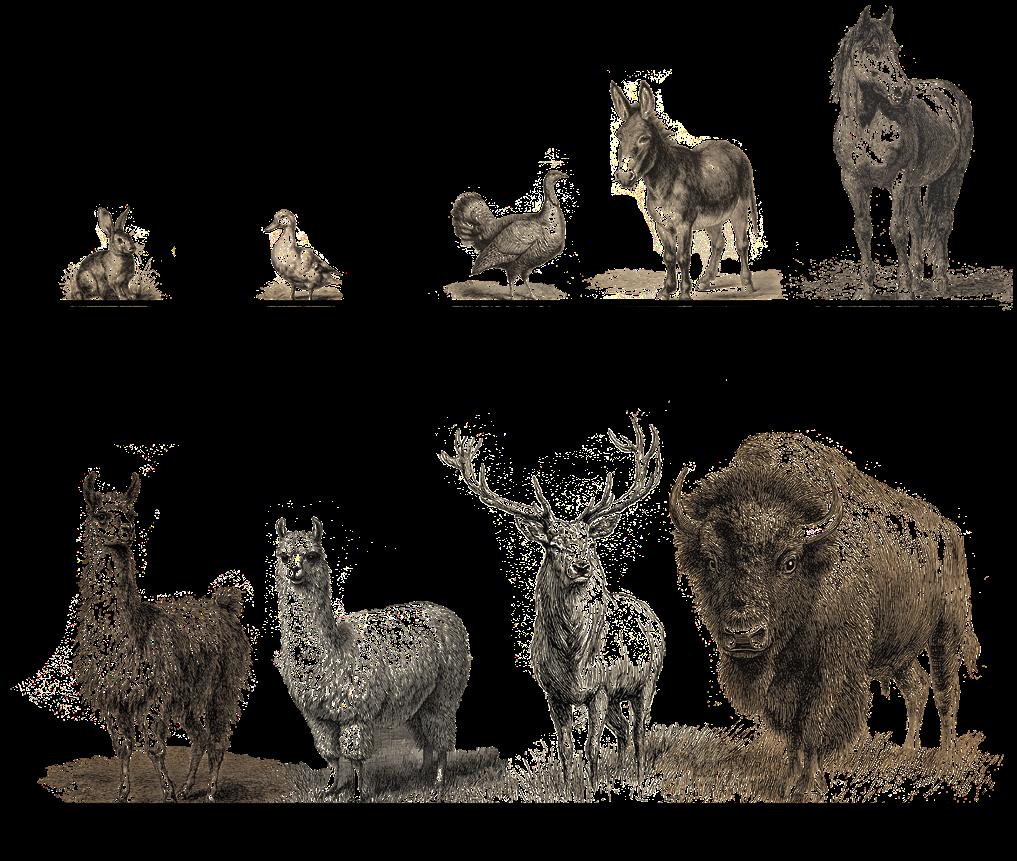
The “Other” livestock category encompasses a diverse set of species including horses, mules, donkeys, rabbits, ducks, turkeys, alpacas, llamas, and small numbers of bison or elk. These species do not individually constitute major agricultural industries but collectively contribute to local food production, recreation, land management, and cultural practices. Equine operations account for the largest share in this group, with small livestock such as rabbits and poultry-waterfowl species supporting niche meat and egg markets. Because species vary widely in physiology, lifecycle length, and intended use, feed demand across this category varies widely and is generally more dependent on imported feed inputs.
Feed Requirements:
Lifecycles vary substantially within this category: horses live 20–30 years and are maintained for work or recreation; ducks reach market weight in 7–8 weeks; turkeys in 14–20 weeks; and rabbits at 10–12 weeks for fryer markets. These production timelines reflect different nutritional needs for example horses requiring primarily maintenance diets, waterfowl needing dense starter–grower–finisher feeds to support rapid early growth, and rabbits performing well on forage-plus-pellet systems.
While many smallholders integrate garden vegetables, pasture access, or browse into feeding routines, most species in this category still rely on some form of commercial or supplemental feed to meet basic nutrient requirements.
Feed System Models:
In Hawai‘i, horses and other equine species depend heavily on imported alfalfa hay and specialty forages, as local production cannot consistently meet year-round demand. Pasture grasses such as kikuyu, pangola, and guinea contribute meaningfully to maintenance diets but do not eliminate the need for imported hay. Ducks and turkeys rely almost entirely on imported corn–soy rations and premixes, as no local grain or protein ingredient base exists to support commercial formulations at scale. Rabbits offer greater flexibility: many smallholders incorporate local grasses, vegetable byproducts, or garden waste, though imported pellets remain the primary feed source.
Methodology Methodology
engagement methods
A successful feed facility planning process benefits from a range of engagement methods that bring together livestock producers, farmers and forage growers, agricultural entrepreneurs, feed distributors, producer organizations, extension professionals, agencies, community groups, and potential industry partners. Combining public outreach, on-site learning, and participation in statewide industry forums gathers diverse perspectives, builds trust, and ensures that planning decisions reflect both local needs and sector-wide best practices.
The following engagement approaches outline ways to engage the stakeholders identified in earlier phases. Each method can be adapted depending on the audience, engagement goals, and available resources.
Outreach
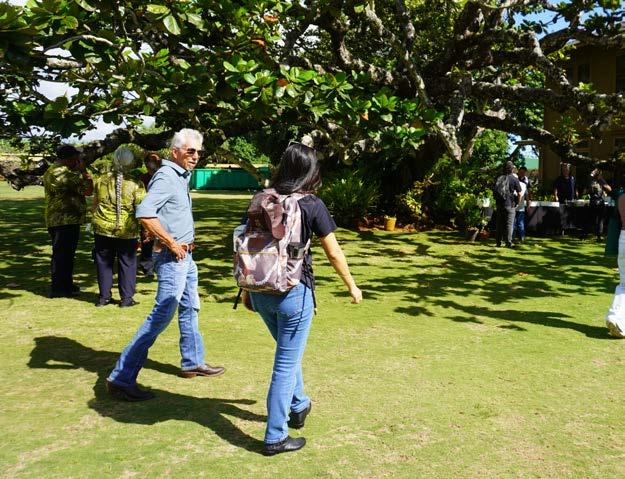
Outreach includes public-facing or direct communication efforts designed to raise awareness, share project goals, and invite participation. This method is effective when engaging the agricultural community and other stakeholders unfamiliar with the project.
Common tools:
• Project website, informational pages, and online surveys
• Printed flyers or mailers distributed through agricultural networks
• Presentations at community events or industry conferences
• Community websites, informational videos, or physical exhibits that summarize project objectives and anticipated community benefits
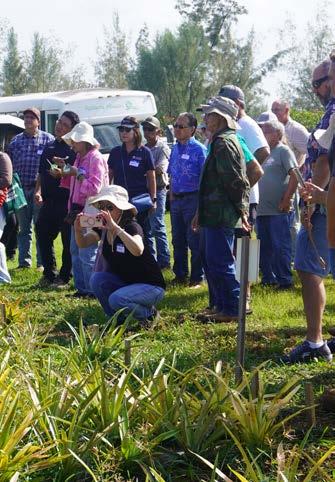
Site Visits
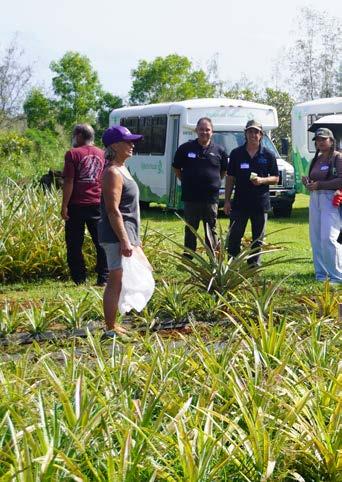
Site visits provide firsthand insight workflows, challenges, and best practices. method for engaging livestock producers, feed distributors. Site visits can be and relational (to build trust and connect).
Types of site visits:
• Production and on-farm operations
• Feed handling, processing, and
• Distribution, logistics, and multi-user
• Research, education, and precedent
Conferences
insight into existing facilities, practices. They are an essential producers, forage growers, and be both observational (to learn) connect).
operations and storage facilities multi-user facilities precedent sites
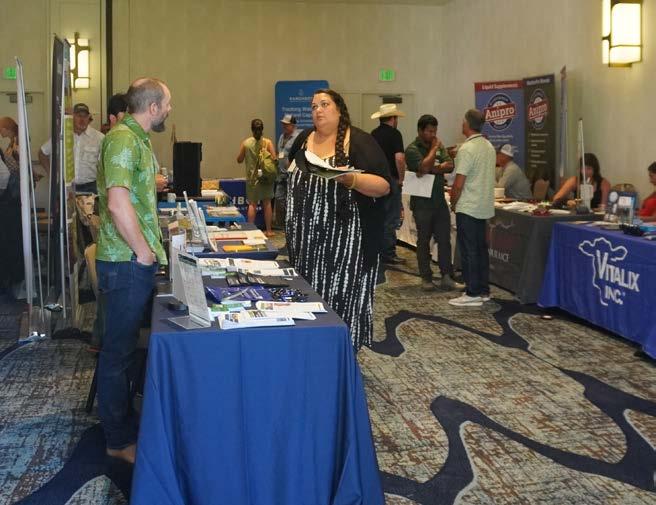
Conferences bring together professionals, experts, and stakeholders to share knowledge, explore emerging trends, and build crosssector relationships. They are an effective method for presenting project goals, gathering statewide insights, and identifying new opportunities or collaborators.
Common formats:
• Presentations, panels, or facilitated discussions
• Conference workshops or breakout sessions
• Exhibit booths, demonstrations, or poster sessions
• Networking events, roundtables, or meet-and-greets
Research Methods
The literature review for this study was undertaken to establish an evidencebased foundation for evaluating the feasibility, scale, and functional requirements of a feed facility serving Hawaiʻi’s livestock sector. The review emphasized applied research, historical precedent, and relevant data to ensure findings were grounded in Hawaiʻi’s unique agricultural, geographic, and economic conditions.
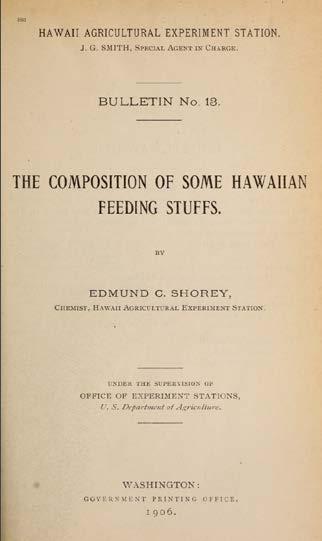
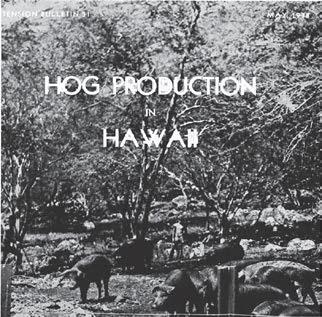




Historical and Legacy Feed Studies
Archival reports from the territorial and post-statehood periods were examined to document prior feedlot and feed manufacturing efforts in Hawaiʻi, particularly those developed during the 1960s–1980s. These sources were used to identify structural causes of past facility closures, including feed price volatility, dependence on imported grain, shifts in grading standards, and changing land use priorities.
University Research & Publications
Peer-reviewed studies, extension bulletins, and technical reports produced by CTAHR formed a core component of the review. These materials provided localized data on:
• Nutritional characteristics and limitations of Hawaiʻigrown forages and agricultural byproducts;
• Feed trials and alternative feed formulations for cattle, poultry, and small ruminants;
• Economic feasibility analyses of locally produced feed inputs and energy-enhanced roughage; and
• Management constraints associated with drought, limited forage productivity, and island-based logistics.
ANALYTICAL APPROACH

Literature was reviewed comparatively to identify consistent findings, key differences, and practical implications for Hawaiʻi’s livestock sectors. Sources were assessed for relevance to current and future feed demand, sourcing limitations, and facility planning considerations, with areas of agreement informing baseline assumptions and areas of divergence highlighting issues requiring further investigation. The literature review was integrated with stakeholder engagement, site visits, and precedent analysis to ensure alignment between documented research and on-theground conditions. This combined approach informed a feed facility proof of concept that is grounded in local context while remaining adaptable for application across multiple islands.
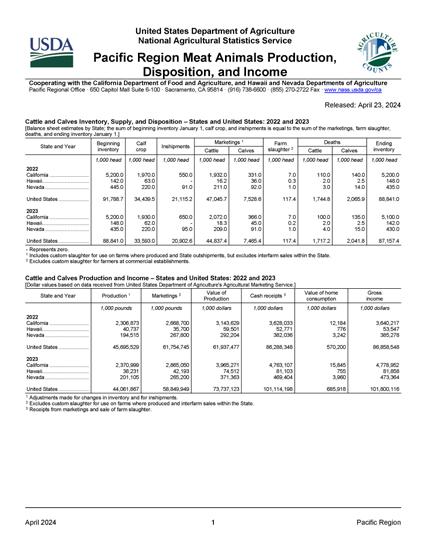
State and Federal Agricultural Data
Quantitative data were drawn from the USDA, HDAB, ADC, and DBEDT. These datasets were used to characterize:
• Livestock inventories and geographic distribution by species;
• Feed purchasing patterns and import reliance;
• Agricultural land use and pasture availability;
• Slaughter capacity, processing bottlenecks, and interisland transport constraints.

Biosecurity Guidance for Feed Mills

Feed Facility Standards and PrecedentS
Industry standards and regulatory frameworks relevant to feed manufacturing were reviewed, including current Good Manufacturing Practices (cGMPs), Association of American Feed Control Officials (AAFCO) guidance, and prior Requests for Proposals issued by ADC for feed mill development. In addition, precedent facility models, both within Hawaiʻi and in comparable island or remote contexts, were examined to inform scalable and modular facility concepts.
RESEARCH & ENGAGEMENT RESEARCH & ENGAGEMENT
OVERVIEW
Engagement and research are complementary, iterative processes that ground planning and design decisions in both local knowledge and technical understanding. These parallel efforts establish the foundation for a facility model that is community-responsive, industry informed, and operationally feasible.
Given Hawaiʻi’s geographic diversity, cultural richness, and distinct regional economies, both engagement and research are essential to the development of feed-related infrastructure. Engagement centers the priorities and lived experiences of those within local agricultural systems, while research situates these perspectives within broader industry practices to evaluate what approaches may be appropriate for Hawaiʻi’s environmental and economic conditions.
Engagement involves a broad cross-section of stakeholders, including livestock producers across all islands; farmers and forage producers; agricultural entrepreneurs; feed retailers and distributors; cooperatives
and producer associations; extension agents; state and county agencies; food-system nonprofits; community groups; nearby residents; and potential industry partners. In parallel, research includes a review of relevant precedent facilities and feed production methods such as hay drying, silage production, and feed pelleting, informing considerations related to facility scale, equipment needs, processing flows, resource use, and opportunities for shared infrastructure.
Multiple methods are used to collect stakeholder input and support collaboration, including site visits, conference participation, interviews, surveys, and public outreach initiatives. Engagement tools are selected and adapted based on regional context to ensure participation is accessible, meaningful, and impactful. Through continuous and adaptive engagement, supported by applied research, the proposed feed facility becomes not only a site of production but also an expression of community vision and cross-sector collaboration.


STAKEHOLDER IDENTIFICATION

This planning process sought to identify and engage stakeholder groups whose knowledge, operations, and decision-making materially influence Hawaiʻi’s livestock and agricultural systems. While it was not possible to engage every constituency relevant to feed system development, outreach efforts were designed to capture a broad cross-section of perspectives within the time and resource constraints of the study. Primary outreach included livestock producers across multiple islands and sectors, including cattle, hog, poultry, small ruminants, and aquaculture, whose feed requirements and production practices are central to informing facility scale, siting, and operational considerations. Farmers and forage producers with potential to supply feed inputs were also engaged, as their production capacity, crop selection, and seasonal constraints directly affect the feasibility of localized feed manufacturing. Additional perspectives were gathered from small-scale and emerging agricultural entrepreneurs, feed retailers and distributors, and agricultural cooperatives and producer associations, offering insight into market dynamics, distribution pathways, and operational realities. Extension professionals, including those affiliated with CTAHR, contributed technical and research-based knowledge grounded in ongoing applied agricultural work. Engagement further included state and county agricultural agencies, encompassing both policy and permitting functions, to better understand regulatory frameworks and implementation considerations. Food system nonprofits, community organizations, and agricultural networks were included to help situate facility planning within broader community priorities and values. Finally, discussions with potential industry partners and investors supported preliminary assessment of longterm feasibility and opportunities for operational or infrastructural support. Collectively, these engagements represent a deliberate, though not exhaustive, effort to ground the planning process in diverse and relevant perspectives while acknowledging that continued stakeholder engagement will be essential as the project advances.
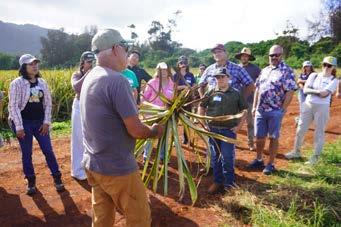

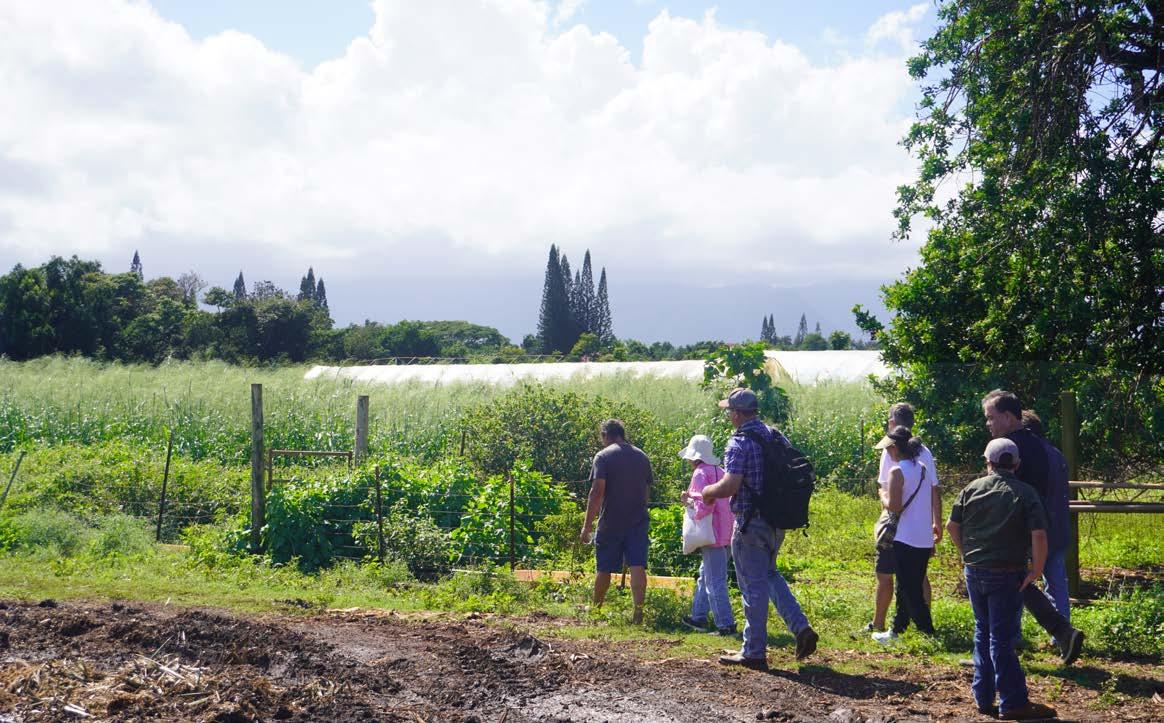
Site visits
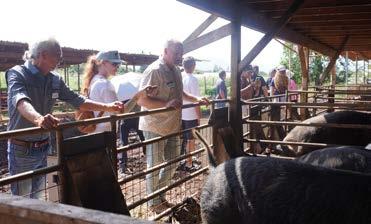
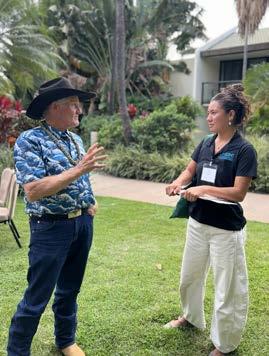
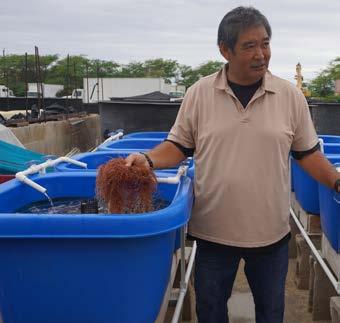
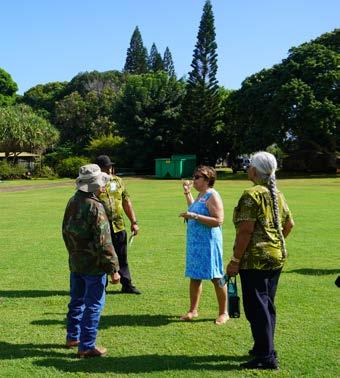
Firsthand observations and conversations with agricultural professionals helped to develop a clearer understanding of how feed-related operations function across Hawai‘i. These visits provided insight into existing feed systems, production capacity constraints, workflow bottlenecks, and the logistical needs associated with
sourcing, processing, and distributing feed. This on-theground knowledge directly informed the outcome of the proof of concept, ensuring that proposed facility layouts support efficient material flow, meet real operational requirements, and allow flexibility for future expansion or diversification within the feed supply chain.
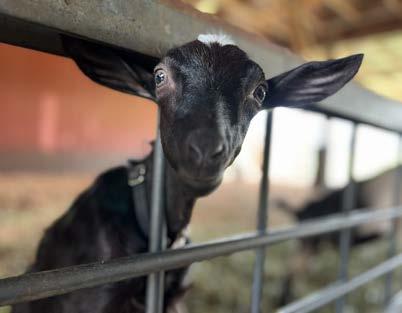
sweet land farm
65-1031 Kaukonahua Road Waialua, HI 96791
On July 2, 2024, the project team conducted a site visit and meeting at Sweet Land Farm in Wahiawā to understand their efforts in developing a forage production facility. The discussion focused on Sweet Land Farm’s current alfalfa and guinea grass operations, island-wide demand for locally produced livestock feed, and the limitations of relying on baleage and imported hay. Associates shared plans to pursue a small-scale dry hay system using AgriCompact drying technology, which would enable the production of shelfstable, easily transportable feed for cattle, goats, and other livestock across Oʻahu and potentially the outer islands.
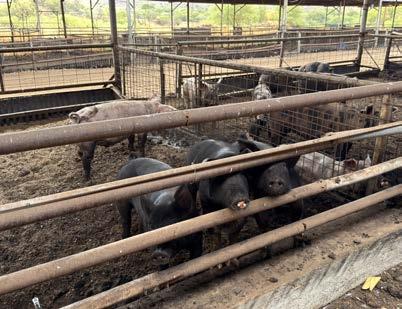
mountainview farms
85-580 Waiʻanae Valley Road # B Waiʻanae, HI 96792
On August 22, 2025, the project team and ADC staff conducted a site visit to Mountain View Farms to examine the farm’s integrated crop-livestock system. Associates shared insights into a customized Freisla mobile slaughter system, highlighting its flexible workflow, emphasis on worker conditions, and potential to serve multiple species such as pigs, sheep, and goats. The visit highlighted a broader systems perspective, linking processing infrastructure to market demand and environmental compliance. Discussions were grounded in natural farming philosophy, which emphasizes soil microbiomes, reduced inputs, animal health, and the relationship between agricultural practices and public health.
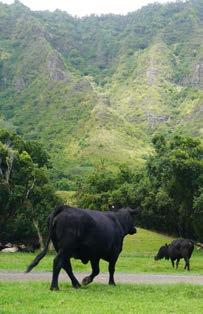
Kualoa ranch
49-560 Kamehameha Kaneohe, HI 96744
On October 22, of Diversified Agriculture Stewardship, along Manager, provided Ranch. During the visit, Kualoa’s livestock feed feed inputs, and the strategies manage nutrition across of production. They challenges and opportunities with managing livestock landscapes, offering understanding feed specifically drought seasons.
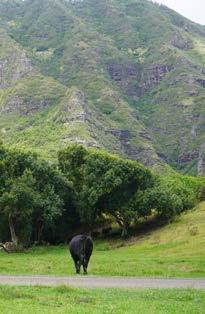
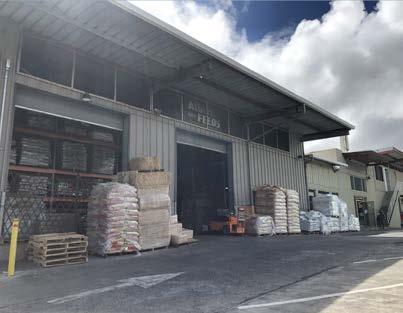
waimanalo feed supply
41-1560 Kalanianaʻole Highway Waimānalo, HI 96795
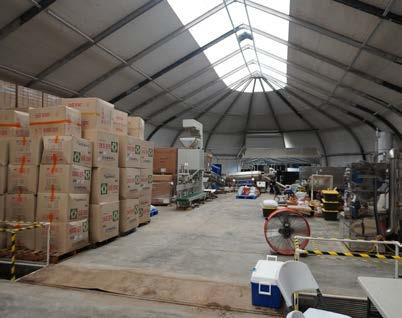
kalaeloa fish meal & feed production plant
2025, the Director Agriculture and Land with the Livestock a tour of Kualoa visit, they described feed needs, current strategies they use to across different stages discussed both the opportunities associated livestock on Kualoa’s valuable context for sourcing constraints, seasons.
On November 6, 2025, the project team visited Waimānalo Feed Supply, one of Hawai‘i’s major statewide feed distributors. During the visit, staff provided an overview of their distribution operations, current products and their sourcing, and the logistics of supplying feed across multiple islands. The discussion offered valuable insight into current demand trends, feed ingredients, and the role of distributors in supporting livestock producers of varying scales.
91-259 Olai Street #B Kapolei, HI 96707
On January 21, 2026, the project team toured the Kalaeloa Fish Meal & Feed Production Plant. During the visit, staff described the facility’s operations, which follow a clear process from fish waste receiving through feed processing and packaging within an open floor plan. They also discussed the use of feed trials to evaluate pellet quality and animal growth performance. The site visit provided valuable context for understanding how feed production facilities can efficiently utilize industry waste streams and byproducts to produce locally sourced feed.
conferences
To support the development of a practical and community-informed proof of concept for a statewide feed facility, direct engagement with producers, industry organizations, and partners was conducted both virtually and in person. Attending conferences and bringing engagement materials—such as preliminary concepts and educational graphics—garnered grounded feedback on feed practices, infrastructure gaps, and operational needs across sectors. These conferences offered essential opportunities to listen, learn, and validate assumptions, ensuring that the emerging facility design reflects real-world challenges, aligns with producer priorities, and responds to Hawai‘i’s diverse agricultural contexts.
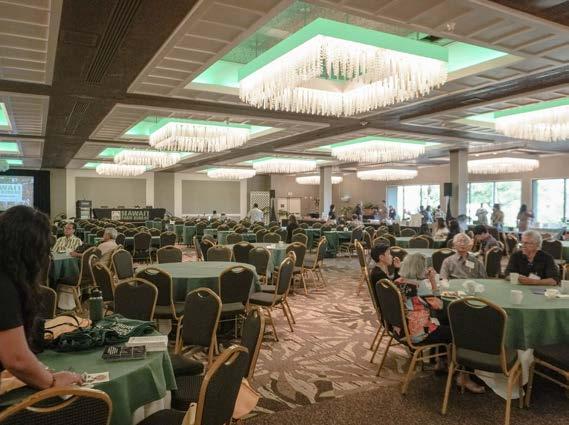
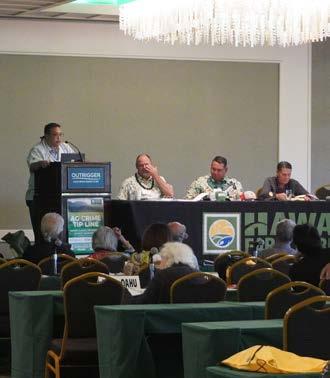
Hawai’i Farm Bureau’s annual convention
On November 4, 2025, the project team attended Annual Convention on Kauaʻi, engaging with a wide range organizations, and agency partners. As part of the convention participated in tours of Grove Farm Museum, Kīlauea Community Hole in the Mountain Farm, and Lydgate Farms. These provided diversified agricultural operations, land stewardship practices, agriculture initiatives across Kaua‘i. Combined with conversations these tours offered valuable perspectives on regional opportunities, and infrastructure challenges that further informed
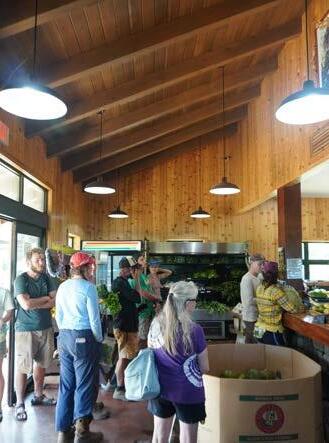
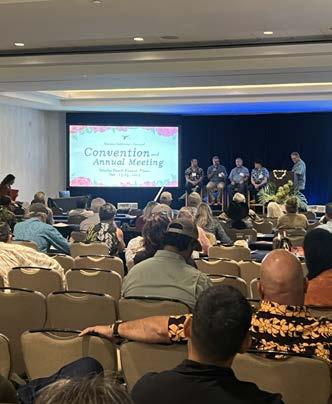
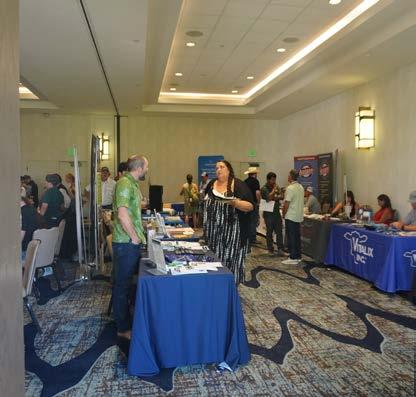
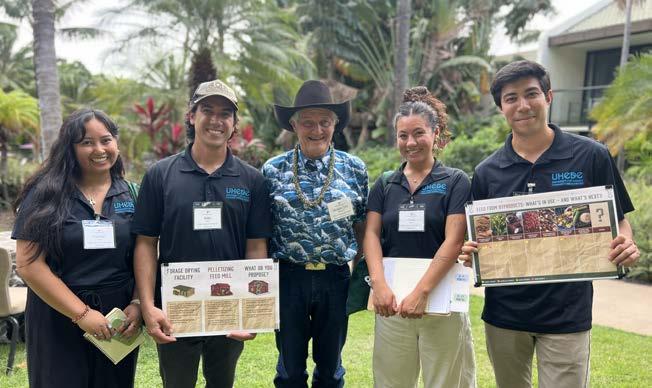
Hawai’i cattlemen’s council convention & annual Meeting
the Hawai‘i Farm Bureau’s range of agricultural producers, convention program, the team Community Agricultural Center, provided firsthand insight into practices, and community-based conversations at the convention, regional feed needs, production informed the Feed Facility.
On November 14, 2025, the project team participated in the 2025 Hawai‘i Cattlemen’s Council Convention & Annual Meeting on Maui, engaging directly with cattle producers, industry leaders, and statewide partners. The convention provided an opportunity to share the project’s goals, gather feedback on feed practices, challenges, and facility needs, learning about the current trends shaping Hawai‘i’s beef sector. Conversations across sessions and networking events offered valuable insights that helped refine the feed facility concept and strengthen connections with producers from every island.
engagement materials
To engage the identified stakeholders, UHCDC developed outreach materials designed to clearly communicate the goals, scope, and evolving vision of the Feed Facility. These materials included concise project overviews, graphics illustrating potential facility functions, and interactive activities. They were shared directly during one-on-one meetings with producers, agencies, and industry partners, as well as distributed at conferences, workshops, and other engagement events. This approach ensured that stakeholders across islands and sectors received consistent, accessible information, helping to build shared understanding and support continued dialogue throughout the planning process. The information gathered through these materials contributed to the evolution of the proof of concept design by grounding it in producer needs and on-the-ground realities.
UHCDC facilitated an interactive activity designed to gather practical insights from ranchers about their current feed practices and interest in alternative feed sources. The activity used a two-sided poster: one side displayed images of various local agricultural byproducts that can be used as livestock feed, and the other side featured common forage types fed to cattle in Hawaiʻi. Ranchers
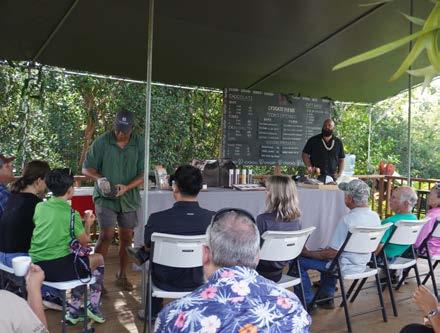
were invited to place colored stickers under each image to indicate either (1) that they currently use the byproduct or forage, or (2) that they would be interested in using it in the future. Sticker colors corresponded to the rancher’s home county, allowing patterns to be viewed geographically. This engaging, game-like format encouraged open conversation, provided visual feedback on producer preferences, and generated a dataset that was later digitized and is displayed on the right. Insights from this activity helped clarify feed trends, regional differences, and opportunities for integrating local byproducts into the feed facility design.
Complementing this activity, UHCDC also developed printed graphics to facilitate discussion about potential facility types—specifically, whether producers preferred a pelleting facility or a forage-drying facility. Additional visuals were created to clearly explain the cow–calf production model in a simple, accessible format that helped spark interest and encourage participation. These graphics made the concepts easy to understand at a glance and served as conversation starters, inviting stakeholders to share their knowledge, clarify real-world needs, and offer valuable insights that informed this study.
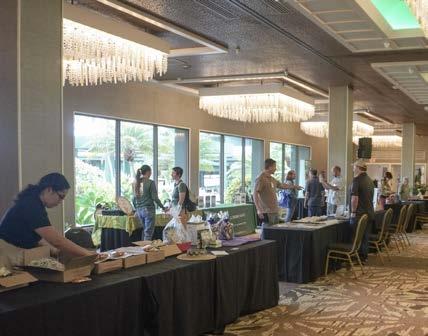

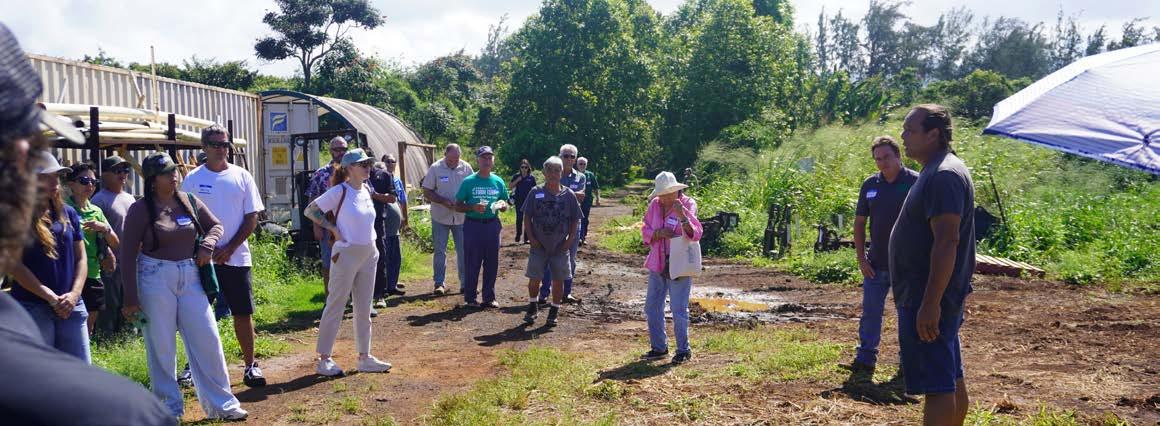


FEED
FROM
BYPRODUCTS
: WHAT’S IN USE - AND WHAT’S NEXT?
feed from byproducts: what’s in use - and what’s next?
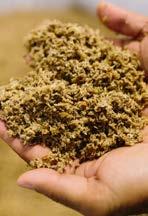
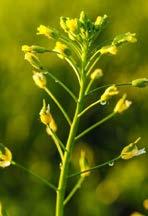
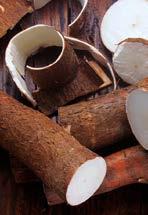
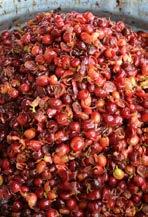
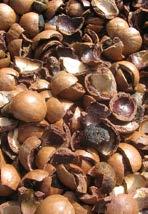
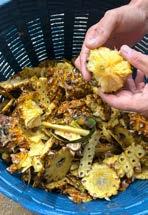



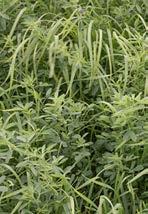
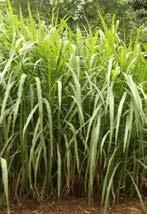

PREFERENCE OF LOCAL FORAGE
PREFERENCE OF LOCAL FORAGE

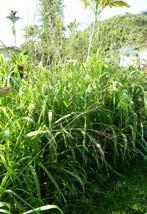
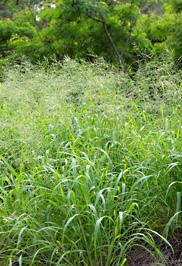
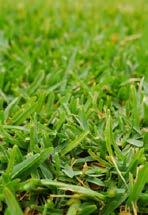
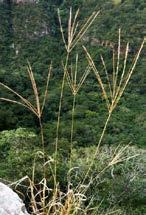
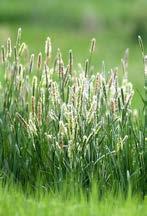

SUGARCANE BAGASSE
BREWER’S SPENT GRAIN (BSG)
MACADAMIA
HAWAIʻI
HAWAIʻI
KIKUYU
TIMOTHY
Precedent studies
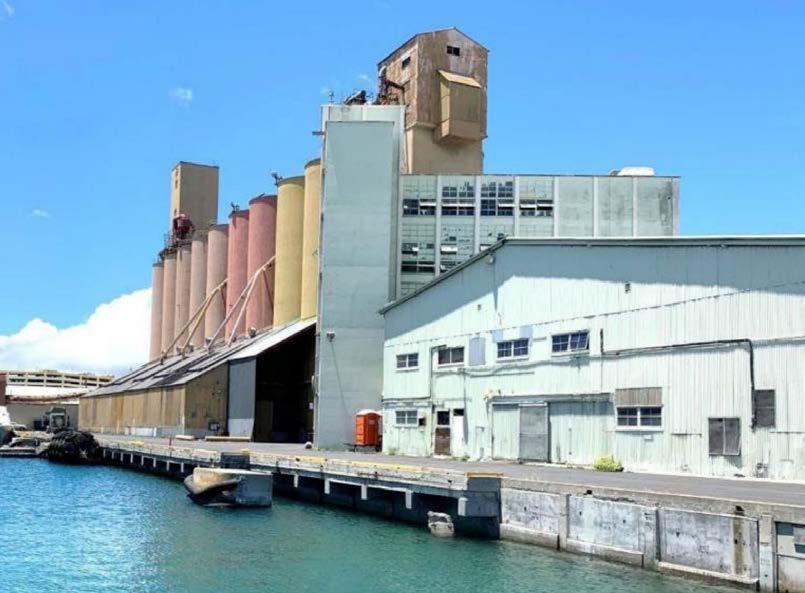
Hawaiian Milling Corporation
The Hawaiian Milling Corporation feedlot at Campbell Industrial Park was the most significant historical example of large-scale animal feed and feedlot infrastructure in Hawaiʻi. Established in 1965 after relocating from central Honolulu, the facility became the largest cattle feedlot operation in the state during the 1970s. At its peak, it accounted for approximately 80% of Hawaiʻi’s total feedlot activity, with the remaining 20% distributed among a small number of ranch-based feedlots on Oʻahu, Maui, and Hawaiʻi Island.
By 1968, the operation had constructed a feed mixing and storage unit capable of holding roughly 5,000 tons of bulk materials and 2,000 tons of grains. Continued expansion increased total storage capacity to approximately 10,000 tons by 1975, enabling the feedlot to support a standing population of about 14,000 cattle, with maximum capacity reaching approximately 17,000 animals. The facility operated on a 150-day feeding cycle with roughly two turnovers per year, supplying feed to an estimated 28,000–30,000 cattle annually. Despite its operational scale and logistical efficiency, the feedlot ultimately closed in 1996, with declining rancher participation beginning as early as the late 1970s due to rising imported feed prices.
Key Takeaways
• Hawaiʻi has previously supported a highly centralized, industrial-scale feedlot and feed mixing facility.
• Proximity to industrial land (Campbell Industrial Park) enabled large storage capacity, throughput, and logistical efficiency.
• The facility’s decline highlights a critical vulnerability: dependence on imported feed inputs, which exposed producers to global price volatility.
• Long-term viability of feed facilities in Hawaiʻi is closely tied to input cost stability and local sourcing potential.
Photo Credit: Honolulu Harbor 2050 Master Plan
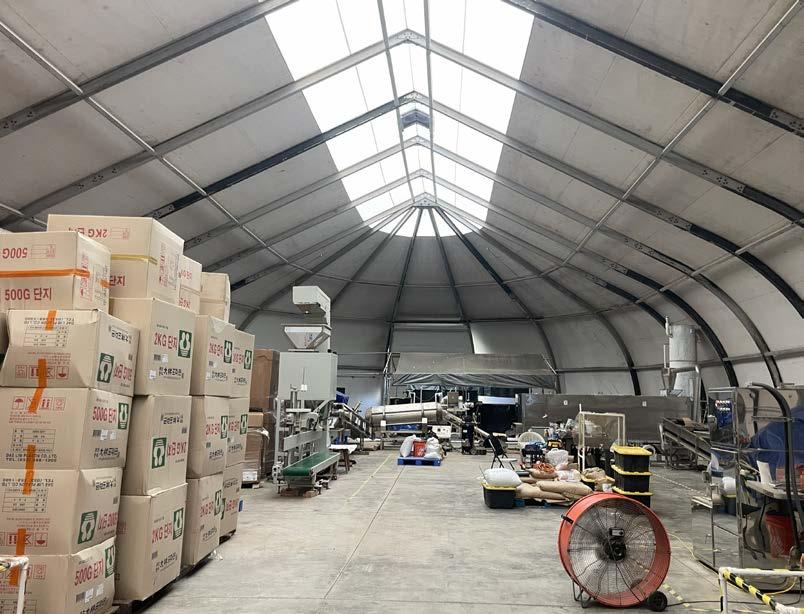
Kalaeloa Fish Meal & Feed Production Plant
A more recent precedent for feed infrastructure in Hawaiʻi is the Oʻahu Feed Mill initiative at Kalaeloa, led by the ADC in partnership with Diamond Head Seafood. This multi-million-dollar project has been framed explicitly as a response to Hawaiʻi’s heavy reliance on imported animal feeds and high feed costs. The current facility is now operational, located at the James Campbell Industrial Park.
The facility includes a fishmeal plant capable of processing approximately 6–10 tons of fish waste per day, primarily sourced from Diamond Head Seafood, which generates an estimated 150,000 pounds of fish waste per month. This waste is converted into fishmeal and subsequently used in an on-site feed production line. The feed mill design includes storage for dry ingredients, feed production infrastructure, and pellet extrusion systems producing up to 300 pounds of feed per hour at 47% crude protein. Planned operations emphasize modest labor requirements, phased infrastructure (including sprung structures), and integration with feed trials for aquaculture species such as kampachi, shrimp, tilapia, and catfish. Importantly, the project explicitly targets partial displacement of imported aquaculture feeds, which currently total several million pounds annually for select species in Hawaiʻi.
Key Takeaways
• The Kalaeloa precedent demonstrates a hybrid feed model, integrating marine waste streams with feed production to reduce import dependence.
• Co-location with seafood processing enables circular resource use, turning waste into feed inputs.
• The project illustrates a modular, scalable approach to feed infrastructure, contrasting with the fully centralized model of the 1970s feedlot.
• Persistent uncertainty around implementation highlights ongoing challenges related to permitting, capital investment, and market coordination, even when technical feasibility is established.
SILAGE PRODUCTION Methods
Multiple silage production methods were evaluated for potential integration at the site. While all methods are technically viable in Hawaiʻi, their suitability varies significantly based on transportation requirements, equipment access, scale, and consistency of product. The following methods represent the primary silage systems considered.
WRAPPED BALES (BALEAGE) BUNKER / MOUND SILAGE

Forage is harvested at higher moisture, baled, and individually wrapped to create sealed fermentation units.
Advantages
• Proven locally
• Flexible production scale
• Good fermentation control when managed correctly
Constraints
• Large, heavy units require forklifts or tractors
• Transport to small ranches requires specialized handling equipment
• End users must have equipment to handle bales
Applicability to site
Suitable for on-site feeding or large operations, but limited as a distributable product.
Chopped forage is compacted into a bunker or mound and covered to ferment in place.
Advantages
• High-volume, low per-unit cost
• Minimal packaging material
Constraints
• Fixed, non-transportable
• Requires continuous drawdown, limiting operational flexibility
• High risk of spoilage if not managed at scale
Applicability to site
Not appropriate where off-site distribution is a primary goal.
Recommended Approach: Small Packaged Silage Production
Given the project’s objectives to support a wide range of producers, including smaller ranchers without specialized equipment, the preferred silage system is small-format packaged silage. While baleage is effective at farm scale, its reliance on heavy units and end-user equipment limits its viability as a shared, distributable feed product.

Sweet Land Farm
Photo Credit: Wieser Concrete
LARGE BAG SILAGE
Chopped forage is packed into long plastic bags using specialized equipment.
Advantages
• More flexible than bunkers
• Scalable production
Constraints
• Still effectively stationary once filled
• Requires specialized bagging equipment
• Limited compatibility with small-scale end users
Applicability to site
Intermediate option, but still poorly suited for dispersed distribution.
SMALL PACKAGED SILAGE
Fresh forage is chopped and mechanically packed into small, sealed bags that ferment individually.
Advantages
• Accessible to small and mid-scale producers
• Simplifies storage, transport, and rationing
• Enables island-wide distribution
• Enables ration-level feeding and inventory control
Constraints
• Greater risk of product inconsistency
• Higher labor and packaging costs per unit
Applicability to site
Best aligned with equity, accessibility, and statewide replication goals.
Key trade-off acknowledged
The primary limitation of small-bag silage is variability in fermentation outcomes driven by moisture content, packing density, and batch control.
1. A complementary feed product, not a sole forage source.
2. A candidate for pilot-scale deployment and iterative refinement.
Photo Credit: Red Hill Harvest
Photo Credit: Cornext
HAY-DRYING METHODS
Hay drying systems were evaluated as a complementary forage preservation strategy to silage, with particular attention to shelf life, transportability, and consistency of feed quality under Hawaiʻi’s humid conditions. While multiple drying approaches are technically feasible, their suitability varies based on climate exposure, throughput, and infrastructure requirements.
FIELD DRYING (SUN-CURED HAY)
Field drying relies on solar radiation and ambient airflow to reduce forage moisture prior to baling. This method requires minimal infrastructure but is highly weather dependent. In Hawaiʻi, frequent rainfall and humidity increase the risk of mold formation, nutrient loss, and uneven moisture content across bales.
Applicability
Suitable only for opportunistic use; not reliable as a primary hay preservation method.
PASSIVE BARN DRYING
Passive barn drying stores freshly baled hay in ventilated structures to allow gradual moisture reduction. While this approach reduces direct exposure to rainfall, drying rates remain slow and dependent on ambient conditions, resulting in limited throughput and large space requirements.
Applicability
Offers modest improvement over field drying but remains constrained by climate and scale.
FORCED AIR / HEATED DRYING
Forced-air drying systems actively remove moisture using controlled airflow, often supplemented with heat. These systems provide predictable drying outcomes and improved feed stability but require higher energy inputs, coordinated material handling, and greater capital investment.
Applicability
Appropriate for centralized or shared infrastructure where consistent quality and year-round production are priorities.



Photo Credit: Barenbrug
Photo Credit: Troyer Post Buildings
Photo Credit: AgriCompact Technologies GmBH
Selected Approach: Modular Forced-Air Hay Drying (Agricompact)
The AgriCompact hay drying system is a forced-air bale drying technology designed for regions where climatic conditions make reliable field drying difficult. Unlike conventional sun-drying or dehydration systems, AgriCompact allows forage to be baled at higher moisture levels and dried under controlled conditions using highvolume airflow and, when required, supplemental heat.
The system has been widely adopted in humid and variable climates, particularly for drying alfalfa and other high-value forages where nutrient retention and leaf integrity are critical. Its modular design allows the drying infrastructure to be integrated into locally constructed buildings rather than relying on fully prefabricated enclosures.


Advantages
• Climate resilience: Enables hay production despite high humidity and intermittent rainfall.
• Improved forage quality: Preserves leaf material, color, and nutritional value, particularly for alfalfa.
• Flexible construction: Drying systems can be installed within concrete, steel, or wood-framed structures using locally sourced materials.
• Scalability: Capacity can be adjusted by adding drying modules or increasing operating cycles.
• Multi-use facilities: Drying buildings can double as forage or equipment storage when not actively drying hay.


Limitations & Considerations
• Energy demand: Mechanical drying requires significant thermal energy and electrical power, increasing operating costs relative to sun-drying
• Capital investment: Core mechanical components are imported, contributing to higher upfront costs.
• Operational complexity: Successful operation requires trained staff and careful moisture management to avoid over- or under-drying.
• Siting requirements: Access to utilities, fuel delivery, and heavy equipment circulation must be accommodated in facility planning.

Photo Credit: Culture Magazine
Feed TYPES & processing METHODS
Multiple processed feed formats were evaluated for potential inclusion in the proposed feed facility. While all formats are technically viable, their suitability is contingent on ingredient characteristics, handling requirements, storage stability, and transport efficiency in the broader statewide context. The following feed forms represent the primary processing typologies considered:
PELLETED FEED
Densely compressed feed produced by mechanically forming conditioned ingredients into uniform pellets for efficient storage, transport, and consistent feeding.
Applicability
Suitable for centralized production and distribution across multiple species.
MASH/MEAL FEED
Ground and blended feed ingredients delivered without compaction, offering low processing requirements, with reduced handling and transport efficiency.
Applicability
Best suited for on-site or near-site feeding rather than shared or statewide distribution.
LIQUID FEED
Viscous feed supplements incorporating molasses, urea, or liquid byproducts, used to deliver energy or protein through specialized storage and dispensing systems.
Applicability
Offers necessary supplements, but not sufficient to act as the core feed for livestock.
SOLIDIFIED SUPPLEMENTS
Compressed or hardened feed products designed for free-choice intake, providing stable supplementation with minimal handling, but limited nutritional scope.
Applicability
Useful as a complementary product, but similar to liquid feed, it’s not suitable as a primary feed source.

Photo Credit: All About Feed
Photo Credit: Talking Hens
Photo Credit: MIX 30
Photo Credit: Extension - Alabama A&M and Auburn Universities
selected approach: 5-7t/H feed pellet production line (herm)

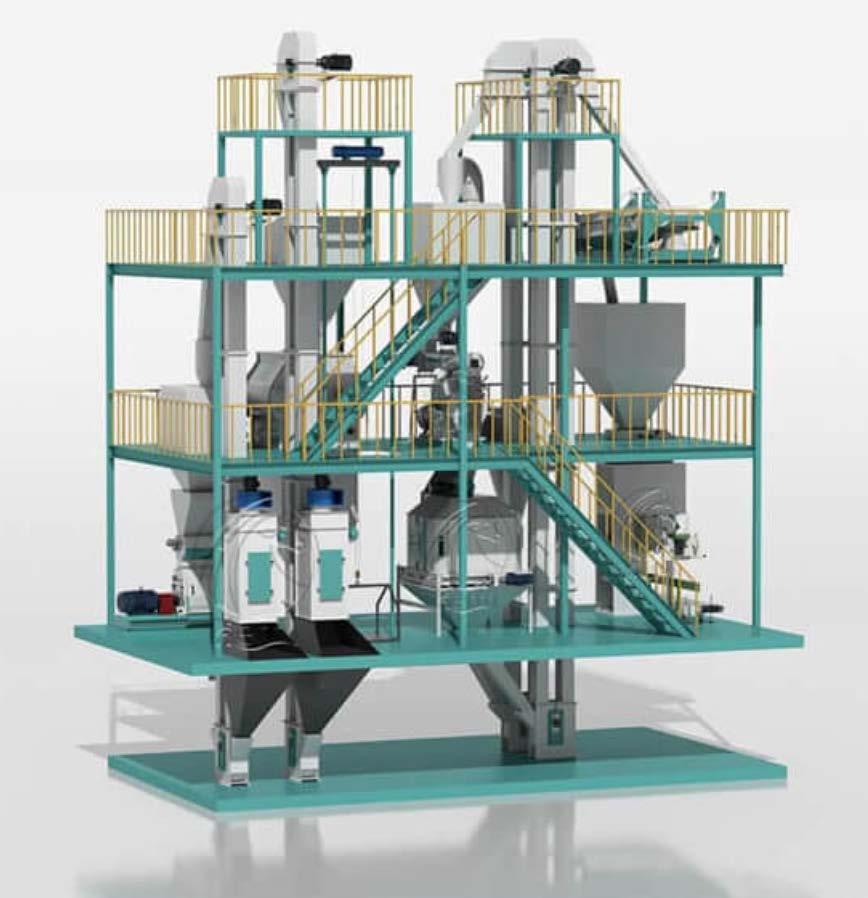
The Herm® 5–7 ton-per-hour feed pellet production line is a modular, integrated processing system designed to manufacture pelleted feeds for a range of species, including ruminants, monogastrics, equine, and aquaculture. The system supports flexible formulation and batch production, allowing multiple feed types to be produced using a shared line while maintaining consistency, durability, and controlled nutrient delivery.
Pelleted feed production offers advantages over mash, liquid, and solidified supplement formats by balancing processing intensity with storage stability, transport efficiency, and ration consistency. Unlike mash or meal feeds, pelleting reduces ingredient segregation and dust while improving bulk density for centralized production and distribution. Compared to liquid feeds and solidified supplements, pelleted feeds support a wider range of formulations and feeding strategies, allowing pellets to function as either a primary ration component or a targeted supplement depending on species and production context.
In the Hawaiʻi context, a modular pelleting line aligns with the state’s geographically dispersed producers, high transportation costs, and reliance on imported feed inputs. Pellets provide a shelf-stable, compact feed form that can be produced centrally and distributed efficiently across the islands. When paired with available forages and byproducts, pelleted feeds can support more consistent feeding strategies across seasonal or climatic variability while enabling partial integration of local ingredients.
Advantages
• Stability and shelf life: Produces a dense, shelf-stable feed with reduced spoilage risk.
• Transport efficiency: High bulk density lowers handling and inter-island transport costs.
• Ration consistency: Mechanical conditioning reduces segregation and improves uniformity.
• Formulation flexibility: Supports multiple species and feed blends within a single modular line.
• Resilience to variability: Pellet production reduces reliance on real-time forage availability during short-term supply disruptions.
Limitations & Considerations
• Energy demand: The pelleting line requires substantial and sustained energy inputs to operate effectively.
• Capital investment: Specialized pelleting equipment contributes to higher upfront costs.
• Ingredient constraints: Local inputs may require specific pre-processing methods to meet the standards for the main production line.
• Siting requirements: The production requires sufficient space and layout flexibility to support raw ingredient intake, internal material flow, and finished product loading for distribution.
Photo Credit: Henan Herm Machinery Co., Ltd.
proof of concept proof of concept
Overview

A proof of concept (PoC) is a preliminary demonstration used to validate the feasibility and practicality of a concept before full-scale implementation. For the proposed statewide feed facility initiative, the PoC serves as a critical step in confirming that facility design, operational models, and strategic objectives align with stakeholder expectations, livestock sector needs, and long-term economic viability.
In 2024, the ADC engaged UHCDC to conduct a design study exploring the development of a feed facility for Hawaiʻi. This effort establishes best practices, identifies available resources and market opportunities, and delivers PoC services for an inaugural facility intended to test scalable approaches to local feed manufacturing. The PoC provides conceptual layouts, preliminary process flow strategies, and infrastructure recommendations intended to inform and guide the professional design team as the feed facility advances into subsequent development phases.
PoC services are conducted ahead of, and not in lieu of, the comprehensive design responsibilities of professional consultants; however, they may operate concurrently to ensure continuity of project intent, technical alignment, and long-term adaptability. For the statewide feed facility effort, the PoC not only demonstrates the feasibility of an inaugural facility but also establishes a replicable implementation model that can support future expansion across the islands.
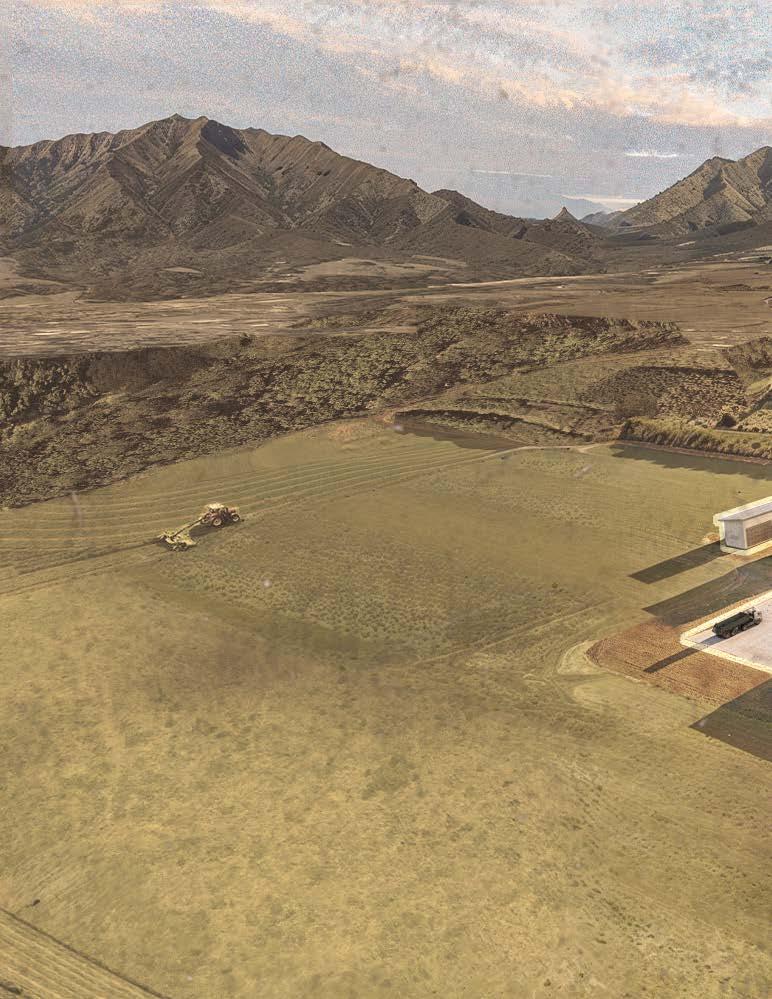
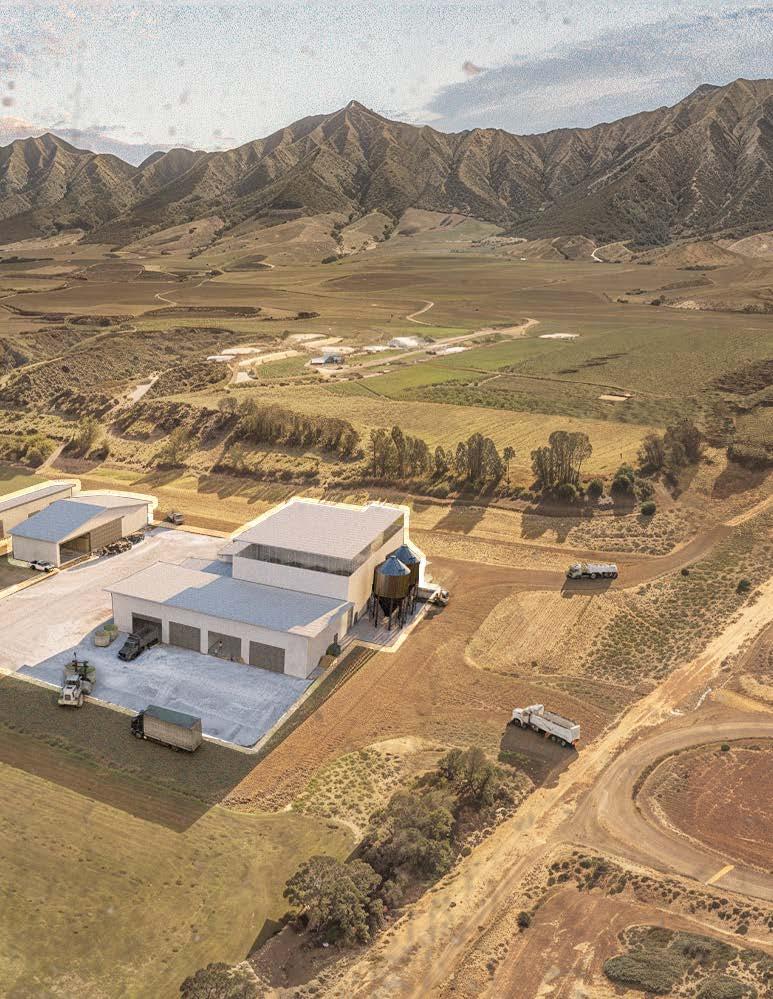
Regional Model: Forage Drying
Facility
• Modular, low-cost design for regional application
• Dries alfalfa and grasses within 1-2 days
• Can produce compact hay cubes for transport
• Ideal for grass-fed and finished operations
• Easily replicated across islands
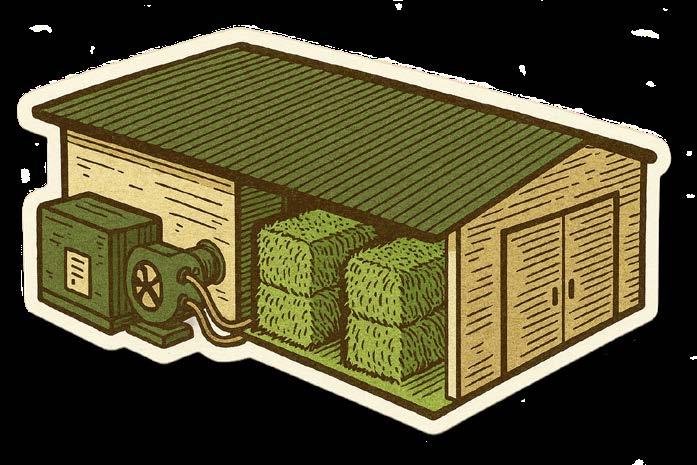




Statewide Model:
Pelleting Feed mill
• Centralized production for multispecies feed
• Uses local byproducts and crop residues
• Produces compact, pelletized feed for storage
• Higher upfront investment, larger capacity
• Best near major ranching and crop production
Quick Facts
Output Capacity ~5-7 tons/day (pelletized feed)
Feed Type
Users
Upfront
Cost
Footprint
Operational
Need
Multi-species (ruminant, poultry)
Large ranches & feed distributors
$22 million - $30 million
Fixed facility with bulk storage
Requires trained operators and consistent supply
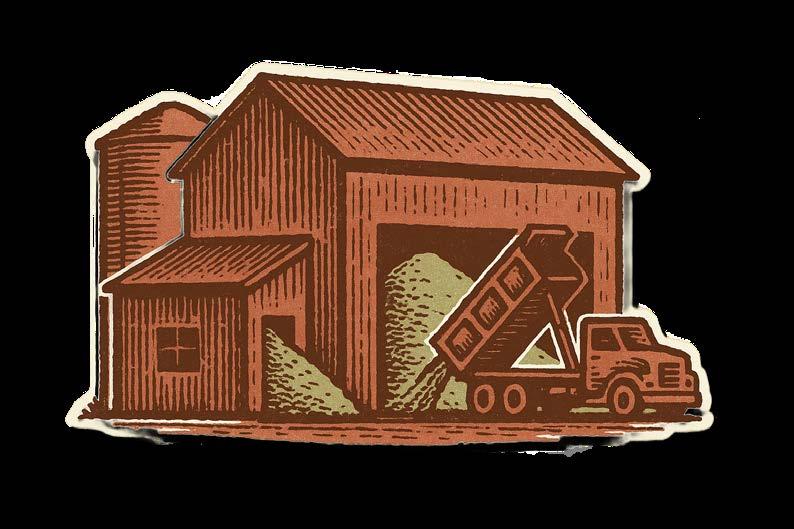
Source: Zeno Pellet Machine Supplier
Source: FWS Group of Companies
Site Selection
Hawaiʻi’s feed system operates under constraints that differ fundamentally from those on the U.S. continent, as described in the preceding feed sector overview section of this report. Limited land area, dispersed production patterns, and high transportation costs prevent local feed infrastructure from achieving the economies of scale typical of mainland or multinational feed operations. As a result, competitiveness within Hawaiʻi depends less on scale and more on system efficiency, particularly the strategic alignment of feed production, processing, and livestock demand.
Within this context, a primary objective of feed system planning is to minimize the distance between where feed is produced, where it is processed, and where it is ultimately consumed. This relationship is captured by the concept of feed miles, which represent the cumulative logistical burden imposed by the movement of feed materials across the system. Feed miles reflect not only distance traveled, but also transport frequency, material density and moisture content, handling requirements, and time sensitivity.
Many locally available feedstocks in Hawaiʻi are bulky, high-moisture, or time-sensitive. As a result, transportation distance directly affects cost, operational reliability, and feasibility, often in non-linear ways. Even modest increases in distance can trigger step changes in logistics requirements, such as additional hauling equipment, tighter harvest and processing windows, or increased risk of spoilage. Minimizing unnecessary feed miles is therefore a foundational principle of feed facility siting in Hawaiʻi.
Demand-First Siting Framework
For the purposes of this proof of concept, a Demand-First siting framework was selected to reduce implementation risk and anchor the pilot facility in demonstrable, near-term need. This approach begins by identifying livestock sectors and regions with sufficient, reliable feed demand and then works outward to assess feedstock capture feasibility, processing requirements, facility scale, and land control considerations.
By prioritizing existing livestock demand, the framework ensures that processing methods and levels of centralization are selected in response to real system constraints rather than speculative production opportunities. Decisions regarding facility scale and location are therefore shaped by how effectively the system can minimize unnecessary transport, stabilize time-sensitive inputs, and align processing with demand.
An alternative Region-First Siting Framework, in which feed infrastructure is intentionally deployed to alter livestock systems or land-use patterns, remains viable and may be appropriate where broader policy goals justify higher levels of coordination and risk. However, given the objectives of this study the Demand-First approach provides a more defensible foundation for a pilot facility.
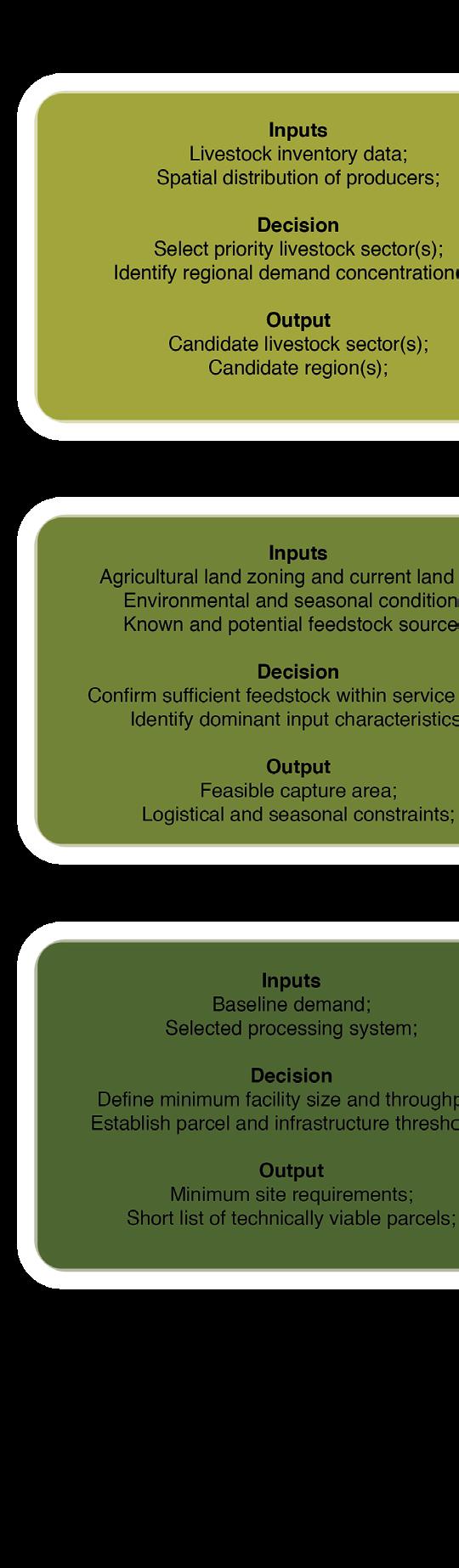
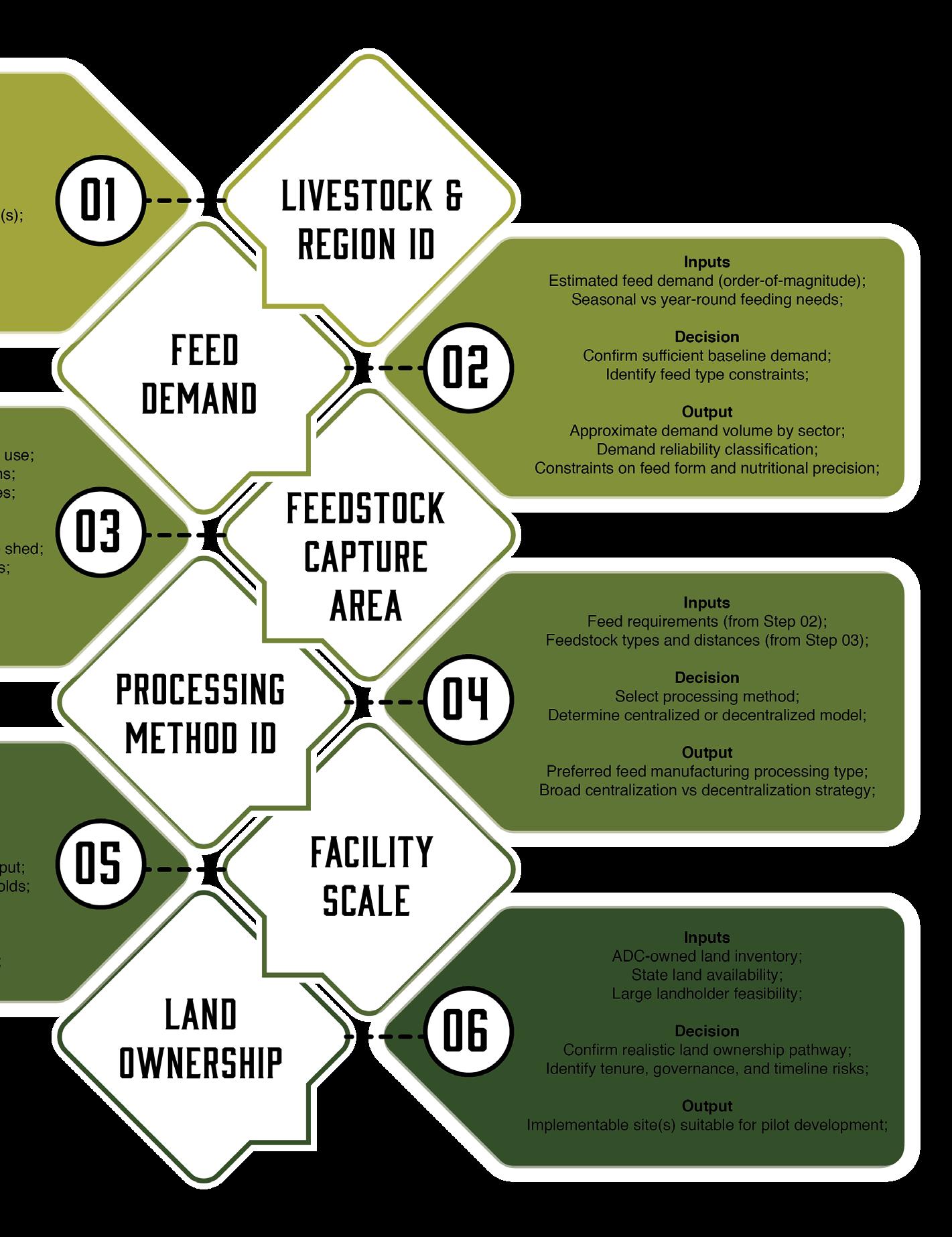
AGRICULTURAL CONNECTIVITY

This map highlights the project parcel within Central Oʻahu’s evolving agricultural network. Located among lands in active production, the site is well positioned to support coordinated agricultural operations across Wahiawā.
The facilities are envisioned as a critical piece of supporting infrastructure for Oʻahu’s livestock sector as a whole, strengthening relationships between feed production and downstream processing. By situating the facility near key partners and complementary operations, the project advances a more integrated, locally resilient food system that reduces dependency on imported inputs and supports long-term agricultural viability.
LEGEND

Agricultural Lands

ADC Agricultural Lands

Project Parcel

Adjacent Businesses
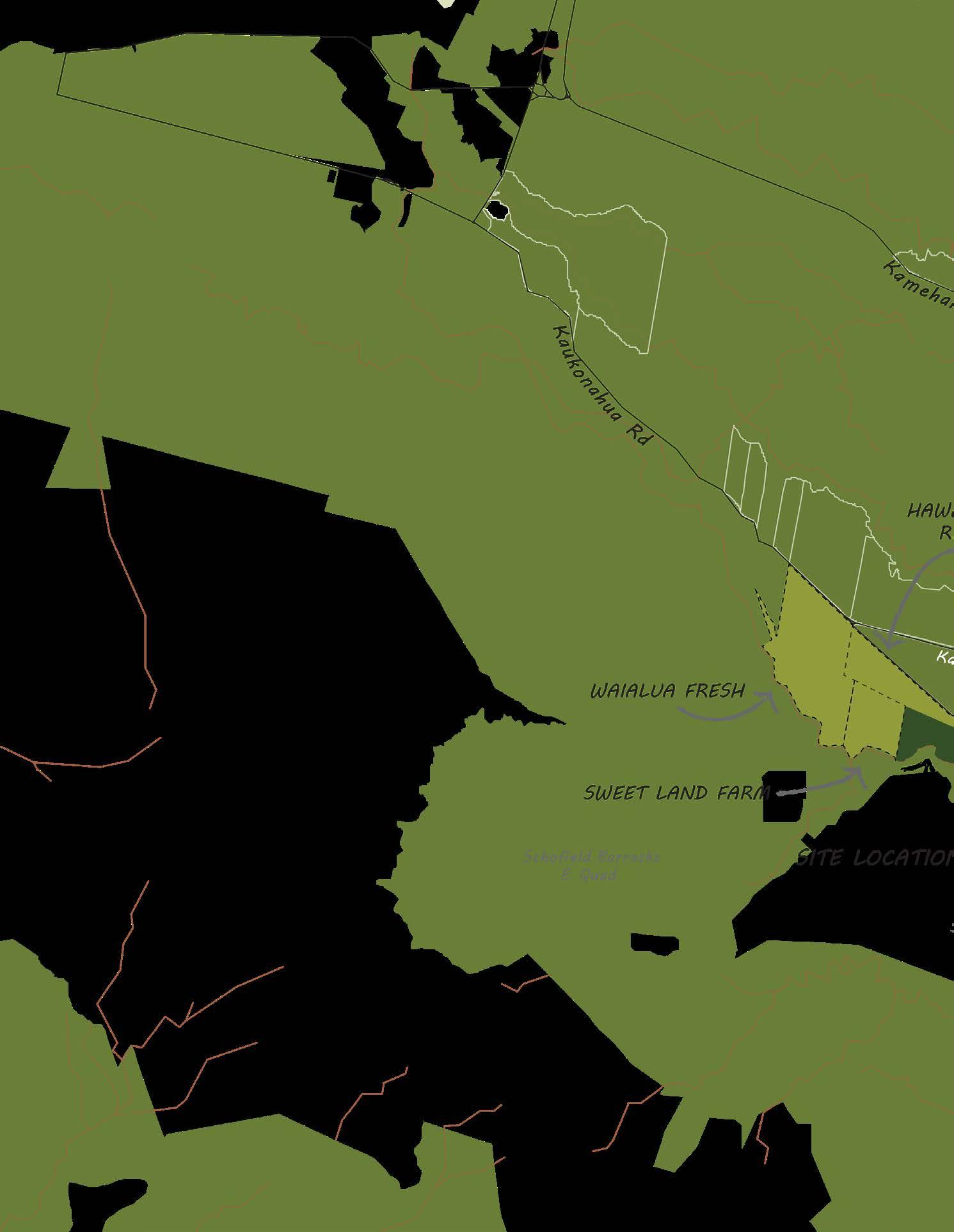

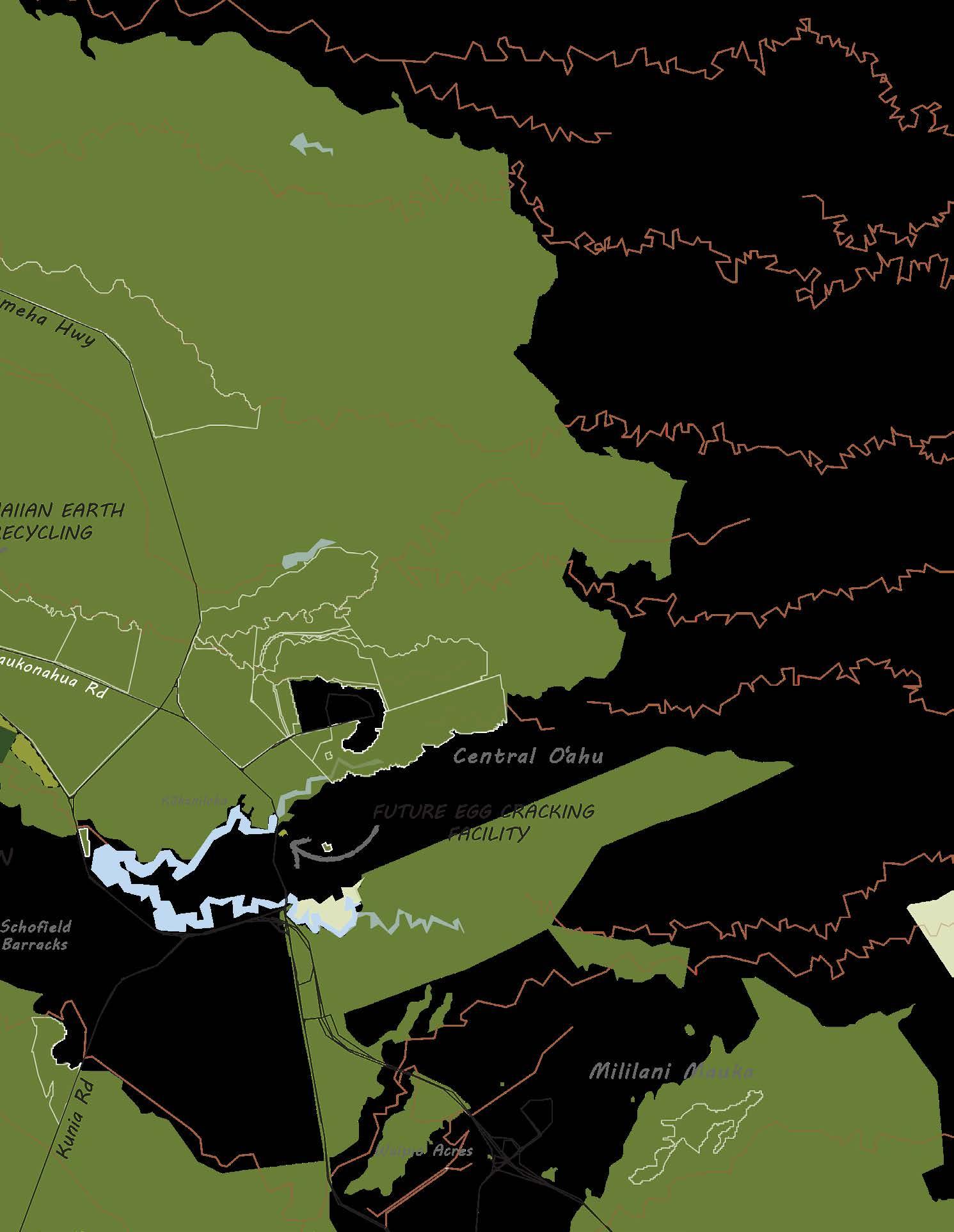
design considerations
Lessons Learned & Best Practices for Facility Design
The facility planning process, combined with precedent research and stakeholder collaboration, surfaced a number of critical lessons and design considerations. These insights should inform not only the pilot facility in Wahiawā, but also guide future feed facility developments across Hawaiʻi.
Drawing on the expertise of local producers, operations managers, feed scientists, public agencies, and national best practices, these recommendations reflect a deep understanding of what’s needed to build safe, flexible, and user-centered facilities.
The following lessons are organized by design category and should be seen as guiding principles for functional, scalable, and sustainable food production infrastructure.
Health & Safety
• Provide controlled entry points with transition or hygiene zones
• Maintain clear physical separation between raw, intermediate, and finished feed zones
• Maintain clear physical separation between ingredient types with distinct risk profiles
• Maintain clear physical separation between wet-material and dry-processing zones
• Include specialized sanitation storage & cleaning and sanitation protocols
• Provide distinct waste and by-product removal routes
• Maintain controlled pressure environments for areas with elevated sanitation needs.
• Specify enclosed equipment models to ensure effective dust-control
• Integrate explosion-mitigation measures in compliance with NFPA 61 & 652 guidance
Operational Needs
• Consider potential operational model options to support diverse livestock sectors.
• Maintain clear operational protocols for batching accuracy, ingredient traceability, and production scheduling.
• Maintain a single HACCP plan governing all feed formulations, updated as ingredients or processes change.
• Staff facilities with an on-site, specialized animal nutritionist to develop and adjust daily feed formulations.
Sources: FAO & IFIF, Good Practices for the Feed Sector (2010; 2020); IFIF Biosecurity Guidance for Feed Mills (2024).
Sources: FAO & IFIF, Good Practices for the Feed Sector (2010; 2020); IFIF Biosecurity Guidance for Feed Mills (2024).
Circulation & Workflow
• Ensure unidirectional process flow from intake to outbound distribution
• Separate receiving and load-out areas or utilize physical barriers to designate inbound from outbound loading docks.
• Size corridors to safely accommodate the largest equipment operating in the facility.
• Locate staging areas to prevent congestion and support continuous material flow.
• Provide separate circulation routes for waste removal and by-product handling.
• Provide maintenance-access paths that do not interfere with production workflows.
Sources: FAO & IFIF, Good Practices for the Feed Sector (2020); IFIF Biosecurity Guidance for Feed Mills (2024).
Multi-Species Production
• Establish species-aware production scheduling, including running higher-risk or restricted formulations separately or on designated production days.
• Maintain procedural separation between ruminant-compatible and non-ruminant formulations through batching protocols, labeled storage, and controlled transfer points.
• Design equipment and material flow to allow effective access for clean-out and verification at known carryover points, including mixers, conveyors, pellet mills, and coolers.
• Implement documented SOPs and records for sequencing, clean-out, and formulation changes as part of the facility’s feed safety and GMP framework.
Sources: FAO & IFIF, Good Practices for the Feed Sector (2010; 2020); IFIF Biosecurity Guidance for Feed Mills (2024).
Space Planning
• Maintain a 1:2 ratio between production areas and ingredient/finished-feed storage.
• Design spaces to allow expansion of processing lines or increased throughput over time.
• Maintain sufficient ceiling heights for bucket elevators, conveyors, and stacked processing equipment.
• Integrate lab space for ingredient quality and moisture testing, quality checks, and formulation verification.
• Allocate support spaces including offices, break rooms, restrooms, and locker rooms.
• Provide ventilation and daylight access to all support spaces where feasible
Sources: FAO & IFIF, Good Practices for the Feed Sector (2020); IFIF Biosecurity Guidance for Feed Mills (2024).
Site Planning
• Provide clear access routes for inbound and outbound distribution.
• Locate loading docks to allow safe queuing and avoid congestion on public roads.
• Include designated areas for outdoor storage of bales, by-products, or staging materials.
• Incorporate on-site low impact stormwater management to prevent runoff.
• Site facility near access to existing power, water, and wastewater systems to reduce costs.
• Verify infrastructure capacity for 3-phase power and high-load industrial processes.
• Maintain buffer zones or landscape screening to reduce visual and environmental impacts.
Sources: IFIF Biosecurity Guidance for Feed Mills (2024); FAO & IFIF, Good Practices for the Feed Sector (2020).
Conceptual Site Plan

Location: Waialua, Oʻahu
TMK: 650020010000
The project parcel encompasses nearly 73.44 acres owned by ADC and currently on a short-term lease. The parcel is organized into two primary areas: forage production zone and feed processing. About 30 acres are identified for forage production, with the southern portion of the site constrained by a steep gully that limits usable area.
The feed mill and forage processing facilities are located in the western corner of the parcel. This location leverages existing access via a truck-ready U-shaped road serving the adjacent parcel. If direct access agreements cannot be secured, this location maintains flexibility through existing easements west of the parcel and supports functional connections to neighboring agricultural uses. A secondary option at the northeastern corner of the parcel, with direct access to Wilikina Drive and expanded forage acreage, remains feasible for future consideration.
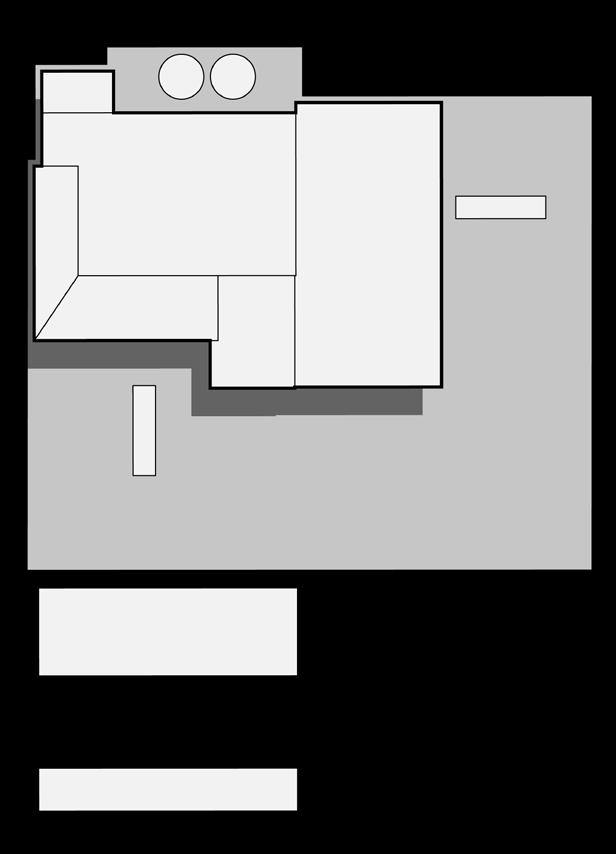
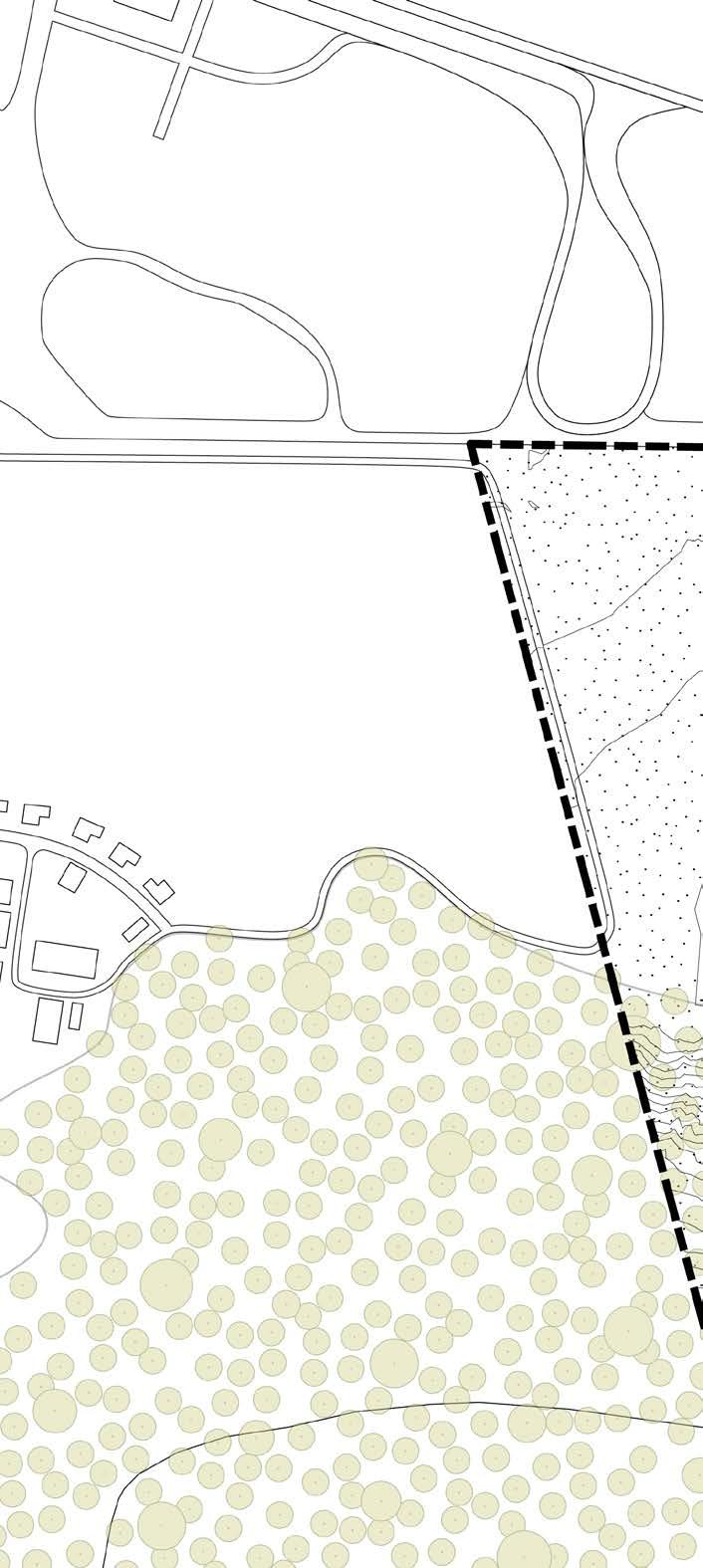

WILIKINA DRIVE
FORAGE PRODUCTION to Central O‘ahu
PROJECT PARCEL
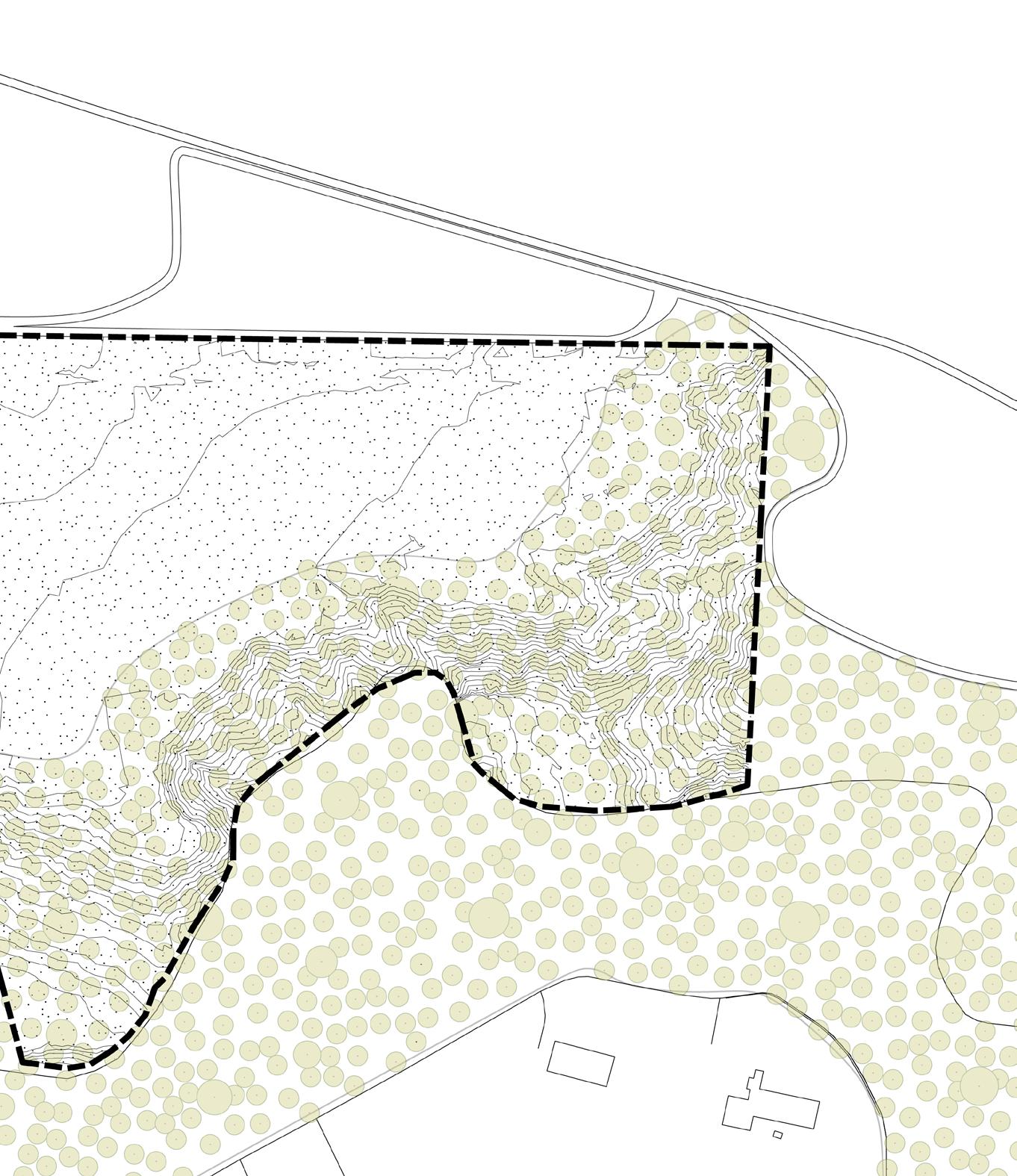
Waialua
Forage Processing Facility Concept
The diagram below illustrates a conceptual forage processing facility that combines a centralized hay drying operation with a potential forage and silage production expansion. The layout is intended as a conceptual model demonstrating how multiple forage-processing functions could be organized on the site but is not a final design. The facility is organized to support locally grown forage harvested both on-site and from nearby producers, with flexibility for expansion as demand evolves.
FACILITY ORGANIZATION / FLOW
1. Cooling Zone (Pre-Drying)
Freshly baled forage enters a ventilated cooling room where residual field heat is released and moisture begins to equalize within each bale. This step is particularly important in humid climates, reducing the risk of early fermentation prior to active drying.
2. Drying Zone (Heated Drying Chamber)
Bales are placed in a single layer on a steel grate floor above an air plenum. A dedicated drying unit forces large volumes of air upward through the bales. When required, the air is gently heated to reduce moisture content to a stable storage range, typically suitable for long-term storage and distribution.
3. Mechanical Systems
A centralized mechanical space houses fans, controls, and the heating unit. The system can operate in ventilation-only mode or with supplemental heat, depending on incoming forage moisture and ambient conditions. Fuel-based heating (e.g., diesel or propane) is paired with electrical power for fans and controls.
Dried hay is transferred to a dry hay storage area, sized to hold short- to medium-term inventory before distribution or further processing.
CONCEPTUAL CAPACITY
Under this conceptual configuration, the drying chamber is sized to accommodate approximately 50–54 small square bales per drying cycle, with the ability to complete multiple cycles per day depending on operating conditions. This supports a steady daily output while maintaining manageable batch sizes.
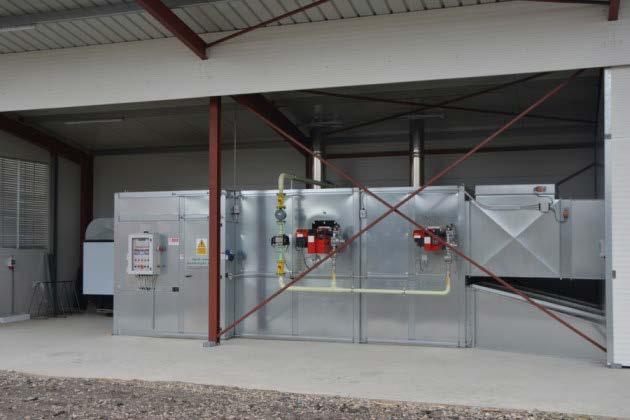
Heating Unit (Mechanical)
Central fan and heating unit used to deliver controlled airflow and supplemental heat through the drying chamber. Requires dedicated mechanical space, exterior exhaust/intake, fuel access, and electrical service.

Small-Format Silage Wrapper
Compact wrapping equipment used to seal chopped forage or wet byproducts in airtight packaging for silage production. Enables phased silage processing with minimal fixed infrastructure.
POTENTIAL SILAGE EXPANSION
The muted portion on the plan indicates a potential expansion zone for additional forage processing, such as silage production or other value-added feed processing. This expansion would introduce wet receiving, chopping or mixing, and packaging, physically separated from the dry hay operation to protect product quality and maintain operational efficiency. The diagram demonstrates how such an expansion could be accommodated without disrupting the primary hay drying workflow.

Source: AgriCompact Technologies GmBH
Source: Lining Xingyang Machinery Equipment Co., Ltd.
FORAGE PROCESSING Facility RENDER
This rendering illustrates a working yard organized around efficient truck and forklift circulation, with direct access to hay drying, storage, and loading areas. Forage produced on-site and from nearby fields can move immediately from harvest to drying, minimizing handling and exposure to moisture.
The dry hay storage building is positioned to support short and medium-term inventory, allowing finished bales to be staged for pickup or distribution. The layout prioritizes simple vehicle movements, flexible operations, and scalable infrastructure appropriate for Hawaiʻi’s agricultural context.
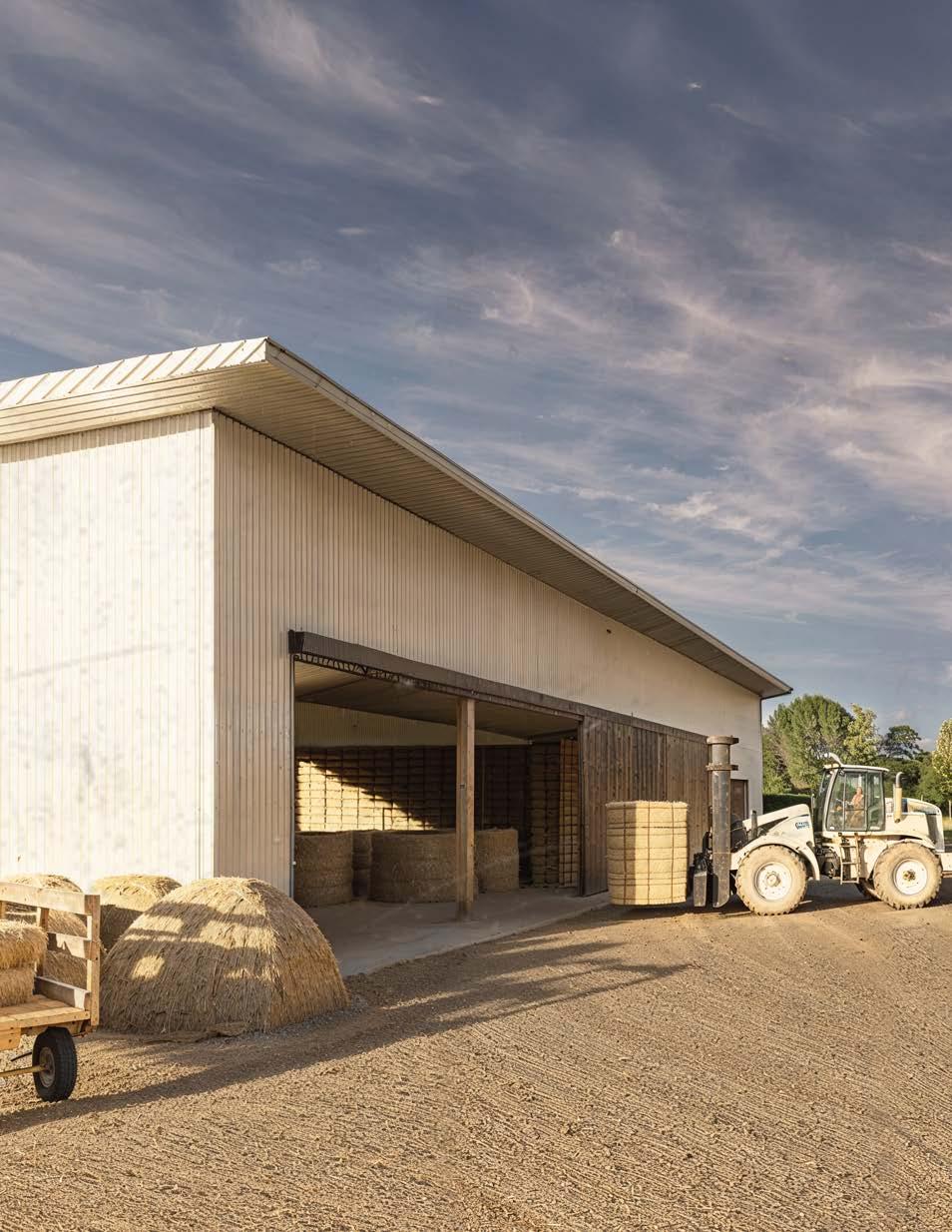
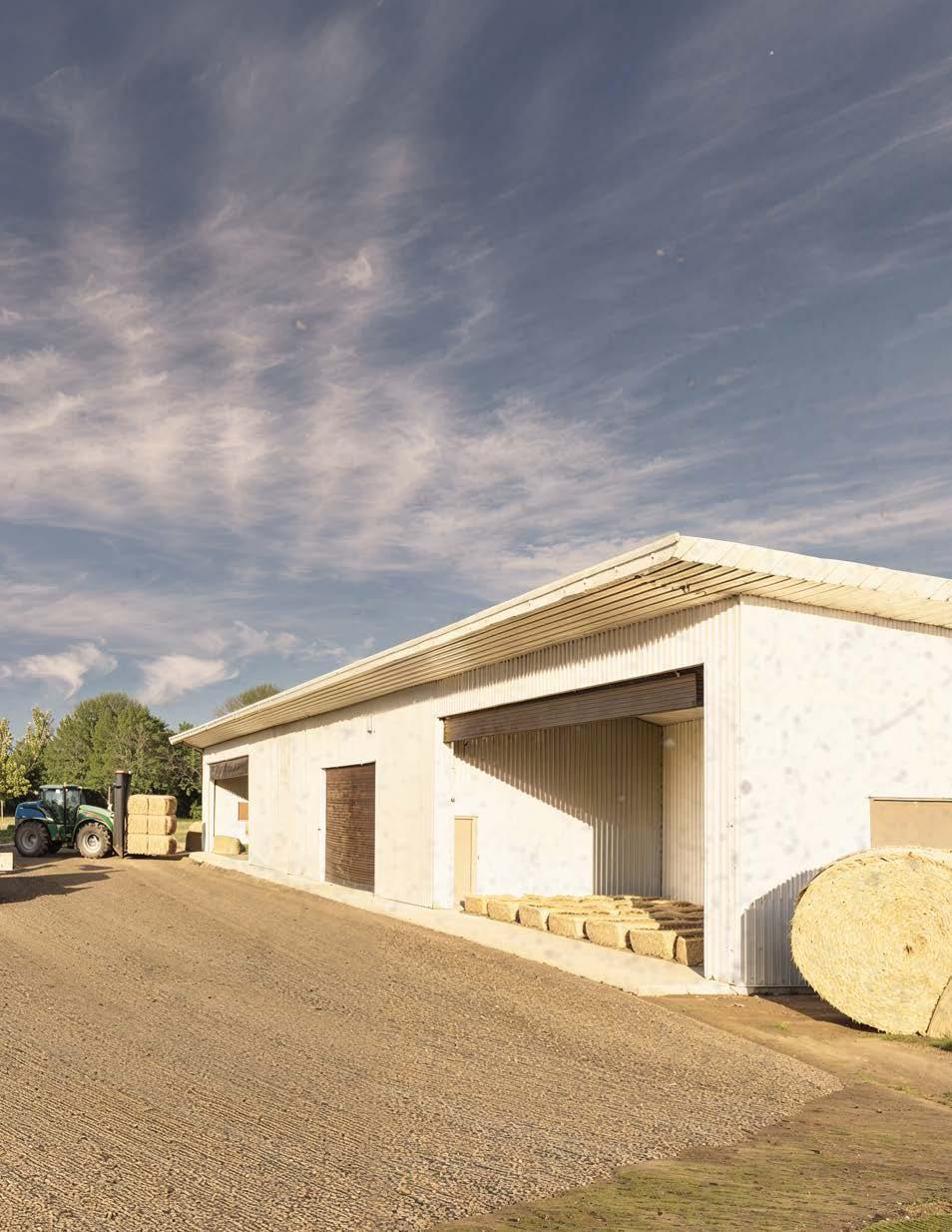
pelleting Feed facility OVERVIEW
Feed pelletizing is a step-by-step process that transforms raw agricultural materials into a uniform pellet ready for storage and distribution. As ingredients move through a series of coordinated operations, they are progressively prepared, formed, and stabilized into a final product. This sequence establishes a clear production flow that organizes both equipment and space within the facility.
The facility is designed to accommodate a range of raw materials used in the formulation of species-specific animal feed. The continuous integration of local forage and byproducts as animal feed ingredients supports the production of feed that is entirely made and grown in Hawai’i.

in order to produce a sufficient amount of pelleted feed to satisfy the chicken demand on o ʻ ahu, the facility will have to produce at a rate of:
3.78 tons per hour
The facility is envisioned as a multispecies feed production operation capable of supporting a range of livestock types with varying nutritional and operational needs. Pelletized feed offers advantages across species, including consistent nutrient delivery, efficient handling, and compatibility with multiple feeding systems.
1. Cleaning
Raw materials are screened to remove contaminants, helping to maintain high product quality while minimizing potential disruptions to the processing equipment down the line.
2. Crushing
The raw materials are crushed to the specific particle dimensions to meet processing and formulation requirements.
3. Batching
Ingredients are pooled together to create precise feed formulas.
Demand across Hawaiʻi’s livestock sectors highlights the value of this flexibility. For example, poultry production alone includes more than 317,681 chickens statewide, illustrating the scale of feed demand that can exist within a single sector, alongside comparable needs across other livestock operations.
By prioritizing multispecies functionality, the facility can address current demand while remaining adaptable to future changes in production. Local pellet feed manufacturing also supports the use of Hawaiʻi-grown ingredients, reduces reliance on imported feed, and strengthens regional agricultural resilience.
THE PELLETIZING PROCESS
4. Mixing
The batched ingredients are thoroughly mixed to ensure optimal blending.
5. Pelleting
Using heat and pressure, the feed blend is compressed into dense pellets.
6. Cooling & Crushing
The pellets are cooled to reduce their temperatures and moisture content in preparation for packaging.
7. Screening & Packaging
Non-conforming pellets ared separated with a sieve prior to the final weighing and packaging for distribution.
Pelletizing process


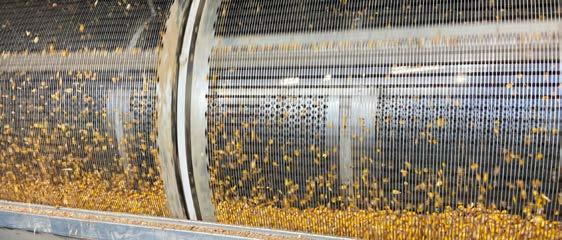


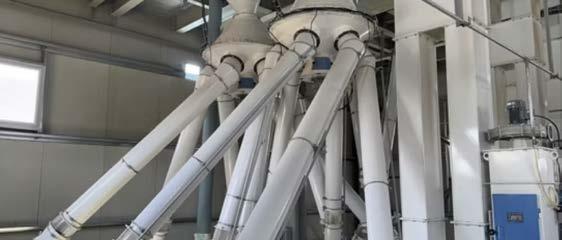

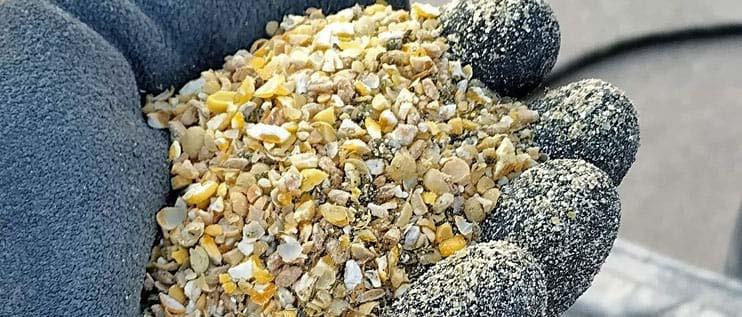
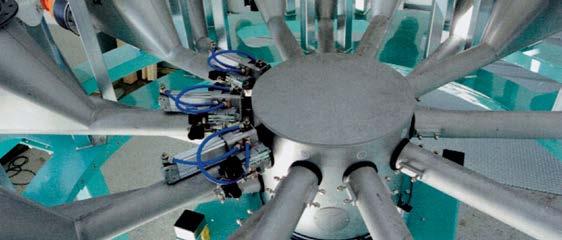
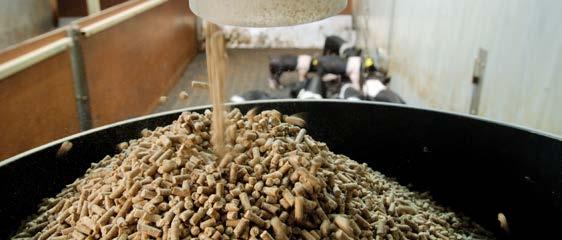

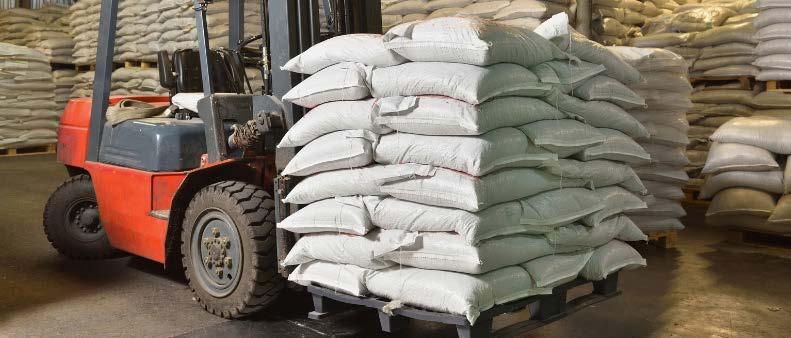


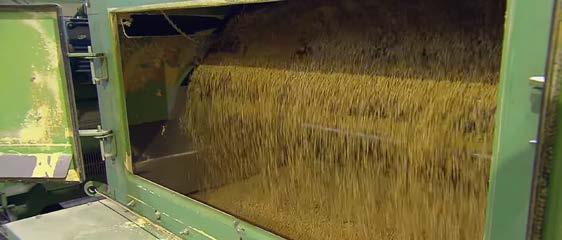
This fully automated pellet line guides ingredients through a continuous, controlled sequence from raw material intake to finished feed. By maintaining a singular flow across all processing stages, the system reduces opportunities for contamination while supporting consistency in pellet quality and production output. The steps shown illustrate how materials are progressively prepared, batched, formed, and stabilized, reinforcing a clear production logic that integrates operational efficiency with feed safety and reliability.
program flow
A flow diagram is a visual graphic tool used to represent how a process unfolds step by step. It traces the progression of actions and decisions, showing how information or materials move through a system. Rather than describing form or spatial relationships, flow diagrams concentrate on operational logic and process dynamics, making them useful for testing varying configurations, planning adjacencies, and sequencing program spaces.
The organization of the Feed Pelletizing Facility is strongly influenced by proper production flow from incoming raw materials to finished livestock feed ready for distribution. The following diagram depicts the movement of products between the spaces, ensuring proper handling and separation in accordance to the best practices for feed production facilities.
This production logic served as the backbone for the facility’s program. The following section goes further in depth to describe the spatial components that make up the facility.
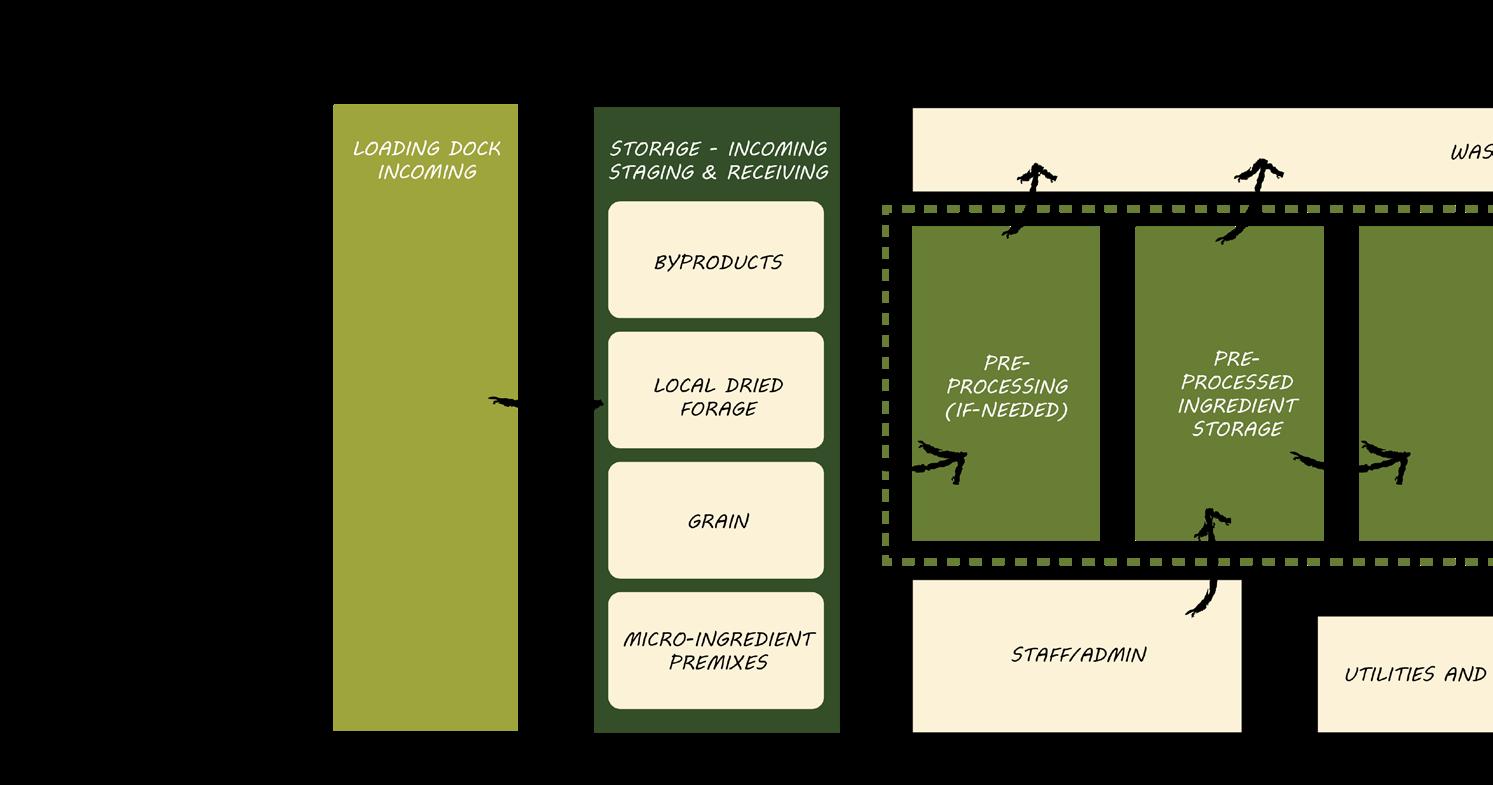
Major Stages in Production Flow
1. Receiving and Staging
Raw materials enter the facility through a designated loading dock and are held in staging areas for inspection and handling.
2. Pre-Processing
Incoming materials are cleaned, sorted, and processed as needed to prepare them for downstream processing.
3. Pre-Processed Storage
Prepared ingredients are held in short-term silos to ensure a continuous feed supply to processing equipment
4. Primary Processing
Pelletization occurs in an automated line that takes the raw material and transforms it into a pellet form.
5. Finished Feed Storage
Finished, packaged feed is stored and organized on pallets ready to be loaded at any given time.
6. Distribution

Pallets are loaded for outbound transport through the dedicated loading dock. 4 5 6
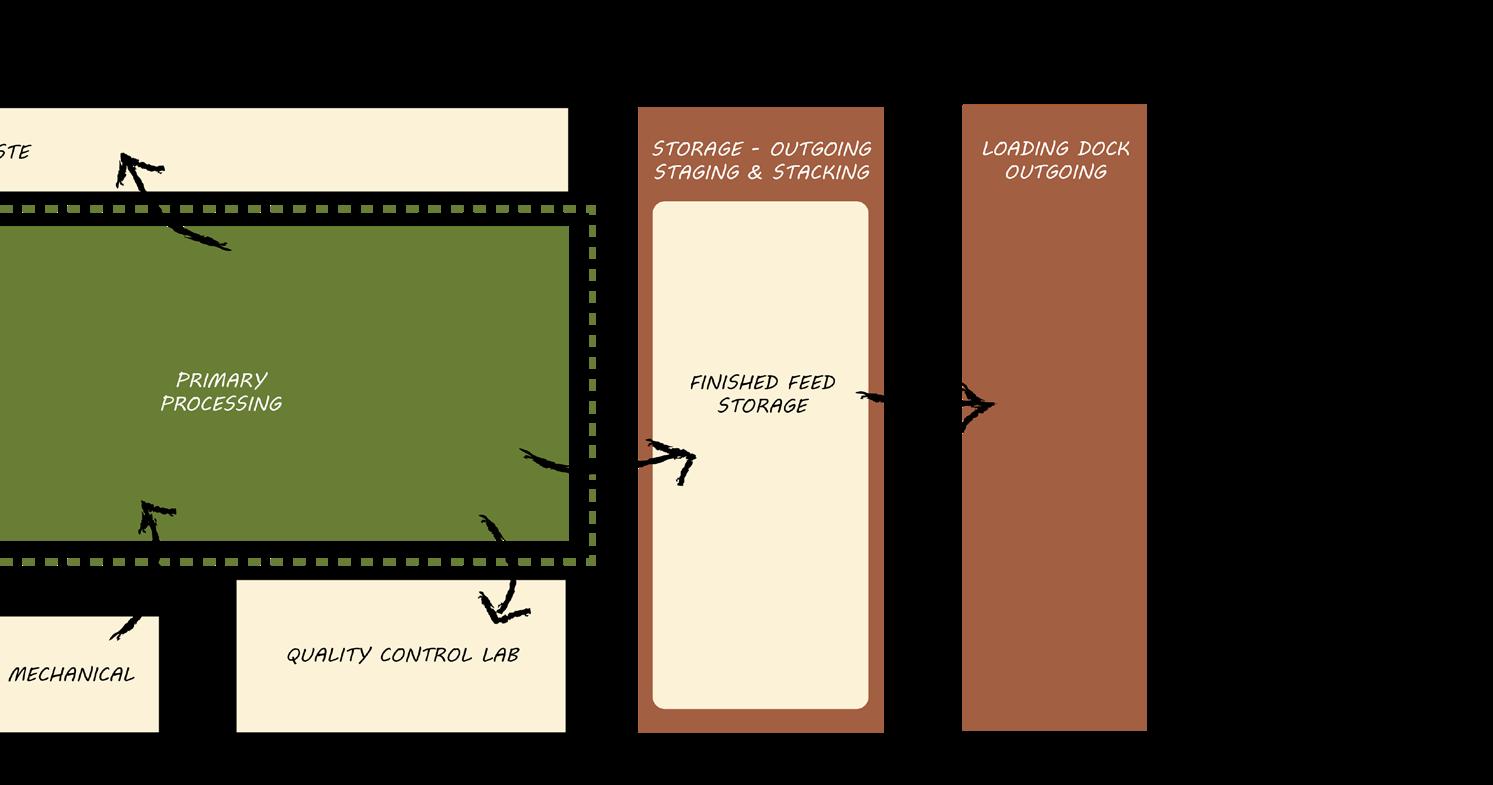
program inventory
The following program inventory outlines all spatial components included in the design scenario of the Pelletizing Facility. This inventory was developed through an iterative process combining stakeholder input, precedent research, regulatory best practices, and operational modeling.
Organized by functional category, the inventory identifies key program areas, room types, and areas sized to support efficient material flow and operational sequencing. Where square footage is not defined, spaces are noted to reflect shared use or functions that occur outside the facility footprint.









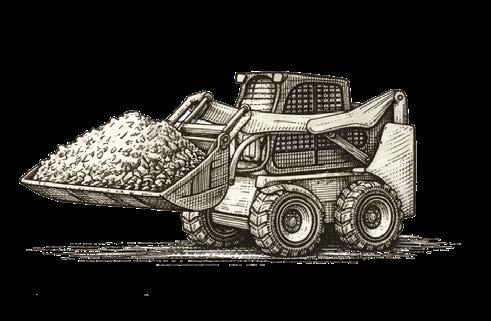
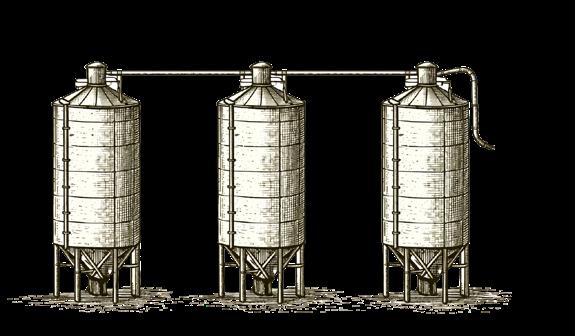
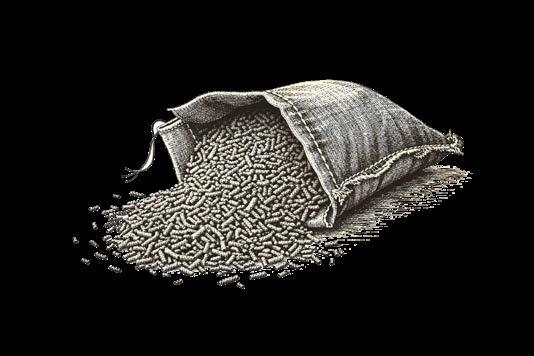
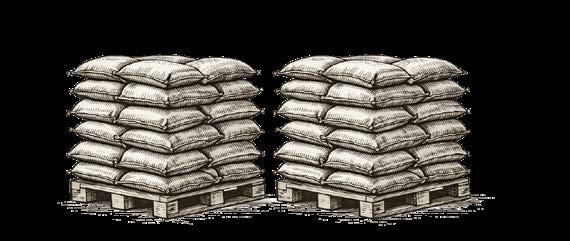
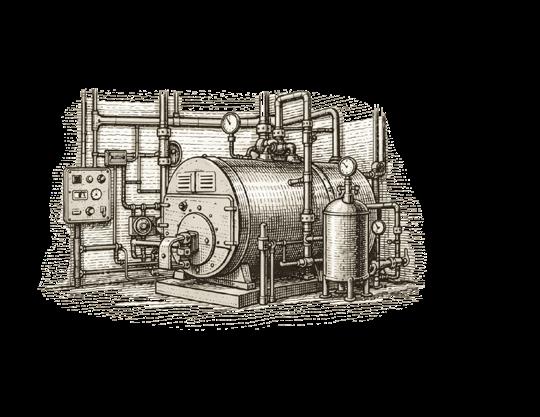
raw material receiving & pre-processing
Receiving docks and staging areas support the safe and efficient intake of raw materials into the facility. These spaces accommodate unloading, verification, and initial segregation of incoming ingredients, establishing an organized transition into downstream storage and preparation areas. Adjacent pre-processing spaces support the handling of raw materials prior to pelletization, housing equipment necessary to condition materials into forms suitable for the primary processing line.
raw material storage & ingredient handling
Raw material storage and ingredient handling spaces provide organized, protected environments for the holding and controlled transfer of ingredients used in feed production. These areas support accurate batching and consistent feed formulation while maintaining material integrity, traceability, and contamination control.
pelletizing & production operations
The pelletizing tower contains the core operational functions of the feed facility, converting raw materials into finished pellets through a myriad of processes. Production spaces are enclosed and environmentally controlled to maintain stable, dry conditions and protect product quality at each stage of the process.
finished feed storage & distribution
Finished feed products transition from production into dedicated storage and short-term staging areas prior to distribution. These spaces support organized inventory management, batch segregation, and efficient outbound logistics, enabling truck access, material handling, and logistics coordination for off-site transport.
support, utilities, & administration
Support and administrative spaces enable the reliable operation of the facility and support workforce needs, regulatory compliance, and system monitoring. These rooms are deliberately separated from raw-material and wet-processing environments, located within the clean, dry side of the complex to maintain hygiene and quality control.
floor plan
Total Area: 19,212 SF
Production Capacity: 5-7 tons/hr
Description:
This floor plan illustrates a 19,212 SF pelletizing facility organized to support an efficient, linear production workflow from raw material intake to finished feed distribution. The facility is anchored by a centralized pelletizing and primary processing area, allowing raw ingredients to be processed seamlessly with minimal cross-traffic. Adjacent bulk silos and batch bins support controlled material flow and recipe flexibility, while enclosed processing zones help reduce contamination risks and improve operational consistency.
Raw material receiving and pre-processing functions are located along the eastern edge of the building, with dedicated intake bays, ingredient bins, and staging areas designed to accommodate multiple feed inputs and delivery vehicles. These areas transition directly into pre-processing prior to production without ever intersecting the finished product circulation. Finished feed storage is located downstream of the pelletizing line, positioned near the outgoing loading bay to streamline bagged or bulk distribution and reduce internal handling distances.
Support spaces are consolidated along the western and southern portions of the facility, including quality control, maintenance, utilities, and administrative areas. Employee amenities such as locker rooms, restrooms, and break spaces are clearly separated from production zones while remaining centrally accessible.
This layout balances operational efficiency with safety, cleanliness, and regulatory compliance, resulting in a flexible facility capable of serving multiple livestock feed demands while supporting long-term scalability.
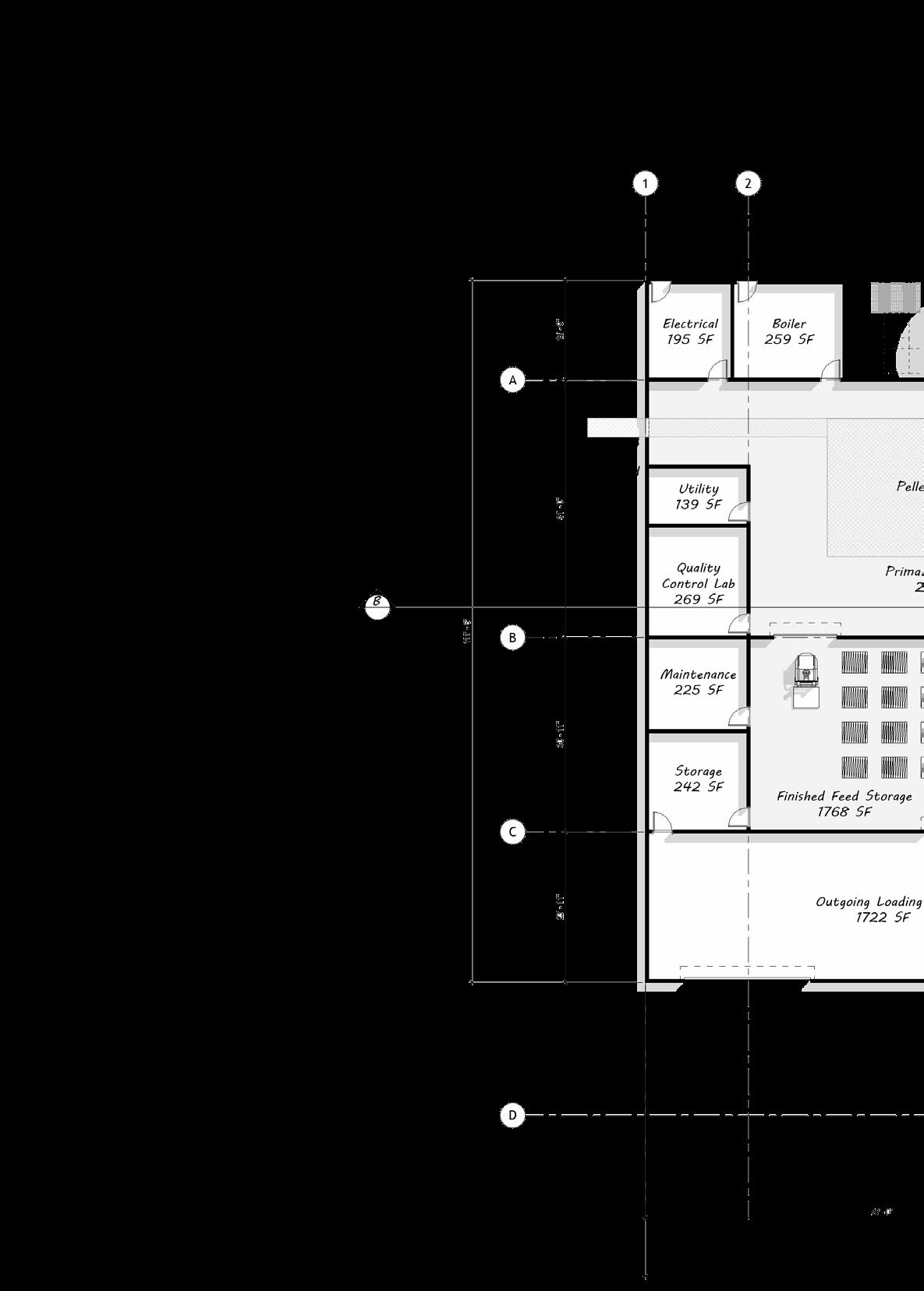



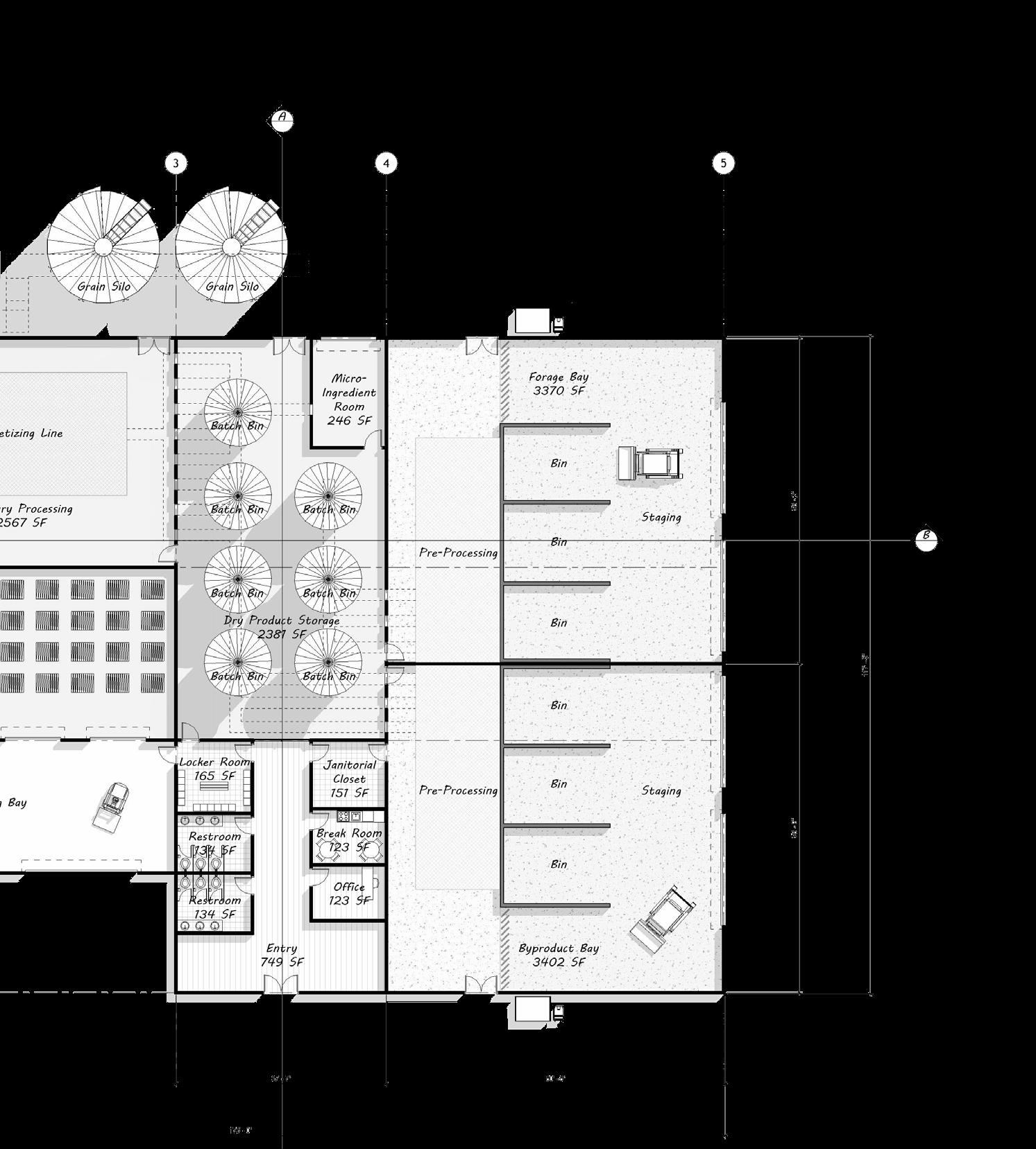

Program Areas & facility flow
Legend:
Program Areas:
Raw Material Receiving & Pre-Processing
Raw Material Storage & Ingredient Handling
Pelletizing & Production Operations
Finished Feed Storage & Distribution
Support, Utilities, & Administration
Facility Flow:
Incoming Raw Products
Raw Product Flow
Finished Feed Flow
Outgoing Finished Feed
Waste Disposal Routes

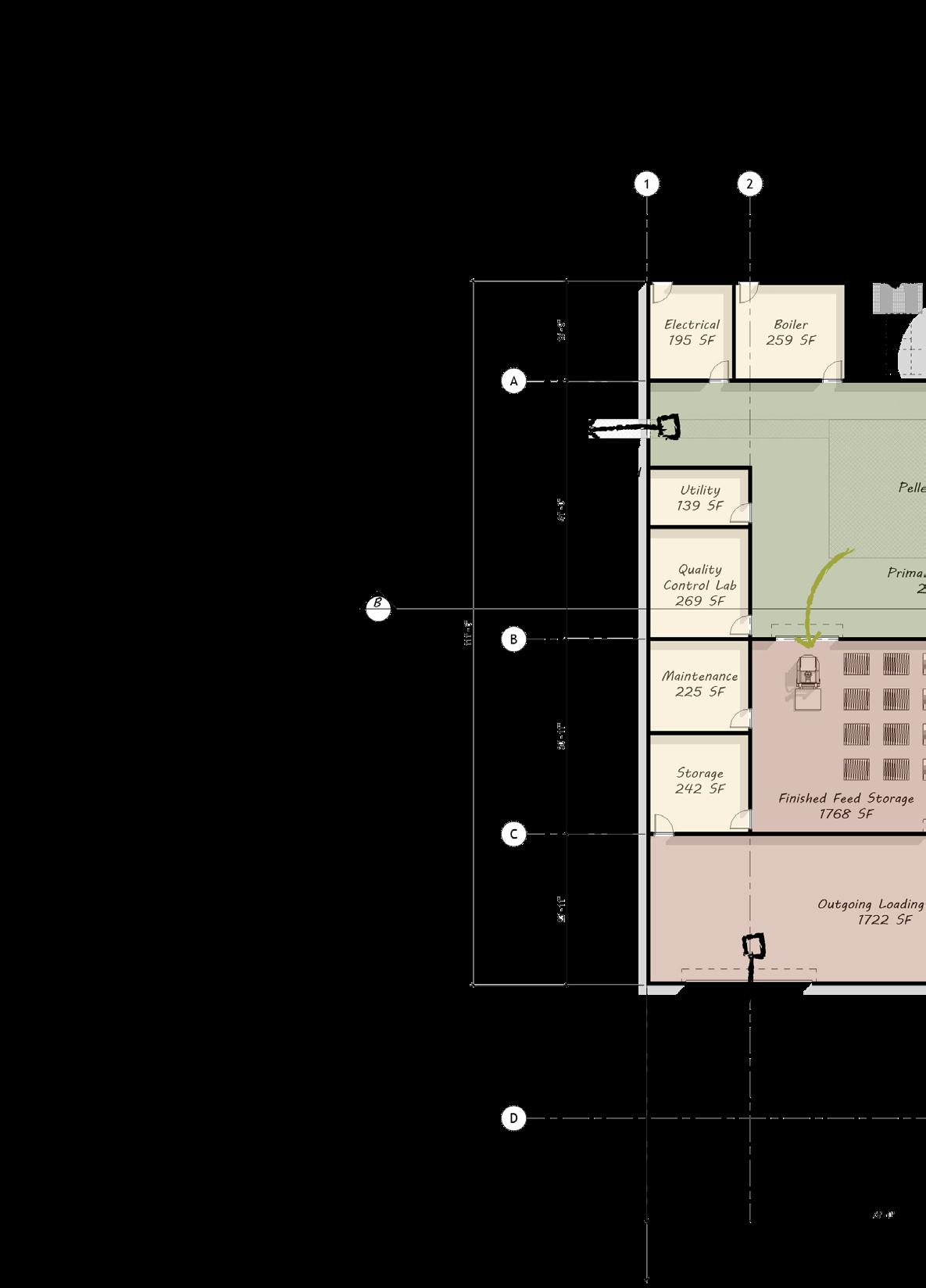
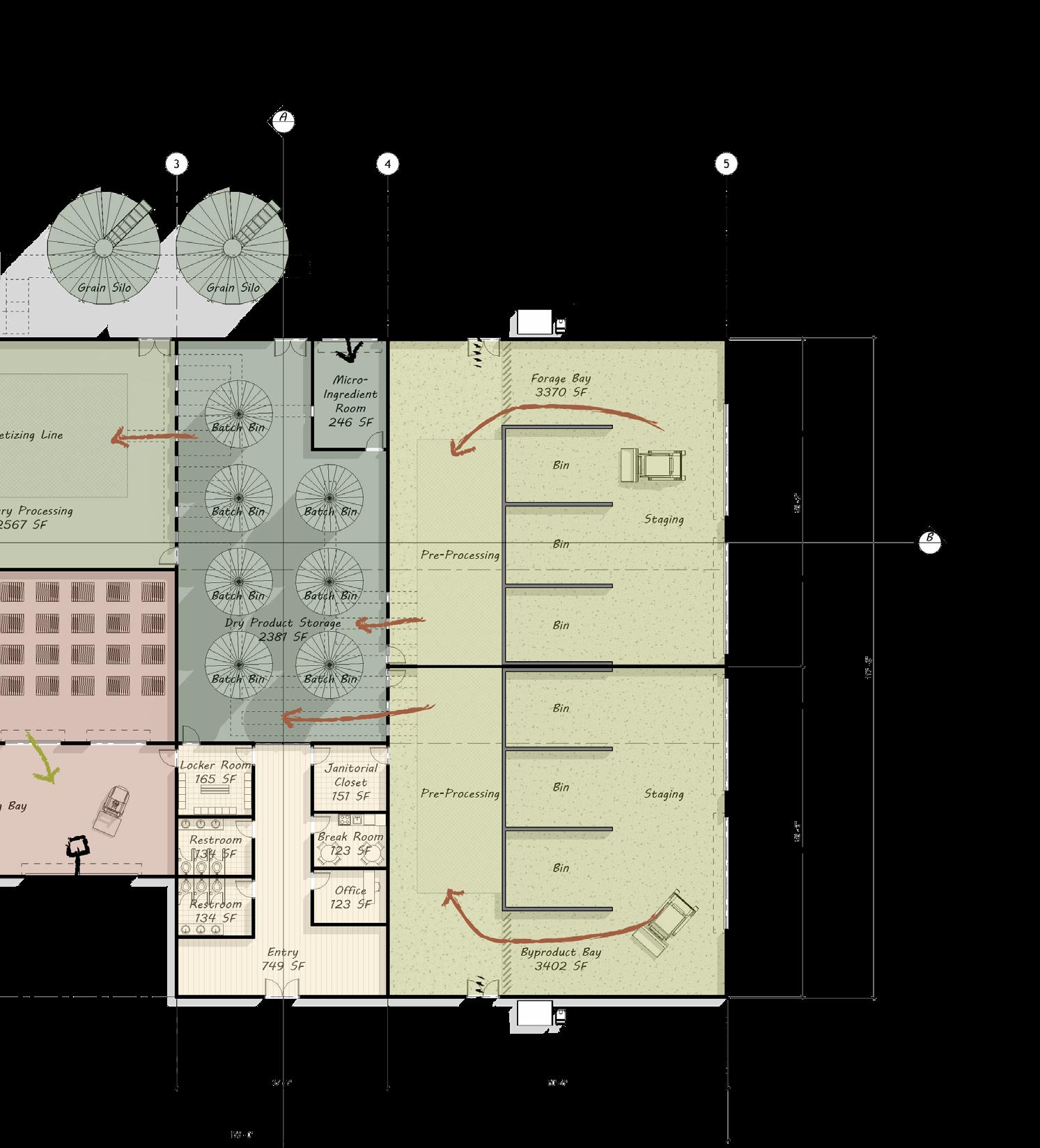
ELEVATIONS
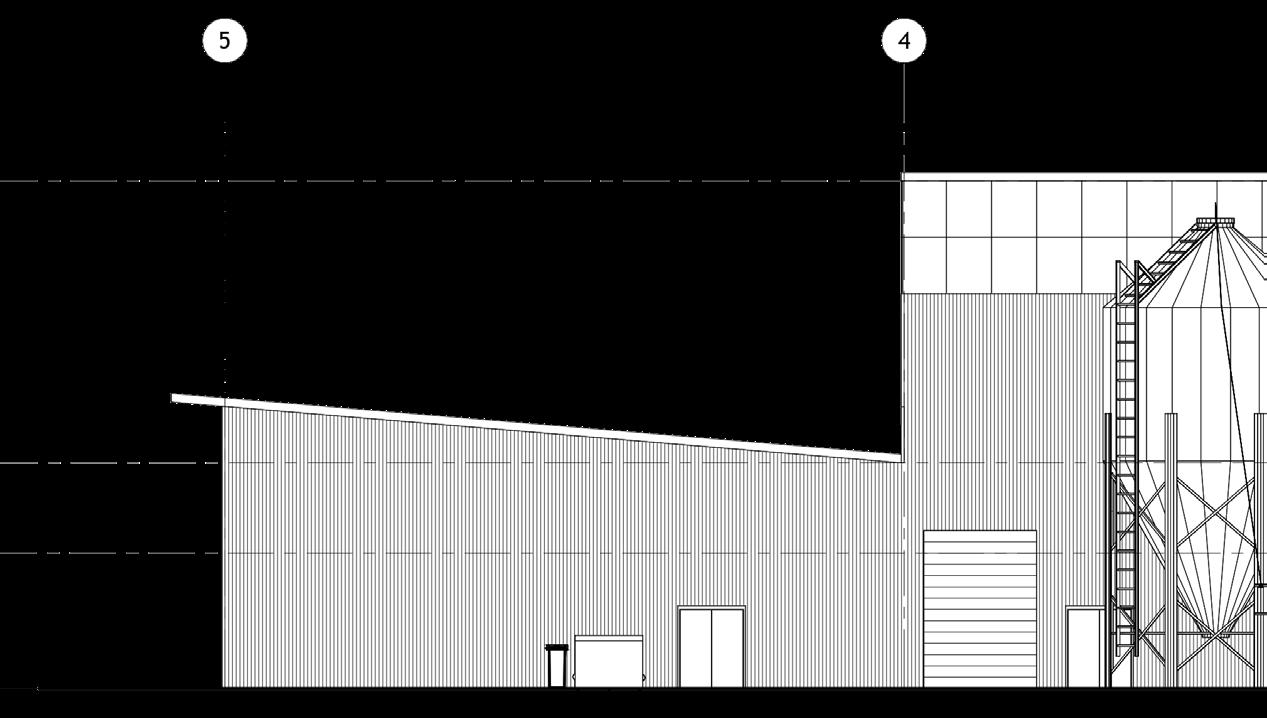
north elevation east elevation
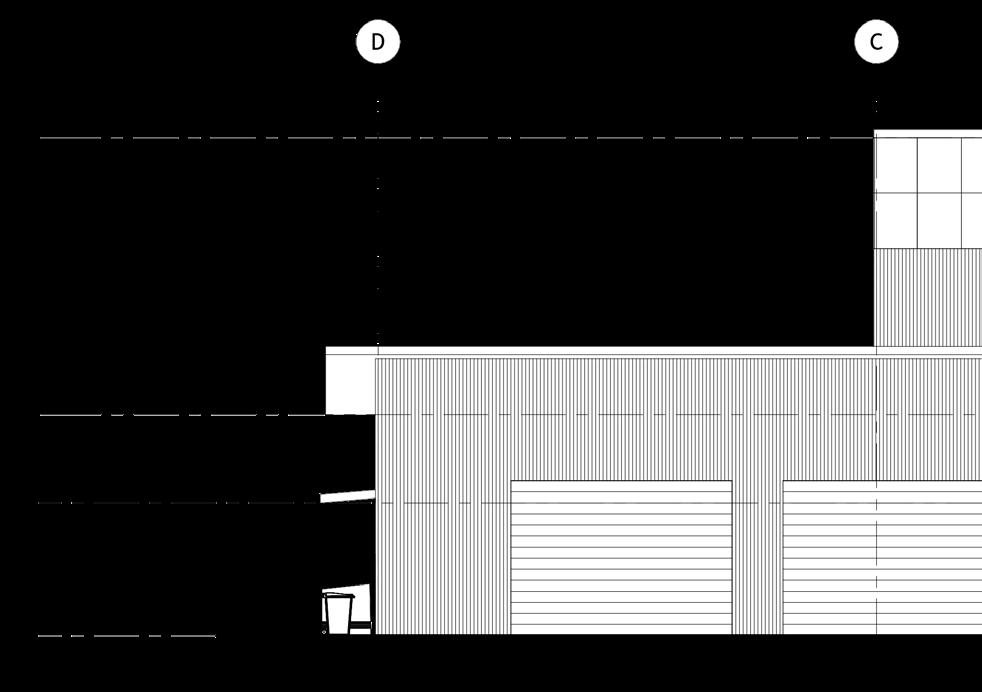
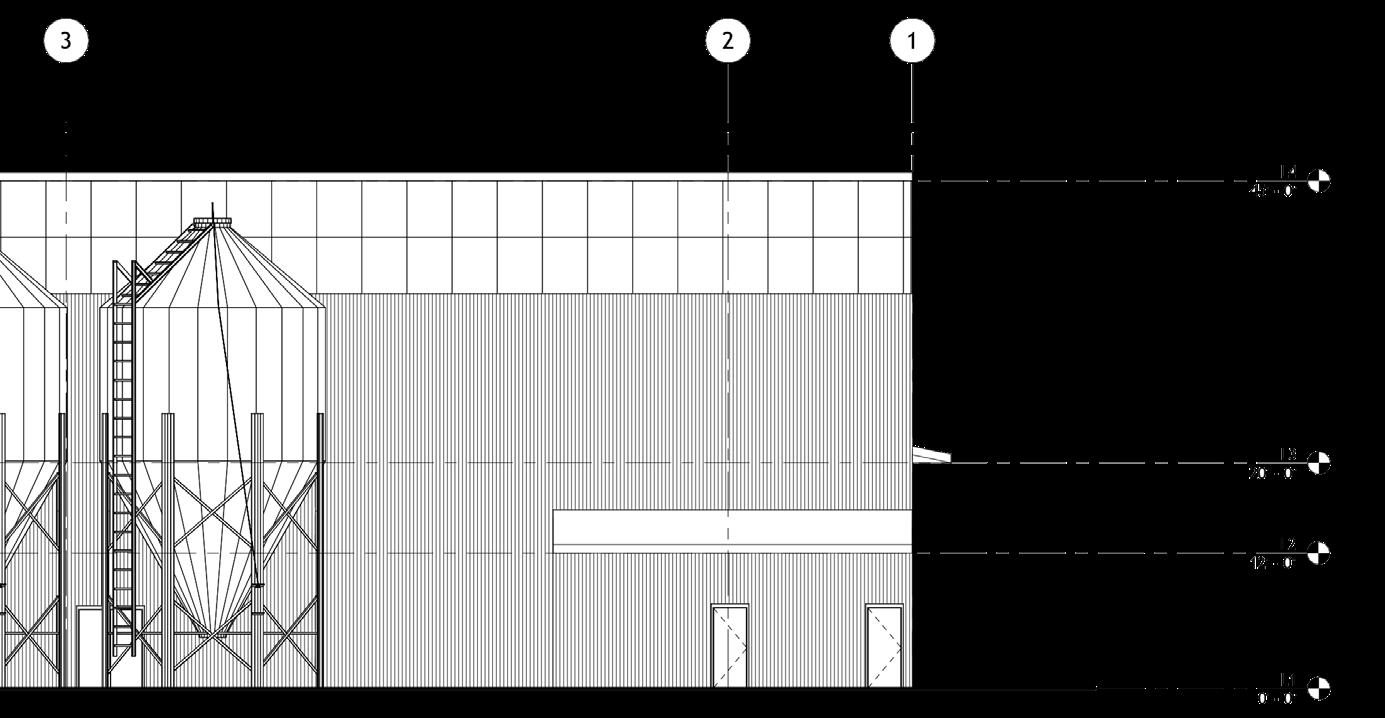
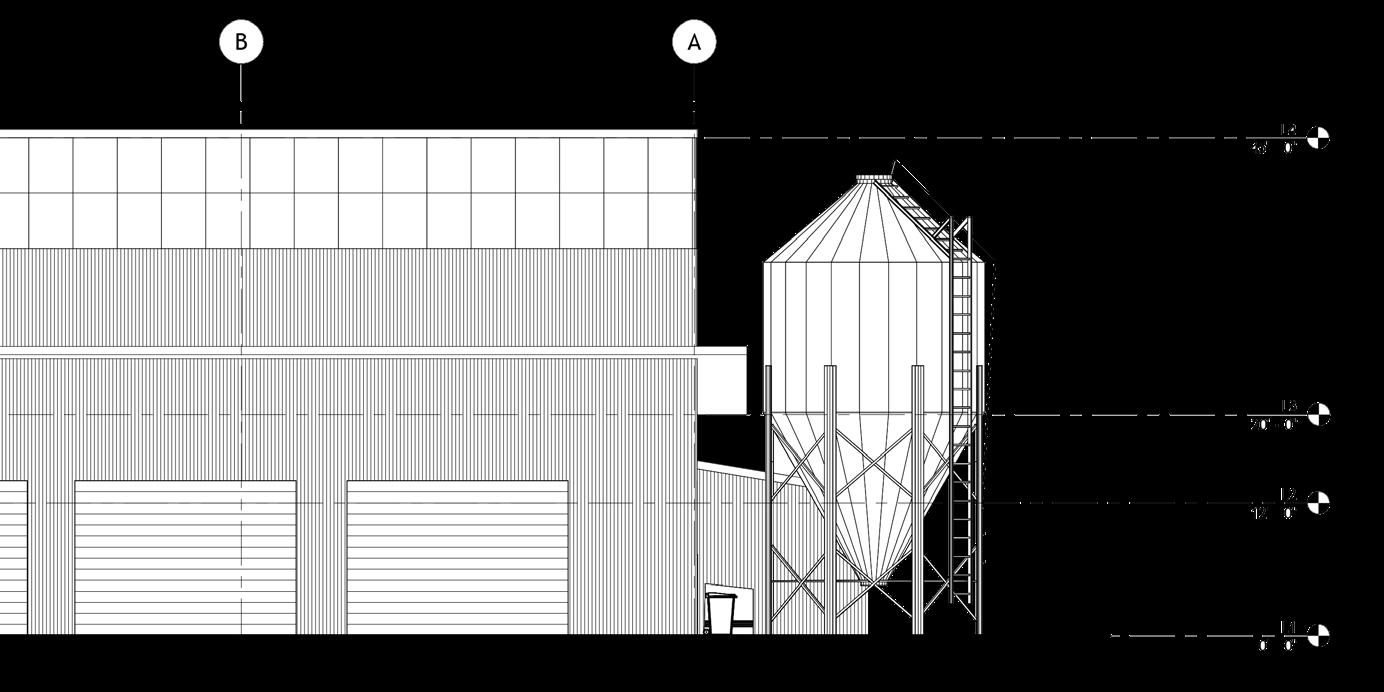
SECTIONS
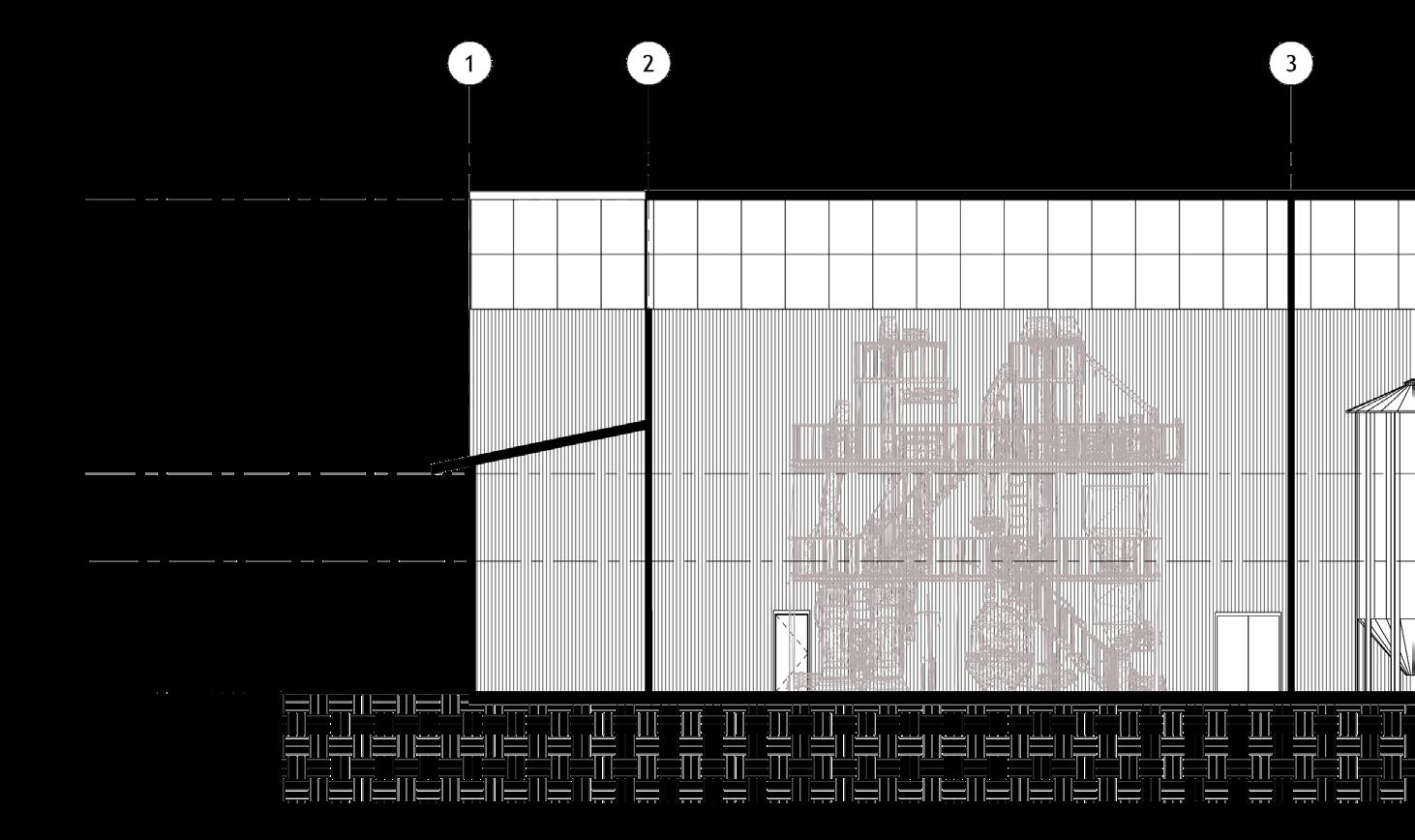
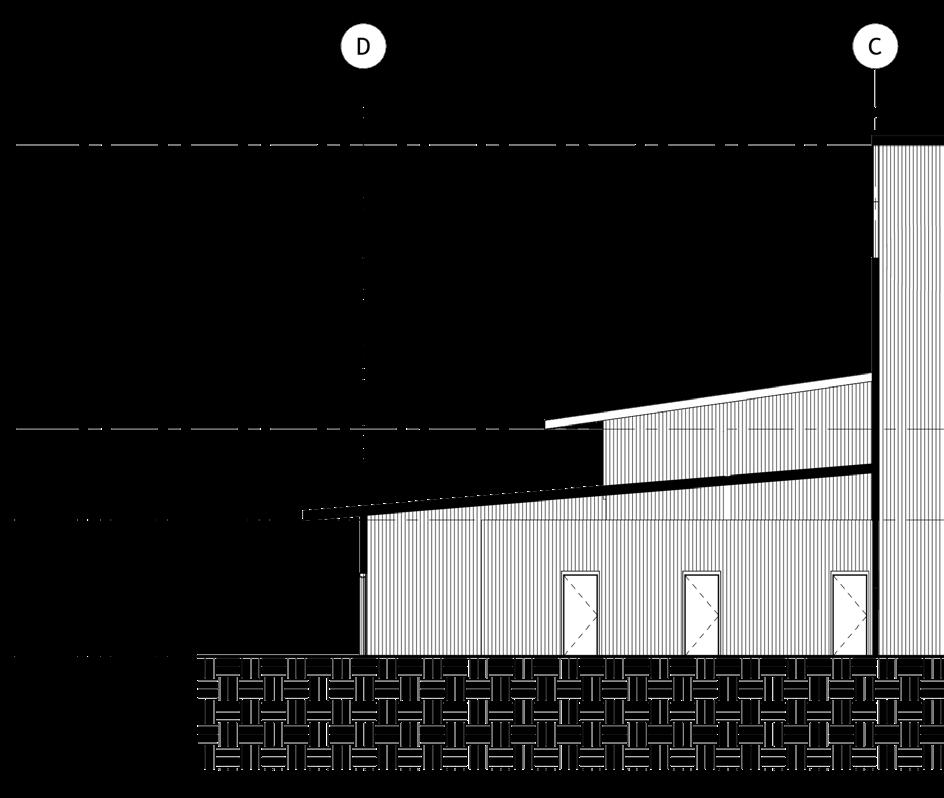
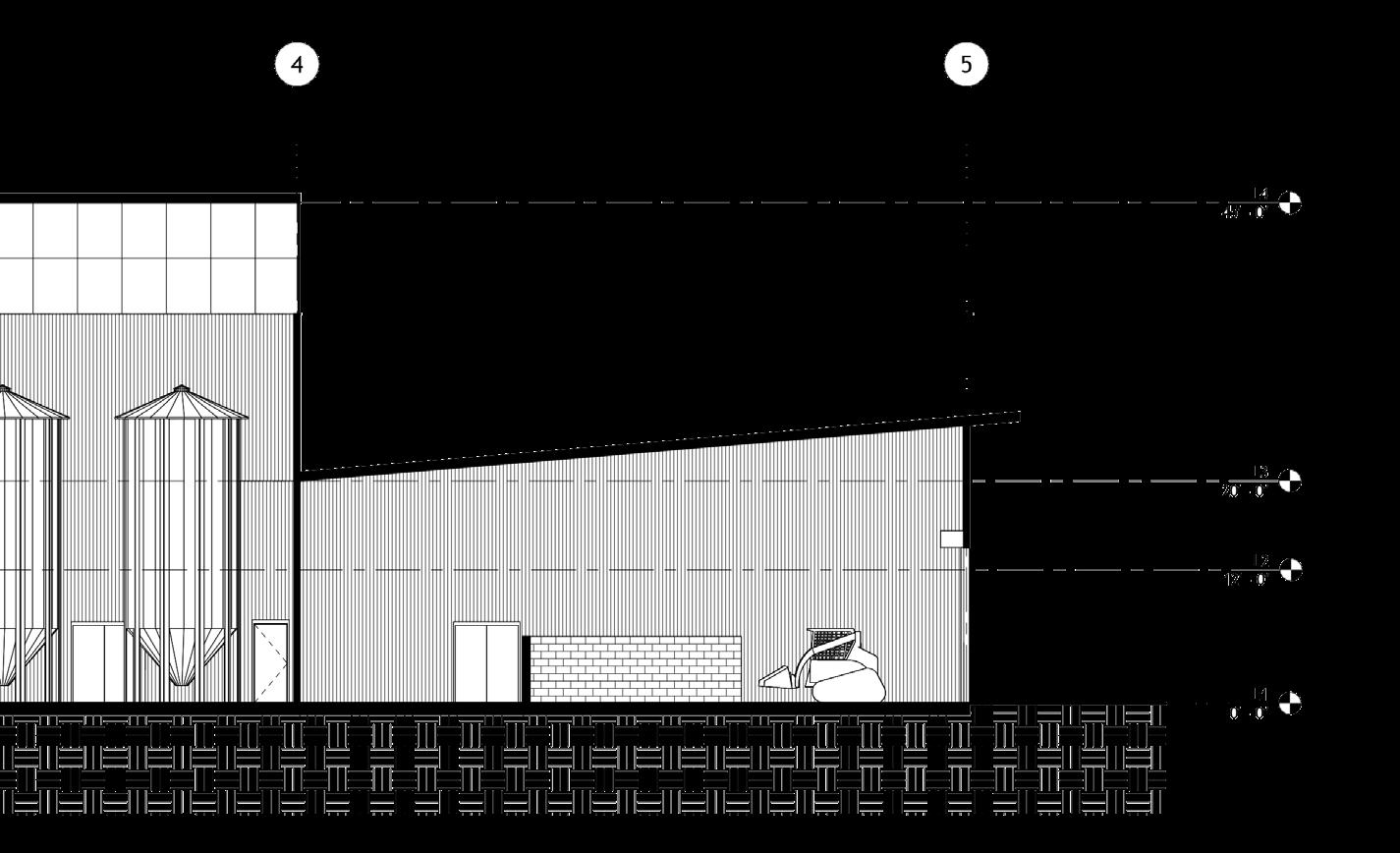
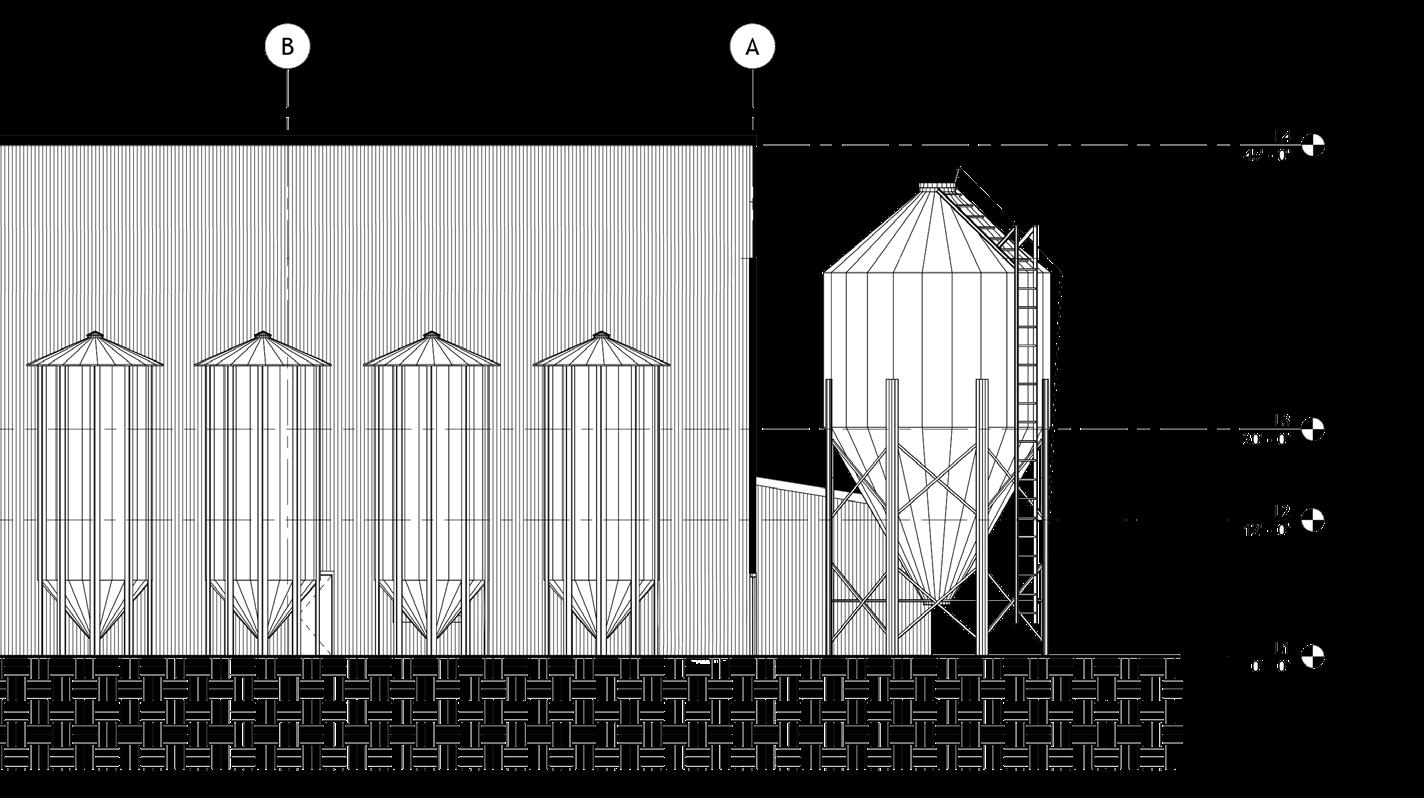
pelleting feed facility render
The pelleting feed facility is organized to support efficient movement of materials from arrival through distribution. The paved service yard accommodates raw material drop-off leading straight into temporary staging and pre-processing. The opposite end of the facility supports finished feed routes to reduce conflicts with raw material intake and streamline operations for an easier loading and distribution process.
Located within agricultural production lands, the facility is positioned to support nearby farming operations and related uses. Its placement prioritizes proximity to feed users and regional transport routes, reducing travel distances for both incoming raw materials and outgoing finished feed.
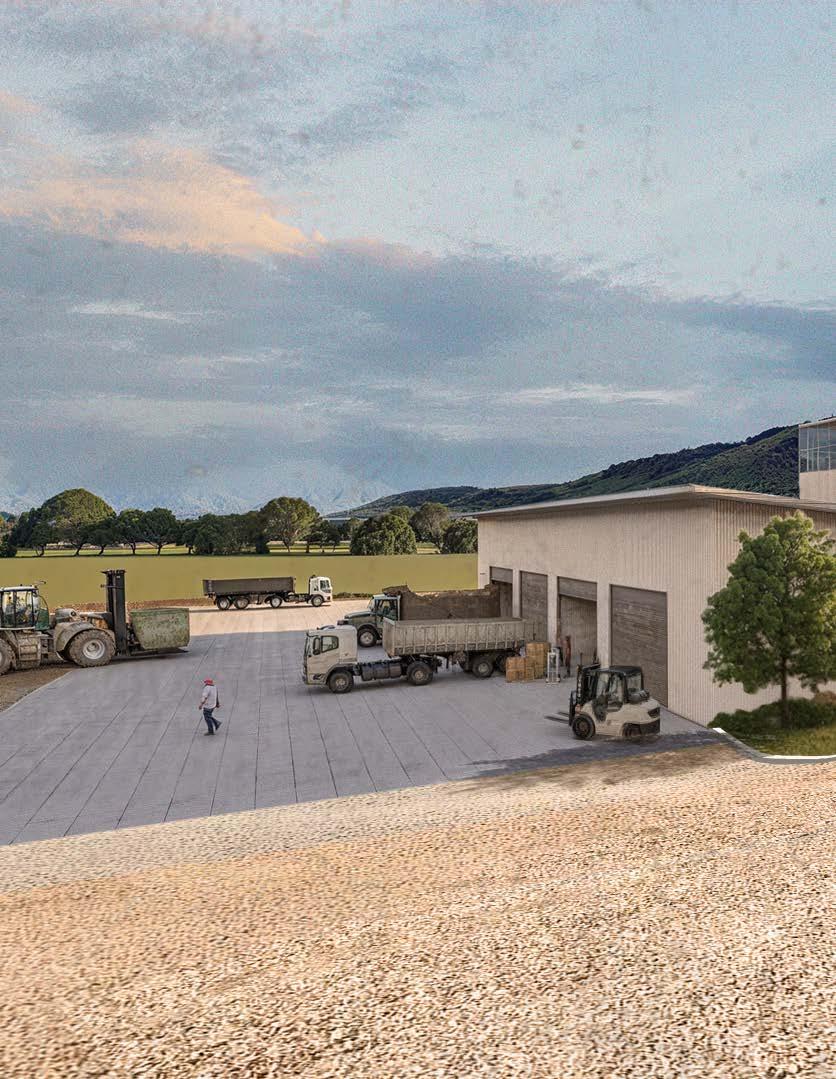
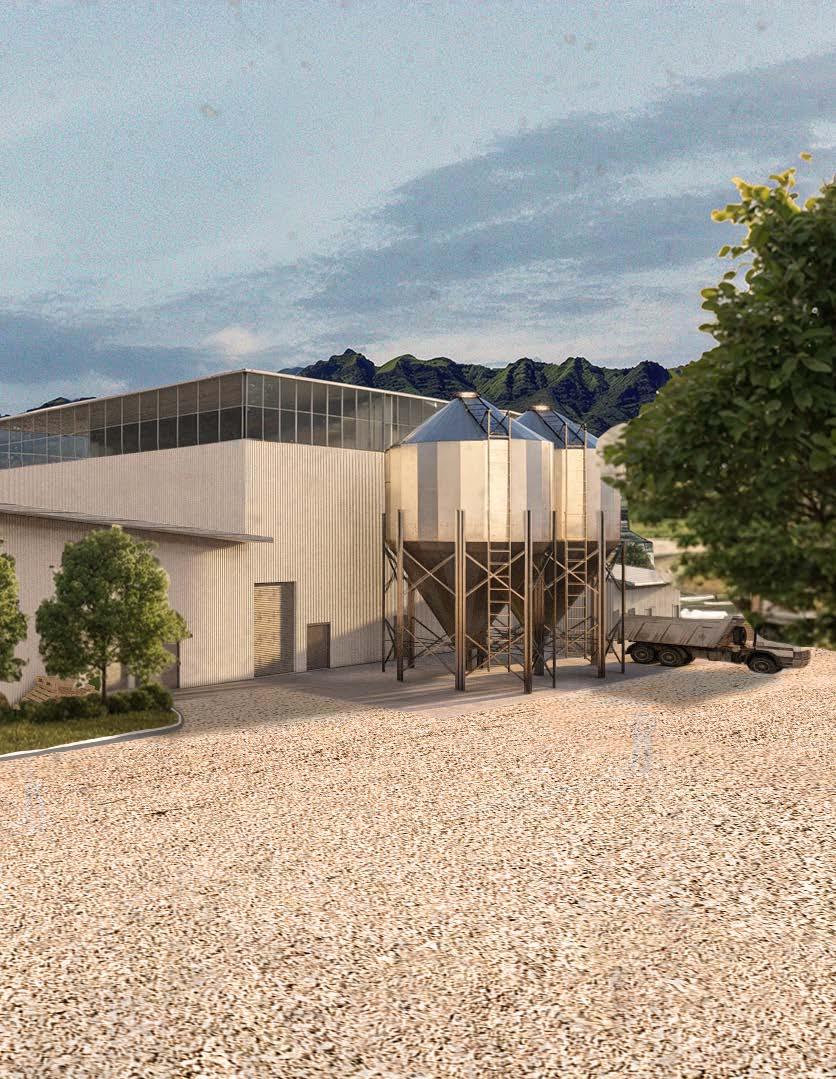
conclusion conclusion
Recommendations Recommendations
This proof of concept study demonstrates that re-establishing feed manufacturing infrastructure in Hawaiʻi is both technically feasible and strategically necessary, but also complex, capital-intensive, and highly dependent on coordinated policy, data, and market conditions. The study confirms that feed availability, particularly affordable, reliable forage and supplemental rations, remains a structural bottleneck across multiple livestock sectors, with cattle and diversified ruminant operations most affected. At the same time, the analysis underscores that no single facility or site can resolve Hawaiʻi’s feed challenges in isolation. Successful implementation will require a phased, data-driven, and regionally distributed approach, led or coordinated by ADC in partnership with state agencies, producers, and research institutions.
The following recommendations translate the study’s findings into identifiable actions that ADC can pursue to advance feed system development from concept toward implementation.


Photo Credit: Adobe Stock © Zhao Youli
1. COORDINATE STATEWIDE LIVESTOCK AND FEED BASELINES
1.1 Commission a Statewide Feed and Livestock Systems Study
ADC, in coordination with DBEDT and HDAB, should commission a statewide feed and livestock systems study to consolidate current livestock inventories, feed demand by species, seasonal variability, and projected growth scenarios, as the lack of reliable, consolidated data presents a high risk to facility sizing and capital investment.
1.2 Integrate Feed Demand With Livestock Retention Scenarios
Evaluate feed demand under multiple livestock scenarios, including current production levels, increased in-state finishing, reduced live exports, and sectoral expansion or contraction, so that no single livestock sector is implicitly prioritized without data justification.
1.3 Conduct a Statewide Agricultural By-Product Inventory
ADC, with technical support and expertise from CTAHR, should conduct a statewide inventory of agricultural and food byproducts to verify volumes, geographic distribution, seasonality, storage constraints, and competing uses, as assumptions about local feedstock availability remain insufficiently documented to support facility design or procurement.
2.1 Prioritize Hay Drying as a Near-Term, Low-Risk Investment
Determine whether hay drying infrastructure can proceed as a standalone, first-phase investment independent of pellet feed production, recognizing that dried forage demand and input availability are better established and represent a lower-risk entry point for feed infrastructure development.
2.2 Identify Additional Regional Hay Drying Sites
Identify and evaluate additional regional sites for hay drying based on forage availability, harvesting frequency, livestock demand, and logistics access, as forage production and feed needs vary significantly by island and sub-region and cannot be assumed to support a single centralized facility.
2.3 Maintain Pellet Feed Production as a Subsequent Phase
Pellet feed production should be advanced as a medium-term phase, acknowledging that early operations will likely depend on imported ingredients and require more complex logistics, storage, and quality control systems. Phasing allows time to stabilize supply chains, aggregate demand, and reduce operational risk.
3.1 Confirm Target Livestock Sectors and Production Scenarios
Determine which livestock sectors are intended to drive feed facility sizing and baseline throughput once statewide feed and livestock data are available. Sector prioritization should be explicitly informed by data rather than assumed, with flexibility maintained for secondary users where feed formulations and logistics align.
3.2 Align Feed Infrastructure with Slaughter and Processing Capacity
Evaluate feed infrastructure planning alongside existing and planned slaughter capacity, livestock finishing timelines, and processing throughput to ensure that expanded feed availability does not outpace the system’s ability to process animals locally.
3.3 Consider Feed Infrastructure Within the Broader Livestock System
Determine how feed infrastructure functions within the broader livestock system, including pasture and land management practices, drought response, market demand for locally produced livestock products, and other structural constraints that influence feed demand and utilization.
2. ADVANCE A PHASED AND REGIONALLY DISTRIBUTED INFRASTRUCTURE STRATEGY
3. ALIGN FEED INFRASTRUCTURE WITH LIVESTOCK SYSTEM CONSTRAINTS
4.1 Identify Lands Suitable for Forage and Feed Crop Production
Identify ADC-controlled and other public lands where forage or feed-relevant crop production may be viable, using CTAHR research and extension expertise to assess agronomic suitability and infrastructure compatibility. This step is necessary to understand whether local feed production can meaningfully contribute to facility supply.
4.2 Clarify Mechanisms to Support Feed Crop Production
Determine how forage and feed crop production might be supported on public lands, whether through lease terms, pilot programs, technical assistance, or other mechanisms, as feed infrastructure viability depends on upstream supply that cannot be assumed.
5.1 Clarify Responsibility for Equipment Due Diligence
Clarify whether initial engagement with hay drying and pelletizing equipment manufacturers is expected to occur during the planning phase or be deferred to a future operator, as this affects project sequencing, staffing expectations, and the level of technical certainty achievable at this stage.
5.2 Validate Equipment Scale, Throughput, and Facility Implications
Confirm that assumed equipment capacities, throughput rates, and material handling requirements are consistent with Hawaiʻi’s projected feed demand and logistics constraints, as these assumptions directly affect building size, utility requirements, and capital costs.
5.3 Confirm Energy, Fuel, and Utility Requirements
Evaluate the energy, fuel, and utility requirements associated with hay drying and pellet feed production technologies to understand operational costs, infrastructure needs, and potential constraints related to power, fuel supply, and emissions.
6. CLARIFY GOVERNANCE, FINANCING, AND DELIVERY FRAMEWORK
6.1 Define the Intended Role of the Feed Facility
Determine whether the proposed feed facility is intended to function primarily as a public-interest support asset or as a self-sustaining commercial enterprise, as this distinction affects governance expectations, financing strategy, and acceptable levels of operational risk.
6.2 Align Financing Strategy with Phasing and Risk
ADC, in coordination with DBEDT, should consider a phased financing approach that aligns with infrastructure sequencing, identifying which components may warrant public investment and which depend on demonstrated market demand before proceeding.
6.3 Clarify Delivery and Operating Assumptions
Clarify high-level delivery and operating assumptions, such as public ownership with private operation or other partnership models, prior to advancing procurement or RFP development, as these decisions affect project structure, timelines, and risk allocation.
5. CONFIRM TECHNICAL FEASIBILITY AND EQUIPMENT ASSUMPTIONS

bibliography references
Animal Feed Consumption. (2025, February). Decision Innovation Solutions [Report].
Shorey, E. C. (1906, March). Bulletin No. 13: The composition of some Hawaiian feeding stuffs. Hawaiian Agricultural Experiment Station, under the supervision of the Office of Experiment Stations, U.S. Department of Agriculture.
United States Department of Agriculture, National Agricultural Statistics Service. (2024, December). 2023 Census of Aquaculture: Volume 3, Special Studies, Part 2 (AC-22-SS-2).
United States Department of Agriculture, National Agricultural Statistics Service. (2024, February). 2022 Census of Agriculture: Hawaiʻi State and County Data, Volume 1, Geographic Area Series, Part 11 (AC-22-A-11).
Department of Land and Natural Resources, State of Hawaiʻi. (n.d.). Drought in Hawaiʻi. https://dlnr. hawaii.gov/drought/
Food and Agriculture Organization of the United Nations, & International Feed Industry Federation. (2010). Good practices for the feed industry: Implementing the Codex Alimentarius code of practice on good animal feeding (FAO Animal Production and Health Manual No. 9). FAO.
Fujii-Oride, N. (2016, November 14). The need for feed. Hawaii Business Magazine. https://www. hawaiibusiness.com/the-need-for-feed/
Godde, C. M., Mason-D’Croz, D., Mayberry, D. E., Thornton, P. K., & Herrero, M. (2021). Impacts of climate change on the livestock food supply chain: A review of the evidence. Global Food Security, 28, 100488. https://doi. org/10.1016/j.gfs.2020.100488
State of Hawaiʻi. (n.d.). Hawaiʻi climate facts. https:// climate.hawaii.gov/hi-facts/
Hawaiʻi Department of Agriculture. (2022, November 18). Scalable and replicable livestock harvesting facility master plan and conceptual design (final master plan, feasibility analysis, and 60% design drawings). https://hdoa.
hawaii.gov/blog/main/livestockhavestingfacility/
Heaton, T. (2025, July 17). Ranches cover a fifth of Hawaiʻi. Extreme drought is clouding their future. Honolulu Civil Beat. https://www.civilbeat. org/2025/07/paniolo-struggle-to-raise-beef-forhawaii-as-drought-shrivels-grass/
International Feed Industry Federation. (2024, July). IFIF biosecurity guidance for feed mills.
Nishimura, C. H. (1975). Feed for Hawaiʻi’s livestock industry: Some problems and prospects (Report No. 3). Legislative Reference Bureau, State of Hawaiʻi.
Hawaiʻi Beef Industry Council. (n.d.). Raising cattle in Hawaiʻi. https://www.hawaiibeef.org/the-beefstory/raising-cattle-in-hawaii
Stevens, L., DuPonte, M. W., & Jha, R. (2019, June). Nutritional value of agricultural by-products of the Hawaiian Islands to be used as animal feeds. College of Tropical Agriculture and Human Resources, University of Hawaiʻi at Mānoa.
United States Department of Agriculture, National Agricultural Statistics Service. (2024, December). 2023 Census of Aquaculture: Volume 3, Special Studies, Part 2 (AC-22-SS-2).
United States Drought Monitor. (n.d.). Hawaiʻi. https://droughtmonitor.unl.edu/CurrentMap/ StateDroughtMonitor.aspx?HI
United States Department of Agriculture, National Agricultural Statistics Service. (2024). 2022 Census of Agriculture: United States summary and state data. https://www.nass.usda.gov/ AgCensus/
United States Department of Agriculture, National Agricultural Statistics Service, Pacific Region –Hawaiʻi Aquaculture. (2023, September). In cooperation with the Hawaiʻi Departments of Agriculture. https://www.nass.usda.gov/
United States Environmental Protection Agency. (n.d.). Agriculture. https://www.epa.gov/agriculture
images
Zhao Youli. Cows in a pasture by the sea, Hookipa, Maui, Hawaiʻi. Adobe Stock.\
Figure 4.23 Flour Mill Complex of Buildings. Honolulu Harbor 2050 Master Plan. State of Hawaiʻi, Department of Transportation Harbors Division, Nov. 2022.
Wieser Concrete. Bunker Silo. Retrieved from Wieser Concrete product guide.
Masser, J. (2023, October 12). The science of making high quality haylage. Red Hill Harvest. https://redhillharvest.com/blogs/blog/thescience-of-making-high-quality-haylage
Cornext. “Science of Silage.” Cornext website. Retrieved December 14, 2025.https://www.cornext.in/ silage
Barenbrug. (n.d.). Speeding up hay drying: A complete guide. Retrieved December 14, 2025, from https://www.barenbrug.com/
Troyer Post Buildings. “40 × 60 × 14 Hay Barn.” Troyer Post Buildings website. Retrieved December 14, 2025. https://troyerpostbuildings.com/
AgriCompact Technologies GmbH. (n.d.). AgriCompact Technologies GmbH: Energy & technology. https://www.agricompact.de/
McDonough, M. (2017, September 22). Does dry hay mean safer raw-milk cheese? Culture: The Word on Cheese. https://culturecheesemag.com/ cheese-iq/does-dry-hay-mean-safer-raw-milkcheese/
Herm Machinery. Feed Production Lines. https://www. hermmachinery.com/feed-production-lines.html. Accessed 28 Jan. 2026.
ACES. Considerations for Mineral Supplementation in Cow-Calf Operations. https://www.aces.edu/ blog/topics/beef/considerations-for-mineralsupplementation-in-cow-calf-operations/. Accessed 28 Jan. 2026.
Mix30. Cattle. https://www.mix30.com/cattle/. Accessed 28 Jan. 2026.
Talking Hens. From Mash to Pellets: Navigating the Chicken Feed Maze for Healthier Hens. https://talkinghens.com.au/blogs/learningcentre/from-mash-to-pellets-navigating-thechicken-feed-maze-for-healthier-hens?. Accessed 28 Jan. 2026.
All About Feed. Good Quality Feed Pellets: Does It Make Sense? https://www.allaboutfeed.net/ animal-feed/feed-processing/good-quality-feedpellets-does-it-make-sense/. Accessed 28 Jan. 2026.
Lining Xingyang Machinery Equipment Co., Ltd. (n.d.). Automatic corn silage baler machine with wrapping function. Alibaba.com. https://www. alibaba.com/
Zhao Youli. Horses in the ranch, North Shore, Oahu, Hawaiʻi. Adobe Stock.
gis layers
Geographic depiction of ADC lands and availability status (2023). [GIS feature layer]. ArcGIS Online. https://services.arcgis.com/ HQ0xoN0EzDPBOEci/arcgis/rest/services/ Available_ADC_Lands_WFL1/FeatureServer
Perroy, R., & Collier, E. (2022, March). 2020 update to the Hawaiʻi statewide agricultural land use baseline. Spatial Data Analysis & Visualization Research Laboratory, University of Hawaiʻi at Hilo.
State Land Use Commission. (2024). State Land Use District Boundaries for the 8 main Hawaiian Islands as of December 2020 [GIS feature layer]. ArcGIS Online. https://geodata.hawaii. gov/arcgis/rest/services/ParcelsZoning/ MapServer/20


Appendix a Meeting Summaries Appendix a
Meetings & Site Visits
Date(s) Attendees Meeting
July 2, 2024
ADC Feed Facility Kick-Off Meeting
Meeting with Kualoa Ranch
June 25, 2025
UHCDC Staff;
Meeting with Ulupono Initiative / ADC Board Member
July 8, 2025
UHCDC Staff; ADC Staff
UHCDC Staff; Kualoa Ranch
Meeting with Hawaiʻi Cattlemen’s Council
July 14, 2025
UHCDC Staff; Ulupono Initiative; ADC Board Member
July 15, 2025
UHCDC Staff; Hawaiʻi Cattlemen’s Council
Sweet Land Farm Sweet Land Farm Site Visit
Summary
UHCDC staff met with Sweet Land Farm to discuss interest in developing forage processing and feed-related infrastructure in Wahiawā, including the potential use of nearby ADC land. The discussion focused on current alfalfa and guinea grass production, baleage practices, and challenges with supplying consistent, year-round livestock feed, particularly during dry seasons. Sweet Land Farm shared interest in dry hay production using modular drying technology as a means to extend shelf life, improve transportability, and better serve island-wide demand for cattle and livestock feed.
UHCDC staff met with the ADC Executive Director via Zoom to formally initiate the ADC Feed Facility proof of concept study. The meeting reviewed the project’s origins including early discussions around a pilot feed facility on Oʻahu and preliminary site considerations, and outlined the intent to evaluate scalable feed facility models responsive to varying industry needs. UHCDC described an approach centered on precedent review, multiscalar design concepts, and early stakeholder engagement, with ADC supporting outreach by identifying key industry contacts.
UHCDC staff met with Kualoa Ranch leadership via Zoom as part of early stakeholder engagement for the ADC Feed Facility study to better understand pasture-based livestock systems, feed needs, and operational constraints in Hawaiʻi. The discussion focused on Kualoa Ranch’s diversified agricultural model, reliance on grass-fed and grass-finished livestock systems. Broader challenges discussed included climate variability, invasive species, limited access to affordable supplemental feed, and structural bottlenecks across the livestock system, particularly related to processing capacity and input costs. The conversation emphasized the importance of locating feed production near existing byproduct streams, the potential role of local feed in reducing producer overhead, and the need for coordinated, system-level solutions.
UHCDC staff met via Zoom with an ADC board member affiliated with an impact investment organization to discuss the feasibility of feed production in Hawaiʻi and strategic considerations for the ADC Feed Facility. The discussion emphasized that Hawaiʻi’s livestock and feed sectors are not currently at sufficient scale to support a universal feed mill, and that the project should prioritize a limited number of target markets, most notably cattle and, secondarily, egg-laying poultry. Key themes included land and crop constraints limiting local feed production, the likely continued role of imported feed paired with on-island storage.
UHCDC staff met via Zoom with a representative of the Hawaiʻi Cattlemen’s Council to discuss challenges and opportunities related to feed production and livestock systems in Hawaiʻi. The discussion emphasized that ranchers typically avoid purchasing feed except during emergencies, with land availability and access identified as more significant constraints than interest in local feed. Historical shifts in the cattle industry, rising feed and shipping costs, and the loss of local finishing capacity were highlighted as structural factors shaping current practices.
Meetings & Site Visits
Date(s) Attendees Meeting
August 7, 2025
Meeting with Hawaiʻi Cattlemen’s Council (Data & Graphics Discussion)
August 14, 2025
UHCDC Staff; Hawaiʻi Cattlemen’s Council
Meeting with CTAHR Livestock Extension Agents
August 22, 2025
UHCDC Staff;
October 2, 2025
UHCDC Staff; UHCTAHR Livestock Extension Agents
October 22, 2025
UHCDC Staff; Kualoa Ranch
Kualoa Ranch Site Visit
ADC Staff; Mountain View Farms
Mountain View Farms Site Visit
UHCDC Staff; Kualoa Ranch
Kualoa Grown Farm Tour
Summary
UHCDC staff participated in a Kualoa Grown farm tour to gain an overview of Kualoa Ranch’s diversified agricultural operations and integrated food system, including livestock, aquaculture, and value-added production. The tour highlighted how agricultural products are grown, raised, processed, and distributed on-site, spanning multiple species and production models alongside land stewardship and education efforts. Following the Kualoa Grown tour, UHCDC staff met with the Director of Sales & Marketing to discuss sales, marketing, and communication strategies and to request visual materials to support project documentation and outreach.
UHCDC staff met via Zoom with the Hawaiʻi Cattlemen’s Council to discuss what data and visual materials would be most useful in communicating cattle industry conditions and feed system constraints. The discussion focused on USDA and state-level trend data, cattle inventory changes, land and pasture conditions, shipping logistics, and the distinction between grass-fed and grain-fed systems. Priority was placed on developing clear, accessible graphics illustrating cattle lifecycles, supply and demand, pasture capacity, regional ranching conditions, feed sourcing pathways, and potential agricultural by-products for feed.
UHCDC staff conducted a site visit with ADC staff to Mountain View Farms to examine an integrated croplivestock operation and discuss the feasibility of a mobile slaughter unit as a scalable model for Hawaiʻi’s small animal sector. The visit included a review of a customized mobile slaughter system, with discussion centered on workflow flexibility, worker conditions, and the importance of aligning slaughter capacity with demand, waste management, and broader market systems.The visit also provided insight into alternative farming practices emphasizing soil health, reduced inputs, and holistic system outcomes relevant to long-term agricultural resilience.
UHCDC staff met via Zoom with CTAHR Livestock Extension Agents to discuss technical, economic, and systems-level considerations related to feed production in Hawaiʻi. The discussion highlighted the universal need for supplemental feed across livestock species, the advantages and limitations of local byproducts, and the importance of drying, storage, and testing protocols in Hawaiʻi’s climate. Broader constraints such as shipping costs, limited land, storage capacity, and slaughter infrastructure were identified as interdependent challenges influencing producer behavior. The conversation reinforced that any feed facility would need to be carefully scaled, potentially subsidized, and aligned with slaughter capacity, transportation logistics, and realistic producer economics to be effective across species and islands.
UHCDC staff conducted an on-site visit to Kualoa Ranch to observe cattle, sheep, and horse feeding practices and to better understand day-to-day operations under both normal and drought conditions. The visit focused on how feed is sourced, supplemented, stored, and distributed across the ranch, as well as the logistical, labor, and infrastructure considerations associated with pasture-based systems. Discussions addressed the role of supplemental feeds, climate resilience strategies, and operational bottlenecks.
Meetings & Site Visits
Date(s) Attendees Meeting
Farm Bureau Convention
November 3-4, 2025
Waimanalo Feed Supply Site Visit
November 6, 2025
UHCDC Staff; Hawaiʻi Farm Bureau Members
UHCDC Staff; Waimānalo Feed Supply
Virtual Meeting with Sweetland Farm
November 13, 2025
UHCDC Staff; Sweet Land Farm
Hawaiʻi Cattlemen’s Council Convention & Annual Meeting
November 14, 2025
UHCDC Staff; Hawaiʻi Cattlemen’s Council Members and Industry Stakeholders
Meeting with Feed Industry Consultant
November 26, 2025
UHCDC Staff; Feed Industry Consultant
Hawaii
Summary
UHCDC staff attended the Hawaiʻi Farm Bureau Convention to engage with agricultural stakeholders, including potential feed producers and livestock operators, to gauge interest in locally available feed and assess supply chain feasibility. The event provided opportunities to speak with producers utilizing agricultural by-products as potential feed inputs and to better understand industry needs and constraints. The convention also served as a platform to inform stakeholders that the ADC Feed Facility proof of concept was underway and being considered as a potential priority initiative.
UHCDC staff conducted an in-person visit to Waimānalo Feed Supply to understand current feed retail operations, sourcing practices, and market dynamics in Hawaiʻi. Discussions underscored strong and consistent demand for feed across scales of producers, the importance of protein content in determining feed value, and challenges associated with local forage quality in tropical conditions. The conversation also identified opportunities for a local feed facility to complement existing distribution networks by improving supply reliability, enhancing nutritional formulations, and reducing shipping-related vulnerabilities through potential public–private collaboration.
UHCDC staff met with Sweet Land Farm via Zoom to revisit the feasibility of a forage drying facility in relation to the ADC Feed Facility study. The discussion focused on current alfalfa and guinea grass production, harvesting schedules, irrigation investments, and existing demand for baleage and hay across Oʻahu and outer islands. Potential facility siting considerations, utility access, and equipment needs for a modular forage drying system were reviewed at a high level, along with storage constraints and labor requirements. Broader market considerations included the relative demand across livestock sectors, particularly egg and poultry operations, the economics of local forage versus imported grain.
UHCDC staff attended the Hawaiʻi Cattlemen’s Council Convention and Annual Meeting to engage directly with ranchers and livestock industry stakeholders as part of outreach for the ADC Feed Facility study. The convention provided an opportunity to discuss feed-related challenges, gauge interest in locally produced feed, and better understand producer perspectives on cost, reliability, and purchasing preferences. The event was used to raise awareness of the ongoing, publicly led feed facility initiative and to position the project as a potential priority aimed at supporting Hawaiʻi’s livestock sector.
UHCDC staff met via Zoom with a feed industry consultant to discuss structural, logistical, and economic considerations shaping feed production and distribution in Hawaiʻi. Drawing on extensive experience in agricultural infrastructure and feed systems, the discussion emphasized the importance of grain pricing, transportation costs, and minimizing feed handling within the supply chain. Key themes included the challenges of scaling forage and silage production, and the critical role of co-locating feed production, raw material supply, and end users. The conversation highlighted poultry as the most predictable demand market due to existing infrastructure and consistent consumption, while noting higher systemic risk in beef-related feed investments tied to broader processing and market constraints.
Meetings & Site Visits
Date(s) Attendees Meeting
Meeting with CTAHR Animal Nutrition Expert
Meeting with Hawaiian Earth Recycling
January 8, 2026
UHCDC Staff; UH CTAHR Animal Nutrition Expert
January 16, 2026
UHCDC Staff; Hawaiian Earth Recycling
Kalaeloa Fish Feed Mill Site Visit
January 21, 2026
UHCDC Staff; Diamond Head Seafood Company
Meeting with Sweet Land Farm
January 22, 2026
UHCDC Staff; Sweet Land Farm
Meeting with Waialua Fresh
February 3, 2026
UHCDC Staff; Waialua Fresh
Summary
UHCDC staff met via Zoom with an animal nutrition expert to discuss technical constraints and strategic directions for feed production in Hawaiʻi, with emphasis on ingredient supply, tonnage, and formulation feasibility. The discussion highlighted that hay and silage are limited in applicability and logistics, particularly for inter-island distribution, and that grain-based formulations remain essential for poultry and swine. Local by-products were identified as valuable supplements rather than full replacements, with overall feasibility constrained primarily by consistent volume and availability. Regulatory requirements, species separation, and the need for nutritionistled, least-cost formulation were emphasized, along with the importance of targeting reductions in shipping costs rather than complete substitution of imported ingredients.
UHCDC staff met via Zoom with representatives of Hawaiian Earth Recycling to discuss potential intersections between feed production, waste streams, and site logistics relevant to the ADC Feed Facility study. Operational topics included truck access, circulation, and the capacity of adjacent roads to support heavy vehicles, as well as opportunities for mutual benefit through shared use of residual materials for composting or soil products.
UHCDC staff visited the Kalaeloa Feed Mill to review a pilot-scale operation producing fish meal and pelletized feed using locally sourced inputs. The visit focused on equipment capabilities, production capacity, and formulation requirements for aquaculture feed, including moisture management, grinding specifications, and processing constraints associated with high-moisture inputs. Discussions highlighted the ongoing feed trials for aquaculture species, regulatory considerations for specialized equipment, and the limits of scaling such operations beyond research or pilot applications. The visit provided practical insight into the technical complexity and operational challenges associated with localized feed production using byproducts.
UHCDC staff met via Zoom with Sweet Land Farm to review updated considerations related to site selection, facility scalability, and operational requirements for forage drying and feed production. The discussion emphasized proximity to major feed consumers and producers, water and irrigation infrastructure constraints, and the importance of planning for future expansion through adjacent ADC or neighboring lands.
UHCDC staff met via Zoom with Waialua Fresh to discuss current feed procurement practices, projected demand, and the potential value of a local feed mill. The discussion highlighted the scale of Waialua Fresh’s operations, with feed demand expected to increase significantly as additional barns come online, and the operation’s heavy reliance on mainland feed mills and bulk container deliveries. Participants noted the operational risks and cost impacts associated with shipping, limited on-site storage, and long feedback loops for feed formulation adjustments. A local feed mill was identified as potentially beneficial for improving supply reliability, speeding research and formulation changes, and supporting circular resource flows, while emphasizing that feed consistency and production scale would be critical to feasibility
Appendix B
Appendix B
Feed Throughput Calculator
Feed throughput calculator
The feed facility throughput calculator was developed to support the proof-of-concept analysis for a multi-line feed facility. This tool is intended as a planning and scenariotesting tool that translates livestock demand assumptions into estimated annual production volumes and throughput requirements for silage, hay drying, and pelletizing operations. Working backwards from animal inventories, assumed market capture rates, feeding duration, and representative dry matter intake values, the calculator estimates aggregate dry matter demand by species group and converts this demand into as-fed tonnage. These volumes are then translated into approximate tons-perhour capacities based on assumed operating days, hours, and utilization rates.
The calculator is conceptual in nature and is not intended to represent a detailed engineering model, financial pro forma, or operational plan. Results are order-of-magnitude estimates intended to support comparative evaluation of scenarios rather than precise facility sizing. The tool does not model feedstock availability, land capacity, ration formulation, seasonal variability, or logistical constraints, and relies on simplified average values for animal intake and facility operations. Market capture rates and feeding assumptions are user-defined inputs used for exploratory analysis. The calculator was used to enable testing of alternative scenarios, and provide a replicable framework for future facility studes.
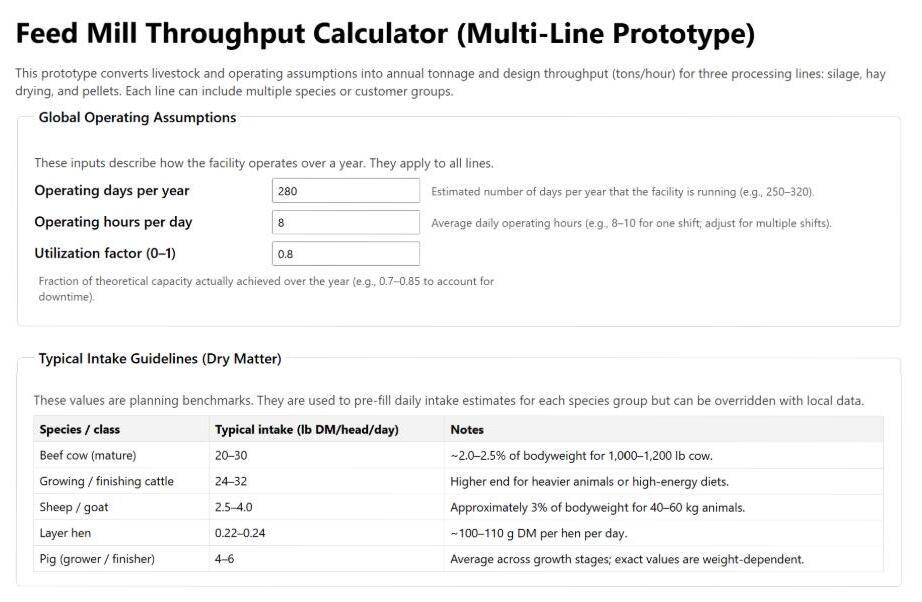
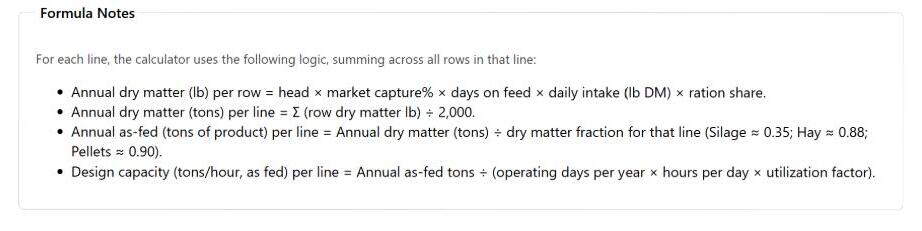
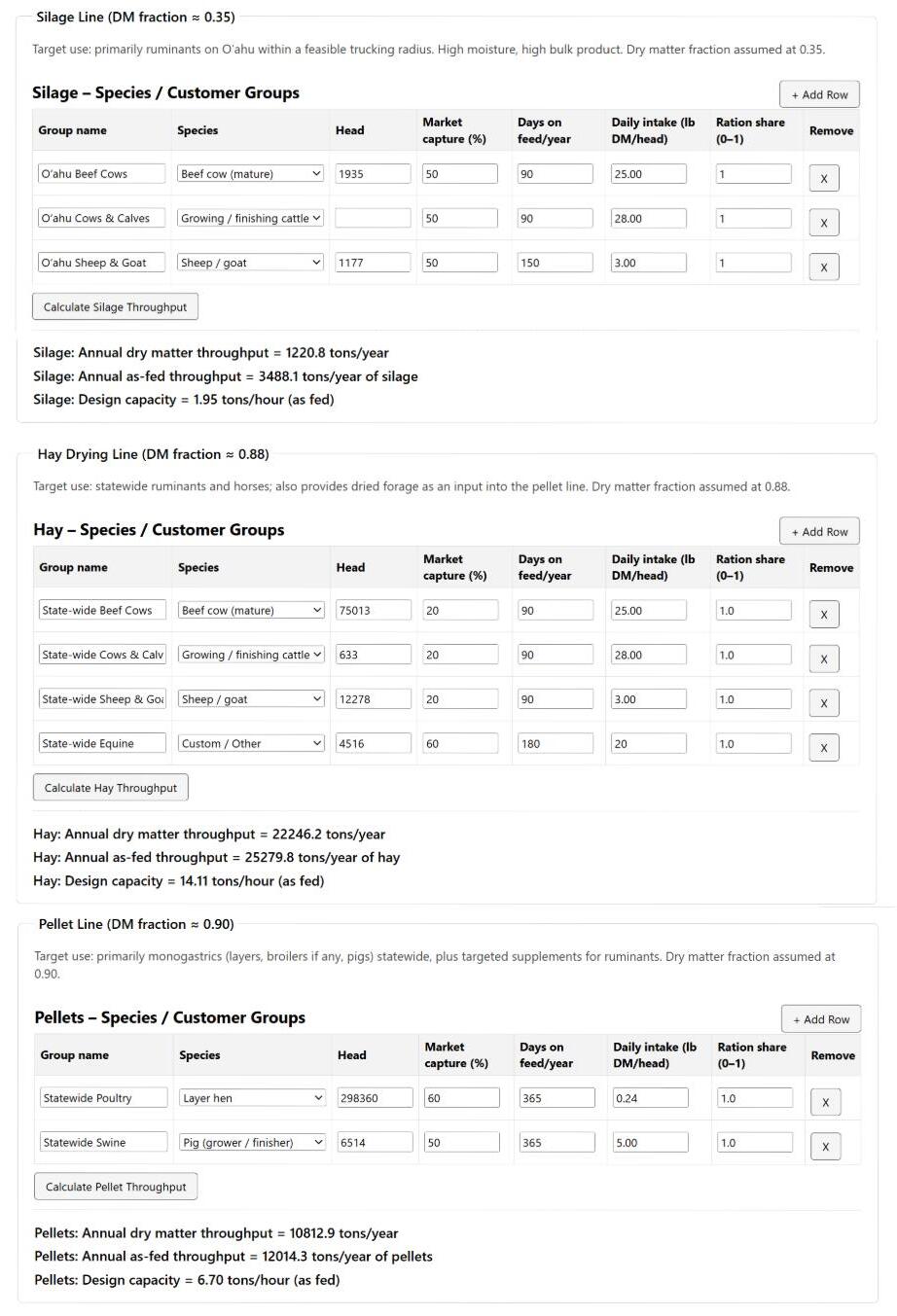
Feed throughput calculator
1. Core calculation logic
For any species group and any processing line, throughput on a dry-matter basis can be expressed as:
Annual DM throughput (tons/year)
= Σ[species] (
Number of head
× Market capture (%)
× Days per year on ration from this facility
× Average DM intake per head per day (lb)
× Share of total ration supplied by this line
) ÷ 2,000
This is then converted to:
As-fed tons/year (accounting for moisture by line); and Design capacity (tons/hour) using assumptions about days/year and hours/day of operation and a utilization factor (< 100%).
This same equation is run separately for:
Silage line (Oʻahu ruminants only), Hay drying line (statewide ruminants + feedstock for pellets), and Pelletizing line (statewide monogastrics + targeted supplements for ruminants)
2. System boundaries and design horizon
2.1 Time horizon
A design horizon (e.g., 10–15 years out) is needed so that current inventories (2023–2025) can be adjusted for expected growth in target sectors. Existing projections for beef and pork consumption already extend to 2036 and show gradual increases in demand.
Assumption:
Use a base year (e.g., 2023 inventories) and a design year (e.g., 2035), with low/medium/high growth factors for each species.
2.2 Geographic scope
The framework assumes different catchment areas by line:
Silage line: Oʻahu only, within an economically viable trucking radius of Wahiawā, due to high moisture, high weight, and spoilage risk.
Hay drying line: Statewide demand plus internal demand as feedstock for the pellet line (easier to store and ship).
Pellet line: Statewide demand, especially Oʻahu poultry and swine, with some neighbor island customers reached via inter-island shipping.
Pasture and livestock are unevenly distributed among islands; Hawaiʻi Island and Maui hold most cattle and pasture, while Oʻahu holds most human population and egg production. This supports the assumption that: Ruminant numbers are statewide, but the highest concentration of monogastric demand (layers, some pigs) is on Oʻahu.
3. Animal demand assumptions
3.1 Livestock baselines (order-of-magnitude)
These baseline conditions are used for scenario building:
Cattle and calves (beef + dairy):
2023 statewide inventory about 148,000 head, with ~72% on Hawaiʻi Island, ~14% Maui, ~11% Kauaʻi, ~4% Oʻahu. Local beef supplies only ~5–10% of total beef consumption; roughly 90% of beef consumed is imported.
Hogs:
Around 400 hog farmers, but far fewer with commercial sales; the industry is fragmented, with high feed costs and significant dependence on imported feed.
Poultry:
Egg layers are now heavily concentrated in a single large Oʻahu farm with ~400,000 hens and planned expansion toward 1 million; broiler production is minimal and almost all chicken meat is imported.
Small ruminants (sheep & goats):
Around 21,500 sheep and 12,300 goats statewide (2022), mostly on Hawaiʻi Island and Maui, distributed across several hundred small to medium farms.
The framework does not assume the facility serves 100% of any of these sectors. Instead,:
Cattle and small ruminants are primary forage customers (silage + hay, plus limited pellets). Poultry and swine are primary pellet customers. Small ruminants and horses are secondary hay customers, especially for dried forage.
3.2 Market capture assumptions
Because most beef and poultry currently depend on imports or off-island finishing, realistic market capture bands are needed rather than a single value:
Ruminants (forage products):
Low capture: 10–15% of total annual forage demand
Medium: 25–35%
High / strategic: 40–50% in drought/emergency scenarios or in a mature facility phase
Monogastrics (pellets):
Layers on Oʻahu: potentially higher capture (30–60%) if the facility can reliably supply a tailored ration and reduce price volatility.
Broilers: small capture initially (niche, premium markets), unless a new broiler industry is stimulated.
Swine: modest capture (10–30%) due to diversity of feeding systems (commercial feed, waste-fed operations, home-mixed rations).
These percentages are applied by species, by island, and by line (e.g., silage capture of Oʻahu cattle vs hay capture for neighbor islands).
3.3 Feeding intensity and days per year
The framework distinguishes between year-round complete feeding and seasonal or supplemental feeding.
Ruminants: Most cattle in Hawaiʻi are pasture-based and exported as calves; finishing on grain or full-time confinement is rare.
For a feed facility, relevant demand is:
Emergency / drought feed (short periods with high dependence on purchased feed). Strategic finishing periods (e.g., last 60–120 days for grass-finished or roughage-finished beef). Dairy or intensive goat operations where a higher proportion of the diet may be conserved forage or pellets.
Assumption bands (per head, per year, from this facility):
Low: 30–60 feeding days
Medium: 90–150 feeding days
High: 180–240 feeding days (for intensive or high-risk herds)
Monogastrics:
Commercial poultry and swine require year-round complete or near-complete rations.
Assumption: 365 days/year on a formulated ration, but the share purchased from this facility may be less than 100%.
3.4 Daily feed intake benchmarks
Planning values (dry matter basis) can be standardized and then refined by ration formulation work:
Beef cow (mature, 450–550 kg): ~2.0–2.5% of bodyweight per day (9–13 kg DM ≈ 20–30 lb/day).
Growing/finishing cattle: 2.5–3.0% BW DM (up to ~30–35 lb/day in heavier animals).
Sheep/goats: ~3% BW DM; typical 40–60 kg animals ~1.2–1.8 kg DM (2.5–4 lb/day).
Sows / growing pigs: ~4–6% BW DM across life stages; typically 4–7 lb/day for sows, higher for growing pigs on a per-lb BW basis.
Layers: ~100–110 g DM per hen per day (~0.22–0.24 lb).
These are generic but can be adjusted using CTAHR ration formulation guidance and the local by-product nutrition data (e.g., macadamia cake, brewer’s grain, cassava, taro, okara).
4. Material characteristics by line
To convert dry-matter throughput into as-fed tonnage and equipment sizing, the following typical moisture contents are assumed:
Silage (baleage or bunker): DM: ~30–40%
As-fed weight = DM ÷ 0.35 (approx.)
High bulk, short shelf-life once opened; suited to local/ regional distribution only.
Dry hay:DM: ~85–90%
As-fed weight = DM ÷ 0.875 (approx.)
Lower bulk, long shelf-life; suited to statewide distribution and as input to pelletizing.
Pellets: DM: ~88–92%
As-fed weight = DM ÷ 0.9 (approx.)
High value density; best suited to monogastrics and supplement rations.
These moisture assumptions are consistent with haydrying technologies already being explored by local producers (e.g., Agricompact dryers for alfalfa and guinea grass) and with regional silage practices.
Feed throughput calculator Cont.
5. Facility operating assumptions
To translate annual demand into design throughput, a small set of operating assumptions is needed:
Operating days per year:
Conservative: 250–280 days/year
Ambitious: 300–330 days/year
Operating hours per day:
1-shift baseline: 8–10 h/day
1.5–2 shifts (for peak or future scenario): 16–20 h/day
Utilization factor:
Nameplate capacity is rarely achieved continuously. The framework should size equipment based on 70–85% effective utilization to allow for maintenance, downtime, and seasonal variability.
Thus:
Design capacity (tons/hour, as fed)
= (Annual as-fed throughput) ÷ (Operating days/year × hours/day × utilization factor)
This equation is applied separately to silage, hay drying, and pellet lines.
6. Cross-cutting structural assumptions
6.1 Interaction between lines
The framework must recognize that:
A portion of dried hay is an intermediate product that can be: Sold directly to ruminant and horse customers, or Diverted into the pellet line as a fibre component.
By-products (e.g., millrun, brewer’s grain, okara, macadamia cake, cassava, taro, sweet potato) can be: Ensiled (wet by-products mixed with forage), or Dried and included in pellets, depending on logistical and nutritional considerations.
To avoid double-counting, the demand framework should explicitly allocate fractions of each species’ ration to:
Pasture / on-farm forage
Imported commercial feed Facility forage products (silage, hay) Facility pellets and then track internal flows (e.g., hay into pellets) as separate line items.
6.2 Role of the facility in the broader system
The ADC RFP for an Oʻahu feed mill envisioned a facility that both supplies commercial feed and functions as a
demonstration model for sustainable, locally integrated feed systems. Given the high import dependency for beef and poultry, the framework assumes: The Wahiawā facility does not attempt full replacement of imports.
Instead, it aims for:
Strategic capture of locally anchorable demand (e.g., Oʻahu layers, key cattle herds, goat dairies). Buffer capacity for drought and emergency feed. Gradual scaling as market confidence grows and as local forage/ by-product supply chains mature.
6.3
Modularity and replication
Finally, the framework assumes the Wahiawā facility is a template that can be scaled or replicated on other islands:
The throughput equations remain the same; only the inputs change (local head counts, market capture, feed intake, and local by-product supply).
Statewide pasture and carrying capacity data indicate that, in theory, Hawaiʻi pastures could support substantially more cattle than are currently finished locally, if feed and marketing bottlenecks are addressed.