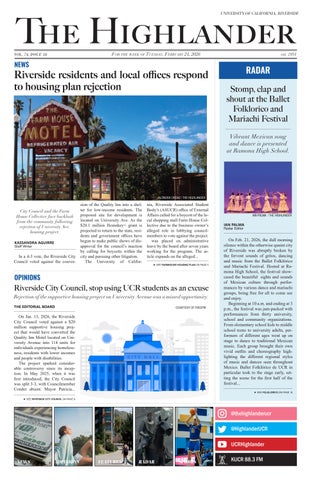
Riverside residents and local offices respond to housing plan rejection

City Council and the Farm House Collective face backlash from the community following rejection of University Ave. housing project.
KASSANDRA AGUIRRE Staff Writer
In a 4-3 vote, the Riverside City Council voted against the conver-
OPINIONS
sion of the Quality Inn into a shelter for low-income residents. The proposed site for development is located on University Ave. As the $20.1 million Homekey+ grant is projected to return to the state, residents and government offices have begun to make public shows of disapproval for the council’s inaction by calling for boycotts within the city and pursuing other litigation.
The University of Califor-
nia, Riverside Associated Student Body’s (ASUCR) office of External Affairs called for a boycott of the local shopping mall Farm House Collective due to the business owner’s alleged role in lobbying councilmembers to vote against the project. was placed on administrative leave by the board after seven years working for the program. The article expands on the alleged...
Riverside City Council, stop using UCR students as an excuse
Rejection of the supportive housing project on University Avenue was a missed opportunity.
THE EDITORIAL BOARD
On Jan. 13, 2026, the Riverside City Council voted against a $20 million supportive housing project that would have converted the Quality Inn Motel located on University Avenue into 114 units for individuals experiencing homelessness, residents with lower incomes and people with disabilities.
The project sparked considerable controversy since its inception. In May 2025, when it was first introduced, the City Council was split 3-3, with Councilmember Conder absent. Mayor Patricia...





Stomp, clap and shout at the Ballet Folklorico and Mariachi Festival
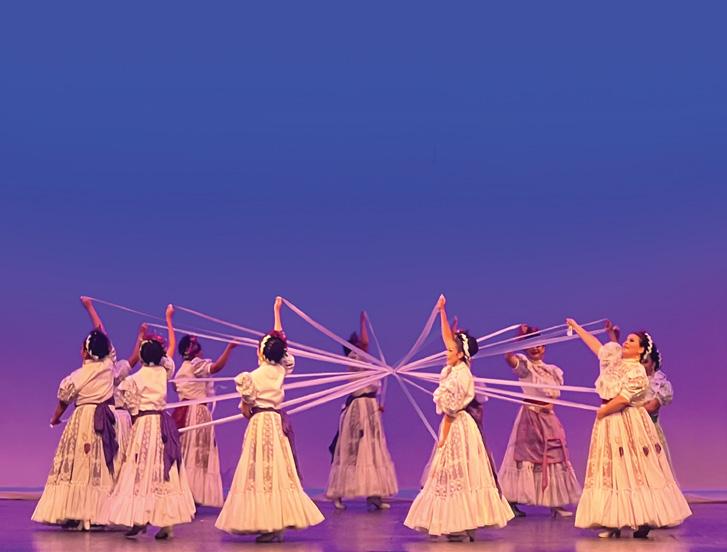
On Feb. 21, 2026, the dull morning silence within the otherwise quaint city of Riverside was abruptly broken by the fervent sounds of gritos, dancing and music from the Ballet Folklórico and Mariachi Festival. Hosted at Ramona High School, the festival showcased the beautiful sights and sounds of Mexican culture through performances by various dance and mariachi groups, being free for all to come see and enjoy.
Beginning at 10 a.m. and ending at 3 p.m., the festival was jam-packed with performances from thirty university, school and community organizations. From elementary school kids to middle school teens to university adults, performers of different ages went up on stage to dance to traditional Mexican music. Each group brought their own vivid outfits and choreography highlighting the different regional styles of music and dances seen throughout Mexico. Ballet Folklórico de UCR in particular took to the stage early, setting the scene for the first half of the festival...
ALONDRA ORDAZ / THE HIGHLANDER
IAN PALMA Radar Editor
IAN PALMA / THE HIGHLANDER
COURTESY OF FREEPIK
Editor-in-Chief
Mata Elangovan
editorinchief@highlandernews.org
Managing Editor Isaac Solnick
managingeditor@highlandernews.org
News Editor
José Del Ángel
news@highlandernews.org
Asst. News Editor
Angelica Brianna Acosta
asst.news@highlandernews.org
Opinions Editor
Cecile Diroll
opinions@highlandernews.org
Asst. Opinions
Ovi Mathivanan
Editor
asst.opinions@highlandernews.org
Features Editor
Sanjana Thatte
features@highlandernews.org
Asst. Features Editor
Nola Perifel
asst.features@highlandernews.org
Radar Editor
Ian Palma
radar@highlandernews.org
Assistant Radar Editor
Aakif Iqbal asst.radar@highlandernews.org
Sports Editor
Terry Nguyen sports@highlandernews.org
Asst. Sports Editor
Sofia Majeed asst.sports@highlandernews.org
Photography Editor
Vash Chen photo@highlandernews.org
Assistant Photo Editor
Alondra Ordaz photo@highlandernews.org
Staff Photographer Elena Versage Niko Suwandi photo@highlandernews.org
Production Manager
Ashley Cho productionmanager@highlandernews.org
Asst. Production Manager
Agna Soneji prodassistant.highlander@gmail.com
Production Assistants
Emma Cabrera Keyanna (Keys) Milenia Pinzon Nishi Girish prodassistant.highlander@gmail.com
Art Director
Adelia Urena highlander.art.director@gmail.com
Copy Editor Rachel Ko copyeditor.highlander@gmail.com
Graphic Designer Layna Lapikas llapi002@ucr.edu
Design Interns
Holly Dawson Emily Mata
Business Manager Allison Fry highlanderads@gmail.com
Asst. Business Manager
Cinthia Meza highlanderads@gmail.com
Video Editor Edwin Basurto video.highlander@gmail.com
Asst. Video Editor
Isabella Hogan video.highlander@gmail.com
Marketing Director Sinhayana Srivastava marketing.highlander@gmail.com
Asst. Marketing Director
Isabell Gracia marketing.highlander@gmail.com
Marketing Interns
Henya Dadem marketing.highlander@gmail.com
Abby Lazar marketing.highlander@gmail.com
Tech Director
Ashna Pradhan techdirector@highlandernews.org
Asst. Tech Director
Shenonaa Jenith Kumar
Ad Reps
Paris Cao
Xochitl Gutierrez
Xavier Scott
Zachary Hoisington highlanderadrep@gmail.com
Distribution Manager
Noah Davis Witten
Humans of UCR

Carlie Servando (she/her), Business Marketing, Fourth Year
CONTACT US
The Highlander 101 Highlander Union Building Riverside, CA 92521 www.highlandernews.org editorinchief@highlandernews.org
TIP LINE: (951) 827-2105
Help the Highlander stay on top of what is happening on campus and in the general UCR community. Call this number and leave a message for the Editorial Board with your tip. Be sure to include your full name, relation to UCR, and a number or email address where you can be reached for more details.
LETTERS TO THE EDITOR
The Highlander accepts letters from the campus community. They must be 600-800 words at length and include the author’s name and contact information. Topics should be UCR-centric and/ or pertain to our generation of students. Contact Opinions Editor Cecile Diroll at opinions@highlandernews.org by Wednesday if interested in writing a letter and submit the completed letter by Saturday at noon. Letters can and will be rejected if it does not meet requirements.
LEGAL
The Highlander is published and copyrighted by the Highlander for the students, faculty and staff of UCR. All rights are reserved. Reprinting of any material in this publication without the written permission of the Highlander is strictly prohibited. Readers are allowed one free copy of the newspaper. For additional copies or for subscription information, please contact the Highlander. The Highlander fully supports the University of California’s policy on nondiscrimination. The student media reserve the right to reject or modify advertising whose content discriminates on the basis of ancestry, color, national origin, race, religion, disability, age, sex or sexual orientation. The Highlander has a media grievance procedure for resolving complaints against it. All inserts that are printed in the Highlander are independently paid publications and do not reflect the views of the Editorial Board, the staff or The University of California or the Associated Students of UCR.
I wanted to study abroad because I wanted to travel the world. It was quite an experience. I think everyone should try to study abroad and explore new things outside of their comfort zone. I ended up at Sussex because I wanted to study in the UK.
[Sussex] is a really nice [and] small beach town, but it was freezing cold. Which is the opposite of SoCal altogether. I [would] go outside of Sussex on the weekends and immerse myself in different cultures. Every single weekend I would travel. I [went] to Venice, Spain, Portugal and Italy. A lot of solo traveling and I [felt] like I really discovered myself. I ate a lot of yummy food and I met a lot of fun people.
I feel the experience was great, but SoCal or even Los Angeles, where I’m from, is incomparable [when it comes] to the culture and weather altogether. I feel like I’ve truly experienced all of winter for the first time and I never realized how much it impacted my mental health and emotions, especially being isolated.
I draw every single day. I’ve been drawing for years. Since I was a little kid, I thought that drawing was so cool. You can just visualize anything you want and just put [it] into paper. [I’m] not [going to] lie, [I use] Pinterest.
I think using references as something to draw is really great. You [can] practice the anatomy of faces, hands or the body. Slowly, you can draw without reference. But [when I draw,] I do both [from] Pinterest and from the brain.”



Classified: $2 per line; 17 characters (spaces, dashes, etc.)

Compiled by Isaac Solnick, Managing Editor
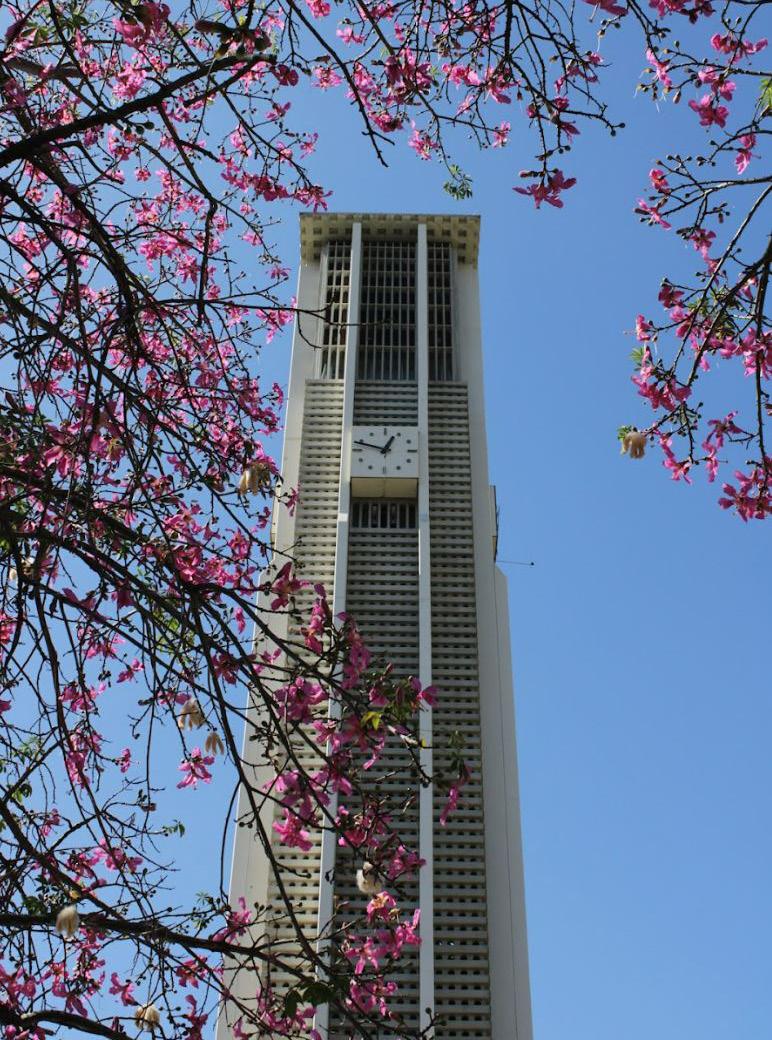
ASUCR Senate Meeting
KASSANDRA AGUIRRE Staff Writer
The Associated Students of the University of California, Riverside (ASUCR) meeting on Feb.18, 2026, began at 7p.m. and concluded at 7:27p.m.
Elections Director Diya Baskaran announced that applications for the School of Public Policy and School of Education senator and those for the Vice President (VP) of Diversity, Equity and Inclusion, Non-traditional Student Director, Transfer Director and Personnel Directors will be extended till end of day Feb. 23 due to a lack of applications.
In new business, the Senate approved ASUCR’s Statement on Leadership Transition and Commitment to Student Organizations.
VACANCY OF VP OF FINANCE ADDRESSED BY SENATE.
The statement was authored by ASUCR President Leila Haidar, Executive VP Mia Tu’ifa and President Pro Tempore Jeevan Rao to address the vacancy of the VP of Finance position. It addressed confusion regarding the confusion the vacancy caused the campus community and ASUCR’s plan to resolve financial concerns.
The position’s vacancy was first announced in a Senate meeting on Jan. 7, following former VP of Finance Ryan Choi’s resignation. Sanjana Kalidindi was elected on Feb. 4 following two rounds of special elections.
VP Tu’ifa described the actions ASUCR took throughout the quarter to support the student body
while the position of VP of Finance was vacant. She reported the President Haidar signed over 300 requisitions to continue funding of club activity amongst other requests, stating “We want to acknowledge that having the VP of finance position vacant and also going through that process for so long did hinder a lot of student organizations.”
The Senate passed the statement 15-0-0.
In committee reports, the Legislative Review Committee approved two bills.
The first being SBW26-006, or Adding Guidelines for Student Voice Initiative (SVI) Referendum Reserve and guidelines for utilizing its funds. It was authored by VP of External Af-
fairs Briana Trujillo and Executive Director Asha Nettles. The bill created the SVI Referendum Reserve.
The reserve will hold unused funds from the SVI Referendum, which provides funding for UC Student Association hosted conferences. Nettles explained that last year she had the finance team track how much of the funding was not spent and pulled the remainder into the SVI Referendum Reserve. The bill made the reserve official as well as detailed a process for requesting utilization of its funds.
Executive Director Nettles was made an author of the bill during the meeting, and the bill was passed 15-0-0 by the Senate.
The Senate then approved SB-W26-006, or Redirecting Responsibilities of Summer Training, which was authored by CHASS Senator Natalie Ebeid and President Leila Haidar. It amended Chapter III of the Office of the President to direct the responsibility of planning and implementing summer and other seasonal leadership retreats to professional staff, while allowing for oversight from the ASUCR President, Executive Vice President and President Pro Tempore.
Ebeidand Nettles spoke in favor of the bill’s importance, stating that it would promote quality leadership in the future, and it was passed 14-0-1.
Crime Watch: Man convicted in 2022 killing and burglary, Co-defendants Stand Trial
TREZELL LAMONE HECKARD CONVICTED FOR HIS INVOLVEMENT IN THE KIDNAPPING, BURGLARY AND MURDER OF RIVERSIDE MAN.
ANDREW HAGLER Staff Writer
On Friday, Feb. 6, 30-year-old Trezell Lamone Heckard was convicted of first-degree murder, robbery, carjacking and burglary, following the murder of 24-year-old Benjamin Chanes almost four years earlier.
In March of 2022, Riverside police responded to a reported shooting in an apartment complex on the 2400 block of Iowa Avenue and found a man, later identified as Chanes, suffering from a gunshot wound in the back, which he would later succumb to.
Further investigation indicated he had been driving with his girlfriend when a group of four men stopped them at
gunpoint, kidnapped them and forced them back into their apartment. The men robbed them and shot Chanes before fleeing the scene.
The four suspects were arrested after an 18-month investigation, including Heckard and his co-defendants, Qevon Xavier Harvey, Anthony Antoine Wright and Kahlin Cynque Erwin. Harvey has not yet received a conclusive jury verdict, whereas Wright began trial proceedings last week and Erwin pleaded guilty in 2024. Erwin is due for sentencing on June 8 and Heckard on April 24.

Riverside residents and local offices respond to housing plan rejection
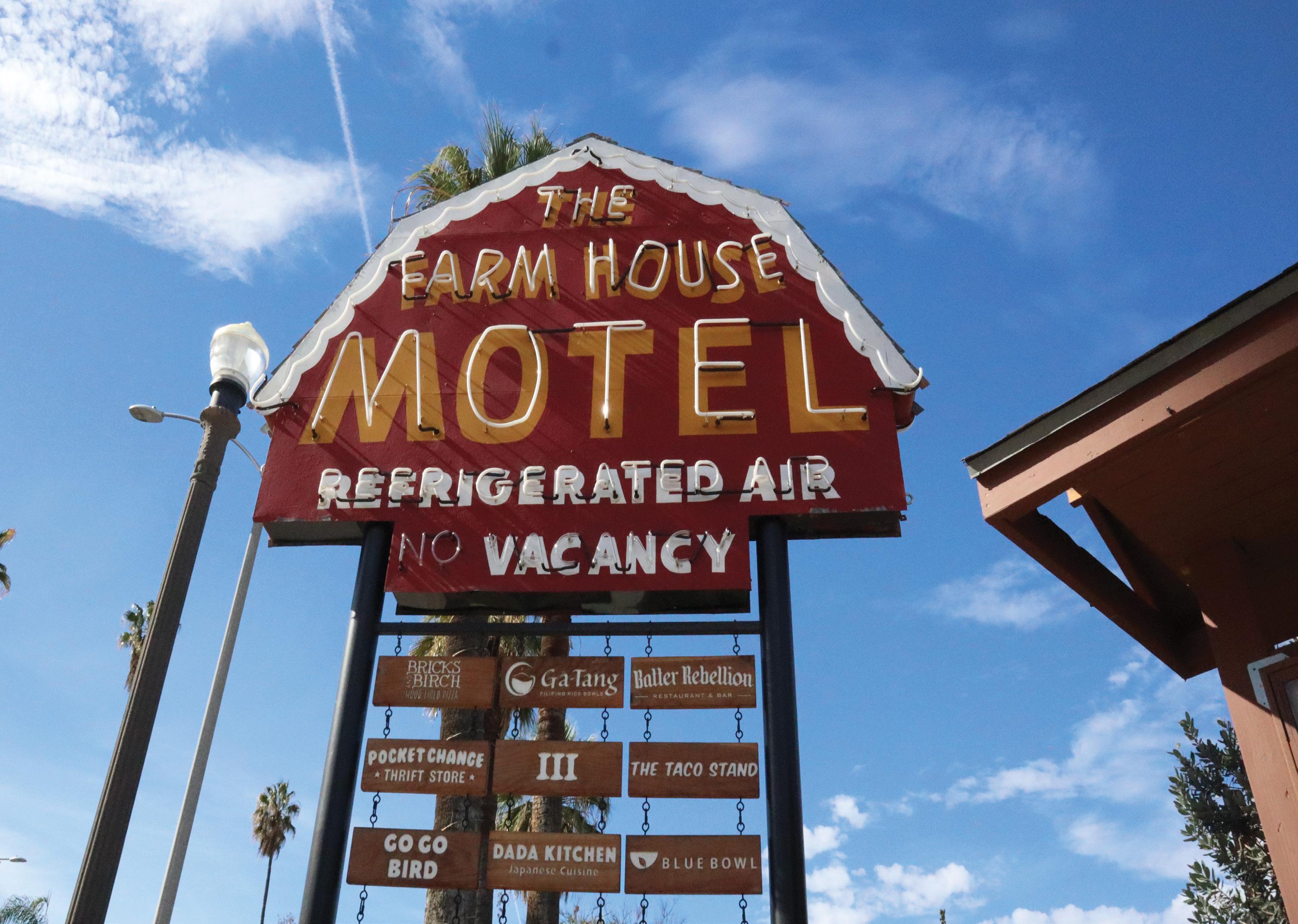
City Council and the face backlash from the community following rejection of University Ave housing project.
In a 4-3 vote, the Riverside City Council voted against the conversion of the Quality Inn into a shelter for lowincome residents. The proposed site for development is located on University Ave. As the $20.1 million Homekey+ grant is projected to return to the state, residents and government offices have begun to make public shows of disapproval for the council’s inaction by calling for boycotts within the city and pursuing other litigation.
The University of California, Riverside Associated Student Body’s (ASUCR) office of External Affairs called for a boycott of the local shopping mall Farm House Collective due to the business owner’s alleged role in lobbying councilmembers to vote against the project.
In a post made on their Instagram account on Feb. 6, they allege that theFarm House Collective, “lobbied our city council members to vote no
on converting a Riverside motel into permanent homeless housing.” In another now removed Instagram post, ASUCR’s office of External Affairs organized a protest at the Farm House Collective on Feb. 9 stating “let’s get out and protest this entity that seeks to further exacerbate the homelessness crisis by denying members of our community a home.”
An email thread released by the city of Riverside by Farmhouse Collective part-owner Alyssa Digangi and Quality Inn owner Joe La Criox shows Digangi inquiring if Criox would sell the property to the Collective. Within the email, she expresses disagreement with the project.
Criox responding on behalf of the property owner that “the homeless population you and the four council members despise was already on University Ave when you bought the Farmhouse Collective property … the only reason for any opposition has to be something that can’t be reasoned with,
which is the disdain for the unwashed.”
The owner of the Quality Inn now alleges “wrongful interference” against Digangi following the exchange and the city council’s verdict.
Alongside this, Councilmembers are now facing other litigation. One being a potential lawsuit from the American Civil Liberties Union Foundation of Southern California (ACLU SoCal) following the council members’ decision not to change their verdict after they threatened to investigate them for violating Riverside’s fair housing laws in a letter.
Along with this, the California Department of Housing and Community Development is set to investigate possible violations of the fair housing laws due to discrimination in the council’s verdict.
The period of reconsideration for the project passed on Feb. 10 with the verdict remaining 4-3.
KASSANDRA AGUIRRE
Staff Writer
ALONDRA ORDAZ THE HIGHLANDER
Kaiser Permanente picket lines stand for a fourth week
PICKET LINES REMAIN AS HEALTHCARE WORKERS WALK OUT ON UNFAIR LABOR PRACTICES.

On Jan. 26, thousands of Kaiser Permanente healthcare workers initiated an open-ended strike, urging the company to respond to their requests for improved contracts amid concerns about staffing shortages and unfair labor practices. The strike has entered its fourth week and represents one of the largest labor actions in the company and nation’s history in recent years. Tensions between workers and Kaiser employers remain high as bargaining agreements remain unresolved.
The day prior, United Nurses Association of California/Union of Health Care Professionals (UNAC/UHCP) announced 31,000 nurses and healthcare workers would
strike across dozens of California and Hawai’i Kaiser hospitals and clinics. Three Inland Empire locations were part of the planned picket lines, including the Riverside Medical Center at 10800 Magnolia Ave, the Fontana Medical Center at 9961 Sierra Ave and the Ontario Medical Center at 2295 S Vineyard Ave. The picket lines, packed by thousands of employees from coast to coast nationwide, highlight the magnitude of the walkout and echo workers’ plea that patient care and wellbeing is closely tied to the conditions under which healthcare professionals work.
Healthcare workers with UNAC/UHCP have been negotiating their contracts for over
eight months, starting in May 2025. While they initially believed they were making progress towards what they believe is a more equitable contract, Kaiser walked away from the table in December. UNAC/UHCP responded by filing an unfair labor charge case against the employer, alleging Kaiser attempted to circumvent the law to avoid a fair bargaining process.
UNAC/UHCP represents a wide assembly of healthcare professionals, including registered nurses, pharmacists, nurse anesthetists, nurse practitioners, midwives, physician assistants, rehab therapists, speech language pathologists, dietitians and other specialty health care professionals. Although the strike has garnered widespread public attention, with community members and fellow healthcare professionals voicing their support and showing up at picket lines in solidarity, the company has yet to meet workers’ contract demands.
Above all, what workers seek most is accountability and action-driven responses from Kaiser, moving towards a more equitable workplace culture and patient-oriented care that prioritizes patients, not merely profit. Workers have stated their primary goals in walking out are far more than increased wages: they want Kaiser and the public to understand that patients cannot receive quality care unless staff are supported by their company.
UC Student Association unanimously passes resolution supporting adoption of pollution-free industrial boilers
UC CAMPUSES SAVE $47.5 BILLION IN PUBLIC HEALTH COSTS THROUGH ZERO EMISSION TECHNOLOGIES.
On February 7, 2026, the University of California Student Association took a step towards campus decarbonization by voting unanimously to approve a resolution supporting zero-emission standards for industrial boilers under the South Coast Air Quality Management District. The goal is to reduce 90% of total emissions by 2045, a change that will be propagated by replacing gas-burning boilers with zero-emissions technologies.
The South Coast Air Quality Management District (SCAQMD) is a regional agency that covers the 17 million residents of Riverside, Los Angeles, Orange and San Bernardino Counties. SCAQMD is able to amend rules that act as air pollution regulations and has devised the SCAQMD Air Quality Management Plan to take action against emissions from various sources. Under Rule 1146.2, SCAQMD has required small boilers to be replaced with zero-emissions technology. The agency is currently moving towards implementing Rule 1146.1 and Rule 1146, which will work to replace medium and large boilers.
The University of California campuses at Riverside, Irvine and Los Angeles have at least 20 boiler units, which emit nitrogen oxide, a group of highly reactive and toxic gases that form when fuel is burned at high temperatures. The burning of natural gas is known to worsen air quality, contribute to health risks such as asthma and amplify the effects of climate change. Not only will the replacement of polluting boilers remedy environmental and health issues, but also the use of such technologies could save $47.5 billion in public health costs by mitigating nearly 2 million asthma attacks and preventing 3,220 premature attacks, according to the American Lung Association.
Various other environmental organizations, including but not limited to, the SoCal Clean Manufacturing Coalition, CalEnviro Voters and Climate Action Campaign, will be supporting the updates to Rule 1146.1 and Rule 1146 in collaboration with SCAQMD and the University of California Student Association. Furthermore, the University of California Student Association encourages all
campuses to adopt a zero-emission standard in a larger effort to improve air quality.
The consequences of air pollution more greatly impact low-income residents and communities of color, placing the Inland Empire in an especially vulnerable position. Joaquin Castillejos, an Organizing Coordinator at the Center for Community Action and Environmental Justice, says, “For South Coast communities like the Inland Empire, industrial boiler pollution isn’t an abstract policy debate — it’s a daily health reality.”
He addresses the community’s disproportionate burden when stating, “Supporting zero-emission standards for industrial boilers is about finally prioritizing the health of families who have been forced to carry the region’s pollution burden for far too long. This resolution shows that students understand what’s at stake and are standing with frontline communities to demand cleaner air and a more just future.”
OVI MATHIVANAN Assistant Opinions Editor
COURTESY OF CREATIVE COMMONS, CC BY-SA 2.0
ELIZABETH TENG Contributing Writer
The Inland Empire has secured $82 million in federal money
DIRECTED TOWARDS REPAVING ROADS, PUBLIC SAFETY, AND ECONOMIC ENHANCEMENTS.
MARIBEL HERNANDEZ Staff Writer
Inland Empire elected officials deliver $82 million in federal funding. The officials involved go as follows: Rep. Ken Calvert (R-Corona), Rep. Raul Ruiz (D-Palm Desert), Rep. Norma Torres (D-Ontario), Riverside County Supervisor Chuck Washington and Hemet City Manager Mark Prestwich.
The funding derives from a fiscal 2026 spending package that was approved by the U.S. Congress and signed into law by President Donald Trump in January 2026.
Rep. Ken Calvert secured the largest amount of funding for his district, landing $67 million. His district includes parts of Riverside and San Bernardino counties, and his press release has stated he intends for this funding to be directed towards 15 projects in the 41st Congressional District.
These projects include but are not limited to: constructing a new air traffic control tower at the French Valley Airport, “repaving streets, upgrading school safety and improving water infrastructure in cities like Hemet”. Additionally, Calvert lists the Lake Elsinore Water Quality Project as being the single most expensive project, where $8 million has been directed towards water quality improvements.
Rep. Raul Ruiz of California’s 25th District also secured $17 million out of the fiscal year
package, which he announced will be directed towards funding 14 projects. Many of the projects focus on road development, but there is also an aim towards improving air quality in the desert.
From this funding, Ruiz intends to funnel

$850,000 to improve pavement and ramp infrastructure for disabled people along Hemet’s State Street. Hemet City Manager Mark Prestwich commented that “This support helps advance critical investments … ensuring Hemet remains a connected, thriving and forwardlooking city”.
Rep. Norma Torres of California’s 35th District secured more than $21 million for 15 projects
in Chino, Montclair, Fontana, and Ontario, to name a few. The most costly project, which equates to $3,200,000, is the Ontario Section 219 Recycled Water Expansion Project, which seeks to construct 13 miles of infrastructure that will deliver recycled water to public landscapes, an initiative to help conserve water.
Torres’ projects not only focus on improving these cities’ infrastructures, but also protecting the communities that reside within them. Her Autism Society Inland Empire’s Law Enforcement Training Initiative project aims to train law enforcement officials in how to interact with community members with a condition or disability that may hinder their ability to communicate.
Chuck Washington, Riverside County’s Third District Supervisor, was another key player in securing this funding for the Inland Empire, as he managed to secure $5 million to fund the French Valley Airport Contract Control Tower Project.
This project seeks to construct a 93-foot-tall air traffic safety tower in the airport, which he has said, “moves us closer to delivering an air traffic control tower that will improve safety, support local jobs, and strengthen the continued growth of our regional aviation economy”.
California expands mortgage relief program for fire survivors
THE ROAD TO RECOVERY A YEAR AFTER THE LA FIRES.
ANVI CHAUBAL
Contributing Writer
On February 12, Governor Gavin Newsom announced a major expansion of the CalAssist Mortgage Fund, a state-run program made to provide financial stability for homeowners whose residences were destroyed or considered uninhabitable by wildfires. This expansion is primarily due to the Los Angeles wildfires in early 2025, especially in Palisades and Eaton, increasing both the duration and amount of financial aid distributed.
The program’s support capacity is increasing significantly for eligible households. This includes: raising the maximum grant amount from $20,000 to $100,000, extending the relief window for mortgage coverage from three to twelve months, and broadening the income limits of the eligibility criteria.
While these vary by county, Los Angeles county has increased their criteria by $70,000, requiring an annual household income of $281,400 to be eligible, and $255,000 in Butte County. This assistance is available to homeowners, regardless of if they are behind on mortgage payments or in forbearance. These grants never have to be repaid and go directly to one’s mortgage service.
Beyond mortgage relief, the state has been working with 160 lending institutions to make
forbearance requests, or temporary contracts, allowing individuals to pause or reduce payments on debts, an easier and simplified process. Governor Newsom has proclaimed this initiative is partially due to political friction and the federal government refusing to answer the call for federal aid.
The federal government ordered the Federal Emergency Management Agency to conduct an audit on nearly $3 billion in unspent Hazard Mitigation Grant Program, funding previously awarded to California, to determine if it was handled “arbitrarily or contrary to law.” If the funding is approved, the state intends to rebuild schools and childcare centers, help small businesses stay open, and restore damaged quality monitoring systems.
While these wildfires were over a year ago, Rebecca Franklin, California Housing Finance Agency Chief Deputy Director stated, “many families affected by the LA fires have been on forbearance for a year now, and haven’t made a mortgage payment since the fires started.” This expansion allows survivors to finally get back on their feet and begin long-term rebuilding. Franklin continues, “we’re making it clear that this support is real, available, and intended for families who are still recovering.”

COURTESY OF JCOMP VIA FREEPIK
THE HIGHLANDER EDITORIAL
Riverside City Council, stop using UCR students as an excuse
REJECTION OF THE SUPPORTIVE HOUSING PROJECT ON UNIVERSITY AVENUE WAS A MISSED OPPORTUNITY.

On Jan. 13, 2026, the Riverside City Council voted against a $20 million supportive housing project that would have converted the Quality Inn Motel located on University Avenue into 114 units for individuals experiencing homelessness, residents with lower incomes and people with disabilities.
The project sparked considerable controversy since its inception. In May 2025, when it was first introduced, the City Council was split 3-3, with Councilmember Chuck Conder absent. Mayor Patricia Lock Dawson cast the tiebreaking vote to approve the project application. In Nov. 2025, the city was awarded the state grant.
However, division over the project persisted. In Jan. 2026, when the City Council voted on whether to accept the state grant, the project was rejected by a narrow 4-3 vote. Councilmembers Philip Falcone, Chuck Conder, Sean Mill and Steven Robillard voted against the project while Councilmembers Clarissa Cervantes, Jim Perry and Steve Hemenway voted in favor.
The project, if approved, would have provided 94 units of permanent supportive housing to households at 30% of the area median income (AMI) and 20 affordable units at 50% of the AMI. Of these units, 18 would have been reserved for individuals with mobility disabilities and 12 for residents with vision or hearing disabilities.
The project planned to prioritize seniors and veterans, providing affordable housing for some of the 312 individuals — 91 of whom are unhoused seniors — currently on the City of Riverside’s supportive housing waiting list. Additionally, the site would have
included 24-hour security, “a gated perimeter, a social services coordinator, six case managers” and required both the property manager and maintenance staff to live on-site.
The housing project would have been largely funded by the Riverside Housing Development Corporation (RHDC) and the Homekey+ Program, a state initiative that provides grants to local governments to renovate buildings into permanent or interim supportive housing. RHDC, a non-profit organization in Riverside, also secured loans for the city to finance the project. Project supporters have urged the City Council to reconsider their vote, but all four members opposed to the project have said they would not move to revisit it.
The City Council’s decision to reject the project ultimately came down to local businesses’ lobbying power, misinformation about the individuals who would be housed in the building and mischaracterization of the interests of the University of California, Riverside (UCR) students.
During the public comment period, opponents argued that the project would harm the city’s revitalization efforts on University Avenue, which recently welcomed the opening of the Farm House Collective. According to the owners, the project “would go against the long-term vision that convinced them [the city] to invest in the neighborhood.” Councilmember Falcone also said that initial discussions about the project excluded local business owners.
While it is understandable that business owners would be concerned with the area’s goal of central business planning on University Avenue, the
need for affordable housing is urgent. According to the 2025 Point-in-Time Count, 614 individuals are experiencing homelessness in Riverside. This project would have provided 114 units of supportive housing for these individuals, particularly for seniors over the age of 55, the city’s largest group of those experiencing homelessness.
It is also unlikely that these businesses would have supported the project even if they had been included in the initial discussions, as they made it clear that they do not want the project near their establishments. Additionally, projects funded by the Homekey+ Program require grant and spending deadlines. Councilmember Falcone’s comment fails to recognize the timesensitive nature of the program’s grant and the urgency with which the city should be pursuing this state funding.
Councilmember Mill also raised concerns that the project lacked prerequisites for residents to participate in treatment or comply with mental health programs. He expressed disagreement with the Housing First approach, which places people into housing first and then provides supportive services to address homelessness.
However, if the city intends to make treatment a prerequisite for supportive housing, it should invest in outreach strategies that meet people where they are — including on the street and in encampments — and connect them with mental health and substance abuse resources. The city should collaborate with local organizations to expand access to treatment rather than conducting homeless sweeps or just sending police officers.
In 2018, the city also adopted the Housing First model with its Housing
First Strategy Plan, which states that all supportive housing programs in Riverside will “operate using a Housing First orientation and provide personcentered flexible and voluntary services.” The proposed University Avenue project aligns with this framework. It is important to note as well that the housing at this project is available to individuals experiencing homelessness, residents with lower incomes and people with disabilities. While not all residents may need these services, on-site staff and resources would have been available for those who do. As the county’s largest city, Riverside has a responsibility to prioritize stable housing and offer supportive resources to these individuals.
Additionally, some have argued that the project would be too close to UCR and would drive students away from the area. However, this mischaracterizes the view of most students. University Avenue is a well-traveled street for students as it leads to Downtown Riverside and includes University Village and other local businesses. If residents have access to a single supportive housing site with accessible mental health and substance abuse services, this could reduce public safety risks near campus.
Ultimately, this project was a missed opportunity. Hundreds of residents remain without stable housing due to local business lobbying, stigma against homeless individuals and exaggerated perceptions of opposition from UCR students. The City of Riverside needs to urgently identify alternative supportive housing sites, secure funding and collaborate with local communities. ■
THE EDITORIAL BOARD
COURTESY OF FREEPIK
Even Black History Month can’t evade casual racism
RACIAL HARM PERSISTS DURING THE SHORTEST MONTH OF THE YEAR.
OVI MATHIVANAN Assistant Opinions Editor
This Black History Month, Americans woke up to yet another instance of casual racism. It was not the long-awaited celebration for the lives and legacies of the Black community that continually faces erasure. Instead, the month began with a reminder that the ways in which Black achievement and lived experiences are acknowledged can be overshadowed by the persistence of racial microaggression and digital microinsults disguised as memes.
On Feb. 5, U.S. President Donald Trump posted a video on his social media account that depicted former President Barack Obama and former First Lady Michelle Obama as apes. The clip immediately provoked widespread attention and backlash across party lines, with Democrats and Republicans condemning the post and demanding that President Trump remove it and apologize. The White House initially backtracked by framing the video as an “internet meme,” then shifted the blame to an unnamed staffer, allowing both the administration and the president to avoid accountability and proceed mostly unscathed.
This calculated cop-out, packaged with its own public appearance clean-up crew, quietly signals that the harm inflicted on Black Americans is considered something to be overlooked, buried under piles of American anger and national indifference at the sign of the next passing horror.
The timing of the post, not even a week into Black History Month, reflects a broader cultural rhythm that normalizes the dehumanizing portrayals of Black individuals. These portrayals are created and consumed so casually and routinely that they have become a natural yet dystopian fixture of American society and its daily beat. It is a society fueled by undiscussed outrage and
short-lived shame rather than accountability, education and reflection.
The use of racist imagery depicting Black individuals as apes is an enduring trope in American history, repeatedly leveraged to justify hidden oppression and violence against the Black community. For an active president to engage in these acts of public mockery carries even more weight, as a president’s actions are often viewed as an extension of the country’s values and identity. Such behavior sets a precedent for the optional accountability afforded to those at the highest seats of power, signaling that they are above both legal and moral consequences.
By framing the video as an “internet meme” and shifting the blame to an alleged nameless staffer, any sort of accountability or remorse was removed. The resulting message is clear and unwelcoming: people in positions of power can engage in acts of casual racism without concrete consequences or lasting damage to their reputation. This reinforces a culture in which Black Americans are subjected to aestheticized racism, a reminder that their value is remembered only during designated holidays and often reduced to mere symbolic recognition.
This incident joins many others like it, existing primarily in the permanence of internet archives, remembered by few and discussed by nearly none. It becomes yet another example on the never-ending list of casual racist acts disguised as jokes, using humor as an armor to preempt public recognition of any harm. America coats jokes in entertainment before delivery to make longstanding oppression more palatable. Cruelty repackaged as a joke at the expense of a community that has endured nearly an eternity of dehumanization and oppression is not humor in any form, but a direct and violent attack against
Black people.
Instead of reflecting on the countless Black Americans of the past and present who helped shape U.S. history, society was forced to sit with a reminder of the persistent inequities facing Black Americans, a group afforded only the luxury (read: misfortune) of the shortest calendar month of the year as some sort of consolation prize.
During a month where social norms would mandate, at the very least, for people to repost some half-heartedly curated Black History Month recognition post as a form of socially validated acknowledgement, the populace was again confronted with the biting reality. Racial harm persists, even in a month meant for celebration and even at the hands of the country’s highest government official.
On paper, Black History Month celebrates the contributions and achievements of the Black community, acknowledging the injustices they have endured and affirming their humanity. It stands as a powerful rejection of the dehumanizing stereotypes many individuals continue to perpetuate, including false claims that Black people are savage, uncivilized or alien. In practice, however, the month remains a glaring reminder of how much work toward racial justice and systemic inequities stands undone.
Until then, Black History Month will continue to prevail as more of a paradox, a month more remembered for its performative gestures of American guilt than as a period of genuine celebration or reflection. After all, it’s not American to possess any capacity for accountability, nor the courage to sit in the discomfort of the harm it inflicts; denial has always been a mainstay of the American Dream.

COURTESY OF FLICKR

The exhaustion of always being “on”
PRODUCTIVITY CULTURE MAKES US EXHAUSTED.

Navigating adulthood is hard in itself. Beyond all the craziness, the fact that it doesn’t come with a manual makes it even harder. And one thing I have realized is that I don’t have an off switch. Every morning I wake up and there is something waiting for me: emails, texts, Canvas notifications or the 80 reels my friend sent me when she was supposed to be doing homework. It feels like there is always something to be done, responded to, perfected, completed. Then come the days when my calendar goes from a sea of pastel boxes to nothing and I can take a break. But no, even on those days it feels like that’s the time to complete applications for internships, scholarships or read a book (and it better be a literary classic). It feels like we need to always be doing something more, always improving, always growing and always having to be “on.” This is my default setting and it’s exhausting. When being “on”
becomes the default, rest starts to feel wrong, and beyond wrong, it starts to feel selfish.
On a free day, I’ll sleep in and at the moment it feels good to rest, but after, I feel guilty for not using my time more efficiently. I think of the things I could have done or how I could have been more productive. Productivity starts to feel tied to worth, and taking a moment or a day to slow down feels like falling behind.
College culture doesn’t help. We praise the grind. We admire and are slightly envious of our peers who are juggling internships, research, leadership positions and how they make it look effortless. Being busy is praised as ambition. This grind starts to chip away at us and before we know it, there is an unannounced cost: burnout.
Burnout seems to be a college tradition at this point. First, it starts with little things. Not going to the gym because you “don’t have time.” You tell your
friends you’ll hang out soon and tomorrow becomes next week, and then before you know it, it’s been months since you’ve seen them. You are also trying to navigate life through a sea of constant fatigue, irritability and a small hum of anxiety that seems never to leave.
We need to normalize acts of self-care to mitigate the stress of always being “on.” Maybe it’s going for a walk without counting the steps or just taking a moment to watch your favorite show and not writing an essay while you watch it. We need to rewire our brains from being “on” all the time and that relaxation is not earned. We need time to relax and have fun. This should not feel selfish and we should be able to take an afternoon off without completing a to-do list.
Maybe adulthood doesn’t come with an off switch and we can’t change the grind culture, but we can choose to take time to slow down. We can choose not to
optimize every second. Because the truth is when we look back at our college years we shouldn’t remember Canvas notifications or thousands of unanswered emails.
We remember those friends we made in French class in our first year when we were nervous about making new friends. We remember laughing til our sides hurt in the library when we were supposed to be actually studying for our midterm.
Being “on” and ambitious isn’t the enemy, but it is exhausting if you don’t take a break. And taking a day or even an hour to have fun is going to be okay in the grand scheme of things.
So give yourself permission to be “off” and do nothing, and when you step back in the world, it will still be spinning the same way as when you took a second to rest, maybe with just one extra reel to respond to.
ZOË MINTER Contributing Writer
COURTESY OF WIRESTOCK VIA FREEPIK
It’s time to start embracing our happy endings
THE TORTURED ARTIST THEORY IS A MYTH.
PENELOPE
Sometimes, no matter how many things you’re juggling in your life, you can’t seem to encounter something inspirational enough to result in more than a paragraph. That is, until the storm hits. Something bad happens to you and all you can do is write. You take up countless pages going on and on about how upset and frustrated you are, what could’ve gone differently and how you think we’ll never move on. As artists, we begin to channel our creative outlets and produce stories, music and visual art to express our disdain to the best of our ability.
Although the work that comes out of our inevitable struggles in life might be authentic, detailed and unique, mental turmoil is not a requirement for great work. The notion of the “tortured artist” is full
of glamorization of longterm suffering for the sake of reaching our full potential as creatives. In fact, maintaining unhealthy conditions is often the downfall of our personal lives and our craft.
The “tortured artist” theory was popularized by observing our cultural icons. Famous writer Edgar Allan Poe, who was an alcoholic throughout his entire career, is taught in almost every English curriculum. Musical icons of the 2000s, including Kurt Cobain, Amy Winehouse and Whitney Houston, were all known to struggle with substance abuse or suicidal thoughts. Even Vincent van Gogh’s art didn’t gain attention until after his tragic death.
As these individuals’ careers began to take off, many people believed that their obstacles were the fuel to their success.
MAIN ST
Since the art that they produced was like nothing others had ever seen before, people are quick to assume that without the issues they faced, they would not be able to reach the peaks that they did. However, studies actually show that consistent trauma and suffering are an overall hindrance to our creative ability, and not to mention, quality of life. Constant negativity and hurtful experiences can lead to “increased anxiety, depression and shame amongst performing artists.” These conditions decrease both cognitive and bodily functioning. As health declines, a tortured artist will literally begin to lose their ability to practice their passion. Furthermore, proper focus is a key component of producing one’s best work. In the initial moment of distress, we can

articulate our thoughts and emotions clearly in our art. Be this as it may, focus — in a state of poor mental health — is not sustainable. Rogers Behavioral Health explains that thinking in conditions such as depression feels “slowed, as if the brain is in molasses.”
On the other hand, individuals with anxiety “feel like their brain is moving too fast and they experience rapid thoughts.”
Either way, the pace and stress that stem from these mental illnesses prevent people from obtaining the focus to build something with the required attentiveness to detail. For instance, if the goal is for your writing to articulate your creative vision exactly — in terms of word choice, tone, sentence structure — your brain requires the highest level of focus in order to properly select those elements.
If we can’t remain in these states of intense agony, are we bound to only create things that are … boring? Absolutely not.
ORANGE
Being bored is actually a great thing for writers and every type of artist. Psychology Today expands on how boredom enhances our creative ability by giving us a chance to “reboot mental health,” “become more creative” and “reconnect with what matters to you.” Research on boredom from the Academy of Management confirms that as people are forced
into performing simple, slow-paced tasks, their creativity is rediscovered. Results explain that being bored provides people with the opportunity to seek out new passions, perspectives and performance tactics.
It’s time to permanently dispose of the “tortured artist” trend that seems to be promoted among visionaries. Of course, art that expresses negativity or even trauma has a valuable place in society. The intensity that is expressed in famous rock albums or tear-jerking novels helps us understand the depth of our emotions and the overall human experience much better. It is crucial to recognize that good mental health reflects a variety of emotions, not just happiness, which is also good for your work.
With that being said, we cannot get into the habit of only writing when these intense peaks of upset arrive in our lives. If you are truly feeling uninspired, go out and find something positive to be passionate about. Beauty can be found in the connections you form or the new interests you acquire.
Work that’s based on genuine joy and positivity is “real” and authentic if that’s how you are. And for the sake of your own well-being, and the longevity of your creativity, that’s how you might want to be.
SHAO Contributing Writer
Features Scotty-Scopes:
The signs as winter Olympic sports

Libra (Sept. 23–Oct. 22): Ice dancing
Stop playing that imaginary conversation back in your head. You will choreograph an entire emotional performance before you even dare to have an honest conversation. Your steps might be elegant, your smile shining, but you’re not being true to yourself.

Capricorn (Dec. 22–Jan. 19): Bobsleigh
Your team is built and you have assumed leadership over the project. Now it’s time to push everyone towards success whether they like it or not. If someone complains, well, the only thing you can do is go faster.

Aries (March 21–April 19): Ice hockey
This morning you woke up ready to commit violence. Take that energy and channel it into legally body-checking strangers instead of rage baiting people online. Those minor inconveniences in your life are not sudden-death overtime face-offs.

Cancer (June 21–July 22): Figure skating (but pairs this time)
Don’t let that one person you’re still hung up on influence your every mood. Those emotional, eye-catching lifts can’t be done without a spotter. Sometimes you need to take a step back and cry or begin your solo career out on the ice.
YOUR WEEKLY DOSE OF ICY COLD DRAMA.

Scorpio (Oct. 23–Nov. 21):
You are hurtling at a dangerous speed towards something you refuse to explain to anyone. Your heart has locked up your desires and the end is near. It might be too late for you to brake now, but it’s better than crashing headfirst.

Aquarius (Jan. 20–Feb. 18): Skeleton
Clearly you have no regard for your own life or safety. You slide face-first into trouble and strongly proclaim it’s rational because you did your research. Everyone else is concerned for you.

Taurus (April 20–May 20):
Your theme this week is … trying. You will move like three inches today and for the sake of your sanity, you need to consider it productive. If someone attempts to rush you, stand your ground, don’t accelerate.

Leo (July 23–Aug. 22): Halfpipe - Snowboarding
No one saw that sick flip you did on the pipe. The applause may be insufficient for your efforts, but it’s important to remember who you’re really doing all this for — yourself.

Sagittarius (Nov. 22–Dec. 21):
You are hurtling at a dangerous speed towards something you refuse to explain to anyone. Your heart has locked up your desires and the end is near. It might be too late for you to brake now, but it’s better than crashing headfirst.

Pisces (Feb. 19–March 20):
Life is fueled by dreams, delusions and that one emotionally devastating song that you’ve had on repeat. There’s no telling how your story will land, but the end goal is to romanticize it and inspire the next generation.

Gemini (May 21–June 20): Figure skating
On the ice your performance will be emotionally and aesthetically beautiful — until you fall flat on your face attempting a triple axle. Embrace the fall, it’s part of your routine. The drama was not an accident, it was highly intentional.

Virgo (Aug. 23–Sept. 22): Biathlon
Enough about the time crunches. You keep trying to optimize something that does not need optimizing, specifically the people around you. Take a deep breath and a step back before you center your aim.
Luge
Ski jumping
Freestyle skiing
Curling
MATA ELANGOVAN Editor-in-Chief
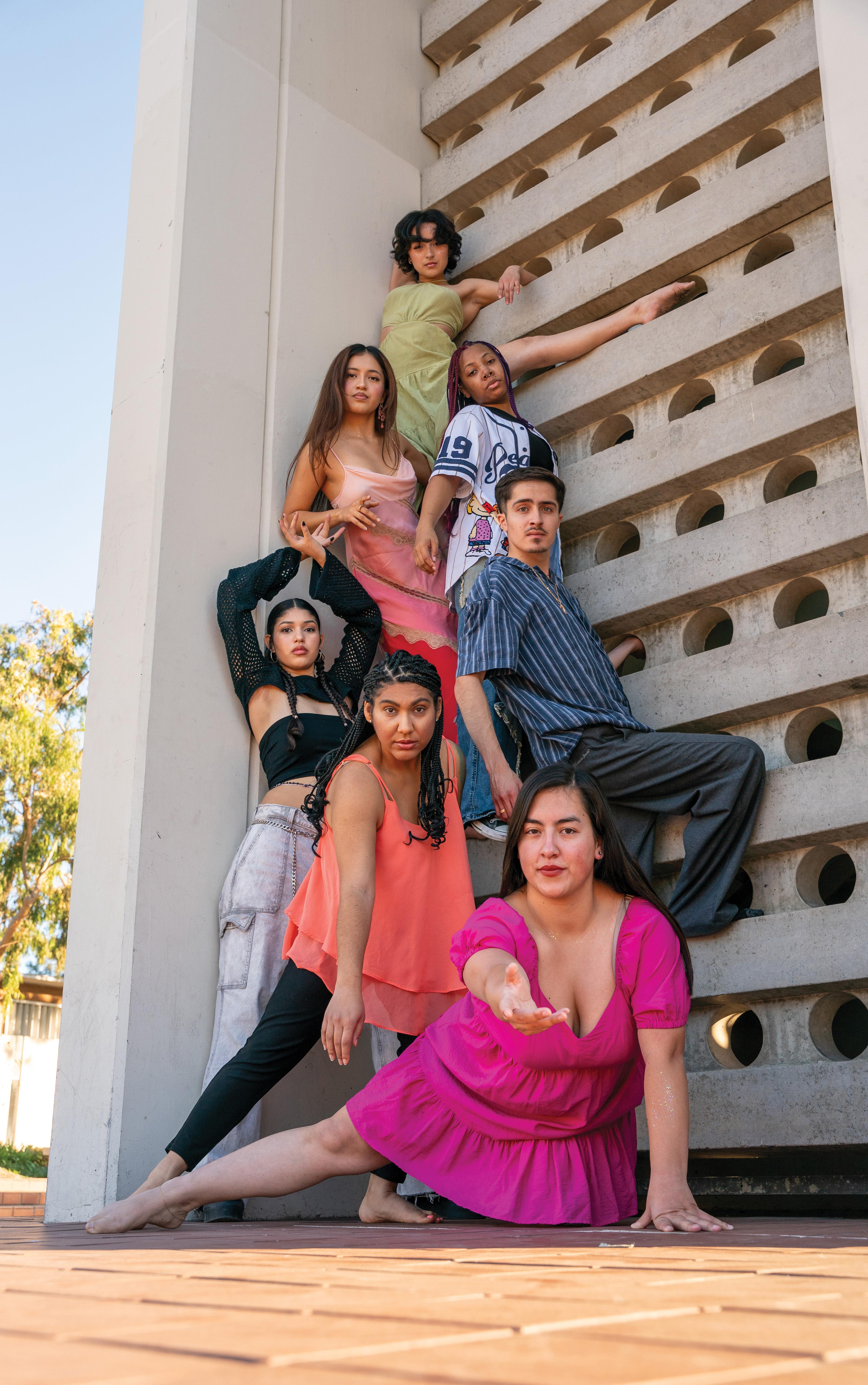
Features
COURTESY OF DENNIS CHA
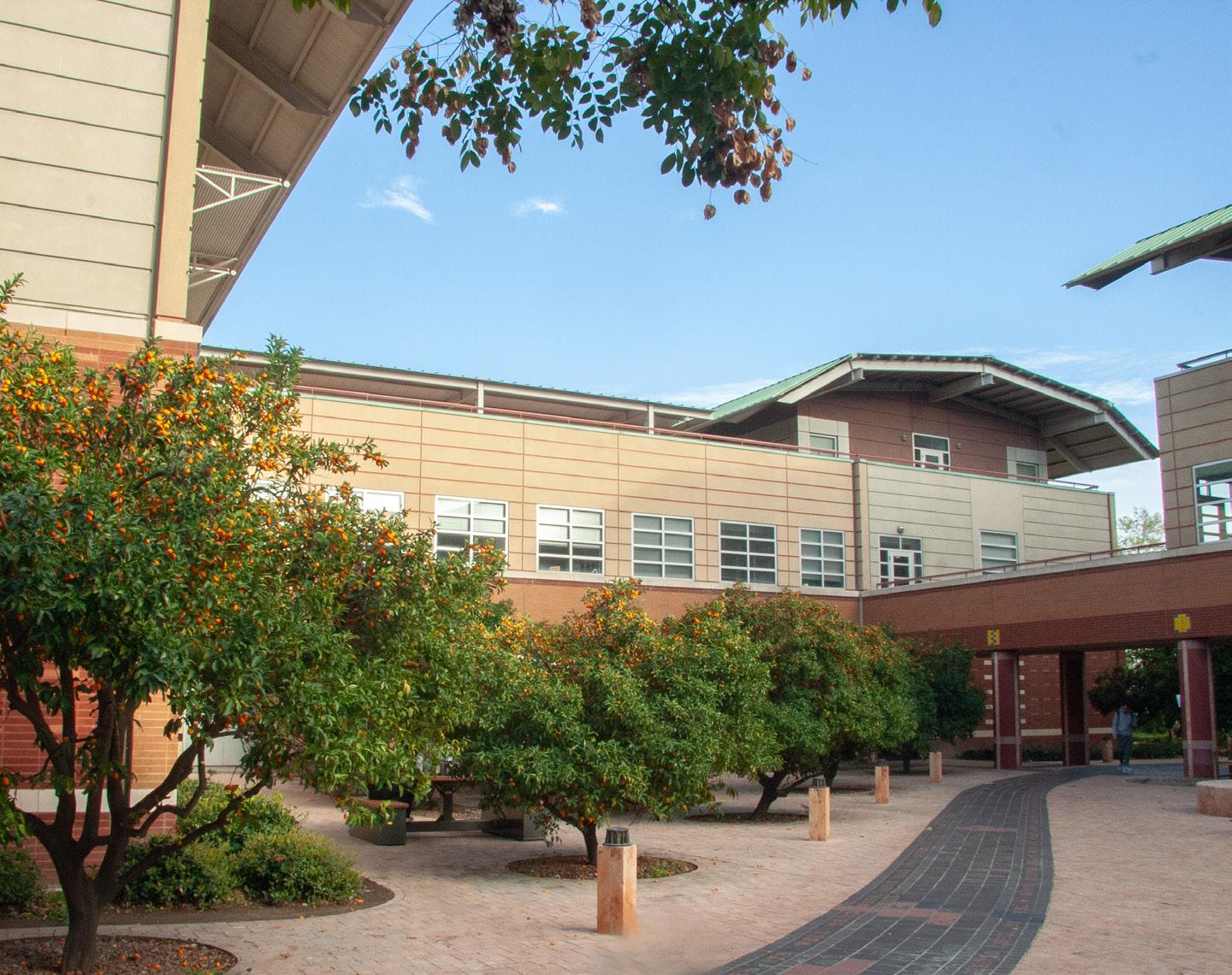
SPOTLIGHT NORM’S NOOK
Lemon and Lavender Lane
This relaxing space is located between the Material Sciences and Engineering Building and the soccer field. More precisely, this relatively new space, added to the University of California, Riverside campus about two years ago, can be found adjoining to the new stairs that lead up to the Student Recreation Center. With ample seating and a delicious aroma, this garden is perfect for medita-
tion sessions and naps between classes. The lemon trees and lavender plants help students feel more connected to nature. The wide array of purples, yellows and greens create a wonderful environment to ground yourself and find focus. Take advantage of this space to soak up the sunlight and get your daily dose of vitamin D!
WINTER OLYMPICS

26. Winter Olympics host cities 32. “You’re ___ __ talk!”
Perón and Gabor
Help
Comic ____ (typeface)
Happy __ ___ be
“Put _ ___ on it!”
Winter recreation on ice
Was kidnapped in the Ramayana
will
of
Against
Fed. benefits agency
Yours, in France 43. Nigeria neighbor 44. Sideways snow activity
47. Europe’s “boot” 50. Shield border 51. White powder used in detergents
54. Mott’s Bloody Mary
By: K Staff
59. ____ Mesa (San Diego border crossing)
60. Olympic’s “Quad King”
62. Olympics sled 63. “The Time Machine” race 64. Home of a lion killed by Hercules 65. Mimic 66. Winter transport 67. Make _ ____ in (reduce somewhat) Down 1. Provoke
2. Gospel singer Winans 3. One-eighties




4. Blog entry
5. Indonesia’s first president
6. Not on time for 7. Boxer Muhammad ___ 8. Care
9. Advantage
10. “Mississippi ______” (1992 film) 11. Friendship
12. Versailles Golden _____
13. Carne _____
18. Suffix with symptom
22. Also-___ (losers)
24. Site of a notable (and now-collapsed) telescope in Puerto Rico

26. Forest floor growth
27. Lead-in to much
28. Headey of “Game of Thrones” 29. @s
30. FDR power project 31. Actor McKellen
34. Years in old Rome 35. “Put __ __ writing” 36. Minor dent
38. From _ __ Z
39. Plant
40. Defibrillator letters 42. Taylor-Joy of “The Queen’s Gambit”
WNBA player
Add up
Saw
old
Kong Country console, for short
Corridor 55. Hosted, for short
“Alas!”
Many a TikTok user
Go __ __ great length
Little piggy
Kimetsu no Yaiba
Corsage flower
Penne __ __ vodka
Sicily, to Sicilians
in
British slang
Donkey
GRAPHICS BY LAYNA LAPIKAS / THE HIGHLANDER
NOLA PERIFEL Assistant Features Editor
ALEXANDER WONG / THE HIGHLANDER

SUDOKU
DIFFICULTY: HARD
MAIN ST


ORANGE ST
Learn some interesting facts about Black History Month.
By: Nola Perifel, Assistant Features Editor
1. Who created Black History Month?
A. Gerald Ford
B. Carter G. Woodson
C. Hiram Bingham
D. Mary McLeod Bethune
2. When did this celebration of Black history first originate?
A. 1912
B. 1896
C. 1926
D. 1952
3. What is this year’s theme for Black History Month?
A. A Century of Black History Commemorations
B. African Americans and the Arts
C. Black Women in American Culture and History
D. Black Resistance
4. Why is Black History Month celebrated in February?
A. Because it is Abraham Lincoln’s birthday month
B. Because it is the shortest month
C. Because it is Frederick Douglass’ birthday D. A and C
answer key
1. Historian Carter G. Woodson was considered the father of Black history. From him originated Black History Month (originally Black History Week) and the Association for the Study of African American Life and History. With his Harvard PhD, he actively fought for most of his life against the lack of education on Black History in schools.
2. Black History Month was created 100 years ago in February 1926. This year marks the century-old celebration of Black history!
3. The answer is: A Century of Black History Commemorations! Every year, Black History Month is accompanied with a theme. To honor 100 years of this celebration, we are invited to reflect on the historical events that have taken place for the Black community in the past century and how we can continue to grow through the next century.
4. Contrary to popular conspiracies on the recognition’s placement in the short month of February, Black History Month was strategically placed to align with Abraham Lincoln and Frederick Douglass’ birthdays (Feb. 12 and Feb. 14) as they are important figures to the Black community. With Abraham Lincoln as the author of the Emancipation Proclamation and Frederick Douglass known as the great abolitionist, both had an extremely important role in the abolition of slavery.
COURTESY OF FREEPIK
First date and the talking phase: How to get past the awkwardness
HOW TO MAKE YOUR DATE SEEM LESS AWKWARD AND MORE AUTHENTIC.
SOPHIA UCROS Contributing Writer
You’re sitting awkwardly at a table, and avoiding eye contact with the person across from you as you both mumble over conversation starters of the weather and how their job is going. Does this sound familiar? Of course! It’s the infamous first date.
Awkwardness is bound to happen when meeting someone new, especially when it’s meeting the person you’ve been texting for the first time — we’ve all been there. But sometimes this stage can last a little too long. For this first step to be a major success you have to set the stage for ease and comfort. While awkwardness comes easy, I’m here to give you some simple tips and tricks on how to avoid being awkward when pursuing someone new.
Chalance is in and nonchalance is out
While being nonchalant is a trend these days, it’s a major date turn off. Acting cool and having a care-free tone will not be a winner in the long run. It’s easier to take that route when you want to protect your ego, but to go on a date you have to let some of those walls down or you’re walking into a pending disaster. Make it known that you want to be there. The sooner you both realize you’re there for the same reasons and express the same interest in learning about each other, the evening will go much smoother. In the
long run this will also make conversations easier. First impressions are everything so show up how you want to be seen and remembered.
Pay attention and ask questions
Put the phone down and turn your listening ears on. Stay engaged in the conversation, and if there is no conversation, then start one! You’d be surprised by all of the interesting things you could talk about when you just go with the flow. When the other person is talking, keep in mind social cues that will ease up the intensity of the conversation.
Crack a joke and you’ll begin to see the ice crack along with it. Make some eye contact and even ask a follow up question to show them you were listening and with it, learn more about them in the process. Avoid the surface statements that are hard to follow up on, like “Wow it rained pretty hard today.” Statements like these leave only an opening for the other person to nod in awkward agreement while you both stare at each other wondering who is going to make the first move in conversation next. If you are going to do this, I advise you to follow it up with something like, “Are you a fan of rainy days?” This leaves the conversation open ended for an opinionated response where they could even get into a story if they have one.
A little flirting never hurt anybody Flirting is a bit of a lost art. It can now be seen as embarrassing or even a little cringey, but it makes things fun! Knock in a little playful banter, make small jokes about the things that they are talking about. A brush of the knee and a long gaze, or even just a smile as they’re talking, these are the things that make the stomach twist.
By doing this you’re creating less of a nervous awkwardness, but a flirtatious nervousness, which is arguably 10 times more fun. With an awkward nervous aura the silence feels heavy, painfully long and well … awkward. However flirtatious nervousness has a hint of excitement in wondering where the conversation will go next. Flirting may feel so “high school” and immature but the oldest trick in the book is usually the best one.
So put your best foot forward Highlanders, go in with a high head and a clear mind and you’ll be bound to turn the awkwardness around in a matter of minutes. By doing these things, you’ll walk out of your first date with a second one already in the books rather than an awkward hug and a blocked contact to end the night. A date doesn’t have to feel perfect, it just has to feel real.
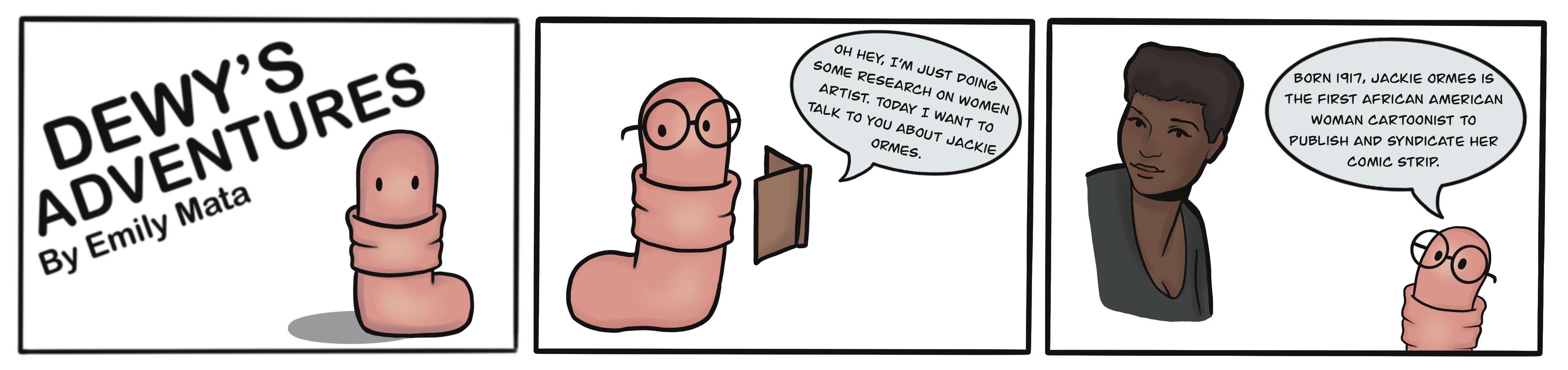
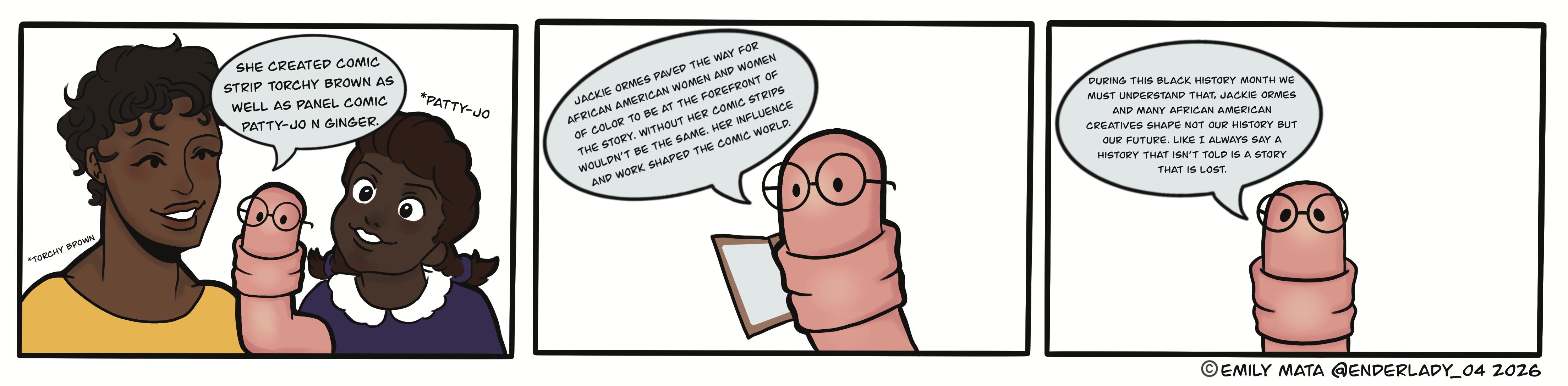
Dewy’s Adventures / By: Emily Mata
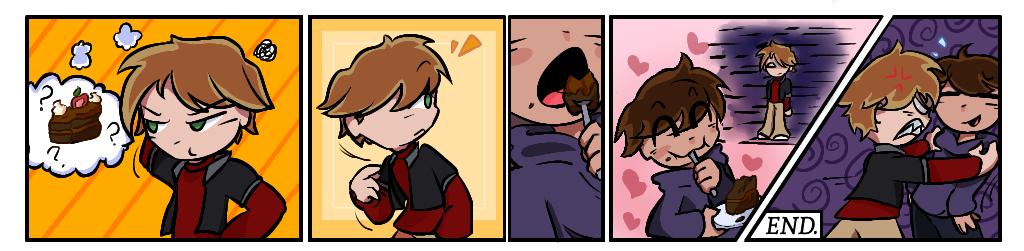
Where’s My Cake / By: Natalie Marquez
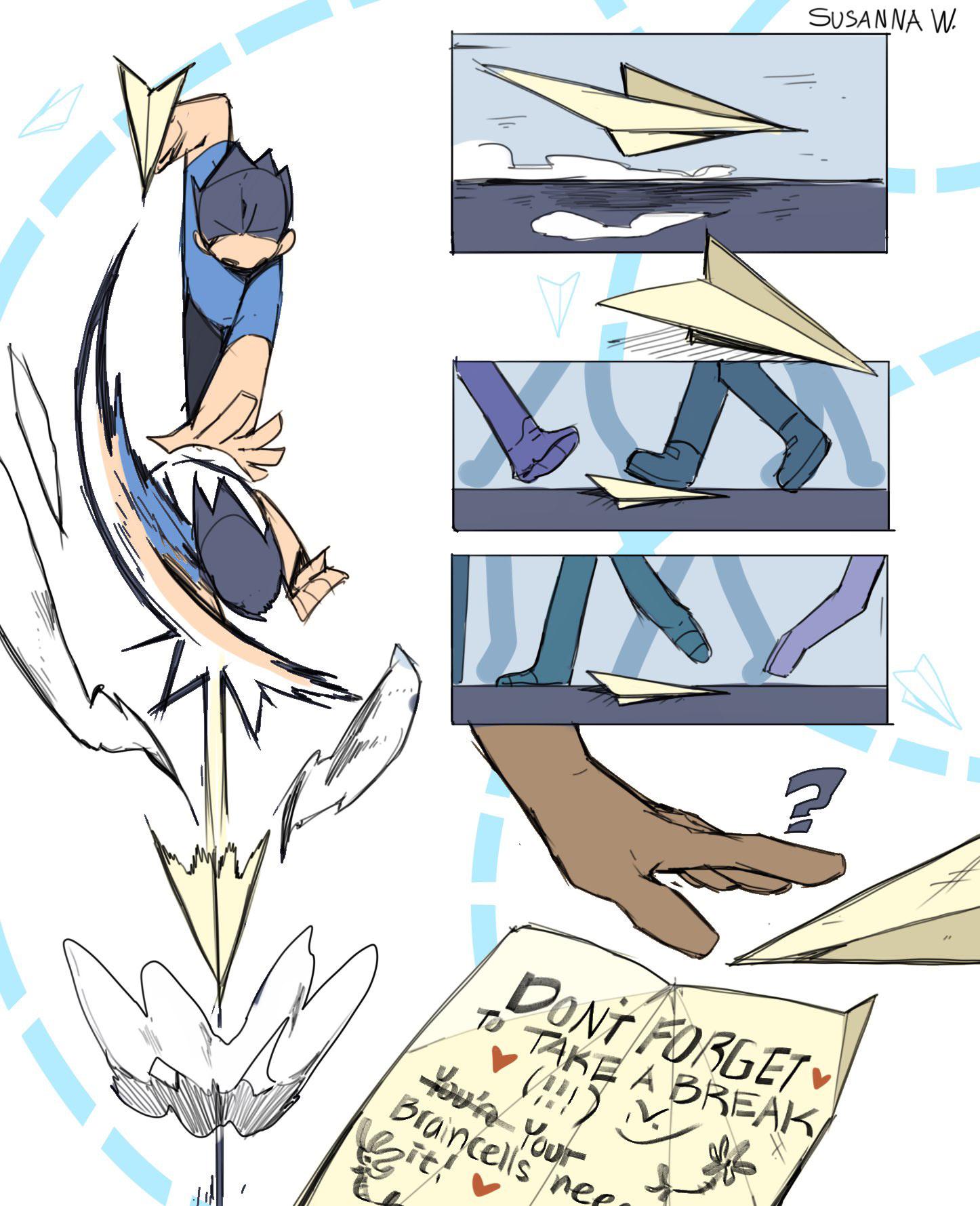
Don’t Litter / By: Susanna Wu
TUESDAY, FEBRUARY 24, 2026

UPCOMING EVENTS
Semana de la Mujer: 4th Annual Collective Memory Exhibit Reception 2026
@ Rivera Library, 12 p.m. to 2:30 p.m.
Semana de la Mujer 2026 @ HUB 355, 12 p.m. to 2 p.m.
“New Music for Two Voices,” Soprano Susan Narucki and Coloratura Soprano Kirsten Ashley Wiest (Florence Bayz Music Series)
@ ARTS 157, 12 p.m.
Katrina Babies EJ Movie Screening
@ SSC 112, 12 p.m. to 1:30 p.m.
Lilian Megesha: Critical Dreaming Across the Indigenous America @ CHASS INTS 1111, 2 p.m. to 3:40 p.m.
Semana de la Mujer - Poesía Peligrosa @ The Barn, 5 p.m. to 8 p.m.
UCR is Dancing 2026 @ University Theatre, 7:30 p.m. to 10 p.m.
UCR is Dancing 2026
@ University Theatre, 5:30 p.m. 02/27 02/28
@ University Theatre, 7:30 p.m. to 10 p.m.
In the Hour of Chaos: Hip Hop Art & Activism with Public Enemy’s Chuck D @ Culver Center of the Arts, 7 p.m.
UCR is Dancing 2026
Radar
Stomp , clap and shout at the Ballet Folklorico and Mariachi Festival
VIBRANT MEXICAN SONG AND DANCE IS PRESENTED AT RAMONA HIGH SCHOOL.
IAN PALMA Radar Editor
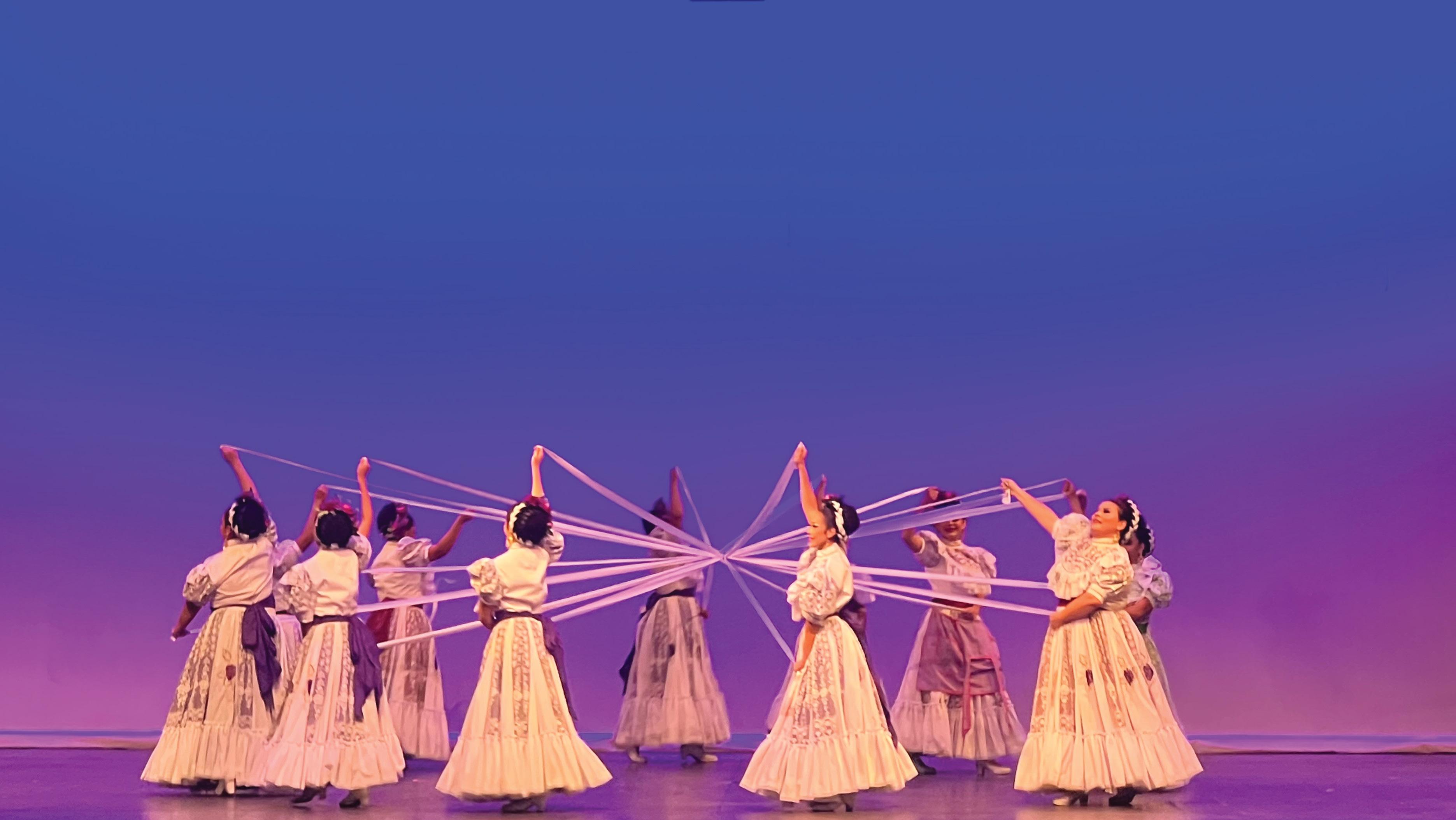
On Feb. 21, 2026, the dull morning silence within the otherwise quaint city of Riverside was abruptly broken by the fervent sounds of gritos, dancing and music from the Ballet Folklórico and Mariachi Festival. Hosted at Ramona High School, the festival showcased the beautiful sights and sounds of Mexican culture through performances by various dance and mariachi groups, being free for all to come see and enjoy.
Beginning at 10 a.m. and ending at 3 p.m., the festival was jam-packed with performances from thirty university, school and community organizations. From elementary school kids to middle school teens to university adults, performers of different ages went up on stage to dance to traditional Mexican music. Each group brought their own vivid outfits and choreography highlighting the different regional styles of music and dances seen throughout Mexico. Ballet Folklórico de UCR in particular took to the stage early, setting the scene for the first half of the festival.
Troupe followed after troupe,
entertaining the audience with captivating dance moves accompanied by bombastic ballads. The dresses that the dancers wore were nothing short of colorful and eye-catching, which was all the more appealing as they swayed and flourished across the stage. Acts such as the Jarabe Tapatío, commonly known as the Mexican hat dance, were performed much to the recognition and delight of the crowd.
The theater unrelentingly roared with zapateado stomps present in many of the performances. Some acts utilized props such as boxes for dancers to perform the zapateado on as well as canes for “la danza de los viejtos.” One such performance had dancers strut around holding pineapples. Throughout the show, gritos and cheers were exchanged by both the audience and the dancers. With all of the hoots and hollers, it was evidently clear that everybody within the theater was having a good time.
Between sets, audience members could go outside for concessions. Some of the
refreshments offered at the festival include churros, funnel cake, agua frescas and tacos. After a hearty intermission around 12 p.m., the festival continued with a second set dedicated to mariachi music. Bands from different schools and organizations took turns to play and serenade the crowd. Brass horns and acoustic guitars filled the air while some of the band members took turns to sing.
Ramona High School’s very own mariachi band was second to last on the setlist, having the biggest ensemble compared to the other groups.
The festival concluded with a performance by the Mariachi Divas, a Grammy-award winning all-female mariachi group whose recent accomplishments include collaborating with Becky G and performing alongside Bad Bunny during the Super Bowl halftime show. Additionally, the Mariachi Divas have been a musical staple within the Disneyland Resort since 2003.
The Mariachi Divas played a setlist ranging from slow and soulful ballads to energetic and
melodic tunes. More familiar songs played by the Divas include “La Bamba” and “We Belong Together.” They additionally played “Un Poco Loco” and “Remember Me” from the critically acclaimed Disney film, “Coco.”
Just like with all of the previous performances, the Divas were met with a round of applause as well as gritos from the audience. After going through an assortment of songs, the Divas closed out the festival with a multi-song tribute to Selena. The audience were encouraged to get up from the seats and dance, which they did with great delight.
All in all, the Ballet Folklorico and Mariachi Festival was able to bring people throughout Riverside and beyond together while reinforcing a sense of heritage and community. The event showcased the talents that many of the residents of Riverside, especially the youth, have while accentuating the powerful and unyielding presence that Mexican culture has within the area.
Grian Chatten bares all with his newest track ‘Puppet’
LET THERE BE GOOD MUSIC, BY ORDER OF THE PEAKY BLINDERS.

With the “Peaky Blinders: The Immortal Man” film being announced, fans of the critically acclaimed television series were more than ecstatic to see their favorite flat-cap wearing gangster Thomas Shelby back in action. The film follows Tommy as he has to wrestle with the legacy he’s left with the Peaky Blinders gang.
As if the moody atmosphere and Shelby’s trademarked nonchalance within the trailers weren’t enough to get people hooked, more musically versed enthusiasts of the show have quickly caught on that Grian Chatten, the lead singer for Fontaines D.C., was belting out a completely original track specifically made for the film. Given the Irish heritage of both Grian Chatten and Cillian Murphy, the actor behind the notorious Thomas Shelby, as well as Grian’s penchant for performing foreboding songs with ominous, James Joyce-esque lyrics, the musical collaboration seemed like a match made in heaven.
Alongside original show composers Antony Glenn and Martin Slattery, Grian Chatten provides chilling vocals on par with the show’s dark tones.
Away from his usual post-punk band, Chatten makes do with a menacing string arrangement that falls more in line with the film’s ‘40s setting. The song track starts with Grian crooning over a few strings, before ultimately accumulating in a large crescendo. Lines such as “In the Moon, I found rage change / In my heart, only rage / In my feet, there’s no running” additionally allude to potential plotlines that the film could have, especially with Thomas Shelby returning to his old criminal ways.
Chatten’s line “How does it feel to be a savage and a beast” further calls into question Shelby’s violent, true nature. If the return of Thomas Shelby after years of dead silence wasn’t heralded enough, Grian grimly ends the track with lyrics such as, “You’re long gone / You’re yesterday, still I feel you in this place.” Grian sounds less like a singer and more of an oracle, asking Shelby the questions he will most likely have to face in the film.
In an interview with NME about Grian’s musical involvement with the film, Cillian Murphy explains, “There’s certain music that lends itself to ‘Peaky Blinders’ [...] the Fontaine’s
music seems to have that outlaw quality, the dangerous quality.” In a standout moment in the interview, Cillian has gone on record to say that he was a “just a groupie” of the band.
Grian, as well as Fontaines D.C. in general, came a long way from their early, more punkleaning sounds, creating tracks that are as equally atmospheric as it is poetic. With albums such as “Skinty Fia” and “Romance” announcing their new rhapsodic prose and melody direction, as well as the fact that they were arguably one of the biggest bands of 2025, it’s no wonder that Grian was chosen to musically represent the second coming of the infamous Thomas Shelby.
“Peaky Blinders” has thoroughly engrained itself among British media, being up there with pop culture icons such as “Doctor Who,” “Harry Potter” and the Beatles. A root cause for the show’s massive success, other than the compelling storylines, stylish costumes and strong performances, had to be the blatant use of anachronistic songs. The show was particularly notable for having “Red Right Hand” by Nick Cave and the Bad Seeds as the show’s theme, putting the song in the limelight
to the point where it was rereleased as a single in 2014. Other famous artists whose songs were included within the show include Radiohead, IDLES and PJ Harvey. Rather than taking viewers out of the time period, the use of out-of-place songs from introspective, lyrically-driven and unquestionably great artists underscored the show’s raw and moody tones while emphasizing the cold, calculating attitude that Shelby has.
Grian Chatten continues that trend, giving it his all in a track announcing the return of what is most arguably one of the most influential franchises that came out of the 2010s. Other famous and current artists such as Amyl and the Sniffers are set to produce tracks for the film as well. It’s safe to say that the soundtrack for “Peaky Blinders: The Immortal Man” is in good hands.
Verdict:
Grian Chatten provides a dirty, ominous and bardic orchestral track that’s made for a king … or a cold and ruthless gangster. The track provides a shape of what’s to come in the new Peaky Blinders film. ■
IAN PALMA Radar Editor
COURTESY OF HARIMADHAV S VIA PEXELS
Recapping 2016 Fashion Trends
IT’S TIME TO BRING BACK THE SKINNY JEANS.
GIANNA ALMARIA Contributing Writer
Since the new year, many have been digging through their Snapchat memories and re-posting throwback images of their 2016 selves. 2016 was rife with chaos: Harambe became a martyr, Pokemon GO sent masses of people outside and Donald Trump’s shocking win over Hillary Clinton in the presidential election shook the nation.
For many, 2016 was a time that people would like to forget. But fashion loves nostalgia. After obsessing over Y2K fashion for a while now, it’s about time that the 2010s have their turn in the limelight.
Skinny Jeans
The 2016 era was the very peak of skinny jeans. Since then, pants have been getting baggier and baggier. But even in fashion, every action has an equal and opposite reaction. Fashion forecasters predict a shift towards slimmer plants in the near future. Still, it’s unrealistic to expect a complete surrender of the baggy jeans to an immediate skinny jean revival where sizing can be less forgiving. The public is likely to ease into a comfy mom jean, but it doesn’t seem like the
masses are willing to go back to skin-tight pants quite yet. High rise, rips and lace-up flies are other popular pant motifs that may have their comeback before people are ready to squeeze into their jeans again.
The 2016 Uniforms
Flannels and army green jackets were an inseparable layering combination that became the everyday uniform for men and women alike. The flannel was also styled around the waist to compliment skinny pants — either jeans, black leggings or joggers. Everyone had some kind of army green outwear that was either a utility jacket with a million pockets or a satin bomber jacket. It’s impossible to forget the influence that Adidas had in 2016. The famous three-stripe tracksuit, specifically the black variation with the white stripes, was recognizable from a mile away. Matched with a pair of white Superstars, people were repping the brand head-to-toe.
The Victoria’s Secret Angel Effect
Kendall Jenner and Gigi Hadid were the “it girls” of fashion,
shaping the standard feminine looks through their “off-duty” model outfits. Halter tanks, coldshoulder tops and ringer tees became signature styles with these two’s influence. Much like pants, there was an obsession with laceup motifs along V-necklines. Exposed bralette straps added a risque flare to women’s fashion as schoolgirls rebelled against the “no bra strap” dress code.
Street Wear
Especially monumental was the rise of street wear culture through the Hypebeast era, coined after HYPEBEAST magazine. The simplicity of a plain hoodie or t-shirt with a striking brand name was as attractive then as it is today. Back then, Thrasher and Supreme were the big duo, representing the influence of skate culture that year. Fast forward, the legacy passes on in the popularity of Stussy and Fear of God ESSENTIALS. But 2016 nostalgia is sure to inspire retired hypebeasts to bring back their 2016 favorites.
Tattoo Chokers
The tattoo choker is begging to be taken out of the archives yet
MAIN ST
again. This 90s accessory is now a reminder of the 2010s to the younger generations. Back then, it was worn with any and every outfit. For those who feel inclined to embrace the 2016 nostalgia, this accessory is an easy, yet recognizable, throwback to bring out now. Plenty of D.I.Y. videos still linger on YouTube for those who want to make their own.
Maybe this 2016 nostalgia is so prevalent because every fashion item was bold, but daring. It’s not so much the nostalgia for the aesthetics, but for carefree-attitude that people long to revisit. People mindlessly hopped onto fashion trends without worrying if it flattered them — That’s what the “Rio de Janeiro” filter was for.
A shake-up with looks from the 2010s era is the perfect remedy to remind people to take risks and have fun with what they wear. So instead of resisting the skinny jeans and bomber jackets, this may be a call to rediscover old favorites sitting in the back of a closet at home.

COURTESY OF FREEPIK
Emerald Fennell’s 2026 Adaptation of ‘Wuthering Heights’ is a parody
ANGELICA BRIANNA ACOSTA Assistant News Editor
EMILY BRONTË IS ROLLING OVER IN HER GRAVE.
**This Review Contains Spoilers**
Emerald Fennel’s Wuthering Heights, starring Barbie actress Margot Robbie and Frankenstein actor Jacob Elordi, was a highly anticipated Valentine’s Day release marketed as being “Inspired by the greatest love story.” However, the film fell short of that claim. While it’s understandable that no book adaptation will fully cover the source material, Fennel’s “Wuthering Heights” seemed to take Emily Brontë’s 1847 gothic romance and turn it into a Wattpad level adaptation.
Fennel’s adaptation heavily focused on the physical intimacy between the two main characters, Heathcliff and Cathrine Earnshaw (Cathy),turning their tumultuous and toxic romance into lust, rather than a trauma bonded obsession born from their shared history of abuse. Fennel completely erases the source of their shared trauma, Cathy’s older brother Hindley, instead opting to merge the character into Cathy’s father.
Fennel neglects how Brontë portrayed characters like Hindley, Cathy and their father as broken people, highlighting generational trauma and poverty as a source of their bad behavior. Fennel seemed almost afraid to dive deeper into the characters and Brontë’s source material, erasing all the uncomfortable, imperfect pieces and instead polishing them as all simply crazy and obsessive in an
almost humorous way. Where Bronte showed the dark parts of mental illness and poverty, Fennel turned them into a punchline.
Fennel not only failed Brontë’s characters, but the essence of the book itself, by turning Heathcliff, a character often interrupted as a person of color, into a white man.The whitewashing of Heathcliff completely erases a pivotal aspect of the plot that focuses on the complexity and hardships of interracial relationships at the time, making Cathy’s fears and apprehension on marrying Heathcliff shallow and nonsensical.
Furthermore, Cathy’s father’s death could have been an impactful scene showing the complicated relationship between victim and abuser. Instead, Fennel turned it into a humorous moment by having the character kick her father’s dead body almost out of nowhere. The relationship between Heathcliff and Isabella further makes the audience believe that Fennel is afraid to tackle the uncomfortable nuance in Brontë’s original work.
Fennel painted Heathcliff’s return in a lighter tone, avoiding the source material where he returns for revenge and revenge only. The film stays true to the plot in the sense that the order of events stays the same. However, by turning Kathy and Heathcliff’s relationship into a physical one, Fennel completely changes the story.
The music in the film at times took the audience completely out of it. The soundtrack consisted primarily of songs written by Charli XCX for the film, but the songs just didn’t fit the scenes. For instance, in the scene where Heathcliff is walking through the fog, there are stunning visuals and clear symbolism; however, the music didn’t match the scene, instead turning it into a parody.
One thing Fennel did right was the visuals. The film was remarkably stunning as every shot looked purposeful and added to the story. When the rest of the set was dull and grey, representing the unhappiness and horrors happening in Wuthering Heights, Cathy wore bright colors, immediately drawing the viewers’ eyes and symbolising her importance in the manor. Fennel’s eye for aesthetics showed a near perfect understanding between wardrobe, set design and camera work. The camera paired with the set design seemingly told a different story then the one the viewer was watching.
Verdict:
Fennel’s hesitance to dive into the uncomfortable and further develop the characters made the film a hard watch, but it was pleasing to look at.
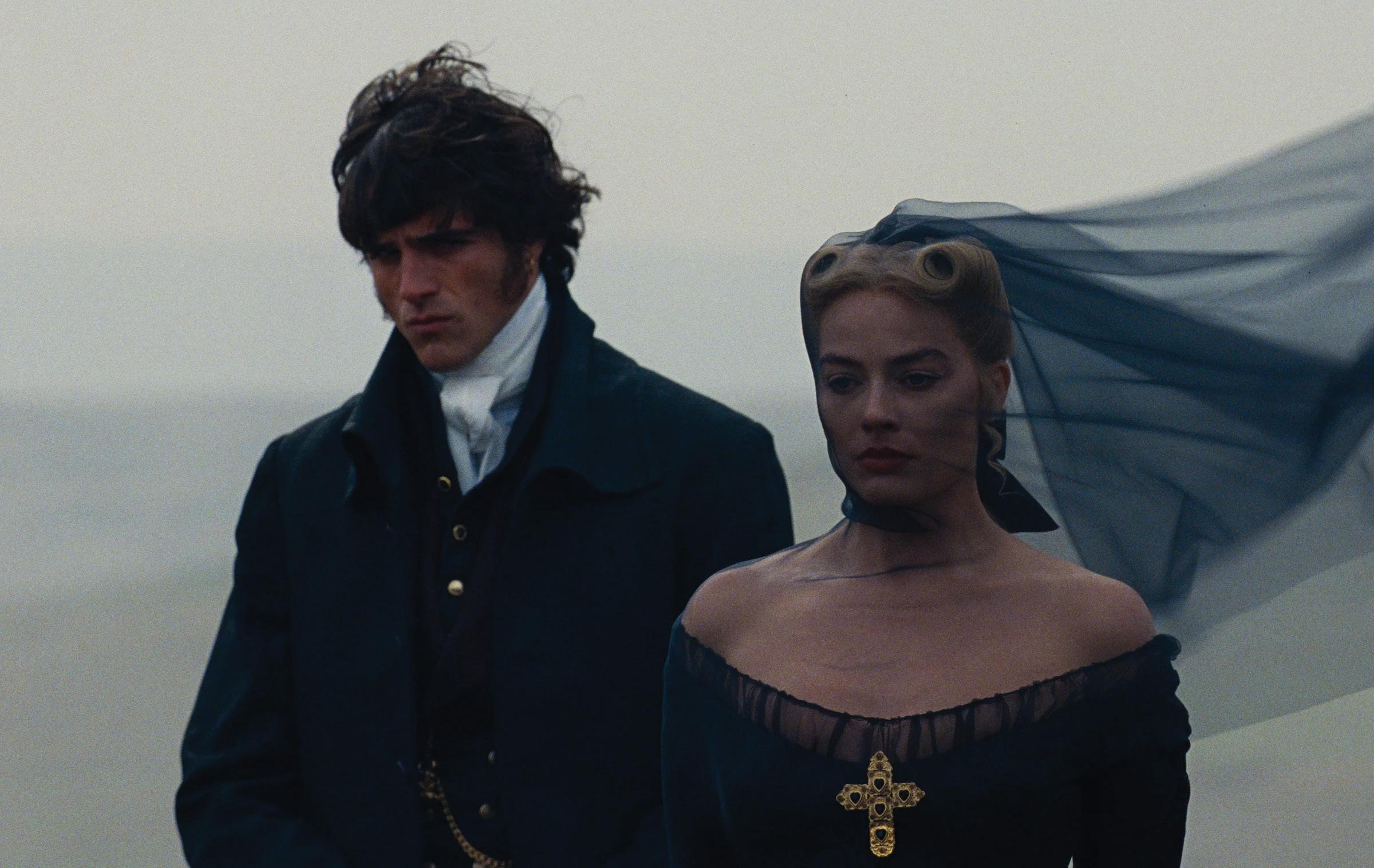
Honor meets bloodshed in ‘In the Name of the Mother’
INTEGRITY IS AT THE FOREFRONT OF THE LONG-AWAITED TRAIL OF THE SEVEN.
HENYA DADEM Marketing Intern
The audience for adaptations of George R. R. Martin’s novels are unlike most others. Readers prepare to watch each episode with detailed knowledge and high expectations, which makes it crucial for showrunner Ira Parker to honor the source material while still giving familiar audience members a new experience. It is difficult to balance pleasing knowledgeable fans while offering a fresh experience of the story without fundamentally changing it.
In Episode Five of “A Knight of the Seven Kingdoms,” titled “In the Name of the Mother,” Parker takes creative liberty by altering elements of the novel. The long awaited Trial of the Seven is interrupted by a flashback to Dunk’s childhood that adds weight to an already intense sequence.
Dunk’s fate has been building since the previous episode, “Seven,” and both longtime readers and new viewers have been anxiously anticipating the trial. However, translating a battle to the screen for thirty uninterrupted minutes risks becoming repetitive, dragged out and visually overwhelming. The cinematography places the audience directly inside the bloodshed, similar to the “Battle of the Bastards” from Game of Thrones. The camera flies around
frantically, sweeping left and right as chaos ensues and even switching perspectives to confine viewers to Dunk’s point of view through his helmet. The fight is brutal, visceral and disorienting, favoring realism over clarity.
Visually, the battle is not stylized as clean or victorious. It is flinching and dirty. The cinematography refuses to allow viewers to stay detached as observers in the stands. Instead, it traps the audience in the muddy field with the fighters, emphasizing the chaos.
Breaking up the intensity with a flashback to Dunk’s childhood is a significant structural choice that prevents the fight from becoming dragged out while also deepening Dunk’s motivation and characterization. The audience is given insight into where Dunk’s sense of honor and spirit originate from. He’s not who he is because of noble birth or being forced into knighthood, but from survival, a brave role model, and an internalized belief in loyalty and goodness. His subsequent actions carry greater weight once the chaos resumes and add emotional impact to the moment for the audience. The interruption sharpens the momentum of the fight rather than weakening the impact.

Beyond the bloodthirsty action, the episode continues to highlight one of the show’s greatest strengths: Prince Baelor Targaryen, played by Bertie Carvel. In a franchise that often portrays power through ruthlessness and volatility, Baelor stands out as something rare, especially considering his violent ancestors. He emerges as a leader who is capable and strong, yet collected and gentle. He commands respect without desiring to be feared.
He treats his opponents, regardless of rank, with dignity and respect on and off the tourney grounds. Baelor’s character suggests that competence does have to come at the expense of compassion. Especially during these tense times, seeing a calm and collected por-
trayal of power feels hopeful and refreshing. He chooses to do what he knows is the right instead of conforming to political pressure or familial expectations. His willingness to extend his fairness to Dunk, a lowly hedge knight, further reinforces his integrity.
Verdict:
Episode Five succeeds because it understands the importance of balancing spectacle with emotion in order to maintain effective pacing. By balancing immersive action sequences with depth and benign leadership, “In the Name of the Mother” reinforces what makes “A Knight of the Seven Kingdoms” so compelling to viewers.
Radar Replay: ‘Killer of Sheep’
MAIN ST
CHARLES BURNETT’S MASTERPIECE THAT QUIETLY OBSERVES AFRICAN AMERICAN STRUGGLES.
JIHOON KWON Staff Writer
The cinematic movement known as L.A. Rebellion, a movement led by young African American filmmakers at the University of California, Los Angeles following the Watts riots, is widely recognized but rarely discussed. Despite the artistic success and societal relevance of these films, Black Cinema often gets treated as too specific in comparison to predominantly white films which are regarded as universal in their themes within the institutions, resulting in marginalization of the voices of African American filmmakers.
“Killer of Sheep” by Charles Burnett is a rare film from the L.A. Rebellion group that was can-

onized within the Eurocentric cinematic landscape. The film follows Stan (Henry G. Sanders) in a series of vignettes, capturing his emotional stagnation resulting from his environment where poverty, violence and suffering are trivialized.
Burnett offers a unique gaze that mirrors the bleak reality that Stan finds himself in. He does not impose narrative arc nor does he make a statement through Stan. Rather, the camera feels as fatigued as the people it captures, but still showing empathy through quiet observation and attentiveness for their mundane struggles. Many critics have pointed out the influence from post-war Italian Neorealist films such as “Bicycle Thieves” in its minimalist and gritty, yet humanistic depiction of poverty. However, Burnett refuses Vittorio De Sica’s neatness in linear structure and clear emotional beat. Rather, he translates the emotional paralysis into image as the film drifts through scenes.
ORANGE ST
The film uses blues and jazz music bursting with energy that sharply contrasts the realities of life to create a sense of tragic irony. This is explicitly illustrated when Stan and his wife (Kaycee Moore) dance to Dinah Washington’s “This Bitter Earth,” but Stan, physically and emotionally exhausted, is expressionless, leaving his
wife quietly devastated in a failed moment of intimacy.
The moments of awkward disappointments in the film which Burnett refuses to turn into a spectacle become a statement, similar to films such as “Stranger than Paradise,” though drastically different in the context with some overlaps in identifying the structural problem as unlike in “Stranger than Paradise” where the disappointment comes from the deadpan recognition of the illusion, “Killer of Sheep” places it in emotional inertia, dull labor and financial shortcomings. Throughout this largely static film, the playfulness of children is shown to be the source of movement. These children are characterized as innocent but not oblivious, exposed to harsh surroundings which they fully embrace. They use this environment to engage in dangerous activities such as jumping over buildings, showing their freedom and resilience.
Verdict:
Charles Burnett offers a glimpse into the mundane suffering of the impoverished African American community with a deadpan, yet compassionate observation which pierces through an aspect of American identity.
COURTESY OF HBO
UCR’s baseball team responds early and dominates late in 7-2 victory over Wagner College on Saturday
AFTER FALLING BEHIND EARLY, UCR RESPONDED WITH TIMELY HITTING AND DOMINANT PITCHING TO SECURE THE SERIES WIN.
On Saturday Feb. 21, the University of California, Riverside (UCR) baseball team faced Wagner College for the second game in their three game series. After coming off a 8-5 win in their first game of the series, the Highlanders were hoping for another game in the win column.
The Wagner College Seahawks set the tone for the game in the top of the second inning after Dylan Simeone brought in Evan McRae scoring their second run of the inning. However, the Highlanders were quick to respond in the bottom of the second. Senior Jaxon Byrd had an impressive homer to right
field, bringing the Highlanders their first run of the inning and very quickly shifting the momentum of the game.
Although it didn’t stop there, after Byrd’s big swing the dugout erupted with energy. Lucas Bonham, hit a double and put himself in scoring position, just waiting for an opportunity to capitalize on it. David Gibbs followed with a bunt straight down the middle, allowing Bonham to advance to third base. Manoah Chapman was able to tie up the game after singling to left field and bringing in Bonham for another run, keeping the Highlanders alive in the fight. Robert Pitts was able to single to left field to bring in Gibbs for the third and final run of the inning.
The Highlanders began to settle in both

offensively and defensively. On the mound, UCR limited Wagner’s production after the early innings, and prevented the Seahawks from any chance at refinding the lead.
As the game progressed into the middle innings, UCR continued to build the pressure at the plate. Byrd was a continuous contributor offensively, while Bonham and Chapman continued to find ways on base and move runners into scoring position.
Lucas Bonham batted 3/4, having two doubles and a single with one of those including an RBI. “Once you get like two or three hits across, it’s a really good feeling and I’m just happy that I get to pull through for my team,” Bonham said.
The Highlanders continued to score multiple runs across the later innings. Turning a lead of one into a lead of five. The combination of power hitting and ball execution is what kept the Seahawks at bay with only 2 runs.
In the top of the ninth, Nicholas Mazzotta grounded out into a double play to close out the 7-2 win for UCR. The Highlanders’ ability to respond early, control the middle innings and execute late allowed them to take the second game of the series.
The win not only clinched the series but showed the team’s resilience and competitiveness while facing early adversity. As they get ready to play Wagner College a final time on Sunday, Feb. 22, the Highlanders can’t help but hope for a sweep.
“It’s really hard to sweep teams, I’m sure Wagner is going to come out hot and so we just got to be ready to do the same thing,” commented Bonham.
As the Highlanders continue their season, Saturday’s performance highlights the depth, discipline, and ability to adjust. As conference play quickly approaches these qualities will be key for the Highlanders to continue to succeed.
Lucas Bonham added, “I think we have a good squad and I think we can really compete this year.”
Note: This article was written before the baseball game on Feb. 22 versus Wagner College.
IZZY GRAHAM Staff Writer
ELENA VERSAGE / THE HIGHLANDER
Highlanders avenge loss to CSU Bakersfield in dominating fashion
UCR MEN’S BASKETBALL SNAPS FIVE-GAME LOSING STREAK, PLAYOFFS LIKELY OUT OF REACH.
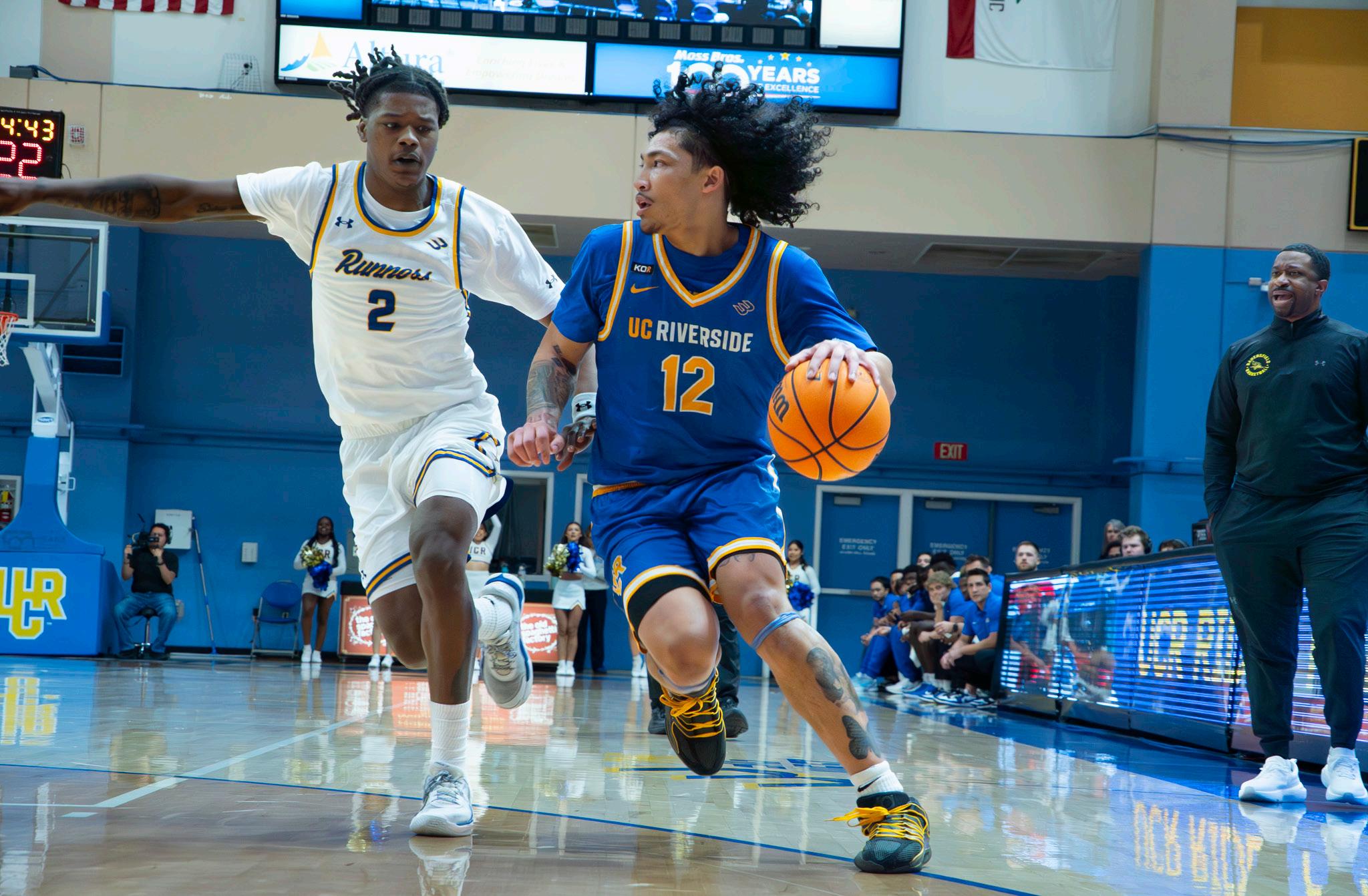
On Thursday Feb. 19, the University of California, Riverside (UCR) men’s basketball team hosted California State University, Bakersfield (CSUB). This was UCR’s “Blue Out” home game which created a strong fan environment where the Highlanders defeated Bakersfield 9365.
UCR and CSUB played earlier this season in January and that game came down to the final seconds. Tyler Jones missed a game-winning 3-point shot, and the Roadrunners won 67-66. UCR was looking for their getback against Bakersfield this time around.
Early in the first half, guard De’Undrae Perteete Jr. sprinted down the court and blocked Bakersfield’s almost seven foot tall center Pierre Geneste Jr. from making a lay-up, setting the tone for the entire game.
When asked about this play after the game, Perteete Jr. said it was a very big momentum play and at the moment all he thought about was stopping Geneste Jr. from scoring saying he had to “go up and
MAIN ST
take it away.” That is exactly what he did, he stopped the ball and the UCR crowd went crazy.
The highest scoring player of the game was guard Andrew Henderson. He had a more than an impressive night, leading the game with 26 points, shooting 4/8 on 3-pointers and adding five steals on the defensive end. He played the majority of the game ensuring that UCR maintained their lead over CSUB. When asked how he was able to keep his momentum up the entire game and make shots he said he relied on his teammates’ support and judgment saying “They find me open shots, and I just did my job and knocked them down.”
ORANGE ST
Guard Marqui Worthy also put on a great performance as the second leading scorer of the game, ending with 17 points and four assists. Despite the challenges the team has faced this season, they are still committed to ending the season on a high note. As Worthy explained on behalf of the team “we owe it to not just to ourselves but to each other to just finish
the year off strong.”
The home court advantage definitely affected the team’s performance. The electric fan energy that comes with having a “blue out” fan-based game strongly motivated the team. As Henderson said after the game, “It’s good to have a crowd cheering us on because it also motivates the team to keep going and play harder.”
Every shot and every high intensity play gained a loud reaction from the crowd of fans adding to the excitement . Henderson followed up by saying “I encourage more fans to keep coming out and enjoy the rest of the season.” It’s clear how the players value the fans especially in games like this.
The Highlanders returned to their home court on Saturday to host UC Davis in a must-win game to keep their playoff hopes alive, but fell short, 78-73. UCR men’s basketball will more than likely miss the Big West playoffs in head coach Gus Argenal’s first year as head coach.
IYANNA WALLACE Contributing Writer
ELENA VERSAGE / THE HIGHLANDER
Kazu Kimura, moves to No. 2 in UCR history with 7.51 yards
KIMURA RECORDS A 7.51 METER LONG JUMP AT THE BATTLE BORN CLASSIC, EARNING MPSF ATHLETE OF THE WEEK HONORS.

Kazu Kimura delivered a milestone performance at the Battle Born Classic in Reno, Nevada, setting personal bests in both the men’s indoor 60-meter dash and long jump for the University of California, Riverside. His mark of 7.51 meters in the long jump won his event and moved him to second all-time in program history.
The jump is the best by a Highlander in the event since 2014, and currently ranks 13th in the NCAA Division I West Region. Kimura now trails only 2013 All-American Ted Hooper on UCR’s all-time list.
The performance came after what Kimura described as a motivating start to the season. After opening the indoor campaign at Northern Arizona University with marks that did not meet his expectations, he focused on refining both his technical approach and mental preparation leading to Reno.
“I knew I had so much more in me and in my marks,” Kimura said. “I was super motivated to get it back. I was journaling what I needed to do technically and mentally and just focusing on the whole process.”
Kimura reviewed film with his coach between attempts and adjusted his positioning on the runway. His top mark came on his final jump of competition. Midway through the
Battle Born Classic in Reno, he dealt with ankle discomfort that required attention from the athletic trainer, but continued competing for his final attempts.
“When I saw 7.51 on the board, I was honestly in shock,” Kimura said. “I knew it could happen, but seeing that number was amazing.”
In addition to winning the long jump, Kimura recorded a personal best in the 60-meter dash, marking a strong all around showing early in the season.
His efforts earned him Mountain Pacific Sports Federation Men’s Indoor Track and Field athlete of the week honors, the first such recognition in program history for UC Riverside men’s track and field. Kimura said the recognition was difficult to process in the moment but credited his coaches and teammates for their role in the performance.
“They made me realize what I just did,” Kimura said. “Without them, I wouldn’t be here.”
A native of San Jose, California, Kimura began his athletic career focused primarily on basketball before transitioning to track and field in high school. He later joined UCR as a walk-on, a move he described as both exciting and uncertain.
“I was honestly scared,” Kimura said. “I didn’t know if I was going to fit in or keep up.”
Kimura said that his first year competing at the college level required both physical and mental adjustments. After struggling with confidence during portions of his previous years he described this year as a turning point.
“This year feels different,” Kimura said. “I started with more confidence and being more on top of things.”
Going forward, Kimura said he hopes to continue improving his marks this season. Among his goals are surpassing 25 feet in the long jump and competing for a conference title. Breaking the school record, currently held by Hooper, is also something he has on his mind.
“I see the record on the wall every day,” Kimura said. “Before it felt far away. Now it feels close.”
With the season in progress, Kimura’s performance in Reno places him among the top competitors in the West Region and builds momentum for the Highlanders moving forward.
RACHELLE REYNOSO GONZALEZ Contributing Writer
COURTESY

Women’s Basketball - Feb. 19
UC Riverside vs. CSU Bakersfield
62 - 58 W
UCR Team Leaders:
Points: Hannah Wickstrom (24)
Rebounds: Hannah Wickstrom (9)
Assists: Seneca Hackley (3)
Women’s Basketball - Feb. 19
UC Riverside vs. UC Davis 65 - 56 L
UCR Team Leaders:
Points: Hannah Wickstrom (31)
Rebounds: Hannah Wickstrom (7)
Assists: Wickstrom, Shine, Chocano (2)

Men’s Basketball - Feb. 19
CSU Bakersfield vs. UC Riverside 93 - 65 W
UCR Team Leaders:
Points: Andrew Henderson (26)
Rebounds: BJ Kolly (14)
Assists: Dre Perteete, Andrew Henderson (5)
Men’s Basketball - Feb. 21
UC Davis vs. UC Riverside 78 - 73 L
UCR Team Leaders:
Points: Andrew Henderson (22)
Rebounds: Osiris Grady (10)
Assists: Tyler Jones, Andrew Henderson (4)
Women’s Tennis - Feb. 18
MAIN ST
UC Riverside vs. UC Santa Barbara 7 - 0 L
ORANGE ST
Baseball - Feb 20 & Feb. 21
Wagner vs. UC Riverside 8 - 5 W 7 - 2 W

Be focused.

The Highlander Newspaper is a great way to keep up with current events and news around campus. If you are interested in the newspaper’s articles or pictures, we offer opportunities in writing, photography and design. Join us every Monday at 5:15 p.m. in HUB 101 to learn more.
The Highlander