OPINIONS


By: Anonymous
With housing, food and financial insecurity plaguing the university, a growing number of students are seeking part-time employment while they continue their education.
The University of California Riverside’s (UCR) Department of Residential Education (ResEd), offers part-time positions as a solution to these issues, but at the hidden cost of students’ mental and physical well-being.
For those unfamiliar with UCR’s Housing, ResEd oversees the experiential and educational aspects of on-campus living. This includes policy enforcement, event programming, incident response, community building and more.
Entry-level positions with ResEd come in two main positions. The first position is Resident Advisors

(RAs), who focus on the needs of their assigned residents and conduct administrative tasks, including roommate agreements, check-ins and crisis management. Secondly, there are Program Advisors, who primarily design events and initiatives to serve those living on campus. Both of these positions compensate students with a living space in an assigned residential community, a meal plan and a biweekly stipend of $50.
Though the job descriptions seem reasonable and the compensation appears to fulfill a student’s basic needs, ResEd student staff tend to find themselves overworked, underpaid and stuck in a vicious rehiring cycle with little job security or stability. ResEd preys on students experiencing housing, food


UCR students must support AFSCME
By:
On Nov. 20 and Nov. 21, the University of California, Riverside’s (UCR) American Federation of State, County and Municipal Employees Local 3299 (AFSCME Local 3299) joined other UC campuses and health care centers to protest UC’s “bad faith bargaining” and “unfair labor practices.”
With nearly 40,000 UC workers protesting systemwide, including about 100 workers at UCR, President Michael Avant of AFSCME Local 3299 said in a statement that “UC has sought to drive us further apart” in the negotiation process “by failing to meet its most basic legal responsibilities to the dedicated professionals who clean its facilities, serve students food and treat its patients.”
UC officials responded to the statement, saying that they “fundamentally disagree with AFSCME’s claims” and that “collaboration ceased in May when AFSCME stopped responding or even acknowledging the university’s proposals,” which includes a raise in wages to $25 per hour by 2025 and an increase in pay by an average of 26% over a five-year contract.
AFSCME Local 3299 is the backbone of all UC campuses, particularly at UCR. Because of that, The Highlander Editorial Board supports AFSCME Local 3299 and calls on the UC to hear their workers’ immediate demands to secure a living wage and...
and financial insecurity, creating a dependency on the department with no assurance of re-hiring the following year.
Student leadership with ResEd presents itself as a high-commitment but high-value employment opportunity due to the enticing incentive of free on-campus housing and meals. However, the steep physical and mental health costs of ResEd’s overwhelming job expectations greatly outweigh these benefits.
For RAs, these easily overlooked expectations include “regularly scheduled duty shifts.” Duty involves 13 or 24-hour overnight shifts for weekdays, weekends and holidays respectively...



HIGHLANDER STAFF
Editor-in-Chief
Senna Omar editorinchief @highlandernews.org
News Editor Sanjana Thatte news@highlandernews.org
Opinions Editor Cecile Diroll opinions@highlandernews.org
Features Editor Natalie Dahl features@highlandernews.org
Radar Editor Maribel Gamez-Reyes radar@highlandernews.org
Sports Editor Isaac Solnick sports@highlandernews.org
Graphic Designer Layna Lapikas llapi002@ucr.edu
Adelia Urena auren016@ucr.edu
Henya Dadem hdade001@ucr.edu
Distribution Manager Cinthia Meza cmeza047@ucr.edu
Photography Editor Neorah Davis photo@highlandernews.org
Staff Photographer Adam Oshun Arun aarun020@ucr.edu
Business Manager Emily Manus highlanderads@gmail.com
Managing Editor Mata Elangovan managingeditor @highlandernews.org
Asst. News Editor Dinara Godage asst.news@highlandernews.org
Asst. Opinions Editor Spandana Janapati asst.opinions@highlandernews.org
Asst. Features Editor Gabriela Galvan asst.features@highlandernews.org
Assistant Radar Editor Bobbi Monae Mandour asst.radar@highlandernews.org
Asst. Sports Editor Terry Nguyen asst.sports@highlandernews.org
Art Director Holly Dawson highlander.art.director@gmail.com
Copy Editor Aaliyah Brown copyeditor.highlander @gmail.com
Tech Director Michael Tin techdirector@highlandernews.org
Assistant Photo Editor Vash Chen tchen338@ucr.edu
Comic Artist Emily Mata emata015@ucr.edu
Asst. Business Manager Lizbeth Martos lmart227@ucr.edu
Marketing Director Carlie Servando marketing.highlander@gmail.com
Asst. Marketing Director Abby Lazar alaza021@ucr.edu
Production Manager Ashley Cho productionmanager @highlandernews.org
Asst. Production Manager Sonali Whittle swhit063@ucr.edu
Production Assistants Frances Tong ftong003@ucr.edu Paul Lewis III plewi009@ucr.edu
Giselle Ramirez grami094@ucr.edu
CONTACT US
The Highlander 101 Highlander Union Building Riverside, CA 92521 www.highlandernews.org editorinchief@highlandernews.org
TIP LINE: (951) 827-2105
Help the Highlander stay on top of what is happening on campus and in the general UCR community. Call this number and leave a message for the Editorial Board with your tip. Be sure to include your full name, relation to UCR, and a number or email address where you can be reached for more details.
Editorial Office: (951) 827-3617
Business Office: (951) 827-3457
Classifieds & Billing: (951) 827-5039 Fax: (951) 827-7049
LETTERS TO THE EDITOR
The Highlander accepts letters from the campus community. They must be 600-800 words at length and include the author’s name and contact information. Topics should be UCR-centric and/ or pertain to our generation of students. Contact Opinions Editor Cecile Diroll at opinions@ highlandernews.org by Wednesday if interested in writing a letter and submit the completed letter by Saturday at noon. Letters can and will be rejected if it does not meet requirements.
3 Tuesday 4 Wednesday 5 Thursday 6 Friday 7 Saturday 8 Sunday 9 Monday
to
Student Programs Annual December Potluck 12 p.m. to 2 p.m. Costo Hall, 145
No events
CLASSIFIED ADVERTISEMENTS
Advertising Information
Please submit Classifed ads by calling 951-827-3457 or by emailing highlanderads@ucr.edu
Payment
Visa and Mastercard Make checks payable to The Highlander Newspaper. No refunds.
Rates
Classified: $2 per line; 17 characters (spaces, dashes, etc.)



Marketing Interns
Isabell Gracia dgrac009@ucr.edu
Video Editor Edwin Basurto video.highlander@gmail.com
Sanya Jain sjain045@ucr.edu
Asst. Video Editor Daniela Cruz dcruz092@ucr.edu
Ad Reps Kelley Manzo emata015@ucr.edu
Sriya Boppana sbopp001@ucr.edu Allison Fry afry004@ucr.edu
The Highlander is published and copyrighted by the Highlander for the students, faculty and staff of UCR. All rights are reserved. Reprinting of any material in this publication without the written permission of the Highlander is strictly prohibited. Readers are allowed one free copy of the newspaper. For additional copies or for subscription information, please contact the Highlander. The Highlander fully supports the University of California’s policy on non-discrimination. The student media reserve the right to reject or modify advertising whose content discriminates on the basis of ancestry, color, national origin, race, religion, disability, age, sex or sexual orientation. The Highlander has a media grievance procedure for resolving complaints against it. All inserts that are printed in the Highlander are independently paid publications and do not reflect the views of the Editorial Board, the staff or The University of California or the Associated Students of UCR.

QIBO XIANG Contributing Writer
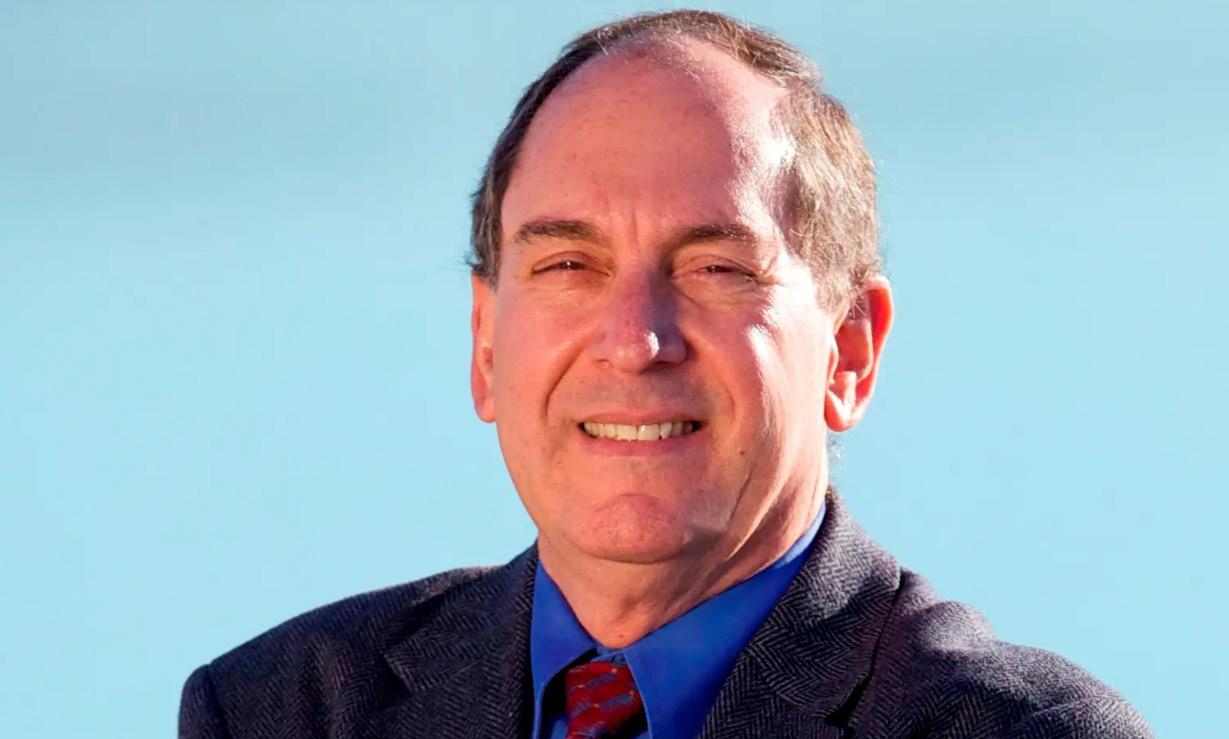
Dr. Ariel Dinar has spent his life studying how water and the environment affect people’s lives. He recently retired from the University of California, Riverside (UCR), where he still leads and is involved in research in water economics and climate change. Through his work, Dr. Dinar has helped decision-makers and policymakers understand how to use water wisely and study policies that protect both the environment and human needs.
Dr. Dinar’s journey into environmental economics began with his experience as a farmer. He worked on a field with potatoes, a crop highly sensitive to the timing and quantity of applied water. One day, he accidentally broke a main water valve while irrigating a potato field. This caused a significant delay. To fix the problem, he had to call an expert, which took until late at night, forcing him to choose between watering the crops immediately in the middle of the night or waiting until the next day. To save his potato bulbs, he worked through the night under the vehicle headlights he borrowed from his friend.
This experience introduced him to the economic concept of “opportunity cost,” which refers to the trade-offs
involved in choosing one option over another. For Dr. Dinar, it meant weighing the immediate action of irrigating the crops late at night against the potential yield loss if he waited until the next day. It was a turning point that inspired him to study agricultural and water economics.
Before becoming a professor, Dr. Dinar had a career that spanned both academic and international policy work. He spent 15 years at the World Bank, where he worked on water management and climate change policies in developing countries. During his time there, he witnessed the realities of water scarcity. Dr. Dinar reflects, “A child in South Africa who was standing with a plastic cup that had a hole in the bottom. She used it to gather water and bring it home, and this was the water for their families. After boiling it, you could still see the sand, and that’s how dirty the water is.” These experiences deeply influenced his commitment to addressing global water challenges and correcting policies and inspired his transition to academia, where he could combine policy research with education.
Dr. Dinar joined UCR as a professor in the Department of Environmental Sciences and later transitioned to the School of Public Policy. During his time at UCR, he addressed complex issues in water management, environ-
mental economics and sustainable policies. “So water is everywhere. When dealing with water, we need to look at the entire picture, not only at the individual farmer or the individual sector ... Instead, we need to look at all the sectors because taking water from one sector or region will affect others. This is a big challenge,” said Dr. Dinar.
His research highlighted the importance of understanding water as a critical resource deeply interconnected with systems like soil, air, and ecosystems. By applying tools such as the Computable General Equilibrium (CGE) framework, he could analyze how water policies affect different sectors and regions.
Despite his achievements, Dr. Dinar has faced difficulties in improving water management policies. He identifies one of the most pressing issues as the widespread misconception that conserving water always leads to better outcomes. Dr. Dinar explains that water is not just an isolated resource — it is a “system resource” that interacts with the ecosystem.
For instance, decisions about water use in one area can impact soil quality, plant growth or the surrounding air. This connectivity, explained by Dr. Dinar, means that effective water conservation isn’t simply about using less; it requires a holistic understanding of how water fits into larger natu-
ral systems. By recognizing these relationships, Dr. Dinar advocates more sustainable solutions that benefit both people and the environment.
At UCR, Dr. Dinar was not only a researcher but also an educator who saw teaching as an essential part of his career. For him, standing in front of a classroom was more than just delivering a lecture — it was an opportunity to connect with students in an engaging and memorable way. “I like standing in front of the class and performing. It was like performing in the theater,” expressed Dr. Dinar. His energy and enthusiasm brought the material to life, whether he was discussing complex economic models or addressing realworld water management challenges, his class left a lasting impression on his students.
Dr. Dinar’s career reflects a lifelong dedication to understanding and solving complex water and environmental challenges. Through his research and teaching, he has inspired countless students to think critically about water management and sustainable resource use. Reflecting on his approach to teaching, Dr. Dinar shared, “I started feeling that I like it ... the interaction with students, their questions, their challenging questions. It made me realize that teaching and engaging with students is something I truly enjoy.”
SARAH TABEL Contributing Writer
Hungeris growing across the United States, with millions of Americans struggling to access nutritious food. Addressing hunger and food waste proposes a solution to alleviate the pressure placed on food assistance programs to help those in need.
In 2023, 47 million people relied on assistance from the Feeding America charity and 14 million children were reported to have relied on food assistance programs. Meanwhile, the United States Department of Agriculture (USDA) estimates that nearly 40% of the nation’s food supply ends up in landfills, which ultimately leads to environmental issues due to the increased emissions of methane gas in these landfills. This cycle of food waste is said to drain vital resources, including the energy needed for food production, which accounts for 10% of the national energy budget, 50% of its land and 80% of its freshwater supply.
According to the USDA, food waste includes edible food that is lost before consumption, includ-
ing spoilage during transportation, over ordering food, inadequate storage, equipment malfunctions and consumers discarding leftovers. There have been national goals set towards reducing food waste. In 2015, the USDA and the Environmental Protection Agency (EPA) set a goal to reduce food waste by 50% by the year 2030. The EPA used the 2010 baseline to estimate that each person in the US wasted an average of 218 pounds of food annually, and they aimed to reduce this to 109 pounds per person by 2030. The USDA estimated that 31% of food loss was at the retail and consumer levels, which totals to about 133 billion pounds of food, costing $162 billion.
Food insecurity is amplified by socioeconomic factors, with the recent COVID-19 pandemic intensifying the issue. The reduction of the Child Tax credit, a federal financial benefit aimed at helping families with the cost of raising children, and the Supplemental Nutrition Assistance Program (SNAP) benefits has placed additional strains on house-
holds post the pandemic. In 2023 the Food Research and Action Center estimated 13.5% of U.S. households had experienced food insecurity and 5.1% of them were skipping meals. The Food Research and Action Center also reports that 23.3% of Black Americans and 21.9% of Latinos are affected by food insecurity, nearly double the 9.9% of White American households facing the same issue. The highest rates of food insecurity were reported in the southern states and the highest being Arkansas with 18.9% of people facing food insecurity.
National initiatives are working to alleviate food insecurity across the country. Food banks nationwide have reported an increase in consumer demand and are struggling to keep up. In 2023, 95% of food banks reported a rise in consumer needs following the reduction of SNAP benefits. The National School Lunch Program (NSLP), which provides free meals to students, has also aided in relieving food insecurity amongst children in the U.S. In 2022 the state of Cali-
fornia started a new program, California’s Universal School Meals (USM) program, ensuring that all students receive a free breakfast regardless of their eligibility. This program was largely funded through federal reimbursements and state allocations and were set in order to meet the nutritional standards set by the USDA. These programs have reported challenges with allocating proper ingredients, staffing shortages, logistic issues and admin burdens.
Local initiatives have also helped reduce food insecurity. In Riverside, approximately 12% of the residents are currently experiencing food insecurity. The city has been working closely alongside Feeding America, opening a location in the Riverside San Bernardino area. Additionally, the Community Settlement Association of Riverside offers food pantry services to support those in need. National and local efforts to address food insecurity provide support and solutions needed to create a more equitable food system.
DIFFERENCES BETWEEN ‘MERRY CHRISTMAS’ AND ‘HAPPY HOLIDAYS’ AS A SEASONAL GREETING.
DINARA GODAGE Assistant News Editor
With the end of the year approaching, festive items are being stocked in shelves, some saying ‘Merry Christmas’ and others saying ‘Happy holidays’. While ‘Merry Christmas’ used to be a phatic phrase, one that is meant to be neutral similar to ‘see you later’, it is now polarized. Saying one phrase over the other is symbolic of party affiliation and general political leanings.
‘Merry Christmas’ is a wish for a nice Christmas, a Catholic and Christian holiday. Due to the diverse ethnic makeup of the United States, and other Western countries, ‘Merry Christmas’ became exclusive to other religions. From a 2016 Public Religion Research Institution survey, it was found that when asked “Do you think stores and businesses should greet their customers with ‘Happy holidays’ or ‘Seasons Greetings’ instead of ‘Merry Christmas’ out of respect for people of different faiths, or not?” 67% of Republicans said
“No” and 66% of Democrats said “Yes”.
These phrases have moved from being phatic and a way to maintain social relations. “Their primary function now is to characterize the speaker, serving as badges of group identification.” Saying ‘Merry Christmas’ places a person in a position of being conservative and “comfortable with Christianity as the default,” and ‘Happy holidays’ is a liberal attempt to be inclusive.
In a corporate setting, younger generations, employees under 30, have been leaning more towards inclusive language along with ‘Happy holidays’ such as ‘Seasons Greetings.’ There has also been a shift towards more neutral winter colors rather than the red and green of Christmas in decorations. “They have silver, gold and white lights aplenty, but no red and green anything.”
This shift has been coined the “War on Christmas” as many con-


servatives see the winter wonderland aesthetic as erasure of Christmas. In 2013, a Texas legislator began sponsoring a bill that was meant to “protect traditional holiday greetings in public schools [and] said he hoped other states would follow Texas’ example in standing ‘in defense of Christmas.’”
Compared to regions like the United Kingdom where there is no separation of church and state, there has been less disapproval of ‘Merry Christmas’ as a personal greeting, theme for corporate decorations, or script for school plays. “Christianity suffuses public life in ways that might seem strange to Americans.”
SENNA OMAR
Editor-in-Chief
OnTuesday, Nov. 21, 2024, PreTrial Chamber I of the International Criminal Court (ICC) — the top war crimes court — issued warrants for the arrest of Israeli Prime Minister (PM) Benjamin Netanyahu and former Israeli Defense Minister Yoav Gallant. The ICC also unanimously declined two challenges by the State of Israel brought under articles 18 and 19 of the Rome Statute, contesting their jurisdiction in this case.
The ICC decision to file applications for arrest came as Israel has killed over 44,000 Palestinians in Gaza — over half of whom were women and children.
Israel’s first request based on Article 19(2) of the Rome Statute, challenged the court’s jurisdiction over the “Situation in the State of Palestine” was declined by the Court. In the second request under article 18(1), which was also denied by the court. The Israeli government has additionally asked that the prosecution provide a new notification of investigation. Israel requested that the court halt all proceedings regarding this case, including the applications for arrest warrants for PM Netanyahu and Gallant that were submitted by the prosecution in May.
Regarding the first challenge, the
BENJAMIN NETANYAHU AND FORMER ISRAELI DEFENSE MINISTER YOAV GALLANT.
ICC noted that “acceptance by Israel of the Court’s jurisdiction is not required, as the Court can exercise its jurisdiction on the basis of territorial jurisdiction of Palestine, as determined by Pre-Trial Chamber I in a previous composition.”
Secondly, the ICC ruled that under Article 19(1) states are not allowed to challenge the Courts jurisdiction “prior to the issuance of a warrant of arrest. Thus Israel’s challenge is premature.”
Declining Israel’s request under Article 18(1), the court expressed that the “Prosecution notified Israel of the initiation of an investigation in 2021. At that time … Israel elected not to pursue any request for deferral of the investigation … the parameters of the investigation in the situation have remained the same;” the judge ruled that there should be no delay in the applications for arrest and “no new notification to the State of Israel was required.”
On May 20, 2024, ICC Prosecutor Karim A.A. Khan filed applications for the arrest of PM Netanyahu and former Israeli Defense Minister Gallant. Following this application, the chamber issued a warrant for the arrests of Netanyahu and Gallant for “crimes against humanity and war crimes committed from at least 8 October 2023 until at
least 20 May 2024, the day the Prosecution filed the applications for warrants of arrest.”
Actual arrest warrant documents were kept classified by the court to protect witnesses and safeguard investigation rituals, however, in a press release the ICC decided to release some information to the public.
Under the outlined terms of the case, the Chamber found reasonable grounds to believe that Netanyahu and Gallant “each bear criminal responsibility” for
“the war crime of starvation as a method of warfare; and the crimes against humanity of murder, persecution, and other inhumane acts.”
The Court also found reasonable grounds to believe that Netanyahu and Gallant each bear criminal responsibility for “the war crime of intentionally directing an attack against the civilian population.”
Israeli officials have denied all charges against them.

UC RIVERSIDE IS CELEBRATING ITS 70TH ANNIVERSARY, REFLECTING ON ITS GROWTH FROM A CITRUS RESEARCH STATION TO A NATIONALLY RANKED RESEARCH INSTITUTION.
SARAH TABEL Contributing Writer
This year, the University of California, Riverside (UCR) will mark its 70th anniversary, celebrating its development from a citrus research station in 1907 to a small liberal arts college founded in 1954 to a nationally acclaimed research institution. The milestone is being cel-
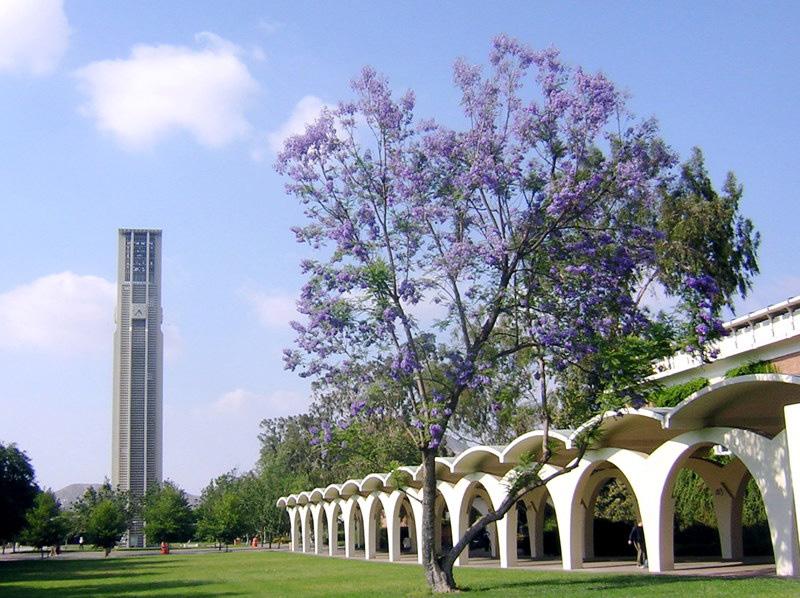
ebrated with commemorative events such as historical exhibits, speeches and symposia discussing the impact and contributions the university has made to the broader Inland Empire.
UCR has reached various milestones over the past 70 years. In 2024, the university ranked No. 12 for social mobility, which is linked to the university’s efforts to support diversity and inclusion within education. The university has made progress in strengthening student success with the six-year graduation rate increasing from 73% in 2010 to 75% in 2011. The campus has seen steady expansion in student enrollment, with 20,000 students enrolled in 2010 to 25,000 students in 2019. This growth has been accompanied by multiple infrastructure developments, including the opening of the Material Science and Engineering building in 2011 and the School of Medicine in 2013.
UCR’s student services
extend beyond academics. In 2015, the undocumented student center founded the R’Pantry program which grew to be a campus-wide program, aimed at addressing food insecurity amongst students. The Basic Needs Center has also expanded its services, now offering students with emergency student housing, CalFresh assistance and emergency grants.
In the field of research, UCR is the site of 51 research centers and laboratories. The university is also home to two Nobel Prize laureates: Dr. Barry Barrish, who was awarded the Nobel Prize in Physics, and Dr. Richard Schrock, who received the Nobel Prize in Chemistry in 2005. UCR has also received three Guggenheim awards, which are designed to support scientists to pursue their projects. Additionally, the university worked to address the climate crisis by spreading initiatives in climate action at the Inland SoCal OASIS
Climate Action Conference.
In the years ahead, UCR has plans to expand its enrollment to 35,000 students by 2035. The university remains committed to sustainability, with plans to achieve carbon neutrality by installing solar panels and constructing energy-efficient buildings. The university’s Long Range Development Plan highlights strategies to reduce energy and water consumption.
UCR’s 70th anniversary is a reflection of past accomplishments and a look into future opportunities. The university remains committed to continued growth, research advancement and promoting sustainability.
ISAAC SOLNICK Sports Editor
So far this school year, the University of California, Riverside (UCR) Department of Economics has been without three of its faculty members: Dr. Joab Corey, Dr. Bree Lang and Dr. Matthew Lang. All three are former UCR professors of teaching who taught introductory economics courses and upper-division economics courses during their time at UCR.
These classes were often held in the University Lecture Hall (UNLH 1000) with over 500 students enrolled in the course. When each of their impending departures was originally announced, it was extremely difficult for these professors to leave UCR. Dr. Corey explained “It was a tough decision for my family and I to make, to leave UCR. I really had invested a lot in the university. I had created a couple of scholarships… I was very involved in coaching the boxing program.”
Aside from teaching, Professor Corey coached the UCR boxing team — last year, under his tutelage — the men’s team finished second in the United States Intercollegiate Boxing Association (USIBA) behind the University of Washington. And in 2023 — again under Dr. Corey’s direction — the UCR women’s team was crowned USIBA National Team Champions.
Dr. Corey reminisced fondly about his involvement with the program, remarking, “I was a pretty instrumental part in coaching that team and helping it get to the level it is at. So it was tough leaving all those ties, and I really enjoyed teaching the students at UC Riverside.”
Professor Lang shared a similar sentiment, however, she is also excited about the new challenge ahead of her and her husband, Professor Matthew Lang.
Regarding their move to UC Santa Barbara (UCSB), she expressed, “It was a difficult decision to leave UCR. We were very happy there and it was a great place to work. We enjoyed the students and our col-
leagues. However, I always tell my students they should be looking for new career opportunities, even if they’re happy where they are ... Coming to UCR from my previous position at Xavier University was one of the best decisions I ever made professionally, even though I was happy and comfortable at Xavier.”
While a professor of teaching at UCR, Professor Lang conducted research related to housing and property taxes; now she will be continuing this research at UCSB.
For Dr. Corey, housing was a big factor in his move to Duke University. He shared, “My wife, Kaylee gave birth to our daughter Freya. She’s our fourth child and the current house that we were living in in Riverside, California no longer fit our family … In Southern California, it’s pretty expensive to find a house that [is] big enough to fit our family. Coupled with the high interest rates, we just couldn’t afford the bigger house that we need.”
Professor Marcelle Chauvet, the Chair of the UCR Department of Economics, revealed the department made their best efforts to keep all three professors: “We made very good offers for them to stay, but at the end of the day, it’s that personal preference that matters … The three professors of teaching left because they had very good opportunities to go.”
In light of their departures, Dr. Chauvet and the rest of the department were already in the process of hiring new individuals. Dr. Chauvet is the coordinator of the process to hire new faculty.
Explaining the process of hiring a new faculty member, Chauvet said, “The department as a whole, we vote on the needs of the department, and then I bring that need to the dean and the dean approves how many positions we can have … So I set up search committees and then our fac-
ulty put ads everywhere and we start[ed] interviewing people … They give seminars, interview with us, we vote [on] a rank, and then we make an offer.”
Once the negotiation stage has been reached, as coordinator, Dr. Chauvet makes an offer to a potential hire. Dr. Chauvet and the department wanted to hire the best possible candidates, but those deals are often expensive and need approval from higherups.
“I put their packages together, and I ask the dean if that is okay, and then he approves, or if it is [a] very high salary, then he has to go up to administration to get approval. When you want to hire the best, you have to pay a lot more,” explained Dr. Chauvet.
The department ended up hiring four professors and two visiting assistant professors. Dr. Chauvet is very excited about all of them and the potential of introducing new majors within the department. She shared, “[We hired Professor] Donggyu Kim, his specialties are in finance and machine learning. So we are going to be studying a new major in qualitative eco-
OMATA ELANGOVAN Managing Editor

n Nov. 28, 2024, a vegetation fire was reported near Canyon Crest Drive in Fontana, CA. Initially starting at 8:04 p.m., it covered both Riverside and San Bernardino counties. Updates were regularly provided on River-
side County Fire Department’s X account during the duration of the fire. An initial post was made announcing the location of the fire in the area of Canyon Crest Drive and Weeping Willow Lane. Subsequent posts announced the spread of the fire from 10 acres, 80
nomics.”
She also expressed that the pair of visiting assistant professors who were hired are “excellent teachers.” While these professors only have one-year contracts with an option for another year, they might not be around just temporarily. Dr. Chauvet added, “Because they are very good, they are applying for the position as professor of teaching.” Despite losing three of its professors of teaching, the UCR Department of Economics has a plan to recover. Under the oversight of Chair and Professor Marcelle Chauvet, the department has hired new educators and made moves to overcome the loss. More information regarding the additional hires can be found in the CHASS Faculty Announcement.
acres, 250 acres and 284 acres.
On Dec. 1 at 8:00 a.m., an update was made in which the fire department announced that the fire was 95% contained and remains at a span of 254 acres. During the duration of the fire, the area north of California State
Route 60, east of Country Village Road, south of the Riverside and San Bernardino County Line and west of Sierra Avenue were under evacuation warning. The alerts were lifted on Friday, Nov. 29. ■ H ■ H
THE UC SHOULD ADDRESS AFSCME LOCAL 3299 WORKERS’ DEMANDS IMMEDIATELY.

On Nov. 20 and Nov. 21, the University of California, Riverside’s (UCR) American Federation of State, County and Municipal Employees Local 3299 (AFSCME Local 3299) joined other UC campuses and health care centers to protest UC’s “bad faith bargaining” and “unfair labor practices.”
With nearly 40,000 UC workers protesting systemwide, including about 100 workers at UCR, President Michael Avant of AFSCME Local 3299 said in a statement that “UC has sought to drive us further apart” in the negotiation process “by failing to meet its most basic legal responsibilities to the dedicated professionals who clean its facilities, serve students food and treat its patients.”
UC officials responded to the statement, saying that they “fundamentally disagree with AFSCME’s claims” and that “collaboration ceased in May when AFSCME stopped responding or even acknowledging the university’s proposals,” which includes a raise in wages to $25 per hour by 2025 and an increase in pay by an average of 26% over a five-year contract.
AFSCME Local 3299 is the backbone of all UC campuses, particularly at UCR. Because of that, The Highlander Editorial Board supports AFSCME Local 3299 and calls on the UC to hear their workers’ immediate demands to secure a living wage and adequate healthcare benefits.
According to UCR’s job website, service workers, such as senior food service and custodians, have wages ranging between $18.90 - $23.50 and $20.05$27.51 per hour, respectively. Individual wages vary based on “a variety of considerations, such as education, licensure and certifications, experience and other business and organizational needs.”
Earning between $41,864 to $57,441, these workers’ wages are thousands of dollars below what is necessary for California residents to live comfortably in one of the most expensive places in the nation.
This wage disparity is further exacerbated by postpandemic inflation, which has ballooned nearly 20% since 2020 and is the nation’s highest rate, according to the state’s Legislative Analyst’s Office.
Increasing wages to meet state affordability levels for AFSCME Local 3299 members is long overdue and must be addressed immediately — not incrementally over a five-year contract, as the future economy is unpredictable. While the UC has stated they can increase wages to $25/hour in 2025 and over five years, this is inadequate to meet workers’ current financial needs.
Another AFSCME Local 3299 concern is the UC’s intention to hike health care premiums, increase co-pays and impose coinsurance for some specialty drugs, leading to an $800 cut in take-home pay. While UC says that employees’ health care premiums “have not changed and will not potentially change until contracts are finalized,” this statement is disingenuous, as health care costs are rising nationwide.
In 2022, for instance, health care costs are expected to increase by 19.7% by 2032. Although the UC cannot control these costs, they should shoulder paying more of the health care premiums for these lowerpaid employees — particularly at a time when the UC chancellors, among the highest-paid employees, received a nearly 30% salary raise this year.
An $800 reduction may seem manageable, but for many AFSCME Local 3299 workers, every dollar counts. Studies show that when people cannot afford health care, they are more likely to experience higher rates of chronic conditions due to a lack of preventative care. As a leading provider of health care, education and services, the UC has a moral responsibility to ensure its employees pay affordable health care premiums.
Reaching an agreement with the UC is possible. In 2022, for example, UCR academic workers, as part
of the United Auto Workers 4811 (UAW 4811), conducted a month-long strike to gain important wage concessions. Similarly, last year, pro-Palestinian students seeking the campus’ divesture from Israel, effectively protested at the campus Bell Tower skillfully using social media, including Instagram stories and live videos, to broaden their message. Their efforts led to the first amicable negotiation agreement with the UC administration.
Unlike these groups, AFSCME Local 3299 may not have the luxury to strike for an extended period or use social media to broaden their message. Therefore, The Highlander Editorial Board strongly urges UCR students to support these essential campus workers now. To gain traction and help them, UCR students need to join the protest online, communicate directly to UC President Michael Drake and pressure the UC administration to bargain in good faith.
It’s critical that UCR students support the workers who make this campus run. Let’s be clear: Nothing on this campus works without the labor of service and health care workers. Without them, students wouldn’t be able to eat food at campus dining halls, residence halls would look like war zones and students would not be able to receive critical medical care.
UCR’s campus community should care about the welfare of all staff who make the student experience better. But, more importantly, UCR students should support AFSCME Local 3299 because it is the right thing to do.
■ H
The Highlander editorials reflect the majority view of the Highlander Editorial Board. They do not necessarily reflect the opinions of the Associated Students of UCR or the University of California System.
By: Anonymous
With housing, food and financial insecurity plaguing the university, a growing number of students are seeking part-time employment while they continue their education. The University of California Riverside’s (UCR) Department of Residential Education (ResEd), offers part-time positions as a solution to these issues, but at the hidden cost of students’ mental and physical well-being.
For those unfamiliar with UCR’s Housing, ResEd oversees the experiential and educational aspects of on-campus living. This includes policy enforcement, event programming, incident response, community building and more.
Entry-level positions with ResEd come in two main positions. The first position is Resident Advisors (RAs), who focus on the needs of their assigned residents and conduct administrative tasks, including roommate agreements, check-ins and crisis management. Secondly, there are Program Advisors, who primarily design events and initiatives to serve those living on campus. Both of these positions compensate students with a living space in an assigned residential community, a meal plan and a biweekly stipend of $50.
Though the job descriptions seem reasonable and the compensation appears to fulfill a student’s basic needs, ResEd student staff tend to find themselves overworked, underpaid and stuck in a vicious rehiring cycle with little job security or stability. ResEd preys on students experiencing housing, food and financial insecurity, creating a dependency on the department with no assurance of re-hiring the following year.
Student leadership with ResEd presents itself as a high-commitment but high-value employment opportunity due to the enticing incentive of free on-campus housing and meals. However, the steep physical and mental health costs of ResEd’s overwhelming job expectations greatly outweigh these benefits.
For RAs, these easily overlooked expectations include “regu-
larly scheduled duty shifts.” Duty involves 13 or 24-hour overnight shifts for weekdays, weekends and holidays respectively, where oncall RAs must respond to resident issues, including lockouts, noise complaints and other policy violations. The shifts vary from night to night, and while staff members may sleep or do homework while on duty, they are required to stay on campus and respond to all situations.
In my experience, this means that neither sleep nor productivity is a guarantee. This responsibility is on top of event planning, designing bulletin boards, weekly staff meetings and 50-90 resident check-ins throughout the quarter.
The student staff contract stipulates four weeks of summer training at 40 hours per week, including
Firstly, the provision of housing is not equivalent to living in a dorm or apartment as a regular resident and should not be valued as such. Staff members live where they work — meaning that even just returning home can mean interacting with residents, posting or removing flyers and keeping an eye open for policy violations.
Secondly, the meal plan barely provides enough meals for each quarter. Staff members are compensated with the Staff 120 Meal Plan, consisting of 120 meal swipes, 150 dining dollars and four guest swipes. Since quarters consist of 10 weeks of instruction and a finals week, eating two meals a day adds up to 154 total meals per quarter.
Using all meal swipes and guest swipes leaves 30 meals unaccounted for. If you were to only use the
in-person training from 9 a.m. to 5 p.m., then online asynchronous training. This format overwhelms student leaders with information and is too general to sufficiently prepare them to begin work as specific responsibilities and details vary from community to community, such as in Lothian or Dundee. Due to the style of compensation, the four 40-plus hour workweeks result in a total pay of $100, which is a clear abuse of our time and energy as part-time workers.
During the school year, entrylevel student staff positions average around 20 hours per week. As such, the compensation for room and board seems more reasonable during the year, but these benefits are still deceptively valued and inadequate, and the lack of additional benefits means that workers continue to face financial and housing instability.
remainder of your meal plan as the contract suggests, this would mean spending $5 a meal in dining dollars — a near-impossible find at oncampus dining locations.
On top of that, the position’s minuscule stipend results in a lack of economic mobility for students. Should student leaders wish to leave the department rather than be re-hired, effort must be made to find housing and another job. The re-hiring process may also not even afford student workers the luxury of choosing not to return.
Stability is a large factor for ResEd student staff. The promise of free food and housing for a few years, provided you get re-hired, almost seems too good to be true. Unfortunately, a combination of restrictive application processes and counter-intuitive departmental expectations result in a stark lack of job security.
In the past, applications for rehire have been an open-ended portfolio to demonstrate your experiences. More recently, however, re-hire applications for ResEd positions have been points-based written applications with stricter questions and hidden rubrics. However, these systems don’t always accurately reflect a student leader’s ability for the job. As a result, ResEd’s hiring process lacks nuance and flexibility, in favor of standardization.
Moreover, ResEd’s re-hiring process this past year has favored those with areas for growth, rather than for excellent job performance. Ultimately, this means even the highest-performing candidates aren’t guaranteed re-appointment and must instead demonstrate they can still develop professionally from returning to their current position. Otherwise, they must adapt to new positions or will be rejected entirely. Thus, ResEd fails to provide residents with the most adequately equipped role models while punishing those who do well in their positions.
Given the current state of UCR’s ResEd, it’s difficult to recommend anyone to serve as a student staff member. Although you get free room and board for a year, some professional development and community-building experience, none of these benefits are worth the cost of your mental and physical health.
With a fuller understanding of the costs and benefits of ResEd, finding different employment may be more rewarding and worthwhile. Being intentional about your interests and educational goals while factoring in your time and health is critical to making the most of your time here at university.
After all, what good is work if it’s not work worth doing?
Op-Eds are not edited by The Highlander, excluding those related to grammatical errors and AP requirements. Op-Eds do not reflect the opinion of the Editorial Board and are not written by Highlander contracted writers.

FINALS WEEK IS A RELENTLESS CYCLE OF STRESS AND PROCRASTINATION, BUT FINDING BALANCE AND ACCEPTING IMPERFECTION CAN MAKE THE EXPERIENCE SURVIVABLE.
SPANDANA JANAPATI Assistant Opinions Editor
Finals week is like a seven-day marathon filled with mental and physical challenges. It’s the ultimate test of how much caffeine your body can handle. As a senior at the University of California Riverside (UCR), I’ve experienced a fair variety of finals from timed essays, in-person exams, group projects and, during the pandemic, awkward virtual recordings. Each finals season brings a different kind of exhaustion and another layer of stress. I’ve learned that navigating finals week is less about perfection and more about balancing these small stresses and embracing inevitable imperfections.
For students on the quarter system, the pressure of performing well on finals can be amplified. Unlike semester-based schools with some breathing room to recover from a few missed assignments, the quarter system doesn’t provide students with the same grace. A
poor midterm grade in week five can carry through, leaving students scrambling during finals week and hoping for extra credit. By the end of the quarter, staying motivated becomes a challenge.
Fall quarter finals, in particular, somehow feel even more soul-crushing. With early evenings as a result of daylight saving time, I find no motivation or will to focus on even the simplest of tasks. At this point in the quarter, I already know my grades — and for better or worse, they feel set in stone. If I was on the cusp of a pass or fail grade, I might feel a burst of motivation to push through, but since that’s not the case, it’s easy to settle into quiet resignation and start counting down the days until winter break.
Like many other college students, I am a helpless victim of constant procrastination, a trend that will likely persist through finals week of this quarter as well. There’s a moment of panic every time I open Canvas; I start obsessively refresh-
ing the grades tab or endlessly running GPA calculators. Something about finals brings out the worst of my anxiety, pushing me to overthink. It’s a toxic cycle; avoiding studying because I’m overwhelmed, wasting hours scrolling through TikTok, then panicking at 3 a.m. because I’ve wasted so much time on an assignment that normally takes me 30 minutes to complete. Impostor syndrome only adds to the weight of finals week. For students whose academic identity has been a source of pride, a single tough class can shatter confidence. My first finals week at UCR taught me some important lessons on failure and how I perceive myself. In my freshman year, I bombed a timed essay final in a class where I’d felt confident all quarter. As someone who’s always identified as a “good writer,” I couldn’t help feeling bereft at the less-than-stellar grade I received. I had to remind myself that struggling in one writing class doesn’t make me the worst writer in
the world and this bad grade doesn’t erase my previous accomplishments.
Finals week also comes with the temptation to overextend study plans, sacrificing sleep and mental health in the name of last-minute revision. I’ve been through my share of all-nighters fueled by energy drinks and espresso, only to crash the next day. It’s a lesson I’ve learned the hard way: taking care of yourself isn’t a waste of time. At the end of the day, choosing a short nap over ineffectively cramming for a class you don’t even care about is an act of self-love.
Despite this ever-present chaos and stress, there’s something nice about collectively basking in misery with other struggling students. Holing up at the Tomás Rivera Library with friends and trying to save the best seats inside The Coffee Bean & Tea Leaf are some of the clearest memories I have of my university experience. Sharing this collective dread for finals not just with friends but ev-
eryone across campus creates a feeling of solidarity that might make finals just a little bit more bearable.
Finals week has taught me that survival isn’t about perfection. It’s about learning to manage expectations, finding small ways to care for yourself and embracing failure as part of the process. As I approach finals this quarter, I know they’ll bring stress and sleepless nights, but I’m also more confident in my ability to navigate them. Every finals week has served as a test of adaptability and resilience in determining what truly matters to me. Even if I fall a couple of points short here or there, I won’t be categorizing this as a failure.
One bad grade won’t make or break you. Even if you flunk your way through this finals season, remember winter break is just around the corner followed by another quarter filled with the same cycle of studying and sleepless nights.


Libra (Sept. 23 – Oct. 22):
Perhaps taking some time away from school will offer you mental clarity. If taking a step back has led you to see life in a new light, don’t fall back into the fog when you return to classes.

Capricorn (Dec. 22 – Jan. 19): King of Pentacles
You’re leading the way in choosing holiday activities, so be prepared now. The downside is the work, but the great benefit is being able to plan exactly the type of vacation you want.

Aries (March 21 – April 19): Temperances
It’s all about balance in the upcoming weeks. Enjoy the fun, fast-paced parts of it but make sure to slow down and appreciate the calm moments too.

Cancer (June 21 – July 22): The Empress
Don’t be creatively blocked thinking of gifts this year, Cancer. Whatever you get for your loved ones will be more than enough, but make sure to be thoughtful in your choosing.

Scorpio (Oct. 23 – Nov. 21): Two of Wands
Time to break out the vision board, Scorpio. The future needs to be planned out, and only you can make that happen.

Aquarius (Jan. 20 – Feb. 18): Three of Pentacles
Work collaboratively on gifts and plans this year, Aquarius; you can’t do it all yourself, and the holidays will be more enjoyable if you don’t carry all of the burden.

Taurus (April 20 – May 20): Nine of Swords
You need to relax, Taurus. You’ve been running from facing your emotions by keeping your foot on the gas, but now’s the perfect time to process what you need to without any schoolwork getting in the way.

Leo (July 23 – Aug. 22): The World
Now is the time to travel! Whether that’s near or far, take advantage of seeing the world around you during a time of holiday cheer.

Sagittarius (Nov. 22 – Dec. 21): Five of Wands
Don’t feed into conflict this break, Sagittarius. You don’t have to avoid disagreements but don’t add fuel to the fire.

Pisces (Feb. 19 – March 20): Nine of Wands
This break might not be one you’re looking forward to. If you’re anxious to get back to school, try to fill your time with time fillers that will keep your mind off of things.

Gemini (May 21 – June 20): The Hanged Man
Winter break may not look like it has in the past; try to remember that that’s okay. Focus on the good part of the newness because the days of old aren’t coming back.

Don’t get overwhelmed by choices, Virgo. Whatever direction you choose to take your break this year won’t happen if you don’t decide it.
SENNA OMAR Editor-in-Chief
New year new me, baby — or at least that is what we said last year. Stop failing at your New Year’s resolutions and be better this year. With the new year only 28 days away, it’s time to start planning your new life. Looking for some guidance campers? Then, look no further than this perfectly tailored list of 25 things to prioritize this 2025 if you need any guidance.
1. Put yourself first
This year, you come first. Stop saying “yes” to things you do not want to do. Stop hanging around people you dislike. Stop prioritizing others above yourself. Instead, honor your boundaries Unapologetically be yourself and prioritize your own needs and happiness.
2. Be a villain
Stop treating yourself like a side character in your own story — be the villain. Sometimes you have to break a few rules, crush a few egos and play up the dramatics, all for the sake of the plot.
3. Treat that man the way he treats you
If he’s giving breadcrumb energy, then sis, it’s time for a crouton vibe. Reciprocity only; let him feel the same effort he’s putting in. Matching energy is not petty — it’s enlightenment. For a change, make them wonder if they deserve you.
4. Make more bad choices
Life is too short for good decisions. You are young, so make the choices that tell the stories you want to laugh about in the future. Be the oldie in the retirement home yammering about the good ol’ days and all the crazy wild adventures you never regretted. A little chaos never killed anyone (just do not get pregnant) — spend the night in
jail, mama, to hell with the future.
5. Buy another Baggu
Nothing screams I have my life together like a Baggu. I know I said to buy one yesterday, but everyone needs two! Keep your snacks, laptop, water bottle and firstborn child all in this bottomless bag.
6. Go to bed before midnight
Crazy concept, huh? Picture this: you wake up well-rested instead of feeling like you just got hit by a truck. Give yourself the gift of sleep.
7. Set boundaries
Gatekeep your time and energy — set boundaries and stick to them. “No” is a full answer. There is no need to offer unnecessary explanations. Do what you want instead of what people expect from you.
8. Demand respect
Know your worth — whether it be regarding your time, skills or love. Stop charging pennies for premium services. No discounts in 2025; demand what you deserve.
9. Question authority
The power is playing with your head. Read a book and break out the bubble that society has placed you in. Question everything and accept nothing at face value.
10. Plan a coup d’état
Literally overthrow the government. I am not kidding, it’s time for us to make some changes people!
11. Storm the capitol
We must come together and storm the Capitol for justice. America has stepped on the backs of the people for far too long — it is time for change, people! Free the oppressed. Free the people. Free Palestine.
12. Hate on the government
Get vocal about the systems of power that subjugate you. Question the people in power and take those well-educated rants to where the power is.
13. Take your vitamins
I know you are deficient in those vital nutrients. Take your vitamins and get healthy. Imagine how amazing it will feel to be nourished.
14. Put the phone down for five minutes — go outside and touch some grass
No, you will not spontaneously combust if you put that phone down and go for a walk. Breathe some fresh air and please for the love of God touch some grass (hint: it’s green and outside).
15. Watch a show you have not seen before
As enjoyable as it is to watch the same three shows over and over again, it is time for change. Expand your horizons. This year, binge a new series.
16. Do your assignment early — stop procrastinating
Imagine finishing something before the crushing deadline crumbles you into an anxious ball crying in the corner. Crazy concept: do your work, you are literally paying hundreds of thousands of dollars to be educated, so learn something.
17. Drink some water
If you do not drink water you will die. It is quite simple, you need water. Swap out that third coffee for some fresh H2O.
18. Don’t get that bad haircut
Sometimes being impulsive is not the move. Avoid bangs or a bob. I promise you will immediately regret getting scissor
happy.
19. Start showing up to things on time(ish)
Five minutes late is fine … but come on, it’s a little rude to walk into your 50 minute class 30 minutes late. This year, let’s be on time and actually get the education we are paying for.
20. Quite a vice
Whatever your poison may be, it is time to detox. Start small — it is time to develop some self-control and discipline.
21. Take public transport
Hop on the bus, mama. Public transport is how all the hot girls travel. Gas prices are too high to be driving — save your money and the planet, and enjoy the people-watching on public transit for a change.
22. Be more angry
Bottling up your emotions is overrated. Let yourself be free to feel all your emotions — especially anger.
23. Evaluate your moral standing It’s time to reflect on your morals, truly understand why you think the way you do. Consider if you are truly a good person. The world is a crazy place and in a world full of confused people, it’s good to know who you are and where you stand.
24. C’est la vie baby
Live life to the fullest — C’est la vie baby. If life throws a curve ball, run with it. Everything is for the plot.
25. Be kind — change starts with you Cliche — I know — but change starts with you. Start with small acts of kindness, the world could always use a little more happiness. Small changes create big waves.

More than just your situationship sending you a game of Eight-ball, this is the real deal. The Highlander Union Building (HUB), largely responsible for the rustle and bustle on campus, offers a variety of food options and a break from the hustle between classes with its abundance of seating areas. While a nice break between classes is a viable option, you can kick it up a notch and turn things competitive with a couple



of friends and play a game of pool at the HUB. Located in the upper seating area of The Hab it, once recognized as “Latitude 55,” the three tournament pool tables are available to students looking for an opportunity to relax with a game of ball. The pool tables are made accessible to students using their R’Card, which they can use to check out any necessary equipment. If you’re looking to emulate the nature of a jazz bar regu lar, or if you’re just a bored student in search of a competitive pass time with friends, look no further than The Habit’s pool tables.


QUESTION: Who do you think will be your moststreamed artist in this year’s Spotify Wrapped?
Answer
Lana Del Rey
Taylor Swift or The Beatles
Mother Mother
There is fear in my heart — I know it’s gonna be Champagne Papi (Drake), but I do not want it to be.
PRETTYMUCH
The Smiths
Gabriela G.
Cecile D.
Mata E.
Senna O.
Aaliyah B.
Bobbi M.



By Natalie Features

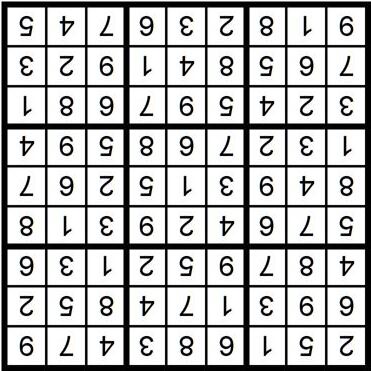
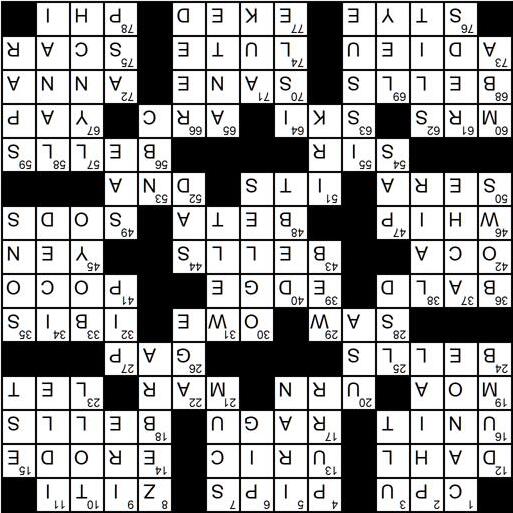
26. “Mind the ___”
28. Horror franchise with ten movies
30. “I ___ you one”
32. Bird revered by ancient Egyptians
36. Shiny on top?
39. Slight advantage
41. “Un ____ Loco” from “Coco”
42. Acronym for Orthodox Church in America
43. “Silver _____”
45. Japanese currency
46. Use an eggbeater on
48. ___ carotene
49. Lays down the lawn
50. Plural of serum
51. Mariah Carey’s Christmas declaration; “___
TIME!”
52. Type of forensic evidence
54. Knight’s title
56. “Carol of the _____”
60. “Mr. & ___. Smith”
63. Hit the slopes
65. ___ de Triomphe
67. Go on and on
68. “I Heard the _____ on Christmas Day”
70. Of sound mind
72. “___ Karenina”
73. French farewell
74. Pear-shaped instrument
75. Mufasa’s brother
76. Eyelid problem
letter
Down
1. Lake vessel
2. Small glass container (variation)
3. Final; Abbr.
4. Cat or engine sound
5. It’s south of Georgia
6. Species of Muppets’ primadonna
7. Lowlife
8. Lion’s prey
9. Wrath
10. Cost to cross
11. Do nothing
12. Asinine
77. Barely managed, with “out”
78. Fourth-to-last Greek
15. “C’___ la vie!” 20. ___ Today
22. Paleontologist’s estimate
25. “Acid”
27. “A Good Girl’s Guide to Murder” protagonist
29. Fly catcher
30. Makes eyes at
31. A lump on the skin, as caused by a blow
33. Laddie, in Australia
34. Kind of tea
35. Mumford & ____
36. Trendy hair decorations
37. Tummy trouble
38. Villain’s home base
40. Reason you might go bankrupt
44. Down in the dumps
47. Faux ___
49. Acronym for self-addressed envelope
51. Annoy
53. “SNL” and “The Voice” network
55. This newspaper is on it’s 10th of the quarter
57. 1984 “Dune” director David _____
58. Island west of Maui
59. Trade punches
60. C.E.O.’s degree
61. McCarthy’s quarry
62. Open, as an envelope
64. “Cast Away” setting
65. Poker starter
66. Stalk in a swamp
69. Science writer Willy ___
71. Arctic diving bird
72. Egyptian cobra
■ H

LILIANNA ANGEL Contributing Writer
Debuting on Nov. 21, Netflix’s “A Man on the Inside,” written and directed by Michael Schur, is a brilliant show that introduces a heartfelt and humorous story centered on Charles Nieuwendyk, performed by Ted Danson. Following the loss of his wife, Charles, a retired professor, finds a new sense of purpose when he is recruited by a private investigator to go undercover at a retirement home. The show masterfully blends mystery, comedy and drama, evoking Schur’s signature charm seen in projects like “The Good Place” and “Parks and Recreation.” With its thoughtful storytelling and touching themes, it’s a must-watch for fans of witty, meaningful television.
The series is not only about solving a mystery but also about rediscovering life’s joys. Charles’ mission involves befriending the quirky residents of the Pacific View Retirement Home, uncovering secrets and exploring second chances. The show balances lighthearted humor, such as Charles hilariously struggling to maintain his cover, with deeper moments, like residents candidly reflecting on aging and loss. This mix of tones keeps viewers engaged and emotionally invested. The show, no matter the viewer’s age, will leave audiences teary-eyed and wanting more.
The cinematography adds layers to the storytelling. Bright, inviting visuals capture the retirement home’s outward charm, while moody lighting and subtle shifts in tone hint at the hidden drama beneath the surface. The set design is equally compelling — cozy and welcoming, yet laced with a sense of adventure, mirroring Charles’ dual experience at the home as both a resident and an investigator.
The aesthetic feels intentional and cohesive, drawing viewers into the world of the retirement home while maintaining the suspense necessary for the unfolding plot. Every frame is crafted with care, enhancing the narrative without overshadowing it.
When it comes to San Francisco as the overall set, it is beautiful. The lighting and colors of scenes like the Golden Gate Bridge and the retirement home make audiences feel that they are truly there. Whilst the visuals are not the main component of the story, they shouldn’t go unrecognized.
Ted Danson blends humor with

emotional depth, creating a character that’s both endearing and engaging. His performance reflects Charles’s vulnerability and wit, perfectly capturing a man rediscovering life and connection in his later years
Stephanie Beatriz shines as Didi, the no-nonsense managing director of the retirement home, demonstrating her range as an actor beyond her iconic role as Rosa Diaz in “Brooklyn NineNine.”
Stephen McKinley Henderson’s portrayal of Calbert, a former Pentagon employee with a quiet yet poignant presence, adds depth to the narrative.
Sally Struthers, as the vivacious Virginia, charms viewers through her endearing friendship with Florence, played by Margaret Avery, a poetryloving Golden State Warriors fan. The two actresses bring a natural chemistry that feels both nostalgic and fresh, celebrating the profound beauty of friendships formed in different stages of life. It gives a similar feel to “The Good Place” with its charming friendships but also the bittersweet feeling like the movie “Queen Bees.”
Other notable performances include Susan Ruttan as Gladys, a quirky former costume designer, and Lori Tan Chinn as Susan, the matter-of-fact president of the resident council. While every member of the cast brings something unique, the sense of community
and authenticity between the characters truly make the show stand out
Together, this cast not only reflects the complexities of aging but also reminds us of the joy and connection that can come from unexpected friendships. By the end of the series, viewers will feel deeply attached to these characters and their stories, longing to stay in their world just a little longer. This show will leave audiences with mixed emotions about aging and this cast delivers these feelings beautifully.
Schur’s writing is at its best in “A Man on the Inside.” The dialogue is witty and heartfelt, staying true to his signature style. The series explores themes of aging, community and finding purpose in unexpected places. Each character feels authentic and multidimensional, contributing to a rich, engaging narrative.
The pacing is thoughtful, with cliffhangers that make it hard not to bingewatch. Every twist and turn feels purposeful, adding depth to the mystery while keeping the humor intact. With many humorous scenes embedded, the show will leave audiences laughing, while also forming a bittersweet connection with its content.
“A Man on the Inside” masterfully balances comedy and suspense, creating a series that is as entertaining as it is moving. By the final episode, the sentiment is a mix of satisfaction and
sadness — the hallmark of a truly great show. Ted Danson’s performance is exceptional, and the ensemble cast delivers one-of-a-kind portrayals that resonate long after the credits roll.
Netflix has outdone itself with this series, offering a story that is bingeworthy, yet thoughtful, humorous and poignant. Whether a prospective viewer is a fan of Michael Schur’s previous work or just looking for something new to watch, “The Man on the Inside” is a must-see. It’s the kind of show that leaves you eagerly anticipating a second season while reflecting on its heartfelt message about life and connection.
“A Man on the Inside” isn’t just another mystery series—it’s an exploration of purpose, community and the unexpected turns life can take. The show captures brilliant writing, impeccable performances, and a story that makes you laugh, cry and think; it’s Netflix’s best offering in recent memory.
“A Man on the Inside” is a wonderful show about aging and adventure that will make audiences laugh and cry at the same time.■ H
STRAY KIDS’ SECOND JAPANESE STUDIO ALBUM HAS GREAT LYRICAL MOMENTS AND EMOTIONAL THEMES WHILE STAYING CONSISTENT WITH THEIR UPBEAT DISCOGRAPHY.

Korean pop group Stray Kids has gained incredible popularity in the past year, and they continue to follow the K-pop industry’s tradition of having Japanese releases to cater to their large Japanese fanbases. “GIANT” was announced on Sep. 30 on Stray Kids’ Japan account on X with a mysterious image labeled “KING GIANT.”
The album itself was released on Nov. 13, containing 10 tracks, with seven original Japanese songs, one Japanese version of an originally Korean track and two English versions of originally Japanese tracks. The album happens to include three tracks made for the anime series “Tower of God,” a popular show that started off as a Webtoon.
“GIANT” is the album’s namesake title track, and it has a music video and choreography. The track has a complex instrumental that’s become a staple of Stray Kids’ discography, with heavy bass, dubstep and an overall grand sound that fits perfectly with the theme of supernatural powers and overcoming obstacles.
The music video has a lot of special effects that depict the members using superpowers, reminiscent of live-action anime adaptations. The choreography has the typical strong, fast-paced moves that boy groups are known for; the Stray Kids’ specific brand of charisma and stage presence makes it shine.
Though the chorus of “GIANT” itself is a tad bit underwhelming, as it’s a little repetitive and shouted more than sung, the post-chorus lines are quite catchy and flow well. The rap verses throughout the song shine as well, with one of the group’s rappers, Changbin, utilizing a unique flow that matches the descending musical scales in the instrumental. Overall, the instrumental and rap stand out the most throughout the song, and most fans agree it’s a solid title track.
“Night” is another standout track, as it’s an ener-
getic song that takes a lot of inspiration from J-rock. The song was even featured in the second season of “Tower of God” by SIU. Stray Kids has made two tracks for the anime previously, and they continue to deliver the lyricism and energy that capture the protagonist’s ambitions on his journey.
Lyrics like “Breaking my limits every fight / I’m climbing pinnacles and heights” include rhyme schemes that make the song pleasant to listen to while matching up with the protagonist’s story of climbing a literal tower. Overall, “Night” is a pretty motivating track that encourages its listeners to overcome any obstacle in their path.
“Christmas Love” is Stray Kids’ take on a holiday song, and it makes one feel warm and energized while listening to it. Bells incorporated into the instrumental provide a holiday vibe while preserving Stray Kids’ usual musical influences, as the rappers of the group incorporate more musical-sounding verses to fit the vibes of the song. The song feels like something one could dance to while still having a cozy holiday night inside, drinking hot cocoa with their loved ones. It’s a bit cheesy, but that’s what makes it a fun track that somehow doesn’t feel too out of place on the album, as there are still elements of instrumental beats that are used in other songs, like fast-paced drums in the background.

” (“Aiwokuretanoninaze”) is a vulnerable breakup song that English-speaking fans have taken to unofficially calling “Love is Painful” for its solemn chorus lyrics: “Love is painful / why did you give me love?” This track has become a fan favorite for its lyrics and the members’ solemn voices, with a rock-inspired beat that’s less energetic and upbeat than the other tracks on the album.
“WHY?” is a song that was released in April of this year for a Japanese drama, with an upbeat chorus and defiant message about ignoring people’s expectations. “Saiyan” is another track fans took a liking to, as it emphasized the album’s anime-inspired sound

and message. It references the massively popular anime “Dragon Ball Z” and has lyrics that seem to come from the mind of a typical hero in a story: “I’m not gonna die young / I’ll make my dreams come true.”
This track has a particularly nice flow in the lyrics as the members switch between English and Japanese, utilizing vocals and ad-libs that are pleasantly layered. There’s quite a bit of autotune, but this isn’t necessarily a detractor for those who like Stray Kids’ style of music–and their numerous live performances prove that it isn’t something they rely on for musical quality, anyway.
The English versions of “NIGHT” and “Falling Up” have lyrics that align with their Japanese versions, creating songs that have a fitting flow and work nicely as English songs. Sometimes, English versions of songs can be hit-or-miss in terms of matching up with the original language, but both of these tracks keep a consistent message and production. The Japanese version of their Korean track “Chk Chk Boom” also has lyrics that match the original version as closely as possible, further showcasing Stray Kids’ multilingual lyrical talents on this album.
This album was well-received overall, especially from Stray Kids’ Japanese audience. Fans were excited for this release after teasers were dropped on X, and the album performed well in Japanese music charts. Promotion even took place in train stations in Japan, with posters and audio messages. The title track, “GIANT”, was first performed in Stray Kids’ Japanese leg of their ongoing world tour, and the clips quickly circulated among fans worldwide.
Though this album was liked by fans, discussion about the album outside the fandom was somewhat lacking. Some theorize this may be because of clashing releases with other K-pop boy groups at the time, or it may simply be that Japanese releases sometimes tend to go unnoticed among non-Japanese fans in Kpop.
“GIANT” is an album that captures the energy of a powerful hero, but also contains vulnerable tracks about love and challenges. Every track has a distinct message, with the lyrics telling stories of strength, sadness and happiness that are sure to motivate and touch listeners.■ H
MARIBEL GAMEZ REYES
Radar Editor
With final exams and projects occupying most of the time in the weeks ahead, don’t forget to plan a respite to end the quarter on a positive note. After finals, find some time to settle down with a good book, music or perhaps binge a couple of great movie picks. Pair that with a comfy blanket to snuggle up with and spread some snack choices to indulge in.
From the Harry Potter film series to “Legally Blonde,” here are a few films that promise great entertainment to wind down the mind and body in preparation for the holiday break.
“Harry Potter and the Sorcerer’s Stone” (2001)
The first installment of the Harry Potter film series offers a refreshing escape into the Wizarding World, deviating from the distinct mundane reality of college life at an ordinary educational institution. Following a central character, Harry Potter (Daniel Radcliffe), who discovers his magical heritage on his eleventh birthday,
praise
BOBBI MONAE MANDOUR Assistant Radar Editor
the film explores his past and his first encounters with this fantastical world as he enrolls as a student at Hogwarts, an English boarding school for wizards. While watching the first film, the viewer is fully immersed and invested in the early stages of the perilous and transformative journey of danger, friendship and selfdiscovery. A movie marathon is a must with this franchise; it’s always exciting to see which side some characters end up taking in the end.
“Legally Blonde” (2001)
There isn’t a more iconic role model than Reese Witherspoon as the leading lady, Elle Woods, in this film. In the wake of a harsh break-up with her boyfriend, Warner Huntington III (Matthew Davis), Woods is on the grounds of not fitting into her future plans of becoming an affluent lawyer and politician. Her devastation sets up the plot for an unforgettable rom-com with a reciting message for self-love, confidence and perseverance.
“The Lord of the Rings: The Fellowship of the Ring” (2001)
This literary epic comes to life in its film retelling of the adventures of a young Hobbit from the Shire and his eight companions who set out to save Tolkien’s fictional world, known as Middle-Earth. This hero’s journey starts with this film but is completed by watching the remaining five. Compounded by the meticulous world-building elements of the classic novel trilogy of the same name, the journey is further amplified by the personal and profound delivery of dialogue, its sensational musical score and breathtaking visuals. The first film is a spectacular triumph, resulting from the director, co-producer and writer Peter Jackson’s eye for creativity and ability to make a three-hour film highly engaging.
For students, the Thanksgiving holiday comes at a particularly hectic and unforgiving time. At the University of California, Riverside (UCR), the end of the fall quarter is rapidly approaching. With weeks eight through 10 being dedicated to coping with the impending doom of finals week, catching up on an entire quarter’s worth of studying (for some of us…), planning next quarter’s classes and yearning for the upcoming month’s rest of winter break.
To put it simply, it can be hard to feel anything close to gratitude when most students are thinking about whether or not they checked off all their Canvas assignments while they dig into a plate of mom’s home-cooked holiday meal. Or, while their cousin twice-removed asks them what sort of job they’re planning to
get with their, ahem, little English degree.
Going back home, especially as a university student, can bring up all sorts of feelings — and while it is important to spend time with family (even those pesky distant relatives), the comfort of home can pale in comparison to the overall stress of the college student experience.
Furthermore, it can be hard to separate from the friends made on campus, as once the long-weekend of Thanksgiving is over, next comes Christmas break and New Years, all of which tend to be spent back in whatever far-off hometowns college students come from. A campus dorm, apartment, library or even the coffee shop (the Highlander Unions Building) can feel like home to a student, and part of what makes this true is the friends who tag along through it all.
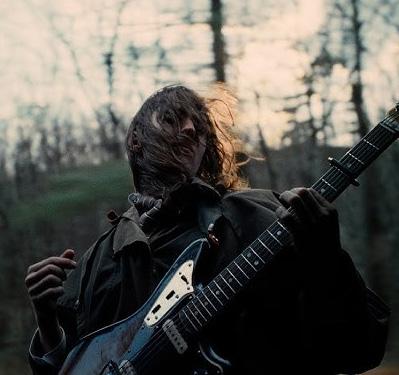
This year, it feels important to highlight the unique and special experience of being a college student during the holidays. The concept of Friendsgiving seems to come directly out of this experience, and it is just as important — if not more — than the traditional, fancy-silverware dinner hosted at grandma’s.
The term Friendsgiving most likely emerged out of the early internet, as the MerriamWebster dictionary cites a 2007 Twitter post referring to the word to describe “an informal meal with friends.” The term
was officially added by the powers-that-be in January 2020. The website even jokes that the aim of Friendsgiving is to “escape your family.”
Most college students might have used going off to their university of choice as their method of escaping family, and are still beholden to them in various ways, meaning that skipping out on traditional Thanksgiving is probably out of the question. Fortunately, Friendsgiving is unconventional in nature, which means the time, place and manner in which it is celebrated truly has no rules.
In popular media, one of the most memorable Friendsgiving moments comes from the classic television series “Friends,” in which the sitcom stars notably spend the holidays with each other, existing as a family-like unit. And though they’re far out of college-age, the “Friends” cast is reminiscent of what it’s like to assemble a tribe, have best friends and roommates and pass through life’s little milestones together in a very similar way to the college student experience. Coincidentally, “Friends” tends to be mostwatched during family gatherings and holidays, likely because of its mild nature, nostalgic feeling and a kind of ode to tradition.
However, “Friends” feels too conventional to be a staple of unconventional holiday rituals — especially considering its heteronormative aura. The show doesn’t resonate with the contemporary shift towards queerness in the media this year, as seen through musicians like Chap-
pell Roan and Billie Eilish, and films like “Love Lies Bleeding” and the upcoming A24 film “Queer.”
It is without a doubt, though, that the pioneer of unconventional queer media is director John Waters. Films like “Hairspray” (2007), a classic in many households, being one of his more PG-rated films. “Cry Baby” (1990), on the other hand, exists as the unconventional holiday film of the year.
This Waters film tells the rambunctious tale of a grimy, loveable family of misfits and delinquents, who are part biker-gang, part trailer-trash, yet fully there for each other — teen-pregnancies, poverty and all. John Waters’ classic musical-comedy shines exceptionally well in this film, it fits in perfectly with the concept of alternative family gatherings, like turning Thanksgiving into Friendsgiving with one’s chosen family.
While “Cry Baby,” or most of John Waters films for that matter, might be blasphemous to turn on at grandma’s Thanksgiving dinner party, it’s important to remember that growing up means having the power to build one’s own rituals that suit whatever subversive lifestyle that’s being lived.
And even if going back home for the holidays may be a time of stress in the midst of other stress, there is truth in the idea that home is something carried within.
Or, the real home is the friends made along the way.
“Rockman” is m k.gee’s victo


It has been a phenomenal year for music. Between Charli XCX’s “Brat” creating a whole summer trend and Kendrick Lamar’s up-beat diss-track “Not like Us” topping the charts, music fans of all genres are being spoiled.
Following the success of their massive moments, both Charli XCX and Kendrick Lamar have run victory laps around their competition, in the form of two new musical projects. Charli XCX released a remix album of Brat featuring many of the most infamous names in the musical sphere, from Ariana Grande to The 1975, and Kendrick Lamar released “GNX,” an album filled with west-coast bangers and hype tracks. However, a victory lap people are not talking about enough is the single “Rockman” by Mk.gee (pronounced “Mc-Gee”).
When concert videos were released of Mk.gee premiering the song, clips showed him putting a show on and jumping around stage, as opposed to performing it. The song may not have the heavy 808s that permeate the Lamar album or the features of the “Brat Remix” album, but it’s clearly just as much of a victory lap for him.
Mk.gee, for those who don’t know, is the musical persona of guitarist and singer-songwriter Michael Gordon. Having been co-signed by everybody from Frank Ocean to Tyler, the Creator to Eric Clapton, Gordon has not been a secret to mu-
sicians in the industry. However, his name still does not ring a bell for a lot of people. But that’s soon changing.
Best known for his contributions to R&B singer Dijon’s 2021 album, “Absolutely,” Mk.gee’s music draws influence from a variety of places. His 2024 album “Two Star and the Dream Police” draws clear inspiration from the 1980s with tracks inspired by the Bruce Springsteen/Jersey-Rock sound and bands like Genesis and Fleetwood Mac. His album is a mixture of this retro sound with the lo-fi atmosphere found in a lot of ambient tracks by artists like Aphex Twin.
After releasing his album in the beginning of February, Mk.gee’s monthly listeners on Spotify has jumped from over 572,000 all the way to 2.4 million. According to Spotify, every track on the album has amassed millions of streams with tracks like “Alesis” having reached over 13 million. His song, “Are You Looking Up,” has reached over 15 million streams and has been featured in the hit television show “The Bear.”
Since September, he has been on a world tour throughout the entire United States, Europe and now Australia. He even performed on “Saturday Night Live” (“SNL”) one whole week before Charli XCX’s performance. And now he’s writing songs with pop-sensation Justin Bieber.
What should be understood about the kind of music that Gordon
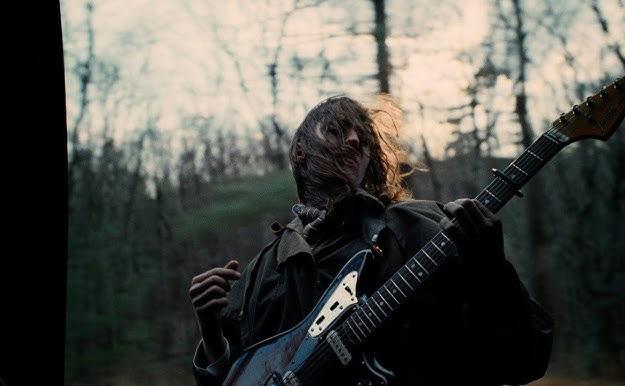
makes is that it’s not as focused on lyrics or sounding clean, but rather, it’s focused on the feeling it elicits. Musical acts like “Cigarettes After Sex” and “Beach House” reflect this goal of evoking emotion. Mk.gee’s music, which contains references to sports and using eagle sound effects, call back to the kind of Americana-style featured in a lot of 80s media. One could imagine this music playing on the radio or through a cassette player in an old truck. It feels like heavy denim light-washed jeans and leather jackets and plain white tee-shirts.
Many on TikTok have described Mk.gee’s sound as “Music 2.” Although this lofty title may be a “slight” hyperbole in comparison to what he actually makes, it’s clear that many are feeling inspired by his originality. His music has avantgarde experimental elements in its production and its atonal moments, but it has made a crossover to the mainstream. He has already been able to perform on “SNL” and Jimmy Kimmel, which is exciting for so many. He’s inspiring people to get the same tape recorder and guitar pedals he uses and to experiment with unique “reverb-and chorus-y” sounds.
In releasing “Rockman” in October, Mk.gee is following up all of his success with a pop banger in his usual musical style. A heavy bass riff, a rhythmic set of drums and an eagle sound effect underscore the track. It’s not as ambient or conceptual as his work on “Two-Star” but
it’s still as fun and unique.
This is not to say that he was unknown before working on Dijon’s album or releasing his own solo effort in 2024 — he actually released two albums before his most recent one, “Pronounced Mc-Gee” in 2018 and “A Museum of Contradictions” in 2020. Tracks from his 2018 release were modest indie-rock hits, however it’s clear that the work he’s doing in 2024 is different.
On some of his older tracks you can hear influence from artists like Jai Paul, which feature warbly guitar-based music with auto-tuned vocals and electronic drum sounds. However, on his new album and newer work, everything is part of a cohesive vision.
Every music video is mysterious and uniquely cinematic, and his album art depicts a similar mysterious vibe. It’s not so much about his face, but more about the imagery of a long-haired man with a guitar. He is creating his own iconography. Intending for this imagery to appear like a hero with a sword, but instead of a long-blade, the axe he’s choosing is his Fender Jaguar.
In interviews, he’s talked about having a lot of ambition for the music he makes and being frustrated with the state of music made by young people. He hopes to reinvent what “pop-music can be.” By inspiring people to make weirder ambient music, he’s starting a wave that may actually achieve this. So tune in and witness the making of a star as he becomes a household name!
With a new and improved offense, JJ Redick has given a spark to the Lakers.
The Lakers are 11-8 after falling to the Oklahoma City Thunder at home on Friday but still occupy the sixth seed in the west. While the Western Co nference is as stacked as ever with great teams, the Lake Show has positioned themselves to make a run for a top-six seed in the west, which would leave them out of the play-in tournament.
LeBron Raymone James Sr. is going to turn 40 years old on Dec. 30, yet he’s still putting up all-NBA numbers. He’s third in the league in assists per game, averaging 9.1 per contest, with 22.3 points per game. While his turnovers are up this year at 4.0 per game, he also has the highest basketball IQ on the planet, which should allow his turnovers to decline as the season matures.
While playing a big role on the Lakers, LeBron has also taken a backseat this year in terms of productivity. It’s his co-star, Anthony Davis, who has become the Lakers “1A” in terms of offensive efficiency. He’s averaging 28.4 points per game on 55% shooting from the floor. His efficiency has allowed the Lakers to rank sixth in the league in points per 100
possessions, and his dominance inside the paint has allowed for increased space for the snipers on the outside.
Dalton Knecht is one of the players who has enjoyed the freedom head coach JJ Redick gives him to stroke it from beyond the arc. He’s been a vital pickup for the Lakers, as he’s shooting 44% from downtown and averaging 2.5 makes a game. He can be the key ingredient that gets the Lakers in the top six of the west, and further open up the offense.
One thing that has been consistent throughout LeBron’s career is that he loves to play with shooters. Dating back to his time in Miami, he had the luxury of kicking the ball out to Shane Battier and Ray Allen. In his second stint with Cleveland, he could whip it outside to Kyrie Irving and Kyle Korver. The Lakers haven’t had this much shooting since their championship season in 2020, and it’s helped their offense flourish tremendously.
It also doesn’t hurt that LeBron is shooting 38.8% from three in year 22, which would be his third-highest shooting percentage from downtown in his career. Be-

coming a more efficient shooter has allowed LeBron to elongate his career — he doesn’t take as much physical punishment compared to when he attacks the paint.
The main issues the Lakers have faced this season have been in their defense. They currently rank 24 in defensive efficiency, allowing 113.6 points per 100 possessions. This is something JJ Redick and his staff have to clean up before
the push for the playoffs begins in the new calendar year. It’ll take time for the team to gel with their new head coach, but Redick has proven to be a solid hire for the Lakers after firing Darvin Ham.
Redick is trying to win a championship as a firstyear head coach. While it seems like a long shot, he still has an MVP candidate in Anthony Davis and the greatest player of all time on his team.
Coming off of a major program win against Colorado State, the Highlanders take a win over Alcorn State.
Headinginto last Sunday’s game against Alcorn State, the University of California, Riverside (UCR) Highlanders were coming off an overtime win against the talented Colorado State team. Thanks to a game-tying halfcourt shot by redshirt sophomore guard Barrington Hargress, they avenged a major 42-point loss against Santa Clara on the road.
Their win against Alcorn State, who has not won a single game during their season, cemented their ability to get things right.
“Individually, we all just started thinking about how to make the game a lot easier, which is obviously going to make it easier for us,” commented Hargress. “In Santa Clara, we just fell in love with taking some tough shots … so we definitely found a way to lock in and really make each other better.”
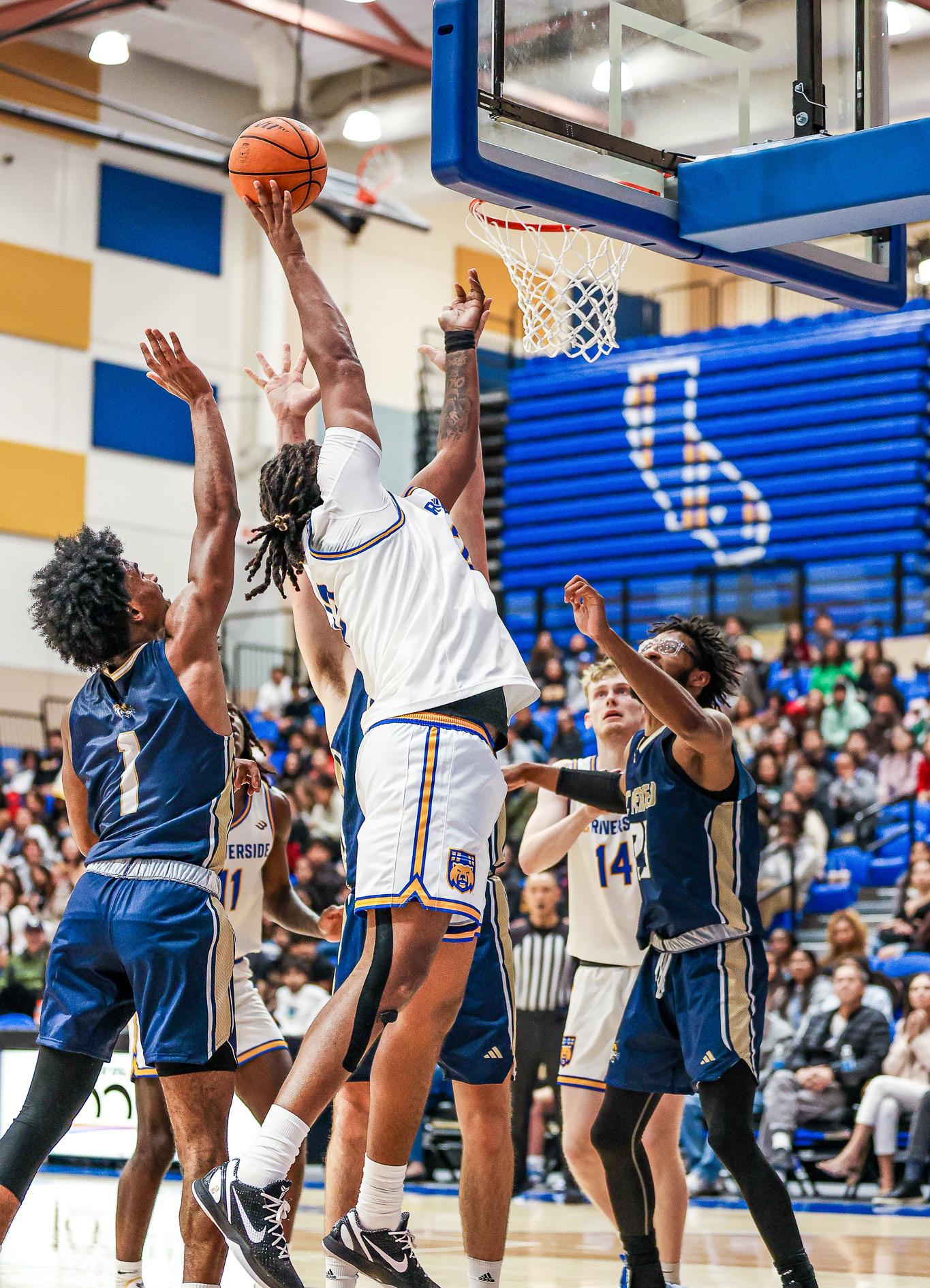
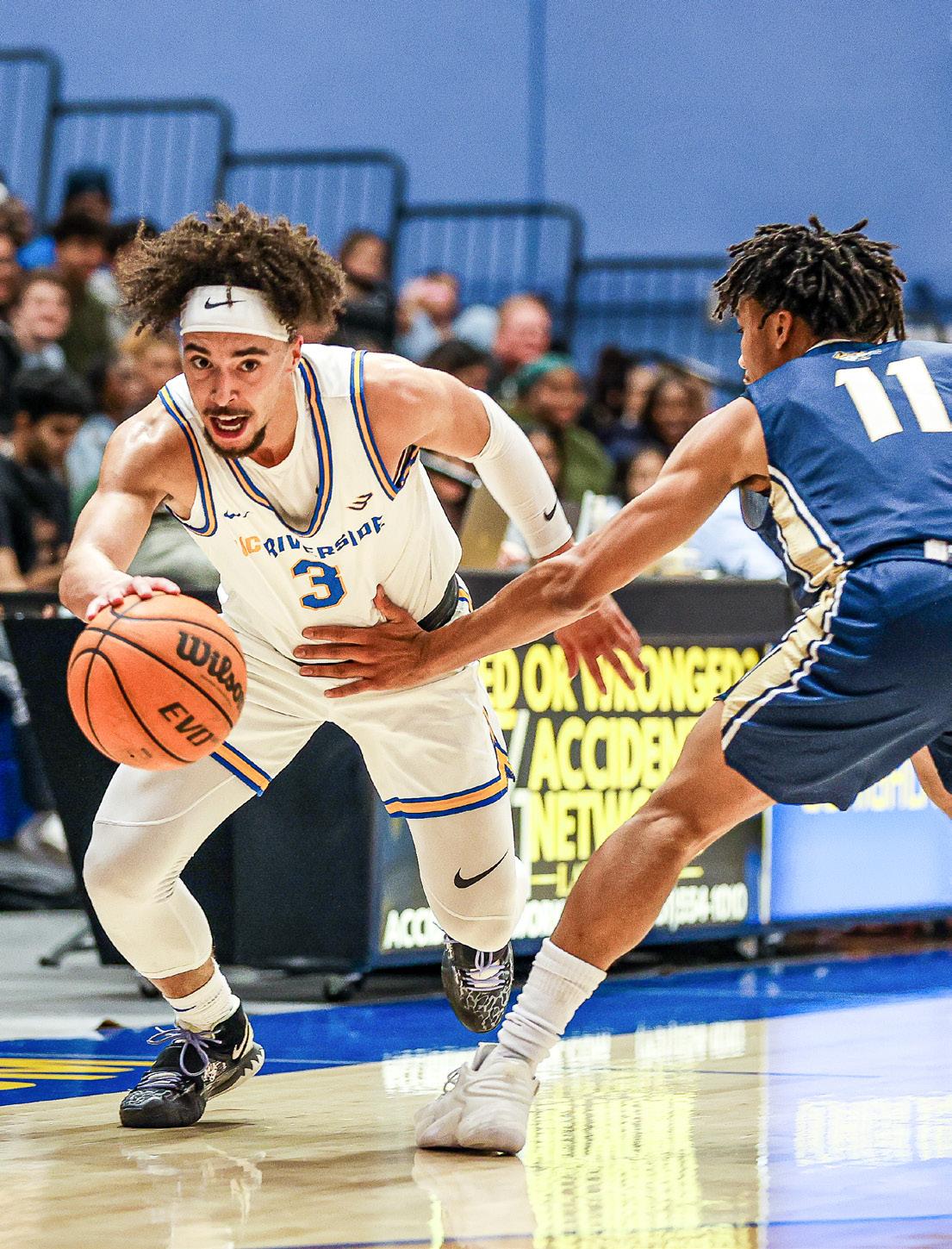
UCR head coach Mike Magpayo appears to be using a different starting five combination for each game. In this game against Alcorn State, the Highlanders forced them into long possessions with redshirt sophomore forward Kaleb Smith and senior center Joel Armotrading playing strong interior defense.
For most of the first half, Alcorn State and UCR remained within a few points of each other. This scoring only changed when junior guard Nate Pickens knocked down back-to-back threes to extend the UCR lead to double digits. Alcorn State used dead ball situations to make some aggressive plays, in
cluding the use of full-court presses multiple times during the period.
Coming out of halftime, Alcorn State increased their intensity with a dunk from senior forward Djahi Binet. With the score being 35-29 at the beginning of the second half, both teams amp up their physicality and hustle to widen the gap between the teams.
The Highlanders knew it was going to be a physical game. After the game, Smith noted, “[Alcorn State is] an aggressive team, a high-energy team. So, us being able to come out and match their energy from the ground and be able to stay within the whole game. On top of the preparation we had, I feel like we’re confident off the win.”
Coach Magpayo rotated his players on the court frequently, allowing many players to get minutes. Alcorn State and the Highlanders played aggressively, with UCR shooting double the amount of 3-pointers as Alcorn State, ultimately winning them the game. On Saturday, the Highlanders lost to Idaho, 80-68. This coming week, the Highlanders will kick off the Big West Bold Week against California State University, Northridge on Dec. 5.
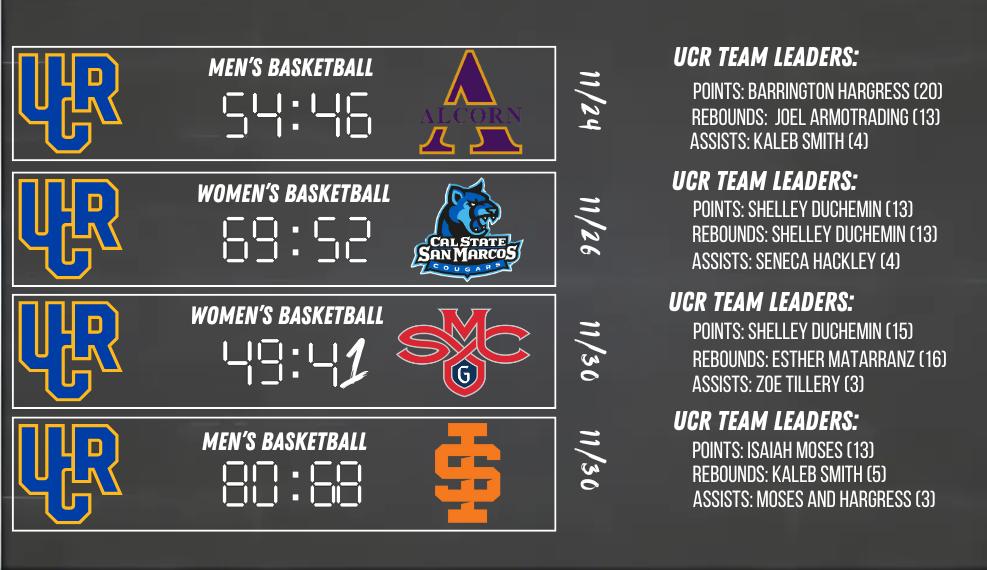
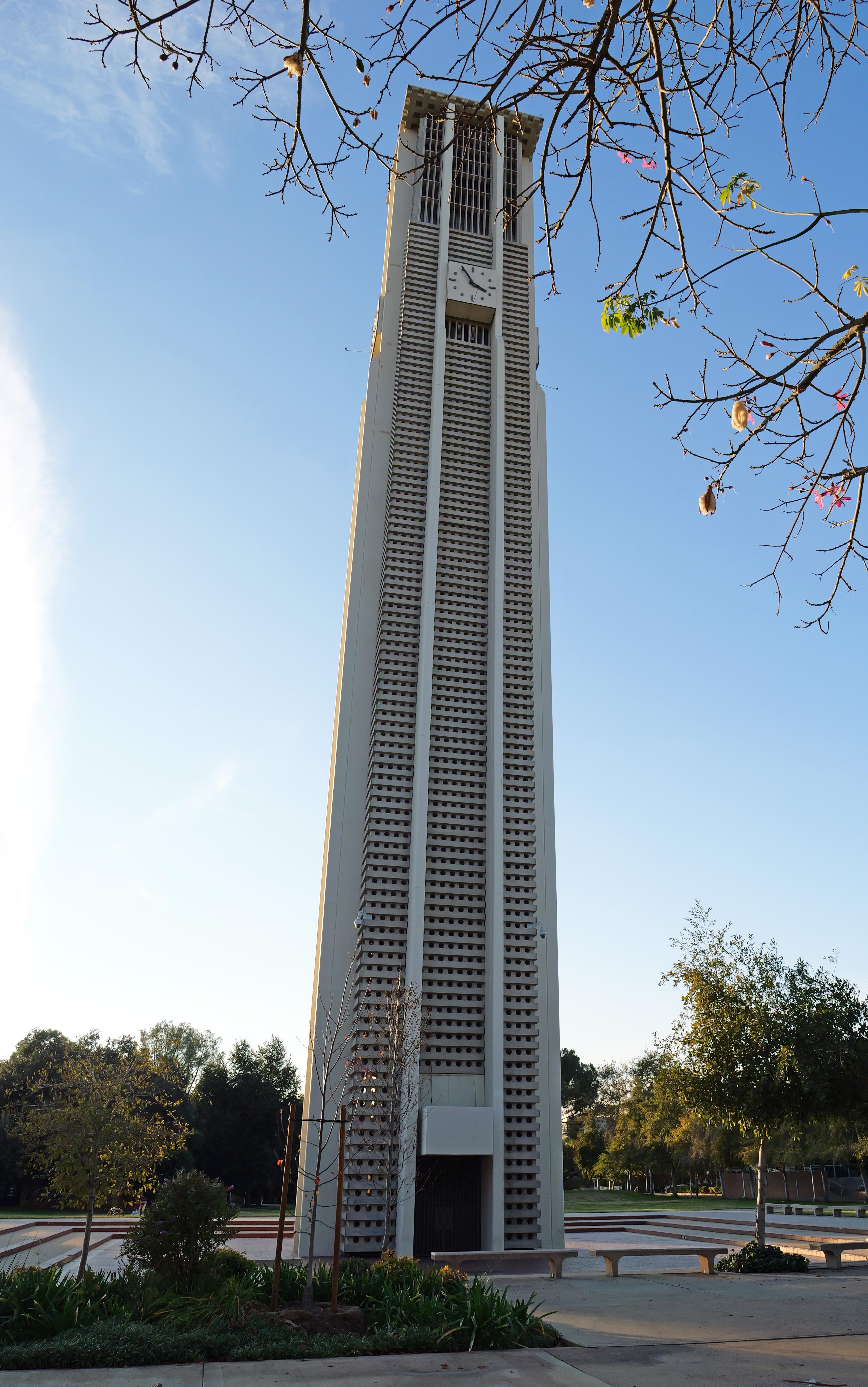
The Highlander Newspaper is a great way to keep up with current events and news around campus. If you are interested in the newspaper’s articles or pictures, we offer opportunities in writing, photography and design. Join us every Monday at 5:15 p.m. in HUB 101 to learn more.