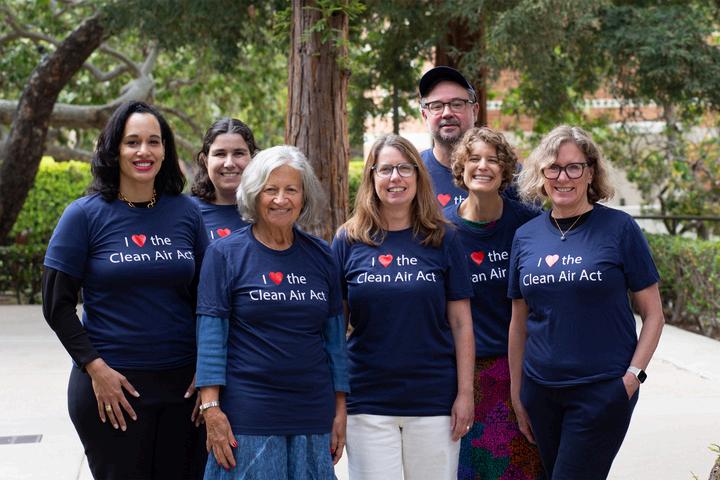
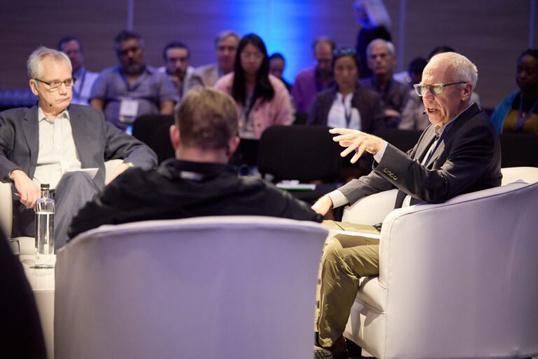
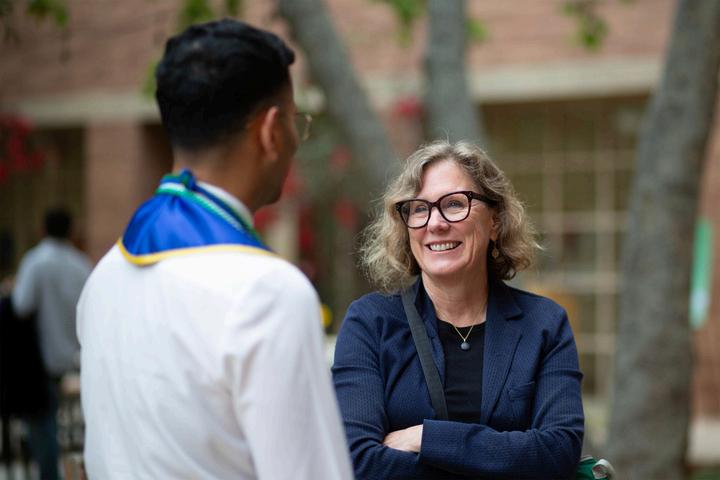
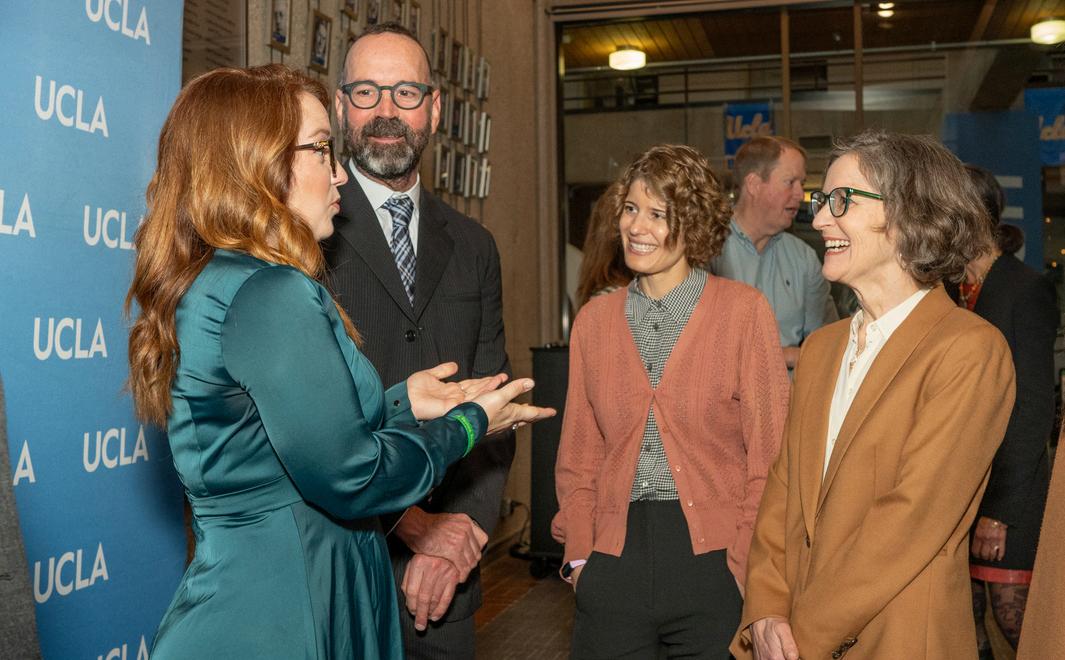
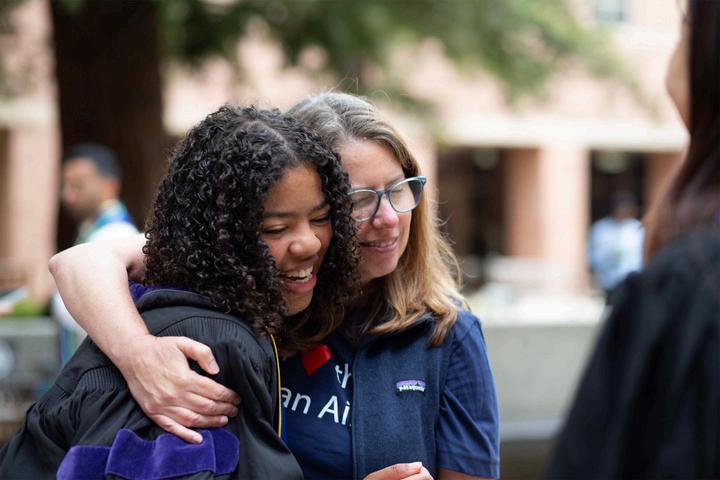
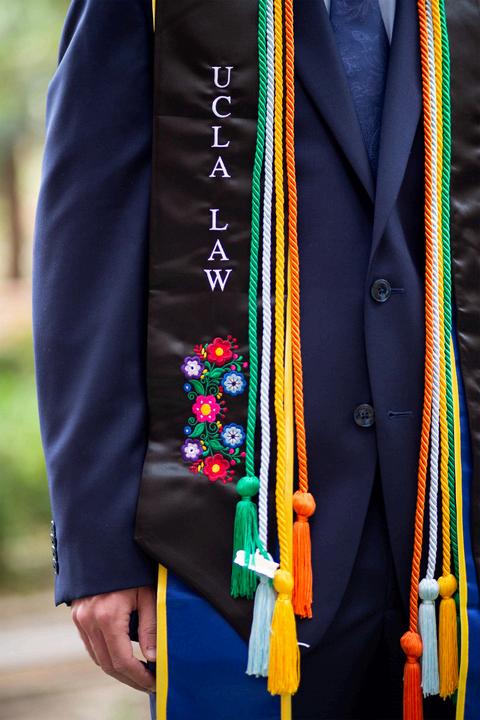
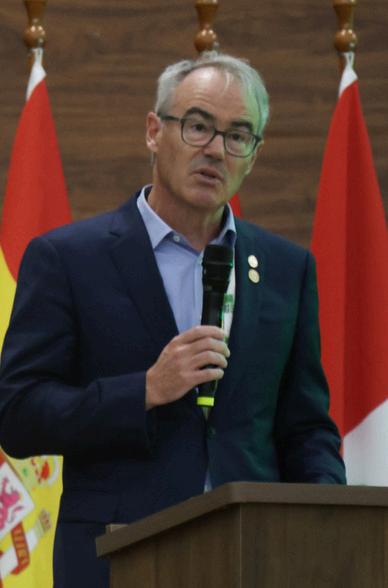
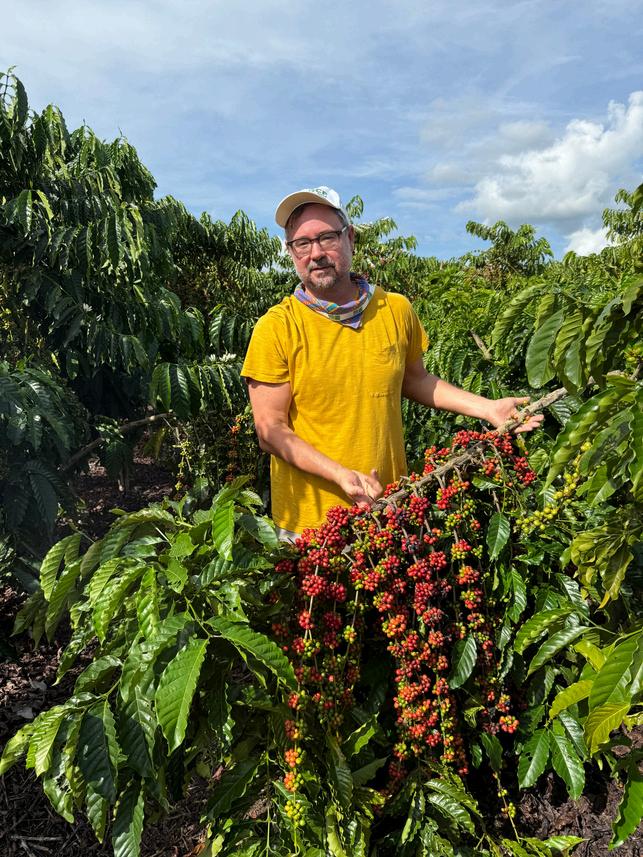
We were on the ground in key places around the globe where environmental law and policy were made this year.
In Brazil, supporting sub-national governments at the COP30 UN climate conference. In South Africa, helping lead and co-sponsor the world’s largest conference on geoengineering. At New York Climate Week, coordinating with key stakeholders to control methane super-emitters In Sacramento, working with our clinic students to draft bills and testify before state officials. In the Palisades and Altadena, guiding a Blue-Ribbon Commission on how to rebuild from the devastating January wildfires. And here at the UCLA School of Law, teaching the next generation of environmental leaders at a most critical time.
Our combination of academic excellence and innovative research makes the UCLA Emmett Institute the most effective climate change center at any law school We continue to grow thanks to generous private donor and foundation support, including renewed support for our Governors’ Climate and Forests Task Force’s trailblazing work on forests We’ve expanded in four critical areas where our leadership has direct impact: clean energy law, methane regulation, forest conservation, and the governance of near-term climate interventions.
I’m proud to share our 2025 Annual Report and to affirm that in these historically tough times for environmental law and policy, the UCLA Emmett Institute is rising to the challenge
Cara Horowitz
Andrew Sabin Family Foundation Executive Director Emmett Institute on Climate Change and the Environment


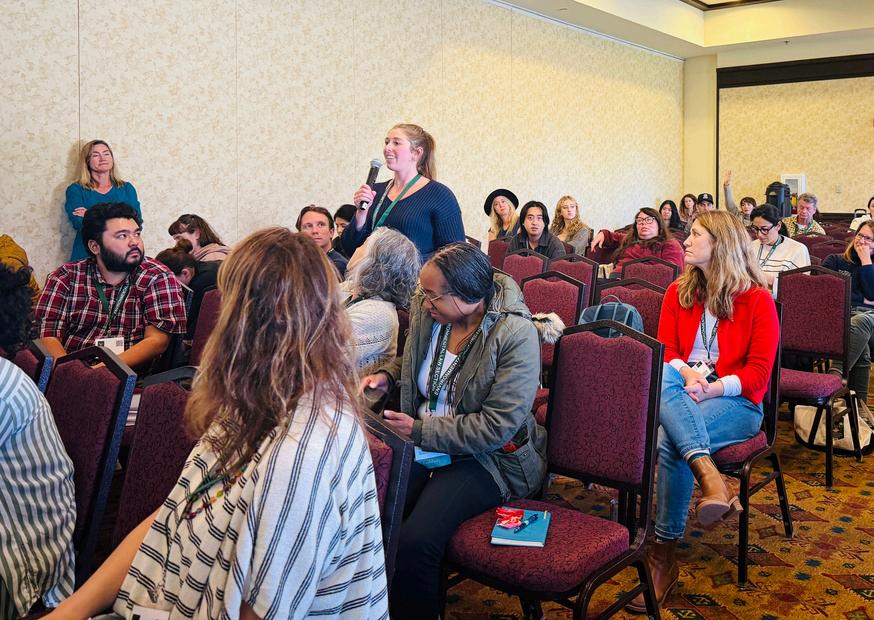
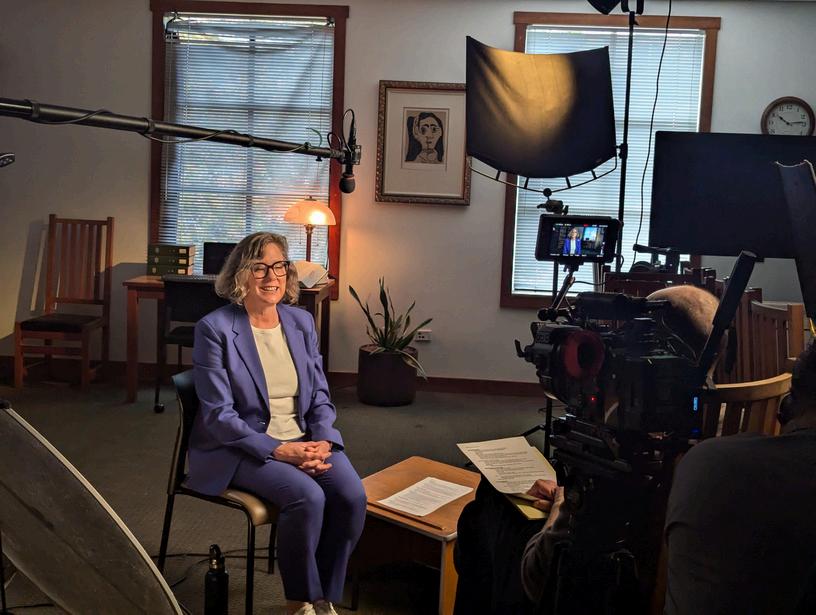
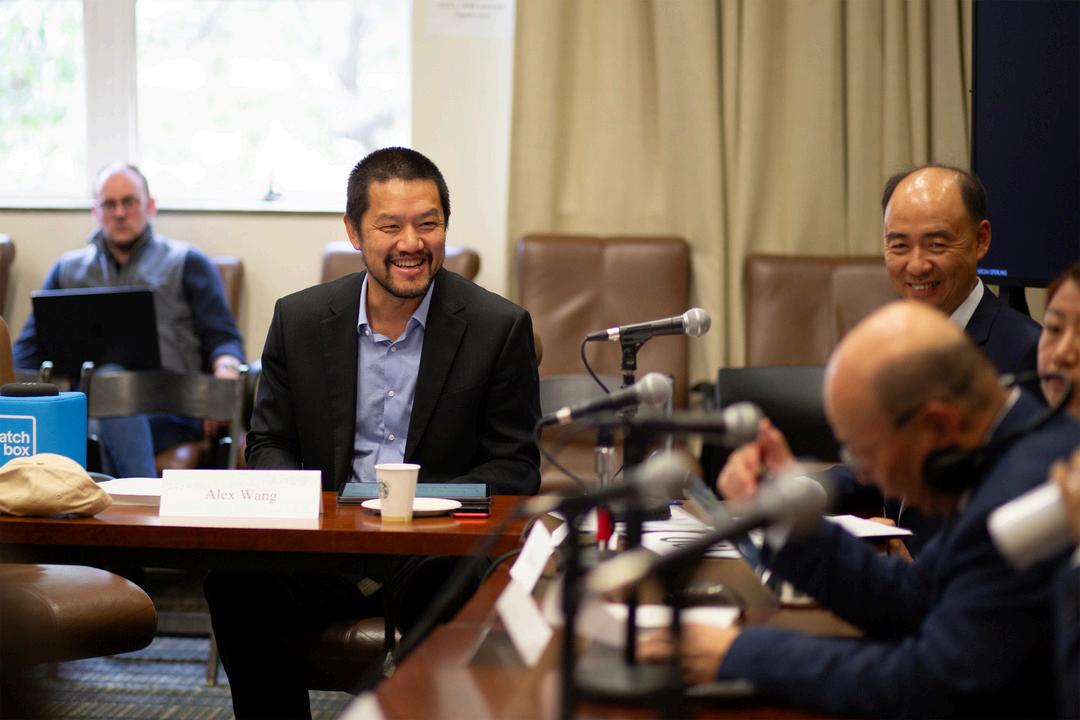
UCLA’s growing roster of renowned environmental law professors produce consequential scholarship, influence policy discussions, lead experiential clinics, and undertake service projects across many areas of critical importance in environmental law and policy. The UCLA Emmett Institute is now home to 16 faculty members:
William Boyd, Professor of Law and Michael J Klein Chair in Law; Professor, UCLA Institute of the Environment and Sustainability; Faculty Co-Director, Emmett Institute
Ann E. Carlson, Shirley Shapiro Professor of Environmental Law; Faculty Director, Emmett Institute
Kimberly Clausing, Eric M Zolt Chair in Tax Law and Policy
Nicolas Esguerra, Project Director of the Project on Earth System Interventions Law and Policy
Denise Grab, Director, Emmett Clean Energy Law and Leadership Project
Jason Gray, Project Director, Governors’ Climate and Forest Task Force
Cara Horowitz, Andrew Sabin Family Foundation Executive Director, Emmett Institute; Director, Frank G Wells Environmental Law Clinic
Timothy Malloy, Professor of Law, Frank G. Wells Endowed Chair in Environmental Law
Mary Nichols, Distinguished Counsel
Edward A. Parson, Dan and Rae Emmett Professor of Environmental Law; Faculty Director, Emmett Institute
Peter L. Reich, Continuing Lecturer in Law; Director, Law & Communication Intensive
James Salzman, Donald Bren Distinguished Professor of Environmental Law
Anna Spain Bradley, Professor of Law, Faculty Director, The Promise Institute for Human Rights at UCLA
Julia E. Stein, Director, California Environmental Legislation and Policy Clinic; Deputy Director, Emmett Institute
Alex Wang, Professor of Law; Faculty Co-Director, Emmett Institute
Jonathan Zasloff, Professor of Law
The Emmett Institute is supported by full-time fellows, whose law and policy research, writing, and teaching provide critical support for our efforts During 2024-2025, these fellows were Ruthie Lazenby, Brennon Mendez, Tiffany Deguzman, and Elias Van Emmerick The institute’s staff also includes Communications Director Evan George and Program Manager Heather Morphew Our GCF Task Force is supported by Operations Manager Martha Gutierrez Fontes and Akane Nishimura, the Program Associate for Impact Assessment.
Danielle Anz, Emily Camarena, Malia Garcia, and Valery Reyes are our student workers
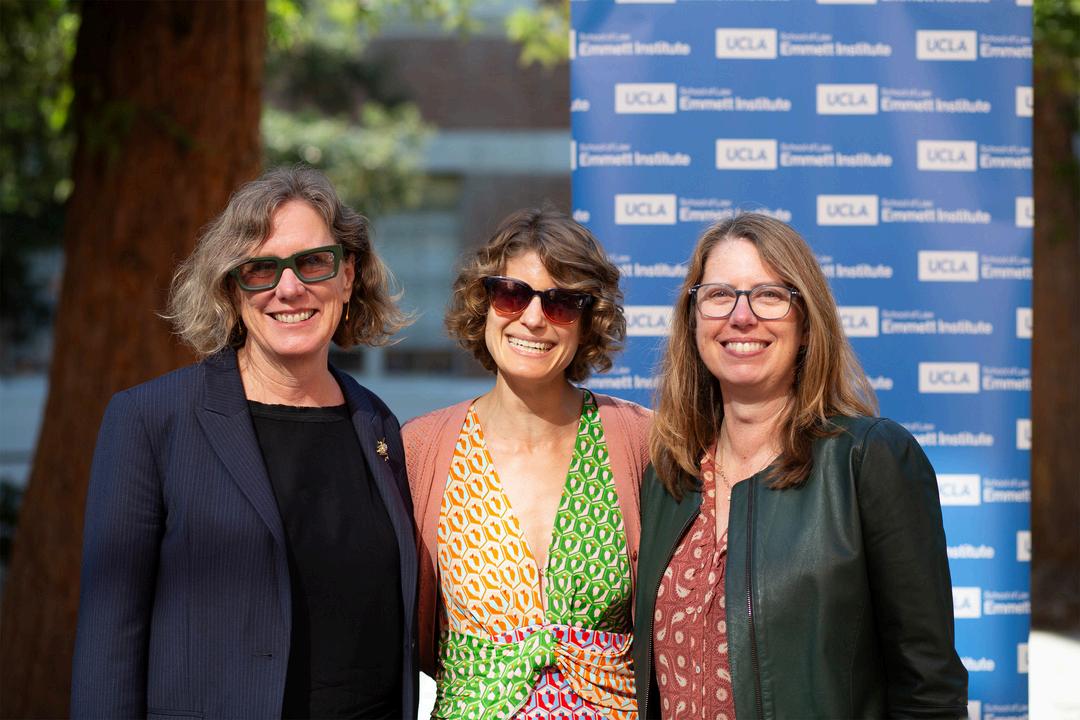
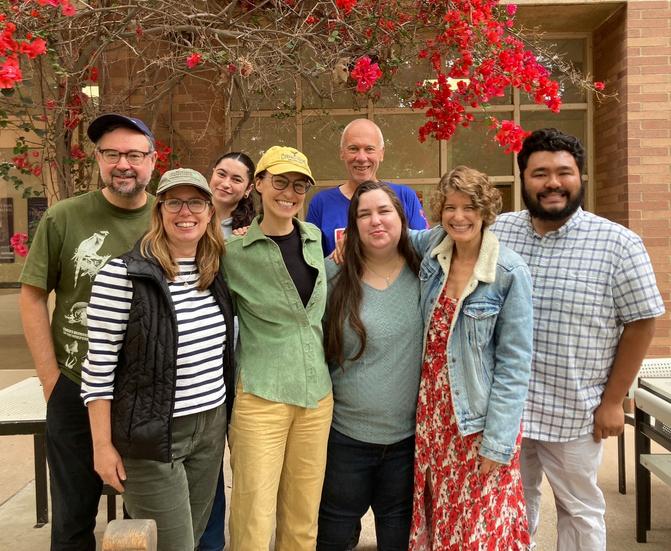
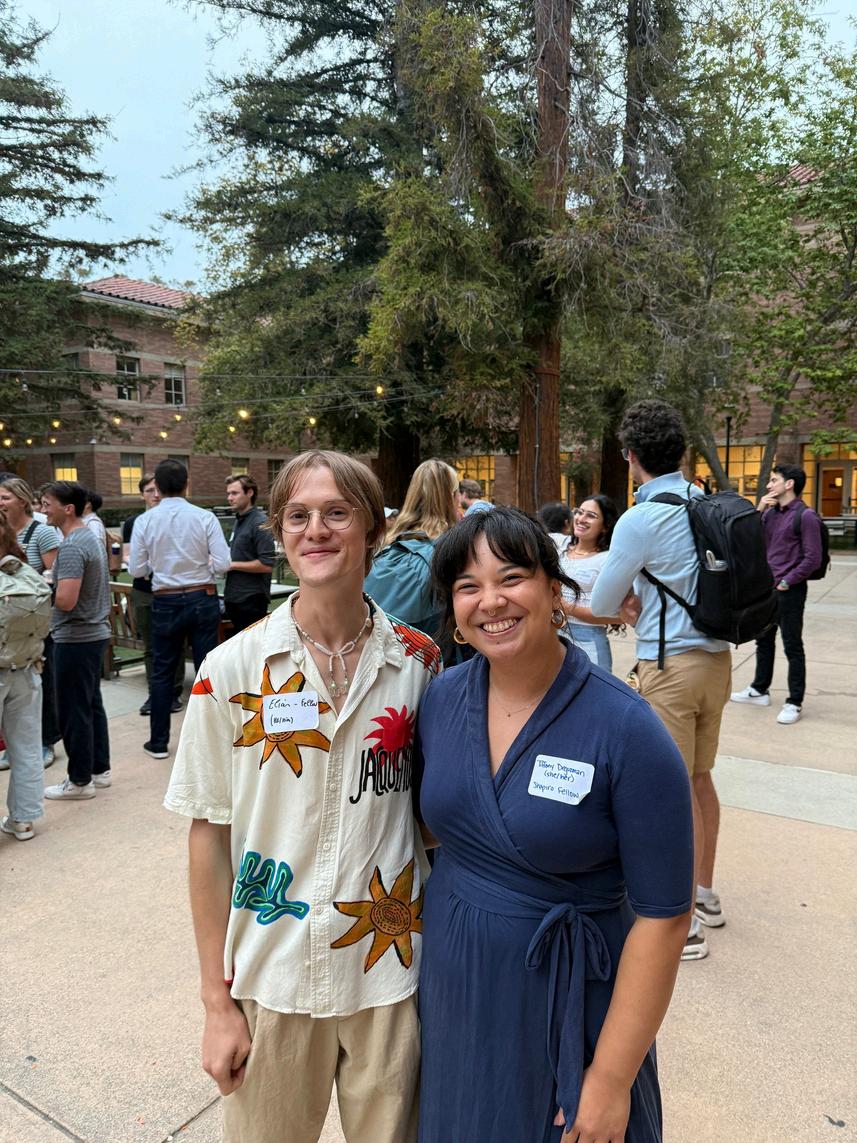
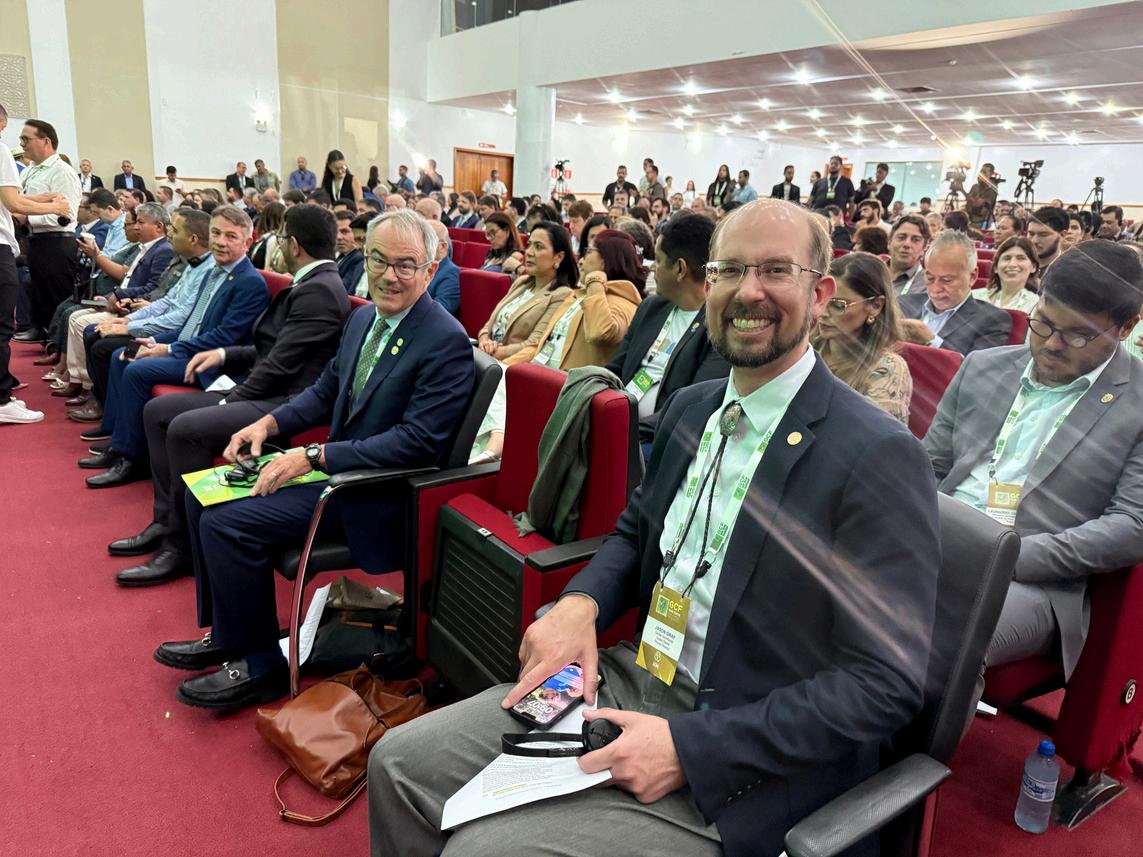
The Emmett Institute jumped into action in the wake of the devastating January 2025 fires, helping to coordinate research, inform policymakers, and bust myths about California environmental policy
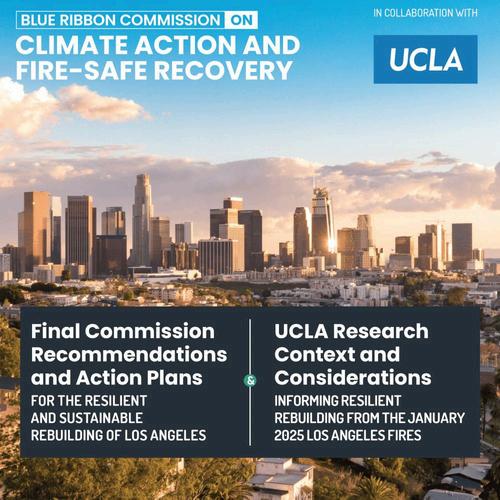
When LA County Supervisor Lindsey Horvath formed the Blue Ribbon Commission on Climate Action and Fire-Safe Recovery an expert commission to identify pathways for Altadena and the Pacific Palisades to recover the Emmett Institute played a pivotal role coordinating and convening a multidisciplinary UCLA team along with the Luskin Center for Innovation and the Sustainable LA Grand Challenge Among the many post-disaster efforts in the Los Angeles region, the Commission was unique in its charge to consider sustainable, climate- and disaster-resilient rebuilding strategies, charting a course for fire recovery that was not only swift and cost-effective, but also greener and safer
In June, the Commission released itsfinal recommendations, accompanied by a context-setting UCLA research report. “This report was the culmination of months of dedicated work and considered engagement with scores of community members and other stakeholders,” says Deputy Director Julia Stein, who helped lead the UCLA research team supporting theCommission.
A key Commission proposal was the creation of a Resilient Rebuilding Authority, a single government agency that could manage fire recovery holistically State lawmakers incorporated this concept intoSB 549, and local government officials have worked to advance it Stein became a leading expert on the proposal and was frequently quoted in the media talking about the benefits of such a dedicated rebuilding agency. Emmett Institute Distinguished Counsel Mary Nichols and board member Fran Pavley also played key roles in this effort
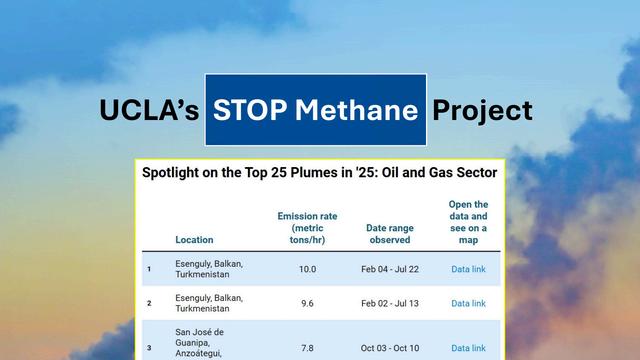
Our focus on methane has grown in leaps and bounds. We launched a user-friendly rankingof super-polluting methane emissions across multiple sectors, filling a gap between scientific data and policy action
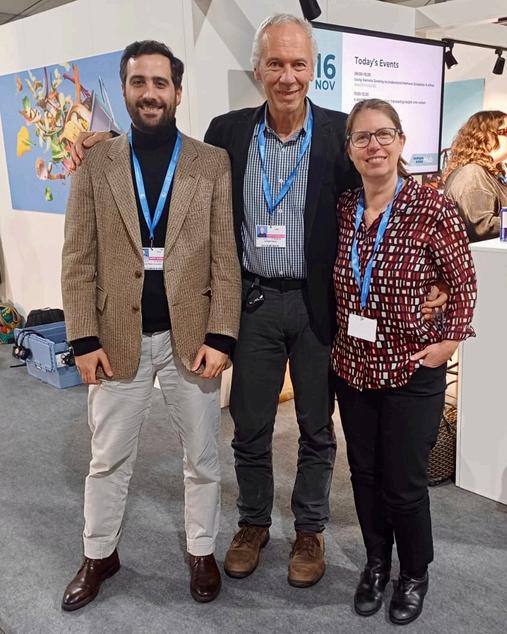
Our Advancing Methane Regulations project, started in 2023 by Cara Horowitz, Edward Parson, and Juan Pablo Escudero, put out several publications this year for the benefit of policymakers. One paper provides an accessible introduction to the science and technology of methane remote sensing, focusing especially on new satellite-borne methane detection instruments Another explains how policymakers can harness this data to improve climate policies and enforce emissions regulations. This October, we co-sponsored a successful workshop in Neuquén, Argentina with the UN's International Methane Emissions Observatory on building capacity for methane regulation
As our work progressed, it became clear that there is an urgent need for a credible source toidentify and spotlight the most importantemissionsdata, explain what it means, and make it easier for non-scientific actors to understand.
That’s the role of UCLA’s STOP Methane Project (Spotlight on Top Plumes) launched this November to help make the new data more prominent, understandable, and usable in guiding and motivating efforts to cut emissions. We do this by disseminating publicly available, science-based information about the most extreme emissions sources, in a form easily understandable by operators of emitting facilities, legal and regulatory authorities, journalists, and others, to provide accountability and to identify the most extreme emissions to cut The project has a significant communications component, assisted by Distinguished Counsel Mary Nichols and Communications Director Evan George.
L E A D I N G T H E W A Y O N E N E R G Y A F F O R D
The project expands upon the scholarly work on energy regulation from Faculty Co-Director William Boyd One of our three main areas of focus is ownership of energy resources: exploring how utility ownership structures affect cost, climate, and other outcomes
Our newly launched Emmett Clean Energy Law & Leadership project (E-CELL), headed by Denise Grab, helped frame this year ’ s dominant policy discussion: affordability
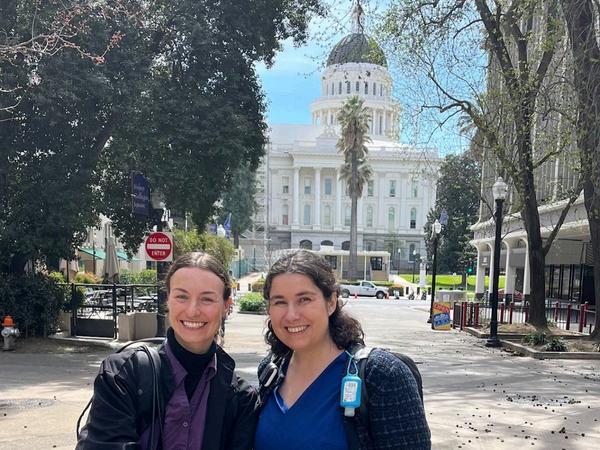
How do we reduce wildfire risk to California communities while keeping energy rates affordable? That was the focus of our Sacramento convening in March for lawmakers and their legislative staff ahead of a legislative session that was intently focused on energy affordability and wildfires Grab led that Sacramento policy briefing on what is working and what is not, so that lawmakers keep making informed decisions.
Launched in late 2024, E-CELL is a hub to contribute to the clean energy transition while enhancing the Emmett Institute’s longstanding focus on energy law
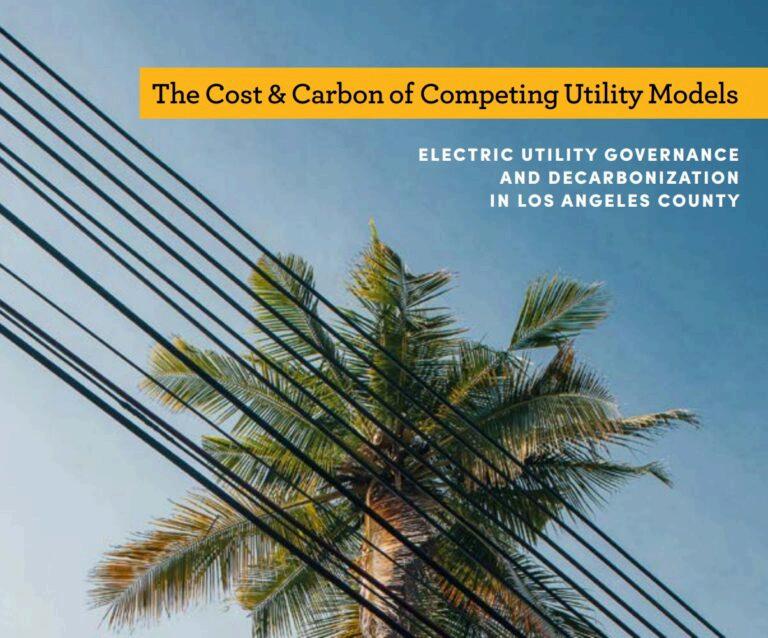
In June, we released a Pritzker Brief that explores the theoretical underpinnings differentiating between publicly-owned utilities (POUs) and investor-owned utilities (IOUs) on the issues of affordability, clean energy, and reliability In October, we published a policy report delving more deeply into a case study comparing cost and climate metrics between one POU the Los Angeles Department of Water and Power with one IOU Southern California Edison which both operate in Los Angeles County
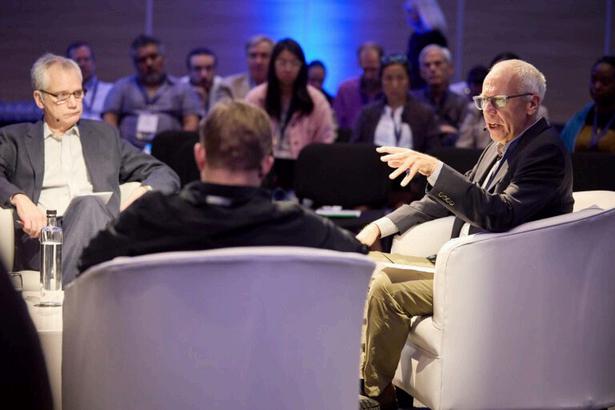
We are expanding our longstanding work on geoengineering governance, led by Faculty Director Edward (Ted) Parson since 2017
This fall, we welcomed Project Director Nicolas Esguerra to lead the Emmett Institute’s Project on Earth System Interventions Law and Policy.
Esguerra is an international climate policy expert who comes to UCLA Law from SilverLining, where he was Director of International Strategy He has a master’s degree in global affairs from Yale University and has worked as a disaster relief worker in Texas and Puerto Rico.
This expansion comes at a critical time We’re witnessing a turning point in attitudes toward how to prepare for the potential use of climate interventions
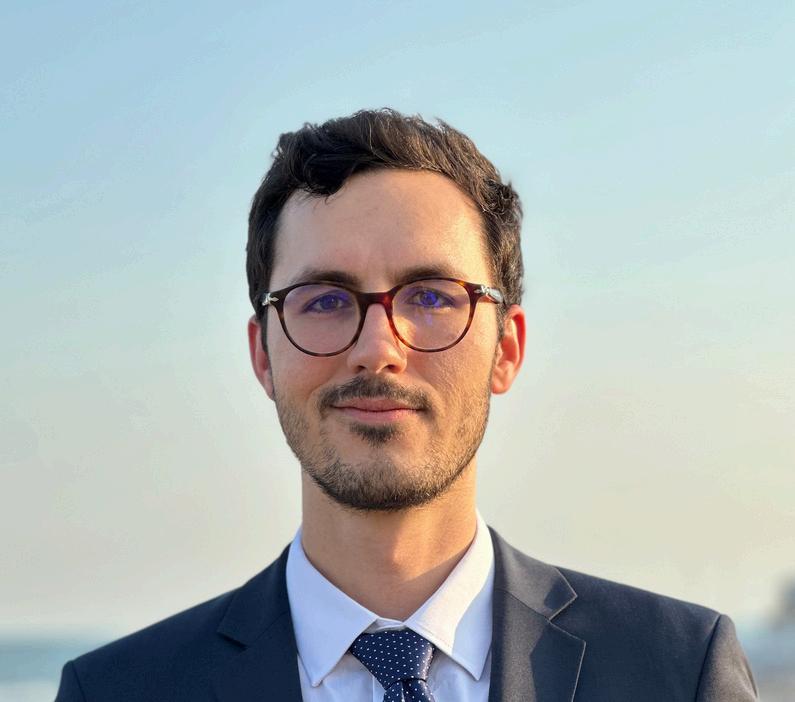
“I’m excited to help Ted grow a program that is working at one of the frontiers of climate policy and helps policymakers grapple with challenging questions on interventions which are only likely to become more salient as warming continues,” Esguerra said.
In May, the Emmett Institute co-sponsored the Degrees Global Forum, the largest-ever conference on solar radiation modification, or solar geoengineering The event was a chance for experts from the Global South and North to meet in Cape Town and discuss the latest research as well as debate the issues.
Parson and project lead Juan Pablo Escudero organized two events a Latin America policyscience dialogue on solar radiation modification, as well as a plenary session looking ahead to coming large-scale international governance challenges.
L E A D I N G T H E W A Y O N
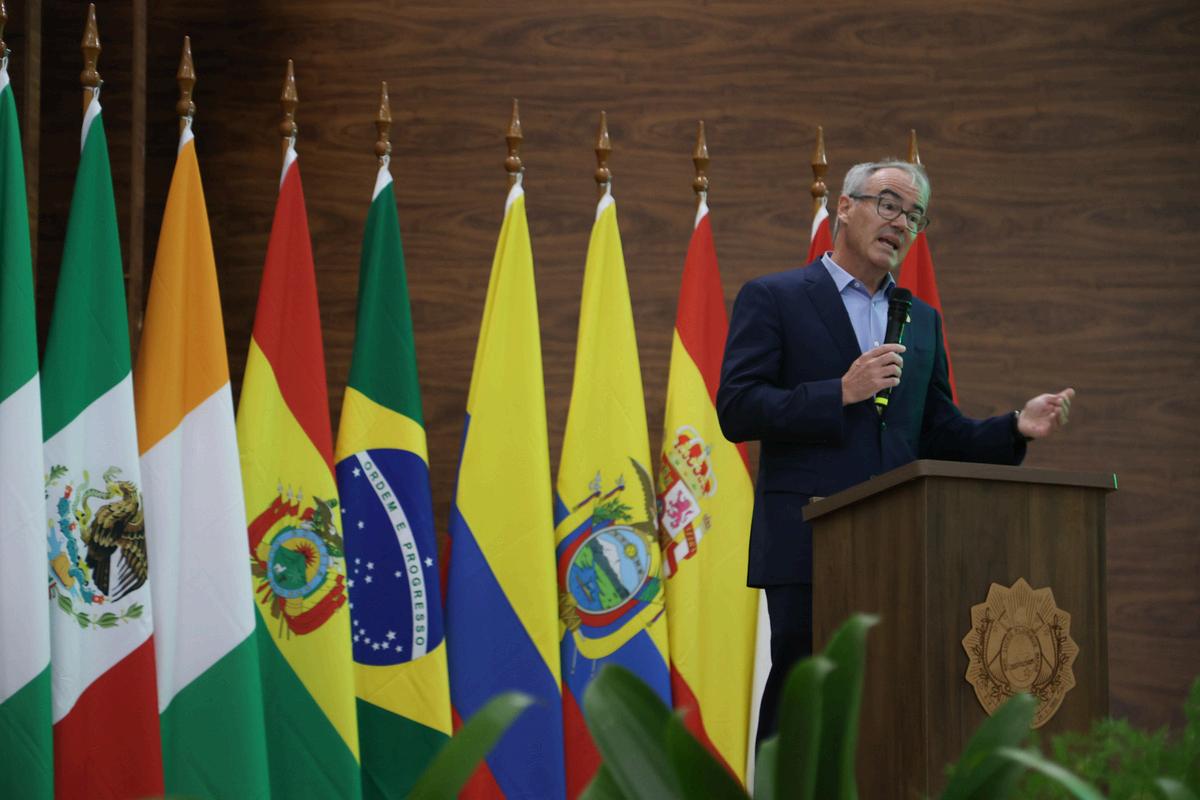
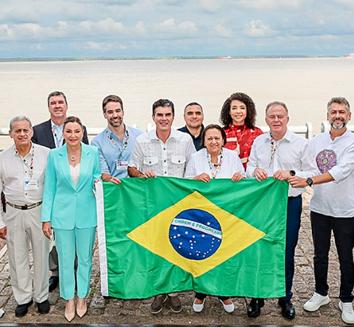
This November, world diplomats descended on the Brazilian city of Belém for COP30, the annual UN climate conference Our Governors’ Climate and Forests Task Force spent all year laying the groundwork for that UN conference and building consensus among its members for sustainable development in the form of a New Forest Economy
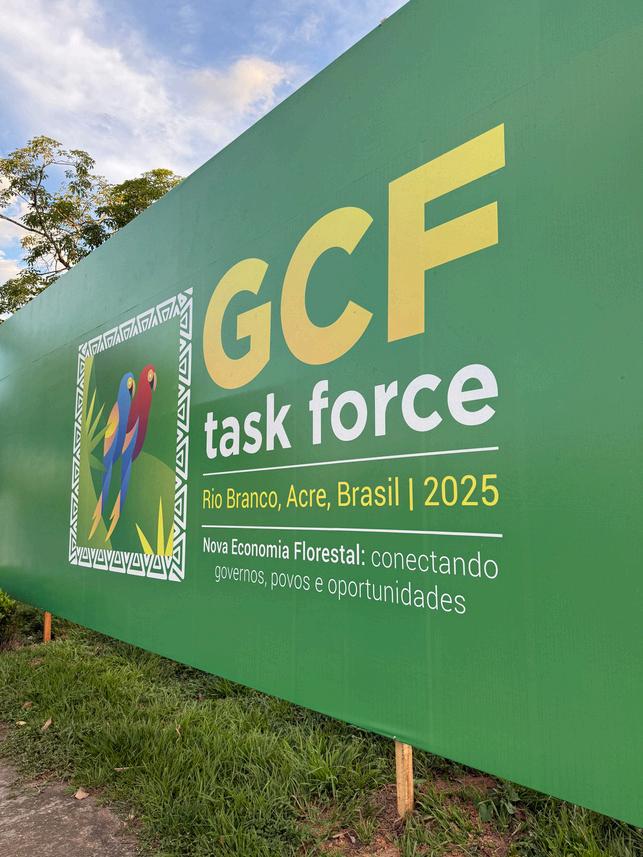
The GCF Task Force, a unique project of UCLA School of Law, is a sub-national alliance of governors from all over the world working together to protect forests. This year it grew to include 45 states or jurisdictions encompassing 60% of the forests of Mexico and Indonesia, 75% of the Bolivian Amazon, as well as all of the Peruvian and Brazilian Amazon “The GCF is getting larger every year and our voices are getting louder,” said Faculty Co-director William Boyd, who leads the task force. The GCF Task Force organized convenings, skill-building exercises, and policy meetings, including a week-long conference this May in Acre, Brazil
That event was attended by more than 800 delegates, including 20 governors and vice governors, Brazil’s Environmental Minister Marina Silva, Indigenous and local community leaders, and international cooperation partners In July, the GCF hosted a dialogue in São Paulo, Brazil betweenformer California Governor Arnold Schwarzenegger and several Brazilian governors to discuss the importance of subnational leadership and action on forests.
Project Director Jason Gray and the GCF Task Force staff organized 18 different side events and panel discussions to highlight the importance of subnational governmental action at the UN conference in Belém, including in the implementation of Brazil’s newly launched Tropical Forest Forever Facility. The GCF Task Force continues to receive terrific support from partners such as the government of Norway and the Forests, People Climate collaborative hosted by the
Reflecting the rapidly changing geopolitics around clean energy, we made a major addition to our class offerings this fall: a new seminar taught by Prof Alex Wang titled “The Law and Geopolitics of Green Development.” The class builds on Wang’s work and scholarship, including his new book “Chinese Global Environmentalism.”
“The premise of the seminar is that the rise of green industrial policy, green lawfare in the form of trade, national security, other measures and green regulation are reshaping the trajectories of climate and environmental governance globally,” Wang said. He holds the Walter and Shirley Wang Chair in U.S.-China Relations and Communications “In contrast to the US, China has used such measures to attain global dominance in clean energy, EVs, and batteries,” Wang said The class asks students to understand how these new developments affect the pace and trajectory of global climate action. They then work to develop a productive path forward for the US despite difficult political headwinds.
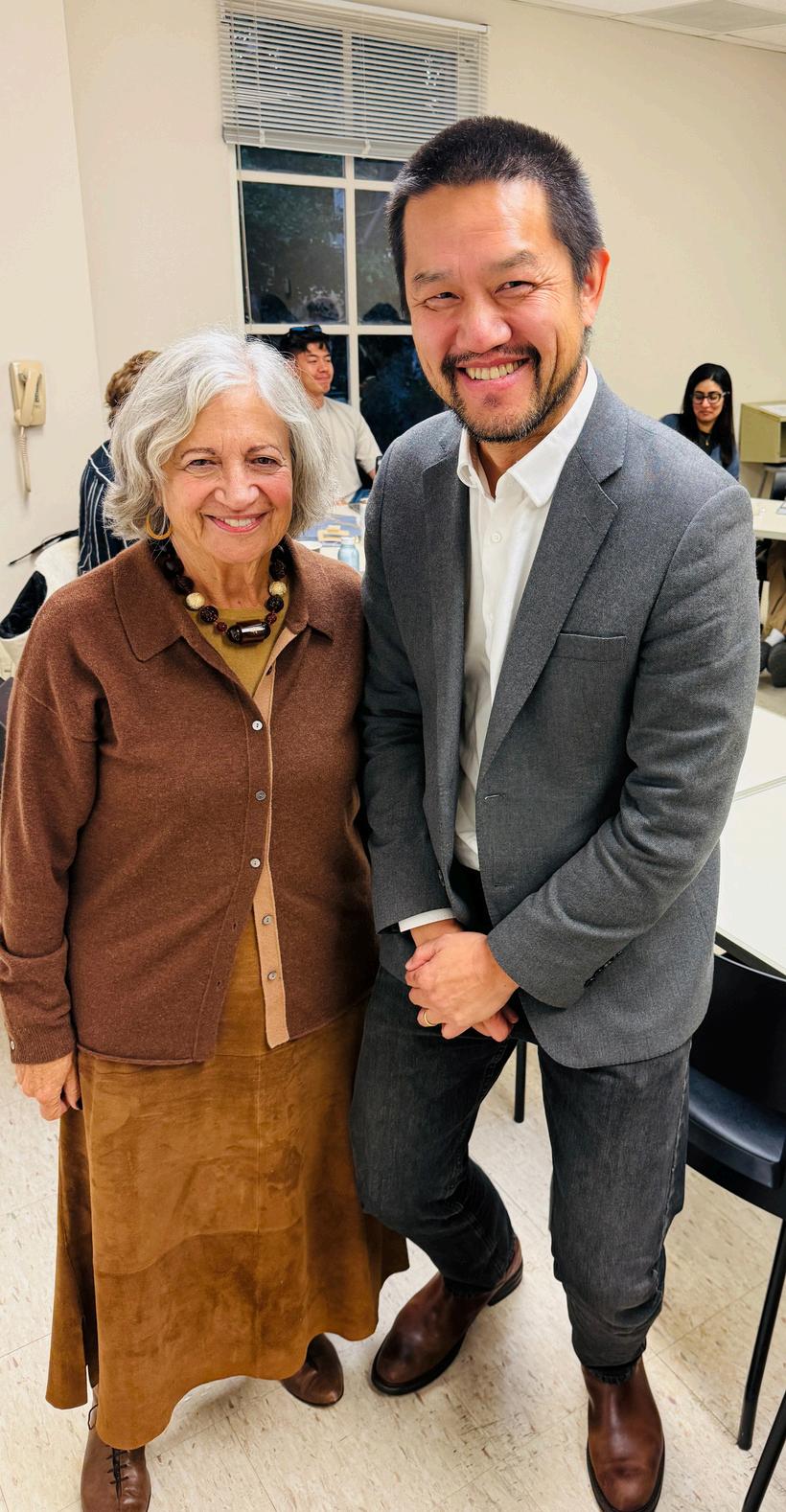
Wang is a frequently quoted expert on China environmental law and governance He authored an op-ed in the Los Angeles Times this fall pointing out the logic in pursuing renewable energy innovation when even a petrostate like Saudi Arabia has clean energy ambitions. His book “Chinese Global Environmentalism” is being published by Cambridge in December
Distinguished Counsel Mary Nichols is a frequent guest lecturer at the Emmett Institute and her engagement with students in Wang’s Law and Geopolitics of Green Development seminar has been particularly rich. This Fall, Nichols met with students to offer a firsthand account of her work on programs like cap-and-trade as a comparison to Chinese industrial policy
W O L E A
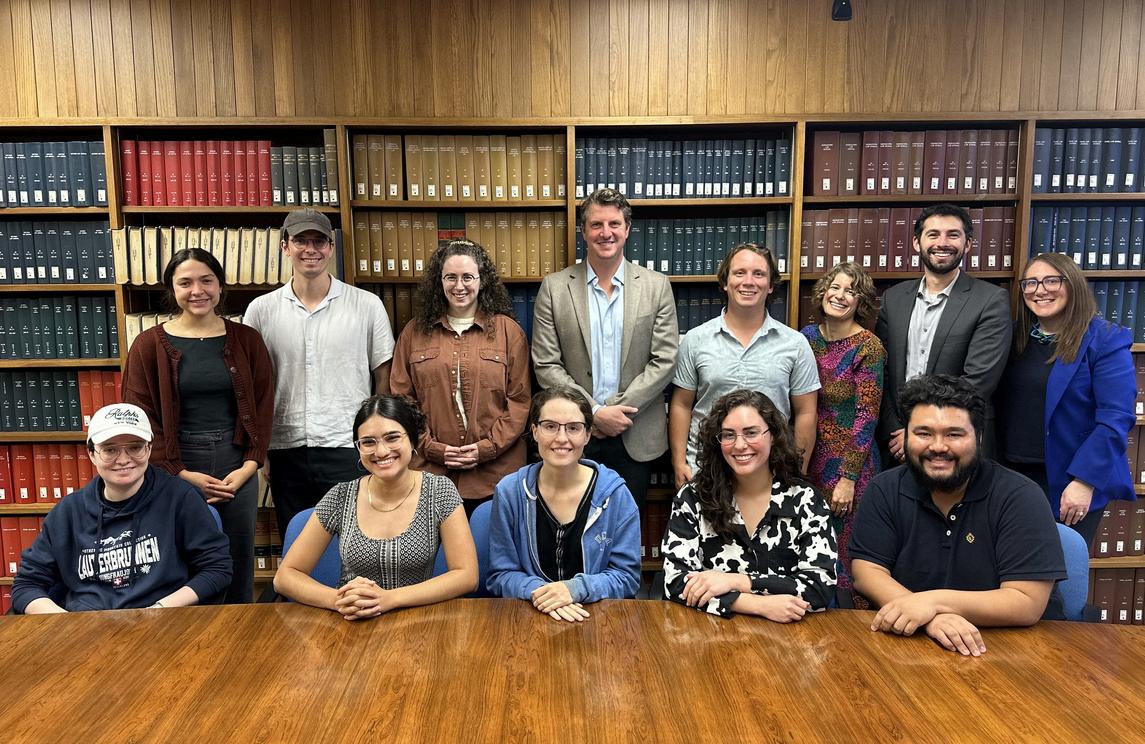
Many top law schools have an environmental law clinic, but UCLA Law has two Students in theenvironmental law specializationoften cite these law clinics as the highlight of their time at UCLA Law.
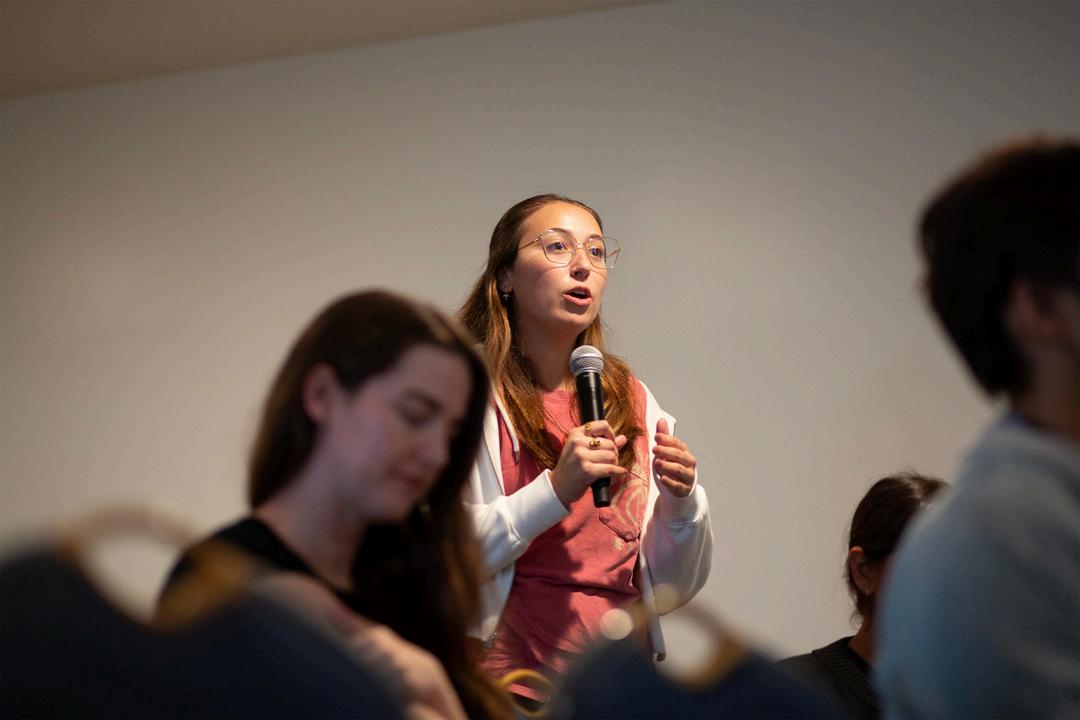
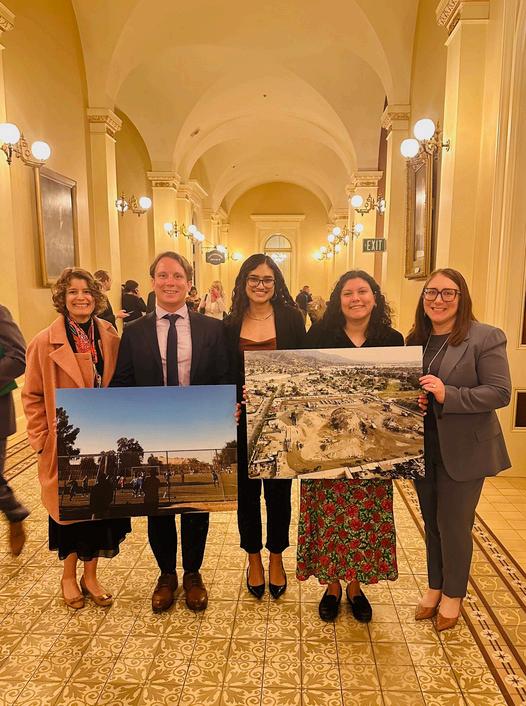
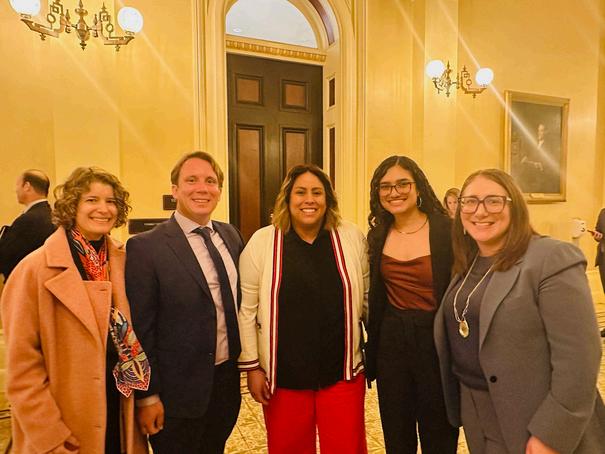
In the California Environmental Legislation and Policy Clinic, students work with Sacramento lawmakers and their staff to research problems, draft policy memos, and help write real legislation This spring, Maya Hernandez and Ian Bertrando (both JD ’26) testified as expert witnesses before the California Senate Environmental Quality Committee on SB 526, which they helped to draft It targeted air pollution from aggregate facilities, which are businesses that process construction debris like concrete and asphalt, grinding them into fine sand and gravel for reuse as construction materials
When lawmakers put questions to the bill’s author, they praised the students’ work “I appreciate the UCLA Law students you ’ ve involved in this,” said Sen Catherine Blakespear, the committee chair. “It’s a great community inclusion of our next generation’s brightest minds ” The bill cleared the committee and passed the State Senate
UCLA Law students also helped draft a successful bill designed to ensure carbon dioxide is transported safely by pipeline Jennifer Imm, Stella Gianoukakis, and Anirudh Krishna (all JD ‘25) researched the impacts of carbon capture, utilization, and sequestration and engaged with pipeline safety advocates and community stakeholders. Anirudh and Jennifer continued the work over multiple legislative sessions, culminating in SB 614, which Gov Gavin Newsom signed into law this fall
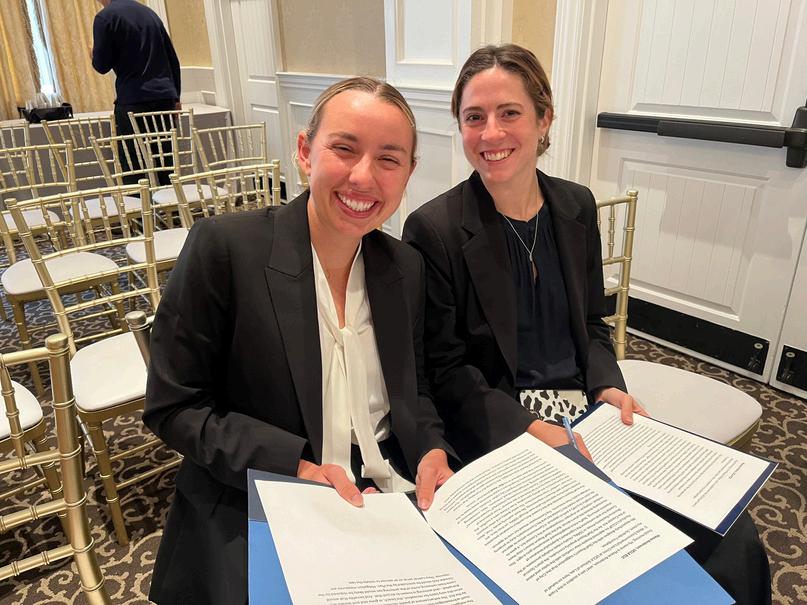
In the Frank G Wells Environmental Law Clinic, students represent clients on pressing matters at the local, national, and international levels As part of that clinic, Maeve Anderson and Mackay Peltzer (both JD ’26) testified at a May 2025 hearing in Half Moon Bay on a precedent-setting matter before the California Coastal Commission The City of Pacifica’s land use proposal included seawalls, which deplete California’s beaches. Peltzer and Anderson were testifying on behalf of a real client, the Surfrider Foundation
Deputy Director Julia Stein accompanied the students to the Commission hearing and said afterward that it was heartwarming “to see so many community members come up and thank Maeve and Mackay for their testimony and for bringing a well-reasoned legal analysis to the proceedings "
The Wells Clinic also contributed significant briefs in important cases This fall, Cara Horowitz and staff, through the clinic, filed an amicus brief in the U S Court of Appeals for the Ninth Circuitdefending the right of air pollution regulators to set important standards under the Clean Air Act to protect public health The case involves a challenge to South Coast AQMD's recent efforts to reduce nitrogen oxides (NOx) pollution by accelerating the transition to zero-NOxemissions models for certain water heaters and boilers
The Wells Clinic also took action this year on the issue of wasted water from the Colorado River NRDC and coalition of Waterkeepers petitioned the U.S. Bureau of Reclamation to utilize its legal authority to stop the waste of Colorado River water in Lower Basin states Students in the clinic helped research federal law and draft the petition on behalf of their clients.
Since her return from the Biden administration in 2023, Faculty Director Ann Carlson has played a pivotal role in thinking about how climate policies might be advanced as the federal government retreats
Carlson is regularly quoted in the national media about the evolving legal landscape around state climate policy, including California’s Clean Air Act authority, and widely credited as a top thinker in that space She is also frequently invited to speak and publish about the federal approach to greenhouse gas emissions and vehicle fuel efficiency standards
This year she also completed work on a fascinating, forthcoming book titled “SmogandSunshine: The Surprising Story of How Los Angeles Cleaned up its Air,”about the activism and research that helped address air pollution in California and beyond (due out in April 2026)
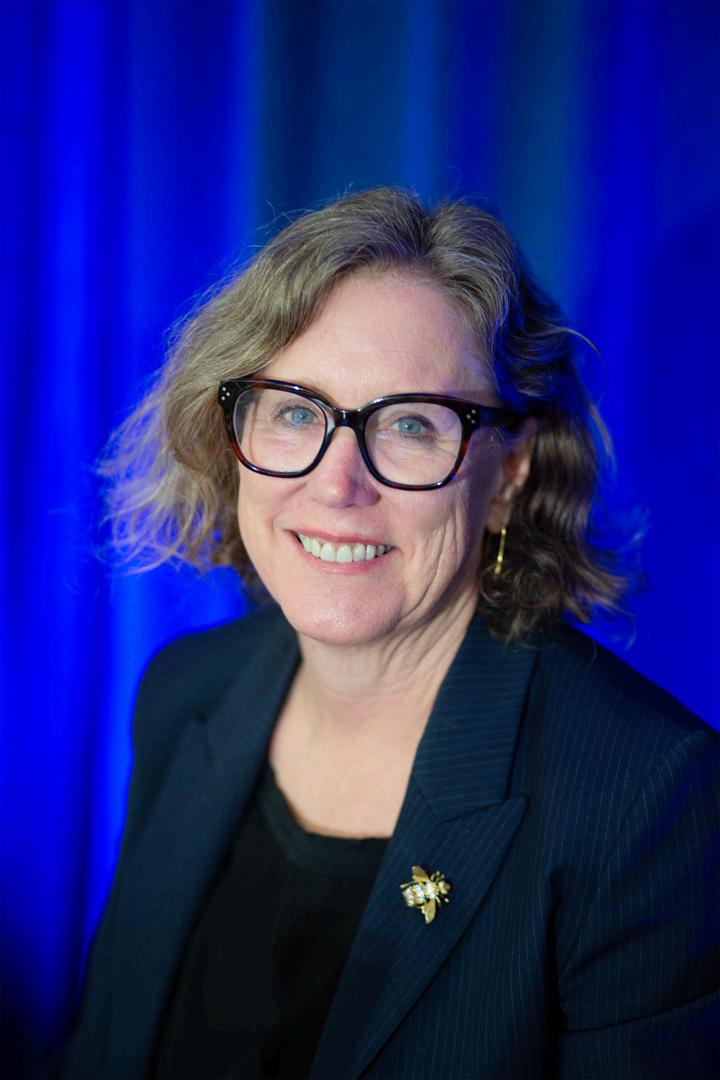
In 2025, Carlson has given keynotes and talks from UCLA Law to University of Utah to Iceland.
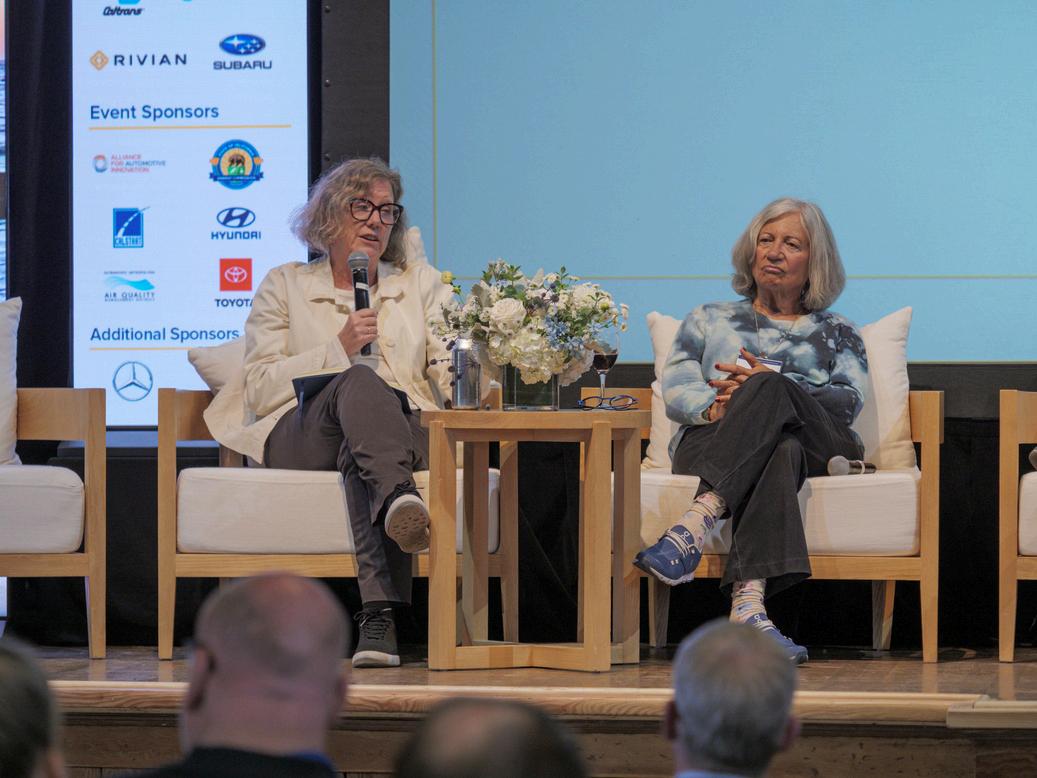
Carlson and our Distinguished Counsel Mary Nichols were also featured speakers at the 20th Biennial Conference on Transportation, Environmental and Energy Policy at Asilomar, an invite-only convening on transportation policy where experts from around the world come to discuss, debate, challenge one another’s ideas, and look for opportunities to collaborate. Participants include leaders of NGOs, academia, environmental justice groups, industry, and government They took part in the closing panel titled “Turning Headwinds into Tailwinds” with reflections on how to achieve a sustainable, clean transportation future in the face of many obstacles.
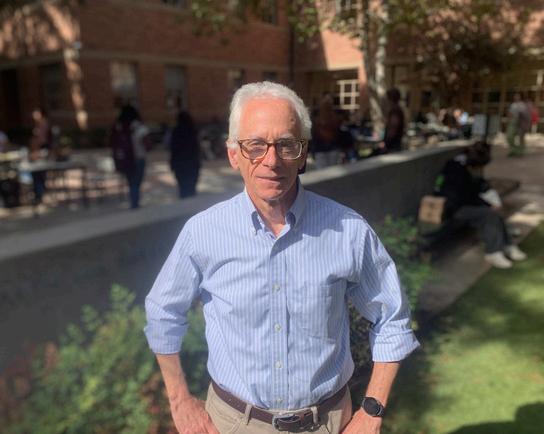
The agricultural industry relies heavily on chemical pesticides, many of which contain toxic active ingredients that evaporate into the air, seep into the soil and groundwater, or remain as residue on crops In California, there are 12,793 pesticide products registered, with 1,047 different active ingredients. So, how can the state keep farm workers, nearby residents, and consumers safe from these risks? Prof Tim Malloy has worked for years on this question
Malloy just published “Building Capacity for Robust Pesticide Regulation,” a comprehensive assessment of pesticides under California law. The report recommends a path forward for addressing cumulative exposures under existing law, with emphasis on pesticide registration at the state level and permitting at the county level Malloy, the Frank G Wells Endowed Chair in Environmental Law at the Emmett Institute, also continues to work on genomically engineeredkelp, which holds promise as a form of carbon sequestration, and the governance challenges that kelp presents

This year, our Prof. Jim Salzman was elected to the prestigious American College of Environmental Lawyers, one of just two academics nationwide selected in 2025
Members of ACOEL are selected based on their "depth of experience in – and substantial contributions to – the field of environmental law." The honor is bestowed upon the top environmental law practitioners in the United States and Canada
Salzman is in good company: He joins our Ann Carlson, Mary Nichols, and Sean Hecht as ACOEL fellows While some of the nation’s top environmental law programs have three ACOEL fellows, it’s highly unusual. So, the UCLA Emmett Institute is proud to have four!
S U P P O R T I N G F E D E R A L
Kendall Chappell (JD ’25) is the Federal Climate Justice Fellow with Communities for a Better Environment, part of the Emmett Institute's postgraduate fellowships with leading community-based nonprofit organizations. This is the second cohort of this unique fellowship.
At UCLA Law, Kendall competed in the 2024 Pace University National Environmental Law Moot Court Competition and worked on a project with Earthjustice in the Frank G. Wells Environmental Law Clinic related to an Oakland coal terminal. "It made me a stronger lawyer," she said of her clinic work Kendall also served on the board of the Law Students for Climate Accountability


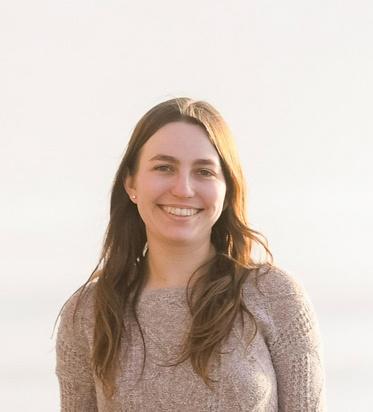
Jennifer Imm (JD ’25) is working in the nation’s capital for the nonprofit Appalachian Voices as a Federal Climate Justice Fellow, also part of the Emmett Institute's postgraduate fellowships with leading community-based nonprofit organizations.
During summers while in law school, Jennifer worked at the California Department of Justice's Natural Resources section as well as with Surfrider Foundation As a 2L, Jennifer participated in our California Environmental Legislation and Policy Clinic, where she researched the impacts of carbon capture, utilization, and sequestration on California communities The project led to the introduction of a bill designed to ensure carbon dioxide is transported safely by pipeline
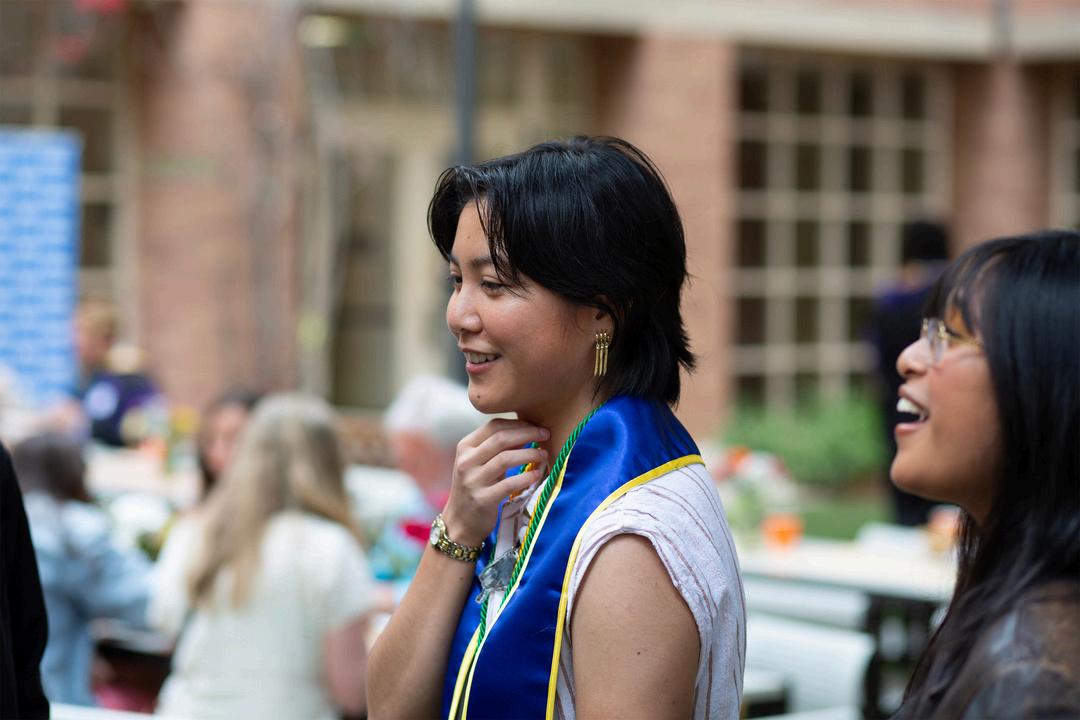
Cassandra Vo (JD ’25) is a public interest environmental advocate at Angel Law in Santa Monica
During her law school summers she worked with Leadership Counsel for Justice & Accountability as well as with Surfrider Foundation She served as Communications Director for the UCLA Environmental Law Society As a student in the Frank G Wells Environmental Law Clinic, Cassie worked on the issue of extreme heat and supported the nonprofit Leadership Counsel for Justice and Accountability in its advocacy to ensure robust health protections for mobile home dwellers Cassie also competed in the 2025 Pace University National Environmental Law Moot Court Competition, where she won Best Oralist during two rounds of the competition.
Luis Armando Martínez (’25) is clerking on the U S Court of Appeals for the Sixth Circuit.
He traveled quite a bit during his time at UCLA Law One summer, he worked for Earthjustice in the Florida office before spending spring of 2L in Washington, D C working for EarthRights International through the UCDC program. During his 2L summer, he worked for Southern Environmental Law Center's Georgia office He competed in the 2024 Pace University National Environmental Law Moot Court Competition, winning Best Oralist in the third preliminary round Now he’s publishing his first journal article (analyzing the applicability of Delaware corporate governance law to an emerging climate technology) and has passed the D C Bar Exam
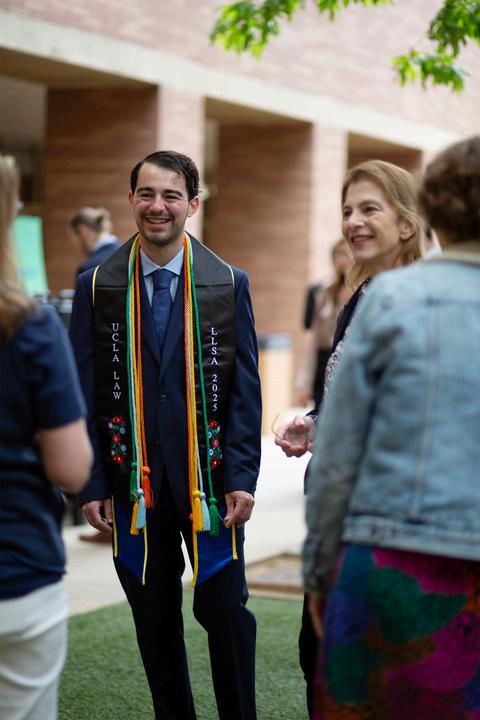
O R L
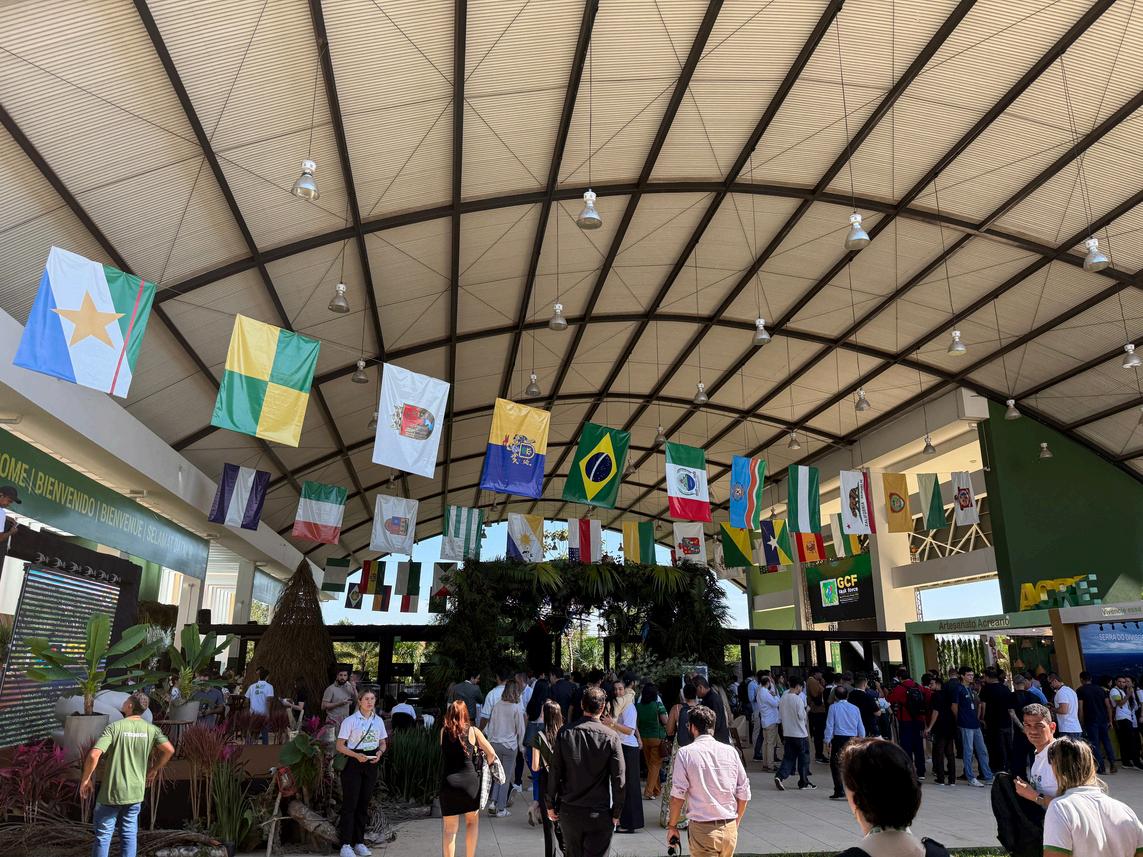
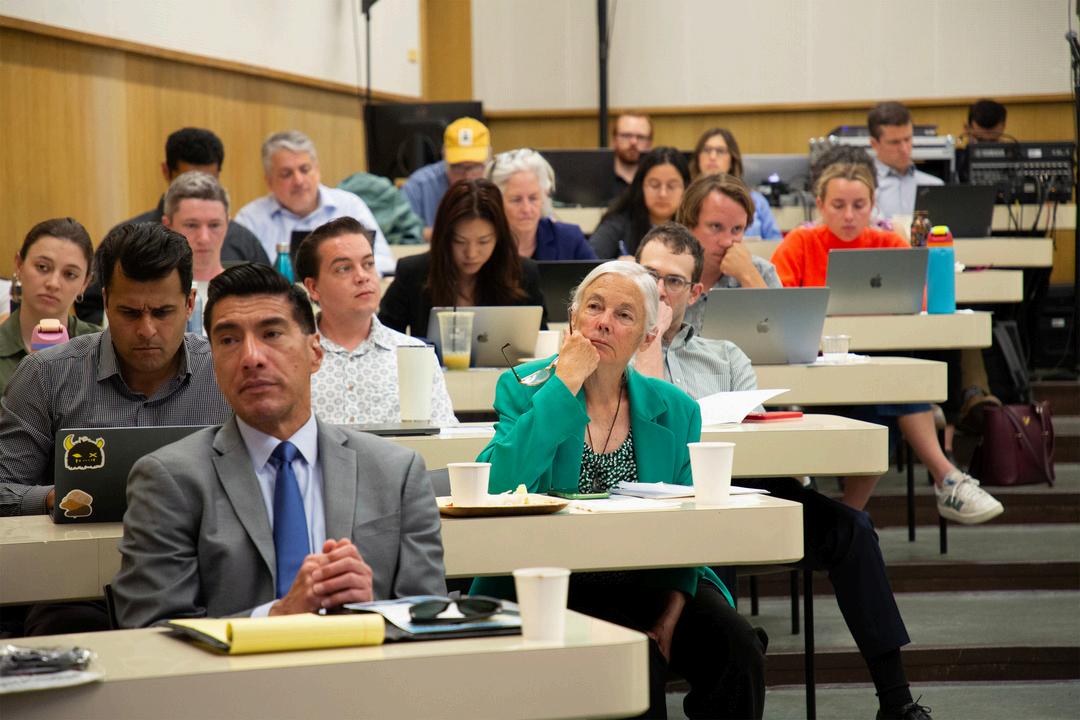
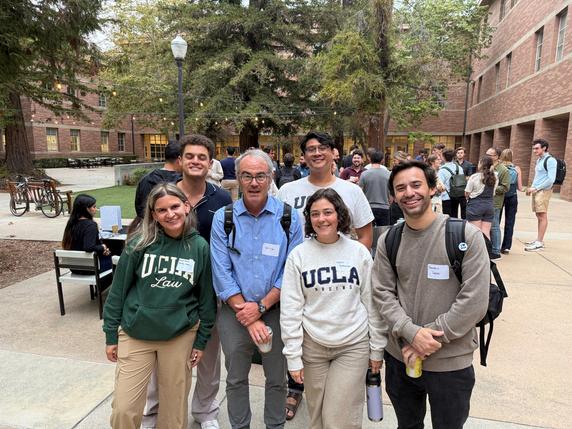
About 2,000 participants attended two dozen Emmett Institute events this year, from private meetings between our students and renowned climate diplomats to a global conference we held in Brazil Our robust events program advances important ideas and conversations among researchers and policymakers, strengthens our community, and introduces students to information about career opportunities.
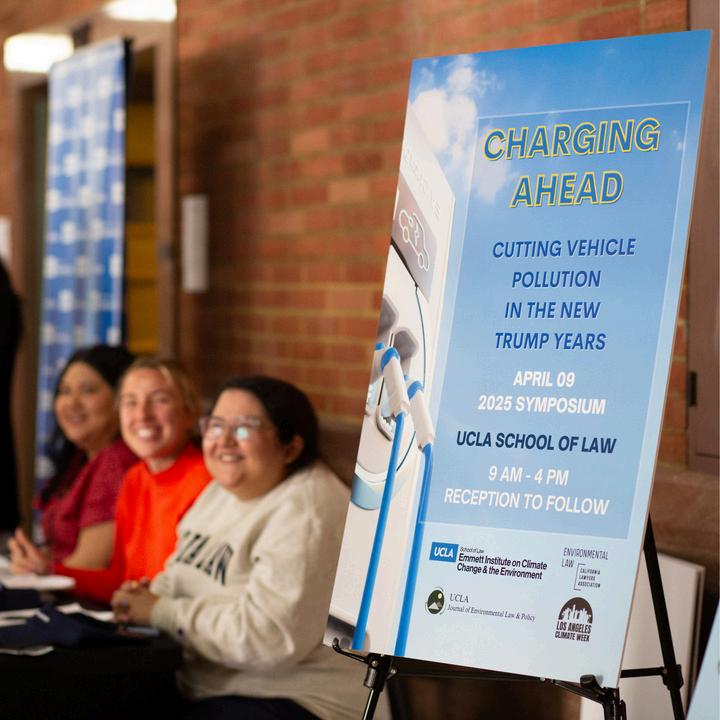
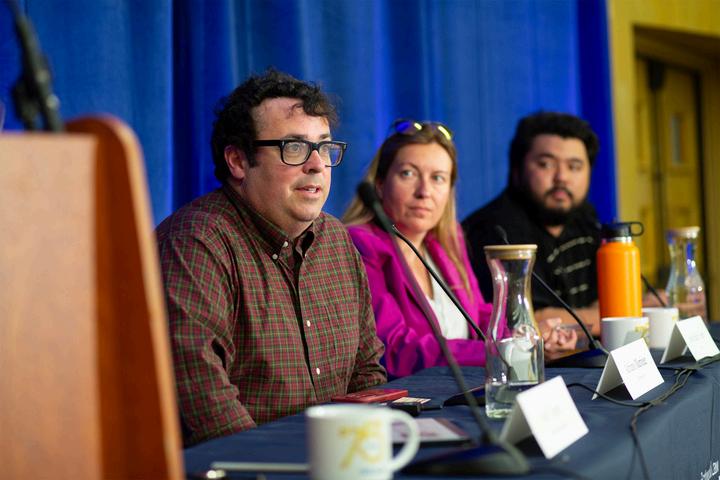
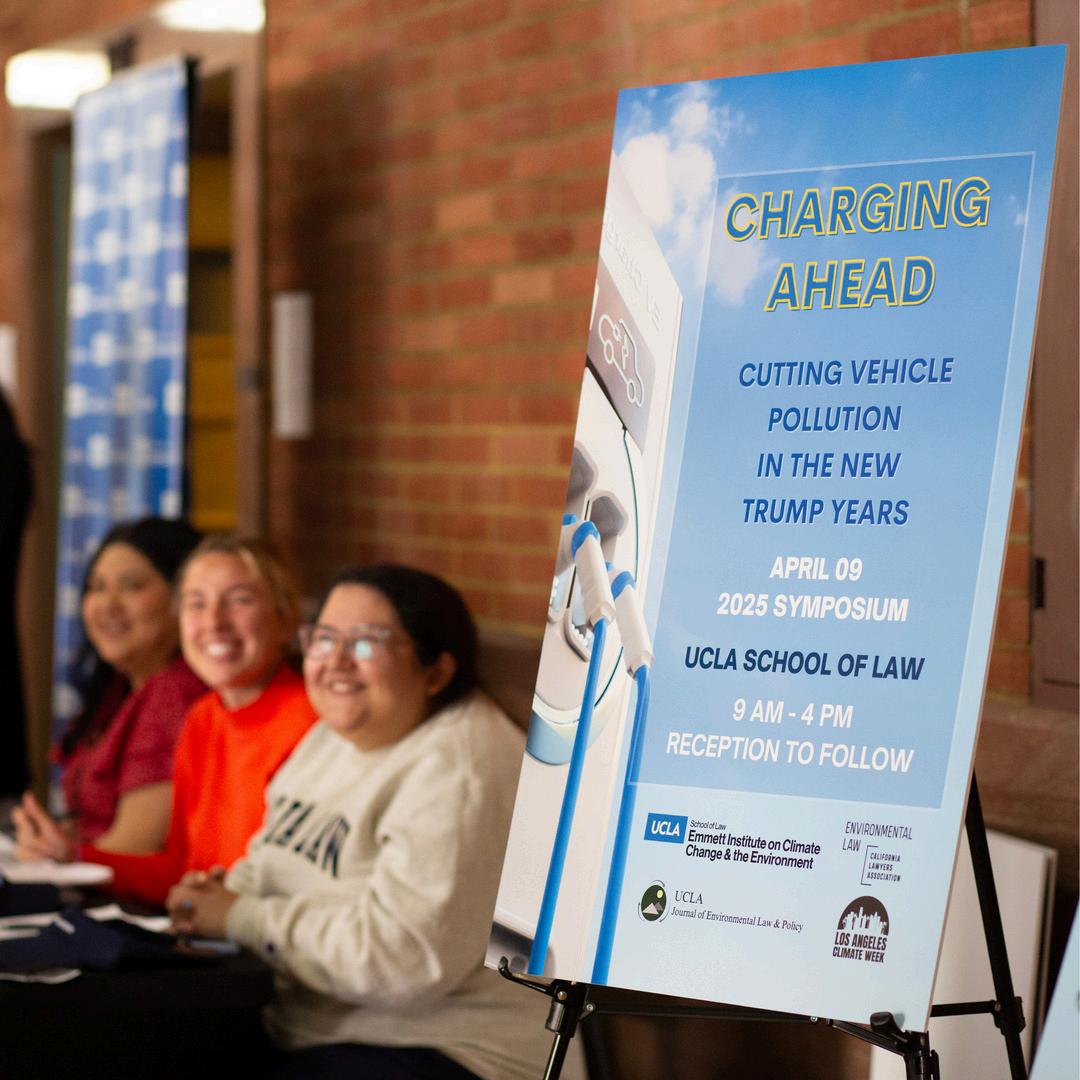
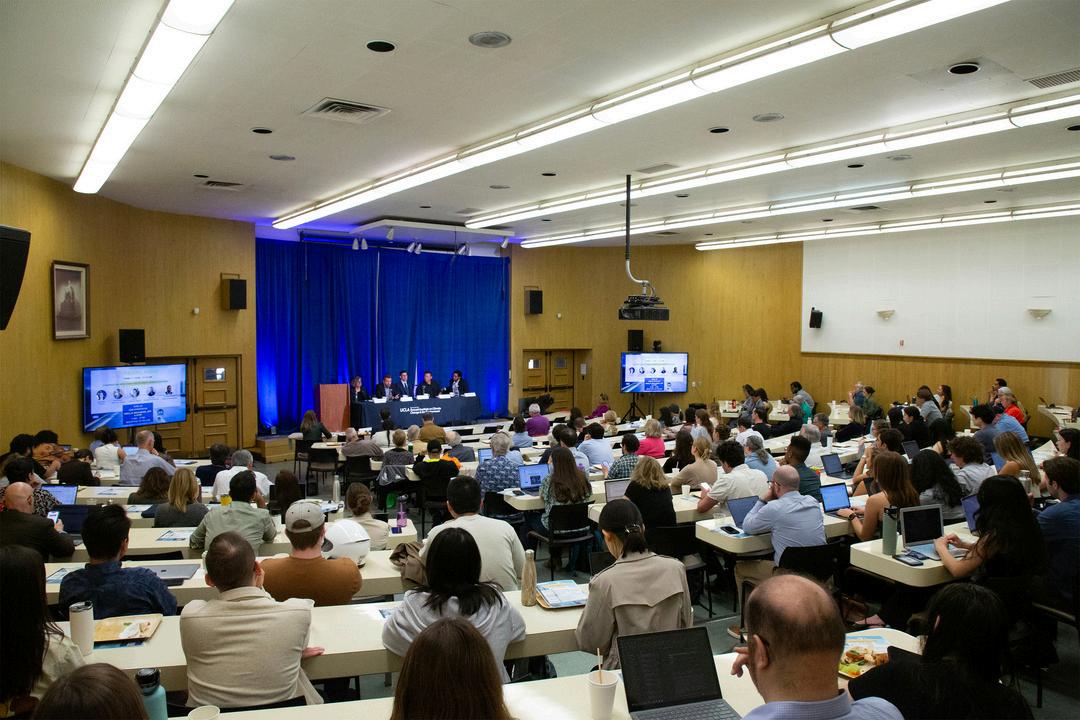
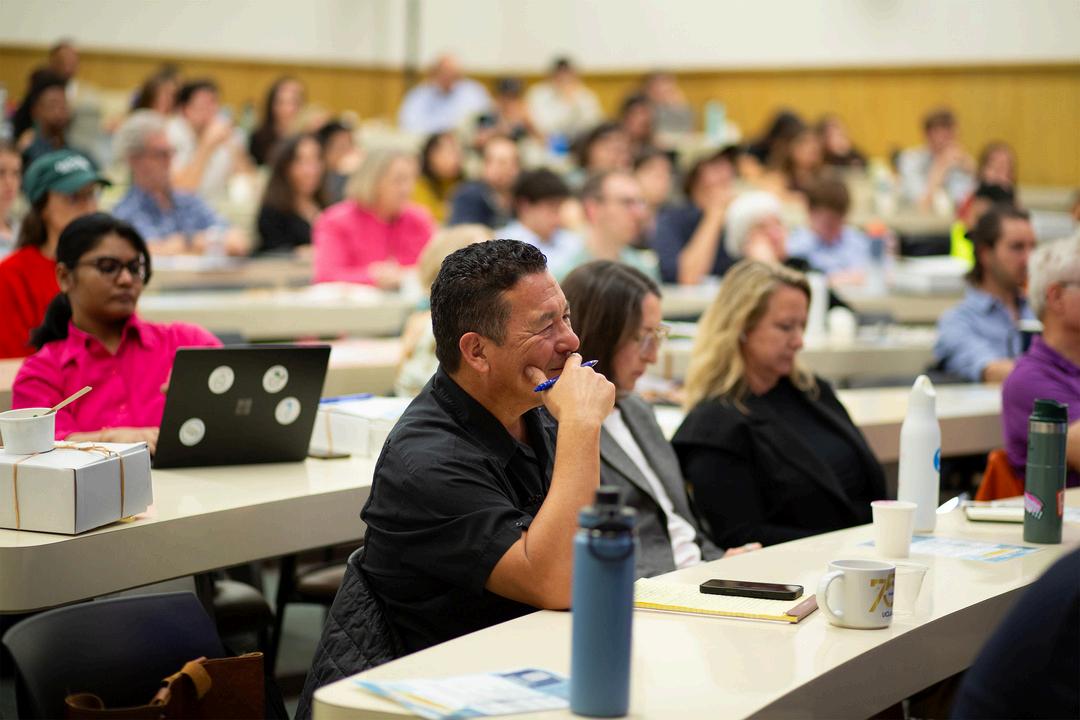
Our 2025 Symposium, “Charging Ahead," was an all-day event at UCLA School of Law focused on ways to cut vehicle emissions during the next four years and beyond California Attorney General Rob Bontagave a lunch keynote address and Faculty Director Ann Carlson gave plenary remarks For the first time this year, our symposium was an official LA Climate Week event
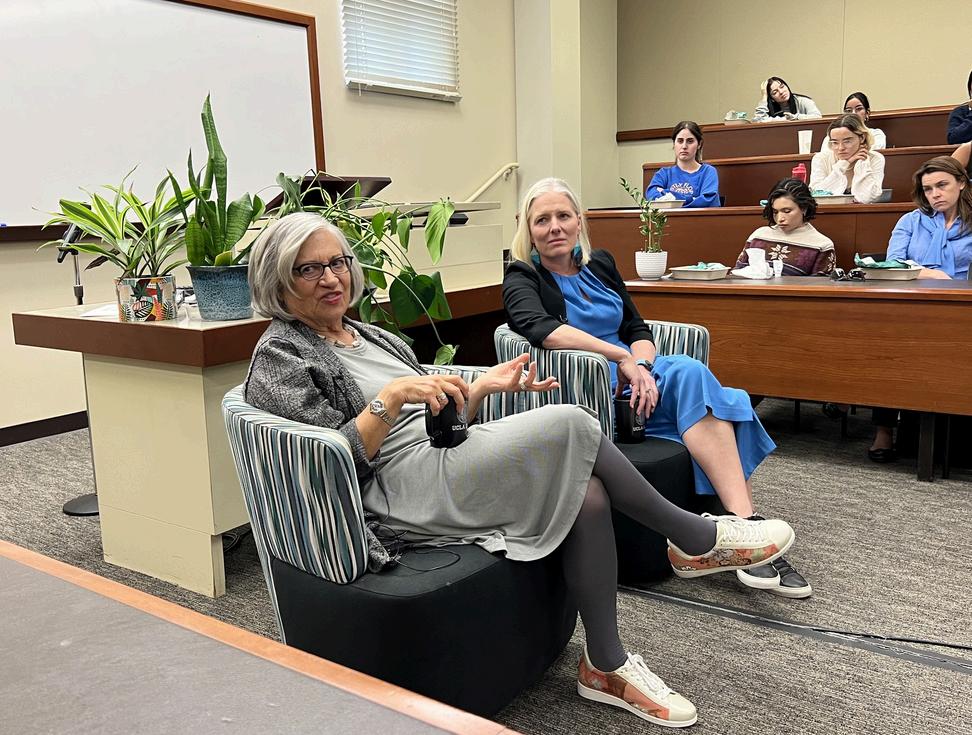
This year we also continued to bring climate policy rock stars to convene with UCLA students In January, we brought former Canadian Environment Minister Catherine McKenna to UCLA to talk about the critical work of holding polluting industries accountable and career paths for environmental lawyers. McKenna talked with faculty, met with students, and shared her insights on climate disclosure laws in a public forum with our Mary Nichols In April, we welcomed Sue Biniaz, the former U S State Department Principal Deputy Special Envoy for Climate, to meet students and talk about climate diplomacy.
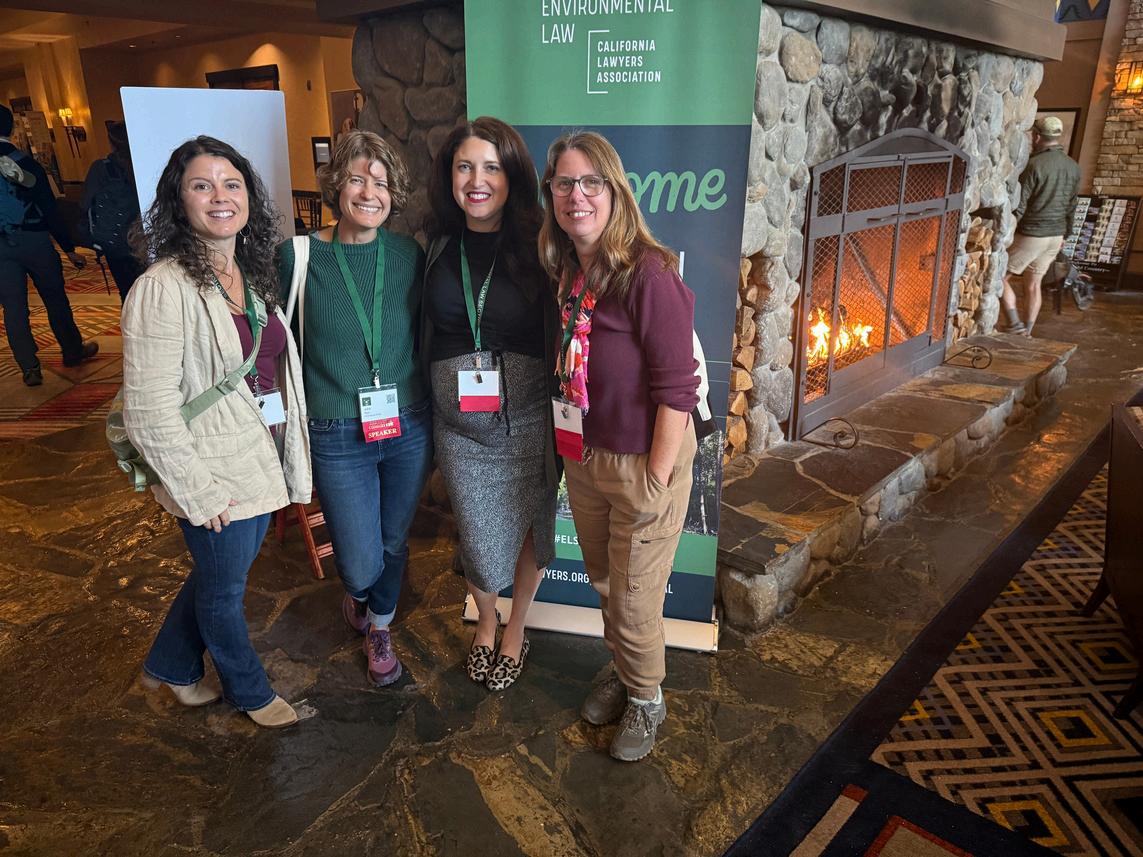
UCLA always brings one of the biggest contingents of students to the annualCalifornia Lawyers Association Environmental Law Conference in Yosemite by helping to subsidize their attendance. This year, 37 students joined us for expert panels, hiking through the Mariposa Grove of Giant Sequoias, and a sustainable cheese tasting with our fantastic alumni, staff, and faculty
We frequently welcome environmental law luminaries from other schools, like this spring when we hosted a book talk with University of Texas at Austin Professor David Spence, author of “Climate of Contempt” for a fascinating discussion with our William Boyd and Ann Carlson
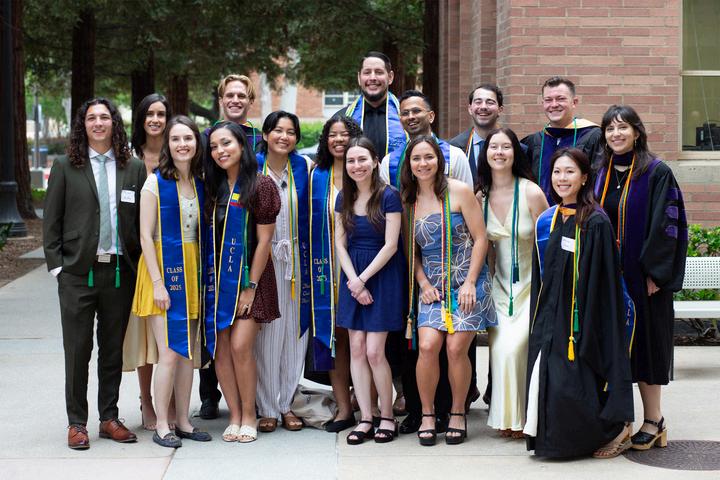
UCLA environmental law students benefit from exciting opportunities and engagement with our colleagues at the Promise Institute Europe, based in the Netherlands. Students have been placed in distinguished externships at tribunals, courts, and international organizations such as the International Court of Justice, the International Development Law Organization, and others
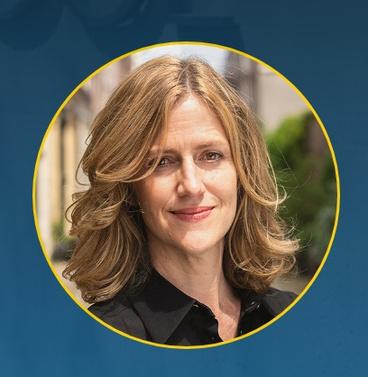
This July, a blockbusteradvisory opinionhanded down by the International Court of Justice found that nations have a legal obligation to limit their emissions of greenhouse gases and could be on the hook to pay reparations for the harms of climate change “July 23, 2025, was a historic day for international law, for climate change, and for humanity,”said UCLA Law Prof Anna Spain Bradley, whojoined the Emmett Institute as affiliated faculty this year. She is Faculty Director of both the Promise Institute for Human Rights at UCLA and the Promise Institute Europe at UCLA School of Law
The Promise Institute Europe, led by Prof Kate Mackintosh,appearedbefore the ICJ on that case andconveneda conference in May 2024 to explore the issues involved. This fall, Mackintosh also visited as a guest lecturer in our climate change law course taught by Cara Horowitz
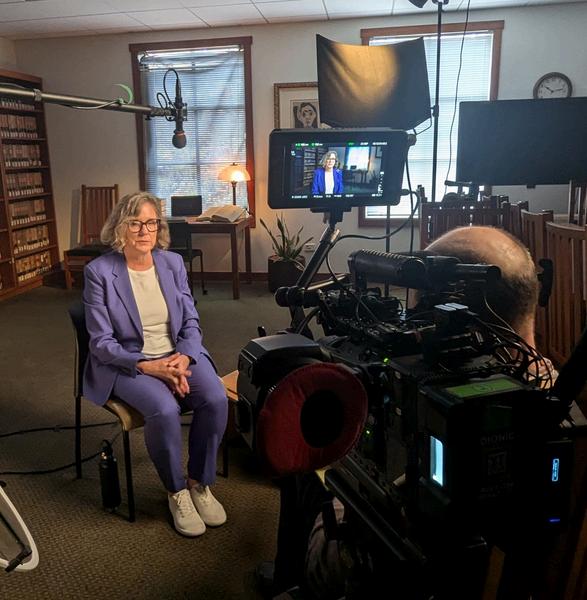
As many climate experts lose their jobs and their platforms, the Emmett Institute has raised its voice to stand up for the rule of law, science, sound policy, and climate journalism. Our faculty are dedicated to communicating widely with myriad audiences through the press, documentaries, social media, and our own publishing
This summer, our Faculty Director Ann Carlson and Distinguished Counsel Mary Nichols were featured narrators in a onehour PBS documentary “Clearing the Air: The War on Smog” about how Los Angeles, California, and ultimately the federal government took on air pollution starting in the 1960s and ’70s
All our experts helped journalists and their audiences make sense of the attack on environmental laws and climate policies.
Our faculty appeared in national media including the New York Times, NPR, Associated Press, Politico, and the Washington Post They were frequently quoted by regional media like the Los Angeles Times, San Jose Mercury News, Cal Matters, LAist and KCRW.
We also continue to break records at Legal Planet, the policy blog run by UCLA Law and Berkeley Law This year, we had the most readers in the blog’s 16-year history totaling more than 300,000 page views And in addition, our Communications Director Evan George launched a weekly roundup of environmental news that has become a popular column and standalone newsletter for the environmental law community to understand trends in media and policy
UCLA Law is the only environmental law program in the country (as far as we know) that provides a media and communications boot camp for law students. George, a longtime audio journalist, trains UCLA Law students on interview tactics, communications strategies, and how to work with journalists
F A C U L T Y P U B L I C A T I O N S
William Boyd
Cases and Materials on Environmental Law (11th ed , 2024), with Daniel A Farber
The Tax Struggle and Renewable Power, 79 Tax L Rev (2026, forthcoming,)
Barriers to Using Remote Sensing Data and Tools for Forest Governance in the Tropics (2025, forthcoming), with Marius von Etten et al
Kimberly Clausing
Who Bears the Burden of Climate Inaction?, (2025, forthcoming), with Christopher R. Knittel and Catherine Wolfram.
Global Climate Cooperation After 2024: A Proposal for a Heavy Industry Climate Coalition, (2025, forthcoming) with Joseph E Aldy et al
The Global Effects of Carbon Border Adjustment Mechanisms, Nat’l Bureau of Econ Res Working Paper (2025), with Jonathan Colmer et al.
Eight Principles for the 2025 Tax Policy Debate (that Republicans and Democrats Should be Able to Agree on), Peterson Inst for Int’l Econ (2025)
Denise Grab
The Cost & Carbon of Competing Utility Models: Electric Utility Governance and Decarbonization in Los Angeles County (2025).
Cara Horowitz
Reducing Outdoor Vulnerability to Extreme Heat in Los Angeles: Law and Policy Recommendations for StreetScale Shade Interventions (2025), with Elizabeth Kent, Heather Dadashi, and Brennon Mendez.
Amicus Brief in Rinnai America Corp. et al v South Coast Air Quality Management District on behalf of Northeast States for Coordinated Air Use Management (NESCAUM)
Hunting Methane Using Satellites: A Guide for Policymakers (2025), with Shivani Shukla et al.
Remote Sensing of Atmospheric Methane: A Primer for Policymakers on the Science of Methane Satellites (2025), with Anna Veldman et al
Wielding the Power of ISRs: Using Indirect Source Rules to Fight Pollution from Mega Facilities, Pritzker Policy Brief No 19 (2025), with Brennon Mendez
Allan Marks
Think Globally And Act Locally: Collaboration Across Borders To Address Climate Change, 53 Denv J Int’l L & Pol’y (2025)
A R T I C L E S , A N D B R I E F S
Edward (Ted) Parson
Remote Sensing of Atmospheric Methane: A Primer for Policymakers on the Science of Methane Satellites (2025), with Anna Veldman et al
Peter Reich
Public Law: A Casebook for Master’s Degree Students, West Academic Publishing (2025) Comparative Latin American and United States Water Law, in Comparative Environmental Law, (Tseming Yang, et al eds, Edward Elgar Publishing, 2025)
James Salzman
Chapter on the Climate Change Advisory Opinions in International Environmental Law and Policy (2025), with David Hunter and Durwood Zaelke
The Cleanest Water and the Dumbest Kids: Do Small Water Systems Comply With the Safe Drinking Water Act?, 44 Stan. Envtl. L.J. 276 (2025)
Julia Stein
UCLA Research Context and Considerations: Informing Resilient Rebuilding from the January 2025 Los Angeles Fires (2025), with Megan Mullin et al.
Alex Wang
Chinese Green Development and Global Environmental Norms in China and Transnational Legal Ordering: Disaggregating the State, (Greg Shaffer & Ji Li eds., Cambridge University Press, forthcoming 2026), with Yuanyuan Zhang.