UCI-OC Poll

APRIL 28, 2026
APRIL 28, 2026
Few places in America are better positioned to take the measure of public opinion on immigration than Orange County. Home to large immigrant communities and one of the nation's most closely divided electorates, the county is a microcosm of the broader national debate. This poll captures that complexity: residents are broadly supportive of immigration’s contributions to the country, yet insist on enforcement boundaries and hold divergent views across party lines, generations, and racial and ethnic backgrounds.
Attitudes vary most by partisanship, with Independents often aligning with Democrats, but differences by age and race/ethnicity also shape how residents experience and evaluate immigration
Together, the findings point to a public that is neither uniformly pro- nor anti-immigration, but instead pragmatic – supportive of immigration’s contributions while attentive to its limits and the details of how policies are carried out.
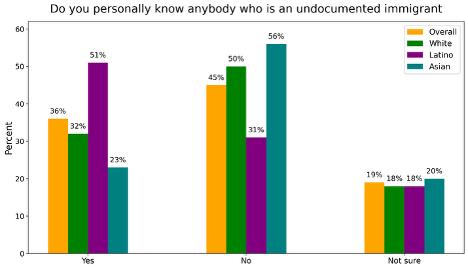
Orange County has a large immigrant population, concentrated largely among nonwhite communities and those who have arrived more recently. About a third of residents report knowing someone who is undocumented.
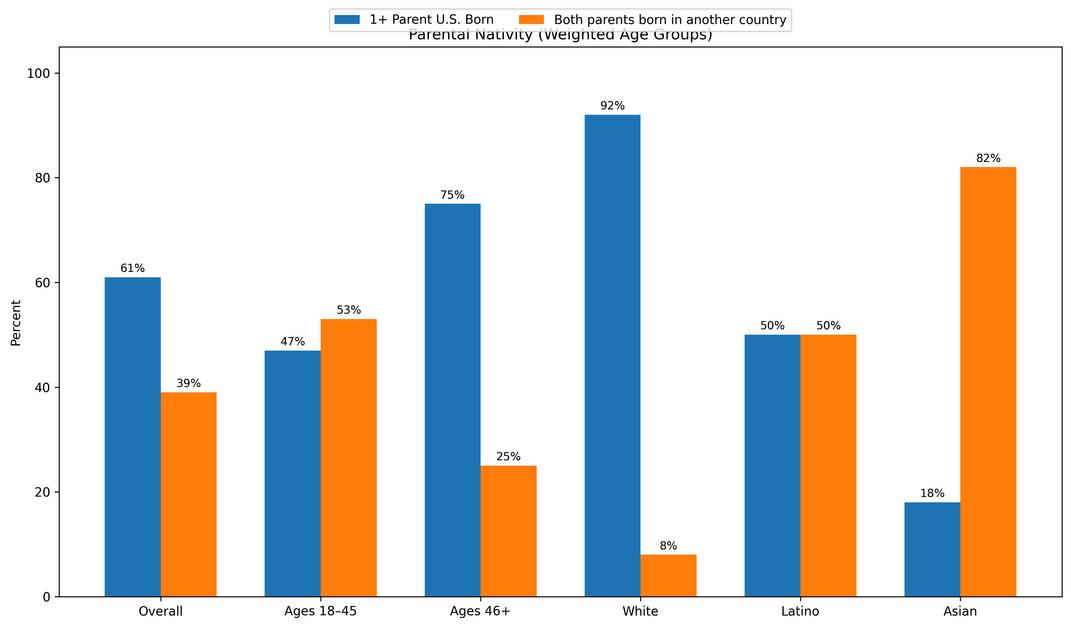
Across Orange County, nearly 40% of residents have been raised by parents who were both born in another country. This is especially true among Asian American (82%) and Latino (50%) residents There are also significant differences by age Among residents 46 or older, one-quarter have two foreign-born parents, whereas that share rises to just over half for those aged 18–45.
When asked if they personally know an undocumented immigrant, slightly more than one-third of residents say they do, while another one in five are unsure Latino residents are much more likely than others to know someone who is undocumented (51%), with the gap particularly pronounced compared to Asian Americans (23%).
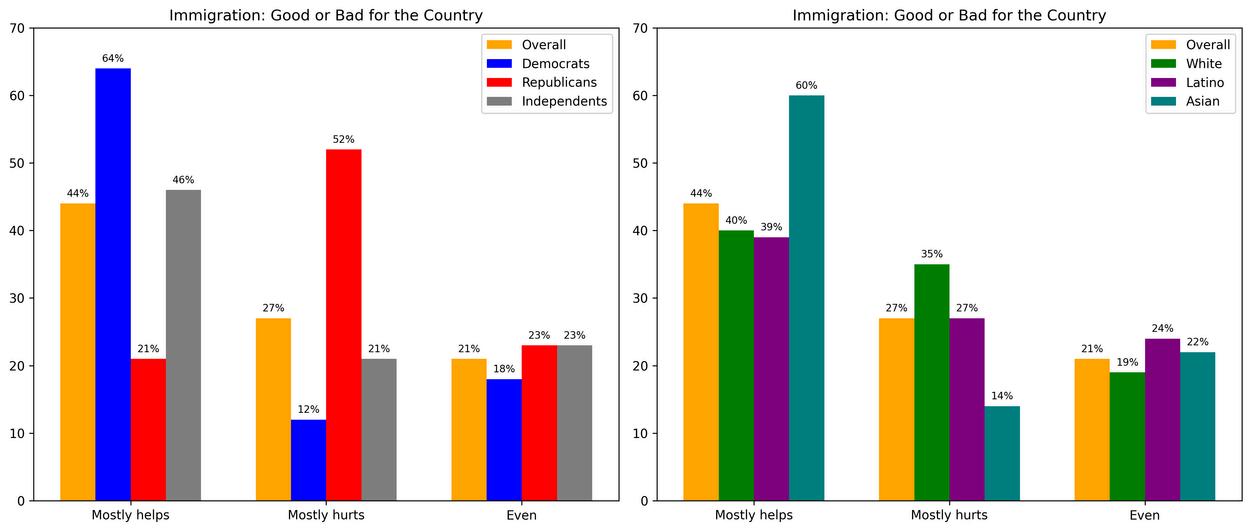
Orange County residents generally view immigration and immigrants positively, but attitudes diverge sharply by political affiliation.
Asked about the effects of immigration on the country, 44% of Orange County residents say it mostly helps, 21% believe the effects balance out, and 27% say it mostly hurts. These differences are driven primarily by partisanship: 64% of Democrats say immigration mostly helps, while 52% of Republicans say it mostly hurts. By more than a 2:1 margin, Independents believe the benefits outweigh the costs, aligning more closely with Democrats Differences also appear across racial and ethnic groups, though they are generally more modest – except among Asian American residents, who, by roughly a 4:1 margin, view immigration as more beneficial than harmful.
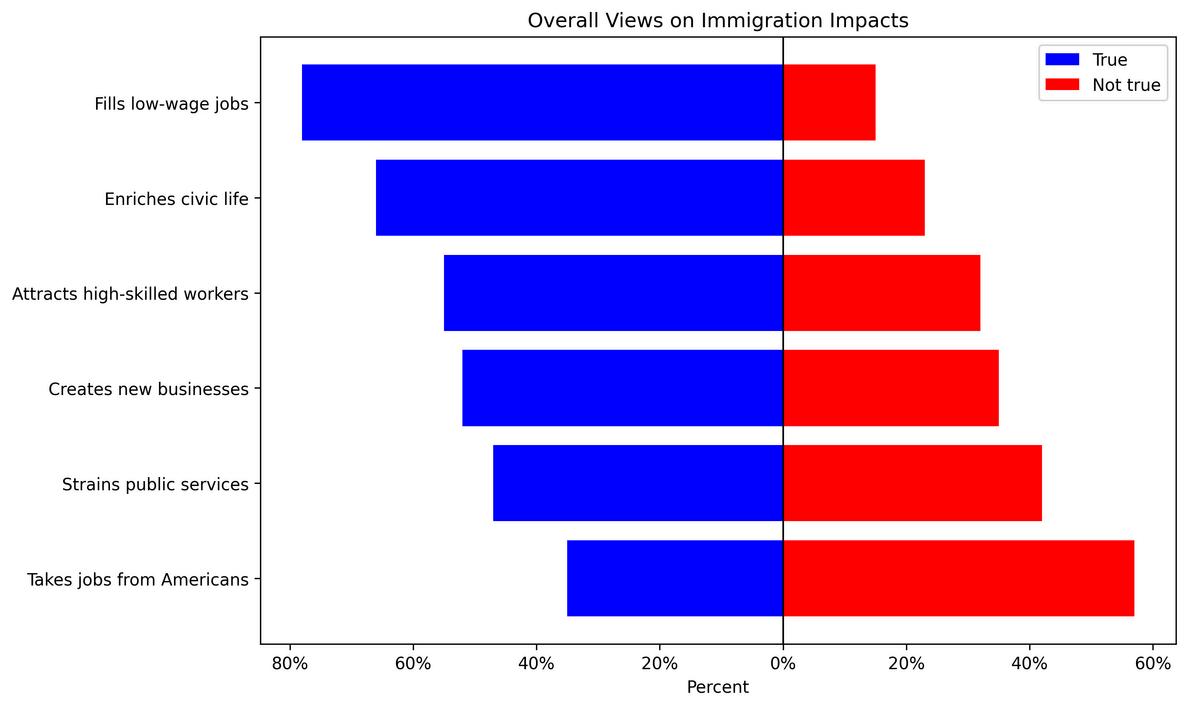
When asked about the effects of immigration in Orange County, large majorities of residents say immigration fills essential low-wage jobs (76%), enriches civic life (67%), attracts high-skilled workers (56%), and creates new businesses and jobs (53%). While a modest plurality believe immigration strains public services (48%), only 36% say immigrants take jobs away from people already living here.
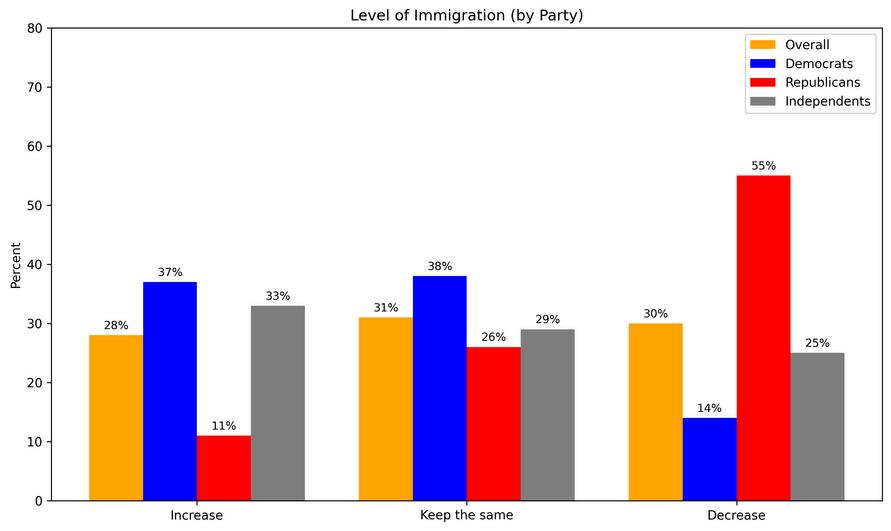
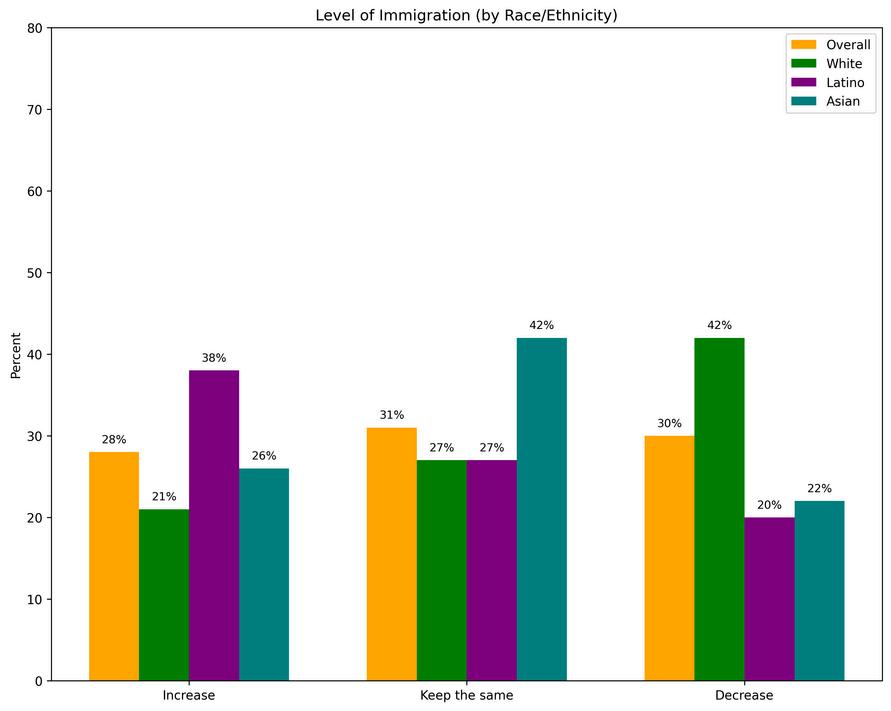
Residents are split on changing the level of immigration to the United States.
Orange County residents are closely divided on whether immigration levels should be increased (28%), decreased (30%), or kept the same (31%). Beneath this balance, however, lie sharp partisan differences Only 11% of Republicans support increasing immigration, compared with 37% of Democrats and 31% of Independents Differences also emerge across racial and ethnic groups, particularly in reducing immigration. White residents (42%) are nearly twice as likely as Latino (20%) or Asian American (22%) residents to favor decreasing immigration levels.
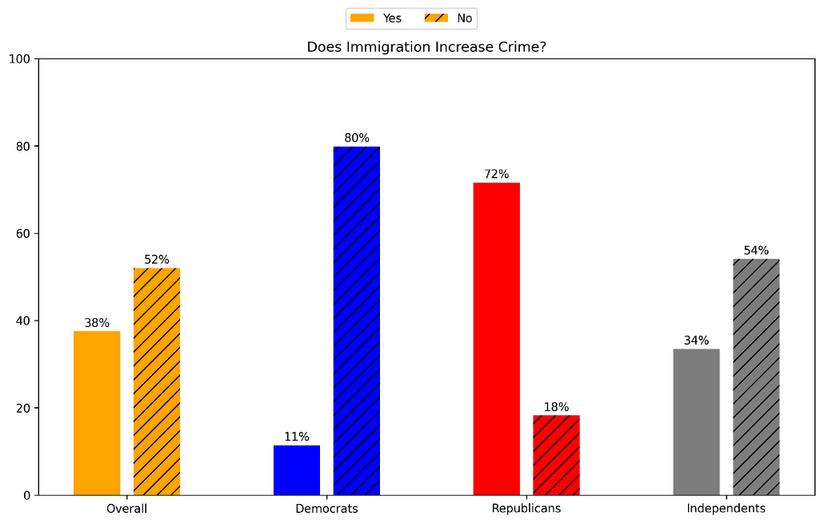
OC residents say immigration does not increase crime, although there are strong partisan differences.
For years, researchers have challenged the notion that increased immigration leads to higher crime Public opinion has been slower to follow, but in Orange County, a majority of residents reject the idea that immigration increases crime. Partisan differences, however, remain substantial: 72% of Republicans believe immigration increases crime, while 80% of Democrats and 54% of Independents reject that view.
Orange County residents disapprove of President Trump’s performance on immigration, although less so on border issues. The Democratic and Republican parties are even on immigration.
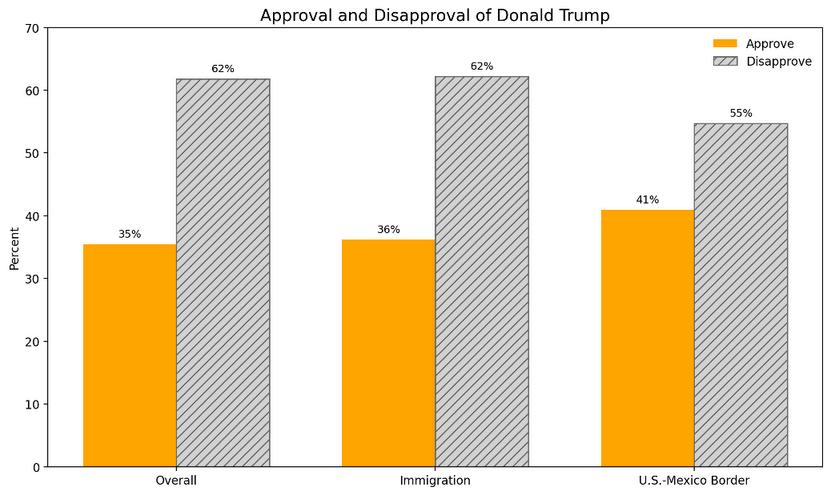
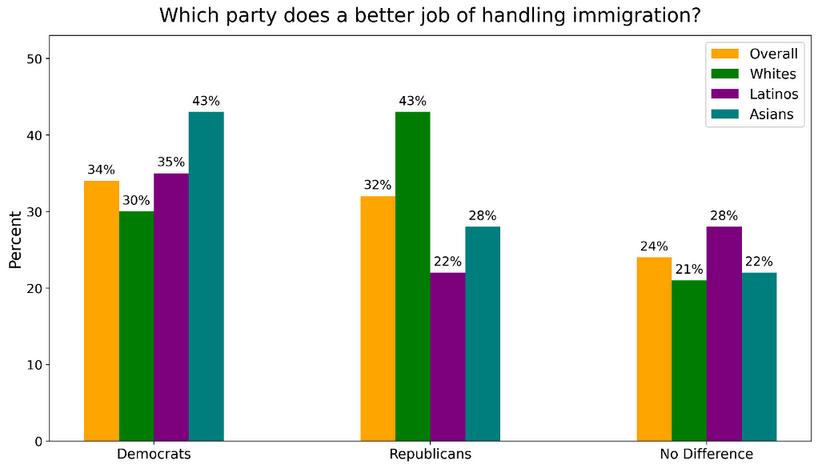
Six in 10 OC residents disapprove of President Trump’s performance on immigration, nearly identical to their assessment of his overall job performance However, when the question turns specifically to conditions at the U.S.–Mexico border, disapproval falls by seven points, to 55%. In a shift from previous national polling, respondents now rate Democrats (34%) and Republicans (32%) about equal in their handling of immigration.
Most Trump immigration policies face opposition, although a few draw majority support.
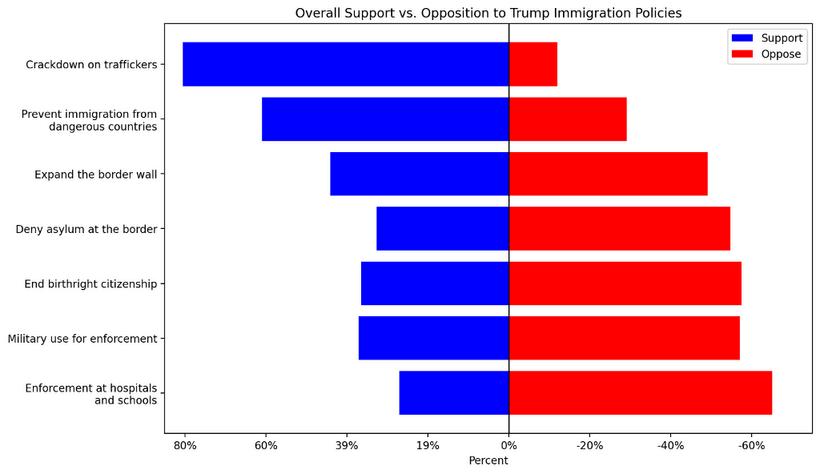
The UCI–OC Poll tested several immigration initiatives associated with the Trump Administration and found broad opposition among Orange County residents. Only 27% support conducting immigration enforcement at hospitals or schools, 33% wish to deny asylum applications at the U.S. border, 36% favor ending birthright citizenship, and 37% support using the U.S. military to assist with deportations. Two policies stand out as exceptions: 61% support limiting immigration from countries the US government deems dangerous or unstable, and 81% favor cracking down on human traffickers who smuggle people into the country.
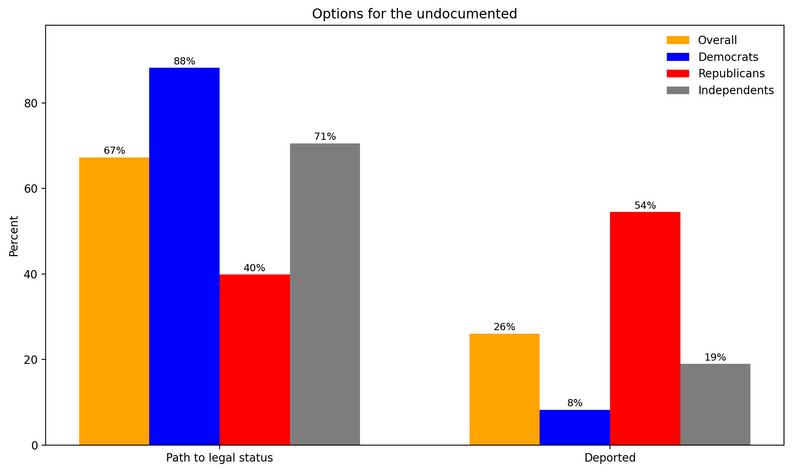
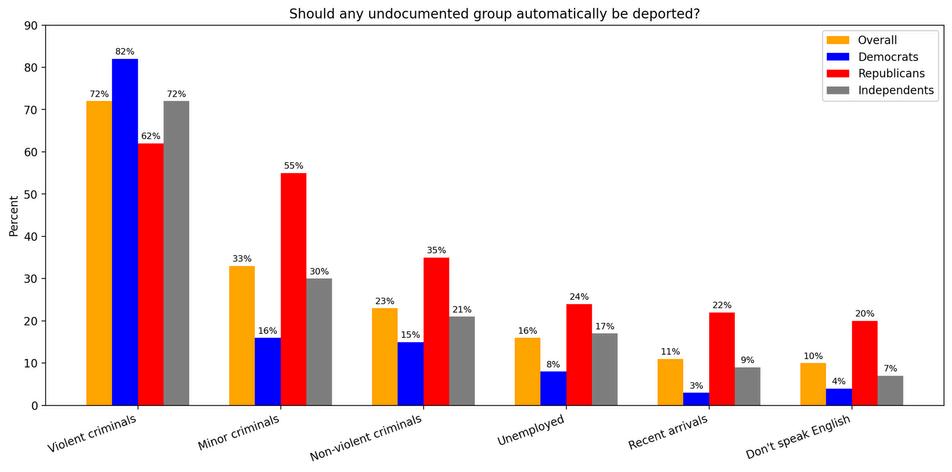
Reflecting Orange County’s “purple” character, residents support allowing many undocumented immigrants to stay while backing deportation in certain cases. A clear majority (67%) favors a pathway to legal status over deportation, though sharp partisan differences remain: 88% of Democrats and 71% of Independents support legal status, while 54% of Republicans favor deportation At the same time, there is broad agreement on enforcement at the margins – 72% support automatic deportation for those convicted of violent crimes, while few support automatic deportation for non-violent offenders (23%), the unemployed (16%), recent arrivals (11%), or those who do not speak English (10%).
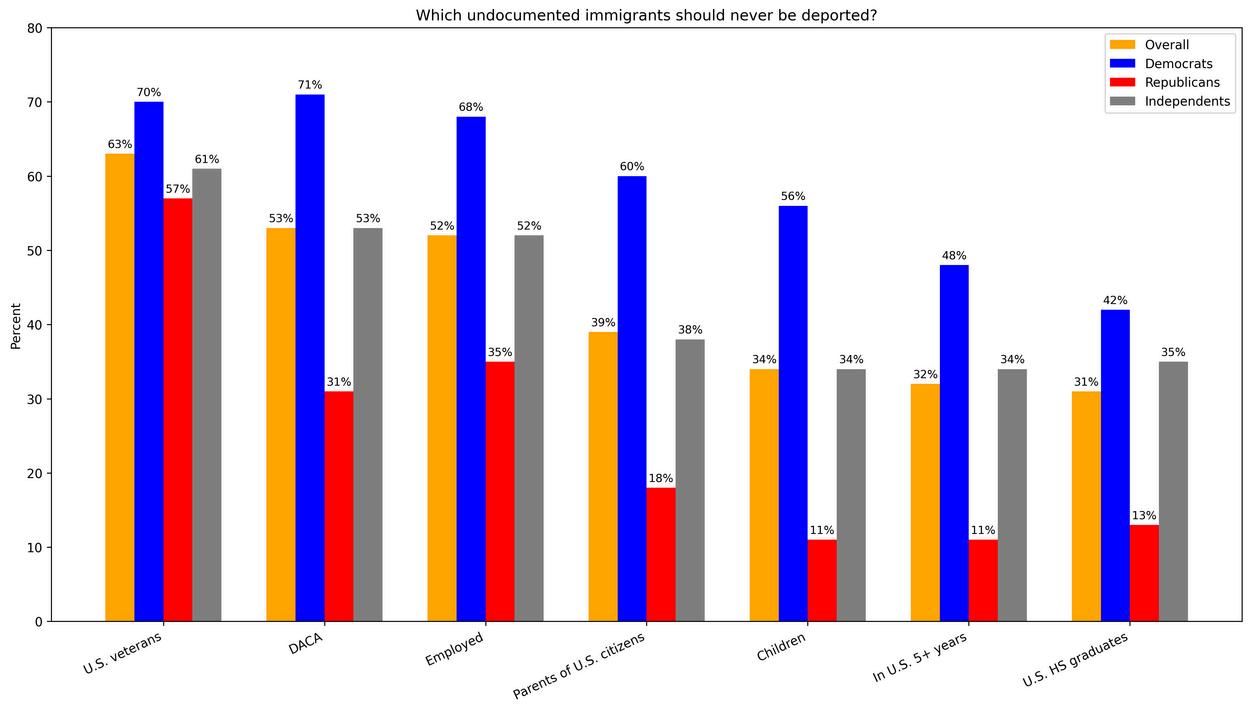
There is broad agreement across political groups that some undocumented immigrants should never be deported, with US veterans consistently included in that category. By contrast, majorities do not include recent arrivals or high school graduates among those protections. Beyond that, the coalitions diverge: majorities of Democrats and Independents would include DACA recipients and the employed among those who should never be deported, but Republicans would not Only Democrats extend this protection to parents of US citizens and to children
Majorities oppose ICE but would not abolish it. Strong partisan differences exist.
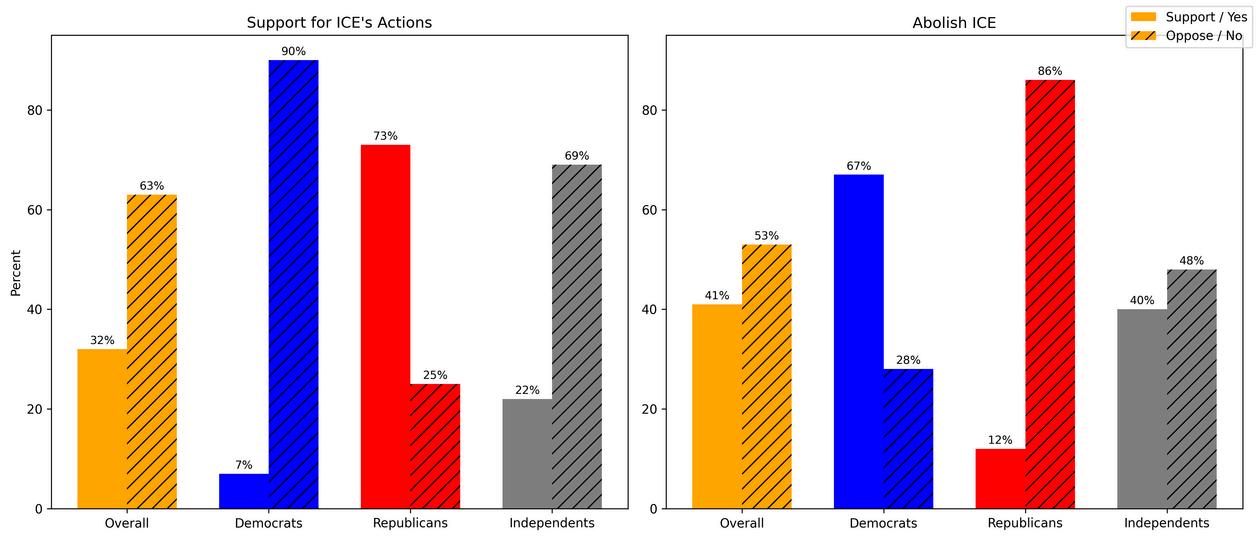
U.S. Immigration and Customs Enforcement (ICE) has faced significant public scrutiny in 2026, a dynamic reflected in Orange County. Nearly twothirds of residents oppose the agency’s actions, including 90% of Democrats and 69% of Independents By contrast, almost three-quarters of Republicans express support for ICE. Despite this divide, a narrow majority of residents oppose abolishing the agency. Among them, 86% of Republicans and 48% of Independents favor keeping ICE in place, while two-thirds of Democrats disagree.
Residents split on state and local non-cooperation with federal deportation. All but Republicans support religious exemptions.
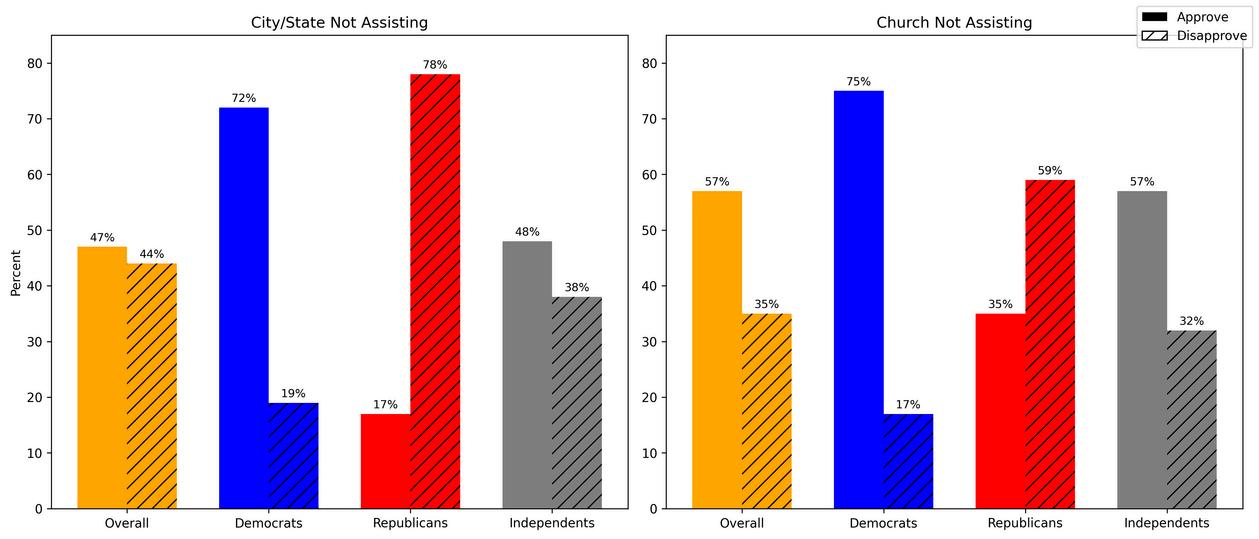
Some cities and states have adopted policies limiting their cooperation with federal deportation efforts. In Orange County, a slight plurality of residents (47%) support this approach. Support is strongly partisan: 72% of Democrats favor such policies, while 78% of Republicans oppose them. Independents track closely with the overall results.
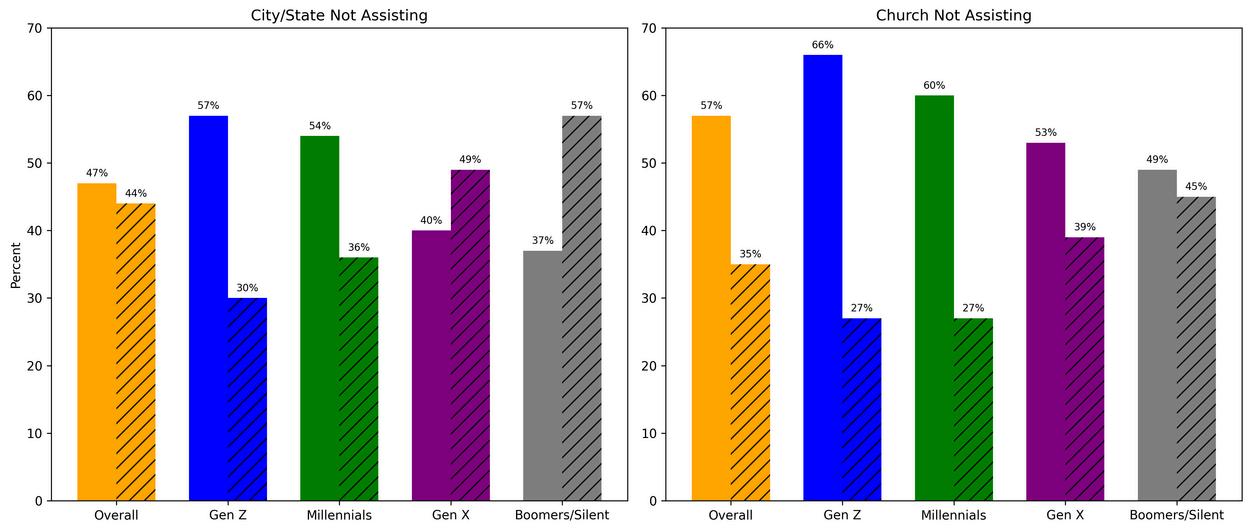
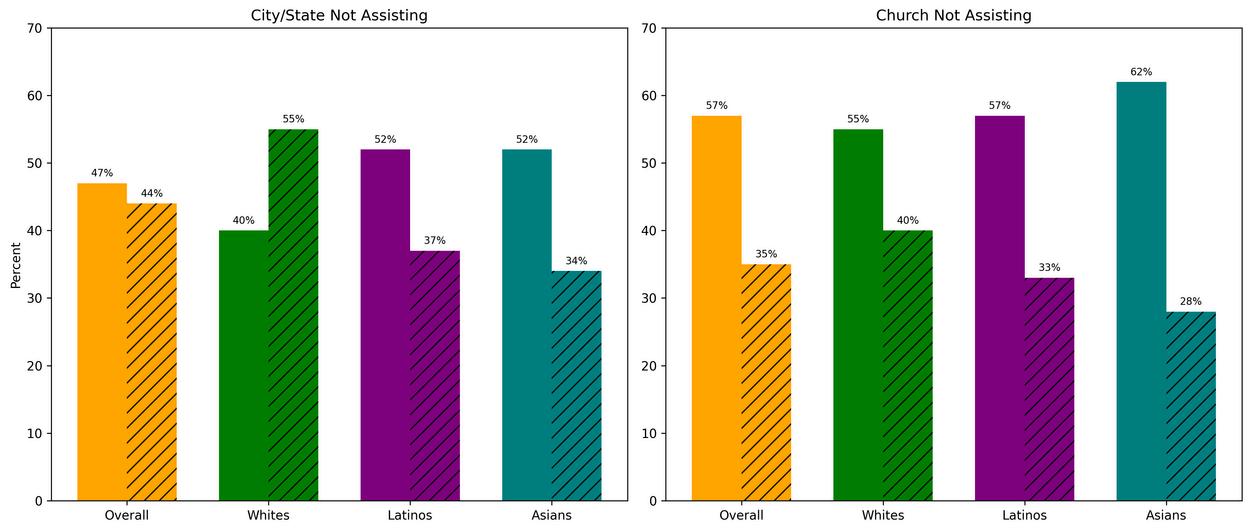
Views are more favorable when the question turns to religious institutions A majority of residents (57%) say it is acceptable for churches or other religious groups to decline to assist federal deportation efforts. Democrats (75%) and Independents (57%) support this position, while Republicans remain opposed (59%).
These patterns also vary by age and race/ethnicity Younger residents and those from nonwhite communities are more supportive of limiting cooperation with federal authorities. Across all these demographic categories, Republicans are the only group that does not support religious institutions opting out of deportation efforts.
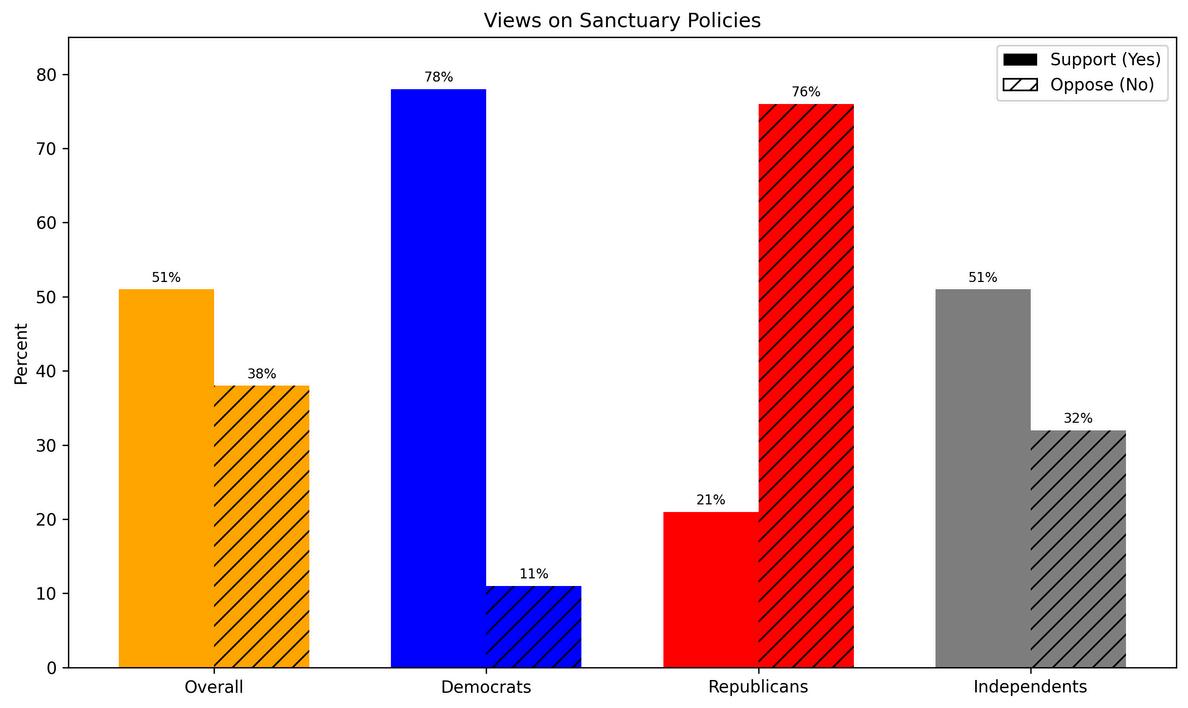
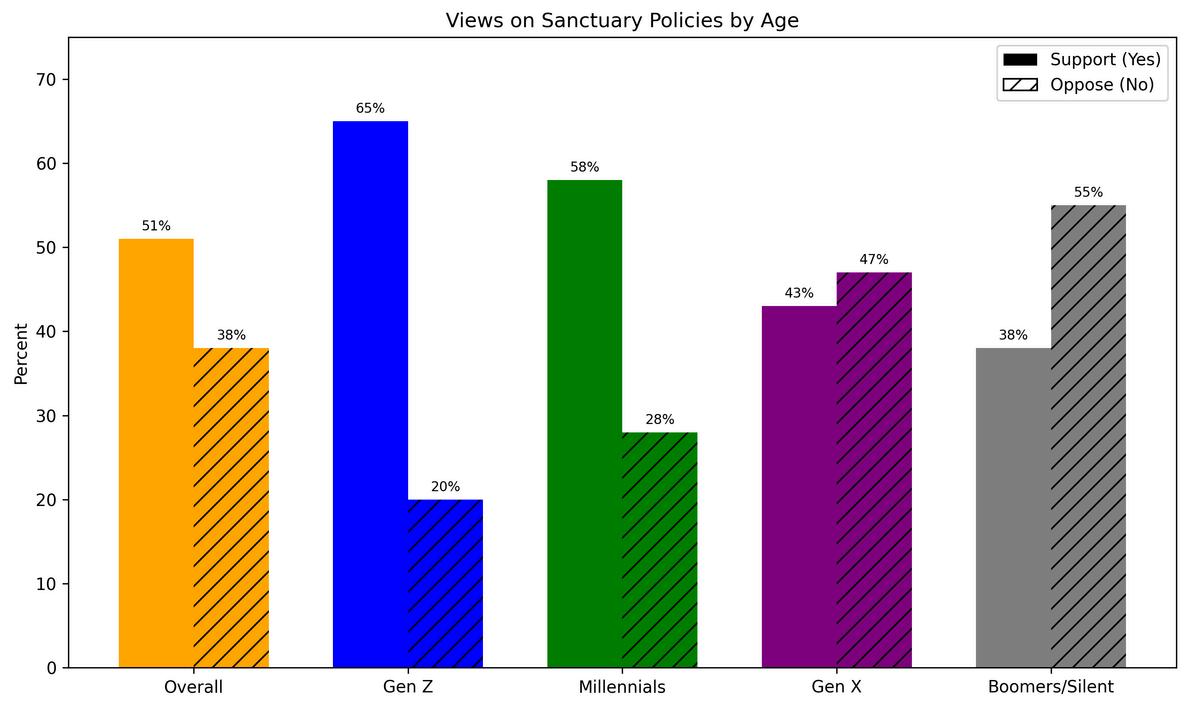
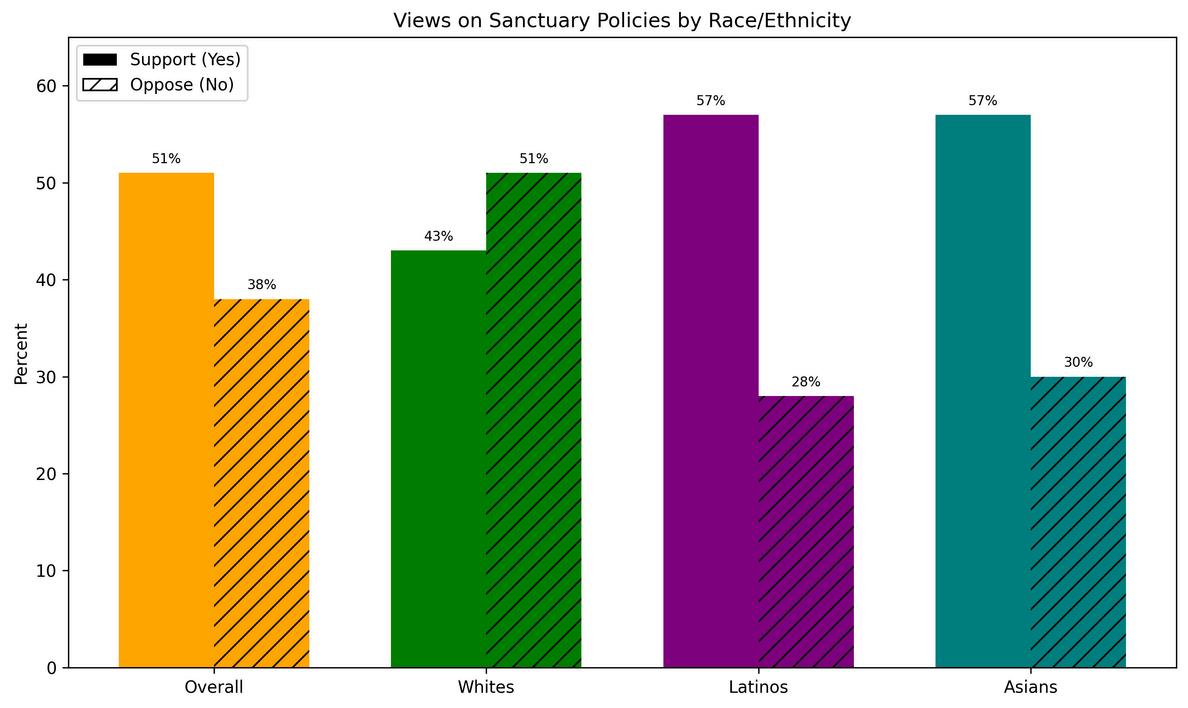
Residents support local sanctuary policies. Opposition is concentrated among Republican, older and white residents.
After hearing both pro- and anti-sanctuary messages, a majority of residents (51%) say Orange County cities and the county should adopt sanctuary policies. Opposition stands at 37% overall but is substantially higher among Republicans (76%), older (55%), and White (51%) residents.
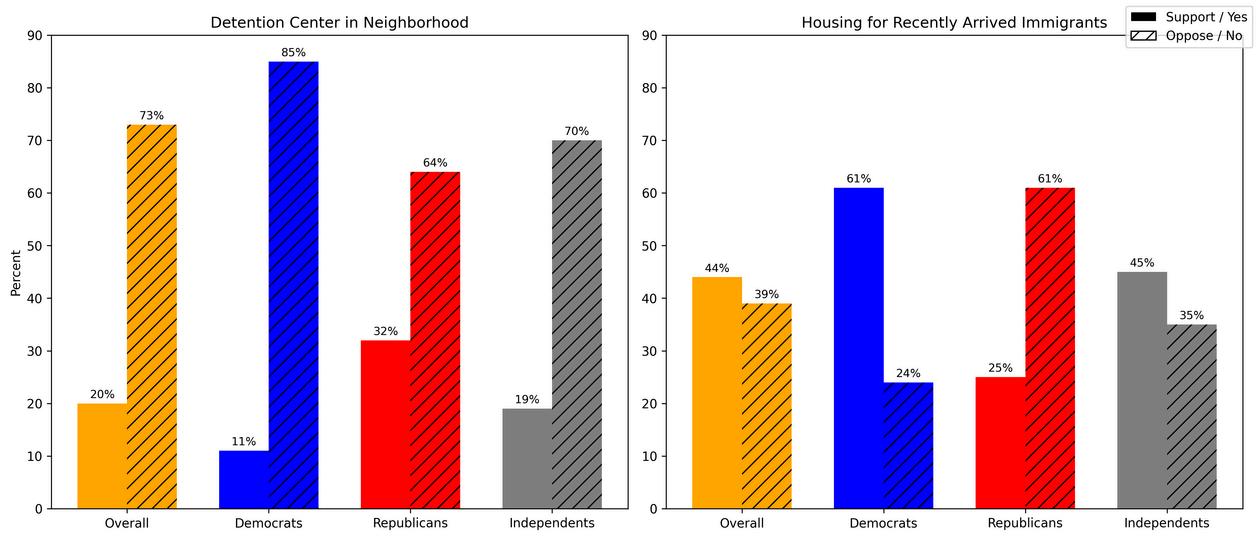
Orange County residents are largely united in opposing immigrant detention centers in their neighborhoods. Although opposition is higher among Democrats (85%) than among Independents (70%) and Republicans (64%), strong majorities across all groups reject this practice
Views are more divided when it comes to housing recently arrived immigrants. A plurality of residents support doing so in their own neighborhoods, with 44% in favor and 39% opposed, a pattern similar to that observed among Independents Democrats and Republicans, however, are mirror images of one another: 61% of Democrats support such housing, while the same share of Republicans oppose it.
The Orange County Poll was conducted by the University of California, Irvine in partnership with TrueDot, which fielded the survey. Researchers interviewed 1,202 adults residing in Orange County, California from March 24–31, 2026. The survey was offered in both English and Spanish, with 70 interviews completed in Spanish.
The survey employed a hybrid sampling design. A total of 695 interviews were conducted with registered voters sampled from the Orange County voter file and reached via text message. An additional 507 interviews were completed with adults recruited through online survey panels Responses from both samples were combined for analysis.
To ensure the sample reflects the adult population of Orange County, post-stratification weights were applied along key demographic dimensions, including age, race/ethnicity, educational attainment, and gender. Weights were further calibrated to align with results from the 2024 general election
The modeled error estimate for the full sample is ±3.3 percentage points at the 95% confidence level The modeled error estimate accounts for the complexity of the sampling design, including weighting and the use of non-probability panel sources, and should be interpreted as an approximation of total survey error rather than a traditional margin of sampling error Subgroup estimates carry larger modeled errors.
UCI-OC Poll Director
Jon B. Gould Dean, UC Irvine School of Social Ecology