
Building and Environment
Vegetative and thermal performance of an extensive vegetated roof located in the urban heat island of a semiarid region

F.O. Robbiati a , N. C
aceres b , E.C. Hick b , M. Suarez b , S. Soto c , G. Barea d , E. Matoff e , L. Galetto a, f , L. Imhof b,
Departamento de Diversidad
Cordoba,
Velez Sarsfield, 1611, Cordoba, Argentina
Laboratorio de Recursos
S. J. (IRNASUS),
c Instituto de Floricultura (IF)-INTA,
Cabanas
Hurlingham, Buenas Aires, Argentina d Instituto de Ambiente, Habitat y Energía (INAHE)-CONICET, Av. Ruiz Leal s/n Parque General San Martín, Mendoza, Argentina e Agencia de Extension Rural, Instituto Nacional de Tecnología Agropecuaria, Av. Presidente Roca esq. La Coruna, Cordoba, Argentina f Instituto Multidisciplinario de Biología Vegetal (IMBIV), Universidad Nacional de C´ ordoba (UNC) - CONICET, Av. Velez V´ elez Sarsfield, 1611, C´ ordoba, Argentina
ARTICLE INFO
Keywords:
Native germplasm
Species combinations
Thermal performance
C ´ ordoba city
Urban ecosystems
ABSTRACT
Vegetated roofs reduce temperature and heat flow fluctuations on the building’s surface mitigating the urban heat island effects and improving other ecosystem services. The objectives of this work were to quantify thermal reduction and to evaluate the performance of vegetated-microcosm treatments during 15 months with different species composition and growth form combinations. Our results showed considerable attenuation of temperature through the whole system of extensive green roofs (EVRs) in both summer and winter periods. The EVRs decreased the outside temperature from 44.6 ◦ C to 34.7 ◦ C. Temperatures for the EVR showed a lower peak-tovalley-gap and better anti-interference performance during the day and along the year. At the same time, thermal insulation provided by soil and vegetation layers resulted in a negative heat flux ( 40 W/m2) reducing the incoming heat flux during the day. Almost all treatments showed ≥90% of plant survival and ≥60% of coverage after the experimental period. Microcosm treatments with the highest diversity showed the best performance in both the short and long terms (particularly those with the native Eustachys distichophylla and the exotic Sedum spp.). Consequently, diverse plant arrangements are recommended when designing EVRs in semi-arid climates because they show a better performance in mitigating urban heat island effects by reducing temperature and heat flow fluctuations and also because they provide ecosystem services in urban environments.
1. Introduction
The increase in urban population growth has led cities to need more space for life and work, which means that more cities are expanding daily [1]. The formation of large waterproof surfaces has exacerbated environmental and energy-related problems in many cities [2]. Energy-related CO2 emissions from buildings have risen in recent years after flattening between 2013 and 2016. Several factors have contrib uted to this rise, including growing energy demand for heating and cooling with rising air-conditioner ownership and extreme weather events [3]. Many building envelope techniques have been developed to improve thermal comfort, reduce energy consumption and mitigate the
urban heat island (UHI) effect [4]. The roof is the component of the building envelope with the highest temperature fluctuations, and significantly contributes to the building energy load. In this sense, pas sive technologies such as evaporative cooling, reflective materials, insulation, and vegetation can be used to minimize the energy gain from a roof [5]. The extensive vegetated roofs (EVRs) are a modern energy-efficient constructive technology that represents an urban intervention strategy to solve many problems caused by urbanization, including runoff and urban heat island mitigation, thermal regulation, noise and air pollution reduction, and an increase in the longevity of roofing membranes, providing habitat for native biodiversity and add ing biological visitors and value to buildings [6 12]. This technological
(Facultad
Ciencias

Arquitectura,
olica de C
ordoba-CONICET), Av Armada, Argentina, 3555, Cordoba,
solution demonstrated to be an efficient and practical tool to reduce energy consumption so it is widely employed in the field of bioclimatic architecture in replacement of the traditional materials used to construct flat roofs [2,13 16]. The plant biomass in an EVR plays a key role in moulding these mentioned functions [17] because it allows shading surface, plant transpiration due to latent heat transfer and improves environmental conditions [1,18].
EVRs are exposed to extreme environmental conditions such as daily variations in temperature, humidity and wind speeds [6,19]. These environmental factors are further enhanced in arid and semiarid re gions, where extreme seasonal temperatures, rainfall and winds are usually present. These extreme environmental conditions have a direct impact on the ecosystem services provided by EVRs [20]. In conse quence, plant species selection for an EVR depends on the climatic re gion, roof types and building uses [21]. Tolerance to drought and high temperatures of different plant species, and their ability to survive in substrates with alternating periods of saturation and water scarcity are desirable characteristics to select materials for an EVR [20,22]. Other important plant traits to be successful with EVRs are the species estab lishment capacity under extreme climatic conditions and rapid and high groundcover density [23 25]. Succulents belonging to the genus Sedum L. are widely used in EVRs given their optimal adaptations to stressful conditions mainly due to its Crassulacean Acid Metabolism [25 28]. The implementation of native plants in urban ecosystems is gaining interest mainly because of their local environmental adaptation. This charac teristic allows them to survive under stressful conditions, which means that once established, they will not need pesticides, fertilizers, or large amounts of supplemental irrigation [29,30]. In parallel, EVRs contribute to biodiversity conservation, restoration and function as biological corridors providing environments for arthropods and bird species because they interact with these native plant species [31 35].
There is increasing evidence that a biodiverse EVR with a combi nation of different levels of taxonomic and functional groups, enhances its ecosystem services, resilience and sustainability [36 40]. For example, diverse arrangements in an EVR improves plant coverage and survival [41 43]. Investigations showed that more biodiverse EVR sys tems provide higher functional diversity than those covered only with the widely used Sedum species [44].
Upon this background, the objectives of this work were: i) to quantify thermal reduction provided by an EVR (placed on the tenth floor of the Council Building of C ´ ordoba City, Argentina) located in the UHI of a city of a semiarid region; and (ii) to evaluate the performance of plant treatments with different species composition and growth form combi nations and then select the best performer combination. We hypothe sized that treatments with higher plant richness from different taxonomic groups and diverse growth forms will have better perfor mance (in terms of plant coverage, survival, and health status) than simpler ones in an EVR located in the UHI of C ´ ordoba City. This is the first experimental study in which plant performance was investigated in a real situation of a UHI of a city located in central Argentina, a region with semiarid climatic conditions.
2. Materials and methods
2.1. Experiment characteristics and data analysis
The semi-arid regions of central Argentina (province of C ´ ordoba) are mainly characterized by a wide temperature range (difference between daily maximum and minimum temperatures); for example, winters show a mean seasonal temperature of 12 ◦ C, and summers mean temperatures of 25 ◦ C, with some days with temperatures higher than 40 ◦ C [45]. Precipitations concentrate during the spring-summer period. The autumn-winter season is a dryer and colder period [46]. In particular, the city of C ´ ordoba is located in the boundary between two latitudinal regions [47] the warm and temperate region (sub-humid) with rainy summers, dry winters and winter frosts (Cwa) and the warm semi-arid
region (hot arid steppe) (Bsh) according to Koppen- Geiger climate classification. In order to characterize the climate of C ´ ordoba, Fig. 1 shows mean, maximum and minimum monthly temperature and pre cipitation in a series of 30 years (1981 2010) provided by the National Meteorological Service (NMS) (http://www3.smn.gob.ar), from the meteorological station located at the city’s airport base.
The EVR was laid over a roof terrace of the tenth floor of the Council Building of the City of C ´ ordoba, Palacio 6 de Julio, located in the middle of the city’s UHI, surrounded by tall buildings and three squares with scarce green infrastructure next to it (31◦ 24′ 57′′ S 64◦ 11′ 28′′ W, Fig. 2).
The roof was fully sun-exposed. A meteorological station was placed to record atmospheric conditions during the essay. The total period of measurements was of 515 days. The meteorological station was placed 1.5 m apart from the slab and has sensors to measure environmental conditions: net radiation, wind speed, rainfall, air temperature inte grated into the station. Two situations were compared, a conventional roof that was used as control (C, white roof) and a roof with the same constructive conditions but covered by an extensive vegetated roof (EVR) of 68 m2 each. To measure both situations, temperature sensors were placed at slab level: one on the slab of the control roof and the other on the slab under a module of the vegetated green roof. The sensor to register humidity and temperature substrate was placed in the EVG, inside the substrate. In order to compare the thermal performance of the EVR with respect to the C, thermal conductivity of the construction materials (coefficient of thermal conductivity or k value substrate) was determined by EcoTech analysis at three levels of substrate moisture, with consistent results between the winter and summer seasons [48]. Data of the sensors were obtained with a frequency of 15 min. Details of the instruments and parameters measured are presented in Table 1
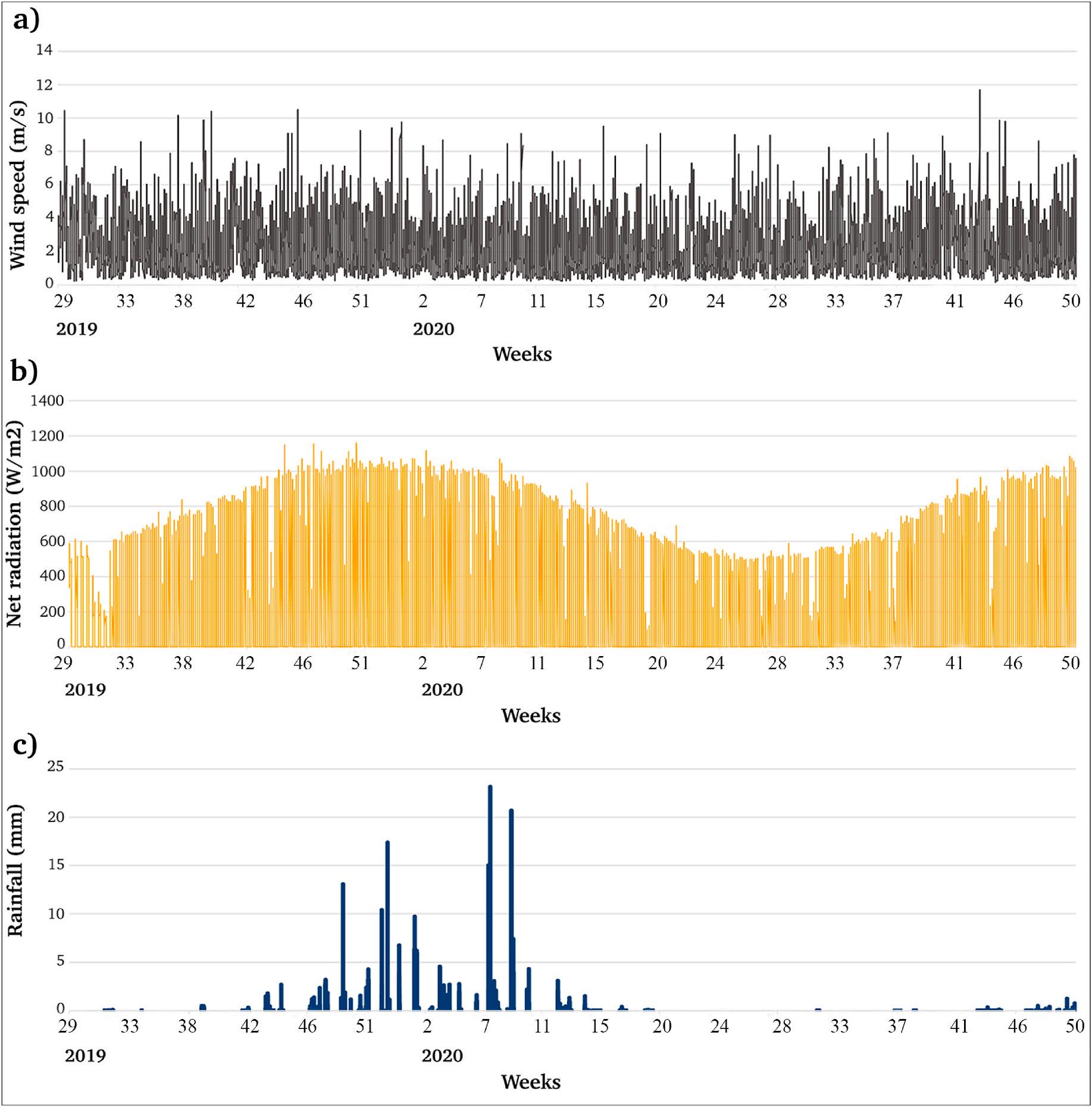
The measured parameters allowed characterizing the thermal per formance, the energy efficiency of the extensive vegetated roof (EVR) and the annual dynamic thermal impact in relation to the comfort areas generated by the low-maintenance modular system in the inside space. For net radiation value (W/m2), rainfall (mm) and wind speed (m/s), Fig. 3 shows values from the weather station for net radiation from 500 W/m2 and up to 1000 W/m2; for wind speed the range was from 2 to more than 10 m/s and rainfall from 0 mm to 23.17 mm.
The EVR system used (modular) had the following technical speci fications: 1 m × 1 m x 0.15 m dimensions for each module of highdensity polyethylene system; resistant to UV rays; water reservoir: 0.013 m3 with a depth of 35 mm; substrate: 0.12 m3; and a drain system with 94 holes of 0.008 m. Modules were fitted together allowing an integrated EVR system. The substrate composition was native soil (coarse sandy loam texture with 2.2% of organic matter (Soil Letter, Sheet 3163-13 Jesús María, El Manzano’s Series, http://suelos.cba.gov. ar/JESUSMARIA/index.html), peanut shell, perlite, and equine compost
Fig. 1. Climagram of the City of Cordoba. Series of 30 years (1981 2010) of monthly mean, maximum and minimum temperature (◦ C) and precipitation (mm) (NMS).
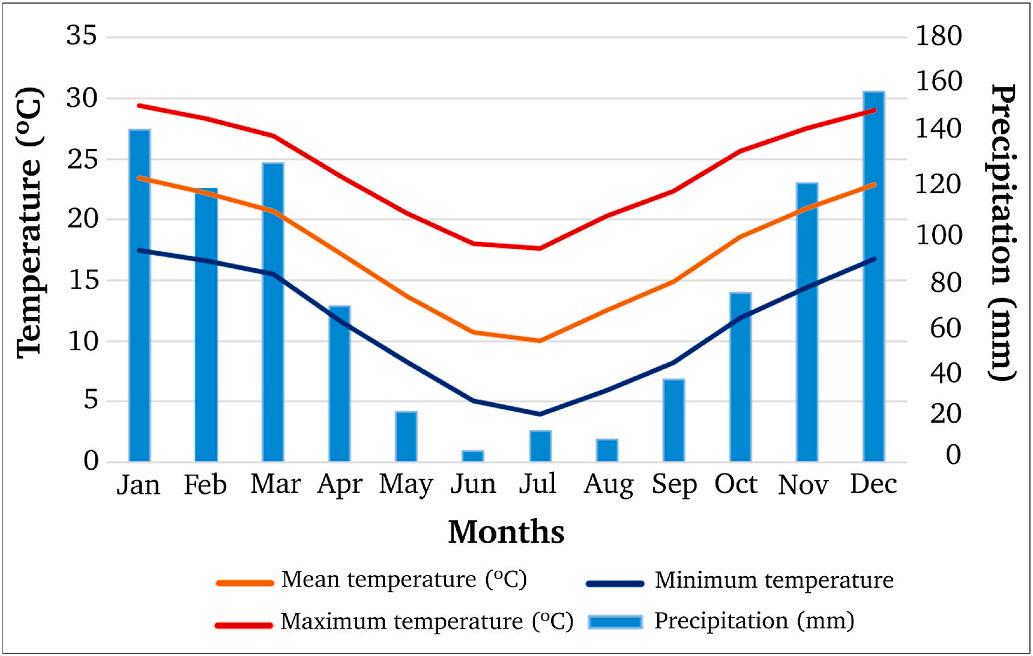
Fig. 2. Location of the essay on the tenth floor of the C ´ ordoba Council Building, a) Google Map Image of the study site; b) an overview of the vegetated roof at the building top with a parapet of 0.5 m of height; c) technical scheme showing treatments distribution over the extensive green roof. TA = E. distichophylla + Sedum spp.; TB = N. tenuissima + Sedum spp.; TC = E. distichophylla + N. tenuissima + Sedum spp; TD = P. nodiflora + Glandularia x hybrida + G. cabrerae + Sedum spp.; TE: Sedum spp.; TF: E. distichophylla + N. tenuissima + P. nodiflora + Glandularia x hybrida + G. cabrerae + Sedum spp. (For interpretation of the references to colour in this figure legend, the reader is referred to the Web version of this article.)
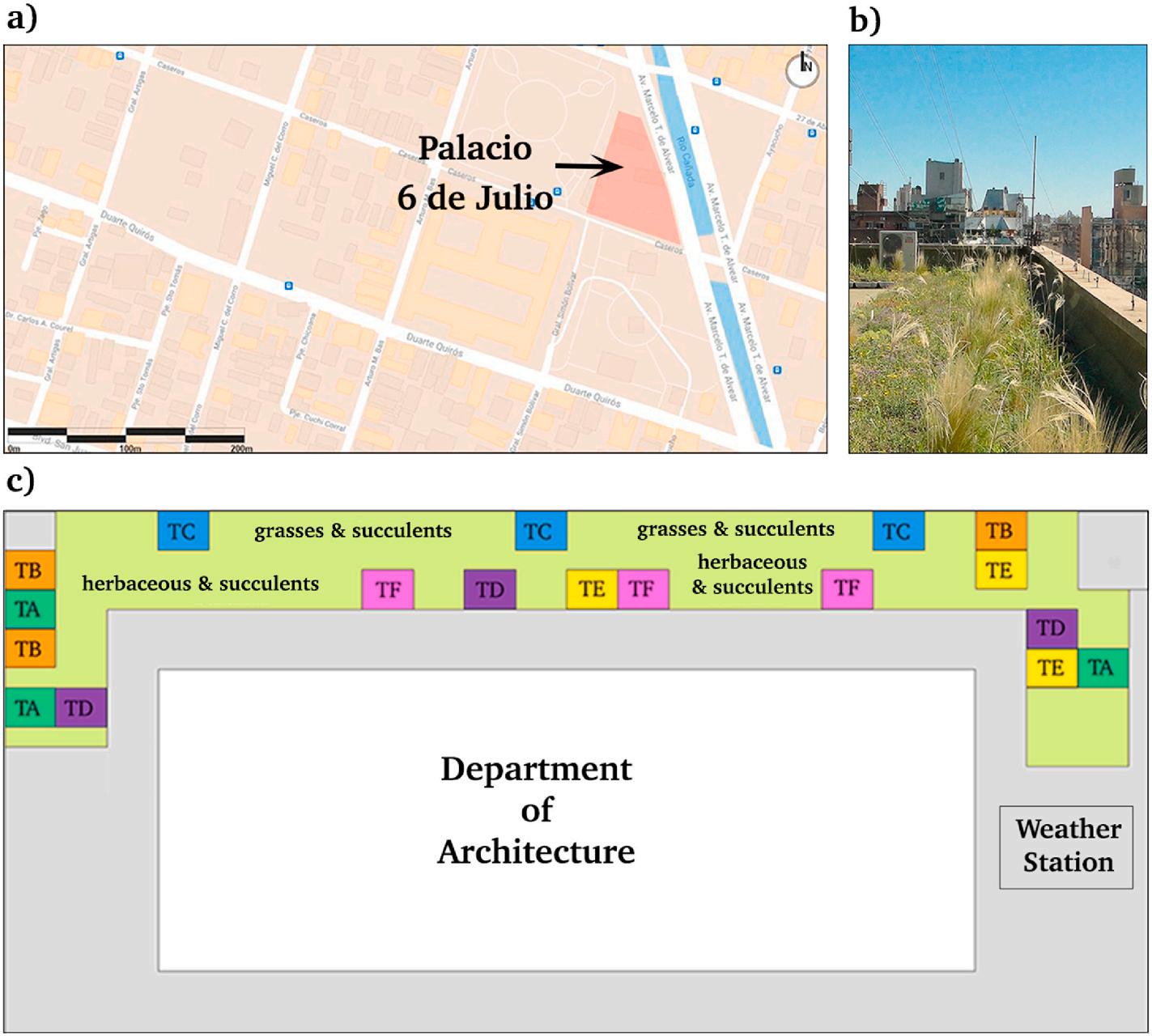
Table 1
Details of measured parameters and type of sensor used.
Parameter Sensor Sensor location
Temperature; Net radiation; Wind speed; Rainfall
Slab temperature on control roof (C) and slab temperature on EVG green roof
Substrate temperature; Substrate moisture (water content of the substrate)
Weather Station ATMOS-41 - Meter Group with Datalogger; ZL6 Meter Group
Air temperature sensor with wiring and protection (Decagon Meter Group)
Substrate temperature and Moisture sensor (TEROS 12 Meter Group)
1.5 m from slab roof (on tenth floor of building) inside weather station
On the surface of slab in two places: directly on slab (control, C) and under EVG system (green roof)
Integrated substrate temperature and humidity sensor located within the substrate
(3:1:1:1 proportions). Chemical properties were determined such as pH: 6.8 and CE: 0.98 dms 1 (for more details see Ref. [22]).
2.2. Slab temperature, attenuation characteristics and heat flux pattern
The thermal performance was obtained comparing both situations (with and without vegetated roof, EVR and C, respectively). First, the differences between EVR and C were calculated and plotted every 15 min by comparing the following differences for a 30-day period during summer (December 17th, 2019 to January 17th, 2020) and winter time (June 17th, 2020 to July 17th, 2020): outside temperature-substrate temperature, outside temperature-control slab temperature, outside temperature-EVR temperature. These differences are shown through position and dispersion statistical measurements by comparing two moments during the day (3 4 a.m. and 3 4 p.m.) (mean, standard de viation, coefficient of variation of temperature), maximum and mini mum values, the difference between them (peak to valley gap) and antiinterference (φ). Statistical comparison were assessed using a Kruskal-
Wallis test. The ratio of attenuation (anti-interference ratio, φ) is defined as the relation between the peak-to-valley-gap of slab temper ature (control and EVR) and the peak-to-valley-gap of outside temper ature. Second, summer cooling and winter heating loads were graphed by calculating heat flux at slab level (control and green roofs situations). A methodology at slab level has been proposed [49] with the formula: H=(k(TGR-TO))/d for Green Roof and H=(k(TC-TO))/d for Control Roof; where H is the heat flux (W/m2); k is the thermal conductivity at roof slab, which was determined to be of 1.74 (W/m k) of the reinforced concrete on CR and 0.68 (W/m k) of medium humidity substrate; TGR was slab temperature at slab under GR, TC was slab temperature at slab level (CR) and TO was outside temperature; and (d) was the thickness of the roof slab (m) approximately. Heat flux was calculated for summer (December 17th, 2019 to January 17th, 2020) and winter period (June 17th, 2020 to July 17th, 2020).
2.3. Vegetation performance assessment
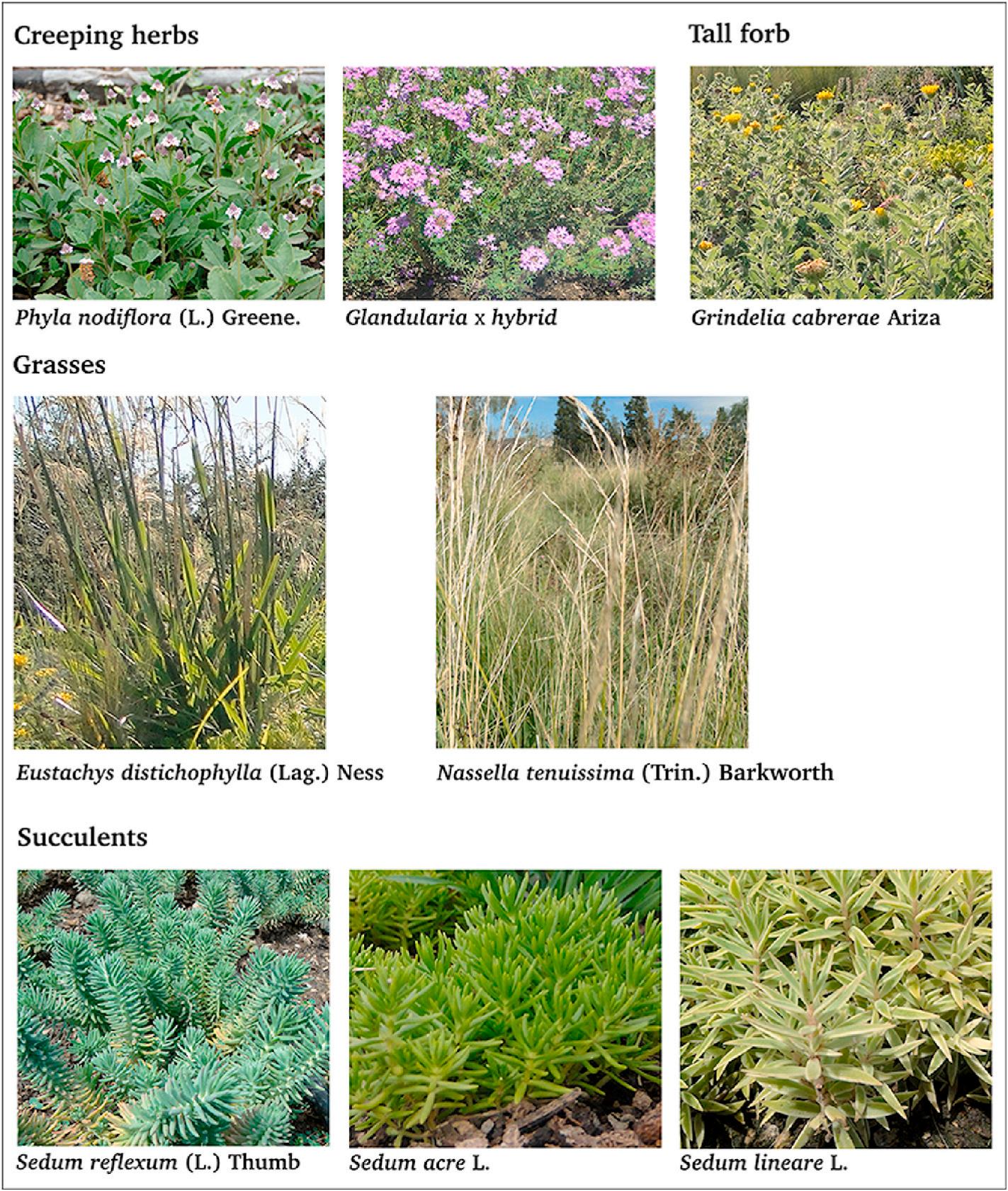
For the vegetation assessment, five native species were selected from previous studies: three of them were hybrids of the Glandularia genus, Phyla nodiflora (L.) Greene and Grindelia cabrerae Ariza [22,50], and two correspond to native grasses Eustachys distichophylla (Lag.) Ness and Nassella tenuissima (Trin.) Barkworth; in addition, three exotic species of Sedum (S. acre L., S. lineare L., S. reflexum (L.) Thumb were used for the different combinations (Fig. 4). All the native species had been collected on the basis of the habitat template approach [36], looking at roadside, rocky environments, shallow and well drained soils, among other habitat features similar to those expressed on EVRs. The herbaceous species have the ability to resprout quickly, presenting adventitious roots; the tall forb Grindelia cabrerae and the graminoids, Eustachys dis tichophylla and Nasella tenuissima, were observed to reseed [22]. In terms of photosynthetic capability, all the native species used are C3, except Eustachys distichophylla which is C4 [51 53].
The plant material was provided by the “Laboratorio de Recursos
Fig. 3. Net radiation (W/m2), Wind Speed (m/s) and Rainfall (mm) values recorded by a weather station from July 17, 2019 to December 17, 2020 (from the week #29 of the year 2019 to the week #50 of the year 2020). In a) Wind Speed (m/s) b) Net radiation (W/m2), and c) Rainfall (mm).
Gen´ eticos y Sustentabilidad Bioclim ´ atica” . Plants were asexually propa gated from clonal cuttings and mat division, and were cultivated under controlled conditions for approximately a month. After this, all plant materials were arranged in a randomized design in the different modules over the roof. Of the 68 m2, 18 m2 were used to establish six treatment arrangements (three replicates per treatment of 1 m2). The remaining vegetated meters were planted with the same species that formed the treatments, where the tallest species (grasses and sedums) were planted at the back, next to the building parapet, and the shortest species (creeping herbs, tall forb and sedums) were distributed at the front of the vegetated roof design. Six treatments were established (with three rep etitions each), combining different growth forms (succulents; creeping herbaceous; tall forb; and grasses) (Table 2). Implantation date was during the second week, September 2019. Once plant material was established (around a month), the vegetation performance assessment started. Each repetition of a treatment had an area of 1 m2 and corre sponds to a vegetated roof module. Planting density varied between 16 and 24 individuals per repetition per treatment, depending on species and growth forms composition. The treatment variations in the number
of individuals of the species were to balance a similar initial coverage percentage. Spontaneous species were removed every two weeks from each plot.
Three variables were evaluated from October 2019 to December 2020: green coverage percentage, survival and health status. The green coverage was defined as the percentage of healthy plants (i.e. without wilting symptoms, stress or some pathology) that cover the module and was determined by taking monthly pictures in a horizontal position over the plant combinations. ImageJ was the digital image processor used for analysis (ImageJ 1.52a NIH, USA, [54]). The coverage dynamics were evaluated analyzing a histogram using the mean monthly coverage values ± the standard deviation. Survival was measured as the quantity of individuals/m2 at the moment of the measurement with respect to the initial plant density. We compared survival data using the Kruskal-Wallis test implementing the Infostat version 2020 [55]. Dates in February 2020 and in December 2020 were assessed.
Plant health status was determined using a modification of the [26] taking values between 1 and 4 as follows: 1 = considered when plants were dead; 2 = considered for plants with marked stress, brown and
with necrotic symptoms on the leaves and branches, 3 = for plants with few symptoms, 4 = for healthy plants, with vigorous growth.
Watering regime (30 min 2h.L-1) was applied daily during the spring-summer season (because of higher evapotranspiration rates during these months), and once a week during the cold season (autumnwinter). Spontaneous species were removed every two weeks from each treatment. No additional water support was provided besides the irri gation system.
2.4. Indexes of thermal performance
The indexes of thermal performance previously proposed [2,56,57] were used to analyse performance and to characterize the behaviour of
the EVR in relation to the UHI phenomenon and energy savings. In particular, we used the STR (surface temperature reduction), which compares the surface mean temperature on EVR with temperature on C, in terms of differences in the average daily temperatures; ETR (external temperature ratio), which is defined as the ratio of the maximum external surface temperature of an EVR to the average temperature of the surrounding air; and TER (temperature excursion reduction), which is defined as the ratio of temperature fluctuation at green roof (EVR) slab level to the temperature at the C slab level. STR represents the sensible heat flow through the EVR and, therefore, of the consumption of energy for heating and cooling in the C. ETR represents the mitigation of the effect of the UHI due to the installation of EVR. TER represents the fluctuation in the external surface temperature.
Results
3.1. Pattern of thermal performance, attenuation and heat flux
Surface temperatures measured for EVR and Control roofs during summer (i.e. from middle of December to middle of January) and winter conditions (i.e. from middle of June to middle of July) are presented in Fig. 5. Statistical comparisons of the mean daily temperatures in the periods registered for C and EVR were done using maximum and mini mum values and the difference between them within an hour of the minimum (averages between 3 and 4 a.m.) and maximum temperatures (3 4 p.m.; Table 3). Kruskal Wallis test showed significant differences between C and EVR in all cases (Table 3).
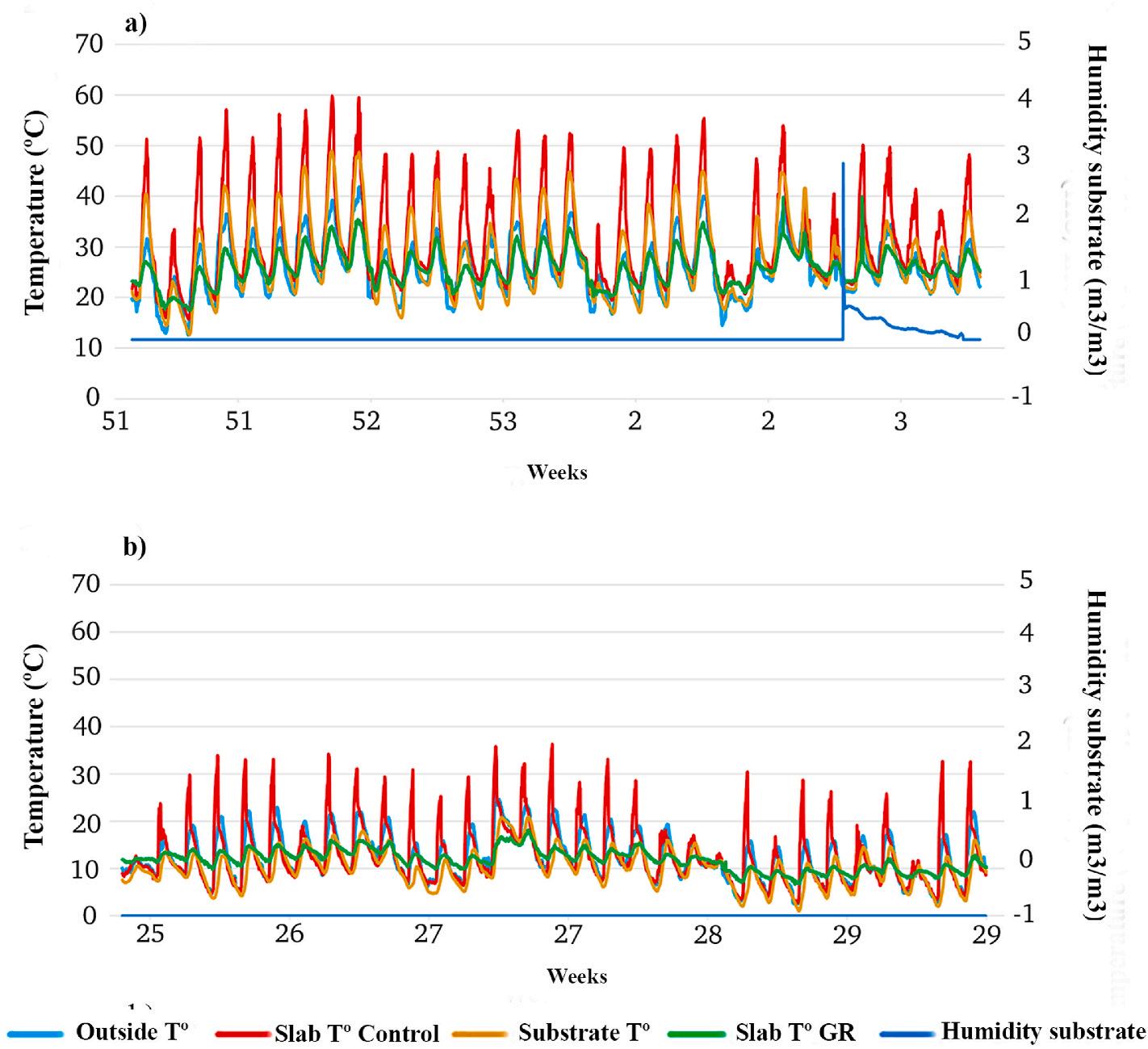
Temperatures for the C roof are higher and with greater oscillations than those registered for the EVR (Fig. 5). A recognizable attenuation of temperature through the substrate and the whole system of the EVR on both cooling and heating periods can be observed (Fig. 5; Table 3). Surface temperatures on bare roofs can reach close to 44.6 ◦ C in summer time (in that time slot) as compared to 37.5 ◦ C for the EVR. In winter, outside temperature reached values 2.6 ◦ C, as well as at the substrate level 2.3 ◦ C. At the slab point, none of the situations (C and EVR) showed negative temperature values in winter. By comparison, EVR showed lower peak-to-valley-gap and better anti-interference performance in both daily and seasonal periods (Table 3). In the case of the substrate humidity, winter values were close to zero and constant since irrigation was minimal to cover evapotranspiration needs. Summer values were similar to those from winter, except on January 12th and 13th when rainfall occurred.
C roof experienced heat gains due to the highly heated roof surface during the summer period. This could cause heat gain in the inside space when the heat fluxes reached up to 100 W/m2. On the contrary EVR
showed values from 40W/m2 to 40W/m2 (with cooling effects during the day and allowing a positive heat flow inside the building during the night). Delta showed damping of flux between the EVR and C roofs. For the winter period, although the heat fluxes were higher in the C roof than in the EVR, during daytime the EVR showed a cooling effect (negative flow values, up to 49.4W/m2) but during the night fluxes were positive (values up to 25.1W/m2). On the contrary, the C roof showed higher positive flux values during the daytime (up to 74.5W/ m2), and during the night heat losses (up to 20.4W/m2) or slight temperature gains were observed (Fig. 6).
3.2. Vegetal performance assessment
All treatments showed high mean survival values, reaching up to 90% after 15 months of evaluation, except the treatment TD (<75%) because of the losses of Glandularia x hybrid individuals (Fig. 7). The succulent species in the treatments TA, TB, TC and TD showed a decrease in individual number in some replicates. The treatment TD displayed significant differences with respect to the rest of the treatment for both periods February 2020 and December 2020 (H = 9.60; p = 0.04 and H = 10.44; p = 0.03, respectively). Almost all the treatments showed optimal plant health status. Only the Glandularia specimens in TD and TF displayed a decrease in the amount of foliage and flowering during the first growing season, but they recovered during the beginning of the second growing season.
During the plant establishment period (first month after the planting date) there were already observed differences in green coverage among the treatments (Fig. 8). The treatments TA, TB, TC and TF showed an initial coverage >20% and the treatments TD and TE <20% (Fig. 8). Although, all of them experienced a positive increase in coverage per centage from the planting date to the end of the first growing season
roof and substrate level) and humidity of substrate (15-min based) for a 30-day period during a) the summer (December 17th, 2019 to January 17th, 2020; week # 51, 2019 to week # 3, 2020) and during b) the winter (June 17th, 2020 to July 17th, 2020; week # 25 to week # 29, 2020).
Table 3
Temperature measures in Control and in EVR: mean, coefficient of variation (CV), minimum value, maximum value, peak to valley gap (PV = the difference between maximum and minimum) and their fluctuations (φ) Values were taken for summer and winter periods at two moments of the day (between 3 and 4 a.m.; and between 3 and 4 p.m.). Kruskal Wallis tests with a common letter were not significant (p > 0.05).
Outside temperature Control slab temperature Green roof slab temperature Substrate temperature Kruskal-Wallis test
Summer 3 a.m.
Mean ± SD 20.71A ± 3.11 22.87A ± 2.82 23.22B ± 2.19 20.49B ± 3.2 H = 22.20; p < 0.0001
PV (M) – (m) 15.2 12.8 10.3 15.5
(φ) 0.84 0.68
Summer 3 p.m
Mean ± SD 30.91A ± 4.95 35.11B ± 4.74 27.68C ± 3.3 34.13C ± 6.33 H = 36.11; p=<0.0001
PV (M) – (m) 20.9 20.4 15.1 25.1 (φ) 0.97 0.72
Winter 3 a.m
Mean ± SD 8.03A ± 3.03 7.63A ± 2.68 10.75A ± 1.98 7.17B ± 3.07 H = 28.76; p < 0.0001
PV (M) – (m) 13 12.6 8.5 14.4 (φ) 0.96 0.65
Winter 3 p.m
Mean ± SD 15.26A ± 3.37 13.73AB±2.88 12.81AB±2.24 13.79B ± 2.89 H = 9.72; p < 0.0211
PV = (M) – (m) 13.7 12.3 8.6 11.4 (φ) 0.89 0.63
*means with a common letter were not significantly different (p > 0.05); M = maximum value; m = minimum value.
(October 2019; February 2020; Fig. 8). At the beginning, treatments TD and TF displayed a decrease in coverage percentage during January and February 2020, but they considerably increased the coverage percentage during the start of the second growing season to reach values higher than 90% (Fig. 8). Also, TA reached the highest coverage percentage during the beginning of the second growing season in December 2020 (Fig. 8). The treatments TB and TC decreased its coverage percentage during the beginning of the second growing season (10 15%) Finally, TE formed by only succulent species showed the lowest coverage percent age from the beginning to the second growing season (71%; Fig. 8), which could have been caused by its initial low coverage.
3.3. Indexes of thermal performance
During summer, the STR thermal value was lower than 1, signifying that both maximum and average external surface temperatures are lower on the EVR compared with the values for the C bare roof (Table 3). A STR value as 0.872 for all the year round indicates an energy reduction of 12.8% for cooling and heating services (less sensible heat flow through the EVR). The ETR values are constantly higher than 1, ranging from 1.46 to 2.03; this trend denotes that all the plant-substrate con figurations reach surface temperatures higher than the outside air temperature. Finally, TER index varied between 0.424 and 0.459, which means an important decrease in temperature fluctuation from the EVR values with respect to those from the control roof (Table 4).
4. Discussion
In this study, we have evaluated the performance of EVR located in the middle of a UHI, analysing thermal performance and adequacy of native vegetated layers, comparing vegetation treatments with different species combinations. Our results showed a notable decrease in tem perature at the level of the outside slab under the green roof as well as a marked decrease in the thermal fluctuation with respect to the control roof. In parallel, we assessed the performance of different plant assem blages, with native and non-native species, where the results showed ≥90% of survival and ≥60% of coverage for almost all the treatments after 15 months.
4.1. Thermal performance
Buildings have a large proportion of urban space and act as major
heat sources [49]. Building greenery systems are a set of innovative construction systems that make it possible to incorporate vegetation into building envelopes providing multiple ecosystem services at both building and city levels [58]. The thermal performance reported in this study for a vegetated roof in the middle of the urban heat island can be compared with previous results obtained for an EVG in the periphery of the city, 9459 m apart from each other [48]. Even though there are differences between the UHI and the periphery of the city, showing consistent temperature reduction by EVRs that justify roof greening as an adaptive solution in semiarid areas. For example, we found that surface temperatures registered on bare roofs were higher (44.6 ◦ C in the centre of Cordoba city and 57.6 ◦ C in the periphery) with respect to those registered on the EVRs (34.7 ◦ C and 37.5 ◦ C ◦ C, respectively) [48] and our results. These values are comparable to those registered in Nanjing, China (63.5 ◦ C on bare roofs with respect to 34.8 ◦ C on extensive green roofs, [49]). Some measurements from EVRs showed a considerable surface temperature reduction at slab level ([59,60], Basovizza, Trieste, Italy), comparable to the reduction reported here. This reduction of temperature implies energy saving but also influences the durability of the watertight membrane [2] and of the roof materials because EVRs moderate the roof thermal stress.
The main effect of the EVR was to decrease daily fluctuation of external building envelope temperatures and, in consequence, the fluctuations of conductive heat fluxes can be reduced, as was previously reported by Ref. [61]. In our essay, thermal insulation provided by soil and vegetation layers dampen the incoming heat flux during the day in summer time. Thus, heat fluxes are always negative, indicating that the inside space is cooled by the EVR that disperses heat in the upper layers, similar to those found by Refs. [49,62,63]. The heat fluxes reached values higher than 100 W/m2 during the day on the C roof and damp ened to less than 40 W/m2 up to 40W/m2 on the EVR. In the winter time, the EVR showed positive flux values during the night (25.1W/m2) compared to those negative values (or barely positive) in the C; during the daytime, EVR released the heat flux and C flux values showed a marked heating effect (74.5W/m2). This means a net heat gain of the indoor space during the night and a net heat loss during the day for the EVR. These results revealed that EVRs might be a double-edged sword providing both benefits and drawbacks, but anyway can benefit roof greening practices as a sustainable solution in the long run [48,49]. Vegetated roofs can help mitigate urban heat because they reduce sen sible heat fluxes above the exposed (control) roofs ([48,64]; our results). This could occur due to the increases in evapotranspiration of the EVG
Fig. 6. Heat flux patterns at slab level during the essay comparing Heat flux on C roof and on extensive vegetated roofs and Delta value (515 days; Delta = (fluxGR: heat flux at slab level under the green roof-fluxCR: heat flux at slab level on control roof)); a) summer time (December 17th, 2019 to January 17th, 2020; week # 50, 2019 to week # 3, 2020) and b) winter time (June 17th, 2020 to July 17th, 2020; week # 33 to week # 38, 2020). (For interpretation of the references to colour in this figure legend, the reader is referred to the Web version of this article.)
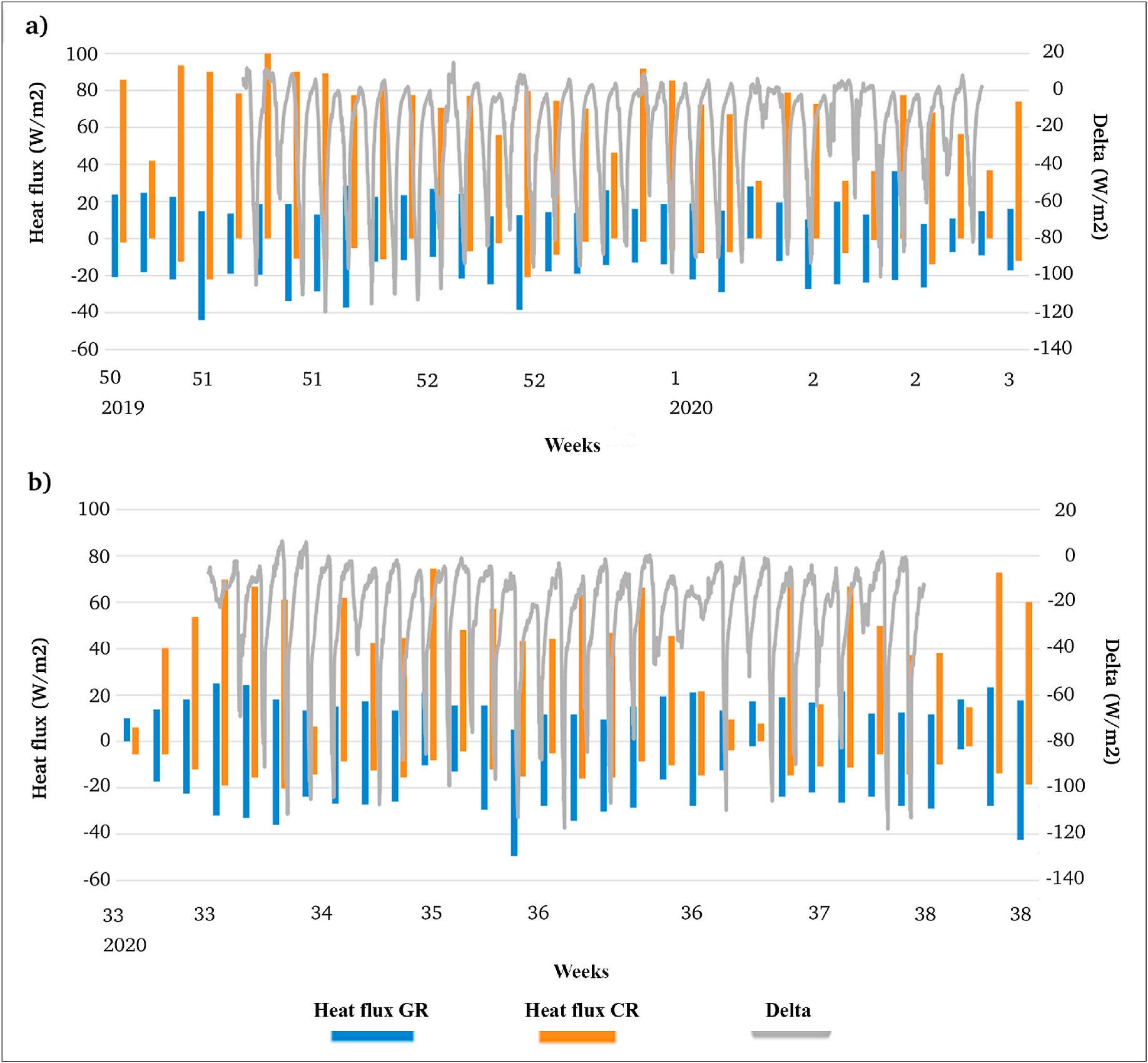
Fig. 7. Plant survival values (percentage) comparing the initial measurements (October 2019), the end of the first growing season (February 2020), and during the middle of the second growing season (December 2020) for the different treatments measured in an extensive green roof placed at the urban heat island of C ´ ordoba City. Dissimilar letters show significant dif ferences between survival values among treatments, at p < 0.05 Kruskal-Wallis test. Treatments: TA = E. distichophylla + Sedum spp.; TB = N. tenuissima + Sedum spp.; TC = E. distichophylla + N. tenuissima + Sedum spp; TD = P. nodiflora + Glandularia x hybrida + G. cabrerae + Sedum spp.; TE: Sedum spp.; TF: E. distichophylla + N. tenuissima + P. nodiflora + Glandularia x hybrida + G. cabrerae + Sedum spp. (For interpretation of the references to colour in this figure legend, the reader is referred to the Web version of this article.)
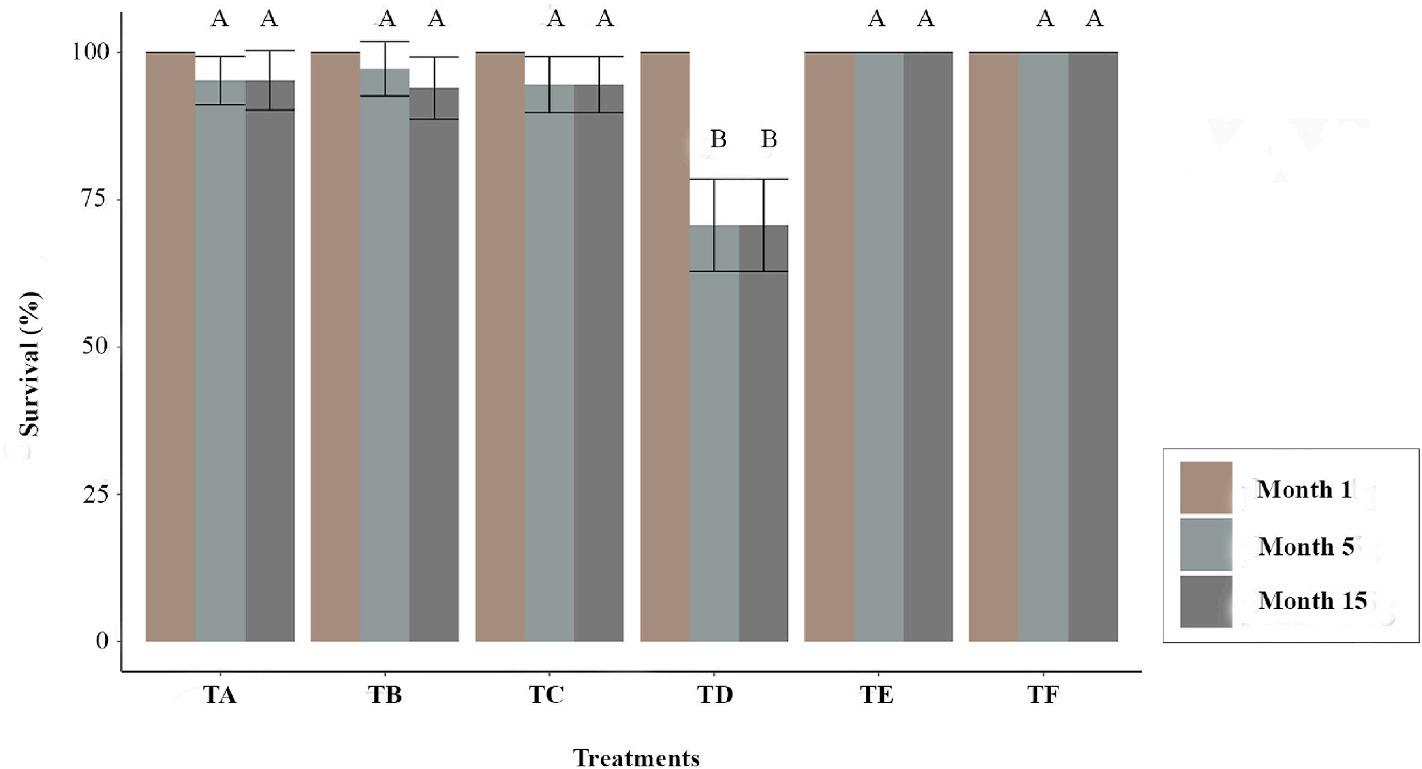
Fig. 8. Dynamics of coverage area (%) over 15 mouths evaluated for each vegetation treatment placed in an extensive vegetated roof in the urban heat island of Cordoba City. Values are the means ± standard deviation of three replicates for each treatment. Treatments: TA = E. distichophylla + Sedum spp.;
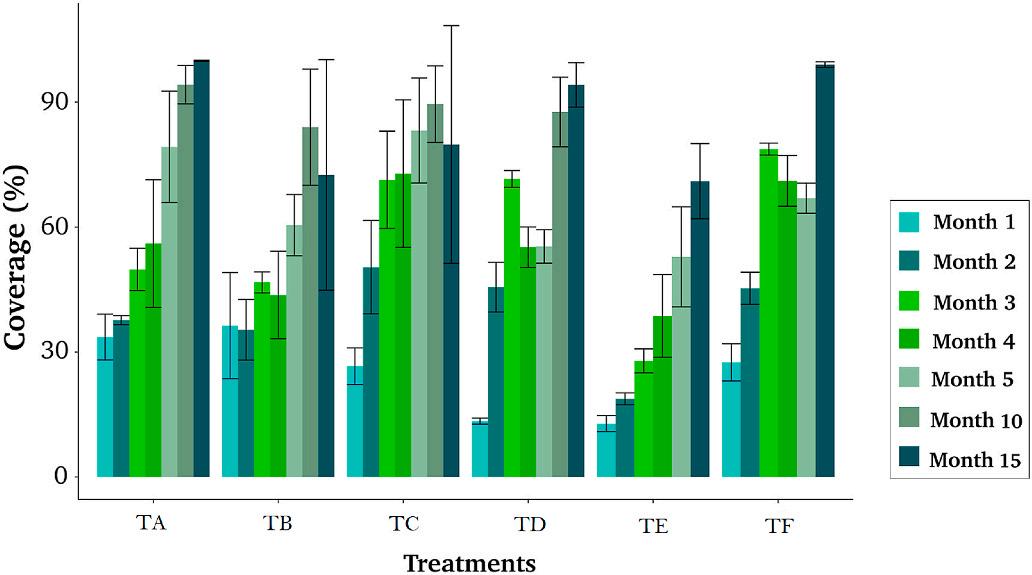
TB = N. tenuissima + Sedum spp.; TC = E. distichophylla + N. tenuissima + Sedum spp; TD = P. nodiflora + Glandularia x hybrida + G. cabrerae + Sedum spp.; TE: Sedum spp.; TF: E. distichophylla + N. tenuissima + P. nodiflora + Glandularia x hybrida + G. cabrerae + Sedum spp.
Table 4
Values for the indices of thermal performance during the year and for summer and winter seasons when comparing the extensive green roof in the urban heat island of C ´ ordoba City with the control roof. STR (surface temperature reduc tion), ETR (external temperature ratio), TER (temperature excursion reduction).
Indexes thermal performance All year Summer Winter
STR (surface temperature reduction) 0.872 0.892 1.058
ETR (external temperature ratio) 1.71 1.46 2.03
TER (temperature excursion reduction) 0.45 0.424 0.459
[48, 49, 65, our results] which could also be increased if the EVRs are regularly irrigated [65]. At the same time, thermal conductivity of saturated soils is higher than that of dry soils because air is a better insulator than water [66]. Dry substrate will be more effective at decreasing the conductive heat flux through the EVR but it decreases evapotranspiration, which will increase surface temperature and sensi ble heat flux [67].
4.2. Plant treatment performances
Multiple studies showed that the Sedum spp. outperformed the native species (herbs and grasses) in EVRs located in regions with arid climates [26,68,69]. Our study showed that the arrangement of the native plants plus the exotic succulents displayed a better performance over the treatment composed only by Sedums, which only reached a coverage area of 71% after 15 months. Even though this could be explained because of the low initial coverage of the treatment (TE). It has been observed that Sedum acre, one of the species here, has a slower coverage than native creeping herbs [22], species which doubled the coverage, suggesting that Sedums may have a natural slow growth. In conse quence, a desirable option for a quick coverage in EVRs could be using a combination of native plants plus Sedum species rather than only non-native Sedum spp. In future studies, it would be interesting to compare native and non-native plant species separately (both in monocultures and in mixture arrangements), so we can observe growth patterns in more detail. The treatment including the grass Eustachys distichophylla and Sedum species was the arrangement that showed the best performance. This result agrees with [22] who showed that Eusta chys retusa (Lag.) Kunth presented a good coverage performance and also reseeding capacity in a vegetated roof essay. In consequence, Eustachys spp. could be considered as valuable species to design bio diverse arrangements for EVRs in semiarid climates. Attributes like high
coverage, reseeding capacity, and resprouting contribute to guarantee perpetuation overtime of the vegetated layer of green roofs [23 25]. The excellent performance of the best combinations in a short period reduces and prevents some common problems of green roofs as substrate erosion or the presence of weeds [25]. In contrast, the treatments with the other grass species (Nassella tenuissima plus succulent; TB) showed the poorest performance. This low performance could be attributed to the response of N. tenuissima to the stressed conditions imposed by the EVR in the urban heat island. In the TC treatment (succulents + grasses), inter specific competition between the species of the graminoid growth form (i.e. E. distichophylla + N. tenuissima) was observed, and could be the cause responsible for the poor performance of this mixture. Competitive exclusion is a common phenomenon when co-planting species which are phylogenetically related or when they show comparable growth pat terns [70,71].
Comparing the treatments with the highest number of species and growth forms (TD: Phyla nodiflora + Glandularia x hybrida + Grindelia cabrerae + Sedum spp.; and TF: Eustachys distichophylla + Nassella ten uissima + Phyla nodiflora + Glandularia x hybrida + Grindelia cabrerae + Sedum spp.), both showed a very good performance but TF was better than TD. In the case of TF, we attributed these differences to the pres ence of taller species (E. distichophylla or N. tenuissima) that provide shade and diminish the substrate temperature, enhancing the perfor mance of the creeping growth species [72]. Besides, optimal survival for individuals of the different species was observed in this treatment. On the other hand, although the TD treatment showed a very good perfor mance, several individuals Glandularia x hybrida were lost during the evaluation period. This loss could also be attributed to competition be tween the two creeping herbs (P. nodiflora and Glanduria hybrids)
5. Conclusions
Vegetated roofs provide multiple benefits such as reducing energy consumption in urban buildings. Our experimental results support EVR designs with multiple species and growth-forms, even under the extreme microclimatic conditions that characterize roofs over buildings located under the heat island effects of contemporary cities. The EVR is a good option to increase energy saving and provide ecosystem services in urban environments. Nevertheless, new experimental analyses are required to disantangle the components and the mechanisms behind EVRs thermal performance. Consequently, we recommend the use of heterogeneous plant assemblages with native species, particularly grasses as Eustachys distichophylla combined with other growth forms to improve the performance of EVR vegetation in both the short and the long term.
CRediT authorship contribution statement
F.O. Robbiati: Writing – review & editing, Writing – original draft, Methodology, Formal analysis, Data curation, Conceptualization. N. Caceres: Conceptualization, Data curation, Formal analysis, Writing –original draft, Writing – review & editing. E.C. Hick: Methodology, Data curation. M. Suarez: Data curation, Methodology. S. Soto: Writing –review & editing. G. Barea: Writing – review & editing. E. Matoff: Methodology. L. Galetto: Conceptualization, Funding acquisition, Methodology, Supervision, Writing – original draft, Writing – review & editing. L. Imhof: Writing – review & editing, Writing – original draft, Supervision, Methodology, Funding acquisition, Conceptualization.
Declaration of competing interest
The authors declare that they have no known competing financial interests or personal relationships that could have appeared to influence the work reported in this paper.
Acknowledgments
The contributions of funds that allowed the C ´ ordoba Development Agency (ADEC) to carry out the essay are appreciated. At the same time, we are grateful that the C ´ ordoba Chamber of Urban Developers (CEDUC) has trusted our work team to carry out the trial and we hope that the results obtained will allow these systems to be implemented in other buildings. The Municipality of C ´ ordoba is thanked for providing us with its building, which is historical heritage, to install a construction tool and show it to all architects, engineers and developers who need to visualize the system and understand its operation. We are deeply grateful to each of the institutions where we work for trusting us and to the reviewers for their time dedicated to evaluating this manuscript. The authors also thank Universidad Nacional de C ´ ordoba (UNC) for the fellowship given to Federico O. Robbiati (BITs 2019) and Universidad Cat ´ olica de C ´ ordoba (UCC) for providing facilities and workplace.
References
[1] A. Hami, B. Abdi, D. Zarehaghi, S.B. Maulan, Assessing the thermal comfort effects of green spaces: a systematic review of methods, parameters, and plants’ attributes, Sustain. Cities Soc. 49 (2019) 101634, https://doi.org/10.1016/j. scs.2019.101634
[2] S. Cascone, F. Catania, A. Gagliano, G. Sciuto, A comprehensive study on green roof performance for retrofitting existing buildings, Build. Environ. 136 (2018) 227 239, https://doi.org/10.1016/j.buildenv.2018.03.052
[3] https://www.iea.org/reports/tracking-buildings-2020
[4] E. Morini, B. Castellani, A. Presciutti, E. Anderini, M. Filipponi, A. Nicolini, F. Rossi, Experimental analysis of the effect of geometry and façade materials on urban district’s equivalent albedo, Sustainability 9 (7) (2017) 1245, https://doi. org/10.3390/su9071245
[5] M.A. Chagolla-Aranda, E. Sima, J. Xaman, G. ´ Alvarez, I. Hernandez-Perez, E. Tellez-Velazquez, Effect of irrigation on the experimental thermal performance of a green roof in a semi-warm climate in Mexico, Energy Build. 154 (2017) 232 243, https://doi.org/10.1016/j.enbuild.2017.08.082
[6] E. Oberndorfer, J. Lundholm, B. Bass, R.R. Coffman, H. Doshi, N. Dunnett, S. Gaffin, M. Kohler, K.K.Y. Liu, B. Rowe, Green roofs as urban ecosystems: ecological structures, functions, and services, Bioscience 57 (10) (2007) 823 833, https://doi.org/10.1641/B571005
[7] D.B. Rowe, Green roofs as a means of pollution abatement, Environ. Pollut. 159 (8 9) (2011) 2100 2110, https://doi.org/10.1016/j.envpol.2010.10.029
[8] C. Luederitz, E. Brink, F. Gralla, V. Hermelingmeier, M. Meyer, L. Niven, L. Panzer, S. Partelow, A. Rau, R. Sasaki, D.J. Abson, D.J. Lang, C. Wamsler, H. Wehrden, A review of urban ecosystem services: six key challenges for future research, Ecosyst. Serv. 14 (2015) 98 112, https://doi.org/10.1016/j.ecoser.2015.05.001.
[9] R.K. Sutton, Introduction to green roof ecosystems, in: R.K. Sutton (Ed.), Green Roof Ecosystems, Springer Cham, Switzerland, 2015, pp. 1 25
[10] C. Gargari, C. Bibbiani, F. Fantozzi, C.A. Campiotti, Environmental impact of Green roofing: the contribute of a green roof to the sustainable use of natural resources in a life cycle approach, Agric. Agric. Sci. Procedia 8 (2016) 646 656, https://doi. org/10.1016/j.aaspro.2016.02.087
[11] S.A. Beichler, O. Bastian, D. Haase, S. Heiland, N. Kabisch, F. Müller, Does the ecosystem service concept reach its limits in urban environments? Landsc. online 51 (2017) 1 22, https://doi.org/10.3097/LO.201751
[12] L.F.M. Francis, M.B. Jensen, Benefits of green roofs: a systematic review of the evidence for three ecosystem services, Urban For. Urban Green. 28 (2017) 167 176, https://doi.org/10.1016/j.ufug.2017.10.015
[13] J. Ran, M. Tang, Passive cooling of the green roofs combined with night-time ventilation and walls insulation in hot and humid regions, Sustain. Cities Soc. 38 (2018) 466 475, https://doi.org/10.1016/j.scs.2018.01.027
[14] T. Susca, Green roofs to reduce building energy use? A review on key structural factors of green roofs and their effects on urban climate, Build. Environ. 162 (2019) 106273, https://doi.org/10.1016/j.buildenv.2019.106273
[15] M. Maiolo, B. Pirouz, R. Bruno, S.A. Palermo, N. Arcuri, P. Piro, The role of the extensive green roofs on decreasing building energy consumption in the mediterranean climate, Sustainability 12 (1) (2020) 359, https://doi.org/10.3390/ su12010359
[16] M. Shafique, X. Xue, X. Luo, An overview of carbon sequestration of green roofs in urban areas, Urban For. Urban Green. 47 (2020) 126515, https://doi.org/10.1016/ j.ufug.2019.126515
[17] P. Bevilacqua, J. Coma, G. P´ erez, C. Chocarro, A. Ju´ arez, C. Sol´ e, M. De Simone, L. F. Cabeza, Plant cover and floristic composition effect on thermal behavior of extensive green roofs, Build. Environ. 92 (2015) 305 316, https://doi.org/ 10.20868/ade.2020.4502
[18] S. Yuan, D. Rim, Cooling energy saving associated with exterior greenery systems for three US Department of Energy (DOE) standard reference buildings, Build. Simul. 11 (2018) 625 631, https://doi.org/10.1007/s12273-018-0427-y
[19] K. Vijayaraghavan, Green roofs: a critical review on the role of components, benefits, limitations and trends, Renew. Sustain. Energy Rev. 57 (2016) 740 752, https://doi.org/10.1016/j.rser.2015.12.119
[20] M. Simmons, Climates and microclimates: challenges for extensive green roof design in hot climates, in: R.K. Sutton (Ed.), Green Roof Ecosystems, Springer Cham, Switzerland, 2015, pp. 63 80, https://doi.org/10.1007/978-3-319-149837_3
[21] N.S. Williams, J.P. Rayner, K.J. Raynor, Green roofs for a wide brown land: opportunities and barriers for rooftop greening in Australia, Urban For. Urban Green. 9 (3) (2010) 245 251, https://doi.org/10.1016/j.ufug.2010.01.005
[22] N. C´ aceres, L. Imhof, M. Su´ arez, E.C. Hick, L. Galetto, Assessing native germplasm for extensive green roof systems of semiarid regions, J. Ornam. Hortic. 24 (2018) 466 476, https://doi.org/10.14295/oh.v24i4.1225
[23] J.W. White, E. Snodgrass, Extensive green roof plant selection and characteristics, in: Proceedings of the 1st Greening Rooftops for Sustainable Communities Conference, , Chicago, IL, The Cardinal Group, Toronto, 2003
[24] E.2400 ASTM, Standard Guide for Selection, Installation, and Maintenance of Plants for Green Roof Systems, ASTM International, West Conshohochen, PA, 2006, p. 4
[25] K.L. Getter, D.B. Rowe, The role of extensive green roofs in sustainable development, Hortscience 41 (5) (2006) 1276 1285, https://doi.org/10.21273/ HORTSCI.41.5.1276
[26] M.A. Monterusso, D.B. Rowe, C.L. Rugh, Establishment and persistence of Sedum spp. and native taxa for green roof applications, Hortscience 40 (2) (2005) 391 396, https://doi.org/10.21273/HORTSCI.40.2.391
[27] E.C. Snodgrass, L.L. Snodgrass, Green Roof Plants: a Resource and Planting Guide, Timber Press, Portland, 2006
[28] J.P. Rayner, C. Farrell, K.J. Raynor, S.M. Murphy, N.S. Williams, Plant establishment on a green roof under extreme hot and dry conditions: the importance of leaf succulence in plant selection, Urban For. Urban Green. 15 (2016) 6 14, https://doi.org/10.1016/j.ufug.2015.11.004
[29] P. Kephart, Living architecture – an ecological approach, in: Paper Presented at the Annual Greening Rooftops for Sustainable Communities Conference, Washington, DC, 2005, 2005
[30] C. Butler, E. Butler, C.M. Orians, Native plant enthusiasm reaches new heights: perceptions, evidence, and the future of green roofs, Urban For. Urban Green. 11 (1) (2012) 1 10, https://doi.org/10.1016/j.ufug.2011.11.002
[31] N.S. Williams, J. Lundholm, J. Scott MacIvor, Do green roofs help urban biodiversity conservation? J. Appl. Ecol. 51 (6) (2014) 1643 1649, https://doi. org/10.1111/1365-2664.12333
[32] V. Azenas, J. Cuxart, R. Picos, H. Medrano, G. Sim ´ o, A. L ´ opez-Grifol, J. Gulías, Thermal regulation capacity of a green roof system in the mediterranean region: the effects of vegetation and irrigation level, Energy Build. 164 (2018) 226 238, https://doi.org/10.1016/j.enbuild.2018.01.010
[33] F. Mayrand, P. Clergeau, Green roofs and green walls for biodiversity conservation: a contribution to urban connectivity? Sustainability 10 (4) (2018) 985, https://doi. org/10.3390/su10040985
[34] A. Nagase, Y. Tashiro-Ishii, Habitat template approach for green roofs using a native rocky sea coast plant community in Japan, J. Environ. Manag. 206 (2018) 255 265, https://doi.org/10.1016/j.jenvman.2017.10.001
[35] D. Fabian, E. Gonzalez, M.V.S. Domínguez, A. Salvo, M.S. Fenoglio, Towards the design of biodiverse green roofs in Argentina: assessing key elements for different functional groups of arthropods, Urban For. Urban Green. 61 (2021) 127107, https://doi.org/10.1016/j.ufug.2021.127107
[36] J.T. Lundholm, Green roofs and facades: a habitat template approach, Urban Habitats 4 (1) (2006) 87 101
[37] J.T. Lundholm, Green roof plant species diversity improves ecosystem multifunctionality, J. Appl. Ecol. 52 (3) (2015) 726 734, https://doi.org/10.1111/ 1365-2664.12425
[38] J.T. Lundholm, Spontaneous dynamics and wild design in green roofs, Isr. J. Ecol. Evol. 62 (1 2) (2016) 23 31, https://doi.org/10.1080/15659801.2015.1025511
[39] C. Brandao, M. do Ros´ ario Cameira, F. Valente, R.C. de Carvalho, T.A. Paço, Wet season hydrological performance of green roofs using native species under Mediterranean climate, Ecol. Eng. 102 (2017) 596 611, https://doi.org/10.1016/j. ecoleng.2017.02.025.
[40] Y. Gong, X. Zhang, H. Li, X. Zhang, S. He, Y. Miao, A comparison of the growth status, rainfall retention and purification effects of four green roof plant species, J. Environ. Manag. 278 (2021) 111451, https://doi.org/10.1016/j. jenvman.2020.111451
[41] A. Nagase, N. Dunnett, Drought tolerance in different vegetation types for extensive green roofs: effects of watering and diversity, Landsc. Urban Plann. 97 (4) (2010) 318 327, https://doi.org/10.1016/j.landurbplan.2010.07.005
[42] M. Razzaghmanesh, S. Beecham, F. Kazemi, The growth and survival of plants in urban green roofs in a dry climate, Sci. Total Environ. 476 (2014) 288 297, https://doi.org/10.1016/j.scitotenv.2014.01.014
[43] S. Tran, J.T. Lundholm, M. Staniec, C.E. Robinson, C.C. Smart, J.A. Voogt, D. M. O Carroll, Plant survival and growth on extensive green roofs: a distributed experiment in three climate regions, Ecol. Eng. 127 (2019) 494 503, https://doi.
among species? Org. Divers. Evol. 11 (1) (2011) 9 19, https://doi.org/10.1007/ s13127-011-0038-2
[47] M.R. Derguy, J.L. Frangi, A.A. Drozd, M.F. Arturi, S. Martinuzzi, Holdridge life zone Map: republic of Argentina, Gen. Tech. Rep. 51 (2019), https://doi.org/ 10.2737/IITF-GTR-51
[48] L. Imhof, E. Su´ arez, N. C´ aceres, F. Robbiati, C. C´ aceres, A. Broilo, L. Pellizari, M. Su´ arez, E. Hick, E. Matoff, L. Galetto, Thermal performance of an extensive green roof under semi-arid conditions in central Argentina, J. Green Build. 16 (1) (2021) 17 42, https://doi.org/10.3992/jgb.16.1.17
[49] L.L. Peng, X. Yang, Y. He, Z. Hu, T. Xu, Z. Jiang, L. Yao, Thermal and energy performance of two distinct green roofs: temporal pattern and underlying factors in a subtropical climate, Energy Build. 185 (2019) 247 258, https://doi.org/ 10.1016/j.enbuild.2018.12.040
[50] M.A. Su´ arez, L. Galetto, N. C´ aceres, E.C.B. Hick, E. Matoff, L. Imhof, Performance of native plant genotypes (Glandularia Verbenaceae) on semi-intensive green roofs with low maintenance requirements, Cities Environ. (CATE) 12 (2) (2019) 1 15. https://digitalcommons.lmu.edu/cate
[51] M. Cabido, N. Ateca, M. Astegiano, A. Anton, Distribution of C3 and C4 grasses along an altitudinal gradient in Central Argentina, J. Biogeogr. 24 (2) (1997) 197 204. https://doi:10.1046/j.1365-2699.1997.00085.x
[52] C. Llano, Photosynthetic pathways, spatial distribution, isotopic ecology, and implications for pre-Hispanic human diets in central-western Argentina, Int. J. Osteoarchaeol. 19 (2) (2009) 130 143. https://doi:10.1002/oa.1051
[53] N. Madanes, R.D. Quintana, P. Kandus, R.F. Bo, Species richness and functional groups of angiosperms from the Parana River Delta region (Argentina), Check List. 11 (2015) 1803. https://doi:10.15560/11.6.1803
[54] W.S. Rasband, Image J, U.S.A., National Institutes of Health, Bethesda, Maryland, USA, https://imagej.nih.gov/ij/, 1997-2018.
[55] J. Di Rienzo, F. Casanoves, M. Balzarini, L. Gonzalez, M. Tablada, Y.C. Robledo, Grupo InfoStat FCA, V2020 (Version 2020), Universidad Nacional de C ´ ordoba, 2020. https://www.infostat.com.ar/
[56] P. Bevilacqua, D. Mazzeo, R. Bruno, N. Arcuri, Surface temperature analysis of an extensive green roof for the mitigation of urban heat island in southern mediterranean climate, Energy Build. 150 (2017) 318 327, https://doi.org/ 10.1016/j.enbuild.2017.05.081
[57] A. Teemusk, Ü. Mander, Greenroof potential to reduce temperature fluctuations of a roof membrane: a case study from Estonia, Build. Environ. 44 (3) (2009) 643 650, https://doi.org/10.1016/j.buildenv.2008.05.011.
[58] G. P´ erez, J. Coma, Green roofs classifications, plant species, substrates, in: G. P´ erez, K. Perini (Eds.), Nature Based Strategies for Urban and Building Sustainability, Butterworth-Heinemann, Kidlington, 2018, pp. 65 74
[59] M. Foustalieraki, M.N. Assimakopoulos, M. Santamouris, H. Pangalou, Energy performance of a medium scale green roof system installed on a commercial
building using numerical and experimental data recorded during the cold period of the year, Energy Build. 135 (2017) 33 38, https://doi.org/10.1016/j. enbuild.2016.10.056
[60] A. Nardini, S. Andri, M. Crasso, Influence of substrate depth and vegetation type on temperature and water runoff mitigation by extensive green roofs: shrubs versus herbaceous plants, Urban Ecosyst. 15 (3) (2012) 697 708, https://doi.org/ 10.1007/s11252-011-0220-5
[61] P. Stella, E. Personne, Effects of conventional, extensive and semi-intensive green roofs on building conductive heat fluxes and surface temperatures in winter in Paris, Build. Environ. 205 (2021) 108202, https://doi.org/10.1016/j. buildenv.2021.108202
[62] P. Bevilacqua, D. Mazzeo, R. Bruno, N. Arcuri, Experimental investigation of the thermal performances of an extensive green roof in the Mediterranean area, Energy Build. 122 (2016) 63 79, https://doi.org/10.1016/j.enbuild.2016.03.062.
[63] R. Fleck, R.L. Gill, S. Saadeh, T. Pettit, E. Wooster, F. Torpy, P. Irga, Urban green roofs to manage rooftop microclimates: a case study from Sydney, Australia, Build. Environ. 209 (2022) 108673, https://doi.org/10.1016/j.buildenv.2021.108673
[64] J. Coma, G. Perez, C. Sole, A. Castell, L.F. Cabeza, Thermal assessment of extensive green roofs as passive tool for energy savings in buildings, Renew. Energy 85 (2016) 1106 1115, https://doi.org/10.1016/j.renene.2015.07.074
[65] L.M. Cook, T.A. Larsen, Towards a performance-based approach for multifunctional green roofs: an interdisciplinary review, Build. Environ. 188 (2021) 107489
[66] H.F. Castleton, V. Stovin, S.B. Beck, J.B. Davison, Green roofs; building energy savings and the potential for retrofit, Energy Build. (10) (2010) 1582 1591, https://doi.org/10.1016/j.enbuild.2010.05.004
[67] S. Cascone, Green roof design: state of the art on technology and materials, Sustainability 11 (11) (2019) 3020, https://doi.org/10.3390/su11113020
[68] N.D. VanWoert, D.B. Rowe, J.A. Andresen, C.L. Rugh, L. Xiao, Watering regime and green roof substrate design affect Sedum plant growth, Hortscience 40 (3) (2005) 659 664, https://doi.org/10.21273/HORTSCI.40.3.659
[69] D.B. Rowe, M.A. Monterusso, C.L. Rugh, Assessment of heat-expanded slate and fertility requirements in green roof substrates, HortTechnology 16 (3) (2006) 471 477, https://doi.org/10.21273/HORTTECH.16.3.0471
[70] J.P. Grime, Competitive exclusion in herbaceous vegetation, Nature 242 (5396) (1973) 344 347, https://doi.org/10.1038/242344a0
[71] A. Vasl, A. Heim, Preserving plant diversity on extensive green roofs theory to practice, Isr. J. Ecol. Evol. 62 (1 2) (2016) 103 111, https://doi.org/10.1080/ 15659801.2015.1035507.
[72] U. Steinfort, R. Arriola-Cepeda, S. Vera, F. Albornoz, Experimental Study on the Stomatal Resistance of Green Roof Vegetation of Semiarid Climates for Building Energy Simulations, International Building Physics Conference, New York, 2018, https://doi.org/10.14305/ibpc.2018.gb2.01