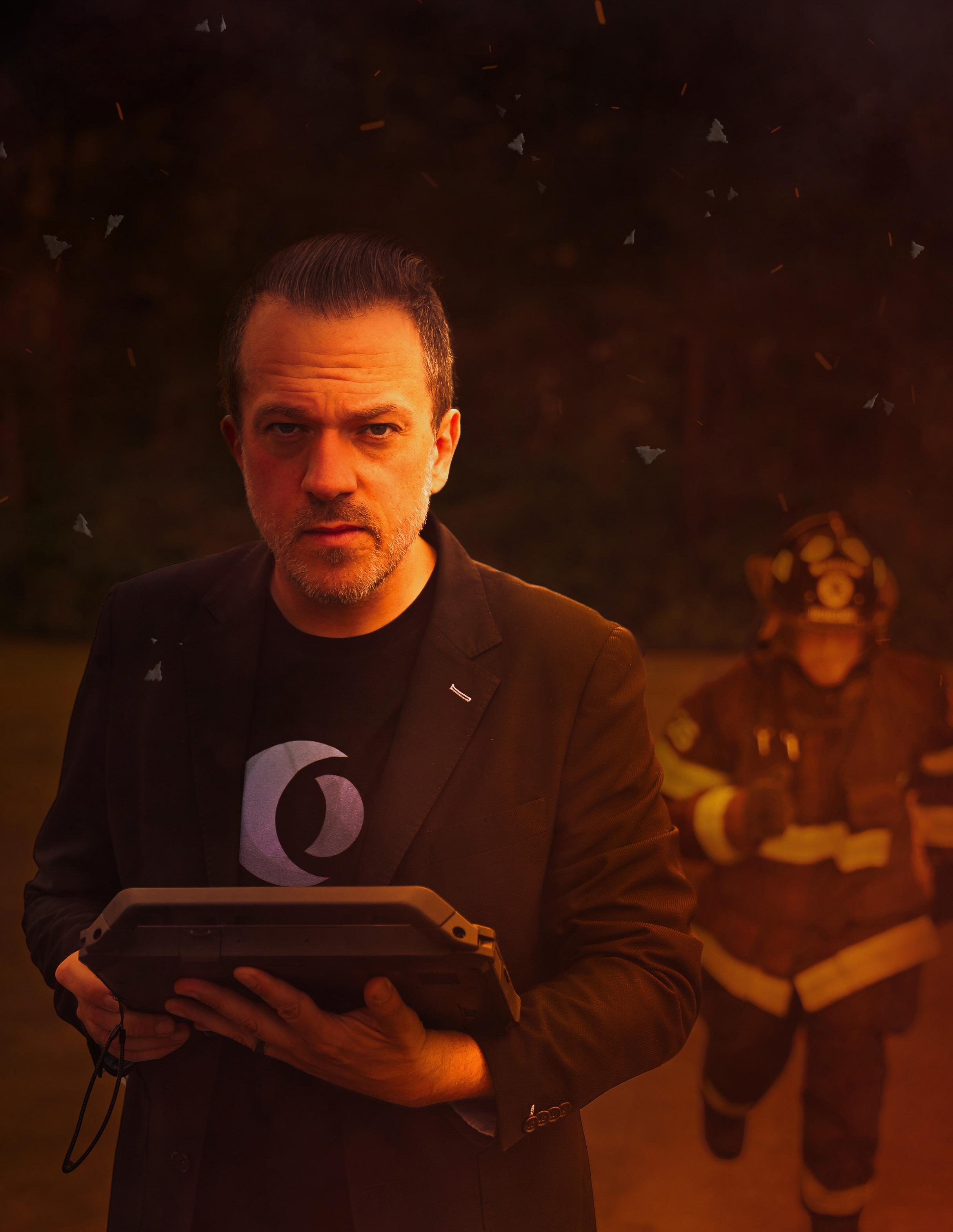
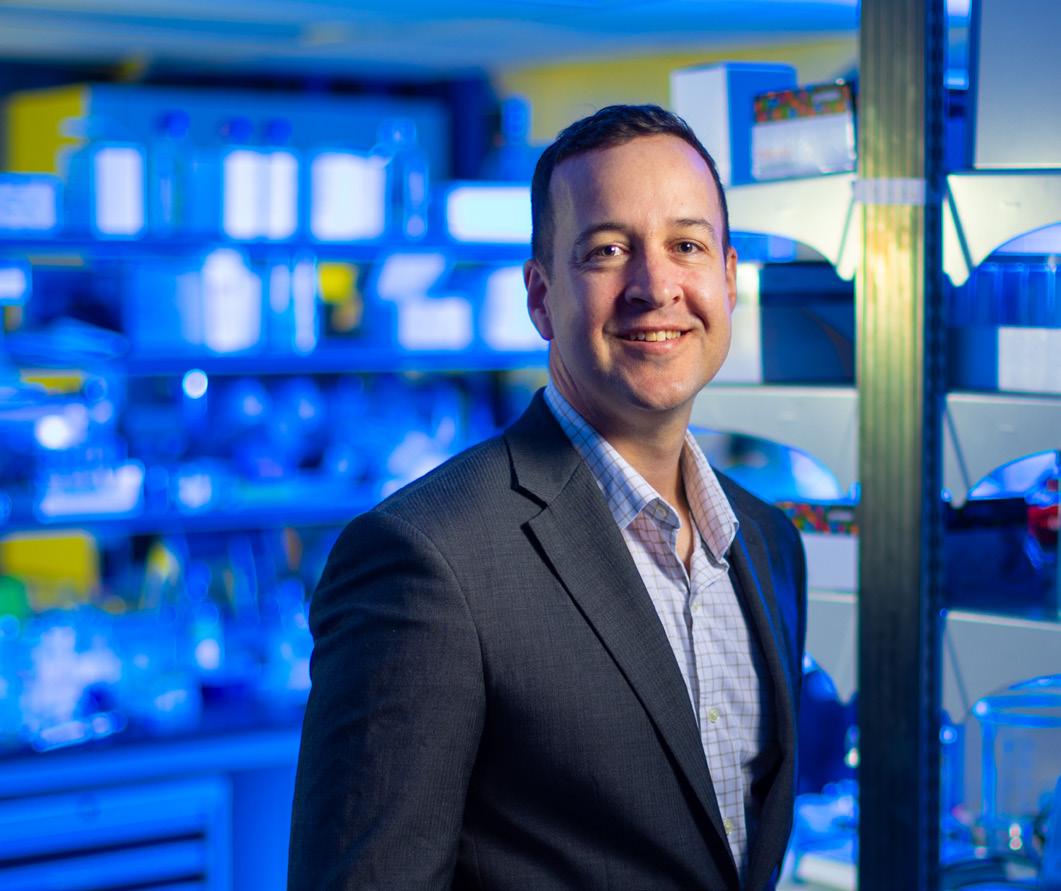
UB alum Ryan Litt co-founds startup to support emergency services
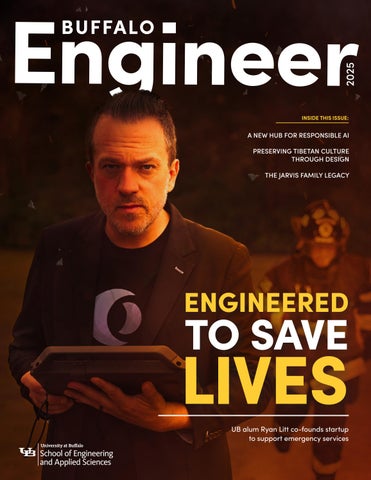
UB alum Ryan Litt co-founds startup to support emergency services
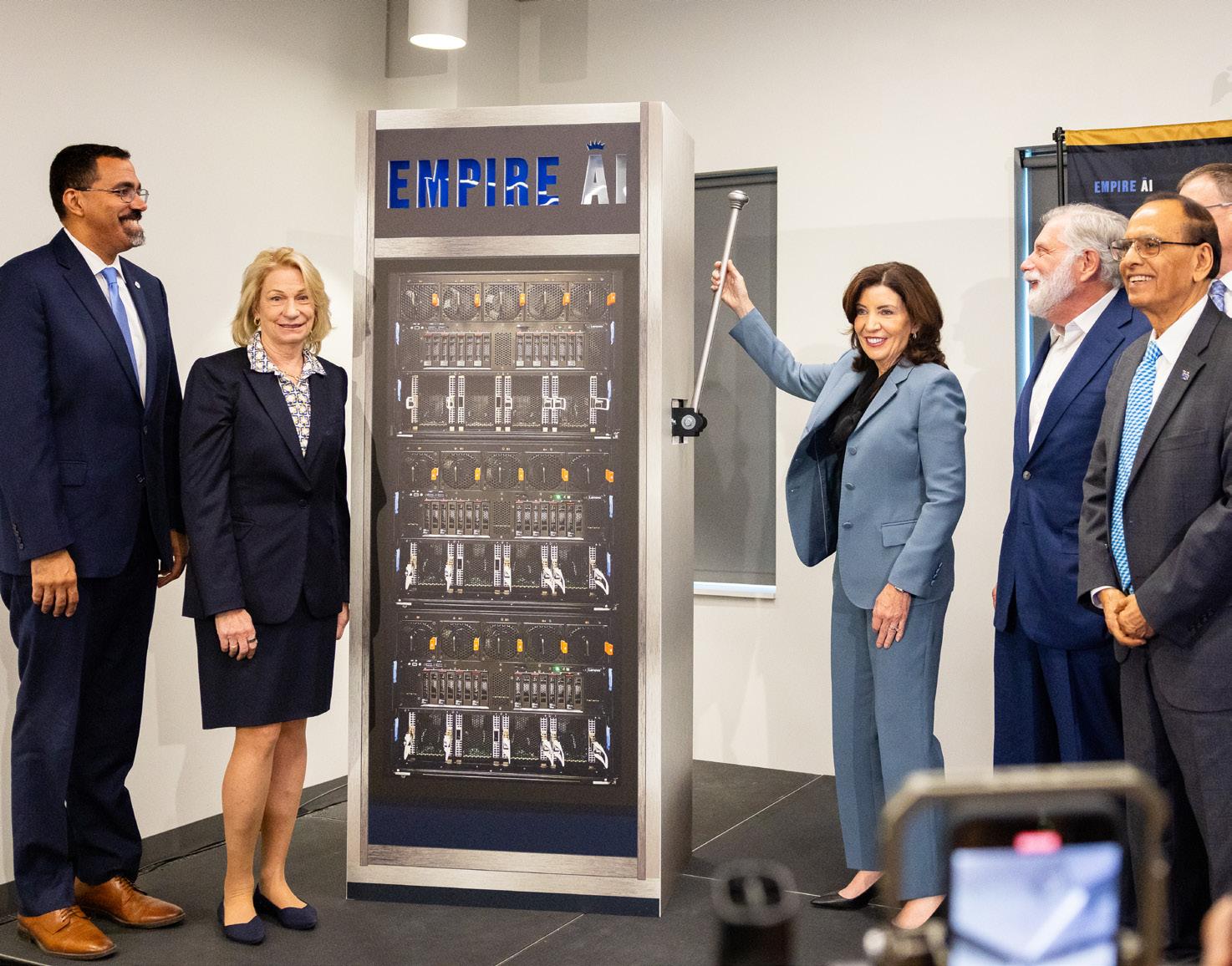
GOV. KATHY HOCHUL “FLIPS THE SWITCH” FOR EMPIRE AI TO COME ONLINE ALONGSIDE SUNY, UB AND COMMUNITY LEADERS.
The processing power of Empire AI, New York’s $400 million AI-research consortium, has begun accelerating tomorrow’s breakthroughs. It’s first stage, named “Alpha,” houses a GPU supercluster at UB that is among the most powerful computers in the world. SEAS faculty are using the supercomputing center to develop large language models that use AI to improve mental health care, help children with speech and language challenges, and more.
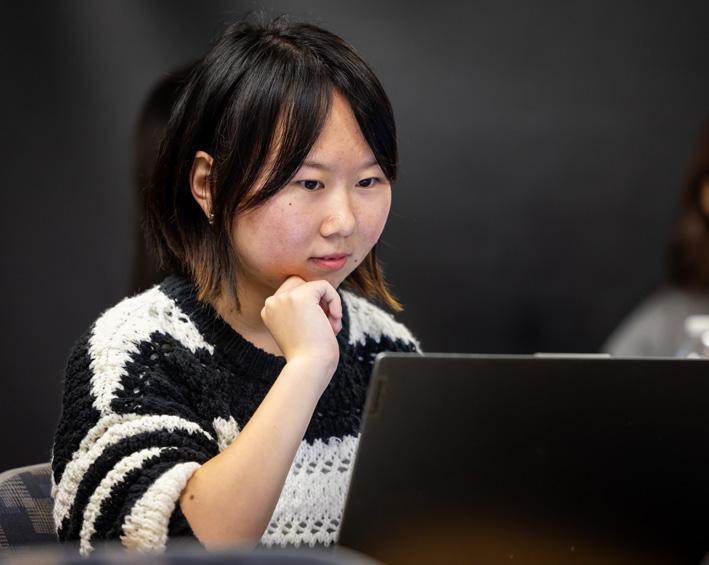
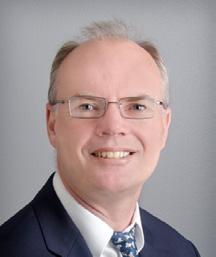
Chair, Department of AI and Society
Atri Rudra, Katherine Johnson Chair in Artificial Intelligence
Chair, Department of Electrical Engineering
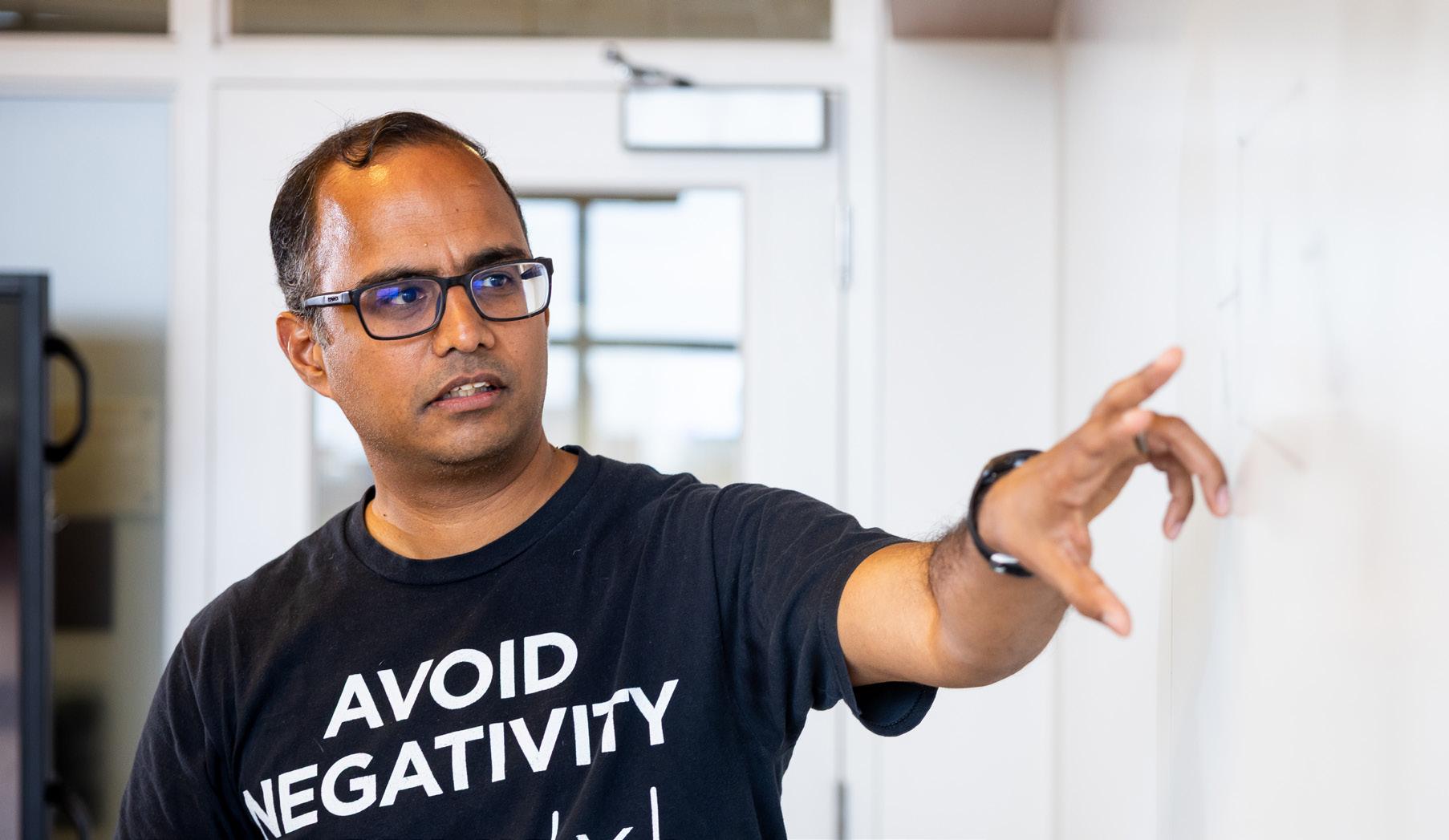
Nicholas Mastronarde, Professor Chair, Department of Materials Design and Innovation
Edward Snell, Professor*
*Appointment effective January 1, 2026.
Our engineering management program—designed for engineers who want to take on leadership roles in their organizations—was ranked No. 9 in U.S. News & World Report’s 2025 Best Online Master’s in Engineering Programs rankings.
By Cory Nealon and Tom Dinki
THE UNIVERSITY AT BUFFALO HAS LAUNCHED the Department of AI and Society, a new department dedicated to harnessing the power of AI for the betterment of society.
Based jointly in the School of Engineering and Applied Sciences and the College of Arts and Sciences, the new unit is collaborating on seven ‘AI+X’ bachelor’s degrees—the first of their kind in the country—that combine the rapidly evolving field of AI with the traditional disciplines of logic, language, communication, geography, policy analysis, and economics. The university has also created two AI-focused minors: Artificial Intelligence, Crime and Society; and AI Ethics.
UB estimates that over 300 students will enroll in the degree programs by their fifth year. The university aims to form additional degrees that merge AI and other disciplines. The new department will soon offer its own degree programs as well.
The Department of AI and Society is supported by $5 million in state funding awarded by New York State Governor Kathy Hochul. The funds will be used to purchase high-performance computing and to
hire more faculty with expertise in AI. UB is also planning to construct an AI and society building, a new facility that will feature computer labs and space for community-oriented work in AI.
“As much as AI can benefit the arts, humanities, and social sciences, AI desperately needs the arts, humanities, and social sciences as well,” says Atri Rudra, the department’s inaugural chair and the Katherine Johnson Chair in Artificial Intelligence.
“We recognize that AI systems cannot benefit society without an AI workforce that understands society,” he says. “The vision of the department is to build AI systems where societal consideration is the main driver of the development of AI models and not an afterthought.”
The department will prepare students to apply AI tools to their respective disciplines, give them a deep understanding of AI’s historical context and societal implications, and provide them with a valuable skillset in a labor market where AI knowledge is increasingly desirable.
1
DETECTING DYSLEXIA EARLY WITH AI
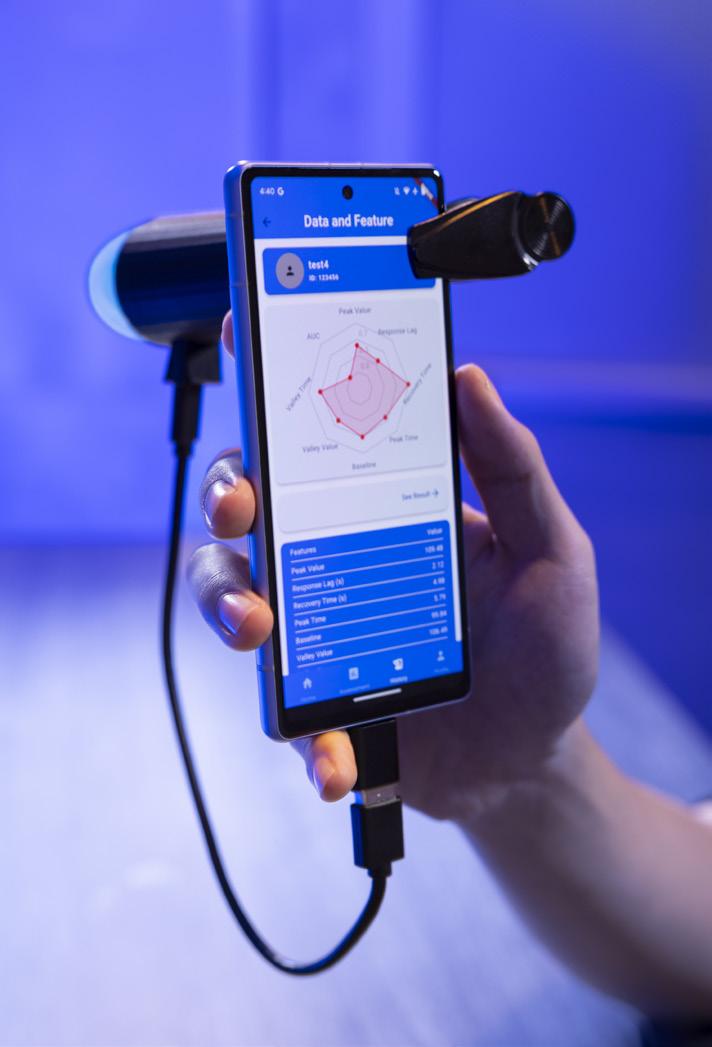
The key to spotting dyslexia and dysgraphia early among children could be AI-powered handwriting analysis. Research led by Venu Govindaraju (PhD ’92, MS ’88), Department of Computer Science and Engineering, aims to develop AI tools that augment current screening methods, which are effective but costly and time consuming.
2QUICK AND PAINLESS MAMMOGRAM ALTERNATIVE
Researchers have developed a breast scan that takes less than a minute and produces AI-powered 3D images. The system—called OneTouch-PAT—doesn’t require painful compression like mammography and instead uses photoacoustic and ultrasound imaging. The study is led by Jun Xia, Department of Biomedical Engineering.
3THE FUTURE OF INSULATION: WHEAT STRAW
Wheat straw, a farming waste product, could be a sustainable alternative to fiberglass insulation in homes and buildings. Wheat straw insulation can be 3D-printed and, if adopted, would reduce greenhouse gas emissions, says project lead Chi Zhou, Department of Industrial and Systems Engineering.
4
TEACHING ROBOTS TO FEEL
A new electronic textile that mimics human skin may help robots develop a sense of touch. The technology, made in the lab of Jun Liu, Department of Mechanical and Aerospace Engineering, contains sensors that act as nerves, detecting grip pressure and slipping objects.
5
VIEWING WOUNDS WITHOUT PEELING BANDAGES
Wenyao Xu, Department of Computer Science and Engineering, is developing imaging technology that uses radar and AI to observe skin wounds without removing bandages and risking infection. Named mmSkin, the system measures changes in size and moisture levels of wounds, a critical indicator of wound health.
6
In the U.S., heat waves harm more people than all other natural disasters combined. Monica Miles (PhD ’16, MA ’10), Department of Engineering Education, guided a community-engaged research campaign to map extreme heat across Erie County. The project will reveal where people are most at risk during heat waves.
7
Harmful algal blooms are responsible for countless public health concerns, including dead zones in water. Ian Bradley, Department of Civil, Structural and Environmental Engineering, is investigating how wastewater interacts with these toxic blooms and how algae can instead be used to improve wastewater treatment.
8
Ian Sellers, Department of Electrical Engineering, and Wanyi Nie, Department of Physics, are developing new solar power technologies for satellites and other space vehicles. They will explore how metal halide perovskites can be used to develop lightweight solar cells that can withstand extreme conditions in space.
Zebrafish, a popular aquarium fish, could unlock fundamental understanding of diseases characterized by abnormal crystallization, such as kidney stones and gout. Viviana Monje, Department of Chemical and Biological Engineering, is using models to examine how zebrafish produce crystals to adjust their skin pigmentation inside lipid vesicles.
10
Fei Yao, Department of Materials Design and Innovation, co-led research that found mixing 2D materials with silicon could improve the power and efficiency of semiconductors. The results may lead to computers, smartphones, and other electronics that are both more powerful and more compact.
NASA-FUNDED PROJECT NOW THE SUBJECT OF A NEW KID’S BOOK
By Sarah D’Iorio

EXPLORING VENUS could provide better understanding of the solar system and planetary evolution, climate change, and the potential of life beyond Earth. But the planet’s scorching hot surface and crushing atmospheric pressure doesn’t exactly make it an easy task.

One research team at the University at Buffalo believes the key to success can be found in the efficient motion of a stingray.
Their project, “Bioinspired Ray for Extreme Environments and Zonal Exploration,” was selected for funding in 2019 by the highly competitive NASA Innovative Advanced Concepts program. Drawing inspiration from a manta ray, the team designed a flying probe with wings that flap like a stingray’s pectoral fins, enabling it to seamlessly ride the fierce winds above Venus’s treacherous surface.
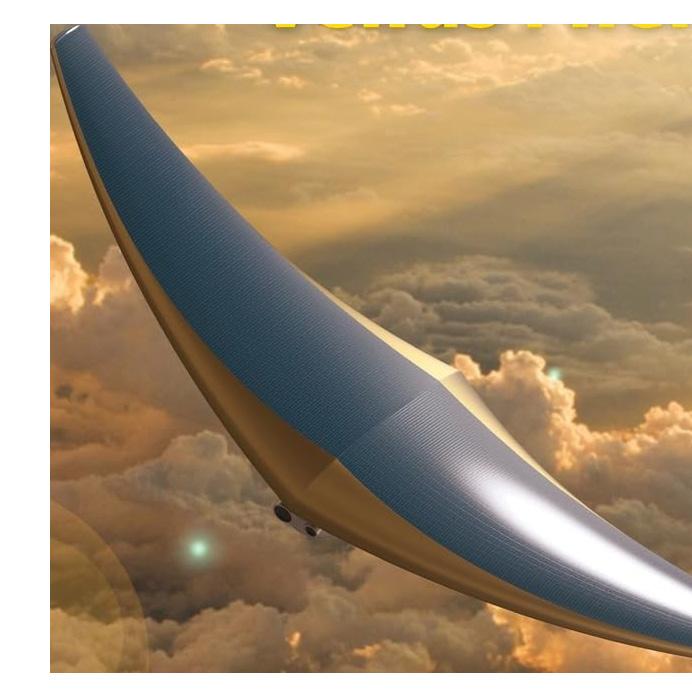
“By taking our cues from nature, specifically sea rays, we’re looking to maximize flight efficiency in the dense atmosphere of Venus,” said Javid Bayandor, lead investigator on the project and the director of the CRashworthiness for Aerospace Structures and Hybrids (CRASH) Lab in the Department of Mechanical and Aerospace Engineering.
The CRASH Lab team has had the opportunity to present its work to several NASA colleagues both at UB and at NASA’s Goddard Space Flight Center, where they met with the team behind the DAVINCI mission that is scheduled to fly to Venus in 2030.
NASA also recently selected Bayandor’s invention to be featured in the “Out of This World” book series, which introduces middle school kids to pioneering space research projects and the NASA scientists and engineers behind them.
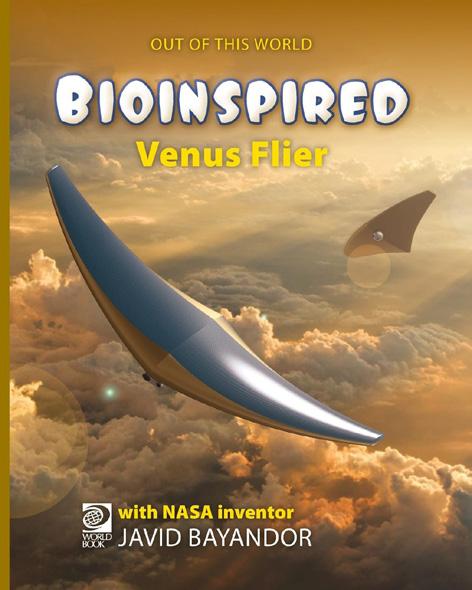
The book, “Bioinspired Venus Flier,” is narrated by Bayandor as he takes readers through the challenges and breakthroughs of developing the stingray-inspired spacecraft. “Our team was thrilled that our invention was selected for the series, alongside other visionary space exploration projects,” said Bayandor. “The fact that the book series is designed to inspire the new generation to pursue STEM fields is a great reward in itself.”
The “Bioinspired Venus Flier” book is available on its own at Amazon.com, or as part of an eight-volume “Out of This World” set at worldbook.com
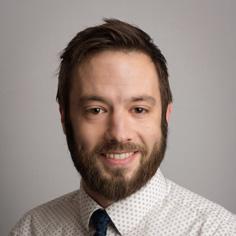
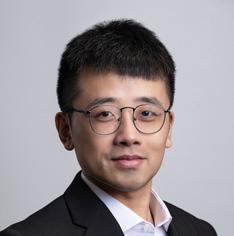
The School of Engineering and Applied Sciences attracts some of the world’s brightest researchers to the Buffalo Niagara region. This year, two SEAS junior faculty have earned National Science Foundation (NSF) CAREER Awards, the NSF’s most prestigious honor for early-career faculty.
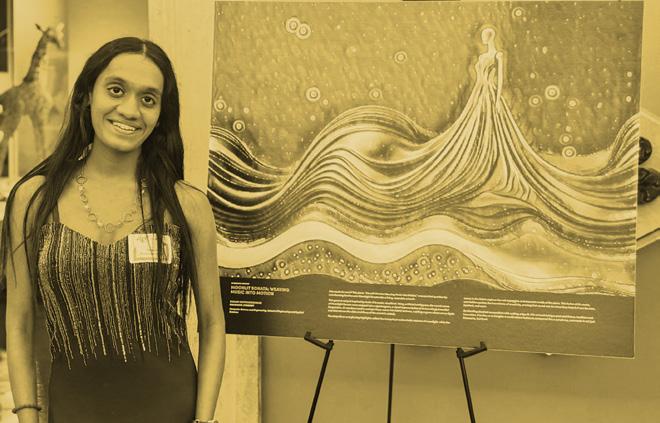
RAGAVI MUTHUKRISHNAN, graduate student in the Department of Industrial and Systems Engineering, won the AI Research Unveiled category at UB’s 2025 Art of Research competition for her project, “Moonlight Sonata: Weaving Music into Motion.” The artwork uses AI to map the soundwaves from Ludwig van Beethoven’s “Piano Sonata No. 14”—commonly known as “Moonlight Sonata”— into a spectrogram.

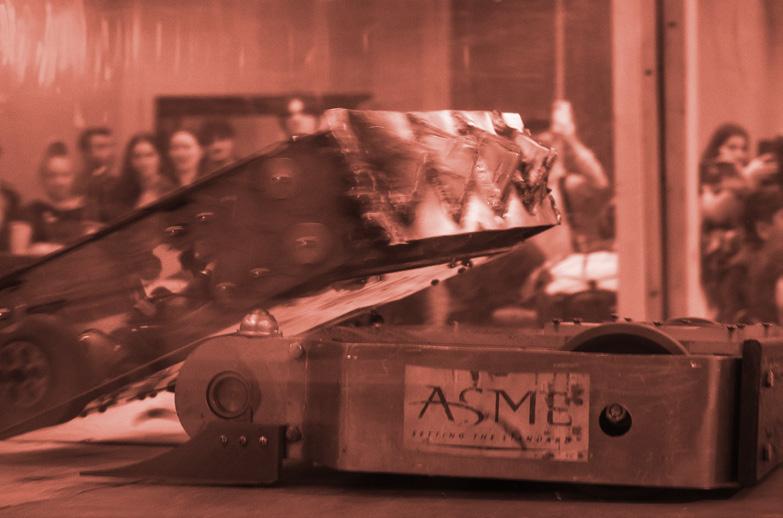
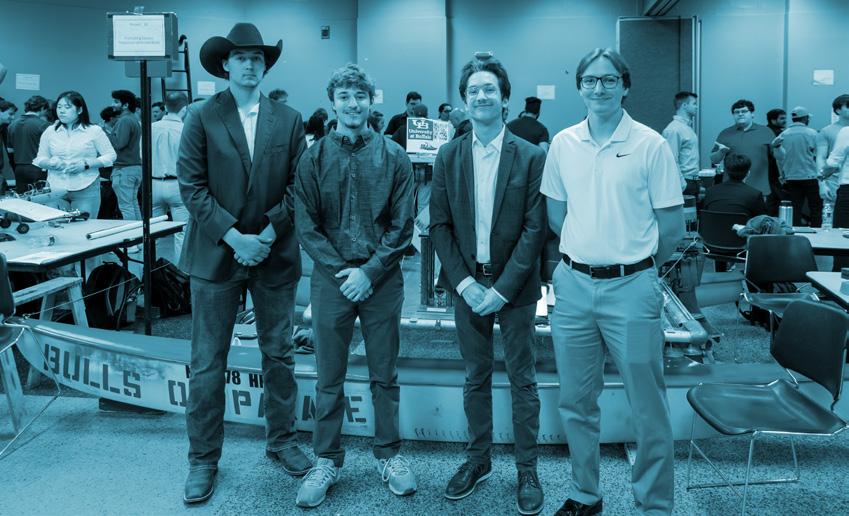
The UB CHAPTER OF THE AMERICAN SOCIETY OF MECHANICAL ENGINEERS dominated the 2025 UB Battle Bots competition, leaving their opponents in pieces—literally. The marquee event of UB Engineers Week, Battle Bots pits student-built robots against each other in head-to-head clashes. The last bot standing takes the title.
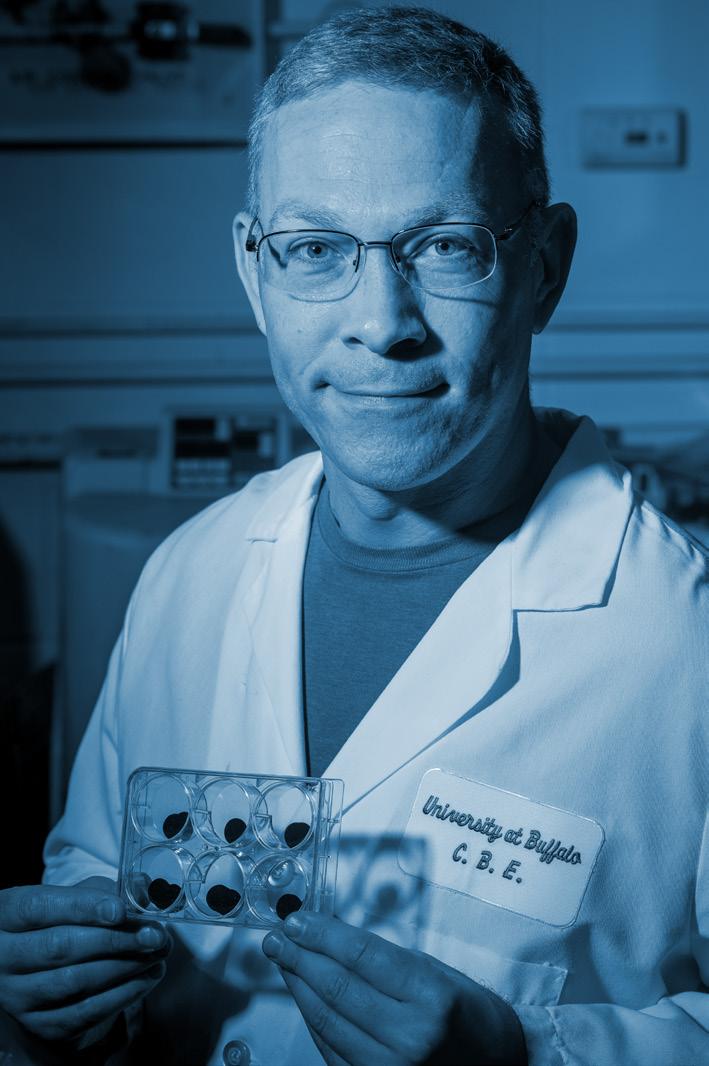
ADAM RASZEWSKI (BS ’18), a PhD student in the Department of Chemical and Biological Engineering, is one of several SEAS students who participated in the school’s Strategic Partnership for Industrial Resurgence, which pairs students with Buffalo startups for summer internships. Raszewski joined battery materials developer NanoHydroChem, a startup co-founded by SEAS alum Parham Rohani (PhD ’18, MS ‘13).
CHENG TANG (BS ’25), who recently graduated with a bachelor’s degree in aerospace engineering, helped the UB Bulls claim the 2025 MAC Men’s Tennis Tournament Championship as a senior. Tang was also named the MAC Tournament Most Valuable Player and earned All-MAC First Team honors and the Jack Vredevelt Sportsmanship Award.
A TEAM OF SEAS UNDERGRADUATE STUDENTS won first place at the American Society of Naval Engineers Promoting Electric Propulsion Competition in the crewed craft category. The team—formed during the Department of Mechanical and Aerospace Engineering’s Senior Design course—built an electric boat capable of completing a five-mile course.
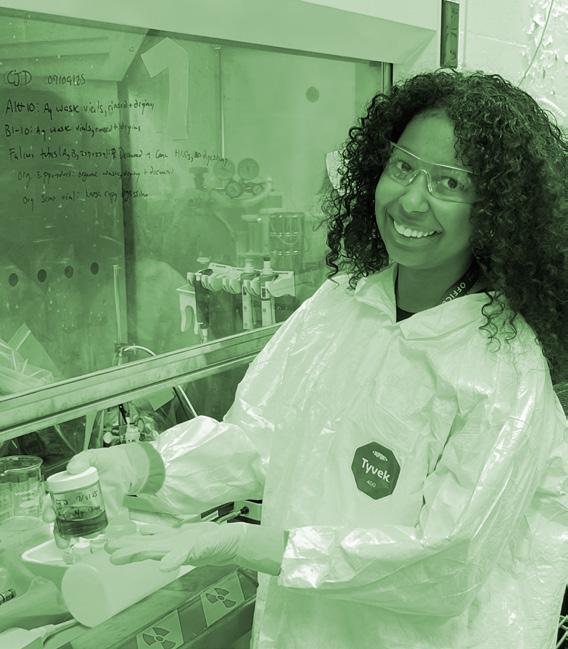
JADA MOWATT (BS ’22), PhD student in the Department of Chemical and Biological Engineering, worked with neptunium, a radioactive metal that is used to fuel NASA’s space missions, during her summer internship as a 2025 GEM Fellow at the Oak Ridge National Laboratory.
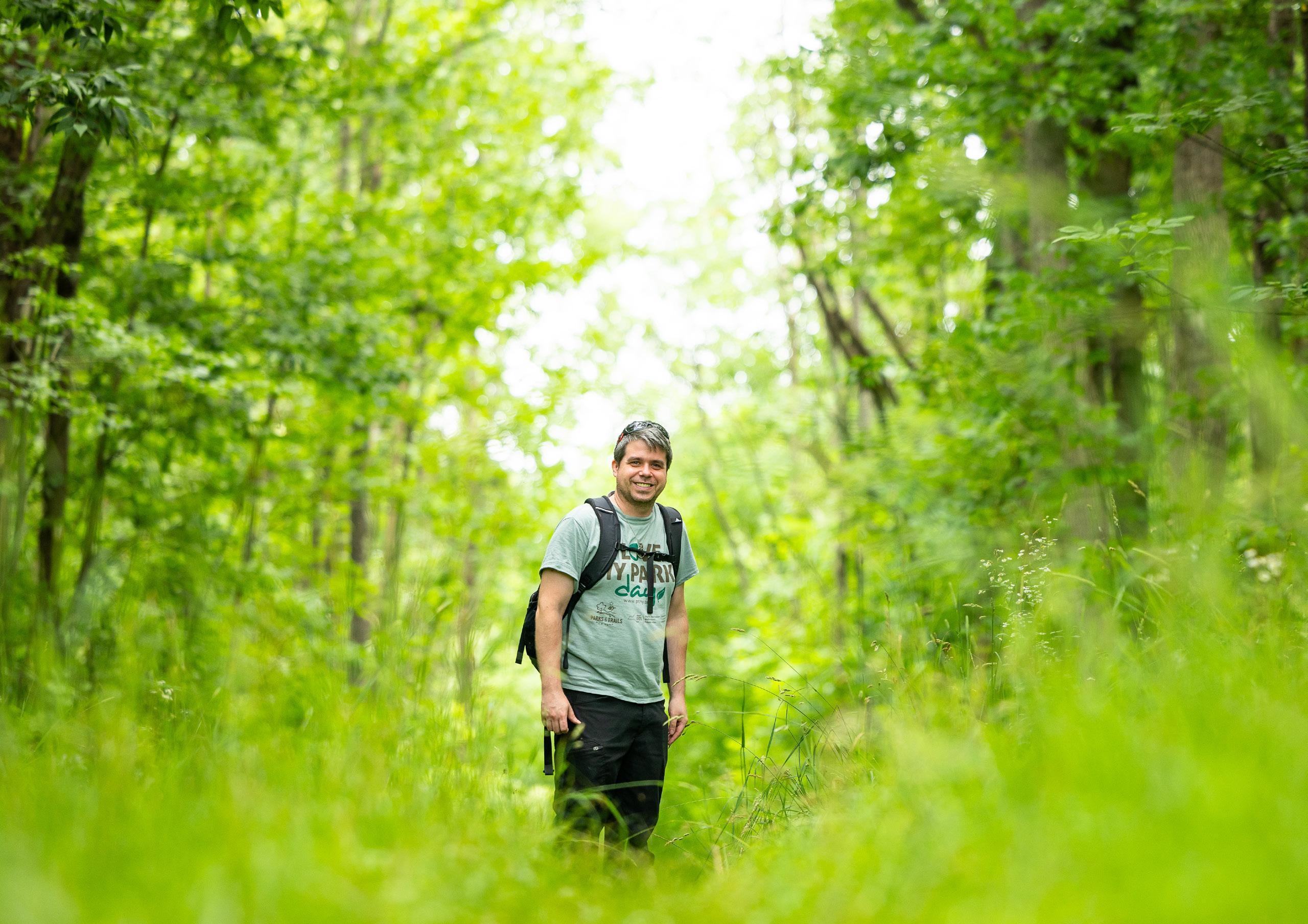
TOP: COREY SCHIMPF STANDS IN THE TALL GRASS AT ZOAR VALLEY.
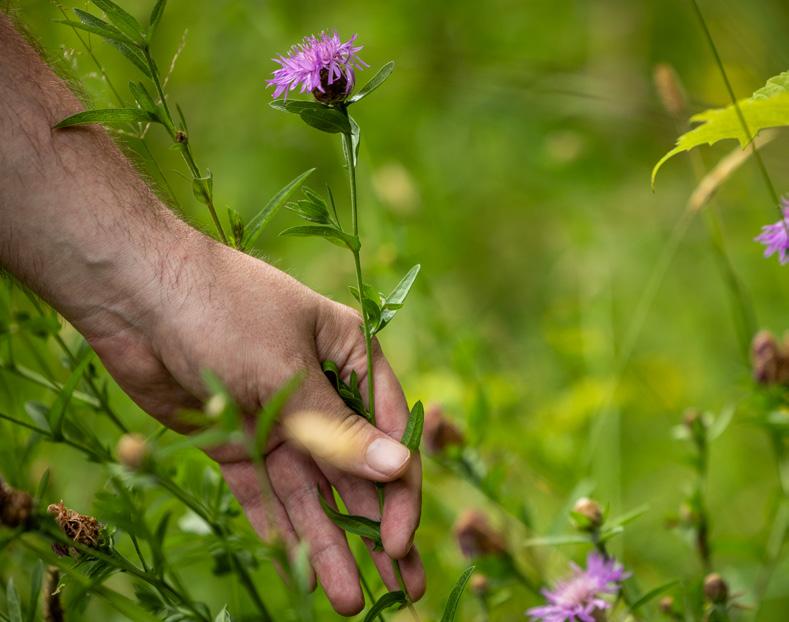
BOTTOM: AS A TRAIL MAINTAINER, SCHIMPF ALSO MONITORS PLANT LIFE ON THE TRAIL, INCLUDING THIS TYROL THISTLE.
By Peter Murphy
ON CAMPUS, PROFESSOR COREY SCHIMPF lectures classes and researches human-centered design. In his spare time—hundreds of hours over the last three years—he’s identifying invasive species of plants or clearing hiking trails with a machete or chainsaw.
Schimpf, assistant professor in the Department of Engineering Education, volunteers as a trail maintainer at Zoar Valley for the Finger Lakes Trail Conference (FLTC). He drives nearly 50 miles at least once per week from his home in Buffalo to the gorge, which spans Erie and Cattaraugus counties in New York.
“This is a fun, side thing that you can maybe see the results of more clearly than doing research,” he said.
Schimpf has been—in his words—an outdoorsy person since his childhood growing up in the suburbs of Cleveland.
“Sure, it was suburbs, but if you went a little bit further, you were in the country,” Schimpf laughed.
“Hiking was a hobby.”
Schimpf’s work as a trail maintainer has grown throughout his time volunteering at Zoar Valley. At first, he visited the trail three times per year to examine trail signage and look for garbage. His current activities are more complex and have him collaborating with multiple conservation organizations.

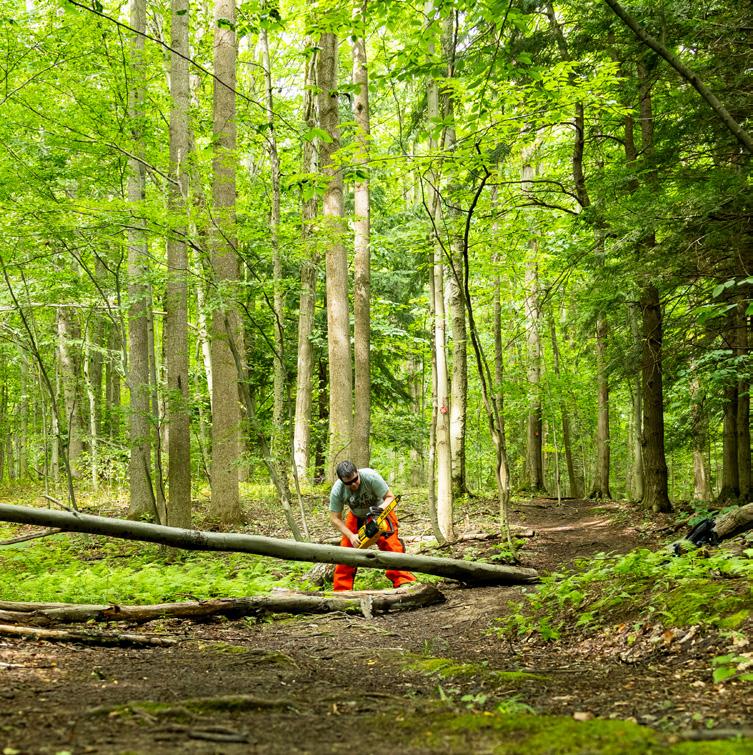
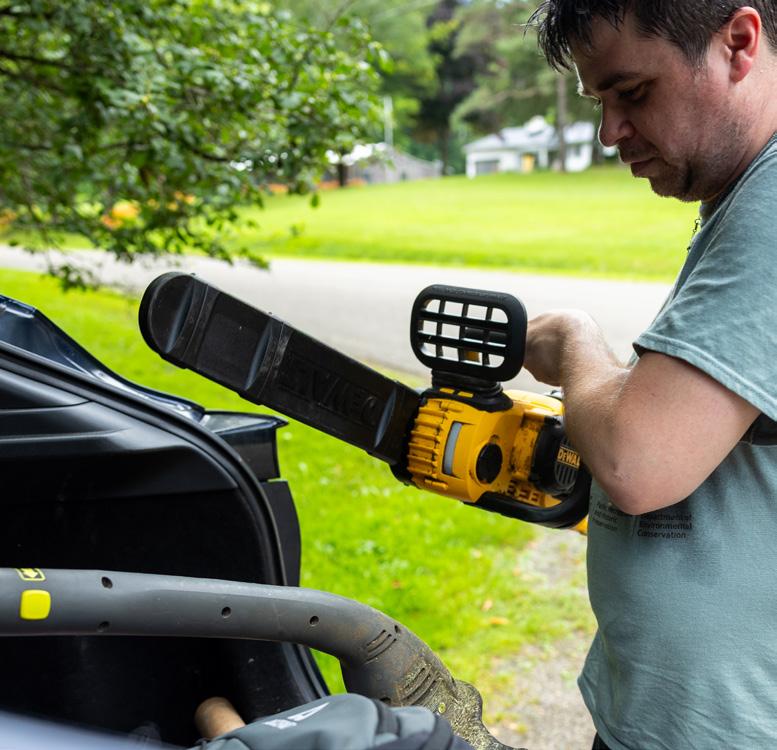
The biggest change since he joined in 2022 is his new licensure: Schimpf is a licensed sawyer, meaning he is certified to cut fallen trees and other debris using a chainsaw.
“It’s something I enjoy, but it’s also a different kind of thinking,” Schimpf said. “I know I need to bring a chainsaw. I’m going to do this, and it’s going to be sweaty, and that’s going to be my Friday evening. I try not to bring the chainsaw out during the day. People are like, ‘why is this crazy guy walking around with a chainsaw?’”
After moving to Buffalo in 2020, Schimpf immersed himself in local conservation efforts.
Through the Western New York Land Conservancy, Schimpf learned how to remove invasive species. He later learned about the FLTC through his involvement with the conservancy.
“I’ve learned a lot about identifying plants and trees,” Schimpf said. “I’ve also been identifying invasive bugs, like hemlock woolly adelgid, which is an issue at Zoar [Valley] and many other places.”
The insect feeds on hemlock plants and prevents it from sending nutrients to its needles, causing the plant to slowly die. When Schimpf recognizes the signs of a woolly adelgid infestation, he reports the issue to the FLTC and other organizations.
“I’m still a student at heart, and learning these things has been fun,” Schimpf said.
Schimpf’s work as a trail maintainer isn’t all moving debris and identifying invasive species. He leads hiking expeditions, including the frigid First of the Year Hike on New Year’s Day, and he organizes park-wide cleanings for events like I Love My Park Day.
A typical day in the park varies by season, but during the spring and summer, Schimpf prepares the trails for hikers. While cleaning up trails, he remains cognizant of one of the park’s features: overgrowth. It’s also an opportunity for him to use several tools in his arsenal.
“There’s part of the trail that tends to overgrow during the summer. I’ll go there knowing that there is a lot of bramble and thorny bushes that grow onto the trail. I’ll have clippers, or a machete if I’m feeling adventurous, and trim it down,” Schimpf said, adding he also clears overgrown grass from walking paths.
Another activity for Schimpf on the trail is monitoring. He visits different locations in Zoar Valley searching for things to clean up. Most of the time, he finds debris like sticks or fallen trees that he removes with a chainsaw. Frequently, though, he finds belongings near Zoar Valley’s Holcomb Pond.
“It’s a different nature of activities—pun not intended there,” Schimpf said. “People swim in Holcomb a lot, and they also forget their clothes, so I find wet clothes around Holcomb Pond.”
Schimpf has shown no signs of slowing down. “I have students, I teach classes, I’m a PI on grants,” Schimpf said. “It’s nice to have this other thing that I do that is not research. It’s something I enjoy.”
It’s something I enjoy, but it’s also a different kind of thinking.”
Corey Schimpf Assistant Professor
National Science Foundation grant.
They identified a similar issue experienced across the stations—when a person leaves the rescue vehicle, their location is no longer understood. Assignments can be made in advance, but plans change quickly in a rapidly evolving emergency.
Litt and O’Connor set out to answer the question, “How do we help when things don’t go according to plan?” While visiting a fire station, Litt saw something that made a solution click. During an emergency, Litt observed a fire chief take out two radios and lift one to each ear.
Later, he asked if the chief could listen to two conversations at once. The chief said no. He listened for intensity, and he needed multiple audio streams to identify if anyone got into trouble and, if so, find their location. From there, the team decided that the next step was to find a way to track personnel so that if someone got into a dangerous situation they could easily be identified and sent help.
Litt recruited a roboticist to develop hardware that could interpret human movement and a former colleague as a software architect to help visualize it. They realized their success during a meeting when Litt walked around the room and discovered the software tracked him. The technology was matured into adaptable software that can be used to track a multitude of devices on a single screen. They partnered with Microsoft to integrate AI that could listen for intensity.
They called it FLORIAN, after the patron saint of firefighters.
So how does FLORIAN work?
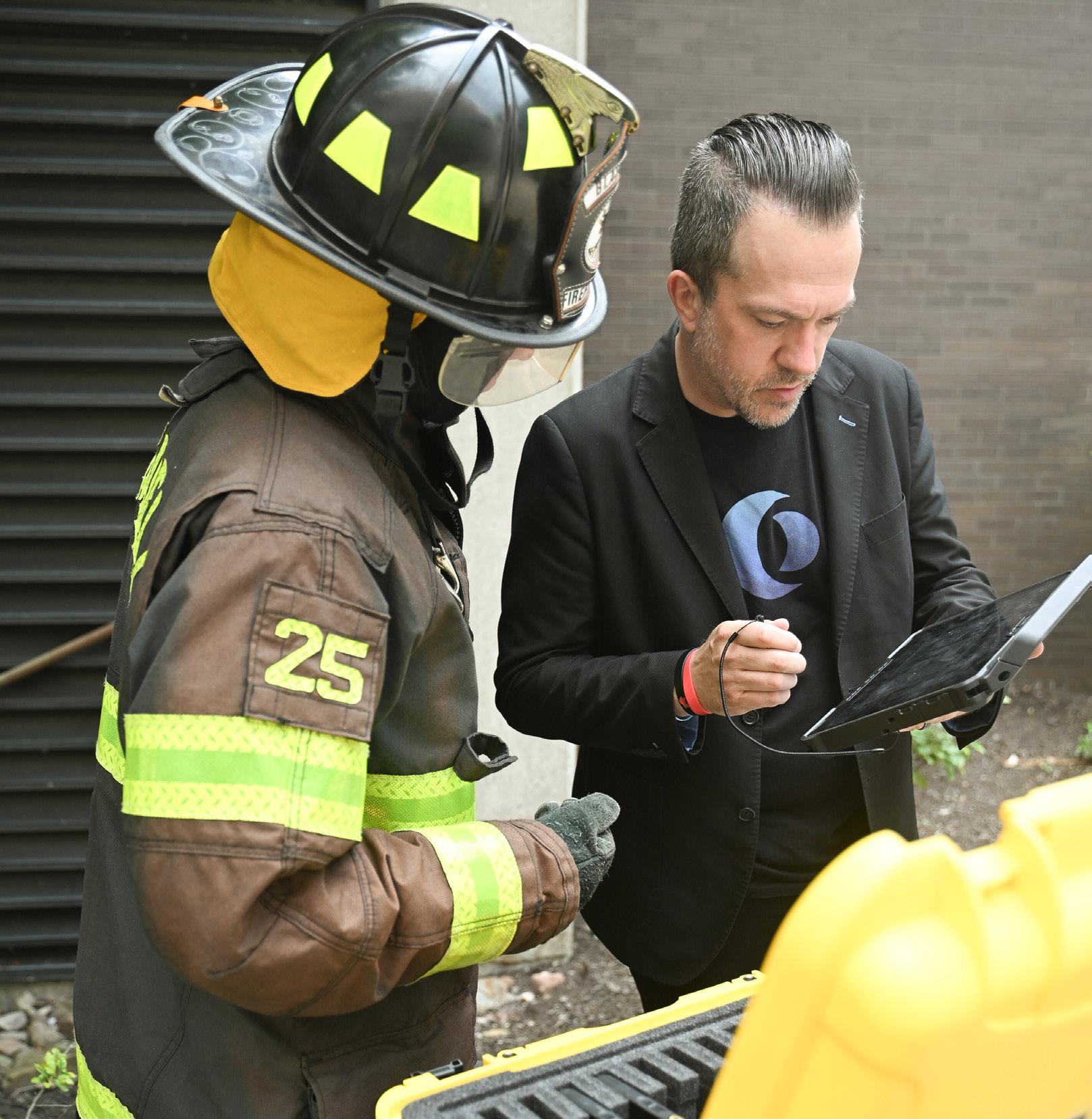
When a dispatch center assigns a fire station to an emergency, every firefighter’s device is activated. Their location becomes trackable, and their microphones turn on. The commander can see everyone’s locations as dots on the screen. If someone says “mayday,” the dot showing their location will glow. The commander can then quickly identify their location and determine who is in the best proximity to help.
FLORIAN can also connect multiple agencies and provide additional information, such as weather patterns, hydrant locations, and detailed images of a location, offering crucial context for rapid decision making. When the crisis ends, tracking and audio shut off. The software can be deployed
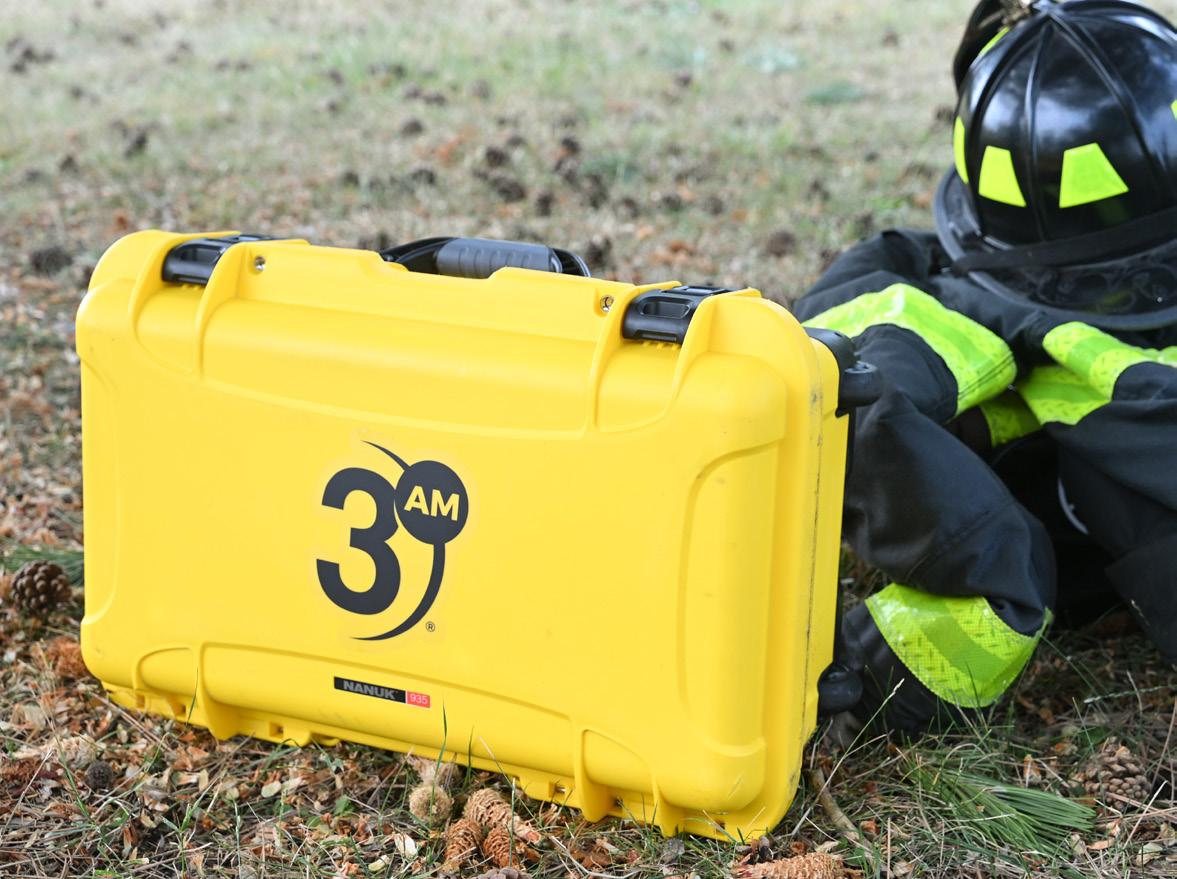
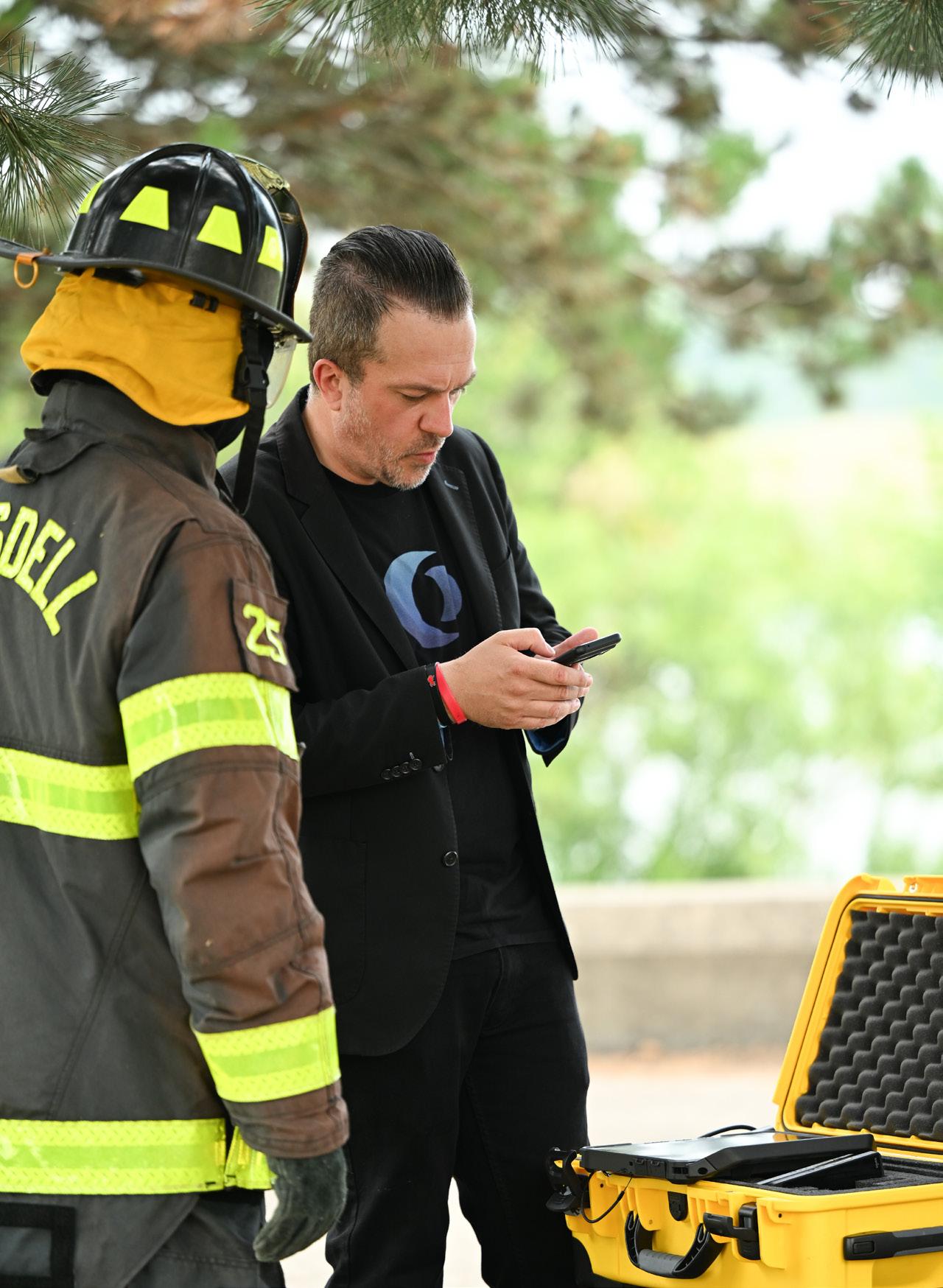
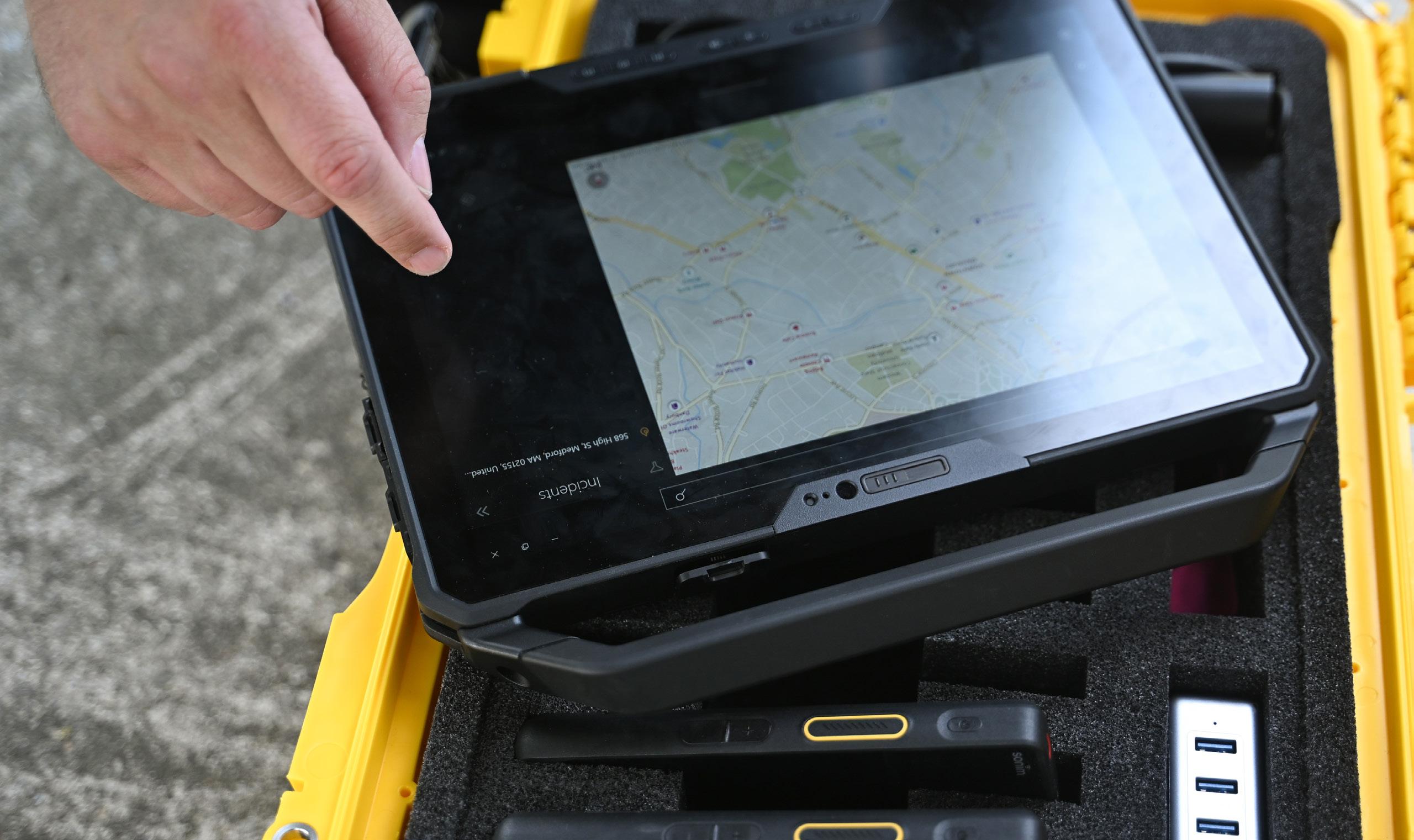
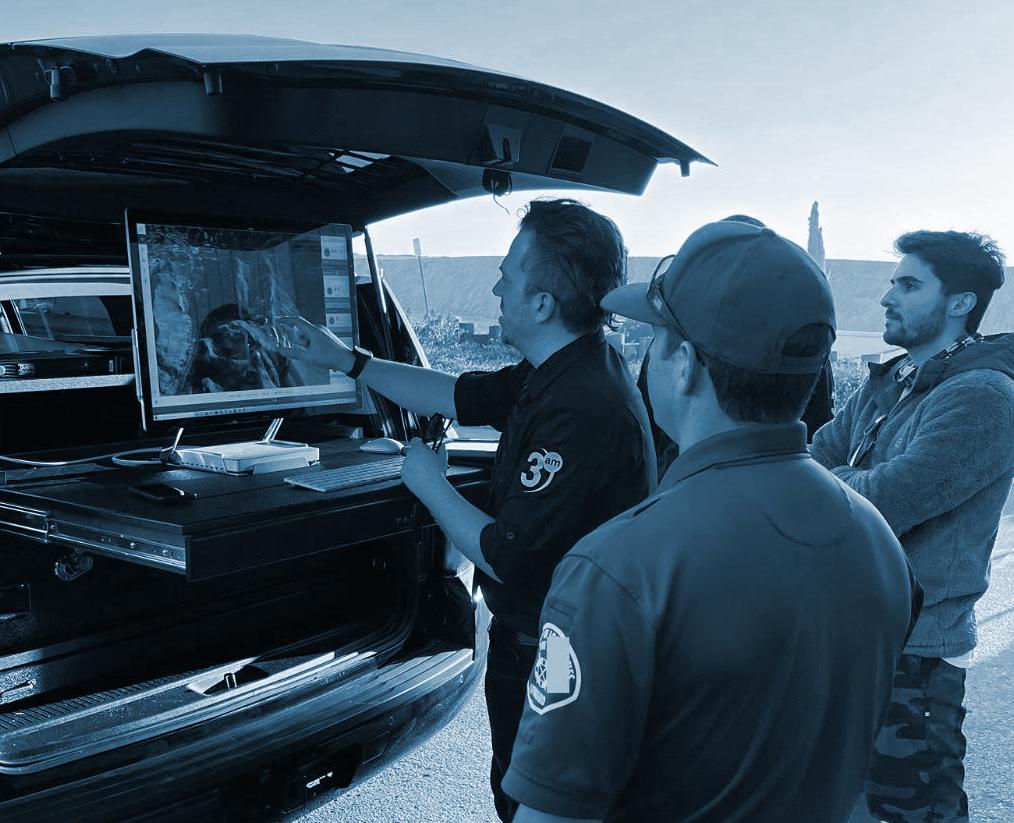
TOP: FLORIAN PROVIDES DETAILED MAPS TO SHOW FIRST RESPONDERS’ LOCATIONS. BOTTOM: LITT DEMONSTRATES FLORIAN FOR FIRST RESPONDERS.
I realized the greatest thing I learned at UB was how to learn.”
Ryan Litt (BS ’05)
with smart watches, radios and more, but Litt said most users prefer downloading the app on smartphones.
FLORIAN is used in 36 fire stations around the country, including the Orchard Park Fire District.
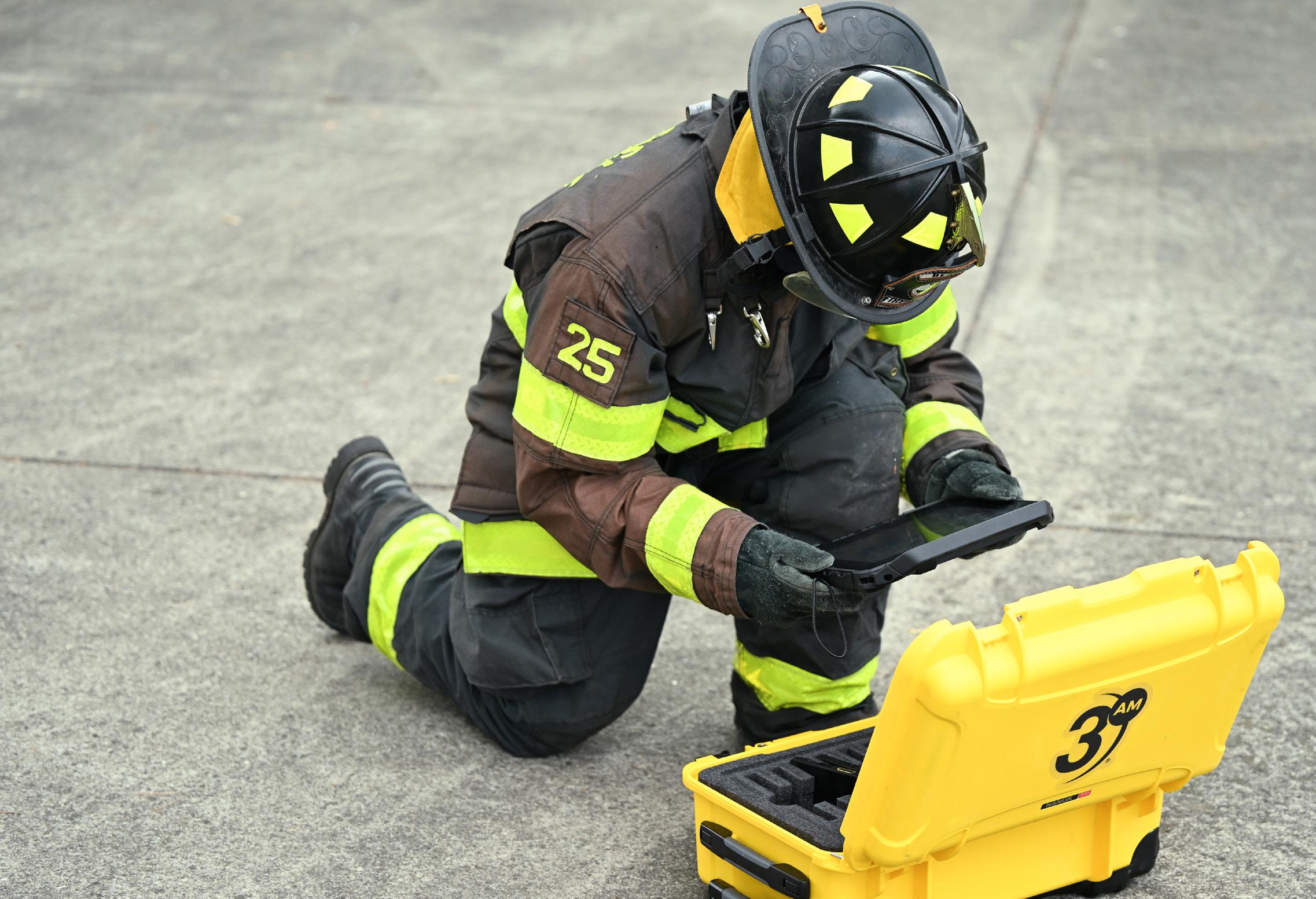
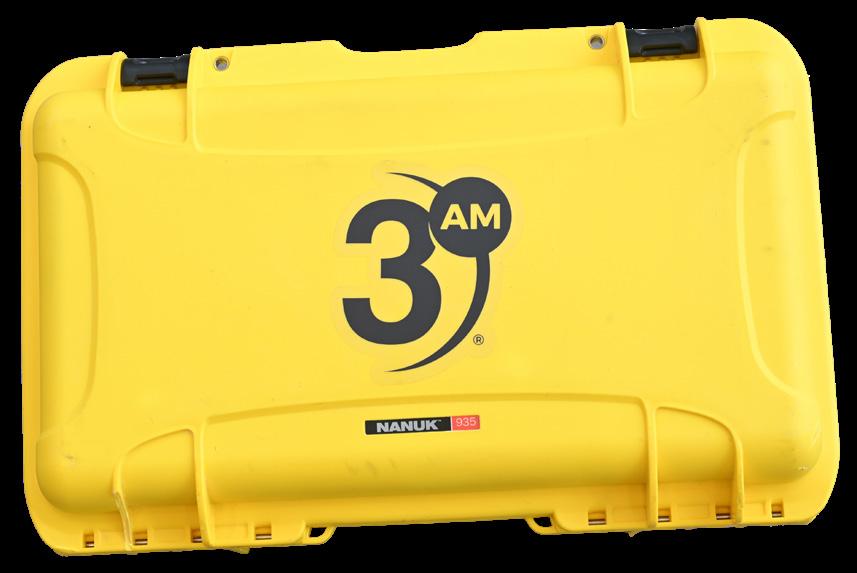
During the highly destructive wildfires that devastated Southern California in January 2025, 3AM Innovations met deployed fire fighters to distribute kits equipped with FLORIAN-enabled mobile phones and tablets. They partnered with T-Mobile to supplement devices and enable access to satellites, ensuring that they could get FLORIAN to as many first responders as possible during the crisis.
“One of the critical things with wildfires is that they spread over many miles, so you can
imagine that if you go slightly down the wrong path, it can result in being many miles from where you need to be,” said Litt, noting that FLORIAN has been used during numerous crises involving wildfires. “We hear people say all the time that being able to quickly see the safest path saves massive amounts of time and helps them attack the fire faster than they previously would have been able to.”
FLORIAN also supports first responders at high profile events, such as the Super Bowl, the Electric Daisy Carnival music festival and the Boston Marathon. It is used in NFL and college football stadiums as well, including at Highmark Stadium, the home of the Buffalo Bills. At these large-scale events, FLORIAN helps reduce response time for time-sensitive medical emergencies, such as heart attacks, by showing which first responder is in the best position to reach the patient amid the crowds.

At Disney World, Litt noted, FLORIAN helps keep everybody safe and makes sure that emergency vehicles stay off the main streets, if possible, to maintain the magic of the parks.
Drawn to computers from a young age, Litt recalled spending time using early versions of Microsoft on his parent’s computer, playing with floppy disks and figuring out how to access video games.
When Litt, a Buffalo native, toured UB, he became fascinated by a newly opened computing center and immediately decided to attend the university. At UB, his interests expanded into neuroscience and math, but they were united by a desire to learn more
about artificial intelligence and how it could emulate the human mind.
Litt also made time for his other passion, music. He started a musician’s coalition on campus and formed a band that briefly signed with Columbia Records and toured the country. He returned his focus to computer science before graduating in 2005.
After graduation, Litt entered the Buffalo startup community when he was recruited by a local company that built web portals for internet service providers, cable companies and others. He had the opportunity to speak with the company’s CEO and learn about operating the business and how decisions were made on the front end that impacted developers, like him, on the back end.
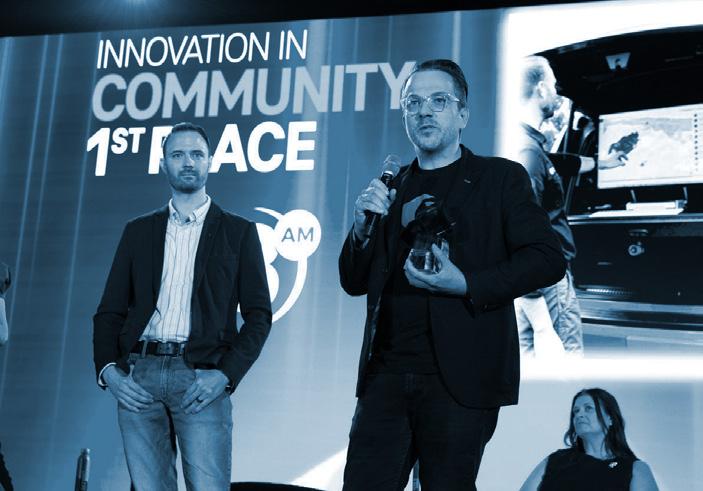
TOP: LITT AND O’CONNOR (LEFT) ACCEPT AN AWARD AT T-MOBILE’S UNCONVENTIONAL AWARDS. BOTTOM: THE DEPLOYABLE KITS INCLUDE UP TO 10 DEVICES.
I started to feel an epiphany of impact and see how I could code and make tech that could meaningfully change people’s lives.”
Ryan Litt (BS ’05)
In 2008, Litt joined The Buffalo News. He used his expertise to help solve a problem faced by print publications, reaching readers online. Litt facilitated the newspaper’s shift into digital. He saw the impact of this project in 2009 during the Colgan Air disaster when Flight 3407 crashed in Buffalo and people across the country looked to The Buffalo News for information.
“Through those moments, I started to feel an epiphany of impact and see how I could code and make tech that could meaningfully change people’s lives,” said Litt.
After The Buffalo News, Litt moved to Constellation Software. He worked with small-town governments to modernize operations, building software for thousands of municipalities to make simple things, such as paying parking tickets and utilities, easier for residents. At Constellation Software, his division grew to over 100 people and he also began to invest in the local startup
ecosystem in Buffalo, becoming known as the government guy.
“I used all the principals I learned at UB in computer science,” said Litt, who joined Bak USA after Constellation Software to manufacture purpose-built computers. “It is so important to have that foundation of principles because things are changing so quickly. I realized the greatest thing I learned at UB was how to learn.”
3AM Innovations has been promoted by the Department of Defense, the Department of Homeland Security, the National Institute of Standards and Technology, the U.S. Fire Administration, Microsoft, and T-Mobile. FLORIAN has been presented at national conferences for first responders and at the International Forum to Advance First Responder Innovation, where they connected with their first international client, the Singapore Civil Defense Force.
While the company’s focus has been on fire service, Litt said their goal is to expand into different countries and across other categories of emergency management. Since its inception, 3AM Innovations has raised more than $10 million in funding.
“Patrick and I get questions about how we’re doing all this from Buffalo,” said Litt. “I think being from Buffalo, we are extra motivated because we are proud of where we live. The city is small but there is a lot of charm and grit.”
Litt remains connected to UB. 3AM Innovations has hired several UB students and alumni and has collaborated with UB research labs and faculty, including Paul DesJardin (BS ’93), professor in the Department of Mechanical and Aerospace Engineering, and David Hostler, professor in the Department of Exercise and Nutrition Sciences who runs the Emergency Responder Human Performance Lab. The startup has also received support from UB’s Business and Entrepreneur Partnerships, including help with securing a grant from UB’s Buffalo Institute for Genomics & Data Analytics. From 2017 to 2021, 3AM Innovations operated from the UB Downtown Gateway building.
Litt has returned to campus to mentor student entrepreneurs and judge engineering pitch competitions, such as the Lighting Talks at the School of Engineering and Applied Sciences’ 2017 Career Perspectives and Networking Conference.
This year, 3AM Innovations was recognized with a 2025 Inno Fire Award from Buffalo Business First. Other recognitions include being named a GovTech 100 company and receiving a 2024 Unconventional Award from T-Mobile for Business, earning first place in the Innovation in Community category.
However, Litt says his greatest professional achievement is being introduced by firefighters as a friend to the fire service.
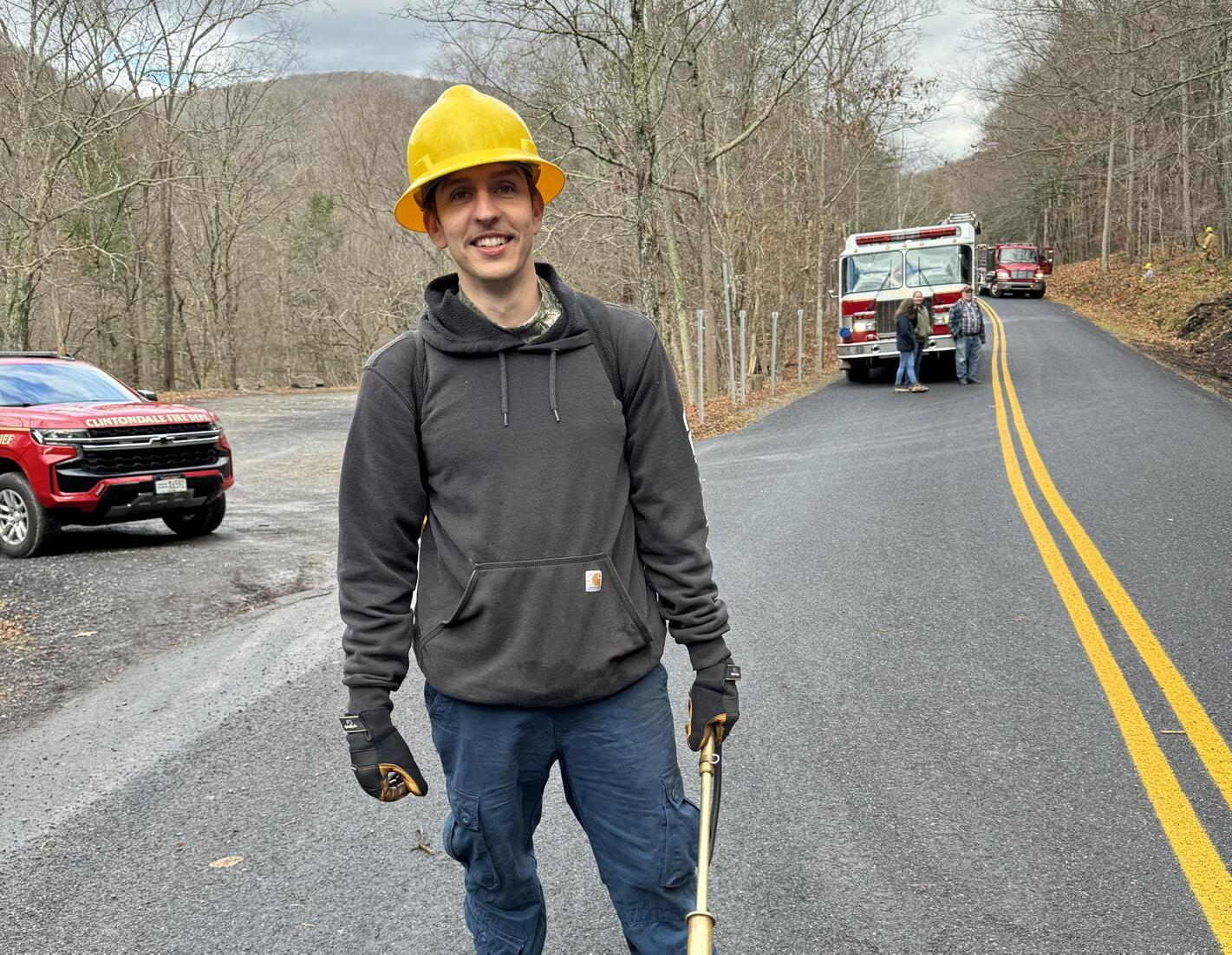
AS A VOLUNTEER FIREFIGHTER, Ben Swart (BS ’19) jumped at the opportunity to work for a company that helps firefighters. In 2017, Swart— then a sophomore studying industrial engineering at UB—learned about 3AM Innovations from a classmate and quickly sought out an interview with Litt and O’Connor. He soon became the company’s lead mechanical engineer.
Today, Swart is 3AM Innovations’ national account executive, bringing their technology to fire chiefs around the world. He also still serves as a volunteer firefighter with the Catskill Fire Company. 3AM Innovations provided his department with FLORIAN-enabled devices during a 2024 wildfire in Orange County, N.Y., providing critical support in tracking Swart’s team while they successfully protected homes during the blaze. The department is currently demoing the software for permanent use.
“It is great to be able to work in an industry that is also a passion of mine,” said Swart. “It has been really cool to be a part of this company that has now grown to work with some of the largest fire departments in the country.”
Swart is one of nearly 10 UB graduates who have joined 3AM Innovations.
SWART STILL SERVES AS A VOLUNTEER FIREFIGHTER FOR THE CATSKILL FIRE COMPANY.
Test your knowledge of UB and SEAS history. Claim a prize!

3. This student club launched a weather balloon during the 2024 solar eclipse
6. The first name of UB’s school mascot
7. The name of the lake located on North Campus
8. Engineering courses were originally held in this department
9. The first name of the first woman to graduate from SEAS

2. The first engineering degree available at UB was in this field
4. The name of the new upcoming engineering building
5. Computer science was originally held in which department
8. The last name of the first SEAS dean
By Elizabeth Egan
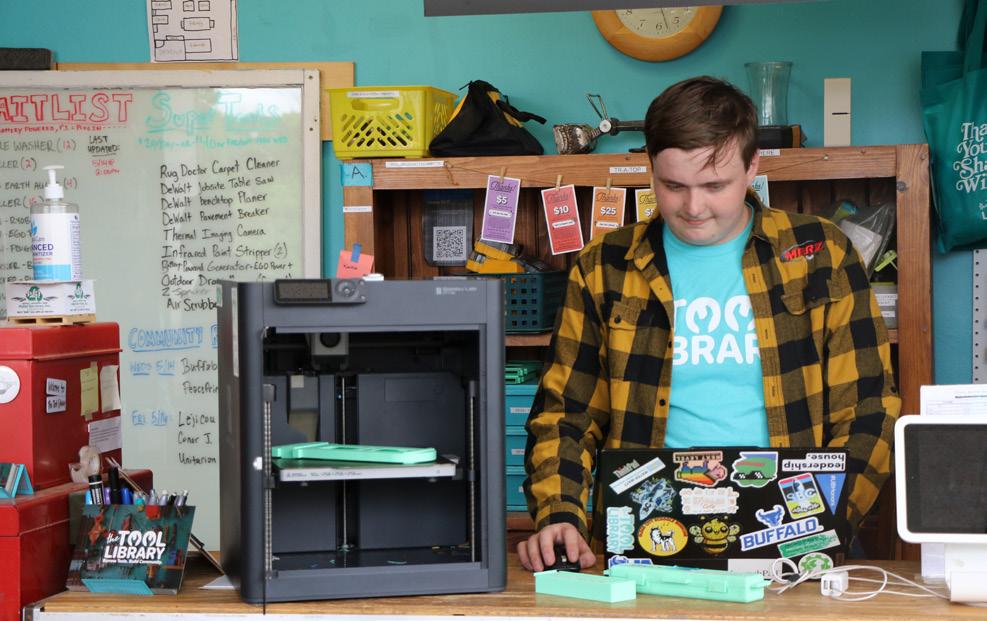
A TYPICAL COLLEGE PACKING LIST might include shower shoes and bedding, but for Adam Ruszkowski, sophomore environmental engineering major, his 3D printer also made the list.
After arriving on campus, Ruszkowski quickly got involved with UB Community and Civic Engagement. The office connected him with Buffalo’s Tool Library, a nonprofit that lends tools to the community.
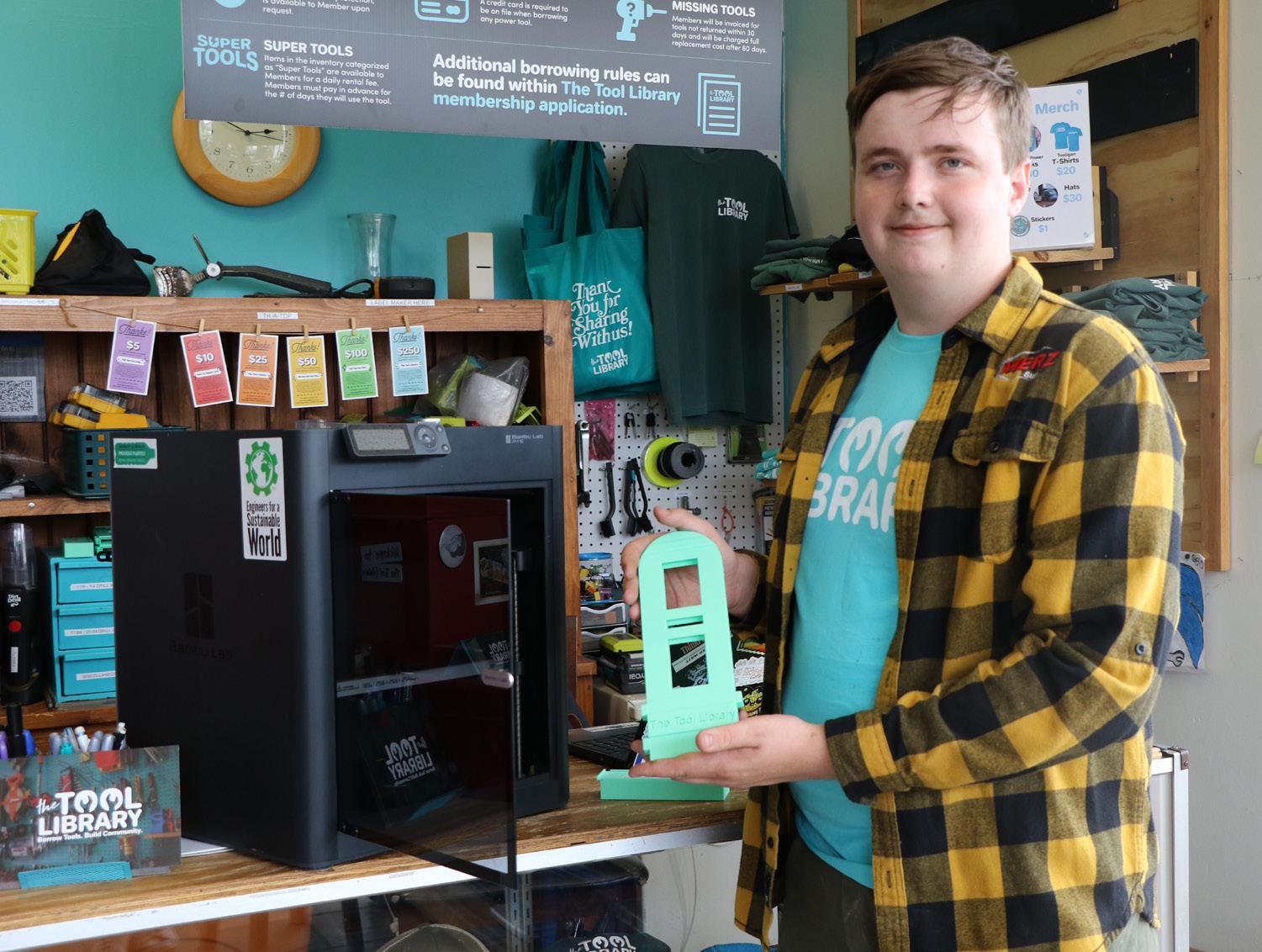
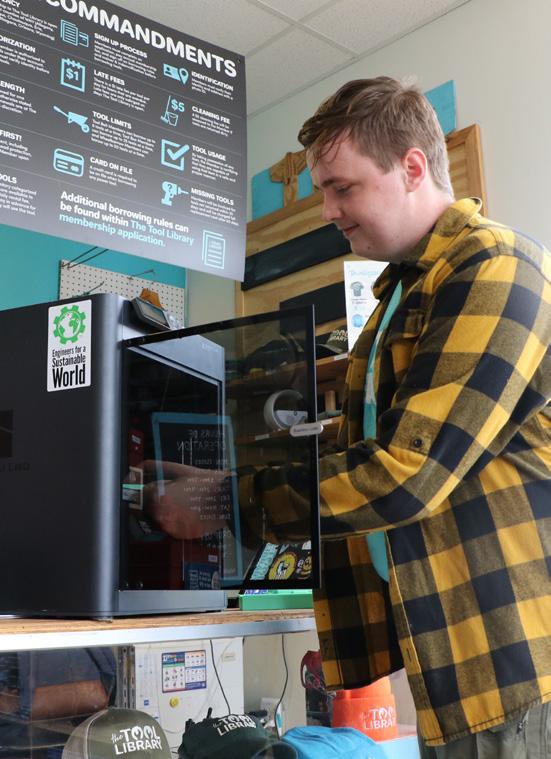
Ruszkowski volunteers at the Tool Library, using his printer to help create sustainable solutions for tools. He also participates in the library’s Dare to Repair events, traveling to different locations across Buffalo where people bring appliances for minor repairs. When a part is needed to make a repair that the volunteers do not have access to, Ruszkowski uses his printer to make the part on the spot.
“A challenge with 3D printing can be transferring its capabilities to practical implementations,” said Ruszkowski. “At the Tool Library, I have been using my printer to design solutions for things that often go missing, like blade covers and drill boxes to track when drill bits go missing.”
Ruszkowski is also an active member of the student club Engineers for a Sustainable World, where he is the lead on the group’s Precious Plastics Project, which looks for ways to use plastic that might otherwise end up in landfills.
He said the project is currently working on making eco bricks—plastic bottles filled with more plastic that are designed to serve as long-term solutions to end-of-life plastic products. Ruszkowski is using his 3D printer to enhance production, offering a pathway to scale production and expand its impact.

They plan to use the bricks in combination with concrete to build benches around Buffalo.
Ruszkowski plans to keep working with the Tool Library and Engineers for a Sustainable World throughout his study at UB. He is also starting a Buffalo-based nonprofit with other UB students called STEP Buffalo that will work to bridge high school students with local industries looking to hire people in manufacturing roles.
RUSZKOWSKI VOLUNTEERS AT BUFFALO’S TOOL LIBRARY DURING THE SCHOOL YEAR, WHERE HE BRINGS HIS 3D PRINTER TO MAKE NEEDED PARTS.
By Elizabeth Egan
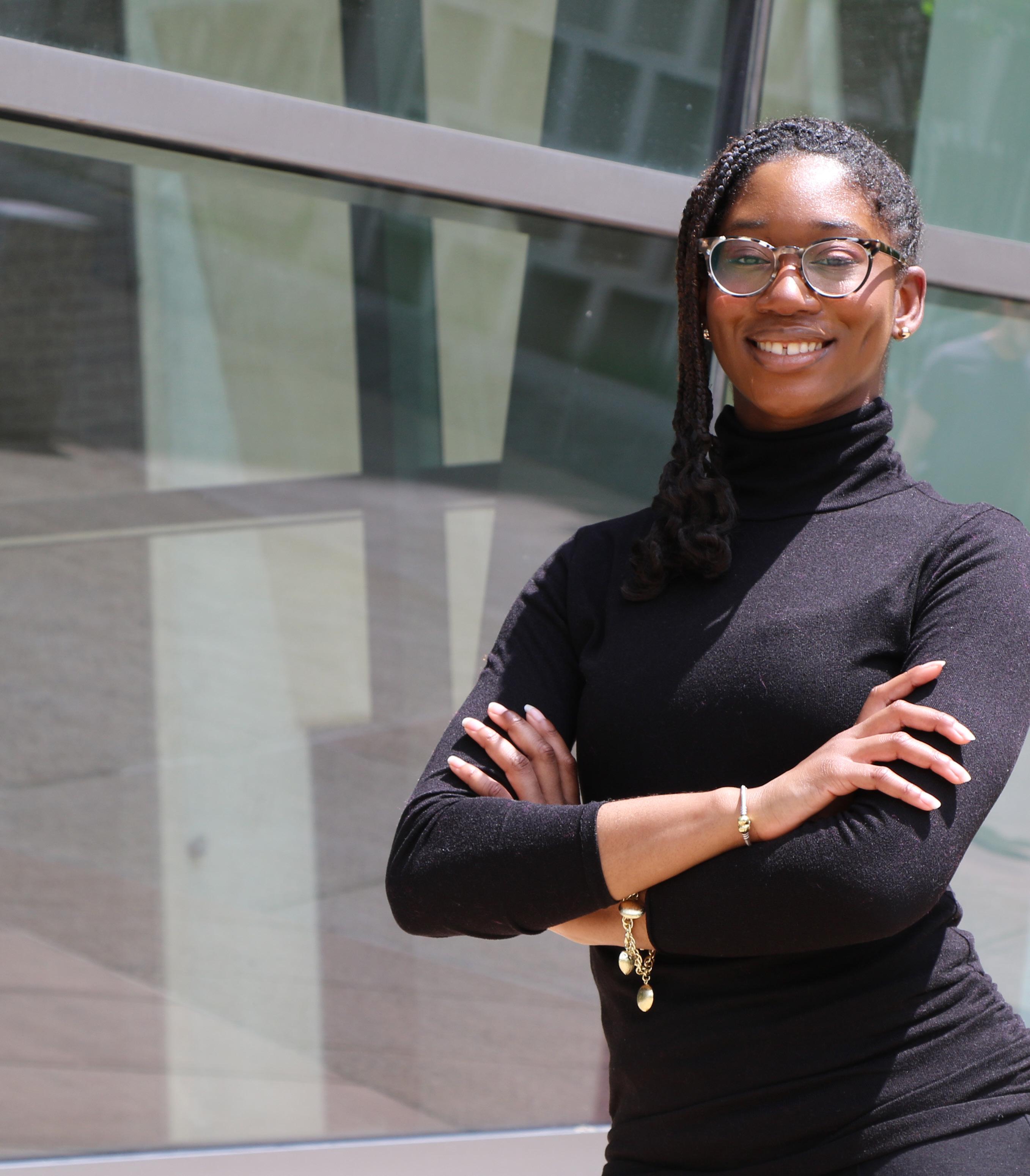
AKOSUA ADU KNEW FROM A YOUNG AGE that she wanted to be an engineer. While she grew up in a family of health care workers, her sister recognized Adu’s interest in learning how things work, from office chairs to light circuits, and encouraged her to explore the field.
Now a senior engineering science major, Adu is involved on campus. She is a member of UB’s chapter of the National Society for Black Engineers (NSBE) and served as the chapter’s president in 2024.
As a student in UB’s Collegiate Science and Technology Entry Program, she was paired with Monica Miles (PhD ‘16, MA ‘10), assistant professor in the Department of Engineering Education, for an undergraduate research experience. Adu spent the summer working with Miles on an Environmental Protection Agency (EPA) program to raise an air quality flag at the Delavan-Grider Community Center in Buffalo.
The flag changes colors based on the Air Quality Index, providing community members with a simple way to determine if the air could impact their health. Colors range from green, which indicates good air quality, to purple, a warning that outdoor exposure should be avoided.
The project, supported by NSBE and Second Nature, marked the first EPA Air Quality Flag Program in Buffalo.
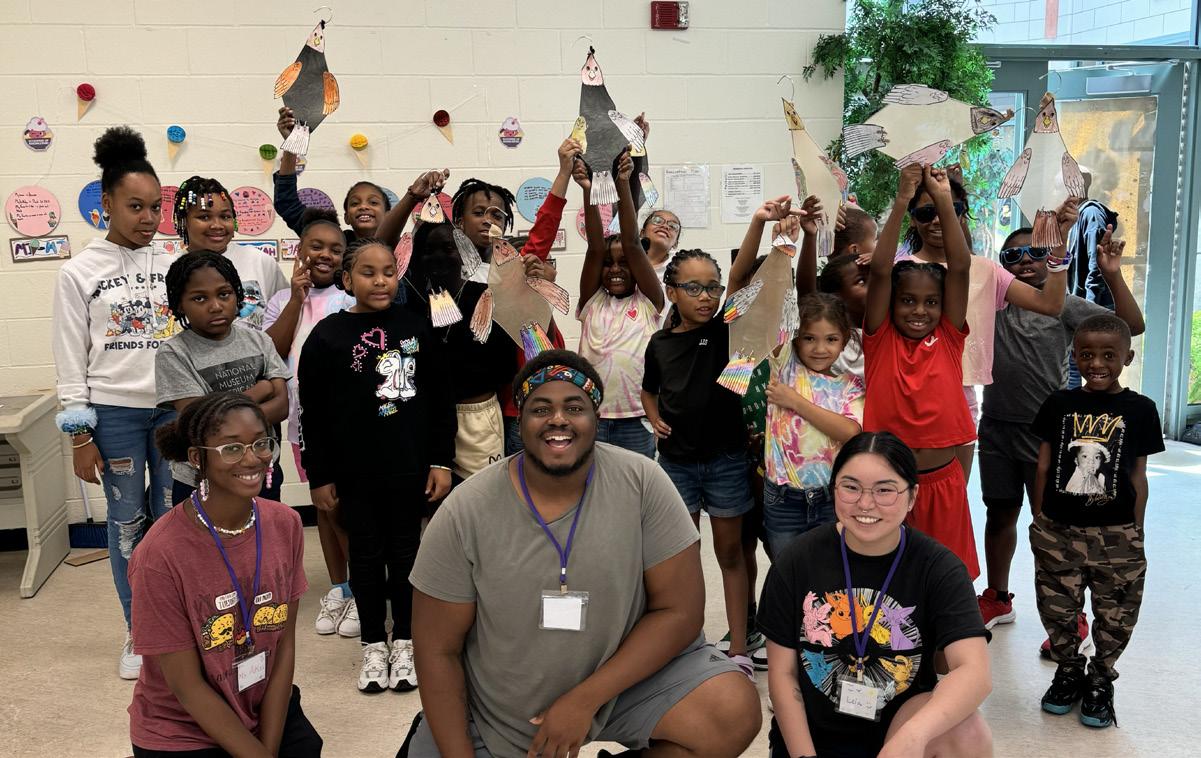
Through the project, Adu also took part in a STEM camp at the community center, hosting 60 children from kindergarten through sixth grade. The camp introduced students to engineering concepts while encouraging them to envision themselves in STEM careers.
After graduation, Adu is interested in working in quality assurance for biomedical devices. Her work on the flag program provided her with experience working within narrow regulations, she said.
Adu also published an account of her experiences working on the EPA flag program in NSBE’s Journal of Black Excellence in Engineering, Science and Technology. In the article, she wrote, “To my fellow undergraduates, I urge you to find ways to connect your academic pursuits with meaningful community work. The challenges may be great, but the impact is immeasurable.”
By Elizabeth Egan
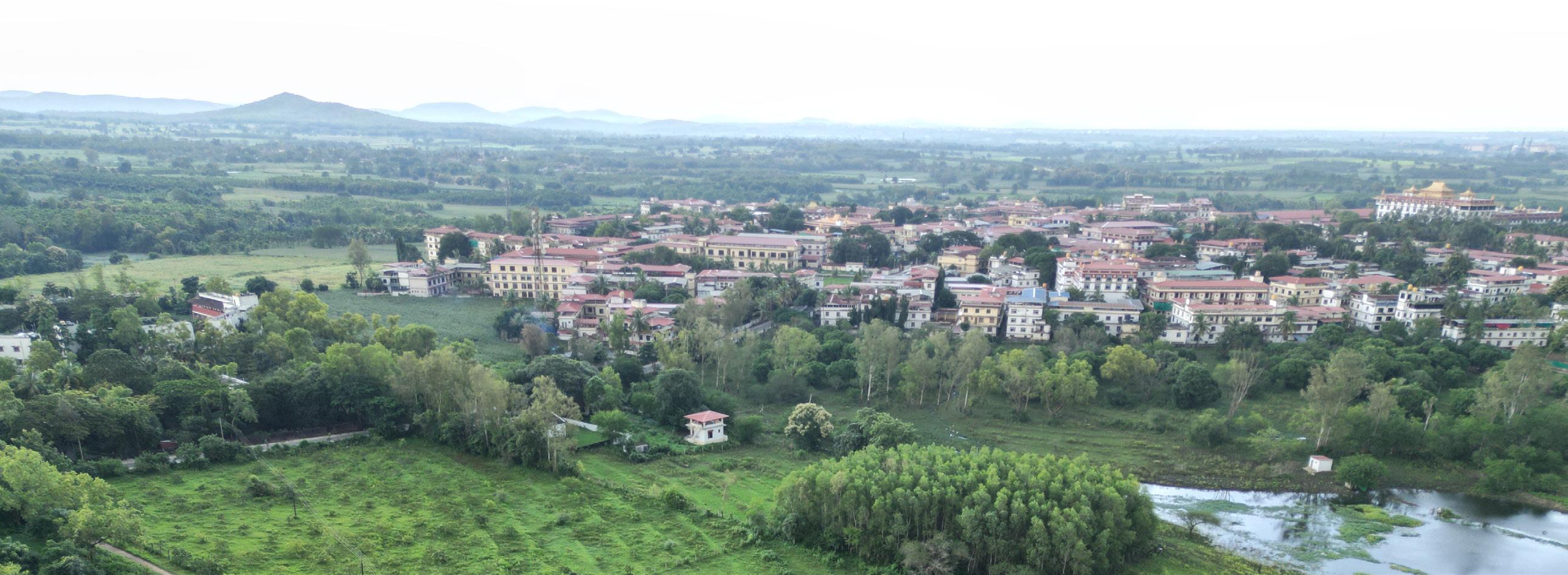
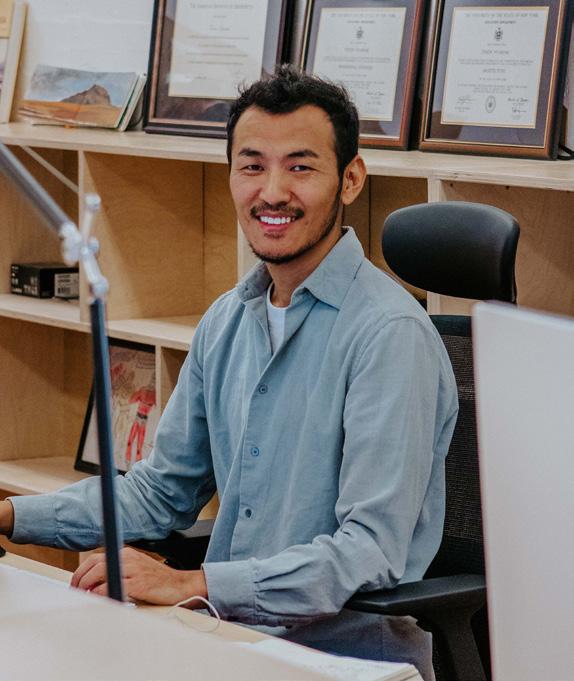
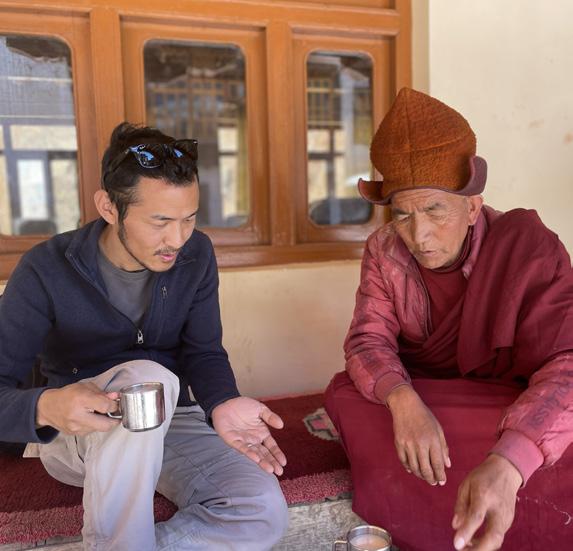
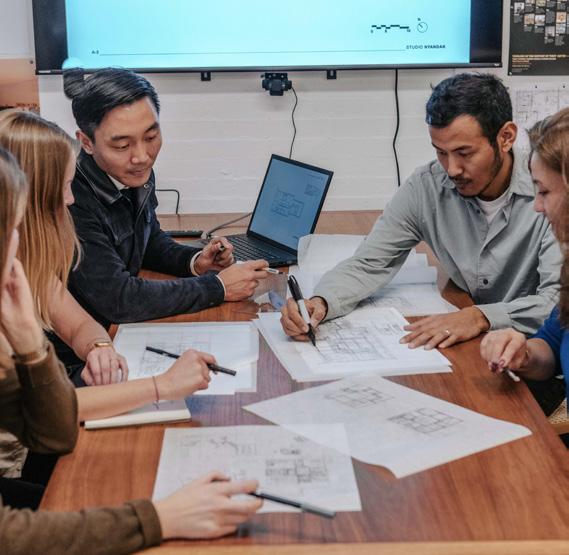
LOCATION AND RENDERING OF A PRO BONO STUDIO NYANDAK PROJECT.
AS AN UNDERGRADUATE STUDENT at the University at Buffalo, Tenzin Nyandak (BS ’14) knew his goal was to run his own structural engineering and architecture firm. Today, he is the founding principal of Studio Nyandak, with offices based in New York City and his hometown, Dharamshala, India.
Opened in 2022, Studio Nyandak manages public and private sector projects, ranging from designing private residencies and transforming commercial spaces to working on emergency structural stabilization and historic preservation projects.
Dedicated to giving back to his community, Nyandak’s Dharamshala office engages in pro bono projects and research related to low-cost seismic resilience, preservation of Tibetan culture, and designing spaces for the Tibetan community in India. At the office, he also employs and mentors over 10 Tibetan and Himalayan engineers and architects.
His dream project is already underway: designing a new science lab for the Upper Tibetan Children’s Village School, which both Nyandak and many of his Dharamsala office employees attended.
“I am trying to develop contemporary Tibetan architecture, an architectural language for our
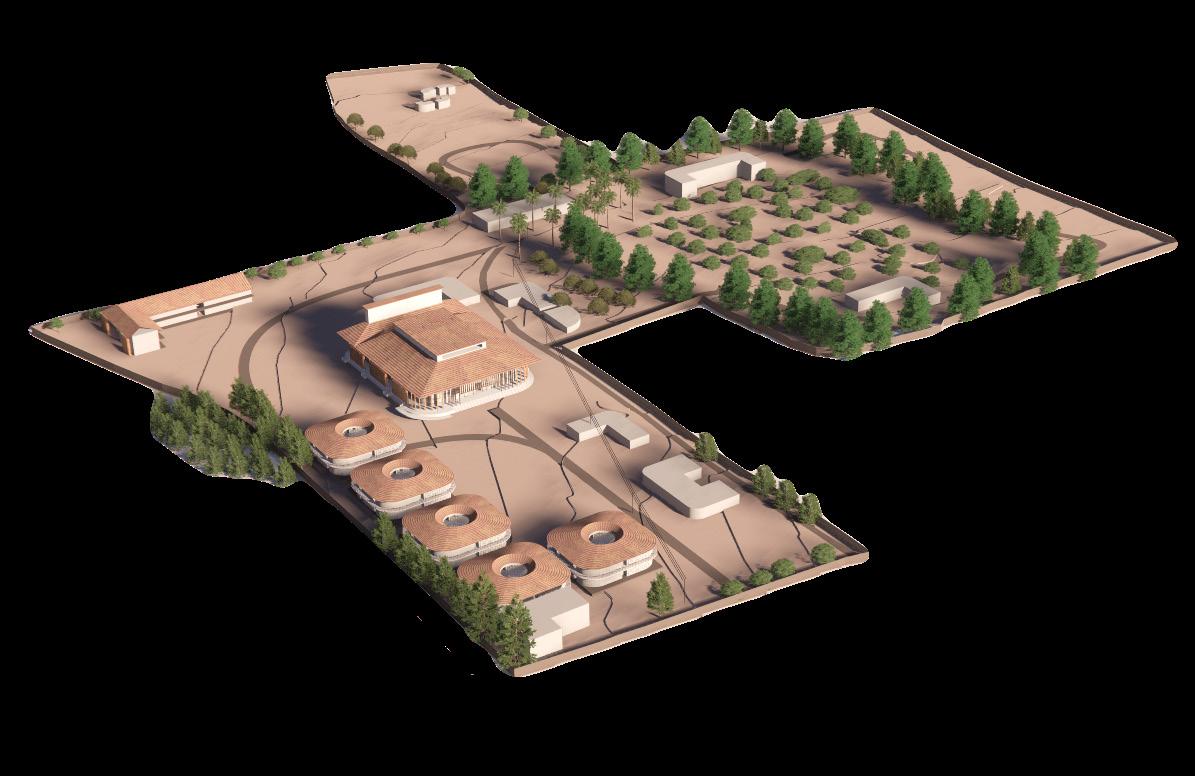
community that expresses our heritage and is an authentic expression, technologically advanced, and sustainable,” said Nyandak. “This is an ongoing process that will take the next few decades, but it is very exciting to be working on!”
Nyandak, a Professional Engineer and registered architect, studied architecture in India before travelling to the United States in 2008 to study civil, structural and earthquake engineering at UB. He then pursued a graduate degree in Europe in structural analysis of monuments and historical constructions, which led to an opportunity working at structural engineering firm Silman, now TYLin, and the National Trust for Historic Preservation in Washington, D.C. as a Robert Silman Fellow for Preservation Engineering.
His education laid the foundation for forming Studio Nyandak.
“I felt like I received a top-class education thanks to the really incredible professors at UB,” said Nyandak, who worked at Caples Jefferson Architects prior to starting his own firm. “The professors are passionate about their own research but also really dedicated to teaching.”
POP Biotechnologies, a UB spinoff company, is developing cutting-edge vaccine technology to better treat infectious diseases and cancer. The company, co-founded by Jonathan Lovell, Department of Biomedical Engineering, has received over $22 million in funding to develop vaccines against the flu, bird flu, HIV, shingles, respiratory syncytial virus (RSV), and severe fever with thrombocytopenia syndrome, a tick-borne infection. POP Biotechnologies therapies are also in or progressing toward clinical trials for Alzheimer’s disease and pancreatic cancer.
The creators of an AI-powered tool to aid speech language pathologists took first place in UB’s Henry A. Panasci Jr. Technology Entrepreneurship Competition. The winning team, SEAS PhD students Wei Bo and Shuwei Hou (MS ’23), will receive $25,000 in startup capital and in-kind services valued at $40,000 for their company, SATE (Speech Annotation and Transcription Enhancer), which uses AI to annotate work for speech language pathologists. Another team, led by SEAS undergrads Jacob Velesko and Stephanie Brumbaugh, won the Audience Choice Award for AGROWBOTICS, an autonomous robot that eliminates weeds on smallscale farms.
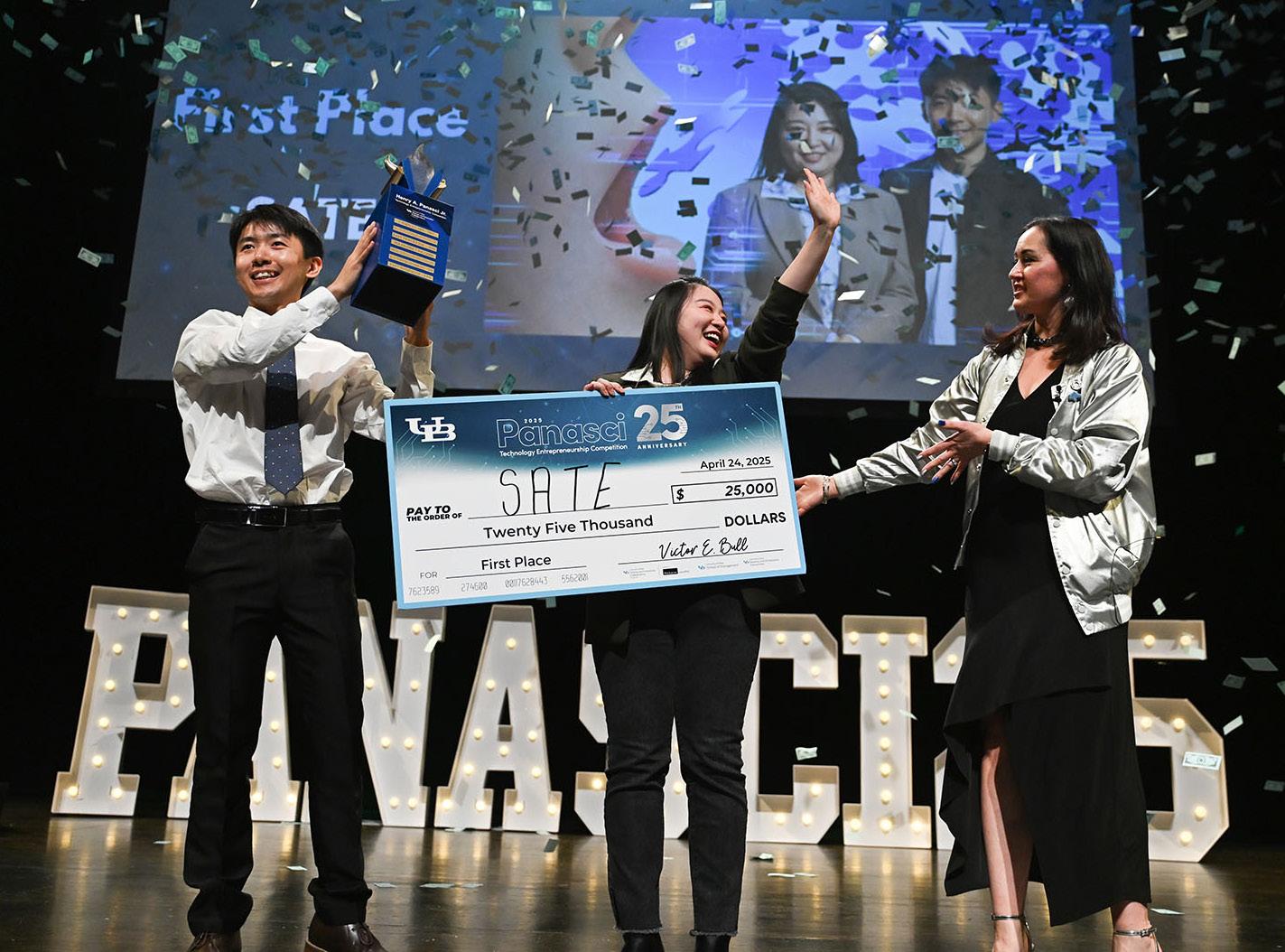
LEFT: POP BIOTECHNOLOGIES CO-FOUNDER AND UB PROFESSOR JONATHAN LOVELL. ABOVE: SATE FOUNDERS CELEBRATE THEIR FIRST-PLACE WIN IN THE PANASCI COMPETITION.







TO BECOME A PARTNER, CONTACT
AVERICK PARKER AT APARKER3@ BUFFALO.EDU

DANIEL D’ANGELO (BS ’83), principal civil engineer at Applied Research Associates and SEAS Dean’s Advisory Council member, was named a fellow of the American Society of Civil Engineers.

MAXWELL BOAMAH (BS ’14) was recently named a lead project manager at the Cumming Group, a construction management and cost consulting firm.

MICHAEL ROSENFELD (BS ’94) and BRIAN RIFFEL (BS ’94) were recently named CEO and chief operating officer, respectively, at ATCS, a civil engineering firm based in Virginia.
TRESOR MAVINGA (BS ’14, BA ’14) recently joined the U.S. Naval Facilities Engineering Systems Command as a project manager.

BRIAN BOJKO (PhD ’17, MS ’14 & BS ‘11), mechanical engineer at the U.S. Naval Research Laboratory, received a Presidential Early Career Award for Scientists and Engineers.

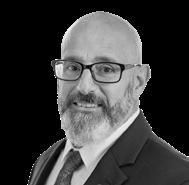
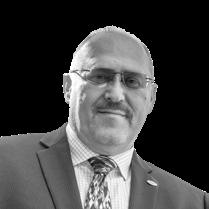
CYNTHIA HOOVER (PhD ’95), executive director at Linde and SEAS Dean’s Advisory Council member, and JOSEPH MANNARINO (PhD ’01, MBA ’90 & BS ’88), president at Buffalo Construction Consultants and Department of Civil, Structural and Environmental Engineering Advisory Board member, are recipients of Buffalo Business First’s 2024 C-Level Awards.
DAVID BLEKHMAN (PhD ’02), professor of technology at California State University, Los Angeles, received the 2025 President’s Distinguished Professor Award.
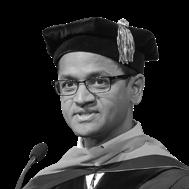
MOHAN AKELLA (PhD ’05, MS ’03), senior vice president and chief member insights officer at Sam’s Club, received the 2025 Dean’s Award for Achievement, SEAS’ highest honor, and delivered the commencement address to the Class of 2025.
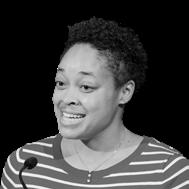
KOURTNEY BROWN (BS ’10), UB Athletics hall of famer and senior process integration engineer at Samsung, had her jersey retired and raised into the rafters of Alumni Arena for her outstanding basketball career.
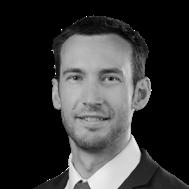
JOSHUA WEISBERGER (PhD ’20, MS ’15 & BS ’12), a research engineer at the NASA Langley Research Center, was co-awarded the 2025 NASA Invention of the Year and the 2025 R&D 100 Award from R&D World.
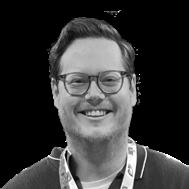
ZACHARY STEEVER (PhD ’21, MS ’18 & BS ’16), assistant director of football research and strategy for the NFL’s Philadelphia Eagles, celebrated the teams’ Super Bowl LIX victory.

SEAN MACKAY (PhD ‘25, BS ’20), the first PhD graduate of the Department of Engineering Education, has joined the faculty of the University of Oklahoma as an assistant professor of computer science.
By Sarah D’Iorio
IT WAS FOUR YEARS AGO that Jackson Gray, a senior in mechanical engineering, made the connection.
“I knew that Jarvis was a family name, but I originally didn’t realize that Jarvis Hall was the Gregory Jarvis I was related to,” said Gray, who confirmed with his mother that the building’s namesake was, in fact, his cousin.
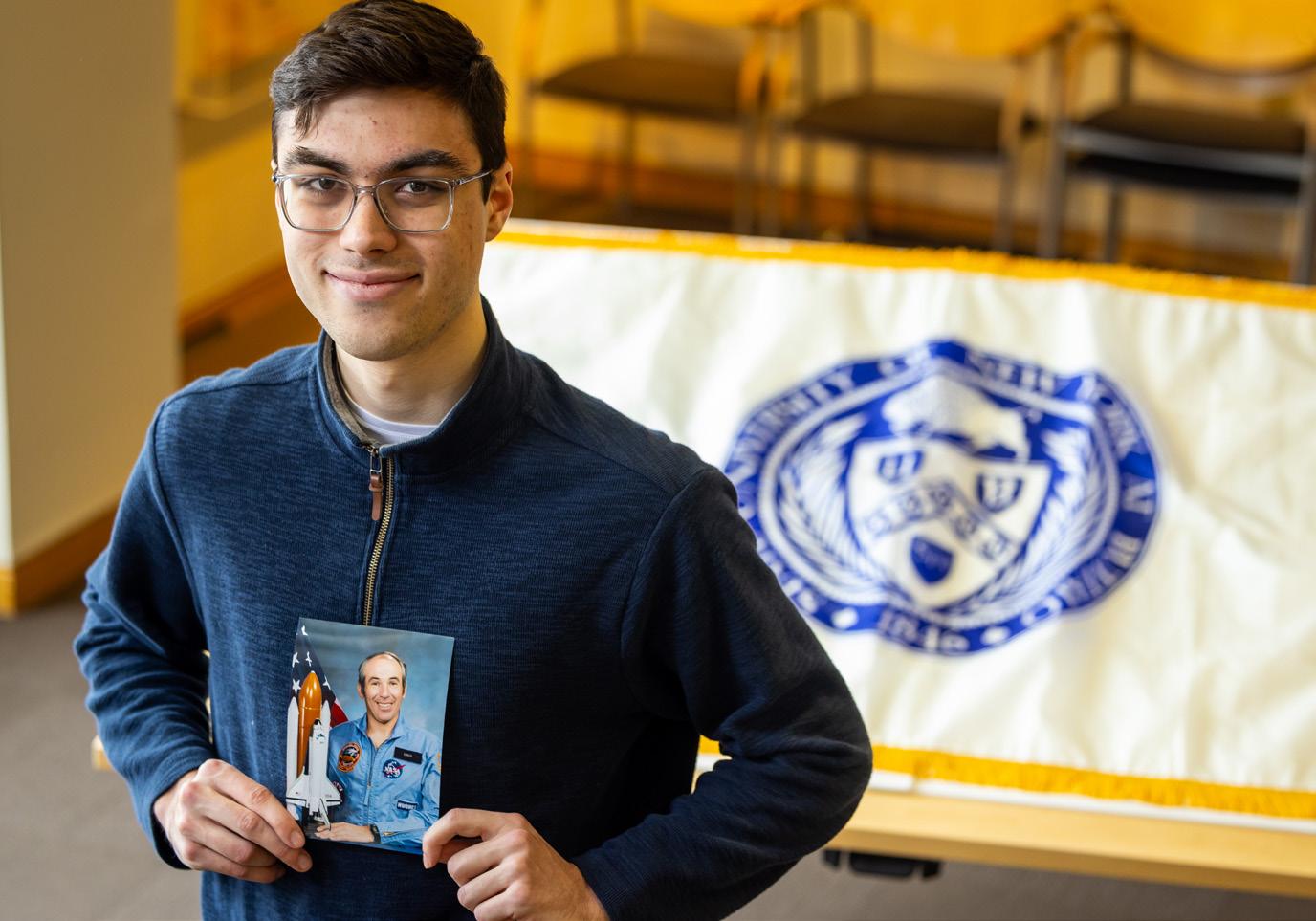
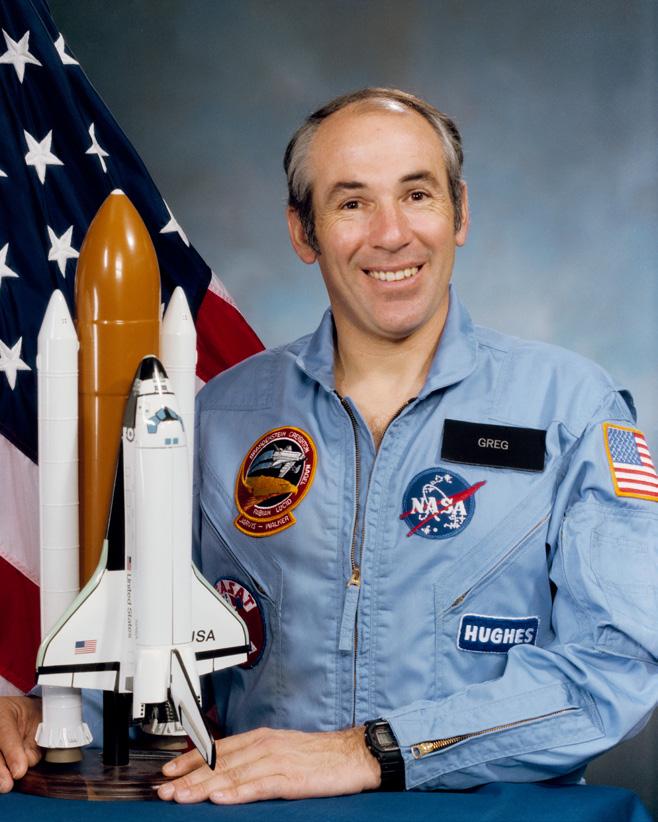
Jarvis, a UB alum who received his bachelor’s degree in electrical engineering in 1967, was an astronaut who served aboard a NASA mission on the Space Shuttle Challenger in 1986. Sadly, the shuttle exploded shortly into its journey and seven crew members—Jarvis included—lost their lives.
“His legacy as an engineer and astronaut is something our family is proud of. It’s truly inspiring to see his impact continue, especially at UB,” said Gray’s mother, Stephanie Susi, who was 19 at the time of her cousin’s death.
Following the shuttle disaster, members of the UB community rallied support to commemorate Jarvis by naming a campus building after him, Gregory B. Jarvis Hall. A scholarship fund was also established in Jarvis’ memory to support undergraduate students pursuing engineering degrees at UB.
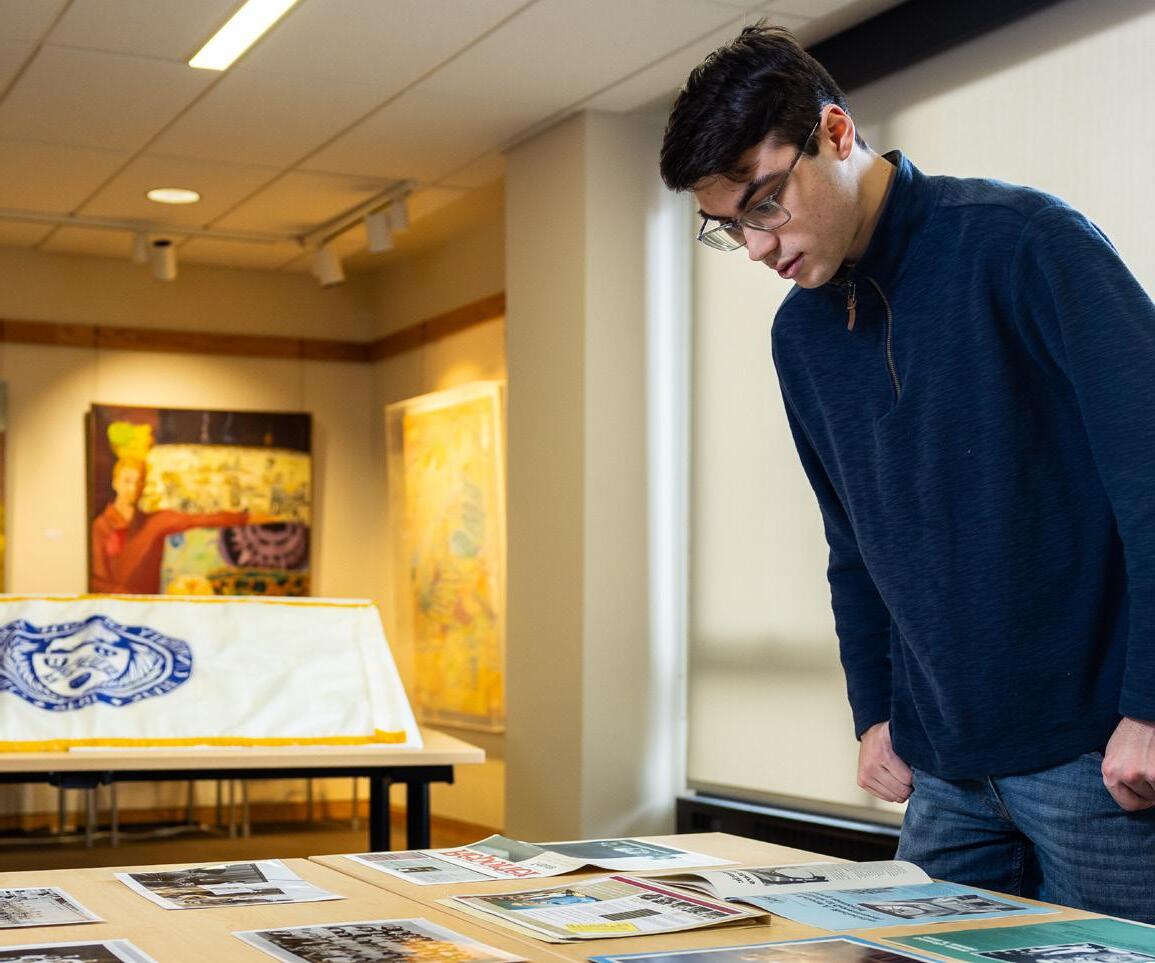
Before embarking on the Challenger mission, Jarvis asked UB for a flag that he could take into space with the intention of returning it to his alma mater following the mission. The flag was later recovered from the wreckage and given to UB by his widow, Marcia, at the building dedication ceremony.
On a recent visit to see the flag, which is now preserved at University Archives, Gray reflected on the impact of the Challenger mission and legacy of Jarvis.
TOP: GRAY VIEWED THE UB FLAG THAT WAS RECOVERED FROM THE CHALLENGER MISSION.
RIGHT: UB ALUM AND ASTRONAUT GREGORY JARVIS.
“I hope people would remember him as a hero, as someone who really put their life on the line, but also he was just an ordinary person that did an extraordinary thing,” he said. “If people never put themselves out there to go and explore, then we wouldn’t have made any progress.”
SOUTH AFRICA, NAMIBIA, BOTSWANA AND ZIMBABWE
MARCH 10-24, 2026

DISCOVERING
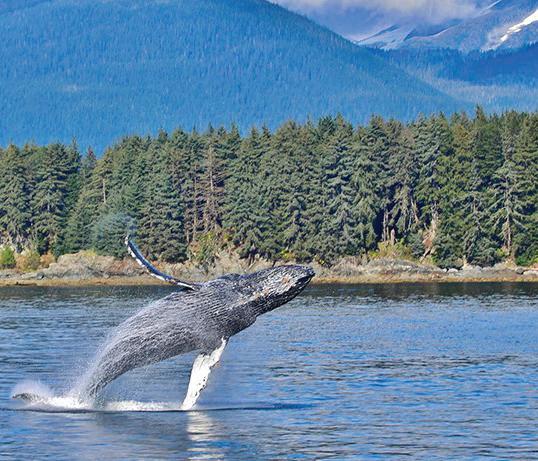
SOUTHEAS T ALASKA
JU LY 31 – AUG. 7, 2026

NATIONAL PARKS
MAY 21-29, 2026
GREEK ISLES AND EPHESUS
SEPT. 9-17, 2026
Where adventure meets connection. Explore global destinations with UB alumni and friends. Experience stunning landscapes, cultural treasures and new perspectives together. From seasoned globetrotters to first-time adventurers—we handle the details while you create memories.


Your journey awaits! Visit buffalo.edu/alumni/travel or email Sarah Doody at sarahdoo@buffalo.edu

ICELAND AND THE NORTHERN LIGHTS
OCT. 24 – NOV. 1, 2026