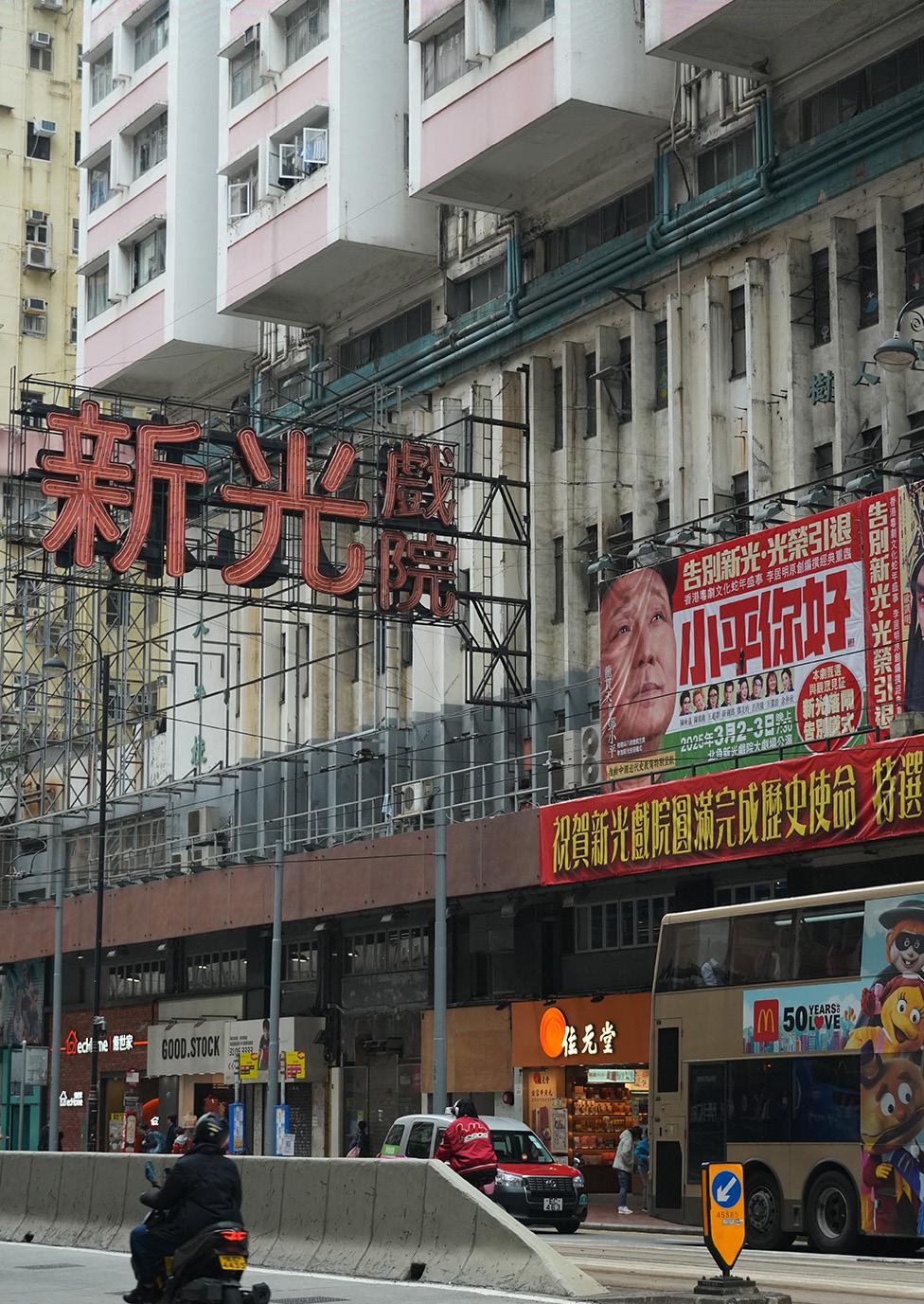
Goodbye to Hong Kong cinema
Changes in consumer spending
Shifts in news consumption

Volme 64 February 2025
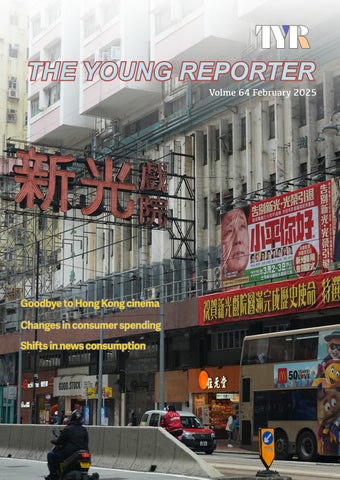
Goodbye to Hong Kong cinema
Changes in consumer spending
Shifts in news consumption
Volme 64 February 2025
Stepping into a new year, we are thrilled to welcome fresh blood to our team, bringing new energy to The Young Reporter.
In this issue, we delve into the evolving consumer patterns in Hong Kong, exploring how cultural shifts, technological advancements, and global influences are reshaping the way we shop and engage with brands. From the rise of e-commerce to the growing emphasis on sustainability, our articles aim to provide and introduce insightful trends, and thought-provoking issues on these changes.
I hope you enjoy reading and find inspiration in the stories we share.
Sincerely, Editor-in-Chief
Tricia Li


Editor-in-chief
Tricia Li
Deputy Editors Nansen Chen
Nancy Wang
Elaine Lai
Photo Editor Nathan Leung
Video Editors
Connie Wong Gigi Ho
Copy Editor Jim Au Yeung
Art Directors
Edith Mao
Natasha Ng Vinci Ao
Social Media Editors Vinci Ao Yoyo Chan
Advisors
Jenny Lam
Robin Ewing
Publisher Zhong Bu Department of Journalism, Hong Kong
Baptist University
Editors
Alishiba Matloob
Anson Luk
Canny Lau
Carmen Cao
Connie Wong
Edith Mao
Elaine Lai
Gigi Ho
Haicen Yang
Hannah Wnag
Jim Au Yeung
Maggie Yeung
Nancy Wang
Nansen Chen
Natasha Ng
Nathan Leung
Tricia Li
Trista Kurniawan
Vinci Ao
Yoyo Chan
Yutong Liu
Zoe Hwang
Zoey Zhang
Reporters
Ada Xu
Anny Chau
Bono Leung
Charlotte Wong
Cici Cao
Cynthia Zhong
Evelyn Tang
Frank Li
Henry Li
Henry Siu
Howard Chen
Jamie Yam
Kate Chan
hkbutyr
hkbutyr hkbutyr
The Young Reporter
tyr.jour.hkbu.edu.hk
Printer JoinPrint
Printer Address 1/F, Morlite Building, 40 Hung To Road, Kwun Tong, Kowloon, Hong Kong
Luna Lau
Quincy Qin
Richard Chen
Sean Cheng
Sofina Zheng
Stephen Feng
Tracy Chen
Yoyo Lin
Zoey Zhou tyrmagazine@gmail.com

Private shoppers face uncertain future in shifting consumer market

Shift in news consumption habits gives rise to donation-based revenue model
Remade vintage sparks sustainable fashion trend
Economic downturn fuels claw machine entrepreneurship
Hongkongers’ northbound dental journey to better smiles
Shenzhen restaurants win Hong Kong diners’ heart
Special-forces mainland travellers are changing the Hong Kong tourism industry
Luxury bags and wedding gowns lead rental fashion craze
Local movie industry faces uncertainty despite box office surge
Reported by: Frank Li Ruoyu, Cici Cao Siyuan
Edited by: Maggie Yeung Cheuk-chi
Holding bags of pastries from the well-known mainland bakery brand, Bao Shi Fu, 32-year-old housewife Li Lanlan, a Shenzhen resident, starts her daily routine. She prepares to deliver goods from Shenzhen to Hong Kong, ordered by Hong Kong customers, at Futian Port.
“Daigou” are personal shoppers who take orders directly from customers, make the purchases for them and deliver the goods to them, all for a commission fee.
Li started her daigou business right after the Lunar New Year, and is already getting a steady stream of orders, usually three to four orders a day.
“As a housewife, I can only schedule one trip to Hong Kong each day to earn some pocket money,” Li said.
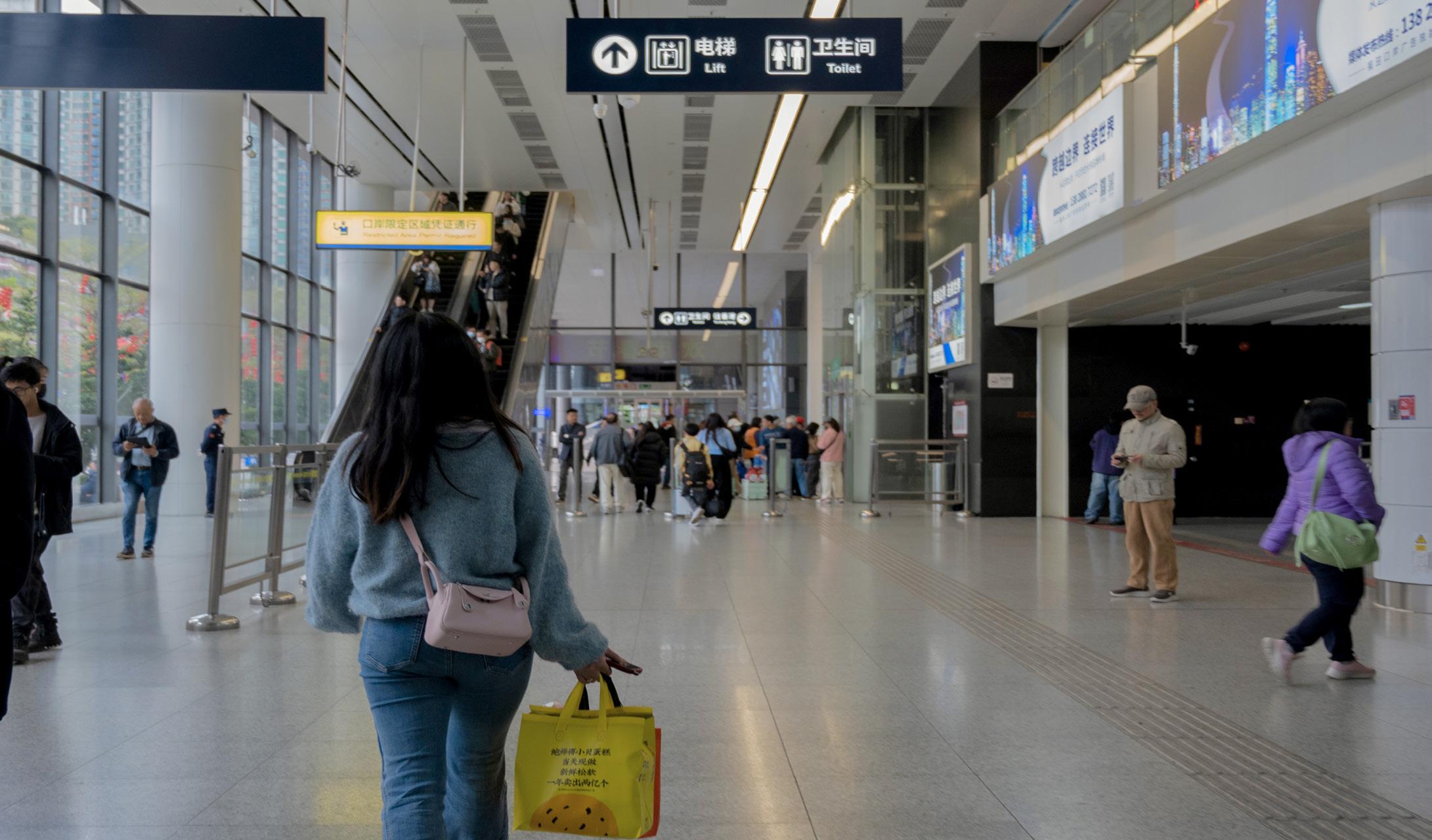
A few years ago, daigous mainly purchased high-end goods such as milk powder in Hong Kong and brought them to the mainland. As consumption habits change, the trend is reserving. Nowadays, many daigous takes orders through social media, many of them delivering food or daily necessities directly from Shenzhen to Hong Kong.
Hong Kong Immigration Department figures show that more than 81 million headcounts made the crossing between Shenzhen and Hong Kong last year.
“As more people went to Shenzhen to spend their money, some people found it profitable to help deliver goods via ports, and there are plenty of accounts on RedNote doing reverse daigou,” said Li.
People use social media platforms like RedNote and Facebook to find agents and place orders. These agents deliver the shopping to Hong Kong at agreed-upon MTR stations.
Li usually earns around HK$200 to HK$300 a day.
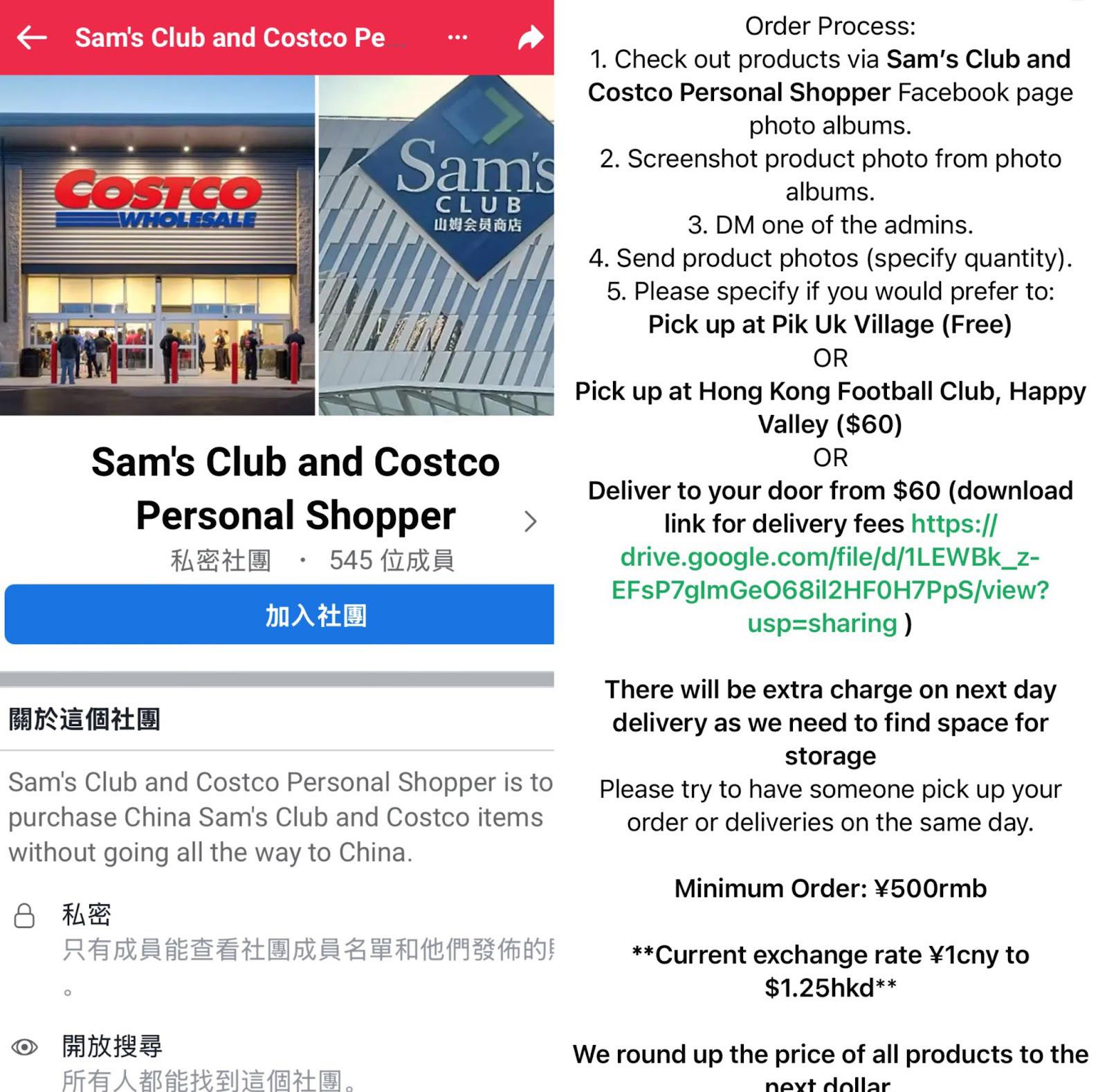
A screenshot of groups on Facebook for purchasing Shenzhen food from Costco and Sam’s Club.
“If the client requires home delivery, I will charge HK$600 to HK$1000 for a single errand, depending on the distance,” said Li.
“Some customers are quite generous with the delivery fees, especially for home delivery services. I once had a customer from Hong Kong Island who paid me HK$500 as a delivery fee for goods worth about HK$400,“ Li said.
“But some customers might only offer HK$10 for a delivery that wouldn’t even cover my transportation costs,” she said.
“The most common clients of the reverse daigou trend are mainland students who study in universities in Hong Kong,” said Penny Du, a 28-year-old student, who started her daigou business two years ago with her boyfriend. This side business provides them a stable monthly income of HK$10,000.
Besides the lower prices in Shenzhen, Du said convenience is the main reason why students choose daigou services. “When they are sick, but they are unfamiliar with Hong Kong medications and they are more accustomed to ordering from mainland delivery platforms, they will ask me to help,” she said.
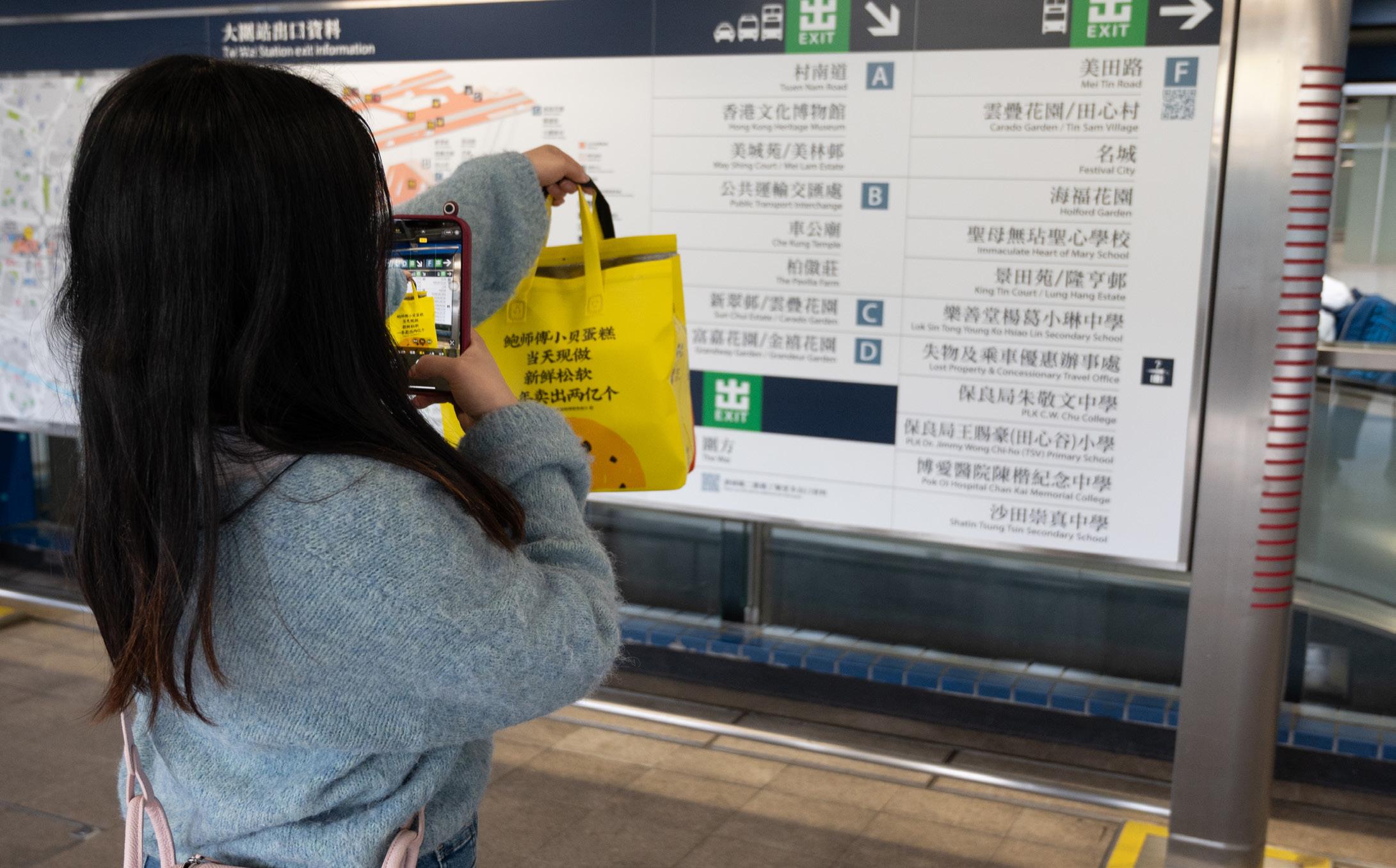
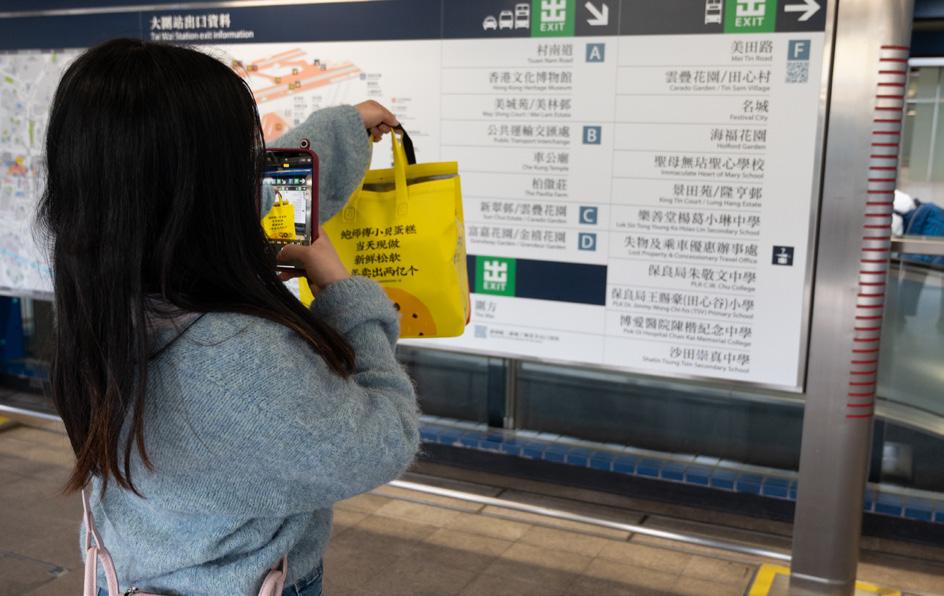
Li needs to confirm the handover location with the customer by taking a photo in front of the map.
“When they have high coursework demand, the time cost of travelling back and forth to Shenzhen becomes significant,” said Du. “Therefore, daigou services become an option for people who need goods from Shenzhen.”
Dong Ding, an economics professor at Hong Kong Baptist University who also commutes daily between Hong Kong and Shenzhen, said the product categories favoured are different in reverse daigou.
In the past, luxury goods, cosmetics and fashion items were the usual daigou items, but now it’s mainly food and groceries in Shenzhen.
“It is not necessarily about the lower prices. People are more interested in the variety of food available, such as different types of bread that can be found in Shenzhen,” said Dong.
On January 21, the Hong Kong Immigration Department arrested eight mainland residents suspected of providing reverse daigou services. In addition to the stricter control policies by the Immigration Department since early November 2024, major mainland e-commerce platforms have introduced free shipping policies for Hong Kong. Taobao now offers free shipping on orders over 99 yuan, thereby offering more choices for residents in Hong Kong.
“Cross-border e-commerce platforms and reverse daigou services are alternative solutions for delivering the same consumer goods, however this does not mean that they are interchangeable in all situations,” said Dong.
Compared to reverse daigou, e-commerce platforms provide opportunities for low-cost trials. For example, if someone wants to try Hunan cuisine for the first time, they can order a seasoning pack on Taobao. But when Taobao cannot meet their needs and they want to experience more authentic food, they might choose to go to Shenzhen to taste it or seek reverse daigou services.
“This makes the market more interconnected as development continues, everyone will find more precise preferences and naturally pursue different channels accordingly,” Dong said.
Except for the increased cost-effectiveness brought by e-commerce platforms, popular daigou products among Hong Kong residents, such as “Tai Er Sichuan Sauerkraut Fish,” “Muwu BBQ” and “HeyTea,” have also gradually opened stores in Hong Kong.
Du believes that this phenomenon will not affect Hong Kong residents’ willingness to use reverse daigou services. “Consumers who choose reverse daigou are inherently pursuing a high cost-performance lifestyle,” she said.
As the trend of reverse daigou continues to pick up, some people ask Li if they could pay her to learn how to be a daigou. “If someone asks, I am happy to share how to do it, but I won’t charge them for it,” she said.
Changes in consumer patterns also bring new business opportunities. Dong said the rise in demand may bring about legitimate solutions.
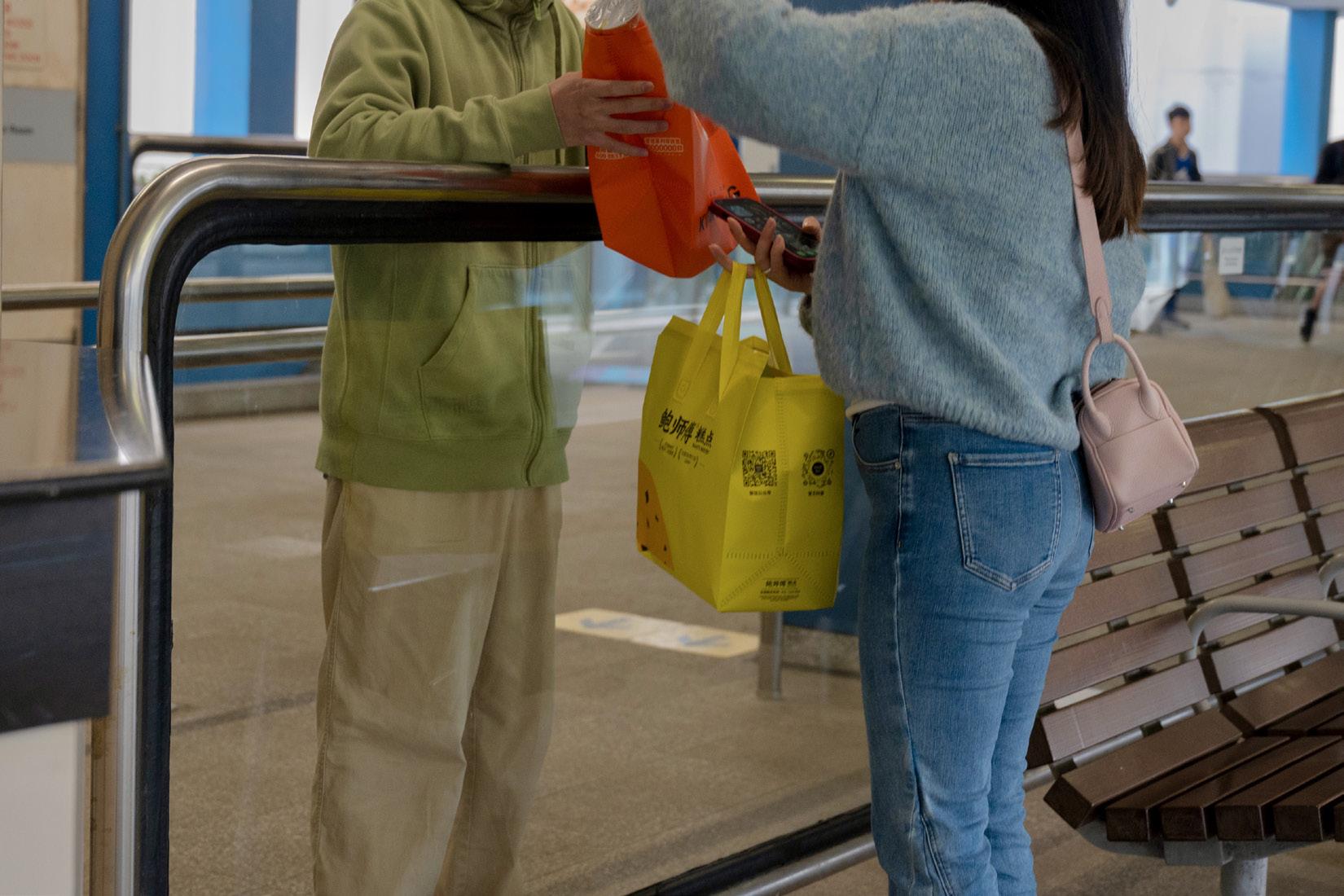
Li usually hands over goods to customers through the gate inside the station, to save time and cost.
“This doesn’t necessarily mean that the platforms will engage in reverse daigou. Instead, they can connect Shenzhen merchants or suppliers directly with Hong Kong consumers in a business-to-customer format, which may be the business model of the future,” he said.
Reported by: Jamie Yam Long-hei, Au Yeung Jim
Edited by: Ng Natasha Goa-sheng
Tang Ho-wing, 36, is an independent journalist running the news outlet, “boomheadhk”, on social media platforms such as Facebook and Instagram. The page mostly covers local and international political issues, and has attracted over 22,700 followers.
“Hongkongers’ news consumption habits have shifted. Increasingly, they want to consume content not covered by the mainstream media or specialised content that features unique views,” Tang said.
The main purpose of his outlet is to supplement the mainstream media and offer readers new insights on social issues.
Tang’s outlet relies on readers’ donations to cover the cost of his reporting work.
“When people want to read more specialised and unique reporting, or lesser-known content, they are willing to pay,” Tang said.
According to Reuters Institute Digital News Report, in an online survey of 2,000 respondents in Hong Kong, only 18% said they pay to access news online in 2024, down from the peak of 29% in 2020.
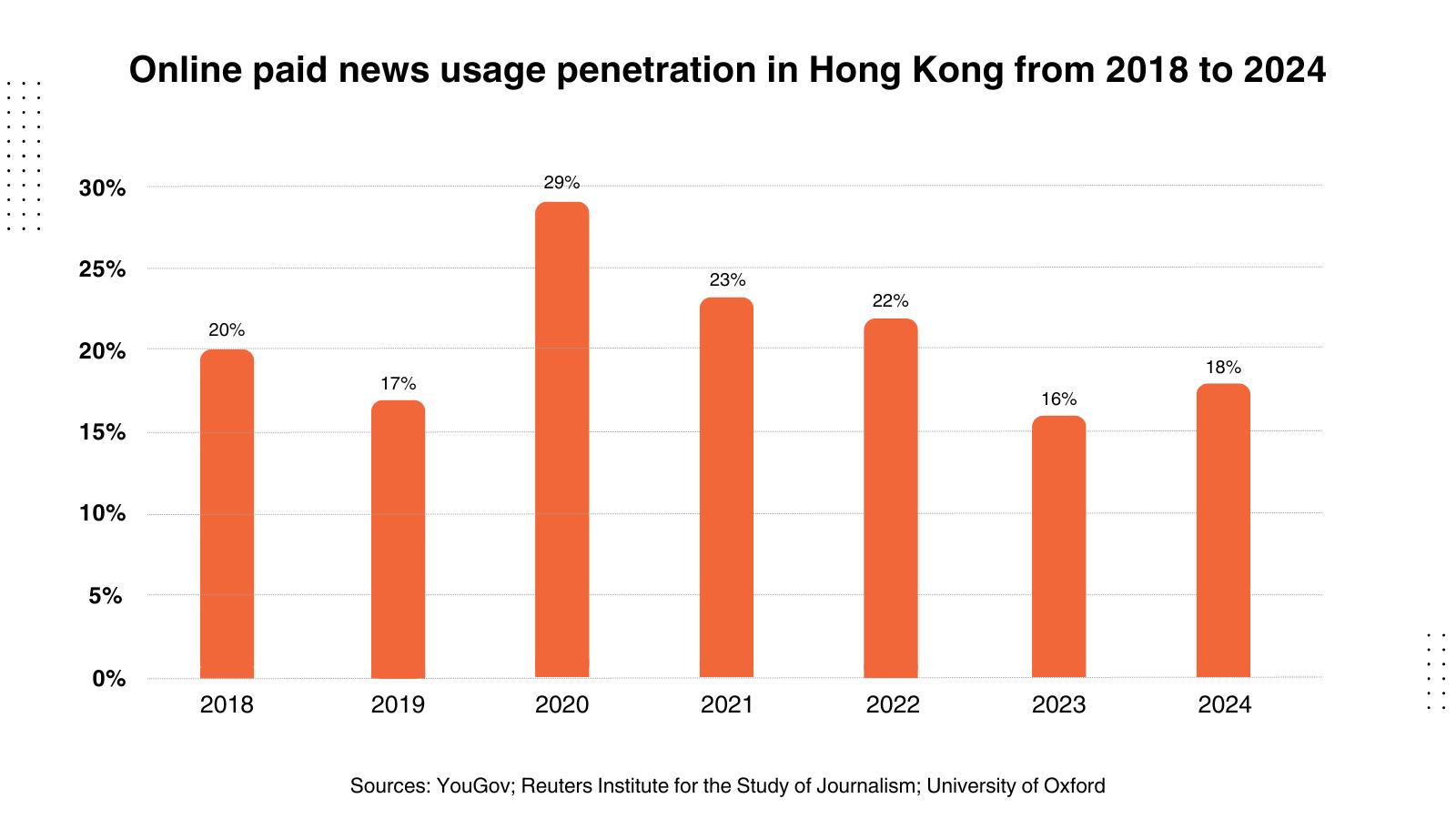
The number of Hongkongers who are willing to pay for online news has dropped from 29% in 2020 to 18% in 2024.
The report added that because the public’s news consumption habits have changed and advertising revenue has declined, media organisations that struggle in adapting to the rapid change have reported financial losses.
Hong Kong Free Press, an independent non-profit news media that relies on readers’ donations, reported a HK$1.4 million loss in 2023, according to its annual report. HKFP has 895 regular monthly donors as of 2023.
Damon Wong Chun-pong, Chief Editor of InMedia, a local online independent news outlet, said his outlet did not experience significant financial losses.
“The drop in paid readership following 2020 is a full picture that includes the closure of mainstream media outlets, such as Apple Daily and Stand News,” said Wong. “By comparison, our readership didn’t drop a lot.”
He said some readers follow other small and new news outlets after some closure of some of the mainstream outlets. The newcomers include TheWitness, which focuses on reporting legal and court news.
Currently, InMedia relies on a mix of subscriptions, one-time donations and advertisements as its revenue model. According to Wong, subscriptions comprise 90% of the revenue, while the remaining 10% comes from advertisements.
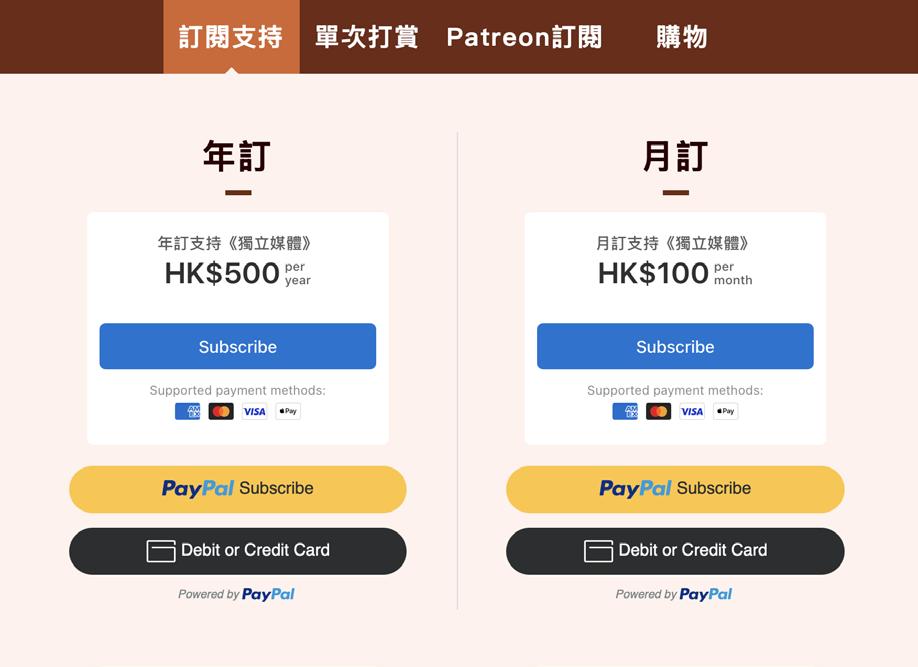
A screenshot of InMedia offers various options for readers’ to choose how they would like to donate.
Dr. Connie Chan Oi-yan, Senior Lecturer of the School of Communication of the Hang Seng University of Hong Kong, said the development of online news consumption and its revenue models can be explained by the political economist theory of “audience commodity.”
“The relationship between news outlets, readers and advertising companies is a symbiotic relationship,” said Chan. “When a news outlet publishes high quality content, it will naturally attract more readers and subscribers who are willing to pay. At the same time, more subscribers will attract more advertising companies to put ads in the news outlet, allowing it to earn more revenue.”
Chan said because new media prioritises fast distribution of information, news content from different outlets has become similar. The emergence of many new media platforms resulted in information overlapping with one another.
“How we differentiate a good news outlet from the rest,” said Chan, “only those that can provide fast, accurate and in-depth information can attract more readers.”
“This type of in-depth information is a commodity, which is valuable,” Chan said. “I would say more people prefer accessing news on free media outlets and social media,” said Chau King-hin, a first-year journalism student from the University of Hong Kong.
Chau had never subscribed or donated to any news outlets.
“For me, free journalistic work can provide similar quality as the paid ones,” he said.
Dr. Joseph Louis Travis, Lecturer of the School of Journalism and Communication at the Chinese
University of Hong Kong, said news media adopt a donation-based revenue model because they want to present themselves as unbiased and non-affiliated.
“Asking for donations to ensure quality of service and unbiased material is ideal for a lot of developing young journalists,” said Travis. “With a donation model, they can say they are independent, and it’s true, clean and trustworthy reporting.”
On the other hand, Tang said relying purely on donations is not enough to cover the cost of his outlet.
“Honestly, my outlet is not a big one, I don’t have any fame effect like journalists from Stand News or other media who decided to become independent journalists after their outlets closed,” said Tang. “I can only try to cut costs in other areas, such as not using the best cameras and best computers, and use cheaper ones to keep the cost low instead.”
Tang’s page, Boomhead Media, currently fully relies on donations from Patreon. Unlike InMedia, Boomhead Media operates without advertising revenue. Tang said he has no plans to include advertising.
“Getting into the advertising business may limit the news you can report on, because you have to consider the business interests of the advertisers,” said Tang. “You may not be able to publish a certain kind of content under the pressure of advertising companies, which will affect the partiality of the outlet’s content.”
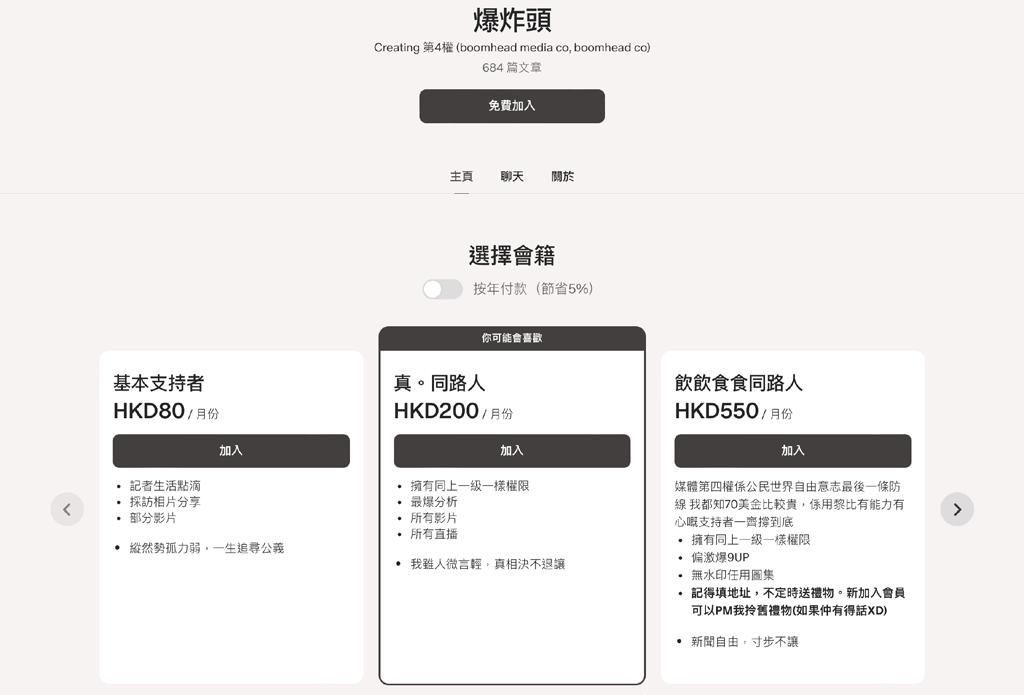
Boomhead Media operates fully on donations via Patreon, ranging from HK$80 to HK$1,650 a month, but Tang said it is not enough to cover the operation cost.
Maintaining editorial impartiality and neutrality while relying on donations is also a main goal for InMedia.
Wong said InMedia does not have major patrons that influence their content. He added because each donor contributes only a small amount, they are not significant enough to impact their content’s impartiality.
“We do not please our readers or attract donors by tweaking our news content, but we would organise some internal activities or guided tours exclusively for our donors,” Wong said.
Tang said Boomhead Media has a clear distinction between news reporting and commentaries to remain impartial.
“Previously many media would have a line or two at the end of each article as a criticism or commentary, but in today’s reporting they have all been removed,” Tang said.
Chau said sometimes independent news outlets have no clear references to online sources and distinct fact-checking procedures, and it makes him doubt their credibility.
“Media bias is kind of common nowadays, that’s why fairness and diverse perspectives are my main considerations in deciding to pay for news or not,” said Chau.
He added that while news outlets try to remain impartial, readers need to develop their media literacy to determine what information is truthful.
“If the readers wish for high-quality content, they should acknowledge the required running costs, including equipment and manpower expenses to maintain immediate and accurate reporting,” Chan said.
“Sometimes it is hard for news outlets to conduct journalistic gatekeeping perfectly. Even though each outlet has its own media policy, there is just too much information available online. That’s why readers should also determine for themselves what is right,” said Chan.
Similarly, Travis said the public should not take impartiality as granted and cannot demand that from news sources, and readers have to find sources they trust themselves.
“The public will show their interest based on news outlets they’re willing to put their money and time into,” said Travis. “It’s up to the news outlets to respond accordingly.”

With more independent news outlets entering and basing their operations online, many of them turn to readers’ donations to cover their operational costs.
Reported by: Luna Lau Ka-yan, Kate Chan Hiu-ying
Edited by: Tricia Li Sin-tung
Crowds of shoppers, most of them young, pack into the narrow corridors on the 15th floor of Ho King Commercial Centre in Mong Kok, especially on the weekends and during holidays. They are drawn to the remade vintage clothes and accessories at CheckThis.
The owner, Mic Chung, 25, designs the products.
“I found some remade items while traveling in Japan and Thailand. At that time, remade vintage clothes or accessories were still not popular in Hong Kong, so I thought it was a potential market I could work for,” she said.
Remade vintage is one of the practices of upcycling, where second-hand clothing is collected and different fabrics are patched together to create unique pieces. The emphasis is on sustainability and waste-reduction.
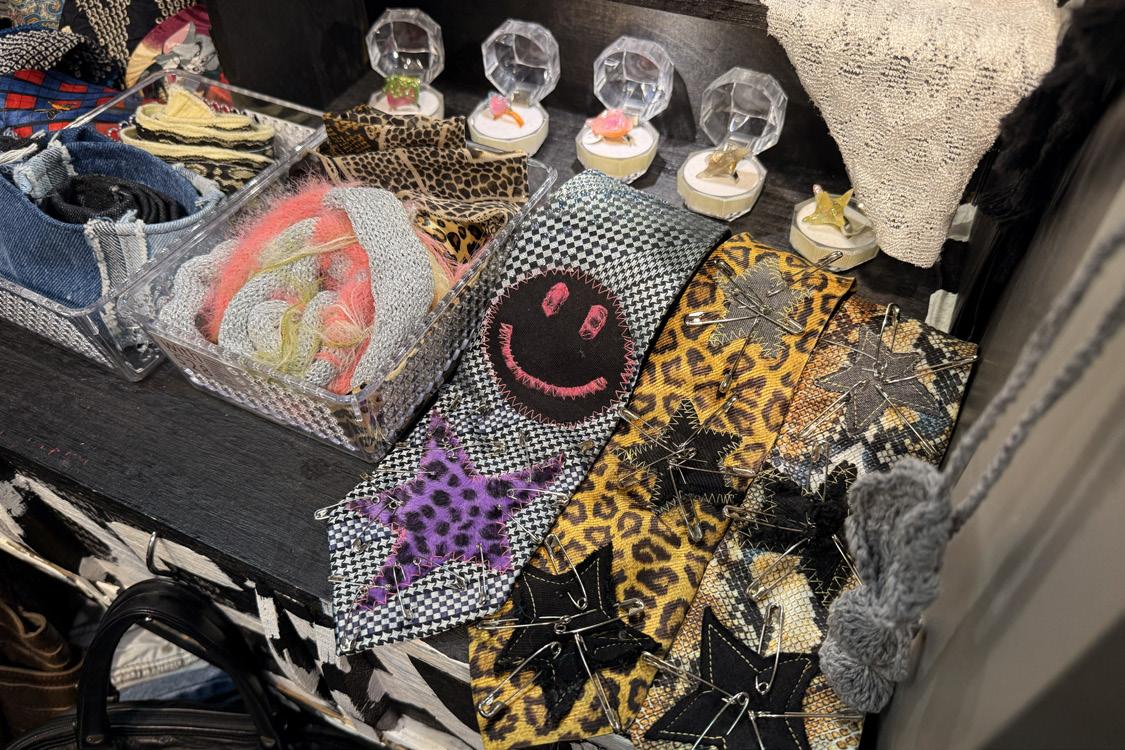
Remade vintage products being sold at CheckThis.
In Hong Kong, remade vintage fashion is gaining momentum as young shoppers increasingly seek sustainable alternatives to fast fashion. Stores including CheckThis and Redress offer remade clothing that blends unique designs with environmental consciousness.
CheckThis uses Instagram to engage with customers and employs marketing tactics like lucky bags or holiday discounts to attract consumption.
“I am glad that the shop has become more and more popular among younger consumers, and I can feel that people are becoming increasingly aware of the need to protect the environment,” Chung said.
Chung said vintage is not new, so the products and designs must be relatively rare in order to attract customers.
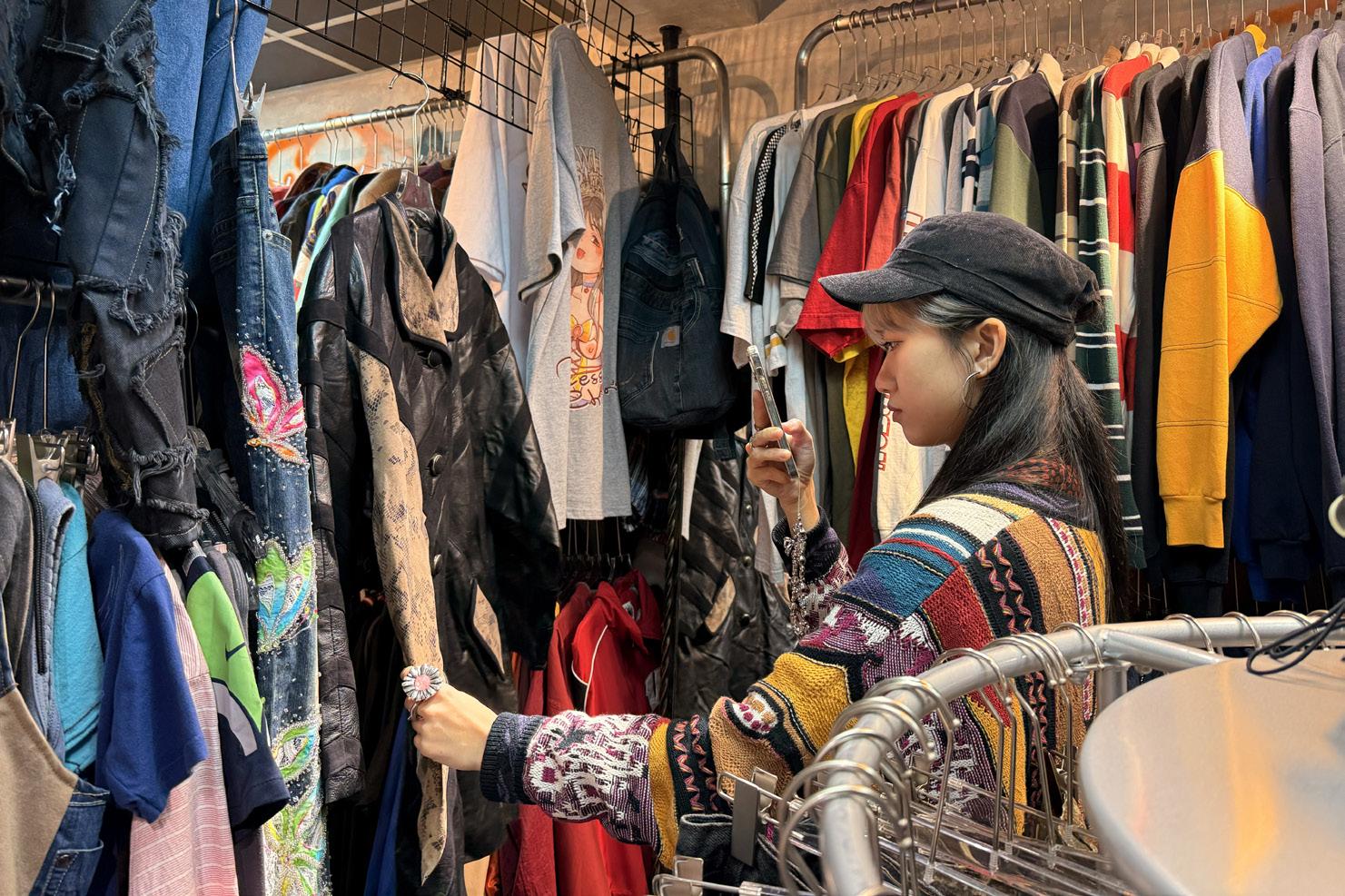
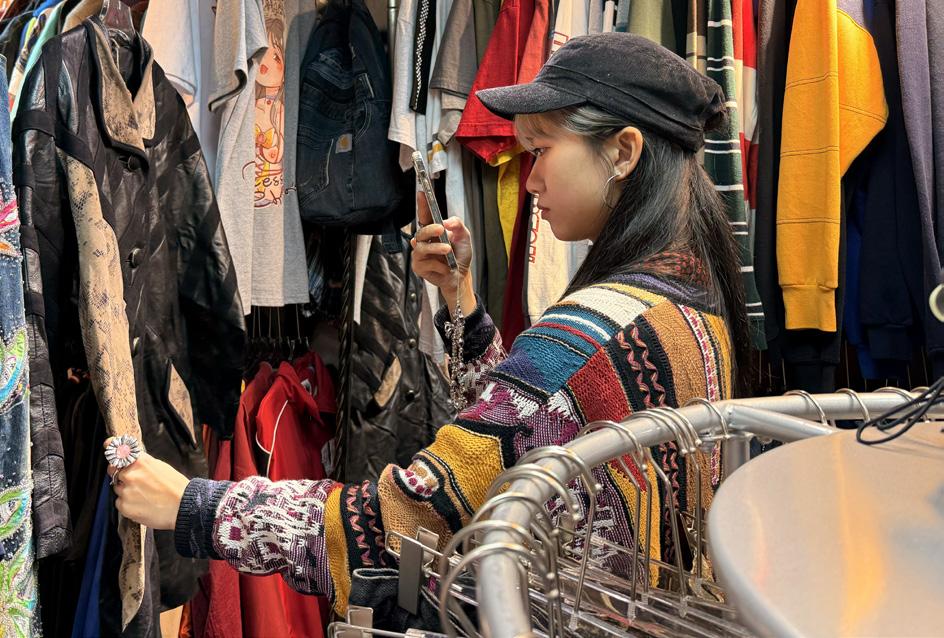
Mic Chung takes videos of her remade vintage products every day during the shop’s business hours.
“Compared to the affordability promoted by fast-fashion brands, vintage offers the uniqueness that consumers value more today,” she said.
Gary Tsang, a member of the Hong Kong Fashion Designer Association, said that amid the rise of Y2K and Y3K trends, more young customers prefer upcycling or other sustainable alternatives to fast fashion.
Y2K fashion responds to novelty with a futuristic retro vibe, focusing on bright colours. Y3K goes further, aiming to embrace future possibilities, blending reality with virtual fantasy with strong metallic elements.
In 2023, government figures show that the Environmental Protection Department sent 402 tons of textile waste to landfills every day.
Dr. Anna Lee, 37, part-time lecturer from the Department of Geography of Hong Kong Baptist University believes social media helps promote sustainable fashion.
She said the concept of eco-friendliness is increasingly popular among Gen Z consumers since they have easier and broader access to social media such as Instagram and TikTok.
Lam Man-hong, 21, student at Shenzhen Campus of the Chinese University of Hong Kong, said he first learned about sustainability in secondary school.
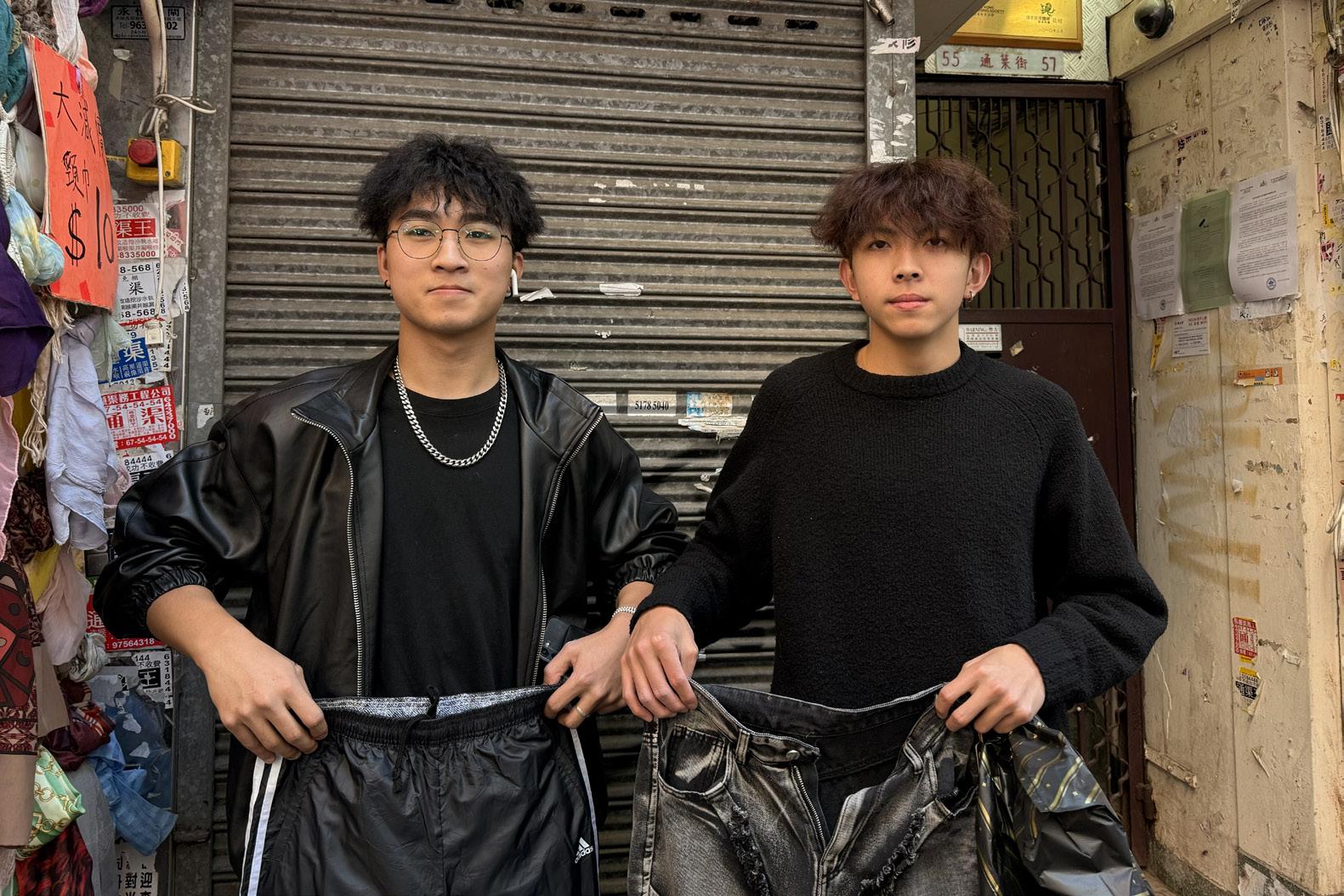
“Clothing is a daily necessity, and I think it’s important to work on education to raise young people’s awareness of the importance of environmentally-friendly clothing,” Lam said.
In 2024, 78% of Hong Kong respondents had paid more for sustainably-made or environmentally-friendly products, according to the survey conducted by Echo Asia.
Taylor Chan, 27, a clerk at a security company, said he is not a vintage clothing lover, but he visited CheckThis to support remade environmentally-friendly clothes.
“I used to study fashion design, and I know how wasteful it is. If young people only pursue fast fashion without caring for the environment, they would create a pile of clothing waste,” Chan said.
“If all the vintage stores are willing to do upcycling work, it does not waste the fashion designer’s efforts,” he said. “This move protects the environment, and allows the ‘artefact to be reborn’ again.”
Redress, a Hong Kong-based environmental non-governmental organisation, aims to stop fashion waste by creating a circular fashion industry.
Last year, they collected 17 tonnes of clothing, most of which were then donated, recycled, or resold.
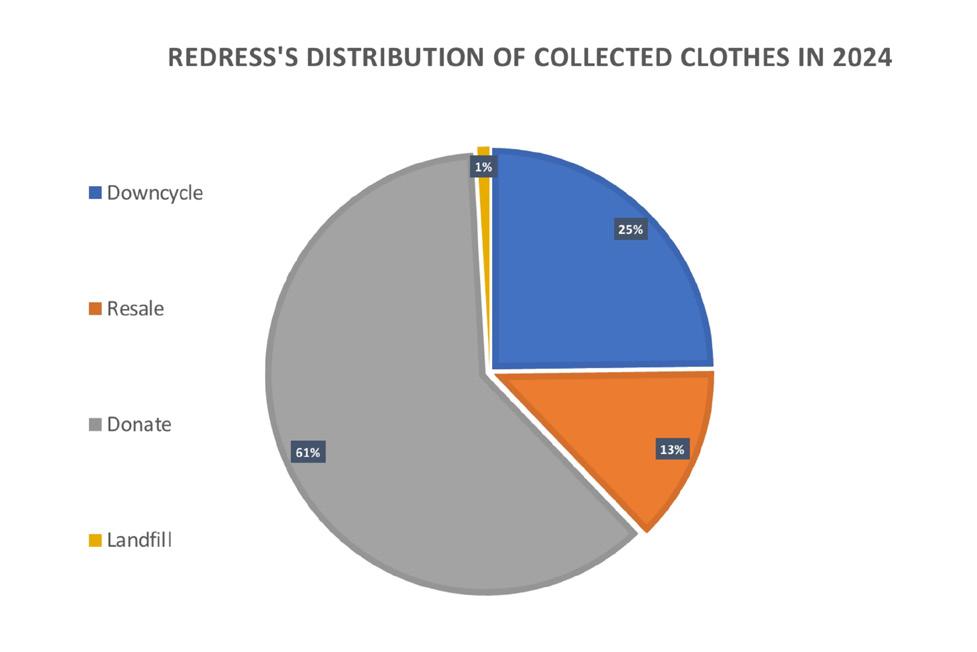
Redress redistributes 99% of collected clothes through several organisations to reduce fashion waste. Source: Get Redressed Month 2024
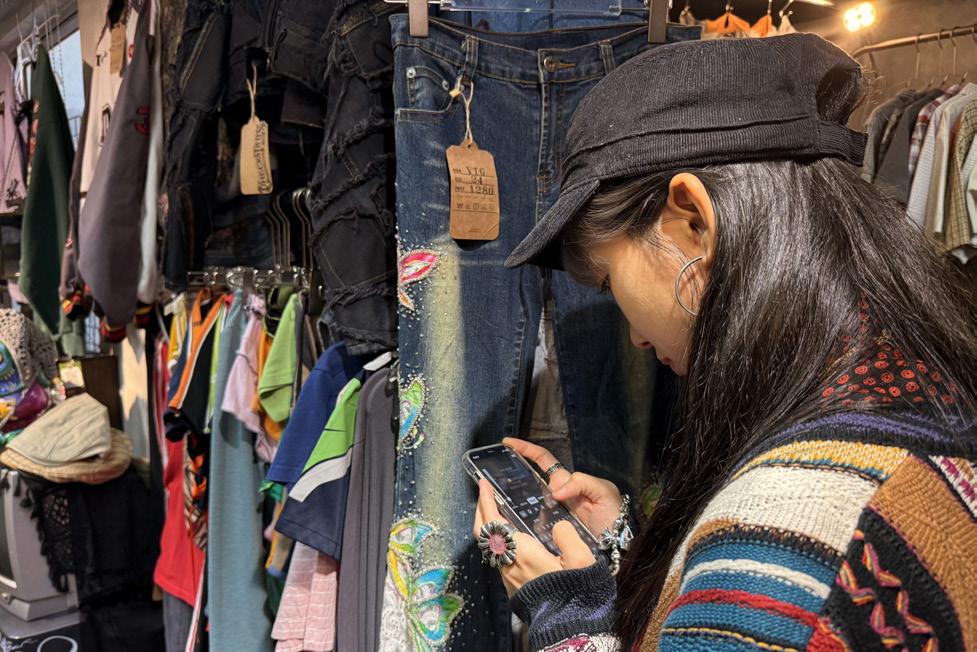
Some unusual remade vintage jeans and leather clothing items are priced at over HK$1,000 at CheckThis.
Another vintage store, MeeGee, does not sell remade clothes but still attracts crowds because of the various styles provided and cheaper prices.
“Remade vintage is attractive, but it is a lot more expensive than regular vintage after processing. Many shoppers would rather go to regular vintage shops like MeeGee because they are more affordable,” said Yung Yu-ying, a 22-year-old university student.
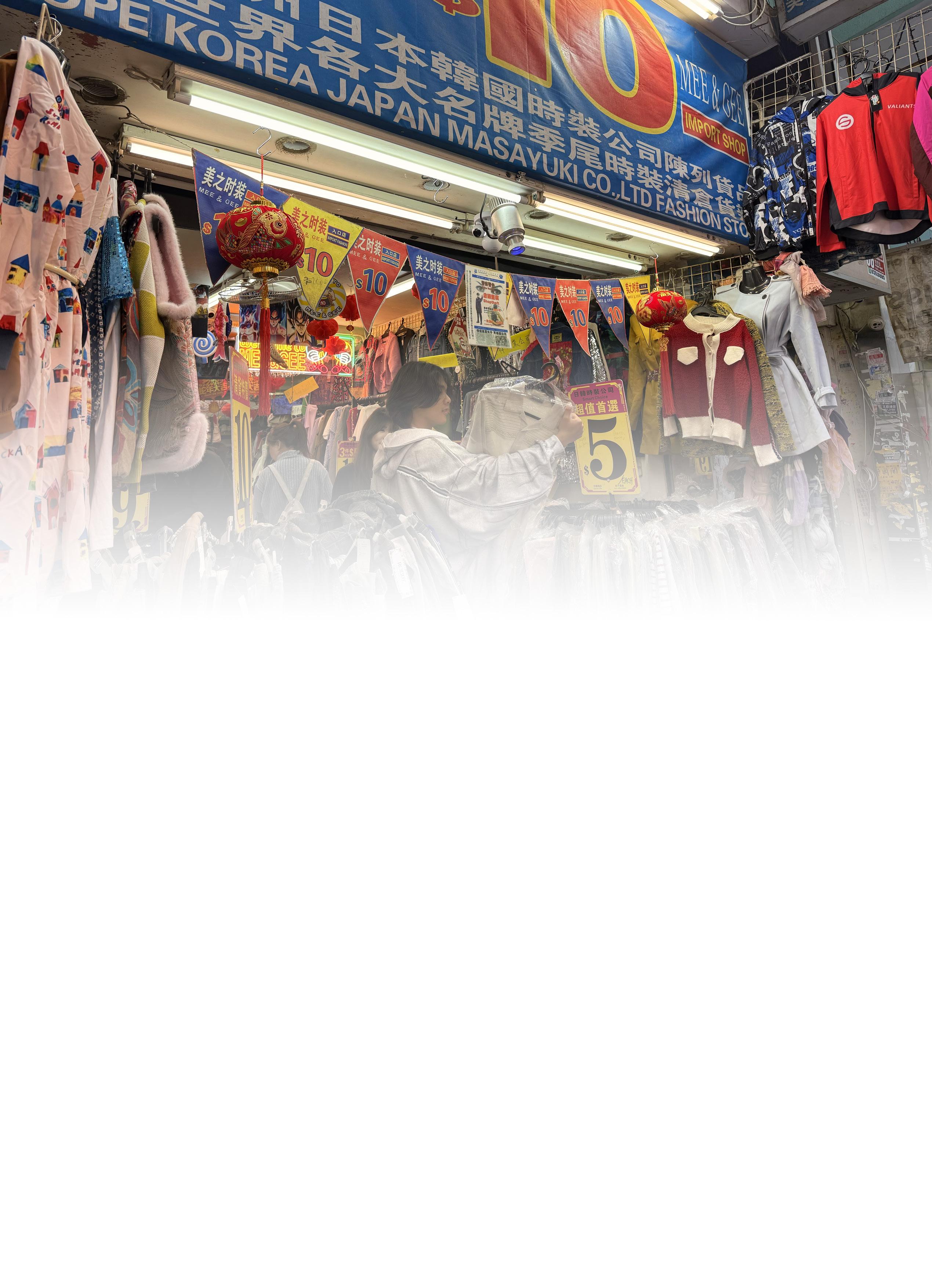
MeeGee in Mong Kok offers a wide variety of clothes at low prices.
“It is important to be eco-friendly, but there is no point in buying remade vintage if it costs as much as new, fast-fashion clothes, or if the vintage feel is lost due to eco-recycling,” Yung said.
Chung at CheckThis said remade vintage can be costly.
“Our processing plant is in Thailand, which leads to high transportation costs for each shipment,” she said.
“Many small remade clothing shops choose to find manufacturers in China or Thailand because few Hong Kong producers would want to engage in a complex remaking process,” Tsang said.
He added shop owners are forced to either remake items themselves or outsource to foreign manufacturers, which may inevitably raise their carbon footprint.
“The scale of the remade vintage industry remains small because not everything can be upcycled or widely accepted by the public,” Lee said.
“It would be better if schools could allocate more resources to the concept of upcycling, such as offering related courses for students to learn more about sustainability,” Lee said.
“Vintage is popular in Hong Kong, but remade vintage still has a long way to go,” Chung said.
“We hope that more people could focus on environmental protection or sustainable fashion by creatively re-wearing and reinterpreting their old clothes,” she said.
Reported by: Sean Cheng Tsz-sen, Henry Siu Tsz-hang
Edited by: Gigi Ho Wing-chi
Clawmachines, once a niche type of amusement, require minimal investment and management to operate, and now they are driving a new wave of entrepreneurship in Hong Kong’s bustling malls amid economic uncertainty.
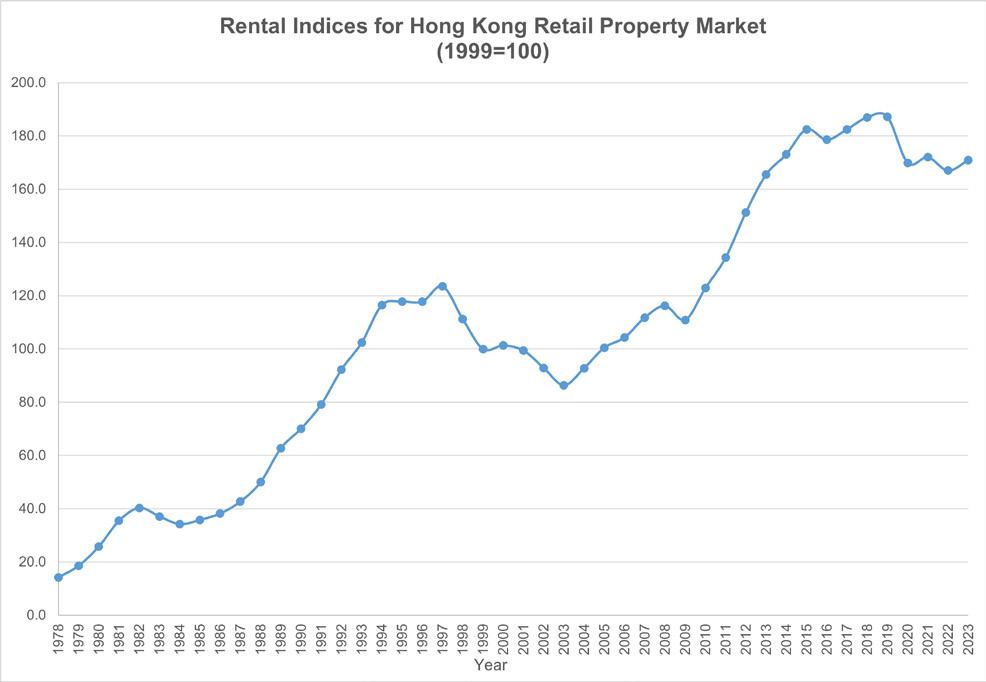
The rental index of the Hong Kong retail property market has dropped by over 20 points after peaking in 2019, and the average rent for retail has been decreasing since then, according to the Rating and Valuation Department.
Despite the fall, many commercial spaces remain vacant and claw machine arcades have become a short-term solution for both landlords and business starters.
Anyone who can afford the rent, the machines and the prizes can open a claw machine arcade, as they require minimal staffing and maintenance.
Alan Tang, 30, owner of a claw machine arcade in Yuen Long said all the machines in his shop were rented out in 2020, but only 60% of them are rented out now.
Claw machine arcades can stay open around the clock for which obsessed claw game lovers never have to stop. Recently, these machines have found their way into many shopping malls across Hong Kong, occupying previously vacant shop spaces and offering players a chance to win big prizes, such as a vacuum cleaner or a Nintendo Switch gaming console, for HK$5.
The rental index of the Hong Kong retail property market has dropped by over 20 points after peaking in 2019, and the average rent for retail has been decreasing since then, according to the Rating and Valuation Department.

Prizes from claw machines in Dragon Centre range from toys, figures and snacks, vacuum cleaners and mobile electronic devices.
His monthly income peaked at nearly HK$100,000 in 2020, but since then Tang has seen a 60% drop in revenue.
As of the beginning of this year, machine rent ranges from HK$3,500 to HK$4,500, a 25% decrease from 2020. By comparison, fewer machines are being rented out.
“Claw machines require little management, more people are joining this business as it brings a decent amount of profit,” Tang said.
Tang added that the monthly rent for his store is about HK$50,000. Operating 24 hours every day costs him HK$5,000 for electricity and HK$10,000 for staffing each month.
Josh Wong, 30, Editor of claw.hk, a website managed by claw game enthusiasts to integrate arcade sites in Hong Kong, said they do not have the exact number of arcades in Hong Kong.
“A 10-fold increase since 2020 would not be an exaggeration,” he said.
As of February, there are three NGS Fun Station, four Taito Station, 14 Namco and 61 Jumpin Gym arcades in Hong Kong, according to the stores’ official websites.
John Chan, 30, owns claw machine arcades at Red Mall in Causeway Bay and Dragon Centre in Sham Shui Po, as well as three machines at Hung Hom Square.
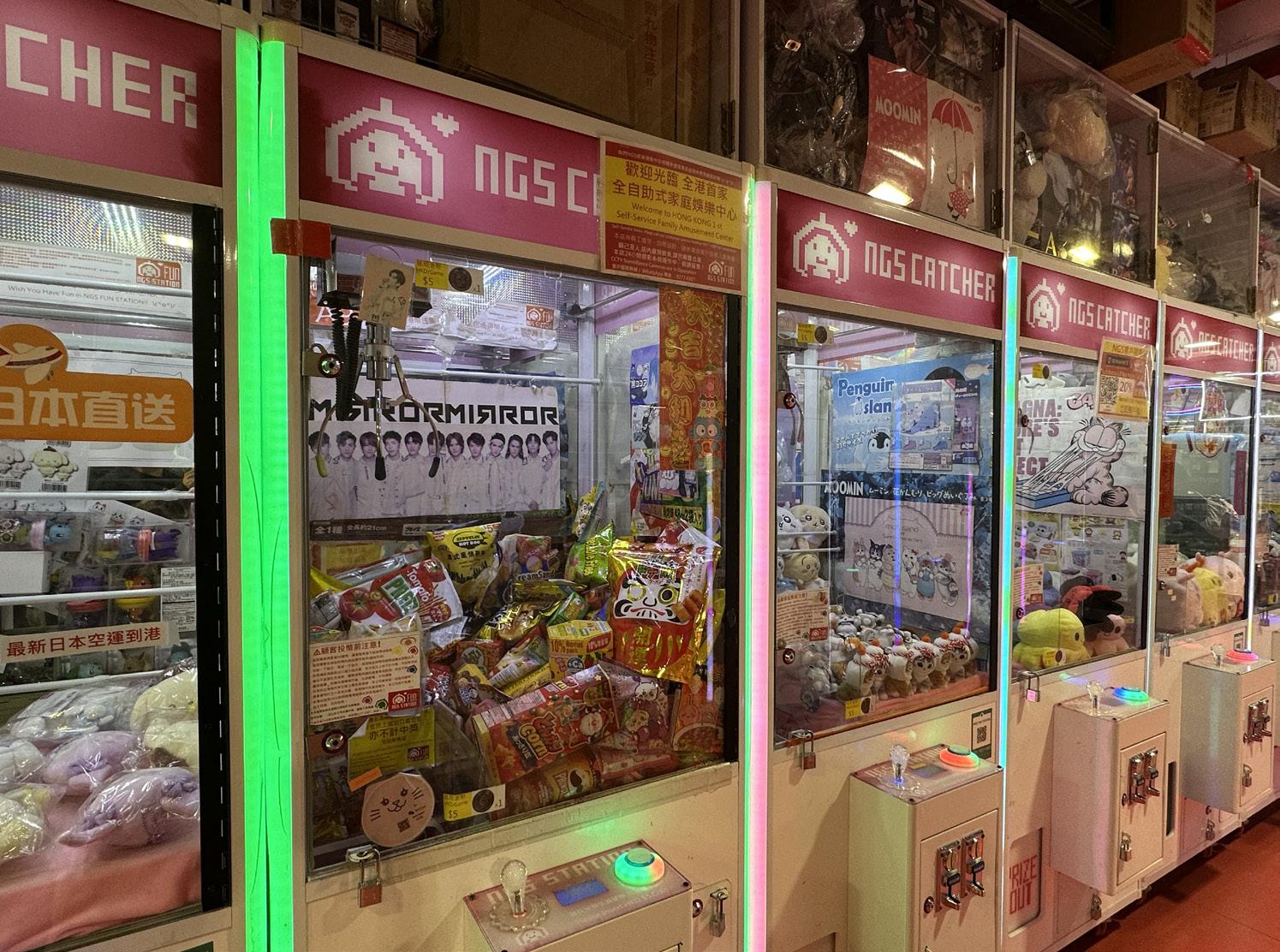
Claw machine arcade chain NGS station offers snacks for prizes.
He has seen a decline in his business over the past five years, because some players believe they could win more valuable prizes from larger stores.
“Everybody [machine renters] try to make the games difficult and that has put off many players from claw games,” Chan said.
Of the nine floors of Dragon Centre, seven are filled with claw machines.
“There used to be more stores for daily necessities in Dragon Centre, but now even ParknShop, a supermarket originally located on the 4th floor, is shut,” Chan said.
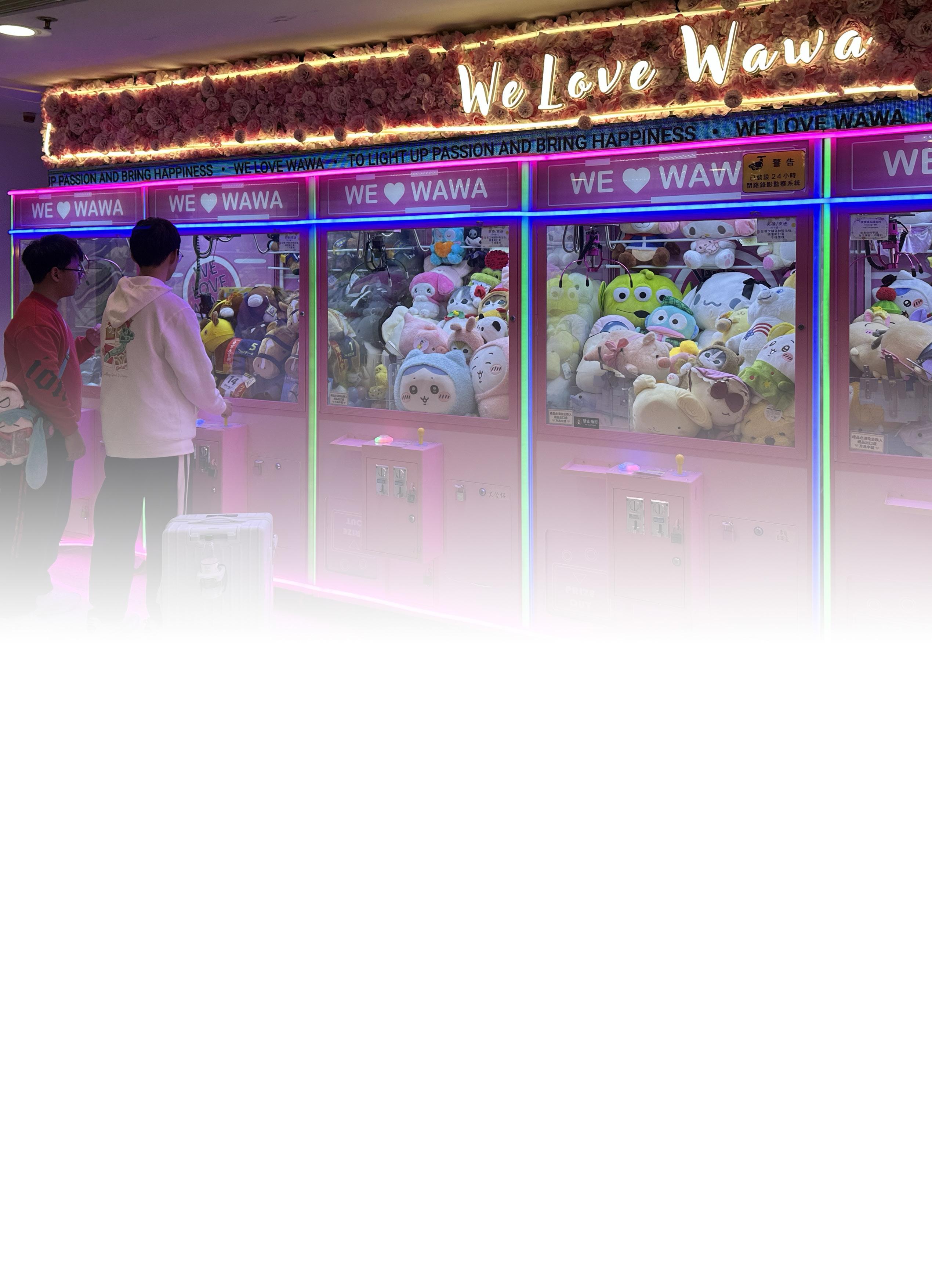
Wong Hewitt Hin-yau, 20, has been renting seven machines with his friend across Hong Kong for two and a half years.
They thought it was a business opportunity, but his revenue has dropped by 10% across the seven machines since he started his business. Wong said it is because there have been more claw game scams with knock-off products.
Most of his customers are teenagers who are new to crane games.
Wong said some of them have no idea where to buy the toys featured in the claw machines so they turn to these arcades.
“Players are willing to spend money on claw games. Unfortunately some of them lack temperance, causing them to lose hundreds of dollars in an hour,” Wong said.
Park Ng Nok-ho, 19, has been renting 10 machines across Hong Kong.
The rent was around HK$2,000 to HK$3,000 per machine when he first started four years ago. Now, each machine costs him HK$5,000 a month.
“My business boomed right after the COVID-19 pandemic when Hongkongers had fewer leisure options,” Ng said.
“But profits have been consistent, around HK$30,000 to HK$40,000 per month. Profit from each machine can range from HK$2,000 to HK$10,000,” Ng added.
Ng also works at one of the three claw machine arcades at Park Lane Shopper’s Boulevard at Tsim Sha Tsui as a shopkeeper. The customers include students, couples and tourists.
“I think the true reward is the sense of achievement,” Ng said.
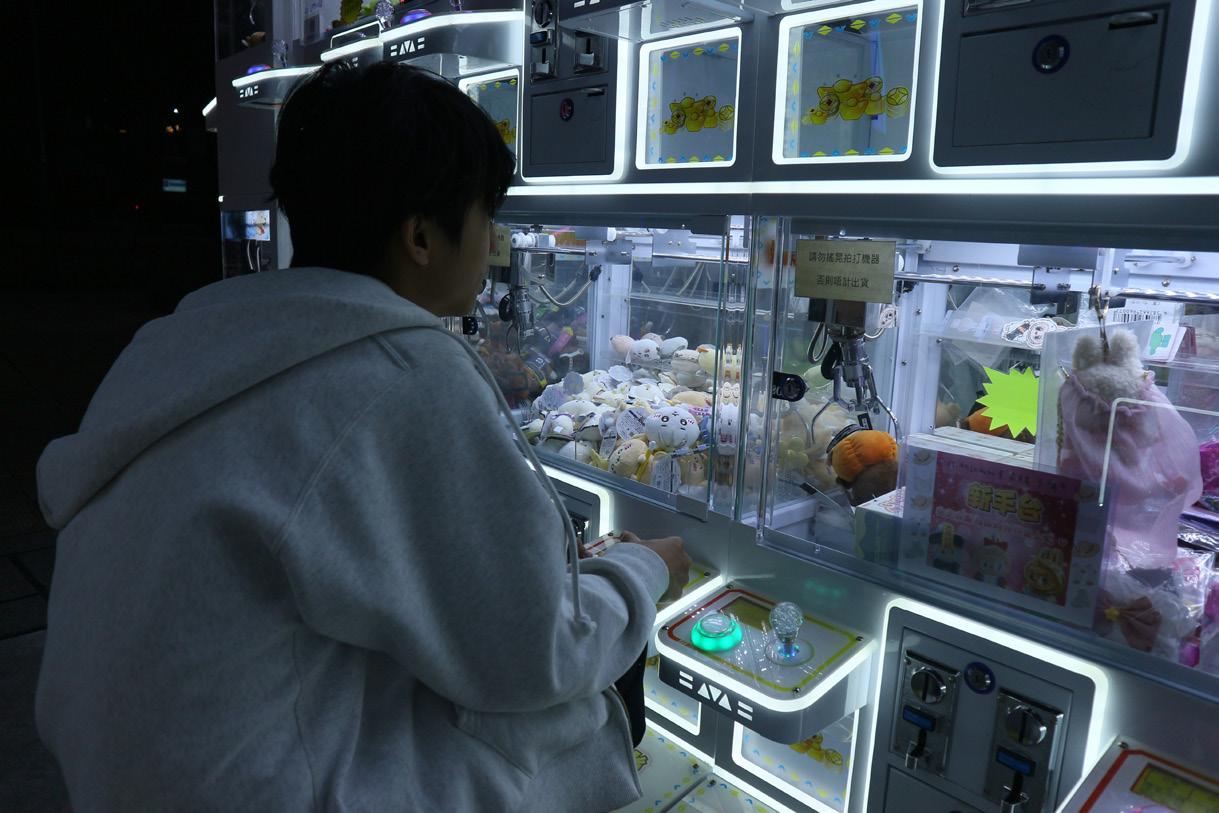
Benddy Claw, 35, a Youtuber, has been a claw machine enthusiast for three years and has been documenting them on his channel.
He said it is rewarding to discover new claw machine arcades because of the novelty value.
Benddy added that the emergence of claw machines in the city has made the industry “more decent and lively.”
“The increasing popularity of claw machines may lead to addiction, with more people spending large amounts of money, resulting in an oversupply of machines and heightened competition within the industry,” he said.
“I think the game used to be simpler and more direct,” Benddy said. “The types of prizes, restrictions settings, or the rules, were less diverse.”
Benddy said that implementing rules for claw games can prevent unnecessary disputes due to varying game standards.
“Many new players may feel loss, thus misunderstand that claw games are full of scams,” Benddy said.
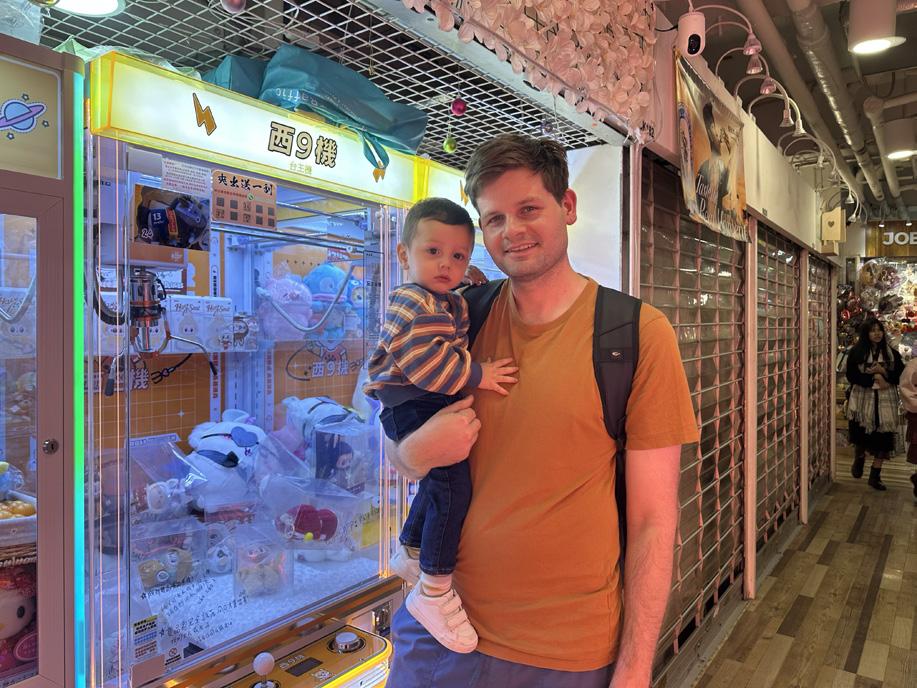
with his son.
While some enjoy winning toys through claw games, others believe that they should be regulated.
Ethan Monk, 33, an Australian who has been living in Hong Kong for two and a half years, tried some of the machines at Dragon Centre.
“It can be fun but I don’t expect to win anything,” he said.
“I think the restriction that annoys me the most is that sometimes the claws drop the prize straight away, I think it is a bit deceptive,” he said.
Monk said the number of claw machines should be regulated because there are too many of them occupying too many places across Hong Kong.
Monk hopes there will be rules for restrictions on the machine’s exit for a better chance of winning.
“Sometimes the hole is clearly too small for the prize to fit. Anyone who puts money in is unlikely to win, so it’s not really a game of luck, you’re most likely going to lose,” Monk said.
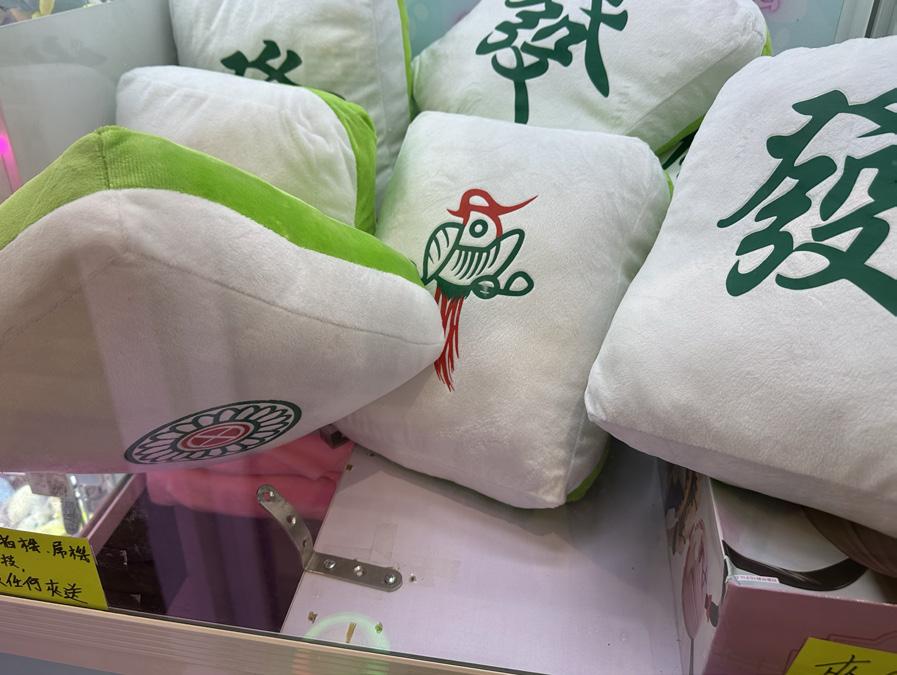
Metal strips restrict the exit, which might be too small for some prizes.
In a Facebook post, lawmaker Kong Yuk-foon said she played with two claw machines in the Dragon Centre in Sham Shui Po and found that the owners had tampered with the machines.
“The exit is blocked by iron clamps, rubber strips, rubber covers and iron rulers. I tried two machines and they both had loose claws,” she said.
Kong bought the doll for HK$200 and said it would be less expensive to buy her favourite doll than multiple trials of crane games.
On August 24, 2022, High Court Judge Anna Lai Yuen-kee declared that claw machines are not defined as entertainment according to Schedule 1 of the Places of Public Entertainment Ordinance, and licenses are not required to start a claw machine arcade.
The Consumer Council has previously expressed concern that claw games may involve gambling and called for a review of laws for appropriate regulation.
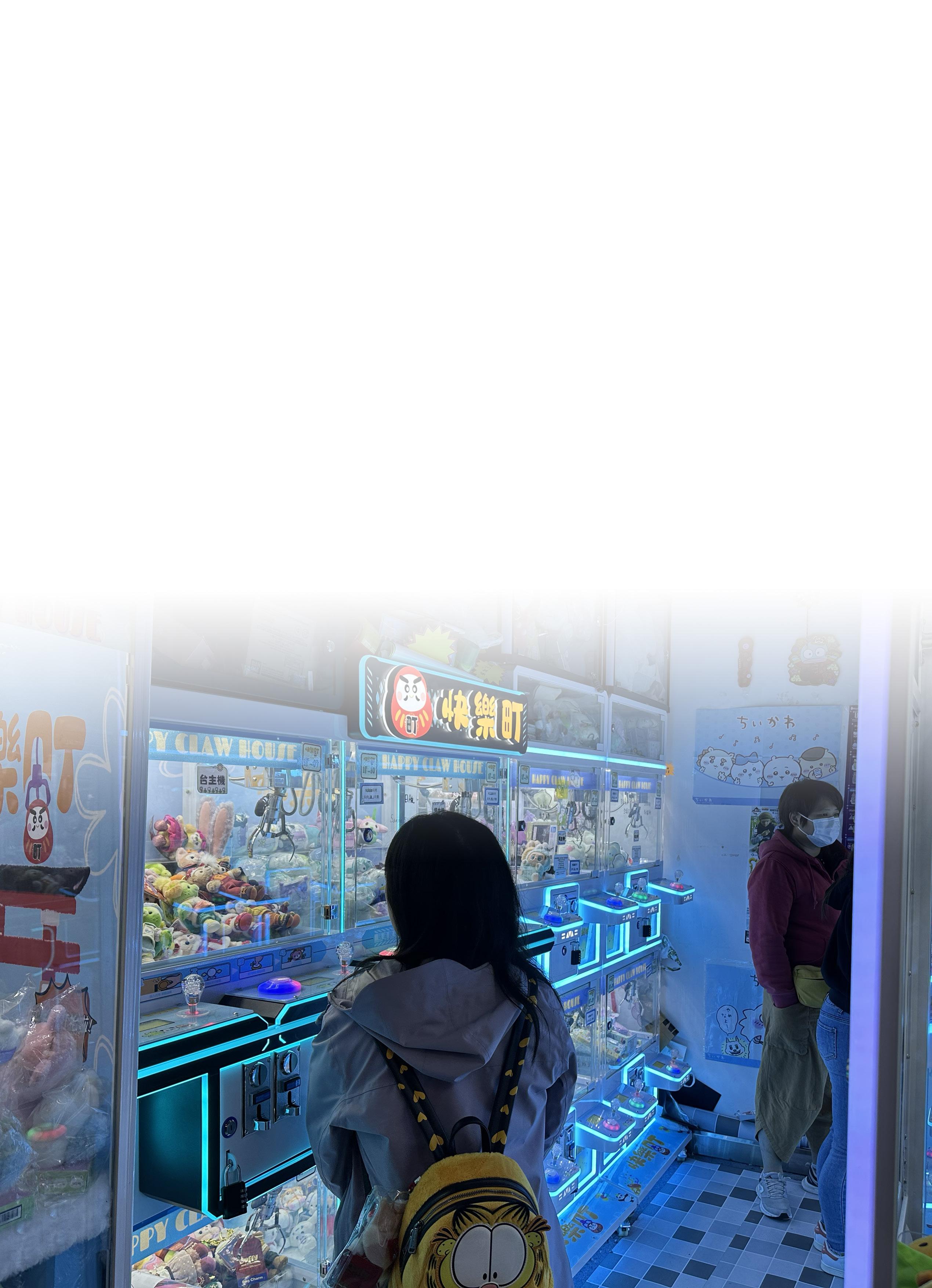
Reported by: Cynthia Zhong Xinyun, Richard Chen Xiyun
Edited by: Haicen Yang
Atypicalweekend for Wan Jiachen begins with a 40-minute subway ride through the bustling Futian Port, heading to the Shenzhen Second People’s Hospital to get a check-up on his latest dental fillings.
“Dental service in Shenzhen is my first choice,” said Wan. He is a bank worker with a Shanghai household registration (hukou) and a Hong Kong identity card. He now lives in Hong Kong because of his new job.
The long journey crossing the border can be exhausting, but Wan said it is worth it.
“In Hong Kong, it has become more difficult to secure an appointment with a public dental clinic, and the price is unaffordable for ordinary wage earners,” he said.
In Shenzhen, he pays HK$100 to HK$200 for teeth cleaning, but in Hong Kong it’s around HK$800.
Wan is not the only Hong Kong resident traveling north to seek dental treatments. According to Shenzhen government figures, in 2023, Shenzhen provided 700,000 cases of medical treatment for Hong Kong residents.
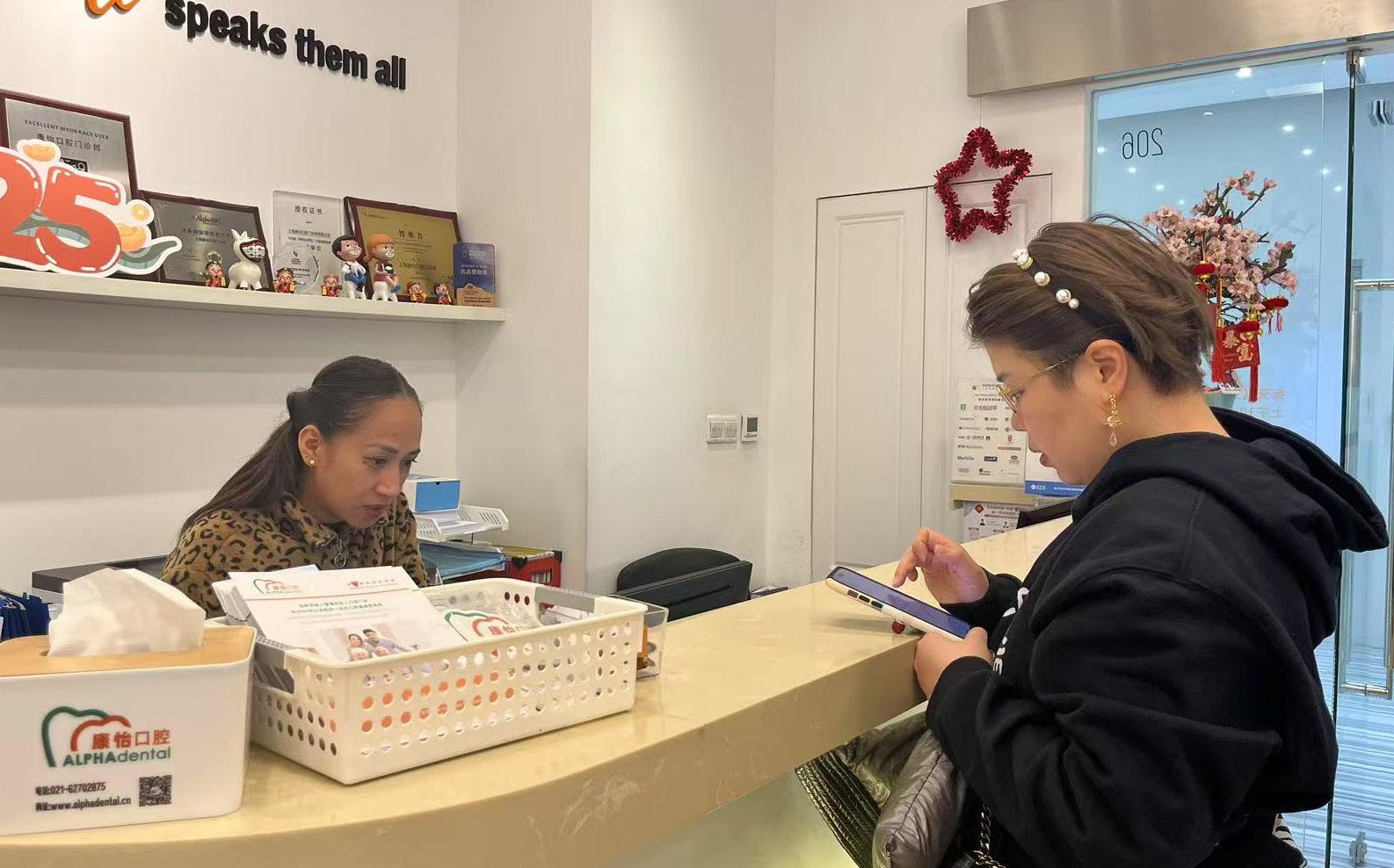
The patient and front desk are confirming the online reservation information and payment condition in Alpha Dental, Shanghai.
Currently, Hong Kong has only 0.37 dentists per 1,000 people, which falls behind many countries worldwide, according to Lo Chung Mau, the Secretary for Health of Hong Kong.
Limited local public and private healthcare resources is a major issue.
“The service quality and professionalism vary significantly between clinics,” said Daniel Wong, a 57-year-old local Hong Kong resident. “Hong Kong lacks private clinics. Their small scale is also a problem.”
Private clinics also tend to be more expensive. According to the clinic’s price list, Nixon Dental at Mongkok charges HK$6,000 for one-time full mouth root planing. For the clinic’s branch in Central, the same service costs even higher at HK$8,000.
According to Hong Kong government statistics, as of December 31, 2023, Hong Kong has 2,876 registered dentists, with around 700 working in the public sector.
“The scarcity of dental resources is expected to persist until 2035,” Lo Chungmau said at the Legislative Council on April 24, 2024.
Cheaper services in Shenzhen and other mainland cities offer Hong Kong residents an accessible option.
“Most Hongkongers who seek medical treatment in the Mainland have limited financial means,” said Jianping Huang, the deputy director in Shenzhen Futian Women and Children Stomatology Hospital.
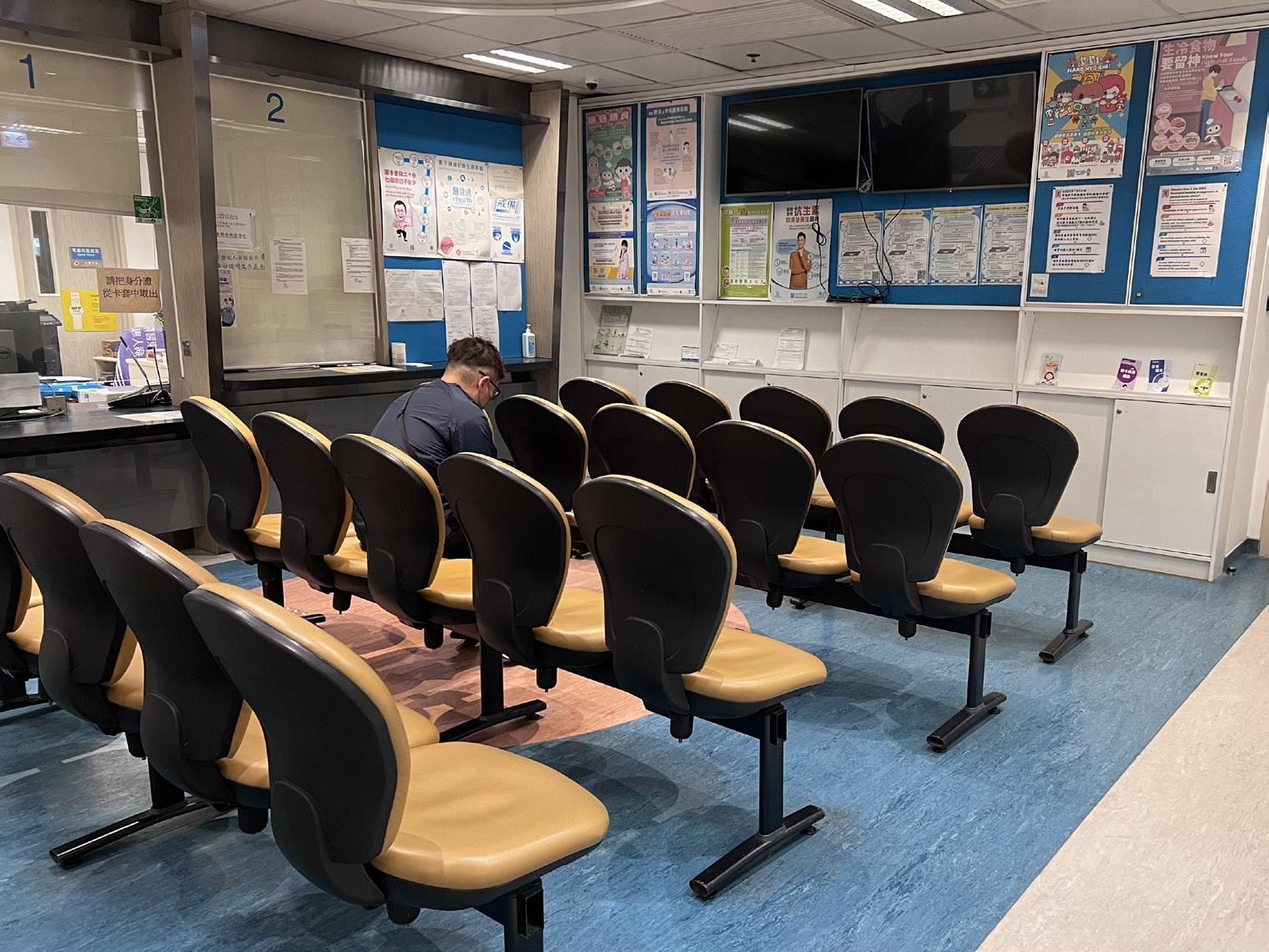
“My daughter’s orthodontic treatment was also much cheaper than in Hong Kong,” said Ben Shun, a 50-year-old Hong Kong resident. “Basic services like teeth cleaning and polishing in Shenzhen are about one third of the cost in Hong Kong, or even less,” he said.
Huang also said that fees charged by public hospitals and subsidies provided by medical insurance in the mainland are transparent and open, thereby reducing the financial burden on patients and gaining their trust.
Since early 2024, the Elderly Healthcare Voucher Scheme and the Hong Kong-Macau Residents Health Scheme launched by the Chinese Government allow elderly Hong Kong residents to use medical vouchers to offset dental expenses in Shenzhen or other cities within the Greater Bay Area.
“Hong Kong’s insurance subsidies cover little of the costs, while Mainland China’s medical insurance can cover most of the expenses, making it much more cost-effective,” Wan said.
Since Wan has purchased Shanghai medical insurance, he can generally reimburse 70% of the cost.
According to the new Shanghai Medical Insurance Bureau, urban and rural residents can get 60%90% reimbursement for medical bills that cost 500 yuan (HK$450) or more. The exact amount depends on the age group and hospital level.
“In terms of price, for major treatments like fillings or extractions, I prefer to have them done on the mainland,” Wan said.
Booking an out-patient appointment in Hong Kong seems not as convenient as on the mainland either.
“In Hong Kong, booking a dental appointment typically requires a phone call, and same-day appointments are rarely available. Even with a scheduled time, patients may have to wait for 30 to 45 minutes before being seen,” said Qian Linjing, former Shanghai resident, now working in Hong Kong.
But on the mainland, online booking via WeChat makes it a lot more convenient. “You have to queue at a counter to get a number in a Hong Kong hospital,” Wan said, “but on the mainland you can make appointments and take numbers online or through self-service machines, saving a lot of waiting time.”
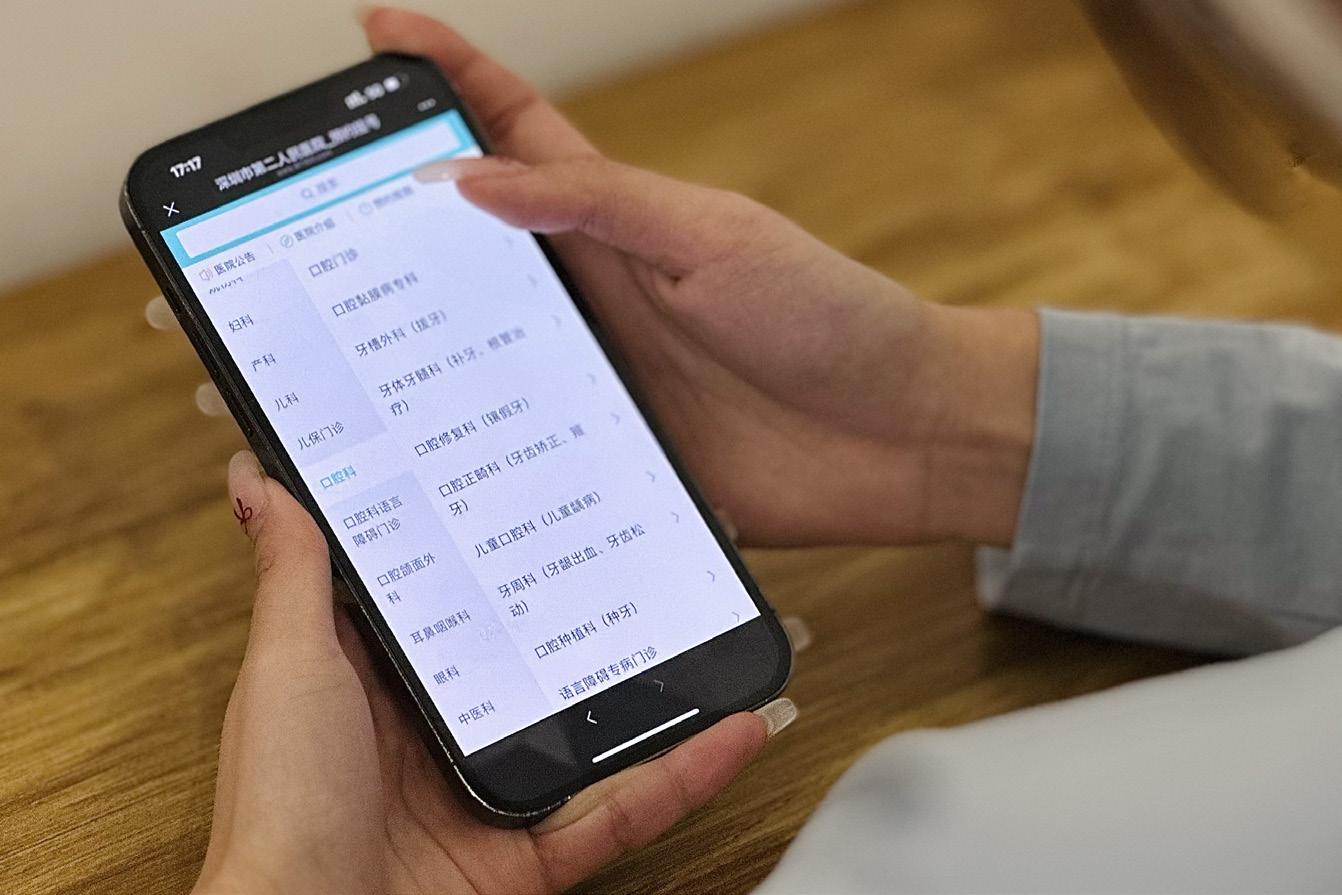
A patient makes an appointment for dental service through Shenzhen Second People’s Hospital’s Wechat mini-programs.
“Almost every hospital in the mainland has its own mini-programme for intelligent services, ” said Wong,“such as appointment scheduling, payments, sign-ins, doctor consultations, prescription pickups, and invoice generation, which are all self-service.”
Most of the first level hospitals in mainland China have launched their e-service system on their official Wechat account, enabling patients to access online appointment registration, payment, and medical examination results.
At Shenzhen Second People’s Hospital for example, with a click on the “Appointment” button, users will be redirected to a more detailed registration page where they can select the hospital district and department according to their preferences and needs.
“Mainland hospital mini-programmes now include new functions like appointment reminders, payment options, insurance links, and even parking fees or invoices,” said Shun, “which is pretty much a one-stop shop”.
But Shun said these additional smart services are not always friendly to Hong Kong residents, “I hope these can be further improved.”
Wong acknowledged that Hong Kong’s smart healthcare services are“still in the early stages of implementation.”
“Hong Kong’s e-systems like eHealth, which allows medical records to be shared between public and private healthcare providers, are superior to similar systems in Mainland,” said Wong.
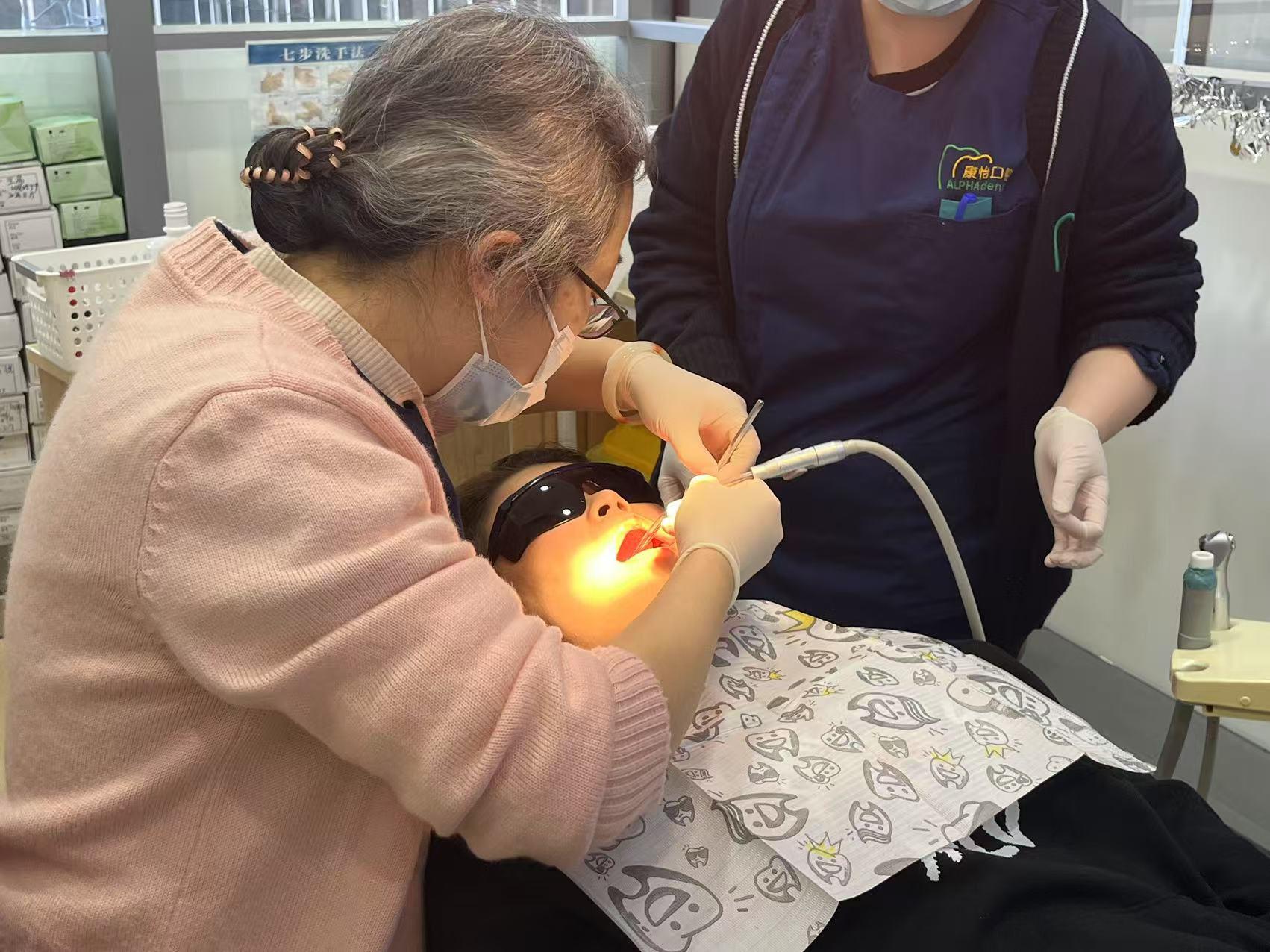
A dentist on the mainland removes stitches for a patient who had wisdom tooth extraction surgery.
There are concerns, however, on the quality of medical services on the mainland.
Wong said he wouldn’t go to any dental clinic other than a first-level hospital on the mainland. “I worry about the quality of the service,” he said.
He once attended a private hospital in mainland China where a doctor ordered drugs directly from a pharmaceutical company without his consent and demanded payment.
Though he could avoid the 300 yuan fee for the specialist’s consultation, the problem of drug quality and surveillance arose. “It was really a bad experience, the operation is not standard at all,” he said.
“I ultimately refused because passing the normal procedures of the hospital is not a guarantee of quality for either the medication or the service,” Wong said. “This was the first time I encountered a doctor trying to make a private deal with a patient.”
Wang Feng, Clinical Associate Professor in Oral and Maxillofacial Surgery of Hong Kong University Faculty of Dentistry, said that one reason for the difference in quality is the higher standard of dental education in Hong Kong.
“In Hong Kong, only the University of Hong Kong offers dental courses. Its overall education and training quality is high,” she said. “In Mainland, there are many dental colleges with significant disparities in quality, which affects the level of expertise and clinical practice of dentists.”
Wang added that, compared to the mainland, where dental students can start practicing right after graduation, Hong Kong guarantees elite education and ensures that students receive six years of training before they can begin practicing, which results in a higher standard of care.
However, Wan believed that most of the hospitals, especially the first level hospital’s medical quality remains reliable in mainland China.
“While the devices and service attitude in Hong Kong dental clinics are better, I have not had any technical issues during my visits to Mainland hospitals, aside from occasional disorder in the hospital environment,” he said.
Qian shared the same idea. “The doctors on the Chinese Mainland are actually quite professional and experienced, especially for serious diseases.” But she said that the medical treatment environment and service in Hong Kong are beyond reproach.
For Qian and Wan, staying in Hong Kong or travelling north to the Mainland for dental treatment is not really an either-or choice. For them, Hong Kong’s dentistry is expensive but the service is impeccable, while the Mainland may not be as good as Hong Kong in terms of medical order and environment, but the doctors are experienced and affordable.
When it came to their future dental healthcare plans, both of them coincidentally said, “Hong Kong for minor illnesses and the mainland for major ones.”
Reported by: Stephen Feng Zhenpeng, Henry Li Yinheng
Edited by: Edith Mao Anqi
Ona typical Sunday evening, Jack Kwan from Hong Kong, 32, is waiting to be seated at a wellknown hot pot restaurant in Shenzhen.
During peak dining hours, crowds gather at the restaurant’s entrance to look at the menu. They wait patiently until their queue number is called.
Kwan sips on the chrysanthemum tea, commonly known as pu’er tea, provided by the restaurant for those who are waiting to be seated.
“I feel time passes faster when queuing here with tea provided. It is much more relaxing. We do not experience this level of convenience while queuing in Hong Kong,” he said.
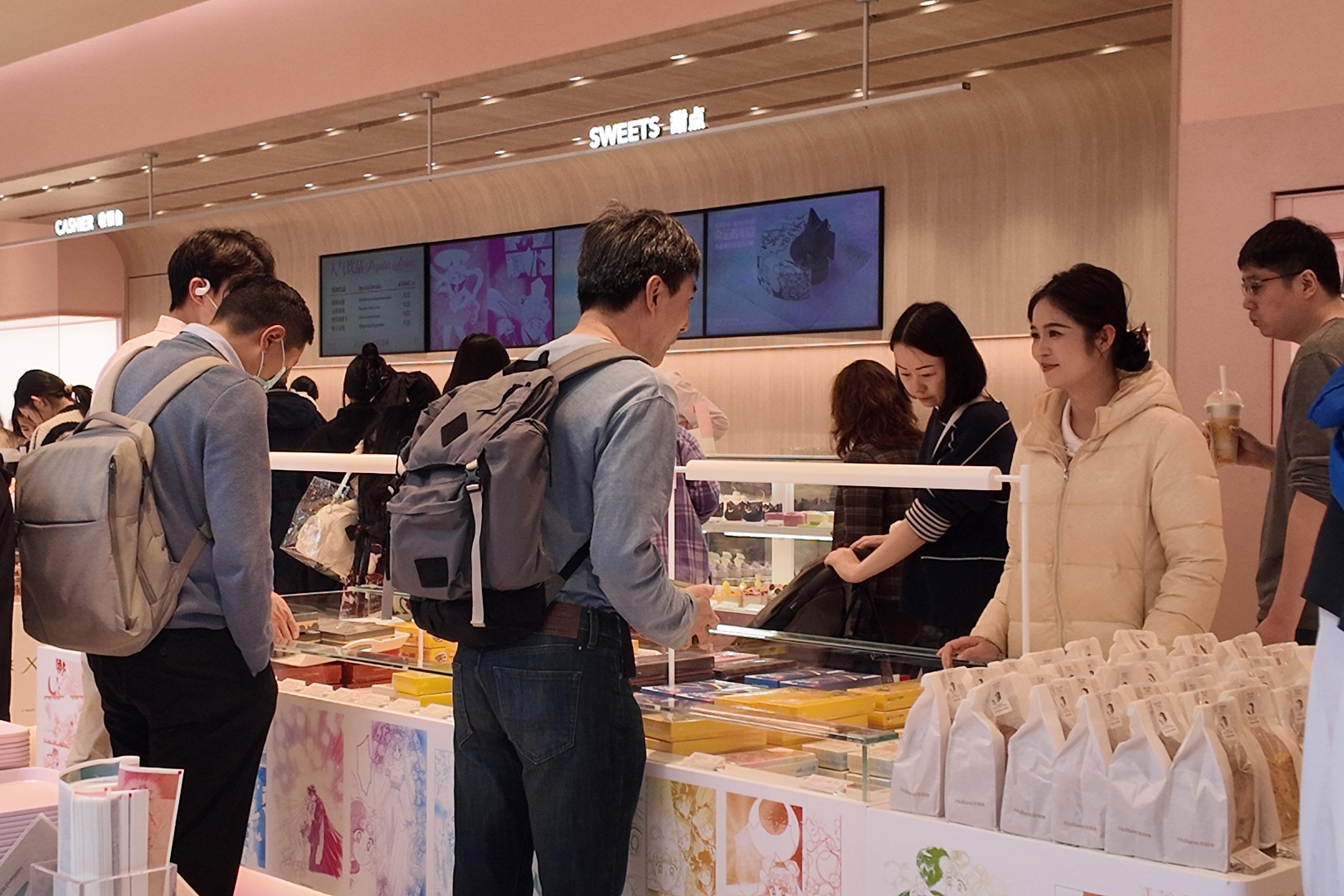
Kwan goes to Shenzhen to try out different cuisines once or twice a month. After COVID-19, heading north to eat has become a popular trend for Hongkongers on weekends.
Shenzhen restaurants often offer lower prices, which attracts more Hong Kong diners and makes them more competitive than restaurants in Hong Kong, especially during weekends and holidays.
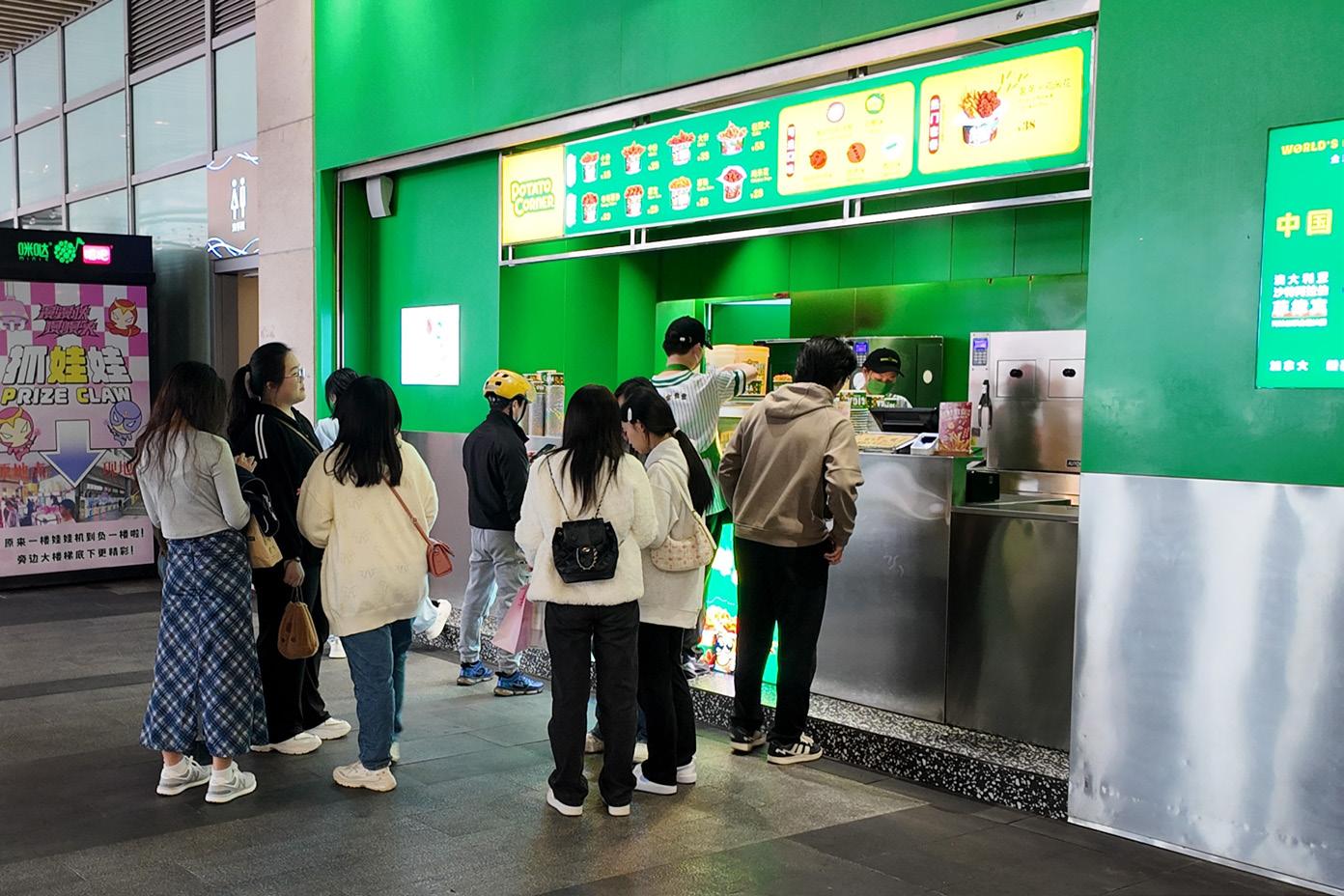
In 2024, over 52 million Hong Kong residents travelled through Lo Wu Port, one of the 16 border checkpoints connecting the two cities, an increase of 68% compared to the previous year, according to the Hong Kong Immigration Department.
Jason Wu, 26, who went to Shenzhen for the first time during the recent Lunar New Year holidays, said the disparities in income and consumption levels in the two cities make cross-border dining a better choice for him.
“Hong Kong has a higher wage level and a stronger consumption capacity than Shenzhen, but Shenzhen’s price level is lower than Hong Kong,” he said.
Government data shows that the median monthly wage for a Hongkonger was HK$19,800 in 2023.
On the ranking of cost of living of cities worldwide, Hong Kong tops the list while Shenzhen ranks 34th, according to Mercer’s report.
“I am pretty attracted by the affordable food prices in Shenzhen. Generally, a meal in Shenzhen is about 15% cheaper than in Hong Kong, whether on weekends or during public holidays. So I would like to earn money in Hong Kong but spend it in mainland China,” Wu added.
Apart from the prices, Kwan said Shenzhen restaurants deliver more considerate service to diners, an area where their Hong Kong counterparts fall short of.
“In Shenzhen restaurants, chairs, drinks, and candies are often offered while customers are queuing. Even if there are many people waiting outside, servers still keep a friendly and polite attitude,” he said.
“Relatively speaking, Hong Kong restaurants usually focus on efficiency. If customers fail to get a seat on arrival, they need to stand by and wait on their own,” Kwan added.

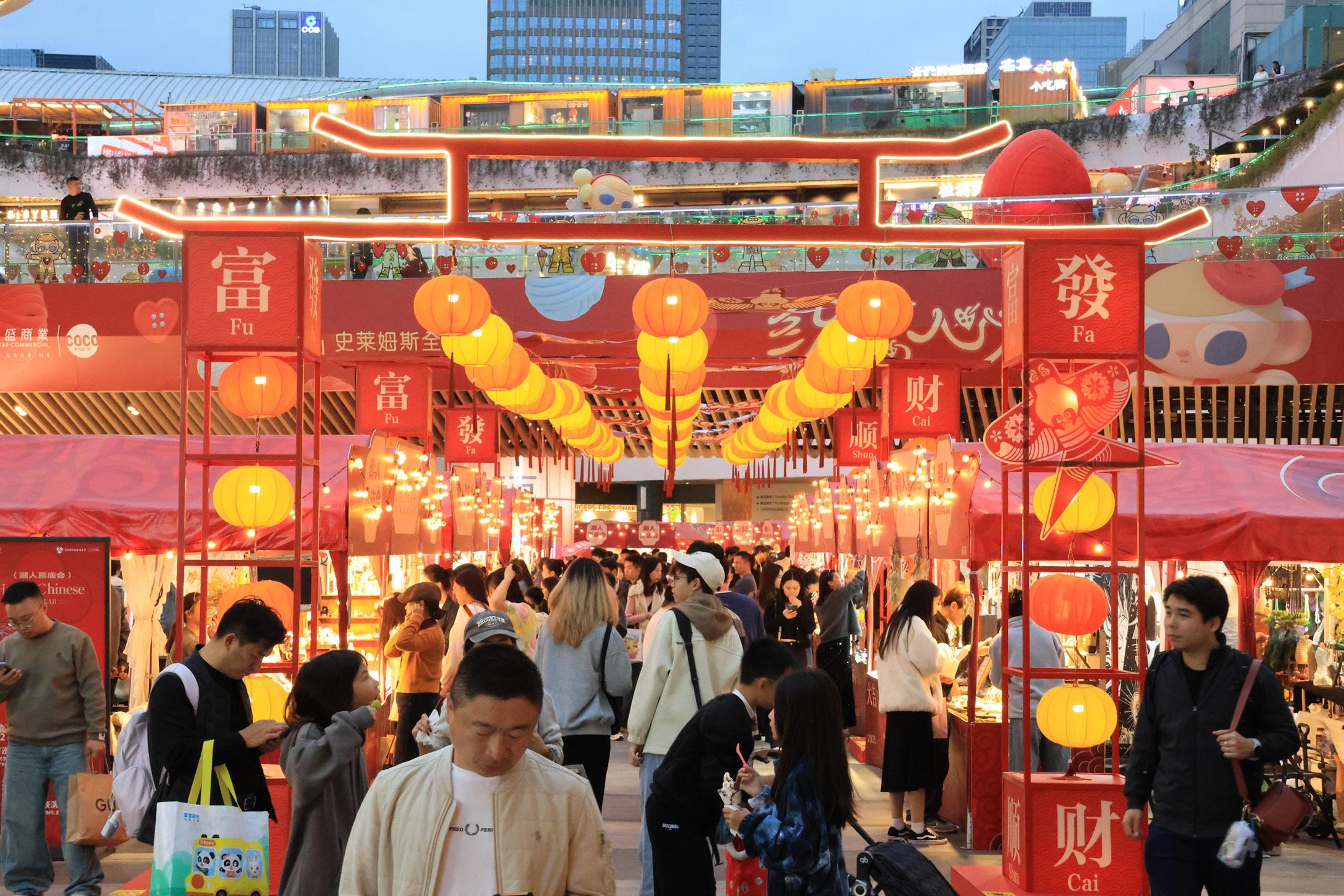
Coco Park, a commercial shopping plaza in Shenzhen, attracts Hong Kong food lovers to enjoy themselves.
Jane Lau, 22, who visits Shenzhen for dining once per month, said the most interesting thing is to explore various cuisines.
“I was surprised by the Dongbei dumplings and Xinjiang spicy chicken in Shenzhen. The flavours are authentic and the food options are varied,” she said.
Lau said Shenzhen has more Chinese cuisines. “Hong Kong’s image as a food paradise relies more on international cuisines for its diversity. I just want to try more different food,” she added.
Lin Xuxiang, 24, who has been working in a local restaurant for three years, said Hongkongers heading north for dining is inevitable and the trend of losing customers would continue.
“We have made small price cuts and more promotions, but it did not work well as expected,” he said.
Lin said restaurant sales on weekdays are not affected.
“What we compete with Shenzhen is mainly the consumer flow during holidays and weekends,” he said.
“Take hosting friends as an example. Young people may prefer Shenzhen since they have the energy to support cross-city transport. They tend to try new food that is more cost-effective. However the elderly may stick to local traditional restaurants, such as tea houses. Although meals in a Cantonese restaurant cost more, this group of people have savings to afford them,” Lin said.
During the Lunar New Year, the restaurant that Lin works for welcomed many local customers who enjoyed Cantonese dishes with their families and friends.
Lin said the amount of local customers was similar to last year.
“I don’t think Hongkongers’s willingness and habit to consume something traditional will change much, even under this trend.,” Lin added.
Kwan also hopes that local people can have more time to enjoy the dining culture in the future.
“The change is not a totally negative thing,” Kwan said. “At least it reflects some of our Hong Kong residents can still afford and are willing to spend after the pandemic. We just want to live in the present and get pleasure from food tours.”
“Sometimes, once you enter a local restaurant in Hong Kong, you may feel pressured to finish your meal as soon as possible to free up your table for others. Hong Kong is characterized by its fast pace of life. But when there is time, just forget about time and savour the tea in front of you,” he added.
Reported by: Anny Chau Wing-yau
Edited by: Trista Kurniawan
Itis 10am and the Mong Kok footbridge is already buzzing with people. Tourists snap photos of the Hong Kong skyline with luggage in hand, before hurrying to their next stop. They walk thousands of steps and visit as many attractions as possible in a day.
They are the so-called special-forces tourists in Hong Kong. Like soldiers, they move from one location to another under tight schedules, often over the weekends or holidays such as Labour Day and the Qing Ming festival.
Special-forces tourism is a growing trend among mainland tourists, who have become major contributors to Hong Kong’s tourism industry.
According to the Hong Kong Tourism Board, 21 million visitors arrived in Hong Kong in the first half of 2024, with 77% of them from the mainland. On holidays such as National Day, the Immigration Department recorded 1.22 million mainland visitors, making up 88% of the total number of tourists.
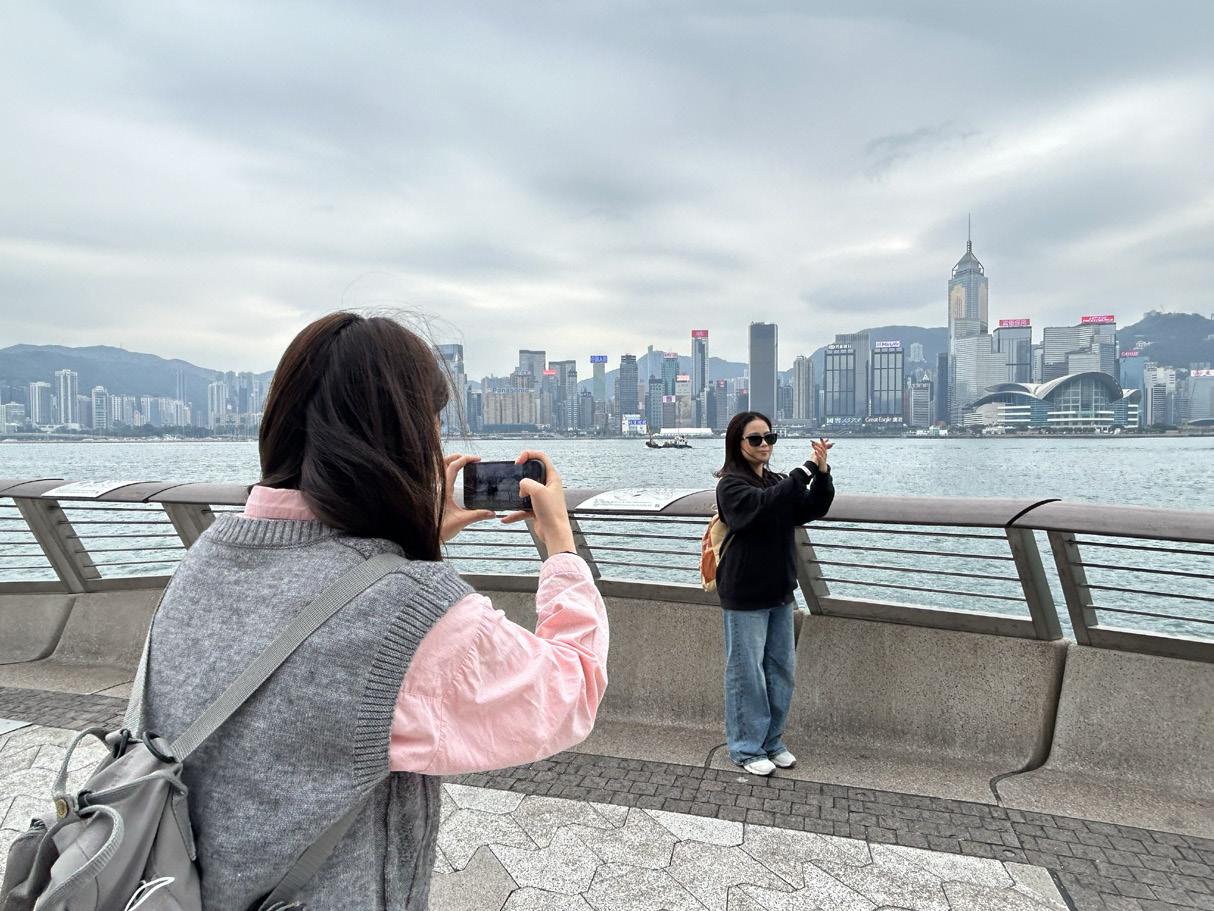
Tourists make Li Ka-shing’s poses at the Victoria Harbour, one of the “three-piece set for successful people” in Rednote.
The Hong Kong Tourism Board also shows a 34% increase in mainland day-trippers to Hong Kong from 2023 to 2024, causing challenges to the city’s hospitality sector.
Yu Li, 25, counts herself as a special-forces tourist. She planned to explore three districts – Mong Kok, Tsim Sha Tsui and Central, in a day.
“Last time I came here, I mainly went hiking along the MacLehose Trail, and this time I am here with my friend just to explore,” she said.

Li said she found her destinations through Rednote, the Chinese social media app where users commonly share and recommend travel plans.
“I have not been to the Hong Kong Museum of Art in Tsim Sha Tsui before, but the recommendations in Rednote made me interested in what it features,” she said.
She said she only spends around HK$2,000 a day.
“I mostly shop for medicine and smaller things like a Polaroid camera,” she said.
Statistics from the Legislative Council shows the average spending of mainland tourists in the first half of 2024 dropped to HK$2,962, a 29.4% decrease compared to the pre-COVID period in 2018.
Zheng Ying, 23, planned a two-day trip to Hong Kong, sticking to a tight shopping budget like Li.
Zheng spent around HK$2,000 on food, skin care products and shoes.
“We’re just wandering around, but we mainly want to do the famous Li Ka-shing hand pose in front of the Victoria Harbour that’s trending on Rednote,” she said.
Zheng Ying and her friend spent their day sightseeing in Hong Kong.
Instead of booking a hotel room in Hong Kong, Zheng and her friend stayed overnight in a Shenzhen hotel near the Lo Wu Port.
“It only costs us around 290 yuan(HK$310) per night, but the hotels in Hong Kong may cost us HK$1,000 to $2,000. Hong Kong hotel rooms are also much smaller,” she said.
Meanwhile, Hong Kong’s hospitality sector is experiencing challenges with changes in travel patterns.
Hazel Ho, the owner of Hong Kong Motel, said there is close to zero occupancy at her motel.
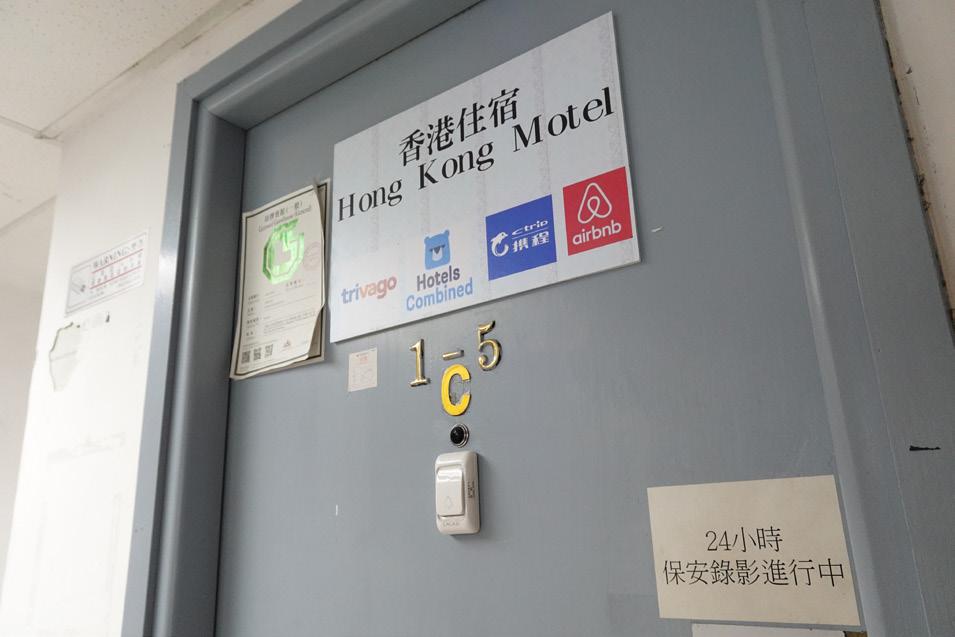
A room at Hong Kong Motel is about 80 square feet and costs around HK$300 a night.
“The occupancy rate has not improved since mainland China opened its borders after the pandemic,” Ho said.
She added that many mainland tourists choose to stay overnight in Shenzhen or treat Hong Kong as a transfer station to Macau.
Ho is now offering locals to rent motel rooms as long-term accommodation.
Special-force tourists affected local businesses as well.
Chow, who prefers to remain anonymous for their personal welfare, works at Tong Sum Tong, a grocery store in Tsim Sha Tsui.
She said that only about 10% of daily visitors make purchases. Their sales mostly rely on the local customers buying fish maw and cordyceps medicinal materials for Chinese New Year.
“We used to have a lot of customers on Friday, but the business has become deserted after the opening of the border,” Chow said. “Most of them just come to Tsim Sha Tsui for the night view. People are just visiting without purchasing.”
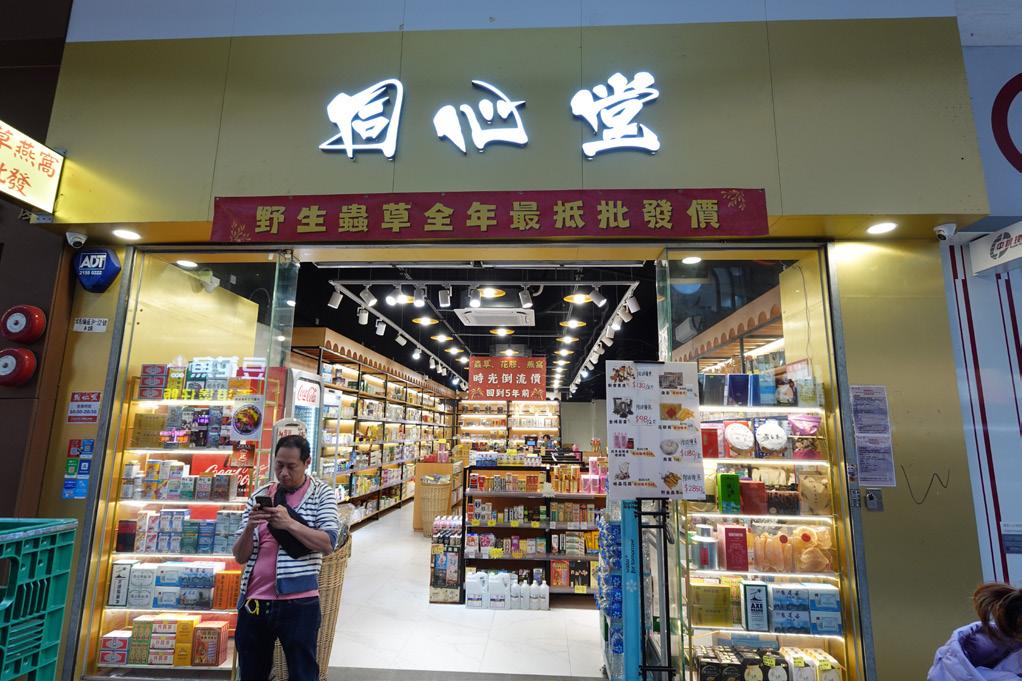
Tong Sum Tong in Tsim Sha Tsui has almost no customers.
Chow hoped the tourist flow in the upcoming Chinese New Year could help boost sales.
Despite these changes, there are opportunities for the Hong Kong government to revitalize the tourism economy.
The Hong Kong Tourism Board launched a series of mega-events to attract global tourists, such as the Hong Kong Rugby Sevens, Art Basel exhibitions and Creamfields in 2024.
The 2024-2025 Hong Kong budget also revealed that the government has allocated HK$1.09 billion to boost the industry.
The plan supports tourism activities, including monthly drone performances and cultural activities.
Besides boosting local tourism, the Hong Kong Tourism Board partnered with Rednote to share famous photo spots for tourists. They invited Rednote influencers to visit Hong Kong to promote the city’s attractions.
David Leung Tai-wai, Chairman of the Hong Kong Guest Association, believes more can be done.
“After COVID-19, the declining global economy impacted everyone, including ordinary people and billionaires. The budget of tourists has decreased and their trip duration is also shorter. They prefer a tight schedule for trips,” said Leung.
Leung said that motel occupancy has risen since the government introduced the multi-entry Individual Visit Scheme, allowing Shenzhen tourists multiple Hong Kong visits per year, each up to seven days.
“In just three weeks, motel occupancy has risen by 10%, and many tourists are calling for reservations,” he added.
To increase hotel and motel occupancy, Leung suggested the government could open the multi-entry Individual Visit Scheme for more cities in the Greater Bay Area.
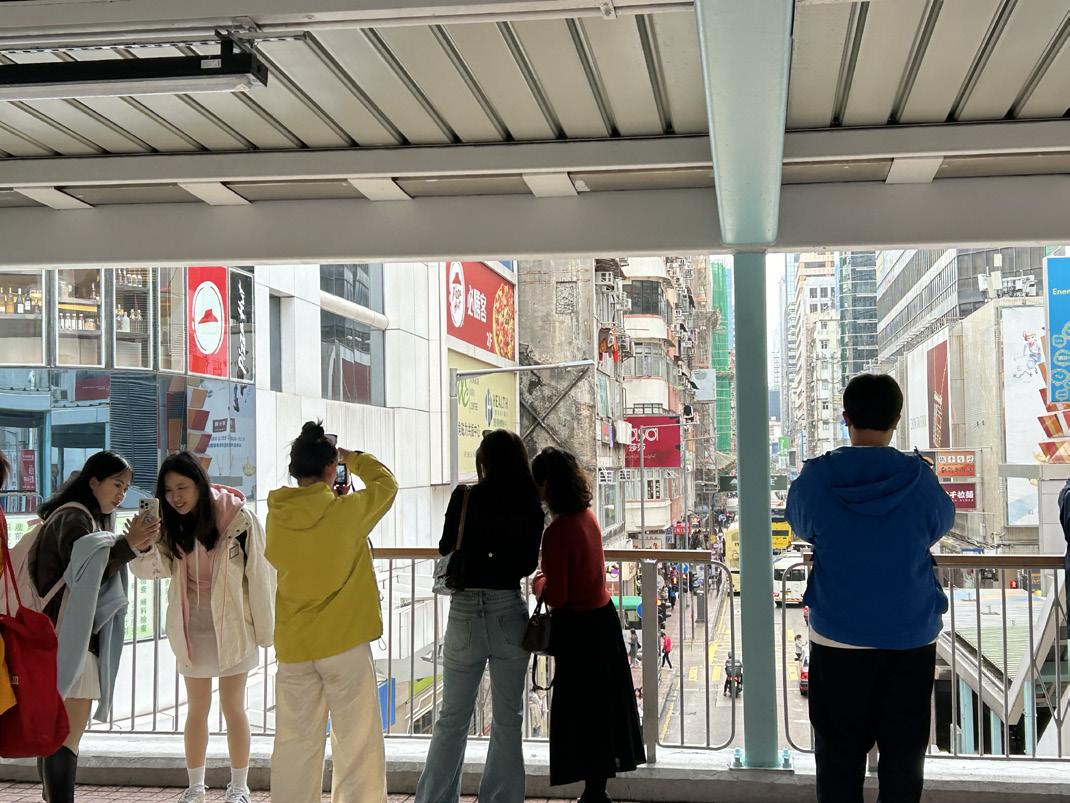
The Mong Kok footbridge is one of the most popular photo spots in RedNote.
Leung sees Hong Kong’s East-West culture as a selling point among Mainland Chinese tourists, but cost concerns them.
“Reducing the price of hotels is only our basic responsibility, while the government’s main responsibility is to stimulate local tourism,” he added.
He believes the government should attract more tourists to drive demand, allowing hotels to lower prices accordingly.
Reported by: Ada Xu Jingyi, Sofina Zheng Xinyi
Edited by: Nancy Wang Ludan
Cici Fan, 21, a university student, darts between various luxury handbag stores in Tsim Sha Tsui after receiving a last-minute notification to attend an important business dinner. She paced and occasionally looked inside from the shop window. Finally, she entered a store and secured a Dior handbag for HK$800.
“I finally feel at ease because it solved my problem of not having enough money to buy a fancy tote bag for a dinner party,” Fan said.
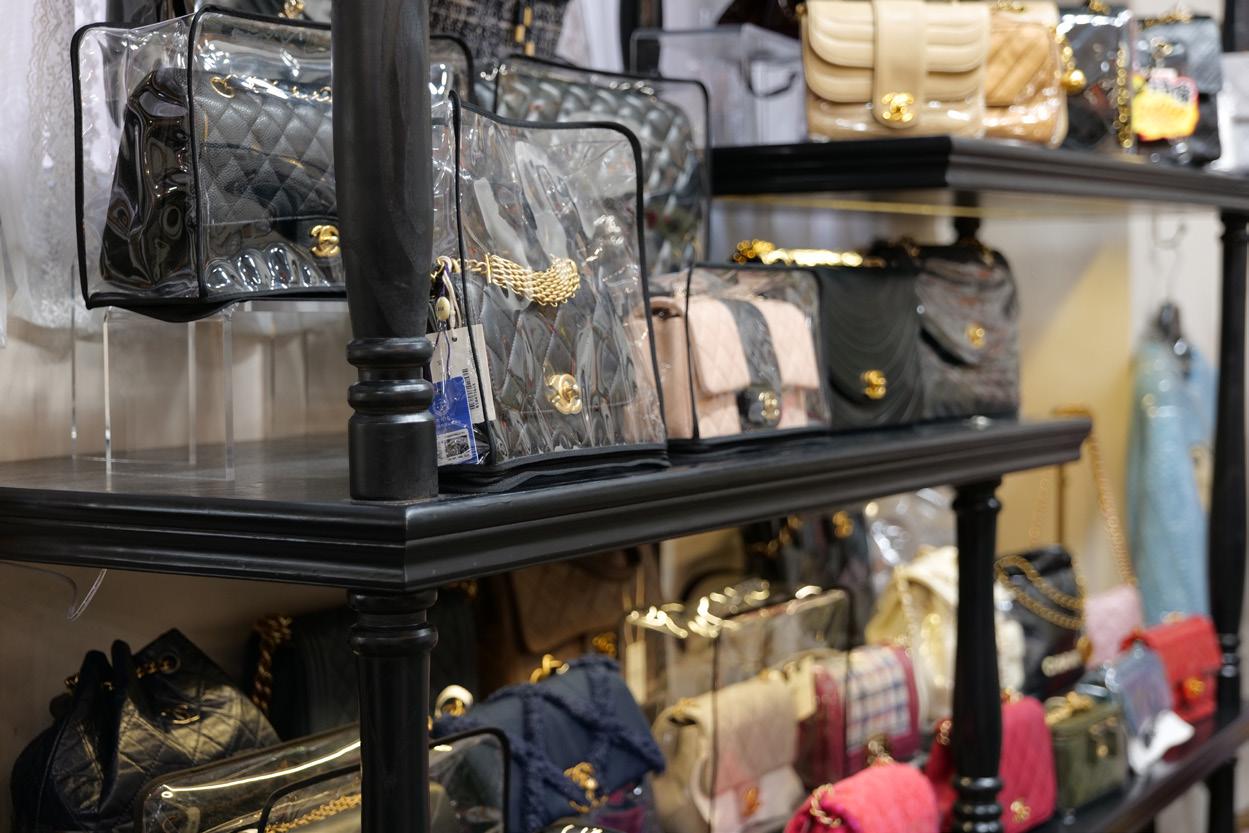
Bags of the same brand are put together on the same shelf in Boom Vintage to facilitate customer comparison.
But from the moment she walked out of the store, she had to carefully look after the bag until it was safely returned to the store because it was rented.
Fan is the small epitome of the Hong Kong clothing rental craze. More Hongkongers have started trying rental services in different boutiques in recent years. Renting clothing and accessories from luxury brands allows consumers to display high-end lifestyles in social settings without spending much money and provides a cost-effective way for people to keep up with fashion trends.
Some overseas luxury rental brands, such as Rent the Runway and Style Theory, are starting to emphasise the local market by offering online services for Hong Kong consumers.
Kimi Lee, the owner of the 37-year-old luxury bag rental store Huiyuan, has been running it for six years. He said it was very difficult for the store to operate in its early days.
“Very few people came to try this business at first because most people were not familiar with the concept of renting a bag,” he said.
Lee said things have started to look different in recent years.
“Now the number of monthly rental orders is more stable at more than 100, and the customer base has expanded from local Hong Kong office workers and fashion enthusiasts to mainland tourists,” Lee said.
To satisfy the needs of different customers, Lee’s store now sells more than 300 handbags of different brands and sizes, including classic styles from some well-known brands and rare high-end leather items.
“Younger girls like more personalised brands, such as Miumiu’s bowling bag and Chanel’s CF bag,” Lee said. “Older customers prefer brands that are low-key but can showcase their identity, such as Hermes’ Birkin 25 and Loro Piana bags, which are all popular in our store,” he added.

Alanna Wang is ready to attend an upcoming banquet with her HK$500 a day rental Chanel bag.
Even though Fan does not buy designer bags, rented handbags work well for her socializing needs.
“I like to keep up with new trends, and I think accessories like handbags represent a person’s fashion business card,” Fan said. “My ensemble caught everyone’s eye. I also got to know many fashion-conscious people and even got offered an exciting collaboration opportunity,” said Fan.
Luxury bags allow consumers to gradually increase their spiritual pursuits and their need for self-satisfaction. They can display a better image of their appearance and become more satisfied and confident with themselves, according to a study on luxury handbag consumption in China.
Alanna Wang, 20-year-old, a Hong Kong Baptist University student, is preparing to go to a birthday party that requires a dress code.
“I have only seen high-end birthday parties in TV dramas before, and to be honest I am very envious. I never thought that one day I would really be able to attend,” Alanna said.
“I am a little anxious because this is the first time I have ever been to such a formal party,” she said. “ I can imagine everyone having decent bags with graceful outfits except me, so I decided to rent a bag to satisfy my vanity and avoid being out of place.”
Bag rental stores can meet most people’s needs on short notice, but it takes a long time for the shop owner to complete the work after each transaction. Lee said the maintenance and repair of handbags are crucial in their operations.
“We first conduct a preliminary inspection to see if there are any obvious damages or stains,” Lee said. “We perform simple cleaning treatment for common stains, but for tougher stains or areas with more damages, we will send them to a professional luxury care institution.”
“For example, handbags made of sheepskin material are particularly prone to wear and tear, and the cost of each maintenance is about HK$800, but these investments are necessary to ensure the quality of the handbags,” he added.
Anna Ng, a salesperson at Boom Vintage, a shop that operates both second-hand and rental accessories businesses in Tsim Sha Tsui, said there is a great risk involved in renting out luxury bags.
Anna said that she could not guarantee that the rented bag would not be damaged and was afraid this kind of thing would happen.
“We have to do inspections several times before putting a bag on the counter again. It’s actually quite laborious,” she said.
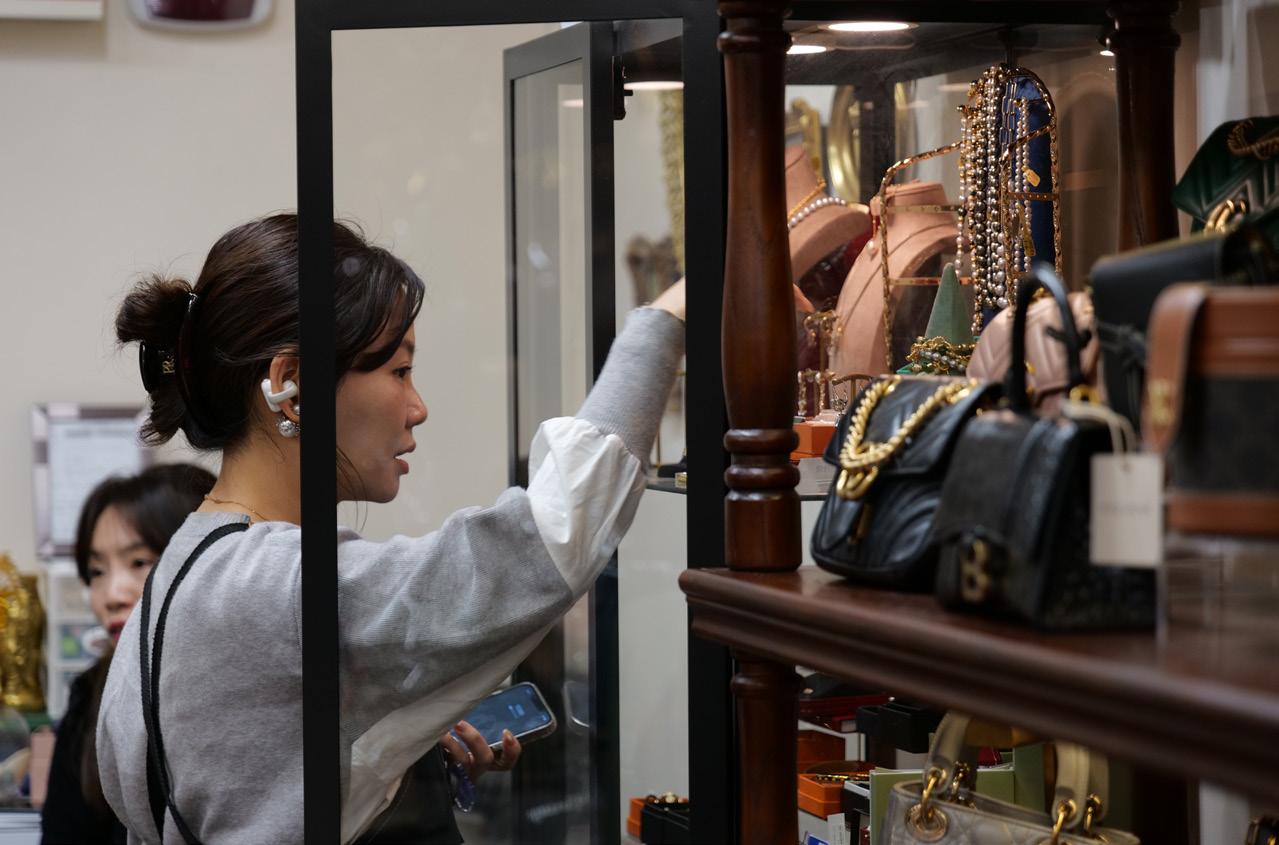
Ng is on
phone
consumers while checking the bags on the shelves to see if their desirable items are available.
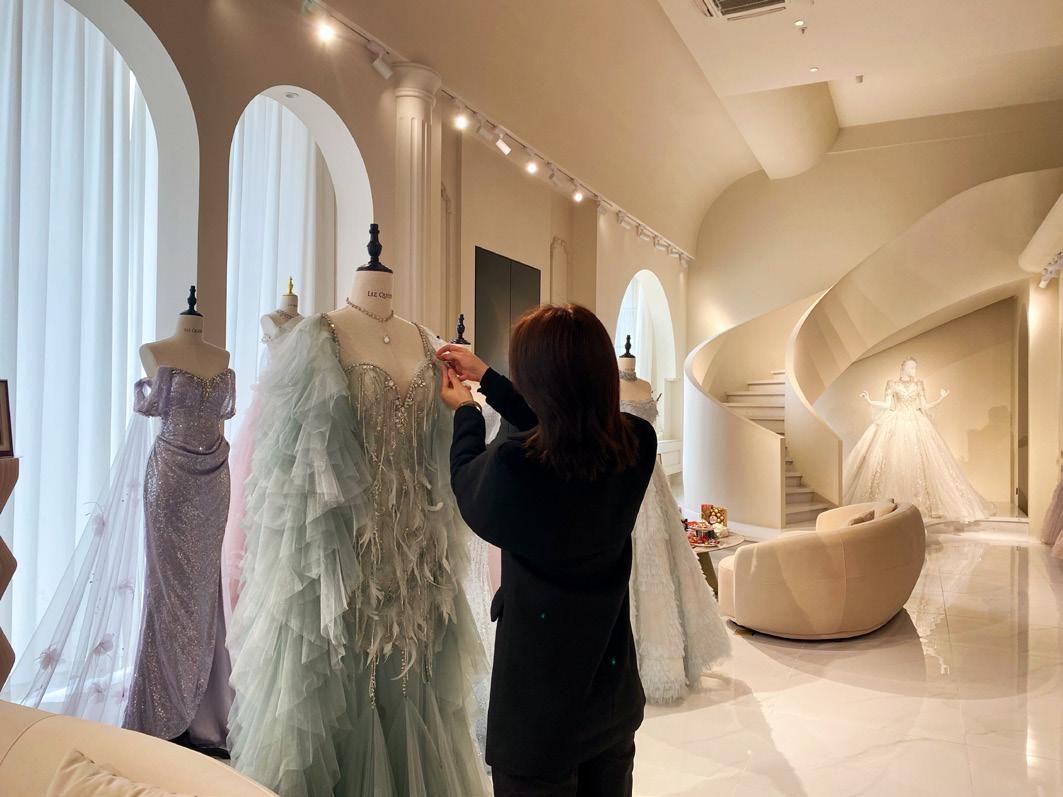
Wong takes care of the dresses as part of the daily routine.
“Before renting out our bags, we must have a detailed talk with consumers to ensure that they understand the precautions and compensation methods for damages,” Ng added.
Bridal gown rental is also popular in Hong Kong. Liz Queen in Tsim Sha Tsui offers over 1,000 different styles of wedding dresses.
Yoyo Wong, the owner of the shop said young people are increasingly inclined to rent wedding dresses instead of buying a new one.
“A brand new customised wedding dress can cost hundreds of thousands of dollars,” she said.
The price of renting basic-style wedding dresses starts from HK$3,000, while high-end options in boutiques like Le Soleil Bridal Closet can start from HK$20,000, according to their websites.
“The cost-effectiveness would be too low if I bought the dress I was interested in, because I would not have much use for it after the wedding ceremony,” said Fiona Dai, a soon-to-be bride.
“The styles of wedding dresses change quickly. For example, the new Chinese style is popular this year, but the fishtail wedding dress might become the mainstream next year,” Wong added.
Wedding dress rental services offer sustainable fashion. The wedding dress rental services market is expected to expand significantly, at an annual growth rate of approximately 8.4% from 2024 to 2032, according to the Wedding Dress Rental Service Market.
“Many couples not only choose to rent wedding dresses now but also rent matching shoes and handbags,” Wong said. “Our store can receive more than 30 orders for wedding dress rental every month, and business is very good.”
Rental fashion shops, though, have to come up with strategies to retain customer loyalty.
“We had to introduce a membership system and offer customers redemption points for rental time and get first dibs on popular items because competition in the rental market is fierce,” Lee said.
The quality of leased goods is also often subject to controversy. Some rental stores offer wedding dresses and decorations that are not well-maintained.
“The lace on the wedding dress I rented was frayed, and the decorations on the rented archway looked shabby,” said Jeason Hu, 27-year-old, a consumer who has leasing experience. “It affected the overall look of my wedding.

The bridal shop is showcasing this year’s trending wedding styles, and heavily embellished wedding dresses are generally the top choice for New Year’s weddings.
Reported by: Connie Wong Hong-ni, Vinci Ao Wei-ying
Edited by: Elaine Lai Uen-ling
Video description:
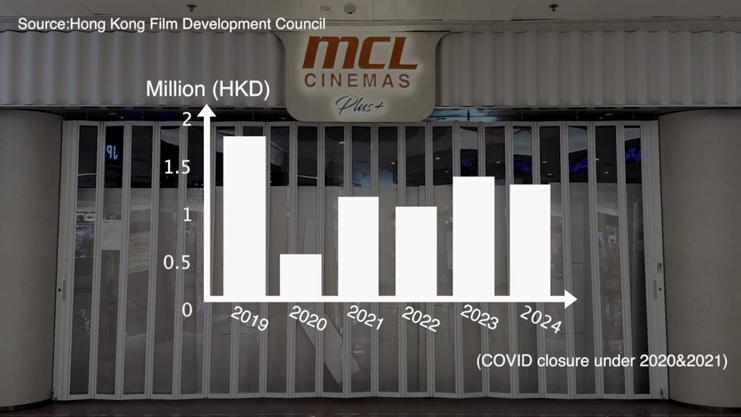
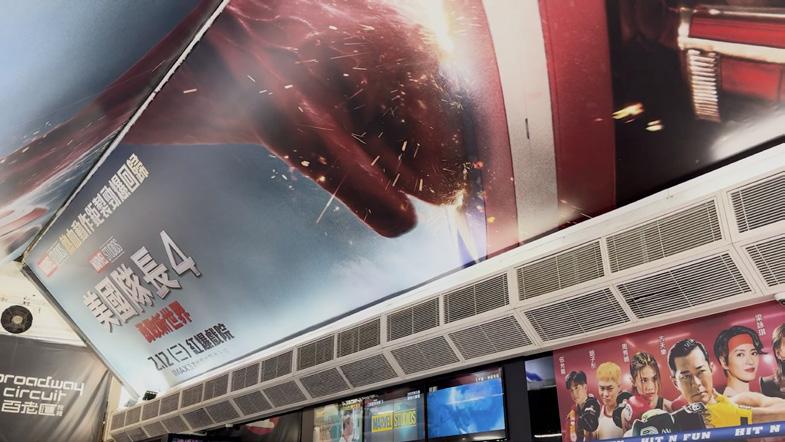
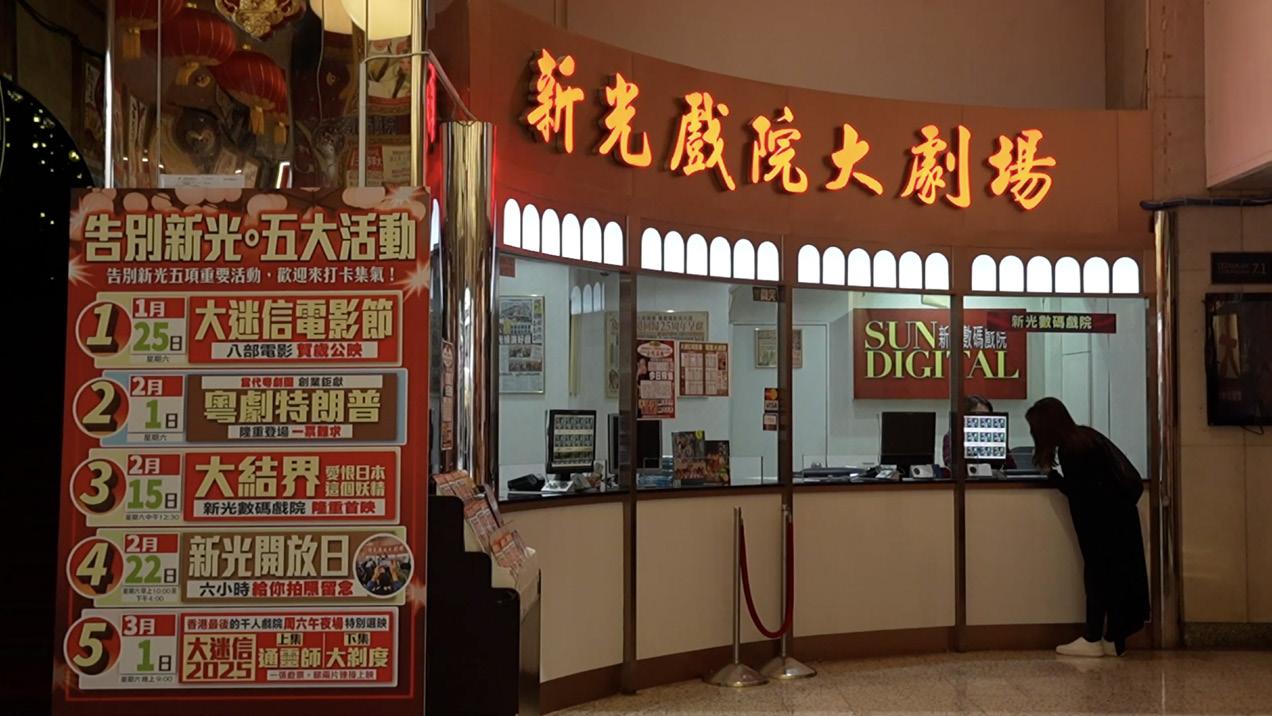
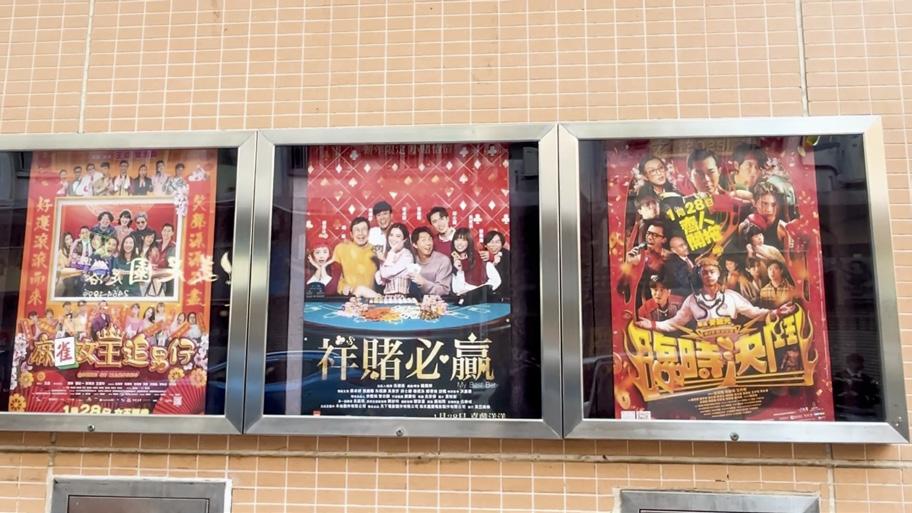
Nine cinemas closed down last year, despite local films’ income rising by 46.7% in 2024 compared to the previous year, according to Hong Kong Box Office Limited. Changing audience patterns have continued to influence the local creative industry.

Scan the QR code to watch the video!