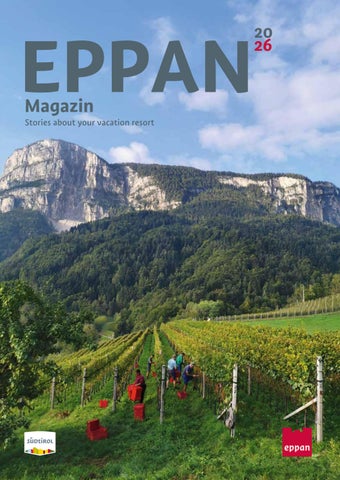
EPPAN
Magazin
Stories about your vacation resort
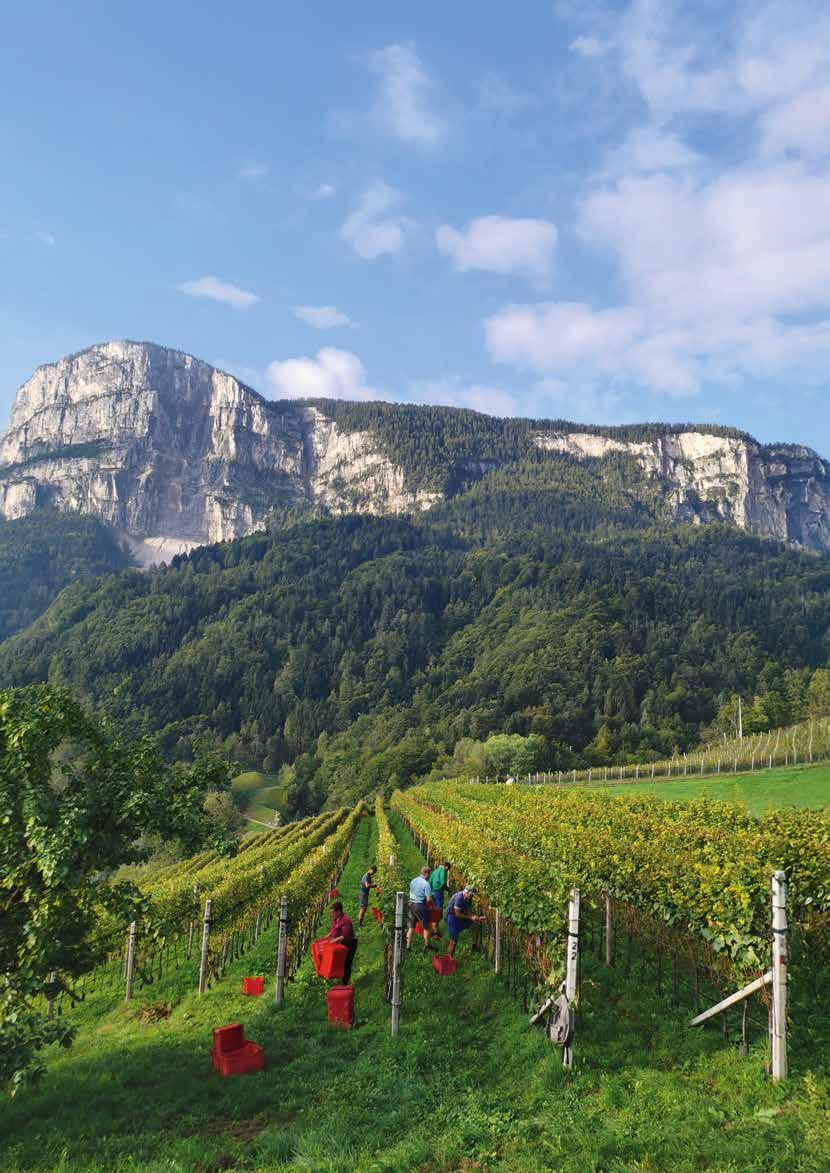


Sometimes it’s the small gems that make a journey unforgettable: a special moment amongst the vineyards, a culinary instant, a conversation full of memories. Eppan an der Weinstraße is rich with such treasures – visible and hidden – and invites its guests, as well as the locals, to keep rediscovering them.

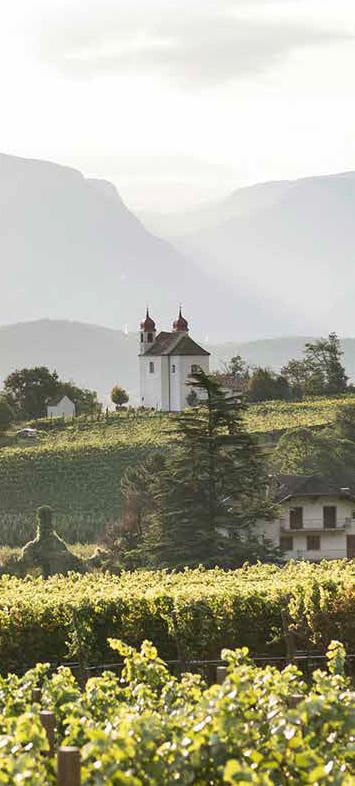
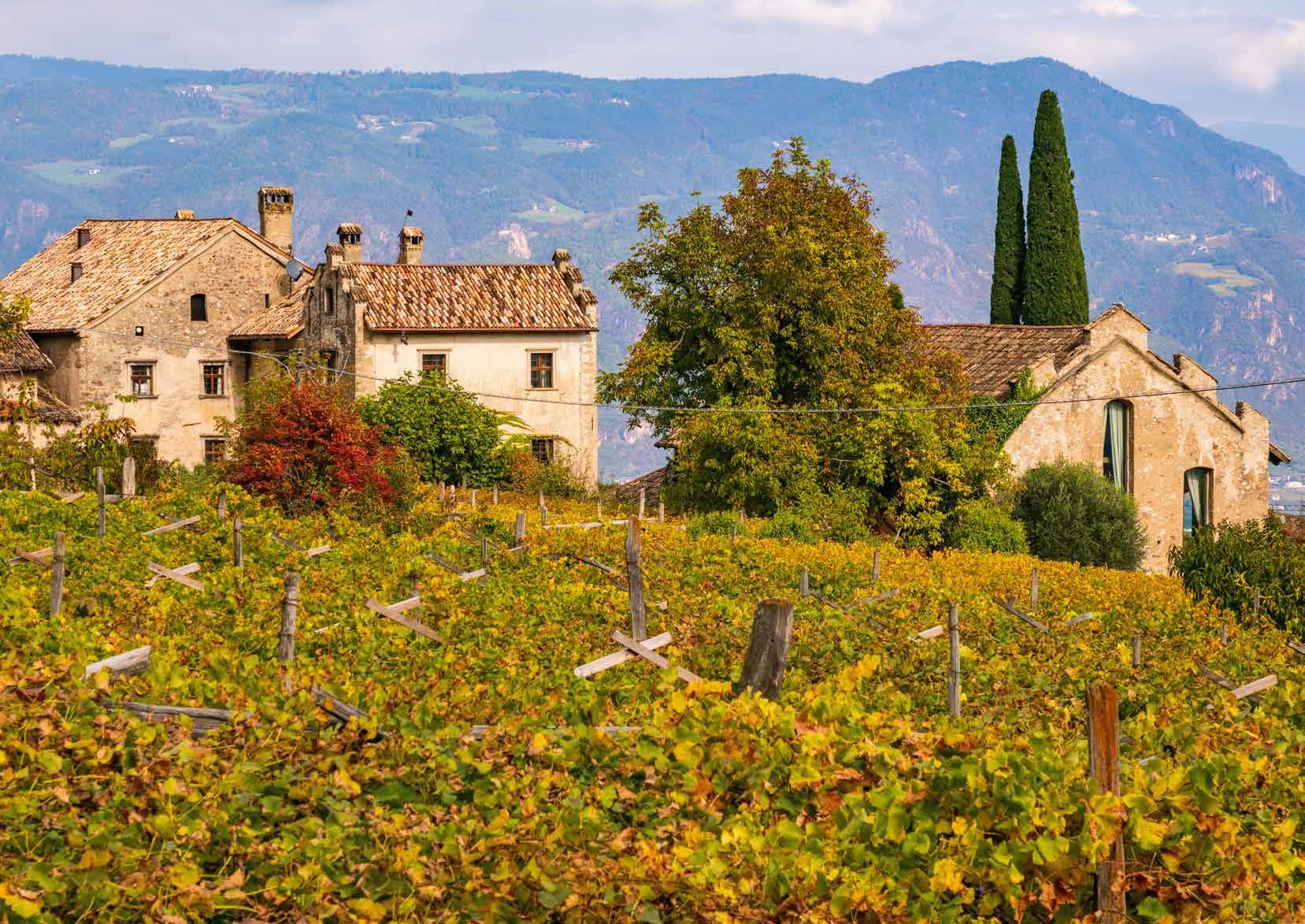
In the vineyards, where grapes sparkle in the sun, one encounters the authenticity that has been cultivated for generations. Each vintner, whether traditional or young and courageous, plays his own part in making sure this treasure never fades. Among historic walls, old vines and fragrant earth lies a sense of quiet happiness that one only feels when one stops for a moment. At the same time Eppan’s culinary scene is flourishing with
new highlights. The latest jewel is Pramol Alto: a place that shows how enjoyment can be modern, creative and at the same time deeply rooted. Here passion, craftsmanship and local, as well as international, identity reunite for an experience that one would like to keep a secret – but at the same time recommend to everybody.
Even the castles and fortresses of the municipality tell their stories. They are cultural treasure chambers, silent witnesses of times gone by, that receive visitors with open doors. Anyone who ventures on a small treasure hunt will not only encounter architecture and history but also the feeling of being part of a much greater whole.
In order to maintain all these treasures – the old and the new ones –Eppan consciously focuses on sustainability. The people here know that true gems only shine when one preserves them. And, therefore, with respect, foresight and great passion we take care that the past continues to bring joy tomorrow.
Especially heartwarming: contemporary witnesses have rummaged through their memory boxes for this edition. Their stories are probably the most precious treasures of all - because they unite the past, the present and the future in a way that only true memories can.
Evelyn Falser President Tourist Association Eppan


Riccardo Angelini
RTL/Julia Feldhagen
RTL/Sebastian
Sabrina Unterholzer
Thomas Niedermayr
Tourism Association Eppan
Überetscher Reitverein/Katharina Trettl
Überetscher Reitverein/Lisa Nothdurfter
Überetscher
Saturday, 16 May 2026
A magical atmosphere fills the historic walls of Hocheppan Castle. Musical sounds, lively Middle Age flair, fascinating dances, thrilling sword fights, and impressive knight performances let the past come to life. At the same time, culinary delights invite you to indulge. The Eppan Castle Festival is a celebration full of history, joy and unforgettable experiences.
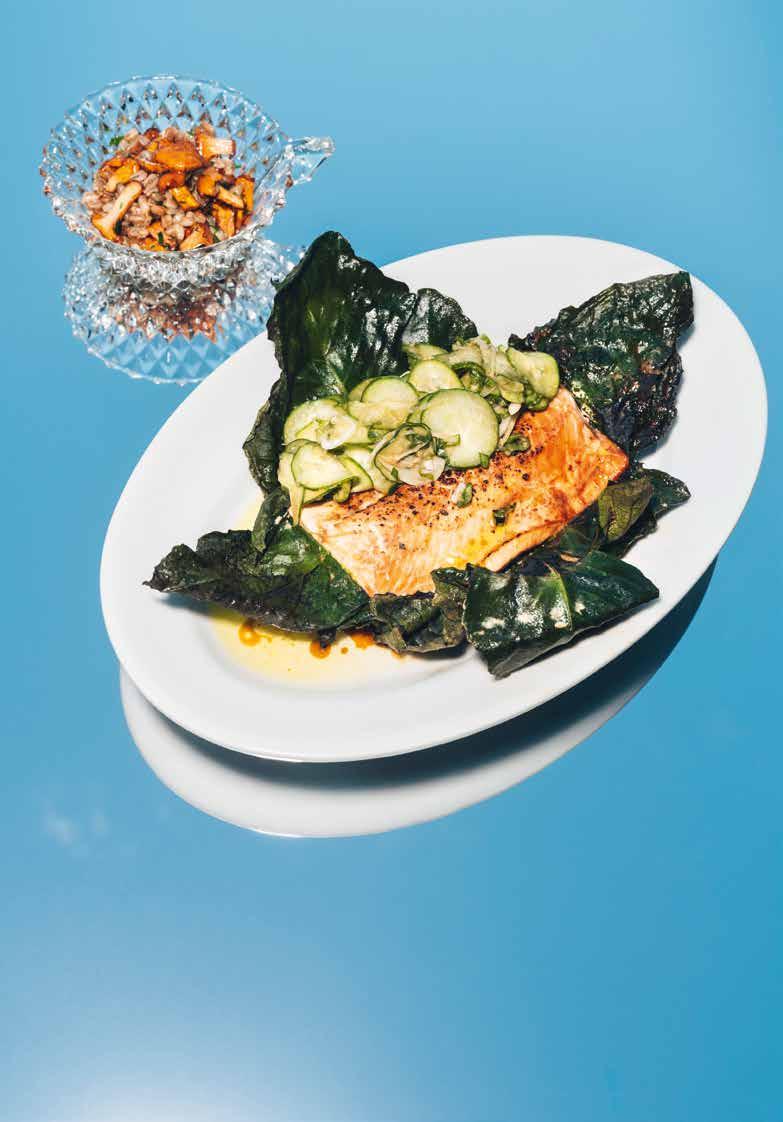
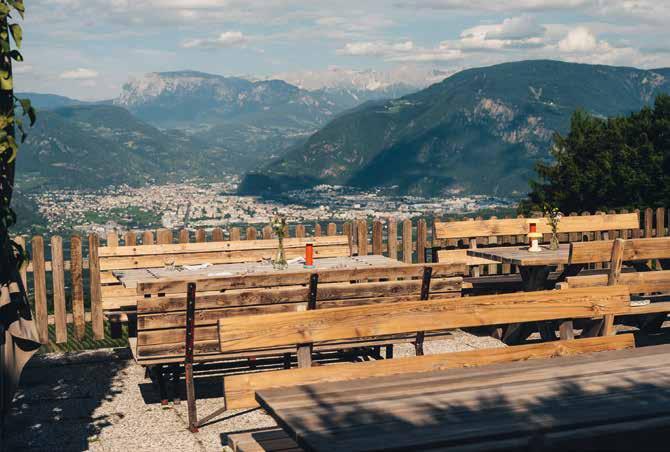
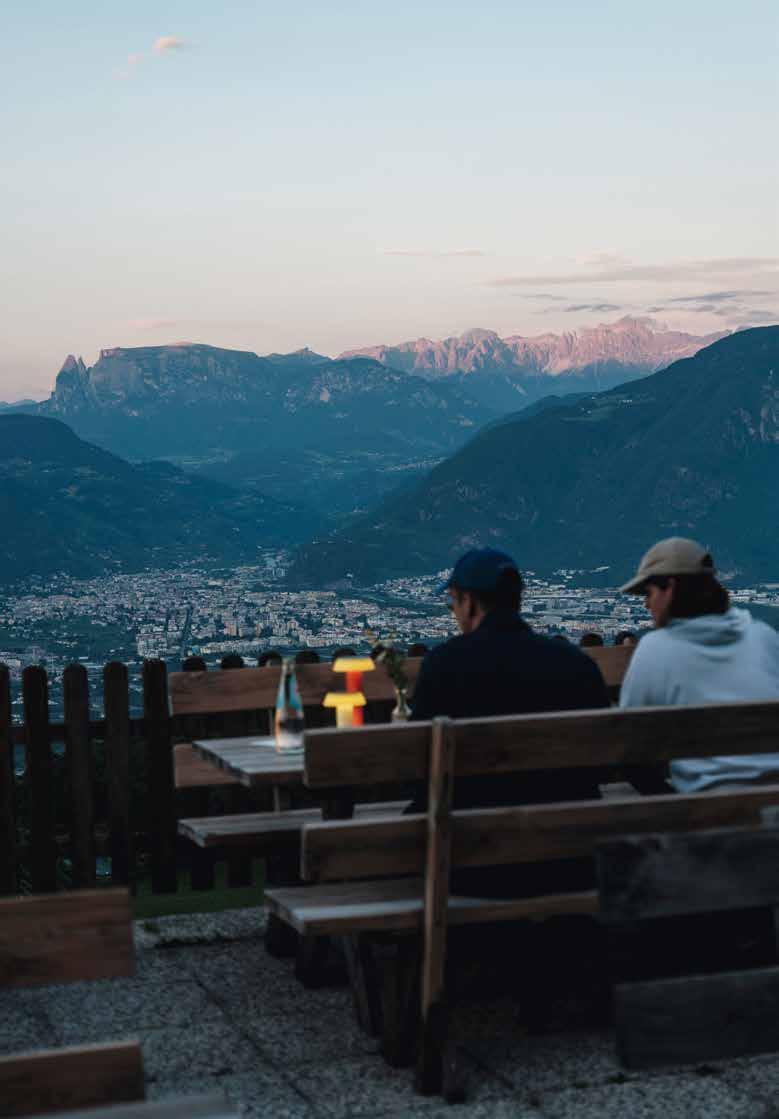
The restaurant Pramol Alto was originally planned as a pop-up. Today, it is clear: it is here to stay. Standing on the terrace, you immediately understand why – a panorama opens over South Tyrol’s mountains and the city of Bozen. Nestled in the quiet hamlet of Perdonig in Eppan, the restaurant offers a cuisine that draws from the region while simultaneously reaching far beyond its borders.
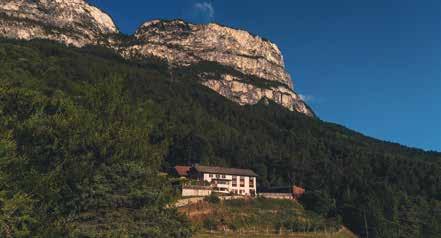
For Jakob Zeller and his wife Ethel Hoon the decision to open Pramol Alto in Eppan was quite clear: the opportunity to take over the farm, combined with a breathtaking panorama, practically invited them to create something new. Zeller, born in Meran in 1989, discovered his passion for cooking during his school years, when he organised gourmet dinners with friends and experimented with what ingredients could achieve if given space. This was followed by apprenticeship years in France, Denmark, and Sweden – including the world-famous Fäviken – where he refined techniques and ideas that continue
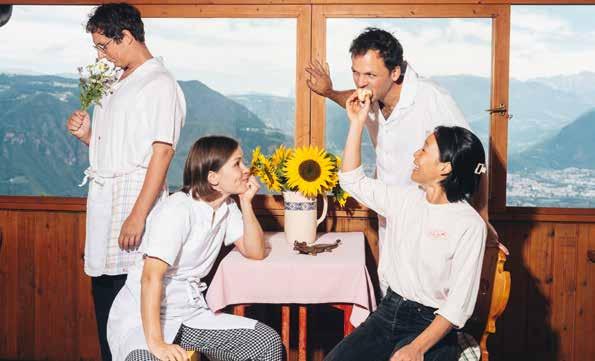
In Sweden, he met Ethel from Singapore, who brings her own clear culinary signature to Pramol Alto. Together, they form a strong duo: “I enjoy experimenting and researching; Ethel adds precision and the ability to get things done,” he explains. Dishes are prepared on the Japanese charcoal grill, combining local products with Far Eastern
depth. Fermenting, marinating, and careful preservation are part of the daily routine – traditional farming methods that preserve and enhance flavors without gimmicks. “Ultimately, the product should speak for itself, clearly and without frills,” Zeller says.
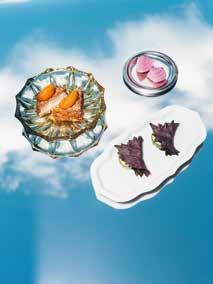
A glance at the menu immediately shows what he means: wantans with a kaki-refined chili dip, tortellini in a Vietnamese pho broth with cedro, local char in a superior soy sauce with yellow chili jam and coriander are just some of the almost ingenious combinations. The pair have received numerous international awards for their work, most recently as “Newcomer of the Year” (Gault&Millau 2025). Pramol Alto is a restaurant that is here to stay, with a cuisine that elevates South Tyrol’s culinary culture to a new level –respectful of nature, courageous in execution, and creatively contemporary. ■
Some bad habits when managing wine make real experts whine! To ensure you enjoy wine in style during your holiday in Eppan, here are a few tips:
Keep your hands off the barrels: during guided tours in the wine cellar, don’t knock or sit on them.
Dry means dry: in South Tyrol, wines are generally without residual sugar. If you specifically order a “dry” wine, it gives the appearance that you do not know much about it.
Spritzer? Better not: whether with mineral water or lemonade – diluting wine is a small sin in this area.
Less is more: even if some people ask for a fuller glass – wine culture means not pouring more than oneeighth of a litre into the glass. This allows bouquet and temperature to reveal themselves properly.
Sparkling wine remains still – at least in the glass: swirling it lets the bubbles escape. So please sip, don’t swirl.
Stem, not bowl: hold the glass by the stem – for ideal temperature and a clear view without fingerprints.
The right temperature: white wines prefer it cool (8–12 °C), red wines slightly warmer (14–18 °C). Too cold and the white wine loses flavour; too warm and the red wine tastes overly alcoholic.
Ice cubes? A fauxpas: wine should be cooled from the outside. Placing the bottle in ice water works wonders – without spoiling the taste.
Form follows aroma: a good wine glass has a rounded bowl and narrows towards the top. This allows the aromas to unfold and rise gently to the nose.
Don’t cover aromas: before tasting wine, it is better to avoid peppermint, chewing gum or strong coffee – they overpower the delicate taste.
And most importantly: switch off, lean back and enjoy. Wine is not a competition, but a moment. Cheers!
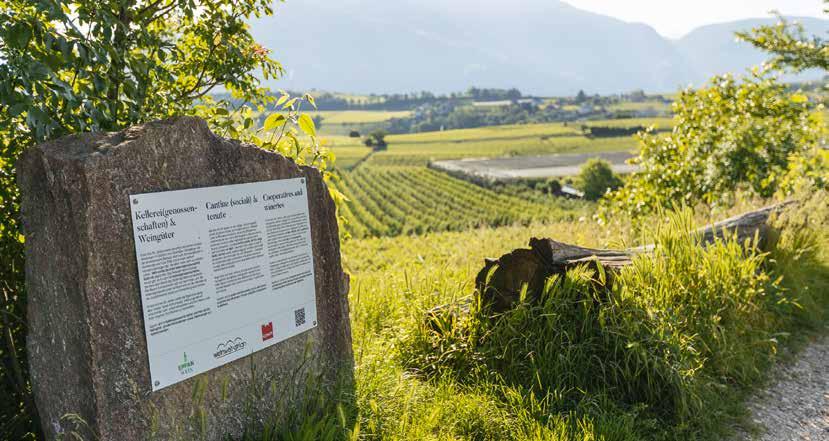
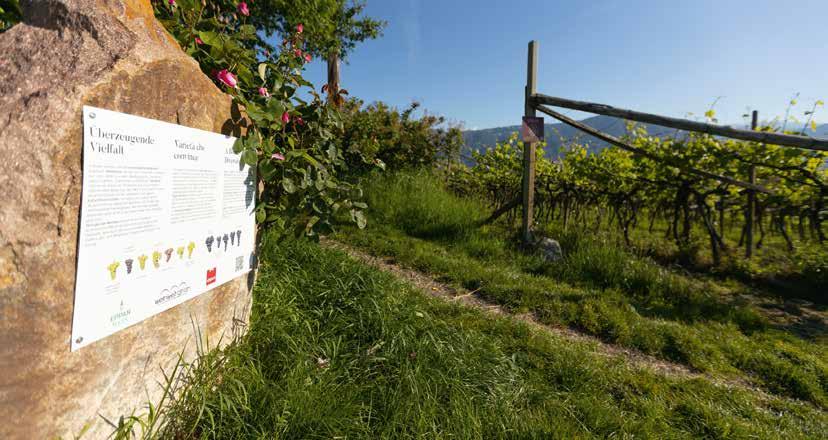
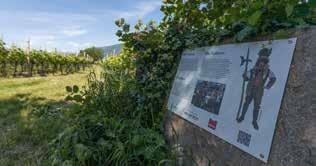
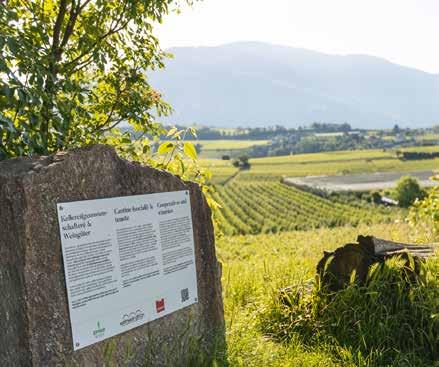
THE EDUCATIONAL WINE TRAIL IN GIRLAN leads right through the sun-drenched slopes of the wine village and ideally combines nature, viticultural knowledge and gentle movement. Along the roughly 1.6 km circular route, visitors can discover what makes the wine landscape around Girlan so special.
Set among carefully cultivated vine rows, pergolas and dry-stone walls, 15 information points provide insights into grape varieties, vine training systems, soils, water and climate, as well as the annual cycle of work in the vineyard. At regular intervals, expansive views open up over the Etschtal and as far as the Dolomites – making this a peaceful yet surprisingly varied short walk.
A multilingual audio guide is now available, offering deeper insights into the themes of the educational trail. It is narrated by Eberhard Daum, whose warm and clear voice is familiar to many from South Tyrolean television. He leads listeners through history, nature and viticulture, vividly illustrating how landscape, tradition and enjoyment are closely intertwined in this region. The audio guide transforms the educational trail into a unique, personal experience – ideal for those who prefer to explore at their own pace.
The Outdoor Escape Game was created especially for families: a playful puzzle and discovery adventure along the educational wine trail. Tasks of varying difficulty, nature observation, small challenges and fun facts about vines, animals and plants invite participants to solve riddles, look closely and marvel together. Sometimes you are asked to spot animals, at other times to recognise plant details or understand relationships within the vineyard ecosystem. The Outdoor Escape Game combines movement in the fresh air with knowledge, fun and team spirit – an easy and engaging introduction to the world of wine, in which children and adults alike actively take part. More information: www.eppanescape.com
ROUTE DESCRIPTION
Start: Village square in Girlan (parking possibilities in the village)
Route: From the village square, follow the Pfarrgasse and then follow the signs „Hoher Weg –Gschleier”, which lead through the vineyards in a round trip.
• Length: about 1.6 km
• Walking time: 40–45 Min.
• Difficulty: easy
• Type: Round trip

„We are all part of the
Eppan and sustainability – where do things stand today?
The word “sustainability” may sound completely worn out by now. However, in Eppan, we are working hard to give this empty phrase real meaning and purpose – a path that brings both challenges and rewards.
The tourism destination of Eppan has committed itself to sustainability – with a sustainability strategy, action plan and a certification label in the tourism sector: a process that started some time ago, offering a long-term, yet truly valuable journey.
Evelyn Falser, President of the Tourism Association Eppan: First of all, that’s true. Sustainability has become an overused term and is not always easy to communicate. But the substance is not missing. Eppan is already a climate-conscious municipality – currently rated "Klima-Gemeinde Silver" and now aiming for “Gold”. A lot of groundwork has already been laid. Sustainability is not just about proper waste separation, as many might think. That is only a small part; what really matters is the bigger picture.
The Tourism Association Eppan focuses on the "Sustainability Label Südtirol" - Level 3: that sounds very cryptic. But what’s really behind it?
As a destination, we strive for a development that balances ecological, social, and economic aspects. We emphasize conscious mobility, a respectful use of natural resources, the strengthening of the regional economy, and the preservation of our culture and traditions. Eppan should remain a liveable place – for those who live here, as well as for our visitors.

What does such a sustainability label certify?
Among other things, the label gives tourism destinations, as well as accommodation and catering establishments, the opportunity to measure their commitment to sustainability and make it visible. The third, and therefore highest, level corresponds to the GSTC certification and is internationally recognized. As a Tourism Association, we try to follow specific paths and communicate clear messages. It is, however, uncertain whether these messages are actually received as intended. Most importantly, we now finally receive recognition for all our efforts. Therefore, it is important to us that culture and tradition in Eppan are preserved and actively experienced – and this is indeed noticed.
What are these results based on?
I would like to highlight two largescale surveys that provided important insights and confirmation. In 2024, our guests were surveyed; in 2025, the local population. Guests already evaluate the commitment to sustainability based on whether tap water is drinkable, the air is clean, raw materials from local producers are used, or the recycling system works. For the local population, the survey also assessed their perception of tourism itself.
What is the locals’ view on tourism: keyword “Overtourism”?
We don’t shy away from addressing the topic of overtourism. We try to put the different voices into perspective. If some people loudly claim that the flow of visitors is too high, what about those who remain silent? My gut feeling gives me an answer, but until now I haven’t been able to verify it. However, if 67 percent of around 1.000 surveyed locals are satisfied with tourism, that is a figure that speaks for itself.
Some believe that managing tourism economically and acting sustainably are only partially compatible: what does Eppan gain from tourism?
Eppan lives with and from tourism. Therefore, the economic aspect must also be considered. In the course of the certification process, the gross value added (GVA) from tourism in Eppan was calculated based on gross prices and overnight stays. Accordingly, tourism generates around 110 million euros. Of every 100 euros, 49 remain in the hotel and gastronomy sector, while the rest benefits other sectors.
Being able to state this provides important insights.
„Sustainability isn’t an aim, but a path. “
Let's talk about the "Sustainability Label Südtirol": Who is responsible for its implementation?
It is crucial that everyone works together. It’s not enough for the municipality or the tourism association to claim sustainability for themselves. That is why we created a Green Team as diverse as possible, consisting of representatives from tourism, the municipality, the economy, environmental protection, youth, trade, and agriculture – so that the results are supported and embraced by everyone.
Are their specific actions?
The Green Team has developed five areas of action – “Nature Preservation, Livable Quality, Vibrant Culture, Living Regionally, and Social Competence” – along with practice-oriented measures that we aim to implement step by step. This strategy does not define a final destination: sustainability is not a goal but a path.
The important thing, however, is that we are all part of this Green Team.
The Sustainability Label Südtirol is based on internationally recognised standards of the Global Sustainable Tourism Council (GSTC). These standards were established to define a communal basis for sustainable tourism. The label’s criteria are divided into four main areas:
• MANAGEMENT
• SOCIO-ECONOMY
• CULTURE
• ECOLOGY
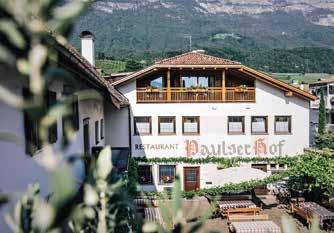

“Ultimately, sustainability for me means creating a balanced relationship between ecology, social aspects and economic dimensions.”
Elke Morandell Schwarzer, Paulser Hof *
Level 1 to 3
As sustainable development is a continuous process, the label is divided into three levels, each requiring the fulfillment of specific criteria that are verified through an audit.
The Tourism Association Eppan has achieved the highest level of certification. In addition, four accommodation and gastronomy establishments in Eppan have been awarded the "Sustainability Label Südtirol - Level 2".
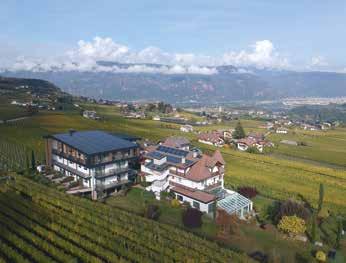
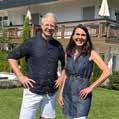
“Sustainability isn’t a trend for us, but an attitude. As a certified South Tyrolean hotel, we take responsibility for today and tomorrow.”
Silke Matscher, Appartmenthotel Das Matscher *
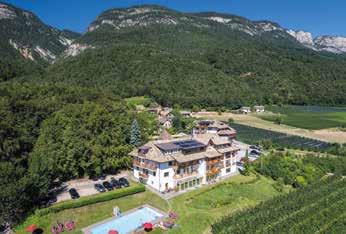

“We don’t focus on what is currently trendy within the Green Wave, but on what truly makes sense in the long run.”
Verena Eisenstecken, Hotel - Gasthaus Steinegger *
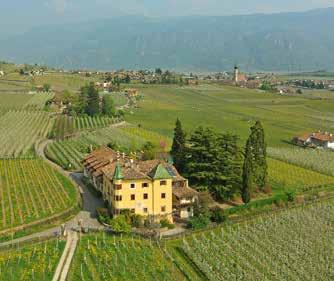

“The climate change we are experiencing invites us to play our part and take action. The label gives us the opportunity to identify where we can improve. That is why we were among the first businesses to take part.”
Tobias von Mörl, Hotel Ansitz Tschindlhof *
* Businesses with the "Sustainability Label Südtirol" - Level 2
Even the little ones want to have fun, go on adventures and try things out. When the children are happy, then parents have a good time too. And in Eppan, all year round, there are plenty of opportunities for active, curious, and playful children.

Experience, for once, the feeling of a knight on a hunt. This fun adventure for the whole family (children aged 6 upwards) is possible on Hocheppan Castle’s own “Bow and Arrow” trail. You have to find and “hunt” 28 3D animals in the woods around the castle. Rental equipment is available on site.
On this day, it’s all about entertaining the little ones. The Kids Day in the centre of Eppan on Saturday, 9 May 2026, has already become a popular fixture in the event calendar: puppet show, face painting, a crafts corner, a bouncy castle and much more await the smiling visitors. The village is filled with children’s laughter. In the meantime, the parents can take a leisurely stroll through the alleys of St. Michael, visit the shops or enjoy some culinary delicacies.
The Three Castles Tour at the foot of the Gantkofel is particularly enjoyable for children. For the short route, start at the castle car park in Missian and walk uphill along path No. 9 to Hocheppan Castle. From there, continue along path No. 9a to the ruins of Boymont Castle, where you can relax and enjoy some food – just like at Hocheppan Castle. The route then leads to the Romanesque Schloss Hotel Korb.
Where to go with children on a rainy day? A visit to the exceptionally well-equipped library is a great option. Eppan has a large public library offering a wide selection of reading materials, as well as many games, audiobooks, and DVDs. It's a meeting point for people of all ages. Children can browse and explore on their own. Storytime sessions and game afternoons are also regularly organised.
Place: Hans-Weber-Tyrol-Platz 4, St. Michael
Nowadays, you can leisurely cycle along the old Überetsch Railway line, even with small children. Especially exciting are the playgrounds along the route, offering perfect opportunities for a break and some fun. The journey can start in Bozen at the Etsch bridge in Sigmundskron and continue uphill to the former train station in Eppan. Along the way, you cycle through a few tunnels that date back to the time of the historic train from Eppan to Bozen. The path extends all the way to Kaltern, where you can still admire the old locomotive.
The ice holes are a fascinating spectacle of nature and a welcome refreshment on hot days. The starting point is 100 m south of the main square of St. Michael, from where one follows the signs „Zu den Eislöchern“, passing through Pigeno and walking past Castle Gandegg, until you reach the wine estate Hotel Stroblhof. Even on the way, a refreshing breeze streams towards you, caused by a system of crevices between the porphyry blocks. The coolness in this stone cavity can be felt up to a height of 5 metres. This special microclimate also allows around 600 plant species to grow within a very small area.
Christmas time makes children’s eyes sparkle. An enchanting tradition is the crib exhibition in the alleys of St. Pauls. From the end of November into the New Year, hand-crafted models are displayed around the cathedral, inviting visitors to an evocative stroll – especially from 4 o’clock onwards when the cribs are all lit up. At KidsXMas at the Christkindlmarkt in St. Michael, from 5th to 8th December 2026, it's all about the children: games and fun, the St. Nicholas procession (6th December), elf workshop, or biscuit baking are just some of the events. For those who are a bit more adventurous, older children can also attend one of the Krampus runs, for example the Schulthauser Teufel or the run in Girlan. Exact dates are available at the tourist office.
If you enjoy putting on your skates in winter, there are several opportunities in Eppan: In St. Michael, the ice rink is open at certain times during the winter months for young and old. Please check the current opening hours at the tourist office. Also, the golf club in Unterrain turns into an ice rink during this period, with skate rental available on site. And one mustn’t forget the largest body
of water in the municipality: if the winter is cold enough, you can enjoy skating on Lake Montiggl – please make sure to check whether the ice is thick enough.
LET’S HEAD TO THE PLAYGROUND – READY, STEADY, GO!
Throughout the municipality, there are numerous well-equipped places to play, climb, and slide. Here is a small selection: The most central one is the so-called “Festplatz” playground, situated in the heart of St. Michael and ideal to allow children to let of steam after a shopping stroll. In Girlan, next to the Martins car park there is a spacious playground with impressive climbing towers and plenty of wood structures. Even in the area of the Untere Gand, in the Lambrecht Street a popular playground with a large sandpit and a lot of green space awaits.

17 July – 31 July 2026
The finest drops that Eppan has to offer are the centre of attention at this enjoyable event.
A special highlight is the “Great Gourmet Event” where South Tyrolean top chefs, under the guidance of Herbert Hintner, present culinary delights in the picturesque alleys of St. Pauls.
WINE PROMENADE, 17 JULY
GREAT GOURMET EVENT, 21 JULY
KNÖDEL EVENING, 25 JULY
PAULS ROSÉ, 31 JULY
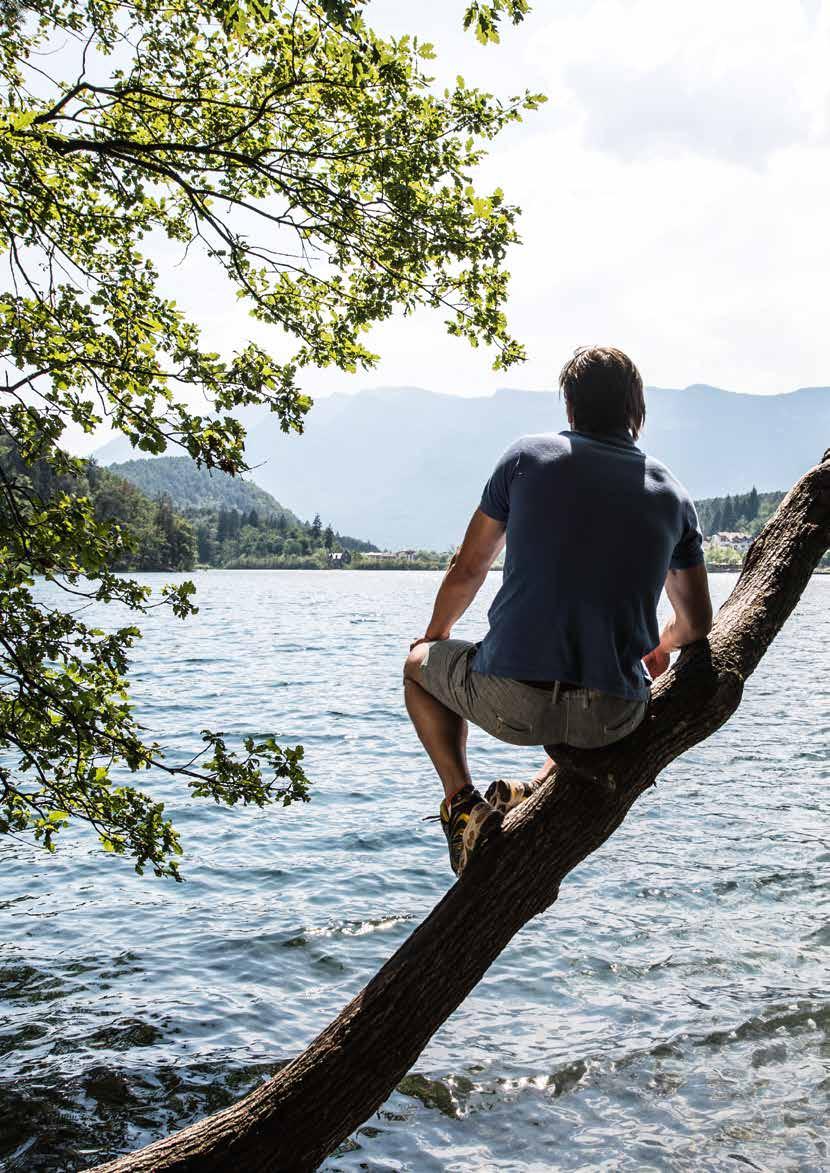
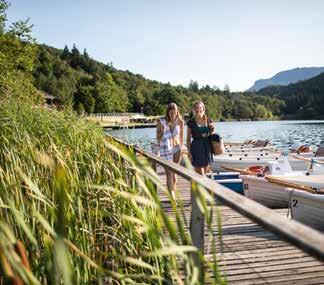
“This location is unique,” says Christoph Kuno, president of Eppan’s environmental group. “That’s what makes Montiggl one of the region’s most precious living areas.” Keeping it that way takes care and attention. The small lake is car-free, with parking available outside, and visitors arrive on foot, by bike, or by shuttle bus. Hiking paths wind through mixed woodland and past quiet riparian zones, which provide shelter for amphibians and birds. To protect the frogs during their spawning migration, the organisation Herpeton installs amphibian barrier fences every year – a prime example of hands-on species conservation.
Even the Big Lake Montiggl plays an important part: with about 18 hectares of water surface and its traditional lido, it offers bathing fun in harmony with nature. Despite tourist activity, the water quality remains outstanding – proof that relaxation and environmental pro tection can coexist here. Anyone who visits the Montiggl forest ex periences a piece of landscape that has remained true to its roots. The rustling of the trees, the quacking of the ducks, the warm scent of earth and sun – all of this is a reminder of how beneficial simplicity can be.
Litter collection activities by local groups and clear rules help keep the area clean, and a new quiet zone will allow the forest to regenerate even more in the future. The balance between experience and preservation is delicate, but achievable if everyone contributes. “Sustainability means taking responsibility – not forbidding things,” says Kuno. By staying on the paths, enjoying the lake, and treating the surroundings with respect, visitors protect what makes the Montiggl forest and its lakes so special.
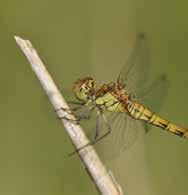
Early sunlight filters through the trees and glistens on the water’s surface. Both the Big and Small Montiggl Lakes are surrounded by roughly 1,000 hectares of forest – a natural area unlike any other in South Tyrol. Mediterranean and Alpine life forms meet here, dragonflies dance over the reed belts, and in spring the spring snowflakes and liverworts turn the Frühlingstal into a vibrant sea of colours.

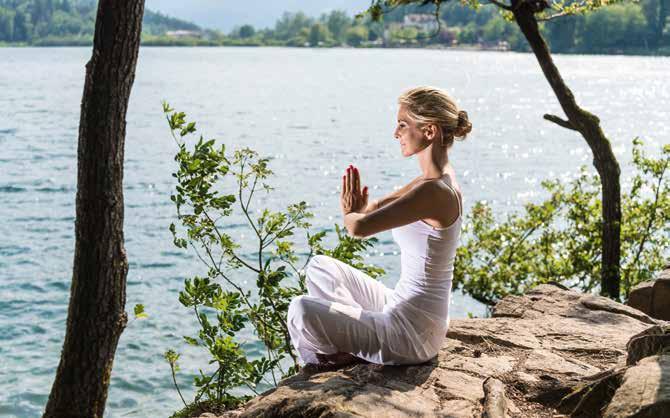
For those who enjoy staying active on holiday or clearing their mind through sport, Eppan offers a variety of options. Whether indoors or outdoors, there is something for every taste and every season.
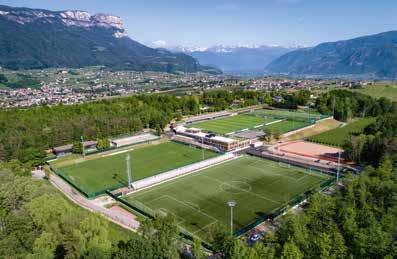
Set in an idyllic spot in the Montiggl wood, Tennis club Rungg offers six clay courts and a covered hard court. In winter, some of the clay courts are also covered. Tennis lessons can be booked, and in summer, beach volleyball is also available. At Hotel Mandelhof in Girlan, there is a beach volleyball court as well as goals for beach football.
Places: Tennis Club Rungg and Hotel Mandelhof in Girlan
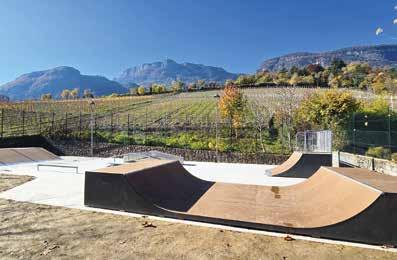
Endless fun for youngsters: the new skatepark with ramps, slides and jumps invites you to skateboard and let off steam. It is located between the kindergarten and the middle school in the centre of St. Michael and is especially suitable for beginners.
Place: Fahndlweg, St. Michael
Good luck to all! Four lanes invite you to bowl in the centre of St. Michael. Whether you want to take it easy or go for a strike, simply ask the bar staff about lane availability.
Infos: Tel. +39 346 799 85 89
Place: Raiffeisenhalle St. Michael
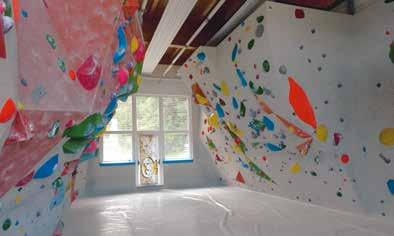
In Eppan’s indoor climbing hall, you can practise both bouldering or rope climbing. Children, youths and adults are all welcome. New from 2026: a 15-meter-high climbing tower and an outdoor speed wall.
Opening hours: Mo–Fr 5 pm–10:30 pm, with a valid ticket, entry is also permitted daily from 6:00 a.m. to 11:00 p.m. excluding summer break.
Infos: Tel. +39 349 716 84 42
Place: Raiffeisenhalle St. Michael
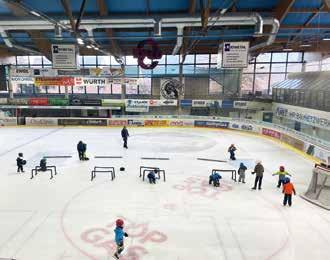
In winter, icy fun awaits in the centre of St. Michael. In addition to ice hockey games, the rink is open for public skating.
Infos: Tel. +39 0471 66 11 65
Place: Ice Stadium St. Michael
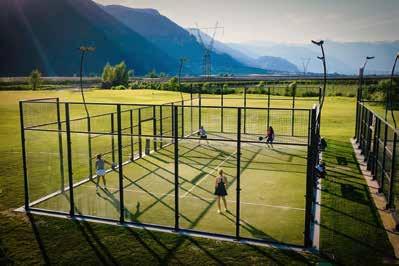
Padel is the latest trend sport in Eppan – you can play on the courts in Unterrain in 90-minute slots. Open daily from 6:30 a.m. 9:30 p.m.; lessons are available. Golf combines nature, sport, and a way of life. The 9-hole course “The Blue Monster” impresses with a lot of water and well-maintained greens.
Info: Tel. +39 0471 188 81 64
Place: Golf Club Eppan, Unterrain
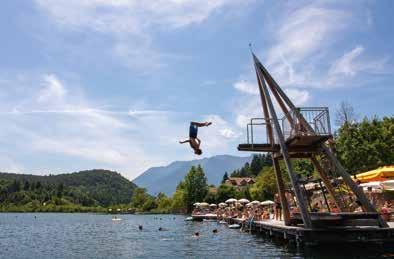
A visit to either the Small or the Big Lake Montiggl is a must in summer. At the large lake, the lido lures visitors with its pools and diving board, while the small lake is perfect for those who prefer a more peaceful spot.
Infos: Tel. +39 392 306 27 57 (Lido Big Lake), Tel. +39 376 132 62 84 (Lido Small Lake)
Places: Small and Big Lake Montiggl
Tight lines at Lake Montiggl! If you enjoy peaceful fishing and the chance to catch pike, perch, or tench, you can get a day ticket valid for both lakes.
Infos: at the tourist office in Eppan Place: Lake Montiggl
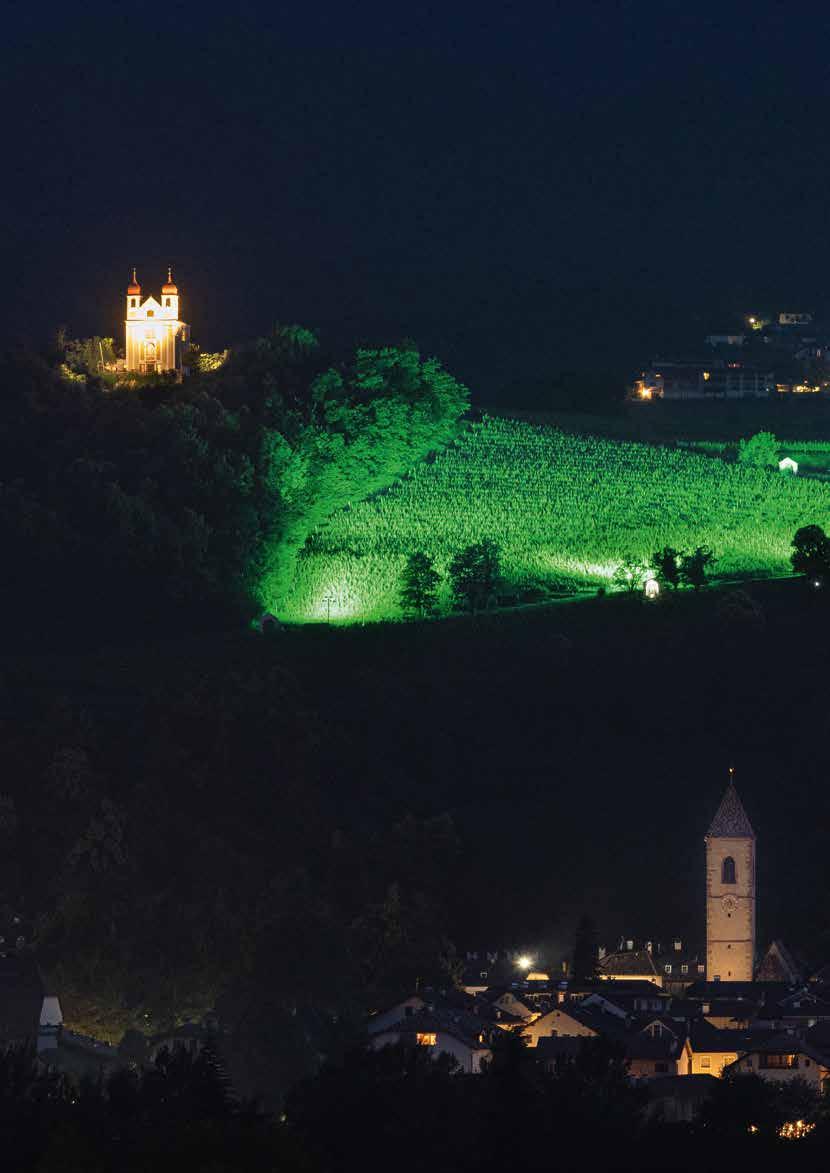

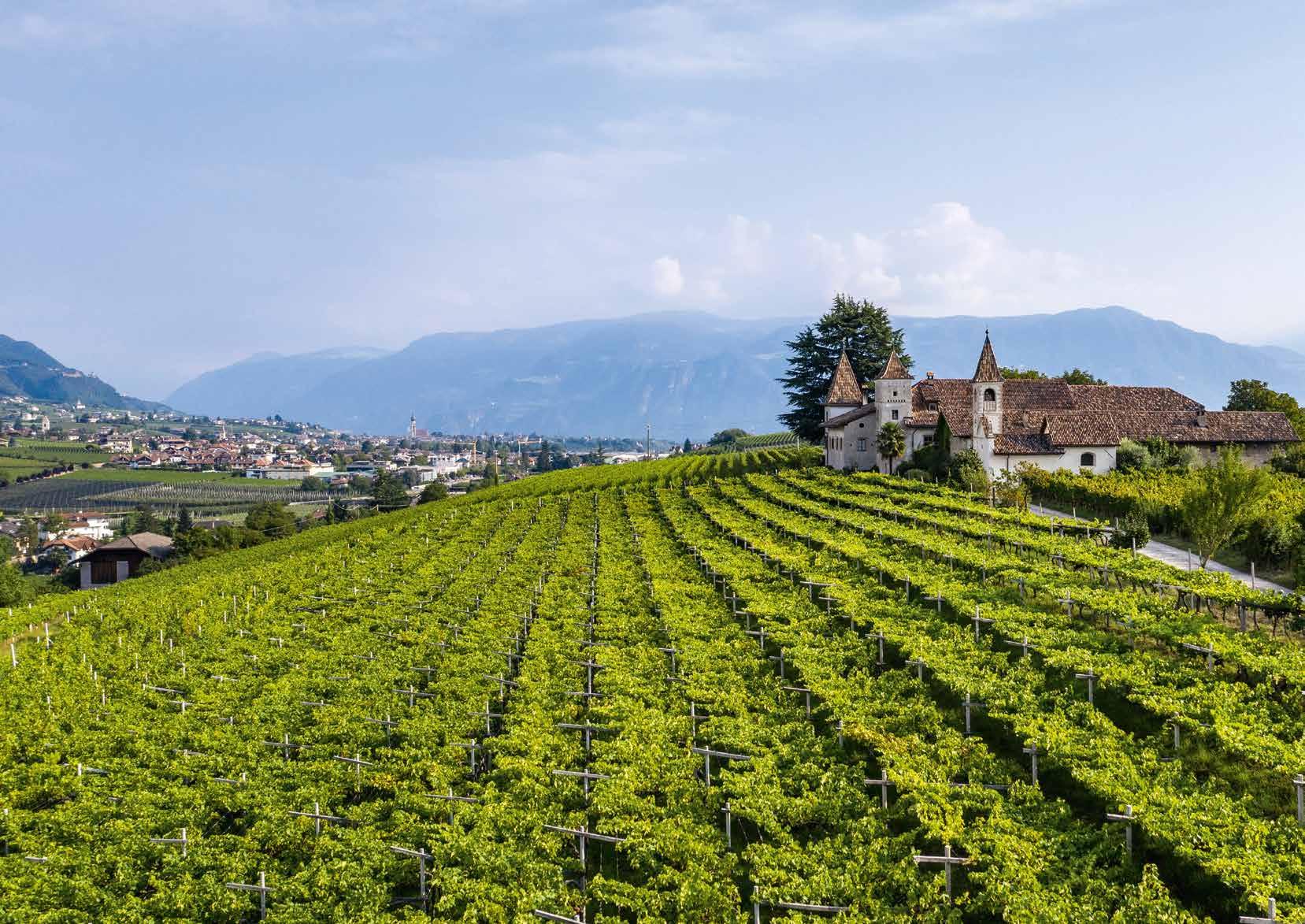
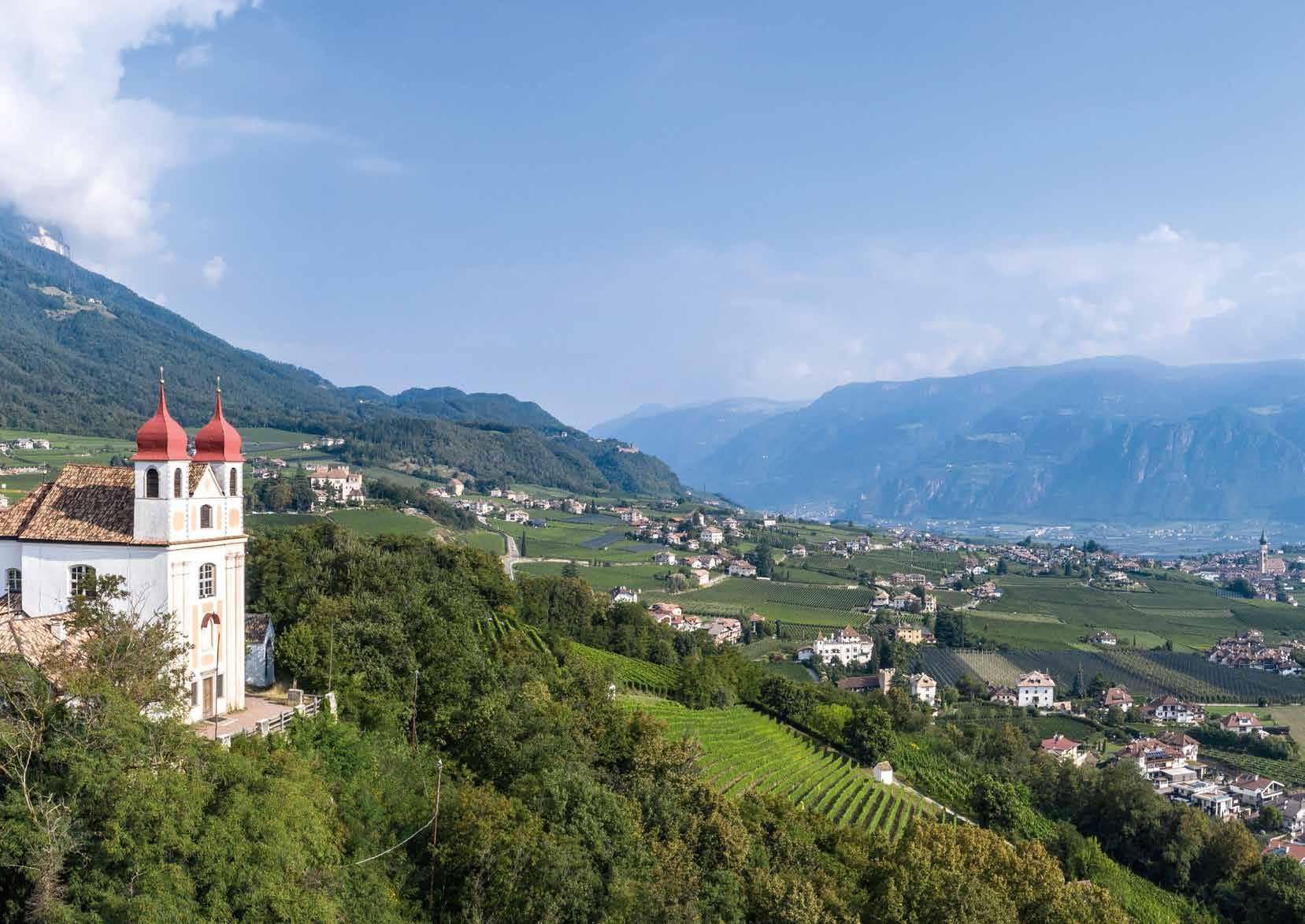
The vineyard shines in a splendid green, a visual highlight that impressively showcases the beauty of the wine-growing area. Treasures in the vineyard: even this year, the wine producers of Eppan Wein are offering special events and experiences for all the senses under this motto.
The approximately 1,000 hectares of vineyard in Eppan are not only the source of wine, sparkling wine, and spirits, but also help shape the landscape, ecology, and regional identity. The green lighting highlights the fact that two-thirds of the wines produced in Eppan are white.
Treasures in the vineyard 2026 invites you to newly discover the diversity, the craftsmanship and the uniqueness of Eppan’s wine worldan experience for all senses.
Details www.eppanwein.it
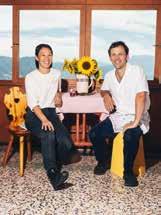
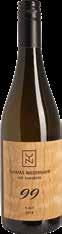
Thomas Niedermayr, co-founder of the farm restaurant, is one of six children who grew up on an agricultural estate committed to sustainability from an early stage, long before it became a general expectation. After a formative childhood on the farm, he initially chose a different path and trained as a carpenter. Later, he returned to his roots and found his own approach to agriculture. The broader his horizons became, the more he realised that what seemed natural at home should by no means be taken for granted. Much of the outside world was conventional and productivity-focused. Niedermayr, however, wanted to return to authentic flavours and, above all, quality.
The farm restaurant follows exactly this attitude. All cooking is organic, regional and seasonal – from farm to table. Guests can expect traditional farmhouse cuisine, rooted in regional tradition yet open to Mediterranean lightness. The menu features aperitivi, pizza, focaccia and classic dishes alongside braised dishes, ragouts and burgers. Bread and pizza are made on site, while vegetables, fruit, grains and herbs ↘
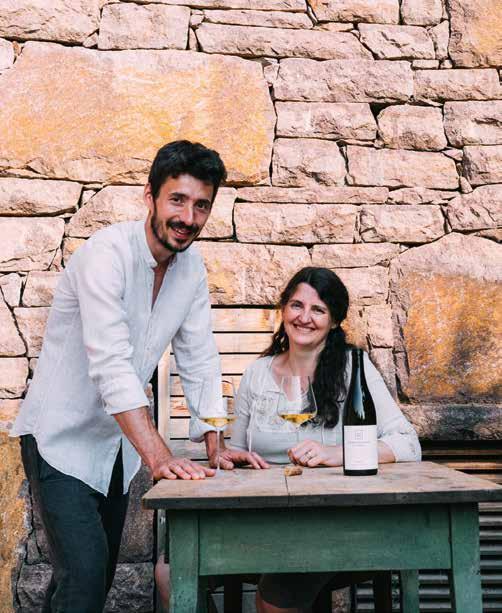
Set within the natural landscape of St. Michael in Eppan, the farm restaurant will open this summer – a new project that is also the logical continuation of a life journey repeatedly leading back to its origins.
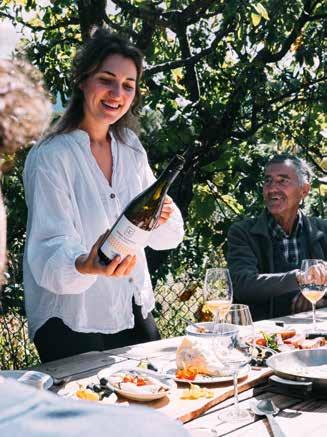
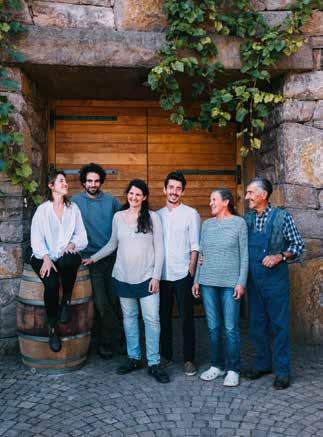
At the farm restaurant, regional cuisine and viticulture follow a shared philosophy – something Thomas Niedermayr and his wife Marlene firmly believe in.
come from the farm. Fish and meat are exclusively sourced from partner businesses that maintain high standards of animal welfare and respectful handling. Every part of the animal is used,
supplies last. “No mass-produced products for the masses,” says Niedermayr.
The restaurant will also produce its own farm-made speck according to the family recipe: matured for at least two years, with a high fat content and an intense flavour. “Quality requires patience,” he says. Every dish is paired with the perfect wine.
The farm restaurant is a true family affair. Brother Georg, a trained chef with a degree in food technology, contributes his expertise. Sister-in-law Gloria manages the service, while Thomas’s wife Marlene runs the office, oversees organisation, and manages everyday family life.
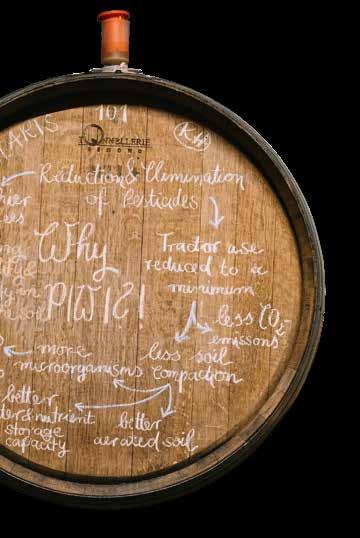
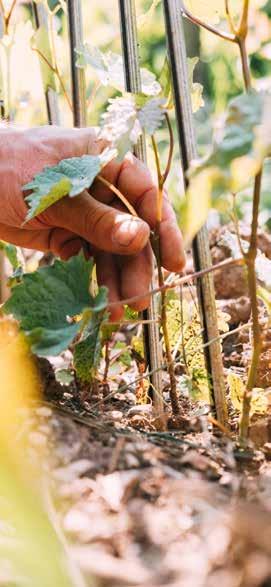
Viticulture is Thomas Niedermayr’s area of expertise. Since 2019, he has cultivated his five hectares of vineyards exclusively with PIWI varieties – fungus-resistant vines that drastically reduce the need for pesticides. Solaris, Bronner and Souvignier gris stand out among the white wines. The annual production is about 30.000 bottles, complemented by the lively, bottle-fermented sparkling wine Freistil.
The wines follow a consistently purist approach: spontaneously
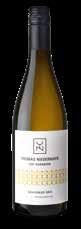
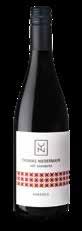
fermented, unfined, unfiltered, without cultured yeast, and with minimal sulphur usage. Each vintage carries its own unique character. “Not everyone enjoys a character wine,” says Niedermayr, “but it tells a story.”
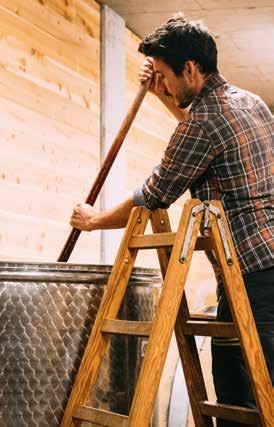
At the farm restaurant, viticulture and cuisine are intertwined. Both follow the same philosophy: working with nature rather than against it – in a place shaped by conviction and flavour.
■
Your master optician in Eppan and Terlan
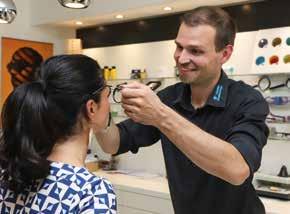
As a long-standing master business we have been welcoming you to eye optics since 1981. Optik Zublasing has stood for excellent service and innovative solutions concerning your vision for three generations.
Our expertise is shown in our wide selection of high-quality spectacle frames which perfectly unite individual needs.
Here not only a clear vision awaits you but also a friendly atmosphere and competent consulting.
We look forward to accompanying you on your path to better eyesight.
Optik Zublasing, We love Optics!
OPENING HOURS
Monday–Friday: 8 am–12:30 pm, 2 pm–7 pm Saturday: 8 am–12:15 pm
Albertus-Magnus-Platz 11
39057 St. Michael Eppan T +39 0471 663 058
www.optikzublasing.com
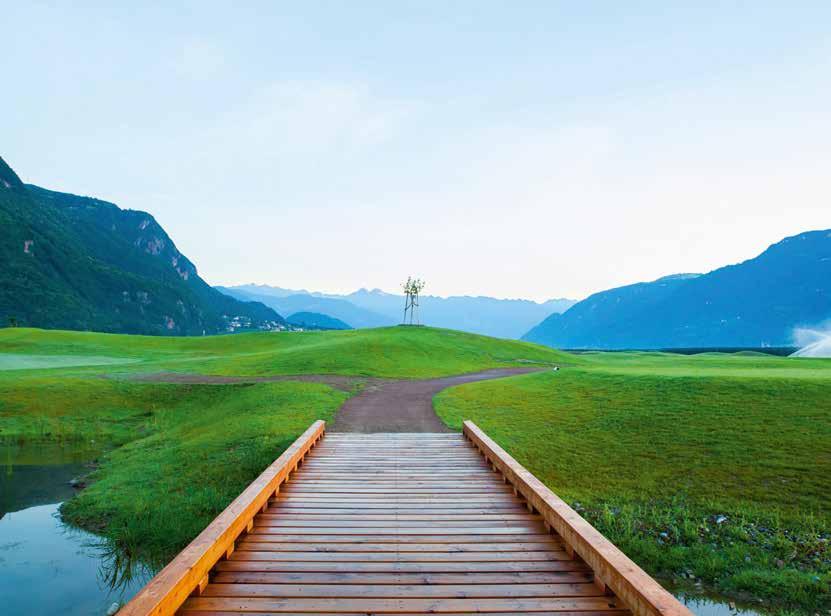
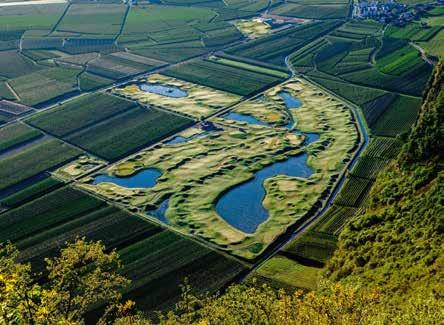
Anyone teeing off in Unterrain hears more than the silent buzz of the ball. You can hear birdsong, and feel nature breathing.
The Golf & Country Club Eppan, affectionately called „The Blue Monster”, is much more than just a golf course. It’s a statement of mindfulness and responsibility.
„Practised sustainability means treasuring nature and making conscious choices,” says Alexander Gostner, president of the Golf & Country Club. Therefore, the lawn is maintained with organic fertiliser and treated with a natural mixture to ensure a healthy acid-base balance. It takes more work, but it’s well worth it. Guests notice the difference: no skin irritations, clear air. For maintenance and the club’s vehicles, they rely on e-mobility: lawn mowers, vehicles, and charging stations –silent, efficient, and lowemission.
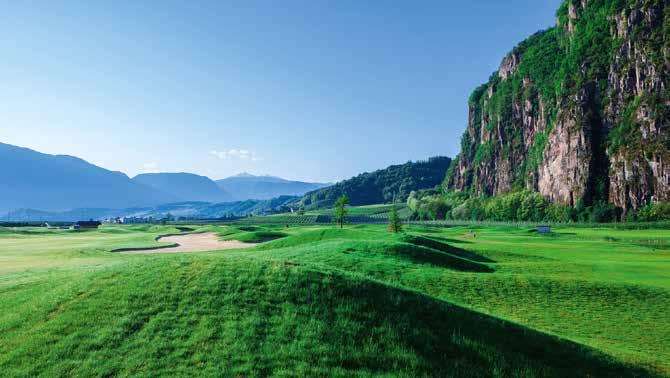
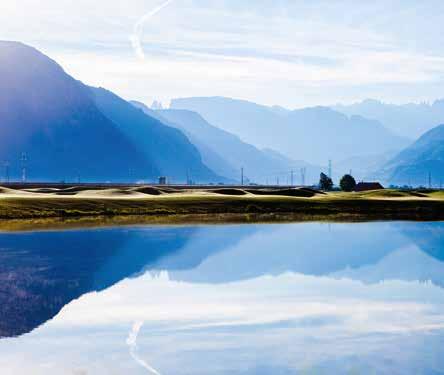
Gostner’s favourite spot is on the sixth tee, Par 3 – where the view opens over the lake, with the Texel Group mountains rising on one side and the Schlern glowing on the other. For him, this place is the inspiration for a higher vision: in the future, the club should be completely self-sufficient and generate its electricity from natural resources. In the long term, Gostner would like to create an 18-hole course – a project that combines sport, sustainability, and landscape in a whole new dimension.
„That would be a complete gamechanger – for us, for Eppan and the golf sport in South Tyrol,” says Gostner. But amidst all the planning for the future, the soul of the “Blue Monster” remains unchanged: the harmonious relationship between humans and nature.
The club grounds were established on flat terrain with a high groundwater level – a challenge that became an opportunity. Numerous water areas now form the heart of the golf course. They act as natural reservoirs, help regulate the microclimate, and provide habitats for fish, dragonflies, and rare bird species. Ornithologists report that species once believed extinct in South Tyrol have returned. A cycle that shows: if nature is given space, it will find its way back.
Alexander
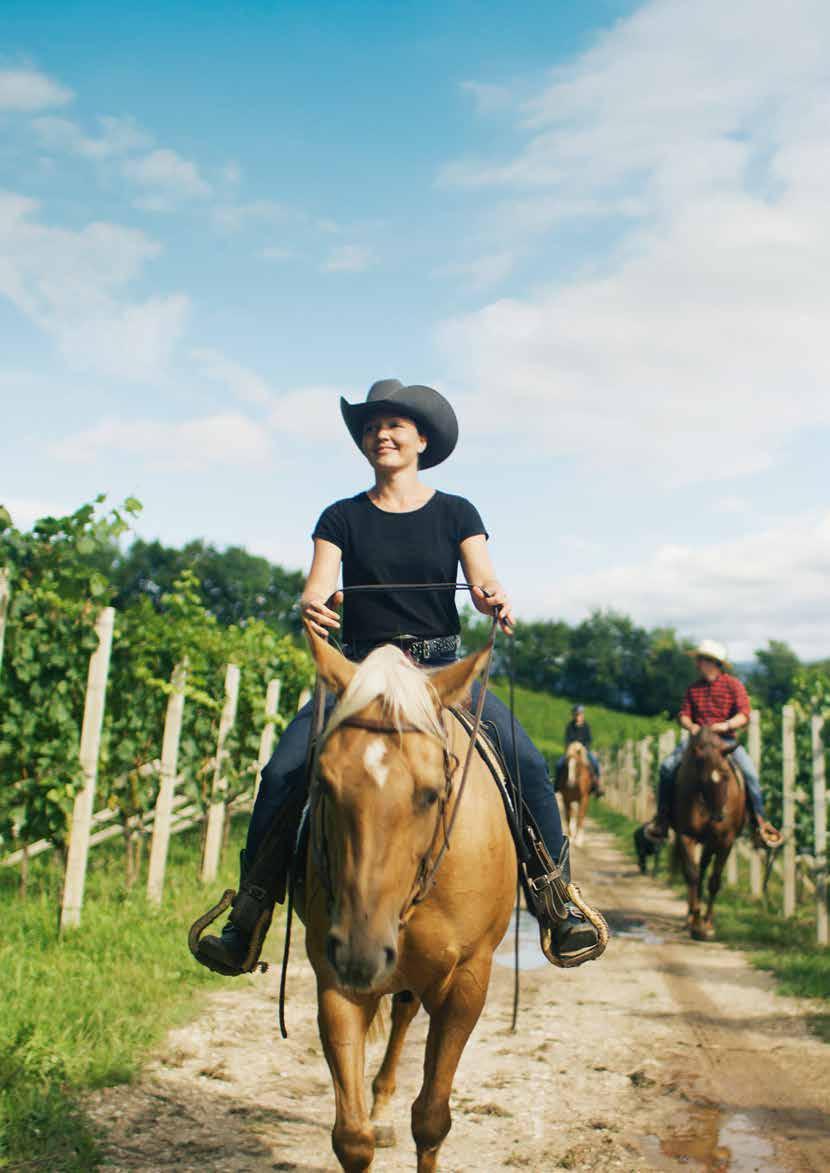
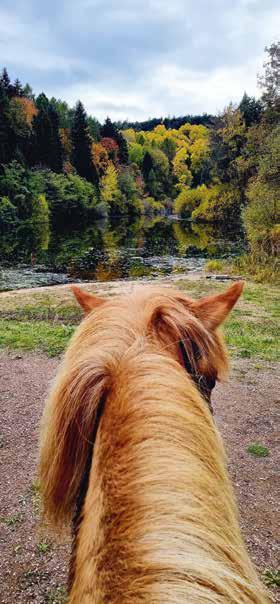
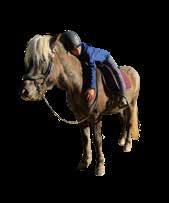
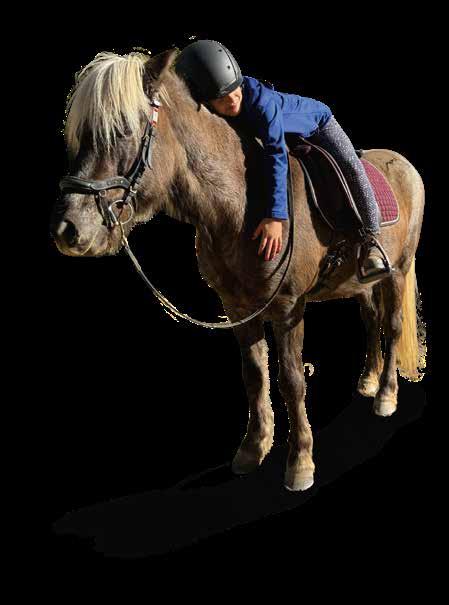
As the saying goes, happiness on earth is found on the back of a horse.
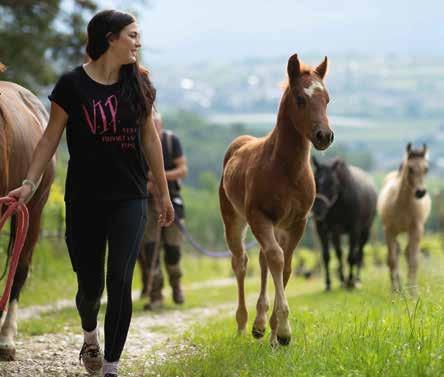
And this can also be wonderfully experienced in Eppan. Gentle Icelandic horses await riding enthusiasts at the Überetsch riding club. Riding teacher Lisa offers riding lessons and, for advanced riders, guided riding excursions amongst chestnut, oak, and other trees in the Montiggl wood. After the children’s riding camps at the beginning of the summer, the horses enjoy their holiday on the Alpine pastures from mid-July until early September. During this period, horse lovers need not miss out on the fun: at the Nofnerhof near Schulthaus in Eppan Berg, some temperamental Quarter Horses are ready, ideal for riding lessons and outings on horseback. From there, wonderful routes take you to the Matschatsch pastures, through the sunny vineyards to Kreuzstein, or up to Buchwald. And if you want you can also book a fun horse-themed birthday party for children directly at the farm.
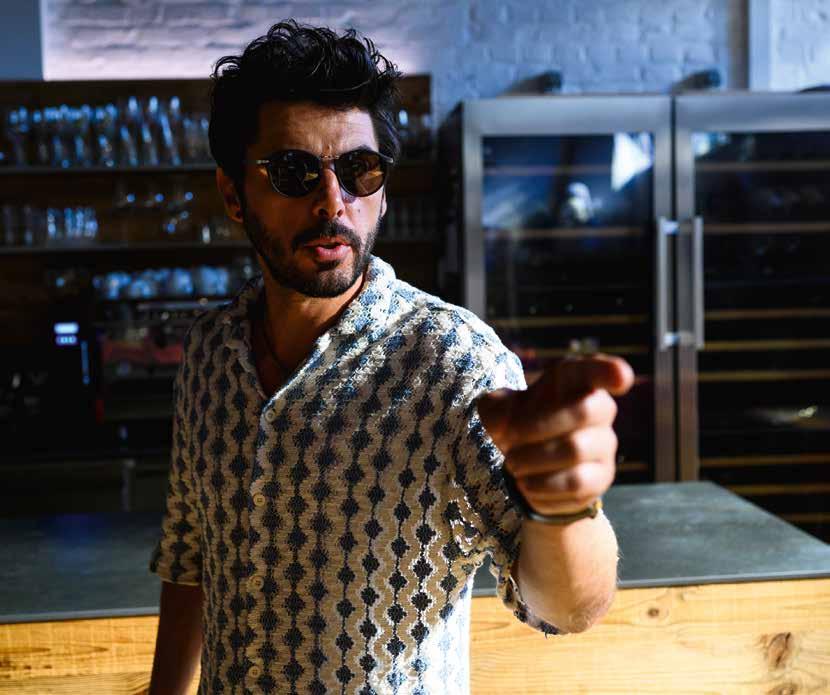
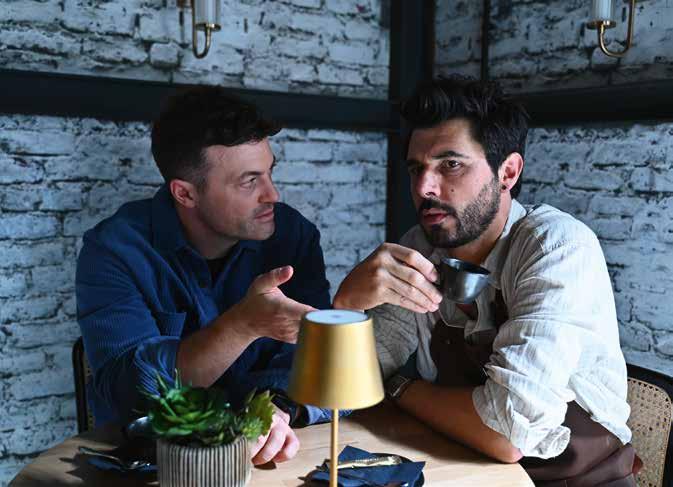
Daily soaps like „Alles, was zählt” are followed by millions of viewers, yet they are often ridiculed and underestimated by many.
So you’ve actually achieved what you’ve always dreamt of?
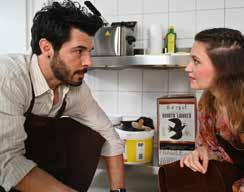
Riccardo Angelini (pensive): Yes, one could say that. Even if I was pretty naïve back then. I was fascinated by the world of film and wanted to be famous. I simply thought you show up, say your lines,
Already in his youth, he dreamt of being part of the film industry. Actor, screenwriter, director. And he wanted to be famous. Riccardo Angelini from Eppan has achieved that goal. He is currently captivating millions of viewers in the daily soap “Alles was zählt” on a German private TV channel RTL. and have as many takes as you want in front of the camera. I had no idea what happens behind the scenes or how a role is really created: the character development process, the background, the whole magic, and the entire universe involved. The insights into theatre and literature that are a part of the process.
Relatively quickly, you were brought back to reality again?
Yes. When I wasn’t chosen for my first castings, I realised that I had no real knowledge of acting – I basically lacked both technique and experience. So, I completed a professional camera-acting training that lasted several years, took on various jobs as an extra on film sets, and gradually, through meeting different directors, I began to understand what really matters: that you have to work very hard on yourself, your skills, and your talent, and that you must never stop learning. And of course, you need a certain charisma, which cannot be taught.
It’s very demanding. Lines have to be delivered perfectly in a very short time, and scenes are often shot only once. Asking for a second take is usually frowned upon. You are working alongside people who have been performing at a high level for 18 years.
You are often cast as a Latin lover, a charming seducer, for example. Does it bother you to be typecast as this kind of character?
When I was younger, I wanted to play the bad boy, the mafia gangster. However, I was told that such roles didn’t really suit me, because I come across more as the nice guy next door. So I decided to embrace this niche of playing an Italian or Spaniard, and I found it quite easy
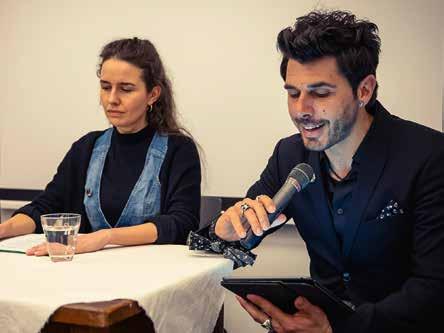
“I was fascinated by film and wanted to be famous – at the time I had no idea what goes on behind the scenes.”
Riccardo Angelini

Riccardo Angelini , born 1981 in Bozen, grew up in Eppan. He trained as an actor in Munich. His past experiences include acting roles in „Die Päpstin”, „Vincent will Meer”, and „Der Bergdoktor”. His experimental short film “I love you”, for which he wrote the screenplay, directed, and produced, has won several awards, including at the Cosmopolitan Film Festival in Tokyo. Currently, 5 million people watch him daily as Matteo Borazio in the RTL soap series „Alles was zählt“.
to do. That also opened the door to more roles.
Besides these roles, you also have a very serious side, for example actively campaign against violence towards women. Among other things, you produced the award-winning short film “I love you”. Where does this deep interest in this topic, something rather unusual for a man, stem from?
I grew up in an all-female household and have a very strong sense of fairness. Personally, I cannot imagine how anyone could treat a woman that way. In fact, I find it repulsive and ignorant. It saddens me that women have to experience such things. Therefore, it was important for me as a man to take a stand. At one of our events last year in South Tyrol, “Stand Up”, which included a book presentation by Julia Ganterer and a screening of the short film with audience discussion, a man spoke up who had been violent towards his partner. He said that, for him, it had seemed normal—but only after years of therapy he realised that his behavior was not acceptable. That was an important step. For me, it’s crucial
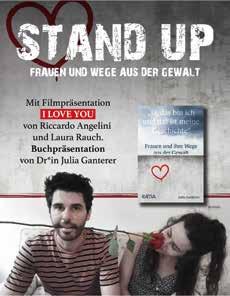
“For me, it’s important that men understand that violence towards women is a male problem.”
Riccardo Angelini
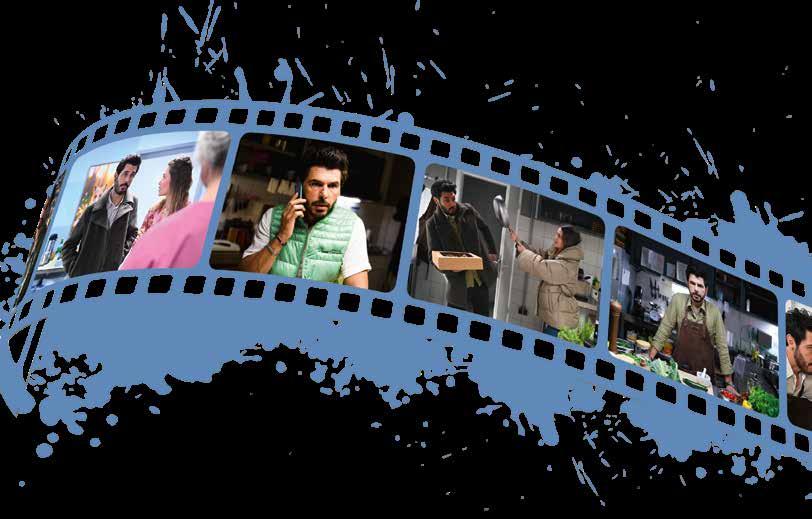
Riccardo in his role as Matteo Borazio in the RTL series „Alles was zählt“.
that men understand that this is a male problem, and not a female one. As long as this is the case, we must continue talking about it.
You worked as a bricklayer and a waiter, also to finance your training. What did you learn from these experiences for your career?
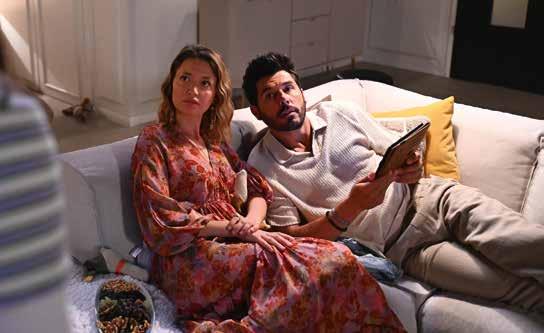
As a bricklayer, I learned endurance – that you have to work outdoors, rain or shine. I also learned perseverance: when I started, I was so skinny that I couldn’t even carry a sack of cement. I learned proper standard German, the stage language, from Luis Benedikter. As a waiter, I was able to practise speaking with the guests at the restaurant “Vögele” in Bozen. Overall, I’ve learned in life how important it is to trust, to let go, and to dance in the rain rather than wait for the sun to shine.
You are currently living in Cologne and Vienna, and before that you spent many years in Munich. Would you consider moving back to South Tyrol?
I haven’t really thought that far ahead. As long as I’m working on the set of „Alles was zählt”, I’ll stay in Cologne. My wife, who is also an actress, and I have found a good rhythm with commuting, so we can both fulfil our commitments while still seeing each other as much as possible.
Speaking of your wife: You got married in 2025 at the Lanserhaus in Eppan, and the wedding was featured in various newspapers, including “Bild”. Was it important for you to get married at home?
Yes, my grandmother is from Leifers and she’s over 90 years old. I really wanted her to be present at my wedding. That’s why we decided to have a civil ceremony here with
a small family circle, and a second celebration will follow.
You return to South Tyrol several times a year. What does “home” mean to you? Where do you like it best here in Eppan?
I love Hocheppan Castle, to hike there and enjoy some really good food. In the summer, I especially enjoy to swim in Lake Montiggl.
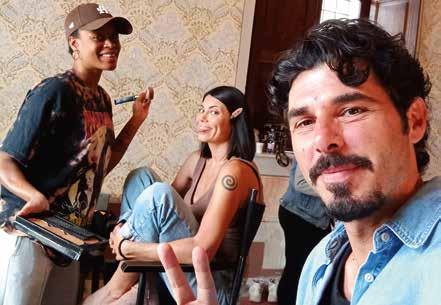
EVENT-TIP
Sunday, 18 October 2026
When hiking turns into a delight for all the senses, then music is in the air. It’s the most joyful feeling to stroll through the autumnal vineyards with a view of nature’s amazing display of colours – accompanied by the promise of delicious food served to wonderful melodies at the historic manors and castles of Eppan.
Ascent Furglau Matschatsch Viewpoint

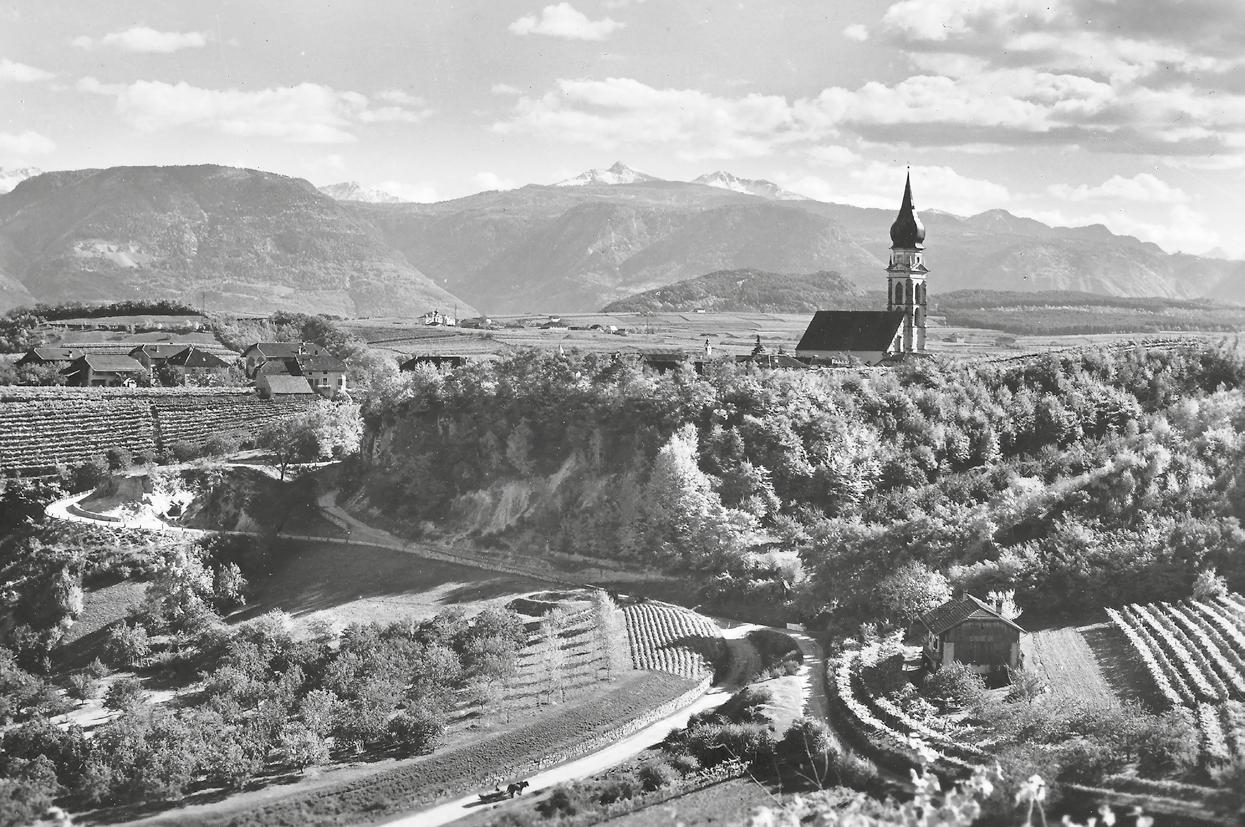
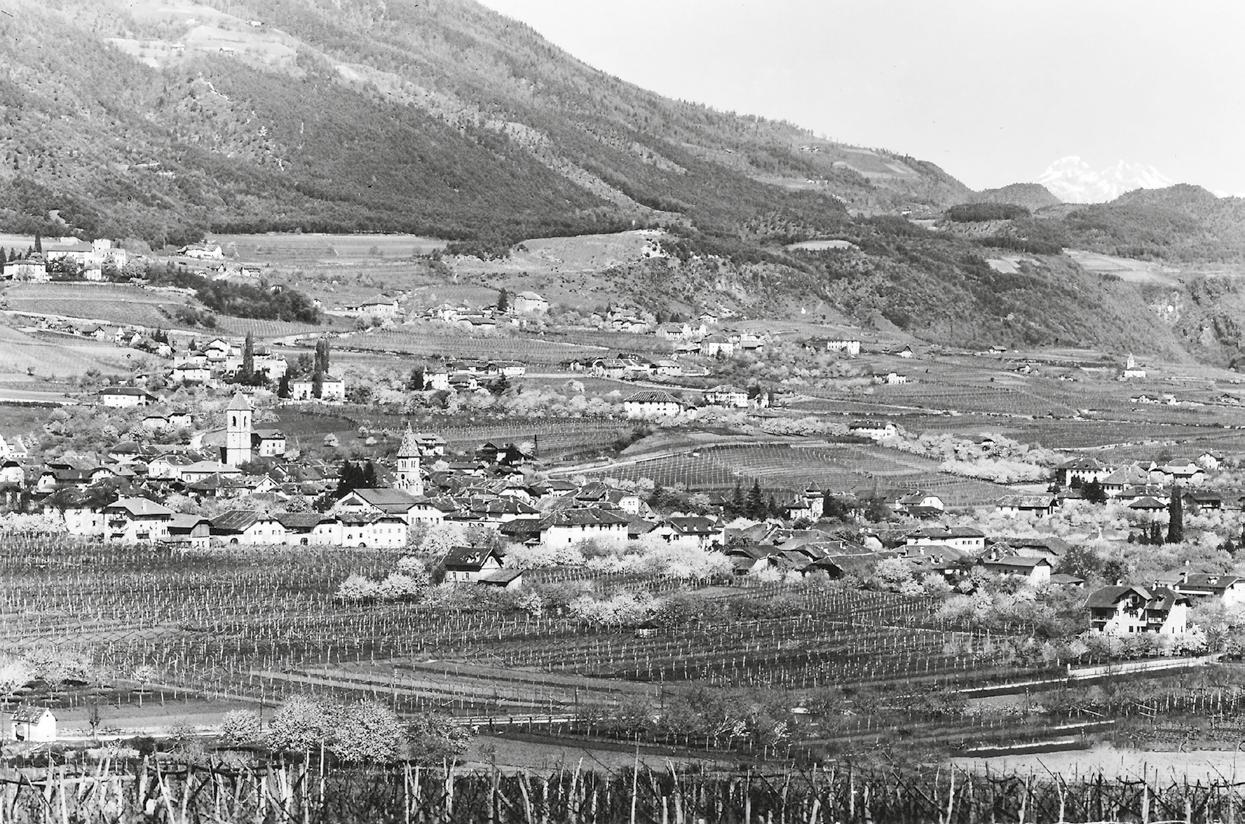
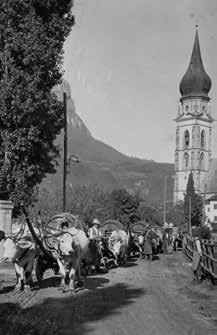
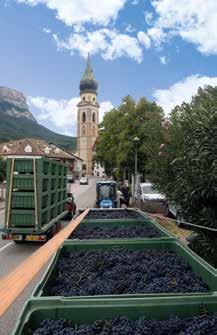
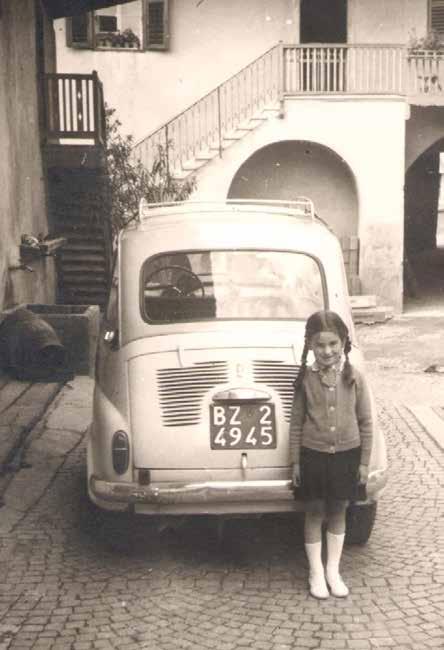
Today, Eppan is a thriving municipality that has, in part, preserved its rural roots alongside its beautiful landscape and splendid manors and castles. A recent exhibition offered insights into the varied hustle and bustle of everyday life in earlier times across the different districts.
Many aspects of the past live on in photos and stories – from an era when daily life was very different. Eppan Magazin didn’t just browse the images of the exhibition “Wie die Zeit vergeht” (How Time Flies) at Lanserhaus, but also spoke with contemporary witnesses whose stories vividly bring Eppan of the past to life. An exciting journey between then and now.
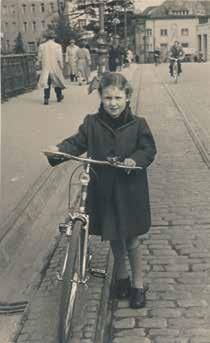
Ehrentraut Riegler, 82, Girlan
She knows Eppan like no other: for decades she was a kindergarten teacher and municipal councillor –and today she is the curator of the Girlan Photo Archive, managed by the Eppan Heritage Preservation Association, which holds about 10,000 historical photographs. Many of these images depict an Eppan that she herself experienced and helped shape.
Preserving the historical cultural heritage of Girlan was particularly close to her heart. In 2008, together with around a dozen residents of Girlan, she founded the “Weinwelt” initiative with the aim of protecting, documenting and passing on the unique heritage of the village’s underground wine cellars to future generations.
Raised in Gries, she cycled for many years to Frangart, where the children eagerly awaited her. “In those days, they still walked to kindergarten on their own; they were much more independent than today,” she recalls. Together with a cook, she looked after more than 30 children – using simple natural materials and great creativity.
Later, as a municipal councillor, she advocated for environmental issues,
mobility and women’s rights – although not always appreciated by the men. Provincial councillor Otto Saurer called her “Mother Courage”. She was awarded the Medal of Merit of the Province of Tyrol and, as the first woman, received the Ring of Honour of the municipality of Eppan. Under her leadership, the recycling containers disappeared from the village picture and the recycling yard was modernised. She was also re-
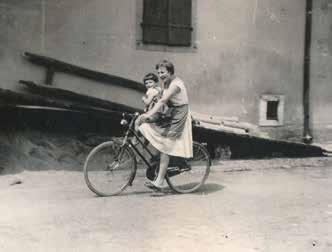
sponsible for introducing city buses – steps that were fully appreciated only later.
Her personal commitment against dog waste in the village is legendary: she marked the piles with little flags reading “inconsiderate dog owners” – a witty but clear appeal for more consideration. Respect – for people and the environment – remains one of her most important values.
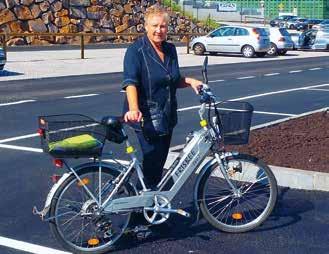
Günther Roner, 68, Frangart
When Günther Roner talks about the early 1970s, his eyes sparkle.
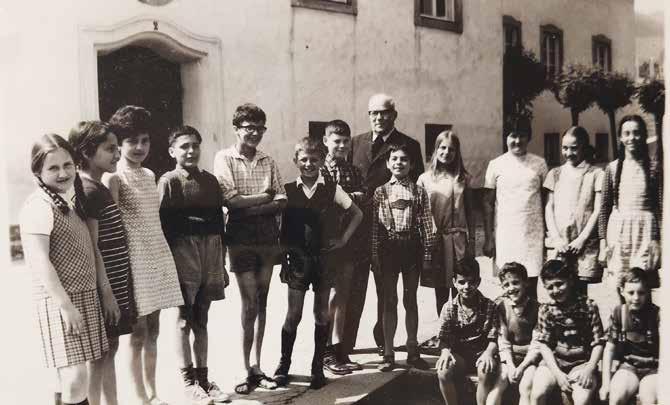
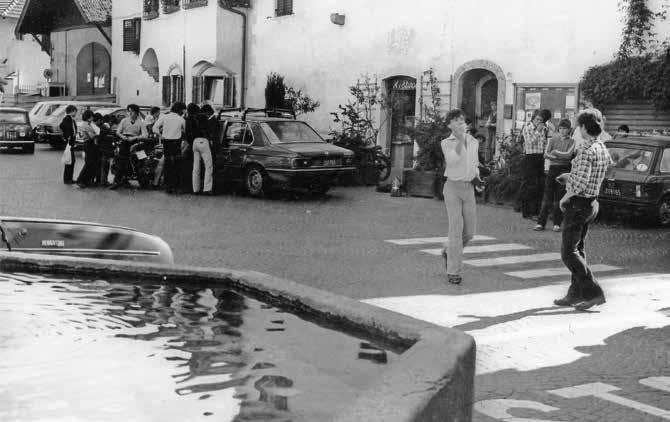
“We used to meet at the fountain next to Gasthaus Schenk; someone was always there. Those of us who helped our grandparents with farm work received 50 Lire and could then go and buy an ice cream.” With about 20 cousins and many childhood friends from the surrounding neighbourhood, there was always something going on.
“They were carefree times. Our parents often didn’t know until the evening where we were. We built huts in the woods, climbed the Sigmundskron ruin, played on the Etsch riverbank or football in the village street,” he recounts. In winter, the road became a toboggan run because there was so much snow and hardly any cars. In the “old valley,” they were even able to skate.
“Only the girls often had to help at home – a patriarchal mindset,” says the current president of the Cultural Committee Frangart. In the evenings, the boys roamed the neighbouring properties and
stole cherries. “If you were caught, you got a slap around the ears or a kick in the backside,” he narrates with a laugh. Sometimes they secretly took their father’s tools to build things in the woods –some were never returned. In summer, they went fishing or took the boat out on the Etschgraben under adventurous conditions. Later, they cycled to Montiggl, or drove to the lake on their “Vespele” or “Ciao” mopeds. They taught themselves how to swim. A bit of fun, such as spraying people with water or capsizing rental boats, was part of it. Even nighttime pranks in the village and at the youth hostel caused a few problems.
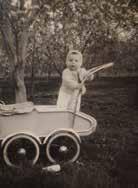
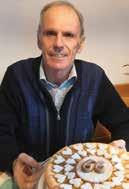
friends usually came from neighbouring villages – long hair was frowned upon in the village.
Later, Roner and his friends organised parties in the primary school hall. “We had long hair and played music from abroad: Dire Straits, Rolling Stones, Beatles and others.”
Some of them founded a rock band. The strict local priest and school headmaster surprisingly showed some understanding. The first girl-
Roner especially remembers the first TV set, which an aunt smuggled from Augsburg “under a blanket, hidden from the customs officers.” Even record players and records found their way to Frangart in the same way. “Then everything changed fast – socially as well as technically.” From the mid-seventies, many joined a football club, the firefighters, or the new youth band. With a job, military service, and first serious relationships from 1976 onwards, “the realities of life” began. Many of these activities were continued by the younger generations.
Wally Kössler, 69, St. Pauls
“In the old days, people lived more as a community,” says Wally Kössler, remembering her childhood in the heart of St. Pauls. People would go to express their condolences in the neighborhood when someone passed away, or to celebrate a baby’s birth, the “Weißet.”
As a member of the Kössler family of Ansitz Schreckenstein, she experienced everyday life in a middle-class extended family, as well as the social and economic changes over time.
“Until tourism arrived in the midsixties, there were stables with animals in every village alley. Nowadays, in the entire municipal area, only a handful of farm businesses remain at higher elevations,” she relates. Many stables and barns have been converted into guest rooms.
She also clearly remembers that
neighbours used to come to their house to take a bath, as very few people owned bathrooms with bathtubs. “My grandparents would still drive to Hotel Greif in Bozen to bathe every Saturday,” she recalls, based on family stories. There were
also only a few telephones in the village, and children often had to fetch neighbours when a call came for them.
Kössler experienced the
the transport by ox-drawn carts, and the processing of grapes until they reached the wine cellar. She is familiar with all the traditional tools that now seem unusual. Nostalgia is awakened in her when she sees pictures of the huge apple trees in Kaltern, which – unlike today – had diameters of three to five meters.
At midday, she would drive with her father and sisters to the Montiggl lido, where there were very few changing rooms. Due to limited space, each village of Eppan had one communal changing room, where everyone hung their clothes


Last autumn, 195 pictures showing life in all its aspects were displayed across two floors of the Lanserhaus. The ground floor presented village scenes from each district, while the upper floor focused on daily life, work and traditional crafts. With painstaking care, Erwin Flor, president of the Eppan Photo Club, and Wally Kössler created a kaleidoscope offering deep insights into roughly 100 years of life in the municipality. Selecting the images from the St. Pauls and Girlan archives took two years. The photos on display today were produced by the photo club.
on nails. While her father napped on the jetty, the children swam without supervision, occasionally sharing an aranciata (italian sparkling orange soda).
She also recalls women who commuted to work in Bozen via the Überetsch train. They walked to the station in sturdy shoes, only to change into high heels to dress up for town. Wally Kössler worked as a teacher and later became a municipal councilor. She is also one of the initiators of the photo archive. Preserving the memory of Eppan’s past is very important to her.

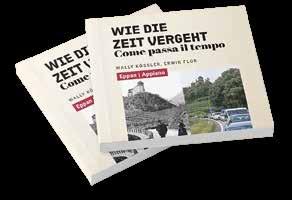
The photo book accompanying the exhibition
For those wishing to explore Eppan’s past in more depth, there is a special treasure: the book Wie die Zeit vergeht, featuring 190 photos portraying life from the 1920s until today. The publication was supported by the Local Heritage Association of Eppan and can be purchased at the tourist office or at the local bookshop (15€).


winery. tasting. guided tours.





















Eppan is the municipality in South Tyrol with the highest number of castles, fortresses and manors. Here are some interesting numbers and facts. Oh, you castle-rich municipality!
The Kreidenturm (Chalk Tower) below Hocheppan: 34 m
Hocheppan Castle keep: 23 m
Earliest Complexes
3-5 prehistoric complexes with wall remnants
Altenburg near Warth the imposing Hocheppan Castle , and the castle site Gruonsberg near Girlan are among the oldest high medieval complexes, dating back to the 12 th century
Castles with the Most Rooms Freudenstein Castle: 16 rooms
Reachable on a hike, distance: < 5 km
Number of Castler & Manors About 20 castles and residential towers ( in South Tyrol: about 250 ) About 40 privileged manors ( in South Tyrol: about 450 ) About
The Top 5 in Eppan • Hocheppan Castle • Warth Castle
• Schloss Hotel Korb below the Boymont Castle Ruins
• Freudenstein Castle • Englar Castle
Note: Top 5 = based on popularity and interest, no objective ranking
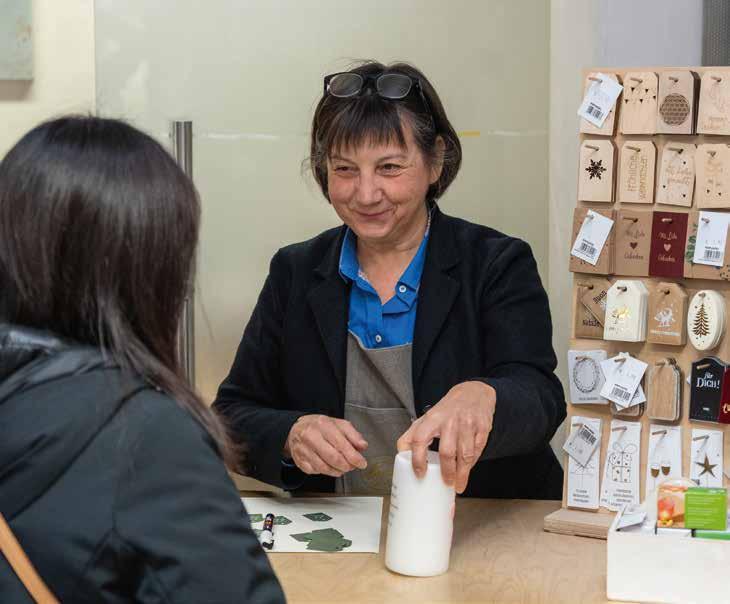
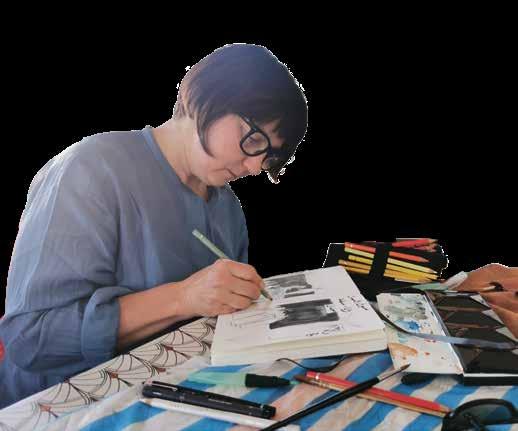
Among colours, paintbrushes and stacks of paper, it smells of inspiration. When you enter the small shop Rapunzel in Eppan, you immediately realise: everything here revolves around creating and exploring.
For almost three decades, Evi Plattner has been running her specialised shop with a passion that cannot be taught. She knows every shelf, every shade of colour, every sheet of paper. “I need to know how it feels before I can recommend it,” she says. Deep specialist knowledge is her trademark – but her real strength lies in her humanity. Plattner doesn’t just sell materials, she guides people on their way to creativity: whether beginners or experts, travelers or locals alike.
“Sometimes it only takes an idea, sometimes a good conversation,” she says with a smile. In a time when online shops are replacing many things, Rapunzel offers an
alternative: a meeting point and source for advice. Many have been coming for years; some even make a special trip because they know they can find the best art and craft supplies here – along with personal guidance.”
Evi Plattner has the right advice for every creative idea.
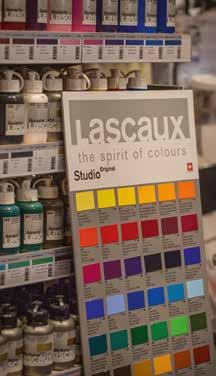
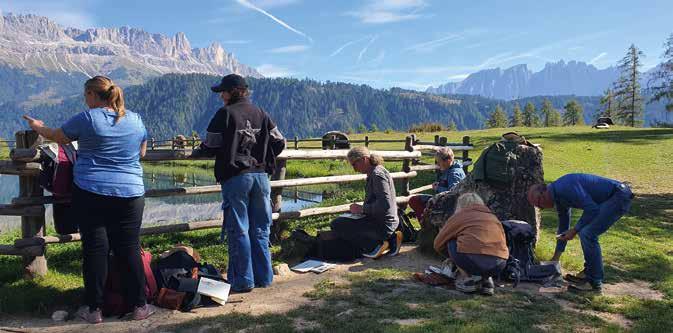
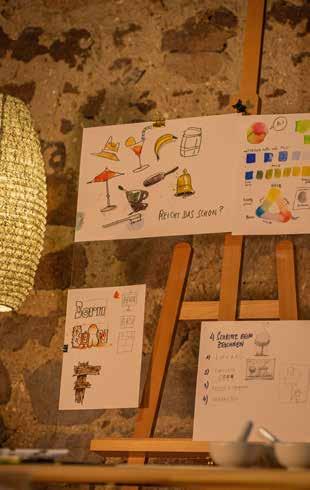
The 60-year-old multi-talented artist doesn’t just run her shop: one of her passions is urban sketching courses and workshops, which she organises in collaboration with international instructors in her own studio. Participants learn how to bring their surroundings to life through line work, use of colour, and spontaneous motifs. Anyone can join; no prior experience is required. In 2026, her first painting tour to Japan will take place in collaboration with professional partners and local travel agencies. Further destinations are being planned: Rome, Australia, Tanzania – and of course, South Tyrol. “We draw where we are; the surroundings become part of the art,” she explains.
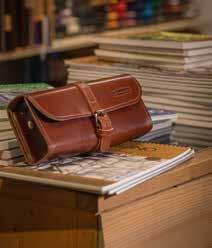
Rapunzel is more than a shop: it’s a lifelong work. A place, where locals meet, where inspiration grows, and ideas take shape. Anyone who enters leaves not only with a paintbrush but also with a spark of passion that lingers.
tones with big maturity
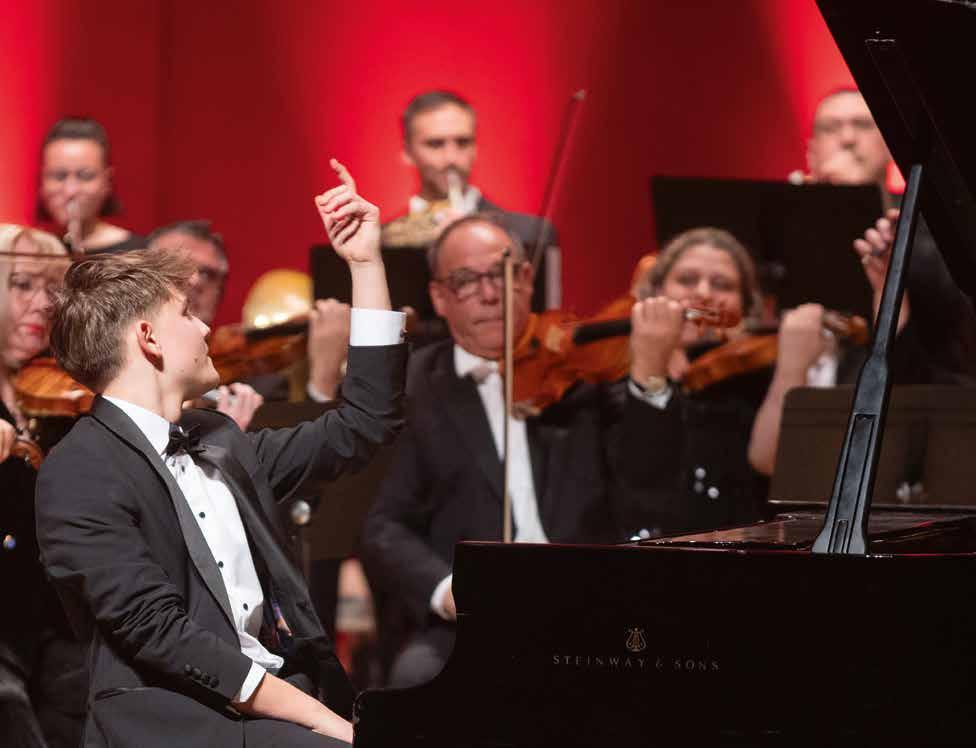
A bright room, a grand piano, a young musician who mindfully lowers his hands. Paul Herbst from Eppan is only 16, yet his playing conveys calmness and clarity. Every touch seems intentional, every tone has a purpose.
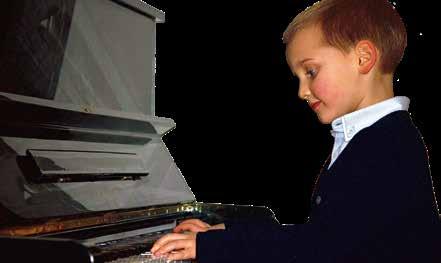
He made his first attempts at playing the piano as early as kindergarten, but the decisive moment came a few years later – in 2016 – at a concert by the participants of the Junior Academy Eppan. The 13-year-old Eva Gevorgyan, now a star pianist, performed Paul Guldas’s „Play Piano Play”. This piece moved him so deeply that he decided to devote himself to this keyboard instrument.
“My aim was to one day play this exact piano piece – and years later I was able to,” Paul remembers.
Aged twelve, he took part in his first competition and since then he has won numerous international prizes, such as the Prize for Musical Advancement “Goldene Note”. “When I play, I can see sound colours – I paint with tones,” Paul explains. He prefers romantic pieces to the baroque rigor, cherishes lines that breathe and arches that tell a story.
Before a concert he has a clear ritual: mobile phone off, movement, a healthy snack – then focus. In competition phases he practises four or five hours a day, on intensive days also six hours. Maturity is vital here: less the perfection, but the truth in
the tones. On stage he wants to captivate, to let the audience feel the musical climaxes, and to allow silence. He doesn’t study composers and great performers to copy them, but to understand them. He draws motivation from nature: cycling, hiking, and he also enjoys cooking. “In difficult moments I imagine being on stage and seeing the audience’s enthusiasm.” His long-term vision is to travel the world as a soloist or perhaps one day to stand on stage as a conductor.
Paul Herbst shows how discipline and the power of imagination can become music that inspires. If you listen carefully, you can perceive more than just technique: you hear a young artist who has found his voice – and shares it on in his own distinctive way.
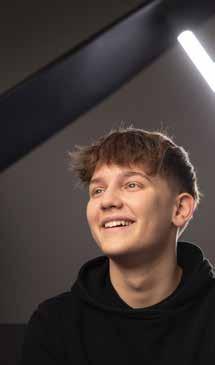
“When I play, I see sound colors –I paint with tones.”
Paul Herbst
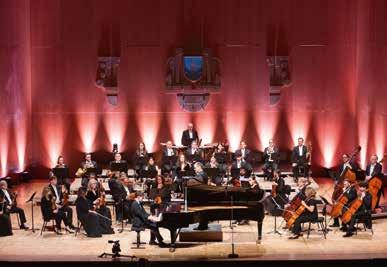
TIP: WINESOUNDS ON THE ALTO ADIGE WINE ROAD, 22 AND 30 OCTOBER
For the fourth consecutive year, the WineSounds concert series takes place. From October 16 to November 7, 2026, the finest musical experiences will be heard in 15 villages along the South Tyrolean Wine Road and in Bolzano. On October 22 and 30, Eppan will host this celebration that combines music and wine.
Information about the concerts is available from the Eppan Tourist Association.
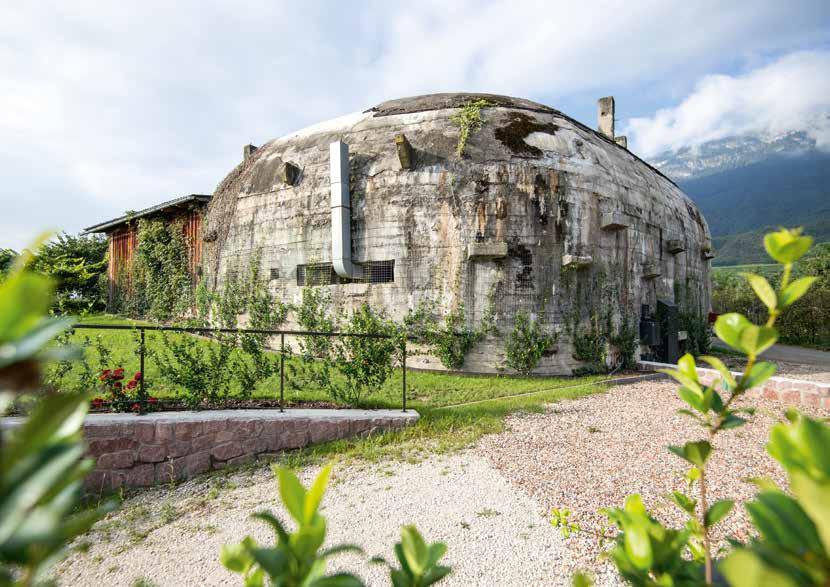

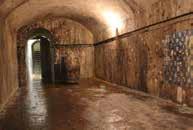
Whereas castles and fortresses have long since become popular landmarks, the bunkers tell a different story: built in the 1930s under Mussolini as a defence against Hitler, many of them – around 45 – are still more or less intact, quiet, and mysterious. Heimo Prünster has devoted himself to these forgotten structures. Even as a youth, he was fascinated by the idea of hiding in
dark corners to remain unnoticed.
Later, the architect documented them in his thesis – and he remains convinced: these structures deserve to be recorded, preserved, and made accessible to the public.
„Castles aren’t less fortified structures,” Prünster explains, “but their history today is less present than the challenging times of the oppression through fascism and
SPARKLING
BUNKER TRIP
Kellerei Sankt Pauls offers a parti cularly fascinating experience: visitors can explore the interior of a bunker. Inside, the precious Praeclarus sparkling wines are stored, ready to be admired. It is also possible to join a wine walk through the idyllic vineyards, followed by a tasting of some sparkling wines—including an insight into their elaborate production. Appointments can be booked from Monday to Friday at Kellerei Sankt Pauls (Tel. 0471 180 77 00).
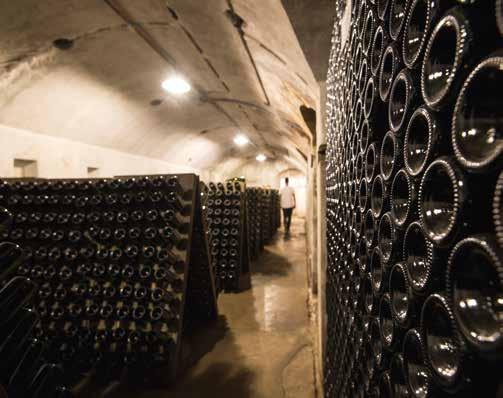
When driving from the Bozen valley basin towards Eppan, you come across partially overgrown structures nestled among the picturesque vineyards. Insignificant at first glance, they are in fact silent witnesses to a turbulent period— one whose marks can still be seen in South Tyrol today.
the Option.” Today, many bunkers are empty – a neglected part of our cultural heritage. In Switzerland, for example, similar structures are preserved with pride. Prünster sees enormous potential in them to retell history and make it tangible. Originally, the bunkers were intended to be part of a defensive line consisting of 1,000 military installations; however, the project was never completed. Today, many are privately owned and used as wine cellars. Some, like the sparkling wine cellar Praeclarus, are open to visitors.
“These structures deserve to be documented, preserved, and made accessible to the public.”
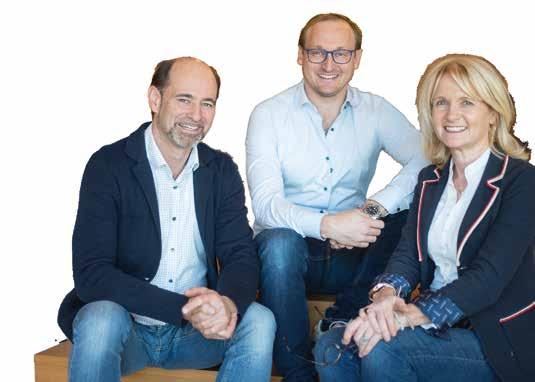
For generations, “Planstudio Pederiva” has been designing hotels and spaces where people can find repose, rewind, and feel at home. What began as Ludwig Pederiva’s vision continues as a family legacy, carried forward with dedication by Thomas, Ulrike, and Alexander Pederiva
Each project is shaped with care, quality, and a keen eye for detail, backed by decades of expertise. This is how architecture becomes an experience - where style and function unite in perfect harmony.
Our work is deeply rooted in our beautiful region, where Alpine and Mediterranean influences fuse seamlessly to create unique holiday destinations.
Our focus is on architectural designs that enhance the human experience: Our designs merge the warmth of the South Tyrolean hospitality with a refined, worldly sensibility, creating hotels that are both welcoming and inspiring. Where tradition embraces modernity, and nature intertwines with design, places with a soul are born.
Planstudio Pederiva: architecture for those who appreciate the extraordinary.
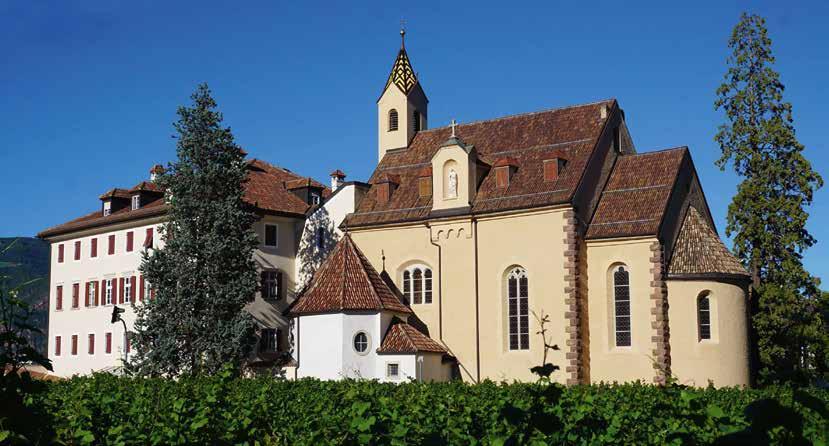
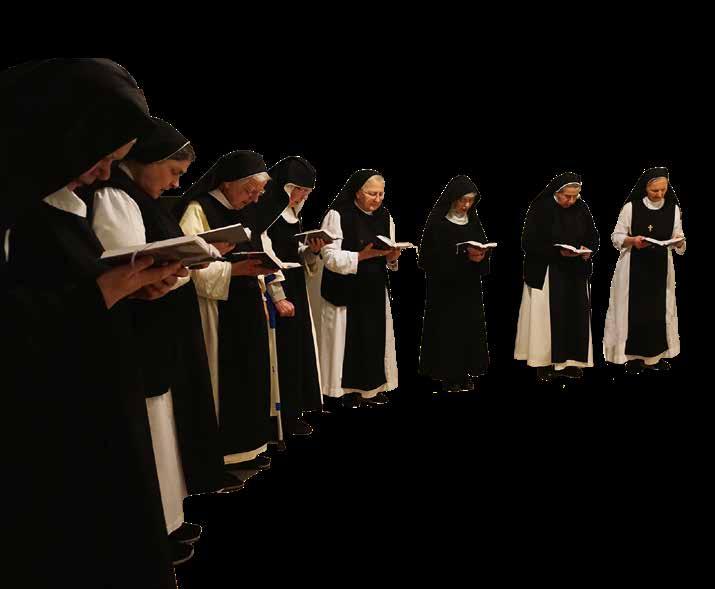
At Mariengarten Abbey, run by Cistercian nuns, there is a digital gateway for those in need: via email, people can confide their concerns to the nuns, who then pray for them.
Mariengarten Abbey, prominently situated at the entrance to the village of St. Pauls, is much more than a quiet place of retreat, with its cloister walls, the Norbertus chapel, and a school steeped in tradition.
Behind the old walls, the Cistercian nuns not only live a reflective life –they have also embraced modern approaches in order to assist others: they take on people’s worries,
anonymously and easily, online via email. Sister Irmengard Senoner explains the process: “Abbess Sister Benedicta receives the prayer requests and, during recreation, she tells us what pleas have been sent to us. Every sister then prays individually for the various concerns. In addition, it is also mentioned during Sunday mass that some people have turned to us, and all those present pray for them.“
The requests range from resolving family quarrels to relationship matters, and even blessings for children. “After the birth of their child, some parents write to us to ask for a good life for their child – out of gratitude, not concern,” says Sister Irmengard. Some people write for many years – like one lady who, for a long time, asked for prayers for her critically ill husband and finally wrote to tell them that his last hour had arrived, asking for a gentle escort on his final journey. “It’s not always about everything turning out the way we wish for,” says Sister Irmengard, “but rather about learning to cope better with certain situations, with God’s help.”
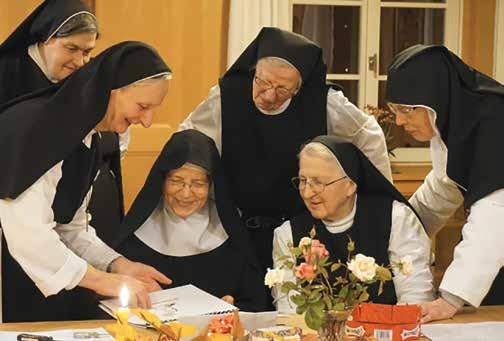
The requests remain anonymous, but sometimes the nuns can learn something about their origins: “A lady writes to us regularly from Turkey, many requests come from the German-speaking area, and quite a few from Italy as well.” The scope of their prayer ministry thus extends far beyond South Tyrol.
If you would like to confide in the Cistercian nuns and request their prayers, you can do so anytime –simply by email to: info@mariengarten.it
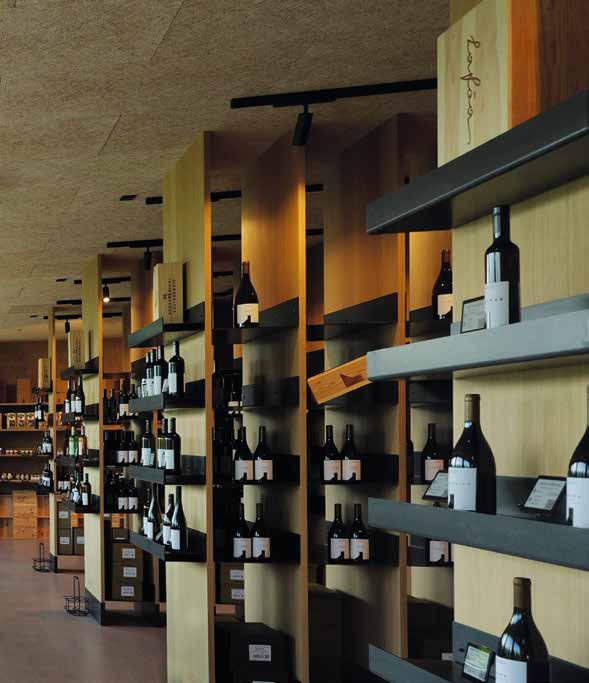
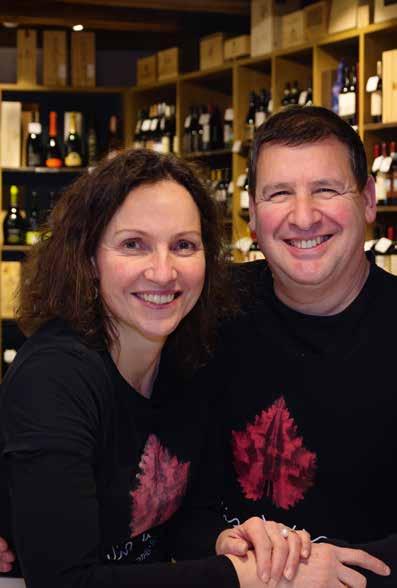
Small and unassuming on the outside, surprisingly diverse on the inside: “Vis à Vis” in the wine village of St. Pauls is a true insider tip for connoisseurs. Here, guests will find a carefully selected variety of quality wines, regional specialties such as speck, sausages, and cheese, as well as Mediterranean delicacies from the delicatessen counter. What is especially appreciated is the personal advice and the opportunity to taste many products on site. Shopping here becomes a pleasurable experience, and the perfect place to take a piece of South Tyrol home. At “Vis à Vis,” everyone is warmly welcomed with a friendly “Grüß Gott.”
Stefanie and Martin Schwarzer
VIS À VIS ENOTHEK WEIN- & GENUSSHAUS Paulser Platz 16 (St. Pauls) www.visavis-enothek.com | T +39 0471 665 927
Opening hours: Mon - Fri 8.30 am - 1 pm/ 3-7 pm Sat 8.30 am - 1 pm

The most wonderful time of the year transforms Eppan into a glittering winter wonderland. Everywhere, the special magic of Christmas time can be felt, enchanting the whole family.
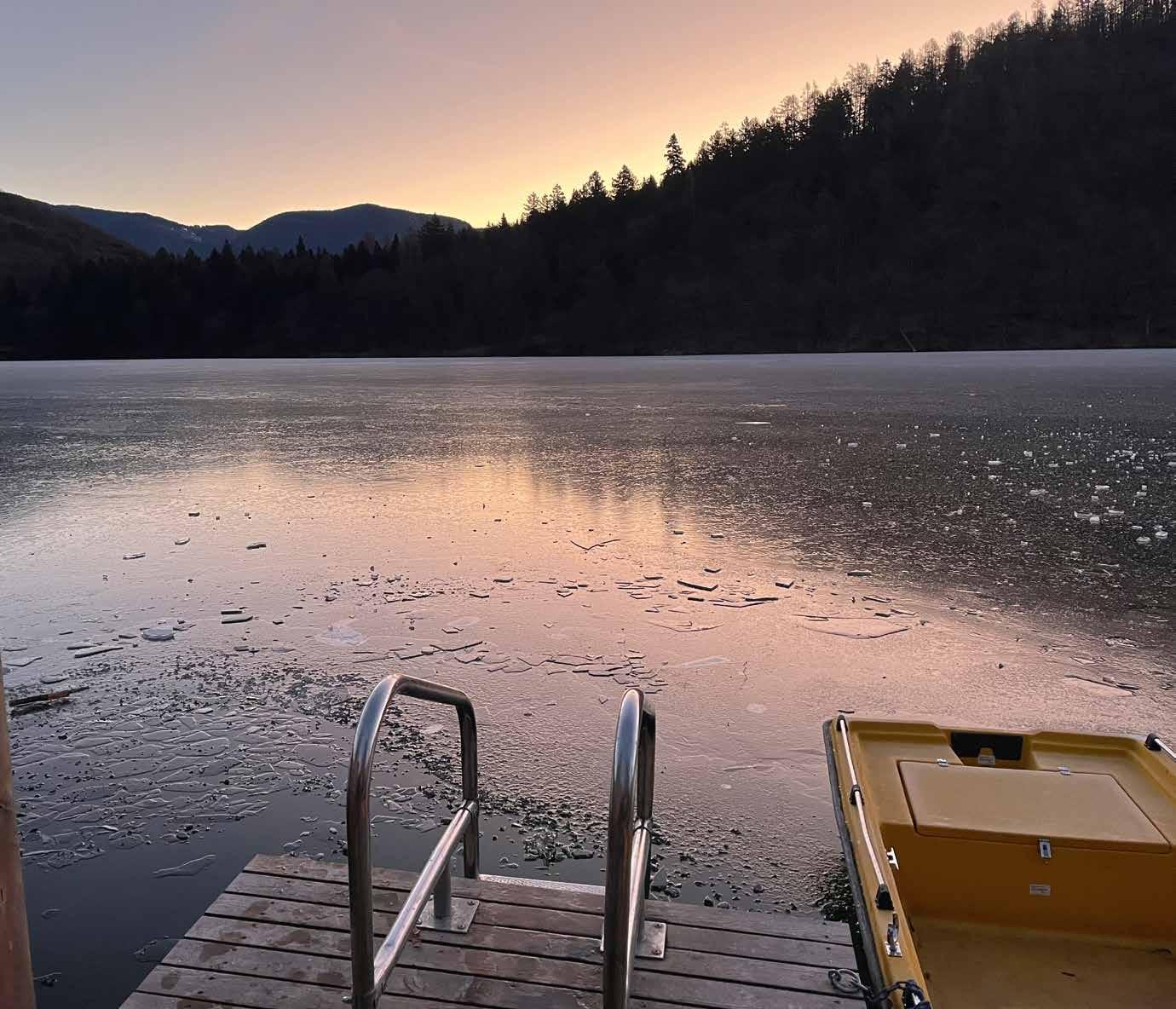
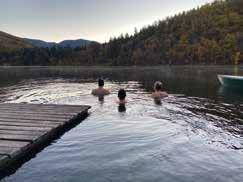
Ice bathing has become a trend: more and more people are discovering the invigorating effect of the cold water. At Lake Montiggl, too, an increasing number of courageous souls are venturing into the water. Our author herself experienced firsthand how, after an initial moment of shock, a state of deep peace soon sets in.
It’s the kind of silence that can only be experienced in the early morning. The air, the light, the nature – in everything lies a quiet promise for the new day.
The lake lies in front of us, as flat as a mirror. The surrounding pines and beeches are enveloped by mist. It is as if mother nature has prepared a stage for what is about to follow. With respect and a beating heart I move towards the boardwalk surrounded by reeds. It still seems unreal: 5 degrees outside temperature, an estimated 8 degrees water temperature.
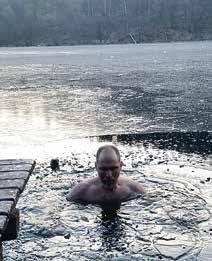
Who would do this voluntarily? I try to remember why I am here. I had seen people getting out of a frozen pond - radiant and full of energy. That is what I wanted to experience. I had read that ice bathing can make you happy thanks to the cocktail of hormones released by the body. My thirst for adventure was awakened. And so here I am on the shore of Lake Montiggl, at 7 a.m. on a late November day. I breathe in the cold air, that forms little clouds when I breathe out. A festive silence lies over the water, interrupted only
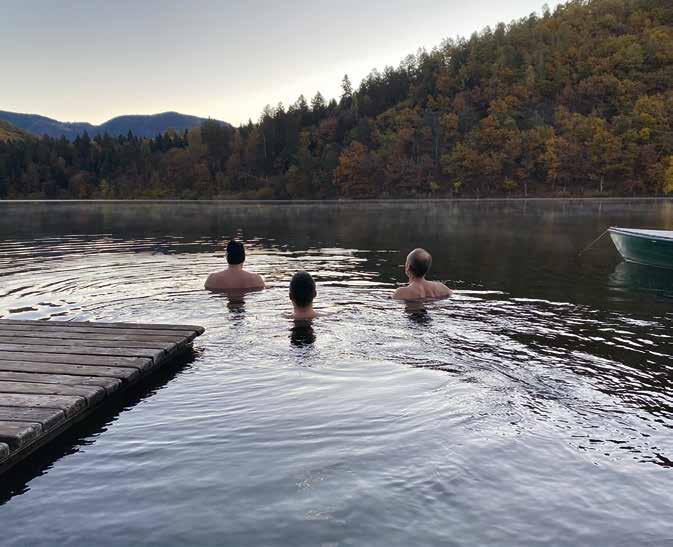

occasionally by a joke told by those present – gallows’ humour. Even the more experienced among us show respect. Everyone is focused.
The evening before, I had meditated, and now I ground myself with calm breathing, like in yoga. In principle, it goes against one’s instincts to climb into even colder water when the air itself is freezing. Clothes are taken off. Breathing. I observe the others as they silently glide into the water, each focused on themselves.
Then it’s my turn.
As soon as my toes touch the water, all my attention goes towards my skin. I slowly feel my way forward and wait for the first shock to pass. The water stretches along my legs, freezing cold, painfully so. I begin to move. Slowly. Every centimetre is a challenge.
The worst moment is when the water reaches the torso. My breathing stops. Total shock, a millisecond of panic.
“Breathe out,” Bernd, the doctor next to me, says quietly.
I do just that – long and consciously. I regain control. After about 30 seconds I am calm. And then it happens: suddenly nothing is there anymore – no fast breathing, no fear. Only silence. Inside and outside. I let myself be carried by the water, can see the patches of mist over the wood, feel at one with everything. Instead of coldness I feel warmth, as if an invisible shell was enveloping me.
I’m in the flow. Body, spirit, soul, and nature melt into one. For minutes I remain in this condition. A few great crested grebes swim by. Timelessness.
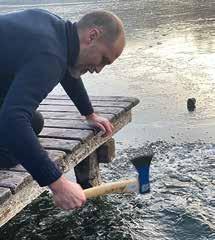
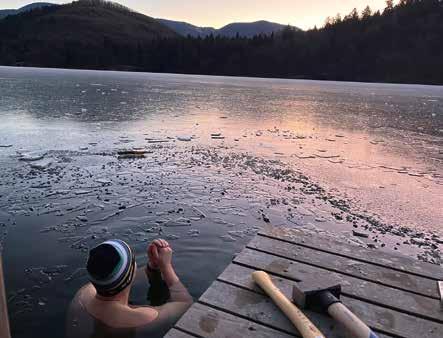
Dr. Bernd Zagler is an internal medical doctor in Bozen. He has been practising ice bathing for several years and also holds seminars according to the Wim-Hof method.
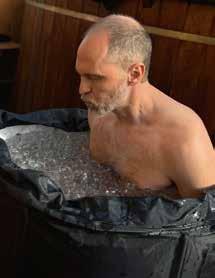
Our editor, Christiane Weinhold, put it to the test herself and stepped into the ice-cold water.
When I slowly get out, I don’t feel the air as cold. I stand on my mat, steaming in the morning light. My body glows red as the blood returns.
The urge to wrap up only comes from my head. I dry myself and begin the warm-up exercises: running on the spot, jumping jacks, half push-ups – my muscles don’t really want to move. Around me others are laughing, their fingers clammy.
After a quarter of an hour the strength returns. I feel how the cold blood mixes with the warm bloodlike currents in one’s own body. Then there is this quiet, clear feeling: I’m awake. Not only within my body.
Mr. Zagler, which positive effects can ice bathing have?
Dr. Bernd Zagler: It boosts resilience and has a positive effect on the immune system. The stress response is briefly activated, releasing hormones and stimulating the circulatory system, followed by deep relaxation. Chronic stress is one of the main causes of illness, and the cold can interrupt this process. Ice bathing can also help with certain medical conditions and supports regeneration after physical activity.
Who is ice bathing suitable for, and who should avoid it?
Pregnant women and people with
severe cardiovascular conditions should avoid it. It’s also not ideal for those suffering from fatigue or burnout, as it can temporarily drain energy. Ice bathing is likewise not recommended for rare forms of rheumatism. Elderly people and children cool down much faster, so caution is advised.
What must be considered?
Generally speaking, if in doubt, consult your doctor. Proper preparation is also very important, for example with alternating warm and cold showers. One should never go ice bathing alone – safety is the top priority! To have the desired effect a bath of one to two minutes is more than enough. Correct breathing
during the bath is essential. The phase following ice bathing is often underestimated: a proper warm-up period, for example with press-ups, is absolutely necessary. Regularity is important to gain an effect.
Why did you actually start with ice bathing, and why do you go to Lake Montiggl with your private group?
I was suffering from recurring infections and various stress-related problems. Since I started ice bathing, I hardly ever get sick. Lake Montiggl isn’t just ideally situated, but it also offers a beautiful setting and a connection with nature – which enhances one’s inner well-being.
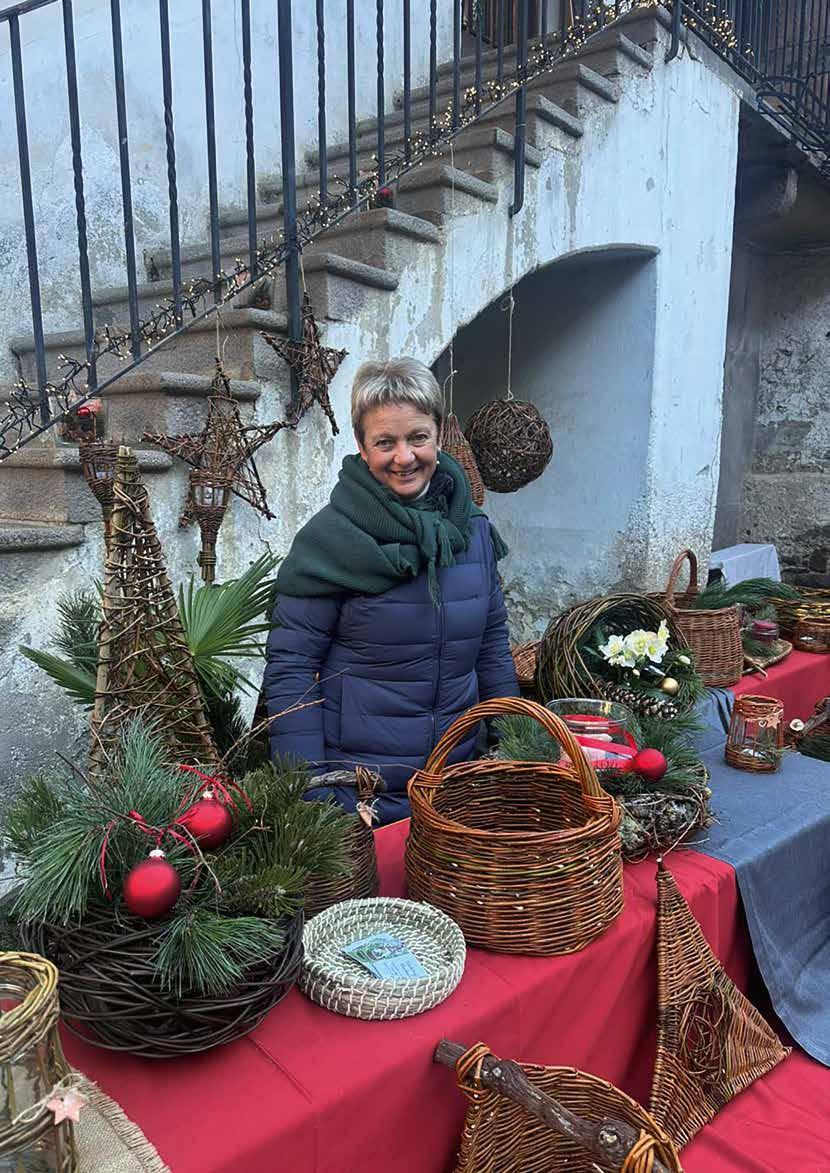
When Pepi Wolkan Premstaller is in her small studio in the hills of Eppan Berg, everything becomes quiet. No music, no distractions – just her and the material, which transforms into woven objects beneath her hands. She can sit there for hours, bending, braiding, and shaping.
“When I weave baskets, I lose track of time,” she says smiling. “It is meditative – you work with your hands and with your heart.” For many years, she worked as a kindergarten cook before discovering basket weaving 17 years ago. From a tentative first attempt, a passion gradually developed. Today, she creates baskets, bowls, and seasonal decorations – each piece unique, sturdy, and full of sensitivity.
The tradition of willow basket weaving is an ancient craft. In the past, farmers wove their own vessels to transport the harvest or their goods. Even in the vineyards, willow branches were used to tie the vines long before synthetic materials existed. The technique of willow basket weaving has changed little over time: first, a solid base is created; then the rods are placed upright, the wale weave is laid, and finally everything is secured with a firm finish.”
“You need strength – and it’s so satisfying when the basket is finished,” she says, laughing as she bends the rods. Together with her husband, she collects the material in the woods and vineyards around Eppan. The best time is in autumn and winter, when the leaves have fallen. Fresh willow lasts for two to three months if stored in a cool, damp place and is ideal for decorative objects. Alternatively, it can be airdried for three to four months and then soaked for ten days before weaving. After that, the willow is flexible enough for sturdy and durable baskets. “Many types of trees are suitable, but willow is the sturdiest,” she adds.
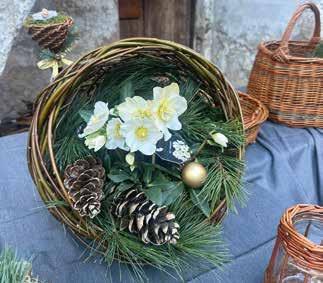
The workshop is a place of peace and creativity. Here, pieces are created for markets, as gifts, or for decoration, adding a touch of warmth to any home. And when the last branch has been placed, Pepi Premstaller looks at her work and says: “I know every hour was worth it.“
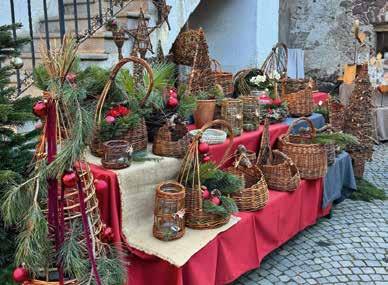
“You need strength – and you’re satisfied when the basket is finally finished.”
Pepi Wolkan Premstaller
Crafts at the Cathedral 12 & 13 December
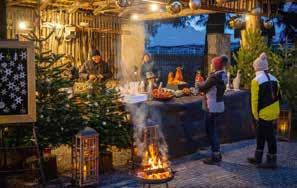
For anyone interested in other products made by skilled hands, beyond woven baskets, this is the place to be. At the Widumshof of St. Pauls, you can find many lovingly crafted pieces, perfect as gifts for loved ones or even for yourself.
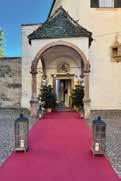

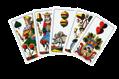
Only few people know an old card game, which has been played for generations: Perlaggen. It is especially popular in the Bozen area and even in Eppan at the “Stammtisch”, the local regulars’ table. The game actually contributed in saving an old tavern from closing.
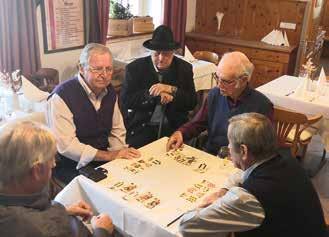
Around twenty players meet weekly at the Gasthaus Schenk in Frangart. However, it’s not just the cards that matter: small gestures, a barely noticeable twitch of the mouth corners, or a quick wink can turn entire games. “Watten or Blindwatten are easy games compared to this one,” says Günther Roner, Vice President of the South Tyrol Perlaggen Supporters’
Association. “The complex rules and the game with gestures are the real attraction.“
The card game even saved a traditional tavern: Gasthaus Schenk was meant to be sold 20 years ago and converted into flats. The people of Frangart would have lost their meeting place. Thanks to the Cultural Committee and the municipality, the tavern continues to exist – and today there is a weekly Perlaggen regulars’ table every Thursday. A course introduces newcomers to the game, and at the Perlaggen competition on the feast day of St. Joseph (Josefi), participants can win attractive prizes.
Perlaggen originates from the 19th century, presumably evolving from various card games such as the Gilt game, and later spreading from South Tyrol to North Tyrol. For a long time, it was considered Tyrol’s national game, and since 2016 it has been recognized as a UNESCO World Heritage. The name comes from the word “Perlagg”, meaning “devil”, because some cards can be declared as any card. The game is played two against two, and points are scored through tricks or special combinations such as “Gleich” or “Hanger.”
A set of 33 Salzburg cards is required.
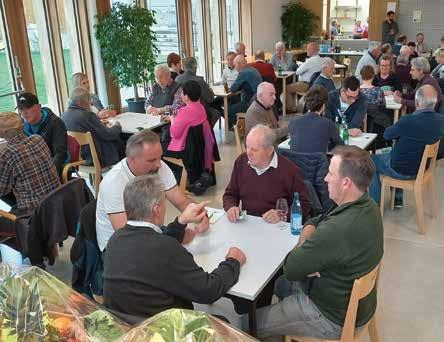
Perlaggen is therefore much more than just a card game: it thrives on finesse, bluff, and a sense of community –a tradition that continues to inspire to this day.
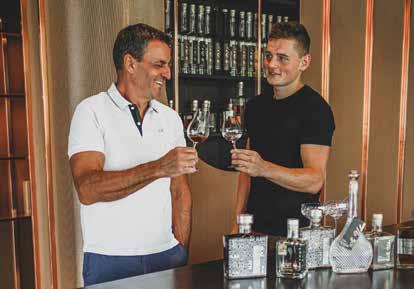

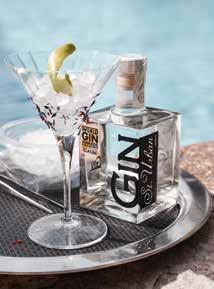
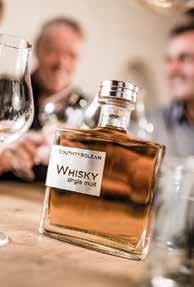
In our assortment you can find grappa, fruit and berry brandy, but also specialities such as blood orange, rum or gin.
The latter was awarded „Best Italian Classic Gin“ at the World Gin Awards 2022 in London and at Falstaff Spirits 2023 it was awarded “Best gin of the Tasting” with 95 points.
Our youngest novelty, the St.Urban Single Malt, impresses through decent smoky notes, mild malt sweetness and wonderful fruit notes, which he gets form being stored in Gewürztraminer Passito barrels.
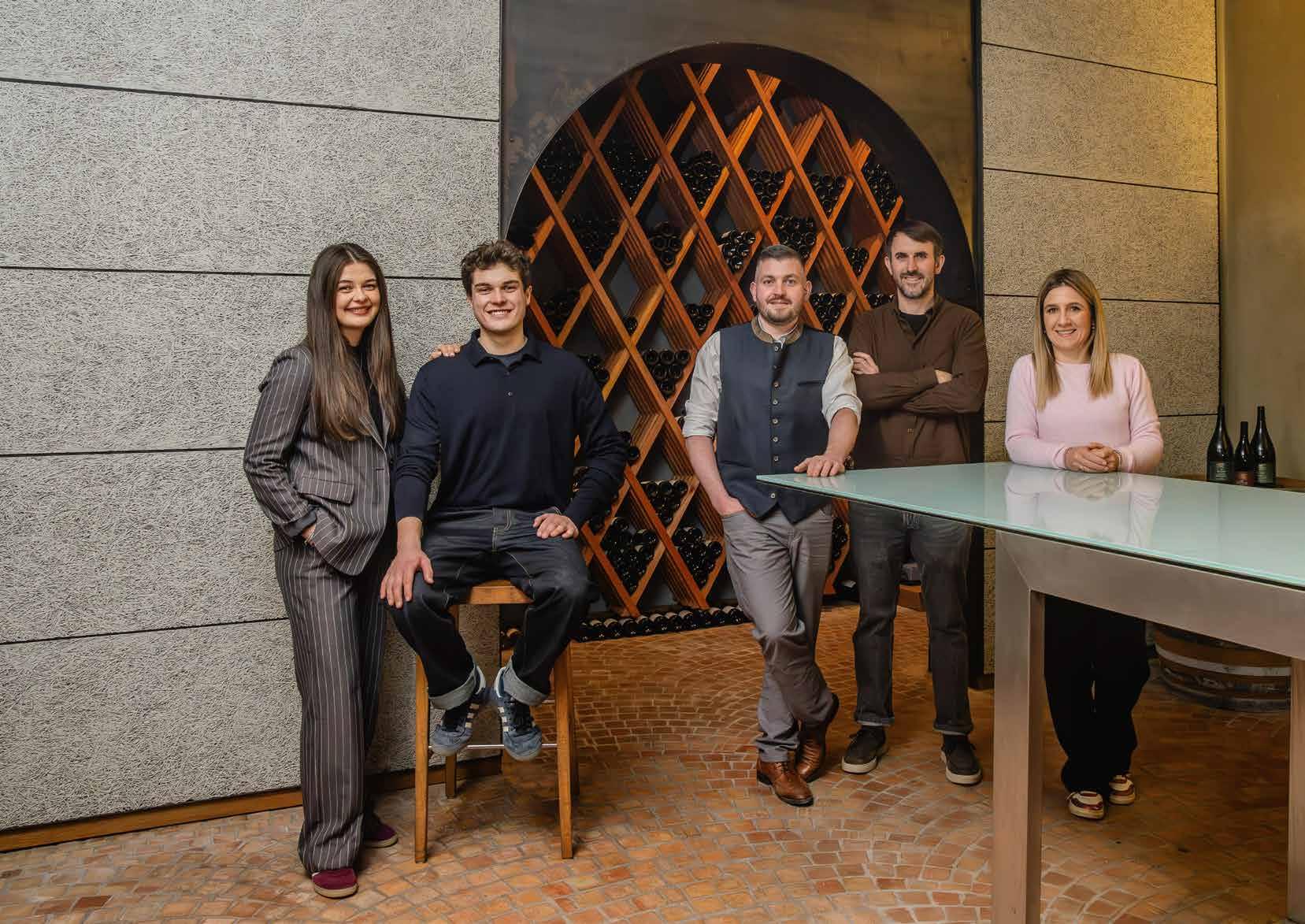
Daring to try something new without alienating loyal customers, honoring tradition while keeping up with the times: in many Eppan businesses, the generational change has brought young, motivated leaders to the forefront. A closer look.
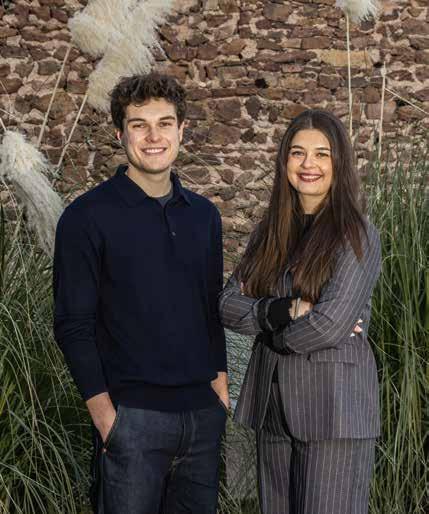
Name Age Business Employment Staff Anna and Thomas Nicolussi-Leck 27, 24
Hotel, Restaurant & Wine estate Stroblhof since 2017 (Reception and Service), since 2020 (Wine estate) 30
Enrichment through the older generation
Thomas: They bring a long-term perspective to running the business. When it comes to investments, they know what the company can handle.
First memories
The notorious footsteps
Anna: We aren’t classic hotel children who grew up in the hotel – and we’re grateful for that. We had the freedom to make our own choices. I was first allowed to gain insight into the business and then attended catering high school; today I manage the reception and I am gradually taking over more areas.
Thomas: We are extremely lucky to own such a business and to have been entrusted with responsibility at an early stage. I completed my A-levels in the first year of Covid, which is why I abandoned my study plans. Instead, in 2020, I took part in my first harvest, and my father introduced me to the world of the cellar. Since 2024, I have been working there independently.
Anna: My birthday parties at the hotel were always great. The children loved coming – especially because we had a swimming pool (laughs).
Thomas: Even today, I still fondly remember the two caretakers and the room maid who worked here for many years.
Changes through the younger generation
Anna: Thanks to me, digitalisation has gained momentum. New programmes have been introduced, such as the correspondence manager and the digital table plan, which used to be done by hand.
Thomas: In 2023/24 we upgraded the cellar to the latest technological standards. This allows us to work more precisely with the wine and to gradually increase its quality.
Anna: My mother has a real green thumb. I don’t know who else could arrange the decoration and the overall appearance so harmoniously.
Recipe for success for the generational business
Mother in the hotel, father in agriculture – and we are given a great deal of trust in our respective areas.
Responsibilities are clearly defined, and everyone has their own special focus, where the others do not interfere.
Business secret
Thomas: What sets us apart is the combination of hotel and wine estate, the history – all embedded in nature.
Anna: From our guests and their reviews, we understand that it is the people who make Stroblhof special.
Name Age Business Employment
Staff Johannes Pichler 37 Wine estate Bergmannhof, Unterrain since 2015 cellar master; 2024 business takeover Wife Tanya, Father Josef, Mother Agata, Brother Benjamin
First memories
The smell of fermentation has accompanied me since childhood, as our bedrooms were located above the cellar. It wasn’t always pleasant that our parents constantly had to work in the vineyards and apple orchards and that we children had to help. However, looking back today, it had a positive impact on us.
The notorious footsteps
I actually wanted to become a chef; however, the fact that this would have meant working Saturdays and Sundays put me off (laughs). So, I ended up at the Laimburg Agricultural School, where not only my training but also my joy and conviction grew. I was given free rein in the cellar at a very early stage.
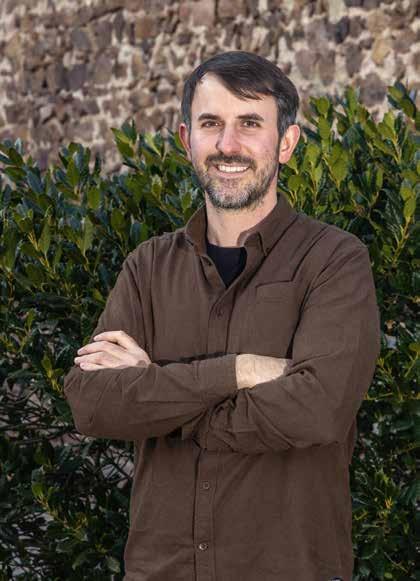
Changes through the younger generation
Through my training and experience abroad, the wine style has changed. We work organically, have reduced the use of sulphur and moved towards spontaneous fermentation. We also produce white wines with maceration fermentation. Today we cultivate six hectares and have an annual production of 45,000 bottles.
Important insights from the older generation
My father is a very precise person. In the past, his attitude and his meticulous cleanliness in the cellar annoyed me. Today I know how important and valuable this is – and I have also become quite a perfectionist myself.
Advantages and disadvantages of a multi-generational household
We are a strong family. It’s a huge advantage that everyone pitches in when needed. We are flexible –something you can’t always expect from employees. We all live together on the farm, so naturally we sometimes get on each other’s nerves. Now that we have children, the grandparents are a double blessing.
Your recipe for success
Nature-friendly and organic cultivation, the small-scale structure of the business and the fact that everyone plays their part. We are wine lovers. To achieve top results, it takes passion – not just knowledge.
The latest news
Following the Pinot Noir, this year also sees the launch of a Rosé made from the PIWI variety Cabernet Cortis. In the barrels, a new wine is already maturing: a Pinot Grigio.
Age
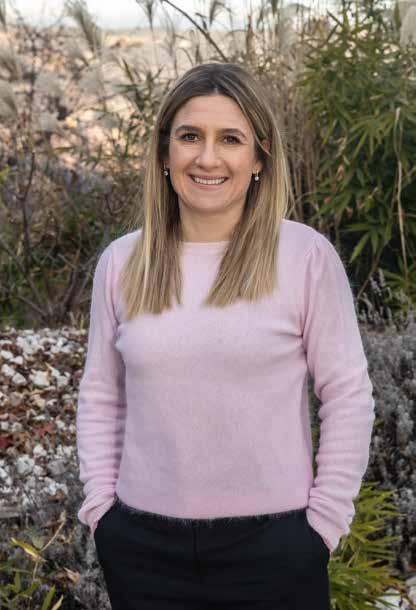
Staff Lisa Amplatz 37 Hocheppan Castle since 2021 about 9, including Mother Anni
The notorious footsteps
As Hocheppan Castle is under lease, we don’t have a classic multi-generational business. I have a qualification in the social sector; however, I always enjoyed helping out at weekends. Nevertheless, it was a great opportunity and a sign of trust when my mother asked if I would like to run the business with her. Starting to work there full-time marked a new beginning for both of us.
First memories
For me, Hocheppan Castle was primarily a destination for school outings in primary school. Only since my mother started working there have I recognised the challenges that such a business entail – even just from a logistical point of view.
Working as a family
Fortunately, we have a good relationship. Mother Anni is more in the spotlight and has everything under control. I prefer to stay in the background, which suits me well. Nevertheless, the principle is that everyone must be able to step in for everyone else – in other words, to be flexible. The most important thing, however, remains our family bond.
Advantages of young and old There is only a 20-year age gap between us, which isn’t that much really. I’m in charge of social media, while she brings experience and a solution-oriented approach. Our season can be very demanding; she handles situations more calmly, also because she is already familiar with many of the challenges.
We cultivate a good relationship with our guests, and we have many regular customers who appreciate finding things just as they are used to. Familiar faces, traditional dishes and well-known aromas create a feeling of coming home. The Knödel trio and the Strauben are our top sellers.
- Café – Ice Cream
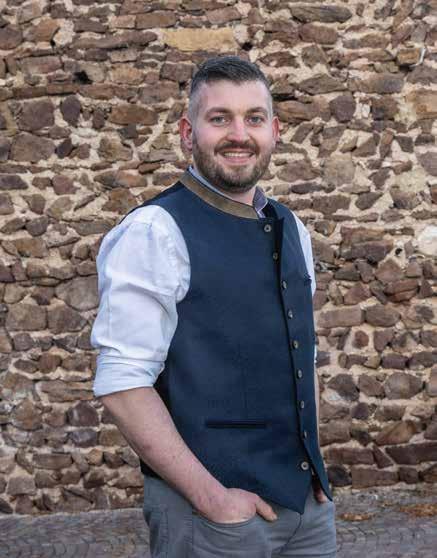
Parlour Peter Paul, St. Pauls since 2005 as pastry chef
8 (5 of which are family members)
The notorious footsteps
Since childhood, I have always enjoyed helping in the bakehouse –rolling croissants and contributing to the sweet treats. My father never imposed this path on me, but he set an example and involved me in the daily work routine from an early age.
24/24 hours with the family
Family and business merge seamlessly under one roof. Despite the long work hours, we make time for shared moments, such as outings to the Mendel – our favourite place to relax. My wife Stephanie is an enormous help: she manages the shop, the family, and wholeheartedly takes care of our five children.
Advantages and disadvantages of a multi-generational house
Everything is based on mutual respect and honesty. New ideas are presented, discussed, and implemented. My parents are actively involved. Even though my mother is officially retired, she still loves her work – nowadays she takes more time off to relax with my father.
Changes by the young generation
We refurbished the café, giving it a young and fresh look while adding new energy. We retained our loyal customers and trusted product range, continuously enriching it with new creations, including contemporary cakes for weddings, corporate events, and other celebrations.
What the older generation contributes
Even if my father’s hands are no longer needed in the bakehouse, his encouragement and moral support are always present. I am lucky to have such young parents.
Recipe for success
Honesty towards our customers, daily freshness, and open doors define us. We are happy to welcome our guests, many of whom become friends. With our work, a piece of cake, or even just a chat, we are able to brighten our guests’ day, even on less good days.
SELBERGMOCHT MARKET
Centre St. Michael
SAT, 28 March
SEASON START AT
HOCHEPPAN CASTLE
Hocheppan Castle
SAT, 28 March
EPPAN EASTER FESTIVAL
Town Hall Square, St. Michael
SAT, 4 April
EPPAN HUMOR
Eppan
30 April - 5 June
MAYPOLE FESTIVAL OF THE EPPAN SCOUTS
St. Michael
FRI, 1 May
EPPAN HUMOR: KIDS DAY
St. Michael
SAT, 9 May
EPPAN MOTHER'S DAY CONCERT
Montiggl Village
SAT, 9 May
EPPAN CASTLE FESTIVAL
Hocheppan Castle
SAT, 16 May
MUSIC NIGHTS
Eppan May - September
EPPAN PRODUKTIV
Ice hall and Raiffeisen Hall, Eppan
FRI, 5 – SUN, 7 June
GSCHLEIER WINETASTING
Girlan
SAT, 27 June
OPENING WINECULTUREWEEKS & WINE PROMENADE
St. Pauls
FRI, 17 July
GREAT GOURMET EVENT
St. Pauls
TUE, 21 July
PATRONAL FEAST
Hocheppan Castle
WED, 22 July
KNÖDEL EVENING
St. Pauls
SAT, 25 July
PAULS ROSÉ
St. Pauls
FRI, 31 July
LONG WEDNESDAY
St. Michael
every wednesday in July- August
WINESUMMER
Girlan
FRI, 21 August

PAULSNER DORFFEST
St. Pauls FRI, 4 – SUN, 6 September
THE LAST GRAPE LOAD Girlan SAT, 10 October
ROMANESQUE DAYS
Hocheppan Castle
SAT, 10 & SUN, 11 October
CASTELMUSIKA
Berg SUN, 18 October
WINESOUNDS
Freudenstein Castle THU, 22 October
SELBERGMOCHT MARKET
Centre St. Michael SAT, 24 October
WINESOUNDS
Vineum Keller, Girlan FRI, 30 October
THE MARTINI MARKET Girlan
WED, 11 November
CHRISTMAS MARKET
St. Michael
FRI, 27 November –THU, 24 December
CHRISTMAS IN ST. PAULS
St. Pauls
SAT, 28 November –WED, 6 January 2027
KIDSXMAS
St. Michael
SAT, 5 – TUE, 8 December
CRAFTS AT THE CATHEDRAL Widumshof, St. Pauls SAT, 12 & SUN, 13 December
LIVE CRIP SUN, 13 & 20 December
CHRISTMAS IN GIRLAN
SAT, 28 NovemberWED, 6 January 2027
Join our farmer Ricky at the weekly farmers’ market to select seasonal, local ingredients, and then prepare traditional dumplings together. At the end, enjoy your creation with a glass of wine from Eppan.
Dive into the world of apples and learn everything about cultivation, varieties, and flavours from our apple experts. Taste the delicious fruits on-site and be inspired by the variety of Eppan’s apples.
Eppan is a paradise for cycling enthusiasts: 300 km of forest roads, a bike path across the Adige Valley, gentle hills of the vineyards, and challenging mountain roads await to be explored. Whether you prefer a mountain bike or e-bike, our personalized tours and bike skills courses allow you to discover the region at its best. On request, our experienced bike guide Stefan will accompany you and adapt the tour to your skill level.
Whether you are a beginner or an experienced player, you can enjoy golf in Eppan at your own pace. In the introductory course at the Freudenstein Castle Training Center, you will learn the basics of the game under expert guidance. Experienced golfers can improve their technique in the advanced course at the Golf & Country Club while enjoying the beautiful South Tyrolean landscape.
The beauty of South Tyrol is best experienced on foot. On request, guided hikes with an expert take you through breathtaking landscapes and reveal the fascinating natural and cultural heritage of Eppan.
Discover the history and architecture of the parish church of St. Pauls, the “Cathedral in the Countryside.” During the guided tour, admire artistic details and learn about the significance of this historic building for the region.
Explore the mysterious world of Girlan’s cellars. Learn about their history and significance from our expert, and then enjoy a traditional Marende with local wines, experiencing Eppan’s culture up close.
During a guided stroll through the historic village of St. Pauls, discover architecture, history, and wine culture. Doors to hidden treasures open, and fascinating stories from everyday life in the region come alive.
On a guided walk through Eppan’s picturesque vineyards, explore private castles and historic mansions. The tour ends with a relaxing glass of wine – a highlight for wine lovers and history enthusiasts.
Enjoy a carriage ride through gentle hills, vineyards, and orchards.
Along the way, stop at a local wine producer for a tasting, discovering the variety of wines from the Eppan region.
Visit the family-run estate of the Counts of Khuen. A historic ancestral hall, a Gothic chapel, and an elegant wine tasting in the shaded castle courtyard make this tour a special experience.
From traditional cellars to modern wineries: experience the variety of Eppan’s wines through guided tours and tastings, discovering what makes this region so special.
Discover the medieval Hocheppan Castle and its unique chapel with Romanesque frescoes. Exciting insights into history and architecture await you.
Scan here to see the full weekly program.

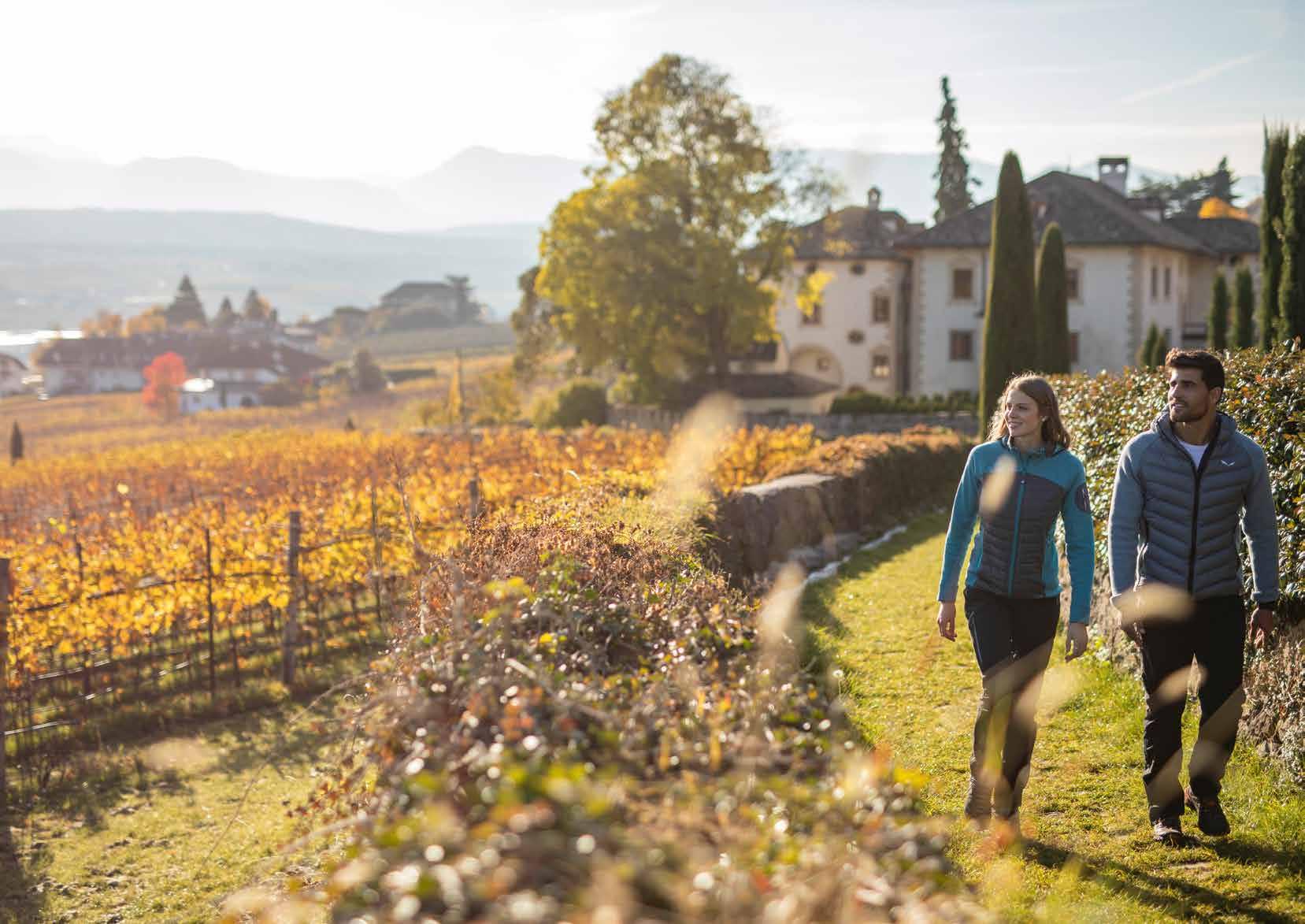

…in Eppan, getting around becomes the most relaxing part of a holiday. Upon arrival, you can happily leave your car behind and explore the region in a flexible, comfortable and sustainable way. With the Südtirol Guest Pass, guests can use public transport free of charge and reach numerous excursion destinations in Eppan, the Überetsch region, and throughout South Tyrol.
Buses and trains take you to cultural highlights, nature experiences, and places of indulgence – from a shopping stroll through Bozen to a swimming day at Lake Montiggl to discovery tours of castles, manors, and wine villages around Eppan. Being mobile here doesn’t mean planning routes; it means collecting impressions.


For those who like to stay active on holiday, Eppan offers ideal conditions to explore routes on two wheels. For many guests, cycling is an integral part of their stay: according to a guest survey, 28 percent said that bike or mountain-bike tours were a decisive reason for choosing Eppan. 32 percent used the cycling paths, and 12 percent rented a bike.
Eppan delights e-bikers, mountain bikers and road cyclists alike. Around 300 km of forest trails, the cycling path along the Etsch Valley, hilly vineyard landscapes and challenging alpine roads offer something for every level. Thanks to the mild climate, cycling is possible nearly all year round – enjoyable, sustainable, and right through the South Tyrolean wine landscape.
SÜDTIROL GUEST PASS
» WHAT IS THE SÜDTIROL GUEST PASS?
The Südtirol Guest Pass is an advantage card for guests staying at participating accommodations. It is issued to each guest aged 6 and above and is included in the room price.
The pass is personalised, non-transferable, and valid for the entire duration of the stay
– from 0:00 on the day of arrival until 23:59 on the day of departure. Before each trip, the Südtirol Guest Pass must be validated at the blue validation machines on buses or at train stations.
» INCLUDED SERVICES
Public transport
The Südtirol Guest Pass entitles you to use all public transport in Sout Tyrol:
• Town buses, regional buses and city buses
• Regional trains within South Tyrol (Brenner – Trient, Mals – Innichen)
• PostAuto Switzerland between Mals and Müstair
» CABLE CARS
The following are also included:
• The cable cars to Vöran, Mölten, Ritten, Meransen and Kohlern
• The Ritten tram and the Mendel Funicular
» NOT INCLUDED SERVICES
• Special bus routes such as the Nightliner
• Interregional and long-distance trains (for example ÖBB, DB, Eurocity, Intercity, Railjet, Frecciarossa, Italo)
• Alpine lines: Seiser Alm (Lines 10, 11, 12)
• Alpine lines in the summer months (Lines 439, 442, 444)
» ANIMAL AND BIKE TRANSPORT
• Animal transport
A separate single ticket or a Mobilcard Junior (1,3 or 7 days, from 10€) is needed. Guide dogs for the visually impaired and small animals that can be carried in your arms travel free. A muzzle must be used where applicable.
• Bicycle transport: A day ticket for bicycles costs €7. Transport is allowed on regional trains and designated bus lines, provided there is sufficient space.

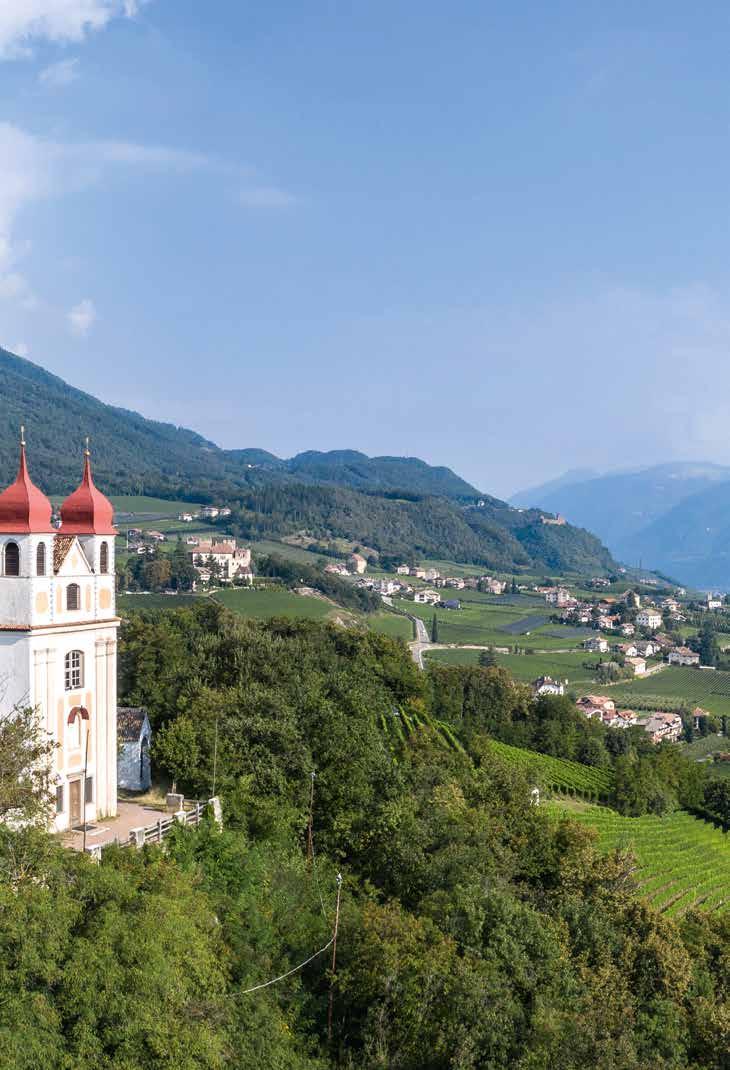
Isabel is the chatbot of the Appiano Tourism Association.

Your digital assistant, with whom you can chat directly after scanning.
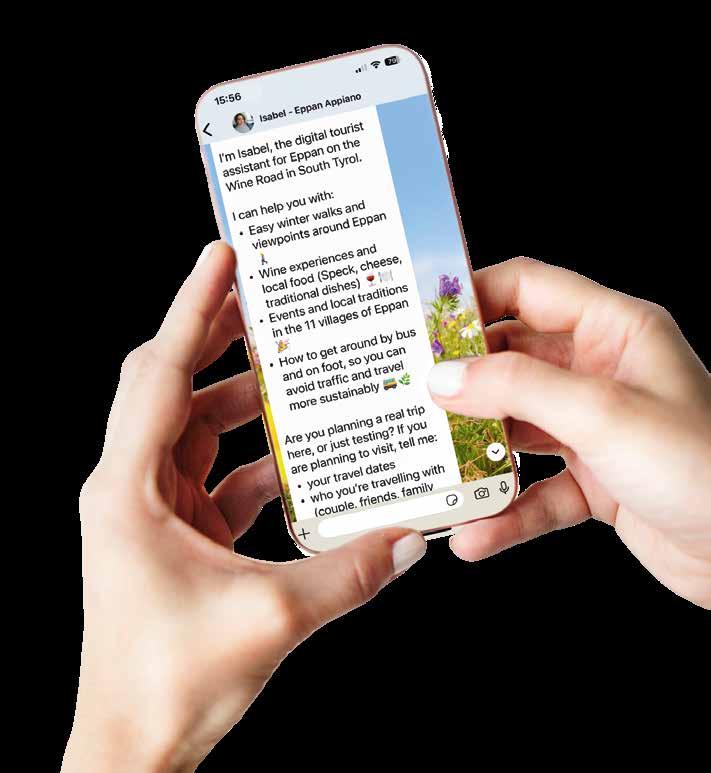

BERG
GAND

TOURIST ASSOCIATION EPPAN
Bahnhofstraße 7
39057 St. Michael | Eppan on the Wine Road
T +39 0471 66 22 06
info@eppan.com eppan.com