
the exchange
An Introduction from Gary Hoover
WELCOME TO THE LATEST ITERATION OF THIS NEWSLETTER. There has definitely been change happening at The Murphy Institute since the publication of the last newsletter.
The most notable change is that there is a new Executive Director, me, Gary “Hoov” Hoover. By way of introduction, I taught at the University of Alabama from 1998 until 2014, where I was a William White McDonald Family Distinguished Faculty Fellow from 2006 - 2014. From 2005 until my departure in 2014, I was the Assistant Dean for Faculty and Graduate Student Development in the Culverhouse College of Business. I then joined the University of Oklahoma as chair of the Department of Economics in January 2015 and was appointed a President’s Associates Presidential Professor in 2017.
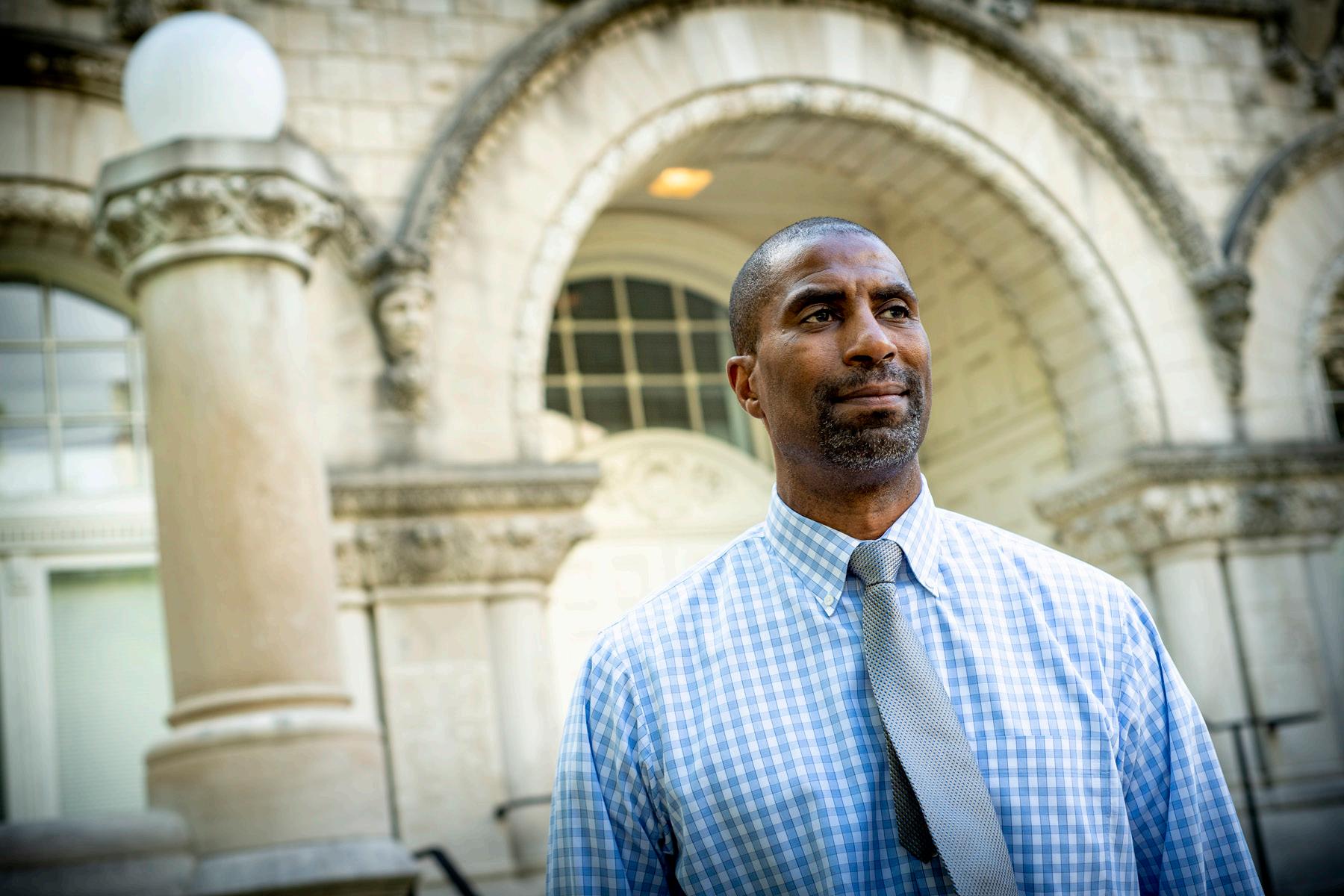

Gary Hoover, Executive Director of The Murphy Institute
THE MURPHY INSTITUTE
Core Faculty
Gary Hoover, Executive Director, Department of Economics
Bruce Brower, Department of Philosophy
Kevin Callison, School of Public Health
Alison Denham, Department of Philosophy
Adam Feibelman, Tulane Law School
Douglas N. Harris, Department of Economics
Ann M. Lipton, Tulane Law School
Douglas R. Nelson, Department of Economics
David O’Brien, Department of Philosophy
Mary K. Olson, Department of Economics
Jonathan M. Riley, Department of Philosophy
Steven Sheffrin, Director Emeritus, Department of Economics
David Shoemaker, Department of Philosophy
Richard F. Teichgraeber III, Department of History
Patrick Testa, Department of Economics
Martyn P. Thompson, Department of Political Science
Staff
Paul Watson, Program Manager
John Louis Howard, Associate Director
Margaret M. Keenan, Assistant Director, Center for Ethics and Public Affairs
Kathleen C. Weaver, Assistant Director, Center for Public Policy Research
THE CENTER FOR PUBLIC POLICY RESEARCH
Douglas Harris, Department of Economics, Education Research Alliance
Elliott Isaac, Department of Economics, Public Finance
Mary K. Olson, Department of Economics, Health Policy
THE CENTER ON LAW AND THE ECONOMY
Adam Feibelman, Tulane Law School, (Director)
Ann Lipton, Tulane Law School
Khrista McCarden, Tulane Law School

I am the founding editor of the Journal of Economics, Race, and Policy. From 2018 until 2020 I was the vice president of the Southern Economic Association. As of November 2021, I will be the president-elect of the Southern Economic Association. Since 2013 I have been co-chair of the Committee on the Status of Minority Groups in the Economics Profession.
My research on political economy has mostly dealt with the distributional aspects of policy implementation. The government is the holder of resources. In addition, there are agents who are individuals or groups who lobby the government for policies, which would then allow them to extract those resources. This is a bit different from direct lobbying for resources since it is the policies through which extraction takes place. Think of the 2018 tax cuts. My research begins after those policies are implemented. I examine how much of the costs (benefits) are going to various groups of individuals up and down the income distribution. Some policy might be designed to help the middle class, but my analysis examines whether that was actually true and if so, by how much. I use a variety of statistical methods to see if policy hit or missed its mark. I also do this same type of distributional analysis across racial/ethnic lines, gender, and immigration status.
What makes The Murphy Institute so exciting to me, as a social scientist, is talking with other scholars from diverse disciplines about political economy, ethics, public policy, and law. I find that I learn more than I teach.
It is my intention to engage in a few new endeavors over the coming years. I would like for The Murphy Institute to begin a Masters Degree Program in data-driven analysis of Political Economy. Our wonderful students would be better equipped to not only explain the “what” of our ever-changing complex world but the “how” and the “where” by which it is taking place. The process has just begun, so check back with me regularly to see things blossom.
I also would like to increase the number of academic partners whom The Murphy Institute works with. There will always be the stalwarts of Economic, Philosophy, and Law. However, there is room for a greater diversity of thought around ways of thinking and approaches to moving discussions to help people in the world we live in.
Exciting days are ahead.
Gary "Hoov" Hoover, Executive Director
August 2021
THE HONORS THESIS: STUDENT WRITING AND RESEARCH OF THE HIGHEST QUALITY
Five students in the Class of 2021 wrote an Honors Thesis, and they all excelled in the process of research and writing. They received essential support in the form of research grants from two alumni funds, the Jim Frankel Family Undergraduate Research Fund and the Dale and Hillary Bachman Miller Undergraduate Research Fund. Here in their own words, three of our majors describe their research and the value of the thesis process.
KATHERINE
CARTIGLIA , “The Military-Industrial Complex and Its Effect on Politics”, directed by Prof. Douglas Nelson.
“The military-industrial complex is the interaction between private national security manufacturing companies, elected officials, and the bureaucracy. These relationships are developed through lobbying efforts, campaign contributions, and the appointment of former employees of these private companies to bureaucratic positions. This network of people in all areas of government is utilized often to push for legislative and executive policy goals that benefit the profit sectors of major domestic weapons manufacturers. My thesis specifically examines Boeing, Raytheon, Northrop Grumman, and Lockheed Martin and their lobbying efforts. Because these firms can cloak their lobbying efforts and policy goals in the name of national security, the military-industrial complex has a unique impact on domestic and foreign policy as compared to other similar lobbying groups. Importantly, since the transition from the Cold War to the War on Terror, the military-industrial complex has evolved from oriented toward research and development toward foreign arms sales. Overall, the military-industrial complex has reached into many areas of policy, and it needs to be examined because of its ties to national security. The military-industrial complex is all about the intersection between politics and economics, so it expanded the realm of application of the major and allowed me to apply my classroom skills to this real-world topic.”
JOSHUA LEVINE , “Weighing the Kingfish: An Investigation into Huey Long’s Neo-Populism and Its Impact on Democracy and Institutions in Louisiana”, directed by Prof. Richard Teichgraeber and Prof. Randy Sparks.
“My thesis first and foremost demonstrated the incompatibility between populist governance and liberal democracy. The legacy of Huey P. Long illustrated this tension, as his programs and administration were supported by a majority of Louisianans, but he consistently undermined democratic norms and centralized power within the state government to benefit himself and his political machine. However, my thesis also shows how Long’s tactics were not new to Louisiana, as the state had endured decades of corruption and fraud under the control of Bourbon planters and the political and economic interests that controlled the City of New Orleans.
“My thesis illustrates the dangers of populist movements and the conditions that precede them. When democratic processes and institutions are manipulated to serve a select few and marginalize a majority of the population, people will be more willing to sacrifice their freedoms in exchange for the benefits and
continued on next page

THE CENTER FOR ETHICS AND PUBLIC AFFAIRS
Faculty Committee
David Shoemaker, Department of Philosophy (Director of CEPA)
Bruce Brower, Department of Philosophy
Ronna Burger, Department of Philosophy
Alison Denham, Department of Philosophy
David O'Brien, Department of Philosophy
Jonathan Riley, Department of Philosophy
Oliver Sensen, Department of Philosophy
Richard F. Teichgraeber III, Department of History
Martyn P. Thompson, Department of Political Science
Chad M. Van Schoelandt, Department of Philosophy
Richard Velkley, Department of Philosophy
THE EXCHANGE
Tana Coman, Graphic Designer
Zack Smith, Photographer
Paula Burch-Celentano, Contributing Photographer
Kathleen C. Weaver, Editor and Layout Designer
Margaret M. Keenan, Contributing Writer
John Louis Howard, Contributing Writer
Jenny Meadows, Copy Editor
Send editorial correspondence to The Murphy Institute, 108 Tilton Hall, Tulane University, New Orleans, La., 70118 Telephone: (504) 865-5317 Facsimile: (504) 862-9755
Send questions and comments pertaining to The Murphy Institute’s Political Economy Undergraduate Program to jhoward2@tulane.edu; for those pertaining to the Center for Ethics and Public Affairs, contact mkeenan@tulane.edu; for those pertaining to the Center for Public Policy Research, contact kweaver1@tulane.edu.
policies they desire. This was the case in Louisiana under Huey P. Long, and as populist movements have emerged in the United States and around the world, I believe studying this moment in American history provides lessons that can be used to address contemporary issues.
“The thesis process was incredibly valuable to me. Over the course of the process, I improved as a writer and a researcher, and gained an understanding for what is required in order to produce original research. Further, in doing this project I gained a deeper and more complete understanding of the political, economic, and cultural history of Louisiana. After spending four years here as a student, I feel that this project gave me an opportunity to connect with the state and learn about one of its most influential and important leaders. My thesis represented the culmination of my career as a Tulane student and a member of The Murphy Institute.”
CLAIRE WYNNE , “Reproductive Health Impacts of StateLed Movements to De-Fund Abortion: A Systematic Analysis of the Importance of Publicly Funding Family Planning Programs”, directed by Prof. Mary Olson.
“Collectively, my thesis demonstrates that public funding for family planning is critical to reproductive health outcomes for women and their families across the United States. Medicaid and Title X programs allow individuals to access essential reproductive healthcare, preventing adverse maternal and infant health outcomes. Thus, the politics of abortion have significant and numerous impacts on laws governing reproductive health availability, funding, and access. Excluding providers and de-funding family planning threaten the availability of services for women and their families in the United States. These policies have broad impacts on the accessibility and affordability of reproductive healthcare for low-income women who rely on federal programs for preventative services beyond just abortion. As providers become more limited, women are less likely to access essential family planning services at affordable prices. The findings of this thesis contribute to a broader policy discussion about the costs and benefits of funding restrictions on family planning and essential reproductive healthcare, suggesting that future health reforms value public funding for sexual and reproductive health.
“The thesis process was extremely valuable to me. Working with members of my thesis committee helped me turn my
“My experience writing an Honors Thesis familiarized me with econometric research methods while simultaneously challenging me to think critically about my thesis topic. Coming away from this year, I am so proud of the research I was able to put out into the world and am excited to move forward with publication.”
Claire Wynne, Class of
2021
broader interest in health policy into a targeted research question. My experience writing an Honors Thesis familiarized me with econometric research methods while simultaneously challenging me to think critically about my thesis topic. Coming away from this year, I am so proud of the research I was able to put out into the world and am excited to move forward with publication.
“My Honors Thesis was the perfect culmination of my undergraduate coursework in Political Economy and my extracurricular passions. Using my background in political economy, my thesis allowed me to combine policy and econometric analyses to better understand how and why specific policies are passed and the impact they have on community health outcomes. The project allowed me to use what I had learned in the past four years to pursue an in-depth research project in an area I was interested in.”

THE JUDITH KELLEHER SCHAFER SUMMER INTERNSHIP GRANT PROGRAM
Funds from the Judith Kelleher Schafer Summer Internship Grant Program were used to endow three fellowships in the amount of $3,000 each for Summer 2021. The students receiving the funds, along with their graduating class, and internship placements are as follows:
GABRIELLA INGENITO ‘22 interned for the Supreme & County Court of Westchester County (9th Judicial District) in White Plains, New York.
MICHAEL “REMY” MOLAISON ‘22 interned for the Office of City Councilmember Kristin Giselson Palmer in New Orleans, Louisiana.
TATIANA POGGI ‘22 interned for the United States Department of Commerce International Trade Administration in New York City.
[ UNDERGRADUATE POLITICAL ECONOMY
31 NEWCOMB-TULANE COLLEGE SENIORS were awarded B.A. degrees in Political Economy in May 2021. Several received high academic honors, with six students graduating summa cum laude and eight students graduating magna cum laude. The summa cum laude graduates are MADELINE CARGILL, KATHERINE CARTIGLIA, ANNE ELISE LEBLANC, ADAM MORRIS, CLAIRE WYNNE, and DAVID ZIMAN . The magna cum laude graduates are LENORE ALEXANDER, JOSHUA LEVINE, JANNA MANGASEP, KATHERINE ROSE, JON MAXIMILIAN SIMPSON, STEFAN SUAZO, SARAH ANN WALKER , and ELLEN WALLER .
Other members of the class of 2021 include CRENSHAW ALLEN-HALL, RACHEL ALTMAN, OLIVIA ARRIVIELLO, MADISON BEDRICK, LANA BIREN, LORENZO DESARIO, DANIELLE ELKINS, MARJORIE ERICKSON, MATTHEW FEDERMAN, ANN GADDIS, MATHEW GELMAN, MATTHEW JOHNSON, PETER MASONE, AUSTIN RODRIGUEZ, ELSA ROTHENBERG, LINDSAY WARGER , and WENQI ZHAO . Two students graduated in Fall 2020, including GEMMA RUSSELL , who graduated magna cum laude, and FRANK ZHANG
The Charles H. Murphy Prize in Political Economy was awarded to MADELINE CARGILL, KATHERINE CARTIGLIA, ADAM MORRIS, CLAIRE WYNNE, AND DAVID ZIMAN . The Murphy Institute Public Service Award was presented to KATHERINE CARTIGLIA, STEFAN SUAZO, and CLAIRE WYNNE . Five students completed an Honors Thesis, including KATHERINE CARTIGLIA, JOSHUA LEVINE, JANNA MANAGASEP, KATHERINE ROSE , and CLAIRE WYNNE . The Senior Honors Scholar in Political Economy was CLAIRE WYNNE.
LENORE ALEXANDER was a double minor in Spanish and Art, and worked as a teaching assistant in Gene Koss’s glass studio. She was the president of the Tulane Ultimate Frisbee team and a member of Tulane Jewish Leaders at Tulane Hillel. This summer she will be hiking a portion of the Pacific Crest Trail along with ELLEN WALLER ‘ 21.
CRENSHAW ALLEN-HALL was a legal intern for the Louisiana Capital Assistance Center. She will be staying in New Orleans for the next year and working at The Lambert Firm as a legal assistant while applying to law school.
RACHEL ALTMAN was a dual-degree double major in Business and an Altman Scholar. She won an Oak Wreath Award, presented by the Newcomb College Institute. She served as Regional Coordinator for the Deep South region of Students for Liberty, and was named Student of the Year for that organization. She was a development intern for the Institute for Justice, and is moving to Washington, D.C. to work as Director of Digital Media at TechFreedom, a nonprofit organization that addresses policy and legal questions raised by technological change.
MADISON BEDRICK won an Oak Wreath Award, and served over the years as treasurer, vice president, and president of Women in Politics. She was inducted into Omicron Delta Kappa National Leadership Honors Society, and served as a Peer Success Leader at the Tulane Success Center. She will be working at Politico as a Business Development Associate.
LANA BIREN was a double major in Computer Science. She worked as a digital research intern for Newcomb College Institute, and was outreach chair for Women in Technology.
MADELINE CARGILL was a co-recipient of the Charles H. Murphy Prize. She was a member of Tulane College Democrats and interned as a campaign fellow in Michigan for the Biden presidential campaign. She was a research intern for Glass Half Full NOLA and volunteered as a clinic escort at a women’s healthcare clinic.
ECONOMY PROGRAM ’ 21 ]
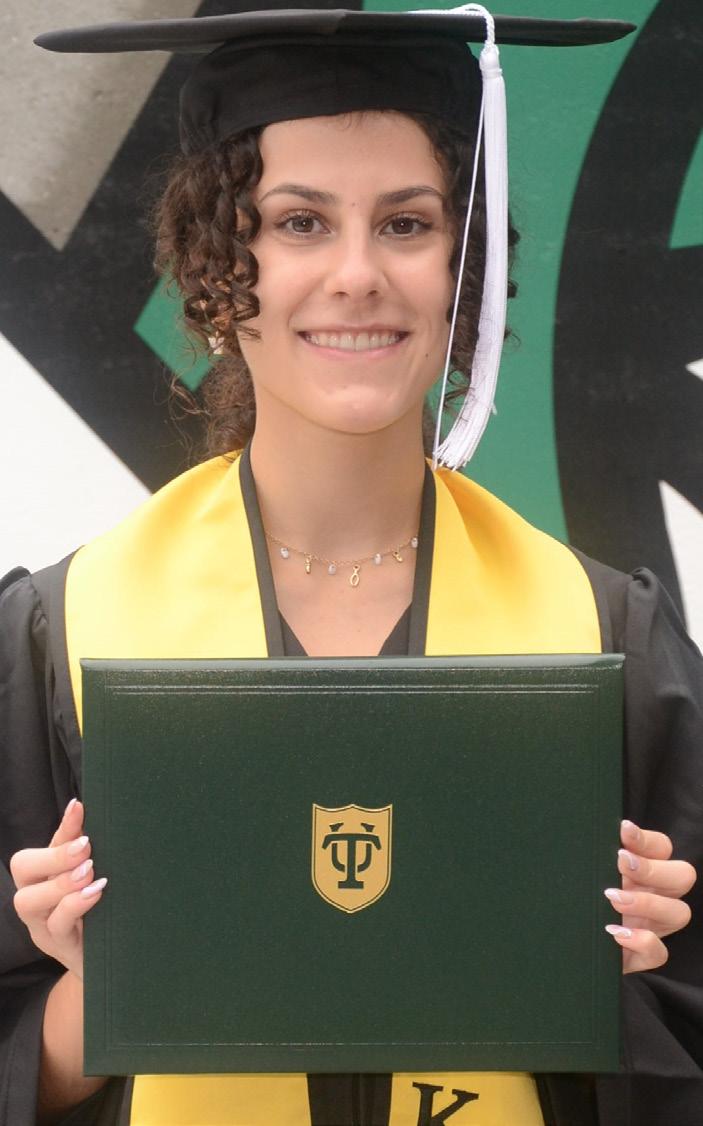
KATHERINE
CARTIGLIA was a dual-degree double major in Physics. She won the Charles H. Murphy Prize, The Murphy Institute Public Service Award, and a Tulane 34 Award. She also won an Oak Wreath Award and the Dupre Award, given to the outstanding student in Physics. She was the captain of the Tulane Sailing Team and won the Doris K. Joffrion Award for the outstanding female athlete of the year. Her Honors Thesis was “The Military-Industrial Complex and Its Effect on Politics”, directed by Prof. Douglas Nelson of The Murphy Institute and the Department of Economics. She will be working in a classified position for an agency of the United States government.
DANIELLE ELKINS was a dual-degree double major in Business. She was a member of Tulane Jewish Leaders at Tulane Hillel. She worked as an Ad Sales Marketing and Partnerships Intern at A+E Networks. She also works for her hometown Police Athletics League in Port Washington, New York, as a Summer Program Supervisor and a Social Media Crisis Response Coordinator.
ANNE ELISE LEBLANC was a double major in Homeland Security Studies. She won an Oak Wreath Award, and was inducted into Omicron Delta Kappa National Leadership Honors Society. She was a policy research intern at Fund 17.
JOSHUA LEVINE wrote his Honors Thesis, “Weighing the Kingfish: An Investigation into Huey Long’s Neo-Populism and Its Impact on Democracy and Institutions in Louisiana,” under the direction of Prof. Richard Teichgraeber of The Murphy Institute and the Department of History, and Prof. Randy Sparks of the Department of History. He was a member of the Wave
Center for Public Policy and Enterprises and the Students for Liberty. He interned at the Office for the Governor of New Jersey’s Chief of Staff for Economic Development and at the Pelican Institute for Public Policy in New Orleans. He will be working in Washington, D.C. with Americorps as a member of the City Year program.
JANNA MANGASEP participated in numerous internships, including in the Mayor’s Office of New York City in Housing and Economic Development, Lift Louisiana, and the Education Research Alliance for New Orleans. She also worked as a research assistant at the Newcomb College Institute. Her Honors Thesis was “Pro-Life Single Issue Voting Behaviors: Misperceptions and Moral Attitudes” written under the direction of Prof. Mirya Holman of the Department of Political Science. Janna is pursuing a master’s in Public Policy at the University of Chicago Harris School of Public Policy.
ADAM MORRIS was a double major in Environmental Studies and a member of Tulane Jewish Leaders at Tulane Hillel. He was a co-recipient of the Charles H. Murphy Prize. He was a research fellow for the Mandel-Palagye Program for Middle East Peace, and a volunteer for the River Ridge community, exploring causes of and solutions for air pollution in their neighborhood. He completed internships with Gallop Wealth, as a legal intern, and with the Tel Aviv Municipality, in the Department for the Environment and Sustainability. He will attend law school at the Duke University School of Law.
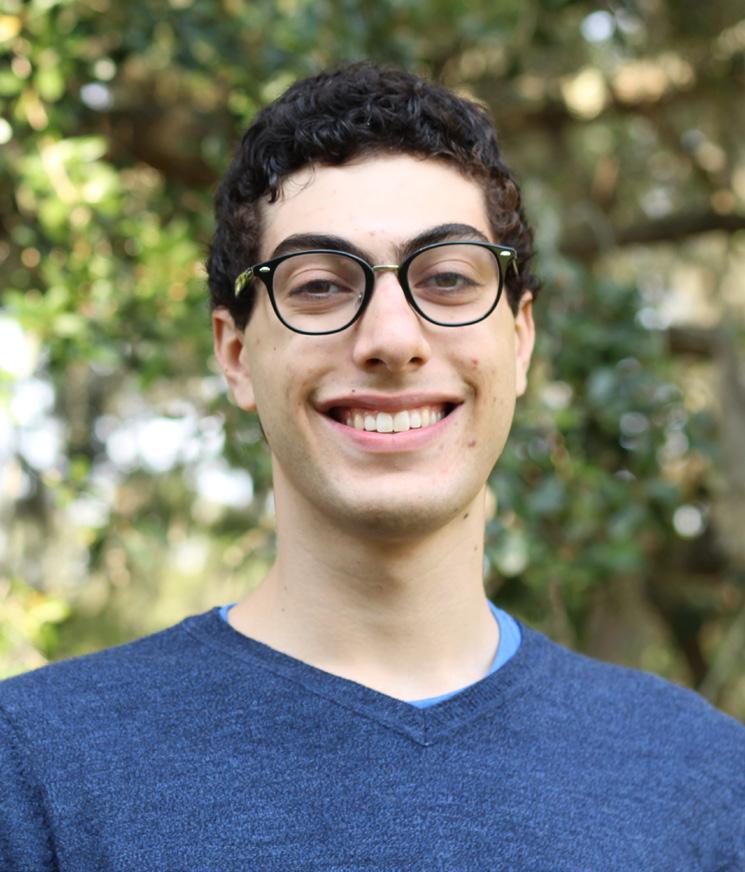
KATHERINE ROSE was a double major in International Development. She received honors in both Political Economy and Political Science for her Honors Thesis “Towards Equitable Institutions of Civic Engagement: How Race, Class, and Gender Impact Public Participation continued on next page
[ UNDERGRADUATE POLITICAL ECONOMY
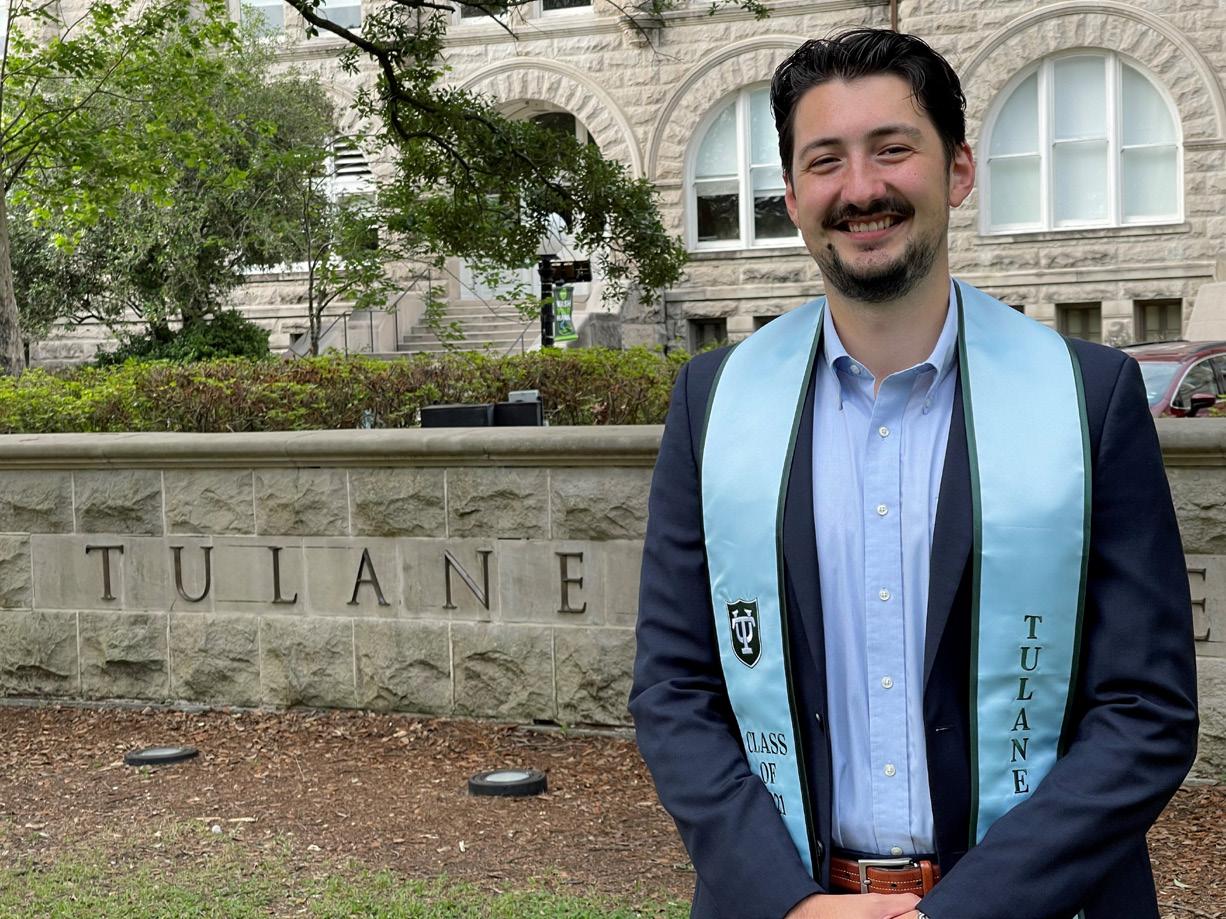
in New Orleans”, which was also written in partnership with the Louisiana Fair Housing Action Center to qualify as a Public Service thesis. Her thesis was directed by Prof. Stephen Ostertag of the Tulane Department of Political Science. Kate was presented with the Award for Greatest Potential in International Development by the Department of Political Science. She was an Education, Outreach, and Policy Intern at the Louisiana Fair Housing Action Center, and continues to work there as a researcher, investigating the ways that race, class, and gender structure political power in New Orleans in order to advocate for more equitable institutions of civic engagement.
ELSA ROTHENBERG was a dual-degree double major in Business and an Altman Scholar. She was inducted into Omicron Delta Kappa Leadership Honor Society and was the Undergraduate Student Government Vice President for Student Organizations. She worked as a research assistant for Prof. Mark Vail of The Murphy Institute and the Department of Political Science, and for Prof. Nora Lusting of the Department of Economics. Elsa is moving to Washington, D.C. to pursue a career in economic policy.
STEFAN SUAZO won a Tulane 34 Award and The Murphy Institute Public Service Award. He also won the Crest Award Leadership Medallion. He ran for a seat on the Jefferson Parish School Board and narrowly missed the runoff election for the position. He is also a Volunteer Fire Fighter with the Third District Volunteer Fire Department in Jefferson Parish. He will be the first graduate from our program to attend Stanford Law School, where he was accepted with an annual $50,000 fellowship.
SARAH ANN WALKER was a dual-degree triple major in Mathematics and Sociology. She won a Dean’s Service Award from Newcomb-Tulane College and a Leaders in Service Award from the Center for Public Service. She plans to stay in New Orleans with her family and take a year to prepare for the future and explore her interests. Over the summer she is going to travel, apply for graduate programs in Economics or Social Policy, and explore the different communities of New Orleans. In the fall she will begin an entry-level job at an entertainment/production company as well as a part-time position working for a non-profit.
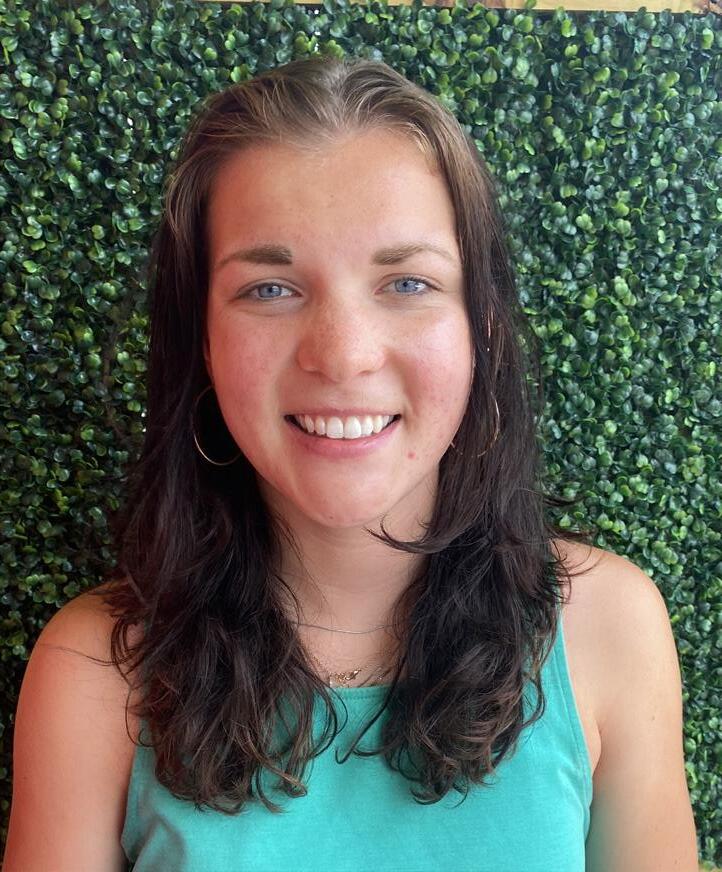
ELLEN WALLER was a dual-degree double major in Mathematics. She was a member of the Tulane Ultimate Frisbee team. She worked as an analyst intern for the Bureau of Governmental Research. She will be hiking the Pacific Crest Trail with LENORE ALEXANDER ‘21, starting May 30 and continuing until early October. After this, she expects to work either on a farm in Hawaii through the organization WWOOF–World Wide Opportunities on Organic Farms, or to work as an au pair for a family in Spain.
ECONOMY PROGRAM ’ 21 ]
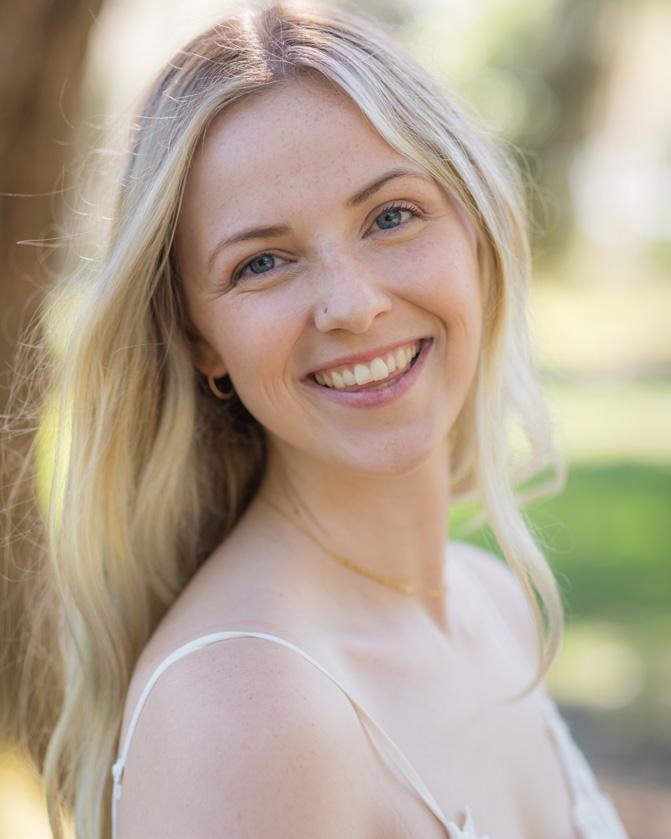
CLAIRE WYNNE was a co-recipient of the Charles H. Murphy Prize and The Murphy Institute Public Service Award. She was the Senior Honors Scholar in Political Economy. She won an Oak Wreath Award and was inducted into Phi Beta Kappa. She won a Crest Award Leadership Medallion and was a member of Mortar Board National Honor Society. She was a member of the William Wallace Peery Society, the highest undergraduate academic honor at Tulane. She won the Shelly Coverman Award, a university-wide award for the best student thesis and researcher in the social sciences. Her Honors Thesis was “Reproductive Health Impacts of State-Led Movements to De-Fund Abortion: A Systematic Analysis of the Importance of Publicly Funding Family Planning Programs” and was written under the direction of Prof. Mary Olson of The Murphy Institute and the Department of Economics. She published an excerpt from her thesis, “The Impact of Public Funding Restrictions on Essential Family Planning Services & Fetal Health Outcomes: A Review of Texas, Missouri, and Iowa” in The Tulane Journal of Policy & Political Economy . Her many internships include work with the Tulane University Office of University Sexual Misconduct Response and Title IX Administration, the New Orleans Abortion Fund, a Congressional Intern at the United States House of Representatives in the Office of Congresswoman Anna Eshoo (D-CA 18), and the Louisiana Foundation Against Sexual Assault. Her other community service and public service activities include co-coordinator for the Louisiana Abortion Stories Project and Legislative Advocacy Committee Member for the National Polycystic Ovary Syndrome Association. She was the co-host and co-creator of the Sex Unspoken podcast, currently administered by Tulane Campus Health, and Executive Board Member for Sexual Aggression Peer Hotline and Education as well as the Tulane Administration Committee for Sexual Violence Prevention and Response. She worked as an Economics Supplemental Instructor for Tulane University Academic Learning and Tutoring Center. She also somehow found time to work for the Tulane Debate Team as Executive Board Member, Vice President, and Tournament Director. Claire will be working full-time as a Federal Management Consultant at the management consulting company Guidehouse in their Public Health (Public Sector) Practice in Washington D.C. She will be on the Centers for Medicare & Medicaid Services team.
WENQI ZHAO was a double major in Political Science. She completed her studies while working remotely from China. She completed an internship in the Department of Media and Public Relations for the Center for China and Globalization in Beijing, and worked as a volunteer for the Zhuoming Disaster Information Service in Beijing. She has applied to several British schools and is still waiting for the results of her graduate applications. She plans to study post-colonial theories for graduate studies. For the near future she will spend half a year on the road, visiting low-income regions in underdeveloped countries.
DAVID ZIMAN was a double major in Computer Science and a minor in Real Estate Management. He was a co-recipient of the Charles H. Murphy Prize and was inducted into Phi Beta Kappa. He will be a Wealth Management Analyst at Morgan Stanley in New York City.
ALUMNI SPOTLIGHT
Political Economy, Medicine, and the Pandemic
IN THIS ISSUE OF THE EXCHANGE, we begin a new series designed to showcase the achievements of some of our most distinguished alumni. The Alumni Spotlight will profile select alumni who stand out in a particular vocational field or sector, or who have been recognized for excellence in their professional endeavors. It seemed appropriate for the inaugural installment in this series to focus on medicine and healthcare, especially with regard to the impact of the ongoing pandemic. We asked three of our alumni to share their stories, and here are their accounts in their own words.
DARIA KESTER, BA ‘09, MS, DNP, St. Louis, Missouri
Like many 18-year-olds, I was not exactly sure what I wanted to do with my life when I began my undergraduate studies at Tulane as a member of the Katrina class. I was attracted to the Political Economy major because it seemed compatible with my interests as well as flexible in its future applications. Also interested in healthcare, I took foundational science classes along with the courses for my major, and completed a rotation at Children’s Hospital through Tulane’s Center for Public Service.
After graduating, I joined the Peace Corps and worked as a teacher in rural Namibia. Witnessing the difficulty my students faced trying to master their lessons when they were too hungry or ill to concentrate rekindled my interest in healthcare, as an epiphany that begat another epiphany: not only is healthcare the starting point for ameliorating living conditions and achieving higher socioeconomic status in sub-Saharan Africa, it is the sine qua non without borders. As many are doubtless aware, the United States faces enormous problems due to an inadequate healthcare system. According to the National Academy of Sciences, despite higher per capita spending on healthcare, Americans on average live shorter, unhealthier lives than residents of other high-income countries, and are less likely to be able to access or afford health services. Moreover, these health disparities are increasing.
I chose nursing as my entry point into healthcare, both because the holistic approach and hands-on role of the nurse appealed to me, and the profession offers opportunities for advancement in multiple areas of specialization. Also, more practically, I needed to start earning an income.
The flexibility offered by a nursing schedule meant that I was able to continue working while pursuing my Doctor of Nursing Practice (DNP) degree, with the ultimate goal of becoming a DNP in the primary care setting. Most of my bedside nursing experience has been in critical care, working with seriously ill patients who require careful observation and intensive support. When the COVID-19 pandemic hit in 2020, I was working as a travel nurse (i.e., a nurse who contracts with a hospital for a period, usually about three months) in one of the COVID-19 units at a large teaching hospital. The early days were particularly frightening, because so much about the SARS-CoV2 virus was still unknown. Treatment protocols were being developed and tested in real time, and personal protective equipment (PPE) supplies were scarce. As the year progressed, I saw patients and medical personnel suffer from COVID-19, some of whom did not recover. Meanwhile, hospital workers were furloughed, safe staffing ratios waived, raises cancelled, and 401(k) matching benefits suspended, despite an influx of federal aid dollars. Yet executive bonuses were spared.
continued on next page
continued from previous page
Here is where my liberal arts background and study of Political Economy has proven itself useful, in pondering questions such as: Why were we not better prepared for this foreseeable—indeed, foreseen— respiratory disease pandemic? Why are healthcare workers (particularly nurses) treated as interchangeable and expendable? How did the globalization of manufacturing and supply chains contribute to persistent medical equipment shortages during the pandemic? It has helped me understand the evolution of health policy, and the forces that oppose comprehensive public health legislation and reform, despite its basis in science and clear long-term benefits. More broadly, it has helped me comprehend a healthcare system that might otherwise seem unfathomable in its indifference—if not outright hostility—to its purported mission of health and healing.
Since the end of 2020, after fulfilling the obligations of my nursing contract, I have been on hiatus from the bedside/ICU, focusing on teaching clinical skills to nursing students, volunteering at COVID-19 vaccination events, and wrapping up my last semesters of graduate study. The topic of my Capstone Project concerns the use of text messaging to improve public health surveillance outreach response rates. Despite the challenges of healthcare, I intend to remain in the field, for although it can be frustrating and exhausting (burnout is not uncommon), it can be equally rewarding. I want to be there for patients on both a personal and civil level, not only as an advocate but as a resource to help them learn to advocate for themselves. As a country, there are important lessons
to be drawn from the COVID-19 pandemic, not least of which is the critical necessity of a robust public health system. While it is true that, to paraphrase Mr. Keynes, we are all dead in the long run, it need not be of preventable causes.
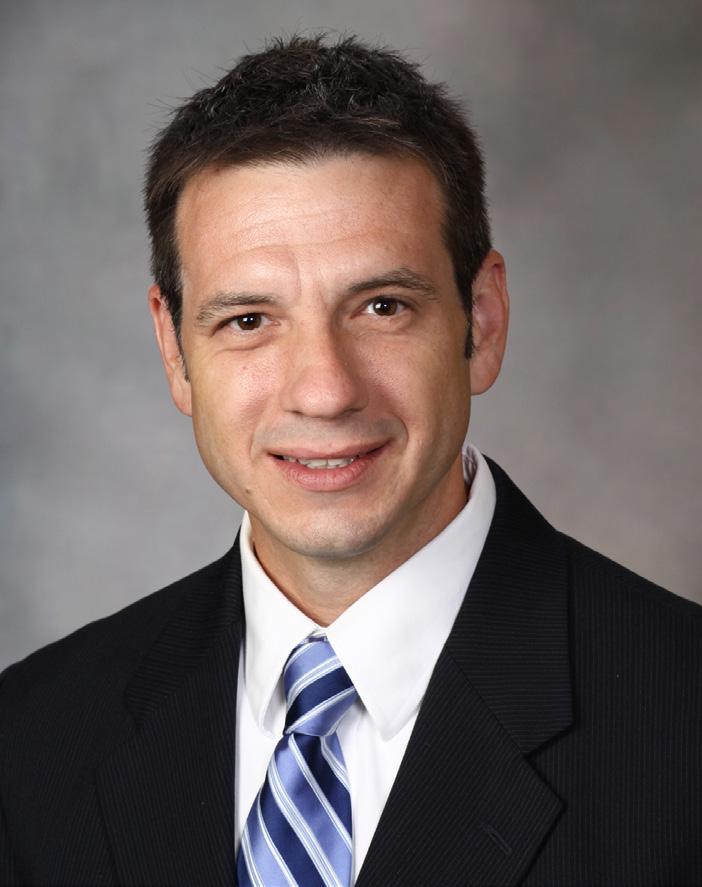
DAVID SAS, BA ‘95, MPH, DO , Mayo Clinic, Rochester, Minnesota
What do I really do every day? Primarily, I am a pediatric nephrologist, which means I take care of children with kidney disease, including issues related to kidney transplant, dialysis, hypertension, electrolytes disorders and, my specialty, kidney stone disease. Besides direct patient care, I also do research mostly related to rare, genetic kidney stone diseases. I also teach. I teach students and doctors at various levels of expertise about physiology, laboratory value interpretation, physical exam skills, and how to communicate effectively with patients and families. Finally, as is the Mayo Clinic tradition, I rotate through various institutional positions to improve quality, safety, efficiency, patient experience, and innovation. For every one of the aforementioned tasks, I rely heavily on my education in political economics at Tulane.
Distilled down, I spend my time trying to solve problems, as I’m sure do many of the readers in their respective careers. There are a set of conditions, variable and fixed, that I observe, integrate, and act upon for a desired outcome. The political economics coursework at Tulane provided the foundation for the critical thinking skills required to perform this process. The lessons from economics, political science, and philosophy consistently contribute to my
approach to each patient and each research question.
My first basic science research project during fellowship had me measuring the flux of ions across cell membranes, resulting in complicated graphs. Long nights spent in the Howard-Tilton Memorial Library studying the Laffer curve, monopolistic long-run equilibrium, and dynamic aggregate demand vs. supply models prepared me for interpreting graphic data from scientific (or just about any) fields of study. Becoming facile with graphic representations of relationships is
crucial for any physician scientist, and there is no better way to exercise that muscle than repetitive review of economic graphs that span from very abstract, hypothetical models to practical, real-world data in microand macro-economics classes.
I recall the first time I heard a Tulane professor refer to “hegemony.” I scribbled the word down phonetically the best I could to look up later because I had no idea what it meant. (I was convinced I was the only student who wasn’t familiar with
ALUMNI SPOTLIGHT: POLITICAL
ECONOMY, MEDICINE, AND THE PANDEMIC
continued from previous page
the term.) The praxis of hegemony manifests in medicine in a variety of ways. Cultural hegemony informs social determinants of health and, thus, healthcare inequities. Another version of hegemony, hierarchical dominance, contributes to medical errors when members of the medical team perceived to have lesser status choose not to speak up, despite having critical information that could improve the care of a patient or avoid a mistake. Spending time during undergraduate education meandering through discussions of the philosophical and practical impact of hegemonic actors provides a useful lens through which one can view the practice of medicine.
We are witnessing the starkest example of politics impacting healthcare in modern history. The COVID-19 pandemic illuminated the best and worst of political action on public health. Through the rapid and successful development of multiple effective COVID-19 vaccines, we now know how agile and powerful scientific advancement can be with appropriate funding and resources. Conversely, we have witnessed the absurdity of politicizing the simple, effective, and kind act of wearing a mask to the dismay of epidemiologists and infectious disease experts. Perhaps most importantly, we have observed the impact of the lack of critical thinking skills combined with devaluation of education and expertise. The solution to this regression, if there is one, will come from educators, sociologists, and psychologists who can expose the root causes of
these failures and develop a longterm strategy to turn society back on a course toward progress.
Becoming familiar with fundamentals of philosophical thought guides physician decision-making frequently, from individual patient care to broader public health issues. For example, John Stuart Mill’s utilitarianism is on full display when we discuss kidney allocation for transplant, where the goal is to allocate kidneys in such a way as to maximize societal benefit, though this sometimes increases the suffering of an individual. We often wrestle with authority versus liberty when we debate the virtues of providing medical care to a child in need when the parents refuse treatment. The core of many the toughest decisions we make in medicine have been debated in different forms by the philosophers studied through the political economy curriculum, and I am thankful for that background.
Uncertainty occupies a large space in medicine. While medical research is steadily expanding our fund of knowledge, there is far more that we do not know compared to what we do know. Doctors who come from a pure science background may struggle with accepting and effectively communicating uncertainties, while those who have studied Stoicism, Knightian uncertainty, and Camus’ Absurdism are well positioned to integrate uncertainty as a vital part of medical discussions.
I was quite uncertain when I went to visit my advisor and mentor at The Murphy Institute, Dr. Judith K. Schafer, during her office hours to inform her that I wanted to pivot my career goals toward medicine. I was afraid to disappoint her, and the change really did come out of the blue. But, while she taught me political and legal history and tried desperately to improve my writing, her greatest impact on me was her humanity. She met my reluctant confession with empathy and enthusiasm. Right then and there, she helped me work out how I could shoehorn in the pre-med classes while still meeting the requirements to graduate with a BA in Political Economics. At every phase of my medical training, I would visit her office when I found myself back in New Orleans. She was eager to hear where my academic interests were leading me, through medical school, pediatric residency, and pediatric nephrology fellowship. She always seemed proud of me. She passed away just after I accepted the position at Mayo Clinic. The way she treated me and everyone I ever saw her encounter – with compassion, good humor, and respect – is how I try to approach every interaction with patients, their parents, and my learners.
When it comes to recruiting students and doctors to our institution, I seek out those candidates with a background in political economics (or some combination of
continued on next page
the disciplines that make up the field) because I appreciate the critical thinking skills and thoughtful examination of human relationships developed during this coursework. We are trying to solve problems. The foundation provided by the political economics curriculum and professors leaves students well prepared to observe, integrate, and act on solutions in all fields. Of one thing I am certain: I am a proud graduate of The Murphy Institute of Political Economy.
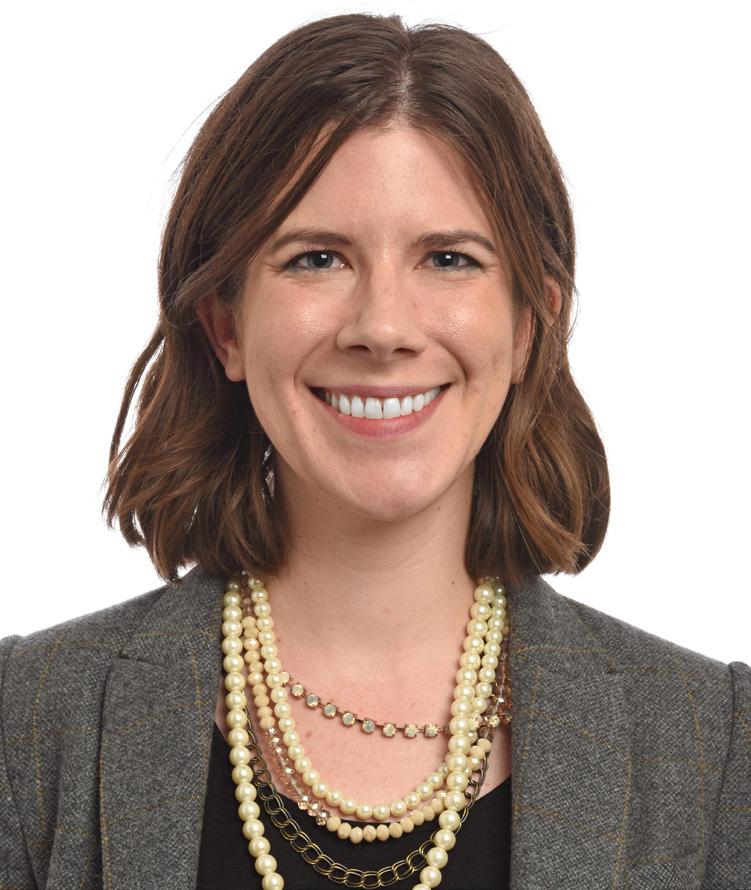
KATELYN SMALLEY, BA ‘ 12, MSC, PHD , Imperial College London, London, England, United Kingdom
The Murphy Institute led me to a career in Health Policy. As an undergrad at Tulane (Class of 2012), I really didn’t know what I wanted to do with my life. I majored in Political Economy, minored in Latin American Studies, and was pre-med. Which is another way of saying I was interested in everything and I didn’t want to choose. By the end of college, though, I did know that my grandparents’ experiences with
medical care at the end of their lives made me indignant. Interning with the Birthing Project in my senior year highlighted how systemic racism compounded those problems for people of color. Healthcare was the problem I wanted to solve.
I considered medical school (and even enrolled for a few weeks before dropping out)! And through a winding series of experiences, both at home and abroad, I realised that my interest in healthcare wasn’t really about medicine at all – I care more about how people get their healthcare, and whether people get what they need. Political Economy provided an excellent framework for answering those questions.
I’m interested in healthcare as a social system. I study policies around the provision of healthcare, and how they translate into practice. I am developing new methods to measure the extent to which health systems meet their objectives. Being able to understand politics and power, to put present decisions in historical context, to articulate philosophical principles and underlying assumptions, are critical to my work. I did not realise until recently how distinct, but also how valuable, this perspective is. Training in Political Economy allows me to ask difficult, intersectional questions that my colleagues often don’t notice.
Now that I’ve submitted my PhD thesis, I’ve come to finally embrace my hopelessly interdisciplinary nature. I’ve worked for the US government, analysing Medicare payment policy; a hospital association in New York City, supporting quality improvement and patient safety projects; and for the past 4.5 years, living in the UK and researching the delivery of health services, and especially the role of patients in managing their own illnesses.
The Covid-19 pandemic has put a spotlight on the tensions between evidence and politics. It has highlighted how power – especially to set the agenda – influences policy options. Sometimes, the chief hurdle to a (scientifically straightforward) idea is a political one. So much of the ambiguity around Covid policies were not about public health at all –they were about what people thought they owed to society vs. what society owed to them. They were about which policy options were politically feasible. They were about who would benefit, and who would be inconvenienced. Policy, I’ve come to understand, is not just a proposed solution to a problem; it is an expression of a worldview.
Over the past year and a half, I have viewed the events in the UK, the US, and further afield with sometimes amazement, sometimes disappointment, sometimes despondency, but always with a clarity that I would not have had without the grounding in a broad range of traditions I got in undergrad. I used to be confused when other academics talked about how they were ‘trained’, but the Covid-19 pandemic helped me understand that I was trained in Political Economy.
With the benefit of hindsight, I’d just like to impart on current PECN students that you don’t need to know what you are going to do with your life right now. Just keep following your curiosity. Keep asking important questions, and use the skills you are developing to answer them in a principled way. I couldn’t have predicted it a decade ago, but I use the knowledge and skills that I developed at Tulane every single day. And I am really, really grateful for that.
HONORS, AWARDS, AND PUBLICATIONS
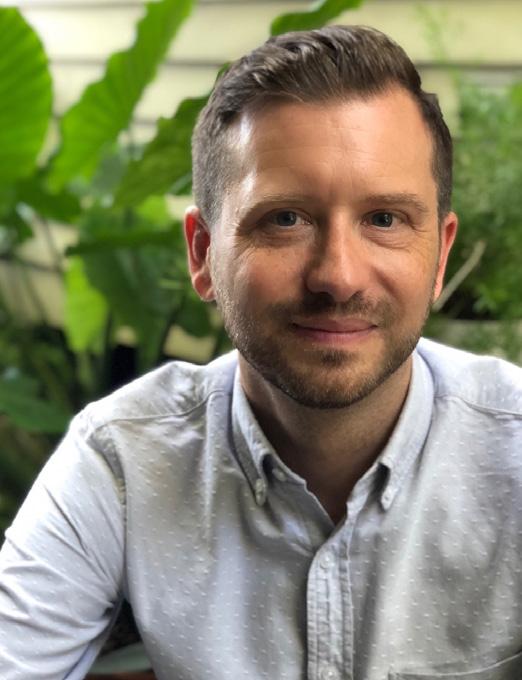
KEVIN CALLISON , Assistant Professor of Global Health Management and Policy, is co-author of “Associations Between Individual Demographic Characteristics and Involuntary Health Care Delays as a Result of COVID-19” (with Jason Ward) in Health Affairs, and “Smoking Cessation and Weight Gain: Evidence from China” (with Cuiping Schiman and Jeffrey C. Schiman), in Economics and Human Biology. He was also part of a research team that won a grant from the Commonwealth Fund to study the impact of COVID-19 and the rapid shift to telemedicine on health equity and disparities in access to care.
ALISON DENHAM , Associate Professor of Philosophy, is author of “An Aetiology of Recognition: Empathy, Attachment and Moral Competence,” in E. Harcourt, ed., Attachment: Virtues and Vices (OUP 2021) and “The Nature of Nurture: Poverty, Father Absence and Gender Equality” in Schweiger and Graf, eds., Philosophy & Child Poverty (2020).
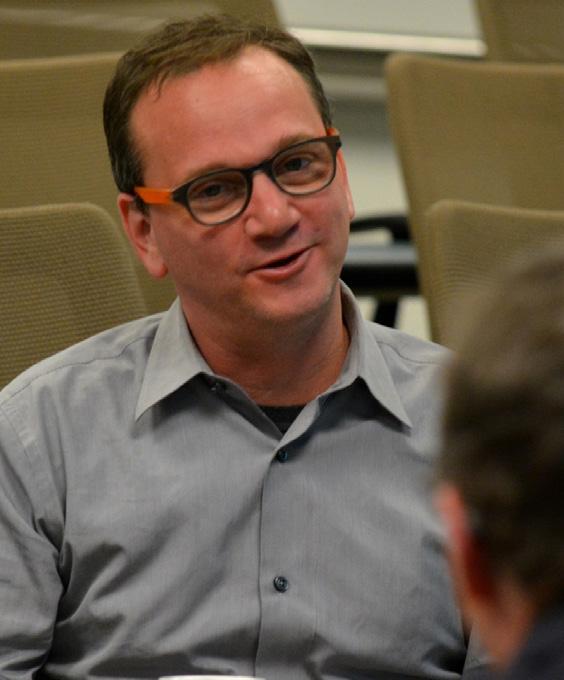
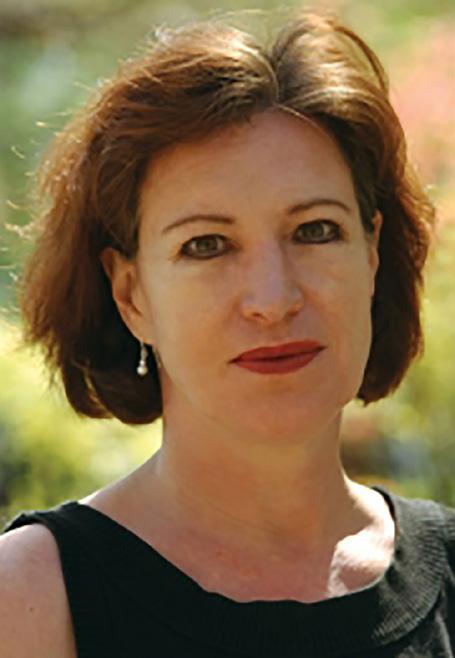
ADAM FEIBELEMAN , Michael M. Fleishman Sumter Davis Marks Professor of Law and Director of the Center on Law and the Economy, is the author of “Bankruptcy and the State,” forthcoming in Emory Bankruptcy Developments Journal, and “Designing a Personal Insolvency Regime: A Baseline Framework for the IBC,” (with Renuka Sane) in Insolvency and Bankruptcy Board of India, The Evolving Insolvency, and Bankruptcy Regime in India: A Narrative (2020) He will also co-host the 4th
Annual Law and Macroeconomics conference, along with the Bank of England and law schools at Queen Mary University of London, Yale, Cornell, and Georgetown.
ANN LIPTON , Michael M. Fleishman Associate Professor in Business Law and Entrepreneurship and Associate Dean for Faculty Research, is author of “Not Everything Is about Investors: The Case for Mandatory Stakeholder Disclosure,” Yale Journal on Regulation 37 (2020), which was named one of the best corporate and securities articles of 2020, based on the Corporate Practice Commentator Annual Poll of law professors. She also won the 2021 Felix Frankfurter Award for Distinguished Teaching based on the votes of the graduating law school class of 2021.
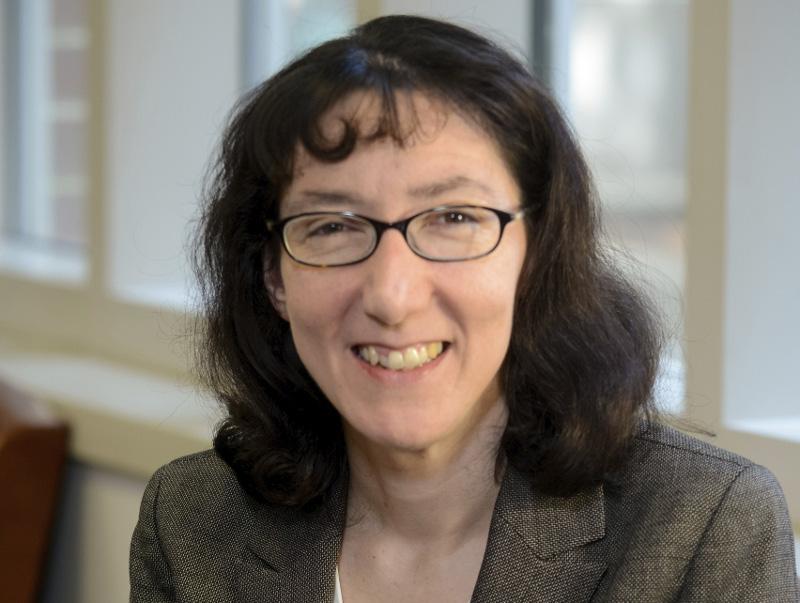
DOUG NELSON , Professor of Economics, is co-author of “Rethinking International Subsidy Rules” (with Bernard Hoekman), published in The World Economy , 43(12), “Stakeholder Preferences and Priorities for the Next WTO Director General” (with Matteo Fiorini, Bernard Hoekman, Petros Mavroidis, and Robert Wolfe), published in Global Policy, 12(3), and “Nihil novi sub sole: The Need for Rethinking WTO and Green Subsidies in Light of United States – Renewable Energy” (with Laura Puccio), published in World Trade Review.
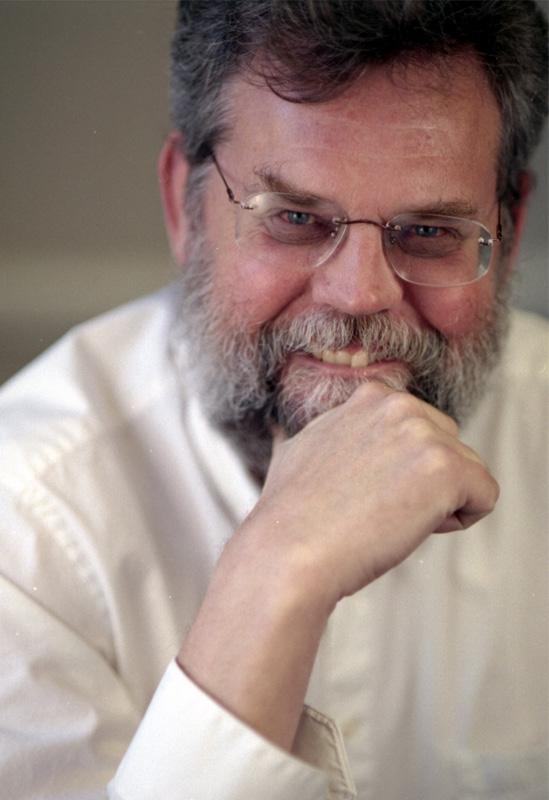
DAVID O’BRIEN, Assistant Professor of Philosophy, is author of “Wrongfulness rewarded?,” published in Synthese, and “Conservatism Reconsidered,” published in the Journal of the American Philosophical Association.
MARY K. OLSON , Associate Professor of Economics, is author of “New Clinical Information and Physician Prescribing: How Do Pediatric Labeling Changes Affect Prescribing to Children?” (with Nina Yin), published in Health Economics 30(1) (2021). She was also chosen by two graduating senior recipients of the 2021 Oak Wreath Award as the faculty member who had the greatest influence on their undergraduate education.
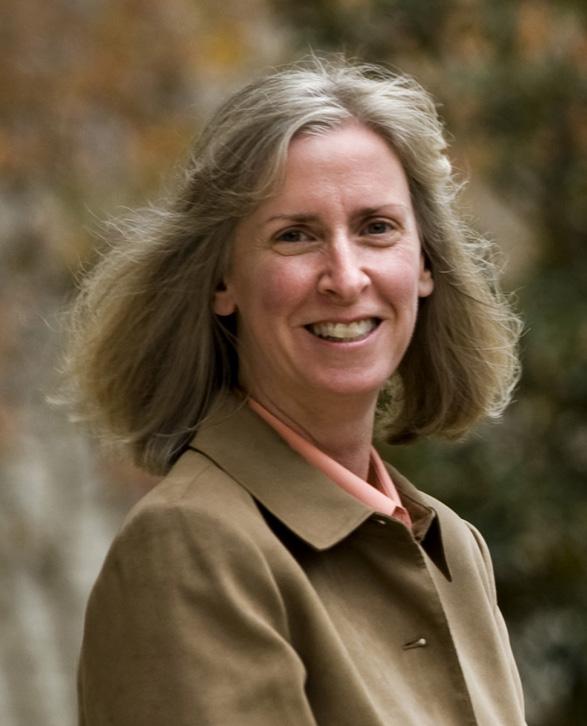
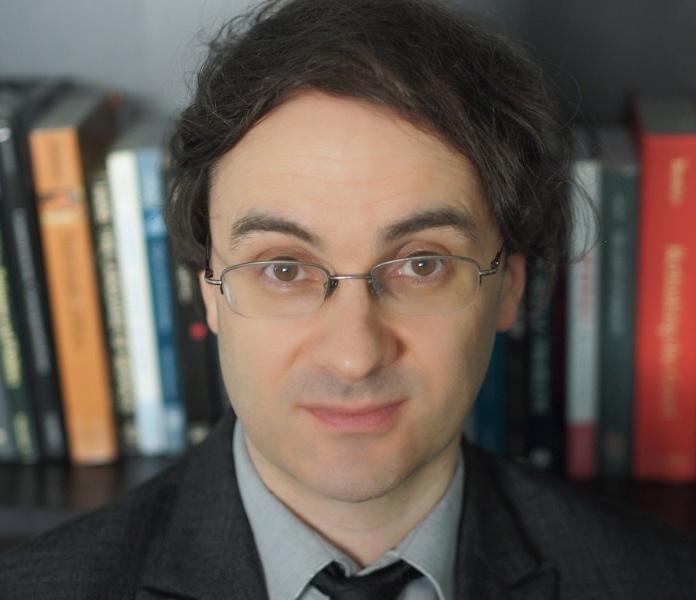
PATRICK TESTA, Assistant Professor of Economics, is author of “The Economic Legacy of Expulsion: Lessons from Postwar Czechoslovakia,” published in The Economic Journal 131 (2021), and “Shocks and the spatial distribution of economic activity: The role of institutions,” Journal of Economic Behavior & Organization 183 (2021).
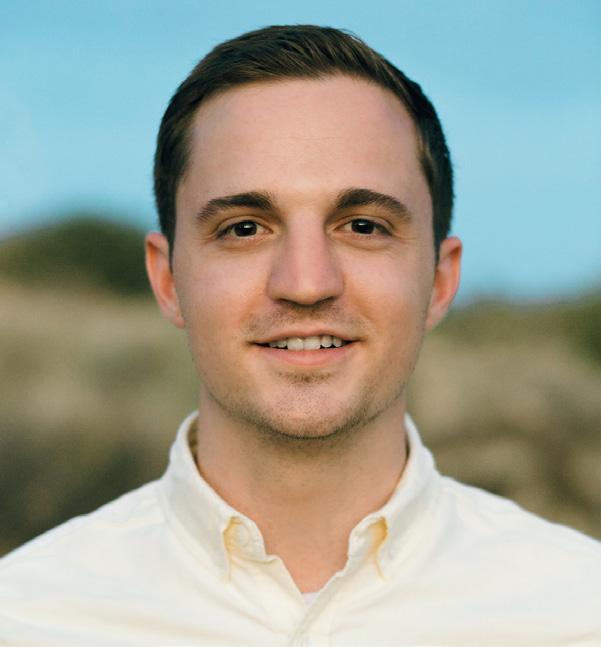
GARY HOOVER
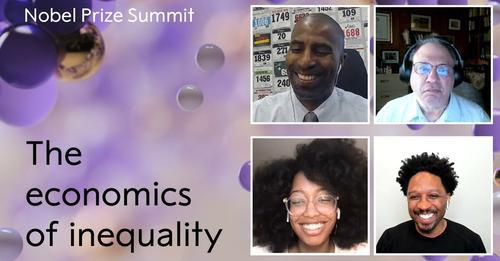
SPEAKS AT NOBEL PEACE PRIZE SUMMIT
Gary Hoover, Executive Director of The Murphy Institute and Professor of Economics, spoke at the first Nobel Peace Prize Summit. Professor Hoover joined a prestigious group of speakers and panelists that included Nobel Laureates Al Gore and the Dalai Lama as well as Dr. Anthony Fauci. Professor Hoover spoke on the “Economics of Inequality” on April 26, 2021.
Speaking about his appearance at the summit to Tulane News, Professor Hoover said, “I am humbled and honored to be called upon to discuss such important issues with renowned scholars and thinkers from around the world. I, like the rest of my colleagues on the panel, hope that this discussion will help effect positive change both locally and globally. This is an opportunity which comes once in a career.”
the center on law and the economy
TULANE CORPORATE AND SECURITIES LAW ROUNDTABLE
The annual Corporate and Securities Law Roundtable, organized by Murphy Affiliate Ann Lipton, was held via Zoom on Saturday, March 13th. The panels featured lively discussion among many of the country’s leading corporate law scholars.
LOCATION, LOCATION, LOCATION
Discussant: Stephen Choi, Bernard Petrie Professor of Law and Business, New York University

State Champions
Jens Christian Dammann, Ben H. and Kitty King Powell Chair in Business and Commercial Law, University of Texas
Delaware's Global Competition
William J. Moon, Assistant Professor of Law, University of Maryland
RETAIL THERAPY
Discussant: Sarath Sanga, Associate Professor of Law and Associate Professor of Strategy (Kellogg), Northwestern University
Odd Lot Trading
Robert Bartlett, Faculty Director at the Berkeley Center for Law, Business, and the Economy and I. Michael Heyman Professor of Law, University of California Berkeley
Wandering Financial Advisers
Colleen Honingsberg, Associate Professor of Law, Stanford University
WAKING CAPITAL
Discussant: Kristin Johnson, Asa Griggs Candler Professor of Law, Emory University
Equality Metrics
Gina-Gail Fletcher, Professor of Law, Duke University
Capital Discrimination
Ann Lipton, Tulane University
COLLECTIVE ACTION
Discussant: Brian Quinn, Associate Professor of Law, Boston College
Initiation Payments
Scott Hirst, Associate Professor of Law, Boston University
Collaborative Intent
Cathy Hwang, Barron F. Black Research Professor of Law, University of Virginia
Albert Choi, Professor of Law, University of Michigan

Weinmann Hall, Tulane Law School

In this workshop from the Center on Law and the Economy, visiting scholars present works in progress on regulation of economic activity. Center Director Adam Feibelman convenes the workshops with the input of Executive Director Emeritus Steven Sheffrin, the current VAP in Law (Blair Druhan Bullock in the 2020-2021 academic year), and other Law faculty.
JUDGE MEREDITH GRABILL
US Bankruptcy Judge, Eastern District of Louisiana Questions about Bankruptcy Cases during the COVID-19 Pandemic
JARED ELLIAS
Professor of Law, UC Hastings Bankruptcy Process for Sale (co-authored with Ken Ayotte)
ANNA GELPERN
Anne Fleming Research Professor, Georgetown Law Sovereign Debt Purgatory
TESS WISE
Assistant Professor of Political Science, Wake Forest University Personal Bankruptcy and Race
LAURA COORDES
Associate Professor of Law, Arizona State University O'Connor College of Law Putting Bankrupt Hospitals on Life Support
PAMELA FOOHEY
Professor of Law, Indiana University Maurer School of Law
Portraits of Consumer Bankruptcy Filers in the United States
VINCENT BUCCOLA
Associate Professor of Legal Studies and Business Ethics, Wharton Claim Durability and Bankruptcy's Tort Problem (co-authored with Josh Macey)
JENNIFER KOH
Associate Professor of Law, Pepperdine Caruso School of Law
Executive Defiance and the Deportation State
SHALINI RAY
Associate Professor of Law, University of Alabama Law Proportionality in the Deportation State
ADENO ADDIS
W.R. Irby Chair and W. Ray Forrester Professor of Public and Constitutional Law, Tulane Law
The Making of Strangers: A Reflection on the Ethiopian Constitution
ANGÉLICA CHÁZARO
Assistant Professor of Law, University of Washington Law Is Right to Counsel the Wrong Fight?
workshop in regulation
SAMEER ASHAR
Assistant Professor of Law, University of Washington Law Migration as Extractivism: Race, Labor, and Enforcement
SHALINI RAY
Clinical Professor of Law, Associate Dean for Equity Initiatives, and Director of the Workers, Law, and Organizing Clinic, UC Irvine Migration as Extractivism: Race, Labor, and Enforcement
LAILA HLASS AND MARY YANIK
Professors of the Practice & Co-Directors of the Immigrant Rights Clinic, Tulane Law Habeas Litigation and the Louisiana Immigrant Detention Crisis
EMILY RYO
Professor of Law and Sociology, USC Gould School of Law
The Unintended Consequences of U.S. Immigration Enforcement Policies
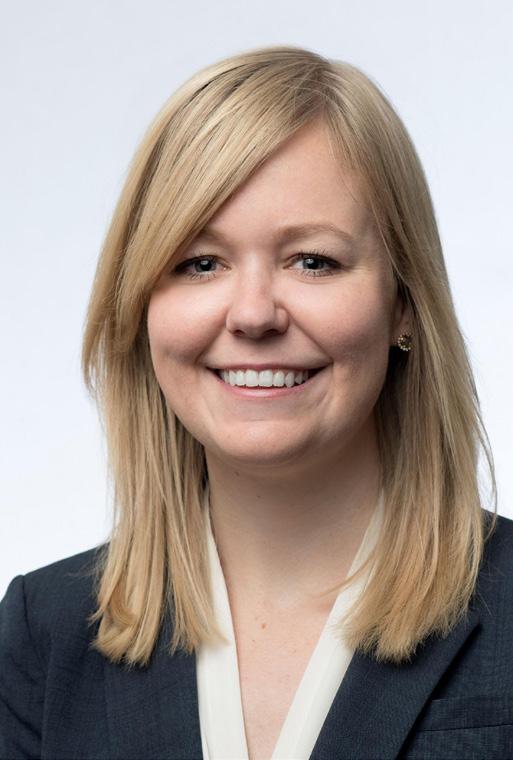
co-organized by ADAM FEIBELMAN
co-organized by
BLAIR DRUHAN BULLOCK

the center for public policy research partnerships

The Murphy Institute participated in the “Count the Costs Research Weekend,” organized by the Lepage Center for Entrepreneurship and Innovation, during the weekend of Friday, March 12th. The three-day workshop was organized with the goal of counting the costs of racial inequality in the United States and producing viable approaches to address the barriers that people of color face in the economy and society. Assistant Director of CPPR Katie Weaver presented to the group on Friday, discussing Murphy Institute resources including the ARDC, policy working groups, and the seed grant program. On Saturday, Associate Director John Howard, as well as Katie, advised teams on their research proposals in the event’s office hours. The workshop was a productive opportunity to inform a broad range of faculty and students about the Institute’s resources, fostering collaboration with researchers interested in discrimination and equity in the economy who might not have previously engaged with the Institute. In addition, Murphy Institute affiliates were well represented among the six winning projects. From Public Health, Professor Kevin Callison led the team that won a grant for their project on addressing racial inequality in maternal morbidity, and Tulane Economics PhD and frequent public policy working group presenter Brigham Walker, now a research professor, led the team that won for their project “Behavioral Interventions to Improve Primary Care Access Equity.” Finally, Professor Xiaojin Chen in Sociology led the team that won for “Measuring the Cost of Juvenile Incarceration on Families in New Orleans,” a project for which a Murphy Institute seed grant funded the earliest research.
next steps
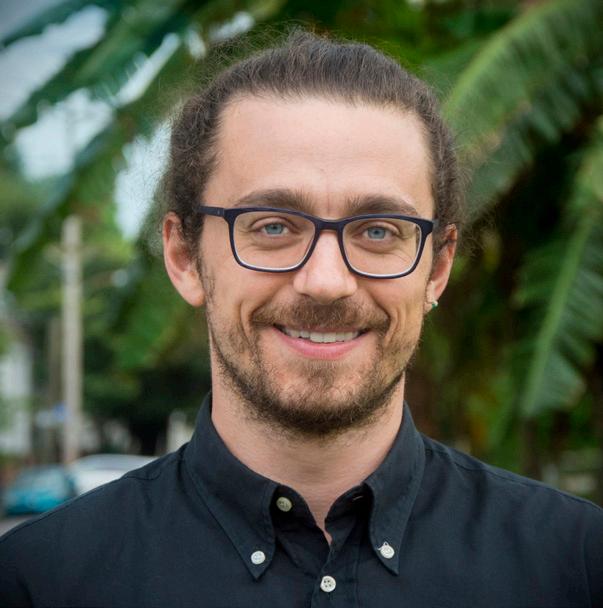
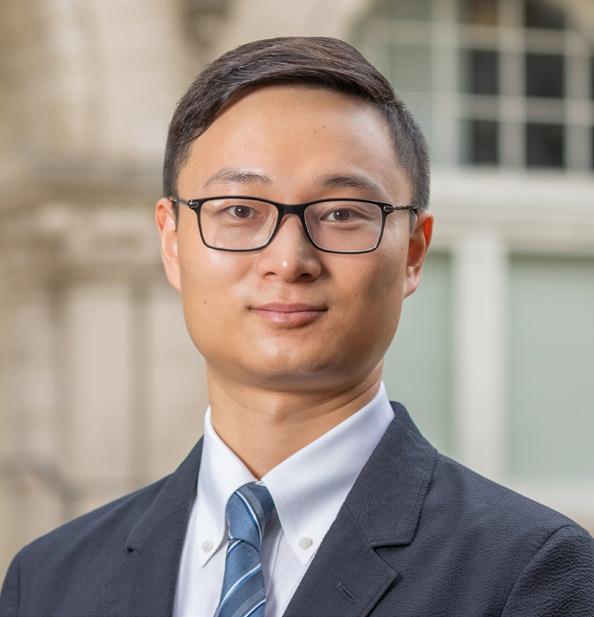
Congratulations to Luca Fumarco (left) and Xuanhao He, who have completed their two-year appointments as Postdoctoral Fellows in the Center for Public Policy Research.
Luca, a labor economist whose research focuses on discrimination, is now Assistant Professor of Economics at Masaryk University in Brno, Czech Republic.
Xuanhao, a health economist, is now an Associate in Healthcare in the Los Angeles office of the Analysis Group.

working groups
The Murphy Institute Working Groups on Health Policy and on Public Policy bring together faculty from numerous disciplines across Tulane’s campuses to establish a network of professionals and produce interdisciplinary research that addresses critical policy issues. Held primarily via Zoom since the beginning of the pandemic, the working groups provide scholars with the opportunity to present new work to an incisive yet friendly audience, whether virtually or in person. Unless noted as visiting below, all presenting researchers are Tulane faculty, postdoctoral fellows, or graduate students.
HEALTH
POLICY WORKING GROUP
KEVIN CALLISON
Assistant Professor of Health Policy and Management
Yearning to Breathe Free? Cigarette Taxes, Smoking Bans, and the WellBeing of Smokers (with Silda Nikaj and Rujun Zhao)
JONATHAN HOLMES
Ph.D. candidate in Economics, UC Berkeley Does Medicaid Make Private Health Insurance Cheaper?
CHRISTOPHER AMBROSE
Postdoctoral Fellow, Economics and The Murphy Institute
The Effects of the Child Care Tax Credit on Maternal Labor Supply
ENGY ZIEDAN
Assistant Professor of Economics
Cancelled Care and Downstream Health: Using Linked Deaths and Electronic Health Record Data
PUBLIC POLICY WORKING GROUP
HAIBIN JIANG
Postdoctoral Fellow, Economics and The Murphy Institute
Tax-Based Marriage Incentives in the Affordable Care Act (with Elliott Isaac)
the center for ethics and public affairs
seminars & lectures
Each year, the Center for Ethics and Public Affairs invites distinguished academics to present their current work at the Center for Ethics Speaker Series. Since 2001, the Center for Ethics has hosted more than 200 guest speakers, and the academic year of 2020-2021 did not break with this tradition – despite the substantial difficulties posed by the COVID pandemic. While holding public lectures on campus was not possible, David Shoemaker, Director of the Center for Ethics and Public Affairs, organized an impressive array of speakers who presented papers to our Faculty Seminar via Zoom.
CHRISTIAN MILLER
A. C. Read Professor of Philosophy, Wake Forest University
Honesty: The Philosophy and Psychology of a Neglected Virtue
ROBERT J. HARTMAN
CEPA Faculty Fellow, The Murphy Institute
Moral Luck, Compassion, and Benevolence
JULIA MARKOVITZ
Associate Professor of Philosophy, Cornell University
The Partial Relativism of Praise and Blame
ABELARD PODGORSKI
Assistant Professor of Philosophy, National University of Singapore
CEPA Faculty Fellow, Murphy Institute
How to Complain About People: A Primer
MATT KING
Associate Professor of Philosophy, University of Alabama at Birmingham
Simply Responsible


SERENA OLSARETTI
Research Professor, Universitat Pompeu Fabra
The Two Roles of Fair Play
CASPAR HARE
Professor of Philosophy, Massachusetts Institute of Technology Living in a Strange World
AGNES CALLARD
Associate Professor of Philosophy, University of Chicago Mandatory Questions
SAM FLEISCHACKER
Professor of Philosophy Once More Unto the Breach: Kant and Race
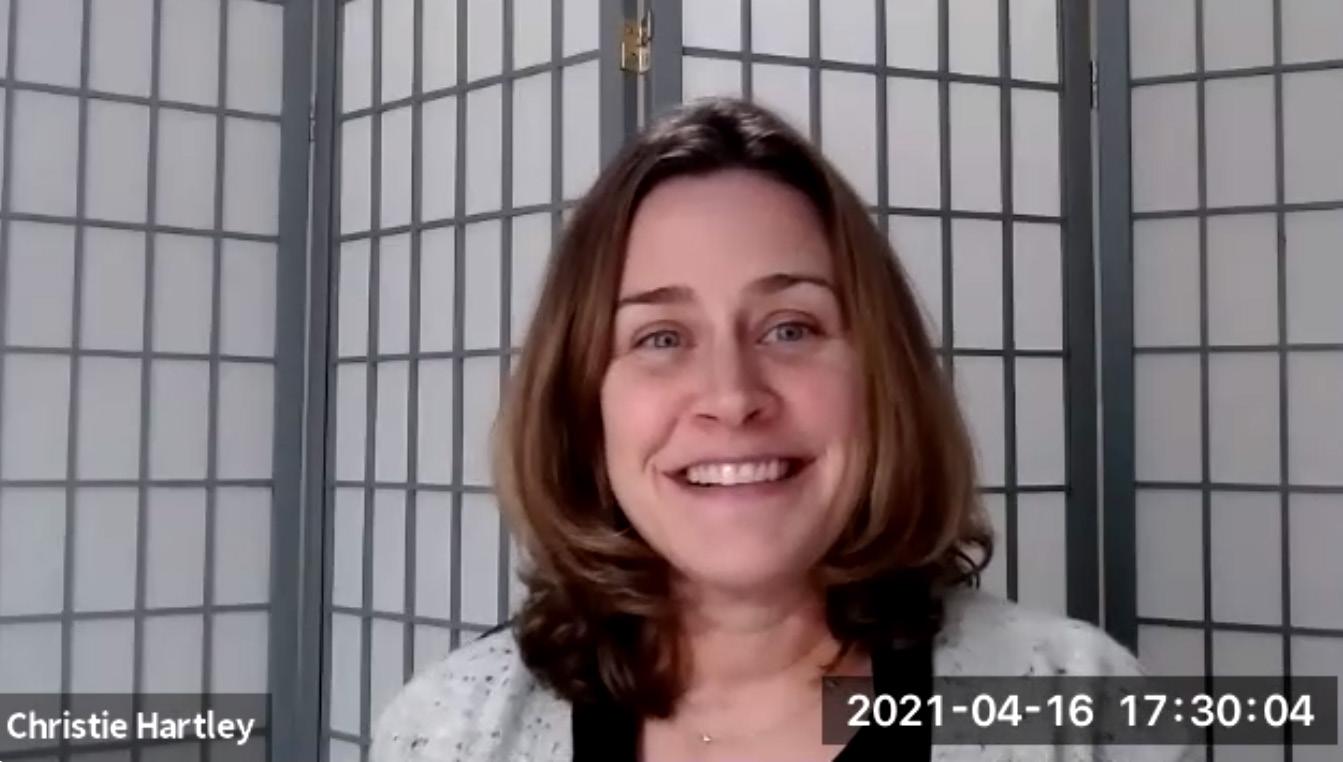
CHRISTIE HARTLEY
Professor of Philosophy, Georgia State University Against Convergence Liberalism: A Feminist Critique
MICHAEL MCKENNA
Professor of Philosophy, University of Arizona Fittingness as a Pitiful Intellectualist Trinket?

JULIA MARKOVITS Cornell University
CHRISTIE HARTLEY Georgia State University


conferences
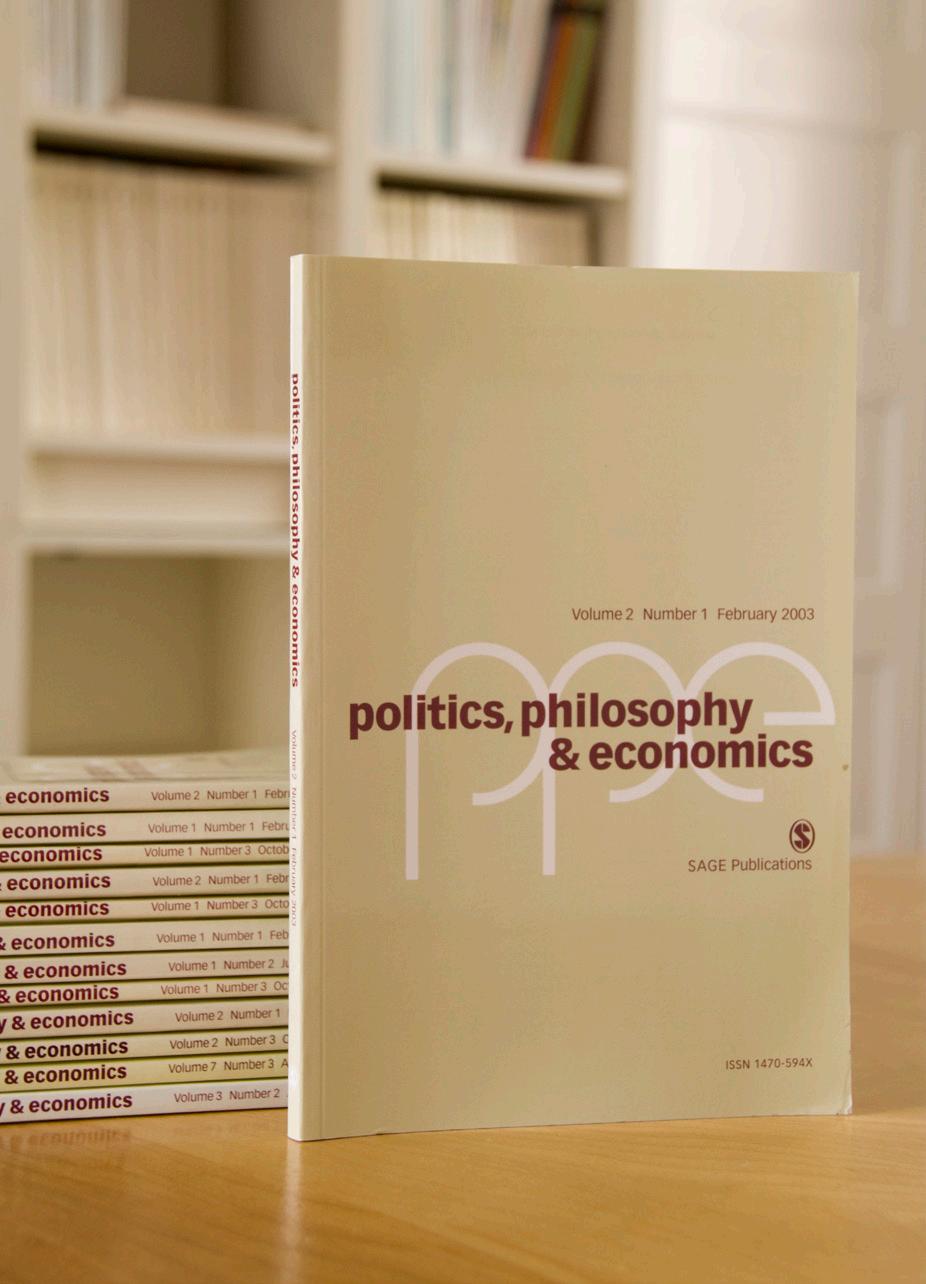
PPE 2021: ETHICS AND MIGRATION
The Center for Ethics sponsors an annual PPE conference that supports the journal PPE: Politics, Economics, and Philosophy. Papers presented at the conference are published in the journal, subject to anonymous peer review. Published by Sage Publications in association with The Murphy Institute, the journal is co-edited by Murphy Institute faculty member Jonathan Riley, a founding editor of the journal.
The 2021 Conference took place in February on Zoom and featured five noted scholars from the fields of philosophy, political science, internal relations, and law.
SAM SCHEFFLER
University Professor of Philosophy and Law, NYU Procreation, Immigration, and the Future of Humanity
LARA BUCHAK
Professor of Philosophy, Princeton University Risk and Ambiguity in Ethical Decision Making
ZOFIA STEMPLOWSKA
Professor of Political Theory and Asa Briggs Fellow, Worcester College, Oxford University Equality of Attention
TOM DOUGHERTY
Associate Professor of Philosophy, University of North Carolina, Chapel Hill
Social Constraints on Consent
DEBORAH HELLMAN
David Lurton Massee, Jr., Professor of Law, University of Virginia School of Law
The Office of the Presidency and the Appearance of Corruption
In Memoriam: Ruth Carter, Jerry Gaus, and Lauren Sobel
In 2020, The Murphy Institute lost three important members of its community: much-beloved retired administrator Ruth Carter, an eminent philosopher and cofounder of CEPA, Jerry Gaus, and a brilliant young alumna, Lauren Sobel. The following paragraphs are brief tributes to each.
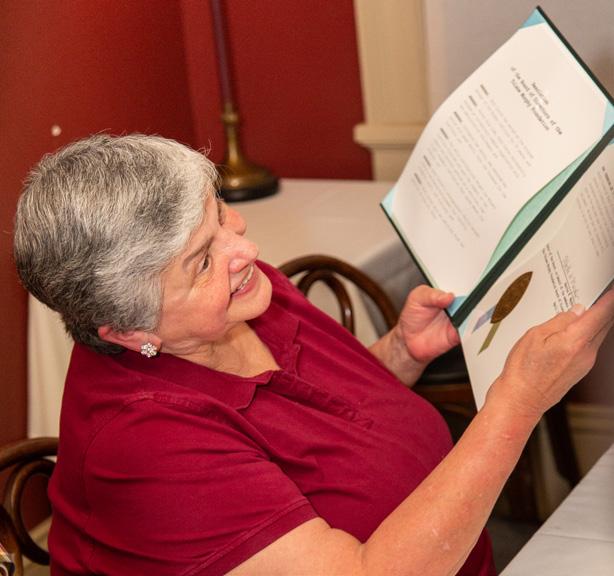
Ruth Carter worked at The Murphy Institute for 30 years until her retirement in 2018, serving as the Program Manager under two different directors. Ruth had a tremendous impact on generations of students, faculty, and colleagues who had the privilege to know her and work with her.
Ruth was both the administrative face and anchor of The Murphy Institute. Anyone who called or visited the Murphy suite in Tilton Hall was greeted by Ruth. She handled all requests and inquiries with aplomb. Everyone came away feeling they were listened to, even if their requests were ultimately not honored. She exhibited patience when others might have been exasperated, calm when others would have been flustered, and, above all, dealt with all people with a natural diplomacy.
Ruth had a deep understanding of the history and mission of the Murphy Institute. She understood what motivated the Board and what principles were important to uphold. When her colleagues came to her with a difficult matter, Ruth provided right-minded and thoughtful advice and steered us in the proper directions. Ruth also had a keen, practical political sense, providing guidance to the leaders of the Institute as they navigated the university.
Ruth was extraordinarily smart and especially adept with language: a great asset since universities deal in words. In her earlier days, Ruth had worked at a newspaper, and no error in any written product of the Institute escaped her proofreading. In her gentle way, she would offer suggestions for substantial improvements in manuscripts. The directors for whom she served relied heavily on these skills.
During her last decade at The Murphy Institute, Tulane increasingly adopted new and ever-changing electronic systems across all dimensions of administration. Ruth was a traditionalist and would have preferred a pencil-and-paper approach, but she plunged in, learned all the new systems, and later taught others how to navigate our increasingly complex technological world.
Ruth had a wonderful sense of humor and a delightful disposition. She helped make The Murphy Institute a welcoming place. She celebrated The Murphy Institute’s traditions like the Senior Dinner that make the Institute special. She assisted new faculty and staff in acclimating to Tulane. All of us who worked with her were better for the experience and enjoyed the time we spent with her. Her positive influence continues in the culture of the Institute today. — Steven M. Sheffrin, Director Emeritus
Professor Gerald (Jerry) Gaus was a faculty member at The Murphy Institute from 2000-2006 and was a cofounder of the Center for Ethics and Public Affairs. He is one of the most important social and political philosophers in the United States, on a par with Rawls and Nozick. He was the author of numerous books and countless articles, and a popular and influential teacher of our students. We honor his memory and give thanks for his many contributions to The Murphy Institute. — John Louis Howard, Associate Director
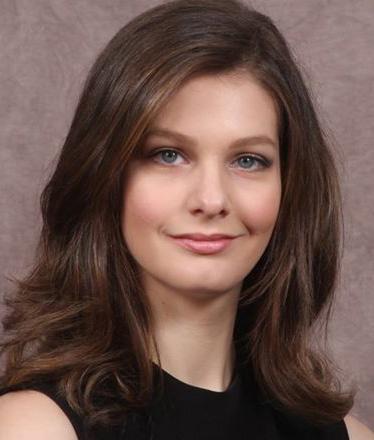
Lauren Sobel was one of the best and most fascinating students I have ever had. When she graduated, she gave me a beautiful hanging plant that has grown 10 feet, and afterward, she sent me emails every few months to update me on what was going on in her life in New York. On the very first day I taught her, she starting pressing me in class on an off-hand remark I’d made about how psychological egoism is false. We went back and forth for about 10 minutes before I could feel the class getting restless, so I told her to hold off for now and come see me in my office if she wanted to talk some more. She did, and we debated for a good hour. I then gave her an article I’d published on psychological egoism. She read it and came back for more. After the second day of an hour’s conversation, she stood up and said, “Okay, you win this round. But I’m still skeptical.” I had so many fun conversations with her. She was so bright, so curious, and just such a great person. — David Shoemaker, formerly Professor of Philosophy at Tulane (now at Cornell)


the center for ethics and public affairs 2020–2021 faculty fellow profiles
THE FACULTY FELLOWS PROGRAM lies at the heart of the Center for Ethics and Public Affairs. Each year, the Center for Ethics invites faculty from around the world who work in the fields of ethics and public affairs to enter the Center’s annual faculty fellowship competition. Selected scholars spend an academic year at the Center, working on their own research projects, participating in the Center’s events, and fostering academic connections with Tulane faculty and graduate students.

Abelard Podgorski, Assistant Professor in the Department of Philosophy at the National University of Singapore, spent much of his time with The Murphy Institute working on a particular problem with how we make decisions. “My project is about how to make decisions when how your choices stack up against each other seems to be affected by which choice you make,” he explains. “These cases lead to puzzles where, for example, you'll be glad about what you chose no matter what, or (more worryingly) you'll regret what you chose no matter what, and I've been trying to figure out how to solve these puzzles.” While working these puzzles out, he was able to publish his paper “Partiality, Identity, and Procreation” in Philosophy & Public Affairs , as well as finish a second paper on population ethics, which is now under review. And, despite the pandemic and the restrictions it brought, he did “manage to get some taste of the wonderful food in New Orleans.” But the pandemic could not undermine the community that the Murphy Fellowship brings together each year. He added, “It was really nice to have a lot of regular philosophical stimulation through the seminars, and to have the community at Tulane and the Faculty Fellows give feedback on my work. Even as the odd man out, as the only one not doing work on responsibility, I actually enjoyed how so many of the invited speakers were on topics adjacent to each other and to the work of the Fellows, which gave the series a kind of depth and continuity.”
ABELARD PODGORSKI

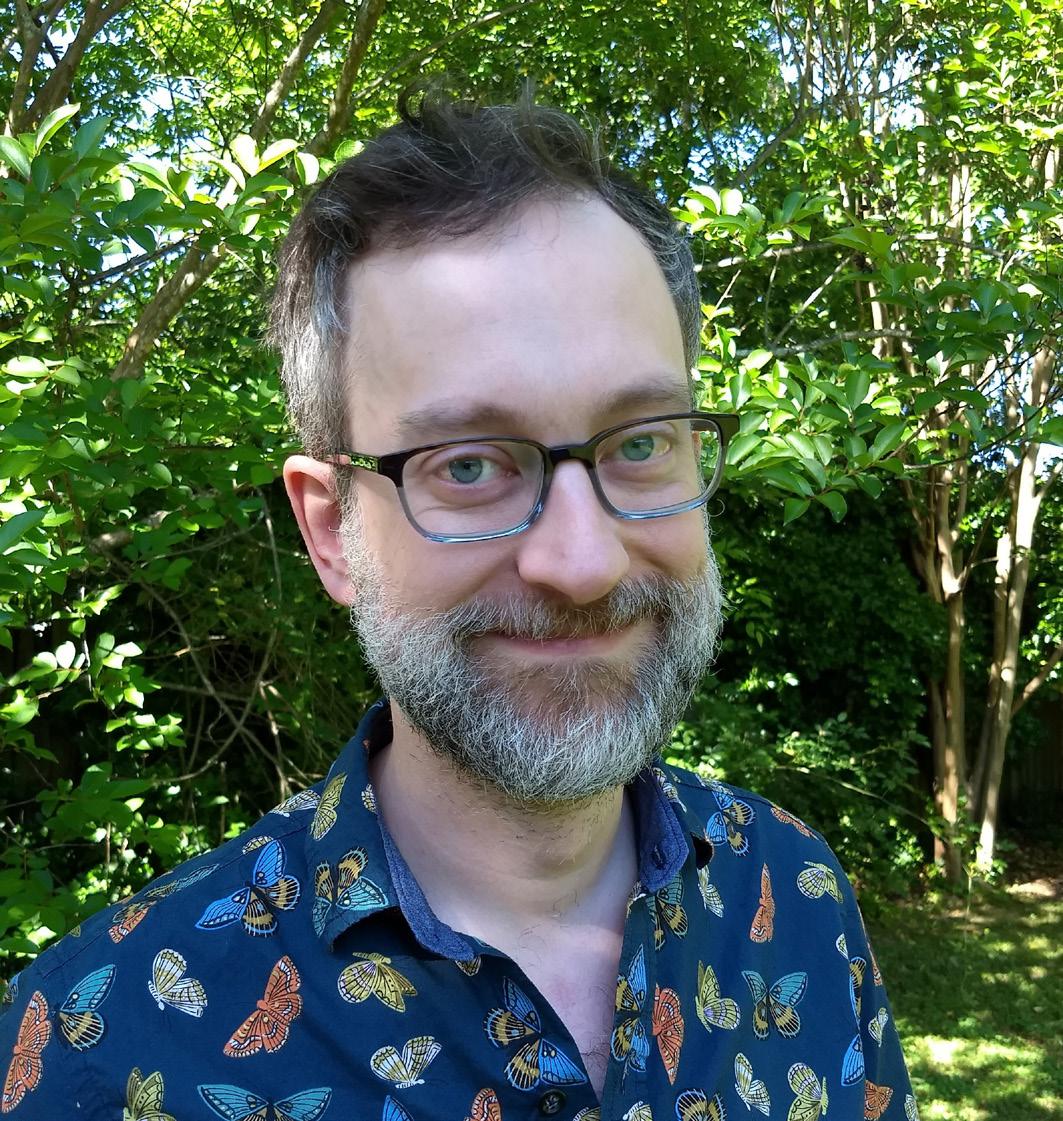
Matt King, Associate Professor at the University of Alabama at Birmingham, spent a highly productive year, completing the first draft of a book on responsibility and the manuscript for Agency in Mental Disorder: Philosophical Dimensions (OUP), a co-edited volume with Josh May, also at UAB. He describes the work on responsibility as “a book defending a general theory of responsibility. It develops its account from the premise that human agency is fundamentally unified, arguing that the blameworthy artist (who makes some bad art) is responsible in just the same way as the blameworthy arsonist.” The fellowship was invaluable to him, especially during this difficult year. “The seminars were intellectually stimulating, and I benefited enormously from regular contact with the other faculty fellows. I found a supportive and engaging environment at The Murphy Institute, even in its virtual incarnation.”
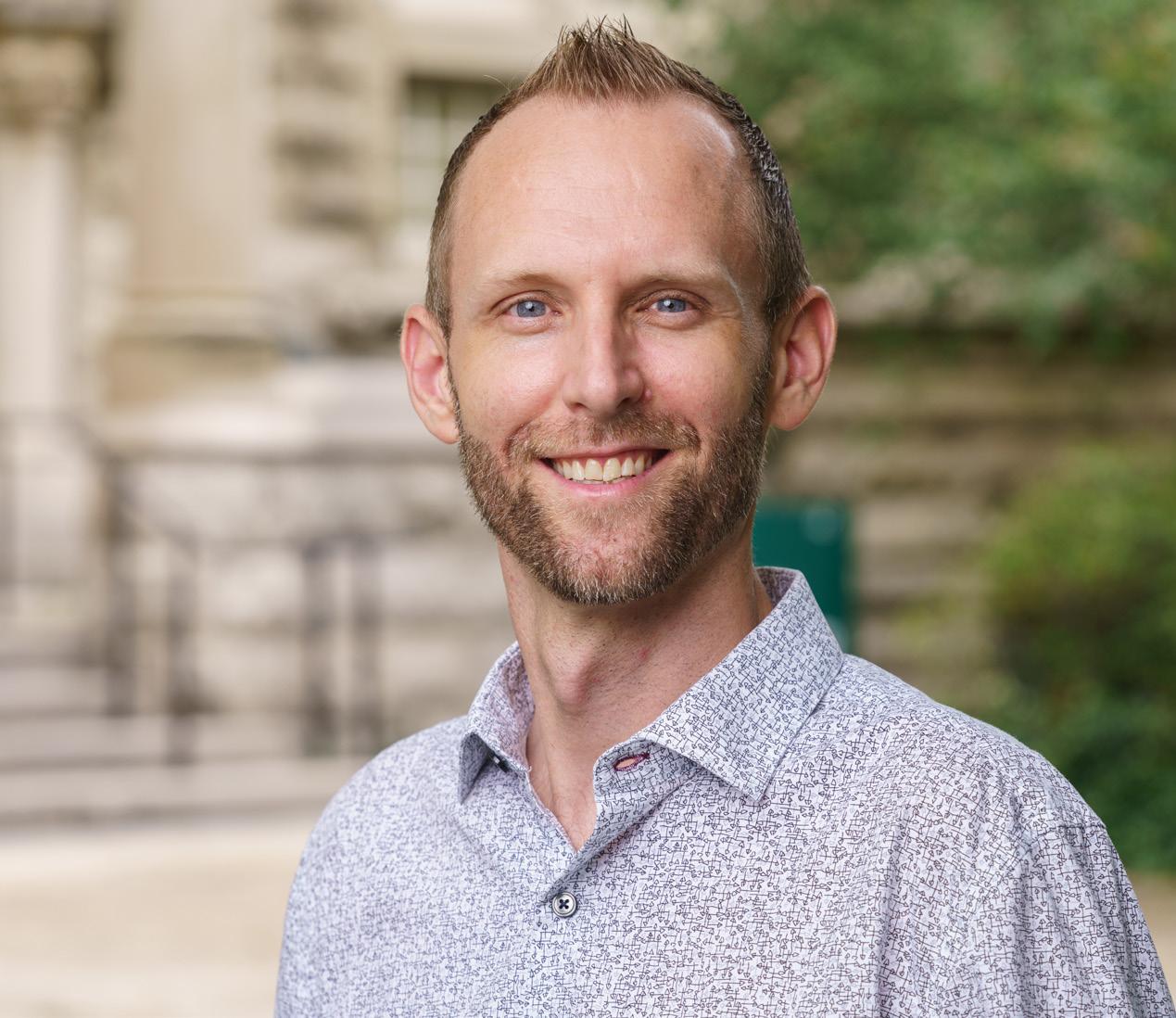
Robert Hartman also spent an extraordinarily productive pandemic year with The Murphy Institute, publishing three papers, completing four more papers, and making significant progress on his third monograph. This year he was also awarded the 2020 Routledge, Taylor & Francis Prize from the American Philosophical Association for “Moral Luck and the Unfairness of Morality” as the best article published in 2019 by non-tenure track faculty, as well as a grant for the project “Gratitude to God,” funded by the John Templeton Foundation. His work this year has dealt both with responsibility and with theology. “I wrote on the nature of moral responsibility for out-of-character actions, why non-culpable ignorance excuses in cases in which our character would ensure that we would still do wrong if we were not ignorant, and why full moral responsibility for an action requires moral responsibility for the character traits that explain and motivate the action. I also applied these ideas to solve various theological puzzles about gratitude and the afterlife.” Dr. Hartman is leaving The Murphy Institute and joining the Tulane philosophy department as a visiting professor, and we are excited to have him around again next year.
ROBERT J. HARTMAN
MATT KING
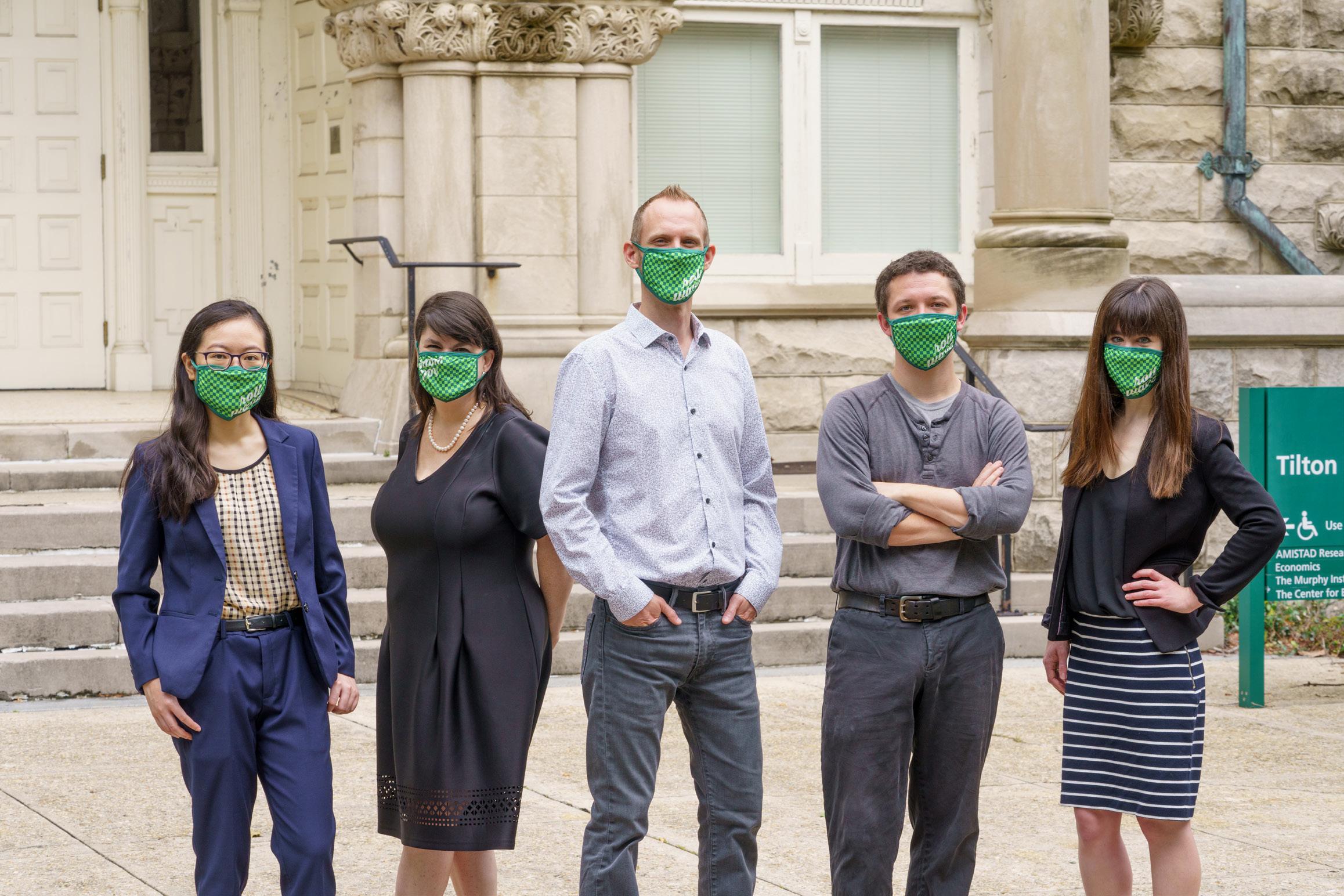
Murphy Institute staff and scholars pose during a summer of shifting mask guidelines. From left to right: Postdoctoral Fellow Lan Nguyen, Assistant Director of the Center for Ethics and Public Affairs Meg Keenan, CEPA Faculty Fellow Bob Hartman, Graduate Assistant Trevor Griffith, and Assistant Director of the Center for Public Policy Research Katie Weaver.