PORTFOLIO
Thuc Tay Tran 2022-2026
Interior Architecture
Selected Works
INAR 4500
Indoor-Outdoor Learning Environment
Spatial Transformation for Memory Care 02
INAR 3500
03
INAR 3501, 2501
Adaptable Living Systems
Architecture
Selected Works
ARCH 2500
Harvesting Space
ARCH 1501
Resting in Flow
Design Workshop | Moment Architects
Practice in Miniature
Geometric Shapes and Repetitive Forms 07
ARCH 1500
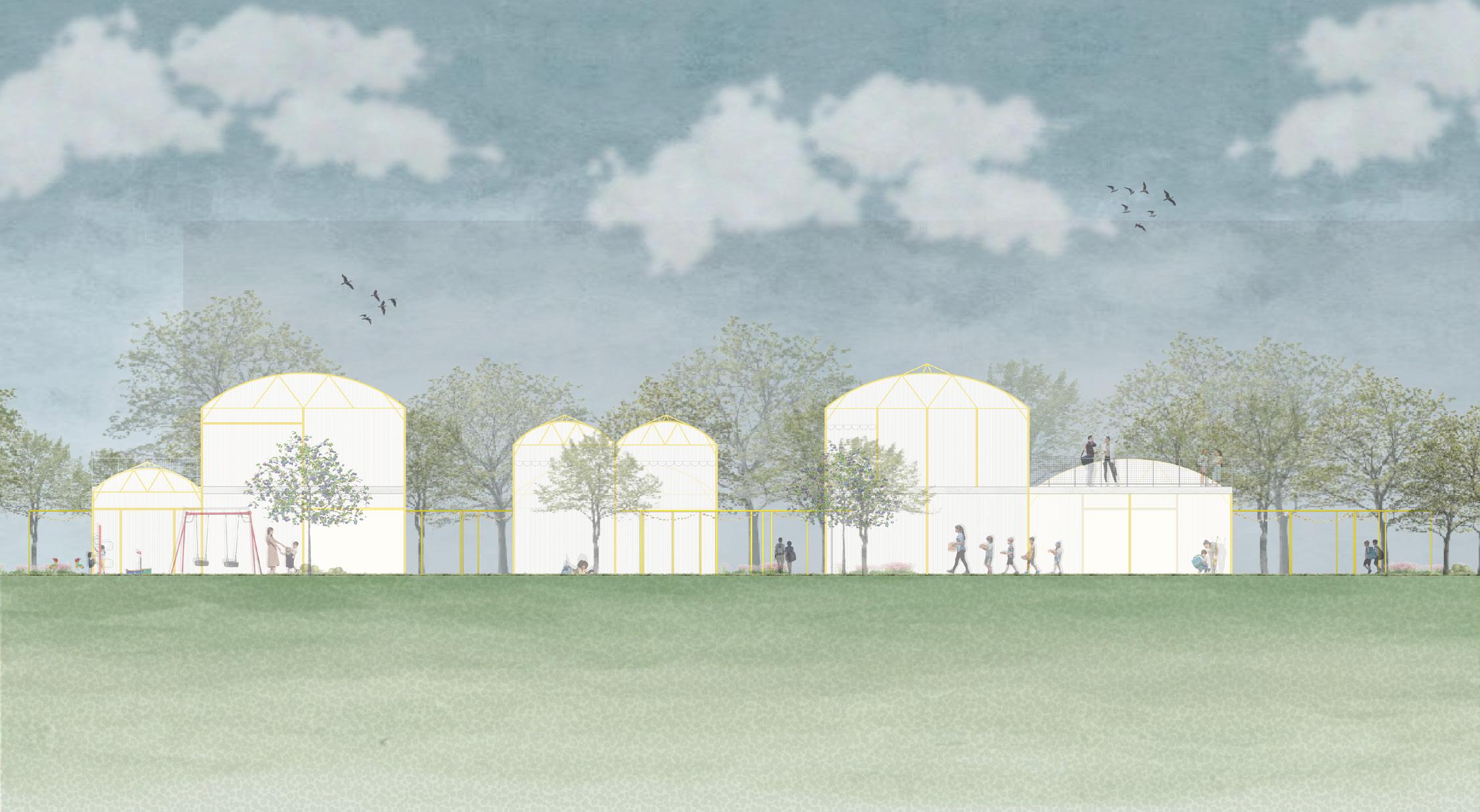
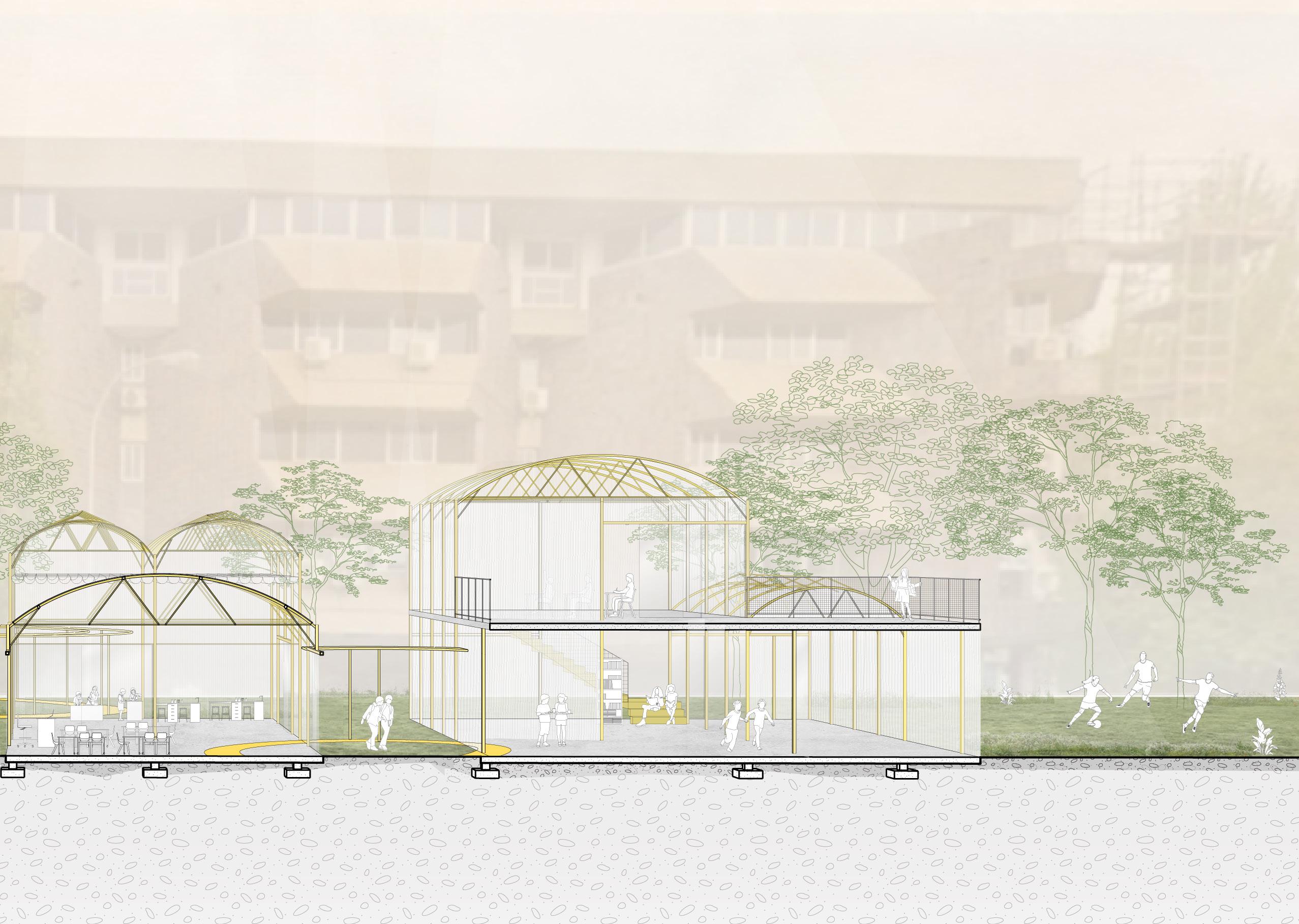
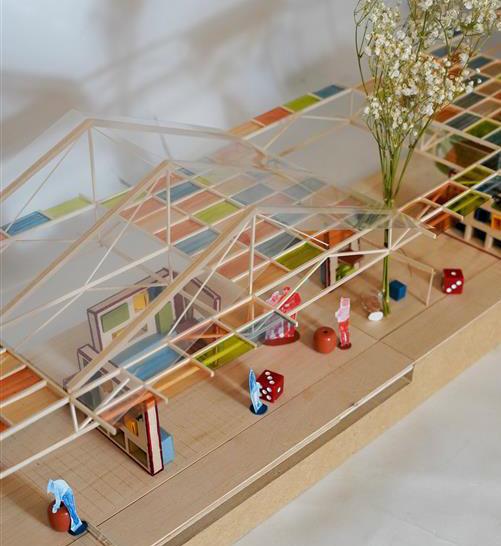
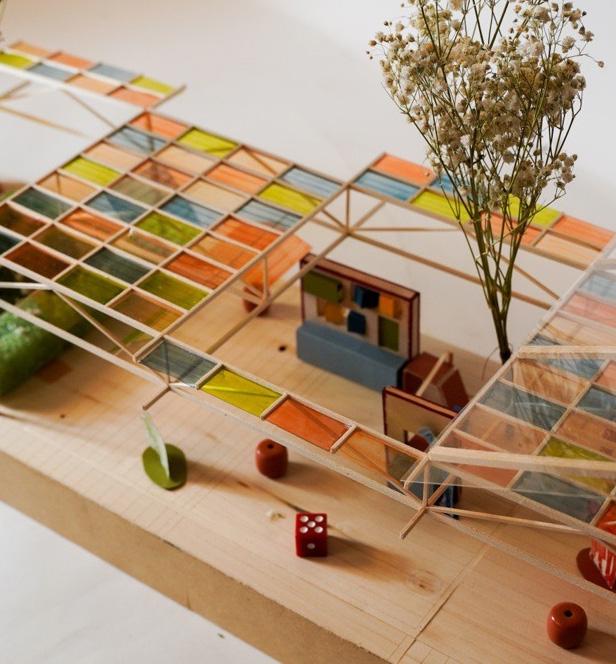
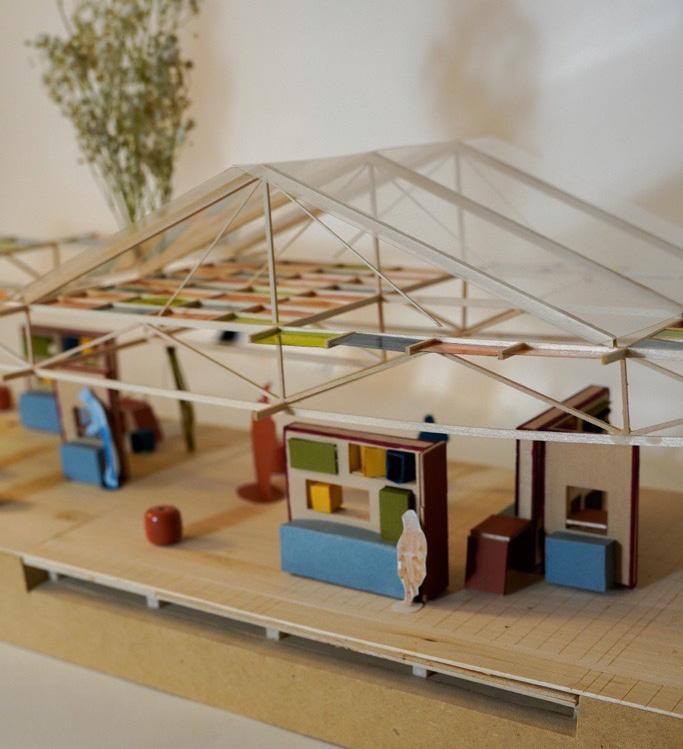
Indoor-Outdoor Learning Environments
Fall 2025, Partner Work
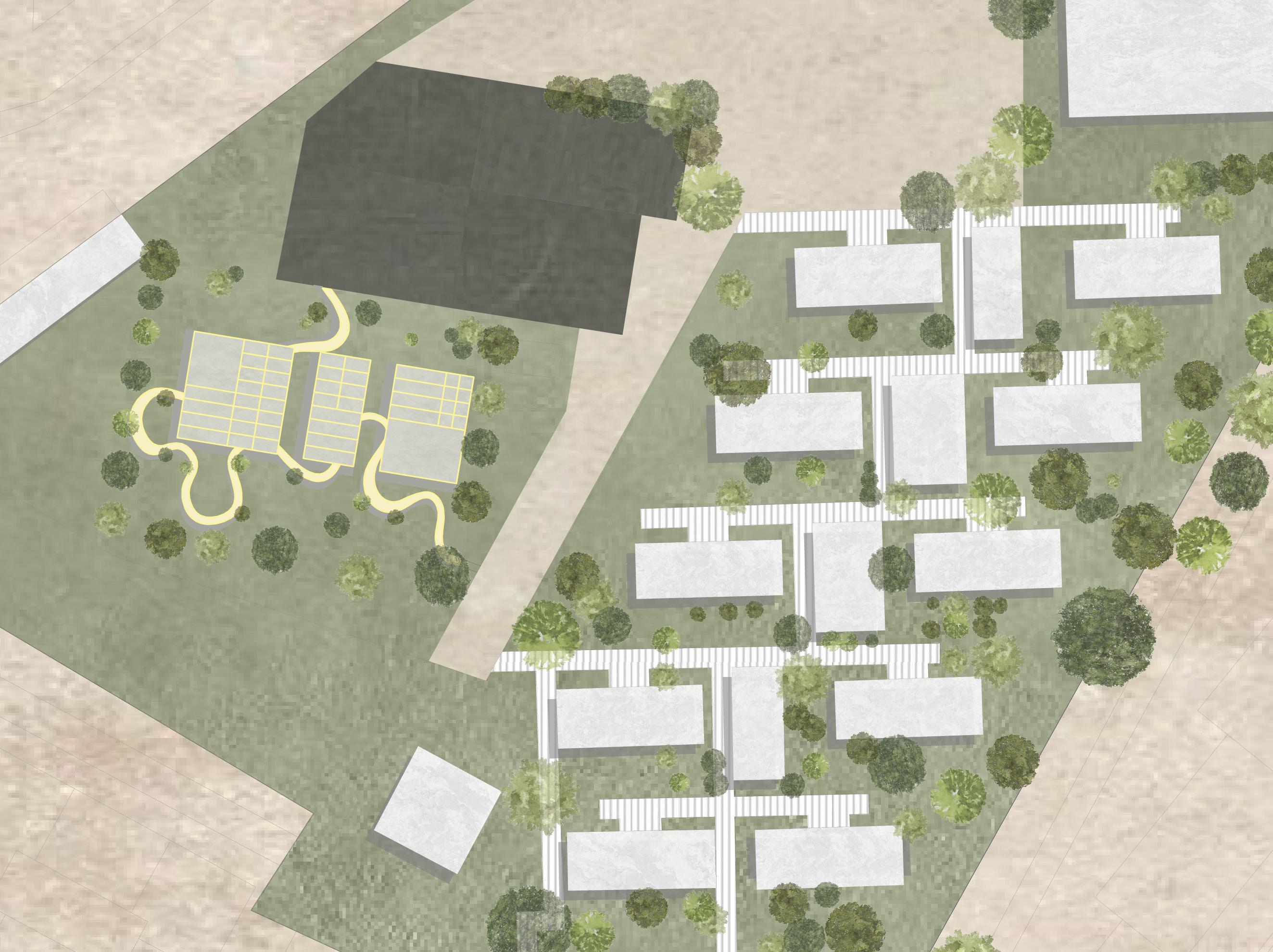
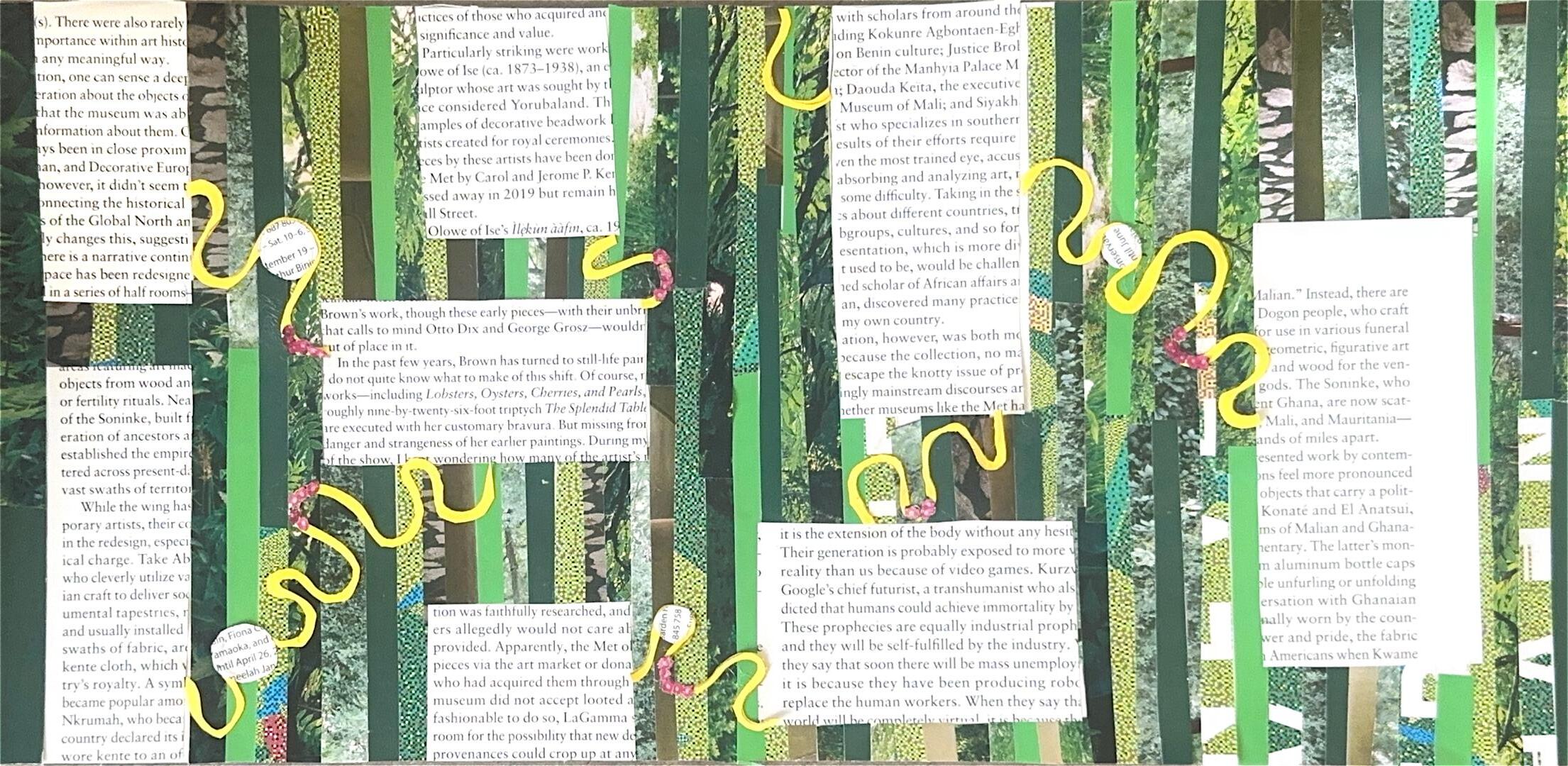
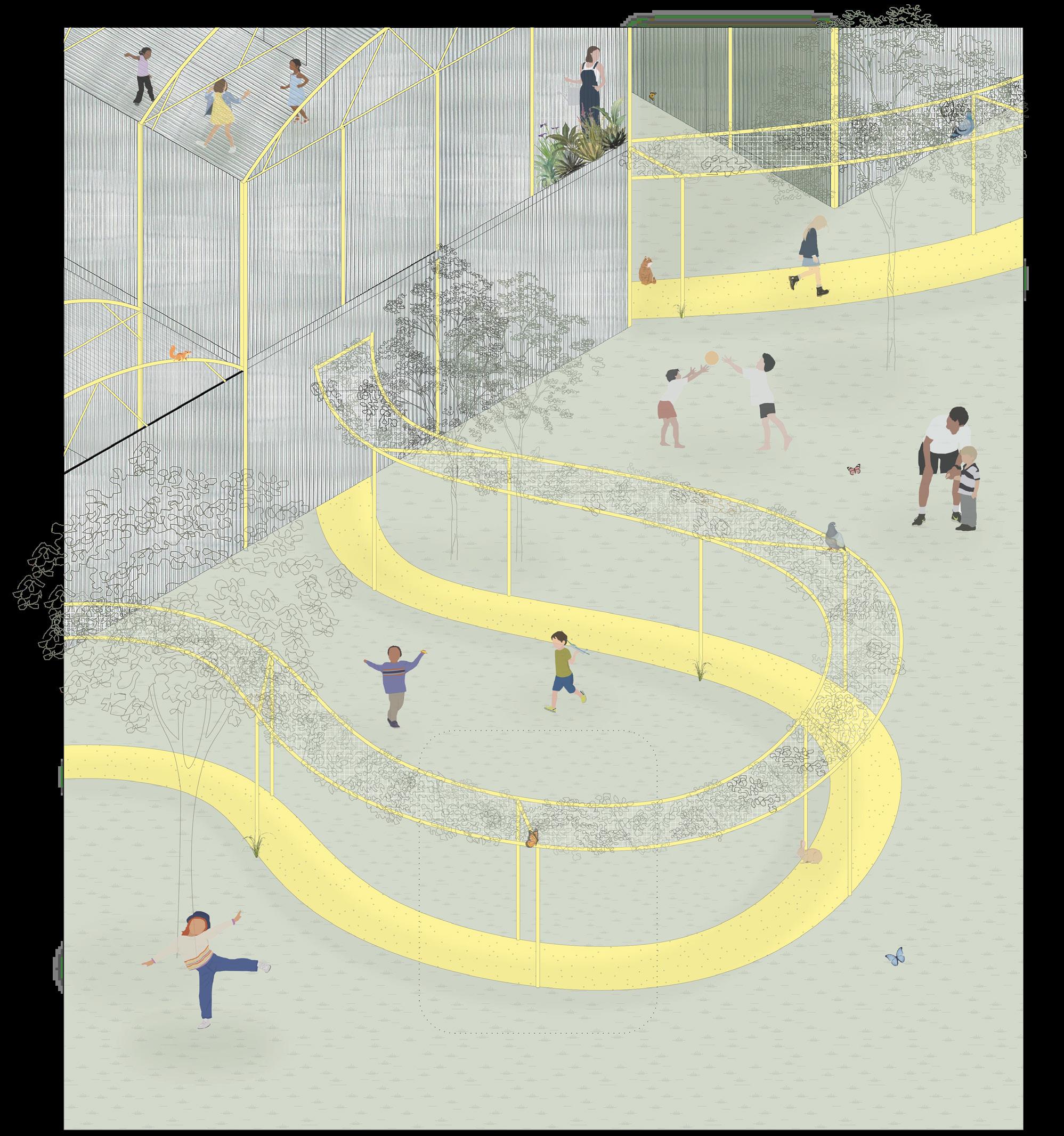
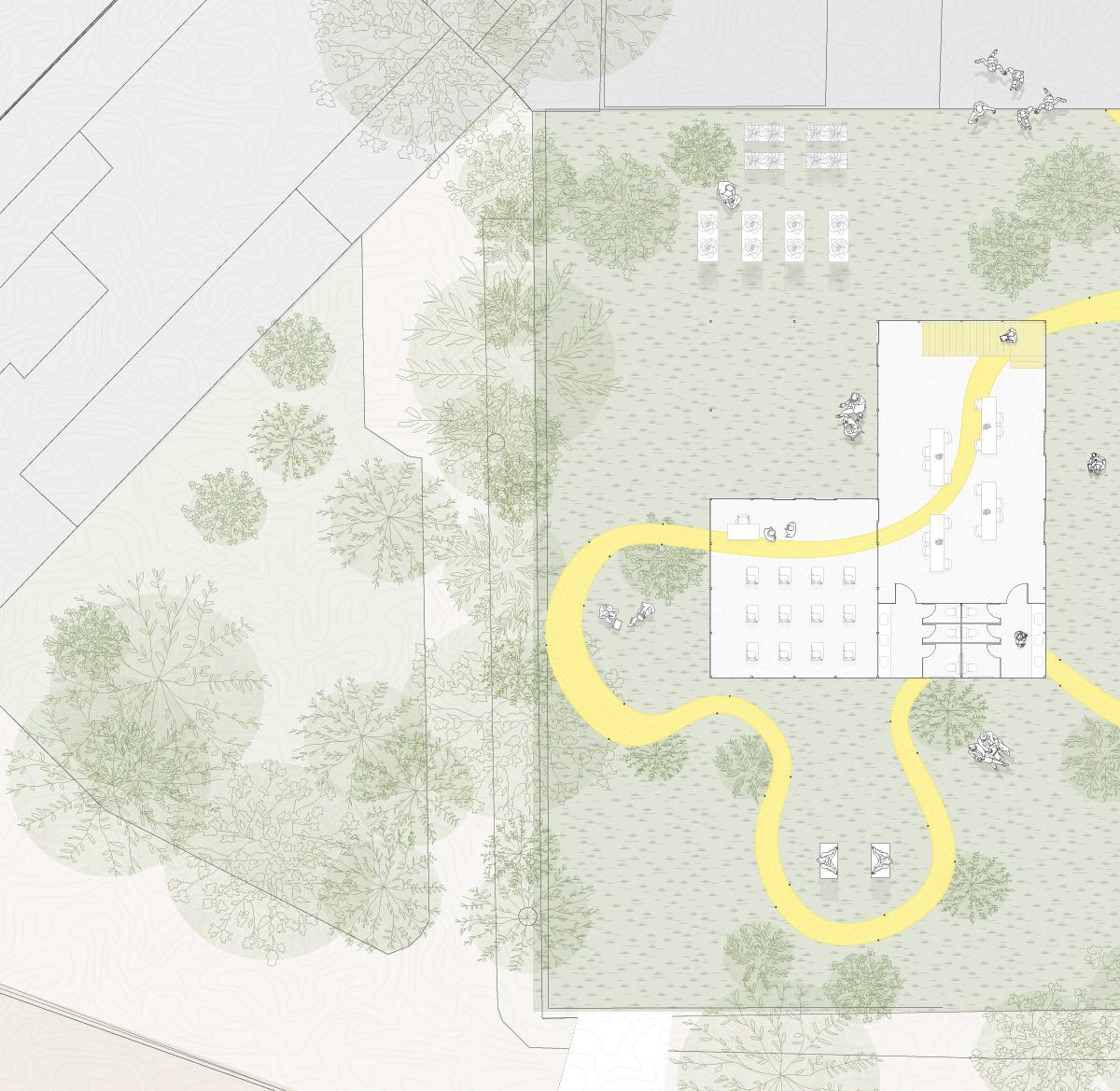
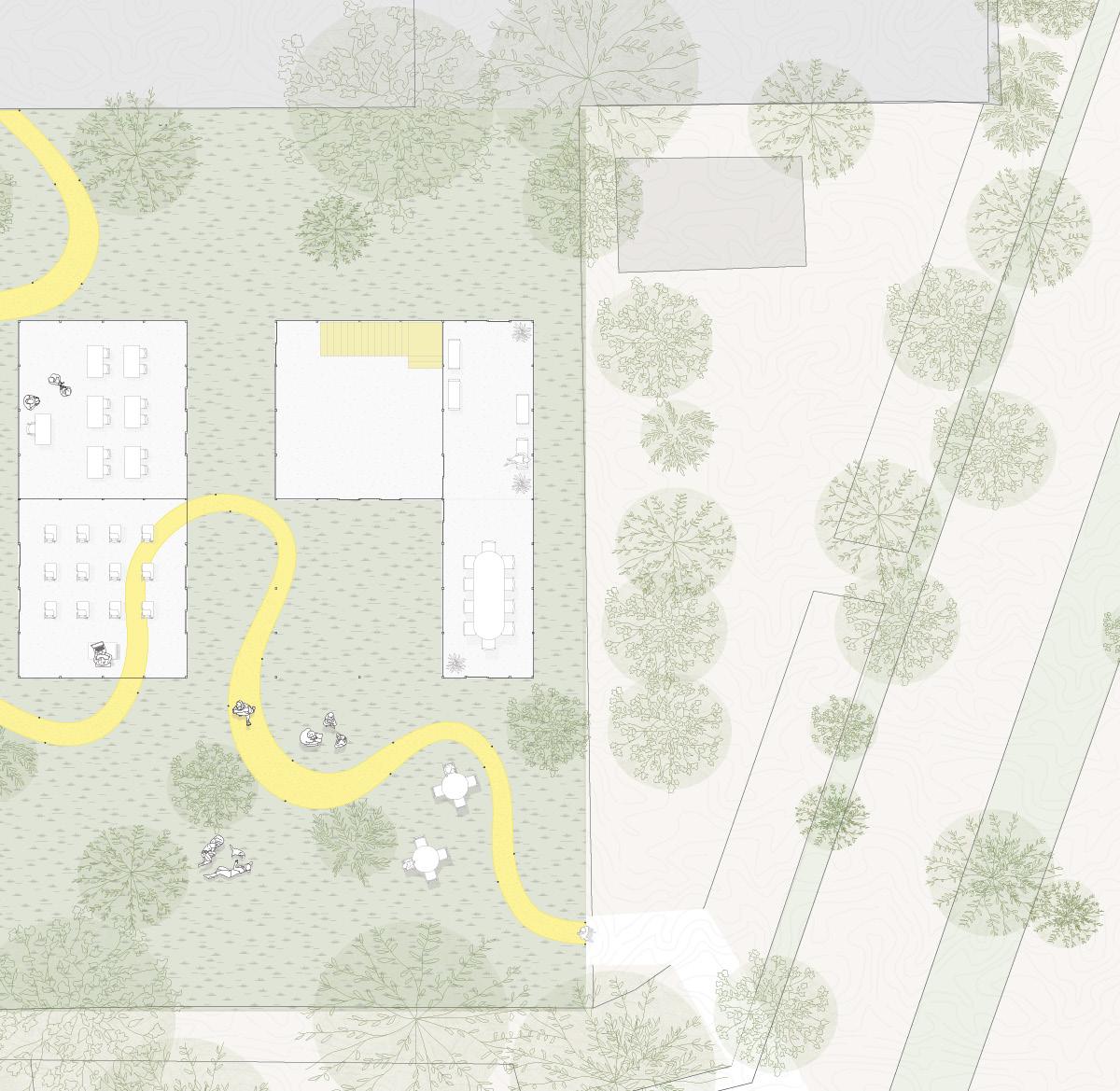
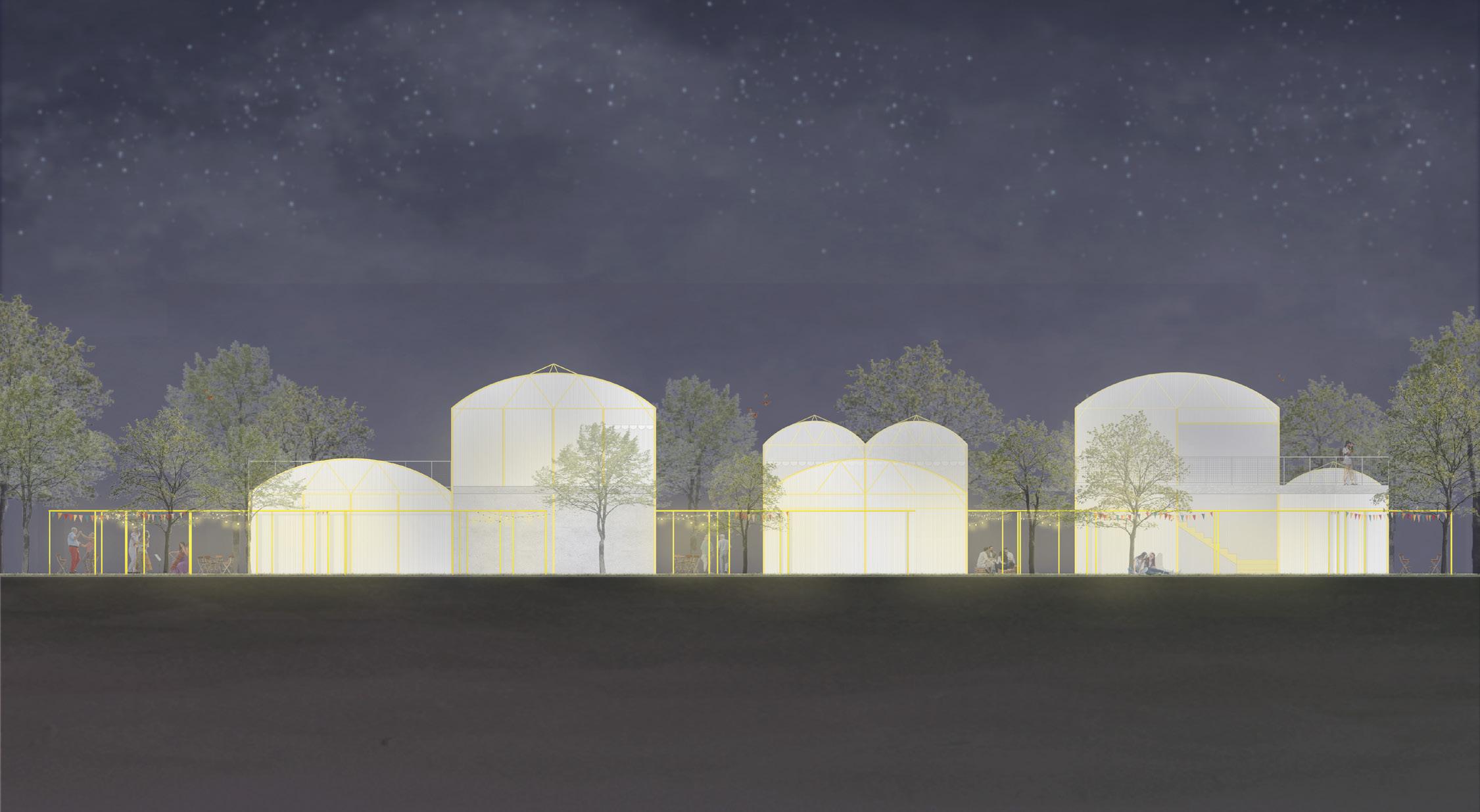
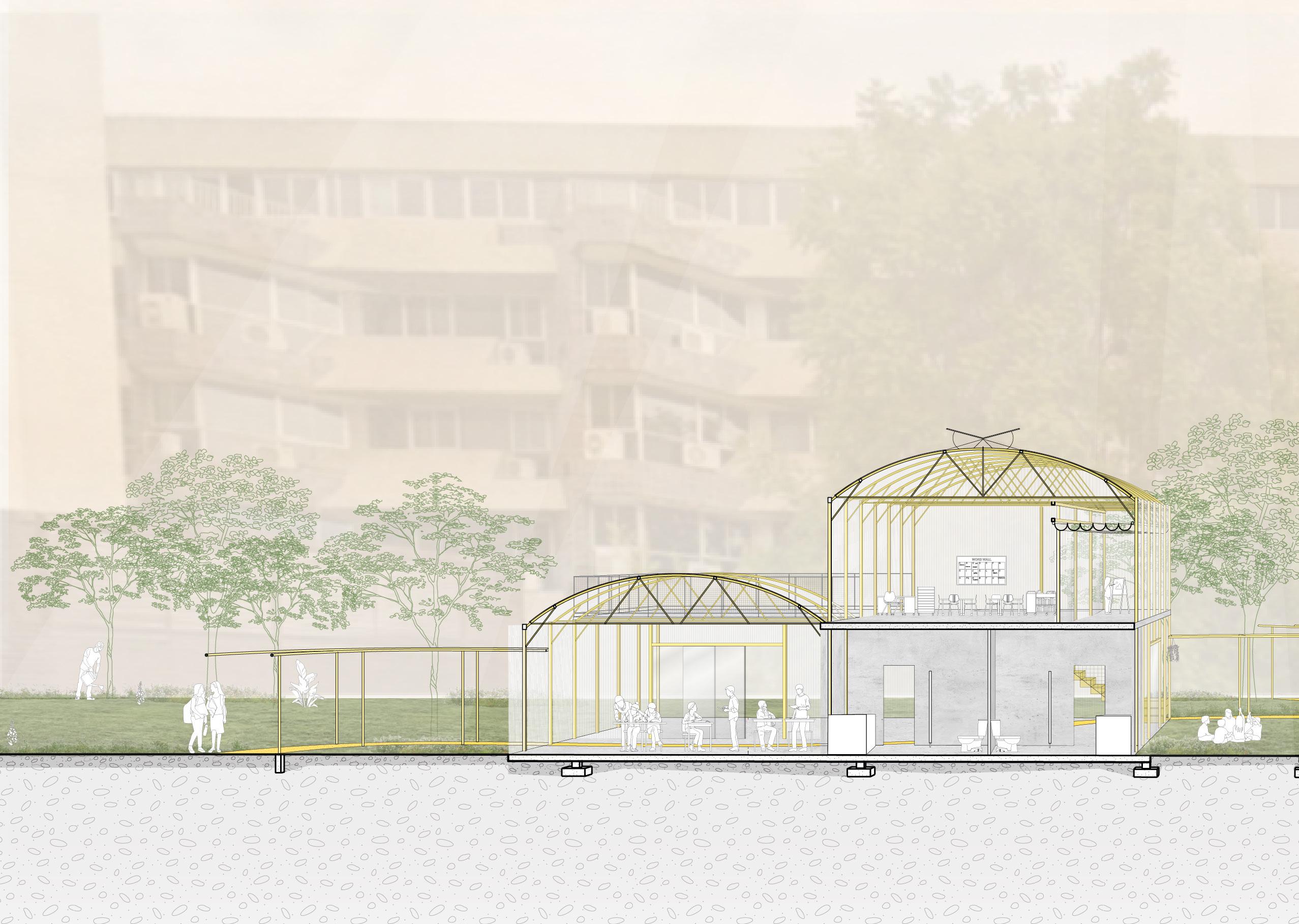
An exploration of organic form and translucency evolved into a study of how students experience space. Through iterative modeling, the focus shifted from the greenhouse as an object to the way it supports learning--how students move through it, gather, pause, and stay connected to the surrounding environment. Polycarbonate plays a key role in shaping this experience. Its diffused transparency allows natural light to fill the classroom while maintaining a sense of privacy, creating spaces that feel open yet protected. Subtle shifts in height and enclosure guide circulation and create moments of intimacy and openness, allowing the greenhouse to function as both a classroom and an immersive connection to nature.
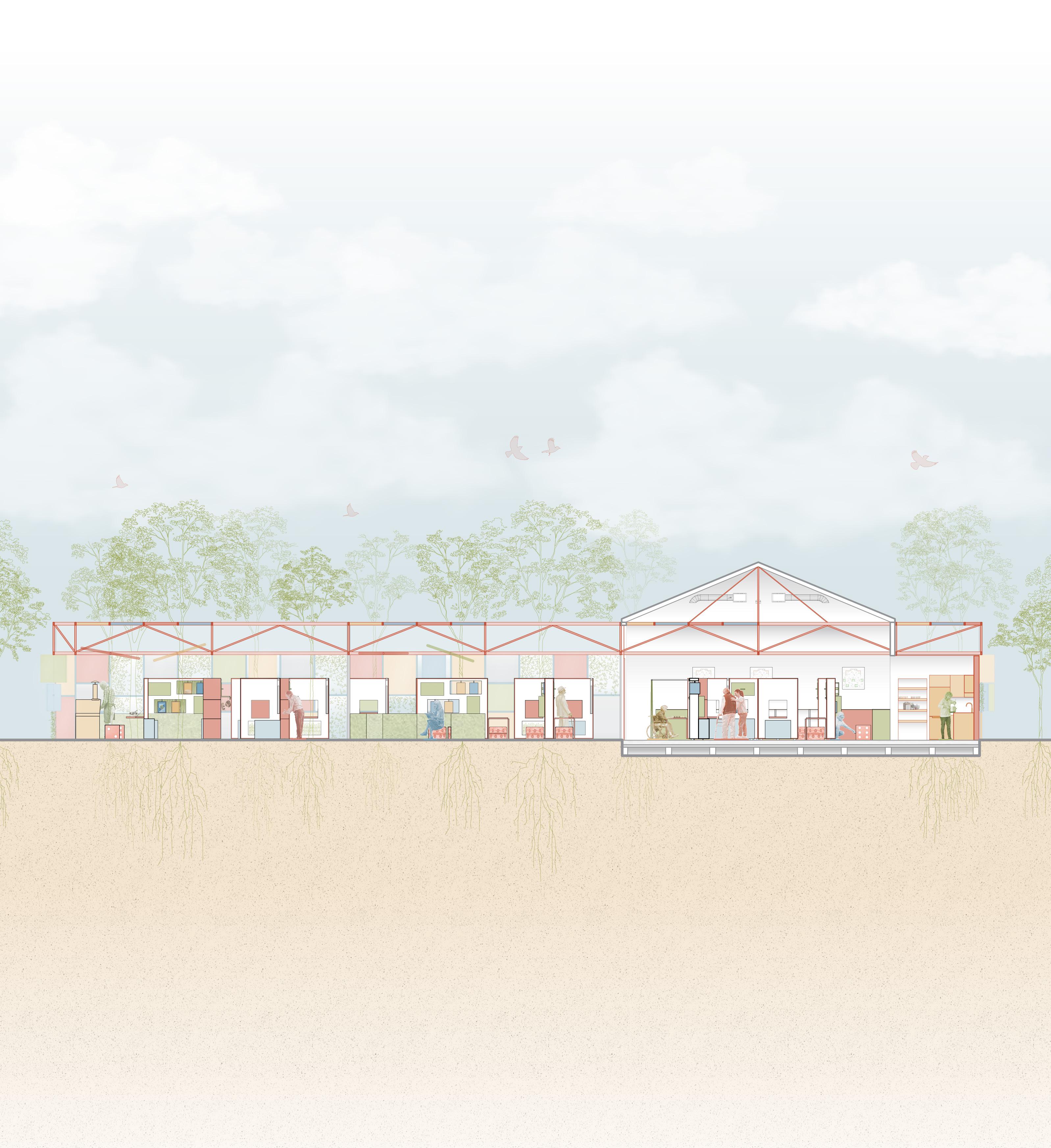
Spatial Transformation for Memory Care 02
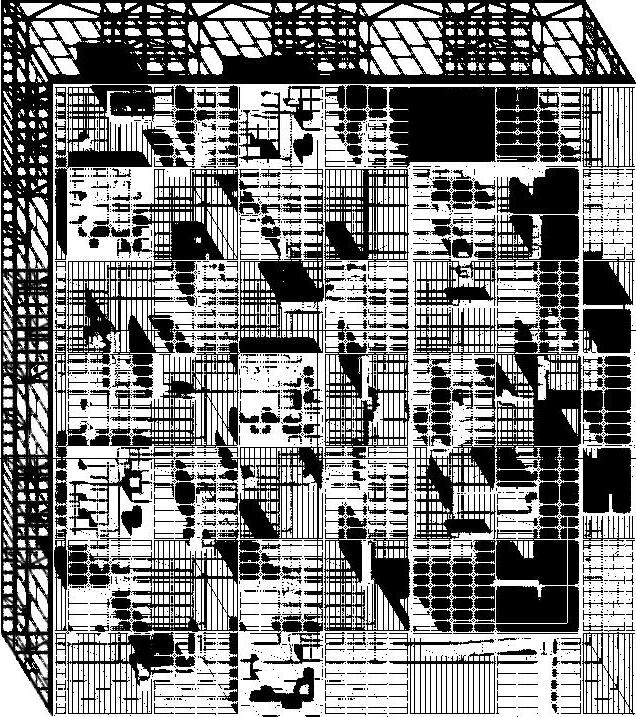
Fall 2024, Partner Work
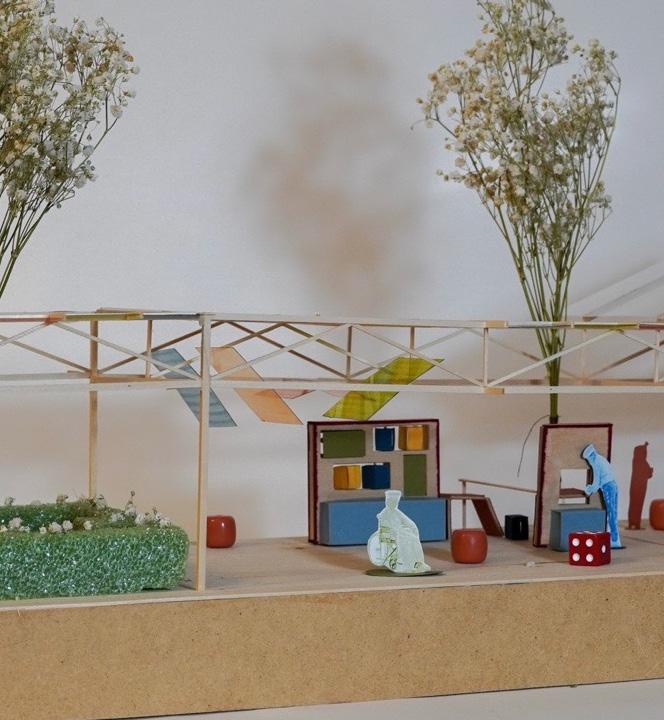
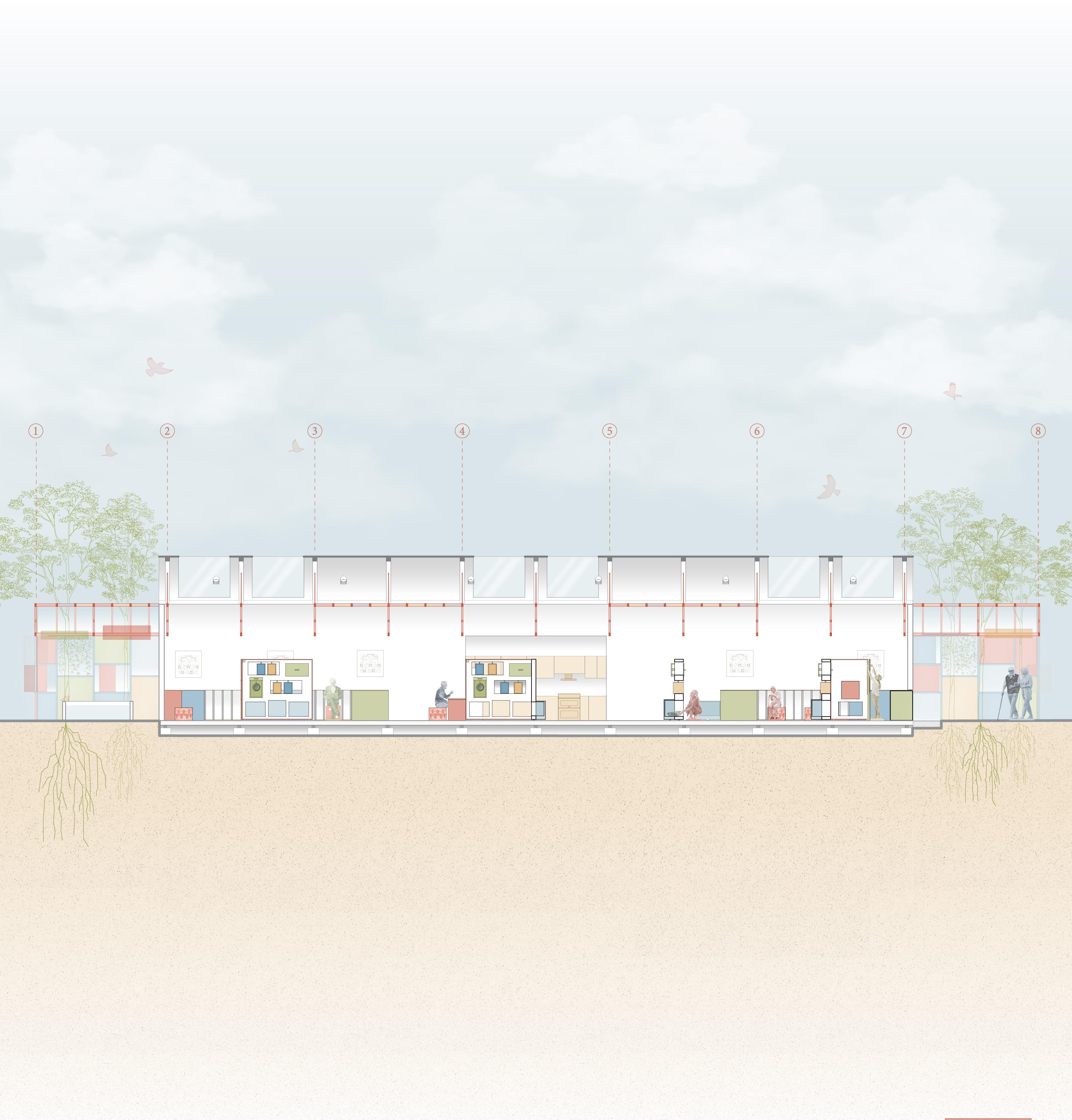
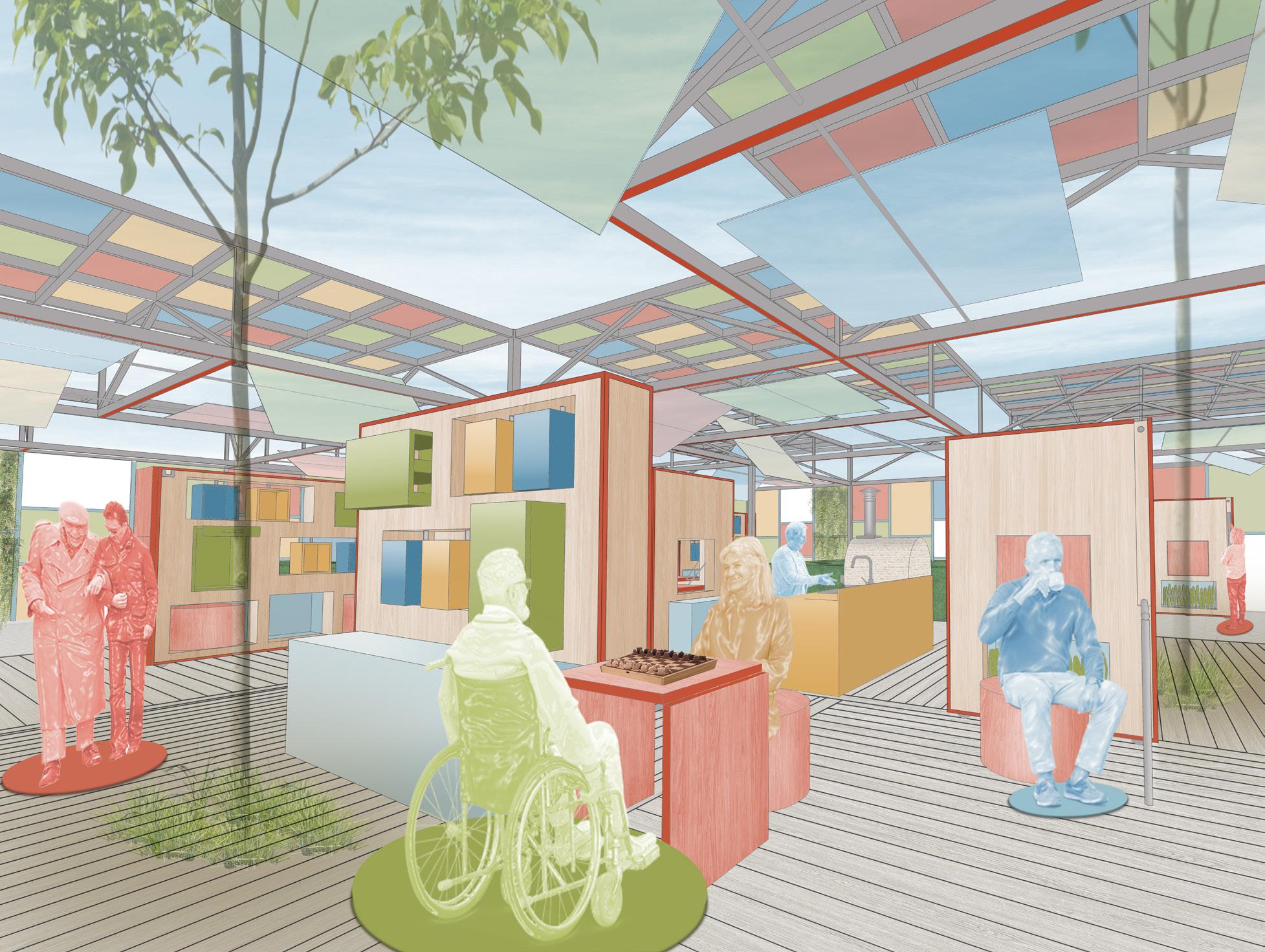
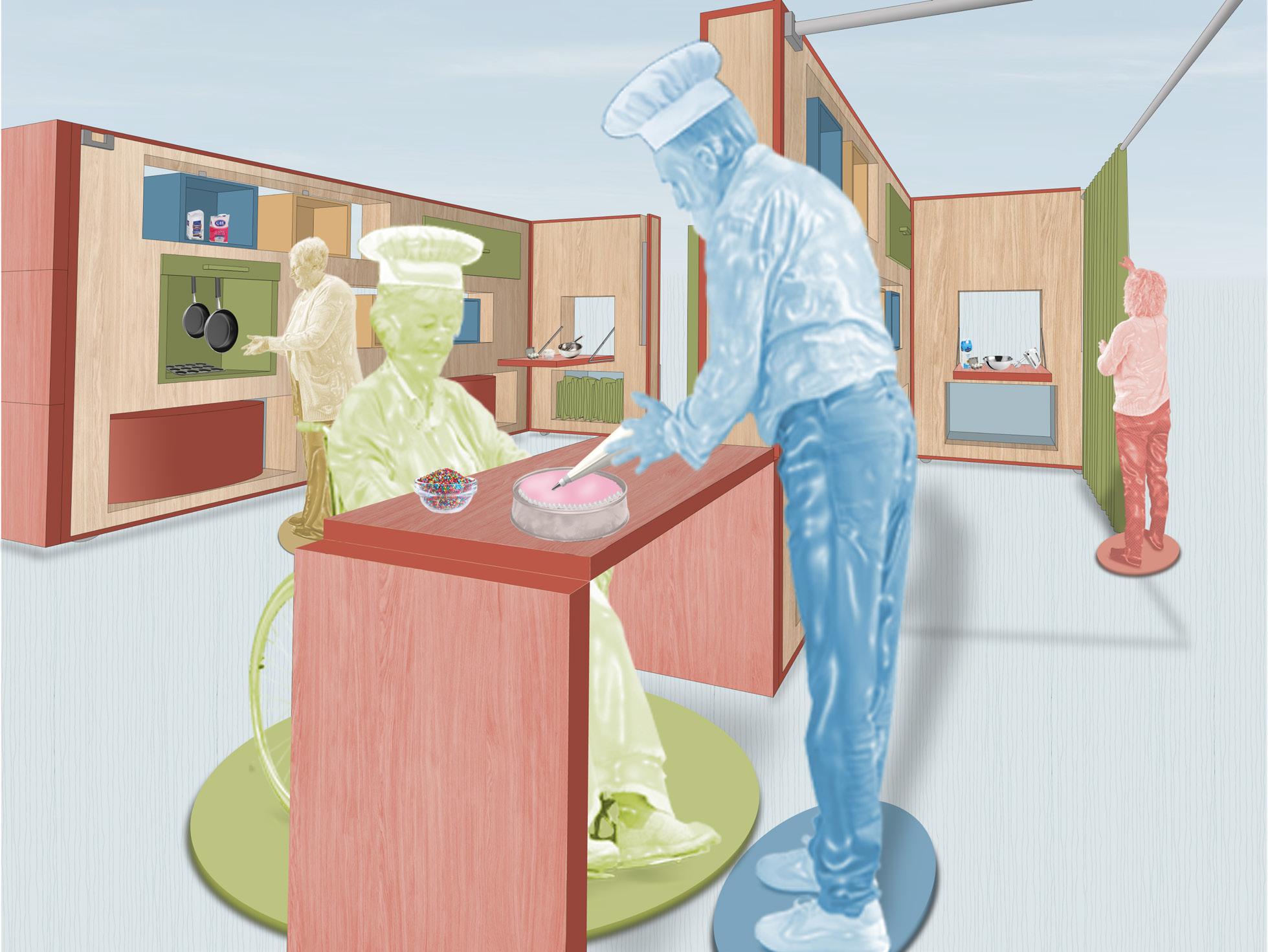
Originally centered on sacred architecture, the design shifted as research into dementia and memory loss reshaped our priorities. The focus moved away from symbolism and toward cognitive and emotional support--considering how sequencing, visibility, and natural light could aid orientation and reduce anxiety. Through iterative plans and sections, circulation was refined to feel intuitive rather than disorienting. Material consistency and gentle transitions create a sense of familiarity and grounding. The final proposal positions architecture not only as a place of gathering, but as a space capable of preserving dignity, supporting memory, and offering moments of calm for vulnerable users.
OpenHOUse Furniture
Spring 2025, Group Work
2025 On The Boards AlA Houston Design Awards, 2025 AlA Forth Worth Merit Winner
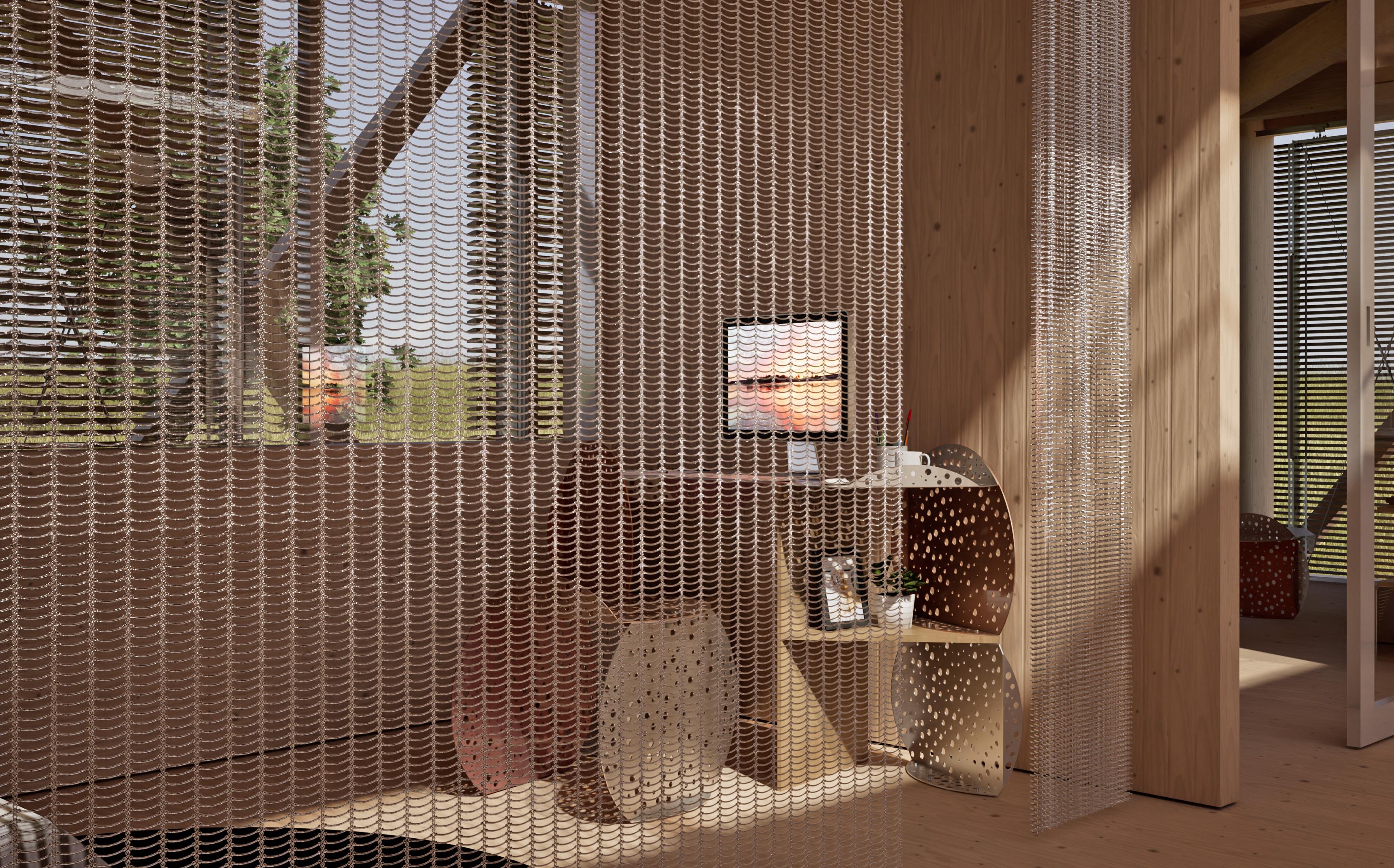
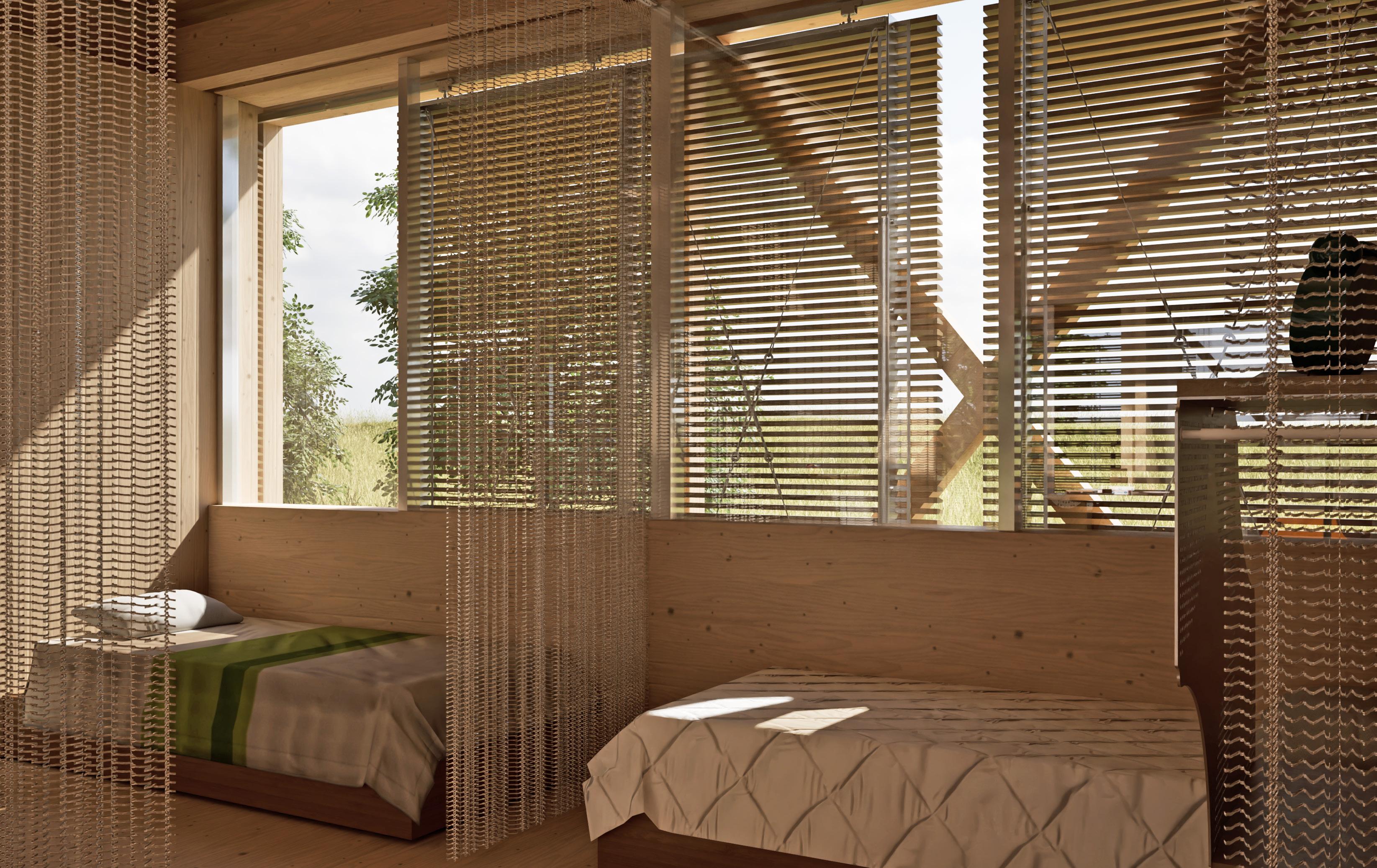
A piece of OpenHOUse, our group investigated material behavior through the collective fabrication of a full-scale curtain installation. As a group, we tested fabric weight, translucency, and drape to understand how light, gravity, and movement would influence the spatial experience. Through iterative prototyping, we refined stitching methods, seam placement, and suspension strategies to balance structure with softness. Small adjustments in layering and tension significantly altered how the curtain filtered light and defined boundaries.
MATERIALS:
x32400
x16200
x492ft
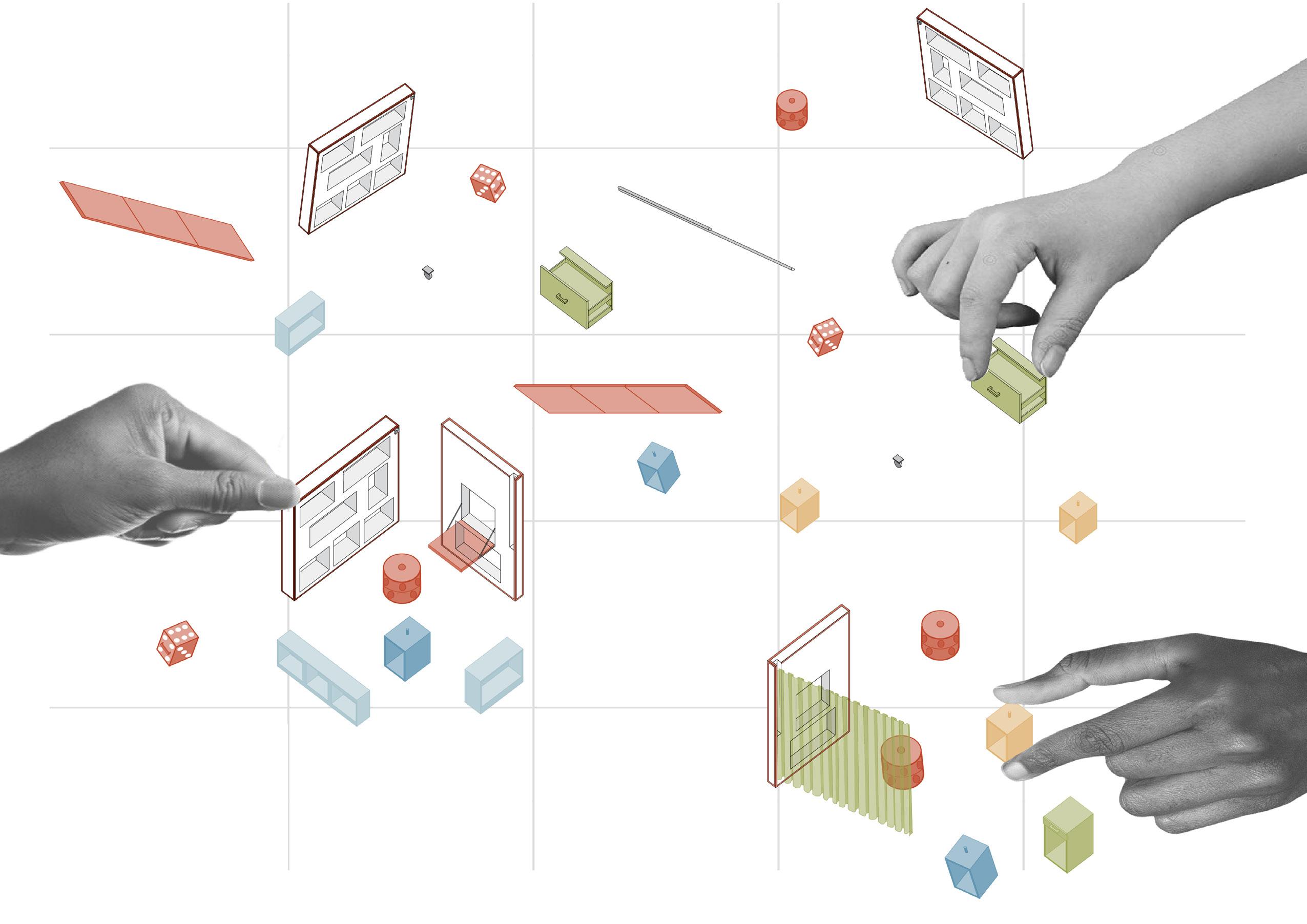
Habitable Furniture
Spring 2024, Group Work
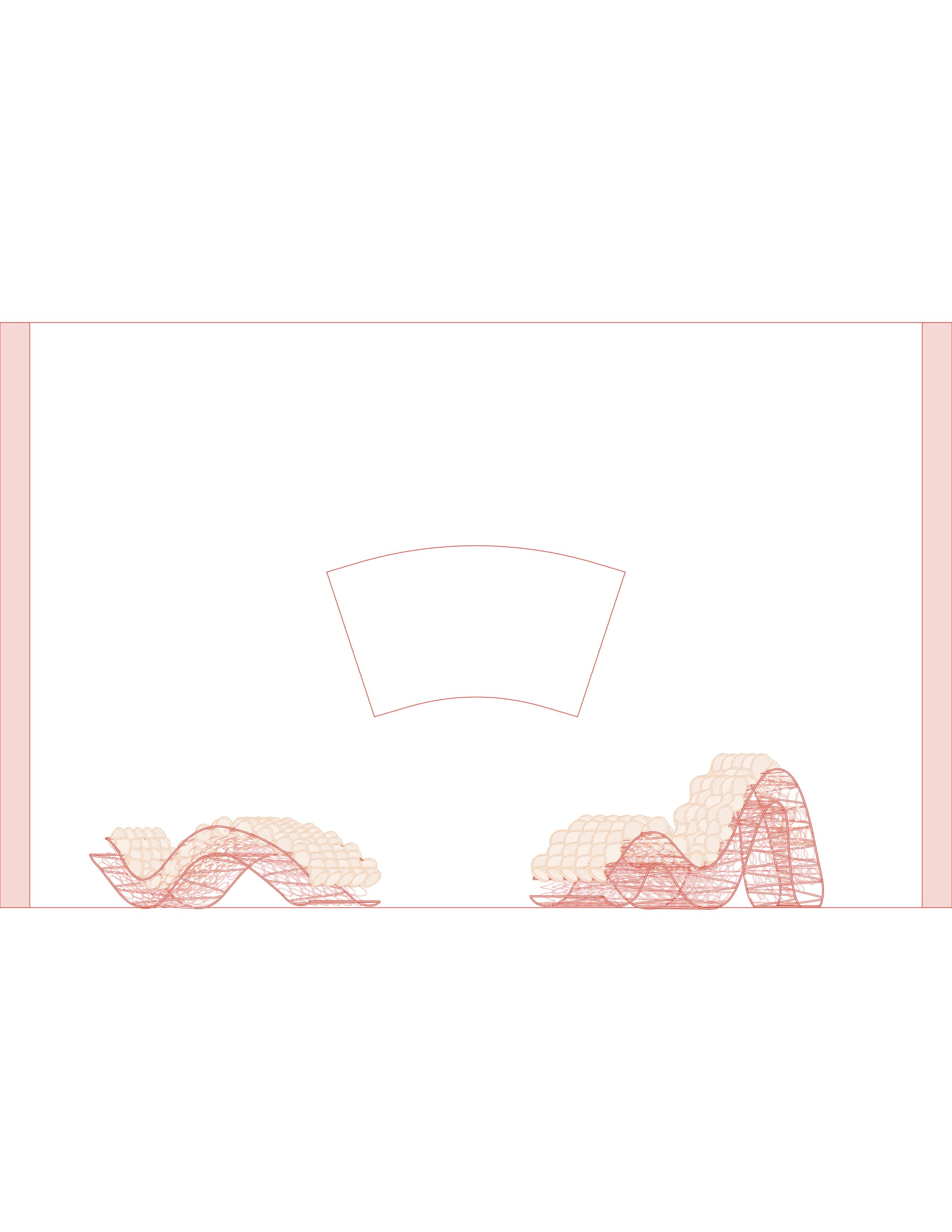
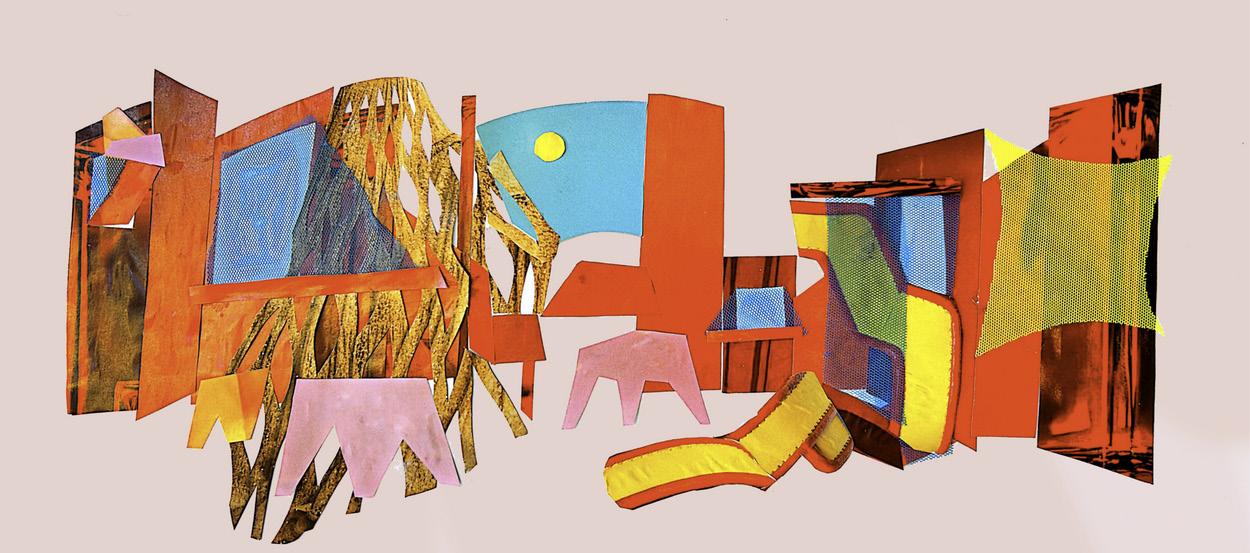
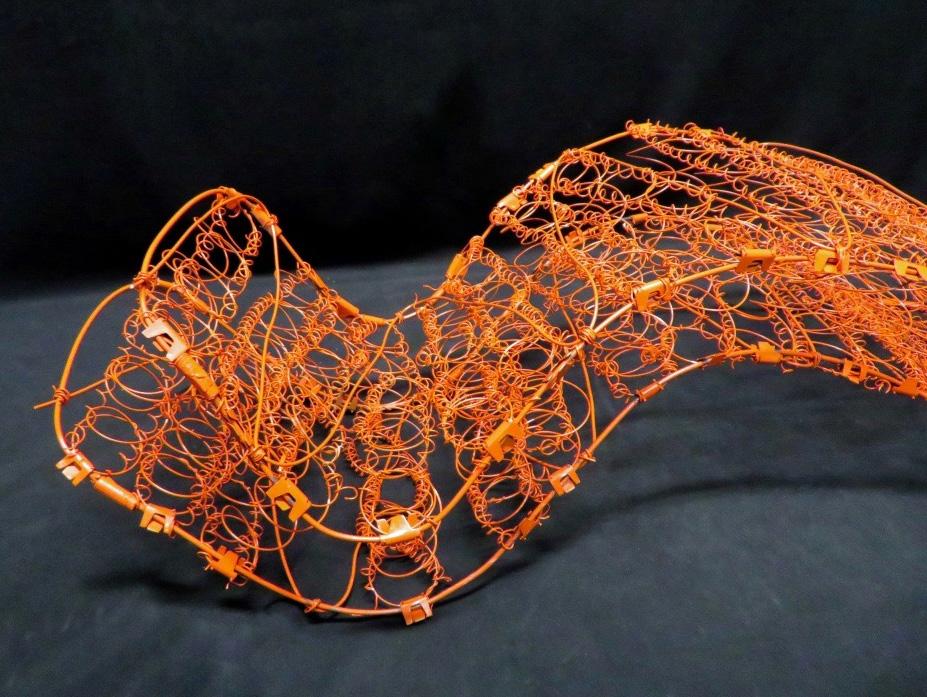
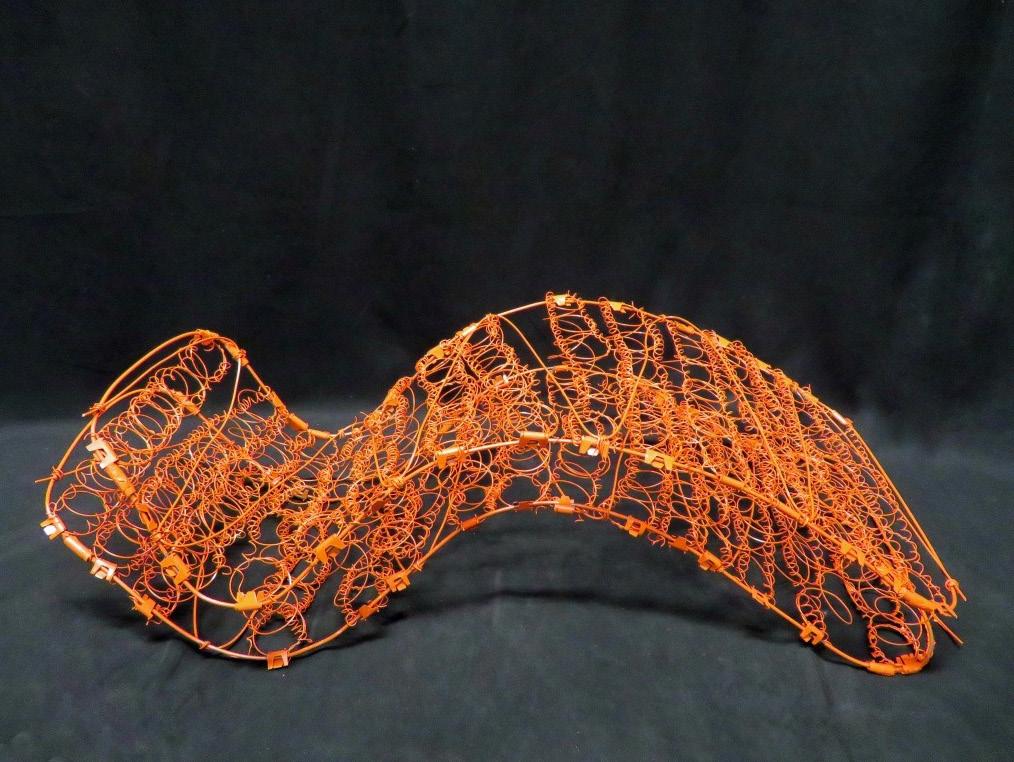
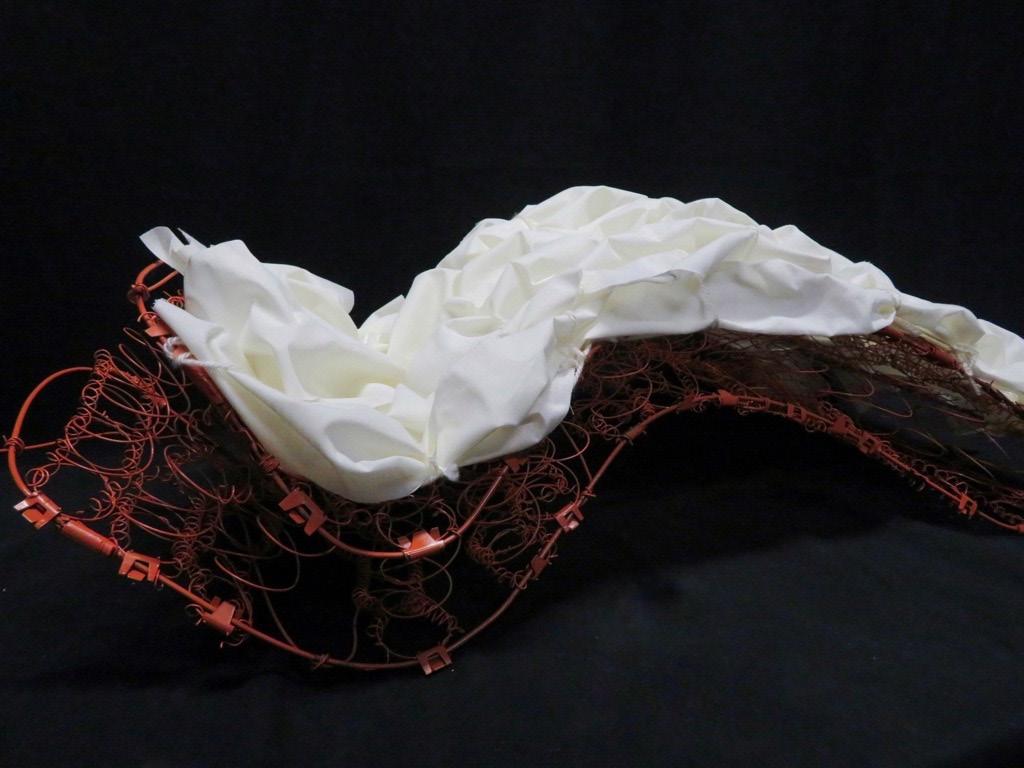
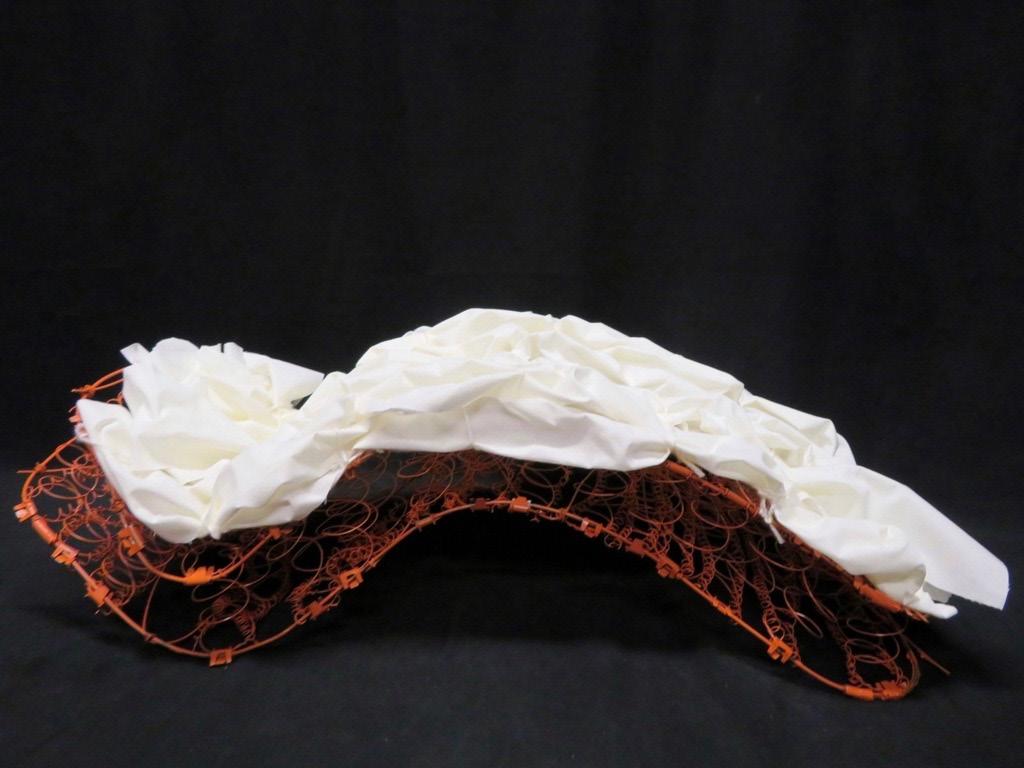
My teammates and I explored ergonomics, transformability, and joy by creating a “landscape” of curvy, stackable furniture. Drawing inspiration from Roberto Matta and Paolo Deganello, we incorporated organic forms and modular flexibility, leading to two ergonomic “snakes” suitable for seating and lounging. The furniture evolved into a structured yet flexible system utilizing recycled mattress coils. This approach allows the pieces to bend under weight while maintaining their form. Our design comprises a rigid frame, coil-based flexibility, and a removeable fabric layer for comfort. By integrating sustainability and user adaptability, our project achieves furniture that transforms with movement, offering a playful yet functional experience.
Harvesting Space
Fall 2023
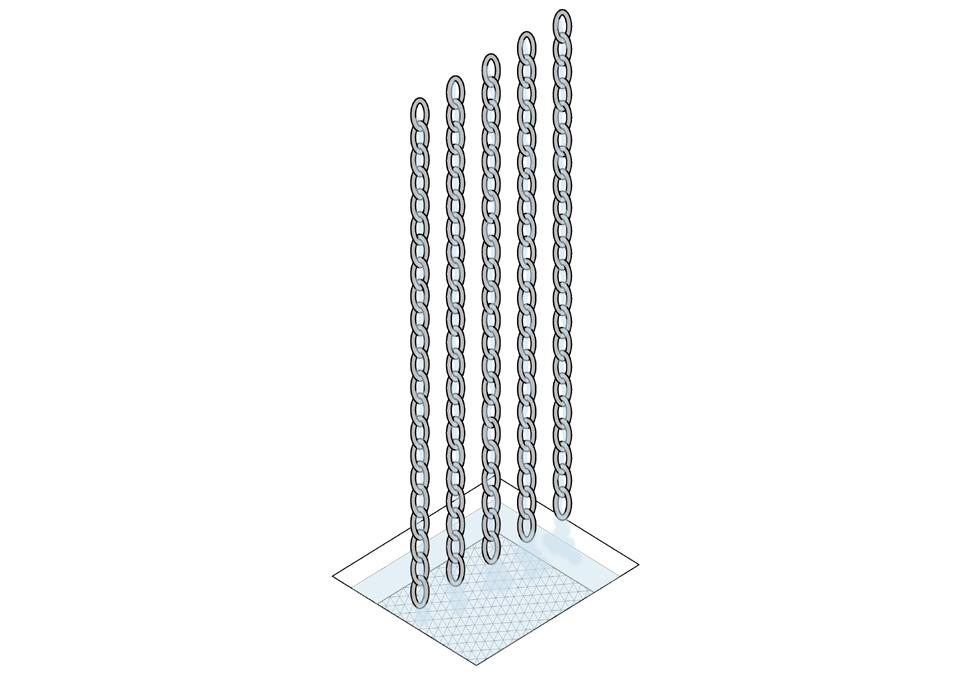
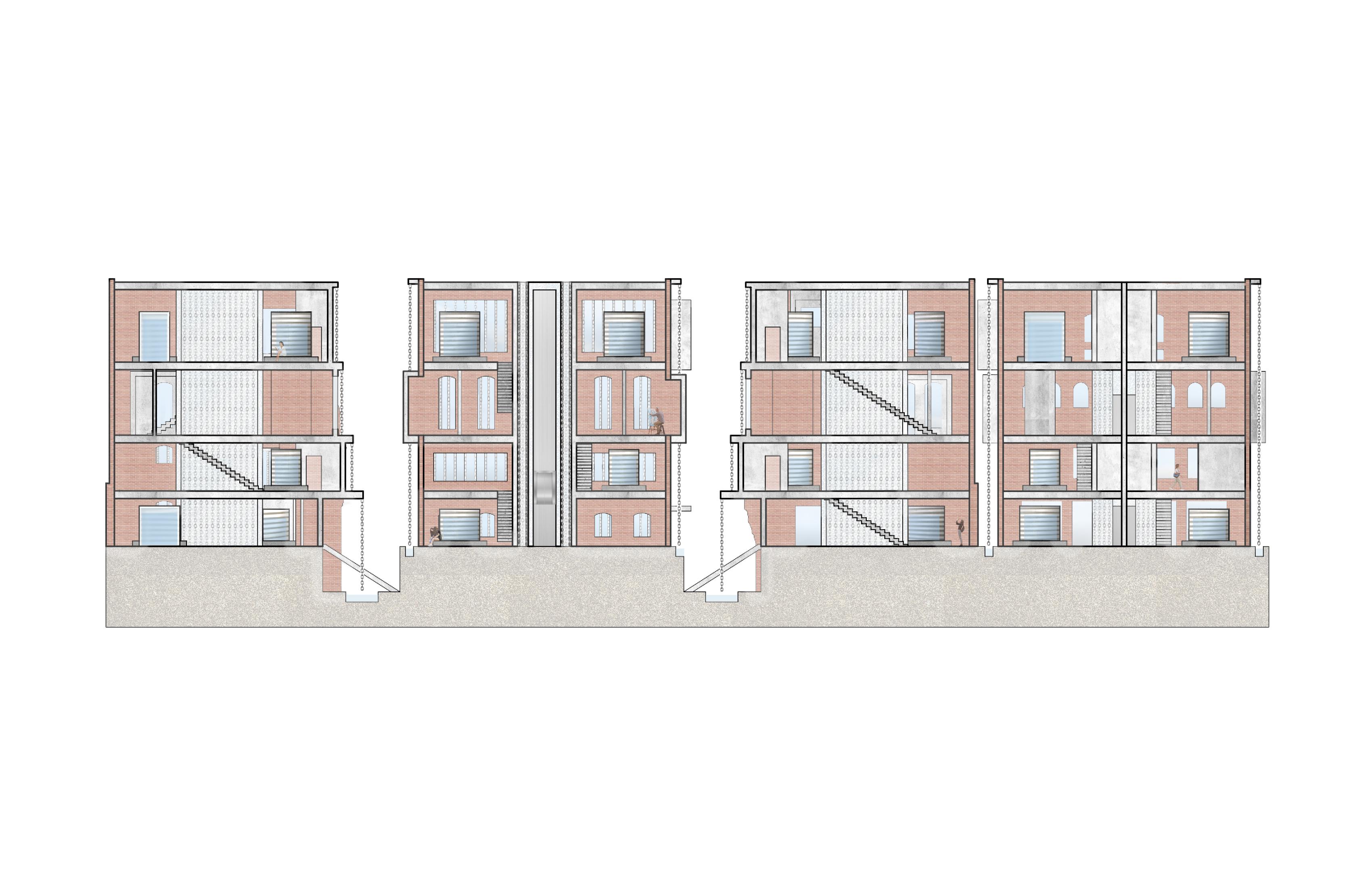
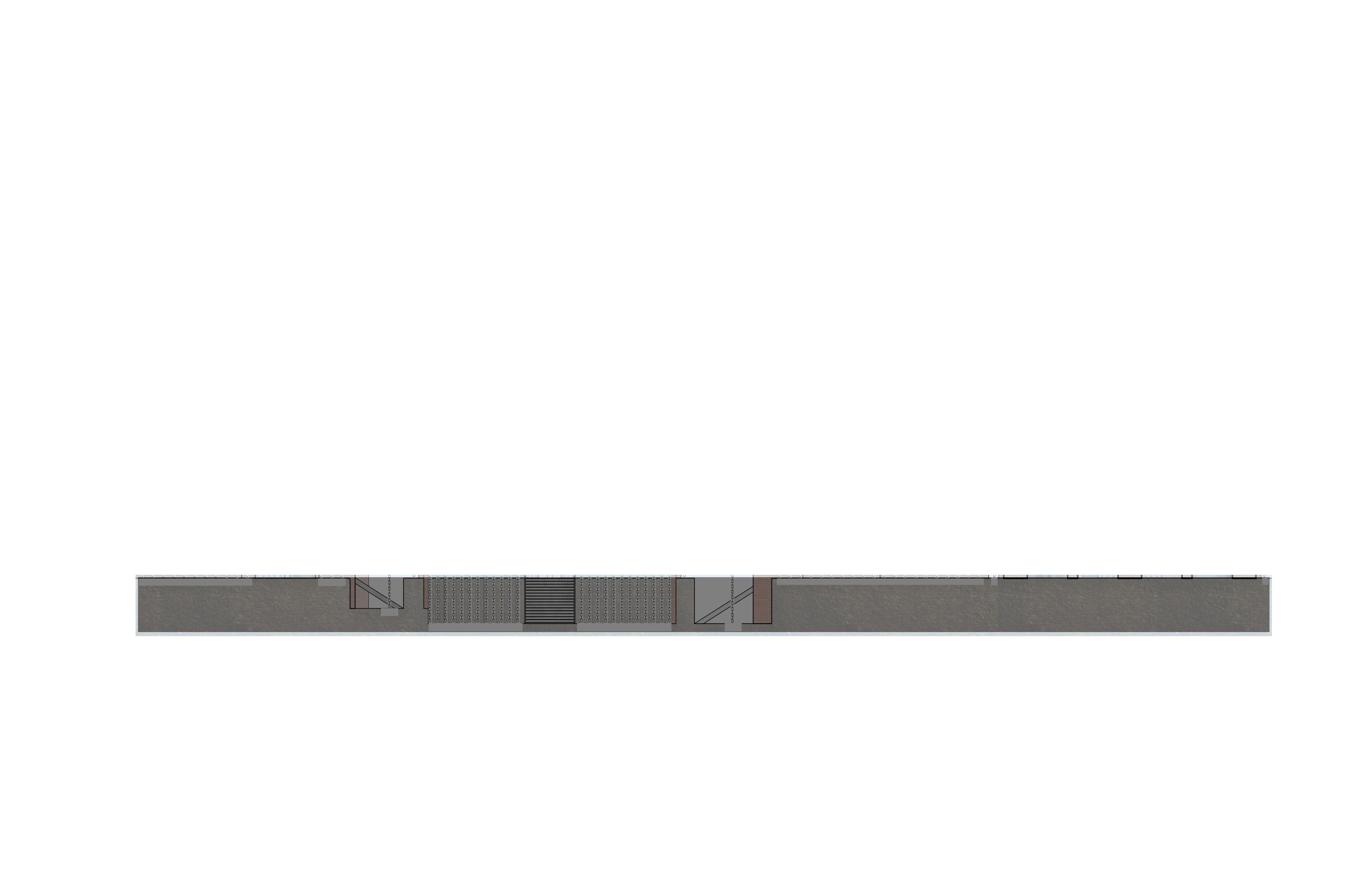
tanks, ensuring a continuous flow that sustains the rain chain even on non-rainy days. During rainfall, the water tank temporarily stops, allowing the rain chain to collect natural rain. Rain chains embellish every wall, except the front, and additional chains surround the elevator inside, providing a visually engaging experience through glass walls. The building functions as a filtration center with a floor dedicated to offices for water management. It also serves as an exhibition space, transforming into an art studio during non-exhibit periods. Additionally, there’s a lounge floor for relaxation. Its sustainability lies in reusing water, transforming it into clean water for various purposes, embodying a fusion of creativity and cleanliness.
In reimagining the integration of rain chains within an existing building, the design preserves the original facade while enhancing environmental performance and public use. Rain chains operate as both functional and expressive elements, guiding stormwater into a visible filtration system before it is recirculated into on-site storage tanks. Rather than concealing this process, water collection becomes part of the spatial experience. The area functions as a flexible study and office space for the community, while also accommodating rotating museum installations and artwork. The presence of water--through movement, sound, and visibility--creates a calm atmosphere that supports focus, gathering, and exhibition. The building becomes both a filtration center and a shared cultural workspace, where sustainability and public engagement intersect.




Resting in Flow
Spring 2023
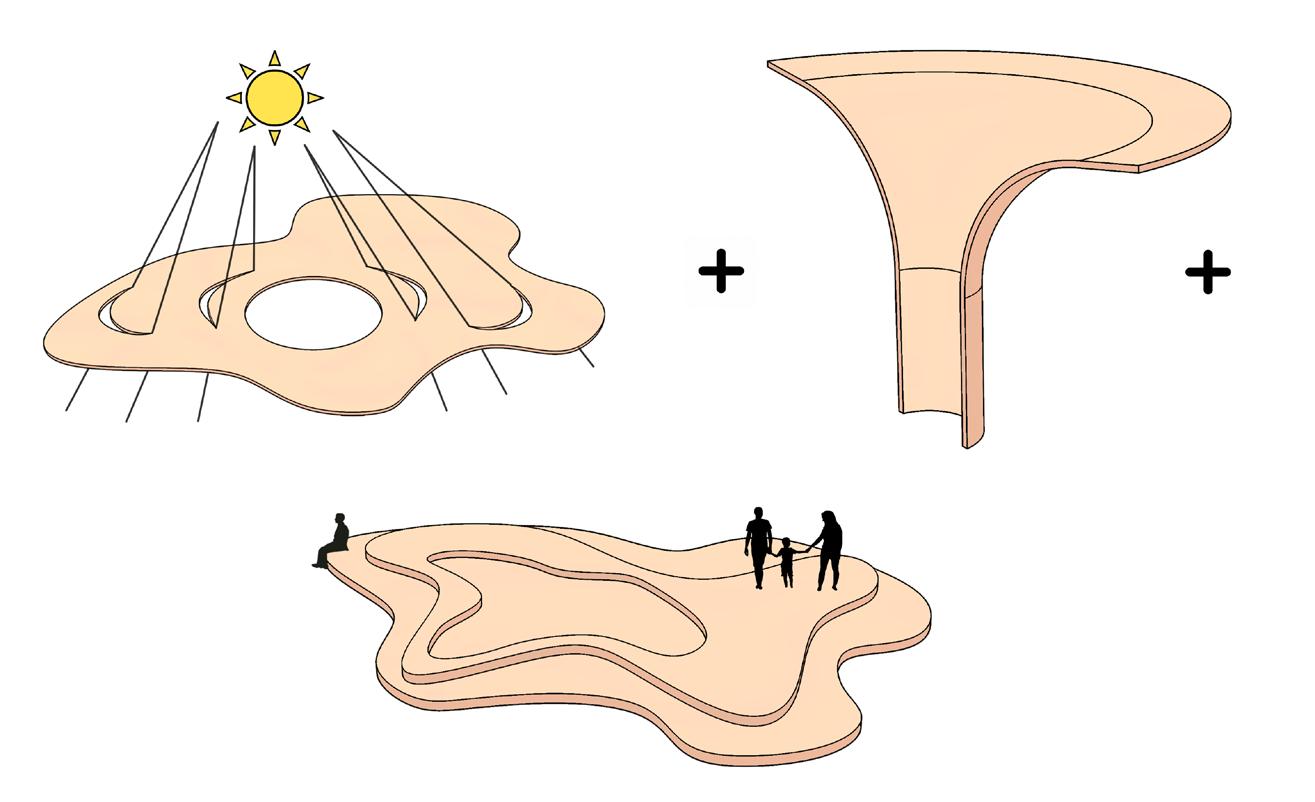
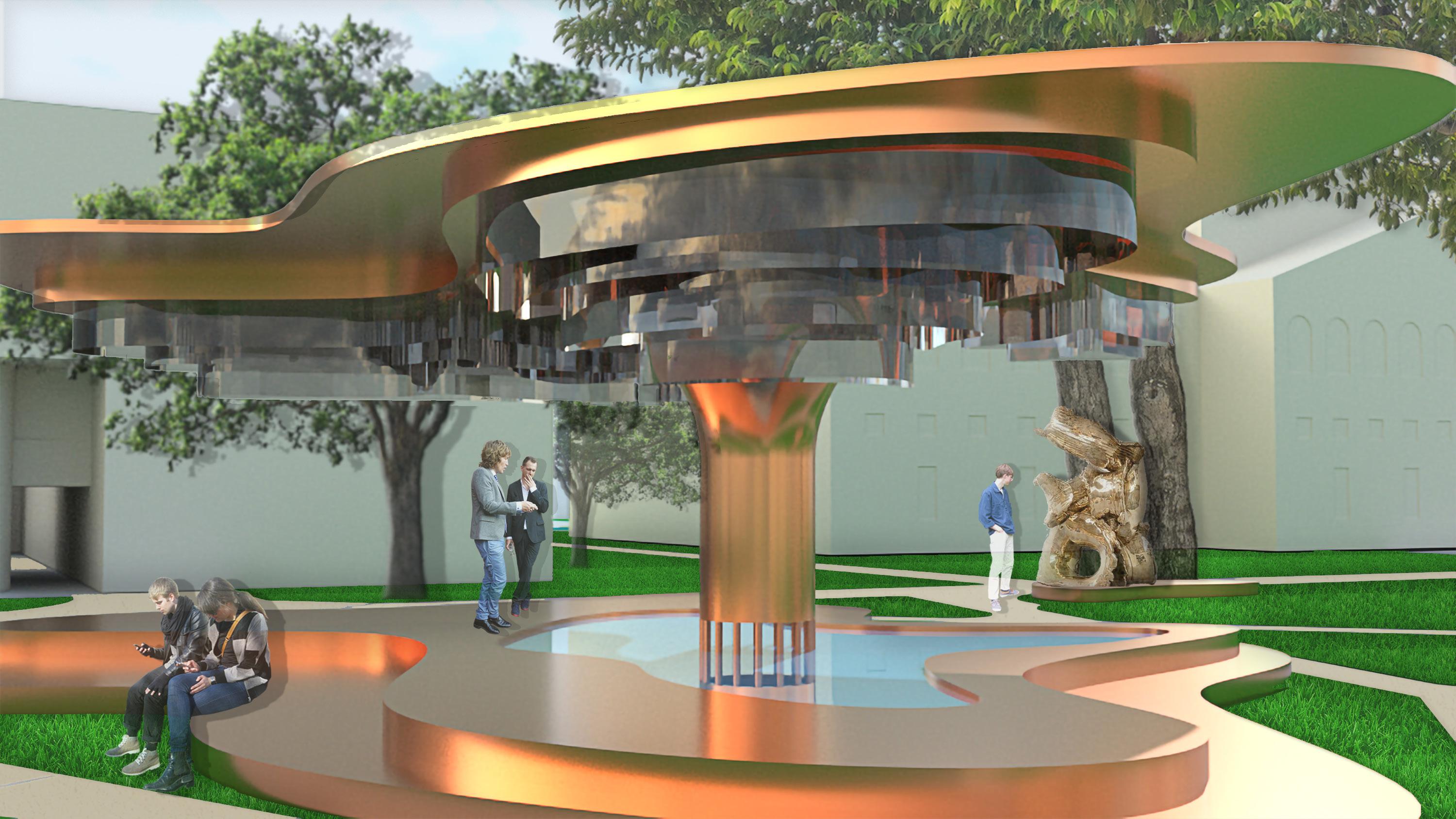
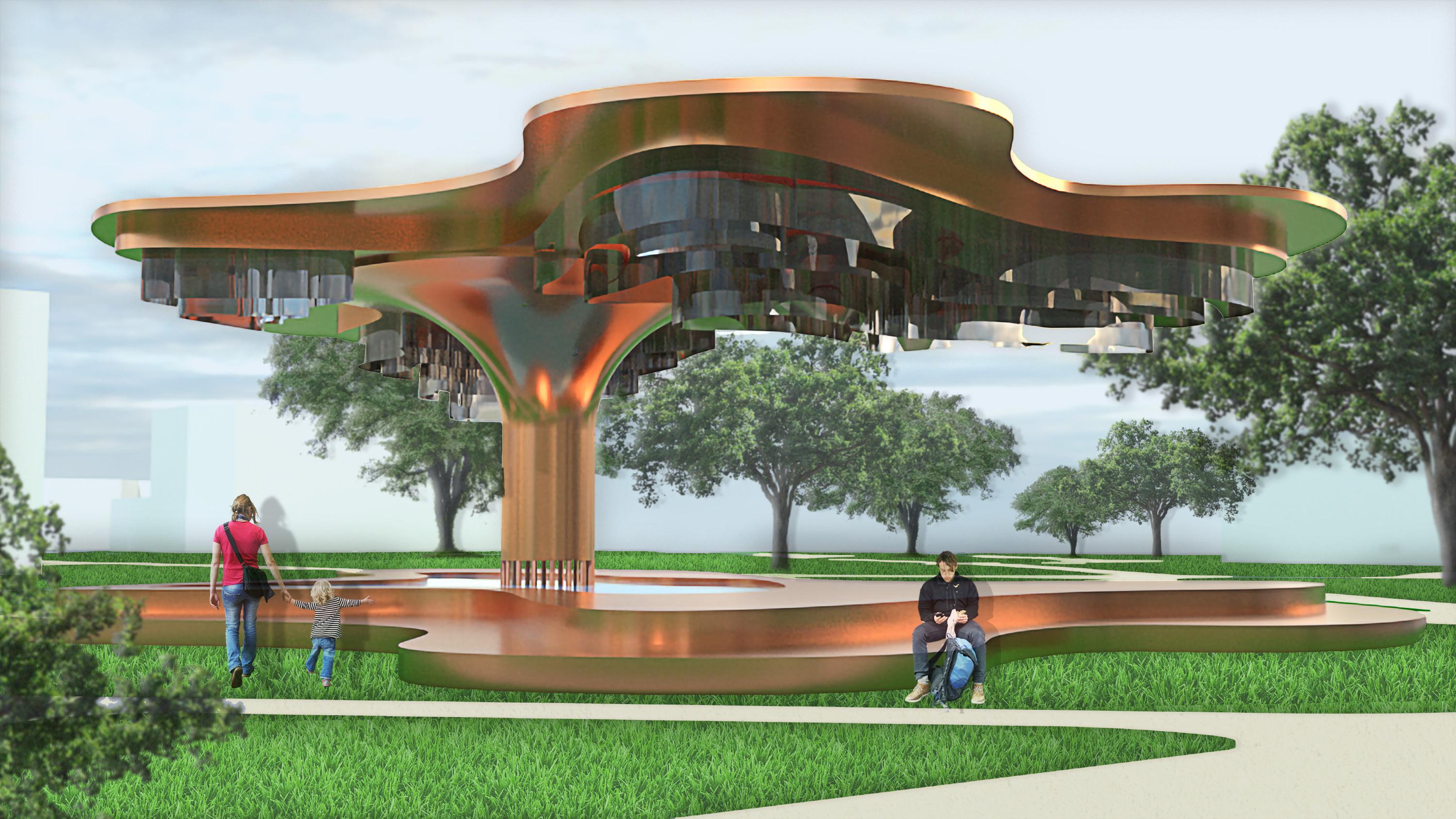
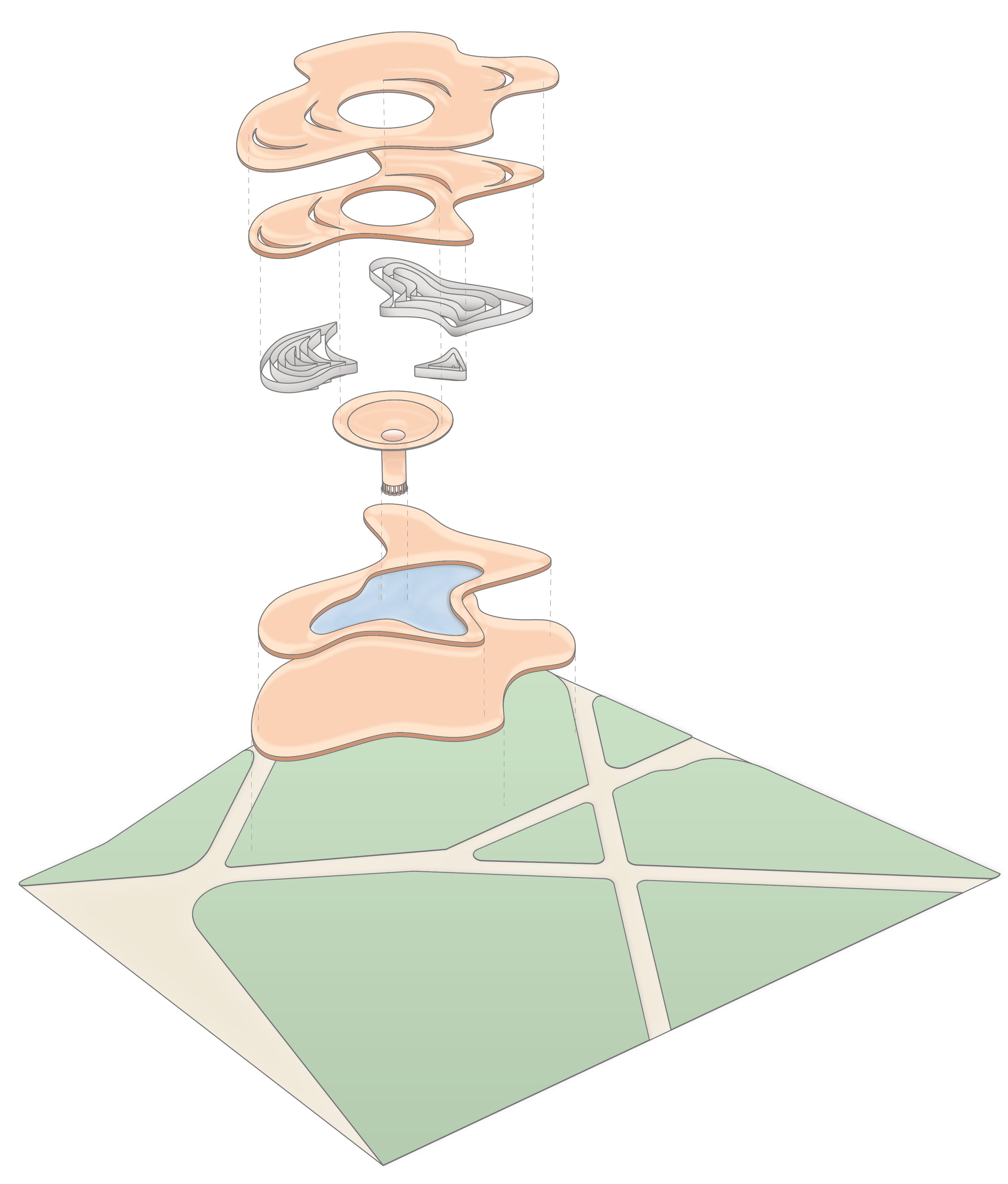
Inspired by the organic, wave-like forms of Lynda Benglis’ Summer Pavilion, this project reinterprets sculptural expression as inhabitable space. The pavilion functions as a resting and gathering area, where curved surfaces create integrated seating and moments for pause. Its funnel-like form collects rainwater and directs it toward a central pond, transforming environmental function into a visible and experiential feature. Openings in the roof allow natural light to filter through, while a suspended mesh layer reinforces the fluid geometry and softens the space below. The design balances expressive form with usability, creating a structure that is both visually dynamic and comfortably inhabitable.

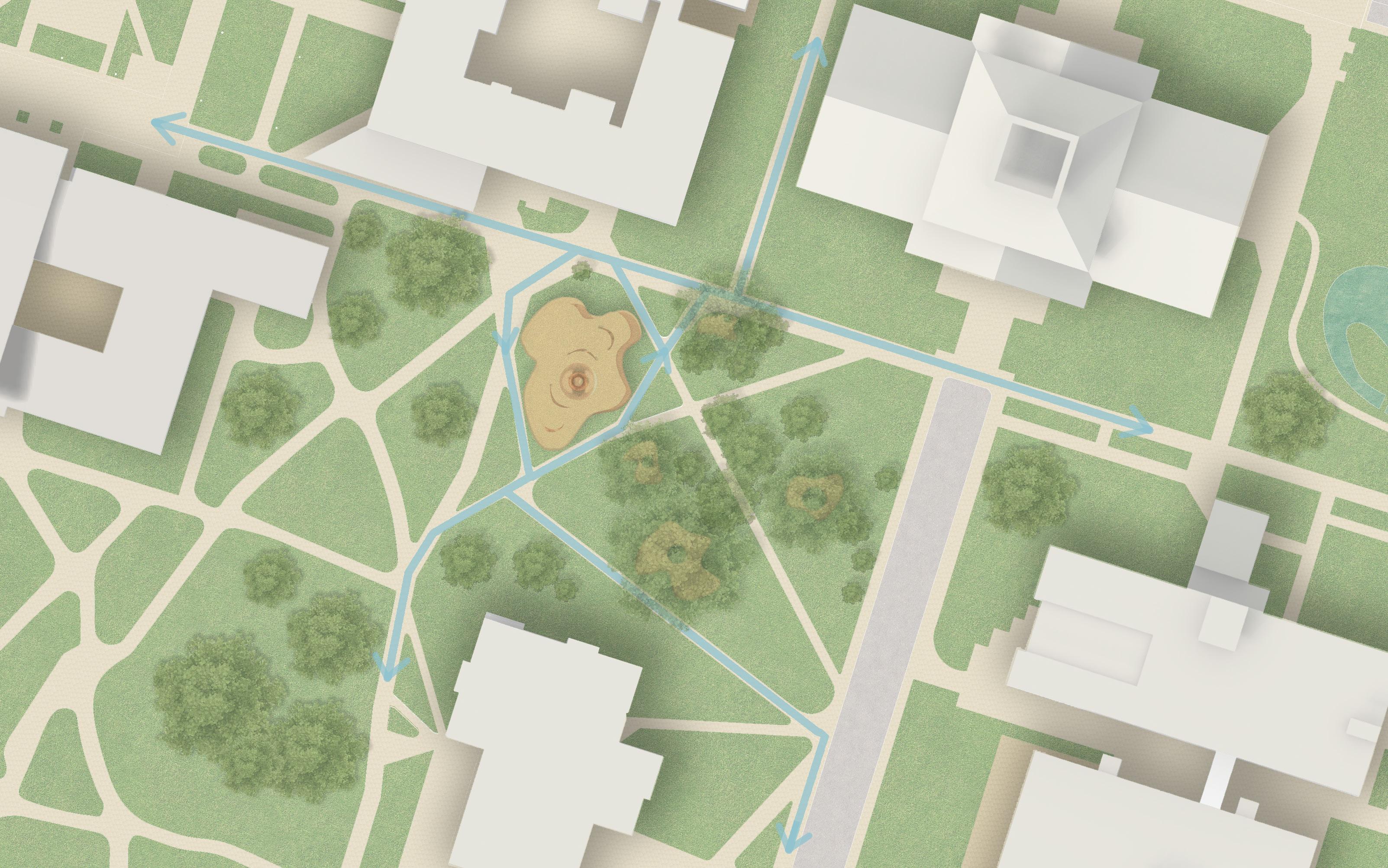
DIagrams
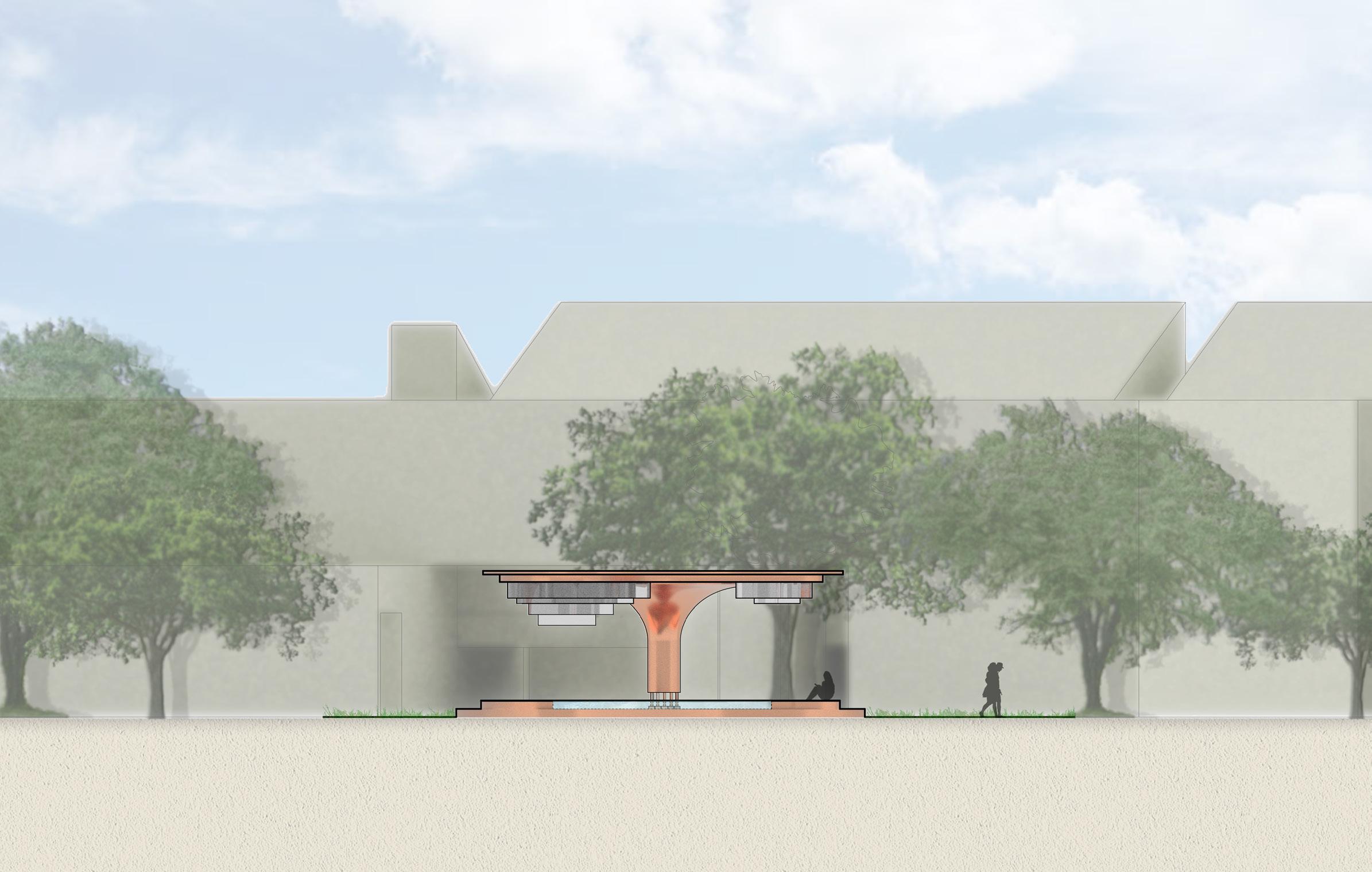
Front Section View
Scale: 1/16” = 1’-0”
Design Workshop | Moment Architects Practice in Miniature
June 2025 - January 2026
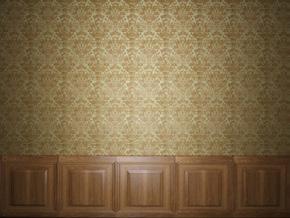
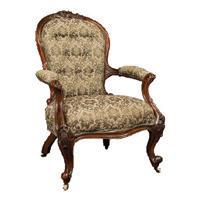
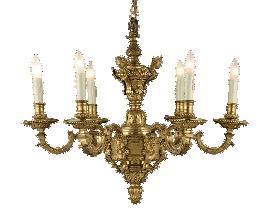
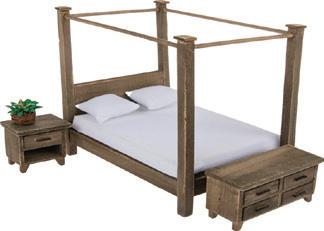
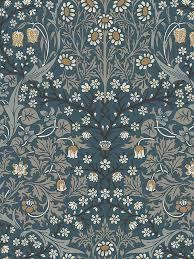
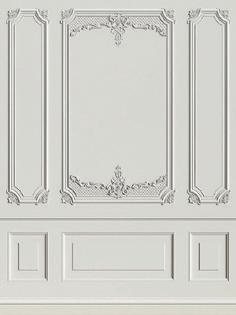
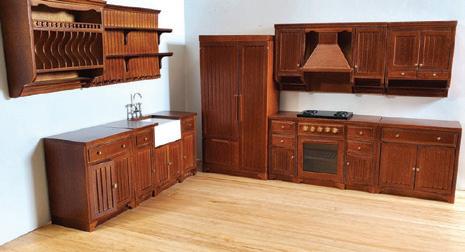
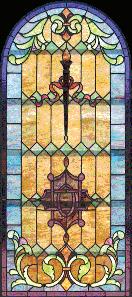
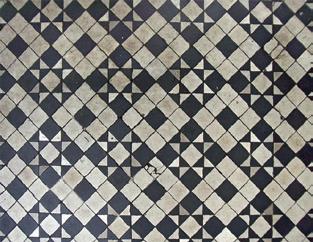
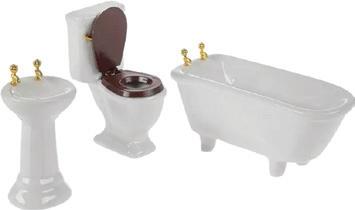
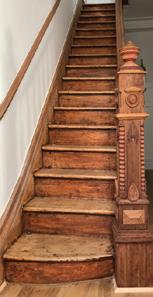
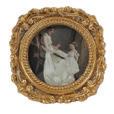
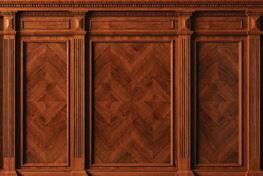
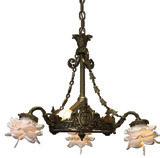
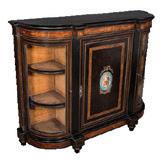
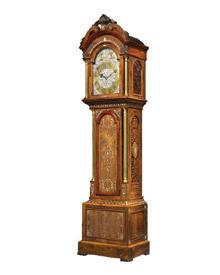
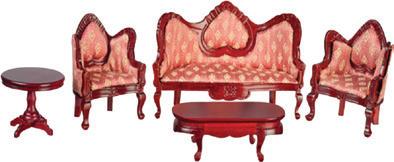
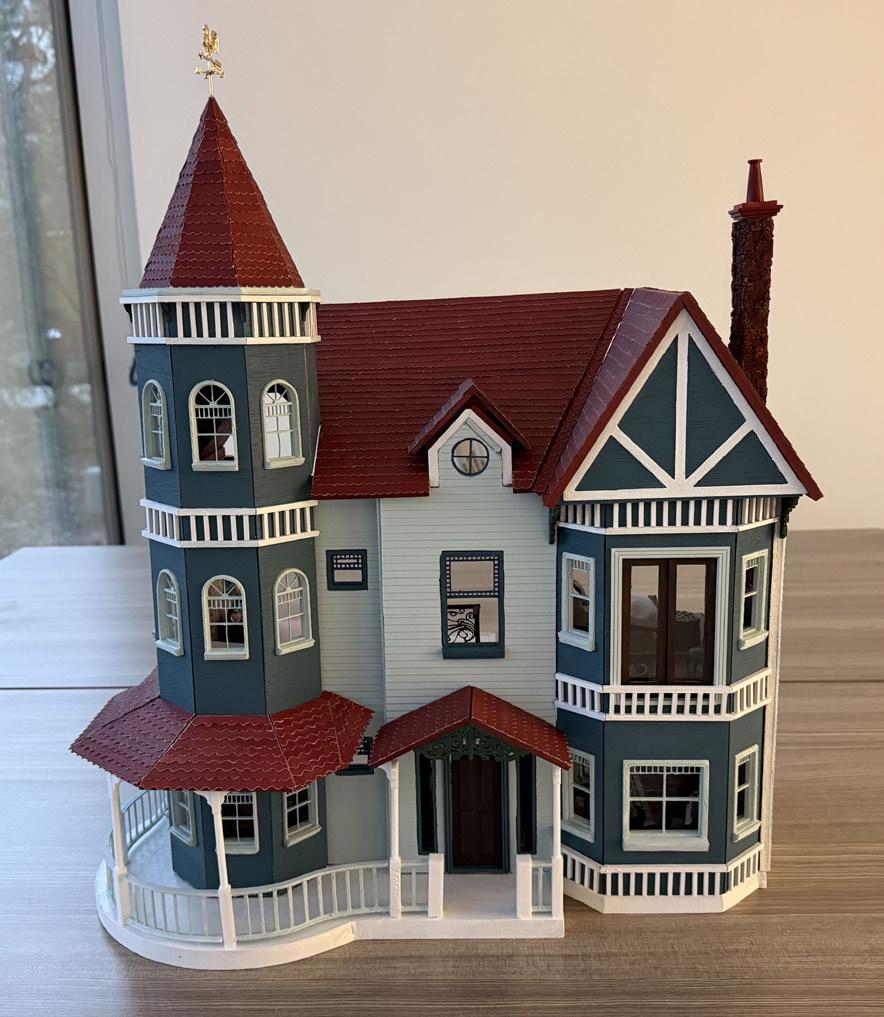
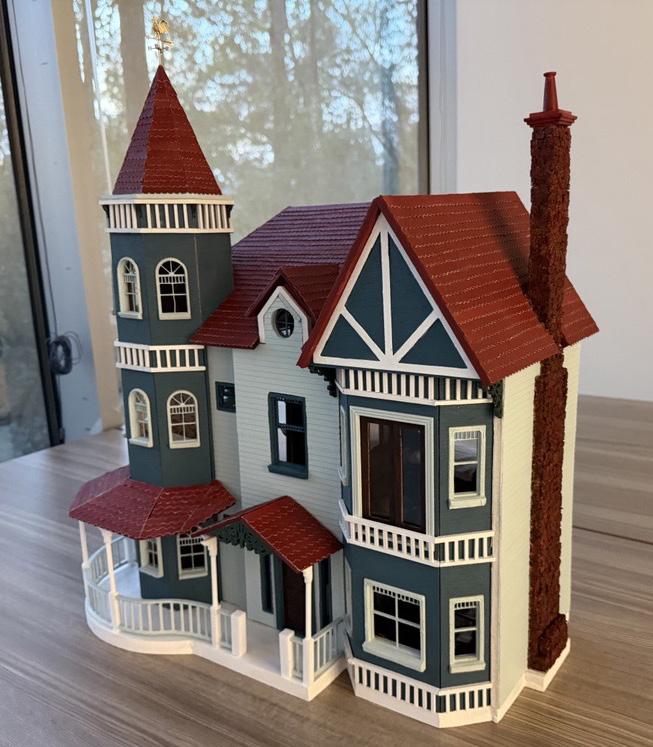
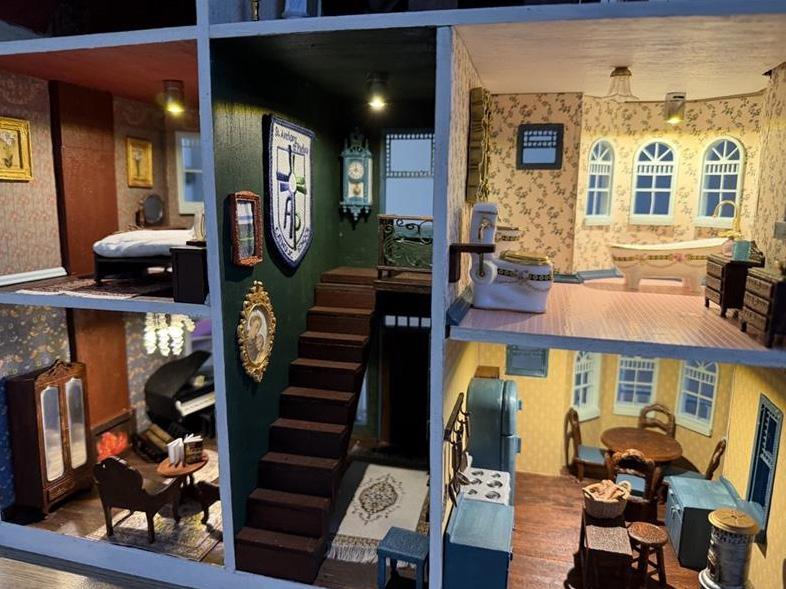
This project was developed through a collaborative workshop for St. Anthony of Padua Catholic Church in The Woodlands, using the dollhouse as a way to engage community and craftsmanship at a smaller scale. Rather than approaching it as a simple miniature, we treated the structure as a thoughtfully constructed space—carefully considering proportion, material selection, and detailing. Working at this scale required precision and patience, as each joint, surface, and transition was highly visible. The project balanced playfulness with intention, demonstrating how design and craftsmanship can create meaningful, communitycentered experiences even in compact forms.

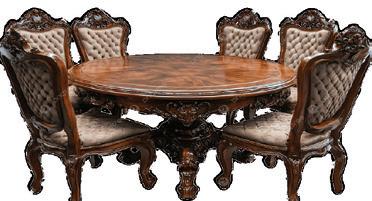
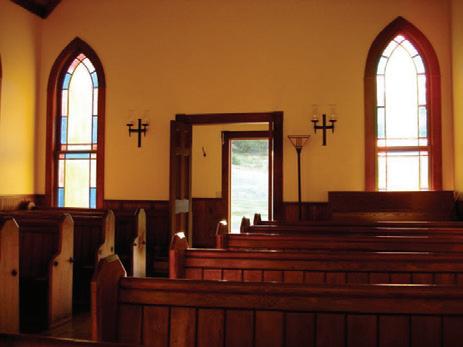



Library/Study
Chapel
Bathroom
Parlor
Foyer
Kitchen
Bedroom
Geometric Shapes and Repetitive Forms
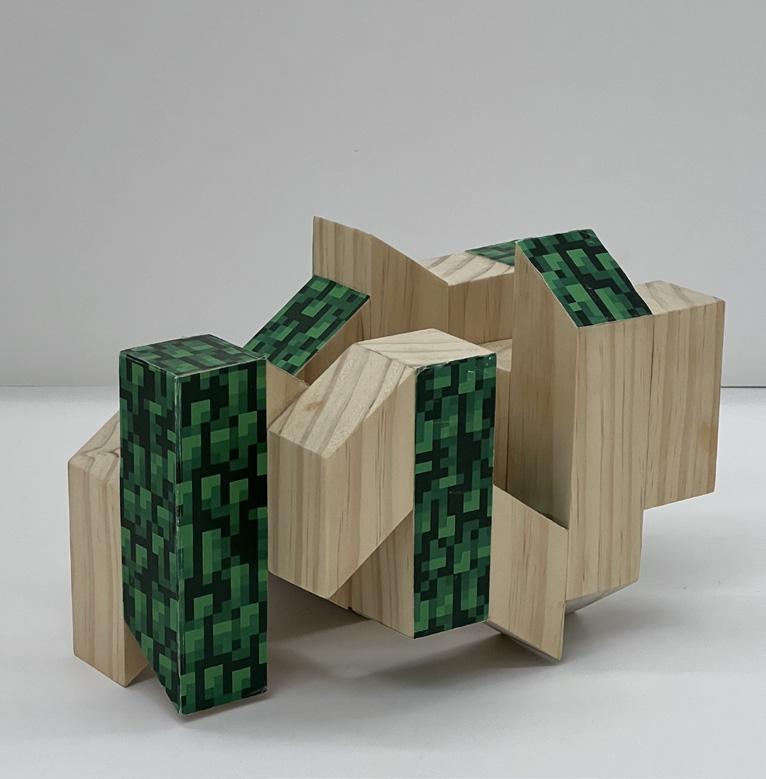
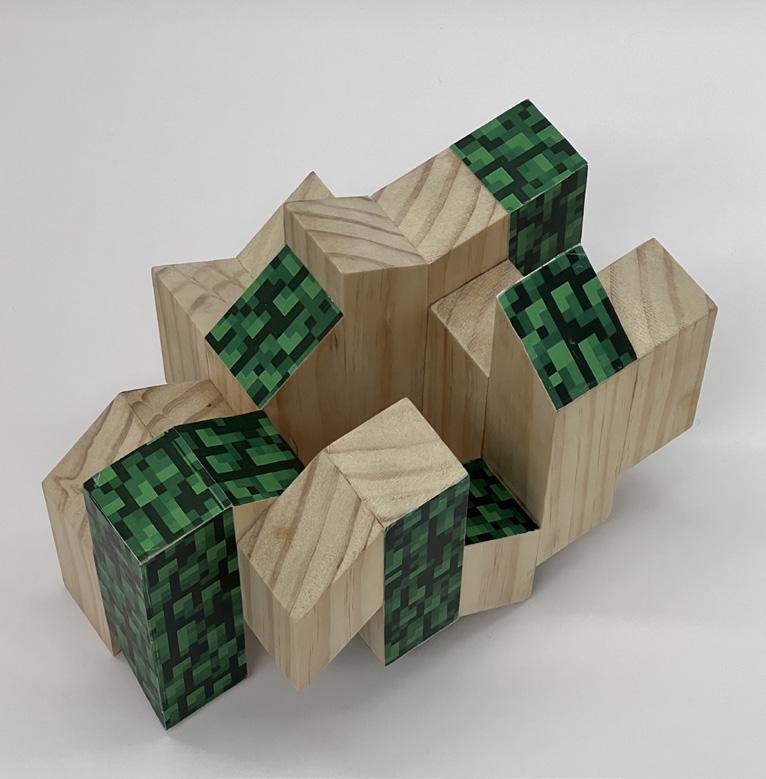
I started with a rectangular shape, slicing it into segments, each with a unique depth or variation in dimensions. These segments were then arranged through flipping, rotating, and adjusting their sizes to create a form that feels both open and full at the same time.
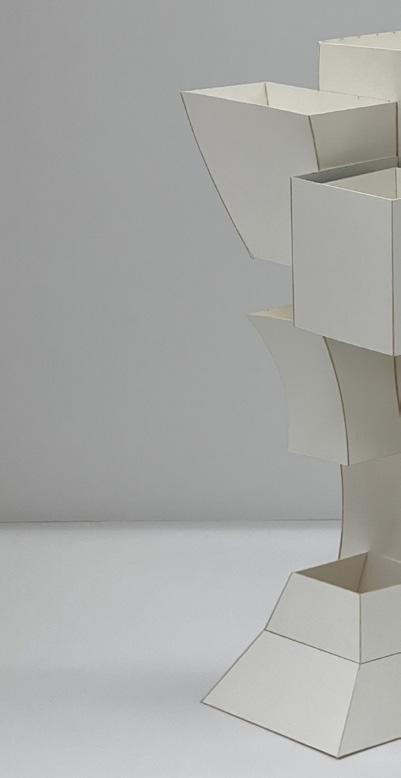
I explored the relationship curves and defined preserving geometric component was create a cohesive
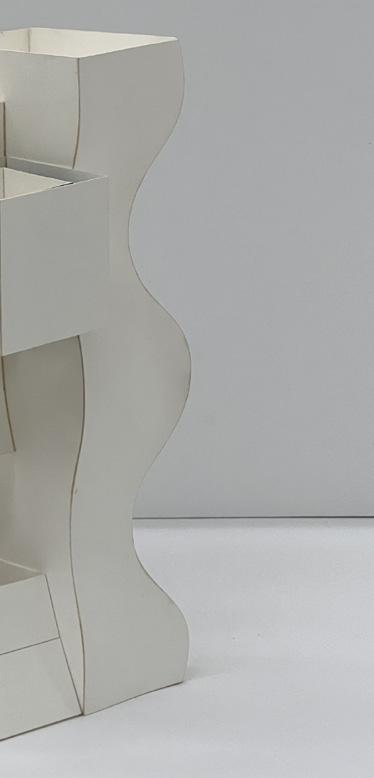
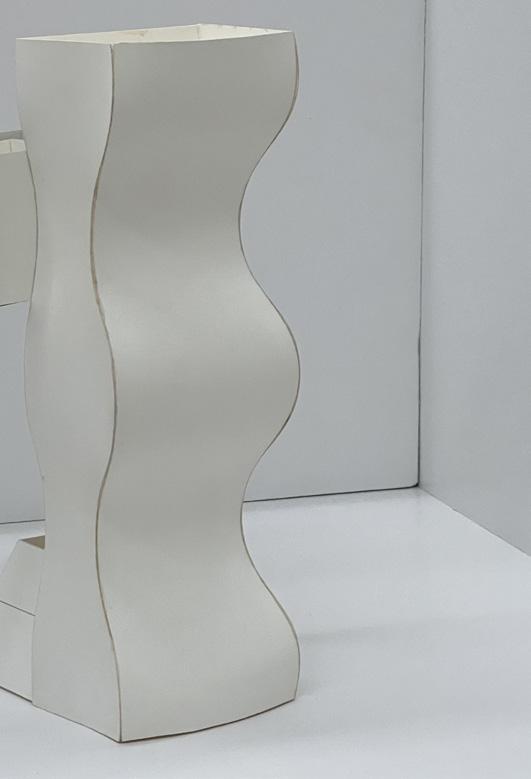
relationship between defined forms while geometric elements. Each was then assembled to cohesive piece.
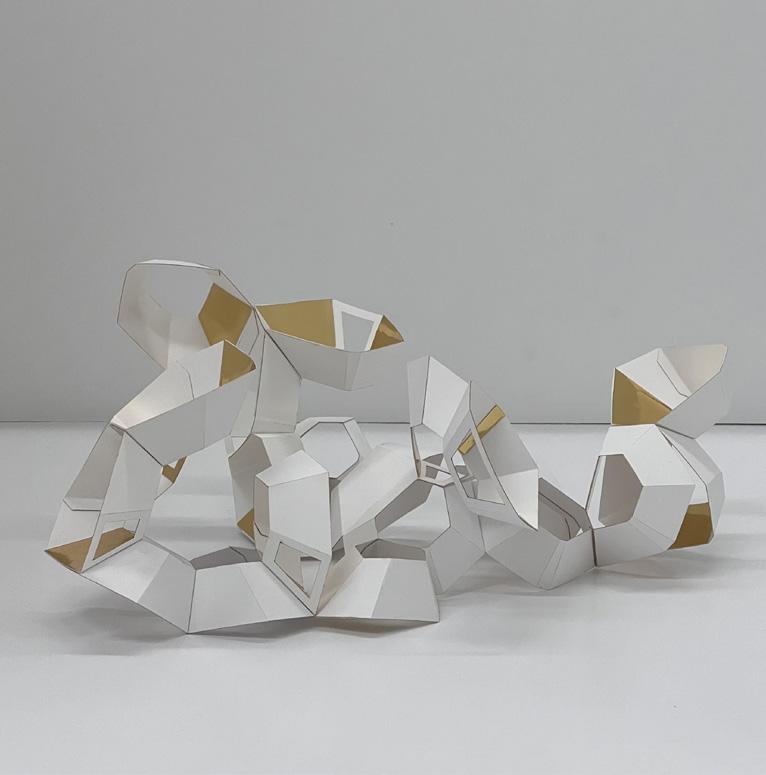
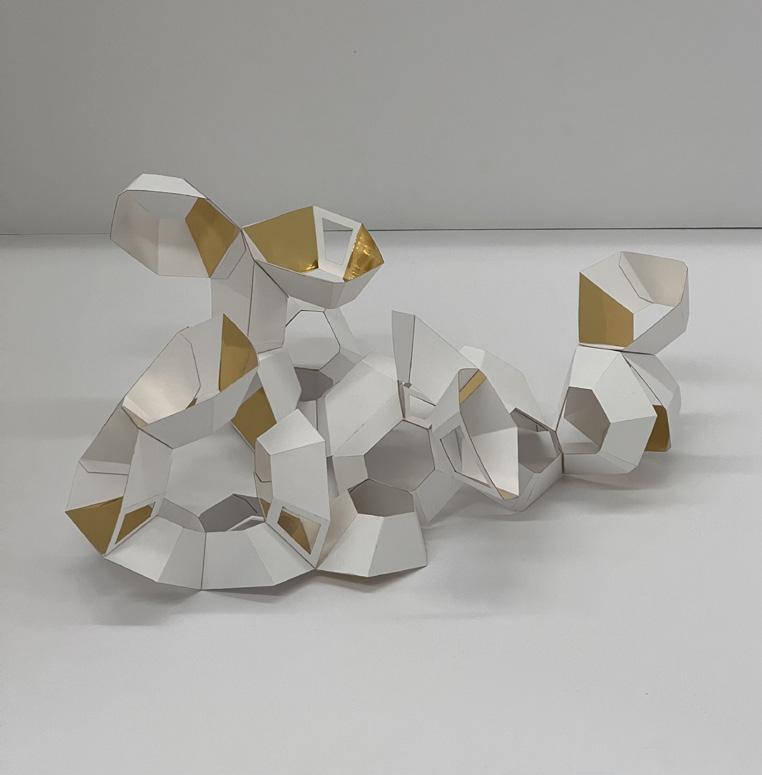
I began with a flat shape, scoring out sections to transform it into a 3D structure. The pieces are assembled by gluing them together, and through repetition, each added layer expands and develop the form.