A space for truth, healing, and justice. We share stories, reflections, and updates that honor those who speak truth to power and keep the work of reconciliation alive.
Dear Beloved Community,
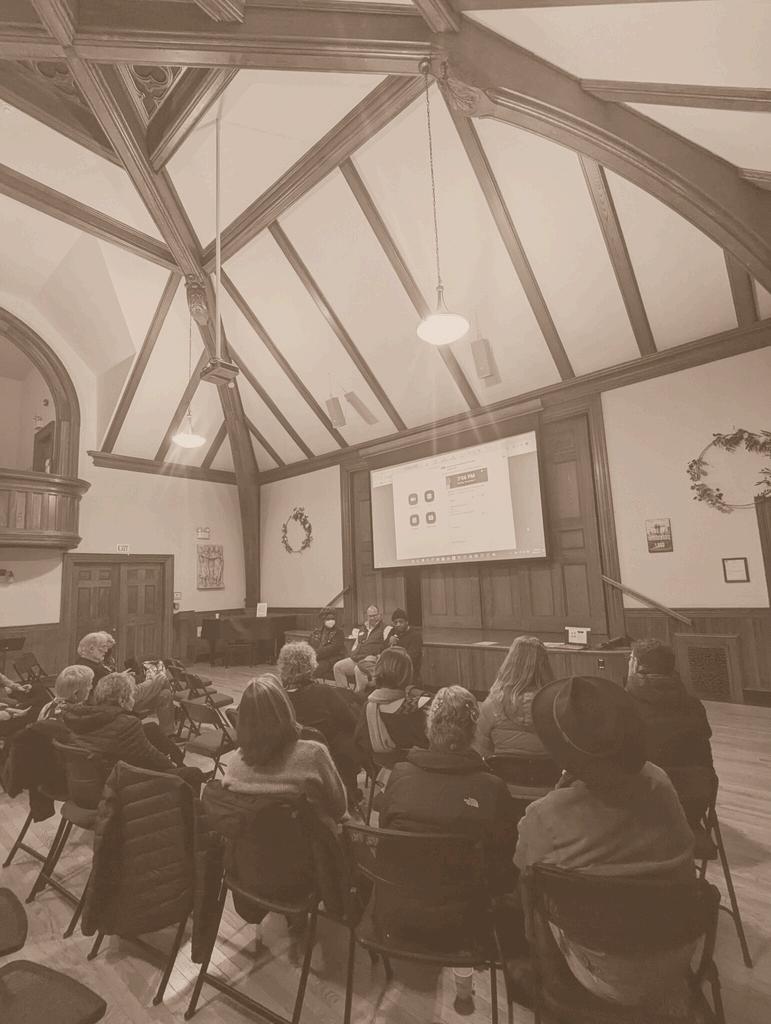
During the Q&A following a reparations film screening, I asked the audience if they would be abolitionists during slavery. Almost everyone in the majority white audience held their hands. My follow up question was “ what about now?” For those afraid of supporting and standing with grassroots Black led organizers "what about now?"
In these times, truth telling is more urgent than ever, we can do that by supporting those creating processes to bring the historical wrongdoings to light, so those truths can be face. If we can’t face our past, how can we face the present or future?
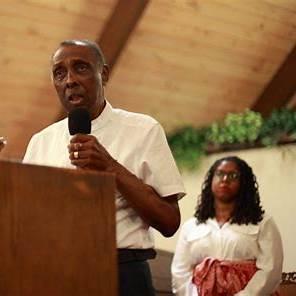
We face the future by bringing our ancestors with us. Most recently we lost Rev. Nelson Johnson - a pioneer of truth, reconciliation and justice in the U.S. From co-founding the first Truth and Reconciliation Commission to challenging systemic racism in Greensboro, Rev. Johnson’s work reminds us that truth-telling is not just about the past it’s how we build a just future.
The Truth Telling Project has been changing and growing. For many years we have had a co-director structure of leadership. Over this last year I have led as the Executive Director. While I am still a core part of the TTP team, as the founder in residence, Eric Kayira, Mia Gonzalez and Eduardo Cuerva Gonzalez have stepped up to organize TTP cooperatively. (see more about our new team)
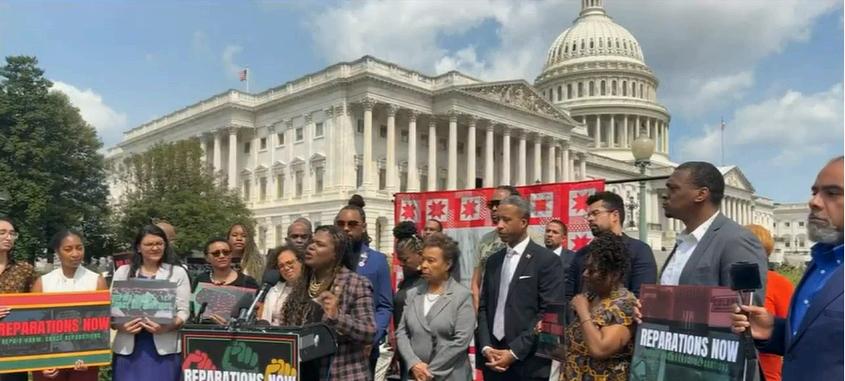
We know that the experience held in our collective can support the work we do around reparations, and truth telling .If you believe in the power of truth, memory, and collective healing this is one you don’t want to miss.
Dr. David Ragland
HONORING A TRUTH-TELLER:
THE LEGACY OF REV. NELSON JOHNSON, “DON’T YOU GET WEARY” (1943–2025)
Written by Dr. David Ragland and Jodie Geddes
The Truth Telling Project honors the life and legacy of Rev. Nelson Johnson (1943–2025), a pivotal figure in advancing truth, reconciliation, healing, and repair. Alongside his wife, Rev. Joyce Johnson, and survivors of the 1979 Greensboro Massacre, he co-founded the Beloved Community Center of Greensboro and established the first Truth and Reconciliation Commission (TRC) in the United States. This commission provided a platform for survivors, community leaders, and perpetrators to share their experiences and acknowledge their roles. The Greensboro TRC revealed that the NeoNazi and Ku Klux Klan attackers were aided by the Greensboro Police Department, highlighting systemic coordination in the tragic events.
Rev. Johnson's dedication extended beyond Greensboro; he championed the creation of a statewide TRC in North Carolina and advocated for a national truth and reconciliation process. His work emphasized the importance of truth-telling as a means of preserving memory, healing trauma, and fostering organization. He believed that truth-telling uplifts marginalized stories, challenges prevailing narratives, and strengthens communal bonds. His resilience and commitment serve as a beacon for ongoing efforts toward justice and reconciliation. Read the full article here.
Rev. Nelson Johnson and Wife Joyce standing beside the historical marker for the Greensboro Massacre, 2017.
- REV NELSON JOHNSON
BUILDING GLOBAL BRIDGES FOR JUSTICE
The Truth Telling Project is exploring bold new steps toward international collaboration in the movement for truth, reparations, and healing. A recent internal memo highlights key opportunities to engage with global human rights institutions—including the United Nations and InterAmerican Commission on Human Rights as well as experienced leaders from past truth commissions in Colombia, South Africa, and Kenya. These partnerships can strengthen our work by connecting U.S.-based racial justice efforts with a wider global dialogue on truth and memory. From participating in upcoming UN sessions to launching a knowledge exchange with international truth-tellers, TTP is working to build meaningful, cross-border solidarity. [Read the full memo here]
JUNE DATES OF REMEMBRANCE & RESISTANCE
June 1 – Tulsa Massacre (1921)
White mobs burned the thriving Black community of Greenwood in Tulsa known as Black Wall Street to the ground. Sparked by a false accusation, hundreds were killed and thousands displaced. Survivors were denied justice. We remember their resilience and demand the reparations still owed.
Pride Month
While celebrating LGBTQ+ pride, we also acknowledge the intersections of race, gender, and sexuality We honor Black and Brown trans and queer activists who have been at the forefront of liberation movements, recognizing that true justice is inclusive and intersectional.
Loving Day (June 12)
Commemorating the 1967 Supreme Court decision in Loving v Virginia, Loving Day celebrates the dismantling of laws banning interracial marriage. It's a reminder of the ongoing fight against systemic racism and the importance of love and justice in our communities.
Juneteenth (June 19)
A sacred day within the living theology of Black liberation, Juneteenth commemorates the delayed liberation of enslaved Africans in Texas in 1865. It invites us to reflect on the enduring legacy of slavery and to commit to the ongoing struggle for Black freedom.
g p empower communities to take reparations, these events are communities and ethically-cen partnership with TTP. The purpose bring communities together to vie theme of reparations. These scre panel made up of filmmakers, organizers who lead the attendees and take questions from the audie
JUNE 13
JUNE 14
SCREENING THE COST OF INHERITANCE AT MOTHER BETHEL AME
SCREENING ACTS OF REPARATION AT THE FRIENDS CENTER
Learn more about the Spirit of Reparations film screenings and register for an events at www.spiritofreparations.com
2025 sacred season
WHAT IS THE SACRED SEASON?
Running from Juneteenth (June 19) to the end of Black August (Aug 31), the Sacred Reparative Season invites us to reflect, learn, and take action rooted in the spirit of Black liberation.
Juneteenth marks the beginning: a sacred day of freedom, memory, and resistance.
July 3 becomes a moment of critical reflection through the lens of Frederick Douglass’s famous speech, “What to the Slave Is the Fourth of July?”
July 4 IS a day for reconsidering history that remains largely unquestioned.
Black August honors Black political prisoners and freedom fighters, reminding us that liberation is an ongoing, collective journey.
Throughout this season, we invite faith-based, spiritual, and justice-centered communities to host #ReparationSabbath, #ReparationSaturday, or #ReparationSunday events. Whether during regular services or special gatherings, these moments are opportunities to center reparations in both word and practice.
View our 2025 Sacred Season Toolkit here.
A U G U S T 3 0
DIVESTMENT AND REPARATIVE RE-INVESTMENT SUMMIT
This year we are closing out the Sacred Season by hosting a virtual summit which seeks to empower our community with education and tools to better navigate this world and its extractive capitalist system with the resources to make more ethical and justice-centered choices.
Stay tuned for details on the Summit, and consider how your community can mark this sacred time.