


In the ever-advancing world of electronics and innovation, Team Samarthya is proud to announce the release of the latest issue of our magazine: PHOTON 3.0. From cutting-edge innovations to fundamental principles that unpin our devices, this magazine has it all! As we dive into the articles, projects, and insights curated for all Banasthalites, may this magazine serve as a conduit for inspi i k l d d sha field


Founded in 2014, Team Samarthya is a studentled community which strives to impart knowledge and enthusiasm for electronics to the budding engineers of Banasthali Vidyapith. Samarthya, being the only electronics club of Banasthali, focuses on bringing the students of core branches (EE, EI, EC, MCTR and VLSI) together and igniting a passion for electronics among students by organising year-round activities, workshops and events. In the past years, Samarthya has successfully worked both during online and offline classes, to bring like-minded individuals together in the spirit of electronics and learning. With our events like Circuit-o-Geek (circuit-making competition), Utkranti (robot-making competition), Ink and Circuitry (online event), Pinnacle (our annual fest) and many such events, we aim to be a place where students can get to know each other and come together to think out of the box.
Through PHOTON 3.0, our goal is to shed light on these events as well as introduce the readers to upcoming discoveries and inventions in the world of electronics and technology.
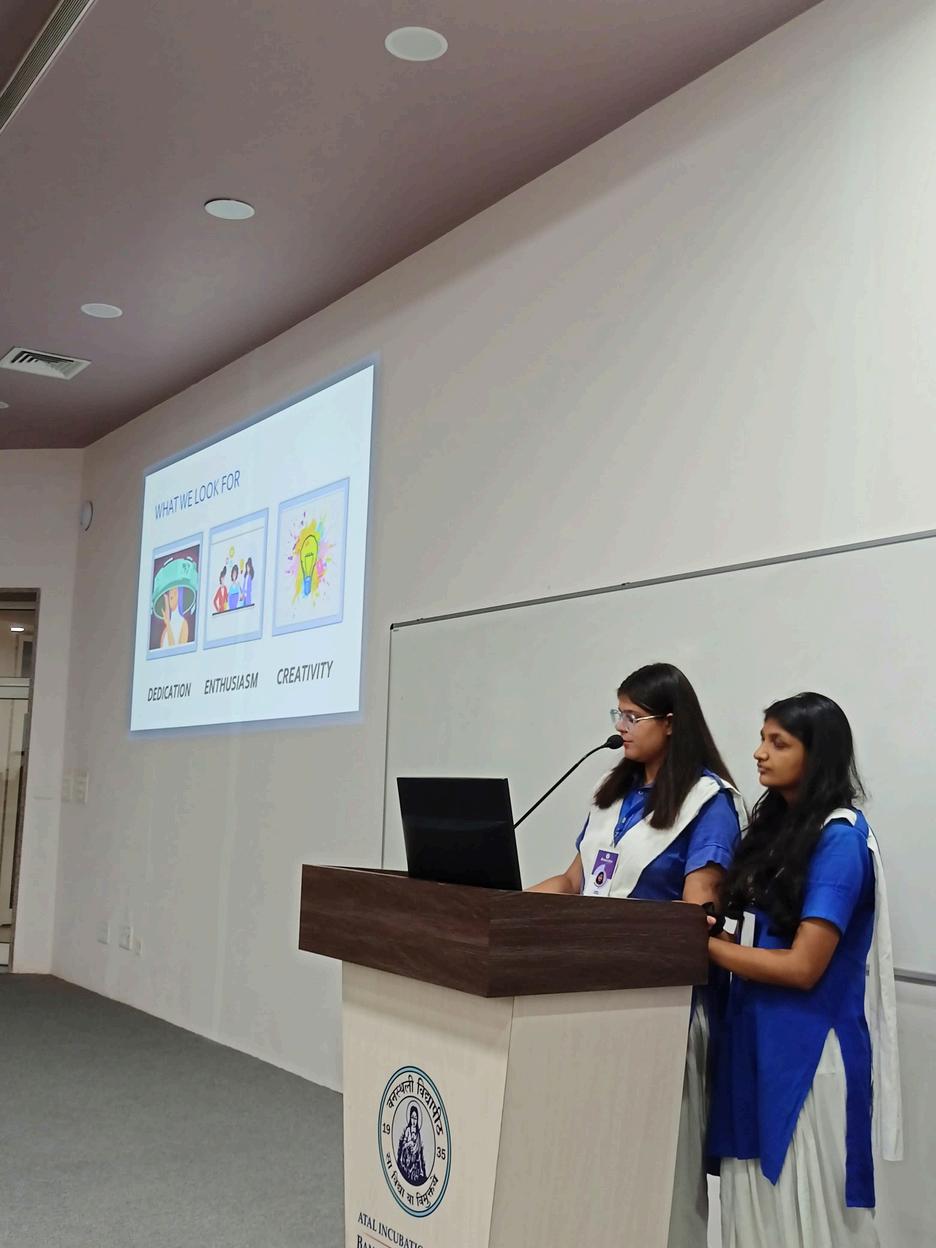


Team Samarthya-the only electronics club of Banasthali Vidyapith, successfully organized its highly informative and engaging orientation session on 28th September, 2023. It was open for students of BTech - first-year all branches and second-year core branches.
This enlightening session was an introduction to what the team has to offer the students. The highlight of the ceremony was a series of interactive sessions, the opportunity to engage in a quiz and interact with the seniors. A thoughtful and curative video presentation about the club’s past successful events and motivational words from an alumna, who had also been a team member, was displayed. S. Bandopadhyay sir, a distinguished faculty member addressed students with his words of wisdom and fostered a sense of enthusiasm for electronics in them.
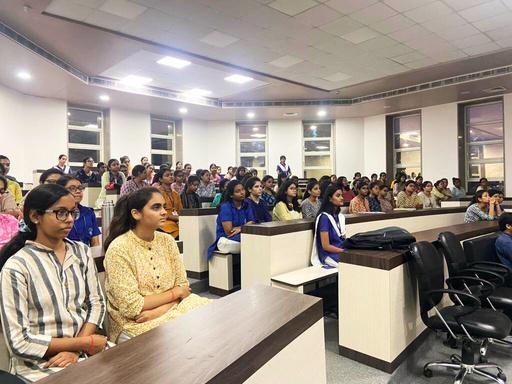
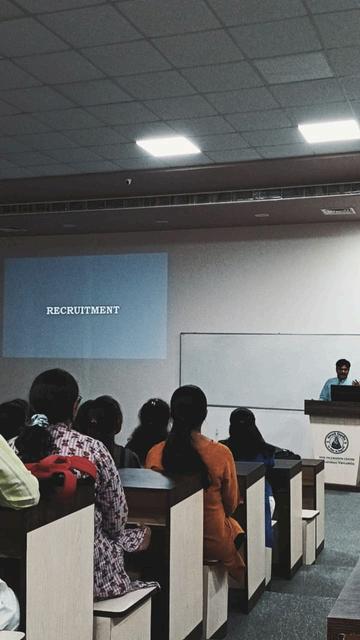
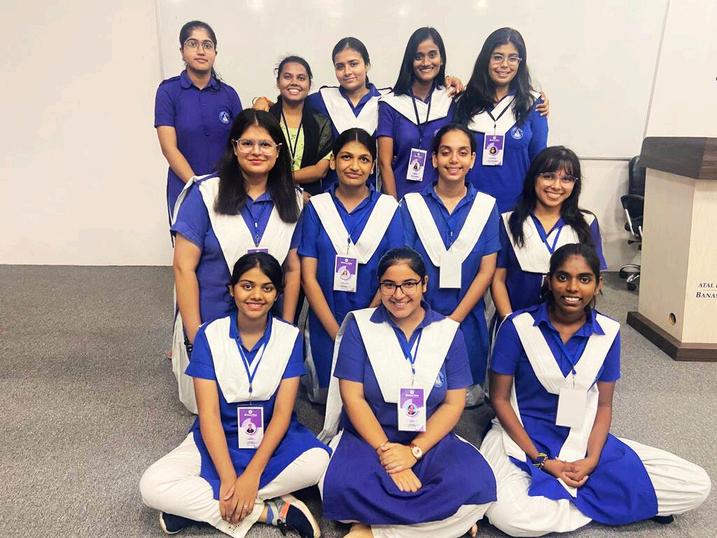
The event was a resounding success and it proved to be an enlightening experience for the attendees. Students gained valuable knowledge through the senior interaction and it was very beneficial as many doubts were cleared through it. This session ignited the passion and curiosity of the students, encouraging them to actively participate in the recruitment process, upcoming events and workshops by the club. It fostered the spirit of enthusiasm among students and set the stage for future innovations, collaborations and success stories within the club.



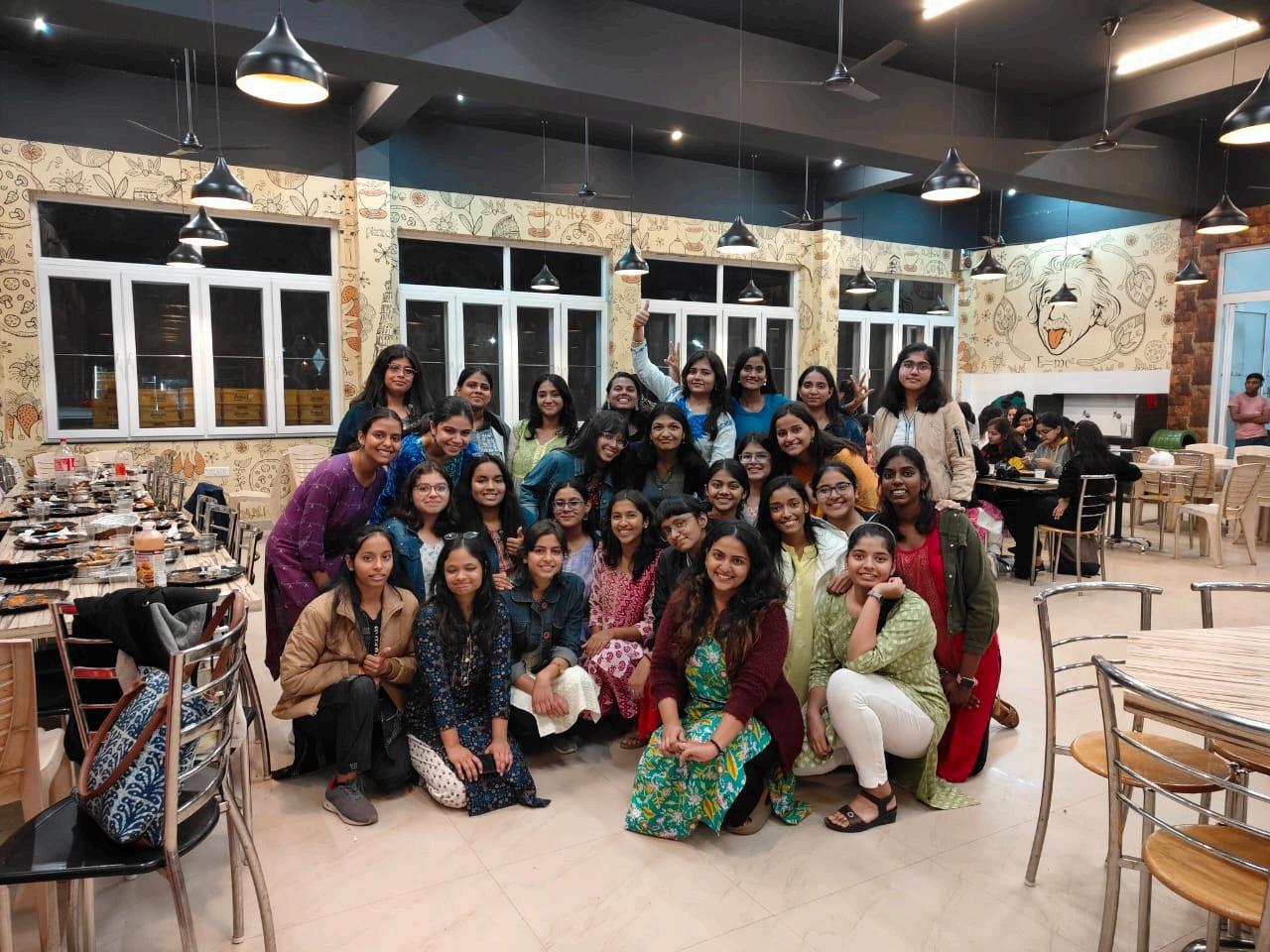
Round 1- Initially, there was a rigorous aptitude test, framed to assess the logical thinking and compatibility of the candidates.
Round 2- The shortlisted candidates from Round 1 were called up for a group discussion. This phase tested their listening and communication skills. This round also tested their presence of mind and behavioural aspects.

Round 3- This was the final round where our candidates faced a personal interview. The finalists, gave their level best, scrutinizing technical knowledge, innovative thinking and showcasing their potential.

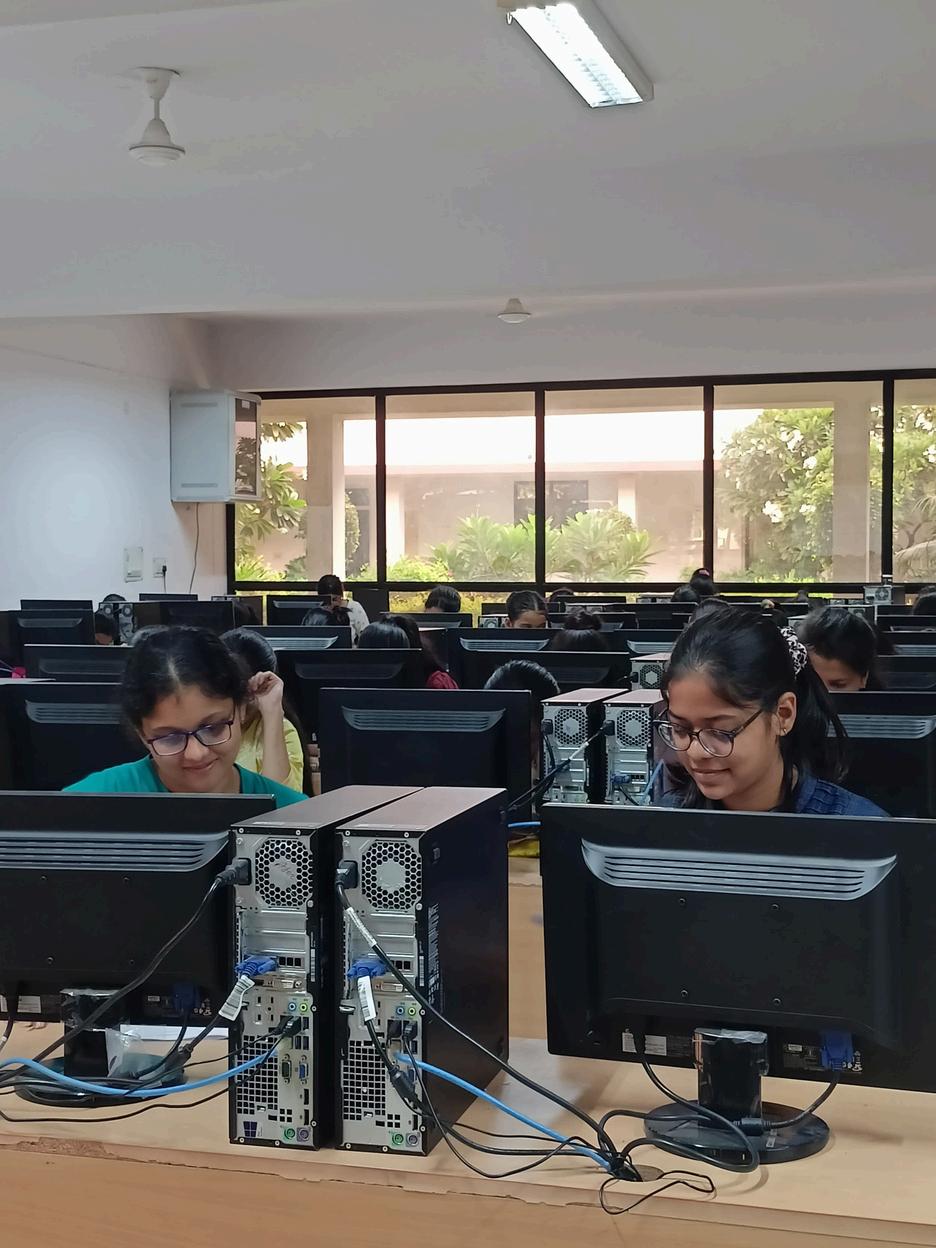
Keeping the legacy of Team Samarthya alive, the team recruits new minds annually and for the session 2023-24, this process was done in the month of October 2023. This 3-tiered process proved to be a compelling journey of intellect and learning.
What emerged from this selection process, was a cohort of individuals whose enthusiasm and thoughts promised an exciting and dynamic future for the club. As the team welcomes these talented individuals, we anticipate a year of innovation, learning and knowledge sharing. In conclusion, the whole process was an enriching experience for both participants and organizers. The enthusiasm of students to connect with our community gives the team motivation and it is evident that the future is bright for our community.


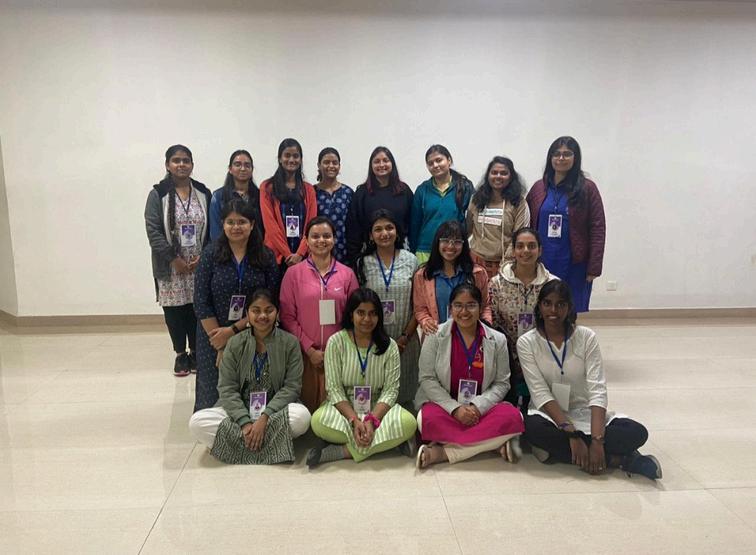

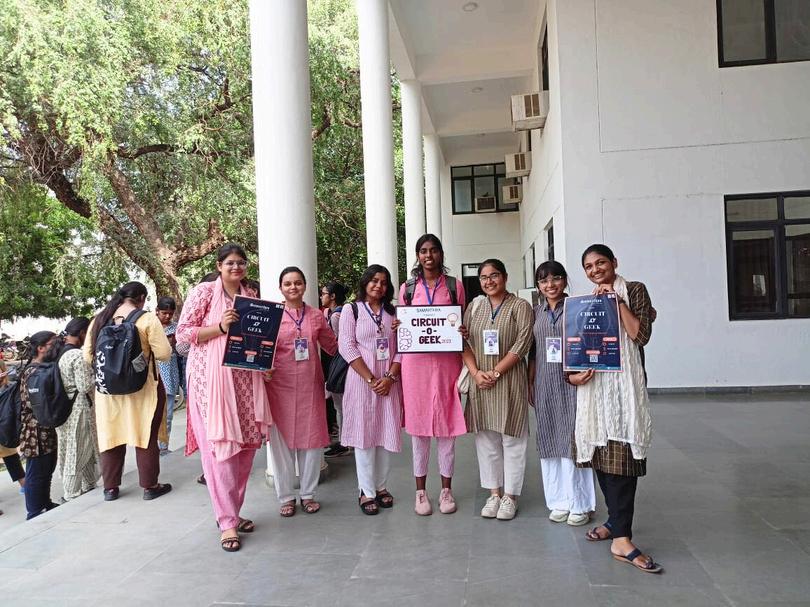
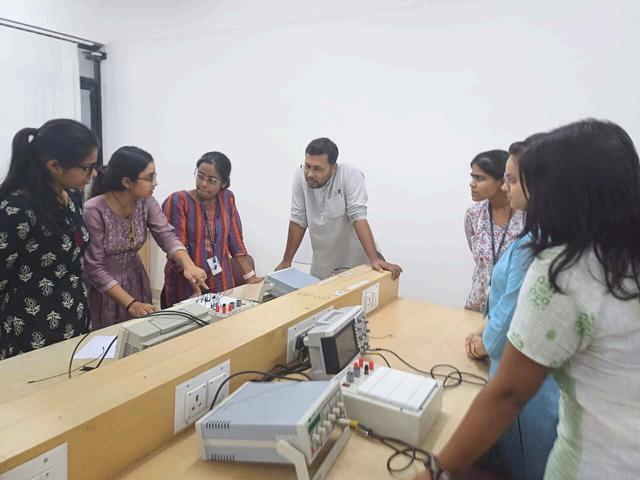
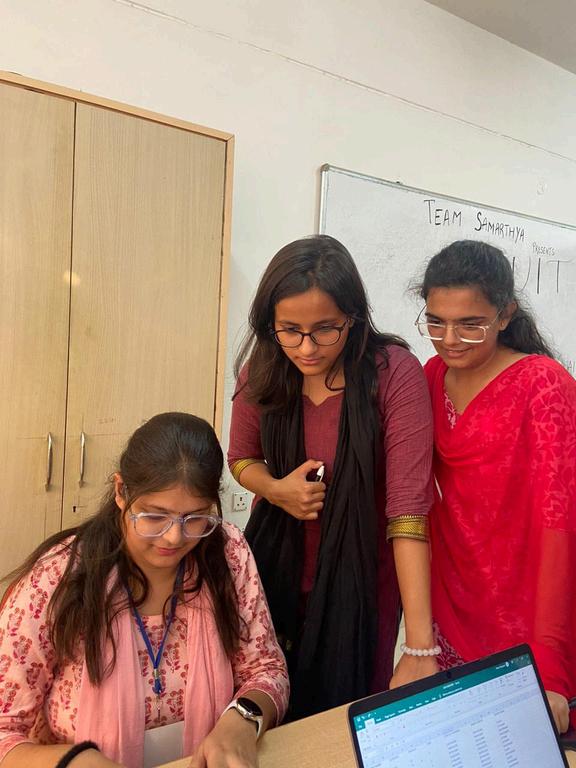
The event commenced with the prelims round, a pen-and-paper test. Selected students were then grouped into threes for the exciting second round, which involved a treasure hunt game on the premises of Urja Mandir. Each team was assigned a volunteer from the organizers. The event aimed to challenge the problem-solving abilities of participants, with cleverly designed clues based on programming, pattern decoding, etc., guiding teams through various labs, classrooms, and the department's library.
The five victorious teams, having successfully deciphered all challenges, were then sent to the third round, a circuit-making competition. In this round, organizers explained the basic working of a switch, and teams had to incorporate it into their circuit designs. The circuits were then evaluated by faculty members and the organizing team. The top three teams were rewarded by the club.
The participants showed zeal and enthusiasm, encouraging the organizing team to continue working for students in the future. The combination of smarts, teamwork, and problemsolving skills made 'Circuit O Geek' a memorable experience for everyone.
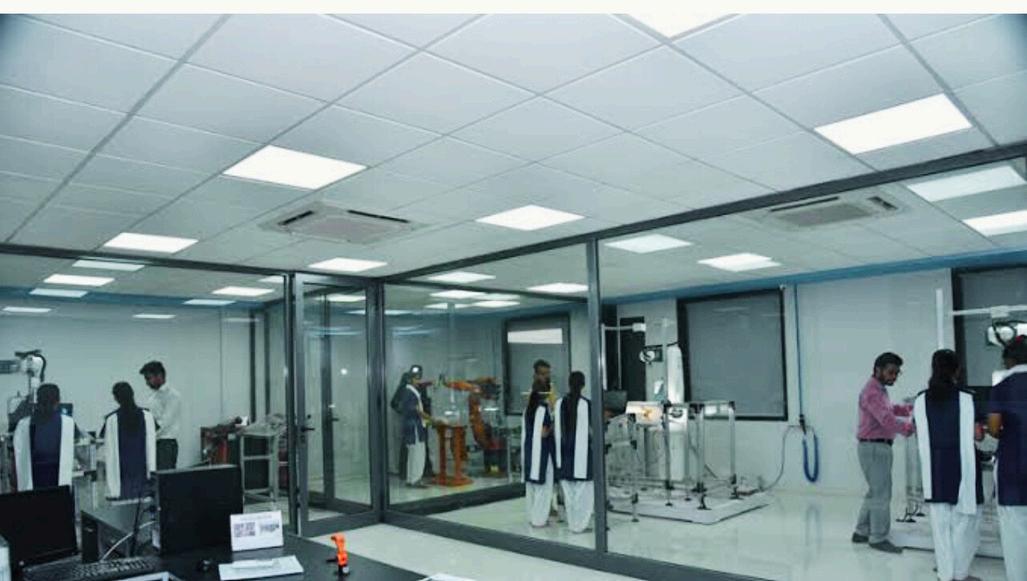


Team Samarthya recently visited the Automation Department at Banasthali Vidyapith, where our members had the privilege of gaining in-depth insights into cutting-edge technological advancements, including high-tech machines and robots. Understanding the significance of automation in today's rapidly evolving technological landscape is crucial for staying at the forefront of innovation. The exposure to high-tech machines and robots during our visit not only provided insights into the current state of automation but also underscored its pivotal role in streamlining processes, increasing efficiency, and shaping the future of various industries.
As our team engaged in meaningful discussions with experts, it became evident that automation is not merely a technological advancement but a transformative force driving efficiency and productivity. The hands-on experience with advanced automation technologies at Banasthali Vidyapith further emphasized how these innovations are reshaping traditional workflows and creating new possibilities for industries ranging from manufacturing to service sectors. We are delighted to share with you the significant highlights of our visit. Read along to find out how Banasthali's School of Automation is becoming a hub for students to interact with the newest advancements in tech like:-
1.Mobile Robots
2.Augumented Reality and Virtual Reality
3.NAO
4.KUKA
5.TATA & Motion Sensing Robots
6.BRABO
Mobile robots are machines that are designed to interact with various entities, including humans, other robots, sensors, the env control systems, comm networks, and cloud serv nature of their interactio depending on their application and the tasks designed to perform. Thes are equipped with a wide sensors, and the latest gen mobile robots includes models that come with sensors, AI capabilitie improved mobility features. Mobile robots are contr advanced software and use and other technologies to move around their environme combination of physical elements like wheels, tracks, these robots offer a promisin to various challenges f different industries today robots have several features that make them incredibly useful in various settings.
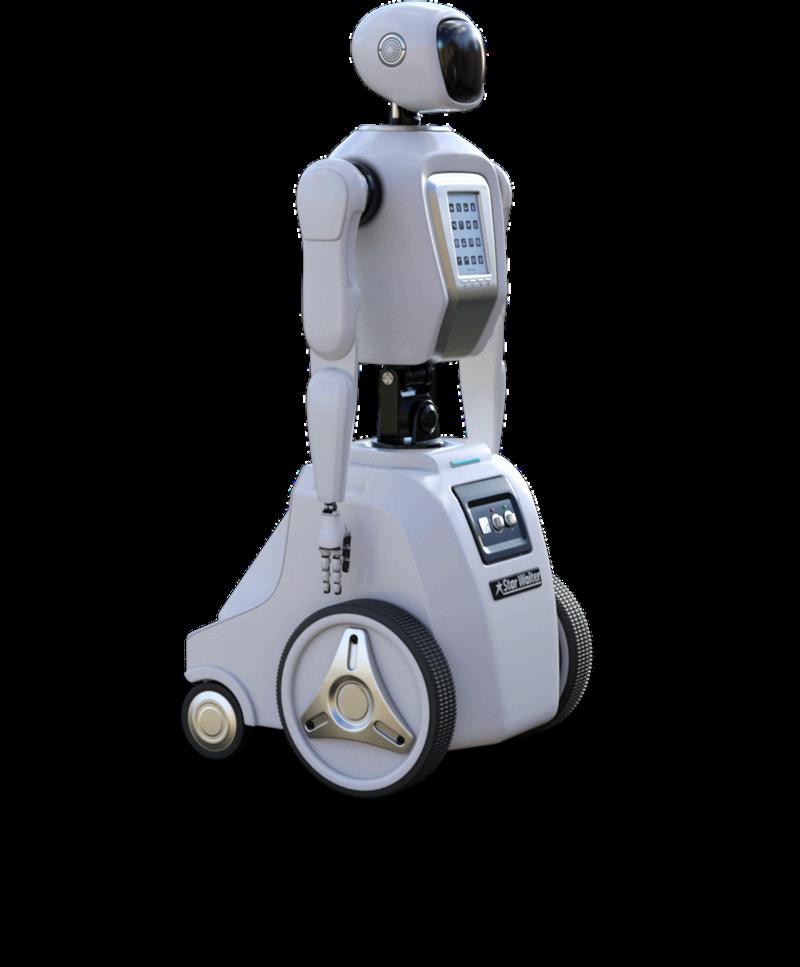
Mobile robots are equipped with 3 degrees of freedom which help them in their locomotion. They serve as surveillance systems with analytics capabilities that can detect suspicious activities and generate alerts. Furthermore, they have sensors that can collect data from their surroundings, such as temperature or possible gas leaks, which enables them to anticipate potential fires or explosions. They can also be used to escort people and minimize safety risks.
Mobile robots are particularly useful in hostile environments where workers may face risks due to the nature of the tasks or the environment in which they are working. Mobile robots are equipped with grippers that can pick and place objects. Robotic grippers are often fitted with sensors to detect the position, shape, and texture of objects.
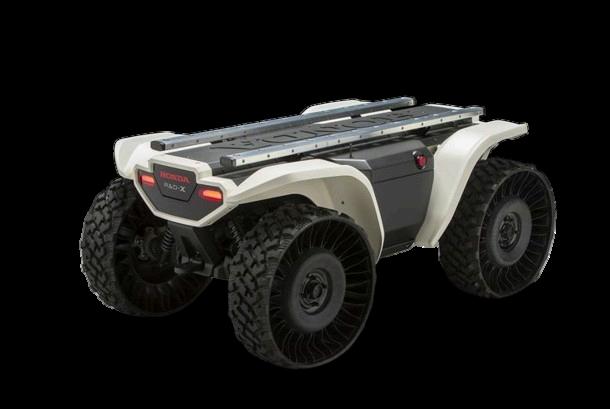
Mobile robots have a range of specialized features, such as Mecanum wheels, Omni wheels, 360-degree rotation, and LiDAR technology, LiDAR (Light Detection and Ranging) uses a light source and receiver, to detect and range remote objects. Additionally, they come with their own web pages and integrated CPU. Mobile robots are revolutionizing industries like logistics and healthcare. As we navigate this automated frontier, mobile robots promise a future where seamless collaboration between humans and machines continues to redefine the possibilities of what we can achieve together.
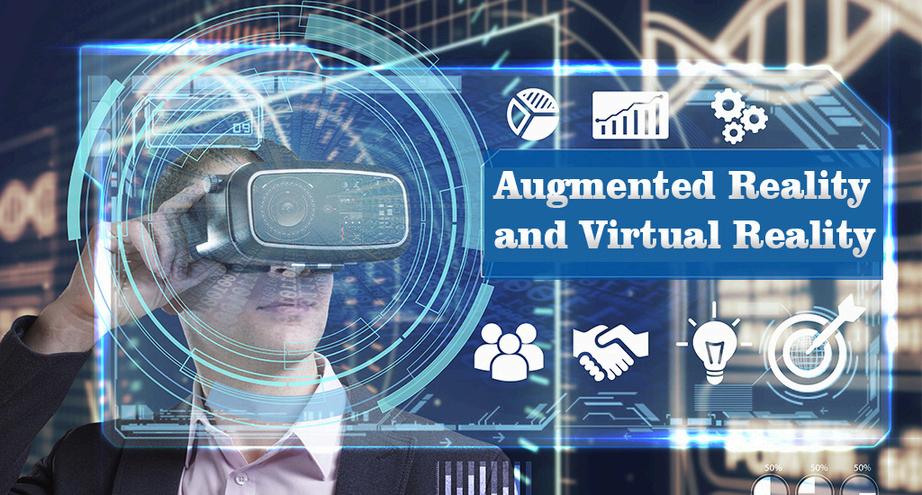
“By the end of this decade, computers will disappear as distinct physical objects, with displays built in our eyeglasses, and electronics woven in our clothing, providing fullimmersion visual virtual reality.”
– Ray Kurzweil
As technology continues to advance, the integration of the digital and physical realms through augmented reality (AR) and virtual reality (VR) is becoming increasingly prominent. The seamless blending of these technologies is made possible by rapid progress in high-speed communication and computation. AR and VR are now emerging as the next-generation display platforms, offering immersive experiences and fostering deeper interactions between humans and the digital world. Whether you're a tech enthusiast or simply curious about the potential impact on daily life, keeping an eye on AR and VR technology is worth paying attention to. Team Samarthya seized an exciting opportunity within The School of Automation at Banasthali Vidyapith, showcasing the growing significance of these technologies in various fields.

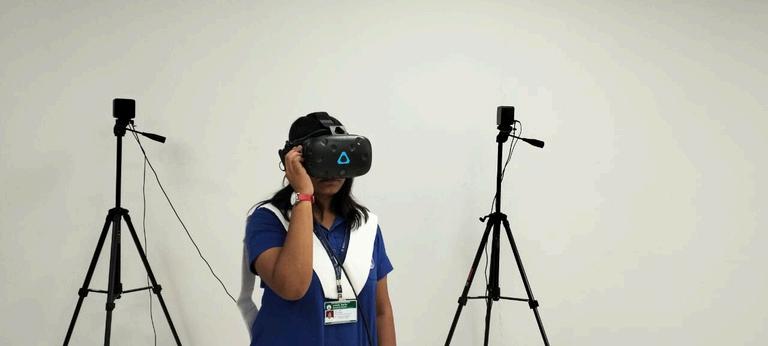
In the dynamic landscape of immersive technologies, augmented reality (AR) and virtual reality (VR) offer distinct experiences through the lenses of our digital devices. AR, facilitated by tablets or smartphones, seamlessly overlays digital content onto the physical world, enabling users to visualize products such as eyewear or furniture in their reallife surroundings before making a purchase. On the flip side, VR immerses users in a completely digital environment, achieved through a headset that covers both eyes and ears. Within this enclosed space, a captivating 3D environment unfolds, allowing users to explore virtual exhibits in museums or dive into fully immersive gaming experiences. Together, these technologies are shaping a future where the boundaries between the tangible and virtual realms blur, offering users unprecedented ways to engage with the world around them. Despite the remarkable advancements, challenges such as hardware limitations, content creation, and user acceptance persist. However, with ongoing research and development, these hurdles are gradually being overcome. As the technology becomes more accessible and user-friendly, the potential applications of AR and VR are limitless.
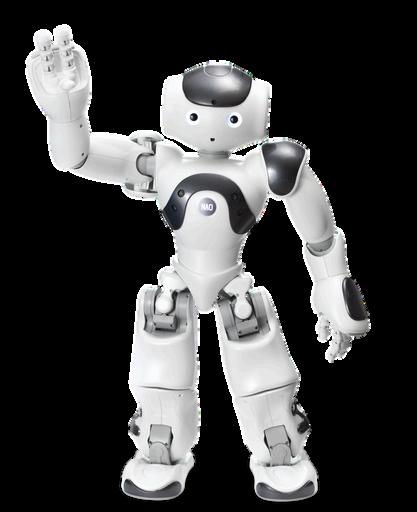

NAO is a small humanoid ro designed to interact with peopl is packed with sensors ( characters) and it can walk, dan speak, and recognize faces objects. Now in its s generation, NAO is a tremend programming tool and it especially become a standard education and research. NAO also used as an assistant companies and healthcare cen to welcome, inform and enter visitors.
58cm in height, NAO is a bipe robot with pleasantly roun features. NAO has consta evolved since the beginning of adventure in 2006 (created Aldebaran Robotics, acquired SoftBank in 2015) and the 6th version (NAO6), launched in 2018, integrates a new CPU that enhances its performance.
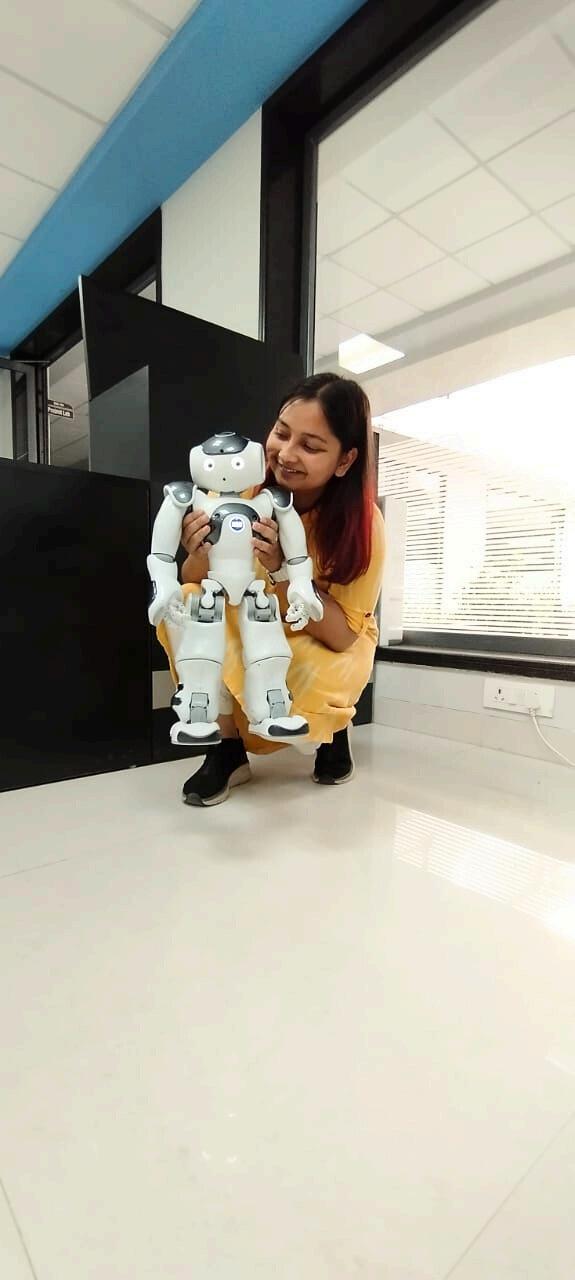

The major specifications of NAO include 25 degrees of freedom(which enable it to move and adapt to its environment), 7 touch sensors(located on its head, hands and feet, sonars and an inertial unit to perceive its environment), 4 directional microphones and speakers (to interact with humans), speech recognition and dialogue in 20 languages(including English, French, Spanish, German, Italian, Arabic, Dutch, etc.), two 2D cameras(to recognize shapes, objects and people) and last but not the least, an open and fully programmable platform.
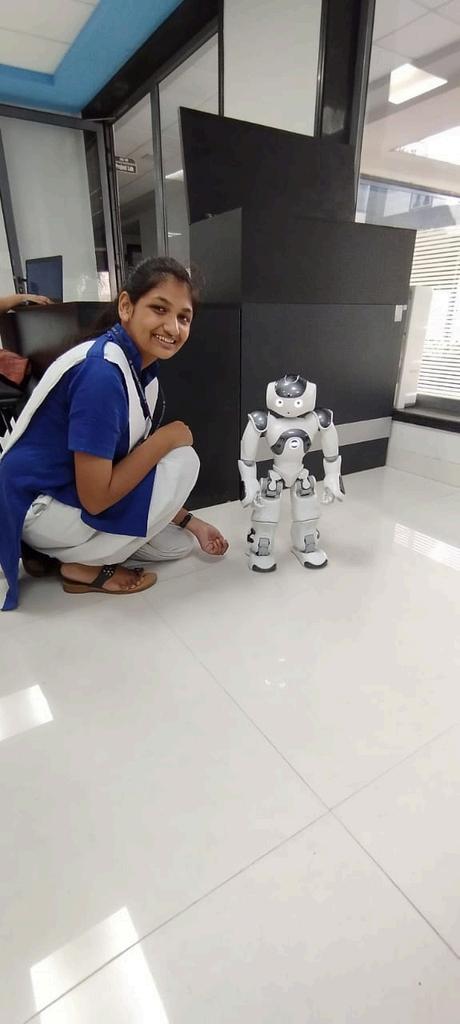
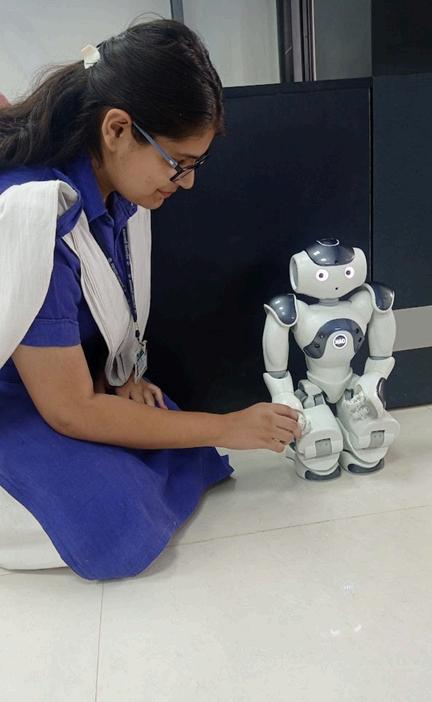
With lifelike movements and appearance, and multiple no-code and low-code programming languages, there are more than 15000 NAO robots in use in many sectors (education, research and healthcare), in over 70 countries.
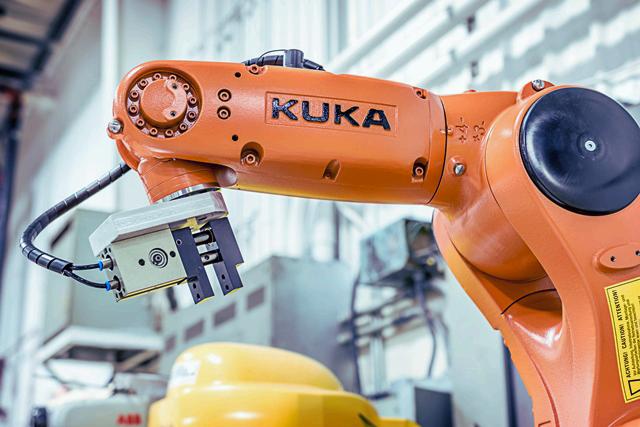

The concept of a robot entering our workplace in terms of industries, transport, education, etc has revolutionized the concept of perfection. Everybody knows humans cannot impart satisfactorily efficiency but robots can indeed fit the particular role. The creation of Robots is not made to bring utter competition between humans and machines instead it is to simplify and make the work easier and efficient.
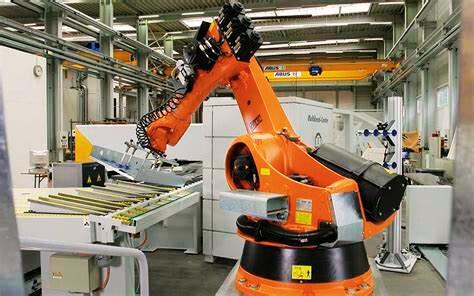
With a rich history and a commitment to innovation, KUKA has developed a wide range of robots that are renowned for their precision, reliability, and versatility. Applications for these robots span various industries, including automotive manufacturing, aerospace, electronics, and more.
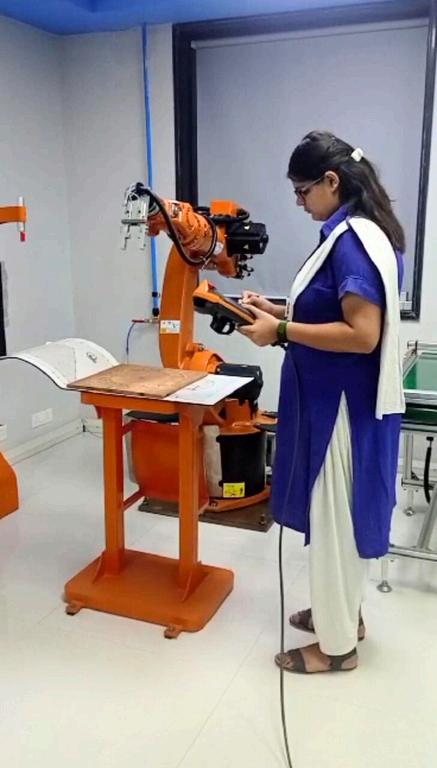
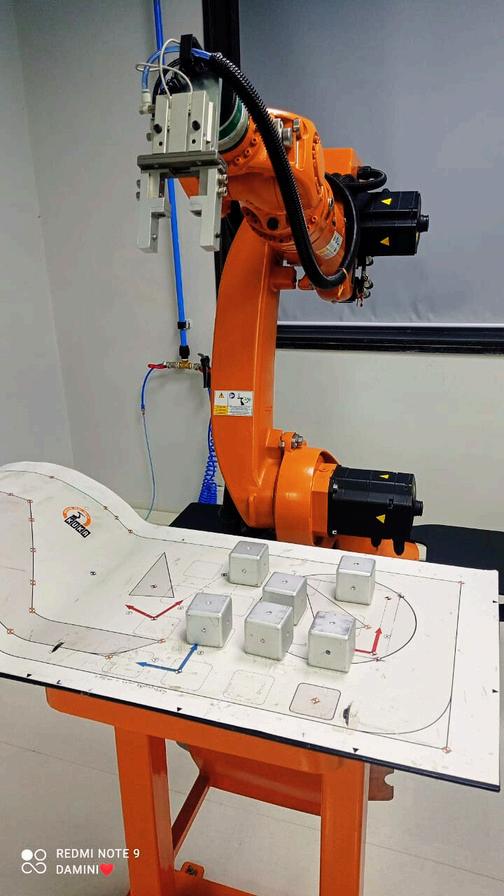
KUKA robots, designed to handle a multitude of tasks, such as welding, assembly, material handling, and painting, among others, are built with highquality components and advanced technology to ensure optimal performance and efficiency. These robots can work alongside humans in collaborative environments or operate autonomously in fully automated systems. Each robot comes with its very own Teach pendant. To program and control KUKA robots, the KUKA Robot Language (KRL) is provided by the company, which is a high-level programming language specifically developed for their robots. KRL allows users to create complex motion paths, define process sequences, and interact with external devices. Additionally, graphical programming interfaces and software solutions for simulation, offline programming, and system integration are offered by KUKA.
With a firm focus on safety measures, KUKA has taken monumental strides toward developing a safe robotic experience for human interaction. Their collaborative robot models equipment with top-notch sensors & and progressive technology. This fundamental feature enables these systems to track & and detect human proximity requirements. Regular feedback facilitates adjustments by such equipment leading to collision avoidance thereby promoting efficient working cocollaboration on repetitive or strenuous activities. Furthermore, KUKA's ingenuity sits strongly anchored onto its commitment to research & and development. Diving deep into emerging tech variables AI machine learning, advanced sensors, etc. KUKA comes out with a more intelligent, adaptive machine capable of wading through microcosmic complexities faster and seamlessly.

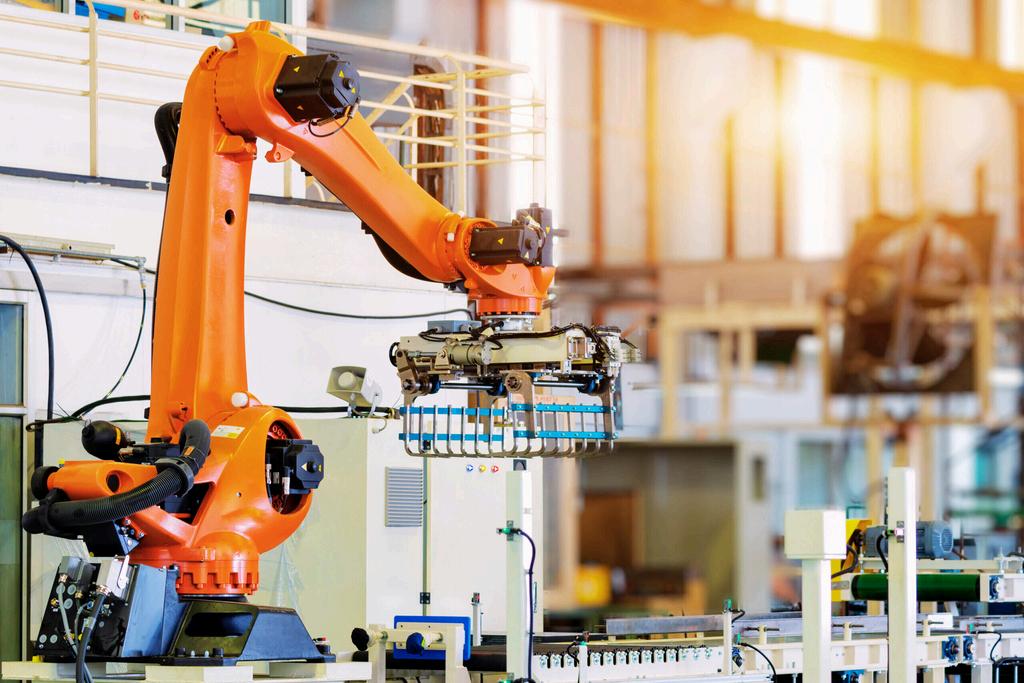
As part of its outreach beyond Industrial platforms, KUKA ventures life sciences sector for medical application purposes. Primarily for use during surgeries and rehabilitation processes assisted by robotic tech.
Overall, KUKA is a pioneer in the field of automation and is dedicated to designing highperformance robots with an edge towards safe, reliable and adaptable workflows. The precision and efficiency of their robots coupled with advanced programming capabilities offer unique solutions for contemporary industries globally.
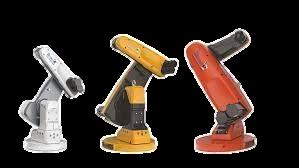
The TAL Bravo robot motion sensor is a highly advanced and sophisticated device that enables the robot to detect and respond to movement in its surrounding environment. With a combination of cutting-edge technologies such as infrared, ultrasonic, and optical sensors, the TAL Bravo robot motion sensor allows the robot to perceive changes in its surroundings accurately. Astounding features include a payload capacity of 10 kg and a parallel grip.
The key functions of the motion sensor are:
1. Obstacle detection and avoidance.
2. Identification of potential obstacles in its path and taking appropriate action to avoid collisions.
3. Safe and smooth execution in dynamic environments.
The motion sensor also Bravo robot's situation continuously monitoring the robot can detect environment, such as closing, people appro robots is inva behavio based o if the presenc its spe safety a
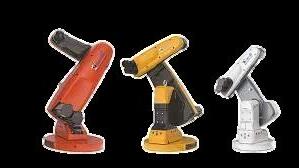
Furthermore, the TAL Bravo robot‘s motion sensor plays a crucial role in mapping and navigation. By perceiving movement and distances, the robot can create a real-time map of its environment, allowing it to plan efficient paths and avoid potential obstacles. This mapping capability is particularly useful in complex environments with dynamic layouts, such as hospitals or large-scale warehouses, where the robot needs to navigate through narrow passages or crowded areas.
In terms of technical specifications, the TAL Bravo robot motion sensor features a wide field of view, allowing it to capture a broad range of motion within its vicinity. It has high-resolution capability, enabling it to detect small movements or objects with precision. The sensor is designed to operate in various lighting conditions and can handle challenging environments, such as low-light or highly reflective surfaces, without compromising its performance.
The TAL Bravo robot motion sensor employs advanced signal processing algorithms to filter and analyze the data gathered by its various sensors. These algorithms enable the sensor to distinguish relevant motion patterns from background noise, enhancing the accuracy and reliability of the robot's perception capabilities. By leveraging machine learning and artificial intelligence techniques, the motion sensor can also adapt and improve its detection and recognition capabilities over time, making the TAL Bravo robot more efficient and adaptable in different scenarios.
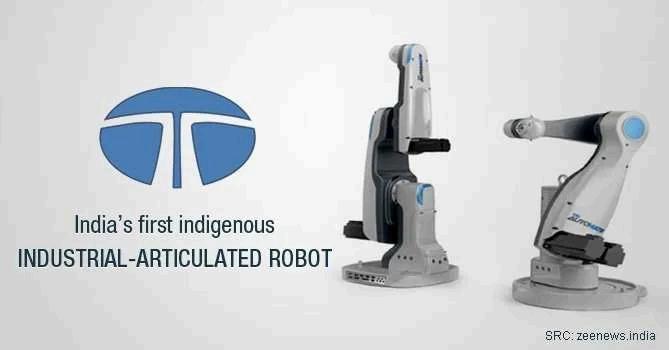

BRABO stands for ‘Bravo Robot’. The robot has been developed indigenously for micro, small and medium enterprises (MSME) in India. It is primarily designed to complement the human workforce and perform high-volume, dangerous and time-consuming tasks repeatedly, ranging from handling raw materials to packaging finished products.
Apart from the motors and drives for the Robo-arm, all other parts of the robot were indigenously manufactured in India. BRABO holds four registered patents, and TAL has also applied for an intellectual property (IP) certification for the robot.
The robot will be easy to install, use, program and maintain.
It comes with a low-cost power transmission system. It will be able to work on a single-phase power supply suitable for MSMEs.
It has an inbuilt programmable logic controller and can act as a virtual controller for simulation .
Industrial robots help in cost reduction, improved quality, increased production, and improved workplace health and safety
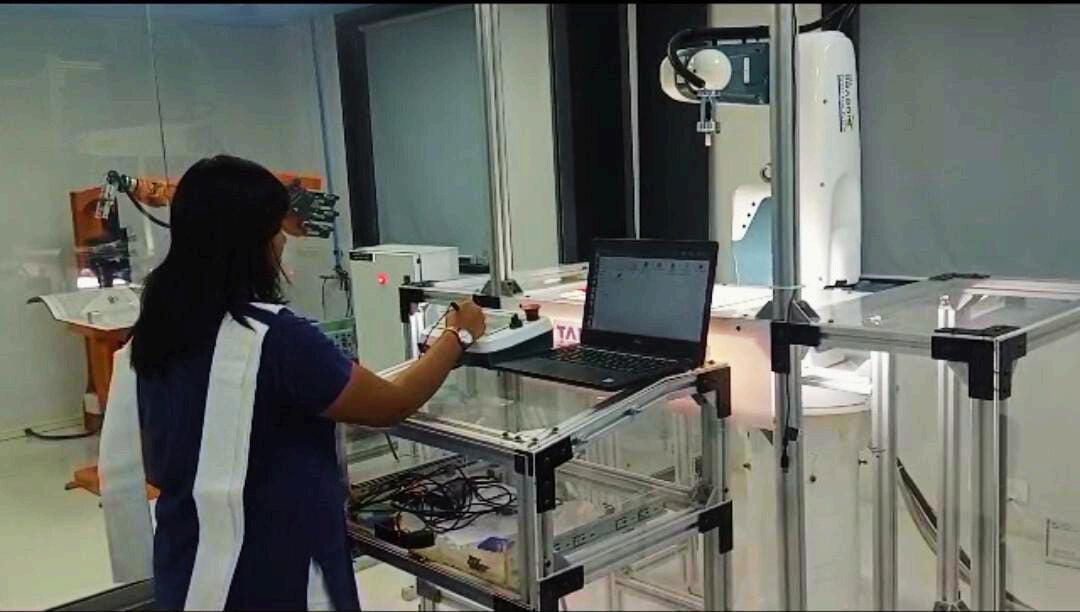
As we conclude our immersive exploration of Banasthali Vidyapith's Automation Department, it becomes evident that the realm of technology is undergoing a rapid and transformative evolution. Our journey through the diverse array of robots and machines showcased here has offered us a glimpse into the future of innovation.
As we reflect on the intricate mechanisms and cutting-edge technologies witnessed during our visit, it is clear that the fusion of human ingenuity and technological prowess is propelling us toward unprecedented possibilities.
We extend our gratitude to the faculty at Banasthali's School Of Automation for helping
At present, communication systems are primarily based on both Electronics and Photonics. However, transporting big amounts of information at an excessive velocity alongside the miniaturization of both these technologies is dealing with obstacles. So, researchers are pioneering a brand new technology called “Plasmonics”. The term “Plasmonics” is derived from “Plasmon”.
Plasmonics is the study of the interaction of light and metal under precise circumstances. Plasmonics is thought to embody the strongest points of both optical and electronic data transfer, allowing the fast transmission of information over very small wires. Plasmonics are the nanostructured metals as well as the density waves of electrons. Some applications of plasmonics are listed below:
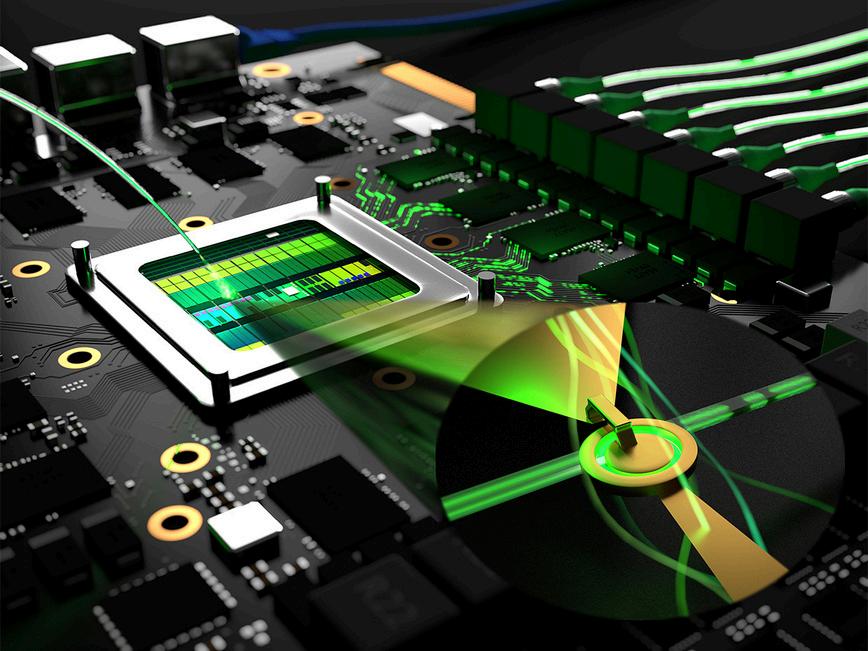
PResearchers have recogni d that the plasm enhancement of the ele field at the metal-diele boundary could increase emission rate of lumines dyes placed near the me surface. More recently, it become evident that this type of field enhancement can also dramatically raise the emission rates of Quantum dots and Quantum wells-tiny semiconductor structures that absorb and emit thus increasing the efficiency and brightness of solid-state LEDs.

The acronym SPASER stands for Surface Plasmon Amplification of Stimulated Emission of Radiation. Radiative energy from the quantum dots are transformed into plasmons, which are then amplified in a plasmonic resonator. Since the plasmons generated by a SPASER are much more tightly localized than a conventional laser beam, the device can operate at a very low power and selectively excite very small objects. As a result, SPASERs can make spectroscopy more sensitive and pave the way for hazardous-materials detectors that can identify minute amounts of chemicals or viruses.
The most fascinating potential application of plasmonics would be the invention of an invisibility cloak. Exciting a plasmonic structure with radiation that is close to the structure's resonant frequency can make its refractive index equal to air's, meaning that it would neither bend nor reflect light. The structure would absorb light, but if it were laminated with a material that produces optical gain(amplifying the transmitted signal just as the resonator in a SPASER would)the increase in intensity would offset the absorption losses. The structure would become invisible, at least to radiation in a selected range of frequencies.

The ideas of Plasmonics illustrate the rich array of optical properties that inspire researchers in this field. By studying the elaborate interplay between electromagnetic waves and free electrons, investigators have identified new possibilities for transmitting data in our integrated circuits, illuminating our homes and fighting cancer. Further exploration of these intriguing plasmonic phenomena may yield even more exciting discoveries and inventions of interactions between electromagnetic waves and matter.
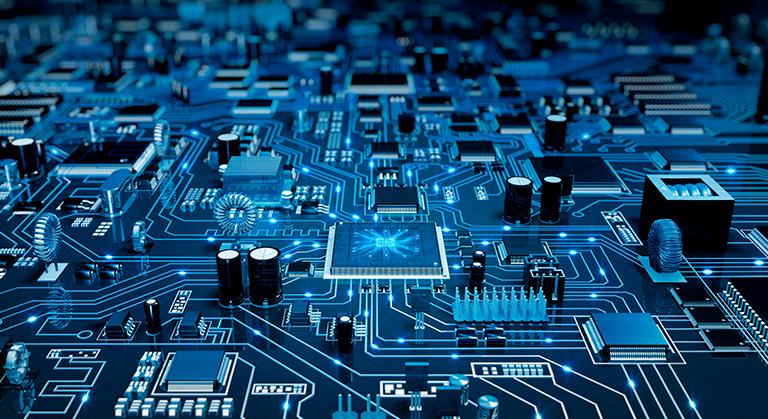
The rapid evolution of miniaturized electronics has transformed the technological landscape, pushing the boundaries of what was once only imaginable. With each passing day, electronic components become smaller, yet their power and capabilities increase exponentially. Today, we witness the rise of microchips so tiny they can fit on the tip of your finger, harboring billions of transistors that fuel the next generation of devices.
Miniaturized electronics offer endless opportunities for innovation across various fields such as designing compact audio and video devices that transport users into immersive experiences, creating intelligent transportation systems that redefine mobility, or developing energy-efficient solutions to power our planet sustainably.
Smaller size: Miniaturized electronics are smaller and lighter than their larger counterparts, making them more portable and easier to use.
Increased efficiency: Miniaturized electronics are often more efficient, using less power and generating less heat.
Improved performance: Miniaturized electronics can often perform better than their larger counterparts due to their processing speeds higher levels of integra
Lower cost: Miniat electronics are often expensive to manuf than their counterparts, making more affordable consumers.

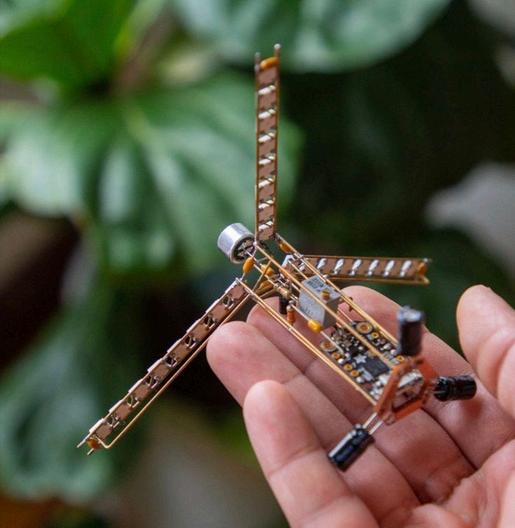
Here are some of the applications of miniaturized electronics:
Consumer electronics: Miniaturized electronics are used in a wide range of consumer electronics devices, such as smartphones, tablets, and wearable devices.
Medical devices: They are used in a variety of medical devices, such as pacemakers, insulin pumps, and MRI machines.
Industrial automation: They find applications in industrial automation systems, such as robots and machine tools.
Military applications: Miniaturized electronics are used in a variety of military applications, such as drones and weapons systems.
In the ever-evolving realm of miniaturized electronics, the future holds extraordinary promise. The world of miniaturized electronics offers a mesmerizing landscape where innovation and imagination intertwine to reshape industries and redefine human capabilities.
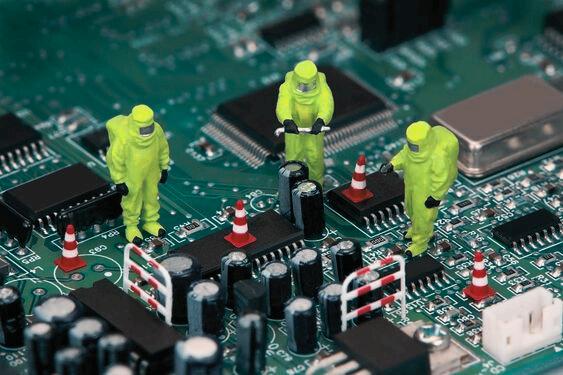
The world has experienced an astounding set of innovations and technologies. Adding its name to the top of the list is 5G. In this fast-paced world where seamless communication and efficient connectivity play a vital role, 5G technology emerges as a supporting pillar for the entire world. With unparalleled speed, lower latency, massive device connectivity and unprecedented reliability, 5G technology holds the potential to unlock a plethora of opportunities across various sectors. This article delves into the intricacies of 5G technology, exploring its features, benefits, challenges, and transformative impact on industries and society.

The evolution of wireless communication has reached a new milestone with the advent of 5G technology. As the fifth generation of cellular networks, 5G is poised to redefine connectivity, transforming the way we live, work and communicate.
5G is the fifth-generation technology that improves upon 4G LTE and earlier technologies. It introduces significant improvements and breakthroughs, such as higher-frequency bands, advanced antenna systems, and network virtualization. 5G is not just an upgrade but a paradigm shift in connectivity, offering unprecedented capabilities.
If we throw light on the key features of such an emerging technology, we decipher a lot of things when we dig deep.

As the backbone of smart city infrastructure, 5G will connect various elements such as sensors, cameras, traffic lights, and autonomous transportation systems. This connectivity will enable efficient traffic management, improved public safety, optimized energy consumption, and enhanced overall urban living experiences. 5G will serve as the enabler for smart city development and will play a critical role in shaping the future of urban living. Its implementation will pave the way for increased connectivity and the adoption of new technologies that will make cities more livable and sustainable for their inhabitants.

5G technology offers lightning-fast speeds of up to 10 Gbps, enabling seamless streaming of high-definition content, quick downloads, and real-time interactions for virtual and augmented reality applications. This technology significantly enhances the user experience and unlocks new possibilities for businesses and individuals alike. With its exceptional speed and efficiency, 5G is set to revolutionize the way we communicate, work and live in the years to come.
5G not only charms the technological world with its efficient features but also changes the streamline of work through its phenomenal implementation in various important sectors of the world like healthcare, smart cities, sustainability, industrial automation, E-education and remote learning, entertainment and media.
In conclusion, the advent of 5G technology represents more than just a leap forward in connectivity and we are lucky to have witnessed this change in front of us. As we embrace the opportunities presented by 5G, governments, industries, and communities need to collaborate in ensuring equitable access, safeguarding user privacy, and fostering sustainable practices. The journey into the 5G era is not just about speed and connectivity but about shaping a future that is inclusive, secure, and environmentally conscious. Only by navigating these challenges with foresight and diligence can we fully unlock the promises that 5G holds for our interconnected world.
Our readers would be interested to know that Banasthali Vidyapith has been awarded it’s own 5G lab, which is one of the only 100 in India!

Big data has emerged as a transformative force in the world of electronics engineering, offering the immense potential to drive innovation and revolutionize decision-making. The term "big data" refers to the vast and complex datasets that businesses encounter daily, encompassing a wide range of structured and unstructured information. For engineers, big data represents a gateway to unlocking valuable insights, developing cutting-edge solutions and making informed decisions that shape the future of their industry.
One exciting application of big data in electronics engineering is predictive maintenance. By leveraging data analytics, engineers can proactively detect potential equipment issues before they lead to costly breakdowns. For example, in a manufacturing facility, big data can be utilized to monitor machinery conditions allowing for timely interventions to avoid expensive failures. This approach not only saves businesses money on repairs but also minimizes downtime, ensuring uninterrupted operations.
Big data also catalyzes innovation in electronics engineering by providing invaluable insights into customer needs and market trends. Engineers can develop products and services that align with evolving demands by carefully analyzing data. For instance, by studying customer preferences and usage patterns, engineers can design electronics that are more intuitive, energy-efficient and user-friendly. This enables businesses to gain a competitive edge in the market while meeting and surpassing customer expectations.

In the realm of electronics manufacturing, big data optimization plays a crucial role in improving production processes and reducing waste. By analyzing comprehensive datasets, engineers can identify bottlenecks, inefficiencies, and areas for improvement. This data-driven approach enables fine-tuning of manufacturing lines, ensuring seamless operations, higher product quality, and cost-effective production. Big data empowers engineers to make data-backed decisions that streamline workflows and maximize overall productivity.
Undoubtedly, big data is a game-changer in electronics engineering, revolutionizing the entire product lifecycle, from development to manufacturing and operation. By harnessing the power of big data analytics, engineers can gain invaluable insights, develop innovative solutions, and make informed decisions that propel the industry forward. Whether it's predictive maintenance to prevent failures or leveraging data for fraud detection, big data offers endless opportunities for engineers to create advanced electronics, streamline manufacturing processes, and optimize operational efficiency. Embracing big data is the key to unlocking a brighter future for the electronics industry. As the engineering field continues to embrace the potential of big data, the future promises even more exciting applications and groundbreaking discoveries.

By staying at the forefront of data-driven methodologies and leveraging the power of big data analytics, engineers can shape a future where innovation thrives, efficiency soars, and transformative solutions become the norm. With each new development and advancement, big data solidifies its position as an indispensable tool in driving the electronics industry toward a future of limitless possibilities.



Associate Professor and head, Department of Physical Sciences
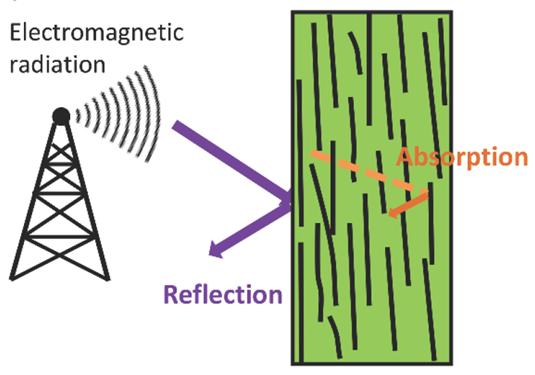
Dr. Parvej Ahmad Alvi (Associate Professor and head, Department of Physical Sciences) is a group leader of the research team which is currently working on making Flexible polymer nanocomposites for the application of EMI Shielding. Particularly, the research is focused on radiation safety that causes human health and environmental pollution. In the recent scenario of information technology, electromagnetic waves, playing a pivotal role as a medium for information distribution, have extended their influence across all dimensions of production. The rapid evolution of 5G and 6G wireless communication networks operating within the gigahertz (GHz) band has elevated the concern of electromagnetic (EM) pollution to an unparalleled degree.
As a result, EMI shielding has become a prominent area of research, addressing the critical needs of maintaining the proper operation of electronic devices and preserving human health. As we know everyday, new innovations are flooding in the commercial market with new electronic devices that are designed to make life easier, due to considering the harmful effects of these devices on human health as well as the environment, the growing concern of our research work is on the environment protection and human issues.

S u m i t N e m a e a r n e d b o t h t h e B . E . a n d M . E .
d e g r e e s f r o m R a j i v G a n d h i P r o u d y o g i k i
V i s h w a v i d y a l a y a , B h o p a l , M a d h y a P r a d e s h ,
I n d i a . C u r r e n t l y , h e i s p u r s u i n g a P h . D .
d e g r e e a t B a n a s t h a l i V i d y a p i t h , T o n k ,
R a j a s t h a n , I n d i a . H i s a r e a o f e x p e r t i s e l i e s i n
n e t w o r k a n a l y s i s / s y n t h e s i s , a n d c o n t r o l
s y s t e m s . H i s r e s e a r c h i n t e r e s t s e n c o m p a s s
p o w e r s y s t e m a n c i l l a r y s e r v i c e s p l a n n i n g ,
o p e r a t i o n , c o n t r o l , a n d t h e e c o n o m i c s o f
p o w e r a n d e n e r g y s y s t e m s , w i t h a s p e c i f i c
f o c u s o n f a s t f r e q u e n c y r e s p o n s e f r o m
t h e r m o s t a t i c a l l y c o n t r o l l e d l o a d s . H i s
r e s e a r c h a r t i c l e s h a v e b e e n p u b l i s h e d i n
r e p u t a b l e j o u r n a l s , i n c l u d i n g I E E E
T r a n s a c t i o n s o n S m a r t G r i d .
F u t u r e l o w - i n e r t i a p o w e r s y s t e m s w i l l
i n t r o d u c e c h a l l e n g e s t o s y s t e m o p e r a t o r s t o
m a i n t a i n e s s e n t i a l g r i d s e r v i c e s s u c h a s f a s t
f r e q u e n c y c o n t r o l ( F F C ) . H e n c e , t h e r e i s a
n e e d f o r e f f i c i e n t s o l u t i o n s t h a t c a n p r o v i d e
t h e d e s i r e d F F C c a p a b i l i t y a n d a r r e s t h i g h
r a t e - o f - c h a n g e - o f - f r e q u e n c y ( R o C o F ) . R e c e n t
a d v a n c e m e n t s i n i n f o r m a t i o n a n d
c o m m u n i c a t i o n i n f r a s t r u c t u r e w i t h i n t h e s m a r t
g r i d c o n c e p t h a v e c r e a t e d n e w o p p o r t u n i t i e s
t o o p t i m a l l y c o n t r o l a n d u t i l i z e t h e i m m e n s e
p o t e n t i a l o f t h e r m o s t a t i c a l l y c o n t r o l l e d l o a d s
( T C L s ) , s u c h a s r e f r i g e r a t o r s . H o w e v e r ,
m o d e l i n g a n d c o n t r o l l i n g d i f f e r e n t t y p e s o f
T C L s t o d e l i v e r a p r e c i s e c o l l e c t i v e F F C
r e s p o n s e i s c h a l l e n g i n g . I n t h i s r e g a r d , t h i s
p a p e r d e v e l o p s a n a d a p t i v e d e c e n t r a l i z e d
a u t o n o m o u s f u z z y - t e m p e r a t u r e - f r e q u e n c y
( F T F ) c o n t r o l s t r a t e g y t o e n a b l e r e f r i g e r a t o r s
t o a l t e r t h e i r p o w e r c o n s u m p t i o n a c c o r d i n g t o
v a r i a t i o n s i n t h e g r i d f r e q u e n c y . T h e a b i l i t y o f
t h e p r o p o s e d F T F c o n t r o l l e r t o m o d i f y t h e
p o w e r c o n s u m p t i o n o f a p o p u l a t i o n o f
r e f r i g e r a t o r s i n a c c o r d a n c e w i t h a r e f e r e n c e
p o w e r p r o f i l e i s d e m o n s t r a t e d t h r o u g h a s e t
o f s i m u l a t i o n s . T h e r e s u l t s d e m o n s t r a t e t h e
e f f e c t i v e n e s s o f t h e p r o p o s e d c o n t r o l l e r
t h r o u g h a s t r o n g i m p r o v e m e n t i n t h e
f r e q u e n c y s e c u r i t y p a r a m e t e r s , i . e . R o C o F
a n d f r e q u e n c y n a d i r , a n d w i t h a n e g l i g i b l e
i m p a c t o n t h e t h e r m o d y n a m i c p e r f o r m a n c e o f
r e f r i g e r a t o r s . .