Fision fiber-powered communities. Board tested. Resident approved.
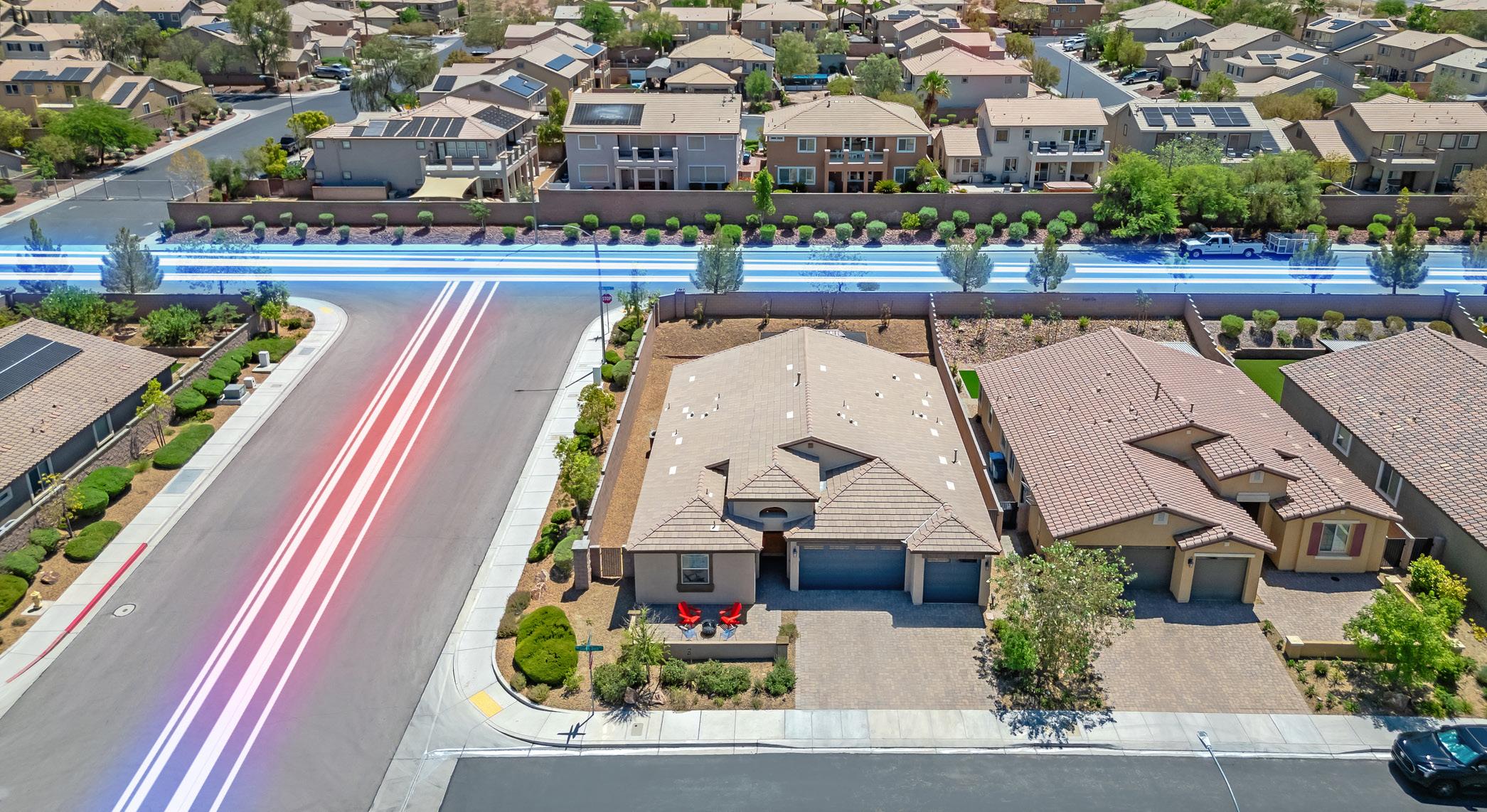
Hotwire Communications partners with HOAs to deliver futureproof technology, transparent contracts, and concierge-level customer service that keeps residents connected and boards confident.
Choosing a telecom provider is one of the most important decisions a board can make. With a 99% renewal rate nationwide, communities trust Hotwire to deliver unmatched performance and white-glove support year after year.

Our 100% fiber-to-the-home network ensures symmetrical speeds, guaranteed reliability, and no data caps—while our dedicated account managers provide the concierge-level customer service boards and residents deserve. Independent rankings by PCMag and Consumer Reports confirm what our partners already know: Hotwire is the fastest and most trusted ISP in the market.
Let’s Build Something Better, Together.

Simply the Best
When it comes to managing large-scale, master-planned communities, no one’s done it longer, and no one does it better.
For more than 50 years, CCMC has been delivering world class property management service tailored to each community’s unique needs, providing expert guidance, engaging lifestyle programs, and a dedicated team that builds strong relationships with homeowners and boards alike.
98% community retention rate, many communities with us for 20+ years
94% HOA Board satisfaction rating
Average tenure of community managers is 2x industry standard
5x+ Community Management Company of the Year Awards – and growing! See
We’ll be in your neighborhood! Stop by and see us at the Condo & HOA Lifestyle and Expo happening in Naples, Orlando, and Tampa.
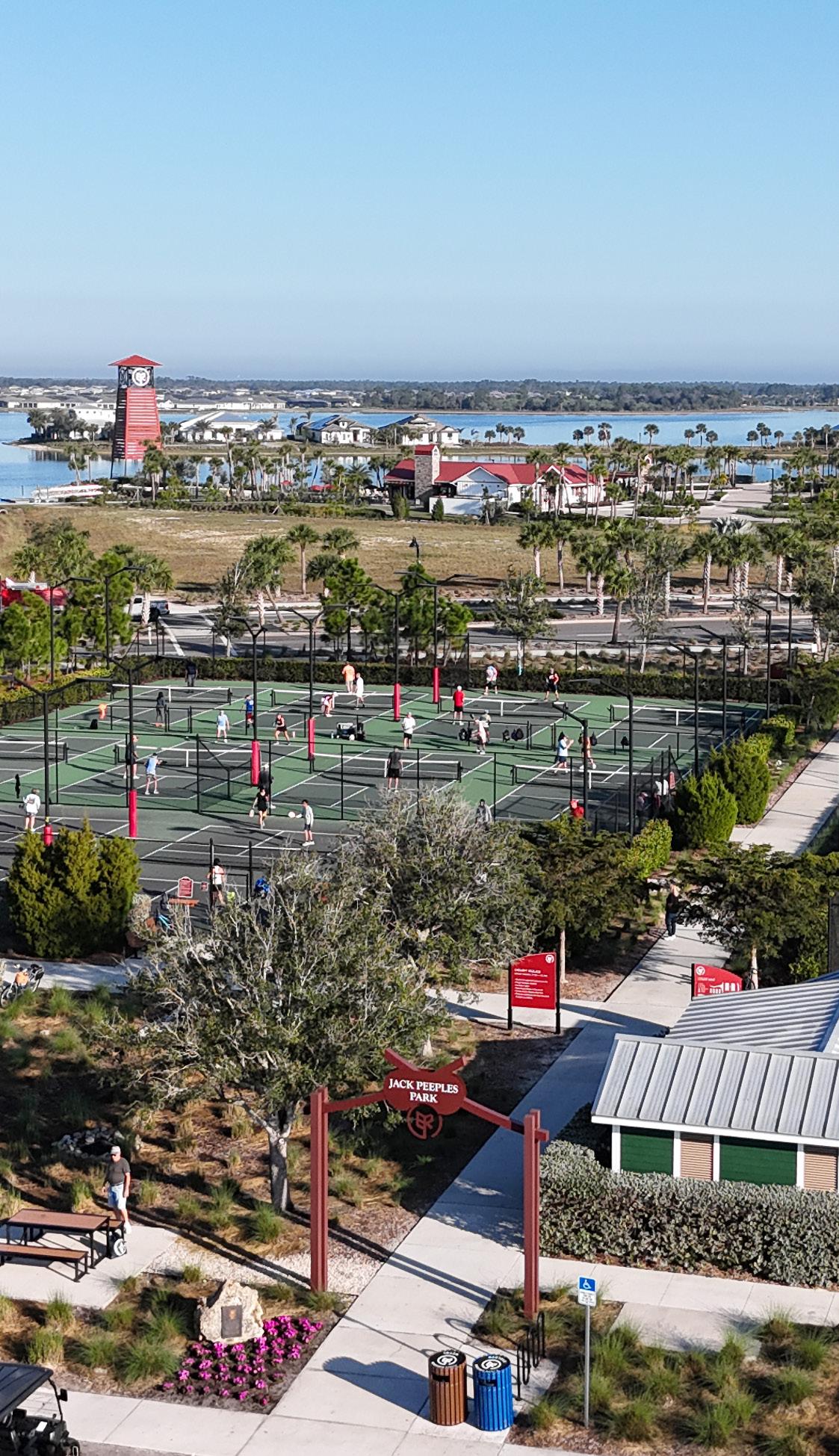
Sign up for our ongoing HOA Board educational series, and to be notified of special, private events happening in your area.


at your service

BECKER’S COMMUNITY

classroom

At Becker, your success is our number one priority. Our Community Association Practice offers a variety of benefits to help your community thrive. From educational classes, to video series, podcasts, and more, we’re here to help make your job as a board member or community manager as easy as possible. Make sure to take advantage of these resources and please reach out should you have any questions.
VIDEO SERIES
Becker’s video series, tackles some of the unique problems that homeowners and renters face today. We answer questions, no matter how far-fetched they may seem. From service animals to nudists in your community, we get to the bottom of it and let you know – “Can They Do That?”
BECKERLAWYERS.COM/CTDT
LEGAL INSIGHTS
The Florida Condo & HOA Law Blog provides readers with up-to-date analysis of issues affecting associations in Florida. With many years of cumulative experience, our blog authors are community association attorneys who help to keep you apprised of important issues affecting your community.
FLORIDACONDOHOALAWBLOG.COM
ONLINE CLASSES
Did you know Becker provides over 200 educational classes per year throughout Florida on a variety of topics ranging from board member certification to compliance, and everything in between? Our most popular classes are available online!
BECKERLAWYERS.COM/CLASSES
PODCAST
Leading community association attorney Donna DiMaggio Berger acknowledges the balancing act without losing her sense of humor as she talks with a variety of association leaders, experts, and vendors about the challenges and benefits of the community association lifestyle.
TAKEITTOTHEBOARD.COM
LEGISLATIVE UPDATES
The Community Association Leadership Lobby (“CALL”) provides an avenue for community leaders to become engaged in the legislative process. Stay informed on key issues and help influence new legislation in Florida’s Capitol.
CALlBP.COM



Florida’s New Condominium Website Law: What Property Managers Need to Know and How to Comply
Small Budgets and Big Ideas—Ten Tips for Engaging Lifestyle Programming on a Budget
Financial, Legal, and Management Services Directories
Products and Services Directory
Display Advertisers’ Index
Embracing Technology: Bringing Florida Condominium
into the 21st Century
Fining and Violations in Florida Communities A Step-by-Step Guide for Condominium and HOA Boards
New E-Voting Laws Make Condominium Elections
Easier Across Florida
Open Carry of Firearms Now Legal in Florida—What May Associations Do?
What Is an Association’s Duty to Maintenance and Enforcement?


Journal Notes
In the pages of the Florida Community Association Journal, December is a time to focus on community association attorneys as well as legal issues. Starting on page eight there are more than 60 community association attorneys profiled. Many of these attorneys have gone above and beyond by obtaining their board certification in condominium and planned development law from the Florida Bar. A profile photo, contact information including city location, and a 50-word description are provided to help familiarize your communities with some of the attorneys who have chosen to excel in legal representation of community associations.
On page 30 Emily Dominguez with Ansbacher Law writes about the use of technological advancements in condominium associations and recent changes in the Condominium Act. She deals with virtual board meetings, virtual membership meetings, practical considerations, electronic voting, and email ballots.
Turn to page 36 to read the 2025 legal recap from Robyn Severs with Becker. She addresses the changes that House Bill 913 brings to the industry this year: Chapter 468 governs community association managers; Chapter 553 governs condominium milestone inspections; and Chapter 718 governs condominium associations, where most of the changes occurred this year.
On page 40 Mindy Cummings of Haber Law shares the changes brought about from the case McDaniels vs. State of Florida. This case clarified that the State can’t ban the open carry of firearms. It doesn’t touch upon the rights of a private property owner to prohibit open carry on their private property.
Additional legal articles deal with the remedy of self-help before pursuing an injunction, violations and fines, e-voting laws, a second article about open carry with a focus on what steps associations can take, and an association’s duty to maintain safe access.
FLCAJ wishes you a Merry Christmas, Happy Holidays, and a Happy New Year!
Correction: A sentence in the November issue in the article "The Dos and Don’ts of Navigating a Structural Integrity Reserve Study (SIRS)" by Anastasia Kolodzik, PRA, RS, CAM, was published incorrectly. It should have said, "Florida law requires specific funding for SIRS components, but boards still need to understand the differences between full funding, threshold funding, 100% funding, pooled reserves, and component reserves. Each approach impacts assessments differently."
Editor
Publishers Richard Johns Dana Johns
Editor Michael Hamline
Art Director Nick Walker
Advertising Sales
Phone: (800) 425-1314 Email: info@fcapgroup.com
Circulation/Accounting Tammy Hanner
Phone: (800) 443-3433 Fax: (501) 280-9233
Editorial Phone: (800) 443-3433 Fax: (501) 280-9233
Florida Community Association Journal is published monthly by True Source Publishing LLC 1000 Nix Road Little Rock, AR 72211-3235
Email: info@fcapgroup.com Website: FCAPgroup.com
Copyrighted by Florida Community Association Journal. Reproductions of any part of this publication without written permission of the publisher are prohibited.
Subscription Rates
$24 for one year, $48 for three years. Back issues are $5 each plus postage. Group rates for 3 or more people are available at $12 per person.
The publisher and editor(s) of this magazine do not accept responsibility for the content of any advertisement, including statements made by advertisers herein, or for the opinions expressed by authors of by-lined articles. The publisher and editor(s) also reserve the right to reject any ad or article for objectionable content in verbiage or images. The intent of this publication is to provide general information only and is not intended to provide specific advice or recommendations. Appropriate legal, financial, or engineering advice or other expert assistance should always be sought from professionals.
Postage paid at Little Rock, AR and additional offices (permit #1085).
Postmaster
Send address changes to:
Florida Community Association Journal 1000 Nix Road Little Rock, AR 72211-3235 or email info@fcapgroup.com



CORAL GABLES!


Ansbacher Law, with board certified partners, 12 attorneys and over 0 professionals, is available to serve your community throughout
•Full service law firm for your Condominium or Homeowners Association.
•Florida’s leading construction defect team - Full contingency available, no fees or costs unless you win.
•Collections handled on deferred and contingency fee arrangement.


Hannah Rullo
Zach Roth
Barry Ansbacher
Emily Dominguez
Alejandra Gonzales

Legal Focus—Attorney Bios

Becker 12140 Carissa Commerce Court, Suite 200 Ft. Myers, FL 33966 jadams@beckerlawyers.com 239-433-7707 www.beckerlawyers.com

Becker
Royal Palm Financial Center 759 SW Federal Highway, Suite 213 Stuart, FL 34994 jarena@beckerlawyers.com 772-286-2990 www.beckerlawyers.com

Becker 1 East Broward Boulevard, Suite 1800
Ft. Lauderdale, FL 33301
dberger@beckerlawyers.com
954-987-7550 www.beckerlawyers.com

Kaye Bender Rembaum
1200 Park Central Boulevard South Pompano Beach, FL 33064
ABlack@KBRLegal.com
954-928-0680
www.KBRLegal.com
Joseph E. Adams, Esq. Practicing Community Association/Condo/HOA Law Offices in Ft. Myers and Naples
• Board-Certified Specialist in Condominium and Planned Development Law
• Best Lawyers in America, Regional Lawyer of the Year, Community Association Law, 2022
• Former Co-Chair, Condominium and Planned Unit Development Committee of the Florida Bar Real Property, Probate and Trust Law Section
Joseph Arena, Esq. Practicing Community Association/Condo/HOA Law
• Board-Certified Specialist in Condominium and Planned Development Law
• Author/Contributor, Becker Florida Condo & HOA Law Blog
Ansbacher Law
8818 Goodby’s Executive Drive, Suite 10 Jacksonville, FL 32217 barry.ansbacher@ansbacher.net 904-737-4600 www.ansbacher.net

Becker
2525 Ponce de Leon Boulevard, Suite 825 Coral Gables, FL 33134 jbalora@beckerlawyers.com 305-262-4433 www.beckerlawyers.com
Barry Ansbacher, Esq. Ansbacher Law is a leading construction defect and community association firm with 12 attorneys. The firm serves clients throughout Florida. Founding Partner Barry Ansbacher is the only attorney in Florida who is triple board certified by the Florida Bar in Condominium & Planned Development Law, Construction Law, and Real Estate Law. He brings 35 years of experience in each practice area.
Jose Luis Baloyra, Esq. Practicing Community Association/Condo/HOA Law Related areas: Real Estate
Donna DiMaggio Berger, Esq.
Practicing Community Association/Condo/HOA Law Related areas: Community Association Leadership Lobby (CALL), Disaster Recovery
• Board-Certified Specialist in Condominium and Planned Development Law
• Member, College of Community Association Lawyers (CCAL)
• Founder and Executive Director, Community Association Leadership Lobby (CALL)
• Podcast Host, Take It To the Board
Andrew B. Black, Esq., BCS
Andrew Black is Board
Certified in Condominium & Planned Development Law. He joined KBR in 2007, was elevated to a member in 2016, and assists the Firm’s clients on all aspects of community association operations. He is a frequent lecturer on various topics of interest to boards of directors, managers, and owners.

Becker
4001 Tamiami Trail N., Suite 270 Naples, FL 34103 jbiletnikoff@beckerlawyers.com 239-552-3200 www.beckerlawyers.com

PeytonBolin, PL
3343 West Commercial Boulevard, Suite 100 Fort Lauderdale, FL 33309
jane@peytonbolin.com 954-316-1339
www.peytonbolin.com
Jennifer L. Biletnikoff, Esq. Practicing Community Association/Condo/HOA Law Related areas: Disaster Recovery
• Board-Certified Specialist in Condominium & Planned Development Law
• Member of the Real Property, Probate and Trust Law Section of the Florida Bar
• Member of the Community Associations Institute
Jane F. Bolin, Esq.
Jane focuses on the firm’s educational outreach and enjoys teaching association boards, owners, and managers how to effectively manage the business of their associations. She is a co-founder and managing partner of the firm and has held many leadership roles. Currently, she serves on the board of directors for CAI SE Florida chapter.

Kaye Bender Rembaum 9121 North Military Trail, Suite 200 Palm Beach Gardens, FL 33410 DBrennan@KBRLegal.com 561-241-4462 www.KBRLegal.com

Danielle M. Brennan, Esq., BCS
Danielle Brennan is a Firm Member and is Board Certified in Condominium & Planned Development Law. She joined KBR in 2013 and assists the Firm’s clients on all aspects of community association operations. She also assists developer clients with all aspects of community association establishment. Danielle is a frequent lecturer on various topics of interest to boards of directors and managers..
James Robert Caves III, Esq.
Practicing Community Association/Condo/HOA Law, primarily as General Counsel Related areas: Corporate Representation, Disaster Recovery, Technology/ Telecommunications
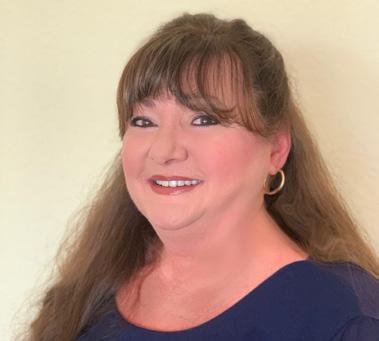
Becker 1 East Broward Boulevard, Suite 1800 Ft. Lauderdale, FL 33301 jburnett@beckerlawyers.com 954-987-7550 www.beckerlawyers.com

JoAnn Nesta Burnett, Esq. Practicing Community Association/Condo/HOA Law and Business Litigation
Related areas: Collections & Foreclosures, Community Association Litigation & Covenant Enforcement
• Board-Certified Specialist in Condominium and Planned Development Law
Mary Ann Chandler
• Board-Certified Specialist in Condominium & Planned Development Law
• Served as a staff attorney for the First District Court of Appeals in Tallahassee Becker 12140 Carissa Commerce Court, Suite 200 Ft. Myers, FL 33966 rcaves@beckerlawyers.com 239-433-7707 www.beckerlawyers.com
Katzman Chandler 6535 Nova Drive, Suite 109 Fort Lauderdale, FL 33317 MChandler@ KatzmanChandler.com 954-486-7774 www.KatzmanChandler.com
Ms. Chandler’s practice is focused on community association law. As the Firm’s Managing Partner, she is dedicated to providing unique and innovative legal strategies that meet the individual needs of her community association clients. She believes that the role of legal counsel is to listen and understand a client’s specific issues and goals and to assist in resolving those matters in the most effcient manner.


Coop Cooper, Esq.
Practicing Community Association/Condo/HOA Law
• More than 20 years of experience specializing in real property law, with a focus on community association governance, landlord/tenant disputes, and complex legal transactions. Becker Regions Bank Building
111 N. Orange Avenue, Suite 1400 Orlando, FL 32801
sdcooper@beckerlawyers.com 407-215-9663 www.beckerlawyers.com
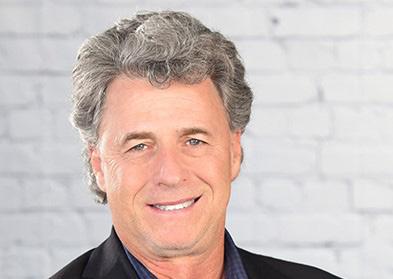
Becker 1 East Broward Boulevard, Suite 1800 Ft. Lauderdale, FL 33301 kdirektor@beckerlawyers.com 954-987-7550 www.beckerlawyers.com
Kenneth S. Direktor, Esq.
Practicing Community Association/Condo/HOA Law
Related areas: Corporate Representation, Disaster Recovery, Trademarking & Logo Creation
• Board-Certified Specialist in Condominium & Planned Development Law
• Member, College of Community Association Lawyers (CCAL)
• Member, Becker’s Management Committee
• Chair, Community Association Practice Group at Becker

Becker Royal Palm Financial Center 759 SW Federal Highway, Suite 213 Stuart, FL 34994 jcornett@beckerlawyers.com 772-286-2990 www.beckerlawyers.com

Law 1430 South Dixie Highway, Suite 322 Coral Gables, FL 33146 emily.dominguez@ansbacher.net 305-400-8009 www.ansbacher.net
Jane L. Cornett, Esq.
Practicing Community Association/Condo/HOA Law
Related areas: Corporate Representation, Disaster Recovery
• Board-Certified Specialist in Condominium & Planned Development Law
• Certified Circuit Civil Mediator
• Title agent for Attorneys’ Title Fund Services
• Council on Aging of Martin County, Director & Past President
Emily Dominguez
Emily Dominguez is an associate attorney with Ansbacher Law. Her practice area includes representing condominium associations and homeowners’ associations throughout Florida including general representation, covenant enforcement and restrictions, and assisting association boards and management.
Ansbacher



Becker
1819 Main Street, Suite 905
Sarasota, FL 34236
kedwards@beckerlawyers.com 941-366-8826 www.beckerlawyers.com

Fisher, Tousey, Leas & Ball, P.A.
780 N. Ponce de Leon Blvd. St. Augustine, FL 32084 cme@fishertousey.com 904-807-1053 www.fishertousey.com
Kevin L. Edwards, Esq.
Practicing Community Association/Condo/HOA Law
Related areas: Corporate Representation, Disaster Recovery
• Board-Certified Specialist in Condominium & Planned Development Law
• Member, Community Associations Institute
• Member of Real Property, Probate and Trust Section of the Florida Bar and the American Bar Association
Christene M. Ertl, Esq.
Christene is a 25-year FL attorney certified by the FL Bar as a specialist in Condominium & Planned Development Law since 2018. She is active and serves in several leadership roles with the FL Bar’s Real Property Law section, including the Condo Cmte. Christene regularly lectures statewide on issues affecting condos & HOAs. Bachelors (honors) Florida State Univ., Law Degree (honors) Univ. of Miami

Becker 1511 N. Westshore Boulevard, Suite 1000 Tampa, FL 33607
jellis@beckerlawyers.com 813-954-8454
www.beckerlawyers.com

Becker 2525 Ponce de Leon Boulevard, Suite 825
Coral Gables, FL 33134 lfarinas@beckerlawyers.com 305-262-4433
www.beckerlawyers.com

Jonathan Ellis, Esq.
Practicing Community Association/Condo/HOA Law
• Board-Certified Specialist in Condominium & Planned Development Law
• AV® Preeminent™ rating from Martindale-Hubbell, selected as a Florida Super Lawyer in business litigation, and named to Florida Trend’s Legal Elite.
Lilliana M. Farinas-Sabogal, Esq. Practicing Community Association/Condo/HOA Law and Business Litigation Related areas: Community Association Litigation & Covenant Enforcement, Corporate Representation, Appellate Litigation
• Board-Certified Specialist in Condominium & Planned Development Law
• Former Adjunct Professor, St. Thomas University, School of Law
• Author/Contributor, Florida Community Association Journal
Management Company Leaving You in the Dark?
This holiday season, choose a management partner that keeps your Board informed, empowered, and confident.
At Vesta Property Services, we believe wellinformed Boards are the key to thriving communities That’s why we go beyond dayto-day management to make education and communication a top priority

VestaPropertyServices com 877-988-3782
Our commitment includes: Ongoing Board training Legislative updates Board certification courses In-person and virtual learning opportunities
Don’t Settle for a “Bah Humbug” Experience.


A Better Connection for a Better Community



100%
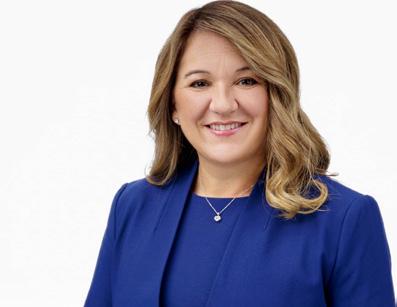
Dania S. Fernandez & Associates, P.A.
13500 SW 88 Street, Suite 265 Miami, FL 33186 Dania@dsfpa.com 305-254-4492 www.daniafernandez.com

Kaye Bender Rembaum 1200 Park Central Boulevard South Pompano Beach, FL 33064 EGannon@KBRLegal.com 954-928-0680 www.KBRLegal.com
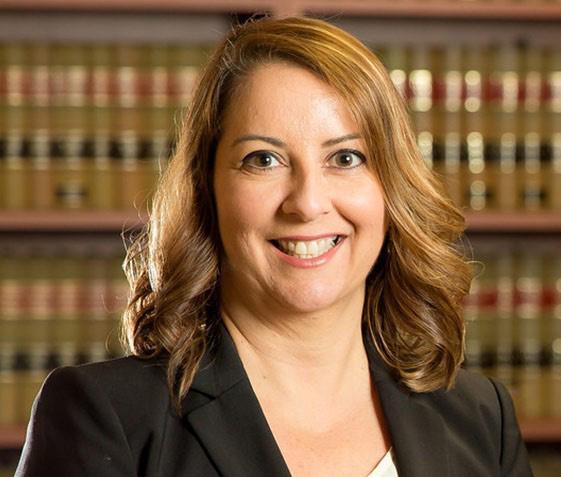
Becker Regions Bank Building 111 N. Orange Avenue, Suite 1400 Orlando, FL 32801 ygoin@beckerlawyers.com 407-875-0955 www.beckerlawyers.com
Dania S. Fernandez, Esq.
Dania S. Fernandez is a seasoned attorney with 24 years of experience in community association law. She provides comprehensive legal counsel and bilingual educational programs to the board of directors, helping navigate the complexities of community management and governance. Dania offers guidance on a wide range of issues, from collections and day-to-day operational matters to complex litigation.
Emily E. Gannon, Esq.
Emily E. Gannon is a Firm member who joined KBR in 2012. She is a frequent lecturer on community association law, leading seminars providing CEUs for managers and certifications for board members. Emily assists clients with all aspects of community association law, including drafting and amending documents, negotiating contracts, conducting meetings, and pursuing collections.
Yeline Goin, Esq.
Practicing Community Association/Condo/HOA Law Related areas: Corporate Representation
• Board-Certified Specialist in Condominium & Planned Development Law
• Former Executive Director of Becker’s Community Association Leadership Lobby (CALL)
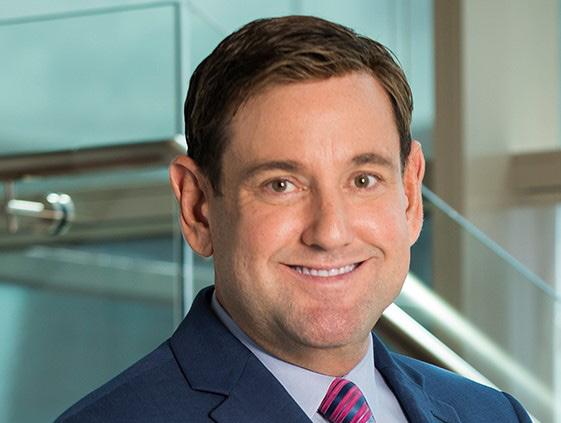
Michael C. Góngora, Esq.

Becker 625 N. Flagler Drive, 7th Floor West Palm Beach, FL 33401 mfriedman@beckerlawyers.com 561-655-5444 www.beckerlawyers.com
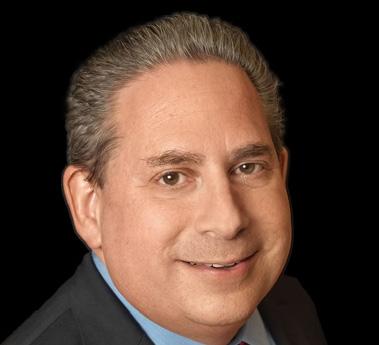
Glazer & Sachs P.A. 3113 Stirling Road, Suite 201 Ft. Lauderdale, FL 33312 eric@condo-laws.com 954-983-1112 www.glazersachs.com
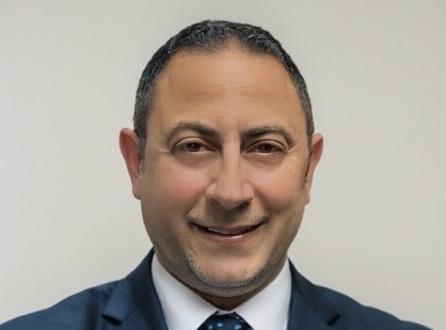
Kaye Bender Rembaum
1200 Park Central Boulevard South Pompano Beach, FL 33064
MGoldstein@KBRLegal.com 954-928-0680 www.KBRLegal.com
Mark D. Friedman, Esq. Practicing Community Association/Condo/HOA Law Related areas: Corporate Representation, Disaster Recovery
• Board-Certified Specialist in Condominium & Planned Development Law
• Frequent lecturer to community and civic organizations
• Co-Editor, Becker’s Community Association Update (CUP) Newsletter
Eric M. Glazer, Esq.
Owner of Glazer and Sachs, P.A., representing associations since 1992. Eric has certified approximately 25,000 board members statewide, has broadcast the Condo Craze and HOAs YouTube show since 2009, is certified by the Florida Supreme Court as a Circuit Court mediator; has drafted numerous provisions of the Florida condominium and HOA statutes, and is a writer at www.glazersachs.com.
Michael A. Goldstein, Esq., BCS Michael Goldstein is an Associate Attorney and a Board-Certified Specialist in Condominium & Planned Development Law. He serves as general counsel for community associations across Florida and provides strategic legal representation that focuses on delivering practical solutions and clear, straight-forward guidance.
Practicing Community Association/Condo/HOA Law and Business Litigation
Related areas: Collections & Foreclosure, Corporate Representation
• Board-Certified Specialist in Condominium & Planned Development Law

Jeffrey D. Green, Esq., BCS
Coral Gables, FL 33134
mgongora@beckerlawyers.com 305-262-4433 www.beckerlawyers.com
• Former Chairman of the Miami Beach Latin Chamber of Commerce Board of Directors Becker 2525 Ponce de Leon Boulevard, Suite 825
• Served three terms on the Miami Beach Commission (2017–2021)
Kaye Bender Rembaum
1200 Park Central Boulevard South Pompano Beach, FL 33064
JGreen@KBRLegal.com 954-928-0680
www.KBRLegal.com
Jeffrey Green, Board Certified in Construction Law and a Martindale-Hubbell “AV” rated Member of KBR, serves as Litigation Chair overseeing the Litigation Department at the Firm. He represents community associations in multimilliondollar construction defect disputes, insurance coverage disputes, and complex litigation matters from inception through appeal.






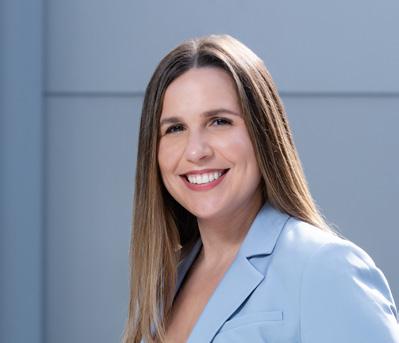
PeytonBolin PL 3343 West Commercial Boulevard, Suite 100 Ft. Lauderdale, FL 33309 nataly@peytonbolin.com 954-316-1339 www.peytonbolin.com

Kaye Bender Rembaum 1211 North Westshore Boulevard, Suite 409 Tampa, FL 33607 KHenze@KBRLegal.com 813-375-0731 www.KBRLegal.com
Nataly Gutierrez-Vazquez, Esq.
Nataly is a Florida BoardCertified attorney in Condominium and Planned Development Law and partner with the firm. She leads the litigation team and guides community associations and managers to create winning outcomes. Clients enjoy her comprehensive and clear communication style and no-nonsense approach to the law.
Becker 1001 3rd Avenue West, Suite 300 Bradenton, FL 34205 mhawk@beckerlawyers.com 941-957-2990 www.beckerlawyers.com
Mary Hawk, Esq.
Practicing Community Association/Condo/HOA Law
• Concentrates practice in condominium, homeowner, and cooperative associations including collections and foreclosures, vendor contracts, enforcing associations covenants, and assisting associations with management issues
Kerstin Henze, Esq.
Ms. Henze is a firm member and managing attorney of the Tampa office. She assists board members with all their association matters, including budgets/ reserves, corporate governance, drafting and amending governing documents, contracts (all phases), covenant enforcement, and management issues. Ms. Henze is a frequent lecturer covering an array of topics for boards and CAMs.

Becker 625 N. Flagler Drive, 7th Floor West Palm Beach, FL 33401 ahertz@beckerlawyers.com 561-655-5444 www.beckerlawyers.com
Allison L. Hertz, Esq.
Practicing Community Association/Condo/HOA Law
• Concentrates practice in condominium, homeowner, and cooperative associations, including collections and foreclosures, vendor contracts, enforcing association covenants, and assisting association with management issues
• Board-Certified Specialist in Condominium & Planned Development Law
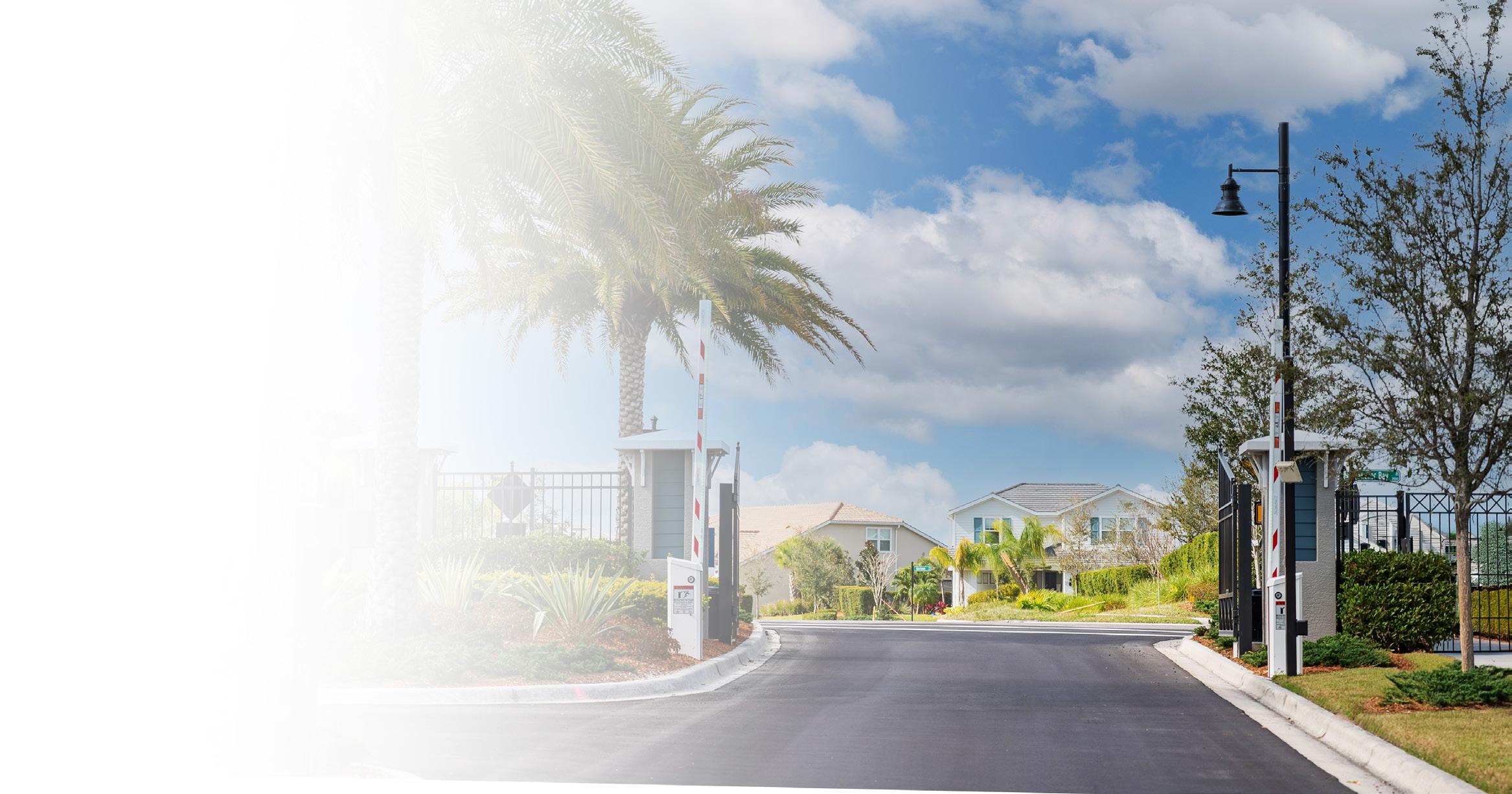
Welcome Home, Without the Wait
With Envera’s access management system, residents enjoy effortless entry into the neighborhood. Authorized vehicle credentials instantly open the gate with no need to stop at the entrance.
Connect with Envera today to begin working on a customized plan for your community.

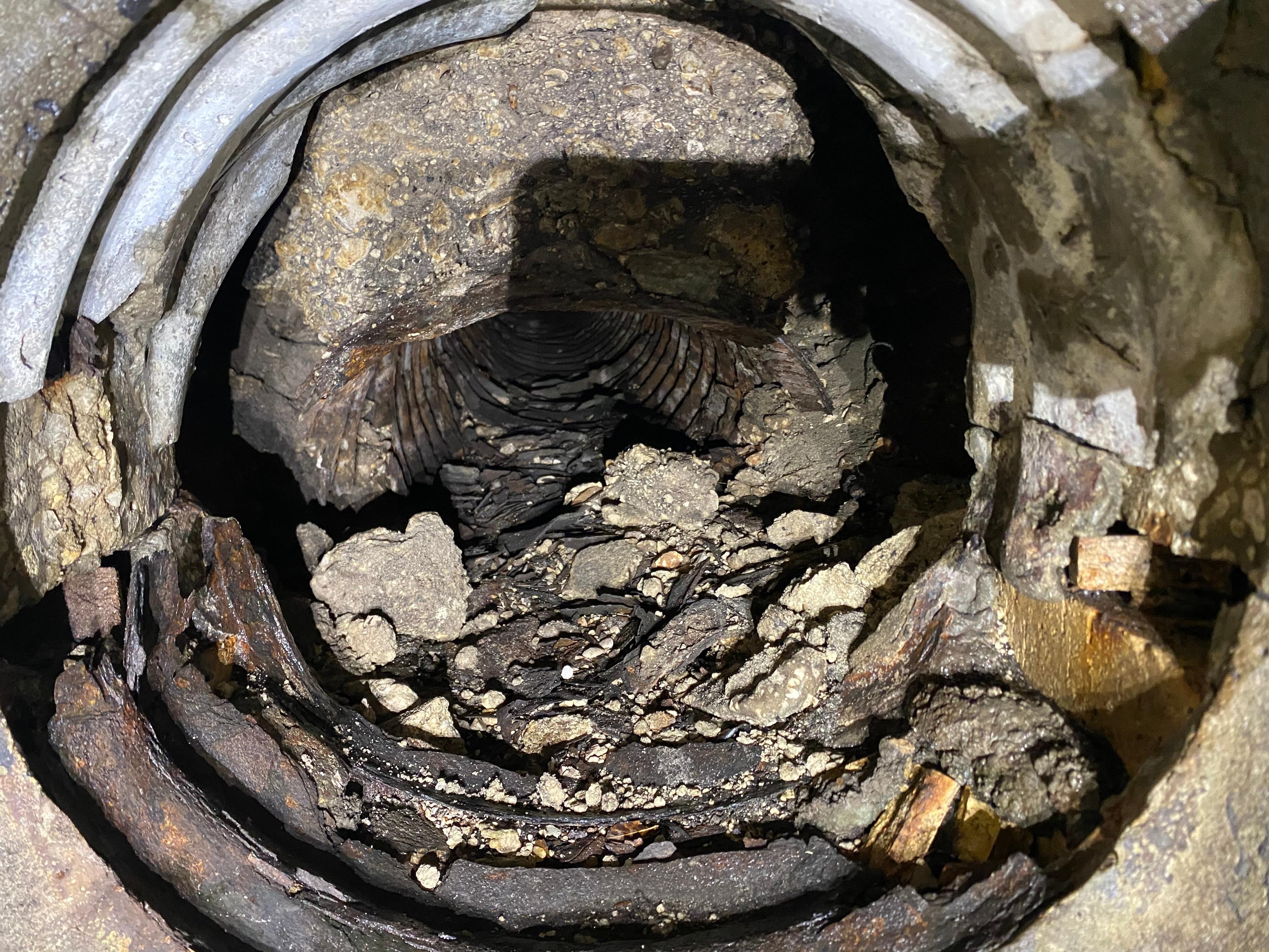
Invisible Problems lead to Visible Disasters
Protect your community's investment with our non-disruptive trenchless solutions that cost less than traditional repairs, extend inf rastructure lifespan, and prevent the catastrophic failures that lead to emergency assessments and resident complaints.

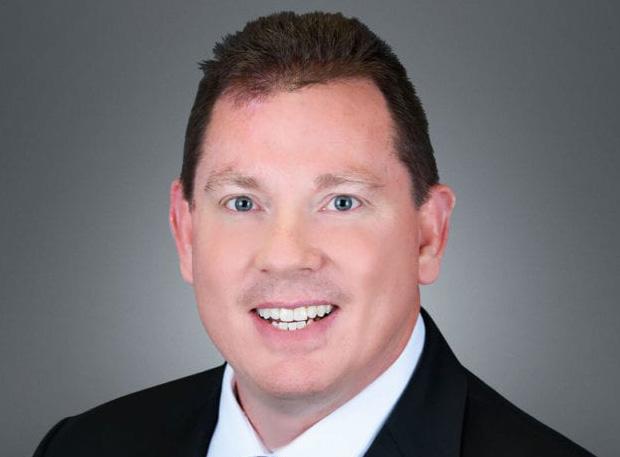
Kaye Bender Rembaum 9121 North Military Trail, Suite 200 Palm Beach Gardens, FL 33410 BHeydlauff@KBRLegal.com 561-241-4462 www.KBRLegal.com

Becker 1511 N. Westshore Boulevard, Suite 1000 Tampa, FL 33607 sjawad@beckerlawyers.com 813-954-8455 www.beckerlawyers.com

Becker 4001 Tamiami Trail N., Suite 270 Naples, FL 34103 mkaiser@beckerlawyers.com 239-552-3200 www.beckerlawyers.com

Becker Regions Bank Building 111 N. Orange Avenue, Suite 1400 Orlando, FL 32801
florenceking@beckerlawyers.com
407-875-0955 www.beckerlawyers.com
Benjamin L. Heydlauff, Esq.
Ben Heydlauff is an Associate Attorney and a member of the Real Property Section of the Florida Bar and the Condominium Planned Development Subcommittee. Benjamin’s background includes experience with human resources, document drafting, transactions, and real estate. With Kaye Bender Rembaum, he assists the Firm’s clients on all aspects of community association operations.
Sara Jawad, Esq.
Practicing Community Association/Condo/HOA Law
• Concentrates on assessment collection and foreclosure actions, covenant enforcement, bankruptcy and creditors’ rights. Sara works closely with board members and property managers to help them navigate challenges efficiently and set realistic, sustainable goals for their communities.

Becker 1511 N. Westshore Boulevard, Suite 1000 Tampa, FL 33607 whuffman@beckerlawyers.com 813-954-8461 www.beckerlawyers.com

Becker 2525 Ponce de Leon Boulevard, Suite 825 Coral Gables, FL 33134 njimenez@beckerlawyers.com 305-262-4433 www.beckerlawyers.com
William Huffman, Esq.
Practicing Community Association/Condo/HOA Law
• Concentrates practice in collections and association governance
• Florida licensed real estate agent
Michelle H. Kaiser, Esq.
Practicing Community Association/Condo/HOA Law
• Concentrates practice in condominium, homeowner, and cooperative associations, including collections and foreclosures, vendor contracts, enforcing association covenants, and assisting association with management issues
Florence King, Esq.
Practicing Community Association/Condo/HOA Law Related areas: Community Association Litigation & Covenant Enforcement, Corporate Representation
• Concentrates practice in condominium, homeowner, and cooperative associations, including collections and foreclosures, vendor contracts, enforcing association covenants, and assisting association with management issues
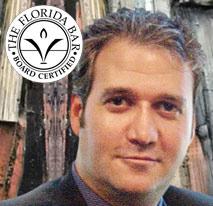
Katzman Chandler 6535 Nova Drive, Suite 109 Fort Lauderdale, FL, 33317 LKatzman@KatzmanChandler. com 954-486-7774 www.KatzmanChandler.com

Becker Regions Bank Building 111 N. Orange Avenue, Suite 1400 Orlando, FL 32801 bpatrie@beckerlawyers.com 407-875-0955 www.beckerlawyers.com
Nicolas Jimenez, Esq. Practicing Community Association/Condo/HOA Law
• Concentrates practice in condominium, homeowner, and cooperative associations, including collections and foreclosures, vendor contracts, enforcing association covenants, and assisting association with management issues
Leigh Katzman Katzman Chandler is devoted to Board Consultation and Co-Counsel services for complex “High Stakes” Community Association litigation and transactional matters. Successfully handling 50,000+ CA matters to conclusion over 3 decades provides us with unparalleled experience coupled with litigation strategies and legal solutions designed to navigate & overcome the most complicated legal challenges.
Elizabeth A. Lanham-Patrie, Esq. Practicing Community Association/Condo/HOA Law
• Board-Certified Specialist in Condominium & Planned Development Law
• The Florida Bar Real Property, Probate and Trust Law Section — Condominium and Planned Development Subcommittee
• Member, Community Associations Institute and Orange County Bar Association
• Ninth Judicial Circuit Pro Bono Certificate of Recognition
Kaye Bender Rembaum
1200 Park Central Boulevard South Pompano Beach, FL 33064
JLevin@KBRLegal.com
954-928-0680 www.KBRLegal.com
Becker 1 East Broward Boulevard, Suite 1800 Ft. Lauderdale, FL 33301 kmattingly@beckerlawyers.com 954-987-7550 www.beckerlawyers.com

Becker 1511 N. Westshore Boulevard, Suite 1000
Tampa, FL 33607 cmcinerney@beckerlawyers.com 813-954-8457 www.beckerlawyers.com


Jay S. Levin, Esq.
Mr. Levin has been a member of the Florida Bar since 2011, joining Kaye Bender Rembaum as an Associate Attorney in the Firm’s general civil litigation department in 2018. He was elevated to Senior Associate in mid-2023. Jay also has several years of experience practicing in all aspects of community association law.

Becker 4001 Tamiami Trail N., Suite 270 Naples, FL 34103 jmarkovich@beckerlawyers.com 239-552-3200 www.beckerlawyers.com
Joseph Markovich, Esq.
Practicing Community Association/Condo/HOA Law
• Concentrates practice in condominium, homeowner, and cooperative associations, including collections and foreclosures, vendor contracts, enforcing association covenants, and assisting association with management issues
K. Joy Mattingly, Esq.
Practicing Community Association/Condo/HOA Law
Related areas: Collection & Foreclosures, Covenant Enforcement
• Board-Certified Specialist in Condominium & Planned Development Law
• Member, Broward County Bar Association
• Member, Commercial Law League of America
Colleen McInerney, Esq.
Practicing Community Association/Condo/HOA Law

Becker Regions Bank Building 111 N. Orange Avenue, Suite 1400 Orlando, FL 32801 bmcdowell@beckerlawyers.com 407-875-0955 www.beckerlawyers.com

Becker 1511 N. Westshore Boulevard, Suite 1000 Tampa, FL 33607 smezer@beckerlawyers.com 813-527-3900 www.beckerlawyers.com
Brandon McDowell, Esq. Practicing Community Association/Condo/HOA Law
• Concentrates practice in condominium, homeowner, and cooperative associations, including collections and foreclosures, vendor contracts, enforcing association covenants, and assisting association with management issues
Steven H. Mezer, Esq.
Practicing Community Association/Condo/HOA Law, Business Litigation, Real Estate Related areas: Disaster Recovery, Corporate Representation, Covenant Enforcement
• Board-Certified Specialist in Condominium & Planned Development Law and Real Estate
• Member, College of Community Association Lawyers (CCAL)
• Executive Committee of the Florida Bar RPPTL Section









Clinton Morell, Esq.
Practicing Community Association/Condo/HOA Law
• Concentrates on corporate governance, covenant enforcement, assessment collection, developer turnover, and contract negotiation and disputes. Clinton also has extensive experience litigating construction defect claims and other complex matters impacting associations. Becker 1511 N. Westshore Boulevard, Suite 1000 Tampa, FL 33607
cmorrell@beckerlawyers.com 813-954-8452 www.beckerlawyers.com

David Muller, Esq.
Practicing Community Association/Condo/HOA Law
Related areas: Disaster Recovery
• Board-Certified Specialist in Condominium & Planned Development Law
• Member of the Real Property, Probate and Trust Law Section of the Florida Bar
• Member of the Community Associations Institute Becker 4001 Tamiami Trail N., Suite 270 Naples, FL 34103 dmuller@beckerlawyers.com 239-552-3200 www.beckerlawyers.com
Ramon Palacio, Esq.
Practicing Community Association/Condo/HOA Law
• Board-Certified Specialist in Condominium & Planned Development Law
• He advises clients on interpreting governing documents, enforcing covenants, board governance, operational matters, contract negotiation, dispute resolution, regulatory compliance, and litigation. Becker 2525 Ponce de Leon Boulevard, Suite 825 Coral Gables, FL 33134 rpalacio@beckerlawyers.com 305-351-1069 www.beckerlawyers.com

Kaye Bender Rembaum 1200 Park Central Boulevard South Pompano Beach, FL 33064 ZMorse@KBRLegal.com 954-928-0680 www.KBRLegal.com

Kaye Bender Rembaum 855 E. State Road 434, Suite 2209 Winter Springs, FL 32708 CNix@KBRLegal.com 800-974-0680 www.KBRLegal.com
Becker 1 East Broward Boulevard, Suite 1800 Ft. Lauderdale, FL 33301 hperl@beckerlawyers.com 954-987-7550 www.beckerlawyers.com
Zachary S. Morse, Esq.
Zachary Morse is an Associate Attorney who joined KBR in 2024. He has practiced law since 2020 and has experience representing financial professionals, resolving industry disputes, and defamation cases. With Kaye Bender Rembaum, Zachary serves as a community association attorney, providing dedicated support and legal guidance to the Firm’s association clients.
Charles Nix, Esq.
Charles (Chuck) Nix is a Senior Associate Attorney, joining Kaye Bender Rembaum in 2025. He has a vast background with commercial real estate. Today, Chuck assists clients with all aspects of their community association legal needs, including drafting and reviewing of documents and amendments, compliance and enforcement issues, contract review, meeting assistance, and client education on community association matters.
Howard J. Perl, Esq.
Practicing Community Association/ Condo/HOA Law
Related areas: Disaster Recovery, Covenant Enforcement, Corporate Representation
• Board-Certified Specialist in Condominium & Planned Development Law
• Professional Community Association Manager (PCAM) designation from CAI
• Editor, Florida Community Association Professionals, Managers Report
• College of Community Association Lawyers, Fellow

The future is a seamlessly connected community.

At Fibernow, we deliver 100% fiber connectivity right to your community. And with our full range of fiber services, we have what it takes to bring you customized bulk packages tailored to the unique needs of your residents.
Part of the largest fiber company in the world.
We’re backed by DigitalBridge, a world-class digital infrastructure network that allows us to ensure the highest levels of network performance.
Doubling up on fiber to double down on reliability. By running two fiber lines to your property for added redundancy, we’re able to provide guaranteed network uptime for your residents.
Personalized support is less than a minute away. Our 100% U.S.-based customer service team answers calls in less than 60 seconds on average.

Talk
us

Marty Platts, Esq.
Practicing Community Association/Condo/HOA Law
Related areas: Corporate Representation
• Board-Certified Specialist in Condominium & Planned Development Law
• American Bar Association Becker 625 N. Flagler Drive, 7th Floor West Palm Beach, FL 33401 mplatts@beckerlawyers.com 561-655-5444 www.beckerlawyers.com
• Florida Association of Women Lawyers

Kaye Bender Rembaum 1200 Park Central Boulevard South Pompano Beach, FL 33064 CPosner@KBRLegal.com 954-928-0680 www.KBRLegal.com
Christopher Posner, Esq. Christopher Posner is an Associate Community Association Attorney who joined the Firm in 2024. Prior to joining Kaye Bender Rembaum, Christopher worked with a firm that represented community associations and gained experience in several areas of the field. Today he assists clients with all aspects of their community association legal needs.
Barbara Reid
Florida Bar Board-Certified Specialist in Condominium & Planned Development Law. Representing community associations in Volusia, Flagler, Brevard, and Seminole Counties. Related areas: civil litigation, real property, employment law. Wright & Casey, P.A. 340 North Causeway New Smyrna Beach, FL 32169 breid@surfcoastlaw.com 386-428-3311 www.surfcoastlaw.com

Becker 1511 N. Westshore Boulevard, Suite 1000 Tampa, FL 33607 kreres@beckerlawyers.com 813-954-8453 www.beckerlawyers.com
Kathleen Reres, Esq.
Practicing Community Association/Condo/HOA Law
• Focuses on both litigation and general counsel matters related to community associations. Her litigation experience includes covenant enforcement, collections, foreclosure actions, municipal code enforcement, landlord-tenant disputes, and breach of fiduciary duty claims.

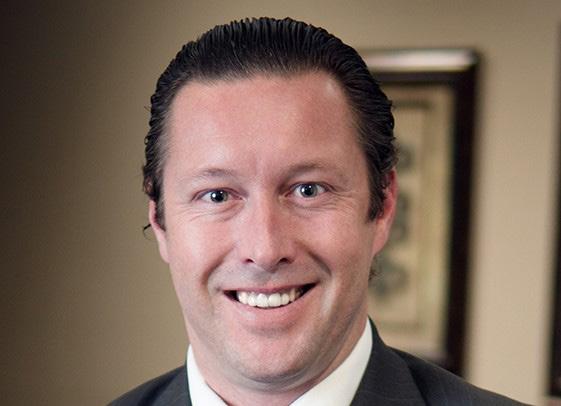
Becker Paradise Village
348 Miracle Strip Parkway SW, Suite 7
Ft. Walton Beach, FL 32548
jroberts@beckerlawyers.com 850-664-2229 www.beckerlawyers.com

Sajdera, PA
200 East Palmetto Park Road, Suite 103 Boca Raton, FL 33432 cas@saj-law.com 561-910-3082 www.saj-law.com
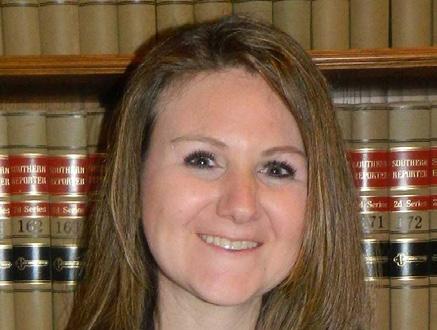
Kaye Bender Rembaum
1200 Park Central Boulevard South Pompano Beach, FL 33064 LSchwarzfeld@KBRLegal.com 954-928-0680 www.KBRLegal.com

Becker
1511 N. Westshore Boulevard, Suite 1000
Tampa, FL 33607
jsheikhet@beckerlawyers.com 813-954-8458 www.beckerlawyers.com
Jay Roberts, Esq.
Practicing Community Association/Condo/HOA Law
Related areas: Corporate Representation, Disaster Recovery
• Board-Certified Specialist in Condominium & Planned Development Law
• Co-Editor, Becker’s Community Association Update (CUP) Newsletter

Becker 2525 Ponce de Leon Boulevard, Suite 825 Coral Gables, FL 33134 drogel@beckerlawyers.com 305-262-4433 www.beckerlawyers.com
David H. Rogel, Esq.
Practicing Community Association/ Condo/HOA Law and Business Litigation
Related areas: Collections & Foreclosure, Covenant Enforcement, Corporate Representation, Disaster Recovery, Appellate Litigation, and Insurance
• Board-Certified Specialist in Condominium & Planned Development Law
• Chair, Becker’s Community Association Litigation Group
• “AV” Preeminent Rating, Martindale-Hubbell
Christopher Sajdera, Esq.
Represents condominiums and HOAs in all facets of association law, including general advisement, collections, and litigation. He handles document drafting, covenant enforcement, construction defect litigation, developer issues, and breach of contract disputes. Serving Broward and Palm Beach Counties, with offices in Boca Raton and Fort Lauderdale. B.A., Swathmore College; J.D., Duke University
Lauren T. Schwarzfeld, Esq.
Lauren Schwarzfeld is a senior associate attorney in the Firm’s construction law/complex litigation department. Mrs. Schwarzfeld focuses her practice on all aspects of litigation, including covenant enforcement disputes, breach of contract claims, construction disputes, code enforcement actions, and other complex litigation matters from inception through appeal. She has been with KBR since 2016.
Jessica Sheikhet, Esq. Practicing Community Association/Condo/HOA Law

Kaye Bender Rembaum 855 E. State Road 434, Suite 2209 Winter Springs, FL 32708 AS@KBRLegal.com 800-974-0680 www.KBRLegal.com

Becker
Regions Bank Building 111 N. Orange Avenue, Suite 1400 Orlando, FL 32801 rsevers@beckerlawyers.com 407-875-0955 www.beckerlawyers.com
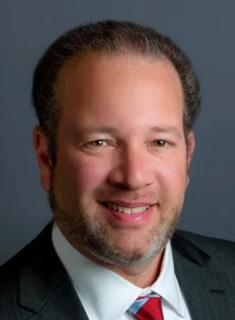
Kaye Bender Rembaum
1200 Park Central Boulevard South Pompano Beach, FL 33064
SSmith@KBRLegal.com 954-928-0680 www.KBRLegal.com
Alan Schwartzseid, Esq., BCS
Alan Schwartzseid is a Firm Member, the Winter Springs office managing attorney, and Board Certified in Condominium & Planned Development Law. He assists Firm clients in all facets of community association law and works as an FLSC certified county/circuit court mediator. Mr. Schwartzseid is an active member of the Condominium Committee of the Real Property Section of the Florida Bar.
Robyn M. Severs, Esq. Practicing Community Association/Condo/HOA Law
• Board-Certified Specialist in Condominium & Planned Development Law
• Member, Northeast Florida CAI–Legislative Action Committee
• Chair, Grievance Committee, The Florida Bar
Stuart M. Smith, Esq.
Stuart Smith is a seasoned attorney with over 30 years of legal experience. Stuart has represented clients in a broad range of legal areas, including criminal law, creditor’s rights, foreclosure, and community association law. Today, Stuart focuses his practice on community association and creditor rights litigation, representing clients in both State and Federal Courts.







Kaye Bender Rembaum
855 E. State Road 434, Suite 2209
Winter Springs, FL 32708
JStayanoff@KBRLegal.com 800-974-0680 www.KBRLegal.com
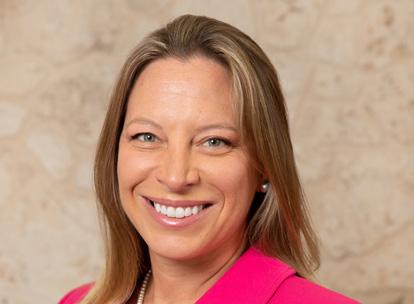
Wright & Casey, P.A. 340 North Causeway
New Smyrna Beach, FL 32169
ewollett@surfcoastlaw.com 386-428-3311 www.surfcoastlaw.com
Joseph Stayanoff, Esq.
Joseph Stayanoff is a Senior Associate attorney who was admitted to the Florida Bar in 2002. Prior to joining KBR in 2024, Joseph practiced with other community association firms as well as ran his own firm for a number of years. With Kaye Bender Rembaum he is part of the community association group and assists association clients with all their legal needs.
Erin Wollett
Exclusively representing homeowners' and condominium associations primarily in Volusia and Flagler Counties for more than a decade.

Becker 1001 3rd Avenue West, Suite 300 Bradenton, FL 34205 bswift@beckerlawyers.com 941-957-2990 www.beckerlawyers.com
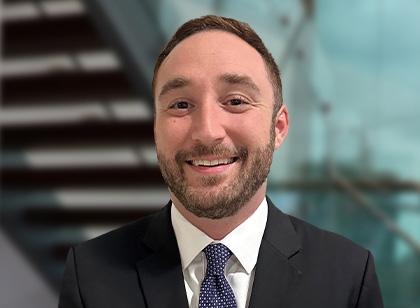
Becker 2525 Ponce de Leon Boulevard, Suite 825
Coral Gables, FL 33134 jzim@beckerlawyers.com 305-262-4433 www.beckerlawyers.com
Bryony Swift, Esq.
Practicing Community Association/Condo/HOA Law
• Concentrates practice in condominium, homeowner, and cooperative associations, including collections and foreclosures, vendor contracts, enforcing association covenants, and assisting associations with management issues
Jonathan Zim, Esq. Practicing Community Association/Condo/HOA Law
• Focus on corporate governance, covenant enforcement, owner disputes, arbitration, and litigation. n




Embracing Technology
Bringing Florida Condominium Associations into the 21st Century
BY EMILY
A. DOMINGUEZ, ANSBACHER LAW
From the rise of social media and remote work to the integration of AI across all industries, technology has become an integral part of our daily lives. Condominium associations are no exception. In recent years Florida condominium associations have embraced these technological advancements, and the new amendments to Chapter 718 of the Florida Statutes reflect the growing role of technology in association governance. While these changes improve transparency and encourage owner participation, the use of technology in the governance of condominium associations introduces new legal responsibilities. This article examines how the recent changes to Chapter 718
Photo by iStockphoto.com/AmnajKetsamtip
reflect a shift towards technology-driven governance in condominium associations.
VIRTUAL BOARD MEETINGS
Effective July 1, 2025, House Bill 913 (HB 913) amended Chapter 718 of the Florida Statutes. One of the key changes to the Condominium Act is the option to conduct board meetings through videoconference platforms. Generally, in order to conduct a board meeting, members must be provided with adequate notice of the meeting, specifying all agenda items. The notice and agenda must be posted in a conspicuous place on condominium property at least 48 hours before the meeting except in the case of an emergency. Now if the board intends to conduct a virtual board meeting, the notice must include a hyperlink and call-in telephone number for unit owners to attend the meeting via videoconference along with the address of the physical location where unit owners can attend the meeting in person. HB 913 also requires condominium asso-

EMILY DOMINGUEZ, ASSOCIATE ATTORNEY, ANSBACHER LAW
Emily Dominguez is an associate attorney with Ansbacher Law. Her practice area includes representing condominium associations and homeowners’ associations throughout Florida, including general representation, covenant enforcement and restrictions, and assisting association boards and management.
Mrs. Dominguez attended Florida International University College of Law and graduated magna cum laude. Mrs. Dominguez served as the executive business editor of the FIU (Florida International University) Law Review. In addition she served as the president of the National Conference of Law Reviews and worked as a teaching assistant for the legal writing courses helping students develop appellate writing and oral argument skills. In 2017 Mrs. Dominguez received the CALI Excellence for the Future Award in both Products Liability and Pre-Trial Practice.
Born and raised in Miami, Florida, Mrs. Dominguez enjoys spending time with her husband, Jeff, and their dog, Mahi, going boating, cooking, and enjoying the Florida sunshine.
For more information about Ansbacher Law, visit www.ansbacherlaw.com or call 305-400-8009.
ciations to record all virtual board meetings and maintain a recording of those meetings for at least one year. That recording must be posted on the association’s website via hyperlink.
VIRTUAL MEMBERSHIP MEETINGS
The authorization to conduct meetings through videoconferencing platforms has also been extended to membership meetings, including the annual membership meeting. The notice and agenda requirements for virtual board meetings are the same for virtual membership meetings. However, in order to conduct business at a virtual membership meeting, a quorum of the board must be physically present at the physical location where unit owners can attend the meeting. This is the major distinction between the authorization of virtual board meetings versus virtual




membership meetings. If streamed through a video conferencing platform, the annual membership meeting must be recorded and such recording must be maintained as an official record of the association.
PRACTICAL CONSIDERATIONS
While the shift towards embracing and integrating technology into association governance is practical, there are certain considerations associations should take into account. When evaluating different platforms, your association should consider whether the platform is user-friendly, if it is compatible with multiple devices, and whether it has the capability of hosting large groups at one time. Because a quorum is required to conduct business at a meeting, the platform should support tracking of virtual attendance. The platform should streamline the process to confirm a quorum is met. Boards may also want to consider a trial run using the platform at their physical location before their first virtual meeting to ensure that participating members attending remotely can hear and also be heard. It is also important to note that some videoconferencing platforms only store records for a few months. However, because Florida law requires recordings of these meetings to be kept for at least a year, boards should ensure that copies of recordings are saved to the association’s local drive.

ELECTRONIC VOTING
In addition to virtual meetings, HB 913 also modernizes how associations handle voting procedures. Even though electronic voting in condominium
associations is not new, HB 913 created a streamlined path for electronic voting and introduced new email-ballot rules for associations that have not adopted an electronic voting system. Prior to these 2025 legislative changes, the board of directors was required to provide its membership with 14 days’ notice of a meeting where the board intended to consider adoption of an electronic voting system. HB 913 removed this requirement. In fact, new changes to the Condominium Act provide condominium owners with more influence over the implementation of electronic voting in their communities. Now owners holding at least 25 percent of the voting interests can petition the board to adopt a resolution to implement electronic voting for the association’s next election. If the board receives a petition, the board must hold a duly-noticed board meeting within 21 days of receipt to adopt an electronic voting resolution. The board resolution should outline procedures for opting in or out of electronic voting, recordkeeping, and authentication, including processes to count and inspect votes. If your association is implementing electronic voting, you should consult legal counsel when contracting with a voting platform to ensure compliance with Florida law and reduce risks of election disputes.
EMAIL BALLOTS
For associations that have not adopted an electronic voting system, HB 913 also contemplates the incorporation of technology. If an association does not have electronic voting, it must designate an email address where it can receive electronically transmitted ballots. Normally, condominium




YOUR HOA LENDER
FLORIDA BASED, FLORIDA FOCUSED LOCKBOX SERVICES
MANAGEMENT AND ONLINE PAYMENTS
ICS® & CDARS® DEPOSIT SOLUTIONS
ASSOCIATION LOANS RECERTIFICATION RESERVE LENDING IMPROVEMENTS AND REPAIRS
You will enjoy how simple and easy we make banking for Homeowner Associations and Prroperty Managers with a suite of products developed uniquely to meet your needs and a level of service that consistently reminds you of how important you are to us at U.S. Century Bank.


NASDAQ





elections are conducted through a secret ballot, but emailing a ballot to an association email removes the secrecy of the voting member. Any ballot submitted in this matter must include the following: (1) a space for the unit number; (2) a space for the first and last name of the voting member, which functions as their signature; and (3) a statement in capitalized letters and in a large font waiving the secrecy of the ballot. When your association designates an email address to receive electronically transmitted ballots, your board needs to contemplate procedures to inspect, count, and disseminate ballots that comply with the new statutory requirements.
CONCLUSION
With these statutory changes, Florida condominium associations are entering a new area of governance. By implementing technologydriven practices such as virtual meetings and electronic voting, associations are gaining more flexibility, improving accessibility, and encouraging greater owner participation. As boards know all too well, the biggest hindrance to effecting change in community associations is owner apathy. Providing owners with alternative options to increase accessibility and owner participation is a positive step towards revitalized engagement. However, with these new tools come new responsibilities; boards must ensure they comply with the legal requirements associated with increased digital practices. Investing time in selecting the right platforms and consulting legal counsel will avoid costly missteps. As the law continues to evolve, boards that stay informed and adapt will be best positioned to thrive in this new digital landscape. Florida condominium associations, welcome to the 21st century! n










2025 Legal Recap
BY ROBYN M. SEVERS, ESQ.
T
he 2025 legislative session brought us multiple changes to the Florida Condominium Act. House Bill 913 contained 191 pages of changes to Chapter 468, governing community association managers; Chapter 553, governing condominium milestone inspections; Chapter 718, governing condominiums; and Chapter 719, governing cooperatives. Chapter 720, governing homeowners’ associations, was not amended during the 2025 legislative session. Due to the breadth of the house bill, this article will only touch on some of the statutory changes.
COMMUNITY ASSOCIATION MANAGERS
All licensed managers must create and maintain an online account with the Department of Business and Professional Regulation, including the management company for which the manager works and the
Photo by iStockphoto.com/Olivier Le Moal
community association where he or she is a designated on-site manager. Management contracts cannot waive professional standards and have to contain a specific provision affirming adherence to professional standards. The statutory changes address some additional required contract provisions and disclosures as well as some conflict-of-interest concerns.
MILESTONE INSPECTIONS
Prior to House Bill 913, all residential condominium and residential cooperative buildings three stories or more in height were required to have a milestone inspection when 30 years of age and each 10 years thereafter. Now the statute clarifies that the buildings have to be three habitable stories or more in height. The bill

ROBYN M. SEVERS, ATTORNEY, BECKER
Robyn M. Severs represents community association clients throughout Florida’s northeast region. She has significant experience representing and assisting condominium and homeowners’ associations in a wide variety of legal areas, including document review, document drafting, turnover of association control, reserve funding, and maintenance issues. Robyn also handles community association bankruptcy cases and appellate cases that include some notable decisions. Ms. Severs is one of only 190 attorneys statewide who is a board-certified specialist in condominium and planned development law. For more information, call 904-423-5372, email rsevers@beckerlawyers. com, or visit www.beckerlawyers.com.
also addressed certain reporting requirements of the local enforcement agency and a requirement for licensed architects or engineers who perform a milestone inspection to disclose in writing his or her intent to bid on any services for the repairs required from the milestone inspection.
CHAPTER 718—CONDOMINIUM ASSOCIATIONS
The majority of the changes in the bill concerned condominium associations. To begin with, the bill inserted a definition of “video conference” as “real-time audio and video-based meeting between two or more people in different locations using video-enabled and audio-enabled devices.” While the statute specifically permits video conferences for all meetings of an asso-



2007
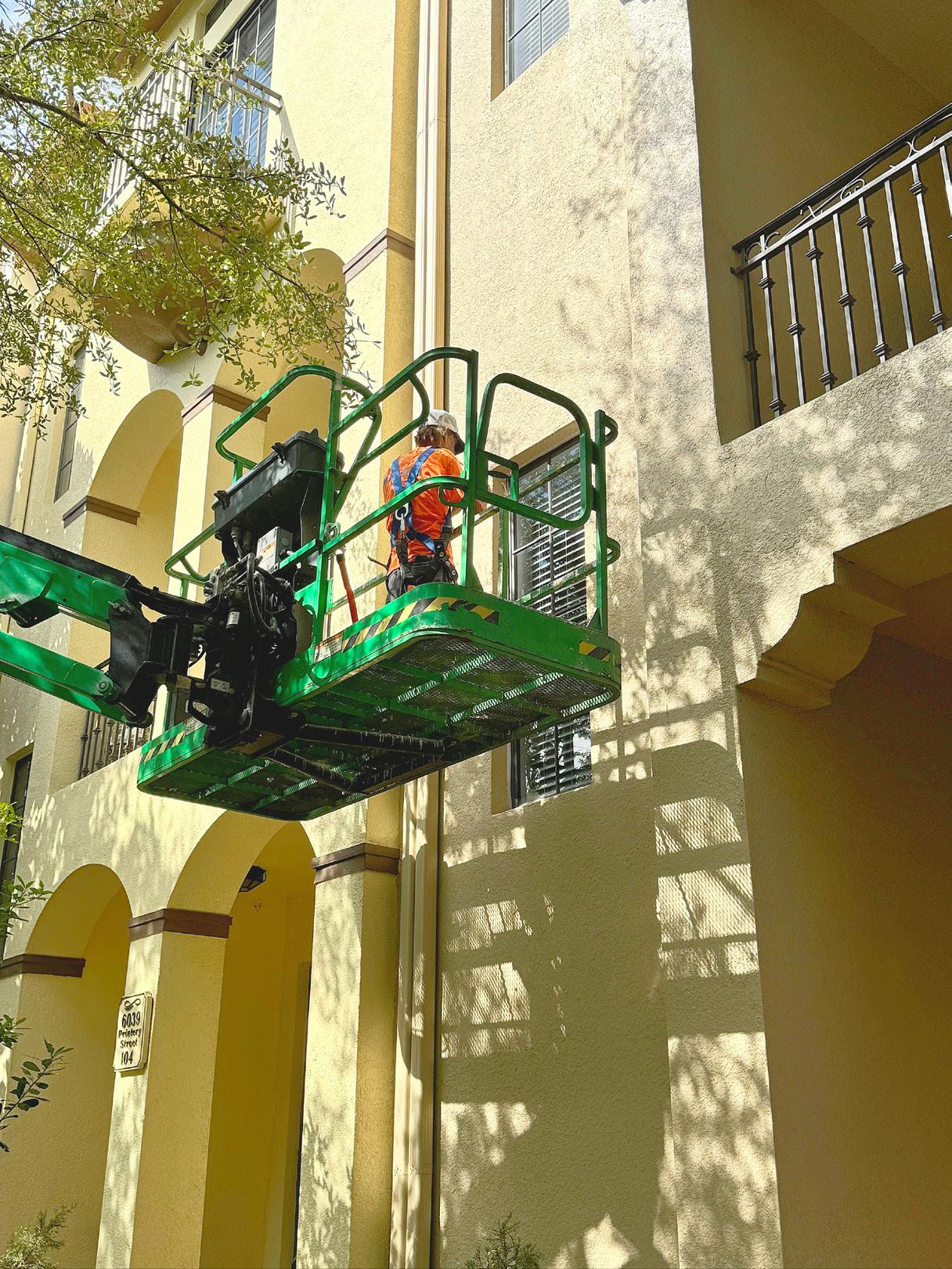
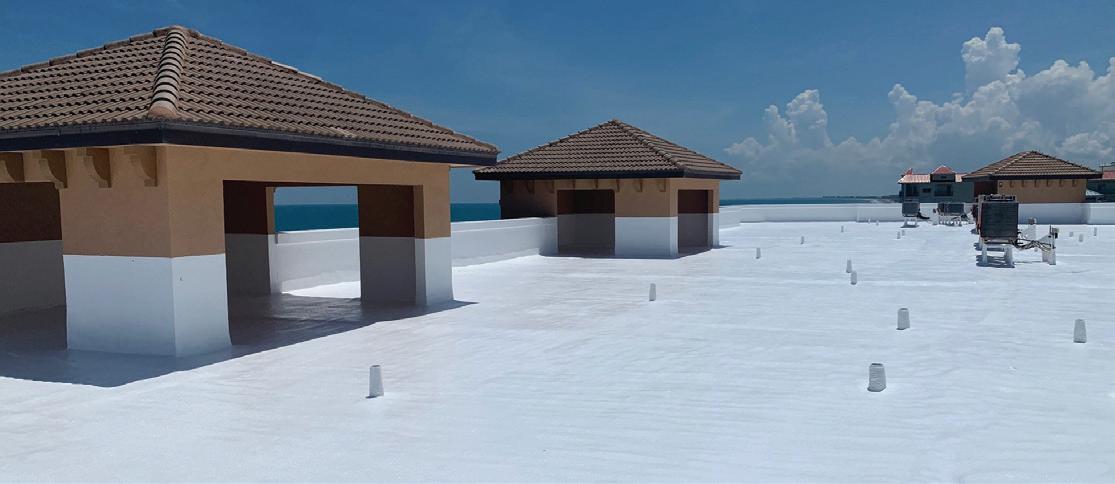
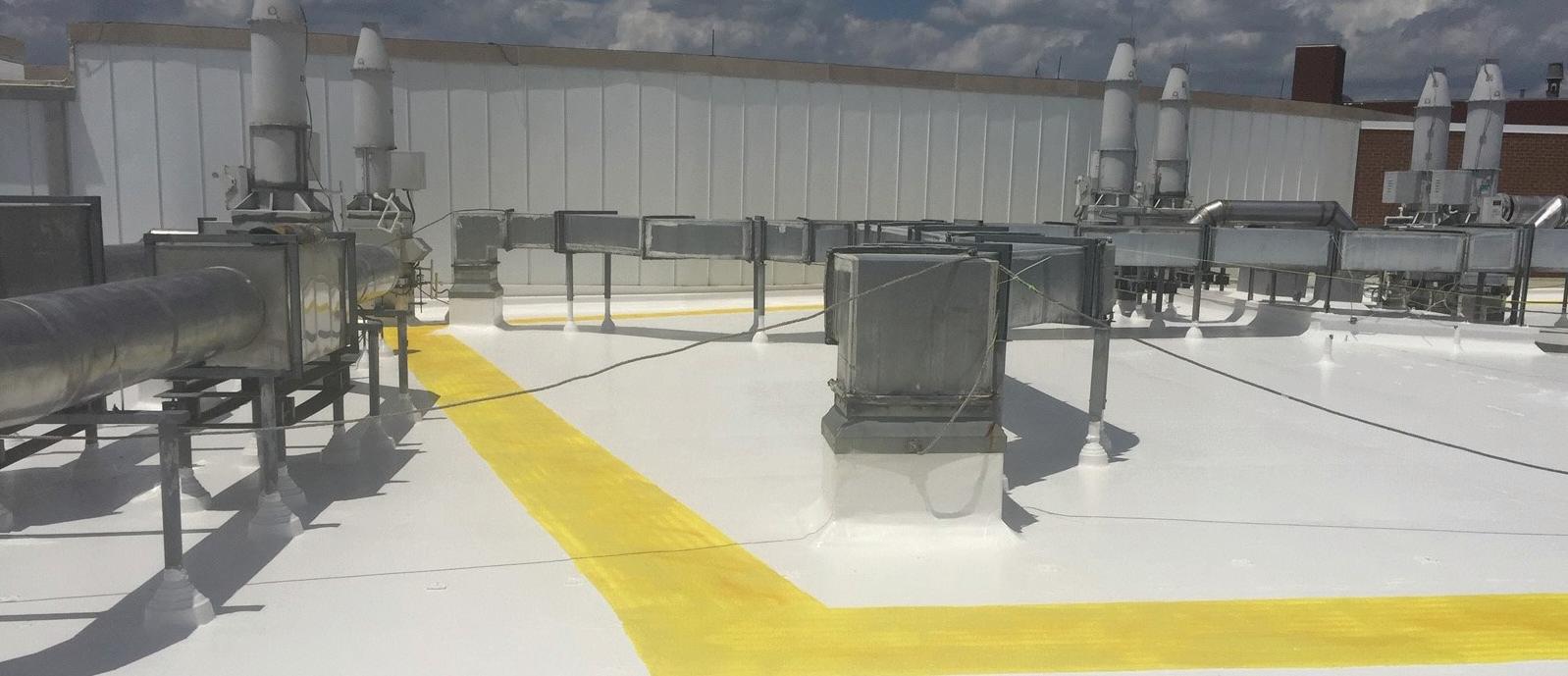
With over 70 years of experience, All Florida Urethane has the expertise to save thousands on an energy efficient and wind resistant roofing installation with minimal disruption to residents.



ciation, there must still be a physical location for the meeting. The notice of the meeting must include the hyperlink and call-in phone number; and video conferences must be recorded, maintained as an official record of the association, and posted on the association’s website. If an annual meeting is conducted by video conference, a quorum of the members of the board must be physically present at a location where the owners can attend the meeting, and such location must be within the same county as the condominium or within 15 miles of the condominium.
All official records must be posted on the association’s website within 30 days after the record is received or created. The bill extends the deadline for completing the annual financial report from 120 days to 180 days after the end of the fiscal year. Delivery of any required annual financial report to unit owners must be documented by an affidavit of mailing or delivery. To prepare a financial report in a format less than what is required by the statute, the association must obtain the approval of a majority of all unit owners, as opposed to a majority of the unit owners present at a meeting. The insurance provision now states that insurance may be based on the replacement cost as determined by an independent insurance appraisal performed at least once every three years. The bill created a new section regarding the investment of association funds. Then, the nonstructural catch-all reserve component increased to $25,000 from $10,000. Finally, the bill attempted to clarify whether a unit owner or a condominium association would be responsible for the cost of removing any
hurricane protection when maintenance needs to be provided to the condominium building.
For years the Condominium Act provided that if the association proposed a budget with assessments which exceed 115 percent of the preceding year’s fiscal assessments, unit owners could follow a statutory procedure to propose a substitute budget. However, the bill has now somewhat flipped that requirement. Now if a board proposes a budget with assessments which exceed 115 percent of the prior year’s assessments, the board must also simultaneously propose a substitute budget that does not include “any discretionary expenditures that are not required to be in the budget.” While the term “discretionary expenditures” is not defined, the statute does provide that in determining whether the assessment exceeds the 115 percent threshold, the association is not to include required (changed from reasonable) reserves, insurance premiums (which was already in the statute), and expenses for the repair, maintenance, and replacement of the structural items listed in the statute.
This new bill made some additional changes to the funding of the structural reserves required for some condominiums. It clarifies that structural reserves can be pooled but can only be pooled with other structural components. It also addresses the funding of reserves and the approval thresholds required for the different funding options. Finally, it allows for a pause or reduction in structural reserve funding under certain limited circumstances and for a limited period of time. It also now provides that only buildings three habitable stories or higher have to complete a structural integrity reserve study, similar to the change in the milestone inspection statute.
For annual meetings and elections the statute now requires associations to allows owners to vote by an email ballot, in addition to voting by paper ballots, if the association is not using electronic voting. There are requirements regarding what must be contained in the email ballot, including specific language to waive the secrecy of the ballot. It also deletes the 14-day notice of board meetings to adopt an electronic voting resolution, allowing it to be adopted with the regular board meeting notice requirements, and provides the ability for owners to petition the board to adopt an electronic voting resolution.
Finally, condominium associations are required to create and maintain an online account with the Department of Business and Professional Regulation by October 1, 2025. There is a list of information and documents that must be uploaded to the account once created, including but not limited to contact information, assessment rates, number and age of buildings, and the structural integrity reserve study and associated materials, if applicable.
COOPERATIVES
Most of the changes to the condominium statute were likewise changed in the cooperative statute.
2026 LEGISLATIVE SESSION
Committee weeks began on October 6, 2025. The regular session convenes on January 13, 2026. Since it is still early, it is unknown what bills will be filed. However, I think it reasonable to expect some proposed changes to Chapter 720, governing homeowners’ associations, since we did not have such a bill for 2025. However, it is unknown whether such bills will gain traction or not. n

G E N E R A L G E N E R A L
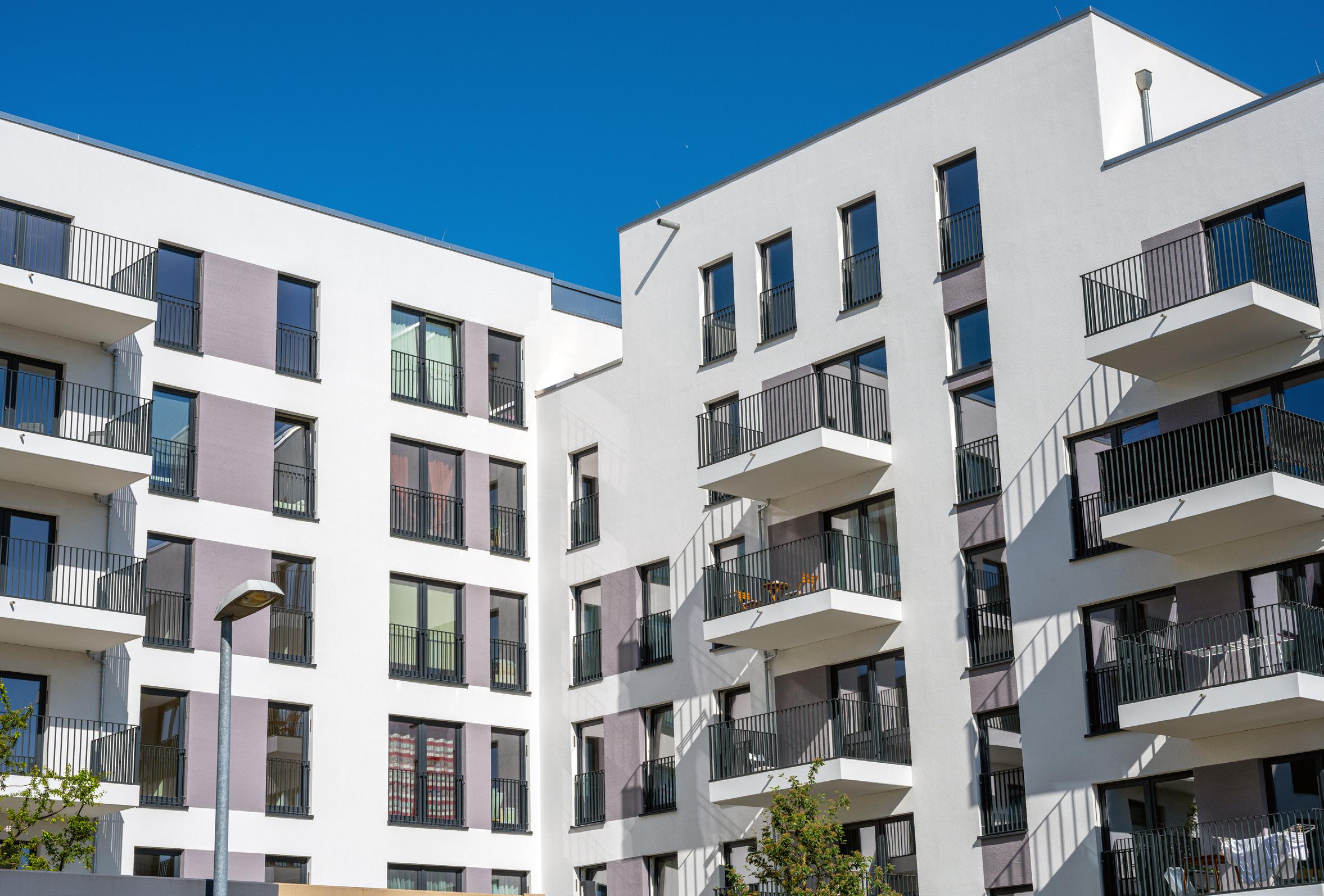
Milestone inspections and SIRS aren’t optional they ’ re Florida law. HOAs and CAMs face strict deadlines, DBPR penalties, and insurance pressure. Statewide licensed contractor support mobilized fast for compliance and restoration
Pre-assessment site reviews to prepare for engineering inspections
Milestone & SIRS coordination with our licensed engineers
Concrete and structural restoration that meets Florida’s strictest codes
Trenchless pipe & Infrastructure repairs (NASSCO/ASTM standards)
CCTV pipe inspections and GPR/X-ray concrete scanning for hidden issues
MEP upgrades for aging systems
Transparent board-level reporting to document compliance
Pli-Dek Certified decking, balcony & walkway resurfacing
Site Assessments + engineering + post repair compliance reporting
Site Assessments + engineering + post repair compliance reporting
Licensed upgrades to aging systems, codecompliant retrofits.
Licensed upgrades to aging systems, codecompliant retrofits.
Concrete, structural, facade, waterproofing, spalling remediation, Pli-dek systems.
Concrete, structural, facade, waterproofing, spalling remediation, Pli-dek systems.
Drain & water systems, trenchless lining, foundation, MEP retrofits.
Drain & water systems, trenchless lining, foundation, MEP retrofits.


BY MINDY T. CUMMINGS
When you think of the Wild West, your mind might drift to an image of a cowboy with his boots, spurs, hat, and a pistol visibly on his side. What you do not picture is the person pushing a grocery cart with a shotgun slung over their shoulder. Yet, these are the AI images appearing on social media after the recent
Photo by iStockphoto.com/koi88
ruling in McDaniels v. State of Florida 117688141 (Fla. 1st DCA 2025) on September 10, 2025. In this recent ruling the Court held that §790.053, Florida Statutes, that banned the open carry of firearms, is unconstitutional and violates McDaniels’ Second Amendment right to keep and bear arms. Florida now joins the 46 other states that allow some form of open carry, and people in Florida can carry a lawfully possessed firearm in plain sight or partially concealed (i.e., in a holster). Yet, this indelicate change in the law has now left some community associations across the State of Florida scrambling to understand their rights to prohibit the open carry of firearms in their communities. The ruling in McDaniels blurs that line; and until there is new legislation addressing this either way,
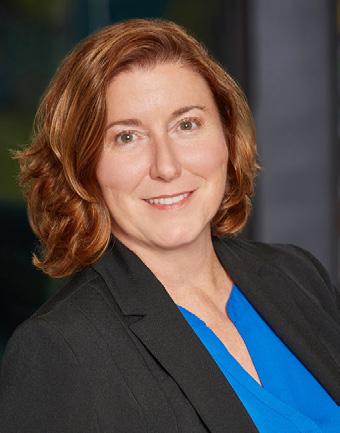
MINDY T. CUMMINGS, OF COUNSEL, HABER LAW
Mindy T. Cummings is Of Counsel with Haber Law, focusing her practice on real estate, development, and community association law. Admitted to the bar in April 2001, Ms. Cummings is an accomplished community association attorney with extensive experience representing developercontrolled associations and established residential, resort, mixed-use, and commercial communities. With a comprehensive understanding of the legal, operational, and regulatory issues that impact associations, she provides strategic and practical counsel across all stages of association and real estate development.
Her practice includes drafting clear and enforceable governing documents such as declarations, covenants, bylaws, design guidelines, and enforceable board policies for residential, commercial, resort, and mixed-use developments. She is also a recognized educator, having taught continuing education courses on community association law and provided training to association board members and property management professionals.
For more information about Haber Law, call 305-379-2400 or visit haber.law
this article intends to give guidance to associations for the adoption of rules related to the open carry of firearms. While the ruling in McDaniels made it clear that the State cannot impose an outright ban on the open carry of firearms and found §790.053, Florida Statutes, to be unconstitutional, the facts of the case did not touch upon the


rights of a private property owner to prohibit the open carry of firearms on their respective property. Whether it is a Chapter 720 HOA or a Chapter 718 condominium association, Florida law recognizes that associations have broad authority to pass reasonable rules and regulations for the regulation of its common areas; and neither the recording of protective covenants in the public records nor the possible enforcement of such covenants in state courts constitutes sufficient “state action” to render a private association’s rules unconstitutional (see Hidden Harbour Estates v. Norman, 309 So. 2d 180 (Fla. 4th DCA 1975) and Quail Creek Property Owners Ass’n v. Hunter, 538 So. 2d 1288, 1289 (Fla. 2d DCA 1989)). Post-McDaniels an association may elect to adopt a rule that prohibits the open carry of firearms within association property or common elements. Most likely a challenge to that rule based on constitutional grounds would fail because the association’s action does not amount to “state action.” However, there is perhaps some question over whether the use of the courts to enforce such restrictions would be upheld or challenged as state action.
An association considering the adoption of a rule prohibiting the open carry of firearms should consider several factors when drafting their rule: 1) the classification of the areas where the open carry of firearms is prohibited (i.e., association property vs. common elements) and 2) what is the mechanism to enforce the rule. For example, a rule that prohibits the open carry of firearms in amenity areas, such as recreational areas, clubhouse, café, pool, or gym, can be easily signed; and access can be controlled at some expense and administrative burden. However, if the area is a common element and provides access to a unit owner’s

FOR EXAMPLE, A RULE THAT PROHIBITS THE OPEN CARRY OF FIREARMS IN AMENITY AREAS, SUCH AS RECREATIONAL AREAS, CLUBHOUSE, CAFÉ, POOL, OR GYM, CAN BE EASILY SIGNED; AND ACCESS CAN BE CONTROLLED AT SOME EXPENSE AND ADMINISTRATIVE BURDEN.




EVERY PROPERTY IS UNIQUE, AND IT IS IMPORTANT THAT ASSOCIATIONS NOT ONLY ENGAGE WITH THEIR PROPERTY MANAGERS AND COUNSEL FOR ASSISTANCE IN THE PREPARATION AND DRAFTING OF PROPOSED RULES OR DECLARATION AMENDMENTS BUT ALSO WITH THEIR SECURITY VENDORS.
private property, a condominium association may or may not be able to prohibit the open carry of firearms in that portion of the common elements that are necessary for the unit owner to access their respective unit. Enforcement for violating the rule depends on the person that breaks the rule. For a unit owner or tenant, enforcement may be suspension of their rights to use the amenity. However, for a guest or invitee, enforcement may mean you ask them to leave the property; and if they refuse to leave, then call the police and have that person removed from the property. It’s a felony to commit armed trespass (§810.08, Fla. Stat.).
As an alternative to a rule, associations can also consider attempting to amend the declaration of condominium as declaration restrictions are clothed with a strong presumption of validity.
Every property is unique, and it is important that associations not only engage with their property managers and counsel for assistance in the preparation and drafting of proposed rules or declaration amendments but also with their security vendors. It will be important to discuss the proposed enforcement of these rules. By instituting such rules, one might argue the association has a duty and burden to enforce such rules. The adoption of these rules may have implications for those vendors’ contracts. n
Planning for the future is complicated. Your reserve study shouldn’t be.


help associations maintain physical and financial health through education, ongoing support, and reserve studies tailored to your community’s unique priorities. Contact us at reserveadvisors.com or (800) 980-9881.
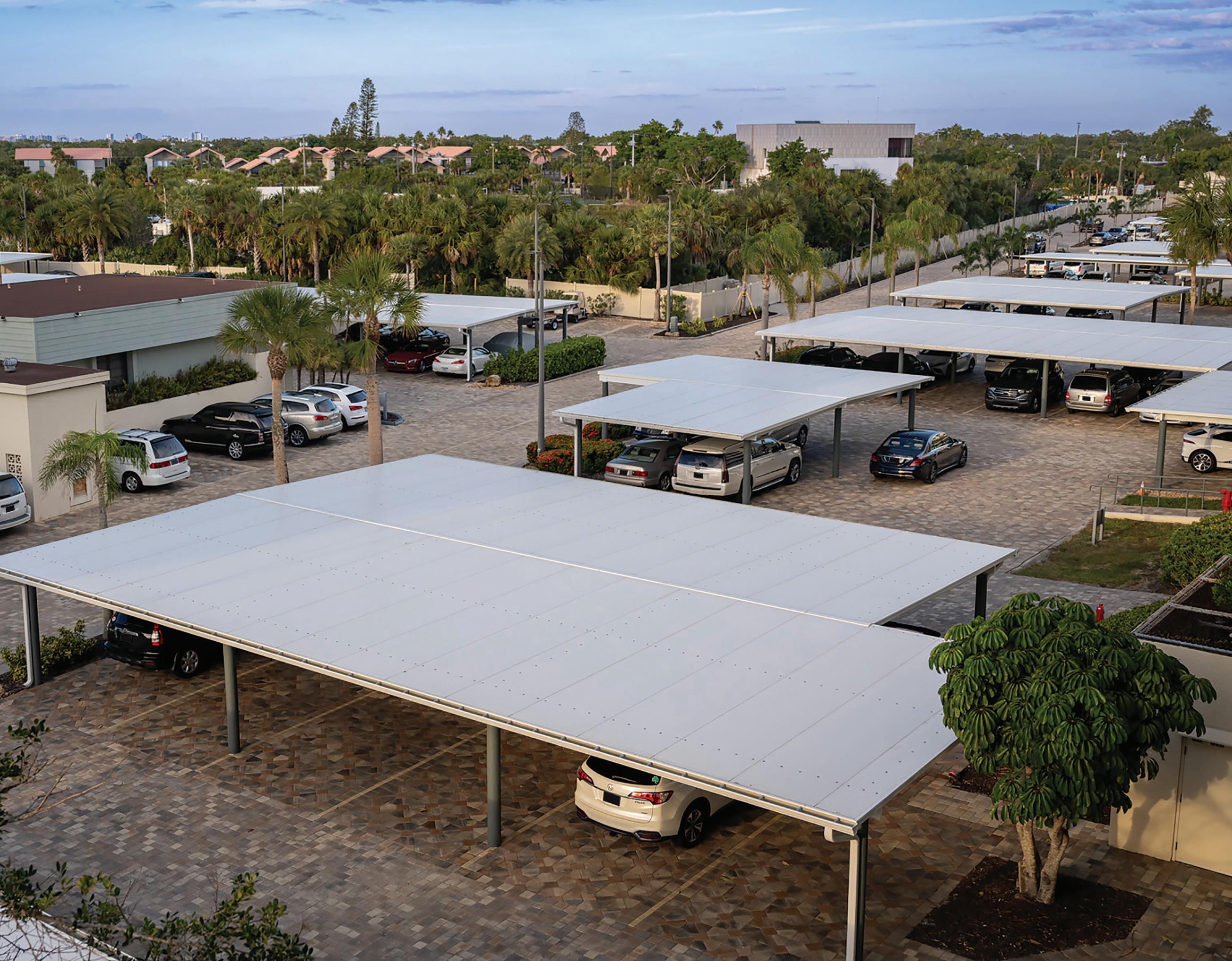
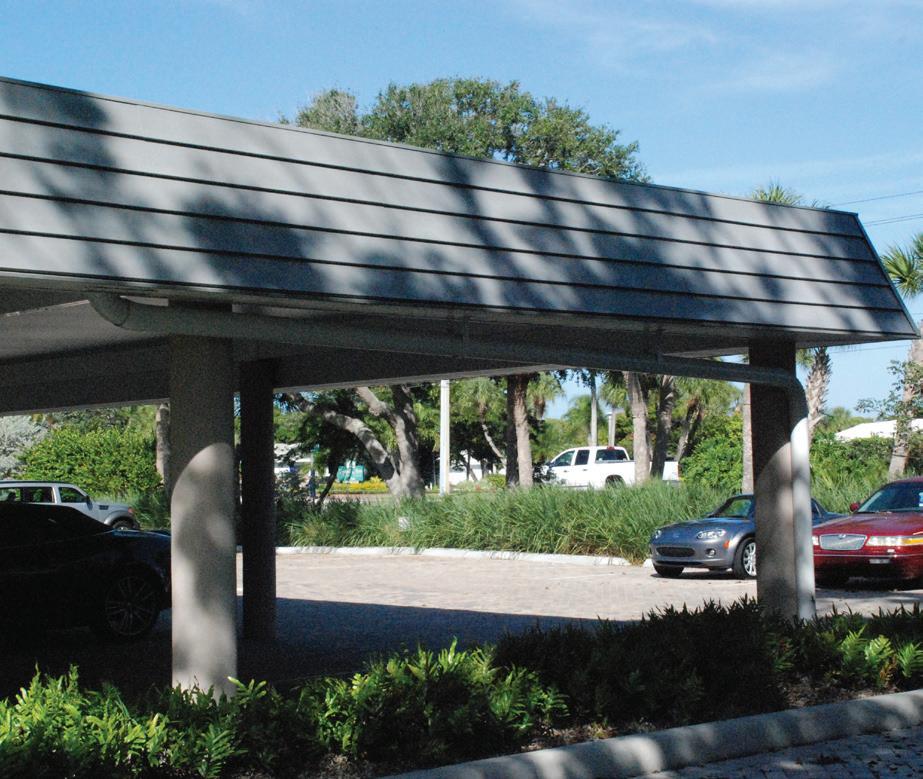
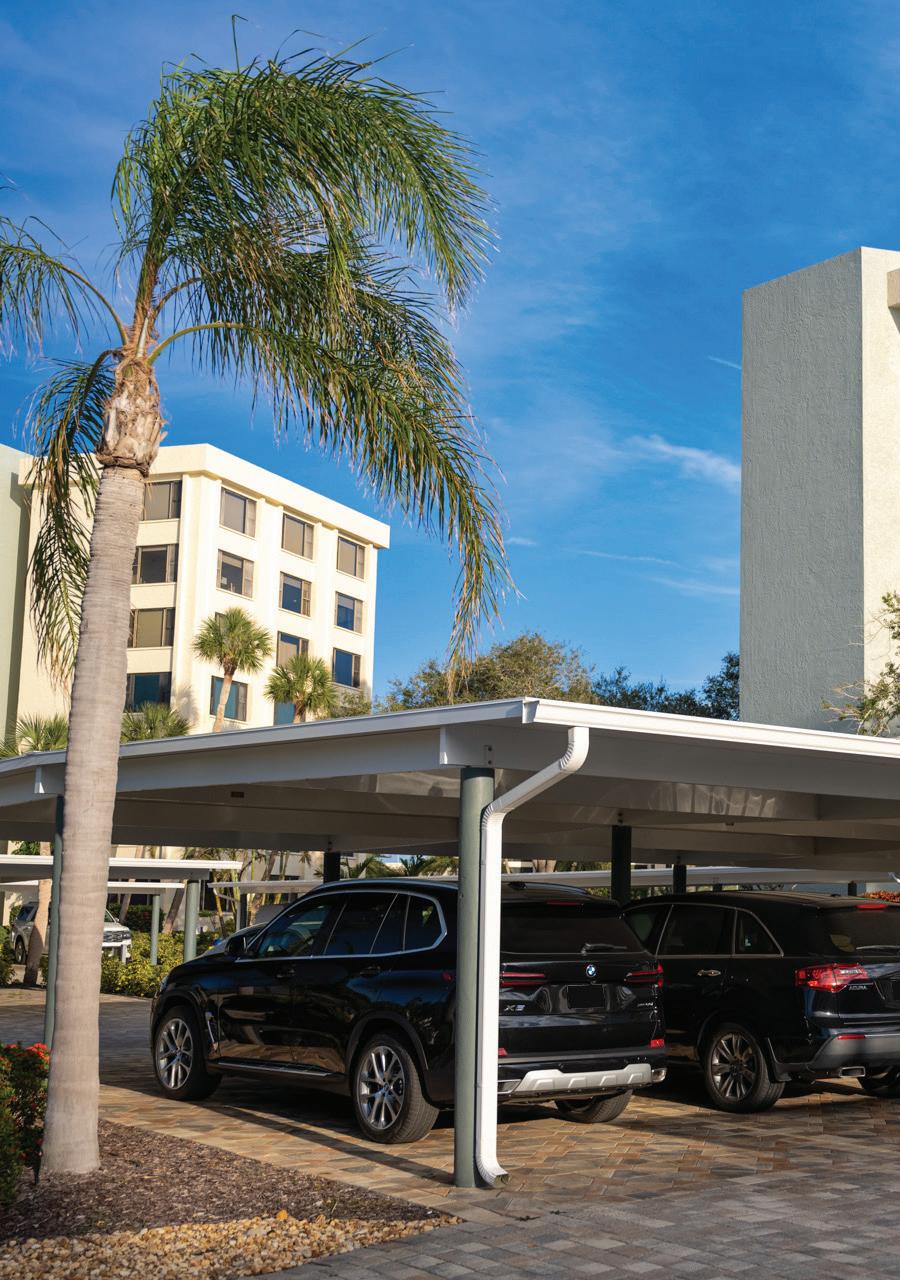
We’ve Got You – And Your Car –COVERED.
Protect your vehicles from Florida’s harsh environment with Mullet’s Aluminum’s award-winning carports. Ideal for condominium, apartment and commercial properties, our structurally superior, site-specific systems are engineered for long-term performance, reducing vehicle heat and enhancing interior comfort.
With over 45 years of experience in manufacturing and installation, Mullet’s Aluminum is one of the largest architectural aluminum manufacturers in Florida - so don’t worry, we’ve got you covered. .
Call for a free quote or visit our website.

REMBAUM'S ASSOCIATION ROUNDUP
The Association’s Right to Seek an Injunction to Compel Compliance with the Declaration of Covenants: An Ever-Changing Situation
BY JEFFREY A. REMBAUM, ESQ.
In two published articles, in June 2022 and again in November 2023, the Roundup reported on appellate cases addressing the right of homeowners’ associations to seek an injunction against an owner for violations of the declaration against the need to first seek a self-help remedy when also authorized by the declaration. The articles are titled “Violation Remedies: Self-Help vs. Injunction | Which to Use” and “Is It Time to Consider Removing an Association’s Right of Self-Help to Cure an Owner’s Violation from the Declaration?” Both articles discussed recent appellate cases, from the 2nd and the 6th District Court of Appeals (DCAs) which, in short, held that where the declaration provided that an association may seek an injunction for a court order against a noncomplying owner and where the declaration also included the association’s right of self-help to cure the violation, the remedy of self-help must to be employed before the association could seek an injunction ordering the noncomplying owner to cure the violation.
For example, where an owner fails to maintain their yard and the declaration provides the association both a remedy of self-help and/or
Photo courtesy of Kaye Bender Rembaum
seeking a court ordered injunction to compel the owner to cure the violation, both the 2nd and 6th DCAs held that where an adequate remedy at law exists, it must at least be tried to be used to cure the violation before seeking an injunction. This is because of the long ago established important principal that all legal remedies (i.e., contractual remedies) must be exhausted before an equitable remedy (meaning, “judge make the owner do the right thing”) can be sought from the court.
To put all this together, the declaration is a contact between the owner and the association and where such contract provides the right of the association; to enter the lot to cure the landscaping violations but not the obligation to do so, such permissive and nonobligatory right is still a legal remedy; and therefore, it must be used before
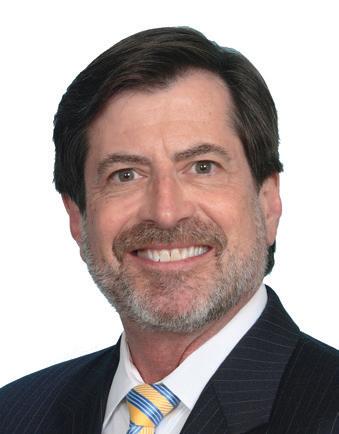
JEFFREY REMBAUM, PARTNER, KAYE BENDER REMBAUM
Attorney Jeffrey Rembaum has considerable experience representing countless community associations that include condominium, homeowner, commercial, and cooperative associations throughout Florida. He is a board-certified specialist in condominium and planned development law and is a Florida Supreme Court circuit civil mediator. Every year since 2012 Mr. Rembaum has been inducted into the Florida Super Lawyers. He was twice awarded as a member of Florida Trend’s Legal Elite. Kaye Bender Rembaum P.L. is devoted to the representation of community and commercial associations throughout Florida with offices in Palm Beach, Broward, Hillsborough, and Orange Counties (and Miami-Dade by appointment). For more information, visit kbrlegal.com
an association can seek the remedy of an equitable injunction from the court. But, like many rules, there are exceptions. Remember “i” before “e” except after “c”? Few bodies of law have more exceptions than that of community association law, and for good reason, too!
In August 2025, the 4th DCA recognized the long-standing decisional exception that allows a homeowners’ association to seek the equitable remedy of injunction without having to first use, or even to at least try to use, the legal remedy of self-help where both remedies are set out in the declaration of covenants. In Mooney v. Color Le Palais of Boynton Beach Homeowners Association, Inc., Case No. 4D2024-0967 & 2024-2082 (Fla. 4th DCA August 27, 2025), the 4th DCA affirmed the trial court’s reasoning









that the association was not required to establish irreparable harm or inadequate remedy at law before seeking an injunction. The court recognized that traditionally when seeking an injunction, a party must have i) a clear right, ii) irreparable harm, and iii) no adequate remedy at law. However, violations of restrictive covenants on real estate (i.e., a declaration of covenants) have a long-justified departure from this general rule. The 4th DCA points to a 1927 Florida Supreme Court case, Stephl v. Moore, 114 So. 255 (Fla. 1927), which provided that “a violation of covenants amounts to an irreparable injury…appropriate allegations showing a violation or quasi violation of the covenants is sufficient.” The 4th DCA even points to a 2006, 2nd DCA case, Autozone Sores, Inc. v. Ne. Plaza Venture, LLC, 934 So.2d 670 (Fla. 2d DCA2006), (where then Justice Canady who was serving on the 2nd DCA at that time before becoming a Florida Supreme Court Justice) that states “Florida law has long recognized that injunctive relief is available to remedy a violation of a restrictive covenant without a showing that the violation caused in irreparable injury, that is an injury for which there is no adequate remedy at law.” Therefore, it logically follows that when a breach of the declaration of covenants is concerned, the association need not first try to cure the violation by utilizing self-help before seeking an injunction from the court to compel the owner to adhere to the covenants. In other words, while it is typically required to first exhaust all legal remedies which may exist under a contract before seeking an equitable remedy from the
courts, this is not applicable in the context of the enforcement of covenants recorded against real property, such as a declaration of covenants for a homeowners’ association.
The 4th DCA even recognized that §720.305(1), Fla. Stat., provides for equitable relief, even when there is a remedy at law also available. More specifically, §720.305(1), Fla. Stat., provides in relevant part that, “actions at law or in equity, or both, to redress alleged failure or refusal to comply with these provisions may be brought by the association or by any member…” The court notes that, “by using the phrase ‘or both’ that §720.305(1) Fla. Stat., unambiguously gives an association, the right to seek relief in equity, even if an action at law is also available to redress the alleged violation. The statute does not limit the availability of equitable relief to situations where legal remedies are inadequate.”
In rendering its opinion, the 4th DCA recognized its decision is in direct conflict with both the 2nd and 6th DCAs, which both previously held that legal remedies must be exhausted before seeking equitable relief such as an injunction from the courts, and thus certified the question to the Florida Supreme Court for a final determination. Until then, where are we?
If the homeowners’ association is within the territory of the 4th DCA, then the association can seek an injunction against an owner without having to first employ the legal remedy of selfhelp as may be set out in the declaration. Meanwhile the homeowners’ associations within jurisdiction of the 2nd and 6th DCAs must exhaust all legal remedies, such as self-help, before seeking









Julie Jaram, MBA
360 Central Avenue, Suite 800 St. Petersburg, FL 33701
727.290.2578
jjaram@devinandco.com • www.devinandco.com

•

IN RENDERING ITS OPINION, THE 4TH DCA RECOGNIZED ITS DECISION IS IN DIRECT CONFLICT WITH BOTH THE 2ND AND 6TH DCAS, WHICH BOTH PREVIOUSLY HELD THAT LEGAL REMEDIES MUST BE EXHAUSTED BEFORE
TION
an injunction from the courts. If the homeowners’ association is located with the 1st, 3rd, and 5th DCAs, then whether the association should first exhaust all legal remedies such as self-help before seeking a court ordered injunction is anything but clear, and such associations will absolutely need good counsel from the association’s attorney.
In case you are wondering which DCA your county is in, refer to the following list:
1. Must exhaust self-help and all
other legal remedies before seeking an injunction
• The 2nd DCA is comprised of Pinellas, Pasco, DeSoto, Manatee, Sarasota, and Hillsborough Counties.
• The 6th DCA is comprised of Orange, Osceola, Hardee, Highlands, Polk, Charlotte, Collier, Glades, Hendry, and Lee Counties.
2. Can use self-help or seek an injunction:
• The 4th DCA is comprised of Palm Beach, Broward, St. Lucie, Martin, Indian River, and Okeechobee Counties.
3. Undecided
• The 1st DCA is comprised of Escambia, Okaloosa, Santa Rosa, Walton, Franklin, Gadsden, Jefferson, Leon, and Wakulla Counties.
• The 3rd DCA is comprised of Alachua, Baker, Bradford, Columbia, Dixie, Gilchrist, Lafayette, Levy, Marion, Putnam, St. Johns, Suwannee, Taylor, Union, and Volusia Counties.
• The 5th DCA is comprised of Bay, Calhoun, Holmes, Jackson, and Washington Counties and all other counties in the Northwest Florida region.
Due to the ever-changing landscape of this important remedy, whether self-help as authorized by the declaration should be utilized before seeking an injunction from the court to order a member to comply with the terms of the declaration, or not, should be fully discussed with the association’s attorney. n
DUE TO
THE EVERCHANGING LANDSCAPE
OF
THIS
IMPORTANT REMEDY,
WHETHER SELF-HELP AS AUTHORIZED BY THE DECLARATION SHOULD BE UTILIZED BEFORE SEEKING AN INJUNCTION FROM THE COURT TO ORDER A MEMBER TO COMPLY WITH THE TERMS OF THE DECLARATION, OR NOT, SHOULD BE FULLY DISCUSSED WITH THE ASSOCIATION’S ATTORNEY.


Fining and Violations in Florida Communities A
Step-by-Step Guide for Condominium and HOA Boards
BY DANIA S. FERNANDEZ, ESQ.
Florida’s community associations often struggle with one of the least popular but most necessary tasks of governance—enforcing rules and issuing fines. Whether it’s an unapproved paint color, a noisy pet, or a failure to maintain a balcony, associations must sometimes impose sanctions to maintain order and protect property values.
Yet, fines that are not handled correctly can be invalid—and even expose the board to liability. The good news is that both the Florida Condominium Act (Chapter 718.303(3)) and the Homeowners’ Association Act (Chapter 720.305(2)) lay out a clear roadmap. The key is to follow that roadmap precisely.
This article breaks down the process into practical, easy-to-follow steps—so you can clip it, share it, and use it as your quick-reference guide for proper enforcement.
1. IDENTIFY AND DOCUMENT THE VIOLATION
Every enforcement action begins with identifying the problem. Maybe a resident built a fence without approval or left trash bins out for days. Before jumping to fines, the board should carry out the following:
• Verify that the conduct truly violates the governing documents (declaration, bylaws, or rules and regulations).
• Document the violation with photos, dates, and written reports from management or witnesses.
• Keep clear records—including prior communications—since consistency and fairness are vital if challenged later.
Photo by iStockphoto.com/Sandwish
The goal is not punishment but compliance. Sometimes a friendly reminder resolves the issue before formal enforcement becomes necessary.
2. NOTICE REQUIREMENT (APPLIES TO CONDOMINIUMS AND HOAS)
Before any fine or suspension, give the owner 14 days’ written notice and a hearing before an independent, threemember committee (owners who are not officers, directors, employees, or close relatives). The committee must be properly formed—appointed at a duly noticed board meeting, listed on the agenda, and approved by board motion. See §718.303(3)(b) (condominiums) and §720.305(2)(b) (HOAs).
Your written notice should include the following:
• The specific provision of the declaration/bylaws/rules allegedly violated
• A brief description of the facts/ behavior constituting the violation
• The date, time, place, and format of the committee hearing and the owner’s right to attend and be heard
• A statement that a fine or suspension may be imposed after the hearing if approved by the committee.
Providing this notice preserves
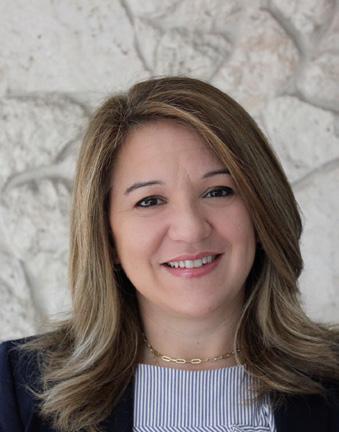
DANIA S. FERNANDEZ, ESQ., ATTORNEY AT LAW, DANIA S. FERNANDEZ & ASSOCIATES
Dania S. Fernandez, Esq., is a Florida attorney in community law. She advises community boards throughout South Florida on compliance, governance, and effective enforcement procedures. To discover how we can assist your community association, visit www.daniafernandez.com, send an email to dania@dsfpa.com, or call 305-254-4492.
due process and demonstrates fair, transparent enforcement.
3. HOLD THE FINING COMMITTEE HEARING
The committee’s job is to ensure fairness and follow the law—not to debate or investigate. Members should take the following steps:
• Review the notice, governing documents, and any evidence provided.
• Conduct the hearing calmly and professionally, allowing the owner (or their representative) a reasonable chance to speak.
• Avoid discussion of unrelated issues or personal opinions.
• Deliberate privately after hearing both sides.
• Decide by a majority vote whether to approve or reject the proposed fine or suspension.
• Document the date, attendees, and outcome briefly in the minutes (no need for detailed transcripts).
If the committee does not approve, the fine or suspension cannot be imposed.
4. POST-HEARING: HOW TO FINALIZE AND NOTIFY
Condominiums—§718.303(3)(b) When the committee approves, then
• Send a notice—Mail or hand-deliver written notice to the unit owner (and, if applicable, tenant/licensee/invitee).

• Payment due—Fine is due five days after the notice.
• Limits—Max $100 per violation/ per day; $1,000 aggregate. — Cannot exceed these caps by declaration/rules.
— Fines cannot become liens.
• Recordkeeping—Enter the decision, due date, and status in the official records.
HOAs—§720.305(2)(d), (f) When the committee approves, then
• Send notice—Committee must provide written decision within seven days after the hearing.
• Payment date—Set a due date at least 30 days after the notice.
• Limits—Default $100 per violation/per day; $1,000 aggregate (docs may allow higher).
• Lien rule—Less than $1,000 means no lien. $1,000-plus means a lien only if the declaration authorizes it.
• Recordkeeping—Enter the decision, due date, and status in the official records.
5. PREVENTION STARTS WITH CONNECTION
The best enforcement happens long before a violation notice is ever sent. Keep owners informed and engaged by publishing a simple, easy-to-read summary of the community rules each
year and explaining why those rules exist—whether for safety, fairness, or preserving property values. Send friendly reminders through newsletters or emails and make it easy for owners to ask questions. When issues arise, begin with a courteous heads-up and offer a clear path to correct the problem before taking formal action. Consistent, respectful communication fosters trust, reduces conflict, and turns enforcement into cooperation.
6. COMMON MISTAKES TO AVOID
1. Committee not properly formed (not on agenda/no board motion)
2. No 14-day notice or hearing (required by §§718.303(3)(b), 720.305(2)(b))
3. Wrong committee makeup (directors/employees/relatives serving)
4. Post-hearing timing missed (HOA: notice in seven days; payment ≥30 days; Condominium: fine due five days after notice)
5. Exceeding caps (Condominium hard cap $100/day, $1,000 total; HOA docs may allow more)
6. Lien mistakes (Condominium: never; HOA: only ≥$1,000 and if docs authorize)
7. Poor records (no minutes/ledger/evidence).
7. QUICK REFERENCE CHECKLIST
1. Verify violation and document evidence.
2. Send 14-day written notice of hearing.
3. Hold hearing before independent three-member committee.
4. Committee votes—approve or reject.
5. Provide written notice of outcome (condominiums: within five days due; HOAs: notice within seven days, due in 30).
6. Record in official records and update fines ledger.
7. Apply suspensions or further enforcement only as statutes permit.
Fining should promote compliance, not punishment. Boards that follow the precise steps in §718.303 and §720.305—documenting violations, sending timely notice, holding impartial hearings, and respecting statutory limits—will ensure their enforcement actions are fair, defensible, and legally valid. n

New E-Voting Laws Make Condominium Elections Easier Across Florida
BY GABRIELLA M. RUIZ
For years Florida condominium associations have wrestled with outdated voting procedures, but a new law that took effect in 2025 is finally making electronic voting easier and faster and legally requiring acceptance of emailed ballots. Originally introduced in 2015, electronic voting was permitted only if an association’s board of directors passed a formal resolution and implemented a secure online system that met strict statutory requirements. While the option was available, many communities found the process too complicated or expensive to adopt. Now, a decade later, the Florida legislature has enacted changes that make electronic voting significantly easier and more affordable for condominium communities. These updates are designed to transform
Photo by iStockphoto.com/No-Mad
how associations conduct elections, especially those that have struggled to meet quorum and voting thresholds in the past.
Under the new law, condominium associations that have not adopted a formal electronic voting system must now accept signed ballots submitted via email for annual elections. These ballots must be sent from the unit owner’s designated email address and include the owner’s full name and unit number, which serve as a digital signature. Boards are required to designate a specific email address for ballot submissions.
Similar to paper ballots, ballots submitted via email must be received by the association no later than the scheduled date and time of the annual meeting, and they must include a statutory disclaimer informing owners that submitting their vote via email
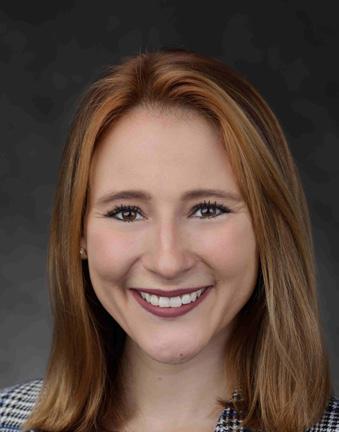
GABRIELLA M. RUIZ, ATTORNEY, SIEGFRIED RIVERA
Gabriella M. Ruiz is an attorney with the South Florida law firm of Siegfried Rivera who focuses on community association law and construction defect litigation. She is a contributor to the firm’s Newsroom blog at www. SiegfriedRivera.com/blog and is based at its Coral Gables office. The firm also maintains offices in Broward and Palm Beach Counties, and its 49 attorneys focus on community association, real estate, construction, and insurance law.
For more information visit www.SiegfriedRivera.com, email GRuiz@ SiegfriedRivera.com, or call 305-442-3334.
waives their right to a secret ballot. This new method offers a streamlined alternative to traditional paper ballots and complex online platforms, and owners are now allowed to cast emailed ballots even if their association has not passed such a resolution to officially adopt it.
For associations that wish to implement a formal online electronic voting system, the process has been streamlined with the new law. A 48-hour notice of the board meeting to adopt electronic voting now suffices, replacing the previous 14-day requirement. Once adopted, electronic voting must be used for all future board elections, although associations are not obligated to offer the email ballot option if they implement a formal electronic voting system.
Associations still need to obtain owner consent to use the online

system, and their signed consent forms will need to be retained as part of the community’s official records. Owners also now have the right to petition their board to adopt electronic voting, and if at least 25 percent of the voting interests support the petition, the board must hold a meeting within 21 days to adopt such resolution.
These changes mark a major shift in how Florida condominium associations conduct elections. By mandating email ballot acceptance and simplifying the adoption of online systems, the law aims to improve accessibility and reduce the logistical challenges that have historically hindered participation.
However, associations must remain vigilant about compliance. The statutory disclaimer, ballot authentication, and recordkeeping requirements are critical to ensuring the integrity of the voting process. Associations should seek the advice of highly experienced and qualified legal counsel to implement the best approach for their community together with effective safeguards against fraud or procedural errors.
Florida’s 2025 e-voting reforms offer condominium associations a valuable opportunity to modernize their election procedures. Whether through email ballots or a formal online system, electronic voting can help communities achieve quorums, streamline ballot counting, and foster greater engagement among unit owners. With thoughtful implementation and legal guidance, associations can take full advantage of these new tools to strengthen their governance and simplify their operations. n
THESE CHANGES MARK A MAJOR SHIFT IN HOW FLORIDA CONDOMINIUM ASSOCIATIONS CONDUCT ELECTIONS. BY MANDATING EMAIL BALLOT ACCEPTANCE AND SIMPLIFYING THE ADOPTION OF ONLINE SYSTEMS, THE LAW AIMS TO IMPROVE ACCESSIBILITY AND REDUCE THE LOGISTICAL CHALLENGES THAT HAVE HISTORICALLY HINDERED PARTICIPATION.


Open Carry of Firearms Now Legal in Florida—What May Associations Do?
BY KEITH F. BACKER, ESQ.
On September 10, 2025, the First District Court of Appeal in McDaniels v. State of Florida ruled, contrary to the Florida Supreme Court’s 2017 decision in Norman v. State of Florida, that §790.053, Florida Statutes (Florida’s “Open Carry Ban”), enacted in 1987 was unconstitutional.
Photo by iStockphoto.com/Michael Vi
Prior to this case, Norman had upheld the Open Carry Ban, which stated it was “unlawful for any[one] to openly carry on or about [their] person any firearm or electric weapon or device,” except to “briefly and openly display the firearm to the ordinary sight of another person,” where the display was “[not] in an angry or threatening manner” or “in necessary self-defense.”
In McDaniels, however, a three-judge panel of the First District Court of Appeal—the appellate court with jurisdiction over 32 Florida counties—held the Open Carry Ban unconstitutional, opening the door to open carry throughout the state of Florida. It remains possible that another Florida appellate court may rule differently, setting up the potential for review by the Florida Supreme Court. In the meantime,

KEITH F. BACKER, ESQ., PARTNER, POLIAKOFF BACKER
Keith F. Backer, Esq., is a partner of Poliakoff Backer, a law firm serving community associations in Palm Beach, Broward, and Miami-Dade Counties. The Firm was founded by Mr. Backer, a Florida Bar board-certified specialist in condominium and planned development law with more than 35 years of legal experience in Florida. The law firm was created to provide community associations with the highest quality legal services with a degree of personal attention often difficult to obtain at larger firms. For more information on Poliakoff Backer, call (800) 251-3562, email kbacker@bapflaw.com, or visit www.bapflaw.com
Florida Attorney General James Uthmeier issued guidance advising that open carry should be considered lawful throughout the state of Florida. Furthermore, the Florida Sheriffs Association, which is composed of 67 county sheriffs in Florida, has advised deputies that they should no longer enforce the prior Open Carry Ban except in situations where exclusions apply or conduct is inconsistent with permitted open carry.
The McDaniels decision has raised many questions about how it may impact private property owners. Below is a summary of some of the issues and this author’s point of view. Of course, the conclusions here may be affected by further appeals or other changes to the laws approved by the Florida legislature and governor from time to time.


CAN HOAS, CONDOMINIUMS, AND COOPERATIVES STILL PROHIBIT FIREARMS IN COMMON AREAS? YES, AND HERE’S HOW
Many community association boards are asking whether they can adopt rules or amendments to keep guns out of their shared spaces. The answer is “yes.” Associations retain the authority to regulate possession of firearms in their common facilities.
AUTHORITY OF HOAS, CONDOMINIUMS, AND COOPERATIVES
1. Private Property Rights
Common areas such as clubhouses, gyms, pools, and meeting rooms are the association’s private property. Just like a business can set conditions for entry, boards may adopt reasonable rules or amendments prohibiting firearms in these spaces.
2. Preemption Does Not Apply
Florida Statute §790.33 preempts cities and counties from enacting firearm regulations, but this statute does not restrict private property owners including associations. Boards may enforce “no firearms” rules in common facilities without running afoul of preemption.
3. Parking Lot Exception
One important limit is that under Florida Statute §790.251 (the “parking lot law”), owners, residents, and guests may keep lawfully possessed firearms locked inside their vehicles parked on association property. Rules cannot override this statutory protection.


PRACTICAL STEPS FOR BOARDS
• Adopt a clear rule or amendment prohibiting firearms in common areas (but not private units). Amending your declaration or bylaws is preferred over a boardmade rule since board-made rules are subject to more scrutiny for whether they are reasonable than are amendments to the declaration or bylaws.
• Post conspicuous signage at entrances to common facilities to provide notice.
• Train staff or security to handle violations consistently: request compliance first, then treat refusal as a violation and proceed consistently with procedures for all other violations. n



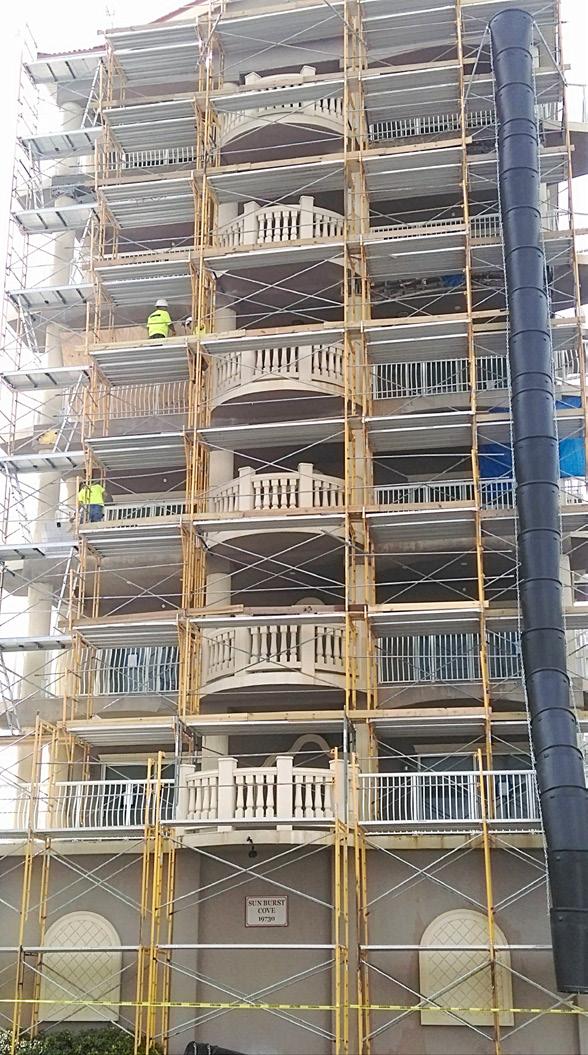


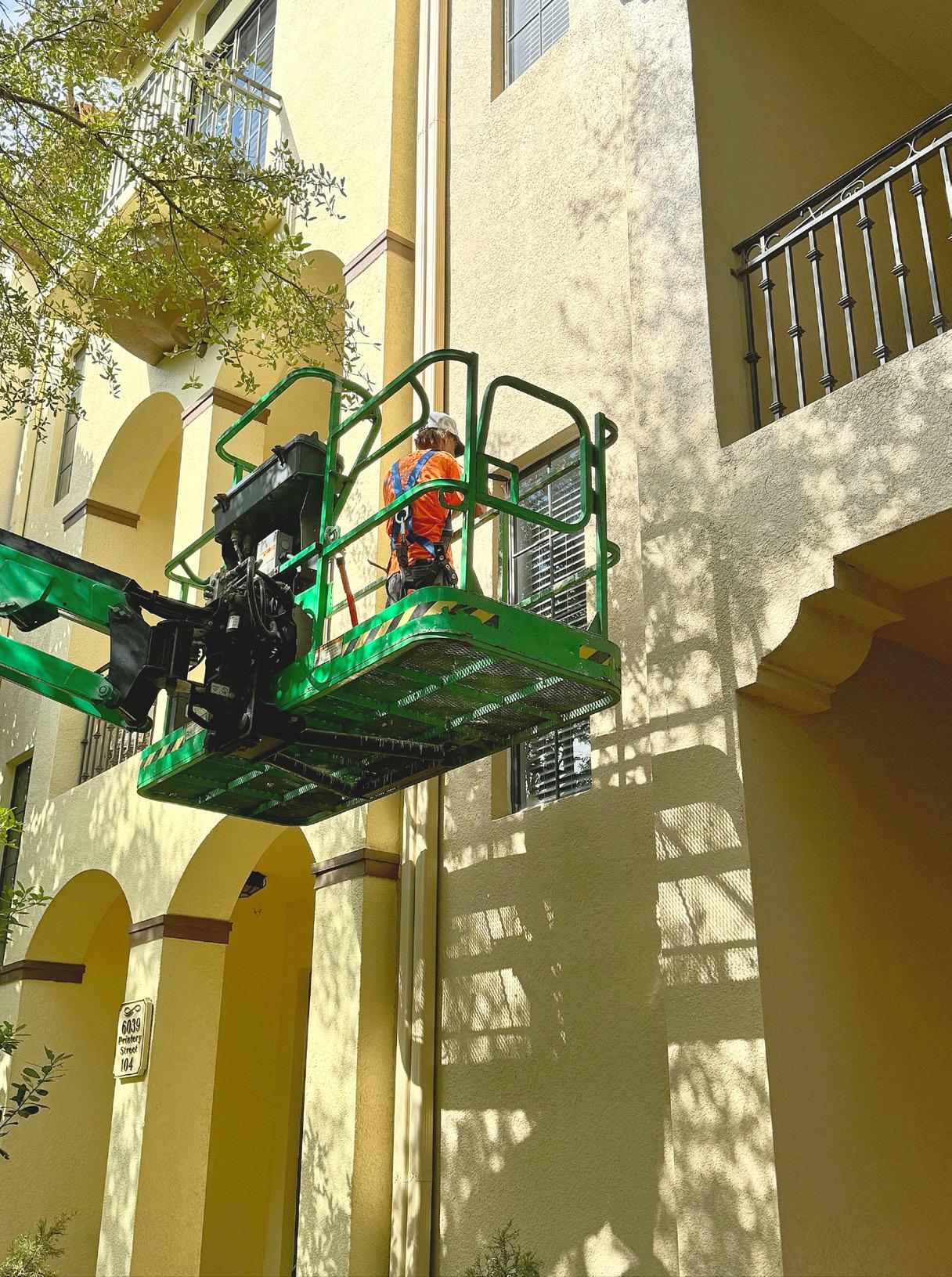

What Is an Association’s Duty to Maintenance and Enforcement?
MAINTENANCE: THE ASSOCIATION’S DUTY TO MAINTAIN SAFE ACCESS
BY MICHAEL J. GELFAND, ESQ.
In Florida, homeowners’ and condominium associations, as well as country club, master, umbrella, road, and canal associations, often provide or are subject to easements authorizing the use of property by persons who otherwise do not have the right to possess or remain in the property. The purposes for the authorized uses are varied, but frequently Florida communities’ easements are intended to allow owners and residents to ingress and egress—that is, the ability to access and leave their homes.
Who is responsible for maintaining and repairing the easement?
Photo by iStockphoto.com/Andrii Yalanskyi
What happens when someone who does not live within the association utilizes the easement? Does a requirement to maintain common property also apply to an easement?
This situation was squarely addressed in a recent Florida appellate court decision. Specifically, the issue was whether a Florida homeowner association’s failure to trim trees over an easement unreasonably interfered with a lot owner’s use of the easement.
The facts in Zoble v. Kensington Estates Homeowners’ Association of Hillsborough, Inc., 50 Fla. L. Weekly D 2093 (Fla. 2nd DCA, September 19, 2025), indicate that Zoble had easement rights to travel on a private road owned by the association to access his property. The association’s declaration required the association to maintain common areas, which
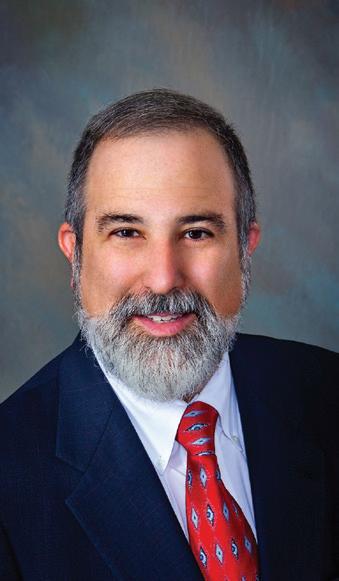
MICHAEL J. GELFAND, ESQ., SENIOR PARTNER, GELFAND & ARPE, P.A.
Michael J. Gelfand, Esq., the senior partner of Gelfand & Arpe, P.A., emphasizes a community association law practice, counseling associations and owners how to set legitimate goals and effectively achieve those goals. Gelfand is a dual Florida Bar board-certified lawyer in condominium and planned development law and in real estate law, a certified circuit and county civil court mediator, a homeowners’ association mediator, an arbitrator, and parliamentarian. He is a past chair of the Real Property Division of the Florida Bar’s Real Property, Probate & Trust Law Section, and a Fellow of the American College of Real Estate Lawyers. Contact him at ga@gelfandarpe.com or 561-655-6224.
included the easement over the association’s private road.
Zoble sued the association seeking to require the association to remove tree branches, alleging the tree branches interfered with his right of ingress to and egress from his property. Zoble further alleged that low hanging branches damaged his boat and camper when he parked the boat and camper on the road. The trial court granted summary judgment for the association.
The Florida appellate court rejected the trial court’s decision, concluding
Florida’s Roofing Partner for Communities and HOAs
• Respected Leader in Florida Roofing since 2005
• Proactive Roof Maintenance Programs
• Emergency Response & Storm Preparedness
• Insurance, Reserve Study, & Compliance Assistance
• Clear Communication with Boards & Residents
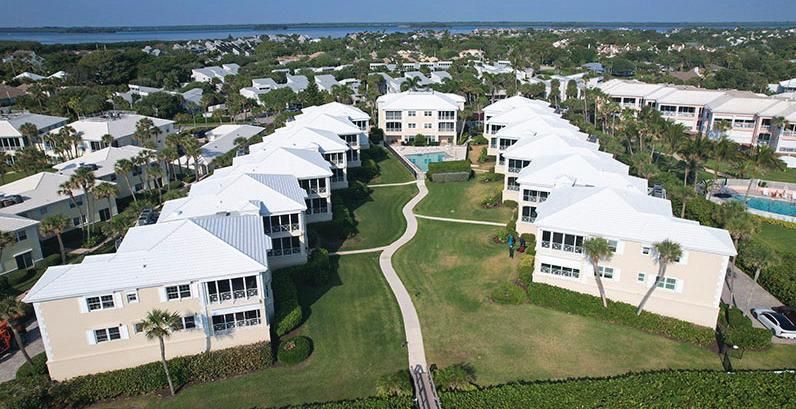

that the question of whether the association allowed the tree limbs overhanging the road to unreasonably interfere with Zoble’s right of access to his property was a question that should be decided at a trial. The court explained that the owner of the property on which an easement exists, in this case the association, cannot fail to maintain its easement in any way that unreasonably interferes with the holder of the easement’s use.
The court noted that it was overruling the trial court’s summary judgment based on an interpretation of the business judgment rule described as giving absolute discretion as to the maintenance of common areas to the association.
Explaining further, the court narrowed the application of the business judgment rule: “Whether an association acted reasonably under the business judgment rule is ordinarily a question of fact.” Thus, this rule does not grant absolute discretion to the board of directors; instead the board must act reasonably. Further, this rule does not excuse the board of directors from failing to protect easement rights.
Florida community associations are urged to review their “governing documents” and other title instruments to confirm what easements exist within their communities and the association’s duties toward the easements. Sometimes easements may be in documentation for neighboring communities or other property granted easement rights.
There are at least two additional considerations. One is whether your association’s governing documents or other instrument shifts maintenance duties. Another is that sometimes roads within an association are dedicated to public use. In those communities, there may not be easements granted over the roads.
THE COURT NOTED THAT IT WAS OVERRULING THE TRIAL COURT’S SUMMARY JUDGMENT BASED ON AN INTERPRETATION OF THE BUSINESS
JUDGMENT RULE DESCRIBED AS GIVING ABSOLUTE
DISCRETION AS TO THE MAINTENANCE OF COMMON AREAS TO THE ASSOCIATION.
ENFORCEMENT: ASSOCIATION NOT REQUIRED TO ENTER PROPERTY AND CURE OR REMOVE MODIFICATION
Can a lot owner replace sod with mulch? What if the association’s declaration requires yards to be maintained with sod? Will a court require the owner to replant or require the association to simply fix the situation?
Recently a Florida appellate court ruled that the trial court did not err in determining that the association was entitled to attorney’s fees where the owners voluntarily complied with the association’s request by removing mulch and replacing it with sod.
In Mooney v. Color Le Palais of Boynton Beach Homeowners Association, Inc., 50 Fla. L. Weekly D 1912 (Fla. 4th DCA, August 27, 2025), the homeowners covered most of their front yard with

•
mulch and planted over 135 plants in the mulched area even though its declaration required all owners to maintain and care for lawns in uniformity with surrounding lawns in the community.
The association sent numerous notices to the owners to replace the mulch with sod. The association also sent a statutory demand to participate in pre-suit mediation. In what might be seen as a procedural gaffe, the owners refused to participate in mediation unless the association agreed to pay all costs. Not being required to pay all costs, the association declined to do so; thus, there was no pre-suit mediation.
Instead the association sued the owners for violating the declaration, seeking an injunction requiring the owners to replace the mulch with sod. After the lawsuit was filed, the owners were reported to have voluntarily complied with the association’s landscape demands, and the association sought its attorney’s fees. The trial court granted summary judgment for the association, finding the association the prevailing party, and awarded it over $40,000 in fees and costs.
Just as important as the alteration issue, the Florida appellate court addressed the declaration’s provision providing for self-help. “Self-help” generally is when a party enters another’s property and cures the problem without a court order. “Here, self-help would have required the association to embark on a substantial horticultural project on the homeowners’ property against the homeowners’ wishes,” the court stated. “There was a risk that the project could have degenerated into a breach of the peace. There was a risk that the homeowners’ property could have been damaged.”
This case also illustrates the perils of refusing to go to mediation before a lawsuit is filed. The owners, who refused mediation unless the association paid the entire cost, ended up with a much larger bill! n



Community Community
Florida Community Association Professionals (FCAP) primarily publishes the Florida Community Association Journal, the leading resource for Florida community association managers, service providers, and board members.
Through our publication, we provide education, industry insights, and resources to support the professionals who serve Florida's community associations.
Contact us at 800-443-3422, info@fcapgroup.com , or www.fcapgroup.com for more information.
BECAUSE YOU ASKED
By Betsy Barbieux, CAM, CFCAM, CMCA
Betsy, I live in a co-op here in Central Florida. Several of my neighbors and I were
interested in getting some clarification on the new law recently enacted regarding board member term limits.
When does the new law go into effect, and what exactly is the new law as far as the length of time someone can serve on a board of directors in a co-op? What is the maximum time a board member can serve if there are other eligible candidates, and when does the clock start for someone who has already been a member for several years?
Any information you can provide would be greatly appreciated.
— Greg
Greg,
There are no term limits for cooperative board members. In 2018 there was a law change that affected condominium board members’ terms but not cooperative.
The only restriction is in Section 719.106, Florida Statutes, which has some restrictions for co-owners of a unit/share running for the board.
The board certification requirements have not changed yet for cooperative
board members. Within 90 days of election or appointment, board members must either sign a certification form or submit a certificate of completion for a division-approved class.
— Betsy
Betsy,
Does the association have to mail out the audited financials to all owners, or can we upload them to the community website or payment portal so owners can view and print them if they wish?
— Leslie
Leslie,
You may send a notification to the owners that the year-end financial report/ audit is available to them at no cost, and you can direct them to the website. There is a new requirement for an affidavit signed by an officer or director (not manager) that the year-end financials have been delivered and posted on the website. If you are required to have a website, it also must be posted on the website.
—
Betsy
Betsy,
We will have our HOA membership annual meeting and voting for directors soon. There were mail-in ballots sent out to everyone, and a few people have already mailed in their ballots. Then two candidates withdrew their names. Some of the people who already returned their mail-in ballots voted for these two people. There are a lot of people concerned and want to know why they cannot retrieve their ballots and revote.
Is there any statute or rule for HOAs that says what to do in a situation like this? Any insight you have would be greatly appreciated.
—
Marty
Marty,
The HOA statute does not specifically address your question. Neither are there any rules in the Florida Administrative Code that would give you guidance. Unless there is some special language in your documents, there is nothing to help you.
Those owners who are out of town/state who sent in their ballots ahead of time would not have had time to receive another ballot and revote. So, I don’t think revoting is an option.
You could reschedule the membership meeting, start all over again with a 14-day notice, and send out ballots again.
Section 720.306(9)(a), Florida Statutes, has the only language about HOA elections.
— Betsy
Betsy Barbieux
BOARD MEMBER TIPS, PART TWO
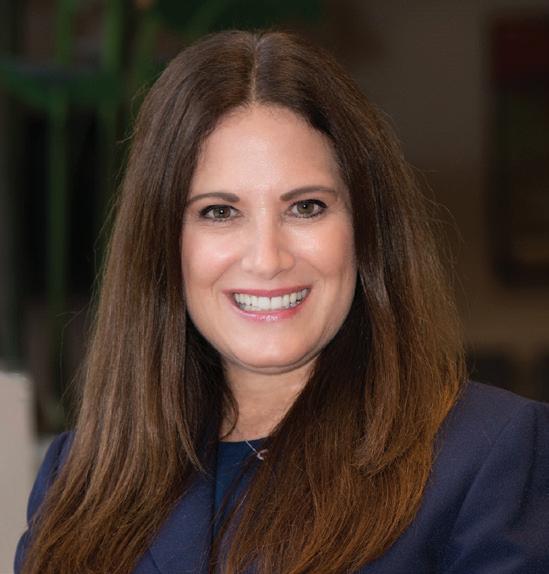
By Marcy Kravit, CMCA, AMS, PCAM, CFCAM, CSM
Senior Director of Community Association Relations—Developing Markets Hotwire Communications
Editor’s Note: Part One can be read in the October issue or online at www.fcapgroup.com/flcaj/flcaj-articles/ when you click on “Past Digital Issues” on the left-hand margin.
THE DECLARATION, BYLAWS, AND ARTICLES OF INCORPORATION
These are the documents used to establish the framework and legal basis for the “government” of the community that is created. These documents are generally enforceable in a court of law if the need ever arises. The developer is required to operate the association in the best interest of the owners throughout the marketing phase until the control of the association passes to the homeowners and their elected representatives. Once this turnover or transition of power takes place, the association becomes a totally independent entity answerable to its membership.
MEMBERSHIP
The association is unique, and each owner automatically becomes a member of the association on taking title to property. Only owners are association members, and all owners must be members. Generally, each member of the association has one vote—check your documents and consult with your association attorney.
RIGHTS AND POWERS OF THE ASSOCIATION
The association needs the authority to effectively manage, operate, and maintain the common areas. That authority is provided in the governing documents. Common areas typically include landscaping, recreation facilities, private streets and driveways (HOA), parking garages, outdoor lighting, structures, roofs, fences, amenities, and any other common area components.
The powers are delegated by the association to a board of directors elected by the membership at an
annual or special meeting. The procedures for the election and removal of the board members are provided in the governing documents.
Although the board is given the power to act, if an action has significant impact on the rights of the owners, prior approval by at least a majority of the owners is sometimes required and usually prudent. The following are examples of actions requiring a vote:
1. Raising regular assessments significantly (check governing documents)
2. Special assessments
THE BOARD OF DIRECTORS—POWERS AND DUTIES
Community associations are led by a volunteer board which manages the business. The specific duties and powers detailed in the governing documents may include the following:
• Enforcement of the governing documents and management of the association
• Assessment collection
• Contracting for goods, services, and insurance on behalf of the association
• Delegation to committees, officers, and employees to assist in association operation
• Preparation of budgets and financial statements
• Adoption and enforcement of rules
• Power to take disciplinary action, including fining members who violate the rules or policies
• Repair and maintenance of the common area.
FUNDING THE ASSOCIATION
Regular assessment income for most associations is usually derived from monthly assessments levied on all owners. In some associations those assessments may be unequal if owner unit sizes vary substantially or when some owners receive greater services or benefits. Regular assessments cover the day-to-day costs of maintaining recreational amenities like swimming pools, clubhouses, and tennis courts and services like landscape maintenance.
SPECIAL ASSESSMENTS
The board usually has the authority to levy “special” assessments for major repairs or replacements or for a one-time, unanticipated expense which cannot be covered by the regular assessments, like insurance premiums that unexpectedly skyrocket.
LIEN RIGHTS
Assessments, late charges, collection costs, and interest charged become an owner debt and a lien on the owner’s property when the association files a lien
Marcy L. Kravit
notice with the county recorder where the property is located. The lien can be enforced in any manner permitted by law, including foreclosure, in order to recover money owed the association. When the owner pays the debt, the association must record a lien release notice.
BUDGETING PRESENT AND FUTURE
Reserves are an important part of the association’s budget. They fund future repair and replacement of major common area components and are best collected with the regular assessment and set aside in a separate reserve account. The goal should be to reserve for all major repair and replacement costs without the need for a special assessment. Special assessments are unfair to current owners who are paying for previous owners’ failure to contribute. They are often a financial burden for some, difficult to collect, and politically unpopular. Associations that fail to fund reserves often defer maintenance to avoid conflict. Deferred maintenance deteriorates the property and the property values. In contrast, a well-funded reserve reinforces property values, eliminates the need for special assessments, and spreads predictable costs over time. A reserve study gives a current cost estimate of repairing and replacing major common area components with useful lives of 3 to 30 years. It consists of a component inventory, the remaining useful life of each component and the repair or replacement cost for each at the predicted interval. A well-prepared reserve study allows easy comparison of ideal to existing reserves. Financial statements should be distributed to members at least annually to keep them informed of the association’s financial position and preparedness, which includes the following:
• An operating budget that estimates revenues and expenses
• A reserve study that includes current reserve funds and a statement regarding the possibility of special assessment during the coming year.
MANAGEMENT
Managers have a wealth of experience that the association is paying for whether they use it or not. Why not ask for an opinion on significant matters? The manager also has a broader perspective on issues than the board. As an outside observer, it is much easier to see what’s really going on in board meetings (hidden agendas, conflicts of interest, and personality conflicts) that interfere with productive results. Encourage your manager to make constructive observations to help keep the board on track. Consult with the experts such as the association attorney, CPA, management team, etc. when addressing the association’s financial, legal, and management matters.
MANAGEMENT SERVICES
Management provides a wide array of services to assist the board and the association in managing the business affairs and common area. A general overview includes the following:
1. Management Expertise—The management company advises the board on management techniques that will provide both efficiency and economy to the association’s operations.
2. Financial Reports—Comprehensive monthly accounting of all financial activity of the association including all revenue, expenditures,
and delinquent accounts.
3. Budget Preparation—Assists the board of directors in annual budget preparation through detailed analysis of previous fiscal years’ activities and anticipated cost increases and/or special projects.
4. Customer Service—The manager accepts owner requests and processes them according to their nature such as bookkeeping, general information, and maintenance and rules complaint.
5. Emergency Service— Provides 24-hour after-hours response for maintenance emergencies that threaten life or property.
6. Correspondence to the board—This is received through the management company and responded to according to urgency; emergencies are dealt with as soon as possible, and nonemergencies are dealt with either by the property manager or at regularly scheduled board meetings.
BOARD ORIENTATION
There is often confusion about the roles and responsibilities board members play. Here is a handy summary and guide:
OFFICERS’ RESPONSIBILITIES
President
• Prepares meeting agenda
• Presides at all board and association meetings
• Appoints and supervises all committees
• Supervises manager
• Trains directors for future leadership positions
• Sets positive example
Secretary
• Takes minutes at all meetings
• Maintains book of minutes and resolutions
• Posts meeting and special meeting notices
• Attests to the authenticity of all corporate documents
• Certifies all meeting notices and election results
• Responsible for all official communications with members
• Timekeeper for all meetings
Treasurer
• Responsible for collection and expenditure of assessments
• Reviews and summarizes financial statements, especially the status of reserve funds, unusual amount of receivables and payables, and variances of actual vs budget for month and year to date
• Approves/signs all reserve checks
• Approves/monitors investment policy
• Monitors delinquencies and advises the board
All Board Members
• Come to meetings prepared and informed
• Maintain a professional demeanor
• Support the president as leader
• Put personal issues aside
• Encourage participation
• Be open and fair
• Maintain confidentiality when appropriate
BOARD MEETINGS
Meetings are designed to transact association business by the board only; homeowners are welcome to attend and observe. You may provide a homeowner
open forum for owner comments or questions. Limit each owner to five minutes. The open forum is not the proper venue to report maintenance requests. Business matters are considered when a motion is made and seconded. Each motion has a discussion period before a vote is taken. Discussion takes place only between the directors and management although owner attendees may be invited to comment. Votes, when taken, involve board members only.
PREPARATION OF THE AGENDA
Management prepares the agenda and confirms the agenda items with the president. Associations using parliamentary procedure (recommended) usually follow a fixed agenda (check your documents for format) like the following:
Call to Order—The president says, “The meeting will please come to order.”
Minutes—The secretary reads the minutes of the last meeting. Officer’s Reports—Usually from the treasurer, president, and management.
Committee Reports
Unfinished Business
New Business—Introduction of new topics Announcements—Informing the assembly of other subjects and events
Good & Welfare
Adjournment—The meeting ends by a vote or by general consent.
Summary of Board Responsibilities
• Read the agenda and related material prior to the meeting.
• Be prepared to ask questions.
• Advise in advance if you are unable to attend a meeting.
• Maintain confidentiality regarding sensitive issues like delinquent owners, owners in violations, pending litigation, and personnel matters.
• Read your governing documents.
• Review the monthly financials.
• Let your manager manage!—Do not micromanage!
• Learn the business and review operations before you make changes.
• Give your vendors an opportunity to rectify performance issues before you terminate them!
• Seek to call on committee chairs for ideas and opinions.
• Draft long- and short-term goals and prioritize action plans.
• Communicate with your community, board, and manager.
• Communicate with the manager regularly and maintain a positive relationship. You will encounter differences of opinions.
• Have patience! Rome wasn’t built in a day!
• Keep in mind that you have a fiduciary obligation. Welcome to the board! n

Florida’s New Condominium Website Law: What Property Managers Need to Know and How to Comply
BY MANNY SALOMON
If you manage a Florida condominium association with 25 or more units, a critical deadline is here. Under Florida law these associations are now required to maintain an official website that makes certain records digitally accessible to unit owners. This legislation was enacted to increase transparency, improve communication, and ensure that condominium owners have timely access to the documents that affect their homes and investments.
For property managers this new requirement is more than a line item on your compliance checklist—it is a fundamental shift in how associations share information and interact with residents. Failing to comply can expose associations and managers to unnecessary legal risk, State penalties, and frustrated homeowners. The good news is that with proper planning and the right partner, compliance can be straightforward, affordable, and beneficial to your community.
WHY THE LAW WAS PASSED
The Florida legislature responded to years of homeowner concerns about transparency, access, and accountability in condominium governance. Associations were historically required to provide documents upon request, but the process was often slow and frustrating for both boards and residents. By requiring associations with 25 or more units to create and maintain a
Photo courtesy of FLorida Condomimum Association Websites
digital portal, lawmakers aimed to achieve the following:
• Give homeowners immediate access to governing documents, budgets, financials, and meeting notices.
• Reduce administrative burdens on property managers fielding repeated document requests.
• Enhance accountability and trust within associations. For property managers this means less time spent digging through files and more time focusing on community operations.
WHO MUST COMPLY
The requirement applies to all Florida condominium associations with 25 or more units
That includes the following:
• High-rise and mid-rise condominiums
• Garden-style communities

MANNY SALOMON, CO-FOUNDER, FLORIDA CONDOMINIUM ASSOCIATION WEBSITES
Manny Salomon is the co-founder of Florida Condominium Association Websites, a company dedicated to helping condominium associations across Florida build and maintain compliant, secure, and professional websites. To learn more, visit www.CondoAssociationWebsite.com
• Multi-building condominium complexes
If you manage or oversee such a property, your association must have a functional, compliant website. This is not optional, and state regulators have made clear that enforcement is a priority.
WHAT THE WEBSITE MUST INCLUDE
To comply, association websites must securely host a variety of documents and information. At a minimum this includes the following:
• Governing documents—Declaration of Condominium, Articles of Incorporation, Bylaws, and Rules and Regulations
• Budgets and financial reports—Annual budgets, year-end financials, and association financial reports
• Board and membership meeting notices—Agendas, minutes, and upcoming meeting information

• Board certifications and contracts—Relevant certifications and executed agreements
These documents must be accessible only to unit owners, which means a secure, passwordprotected portal is required—not just a public-facing website.
THE RISKS OF NONCOMPLIANCE
For property managers noncompliance carries real consequences.
• Legal liability—Boards and managers could be held accountable for failing to meet statutory obligations.
• Fines and penalties—The Florida Department of Business and Professional Regulation (DBPR) may impose financial penalties.
• Erosion of trust—Homeowners who cannot access required documents may lose confidence in the board and management.
☑ Exclusive for FLCAJ Readers
— 50 percent Off Setup Fees! Bring your association into compliance quickly and affordably. Visit www.CondoAssociationWebsite.com and mention FLCAJ to claim your discount.
• Operational inefficiency—Without a centralized digital hub, requests for documents continue to consume staff time and resources.
Compliance is not just about avoiding penalties; it’s about protecting your reputation and strengthening relationships with residents.
HOW PROFESSIONAL WEBSITES SOLVE THESE CHALLENGES
While some managers may consider using free or do-it-yourself website builders, the stakes of compliance demand a professional solution. A dedicated condominium website platform ensures the following:
• Security—Password-protected portals that safeguard sensitive association records.
• Ease of use—Simple navigation for residents and streamlined uploading for managers.
• Mobile accessibility—Homeowners can access documents anytime from any device.

• Compliance readiness— Built-in features tailored to Florida’s statutory requirements.
• Support and maintenance—Ongoing updates, hosting, and technical support to keep sites compliant and functional. A well-designed website does more than check a box for compliance—it creates an efficient communication hub that reduces calls, emails, and frustrations.
WHY CHOOSE FLORIDA CONDOMINIUM ASSOCIATION WEBSITES
At Florida Condominium Association Websites, we specialize exclusively in helping Florida condominium associations meet their website obligations. Our platform was designed with input from property managers, attorneys, and association boards to align precisely with Florida’s statutory requirements. The following is what sets us apart:
• Turnkey compliance—We know exactly what documents and features Florida law requires, so you don’t have to worry about missing anything.
• Affordable pricing—Our plans are tailored for associations of all sizes, with no hidden fees.
• Secure portals—Passwordprotected areas ensure only owners can access sensitive documents.
• Dedicated support—Our team provides training, updates, and ongoing assistance.
• Community-first design— Professional, user-friendly layouts that enhance



COMMUNITY ASSOCIATION LAW SERVICES:
Covenant enforcement
Covenant amendments
Contract review/negotiation
Collection of assessments
Meeting package preparation
Attendance at meetings
Legal counsel on all day-to-day operational decisions
Review and negotiation of loan/line of credit documents
General litigation
And more!
TURNOVER & CONSTRUCTION DEFECT SERVICES:
Turnover meetings
Review of turnover documents
Assisting in the selection and hiring of turnover auditors, engineers and other consultants
Chapter 558 inspections and procedures
Negotiating repair protocols
All aspects of state/federal litigation for construction warranty claims, from settlement negotiations through trial *Information
7 board certified attorneys in condominium & planned development law
5 board certified attorneys in construction law
Recognized by Chambers & Partners, Super Lawyers, Best Lawyers
•
•
•

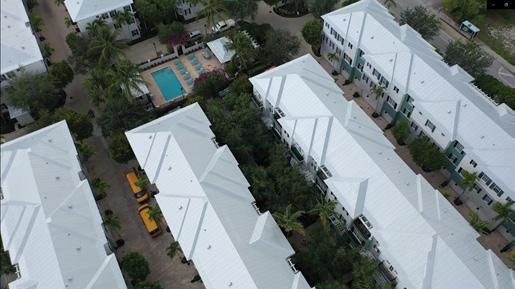

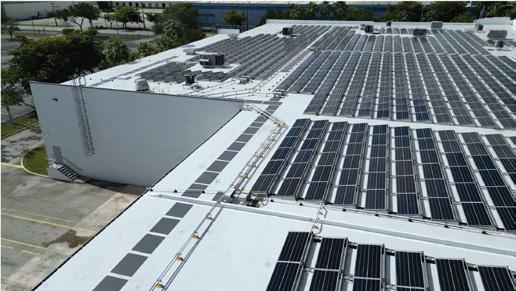

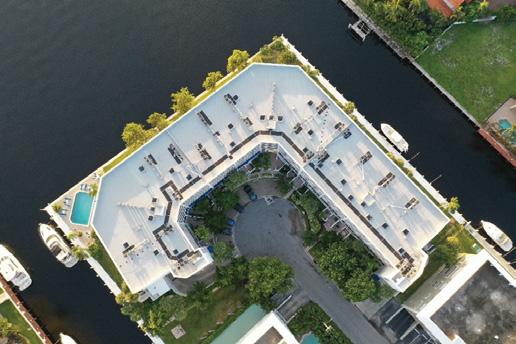


communication and resident satisfaction.
We are not a general web design firm dabbling in this space. We are 100 percent focused on Florida condominiums and the managers who serve them.
THE BENEFITS EXTEND BEYOND COMPLIANCE
Property managers who have implemented compliant websites report the following:
• Reduced workload— Minimize repetitive requests for documents.
• Better-informed homeowners—Residents appreciate the transparency and access.
• Improved communication—Announcements, notices, and updates reach owners faster.
• Enhanced professionalism—Compliance strengthens trust and board-manager relationships. By embracing this change you not only meet legal requirements but also elevate your service to the community.
NEXT STEPS FOR PROPERTY MANAGERS
If your association has 25 or more units and does not yet have a compliant website, now is the time to act. The steps are simple.
• Assess compliance— Review whether your current website (if you have one) meets Florida’s statutory requirements.
• Select a solution—Choose a provider experienced in Florida condominium law and association needs.
• Implement quickly— Upload governing docu-
ments, financials, and notices to a secure portal.
• Educate residents— Provide clear instructions to owners on how to access and use the website.
• Maintain regularly—Keep documents up to date, and use the site as your central hub for communication.
SPECIAL OFFER FOR FLCAJ READERS
To support property managers and boards navigating this new requirement, we are offering 50 percent off setup fees for readers of Florida Community Association Journal. This limited-time offer makes it easier than ever to launch a compliant, professional website for your community.
CONCLUSION
Florida’s condominium website law represents a new era of transparency and accountability for associations. For property managers it presents both a challenge and an opportunity: comply efficiently and build stronger connections with residents. With the right partner, you can achieve compliance, reduce administrative burdens, and deliver a professional experience that benefits your entire community.
Florida Condominium Association Websites is here to help you every step of the way. With our exclusive 50 percentoff setup fees for FLCAJ readers, there has never been a better time to bring your association into compliance while improving communication and efficiency. n
GET FLCAJ DELIVERED TO YOUR INBOX
Sign up for a quick monthly email when the new digital issue is available.
Florida’s leading resource for community association professionals. Timely insights. Expert articles. Sign up now at FCAPGroup.com/flcaj-notify


Small Budgets and Big Ideas—Ten Tips for Engaging Lifestyle Programming on a Budget
BY JACKY HAM
In community management, “lifestyle” is often mistaken for a calendar full of expensive events. But at CCMC, a community management partner serving master planned communities for over 50 years, lifestyle is “the heartbeat of a community”—a way to bring people out of their homes, connect them with their neighbors, and build a sense of belonging that lasts long after the event is over.
Recently Jamie Flores, CMCA and vice president of resident experience, and Lisa Lundskow, CMCA, LSM, PCAM, CAAM, and vice president of community operations, shared practical strategies for building vibrant, engaging lifestyle programs without breaking the bank. Their advice shows how even modest budgets can create meaningful impact when creativity, partnership, and communication come together.
1. UNDERSTAND WHAT “LIFESTYLE” REALLY MEANS
Lifestyle programming isn’t just about parties and Pilates. It’s about engagement—creating opportunities for connection between neighbors, residents, and the association itself.
Photo by iStockphoto.com/Davslens Photograpy
Flores likens lifestyle to a “toolbox” filled with resources: events, clubs, communications, sponsorships, and partnerships that help neighbors connect with one another and with their community. When communities invest in lifestyle, they’re investing in relationships; and those relationships drive pride of ownership, volunteerism, and ultimately, property value.
2. KNOW WHEN IT’S TIME FOR A LIFESTYLE BOOST
How do you know if your community needs a lifestyle reboot?
According to Flores and Lundskow, the clues are easy to spot.
• Low engagement—Few residents attending events, using amenities, or volunteering.
• Negativity—Complaints or conflict dominating social media or board meetings.
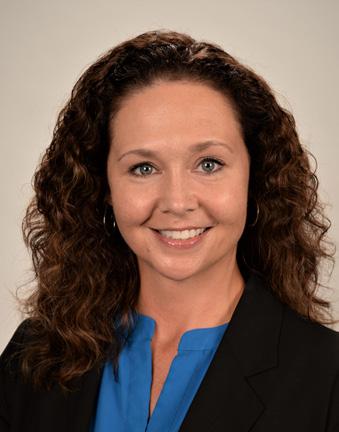
JACKY HAM, SENIOR VICE PRESIDENT OF BUSINESS DEVELOPMENT, CCMC
Jacky Ham is the senior vice president of business development at CCMC, where she focuses on cultivating relationships throughout Florida, North Carolina, South Carolina, and Tennessee. With more than 20 years of experience in association-led communities, she partners with developers, boards, and community leaders to advance the success of large-scale and master-planned communities supported by robust lifestyle programs and professional, on-site teams. Jacky is passionate about fostering connection, building strategic partnerships, and creating thriving community cultures that elevate resident satisfaction and long-term value. Learn more about CCMC’s award winning community management and read other valuable educational resources at ccmcnet.com/florida or call 239-492-8140.
• Declining appearance—More violations and less pride of ownership. When residents stop engaging, the solution isn’t more enforcement— it’s more connection. Lifestyle programming can reignite pride and positivity in ways that rules and reminders never could.
3. SHIFT FROM COMPLIANCE TO CONNECTION
Communities struggling with maintenance or appearance issues often rely on fines and notices to motivate compliance. But Flores recommends flipping the script by turning compliance into community engagement.
For example, consider the following:
• Yard beautification contests with small prizes or recognition encourage pride of ownership.
• A “Yard of the Month” program or a “parade of homes” showcases well-kept properties and inspires others.
• Educational events, like landscaping demonstrations or painting workshops, give residents practical tools to improve their homes.
“Compliance shouldn’t feel like punishment,” Flores explained. “It should feel like partnership.”
4. START SMALL— CREATIVITY OVER COST
Great lifestyle programs don’t require big budgets; they
require creativity.
Some of the most successful CCMC communities build engagement through low-cost, high-impact events:
Stuffed Animal Sleepover—Kids drop off a favorite toy for a “sleepover” at the clubhouse. Staff snap photos of the stuffed animals “playing” overnight and share them in newsletters the next day. The result? Smiling children, delighted parents, and priceless goodwill—all for almost no cost.
Plant Bingo—Residents win community-approved plants instead of prizes. It reinforces landscaping standards while adding fun and color to the neighborhood.
Trail or Park Ribbon Cuttings—Celebrate newly renovated spaces with simple grand reopenings. Include balloons and refreshments and provide a chance for neighbors to gather.
“It’s about creating moments that make people feel connected,” said Lundskow. “Even the simplest ideas can have lasting impact.”
5. PARTNER WITH LOCAL BUSINESSES AND ORGANIZATIONS
A tight budget doesn’t have to limit creativity when you leverage partnerships. Local businesses love the exposure that comes from sponsoring events or donating prizes. Landscapers might provide plants, restaurants might offer gift cards, or fitness instructors might lead a free demo class.
Municipal partners such as police departments or fire stations can participate in community events. One CCMC community hosts an
COMMUNITY MANAGERS & BOARD MEMBERS
Nominations and voting are open Sept 1-Jan 1. www.fcapgroup.com/rca

annual ‘nerf gun war’ between police officers and kids—a huge hit that costs little more than a few boxes of foam darts.
Schools and youth programs can also be great collaborators. In one community, students from local art and drama classes help produce an annual “HallowScream” haunted house that draws over 1,000 residents and guests each year.
“Don’t be afraid to ask,” Lundskow emphasized. “When you invite others in, they feel invested in your success.”
6. ENGAGE RESIDENTS AS CO-CREATORS
Boards don’t have to shoulder the creative burden alone. Resident-driven committees are a powerful way to generate ideas, recruit volunteers, and keep programming relevant.
If a permanent committee feels like too much, start with ad hoc groups or focus sessions for specific events. Surveys can also help, but Flores cautions boards to keep them realistic. “Ask questions about things you can actually deliver,” she said. “You want to build trust by following through.”
7. COMMUNICATE CONSISTENTLY
Even the best lifestyle ideas fall flat if no one knows about them. Consistent, upbeat communication builds excitement and anticipation.
• Regular e-newsletters sent on the same day each week help residents know when to expect updates.
• Resident spotlights or contests (like photo-of-themonth) make the newsletter feel personal and engaging.
• Event recaps not only celebrate success but also create FOMO (fear of missing out) for those who missed out, boosting attendance next time.
“Every recap is a chance to remind residents what they’re part of,” Flores said. “You’re not just sharing pictures—you’re telling the story of community.”
8. MEASURE SMALL WINS AND BUILD MOMENTUM
Building engagement takes time. Early events may draw small crowds, but persistence pays off. Track progress through open rates, attendance counts, volunteer sign-ups, or even social media comments. Share successes with your board and residents to build enthusiasm and justify continued investment.
“As you see more people showing up, more smiles, more volunteers—that’s your proof it’s working,” Lundskow said. “And as that energy grows, boards become more willing to expand the lifestyle budget.”
9. EMPOWER YOUR MANAGEMENT TEAM
Lifestyle thrives when management and the board operate as partners. Boards can set vision and goals while managers and lifestyle directors handle the execution and logistics.
At CCMC, lifestyle directors build annual calendars and budgets in advance, review them with boards, and adjust quarterly based on feedback. This planning ensures transparency, control, and steady momentum.
For communities without dedicated lifestyle staff, community managers can still integrate engagement through small events, communications, or vendor collaborations. The key is teamwork and open dialogue.
10. FOCUS ON THE BIGGER PICTURE
Lifestyle is a strategic investment that builds trust, strengthens community identity, and protects home values.
Engaged residents are more likely to maintain their homes, volunteer for committees, and treat neighbors with respect. Boards spend less time managing conflict and more time shaping the community’s future.
As Flores summarized: “When residents see their association investing in them, they start investing back. That’s when a neighborhood becomes a community.”
A LITTLE CREATIVITY GOES A LONG WAY
Engaging lifestyle programming doesn’t require an unlimited budget—it requires imagination, intention, and heart. Whether through a creative partnership or a kid-friendly event that costs next to nothing, the goal is always the same: help residents connect, belong, and feel proud of where they live.
Because when people feel that sense of connection, everything else— compliance, participation, even property values—starts to take care of itself.
At CCMC, that’s the power of people-first community management. We don’t just manage communities—we bring them to life. n


BY BETSY BARBIEUX, CAM, CFCAM, CMCA
N Transition Nightmare
ot all board transitions and developer turnovers go well, especially if the HOA or condominium association believes the developer’s attorney is there to help both parties.
In one instance, after the turnover meeting the board members were horrified to realize there were a number of severe deficiencies in their governing documents. Here were several of the deficiencies spotted in the turnover documents:
• Improper Bylaws—The bylaws were written for a for-profit corporation, including provisions for stockholders and dividends, instead of for a required not-for-profit corporation. Not-for-profit statutes require a minimum of three directors, but the improper bylaws only required two.
Photo by iStockphoto.com/Anna Gorbacheva
• Missing Statutes—None of the community’s documents referred to Chapter 720, the foundational Florida statute for homeowners’ associations. Furthermore, the documents lacked the critical phrase “as amended from time to time,” which would automatically keep the governing documents current with changes in the law.
• Impossible Amendment Vote—To change the declaration of covenants, the documents required a 95 percent vote of the entire membership. This is an unprecedented and virtually impossible threshold, far exceeding the statutory default of two-thirds.
The developer’s attorney handled the transition meeting,
BETSY BARBIEUX, CAM, CFCAM, CMCA, FLORIDA CAM SCHOOLS
Betsy Barbieux, CAM, CFCAM, CMCA, guides managers, board members, and service providers in handling daily operations of their communities while dealing with different communication styles, difficult personalities, and conflict. Effective communication and efficient management are her goals. Since 1999 Betsy has educated thousands of managers, directors, and service providers. She is your trainer for life! Betsy is the author of Boardmanship, a columnist in the Florida Community Association Journal, and a former member of the Regulatory Council for Community Association Managers. Subscribe to CAM MattersTM at www.youtube.com/c/cammatters. For more information, contact Betsy@ FloridaCAMSchools.com, call 352-326-8365, or visit www.FloridaCAMSchools.com.
leading the homeowners to wrongly assume the process would be managed correctly. The attorney’s lack of corporate knowledge led to a backwards election process.
• Four officers were elected before directors, and then the attorney solicited five more people to be board members, contradicting the faulty bylaws that only provided for two.
• The newly formed board was left with confusion over who was a legitimate director or officer.
• The community’s insurance expired, leaving the HOA without property, general liability, or D&O (Directors and Officers) coverage.

GET EVERY ISSUE OF THE
FLORIDA COMMUNITY ASSOCIATION JOURNAL

As a community association manager or board member, you make crucial decisions for your community. Don't miss out on the insights and updates that can help you make informed choices. Subscribe now to the Florida Community Association Journal and receive every issue delivered directly to your mailbox.
Visit www.fcapgroup.com/flcaj/subscribe/ to secure your subscription and never miss an issue.
After the turnover meeting, the board members and officers discovered the developer failed to provide essential records required at turnover, including the following:
• An audit
• Developer minutes
• Warranties and blueprints
• Financial statements or a separate bank account
• Insurance records and information
In checking with neighboring communities with the same developer, it was discovered their documents also had similar errors and omissions and that their turnover meetings had also been improperly handled by the developer’s attorney.
The new board members and officers contacted the developer, who promised to “fix it.” However, because the developer has relinquished control, the only way to correct the flawed covenants is through a 95 percent homeowner vote—a near impossibility. The developer’s attorney refused further contact, stating the situation was now adversarial.
The situation underscores a critical need for awareness, especially as high-volume development leads to more Florida community turnovers. To minimize turnover blunders such as this one, alert owners (soon to be board members) should consider the following:
Volunteer board members in transitioning communities should look at the turnover date well in advance. If document amendments are necessary, they should be done before the transition, while the developer still holds a majority of the votes.
It is strongly recommended that a transitioning board hire its
own specialized community association attorney. Relying on the developer’s attorney creates a conflict of interest and, as seen in this case, can lead to devastating errors.
Just as boards of directors need a specialized community association attorney, they also need a specialized insurance agent whose expertise is current with the frequent changes in Florida’s community association insurance laws.
Most new owners do not read the public record documents and could unknowingly buy into a mess. Because the documents are referenced on their title insurance policy, they are legally bound by the restrictions, regardless of their awareness.
At turnover, the transition board members should rely on Section 720.307(4), Florida Statutes, for the list of documents the developer is to provide. They are as follows:
At the time the members are entitled to elect at least a majority of the board of directors of the homeowners’ association, the developer shall, at the developer’s expense, within no more than 90 days deliver the following documents to the board:
(a.) All deeds to common property owned by the association.
(b.) The original of the association’s declarations of covenants and restrictions.
(c.) A certified copy of the articles of incorporation of the association.
(d.) A copy of the bylaws.
(e.) The minute books, including all minutes.
(f.) The books and records of the association.
(g.) Policies, rules, and regulations, if any, which have been adopted.
(h.) Resignations of directors who are required to resign because the developer is required to relinquish control of the association.
(i.) The financial records of the association from the date of incorporation through the date of turnover.
(j.) All association funds and control thereof.
(k.) All tangible property of the association.
(l.) A copy of all contracts which may be in force with the association as one of the parties.
(m.) A list of the names and addresses and telephone numbers of all contractors, subcontractors, or others in the current employ of the association.
(n.) Any and all insurance policies in effect.
(o.) Any permits issued to the association by governmental entities.
(p.) Any and all warranties in effect.
(q.) A roster of current homeowners and their addresses and telephone numbers and section and lot numbers.
(r.) Employment and service contracts in effect.
(s.) All other contracts in effect to which the association is a party.
(t.) The financial records, including financial statements of the association, and source documents from the incorporation of the association through the date of turnover. The records shall be audited by an independent certified public accountant for the period from the incorporation of the association or from the period covered by the last audit, if an audit has been performed for each fiscal year since incorporation.
Similar condominium and cooperative transition and turnover requirements are found in Chapter 718.301 and in Chapter 719.301, Florida Statutes. At turnover, transition boards need their own legal representation. n
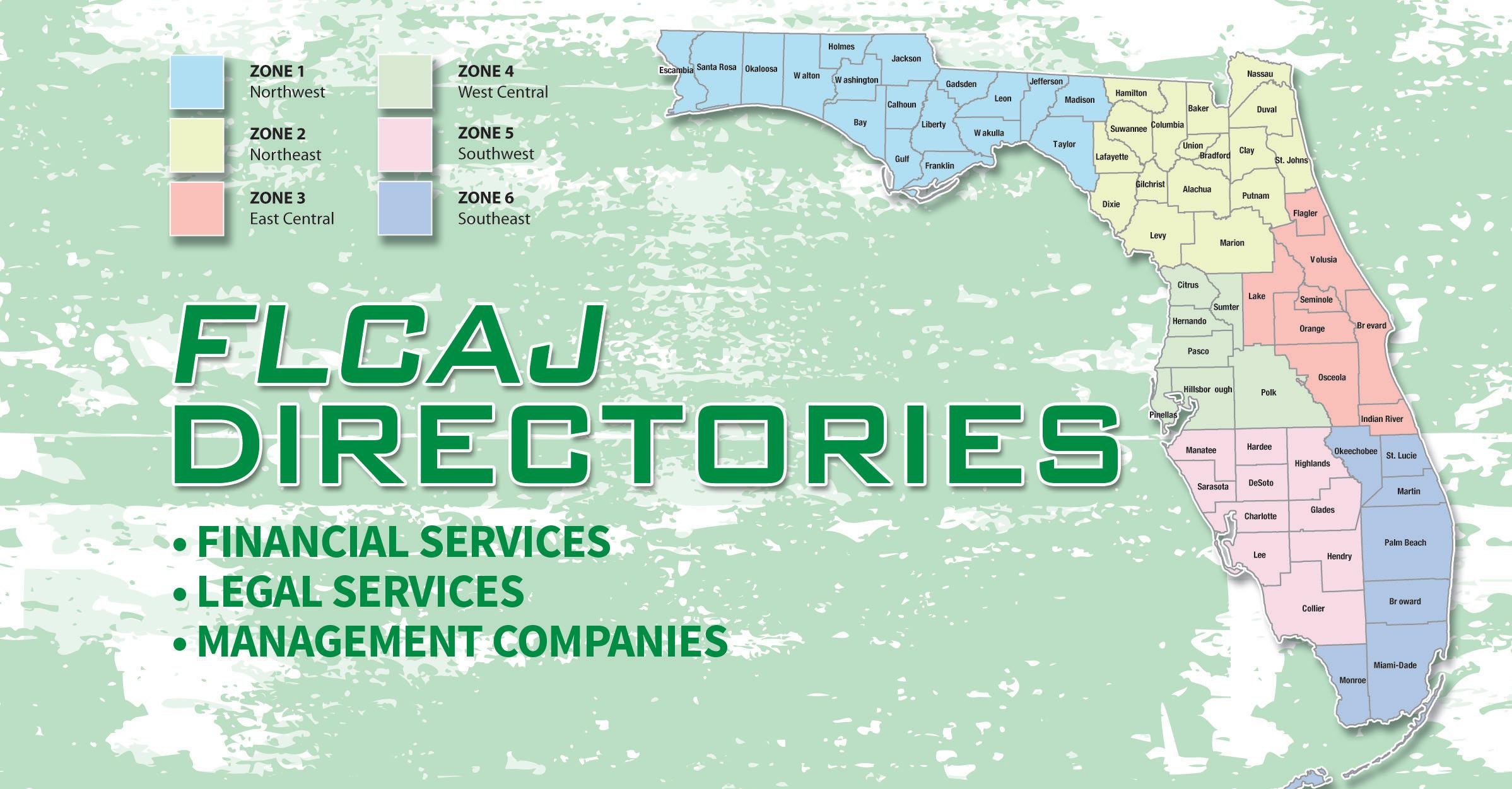
Association Accounting Solutions Association Accounting with Benefits 877-418-2004 assoc-accounting.com
E
www.theerrogroup.com info@theerrogroup.com (786) 767 2111
Devin & Associates
360 Central Avenue, Suite 800 Saint Petersburg, Florida 33701 727-290-2578
jjaram@devinandco.com devinandco.com

Staebler Consulting Patricia Staebler, RS, SRA 941-705-0123 or 941-778-0123
staeblerconsulting.com
Bank OZK 100 5th Street South St. Petersburg, Florida 33701 844-905-6975 www.OZK.com/association services

FirstBank
Cash Management and Lending Solutions for HOAs 305-577-6000 ext. 888 flcashmanagement@firstbankfla. com 1firstbank.com/fl
Popular Association Banking 7920 Miami Lakes Drive W. Miami Lakes, Florida 33016 800-233-7164 www.popularassociation banking.com
Serving the community association industry exclusively.

Truist Association Services 12485 28th Street N St. Petersburg, FL 33716 727-549-1202 or 888-722-6669 www.Truist.com/ AssociationServices






Herbie Wiles Insurance Agency
400 N. Ponce de Leon Boulevard St. Augustine, Florida 32084 800-997-1961 www.herbiewiles.com
Insuring over 100 FL condo associations and HOAs. Rick Carroll Insurance 2160 NE Dixie Highway Jensen Beach, Florida 34958 800-290-3181 or 772-334-3181 www.rickcarroll.com The Turner Insurance

Advisor Group 2121 NE Coachman Road
Clearwater, Florida 33765
Expert Reserve Services Inc. 433 Silver Beach Ave., Suite 104 Daytona Beach, FL 32118 866-480-8236 www.expertreserveservices.com Covering Florida's Insurance Valuation Needs
Hunter Claims LLC 4613 N. Clark Avenue Tampa, Florida 33614 813-774-7634 www.hunterclaims.com
LEGAL SERVICES


Dania S. Fernandez and Associates P.A.
13500 N. Kendall Drive, Suite 265 Miami, Florida 33186
305-254-4492
dania@dsfpa.com daniafernandez.com
Gelfand & Arpe, P.A. 1555 Palm Beach Lakes Boulevard, Suite 1220 West Palm Beach, Florida 33401 561-655-6224 www.gelfandarpe.com

Glazer & Sachs P.A.
One Emerald Place 3113 Stirling Road, Suite 201 Ft. Lauderdale, FL 33312 954-983-1112
glazersachs.com

PeytonBolin 3343 West Commercial Boulevard, Suite 100 Fort Lauderdale, FL 33309
954-316-1339
PeytonBolin.com
Siegfried Rivera 201 Alhambra Circle, 11th Floor Coral Gables, Florida 33134 800-737-1390 www.siegfriedrivera.com Experience Personalized Professionalism.
Tripp Scott Law Firm 110 SE 6 Street Fort Lauderdale, Florida 33301 954-525-7500
www.trippscott.com For over 50 years, Tripp Scott has served our community.

Florida Legal Services by
MANAGEMENT CO. DIRECTORY
Allied Property Group Inc. 12350 SW 132 Court, Suite 114 Miami, Florida 33186
305-232-1579; 239-241-6499 www.alliedpropertygroup.net
Providing service to South Florida since 2003. America's
Management 4733 W. Atlantic Avenue, Suite C-22 Delray Beach, Florida 33445 833-628-8288 americascommunitymgmt.com


fcapgroup.com/nl-sd

Qualified
5901 US Highway 19, Suite 7 New Port Richey, Florida 34652 877-869-9700
www.QualifiedProperty.com
Proudly Serving HOA, COA, Co-ops, Master Planned Comm. Assoc.

LJ Services Group 12955 Biscayne Blvd #328, Miami, FL 33181 305-397-8004 ljservicesgroup.com MAY Management Services, Inc. 5455 A1A South St. Augustine, Florida 32080 904-461-9708 www.maymgt.com Over
5523 W. Cypress Street, Suite 102 Tampa, Florida 33607 866-403-1588

www.RealManage.com Serving Orlando and Tampa Communities.

fcapgroup.com/nl-sd
www.towerspropertymgmt.com
fcapgroup.com/ flcaj/flcaj-articles




Products and Services Directory
ACCESS CONTROL,
SECURITY AND CUSTOM
GATE AUTOMATION
Smart Entry Systems: 626-2137557; SmartEntrySystems.com; sales@SmartEntrySystems.com

ELECTRIC
Hypower Electrical & Utility Contractor 888-978-9300; www.hypowerinc.com
ELEVATOR SERVICE/REPAIRS
Connections Elevator: Elevator maintenance agreements, repairs and modernizations; 954-792-1234; www.ConnectionsElevator.com.
ENGINEERS
AIR DUCT CLEANING
Air Duct Aseptics
Certified Air Duct Cleaning, Dryer Exhaust Cleaning repair & replacement. Mold testing 888-707-7763 www.adaflorida.com
ALARM MONITORING

ALUMINUM PRODUCTS
CBR Fabricators
cbr@cbrfabricators.com 954-782-4111; cbrfabricators.com
ALUMINUM RAILING
Mullets Aluminum: 941-371-3502; nate@mulletsaluminum.com; www.mulletsaluminum.com
ASPHALT REPAIR/ REJUVENATION
Asphalt Restoration Technology: 800-254-4PDC (4732); www.asphaltnews.com.
BALCONY INSPECTIONS
Howard J. Miller Consulting Engineers: 561-392-2326; www.HowardJMiller.net


Promar Building Services LLC: Alfredo Amador; 561-598-4549; info@promarbuilding.com
CONCRETE RESTORATION PROJECT MANAGEMENT
Daniello Companies: 888-370-4333; www.concreterepairing.net.
CONSTRUCTION
General Construction & Development: 239-790-8729; build@generalconstructioncorp. com; generalconstructioncorp.com
EDUCATION
Consult Engineering, Inc: 941-206-3000; www.consultengineering.com.
Howard J. Miller Consulting Engineers: 561-392-2326; www.HowardJMiller.net
NV5: 954-495-2112; nv5.com
PEGroup Consulting Engineers, Inc.: 800-698-2818; 305-655-1115; www.pegroup.com.

Swaysland Professional Engineering Consultants (SPEC): 954-473-0043; 888-264-7732.
FENCING AND GATES

FIRE ALARM SYSTEMS
Bass United Fire & Security Systems, Inc.: 954-785-7800; www.bassunited.com.
FLOOD BARRIER
No More Flooding: 484-557-0353 239-744-1045; gcespros.com
GENERAL CONTRACTORS
Hartman & Sons Construction, Inc.: 407-699-4549; fax: 407-6990919; Serving Central FL
INTERNET/TELEVISION/ VOICE SERVICES

Blue Stream Fiber 888-960-2855
www.bluestreamfiber.com
Fibernow: 800-921-7701; sales@ fibernow.com; fibernow.com

Summit Broadband: 407-2212777; bulk@summitbb.com; www. summitbb.com/community


PAINTING AND WATERPROOFING



Promar Building Services LLC: Alfredo Amador; 561-598-4549; info@promarbuilding.com
PATIO FURNITURE REPAIR
Sarasota Patio Furniture Repair: 941-586-6917; saraso tapatiofurniturerepair.com
PEST/ANIMAL CONTROL

PIPELINING SOLUTIONS
Trenchless Sewer Line Repairs: 786-322-4600; trench less-repairs.com
Polo International: 954-7825851; www.polo14.com
MANAGEMENT & CONSULTING

All Area Roofing and Construction: 772-464-6800; allarearoofinginc.com

Sutter Roofing: 800-741-0090 or 941-377-1000; sutterroofing.com
SPF Systems, Inc.: (866) 5613626; HurricaneProofRoof.com.

Pecora Corporation: 800-5236688; freemana@pecora.com
PCI Security: 877-25-SAFETY or 407-996-1313; pcisecurity.us Ramco Protective: 888-3989700; www.ramcoprotective.com.

fcapgroup.com/nl-sd

US ChuteLining: 800-504-5108; www.uschutelining.com
Hinterland Group: 561-6403503; hinterlandgroup.com


Florida Condominium Association Websites: 954-662-0356; CondoAssociationWebsites.com WINDOW CLEANING
Squeegee Squad: 305-897-1310; marcellomagno@squeegeesquad. com; squeegeesquad.com

DISPLAY ADVERTISERS INDEX

C elebr ating 2 5
Ye a rs!

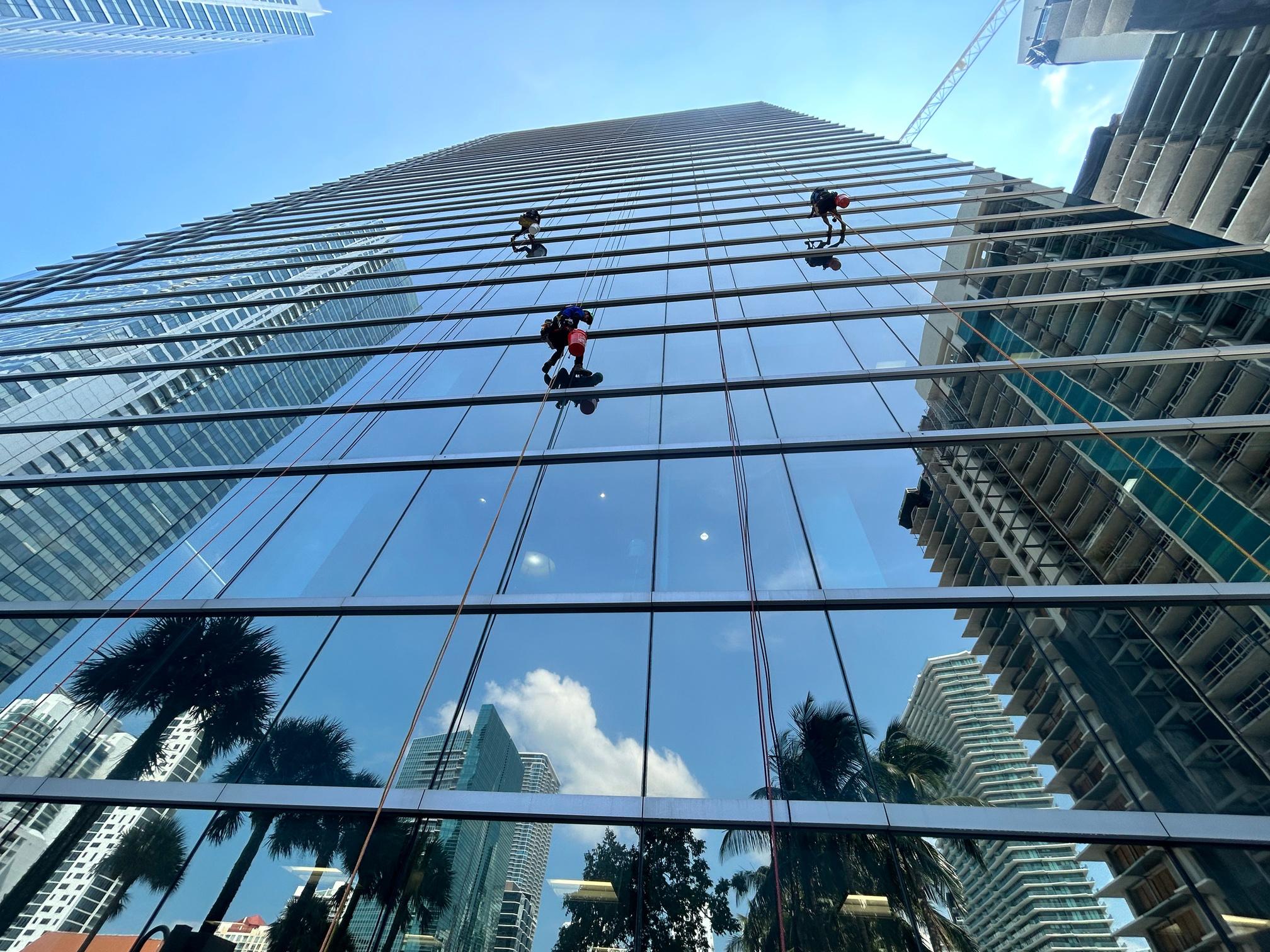
W i n d o w C l e a n i n g
S Q U E E G E E S Q U A D . C O M
H O A ' s A r e O u r S p e c i a l t y !
C o m m e r c i a l H i g h r i s e
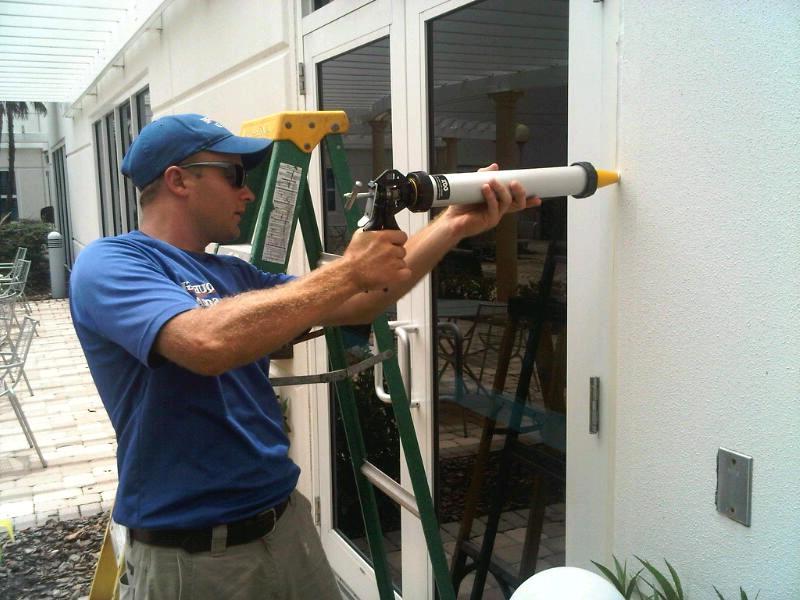
B u i l d i n g R e s t o r a t i o n / C a u l k i n g
C O M M E R C I A L
,
W i n d o w C l e a n i n g - P r e s
B u i l d i n g R e s t o r a t i
C O N T A C T
S Q U E E G E E S Q U A D T O D A Y !
P r o u d l y S e r v i n g A l l o f
G r e a t e r F l o r i d a
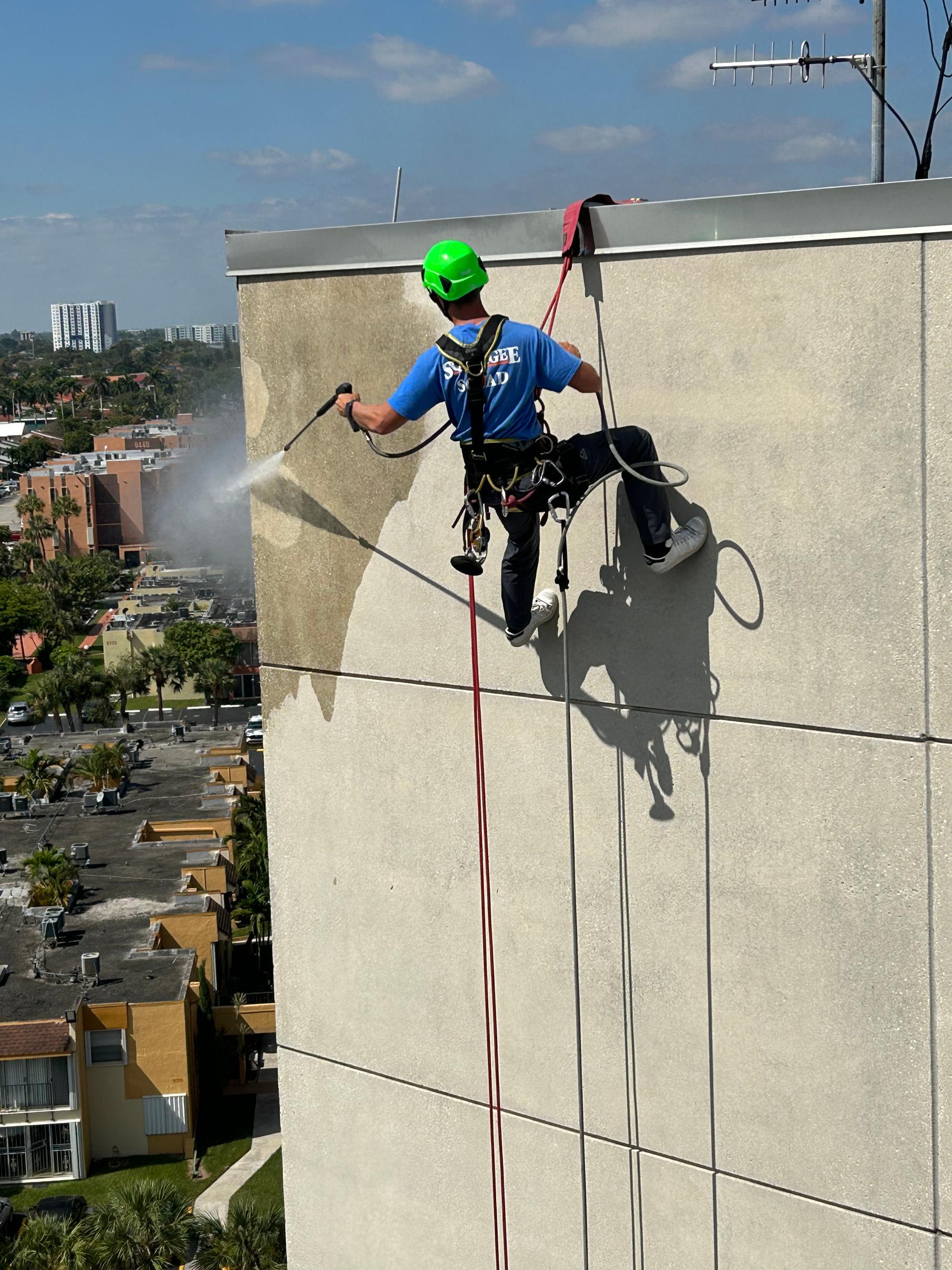
P r e s s u r e W a s h / S o f t W a s h
M o r e t h a n 1 1 5 , 0 0 0
c u s t o m e r s s e r v e d !

S Q U E E G E E S Q U A D
8 0 0 - 7 8 3 - 5 8 1 2
F l o r i d a @ S q u e e g e e S q u a d . c o m