As the spring term comes to a close, it is a good moment to reflect on the continued momentum behind the Trinity 60 campaign, which is now more than two thirds of the way through. Trinity 60 was always intended to be more than a fundraising initiative. It is a celebration of the community that has grown around the school during sixty years at Shirley Park, and it has been encouraging to see students, staff and alumni engaging with it in so many different ways.
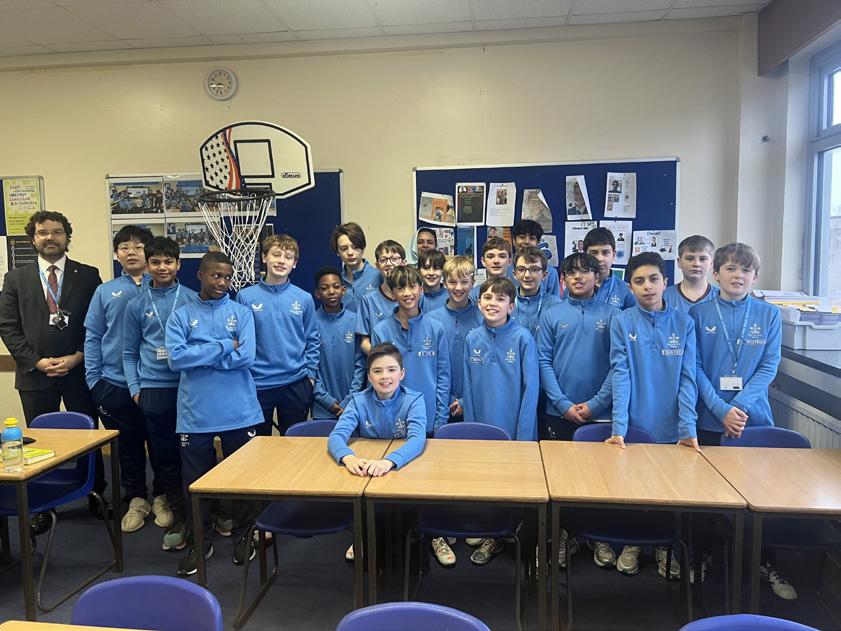
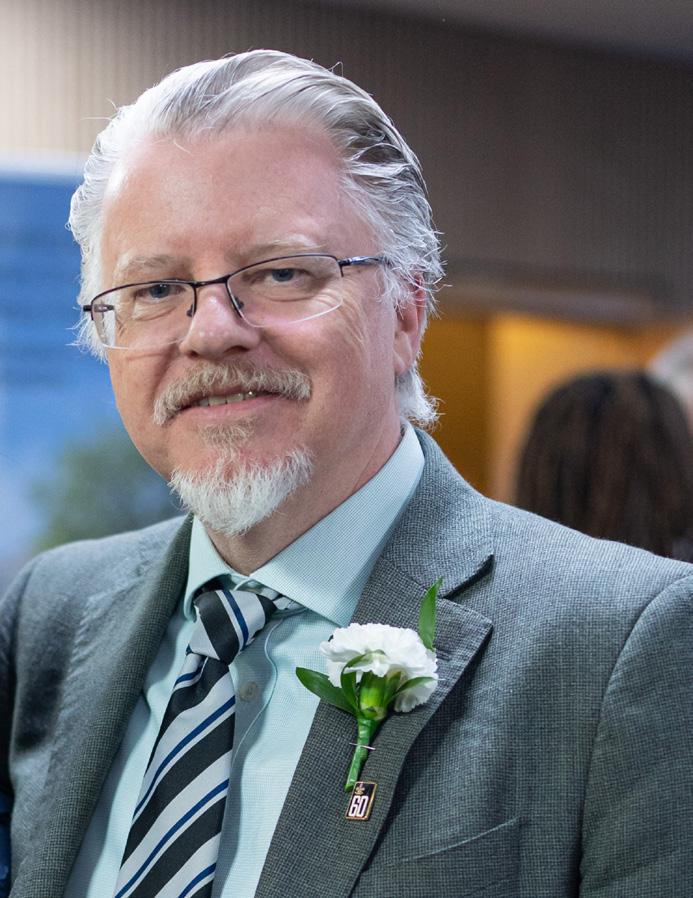
Across the school, students have approached the campaign with enthusiasm and imagination. From bake sales to sponsored challenges, there has been a steady buzz around the many initiatives taking place. To mark these efforts, commemorative Trinity 60 pin badges have been presented to
those who have raised £60, and they are now appearing proudly across the community. At the end of term assembly, a further milestone was recognised with the presentation of Trinity 60 ties to students who have raised £300 or more.
Elsewhere in this edition, we celebrate the breadth of the Trinity community. Our Beyond the Ordinary feature introduces an alumnus whose craft is the restoration of historic telephone boxes. In Alumni Abroad, we hear from former students now living on both the east and west coasts of the United States. We also highlight a group of alumni who have returned to Trinity as members of staff, bringing their own experiences of the school back into its daily life. Our Memory Lane feature looks at the history of the Trinity War
Memorial. Recent research by alumni historians Mark Gardiner and Neil Mackenzie has uncovered previously unrecorded names, and plans are now underway to ensure that all those connected with Trinity who lost their lives are properly commemorated.
Wherever you are reading this edition, we hope it offers a chance to reconnect with the Trinity community. From all of us in the Alumni and Development team, we wish you a very happy Easter.
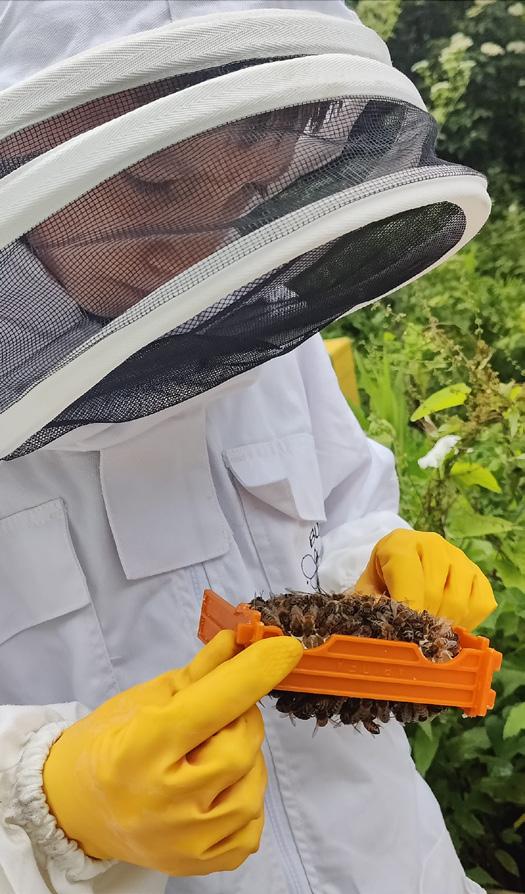
Student selected for international beekeeping
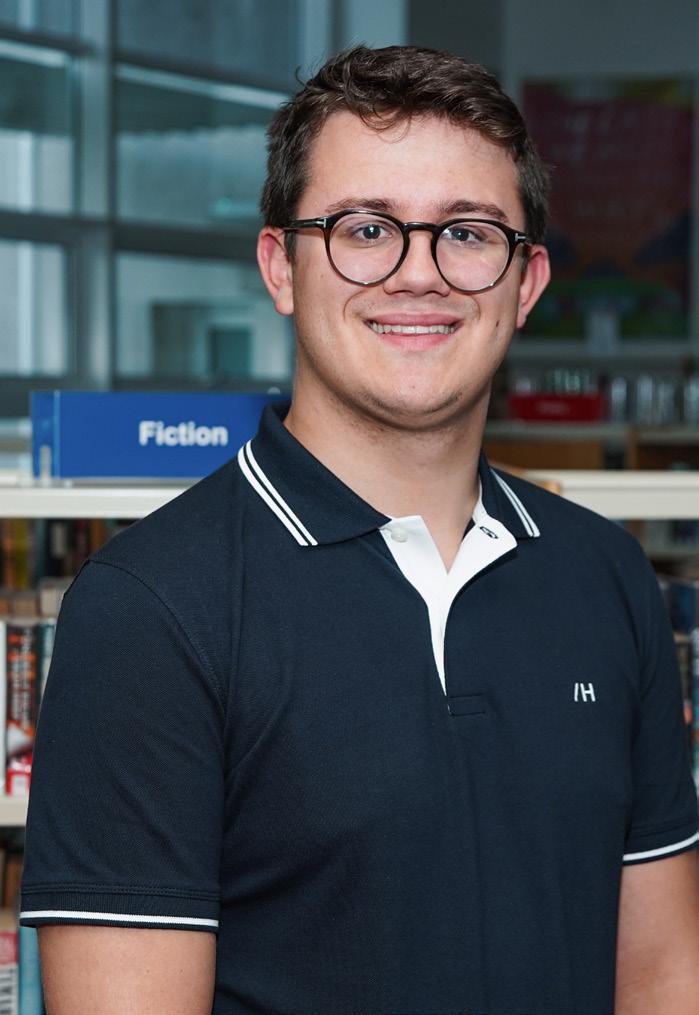
Fourth Year student Tom has been selected for two remarkable international opportunities. This summer he will represent the UK at the International Meeting of Young Beekeepers in Belfast, bringing together young beekeepers from more than 30 countries. Tom first discovered beekeeping during lockdown in 2020 and has since developed a passion for the science and importance of bees. He has also been chosen from more than 120 applicants to attend the World Scout Jamboree in Poland in 2027 as part of the Greater London South West Scout contingent.
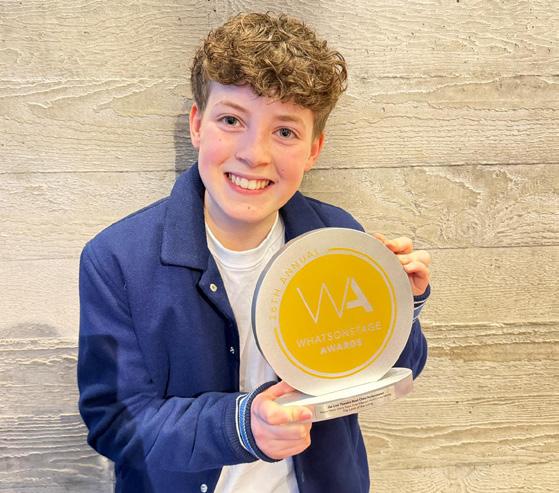
Trinity student wins major theatre award
First Year student Anton has won the inaugural WhatsOnStage Award for Best Child Performance for his role as Young Thomas in the National Theatre’s production of Land of the Living. Sharing the role with three other young actors, Anton performed in Bavarian, Polish and German in his stage debut last autumn. He is also a member of the Trinity Boys Choir and will perform at the Royal Albert Hall this spring in the Lord of the Rings: Films in Concert series.
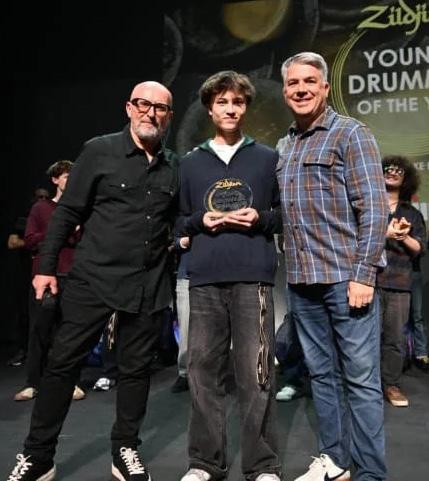
Young Drummer of the Year winner
Lower Sixth student Ellis has been crowned winner of the prestigious Zildjian Young Drummer of the Year competition, held at the Lighthouse arts venue in Poole. After finishing in the top 10 last year, Ellis returned to the demanding live final where contestants perform a solo, play to a backing track and perform with a live band on a piece heard for the first time that day. Ellis is an active member of Trinity’s music ensembles and jazz bands and also trains at the Julian Joseph Jazz Academy, with ambitions to study music in New York after his A Levels.
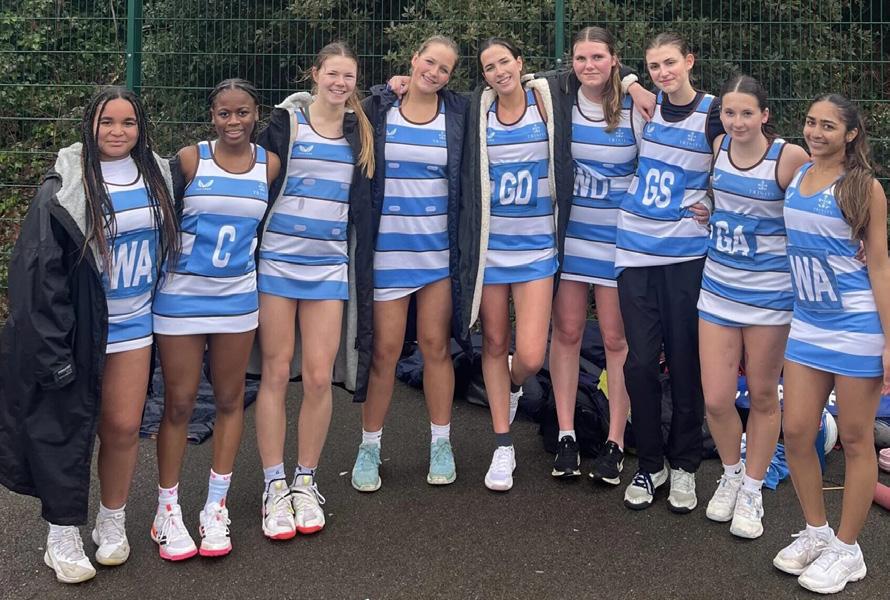
Trinity netballers battle the best in Surrey
Trinity’s 1st VII Netball team competed in the Surrey County Netball Finals on 1 March after qualifying earlier in the season. Facing strong and wellestablished opposition including Epsom College, Putney High and Guildford High, the team produced a series of competitive performances, including a draw with Putney and an impressive 10–2 win over KCS Wimbledon. Trinity finished third in their group, narrowly missing out on a semi-final place, with standout performances from Lower Sixth student Alli and Upper Sixth student Olivia.
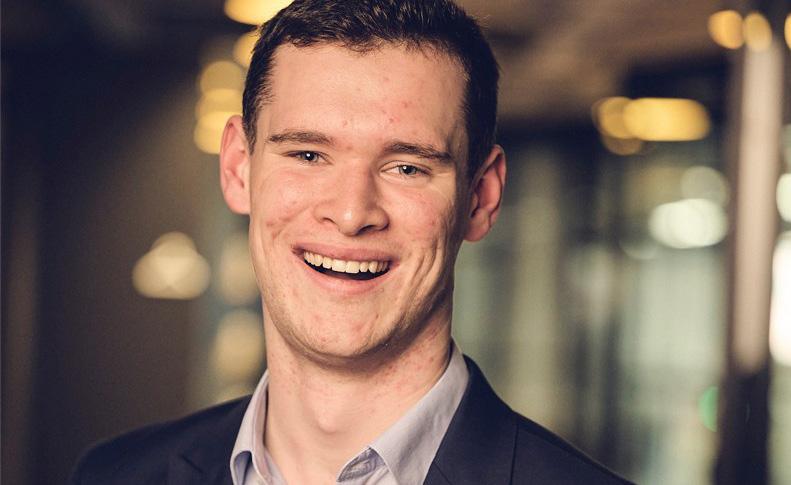
Kira Chathli (Class of 2017)
Kira has been named Surrey Women’s captain for the 50-over competition, taking over from Bryony Smith, who will continue to lead the side in T20 cricket. A wicketkeeper-batter who joined Surrey at the age of nine and made her senior debut at just 14, Kira enjoyed an outstanding 2025 season, scoring more than 600 runs and representing London Spirit in The Hundred.
Charlie Gill (Class of 2018)
Charlie has commissioned as a Second Lieutenant in the British Army after completing his training at the Royal Military Academy Sandhurst. He has joined the Royal Artillery and will be based at Larkhill, Wiltshire, as he begins his Phase Two training with the regiment.
Alexis Akwagyiram (Class of 1997)
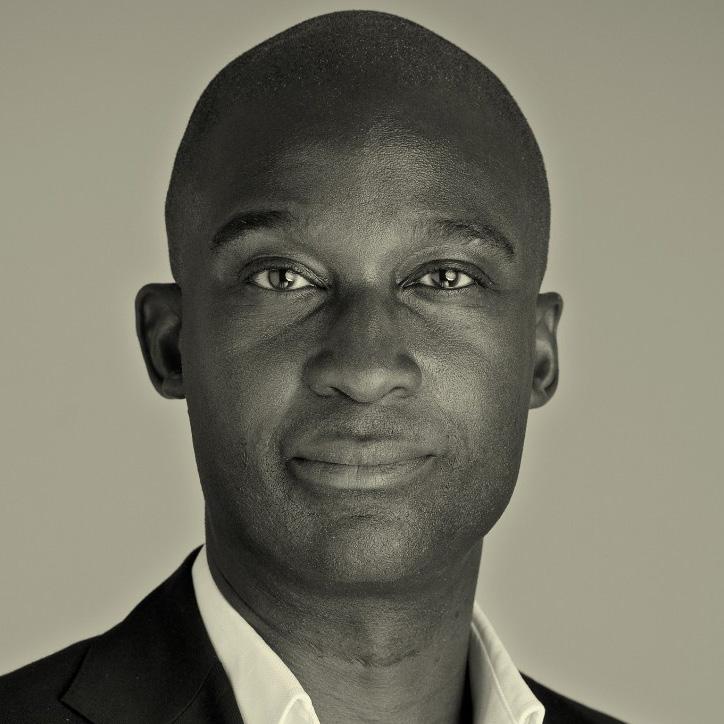
Alexis has been named in New African magazine’s 100 Most Influential Africans 2025 list. Alexis is Managing Editor of Semafor Africa and has built an international journalism career with organisations including Reuters, the BBC and the Financial Times.
Alex Green (Class of 2020)
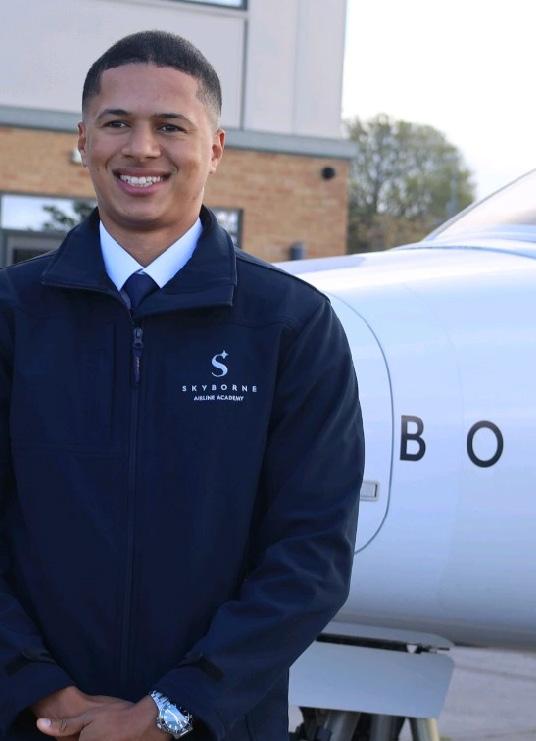
Alex has begun training as a cadet with the British Airways Speedbird Pilot Academy at Skyborne. The 18-month programme will see him train in both the UK and Florida before joining British Airways’ short-haul Airbus fleet upon completion.
Amiri Harewood (Class of 2020)
Amiri has been named one of The Telegraph’s “10 most exciting young musicians in the world – playing near you” by classical music critic Ivan Hewett. A former Trinity Boys Choir chorister, Amiri is also a Classic FM Rising Star and the 2024 Grand Prize winner of the Young Classical Artists Trust, following a widely praised debut at Wigmore Hall.
Pete Whitfield (Class of 1976)
Peter has once again collaborated with Poet, Oliver James Lomax, to create the musical score for Oliver’s recent poem, Nag’s Head
Peter continues to compose and arrange for films and videos, following the successes of films Colours of Light (2023) and the haunting but beautiful Daylight Follows (2024).
Ellie Kilford (Class of 2013)
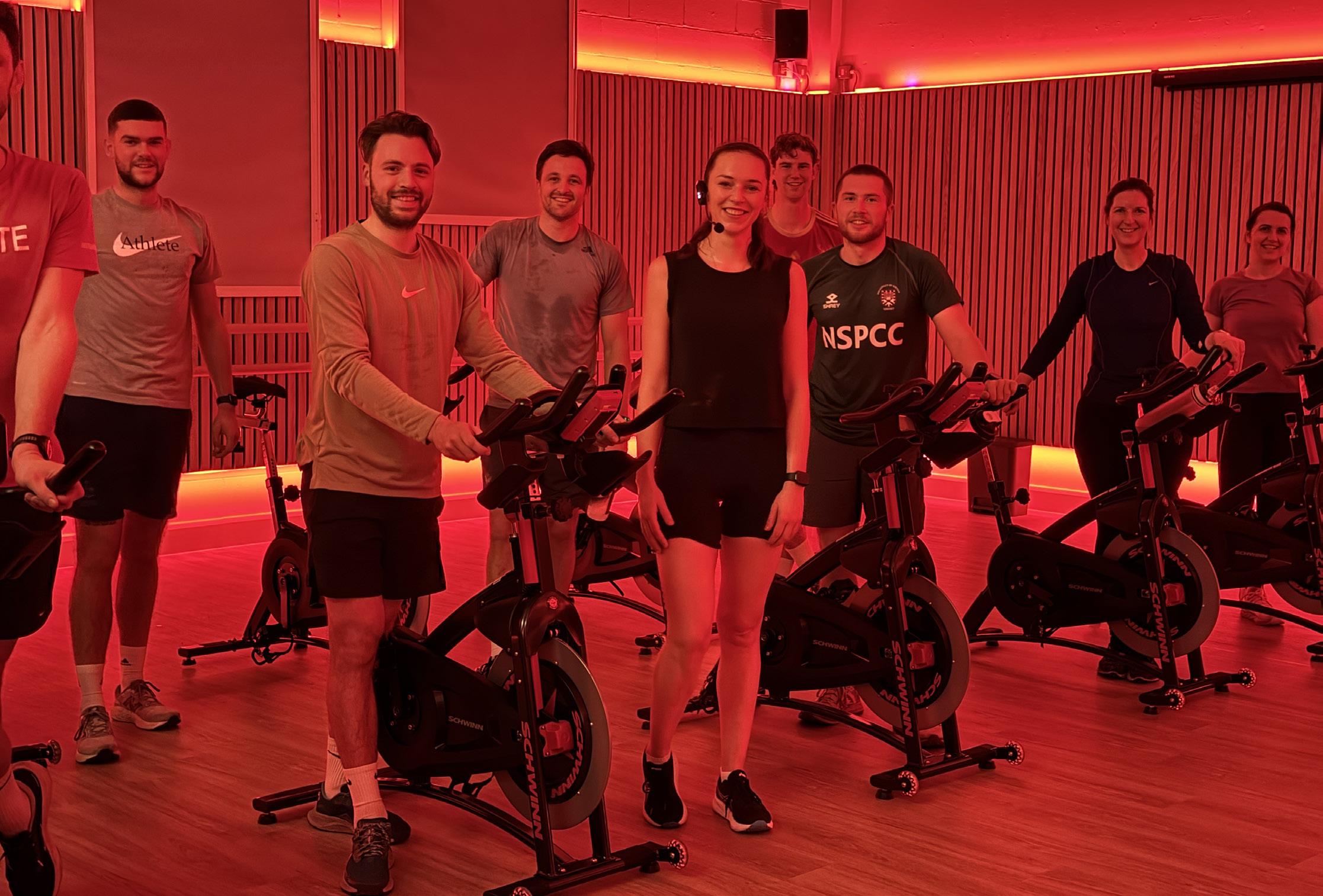
Ellie now runs regular spin classes in Trinity’s new Studio. Alongside her role as a Hotel Advisor – Associate at Gerald Eve, Ellie has built a strong following as a personal trainer and spin instructor, and we are delighted to welcome her back to lead sessions open to all ages and abilities. Classes run on Mondays at 7.15am and Saturdays at 9.00am. Book here:
Chris Shaw (Class of 1986)
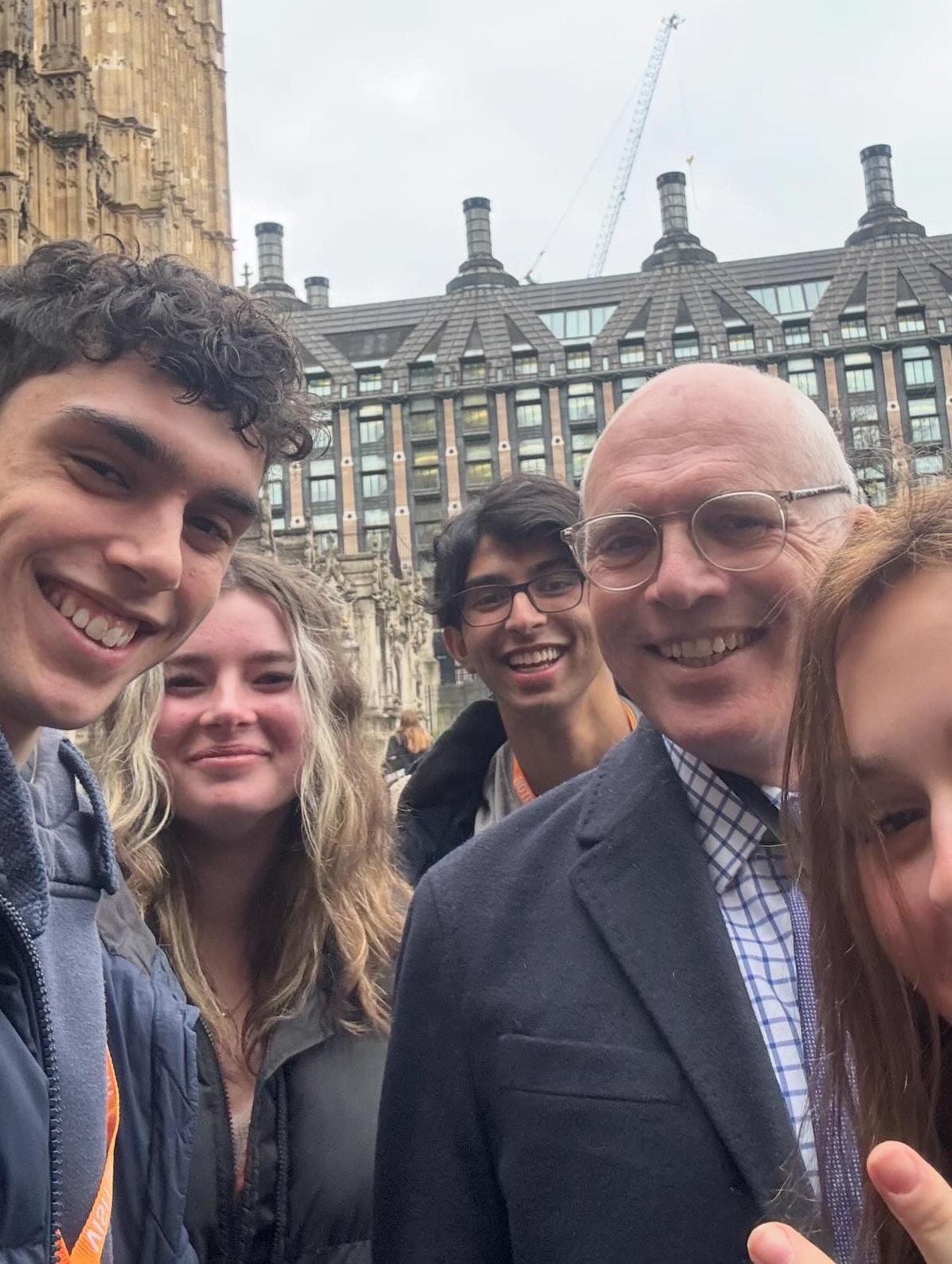
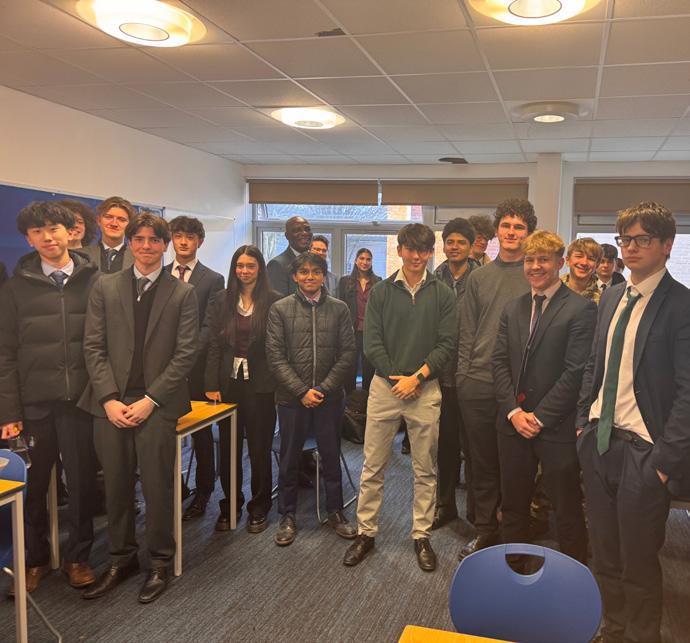
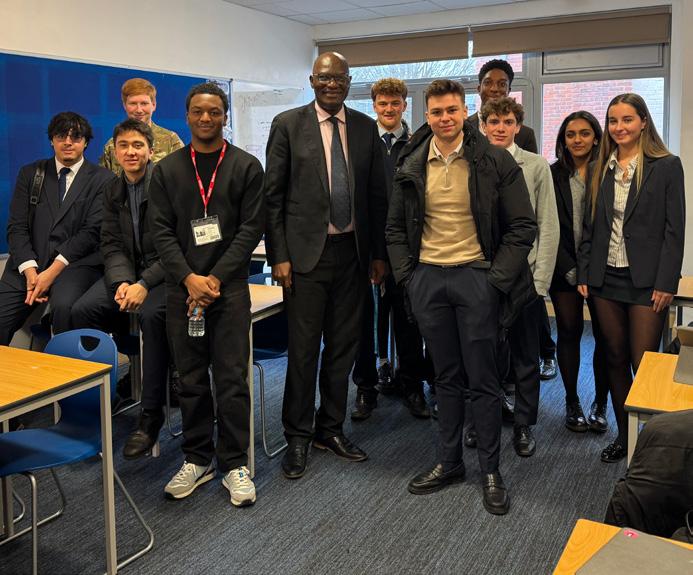
Chris, Clerk of the Home Affairs Committee at the House of Commons, recently met with Trinity Politics students at Westminster. It was a fantastic opportunity for current students to connect with an alumnus working at the heart of UK politics.
Tom Petty (Class of 2017)
Tom represented Cambridge once again in the 144th Varsity Match against Oxford. In a closely contested fixture, Cambridge were narrowly behind at half-time before Oxford pulled away in the second half to secure a 37–25 victory.
Ollie Rathbone (Class of 2013)
Ollie has completed an extraordinary challenge, rowing 3,000 miles across the Atlantic Ocean with his friend George. After 39 days at sea, the pair arrived in Antigua on 22 January, demonstrating remarkable determination and resilience.
Abroad
Iain Munro (Class of 2002)
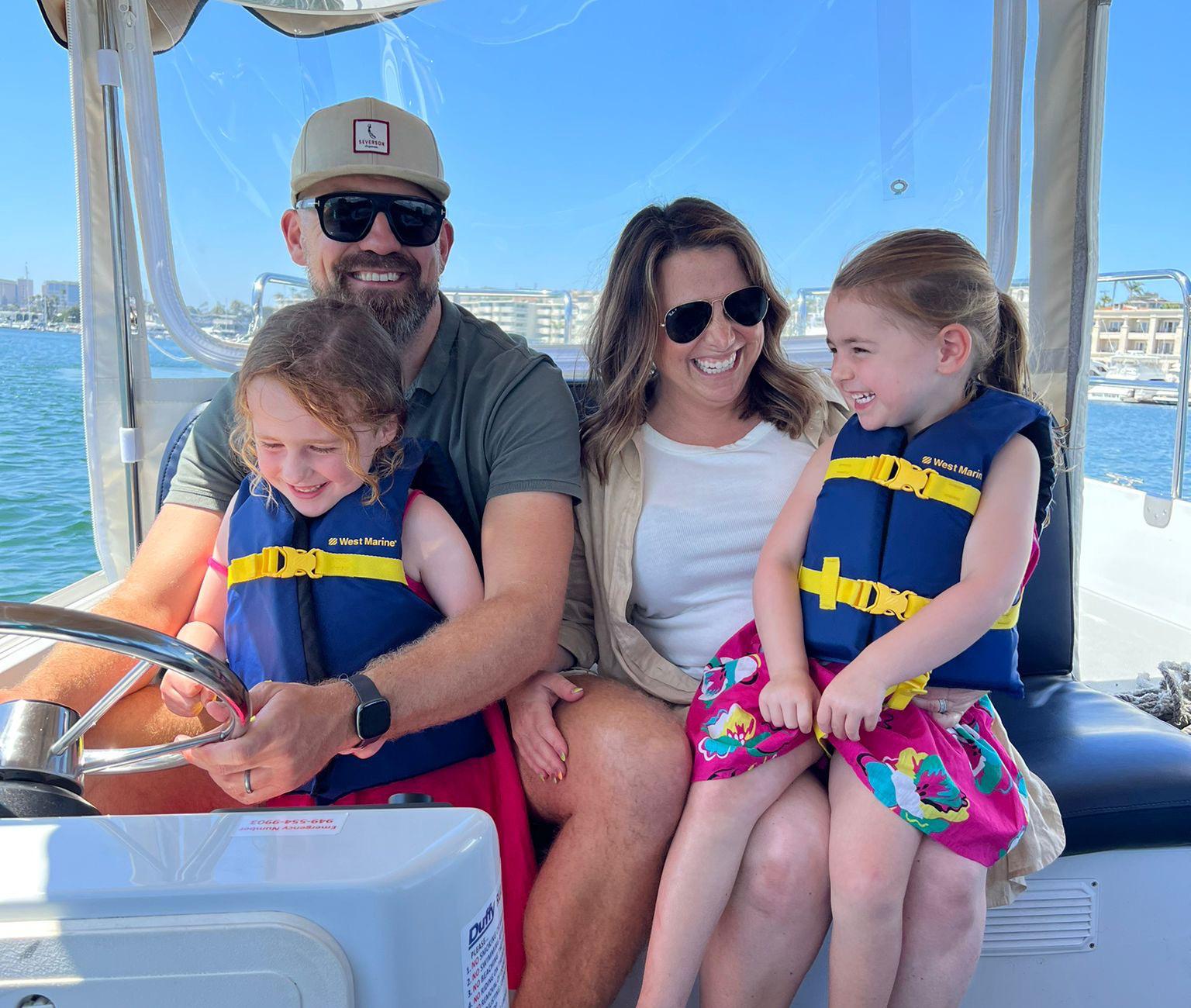
Iain is now based in Los Angeles, where he works at Passport Brand Design, helping global brands shape their identity and connect with audiences. With a background in creative strategy and marketing, he brings a strong focus on building meaningful brand experiences.
What first took you to the United States?
My wife - she was born out here and raised in Orange County. In her defence, she did say on our first or second date that she wanted to go back but I managed to distract her for 10+ years with rings, house moves and kids. Once COVID became less of an issue in 2022, we were on a beach out here whilst visiting her folks and I realised it was time (because she told me).
What’s the biggest cultural difference you noticed when you arrived?
Sarcasm is scarce. I have to be careful to make sure people know I’m joking (or being deadly serious at the same time). Luckily the British accent goes a long way to make me people like you at least 50% more. Also, walking - no one walks anywhere. The idea of using your legs to travel to a place is a foreign concept.
How would you describe American working life in three words?
Ineffective off button
What’s one thing about US life you’ve fully embraced?
The weather in Southern California is great all year round so we spend a lot of time outside - kids activities, walks, going to the beach/harbour and eating alfresco. Also, I love having a massive fridge.
How do people tend to spend weekends where you are?
Given I have two girls (8&6) a lot of my time is spent ferrying them around to activities - Softball, Footy, Parties, Gymnastics, Horse riding (gulp) - but as above, at least it means you’re out in the sun. Aside from that, most grown-up fun revolves around the 3 BsBeaches, Breweries and BBQs. And a 4th B - Boats - if you’re loaded. What’s a local dish or drink every visiting Brit should try?
In & Out Burger - it is fast food but its fresh, a local institution and sooooo good (Double double, extra crispy chips animal style and a Neapolitan shake). Given
we’re less than 100 miles from the border, the Mexican food around here is fantastic too - usually the best tasting comes from $2 Taco stands. Californian Chardonnay is pretty spectacular as well.
If you could send a one-line “postcard” message home, what
would it say?
‘The Sunshine Tax’ is a real thing and this place makes London look like a bargain, but it is bloody worth it. The weather is awesome, outdoorsy culture is fun and everyone thinks you’re significantly funnier and more charming because of your accent. Get in.
Abroad
Richard Sexton (Class of 1988)
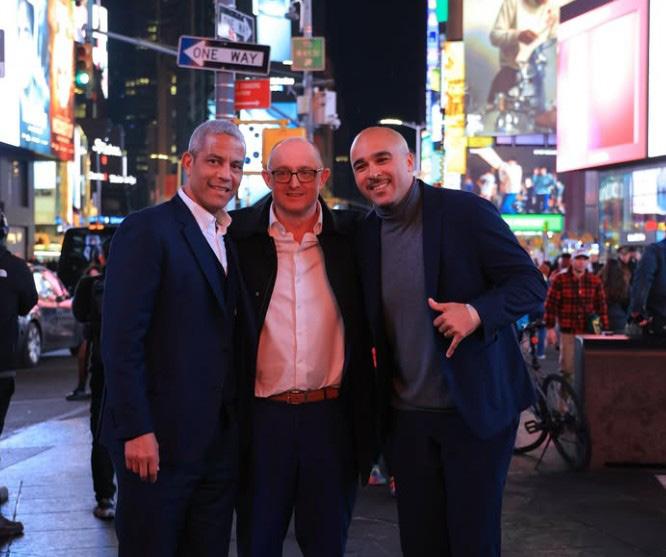
Richard is based in New York, where he leads an independent office search and advisory service supporting companies across the US and internationally. He is also Co-founder of Your Event People, delivering high-profile events and fundraising initiatives. In 2013, he was awarded an MBE for services to British and Commonwealth charities in New York and continues to play an active role in transatlantic networks.
What first took you to the United States?
A two-year work placement with Knight Frank in 2001
What’s the biggest cultural difference you noticed when you arrived?
People’s directness
How would you describe American working life in three words?
Energetic, optimistic, hustle
What’s one thing about US life you’ve fully embraced?
The Thanksgiving Holiday. Wonderful family time - without the presents.
How do people tend to spend weekends where you are?
There’s a “Summer Friday” culture in NY where people escape the city for the beaches and countryside
What’s a local dish or drink every visiting Brit should try?
New York City Pizza
If you could send a one-line “postcard” message home, what would it say?
Loving NY life but always look forward to a trip home to see family and friends.
Trinity60: a whole community
From cold-water swims to 60-mile cycles and a 12-mile tramline walk, the Trinity community has embraced the Trinity60 Challenge with energy, creativity and determination. Students, staff and alumni are not just raising funds, they are setting the tone for what this campaign represents.
Taking on the challenge
The Trinity60 Challenge has inspired individuals across the Trinity community to step outside their comfort zone and take on meaningful fundraising efforts in support of the Bursary Fund.
Among them is David Foster (Class of 1967), whose motivation reflects a lifelong connection to the school:
“Every time that I visit the school, I’m impressed by the confidence and enthusiasm of current students… That’s why I really want to do my bit for the Bursary scheme, to give disadvantaged youngsters the same opportunities that I had during my time at Trinity 60 years ago.”
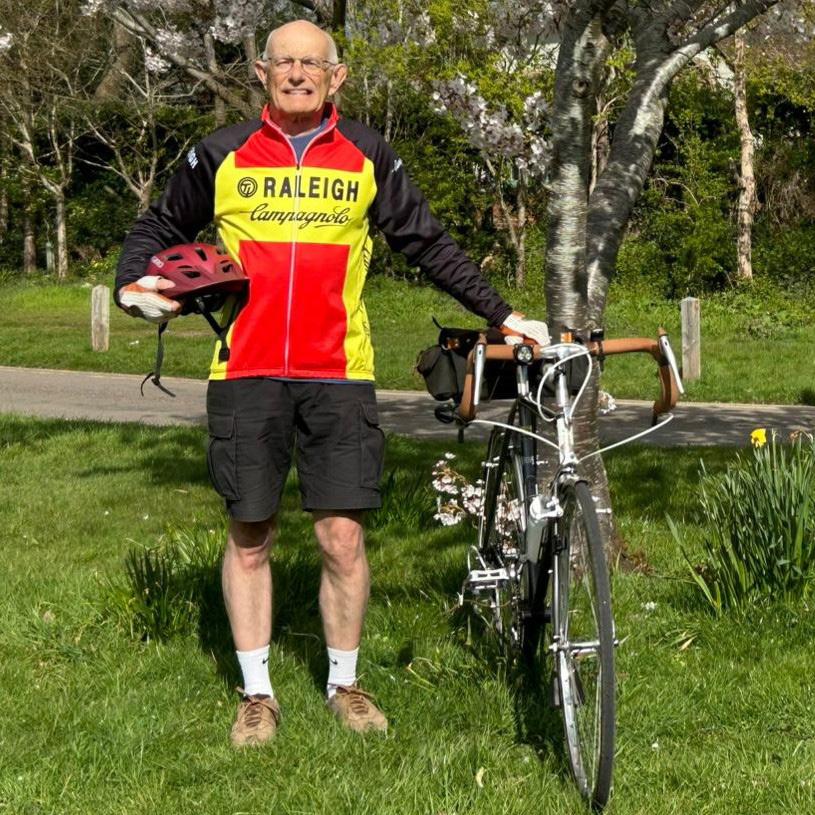
On 24 June, David will take on a 60-mile cycle on his 1989 Raleigh Randonneur, travelling through Dorset, Hampshire and Wiltshire. It is a personal challenge, but also a reflection of something wider: a desire to give back and ensure others can benefit from a Trinity education.
community effort
Tramlines, teamwork and 25,000 steps
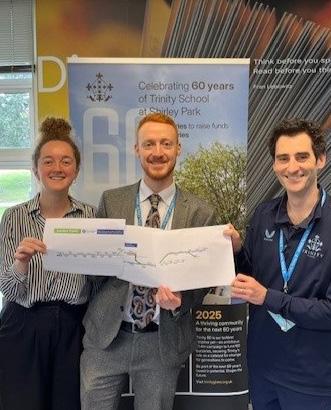
Closer to home, Trinity staff have taken on a challenge of their own. Wil Coma (Class of 2007), Lucy Robinson and David Lydon are completing the Trinity Tram Walk, following the tram route from Wimbledon to Beckenham.
The challenge speaks for itself:
• 12 miles along the tram line
• Around 25,000 steps
• Only slightly slower than taking the tram
It also marks Mr Lydon’s 13th TfL walk, with another already planned. Their effort combines humour, endurance and a shared commitment to supporting the Bursary Fund.
Spotlight: pushing beyond the target
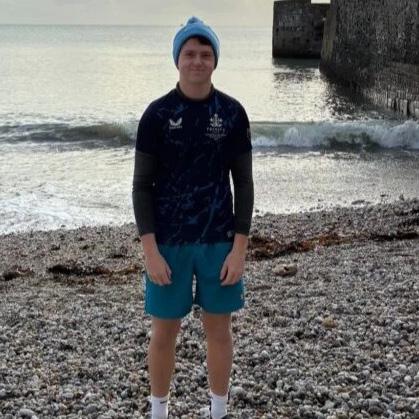
Some students have gone even further. One Third Year pupil, Edward W, took on a week of daily cold-water swims in Cornwall, facing sea temperatures of 9–11°C in the runup to Christmas.
“I thought it would be fun… little did I know it was going to be very cold,” he said.
Despite the conditions, he completed the challenge and raised £250, far exceeding the original £60 target.
“I think this is important to get involved in because it’s for a good cause and gives you a great opportunity to do something a bit different.”
House totals
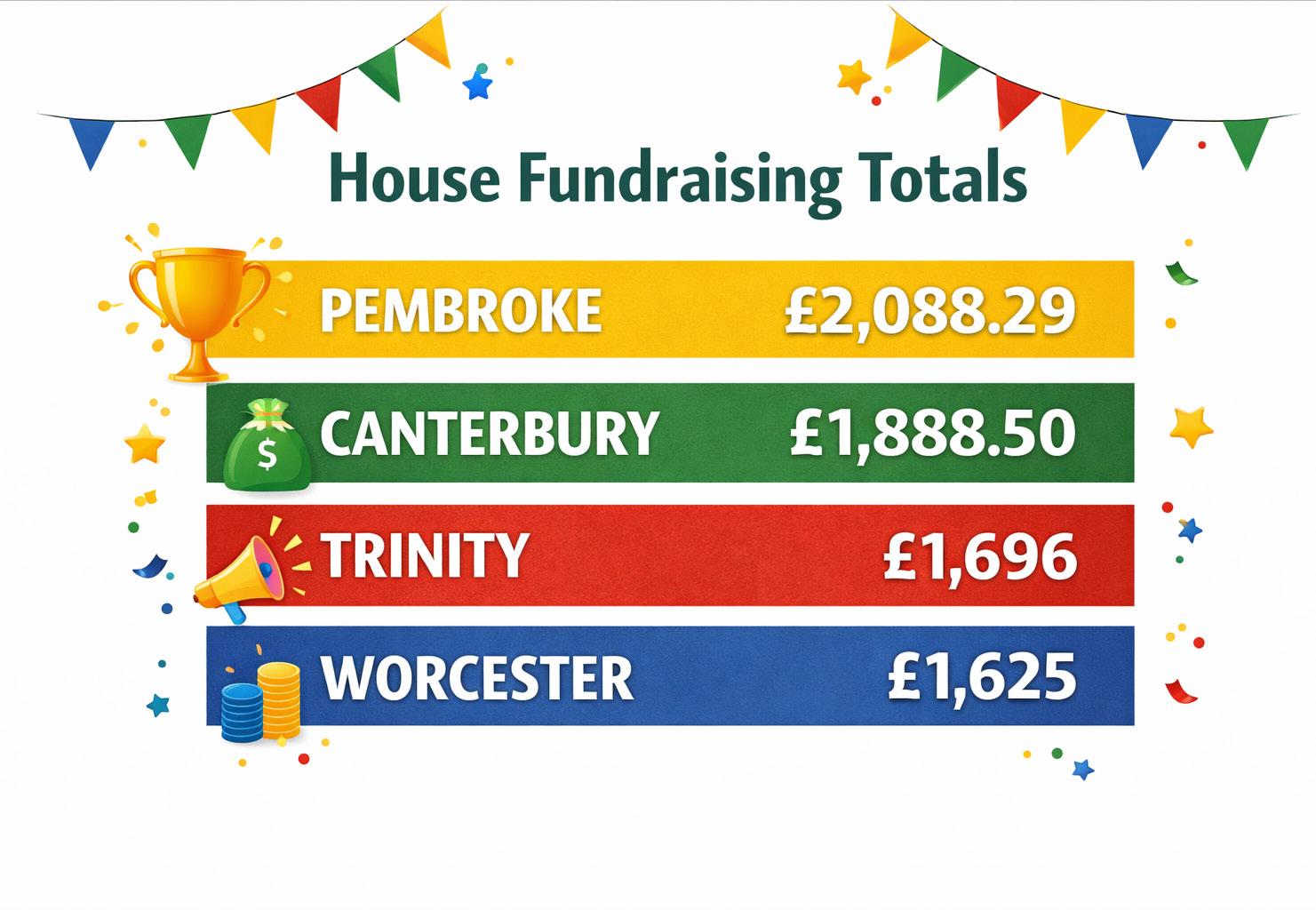
To add a sense of friendly competition, fundraising has been tracked across the Houses.
The House system has added real momentum, encouraging participation and giving students a shared goal to work towards.
Students leading the way
At the heart of Trinity60 has been the energy and commitment of our students. Through the £60 Challenge, pupils across all year groups have taken on fundraising in a wide range of ways, from sponsored silences to Tough Mudder events, daily practice challenges and more.
At the end of the spring term, students had raised an impressive £7,427.79, representing 12% of the overall £60,000 target. A total of 77 students are actively fundraising, with 58 already reaching the £60 milestone
The campaign is also recognising exceptional efforts. Following this term’s awards, nine students have now raised £300 or more, earning Trinity60 ties in recognition of their achievement.
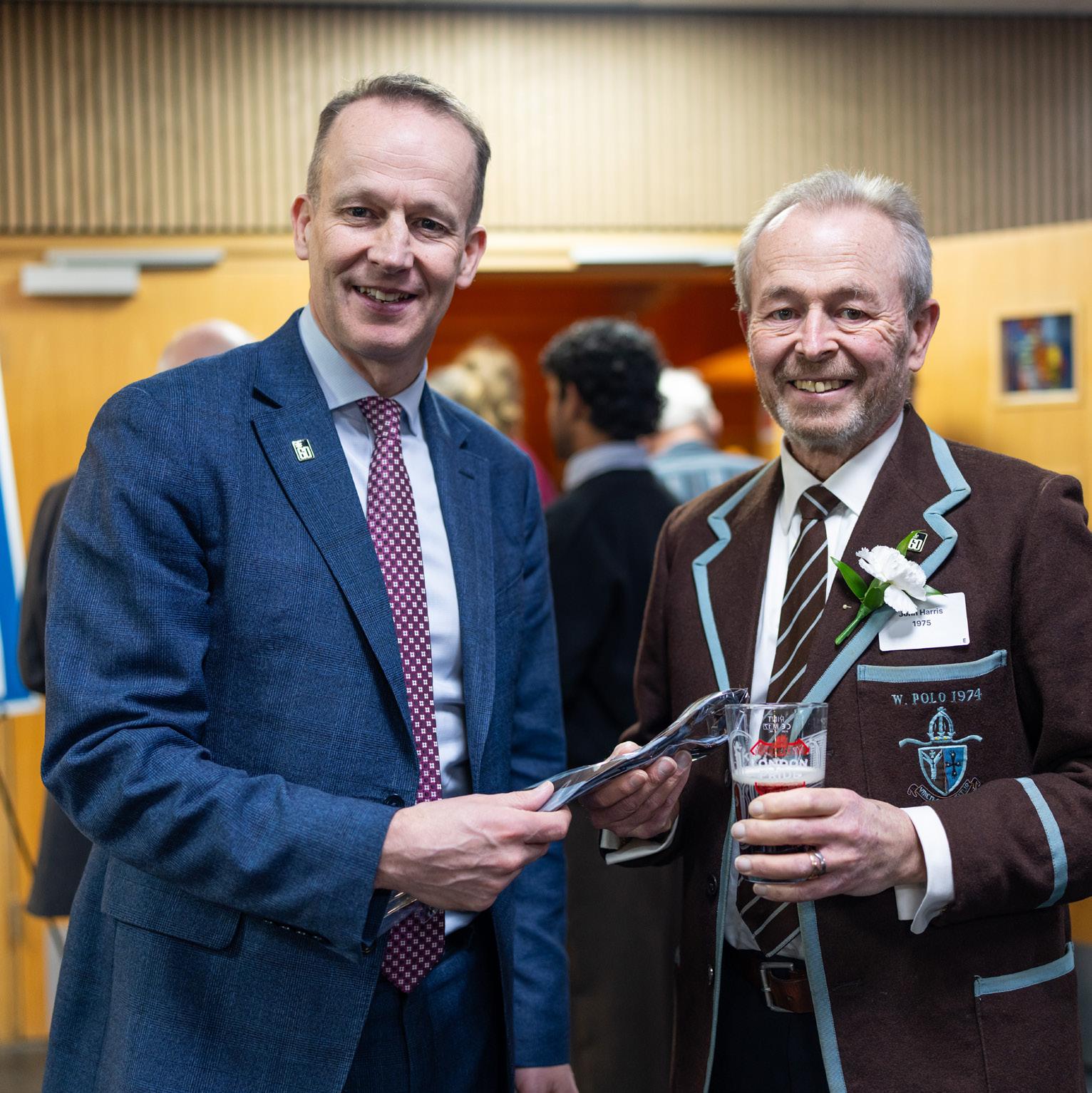
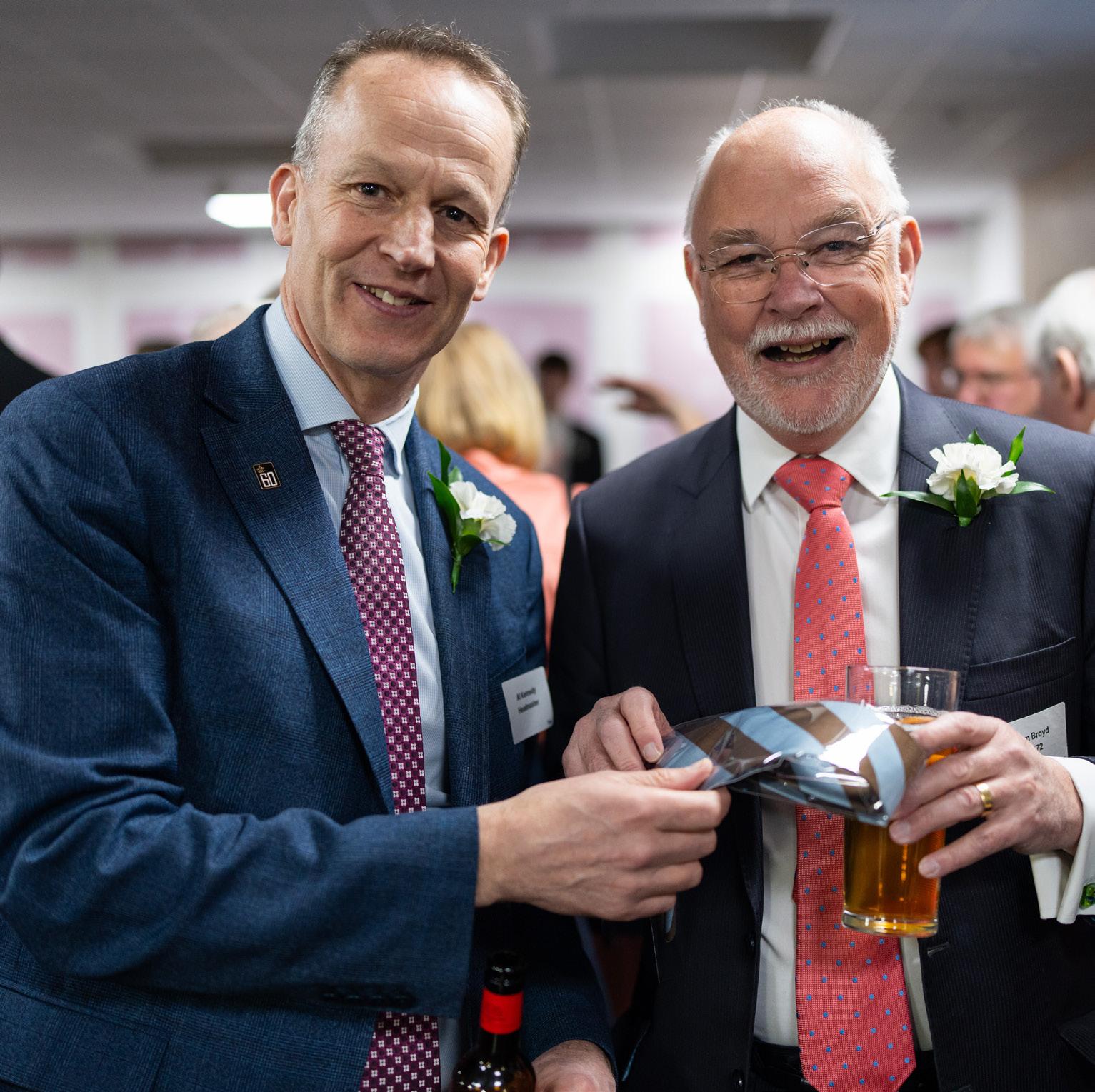
This spirit of giving is clearly not confined to current students. At this year’s Founder’s Day Supper, Tim Broyd (Class of 1972) and John Harris (Class of 1975) were recognised for raising more than £300 in support of the Trinity60 campaign, each receiving a Trinity60 tie from the Headmaster. There was a certain symmetry to the moment, with two former pupils being formally “presented” once again, this time not for school achievements, but for giving back.
In one particularly strong example, First Form Tutor Andy Spero has
inspired every pupil in his form to take part in fundraising.
Achieving full participation is no small feat. It reflects not only strong leadership, but a culture where students feel motivated to contribute and take ownership of the campaign.
A community effort
What stands out across all of these efforts is the collective nature of the campaign.
Students are leading from the front. Staff are supporting and taking part. Alumni are stepping forward with their own challenges. Some contributions are highly visible, others quieter, but all are part of the same shared effort.
Bursaries are not funded through fees. Every place is made possible through voluntary support from the Trinity community, alongside the generosity of the John Whitgift Foundation.
The Trinity60 Challenge is helping to ensure that future generations of students can benefit from the same opportunities, regardless of their financial circumstances.
Why it matters
Be part of Trinity 60
The campaign continues to grow, but there is still more to be done. Whether through a challenge, a donation, or simply spreading the word, there is an opportunity for everyone in the Trinity community to play a part.
Support the Trinity60 Bursary Campaign and help ensure that a Trinity education remains accessible for generations to come.
Join Us
Director of Development
Closing date: Midday 20th April 2026. Start date: 1st September 2026
The Vacancy
The Director of Development will lead the School’s Development Department as a strategic, forward-looking function. This role will champion long-term engagement and growth, guiding the successful completion of the #Trinity60 Campaign while ensuring the sustained expansion of the Bursary Fund through robust pipeline management and strong financial governance.
This position requires a purposeful, data-driven approach to audience segmentation and a disciplined mindset toward fund allocation and budget management. The successful candidate will bring strategic vision, analytical rigour, and a commitment to strengthening the School’s culture of support and engagement for generations to come.
Apply here:
Alumni at Trinity
Coming full circle
From geography and mathematics to development, the CCF and sixth form leadership, Trinity alumni continue to shape school life as members of staff. Here, six former pupils reflect on their journeys back to Trinity and what it means to give something back. Part 2 of this feature will appear in the summer edition of My Trinity.
Matt Doherty (Class of 2020) Teacher of geography
I have been back at Trinity for over two years now, returning after studying geography at Durham University.
Trinity gave me so much as a student. I was fortunate to be a recipient of a full bursary during my time at Trinity, and I always wanted to pay it back. Trinity’s
sense of community is immense and was something I had missed since leaving in 2020. I was so pleased to come back to Trinity, and working here is such a privilege and one I will truly cherish.
The most rewarding aspect of my job is working with some incredible staff and students. Staff have students’ best interests truly at heart, and it is a pleasure to work alongside them. Students have a strong desire to do well, and I particularly enjoy witnessing their successes, no matter how big or small. Being able to visit Malawi again as a teacher is certainly one of the most rewarding aspects of my role and something I will never forget.
Tim Bryars (Class of 1980) Teacher of mathematics
I was a student at Trinity from 1973 to 1980 before going on to study mathematics at university. After graduating, I joined the Metropolitan Police, where I served for 30 years. When I retired from policing, I retrained as a secondary school mathematics teacher and began my teaching
career in Hampshire.
In 2024, I returned to Trinity as a teacher of mathematics. Although I felt rather daunted at first, coming back as a member of staff to the school where I was once a pupil, the staff were incredibly welcoming and supportive, making the transition smooth and enjoyable. It is a genuine privilege to return to my alma mater. Trinity remains an excellent school with the high standards and strong values I remember.
My return has also reminded me of how much I personally benefited from financial support when I first came to Trinity. Having passed the 11-plus, I was able to attend thanks to financial assistance that
Trinity
made the fees affordable to my family. That experience has made me deeply appreciative of Trinity’s commitment to widening access through its bursary fund. The school’s dedication to supporting families from a broad range of backgrounds has helped create a wonderfully diverse community.
The most rewarding aspect of my role is seeing students who initially struggle with mathematical concepts gradually grow in confidence as their understanding develops. Watching that progress is one of the great joys of teaching.
Jason Court (Class of 1986) Director of Development
After a 30-year career in the City, I returned to Trinity to join the Development Team, something that was never part of
the original plan.
After leaving school, I did not feel a particularly strong connection to the place and, with no alumni office at the time, had no contact with Trinity for 30 years. I had not been on a bursary or gone to university, so I did not think the school had done much for me.
That started to change when, out of the blue, I was invited to a reunion. Despite some initial hesitation, about twenty of us attended. Melodie Johnston and David Young began adding alumni events, such as the Varsity Match, to the calendar, and I started to re-engage. When the opportunity arose to join the Development Team, the timing felt right. I was ready for a different challenge after 30 years, so I decided to give it a go.
I see the tangible impact of the Trinity Bursary Fund every day. Social diversity is one of the school’s greatest strengths. Back in my school days, I took that diversity for granted, but it gave me a real edge in my City career. It helped me relate to people and navigate professional environments effectively.
When our young alumni return to speak to students, I see confident, grounded individuals. That is a direct result of the socially and economically mixed student body here. Supporting bursaries is not just about social mobility, it enriches the experience for every student. It took me 30 years to realise how much that environment shaped me, so helping preserve it for future generations is very special.
Anthony
Muirhead (Class of 2004) Contingent Commander, Combined Cadet Force
Before returning to Trinity in 2020, I ran my own businesses and held various instructor roles in other CCFs.
Why did I return to Trinity? By accident. I had just come back as an instructor at the start of the year, and when the opportunity arose to apply for the permanent role, I went for it. I started between COVID lockdowns, which made running the CCF in the usual way challenging. In March 2025, I was appointed as Contingent Commander.
The most rewarding part of my role is seeing how young Third Formers develop into young adults. The CCF provides a unique opportunity for students to grow and excel outside the classroom, often in a challenging environment.
Alumni at Trinity
Jim Hammond (Class of 1974)
Teacher and former groundsman
I attended Trinity as a student from 1967 until 1974. In 1979, I returned to work as a groundsman, which was very enjoyable and fulfilling under the guidance of Jimmy Edmeads.
I returned again in 1982 to teach P.E., biology and chemistry, which was sometimes surreal as former teachers
became colleagues.
After four enjoyable years, I moved on and taught for 28 years in a variety of state schools before retiring in 2015. I was then invited back to Trinity for what was meant to be a oneterm placement, which turned into several years. Since then, I have been involved in many departments and activities.
It has been a wonderful 11 years. I am always struck by how brilliant our students are. Their knowledge, aspiration and dedication are humbling, and the teaching staff are exceptional.
Trinity is a vibrant and inspiring place to work. Everything I do here gives me enormous satisfaction, and I am in no rush to retire for a second time.
Sam Hodge (Class of 2009) Head of lower sixth and teacher of religious studies
Before returning to Trinity ten years ago, I completed the Teach First Graduate Programme and taught at Cranford Community College.
Initially, I planned to move into a different career after Teach First, but I fell in love with teaching and decided to stay. Over time, I found myself drawn back to Trinity. There is something about the school that draws people back, and the number of alumni
who return to work here is testament to that.
I have always valued the down-to-earth nature of the school, its diversity and the breadth of opportunities available. When the chance to return came up, I took it.
What makes Trinity stand out is its pastoral care and strong sense of community. I was fortunate to guide a year group from First Form through to Upper Sixth, which was incredibly rewarding. Seeing students grow, overcome challenges and leave as well-rounded individuals is one of the most fulfilling aspects of the role.
Being a Head of Year is demanding but hugely rewarding. No two days are the same, and I am fortunate to work with an outstanding pastoral team.
Taisei Masumoto on housing affordability
Taisei (Class of 2025), former 1st XI Football Captain, returned to speak to the Economics & Business Society on the growing challenge of housing affordability for young people. Now spending a year in Spain playing for Málaga CF and applying to study economics at MIT as a studentathlete, he delivered a thoughtful analysis of what “affordability” really means, exploring the impact of interest rates, mortgage terms, taxation and insurance, alongside wider structural pressures such as urbanisation, investor demand and planning constraints. Drawing on examples including Help to Buy and Vienna’s social housing model, Taisei prompted lively debate about fairness, market failure and the role of government, leaving students with a clearer understanding of one of today’s most pressing economic issues.
Ella Sullivan-Martin on trauma theory
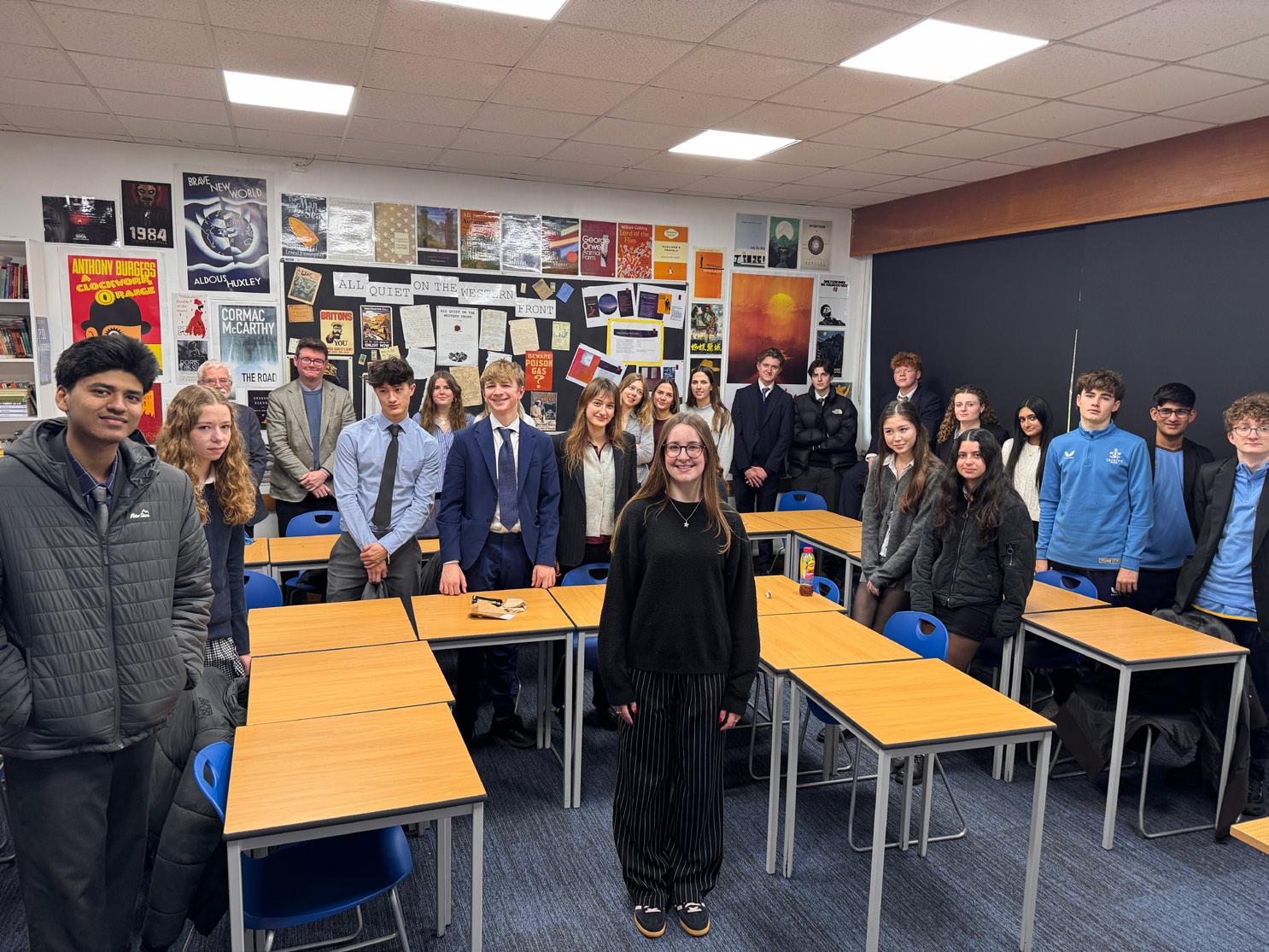
LitSoc welcomed back Ella (Class of 2022), who shared insights from her English degree at the University of Bristol and her dissertation research on trauma and erotomania in Ian McEwan’s Enduring Love
Introducing key thinkers such as Freud, Cathy Caruth and Laura Brown, Ella demonstrated how trauma theory deepens literary analysis and broadens our understanding of narrative, memory and psychology. Referencing texts including Lolita, Mrs Dalloway, 1984 and The Handmaid’s Tale, she encouraged students to think critically and interdisciplinarily, while offering an honest perspective on the transition from A Level to university study.
Ari Yad on Life as a medical student
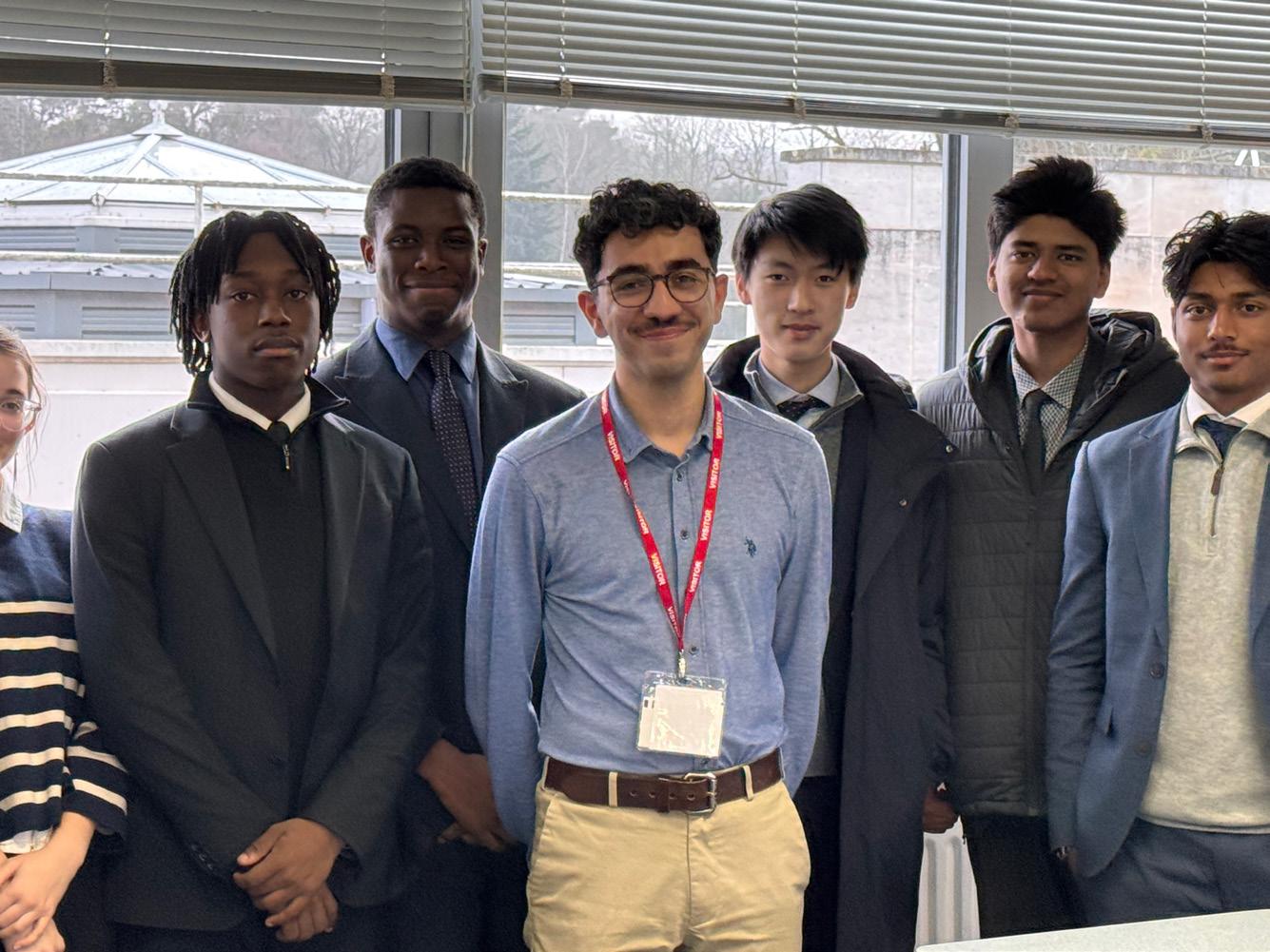
Ari (Class of 2022) returned during a clinical placement at King’s College Hospital to speak candidly to aspiring medics about studying medicine at the University of Nottingham. Reflecting on rotations through Women’s Health, the Labour Ward and the Harris Birthright Centre, he described the realities of hospital placements, emphasising that students are learners first and that medicine is fundamentally collaborative. From observing Caesarean sections to contributing to research, Ari highlighted the variety and responsibility involved, encouraging students to be curious, ask questions and make the most of every opportunity, wherever they train.
Karl Lutchmayer piano recital
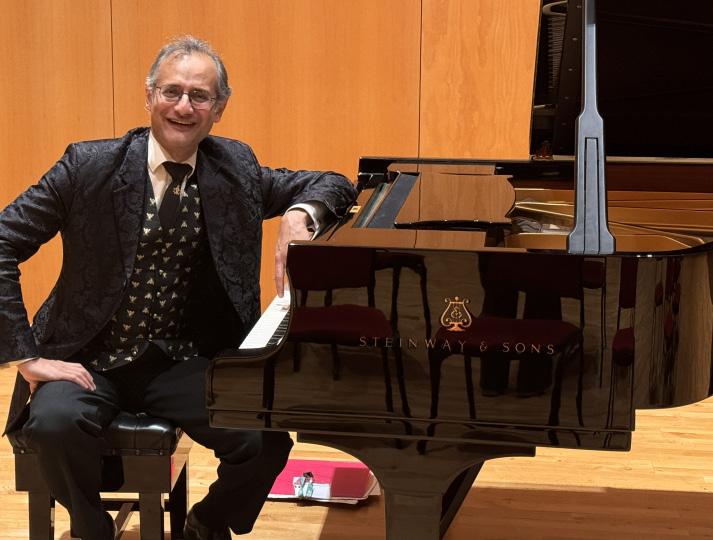
The Trinity Piano Festival featured a special afternoon recital in the Recital Hall by distinguished pianist and alumnus Karl (Class of 1987). While students performed in the Circus at lunchtime concerts throughout the week, Karl’s performance of Ravel’s Gaspard de la nuit formed a centrepiece of the festival. His interpretation of this formidable work in the piano repertoire was both technically assured and deeply expressive, providing inspiration for the many students taking part and underscoring the strength of Trinity’s musical tradition.
National Apprenticeship Week
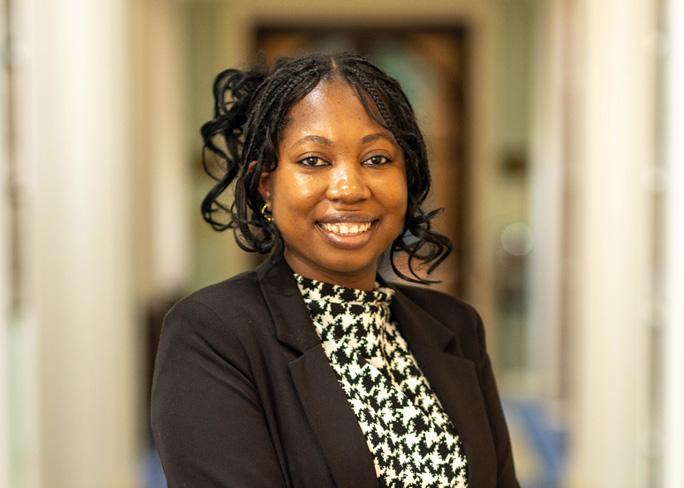
Trinity marked National Apprenticeship Week with a series of sessions exploring the breadth of apprenticeship pathways available to students. Alumni Kai Patterson (Class of 2022) and Ben Lowth (Class of 2023), now at EY and Deloitte respectively, returned to share candid reflections on combining full-time work with degreelevel study, offering practical advice on applications and early career development. The week also provided an opportunity to celebrate Panashe Mbanje from the Alumni and Development team, who began her own career at Trinity through a data analyst apprenticeship, highlighting the value of gaining hands-on experience while learning.
Darcey Kirwin on hearing loss research
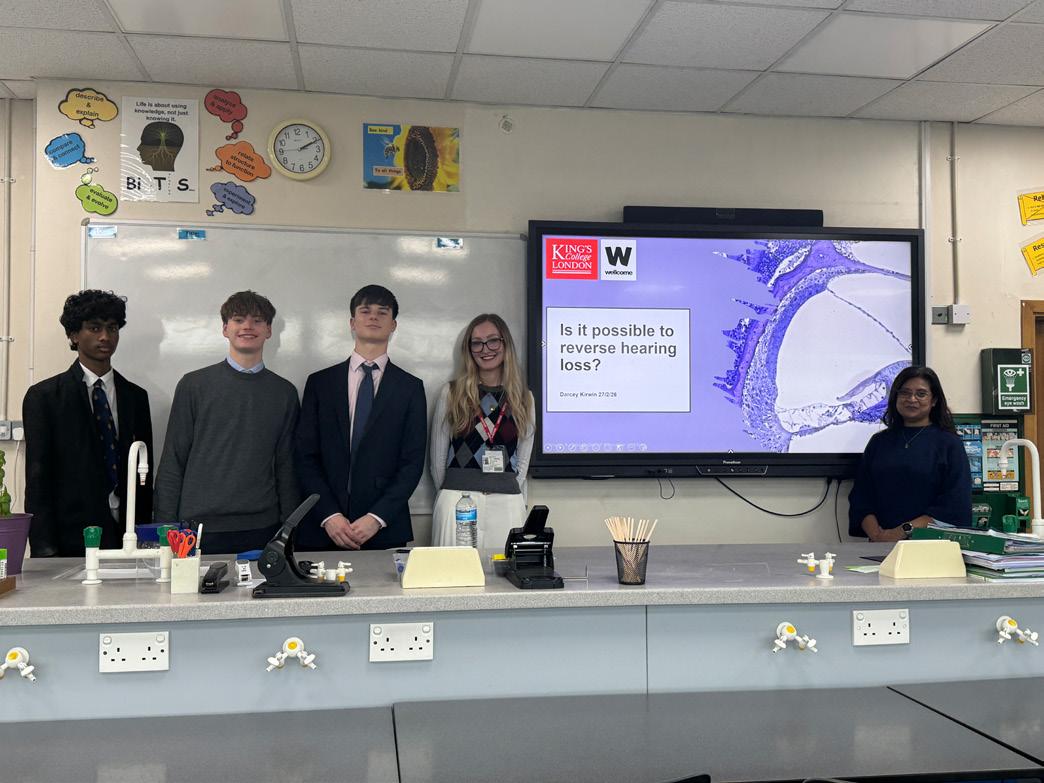
Biology Society welcomed back Darcey (Class of 2018), now completing a PhD in the Genetics of Deafness at King’s College London, for a compelling talk on the future of hearing restoration. Drawing on her background in molecular neuroscience, Darcey outlined her research into the genetic causes of deafness and the scientific challenges involved in reversing hearing loss, reflecting on a career that has taken her from Alzheimer’s research to her current specialism. Her presentation, Is it possible to reverse hearing loss?, was both accessible and thought-provoking, prompting a lively discussion around the scientific, ethical and technological implications of advances in this field.
Jaden Haynes on graphic design at Chelsea FC
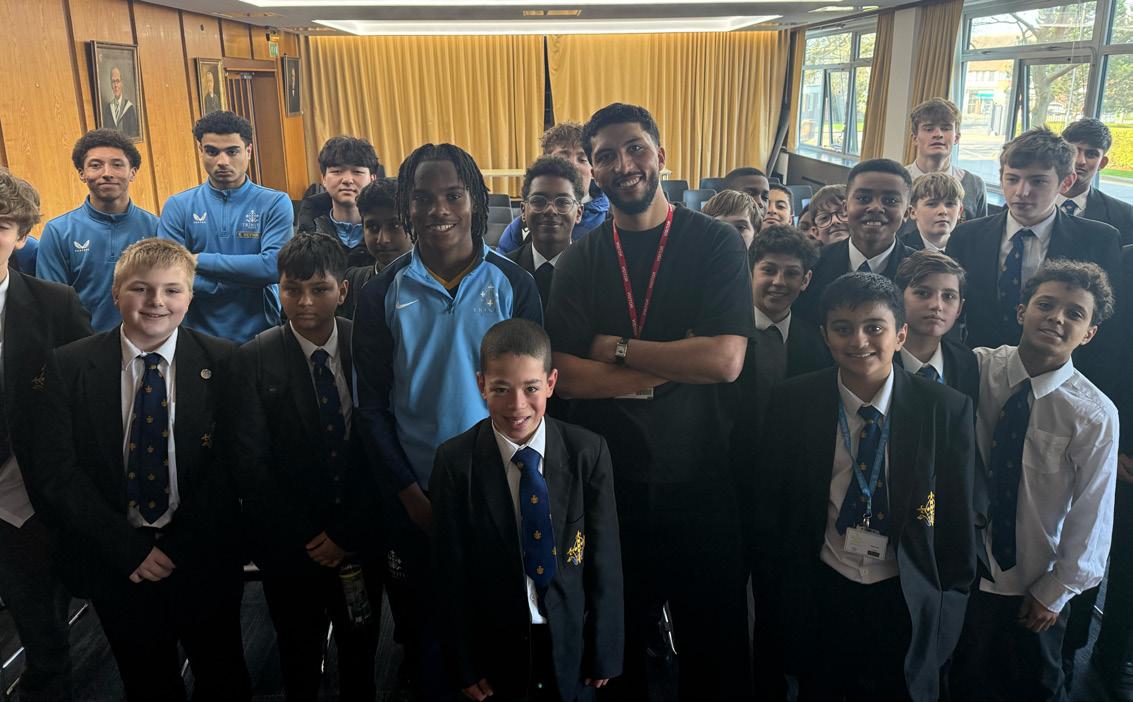
Jaden (Class of 2017) returned during National Careers Week to speak about his career as a graphic designer at Chelsea FC, offering an engaging account of how he moved from studying History and Spanish at the University of Manchester into the world of professional sport. He shared insight into the creative process behind matchday programmes and limited-edition merchandise, as well as the realities of working in a fast-paced, high-profile environment.
Jaden also supported the Futures Fair, providing oneto-one advice to students interested in creative and digital careers, and outlined early plans for a potential collaboration with Trinity in the future.
Tom Walklate on careers in finance
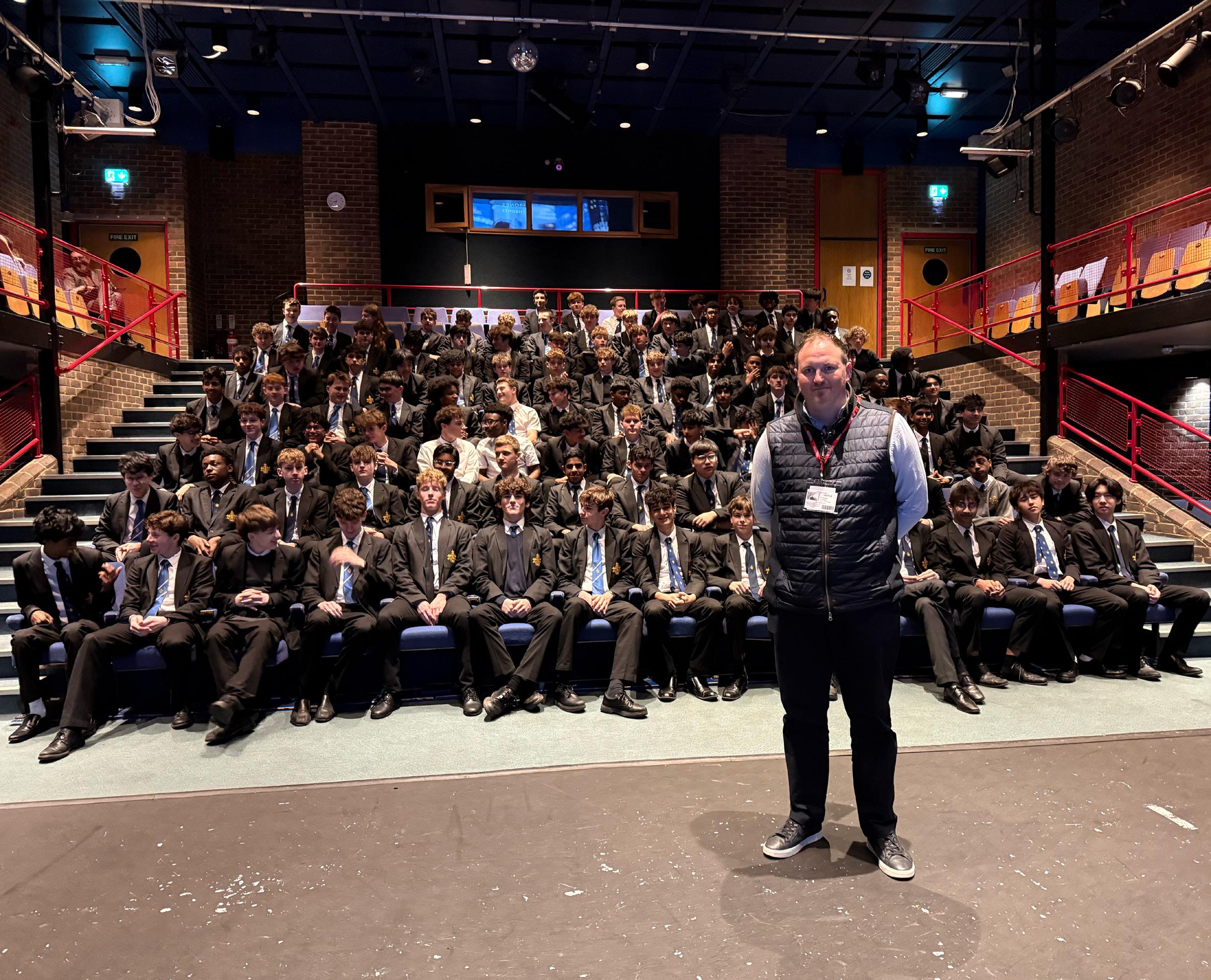
Tom (Class of 2007), now Financial Planning Director at Rathbones, returned to Trinity during National Careers Week for his first visit since leaving the school. Speaking to Fifth Year students in assembly, he provided a clear and engaging introduction to the world of finance, outlining the range of career pathways within the sector and offering practical guidance on how students might identify where their strengths and interests lie. His talk offered a valuable insight into an industry often viewed from the outside and was both informative and encouraging for those considering a future in finance.
British Science Week
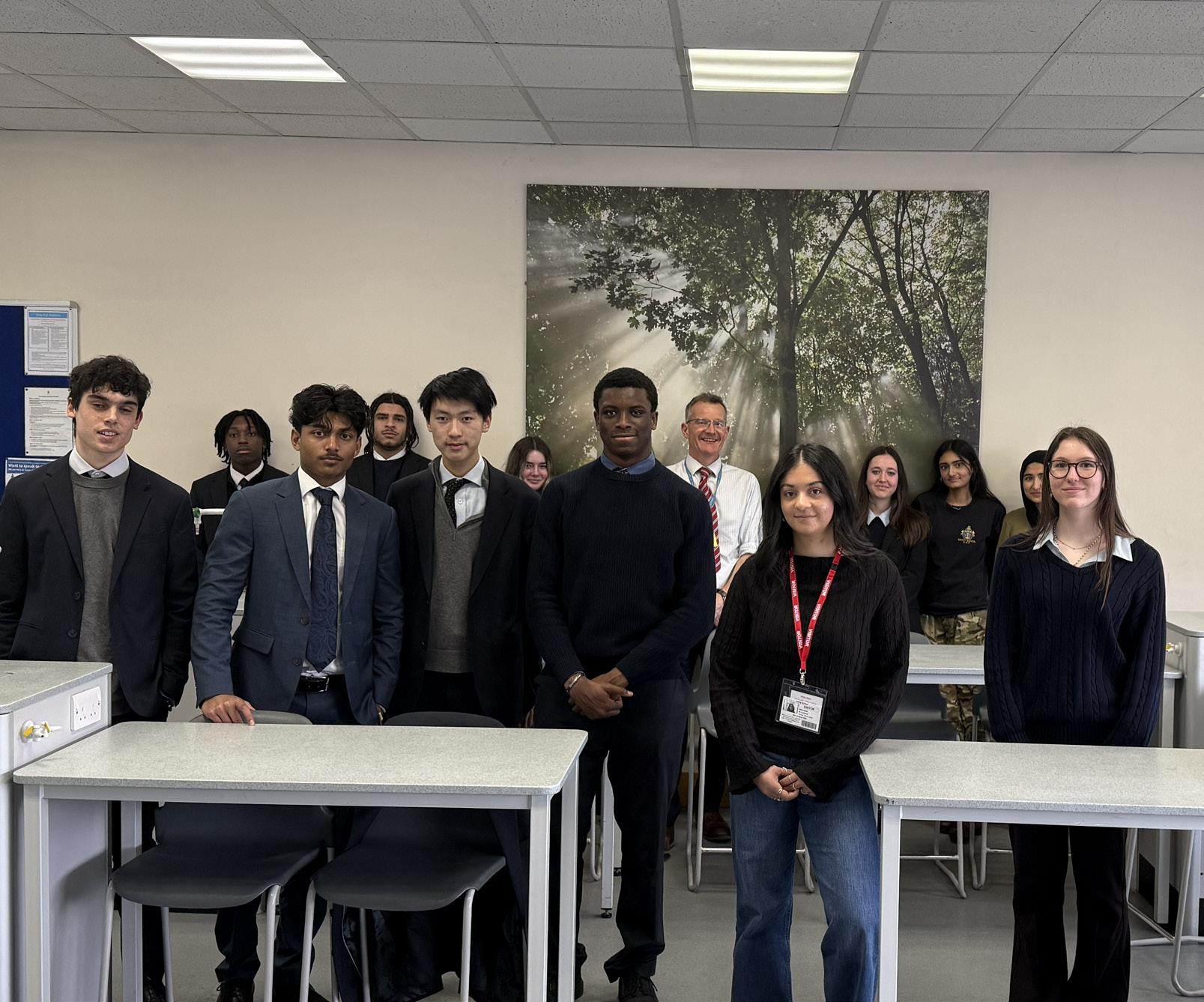
Trinity marked British Science Week with a varied programme of events celebrating science, technology, engineering and mathematics, centred on this year’s theme of ‘Curiosity’. Alongside science shows and the annual Trinity School Science Competition, students heard from three alumni working at the forefront of their fields. Yunus Skeete (Class of 2017), an AI Engineer, spoke about his work on an ambitious project in the UAE exploring the creation of snow in desert environments; Joshua Bernard-Cooper (Class of 2017), a Satellite Operations Software Developer, shared insights into building hyperspectral Earth-observation satellites and his experience as an analogue astronaut; and Daniel Gilbert (Class of 2019), an R&D Test Engineer at Red Bull Racing, offered a detailed look at testing high-performance vehicle components. Together, the talks provided an engaging and inspiring snapshot of the diverse pathways open to students through STEM.
Iman Khan on intercalating in medicine
Iman (Class of 2022), now in her fourth year of medicine at the University of Liverpool, returned to speak about her experience of undertaking an intercalated degree in childhood studies at the University of Bristol. She offered valuable insight into the academic and personal benefits of stepping beyond the core medical curriculum, highlighting the importance of a strong work ethic while maintaining balance through wider interests, including university sport. Speaking to both Biology and Psychology students, Iman also reflected candidly on the more challenging aspects of studying childhood development, and how this deeper understanding will shape her future practice as a doctor.
Futures Fair
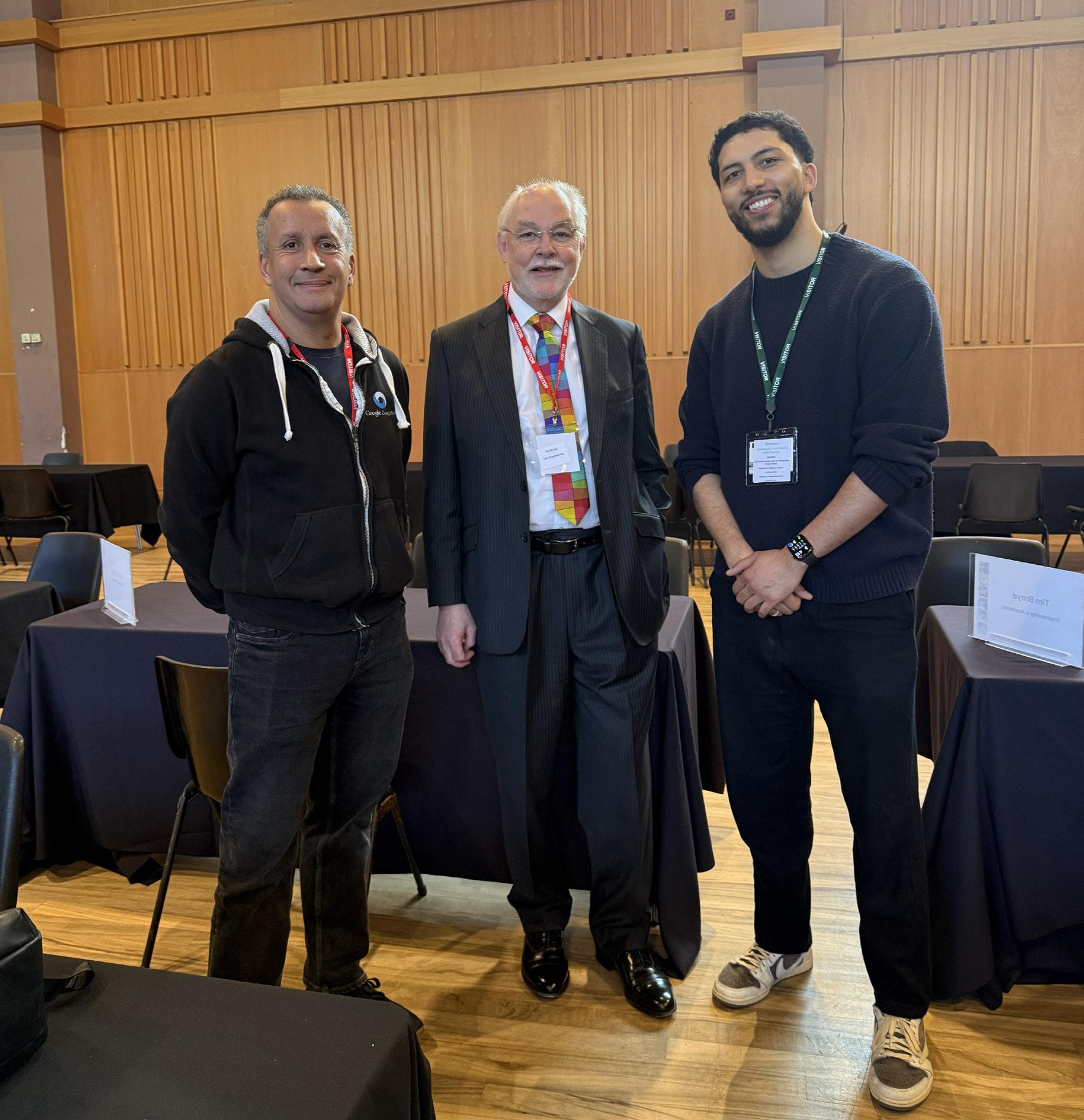
Trinity’s Futures Fair welcomed more than 700 attendees, offering students from Fourth Year and above the opportunity to explore a wide range of post-18 pathways. With a large networking area, students engaged directly with professionals, universities and alternative providers, asking thoughtful questions and gaining valuable insight into
different career journeys. Alumni played a key role, including Tim Broyd (Class of 1972) in engineering and academia, Simon Bouton (Class of 1985), Chief Experience Officer at Google DeepMind, in technology and AI, and Jaden Haynes (Class of 2017) in the creative industries, reflecting the breadth of opportunities available to Trinity students.
Beyond Ordinary the
Bringing
Britain’s iconic red telephone boxes back to life
Christian Lewis (Class of 1998)
After leaving Trinity, Christian went on to study Music at Thames Valley University before finding his niche in the restoration of historic British telephone kiosks. Now
working with Unicorn Restorations, he specialises in bringing iconic red telephone boxes back to life, restoring them for collectors, film sets and public spaces around the
world. What others see as obsolete street furniture, Christian sees as an opportunity to preserve a small piece of British design history.
If you had to describe what you do now in one sentence to your teenage self, what would you say?
I take what, in one person’s opinion, is trash and, armed with a modest but specialised skillset, breathe new life into it so that someone else wants to buy it.
What’s the most surprising part of your job at Unicorn Restorations? That objects nearly 100 years old and practically obsolete are still firmly in the public imagination. The number of people who remember using a public telephone is getting smaller every year, yet younger people still have a fondness for the red telephone box, whether through Harry Potter or simply because it is such a strong symbol of Britain.
What does a good day at work look like for you?
Setting my own schedule, enjoying a cup of tea in the woods behind the workshop, making progress on a restoration project, and then seeing the customer’s reaction when the finished piece is delivered.
Did you always imagine working in something creative or hands-on, and when did things start to click
after leaving school?
I was never especially academic, and it took me a little while to find my direction. Once I focused on developing my strengths and working in a more practical and creative way, things began to fall into place. My interests at school were creative writing, music and photography, and I always felt I did my best work when I had creative freedom.
What skills do you use now that you didn’t realise were skills at the time?
Time management and prioritising. Restoration work involves planning the order of tasks, thinking about what can be done while something else is drying, and sometimes bringing in someone with a different skillset. In the real world you do not have to be an expert at everything; you just need to know where to find the expert you need.
You were into music at school. Has creativity continued to play a role in your life?
Creativity has always been important to me. I studied Music at Thames Valley University and spent years playing in bands and at jam nights. These days my creativity shows up more in my work, repurposing objects and making something people value again.
Do you see any crossover between music and the work you do now?
As a bassist you learn that the fundamentals matter. If the bass disappears from a track, everyone notices something is wrong. My work is similar. Individually the skills might not seem spectacular, but over time they add up to something that works beautifully.
What draws you to restoring old objects rather than making something new?
Old things were built to last and to be repaired. There is something incredibly satisfying about taking an unloved object and restoring it so it can be enjoyed for another century.
Looking back, are there things from your school years that proved useful later?
Self-awareness, independence and good communication skills. I tended to go my own way and was quite independent, which has proved useful in adult life. I am comfortable trying new things on my own and trusting my instincts.
Was there a project or moment that changed how you saw your future?
In 2012 our company was commissioned to create sculptures made from repurposed red telephone kiosks for the Olympic Village in Stratford. The project generated huge interest and reminded us that there was still a market for what we do.
What’s something you’re proud of that has nothing to do with qualifications?
I’m proud that the work we do creates something tangible and lasting. Seeing restored telephone boxes in public spaces around the world and knowing they may still be there long after I’m gone is very satisfying.
What advice would you give to someone from Trinity considering a less traditional career path? It is completely fine not to know exactly what you want to do. Focus on developing your skills, learn from people who are good at what they do, and keep improving. Excellence comes from practice and persistence.
What does success look like to you now?
Success is seeing what was once a yard full of discarded telephone boxes gradually restored and sent all over the world. They end up in private collections, film sets, museums and attractions. Most importantly, it provides a comfortable living doing something I genuinely enjoy.
A sporting lunch with Alec Stewart OBE
We were delighted to host an Under The Posts sporting lunch at Balls Brothers, welcoming cricketing legend and former England captain Alec Stewart OBE, in conversation with former England cricketer Chris Cowdrey.
Eighteen alumni and supporters of the Trinity Bursary Fund enjoyed a three-course lunch alongside an entertaining afternoon of insight, humour and behind-the-scenes stories from Alec’s career. Expertly compered by Chris, the conversation was both lively and insightful.
Thanks to the generosity of those attending, the event raised over £2,000 for the Trinity Bursary Fund, helping to widen access to a Trinity education.
A brilliant afternoon and a strong reminder of how enjoyable these events can be, we look forward to welcoming many more of you to future sporting lunches as part of our 60th year celebrations at Shirley Park.
A gathering of shared purpose: Supporters’ Reception
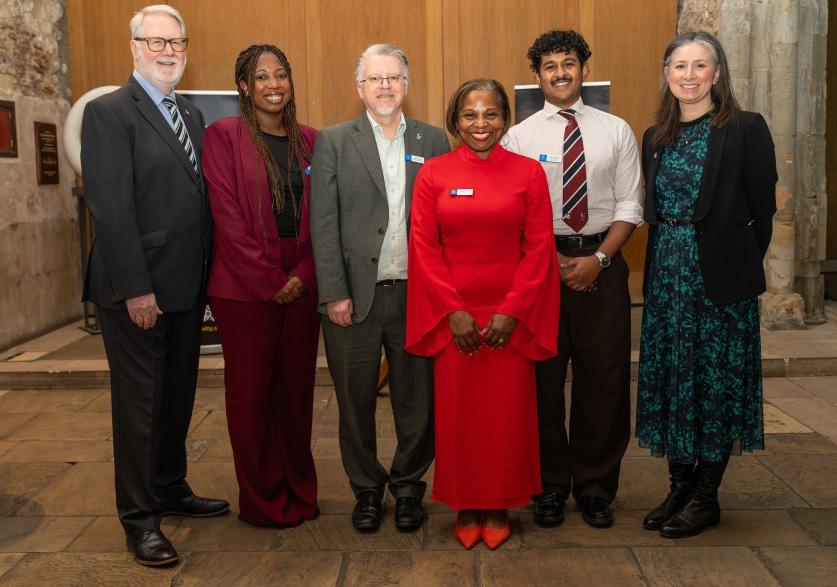
On Wednesday 25 February, one hundred members of the Trinity community gathered at St Ethelburga’s Centre for Peace and Reconciliation for our latest Supporters’ Reception. The evening reflected a shared commitment to preserving the inclusive and diverse character of the school, with Headmaster Al Kennedy welcoming guests to what he described as his favourite event of the year.
This year’s reception also marked the final event of its kind for Jason Court, in his last year as Director of Development. He reflected on the growth in support over the past seven years, and the impact this has had in widening access and strengthening partnerships with local schools, while noting that continued support remains vital if Trinity is to extend bursary provision further.
Guests also heard from two alumni whose experiences brought this impact to life. Emily Tellem (Class of 2022) and Paul Cleal OBE (Class of 1984), representing different generations, spoke about how bursary support shaped their confidence, ambition and future paths. Their stories offered a powerful reminder of the role our community continues to play in opening doors for the next generation.
Nottingham alumni gathering
Our annual Nottingham trip proved more popular than ever this year, with a fantastic turnout of current undergraduates coming together for an evening full of energy and good humour.
It was especially great to see such strong engagement from across the Trinity community, including John Brandi and Sam Godfrey, who made the effort to attend despite being on apprenticeships. These trips are always a highlight of the year, offering a chance to reconnect, share experiences and strengthen the Trinity network. We look forward to doing it all again in 2027.
West Country alumni tour
Our recent West Country visit saw the Trinity Alumni team travel more than 500 miles to reconnect with alumni across five locations, meeting with over 19 members of the community along the way.
From relaxed lunches to evening drinks, each stop offered the chance to catch up, share news from the school and hear what alumni have been doing since their time at Trinity. The warmth of the welcome, and the willingness to stay connected wherever life has taken people, was striking throughout.
These visits are an important reminder of the strength and reach of the Trinity network, and we are grateful to everyone who took the time to join us.
A night to remember: Founders’ Day Supper
This year’s Founders’ Day Supper marked the final time the event will be held in its current format, and it certainly went out with a bang. Alumni, former staff and friends of the school came together for an evening that was both celebratory and great fun, while also helping to kick-start fundraising for the Trinity Club War Memorial Appeal.
For the first time, the supper was chaired by a woman, Melodie Johnson, former Head of Alumni Relations, alongside Warwick Jones (Class of 1969). Melodie received a warm show of support from many former colleagues in the room, and there was a lovely surprise when both of her sons, themselves Trinity alumni, joined her on the night.
There was a strong sense of tradition throughout, with the welcome return of the School Song and the Loving Cup on display on the top table, sparking plenty of conversation and nostalgia. At the same time, the evening had a relaxed, lively feel. Andy Thompson formally launched the Trinity Club War Memorial Appeal, marking an important moment in the evening, while Paul Petty kept everything running smoothly as MC.
Altogether, it was a memorable send-off for a much-loved event, capturing the spirit of the Trinity community while setting the tone for an important new chapter.
Ensuring every name is remembered
More than a century after Trinity’s War Memorial was first unveiled, new research has revealed additional names that deserve to be recognised. The Trinity Club has launched an appeal to update the memorial and ensure that every member of the Trinity community who gave their life in the World Wars is properly commemorated.
The Trinity Club has launched a new appeal to ensure that every member of the Trinity community who lost their life in the World Wars is properly commemorated on the school’s War Memorial. Recent research has uncovered additional names that were not previously recorded, and work is now under way to raise funds to update the memorial while preserving its historic design.
The War Memorial itself has been part of the life of the school for more than a century. It was first unveiled on 19 November 1921 by Howard Houlder, former Mayor of Croydon and Chair of the Whitgift Governors. At that time it took the form of a bronze plaque listing the names of 94 former pupils and masters who died during the First World War, together with the three Currie brothers who were killed when a Zeppelin bomb destroyed their home in Croydon.
The plaque was originally installed inside the school building at Whitgift Middle School in Pump Pail, Old Town, Croydon. Within a few years an additional panel was added to record eleven further names that had come to light.
As the school moved, the
memorial moved with it. In 1931, when Whitgift Middle School relocated to North End, the memorial was transferred to the new site. A few years later, on Founder’s Day in March 1937, it was placed outdoors for the first time, mounted on a granite stone in front of the school.
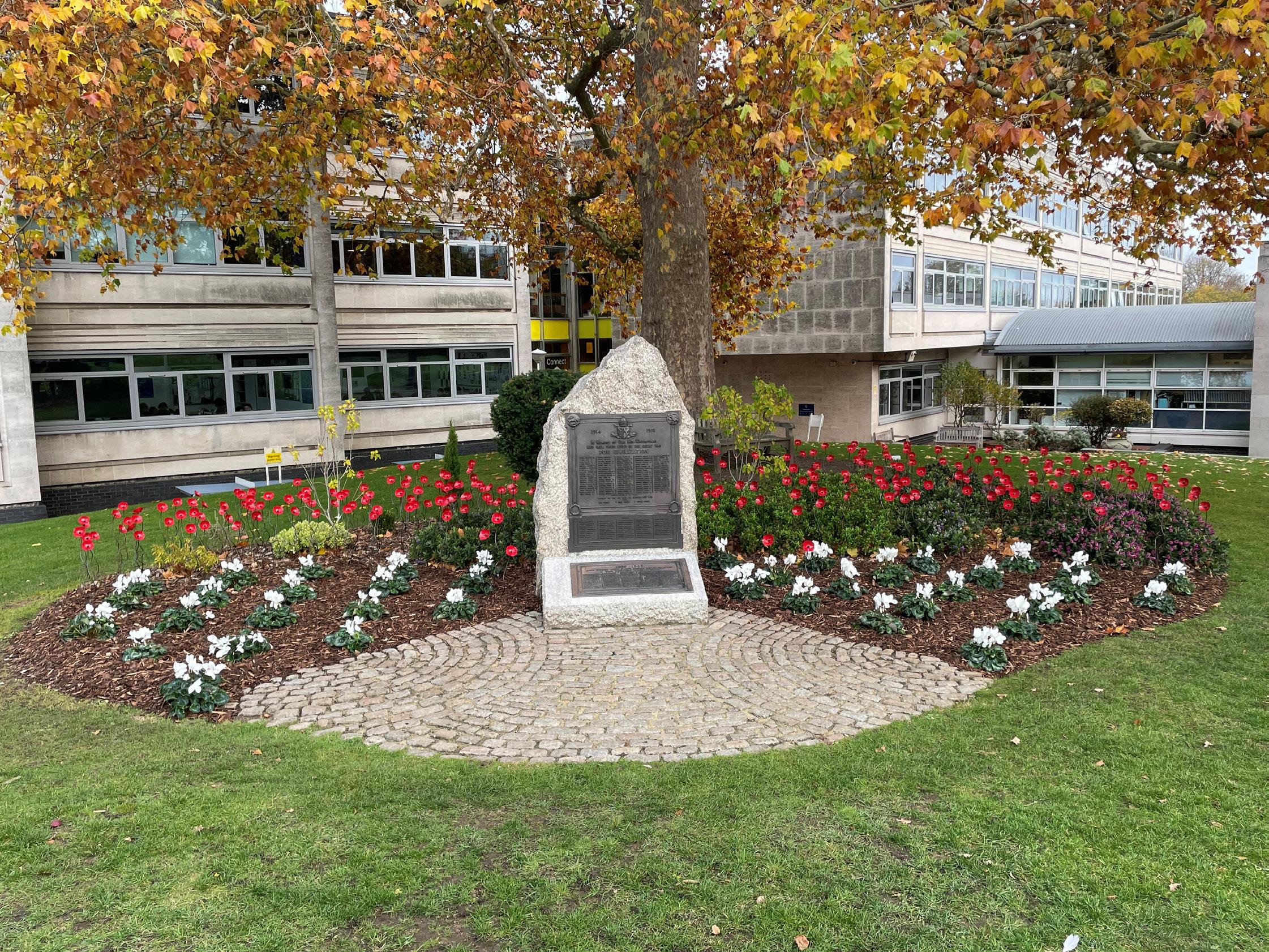
Following the Second World War the memorial was expanded once again. A bronze plaque listing the names of 88 Old Boys who died between 1939 and 1945 was added, and the updated memorial was dedicated on 29 June 1949 by the Headmaster, Horace Clayton. When the school moved to its present site at Shirley Park in 1965 and adopted the name Trinity School of John Whitgift, the memorial was relocated to its current position. Over time the surrounding landscape has changed, but the memorial remains a place of quiet reflection within the school grounds.
In recent years the history of the memorial has been the subject of extensive research by alumni historians Mark Gardiner and Neil Mackenzie. Their work uncovered a number of names that had never been included on the original memorial. In November 2018 the school unveiled an updated memorial incorporating many of these newly identified names on a recast plaque beneath the original First World War panel, while the Second World War plaque was moved to its own
granite stone at the base of the memorial.
Further research has since identified additional names from both conflicts that also deserve to be recognised. However, the existing plaques are now full and there is no space to add further inscriptions.
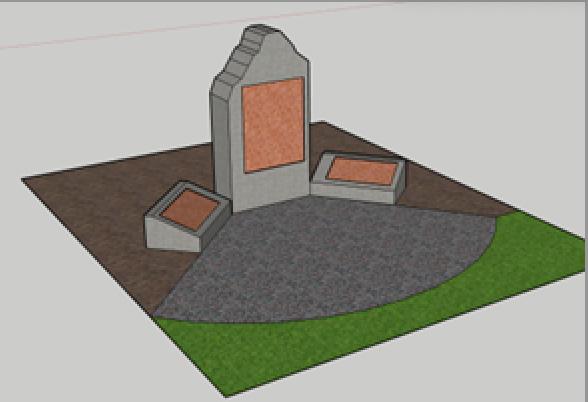
The Trinity Club War Memorial Appeal has therefore been launched to fund the installation of two additional granite stones with recast plaques that will include the newly identified names and provide space for any future discoveries, while preserving the design and setting of the memorial. The appeal is seeking to raise £25,000 to complete this work and ensure that the story of Trinity’s wartime generations is recorded in full.
To support the appeal, please visit the Trinity Club War Memorial Appeal page on GoFundMe and consider making a donation. Every contribution will help ensure that all those connected with Trinity who gave their lives are properly
Sadly, we lost dear friends from our Trinity community in recent months, and they have very much been in our thoughts. As we remember them here in this special In Memoriam tribute, we honour the unique contributions and lasting impact they made on our school, extending our deepest sympathies to their families, friends, and loved ones.
We invite you to join us in this tribute and celebration of their lives, as we keep their memory alive and honour the indelible mark they left on the Trinity School community in Croydon.
David Andrews (Class of 1953)
David Andrews enjoyed a distinguished career as an actor and television director spanning more than six decades.
As an actor he appeared in the BBC’s landmark 1958 television series An Age of Kings and originated the role of Private Whittaker in The Long and the Short and the Tall at the Royal Court Theatre in 1959, performing alongside Peter O’Toole. His film credits included Some People (1962) with Kenneth More and A Place to Go (1963) starring Rita Tushingham.
After retraining on the BBC’s directors’ course in 1965, he built a successful career behind the camera. His work included directing for Scottish Television, where productions such as Bubble Boy (1983) and Stookie (1985) received silver medals at the New York International Film and Television Festival. He later directed episodes of popular series including Grange Hill, EastEnders, Brookside and Hollyoaks.
Born in Sanderstead, he was educated at Trinity before training at the Central School of Speech and Drama, graduating in 1955 with the school’s Gold Medal. He is survived by his five children and eleven grandchildren.
Sir David’s long career and dedication to public service leave a notable legacy.
Reverend Stephen Ross White (Class of 1977)
Stephen attended Trinity from 1970 to 1977. One of three boys with the surname White in his year, he was affectionately known as “Maxi”. A member of Pembroke House, he played the viola in the First Orchestra as well as in chamber groups, and was an active member of the Philatelic Society. He was also a committed sportsman, captaining the tennis team and earning half colours for rugby, playing in the second row for the 1st XV. In his final year, he served as School Vice-Captain. He went on to study at Queen’s University Belfast, the University of Hull and Ripon College, Cuddesdon, and was ordained in 1986. His ministry included roles in Redcar, Gweedore, and as Dean of Raphoe and later Dean of Killaloe. He also served as Chancellor of Saint Patrick’s Cathedral, Dublin. From 2012 until his retirement in 2019, he was Priest-in-Charge of Dunsfold and Hascombe in Surrey. He is survived by his wife and two sons.
Reverend David Burgess (Class of 1976)
David attended Trinity from 1969 to 1976 and was a member of Trinity House. A talented and committed musician, he was part of the Trinity Choristers and Trinity Boys’ Choir, performing in productions at Fairfield Halls including All the King’s Men, Bang, The Golden Vanity and The Fair Traders. He also played clarinet and saxophone in the concert band, orchestras and swing band, and was a member of both the Economics Society and the Modern Languages Club. He later took up the guitar, which remained an important part of his pastoral work.
A quiet and dependable student, he went on to study Psychology at the University of Southampton before training for the ministry at St John’s College, Nottingham. He was ordained Deacon in 1989 and Priest in 1990 and served in a number of parishes including South Mimms, Hanwell, Hawridge, Cholesbury and The Lee, before his later ministry at St John’s, Eastbourne.
Much loved as a husband, father, grandfather and brother, he will be greatly missed by all who knew him.
Paul Brewer (Class of 1977)
Paul joined Trinity in September 1969 in the Junior Form and quickly became a highly active and engaged member of school life.
A keen sportsman, he took part in a wide range of activities including swimming, water polo, rugby, hockey, squash, badminton and athletics. He represented the 1st teams in both rugby and water polo, captained the Under 16 hockey team, and was a committed contributor to house competitions for Canterbury.
He was also an enthusiastic member of the Army section of the CCF, enjoying outward bound activities and helping to create the Sandilands assault course alongside his mentor, Dick Boetius. His practical skills were equally evident in school productions, where he supported house plays and drama performances through lighting and sound.
After leaving Trinity, Paul worked as a personal trainer before discovering Tai Chi in 1984. He qualified as a teacher in 1989 and went on to study acupuncture and meditation. In 1994 he began teaching Taiji, developing a reputation as a highly respected practitioner and teacher worldwide, and founding Heaven Mountain Tai Chi in the UK.
Paul died on 31 December 2021.
Did
you know . . .
Eyre Maunsell – former Bursar
Eyre Maunsell is remembered for his quiet effectiveness, warmth and deep commitment to Trinity.
As Bursar, he oversaw the care of the school’s buildings and grounds and played a central role in a number of major refurbishment and construction projects, most notably the successful delivery of the new building, completed on time and with minimal disruption to school life. Widely admired for his charm, good humour and generosity of spirit, he had a gift for making colleagues feel heard and supported, whatever their concern.
Modest to the end, Eyre was always quick to credit others for the school’s success. He will be greatly missed.
even a gift of 1% in your will (leaving 99% for those nearest and dearest to you) would mean the world to pupils at Trinity. And, of course, you can always leave more if you wish.
Registered charity number: 312612
Dates for your diary
Summer
Saturday 11 April
Festal Evensong with Trinity Choristers and Alumni
St Mildred’s Church
Sign up here
Wednesday 20 May
Trinity Golf Day
Croham Hurst Golf Club
Sign up here
Wednesday 3 June
Drinks reception for the alumni and parent community hosted by Michael and David Hodson
The National Liberal Club
Sign up here
Saturday 4 July
Milestone Reunion for the Classes of 1971, 1976, 1981, 1986, 1991, 1996, 2001, 2006, 2011 and the 1950s and 1960s decades
Trinity School
Sign up here
Contact
Shirley Park
Croydon
CR0 7LB
020 8662 5202
trinity-school.org
alumni@trinity.croydon.sch.uk
Autumn
September
Friday 4 September 5 and 10 year reunion (Classes of 2016, 2021 and 2020)