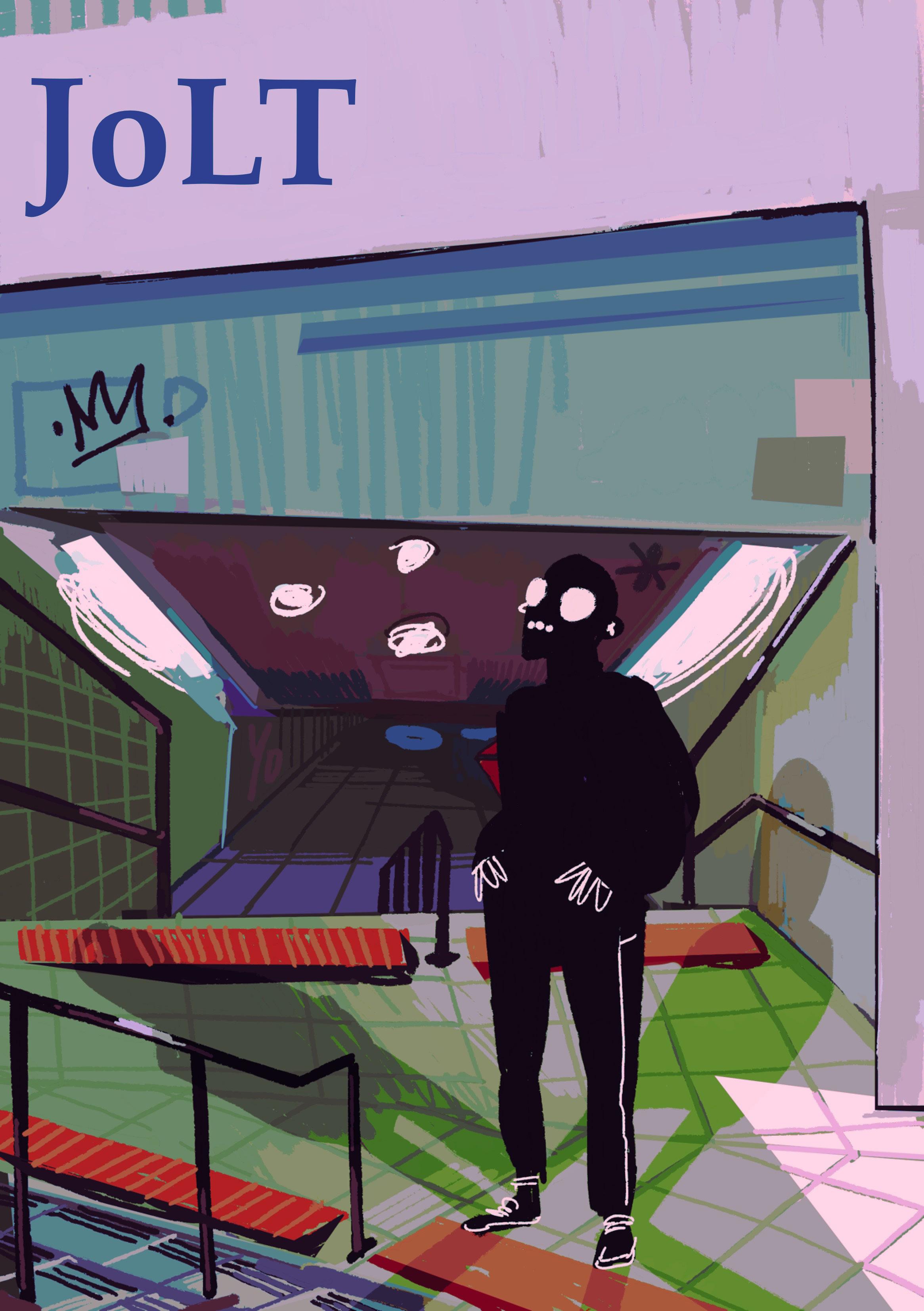
Volume 14, Term Issue I
În grădina de trandafir a spitalului am descoperit legea conservării memoriei vesele, — astfel de adevăruri din care se vor hrăni întro-zi urmașii mei, roiurile de cenușă și oase…
Mariana Marin, „Ultimul poem de dragoste în grădina de trandafir”
The Trinity Journal of Literary Translation (JoLT)

This publication is funded by the DU Trinity Publications Committee.
The publication claims no special rights or privileges.
All serious complaints may be directed towards chair@trinitypublications. ie or Chair, Trinity Publications, House 6, Trinity College Dublin, Dublin 2. Appeals may be directed to the Press Council of Ireland.
Get involved with Trinity Publications through Facebook, Twitter and Instagram or email secretary@trinitypublications.ie
Volume 14, Term Issue I
“HAUNTING”
At once presence and absence, ghosts have a way of giving shape to the invisible, reminding us that memory is woven into the fabric of the everyday: in relics and keepsakes, in the rituals through which we mourn and remember the dead, in the fossils and layers of rock that record the history of the Earth. ‘On n’habite que des lieux hantés’ — ‘all the places in which we live are haunted’ — writes Michel de Certeau in L’invention du quotidien; the uneasy boundaries between life and death, between the material and the otherworldly, are negotiated everywhere we go, as the past waits patiently for us to become attuned to its rumbling, beneath the surface of the rational and the mundane.
The ghosts inside these pages urge us to pay closer attention to that which is strange and unsettling. Some appear as encounters with the supernatural and the uncanny, while others are manifestations of longing, loss, or trauma. In choosing the theme for this first term issue, we hoped to explore the broad range of emotions that hauntings can evoke: from regret and nostalgia to fear, anger, and sorrow. What they have in common is that very often they are not experienced in moderation but in powerful outbursts, in such a way that brings us face to face with our own vulnerability.
Several translations featured in this issue reckon with spectres that take the form of literary and artistic predecessors, examining how the past can infiltrate the writer’s craft. For many of us, translation, too, is a haunted endeavour — not only because of its all-consuming nature, but also because it bears the mark of many what ifs and roads not taken; because, through interferences and borrowings, it allows languages to haunt one another.
Walter Benjamin referred to translations as the ‘afterlives’ of their respective source texts, iterations through which literature survives and evolves in different times and contexts. There is, I believe, a certain ghostliness to the translationas-afterlife — a form of writing that is both the text and its absence — as there is a ghostliness to the way we understand our role as translators: inhabiting in-between spaces, moving from one language to another; haunting and being haunted in an endless cycle.
I would like to extend my gratitude to all those who helped create this issue of JoLT. To the editorial team, for all the energy they have invested into curating, assembling, and revising it, and for their support and understanding throughout the past few months. To my friend and colleague İlayda Sayar, who reviewed the two translations from Turkish. As always, I wish to thank the translators and artists who share their work with us; you surprise and inspire us time and time again, and it goes without saying that JoLT would not exist without you.
Ioana Răducu
Editorial Staff 2025/26
Editor-in-Chief
Ioana Răducu
Deputy Editor
Monica Elena Grigoraș
General Assistant Editors
Nina Stremersch
Jes Paluchowska
Layout and Design Editor
Odhran Killally
Art Editor
Hanna Lujza Molnár
Language Editors
Helena Gelman
Jules Nati
Maike Bergfeld
Ruairí Goodwin
Douce d’Andlau
Nell Gardiner
Lukian Pudliak
Faculty Advisor
Dr Peter Arnds
Cover Art by Hanna Lujza Molnár
Editorial
‘Ночь’
Russian-English Translation by Aimilia Varla
‘Stampă’
Romanian-English Translation by Mihai Alex Nicholas Sava
Open Me Up
Art by Daisy Cassidy
Aeneidos Liber Secundus
Latin-English Translation by Charlie Judd
‘The Wife’s Lament’
Old English-English Translation by Maja Grzesiak-Jakimiuk
‘Der Erlkönig’
German-English Translation by Maike Bergfeld
Untitled Art by Naemi Victoria
Untitled
Photograph by Hanna Lujza Molnár
‘Cántiga’
Galician-English Translation by Dr Catherine Barbour
Bluets (excerpts)
English-German Translation by Juliana Schaum
‘Poema de la despedida’
Spanish-English Translation by Molly Crawford
‘Ancora Sopra L’Erotik’
Italian-English Translation by Martina Stoilovska
Kitap Evi’nden
Turkish-English Translation by Neil P. Doherty
Halloweeners
Art by Cate Slattery
Untitled
Photograph by Hanna Lujza Molnár
‘Investigación de una Doble Metonimia’
Spanish-English Translation by Bryn Connelly
‘Nefertiti’
Polish-English Translation by Tomasz Balcerkiewicz
‘Sonetto XXIII’
Italian-English Translation by Dr Kevin Kiely
Oedipus Tyrannus lines 1237-1284
Ancient Greek-English Translation by Alexander O’Keefe
‘The Hill’
English-French Translation by Jules Nati
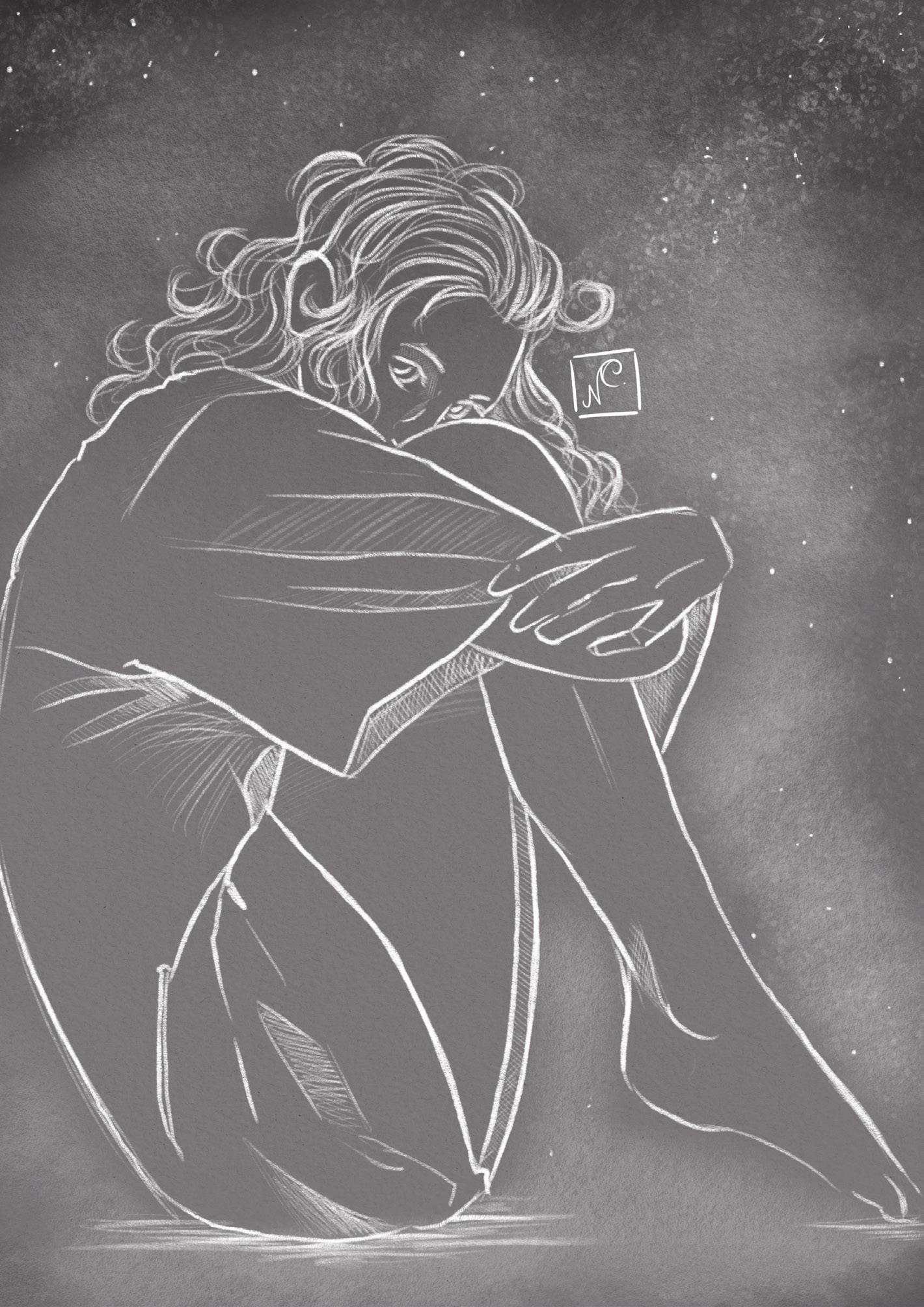
The Ghost of a First-Born Child
Art by Natalia Chotzen
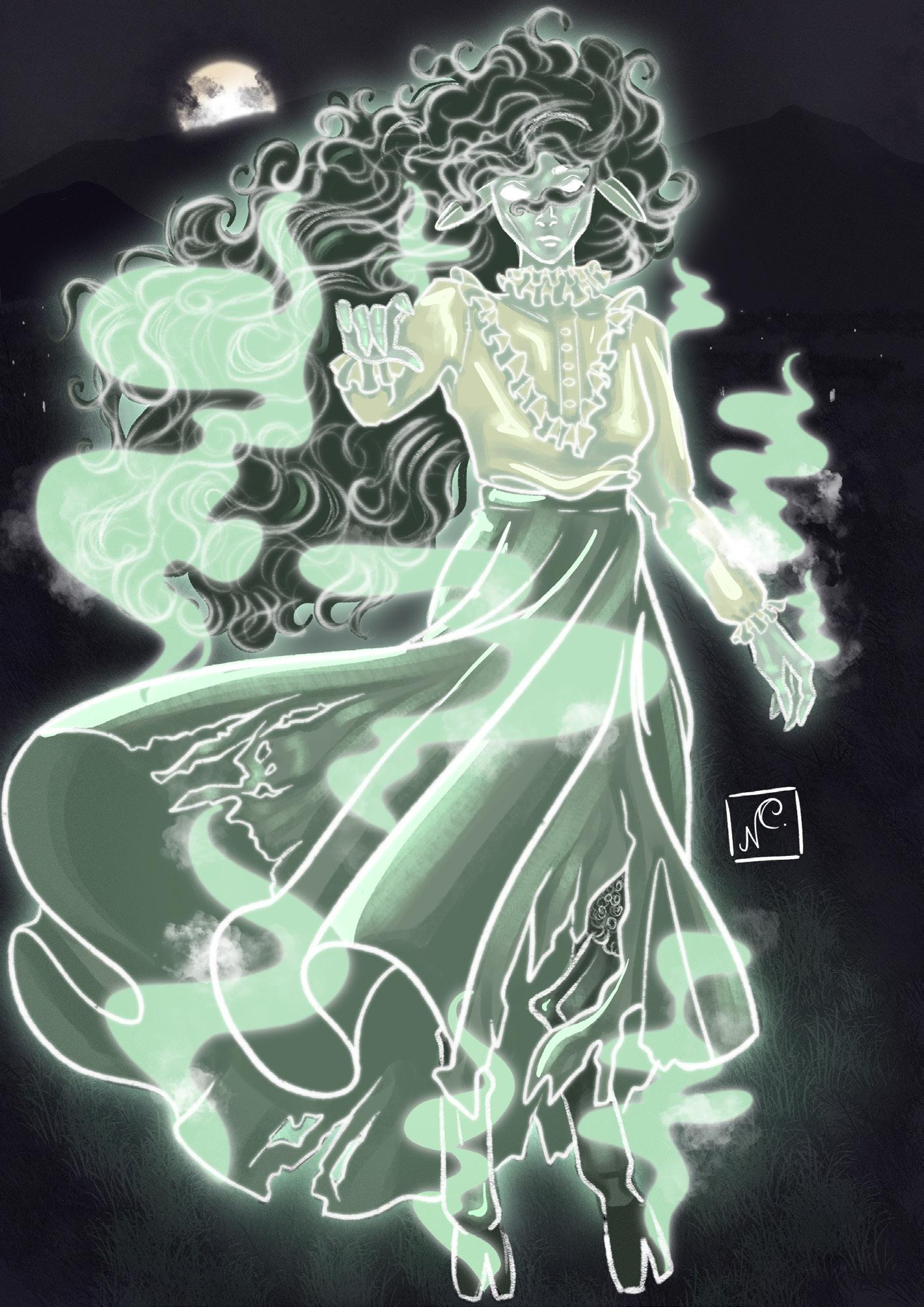
La Calchona
Art by Natalia Chotzen
‘La Noche Boca Arriba’
Spanish-English Translation by Natalia Chotzen
‘The Wanderer’
Old English-English Translation by Eavan O’Keeffe
‘Zimomřivá krajina’
Czech-English Translation by Maria McChrystal
Untitled Photograph by Hanna Lujza Molnár
‘Terasa v noci’
Czech-English Translation by Maria McChrystal
‘Yaşamaya Dair - III’
Turkish-English Translation by Iren Şerbetcioğlu
‘La cavalière indemne’
French-English Translation by Oscar Duffield
Contributors
Russian Ночь
Mikhail Lermontov
‘Night’ explores the haunting power of the night, blending melancholy, solitude, and introspection. The night is portrayed as a powerful, almost living presence, enveloping the world in shadows, silence, and mystery. This darkness evokes both literal and metaphorical spectres. The external environment feels alive with hidden presences, while the speaker’s mind is haunted by memories, regrets, and unfulfilled desires.
Один я в тишине ночной.
Свеча сгоревшая трещит,
Перо в тетрадке записной
Головку женскую чертит:
Воспоминанье о былом,
Как тень, в кровавой пелене
Спешит указывать перстом
На то, что было мило мне.
Слова, которые могли
Меня тревожить в те года,
Пылают предо мной вдали,
Хоть мной забыты навсегда.
И там скелеты прошлых лет
Стоят унылою толпой;
Меж ними есть один скелетОн обладал моей душой.
я не любить тот взор? Презренья
Translated by Aimilia Varla
I am alone in the silence of the night. A burnt-out candle crackles, A pen in a notebook Traces a woman’s head: A memory of the past, Like a shadow, in a bloody shroud Hurries to point with a finger To what was dear to me.
Words that could trouble me in those years, blaze before me in the distance, though forever forgotten by me. And there, the skeletons of past years stand in a sad crowd; Among them is one skeletonIt possessed my soul.
How could I not love that look?
The dagger of a woman’s contempt It pierced me... But no - since then I have loved everything - I have suffered everything. This unbearable gaze, it Runs after me like a ghost; And I am condemned to the grave To never love another.
О! Я завидую другим!
В кругу семейственном, в тиши,
Смеяться просто можно им
И веселиться от души.
Мой смех тяжёл мне как свинец:
Он плод сердечной пустоты...
О боже! Вот что, наконец
Я вижу, мне готовил ты.
Возможно ль! Первую любовь
Такою горечью облить,
Притворством взволновав мне кровь,
Хотеть насмешкой остудить?
Желал я на другой предмет
Излить огонь страстей своих.
Но память, слезы первых лет -
Кто устоит противу них?
Oh! I envy others! In the family circle, in silence, They can simply laugh And have fun from the heart. My laughter is as heavy as lead: It is the fruit of a heartfelt emptiness... Oh, my God! This is what, finally, I see, you were preparing for me.
Is it possible! To douse my first love with such bitterness, Having stirred my blood with pretense, To cool it with mockery? I wanted to pour out the fire of my passions on another subject. But memories, the tears of the first yearsWho can resist them?
Geo Bogza
Composed by Geo Bogza, ‘Stampă’ depicts a dead lover reminiscing on his past love. Although the death is likely metaphorical, the violent twilight, medieval cathedral and Transylvanian setting create the haunting ambience of a ghost story or gothic novel evoking a haunting past at once historical, cultural and personal.
E ora unui fastuos amurg
Din care purpuri nesfârșite curg
Peste-un podiș din țara transilvană
Învăluind în glorie medievală
Orașul adumbrit de vechea catedrală
Unde demult o fată am iubit
Și unul lângă altul am murit
Uciși de muzica wagneriană.
Translated by Mihai Alex Nicholas Sava
It is the hour of a lavish dusk
From which endless puces gush
Above a Transylvanian plain
Swathing in a glory medieval
The city shaded by the old cathedral
Where long ago this girl I did cherish And side by side with her did perish
Murdered by a Wagnerian air.
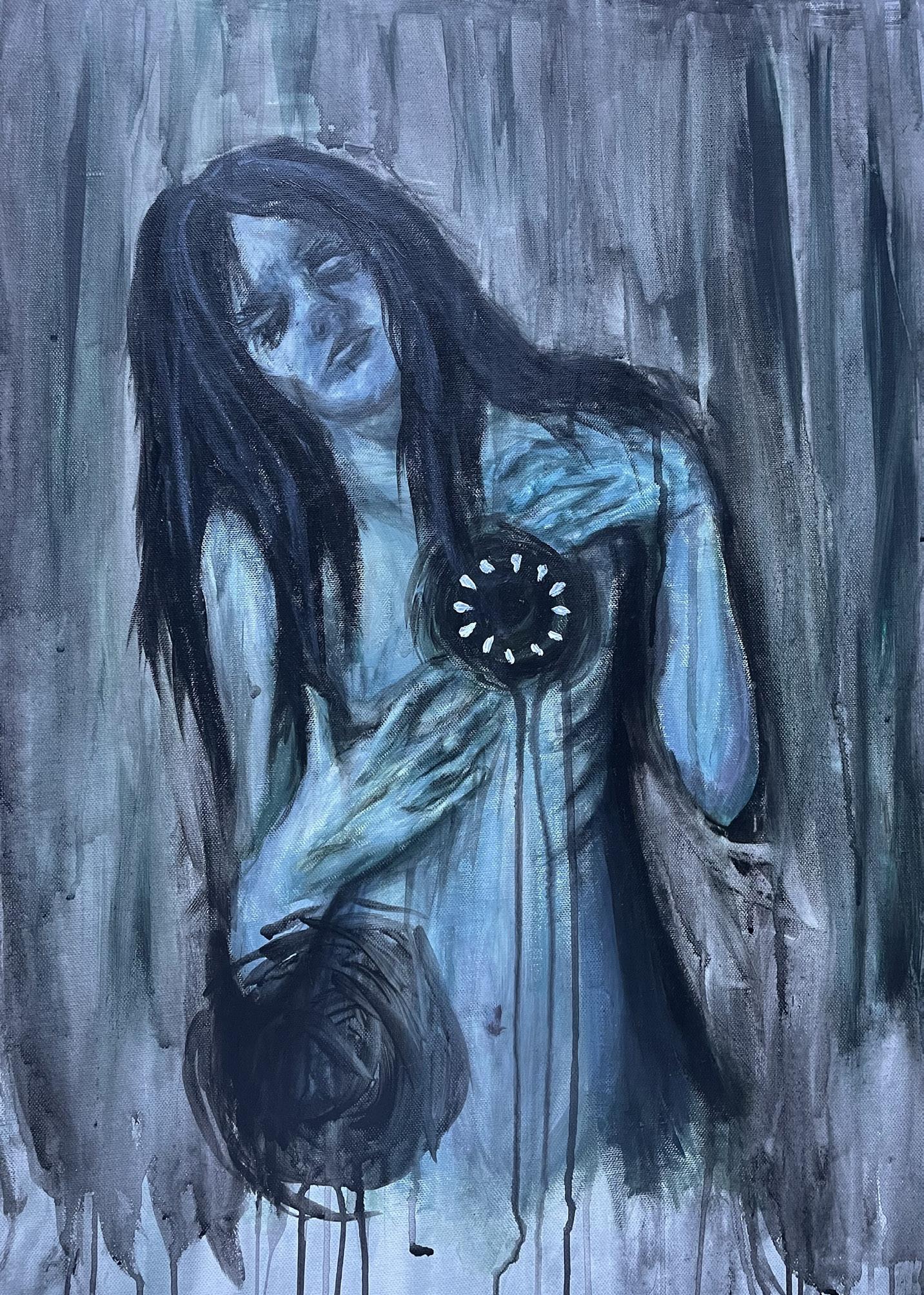
Daisy Cassidy, Open Me Up
Aeneidos Liber Secundus
Publius Vergilius Maro
During the sack of Troy, the ghost of Hector appears to Aeneas to warn of the incoming attack and urge him onwards toward his fate. Aeneas, here, is haunted not merely by a bloody past but by an inevitable future.
Tempus erat, quo prima quies mortalibus aegris incipit et dono divum gratissima serpit. in somnis, ecce, ante oculos maestissimus Hector visus adesse mihi largosque effundere fletus, raptatus bigis, ut quondam, aterque cruento pulvere perque pedes traiectus lora tumentis. ei mihi, qualis erat! quantum mutatus ab illo Hectore, qui redit exuvias indutus Achilli vel Danaum Phrygios iaculatus puppibus ignis! squalentem barbam et concretos sanguine crinis vulneraque illa gerens, quae circum plurima muros accepit patrios. ultro flens ipse videbar compellare virum et maestas expromere voces: ‘o lux Dardaniae, spes o fidissima Teucrum, quae tantae tenuere morae? quibus Hector ab oris exspectate venis? ut te post multa tuorum funera, post varios hominumque urbisque labores defessi aspicimus! quae causa indigna serenos foedavit vultus? aut cur haec vulnera cerno?’ ille nihil, nec me quaerentem vana moratur, sed graviter gemitus imo de pectore ducens, ‘heu! fuge, nate dea, teque his,’ ait, ‘eripe flammis. hostis habet muros; ruit alto a culmine Troia. sat patriae Priamoque datum: si Pergama dextra defendi possent, etiam hac defensa fuissent. sacra suosque tibi commendat Troia Penates: hos cape fatorum comites, his moenia quaere magna, pererrato statues quae denique ponto. sic ait, et manibus vittas Vestamque potentem aeternumque adytis effert penetralibus ignem.
Aeneid Book II, lines 269-297
Translated by Charlie Judd
It was the time of the first rest for weary mortals, that most welcome creeping gift of gods. And lo, in my dreams, I saw before my eyes most sorrowed Hector drowned in tears, as when he was dragged by chariot, black with bloody earth, pierced through swelling feet by thongs. How changed he seemed to me from that heroic man who took as battle-plunder Achilles’ armor or hurled Phrygian fire at the ships of the Greeks, now bearing stiffening beard and hair matted with blood and those many wounds he received around the walls of his fathers. I felt myself crying, urging the man to draw forth his sorrowful voice:
“Oh Dardans’ light, most loyal hope of Troy, what great delays have held you? Longed-for Hector, from what shores do you come? After so many funerals, so much suffering borne by our men and city we gaze upon you wearily! What unjust cause defiled your clear face? Why do I see these wounds?”
He gave no answer, not delayed by pointless words, but heavily drew groans from his chest’s core to say, “Ah, flee, goddess-child, save yourself from these flames. The enemy holds our walls; Troy is falling from its height. All debts are paid to this land and to Priam; If human hands could save Pergamum, mine would have. Troy bequeaths its rites and Penates to you: take these servants of fate, seek with them the great city, which you, having wandered the sea, will one day build.” So he said, and brought in his hands from the inmost shrine the headbands, powerful Vesta, and the eternal flame.
The Wife’s Lament
Unknown
This enigmatic Medieval poem presents us with a woman on the very fringes of existence. Whether she is a living, breathing haunter of a place, or a spectral Anglo-Saxon revenant, the persistent mental return throughout the text to her grief offers quite a different outlook on the nature of haunting.
ic ðis giedd wrece bi me ful geomorre minre sylfre sið ic ðæt secgan mæg hwæt ic yrmða gebad siððan ic up weox niwes oððe ealdes no ma ðonne nu a ic wite wonn minra wræcsiða ærest min hlaford gewat heonan of leodum ofer yða gelac hæfde ic uhtceare hwær min leodfruma londes wære
ða ic me feran gewat folgað secan wineleas wræcca for minre weaðearfe ongunnon ðæt ðæs monnes magas hycgan
ðurh dyrne geðoht ðæt hy todælden unc ðæt wit gewidost in woruldrice lifdon laðlicost ond mec longade het mec hlaford min herheard niman ahte ic leofra lyt on ðissum londstede holdra freonda forðon is min hyge geomor ða ic me ful gemæcne monnan funde heardsæligne hygegeomorne mod miðendne morðor hycgendne bliðe gebæro ful oft wit beotedan
ðæt unc ne gedælde nemne deað ana owiht elles eft is ðæt onhworfen is nu swa hit no wære freondscipe uncer sceal ic feor ge neah
The Wife’s Lament
Translated by Maja Grzesiak-Jakimiuk
This my tale I utter in full sorrow, of my own lot in life. I can relate what miseries I met with, since I sprang up –newer or older, yet never more than now. Ever have I strove with suffering, my exile-paths. First, my lord departed, he went hence from the people through the sea-waves’ tumult; at dawn I was solicitous, wondering where the people’s leader might be in the land? When I myself set out, departed to seek him I serve –wandering stranger, pinched by grievous need –the kinsmen of the man began to plot through their clandestine counsel that they’d separate us two, that we as far apart as in this mortal realm was possible would remain, the wretchedest, and I was left to long. My lord commanded me to make my home here, in this dwelling-place. I have few loved ones in this land –gracious company – and so in mind I’ll mourn. When I met the very man to suit me (treated hard by fortune, sorrowing-sick at heart, dissembling inner disposition, framing bloody thoughts) with merry bearing did we vow, most often, that never should we part, us two, excepting Death alone, for anything at all. Later that was to be overturned, is now . . . as if it never were, this friendship once between us. I shall, both far and near,
mines felaleofan fæhðu dreogan heht mec mon wunian on wuda bearwe under actreo in ðam eorðscræfe eald is ðes eorðsele eal ic eom oflongad sindon dena dimme duna uphea bitre burgtunas brerum beweaxne wic wynna leas ful oft mec her wraðe begeat fromsið frean frynd sind on eorðan leofe lifgende leger weardiað ðonne ic on uhtan ana gonge under actreo geond ðas eorðscrafu
ðær ic sittan mot sumorlangne dæg
ðær ic wepan mæg mine wræcsiðas earfoða fela forðon ic æfre ne mæg
ðære modceare minre gerestan ne ealles ðæs longaðes ðe mec on ðissum life begeat a scyle geong mon wesan geomormod heard heortan geðoht swylce habban sceal bliðe gebæro eac ðon breostceare sinsorgna gedreag sy æt him sylfum gelong eal his worulde wyn sy ful wide fah feorres folclondes ðæt min freond siteð under stanhliðe storme behrimed wine werigmod wætre beflowen on dreorsele dreogeð se min wine micle modceare he gemon to oft wynlicran wic wa bið ðam ðe sceal of langoðe leofes abidan
endure the pain of his, my dear-beloved’s, feud. He commanded me to dwell in wood-grove, under oak-tree, in an earthen cave. Ancient is the barrow; I am all lost to longing. The vales are dimmed by shadow, the hills high, the biting stake-wall overgrown by briars –an abode of lacking comforts. Here so oft it sharply seizes me, my lord’s going-away. There are companions on this Earth, dearly-loved ones living, biding in their beds as I on verge of dawn walk single, under oak-tree, pace the earthen cave. There sit I perforce, as long as day in summer, there might I beweep my banishment –my many torments – because I never may from deep heart’s care find rest, nor from all of the desires that beset me in this life. Ever must a young one sorrow inside, be stern of heart’s determination, yet shall likewise have a cheerful outward bearing; besides, a breast of cares, a host of constant troubles – whether in the hands of their own self are all their worldly joys, or they are outcast in all quarters, cast from distant country – so that this person sits under a rock-face, rimed over by the storms, my fellow weary-of-spirit, borne by flowing waters to a desolation. That friend of mine endures much deep heart’s care; they call to mind too often a happier abode. Woe is to them who should long, and for a loved one await.
German Der Erlkönig
Johann Wolfgang von Goethe
Goethe’s ‘Der Erlkönig’ shows a son being haunted by an otherworldly figure, one that is not visible to his father. His death at the end of the poem might imply literal death with the Alder King as personified Death haunting him, but could also be a sign of dying innocence.
Wer reitet so spät durch Nacht und Wind?
Es ist der Vater mit seinem Kind; Er hat den Knaben wohl in dem Arm, Er fasst ihn sicher, er hält ihn warm.
“Mein Sohn, was birgst du so bang dein Gesicht?”
“Siehst, Vater, du den Erlkönig nicht?
Den Erlkönig mit Kron und Schweif?”
“Mein Sohn, es ist ein Nebelstreif.”
“Du liebes Kind, komm, geh mit mir!
Gar schöne Spiele spiel ich mit dir; Manch bunte Blumen sind an dem Strand; Meine Mutter hat manch gülden Gewand.”
“Mein Vater, mein Vater, und hörest du nicht, Was Erlenkönig mir leise verspricht?”
“Sei ruhig, bleibe ruhig, mein Kind; In dürren Blättern säuselt der Wind.”
“Willst, feiner Knabe, du mit mir gehn?
Meine Töchter sollen dich warten schön; Meine Töchter führen den nächtlichen Reihn Und wiegen und tanzen und singen dich ein.”
Who rides this late through wind and night?
It is the father and his child; He holds the boy close in his arm, He holds him safe, he keeps him warm.
“My son, what clouds your face with fear?
“Don’t you see, father, the Alder King? The Alder King with crown and cape?”
“My son, it is a streak of fog.”
“Here, dear child, come go with me! What beautiful games I’ll play with you; Some colourful flowers are on the beach, My mother has a golden gown.”
“My father, my father, and don’t you hear, What the Alder King quietly promises?”
“Be quiet, stay calm, my child; It’s only the wind whispering in barren trees.”
“Won’t you come with me, fine boy? My daughters will wait on you beautifully, My daughters lead the nightly dance, And they’ll swing and prance and sing for you.”
The Alder King
Translated by Maike Bergfeld
“Mein Vater, mein Vater, und siehst du nicht dort Erlkönigs Töchter am düstern Ort?”
“Mein Sohn, mein Sohn, ich seh es genau: Es scheinen die alten Weiden so grau.”
“Ich liebe dich, mich reizt deine schöne Gestalt; Und bist du nicht willig, so brauch ich Gewalt.”
“Mein Vater, mein Vater, jetzt fasst er mich an! Erlkönig hat mir ein Leids getan!”
Dem Vater grauset’s er reitet geschwind, Er hält in Armen das ächzende Kind, Erreicht den Hof mit Mühe und Not; In seinen Armen das Kind war tot.
“My father, my father, and don’t you see there, The Alder King’s daughters in that dark place?”
“My son, my son, I can see it clear, The old willows droop so grey.”
“I love you, your pretty form tempts me, And if you’re not willing, I’ll resort to force” “My father, my father, he’s touched me! The Alder King has wounded me!”
The father, scared, is riding fast He holds the moaning child in his arms He reaches the courtyard weary and with dread; In his arms, the child was dead.
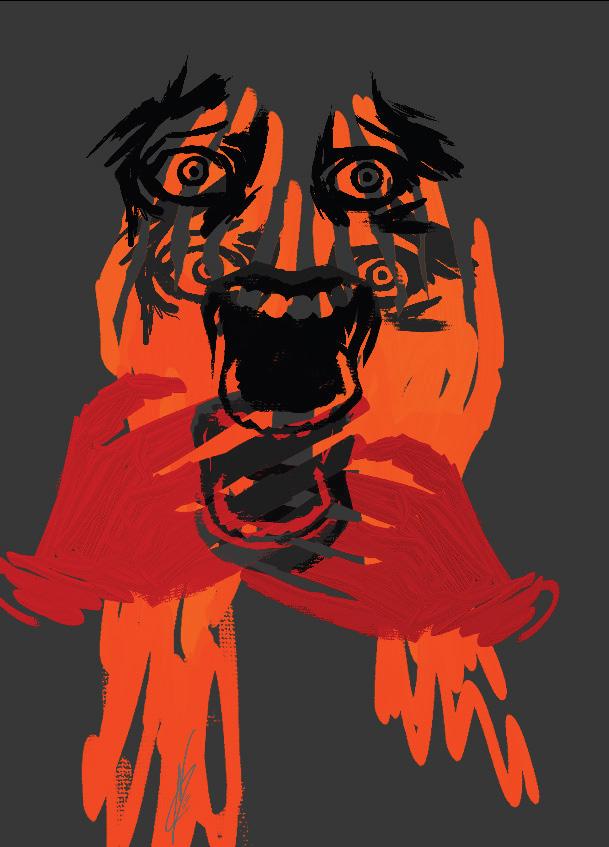
Naemi Victoria, Untitled
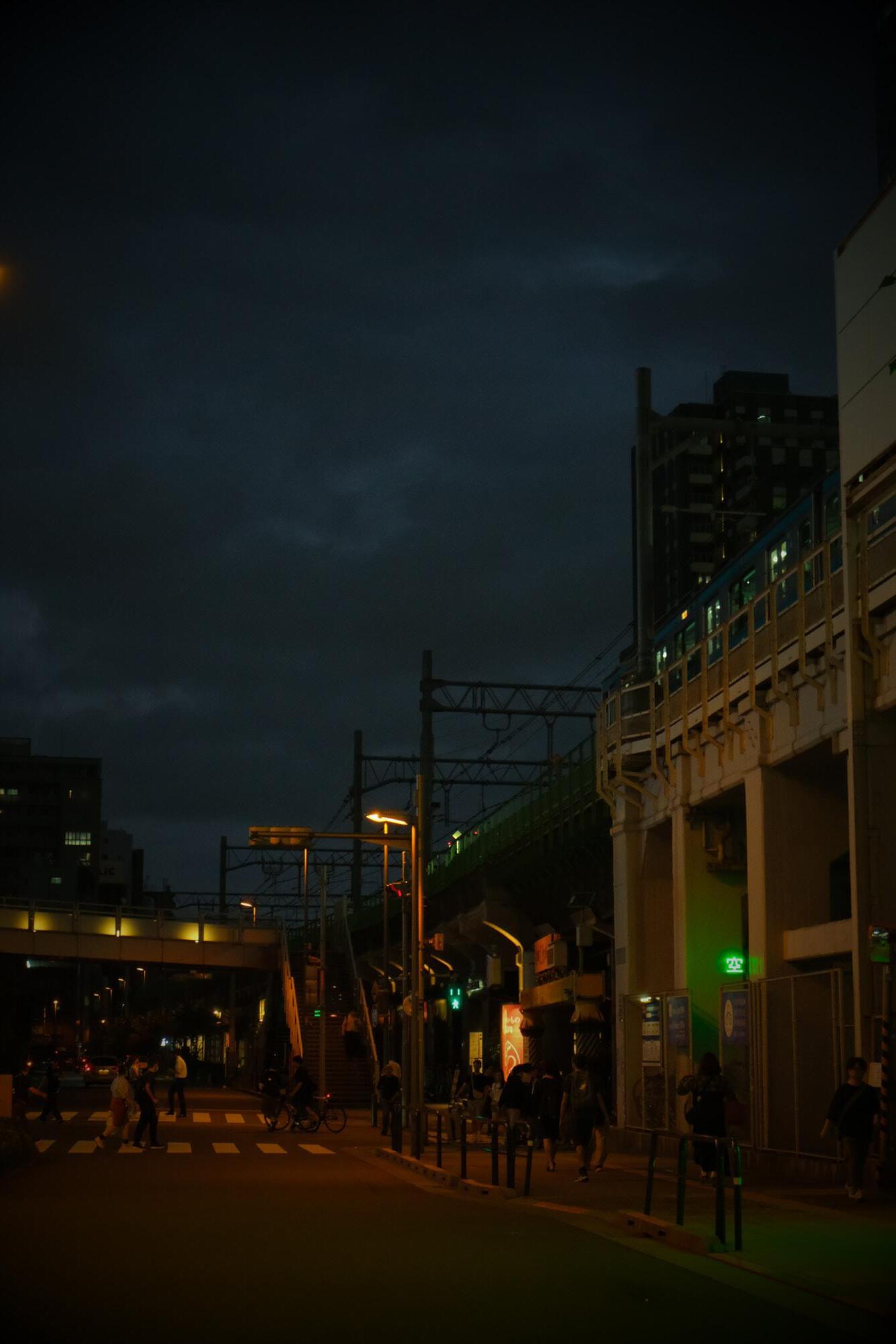
Hanna Lujza Molnár, Untitled
Cántiga
Manuel Curros Enríquez
‘Cántiga’ was the first poem written in Galician by revered poet Manuel Curros Enríquez (1851-1908) and has inspired a popular ballad in Galicia. Galicia has a long history of emigration which is captured in the poem through the separation of two lovers, haunted by the loss of each other.
No xardín unha noite sentada ó refrexo do branco luar unha nena choraba sin trégolas os desdés dun ingrato galán. I a coitada entre queixas decía: “Xa no mundo non teño a ninguén, vou morrer e non ven os meus ollos, os olliños do meu doce ben.”
Os seus ecos de malenconía, Camiñaban nas alas do vento i o lamento repetía:
“Vou morrer e non ven ó meu ben!”
Lonxe dela de pé sobre a popa dun aleve negreiro vapor, emigrado, camiño de América vai o probe, infelís amador.
I ó mirar as xentís anduriñas cara a terra que deixa cruzar: “Quen pudera dar volta”, pensaba, “quen pudera convosco voar!”
Translated by Dr Catherine Barbour
Sitting in the garden one night
In the reflection of the pale moonlight A maiden was crying unconsolably About her gallant’s disdainful flight. And the poor girl, in anguish, cried out “I no longer have anyone in this world I will die and my eyes will no longer gaze into the eyes of my sweet beloved.”
The echoes of her melancholy, floated on the wings of the wind and the lament continued, “I will die without ever seeing my love again”.
Far away from her, standing aboard the stern of an ominous steamship, emigrating, bound for America was the poor, woeful lover.
And observing the gentle swallows soaring toward his homeland “oh to be able to turn back”, he thought, “to be able to fly back with you”.
Mais as aves i o buque fuxían, sin ouír seus amargos lamentos; sólo os ventos repetían: “Quen pudera convosco voar!”
Noites craras, de aromas e lúa, desde entón, que tristeza en vós hai prós que viron chorar unha nena, prós que viron un barco marchar!...
Dun amor celestial, verdadeiro, quedou sólo, de bágoas a proba, unha cova nun outeiro i on cadavre no fondo do mar...
But the birds and the ship continued their flight, without hearing his bitter lament; only the wind insisted, “to be able to fly back with you”.
On sweet moonlit nights, what sadness remains for those who saw the maiden weep, for those who saw the ship depart!...
From a true, celestial love, only teardrops remained a cave on a hillside and a body at the bottom of the sea...
English Bluets (excerpts)
Maggie Nelson
In 240 paragraphs, Nelson traces her deep infatuation with the colour blue and slowly reveals how this obsession also stands in for the layers of grief, desire, depression and addiction that haunt her in the aftermath of the grave injury of a dear friend and an all-consuming heartbreak.
1. Suppose I were to begin by saying that I had fallen in love with a color. Suppose I were to speak this as though it were a confession; suppose I shredded my napkin as we spoke. It began slowly. An appreciation, an affinity. Then, one day, it became more serious. Then (looking into an empty teacup, its bottom stained with thin brown excrement coiled into the shape of a sea horse) it became somehow personal.
2. And so I fell in love with a color – in this case, the color blue – as if falling under a spell, a spell I fought to stay under and get out from under, in turns.
7. But what kind of love is it, really? Don’t fool yourself and call it sublimity. Admit that you have stood in front of a little pile of powdered ultramarine pigment in a glass cup at a museum and felt a stinging desire. But to do what? Liberate it? Purchase it? Ingest it? There is so little blue food in nature – in fact blue in the wild tends to mark food to avoid (mold, poisonous berries) – that culinary advisers generally recommend against blue light, blue paint, and blue plates when and where serving food. But while the color may sap appetite in the most literal sense, it feeds it in others. You might want to reach out and disturb the pile of pigment, for example, first staining your fingers with it, then staining the world. You might want to dilute it and swim in it, you might want to rouge your nipples with it, you might want to paint a virgin’s robe with it. But still you wouldn’t be accessing the blue of it. Not exactly.
Auszüge aus Bluets
Translated by Juliana Schaum
1. Angenommen, ich erzählte dir, dass ich mich in eine Farbe verliebt hätte. Angenommen, ich erzählte es dir, als ob ich eine Beichte ablegte; angenommen, ich zerriss meine Serviette, während ich es dir erzählte. Es begann ganz zaghaft. Eine Wertschätzung, eine Neigung. Dann, eines Tages, wurde es ernster. Dann (mein Blick gefesselt von meiner leeren Teetasse, ihr Boden fleckig mit dünnen Lagen brauner Überreste, die sich zu der Form eines Seepferdchens gekringelt haben) wurde es irgendwie persönlich.
2. Und so verfiel ich einer Farbe – in diesem Fall der Farbe Blau – so, als würde ich einem Zauber verfallen, einem Zauber, mit dem ich abwechselnd darum focht, ihm verfallen zu bleiben und ihm zu entkommen.
7. Aber was ist das überhaupt für eine Art Liebe? Verarsch dich nicht selber und nenn sie die Erhabene. Gib zu, dass du vor einem Häufchen ultramarineblauen Pigments in einer kleinen Glasschale in einem Museum gestanden hast und dich ein stechend heißes Verlangen überkommen hat. Aber, um was zu tun? Es befreien? Es erwerben? Es in dich aufnehmen? In der Natur gibt es nur sehr wenig blaue Nahrung – Fakt ist, in der freien Wildnis markiert Blau grundsätzlich Pflanzen, die man vermeiden sollte (Schimmel, giftige Beeren) – sodass kulinarische Berater:innen empfehlen, auf blaues Licht, blaue Farbe und blaues Geschirr zu verzichten, wenn und wo Essen serviert wird. Und obwohl die Farbe ganz buchstäblich den Appetit verderben kann, kann sie ihn auch anregen. Du könntest beispielsweise Lust haben, nach dem Pigment zu greifen und es durcheinander zu bringen, erst deine Finger damit zu verfärben und dann die ganze Welt. Du könntest Lust haben, es zu verdünnen und darin
18. A warm afternoon in early spring, New York City. We went to the Chelsea Hotel to fuck. Afterward, from the window of our room, I watched a blue tarp on a roof across the way flap in the wind. You slept, so it was my secret. It was a smear of the quotidian, a bright blue flake amidst all the dank providence. It was the only time I came. It was essentially our lives. It was shaking.
19. Months before this afternoon I had a dream, and in this dream an angel came and said: You must spend more time thinking about the divine, and less time imagining unbuttoning the prince of blue’s pants at the Chelsea Hotel. But what if the prince of blue’s unbuttoned pants are the divine, I pleaded. So be it, she said, and left me to sob with my face against the blue slate door.
94. – Well then, it is as you please. This is the dysfunction talking. This is the disease talking. This is how much I miss you talking. This is the deepest blue, talking, talking, always talking to you.
© Wave Books, 2009
zu schwimmen, du könntest Lust haben, damit deine Nippel zu pudern, du könntest Lust haben, damit das Gewand einer Jungfrau zu färben. Aber du würdest immer noch keinen Zugang zu dem Blau in ihm haben. Nicht wirklich.
18. Ein warmer Nachmittag, die ersten Zeichen des Frühlings in New York City. Wir sind ins Chelsea Hotel gegangen, um zu ficken. Danach beobachtete ich durch das Fenster unseres Zimmers, wie eine blaue Plane auf einem Dach auf der anderen Straßenseite im Wind flatterte. Du hast geschlafen, also blieb es mein Geheimnis. Es war ein Abstrich des Alltäglichen, ein leuchtend blauer Fleck inmitten feuchtkalter Vorsehung. Sie war das einzige Mal, dass ich kam. Sie war die Essenz unserer Leben. Sie zitterte.
19. Monate vor diesem Nachmittag hatte ich einen Traum und in diesem Traum besuchte mich ein Engel und sagte: Du musst mehr Zeit damit verbringen, über das Übersinnliche nachzudenken, und weniger Zeit damit, dir vorzustellen, die Hose deines blauen Prinzen im Chelsea Hotel aufzuknöpfen. Aber was, wenn tatsächlich die aufgeknöpfte Hose des blauen Prinzen das Übersinnliche ist, drängte ich. Sei’s drum, sagte sie und ließ mich schluchzend zurück, mit meinem Gesicht gegen die schieferblaue Tür.
94. – Na gut, dann ist es halt, wie du willst. Hier spricht die Störung. Hier spricht die Krankheit. Hier spricht, wie sehr ich vermisse, mit dir zu sprechen. Hier spricht das tiefste Blau, spricht und spricht, und spricht immer wieder nur mit dir.
Spanish Poema de la despedida
Miguel Ángel Latouche
There is no worse feeling than being haunted by memories of lost love. Latouche explores feelings of wistfulness after a relationship ends, showing how even though a person may be alive, their lack of presence in your life can haunt you - reminding us that ghosts can come in many forms.
Si has de partir, que tu vela sea fuerte y que tengas siempre vientos propicios —no hay nudo que amarre al amor cuando se acaba.
Yo me quedaré en las costas, atado a los recuerdos que detienen mis manos para no tocarte. Me quedaré deshojando las horas de las despedidas, intentando reparar cristales rotos, dándole cuerda a relojes olvidados.
Tu barca ha de partir yéndose lejos, navegarás segura hacia otros mares buscarás, quizás, puertos exóticos y misteriosos; descubrirás nuevas rutas para transportar especias y mercadear sueños de seda.
Se borrarán tus huellas de mi playa —suelen ser frágiles los castillos de arena. Las gaviotas, sin embargo, seguirán cantando tu nombre, tu risa quedará grabada en las alas negras de los cormoranes, tu recuerdo volará lejos junto a los albatros dejando una estela luminosa.
Farewell Poem
Translated by Molly Crawford
If you must go, I hope your sail is strong and that the winds are always favourable - there is no knot tethering a love when it ends.
I will stay on the shores so as not to touch you, moored to memories which hold back my hands. I will stay leafing through hours of goodbyes, trying to fix broken glasses, winding forgotten clocks.
Your ship has left, taking you far, you will voyage safely towards other seas you will search, perhaps, for exotic and mysterious ports; you will discover new paths to transport spices and trade silk dreams.
Your footprints will be erased from my beach - sandcastles are usually fragile. The seagulls, however, will continue singing your name, your laugh will remain etched onto the black wings of the cormorants, your memory will will fly far along with the albatrosses leaving behind a trail of light.
Yo permaneceré junto a los muros escarpados, descifrando madrugadas desde mis medias noches, conteniendo los diques que quieren desbordarse, alumbrando la oscuridad desde un faro al final del mundo.
© Miguel Ángel Latouche, 2020
I will remain with the jagged cliff walls, deciphering the dawns from my midnights, holding back river banks which want to burst, illuminating the darkness from a lighthouse at the end of the world.
Italian Ancora Sopra L’Erotik
Gabriele D’Annunzio
Gabriele D’Annunzio’s ‘Ancora sopra l’Erotik’ (‘Again on the Erotik’) depicts passion as being haunted. The word “again” signals return: desire is resurrected as torment. Here, Eros and Thanatos unite: the poet is haunted by the Fury, by his own demonic longing, by ghostly whiteness, lugubrious seas, and visions of death and madness.
Erinni! È questo il tragico tuo nome.
Ancora è viva in te l’antica possa.
L’immensa notte, o Furia, s’è commossa
Tutta al fremito sol de le tue chiome.
Se appari tu su la mia soglia come
Una fiamma fiammando ne la rossa
Veste, mi corre un brivido per l’ossa, l’anima grida il tragico tuo nome.
Ma tu sei bianca questa notte, Erinni.
Oh come bianca! Ti sei tu svenata
Forse per colorare la tua veste?
Odi, che canta il mare, lugubri inni!
E tu rinnova in me la disperata
Demenza che faceva insonne Oreste.
Again on the Erotik
Translated by Martina Stoilovska
Erinys! This is your tragic name. The ancient force is still alive in you. The immense night, o Fury, you blew With the mere shudder of your mane.
If you appear on my doorstep, dame, Like a flaming flame in the red Dress, I feel a shiver through my bones tread, My soul howls your tragic name.
But tonight you are white, Erinys. Oh how white you are! Did you perhaps draw your blood To colour your dress?
Listen, the sea is singing, what haunting hymns! And renew in me the flood Of madness that rendered Orestes sleepless.
Turkish Kitap Evi’nden
Enis Batur
In Enis Batur’s 2013 novel The House of Books, the narrator inherits a vast library from a man whose identity will never be revealed to him. The mysterious benefactor haunts the story as the narrator tries to piece together his character and uncover the reason behind the bequest.
Beyefendi besbelli varlıklı bir adamdı. Sırayla sanayici, büyük tüccar, banker, emlâk imparatoru kimliklerini denedim üzerinde, tümü bana sırıtıyormuş gibi geldi. Öte yandan, onu toplumsal kimliğiyle sınırlamaya kalkışacak değildim; nasıl bir sanayici (Ettore Schmitz) ve bir yazar (Italo Svevo) aynı insanda buluşmuşsa, ki örnek sayısını arttırmakta zorlanılmazdı, Beyefendi için de bir tersi ve yüzü durumu geçerliydi. Bir biçimde iki hayatını biribirilerinden ayırmayı, birini tanıyanlardan ötekini esirgemeyi başaranlara rastlamışızdır; çeyrek yüzyılı aşkın bir süre, iki ayrı şehirde iki ayrı ve üstüne üstlük mutlu evlilik ilişkisi geliştirmiş bir adamın öyküsünü de, Emmanuel Carrère’e Rakib’i yazdıran sahici, bütün ailesini ve arkadaşlarını özelin özeli bir hekim olduğuna inandıran adamın trajediyle sonuçlanan serüvenini de belgesellerden şaşkınlıkla izleyenler arasındaydım.
Çalışma yaşamında işbilir, uzgörülü, kendinden emin biriydi herhalde, Beyefendi. Ailesinde, dost çevresinde saygınlık uyandırdığından şüphem yoktu; gelgelelim, içimden haklılığını doğrulayamadığım bir ses, onun ‘cemiyet hayatı’ndan uzak duran, vergi rekortmenleri listesinde hep ‘isminin açıklanmasını istenmeyenler’den biri olarak görünen, daha doğrusu görünmeyen, hayır işlerinde bile gizliliği elden bırakmayan biri olduğunu söylüyordu. Öyle yaşadığına kalıbımı basabilirdim: Bir yandan dünyevi işlerini başarıyla sürdürmüş, öbür yanda alabildiğine özel, örtük ikinci bir dünya yaratmıştı kendine — bu yarılmanın, çifte yaşamın tek somut tanığıymış gibi akıl yürüttüğümün farkındaydım.
from The House of Books
Translated by Neil P. Doherty
The Gentleman was obviously someone of means. I tried assigning him various identities: merchant, great industrialist, banker and real estate mogul but each one seemed ill-fitting somehow. I had, of course, no intention of confining him to a single social role. Just as an industrialist (Ettore Schmitz) and a writer (Italo Svevo) could coexist in the same person (and it would be easy to find many similar examples), the Gentleman, too, was clearly a doublesided coin. We have all, at some point, encountered those who manage to compartmentalise their lives, keeping one sphere hidden from those involved in the other. I have watched various documentaries on this subject: one recounted the story of a man who, for more than a quarter of a century, maintained two happy marriages in two different cities, while another traced the tragic course of a man who persuaded his family and friends that he was, in fact, a qualified doctor. It was this latter story that inspired Emmanuel Carrère’s The Adversary.
In his business life the Gentleman must surely have been capable, insightful and self-assured. I have no doubt that he was greatly respected by family and friends. However, there was a voice in my head, the verity of which I could not establish, that insisted he was someone who shied away from social life, kept his name off the lists of the record tax-payers and, even in charitable work, maintained complete discretion. I would have vouched that this is how he lived. On one hand, he conducted his business affairs with great success, while on the other, he fashioned for himself a private, hidden second world. I am aware that I am rationalising all this as if I were the only living witness to this split, double life.
Yetinebilseydim. Bir aşamadan sonra, Beyefendinin sigaramın dumanında yüzünün belirmesini beklemeyi kesip onu ete kemiğe büründürme yönüne gittim. İnce, uzun boylu bir adam. Siluetini tamamlayan uzun, sert hatlı bir yüz, fırça gibi beyaz, kısa kesilmiş saçlar, sinek kaydı traş. Çift odaklı, kalın camlı, kemik çerçeveli gözlükler. Devetüyü palto, kaşe pantolon, hep beyaz gömlek, hep kravat, yelek, sakson ceketler, ayakkabılar, iki kere giyilmiyormuş izlenimi yaratan gergin kaşmir çoraplar. Klâsik, pahalı kasketler. Son yıllarında, kimsenin açıldığını görmediği siyah bir şemsiye. Kahverengi, ışıldayan gözler, camın arkasında. Çok az konuşuyor. Kitapçılar, ne aradığını bilen, ödemelerinde kusursuz, mesafeyi korumayı seven düzenli bir müşteri olarak tanıyorlar onu. Londra’da, Paris’te, Leipzig’de, Bologna’da, Kadıköy’de ve Beyoğlu’nda dolaşan şık bir hayalet.
Bir tek, ne denli uğraşsam nafile, sesini çıkaramıyordum. 1977 yılında, sonradan kepenk indirmek zorunda kaldığı için üzüldüğü bir kitabevinin tezgâhında Ayna’yla karşılaşmış, o ufarak kitabın taşıdığı alışılmadık, çetinceviz yanları göze batan metniyle aynı günün gecesi geç saata dek uğraşmış, kitabın sol sayfalarından akan yarıyarıya gizemli parçalar aklını çelmiş, gereğinden fazla bilmiş bulduğu bu genç adamdan ya sıkı bir yazar, ya da koca bir tıs çıkacağı hükmüne vararak onu takibine almaya karar vermişti. Zamanla dallanıp budaklanmıştı genç adam; yalnızca ısrarlı bir yağmuru andıran kitaplarını yanyana dizmekle yetinmemişti Beyefendi: Çıkardığı dergilere abone olmuş, yayımladığı kitaplarla bir tür kütüphane kurmaya yöneldiğini kavramış, televizyonda kitap dünyasıyla ilgili yaptığı üçer dakikalık konuşmaları ve radyoda yaptığı programları kayda aldırmış, birkaç kez onu dinlemeye konferansına, katıldığı bir açık oturuma gitmiş, derslerini merak etmişti. Öylesine yoğun bir ilişki doğurmuştu ki ilgisi, Kitap Evi tasarısı doğup gelişmeye yüz tuttuğunda, onun kendi hayat çizgisini aşması isteğinin kabarmasıyla birlikte önce en, sonra tek doğru mirasçısının, nicedir yanyana yol aldıklarından haberi olmayan, artık saçı sakalı ağarmış adamdan başkasının olamayacağı gerçeği kafasında kesinleşmişti.
Beyefendi, benimle karşılaşmayı, tanışmayı, hiç değilse bir defalığına görüşmeyi aklından geçirmemiş olabilir miydi? Hele Kütüphane: Başka Bir Labirent Öyküsü yayımlandığında, ömrünün son döneminde, onu sonuna taşıyacağı belli hastalığı ortaya çıktığında, birkaç kez niyeti harlanmış, imgeleminde tanışma sahnesinin provalarını yapmış mıydı?
If only I had been content with that. After a while I stopped waiting for the Gentleman’s face to appear in the smoke of my cigarette and began to try to clothe him in flesh and bone, a tall, slender man. A long and somewhat austere and closely-shaved face topped with white, short brushlike hair completes the silhouette. A pair of thick, bifocal, horn-rimmed glasses. A buff-coloured overcoat, flannel trousers, an ever-present tie over an ever-present white shirt, a waistcoat, an English-style jacket, shoes and crisp cashmere socks that give the impression of never being worn twice. He has a penchant for classic and expensive hats and for those black umbrellas that nobody seems to carry anymore. Behind his glasses, a pair of brown, glowing eyes. He speaks little. In the bookshops he frequents they know him as a customer who is always certain of what he wants, punctual in his payments, and careful to maintain a certain distance. He is an elegant shade wandering the streets of Paris, Leipzig, Bologna, Kadıköy and Beyoğlu. Yet, no matter how I tried, I could not conjure up his voice.
In 1977, on the counter of a bookshop that, much to his grievance, later closed, he came across a copy of The Mirror. He sat into the late hours of that night pouring over this text, which perhaps parades its unconventional and perplexing aspects a little too ostentatiously. The somewhat mysterious pieces of text floating on the left-hand side of each page entranced him and so he decided to keep an eye on this young man, about whom he sensed something of the know-all, thinking that he would turn out to be either a fine writer or just another nonentity. Over time the young man branched out into other areas. The Gentleman was not content to simply collect and line up each of his books, which appeared like persistent rain: he subscribed to the magazines he brought out, and eventually realised this new hand was endeavouring to establish a kind of library with each book he published. The Gentleman had recordings made of the three-minute talks he gave on television, as well as his various radio programmes. On several occasions he went to conferences and open panel discussions just to listen to him. He was also curious about the lessons he gave in university. His interest had ripened into such a fierce attachment that when the idea of the House of Books was conceived and with it a longing for his own life to reach beyond its mortal span, it became certain in his mind, that this man whose own hair and beard were already greying and who had never suspected that for years he had been walking side by side with a stranger, was to be, first his most likely, and then later his only heir.
Ne olmuşsa olmuş, aklından geçirdiği adımı atmaktan vazgeçmişti. Olası bir düşkırıklığını göze alamamıştı belki. Belki, yüzyüze gelinip konuşulduğunda doğabilecek olumsuz bir sonucun altedilmesine, sonucu kendisi için belirsiz kalacak bir çözüm dayatmasını yeğlemiş, düşünün gerçekleşeceğine ilişkin umuduyla çekip gitmeyi akla yatkın bulmuştu. Belki de bütün varsayımlarım yanlıştı ama: Beyefendi hiçbir biçimde bu türden ikilemler içine düşmemiş olabilirdi; kararını çok önceden vererek hazırlandığı, Kitap Evi’ni kurduğu düşünülebilirdi. Kaldı ki, benim redd-i miras yoluna sapmam durumunda, ikinci bir seçenek, üçüncü bir seçenek öngörmediğini kesinleyemezdi kimse. Bağlandığı iskemlede, Rıza Bey’e yeni bir işkence yönteminden sözetmenin sırası gelmişti. Bakalım, elektrik telleri ayağına bağlanırken suspus kalmayı başarabilecek miydi?
© Sel Yayıncılık, 2014
Could it be that the Gentleman had never considered coming face to face with me, of making my acquaintance, or, at the very least, of seeing me once? In that final period of his life, when The Library: Another Story of the Labyrinth was published and he was diagnosed with the illness that would bring about his demise, did he perhaps then feel the urge flare up and enact scenes of a possible meeting in his mind?
Whatever the case, he retreated from taking this step; perhaps he could not bear the thought of possible disappointment. Or perhaps, rather than risk the unfortunate turn that might arise from a face-to-face meeting, he chose a solution, the outcome of which would forever remain uncertain. In other words, he thought it wiser to keep his dream intact by simply staying away. It may be that all my assumptions are wrong. The Gentleman might have found himself in none of these dilemmas; it could very well be that he had made his decision to set up the House of Books a long time ago. Moreover, who could say that he had not envisioned a second or third course of action were I to disclaim the inheritance? It was now time to inform Rıza Bey, who was sitting tied to a chair, of the next torture method. Let’s see if he keeps quiet when electric wires are attached to his feet?
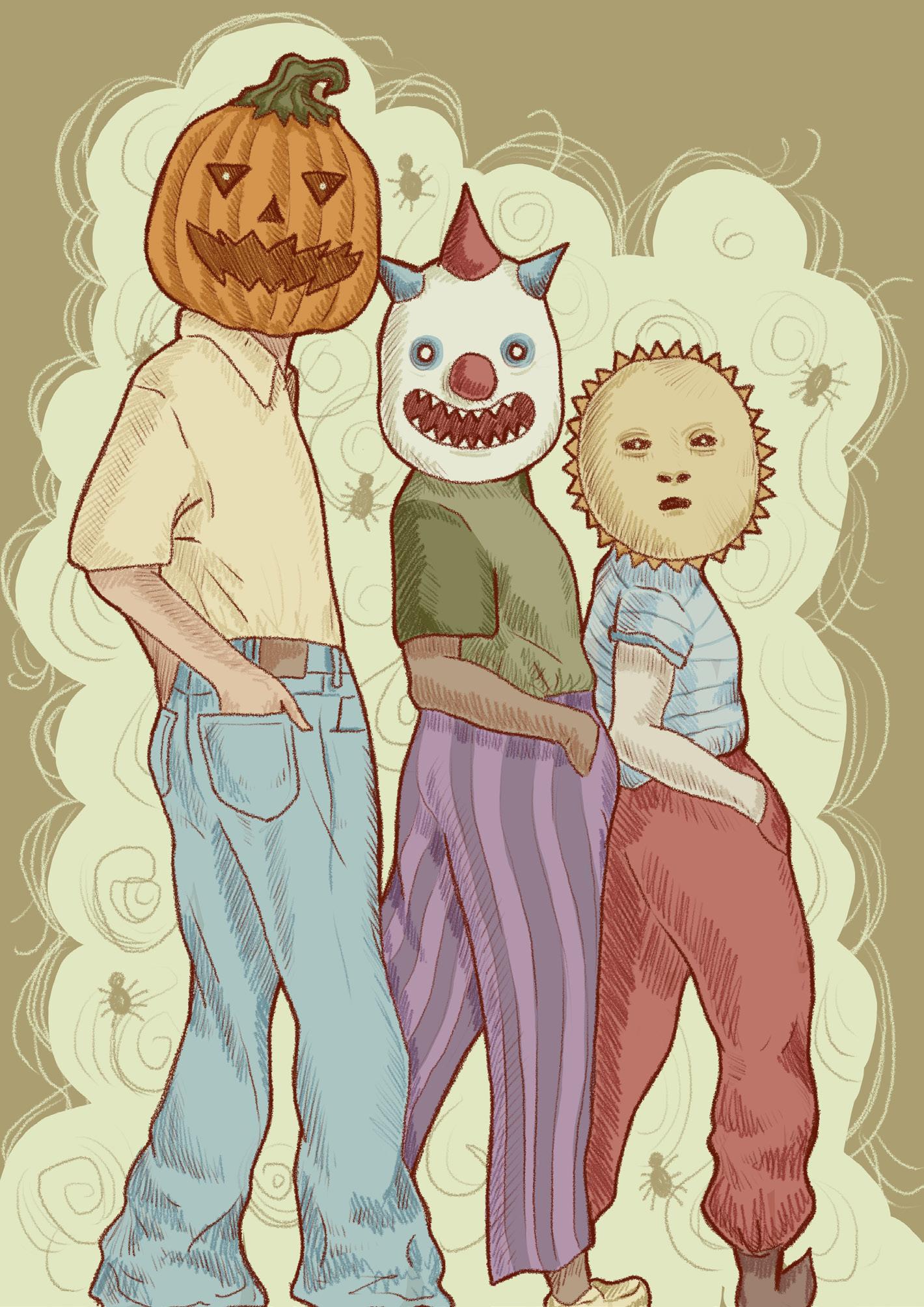
Cate Slattery, Halloweeners

Hanna Lujza Molnár, Untitled
Spanish Investigación de una Doble Metonimia
Guillermo Carnero
Inspired by the Bellini painting Allegory of Purgatory, Carnero explores the many paths to achieving knowledge and how a poem might substitute a real-life experience for a literary one. This poem therefore captures how reality can haunt the writer, reader, and text all in one breath.
Quién concibió la gloria de estos muros amaba más la vida.
La elevación del cerro revela y rige la función del lago: invertir las imágenes y su apariencia plácida. El negro nigromante al umbral de la gruta, el eremita, la sombra de Quirón acordando su andar como se ignoran. Del otro lado la concreta estampa sin la indulgencia de la alegoría pero más esplendor; los encajes de hierro el jardincillo de los Conciertos Sacros, la tenue batahola de la máquina hidráulica que suenan para ti.
La música distante las risas y el sudor y la reyerta nunca serán tu historia y suenan para ti.
Tu sangre crece no en la persecución, por su relato, y así desdices sombras que sin tú conocerlas habitan en ti, no su despojo que despierta tu carne.
Investigation of a Double Metonym
Translated by Bryn Connelly
He who conceived the glory of these walls loved life more.
The hill’s elevation reveals and rules the function of the lake: inverting the picture and its placid image. The black necromancer at the mouth of the cave, the hermit, Chiron’s shadow marching in step while ignoring each other. The exact picture from the other side not with indulgence of the allegory but more splendour; the iron lace, the small garden of the Sacred Concerts, the weak thrum of the hydraulic machine that sounds for you.
The distant music the laughs and the sweat and the fight will never be your story nevertheless sounds for you.
Your blood rises not in persecution, by their telling, and so you deny shadows that without you knowing do live in you, not their remains that awakens your flesh.
Y hasta inventas para asirlas extremos de precisa dicción, es tu literatura no menos conocida, perseguidor de sombras, retórico brillante en tu recinto oscuro.
Y tuvo libertad.
© The Dream of Scipio, Madrid, Visor, 1971
And you even think to hold them to extremes of precise diction, it is your literature no less known, as a chaser of shadows, blazing rhetoric in your dark room.
And he was free.
Polish Nefertiti
Zbigniew Herbert
Like most postwar Polish poets, Herbert was haunted by history, but couldn’t practically or conceptually fully reckon with this haunting. The attempts to do so tend towards the overly allegorical (is ‘Nefertiti’ just a lost love — dead, unfulfilled? History? Some existential divagation?) but their tentative (often paradoxical) promises of reconciliation remain poetically worthwhile.
Co stało się z duszą po tylu miłościach
ach to już nie ptak olbrzymi białymi skrzydłami bijący do świtu każdej nocy
motyl
wyleciał przez usta umarłej Nefertiti motyl
jak kolorowy ooddech
jakże daleka jest droga od ostatniego westchnienia do najbliższej wieczności
lata motyl nad głową umarłej Nefertiti
osnuwa ją w kokon jedwabny
What happened with the soul after so many loves
ah it’s no longer a giant bird with white wings beating till dawn each night
a butterfly flew out the mouth of deceased Nefertiti
a butterfly like a colourful breath
how far is the way from a final breath to the nearest eternity
flying butterfly above the head of deceased Nefertiti
envelops her in a cocoon silken
Translated
by
Tomasz Balcerkiewicz
Nefertiti larwo
jak długo czekać na twój odlot na uderzenie skrzydeł które poniesie ciebie w dzień — jeden w noc — jedną
nad wszystkie bramy przepaści nad wszystkie urwiska niebios
© Fundacja Herberta, 1957
Nefertiti you larva how long to wait for your departure for the beating of wings carrying you in a day — just one in a night — just one
over all the gates of abyss over all the precipices of heavens
Italian Sonetto XXIII
a Dante Alighieri
Guido Cavalcanti
Dante Alighieri (1265-1321) admonished by Guido Cavalcanti (c1255-1300) as ghost-inmourning for Beatrice Portinari. Dante confronted by Cavalcanti’s father (Inferno X) is asked why Guido is not beside him. These friends were engulfed in Civil War on different sides. Dante signed a decree for Guido Cavalcanti’s exile from their native Florence.
O vengo il giorno a te infinite volte, E trovoti pensar troppo vilmente: Molto mi duol de la gentil tua mente, E d’ assai tue virtù, che ti son tolte.
Solevati spiacer persone molte; Tuttor fuggivi la noiosa gente: Di me parlavi sì coralemente, Che tutte le tue rime avea accolte.
Or non mi ardisco, per la vii tua vita, Far dimostranza, che tuo dir mi piaccia
Ne ’n guisa vegno a te che tu mi veggi.
Se ’l presente sonetto spesso leggi
Lo spirito noioso, che ti caccia, Si partirà da l’anima invilita.
to Dante Alighieri
Translated by Dr Kevin Kiely
Every day I visit you are haunted Over the vile thoughts foremost in your mind; I’m distraught that you of all people, Dante Are losing face, descending to the abyss
It’s also careless and against your better self That once remained a recluse, resolute, remote And you used to befriend me (privately)— My truth is complete in admiring your poems.
But send me no lines claiming life as a damned ghost Nothing in such verse will catch my attention As your potentially ideal reader.
Dare I plead that you memorize this sonnet Against the ghoul-haunted life that enthralls you; I hope this makes it clear: you are inhabiting utter desolation.
Oedipus Tyrannus lines 1237-1284
Sophocles Ἐξάγγελος
This speech explores the consequences of the incestuous relationship between Jocasta and Oedipus. The haunting physical violence and psychological pain described create a powerfully disturbing image of a mother and son brought to ruin.
The suicide of Jocasta and the autoenucleation of Oedipus
Translated by Alexander O’Keefe
Attendant:
She killed herself – but there’s more. I’ll tell you all that I can. When she entered her bedroom, leaving you with her anger, she rushed to her bridal bed and began immediately to tear out her hair. Behind shut doors she cried about the loss of Laius, her true husband, wailing and calling the memories of their wedding, mourning his death that had left her to deal with his son and bring up a new generation. She mourned the bed where she, wretched woman, had given birth twice over - from her husband, a husband, and children from her child. I don’t know what happened after that because just then Oedipus rushed in. He was groaning dreadfully with pain, so no one could look at Jocasta’s anymore but they were forced to turn to him. He kept calling out for a sword and for his wife – alternating between “wife” and “mother”, as well as for his children; and someone, surely a god, for no mortal would have dared to speak to him when he was blinded by such anger, showed him the double doors of Jocasta’s room. He screamed wildly and bent the hollow doors out of their sockets. Then he rushed into the room. That’s when we all saw the poor woman hanging by a thick, platted rope. Oedipus, overwhelmed by sadness, cut the rope and let her down onto the floor. Dreadful! The things we saw were dreadful! He tore out the golden pins that held her dress and buried them deep into his own eye sockets so that he’d never again see what evil things he’s done nor anything he might do in the future. In darkness they’d always be and so they’d receive only what he’d want to. Again and again he hit hard at his eyes, plunging the pins until the blood began to flow like black rain and like black hail and the chunks and
the gore rolled all over his great beard. This evil sprouted from both man and woman equally and upon both, this evil broke. The happiness they’ve enjoyed earlier was true happiness but now, this day, we see only deep sadness, curses, death and shame. Name whatever evil word you want and it won’t be missing from this scene.
The Hill
Edgar Lee Masters
This is the first poem of a collection titled The Spoon River Anthology by Edgar Lee Masters. Every poem is an epitaph on the tombs in the cemetery of the fictional town of Spoon River. This one poem introduces the main people that haunt the hill where the cemetery is located.
Where are Elmer, Herman, Bert, Tom and Charley, The weak of will, the strong of arm, the clown, the boozer, the fighter ?
All, all, are sleeping on the hill.
One passed in a fever,
One was burned in a mine, One was killed in a brawl, One died in a jail,
One fell from a bridge toiling for children and wifeAll, all are sleeping, sleeping, sleeping on the hill.
Where are Ella, Kate, Mag, Lizzie and Edith,
The tender heart, the simple soul, the loud, the proud, the happy one?All, all, are sleeping on the hill.
One died in shameful child-birth, One of a thwarted love, One at the hands of a brute in a brothel,
One of a broken pride, in the search for heart’s desires
One after life in far-away London and Paris
Was brought to her little space by Ella and Kate and MagAll, all are sleeping, sleeping, sleeping on the hill.
La Colline
Translated by Jules Nati
Où sont Elmer, Herman, Bert, Tom et Charley
Le velléitaire, le musclé, le pitre, l’ivrogne, et le combattant?
Tous, tous dorment sur la colline.
L’un est mort de la fièvre,
L’un a été brûlé dans la mine,
L’un a été tué dans une bagarre,
L’un est mort en prison,
L’un est tombé d’un pont en travaillant pour ses enfants et sa femme
Tous, tous dorment, dorment, dorment sur la colline.
Où sont Ella, Kate, Mag, Lizzie et Edith,
Le bon cœur, l’âme simple, la voyante, l’orgueilleuse, l’heureuse?
Toutes, toutes dorment sur la colline.
Une est morte pendant un abject accouchement,
L’une pour un amour contrarié,
L’une sous le coups d’une brute dans un bordel,
L’une d’un amour-propre cassé, à la recherche des désires du cœur
L’une après une vie lointaine à Londres et à Paris
A été amenée dans son petit endroit par Ella et Kate et MagToutes, toutes dorment, dorment, dorment sur la colline.
Where are Uncle Isaac and Aunt Emily, And old Towny Kincaid and Sevigne Houghton, And Major Walker who had talked With venerable men of the revolution?All, all, are sleeping on the hill.
They brought them dead sons from the war And daughters whom life had crushed, And their children fatherless, cryingAll, all are sleeping, sleeping, sleeping on the hill.
Where is Old Fiddler Jones
Who played with life all his ninety years, Braving the sleet with bared breast, Drinking, rioting, thinking neither of wife nor kin, Nor gold, nor love, nor heaven ?
Lo! he babbles of the fish-frys of long ago, Of the horse-races of long ago at Clary’s Grove, Of what Abe Lincoln said One time at Springfield.
Où sont Tonton Isaac et Tante Emily, Et vieux Towny Kincaid et Sevigne Houghton, Et Major Walker qui avait parlé Avec les hommes vénérables de la révolution? Tous, tous dorment sur la colline.
Ils avaient apportés ces fils morts à la guerre
Et ces filles que la vie avait écrasées, Et ses enfants sans-père, pleurantTous, tous dorment sur la colline.
Où est le Vieu Violoniste Jones
Qui a joué avec la vie pendant quatre-vingt-dix ans, Défiant la neige avec le torse nu, Buvant, s’insurgeant se fichant de sa femme ou de ses proches, Ou de l’or, de l’amour, ou du ciel?
Regardez! Il bafouille au sujet des bagatelles d’antan, De courses hippiques d’atan à Clary’s Grove, De ce qu’ Abe Lincoln a dit Une fois à Springfield.
Natalia Chotzen, The Ghost of a First-Born Child
Natalia Chotzen, La Calchona
La Noche Boca Arriba
Julio Cortázar
This extract from the short story ‘La Noche Boca Arriba’ by Argentinian writer Julio Cortázar was published in his book Final del Juego. As a work of magical realism, the story blurs the line between fantasy, dreams and reality. Its final, eerie twist leaves readers questioning what is truly real and what is merely the fiction which haunts their imagination.
Salió de un brinco a la noche del hospital, al alto cielo raso dulce, a la sombra blanda que lo rodeaba. Pensó que debía haber gritado, pero sus vecinos dormían callados. En la mesa de noche, la botella de agua tenía algo de burbuja, de imagen traslúcida contra la sombra azulada de los ventanales. Jadeó buscando el alivio de los pulmones, el olvido de esas imágenes que seguían pegadas a sus párpados. Cada vez que cerraba los ojos las veía formarse instantáneamente, y se enderezaba aterrado pero gozando a la vez del saber que ahora estaba despierto, que la vigilia lo protegía, que pronto iba a amanecer, con el buen sueño profundo que se tiene a esa hora, sin imágenes, sin nada... Le costaba mantener los ojos abiertos, la modorra era más fuerte que él. Hizo un último esfuerzo, con la mano sana esbozó un gesto hacia la botella de agua; no llegó a tomarla, sus dedos se cerraron en un vacío otra vez negro, y el pasadizo seguía interminable, roca tras roca, con súbitas fulguraciones rojizas, y él boca arriba gimió apagadamente porque el techo iba a acabarse, subía, abriéndose como una boca de sombra, y los acólitos se enderezaban y de la altura una luna menguante le cayó en la cara donde los ojos no querían verla, desesperadamente se cerraban y abrían buscando pasar al otro lado, descubrir de nuevo el cielo raso protector de la sala. Y cada vez que se abrían era la noche y la luna mientras lo subían por la escalinata, ahora con la cabeza colgando hacia abajo, y en lo alto estaban las hogueras, las rojas columnas de rojo perfumado, y de golpe vio la piedra roja, brillante de sangre que chorreaba, y el vaivén de los pies del sacrificado, que arrastraban para tirarlo rodando por las escalinatas del norte. Con una última esperanza apretó los párpados, gimiendo por despertar. Durante un segundo creyó que lo lograría, porque estaba otra vez inmóvil
The Night Face-up
Translated by Natalia Chotzen
In one single jump, he was back to the night at the hospital, to the sweet open sky up high, to the soft shadow that surrounded him. He thought he must have let out a scream, but his neighbors remained fast asleep. On the nightstand the bottle of water had some bubbles in it, which appeared translucent against the bluish shadow of the windows. He panted, seeking relief for his lungs, to forget those images still stuck to his eyelids. Every time he closed his eyes he saw them form instantly, and he would sit up straight, terrified, but at the same time, he relished in knowing that he was now awake, that wakefulness protected him, that it would soon be dawn, the good deep sleep that came with that hour, no images, no anything…He struggled to keep his eyes open, his drowsiness was stronger than him. He made one last effort, with his good hand he gestured toward the bottle of water; he did not manage to grasp it, his fingers closed again in a dark void, and the passageway went on endlessly, rock after rock, with sudden beams of reddish light and, face-up, he whimpered quietly because the roof was ending, it was raising, opening up like the mouth of a shadow and the acolytes stood straight, and a waning moon fell upon his face, though his eyes did not wish to see it, desperately opening and closing, trying to go back to the other place, to discover once again the protecting open sky of the room. And every time he opened them it was night and moon while they carried him up the stairs, his head hanging upside down now, and high above were the fires, the red column of perfumed smoke, and suddenly he saw the red stone, shiny and dripping with blood, and the swinging feet of the sacrifice being dragged away to be tossed down the northern stairs. With one last hope he shut his eyes, whimpering in an attempt to wake up. For a second he thought he would
en la cama, a salvo del balanceo cabeza abajo. Pero olía a muerte y cuando abrió los ojos vio la figura ensangrentada del sacrificador que venía hacia él con el cuchillo de piedra en la mano. Alcanzó a cerrar otra vez los párpados, aunque ahora sabía que no iba a despertarse, que estaba despierto, que el sueño maravilloso había sido el otro, absurdo como todos los sueños; un sueño en el que había andado por extrañas avenidas de una ciudad asombrosa, con luces verdes y rojas que ardían sin llama ni humo, con un enorme insecto de metal que zumbaba bajo sus piernas. En la mentira infinita de ese sueño también lo habían alzado del suelo, también alguien se le había acercado con un cuchillo en la mano, a él tendido boca arriba, a él boca arriba con los ojos cerrados entre las hogueras.
© Agencia Literaria Carmen Balcells
make it, because he was again laying immobile on the bed, safe from the upside down swinging. But it smelled like death, and when he opened his eyes he saw the bloody figure of the sacrificer that approached him with the stone knife in hand. He was able to close his eyelids once more, but now he knew he would not awaken, that he was already awake, that the wonderful dream had been the other, absurd like all dreams were; a dream in which he moved through strange avenues in a wondrous city, with green and red lights that burned without flame or smoke, with a giant metal insect buzzing beneath his legs. In the infinite lie of that dream he had also been lifted from the ground, someone had also approached him with a knife in hand, approached him as he was face-up, faceup with his eyes shut before the bonfires.
The Wanderer (excerpt)
Unknown
In this Old English poem, an exiled wanderer laments his lost hall, haunted by visions of bygone friends. I translate into a poetic narrative of the myth of Oisín i dTír na nÓg, a parallel account of loss, in recognition of medieval Anglo-Celtic crosscultural encounters in the British Isles.
Oft him an-haga are gebideð metudes miltse, þeah þe he mod-cearig geond lagu-lade longe sceolde hreran mid hondum hrim-cealde sæ, wadan wræc-lastas. Wyrd bið ful aræd. Swa cwæð eard-stapa earfeþa gemyndig, wraþra wæl-sleahta wine-mægra hryre: “Oft ic sceolde ana uhtna gehwylce mine ceare cwiþan. Nis nu cwicra nan Þe ic him mod-sefan minne durre sweotule ascegan. […]
Ðonne onwæcneð eft wineleas guma, gesihð him bifuran fealwe wegas, baþian hrim-fuglas brædan feþra, hreosan hrim ond snaw, haggle gemenged. Þonne beoð by hefigran heortan benne, sare æfter swæsne. Sorg bið geniwad þonne maga gemynd mod geonhweorfeð; greteð gliw-stafum, georne geondsceawað secga geseldan. Swimmað eft onweg. […] Hwær cwom mearg? Hwær cwom mago? Hwær cwom maþþum-gyfa? Hwær cwom symbla gesetu? Hwær sindon sele-dreamas?
Eala beorht bune! Eala byrn-wiga!
Eala þeodnes þrym! Hu seo þrag gewat,
The Exile of Oisín
Translated by Eavan O’Keeffe
Death haunts that hall-forsaken ailithre condemned to his crypt with the breaking of a saddle strap –with frost-cold heart over long Slighe Mhór must he wander, sea-rider. Men’s fate is written as history.
So spoke Oisín, mindful of dark-memories, of slaughtering at Cath Gabhra, and Fenian tholing: At each red dawn, alone I must keen for sorrows.
Oh, a kinless fawn I am! I awaken then, a sight before me of dove-gray waves, a lone swan bathing, silver feathers she preens, frost and snow falling with hoary hail.
The anam of time-drowned seafarers swim away. Where is the Faery-thane of Tír na nÓg, the hall of lilting harps that sing of the beautiful sorrow?
Where is the golden-haired Niamh mounted atop the white steed? Oh, where the love that makes the slumbering heart undying?
genap under niht-helm, swa heo no wære!” […] Swa cwæð snottor on mode, gesæt him sundor æt rune. Til biþ se þe his treowe gehealdeþ; ne sceal næfre his torn to rycene Beorn of his breostum acyþan nemþe he ær þa bote cunne eorl mid elne gefremman. Wel bið þam þe him are seceð, frofre to Fæder on heofonum þær us eal seo fæstnung stondeð.
Alas for the lamenting filí, solace in the bright feast flaming! Alas for that fair warrior Fionn!
Ashen are the sorrowful hearths on this winter-worn Dún –the will of that raven Morrígan–Fate, brings to woe the world under god’s heaven.
All the fleeting draíocht of this land’s dinnseanchas dies with the old Danaan gods.
So preached Saint Patrick to the moaning heathen – sat apart in secrecy: Well would it be for him to seek penance—punishment, along these misery-tracks, for only the father’s consolation lies beyond –where the fate of man is bound fast as mail on the breast-coffin.
Czech Zimomřivá krajina
František Halas
In this poem, the author vividly describes the scene of a haunted graveyard by night, creating strong images of death and desolation, including smells and sounds. In my translation, I focus on faithfully and carefully conveying each of the gloomy details he describes, as well as maintaining a rhyme scheme.
Úder hodin úkradkem slzí hvězdná tiara krajiny nespící horečkou v roztoku tmy dorůstá krystal hrůzy
Hlínou voní smrtí voní
potácivý stín zlomený na zápraží duse se žlučí měsíční
Hřbitov líheň stříbrných kukel co praskají pod cypřiši vonícími hořkou tmou a zběsilé duše z prachu neulétají.
A clock that cries clandestine tears with every hour it strikes; A star-crowned, sickly landscape that suffers sleepless nights. In this dark solution grows a crystal made of dread; the permeating stench of clay; of death, and of the dead. On the porch, a lone and broken shadow seems to loom who suffocates while breathing in the bile of the moon. The cemetery is a nest of silvery cocoons; they burst beneath the cypress trees that smell of bitter gloom. But when these cocoons open there will be no frenzied flight; the souls will stay trapped in the dust within this dark, dark night.
A Chilling Scene
Translated by Maria McChrystal

Hanna Lujza Molnár, Untitled
Terasa v noci
František Halas
In this poem, the author explores the inevitability of death and the futility of fighting against it. The poem incorporates the theme of haunting by personifying death as an unwelcome presence creeping in through a terrace. My translation reflects this personification, and the author’s musings on the brevity of life.
Churaví naše lásky plané vcházející na terasu noci čelo smrti dotýkané v práchnivějícím věnci
Mladé hromy plášť noci rvou zatajte dech znamenaní žalem na božím rtu žízní okoralém položen prst Blahoslavení kteří neřeknou.
English
The Terrace by Night
Translated by Maria McChrystal
Death’s forehead came and touched us dressed up in its rotting crown; upon our poorly, barren love it entered and bore down. However much against its cloak young thunders wrench and fight it still comes in and enters through the terrace of the night.
A finger seals God’s thirsty lips, So hold your breath in grief; Blessed are those who say nothing (accepting life is brief.)
Turkish Yaşamaya Dair - III
Nâzım Hikmet Ran
On Living is a three part poem that presents an argument in favor of being alive. The third part focuses on being haunted by the inescapable knowledge of the end of it all, the absurdity of life and the recurring image of a cold and dead world.
Bu dünya soğuyacak, yıldızların arasında bir yıldız, hem de en ufacıklarından, mavi kadifede bir yaldız zerresi yani, yani bu koskocaman dünyamız.
Bu dünya soğuyacak günün birinde, hatta bir buz yığını yahut ölü bir bulut gibi de değil, boş bir ceviz gibi yuvarlanacak zifiri karanlıkta uçsuz bucaksız.
Şimdiden çekilecek acısı bunun, duyulacak mahzunluğu şimdiden.
Böylesine sevilecek bu dünya “Yaşadım” diyebilmen için…
This world will get cold, a star amongst the stars, even more, one of the smallest I mean, a grain of gilt in blue velvet, I mean, this colossal world of ours.
One day, this world will get cold, even more, not like a clutter of ice nor a dead cloud, but like an empty walnut, it will roll in infernal darkness, with no end.
Already its pain will be endured, its sorrow will be felt already. With all this, this world will be loved So that you can say “I’ve lived”...
On Living - III
Translated by Iren Şerbetcioğlu
La cavalière indemne
Gabrielle Althen
The subject of this eldritch poem seems to occupy the liminal space between life and death. In an interesting reversal of traditional haunting, the central spectral entity is a personification of life, not death, and regret, rather than fear, is the primary emotion.
Pressoir du pauvre avec violettes de cœur défaites et froissées. Les mêmes sont éparses sur la courbe des monts : la douleur et la beauté se regardent et la terre ne sait pas quand elle tourne qu’elle est lourde de sang. Le ciel indéfini est précis et il veille.
- Mon dieu, pardonnez, je vous prie à ma peine. Je vois la vie passer comme une cavalière indemne sur le chemin, et je ne suis pas assez vif pour aller avec elle et l’aimer. Au nom de votre ciel ajointé par le bas à la tourbe de chez nous, pardonnez-moi, mon dieu, d’être si gauche et que suintent partout les violettes fatiguées du remords. Pardonnez à plus grave, pardonnez, je vous prie, que toujours partent sans moi le cristal sans sa preuve et le moment. Comme une cavalière étrangère et indemne, la vie ne cesse de passer et je reste. Offrandes, partitions, bouquets silencieux de musiques éternelles, à quoi bon ? Mais où finit l’ennui ? Où donc commence l’unisson ?
- Abolition bientôt même de l’aigu de l’ennui !
© Éditions Al Manar, 2015
The Unscathed Rider
Translated by Oscar Duffield
Press of poverty with heartthrob violets undone and crumpled. The same are scattered over the mountain’s curves: pain and beauty eye each other and the land doesn’t realise as she turns that she is laden with blood. The indefinite sky is precise and watches.
- My god, in my pain I beg your forgiveness. I see life go by like an unscathed rider on the path, and I’m not fast enough to accompany her and love her. In the name of your heaven whose underbelly joins with our turf, forgive me, my god for being so clumsy and for the violets of remorse oozing everywhere. I beg you, forgive the greater offense, that the crystal without evidence and the moment always leave without me. Like a rider unfamiliar and unscathed, life endlessly goes by and I stay. Offerings, scores, silent bouquets of eternal music, what good are they? But where does the tedium end? Where does the unison begin?
- Soon even the pangs of boredom will be extinguished!
Contributors
Aimilia Varla is a literary translator from Greece, currently based in Dublin, Ireland. She has an undergraduate degree in English Language and Literature and an M.Phil in Literary Translation from Trinity College Dublin. She has primarily worked in literary translation, translation of children’s literature and theatre pieces. She is interested in language learning, translation and adaptation with a focus on cultural awareness.
Mihai Alex Nicholas Sava is an aspiring poet and translator pursuing a degree in English Studies at Trinity College Dublin. He speaks three languages fluently (English, Romanian and French) and is working on learning German and Italian.
Charlie Judd is a second-year Latin and Linguistics student whose work includes English and Latin poetry. Her favorite pastimes include thinking about the Locked Tomb series, waxing poetic about the nature of desire, and trying to square her radical politics with her classical studies obsession.
Maja Grzesiak-Jakimiuk is an English Studies student, with a particular penchant for Old English literature and its translation.
Maike Bergfeld is a third year English student. She is currently using poetry translation to not have to face her mid-terms.
Dr Catherine Barbour is Assistant Professor and Head of the Department of Hispanic Studies at Trinity College Dublin. Her research centres on contemporary Iberian literary and cultural studies, with a specialism in intersectional approaches to gender in Galician cultural production.
Juliana (Juli) Schaum studies the M.Phil Literary Translation at Trinity College Dublin. She is obsessed with queer and female voices in literature that do something strange and unfamiliar in their writing. For years now, she has been enamored with Maggie Nelson’s books, Bluets particularly having made a very special dent in her life.
Molly Crawford is a recent MEELC graduate from Trinity College Dublin. Despite her deep love of horror, the romantic in her believes that most ghosts are manifestations of love, and that that is much more haunting than the supernatural.
Martina Stoilovska is a second-year undergraduate in English Studies. She loves reading and occasionally dabbles in writing and translating poetry. When her nose is not inside a book, she enjoys embroidering and solving crossword puzzles.
Neil P. Doherty, originally from Kildare, Ireland, resident in Istanbul since 1995. He is a translator of Turkish prose and poetry. His translations have appeared in Modern Poetry in Translation, Poetry Wales, The Dreaming Machine, The Honest Ulsterman, JoLT, The Seattle Star and The Berlin Quarterly. His anthology of Turkish Poetry, Fog Bells, has just been published by Dedalus Poetry, Dublin.
Bryn Connelly is a 3rd year Linguistics and Hispanic Studies student who lives and breathes for the cold autumn months.
Tomasz Balcerkiewicz is a Junior Sophister History of Art and Architecture / English Literature student.
Dr Kevin Kiely, Poet, Critic, Author; PhD (UCD) in the Patronage of Poetry at the Edward Woodberry Poetry Room, Harvard University; W. J. Fulbright Scholar in Poetry, Washington (DC); M.Phil in Poetry, Trinity College (Dublin); Hon. Fellow in Writing., University of Iowa; Patrick Kavanagh Fellowship Award in Poetry; Bisto Award Winner.
Alexander O’Keefe is a Second Year Classics student from London. Within the Classical world, he is particularly interested in Greek tragedy. He loves playing and watching sports, visiting art galleries, and spending time with his family and dog.
Jules Nati is a third year English Studies student, JoLT’s Italian editor, and a master in pretending to know more languages than she actually does.
Natalia Chotzen is a Chilean translator, writer and digital illustrator based in Dublin since 2023. She recently completed her M.Phil in Literary Translation at Trinity College. She works in Spanish and English. She commissions artwork specialized in character design. Her art can be found at @thaly1997 art on Instagram.
Eavan O’Keeffe is a final-year English with Linguistics student. He has recently discovered the joys of a Bialetti moka pot and now gleefully roasts freshlyground Brazilian coffee beans from Cloud Picker. He vehemently refutes any accusations of having notions.
Maria McChrystal is a graduate of the M.Phil in Literary Translation. Having studied abroad in both Spain and Czechia, she has produced extensive volumes of poetry in both Czech and Spanish. Maria is currently enrolled in her second Master’s program with a view to furthering her literary productions.
Iren Şerbetcioğlu is currently an exchange student at Trinity College Dublin, studying English. She studies Literature and Classics in her home university, University College Utrecht.
Oscar Duffield is a poet and translator whose work has appeared in Plum Creek Review and is forthcoming in the journals Asymptote and Reading in Translation. He loves creating tiny complicated drawings, being surprised by unusual turns of phrase, and celebrating the work of others through translation.
Artists
Daisy Cassidy is an artist from Dublin.
Naemi Victoria is a visual artist, film journalist and PhD candidate. Most of her artworks originate from brooding doodling. She primarily draws digitally these days, but also enjoys working with acrylic paint on canvas.
Hanna Lujza Molnár is a 3rd year student pursuing Art and Architecture History at Trinity and this year’s Art Editor for JoLT. She wishes for all art enthusiasts to share their work in JoLT. Also, it has been 4 months since she last had a spice bag, so she very much wishes to eat one soon.
Cate Slattery is a gremlin that lives in a ditch somewhere.
In the hospital’s rose garden I learned the law of conservation of happy memories — such truths will one day nourish future generations, my swarms of bone and ashes…
Mariana Marin, ‘Final Love Poem in the Rose Garden’ Translated by Ioana Răducu