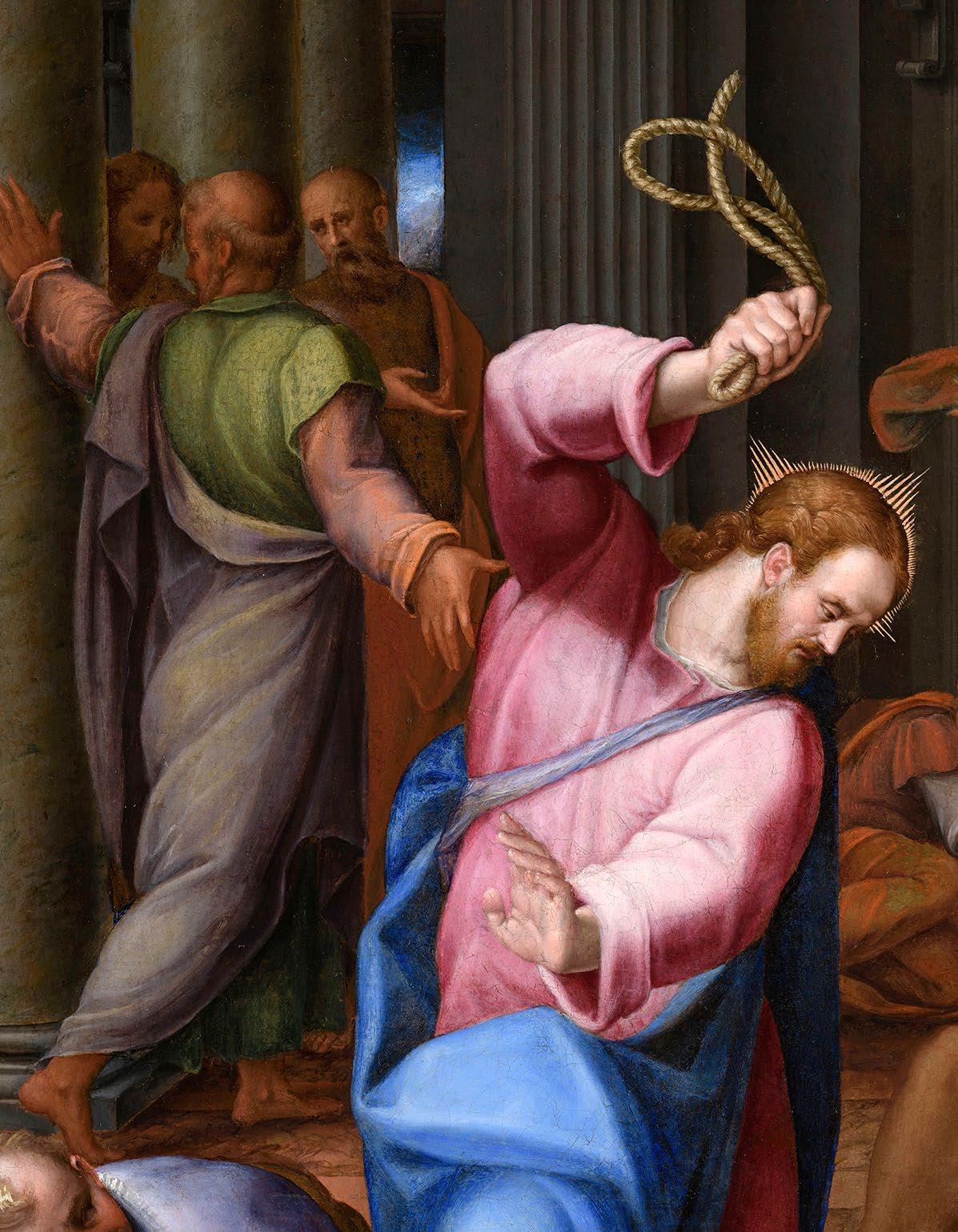
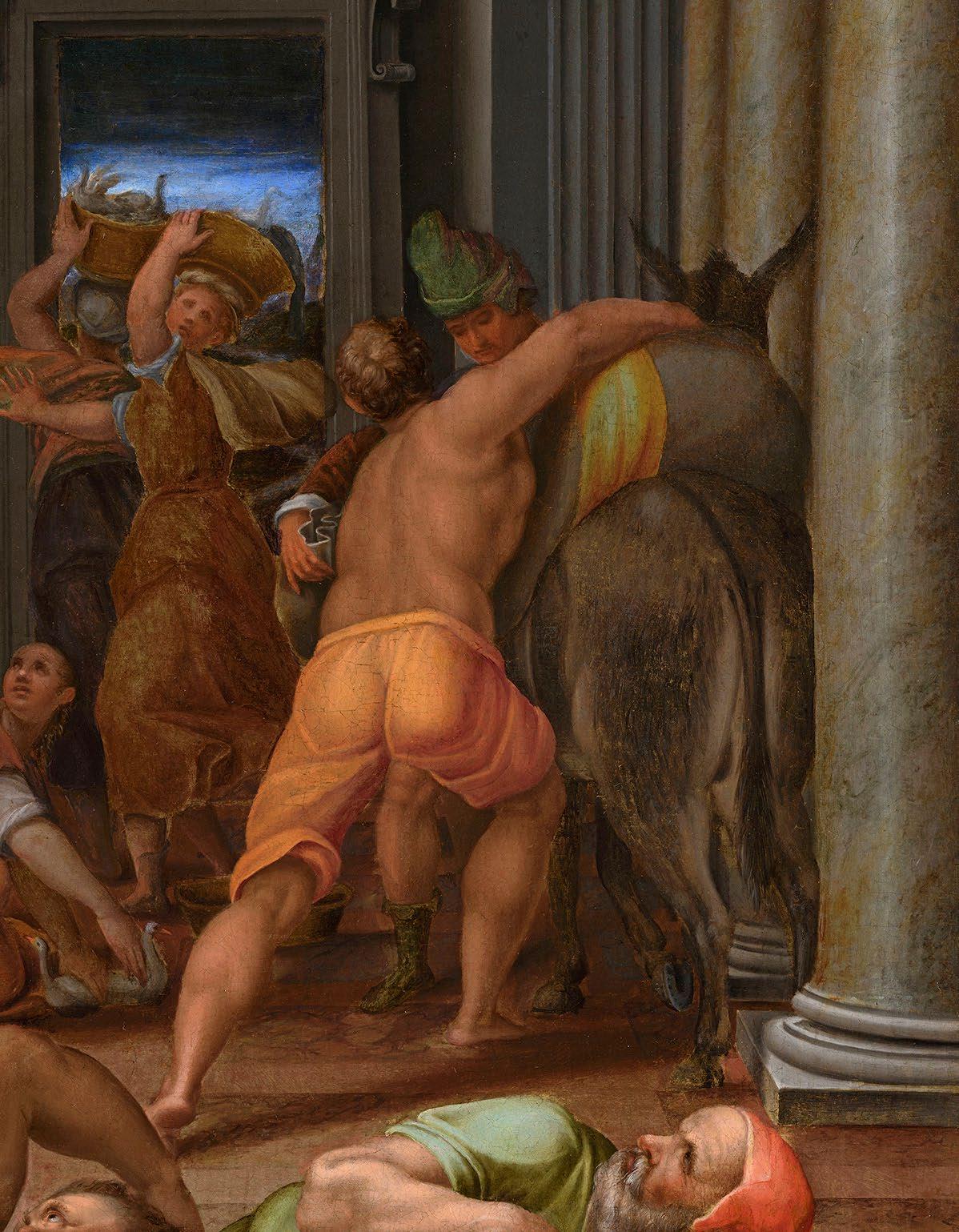
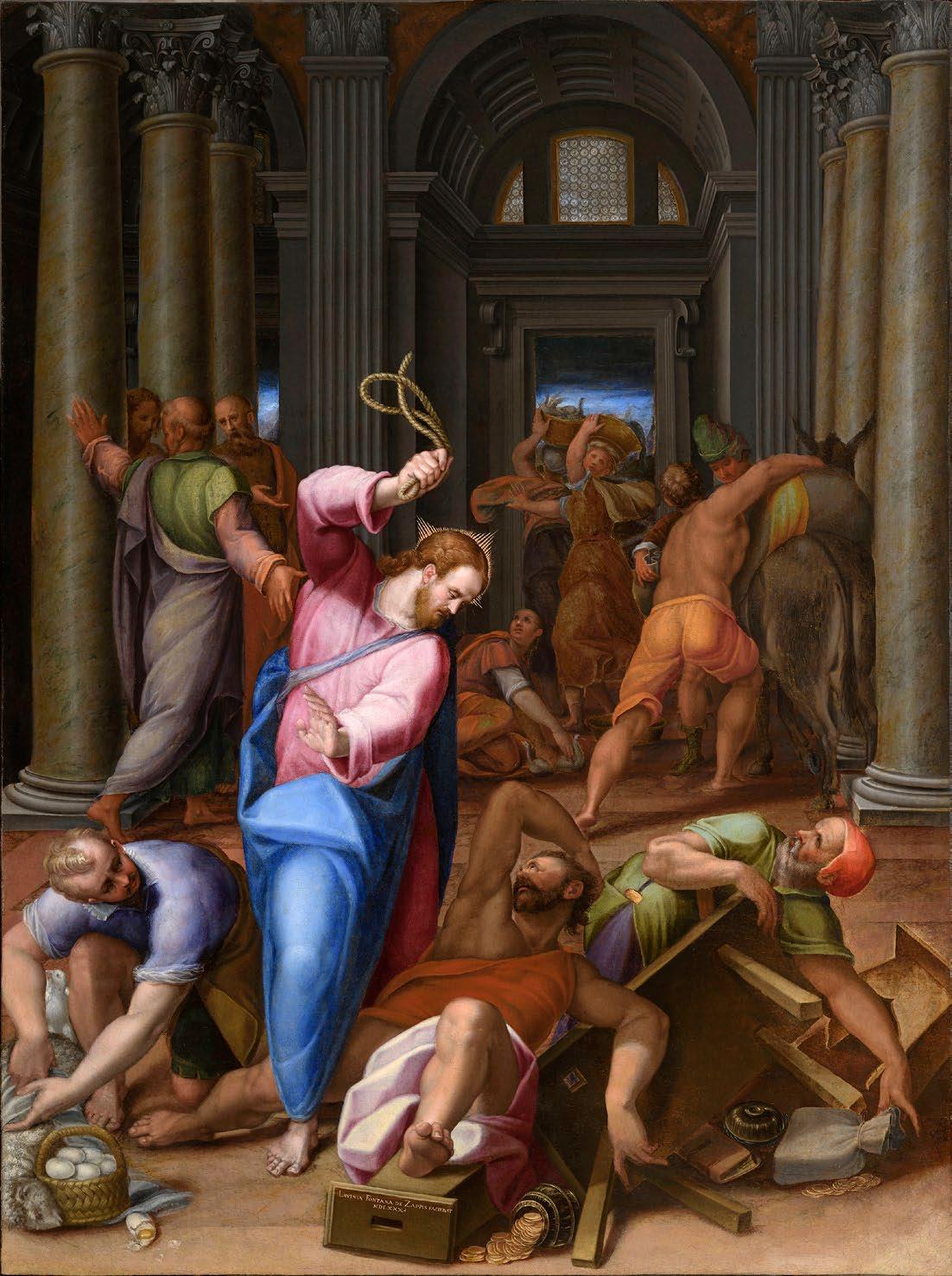
Three works of exceptional quality, executed in an arc of less than half a century, illustrate the transition in Italian painting from late Mannerism to early Baroque. The oldest of these is an extraordinary recent discovery, Christ Driving the Traders from the Temple by Lavinia Fontana. Signed and dated 1580 the work can be considered as one of the most ambitious achievements of the Bolognese painter’s youth, completed when she was not yet thirty. In this painting Lavinia is not afraid to quote from and thereby compare herself to the most celebrated artist of her time, Michelangelo.
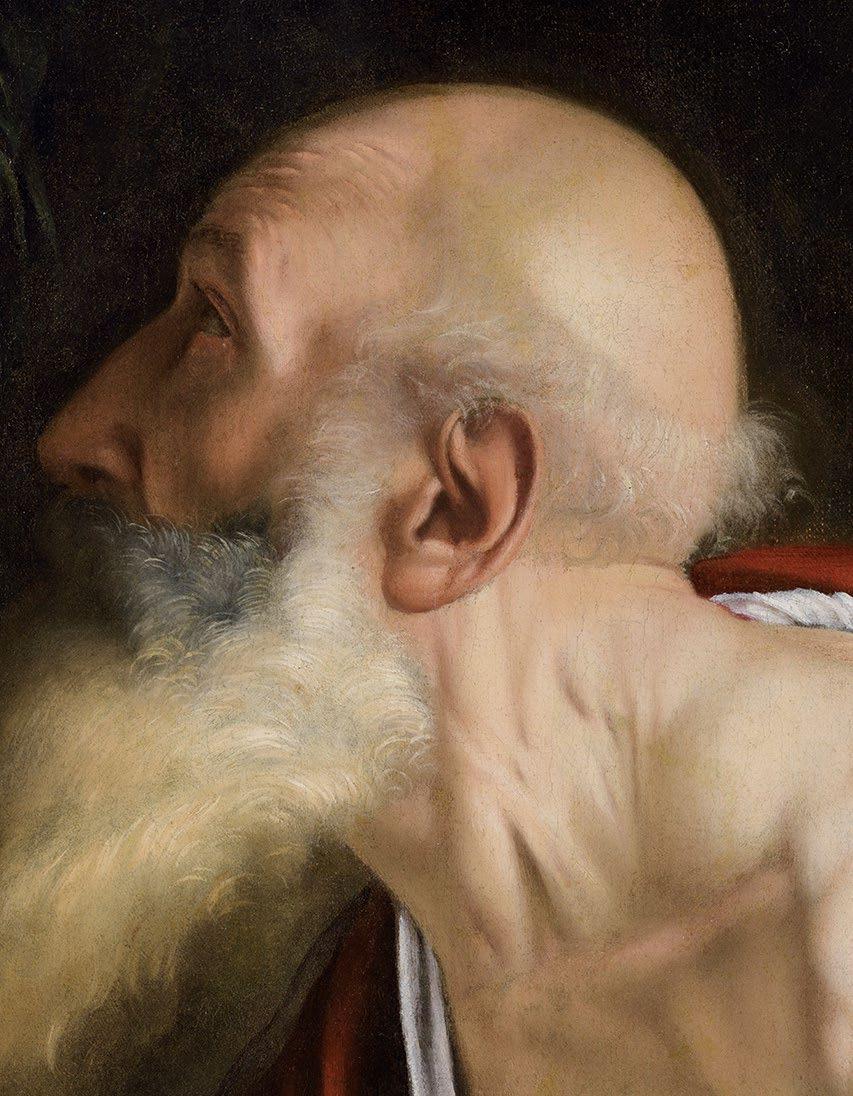
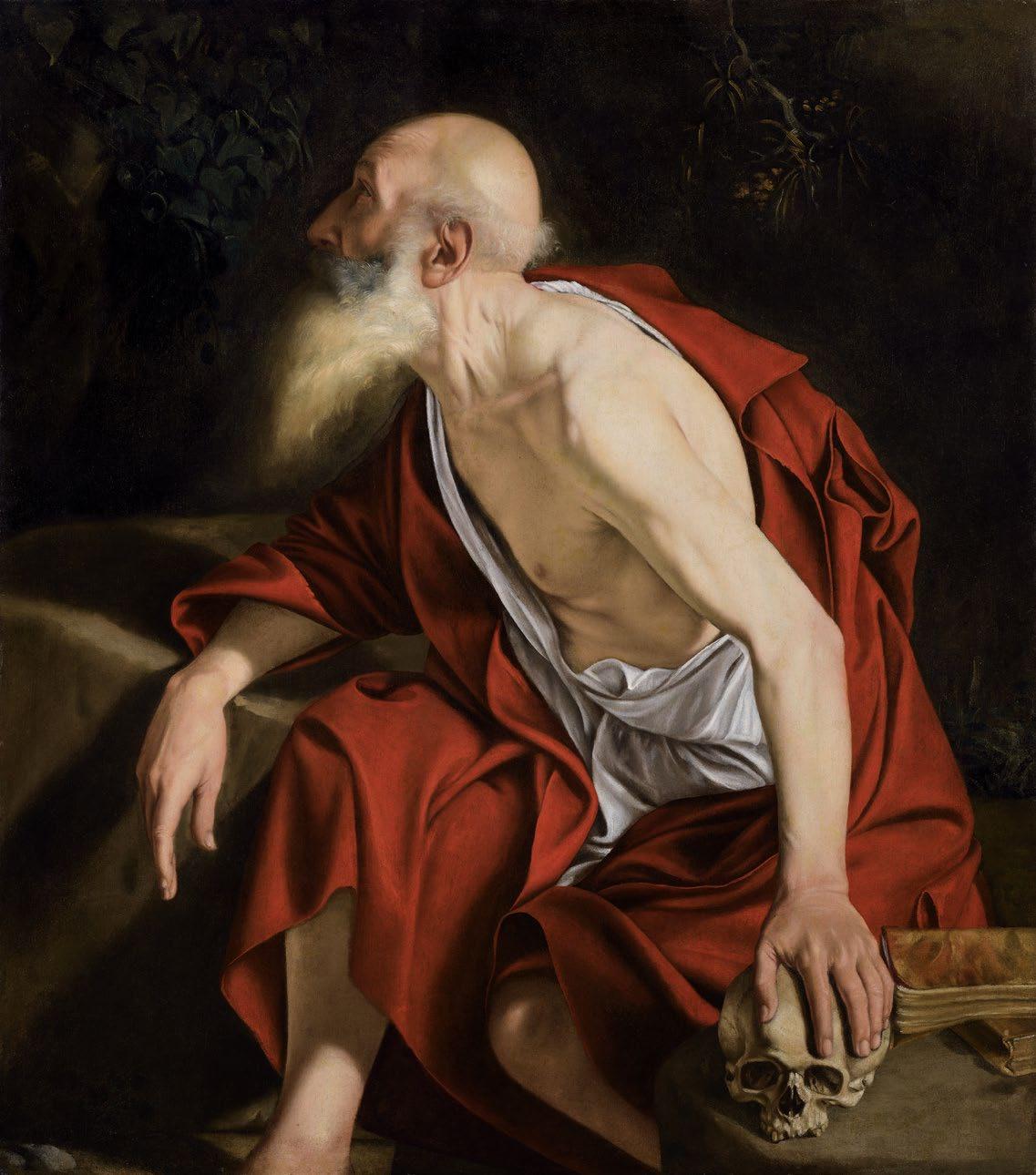
Thirty years later Orazio Gentileschi is one of the key protagonists in the Roman artistic scene at the time. In 1610 Orazio, a friend and admirer of Caravaggio, ventures a completely new and personal reading of Caravaggio’s artistic models. Orazio paints this first version of St Jerome, possibly one of the last from this period of Gentileschi’s career that is still available on the art market.
This St Jerome can be dated with extreme precision thanks to the testimony given by the model, Giovanni Pietro Molli, a seventytwo-year-old pilgrim from Palermo.
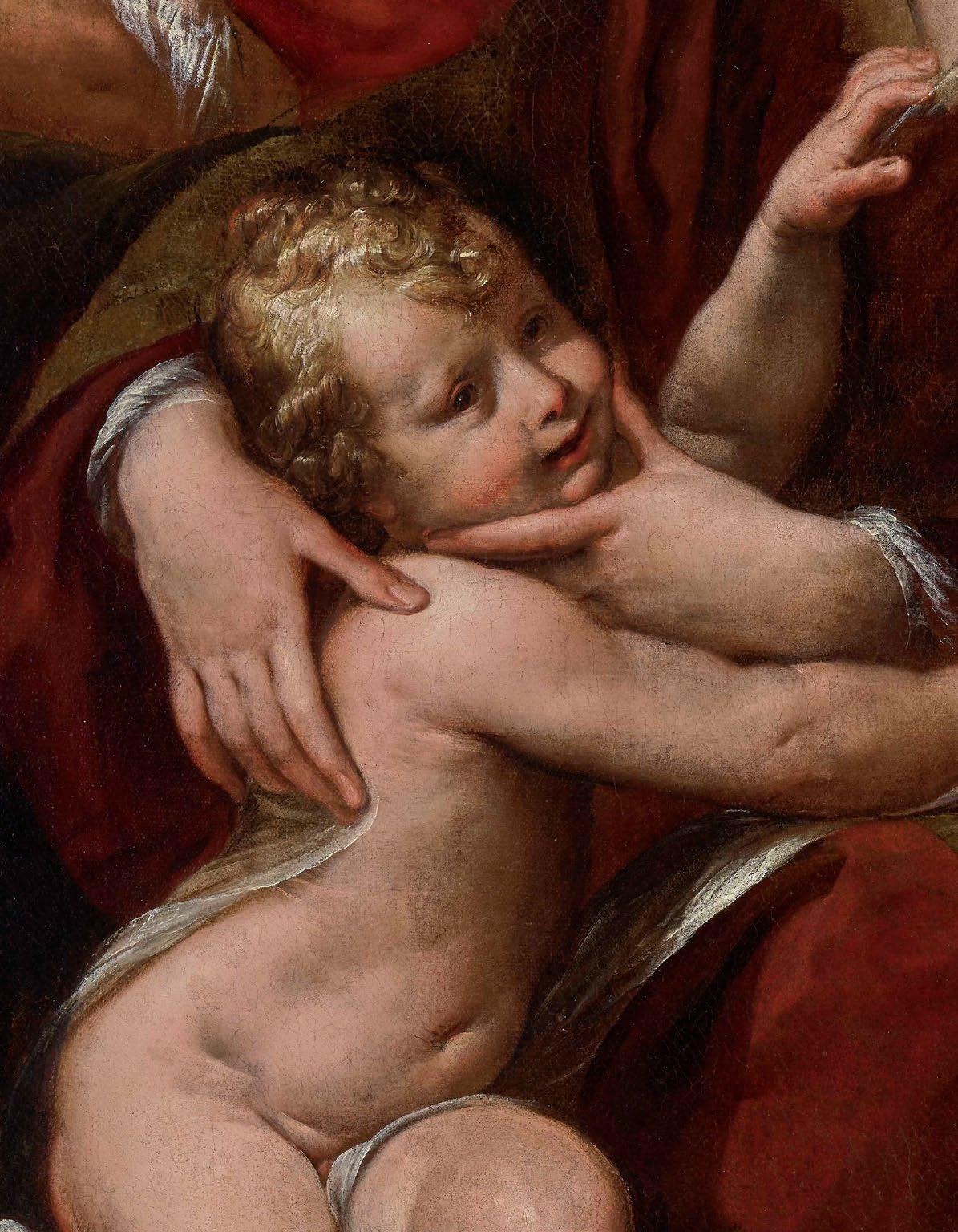
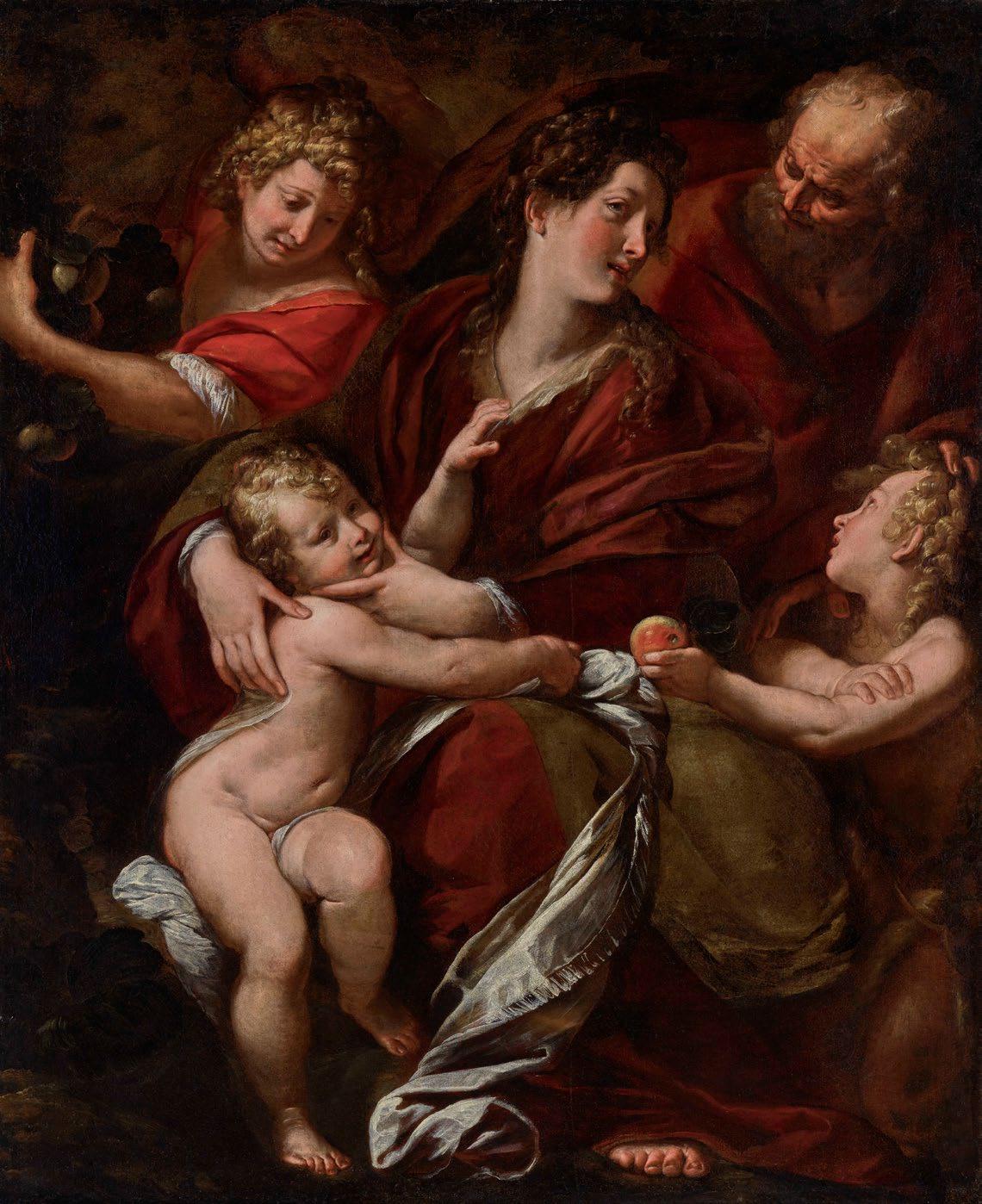
Dating from a few years later, the Holy Family with the Infant Saint John by Giulio Cesare Procaccini takes us into a decidedly different world, circa 1620 in the Milan of Cardinal Federico Borromeo. In this cultivated environment Procaccini is considered the most refined and “international” artist, and the Holy Family with the Infant Saint John represents the pinnacle of his mature period, in which sculptural monumentality, emotional intensity and pictorial brilliance come together masterfully. This painting displays a highly elegant language that blends references to Correggio and Parmigianino with those to Rubens, whom Procaccini had admired and studied during his long stays in Genoa.
The two sides of the Neoclassical period
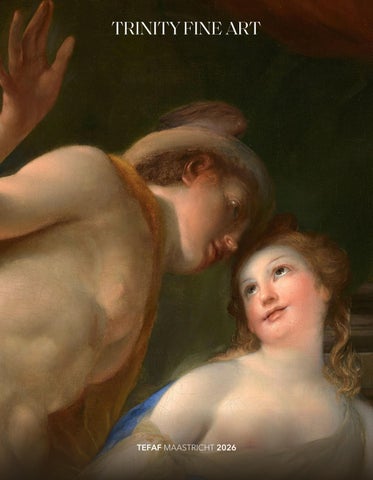
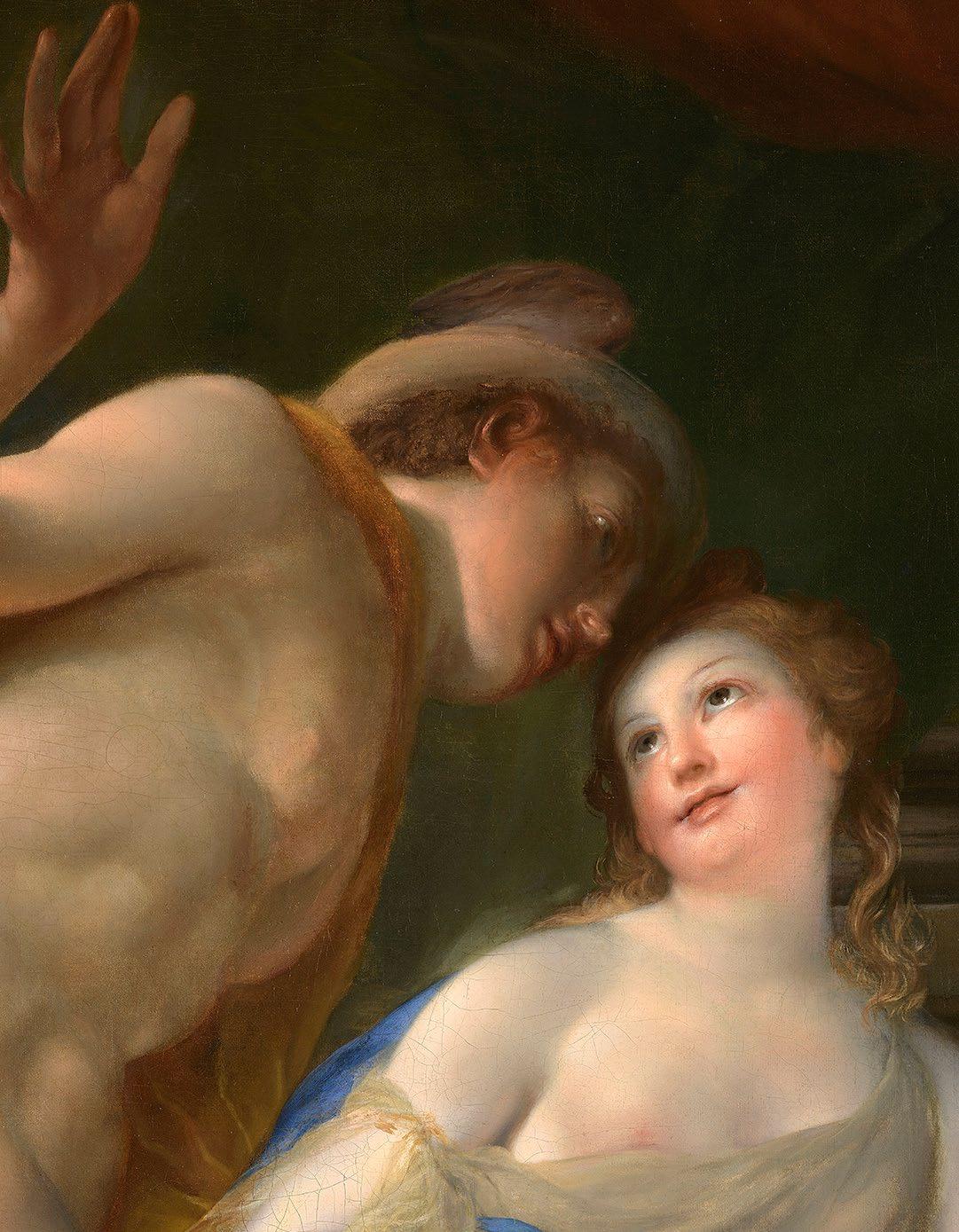
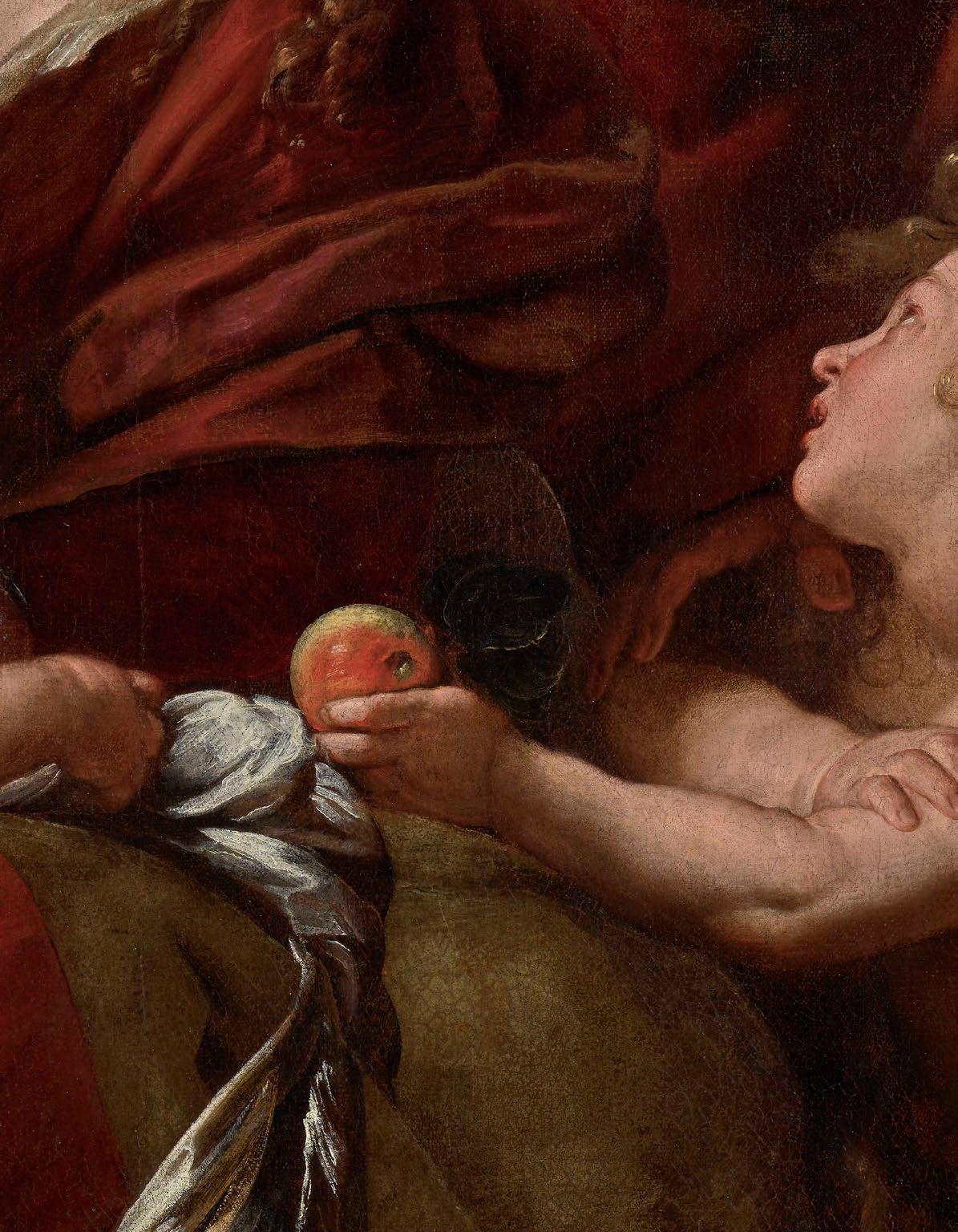
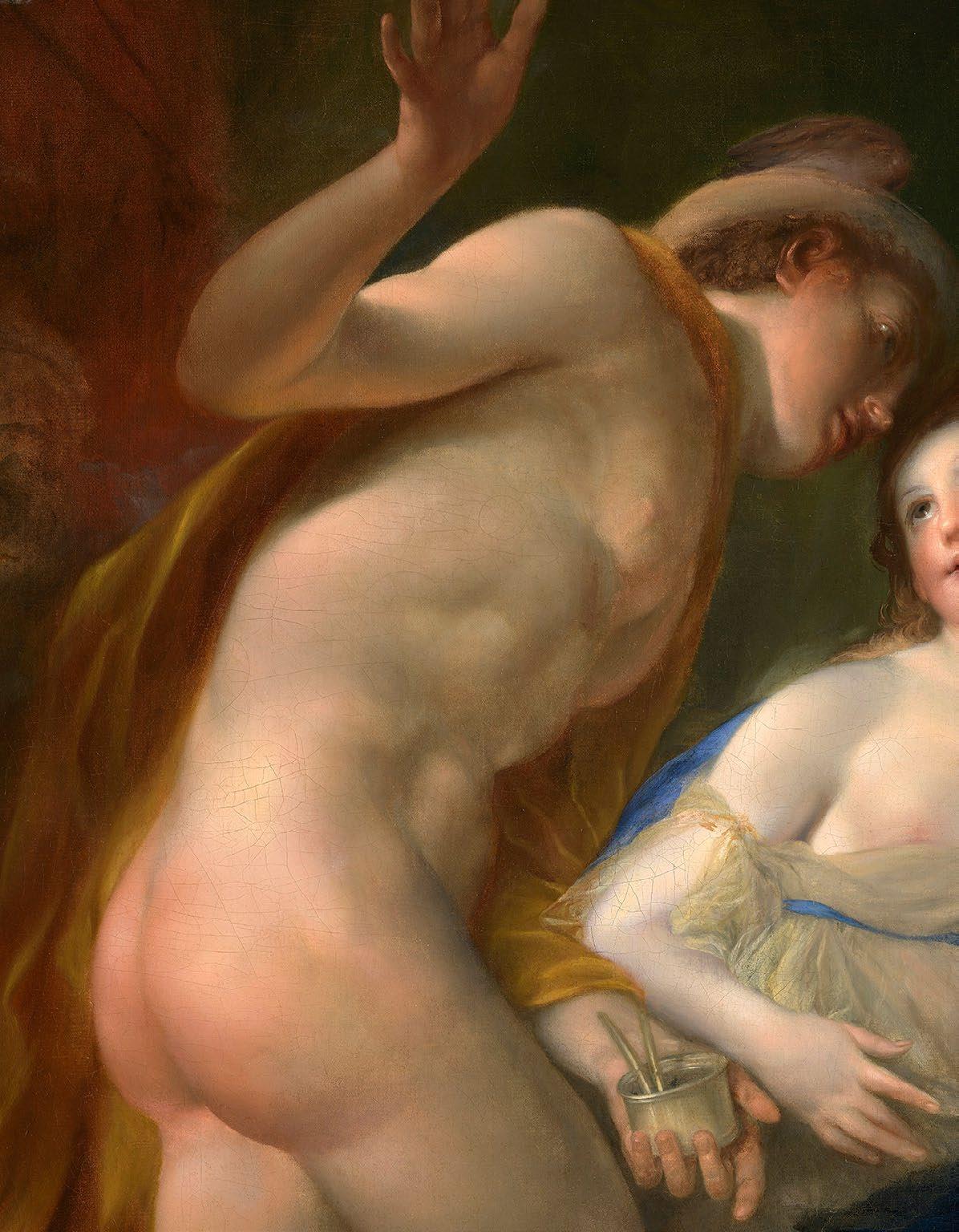
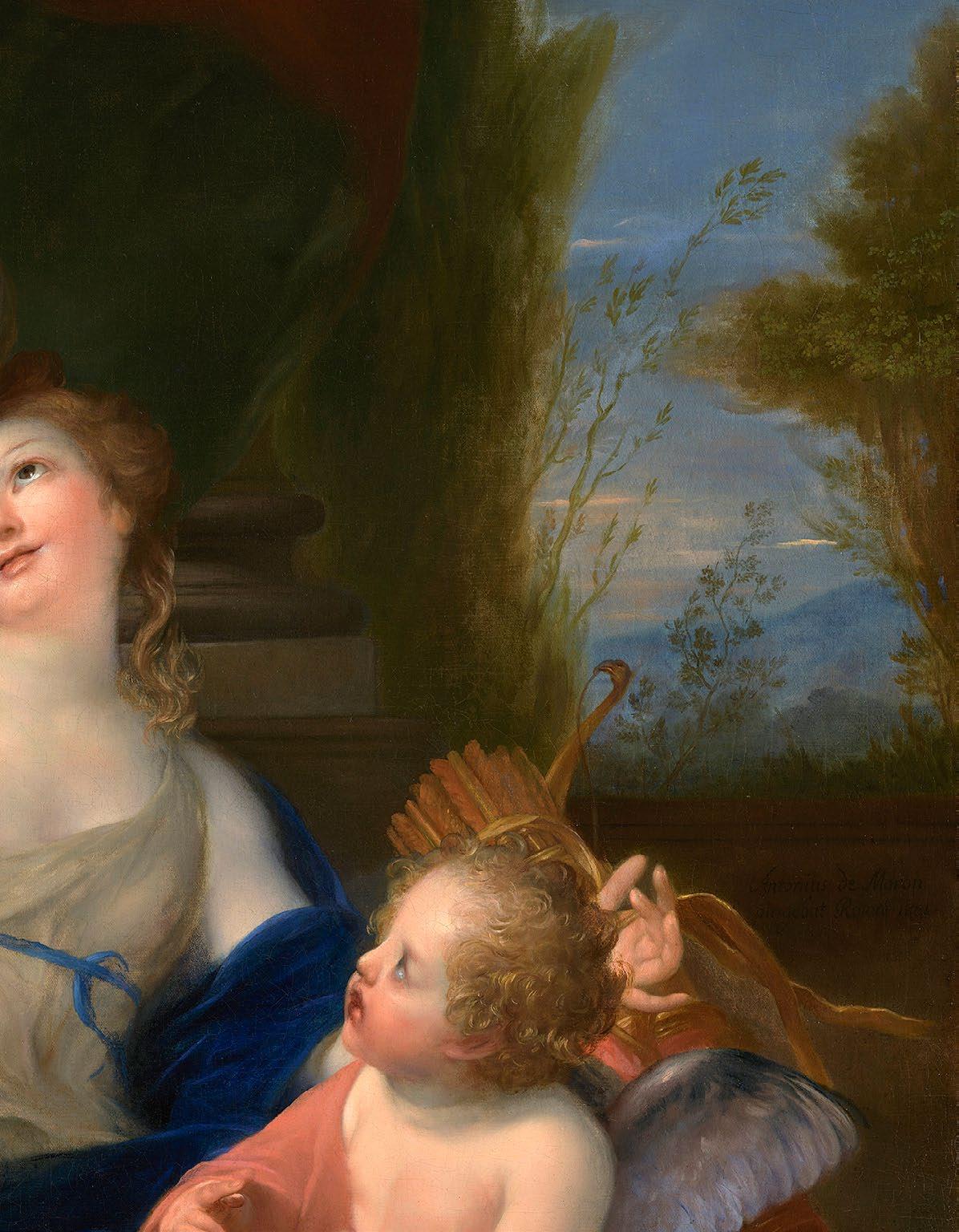
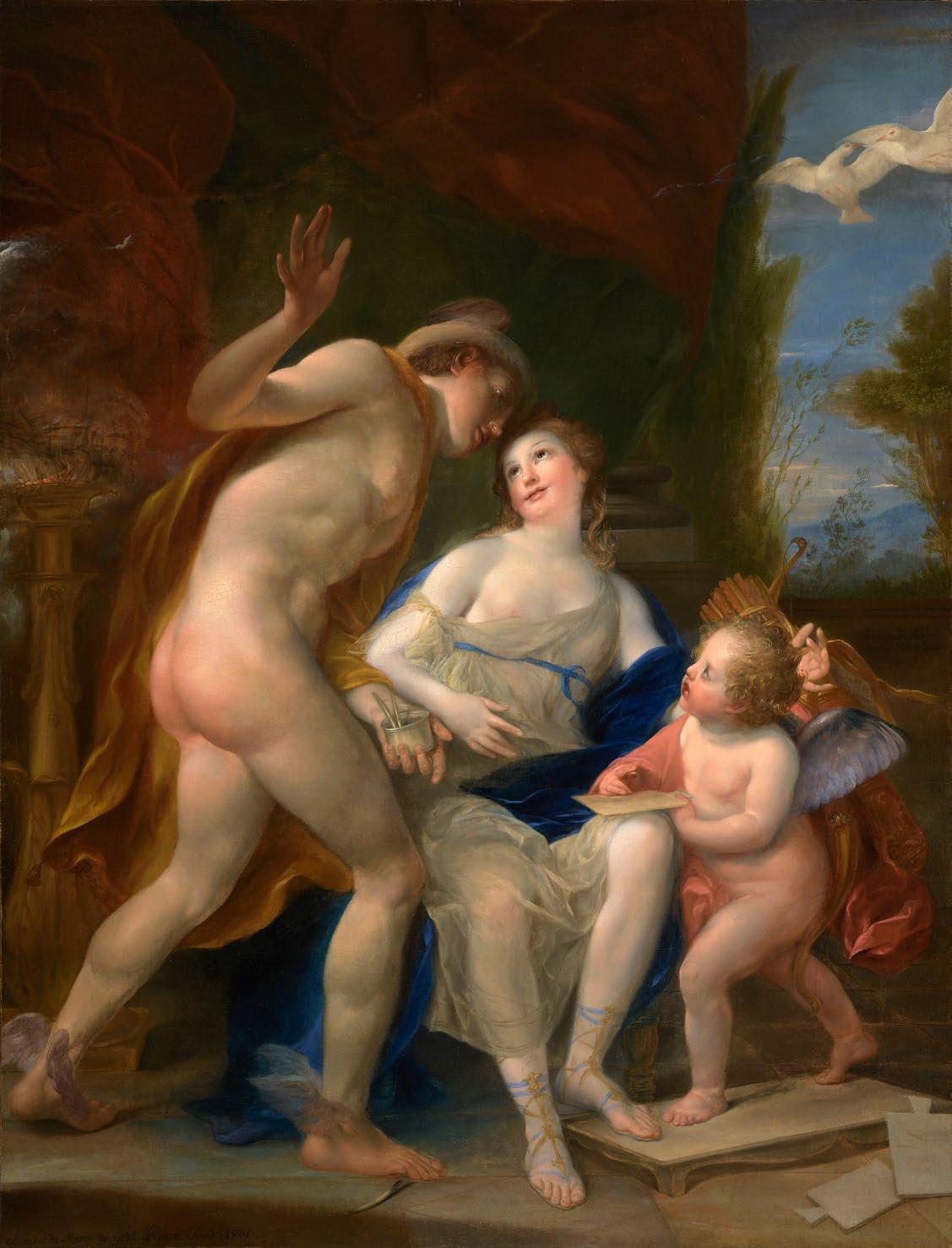
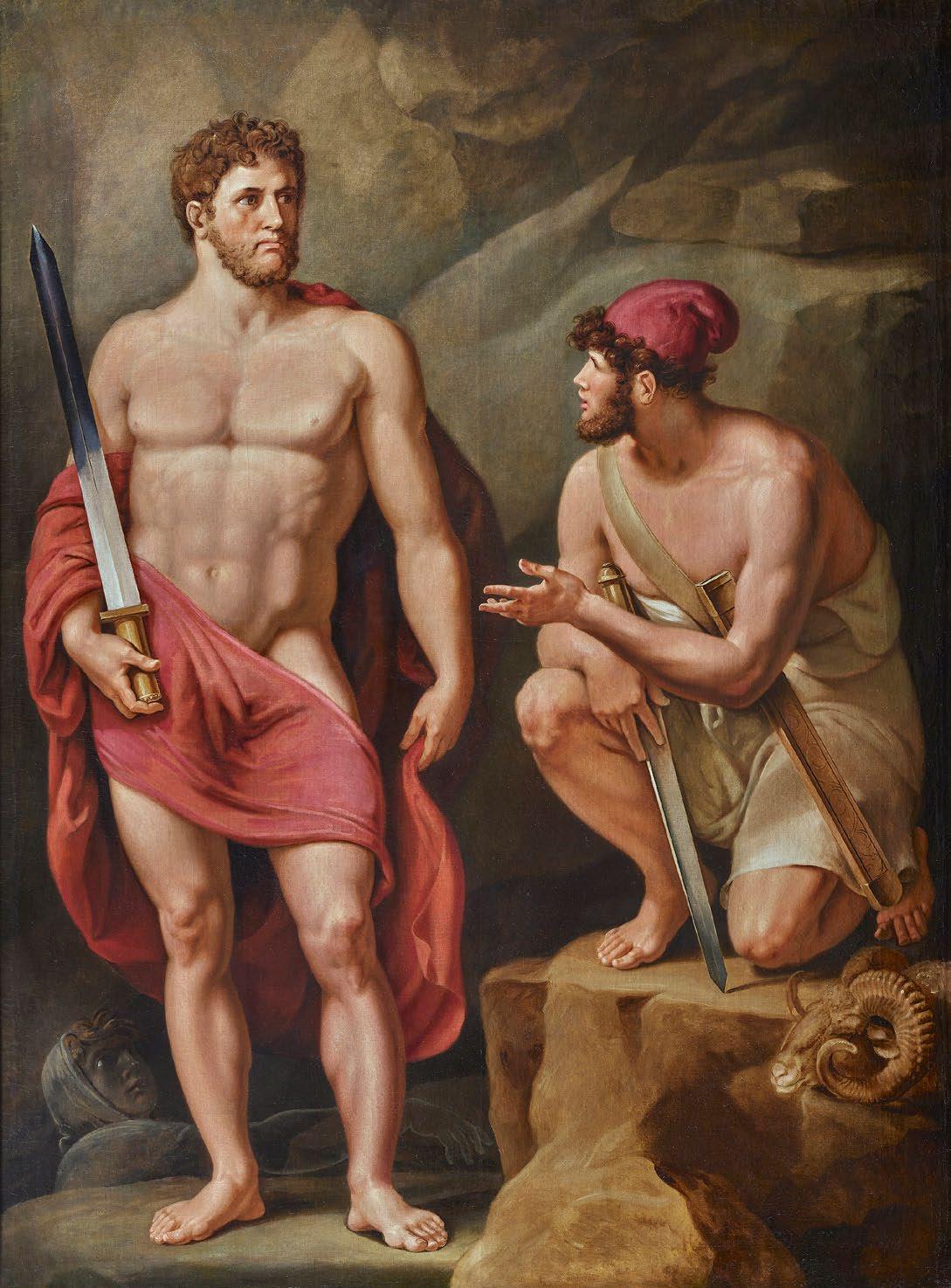
Two artists showcase distinct yet complementary approaches to the Neoclassical era: on the one hand, The Education of Cupid by the Austrian Anton von Maron is a hymn to grace and elegance; on the other, Ajax and Odysseus in Hades by the German Johann Heinrich Wilhelm Tischbein represents the heroic and elevated side of the Neoclassical ideal. Von Maron’s work, painted in Rome in 1801, is a retrospective synthesis of the artistic models the artist had loved and studied throughout his long career: from the High Renaissance, Correggio, and, among his contemporaries, Batoni and Mengs.
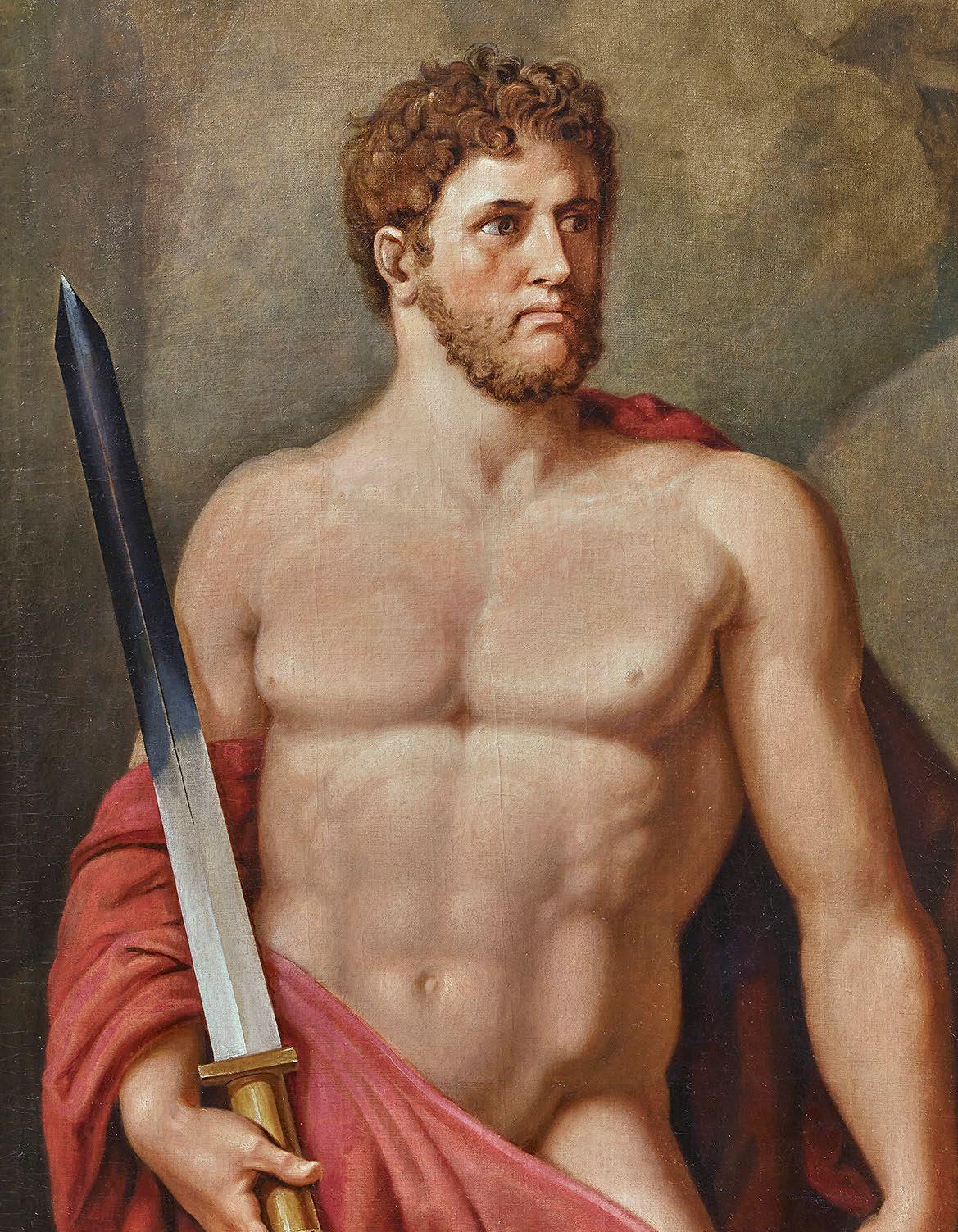
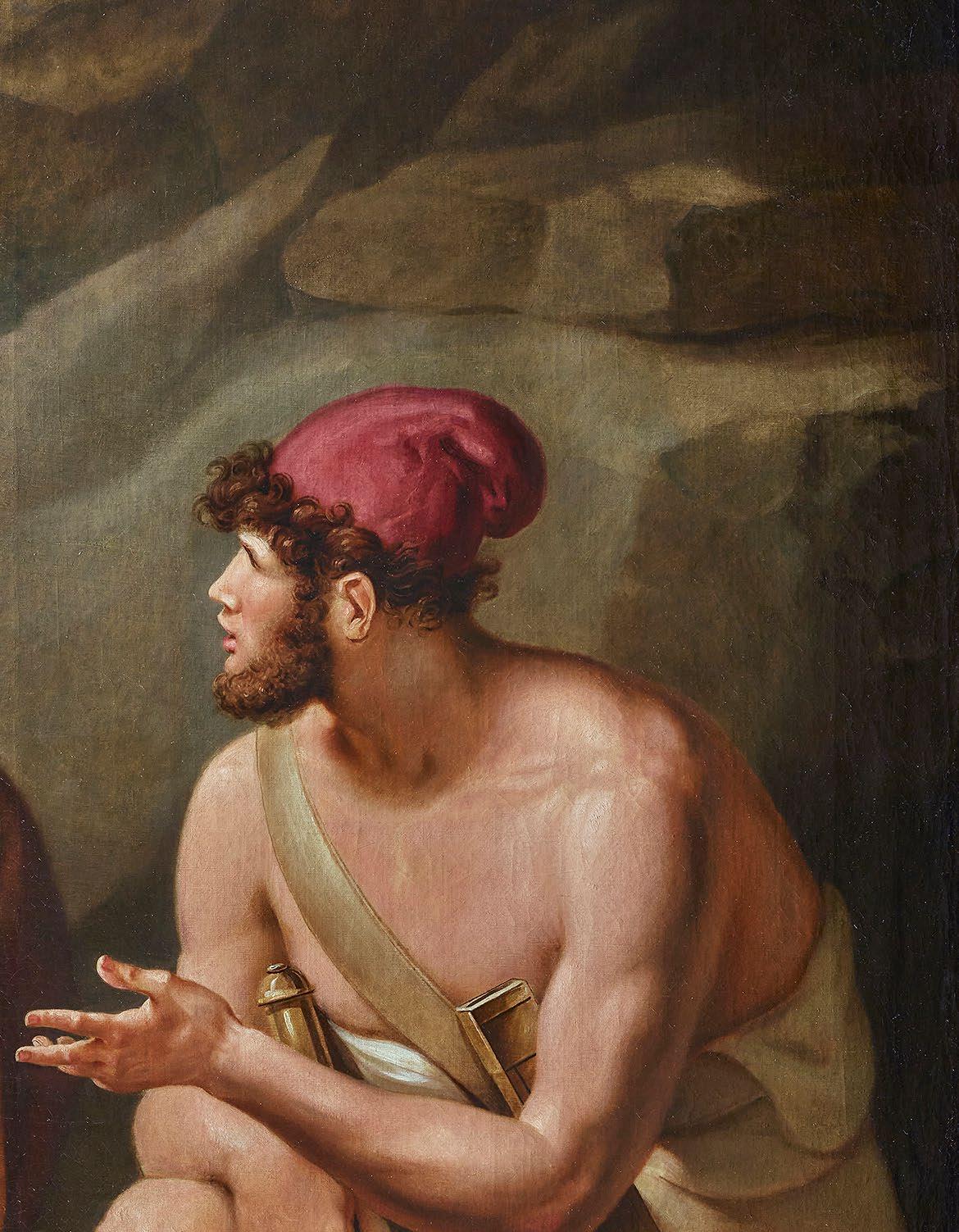
Tischbein’s painting, depicting Ajax and Ulysses in Orcus, is a find of enormous importance: it is one of a series of monumental canvases with themes from the Iliad and the Odyssey that the artist painted for one of his main patrons, the Duke of Oldenburg. Napoleon’s occupation of the Duchy forced the Duke and his family to flee and so the painting thus remained unclaimed in Tischbein’s studio, until in 1813 he sold it to a Belgian baron, in whose residence it has remained to this day.
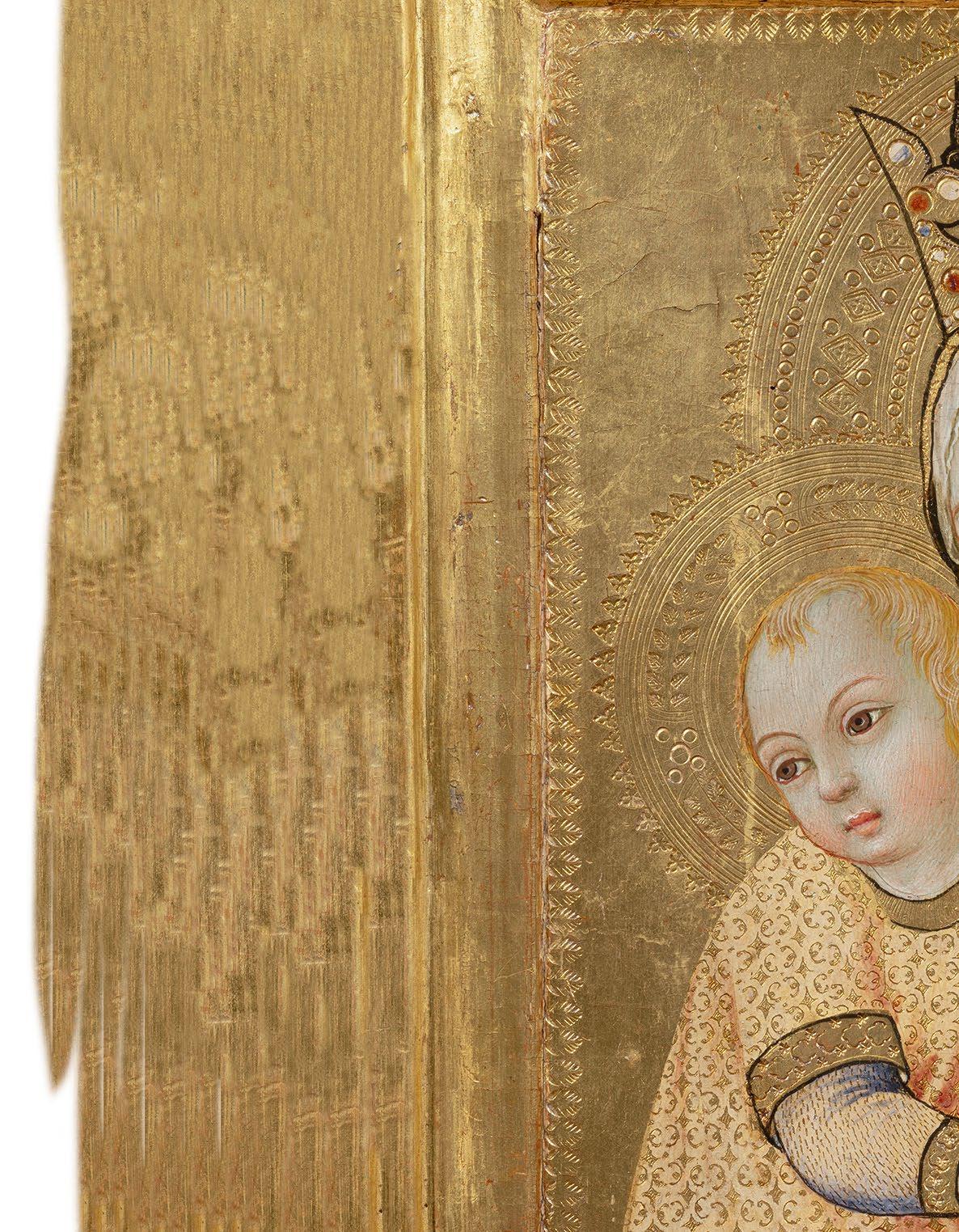
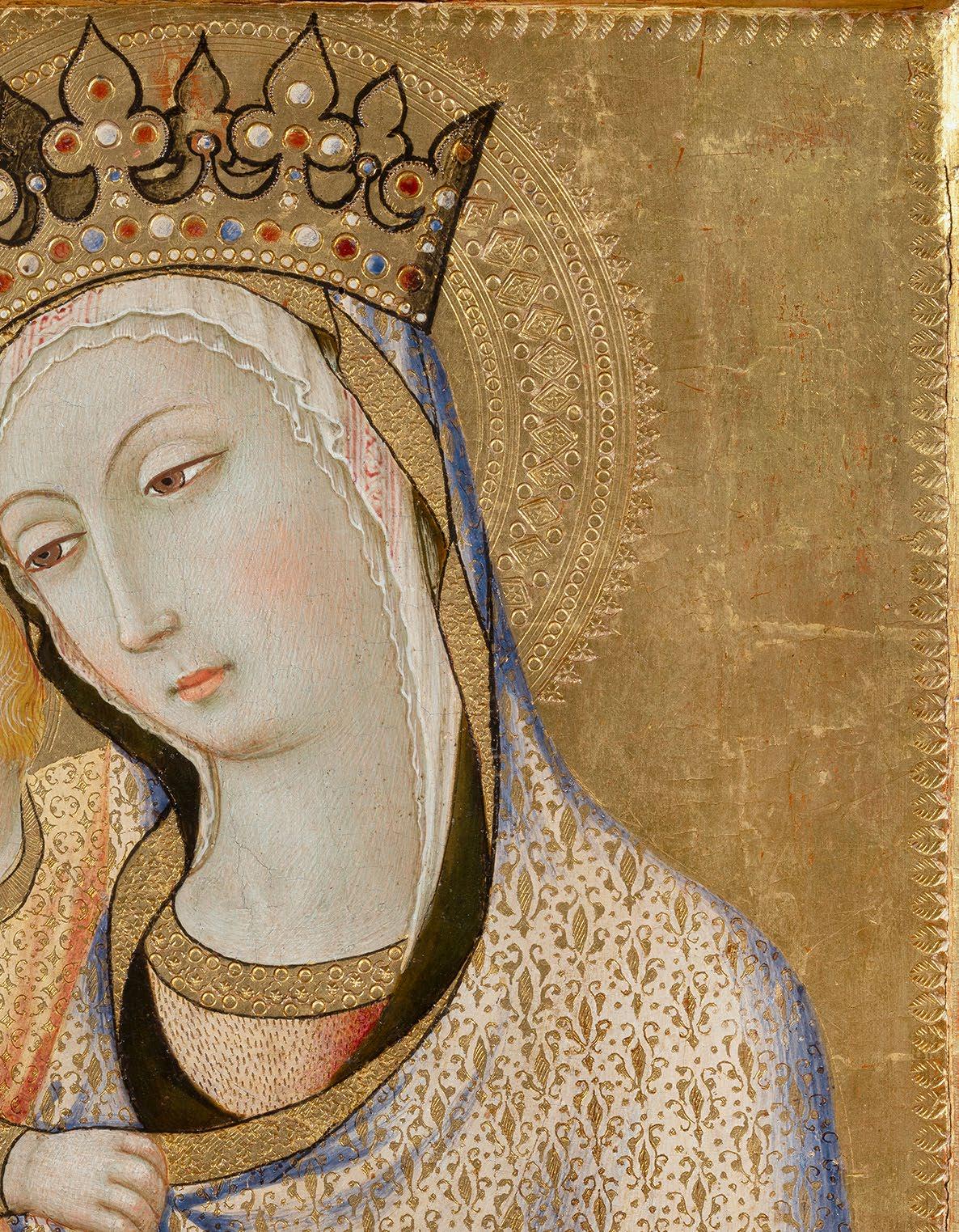
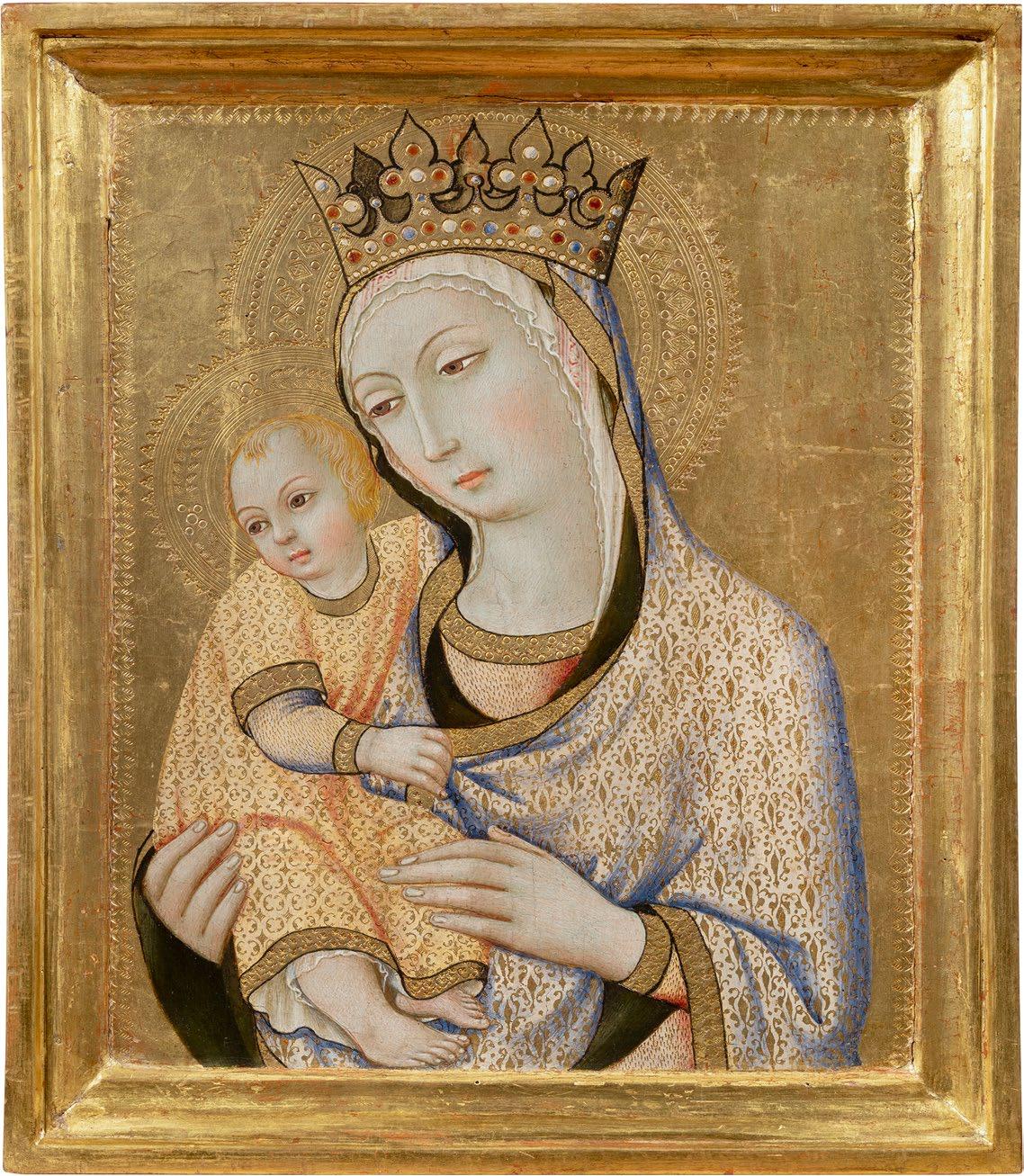
Painted after 1450 and conceived for private devotion, this panel epitomises the enduring Sienese Gothic tradition; with its gold ground delicately tooled with punchwork, the integrated original frame, and the tender, affectionate exchange between the crowned Virgin and the Christ Child. In its clarity of form and emotional directness, this painting is an example of the iconographic language that shaped artistic production in Siena in the decades following the death of Sassetta, standing as a refined witness to the city’s distinctive response to the challenges of the early Renaissance.
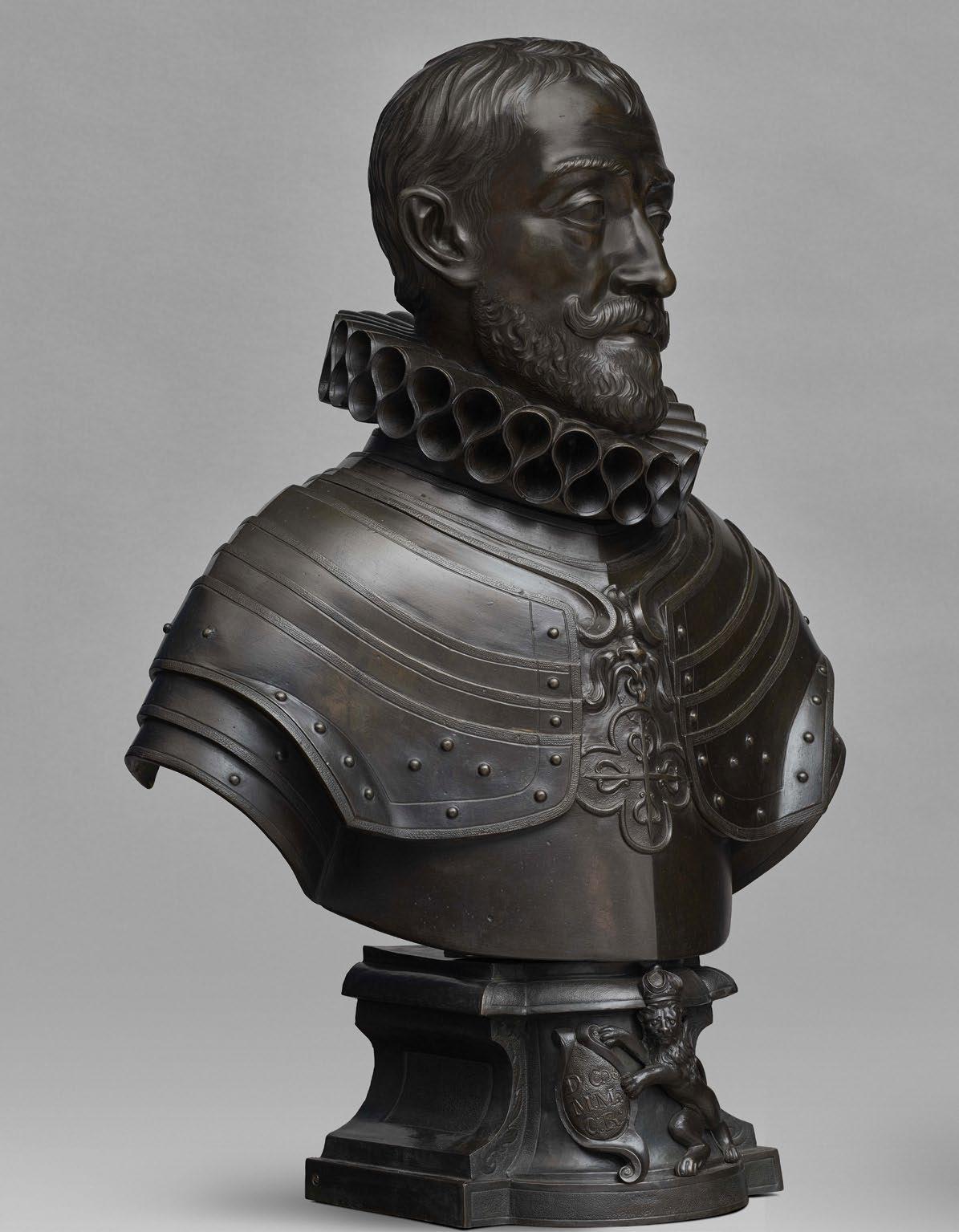
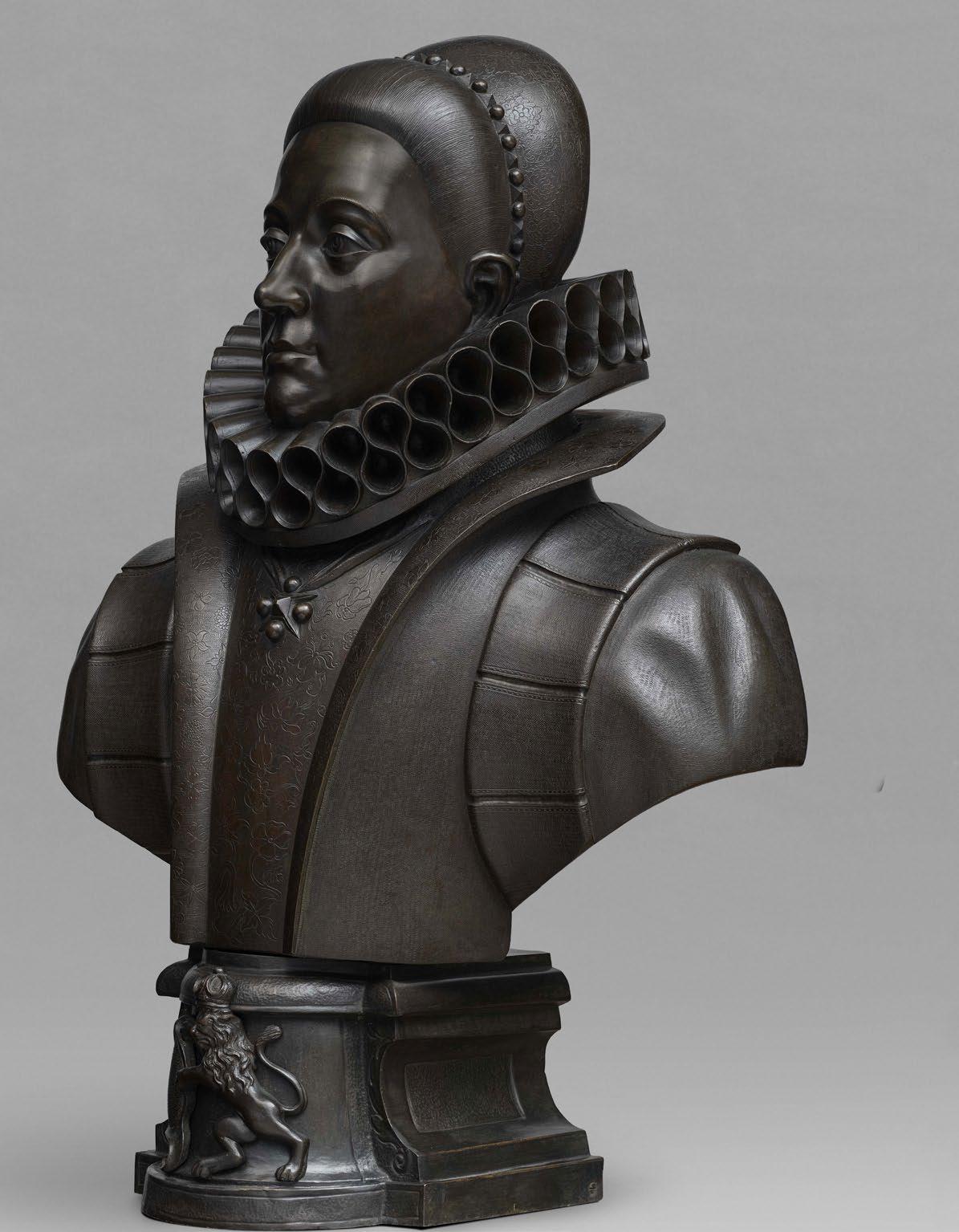
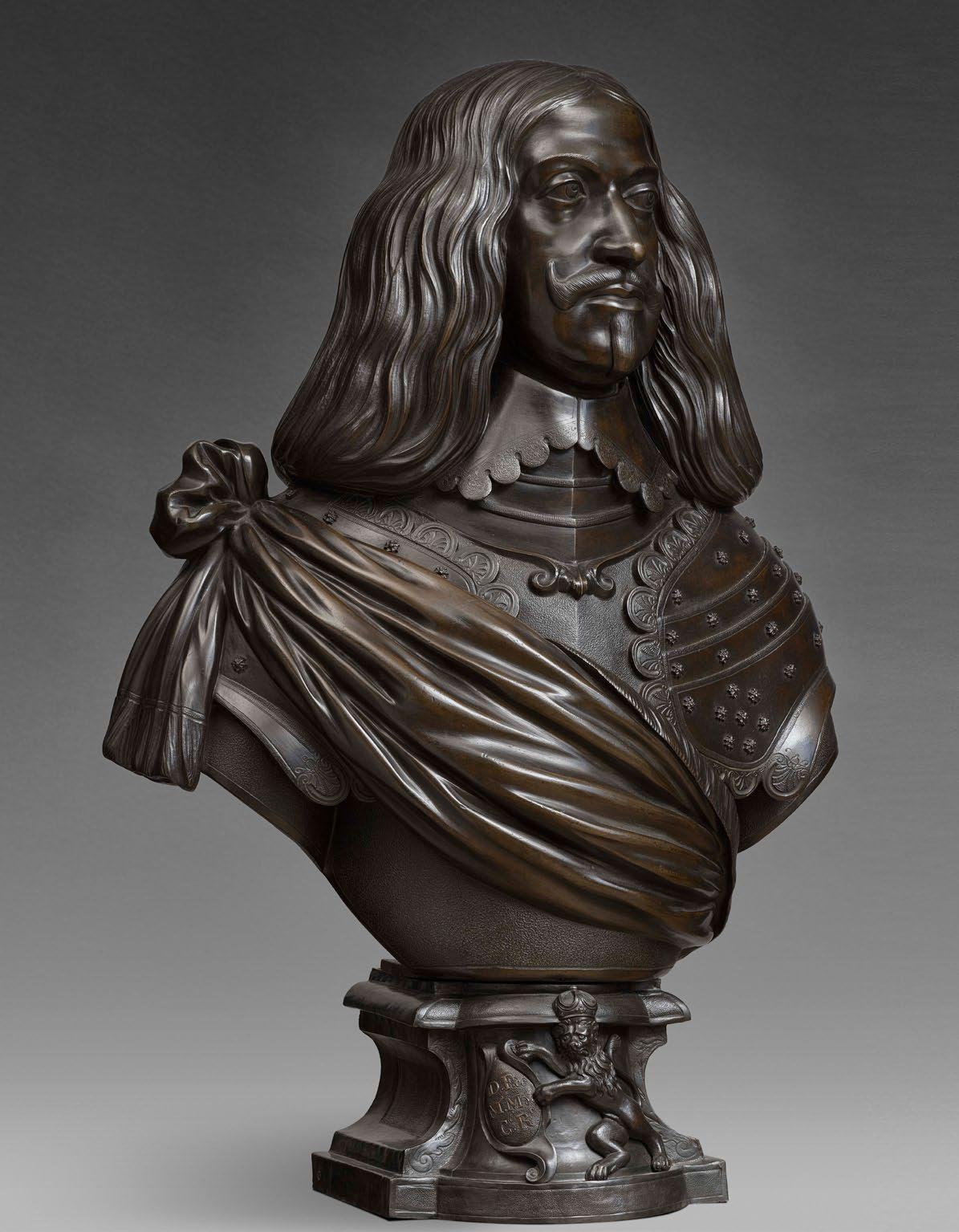
The De Moura bronze portraits
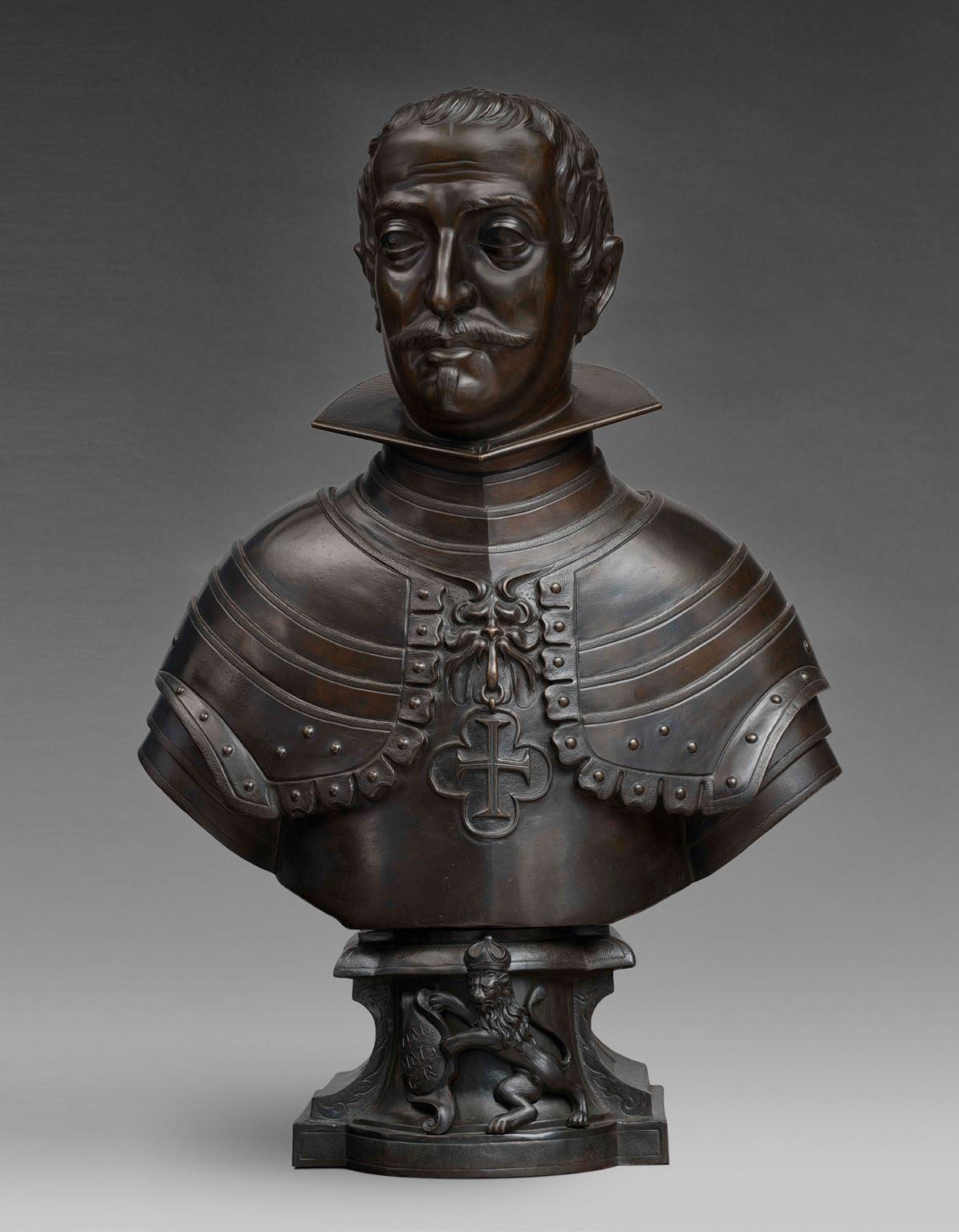
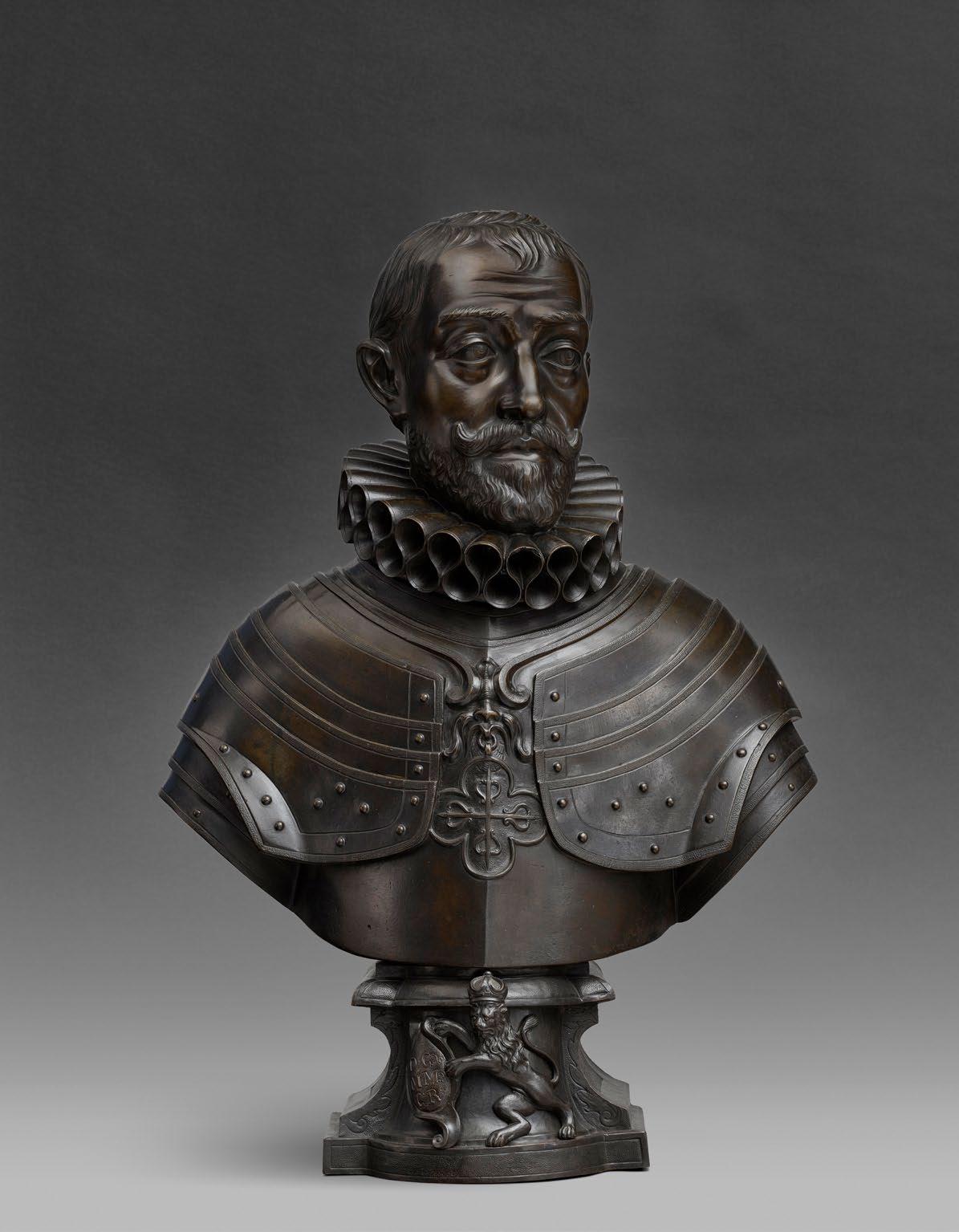
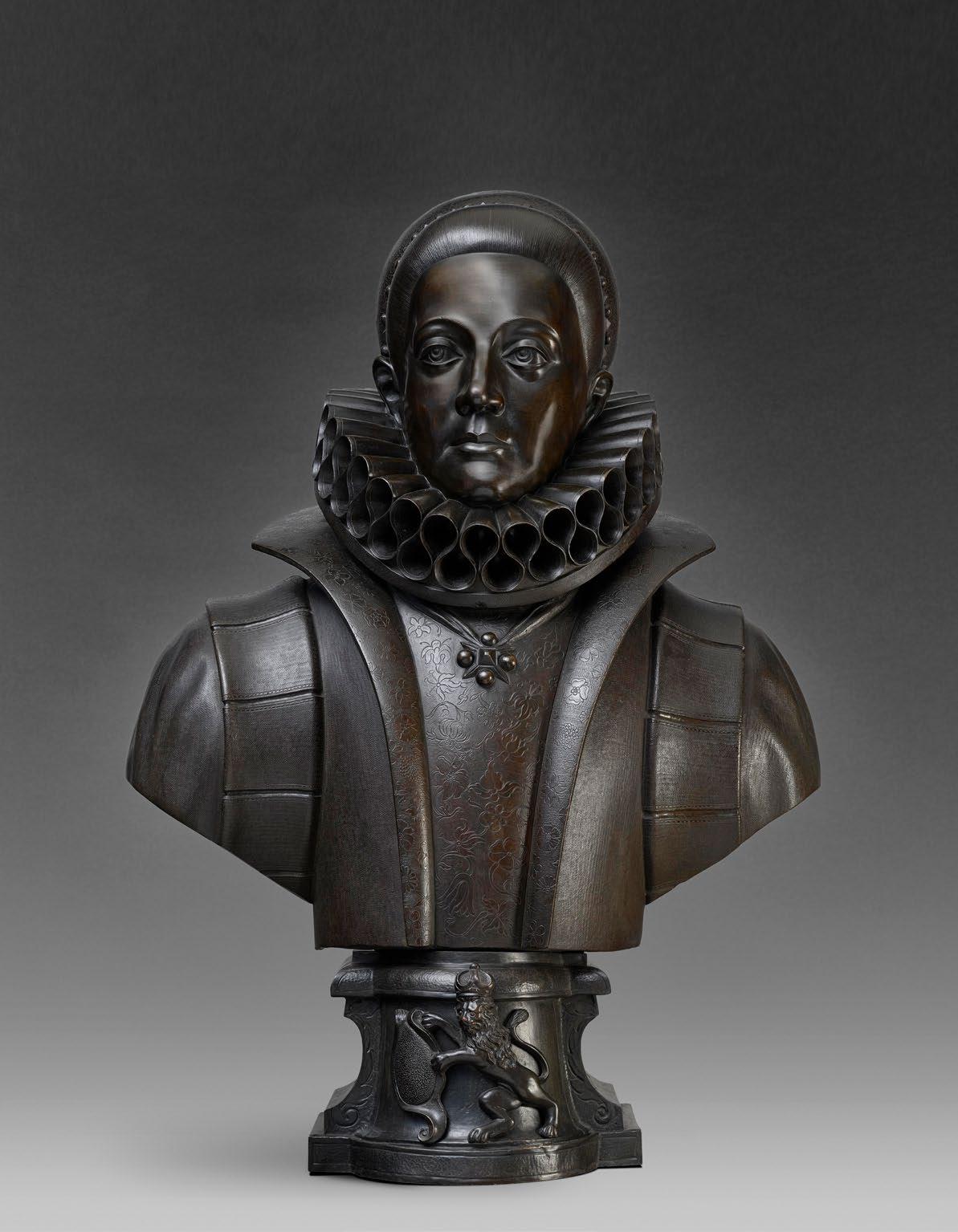
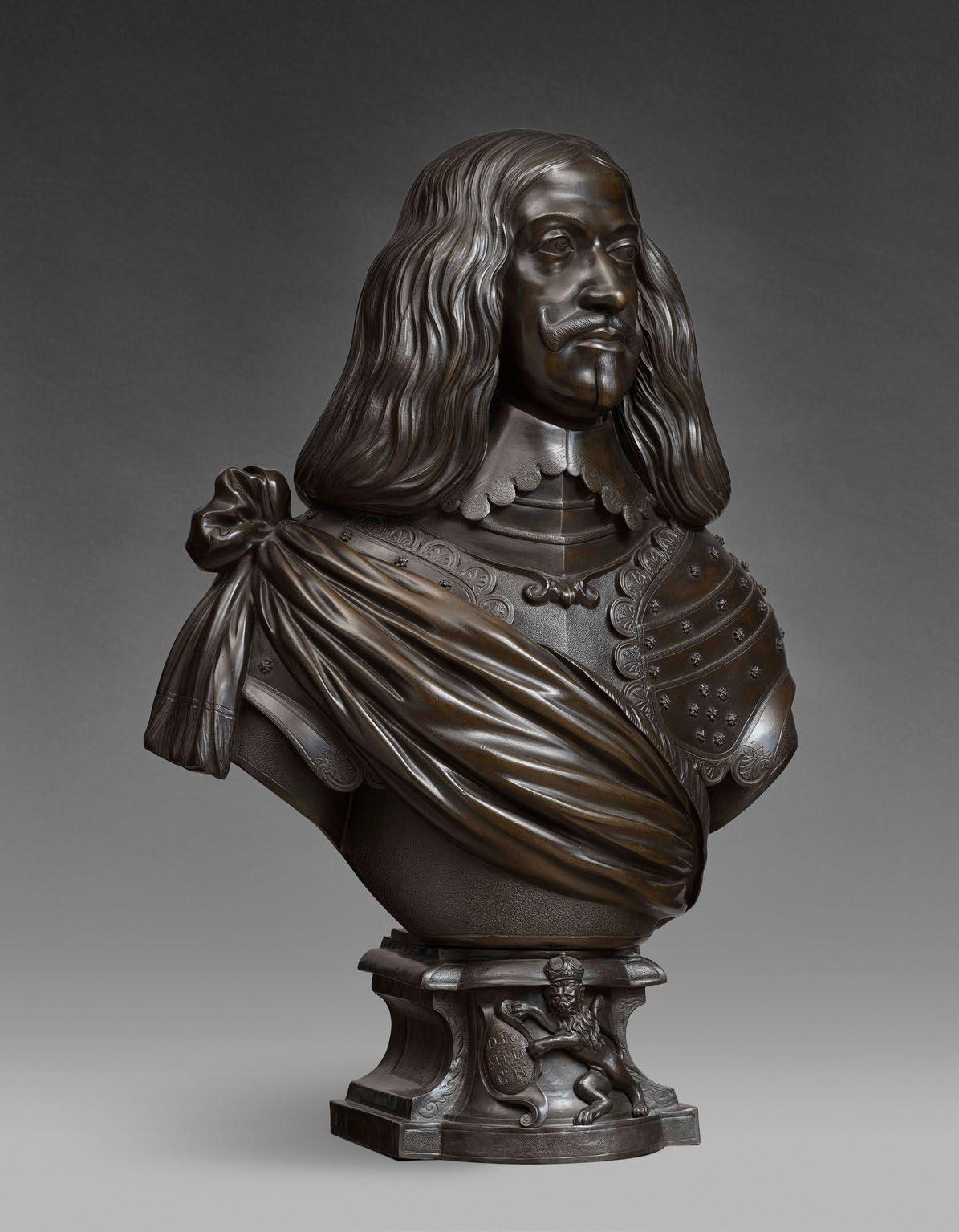
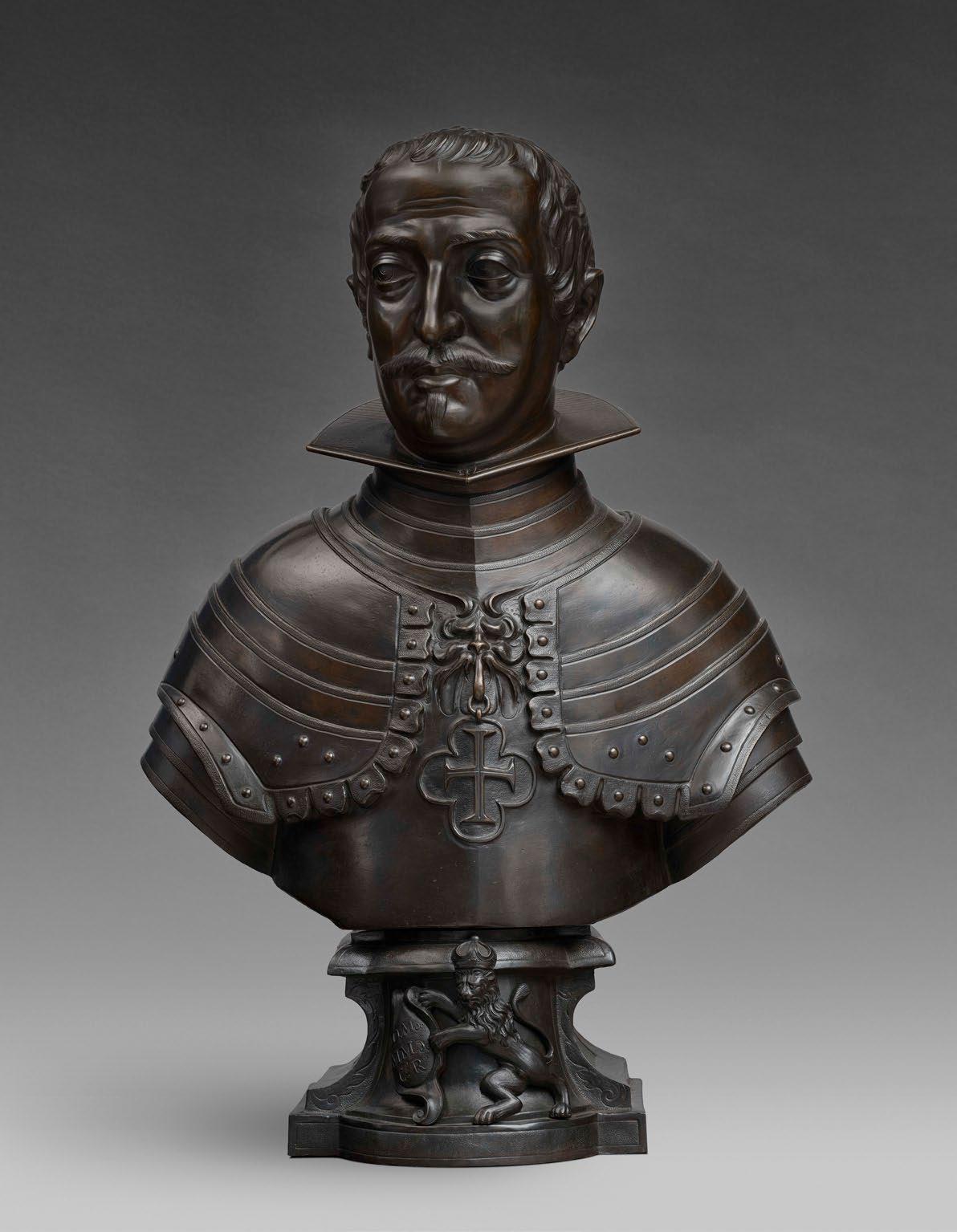
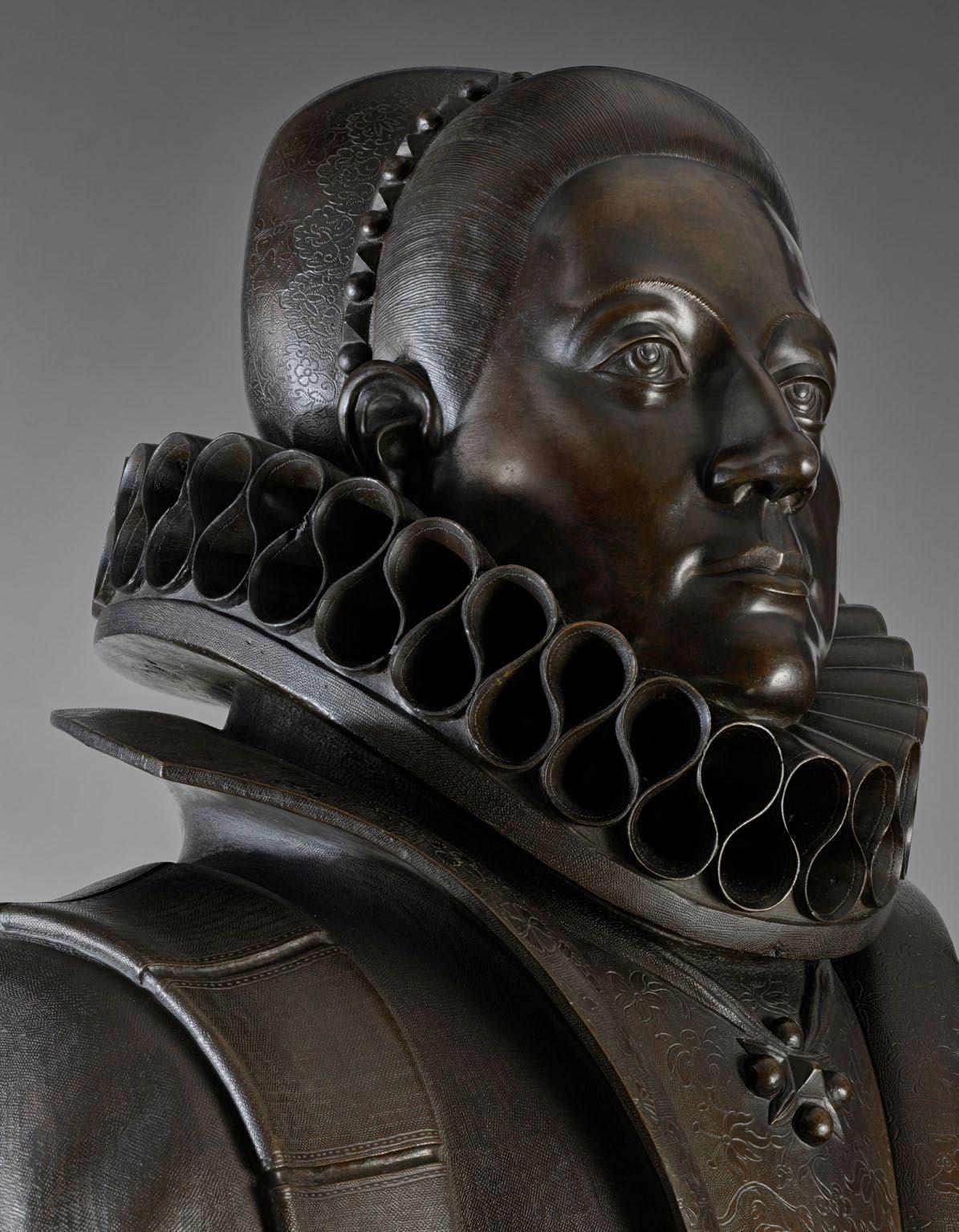
These extraordinary family portraits date back to Francisco De Moura's time at the Viennese court. They portray Francisco, his father Manuel, his grandfather Cristóvão De Moura y Távora, the 1st Marquis of Castel Rodrigo with his wife Margarida. Recent research conducted by Alexander Kader has identified the author of these busts as Georg Schweigger (1613 – 1690), the great Nuremberg sculptor who, in this same period, also created the large bust of Emperor Ferdinand III, now at the Kunsthistorisches Museum in Vienna.
Conceived within a cosmopolitan courtly milieu and produced between Nuremberg and Vienna, the group exemplifies the highest level of bronze portraiture north of the Alps, combining technical refinement with a powerful language of aristocratic self-representation. As such, the ensemble offers a rare insight into both seventeenthcentury court culture and the sophistication of Northern European bronze casting.
Christ driving the Traders from the Temple Oil on canvas, 153.5 x 114 cm
Lavinia Fontana
The Penitent St Jerome Oil on canvas, 127 x 112 cm
Orazio Gentileschi
The Holy Family with Saint John Oil on canvas, 158.1 x 128.8 cm
Giulio Cesare Procaccini
The Education of Cupid Oil on canvas, 200 x 153.1 cm
Anton von Maron
Johann Heinrich Wilhelm Tischbein Ajax and Ulysses in Orcus (Hades) Oil on canvas, 222 x 165 cm
Madonna and Child
Tempera on panel, in an engaged frame
35.4 x 28.9 cm
Sano di Pietro
Georg Schweigger (Nuremberg, 1613-1690, attributed to) cast by Balthasar Herold (Nuremberg, 1620-Vienna,1683)
A Group of Four Bronze Busts of the de Moura Castelo Rodrigo family bronze, height: 80 cm ca. each