Trenchless Works is published 12 times a year by Westrade Group Ltd I Carotino House| Bury Lane I Rickmansworth I WD3 1ED I UK
Contributions: Contributions are invited and articles should be emailed to editorial@ trenchless-works.com. No responsibility can be taken for drawings, photographs or written contributions during delivery, transmission or when with the magazine. In the absence of an agreement, the copyright of all contributions, regardless of format, belongs to the publisher. The publishers accept no responsibility in respect of advertisements appearing in the magazine and the opinions expressed in editorial material or otherwise do not necessarily represent the views of the publishers. The publishers accept no responsibility for actions taken on the basis of any information contained within this magazine. The publishers cannot accept liability for any loss arising from the late appearance or non-publication of any advertisement for any reason whatsoever. ISSN 2049-3401
Subscribe
www.trenchless-works.com
Editor’s Welcome
Austen Lees
As infrastructure demands continue to intensify across the UK and internationally, trenchless technology is no longer a specialist alternative, it is central to sustainable asset management and long-term network resilience.
This month’s issue reflects that shift.
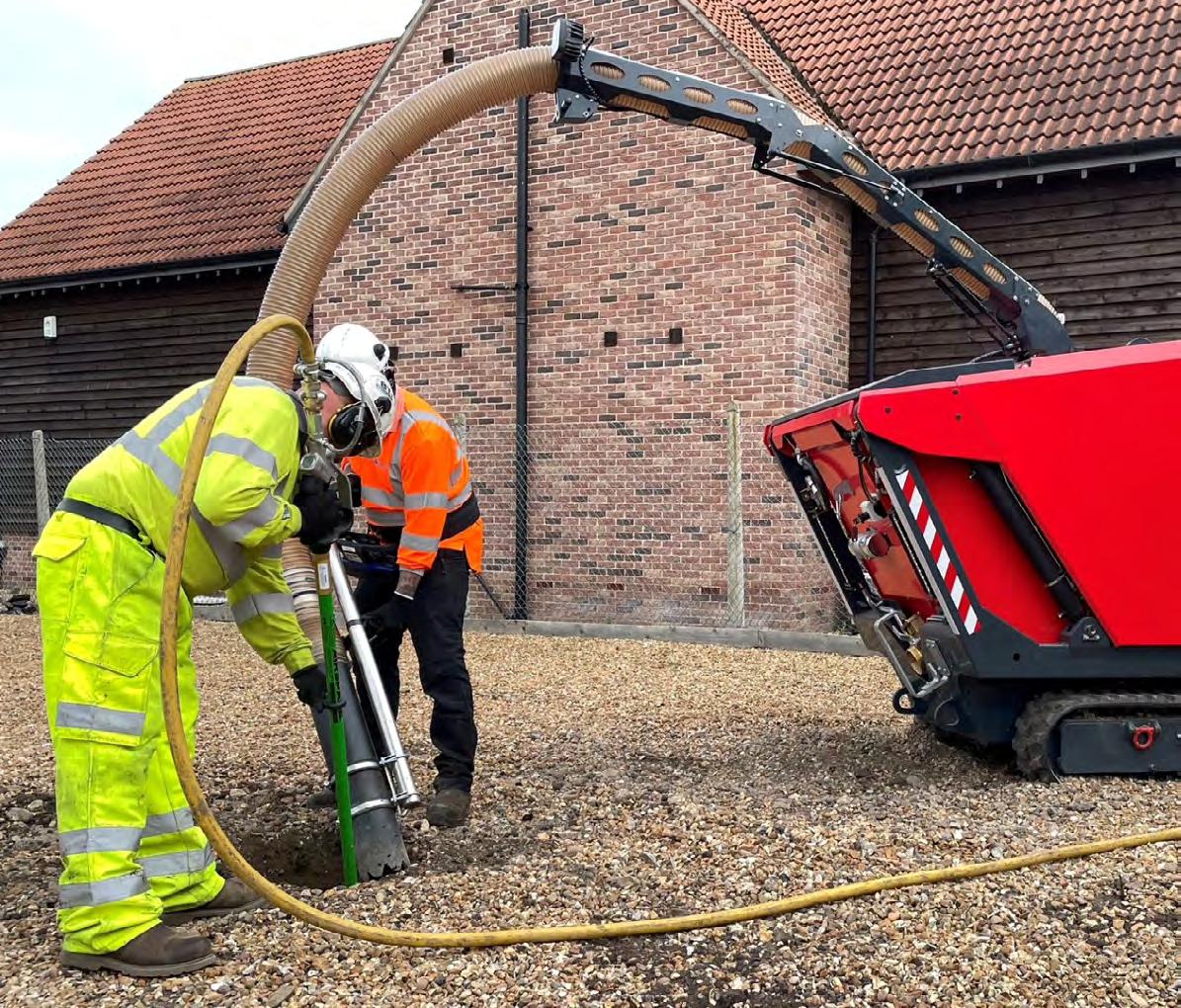
Our cover feature explores how Mammoth and MTS are championing a practical, training-led approach to trenchless equipment and support. In a market increasingly defined by efficiency, reliability and workforce capability, a commitment to getting the fundamentals right remains a powerful differentiator.
We also take a detailed technical look at Urban Microtunnelling DN3000 in Casablanca. The project, presented at Trenchless Morocco 2026 by CAPEP’s Operations Director, Mohammed Darsaoui, offers valuable insight into the delivery of a major anti-pollution interceptor installed along a constrained coastal corridor. It is a compelling example of how large-diameter trenchless methods can navigate complex geology, high groundwater pressures and dense urban infrastructure, while minimising disruption above ground.
The strong technical programme at Trenchless Morocco underlined the growing momentum for trenchless solutions across North Africa, particularly as cities confront ageing networks, environmental pressures and rapid urbanisation. The quality of discussion and collaboration demonstrated that the industry’s challenges are shared, and so too are the solutions.
Across HDD, rehabilitation and support equipment, this issue highlights continued advances in digital controls, inspection systems and certified installation processes. The direction is clear: smarter systems, better data and greater accountability.
At the same time, capability remains critical. In our Focus on Trenchless Training feature, we begin a two-part exploration into skills audits and structured training pathways, a timely reminder that technology alone does not deliver quality, competent people do.
With the 2026 No-Dig Roadshow series returning to Dublin next month, opportunities for knowledge exchange and industry collaboration remain as important as ever.
As always, thank you to our contributors, advertisers and partners for your continued support of Trenchless Works, the voice of the trenchless community.
To submit editorial for Trenchless Works next issue please email copy and images to: editorial@trenchless-works.com by the 12th of the month.
Submissions arriving after this date cannot be guaranteed inclusion in that month’s issue. For Trenchless Works sponsorship and advertising rates please email: tdorrell@westrade.co.uk
ARTICLE
Editor’s Welcome
SPECIAL FEATURE
BACKING WHAT WORKS: Mammoth & MTS on training and smarter trenchless
INDUSTRY INSIGHT
Class A/Class 4 (IV) linings for water mains: Are they all necessary?
NEWS
Minicam Inc announces partnership with Vortex Companies
Work begins on 203km Scottish HVDC transmission link
RELINE appoints Thomas Reingruber as Director of Global Sales & Marketing
Neo Air launches battery-powered nForce Compact Air Lance
Electro Scan UK secures 5km sewer assessment contract with Rakwa
Good times together
Barhale announces senior leadership appointments
MICROTUNNELLING
Urban Microtunnelling DN3000
PIPELINE REHABILITATION
Invest in your company’s future
Bodenbender GmbH launches DIBt-approved in-house system for small pipe renovation
HDD
TRACTO launches GRUNDODRILL 20N for higher-performance HDD in distribution networks
Historic canal crossing for Herrenknecht TBM
Drill smarter, not harder: Digital controls and telematics redefine modern HDD
SUPPORT EQUIPMENT
API completes successful reservoir pipe inspection using PIPA Hydrocam™ system
FOCUS ON TRENCHLESS TRAINING
Finding and filling the gaps | Part 1
EVENTS
Back on the road: Why you don’t want to miss the 2026 No-Dig Roadshow series
Trenchless Morocco: A landmark summit for sustainable underground infrastructure
UKSTT SOCIETY NEWS
A message from the Chair
UKSTT launches Academia Membership to strengthen trenchless education
ISTT SOCIETY NEWS
Call for Abstracts opens for International No-Dig Auckland 2026
EVENTS AND MEETINGS
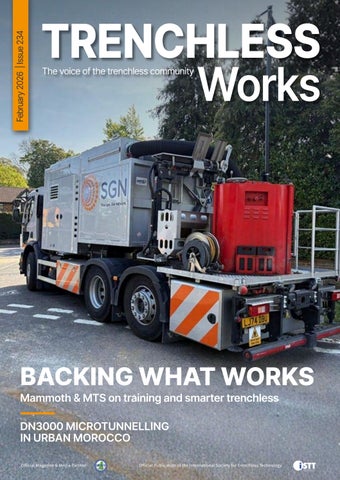
BACKING WHAT WORKS
Mammoth & MTS on training and smarter trenchless
By Austen Lees, Editor, Trenchless Works
“These technologies were developed decades ago but younger engineers haven’t been exposed to them. It isn’t that they don’t work, it’s that people don’t understand their capability or use them properly.
In a market driven by innovation headlines and capital investment, Russell Fairhurst believes the UK underground sector is overlooking a simpler opportunity: use the technology it already has, properly.
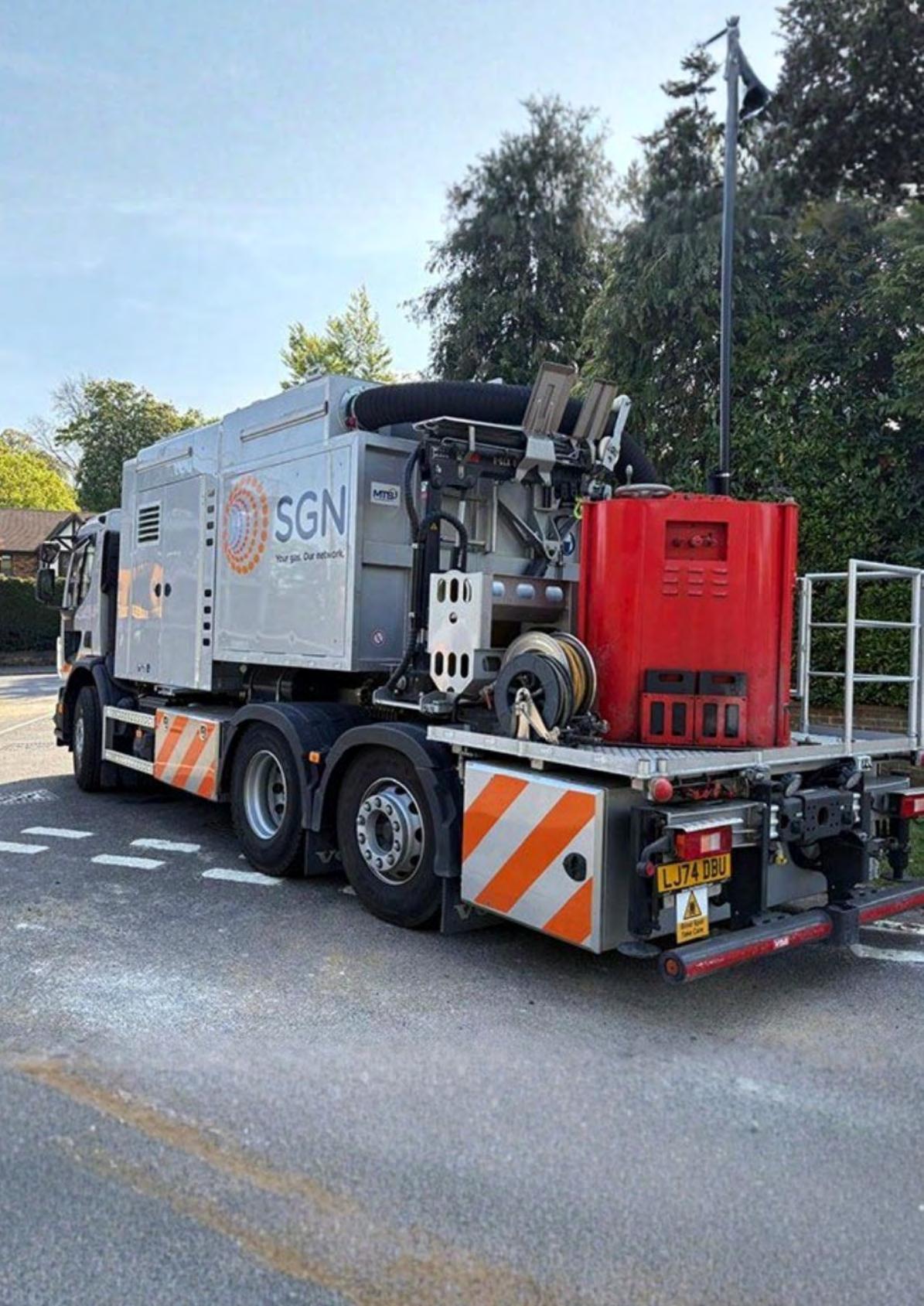
Russell Fairhurst is a man who knows the value of getting the basics right. A trained gas engineer with more than 25 years in the UK trenchless and underground utilities market, he founded Mammoth Equipment and MTS Suction Systems UK in 2014, partnering with manufacturers he’d developed long, trusting relationships with, notably German suction excavator maker Mobile Tiefbau Saugsysteme (MTS) and trenchless equipment maker Hammerhead. Since then, he has steadily grown both businesses while intentionally maintaining small business values and culture.
This practical approach, which recognises that value of relationships, has seen Mammoth / MTS grow to a business with a combined turnover of around £30m, selling up to eighty suction vacuum excavation units a year.
“We’ve chosen not to over corporatise,” Fairhurst tells me. “That keeps us flexible and able to make decisions quickly and, in the customer’s, best interest. We also really value honesty particularly when advising what kit customers need, not just specifying the most expensive unit possible. This honesty has built long term trust and helps avoid adding to a second hand market that crowded with equipment that was over specified or not fit for purpose.”
What makes Mammoth/MTS unique?
Asked what creates a distinct positioning for Mammoth and MTS in two competitive markets, Fairhurst points to two practical
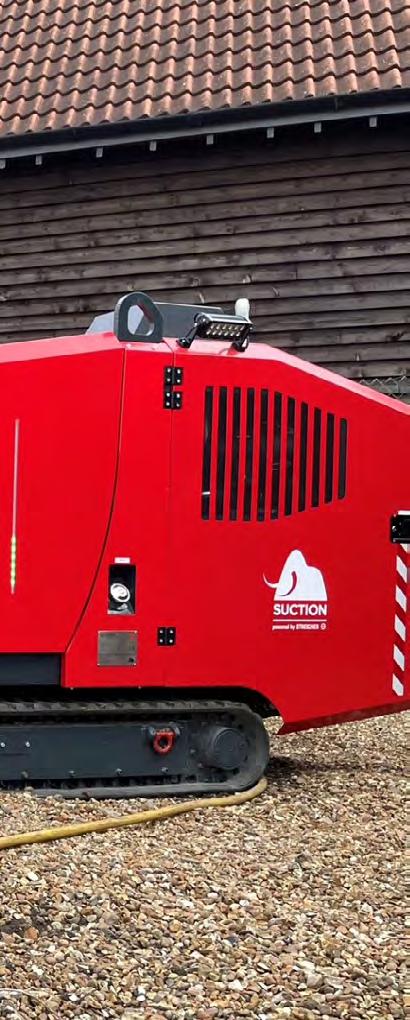
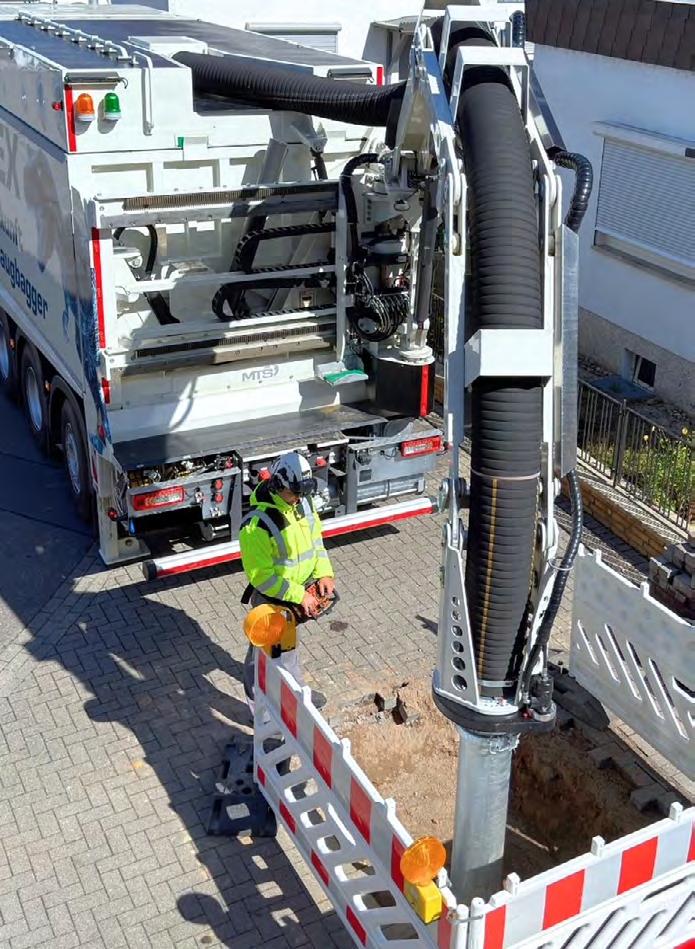
strengths: range and bespoke capability, with MTS offering an unrivalled variety of suction excavator rigs in arm type, tank capacity (up to 12m3), and fan options. Mammoth’s trenchless range is similarly deep with much of their kit built to order for customers. He also cites genuine in country support, with MTS operating the only true two depot setup in the UK, holding parts stock locally together with in house support to keep machines working, “that level of support is unrivalled,” Fairhurst says, “and the feedback we’re getting proves it.”
Use what works and teach people to use it
Fairhurst is bullish on innovation but equally insistent the industry should better exploit existing techniques. Pipe bursting and other trenchless methods are proven but underused because knowledge has been lost or not passed on. “These technologies were developed decades ago but younger engineers haven’t been exposed to them,” he explains. “It isn’t that they don’t work, it’s that people don’t understand their capability or use them properly.”
That gap is often more managerial than operational. Decision makers who haven’t come up ‘working on the tools’ may never specify trenchless solutions simply die to a lack of awareness. There can also be instances where operators with patchy training can have a single bad job that puts their management team off an entire technique. Fairhurst’s refrain is simple: better and broader training, at all levels, is essential. >
Training needs to be independent and industry-wide
Fairhurst is clear that manufacturer specific courses are useful but insufficient. What is needed is neutral, scenario based training that teaches when and why to choose particular trenchless methods, not just how to run one brand’s machine. He sees a real potential for bodies such as UKSTT to lead in delivering “pure” application training, and for government to back practical vocational pathways as seriously as academic routes. “We’re seeing utilities bring engineers back to basic skills training like metalwork,
so they understand materials,” he notes. “But training facilities are already thin on the ground, and some operators are cutting direct labour which will likely lead to us losing even more.”
Technology: innovate, but better use the tools we already have
Fairhurst welcomes technological advances such as recording and data capabilities, and smaller footprints, but cautions that innovation shouldn’t blind the industry to the potential of current equipment: “There’s always a chance to invent something new, but a bigger win may be to use what
we already have more often and more competently.” He points again to pipe bursting where familiarity solely with the standard blade would have prevented its use on sections with multiple clamps. In fact, there is equipment that can work in this environment, and it could have been used effectively on hundreds of kilometres of pipeline.
Meeting specific demand with flexible equipment
A recurring theme in our conversation is matching kit to real demand, often smaller, high powered, highly flexible machines. Mammoth has been quick to
supply solutions that fit this brief. Kobus pipe pulling systems have been embraced by clients such as Severn Trent for cost effective, safe replacement of failing services. More recently Mammoth introduced the Kormee nano drill to the UK market. This excavator mounted, ultra compact HDD alternative is aimed at short shots and confined urban work, using nylon rod for flexibility and giving options for footway to footway crossings in suitable ground.
The market is responding to changing utility needs, gas contractual shifts, fleet reorganisation and the roll out of
EV charging all create fresh demand for both large and small kit. “More cabling for vehicle charging is a real opportunity,” says Fairhurst. “Nano drilling gives another practical tool for that smaller scale, urban work.”
Skills are the bottleneck to growth
Despite strong demand, Fairhurst accepts growth is constrained by a shortage of trained operators. “Clients want more equipment, but do we have enough competent people to run it safely? That’s the limiting factor.” Mammoth / MTS are investing in training and developing courses, but Fairhurst
concedes the industry needs wider commitment encompassing utilities, government and training bodies to scale skills development.
For Fairhurst, growth in UK trenchless will not be driven solely by new machines, but by better decisions. Firstly, maintain the small business ethos that prioritises customers’ specific needs, back that up with unrivalled support and parts availability, and commit to training so the industry can make smarter choices about when and how to use trenchless methods. The technology exists. The opportunity lies in understanding when, and how, to use it.
Class A/Class 4 (IV) linings for water mains: Are they all necessary?
By Tom Sangster, Managing Director, Downley Consultants
Consultants
In North America, the AWWA M28 Classification of water mains linings appeared in 2014. ISO 11295 followed in 2017. These Standards were very necessary; they established a clear and logical structure of lining types, which was essential to unlocking the
growth of trenchless rehabilitation of water mains. Both have almost identical Classifications of linings for water mains: AWWA Classes 1 to 4 correspond to ISO Classes A to D. Class A (4) is fully structural; the liner remains intact and in service even if the host pipe disintegrates completely. Class D (1) is non-structural: for corrosion protection or water quality only, possibly also pinhole leak sealing. Classes B (3) and C (2) are interactive, or semi-structural.
But beware of unintended consequences. In 2024 approximately 75% of water main rehabilitation linings installed in North America were Class A; in Europe the figure is approximately 78%. Why is this? In many cases, especially in cast and ductile iron mains, there are leaks but the structural integrity of the pipe is adequate. I have seen in
a laboratory 150-year-old 48inch (DN 1200) CI pipes exhumed from London; full of holes but still lots of iron and virtually indestructible. So, when the problems are mainly hydraulic, why do we see the predominance of Class A rehabilitation? Why are the interactive options not more widely used?
Is there really such a structural need, or is it just because the option is there so network owners and their specifiers take it as the safest option? Or maybe just the easy option? If so, this is lazy engineering and a significant waste of money. Alternatively, is it because vendors have pushed the market in this direction – why have Class B, C or D when Class A is so much “better”?
I can’t answer that question, but it needs to be asked. The improvements in spray-applied
Tom Sangster, Managing Director, Downley
lining materials enable them to solve leakage issues while also providing some interactive structural benefits. Pick up a trade show sample of a cured polymeric sprayed liner removed from its host pipe, and at first glance, and to the untrained eye, it could be a PE or PVC pipe. In the interactive space, Classes B & C, PE-based close-fit techniques can provide significant structural benefit with minimal loss of cross-section by utilising the host pipe efficiently in their designs.
The design methods exist for interactive solutions, yet they are seldom used. Similarly, there are CIPP-type Class C liners adhered to the host pipe that can remain intact when a pipe breaks, as well as being structurally more efficient than Class A liners.
It is easy to forget that a closed system, such as a water supply network, must be fully watertight to be effective. This means that any Class A liner must be sealed at its ends, unless it is bonded to the host pipe. And where there are service connections, these must also be sealed. Otherwise, the logic breaks down: a liner that is designed to function in the eventual complete absence of the host pipe does not function without end seals and service connections that can also function in this eventuality.
The counter-argument to this is that the host pipe won’t, in fact, disintegrate completely so this scenario won’t occur. I tend to agree with this view, and this is the practical reality in North America, where CIPP systems for water mains rely on the resin to create a seal, if not a structural bond, with the host pipe. Acceptance of this reality helps explain why the water mains market for CIPP liners is much bigger in North America than in Europe.
That said, it is not the only reason: the main obstacle in Europe is potable water approvals for systems that introduce uncured resin into the mains during the works and take no account of the empirical evidence of safety from North America.
Ageing water network infrastructure is an increasing problem and dealing with it an almost Sisyphean task. A broader acceptance of the full range of available options will alleviate the task and enable better allocation of limited budgets.
Spray-applied and interactive linings are often ignored when they have the potential to solve many of the network condition problems very cost-effectively. Is this led by the network owners, by the industry vendors, or by risk-averse designers and specifiers? Whichever it is, changing this mindset will benefit all parties – network owners and the industry alike.
Of course, there is a place in the toolbox for Class A liners. For a metallic pipe subject to external corrosion, it is very necessary. But there is a “Class A or nothing” mindset among network owners.
Muddled thinking, especially in Europe, is inhibiting the growth of Class B, C and D lining projects. And it is not to the benefit of Class A linings: the real beneficiary from the Class A mindset is the open trench sector.
The trenchless rehabilitation industry can and must take a lead in changing this because it is missing a terrific opportunity. This needs a single, authoritative voice, and not internal squabbling between competing trenchless solutions.
No DEF required.
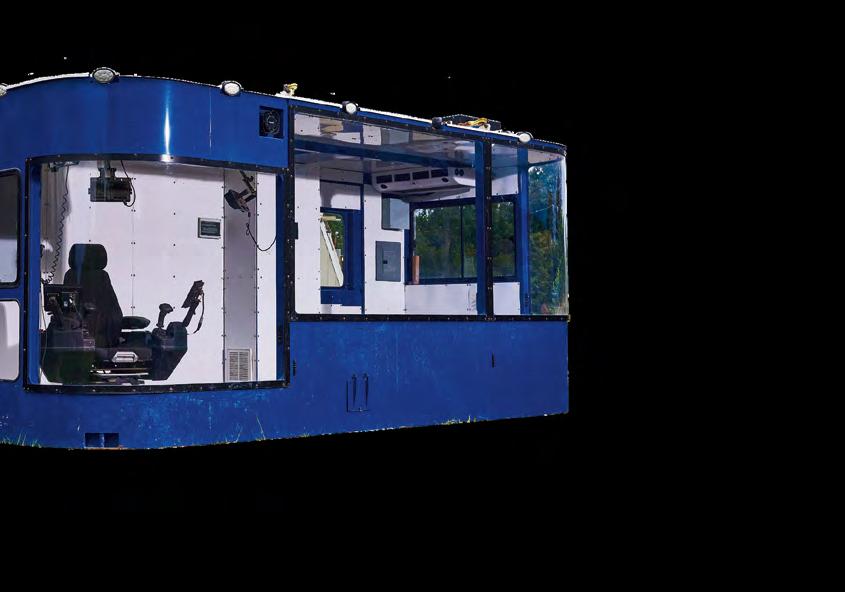
180º visibility in cabin.
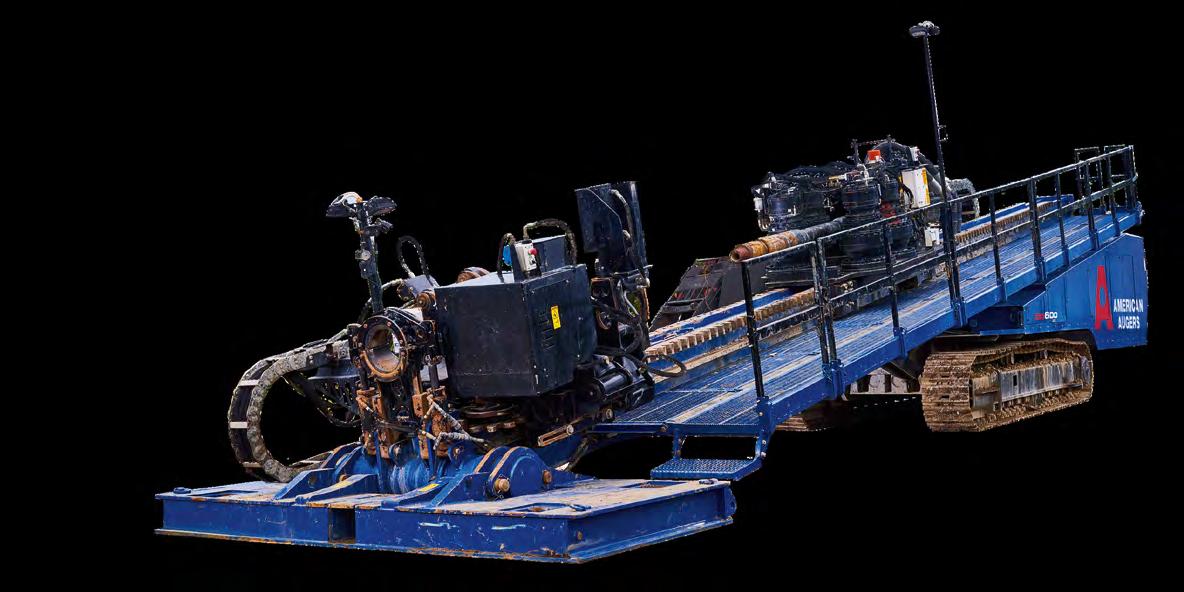
100,000 ft·lb of torque.
Faster setup.
New open-top wrench design.
Hydraulic catwalk.
Up to 130 rpm rotary speeds.
Climate-controlled cabin.
Designed for easy transport.
When we built the DD600, we built it based on direct customer feedback. The reason?
So you could have it all.
www.ditchwitch.co.uk
info@ditchwitch.co.uk 01792 895906
Minicam Inc announces partnership with Vortex Companies
Minicam Inc, the North American division of the Minicam Group, is pleased to announce a strategic partnership with Vortex Companies, a global leader in trenchless infrastructure solutions. Under the agreement, Vortex Companies will distribute Sewertronics and Dancutter products across North America.
The Minicam Group and Vortex Companies are highly aligned in their visions to solve wastewater infrastructure challenges through trusted products, backed by customer focused technical support and reliable service.
With more than 800 Dancutter units and 500 Sewertronics units sold worldwide, and over 30 years of combined experience in the design and manufacture of trenchless rehabilitation equipment, Dancutter and Sewertronics have become proven, trusted solutions for wastewater professionals globally. Through this partnership, these technologies will now be more readily accessible to the North American market, supported by Vortex’s extensive distribution network.
By combining Minicam Group’s specialist manufacturing expertise with Vortex Companies’ forward-thinking approach to infrastructure renewal - “Thinking Big About Tomorrow’s Water and Wastewater Infrastructure Challenges” – the partnership aims to support the long-term sustainability and resilience of critical sewer and pipeline networks across North America.
“By bringing Dancutter and Sewertronics into the MaxLiner portfolio, we’re strengthening our ability to support small diameter rehabilitation contractors with a truly complete solution.
“Minicam has a long-standing reputation for engineering reliable, high-performance trenchless technology that contractors trust in the field,” said Mike Vellano, CEO of Vortex Companies.
“By bringing Dancutter and Sewertronics into the MaxLiner portfolio, we’re strengthening our ability to support small diameter rehabilitation contractors with a truly complete solution—pairing proven equipment and technology with the consumables and expertise they need to perform at the highest level. This agreement accelerates our mission to make
trenchless projects more efficient, more predictable, and more successful for our customers.”
“We’re excited for this opportunity to partner with Vortex Companies to support and grow the trenchless rehabilitation market in North America.” said Chase Dehne, President of Minicam Inc. “Vortex’s scale, expertise, and long-term vision for water and wastewater infrastructure make them an ideal partner for bringing Dancutter and Sewertronics solutions to more customers.”
About MaxLiner
MaxLiner, a division of Vortex Companies, provides advanced trenchless rehabilitation solutions focused on small diameter pipe applications. MaxLiner offers equipment, liners, resins, consumables, and training to support end-to-end rehabilitation workflows.
Work begins on 203km Scottish HVDC transmission link
Construction has commenced on the 203km Spittal-toPeterhead high-voltage direct current (HVDC) transmission link in northern Scotland, marking a significant milestone in the UK’s grid reinforcement programme.
The 2GW subsea and onshore connection will link Caithness and Aberdeenshire, enabling greater integration of renewable energy from northern Scotland into the national grid.
Initial works include horizontal directional drilling (HDD) operations at landfall points near Peterhead, alongside offshore geotechnical surveys to prepare for subsea cable installation through the Moray Firth. “The start of HDD works by NKT
“The start of HDD works by NKT and their sub-contractor Nicol of Skene, and the mobilisation of Fugro’s WaveWalker1 jack-up barge contracted directly to SSEN Transmission for nearshore marine surveys, mark an exciting milestone for the Spittal to Peterhead project.
and their sub-contractor Nicol of Skene, and the mobilisation of Fugro’s WaveWalker1 jackup barge contracted directly to
SSEN Transmission for nearshore marine surveys, mark an exciting milestone for the Spittal to Peterhead project,” said Niall MacLeod, Project Director for the Spittal to Peterhead project.
The project forms part of SSEN Transmission’s wider network upgrade strategy designed to accommodate future offshore wind capacity and strengthen long-term grid resilience.
TRUSTED
SLIPLINING SYSTEMS
Discover why Akkerman is the leader in sliplining solutions. Our advanced pipe rehabilitation technique seamlessly inserts a new liner pipe inside your existing, deteriorated pipeline. Best of all, we perform this without disrupting service or requiring bypass pumping. Trust Akkerman for innovative, reliable sliplining that keeps your infrastructure running smoothly.
RELINE appoints Thomas Reingruber
as Director of
Global Sales & Marketing
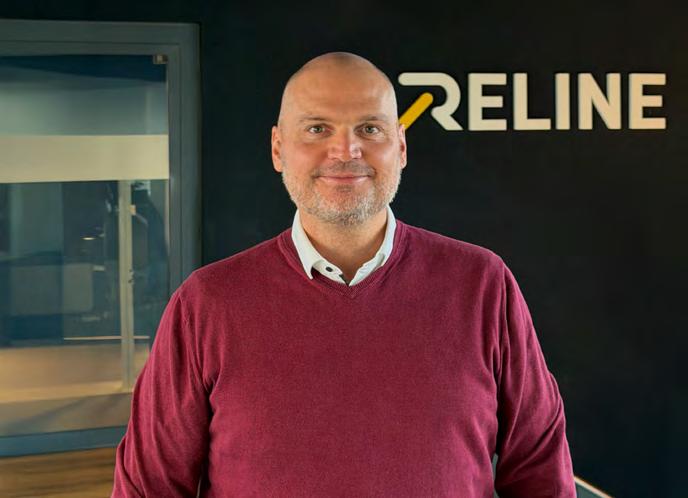
RELINE has further strengthened its international growth ambitions with the appointment of Thomas Reingruber to a newly established global leadership role.
The new role consolidates key business areas – Sales Overseas, Sales Europe, Marketing, Internal Sales, Application Technology
“With Thomas Reingruber, we are appointing a leader who will actively accelerate our international expansion. His strategic mindset and clear perspective on global markets will enable us to identify opportunities early and further strengthen our position in key regions.
-Marc Stiebing, CEO of RELINE
and the Global Academy – under unified strategic leadership. By bringing these functions together, RELINE aims to enhance crossregional collaboration, streamline operations and accelerate growth in core international markets.
The position establishes a central interface between operational execution and strategic direction. In addition to overseeing global sales and marketing activities, Reingruber will drive the further development of application technologies and training programmes. The objective is to identify emerging market opportunities at an early stage, leverage global synergies and enhance customer focus across all regions.
Thomas Reingruber brings extensive experience in international sales and project management. Throughout his career, he has successfully built organisational structures and led projects aligning technical requirements with customer needs and commercial objectives.
“Infrastructure networks worldwide are facing increasing demands. It is essential that we deliver solutions which are both technically robust and economically sustainable. I look forward to advancing this development together with the RELINE team and increasing our international visibility.
-Thomas Reingruber, Director of Global Sales & Marketing
His expertise in developing global sales strategies, combined with a deep understanding of complex international markets, positions him strongly for the role.
Marc Stiebing, CEO of RELINE, commented:
“With Thomas Reingruber, we are appointing a leader who will actively accelerate our international expansion. His strategic mindset and clear perspective on global markets will enable us to identify opportunities early and further strengthen our position in key regions.”
Reingruber added:
“Infrastructure networks worldwide are facing increasing demands. It is essential that we deliver solutions which are both technically robust and economically sustainable. I look forward to advancing this development together with the RELINE team and increasing our international visibility.”
Thomas Reingruber
Add Atlas to your project and save time, money, and effort. We stock an extensive range of cable and pipe pulling winches suitable for all trenchless operations.
Add Atlas Winch and Hoist Services to your project. Give us a call today to discuss your requirements.
Choose a Par tner, Not a Product.
Bluelight Lining’s LED light curing CIPP lining system is engineered to deliver reliable results, first time, every tim With all equipment and liners sourced from one place, everything works seamlessly together, reducing downtim minimising errors, and keeping projects on schedule.
Trusted across Europe, and being the leading LED light cure lining system in the UK, Bluelight Lining is the go-to solution for efficient, high quality lateral and mainline pipe rehabilitation up to 600mm.
Queen Sirikit National Convention Centre Bangkok, Thailand www.trenchlessasia.com
NO-DIG ROADSHOW GLASGOW 2026
Date to be confirmed
The Glasgow Westerwood Hotel www.nodigroadshows.co.uk
NO-DIG
LIVE 2026
29 September – 1 October 2026
NAEC Stoneleigh Park, Warwickshire www.nodiglive.co.uk
TRENCHLESS MIDDLE EAST 2026
2 - 3 December 2026
Riyadh Marriott Hotel, Riyadh Kingdom of Saudi Arabia www.trenchlessmiddleeast.com
FUTURE EVENTS
MALAYSIA | SOUTH AFRICA | VIETNAM
Electro Scan UK secures 5km sewer assessment contract with Rakwa
Electro Scan (UK) Ltd. has secured a 5km sewer condition assessment contract with the Ras Al Khaimah Water Authority (RAKWA), delivered in partnership with global testing, inspection and certification specialist Applus Velosi.
The project will see Electro Scan’s Focused Electric Leak Location (FELL) technology deployed across sections of RAKWA’s gravity sewer network to deliver high-resolution, machine-generated data on active leakage and structural defects.
Unlike traditional CCTV inspection, which remains widely used but can struggle to quantify infiltration and exfiltration, FELL technology provides objective, measurable defect data. This enables utilities to identify live leakage pathways and prioritise rehabilitation works based on condition rather than visual interpretation alone.
RAKWA has been recognised regionally for adopting advanced sewer condition assessment methodologies, particularly to address tidal infiltration challenges affecting coastal assets.
“We are thrilled to partner with Applus Velosi for a third time on another important project in the
“ We
are thrilled to partner with Applus Velosi for a third time on another important project in the UAE
- Brad Weston, Managing Director UK at Electro Scan
UAE,” said Brad Weston, Managing Director UK at Electro Scan. “These projects show that our FELL technology delivers measurable results that support effective rehabilitation decisions.”
This marks the third collaboration between Electro Scan and Applus Velosi on projects for RAKWA, underlining a sustained working relationship and growing confidence in data-driven condition assessment approaches across the Gulf region.
Supporting major wastewater investment in Ras al Khaimah
The contract aligns with wider wastewater infrastructure developments in the emirate. The Government of Ras Al Khaimah recently signed a long-term sewage treatment agreement to deliver what will become the emirate’s largest wastewater treatment facility.
The new plant, with a planned treatment capacity of 60,000 cubic metres per day and designed to serve up to 300,000 people, will be delivered as a public-private partnership (PPP) the first model of its kind in the emirate.
“ These projects show that our FELL technology delivers measurable results that support effective rehabilitation decisions.
As utilities across the Middle East invest heavily in network expansion and treatment capacity, accurate condition data at network level is becoming increasingly critical to support capital planning and operational resilience.
Data-driven decision making
For RAKWA, the 5km survey will support prioritised rehabilitation planning, enabling engineers to distinguish between structural defects, service connections, and active infiltration points.
Electro Scan UK said the contract reflects a broader global shift toward quantitative, technologyled sewer assessment, particularly in regions undertaking rapid wastewater system modernisation.
Good times together
Latin America, Canada, USA, Europe – IMPREG invited nations, continents and cultures to its headquarter in Ammerbuch. With over 180 participants, our 11th International Operators Meeting 2026 was once again a top event of the highest level.
Important training
The special training and communication of current developments for users and installation companies of our IMPREGLiner is immensely important in several respects: on the one hand, quality assurance and knowledge transfer are at the forefront, and on the other hand, participation is important for professional installation
on the construction site –regardless of the location.
A programme with product launch
Targeted and industry-relevant presentations tailored to the needs of our customers and current topics in sewer rehabilitation kicked off the training day. Entertaining, interesting and peppered with news and impressive construction site photos, such as our record-breaking DN2000 project in Bruges, Belgium.
Workshops, hands-on activities and learning filled the afternoon with workshops on the company premises. There was time and space for questions, in-depth technical discussions and conversations with the participating exhibitors. We also presented our ManholeLiner ML25 for the first time in this setting and integrated it into the workshops straight away – we were delighted with the huge interest and positive feedback.
What we value
‘It is not enough to know, you must also apply. It is not enough to want, you must also do.’ –Johann Wolfgang von Goethe
“ It is not enough to know, you must also apply. It is not enough to want, you must also do
-Johann Wolfgang von Goethe
Getting involved, committing yourself and improving in the process form the concept of our user meeting. This time, participants were also able to test equipment that they would not normally come into contact with in their everyday working lives.
Save the date
The organising team led by Nicole Schellmann, Oliver Vorlop and Roland Hahn has done it again. The professional event organisation, meticulous preparations and all the effort involved have paid off. Our concept inspires and creates a warm, welcoming atmosphere: ‘It’s like coming home.’ You couldn’t put it better. THANK YOU!
Barhale announces senior leadership appointments
Barhale has announced a number of senior leadership changes, reflecting the continued growth of the business and its commitment to developing internal talent.
Phil Cull has been promoted from Regional Director, Southern to take up a new role as national Executive Director. He joined Barhale in 2013 and has since led the company’s Southern Region operations, particularly in the delivery of complex tunnelling schemes. He will now serve as a member of Barhale’s Strategic Board of Directors, contributing more than 30 years’ experience of delivering major infrastructure projects.
Phil’s previous responsibilities are being split between Shane Gorman and Daniel Meadowcroft to allow the business to support continued growth in the region.
Shane Gorman has been promoted to Southern Region Director –Infrastructure. Shane joined Barhale in 2005 as a Senior Engineer at AECOM and has progressed through a series of leadership roles, most recently becoming Water Director in 2022. With more than 20 years’ experience, from landmark national projects to complex strategic frameworks and joint ventures, he has played a leading role in the successful delivery of major infrastructure schemes.
Daniel Meadowcroft, currently Projects Director, Southern Region, has been promoted to Southern Region Director – Projects. Daniel joined Barhale in 2020 as Regional Manager and was appointed Projects
Director in 2022. He has focused on expanding Barhale’s client base and diversifying workstreams beyond the regulated water sector, achieving a more balanced regional portfolio and gaining exposure to nationally significant infrastructure projects. He began his career as a Graduate Engineer and spent 22 years at McNicholas, where he progressed to Senior Operations Manager.
Both Shane and Daniel will join the Operations Board and report to James Ingamells, the newly appointed Chief Operating Executive. They will support James in delivering Barhale’s strategic plan by leading senior client engagement and driving the business’s integrated One Barhale model.
Barhale Chief Executive Martin Brown said the appointments recognised both the contribution of the individuals and the company’s approach to investing in its people.
“We are delighted to see Phil, Shane and Daniel take on these new responsibilities,” he said. “Each of them has made a real mark on the business and has helped drive the development of our Southern Region.
“All three appointments are internal promotions. That is important to us because it demonstrates our commitment to nurturing internal talent and creating opportunities for progression across the organisation. It is also a recognition of the work that has gone into building clear, long-term career pathways for our people.”
Daniel Meadowcroft, Southern Region Director - Projects, Barhale
Phil Cull, Executive Director, Barhale
Shane Gorman, Southern Region Director - Infrastructure, Barhale
Morocco’s investment in underground infrastructure continues to accelerate, with major coastal cities prioritising environmental protection and wastewater management.
One of the most significant schemes delivered in recent years is the Casablanca East AntiPollution Project, a large-scale interceptor constructed using microtunnelling technology in a complex urban environment.
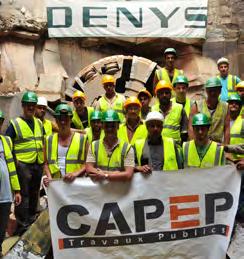
Detailed insight into the engineering, phasing and technical delivery of the DN3000 microtunnelling drives was presented at Trenchless Morocco 2026 by Mohammed Darsaoui, Operations Director at CAPEP.
The Casablanca East scheme was developed to intercept wastewater discharges before they reach the Atlantic coastline, forming
a critical component of the region’s broader environmental protection strategy. Approximately 300,000m³ of wastewater per day is diverted towards a dedicated pre-treatment complex, significantly reducing untreated discharge into coastal waters.
Around 80% of the Wilaya’s industrial effluent is concentrated between Aïn Sebâa and Mohammedia, representing a pollution load equivalent to approximately 6.5 million inhabitants. The magnitude of this environmental pressure demanded a robust, high-capacity underground interceptor capable of operating reliably within a dense and industrialised urban corridor.
The overall investment in the scheme totalled approximately 1.5 billion DH. Of this, around 500 million DH was allocated to the western branch tunnels, 720 million DH to the pre-treatment complex and marine outfall infrastructure, and a further 280 million DH to the eastern branch, including associated pipelines and pumping stations. Construction works were undertaken between 2011 and 2014.
Scope of the Microtunnelling works
The interceptor includes approximately 9km of tunnel constructed using pipe jacking techniques, with internal diameters of 2100mm and 2500mm.
The interceptor was constructed using reinforced concrete jacking pipes installed at depths ranging from 6m to 17m below ground level. Along the alignment, eight interception structures were incorporated to connect existing unitary collectors into the new system.
Subsurface conditions were dominated by schist formations, compounded by a significant groundwater presence, factors that
strongly influenced both machine selection and shaft design.
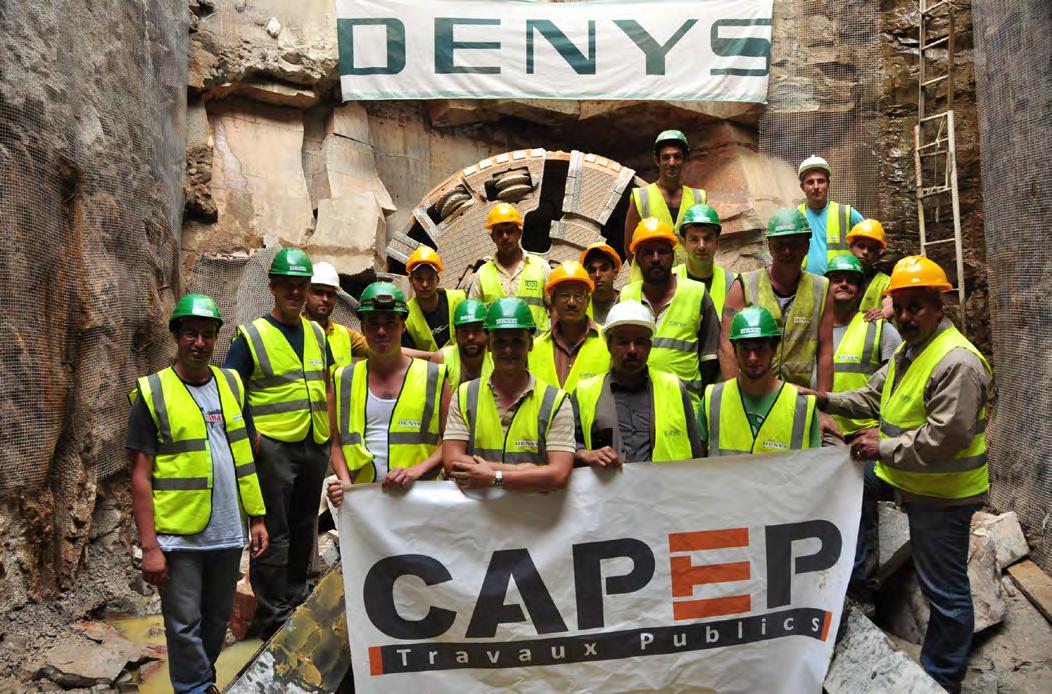
The scheme was divided into several construction lots, with CAPEP & DENYS’s presentation focusing primarily on Lots 2 and 3. Both sections were delivered using DN2500 jacked pipe and comprised 2,570m and 2,888m respectively.
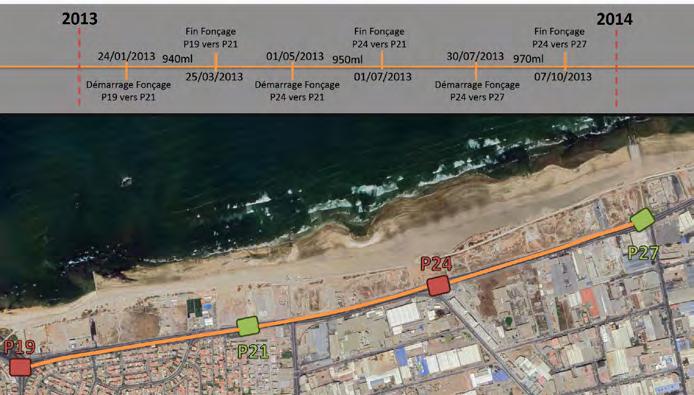
Each lot incorporated eight access shafts to facilitate installation and future operational access. Drive lengths between shafts ranged from approximately 810m to 970m, with several individual sections approaching 1km.
These extended drives were critical in reducing the number of shafts required along the constrained coastal corridor, thereby limiting surface disruption and traffic impact.
Urban Constraints Along the Coastal Corridor
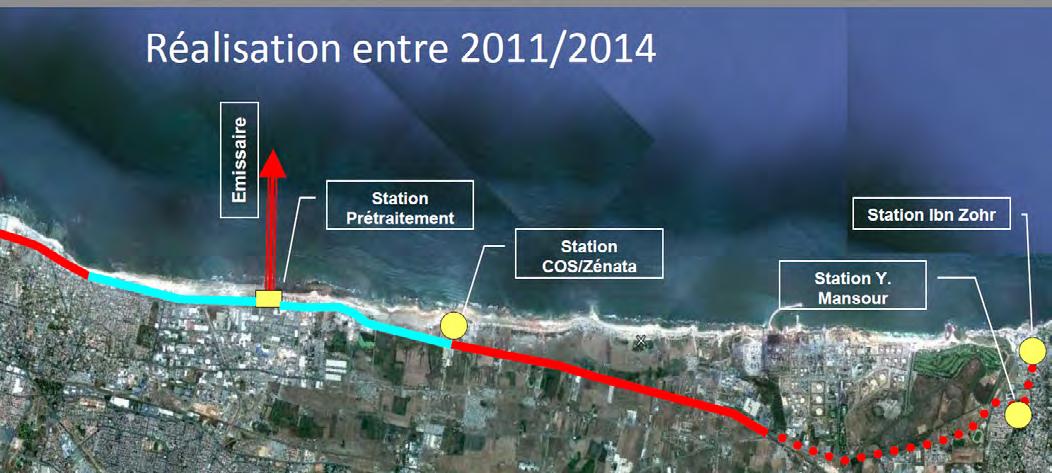
To avoid tunnelling beneath buildings and adjacent properties, the interceptor alignment was positioned within the R322 coastal road corridor. While this strategy reduced structural risk to surrounding assets, it introduced strict geometric constraints,
with curvature radii ranging between 900m and 3,000m.
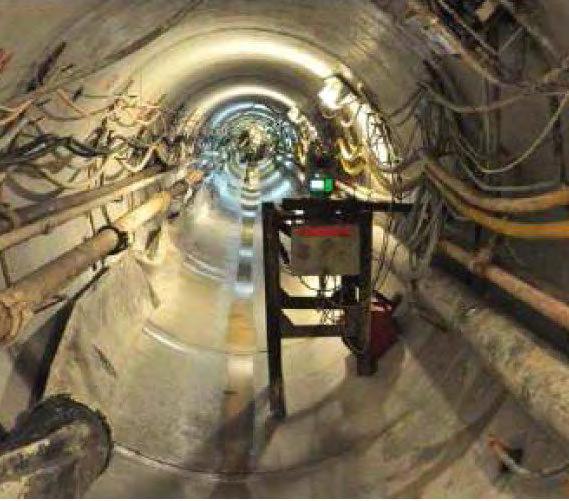
Working within this corridor presented significant logistical and technical challenges. The route is characterised by dense, continuous traffic, severely limiting available working space for shaft construction and surface installations. In addition, the subsurface environment was already heavily congested with existing utilities, including water supply networks, sewerage systems, electricity infrastructure and fibre optic cables.
The density of these services required careful coordination and, in several cases, relocation of shafts and diversion of existing networks. Minimising the number of launch and reception shafts therefore became a central design priority.
By adopting a microtunnelling approach capable of extended drives of up to 970m, the project team was able to significantly reduce surface intervention, maintain traffic flow and improve safety for both the public and site personnel. >
Alignment of the Casablanca East anti-pollution interceptor along the R322 coastal corridor
Shaft Engineering in Mixed Ground Conditions
The coastal alignment passed through highly variable ground conditions, including sand and silt in the upper layers and more competent strata at depth. As a result, a single shaft construction methodology was not suitable across the entire route. Instead, support systems were selected and adapted according to local soil conditions and excavation depth.
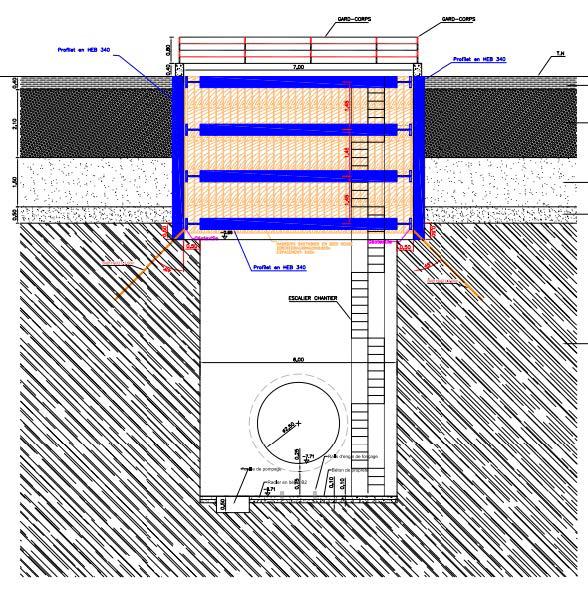
In softer near-surface soils, shafts were stabilised using a bastings system. Red timber bastings were installed and reinforced with horizontal and vertical HEB 340 steel frames, with additional corner stiffening to ensure structural integrity throughout the excavation depth. This approach provided reliable temporary support while maintaining flexibility in constrained urban locations.
Where ground conditions required greater structural control, a microberlinoise system was adopted. HEA steel sections were installed at 1m spacing within 220mm drilled boreholes and supported by horizontal steel frames. Concrete slabs were then inserted between the profiles to prevent soil erosion and localised collapse
between members. This system allowed controlled excavation in mixed and transitional soils while maintaining stability under groundwater influence.
Sheet Piling (Palplanches)
In sand-silt layers at depths of 6–8m, VL 602 sheet piles were used, supported by HEA horizontal frames spaced approximately every
2.5m. At greater depths, ground nailing was implemented within more competent sandstone layers. This tailored approach ensured safe shaft construction despite groundwater and mixed geology.
Pipe manufacture and durability strategy
The interceptor was constructed using prefabricated reinforced concrete jacking pipes (manufactured in a local factory, LA MEDITERRANEANNE DU BETON) with an internal diameter of 2,500mm and an external diameter of 3,000mm.
Durability was a critical consideration given the project’s coastal location and the aggressive nature of both the external and internal environments.
To withstand marine exposure conditions, the pipes were manufactured using CPJ 55 PM
marine-resistant cement, with steel reinforcement protected by a 5cm concrete cover to enhance long-term structural resilience.
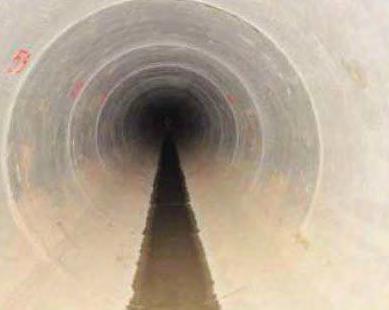
Internally, the wastewater conveyed through the interceptor presents its own corrosion risks, particularly from hydrogen sulphide (H₂S) generated by the fermentation of organic matter in confined conditions. To mitigate this, the pipe interiors were treated with a specialised impregnation system (CONTROLL®INNERSEAL), providing enhanced protection against chemical attack and extending the operational lifespan of the asset.
TBM selection and Microtunnelling methodology
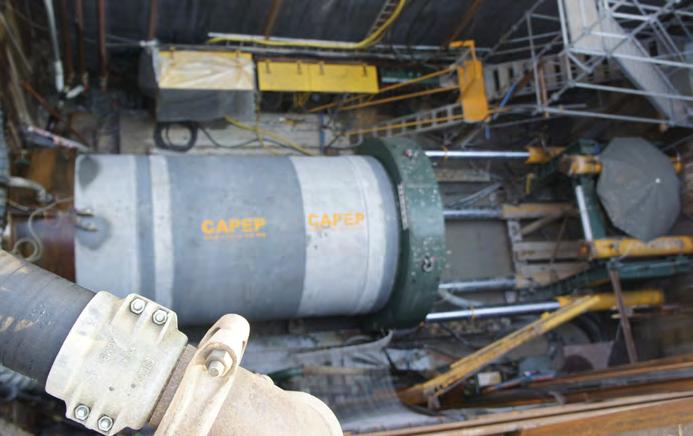
Given the depth of installation, the presence of groundwater and the heterogeneous ground conditions encountered along the coastal corridor, the project team selected a closed-shield slurry microtunnelling system with bentonite support. The machine deployed was an AVND-type microtunneller manufactured by Herrenknecht, designed to operate under pressurised face conditions and in mixed geology.
The jacking system was engineered to deliver substantial thrust capacity, with a main frame capable of generating up to 2,000 tonnes of force through six telescopic hydraulic cylinders. This provided sufficient power to advance the machine and full pipe string across extended drives approaching 1km in length.
To control friction along the alignment, bentonite slurry was injected continuously into the annular space between the pipe exterior and the surrounding
ground. Intermediate jacking stations were installed at calculated intervals along the drive to manage resistance and reduce the risk of blockage during longer sections.
Together, these systems enabled controlled excavation under high groundwater pressures while maintaining face stability and minimising surface settlement, a
critical consideration along the heavily trafficked R322 corridor.
Despite advancing through schist formations and variable ground conditions, average daily production rates exceeded 10 metres per day, demonstrating both the suitability of the selected methodology and the effectiveness of operational management. >
Navigation and precision control
Maintaining alignment accuracy across extended drives approaching 1km was critical to the success of the scheme. Tunnel position was monitored using the SLS Microtunnelling LT navigation system supplied by VMT, providing continuous guidance throughout excavation.
The system enabled precise steering along curved alignments while compensating for potential measurement distortion caused by temperature gradients and humidity variations within the tunnel environment.
Regular verification checks were carried out at 100m intervals to confirm positional accuracy, with recalibration undertaken where required to maintain design tolerances.
This level of monitoring ensured consistent precision across drives exceeding 900m in length, reinforcing both structural integrity and longterm hydraulic performance.
Spoil handling and environmental management
Excavated material generated during tunnelling was transported hydraulically to a separation plant located adjacent to the working shafts. This closedloop system allowed continuous removal of spoil while maintaining slurry balance within the microtunnelling circuit.
At the separation facility, excavated material was crushed and solids were separated from the slurry. Process water was treated and recycled back into the system, reducing freshwater demand and maintaining operational efficiency. Any water discharged into the public sewer network was subject to prior decantation and laboratory testing to ensure compliance with environmental standards.
Classified spoil identified as C1D2 under the GMTR classification was reused where appropriate as backfill material for trenches and shaft works, with surplus material transported to approved disposal
sites. This approach reduced waste volumes and supported more sustainable construction practices within the urban environment.
Post-installation works
Upon completion of each drive, the annular space between the jacked pipe and the surrounding ground was grouted using a cementitious slurry injected through pre-installed pipe inserts. This operation ensured full ground contact, enhanced structural stability and reduced the risk of long-term settlement.
Permanent access chambers, measuring 2.00m by 3.00m internally, were then constructed within the temporary working shafts before backfilling. These chambers provide ongoing inspection and maintenance access throughout the operational life of the interceptor.
In addition to the primary access shafts, intermediate access points were excavated following completion of the tunnelling works. To connect these to the main gallery, the upper half of selected pipe sections
was carefully cut away while maintaining the lower invert to preserve hydraulic continuity. This method ensured that operational functionality was achieved without compromising the structural integrity of the installed pipeline.
The case for Microtunnelling in dense
urban Morocco
The Casablanca East interceptor provides a compelling example of how large-diameter microtunnelling can be deployed effectively within complex urban environments. The scheme combined extended drives approaching 1km in length with installation under high groundwater conditions, while maintaining strict geometric control along a heavily trafficked coastal corridor. By reducing the number of required launch and reception shafts, the project team limited
surface disruption in spaceconstrained areas and preserved traffic flow along one of the region’s primary transport routes. The ability to advance safely beneath dense utility networks and variable geology further reinforced the suitability of the selected methodology.
As Morocco continues to modernise its wastewater infrastructure and
Let there be LEDs!
Installed in minutes. Lighting included. TunnelHub sets itself up – and brings light into the tunnel with fully integrated LED and emergency lighting. Fast to install. Focused on safety. Made for microtunnelling.
address coastal environmental pressures, trenchless technologies are playing an increasingly central role. Projects such as Casablanca East demonstrate that, when carefully planned and executed, microtunnelling can deliver large-scale environmental infrastructure with precision, safety and minimal urban impact.
... and much more that TunnelHub, our new microtunnelling platform for safety and efficiciency has to offer. Find out!
www.vmt.global
NEW
INVEST IN YOUR COMPANY’S FUTURE
RSM Lining Supplies continue to pave the way in certified training, enhancing industry standards for contractors & asset owners alike.
“ We introduced our training to empower contractors with the technical knowledge and practical skills they need to succeed on site, and I strongly believe the training that we offer is heavily contributing towards the standardisation of CIPP repairs across the industry, ensuring high-quality, long-lasting rehabilitation.
RSM Lining Supplies Global Ltd launched their renowned training courses back in the summer of 2021, and have since had over 730 engineers pass. The training courses were developed with the goal of standardising practices across the sewer rehabilitation industry, ensuring contractors adhere to stringent guidelines on site to guarantee highquality installations every time. By offering the only training courses in the industry both approved by the WRc Group and certified by Energy & Utility Skills, RSM’s training is the gold standard, offering confidence to the contractor and the end user that operatives are trained to a professional level. Additionally, certifications can be referenced in tenders or qualification frameworks where competency evidence is required.
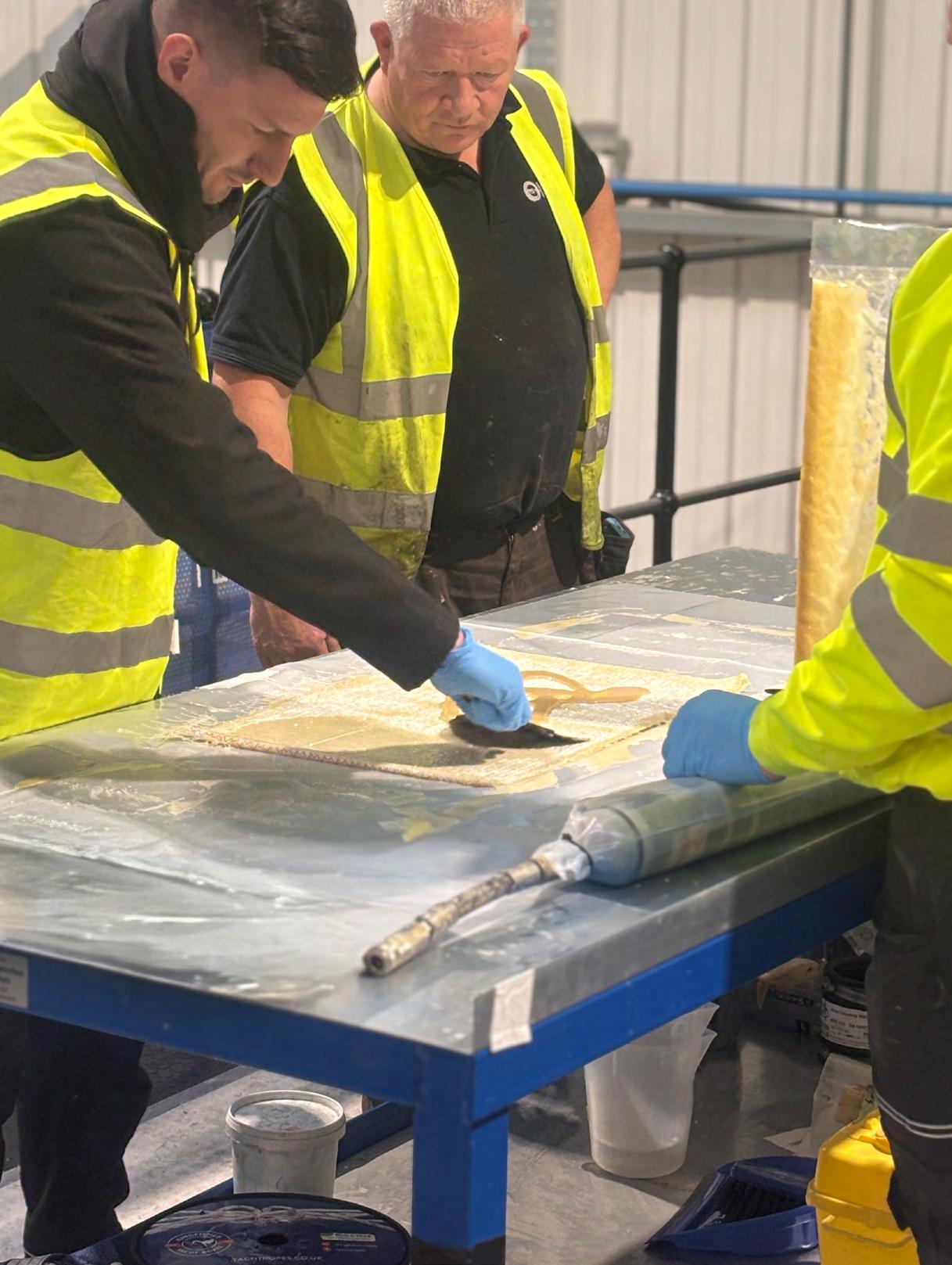
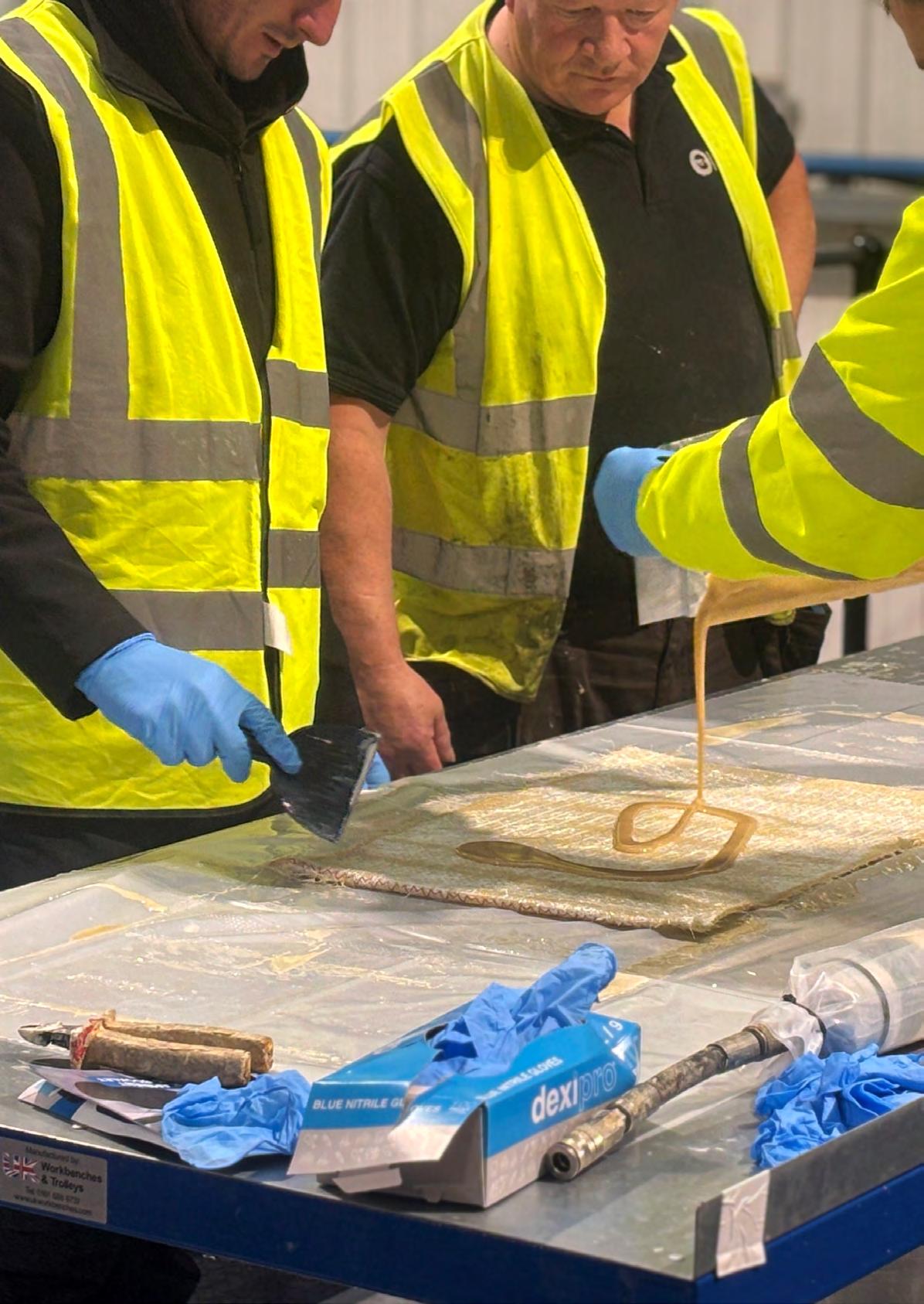
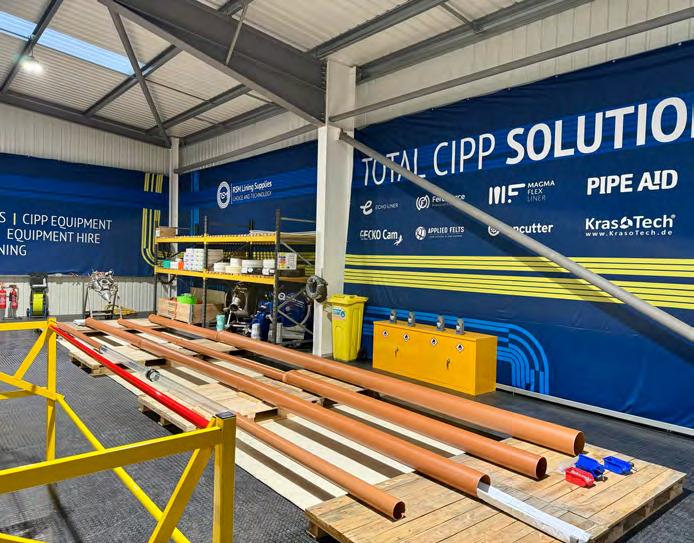
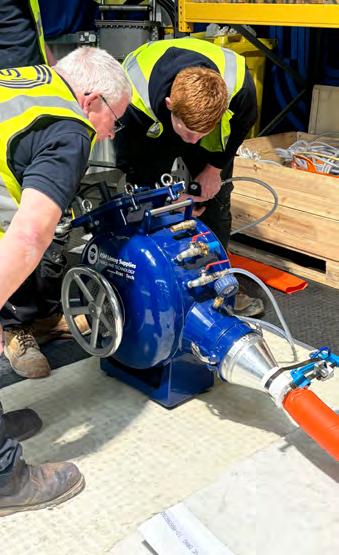
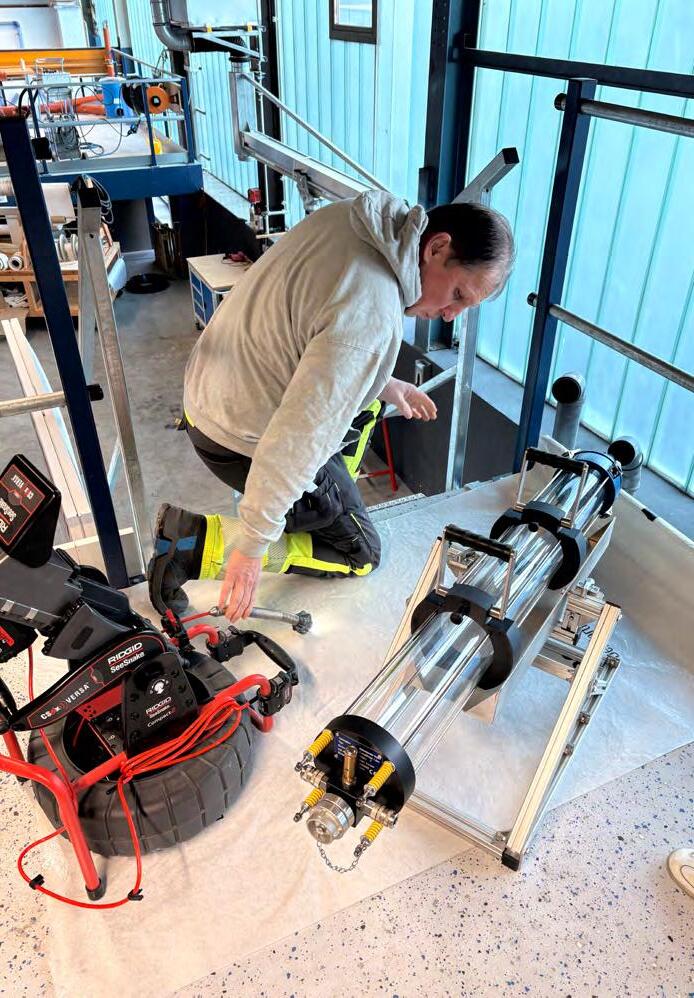
All training is conducted at RSM’s Head Office in Doncaster. Due to increasing demand, they invested further in their facilities in early 2025 and constructed a purpose-built mezzanine for practical demonstrations & assessments. The company offers a variety of courses, namely CIPP Lining & Patching Training and CIPP Patching Training. Certification on these courses is valid for three years from date of completion, once this has expired, Refresher courses are available to ensure competency and extend the qualification for a further three years.
On all courses attendees have the opportunity to learn best practices and expert techniques from RSM’s experienced CIPP specialists, who have decades of experience in CIPP operations, on-site support, and consultancy.
The training courses equip operatives with the practical skills required to carry out CIPP lining and patching installations efficiently and correctly. A mixture of classroom-based and practical activities ensures a wellrounded education - this dual approach helps attendees understand not just the “why” but also the “how” behind each repair method, boosting both confidence and the ability for attendees to successfully conduct repairs in the real world. The training courses are assessed with both written and practical
assessments to ensure the participant has a full understanding of the course content.
All training places strong emphasis on safe working practices and correct material handling, assisting contractors in meeting industry guidelines and client expectations.
Operatives learn how to manage resins, equipment, and curing processes safely and responsibly, reducing the likelihood of incidents. This supports contractors and asset owners in demonstrating compliance during audits and maintaining a strong health and safety culture.
Having operatives trained and accredited through RSM provides clear evidence of competency and professionalism. This can be used to strengthen tender submissions, particularly for Water Companies, Local Authorities, and Regulated Utilities where demonstratable skills and qualifications are essential. Clients gain confidence knowing work is being carried out by trained personnel using recognised best practices.
The courses provide attendees with a deeper understanding of when and how different techniques should be applied, enabling engineers, supervisors and site teams to make informed decisions on repair method selection, material choice, and installation approach, improving efficiency whilst reducing unnecessary costs.
The CIPP Lining & Patching Training Course aims to provide an understanding of all levels of CIPP Lining & Patching, offering confidence that attendees can successfully install liners and patches in diameters up to 300mm. An intensive two-day course, it covers both basic and intermediate installation techniques, offering hands-on training for practical skill development. It also introduces advanced methodologies such as Hot Cure lining, including an overview of UV and UV LED lining technologies. The course is designed to ensure safe, efficient, and high-quality CIPP installations. >
RSM’s CIPP Patching Training Course is designed for engineers just starting out in the world of CIPP, educating the course attendee on the correct methodology to complete a successful patch installation in diameters up to 300mm. An intensive one-day course, it introduces CIPP design principles, guiding attendees on effective site investigation and repair selection. The training focuses on practical skills for localised patch repairs, including live installation demonstrations to reinforce learning.
Upon successful completion of each course, participants receive a nationally recognised EU Skills accredited qualification, which is also approved by the WRc Group. This certification validates the attendee’s competency in CIPP lining and/or patching, ensuring they are compliant with UK industry standards and best practices.
If you have previously undertaken one of the above courses but your certification has lapsed after three years, you can renew your qualification by attending one of RSM’s refresher courses.
The CIPP Lining & Patching Refresher Course reinforces core knowledge from initial certification training, including practical handson assessments for patch repair and ambient cure CIPP lining. The CIPP Patching Refresher provides updates on industry best practices for CIPP patch repairs in diameters up to 300mm.
By up-skilling operatives, contractors can confidently broaden their offerings for sewer rehabilitation. RSM’s training supports the delivery of patch repairs, full-length lining, and multiple curing methods, allowing contractors to take on a wider range of projects. This creates opportunities to grow service portfolios and deliver highervalue rehabilitation solutions.
RSM’s Sales Director, Phil Steele, remarked: “Offering certified training had been an idea of mine for many years before we introduced the initial courses back in 2021. It had become increasingly apparent that there was no standardisation of CIPP repair techniques within the industry, and no requirement for engineers
to have any formal qualifications – this was leading to failed and poor-quality installations. We introduced our training to empower contractors with the technical knowledge and practical skills they need to succeed on site, and I strongly believe the training that we offer is heavily contributing towards the standardisation of CIPP repairs across the industry, ensuring highquality, long-lasting rehabilitation.”
Correctly installed CIPP solutions play a critical role in extending the life of underground assets. RSM’s training helps ensure installations are carried out to the correct standard, improving durability performance. Asset owners benefit from reduced maintenance requirements, fewer failures and improved lifetime asset value.
Rather than just a supplier, RSM are an extension of your team – with a goal to increase the quality of workmanship in the industry to ensure correct practices lead to a quality product for the asset owner.
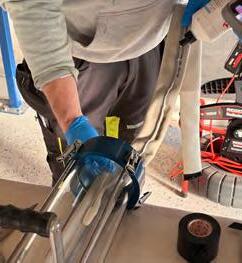
Ambient cure lining training
RSM’s bespoke practical training mezzanine
Bodenbender GmbH launches DIBt-approved in-house system for small pipe renovation
“
In discussions with customers, we notice every day how important traceable, legally compliant systems have become
With the introduction of its new in-house system, Bodenbender GmbH has expanded its portfolio to include a fully tested, DIBt-approved solution for the trenchless renovation of small pipes within existing buildings.
At the heart of the launch is approval from the Deutsches Institut für Bautechnik (DIBt), the German Institute for Building Technology – the central technical approval body for construction products and construction methods in Germany.
What does DIBt approval mean?
DIBt approval confirms that a system has been technically assessed not only in terms of material properties, but also for its safe and compliant application within a construction context. Systems are evaluated against relevant standards and regulatory requirements, creating a binding and reliable framework for planners, contractors and clients.
In the sensitive area of building renovation, where liability, documentation and compliance are increasingly critical, this level of verification provides significant reassurance: “It was clear to us that if we were to launch an in-house system on the market, it would have to be a tested complete solution,” explains Jonas Bodenbender, CEO of Bodenbender GmbH. “In discussions with customers, we notice every day how important traceable, legally compliant systems have become,” adds Anna Gerlach, Head of Sales and Marketing. >
System thinking instead of individual components
In-house pipe rehabilitation is often carried out using individual components sourced from different manufacturers. While technically feasible, this approach does not always guarantee optimal coordination between liner, resin and installation process.
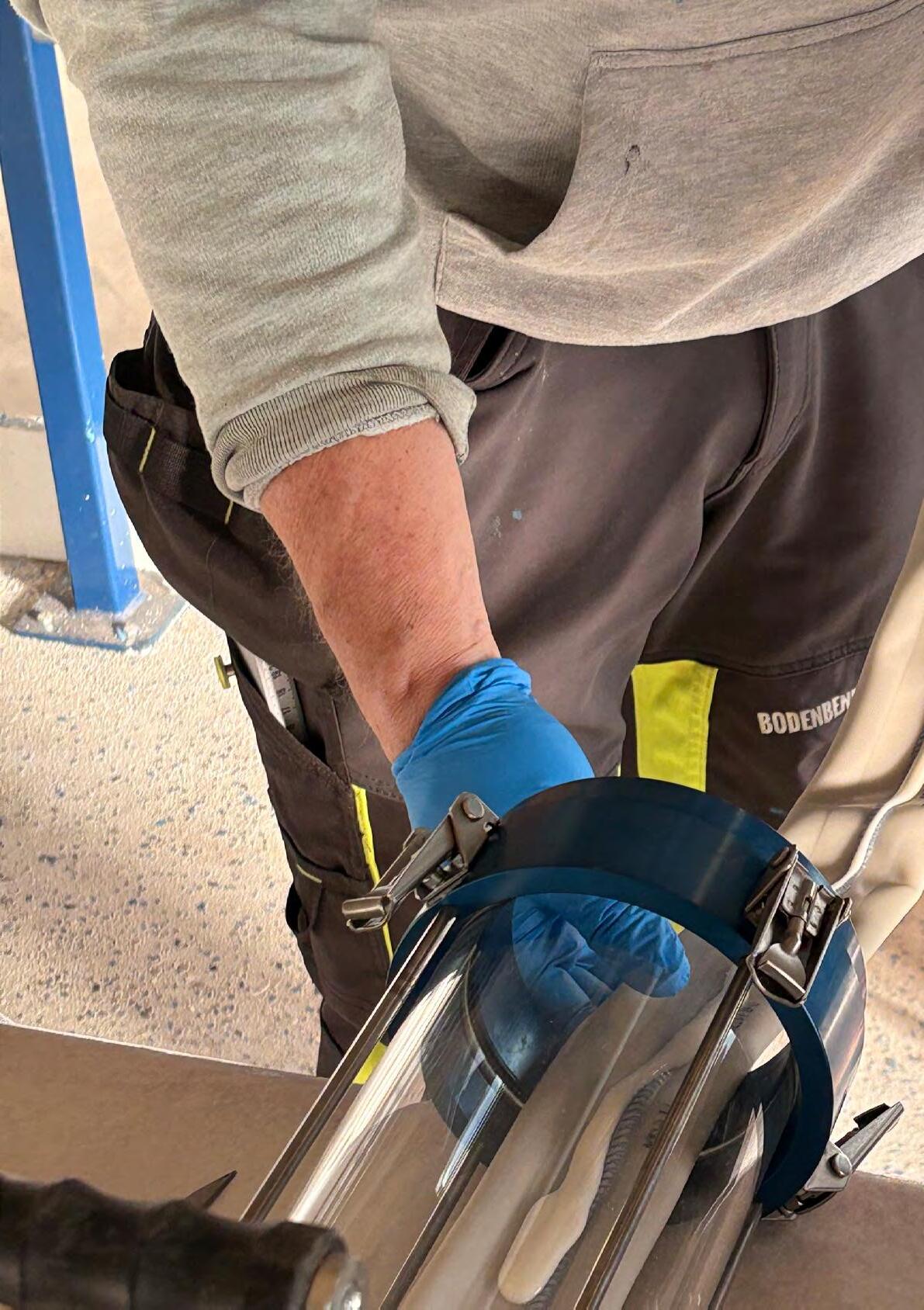
Bodenbender has deliberately taken a different route, developing a closed, integrated system in which resin, needle felt hose and processing technology are aligned.
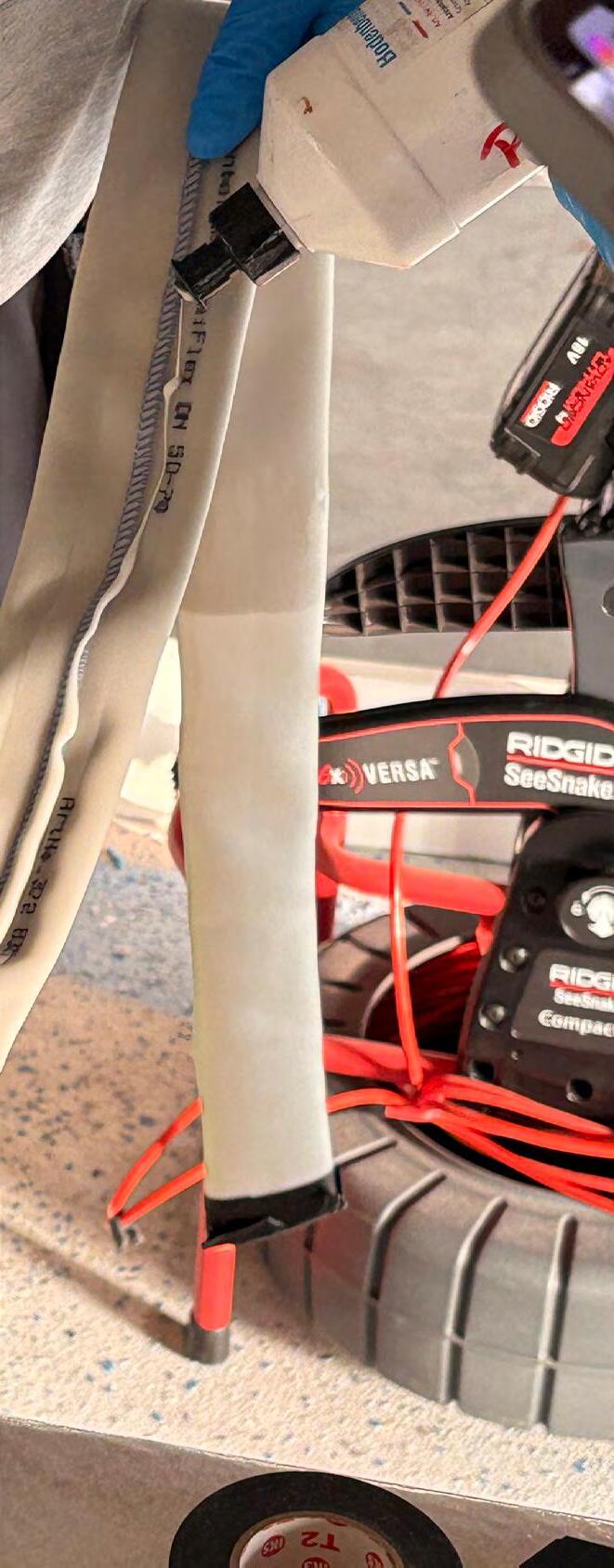
The needle felt hose, manufactured in Germany, has been specifically designed for small diameter applications.
In combination with the company’s HT resin system, it enables a controllable and reproducible installation process tailored to confined indoor environments. “We see in-house renovation not as a product, but as a process,” says Anna Gerlach. “A system must work reliably on site, regardless of temperature, installation situation or time pressure.”
Complete solution for small pipes
The DIBt-approved system brings together several established Bodenbender components into a single, coordinated package:
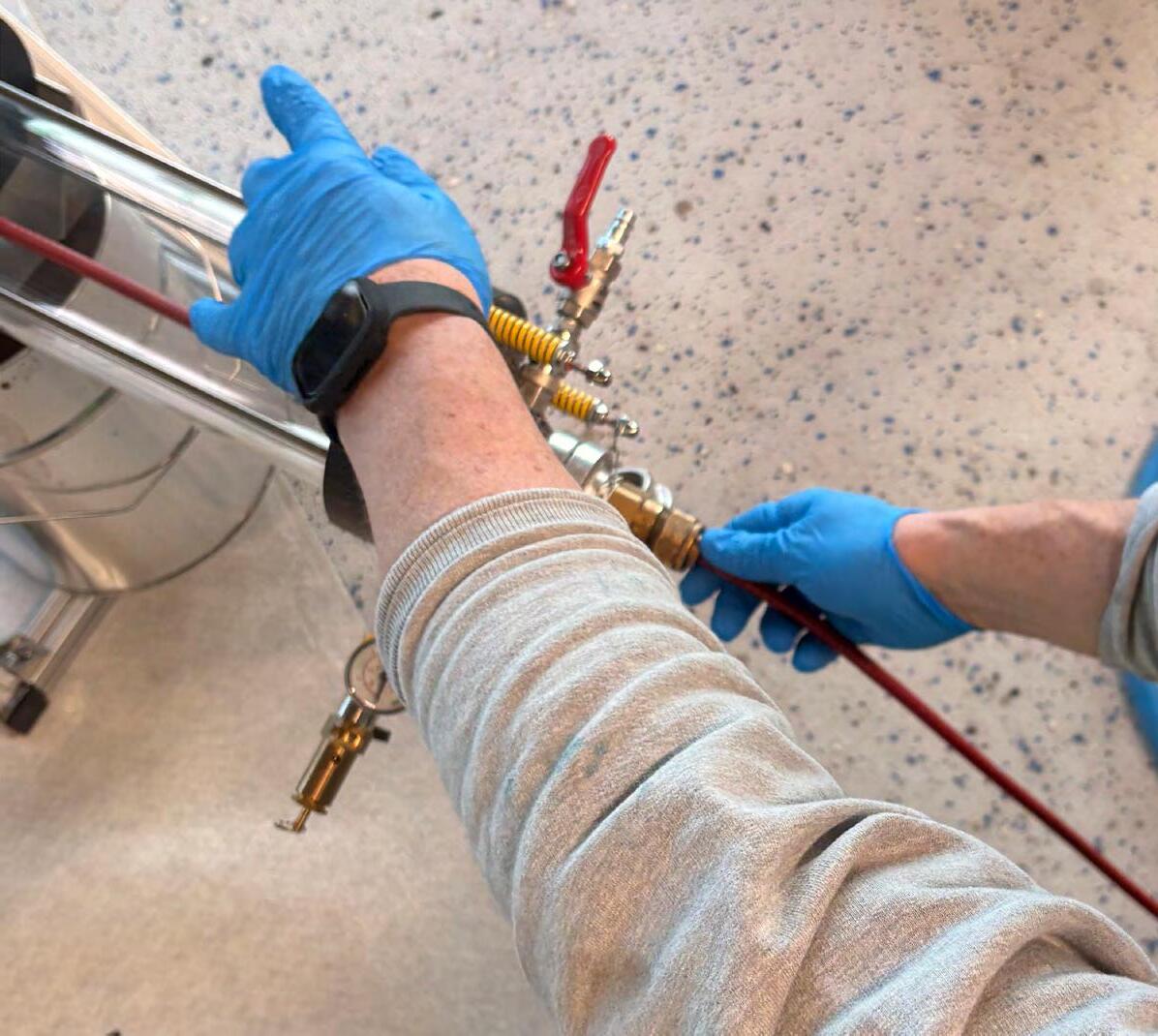
• EasyShoot – inversion system for small pipes
• EasyCure – matched curing technology
• HT resin system – designed for controlled reaction behaviour
• Needle felt hose –manufactured in Germany for small diameter applications
Curing with Bodenbender EasyCure
For the first time, the company is offering a comprehensive, single-source solution for the rehabilitation of small pipes within buildings. “Our goal was to provide everything needed for small pipe renovation, without compromise,” says Jonas Bodenbender. “As safe as possible and as complex as necessary.”
Training as part of the system
Recognising that even the most technically robust system depends on correct installation, Bodenbender is supporting the
launch with dedicated training programmes aimed at experienced rehabilitation contractors.
These courses focus on delivering the approved process under real construction site conditions, ensuring reproducibility and compliance in practice.
Responding to rising regulatory demands
Technical, regulatory and documentation requirements for in-house renovation continue to increase across
European markets. In this context, certified and fully tested system solutions are becoming more relevant, particularly in projects where traceability and compliance are essential.
With its new DIBt-approved inhouse system, Bodenbender positions itself as a provider of integrated, practice-oriented solutions for the trenchless rehabilitation of small pipes in existing buildings, reinforcing the shift from product supply to complete system delivery.
Inhouse Sytsem in usage
TRACTO launches GRUNDODRILL 20N for higher-performance in distribution networks
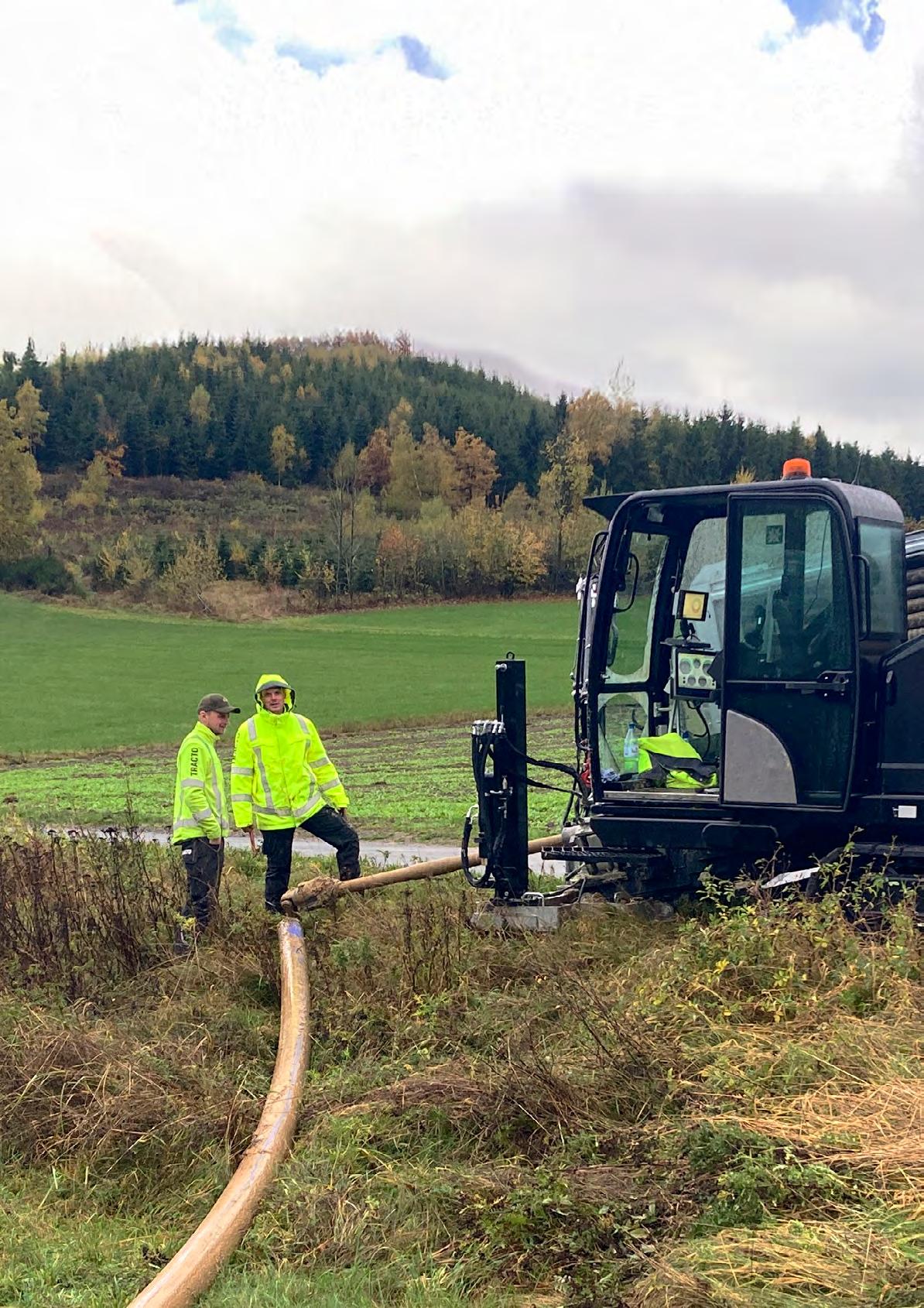
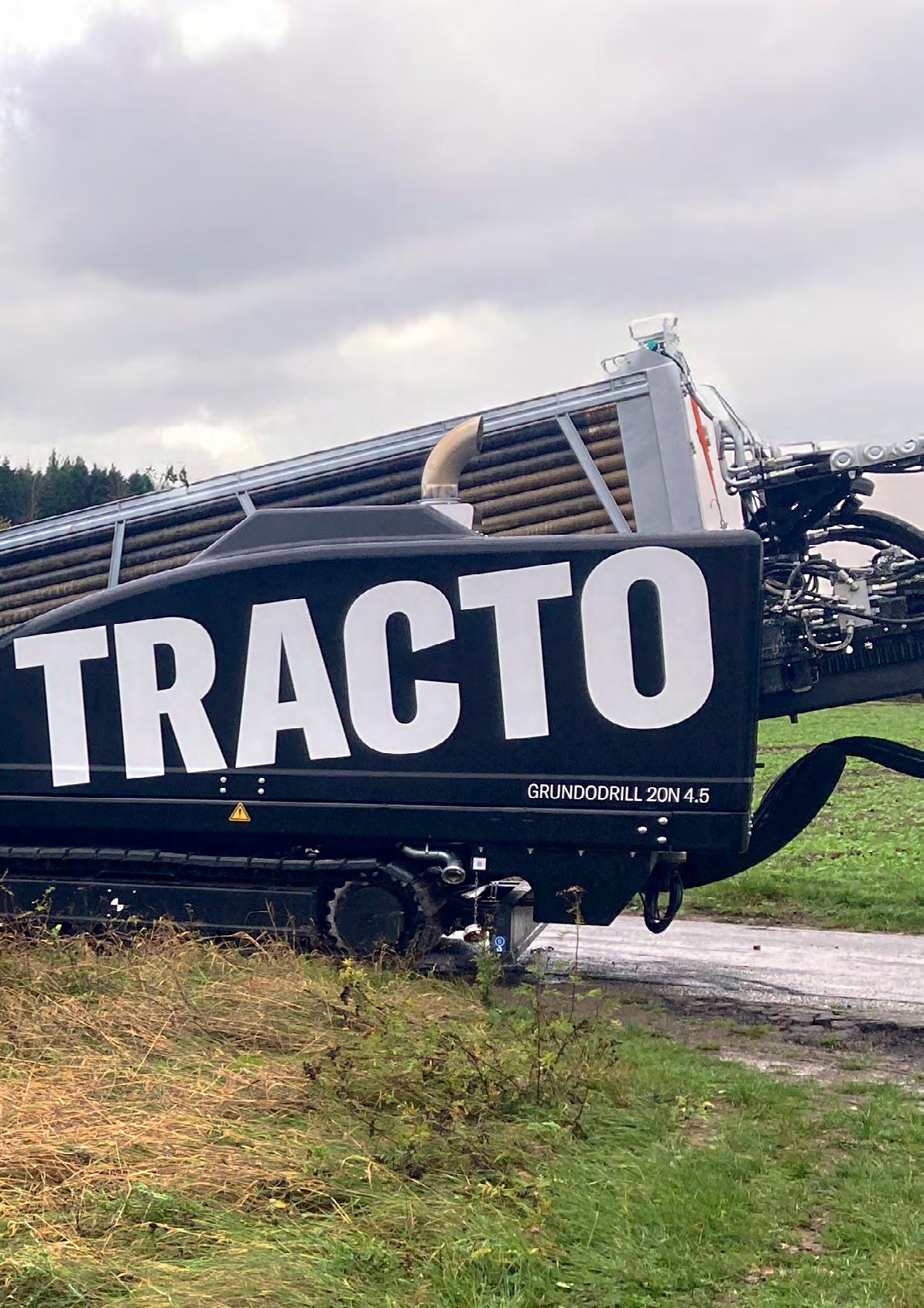
The 20-tonne GRUNDODRILL 20N jet drilling rig is the logical advancement of a tried-and-tested concept that has been improved for complex HDD projects in infrastructure development based on user feedback.
TRACTO has expanded its horizontal directional drilling portfolio with the introduction of the GRUNDODRILL 20N, a 20-tonne jet drilling rig developed to address rising performance expectations in modern distribution network construction.
Positioned as the successor to the long-established GRUNDODRILL 18N, the new 20N builds on a proven mid-range concept while introducing refinements aimed at improving efficiency, automation and operational reliability. In response to increasingly complex site conditions and tighter project timelines,
the rig is available in two variants, each offering different rod configurations to suit varying job profiles.
Building on a proven platform
The GRUNDODRILL 18N has earned a reputation over many years as a reliable performer in the medium power segment. With the 20N, TRACTO has retained the core design philosophy while incorporating feedback from drilling crews, contractors and project managers to refine performance and usability.
GRUNDODRILL higher-performance HDD networks
The development focus was clear: increase power reserves, streamline rod handling and reduce operator workload, without adding unnecessary complexity. The result is a jet drilling rig intended to deliver consistent productivity in day-to-day site operations, particularly where ground conditions and bore lengths push mid-class machines to their limits.
According to TRACTO Product Management, the 20N reflects the company’s long-standing “from practice for practice” approach, applying field experience directly to mechanical and digital optimisation.
Performance reserves for challenging ground
Designed primarily for distribution network installations in varied soils, the GRUNDODRILL 20N delivers:
• Thrust / pullback force: 200 kN
• Maximum torque: up to 10,000 Nm (continuously adjustable)
These figures place the 20N firmly in the upper end of the 20-tonne class, providing sufficient torque and pullback to maintain steady drilling progress in demanding formations while supporting larger product pipe installations. >
The continuously adjustable torque output is particularly relevant for contractors working across mixed ground conditions, where adaptability can reduce mechanical strain and improve bore control.
Two rod concepts, two operational strategies
One of the defining features of the GRUNDODRILL 20N is its optimised rod and automation concept, offered in two distinct configurations.
The standard model operates with 3-metre TwinDrive rods, available in 72 mm or 83 mm diameters. This setup offers flexibility for contractors undertaking a wide range of bore lengths and diameters across typical distribution projects. The GRUNDODRILL 20N 4.5 variant is equipped with 60 TD82 rods, each 4.5 metres long, providing a total rod capacity of 270 metres. By increasing rod length, the 4.5 model reduces the number of rod changes required on longer bores, shortening set-up times and improving efficiency on projects with strict deadlines.
Both versions incorporate a fully automated rod exchange system. Automation reduces
manual intervention during rod handling, lowering operator fatigue and helping ensure consistent, repeatable processes. On complex sites where productivity and safety margins are closely linked, automated rod management can play a significant role in minimising risk.
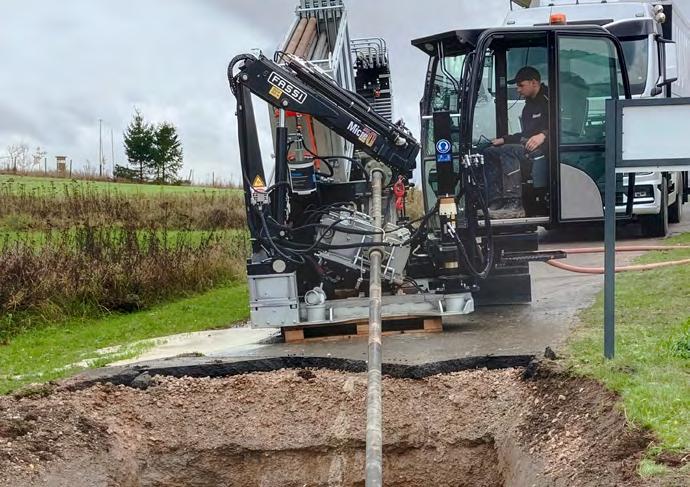
An optional remote-controlled loading crane further supports safe and efficient handling of rods, transport boxes and accessories, reinforcing the machine’s emphasis on controlled, streamlined workflows.
Operator-focused automation and documentation
Beyond mechanical output, the 20N integrates a suite of serial assistance systems designed to simplify drilling operations and improve documentation processes. Digital support tools assist with project data recording, reflecting a broader industry shift towards traceability and documentation in utility construction. As regulatory and client expectations increase, integrated digital systems are becoming less of an add-on and more of a baseline requirement.
The operator environment has also been upgraded. The ergonomically designed, rotatable comfort cabin features modern controls intended to improve visibility, reduce physical strain and enhance overall site comfort. In practice, these refinements aim to reduce downtime and sustain productivity over longer shifts, a factor increasingly relevant as skilled HDD operators remain in high demand.
Targeting modern network expansion
Infrastructure expansion, from water and gas distribution to fibre optic and district heating networks, continues to drive demand for compact but capable HDD systems. Contractors operating in urban and semi-urban environments require machines that balance power with manoeuvrability and efficiency.
With the GRUNDODRILL 20N, TRACTO appears to be targeting precisely this segment: projects that exceed the comfort zone of lighter rigs but do not require entry into significantly larger drill classes.
The machine has already undergone initial practical deployments, according to the manufacturer, and is positioned as a cost-effective solution supported by tailored financing options and global service infrastructure. Headquartered in LennestadtSaalhausen, Germany, TRACTO has been developing trenchless systems since 1962 and operates internationally across water, gas, electricity, telecommunications and pipeline sectors. The introduction of the GRUNDODRILL 20N reinforces the company’s continued focus on incremental performance gains, automation and user-driven refinement within the mid-range HDD category.
The 20N’s fully automatic rod exchange system reduces the workload for the operator and automates operations. A remote-controlled loading crane is a useful option for the safe handling of rods, boxes, and accessories
Historic canal crossing for Herrenknecht TBM
13.5m Mixshield completes breakthrough on Panama Metro Line 3
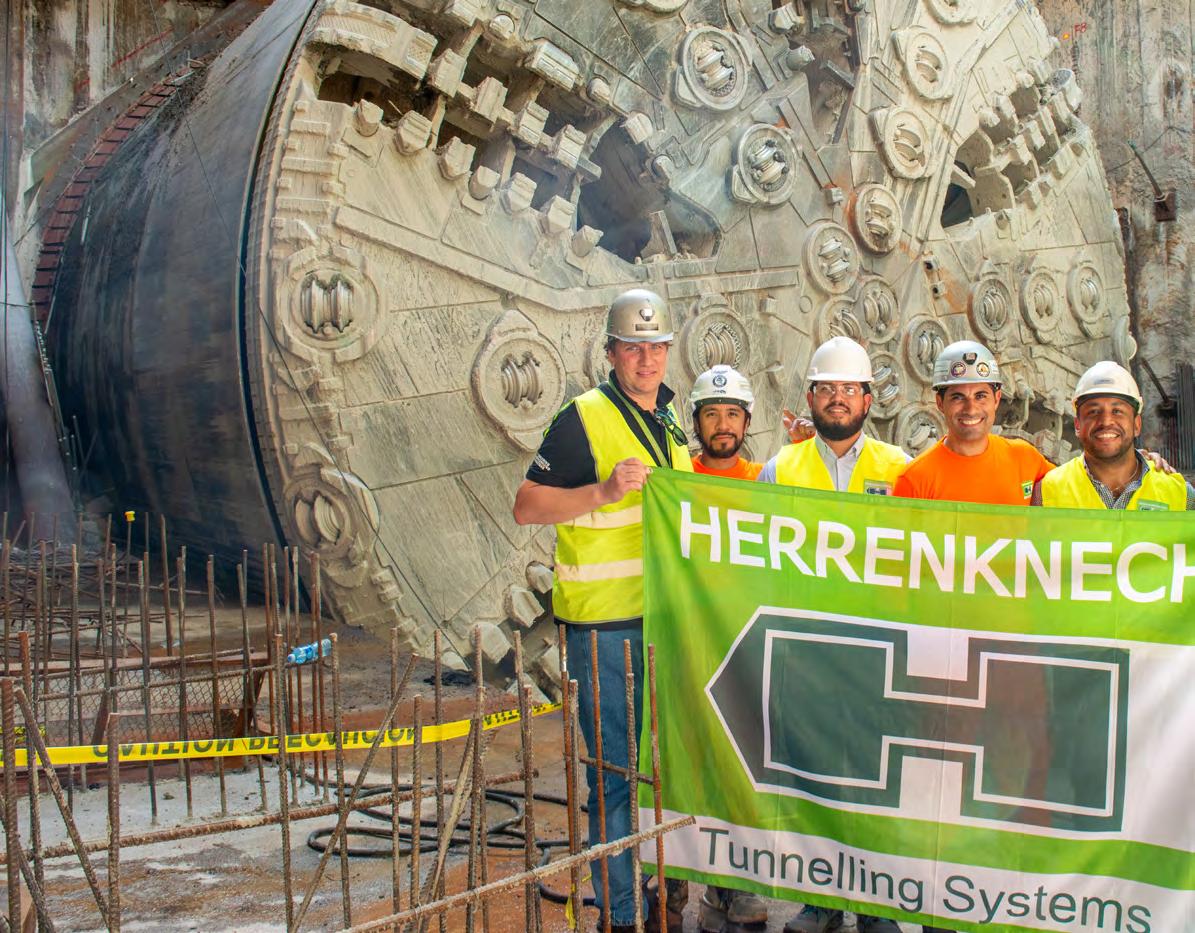
A13.5m diameter tunnel boring machine (TBM) from Herrenknecht AG has successfully completed one of the most technically demanding sections of the Panama Metro Line 3 project, tunnelling beneath the Panama Canal.
On 2 February 2026, the HPH construction consortium achieved breakthrough at the future Balboa metro station, marking completion of the canal undercrossing.
Approximately 1.5km of the 4.5km bored tunnel now remains before final breakthrough.
First TBM crossing beneath the Panama Canal
The project represents a global first: never before has a TBM passed beneath one of the world’s busiest and most strategically critical waterways.
Strict safety requirements stipulated that tunnelling operations must not compromise canal activity at any stage. Complex geology, including sandstone, siltstone, tuff, clay, breccias, mudstone, pyroclastic rocks, basalt and andesite, combined with high groundwater pressures, demanded a highly specialised solution.
The joint venture of Hyundai Engineering & Construction, Posco Engineering & Construction, and Hyundai Engineering selected a Herrenknecht Mixshield TBM for the drive. With a diameter of 13.46m, the machine is currently the largest TBM operating in Latin America.
Mixshield technology for complex ground conditions
The Mixshield machine type is designed to operate safely and efficiently in challenging geology and under high water pressure.
For the Panama Canal crossing, Herrenknecht equipped the TBM
with an accessible cutterhead design, allowing cutting tools to be changed from the rear under atmospheric pressure, a critical safety and operational advantage during the underpass.
Machine performance data:
• Cutterhead drive power: 5,600kW
• Maximum torque: 26,616kNm
Integrated equipment and digital monitoring
Beyond the TBM itself, Herrenknecht supplied a comprehensive equipment and service package including:
• Segment formwork systems
• Separation plant for spoil treatment
• Three multi-service vehicles for tunnel logistics
• High-precision navigation systems
The project also utilises the Herrenknecht.Connected digital platform. The TBM is equipped with more than 4,500 sensors, enabling real-time monitoring and process optimisation. Stakeholders, from the client and international joint venture partners to engineering teams in Germany, have access to live operational data throughout the drive.
Transforming mobility in Panama City
Metro Line 3 will connect the western suburbs to downtown
Panama City, significantly improving daily commuting conditions. Around 150,000 people currently cross a bridge each day, with the 25km journey often taking several hours due to congestion.
At the breakthrough ceremony, Panama’s President, José Raúl Mulino, congratulated the tunnelling teams on what he described as a major engineering achievement.
Once complete, the twin-track tunnel will form the core underground section of Metro Line 3, delivering faster and safer mobility across the metropolitan region.
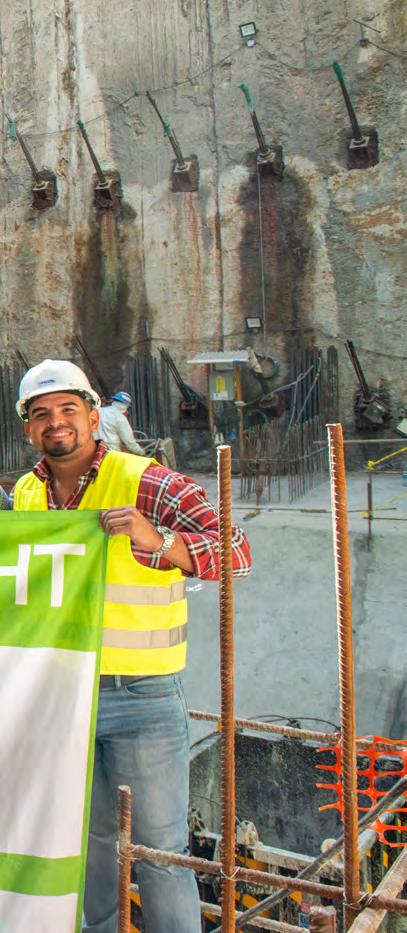
Members of the Herrenknecht team proudly fly the company’s flag after a successful intermediate breakthrough to the future Balboa metro station
The President of Panama, José Raúl Mulino (front row, middle), witnessed the breakthrough of the XXL Herrenknecht TBM on February 2, 2026
STILL IN A LEAGUE OF ITS OWN
Drill smarter, not harder: Digital controls and telematics redefine modern HDD
As demand increases for faster, cleaner and more efficient underground utility installation, UK contractors face mounting pressure to maximise productivity without compromising precision. For Vermeer UK, smarter technology particularly digital controls and telematics, is no longer optional in horizontal directional drilling (HDD). It is essential.
Precision through digital control
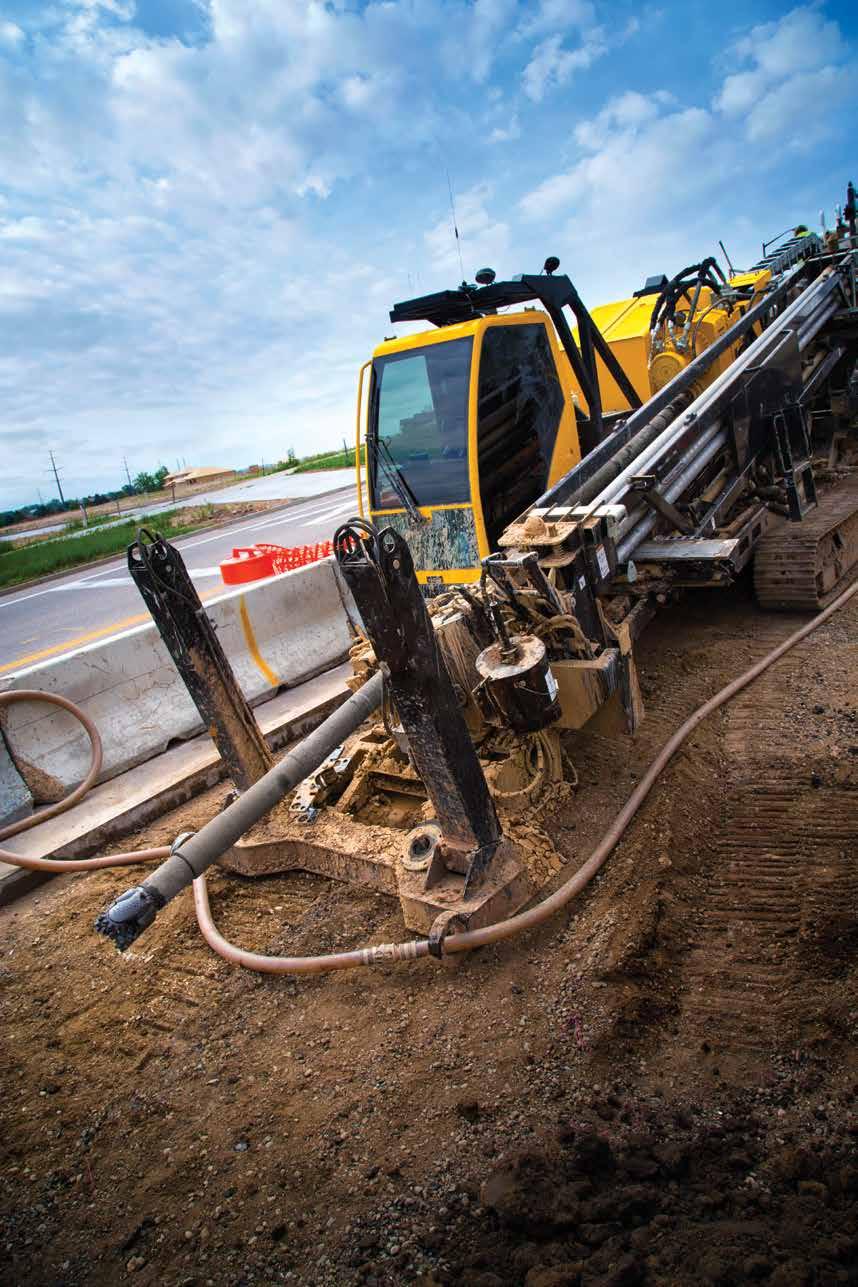
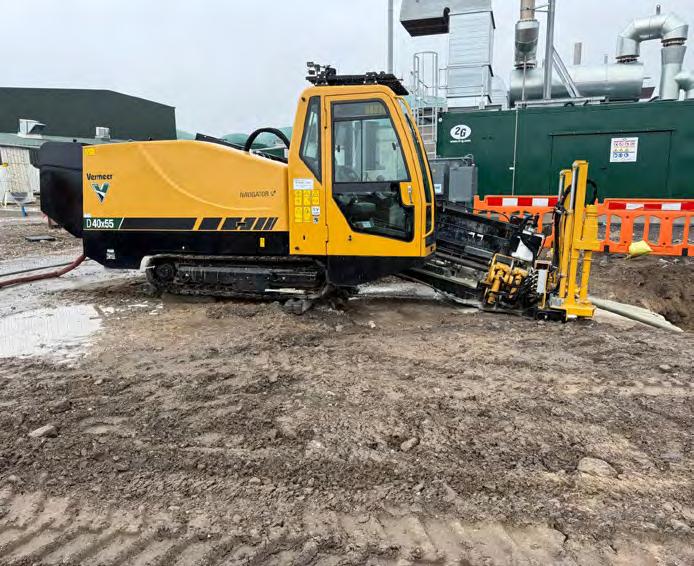
Modern HDD rigs across the Vermeer range are equipped with intuitive digital control systems designed to enhance both accuracy and ease of operation. Real-time data on drill angle, thrust, rotational torque, fluid flow and downhole conditions enables operators to make informed adjustments instantly.
For less experienced drillers, guided controls and automation features reduce the learning curve and improve confidence on site. For seasoned operators, advanced feedback systems deliver greater consistency and enable more efficient bore planning even in challenging ground conditions or environmentally sensitive areas. The result is improved bore accuracy, reduced risk, and optimised performance across every stage of the installation.
Telematics that drives uptime
Beyond the drill rig itself, telematics is transforming fleet management. Integrated GPS tracking and remote diagnostics allow contractors to monitor machine health, track location, schedule preventative
maintenance and analyse usage data from a centralised digital platform.
This level of visibility helps reduce unplanned downtime, extend equipment life and improve jobsite coordination. For multi-site contractors, smarter fleet oversight means improved utilisation and more predictable operating costs.
Connected diagnostics also enable faster service response. Support teams can assess potential issues remotely, identify parts requirements in advance and minimise repair times keeping rigs productive and projects on schedule.
Technology supporting expertise
Digital systems do not replace operator skill, they enhance it. With tighter project timelines, stricter environmental standards and growing client
expectations, efficiency and precision are non-negotiable.
Advanced control systems allow drillers to respond rapidly to changing ground conditions, optimise drilling parameters in real time and maintain compliance with regulatory requirements. Datadriven insights also strengthen training programmes and ongoing performance improvement.
As the trenchless sector continues to evolve, Vermeer UK remains focused on delivering more than robust machinery. From intelligent drill controls to connected services and technical support, its approach is built around helping UK contractors drill more safely, accurately and efficiently.
Explore Vermeer UK’s full range of HDD equipment and connected solutions to see how digital innovation is shaping the future of trenchless installation.
API completes successful reservoir pipe inspection using PIPA Hydrocam™ system
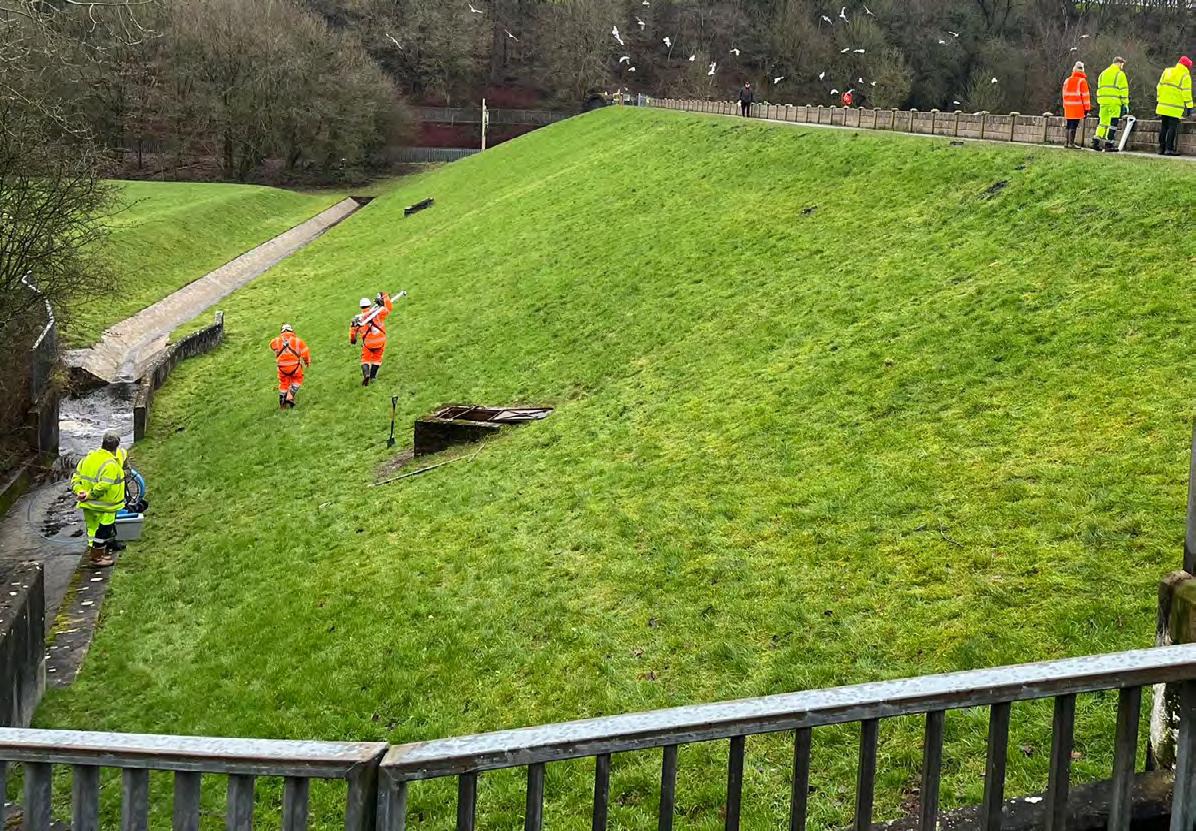
PIPA Ltd technology has once again demonstrated its value in live water network investigations, following a successful underpressure inspection delivered by API at a reservoir site in Newcastle-under-Lyme, UK.
API was commissioned to investigate a significant reduction in water flow following valve servicing works on a water channel connected to the reservoir. An initial assumption suggested a faulty valve; however, further investigation was required to determine the true cause without disrupting operations.
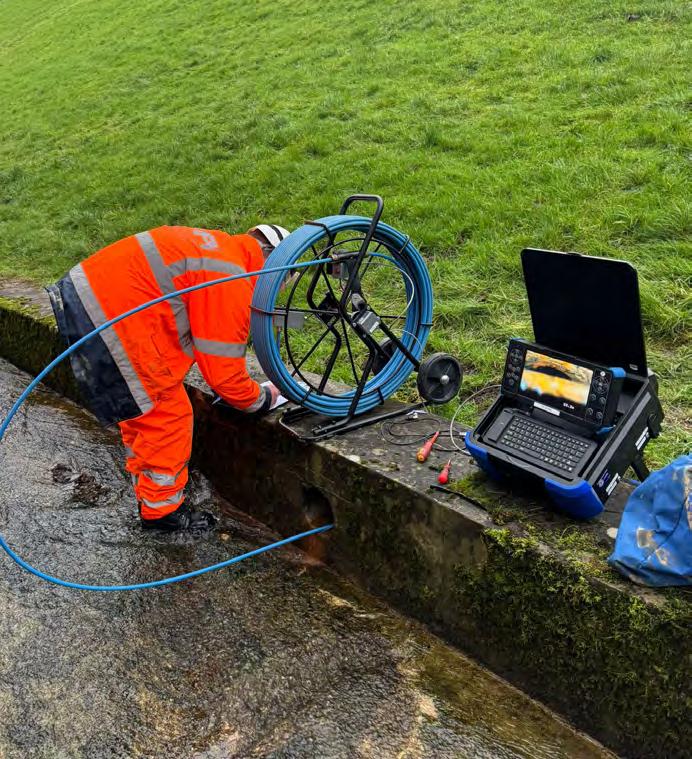
To carry out the survey, the team deployed the PIPA Hydrocam™ system, an industry-approved, pressure-rated camera platform designed specifically for inspection of potable pressurised pipelines.
Under-pressure investigation
The Hydrocam™ was inserted directly into the live pipeline via existing fittings. During the survey, the team identified and navigated through two different valve types, butterfly and gate valves before progressing further along the main.
The inspection revealed stone ingress within the pipe and ultimately identified a total obstruction, explaining the severe flow restriction experienced during valve operation.
In addition to visual confirmation, the API team mapped the pipeline route by tracing the camera system’s cable from above ground, enabling accurate asset location for the client.
All findings were recorded and will be analysed by API
“Several months had passed with the initial diagnosis being a faulty valve. By using the Hydrocam™ system, the client was able to confirm that the pipeline was actually blocked and required rehabilitation. This avoided unnecessary valve replacement and provided clarity for next steps. as part of a comprehensive condition assessment report for the water utility, forming part of a wider under-pressure inspection programme.
Designed for potable pressurised networks
API Engineering Ltd utilised the Hydrocam™ system for its ability to operate safely within live potable water infrastructure. The system incorporates:
• An HD camera sensor with ultra-bright COB lighting
• An ultra-responsive hydrophone for leak detection
• Cable trace functionality for accurate mains location
• Chlorination housing for safe potable deployment
The PIPA camera and acoustic systems are engineered for entry via a range of valves and pressure fittings installed on the top or side of water mains, allowing inspections to be completed without service interruption.
Applications across the potable water sector include:
• Pressurised pipe condition assessments
• Push or float-through inspections
• Pipe material and lining validation
• Location of blockages, defects and buried valves
• Leak detection across all pipe materials
• Investigation of discolouration issues prior to customer complaints (DWI)
• Identification of illegal connections (NRW)
• Asset mapping and mains tracing
Accurate diagnosis avoids unnecessary works
Commenting on the project, PIPA representative Fabio Orlandi said: “Several months had passed with the
initial diagnosis being a faulty valve. By using the Hydrocam™ system, the client was able to confirm that the pipeline was actually blocked and required rehabilitation. This avoided unnecessary valve replacement and provided clarity for next steps.”
Further surveys are now being planned to support the client in updating GIS records and improving network understanding.
PIPA has developed one of the widest commercially available ranges of pressurised pipe inspection systems and continues to support the majority of UK water utility companies, alongside international clients.
For further information on Hydrocam™, Flowrider™ or other PIPA systems, contact sales@pipa-uk.com
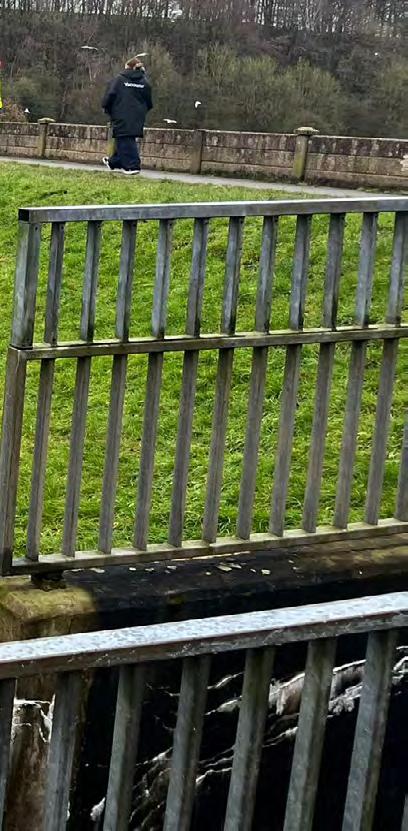
API team on site
Hydrocam system in use
Finding and filling the gaps | Part 1
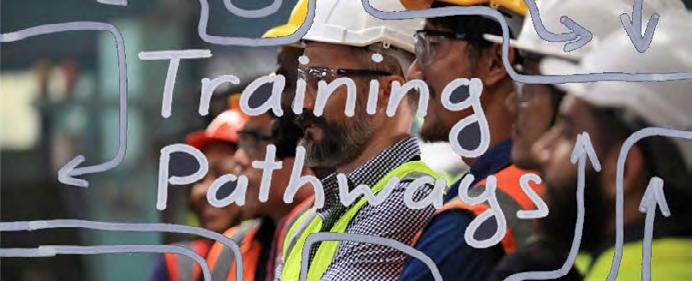
From skills audits to training pathways
Frank Reilly Director JBP’s Trenchless, Training Programme
As we all know, in the water and wastewater sector trenchless methods and technologies are no longer niche solutions — they are central to sustainable asset management. Whether it’s condition assessment and coding or rehabilitation and renewal, technical demands on organisations continue to grow. Yet while equipment evolves rapidly and demand increasing, workforce capability does not automatically keep pace. That is where a systematic skills audit becomes not just useful, but essential.
More
than a checklist
What is a skills audit? We’ll take a deep dive into the detail in next month’s issue of Trenchless Works, but suffice to say it’s much more than a checklist of qualifications. It is a structured
evaluation of the competencies, certifications, experience levels, and technical understanding currently existing within an organisation — and, crucially, those that do not. For companies delivering CCTV inspection, UVCIPP lining, patch repair, or pipe bursting, understanding the real depth of capability across teams provides clarity. An audit identifies over-reliance on key individuals, highlights compliance risks, and reveals risk areas i.e. where knowledge may be outdated or inconsistent.
Importantly, skills audits should operate at multiple levels. At an operational level, they ensure technicians are aligned with current standards, coding systems, and health and safety requirements. At a supervisory level, they confirm that project managers understand specification writing, quality assurance, and risk management in trenchless works. At a strategic level, they allow directors and asset owners to evaluate whether internal expertise supports long-term objectives.
Align training investment with priorities
For stakeholder organisations, contractors, consultants, utilities, suppliers, and training providers,
the value is shared. A utility can align training investment with asset management priorities. A contractor can demonstrate competence to clients with confidence. A consultant can ensure advisory services reflect current best practice. In every case, the audit transforms training from reactive expenditure into targeted investment.
The outcome of a robust skills audit should not be a static report, but a defined training pathway. Gaps identified at technician level may lead to structured certification programmes. Leadership gaps may prompt mentoring or advanced management training. Emerging technologies may require specialist workshops before market demand makes them urgent.
Expectations are increasing
In a sector where regulatory expectations are increasing and infrastructure resilience is under scrutiny, competence is no longer assumed, it must be evidenced. A systematic skills audit provides that evidence. More importantly, it provides direction.
Finding the gaps is only the first step. Filling them strategically, through effective and relevant training, ensures that organisations working with trenchless methods remain competent, competitive, and prepared to meet future challenges.
Next month: Finding and filling the gaps (Part 2) - The anatomy of an audit.
Back on the road: Why you don’t want to miss the 2026 No-Dig Roadshow series
The 2026 No-Dig Roadshow series is set to return across the UK and Ireland, bringing together engineers, consultants, contractors, asset owners and suppliers for a programme of focused, high-value one-day events that have become firm fixtures on the trenchless calendar.
Designed to deliver technical insight, market intelligence and meaningful industry connections, each Roadshow combines a carefully curated conference programme with a compact, highimpact exhibition, creating an environment where learning and networking go hand in hand.
Why attend?
For professionals involved in the installation, rehabilitation and maintenance of underground utilities, the No-Dig Roadshows provide a practical, accessible platform to stay ahead of emerging challenges and opportunities. Each event is supported by major local utility companies, tier one contractors and leading
equipment manufacturers, ensuring representation from across the trenchless ecosystem. Conference programmes are curated in association with United Kingdom Society for Trenchless Technology (UKSTT), delivering a strong technical agenda built around real-world case studies, innovation updates and strategic infrastructure planning. Alongside the conference sessions, the exhibition space showcases the latest equipment, materials and technologies. It is a space to see new solutions first-hand,
discuss applications directly with manufacturers, and explore practical approaches to reducing disruption while delivering longterm, sustainable infrastructure value.
Knowledge exchange remains at the heart of the Roadshow concept. The format encourages open discussion, peer-to-peer learning and collaboration across the supply chain, something that has defined the series for decades.
Kicking off in Dublin
The series begins on Thursday 12 March 2026 at the Castleknock Hotel, Dublin. The event will be supported by Uisce Éireann and NI Water.
Delegates will gain insight into several major infrastructure programmes, including Uisce Éireann’s Water Supply Project: Eastern and Midlands Region, a transformative scheme designed to reduce dependence on the River Liffey and capable of supplying treated water to up to 50% of Ireland’s population by transferring water from Parteen Basin to Peamount. The timing is particularly significant, with procurement recently opened
for the Greater Dublin Drainage and Water Supply Projects, representing over €7 billion of investment.
NI Water will outline its substantial Water Mains Project (£114m, approximately 905km of mains) and its ongoing Sewerage Rehabilitation Programme (circa £18m over six years), with a stated commitment to utilising No-Dig and low-dig techniques wherever feasible.
London calling
The Roadshow series continues in the capital on Tuesday 12 May at the Novotel London West, in association with UKSTT and supported by Thames Water.
London holds special significance in the history of the event.
Westrade first hosted a No-Dig event in the capital in 1985, helping to lay the foundations for what has become the UK’s
trenchless community. More than four decades later, the Roadshow returns to London as the sector faces a new era of infrastructure renewal, environmental responsibility and regulatory pressure.
The 2026 programme will conclude in Glasgow, with dates and venue to be announced soon via the NoDig Roadshows website and social channels.
With sponsorship and exhibition opportunities limited at each venue, early engagement is recommended. For details, contact Trevor Dorrell at tdorrell@westrade.co.uk
For editorial enquiries or to share trenchless news and project case studies, contact editorial@ trenchless-works.com
See you on the road.
WovoX: The Next Generation addition to the WovoLiner suite
• Ability to transition liners to multiple sizes
• Multiple bends up to 90 degrees
• Increased consistency for calculating stretch and drawback
Trenchless Morocco: A landmark summit for sustainable underground infrastructure
Trenchless Morocco marked a landmark moment for underground utilities in North Africa, bringing together industry leaders, government representatives and technical experts to share sustainable solutions for installing, rehabilitating and maintaining critical underground infrastructure. Staged amid rapid urbanisation, climate pressures and the proliferation of informal settlements, the conference-andexhibition emerged as one of the largest summits of its kind in the region and a timely platform for addressing Morocco’s most urgent underground-utility challenges.
Delegates confronted a familiar set of issues: poor and outdated as-built records, congested corridors crowded with aging assets, high water losses and coordination gaps that drive repeated digs and service interruptions. Throughout the event, presenters and panellists
mobilised around practical, highimpact responses: upgrading national GIS and as-built systems, scaling trenchless installation and rehabilitation techniques, accelerating leak-detection deployment, strengthening permitting and coordination frameworks, building workforce capacity, and directing targeted investment toward resilient systems.
A central theme that underpinned the summit’s success was collaboration. The programme fostered frank exchange between operators and contractors active in Morocco, peers from across North Africa and international specialists, demonstrating the value of shared experience when confronting common technical and institutional barriers. That spirit was reinforced by strong institutional support: delegates were welcomed by Patrice Dupont, President of the French Society for Trenchless Technology (FSTT), and
“Due to the overwhelmingly positive feedback, and a real energy in both the exhibition and conference, we’ve already decided to return to Morocco early next year. This time in Casablanca. I really want to extend a special thanks to all our supporters, especially FiSTT, CAPEP and Eurohinca, who helped make the event such a success and ensured we had so many influential stakeholders in attendance
- Paul Harwood, Managing Director,Westrade Group Ltd Owner and Publisher, Trenchless Works
Mark André Haebler, Chair of the International Society for Trenchless Technology (ISTT). Local leadership was prominently represented by Dr. Houssine Ejjaaouani, Vice President of the Association Marocaine des Travaux en Souterrain (AMTES) and President of both the Moroccan Committee for Geosynthetics (CMG) and the Moroccan Association of Seismic Engineering (AMGS), whose remarks highlighted the interdependence of geotechnical resilience and underground utility planning.
Technical sessions showcased tangible innovations and realworld case studies. Mohammed Darsaoui, Chief Operating Officer of CAPEP, delivered an insightful update on the anti-pollution system of eastern Casablanca, an exemplar urban project that illustrated how coordinated planning, modern monitoring and trenchless techniques can mitigate environmental risk while minimising surface
disruption. Several sessions benefited from the moderation of Professor Samuel Ariaratnam, the Sunstate Chair of Construction Management & Engineering at Arizona State University, whose decades-long leadership in trenchless pipeline engineering helped bridge academic research and field practice.
A packed exhibition hall underscored the summit’s practical orientation, enabling utilities and contractors to evaluate leak-detection platforms, curedin-place lining, microtunnelling and GIS integration tools side-byside. Importantly, conversations extended beyond technology to policy: permitting reform, stakeholder coordination and workforce training emerged as recurring priorities for turning pilot successes into systemic change.
Paul Harwood, Managing Director, Westrade commented: “Due to the overwhelmingly positive
feedback, and a real energy in both the exhibition and conference, we’ve already decided to return to Morocco early next year. This time in Casablanca. I really want to extend a special thanks to all our supporters, especially FiSTT, CAPEP and Eurohinca, who helped make the event such a success and ensured we had so many influential stakeholders in attendance.”
Trenchless Morocco closed with a clear mandate: accelerate adoption of trenchless and detection technologies, improve data and coordination, and invest in capacity to create more resilient, efficient underground networks. The summit’s collaborative tone and high-calibre programme left participants equipped with new contacts, proven approaches and renewed momentum to modernise Morocco’s underground infrastructure.
Figures from 2025 Event
1262 NATIONAL PARTICIPANTS
33
264
72
The MOST POPULAR Trenchless Event in the intersection of EUROPE, ASIA and MIDDLE EAST
“This year, we allocated more than 1 Trillion Liras (33 Billion USD) from the central government budget to heal the earthquake wounds and build more resilient cities in the Türkiye Century.”
Cevdet Yılmaz, Deputy President
of Türkiye, 05 February 2024
Graham Howard, Chair, UKSTT
A message from the Chair
This month our efforts are concentrated on completing the specifics for the 3rd UKSTT Annual National Trenchless Conference taking place on the 3 March 2026 at the MTC in Coventry. We are looking forward to the presentations and visiting the exhibitors who will be there on the day. The full programme can be found on the UKSTT website. Special thanks to event sponsor Joseph Gallagher Ltd.
Shortly after, we will travel to Dublin on 12th March for the 1st of the No-Dig Roadshow Series 2026. Organised by Westrade Group, this event represents a significant date in the event calendar. A site inspection the previous day at Uisce Eireann is being arranged to visit the Main Lift Pumping Station including a brief presentation on Uisce Eireann’s innovative approach to surveying critical infrastructure.
March continues with an educational emphasis through the 2nd New to Trenchless Industry Network (NtTIN) webinar of 2026. This session concentrates on rehabilitation (non CIPP).
About UKSTT
The United Kingdom Society for Trenchless Technology (UKSTT) is the leading professional organisation dedicated to promoting trenchless technology solutions across the UK. Through its Technical & Education Subcommittee and various specialist working groups, UKSTT facilitates knowledge sharing, develops industry standards, and provides educational programmes for professionals working in underground infrastructure. The organisation serves water companies, consultants, contractors, and technology providers committed to advancing sustainable underground infrastructure solutions.
As always, a big thank you to Lynn, Linda and Tammy who work tirelessly behind the scenes to ensure the continued success of UKSTT in promoting Trenchless Technologies for the public benefit.
Graham
UKSTT launches Academia Membership to strengthen trenchless education
The UK Society for Trenchless Technology (UKSTT) has launched a new Academia Membership category, effective immediately, aimed at encouraging universities to further integrate trenchless technology into civil engineering curricula across the UK.
The initiative responds to the growing need for enhanced trenchless education by giving academic institutions direct access to extensive technical resources and industry expertise. It is designed to help civil engineering students, and industry professionals seeking to expand their knowledge, bridge the gap between academic study and practical application in trenchless technology.
A central benefit of the Academia Membership is immediate access to more than 2,000 technical papers via the International Society for Trenchless Technology (ISTT) website. This substantial collection of research papers, case studies and technical documentation enables universities to incorporate the latest industry developments, best practice guidance and global innovation into their programmes.
The new category reinforces UKSTT’s commitment to supporting the next generation of trenchless professionals by equipping educational institutions with the tools needed to deliver industry-relevant training.
By providing access to current technical literature and research findings, the membership strengthens the academic foundation of future civil engineers entering the sector.
“This new Academia Membership category demonstrates our dedication to advancing trenchless technology education at the university level,” said Tim Sargent, UKSTT Membership Services Chair. “By providing academic institutions with access to the ISTT’s extensive technical paper collection, we’re ensuring that the next generation of civil engineers receives comprehensive education in trenchless solutions and can contribute to the industry’s continued growth and innovation.”
With infrastructure demands rising and environmental considerations becoming increasingly important, the trenchless technology sector continues to expand. Integrating trenchless methods into civil engineering curricula will help prepare graduates for careers in this growing field while addressing the industry’s ongoing need for skilled professionals.
The launch aligns with UKSTT’s broader mission to promote awareness and adoption of trenchless technology, support industry standards, and identify future opportunities for technological advancement.
Universities interested in the Academia Membership can obtain further information and registration details by contacting UKSTT at admin@ukstt.org. uk. Membership provides immediate access to technical resources, supporting institutions in developing comprehensive trenchless programmes aligned with current industry standards and future workforce requirements.
Call for Abstracts opens for International No-Dig Auckland 2026
The International Society for Trenchless Technology (ISTT) has officially opened the Call for Abstracts for International No-Dig Auckland 2026, inviting industry professionals, researchers and innovators from around the world to contribute to the trenchless sector’s most prestigious annual technical programme.
As the ISTT’s flagship global conference and exhibition, International No-Dig represents the benchmark event for trenchless technology worldwide, rotating to a different host city each year. In 2026, the event heads to Auckland, New Zealand, where leading experts, practitioners and technology providers will come together for a high-level exchange of knowledge, experience and innovation.
Showcase your expertise on a global stage
The ISTT Technical Committee is seeking high-quality abstract submissions that advance industry knowledge and deliver practical value. Authors are encouraged to
submit work that demonstrates innovation, real-world application and measurable outcomes for the trenchless industry.
Abstracts (maximum 250 words) should clearly address:
• The topic – what your paper will cover
• The methodology – for example, a case study, product trial or literature-based research
• The findings – key results and why they matter
• The value – how the work contributes to improved trenchless practices and wider community benefits
Submission guidelines
• Abstracts must be submitted in English
• Tables, figures and references should not be included in the abstract
• Presenting authors must provide a 100-word biography and a professional headshot (minimum 1 MB)
• Successful presenters will
be eligible for a discounted registration rate
• Registration is required by the specified deadline for inclusion in the conference proceedings
Abstract submission deadline: 30 June 2026
How to submit
Full submission criteria and the online submission portal are available at:
https://no-dignz.com/speakers/
For questions relating to the submission process or technical programme, contact: internationalnodig@ primecreative.com.au
International No-Dig Auckland 2026 promises to be a landmark event for the global trenchless community, and a unique opportunity to share your expertise on one of the industry’s most influential platforms.
AFFILIATED SOCIETIES
ISTT Affiliated Societies around the world
Austrian Association for Trenchless Technology (AATT)
c/o TU Wien Resselgasse 5, 1040 Wien, Austria
Phone: +43 664 5184084
Email: office@grabenlos.at Web: www.grabenlos.at
Brazilian Association for Trenchless Technology (ABRATT)
Alameda Santos, 1773 – Jardim Paulista Sao Paulo 01419-002 Brazil