
ACCESSIBILITY PLAYBOOK
DESTINATION MODULE
PRODUCED IN CONJUNCTION WITH

The Accessibility Playbook Overview
The Accessibility Playbook, developed by TravelAbility and Destinations International, equips destination organizations in advancing accessibility efforts. It is an action-oriented guide used to transform visitor experiences, uplift community values, and drive stewardship.
Each section is modular, allowing destinations to explore insights, tools, and practical guidance to support any phase of their accessibility journey. Customize the “Welcome Message” and share templates with industry stakeholders to create alignment where it matters most. Leverage the Playbook’s AI Companion to collaborate across departments. Powered by UnchainedAI, this integrated tool offers unlimited and actionable recommendations to support every function from communication to sales and services.
The 2025-2026 addition of the Accessibility Playbook is released during an important milestone for disability rights: the 35th anniversary of the Americans with Disabilities Act (ADA). Signed into law on July 26, 1990, the ADA prohibits discrimination against people with disabilities. The ADA was enacted after decades of advocacy for equal rights. From the Capitol Crawl, where disabled activists famously left their wheelchairs and crawled up the steps of the U.S. Capitol, to cross-country advocacy campaigns, the fight for the ADA laid the groundwork for important progress. Now, many once contested features like ramps, curb cuts, and Braille signage have become standard in public spaces. Its impact has since influenced disability rights worldwide.
Accessibility is deeply personal. What makes a space accessible for one person may not work for another. The Accessibility Playbook is meant to celebrate the legacy of the ADA, and of other worldwide efforts, by building on these foundations. By utilizing the Playbook, destinations can embed disability rights deeply into their offerings and strategies, making travel experiences welcoming and accessible to all.
PART 1
INTRODUCTION ........ PAGE 4
1. Welcome Message to Industry Stakeholders
2. Four Common Disabilities
3. Communication Guidance
PART 2 THE BUSINESS CASE.... PAGE 13
1. Why Accessible Travel Matters
2. Overview of the Disability Traveler Market
3. Understanding Standards and Legislation
PART 3
THE AGING TRAVELER .. PAGE 21
1. Aging into Disability
2. Aging Travelers Want to Travel More
3. Welcoming the Aging Traveler
PART 4
THE
ACCESSIBLE
TRAVELER JOURNEY .... PAGE 27
1.Before the Journey
• The Power of Accessible Information
• Representation Matters
2.Destination Experiences
• Airports and Transportation
• Accomodations
• Meetings and Events
• Attractions, Restaurants, and Outdoor Experiences
PART 5 CREATE YOUR STRATEGY ............. PAGE 54
1. Define Your Why
2. Partner with Experts and Community Members
3. Execute Goals and Strategies
4. Train Your Staff
5. Strategies in Action
PART 6
EXPLORE FURTHER ..... PAGE 65
1. The TravelAbility Ecosystem
PART 1 INTRODUCTION

WELCOME TO THE ACCESSIBILITY PLAYBOOK
Welcome to the third edition of the Accessibility Playbook developed by TravelAbility in partnership with Travel Oregon.
Accessibility is a smart investment for the travel industry to make. Globally, 1.3 billion people live with a significant disability. That’s 16% of the global population, a massive and often overlooked market. According to a 2024 Open Doors Organization & Harris Poll, more than 25 million travelers with disabilities took nearly 77 million trips and spent $50 billion in the U.S. alone. But those numbers could easily be double or triple that if visitors felt confident that they’d be welcomed and comfortable.
Implementing accessible amenities not only breaks down barriers for people with disabilities to participate but also creates shared benefits among aging adults, people with injuries or temporary disabilities and families with children. At Travel Oregon, we believe accessibility is an investment that benefits everyone. That’s why we’ve granted millions of dollars to projects that promote or improve accessibility and inclusion and why we’ve partnered with Wheel the World to make Oregon the first state to be Accessibility Verified. The designation evaluates destinations for accessibility, elevates transparency and promotes travel inclusivity for people with visible and non-visible disabilities. Through this coordinated statewide effort and previous locally driven efforts, Wheel the World has assessed more than 750 hotels, restaurants and tourism businesses in 43 communities across the state of Oregon, with more in the works.
Oregon is now the first state to offer visitors with disabilities the opportunity to plan travel itineraries through an online resource that keeps their needs top of mind. We invite you to use this playbook to draw on knowledge, best practices and trusted resources from a variety of experts to understand and invest in accessibility in your own communities.
Kevin Wright VP, Brand Stewardship Travel Oregon
FOUR COMMON DISABILITIES
The landscape of disability is complex, encompassing conditions present at birth, those that are progressive or develop over time, those caused by injuries, and structural and functional impairments. The World Health Organization’s 2001 International Classification of Functioning, Disability and Health (ICF) classifies disabilities by considering the limitations of activity and participation in personal and societal life.
When it comes to traveler experiences, consider four types of disabilities:vision, auditory, mobility, and neurocognitive. While some disabilities are visible, many are unseen. No matter the type of disability that exists, it is essential to treat each individual with respect. This involves understanding and acknowledging unique perspectives, needs, and experiences.
Accessibility Icons
Eye icon – Represents visual impairments or services for people with low vision.
Guide dog – Indicates service animals are welcome and recognized.
Braille dots – Braille signage or information is available.
Hand reading Braille – Reinforces availability of Braille materials or tactile signage.
Ear with sound waves – Assistive listening devices or hearing support available.
Brain with circuits – Refers to supports for neurodivergent individuals or cognitive disabilities.
Person with white cane – Designates an area accessible or designed for people

Vision disabilities – Includes blindness and low vision, conditions affecting a person’s ability to see.
Auditory disabilities – Includes deafness and hard of hearing, conditions affecting a person’s ability to hear.
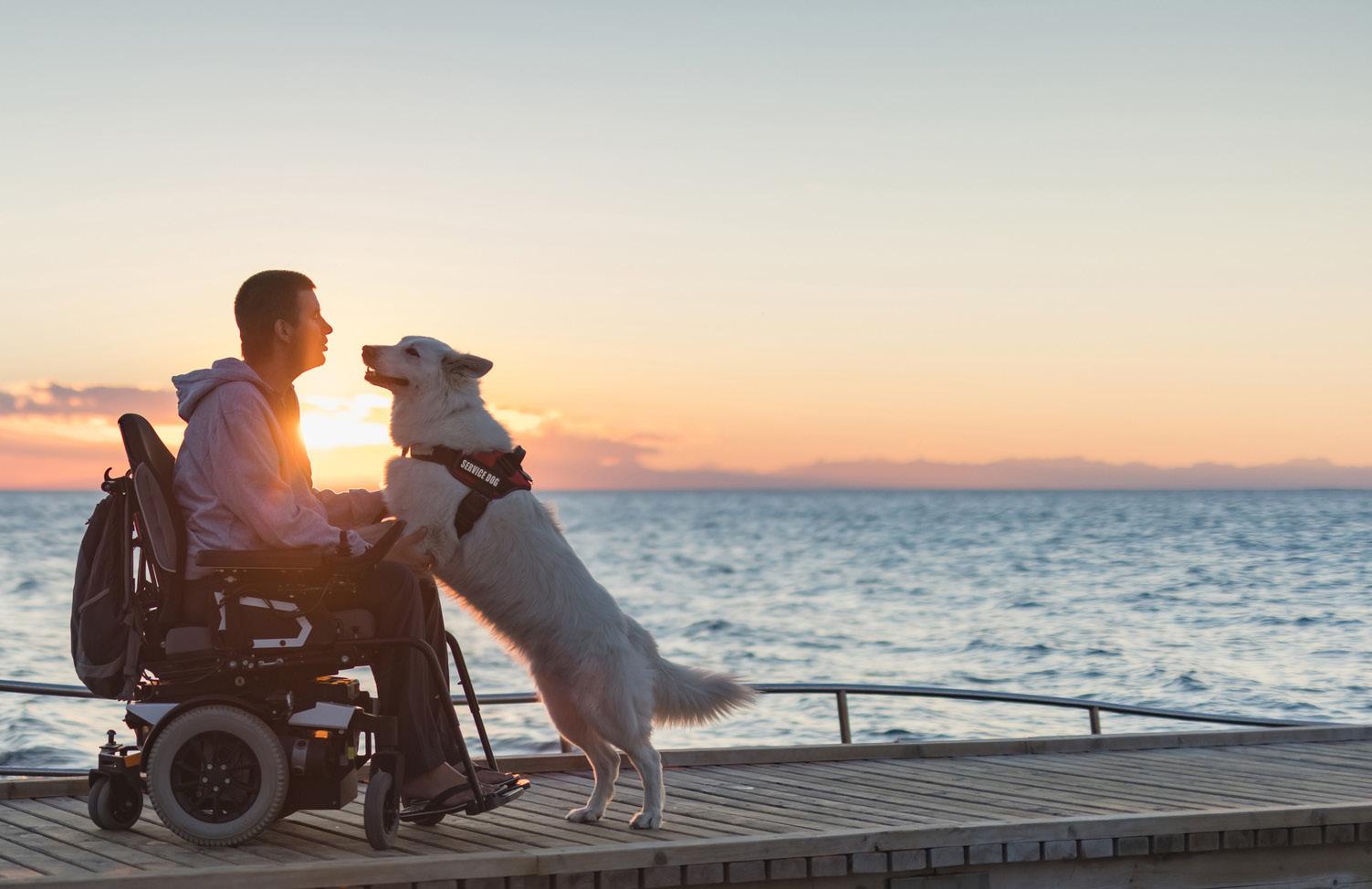
Mobility disabilities – Conditions affecting a person’s ability to move around indepen-dently and perform everyday activities.
Neurocognitive disabilities –Variations in human neurological development that result in different ways of processing sensory information, experiencing the world, and interacting with others.
who are blind or have low vision.
Person with cane and dots – Indicates tactile paths or guidance for people who are blind or have visual impairments.
Accessible parking sign with downward arrow – Accessible parking available in a garage or lower level.
Person in wheelchair on incline –Signifies wheelchair-accessible ramps are available.
Wheelchair with “RAMP” label –Indicates a ramp entrance that is wheelchair accessible.
Elevator with wheelchair icon –Signifies an accessible elevator or lift for wheelchair users.
IMPORTANT CONSIDERATIONS
• Ask Before Offering Assistance: Always ask if the person needs help before providing assistance. Respect their autonomy and allow them to accept or decline assistance.
• Respect the person’s personal space including equipment or aids: Be mindful of personal space and avoid touching them or any equipment or aids without permission.
• Be Patient and Understanding: Allow extra time for individuals to complete tasks or navigate unfamiliar environments. Be patient and understanding of any challenges they may encounter.
• Listen and Communicate: Listen attentively to the person and communicate clearly. If they have difficulty speaking or understanding, be patient and use alternative methods of communication if necessary.
• Use Welcoming Language: Use language that respects the dignity and autonomy of neurodivergent individuals. Avoid using stigmatizing or derogatory language, and prioritize person-first language (e.g., “person with autism” rather than “autistic person”).
• Respect Their Independence: Respect the individual’s independence and avoid making assumptions about their abilities. Offer assistance when needed but allow them to take the lead in communication and decision-making. Interact with the disabled individual instead of the caregiver.
Watch This Video (3:40)
“ We Don’t Bite” is a short video produced by the District of Columbia for disability sensitivity training.
VISION DISABILITIES
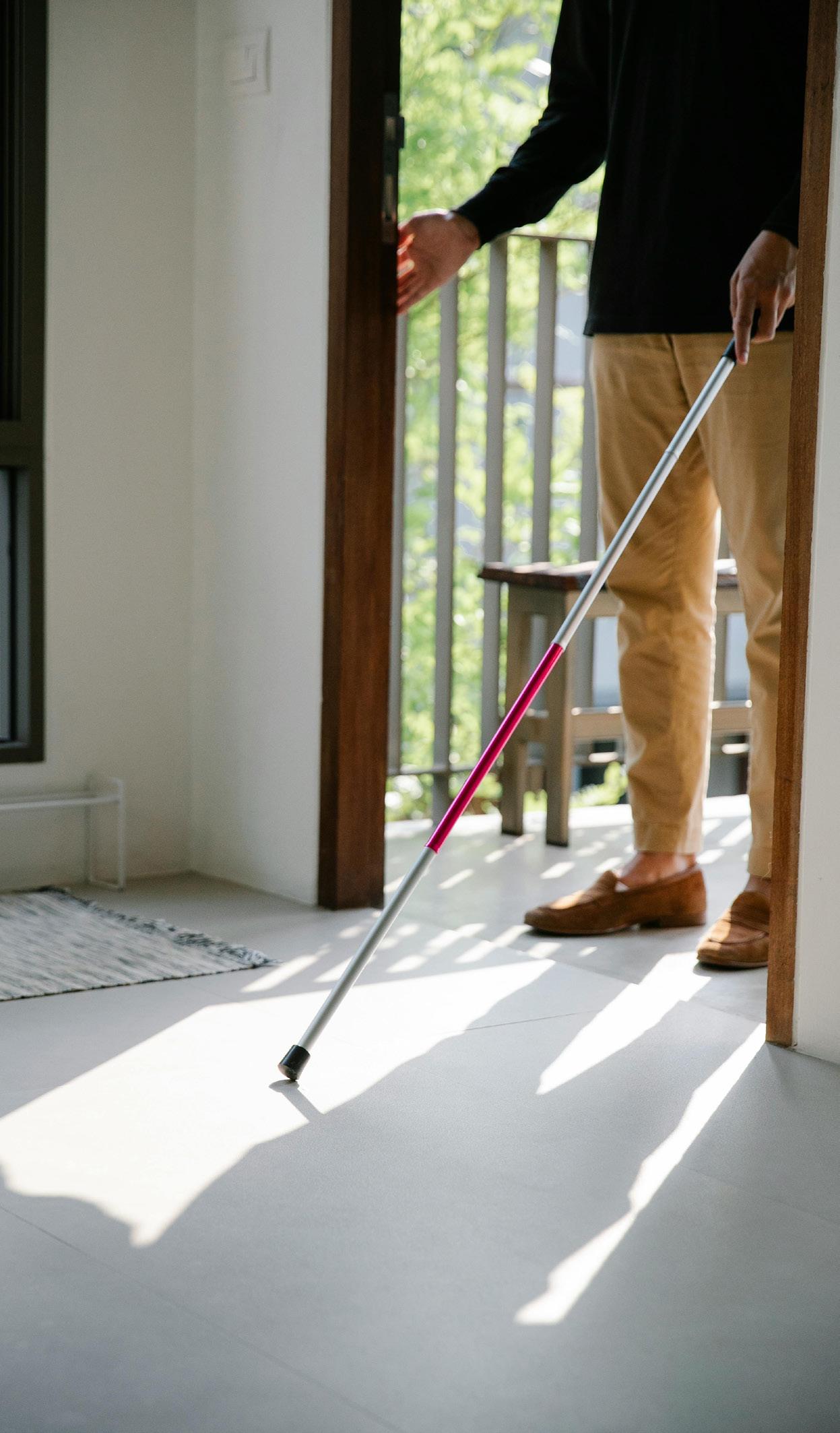
Blindness and low vision are both conditions that affect a person’s ability to see, but they differ in degree and extent.
Blindness: Blindness refers to a complete or severe loss of vision. A person who is blind typically cannot see at all or has very limited vision, often to the extent that they rely on alternative senses such as touch, hearing, or smell.
Low Vision: Low vision refers to significant visual impairment that cannot be fully corrected with glasses, contact lenses, medication, or surgery. Unlike blindness, individuals with low vision still have some remaining vision, but it is impaired to the point where everyday activities like reading or recognizing faces may be challenging.
A WARM WELCOME
• Identify Yourself: When approaching a blind person, introduce yourself and let them know that you are there to assist if needed. This helps establish trust and facilitates communication.
• Communicate Clearly: Use clear and descriptive language when providing information or giving directions. Be specific and avoid vague or ambiguous terms.
• Offer Assistance: If a blind person requests assistance, offer your help willingly and respectfully. Be patient and help without taking over or assuming control.
• Guide Properly: If guiding a blind person, offer your arm for them to hold onto, and walk slightly ahead while describing the surroundings and any obstacles. Allow them to maintain their own pace and follow their lead.
• Use Descriptive Language: When describing visual information, use descriptive language to convey details about colors, shapes, sizes, and spatial relationships. Paint a vivid picture with your words.
MOBILITY DISABILITIES
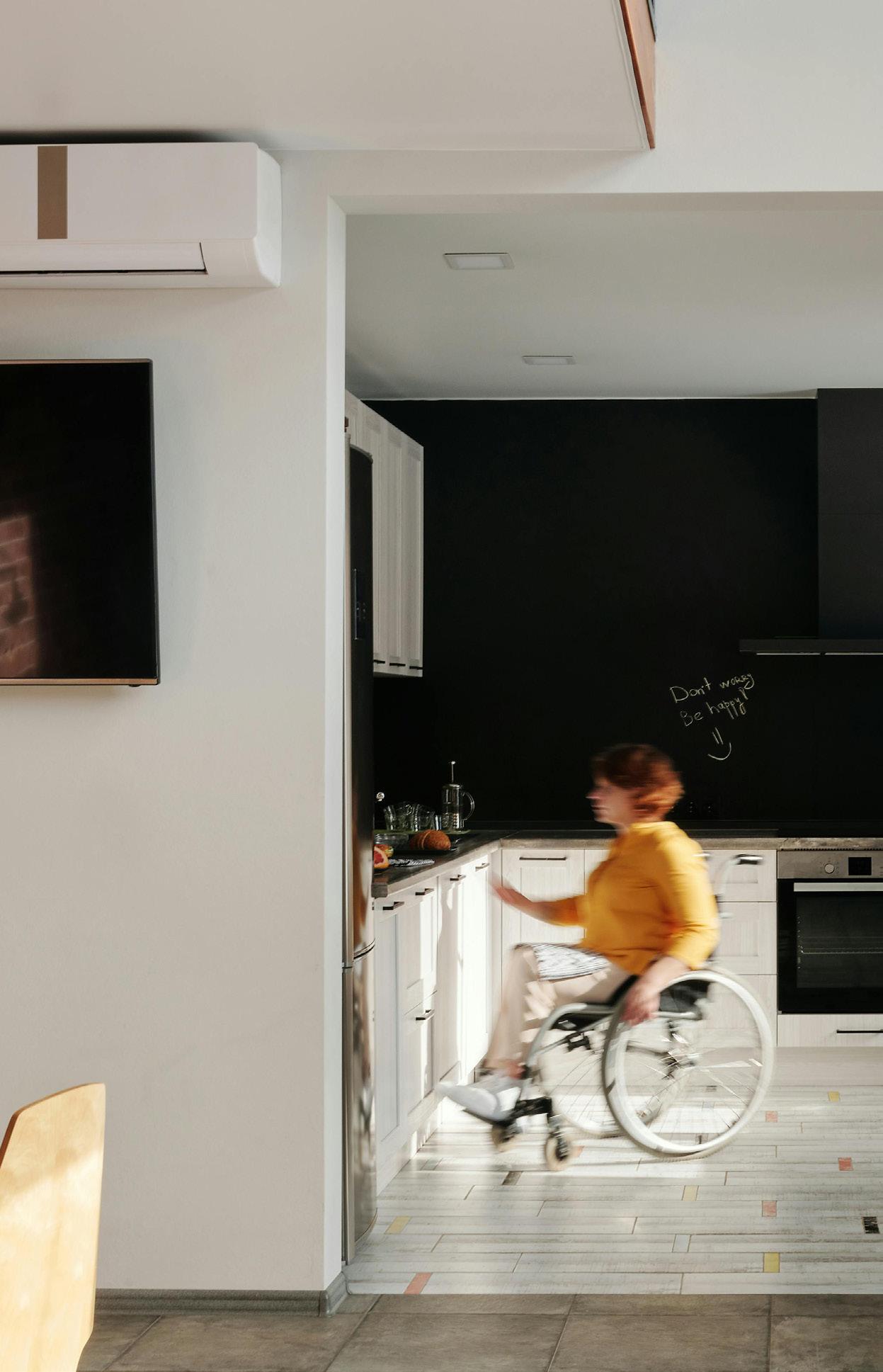
Mobility issues refer to conditions or disabilities that affect a person’s ability to move around independently and perform everyday activities. Some common mobility issues include:
Musculoskeletal Conditions: Conditions such as arthritis, osteoporosis, or muscular dystrophy can make it difficult for individuals to walk, stand, or move around comfortably.
Neurological Disorders: Neurological conditions like multiple sclerosis, Parkinson’s disease, or cerebral palsy can result in difficulties with balance and mobility.
Spinal Cord Injuries: Injuries to the spinal cord can cause paralysis or partial paralysis. Individuals may use wheelchairs, walkers, or other assistive devices for mobility.
Stroke: Stroke survivors may experience hemiparesis or hemiplegia. This can make it challenging to walk or maintain balance.
Amputations: Individuals who have undergone amputation due to injury, vascular disease, or congenital conditions may use prosthetic limbs or assistive devices.
Chronic Pain: Chronic pain conditions such as fibromyalgia, back pain, or neuropathy can significantly impact mobility and quality of life.
Visual Impairments: Individuals with visual impairments may use mobility aids such as white canes or guide dogs.
Age-related Decline: As people age, they may experience a decline in mobility due to factors such as muscle weakness, joint stiffness, balance problems, and chronic health conditions.
A WARM WELCOME
• Offer Assistance Appropriately: Confirm if the person would like assistance, and follow instructions if help is wanted. Get consent before handling equipment and taking over tasks.
• Ensure Accessibility: Make sure that the environment is accessible to individuals with mobility issues. This includes providing ramps, elevators, wide doorways, and accessible restrooms.
• Be Mindful of Physical Barriers: Be aware of physical barriers that may hinder mobility, such as stairs, uneven surfaces, or narrow doorways. Offer alternative routes or assistance as needed.
NEUROCOGNITIVE DISABILITIES

Neurodivergence describes individuals whose neurological development and functioning differ from what is typically considered “normal” or “neurotypical.” This includes people with conditions such as autism spectrum disorder (ASD), attention deficit hyperactivity disorder (ADHD), dyslexia, dyspraxia, Tourette syndrome, PTSD, and more.
Being neurodivergent is not a deficit but rather reflects natural variations in human neurological development. They may face challenges in social communication, sensory processing, executive function, and emotional regulation. Individuals with PTSD often have heightened or altered sensory processing. Everyday stimuli like loud noises, bright lights, crowds or unexpected touch can be perceived as threats, triggering a fight, flight or freeze response. Environments that are
Eight Myths about Autism
by Peter Wharmby
1. Autistic people don’t feel empathy. The majority of us feel enormous amounts of empathy, even for non-living things, and especially for animals.
2. Autistic people can’t make eye contact. Some of us don’t seem to mind it at all, whilst the many of us who hate it can force ourselves to when we feel its necessary.
3. Autistic males are far more common than autistic females. The ratio is rapidly shifting to being more balanced as diagnostic understanding improves.
4. Autistic people don’t have a sense of humor. I mean, some of us don’t, and some of us have what may be seen as a ‘different’ sense of humor, but there are a lot of funny autistic people out there, including those who do comedy
too stimulating or unpredictable can become overwhelming very quickly.
A WARM WELCOME
• Respect Individual Differences: Recognize that neurodivergent individuals have diverse experiences, strengths, and challenges.
• Listen and Validate: Listen attentively to the person’s perspectives, experiences, and preferences.
• Respect Interests: Respect the individual’s personal space, boundaries, and ways of interacting. Ask for consent before initiating physical contact or offering assistance and respect their right to decline if they are not comfortable. Do not pressure the individual to conform to neurotypical norms such as eye contact and hand shaking.
professionally.
5. Autistic people have learning disabilities. In fact a surprisingly low percentage of autistic people have co-occurring learning disabilities. However, people with learning disabilities are much more likely to be autistic too.
6. Autistic people are all antisocial. Many of us may be asocial from trauma associated with social interaction, but it seems many of us are quite gregarious and even extroverted.
7. Autistic people are all STEM subject specialists. Though plenty are, there are many of us who have skills, jobs and qualifications in the humanities, arts and other fields.
8. Autistic people are all super-gifted in some way. Though some of us might be skilled in certain areas, and some of us might have excellent memories, plenty of us are perfectly average.
AUDITORY DISABILITIES

Deafness and being hard of hearing are both conditions that affect a person’s ability to hear.
Deafness: Deafness refers to a profound hearing loss that may render a person unable to hear sounds at all or only able to perceive very loud noises. Individuals who are deaf typically rely on alternative forms of communication, such as sign language, lip-reading, or written communication to interact with others and navigate the world around them.
Hard of Hearing: Being hard of hearing (HoH) refers to having a partial hearing loss, where a person may have difficulty hearing certain sounds or frequencies but can still perceive sound to some extent. Individuals who are hard of hearing may rely on hearing aids, assistive listening devices, or other accommodations to improve their ability to hear speech and other sounds. Hard of hearing individuals often use spoken language as their primary mode of communication.
A WARM WELCOME
• Get Their Attention: Before speaking make sure you have their attention. Do this by waving your hand, tapping them gently on the shoulder, or making eye contact.
• Communicate Clearly: Speak clearly and at a moderate pace but avoid shouting and covering your mouth as it can distort lip movement. Use natural facial expressions and gestures to enhance communication and avoid exaggeration.
• Respect Their Communication Preferences: Respect the individual’s preferred communication method, whether it’s sign language, lip-reading, written communication, or a combination of methods. If you’re unsure, ask them how they prefer to communicate. Do not assume the individual reads lips.
• Provide Accommodations: Provide accommodations such as written materials, visual aids, or assistive listening devices to facilitate communication and ensure inclusivity.
• Address the Person Directly: Don’t speak to interpreters, companions, or caregivers instead of directly addressing the deaf or HoH individual.

COMMUNICATION GUIDANCE
Part of what makes communicating challenging is that people with disabilities are not a homogenous group. A good practice is to ask how someone prefers to describe themselves and, if you inadvertently offend someone with your language, apologize and ask them to share with you their preferred language.
There are generally two ways to approach this: person-first or identity-first. Neither is right or wrong; we should simply honor an individual’s preference.
Emphasize abilities, not limitations
Do not use language that suggests the lack of something
Person who uses a wheelchair
Person-first language: Person-first language emphasizes the person first — their individuality, their complexity, their humanness and their equality.
Example: “A person with a disability”
Identity-first language: Identity-first language emphasizes that the disability plays a role in who the person is and reinforces disability as a positive cultural identifier.
Example: “Disabled person”
Emphasize the need for accessibility, not the disability
Do not use offensive language
Person who uses a device to speak
Person with a disability
Person of short stature
Person with cerebral palsy
Person with epilepsy or seizure disorder
Person with multiple sclerosis
Accessible parking or bathroom
Person with a physical disability
Person with an intellectual, cognitive, developmental disability
Person with and emotional or behavioral disability, a mental health impairment, or a psychiatric disability
Confined or restricted to a wheelchair, wheelchair bound
Can’t talk, mute
Disabled, handicapped
Midget
Cerebral palsy victim
Epileptic
Afflicted by multiple sclerosis
Handicapped parking or bathroom
Crippled, lame, deformed, invalid, spastic
Slow, simple, moronic, defective, afflicted, special person
Insane, crazy, psycho, maniac, nuts
Avoid language that implies negative stereotypes
Person without a disability
Source: Center for Disease Control (CDC)
Normal person, healthy person
PART 2 THE BUSINESS CASE
WHY ACCESSIBLE TRAVEL MATTERS
Travel offers unparalleled opportunities for personal growth, cultural exchange, and shared meaningful experiences. However, those opportunities are not available to everyone. The World Health Organization reports that more than one billion people globally, about 16% of the population, live with a significant disability. This number is expected to grow as the global population ages and does not account for temporary disabilities that many people experience at some point in their lives.
Accessible travel gives all individuals the opportunity to contribute to a destination’s cultural and economic vitality. It can deepen connections between destination organizations and their communities. It has the power to boost economies and equips destinations for long-term resilience and stewardship.
Accessibility matters because it creates social impact, the result of measurable outcomes through welcoming and responsible tourism. By adopting the principles and strategies outlined in this playbook, you can take a crucial step towards a more accessible future.
“Traveling, without sight, is an extraordinary journey of exploration. In the quiet footsteps and whispered winds, you discover a world painted in sensations—the warmth of sunkissed stones, the rhythm of bustling streets, and the symphony of unfamiliar voices. Each tactile map, each shared laughter, becomes a constellation of memories etched upon your soul. In the vastness of the unknown, you find not darkness, but a canvas waiting for your touch—a masterpiece woven from courage, resilience, and the sheer wonder of exploration.”
–TED TAHQUECHI
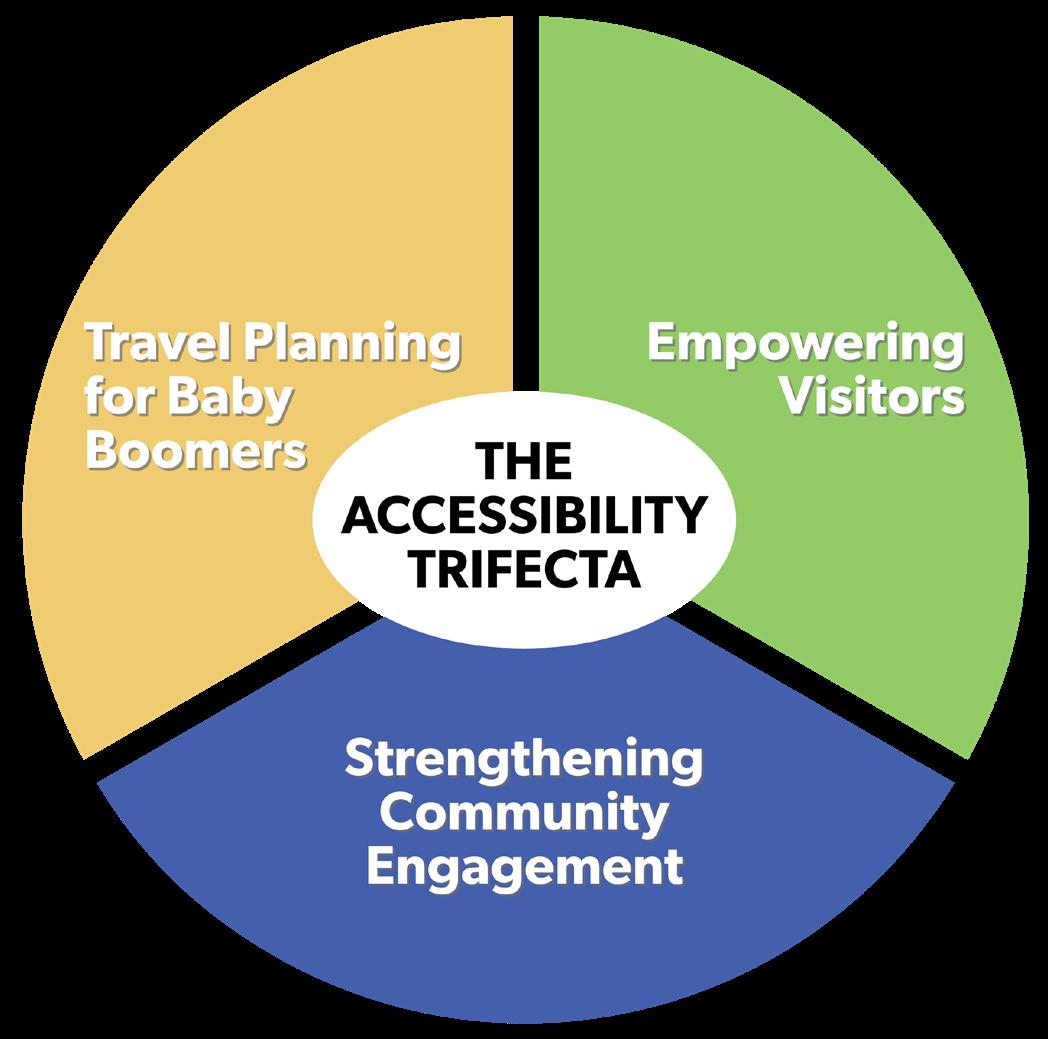
THE ACCESSIBILITY TRIFECTA
Demands for accessible travel have increased in recent years due to awareness and advocacy. Disabled travelers and their caregivers will continue to turn to destinations that welcome them and best meet their needs. In the U.S. alone, 73.4 million adults were living with disabilities in 2022, a number expected to grow substantially by 2040. 1 Destinations who attract disabled visitors, meet the demands of tomorrow’s travelers, and engage with residents to support accessibility will stand out from those who do not.
There are three critical reasons why accessibility matters now more than ever:
1. Planning for the travel needs of baby boomers
Every day, 10,000 baby boomers reach the age of 65, and more than 43% of them have a disability. 2 This generation remains the most financially powerful segment of the travel market. They control 70% of the nation’s disposable income, have an average net worth of $1.2 million, and make up 60% of luxury travelers. Many older adults experience physical limitations but do not always identify as having a disability. As a result, they may avoid destinations that seem difficult to navigate, even if they don’t ask for accommodation.
SHARE WITH STAKEHOLDERS
2. Community Engagement
Residents with disabilities can benefit from accessibility improvements. Making a destination accessible strengthens community engagement by removing physical and social barriers that often prevent residents with disabilities from participating in public life. This builds a more representative and connected community, where diverse needs are recognized and valued.
Accessible design helps destinations strengthen bonds with residents with disabilities and build engaged communities.
3. Empowering Visitors
In 2023 and 2024, 25.6 million travelers with disabilities took a total of 76.9 million trips and spent almost $50 billion 3 . Among those who traveled two-thirds are accompanied by at least one other person. Travelers with disabilities, whether permanent or temporary, often face challenges when planning a trip. Clear accessibility information directly improves visitor engagement and satisfaction for both the disabled traveler and the caregiver.
Clear accessibility information empowers millions of travelers with disabilities and their companions to travel with confidence, driving economic impact.
Destinations that prioritize guest comfort and satisfaction build trust and encourage return visits.
(1) Centers for Disease Control and Prevention.
(2) U.S. Census Bureau
(3) Open Doors Organization
ECONOMIC IMPACT OF TRAVELERS WITH A DISABILITY
• Market size = +1 billion and growing
• Meeting needs = More spending by the whole travel party
• Unmet needs = Missed profits
• Curb-cut effect = Improved satisfaction for all market segments
THE CURB CUT EFFECT
Accessibility matters because it benefits everyone. A clear example of this is the curb-cut effect. Most people don’t associate the ramps on neighborhood sidewalks with accommodations for people with disabilities. Small design changes can be helpful for all populations, including
children riding bikes, parents pushing strollers, and delivery people. Meeting accessibility needs drives profits by creating a more welcoming environment.
LEARN MORE
Recommended Research
1
2
3
Unlocking ROI – Choose Lansing and the Oregon Coast
Journeys for All, Expedia Group
Open Doors Organization - 2024 Market Study
OVERVIEW OF THE DISABILITY TRAVEL MARKET
The disability travel market is a significant force in tourism, driven by substantial spending power. Exceeding expectations for travelers with disabilities is a smart business strategy.

1.6 billion people in the world currently have a disability
Source: Return on Disability Group
This population represents a disposable income of over $2.6 trillion. In the US alone, annual disposable income is $1.3 trillion


Factoring in their friends and family, disability touches 63% of the global population
The global disability market including friends and family is therefore $18.3 trillion.
ACCESSIBLE TRAVEL IMPACT IN
THE US, 2022-2024

25.6 million adults with disabilities in the U.S. traveled.

Travelers generated $50 billion in travel spending, averaging $650 per trip.

20 million disabled travelers took trips with overnight stays.
Amounting to 40.5 million hotelbased trips.
Average spend: $125 per night

13 million adults with disabilities took flights. They made 25.4 million air trips, spending $10 billion.

5.1 million travelers with disabilities took cruises. They made 10.3 million trips, spending $18.5 billion on fares, $3.1 billion on excursions. Cruise spending is up 78% since 2020, showing strong interest and rebound when access is available.
Source: Open Doors Organization
UNDERSTANDING STANDARDS AND LEGISLATION
Accessibility has become a strategic business priority beyond legal and ethical obligations. Persons with disabilities are accounted for in 11 of the United Nations Sustainable Development Goals (SDGs), which serve as a guidepost to “achieve sustainable development for all.”
The Role of Standards: Building for Consistency and Quality
Globally, standards set expectations for what accessible design and experiences should look like. These are not always legally required, but provide valuable guidelines that can enhance usability, quality, and impact.
One of the most recognized global standards is ISO 21902:2021, Accessible Tourism for All. Developed by the International Organization for Standardization (ISO) in 2021, this standard offers guidance for organizations across the industry to make tourism experiences more inclusive. It emphasizes the full visitor journey, from planning and booking to transportation, accommodation, activities, and services.
for individuals with disabilities. As of 2025, the United Nations Convention on the Rights of Persons with Disabilities is one of the most widely supported human rights treaties in the world. 190 countries have signed the CRPD, and 186 countries have ratified or acceded to the Convention, requiring them to review existing laws and pass new legislation to protect the rights of people with disabilities and inclusion across all sectors.

As governments around the world continue to strengthen their legal frameworks and move toward more robust, enforceable standards, being aware of existing legislation and upcoming deadlines helps destinations plan proactively and positions accessibility as a strategic investment for readiness, reputation, and impact. Aside from the CRPD, the following are examples of existing national legislation and time-based objectives in three major geographic areas: the United States, Canada, and the European Union.
United States
Digitally, reference the Web Content Accessibility Guidelines (WCAG), developed by the World Wide Web Consortium (W3C), as a global benchmark for digital accessibility. While not legislation in itself, WCAG is often cited within legal frameworks across various regions.
Legislation: Requirements by Geography
Legislation has expanded over the past few decades to advance equity and remove barriers
Americans with Disabilities Act (ADA):
A 1990 landmark civil rights law that prohibits discrimination based on disability and mandates accessibility in public spaces, transportation, employment, and communications. Recent actions suggest potential expansion of digital accessibility enforcement, especially for websites and mobile applications. The Department of Justice (DOJ) has issued notices of rulemaking on website accessibility under Title II (state and local governments), with discussions of extending similar rules to Title III
(public accommodations). Several states, including California and New York, are considering or have passed additional digital accessibility measures that go beyond federal requirements.
Section 508 is part of the Rehabilitation Act of 1973, a law that prohibits discrimination based on disability in programs conducted by federal agencies or those receiving federal funding.
Updated in 2017, it focuses on information and communication technology to ensure that technology used or provided by federal agencies is accessible to people with disabilities.
While private sector businesses are not directly required to comply with Section 508, many destination organizations working with federal agencies, or those who want to align with recognized best practices, can choose to adopt these standards voluntarily.
Air Carrier Access Act (ACAA) is a U.S. federal law passed in 1986 that prohibits discrimination against passengers with disabilities by airlines. It requires air carriers to provide equal access and reasonable accommodations for travelers with disabilities when flying to, from, or within the United States. Emerging developments to the Act require airlines to report data on mishandling of mobility equipment and considerations of accessibility technology.
Even though the ACAA focuses on airlines, destinations that engage with air travel through airport partnerships, visitor services, or transportation logistics can benefit from understanding these rights and reinforces barrier-free journeys from arrival to departure.
Canada
Accessible Canada Act (ACA): Passed in 2019, ACA focuses on identifying, removing, and preventing barriers in federally regulated sectors, including transportation, telecommunications, banking, and federal government services. Its vision is to create a nation without barriers by 2040, and entities are expected to have accessibility plans and mechanisms for feedback in place by 2025.
Tourism and hospitality organizations operating within or alongside federally regulated sectors should stay informed, as awareness of the ACA helps destinations align with national expectations, partner meaningfully with federal entities, and demonstrate leadership.
The Canadian Transportation Agency (CTA) plays a central role to ensure that Canada’s national transportation system is accessible to people with disabilities. Initially enacted in 2020, it mandates compliance for airlines flying to, from, or within Canada, as well as among rail companies, ferry operators, bus companies, and terminals, stations, and associated transportation service providers. Key requirements include accessible communication, available assistance
services, proper handling of mobility aid devices, accommodation of service animals, and accessible security screenings.
PROVINCIAL LEGISLATION: While not all Canadian provinces and territories have their own accessibility legislation, four provinces have standalone acts in place:
The Accessible British Columbia Act, passed in 2021, has an initial focus on public sector and government-related services. It requires agencies to develop accessibility committees, plans, and feedback mechanisms.
Manitoba’s Accessibility for Manitobans Act (AMA) focuses on identifying, preventing and removing barriers in key areas similar to AODA. Implementation is taking place in phases.
The Nova Scotia Accessibility Act aims to achieve an accessible province by 2030. It includes areas like the built environment, education, employment, goods and services, information and communication, and transportation.
Ontario’s Accessibility for Ontarians with Disabilities Act (AODA) has a goal to achieve full accessibility by 2025. It extends to customer service, employment, information and communications, transportation, and the built environment.
New Brunswick, Prince Edward Island, Alberta, and the Territories have had legislative discussions and advocacy efforts underway. Newfoundland and Labrador has drafted legislation in place, and Quebec has requirements through a 1978 act that applies to public sector bodies.
European Union
The European Accessibility Act (EAA) was adopted in 2019 with the goal of improving the accessibility of products and services across all member states. It focuses on both digital and physical products, targeting areas that are crucial for access,
understanding, and interaction in everyday life. While deadline for full compliance is June 28, 2025, each member state has autonomy to decide how to incorporate requirements into their national laws. Notably, the EAA influences global companies who sell products or services in the EU, including ecommerce platforms, booking engines, and airlines. Various directives and regulations extend beyond the EAA to ensure standards for public sector website and mobile accessibility, passenger transportation rights and nondiscriminatory hiring for people with disabilities.
Where to Find Guidance: Trusted Experts and Organizations
Navigating accessibility standards and legislation can feel complex, but destinations don’t have to do so alone. A wide range of organizations, experts, and resources are available to help ensure that your strategies are informed, aligned, and impactful.
Key Sources of expertise and support can include:
• National disability organizations and advocacy groups
• Standards bodies and certification programs
• Accessibility consultants and specialists
• Specialized marketing and communication agencies
• Destination partners and industry collaboratives
Engage with local disability advocacy groups and experts early and often. These partnerships not only ensure that your accessibility work reflects real needs but also help build trusted relationships within your community.
PART 3 THE AGING TRAVELER
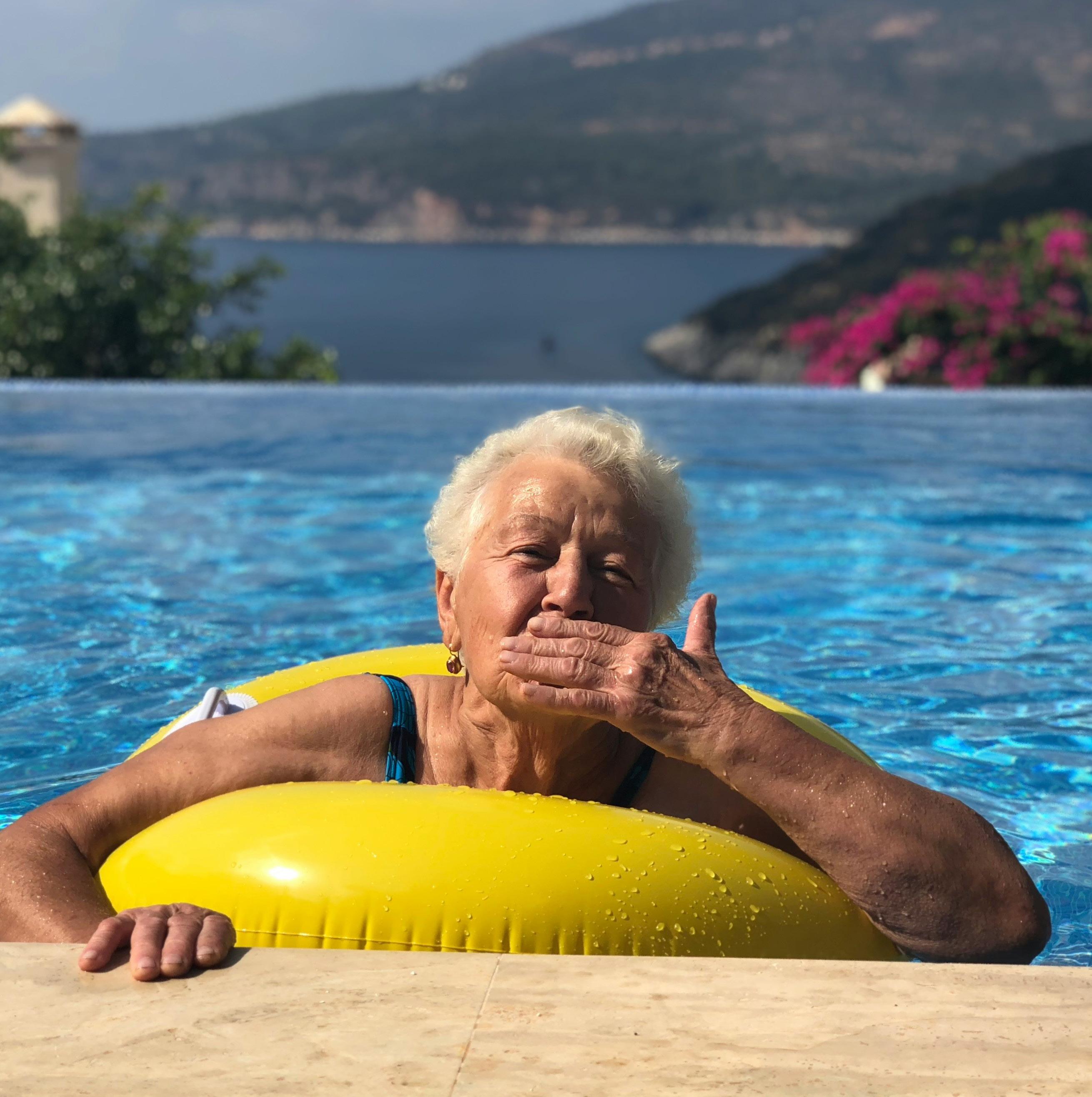
AGING INTO DISABILITY
Quotes provided by Jack and Elaine from Seniors with Latitude.
More than half of U.S. spending on travel comes from the 50-plus community, yet many destinations are unsure on how to meet their evolving needs. In 2023, the annual leisure travel spend among adults over 50 was $236 billion.
The average 50+ traveler anticipates spending about $6,847 in 2025
Source: AARP Research
As of 2020, 55.8 million individuals in the United States were ages 65 and older; close to 17 percent of the U.S. population. This age group is projected to grow to over 20 percent by 2030. (U.S. Census).
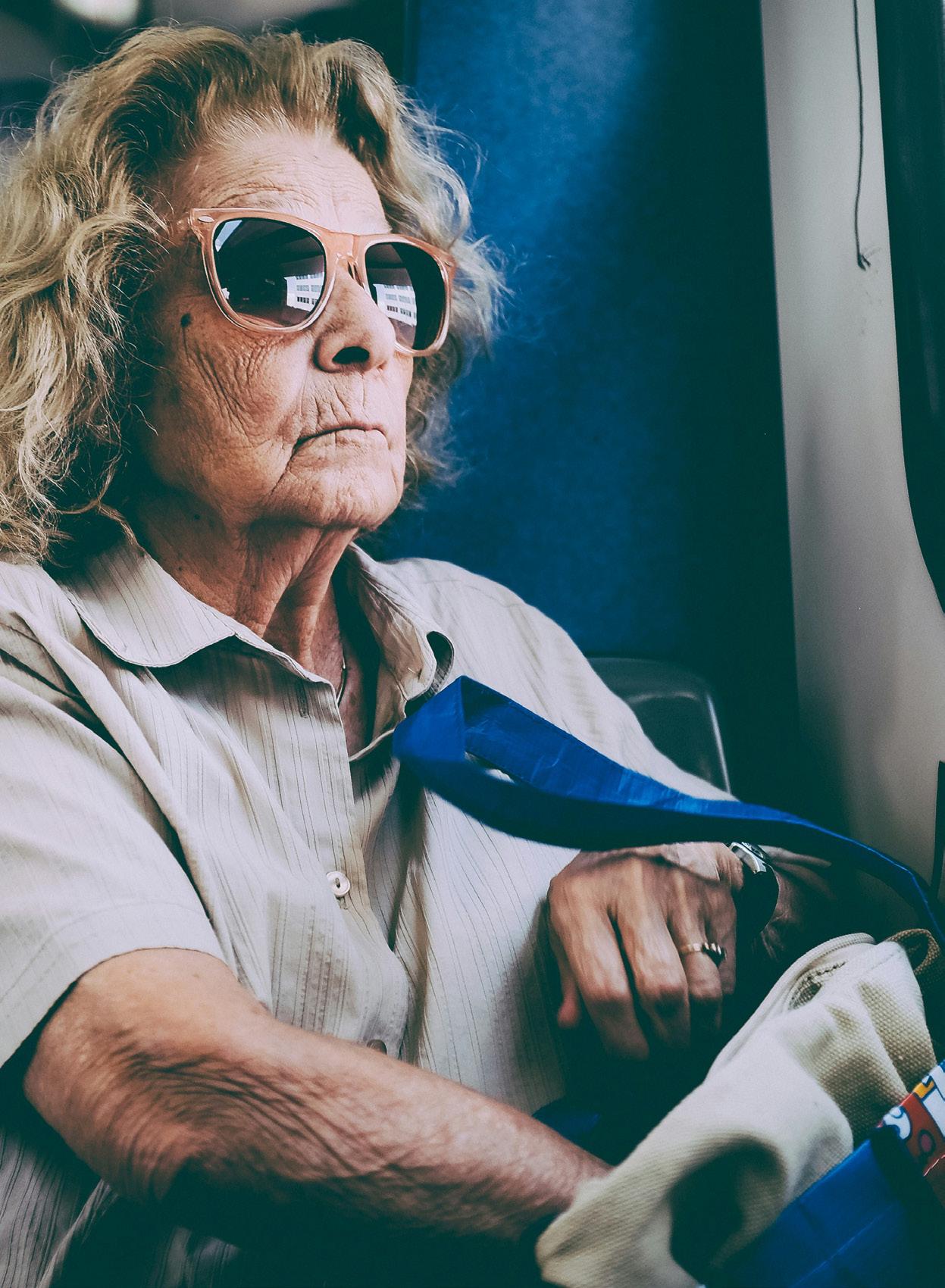
BEHAVIORAL SHIFTS AMONG AGING TRAVELERS
55% say their conditions have resulted in making changes to the way they travel, such as:

Travel more by car (48%)
Take shorter trips (49%)
Travel to a single location/ destination (39%) Book activities before arrival (26%)
45% say their conditions have resulted in less travel

Source: AARP Research
2 in 3 (66%) have made changes to the destinations they choose to go to

Less walking (19%)

Closer destinations (13%)
Limited mobility accommodations (10%)
Choosing more often to stay with friends or family (38%) or in hotels (43%).
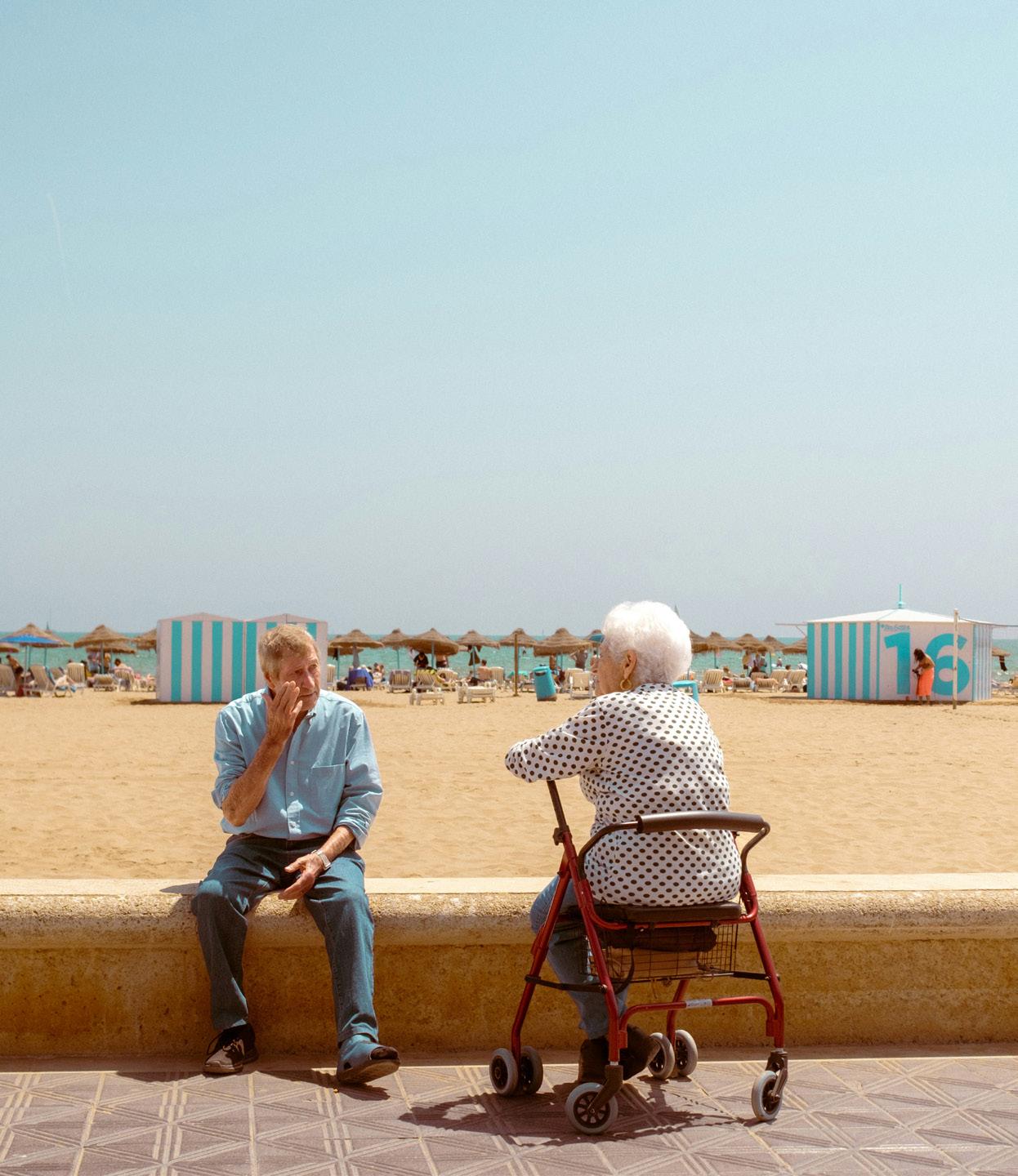
Many older Americans have a disability and many more will acquire disabilities in the future as they age. Among adults 50-plus, 25 percent indicate having a disability. For adults aged 65 and older, this percentage increases to 35 percent. While many adults over the age of 50 need accommodations for a disability or health condition, aging travelers often don’t identify as disabled. Half of adults 50-plus say their difficulty began within the last 5 years, so these challenges are not something they have gotten used to. Due to the COVID-19 pandemic, many may be traveling for the first time since their health challenges began.
AGING TRAVELERS WANT TO TRAVEL MORE
Older adults are increasingly motivated to travel to reconnect with loved ones, relax, and recharge. If accessibility accommodations were put into place, half of non-travelers say they would be interested in future travel. Among non-travelers, the most difficult aspects of travel are activities at the destination (46%) and transportation to and from the destination (39%).
95% believe travel is good for mental health
85% believe travel is a benefit for physical health
“Yes, our knees hurt from
hiking,
we get pains here and there, but we have
also enjoyed massages in many different countries, along with red light therapy, reiki and more. We don’t believe that old age equates with poor health.”
LEARN MORE Travel Trends
• Top Domestic Destinations: The South (38%) and West (31%) remain the most visited regions, with hotspots including Florida, California, and Las Vegas.
• Top International Destinations: Europe (42%) and Latin America/ Caribbean (33%) lead in popularity, especially Italy, Great Britain, and Mexico.
• Health as a Travel Driver: Many aging travelers are motivated by the mental and physical health benefits of travel. Destinations can position travel as a form of wellness, not just a luxury.
• Biggest Barrier: Cost is the leading obstacle to travel—more so than personal health concerns or the health of a loved one.
Source: AARP Research
WELCOMING THE AGING TRAVELER
The needs of the aging traveler are often similar to those of disabled travelers, but older adults may be less likely to ask for assistance. Many do not see themselves as having a disability. To better support the needs of aging travelers, keep the following in mind:
Design for dignity: Move away from one-sizefits-all experiences that prepare travelers for success. Encourage planning ahead, suggest shorter, well-planned itineraries that reduce stress, and promote services such as airport “meet-and-assist” programs.
THE AGING TRAVELER
PLANNING
OBSTACLE

Unclear accessibility information makes older adults less likely to travel.
Uncertainty about airport help deters some from flying altogether.
Uncertainty about refunds makes booking in advance a risk.
App-centric booking can be a barrier for older adults who prefer websites.
Aversion to technology due to concerns about scams and data breaches.
Challenges using online platforms to book transportation and activities.
Difficulty finding hotels that match specific needs and preferences.
SOLUTIONS
Recognize diverse needs: Consider mobility, hearing, cognitive, and visual changes that may arise with age, even among those not identifying as disabled.
Prioritize respectful communication: Train staff to offer assistance without making assumptions and to recognize signs of anxiety or confusion. Be transparent about accessibility: Clearly communicate which features are available and use visible signage and intuitive wayfinding.
Offer simple, supportive tools: Ensure digital tools are user-friendly and secure. Provide low-tech options and human assistance to ease tech-related hesitation.
Focus on empowerment, not special treatment: Accommodations that are simple and thoughtful improve satisfaction and reputation.

Source: AARP Research
Provide clear, detailed information about accessibility (steps, elevators, seats, bathrooms)
Provide information on the time it takes to travel from check-in to the gate at the airport, as well as the services available.
Provide cost comparisons across platforms and clear, easily accessible cancellation/refund policies
Provide user-friendly interfaces with simple navigation and clear instructions on where to click and book.
Provide education about online safety, clear fraud safeguards, and phone support
Develop and promote curated travel experiences tailored to their preferences and needs
Provide enhanced search and filter options (pet-friendly, groundfloor room, grab bars in bathrooms)
55% of older travelers are interested in curated travel experiences once they learn about them.
94% of older travelers who have used AI for travel planning have found it useful.
Port of Portland’s digital map, powered by GoodMaps, shows walking distances and walk times. Users can select accessible routes that will account for vertical conveyances and TSA precheck distances for more accurate timing. Click here to learn more.
FLYING
Difficulty getting through security (33%)
Difficulty getting from parking to the airport (33%) or to the gate (32%)
Difficulty understanding announcements (21% among the 65% with hearing loss)
Difficulty waiting to board at the gate (15%)
“It’s
Source: AARP Research
Improved workforce: Provide special TSA lines and allow more time (60%)
Greater access to wheelchairs/motorized carts (52%)
Provide designated assistance desks where travelers can check for updated information and receive personalized help
Offer check in assistance (43%)
hard for us to fly without precheck - it’s tiring to take off shoes and unpack bags. We’ve forgotten our suitcases after the hassle of putting our shoes back on.”
HOTELS
Difficulty handling luggage (36%)
Difficulty entering the establishment (18%)
Difficulty getting in and out of the bathroom (17%)
Difficulty bathing (20%)
General discomfort during due to age-related sensitivities
Gaps in staff preparedness to accommodate older travelers
Offer assistance (44%)
Source: AARP Research
Ensure step-free entry and automatic doors; offer porter assistance
Install grab bars, walk-in showers, and non-slip flooring in accessible rooms
Provide special rooms with accessible bathrooms and safety features (47%)
Offer early check-in and room features that prioritize comfort (e.g., ergonomic bedding, adjustable climate control)
Train staff on how to identify and support guests who require accommodations (36%)
“The biggest challenge is comfort. As we’ve aged, our bodies are less tolerant of discomfort and the resulting aches and pains. It can really ruin your travel.”
SHARE WITH AIRPORT & CITY STAKEHOLDERS
NAVIGATING DESTINATIONS
OBSTACLE
Long walking distances during tours
Difficulty understanding routes
Limited access to appropriately designed restrooms
Trails or routes not matched to mobility levels
SOLUTIONS
Offer more seating and transportation alternatives (e.g., shuttles, hop-on-hop-off buses)
Use clear, visible signage for walking paths, amenities, and re-routes
Ensure restrooms are available, accessible, and clearly marked
Provide route difficulty markers and modified itineraries with fewer stops (e.g., “Slow Walking Itineraries”)
“Clear signs are important so that we know where we’re going and how to get there. If we’re being re-routed, make it easy. Mark how hard a trail is or isn’t. It helps to know ahead of time if a trail is going to be steep or rocky. Bathrooms are important and they need to be accessible to adults. Some toilets are too low for adults. We’re not disabled, but we need an accessible toilet seat height.”
LEARN MORE
AARP Travel Resources
1
2 3 4 Aging Adults and Mobility
Aging Adults and Hearing Loss
Aging Adults and Dementia
Aging Adults and Low Vision
PART 4 THE ACCESSIBLE TRAVELER JOURNEY
BEFORE THE JOURNEY
Every journey begins long before reaching a destination. For disabled travelers and caregivers, the experience starts with detailed research, careful planning, and often a series of questions that go far beyond typical logistics: Will I be able to navigate the airport independently? Will I actually feel safe and welcome when I arrive? Is this experience accessible for my child or loved one with sensory sensitivities?
The Expedia Group’s Journeys for All study found that while many people with disabilities are eager to travel and more than half do so with family, spouses, or partners, they continue to encounter significant and widespread barriers.


> Four out of five report significant challenges with airlines and airports.
> Three out of four experience difficulties with accommodations such as hotels, motels, or short-term rentals.
Addressing these barriers not only enhances the travel experience for people with disabilities but also improves overall accessibility for a wide range of travelers, including families with young children, older adults, non-native speakers, and those with temporary injuries. Accomodating features like step-free access, visual communication, accessible digital platforms, and well-trained staff help create more seamless, welcoming, and user-friendly travel experiences for everyone.

13 hours
Spent researching for a trip, with four of those hours specifically dedicated to understanding the destination’s accessibility offerings.
Over 60% of travelers surveyed look for accessibility features and advanced filters when booking online.


Two-thirds prefer to book with travel providers that visibly support diversity and inclusion, a preference echoed across sectors such as transit, lodging, experiences, and booking platforms.
68%
are more likely to rebook with accessible-friendly companies, and 58% are more inclined to join their loyalty programs.
Source: Expedia Group, Journeys for All
THE POWER OF ACCESSIBLE INFORMATION
“I do all my research online like most of us do, and if a website is inaccessible… I’m put off.”
–SASSY WYATT
Travel planning for people with disabilities requires additional time, energy, and scrutiny to ensure they feel welcome and properly accommodated. 80% of families surveyed in MMGY Global’s 2024 Portrait of Family Travel: Autism, ADHD and Neurodiversity indicated they look for destinations that have a reputation of being friendly and welcoming.
Planning a trip requires accessible digital experiences. For many, a broken link, an unlabeled image, or the absence of access details becomes a barrier that ends the travel experience before it starts.
According to Wheel the World, the most significant barriers to accessible travel include:
• Lack of clear accessibility information
• Absence of accessible booking solutions
• Poor communication or outreach to disabled audiences
• Inadequate training of staff
• Minimal monitoring of progress
These gaps reinforce a troubling disconnect between travel aspirations and practical access.
“Most autistic travelers—and disabled travelers in general—do a lot of online research before they travel, and will likely choose destinations that include clear, relevant accessibility information on their websites. When this kind of information is easy to find online, it builds trust and helps travelers feel confident that their access needs will be respected.”
- ALEX STRATIKIS
67% of disabled travelers say it should be easier to access information, and
72% highlight the need for accessible transit and lodging options during the research phase.
Source: Expedia Group, Journeys for All
What’s the difference between an accessible website and an accessible landing page?
An accessible website is a full, multi-page digital environment designed with Web Content Accessibility Guidelines (WCAG) principles in mind to ensure that people with disabilities can navigate, perceive, and interact with all content and features.
An accessible landing page is a focused web page or pages created for accessible travel experiences.
Accessible Website Guidance
1. Screen-reader Compatible Web Pages. Web pages must be readable by electronic “screen readers”, which are devices commonly used by the visually impaired to surf the internet.
2. Alt-tagged Images. Images must have “alt tags” (a type of metadata) which will help visually impaired users to identify the image via text or via a screen reader. Search engine optimizers will know of alt-tags as a way to optimize images for ranking high in ‘Google Images’.
3. Alt-tagged Tables. If you’re using tables on any web pages, they must also have alt-tags to help explain each column via text. The user’s screen reader will then read that text aloud, describing the contents of the table.
4. Automatic Scripting. Any scripted display usage of image mapping should be accompanied by textual alternatives.
5. Style Sheet Independence. Your web pages should be readable to screen readers, most of which cannot load style sheets.
Conduct a Website Audit
Website audits are a necessary process to assess how well your website meets the needs of people with disabilities, conforms to Web Content Accessibility Guidelines (WCAG) and complies with relevant regulations. While a website audit can be conducted by a member of your organization, it is always helpful to engage a third-party expert, like UserWay Scanner
6. Accessible Forms. Web forms should be usable without a mouse, and each field should be labeled.
7. Text Links to Plugins. If your website requires a specific plugin to work correctly, you should present the link to that plugin in text form.
8. Color Schemes. Your website should not contain any colors or color combinations that are either integral to the correct usage of your website, or which may confuse those with color blindness in any way pertaining to your website, products or services.
9. Keyboard-friendly Browsing. Your website shouldn’t be reliant on the usage of a mouse or touchpad. Users who wish to navigate using only keyboard keys should be able to do so.
10. Harmless Website Design. Your website should not serve images or videos that can cause seizures.
LEARN MORE
Website Audit Resources
1
2 Washington Post Design Guide
Bureau of Internet Accessibility WCAG Checklist
Accessible Landing Page Guidance
KEY ELEMENTS
DETAILS
Statement "We are pleased to welcome visitors of all abilities. This page features a variety of accessible attractions, museums, recreational activities, and hotels to help visitors and local residents with disabilities discover what they can do in [Destination]."
Placement Feature landing page on homepage or at top navigation bar for easy access.
Things to Do
Highlight Accessibility Advocates and Programs
Hotels & Lodging
Suggested Itinerary
Transportation
Medical Supplies & Services
Outdoor Spaces and Trails
Sports and Performance Venues
Dining & Food
Enhanced Engagement
Industry Collaboration & Drop-Down Menus
Tagging & Search Optimization
Involve Disabled Voices
Identify accessible attractions and experiences, and provide direct links to their accessibility pages.
Showcase relationships with organizations like Wheel the World, KultureCity, or Hidden Disabilities Sunflower Program. If you a certified partner in sensory accessibility and inclusion, link your website directly to the KultureCity App.
List accessible hotels, highlight hotels with pool lifts exceeding ADA requirements, and survey hotels for detailed accessibility info. If partnering with Wheel the World, link directly to their booking page.
Build an accessible itinerary with state/provincial/national stakeholders, and include links to relevant articles and media coverage.
Link to accessibility pages for airports, public transportation, taxis & van services, and car rentals.
Provide links for wheelchair/scooter rentals and medical equipment rentals
Provide accessibility links for nearby parks, hiking trails, points of interest, botanical gardens, and zoos.
Link to accessibility pages for college/professional stadiums, arenas, racetracks, symphonies, ballets, operas, theatres, and prominent nightclubs.
List accessible-compliant and sensory-friendly restaurants.
Incorporate video testimonials from visitors with different disabilities.
Survey industry partners to uncover accessibility features, and build a userfriendly drop-down menu for mobility, blindness/low vision, deafness/hard of hearing, and autism/neurodiversity.
Tag accessibility links by disability type, allowing users to filter and search. Locations with multiple features should appear under each relevant category.
Invite individuals with disabilities to write articles, review experiences, and contribute to the landing page experience.
LEARN MORE
Best practice landing pages
There’s no one-size-fits-all when it comes to accessible landing pages. To get inspired, take a look at these destinations who have made great strides:
1
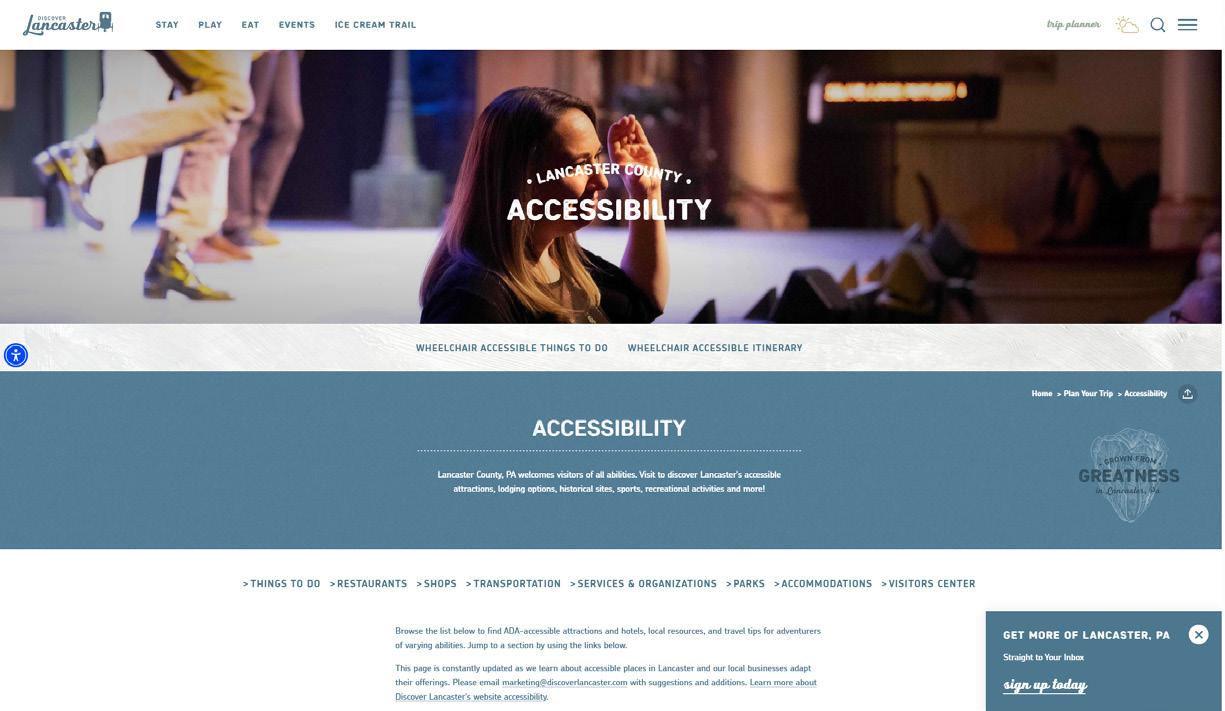
Discover Lancaster
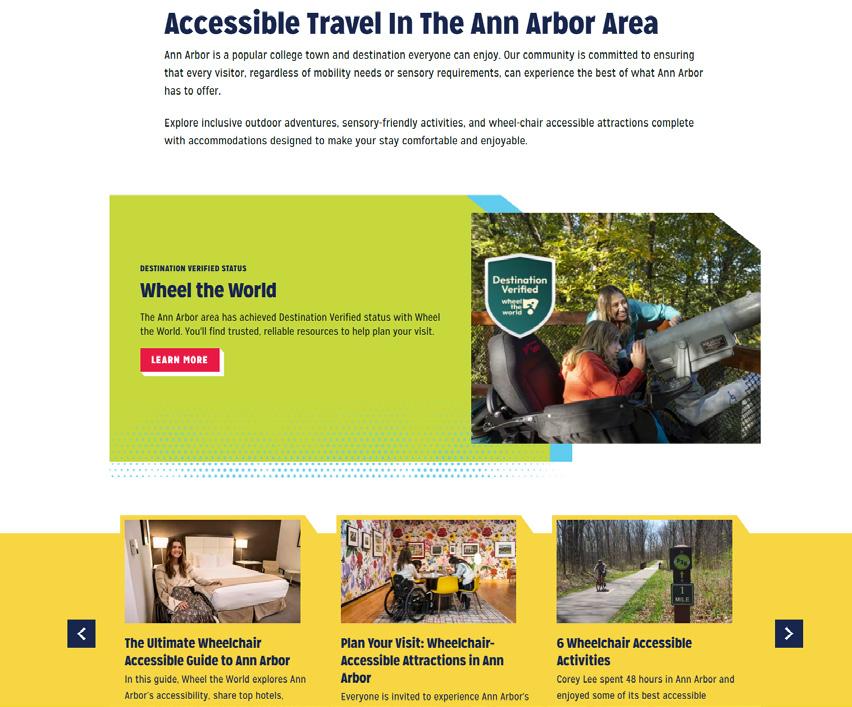
Discover Lancaster’s accessibility page helps travelers plan with confidence by providing specific and reliable information on features like ramps, braille signage, and service animal accommodations.
2
3
Explore Minnesota
Explore Minnesota’s accessibility page stands out for its filterable, extensive accessibility features. This empowers users to customize searches by their unique needs, making trip planning more efficient and tailored.
Visit Ann Arbor
Visit Ann Arbor’s page builds trust through recognized certifications and showcases inclusive experiences in the community.
4 5 6
Visit Charlottesville
Visit Charlottesville’s accessibility page instills confidence in travelers with vetted information. It helps travelers plan for practical needs, such as bed and restroom dimensions, by providing verified credentials.
Visit Denver
The Visit Denver accessibility page demonstrates a commitment to accessibility with leadership in ADA compliance and top disability access rankings.
Visit Fort Wayne
Visit Fort Wayne’s accessibility page engages local stakeholders and promotes inclusive recreation with community-driven resources and adaptive sports highlights.
Visit Scotland
7
The VisitScotland accessibility page offers comprehensive, trustworthy, and easy-to-understand resources that cater to a wide range of accessibility needs.
Discover Lancaster Visit Ann Arbor
ACCESSIBLE VIDEOS
Caption Your Videos
By Meryl Evans, CPACC , Writer Speaker and Accessibility Marketing Consultant
Captioning videos are useful way to engage audiences, regardless of ability. They are particularly useful for individuals with auditory disabilities or who process information visually.
❏ Captions are readable. Off-black background, off-white text, plain sans-serif font, and Goldilocks font size (neither too big nor too small).
❏ Captions are accurate including spelling and punctuation. Avoid bleeping bad words heard unless the sound is actually [bleep].
❏ Captions are in sync with the audio.
❏ Captions are the right length. One to two lines at no more than 32 characters each. Breaking points matter too. Described and Captioned Media Program Captioning Key has an excellent guide on this.
❏ Position captions on the bottom
❏ Caption *relevant* sounds including music and song lyrics. Doorbell chimes, phone rings, dogs barking.
❏ Captions don’t hide credits or on-screen text. Viewers want to see both.
❏ Caption voice changes. If a voice changes, it changes for a reason. This could be accents, making a voice higher or lower, becoming hoarse, or imitating something or someone else.
❏ Identify the speaker. If it’s not obvious who is speaking, put the name in brackets or use dashes.
❏ Use pop-in motion rather than moving captions that roll up like in live events.
“Alt text has the power to open doors for visually impaired users. Where a page full of pictures would be meaningless, alt text allows users to view the full detail of images. It doesn’t need to be massive, or overly descriptive, so if you’re worried about saying the wrong thing, don’t be!”
- SASSY WYATT
AUDIO DESCRIPTIONS
Special Thanks to the Digital Accessibility Office, University of North Carolina at Chapel Hill
Users who have some vision impairments need audio descriptions to fully understand the content of the video if it lacks descriptive narration.
❏ Plan your video so that the narration fully describes the video content.
❏ Allow space and timing for audio descriptions in the video. This helps prevent the need for pausing during the description.
❏ Describe all meaningful visual elements between the audio description and narration.
❏ Keep the descriptions clear and concise.
❏ Use accurate and descriptive language.
❏ Refrain from offensive words.
❏ Avoid jargon and technical terms.
❏ Avoid opinions and interpretations.
❏ Ensure users know the difference between what is real versus illusions, dreams, or other visually obvious scenarios.
REPRESENTATION MATTERS
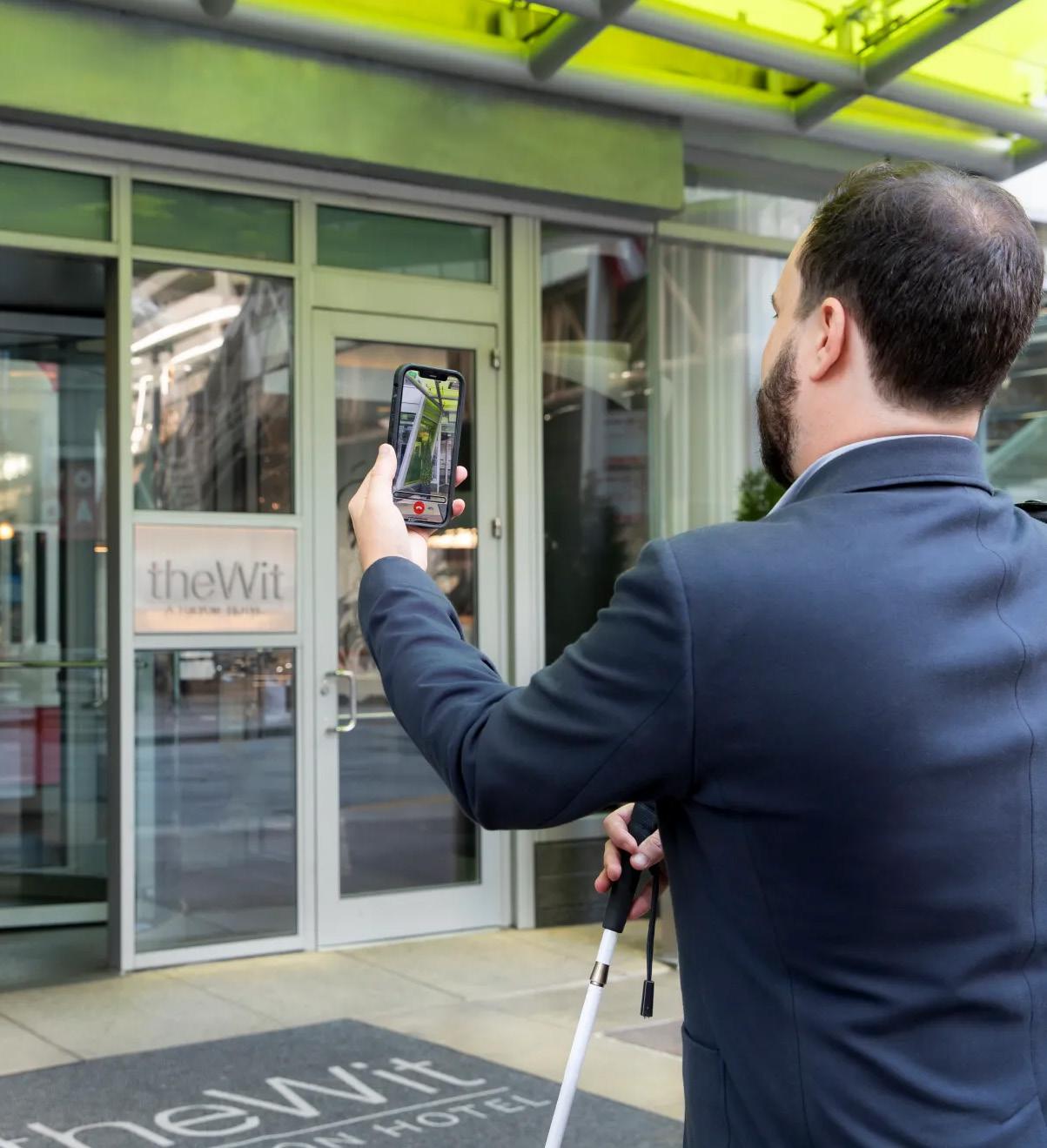
Marketing authentically to disabled travelers begins by building relationships with individuals and influencers in the disability community, laying the foundation for websites and digital content that genuinely reflect their experiences and go beyond simply meeting accessibility standards.
“If a destination doesn’t show disabled people, I’m less likely to invest my energy there.”
-SASSY WYATT
12% of disabled travelers feel that travel marketing represents them well, yet
71% say it’s
important to see people like themselves when considering destinations.
Source: Expedia Group, Journeys for All
Creating Content
When developing content, look to see what materials may already exist that can be leveraged. Reach out to influencers and writers who are a part of the accessibility community for collaboration. Any blogs focused on disabilities within your destination should be written or reviewed by an individual with that particular disability.
Promoting Content
Once your destination has accessible offerings, it’s time to spread the word.
A press release is an important tool to announce new accessible offerings, events, or initiatives related to your destination. Submit these releases to accessible travel communities, media, your own community, and to the TravelAbility Insider.
SHARE WITH MARKETING
Coordinate your release with any significant events or milestones.
Share engaging posts about accessibility and use relevant hashtags (#AccessibleTravel). Collaborate with influencers who champion accessible travel and encourage user-generated content from travelers with disabilities. Join Facebook groups focused on accessible travel, and promote features on major browsing sites.
LEARN MORE
Our Content Creator Community

Travelers with disabilities rely on disabled creators, bloggers and influencers for information in planning their journeys. They are the most trusted voice for information and advice as it is based upon lived experience. Explore our list of influencers and content creators. Click here to view the list of our most followed creators.
Jordan 'Jo' Beckwith
Chelsea Bear Mobility Chelsea Bear 826,715
Luke Tarrant Mobility Luke Tarrant 677,400
Rob Gorski Neurodiverse The Autism Dad 509,218
Jaimen Hudson Mobility Jaimen Hudson 494,637
Rico Abreu Dwarfism Rico Abreu 424,009
Houston Vendergriff Neurodiverse Downs and Towns 420,693
Tara Shetterly Mobility Wheels by Tara 392,151
Rebecca Koltun Mobility Rebecca Koltun 346,792
Adele Roberts Chronic Disease
Adele Roberts 329,100
Joel Barish Deaf/HOH Deaf Nation 275,300
Albert Yu-Min Lin Mobility
Gracia Autism
Eleanor May Simmonds
Albert Yu-Min Lin 268,208
“When we hosted Candis Welch last year, we were able to put our Wheel the World research into practice to see what was correct, what we needed to adjust, and we learned a ton! For instance, we took her to a winery and her condition limits her ability to hold a glass so she needed a straw. They didn’t have straws on hand in an effort to be environmentally friendly. However, they ran out to get them and now have a small supply for these instances. Without inviting her to our destination, I would have much less confidence in our ability to deliver on accommodations our partners indicated they could make.”
—COURTNEY CACATIAN, CHARLOTTESVILLE ALBEMARLE CONVENTION & VISITORS BUREAU
Accessible Travel Clubs and Groups on Facebook
GROUP
Accessible Travel Club
AccessibleTravel USA & Canada
Wheel the World Accessible Travel Community
Disability Travel Group
The World is Accessible
Accessible Travel
Accessible Family Travel
Accessibility Group
Disabled Cruisers Group
Wheelchair Travel
*as of Summer 2024
FAM Trips
Accessibility-focused FAM trips are ways for destinations to create awareness around accessibility efforts receive valuable feedback. Prior to inviting an influencer, consider infrastructure and physical barriers, local support services, attractions, and nearby healthcare facilities.
FAM Pre-Trip Research
❏ Site Inspections: Conduct thorough site inspections to verify accessibility claims.
❏ Local Regulations: Understand local regulations and standards for accessibility.
❏ Accessibility Guides: Use accessibility guides and resources that your destination has developed and/or provide information from venues and attractions. For those with sensory sensitivities, refer to the KultureCity App to determine shops, restaurants, attractions, and venues that are accessible.
Itinerary Design
❏ Create an itinerary that highlights the essence of your destination through an accessibility lens.
❏ Flexible Schedule: Create a flexible itinerary to accommodate different needs and potential delays. Reach out to KultureCity where they can help support visitors with auditory sensitivities.
❏ Accessible Transportation: Arrange for accessible transportation options, including vans with lifts, buses with ramps, and trained drivers.
❏ Accommodations: Choose hotels that are fully accessible, including rooms with roll-in showers, grab bars and lower beds.
Communication
❏ Clear Information: Provide detailed information about the accessibility of each location and activity.
❏ Participant Needs: Collect information
about the specific needs of participants well in advance.
❏ Emergency Contacts: Have emergency contact information and procedures readily available.
On-Site Support
❏ Trained Staff: Ensure staff and guides are trained in disability awareness and assistance.
❏ Personal Assistants: Consider having personal assistants or volunteers to help participants as needed.
❏ Medical Support: Have medical support or first aid readily available.
Accessibility Tools
❏ Technology: Use apps and devices that assist with navigation, communication, and mobility.
❏ Adaptive Equipment: Provide or arrange for adaptive equipment like wheelchairs, hearing aids, or visual aids.
Be honest about limitations, clear about what travelers can expect, and open to feedback.

Tip from an expert!
Visit Mesa, recognized as the first Autism Certified City in the world, incorporates accessibility into all their FAM trips. Alison Brooks, Visit Mesa’s Vice President of Destination Experience and Advocacy, suggests having the individuals fill out a questionnaire before their visit.
Questions Visit Mesa asks include:
• Do you have any accessibility requirements that we should be aware of? If so, please list:
• Do you have any food allergies? If so, please list:
• Is there anything else we should be aware of to make your experience in our destination more comfortable?
DESTINATION EXPERIENCES
Accessibility doesn’t end at the welcome sign. It comes to life in the everyday experiences that shape a trip: navigating an airport, checking into a hotel, stopping by a visitor center, attending an event, or exploring the outdoors. For disabled travelers, the most memorable experiences can often be the ones that don’t stand out at all.
Airports and Transportation
“The best experiences are the ones I don’t remember… because I was simply independent. That’s my favorite experience.”
–JESSICA JORDAN PING
Airports are often a traveler’s first and last physical encounter with a destination. For disabled travelers and caregivers, these moments shape not only the logistics of a trip, but solidify their sense of autonomy, welcome, and safety. Airports are fast-paced, high-pressure environments where information is often visual and where assumptions about ability are common.
WHAT TRAVELERS NEED IN AIRPORTS WHAT DESTINATIONS CAN DO
Empathetic, well-trained staff (especially at security, assistance desks, and customs)
Clear signage with visual, auditory, and tactile cues
Location of accessible amenities
Sensory-friendly features
Partner with organizations like TSA Cares and Hidden Sunflower Program
Engage airport to calculate distances to last gate on each concourse. Add this information on accessibility landing page
Provide list of amenities and the terminal locations (i.e. adult changing rooms: Terminal B, Sensory rooms Terminal A & D; Quiet Rooms, etc). Add information to your accessibility landing page
Invest in KultureCity quiet rooms and sensory bags
“As a Deaf Travel Content Creator, clear, visual communication is essential in airports. Real-time flight updates on screens, visual boarding signals, captioned announcements, and text and pop-up notifications on phones greatly improve accessibility. Communication is further enhanced by staff trained in basic sign language, the use of speech-to-text tools, or access to video relay services with interpreters. These accommodations reduce stress so travelers like me can navigate airports with confidence and dignity.”
- LILLY YU
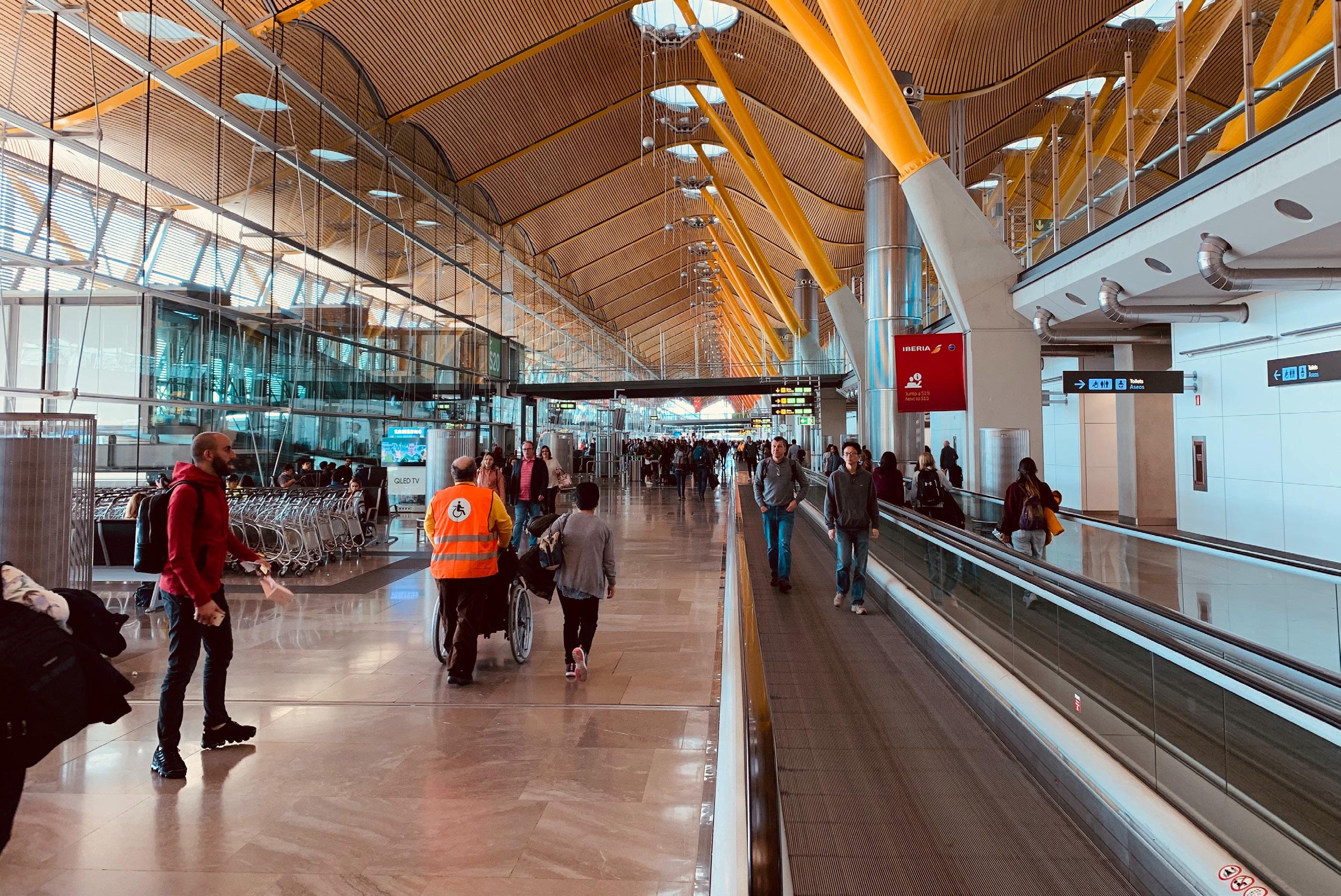
Accessible travel isn’t just about getting on and off a plane. It is about moving smoothly from place to place once you are at a destination.
Accessible transportation is often an overlooked
WHAT TRAVELERS NEED IN GROUND TRANSPORTATION
Accessible fleet options (e.g., vehicles with ramps or lifts)
Visual and audio updates at stations and on vehicles
Staff trained in safe, respectful interaction
Booking systems that clearly indicate accessible options
Consistent, real-time communication
part of destination planning yet is essential for disabled travelers to feel included. This is where many face unpredictability, inaccessibility, or limited options when traveling.
DESTINATIONS CAN DO
Partner with local transportation providers to map accessible options and fill service gaps
Promote mobility-as-a-service apps that highlight accessible routes or vehicles
Encourage training for drivers on how to assist respectfully
Work with ride-share companies and taxi commissions to increase accessible vehicles
Create multi-modal accessible transportation guides that bridge airport, hotel, and attraction travel
Accommodations
For any traveler, a otel or accommodation is more than just a place to sleep, it is a temporary home, a place to feel safe, comfortable, and cared for. However, disabled travelers often encounter
WHAT TRAVELERS NEED IN HOTELS
Room options that reflect a spectrum of disabilities
Accurate, detailed room descriptions with photos and reviews
Respectful, trained staff how understand how to ask about needs
Quiet, low-stimulus check-in options and accommodations for travelers with sensory sensitivities
Accessible amenities including pool lifts, adultsized changing tables, doorbells with visual signals, and shower chairs
“Little things often go a long way. A shower head in the lower position, vs. hanging at the top, can be the difference between independence and having to ask for help. A cheap, portable shower chair can make a shower or tub accessible for us. Kind staff who have been trained and who seek to understand have helped us out of more pickles than any expensive upgrades or remodels.”
- JENNIFER ALLEN
many challenges during their hotel stays, such as lacking information about accessibility features during check in, or a misunderstanding about the traveler’s accommodation requirements.
WHAT DESTINATIONS CAN DO
Survey hotel partners to inventory offerings. For individuals
Encourage hotel partners provide information online, offer virtual hotel tours using Threshold360, and capture guest feedback
Encourage staff training in disability etiquette, emergency procedures, empathy and inclusive service
Encourage providing alternative spaces including those with minimal noise, fragrances, and away from elevators
Provide hotel partners with a link to accessible accommodation essentials
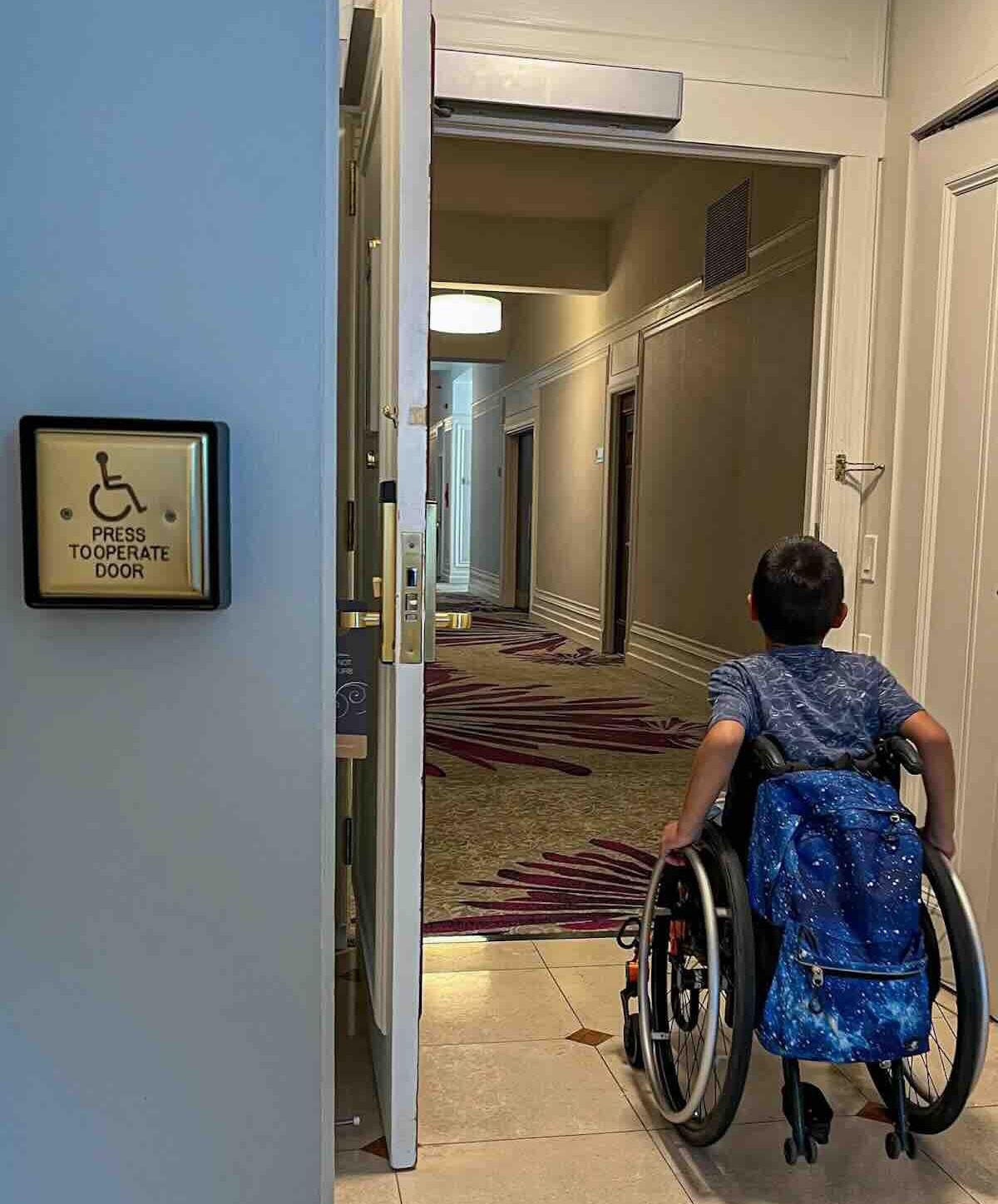
Low Cost/No Cost Solutions for Guests with Wheelchairs
❏ Lower any item that is out of reach for a wheelchair user, such as hairdryers, towels, and dispensers.
❏ Reduce door pressure to 5lbs using an Allen wrench.
❏ Remove any obstacle blocking an elevator button.
❏ Reposition the restaurant layout to create access lanes wide enough for wheelchairs. This will also help servers.
❏ Use an adjustable Roll-A-Ramp instead of steeper portable ramps.
❏ Remove obstacles, such as armchairs that block the thermometers.
For Visually Disabled Guests
❏ Create spacious and clutter-free bedroom layouts that allow guests easy ingress and egress.
❏ Train housekeeping staff not to move personal effectss.
❏ Provide access to a tablet that connects to services like Aira and BeMyEyes, where volunteers can assist digitally.
❏ Provide amenities for service animal relief.
For Guests with a Auditory Disabilities
❏ Use visual cues i.e. blinking light at the door or purchase a vibrating pillow. Consider the visual communication card or feelings thermometers offered by KultureCity.
❏ Consider use of Koji, a free AI generative communication tool.
❏ Install hearing loop at check-in.
❏ Offer communication via text, email, or messaging apps
❏ Provide written guides for check-in, emergency procedures, room amenities, and hotel services.
❏ Keep notepads, whiteboards, or digital tablets at the front desk for communication.
❏ Provide portable visual alert kits (about $50–$150) upon request. These include flashing doorbell alarms, visual fire alarms, and vibrating pillows.
❏ Enable closed captioning on all in-room TVs by default.
❏ Train staff on basic etiquette, such as maintaining eye contact with guests when speaking, avoiding shouting, and using visual cues effectively.
For Guests with Cognitive Disabilities
❏ Place visitors with sensory sensitivities farther from elevators.
❏ Reach out to KultureCity for research-based Sensory Bags.
❏ Use large, simple text and symbols on directional and room signs.
❏ Keep lobbies and hallways organized and calm—too much visual input can be overwhelming.
❏ Designate a quiet area in the lobby or other shared space for guests who may become overstimulated.
❏ Provide a simple checklist for the check-in process, what’s in the room, or checkout instructions.
❏ Train staff to speak slowly, clearly, and with patience.
❏ Assign a staff member as the point of contact for guests during their stay who need assistance with routines or have questions.
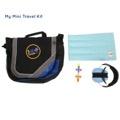
Accessible Accommodation Essentials
Purchase accessible accommodation products here. Having these essential products on hand can make any disabled traveler feel empowered. Get ahead of the curve like Tapooz Travel, who carries these items for guests and is prepared for any situation.
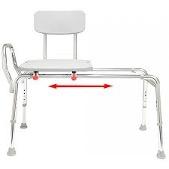
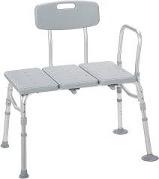
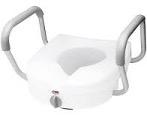
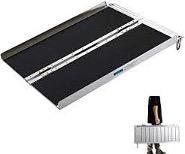
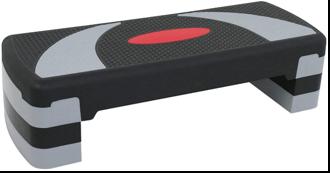
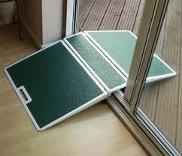

links were active as of release date and checked regularly. Report any broken links to lillian@travelability.net.
Accessible Accommodation Essentials (continued)
Stand alone Mirror (with and without light)
$18
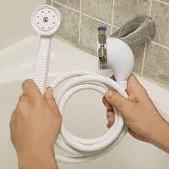
Hand-held shower head (to replace regular shower head)
Quick adapt shower head (goes straight on the spout)
$27
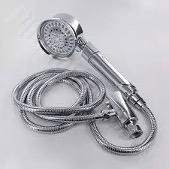
$10
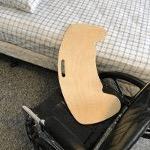
Bed transfer slide board $38
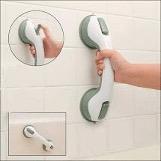
Movable grab bars with lockable suction cups. (short, medium and long)
$28
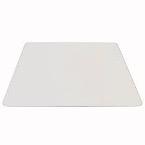
Heavy duty plastic mats (36”x 48” / set of 6) for high-pile carpeting to create a solid path-of-travel for manual chair users $60
Accessible Accommodation Essentials (continued)
GE Window/Door Personal Alert Security System
for ALL. Flight simulations App produced by Alaska Airlines.
IBCCES Autism Card Helps identify special accommodations for user.
(for two)

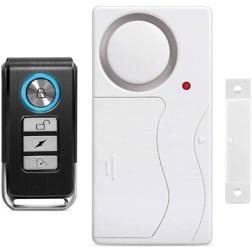
Alarm $39.95
Sample Survey for Destination Stakeholders
General Questions:
❏ Do you have a dedicated and detailed accessibility page on your website?
❏ Are people with disabilities included in your marketing materials?
❏ Does your website meet web accessibility standards?
For attractions and tour experiences:
❏ Do you have quieter times that people with disabilities may visit?
❏ Do you have multiple ways to purchase tickets?
❏ Do you fast-track visitors who are unable to stand in a queue for long periods of time?
❏ Do you have relief areas for service animals?
For Hotels:
❏ Do your accessible bathrooms have roll in showers?
❏ Does your accessible room offer handheld shower heads lever taps?
❏ Does your accessible bathroom have toilet and shower grab bars?
❏ Do you offer multiple options for booking (i.e. web, text, phone)?
❏ Are staff on hand to help with luggage if needed?
❏ Are your staff aware of transportation companies that are disability friendly?
❏ Are your light switches, electrical outlets accessible for people in wheelchairs using one hand?
❏ Do you have a list of local accessible restaurants?
❏ Are your staff trained on guest evacuation requirements in case of emergency?
❏ Do you offer vibrating alarm clocks w/ flashing lights on loan?
Dining:
❏ Are your food menus available in large print versions?
❏ Does your restaurant offer “quiet spaces” for guests who have auditory or neurocognitive disabilities?
❏ Do you offer reading glasses, flashlight or magnifying glass if needed?
A Sample Survey for Accessible Rooms
Hotel Name:
Please provide a link to the description of your accessible room on your website
About Your Beds in Accessible Rooms
❏ What is the bed height from floor to top of the mattress?
❏ Is the bed height adjustable?
❏ Are there bed raisers available upon request to adjust bed heights?
❏ What is the height of the space from the floor to the bottom of the bed frame?
About Your Bathroom in Accessible Rooms
❏ What is the height from the floor to the toilet seat?
❏ How many grab bars are there around the toilet?
❏ What is the height of the grab bars from the floor?
❏ Is there a raised toilet seat available upon request?
❏ Is there a roll-in shower?
❏ How wide is the doorway entrance to the bathroom?
Bonus Questions: About Your Pool
❏ Does your hotel have a pool?
❏ Does your hotel have a pool lift?
Visitor Centers
Visitor centers set the tone for a destination by offering orientation, inspiration, and support. For disabled travelers and caregivers, this first impression can either build confidence or create uncertainty.
WHAT TRAVELERS NEED AT VISITORS CENTERS
Physically accessible entrances, clear sight lines, and seating areas
Clear visual signage including high-contrast fonts, accessibility symbols, large print, and plain language
An accessible visitor center doesn’t require complex design, but it does require thoughtful staffing, accessible materials, and an environment where every traveler feels seen and welcome.
WHAT DESTINATIONS CAN DO
Offer accessible parking, service counters, and water for service animals
Offer materials in multiple formats, including screenreader friendly versions. Offer tactile maps and audio guides for blind and low vision visitors. Label accessibility features clearly on-site (e.g., “You’re in a sensory-friendly space” or “ASL interpretation available upon request”)
Provide various communication tools
Staff trained in disability etiquette, inclusive communication, and service flexibility
Quiet or low-sensory spaces for travelers with autism, PTSD, or sensory sensitivities
Invest in hearing loops, magnifying glasses, video captioned kiosks, and virtual concierge tablets. Encourage the use of Koji, KultureCity’s free AI communication app
Train frontline staff to ask, “How can I best assist you today?” instead of assuming needs; Make accessibility part of the greeting
Partner with disability organizations to co-design sensory-sensitive experiences
Meetings and Events
Many people travel to conferences, festivals, sporting events, and meetings. For disabled attendees, these large-scale gatherings can be sources of both opportunity and exclusion. From
inaccessible stages and seating to overstimulating environments and uncaptioned content, these barriers are often avoidable if accessibility is planned from the start.
Reassurance that event and spaces will be accessible
Accessible online registration with clear instructions
Accessible transportation and parking
Access to assistive technologies
Reassurance of dietary restrictions or allergies
Support venue and meeting clients in developing an accommodation statement and conducting site visits
Encourage the use of alt-text, form fields, and properly labeled links
Provide event clients with recommendations of local transportation providers
Encourage venues form partnerships with solution providers
Encourage catering staff track and label meals to account for any needs
“For deaf attendees, optimal accommodations include providing qualified sign language interpreters, real-time captioning (CART), and ensuring that all videos are captioned. Visual aids should be clear and supplemented with written materials. Meeting platforms should support multiple communication modes, and seating arrangements should allow for clear sightlines to interpreters and speakers. ”
- CRAIG RADFORD
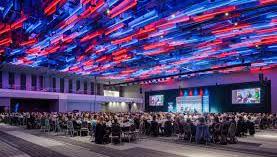
An accessibility video series: Assessing your convention center
The PCMA Annual Convening Leaders event was hosted at the Greater Columbus Convention Center in 2023. They joined forces with Rosemarie Rossetti, PhD, a wheelchair user, accessibility ambassador for Visit Columbus, consultant, and keynote speaker. Together, they evaluated every section of the convention center. The footage from this assessment was then segmented into the following concise clips.
Assess Your Convention Center Accessibility https://youtu.be/7aRkz8ERtkU
Food Labeling at Meetings and Events https://youtu.be/vuhDiIRPKYk
Tables Can Be Obstacles https://youtu.be/T_c1SzqpPMg
Table and Chair Setup at Networking Events https://youtu.be/P-KMNx6cpZ0
Avoid Sensory Overload https://youtu.be/wg19h1Sarlo
Guest Services Desk Height https://youtu.be/BSE0jDNDjLk
Make Wheelchairs and Scooters Available https://youtu.be/TZb4ZUrzZow
Diversity, Equity, Inclusion PLUS Accessibility https://youtu.be/0ek-coB3Yyg
Hire an Accessibility Consultant https://youtu.be/pPv8aufWIPc
Registration Questions and Follow Up https://youtu.be/9vo05r03ihg
Accessible Restrooms https://youtu.be/DUw4iY5TA3A
Universal Changing Tables and Nursing Mother’s Room https://youtu.be/T0MBpZS1j40
Accessible Restroom Signage https://youtu.be/Crn_S3pZ-DE
Accommodating Service Animals https://youtu.be/oV3qy7CGWI0
Sign Language Interpreters https://youtu.be/3cqZMegLx80
Captioning on Projection Screens https://youtu.be/jbfL6NtPgDQ
Accessible Transportation and Parking https://youtu.be/R4qhF1sdl9Q
Wayfinding Signage https://youtu.be/BwkF06veFo8
Accommodating Low Vision and Blind Attendees https://youtu.be/0tZ7qGhps1M
Space Planning for Wheelchairs and Scooters https://youtu.be/EdbysZwYjA4
Food Placement and Assistance https://youtu.be/ElXYCA7Fvq4
Accessible Shuttles https://youtu.be/opPZa3hxVAQ
Courtesy of Rosemarie Rossetti, PhD.
Attractions, Restaurants, and Outdoor Experiences
For many travelers, the heart of visiting a destination lives in its experiences: the museums that spark curiosity, the trails that invite adventure, the meals shared around a lively table, and the neighborhoods waiting to be discovered. But for travelers with disabilities, whether those memories are joyful or frustrating often hinges on the small yet crucial details: Is there an entrance I can use with dignity? Will the server speak directly to me? Can I enjoy this exhibit without sensory overload?
Attractions and restaurants can embrace universal design, train their teams, and communicate access proactively. When travelers are confident, they can join the fun, they stay longer, return more often, and bring others with them.
Consider these inspirational examples:
❏ Tactile Museum Tours: Some museums are offering touchable, 3D-printed replicas of major artworks or exhibits, allowing blind and low-vision visitors to experience history, science, and culture through touch. Staff are trained to give descriptive tours using sensory-rich language.
❏ Sensory Guides: 45% of families surveyed by MMGY Global expressed interest in Sensory Guides. VisitLEX’s Sensory Signals program offers maps of local attractions and sensory “hot spots” that guests can experience.
❏ Sensory Dining: Restaurants can become certified Sensory Inclusive™ spaces with KultureCity. This includes staff training, sensory bags with tools like noisereducing headphones, and quiet dining accommodations. For blind or low vision guests, restaurants can offer menus in multiple formats: large print, braille, plain language, and digital screen reader–friendly versions. Staff can also be trained to explain dishes verbally and respectfully.
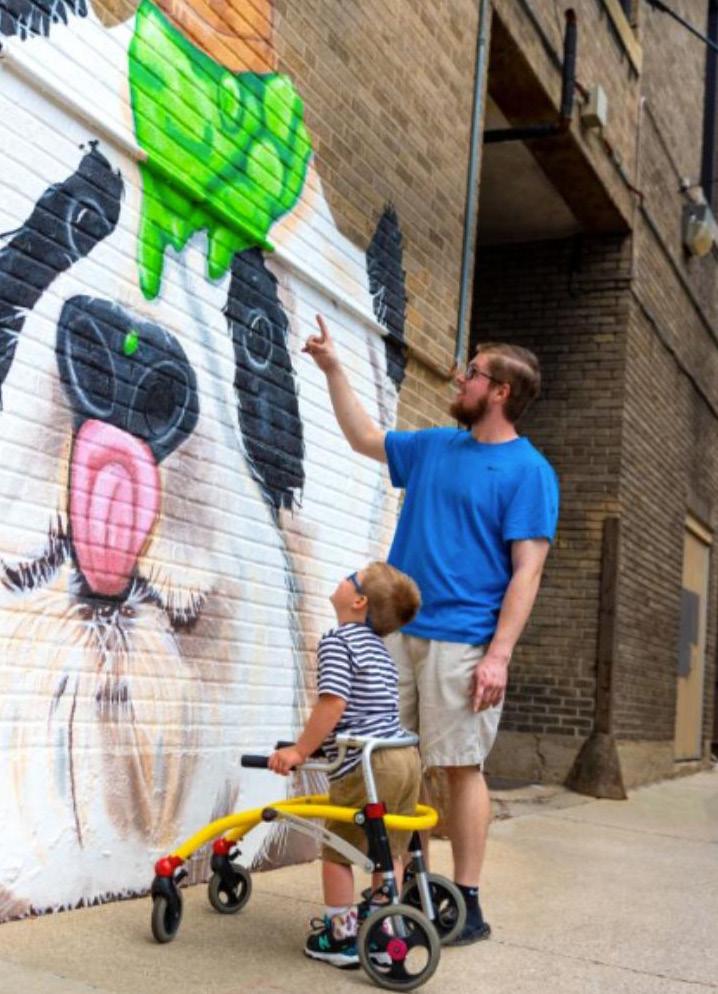
❏ Flexible Queueing: Popular attractions can offer virtual queues or timed-entry passes so guests with mobility, sensory, or fatigue-related conditions can avoid physically waiting in long lines.
❏ Caption-First Entertainment: Live performances, film screenings and tours can offer captioning or open-caption options rather than requiring special requests. QR codes at theaters can link to live-captioned scripts for mobile viewing. These accommodations not only support deaf and hard of hearing travelers, but can support travelers who speak different languages, neurodivergent visitors, and those in noisy environments.
❏ Promote Your Attraction: Reach out directly to TravelAbility partners like KultureCity for specific PR opportunities they are connected to.
Outdoors for Everyone: What Makes a Better Park
The Christopher & Dana Reeve Foundation is dedicated to improving the lives of individuals and families impacted by paralysis; we believe everyone on this planet deserves to experience the beauty of nature.
Unfortunately, nature and accessibility are in conflict, making it difficult for the nearly 5.4M people living with paralysis in the U.S. to enjoy the great outdoors. From unpaved paths to eroding trails, people living with disabilities are deterred from outdoor experiences. We want to change that.
For Spinal Cord Injury Awareness Month in September, we are launching the Reeve Foundation’s ‘Outdoors for Everyone’ initiative, encouraging people to raise awareness of outdoor equity for people living with all forms of paralysis. Reeve is partnering with parks, trails and organizations around the U.S. to identify and implement accessible and inclusive areas and activities for all people, including those living with disabilities, their families, and caregivers.
As part of this initiative, the Reeve Foundation created an ‘Accessible Outdoor Checklist’ for parks, recreation centers, and others to ensure people living with paralysis and other disabilities can enjoy the outdoors because the outdoors is for everyone.
BEFORE ARRIVALS
For people living with disabilities such as paralysis or who require mobility devices, it is essential to plan ahead for the great outdoors. National parks, community centers, and other recreational spaces have an obligation to offer easily accessible and up-to-date information online and with staff to ensure safety. Here are items to consider as you plan or work with partners in this space:
WEBSITE AND MAP INFORMATION:
y Ensuring trail-accessible information is readily available to users can make or break the trail experience. Websites and resources should include:
⚬ Maps of accessible features (e.g. parking, ramps, restrooms, benches, charging stations, information on drinking water access, etc.)
⚬ Detailed trail information such as the length of trail, trail surface type(s) throughout the duration of the journey, typical and minimum trail width, typical and maximum running slope, typical and maximum cross slope and areas where there are obstacles over two inches high.
⚬ Photos and user reviews to inform visitors of what to expect.
Warnings about wild animals they may encounter.
Any safety information park users need to be aware of.
PARKING AND ARRIVAL/DROP-OFF AREAS:
y Accessible parking spaces and drop-off areas should be located on the shortest accessible route to an accessible entrance, relative to other spaces in the same parking lot.
y If there is more than one accessible entrance, accessible parking spaces should be dispersed to enable people to park near as many accessible entrances as possible.
y By the numbers:
⚬ Standard accessible parking spaces must be at least eight feet wide.
⚬ Accessible van parking spaces must be at least eleven feet wide.
The access aisle for both accessible car and van spaces is required to be a minimum of five feet.
Outdoors for Everyone: Water Accessibility Checklist
The Christopher & Dana Reeve Foundation is dedicated to improving the quality of life for individuals and families impacted by paralysis. Part of that mission is ensuring everyone of all abilities can experience what nature has to offer. This summer, as local and state beaches, pools, and lakes become a go-to for residents and visitors alike, the Reeve Foundation will be launching the 2024 ‘Outdoors for Everyone’ initiative on water accessibility, educating the community and public on various water accessibility tips and ways to ensure everyone is in on the fun this summer and beyond.
Navigating the great outdoors and water environments presents unique challenges for the nearly 5.4 million people living with paralysis in the U.S. The picturesque beauty of beaches and lakes can be overshadowed by the difficulties posed by rocky or sandy terrains, which can be challenging to maneuver on manual and motorized wheelchairs. Additionally, sun exposure can be hazardous for those living with paralysis, as they often face challenges in regulating their body temperature.
The Reeve Foundation’s new ‘Water Accessibility Outdoor Checklist’ is tailored to beaches, public pools, and other bodies of water to ensure people living with disabilities can enjoy these spaces. For additional support, individuals can also reach out to our Information Specialist team or use the Foundation’s Resource Map to help plan their next outdoor trip near the water.
BEFORE ARRIVAL
BEFORE ARRIVAL
For people living with disabilities such as paralysis or those who require mobility devices, planning ahead is key when it comes to spending time in the sun and water. This is why it is important for beaches, pools, lakes, rivers, water parks, and other water areas to provide the most up-to-date information to the public. Here are items to consider as you plan to visit or work with partners in this space.
WEBSITE AND MAP INFORMATION:
y Ensuring water spaces — such as beaches or pools — have accessible information readily available to users can make or break their experience. Websites and other resources should include:
⚬ Maps of accessible features (e.g. boardwalks/ramps, beach mats, restrooms, changing stations, information on drinking water access, etc.)
⚬ Detailed information about accessible equipment that is available to reserve or use onsite (e.g. beach wheelchairs, pool lifts, accessible canoes, etc.) and the process to obtain and use that equipment.
⚬ Photos and user reviews to inform visitors of what to expect.
y Maps should also indicate any cooling spaces if available onsite. People with paralysis do not always have the ability to self-regulate their temperature. Dehydration and heat stroke can come on quickly and suddenly, so having spaces in the shade or even in a cooled area indoors is helpful for those with paralysis to take breaks.
TRAINED PROFESSIONALS:
y Lifeguards and other staff onsite should be trained on inclusivity and accessibility measures. Some lifeguard training requires inclusivity and cultural sensitivity, but there is no nationwide mandate.
y Take a look at your location’s requirements and make sure there is required training for people living with a disability. This will ensure the safety of those with paralysis in case of an emergency.
y All pools are mandated to have pool lifts by the Americans with Disabilities Act (ADA). However, many people (sometimes even staff at the pool) don’t know how to use them. Including staff training on how to use these pool lifts is needed to create a safe and accessible environment.
“As we waited for the concert doors to open, a staff member asked us where we were sitting. When she realized the number of steps there were between our seats in row 70 and the restroom, and that we were planning on taking a rideshare at the end of the night, she made a call down to the main stage. To our delight we were offered seats in row 2, closer to the stage and handicapped restrooms. ”
–
TAYLOR AGUILAR ON HER EXPERIENCE AT RED ROCKS AMPHITHEATRE
WHAT TRAVELERS NEED OUTDOORS
Clearly marked accessible routes with gradients, surfaces and distances listed
Rest stops, shade and hydration stations
Multi-sensory experiences, including audio or tactile maps
Outdoor experiences are powerful because they connect us to something larger than ourselves. Being in nature supports physical health and mental well-being, and these experiences are often budget friendly.
Accessible outdoor adventure isn’t limited to paved paths. A recent study from KOA Campgrounds found that 60% of their campers have a disability or travel with someone who does. 70% of those individuals experience barriers when camping. Today, destinations are expanding what inclusion means by offering adaptive equipment, staff training, and modified infrastructure that opens up a wide range of outdoor activities.
WHAT DESTINATIONS CAN DO
Work with parks departments to identify pilot sites for inclusive design. Feature outdoor itineraries on website
Catalog photos and offer maps
Encourage spaces create “scent paths” or touchable exhibits
Track chairs or mobility aids available for rent Partner with an outdoor outfitter to invest in all-terrain track chairs

LEARN MORE
1
2
3
SHARE WITH MARKETING & CITY STAKEHOLDERS
Check out this blog from Wheel the World to learn how destinations like Grand Rapids, Michigan and Estes Park, Colorado are offering accessible gear and solutions for wheelchair users to enjoy the outdoors.
Global destinations across Europe, Asia, and Central America are moving the needle on accessible outdoor experiences. From Barcelona to South Korea, learn more at: UNWTO
The Christopher Reeve Foundation “Outdoors for Everyone” initiative was created to ensure that the great outdoors is accessible to everyone including those living with paralysis, their caregivers and their families.
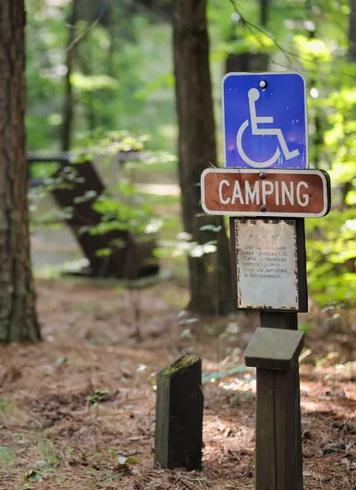
PART 5
CREATE YOUR STRATEGY

DEFINE YOUR WHY
Create your strategy by first defining your why Why is accessibility important for your destination and the community you serve? Conduct initial conversations internally, with external stakeholders, and with community groups to shape your vision.
Defining your why means...
• Considering the gaps that currently exist in your destination.
• Embedding accessibility into your Tourism Master Plan or Stewardship Plan
• Aligning accessibility with your broader strategic objectives and future impact.
• Outlining potential objectives, milestones, and measurable goals.
• Establishing a task force or working group to champion efforts.
Like any strategic initiative, recognize that your path to accessibility is long-term. Consider how accessibility can be embedded into your existing efforts.
Based on the members of your task force, consider specific roles or responsibilities that may be needed to action your strategy. This could include a researcher and someone to conduct partner outreach. Identify any training needs for your team to be successful. Provide your task force with strategy documents and access to resources.
Set a cadence of frequent touchpoints to review progress, discuss challenges, and reflect on goals. Utilize collaborative tools to share research documents, notes, and data gathered. Provide your broader organization with ongoing updates to foster awareness and demonstrate the importance of your work.
“If you do right by the disability community, we’ll be your biggest supporters. We’ve been in the pit. We know how dark it is, and we don’t want to leave anybody else there.”
- CRAIG RADFORD
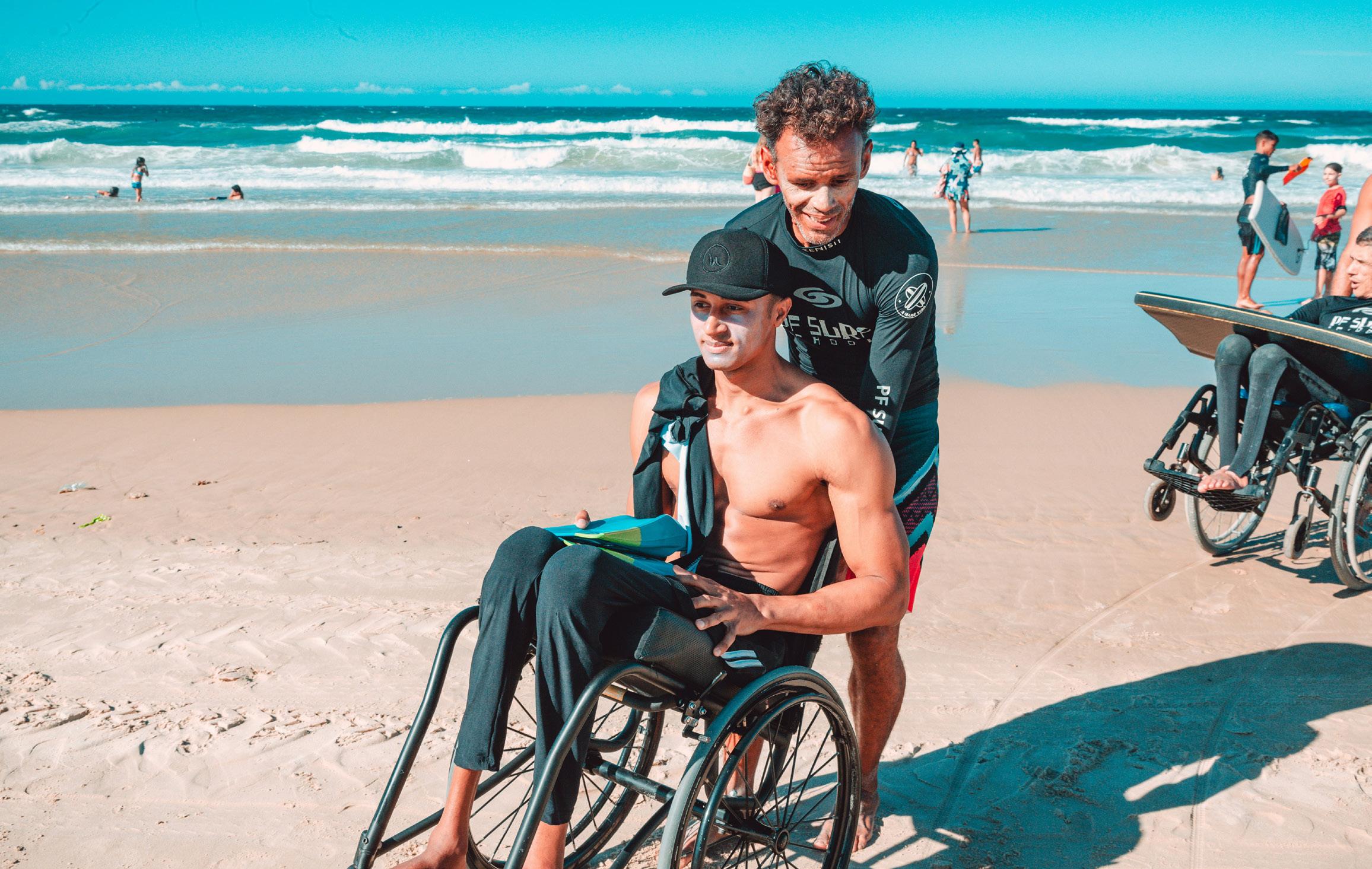
PARTNER WITH EXPERTS AND COMMUNITY MEMBERS
Turning to local organizations, non-profits, and accessibility experts is critical to understanding the experiences and accessibility needs of visitors and residents. In the joint Destinations International and City DNA study, 82% of destinations with accessibility strategies underway were shown to involve locals in their initiatives. 71% of those destinations partner with subject matter experts, and 54% have affiliations with educational institutions or associations.
Accessibility organizations can help destination organizations ensure they offer welcoming environments for individuals with disabilities, allowing them to fully experience and enjoy the destination. Examples of these organizations include disability advocacy groups, local independent living centers, transportation and mobility advocacy groups, accessibility consultants, health and rehabilitation centers, community health organizations, hospitality
industry partners, local government agencies, nonprofit organizations for seniors, educational institutions, specialized disability equipment providers, and consumer advocacy groups.
Destination organizations can engage with services providers and in turn serve as a centralized resource to align all tourism partners in the community.
Visit Denver aimed to provide a central place for travelers of all abilities to plan their Denver experiences. They partnered with Dr. Rosemarie Rossetti, local organizations, and the City of Denver to create a comprehensive Accessibility Guide
If you are looking to engage experts and community members for trainings, assessments, or other strategic guidance, issuing an RFP can be useful.

Sample RFP
SHARE WITH PURCHASING AND MEETING PLANNERS
Click here to access an RFP template
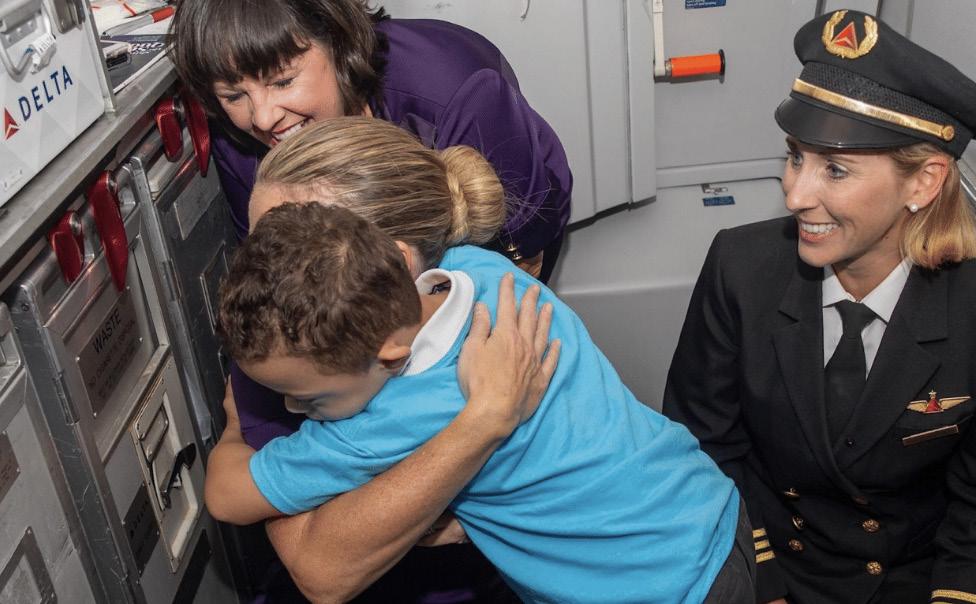
Accessibility Improvement Providers
A group of innovative technologies, products and solutions providers that have been vetted by the TravelAbility Community through participation in InnovateAble Showcases and through feedback from destinations. Click here for more information.
THE PROBLEM THE PROVIDER THE WHY
HEARING
ASL Translators are in short supply for meetings and events. Needing an ASL translator on site at Visitor Centers, hotels and attractions is an episodic need.
20% of the global population lives with hearing loss.
360 Direct Access
USE CASE: Meetings, Conferences, Attractions, Hotels, Visitor Centers
PRICING: $125 per hr/As quoted
Audio Directions
USE CASE: Hotels, attractions, convention centers, airports
PRICING: Portable Hearing loop kit,
$1,695
Over 10 million adults who are deaf or hard of hearing can benefit from hearing loops, but reliable one-stop source installers are difficult to find.
ASL Translators are in short supply and expensive to hire for meetings and events.
The deaf are often left out of conversations because people they interact with cannot sign.
The major barrier for deaf travelers is the lack of communication of major announcements in public places such as airports, events and conventions.
Live ASL interpreters as well as foreign language interpreters for over 50 languages are in short supply and quite expensive.
VISION
360 Direct Access offers a range of solutions to provide on demand ASL translators from remote locations as well as offering a staffing service for in-person translation needs.
Hearing loops boost audio clarity in noisy public spaces for people who travel, in spite of their hearing loss.
Contacta
USE CASE: Airports, convention centers, attractions
PRICING: As quoted
Imanyco
USE CASE: Conferences, meetings, events
PRICING FOR 8-HOUR CONFERENCE: $550 with remote support
Sign Speak
USE CASE: Hotels, restaurants, attractions, visitor centers, conferences and meetings
PRICING: $450 per mo
Spoke
USE CASE: Airports, train stations, hotels, cruise lines
PRICING: Airport: $1950 per mo
Hotels: $250 per mo
Translate Live
USE CASE: Check in counters at hotels, attractions airports
PRICING: $995 per yr
Blind and Low Vision travelers need real time information when traveling. Aira
USE CASE: Hotels, attractions, airports, meetings
STARTING PRICING: $5,000
Blind or low vision people traveling alone may need assistance navigating busy airports, train stations or other gathering points.
Be My Eyes
USE CASE: AI-powered visual assistance
STARTING PRICING: $299
Over the past 14 years, their dealer network and relationships with the deaf community, Contacta has become the leading provider of hearing loop installers nationally.
Imanyco’s app Koda provides real time live captioning for meetings and events
Direct translation of sign to voice and voice to sign allows non-signing people to communicate directly with deaf guests and travelers.
Spoke is an app that captures and delivers audio announcements as text to users’ smartphones in 150 languages including ASL. Text can be translated and converted to English.
Translate Live is a two-sided device where users can speak, spell out or type in an entire conversation that is instantly communicated to the other party in ASL or their native language.
Aira is an app that connects people who are blind or low vision to professional visual interpreters for secure communication.
Be My Eyes connects blind people needing sighted support with volunteers or AI agents who provide live, on-demand access to visual information and navigation via live video around the world.
Accessibility Improvement Providers (continued)
THE PROBLEM
There are over 300 million people in the world with colorblindness who cannot enjoy the vibrant colors of fall foliage, museum exhibits, or daily life.
Blind people navigating in new places require guidance and assistance, reducing their independence.
A blind person familiar with everyday home surroundings can struggle when visiting a hotel, attending a conference, and visiting museums or attractions
Finding one’s way in busy airports, hotels, museums and attractions is a problem for blind and low vision travelers.
Attending a sporting event can be confusing for people with low vision or who are blind.
Many destinations, attractions, hotels and events are not accessible to blind visitors due to the lack of access to accurate information and audio descriptions.
MOBILITY
Experiences in nature are often inaccessible to people with mobility issues.
Waterfront activities are generally off limits to people with mobility disabilities.
Maritime activities are generally difficult for people with mobility disabilities.
THE PROVIDER THE WHY
Enchroma
USE CASE: Museums, attractions, restaurants, airports
PRICING: $229 per pair
Glidance
USE CASE: Hotels, destination attractions, airports, convention centers
PRICING: Contact for more information
Good Maps
USE CASE: Hotels, attractions, airports, convention centers
PRICING: Based upon size and complexity of space
Right Hear
USE CASE: Airports, hotels, attractions, visitor centers
PRICING: $1,000-$30,000 yr
Touch to See
USE CASE: Live sporting events
PRICING: $4,000-$50,000
Vacayit
USE CASE: Create audio-described itineraries for blind visitors
STARTING PRICING: $950
AdvenChair
USE CASE: Parks, tour companies
PRICING: $11,950
Board Safe Docks
USE CASE: Lakes, marinas, recreation areas, parks
PRICING: $15,000-$200,000
Effortless Lifts
USE CASE: Lakefronts, marinas, parks
PRICING: $1,500-$4,500
Wheelchair users have limited mobility in off-road conditions. Traditional wheelchairs often struggle with uneven terrain, grass, and gravel.
Lack of hand and arm strength can make it difficult to push buttons.
Grit Freedom Chair
USE CASE: Outdoor nature trails in all weather conditions
PRICING: $32,000
Lotus
USE CASE: Hotel rooms, vacation rentals
PRICING: $399 per kit
Enchroma glasses use patented lens technology that enables visitors with color vision deficiency to see colors. Both indoor and outdoor versions are available.
Glidance combines cutting-edge navigational robotics and AI to provide blind travelers with an intuitive and comfortable guided experience using cutting edge technology, sensors and cameras.
The Good Maps app provides precise indoor navigation for blind people away from home.
An audible wayfinding system that allows blind and low vision visitors to move independently within a space.
A tablet for people with visual impairments that allows them to follow a sporting event in real time.
Vacayit provides audio guides and accurate accessibility information that provide blind or low-vision visitors, or anyone who likes audio content with a sensory experience.
AdvenChair is an all-terrain human powered wheelchair that allows people with mobility challenges to experience off the beaten track adventures.
Flagship products include adaptive kayak launches, accessible fishing piers, and custom dock systems.
An innovative boat mobility system specifically designed to facilitate access to maritime activities for individuals with mobility impairments. This advanced system offers multiple mounting options, thereby empowering users to engage in fishing with confidence and autonomy.
Designed by MIT engineers, Grit is a mix between a manual wheelchair and a mountain bike that enables wheelchair users to access mountain trails, sandy beaches and even snow.
For people with limited mobility, Lotus' wearable ring controls objects by pointing. Unlike Alexa Lotus requires no app, no rewiring, and no Wi-Fi. It's portable (and perfect for travel!)
Accessibility Improvement Providers (continued)
THE PROBLEM
Conventional wheelchairs are not usable in sand and uneven surfaces.
Wheelchairs get damaged in the baggage hold on airlines causing expensive repairs, lost travel time and extreme frustration for wheelchair users.
Some buildings/locations built prior to legislation are grandfathered into an exclusion. They may need an affordable ramp to service guests and meetings.
Built environments often do not meet the needs of people with a disability
Conventional wheelchairs are not usable in sand and uneven surfaces
People with disabilities need to know if the accessibility features of hotels, attractions and meeting venues fit their needs before they go.
The cost of automatic door openers is prohibitively expensive for most businesses as it requires re-wiring.
Hotels as well as current online booking platforms do not provide precise information or images about the accessibility of hotel properties.
NEURODIVERSITY
Finding accessible destinations and businesses when travel planning takes significant effort.
Individuals and families with autism often seek additional services to feel welcomed and at ease when they travels.
Travelling as a family with an autistic child presents many challenges for families. 87% of parents with a child on the spectrum say they do not travel because they fear not being accepted.
THE PROVIDER THE WHY
Mobi-Mat
USE CASE: Beach destinations and nature outdoor areas
STARTING PRICING: $899
Revolve Wheelchair
USE CASE: Airports
PRICING: $4,999-$7,500
Roll a Ramp
USE CASE: Hotels, attractions that may need a portable ramp
PRICING: $2,995
Rose Marie Rosetti-Universal Design Lab
USE CASE: Destinations, Hotels, PRICING: Based upon services
SeaTrac
USE CASE: Hotels, destinations
PRICING: Based upon solution
Threshold360
USE CASE: Hotels, attractions, museums, airports, restaurants
PRICING: $95 per mo
We Hear You/Hero Door Opener
USE CASE: Hotels, vacation rentals, conference centers
PRICING: $1,795
Wheel the World
USE CASE: Site assessments for hotels, attractions, restaurants.
STARTING PRICING: $1,950 per hotel
AbleVu
USE CASE: Destinations, hotels, attractions
STARTING PRICING: $29 per mo
Autism Double Checked
USE CASE: Airlines, hotels, airports
STARTING PRICING: $1,950 per hotel
Autism Travel Club
USE CASE: Hotels, restaurants, attractions PRICING: Based upon services
Mobi-Mat provides slip-free rollout mats for beaches and uneven surfaces as well as floating wheelchairs for in-water experiences.
Award winning foldable wheelchair with carrying case that fits in the overhead bin on airplanes.
Roll-A-Ramp offers portable, customizable ramps for wheelchair and scooter users. The ramps can be rolled up for easy storage and their length can be adjusted as needed.
Consulting and training services combining lived experience with a deep knowledge of universal design
SeaTrac is an engineered technology that enables independent unassisted access to beaches and water recreation areas that would not previously accommodate individuals with limited mobility.
Threshold 360 provides virtual tours for destinations, hotels and attractions, which be used by visitors, meeting planners and local residents for weddings and events.
The Hero Door Opener provides a cost-effective solution that is installed in under a half hour, requires no re-wiring and can easily be accessed by users through an app or button near the door.
WTW is an accessible booking engine that measures 200 data points for hotels that match disabled travelers with the hotels and tour programs that meet their specific needs.
AbleVu's online database helps aging travelers and travelers with disabilities plan with confidence.
Certification, training programs, and designated concierges to designate industry businesses as welcoming to individuals with autism.
The Autism Travel Club provides a bridge between venues, destinations, hotels and attractions through staff training and an app to connect families. with businesses welcoming to all travelers.
Accessibility Improvement Providers (continued)
THE PROBLEM
Guest with autism are fearful of not being understood or accepted and customer service staff feel underprepared to serve neurodivergent customers and guests, as they know little about autism.
There’s no discreet way to know whether someone with deafness, autism, dementia or any other non-visible disability may need additional support.
Over 87% of families with children on the spectrum do not travel because of fear of acceptance.
Many people on the autism wander away and get lost causing needless anxiety for the traveler and their companions.
PAN-DISABILITY
Caregivers rarely get a chance to take a break when vacationing with an aging parent.
Over 87% of families with children on the spectrum do not travel because of fear of acceptance.
One size fits all training solutions for employees can be wasteful in terms of time and money.
One size fits all training solutions for employees can be wasteful in terms of time and money.
One size fits all training solutions for employees can be wasteful in terms of time and money.
Kiosks are generally not accessible for people with disabilities.
Staff training can be an expensive proposition.
THE PROVIDER THE WHY
Canucks Autism Network
USE CASE: Hotels, visitor centers, attractions
PRICING: Based upon services.
The Hidden Disability Sunflower Lanyard USE CASE: Airports, museums, attractions, restaurants.
PRICING: $395 per year
Kulture City
USE CASE: Hotels, airlines, attractions, conference center, airports, event venues
PRICING: $850
Scan Me Home
USE CASE: Attractions, hotels
PRICING: Membership $9.95 per yr.
Products $10-$100
GOMO Travel
USE CASE: Destinations, cruise lines
PRICING: Based upon solution
IBCESS
USE CASE: Destination, hotels, airlines
PRICING: Based upon services
Open Doors
USE CASE: Airlines, transportation
PRICING: Based upon services
Peter Slatin Group
USE CASE: Hotels, destinations
PRICING: Based upon services
Sage Inclusion
USE CASE: Hotels, destinations, attractions
PRICING: Based upon services
True Omni
USE CASE: Visitor centers, convention centers, airports
PRICING: Dependent upon product
VisitAble
USE CASE: Hotels, destinations, attractions
PRICING: $250 per training module for 5 people
CAN online courses or live workshops to promote acceptance and understanding, while gaining practical strategies and tools to implement immediately. Training material developed and delivered in collaboration with Autistic Advocates.
The Hidden Disabilities Sunflower is a symbol for non-visible disabilities and serves as a discreet sign that the wearer may need additional support, help, or a little more time.
KultureCity is the global leading nonprofit in sensory accessibility and inclusion. They provide customized trainings, research-based sensory bags with tools inside, signage, and curated social stories.
A simple iron on QR code system that allows travelers to be reunited with their party quickly.
GOMO provides medical travel companions and complete itinerary planning so that caregivers can enjoy their vacations.
Training and certification for employees and stakeholders elevates their expertise specifically related to neurodiversity. For traveling families certification provides reassurance that they will be accepted.
Provides training solutions and research across multiple industry sectors including cruising, transportation, airlines and hospitality
A comprehensive, effective education and training solution that sets the stage for excellent, equivalent service for guests with disabilities.
Sage Inclusion provides role specific training for staff across all disabilities.
True Omni adds accessibility to Welcome Center Kiosks with cutting edge hardware and software solutions.
An affordable training package broken into different modules The training is a self-guided e-Learning module combined from real world experiences and interviews that hone in on topical, relevant issues for the industry.
EXECUTE GOALS AND STRATEGIES
Adopt the Social Impact Framework
Destinations International’s Social Impact Framework serves as a guide for destinations to foster community vitality and influence sustainable economic growth. Follow the five steps of the Framework to develop a measurable and impactful accessibility strategy.
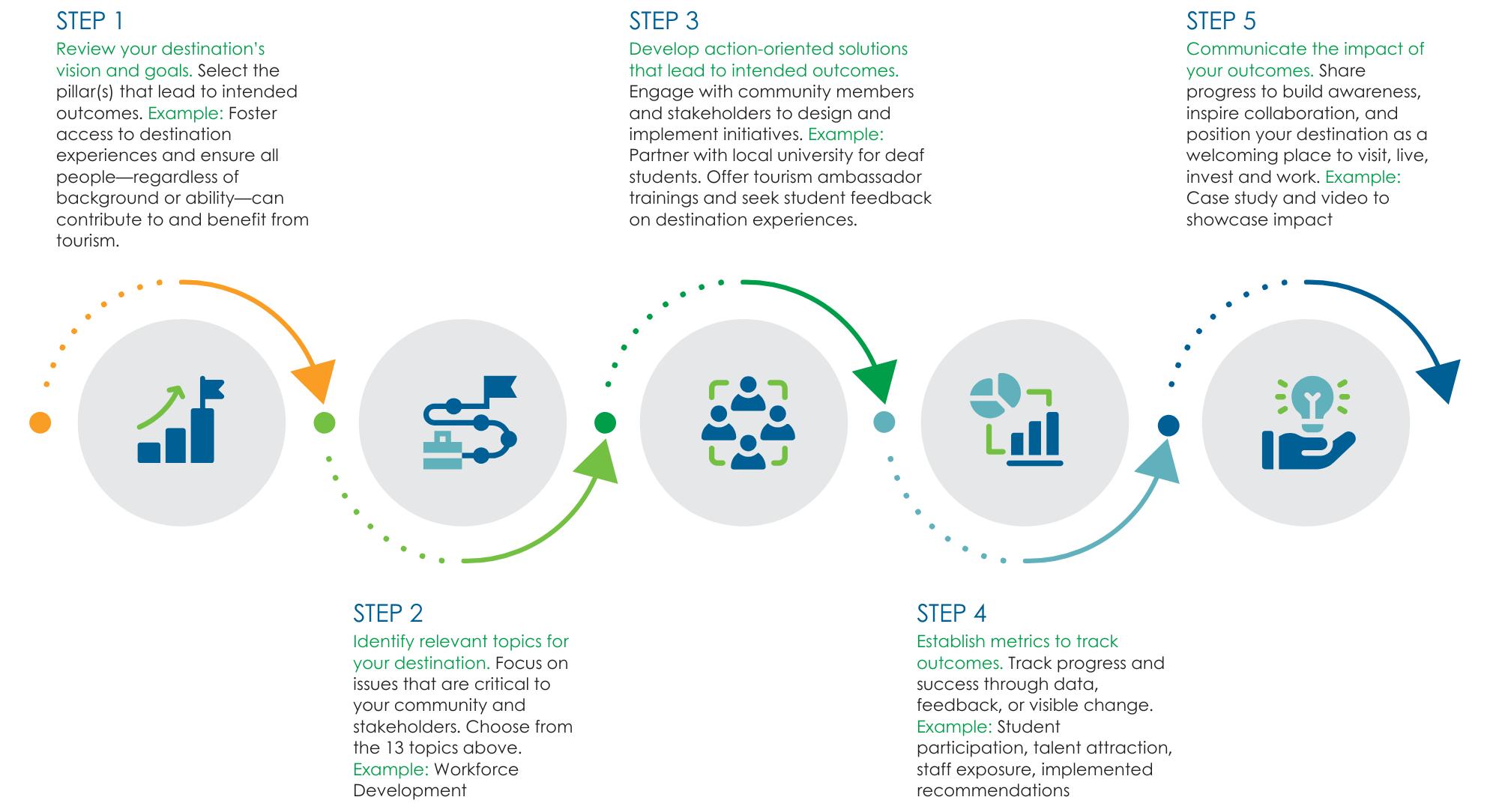
Measure Your Maturity
Destinations International’s Social Impact Assessment can be used to measure the current state of your accessibility efforts. As an industry benchmark, use your results to shape goals and strategies that follow.
❏ My destination has defined the meaning of accessibility
❏ My destination adheres to accessibility standards for the built environment, and for information and communications technology, where possible.
❏ My destination has a documented accessible travel vision and strategy with defined long and short-term goals.
❏ My destination has an individual who is responsible for the implementation of the
accessible travel strategy.
❏ My destination organization’s accessible travel strategy has a yearly budget.
❏ My destination organization provides staff with training on disability awareness and how to support travelers with disabilities.
❏ My destination organization has conducted a foundational accessibility assessment of our members and partners’ facilities.
❏ My destination organization’s visitor website meets or is working to apply Web Content Accessibility Guidelines 2.1 (WCAG)
❏ My destination provides accurate, consistent, and reliable information about barriers and/or partial accessibility for travelers on our destination website
❏ My destination organization actively markets to travelers with disabilities using dedicated accessible travel content
❏ My destination organization has dedicated disability marketing channels
A simple online search for accessible things to do in your destination is a great way to understand initial barriers for travelers with disabilities. This research can indicate how prevalent or lacking resources are, and can even be repurposed for use on your own website. Conversations with local groups to understand lived experiences in your destination can shed light on opportunities for change.
Secure Ownership and Funding
A 2024 study conducted by Destinations International and CityDNA found that 80% of destinations with accessibility ownership are twice as likely to have a strategy in place compared to those without ownership. 71% of destinations with accessibility funding have a strategy in development or undergoing implementation.
Securing grant funding can be a game-changer for developing accessibility infrastructure and products.
❏ Leverage local expertise
❏ Craft a clear need statement
❏ Maintain detailed project planning
❏ Align budget needs with narrative
❏ Show community support
❏ Seek external review
❏ Proof read thoroughly
❏ Reach out for clarification
LEARN MORE
1
2
Tips from grant specialist, Louisa Mariki
INNOVATE Able is TravelAbility’s showcase of participating companies, representing the cutting edge in accessible technology and innovation that can be introduced through the destination marketing channel.
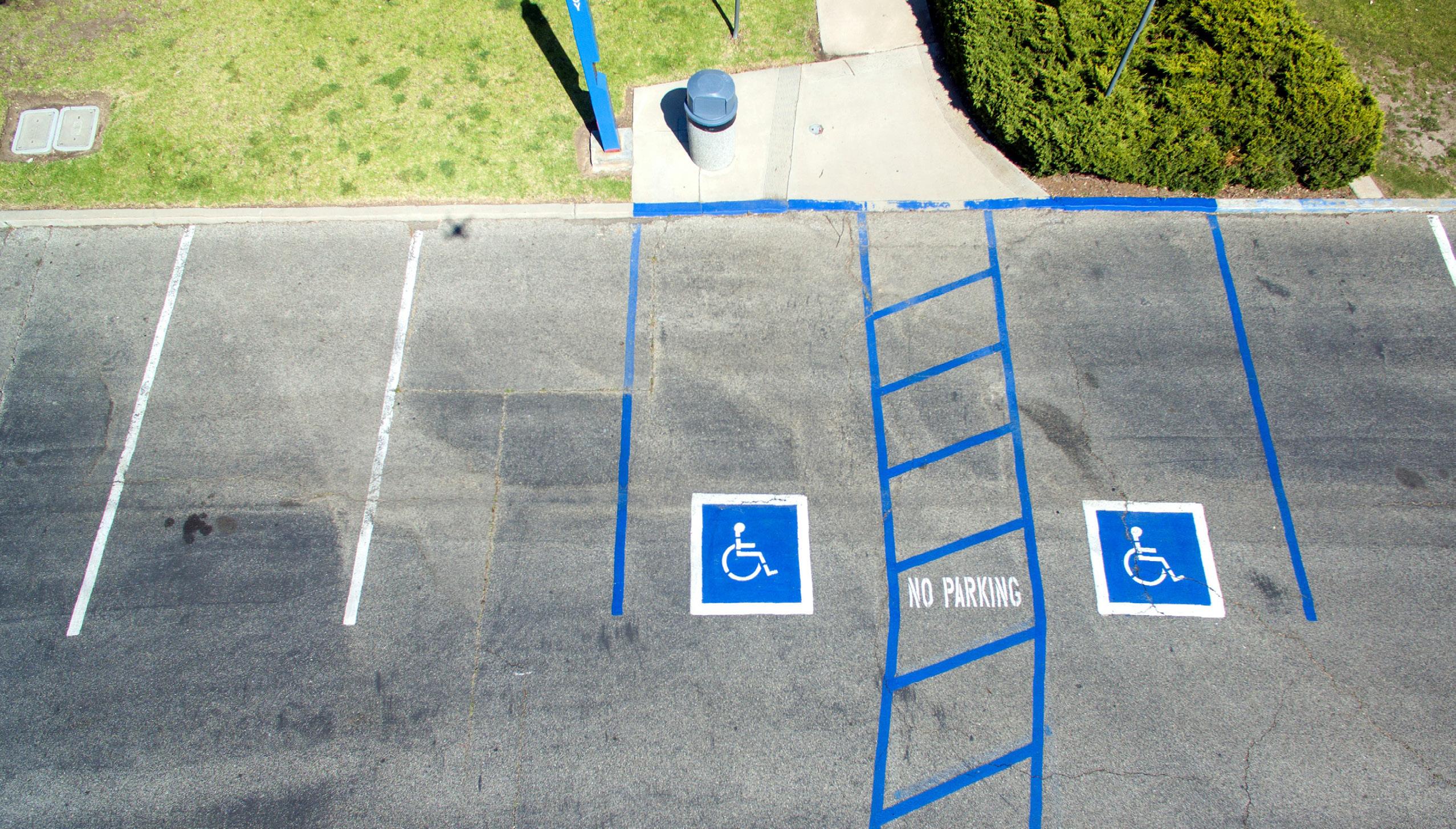
TRAIN YOUR STAFF
Customer-facing employees in visitor centers and other visitor-centric establishments, including hotels, attractions, restaurants, and meeting spaces, should receive ongoing training to effectively engage with people with disabilities. As front-line representatives of a destination, staff who understand disability-related needs will develop professionally, provide superior service to visitors, and ensure a more welcoming experience.
Local or national organizations specializing in accessibility needs are primed to offer personnel training.
❏ Disability Awareness Training: Conduct regular training sessions to educate staff about different types of disabilities and the appropriate ways to assist and communicate with people who have disabilities.
❏ Sensory Sensitivity Awareness and Support: Reach out to KultureCity to learn more about their research-based Sensory Bags are suitable and effective for kids and adults of all ages. Pair this with an annual training for employees to understand optimal sensory integration.
❏ American Sign Language (ASL) or Sign Language Training: Provide basic and ongoing sign language training to enable staff to communicate effectively with deaf or hard of hearing visitors.
❏ Customer Service Excellence: Offer training focused on empathy, patience, and respect to ensure all visitors feel welcomed and valued.
❏ Handling Assistance Devices: Train staff on awareness and proper handling of assistance devices such as wheelchairs, walkers, canes, and service animals.
❏ Emergency Procedures: Ensure all staff are trained on specific emergency procedures and evacuation plans that consider the needs of people with various disabilities.
❏ Use of Accessibility Features: Educate staff on how to use and explain the accessibility features available on your website and at your physical locations.
❏ Cultural Competence: Incorporate training that fosters sensitivity to cultural diversity, including understanding how culture impacts the experiences of travelers with disabilities.
❏ Technology Aids: Train staff on the latest technology aids and software that can assist visitors with disabilities, such as text-tospeech tools like Koji, accessibility settings on computers, and mobile devices.
Training for visitor-facing employees can make a significant difference for travelers with disabilities and their caregivers. At the 2024 Emerging Markets Summit, caregiver Talia Salem recalled her family’s recent trip to Disneyland.
“Every princess at Disneyland connected with my daughter instead of making her feel weird. They were trained, and that training changed everything.”
–TALIA SALEM
STRATEGIES IN ACTION
Looking for inspiration? Turn to Community Impact stories from destinations like Charlottesville Albemarle Convention and Visitors Bureau, Visit Colorado Springs, VisitLEX, and Visit Myrtle Beach who have championed measurable accessibility strategies and created community impact.
THIS IS ATHENS
This is Athens established a partnership with Me Alla Matia, a Greek-based NGO whose vision is to eliminate underrepresentation of people with disabilities. Translating to “with a different point of view,” Me Alla Matia orchestrated focus groups to guide This is Athens in creating accessiblefriendly city guides for mobility and visually impaired individuals. Input from locals with disabilities shaped the creation of four itineraries, each with a step-by-step text guide and assistive interactive maps.
OTTAWA TOURISM
Ottawa Tourism’s Destination Development Fund extends to cover accessibility. It has provided more than 40 community partners with small investments to improve accessibility-specific needs. Each awarded partner is required to complete their respective projects over a period of several months.
EXPERIENCE COLUMBUS
Experience Columbus’ accessibility journey began with visitor requests. After compiling an extensive list of resources for travelers they turned to Rosemarie Rossetti, a local consultant who became paralyzed as an adult. Rosemarie’s expertise led to the development of an Accessibility Guide, which was published within a matter of months.
VISIT MYRTLE BEACH
When Visit Myrtle Beach (VMB) began their accessibility journey in 2016, they realized a local nonprofit, Champion Autism Network, operated close by and had already undergone several trainings with frontline workers. The destination recognized the expertise the nonprofit could offer, and quickly established a collaborative partnership. By approaching the needs of neurodiverse travelers holistically, VMB became the first certified “sensory-friendly” destination.
FÁILTE IRELAND
Showcasing the results of research and aligning to a proposed strategy has worked well for Fáilte Ireland, whose dedicated inclusion team serves as both an internal consultant and an external partner to the hospitality industry. By developing their own in-house expertise around digital accessibility design, customer service, and more, Fáilte Ireland now engages closely with the country’s Minister of Travel to shape the national agenda for accessibility.
PART 6 EXPLORE FURTHER
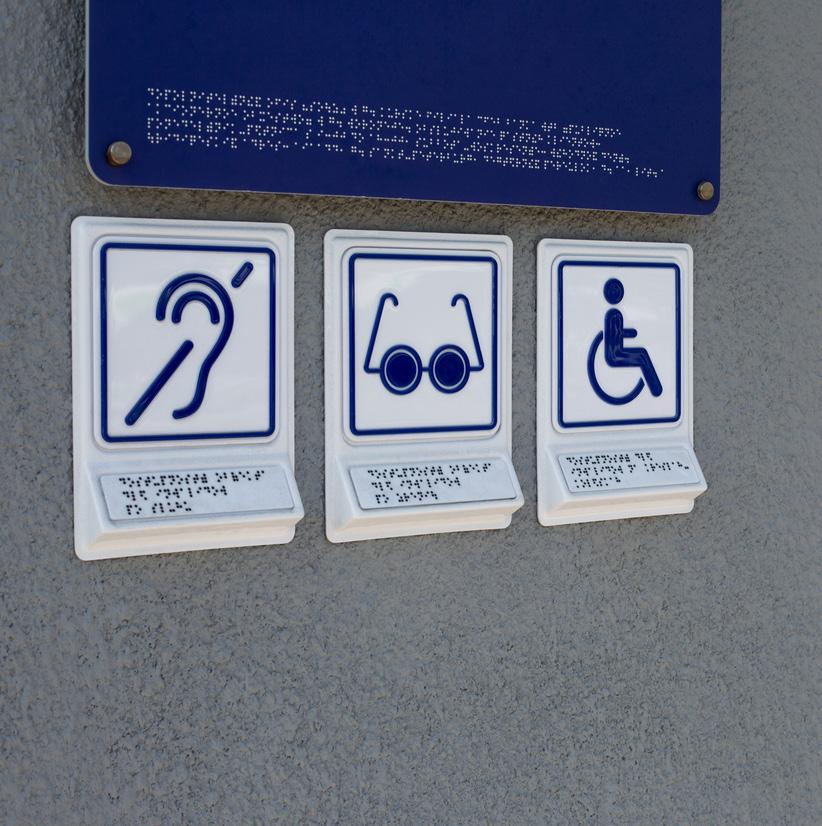
The TravelAbility Ecosystem
TRAVELABILITY SUMMIT The TravelAbility Summit is a three day conference that brings together disabled travel influencers, disability advocates, industry professionals, and innovators to advance accessibility within the travel and hospitality space. Through expert panels, innovation showcases, and collaborative workshops, attendees explore practical strategies to improve experiences for travelers with disabilities.
CULTIVATING ACCESSIBILITY
LEADERS
MASTERCLASS SERIES The Cultivating Accessibility Leaders Masterclass Series features one-day regional workshops held throughout the US. Designed for professionals in travel, tourism, and hospitality, this full-day, in-person training equips participants to lead accessibility initiatives within their organizations. Developed with the Rosen College of Hospitality Management, the workshop includes the opportunity to earn an Accessibility Leader Certificate, a credential recognizing inclusive leadership in hospitality.
INNOVATEABLE is an annual showcase of adaptive innovations, technologies, services and amenities that can be introduced through the destination marketing channel.
TRAVELABILITY FILM FESTIVAL is a curated showcase of impactful short videos that highlight the evolving story of accessible travel. Featuring submissions from Destination Marketing Organizations, Attractions/Hotels/Restaurants, and Content Creators, the festival presents diverse perspectives that are reshaping how accessibility is experienced and represented across the travel industry.
Initiatives
TRAVELABILITY INSIDER is a monthly newsletter with over 6,000 subscribers within the travel industry. The newsletter aggregates content to raise awareness within the travel industry about the difficulties travelers with disabilities face, best practices for their destinations, solutions for disabled travelers, and motivates them to make accessibility a priority.
DESTINATIONS WITH ACCESSIBILITY is a microsite that aggregates accessibility content for over 175 destinations in the US, Canada, Mexico and the Caribbean.
DESTINATION A11Y CLUB is a group of destination organizations committed to advancing accessibility together by sharing information and resources. Club members participate in group promotions designed by the Foundation to create awareness about accessibility and inspire change in their stakeholders.
THE ACCESSIBILITY LAB in partnership with Samaritan Partners and The Schoolhouse Hotel, this real-world pilot program offers startups in assistive and accessible hospitality the opportunity to develop, test, and refine their innovations on site in a fully operational boutique hotel environment.
TRAVELABILITY TRUSTED is a collection of service providers, consultants, content creators, technologies, apps and innovations that help make travel easier for people with disabilities. These companies and organizations have been vetted by TravelAbility.
TRAVELABILITY YOUTUBE archives contain videos and presentations that provide practical advice and information on how to be more inclusive and welcoming to travelers with disabilities. The videos have been generously donated to the TravelAbility Foundation by the Emerging Markets Summit.
TRAVELABILITY FELLOWS, in partnership with the UCF Rosen College of Hospitality Management, offers hospitality students a hands-on learning experience focused on accessibility and inclusivity within the travel and hospitality industries.
THE TRAVELABILITY NETWORK is a channel on Zeam, a free streaming service focused on local television content. The TravelAbility Network curates powerful sessions from the TravelAbility Summit alongside real-world accessibility content from destinations and content creators, inspiring a more inclusive travel experience for everyone.
THE ACCESSIBILITY PLAYBOOKTM IS A COLLABORATION OF

Acknowledgements:
TRAVEL BILITY

Thank you for purchasing the Accessibility Playbook. This new edition, curated for destination organizations, emphasizes the lived experiences of travelers with disabilities and caregivers. It provides updated research studies and information on the rapidly growing senior travel market.
The Playbook would not be possible without the support and input from TravelAbility’s Destination A11Y Club members, who have been using the Playbook to advance accessibility in their destinations. The TravelAbility Advisory Board, generous sponsors, content creators, and organizations have shared valuable stories, insights and support. Special thanks to AARP for their help with aging traveler content, and to KultureCity for their expertise and review of sensoryspecific materials. Thank you to UnchainedAI and Todd Brook for their development of the AI Companion.

Sophia Hyder Hock, Chief Impact Officer Ava Wells, Social Impact Manager
Partners:

TRAVEL BILITY

Founder: Jake Steinman
Design Director: Rob Schultz
The Playbook Update Team: Jennifer Allen, Carolina Christianson, Lillian Karl, Kitty Sharman, Conrad Rogers and Tricia Roth

Thank you to our Destination A11y partners: