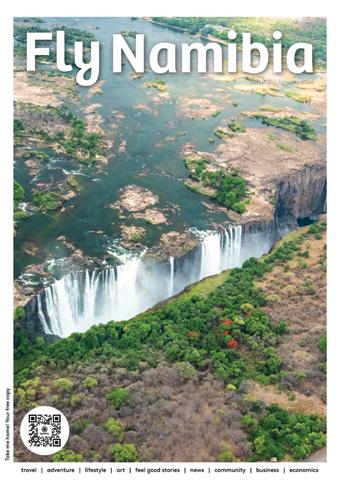
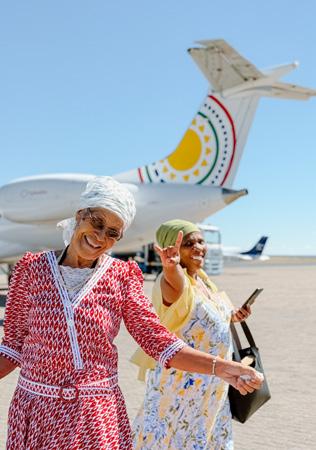
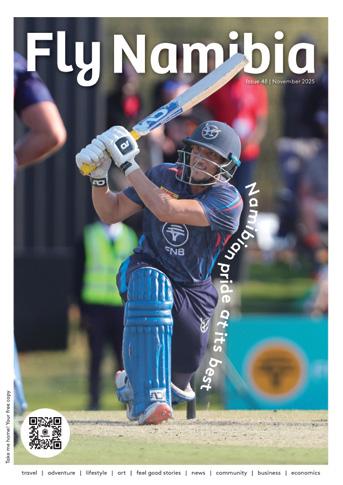
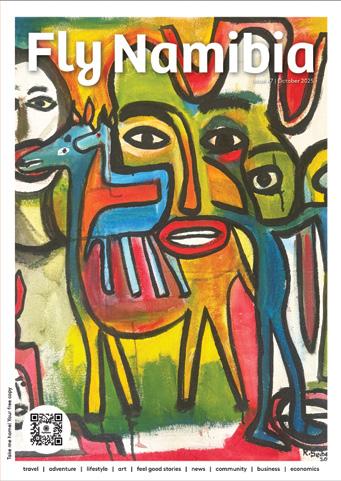
At Venture Media, we’re more than just a publisher - we’re a multi-media content creation powerhouse. Our expertise includes awe-inspiring photography, striking videography, impeccable design, and crisp podcasts. With a reputation for excellence spanning three decades, we bring unparalleled storytelling to life.
In our boutique publishing and content marketing house, stories that matter take center stage. Every page you turn reflects our commitment to quality and innovation. Dive in and experience the difference that top-tier content creation can make.
Venture Publications (Pty) Ltd. PO Box 21593
Windhoek Namibia
Disclaimer: Please
Agnes Shivute An environmental consultant with interest in indigenous flora, nature enthusiast, Namibia Botanical Society awardee and aspiring author.
Elzanne McCulloch Writer, editor and publisher of Stories that Matter. Managing Director of Venture Media.
Rukee Kaakunga A Windhoek-based communications specialist, blogger and freelance fashion writer. Contact her via email: rukeekaakunga@gmail.com
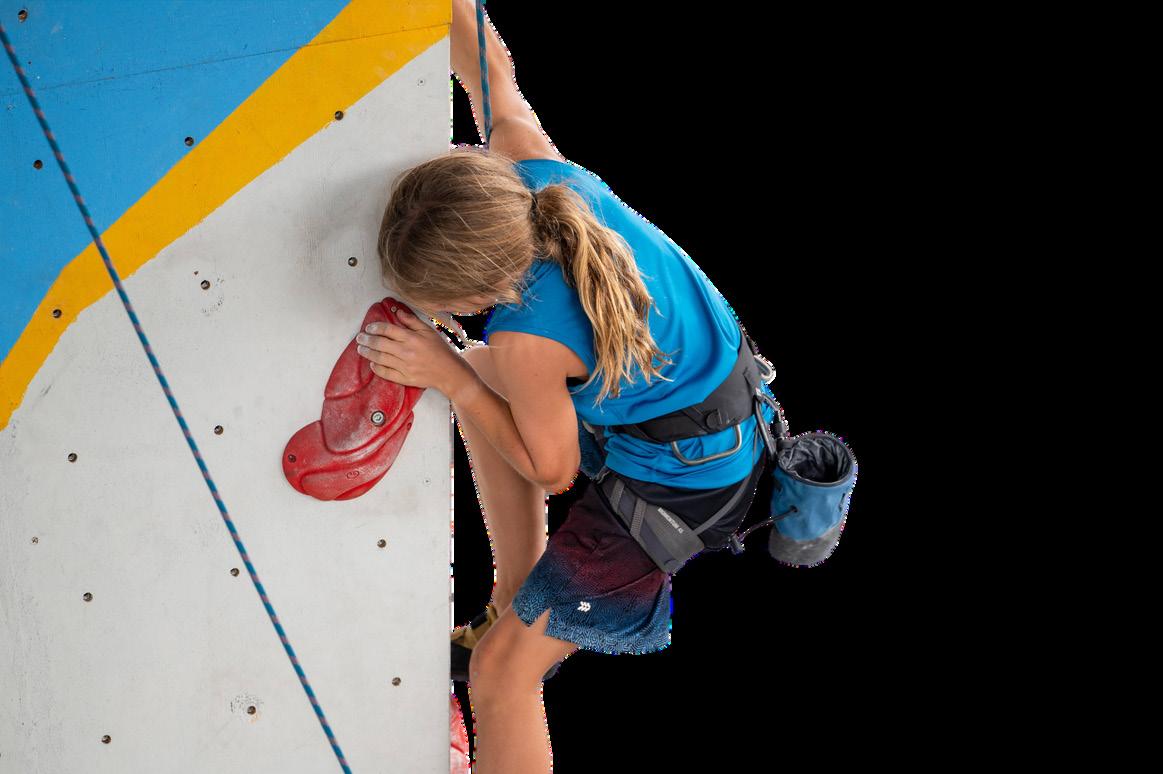
David Bishop Host of Nova Sunrise on Nova 103.5, climbing wall owner, voracious reader, sometime writer, active lifestyle proponent, family man, and coffee lover.
Cerina Bezuidenhout Haasbroek
Madeleen
Need To Knows. with FlyNamibia
Select which tickets you would like to purchase: destinations, travel dates, morning/afternoon departure. We offer multiple fare options such as: Saver, Classic or Premium
Passenger details
Please enter names as they appear on passport or travel documentation
LOGIN to upload passenger details from previous booking.
Baggage policy, sporting equipment, over weight luggage or to add an additional bag(s)
Read up on all our additional information regarding terms and conditions, and tick the selection box once completed to continue.
Payment
Fill in your payment details in our DPO paygate to make final payment.
Confirmation Mail
Transaction confirmation will be sent to passenger email entered.
Windhoek Eros Airport Office
Ondangwa airport office
Katima Mulilo airport office
Hosea Kutako airport office
All major travel agents
PayToday app Buddy SuperApp
Cash payment at: Eros Airport, Ondangwa Airport Electronic Funds Transfer (EFT) Online card transaction
Check-in opens 1h 30min before domestic flight and 2 hours before international flight. Online check-in opens 24 hours before departure of the flight on Fly Namibia
Check-in CLOSES 30 min prior to domestic flight and 50 min prior to international flight.
Luggage restrictions
Lotions and aerosols above 100ml, flammable aerosol, sharp objects, i.e. nail files, nail scissors, Leatherman, matches.
Katima Mulilo (via Maun)
Victoria
ZIMBABWE
DOMESTIC FLIGHTS
FLIGHT NO. DEPARTURE FROM TO ARRIVAL DAYS
(Please refer to our flight consolidations for 1 January - 31 March 2026 flights)
WV*4Z8505 06:30 Eros - Windhoek Ondangwa - Toivo Ya Toivo 07:30 Mon, Tue, Fri
WV*4Z8506 08:00 Ondangwa - Toivo Ya Toivo Eros - Windhoek 09:00 Mon, Tue, Fri
WV*4Z8595 16:20 Eros - Windhoek Ondangwa - Toivo Ya Toivo 17:20 Tue, Wed, Thu, Fri, Sun
WV*4Z8596 17:50 Ondangwa - Toivo Ya Toivo Eros - Windhoek 18:50 Tue, Wed, Thu, Fri, Sun
Lüderitz flights from 22 March - 22 April 2026
WV*601 09:00 Eros - Windhoek Lüderitz 09:50 Mon - Sun
WV*602 13:15 Lüderitz Eros - Windhoek 14:00 Mon - Sun From 1 January - 31 March 2026 (Please refer to our flight consolidations)
From 1 January - 31 March 2026 (Please refer to our flight consolidations)
WV*4Z8135 10:15 HKIA - Windhoek Victoria Falls 11:40 Tue, Thu, Sat
WV*4Z8136 12:55 Victoria Falls HKIA - Windhoek 14:15 Tue, Thu, Sat
From 1 April - 30 November 2026
WV*4Z8135 10:15 HKIA - Windhoek Victoria Falls 11:40 Tue, Wed, Thu, Fri, Sat, Sun
WV*4Z8136 12:55 Victoria Falls HKIA - Windhoek 14:15 Tue, Wed, Thu, Fri, Sat, Sun
in Partnership with
4Z341 11:40 Cape Town Walvis Bay 13:55 Mon-Sun
4Z342 14:40 Walvis Bay Cape Town 16:45 Mon-Sun
4Z320 07:00
Cape Town HKIA - Windhoek 09:10 Mon, Tue, Wed, Thu, Fri, Sat
4Z326 10:40 Cape Town HKIA - Windhoek 12:50 Mon-Sun
4Z328 18:15 Cape Town HKIA - Windhoek 20:25 Mon, Tue, Wed, Thu, Fri, Sun
4Z329 07:05 HKIA - Windhoek Cape Town 09:10 Mon, Tue, Wed, Thu, Fri, Sat
4Z321 09:50 HKIA - Windhoek Cape Town 11:55 Mon, Tue, Wed, Thu, Fri, Sat
4Z327 13:40 HKIA - Windhoek Cape Town 15:45 Mon-Sun
*Code Share
HKIA - Hosea Kutako International Airport
The seasonal FlyNamibia Safari schedule will resume on 1 May 2025 and run until 30 November 2025. Our daily shuttle flight operates in a clockwise circuit seven days a week. The exact departure and arrival times are determined the day before the flight and will be communicated directly to lodges, tour operators, and transfer companies. A minimum of two passengers is required per sector. All destinations remain available on a private charter basis.
Our main routes
ETA FROM TO 09:00 Windhoek Sossusvlei
10:10 Sossusvlei Swakopmund
11:25 Swakopmund Twyfelfontein
12:30 Twyfelfontein Ongava
13:20 Mokuti Ongava
Additional route options
15:00 Mokuti Windhoek FROM TO Swakopmund Ongava Swakopmund Mokuti
For more information, contact: Email: safari@flynamibia.com.na
Twyfelfontein Mokuti Ongava Windhoek
Sossusvlei Twyfelfontein
Sossusvlei Ongava
Sossusvlei Mokuti
Twyfelfontein Windhoek Swakopmund Windhoek
WELCOME
ON BOARD
Dear Passenger,
As you settle into your seat today, I am reminded once again that every FlyNamibia flight carries more than passengers – it carries purpose, connection and the quiet pride of a nation on the move.
This season marks an important moment for our regional network. With increased frequencies to Maun and Victoria Falls, we continue to strengthen the links between Namibia and some of Southern Africa’s most iconic destinations. These routes are not simply about access – they are about enabling discovery, supporting tourism flows and creating seamless journeys for both leisure and business travellers. They reflect our commitment to regional connectivity and to ensuring that Namibia remains confidently connected to the world around it.
From April 2026, FlyNamibia operates four weekly flights to Maun on Mondays, Wednesdays, Fridays and Sundays, while Victoria Falls is served six times a week from Tuesday to Sunday.
At FlyNamibia, growth is always guided by intention. We believe that aviation plays a meaningful role in uplifting economies, opening doors for collaboration and telling Namibia’s story beyond our borders. It was therefore a privilege to be part of the Brand Namibia nation-branding exercise – an opportunity to contribute to a collective vision of how our country is positioned, perceived and proudly presented on the global stage. We look forward with optimism to what this renewed focus on national identity and storytelling may unlock.
March will also see our team returning to ITB Berlin, where we will once again engage with our tourism trade partners, share updates on our expanding network and champion Namibia as a destination of depth, authenticity and warmth. These conversations matter – they shape future travel decisions and reinforce the relationships that sustain our tourism sector.
Introducing FlyNamibia Makers
The FlyNamibia Makers Project is a proudly Namibian initiative designed to empower local entrepreneurs, artisans, and small-scale crafters by offering them a tangible business opportunity and a platform to showcase their creativity. Through this programme, FlyNamibia will act as both an enabler and a first client, helping to stimulate entrepreneurship, creativity, and local economic growth. Because, we rise by lifting others. Keep an eye on our social media pages for more info.
Whether you are travelling home, heading toward adventure, or connecting onward into the region, thank you for choosing FlyNamibia. We remain committed to flying with care, purpose and pride – for our passengers, for our partners and for Namibia.
Enjoy the journey.
Nerine Uys CEO, FlyNamibia
Read our previous issues
Swakopmund
Where the Desert Dares You to Play
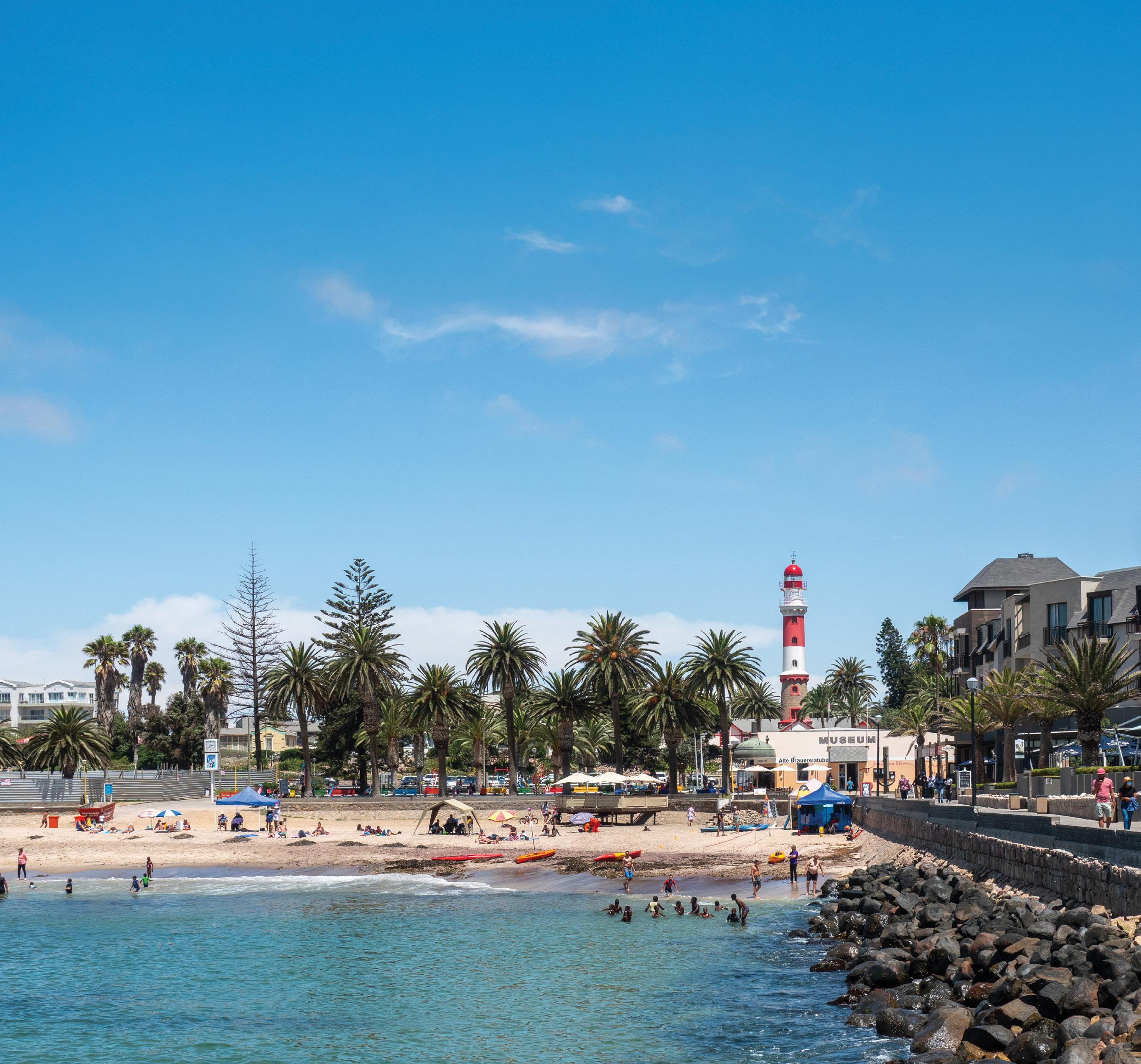
There are places where adventure is an add-on – a single activity pencilled between meals and museum visits. And then there is Swakopmund, where adventure is the atmosphere itself. Here, the Atlantic Ocean crashes against a desert edge that refuses to behave, fog rolls in like a curtain call, and the horizon feels deliberately wide, as if inviting you to test your limits.
It is this rare convergence of elements that has earned Swakopmund its reputation as Namibia’s undisputed adventure capital – and increasingly, as one of the world’s most exhilarating playgrounds.
Perched between the skeletal vastness of the Namib Desert and the cold, nutrient-rich Atlantic, Swakopmund offers something few destinations can match: extreme contrasts packed into a single day. You can be airborne at sunrise, carving through dunes by mid-morning, paddling
among seals at lunchtime, and sharing a sundowner as desert light fades into ocean mist.
In 2025, this spirit of adventure received continental recognition when Namibia was named Africa’s Best Adventure Tourism Destination at the Africa Tourism Awards – also known as The Balearica Awards – held in London. The accolade specifically highlighted Swakopmund as the beating heart of the country’s adventure offering, celebrating not only adrenaline-fuelled experiences but Namibia’s commitment to sustainability, innovation, and community-led tourism.
For visitors, however, Swakopmund’s appeal is far more visceral than trophies and titles. It is felt in the thrum of a quad bike engine revving against a dune face, the moment of silence before a parachute opens, the laughter echoing across a salt-streaked lagoon.
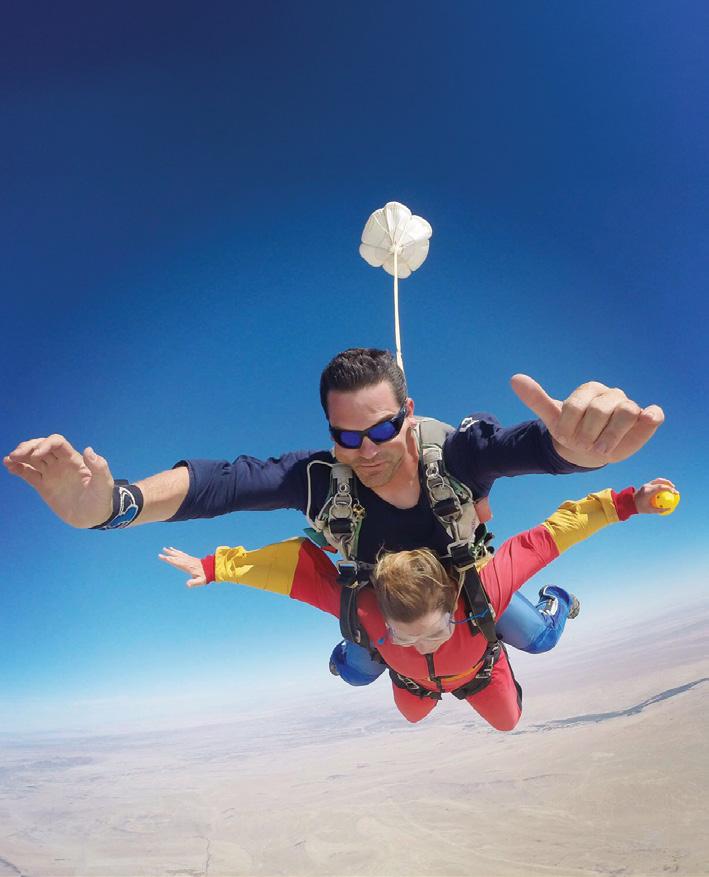
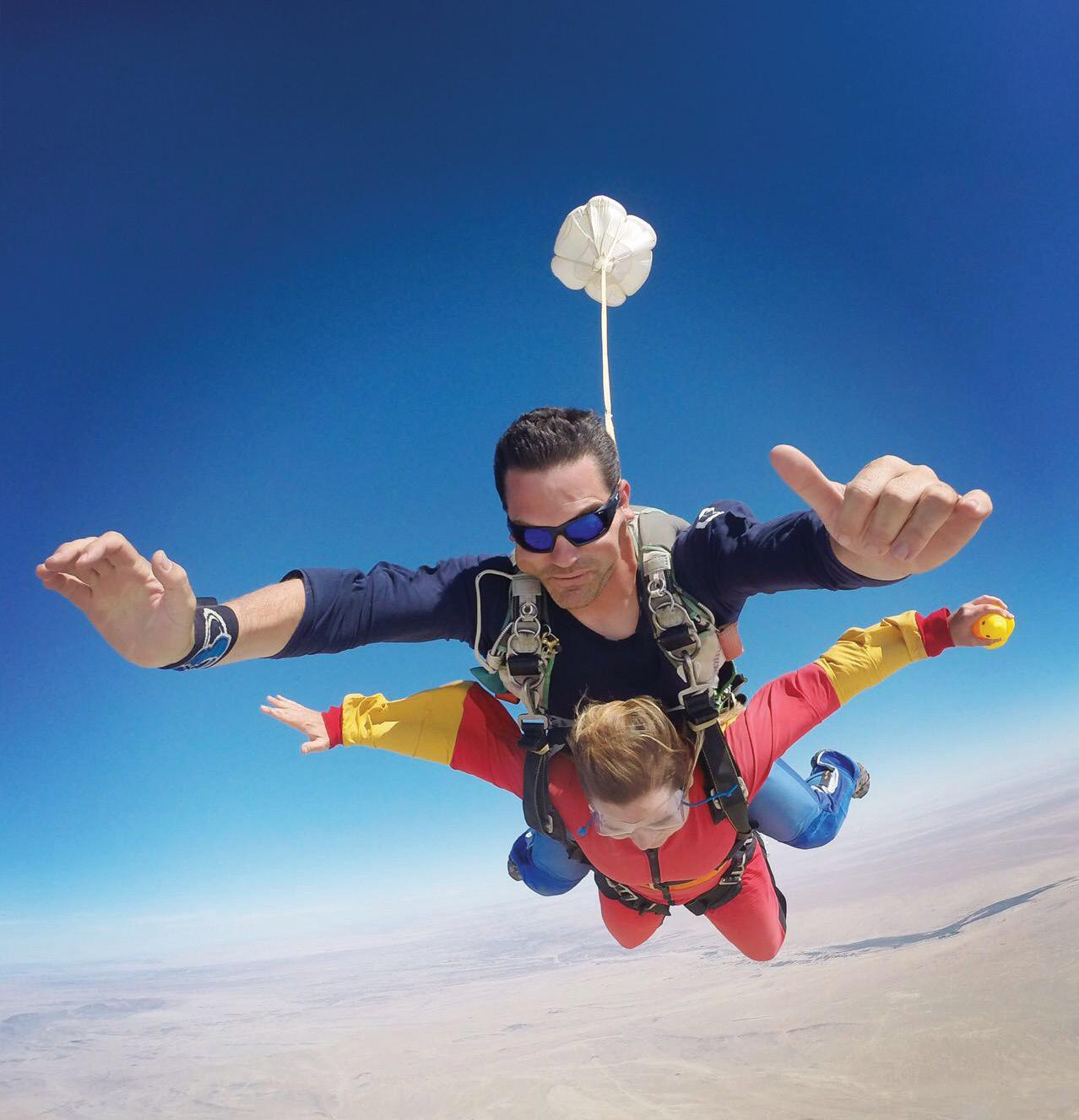
Skydiving over Swakopmund remains one of the town’s most iconic experiences. Few jumps in the world offer such dramatic theatre: the desert unfolding beneath you in endless shades of rust and gold, the Atlantic stretching cool and steel-blue beyond.
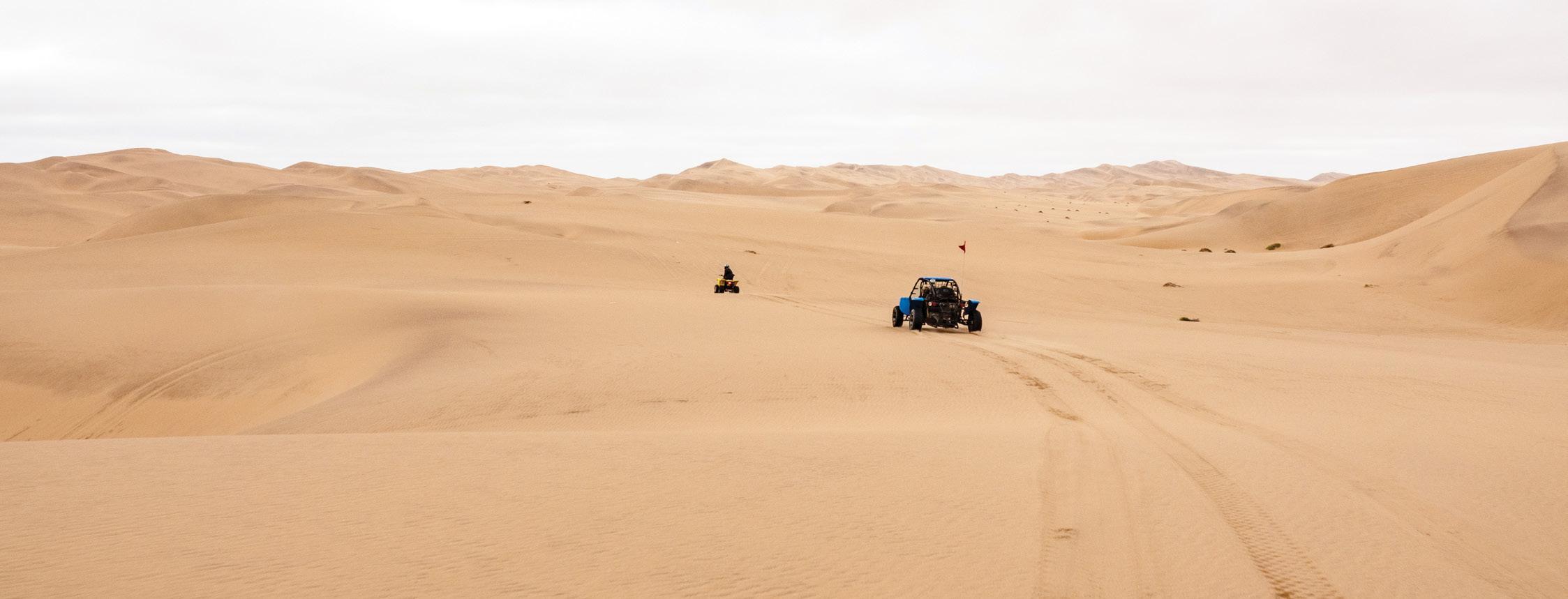
For those who prefer to keep their feet closer to the ground, the dunes provide their own brand of exhilaration. Sandboarding down towering slipfaces delivers a rush as pure as any alpine slope, while quad biking and dune buggy tours trace sinuous paths through a landscape shaped by wind and time. Guides navigate with practiced ease, reading the dunes like a language, sharing stories of
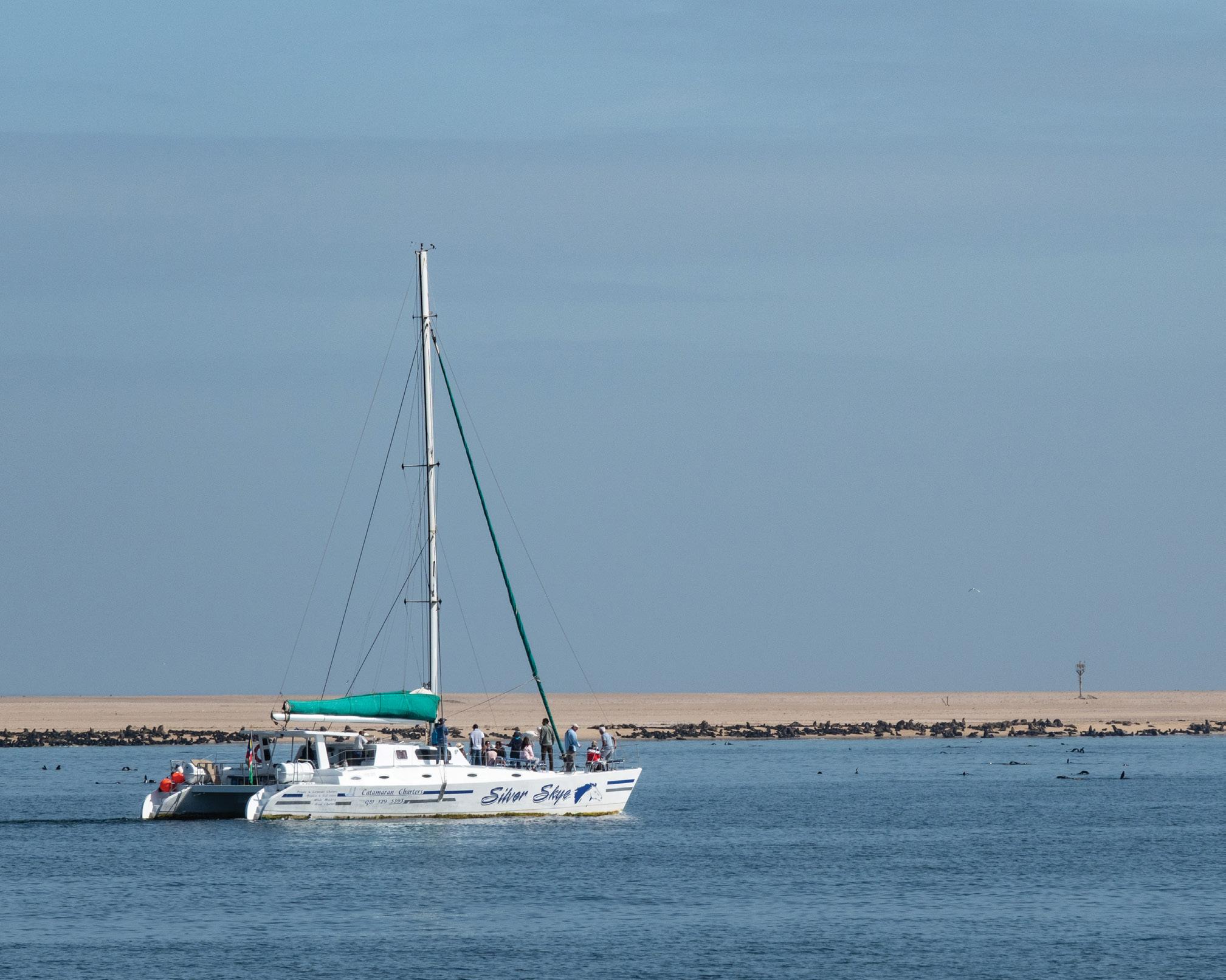
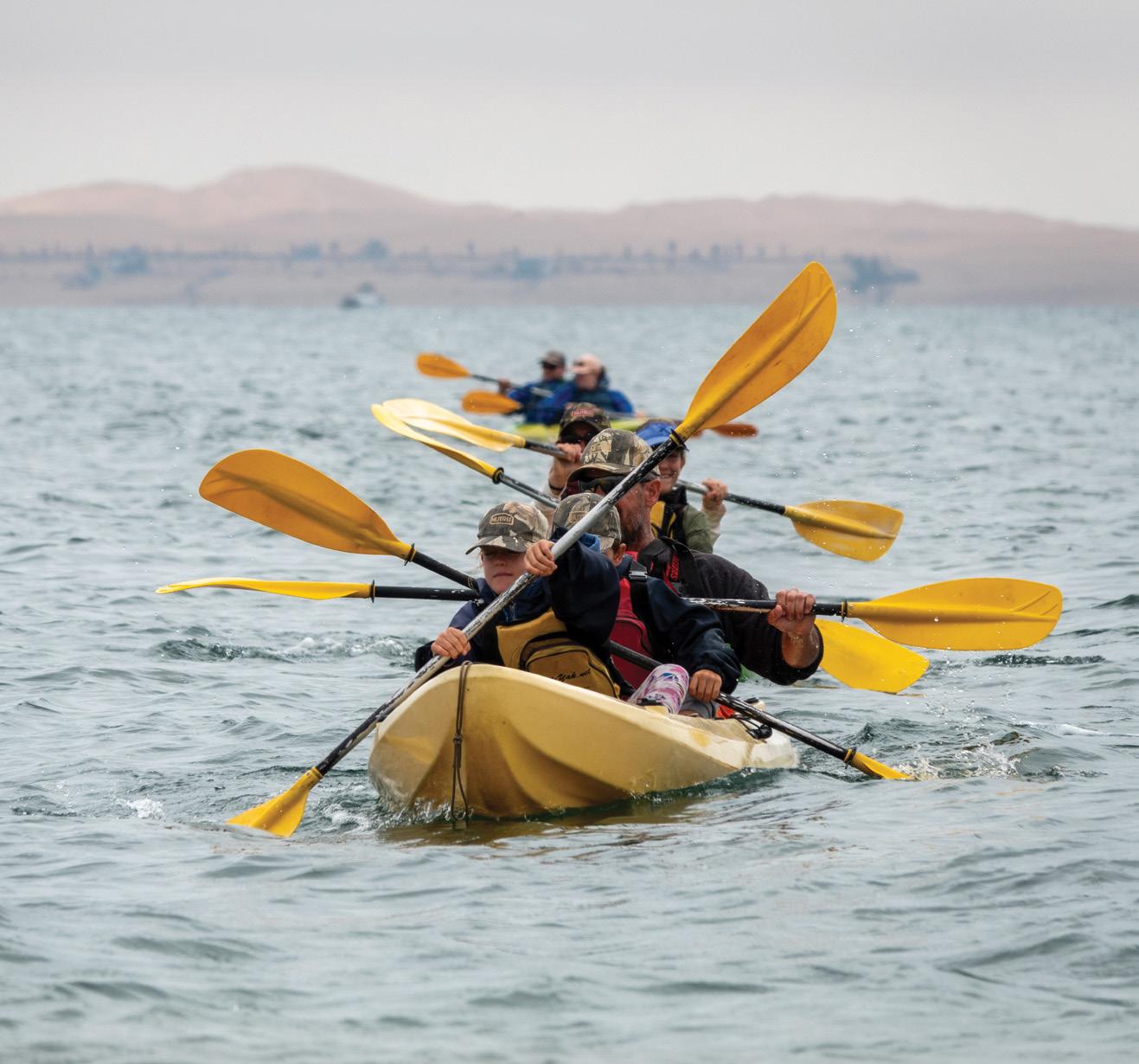
how fragile and fiercely protected this ecosystem truly is. Adventure in Swakopmund is not only about speed and height – it is also about intimacy with nature. Kayaking on the calm waters of Walvis Bay Lagoon offers encounters of a different kind. Seals slip into the water beside your kayak, curious and playful, while pelicans glide overhead and flamingos paint the shallows pink. It is an experience that reminds you that adventure can be gentle, immersive, and deeply moving.
Further offshore, catamaran cruises combine marine wildlife viewing with the thrill of the open sea. Dolphins ride the bow waves, mola mola drift past like living relics, and
Suné van Wyk
Annalien Davin
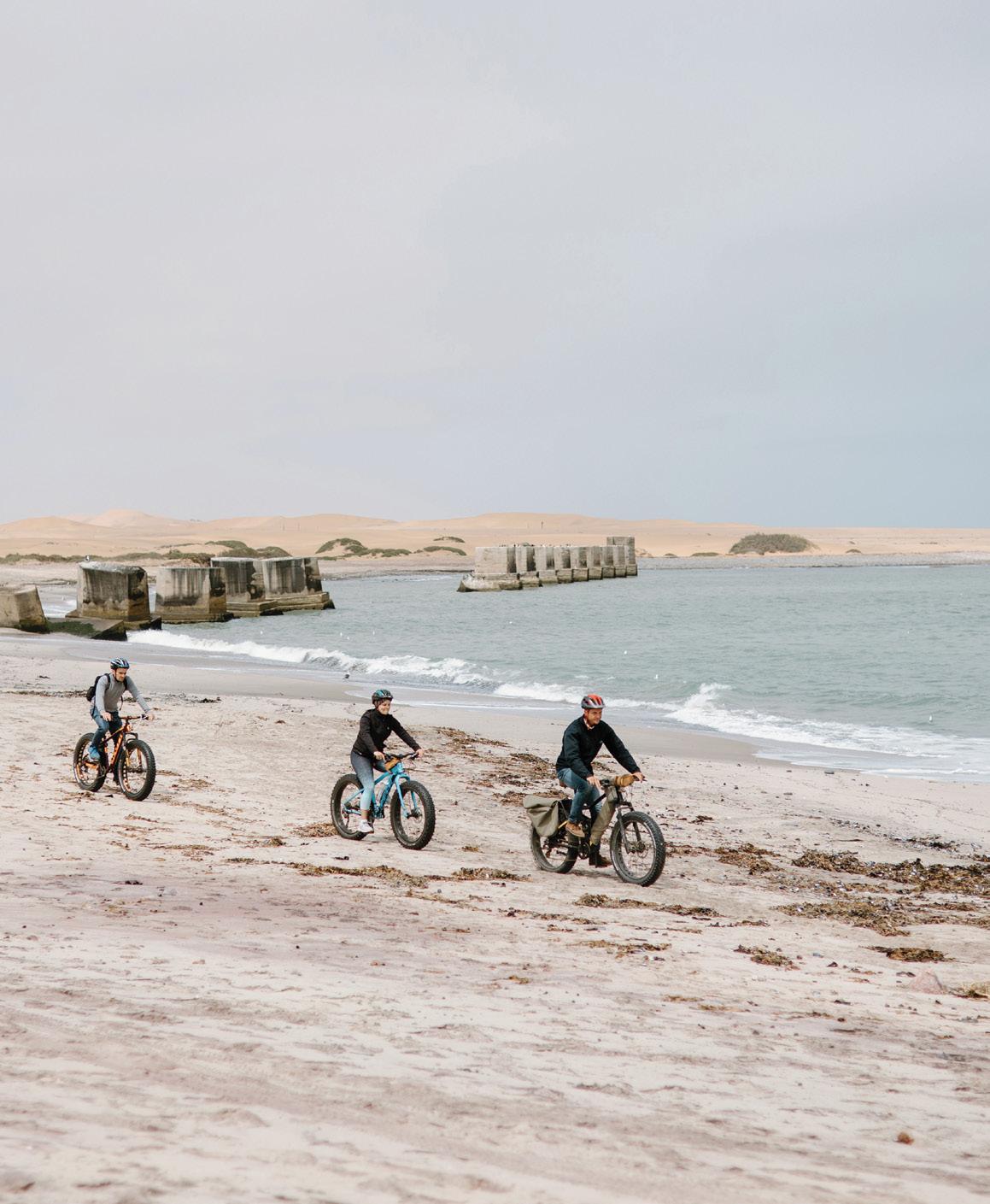
the chill air sharpens the senses. Back on land, fat biking along the beach allows you to pedal where desert sand meets surf, tyres floating effortlessly across terrain that would stop ordinary bicycles in their tracks.
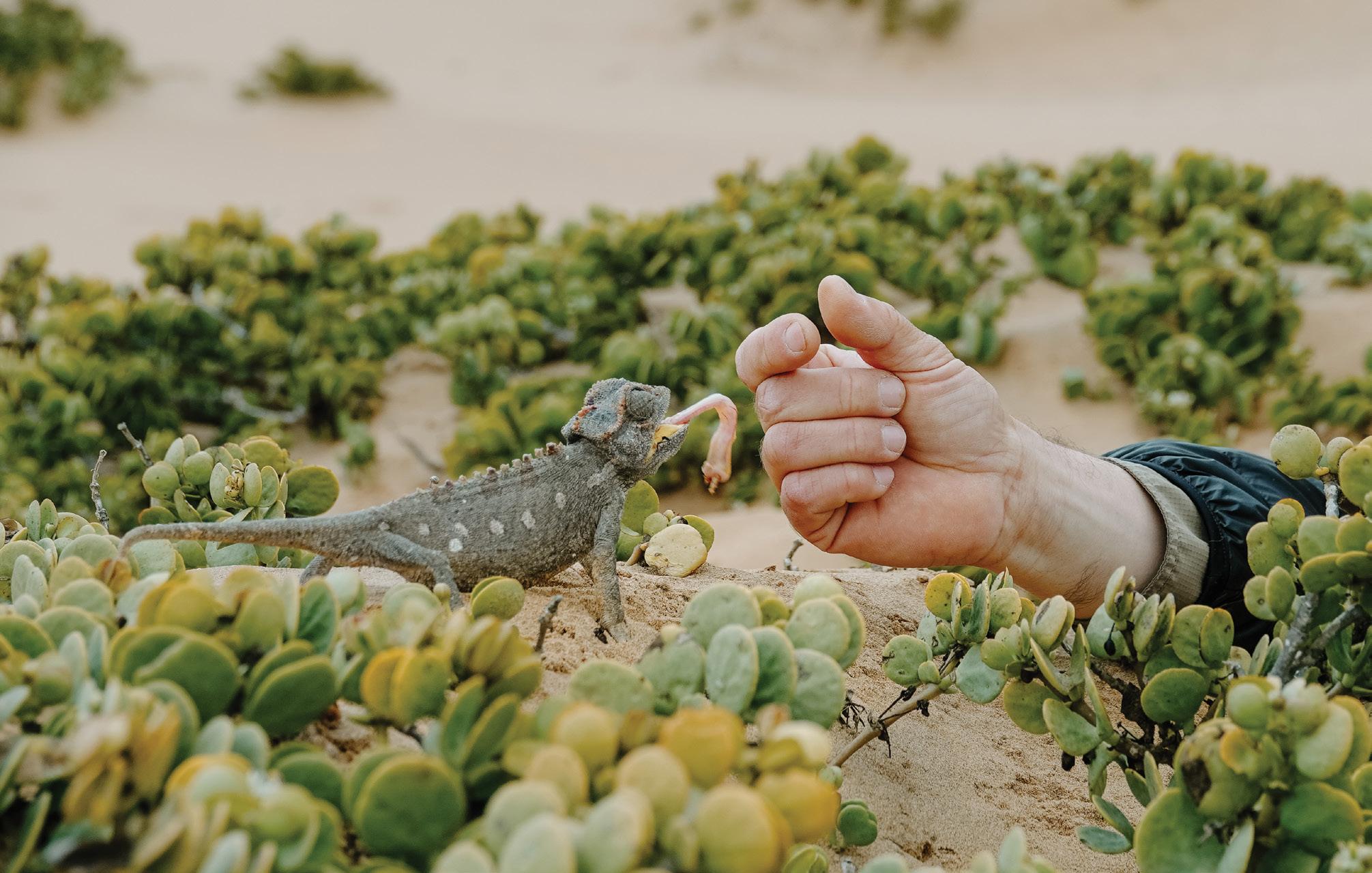
Even walking becomes an adventure here. Guided desert tours reveal a hidden world beneath the sand – translucent lizards, fog-basking beetles, ancient welwitschias clinging to life against all odds. These small wonders anchor Swakopmund’s bigger thrills, offering context and respect for the environment that makes such experiences possible.
What truly sets Swakopmund apart, though, is not just the range of activities, but the ease with which they coexist. Adventure here is accessible. Operators are experienced, safety-focused, and deeply connected to the place they call home. Many are family-run businesses, rooted in the community, employing local guides whose knowledge extends far beyond technical skill.
This balance between thrill and responsibility was central to the recent award recognition. Namibia stood out not only for what it offers travellers, but for how it offers it – with
environmental stewardship, innovation, and meaningful community impact at its core. It is a reminder that adventure tourism, when done well, can be a powerful force for sustainable development.
Yet awards aside, Swakopmund’s magic lies in moments that cannot be measured. The way fog beads on your eyelashes during an early-morning run along the promenade. The taste of salt on your lips after a day at sea. The shared grin between strangers who have just conquered a fear, together.
In Swakopmund, adventure is not staged. It is lived. It is woven into the fabric of daily life, into the rhythm of tides and winds, into a town that understands that the greatest journeys often happen at the edge – where desert meets ocean, and where travellers rediscover a sense of wonder.
Elzanne McCulloch
First published in the Autumn 2026 issue of Travel Namibia magazine. Subscribe to Travel Namibia here: www.travelnam.com
Madeleen
Duvenhage
This is Namibia
NamibRand Nature Reserve
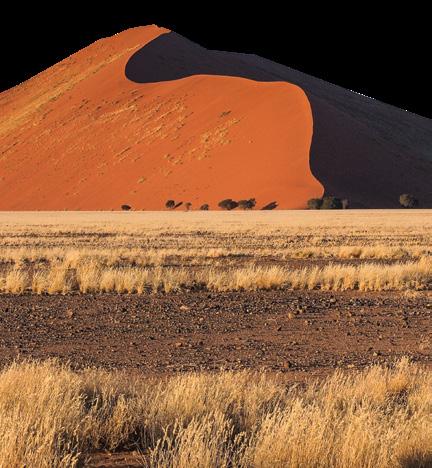
What began as a visionary quest to expand the horizons of the Namib Desert culminated in the creation of the NamibRand Nature Reserve during the latter half of the 1980s. This ambitious endeavour aimed to unite numerous former sheep farms, fostering the rehabilitation of the land into a sanctuary free from fences.
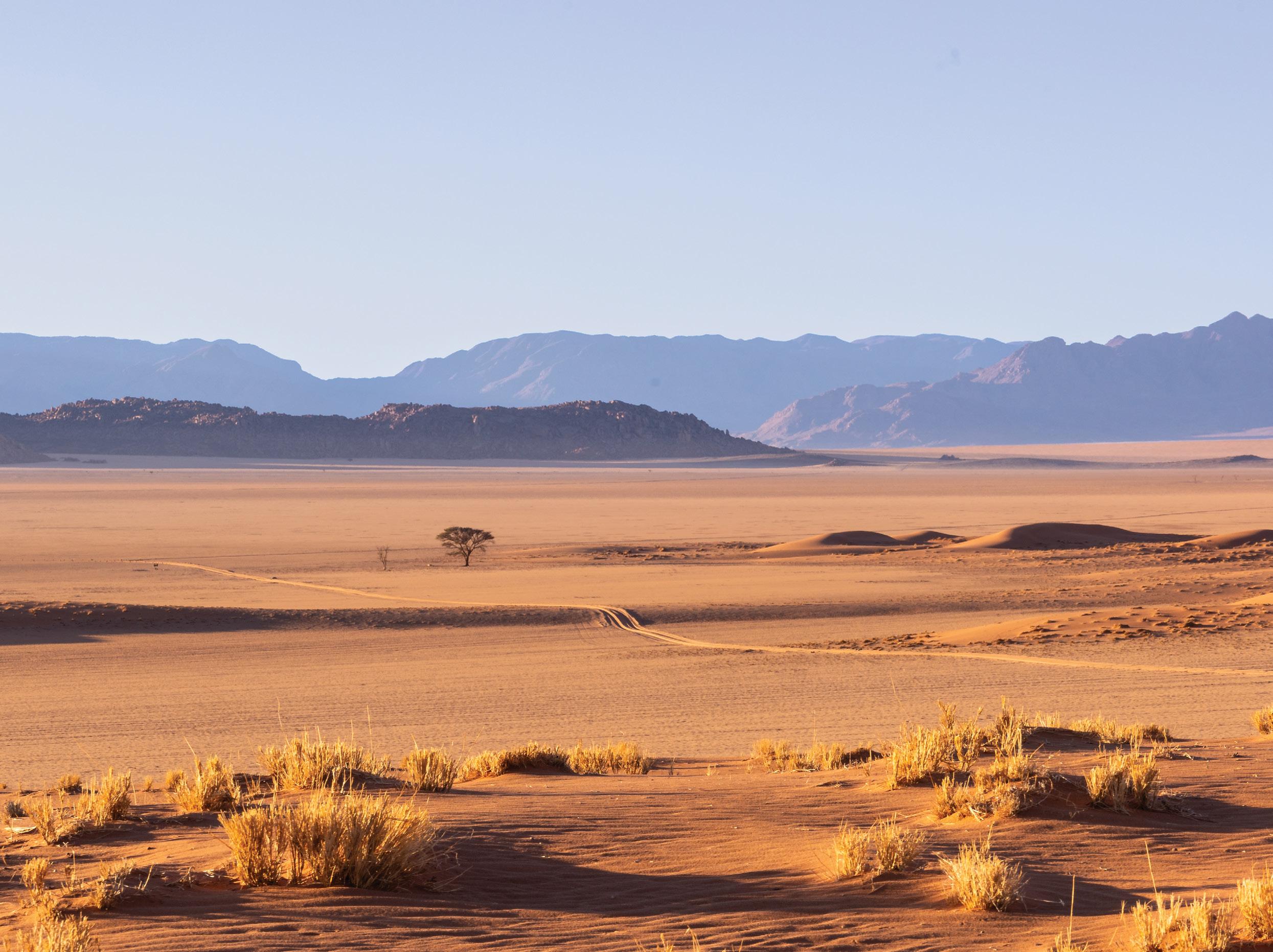
The reserve showcases the diverse facets of the Namib Desert, weaving together a living tapestry of colour and contour that delights artists and photographers alike. From towering dunes to rugged rocky outcrops, NamibRand presents a visual utopia brimming with natural splendour. Its diverse ecosystems support a rich array of wildlife, including gemsbok, giraffe, mountain and plains zebra, springbok, red hartebeest, bat-eared fox, spotted hyena, Cape fox, and African wildcat. In the rocky terrain, elusive species such as kudu, klipspringer, baboon, and leopard find refuge, while the dunes harbour a vibrant microfauna of lizards,
beetles, spiders, and even the elusive golden mole. Moreover, NamibRand is a haven for bird enthusiasts, boasting over a hundred recorded species within its boundaries.
Spanning 202,000 hectares and comprising 15 former farms, the reserve ranks among the largest private nature reserves in Southern Africa. Notably, NamibRand holds the distinction of being an International Dark Skies Reserve, offering unparalleled opportunities for stargazing and celestial exploration.
Based in the reserve are the Namib Desert Environmental Education Trust (NaDEET) Centre and the NamibRand Desert Research & Awareness Centre.
Find more Namibia travel inspiration at www.thisisnamibia.com
Follow @thisis_namibia on Facebook and instagram for extraordinary Namibia travel stories.
Kirsty Watermeyer
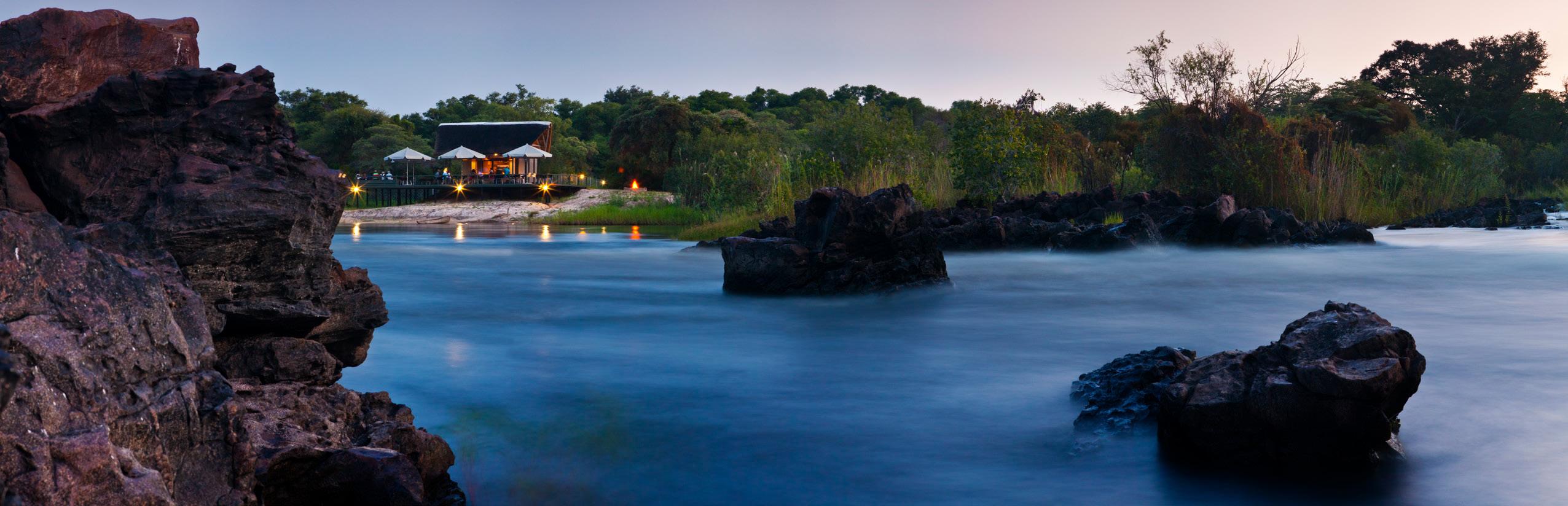
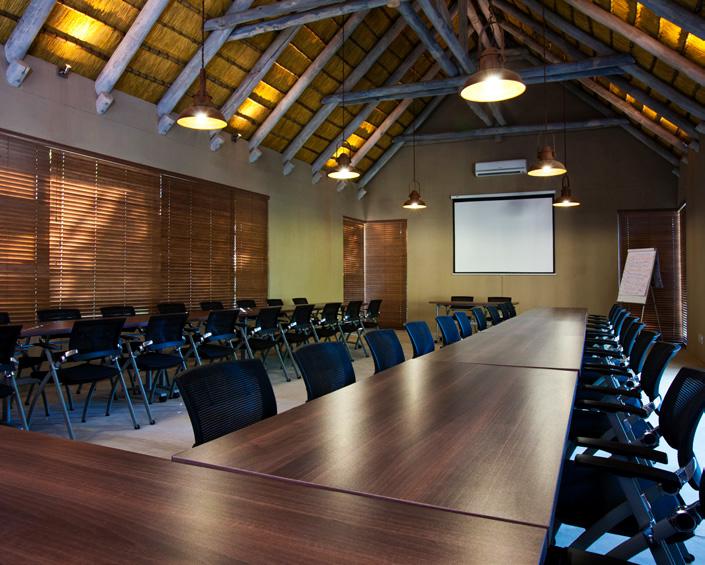
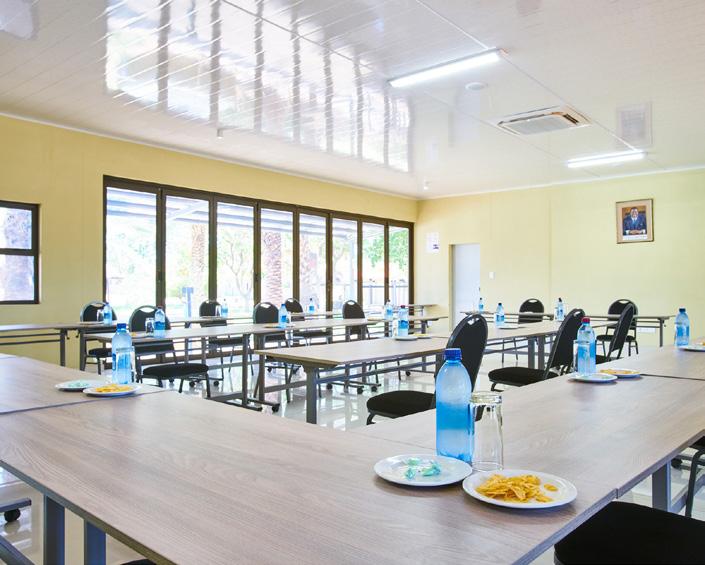
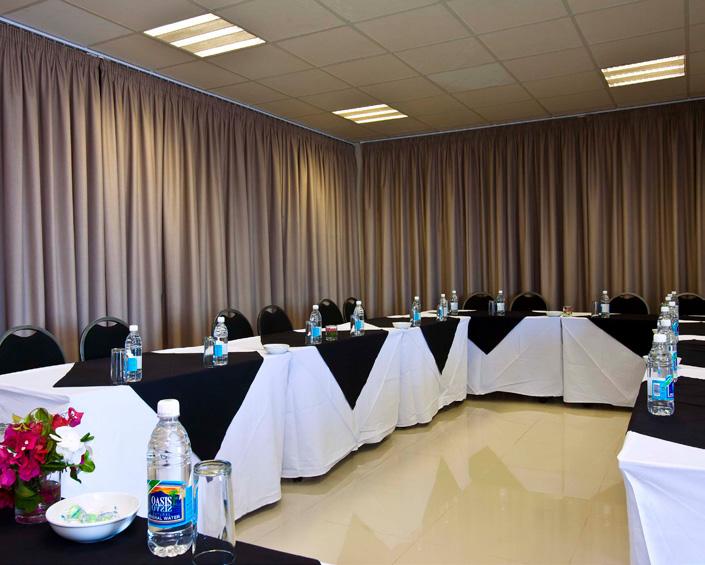
Discover unparalleled conference facilities amidst breathtaking natural landscapes with Namibia Wildlife Resorts. Host your next event at Popa Falls Resort, where the serene Okavango River meets nature’s tranquility. Gross Barmen Resort offers a rejuvenating retreat, blending wellness with state-of-the-art conference amenities. At Khorixas Camp, immerse yourself in the rich history of ancient civilizations while enjoying modern conference conveniences. Lastly, Hardap Resort presents a lakeside haven, perfect for inspiring creativity and fostering collaboration. Elevate your conference experience with us!
Popa Falls Resort
Gross Barmen Resort
Khorixas Camp
Hardap Resort
Native Leaves:
THE FIG TREE
Scientific name: Ficus sycomorus
Common name: Cluster fig / Sycamore fig
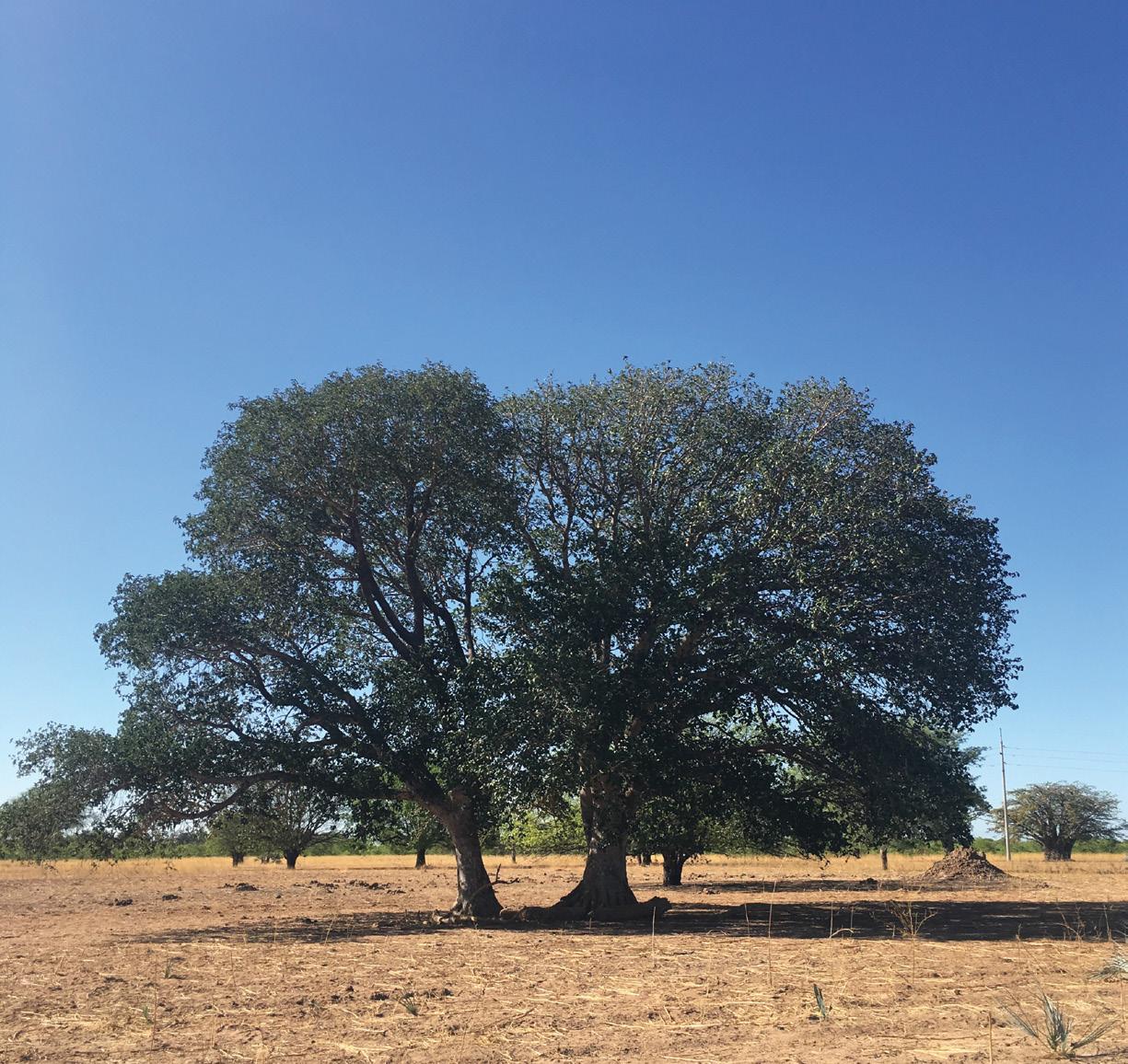
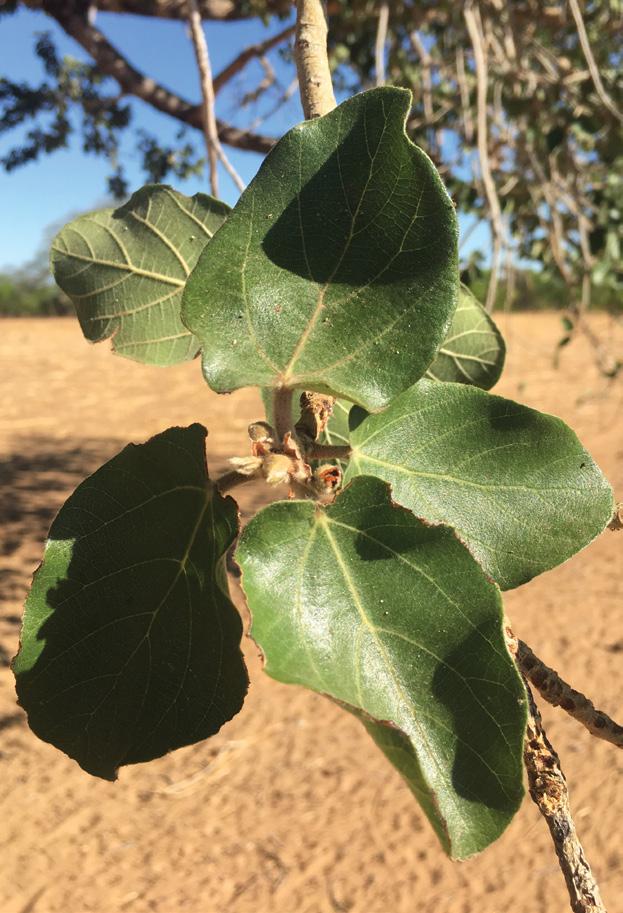
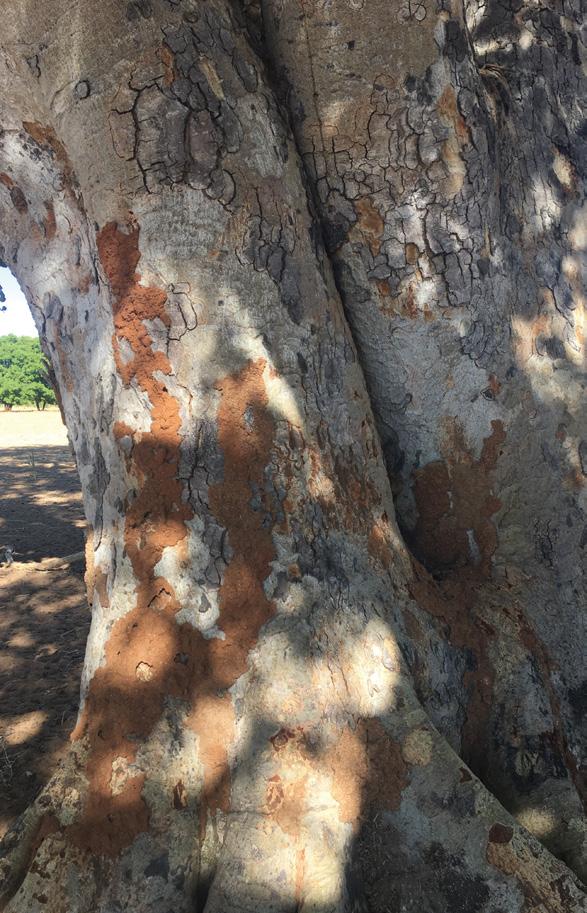
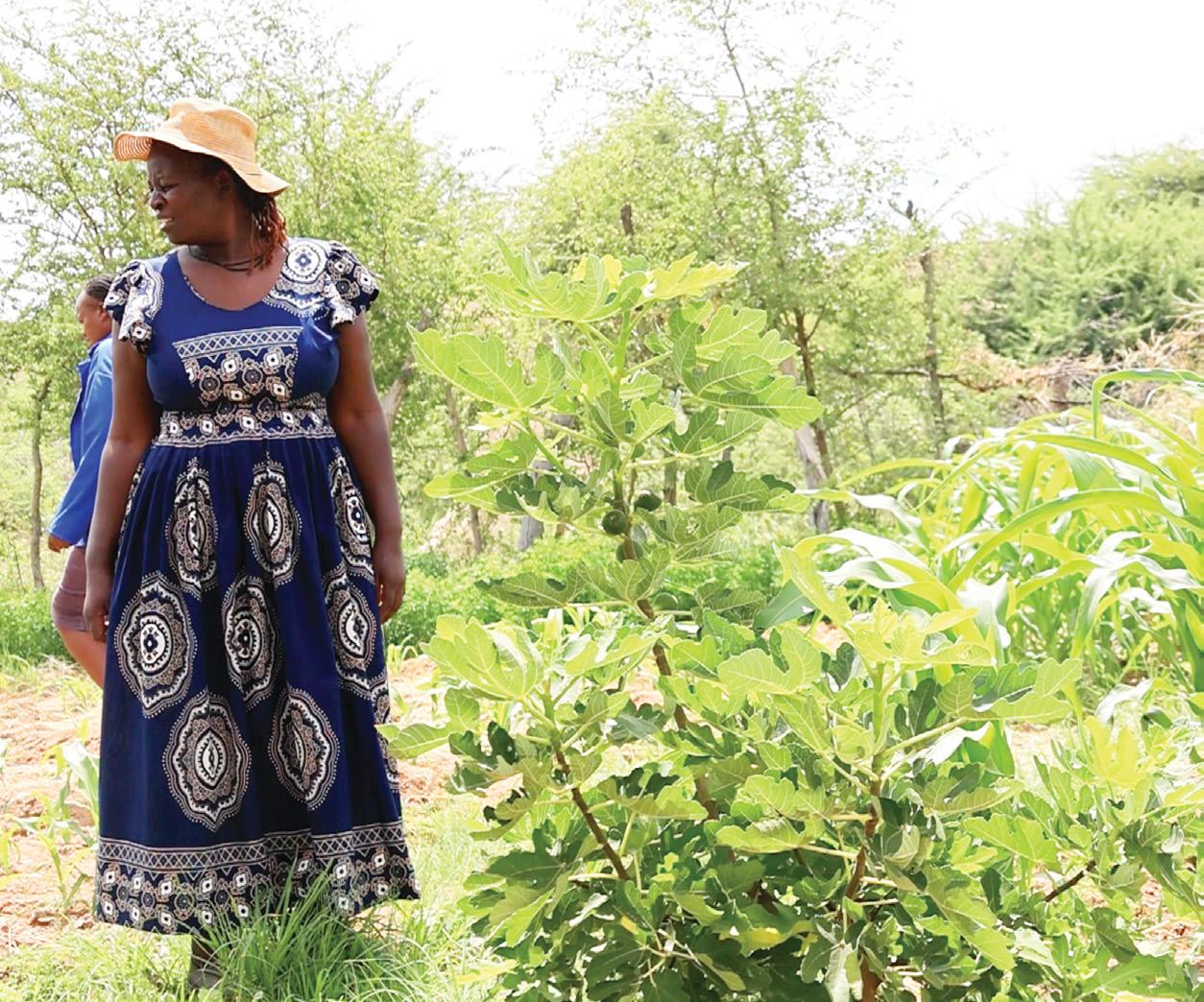
Besides the baobab, the cluster fig tree is among the biggest trees I have ever seen. Apart from its size, the cluster fig is easily identified because of the colour of its leaves and bark. The tree is evergreen and has dark-green leaves which appear to be whitish from a distance. Its stem is very broad, with widely spread branches and big leaves providing a generous amount of shade. I have come to notice that the cluster fig tree grows well in sandy areas, especially near earth dams. Clearly, it needs plenty of water to survive.
I recently took the time to take some close-up pictures of this big tree in our neighbour’s crop field. The field still has the same trees I remember from my childhood, most of which are still standing strong and healthy, although some have succumbed naturally. I do not recall having played under any of these trees when I visited my neighbours as a child, but I am certain the elders – including my namesake – who lived in our neighbour’s homestead have plenty of memories from their childhood. These are trees that are older than me, yet their resilience is still evident.
My field excursion was quite a therapeutic experience. The literature I read and what I saw in person was a perfect match. The regret came as I realised the shade was pleasantly cool and I could have just brought my camping chair to explore this tree’s unique features in absolute silence. The only sound was that of chirping birds. But back to the facts: the cluster fig is a single-stemmed tree known to grow very high. It can reach up to 20 metres tall and the trunk diameter can range from 1.5 to 2 metres broad. It has a crown which spreads up to a recorded size of 45 metres. The sheer size of this tree confirms the assumption that it demands a huge amount of water, hence it is found on plains, near pans and in sandy areas to accommodate its extensive root system.
It has been a while since I have been so close to this giant tree. I touched the leaves and the texture gave a leathery feeling with a bit of roughness, owing to the tiny surface
hairs. The leaves have a simple spiral arrangement and ovate-shaped blades with veins that are yellowish in colour. The cluster fig tree’s wood is soft and not suited to be used as firewood. It often becomes hollow and light when dry. Its hollowness is likely to produce a lot of smoke. The benefit of the wood is that its softness makes it possible for the tree to be grown from cuttings.
We all love trees that produce something for the tastebuds. Although the cluster fig does not quite produce a harvest fit for exquisite chef’s dishes, picking its fruit to snack on is an adventure on its own. The cluster fig produces small circular fruits and its size is comparable to that of the jackalberry fruit. The fruit, referred to as figs, often fall to the ground when they are ripe. They are small with a sweet flesh and tiny, chewable seeds. While the fruit is mostly eaten in its moist state, consumers often dry them for later consumption. Animals like birds and donkeys snack on the fig fruits too, while humans often feed them to their pigs. Populations of the cluster fig are not generally threatened by human activities, yet it is listed as a protected species which produces fruits for humans and animals.
Agnes Shekupe Shivute
Time and Light
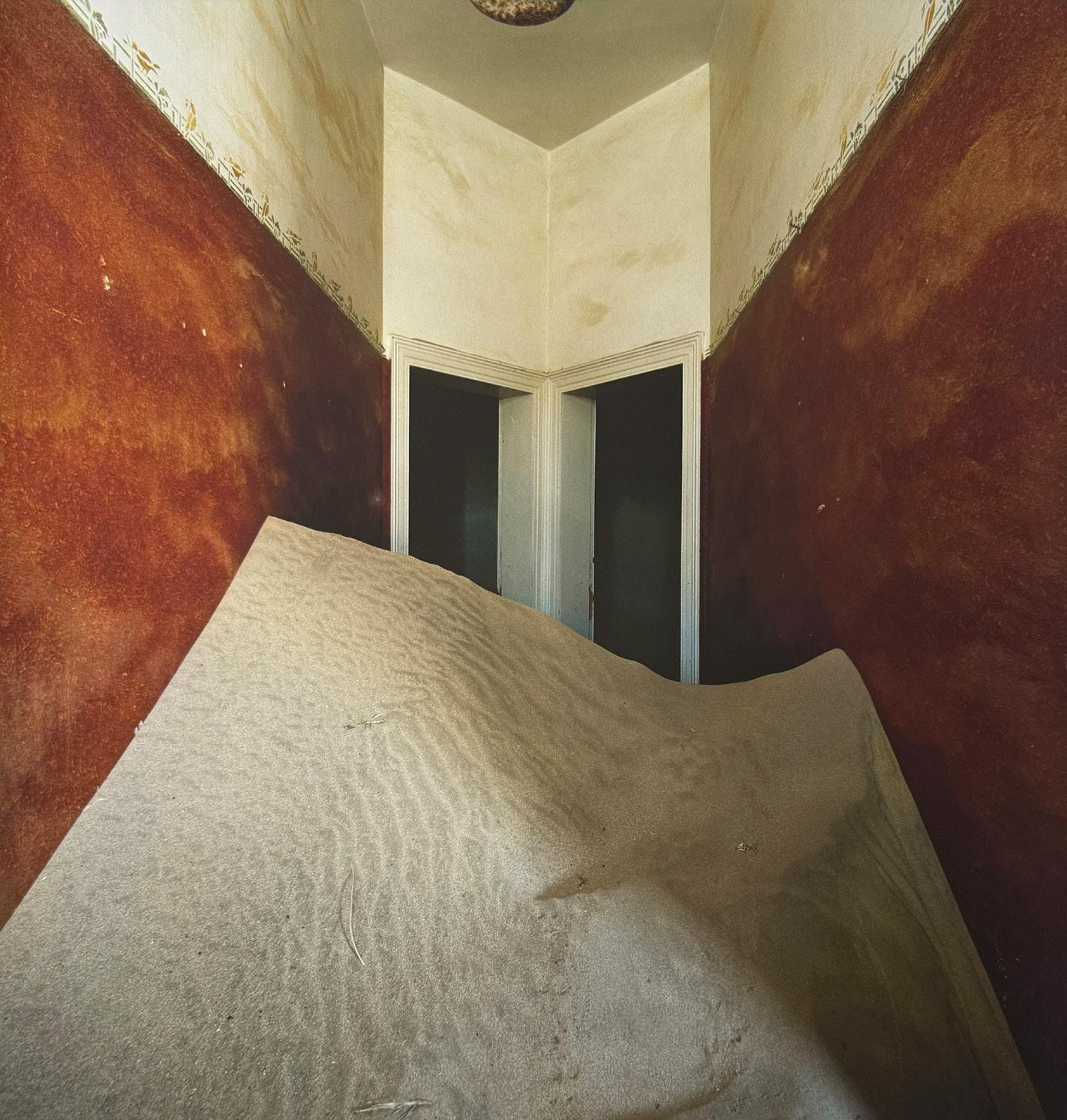
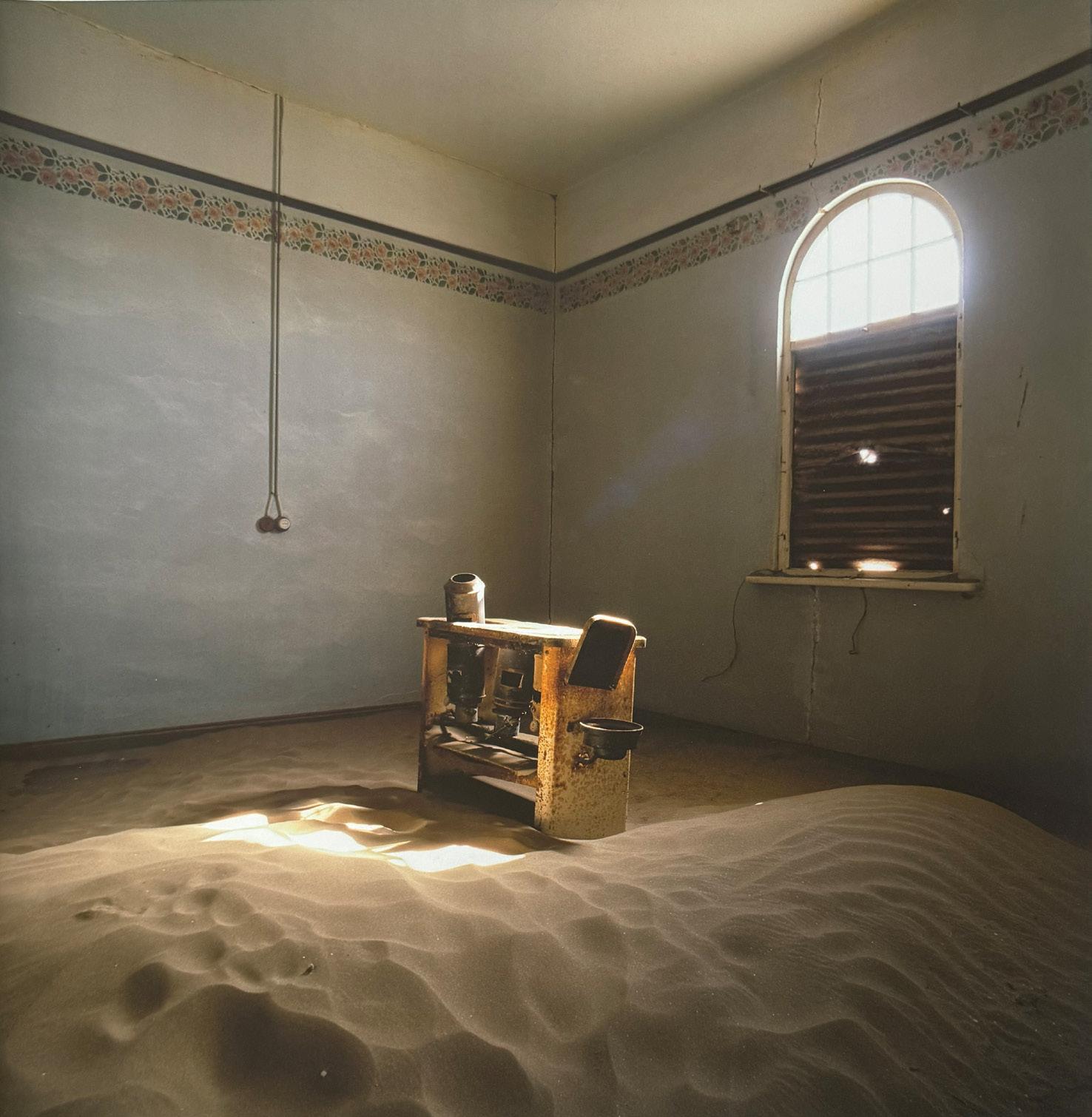
For over five decades, Helga Kohl has quietly crafted some of Namibia’s most compelling visual narratives. Kohl has dedicated her career to revealing the poetry in timeworn places and the ethereal dialogue between light, space and memory. Her work occupies a rare place in contemporary photography: intuitive, deeply observant and profoundly rooted in architecture as both subject and lens.
In her upcoming exhibition we are honoured to present a selection from Kohl’s well-known series on Kolmanskop, her contemplative explorations of the abandoned town Elizabeth Bay, and a suite of architectural abstractions
Helga Kohl
from Windhoek. These bodies of work trace an aesthetic logic that Kohl herself has described as “painting with natural light” –an approach where time, composition and the subtleties of atmospheric conditions are as integral as the structures she photographs.
Since becoming a freelance photographer in the mid-1970s, she has been a member of the Professional Photographers of Southern Africa (PPSA) and won numerous accolades, including a fellowship in Fine Art Photography. Her work has been shown in galleries and museums across Africa, Europe and the United States and resides in the public collection of the National Art Gallery of Namibia, the National Museum of African Art in Washington, the National Art Gallery in Mali (Bamako) and several international private collections.
What ties the works in this exhibition together is Kohl’s architectural focus – not simply on buildings as objects, but on what they reveal about human presence and absence, memory and loss. Her Kolmanskop series remains her most iconic project. This once thriving diamond mining town in the Namib Desert was abandoned in the mid-20th century, and slowly the desert has reclaimed its rooms, corridors and facades. In Kohl’s images, sand ripples across floors and spills through doorways while light streams across peeling walls, evoking both the traces of life that once animated the town and the inexorable forces of time and nature that transform all human endeavour.
“Before I take a picture it is important for me to observe the light. Light is the most important aspect to my photography.
You have to find out the date and the time when light is at its best. It takes a lot of observation, planning and time before I take any photograph.” – Helge Kohl.
Kohl returned to Kolmanskop again and again over a period of sixteen years – not merely to record its decay, but to experience it, waiting for moments when the light shifts and shadows animate the space. According to Kohl, she goes at different times to look at the site, and only after careful observation does she start thinking about how to document it. This patience – an insistence on seeing before capturing – is what gives her photographs their poetic resonance.
Alongside Kolmanskop we include works from Elizabeth Bay, another Namibian diamond mining settlement abandoned in the mid-20th century. Like Kolmanskop, Elizabeth Bay was once a place of bustling human activity, now reduced to fragile shells of architecture, eroded by wind and salt-laden fog. Kohl’s Elizabeth Bay images articulate a similar tension between built monumentality and gradual dissolution, inviting viewers to consider not just what time erases, but what it reveals.
To balance these meditative explorations of decay and time, the exhibition also features Kohl’s architectural abstractions from Windhoek. Here she turns her lens to contemporary structures, finding unexpected patterns in façades, skylines and interior angles. Whether photographing a modern city office or a crumbling adobe wall, Kohl brings the same reverence to light, line and shape – affirming that whether old or new, architecture is always a language of human intent.
Throughout all these series, Kohl remains a staunch advocate for analogue photography. She believes that the discipline of working with film – where exposure must be right from the start and hesitation can yield virtue – sharpens a photographer’s perception. Her advice to emerging photographers is to walk with open eyes, explore patiently and allow the image to attract you before you take it.
This exhibition brings Helga Kohl’s architectural vision into dialogue with our own contemporary moment: a time when we are reminded how quickly environments change, how memory lingers in abandoned spaces and how photography can be a bridge between what has passed and what persists. It is a rare opportunity to experience the stillness and intensity of her gaze – a testament to the enduring power of light, time and the built world.
Laschandre Coetzee
The exhibition opens on Saturday, 14 March, marking the beginning of this compelling showcase of her work.
The lost curriculum
Human skills in a non-human age
In 2026, our children are more scheduled, coached, assessed and evaluated than ever before. In Namibia, many kids grow up having to balance academic pressure, competitive sport and strong expectations around performance and discipline. We worry about resilience, mental health and success, and rightly so. But there is a quieter curriculum slipping through the cracks.
Across classrooms, homes, sports fields and workplaces, many children and adults say the right thing in a way that creates distance, escalates tension or shuts others down. The words are acceptable but the tone is not and the approach derails everything. This is not a moral failing; it is a skills gap.
Tone, approach and how we enter interactions are often treated as things children will “pick up naturally” or as expressions of temperament. But these are not personality traits. They are developmental skills, shaped by emotional regulation, perspective-giving and social awareness, which can only be developed through connection with caregivers. Like reading or problem-solving, they require guidance, modelling and practice.
Today, this matters more than it used to. We live in a culture that increasingly values efficiency. Communication is fast, compressed and optimised. Artificial intelligence can now produce language that is clear, correct and immediate. It can draft emails, smooth sentences, and generate responses in seconds. What it cannot do, is carry responsibility for human impact.
bluntness. On the other hand, relational skills – such as how to speak under pressure, how to disagree without damage and how to repair things – rarely receive the same deliberate attention.
Over time, this imbalance shows. By late primary school, bluntness is excused as honesty. By adolescence, sarcasm is framed as humour. By early adulthood, relational friction is accepted as “it’s just how he or she is”. Many capable individuals struggle, not because they lack intelligence or motivation but because relationships feel foreign or intimidating.
Although temperament plays a role, it is not the full story. A reactive child still needs support in learning how to enter a conversation. A confident teenager still benefits from understanding how tone lands. Strength and respect are not opposites.
In a world increasingly shaped by artificial intelligence, distinctly human skills matter more, not less
As efficiency becomes the dominant value, patience often drops. Conversations become transactional. Tone flattens. Repair feels like an inconvenience rather than a necessity. Speed replaces reflection and, sadly, output replaces connection.
Children absorb this shift quickly. They watch adults fire off messages, multitask through conversations and move on. What they see modelled is not intentional disconnection but a need and expectation of urgency that has become the norm. This urgency leaves little room for nuance or the intentional pointing out of what is or is not okay.
At the same time, our systems reward performance loudly. Sport celebrates intensity and academics reward speed. Confidence is often mistaken and accepted for
There is a certain skill that makes a marked difference: humility. Repair, arguably the hardest of all relational skills, grows out of humility. Repair is the ability to notice one’s impact, take responsibility for it and try again. All the better if the first place this is learnt is at home. This is not about politeness or compliance. It is about confidence – real confidence.
Children who develop these skills are better able to assert boundaries, manage conflict and maintain connection under pressure. These are not soft skills. They are life skills.
In a world increasingly shaped by artificial intelligence, distinctly human skills matter more, not less. If machines can speak quickly and correctly, then the human task is different. It is to speak with awareness, to consider impact and to repair when needed.
The lost curriculum is not about manners. It is about remembering that how we speak to one another is still one of the most powerful tools we have – one that no technology or achievement can replace.
Jana Vermeulen Educational Psychologist
Connecting dreams to a decade of knowledge and experience
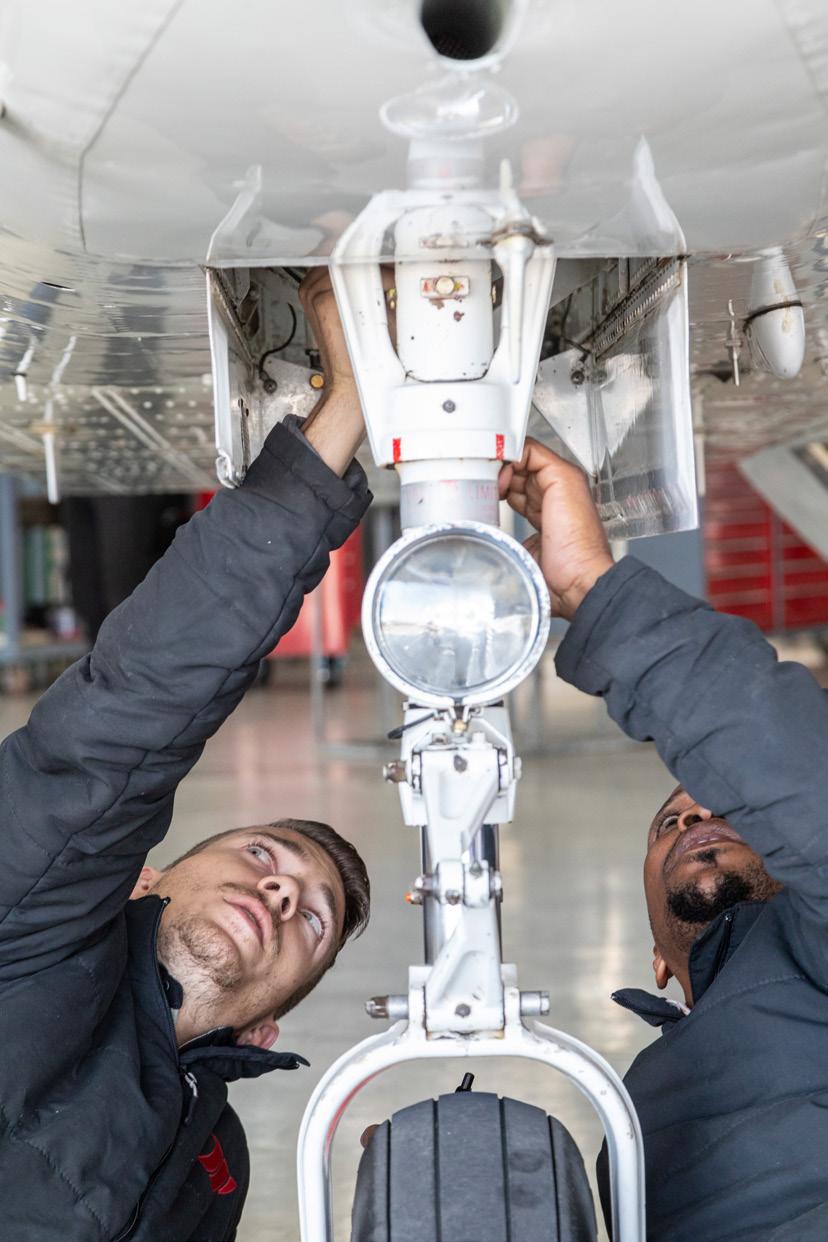
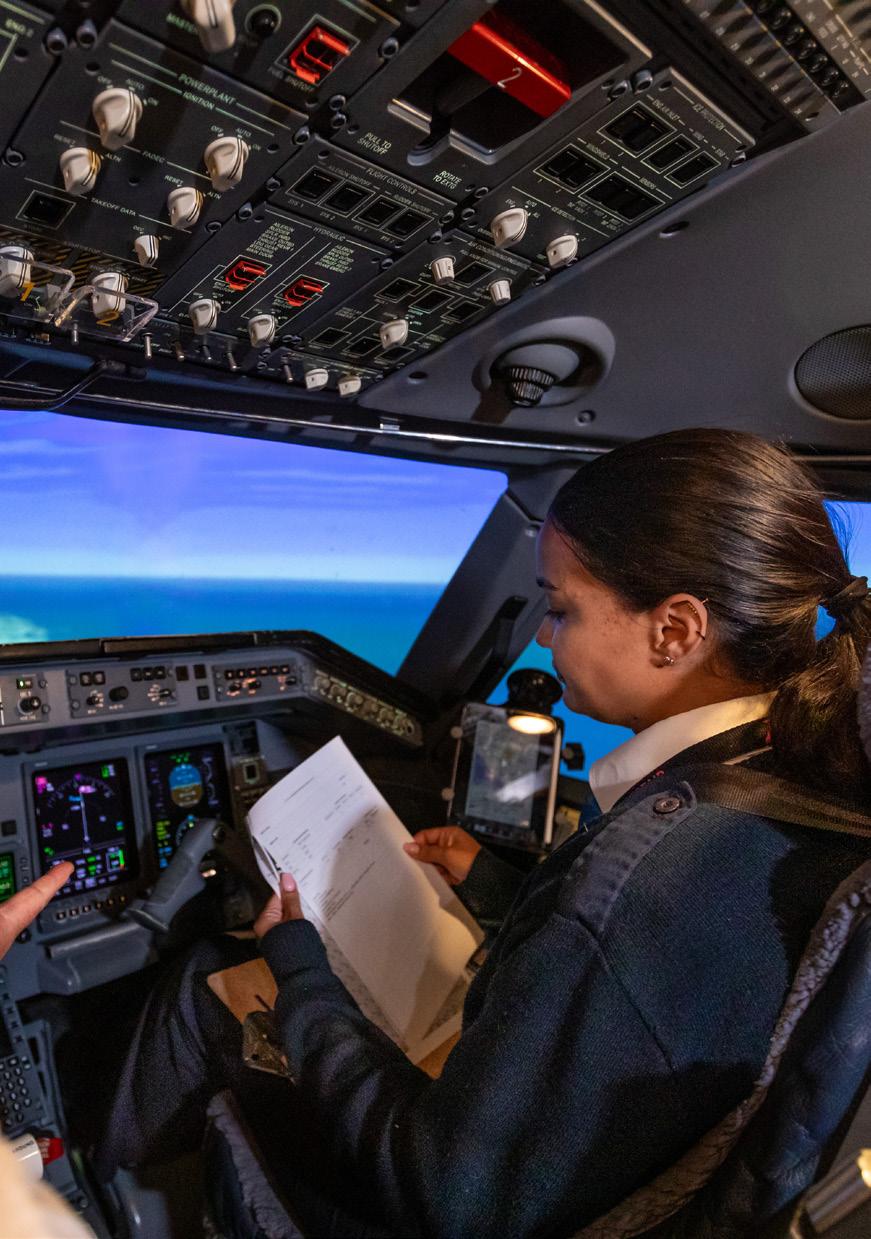
The leading aviation training organisation in Africa.
The Unmistakable Pride of Being Namibian
As we celebrate 36 years of independence this year, I have been thinking back to the early years of our new country. I remember proudly wearing my Namibian flag T-shirt in 1990, arguing with a teacher at the South African boarding school I went to at the time, who (for whatever reason) insisted that I came from “South West”, and being especially excited about going back to brag at that same boarding school after having watched the Namibian rugby team beat Northern Transvaal in either 1991 or 1992 (I could not find a record of the game, but I know it is not a false memory).
One of the things I love about Namibians is how we do not seem to need Independence Day to celebrate our “Namibianness”; we do it all the time in so many ways. We are a small country that shouts out our numerous achievements loudly and proudly.
For all I know, this is something people in every country feel, but there does seem to be something special about how proud we all are to be Namibians. This pride was evidenced again in a recent “Twar”* with Nigeria that drew attention, and support, not only from ordinary Namibians but also from Deputy Minister of Education, Innovation, Youth, Sport, Arts and Culture Dino Ballotti, as well as from people all over Africa and the world – the overarching message being that you “don’t mess with Namibians”. After all, how often does a user from a country like Namibia succeed in “changing” the accepted nickname of a country from “The Giant of Africa” to “Abegistan”?
she was studying in Europe with a group of students from across Africa, out of all the students, the Namibians stood out for being committed to going back home after their studies were done. In her post she writes about asking two of the Namibians she was close with “why they weren’t staying behind to build a life [t]here”, and how they felt that there was nothing in Europe for them and that “there’s so much more to enjoy in Namibia”.
One of the things I love about Namibians though is how we do not seem to need Independence Day to celebrate our 'Namibianness', we do it all the time in so many ways.
In 2011, then President Hifikepunye Pohamba launched the “My Namibia, My Country, My Pride” campaign “to forge a stronger national identity and a sense of purpose”. The campaign was then relaunched in 2015 to “to further instil pride and patriotism”.
In 2020, then Vice President Nangolo Mbumba officiated at the launch of the new Nationhood and National Pride (NNP) Campaign on behalf of then President Hage Geingob and in June 2023, the National Symbols Campaign was launched to “educate citizens on the correct usage and protocols for national symbols, including the flag, anthem and coat of arms”. Then, in 2025, the logo of the campaign was changed to tie in with the theme “Beyond 35: For a Prosperous Future” and Minister of Information and Communication Technology Emma Theofelus added an “ethical social media use” element to the campaign.
Perhaps they should rather just get us all onto Twitter… Until next time, enjoy your (proudly Namibian) journey.
It was also evidenced in a thread on Twitter (X) that was prompted by a user, seemingly (based on some very basic “Twitter stalking”) originally from Nigeria but now based in Europe, tweeting after the “Twar” about how, when
*A Twitter war – just another reason to carry on calling it Twitter rather than X (a “Xwar” just doesn’t have the same ring to it!).
David Bishop
Hafeni Frans
career stitched in design, costuming and education
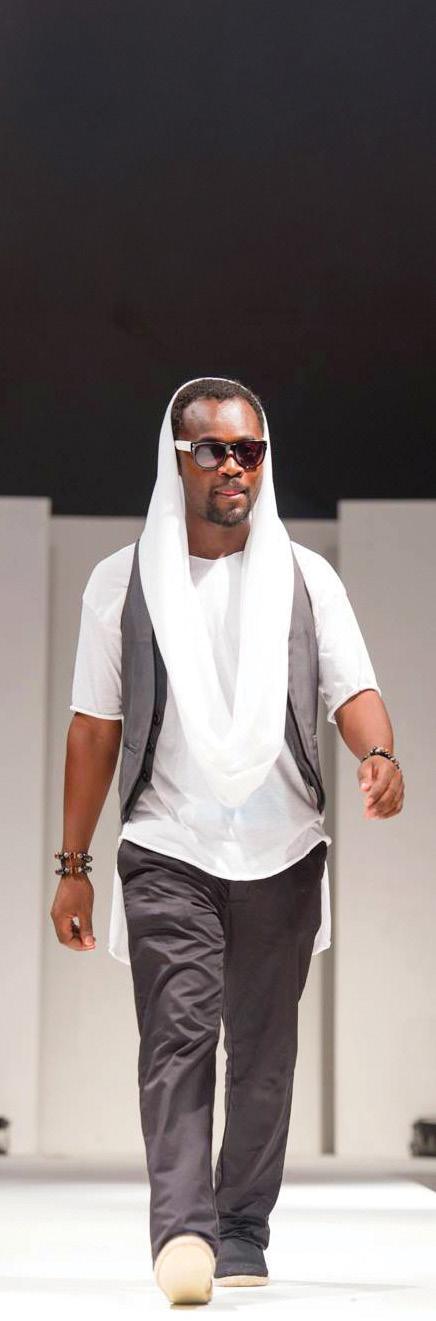
Hafeni Frans is no ordinary designer. He is a fashion shapeshifter who has stitched his way through every corner of the industry. Fresh out of fashion school, Hafeni kicked off his journey as a stylist, and he quickly wriggled his way into the heart of the late Cynthia Schimming, a beloved Namibian fashion icon who became his mentor. Hafeni has, over the years, honed his artistic vision, moving from styling to costuming. Today, he stands proud as one of the few Namibians who are a triple threat: designers, costumers and educators.
Hafeni grew up as a very active child who participated in sport and anything related to creativity. Fashion was never a “thing”, he says, and it was only when he reached high school that the fashion bug bit. The coastal landscape lent much inspiration at the time, with the fauna, flora and the weather patterns of his home region providing the foundational elements of influence which are visible in some of his designs to this day.
In 2013, Hafeni showcased his first collection at Swahili Fashion Week in Dar es Salaam, Tanzania. This early exposure at one of Africa’s biggest fashion events provided him with the platform and exposure which soon led to his first commissioned work from films and theatre production sets.
Today, years on, Hafeni has earned a Namibian Theatre and Film Awards (NTFAs) nomination for Best Stagecraft: Costume and Wardrobe Design. This nomination, he says, is bittersweet, as he is battling it out with the late Cynthia Schimming, who was a mentor, collaborator and close friend.
Raised by very athletic parents, Hafeni values the importance of healthy competition, one of the values he credits his parents for teaching him. “Competitiveness differs from industry to industry, and for me in the fashion industry, I’m competing with myself. The age-old adage, ‘You are only as good as your last work’, has been a driving force in my career,” he says.
Hafeni at Swahili Fashion Week in Tanzania, 2013
Photography:
This mindset, coupled with his determination to always improve on his previous achievements, is at the forefront of Hafeni’s philosophy. “One has to be consistent, innovative, disciplined and authentic – always,” he says.
Describing his very unique design style as “androgynous, bodacious and avant-garde”, Hafeni dreams of seeing his brand become internationally established. In the meantime, he tries to evolve and improve his work with every new collection. On what he appreciates about the Namibian fashion scene in general, Hafeni points out the presence of specialised fashion artisans, how creatives keep up with global seasonal trends and how many are now consulting beyond Namibian borders through film, editorial, modelling and advertising campaigns.
While he praises the industry’s progress, Hafeni believes there is still untapped potential, especially amongst young graduates who are not looking beyond the runway. “I urge creatives to explore other avenues,” he says, mentioning a list that includes fashion photography, make-up, hair styling, fashion show directing, wardrobe, costuming, accessory designing, fashion buying, fashion writing and blogging or textile designing. The point, he says, is to diversify for the sake of the industry’s survival.
Doing this, he says, will help advance the sector faster and help fashion creatives overcome the myriad of challenges they face. “We lack specialised manufacturers and other resources, but that does not have to limit our ability to thrive. We can always outsource what is not available to us here by working and building business relationships with foreign industry suppliers,” he stresses. In other words, the limitations may exist, but if fashion creatives look beyond the familiar, they have the power to build the bridges the sector still needs.
Rukee Kaakunga
Hafeni pictured with long-time friend, mentor and collaborator, the late Cynthia Schimming
A client dressed in one of Hafeni's creations
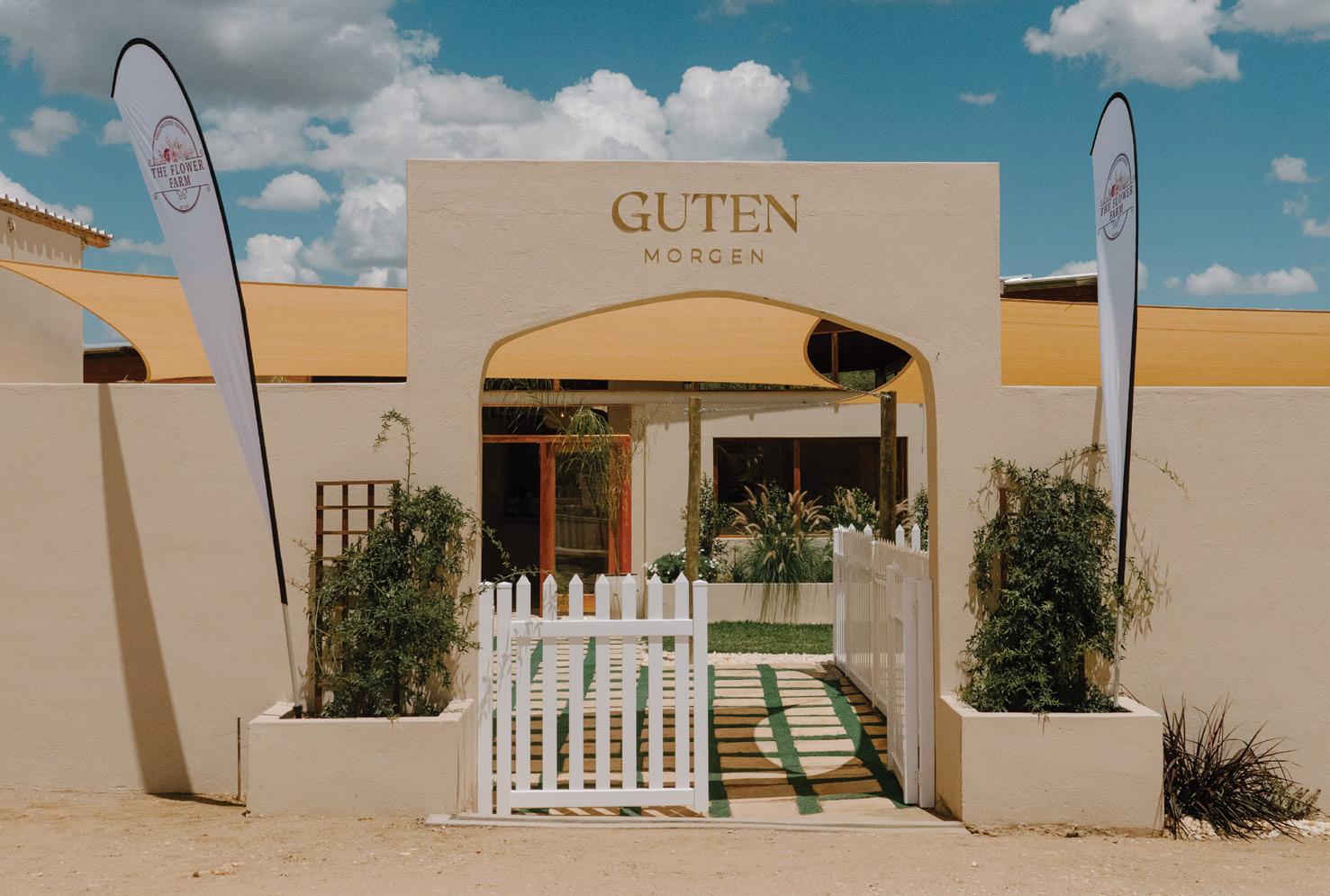
Guten Morgen
Eatery & The Flower Farm
Photography: David Penda
Some ideas announce themselves with fanfare and dazzling lights. Others settle surreptitiously and stubbornly refuse to leave.
Leanne and her husband first noticed the improbable German name at a quaint cafe while travelling in Bali. It lingered long after the trip ended. Guten Morgen. Good morning.
Despite not being a German speaker herself, Leanne felt the name encapsulated exactly what they wanted to offer: a cheery greeting that is commonly understood in Namibia. Signalling a new day. Hopeful. Inviting.
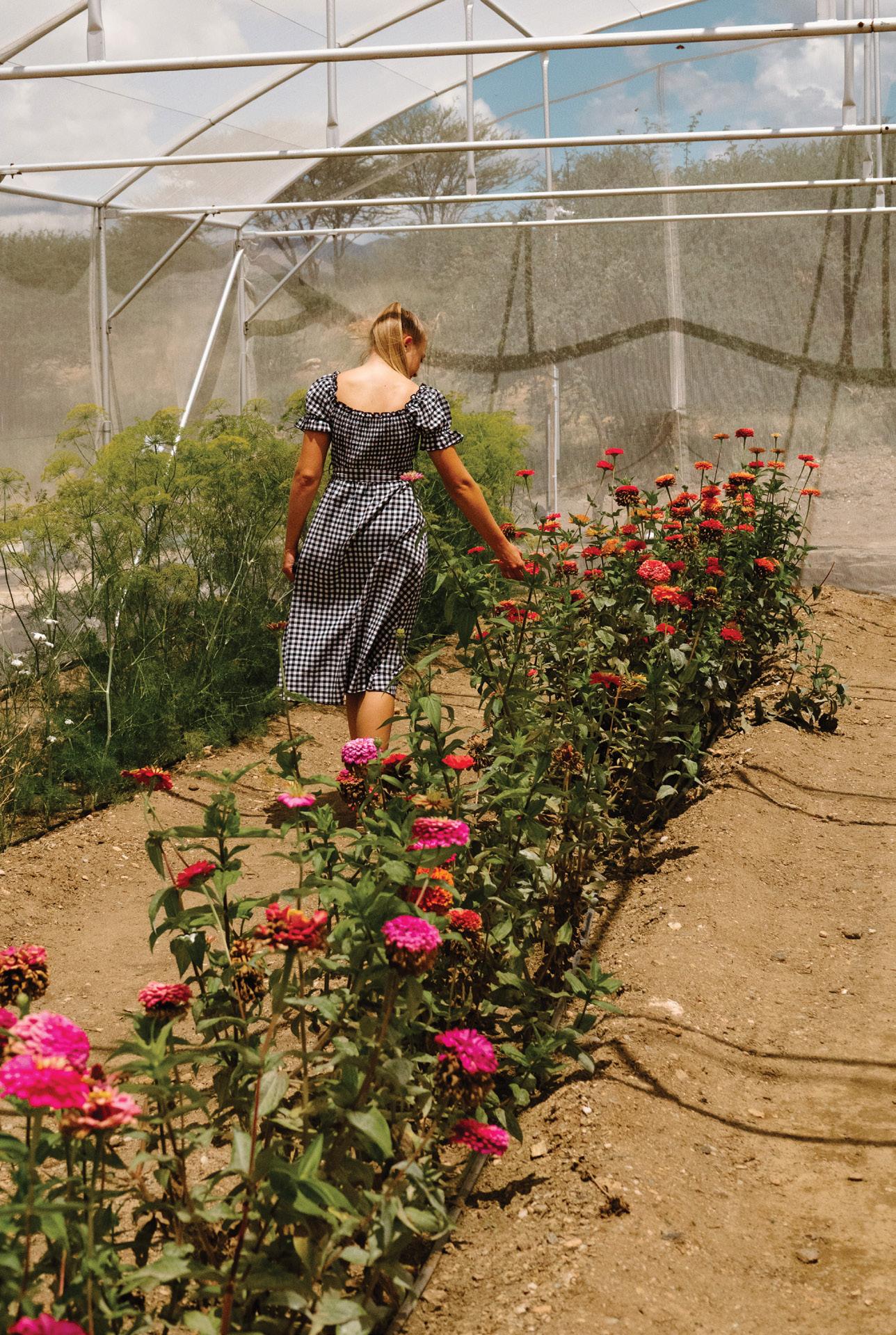
The original vision was simple: a flower farm. A timely niche in a market where Namibia’s florists remain heavily dependent on South African suppliers for fresh flowers. But, as with many good ideas, it soon grew into something more: an eatery. A gathering place. An experience grounded in the celebration of flowers, of people and of community.
Today, Guten Morgen Eatery and The Flower Farm sit right at the entrance of Yellowstone Trails, the family and pet-friendly hiking and biking trail just outside Windhoek. Both fall under the same innovative management that brought the trail to life nearly five years ago. For co-owner Leanne Lochner and her husband Steven, the project feels like a natural continuation of a lifestyle built around the outdoors, family spaces and shared experiences.
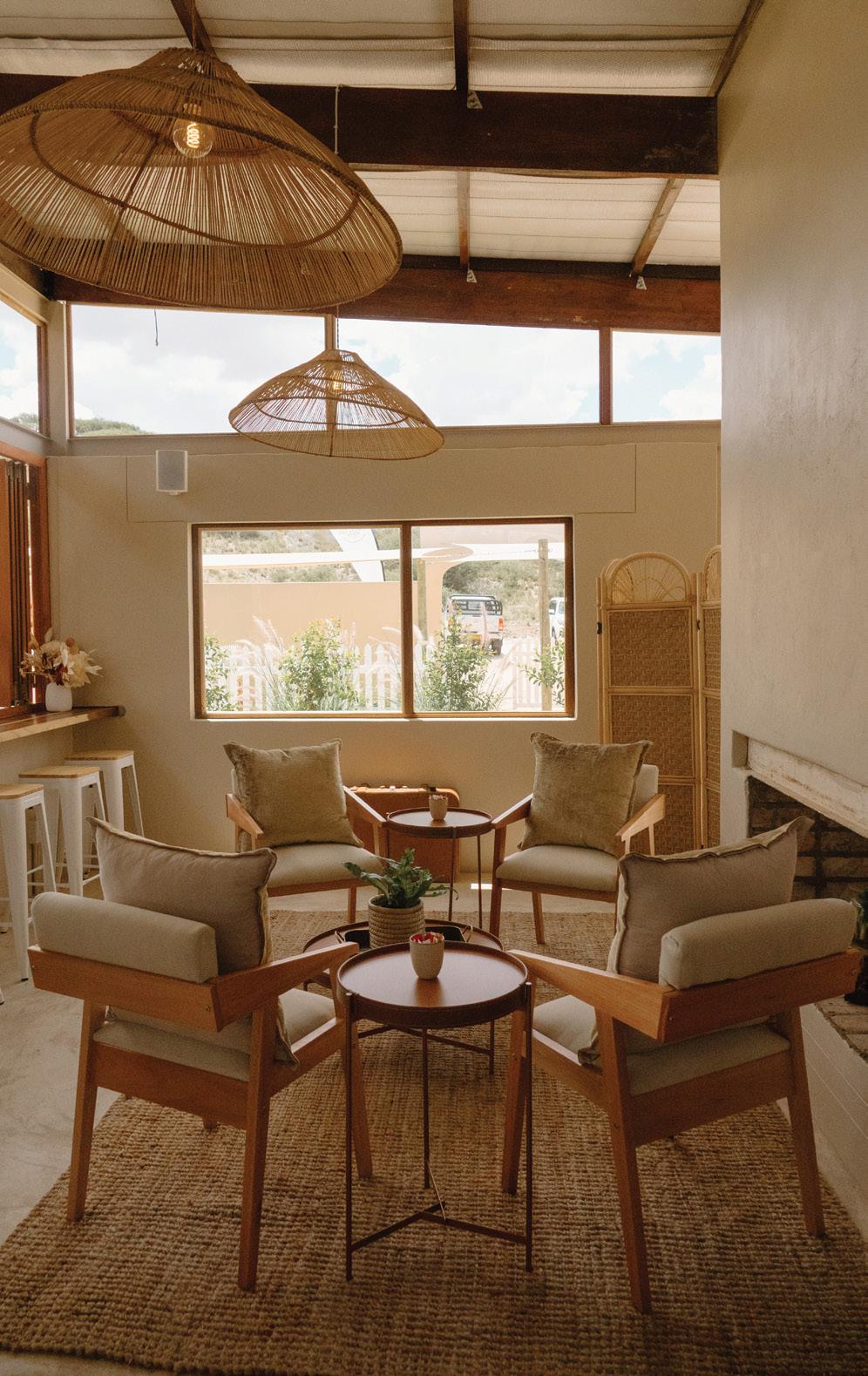
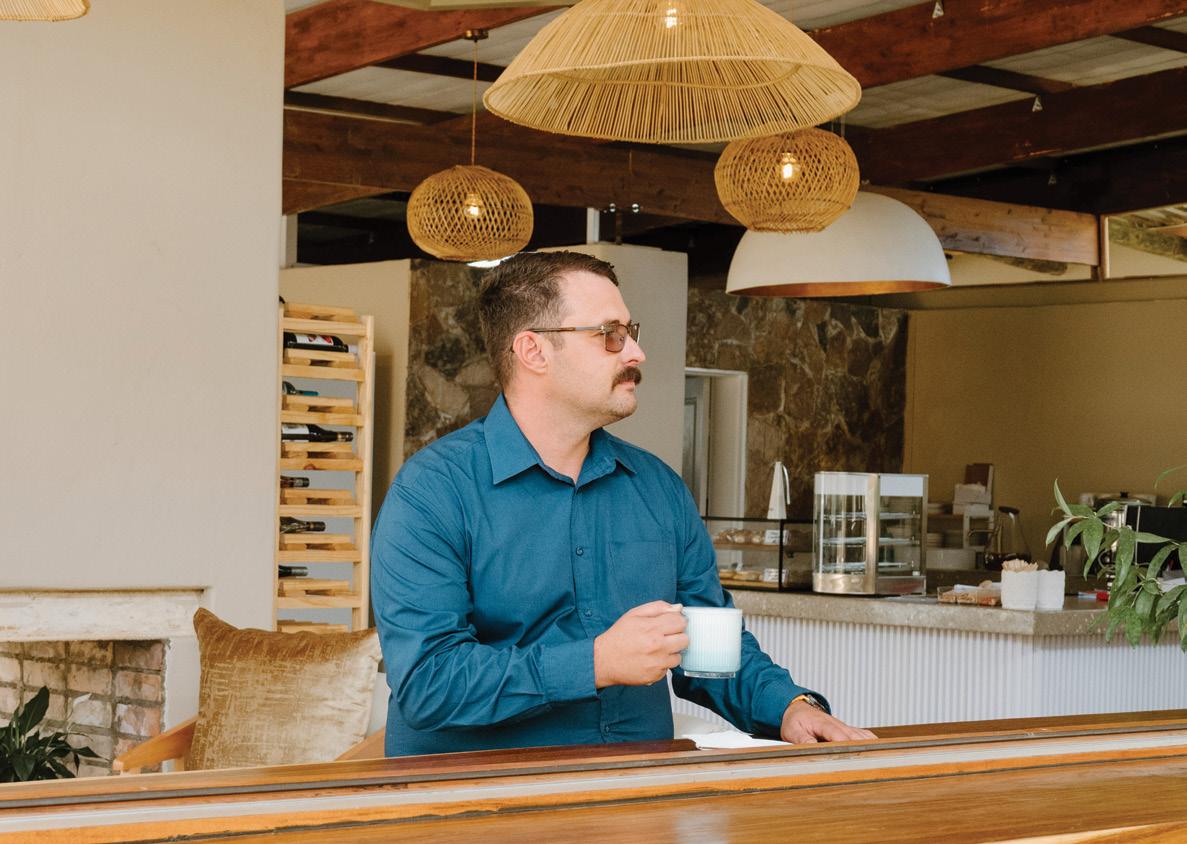
Step inside and time unspools into something softer and gentler. Early afternoon light streams through broad-framed windows. Wooden, farmhouse-style doors are swung open, generous in their welcome. Uncluttered. Natural.
Influences from the couple’s extensive overseas travels reveal itself in the minute details.
Wooden beams installed high across the airy ceiling echo design inspirations from Japan. Sturdy, rattan-woven chairs nod towards Indonesia. The simplicity hints at Nordic minimalism but never feels staged. Tidy, symmetrical lines anchor the decor, yet the interior is far from clinical. Baskets, plump with plants, sit at the entrance. Scatter cushions are casually arranged on patterned benches. Greenery pushes and leaps into corners and along windowsills, buffering edges and filling gaps.
Even the landscaping tells a story of patience and foresight. Leanne explains that planting was timed in such a way that by the time the windowpanes were installed, wild grasses and flowers would already be shooting along the frames, blurring the boundary between the in- and outdoors.
From mustard-yellow aprons worn by the waiters to textured counters displaying home-grown flower bouquets, every detail feels carefully considered yet familiar. Like stumbling onto a cosy farmhouse after a long commute through steely
skyscrapers and concrete slabs. There are small touches of personality throughout, such as Watchdog merchandise available for dog lovers, or quiet weekday nooks perfect for busy digital nomads working remotely.
Outside, a large canvas tent stretches wide, casting shade over broad wooden tables set out on a lawn overlooking the surrounding Khomas hills. Here, families and friends gather for elaborate, unhurried feasts. Dogs weave comfortably between chairs, while two playground areas keep older children and toddlers entertained. Seating accommodates up to 80 guests, and the space is already building momentum as an events venue for both intimate and corporate functions.
In the creative pipeline for 2026 is an outdoor, Argentinestyle barbeque area where guests will be able to choose their preferred cut of meat and watch it sizzle over open flames before being plated. Leanne, who has always had green fingers, is also planning another growing tunnel dedicated to dahlia flowers.
Weekends carry their own rhythm and novelty. Steven once prepared smoked meats on site during a Sunday, followed by a sprawling buffet filled with fresh bakes and locally sourced meat. The menu shifts constantly, adapting with ideas and curiosity.
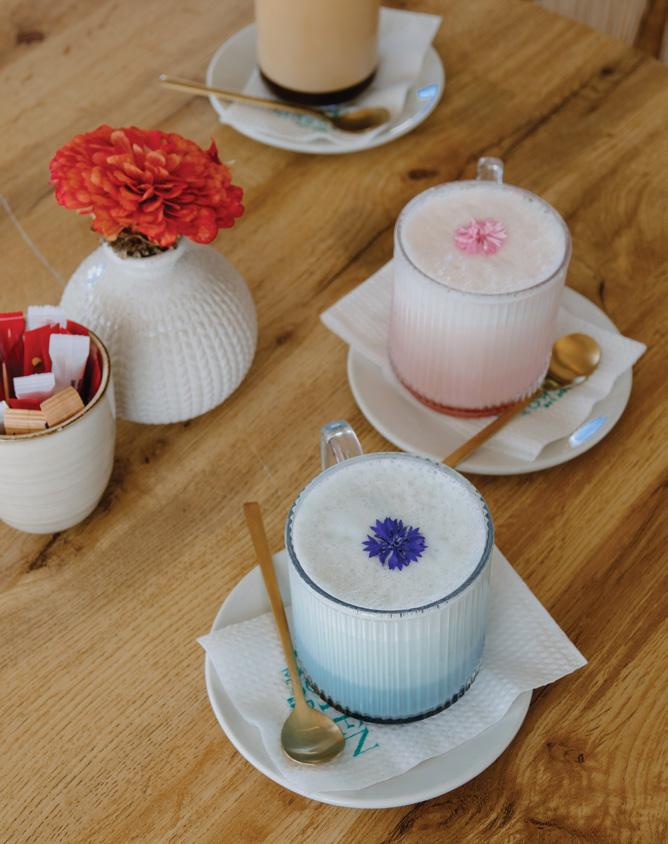
There is a playfulness here. Flower-inspired drinks – warm and cold – are experimented with by Leanne, her mother and their team of ten staff members working between kitchen and waitering. I am served a lilac-pink Bloody Rose that tastes uncannily like Turkish Delight. The menu also features a warm elderberry drink, a cinnabon iced coffee and even a cookiesand-cream-infused iced coffee for those wanting something more indulgent.
Having met Leanne a mere ten days after the official opening weekend in January, she still sounded somewhat surprised by the response garnered so far. “Just this weekend, we served 400 coffees in one day!”
Perhaps that is the real story of Guten Morgen. Not just a place built with intention, but a place people seem to have waited for. A place where mornings stretch into afternoons. Where flowers bloom alongside conversations. Where families gather, children play and time eases just long enough to let you breathe again.
Saying good morning to something new has never felt this natural, even if it is already well past noon.
Curious when to drop by next? Their Instagram has all the details.
Madeleen Duvenhage
Men’s hormones
Should you care?
When we talk about hormones, the conversation almost always turns to women – periods, menopause, mood swings and more. Men are rarely included, except as a punchline about testosterone. But hormones are not a “women-only issue”. Men have hormones too, and when they are out of balance, the effects can be just as disruptive.
Fatigue, weight gain, low motivation, reduced libido, irritability, poor sleep, brain fog and even depression are increasingly common among men, and many of these symptoms are closely linked to hormonal health. The issue is not that men do not experience hormonal shifts but that we rarely talk about them.
Before we talk about imbalance, it helps to understand the system. Men’s hormones include: testosterone, which supports muscle mass, drive and libido; cortisol, which governs the stress response; insulin, which regulates blood sugar and energy storage; thyroid hormones, which influence metabolism; oestrogen, which men need for bone, brain and cardiovascular health; melatonin, which regulates sleep and recovery; and growth hormones, essential for repair and resilience. These hormones do not work in isolation – they function as an interconnected network. When one signal is constantly pushed, such as stress or poor sleep, the entire system reorganises around survival.
Yet men’s health is often reduced to one hormone: testosterone. High or low. Strong or weak. Driven or not. This narrow view misses the bigger picture. From a functional medicine perspective, men’s hormones do not decline simply because of age; they shift because the environment the body is responding to has changed.
HORMONES ARE A NETWORK, NOT A SWITCH
Testosterone does not act alone. It is influenced by insulin, cortisol, thyroid hormones, oestrogen, melatonin and growth hormones. When one of these is out of sync, testosterone is often the first casualty – not the root problem.
Chronically elevated cortisol suppresses testosterone production as the body prioritises survival over vitality. Insulin resistance – now common even in lean men – alters how testosterone is produced and used, meaning a man can have “normal” levels on a blood test and still feel flat, tired and unmotivated.
Environmental toxins add another layer. Chemicals found in plastics, pesticides and personal care products can act as endocrine disruptors, interfering with testosterone and oestrogen signalling. Over time, this contributes to the global decline in testosterone levels observed in men.
One of the least discussed aspects of men’s hormonal health is oestrogen balance. Men need oestrogen, but excess conversion becomes problematic. Fat tissue contains an
enzyme called aromatase, which converts testosterone into oestrogen. Stress, inflammation, alcohol, poor sleep and toxic exposure all accelerate this process, leading to a pattern increasingly seen in men: low or low-normal testosterone paired with relatively high oestrogen activity.
Hormones must also be metabolised and cleared. The liver and gut play a critical role in breaking down used hormones. When these systems are sluggish, hormonal signals become distorted. At the same time, the brain acts as the command centre. Poor sleep, artificial light at night and constant stimulation disrupt melatonin and growth hormones, undermining recovery.
THE EMOTIONAL LAYER NO ONE TALKS ABOUT What if the growing crisis in men’s hormonal health is not a failure of testosterone but a reflection of how modern life expects men to live?
David Hawkins wrote that suppressed emotion does not disappear – it stores in the body. In men, this often shows up as unexpressed anger, grief, shame or constant selfcontrol. Functional medicine recognises that emotional suppression produces measurable physiological effects through the stress and hormonal axes.
This does not show up on blood tests. But the body knows. Men’s hormones are not failing. They are adapting. And when we broaden the conversation beyond silence and stereotypes, we create space for healthier men, stronger families and more resilient communities.
Yes, men should care about their hormones.
Cerina
Bezuidenhout Haasbroek
In next month’s edition, we’ll go deeper into how stress, suppressed emotion and modern life quietly reshape men’s hormones.
Living Well is a monthly wellness column exploring functional health, natural rituals and conscious living in Namibia. Follow @cerinabzd on Instagram for tips, workshops and holistic health guidance.
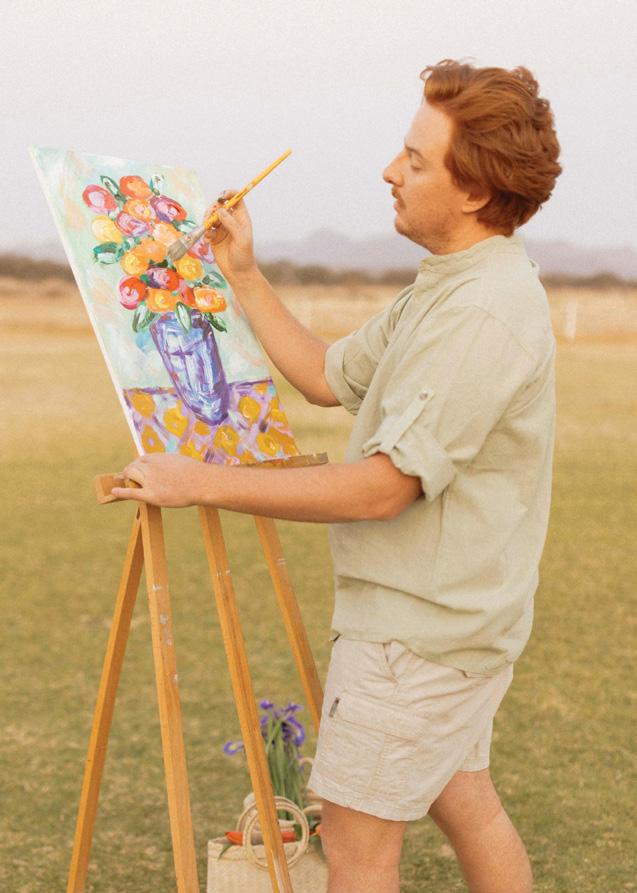
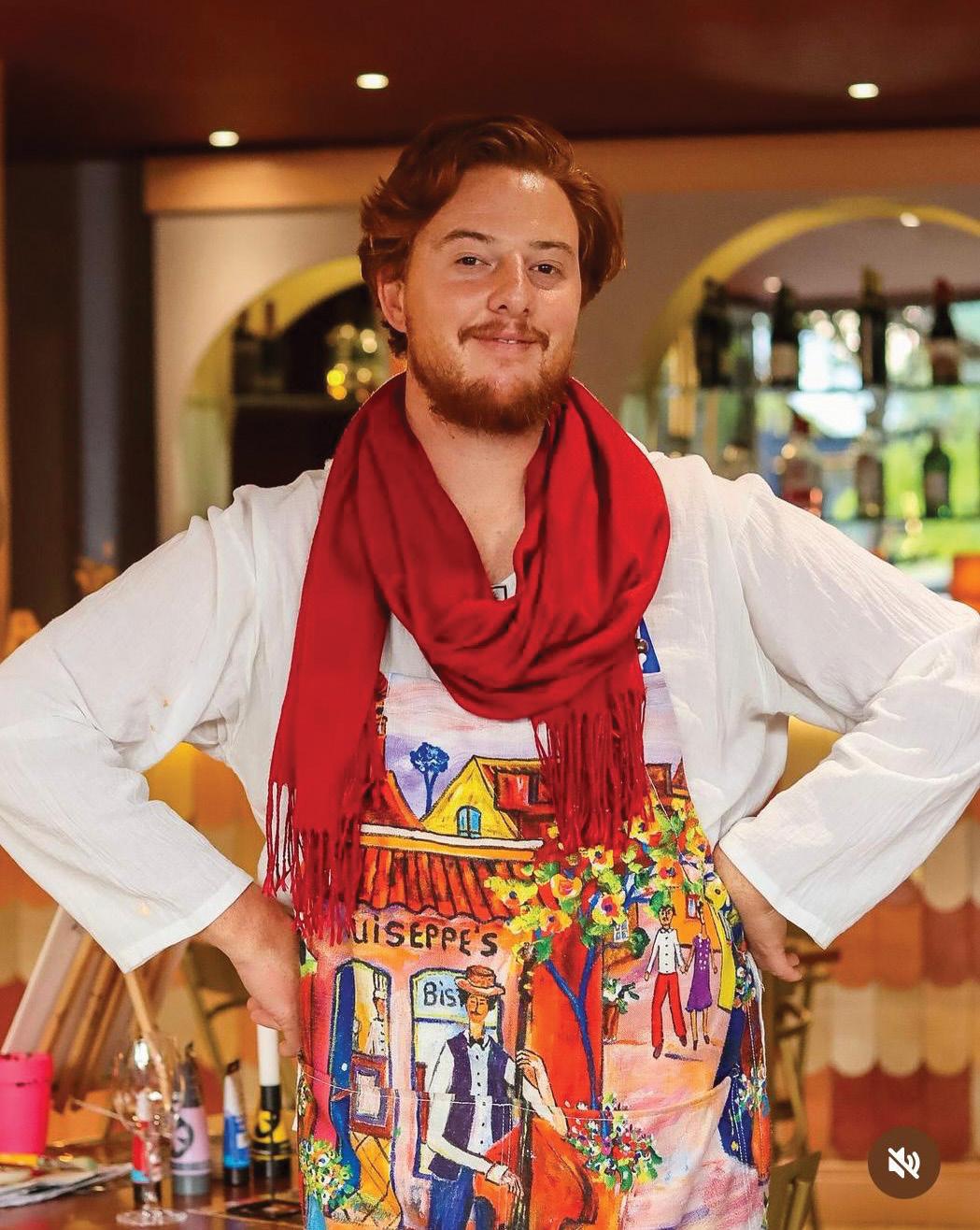
“Never lose your childlike interest and curiosity.” Karel Schickerling cuts a tall figure, with coiffed ginger hair; colourfully buoyant and nonchalant as he ambles into my office. He opens our interview with this infectiously optimistic sentiment.
It is no secret, as Karel was growing up, concerned and wellmeaning adults, noticing his natural musicality and knack for artistry, repeated a familiar refrain: “This kid definitely has a gift, but how will he make a living?” Still, with the support of his family, he went on to study Production Design and Theatre in Cape Town after completing school. “This is where I finally found my tribe.”
Just a few years later everything came tumbling down. Compounded by suspended plans brought on by the Covid pandemic and a devastating personal loss, grief consumed him. Returning to Namibia, he reeled from the sudden absence of the support system he had built while living and studying in Cape Town.
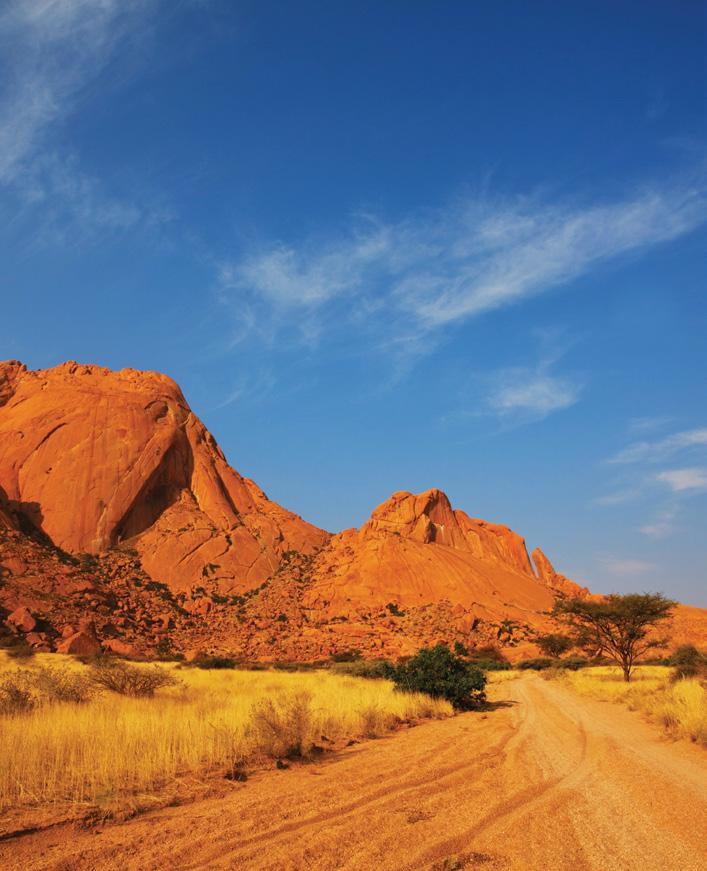
Faced with this new and piercing vacuum, his parents insisted that he go to Swakopmund to find quiet and to process things. Embracing what became an impromptu sabbatical, he took to the road. Unexpectedly, this journey brought about a deeper reacquaintance with Namibia itself. “Driving to the coast, I sensed that it was time to start painting again, I just didn’t know what." En route to Swakopmund, he spontaneously decided to turn off at Spitzkoppe. “I took my camera and captured whatever
A creative homecoming
could fit into my frame. I realised I wanted to focus on Namibian people and landscapes.”
Once settled in Swakopmund at a family home, he lost track of time, enraptured. Painting no longer felt like an obligation, but a welcome and timely release. Art became a selfless act, a healthy outlet. It brought joy and healing. Soon, this private and vulnerable space turned into something he was ready to share publicly. Karel began selling his artwork at the coast’s regular markets. Yet even after this cathartic and, surprisingly, profitable experience, the old pressure returned. Could he truly make a living from his art? It still felt like an unattainable possibility: to wield one’s gift and interest into a self-sustaining economy. Eventually, he took a job with a corporate company.
It didn’t last long. Inevitably, he found himself drawn back to the arts; this time music and theatre, his other love. Tired of the stifling atmosphere of an office cubicle, Karel was itching to move on. Just before resigning, however, a mentor encouraged him to first draft a rudimentary “business plan”, rather than walking away with no clear course. Taken aback by the suggestion, he slowly and tentatively began sketching an outline that would eventually become the framework for Paint and Sip.
NEW BEGINNINGS
Karel could never have imagined that his passion would afford him a measure of stability or generate a steady income. For many artistic hustlers in Namibia, this remains a far-off mirage: teasing and elusive at best. That admittedly cynical, though often accurate, perspective began to shift just two years ago.
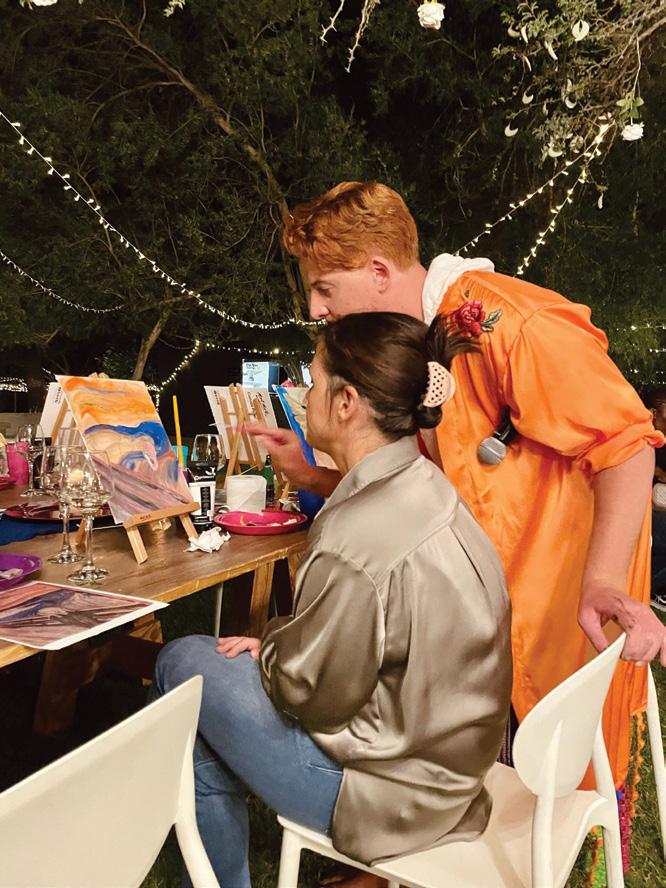
In 2023, he hosted his first-ever Paint and Sip evening, with his sister and cousins among the guests. Preparation and practice were quickly replaced by the thrill of hosting. From there, the concept spread organically through word of mouth, growing steadily in popularity.
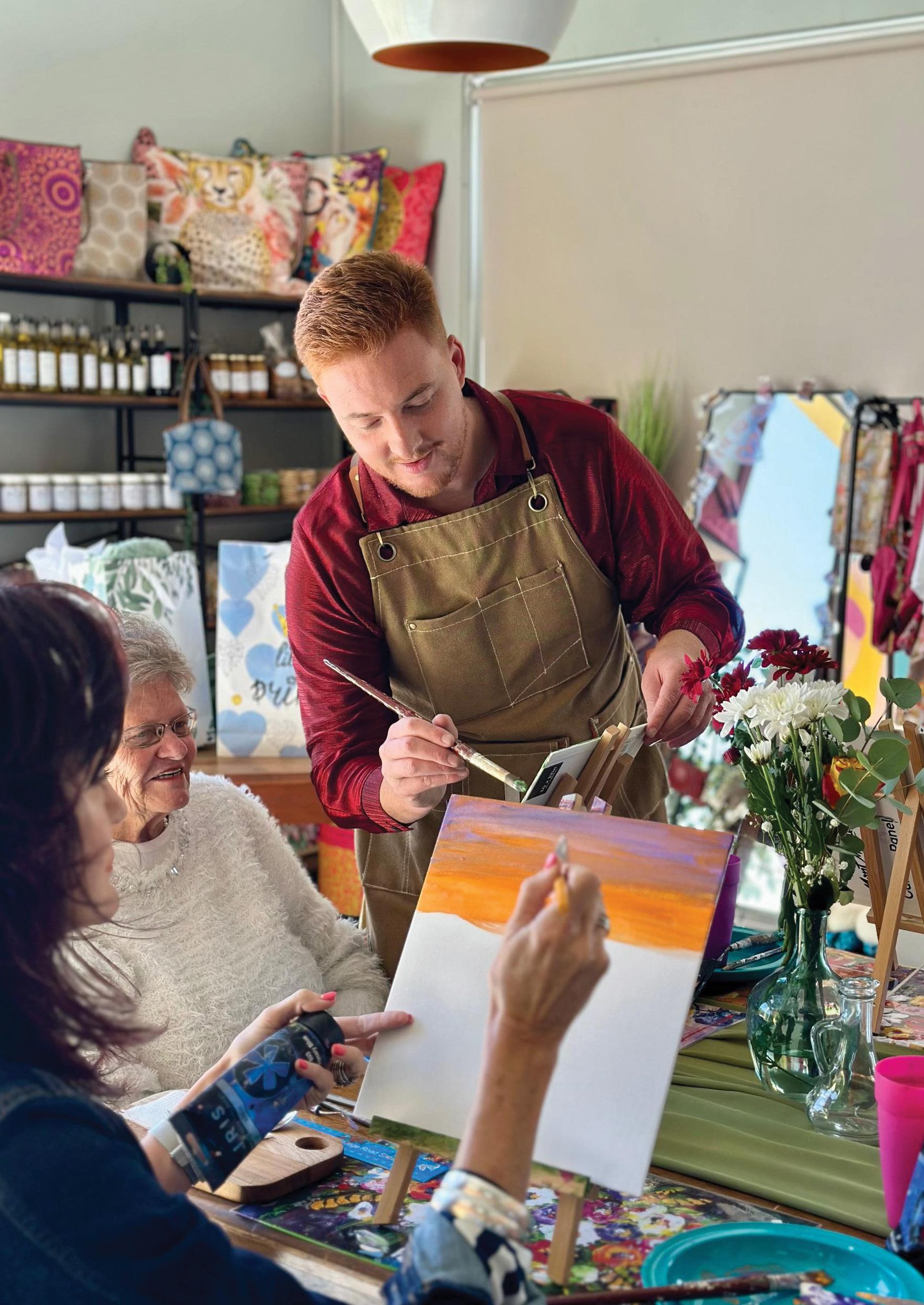
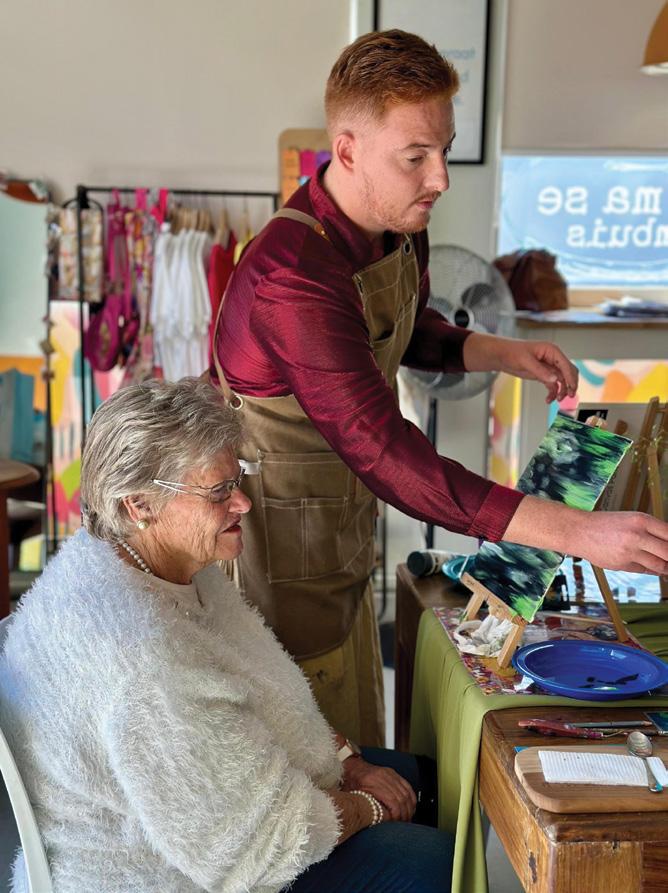
This soon expanded into Art Classes by Karel, organised and hosted weekly from his home studio. The classes are beginner level, requiring only a willingness to learn.
Participants start with watercolours(all art supplies are provided by Karel), and gradually build confidence across different forms and techniques.
His approach to facilitating both art lessons and Paint and Sip functions is deliberately gentle, allowing clients to experiment and explore without hovering or dictating how they should paint. “I’ve always been relational, even from a young age,” Karel reflects. Personal connection sits at the heart of his work. Weekly art lessons cater to adults and children alike, offering a bonding activity for families and pensioners; some of whom are discovering their creative gifts for the very first time. Creativity, often suppressed or dormant, waits quietly to burst to the surface. For Karel,
witnessing people uncover and revel in it has been a profound joy.
Today, his offerings include Paint and Sip functions for corporate events, team-building sessions, and birthday parties; engaging a diverse range of cultures and communities. Alongside this, he is preparing for an upcoming theatre production at the National Theatre of Namibia (NTN). “I always thought I would need to choose one medium: either art, music or theatre. It`s honestly a fairytale to be able to express all of them! In many ways, I am still an unapologetic dreamer floating in La La Land, yet I’ve learned a lot about managing a business and marketing in the process.”
As 2026 unfolds, new projects continue to pop up: collaborations between artists and entrepreneurs; a potential trip to northern Namibia later in the year, weekend city markets, and ongoing networking opportunities. In Namibia, the best marketing strategy still remains the sturdy shaking of a hand over an abstract email.
Karel plans to continue theatre work and singing, while expanding his art lessons to run year-round instead of only six-week blocks. These classes, catering to children aged six to thirteen with a maximum of nine students per session, will begin weaving art history into the lesson plans, hopefully sparking interest in the next generation.
In many ways, Karel`s creative journey has been a long return to the very principle he lives by to remain curious, playful and open – even when confronted with grief and uncertainty. What began as a childhood gift has matured into a way of living, creating and connecting.
Madeleen Duvenhage
Beyond the Algorithm Building Influence That Brands Trust
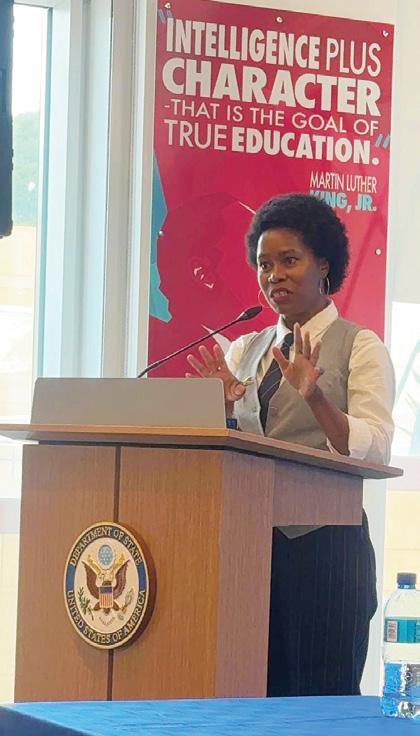
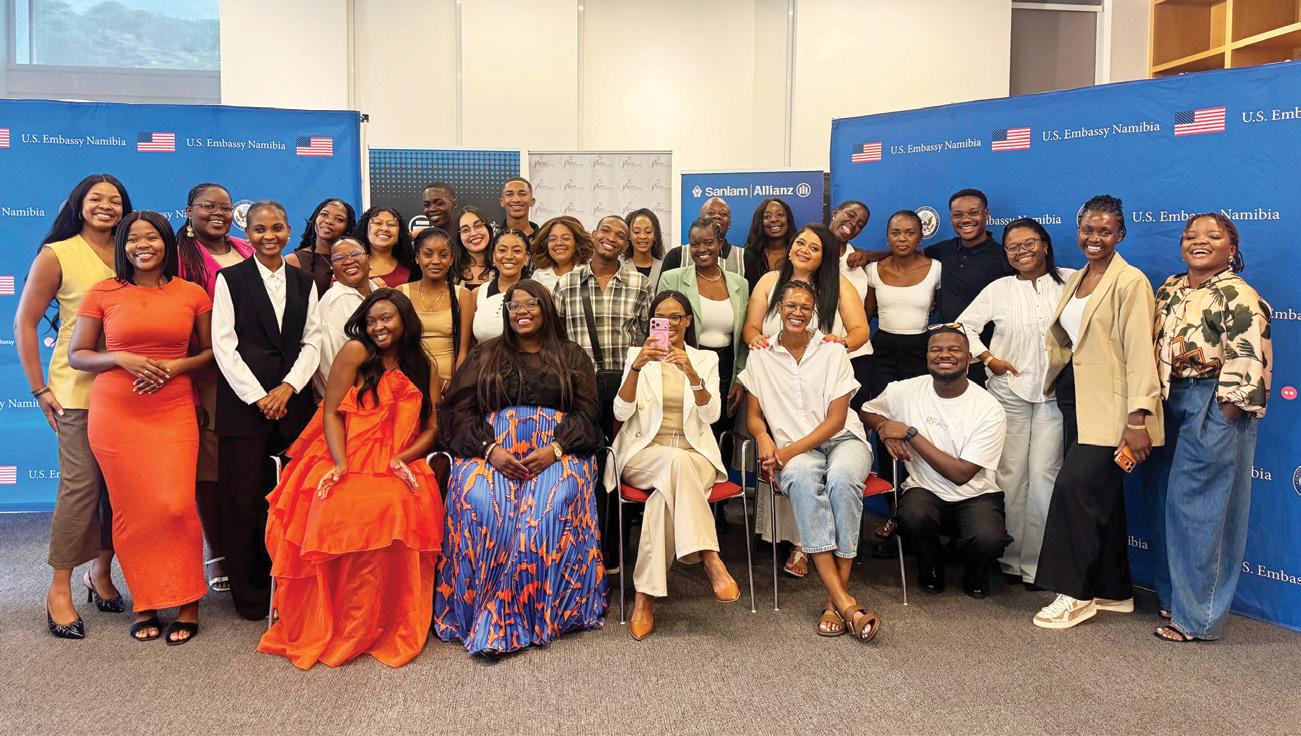
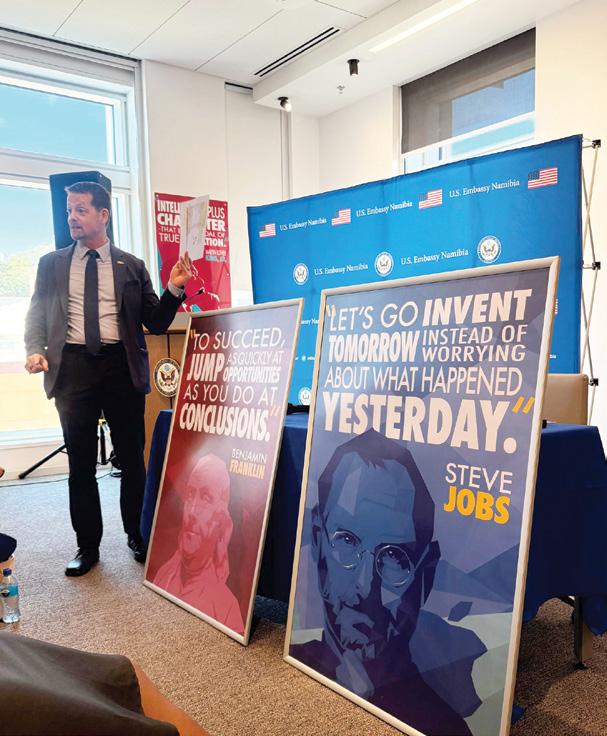
In a rapidly evolving creator economy, influence is no longer measured by follower counts alone. This was the central message at the PS Mentorship session hosted by Pombilli Shilongo, with the support of the US Embassy in Namibia and Sanlam Allianz an event designed to equip influencers, content creators, and aspiring digital professionals with the tools to build sustainable, credible, and monetisable personal brands.
The session opened with a strong emphasis on intentional positioning. Creators were encouraged to define their niche by aligning their lived experiences, skills, and personality with clear content pillars that they can create content around. Rather than chasing trends, the focus was on consistency and clarity developing 3–5 content pillars that help creators stay focused, avoid burnout, and remain relevant over time.
A key takeaway was the idea that a creator’s social media page is their digital CV. From bios and highlights to grid aesthetics and pinned posts, every element contributes to first impressions, especially when brands are watching. Attendees were guided on how to structure profiles that attract brand interest, communicate value quickly, and demonstrate professionalism before a single email is exchanged.
The conversation then shifted to what brands actually pay for. Beyond aesthetics, brands value storytelling, audience relevance, and conversion. Practical frameworks such as Hook → Value → Call to Action were unpacked, alongside guidance on filming quality content using only a smartphone. The emphasis was clear: viral content is not the goal, content that converts is.
An important section of the session addressed the misconception that influence income begins and ends with brand deals. Creators were introduced to diversified monetisation streams including affiliate marketing, digital and physical products, events, ambassador roles, User Generated Content creation, and becoming the face of brands. This broadened perspective positioned creators as business owners, not just content producers.
The session also explored influencer categories from nano to mega influencers - highlighting that relevance, trust, and authenticity often outweigh sheer numbers. Brands are increasingly seeking creators who demonstrate consistency, professionalism, quality, and a strong sense of self. As emphasised throughout the mentorship session, numbers help; but identity, engagement and influence matter more.
The final segment focused on PR for influencers, underscoring visibility beyond the algorithm. Tools such as media kits, press releases, relationship-building, and strategic storytelling were presented as essential assets for long-term credibility, crisis management, and access to higher-value opportunities.
Ultimately, the PS Mentorship session reinforced a powerful message: successful influence is built on authenticity, intentionality, and impact. In a digital landscape crowded with noise, creators who lead with clarity, values, and strategy are the ones who stand out and are trusted by brands.
Emily Kandanga-Erastus
Connect with us on Social Media:
25 YEARS OF FACILITATING TRADE
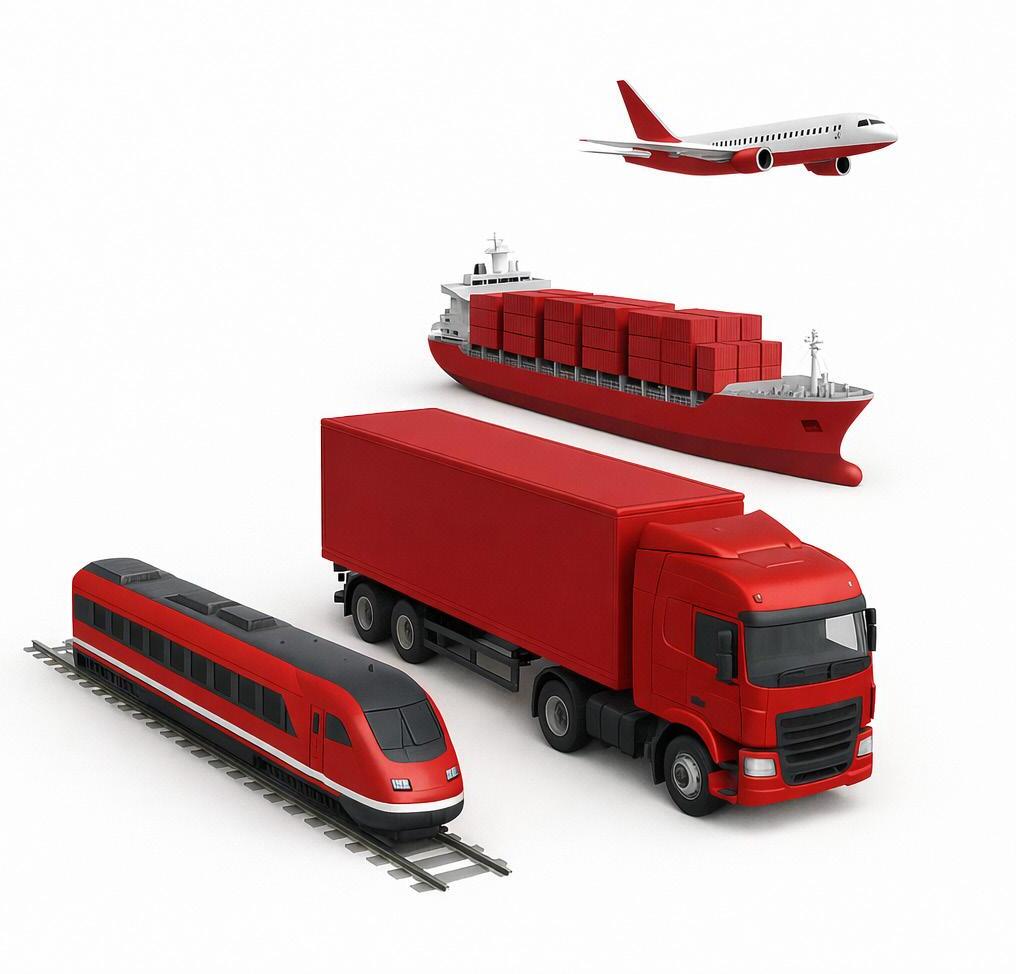
From Namibian ports to the hinterlands, we’ve ensured the safe, seamless, and reliable movement of cargo through the Walvis Bay Corridors.
From the first mile to the final destination, the Walvis Bay Corridors offer the safest, efficient & most reliable trade routes to and from SADC.
For more information, contact us at:
Walvis Bay Corridor Group
W: www wbcg com.na
T: +264 61 251 669
E: marketing@wbcg com.na
Connecting Southern Africa to the rest of the World.
WELLNESS AT YOUR WORKPLACE
Through smart partnerships, the Walvis Bay Corridor Group collaborates with various stakeholders within the public and private industry to contribute to the global, regional as well as national health and wellness sustainable and effective outcomes.
A HEALTHY WORKFORCE IS A PRODUCTIVE WORKFORCE!
WE CAN ASSIST YOUR COMPANY IMPLEMENT A COMPREHENSIVE WORKPLACE WELLNESS PROGRAMME
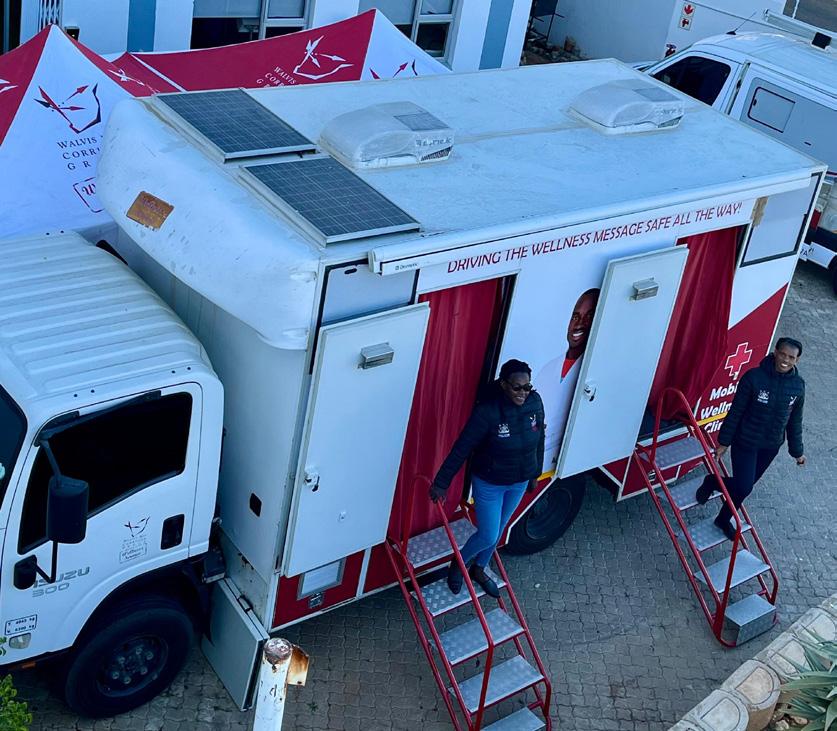
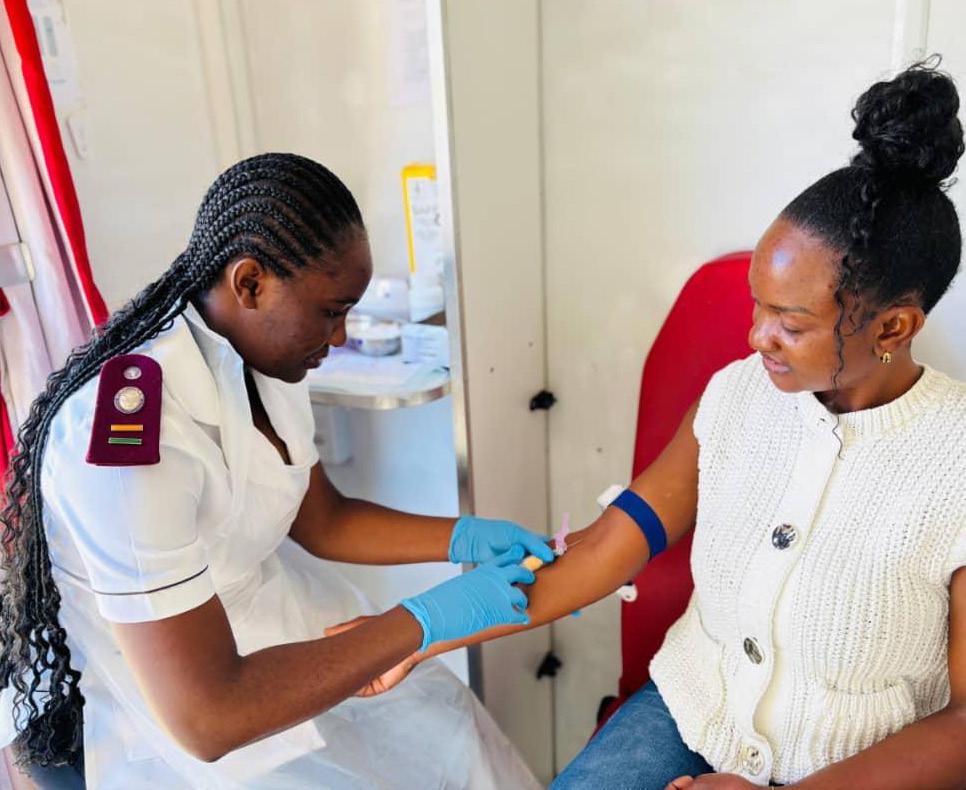
OUR MOBILE WELLNESS CLINICS:
Our workplace and corridor based health interventions targets mobile and vulnerable populations along the Walvis Bay Corridors.
WELLNESS PACKAGE:
• Mental health awareness and screening
• Health and Wellness Awareness Session
• Social Engagement (Blood Donations)
• Team Buildings & Wellness Retreats
EMPLOYEE HEALTH SCREENINGS:
• BMI Screening
• Glucose (sugar) screening
• Cholesterol Screening
• Eye vision screening
• STI Screening & Treatment
• Blood Pressure Screening
• HIV Testing & Treatment
• Pre-Exposure Prophylaxis (PrEP)
• Prostate cancer
• Cervical cancer
• TB Screening & Treatment
• Basic Primary Healthcare
Service
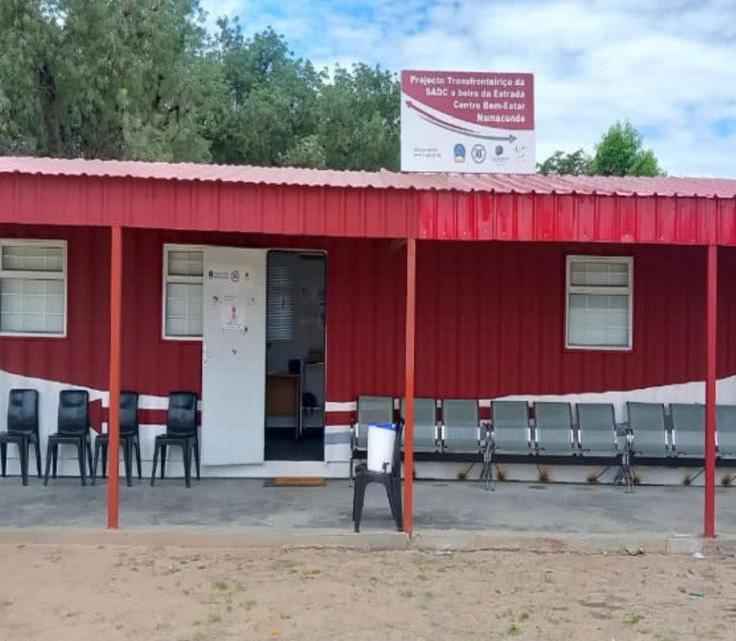
OUR FIXED ROADSIDE WELLNESS CLINICS FOOTPRINT IN SADC :
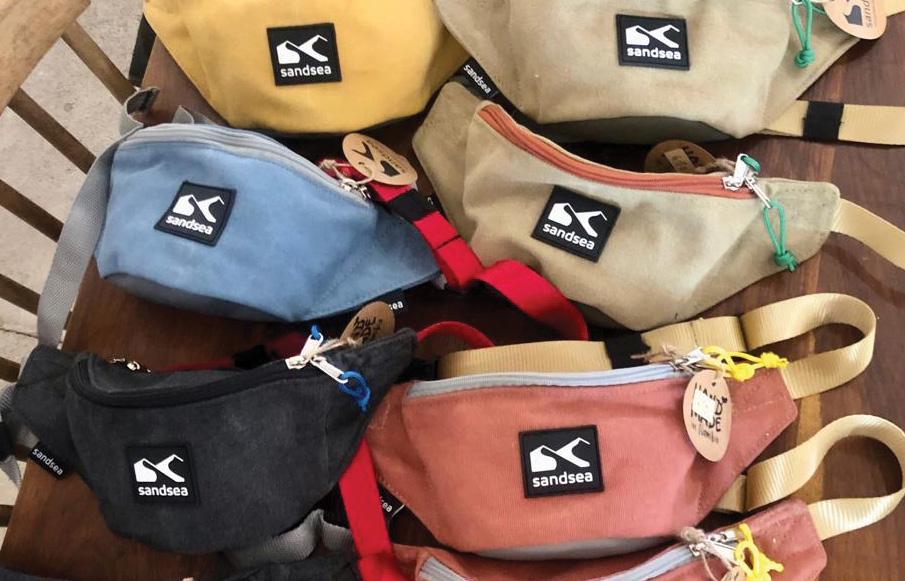
Sandsea bags
Born on the trail, made in Namibia
Sandsea began quite organically during a mountain bike trip. While cycling together in the mountains, founders Miena Chase and Lee-Anne Palmhert found themselves talking about a South African bag brand they both loved and wondering why nothing similar existed that was truly rooted in Namibia. That conversation sparked a simple idea: why not create something local, inspired by the places they love to ride and explore?
The idea took shape in February 2024. At first, it was just a bit of fun, starting with the logo. The name, Sandsea, comes from the Namib Sand Sea, a UNESCO World Heritage Site where the desert meets the Atlantic Ocean. Once the logo was complete, it was impossible to stop. The six months that followed were spent refining and perfecting designs before the first products were ready to be sold.
The original goal was to create something useful for travellers to take home: a practical, long-lasting gift that represents Namibia and can be used every day, whether at home or while travelling. Choosing the right materials was important, so Sandsea began working with ripstop canvas, a fabric closely associated with Namibia through the tents many travellers sleep in while exploring the country. The idea was to take a small, meaningful memory of Namibia with you.
From the start, local production mattered. Sandsea began with a single seamster working from home in Otjomuise, and every product carries a “Handmade in Namibia” label. This remains integral to the brand. As the idea grew, so did the commitment. After a year and a half, an industrial machine was purchased and a second seamster employed full-time.
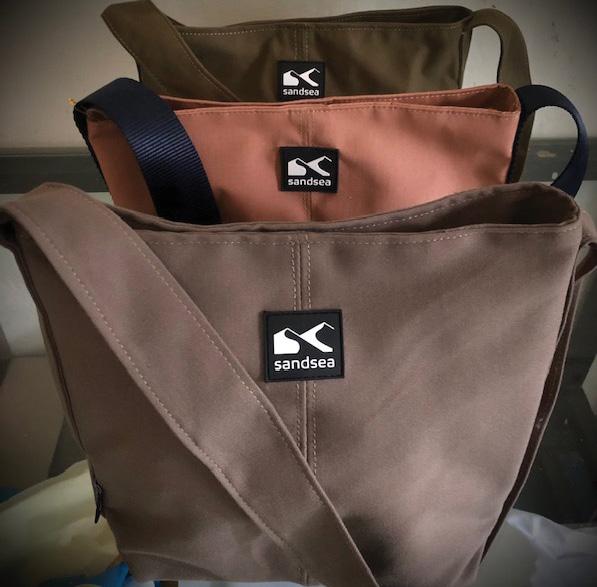
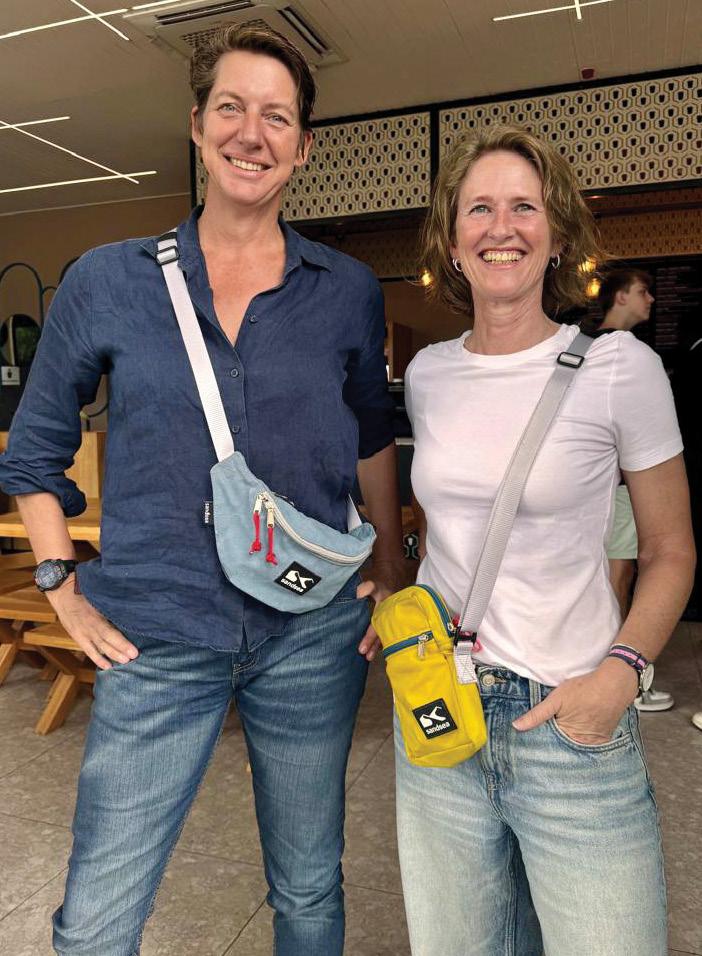
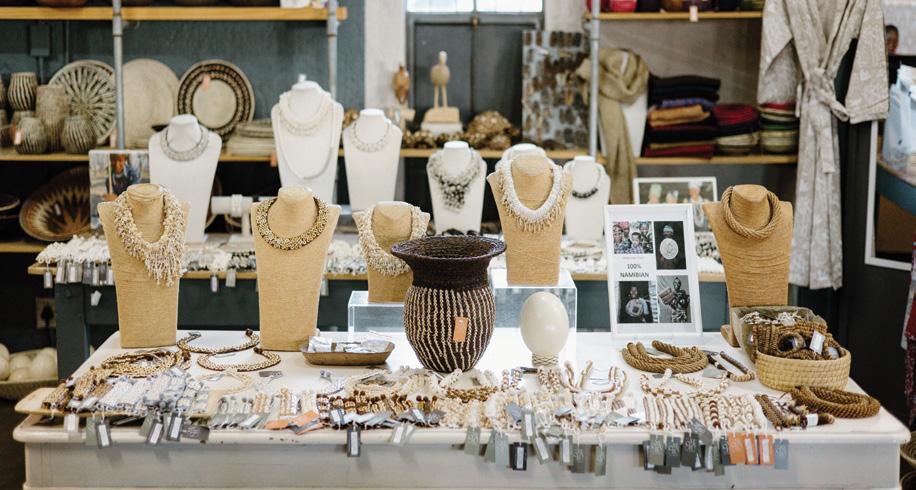
Today, Sandsea supplies a selection of lodges and shops, as well as being showcased at the Namibian Craft Centre in Windhoek. What started as a simple idea has grown into a locally made collection of moonbags, handbags, crossover bags and cycling handlebar bags, designed for both everyday use and life on the move.
Many Sandsea bags are lined with fabrics inspired by local Namibian cultures, including Ondulela and Nama textiles, alongside selected shweshwe textiles. Some products are also upcycled, giving new life to existing materials and reducing waste.
Sown by hand, each bag is carefully checked for functionality, neatness and quality. Whether on the bike or off it, every Sandsea bag carries more than essentials; it carries the freedom of open spaces, the warmth of the desert and a uniquely Namibian story.
Sandsea. Every nomad needs a bag.
Miena Chase and Lee-Anne Palmhert
We’re for Namibians
By
Namibians. For Namibia.
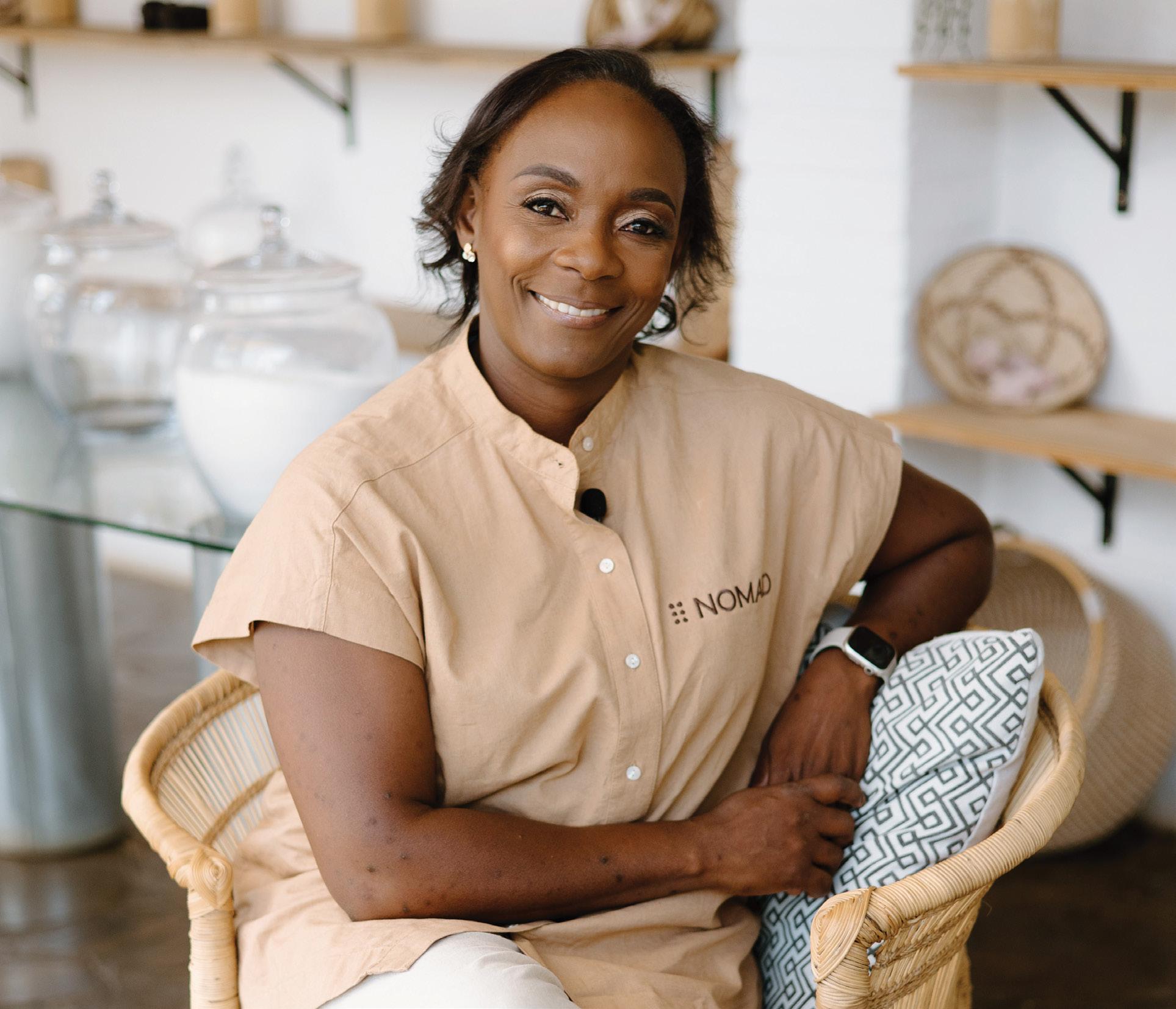
Mariane Akwenye
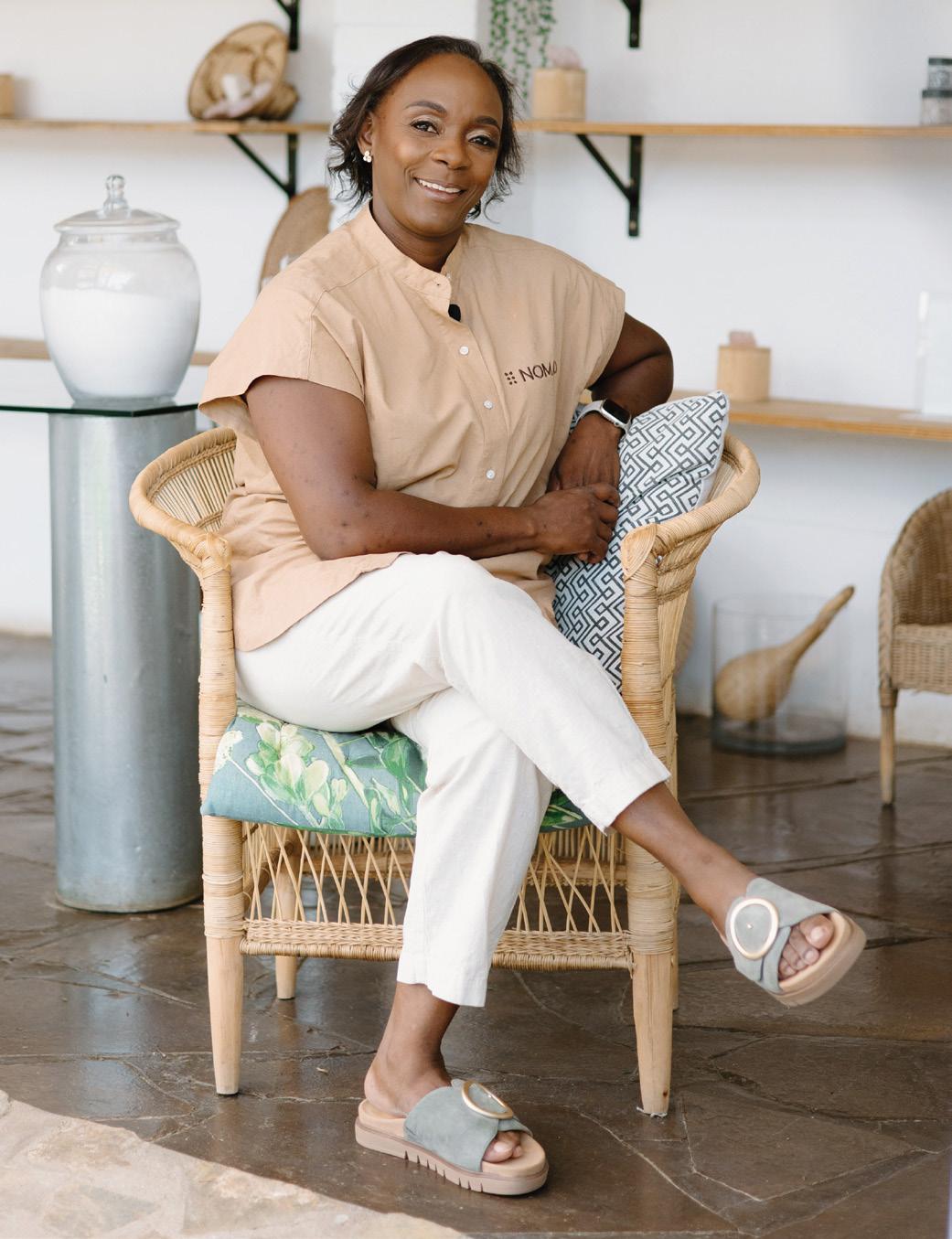
Cultivating Authentic Wellness from Namibian Soil
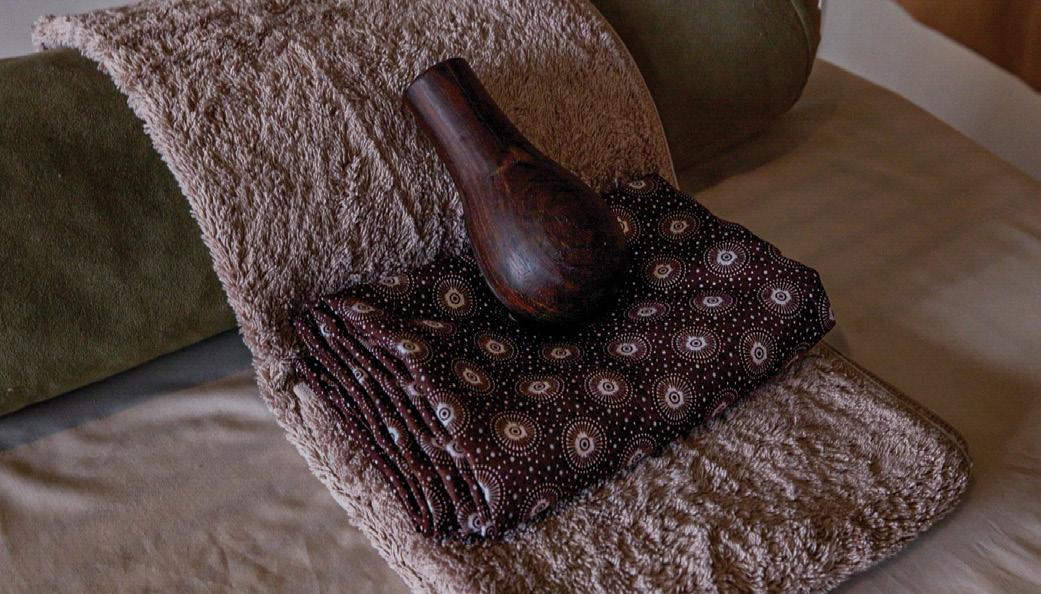
Nomad Wellness isn't just a spa. It is a movement, a sanctuary, and a beautifully intentional return to the healing power of Namibian wisdom.
Mariane Akwenye’s journey into wellness began long before she entered a treatment room. It started at the crack of dawn, working through the field with her greataunt, a traditional herbalist. While the world saw only bushes, her aunt saw medicine, harvesting wild herbs and aloes to concoct remedies in her small kitchen. That early spark of ancestral knowledge eventually
grew into an unshakable belief in the power of home-grown healing.
Her path back to the soil was fueled by a simple, persistent question: "How do we not export our knowledge?" Having experienced Western wellness spaces globally, Mariane realised that the authentic rituals of her own people, the custodians of humanity’s original wellness, were being overlooked. She set out to change that, building Nomad Wellness Homestead from the ground up to prove that African traditions can thrive in a modern, world-class setting.
Wellness Pioneer. Purpose-Driven Entrepreneur. Daughter of the Soil
Disability is not an inability," she says, witnessing these women reclaim their dignity and become active leaders in their craft.
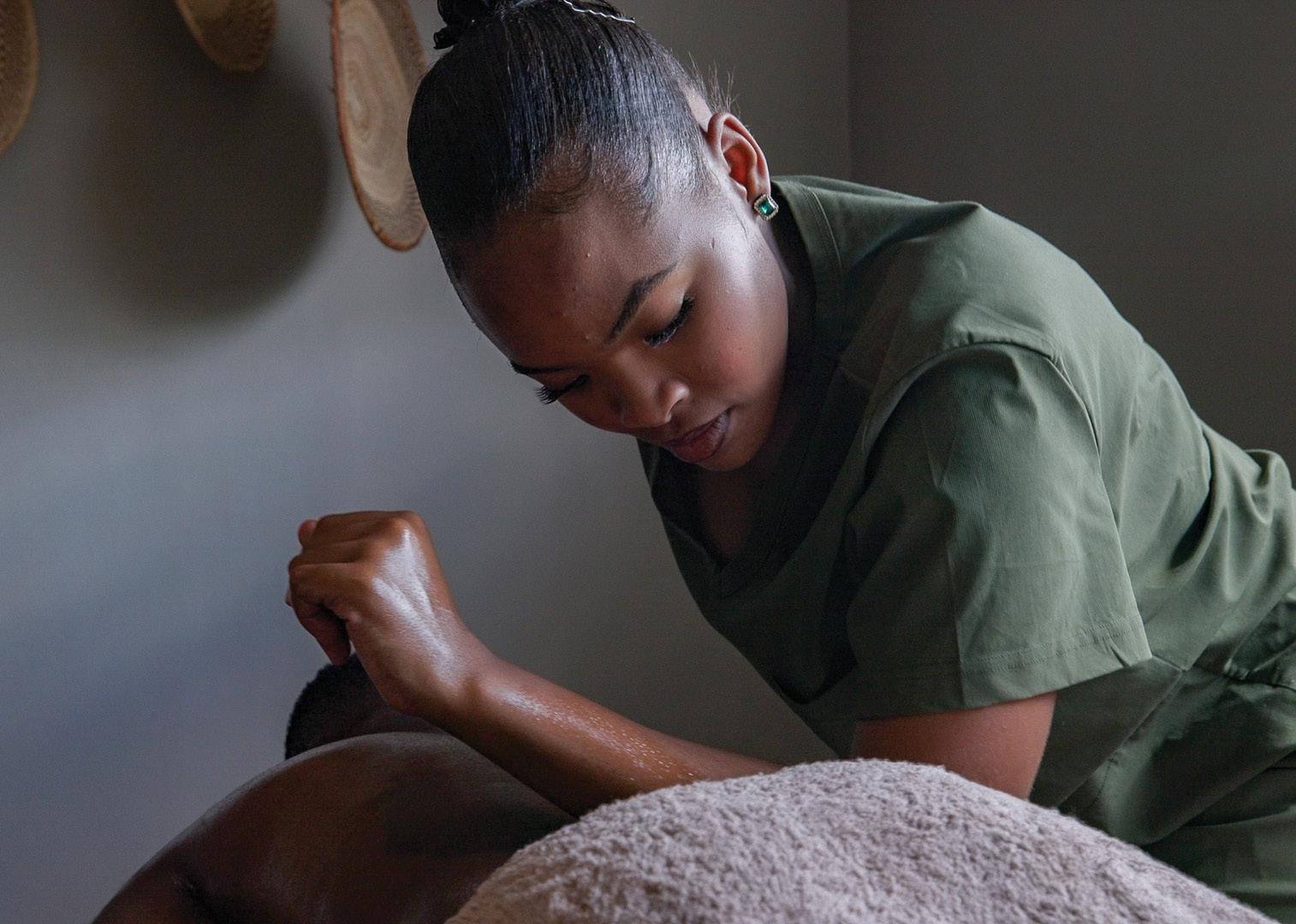
The heartbeat of Nomad is its radical commitment to inclusivity. Through a serendipitous moment, Mariane launched a program to train and employ visually impaired women as therapists. By focusing on their heightened sense of touch and natural ability to be "in tune with the body," she helped shift the narrative from pity to mastery. "Disability is not an inability," she says, witnessing these women reclaim their dignity and become active leaders in their craft.
Building a purpose-driven business in Namibia hasn't been without its challenges. Mariane candidly compares the tenacity required for entrepreneurship to the labour of childbirth; it is tough, visceral, and demands a staying power that only purpose can provide. What keeps her going are the "Maggies, Marthas, and Sarahs," the women whose lives have been transformed by the opportunities Nomad creates.
Today, Nomad Wellness represents a new era of Namibian excellence: authentic, fearless, and deeply rooted in the soil. Mariane’s story is a reminder that we don't need to look elsewhere for inspiration; our landscapes, our traditions, and our people are our greatest assets.
That is why FlyNamibia is proud to share her story. When we say We’re for Namibians, we mean people like Mariane Akwenye. These are the visionaries and trailblazers who are building something beautiful right here at home.
PRIME
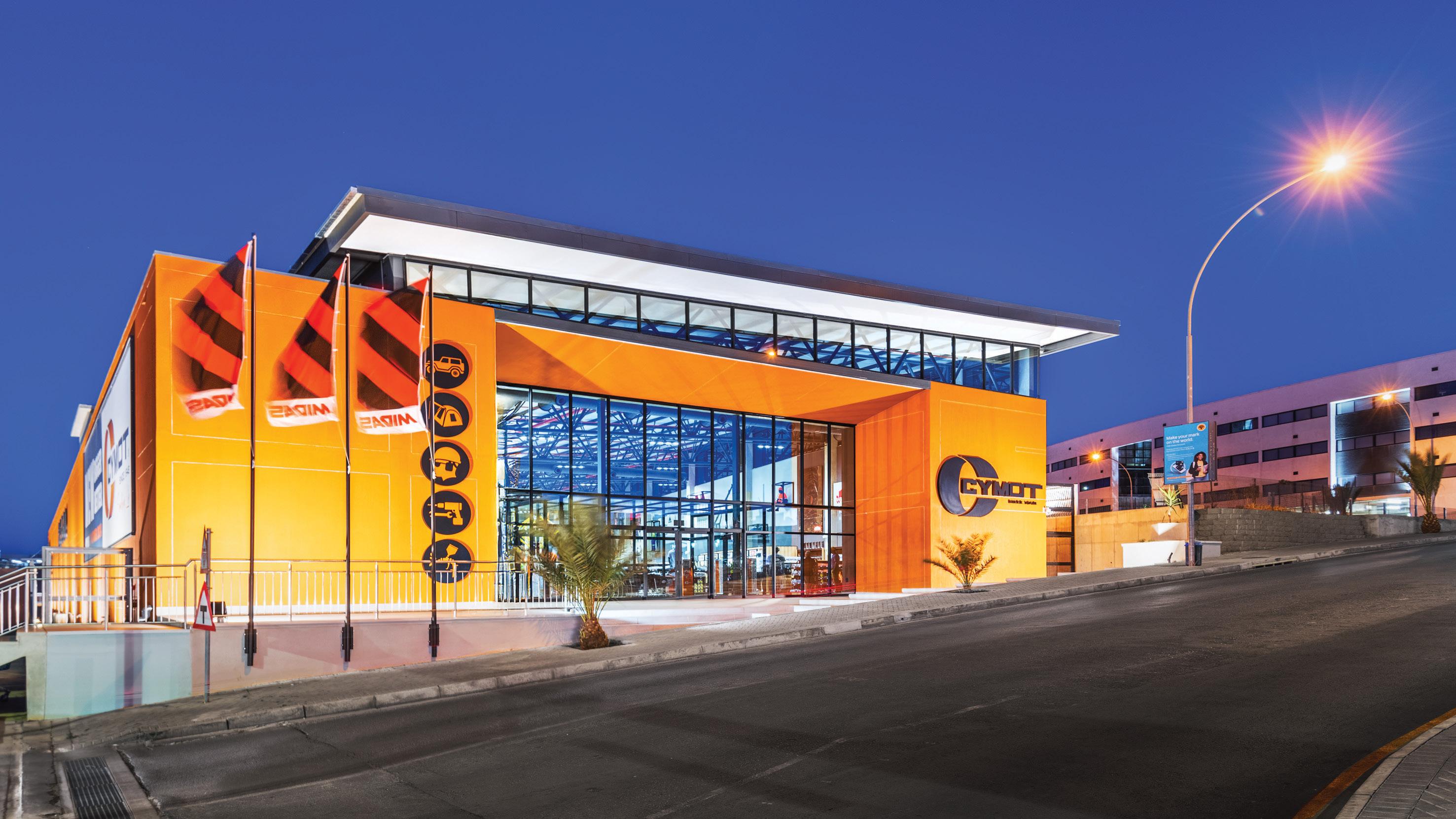
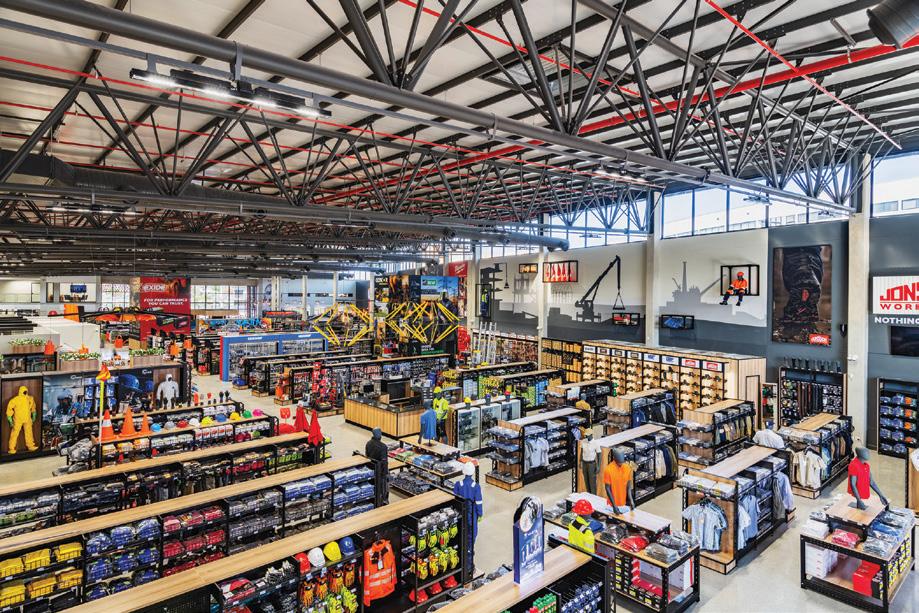
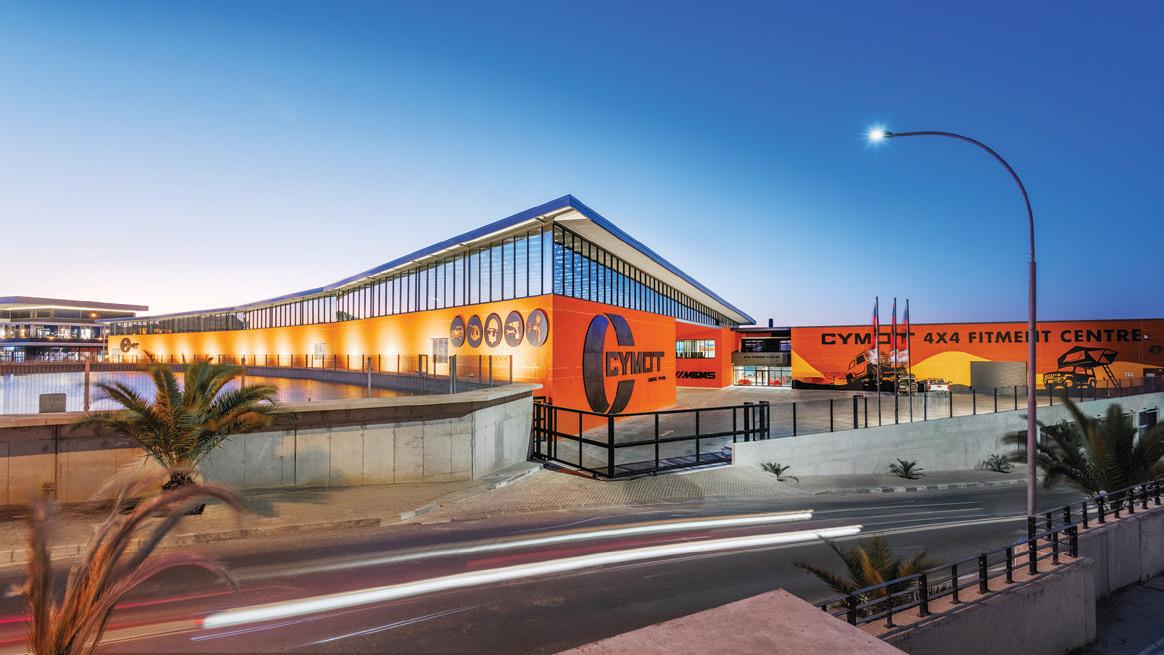
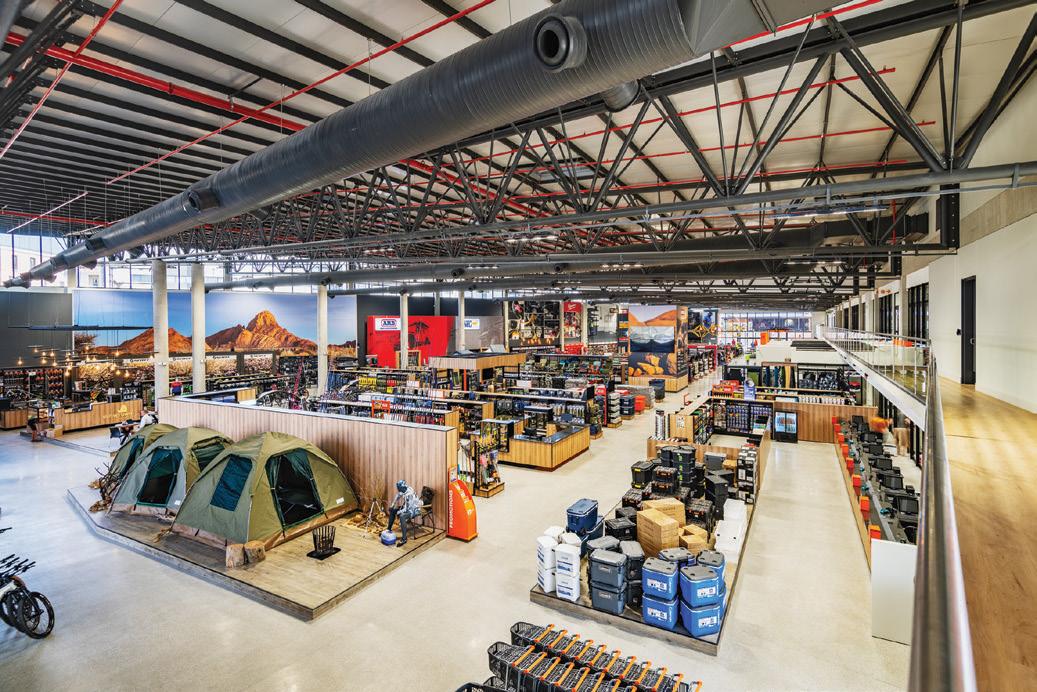
Whether you're on business or exploring Namibia, CYMOT Hilltop has everything you need under one roof!
Conveniently located next to Grove Mall in Windhoek, we make shopping easy, hassle-free, and enjoyable.
Start your journey with the perfect cup! Fuel up with the rich aroma and bold avours of Slow Town Coffee, available in-store. From a quick espresso to a smooth latte, every cup is crafted to perfection.
ELECTRIFICATION DRIVE EXPANDS
POWER ACCESS IN SOUTHERN REGIONS
Access to reliable electricity plays a critical role in improving the quality of life in communities and driving socio-economic development. The electrification projects currently underway in the Hardap and ||Kharas regions aim to expand electricity access to underserved and peri-urban communities. These initiatives are expected to enhance living standards, stimulate local economies and reduce inequalities by ensuring that more households can benefit from a reliable power supply.
By extending electricity infrastructure, the government and its partners are supporting long-term community development, strengthening economic participation and improving overall wellbeing in these regions.
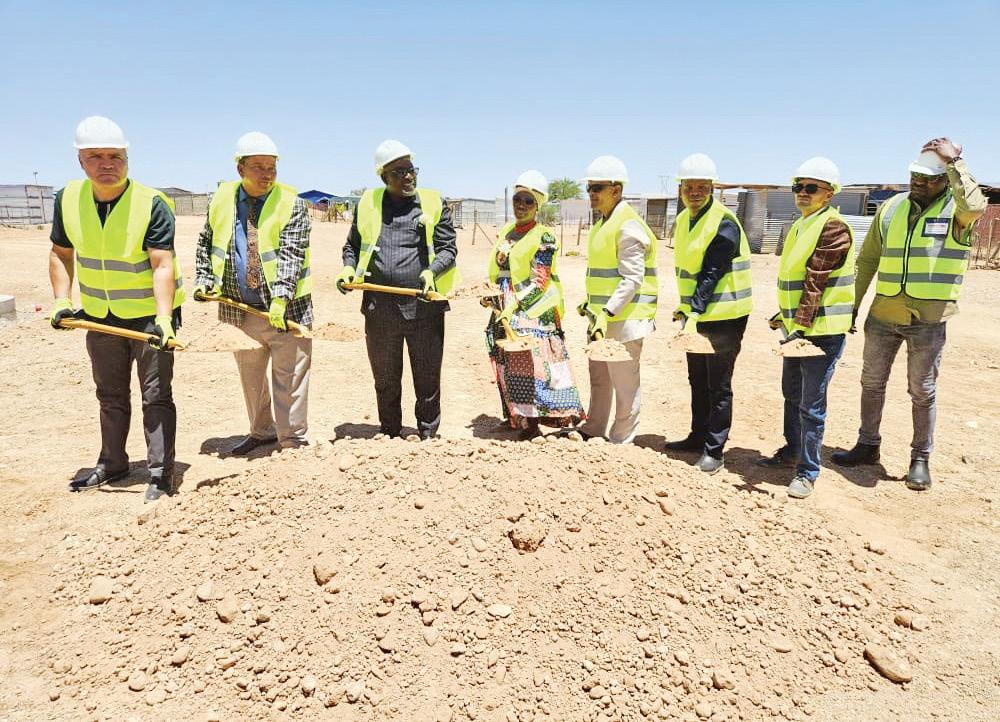
Officiating at the groundbreaking ceremony and site handover of the projects in the Hardap Region, Minister of Industries, Mines and Energy Modestus Amutse reiterated the government’s commitment to expanding electricity access, particularly in peri-urban communities. Amutse, speaking at the event in Mariental, said the initiative forms part of the government’s broader effort to ensure that electricity access improves the daily lives of households and supports economic development.
COLLECTIVE EFFORT
With peri-urban areas experiencing rapid population growth which often puts pressure on infrastructure development, the minister noted that expanding electricity
coverage remains a shared national responsibility requiring collaboration between the government, regional authorities, utilities and local communities.
According to Amutse, a total amount of N$12 million has been allocated by the government to electrify 969 periurban households in the Hardap and ||Kharas regions, benefiting communities in Rehoboth, Mariental, Aranos, Hoachanas, Gibeon, Aroab, Bethanie, Berseba, Aus, Grünau and Warmbad.
Amutse commended local authorities for contributing additional funding, highlighting the Rehoboth Town Council’s N$2.5 million investment and the Mariental Municipality’s N$1.5 million contribution towards the projects. However, he encouraged communities to adopt solar energy solutions, especially where grid connections are difficult or costly.
“The ministry already operates a solar revolving fund, which assists households to finance solar systems in an affordable manner. In addition, the government is working with a range of partners under initiatives such as Mission 300, which aims to expand access to electricity by combining grid expansion with safe, properly regulated solar solutions,” he noted.
Maggie Forcelledo Paz
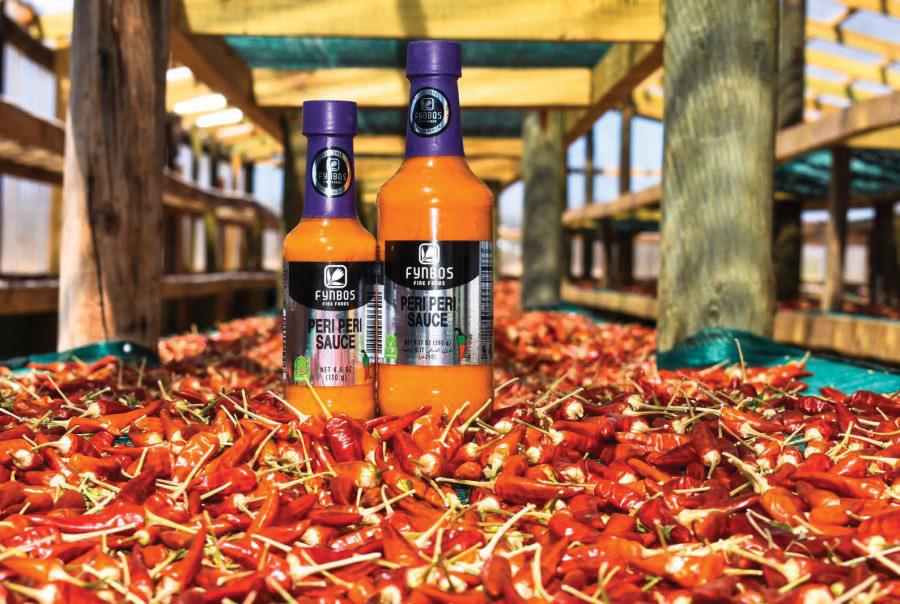
sauces are even hotter!
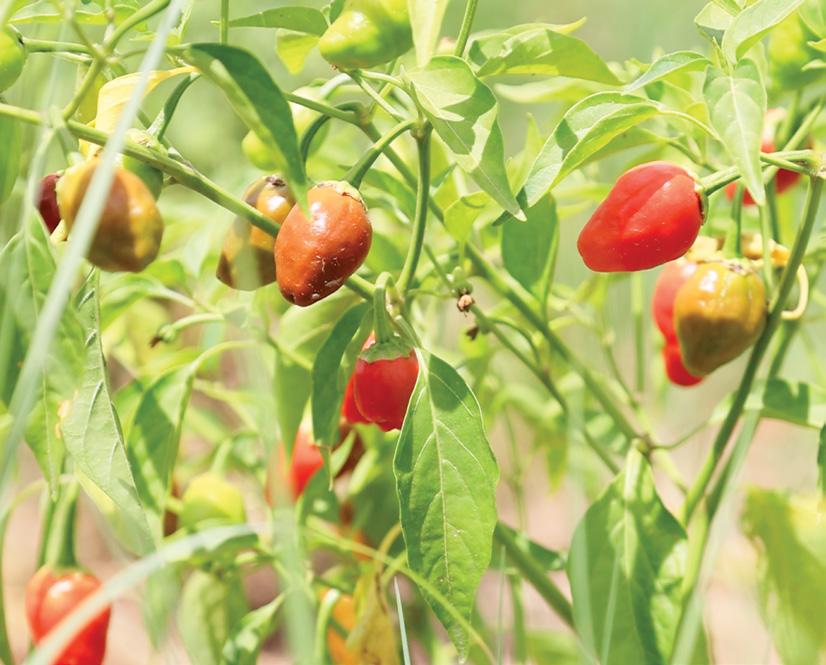
Namibia is hot, but our chilli
In the rush of everyday life, meals can easily become routine. But what if a single splash of flavour could transform your ordinary meal into something exciting, bold and memorable?
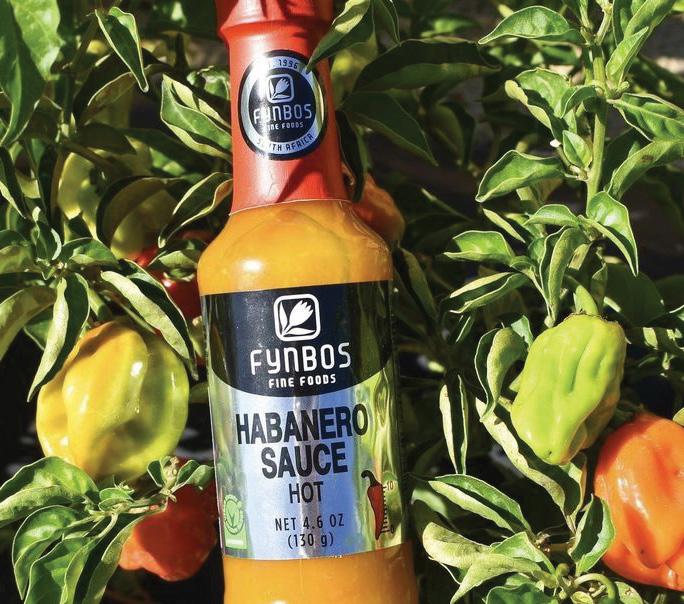
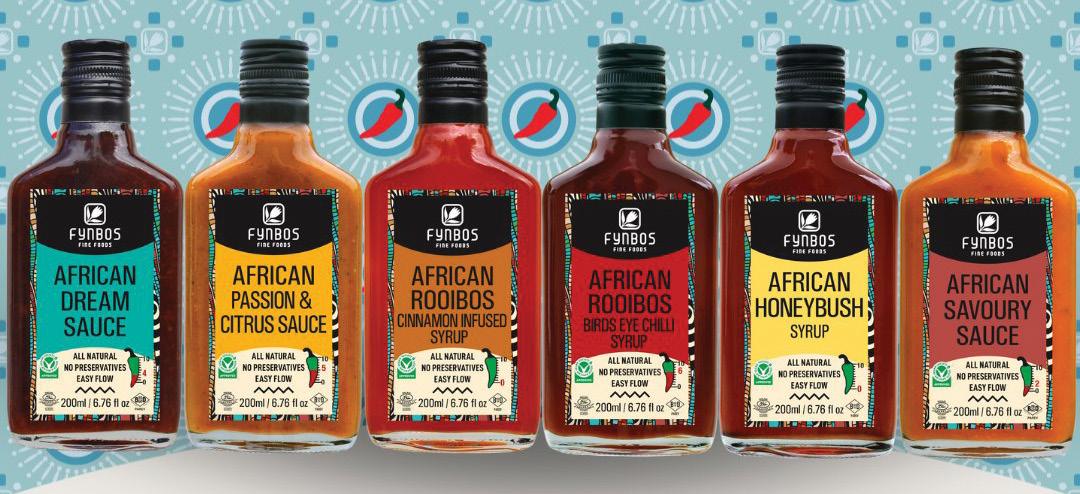
Fynbos Hot Sauce brings that excitement a celebration of heat and flavour inspired by nature and crafted for real heat lovers.
Inspired by the Wild
Inspired by Southern Africa’s rich botanical heritage, Fynbos Hot Sauce blends fiery chillies with carefully selected natural ingredients to create a sauce that is as complex as it is bold. This is heat with character. Vibrant, earthy and unforgettable.
Simple, Bold and Honest Flavour
For anyone looking to bring more life and spice into their cooking, Fynbos Hot Sauce is a perfect place to start. One bottle can transform an ordinary meal into something exciting, adding just enough heat to keep things interesting.
Bold Heat, Perfectly Balanced
Fynbos Hot Sauce is designed for those who love heat but appreciate balance. The warmth builds
gradually, allowing the natural flavours to shine through, making it ideal for both seasoned hot sauce enthusiasts and curious food explorers.
Made for Everyday Meals
From weekday dinners to a weekend braai, Fynbos fits right in. Whether drizzled over braai meat, stirred into a simple evening stew, or blended into a marinade, Fynbos Hot Sauce effortlessly elevates your everyday meals.
Keeping Ingredients Simple
Fynbos Hot Sauce is made with straightforward, carefully chosen ingredients. Real chillies form the base, balanced with vinegar, salt and spices that work harmoniously together. Each bottle delivers depth without overpowering the palate. Free from unnecessary additives, the focus remains on quality ingredients and authentic taste.
Hot, Fiery and Full of Character
From mild and smoky to bold and blazing, each bottle delivers a carefully crafted balance of heat and flavour that enhances every meal. Add a gentle kick or turn up the intensity either way, expect bold taste, real heat and distinctive flavour.
ANew year, new oil?
s we step into a new year, Namibia finds itself at a defining moment in its economic and industrial journey. While first oil is realistically only expected around 2029–2030, the present moment is no less significant. Final Investment Decisions (FIDs) are edging closer, confidence is consolidating and the groundwork for a generational shift in our economy is being laid right now.
This phase of the oil and gas lifecycle is often misunderstood. Production may still be several years away, but what we are experiencing today is the real beginning of the industry: new players entering the market, operators positioning themselves for long-term commitments, fresh exploration opportunities opening up and an ecosystem forming around skills, services, infrastructure and regulation.
Namibia remains firmly on the cusp of greatness. The discoveries offshore have already placed the country on the global energy map, but discoveries alone do not create prosperity. What matters now is how decisively and strategically we capitalise on this momentum. The coming years will define whether Namibia becomes merely a resource holder or a capable, competitive energy nation.
Naturally, the global conversation cannot be ignored. Decarbonisation, energy transition and electric solutions are reshaping how the world thinks about hydrocarbons. These realities are valid and necessary. However, they do not negate Namibia’s responsibility to responsibly harness and maximise the opportunity before it. Oil and gas, developed prudently, can serve as a powerful catalyst for
industrialisation, skills transfer, infrastructure development and fiscal resilience, while simultaneously funding the very transition the world is calling for.
What makes this moment particularly exciting is the competitive energy in the market. Companies are not simply investing; they are vying to make history as the first to produce oil in Namibia. That ambition should be encouraged. Government, regulators and industry stakeholders must work in concert to ensure that processes are efficient, transparent and predictable, without compromising standards. Support does not mean shortcuts; it means creating an enabling environment where serious, responsible operators can move with confidence and pace.
If Namibia gets this phase right, through policy alignment, local content development, skills readiness and regulatory clarity, the benefits will extend far beyond first oil. They will shape the country’s economic trajectory for decades.
To borrow the words of the executive chairman of the African Energy Chamber, NJ Ayuk: “Drill, baby, drill.” But for Namibia, that must always be accompanied by drilling responsibly, with environmental sustainability, safety and ethical governance at the core.
New year. New oil. And, if we are deliberate enough, a new chapter in Namibia’s economic story.
Paulo Coelho
ROOTED IN REALITY
How ReGen Namibia is reimagining climate action through community and tourism
At the crux of meaningful climate action lies a simple truth: solutions must stem from the lived realities of people, not from statistics or isolated workshops. This philosophy shaped the launch of the ReGen programme, an initiative founded in regeneration, unveiled during an information session hosted by TOSCO at the Community Conservation and Inspiration (CCI) Hub in Windhoek on 11 February.
For Namibia, climate change is not an abstract concept. It is a daily, visible reality. Communities across the country are already navigating prolonged droughts, water scarcity, food insecurity and growing pressure on wildlife and fragile ecosystems. The irony is stark. Those who have contributed least to global climate change are often the ones forced to adapt the fastest.
This reality aligns closely with TOSCO’s people-centric conservation approach. The ReGen programme represents a pre-emptive and contextualised response designed to mitigate climate impacts while strengthening the very communities that sustain Namibia’s tourism landscapes.
A FRAMEWORK BUILT ON PARTNERSHIP
TOSCO is careful not to present ReGen Namibia as a finished solution. Instead, it is introduced as a work-inprogress framework designed to evolve through practice, learning and long-term collaboration. Climate action in complex social and ecological systems cannot be
perfectly designed in advance; it requires building trust, participation and continuous adaptation.
As explained by Lara Potma, managing director of TOSCO, the programme follows a phased roadmap. Each stage gradually builds impact as participation grows and lessons are integrated. This collaborative structure highlights a central principle: large-scale climate resilience is only possible when communities, conservation organisations, tourism operators, donors and technical partners work together. “We need each other,” emphasised Potma.
WHY CLIMATE ACTION MATTERS IN NAMIBIA
Namibia contributes only 0.0003% of global greenhouse gas emissions and is classified as a net carbon sink. Despite this, the country is warming faster than the global average. The year 2024 was recorded as the hottest in more than a century, placing unprecedented strain on traditional farming systems and food security.
Biodiversity faces similar risks. Intensifying droughts increase competition for resources, heighten human-wildlife conflict and create conditions that can drive poaching. Protecting ecosystems is therefore inseparable from protecting tourism, livelihoods and cultural landscapes.
ReGen Namibia shifts the focus away from simply offsetting tourism emissions through carbon credits. Instead, it prioritises visible, long-lasting benefits for communities and conservation through resilience
credits. These fund regenerative projects that combine environmental, economic and social outcomes, ensuring local ownership and long-term sustainability.
AGROFORESTRY: REGENERATION IN ACTION
One tangible example of regenerative climate adaptation can be seen in agroforestry initiatives in Kavango West. In a region with relatively good rainfall, traditional burn and slash agriculture has historically depleted soil quality and reduced long-term productivity.
Aywa Forest Farm, headed by Hanjo and his partner Loree, offers a powerful alternative. Aywa Forest Farm is a partner of ReGen Namibia.
In agroforestry, tree lanes are planted six metres apart and arranged in layered height systems. Fruit trees, timber species, shrubs and supporting plants grow together in carefully balanced ecosystems. Vegetable crops flourish between the tree rows, while livestock contribute to nutrient cycling. Over time, soil health improves, biodiversity increases and food production becomes more stable and abundant.
These systems mimic natural ecosystems and deliver environmental, economic and ethical benefits. Once established, agroforests require minimal maintenance because natural ecological processes maintain balance. It is food production that allows both people and nature to thrive together. Agroforestry is increasingly recognised globally as a key pathway to food security, environmental sustainability and poverty reduction.
During the programme launch, guests experienced this impact first-hand through tastings of fresh produce
grown and prepared by community farmers; a small but powerful demonstration of regenerative systems already yielding results.
In addition to tasting produce from the community gardens, representatives from the regenerative pilot projects travelled to Windhoek to share how these initiatives are already affecting their livelihoods and what they continue to learn.
TOURISM AS A DRIVER OF RESILIENCE
ReGen Namibia is specifically designed for the tourism sector because tourism operates directly within climateexposed communities. By strengthening community resilience, the programme helps maintain healthy ecosystems, reduces pressure on biodiversity and protects the natural environments tourism depends on.
Key project areas include establishing community gardens, integrating water solutions that support both human and wildlife needs and creating regenerative livelihood opportunities.
WAYS PARTNERS CAN CONTRIBUTE
The programme opens several pathways for collaboration:
Pioneer contributors
Early tourism partners help test and refine the programme while shaping how impact is measured and communicated.
Resilience credits
From phase two onwards, tourism contributions will be channelled through a resilience credit system. Guests will also be able to contribute when booking travel experiences.
ESG contributions and donations
Companies linked indirectly to tourism, such as airlines or supply chain partners, can contribute to climate resilience efforts while receiving the same reporting and marketing benefits as tourism partners.
Purchasing power
Tourism businesses and travellers can directly support projects by purchasing goods and services such as fresh produce, natural oils, cosmetics and eco-experiences generated by climate resilience initiatives.
Built on years of frontline experience
Since its establishment in 2012, TOSCO has worked to connect tourism operations with conservation impact on the ground, particularly in remote regions. By working with conservancies, local tourism operators, conservation organisations and technical specialists, the organisation has developed a strong track record of facilitating projects that respond directly to real community needs.
Madeleen Duvenhage
The World of Infinite Awaits
Premium privileges, designed with prestige and distinction, from your ultimate travel and lifestyle companion.
Scan the QR code to discover more.
Drought adaptation project launched to transform rural livelihoods
Japan has reaffirmed its commitment to supporting Namibia’s agricultural sector and climate resilience through the launch of a new drought adaptation project valued at approximately N$48 million.
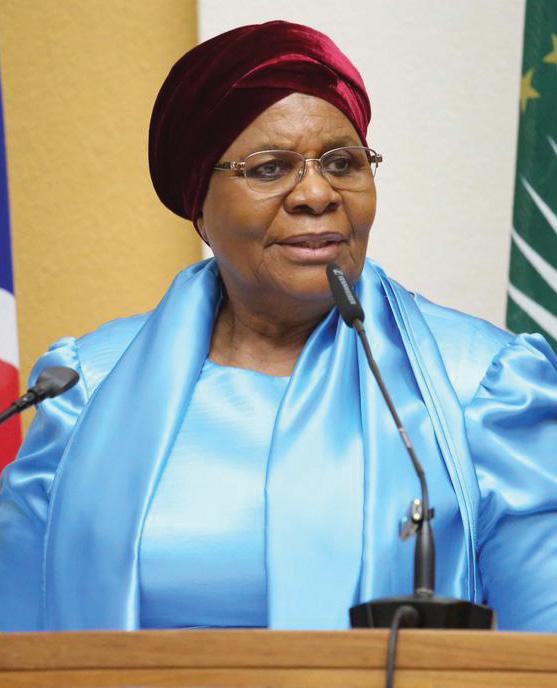
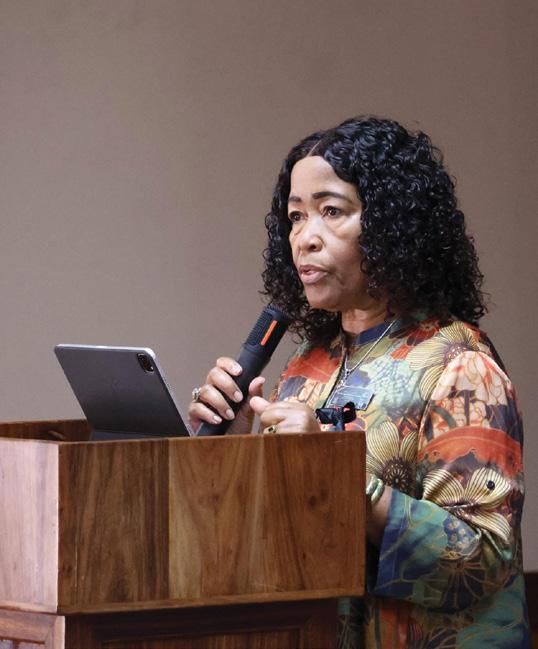
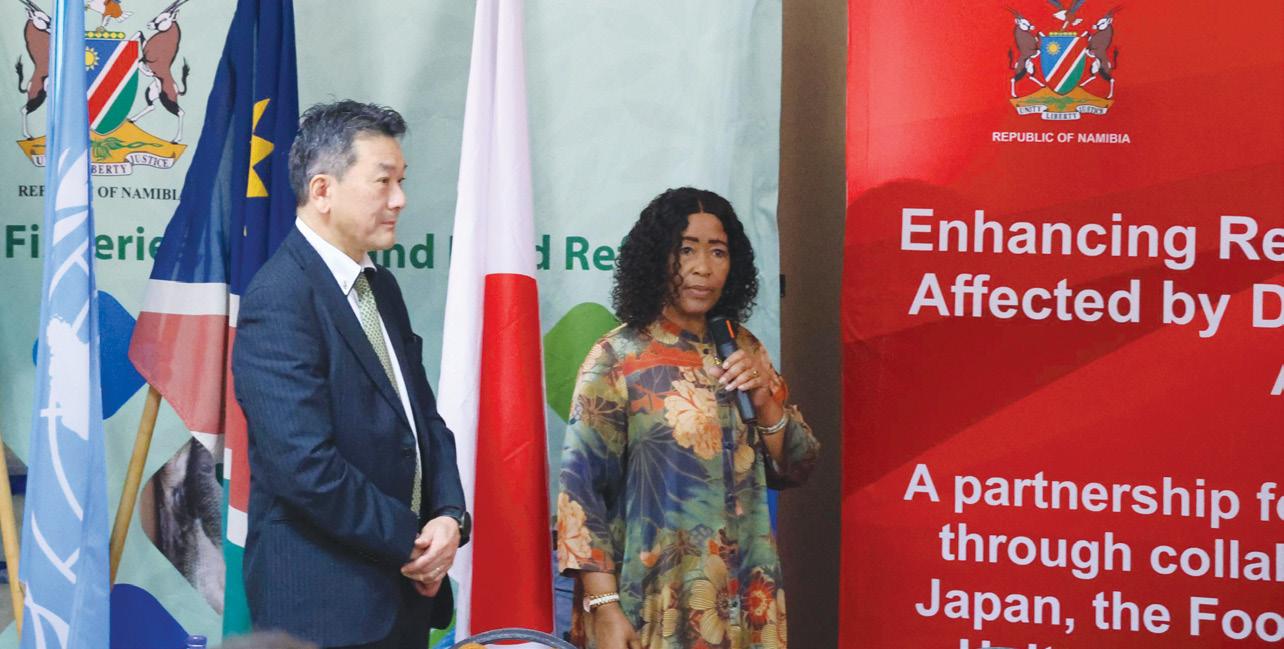
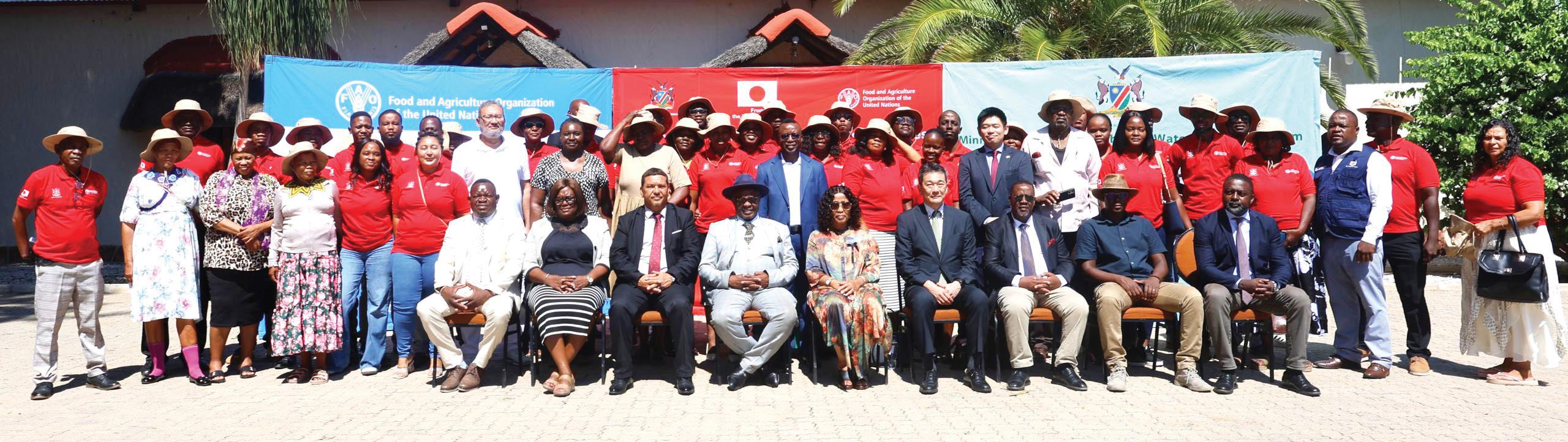
The launch took place in Otjiwarongo under the theme “Enhancing Resilience of Farming Communities Affected by Drought” and was attended by Minister of Agriculture, Fisheries, Water and Land Reform Inge Zaamwani-Kamwi, Japanese Ambassador to Namibia Shinichi Asazuma, regional governors, development partners, government officials and beneficiaries.
Speaking at the event, Zaamwani-Kamwi acknowledged the continued partnership between the Namibian government, the government of Japan and the Food and Agriculture Organisation (FAO), which has played a key role in supporting drought mitigation and food security initiatives in the country. She noted that Namibia continues to face serious challenges in the agricultural sector, including recurring droughts, climate variability and persistent food insecurity, which threaten rural livelihoods and economic stability.
Japan, in collaboration with the FAO, has invested more than N$2.9 million in Namibia since 2022 to support emergency responses, drought mitigation and climatesmart agricultural interventions. Zaamwani-Kamwi said that the support includes financial assistance, technology transfer, skills development and knowledge sharing aimed at empowering farmers and agricultural extension officers. The newly launched programme targets 6,000 women and youth-led households across the Erongo, Kunene, Omaheke, Otjozondjupa and Hardap regions, benefiting more than 24,000 individuals.
“By placing women and youth at the centre of this programme, we intend to empower agents of change who
can drive transformation in their communities. Our goal is to enhance household food security, diversify livelihoods and stabilise incomes,” said Zaamwani-Kamwi.
Interventions under the programme include the provision of agricultural inputs, distribution of small livestock, and the introduction of climate-smart technologies suited to Namibia’s environment. These include solar-powered irrigation systems, hydroponics and shade-net farming structures designed to improve productivity and conserve water. The programme will also focus on capacity building, with plans to train 60 agricultural extension officers and 6,000 farmers in climate-smart agriculture practices.
In addition, the ministry is developing five regional drought action plans and strengthening food security information systems and early warning mechanisms to improve disaster preparedness and response. Ambassador Asazuma said the project aligns with President Netumbo Nandi-Ndaitwah’s prioritisation of agriculture as a key driver of socio-economic transformation, as well as Namibia’s Sixth National Development Plan (NDP6) and the outcomes of the 9th Tokyo International Conference on African Development. Asazuma expressed confidence that the project will strengthen the capacity of farmers and agricultural extension officers through training, agro-input distribution and climate-smart agricultural interventions.
He further highlighted the growing diplomatic and economic cooperation between Namibia and Japan, referencing a recent working visit to Japan by Namibia’s Minister of International Relations and Trade Selma Ashipala-Musavyi, which strengthened bilateral ties in trade, investment, infrastructure and industrial development.
Maggie Forcelledo Paz
Photography: Ministry of Agriculture, Fisheries, Water and Land Reform
Where water, land and livelihoods meet Opuwo
In Namibia’s northern regions, environmental degradation and poverty are closely linked. Irregular rainfall, declining soil fertility and limited water access continue to threaten livelihoods in densely settled rural areas. Without integrated landscape management, these pressures deepen inequality and erode the natural systems communities depend on. In and around Opuwo, NILALEG is addressing these challenges by supporting community-driven projects that connect environmental restoration with sustainable livelihoods.
In Omaiopanga, a small village near Opuwo surrounded by sand and scattered vegetation, a NILALEG-supported waterhole has become a lifeline. From its edges, narrow man-made channels carry water into nearby community gardens. Built and maintained by residents, these gardens grow carrots, cabbages, red chillies, spices, sugar cane, watermelon and other crops. The steady flow of water allows the gardens to remain productive even when their owners are away. Families use the produce to feed themselves and sell surplus for income. The waterhole also serves livestock and wildlife, reinforcing the connection between human livelihoods and the surrounding ecosystem.
A few kilometres away in Okavare, livestock forms the backbone of survival. Brian Katundu became a beneficiary of NILALEG’s goat programme in 2024 when he received eleven goats. Although disease and harsh conditions claimed some of them, the remaining goats have significantly improved his quality of life. Erratic rainfall and poor grazing often force him to buy feed, and access to veterinary supplies remains a challenge, especially during breeding seasons. Despite this, the goats provide milk, food and income. Brian no longer needs to buy milk, is able to support his family and carefully records his livestock, treating them as both responsibility and security.
Water access remains critical in Okavare. The Okavare borehole, supported by NILALEG, draws hundreds of goats and cattle each day. In an area with only two boreholes and largely dry riverbeds, these water points are essential. To address erosion and manage seasonal flooding, NILALEG
installed gabions in the riverbeds. Gabions – structures made from stone-filled wire cages – slow the water flow, prevent soil erosion and encourage groundwater recharge. In Okavare, two gabions were built with stones, while others were constructed by community members using sticks from nearby trees, secured with wire provided by NILALEG.
These structures have reshaped how water moves through the landscape. Areas once deeply eroded have stabilised, allowing water to flow in controlled paths rather than spreading destructively. When water levels rise, the gabions also create safer access routes for the community.
By slowing runoff and retaining water, they contribute to long-term water conservation – a benefit the community deeply values.
Beyond water and livestock, NILALEG also supports restoration and future food security through the Okovingava Nursery outside Opuwo. The nursery grows guava, mango, lemon, bird plum and other trees, selling it to the community. Covered by a green shade net, the nursery protects young plants from harsh sun, wind, pests and heavy rainfall, creating a stable growing environment. The nursery also allows workers to grow fruits and
vegetables for personal use, strengthening self-sufficiency. According to Regional Councillor Ueutjerevi Ngunaihe, NILALEG’s strength lies in its approach. Projects are not imposed – communities define their needs, leadership helps guide priorities and NILALEG responds with funding, infrastructure and skills training. Just as importantly, communities are encouraged to take ownership by maintaining and protecting what has been built.
Across Omaiopanga, Okavare and Opuwo, NILALEG’s work shows how integrated landscape management can restore ecosystems while improving lives. By aligning water, land and livelihoods, these interventions offer a practical model for sustainable rural development, rooted in community participation.
Laudika Hamutenya
Employee brings hope to Hompa Shiyambi Children’s Home
In the heart of Ndiyona Constituency, Kavango East Region, lies the Hompa Shiyambi Children’s Home, a sanctuary for more than 40 destitute children who have lost their parents and live in dire need of support. Established in 2015 by the Kavango Community Development Foundation (KCDF), the home was built on land generously provided by Chief Shiyambi. It follows the model of SOS Children’s Villages, offering a secure and nurturing environment where children can grow, learn, and dream of brighter futures.
Recently, the home received a much-needed boost thanks to the compassion and initiative of Debmarine Namibia employee Silke Tait. She extended her role beyond the corporate sphere to embrace a mission of humanity. Recognising the urgent needs of the children, Silke mobilised her colleagues, family, and friends to contribute towards a fundraising effort. Through this collective generosity, she raised an impressive N$9,143, which was matched by the company, a combined sum that has already begun transforming lives at the orphanage.
The funds were used to purchase new school shoes for each child, ensuring that every learner could walk to school with dignity and comfort. For children who often face the harsh realities of poverty, a simple pair of shoes represents more than protection for their feet; it symbolises belonging, confidence, and the chance to pursue education without barriers. In addition, Silke secured a new fridge and freezer for the orphanage, essential appliances that the home desperately needed. With over 40 children to feed, proper food storage is critical, and this contribution directly strengthens the home’s ability to provide nutritious meals daily.
The Hompa Shiyambi Children’s Home is more than just a shelter. It is a place where children are given the opportunity to attend kindergarten and school, opening doors to further studies and eventual entry into the job market. Four nuns from the Sacred Heart order serve at the home, bringing with them expertise as teachers, psychologists, and nurses. Their dedication ensures that the children not only receive care but also a strong foundation in Christian values and emotional support.
Beyond education and care, the KCDF has also established an agricultural project on the grounds of the children’s
home. This initiative supplies fresh vegetables to the orphanage, kindergartens, and Kayova River Lodge, while also serving as an educational tool for the community. Produce sold at the central market helps cover part of the orphanage’s expenses, reinforcing the sustainability of the project.
“Our vision is simple yet profound, we want to give these children and adolescents the chance to grow up in a secure and familiar environment, where they can attend kindergarten and school, and ultimately gain access to further studies or the job market,” said Centre Manager Steyn Du Preez.
Silke’s contribution is a shining example of how individual action can ripple into collective impact. By rallying support from her network, she has not only met immediate needs but also inspired hope among the children and staff. Her gesture reflects the values of empathy, solidarity, and corporate social responsibility that Debmarine Namibia champions.
“When I travelled to Kavango East and visited the Hompa Shiyambi Children’s Home, I saw firsthand the struggles these children face every day. It was impossible to walk away without doing something. Their need was so real and urgent that I felt compelled to reach out to my colleagues, family, and friends to help bring them hope and dignity.” Silke narrated.
As the children lace up their new shoes and enjoy meals stored safely in their new fridge and freezer, they are reminded that they are not forgotten. Thanks to Silke Tait and her supporters, the Hompa Shiyambi Children’s Home continues to nurture tomorrow’s leaders, children who, despite their circumstances, are being given the tools to dream, learn, and thrive.
inspired Encounter by Ongava
There are places in Namibia that do not introduce themselves loudly. They do not announce their importance or attempt to impress. They simply exist – confidently, quietly – and in doing so, they invite you to step closer.
Ongava has always been one of those places for me.
Long before its recent transformation, Ongava Tented Camp was my favourite on the reserve, not because of polish or performance, but because of where it sat in the landscape. Tucked into the bush, folded into a valley, it made you feel surrounded rather than accommodated. You did not visit the wilderness there – you were inside it.
Wildlife experiences in Namibia are at their most powerful when they are not engineered for spectacle. The moments that linger are often the subtle ones – the sound of movement beyond the tent at night, the realisation that animals pass through long after guests have gone to sleep, the understanding that you are sharing space rather than observing from afar. It is in these close, unguarded encounters that the wild feels most honest.
Returning now, after the camp’s complete refurbishment and its new identity as Encounter by Ongava, that philosophy feels more intentional than ever.
Ongava Game Reserve lies along the southern boundary of Etosha, a landscape shaped by time, endurance and quiet cycles of return. Hills rise gently from open plains, valleys softened by generations of movement. This is land that has always carried wildlife, long before it became a destination. Ongava’s founders recognised that value early on, choosing restoration and protection over exploitation, and allowing nature the space and time to recover on its own terms.
Today, Ongava stands as one of Namibia’s most important examples of private conservation done with integrity. It is proof that protecting vast tracts of wilderness can go hand in hand with meaningful, low-impact experiences.
Encounter by Ongava reflects that ethos. The camp is not designed to create distance or comfort through separation. Instead, it invites awareness. Wildlife moves freely through the area. Sounds carry. Stillness is punctuated by sudden presence. Nine tents sit lightly in the bush, offering shelter without removing guests from their surroundings. Open-air elements remind you that you are part of the environment, not apart from it.
This is not a place for rushing or ticking boxes. It is for those who understand that the most memorable moments often arrive quietly – early mornings, long pauses, unexpected proximity.
What inspires me most about places like Ongava is the commitment behind them. The knowledge that there are people willing to dedicate themselves to protecting land not for control, but for continuity. For future generations. For the wild itself.
In a time when so much competes for our attention, Encounter reminds us that the truest luxury is presence – and that some of the most meaningful encounters happen when we simply slow down and let the wilderness be what it has always been.
Elzanne McCulloch
Law with Purpose
Legal challenges are more than problems to solve. They’re opportunities to create meaningful impact. At WKH Inc, we craft solutions that go beyond the expected, reshaping futures with precision and care.
Tel: +264 (61) 275 550
Email: info@wkh-law.com www.wkh-law.com
PARLIAMENT URGED TO STRENGTHEN LAW-MAKING AND SERVICE DELIVERY
Officially opening the 3rd session of the 8th Parliament, President Netumbo NandiNdaitwah reminded parliamentarians that public expectations remain high as the nation is closely monitoring parliamentary processes and legislative outcomes. As she welcomed the newly elected members who joined Parliament following the 2025 Regional Council and Local Authority Elections, the president referenced Article 44 of the Namibian Constitution, reminding them that they have joined the August House with the great responsibility of making laws for the Namibian nation. “This mandate assigns you the responsibility, and I paraphrase, ‘to enact, amend and repeal laws, to scrutinise bills, treaties and conventions, to approve the national budget, to oversee government performance and hold state institutions accountable and to debate matters of national importance to the Namibian people’,” she said.
The session, held under the theme “Enhance the Role of Parliament for Inclusive Development and Participatory Democracy”, reflected on the development of strong forward-looking legislation that safeguards Namibia’s sovereignty and supports democratic governance, particularly amid global geopolitical uncertainties and economic challenges. The president stressed that laws enacted in the August House serve as the foundation for social order, economic growth and democratic governance. “They establish stability, fairness and predictability, safeguard fundamental rights, encourage investment and innovation and ensure disputes are settled peacefully,” she noted.
Members were further called upon to address pressing issues such as unemployment, inequality and poverty, while supporting economic growth through sectors such
as agriculture, manufacturing and the digital economy. The president noted, “These challenges strain the social fabric of our society and call for collective effort and shared responsibility from all three branches of government to create positive change in people’s lives. They remind us of a core truth, which I often say: "We are too few to be poor.”
Concerns were also raised over the slow processing of legislation, with only two of nine bills tabled last year being passed.
BILLS CONSIDERED AND TABLED IN 2025:
• Appropriation Bill
• Regional Councils Amendment Bill
• Land Bill
• Public Enterprises Governance Amendment Bill
• Mental Health Bill
• Appropriation Amendment Bill
• Accountants and Auditors Regulatory Authority Bill
• Income Tax Amendment Bill
• Petroleum (Exploration and Production) Amendment Bill
“This is very disappointing, because the people of Namibia deserve better services from their elected representatives,” said Nandi-Ndaitwah. The head of state encouraged the prioritisation of service delivery and national development above political differences, reaffirming the government’s commitment to working with Parliament to advance sustainable development and improve the lives of Namibians.
Maggie Forcelledo Paz
A monthly wrap-up of News Worth Knowing
Botswana Oil finalising talks with Oman’s OQ Trading on Namibia fuel storage project
Botswana Oil Limited is finalising talks with OQ Trading to jointly develop a 100-million-litre coastal fuel storage facility in Namibia. CEO Meshack Tshekedi said the project will support fuel imports from the Middle East and Europe and strengthen supply reliability and self-sufficiency. The companies are in advanced discussions to conclude financing and management structures to launch the project. Botswana Oil, which operates under Botswana’s Ministry of Minerals and Energy, signed a memorandum of understanding with OQ Trading in November 2025 to explore cooperation in energy infrastructure development, petroleum product supply, and trading.
Port of Walvis Bay handles N$7.6 billion in trade in December
The Port of Walvis Bay processed N$7.6 billion in trade in December 2025, according to the Namibia Statistics Agency, cementing its role as Namibia’s main trade gateway. Exports totalled N$3.9 billion and imports N$3.7 billion, with sea transport accounting for 37.6% of total exports, mainly uranium, fish and base metal ores. Uranium exports led at N$1.8 billion, while petroleum oils topped imports at N$1.4 billion. Export volumes rose month-on-month to 178,149 tonnes but fell year-on-year. Imports reached 204,900 tonnes, declining compared to both the previous month and December 2024.
Namibia’s National Youth Development Fund creates 722 jobs in five months
Netumbo Nandi-Ndaitwah says Namibia has created 722 jobs in five months through the National Youth Development Fund, launched in 2025. The fund has disbursed N$62.3 million of its N$500 million allocation to 140 youthled projects, offering loans and grants without collateral, plus mentorship.
Speaking at the 35th Ordinary Session of the African Peer Review Forum, she said the Development Bank of Namibia trained over 400 youths, while 1,500 joined the Namibia Youth Credit Scheme. The government also expanded internships, apprenticeships, TVET funding and creative industry support under NDP6.
UNAM and NUST ranked among top 50 universities in Sub-Saharan Africa University of Namibia (UNAM) and Namibia University of Science and Technology (NUST) have been ranked among the top 50 institutions in the inaugural QS World University Rankings: Sub-Saharan Africa. UNAM placed 31st and NUST 46th, the only Namibian universities listed among 69 ranked from 21 countries.
Education Minister Sanet Steenkamp said the achievement highlights progress in Namibia’s higher education sector. UNAM excelled in sustainability and global engagement, while NUST stood out in research output, recording strong citations per paper and faculty research productivity.
Namibian professionals recognised among Top Women Shaping the PR Industry
Africa PR Week has recognised leading Namibian professionals among the Top Women Shaping the PR Industry in Namibia, honouring their impact on corporate communications, brand strategy and stakeholder engagement across sectors such as banking, insurance and telecommunications.
Those acknowledged include Kirsty Watermeyer of FirstRand Namibia and
Elzita Beukes of Standard Bank Namibia. Also recognised were Victoria Möller of Capricorn Group Limited; Morna Ikosa of Government Institutions Pension Fund; Selma Kaulinge of Nedbank Namibia; Wetumwene Shikage of Bank Windhoek; Hileni Amadhila of Old Mutual Namibia; Albertina Kashuupulwa-Malwa of TULIP MEDIA Consultancy; and Nomvula Kondombolo Kambinda of Telecom Namibia.
Capricorn Foundation backs government push to expand diagnostic services at clinic level
Capricorn Foundation has donated three portable ultrasound probes valued at N$130,350 to Namibia’s Ministry of Health and Social Services to support decentralised healthcare. The devices were handed to Health Minister Esperance Luvindao and will be deployed at Nathaniel Maxuilili Clinic in Windhoek’s Tobias Hainyeko Constituency.
Serving about 46,000 residents, the clinic lacks on-site imaging, with referrals to Katutura Health Centre exceeding 20,000 patients monthly. The handheld probes will enable faster diagnoses and improved patient flow at primary healthcare level. The Foundation is funded by Bank Windhoek, Capricorn Asset Management and Entrepo.
NAC revenue reaches N$540.2 million in 2025
Namibia Airports Company (NAC) reported revenue of N$540.2 million for the year ended 31 March 2025, up 6% from N$516.2 million. Growth was driven by aeronautical income of N$346.2 million—mainly passenger service, landing and security fees—contributing 64% of total revenue. Non-aeronautical activities added N$112.6 million.
CEO Bisey /Uirab said route development and strategic partnerships supported the gains. Passenger numbers rose 23% to 1,055,641, surpassing one million for the first time since COVID-19, while flight movements increased 8% to 46,994. Despite inflationary pressures, NAC exceeded its EBITDA target through revenue overperformance and cost savings.
Experience the Distinctive Essence of Namibia
As travel enthusiasts worldwide begin to map out their next adventures, the expansive and stunning landscapes of Namibia remind us of the brilliance of the stars and the limitless potential of the night sky. This country serves as a tranquil haven for those seeking solitude, a rich cultural heritage, and a steadfast dedication to peace.
In this captivating land, time seems to pause, allowing the natural rhythms and the warmth of the African sun to slow life’s tempo. Whether you’re hiking the impressive dunes of Sossusvlei, discovering the ancient rock art at Twyfelfontein, or simply enjoying the golden hues of sunset, Namibia’s exceptional combination of space, calmness, and timelessness will leave you feeling revitalized and prepared to embrace the world.
The Namibia Tourism Board (NTB), along with local tourism stakeholders, plays a vital role in promoting and enhancing the authentic experiences, cultural richness, and natural beauty that define Namibia’s tourism sector.
Space: The Expansive Desert Landscape
Picture yourself at the brink of the world’s oldest desert, where the sky unfolds endlessly in all directions. The Namib Desert is a paradise for stargazers, boasting some of the clearest skies on Earth. Witness the sunset over towering dunes, then look up at the star-studded night sky, experiencing the vastness of the universe before you.
Peace: A Sanctuary in a Chaotic World
In a world that moves at breakneck speed, Namibia provides a peaceful retreat from the chaos. From the gentle whisper of desert grasses to the calming sounds of the Atlantic Ocean, every moment spent here is a chance to relax and reconnect with nature. Enjoy a leisurely drive through the undulating hills of the Khomas Hochland or take a stroll along the serene shores of Etosha Pan National Park, allowing your worries to fade away.
Time: An Exploration of Ancient Landscapes
Uncover the rich history and cultural diversity of Namibia. Discover ancient rock art sites where timeless paintings narrate the tales of civilizations long past. Wander through Windhoek, the capital city, known for its German colonial architecture and lively markets. Immerse yourself in the world of the San Bushmen, who have coexisted with this land for millennia.
Essential Information
Getting There: Arrive at Windhoek Hosea Kutako International Airport (WDH).
Visa: A visa is required; the Visa on Arrival (VOA) process has recently been introduced. For more details, visit the NTB website (www.visitnamibia.com.na).
Language: English is widely spoken, along with German and Afrikaans.
Currency: The Namibian Dollar (NAD) is the local currency, and credit cards are accepted.
Best Time to Visit: Namibia is a year-round destination, but from May to October, it’s ideal for game viewing and exploring landscapes, while November to March is perfect for surfing and swimming.
Accommodation: Options range from luxurious lodges to budget-friendly guesthouses and camping sites.
Safety: Generally safer than many other African nations, but it’s advisable to review the safety brochure from the Namibia Tourism Board at www.visitnamibia.com.na
The Namibia Tourism Board invites you to experience the country’s unique combination of vastness, tranquility, and time. Embrace the importance of slowing down to truly appreciate Namibia’s natural beauty. They emphasize the benefits of disconnecting from technology to reconnect with yourself
THE BROWN HYENA
Our Natural Diamond Story of Shared Responsibility
In Namibia, the story of natural diamonds is inseparable from one of the world’s most extraordinary and fragile environments, and from the rare species that call it home. Namdeb operates within the Tsau //Khaeb National Park, a protected area recognised as a biodiversity hotspot, also known as the Succulent Karoo Biome. This means that there are a variety of endemic and red listed species (plants and animals) found within Namdeb’s mining licence areas. Operating in such an environment creates not only a regulatory obligation, but a moral and strategic responsibility for the company: to ensure that economic activity contributes to the protection, understanding and long-term sustainability of biodiversity.
One of the near-threatened large carnivores found within Namdeb’s mining licence areas, as classified by the International Union for Conservation of Nature (IUCN), is the brown hyena. The brown hyena is considered one of the rarest species of hyena which are only found in Namibia, Botswana, Zimbabwe, Mozambique, Eswatini, and South Africa. The Namibian brown hyena is known for its extensive roaming patterns and adaptation to harsh environments. This makes them a powerful predator in these relentless coastal and desert environments undoubtedly affecting the entire ecosystem, as they roam vast distances, survive on scarce and unpredictable food sources, and play a critical role as scavengers and ecosystem regulators. By cleaning up carrion; including marine-based food sources such as Cape fur seals, brown hyenas help prevent disease spread and maintain ecological balance across desert and coastal systems. Understanding their movements, genetics, diet and behaviour is therefore fundamental not only to species protection, but to safeguarding the integrity of the broader ecosystem, and Namdeb is honoured to be able to contribute to efforts to protect the brown hyena.
Since 1997, Namdeb has supported the Brown Hyena Research Project (BHRP), in collaboration with the Ministry of Environment, Forestry and Tourism in Namibia to address conservation issues on brown hyenas and their main prey species, the Cape Fur Seal. As part of due diligence, Namdeb continues to conduct specific research on roaming patterns, behavioral aspects of the Brown Hyena at Elizabeth Bay and Pocket Beaches to better understand the possible impacts mining can have on this species. Since 2025, this work has expanded into Namdeb’s Southern Coastal Mine (SCM)
and Karingarab, with objectives that include understanding population dynamics, movement and roaming patterns, genetic diversity, and dietary requirements, partnering with BHRP and the University of Namibia (UNAM) to assist with a study designs. By acquiring not yet known information which has been made possible through the company’s contribution and truly understanding the role this species plays in the harsh, yet beautiful ecosystem of the Namibian desert, we can shape the approaches to the areas that they occupy.
Through gaining more insight into this species it has shown the world how unique the Namibian biodiversity is. One of the key lessons emerging from brown hyena research is that conservation should not be viewed as a restriction, but as a form of responsible management. Understanding how a rare carnivore uses the landscape allows for betterinformed decisions, from where infrastructure is placed, to how rehabilitation is approached, and how long-term land use is planned.
Finally, biodiversity projects are not easy but they must be weaved into a company’s strategy. Historically, legal compliance has driven biodiversity action, but today, companies increasingly recognise the intrinsic and strategic value of protecting ecosystems for long-term business resilience. Of course, biodiversity conservation should not have impact on a company’s economic goals, but the two should complement each other. Creating management plans that speak to biodiversity conservation within the company, and its operating environment makes biodiversity conservation part of the operational strategies rather than an add on. I refer to the mitigation hierarchy, a framework to manage risks to biodiversity and the environment (avoid, minimize, rehabilitate/restore, and offsets), companies can manage its potential impact on the environment without risking any economic implications.
Equally important is the sharing of research findings through national platforms with key institutions, ensuring that knowledge contributes to policy, public awareness and longterm conservation outcomes. Information sharing at ground level is just as important as working with key institutions. At Namdeb, it is more than just monetary contribution towards biodiversity, but we engage with local schools and our community to ensure everyone understands the vital role of the brown hyena and the importance of the research we do and support.
The conservation of the brown hyena illustrates how responsible mining today can contribute to a better tomorrow, actively ensuring biodiversity protection while supporting economic development. These efforts show that Namibia offers the world more than natural diamonds, it offers proof that with commitment, collaboration and knowledge, development can leave ecosystems much stronger, a legacy worthy of both the land and the gems it yields.
#OurNaturalDiamondStory
Dene Kisting Namdeb Environmental Officer
Macro Pulse
Agentic AI and the quiet shift beneath market pricing
Artificial intelligence capabilities continue to advance at speed, yet corporate adoption remains cautious. As a result, a significant portion of potential productivity gains is still unrealised. This disconnect has been visible in equity markets over the past year. In 2025, the software sector underperformed the broader market, despite accelerating technological progress under the surface.
Since October last year, software-as-a-service, a core pillar of the listed software universe, has come under sustained pressure. Investor concern has centred on the disruptive implications of agentic AI and the perceived vulnerability of traditional subscription-based business models. Over this period, the S&P 500 Software and Services Index declined by more than 15 percent, while the broader S&P 500 rose by close to 5 percent. Valuations compressed sharply, even as underlying operational metrics in parts of the sector continued to improve.
At the same time, innovation has accelerated rapidly outside of market narratives. The open-source AI agent OpenClaw, previously known as Clawdbot and Moltbot, spread virally through developer communities and accumulated a large number of GitHub stars in a very short space of time. GitHub, a platform where developers collaborate on code, uses stars as a proxy for interest and adoption. The speed at which OpenClaw gained traction illustrates how quickly agentic AI capabilities are evolving beyond experimental use cases.
What distinguishes this new generation of AI agents is autonomy. These systems are no longer limited to rulebased automation. They can maintain context and objectives over time, observe changes in their environment, intervene when required and learn from experience. In practical terms, this allows them to collect and update data from multiple sources, identify and correct errors, generate reports and distribute outputs automatically. More advanced use cases include coordinating with other systems or AI agents to check availability, make reservations, authorise payments within predefined limits and update internal records. Decision-making is guided
by generative AI rather than static workflows, enabling contextual judgement, multi-system orchestration and high operational independence.
This creates a strategic tension for companies. Many are caught between the fear of being disintermediated by AI and the pressure to produce a transformative “killer application”. In reality, history suggests that success rarely comes from full-scale reinvention. It is more often driven by organisational realignment. Firms that redirect processes toward AI-enabled demand and delegate repetitive, low-differentiation tasks to intelligent systems can unlock productivity gains quickly, without waiting for artificial general intelligence or dismantling existing business models. Human capital is freed to focus on higher-value activities long before the technology reaches its theoretical end state.
Capital markets tend to misread this phase of technological change. Long-term end states such as artificial general intelligence, mass job displacement and winner-takes-all platforms are frequently priced aggressively, while the intermediate phases where tangible economic value is created are overlooked. This is not new. In the 1990s and early 2000s, technologies developed by companies such as IBM, Microsoft, Intel and major telecommunications operators enabled large-scale business process automation. This was not the final form of the internet, yet enterprise resource planning systems, workflow automation and operational optimisation delivered substantial efficiency gains. Companies like Walmart achieved structurally lower cost bases and greater scalability well before internet-native models such as Amazon ultimately reshaped retail.
The lesson is that value accrues meaningfully in these middle stages. Investors who focused only on eventual end states missed years of margin expansion and cash-flow growth as incumbents improved efficiency without disrupting their core models. A similar pattern is emerging today. Softwareas-a-service and other labour-intensive service sectors have experienced valuation compression driven by AI-related uncertainty, even as fundamentals improve for firms that integrate AI effectively into their operations.
Cybersecurity provides a clear example of current mispricing. The sector has been pulled lower alongside broader software, yet the rise of autonomous AI agents operating across multiple systems significantly increases the importance of identity management, access control and behavioural monitoring. Securing agents, permissions and decision pathways becomes mission-critical well before AI reaches any final form. This creates a strong structural case for rising demand for next-generation security solutions, with positive implications for both revenue growth and margins.
Consulting and professional services follow a similar logic. These businesses are unlikely to disappear abruptly. As early as 2026, many firms are positioned to replace a meaningful share of repetitive, labour-intensive work with AI, both internally and for clients. This shift has immediate implications for margins and free cash flow, and over time should support higher valuations rather than structural decline.
This combination is highly relevant for the AI transition. Periods of positive, but slower, growth have historically favoured productivity investment over aggressive hiring. Wage growth has eased from post-pandemic extremes but remains sufficiently elevated to keep pressure on operating margins, particularly in labour-intensive service sectors. In this environment, AI adoption is driven by economic necessity rather than experimentation. Firms deploy AI to stabilise margins, reduce repetitive labour input and improve operational efficiency within existing structures, rather than to pursue disruptive reinvention. From a market perspective, this macro backdrop explains both the emergence and persistence of the valuation divergence observed in software and services.
In a regime anchored by persistently positive real interest rates and disciplined liquidity conditions, markets have become structurally less willing to capitalise distant growth narratives and more focused on near-term cash generation and execution. As a result, software valuations have adjusted not because operating conditions have deteriorated, but because uncertainty around longdated AI outcomes is being discounted more aggressively. This has created a disconnect between improving internal efficiency at company level and how those gains are currently reflected in equity prices.
Macro and market context
The current macro environment is characterised by moderating inflation, resilient services activity and financial conditions that are restrictive enough to impose discipline, but not tight enough to force demand destruction. In the euro area, headline inflation of around 1.7 percent year on year and core inflation close to 2.2 percent indicate that disinflation has progressed materially without pushing the economy into contraction. In the United States, services activity remains firmly expansionary, with leading indicators consistently above the 50 threshold, pointing to continued demand for labour and services rather than an outright slowdown.
Simonis Storm is known for financial products and services that match individual client needs with specific financial goals. For more information, visit: www.sss.com.na
Our perspective
We view the current phase as a classic mispricing of the middle stage of a technological cycle. Markets are discounting long-term uncertainty around artificial general intelligence and platform disruption, while underappreciating nearterm productivity gains that are already measurable. History shows that value is created first through margin expansion and efficiency gains, long before endstate technologies are fully realised.
In our view, companies that integrate agentic AI into existing workflows, particularly in software-as-a-service, cybersecurity and professional services, are positioned to deliver tangible cash-flow improvements over the next two to three years. These gains are occurring in an environment of stable demand and moderating inflation, which supports earnings visibility rather than speculative growth. Capital, in our assessment, should be focused on businesses monetising AI today, not those priced on theoretical futures.
WHAT HAPPENS WHEN VISION MEET S REALITY
Afew days after Mining Indaba concluded, one insight has stayed with me: even the most well structured perspective can shift in an instant when confronted with the full scale of industry discourse. There’s a familiar dynamic many leaders will recognise: you spend weeks interrogating an idea, refining the logic, shaping a coherent narrative. And then you enter a space where thousands of people are wrestling with the same questions, and the landscape suddenly expands. The contrast between individual analysis and collective debate becomes impossible to ignore. That was the defining experience of Indaba this year. Heading into it, I believed I had Namibia’s mining trajectory clearly mapped. Three commodities, three distinct arcs: Uranium, ascending. Gold, surging. Diamonds, undergoing structural transformation. The story felt tidy. The frameworks felt sound. And then President Hichilema stepped onto that stage and reframed the entire conversation.
WHEN LEADERS ARTICULATE WHAT WE’RE ALL FEELING
What struck me most was that he didn’t speak in the familiar language of tonnages, forecasts or production curves. Instead, he placed mining at the centre of Africa’s economic renewal and called for a new kind of partnership, one that moves beyond transactional extraction and instead aligns governments, investors, companies and communities around longterm, shared value creation. It was a precise articulation of the tension that every one of us in African mining finance navigates daily. Because here’s what I’ve learned structuring facilities across Namibia’s diverse commodity landscape: the technical elements, the covenant frameworks, hedging mechanics, waterfall priorities, that’s the baseline. Necessary, rigorous, but ultimately insufficient to answer the deeper question. The question of whether our financial architecture genuinely enables shared prosperity. Listening to the keynote address, I kept returning to conversations I’d had just the week before with clients facing the exact same dilemma. Balancing commercial imperatives with national development priorities. Structuring deals that attract international capital while still anchoring tangible benefits in local communities. Navigating a landscape where the economics must work, but so must the social licence.
INFRASTRUCTURE: THE UNSPOKEN ESSENTIAL
Heading into Indaba, I had a thesis about Namibia’s infrastructure constraints: port capacity, rail networks, water availability, and energy reliability. Clear, structural limitations. But the discussions on “strengthening the pillars of progress” reframed infrastructure entirely. Not as a constraint, but as an accelerant. Every dollar invested in infrastructure multiplies mineral value. Every megawatt of reliable energy unlocks new projects. Every incremental ton of port capacity expands economic potential. The real question is how we design public and private partnerships that balance risk and reward fairly, while building the enabling environment our sector requires. And this is where collaboration becomes non-negotiable. Infrastructure finance sits at the intersection of mining companies, governments, multilaterals and private capital. No single stakeholder can solve it alone. The partnerships Indaba champions are not aspirational; they are operationally
essential.
THE MINING REALITY
CHECK
Mining is no longer just about moving ore; it’s increasingly about data infrastructure, automation, remote operations, and integrated systems. One conversation with a digital mining solutions provider made this clear. Their technology could help midtier operators improve production while reducing environmental impact, with immediate financial implications. Projects that demonstrate operational excellence and credible sustainability performance consistently access cheaper capital and build resilience against volatility. This aligns closely with what we’re seeing at RMB Namibia: The operators securing the most competitive financing terms aren’t always the ones with the biggest reserves; they’re the ones with transparent governance, measurable community impact, and operational sophistication beyond compliance.
MARKET SIGNALS AND STRATEGIC POSITIONING
The commercial sessions reinforced that context. Precious metals appear to be entering a more fundamentals driven phase. Discussions on battery metals underscored Africa’s central role in the energy transition. And the expansion of lithium production highlighted the continent’s growing global footprint. For financiers, these aren’t just market updates, they’re strategic signals: where capital should be deployed, which exposures require careful hedging and how to structure facilities that remain resilient across different price scenarios. The biggest reminder was that market dynamics alone don’t determine outcomes. Execution capability does. An operator with moderate reserves but strong management and community legitimacy often delivers better risk-adjusted returns than a company sitting on a vast deposit but struggling with operational or social license headwinds.
THE HONEST ASSESSMENT
Mineral resources alone have never been enough. What matters just as much is the architecture around the resources: institutional humility, stakeholder inclusion, transparent governance, environmental stewardship and commitment to shared prosperity. This year, the conference theme: “Stronger Together: Progress through Partnerships”, didn’t feel aspirational. It felt practical. Even urgent. Because the challenges facing African mining exceed any single institution’s capacity. RMB Namibia’s commitment remains unchanged: to finance a diversified mining sector that creates sustainable wealth, protects environments, empowers communities, and positions Namibia as Africa’s mining destination of choice. The resources beneath our feet matter. But the relationships we build, and the financial architecture we design, determine whether those resources translate into shared progress.
RMB Namibia remains committed to the following vision: a diversified mining sector that creates wealth, protects environments, empowers communities and positions Namibia as Africa’s mining destination of choice.
The long-awaited return of Namibia’s premiere night for screen and stage
SCURTAIN CALL
ince 2019, Namibia’s film and theatre scene has operated in the shadows, with a powerhouse of raw talent and vibrant storytelling going largely unnoticed without the spotlight of a dedicated awards platform. While the stage and screen have remained alive with creativity, the absence of its only awards ceremony left a void where there should have been large applause, industry recognition and reward. But after a long silence, creators will finally get the centre-stage recognition they deserve with the return of the much-anticipated Namibian Theatre and Film Awards (NTFAs).
Six years after its last edition, the curtain is finally raised again as the NTFAs return in full glory. Traditionally hosted in the country’s home of theatre, the National Theatre of Namibia (NTN), the awards are billed to revive the entertainment sector at large as musicians, fashion designers, stylists and makeup artists all prepare for a night of glitz and glam where their work can collectively shine.
“Bringing the awards back acknowledges both the recovery and the resilience of the industry,” says Desiree Mentor, public relations officer for the NTN, who jointly hosted the event with the Namibia Film Commission (NFC) since the event’s inception in 2010. According to Mentor, the partnership is crucial for both film and theatre disciplines to be recognised under one platform, broadening the scope and relevance of the awards and affirming both institutions’ shared commitment to developing a cohesive and sustainable creative ecosystem in Namibia.
With the film and theatre landscape having changed drastically over the last few years of the NTFAs’ absence, it was only right that the awards were adapted accordingly. Some of the changes include expanded categories and an independent judging framework for transparency.
“The 2026 NTFAs signal stability, accountability and a longterm vision for honouring artistic excellence in Namibia,” says Mentor.
REWARDING RESILIENCE
When the COVID-19 pandemic forced theatres to shut down and restrictions on gatherings led to production shutdowns, film and theatre creatives suffered a huge blow. Practitioners faced cancelled productions, reduced audiences and funding constraints, not to mention long periods without production platforms. But throughout those challenges, artists continued to create, collaborate and adapt in meaningful ways to the new reality.
It is with this background that the NTFAs will reward the resilience of Namibia’s theatre and film community, with the current awards cycle recognising work produced since the end of 2019. This is to not only acknowledge artistic excellence but also the perseverance required to sustain creative practice during a challenging period. “By highlighting resilience, the NTFAs celebrate the industry’s ability to endure, evolve and continue shaping Namibia’s cultural narrative despite uncertainty,” says Mentor.
NEW FORMAT, NEW RULES
To uphold transparency and fairness, each eligible production was evaluated by an independent external adjudication panel using clearly defined criteria across all categories. Assessment focused on artistic merit, technical execution, originality and overall impact. Judges
were required to declare conflicts of interest and recuse themselves where necessary. All evaluation forms were sealed, verified and independently audited. This ensures that nominees and winners are determined solely on merit, free from influence or bias.
Beyond a glitzy and star-studded celebration, the NTFAs provide institutional validation, visibility and professional recognition, especially important for emerging and independent artists. Awards help to build credibility, open doors to future opportunities and strengthen confidence within the sector. By operating under a transparent, audited and independent framework, the NTFAs contribute to a culture of fairness and excellence, helping to professionalise the industry and affirm the value of creative work in Namibia’s broader cultural and economic landscape.
The official awards ceremony will take place on 28 March at the National Theatre of Namibia (NTN). Attendees can expect a professionally curated celebration of Namibian theatre, dance and film that reflects both artistic excellence and sector resilience. Beyond this edition, the vision is for
the NTFAs to return to being a consistent, trusted national platform that evolves alongside the industry, strengthening partnerships, expanding representation and upholding transparent and independent adjudication standards.
AN ICONIC RETURN
Ringing the awards back with a bang is the most iconic nomination lineup. The nominations of the late Cynthia Schimming and David Ndjavera both received nods, proving that their art indeed lives on long after their departure. They received nominations for Best Stagecraft: Costume and Wardrobe Design in Theatre and Best Supporting Male Actor in Film respectively.
Expressing excitement for this rebirth and new chapter, Florence Haifene, executive secretary of the NFC, says, “This return marks an exhilarating moment for our industry, embracing new categories that reflect the depth and innovation of local storytelling.”
Rukee Kaakunga
Adventure Starts Here
Level 1, Checkers parking area, Maerua Mall (under Virgin Active) Open 7 days a week. W h e r e ? Join our growing climbing communit y or pop in for a session while you’re in town All ages and skill levels welcome!
LOCAL
ARTS
V O E
SUIKERBOSSIE
Add a touch of colour and culture to your everyday lifestyle with beautifully crafted bracelets and keychains. Designed with love and inspired by African culture, they bring colour and character to every outfit.
RUSTIC RHINO
OSHIMBALE/BASKETS
These are more than just baskets, they are stories woven by hand from palm tree leaves. Each piece reflects patience, heritage and generations of skill. Proudly handcrafted by local artisians and displayed at the Namibia Craft Centre.
Where scrap meets soul, a powerful rhino sculpture handcrafted at the Namibia Craft Centre. This rhino sculpure tells a story of resilience, creativity, and artistry. It is not just scrap, its art!
OMBA ARTS TRUST
DESERT JEWELLERY
As delicate as a bird in flight. Each design tells a story of life,earth and creativity. This jewellery is gently crafted by local artisans at the Namibia Craft Centre. This jewellery is more than an accessory: it is wearable art rooted in natural wonder.
At Omba Arts, every handcrafted piece celebrates Namibia’s heritage through sustainable, natural craftsmanship.
The Namibia Craft Centre is located in the heart of the city and has become known as the leading retail space for handmade crafts, gifts, and curios in Namibia. It provides a platform for Namibian handicrafts ranging from jewellery to carved tree roots.
Find us at 40 Tal Street, Windhoek +264 61 242 2222
MARCH IN NUMBERS
21
MARCH
Celebration, Nature and Stories
INDEPENDENCE DAY: a Namibia celebrates its Independence on 21 March, one of the most important national holidays in
5
3–
DEGREES COOLER
110+
MAMMAL SPECIES: Leap
Day March is a great month for tourism, as many animals are easily visible due to water availability and rich grazing lands after the rains.
March temperatures begin to drop slightly after peak summer, making outdoor activities more comfortable for visitors. Cooler weather means more fun exploring.
650+
BIRD SPECIES
Namibia hosts more than 650 bird species, and March is excellent for birdwatching, with migratory birds still present and water sources plentiful.
300+
DAYS OF SUN AND FUN: Namibia enjoys over 300 days of sunshine a year, and March is one of those lucky months filled with warm days, blue skies and plenty of outdoor fun.
2 DESERTS, 1 HOME
Namibia is home to two stunning golden deserts the Namib Desert and the Kalahari Desert. March is the perfect time to visit, with milder temperatures and fresh, vibrant colours.
10,000+
PLANT SPECIES
Africa is home to over 10,000 plant species, many of which burst into bloom in March following the rainy season.
2
PRIME GOLDEN HOURS
1,200 km
Early mornings and late afternoons in March offer soft light and dramatic skies, making it an ideal time for breathtaking nature photography.
COASTLINE
Namibia’s coastline stretches for approximately 1,200 km, with March bringing cooler ocean air and
Celebrate, observe and take part!
CROSSWORD
ACROSS
2. The key relational skill highlighted as essential for repair, responsibility, and effective human interaction. (from BE Wellness: The lost curriculum)
6. Process of turning content into income streams beyond brand deals (from Beyond the Algorithm)
7. The principle guiding Ongava Game Reserve’s protection of wilderness and wildlife for future generations. (from Inspired)
9. The stress hormone that influences testosterone and overall hormonal balance in men. (from Living Well: Men’s hormones)
8. Stone-filled wire structure used in Opuwo to prevent erosion and manage water flow (from Opuwo: Where water, land and livelihoods meet)
10. Essential systems and facilities supporting Namibia’s emerging oil and gas industry (from New year, new oil?)
12. Type of knowledge and wisdom that inspired Mariane Akwenye’s wellness approach and Nomad Wellness. (from Cultivating Authentic Wellness from Namibian Soil)
14. Type of communities targeted by the electrification projects in southern Namibia. (from Electrification drive expands power access in southern regions)
15. The drought adaptation project aims to transform these in rural Namibian communities. (from Drought adaptation project launched to transform rural livelihoods)
16. The body of laws that Parliament is urged to enact, amend, and oversee for Namibia’s development. (from Parliament urged to strengthen law-making and service delivery)
DOWN
1. Flower featured in a new growing tunnel at Guten Morgen Eatery & The Flower Farm (from Guten Morgen Eatery & The Flower Farm)
3. Quality celebrated by the NTFAs for Namibia’s theatre and film community overcoming years of challenges.(from Curtain call)
4.Regenerative farming system combining trees and crops to boost food security in Namibia (from Rooted in reality)
5. Ancient desert plant clinging to life in Swakopmund’s harsh environment (from Swakopmund: Where the Desert Dares You to Play)
11. Term Hafeni Frans uses to describe his unique fashion design style that blends masculine and feminine elements. (from A career stitched in design, costuming and education)
13. Type of canvas used for Sandsea bags (from Sandsea bags: Born on the trail, made in Namibia)
Women of Aviation Worldwide Week Namibia’s Independence Day
Find the words in the articles throughout this magazine. Each word relates to a key topic or person featured in the stories.
17. The quality celebrated through campaigns like “My Namibia, My Country, My Pride” and seen in Namibians’ strong national identity. (from Reflecting on Namibian pride and Independence Day)
The goal of Sudoku is to fill a 9×9 grid with numbers so that each row, column and 3×3 section contain all of the digits between 1 and 9.
SUDUKO
Stillness off the Southern Coast
In the cold waters of Lüderitz, the sea exhales its giants. A whale rises, slow and deliberate, while dolphins cut silver lines below and seals surface. Nothing feels hurried here. Just a shared understanding between ocean, sky, and life. To witness it is to stand still in awe, aware that the sea is offering a glimpse, not a performance.