Allan Gray Namibia Proprietary Limited is an approved investment manager.
Editor
Elzanne McCulloch elzanne@venture.com.na
Production Manager
Liza Lottering liza@venture.com.na
Sales Daleen Small daleen@venture.com.na
Layout & Design
Richmond Ackah Jnr. design@venture.com.na
Admin and Enquiries
Bonn Nortje bonn@venture.com.na
Printing John Meinert (Pty) Ltd
Venture Publications (Pty) Ltd. PO Box 21593
Windhoek Namibia
Disclaimer:
Please note that while
accuracy and
Publications Pty
and FlyNamibia
FlyNamibia Magazine Welcome
At Venture Media, we’re more than just a publisher - we’re a multi-media content creation powerhouse. Our expertise includes awe-inspiring photography, striking videography, impeccable design, and crisp podcasts. With a reputation for excellence spanning three decades, we bring unparalleled storytelling to life.
In our boutique publishing and content marketing house, stories that matter take center stage. Every page you turn reflects our commitment to quality and innovation. Dive in and experience the difference that top-tier content creation can make.
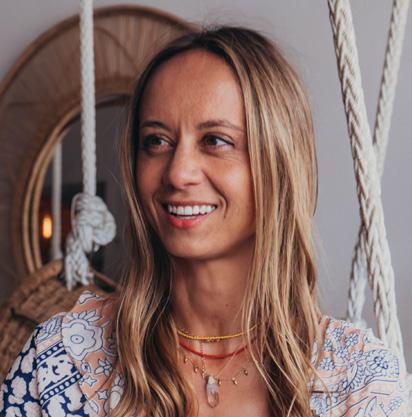
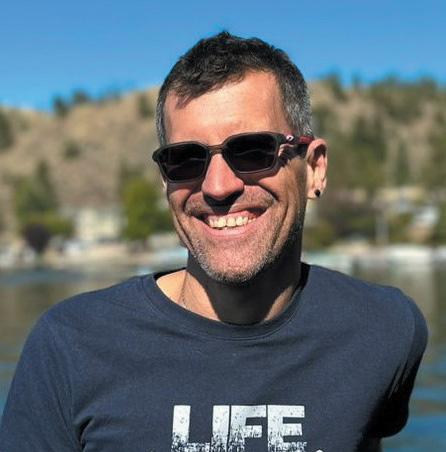
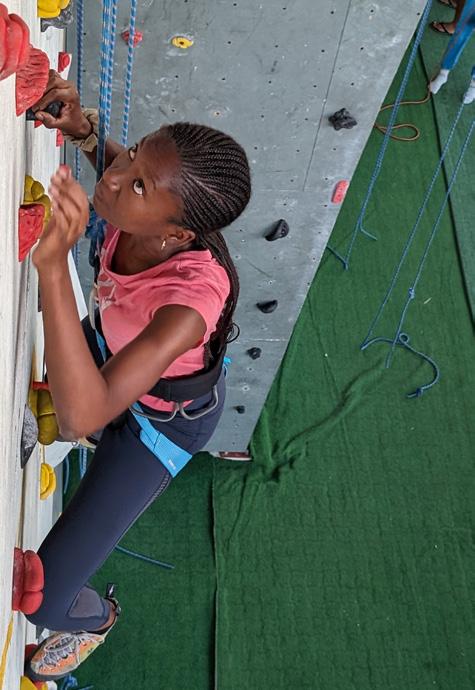
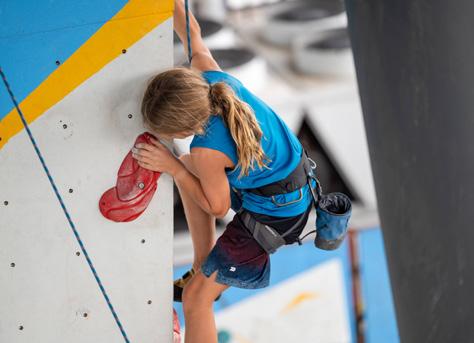
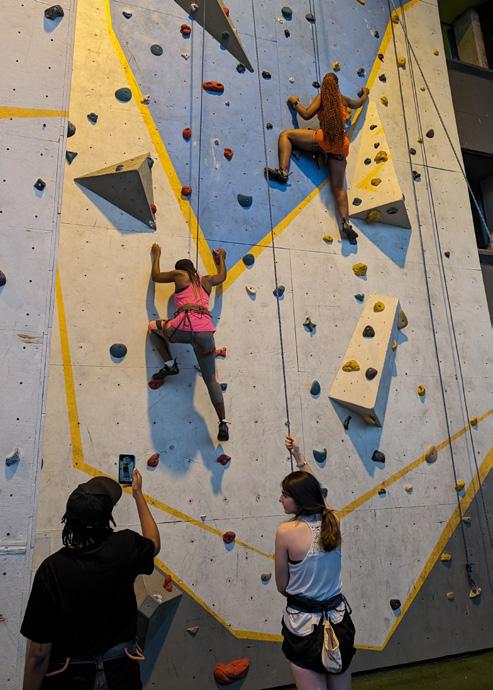
David Bishop Host of Nova Sunrise on Nova 103.5, climbing wall owner, voracious reader, sometime writer, active lifestyle proponent, family man, and coffee lover.
Agnes Shivute
environmental consultant with interest in indigenous flora, nature enthusiast, Namibia Botanical Society awardee and aspiring author
Elzanne McCulloch Writer, editor and publisher of Stories that Matter. Managing Director of Venture Media.
Cerina Bezuidenhout Haasbroek A creator, guide, and curious soul inspired to help people reconnect with their bodies, find their flow, and reclaim their health – naturally.
OUR COMMUNITIES
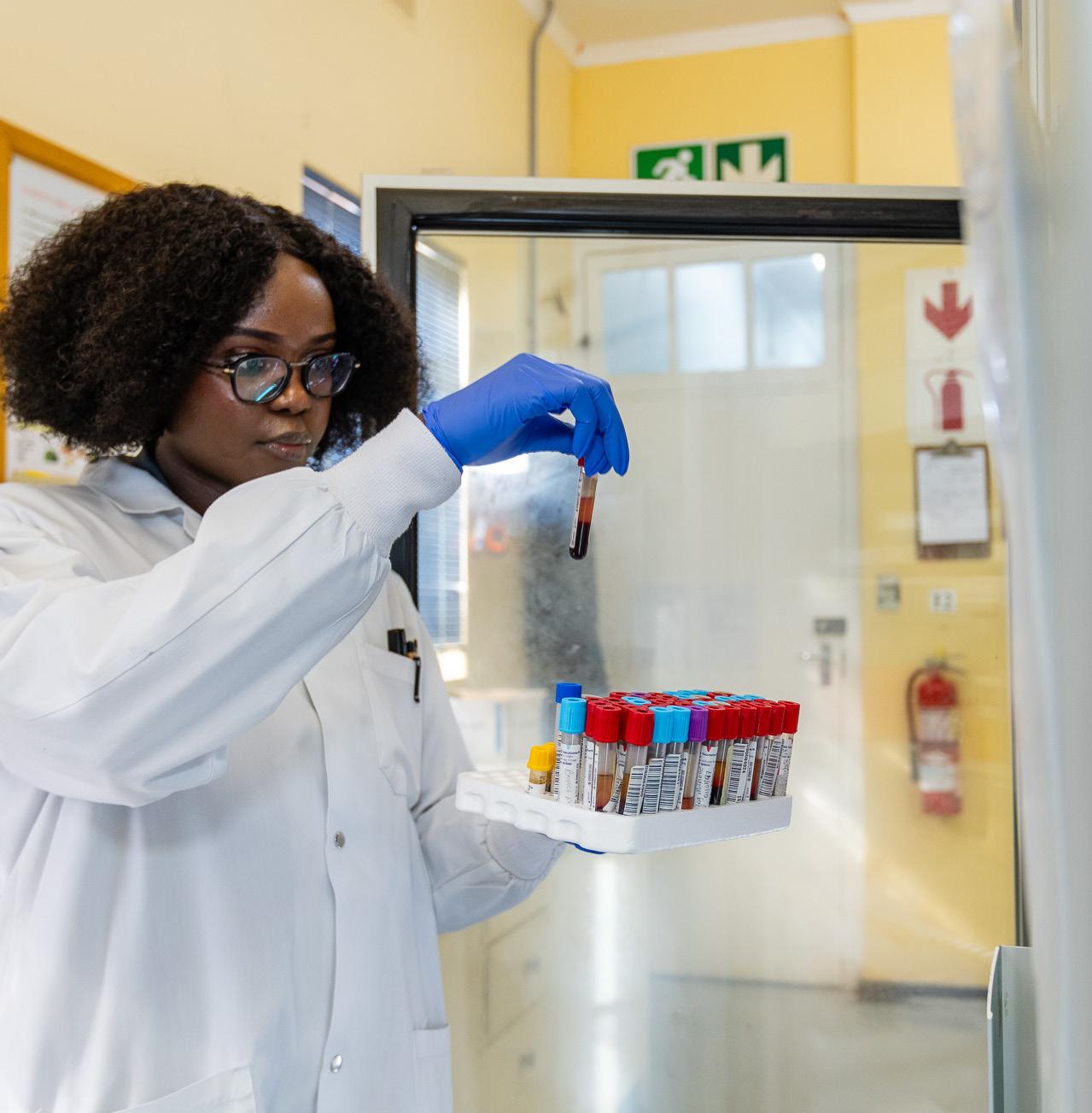
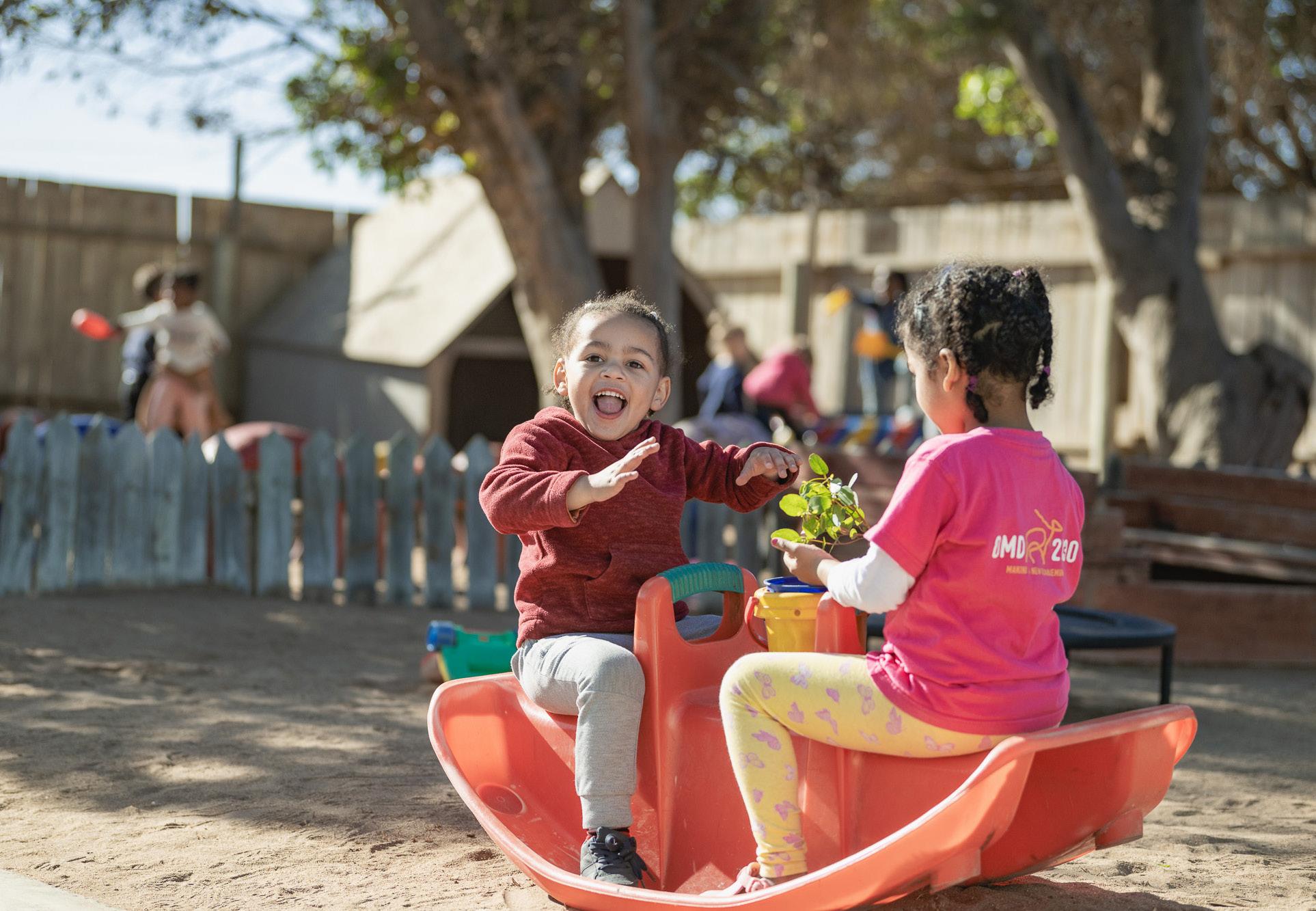
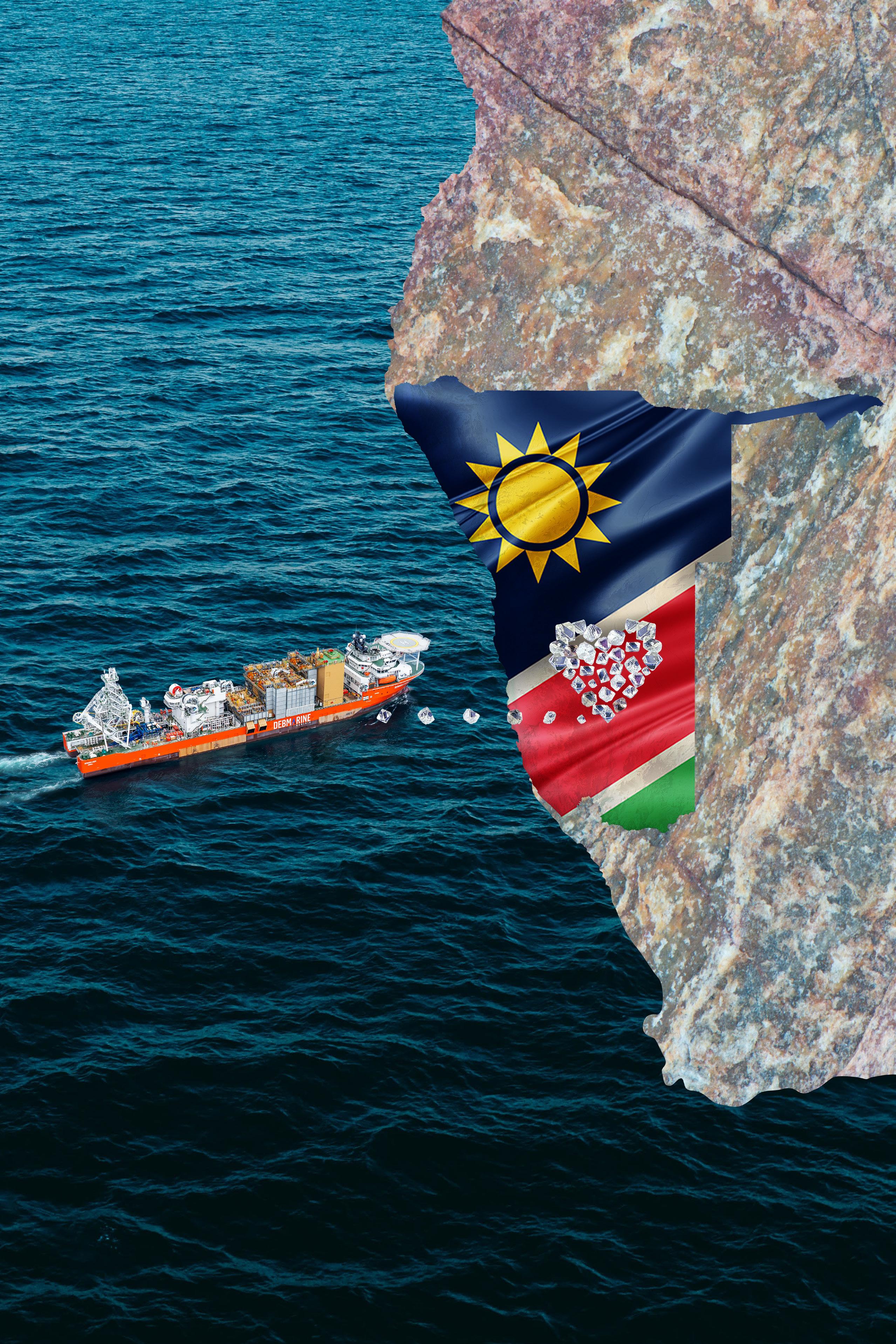
We work with our stakeholders to ensure that communities thrive, sustainably, through enabling quality healthcare and education.
At Namdeb, we are about more than mining. We are about mining for good.
Need To Knows.
with FlyNamibia
Select which tickets you would like to purchase: destinations, travel dates, morning/afternoon departure. We offer multiple fare options such as: Saver, Classic or Premium
Passenger details
Please enter names as they appear on passport or travel documentation
LOGIN to upload passenger details from previous booking.
More options for the perfect trip
Baggage policy, sporting equipment, over weight luggage or to add an additional bag(s)
Online check-in opens 24 hours before departure of the flight on Fly Namibia How can you make a payment?
Cash payment at: Eros Airport, Ondangwa Airport, Oranjemund Airport
Online card transaction
Electronic Funds Transfer (EFT)
PayToday app Buddy SuperApp
Check-in opens 1h 30min before domestic flight and 2 hours before international flight.
Check-in CLOSES 30 min prior to domestic flight and 50 min prior to international flight.
Read up on all our additional information regarding terms and conditions, and tick the selection box once completed to continue. Additional flight information / rules
Payment
Fill in your payment details in our DPO paygate to make final payment.
Confirmation Mail
Transaction confirmation will be sent to passenger email entered.
Windhoek Eros Airport Office
Ondangwa airport office
Rundu airport office
Katima Mulilo airport office
All major travel agents
Luggage restrictions
Items NOT allowed in hand luggage:
Hosea Kutako airport office MAX 20kg Per person
Lotions and aerosols above 100ml, flammable aerosol, sharp objects, i.e. nail files, nail scissors, Leatherman, matches.
DOMESTIC & SAFARI FLIGHTS
REGIONAL FLIGHTS
Khaudum
Katima
DOMESTIC FLIGHTS
FLIGHT NO. DEPARTURE FROM TO ARRIVAL DAYS
WV*4Z8505 06:30 Eros - Windhoek Ondangwa - Toivo Ya Toivo 07:30 Mon, Tue, Fri
WV*4Z8506 08:00 Ondangwa - Toivo Ya Toivo Eros - Windhoek 09:00 Mon, Tue, Fri
WV*4Z8595 16:20 Eros - Windhoek Ondangwa - Toivo Ya Toivo 17:20 Tue, Wed, Thu, Fri, Sun
WV*4Z8596 17:50 Ondangwa - Toivo Ya Toivo Eros - Windhoek 18:50 Tue, Wed, Thu, Fri, Sun
Operating until 16 January 2026 until further notice
WV*601 09:00 Eros - Windhoek Lüderitz 09:50 Mon - Fri
WV*602 13:15 Lüderitz Eros - Windhoek 14:00 Mon - Fri
WV*4Z8135 10:15 HKIA - Windhoek Victoria Falls 11:40 Tue, Wed, Thu, Fri, Sat, Sun
WV*4Z8136 12:55 Victoria Falls HKIA - Windhoek 14:15 Tue, Wed, Thu, Fri, Sat, Sun
4Z341 11:40 Cape Town Walvis Bay 13:55 Mon-Sun
4Z342 14:40 Walvis Bay Cape Town 16:45 Mon-Sun
4Z320 07:00 Cape Town HKIA - Windhoek 09:10 Mon, Tue, Wed, Thu, Fri, Sat
4Z326 10:40 Cape Town HKIA - Windhoek 12:50 Mon-Sun
4Z328 18:15 Cape Town HKIA - Windhoek 20:25 Mon, Tue, Wed, Thu, Fri, Sun
4Z329 07:05 HKIA - Windhoek Cape Town 09:10 Mon, Tue, Wed, Thu, Fri, Sat
4Z321 09:50 HKIA - Windhoek Cape Town 11:55 Mon, Tue, Wed, Thu, Fri, Sat
4Z327 13:40 HKIA - Windhoek Cape Town 15:45 Mon-Sun in Partnership with
*Code Share HKIA - Hosea Kutako International Airport
The seasonal FlyNamibia Safari schedule will resume on 1 May 2025 and run until 30 November 2025. Our daily shuttle flight operates in a clockwise circuit seven days a week. The exact departure and arrival times are determined the day before the flight and will be communicated directly to lodges, tour operators, and transfer companies. A minimum of two passengers is required per sector. All destinations remain available on a private charter basis.
Our main routes
ETA FROM TO
09:00 Windhoek Sossusvlei
10:10 Sossusvlei Swakopmund
11:25 Swakopmund Twyfelfontein
12:30 Twyfelfontein Ongava
13:20 Mokuti Ongava
15:00 Mokuti Windhoek
For more information, contact: Email: safari@flynamibia.com.na
Additional route options
FROM TO Swakopmund Ongava Swakopmund Mokuti
Twyfelfontein Mokuti Ongava Windhoek
Sossusvlei Twyfelfontein
Sossusvlei Ongava
Sossusvlei Mokuti
Twyfelfontein Windhoek Swakopmund Windhoek
Welcome to relaxation and comfort
Welcome to the FNB Lounges
The FNB Lounges at Eros and Walvis Bay Airports can be accessed free of charge between 2 and 6 times per month, depending on the card type, by the following FNB Namibia credit card holders:
• FNB Platinum credit card
• FNB Private Clients credit card
• FNB Private Wealth credit card
• FNB Business credit card
A special interim arrangement has also been made for FNB debit card holders:
You can enter the FNB Lounge for a fee, provided that:
• You are an FNB Namibia Platinum, Private Clients or Private Wealth debit card holder
• You do not have an FNB Namibia credit card as listed above
This offer is valid until 28 February 2026.
Access for FNB Africa credit card holders
If you are an FNB South Africa or Botswana Private Wealth or Private Clients credit card holder, you are also welcome to access the FNB Lounges for a fee.
To enter the FNB Lounges, simply present your qualifying card, boarding pass and passport.
Terms & Conditions apply.
WELCOME ON BOARD
Happy New Year, and welcome to what is probably your first FlyNamibia flight of 2026. It is always a privilege to greet you, but there is something especially meaningful about beginning a new year together in the sky. A new year carries the promise of renewed purpose, new connections and new horizons, and at FlyNamibia we are excited to step into 2026 with the same energy and optimism that carried us through the successes of the past few years.
This issue of our inflight magazine celebrates a region that has long inspired travellers and conservationists alike: the Kavango Zambezi, known more widely as KAZA. It is a transfrontier landscape defined by rivers, wildlife, shared heritage and the sense that borders become softer when nations work together. In a place where ecosystems flow across countries and cultures, collaboration is not only beneficial but essential. It is a sentiment we carry with us as an airline and one that guides the strengthening of our regional products.
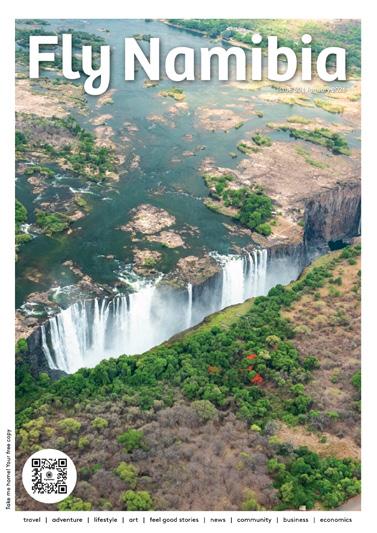
Two of our most important tourism routes sit at the heart of this KAZA story. Victoria Falls remains one of Southern Africa’s most iconic destinations, a crossroads of adventure, culture and conservation. Starting this year, our service to Victoria Falls increases to six days a week for April to November, offering even greater convenience to both Namibian travellers and international visitors connecting to our country. We are proud of how this route has grown and even prouder of the partnerships it has enabled.
Our Maun route, equally important in the regional tourism circuit, is operated from April to November and continues to open doors into the heart of the Okavango Delta. With more travellers seeking multi-destination journeys, Maun and Victoria Falls together form an extraordinary triangle with Windhoek. These routes strengthen Namibia’s place within one of the world’s most remarkable tourism regions. They also support the thousands of Namibians whose communities and livelihoods are linked to tourism in the Zambezi, Kavango, Ngamiland and beyond.
As we step into this new year, our commitment remains clear. FlyNamibia will continue to support the steady work of nation-building. We will continue to strengthen regional connectivity, to uplift our tourism sector and to help Namibia take its rightful place as one of Africa’s leading destinations. We believe that aviation has an essential role to play in unlocking opportunity and in ensuring that the benefits of travel flow into every corner of our country. With every flight, we reaffirm our belief that when Namibia rises, we rise together.
To our tourism partners, thank you for your trust and collaboration. To our business community and regional travellers, thank you for choosing FlyNamibia as your carrier of choice. And to every Namibian, whether travelling today or planning your next journey, we look forward to serving you in 2026.
From all of us at FlyNamibia, we wish you a year filled with purpose, discovery and hope. Welcome on board.
Nerine Uys, CEO
Read our previous issues
Two Nights in Victoria Falls
Photography: Suné van Wyk & Elzanne McCulloch
There is a particular thrill in boarding a FlyNamibia flight at Hosea Kutako International Airport with Victoria Falls as your destination. It is that lovely combination of familiarity and anticipation – your own skies beneath you, and one of Africa’s great wonders waiting ahead. By the time you settle into your seat, the excitement has already begun. Soon we were descending into Victoria Falls International Airport, where the warmth of Zimbabwe greeted us immediately. It is hard to describe, but anyone who has been to Zimbabwe knows: the people are the experience. As we would say repeatedly throughout our stay, “Zimbabweans are the vibe.”
HOME BASE: THE VICTORIAN MANOR
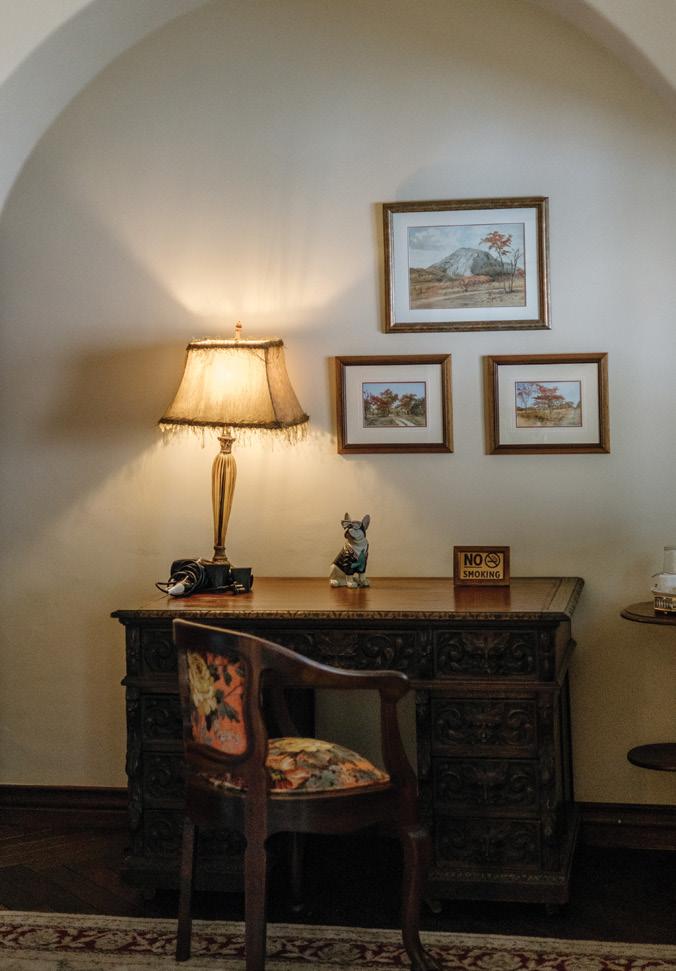
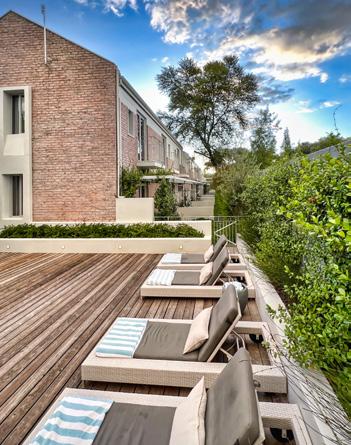
We were transferred to The Victorian Manor, part of The Bayete Collection, which would be our home for the next two nights. Quiet, gracious and shaded by generous gardens, the Manor feels like a soft landing – a cocoon between adventures. Even at check-in, you can sense the rhythm of Vic Falls beginning to wrap around you: slow, welcoming, unhurried.
We quickly dropped our bags because our first adventure was calling – from high above the Zambezi.
TAKING FLIGHT: THE ANGELS’ VIEW
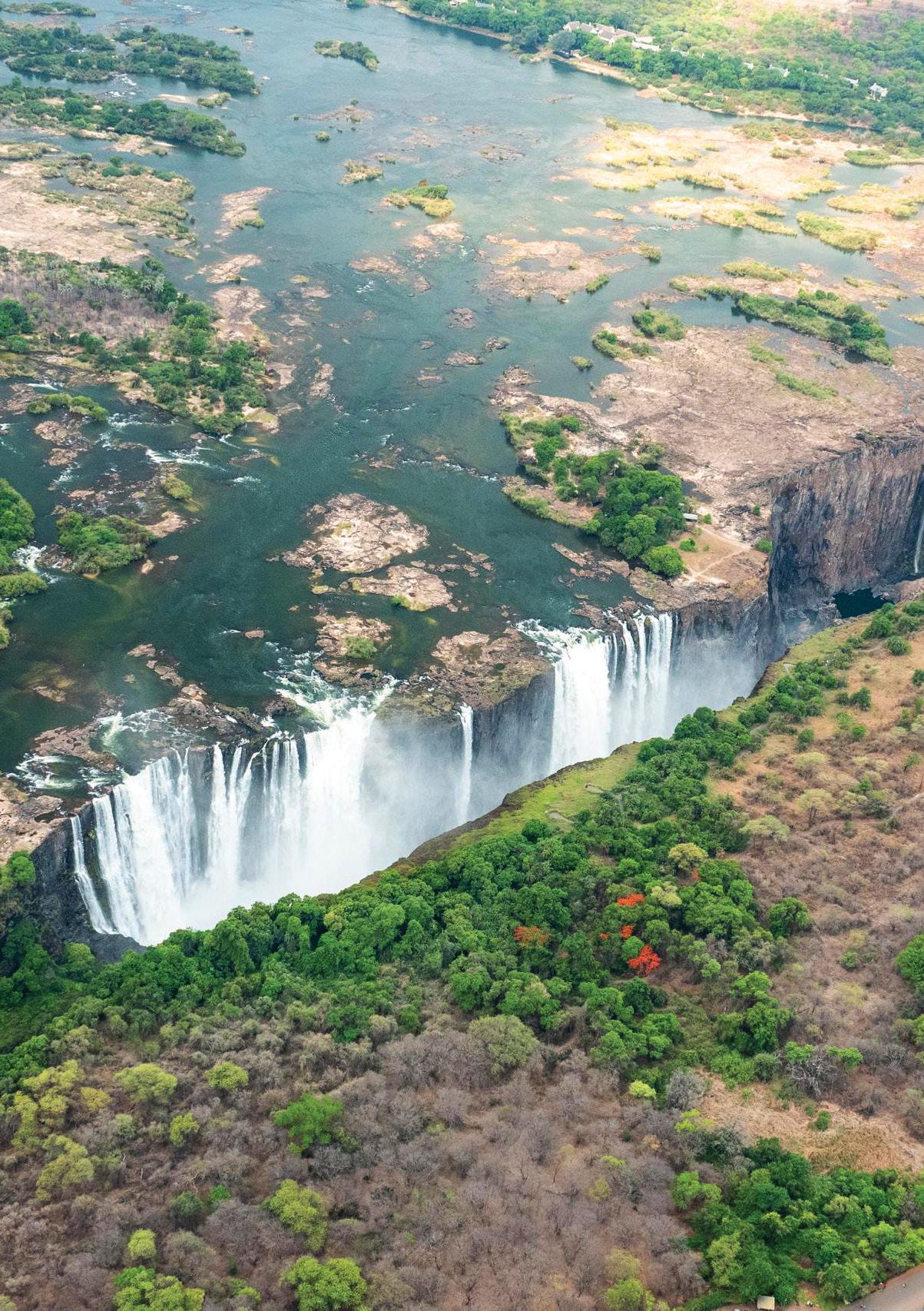
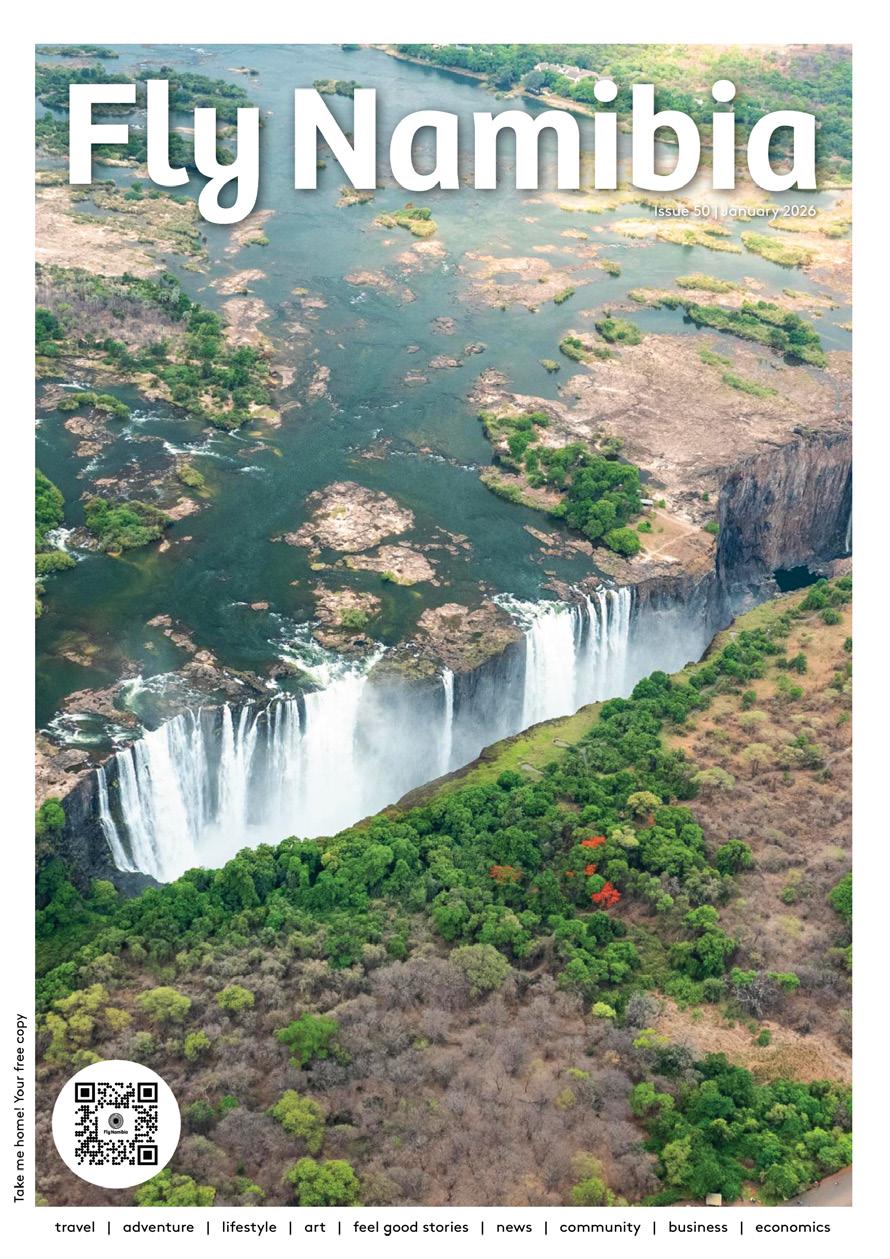
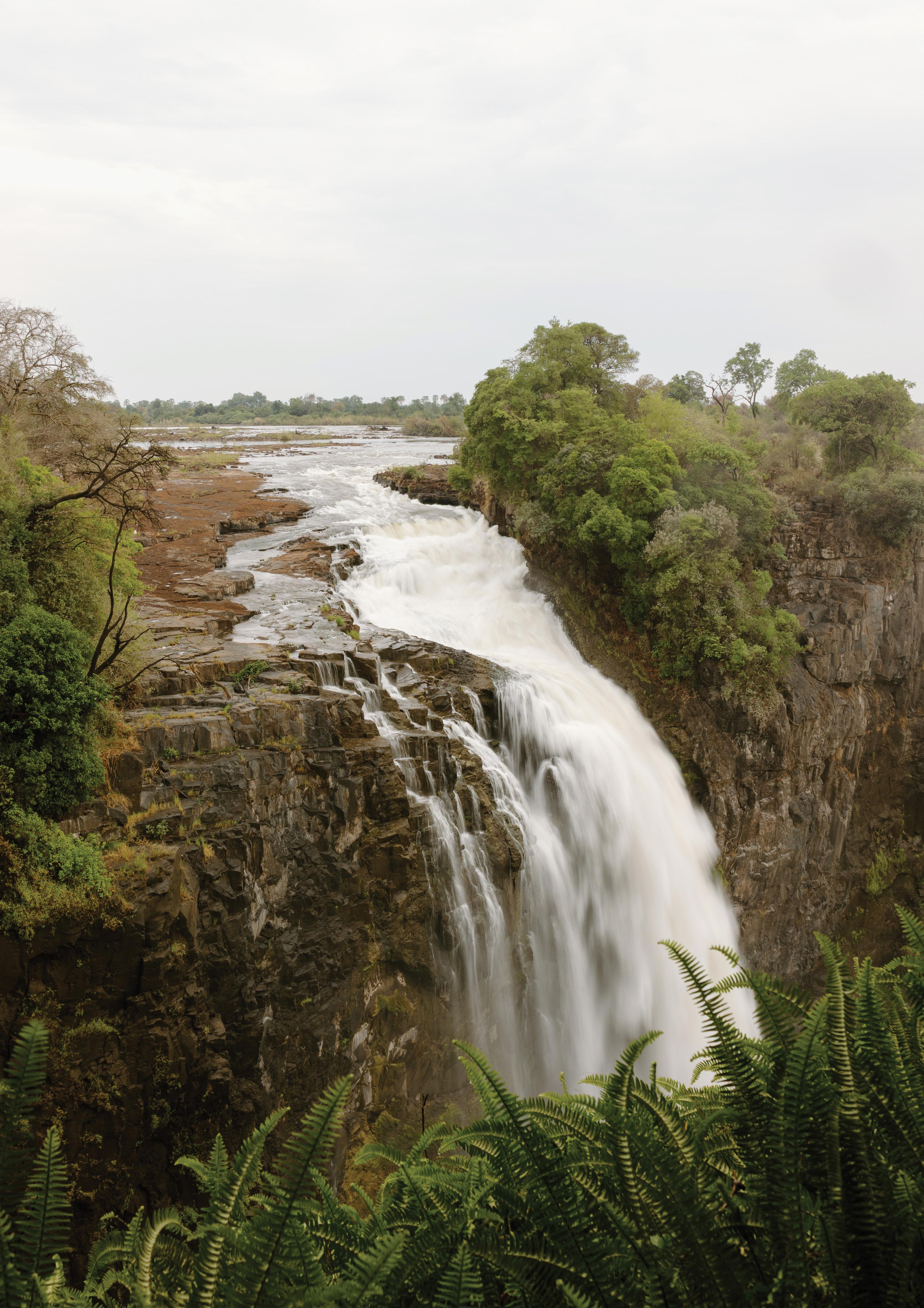
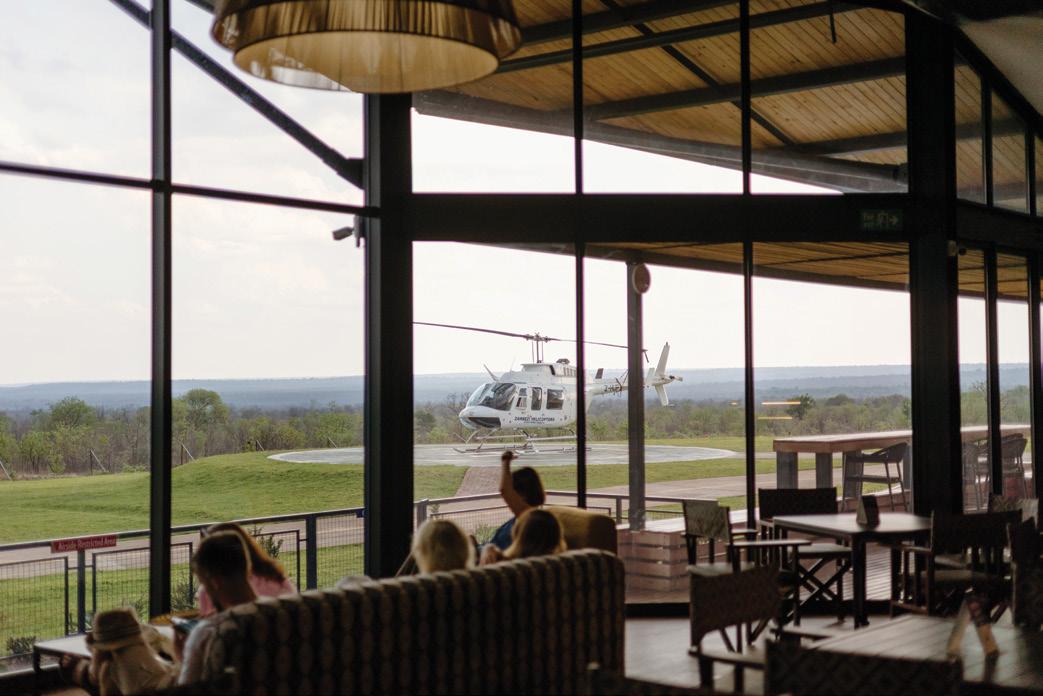
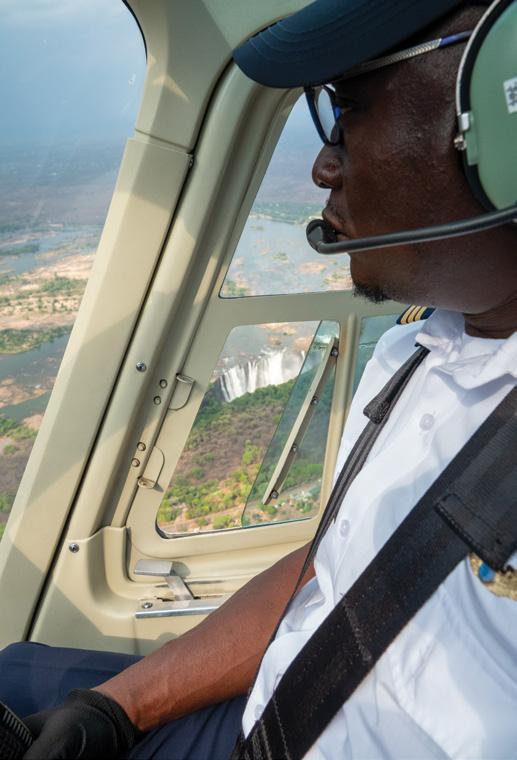
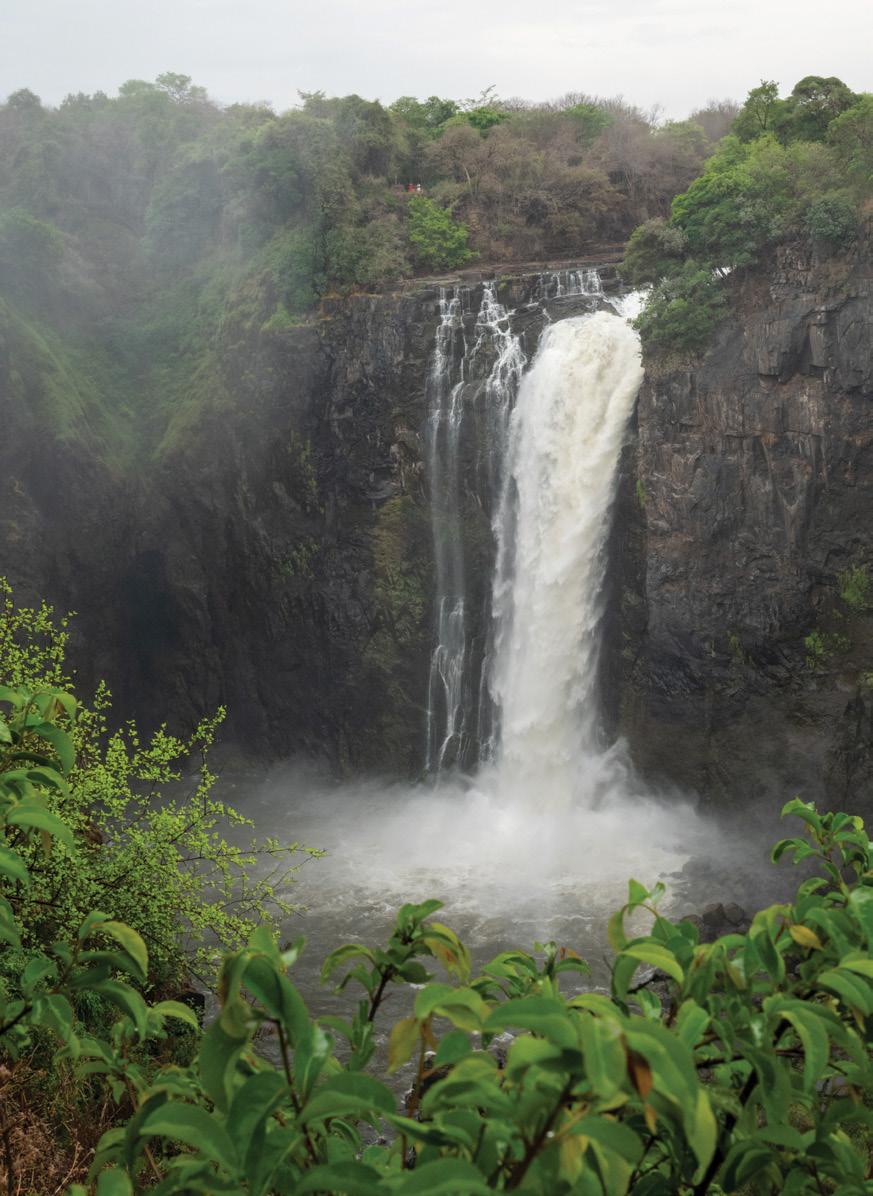
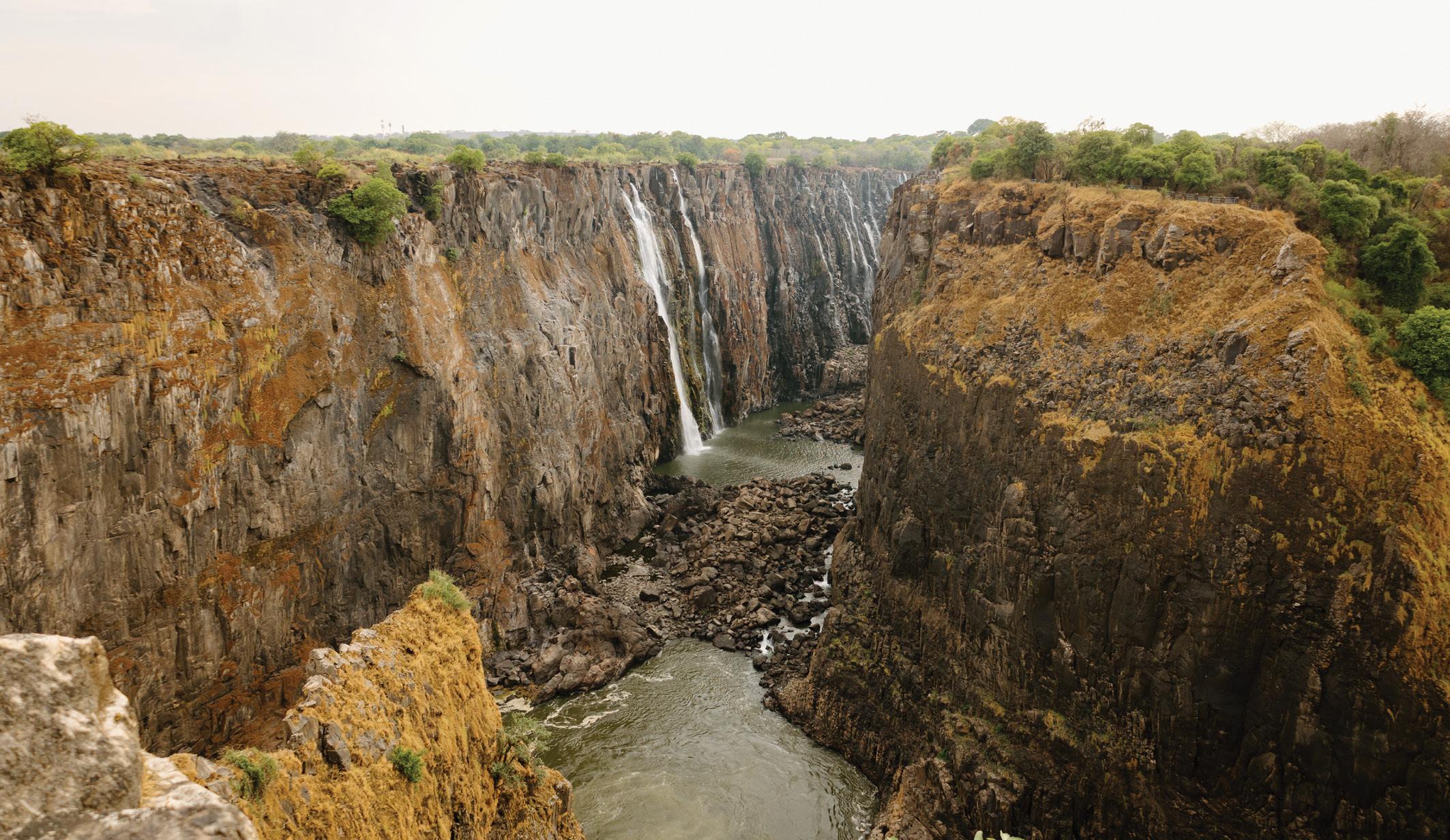
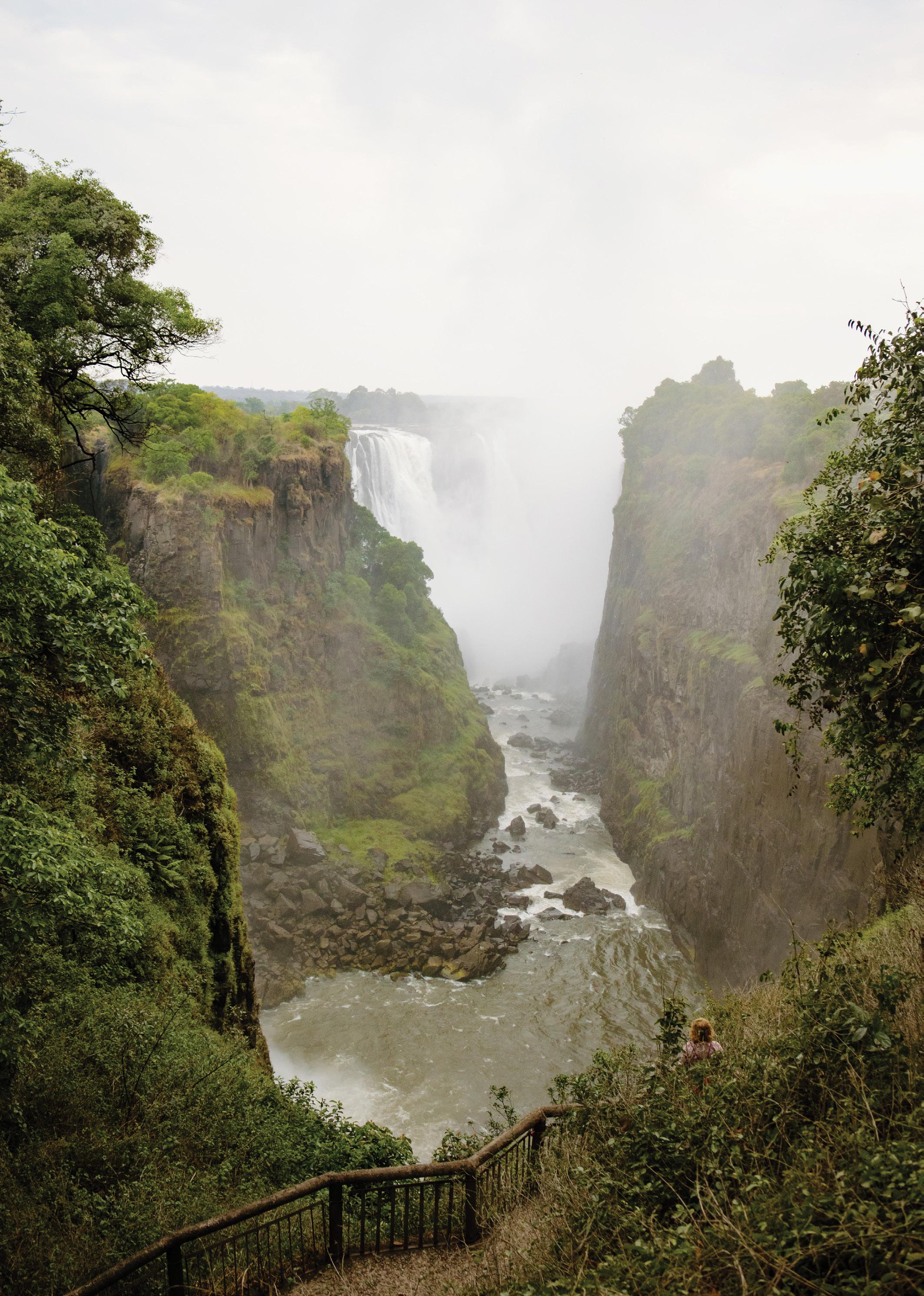
Our afternoon was dedicated to the famed Flight of Angels with The Zambezi Helicopter Company – a 15-minute figure-of-eight flight over the world’s most storied waterfall. It’s difficult to put into words what it feels like to see the falls from the air. The Zambezi appears almost calm at first, flowing with ancient confidence, and then suddenly the earth simply falls away.
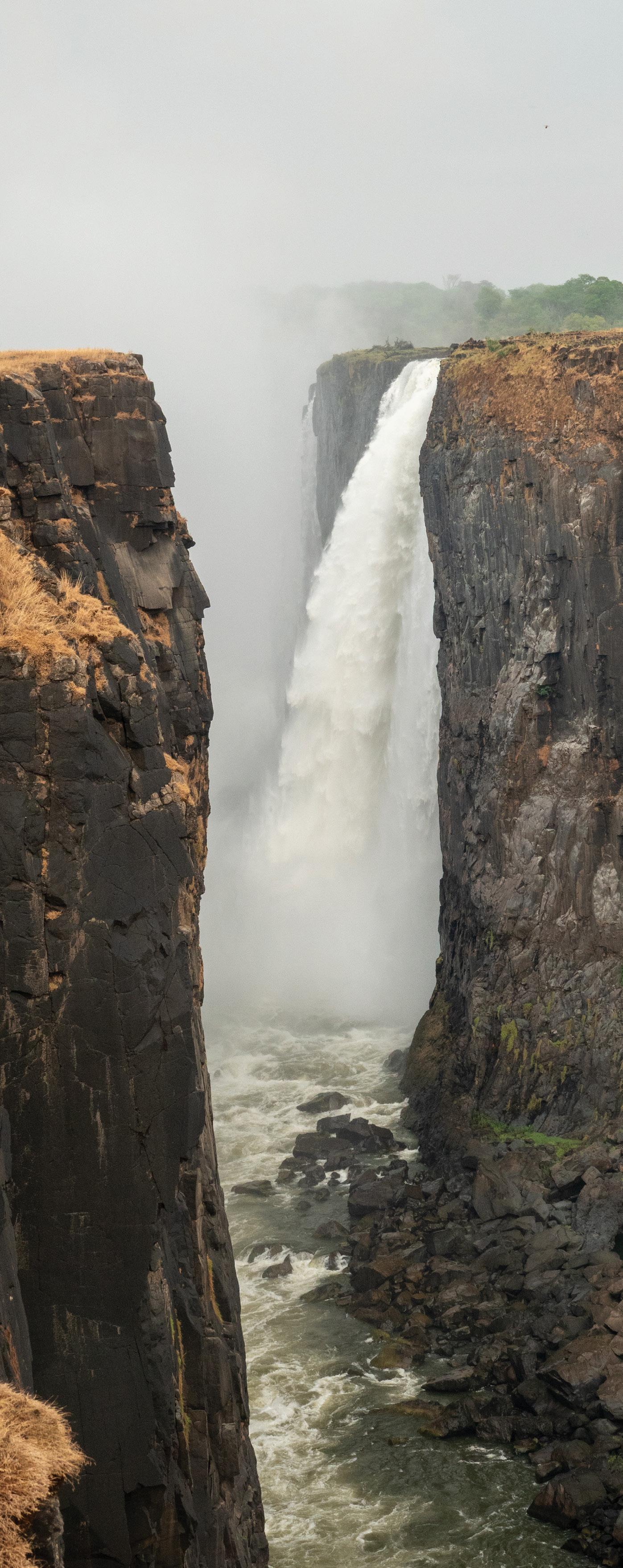
Even in low-water season, the magnitude is arresting. Great sections of basalt gorge stretch below you, scarred and sculpted by millennia of water, wind and time. The spray rises like breath. The helicopter banks. You loop again. And for a moment, you understand why they call it the Flight of Angels – because nothing else feels quite as otherworldly.
We touched down buzzing – from the views, from the rush, from the joy of being in a place that invites you to feel fully alive.
GRAND OLD STORIES AND TOWNSHIP SOUL
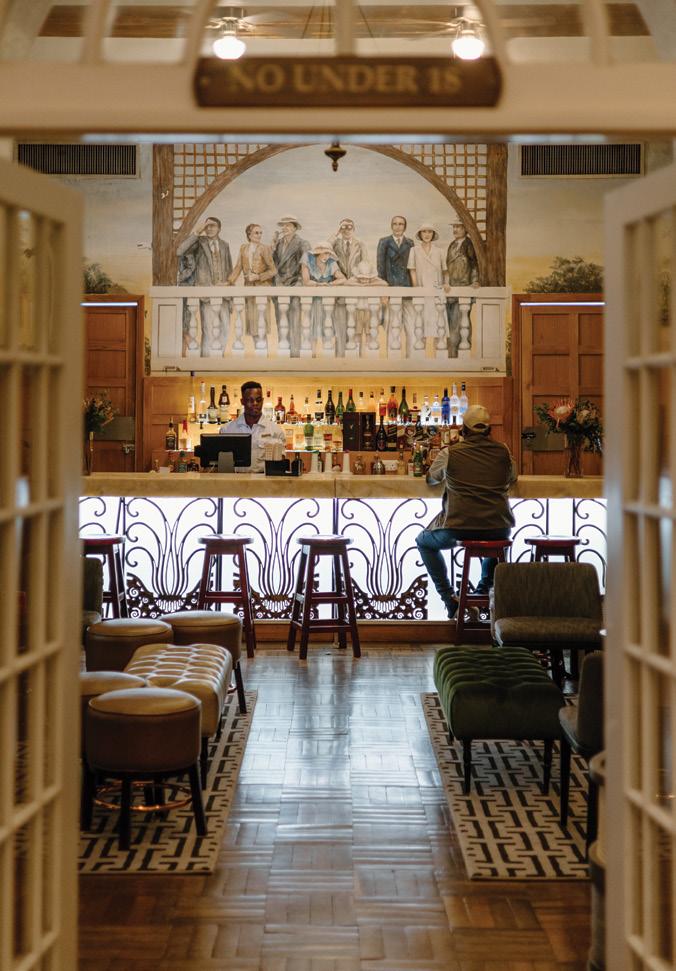
Before dinner, we made a stop at The Victoria Falls Hotel, a living relic of colonial-era architecture and old-world hospitality. We had planned to enjoy their classic high tea on the terrace with its iconic view of the bridge… but Africa’s mischief arrived in the form of a sudden downpour.
Instead of tea on the lawn, we found ourselves in the hotel bar, sipping G&Ts and admiring sepia-toned photographs of early explorers. Rain on the windows, polished wood, the faint murmur of guests drifting in from the corridors – there is something timeless about the hotel, even when your plans wash away.
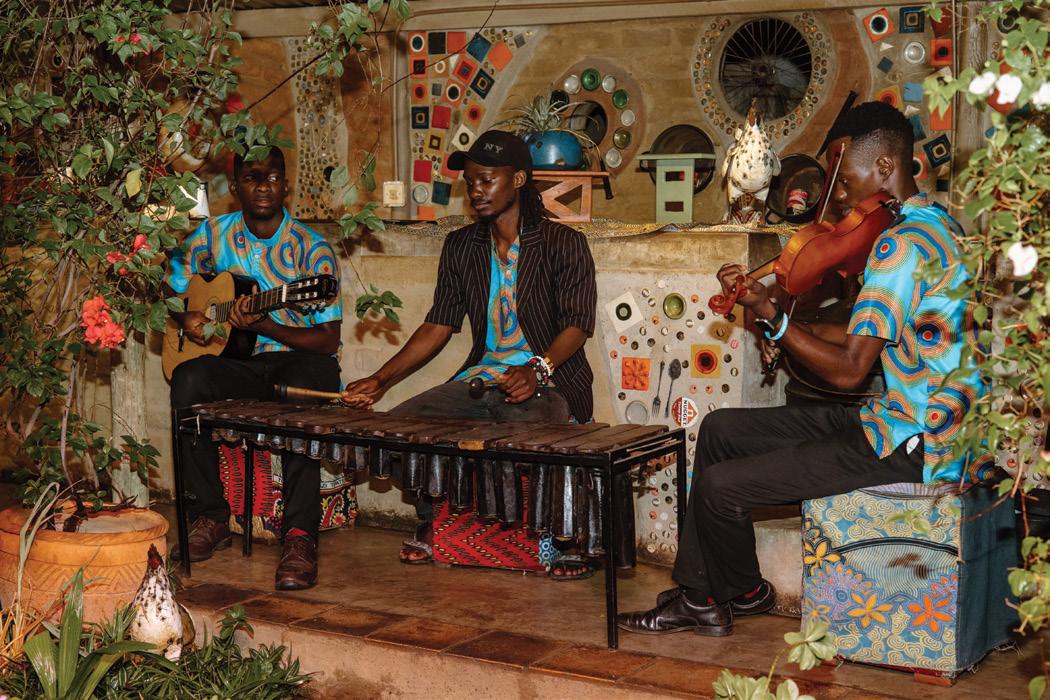
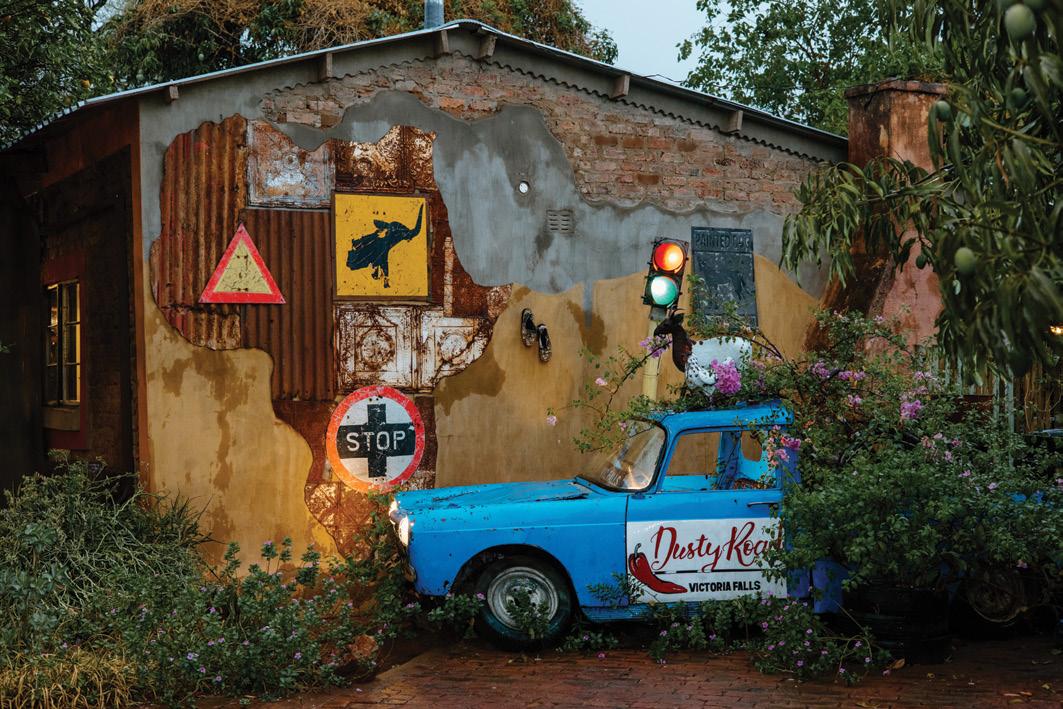
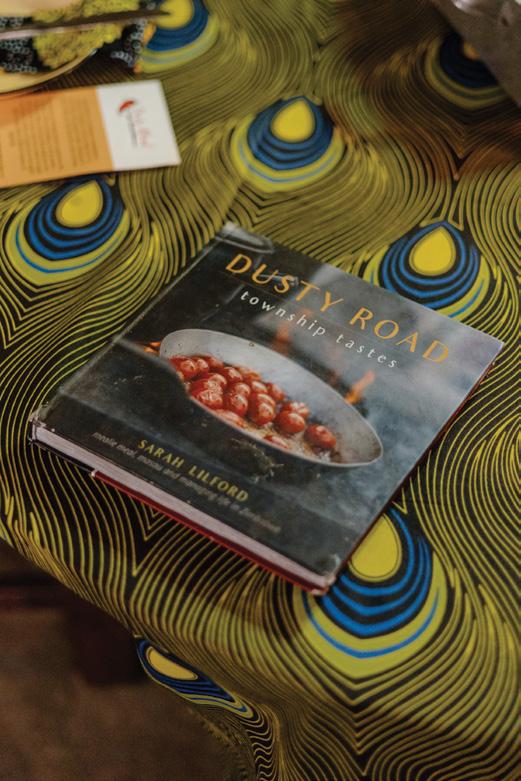
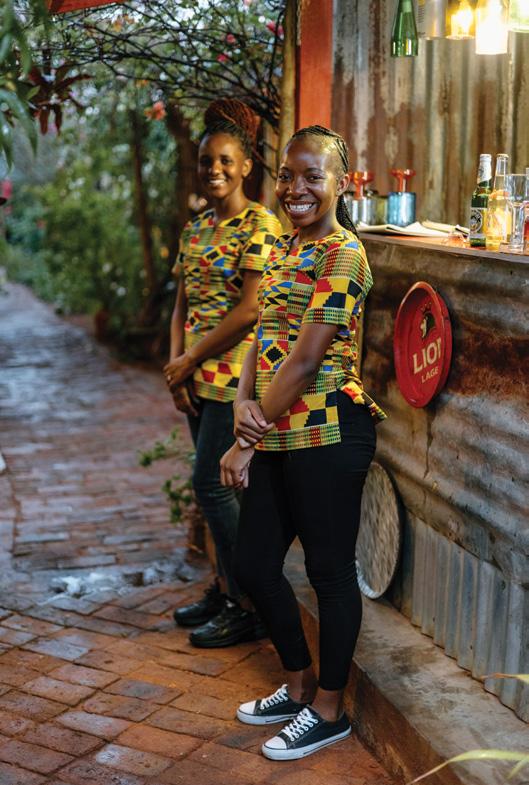
Dinner that night took us into the heart of a very different experience: Dusty Road, a colourful, spirited township restaurant where Zimbabwean culture is not performed, but lived.
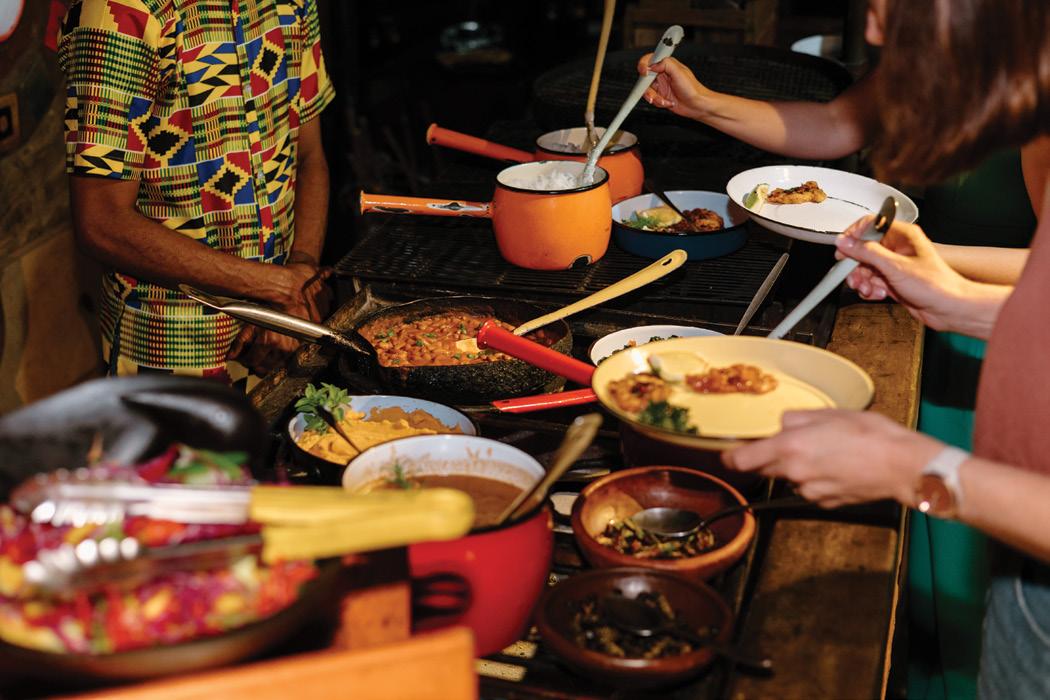
The evening begins with a little walk-through – ingredients, beer, heritage, and household items explained with humour and pride. Then guests gather around a buffet of bold, eclectic, deeply soulful Zimbabwean dishes. Dusty Road is loud, joyful, and utterly unpretentious. It is the kind of place where you learn as much about a country from its pots and pans as from its people.
And Zimbabwe’s people, as we were quickly learning, were the golden thread of every experience.
A STORY THAT SINGS
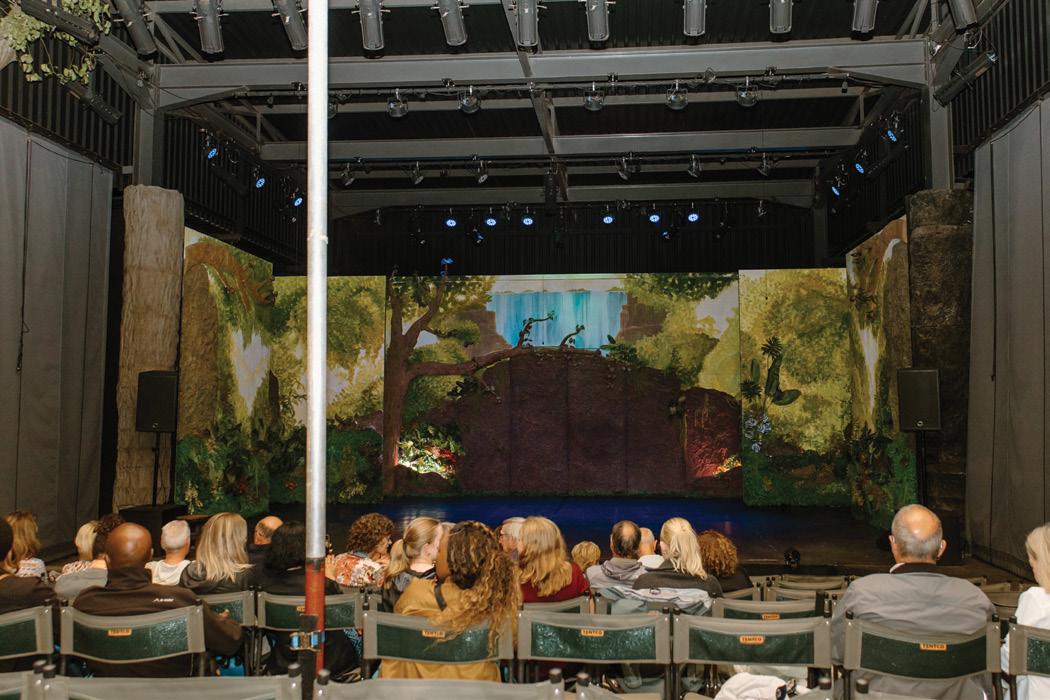
Simunye tells the story of Mother Africa, two lovers from rival clans, a vengeful brother, and the hope that comes from unity. Part Romeo and Juliet, part ancestral hymn, part joyous dance – it is a show that moves through you rather than around you.
By the end, the audience was elated. The energy felt electric. Someone behind us whispered, “Wow.” It felt fitting. Vic Falls has a way of stitching itself under your skin.
SIMUNYE:
After dinner, Shearwater transferred us to Simunye, an openair musical show protected by a tented canopy. Rain pattered above us as the performers took the stage, their voices rising like a call to the ancestors.
DAWN AT THE FALLS WITH A MASTER STORYTELLER
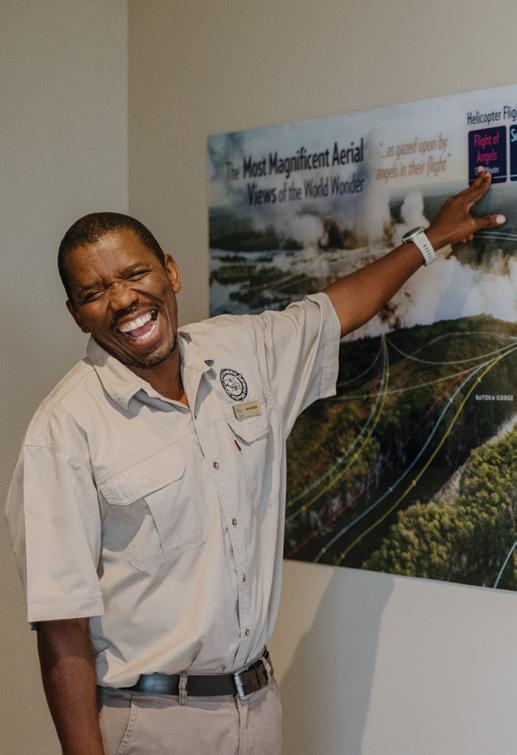
Our next morning began before the sun. At 05:30 we met Bheks, our guide from Africa Travel Tours – a man with the kind of passion that transforms a walk into an unfolding story.
Africa Travel Tours was founded by Lovemore Machipisa in 2006 with a single car. Today he owns a fleet of 21 vehicles, from sedans to 50-seater buses. And you can feel the pride in every one of his guides –especially in Bheks, who led us through the rainforest paths with gentle authority.
He explained the geology of the falls, the behaviour of the Zambezi in different seasons, the deep gorges carved by ancient river shifts, and the history that shaped the town. Even in low-flow season, the falls were breathtaking – veils of water cascading into the gorge, mist rising like spirits waking from sleep.
With a view over the Victoria Falls Bridge, Bheks shared our favourite local tale:
The story of the French engineer who designed the bridge so precisely that construction from both sides of the gorge should have met perfectly in the middle.
Except – they didn’t. A gap appeared. Panic ensued.
Workers retreated to what is now the Victoria Falls Hotel to rest in the midday heat. When they returned, the gap had vanished. The steel beams, imported from cool English temperatures, had expanded under the African sun. Thermal expansion, not flawed mathematics, had caused the scare.
It’s a story told with smiles and pride – a reminder that even feats of engineering carry a touch of African magic.
All’s well that ends well though. Or, as Bheks would say, “Happy you, happy me, happy days.”
A DAY OF TASTING, EXPLORING AND MEETING CHARACTERS
After our morning at the falls, we returned to The Victorian Manor for brunch before heading back into town for a day rich in flavour and character.
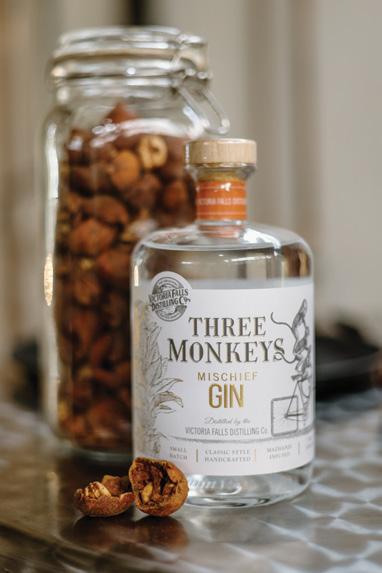
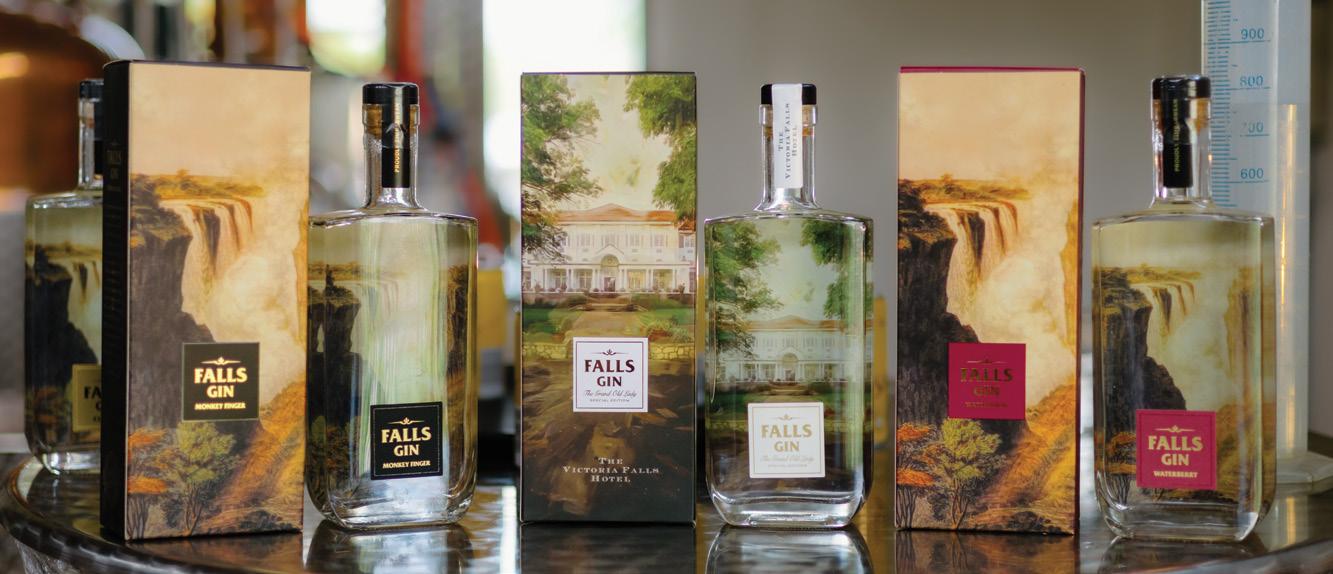
Our first stop was Victoria Falls Distilling Co., where owner Lionel hosted us for a lively gin tasting.
Six unique gins, each crafted with botanicals sourced by The African Plant Hunter, created an experience both unexpected and undeniably local. Lionel’s energy, humour, and generosity set the tone – it was less a tasting and more a conversation with a friend who truly loves his craft.
Lunch at The Three Monkeys followed – a buzzing favourite in Vic Falls. We met their general manager, Tao, who told us about her approach to hospitality: “I knew how I wanted customers to feel.” This sentiment rang true of our entire experience in Zimbabwe thus far and I wondered to myself if this was a brief she had given to the entire Vic Falls hospitality industry.
And you do feel it – warm, welcome, part of the family. It’s no wonder Three Monkeys has become a staple for travellers and locals alike.
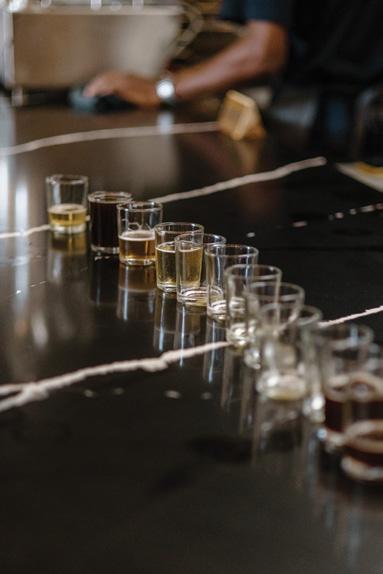
After lunch, we visited The River Brewing Co., where we sampled craft beers at the massive bar and then headed to the back to see how the magic happens. Our favourites quickly emerged: the Baobab Lager and Resurrection Ale –which Nerine declared “tastes like Vic Falls.”
And somehow, she was right. It tasted wild, fresh, slightly untamed – exactly like the place itself.
SUNSET WITH PURE AFRICA
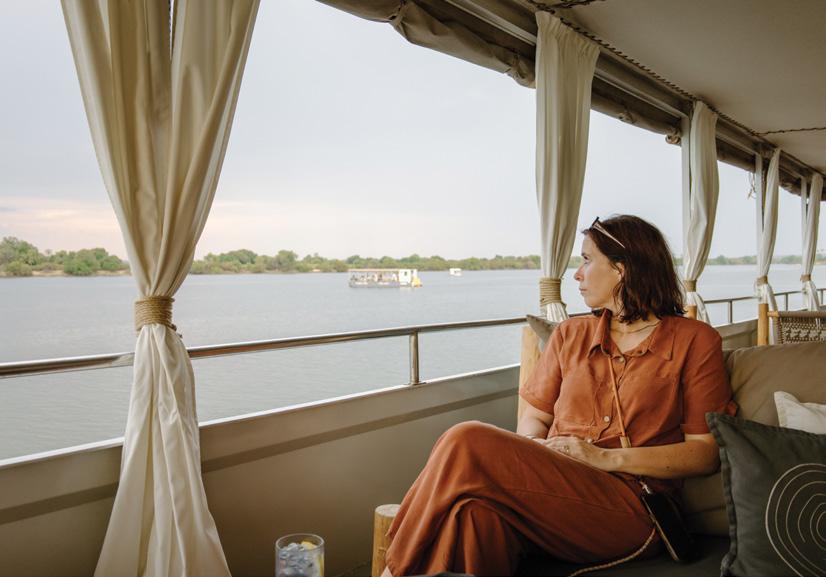
Late afternoon brought us to the banks of the Zambezi where Pure Africa, led by the wonderfully gracious Liz, welcomed us aboard the Signature Deck of their largest riverboat.
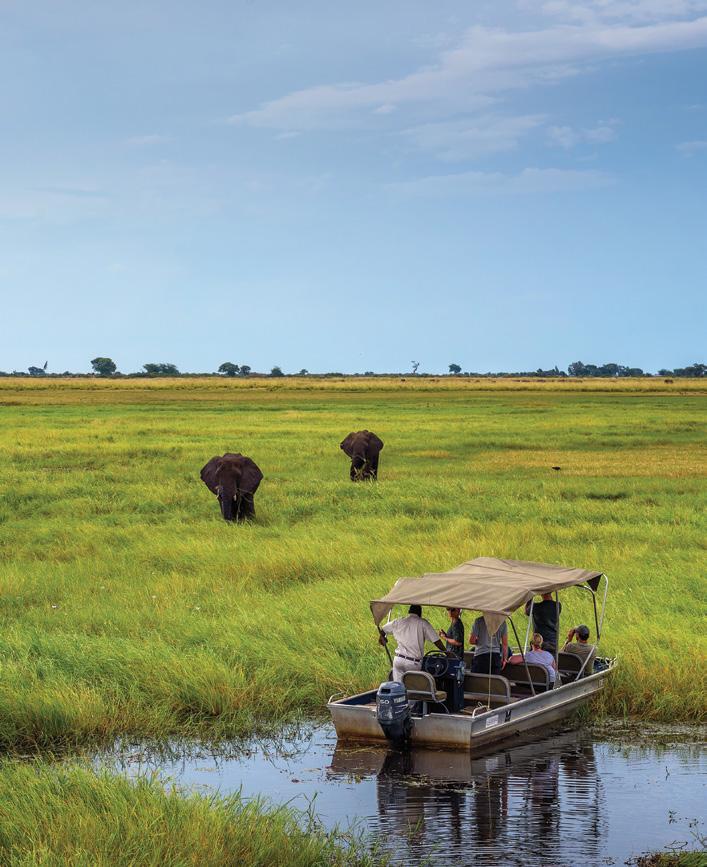
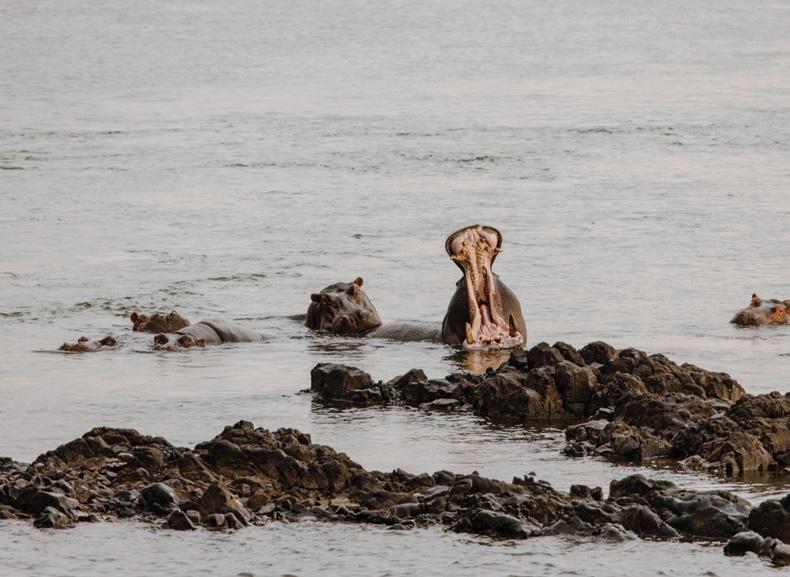
The boat is elegance on water – tasteful décor, spacious seating, attentive service. As we drifted downstream, the river revealed itself in layers: crocodiles with prehistoric stillness, hippos lifting their heads above the current, birds tracing arcs in the golden light.
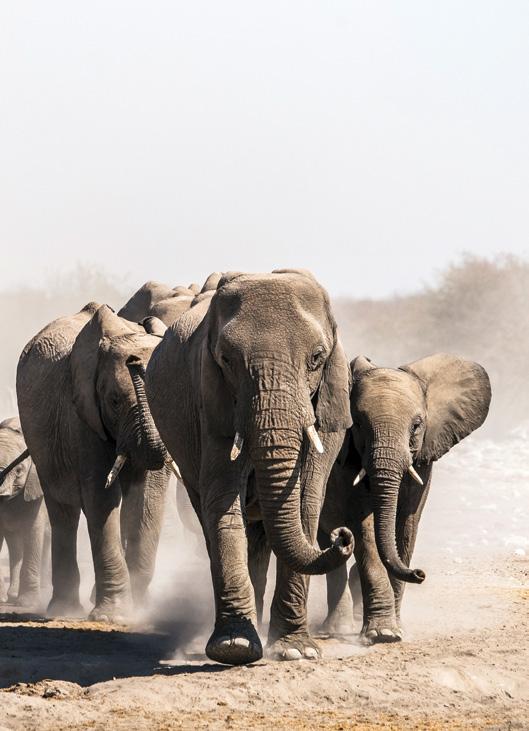
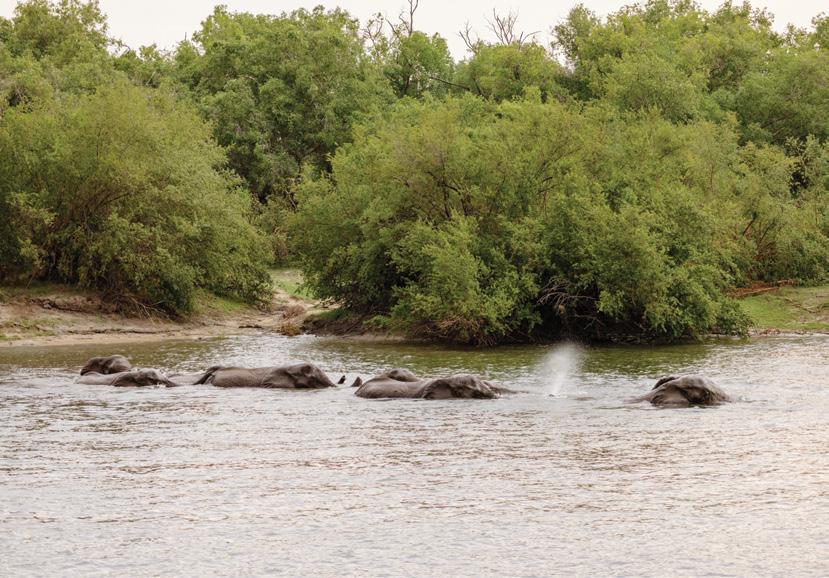
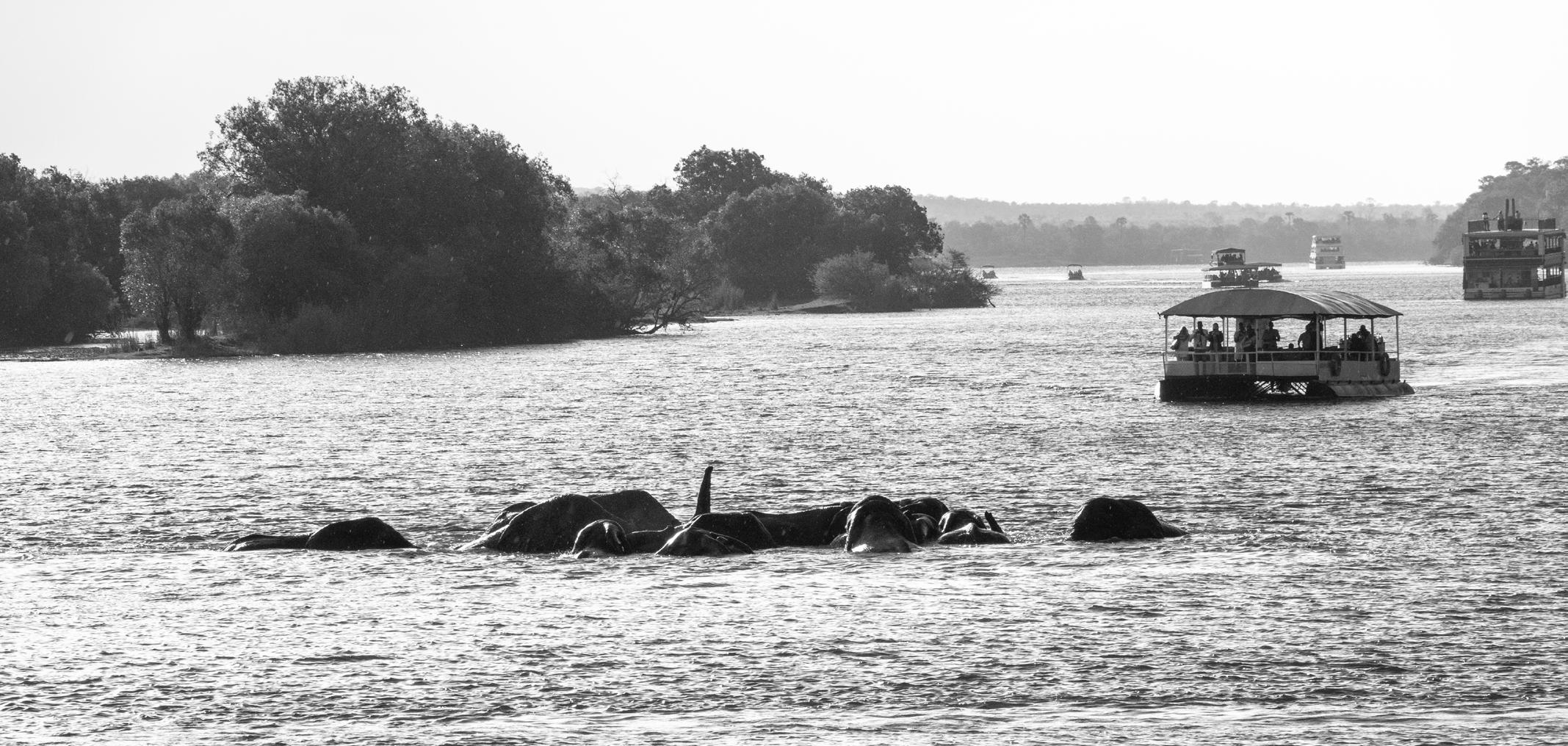
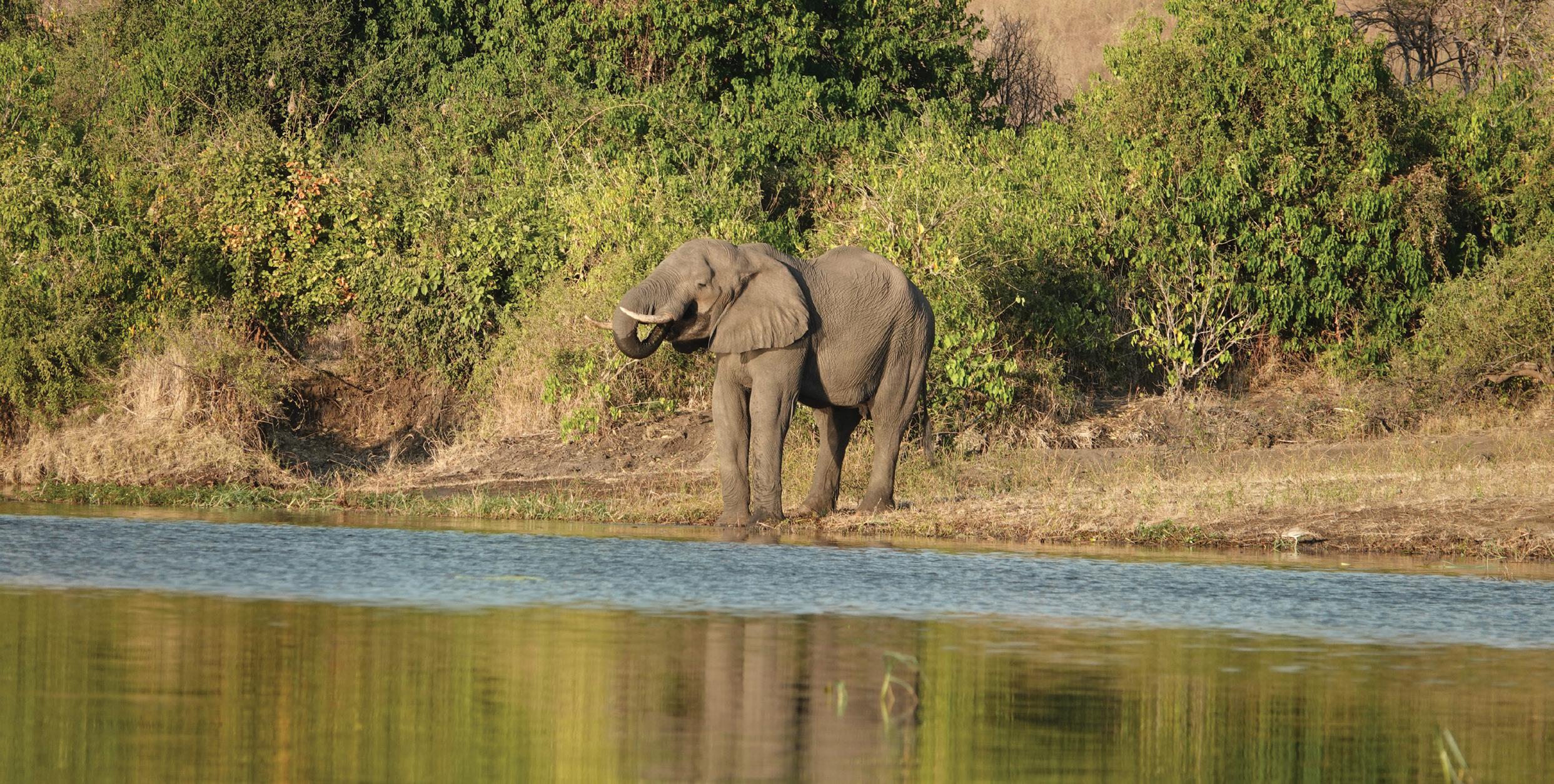
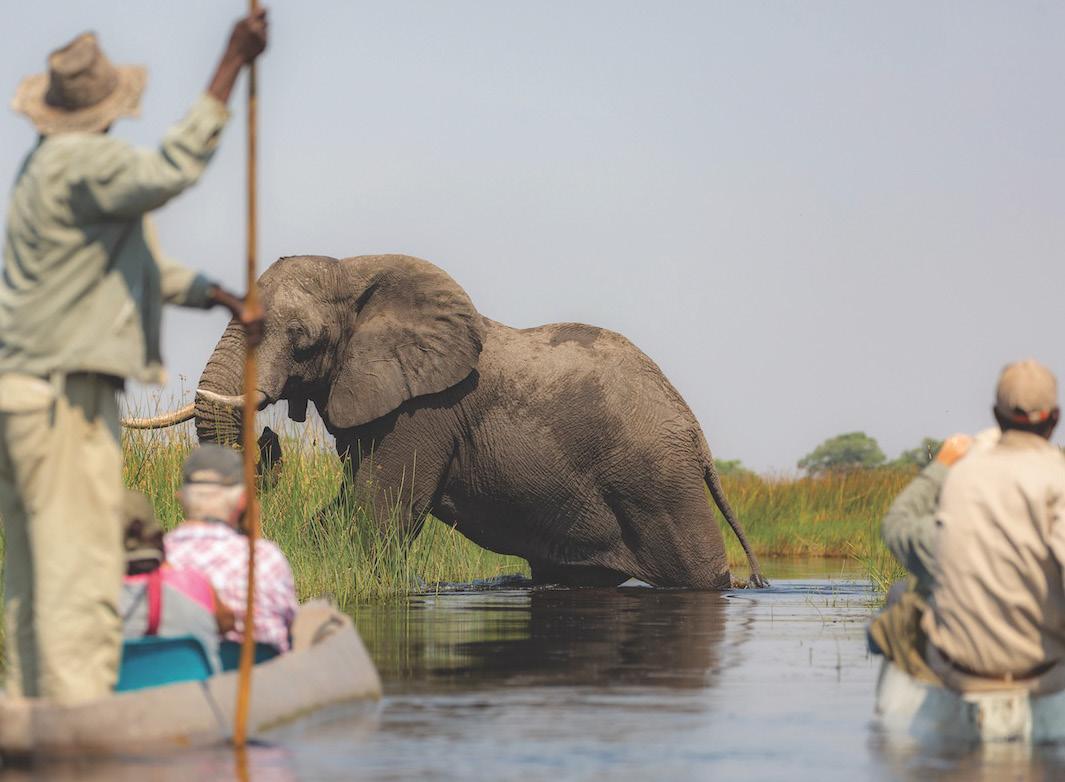
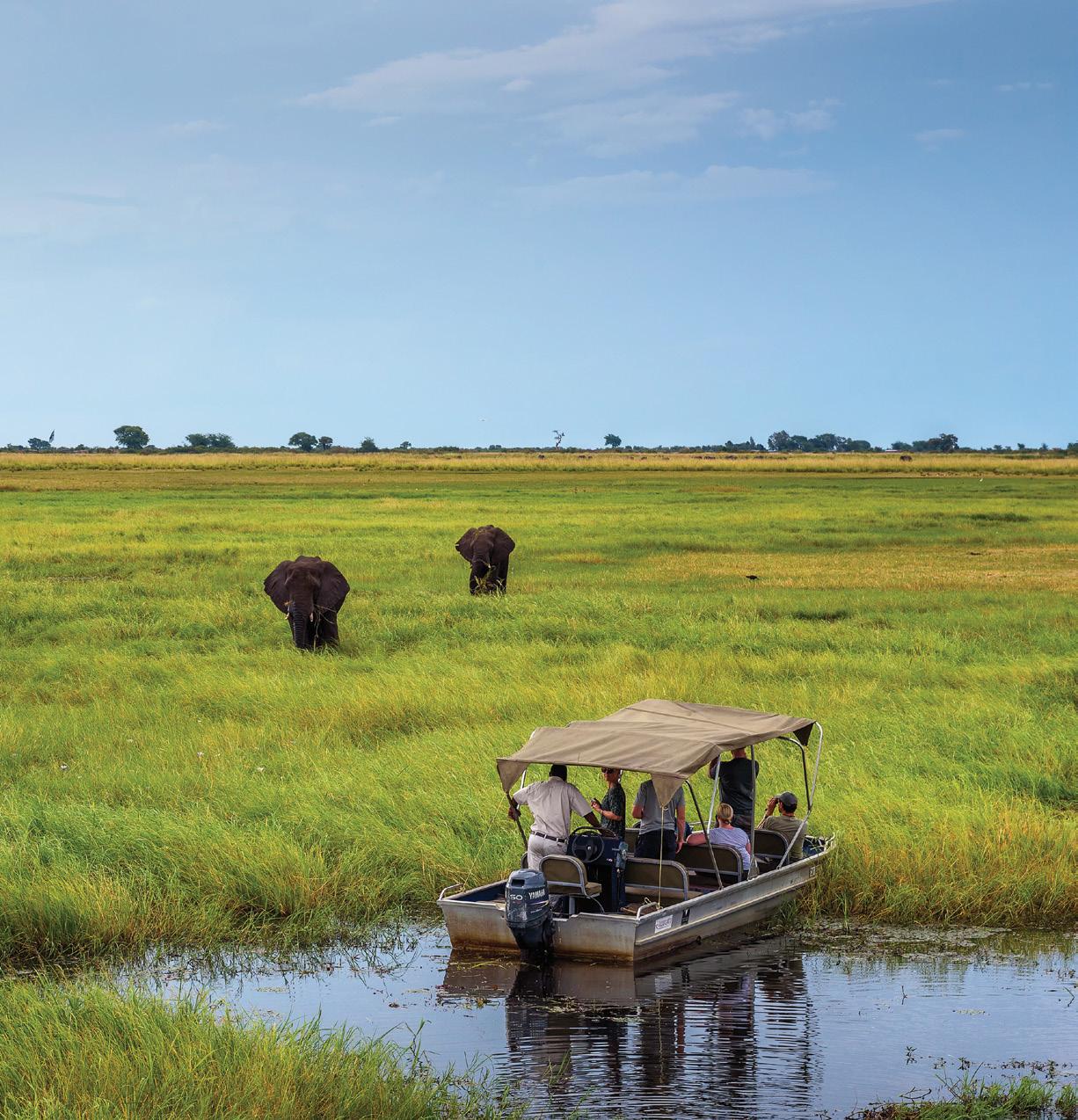
Then, the moment that set the entire deck abuzz: a herd of elephants venturing deep into the river, contemplating a crossing. They eventually turned back, spooked by the gathering boats, but watching them wade – trunks raised, water swirling around them – felt like a privilege.
The cruise ended with a beautiful dinner ashore, fine dining and the kind of sunset that feels painted rather than real.
A SLOW, SWEET GOODBYE
On our final morning, we walked through town, browsing craft stalls and gathering gifts. There is something special about the hustle of Vic Falls –not overwhelming, but vibrant; not hurried, but full of life. Every smiling interaction reminded us once more: the people of Zimbabwe are an attraction all on their own.
Two nights somehow felt like a whole journey’s worth of memory.
A DESTINATION MADE EFFORTLESS
What makes this escape even more accessible is FlyNamibia’s direct connection – turning a dream weekend into a simple boarding pass. Victoria Falls is close enough for a spontaneous getaway, yet rich enough to feel like another world entirely.
It is a place of movement, music, water, story, and soul. A place where elephants wade through rivers, where theatre spills into the night, where gins are infused with wild botanicals, and where every guide, manager, host, and waiter adds something to your story.
Victoria Falls is spectacular – but its magic lives equally in its people.
And after two nights, we left with full hearts, tired feet, and one unanimous truth: Zimbabweans are the vibe.
Elzanne McCulloch
Namibia Tourism Board:
Tourism Promotion and Marketing:
NTB is responsible for promoting Namibia as a tourist destination internationally, helping to attract visitors and increase tourism revenue.
Regulation and Classification of Tourism Establishments:
The board is tasked with regulating tourism establishments, such as hotels, lodges, guest houses, and tour operators. It ensures that these establishments meet required standards in terms of service quality, safety, and compliance with the law.
TYPE OF TOURISM BUSINESSES
www.visitnamibia.com.na
PROCESS OF REGISTERING
info@namibiatourism.com.na
Native Leaves:
SAND CORKWOOD
Scientific name: Commiphora angolensis Common name: Sand Corkwood
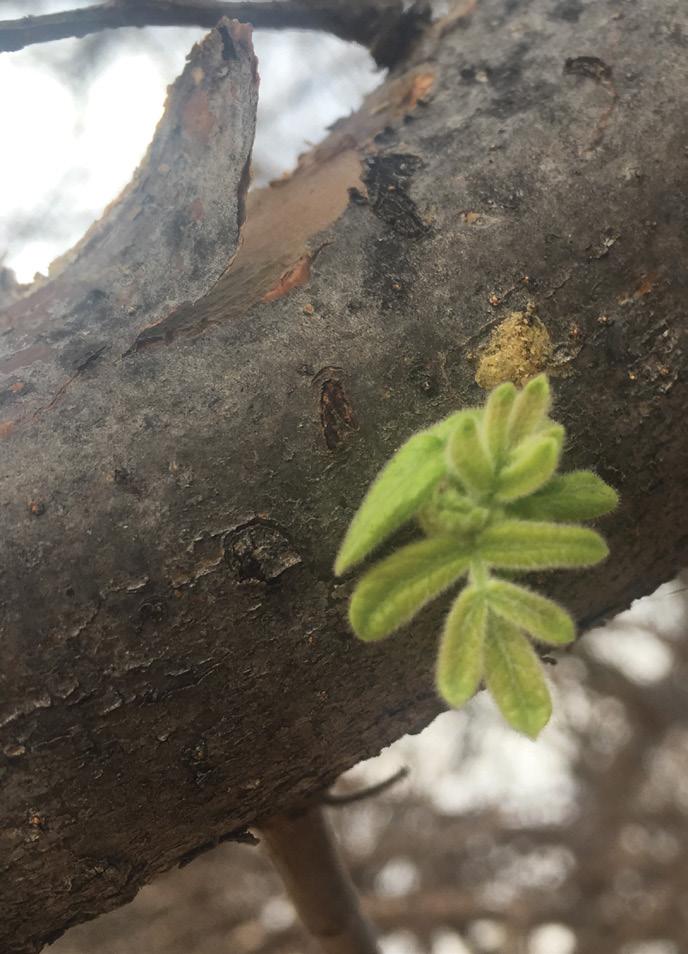
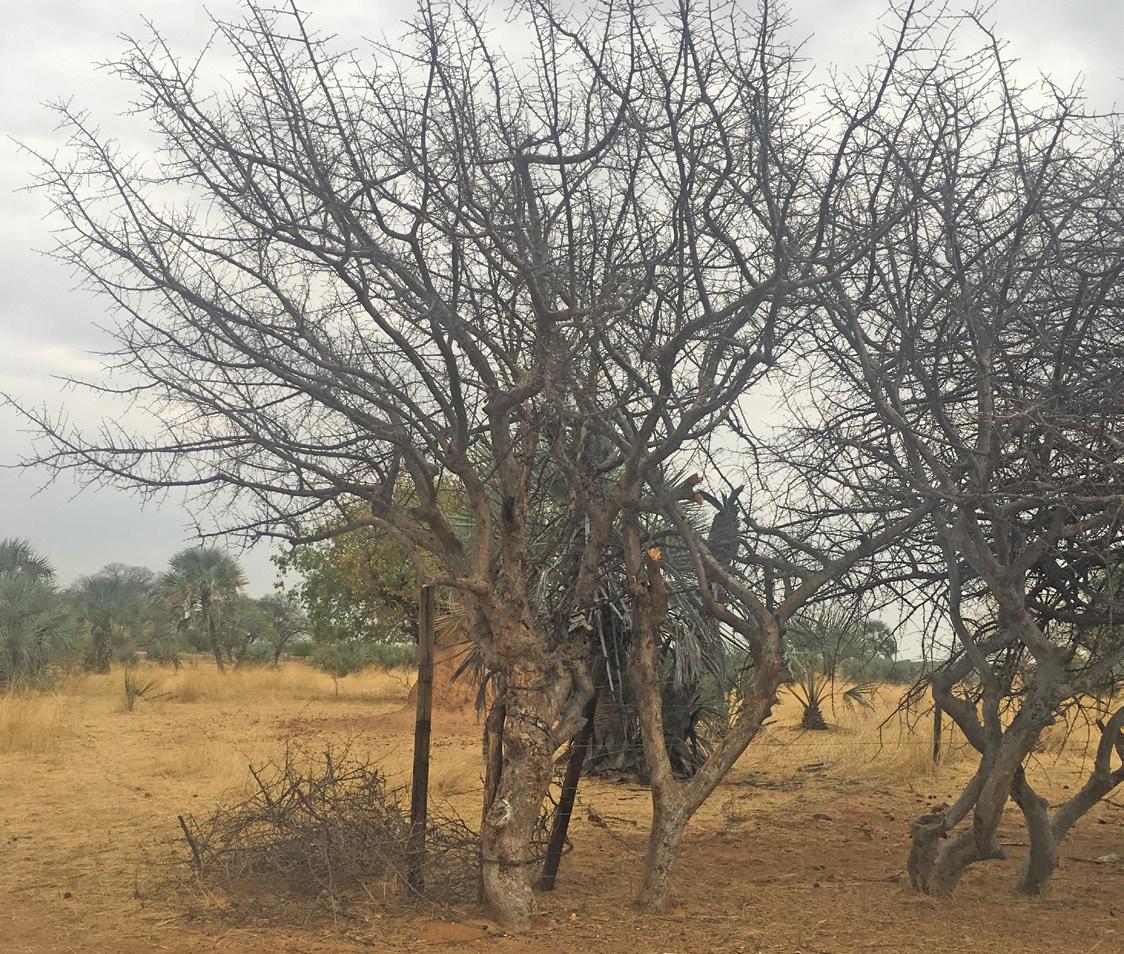
Nothing is more humbling than when you have seen a tree for years, only to realise that you totally underestimated its value. That was me after discovering the sand corkwood tree through informed sightings. In fact, I did not even know that it was a sand corkwood tree. I just knew I saw this tree several times, but I was not familiar with its features. This deciduous tree prefers sandy environments and is widespread in northern and central-eastern Namibia.
The sand corkwood tree has a single trunk, growing up to a height of anything between half a metre and three metres. It has a yellowish green and grey bark. The grey ranges from light to dark grey with brown markings. These markings usually shed off paper-textured strips, exposing the green bark. The branches of the sand corkwood have stunted thorns, and the leaves appear to be olive green due to their soft hairs. These leaves are trifoliate, broadly elliptic and occur in two to four pairs of leaflets. The sand corkwood has small, yellow-coloured flowers that are visible as soon as the leaves appear. Flowering occurs from November to March, and right after flowering it presents small circular fruits that turn into a reddish pink when they are ripe.
During a site visit, I noticed these trees that were seemingly planted in a row, and I took a small branch out of curiosity. It was surprisingly easy to break, making a snapping sound. The wood is soft when moist and turgid in its dry state. Curiosity made me search for the reason why these trees were in a row as if planted. A nostalgic childhood story was then unfolded to me by one of the elderly men I came across. He told me that, when he was a young man, there were quite a few sand corkwood trees in his father’s field. They took the branches to fence off their land and these branches naturally
grounded themselves, supported by the favourably sandy soil and sufficient rainfall. This means the sand corkwood is easily propagated by a mere cutting.
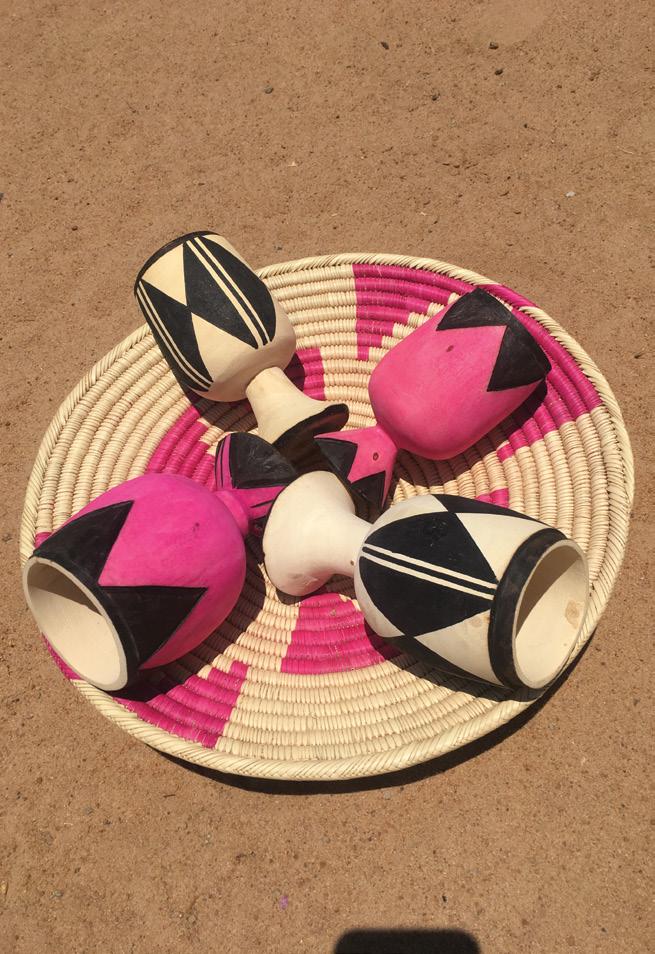
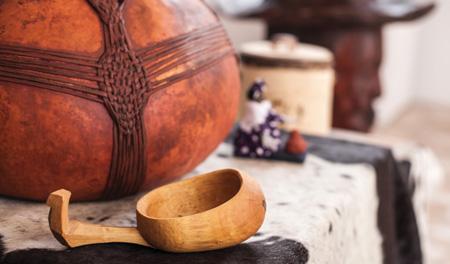
My intrigued self continued probing plant talks with the locals, ranging from where else in the village these trees are found to the type of wood it yields. Interestingly, while we discussed the features of the wood, I learnt that the sand corkwood’s wood is used to carve out mugs that we use for drinking traditional brews. A celebratory event without these wooden mugs is therefore hard to imagine. These beautiful mugs, which come in different shapes and sizes, are often decorated with different colours, most commonly pink and black.
It was only then that I realised that this was the same tree I witnessed a man make a mug from during a strategic environmental assessment I once facilitated. The biodiversity in that particular area was rich, but the sand corkwood was quite limited. Still, community members were using the tree to their benefit – as fencing material and making mugs to sell. This is in contrast with my village, where corkwood trees are more prevalent, but the tree is not used much. Carving wooden mugs is a skill, but it seems that the younger generation have not been taught this art and none within my village took it upon themselves to learn this skill.
Maybe this ignorance is what is currently preserving the numbers of this species. However, without the right awareness, those who might still learn the carving skill may very well take advantage of this opportunity in an unsustainable way. At least we know that it can be grown from a cutting, which makes it easier to ensure that the numbers are maintained.
Agnes Shekupe Shivute
Discover Windhoek Through Art
In a country of breathtaking natural beauty, Windhoek is regarded as a quick stop. But for those willing to look a little closer, the city offers beauty of another kind through its equally compelling artistic pulse.
From state institutions to intimate independent galleries, Windhoek’s art scene is rich, diverse and deeply connected to the stories, cultures and identities that shape Namibia. Now, for the first time, visitors can explore this creative world with ease through a dedicated printed art map, launching at the end of January.
Designed to introduce travellers to some of the most inspiring art spaces in the capital, the map brings together museums, galleries, studios, cultural centres and craft hubs into one accessible guide. Whether you have an hour between meetings or a full day to explore, Windhoek’s artistic landscape offers something for every curious visitor. Here is a glimpse of what awaits.
A Guide to the City’s Creative Heart
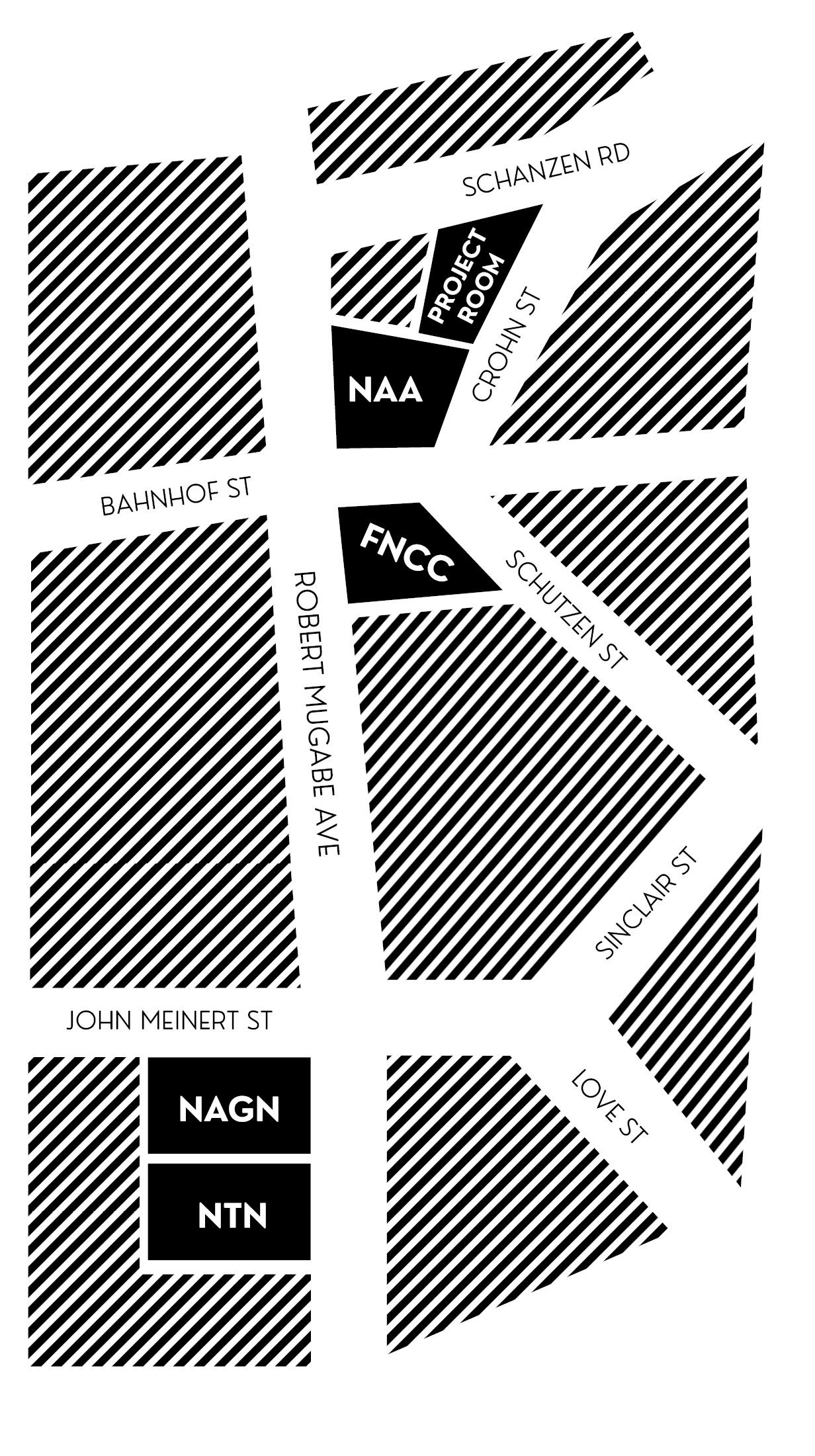
At the heart of Namibia’s visual arts lies the National Art Gallery of Namibia (NAGN), the country’s leading state-owned art institution. Its exhibitions weave together history, identity and contemporary perspectives, while its permanent collection features works of some of Namibia’s most celebrated cultural treasures. A visit to the NAGN offers insight into the country’s art history and cultural topics of the time.
For those drawn to performance and storytelling, the National Theatre of Namibia (NTN) adds another layer to the city’s creative identity. With two theatres and a focus on developing local talent, the NTN’s productions span drama, dance, music and multidisciplinary work. It is also a home for innovation, hosting festivals such as the Otjomuise Live Arts Festival (OLAF) and supporting emerging voices in Namibian performing arts.
Just a short walk away, the Namibian Arts Association (NAA) continues the city’s thread of cultural preservation. As one of Namibia’s oldest art organisations, the NAA showcases local talent and archives the evolving story of Namibian creativity. Its heritage-driven approach, paired with its dynamic exhibition programmes and arts-focused engagements, makes it a must-see for anyone interested in the evolution of the country’s visual history.
Windhoek is also home to two internationally affiliated cultural centres, each offering its own distinctive lens. The Franco-Namibian Cultural Centre (FNCC) brings together Namibian and French cultural perspectives through exhibitions, concerts, film screenings and workshops. Its hillside location and architectural charm make it a favourite gathering place for artists and visitors alike. Meanwhile, the Goethe-Institut Namibia serves as a lively hub for intercultural dialogue, contemporary
art and critical conversation. Through its exhibitions, film series, educational programmes and language courses, it maintains strong links between Namibian and German cultural communities.
The city’s independent art scene is equally compelling. The Project Room, a platform for Namibian art and artists founded in 2016, is a contemporary gallery committed to creating opportunities for both emerging and established Namibian artists. Known for its curatorial rigour and support of some of Namibia’s most exciting contemporary artists, the exhibitions, events and collaborative projects make this an energising stop that reflects the vibrancy and diversity of Namibia’s creative sector.
A short drive from the city centre, Bellhaus Atelier & Galerie offers a more intimate encounter with Namibian art. Housed in a charming setting in the historic Grüner Kranz complex on Bell Street, the gallery presents works across mediums – sculpture, painting and mixed media – while fostering a warm and inspiring atmosphere. With a mission to champion aesthetic awareness and the therapeutic influence of art, Bellhaus will soothe you with experiences that please both the eye and the heart.
Visitors seeking contemporary work with a research-driven approach will find a perfect match at StArt Art Gallery With a regular programme of solo and group exhibitions, both online and at physical locations, the gallery curates critical projects that add to the growing archive of information available to researchers, collectors and art enthusiasts. The majority of the gallery’s exhibitions are now hosted at The Sweet Side of Thingz on Independence Avenue, a cosy café whose owners have a passion for the arts. Additionally, StArt Art’s storeroom of artworks in Windhoek can be visited by appointment.
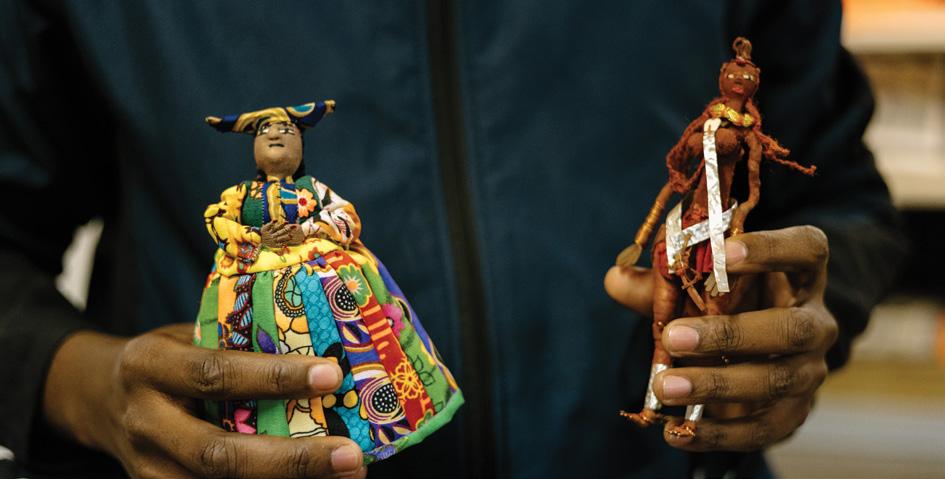
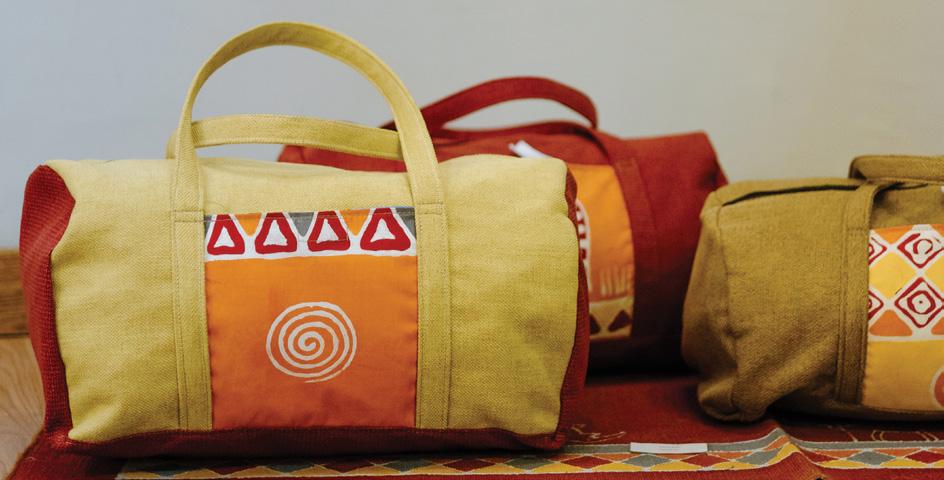
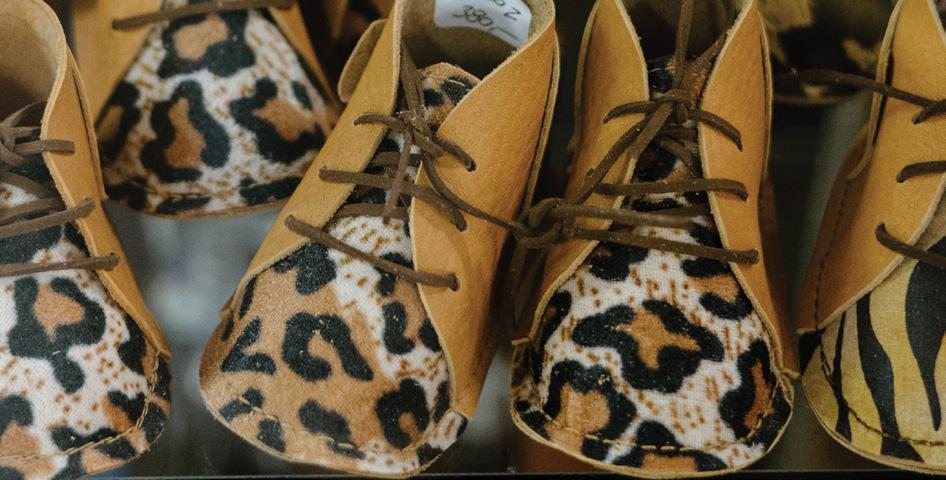
No exploration of Windhoek’s creative ecosystem is complete without a visit to the Namibia Craft Centre, home to more than 40 women-owned and communitybased craft enterprises. Here, handmade works – from jewellery to carvings and textiles – celebrate the country’s rich artistic craft and cultural traditions. Inside the centre, the Omba Gallery continues this dialogue through carefully curated exhibitions featuring leading Namibian artists.
Together, these spaces form a vibrant artistic circuit that reflects both the depth of Namibia’s creative heritage and the energy of its contemporary scene. The new Windhoek Art Map, launching at the end of January, brings all of these destinations into a single, easy-to-navigate guide. Whether you are passing through or spending time in the capital, you are invited to step into Windhoek’s art world and discover the unique aesthetic expression of Namibia.
Laschandre Coetzee
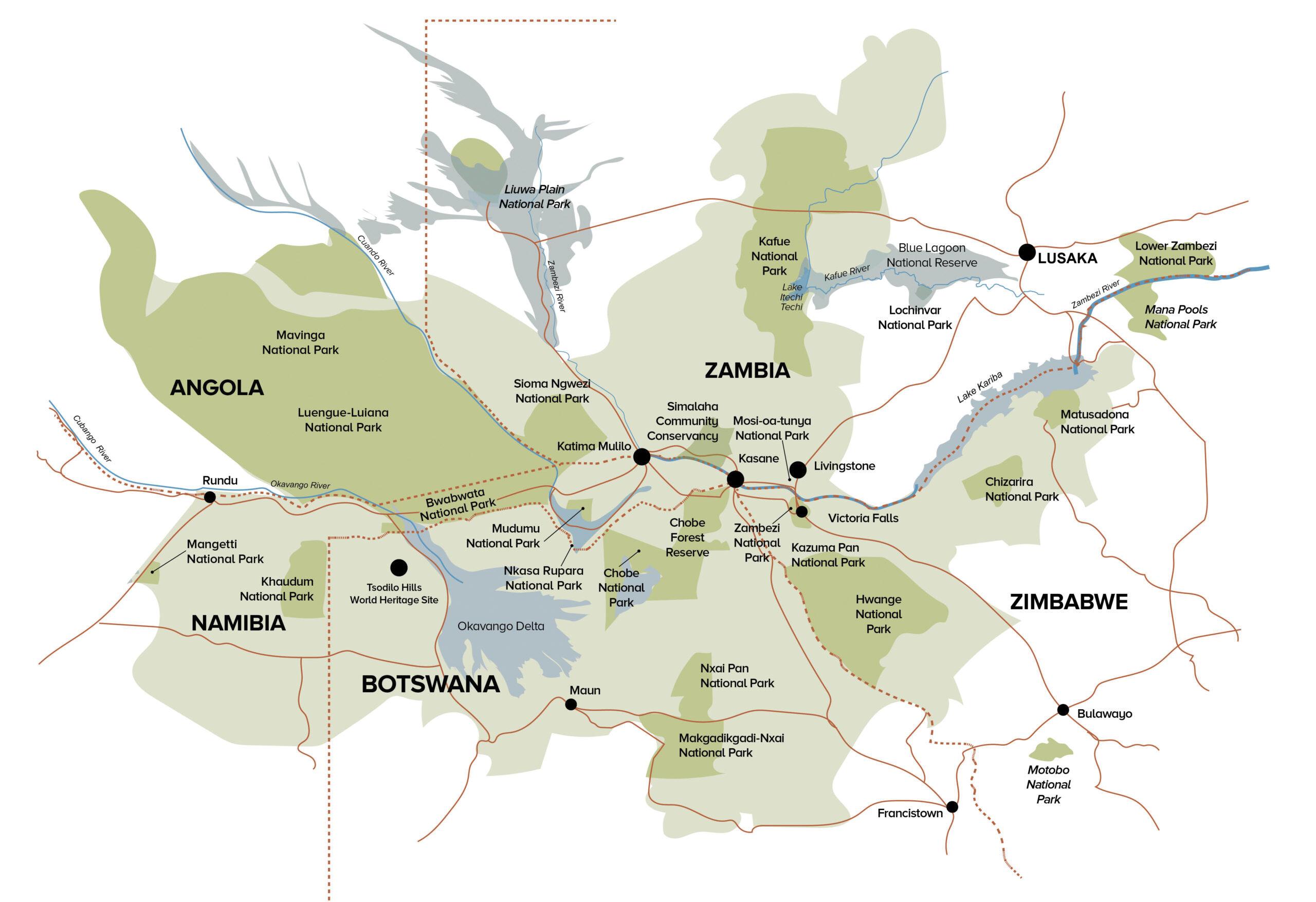
Kavango-Zambezi Transfrontier Conservation Area
In 2011 a treaty was signed at the SADC Summit in Luanda, Angola, by the Presidents of the republics of Angola, Botswana, Namibia, Zambia and Zimbabwe, which formally and legally established the KavangoZambezi Transfrontier Conservation Area (KAZA TFCA).
Spanning over 519,912km², and including no less than 36 formally proclaimed national parks, game reserves, forest reserves and game/wildlife management areas across Namibia, Botswana, Zimbabwe, Zambia and Angola, KAZA is the world’s largest conservation area. Namibia has designated Bwabwata National Park, Mudumu National Park, Nkasa Rupara National Park, Khaudum National Park, Mangetti National Park, the Caprivi State Forest and Conservancies, and community forests between and around these protected areas for inclusion in the KAZA TFCA. Over 400 bird species have been recorded in this area. A key objective of a TFCA is to join fragmented wildlife habitats into an interconnected assortment of protected areas and transboundary wildlife corridors to facilitate and enhance the free movement of animals across international boundaries. The KAZA TFCA has the largest contiguous elephant population on the African continent, while it also includes some of the world’s renowned natural features and tourist attractions, such as the Victoria Falls and the Okavango Delta, the largest Ramsar Site in the world.
BASKET TRADITIONS
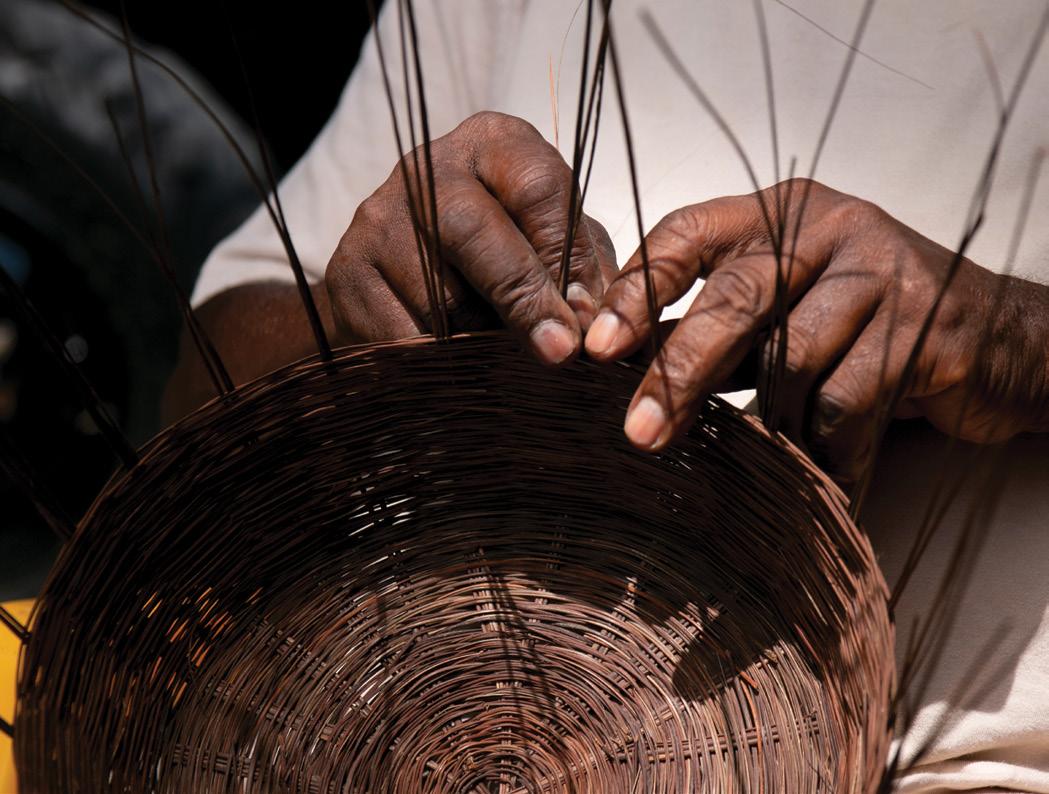
A basket-weaving tradition has survived in Kavango and Zambezi, where the time-honoured baskets still used by women in the mahangu fields for harvesting and winnowing their grain are ideal containers for transporting goods when on foot and for storing the grain in homesteads. The revival of inherent traditional skills, seemingly rendered redundant by modern times, and the acquisition of new skills in marketing and sales, have especially enabled women to create a vibrant and successful craft industry.
Although baskets vary from region to region, they are generally made from the leaves of the makalani palm, Hyphaene petersiana, using the coil technique. Shades of brown, purple and yellow are obtained by boiling the leaves, bark and roots of various shrubs and trees with the strands of prepared palm leaves.
Musemes, the Lozi name for reed floor mats, are made from papyrus by women. Each reed is halved lengthwise and dried in the sun to allow the inner pith to shrink, thus making the reed curl inwards, which makes it more durable. The reeds are then sewn together tightly, using string made from the locally grown mafuu (mother-in-law’s tongue) and narakuku plants.
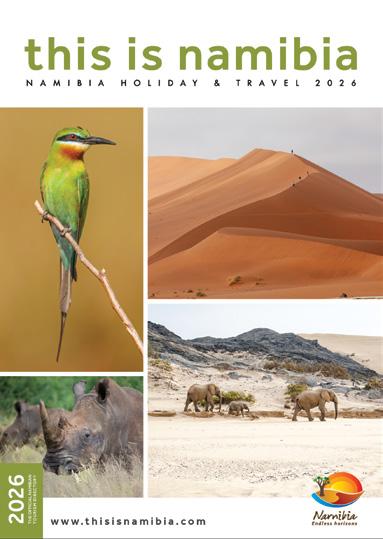
Find more Namibia travel inspiration at www.thisisnamibia.com
Follow @thisis_namibia on Facebook and instagram for extraordinary Namibia travel stories.
Celebrating the people who make this nation extraordinary. From everyday heroes to community trailblazers, each face and story reflects the pride, warmth, and spirit that FlyNamibia is proud to stand behind.
Scan the QR code to read their stories of inspiration. By Namibians. For Namibia.
EmilyErastus
Leon Engelbrecht
RenateShikong
Jandre Germishuizen
NamafuAmutse
JohnKasaona
UUNESCO FACILITATES NATIONAL VALIDATION WORKSHOP
on Culture and Heritage-based Tourism in Namibia
NESCO recently facilitated a National Validation Workshop as part of the AfricaEurope Partnerships for Culture project, which promotes culture and heritage-based sustainable tourism development in Southern Africa. The programme is currently active in six countries, including Namibia.
The workshop, held at the Roof of Africa Hotel, provided a platform to bring together national stakeholders from the culture, tourism and development sectors, alongside representatives of local communities at Twyfelfontein. A comprehensive baseline study on the Twyfelfontein site offered key insights and recommendations to guide future interventions in support of culture and heritage-based tourism. One of the priorities highlighted was the need to strengthen collaboration, particularly between the National Heritage Council and traditional authorities.
Supported by the European Union and implemented by UNESCO, the partnership aims to enhance the contribution of culture and heritage to sustainable development. The project focuses on strengthening heritage-based tourism and improving the quality of visitor experiences at selected UNESCO designated sites. In Namibia, the focus centres on the unique and widely known “/Ui //aes” Twyfelfontein site.
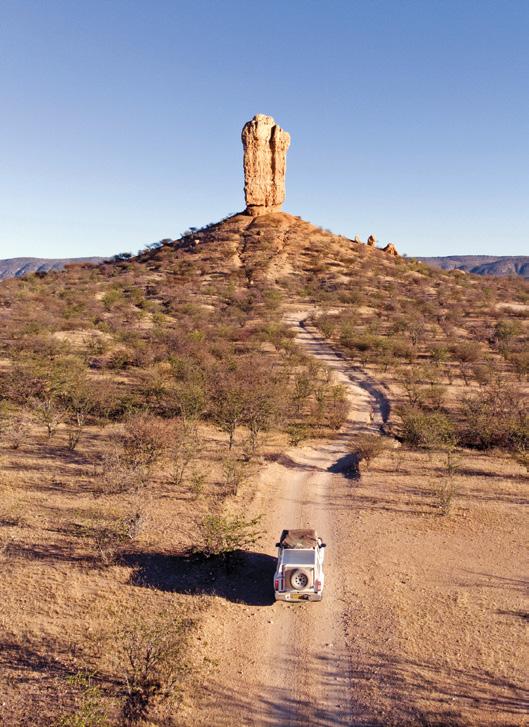
Twyfelfontein is situated in the Kunene region, about one hundred kilometres from the larger town of Khorixas. From this point, a network of dusty tracks leads through a stark yet captivating landscape. At the end of the road, visitors discover a remarkable open-air museum of Stone Age huntergatherer art. The site has been inhabited for approximately six thousand years, first by hunter-gatherers and later by Khoikhoi herders. Both groups used the area as a place of worship and a setting for spiritual rituals.
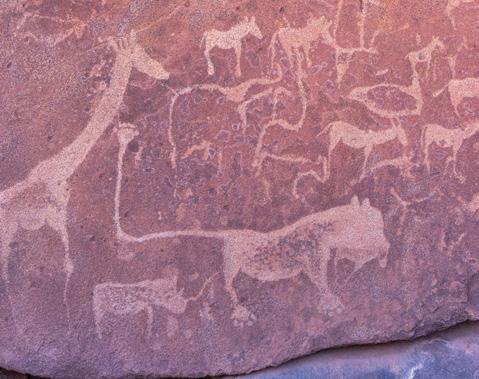
During these rituals, at least two thousand five hundred rock carvings were created, along with a small number of rock paintings. Twyfelfontein contains one of the largest concentrations of rock petroglyphs in Africa. In recognition of its outstanding cultural value, UNESCO approved
Twyfelfontein as Namibia’s first World Heritage Site in 2007.
Behind the ancient ruins, the first engravings appear in the red sandstone. Alongside depictions of human and animal footprints, visitors can observe representations of rhinos, elephants, ostriches and giraffes. Beneath an overhanging rock, further animal figures painted in red ochre can be found. These artworks have adorned the stone surfaces for almost six thousand years and remain impressively well preserved.
For its World Heritage status, UNESCO emphasised the following criterion: “The site forms a coherent, comprehensive and high-quality record of ritual practices related to huntergatherer communities in this part of southern Africa over at least 2000 years and eloquently illustrates the links between ritual and economic practices.”
Twyfelfontein is particularly noted for its engraving technique. Its size, complexity and exceptionally good state of preservation continue to grant it special significance within the field of rock art research.
Preserving the ancestral memory of the area is central to the partnership’s goals. The initiative encourages local, multivoiced interpretation that includes community perspectives rather than relying solely on historians and academics. A key aim is to improve the livelihoods of communities in the region, including youth, women and indigenous peoples, through capacity building and income-generating opportunities.
The Twyfelfontein Country Lodge, located within the site, offers guided tours and visits to the Living Damara Museum, enabling visitors to engage more deeply with the cultural and historical significance of the landscape.
With wise stewardship and consistent implementation of UNESCO’s objectives, the Twyfelfontein site has the potential to become a leading model of inclusive and sustainable heritage tourism in Southern Africa.
Madeleen Duvenhage
Book
your
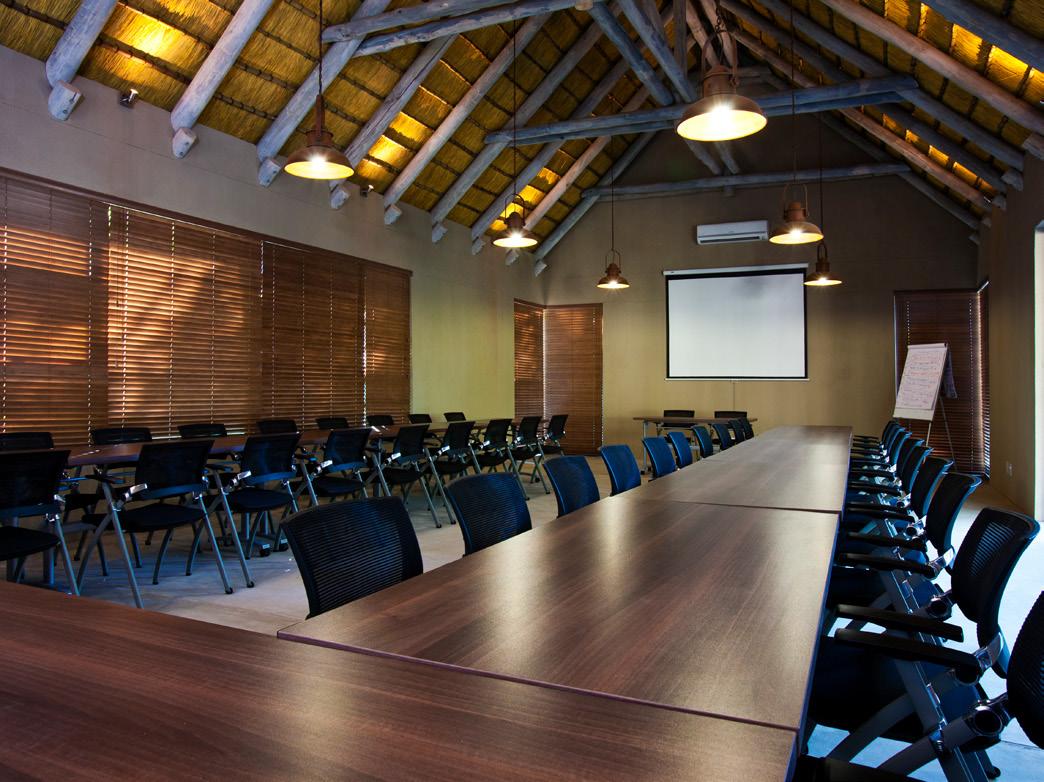
conference at Popa Falls Resort
Discover unparalleled conference facilities amidst breathtaking natural landscapes with Namibia Wildlife Resorts. Host your next event at Popa Falls Resort, where the serene Okavango River meets nature’s tranquility.
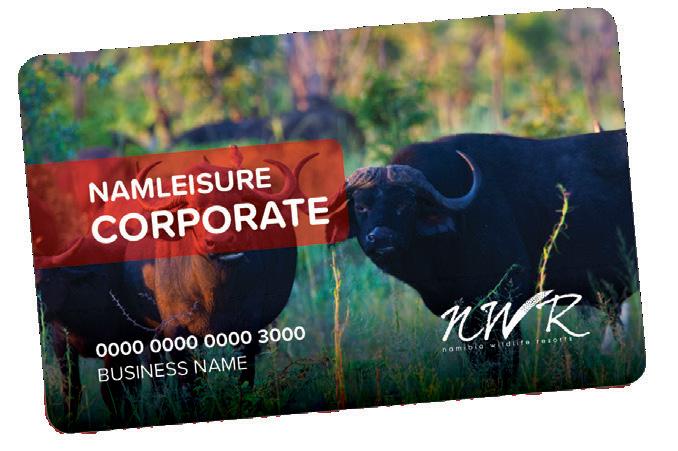
Elevate your business travel with the NWR NAMLEISURE CORPORATE CARD!
Enjoy exclusive discounts on accommodation and activities, ranging from 50% for Namibian to 10% for international cardholders. With a validity of three years and easy renewal, it’s tailored for businesses with a minimum group size of 10. Experience convenience, savings, and unparalleled benefits for your corporate outings.
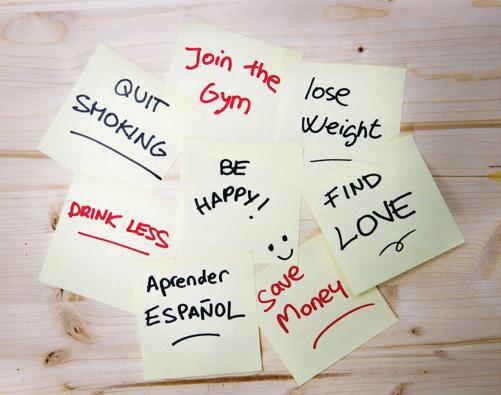
New year, new me. Blah blah blah…
Why New Year’s resolutions often don’t work.
Let’s be honest, most of us have tried the classic New Year’s resolutions in January. Although this popular take on the new year can be helpful, it can also bring a mountain of unrealistic expectations where everyone feels the pressure to make dramatic changes. This can lead to selfdefeating narratives such as “I’m failing”, “I’m a disappointment” or “I cannot change”.
Below are some helpful tips to avoid the all-too-common resolution fatigue and prevent us from falling into the trap of giving up and not changing at all.
1. Stop trying to reinvent yourself. Drop the pressure of having to completely change your life or yourself. Your life is not all bad. Your whole life does not need to change. Acknowledge the parts of your life that need a change and work on those. While doing this, also be mindful to embrace the parts that are good and do not need to change or have already changed. This helps you stay on track, because suddenly the mountain of change is not as big.
personality is quite inflexible. Does this mean I cannot change? Technically, no. You can work hard on slightly adjusting or tweaking certain characteristics that are causing destruction in your life, but the goal should never be to turn a trait into the complete opposite. Respecting who you are as a person and making some mild changes can both happen at the same time.
Allowing set-backs throughout the year, withouth breaking yourself down, creates a fair, realistic and helpful approach to tweaking your life in the way you want.
2. Challenge your all-or-nothing mentality. New Year’s resolutions are often abandoned as we tend to approach them with too much expectation (“I have to get it right”). Many people hold the belief that if they cannot do something perfectly, it is not worth doing it at all. For example, you miss one workout and think you have failed already. Or you eat one cookie and think “I might as well start over next year”. This black-and-white way of thinking makes small (and perfectly natural) slip-ups feel like total defeat. The reality is that progress and consistency is built on flexibility and lessons learnt from mistakes, not perfection.
3. Respect your personality while making slight tweaks. Going into the new year with “I have to completely change who I am” is setting yourself up for failure. Fun fact: your
4. Own it! Use self-compassion during your transition phase Sometimes, the judgment when trying to change something and not succeeding immediately creates self-doubt and insecurities. Learning to own your mishaps, mistakes or imperfections will help you to avoid judging your own progress. After all, this is your life, so be patient, curious and kind towards your own processes. Back yourself, regardless of where you are in your transition phase.
A linear approach to change or growth will not be maintainable. Allowing setbacks throughout the year, without breaking yourself down, creates a fair, realistic and helpful approach to tweaking your life the way you want to. So, let’s reset as many times as we need to throughout the year, not just in January!
Michelle McCulloch Clinical Psychology
Where Borders Blur and Wildlife Roams KAZA
From the window of a FlyNamibia flight into Victoria Falls or Maun, the landscape below looks endless. Rivers carve silver paths through floodplains, islands scatter across the water like confetti, and woodland stretches to the horizon. It feels wild. It is also one of the most ambitious conservation experiments on Earth.
This is KAZA– the Kavango Zambezi Transfrontier Conservation Area – a joint initiative by Angola, Botswana, Namibia, Zambia and Zimbabwe that links a mosaic of national parks, conservancies and community lands into one vast shared conservation landscape. Covering roughly 520,000 km², it is the largest terrestrial transboundary conservation area in the world.
KAZA sits where the Okavango and Zambezi river basins meet, wrapping around iconic places like the Okavango Delta, Chobe, Hwange, and of course Victoria Falls itself.
AN ELEPHANT STRONGHOLD FOR AFRICA
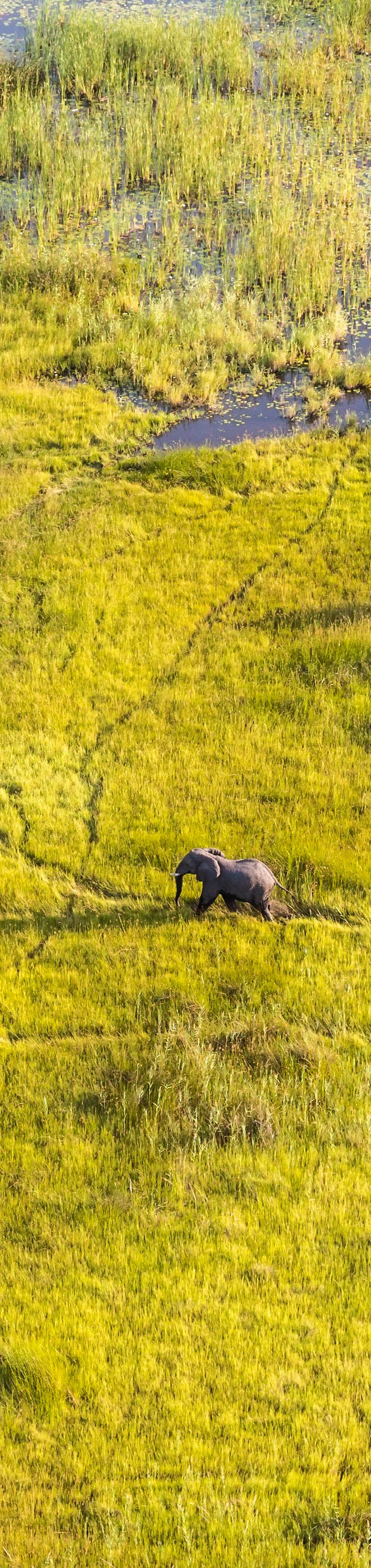
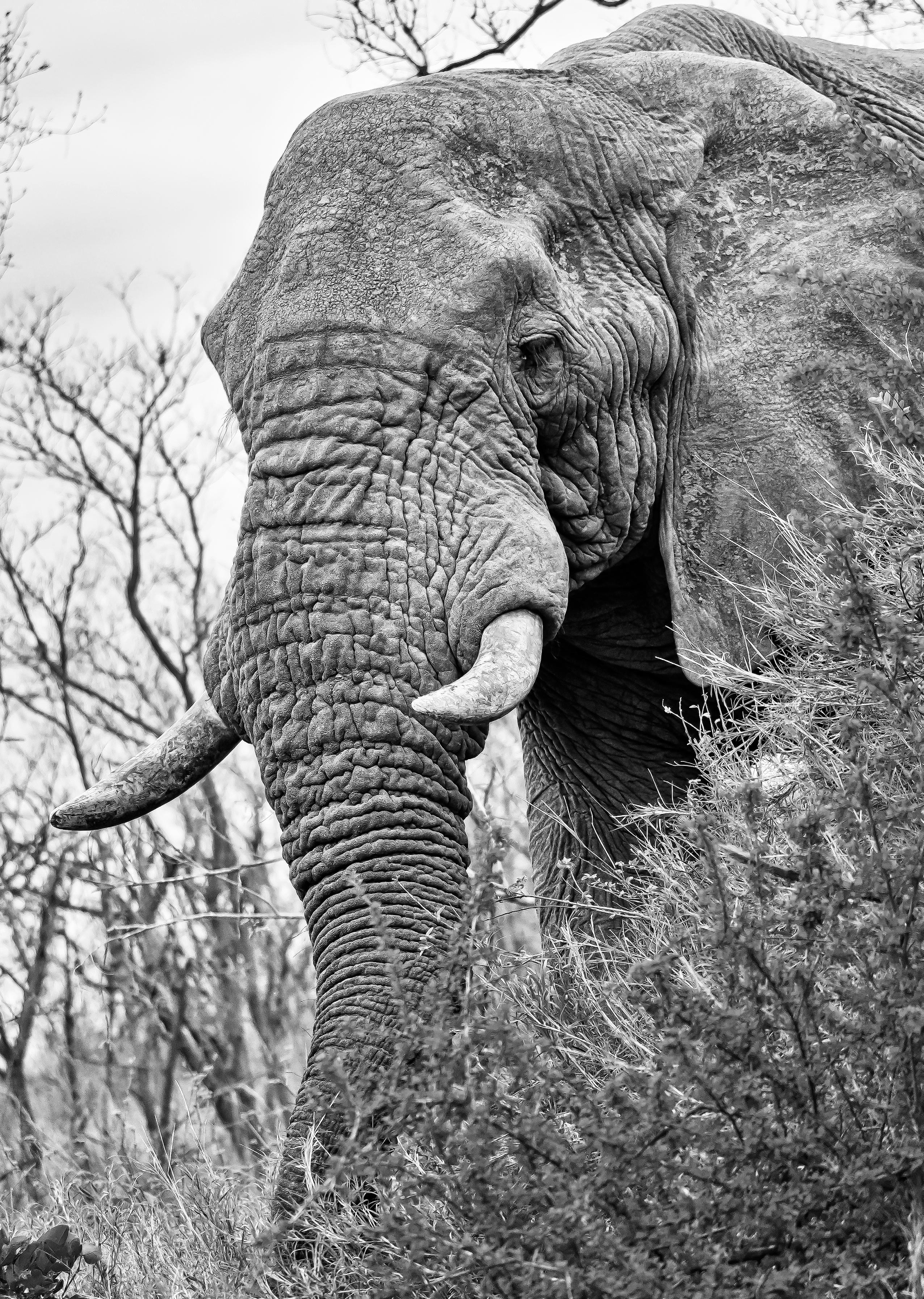
If KAZA had a totem animal, it would be the elephant. The region holds over half of Africa’s remaining savanna elephants, making it the single most important stronghold for the species on the continent.
For decades, elephants here were hemmed in by fences, farms and borders that did not exist in their memories. Old migration routes faded as new towns emerged and political boundaries hardened. KAZA’s vision is to reverse that – to reconnect fragmented habitats into wildlife corridors so that elephants and other wide-ranging species can move freely again between parks, countries and seasons.
Recent aerial surveys across KAZA, flown over all five member countries, have started to give conservationists a clearer picture of elephant numbers and movements, helping them
plan where corridors are most urgently needed and where pressure on landscapes is highest.
In a changing climate, that mobility becomes a lifeline. As rainfall patterns shift and water sources become less predictable, animals must be able to move to survive.
CORRIDORS, COMMUNITIES AND CONTESTED SPACE
The romantic version of a wildlife corridor is simple: animals walk, people cheer. Reality is more complex.
Many potential corridors run through areas where people are already living, farming or grazing livestock. New research out of KAZA highlights how elephant corridors can become contested spaces, as conservation goals meet local livelihoods and national development priorities.
KAZA’s planners are acutely aware of this. The Master Integrated Development Plan and newer green-growth strategies emphasise that conservation cannot be separated from people – it has to be woven into better land-use planning, infrastructure, tourism and local economies.
Across the landscape, that thinking translates into practical projects:
• Securing key crossing points for elephants in Zambia and along the Namibia–Botswana–Zimbabwe borders.
• Working with communities to reduce human–wildlife conflict.
• Aligning tourism projects with conservancies and community trusts so that local people share in the benefits of wildlife.
PEOPLE AT THE HEART OF THE PARK
For travellers, it is easy to focus on the wildlife and forget the people whose daily lives intersect with elephants, lions, wild dogs and hippos.
Source:
A large percentage of people in some KAZA regions live below national poverty lines, and many still depend heavily on smallscale agriculture and natural resources. Tourism, when it is done right, offers one of the few realistic alternatives – a way to earn income from keeping landscapes wild rather than clearing them.
That is why KAZA is deliberately not one giant fenced park. It is a patchwork of national parks, forest reserves, communal conservancies and agricultural lands, with thousands of families living inside or alongside it.
The success of the whole vision rests on whether those families feel that conservation is working for them, not against them. Where lodges partner with conservancies, where jobs, training, scholarships and revenue-sharing are real, tolerance for elephants raiding fields or predators taking livestock is higher. Where the benefits are abstract, resentment grows.
FLYING INTO A LIVING EXPERIMENT
For a traveller settled into a FlyNamibia seat, KAZA might begin as a map in this inflight magazine or a line on your ticket: Windhoek – Victoria Falls, Windhoek – Maun, Windhoek – Katima Mulilo. But the moment the wheels touch down, you become part of something bigger.
Every bed-night in a lodge that supports a conservancy, every park fee, every conscious choice to travel with responsible operators feeds back into a regional experiment that the world is watching: can five countries, hundreds of communities and millions of hectares of wild land be managed in a way that benefits both people and nature?
KAZA is not perfect. It is complicated, sometimes messy, frequently political. Yet it is also hopeful – a rare example of countries thinking in terms of ecosystems rather than borders. From the sky, flying in on a FlyNamibia route, all you see is
an endless mosaic of water and woodland, floodplain and forest. On the ground, you begin to understand what that mosaic means: a chance to keep a whole landscape alive and connected – for elephants, for people, and for the generations who will follow.
Elzanne McCulloch
Reckless Driving
The Real Crisis on Namibia’s Roads
Iam generally not a fan of New Year’s resolutions. Statistically, fewer than 10% of people who make them actually stick to them. However, as I write this, I have just spent several hours driving on Namibia’s roads and I would love it if Namibians would resolve to become better drivers (and stick to that resolution).
The latest figures available from the National Road Safety Council (NRSC) reveal that there were 3,619 recorded road accidents in the country in 2024 with 149 fatalities, 387 serious injuries and 821 minor injuries. While some accidents are just that and can be argued to have been unavoidable, the speeding, reckless overtaking and aggressive driving I have experienced earlier today renders it a miracle that there are not more deaths on our roads.
I have often seen people arguing online that the reason for the high number of accidents in Namibia is the poor road infrastructure but, while some may feel somewhat narrow, our roads are generally in good repair and certainly in a better condition than those in some of our neighbouring countries which record fewer deaths per 100,000 people according to World Population Review. However, the driver behaviour I have repeatedly witnessed on even the best and widest of our roads, including forcing other drivers (on both sides of the road) into the yellow lane, reinforces in me the belief that our high accident and death toll rate has more to do with our drivers than our roads.
I have no way of backing up my opinion with facts, but I firmly believe that drivers have become more reckless, selfish and uncaring than when I was a younger driver and, before that, a passenger.
There could be an argument that the number of vehicles on our roads has increased, resulting in an increase in accidents. While anecdotally there do appear to be many more cars, especially trucks, on the roads (one of the reasons, which I argued in a previous column, may well have to do with the expansion of the Walvis Bay port without any thought to upgrading the road and rail networks serving it), it again seems to me to have more to do with the attitude of the drivers than simply their numbers.
Emmanuel Kofi Adanu, Steven Jones and Kenneth Odero indicate in their 2020 paper “Identification of factors associated with road crashes among functionally classified
transport modes in Namibia” that almost three quarters of the crashes researched in their study involved drivers under the age of 30. However, they also say that a “lack of adequate information on crash-contributing factors means that many important elements likely remain unobserved to a safety analyst”. What this means is that, because the NRSC does not publish the causes of the accidents that they list in their statistics, it is very difficult to understand exactly what it is that leads to the majority of the accidents that occur. Several widely reported deadly accidents in the past few years have involved head-on collisions, though, indicating that either overtaking was involved, or at the very least that one of the vehicles was on the wrong side of the road.
I have no way of backing up my opinion with facts, but I firmly believe that drivers have become more reckless, selfish and uncaring than when I was a younger driver and, before that, a passenger. My father taught me that you only overtook another vehicle when it was absolutely safe to do so and that if you came upon a line of vehicles waiting to pass a slower one you waited your turn, letting those in front of you in the line overtake first. Now, though, I repeatedly see drivers overtaking on blind rises, around bends in the road and from right at the back of a long line of vehicles. Many times I witness them having to force their way back into that line to avoid a head-on collision, just to pull right out and attempt the move again with seemingly no concern for their lives or the countless others they are selfishly endangering due to their recklessness.
We will have to wait a few more months to find out if 2025’s accident statistics are an improvement on 2024’s, and even longer to learn if anything will have changed this year, but I am not holding my breath…
Until next time, enjoy your (safe) journey.
David Bishop
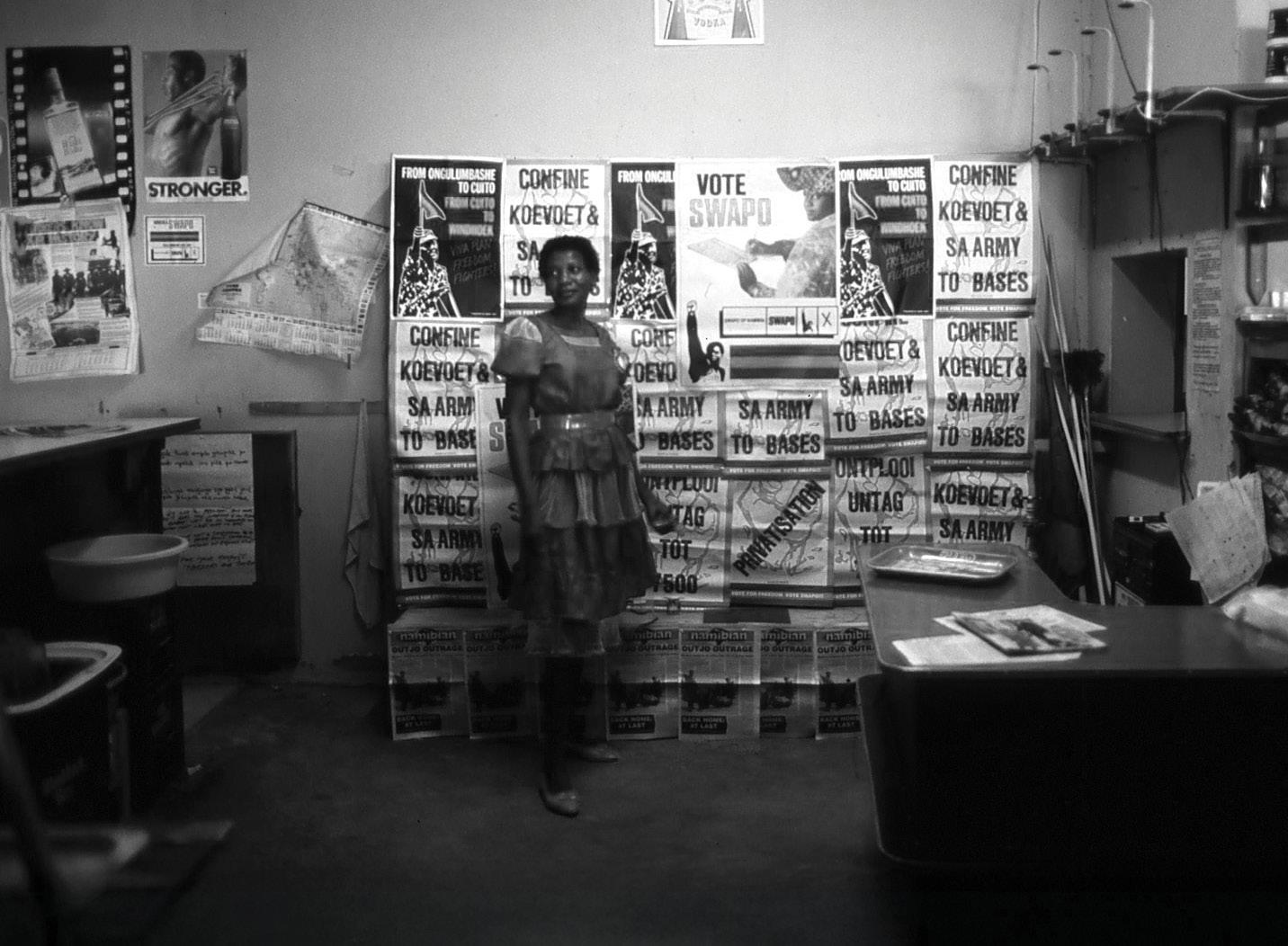
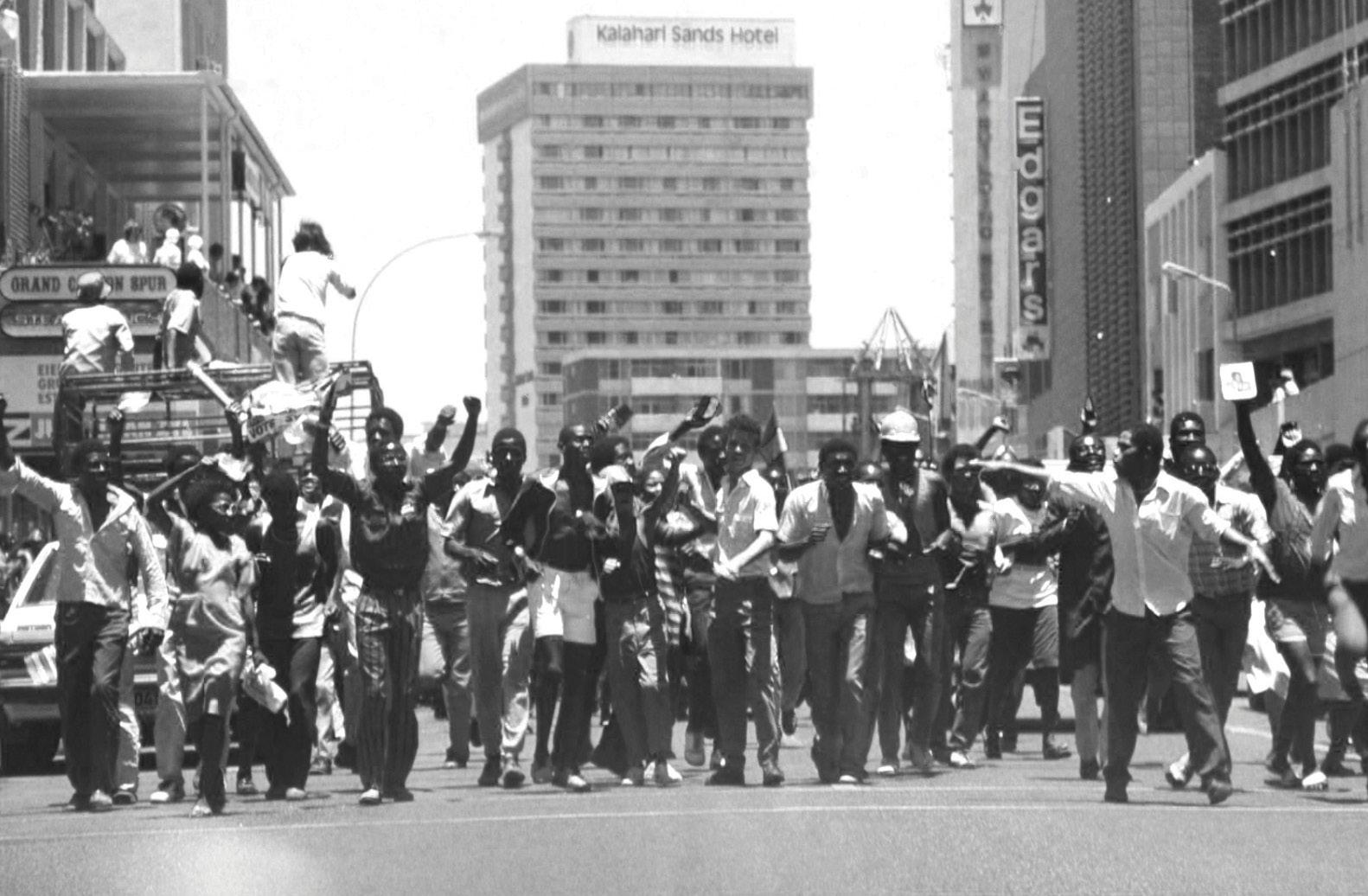
Election Shebeen 1989
REDISCOVERING TONY FIGUEIRA
a daughter’s journey through her father’s archive
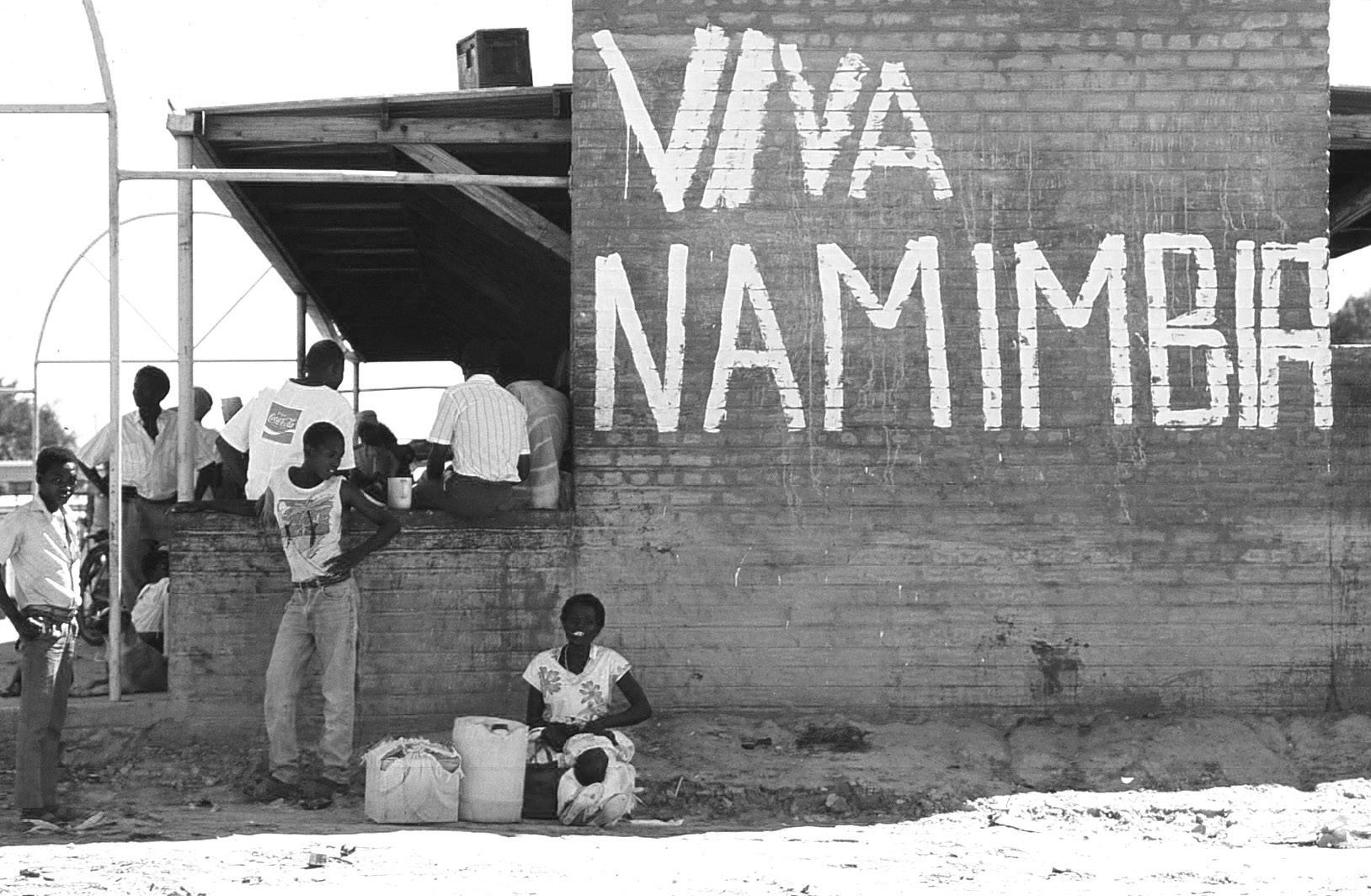
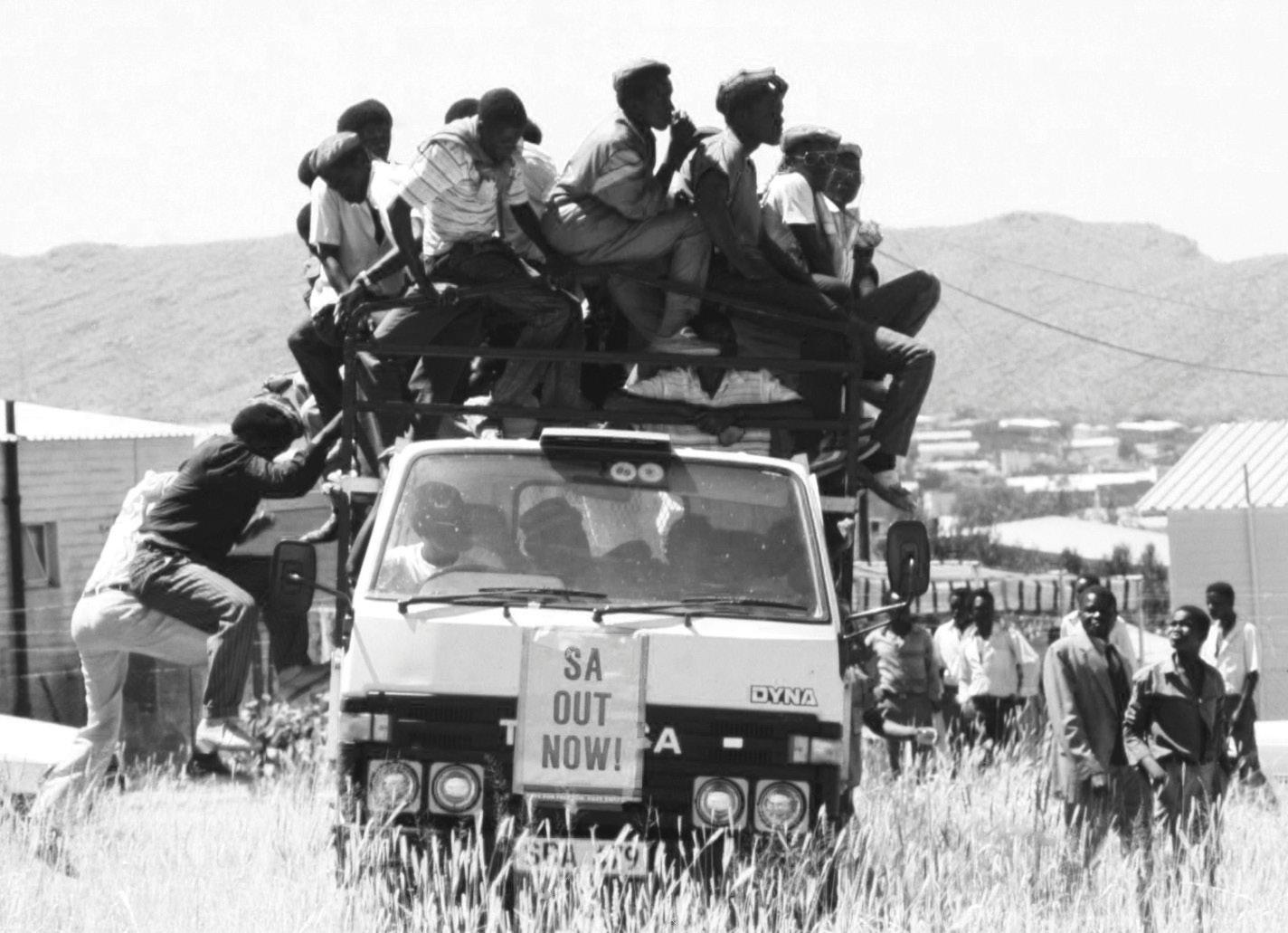
The photographic legacy of Tony Figueira (1959–2017) continues to captivate audiences, thanks to the dedicated efforts of his daughter, Gina Figueira. As Gina slowly explores her father’s archive, she is uncovering and rediscovering works that reveal new dimensions of his artistic vision. The process is both a professional responsibility and an intensely personal journey.
Tony Figueira’s fascination with photography began at sixteen when he picked up a friend’s camera. What captivated him immediately was the ability of photography to capture and manipulate light. This obsession with light would define his entire practice. “He was always talking about where light comes from,” Gina recalls. “If you were sitting and watching a movie with him, he would quite literally be trying to figure out where they were lighting it from.”
But Figueira’s work went deeper than technical mastery. “For me the way I see his work – and I think how he did as well – was that he tried to essentially see humanity in every situation that he photographed,” Gina notes. This search for human connection is evident across his diverse body of work – from his documentation of Namibia’s liberation struggle to his contemplative landscapes and abstract studies. “He had a really deep connection particularly with the Namibian and Angolan landscapes. So I think that human relation to the landscape is more the subject matter of his landscapes than the landscapes themselves.”
Tony Figueira’s background in journalism – which he pursued partly to avoid conscription during apartheid – deeply influenced his approach. As a young white man opposed to apartheid, he saw his role as documenting injustice and the
liberation movement itself. “He felt that his contribution to the movement would be to not only show what was happening in terms of his journalism but also to document the Namibian struggle for independence in a way that would intentionally form an archive for the future,” Gina explains.
Among the newly available works are images that carry profound emotional weight. Gina points to one photograph that has always stayed with her – a young man at a refugee site reading a letter informing him that all his family members had died in the war. “Even without knowing that background, you can really feel in this image that it has a lot of meaning and it’s quite an intense moment.” Through Gina’s curatorial work, Tony Figueira’s optimism and his lifelong fascination with light – both literal and metaphorical – continue to illuminate our understanding of Namibia’s history.
Helen Harris
You can find works by Tony Figueira at StArt Art Gallery and online by scanning the QR code.
Waiting for Nujoma 1989
Independence Celebration 2009
Viva Namibia 1989
SA Out Now 1989
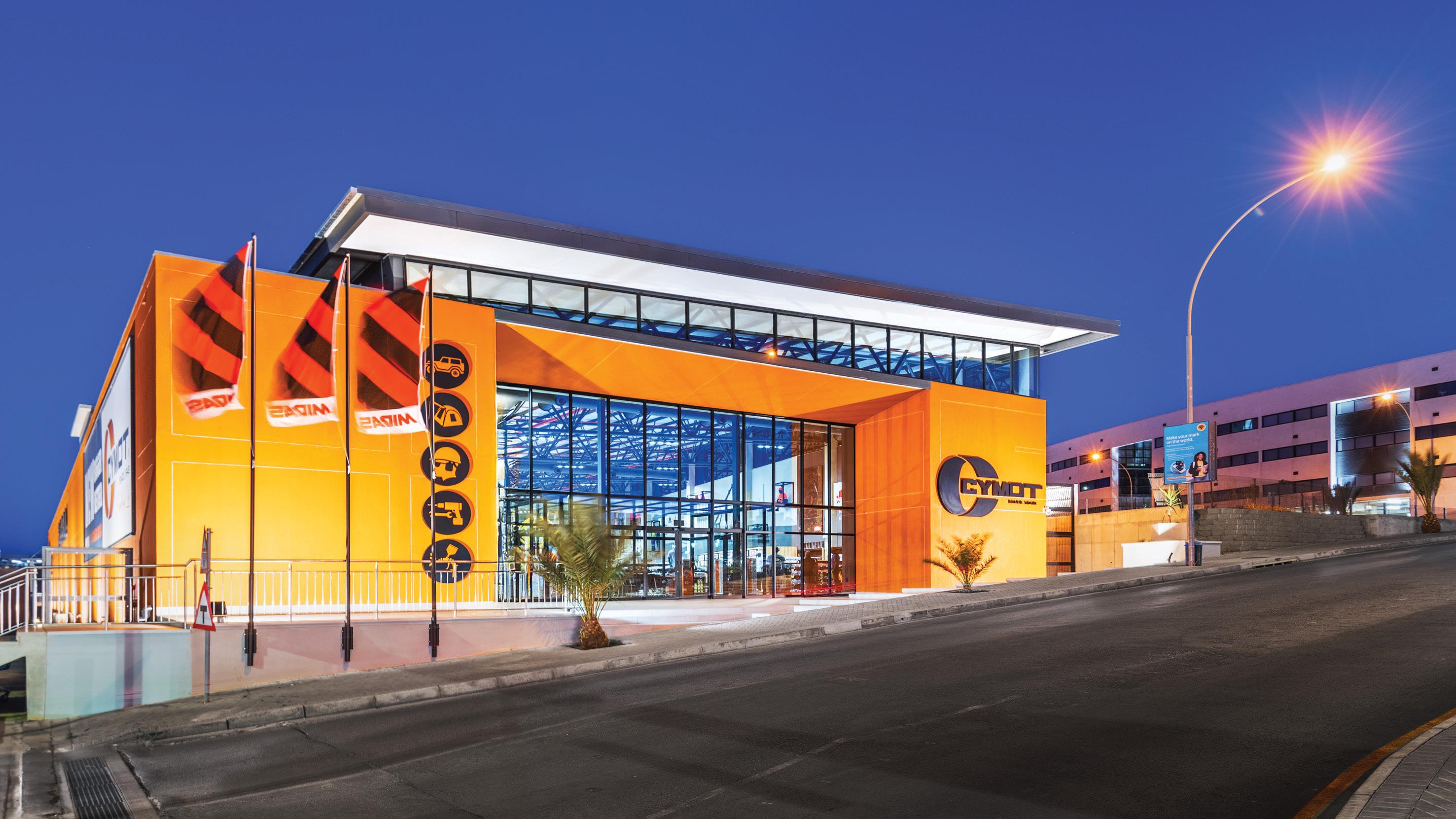
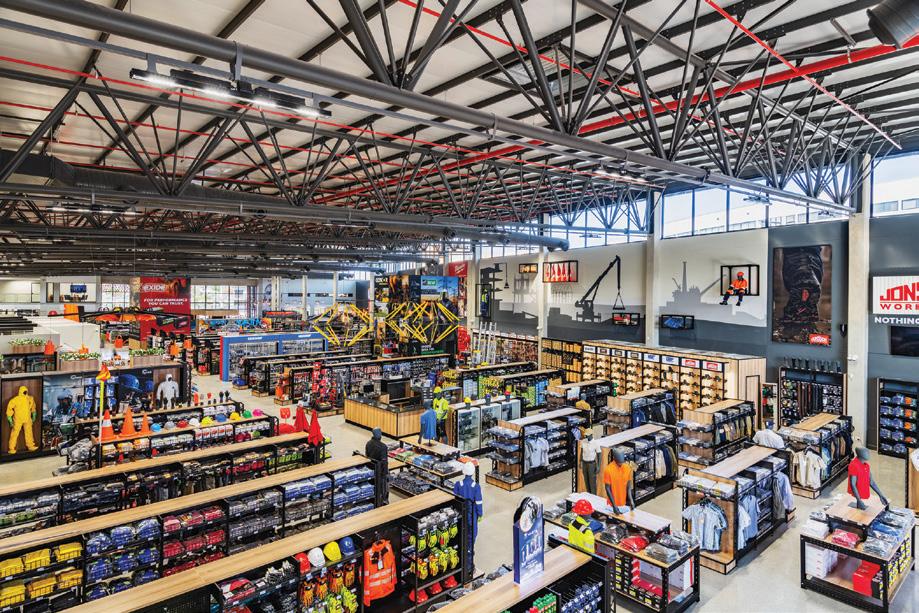
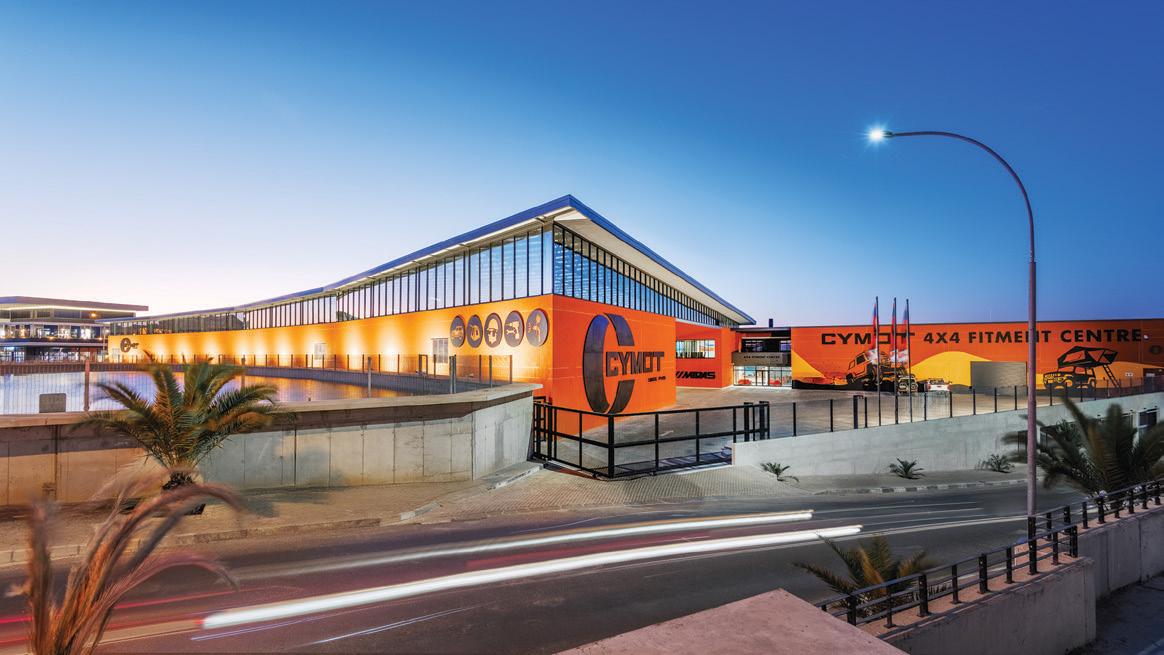
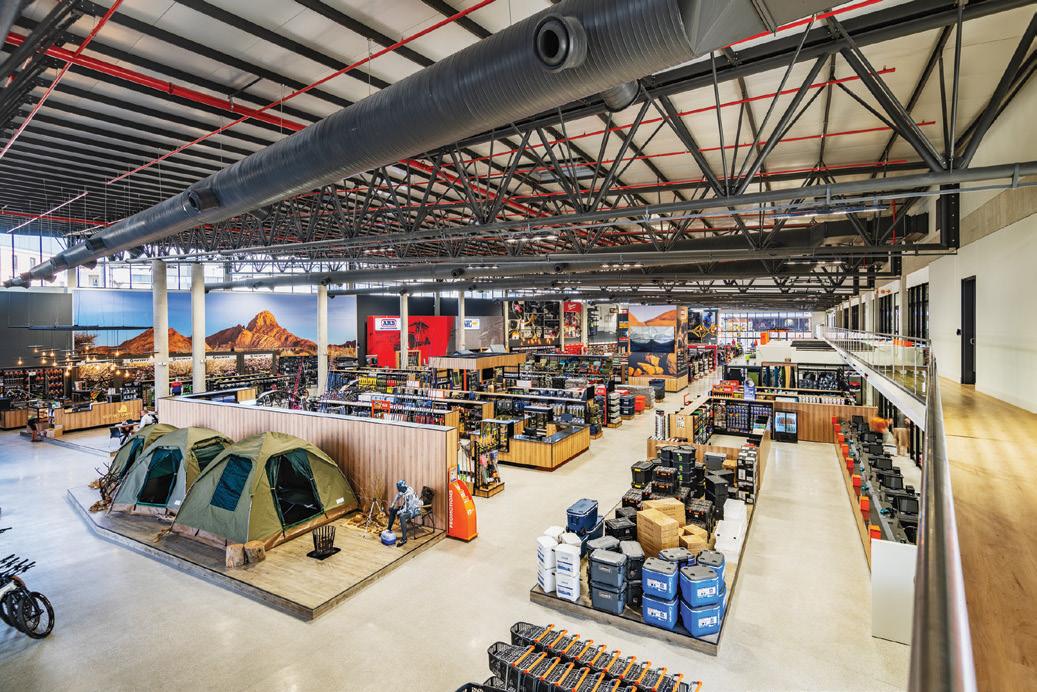
Whether you're on business or exploring Namibia, CYMOT Hilltop has everything you need under one roof!
Conveniently located next to Grove Mall in Windhoek, we make shopping easy, hassle-free, and enjoyable.
Start your journey with the perfect cup! Fuel up with the rich aroma and bold avours of Slow Town Coffee, available in-store. From a quick espresso to a smooth latte, every cup is crafted to perfection.
inspired
IWhen Tears Talk: Rethinking Emotional Intelligence and Leadership
came across a study recently – one of those pieces of research that makes you stop, sit still for a moment, and rethink the traits we so often dismiss or misunderstand. It suggested that emotional sensitivity, the kind that brings tears to the surface without warning, might not be weakness at all. It might be intelligence – a different kind of intelligence –operating in real time.
That thought lingered with me.
For so long, we’ve been conditioned to believe that strength looks like armour: steady voice, composed face, nothing too visible. But what if emotional expression isn’t the leak in the system – what if it’s proof that the system is working? Processing? Integrating information faster and more deeply than we realise?
For decades, leadership was measured in decisiveness, toughness and the ability to keep emotion firmly out of view. Yet modern neuroscience and psychology suggest a very different truth: emotional intelligence – not stoicism – is one of the strongest predictors of long-term success.
Emotional responsiveness, including the instinctive rise of tears during moments of intensity, is often misunderstood. Rather than signalling instability, it reflects a nervous system processing information rapidly and deeply. People who feel strongly tend to pick up micro-tensions in a room, sense shifts in tone, and respond to subtle social cues long before others register them. Their emotions don’t cloud their judgment; they sharpen it.
This aligns powerfully with the work of psychologist Daniel Goleman, whose research formed the backbone of the Harvard Magazine article “The Emotional Path to Success.” In reviewing nearly 200 major organisations, Goleman found that emotional intelligence – the blend of selfawareness, empathy, emotional regulation and social skill – is “twice as important an ingredient of outstanding performance as cognitive ability and technical skill combined.” At the higher levels of leadership, this gap widened even further. When people operate in complex environments, the
ability to read others and create trust becomes the real differentiator.
Goleman also emphasises that emotional intelligence is not innate or fixed. The brain’s circuitry is malleable; habits of awareness, patience and empathy can be strengthened with practice. Leaders are not simply born with emotional capability – they can cultivate it through deliberate attention to how they communicate, handle stress and build relationships. This means EI (emotional intelligence) is not a personality trait; it is a learnable competency with measurable impact.
High-EI individuals often excel because they integrate information faster and more holistically. They are able to regulate their own internal states, which allows them to return to clarity more quickly after moments of pressure. They read group dynamics intuitively, diffuse conflict before it escalates and guide interactions toward cooperation rather than competition. Their influence comes not from volume or dominance, but from resonance – people feel understood, seen and safe enough to perform at their best.
In a world where complexity is increasing, where teams are diverse, and where the demands on leaders change hour by hour, this kind of emotional agility is becoming essential. We are moving away from the myth of the unflappable leader who never cracks, and toward a model in which presence, empathy and responsiveness form the core of effective leadership.
If tears rise during moments that matter, perhaps they are not a flaw to suppress but a signal: a nervous system working exactly as it should. Emotional intelligence does not weaken leadership – it strengthens it. It widens perspective, deepens connection and builds the kind of trust that enables people and organisations to thrive.
In the end, the leaders who succeed are not those who feel the least, but those who understand their feelings best – and use them wisely.
Elzanne McCulloch
The young talent lighting up Namibia’s fashion NEW GUARD
As the year 2025 drew to a close, Namibia’s fashion season revealed a list of fresh talent that is ready to shake up the industry. If their debut collections are anything to go by, these student designers are the emerging fashion stars of tomorrow.
And if you, like many Namibians, are struggling to find new Namibian designers to dress you, look no further than our fashion schools. In fact, sourcing talent from fashion students has been such an underrated styling hack. Not only do you tap into a pool of designers with a fresh perspective, but you typically end up paying less than you would at an established
designer and get to be in on the latest trends from the young designers who are typically eager to prove themselves.
COTA STUDENTS HOLD THEIR OWN
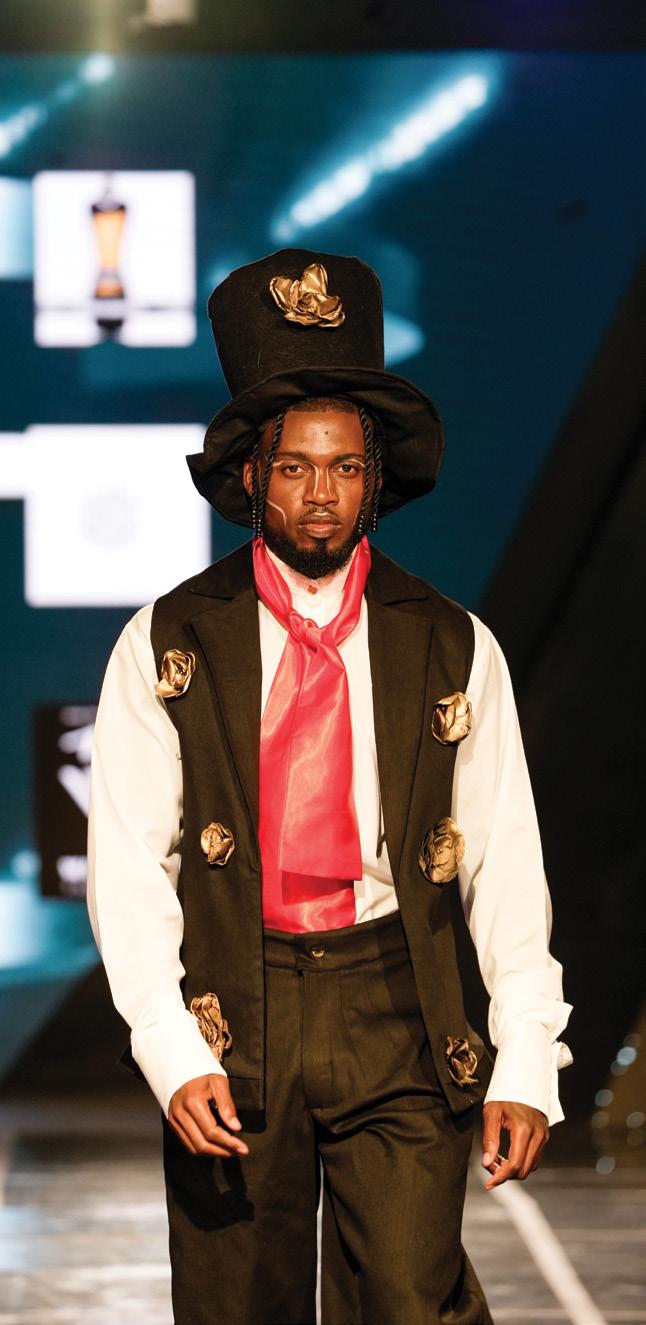
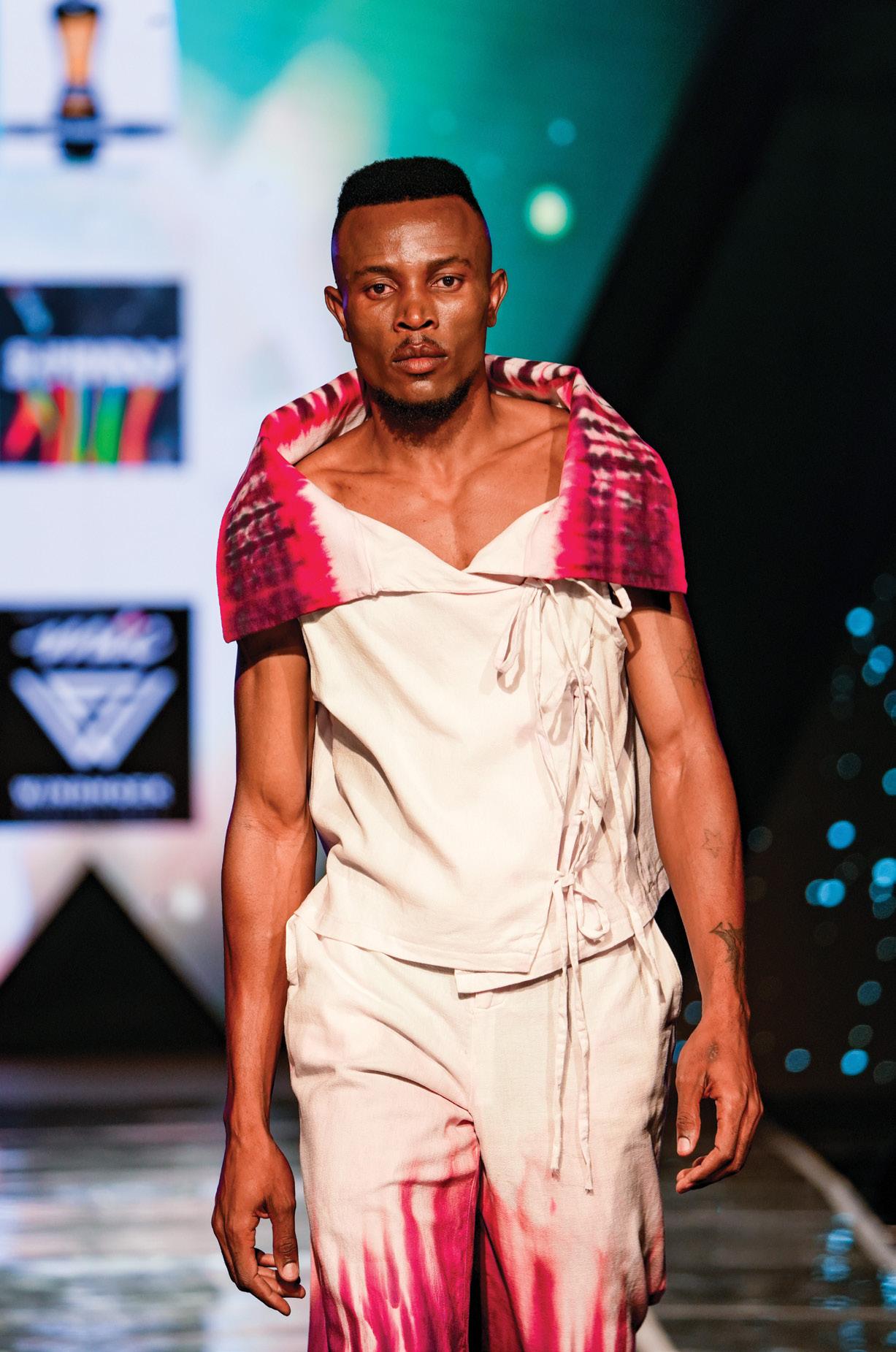
The students at the College of the Arts (COTA) are proving that the future of Namibian fashion is in good hands. After showcasing the most professionally made collections at MTC Windhoek Fashion Week in November 2025, the students proved that it does not take years of experience to put out impressive work at a leading fashion event.
Ndunga, Shmoody, Sesy Toromba and Yothase all produced exceptional work as part of their final-year collections. These young designers did not only show promise, but they also proved that they can play in the big leagues, showcasing their work alongside talented designers from Botswana, Angola and South Africa.
Roccarna Hailume, the designer behind the Shmoody brand is a third-year fashion design student at COTA. Her graduate collection was inspired by her father’s death. “My collection is called The Final Sunset, a reminder to me that we never know when we get to experience our final sunset, so we have to enjoy every moment.”
For Magarida Fernando, the Yothase brand that she introduced to the world is rooted in the steampunk science subgenre.
Another fashion student, Anna-Kredula Ndunga, took a poetic direction with her work. Describing her collection, which was a favourite amongst many fashion week attendees, she said: “It’s inspired by dark romance, ethereal mysticism and
Photography: Contributed; Novix
Studio; Windhoek Fashion Week
Sesy Toromba
Yothase
Ndunga
elemental power – a tale where love, nature and spirit collide in hauntingly beautiful forms.”
The COTA designers’ work excelled both in structure and form, with clear storylines and themes presented through capsule collections.
THE UNAM FASHION DEPARTMENT – SHOWING WHAT IS POSSIBLE ON THE SIDE
At the University of Namibia’s Department of Arts, a new breed of fashion students is staking a claim. With majors like fashion and textiles, these young design students are showing a lot of promise, but not with a dream to pursue a career in fashion design.
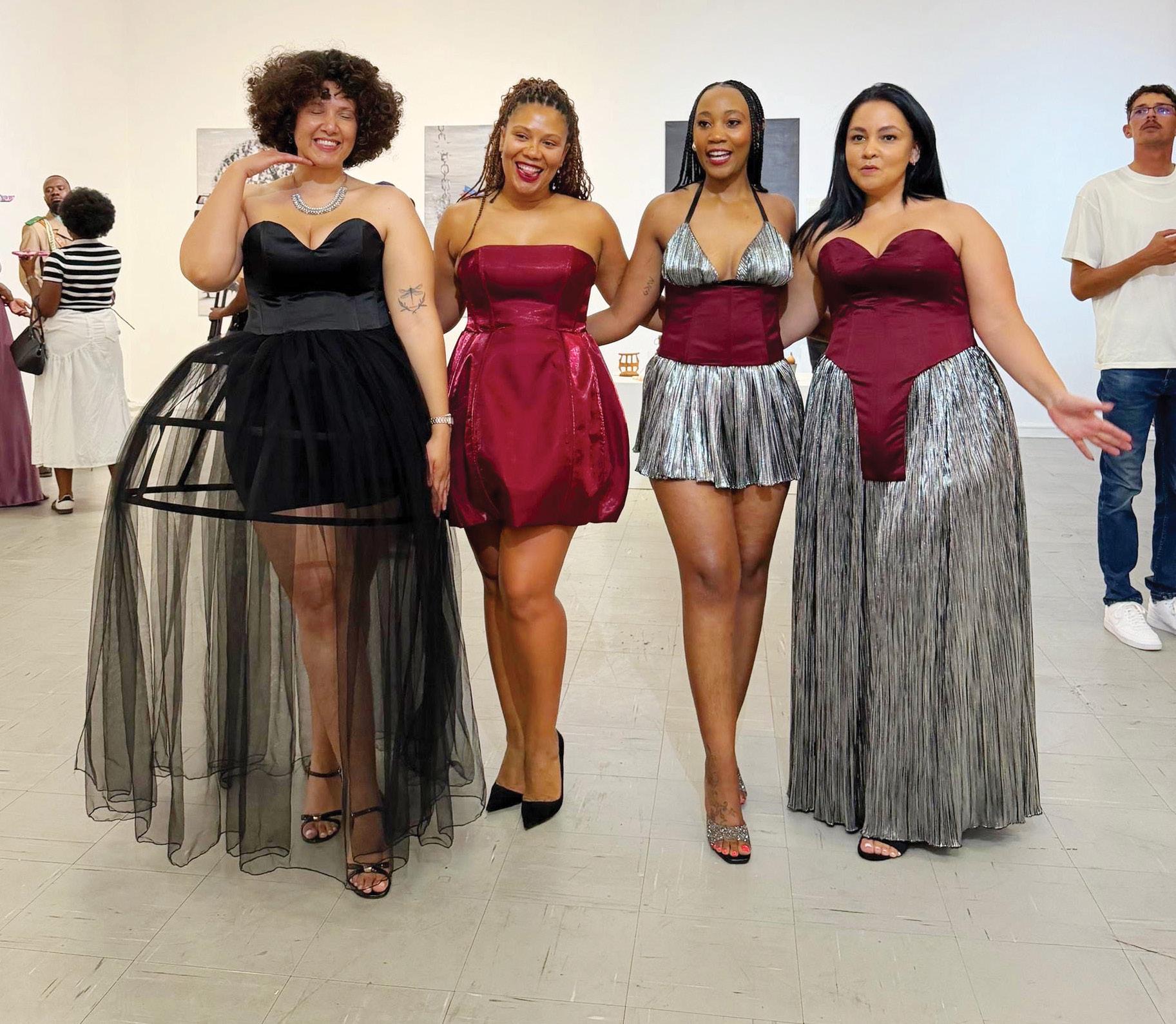
Jaimee-Lee Diergaardt needs no introduction to the arts scene. She is the brains behind Et cetera (Windhoek’s budding arts and entertainment hub). A multifaceted creative entrepreneur, Diergaardt recently went back to school, taking on fashion as one of her majors.
Speaking to me at a student showcase at the National Art Gallery of Namibia, Diergaardt revealed that she does not necessarily see a future as a designer. “What I’ve learnt in this journey is that I want to create garments that fit the wearer’s body. I want the wearer to be comfortable in what they’re wearing by celebrating their body type.”
“I took the structural elements of the 1700s, based on corset boning, which was used to both enhance and hide the figure. But I use those same elements to enhance the fuller figure; not to hide or to correct but to emphasise,” she says.
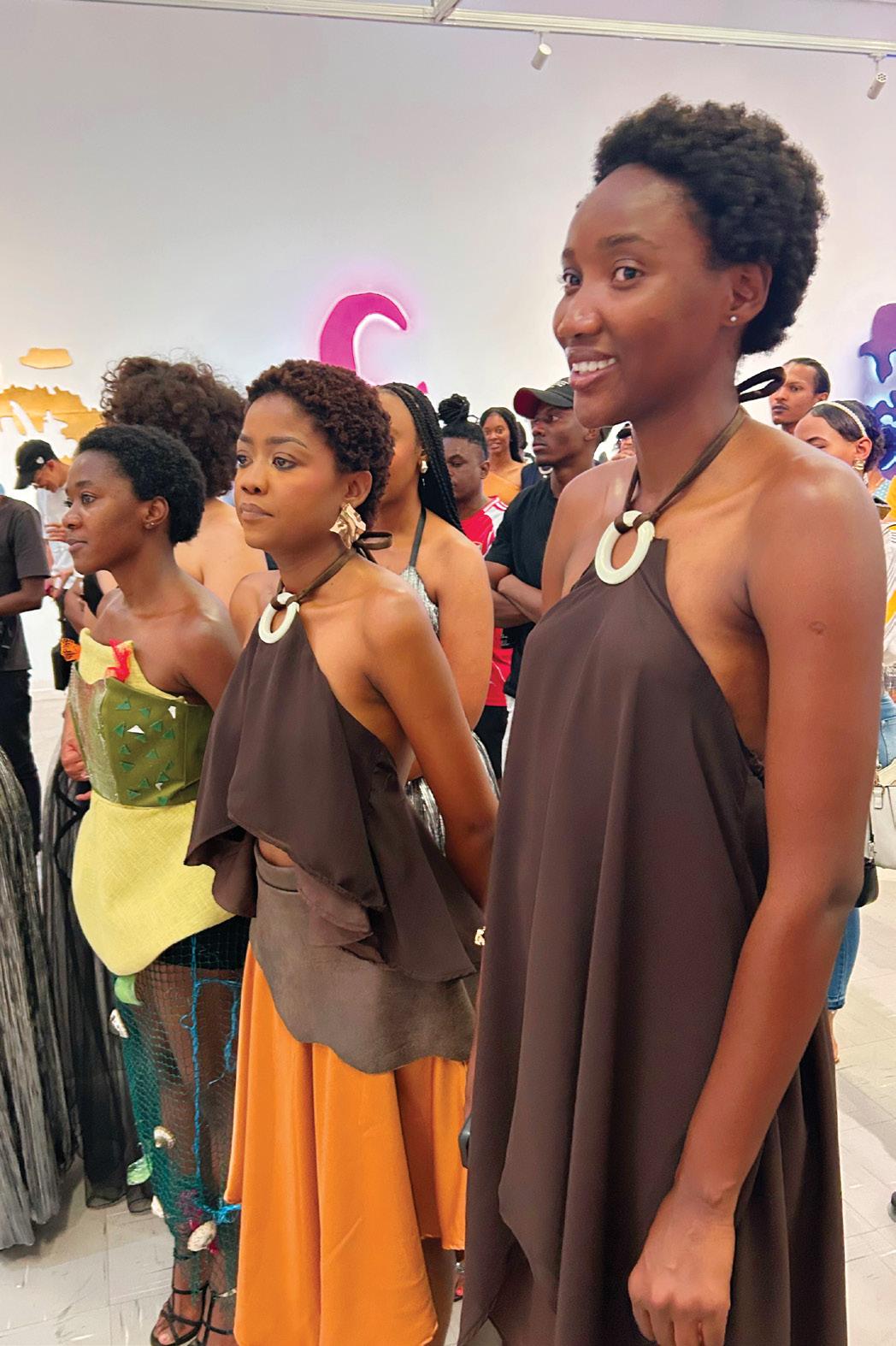
Another UNAM student, Wilhelmine Nangolo, takes a more ethical route in fashion, using her natural surroundings in the fishing town of Walvis Bay (her hometown) for inspiration. “I want to create awareness about what sea animals go through
because of pollution. The garments I made are constricting for the wearer – something I did deliberately, because I want the wearer to feel how the sea animal feels when they get caught in a net.” Her showcased garment was a green dress made from onion net and adorned with all kinds of shells. With a major in sociology, she wishes to use her fashion studies to solve ecological problems once she graduates.
Fun fact: none of the UNAM fashion students see themselves working as fashion designers upon graduation. Most took on fashion as a side project or an elective to help them navigate different careers. But this departure from design is not a loss; it is a lesson. Their collections alone are an example of the possibilities that exist when fashion is freed from commercial constraints and simply being used as a tool for storytelling, cultural commentary and problem-solving. They have shown that Namibian fashion exists beyond the runway, challenging the industry to think bigger about its unique narrative and role in addressing national and global issues.
So, as you start to plan your outfits for all the major moments of 2026, remember that the most exciting fashion stories come from the most unexpected places. Keep your eye out on these young talents, as they will no doubt change the game.
Rukee Kaakunga
Delia Khaises
Shmoody
The new Fly-in Zambezi Lodge-Hopping Charter, in partnership with Gondwana Collection Namibia, will operate from July to November 2025 on a charter-only basis, providing seamless connections between lodges in Namibia’s Zambezi Region, Victoria Falls, and Maun. The aircraft will be stationed in Katima Mulilo, allowing for flexible, on-demand flights tailored to travel agents, tour operators, and private guests.
For more information or bookings, please contact reservations@westair.com.na
Mudumu National Park
Nkasa Rupara National Park
Lianshulu
Divundu
Victoria Falls
Impalila Island
Katima Mulilo
Kasane
Maun
can fly to any regional airstrip
EU-funded initiative strengthens community recycling
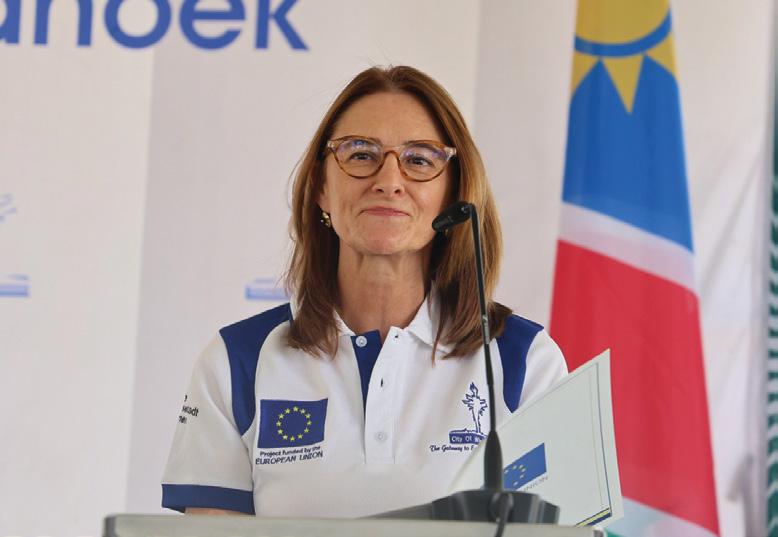
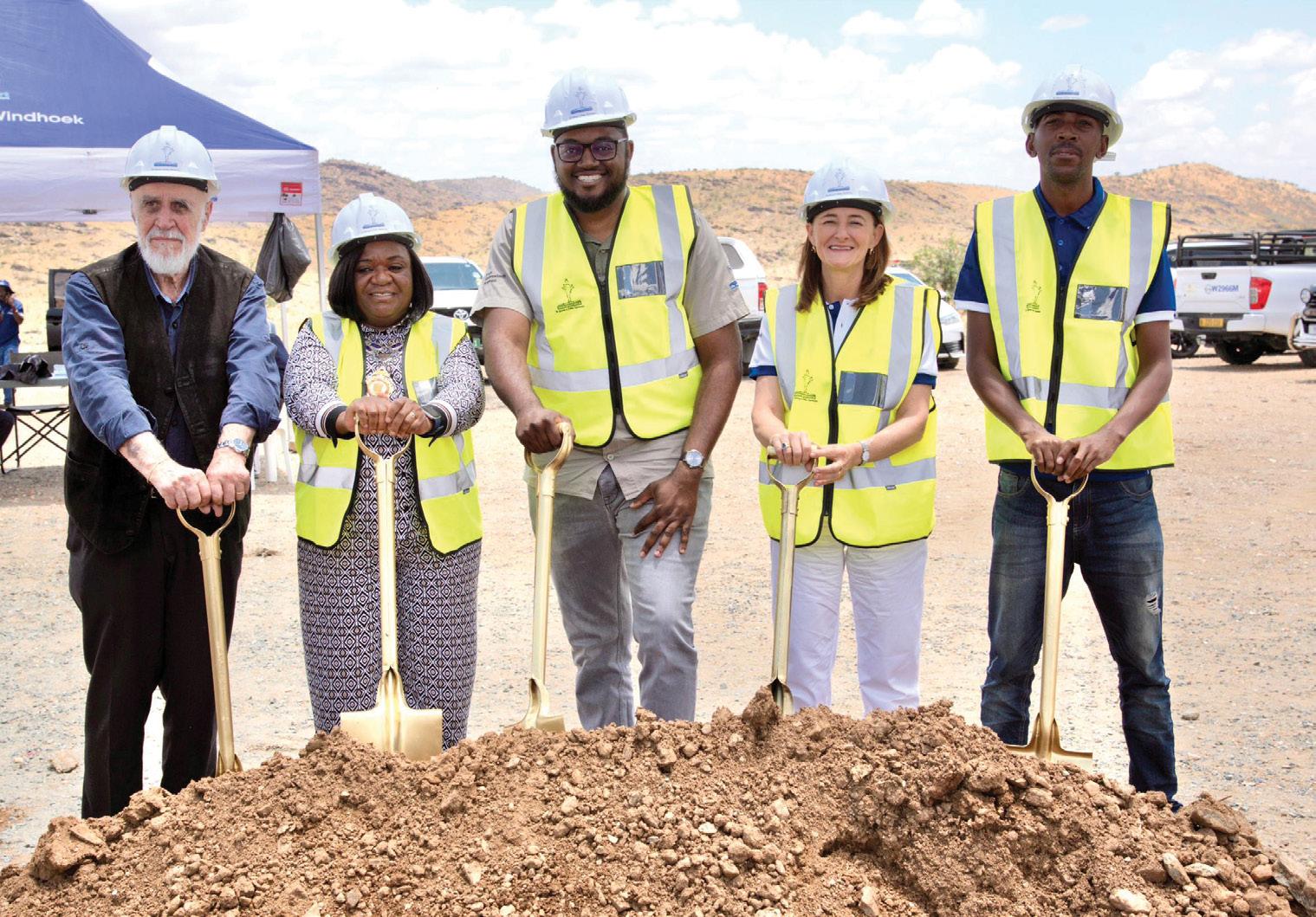
The City of Windhoek has officially broken ground on its second waste buy-back centre in Okuryangava, Katutura, marking another step toward strengthening waste management and promoting community recycling. The initiative forms part of the Improving Solid Waste Management in Windhoek project, funded through a N$44 million grant from the European Union (EU) in partnership with the City of Bremen.
Speaking at the groundbreaking ceremony, EU Ambassador to Namibia Ana-Beatriz Martins said the new centre plays a vital role in building a cleaner and more sustainable urban environment. She noted that, as Windhoek continues to grow, rising waste volumes are placing pressure on existing systems, making community-based recycling solutions essential.
“Solid waste management is a global concern. It is key to safeguarding public health and protecting our environment. The European Green Deal, the EU’s roadmap to becoming climate neutral by 2050, underscores our commitment to addressing these challenges by promoting circular economy practices that reduce greenhouse gas emissions and enhance recycling,” said Martins.
The buy-back centre serves as a hub where community members can bring recyclable materials such as cans, plastics, paper and glass to exchange them for cash. This approach not only diverts waste from landfills but also provides an income stream for local residents, particularly unemployed youth, informal waste collectors and low-income households.
Since the first centre opened in April 2024, it has recorded approximately 9,000 drop-offs, reflecting a growing culture of recycling and shared responsibility. Ambassador Martins said the initiative has already created green jobs, supported small-
scale entrepreneurship, reduced greenhouse gas emissions and introduced waste separation practices in many homes.
She commended local communities, the City of Windhoek and the City of Bremen for demonstrating how public-private partnerships can improve livelihoods while protecting the environment.
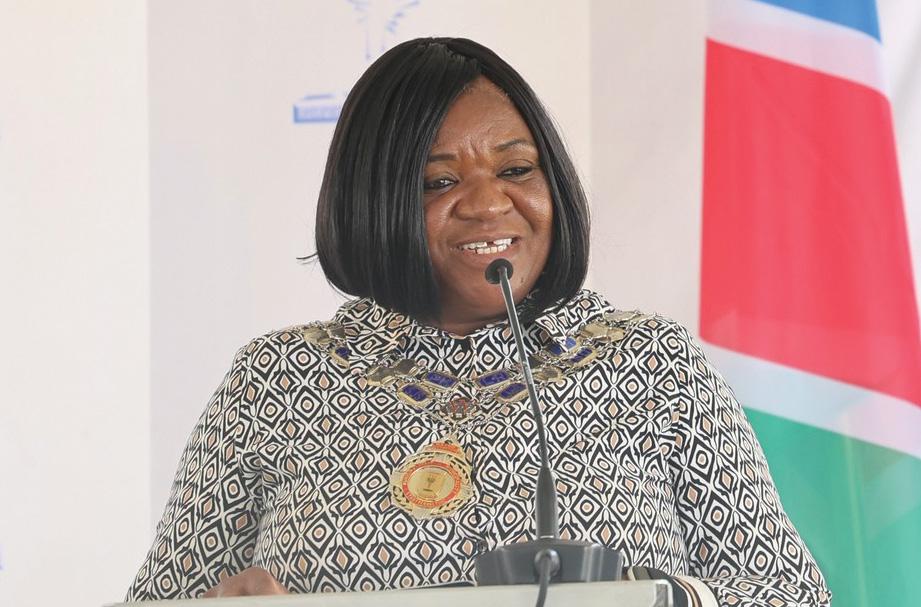
City of Windhoek Mayor Ndeshihafela Larandja said the project marks another important milestone in the city’s journey towards a cleaner, greener and more circular economy in waste management.
“Through the first waste buy-back centre, we have seen how innovation, community participation and partnerships can bring tangible results. We are not only promoting environmental sustainability but also creating green jobs and business opportunities across the waste value chain,” she noted.
Khomas Region Governor Sam Shafiishuna Nujoma Jr said such projects are not merely environmental initiatives but developmental catalysts that support broader national goals.
“This initiative aligns strongly with Namibia’s national development priorities as outlined in the Sixth National Development Plan (NDP6), which emphasises sustainable economic growth, job creation, poverty eradication and environmental protection,” said Nujoma.
The new centre in Okuryangava is expected to expand recycling access, increase income opportunities and encourage long-term behavioural change, helping to build cleaner neighbourhoods and stronger community pride.
Maggie Forcelledo Paz
Upgrading Your Brain's Feedback Loop
The Power of Thinking About Your Thinking
Have you ever caught yourself mid-thought and wondered, Why am I thinking this way? That moment, brief, subtle and often overlooked, is more powerful than it seems. Psychologists call it metacognition. It is essentially your brain stepping back to examine itself in action.
I came across the musings of a writer recently who experienced this while working on a book. She had just typed a sentence that sounded wonderfully sophisticated, the kind that feels clever as it leaves your fingertips. But something felt off. When she paused and asked herself why she liked the sentence so much, the truth became clear. It sounded intelligent, but it was not actually clear. She had been writing to impress rather than to communicate.
That small realisation shifted everything. Instead of asking "Does this make me sound smart?" she began asking questions that mattered more. "Is this clear? Will the reader understand it? Am I assuming too much?" By paying attention not only to what she was writing but to how she was thinking while writing, her work and her learning improved.
This is metacognition in action. It is learning not just from experience, but from noticing the way you interpret experience.
How We Normally Learn
Most learning happens on autopilot. The brain predicts, acts, observes results and updates its expectations. Touch a hot stove and you learn to avoid heat. Send a message that goes unanswered and you learn not to expect a reply. This loop shapes your habits and beliefs daily.
It works quickly, but it is far from perfect.
The brain often pays attention to the most noticeable signal rather than the most important one. A single failure can convince you that you are bad at something. A good day can inflate confidence unrealistically. Automatic learning rarely stops to ask, "Am I learning the right lesson?"
It is like travelling without ever checking a map. You might get somewhere, but you will not know why.
The Skill Most People Overlook Metacognition is the ability to look at the map. It is awareness of how your mind works. It means watching your reasoning, questioning your assumptions and noticing your confidence levels.
Experts do this naturally. A chess master does not just analyse moves. They analyse their own thinking. A surgeon tracks not only the patient, but their own focus, fatigue and emotions. This allows them to adjust in real time rather than correcting mistakes after the fact.
How to Strengthen Your Feedback Loop
Metacognition is trainable. You can practise it daily through simple habits.
• Explain new ideas to yourself. Why do they make sense? How do they connect to what you know?
• Study your mistakes instead of rushing past them What happened and why?
• Think out loud or write your thoughts. Your reasoning becomes easier to review when visible.
• Check how confident you feel. Is your certainty based on evidence or instinct?
• Observe thoughts without judgement. Patterns become clearer when you simply notice them.
Be curious about how your mind works. Notice when decisions feel easy, when motivation drops, and when the same errors repeat. Metacognition is not about thinking harder. It is about thinking with awareness.
The next time you learn, plan or problem-solve, pause and ask: How am I approaching this? What am I assuming? How sure should I be?
Those questions, repeated often, can upgrade the way you learn and the way you live.
Elzanne McCulloch
Leopard’s Leap Wines
EXPERIENCE THE SPIRIT OF THE CAPE IN EVERY BOTTLE
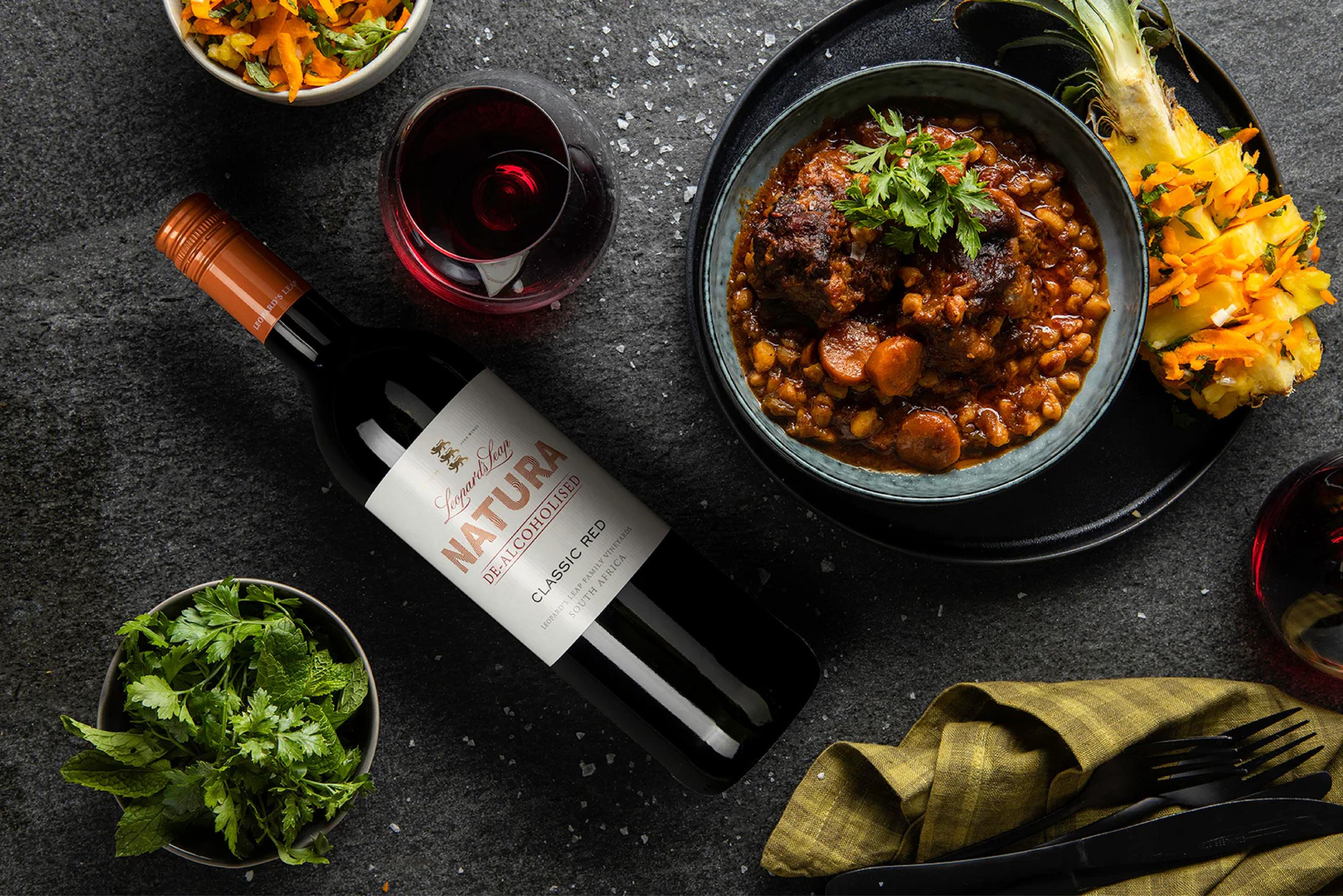
Leopard’s Leap wines reflect South Africa’s Cape – vibrant, welcoming and full of character. Every bottle is crafted for enjoyment, rooted in passion and made to share.
THE CAPE IN EVERY GRAPE
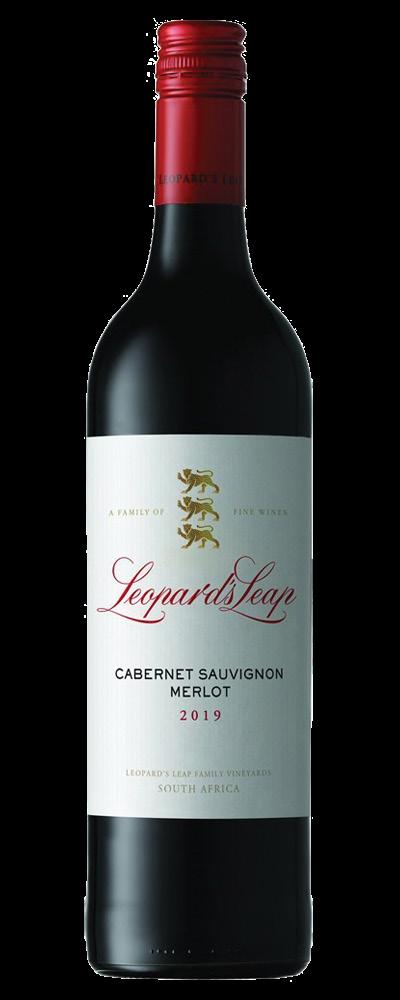
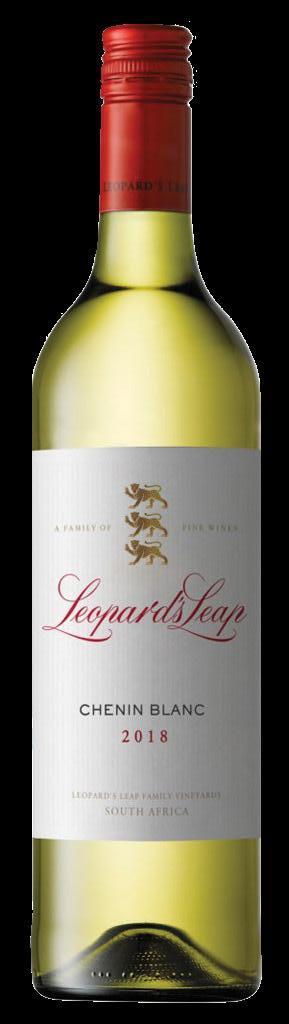
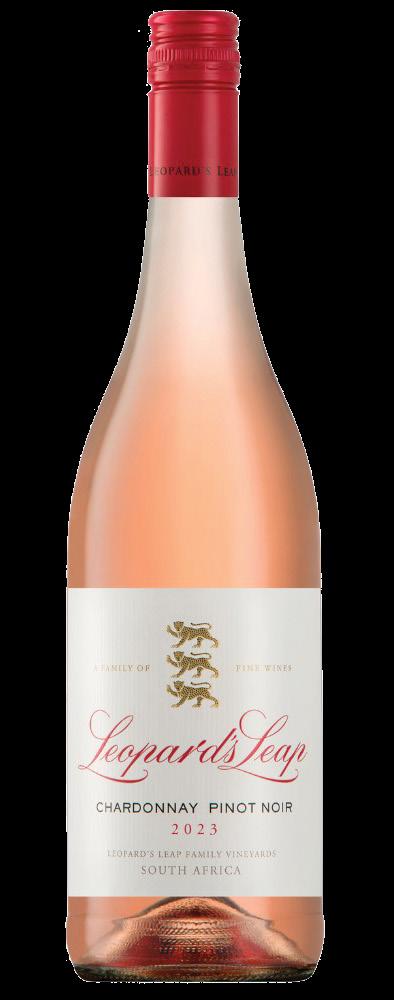
A diverse collection is on offer, born from the richness of the Cape Winelands crisp whites, vibrant rosés, and bold reds. Each variety is carefully selected to express the natural gifts of the region, from sun-drenched Sauvignon Blanc to smooth Merlot and deeply layered Cabernet Sauvignon.
CRAFTED WITH CHARACTER
Every wine is made to be approachable yet refined, combining the vibrancy of fruit with structure and elegance. Whether dry and refreshing or richly textured, the style speaks of craftsmanship and a deep connection to the terroir, making it the perfect companion for everyday enjoyment or special occasions.
TIME AND TECHNIQUE
A balance of modern precision and traditional methods brings out the best in every bottle. Stainless steel preserves freshness, while select oak
maturation adds subtle depth, ensuring complexity without overpowering the wine’s natural essence.
AROMAS OF THE CAPE
Each glass offers a sensory journey: tropical fruits and citrus in the whites, juicy red berries and hints of spice in the reds. These aromas evoke the breeze, sunshine and flora of South Africa’s Cape, drawing you into the landscape with every swirl.
A TASTE OF PLACE
The palate delivers balance and harmony, bright acidity, plush fruit and silky tannins. From crisp and lively to rich and full-bodied, every sip is layered with the soul of the Winelands and the care of passionate winemakers.
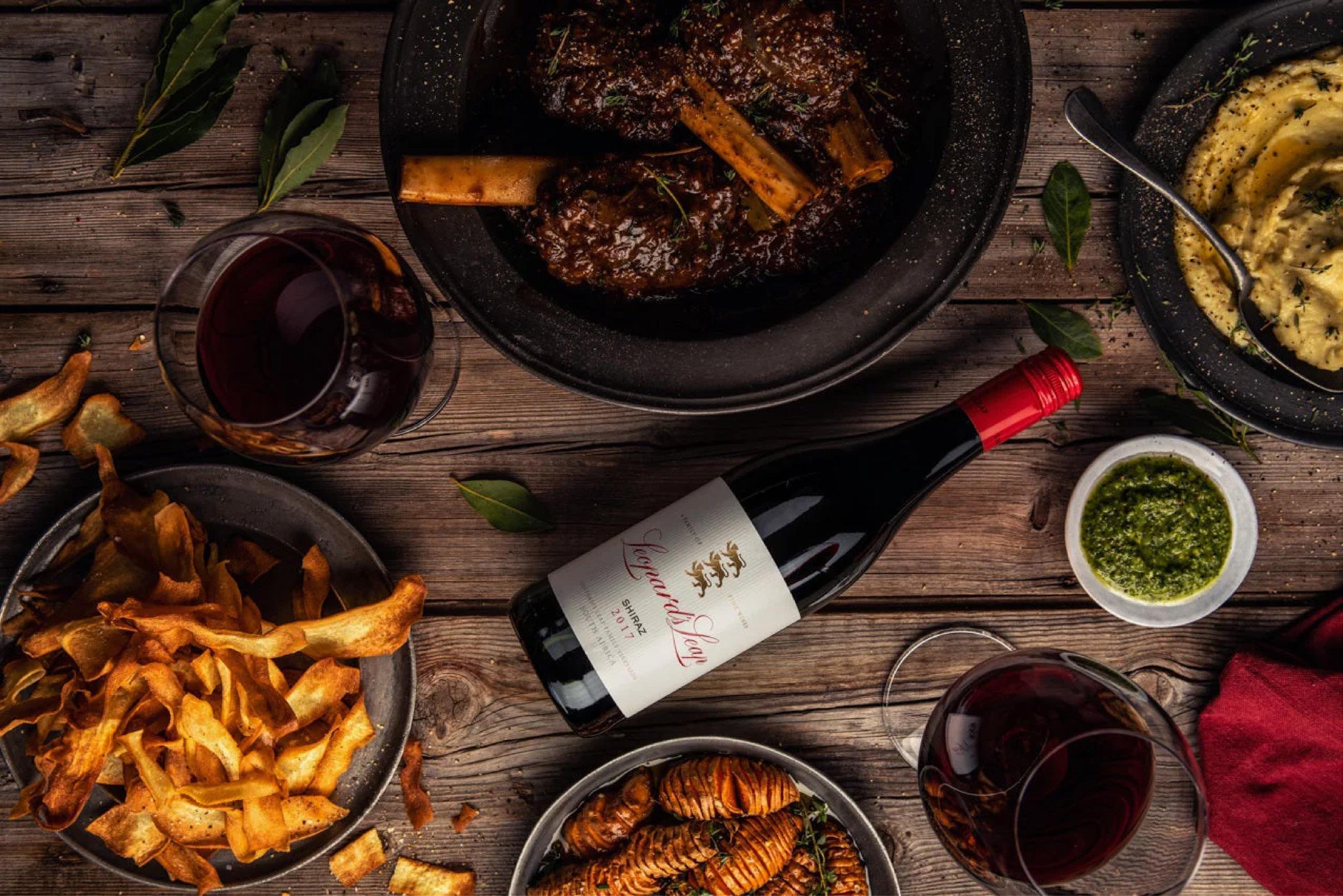
PERFECT PAIRING FROM THE CAPE
From rotisserie meats and seasonal salads to woodfired pizzas and traditional braaibroodjies, these wines were made to complement food and elevate the moment. Whether around the table with friends or at our Franschhoek tasting room, every pairing is an invitation to share in the Cape’s culinary charm.
Come taste the Cape!
MRM Team Supports Vision Life Care Organisation
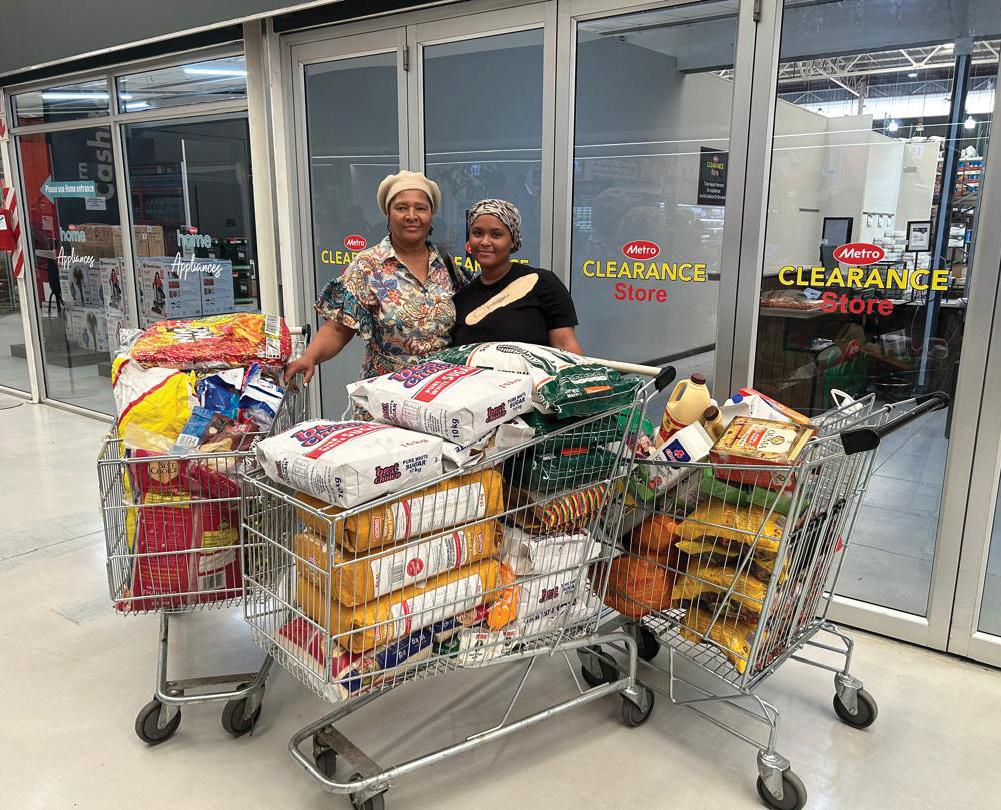
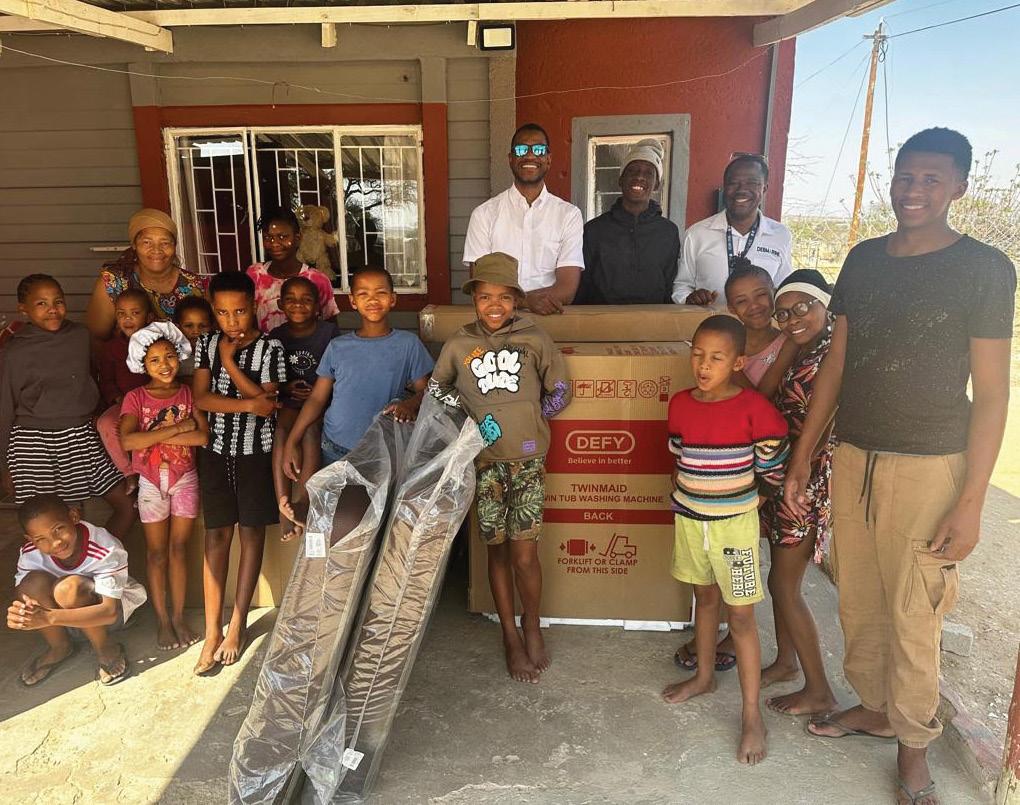
The Mineral Resources Management (MRM) team at Debmarine Namibia recently collected funds that were generously matched by the company, resulting in a heartfelt donation to the Vision Life Care Organisation. Located in Groot Aub Settlement, south of Windhoek, this organisation has been a beacon of hope for vulnerable children for decades.
At the heart of Vision Life Care is Clara Baitsewe, a woman whose dedication has touched countless lives. Clara began caring for children in 1988, and today the organisation supports 32 children, 18 girls and 14 boys, ranging in age from just two (2) years old to 20.
While Clara occasionally receives assistance from private donors, sustaining the organisation is a constant challenge. That is why the support from Debmarine Namibia’s MRM team has been so impactful. With this sponsorship, Vision Life Care can provide food, furniture, and other essentials, easing the daily burden of wondering where the next meal will come from.
Clara expressed her deep gratitude: “We can do what we do because of your help. We are now able to stop worrying about where our next meal will come from. We are so grateful to MRM.”
Her inspiration comes from watching children who once struggled begin to thrive, determined to achieve their dreams. “They are so full of hope to leave their past behind and strive to take their place in life. What keeps me going is when people like you take us by the hand and reach out. It says, ‘Let’s do it.’ It gives me hope.”
Debmarine Namibia’s MRM, represented by Exploration Manager Simon Hengua and Mine Planning Manager Muvitjikalepo Muatala on behalf of their team, is proud to support Clara Baitsewe and the Vision Life Care Organisation, reaffirming its dedication to uplifting communities. Through their generosity, the team provided a washing machine, baby cots, and essential perishable items, helping to bring comfort and relief to the children and caregivers at the centre.
NAMIBIA ACCELERATES WATER SECURITY MEASURES AMIDST ONGOING DROUGHT
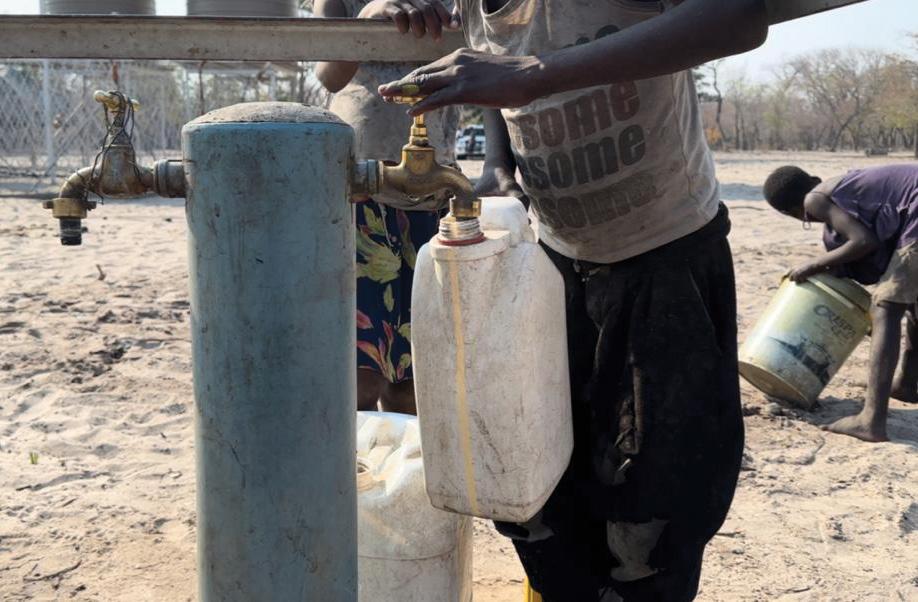
Prolonged periods of below-average rainfall lead to a shortage of water for communities, farming and the environment. While drought is a natural phenomenon, its effects on livelihoods can be severe and far-reaching. In Namibia, this is a recurring challenge, with large parts of the country experiencing chronic water scarcity. Falling groundwater levels, shifting rainfall patterns and increasing demand have placed immense pressure on the nation’s water resources.
In rural communities, the impact is immediate and personal. In regions such as Kunene, Omusati, Oshana, Ohangwena, Oshikoto, Kavango East, Kavango West, and Omaheke, families who depend on farming and livestock are living on the frontlines of water scarcity. Urban areas are also feeling the pressure with water restrictions becoming common. Conversations about conservation are no longer abstract, they are necessary!
In response, the government has launched a national effort aimed at both relief and resilience during an urgent highlevel drought response meeting led by Prime Minister Elijah Ngurare, together with key institutions such as NamWater, NamPower and line ministries.
IMMEDIATE RESPONSE EFFORTS
The government has intensified efforts to address ongoing water shortages across the country through a series of key interventions. These include expanding water pipelines and improving rainwater harvesting by constructing and rehabilitating dams. Boreholes are being drilled and upgraded, with mini desalination plants introduced in remote areas to provide safe drinking water. Communities are also being supported to establish household and communal gardens to strengthen food security. Additionally, measures
to prevent and control veld fires have been strengthened, and the sealing of the Etaka-Uuvudhiya Earth Canal in the northern regions is being fast-tracked to reduce water losses and improve distribution.
In many areas, agriculture is the main source of income. When water becomes scarce, crops fail to grow and livestock struggle to survive, leading to reduced harvests, food shortages and higher market prices. These affect both farmers and consumers. Farmers may lose their income, while families who depend on agricultural jobs face financial strain. Over time, prolonged drought can weaken local economies, heighten food insecurity and force families to relocate in search of better opportunities.
The Ministry of Agriculture, Fisheries, Water and Land Reform said work is progressing steadily on the 140-hectare Ekoka Irrigation Project in the Ohangwena Region. The initiative aligns with President Netumbo Nandi-Ndaitwah’s call to boost agricultural production and strengthen Namibia’s food self-sufficiency.
During a recent site visit to Ekoka village, the ministry’s executive director, Ndiyakupi Nghituwamata, reiterated the government’s commitment to transforming underutilised land into productive agricultural hubs that create jobs and improve livelihoods. A key focus of the project is securing a sustainable water supply. The ministry confirmed that a geophysical investigation was carried out in August 2025 to identify suitable borehole sites capable of supplying reliable, goodquality groundwater. This is considered the most practical and cost-effective option for the scheme’s long-term success.
Maggie Forcelledo Paz
Photography:
IN LOVING MEMORY OF DR NAD (CONRAD) BRAIN
We are deeply saddened by the sudden passing of Dr Nad (Conrad) Brain in late November last year, and share our deepest and sincerest condolences with his family, friends, colleagues, and all who walked with him through the wild heart of Namibia. Nad was many things to many people – a scientist, a storyteller, a conservationist with a pilot’s eye for perspective and a poet’s heart for the land beneath his wings. To us, he was a friend. A constant in our lives and on our pages, his voice thread through our publications for more than three decades.
He lived with a quiet, intentional love for nature. We shared many loves, Nad and I – for rhinos, for wide open space, for the hum of a Land Rover engine carrying dust and meaning in equal measure. My most cherished shared journey was during 2025 as we produced Leonard the Land Rover – the revival edition of a story that felt like Nad himself: rugged, tender, full of history and humour. Just a week before his passing, he read the final proof. He sent me a voicenote saying it brought a tear to his eye to hold it in his hands, that he was excited to launch it, and that his brother had carved little wooden Leonard figurines for the occasion. We hold that voice close now — the warmth in it, the pride, the joy of seeing Leonard come alive again.
What comforts us most is knowing that Nad’s stories will continue their journey. Leonard the Land Rover, and the follow-up manuscript he sent only two weeks before his passing – Leonard Goes to Etosha – will live on, inspiring nature lovers, young explorers, conservationists and dreamers for years to come. His words will still find their way into hands and hearts. His voice will still echo through pages and plains.
Nad’s conservation career was as expansive as the landscapes he served. After qualifying as a veterinarian at Onderstepoort (Pretoria University), he pursued a PhD through Wits Medical School while based at Gobabeb, studying the most western baboon troops in the Kuiseb River. It was here that he produced a film on baboon behaviour – a work that earned him a Best
Newcomer nomination at the Green Oscars in Bristol. From there, he moved into one of the most pivotal chapters of his life: thirteen years as chief veterinarian in Etosha National Park, where he learned to fly – a skill that became central to the work he would dedicate his life to. Those early flights evolved into more than 10,000 hours in the sky, supporting antipoaching operations, disease control, carnivore monitoring, mass translocations and conservation research across Namibia’s wildest spaces.
For the past 20 years, Nad was a valued part of the Wilderness family – first as a commercial pilot tour guide and environmental officer, later as a key figure in countless conservation missions. More recently, he helped establish EcoWings Namibia, providing aerial support for environmental organisations, veterinary outreach to rural communities, rapid response and monitoring from the air. By 2025 he had already completed six such operations – always happiest when flying low over wilderness areas, doing work that mattered, engine and purpose aligned.
We will long remember this humble, kind, deeply passionate human being – a conservation scientist, wildlife vet, master bush pilot, filmmaker, researcher, writer and eternal student of the natural world. A man who planned the next adventure around the glow of a campfire, never running out of story or curiosity.
Go well, Nad. You will be greatly missed and always remembered.
To those who loved him, to his family most of all, we hold you in our hearts. We mourn the loss. But we celebrate the light he leaves behind.
– With love and gratitude, Elzanne McCulloch & the Venture Media Team
WFP NAMIBIA 2025
The United Nations World Food Programme (WFP) continued to support vulnerable Namibian communities throughout 2025 amid the ongoing drought and rising food insecurity. The following highlights summarize WFP’s impact, partnerships, and reach across the country this year.
12
Fed Through the Home-Grown School Feeding Programme
The Home-Grown School Feeding Programme improved school attendance, retention & nutrition
NAMIBIA URGES STRONGER GLOBAL ACTION AT COP30 IN BRAZIL
President Netumbo Nandi-Ndaitwah has called for urgent, collective global action to confront the escalating climate crisis, stressing that climatevulnerable nations like Namibia can no longer afford delayed implementation of key environmental commitments. She delivered the message during her address at the COP30 heads of state summit held in Belém, Brazil.
In her address, the president noted that climate disasters – including the recent hurricane Melissa that devastated Jamaica, Cuba and other nations – demonstrate the urgent need to fully implement the Paris Agreement. She also highlighted that Namibia is experiencing climate impacts at a rate faster than the global average.
“More than 80% of Namibia’s landmass is classified as arid or semi-arid, and over 70% of the population depends directly on agriculture for food security and livelihoods,” she noted. The head of state recalled the flash floods experienced earlier this year, which caused loss of life and damage to key infrastructure, saying these events continue to erode economic gains and undermine development.
ADAPTATION AND MITIGATION
Namibia continues to demonstrate strong commitment to both climate adaptation and mitigation, with the second updated Nationally Determined Contribution (NDC) pledging to:
• Reduce 7.7 million tonnes of CO2-equivalent emissions.
• Increase carbon removals by 4.2 million tonnes by 2030.
The first biennial transparency report for December 2024 confirms that Namibia remains a net carbon sink with carbon removals in the land sector having increased by 45%.
GREEN INDUSTRIALISATION
Namibia boasts one of the world’s first industrial-scale green iron plants powered entirely by green hydrogen. The HyIron Oshivela green iron project, which was launched early this year, will prevent 27,000 tonnes of CO2 emissions annually. “This is part of the transformative green hydrogen strategy
that will see the country take decisive steps towards cleaner and renewable energy sources,” noted Nandi-Ndaitwah.
The president emphasised that climate adaptation is a central priority across eight key sectors such as agriculture, water resources, biodiversity and ecosystems, fisheries and aquaculture, health, infrastructure and coastal management. “Adaptation in these sectors requires an estimated US$6 billion, of which about 90% depends on international support. At the same time, mitigation across various sectors is estimated to cost US$9 billion, of which 10% is expected to come from domestic resources,” said NandiNdaitwah. She further called for COP30 to operationalise the new collective quantified goal on climate finance of US$1.3 trillion, ensuring it is fair, transparent and responsive to the needs of developing countries.
In his remarks, United Nations (UN) Secretary-General António Guterres noted that COP30 has delivered progress with a notable call to triple adaptation finance by 2035. However, he stressed that it has not delivered everything that is needed. “The gap between where we are and what science demands remains dangerously wide,” he noted. Guterres urged delegates that staying below 1.5 degrees by the end of the century must remain humanity’s red line.
Maggie Forcelledo Paz
WECKE & VOIGTS WHOLESALE
Whether you’re a lodge owner stocking up, a tour operator prepping for the season, or a traveller heading off on a selfdrive adventure—Wecke & Voigts Wholesale is your onestop destination before you leave the city. Conveniently located in Windhoek’s Northern Industrial area, this wellloved Namibian institution offers bulk supplies, outdoor gear, and unbeatable variety, all zdesigned to meet the demands of travel and tourism.
From pantry staples, toiletries, and cleaning products to rugged outdoor wear and essentials, and camping must-haves—you’ll find everything you need under one roof. The store’s spacious layout, ample parking, and fast, friendly service make it easy to stock up and get on the road quickly.
Whether you forgot an extra torch, need enamel mugs for the fire, or are simply loading up on long-life groceries, Wecke & Voigts Wholesale has your back.
Big needs. Bulk solutions. Adventure ready That’s why generations of Namibians—and now travellers from around the world—trust Wecke & Voigts Wholesale before every journey.
THE HEALER WITHIN
Rediscovering your innate power to heal yourself
In a world filled with supplements, scans and specialists, one profound truth remains: you are your best healer. Healing goes beyond medicine; it is about rediscovering your own power to restore wholeness on every level – physically, emotionally, spiritually and ecologically.
This is not to say that modern medicine does not have its place. It does. However, across multiple disciplines – from neuroscience to spirituality to natural medicine – one message keeps returning: lasting healing begins from within. In this piece, we explore the insights of four powerful thought leaders who remind us how to awaken that healing force.
THE BIOLOGY OF BELIEF AND BRAIN
Dr Joe Dispenza’s groundbreaking work shows us how thoughts and emotions directly affect our biology. Our brains are not static. Through neuroplasticity, we can rewire the neural patterns that keep us stuck in fear, pain or disease. His research, backed by thousands of brain scans, reveals how meditation and elevated emotional states (like gratitude, joy and love) activate healing responses – even reversing chronic conditions.
“When you change your energy, you change your life,” he writes. In other words, when you shift your inner state, your outer reality follows.
LETTING GO TO RISE HIGHER
But how do we shift that energy?
David R. Hawkins, in his seminal book Letting Go, teaches that suppressed emotions are at the root of much human suffering. By learning to feel and release these emotions – instead of resisting or suppressing them – we dissolve internal blocks that manifest as mental, emotional and physical disease.
You do not need to fight your symptoms. You need to release the tension beneath them. Healing becomes possible the moment we stop identifying with the wound and instead allow the emotion to pass through us, without judgment.
REGENERATING WITH THE EARTH
Tamsin Omond’s Do Earth: Healing Strategies for Humankind reminds us that healing is not only personal; it is ecological. When we reconnect with the Earth, we reconnect with ourselves.
Eating from the land, walking barefoot, cold plunging, sitting with trees… These are not trends; they are ancestral medicines. The natural world regulates our nervous system, restores our circadian rhythm and brings us back to flow.
The Earth is not something we use to heal; it is something we heal with.
MIND-BODY-SPIRIT MEDICINE
Namibian-born Dr M.K. Strydom’s book Healing Begins Now bridges spiritual insight and medical knowledge, teaching that illness is often a message from the soul. She links specific emotional patterns (like bitterness, fear or shame) to specific diseases – and offers pathways to healing through forgiveness, truth and spiritual awareness.
Strydom outlines how unresolved emotions, unforgiveness or spiritual disconnection can contribute to physical disease. According to her work, self-awareness is not optional; it is the starting point for recovery. When we identify the root cause behind a disease – whether it is a thought pattern or trauma –we become empowered to make lasting change.
THE INVITATION
Your body holds deep intelligence. Your emotions are signals, not enemies. Your thoughts shape your biology. And the Earth is not something to escape; it is something to return to.
Whether you are healing from burnout, a chronic illness, emotional stress or spiritual disconnection, remember this: You are not broken. You are awakening. And the healer you have been waiting for has always been you.
Cerina Bezuidenhout Haasbroek
This article is for informational purposes only and is not intended to replace professional medical advice. Always consult a qualified health provider before making changes to your health routine.
Living Well is a monthly wellness column exploring functional health, natural rituals and conscious living in Namibia. Follow @cerinabzd on Instagram for tips, workshops and holistic health guidance.
Power Progress through Partnerships
Cameras put bread on the table
How youths earn a living from photography
For the past three years, Joseph Simeon and fellow school-leaving youths from Ondangwa and surrounding villages have been making a living by using the only technology at their disposal – their cameras. Unlike many other young people in the country, who wait for the government to provide them with jobs, these entrepreneurs decided to embark on a different entrepreneurial journey, which today sees them competing for clients in downtown Ondangwa.
We caught up with Simeon to get first-hand insight on his business as well as the challenges that these young entrepreneurs face on a daily basis as they ply their trade. Born at Oshikango in Ohangwena Region, the 23-year-old says he left school a couple of years ago after failing to make it to tertiary education. “When I found out that the requirements to enter university or any other institution of high learning could not be met, I realised I had to do something else to put bread on the table. That is when I decided I will pursue a career in photography,” he tells FlyNamibia while being surrounded by many prospective clients. According to him, getting started was not much of a problem for him as he was already accustomed to operating cameras during his high school days. “At school I used to take photographs and that is where I developed my passion for photography,” he says.
Starting up in 2019, Simeon continued to use the same camera he used during his school days, as he did not have enough funds to acquire a decent camera similar to what most fellow photographers would be using. “When I joined the industry, I found guys with very expensive Nikon and Canon cameras. I told myself I will have to work hard and save money to buy a good camera one day,” he recalls. Simeon says it only took him a few months to buy his dream camera and to establish himself as one of the sought-after photographers around Ondangwa. He also became a self-taught portrait photographer. Currently, he plies his trade at a shopping mall in downtown Ondangwa where he photographs clients and prints their photos from his small studio. He has an assistant, whom he trained himself.
“We don’t only take photographs in town. We also get booked for events such as weddings, confirmations and baptisms, as well as many other private parties,” he says. A photograph costs N$20, while the rates for photos at events are negotiable depending on the travelling distance and other factors. This coming wedding season, he says, they are fully booked and intend to hire two other youths to help out. Apart from operating in Ondangwa, he also has a spot at his birth town of Oshikango, where he goes to work twice a week.
Challenges
Like any other business establishment, Simeon experiences challenges as a young and upcoming businessman, especially when only a few customers turn up on a particular day. This, according to him, is very depressing, since he has a salary to pay to his colleague and rent to pay every month. “A day can pass without a single customer. Which is why, at times, you need to go look for customers at different strategic points so that at least you stay in business.”
Another challenge is the high cost of printing paper which, he says, robs him and fellow photographers. “There is only one shop here selling photographic paper for printing. They know they are the only ones selling it, so they can adjust prices as they wish. But we don’t have a choice and we just have to pay,” he adds.
Although he prefers not to reveal his average daily earnings or how much he makes per month, Simeon says that what he earns is enough to feed his stomach and leave him with something to save each month. His advice for other young Namibians is to not wait for somebody to employ them but to rather find legal and ethical ways of earning a living: “Discover a talent within you and work on it. You will be surprised!”
Marx Itamalo
LOCAL
ARTS
V O E
MA RUKUAVI’S BEADS AND GIFTS
From delicate beads to miniature masterpieces, discover the magic at Ma Rukuavi’s Beads and Gifts.
GLENDA’S ART
LIMBANDUNGILA
From travel-sized treasures to statement pieces for your home, Limbandungila’s wooden carved animals bring warmth and character wherever they go.
Cute, comfy, and crafted to last. Discover functional leather shoes that fit your style and your stride!
MIRACLES ARTS AND CRAFTS
INDIGENOUS BATIK DESIGNS
Discover the beauty of Indigenous Batik Designs at the Namibia Craft Centre. Batik Designs crafts everything from décor to fashion with creativity and care while sharing knowledge through empowering workshops.
From Namibia, with love. Hand-painted enamel mugs(amongst other things!) by Miracles Arts & Crafts, found exclusively at the Namibia Craft Centre.
The Namibia Craft Centre is located in the heart of the city and has become known as the leading retail space for handmade crafts, gifts, and curios in Namibia. It provides a platform for Namibian handicrafts ranging from jewellery to carved tree roots.
Find us at 40 Tal Street, Windhoek +264 61 242 2222
JANUARY IN NUMBERS
65 mm
13 hours
Sunshine, Storms and Stories
is the average rainfall in central Namibia during January. Desert plains bloom, rivers flow, and wildlife flourishes, creating vibrant landscapes for safari and photography.
of daylight stretch across the country, giving long mornings for wildlife safaris and evenings for stargazing under Namibia’s clear skies.
7
traditional food groups feature in January meals: millet porridge, meat stews, fish, maize, leafy greens, milk, and baked goods.
2,000
11
animal species roam Namibia, from desertadapted elephants to rare birds. January’s summer rains bring green savannas and abundant sightings for travellers.
official languages, including Oshiwambo, Khoekhoegowab, German, and Afrikaans, are spoken throughout Namibia. Traditional storytelling, songs, and community gatherings thrive in January.
25+
cultural festivals take place in January, celebrating harvests, music, dance, and food across the country; the perfect chance to experience local traditions.
1,200 km
5,000+
hectares of traditional farmland in northern Namibia produce staple crops like millet and maize, forming the backbone of local January festivals and communal meals.
20+
folk stories and proverbs are shared during January celebrations, preserving oral traditions and connecting communities to their history and environment.
is the approximate drive from Windhoek to the
1
9,000+
rock art and heritage sites, including twyfelfontein, are open for exploration. January’s soft light highlights these ancient cultural treasures.
astronomical observatory near Windhoek offers clear desert skies for stargazing. January’s long, warm nights are ideal for observing the Milky Way.
50,000+
people gather across towns to celebrate the New Year and early January festivals, enjoying music, dance, food, and the rich culture of Namibia.
ACROSS
4. The area where passengers sit during the flight.
5. The team ensuring passenger safety and comfort on board.
10. The destinations an airline serves.
12. Northern Namibian town, part of domestic travel routes.
14. A popular coastal destination for domestic travellers.
15. The height at which an aircraft flies.
16. The machine that carries passengers across Namibia’s skies.
SUDUKO
DOWN
1. Your belongings stowed in the hold.
2. The world-famous desert that stretches along Namibia’s coast.
3. A defining landscape of Namibia, seen beautifully from above.
6. FlyNamibia’s home city and main base.
7. Famous national park known for wildlife safaris.
8. A major tourism and conservation initiative connecting Namibia, Zambia, Zimbabwe, and Botswana.
9. The process of entering the aircraft.
11. Iconic sand dunes in the Namib Desert.
13. A key component of an aircraft engine.
The goal of Sudoku is to fill a 9×9 grid with numbers so that each row, column and 3×3 section contain all of the digits between 1 and 9.
The Smoke that Thunder: Victoria Falls
The Zambezi gathers itself at the edge, releasing its weight into the gorge below. Deep and green, the valley holds the moment as mist drifts upward like breath. Light, water, and stone move together here, shaping a scene that feels both powerful and impossibly calm.