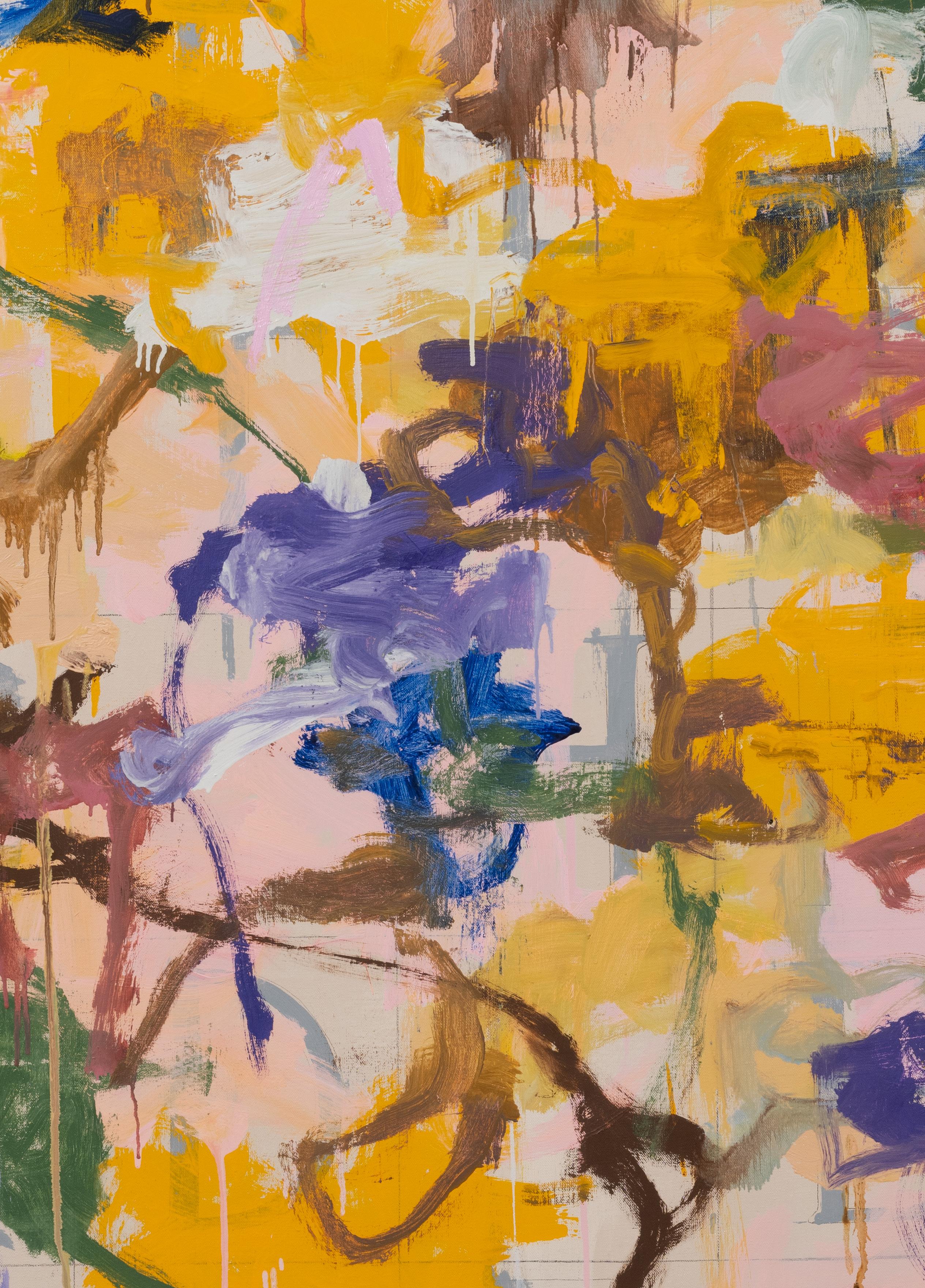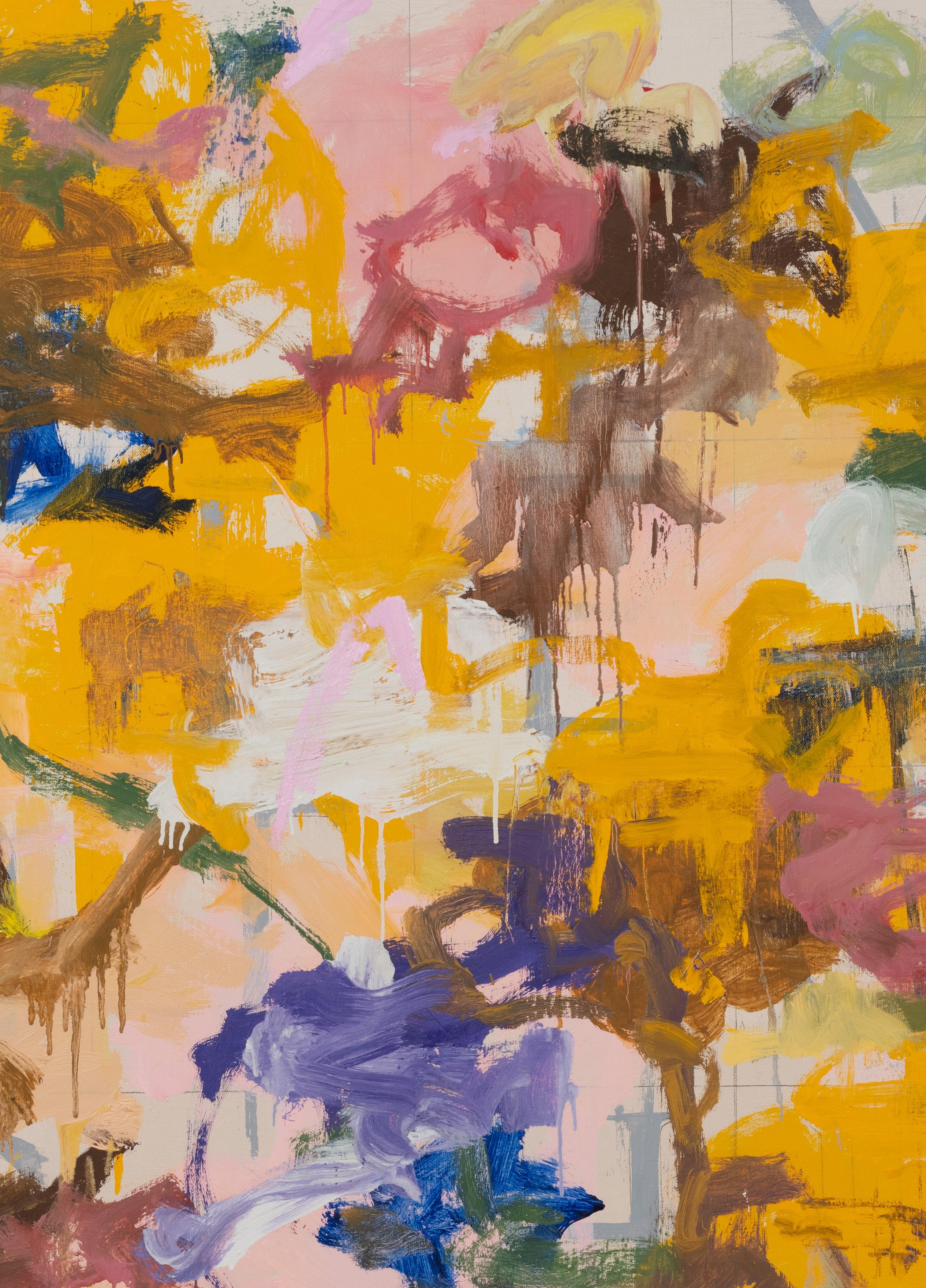
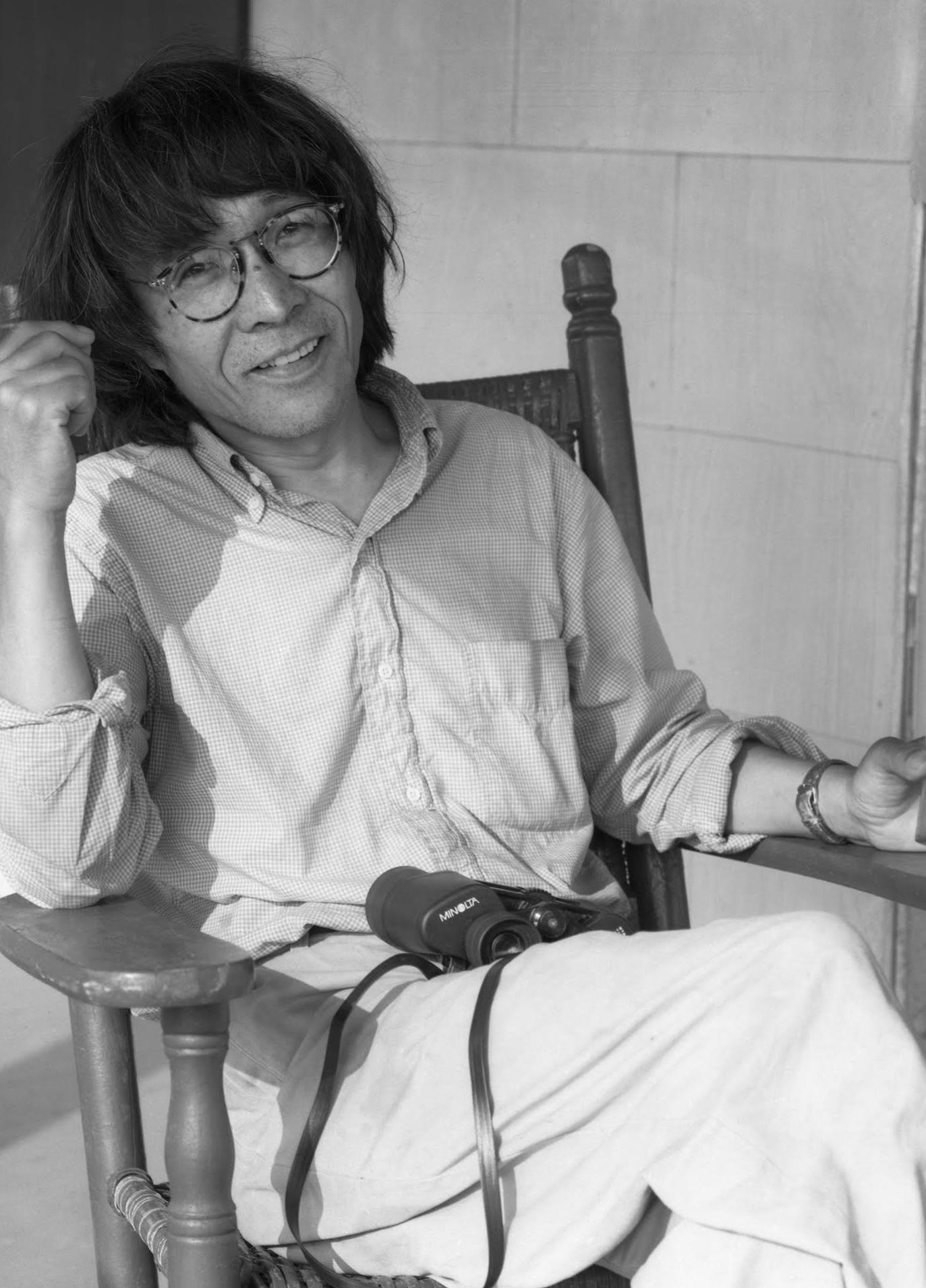
Kikuo Saito (1939-2016) was born in Tokyo in 1939. In 1966, at the age of 27, Saito relocated to New York, a move that would mark the beginning of his transformative artistic journey.
Kikuo Saito, the painter, was lauded as a well-rounded artist. Much has been said about his theater work with Robert Wilson, Peter Brook, Ellen Stuart, Jerome Robbins, and others, but Saito was, in fact, the eternal painter. We reference his work as an assistant to Helen Frankenthaler, Kenneth Noland, and Larry Poons, his teaching world, and the strength of his commitment, but Kikuo Saito was a painter, always a painter.
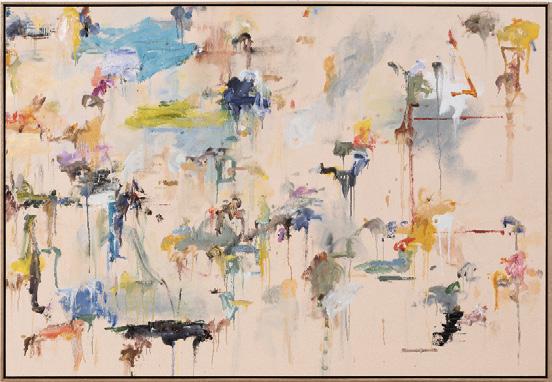
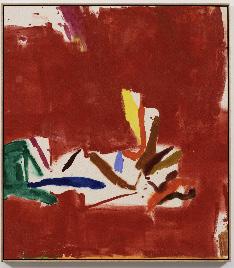
The renowned critic and curator of Color Field painting, Karen Wilkin, wrote: “Even before he completely abandoned theater projects, he increasingly concentrated on painting, developing a personal version of Color Field abstraction. Saito’s mature work is characterized by inventive, often surprising color, which ranges from frankly gorgeous, richly varied intensities to subdued near monochromes, as well as by eloquent drawing…”1
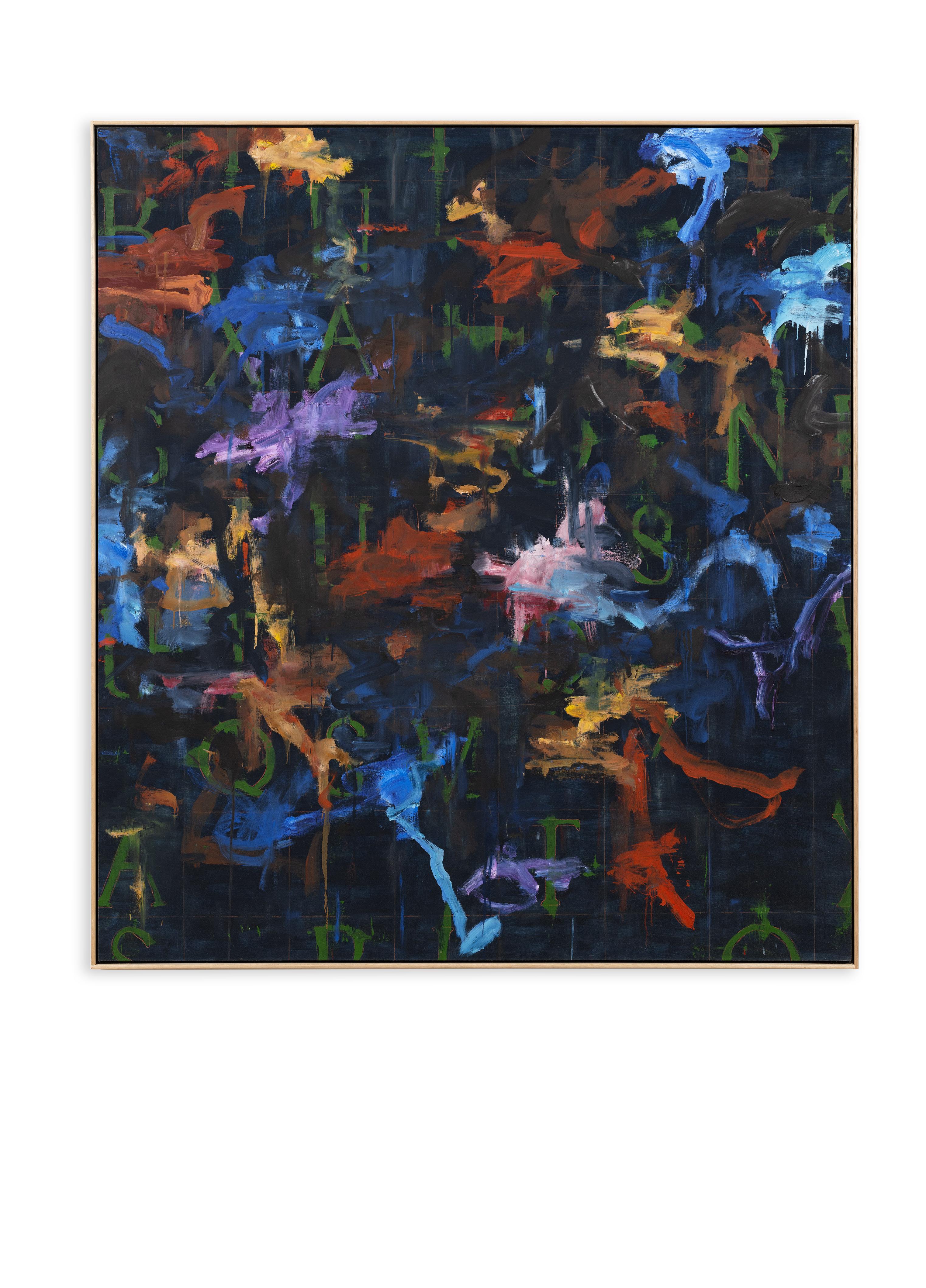
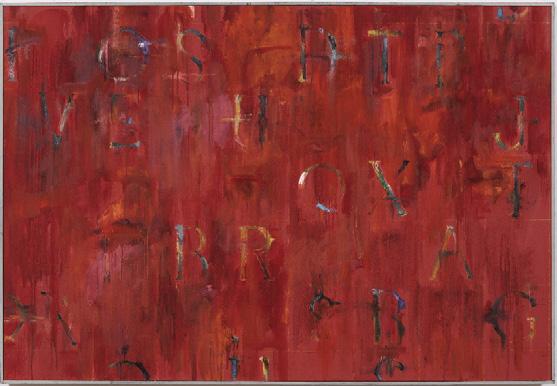
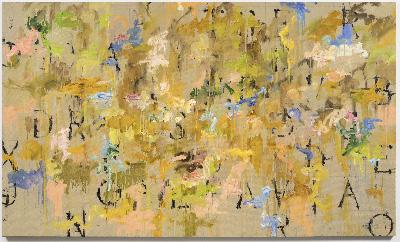
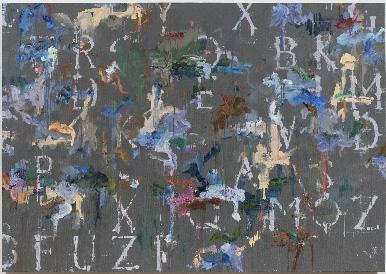
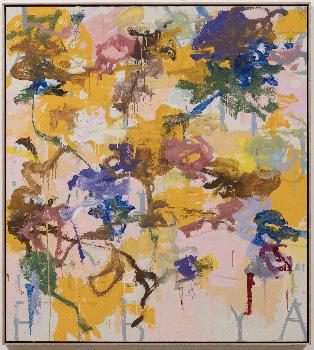
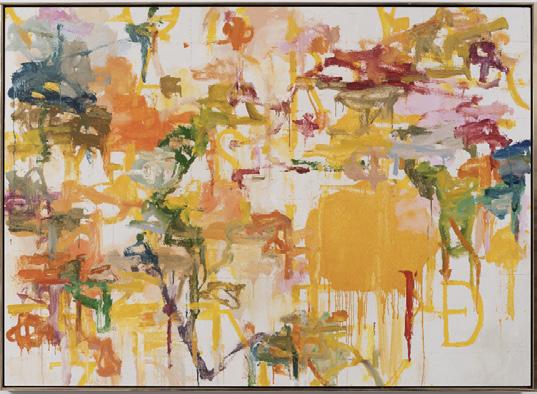
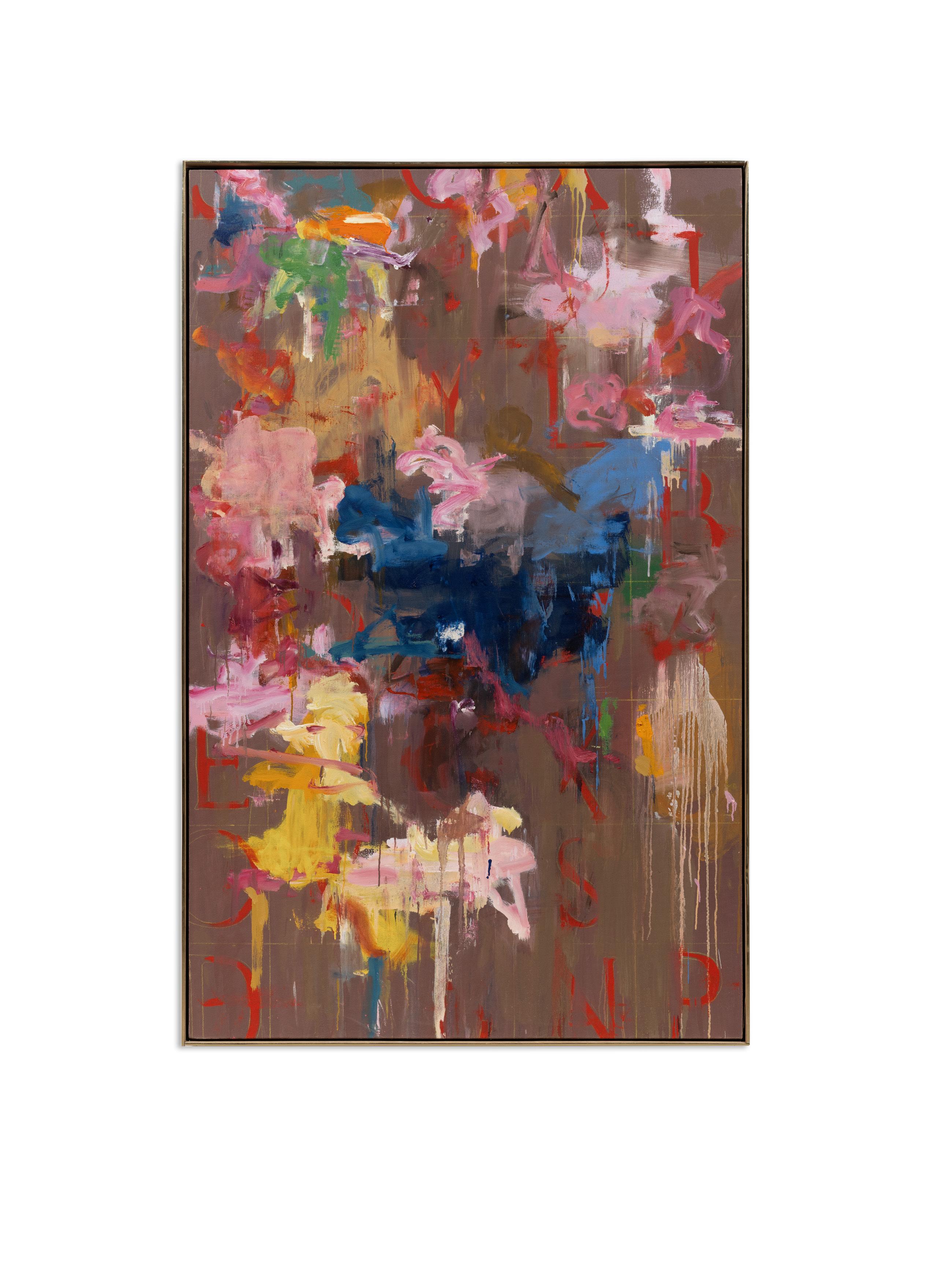
Saito the Color Field painter, who, in the beginning, resonated in the footsteps of Frankenthaler, quickly climbed the ladder to painting of his own, in fact, beyond Frankenthaler’s flows of paint. Like Basquiat, who moved abstract expressionist painting forward to include figurative and conceptual content, Saito moved Color Field to a new level structured with content and moods, peppered with objects, clouds, and Roman letters.
“Memories or echoes of movement become autonomous sweeps across the canvas, fraying into scribbles and tatters…sensuous tangles and swipes all-but divorced from reference”2, writes Wilkin. In the past few years, Saito’s original take on Color Field and the beauty of the works have been increasingly acknowledged by collectors, critics, dealers and institutions.
The Museum of Modern Art, New York, New York
Whitney Museum of Art, New York, New York
The Aldrich Contemporary Art Museum, Ridgefield, Connecticut
Nasher Museum of Art, Duke University, Durham, North Carolina
Kitchener-Waterloo Art Gallery, Ontario, Canada
Museum of Art, Fort Lauderdale, Fort Lauderdale, Florida
Queens University, Ontario, Canada
Ringling Museum of Art, Sarasota, Florida
Peter Stuyvesant Foundation, Amsterdam, Netherlands
Ulster Museum, Belfast, Northern Ireland
1Karen Wilkin, Kikuo Saito 1939-2016, in: Laura Brown, Joshua Cohen (Eds.), 2021, Kikuo Saito, James Fuentes Press, New York, p.56
2Karen Wilkin, Kikuo Saito 1939-2016, in: Laura Brown, Joshua Cohen (Eds.), 2021, Kikuo Saito, James Fuentes Press, New York, pp.63--64
Historically concentrated in the United States, Saito’s market has grown from a handful of galleries and private dealers five years ago to more than twenty-five actively participating today.
The Saito Estate is represented exclusively by James Fuentes Gallery, New York and Los Angeles. However, with substantial interest building in Europe, plans for adding major galleries and dealers outside of the US are in place.
Dealer prices today for paintings by Saito roughly conform with the gallery prices set by the Estate, with consequential works occasionally selling for much more. Domestic-sized paintings are generally priced from $100,000 to $175,000 in the dealer marketplace.
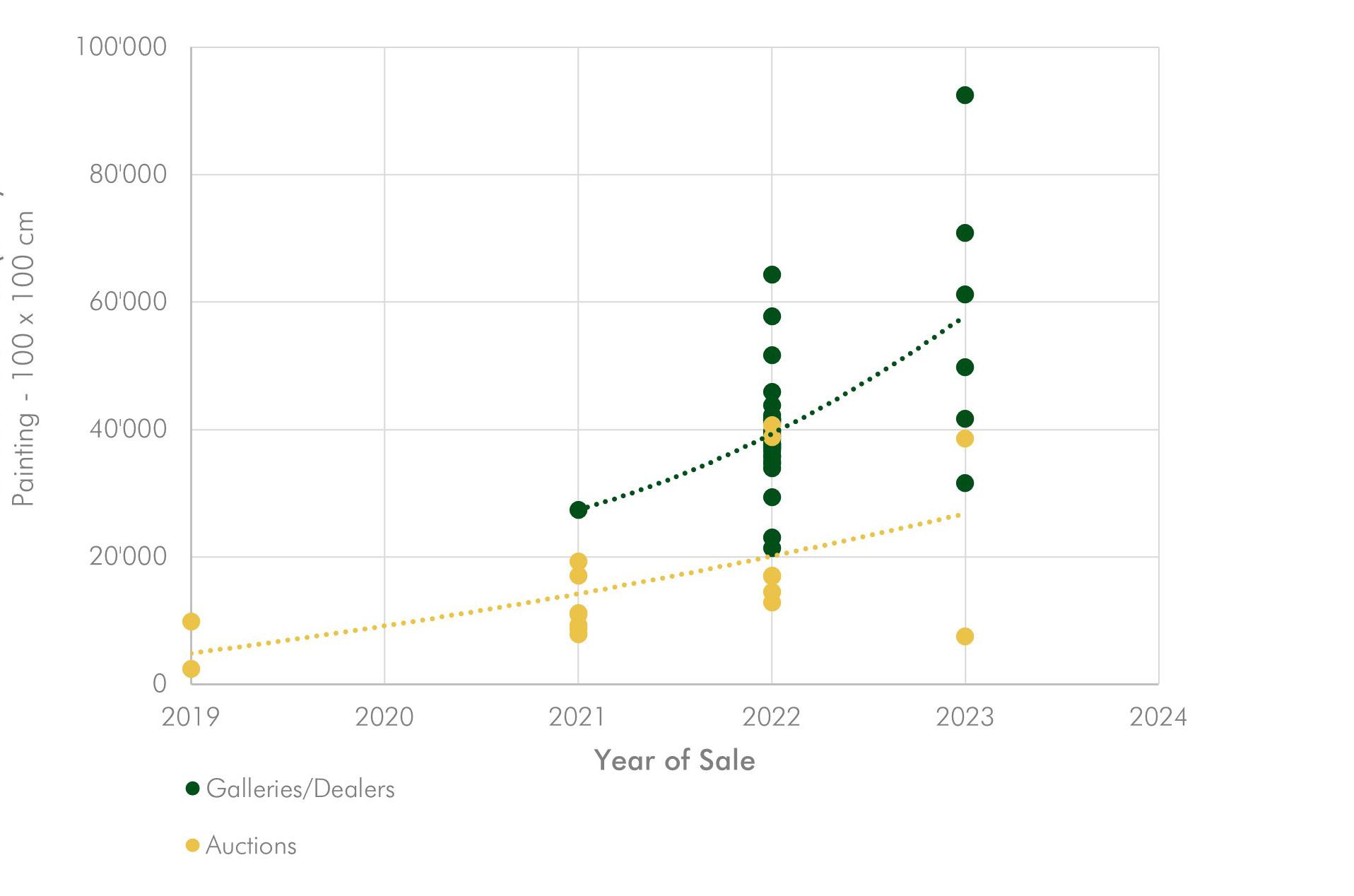
Sources: For gallery/dealer prices, a proprietary database was created. Published auction prices were retrieved from Artprice, unpublished ones were collected by tracking live auctions on Artnet.
Of note, the auction market, though still very small, has shown a steady progression in price. In the three years with normal auction activity (i.e., not interrupted by Covid-related lockdowns) since 2019, the standardized auction price for a painting of 100 x 100 cm has more than quadrupled, with recent records of $82,550 (standardized price: $38,545/m2) at Sotheby’s and $100,000 (standardized price: $40,707/m2) on Artnet for two late paintings. Until 2023, Saito auction sales were limited to minor houses. Sotheby’s entrance into the market bodes well for added auction liquidity and growing prices.

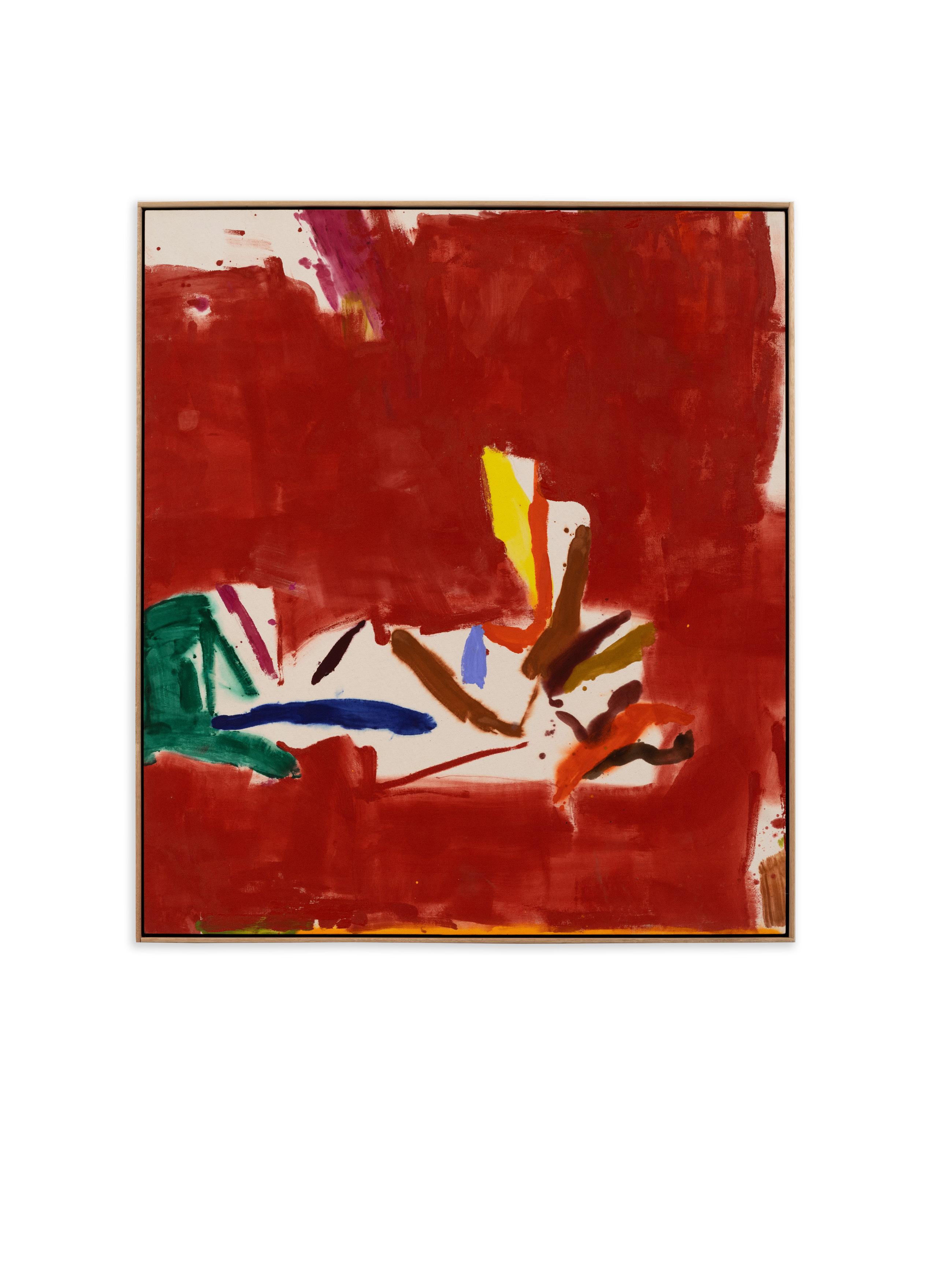
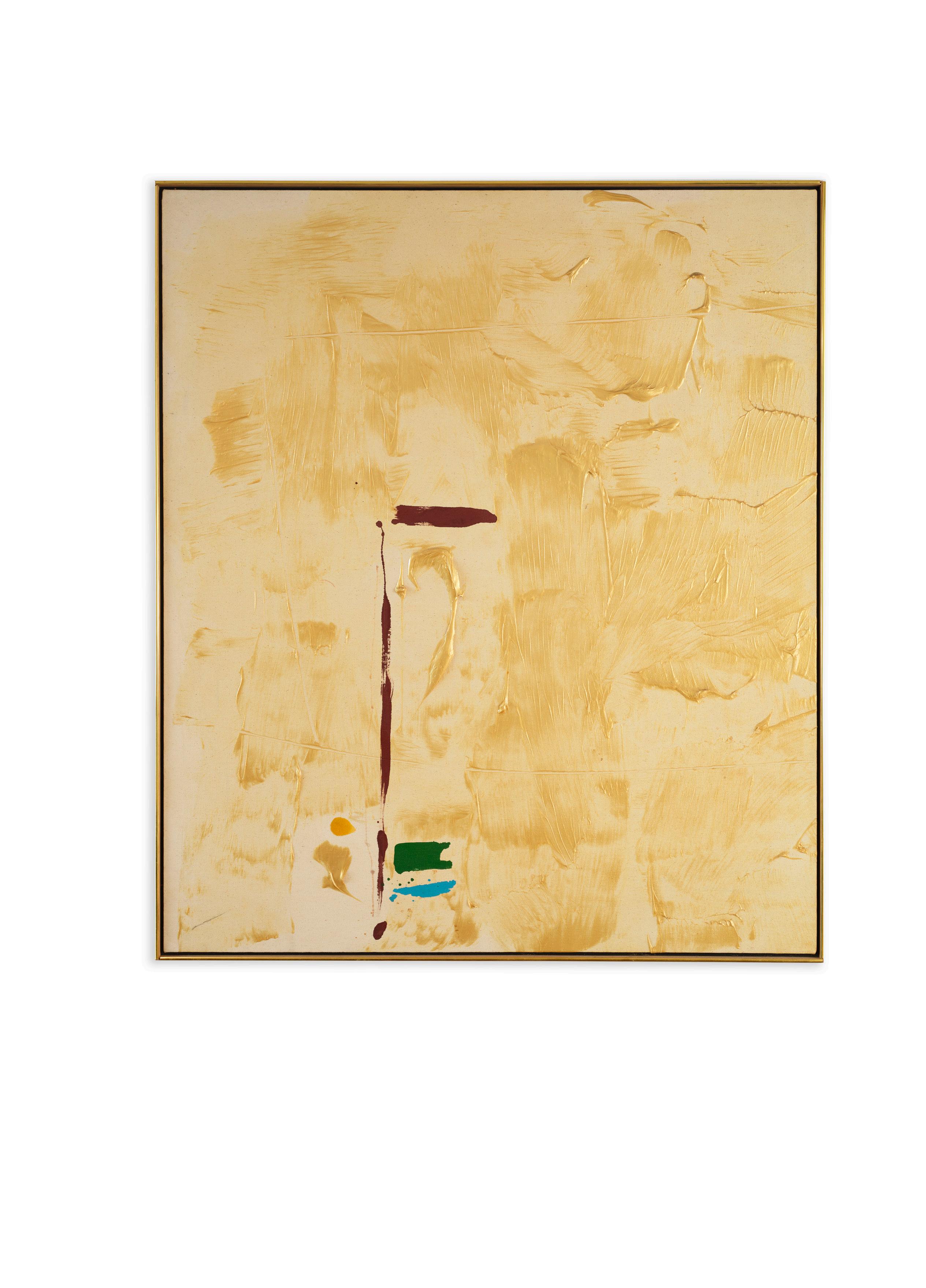
Art fractionalization is the process of dividing artworks into shares or fractions that investors can purchase. Art fractionalization allows investors to diversify their art portfolios, as they can invest in multiple artworks with modest amounts of capital commitments to each.
Art fractionalization, also technically known as securitization, is not a new concept. Art investment funds have existed for decades. However, with the emergence of new technologies and platforms, art fractionalization has gained popularity in recent years.
Fractional participation lowers the entry barrier for art investors and increases the possibilities of managing liquidity and diversification. It also creates new opportunities for artists and collectors, as they can potentially reach a wider buyer pool to monetize their artworks. In summary, the fractionalzation of art can be an innovative way to diversify art investment, allowing a broader range of investors to participate in the art market.
This fractionalization transaction offers investors the services of a skilled and aligned professional management company that can source unique investment opportunities, care for and promote the art portfolio during the investment term, and realize its eventual sale.
Investing in art offers the potential for substantial returns while also allowing for diversification of investment portfolios.
Art market performance is notoriously difficult to quantify. However, over the last few decades, any auction index based on repeat-sales statistics showed long-term compound annual growth rates in the Post-War and Contemporary Art market matching or surpassing the performance of major asset classes, including stocks. Except for the most in-demand works, private sales tended to fare even better.
In the past 25 years, the comparatively conservative Mei Moses Index for Post-War and Contemporary Art yields an annualized return of 10.3% whilst exhibiting no systematic correlation with major asset classes.
Post-War & Contemporary Art vs. Stocks, 1998--2022
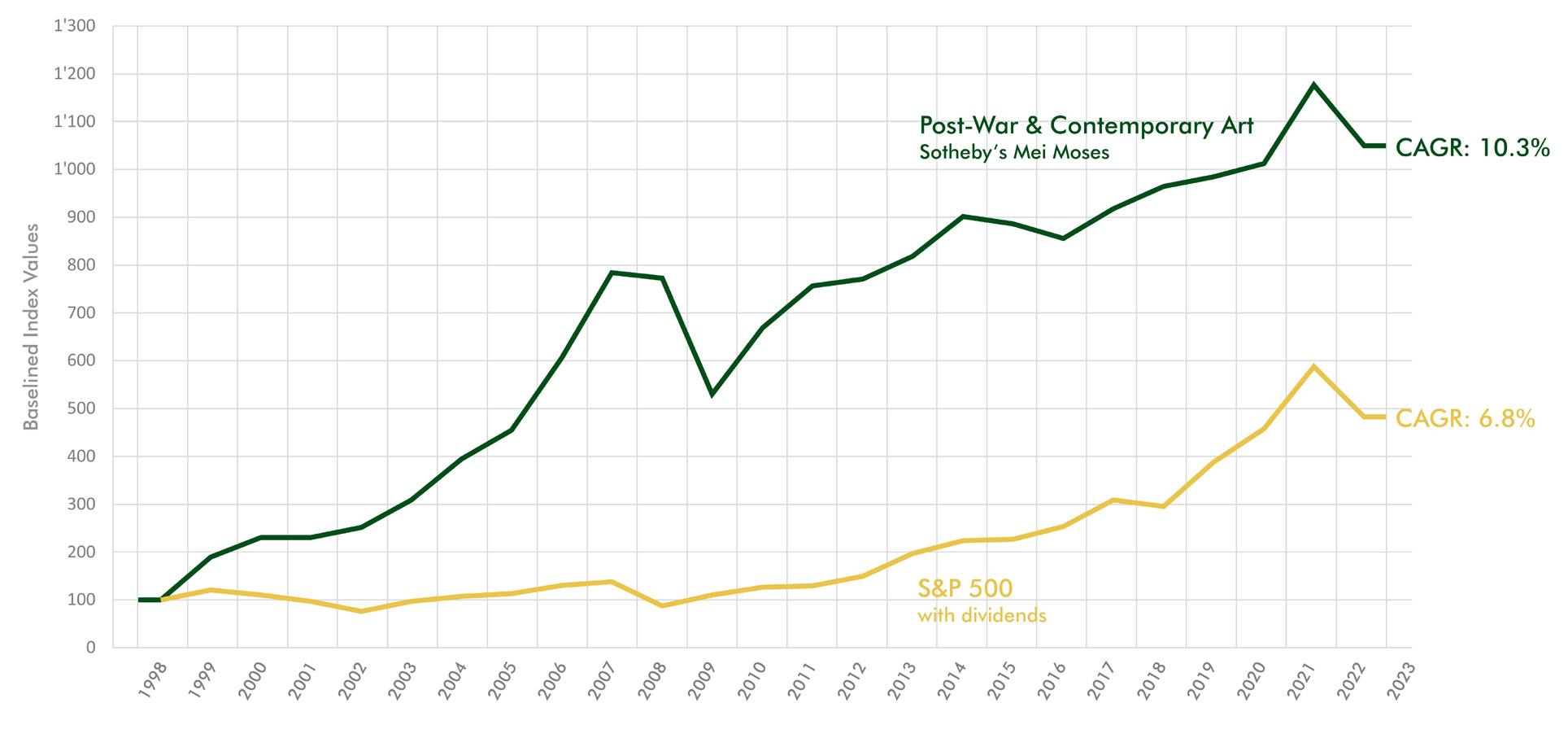
Annualized Returns and Correlations, 1998--2022
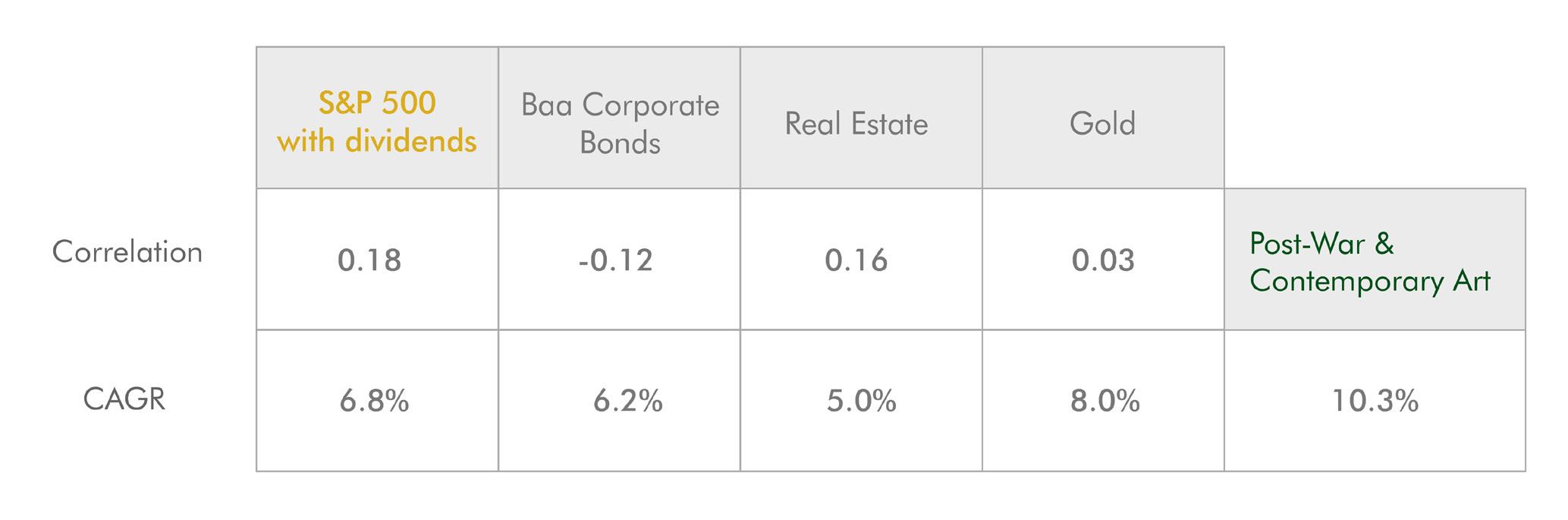
Sources: CARG and correlations were calculated using historical returns data for 1998-2022 from the US 1928-2022 dataset, Aswarth Damodaran, Stern NYU (all non-art assets, updated January 2023), and Sotheby’s Mei Moses Repeat Sales Indices for Post-War and Contemporary art (updated January 2023).
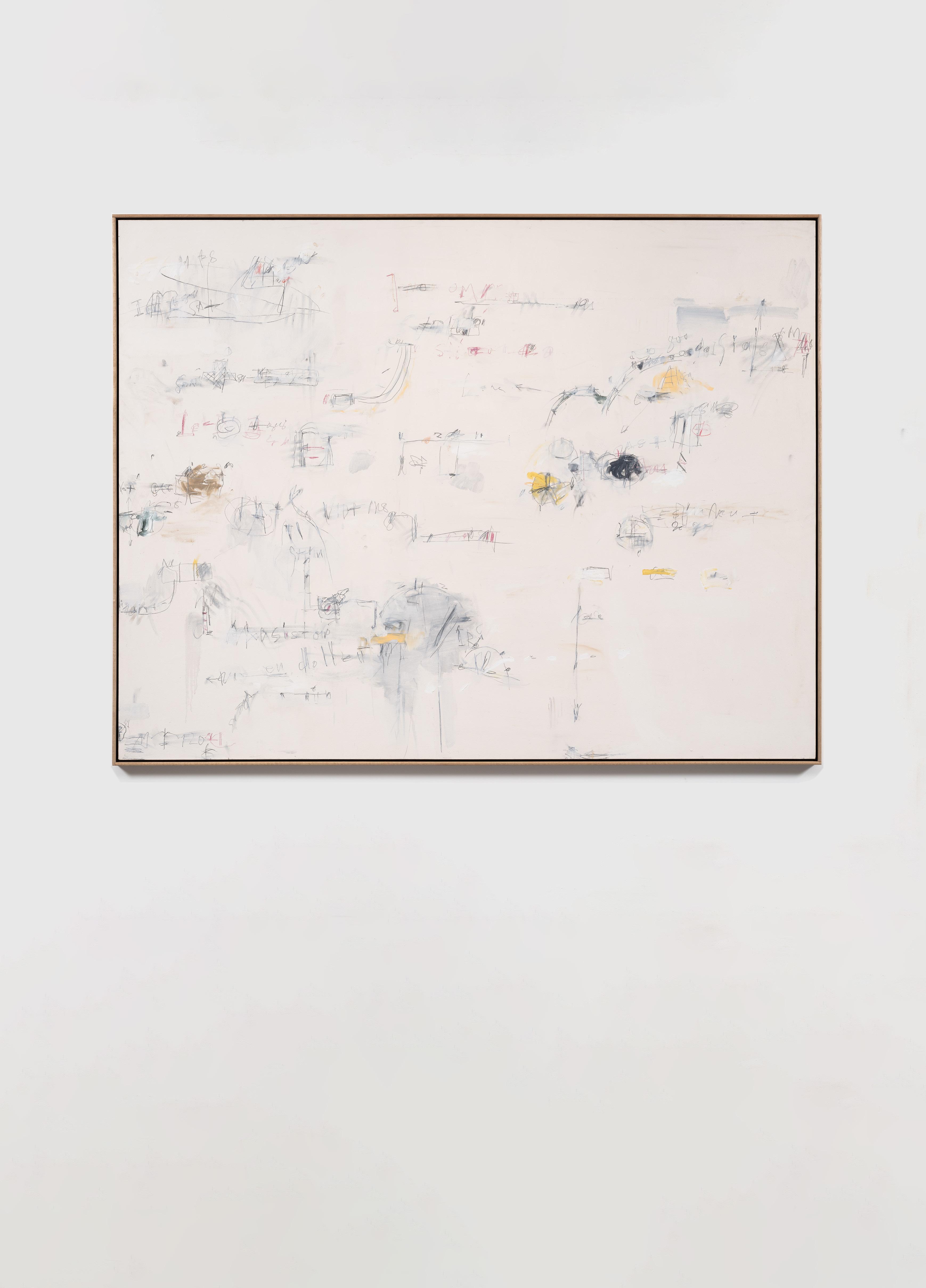
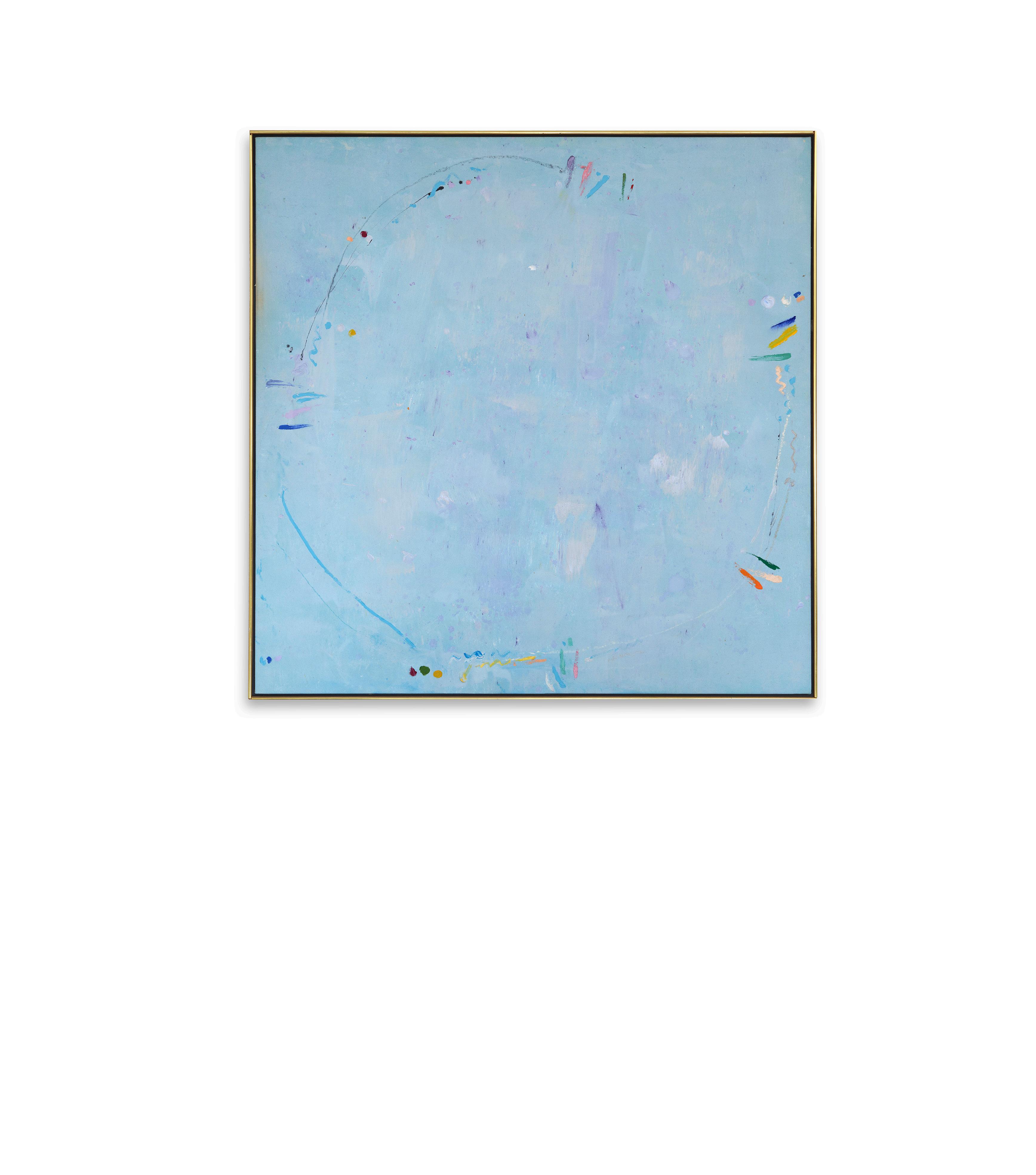
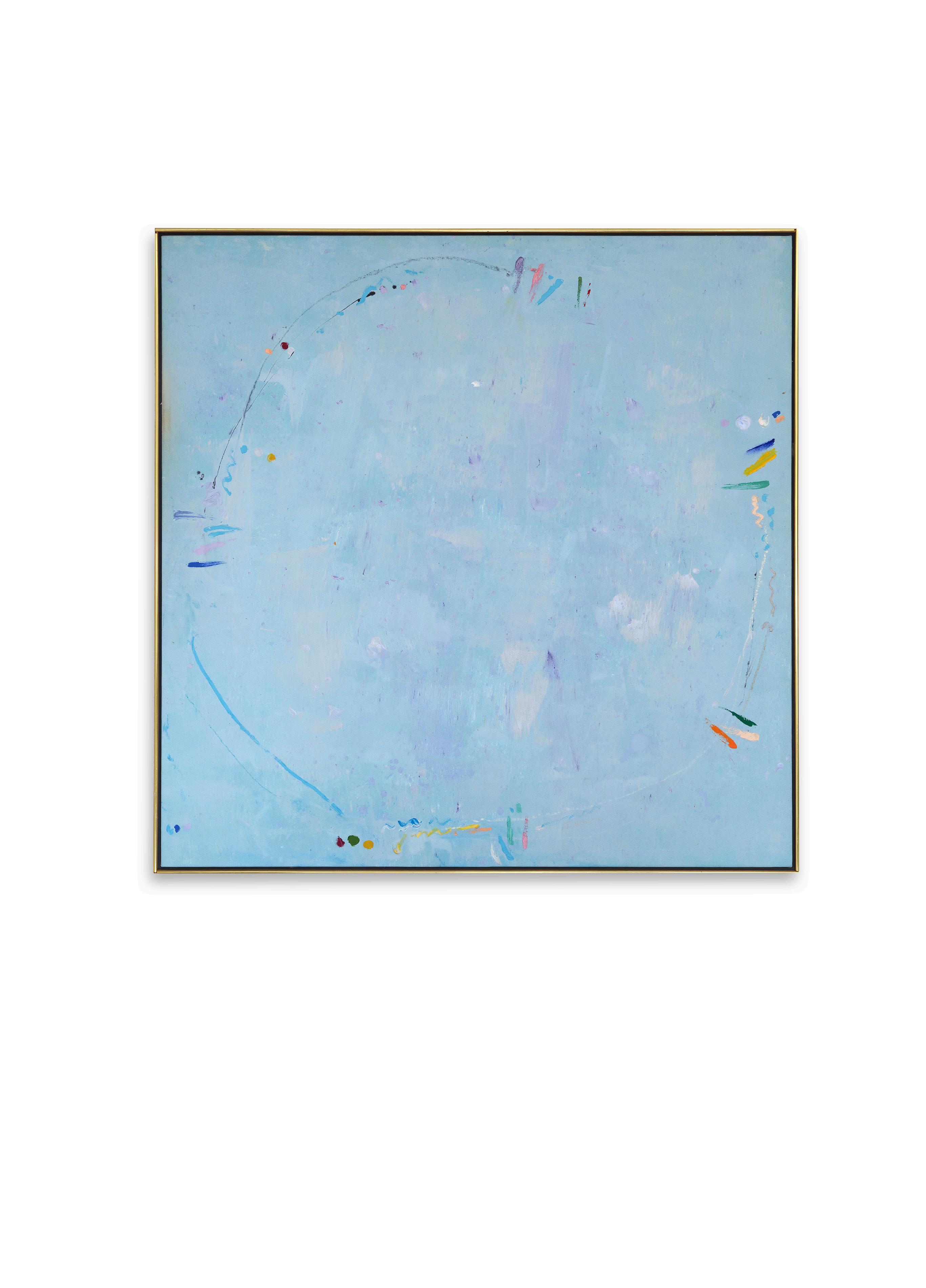
In close collaboration with the Estate of Kikuo Saito, Gerber & Stauffer Fine Arts AG and M&A Arts SARL have selected works of the highest quality representing the high points of Saito’s artistic evolution. Three additional paintings originally acquired by early supporters of Saito in NYC complement the group, resulting in a total number of 24 works.
This carefully curated selection of works constitutes a distinctive Art Investment Portfolio: In contrast to the increasingly common fractionalizations of individual high-value works, focus is placed on an artist whose impressive recent market build-up in the US is likely to swiftly extend into the rest of the world, creating heightened demand while supply for secondary market participants remains limited.
The portfolio provides a degree of market power in Europe that is currently only paralleled by James Fuentes Gallery in the US, the official representative of the Saito Estate. Its size allows for active portfolio management during the investment period, strategic timing of sales, and promotion of Saito through displaying his works in museums and other public venues.
Gerber & Stauffer Fine Arts AG and M&A Arts SARL, the advisors, have the exclusive right to sell fractional interests of this portfolio to qualified investors at an appealing price level significantly below prices for the rare works of similarly high quality on the private secondary market.
Investments can be made through April 1, 2024 subject to an early closing should the fractionalization complete prior. Investors will be given an ISIN number to purchase fractional interests through their financial institutions.
Once aggregate purchased interests reach the target threshold, at least 75% of the portfolio value, title to a number of works equivalent to the total investment amount will, upon payment to the Estate, transfer to a protected cell in a Guernsey-based SPV (Special Purpose Vehicle). The cell will be administered on behalf of the Gerber & Stauffer Fine Arts AG and M&A Arts SARL by GenTwo AG, Zug, and all the works will be shipped to Haas & Company AG, the cell’s storage facility in Zurich.
If, by the closing date, purchased interests aggregate to less than 75% of the portfolio value, all sales of interests shall be unwound, and investors reimbursed within 30 days.

The anticipated holding period until all paintings are sold is between one and six years but may be extended to eight years at the advisors’ discretion if unforeseen market developments demand it. During this time, investors will have access to portfolio valuations via Bloomberg. Updates will occur annually or be dictated by event-driven circumstances. When artworks are sold, the proceeds, net of fees, will be distributed proportionally among investors within 30 days of receipt of funds by the SPV.
Offering Price
Number of Artworks
Holding Period
Price per Unit
Minimum Investment
Management Fee
Performance Fee
Advisors
Issuance Platform
Clearing Institution
Quotation
Storage Facility
Private Placement
USD
$2,625,000 24 1-6 years
$5,000 $50,000 1%
15% of profits
Gerber & Stauffer Fine Arts AG, M&A Arts SARL
GenTwo AG
SIX SIS AG
Bloomberg
Haas & Company AG
A term sheet will be made available to interested investors.
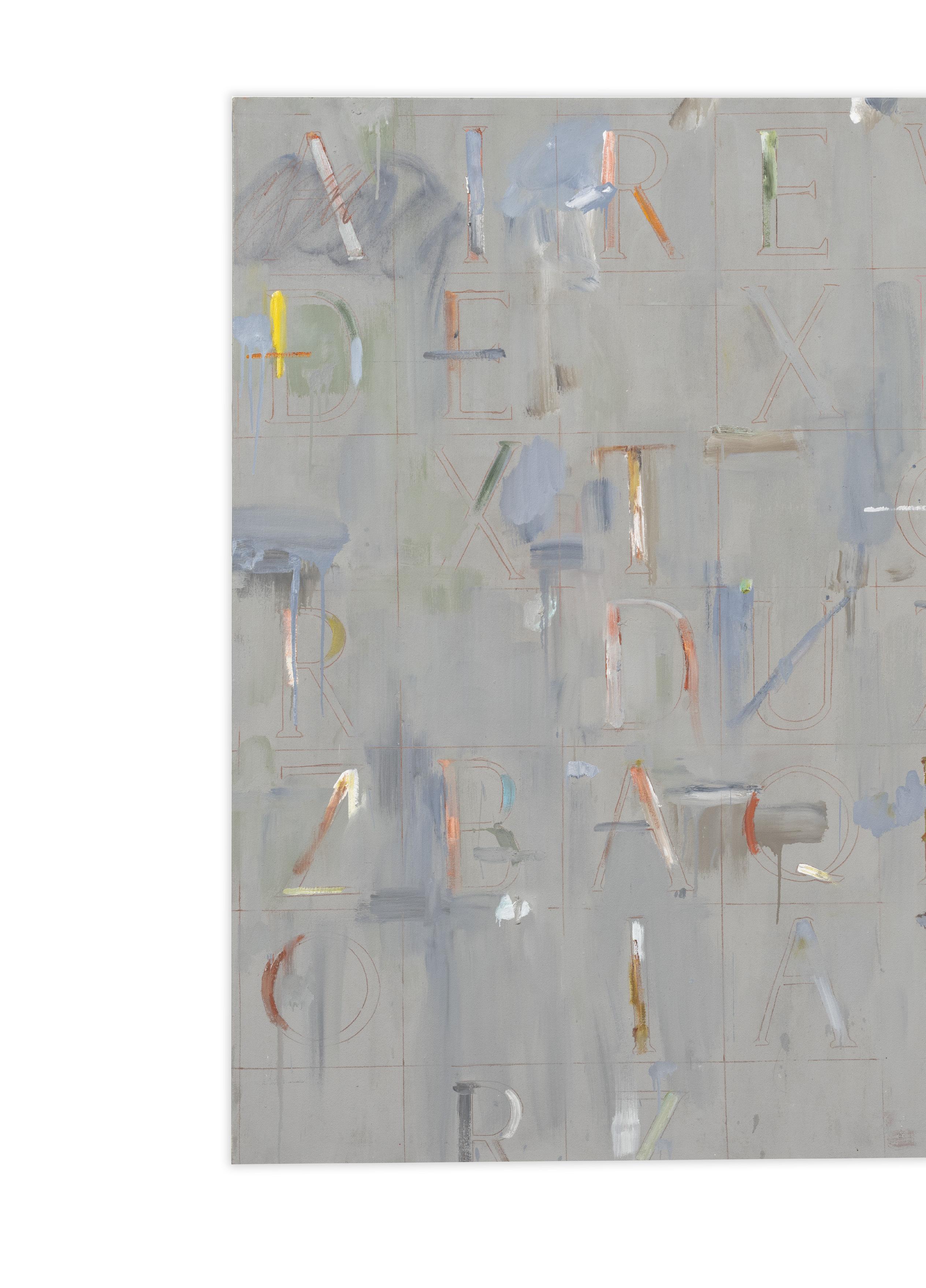
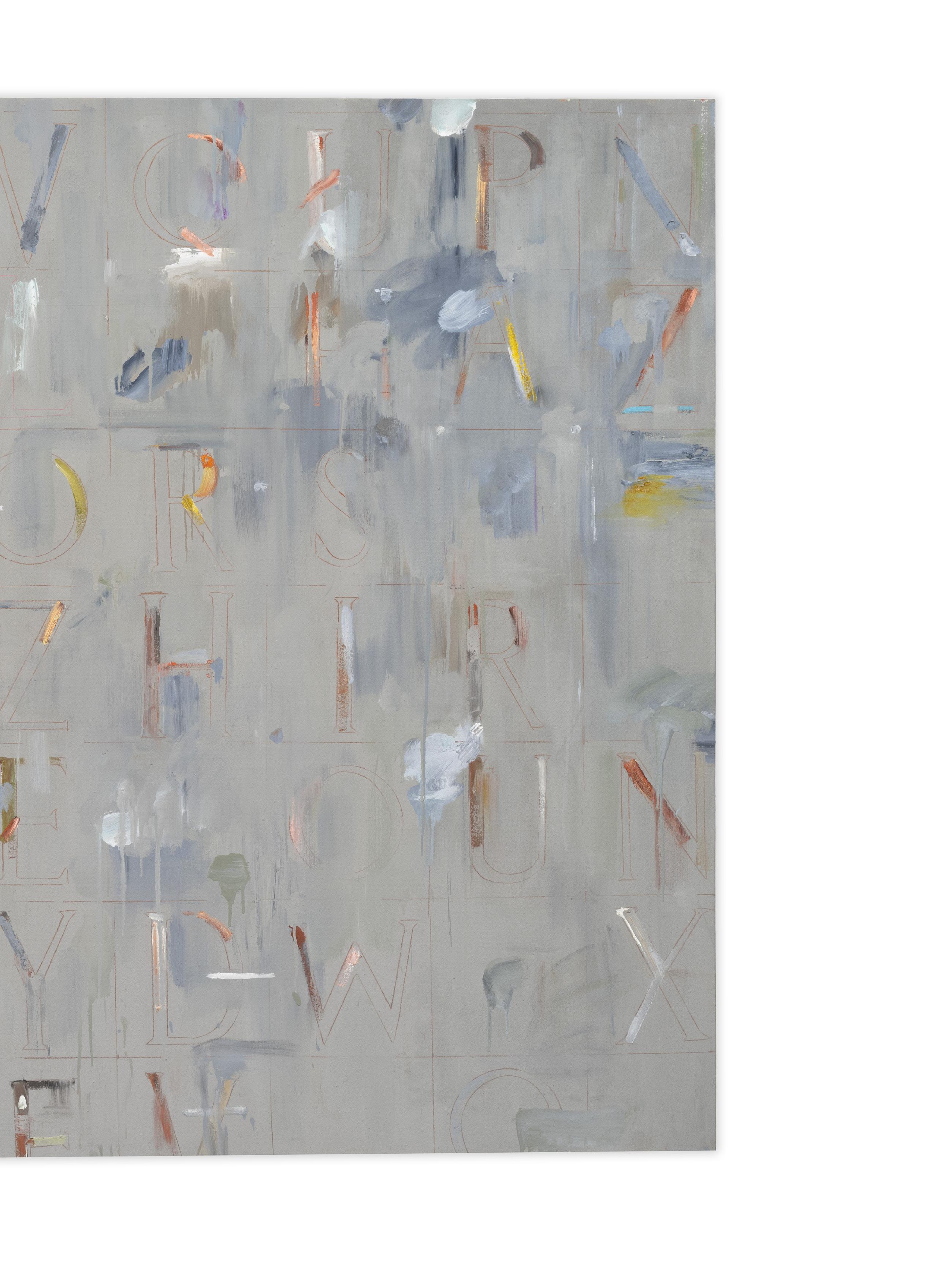
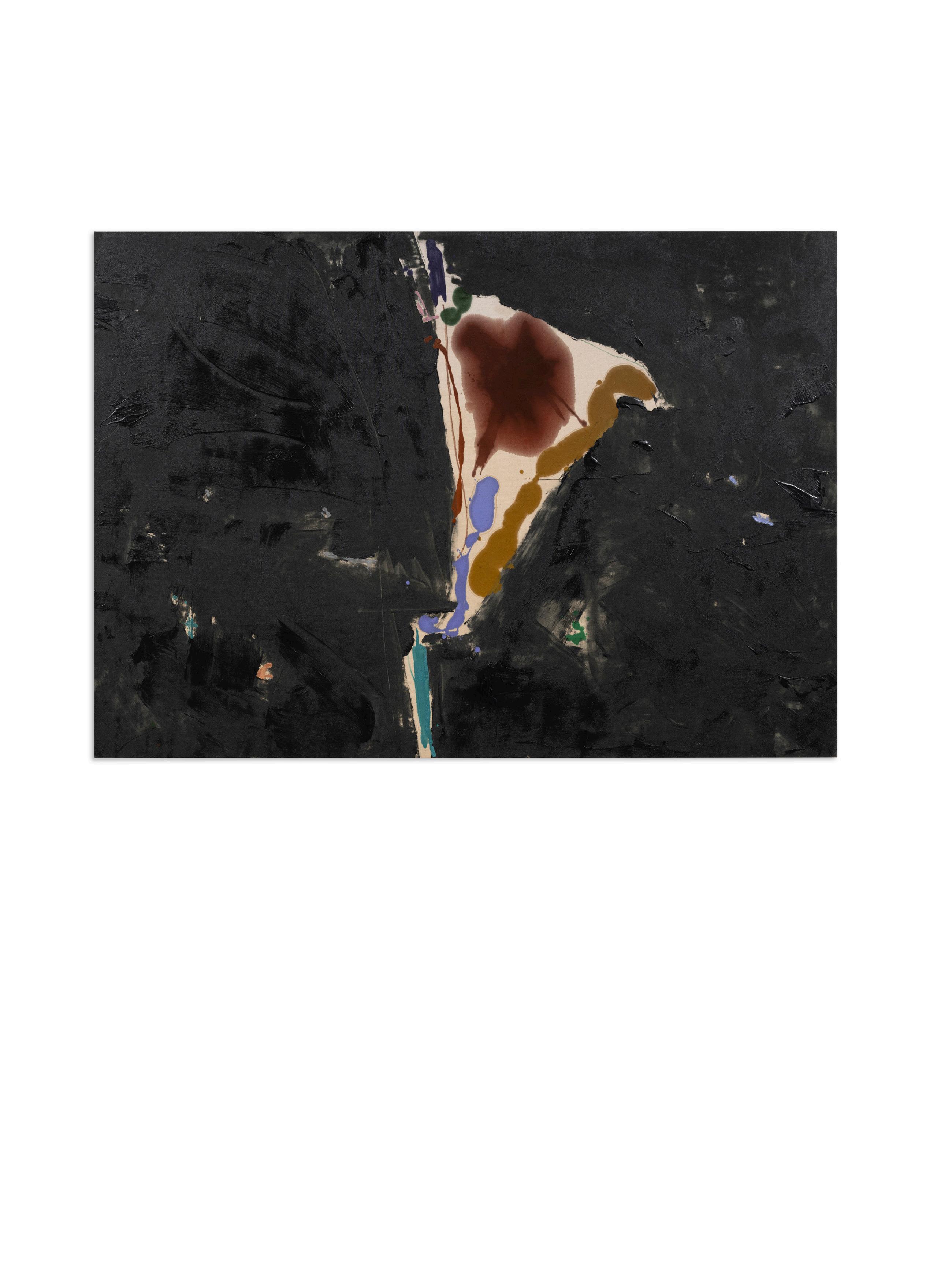
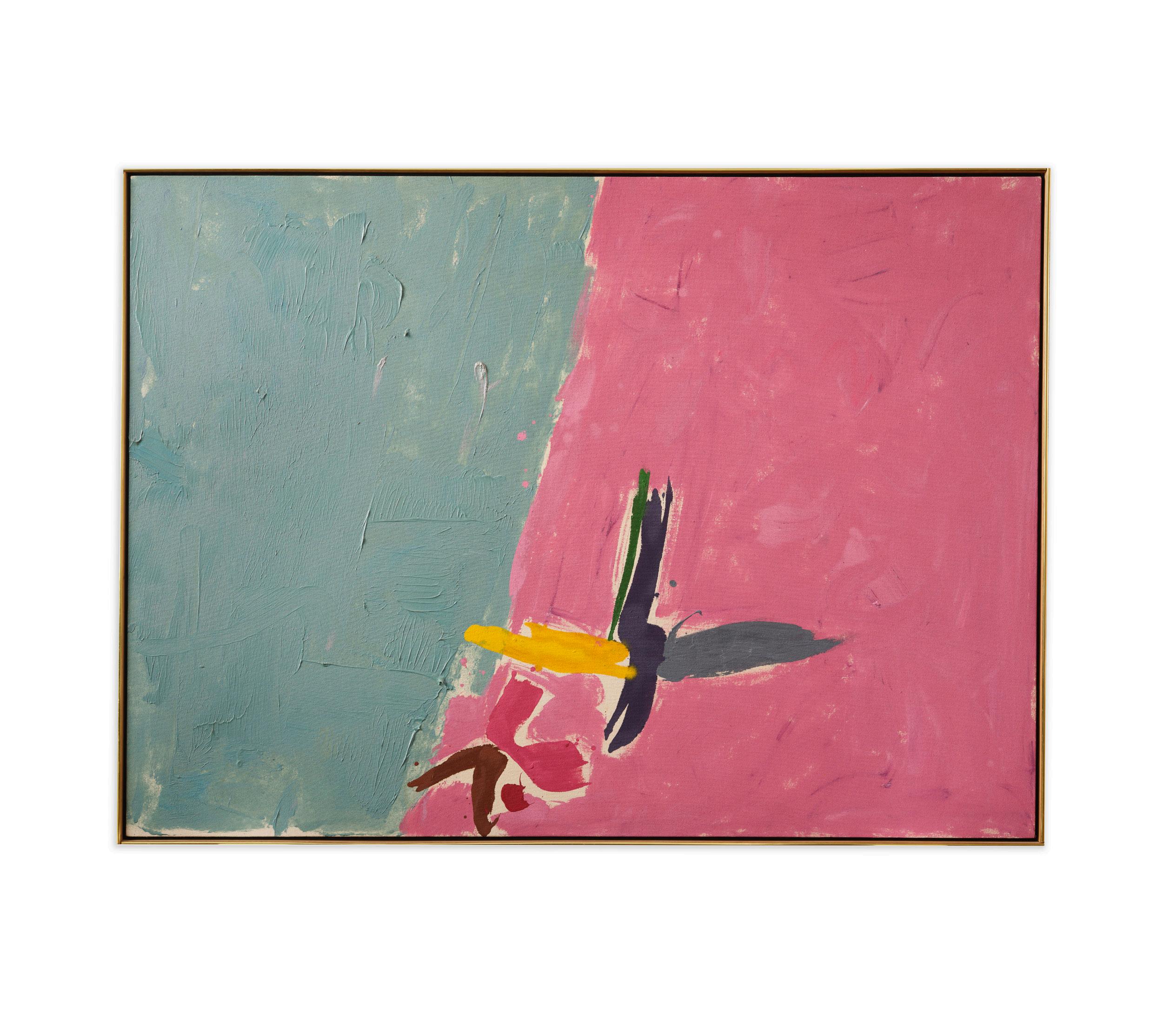
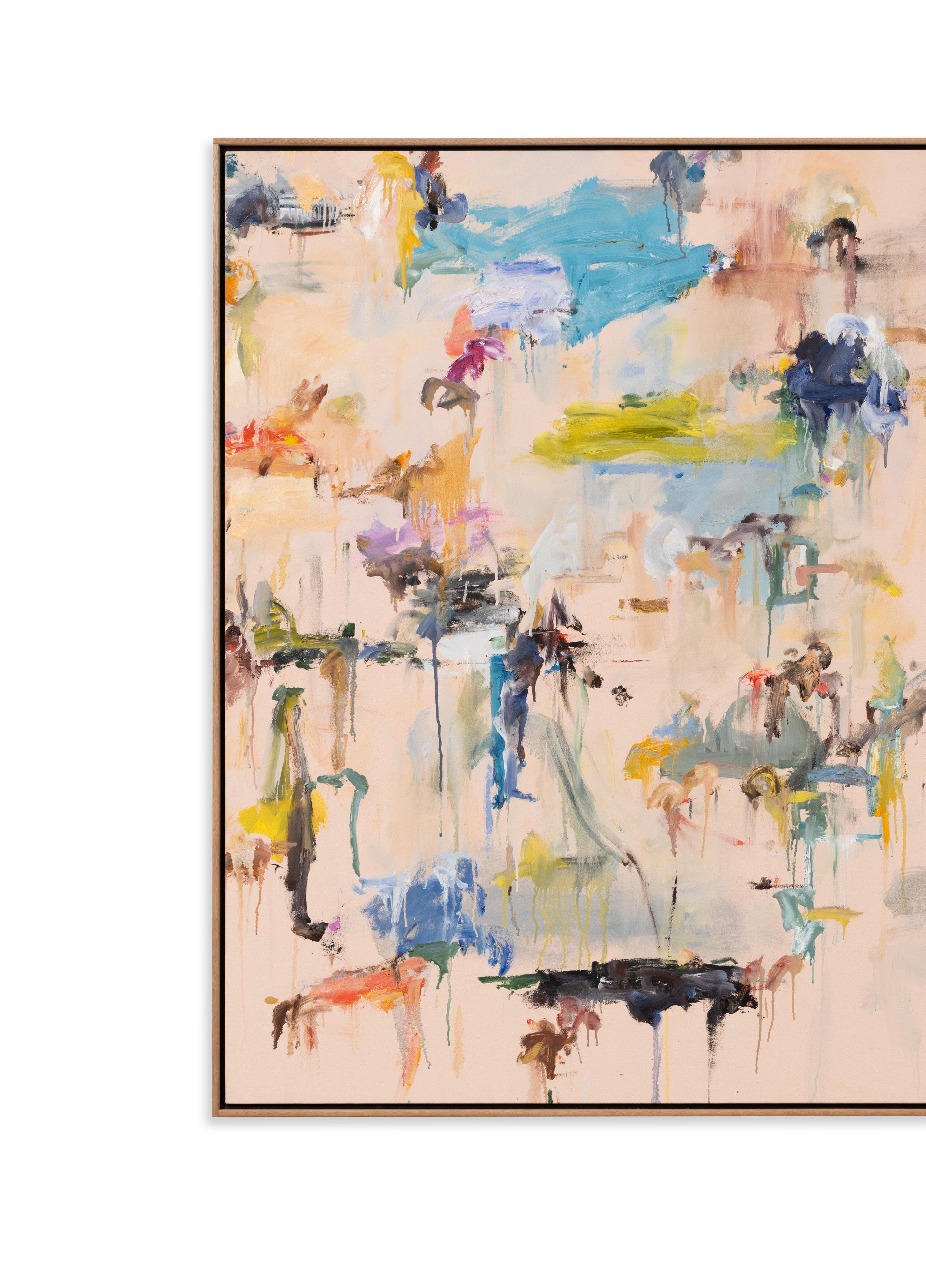
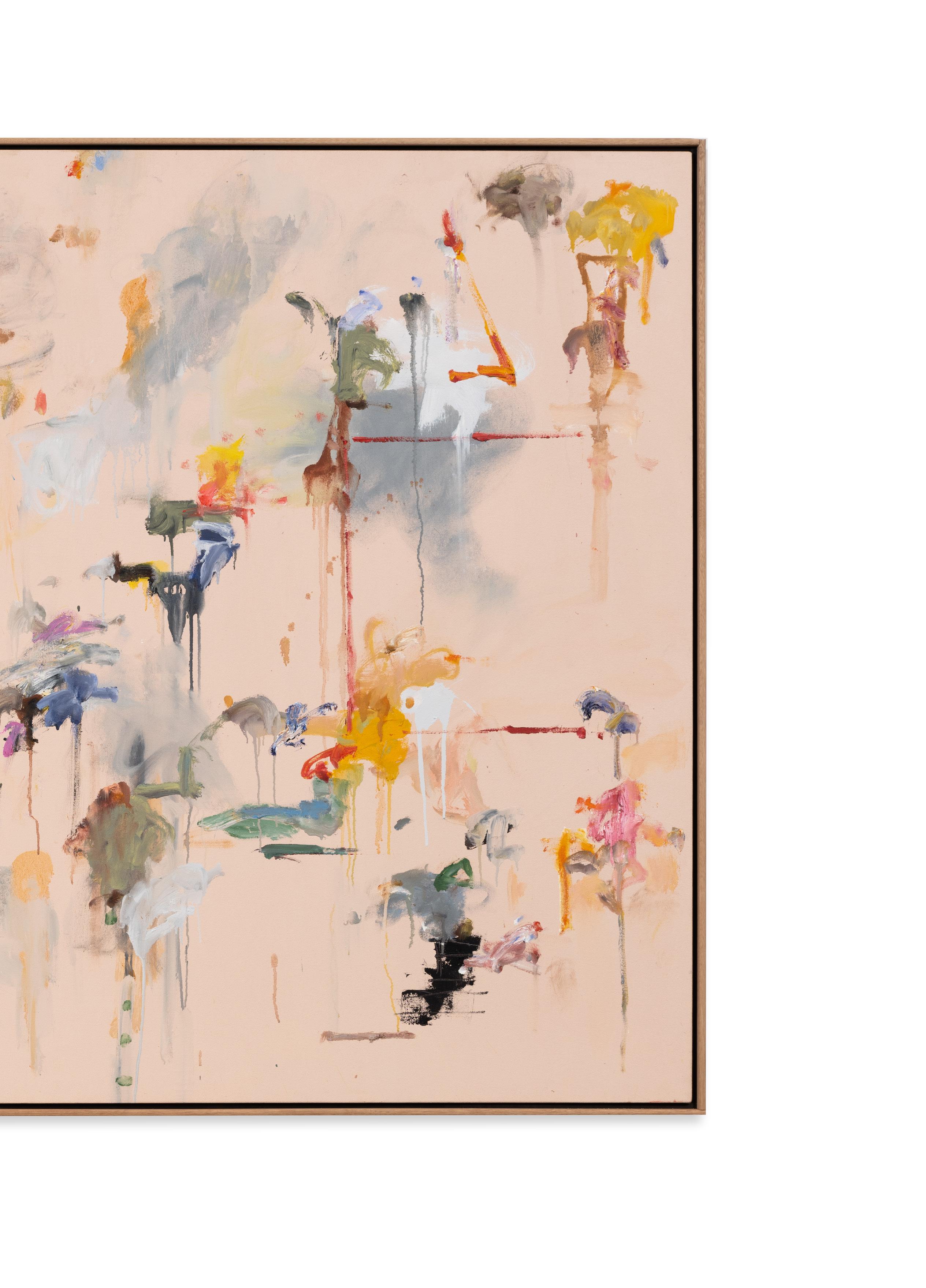
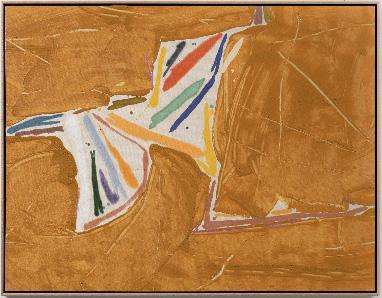
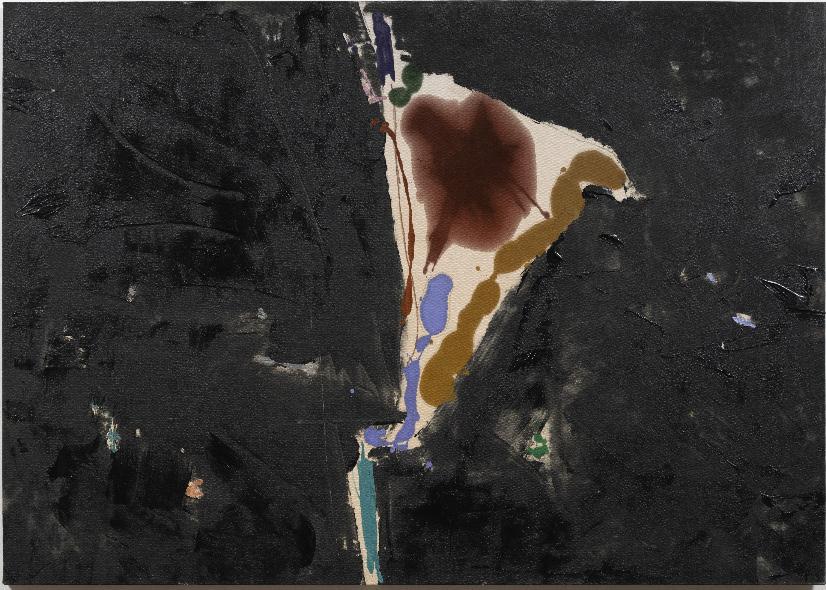
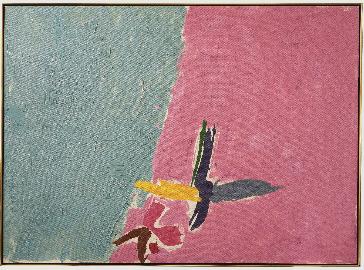
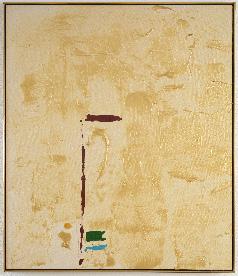
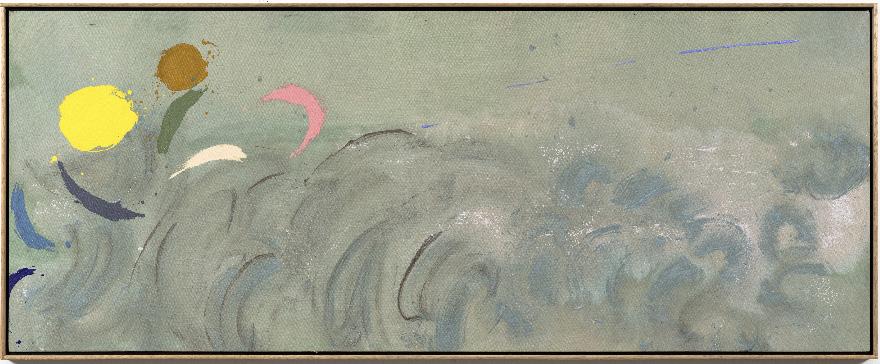
Second June, 1977 Acrylic on canvas
182 x 95 cm (73 x 38 in.)
Khrka, 1978
Acrylic on canvas
158 x 122 cm (63 x 49 in.)
Untitled I, 1980 Oil on canvas
196 x 139 cm (78.5 x 55.5 in.)
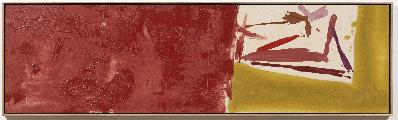
White Fox, 1981
Acrylic on canvas
240 x 67 cm (96 x 27 in.) $60,000 $75,000
Owl’s Boat, 1981
Acrylic on canvas
164 x 118 cm (65.6 x 47 in)
Kicks, 1981
Acrylic on canvas
142 x 122 cm (57 x 49 in.)
Celadon Moon, 1984
Acrylic on canvas
214 x 85 cm (85.6 x 34 in.)
$100,000 $125,000
$125,000
$100,000
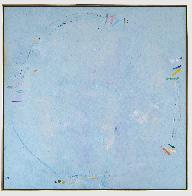
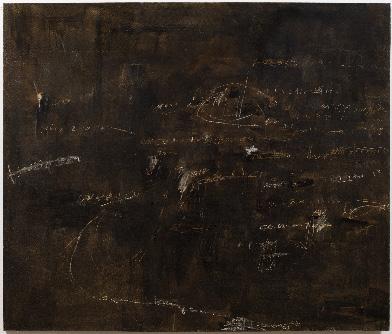
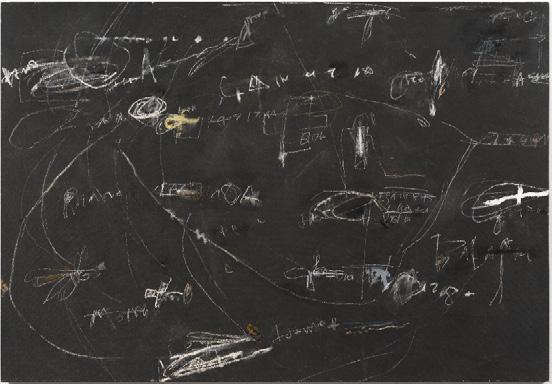
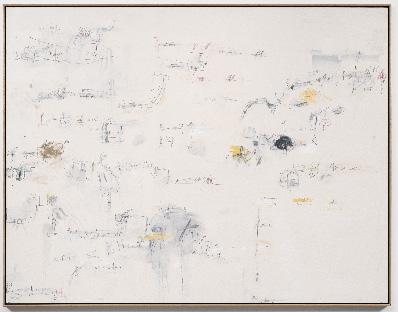
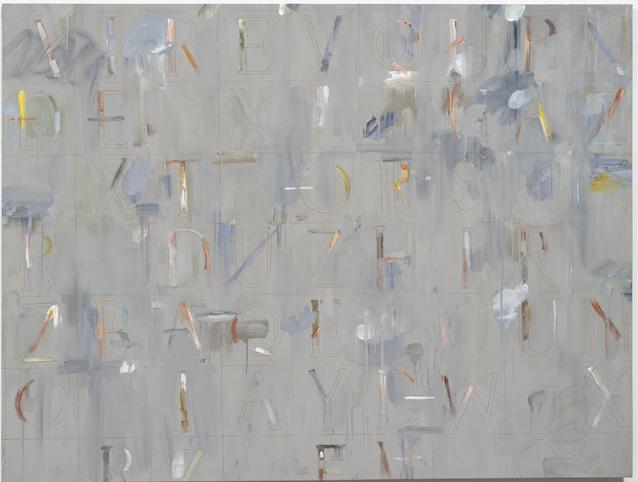
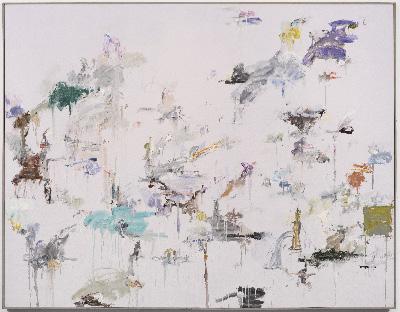
Sleep’s Comb, 1987
Oil on canvas
140 x 140 cm (56 x 56 in.)
Medicine House, 1992
Oil on canvas
231 x 196 cm (92.5 x 78.5 in.)
Sailor’s Coin, 1994
Oil on canvas
211 x 146 cm (84.5 x 58.5 in.)
Turkish Tale, 1994
Oil on canvas
224 x 174 cm (89.6 x 69.6 in.)
Gray Duke, 1996
Oil on canvas
228 x 172 cm (91 x 69 in.)
Silver Dusk, 2002
Oil on canvas
275 x 213 cm (110 x 85 in.)
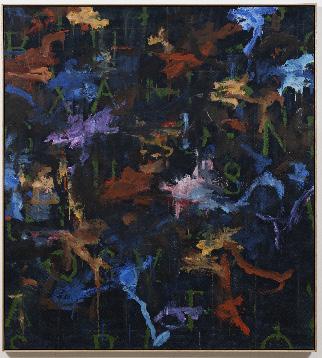
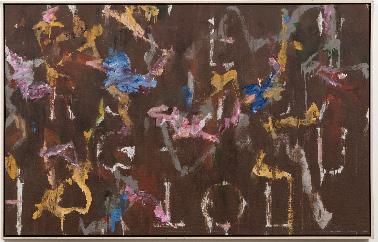
Red Chimney, 2003
Oil on canvas
213 x 146 cm (85 x 58.5 in.)
Camel Blue, 2003
Oil on canvas
205 x 140 cm (82 x 56 in.)
Paper Boat, 2005
Oil on canvas
Silver Alphabet, 2005
Oil on canvas
244 x 171 cm (97.6 x 68.5 in.)
Green Night - 2006
Oil on Canvas
202 x 183 cm (81 x 73 in.)
$150,000
Pass Word, 2006
Oil on canvas
174 x 110 cm (69.6 x 44 in.) $120,000 $150,000
295 x 175 cm (118 x 70 in.) $180,000 $225,000 $187,500 $106,250 $150,000 $85,000 $70,000 $87,500
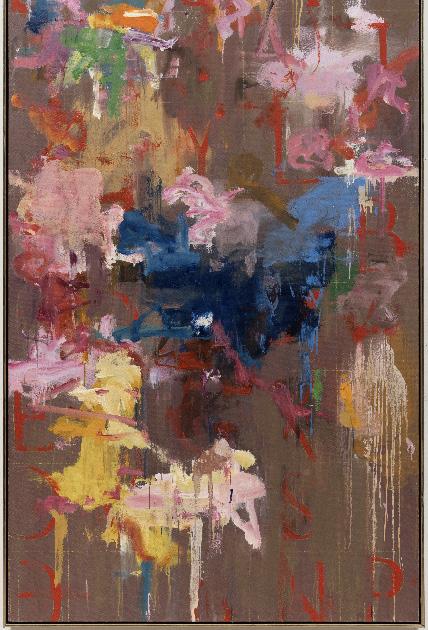
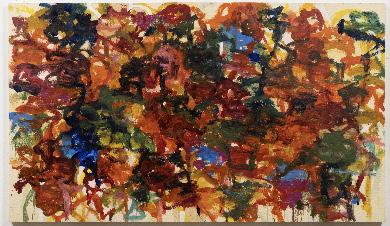
Blue Rock, 2007
Oil on canvas
183 x 116 cm (73 x 46.5 in.)
Lusi Red, 2010 Oil on canvas
214 x 124 cm (85.6 x 49.6 in.)
Silver Dust II, 2011 Oil on canvas
160 x 144 cm (64 x 57.6 in.) $90,000 $112,500
Golden Drum, 2011 Oil on canvas
173 x 125 cm (69 x 50 in.)
Zoot, 2012 Oil on canvas
145 x 128 cm (58 x 51 in.) $80,000 $100,000 $90,000 $112,500
Co-founder and Partner at Gerber & Stauffer Fine Arts AG, one of Switzerland’s leading private dealerships. A specialist for 20th Century Art, Manuel handles collection strategy and acquisitions for key clients from across the globe. Drawing from his background in art econometrics, he has also been advising private and corporate clients on art investments since 2006.
Co-founder and Partner of Gerber & Stauffer Fine Arts AG. Thomas specializes in Post-War and Contemporary Art and serves as the President of the Swiss Art Trading Association. With a passion for art dating back to his teenage years, he has cultivated and overseen the firm’s expansive network of art experts, private collectors, and institutional clients across Europe, the US, and Asia.
An internationally recognized financier, art collector, and innovator in the field of art finance. The beginnings of his fifty-plus-year career focused on derivative and option creation and trading, the purchasing and turning around of distressed companies. He became known as a pioneer of the leveraged buyout. Asher’s interest in art collecting spurred him to found the FAE Musée d’Art Contemporain in Switzerland. He is the Co-founder and CEO of M&A Arts SARL.
Co-founder and Partner at M&A Arts SARL, Michelle brings over 30 years of experience in branding, marketing, and Contemporary Art. She founded Traffic Creative Management and TRAFFICARTS in 1996, a leading creative agency and artist incubator in New York City, specializing in brand design and advertising, as well as the management, promotion, and placement of international artists with galleries, museums, art fairs, and private sales, and connection them to global opportunities.
A seasoned executive with wide expertise in financial operations and art finance, Cedric has a track record of delivering value through strategic planning and execution of art lending, leasing, and fractionalization. He holds a post-graduate degree in Economics and Finance.
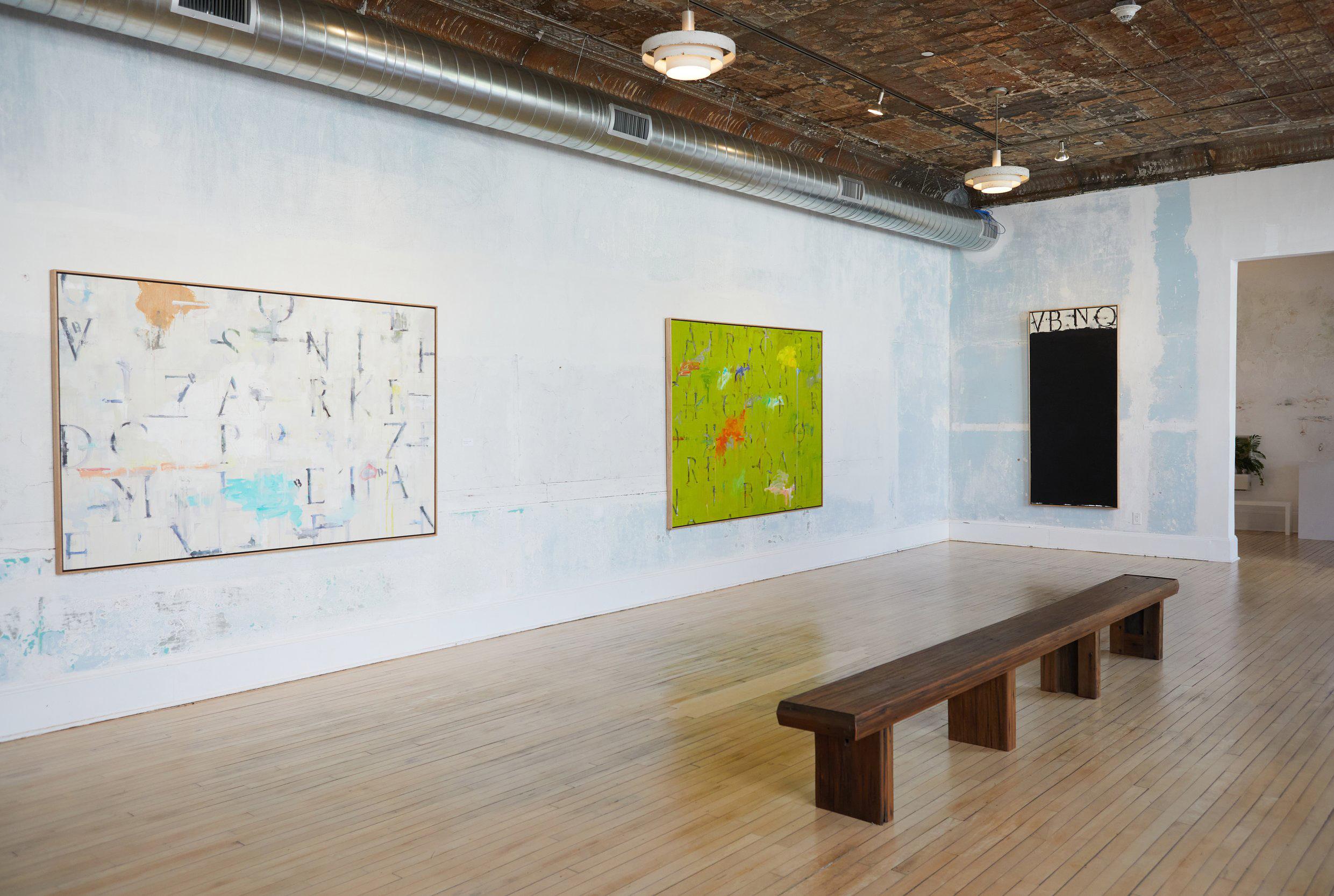
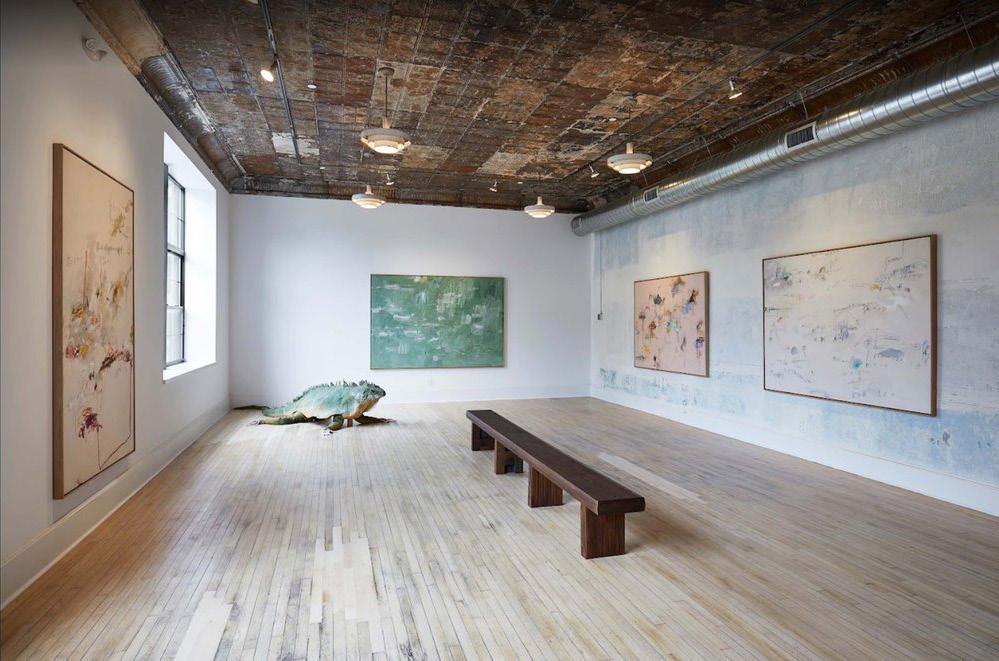
KinoSaito is a museum and art space in Verplanck, New York, established by the Estate of Kikuo Saito, our partner institution. Honoring Saito’s interdisciplinary practice and spirit, KinoSaito is a nonprofit organization dedicated not only to the stewardship of the artist’s oeuvre and legacy, but also initiates and fosters dialogues between all forms of abstract art.
It’s mission is fulfilled through exhibitions, performances, educational, and artist-inresidence initiatives, with particular emphasis on the presentation and advancement of contemporary theater, and of painting related to the Color Field tradition.
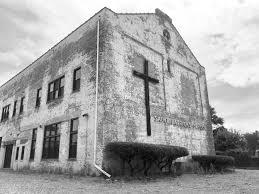
Please visit www.kinosaito.org for more information.
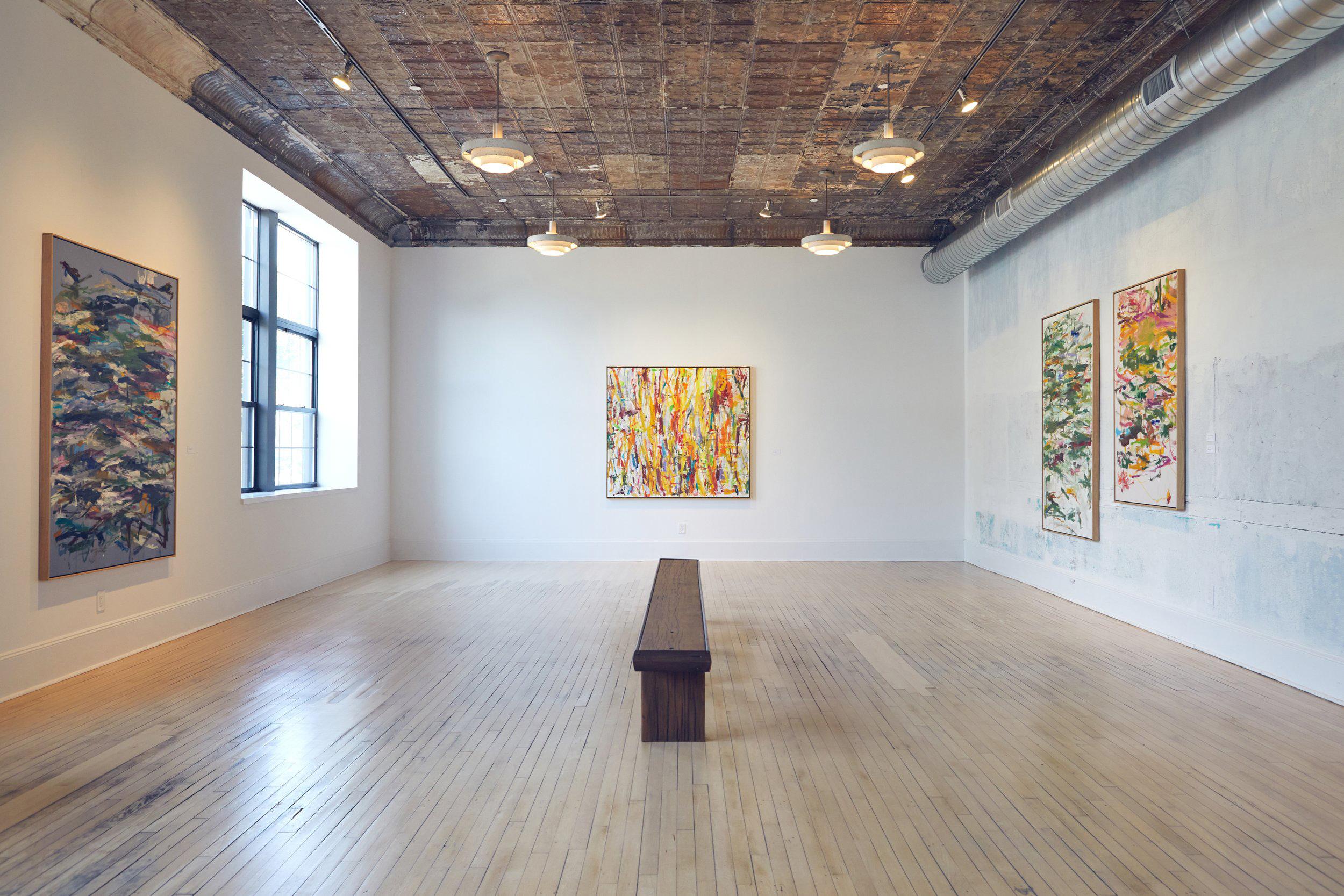
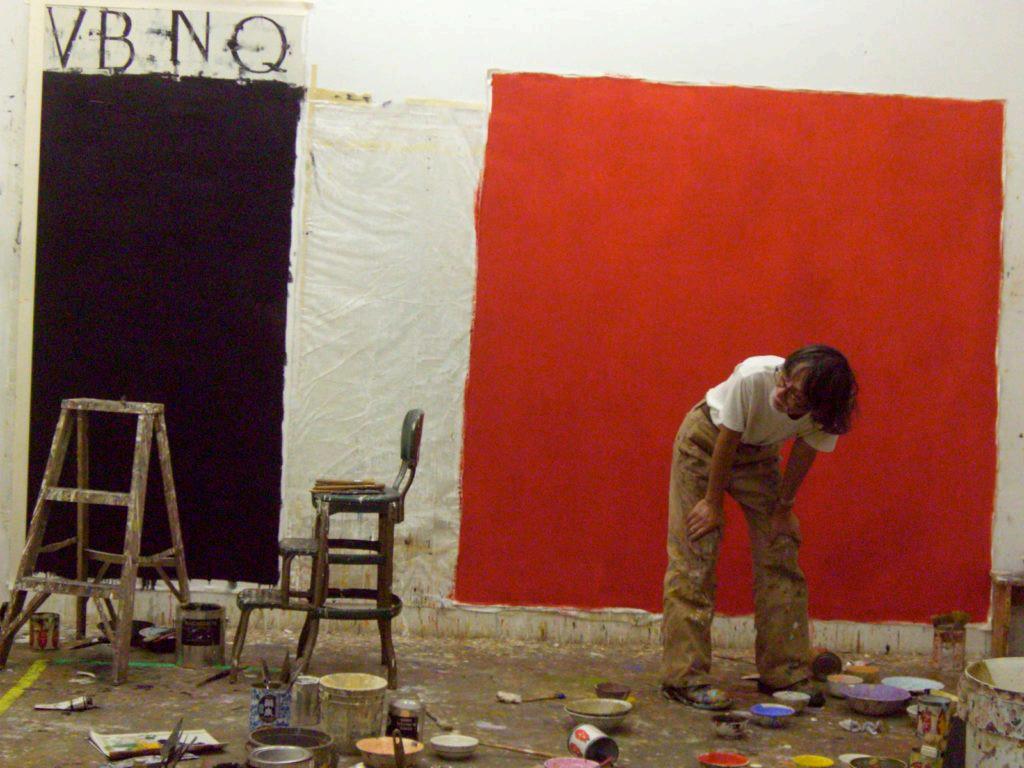
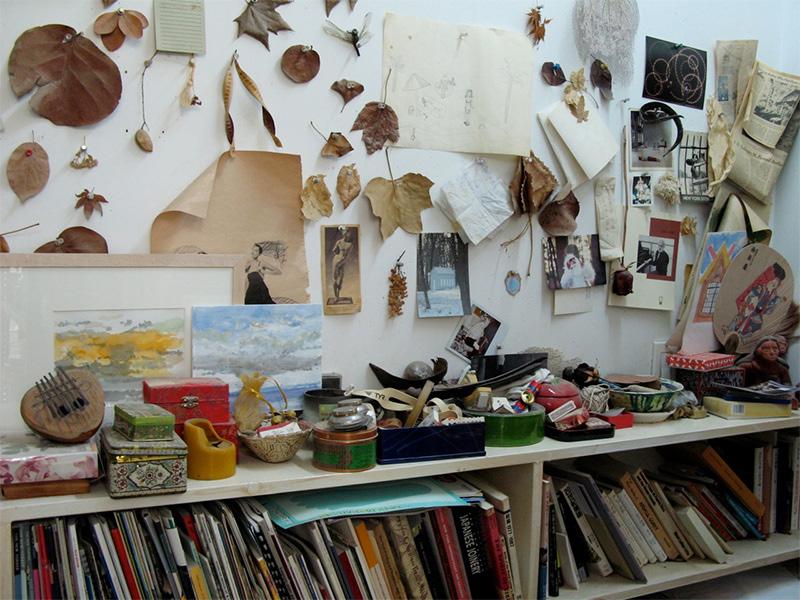
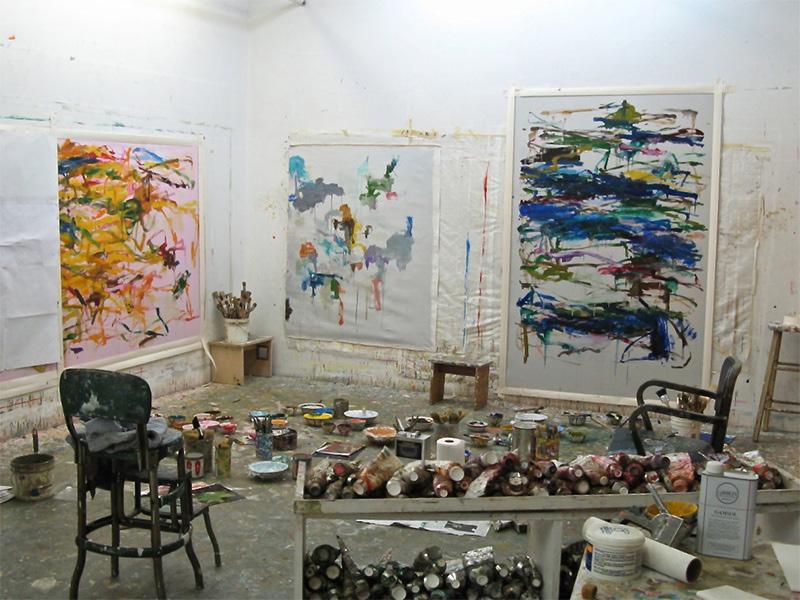
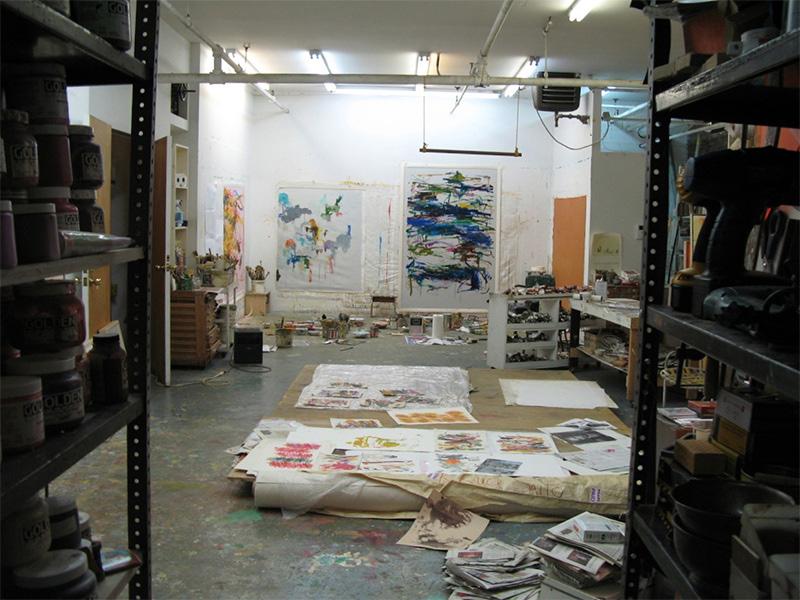
All images courtesy of Kinosaito © 2024
Design: Traffic www.traffic-nyc.com