ECONOMIC DEVELOPMENT 101
Winter 2026








Winter 2026
Economic development is a long-term, intentional municipal function focused on creating the conditions that enable private investment to occur in a way that benefits the community. It is not reactive or transactional; rather, it is proactive, data-driven, and aligned with Council’s broader strategic goals. At its core, economic development seeks to grow and diversify the local tax base so that municipal services can be funded sustainably over time without placing excessive pressure on residential taxpayers.
A key component of economic development is supporting business attraction, retention, and expansion (BRE). This involves understanding Morinville’s competitive position within the broader regional economy and recognizing that businesses and consumers do not operate within municipal boundaries. Investment decisions are influenced by market access, labour availability, servicing capacity, transportation networks, and overall quality of place.
Encouraging investment requires clearly defining Morinville’s value proposition and positioning the community itself as the product. This means identifying what Morinville does well, where it has competitive advantages, and what types of development best align with long-term fiscal sustainability. When economic development aligns with these strengths, investment is more likely to yield net positive outcomes for the municipality.
In a municipal context, success is not measured solely by growth. Population growth without corresponding non-residential assessment can increase service demands faster than revenues. Balanced growth ensures that new development strengthens municipal revenues relative to the long-term cost of infrastructure, operations, and maintenance.
Economic development does not involve the municipality directly creating jobs or acting as a market participant. Municipalities do not operate businesses, guarantee success, or shield private enterprises from market forces. Economic development is also not about selecting which businesses should succeed or fail, nor is it about negotiating one-off deals outside of established policy frameworks.
Economic development is not limited to shortterm marketing efforts or promotional campaigns. While marketing has a role, it must be supported by strong fundamentals such as serviced land, predictable approvals, and sound financial planning. Economic development also does not replace land use planning, asset management, or infrastructure investment; rather, it relies on those systems being well-designed and well-delivered.
For Morinville, economic development is directly tied to financial sustainability and service delivery. A municipality that relies heavily on residential property taxes has limited flexibility when costs increase. By expanding the non-residential tax base, Morinville can better distribute the cost of municipal services across a broader assessment base. Increased non-residential growth also means growing service options and employment opportunities for a growing population.
Effective economic development helps stabilize tax rates over time by increasing revenues without a proportional increase in service costs. Non-residential development often contributes more in taxes than it consumes in services, which helps fund roads, recreation facilities, emergency services, and community amenities that benefit all residents. These services, in turn, attract the residents who support businesses as customers or employees.
Economic development also supports the creation of financial reserves, which are essential for managing infrastructure renewal, responding to emergencies, and reducing reliance on debt. A diversified local economy is more resilient during economic downturns, helping to cushion the impacts of regional or national economic shocks.
Beyond fiscal considerations, economic development improves quality of life by supporting local employment, services, and amenities. When residents can work, shop, and access services locally, it reduces commuting pressures, strengthens community connections, and increases overall livability.
A strong non-residential tax base allows Council to deliver services at a higher standard while reducing financial pressure on residential taxpayers, who also represent a large share of the local workforce and consumer spending.

Council’s role in economic development is to provide leadership through vision, policy, and strategic direction. Council establishes the long-term objectives that guide how and where growth occurs and ensures that economic development priorities align with community values and financial realities.
Through approval of statutory plans, the land use bylaw, and growth strategies, Council determines what types of development are permitted and supported. Budget and capital decisions made by Council directly influence the community’s attractiveness to investors by shaping infrastructure readiness and servicing capacity. Council plays a key role as community ambassadors and champions. As elected officials, they are often the first point of contact for investors and business owners. In that role, they should be well-versed in and consistently reinforce Morinville’s value proposition. Their responsibility is not to broker meetings or manage files, but to serve as connectors, ensuring that inquiries, leads, or expressions of interest are directed into the organization through the appropriate channel. Clear and consistent orientation around this role strengthens both responsiveness and professionalism.
Council also establishes the policy framework that shapes the investment climate, including incentive policies, tax structures, and fee frameworks, ensuring these tools are applied strategically, transparently, and equitably. The way Council makes decisions, the manner in which they speak about existing and prospective businesses, and the priorities they set all signal the type of community Morinville is to invest in. Council evaluates outcomes through performance reporting and adjusts policy direction as needed, but it does not manage day-to-day operations or negotiate individual business arrangements.
Administration is responsible for translating Council’s strategic direction into action. This includes responding to investor inquiries, supporting site selection, and coordinating business attraction, retention, and expansion activities. Administration manages marketing and promotional efforts, ensuring they are targeted and evidence-based.
Administration also collects and analyzes economic data, prepares grant and funding applications, and reports to Council on progress and trends. A critical role is helping businesses navigate municipal processes by providing clear guidance, coordinating across departments, and resolving issues where possible within policy. By delivering consistent, professional service, Administration reduces uncertainty for investors and helps ensure that Council-approved policies are implemented effectively.

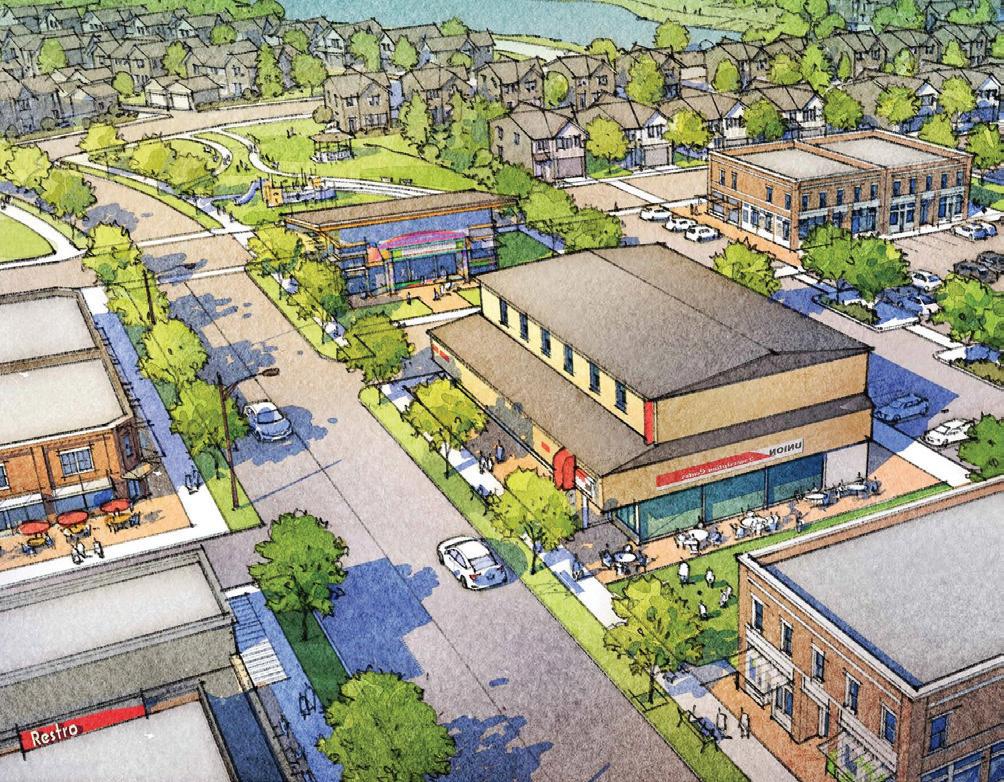
Land use planning sets the foundation for economic development. The availability of appropriately zoned and serviced industrial and commercial land is often a deciding factor for investors. Development standards, setbacks, parking requirements, and permitted uses all influence feasibility and cost.
Predictable and timely approvals reduce risk and increase investor confidence. Alignment among municipal development plans, area structure plans, and economic development objectives ensures that growth occurs in locations that can be efficiently serviced and support long term fiscal health.
Council's impact is high, as planning policies directly shape development outcomes.
Infrastructure is a prerequisite for economic growth. Roads, utilities, broadband, and servicing capacity determine what types of development are possible and when. Strategic timing of capital projects can unlock private investment and increase land values. Leveraging provincial and federal funding allows Morinville to extend the impact of its investments while managing financial risk.
A key question for Council is, will this investment enable privatesector development or generate long-term tax revenue that exceeds its lifecycle cost?
Tax structures, development fees, and off-site levies influence development economics. Competitive, predictable policies reduce uncertainty and support informed investment decisions. Where incentives are considered, they should be clearly defined, time-limited, and tied to measurable outcomes such as assessment growth or job creation.
The day-to-day experience of interacting with the municipality significantly affects business perceptions. A customer-service culture, clear communication, consistent interpretation of bylaws, and an emphasis on compliance before enforcement all contribute to a business-friendly environment. Strong relationships with the business community improve trust and feedback loops.

Existing businesses are the backbone of the local economy and the most reliable source of incremental growth. Businesses that are already invested in Morinville have sunk capital, local knowledge, and established workforces, making them more likely to expand if conditions are supportive.
BRE activities focus on regular engagement with businesses to understand challenges related to labour, infrastructure, permitting, or market access. Addressing these issues early can prevent relocation or closure and encourage reinvestment.
Supporting local expansion keeps economic benefits within the community and maximizes the value of existing infrastructure.
Council supports BRE by maintaining a stable policy environment, listening to business concerns, and considering those perspectives within its regulatory and governance role.

Business attraction is most effective when it is targeted rather than opportunistic. Focusing on sectors that align with Morinville’s strengths helps ensure that new development complements the existing economy and workforce.
Council’s role is to evaluate whether proposed developments align with land use plans, generate net positive fiscal impacts, and have clearly understood infrastructure and servicing costs. Long-term sustainability should outweigh short-term gains.
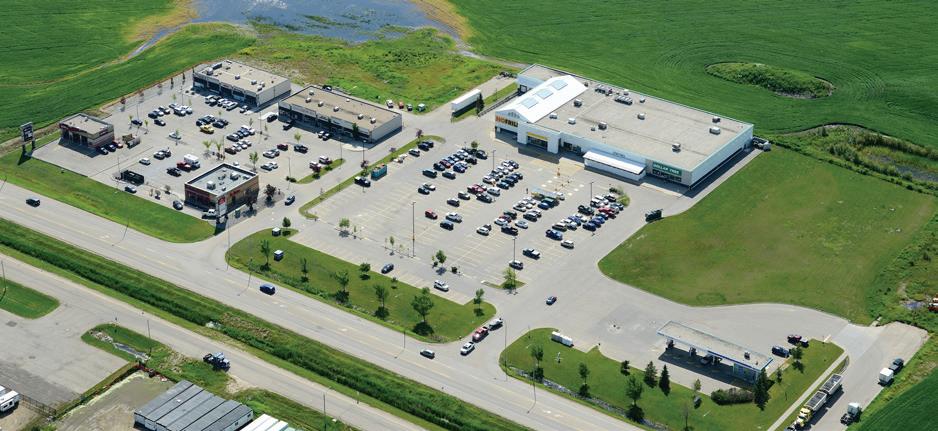
Tracking economic development requires consistent metrics that reflect both activity and outcomes. Non-residential assessment growth indicates long-term fiscal impact, while business licensing and building permit values provide insight into short-term trends and investor confidence.
It is important to recognize that meaningful economic development outcomes often take years to materialize and should be evaluated over multiple budget cycles. It is also important to understand the limited scope of impact a municipality can have. Ultimately, private landowners and private businesses are the investment decision makers.
Economic development strengthens Morinville’s financial position by diversifying revenue sources and reducing exposure to economic volatility. A stronger tax base supports reserve building, enables cost-sharing with other levels of government by providing the necessary local, “ownsource” revenue to meet matching requirements for grants and cooperative projects, and allows growth to occur without abrupt tax increases.
Economic development considerations should be integrated into policy, budgeting, and capital planning decisions, not treated as a separate or standalone function.

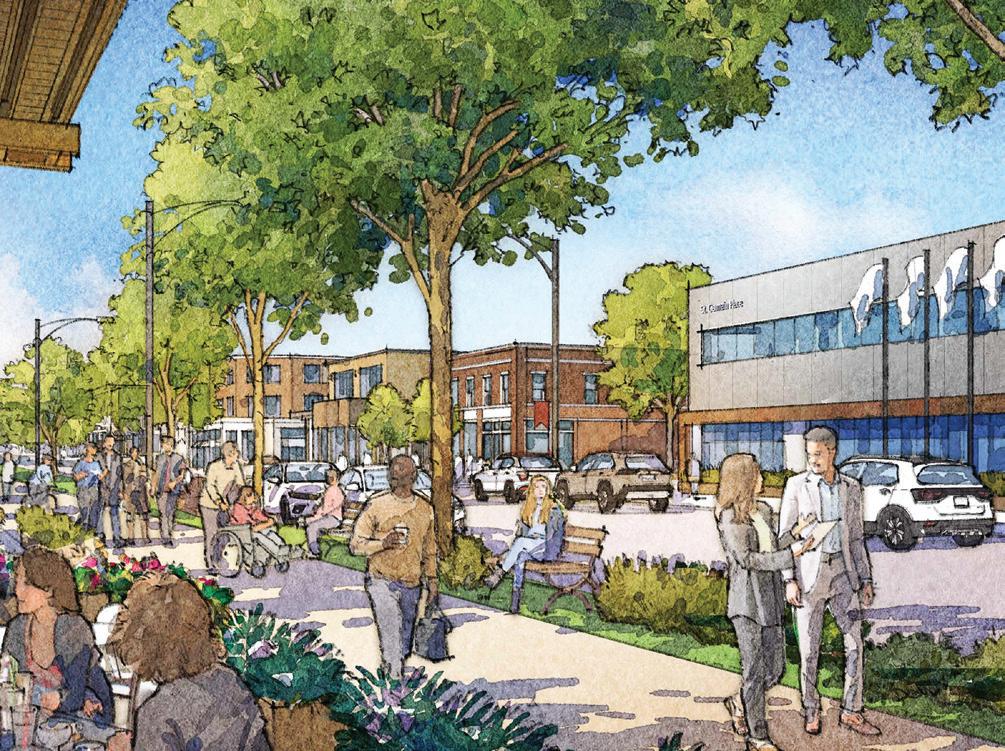
Economic development is often misunderstood, particularly regarding what a municipality can and cannot control. While competitive tax rates are frequently cited as a primary driver of investment, they are rarely decisive on their own. Investors and businesses place greater weight on predictability, quality of service, infrastructure readiness, and the overall confidence they have in how a community functions over time. In this context, economic development is about creating the conditions that support private-sector investment, not directly generating it.
It is also important to distinguish between economic development and business development. Municipalities do not open, operate, or manage private businesses, nor do they pick winners and losers in the marketplace. Business success or failure is influenced by a wide range of factors— market demand, management decisions, access to capital, labour availability, and broader economic conditions—many of which lie outside municipal influence. As a result, business closures should not automatically be interpreted as a failure of municipal policy or process.
Similarly, growth itself is not inherently positive in all circumstances. Development that occurs without regard to long-term servicing, infrastructure maintenance, and lifecycle costs can place a financial burden on the municipality that exceeds the revenues it generates. Effective economic development therefore requires a disciplined, long-term perspective that balances growth with fiscal sustainability.
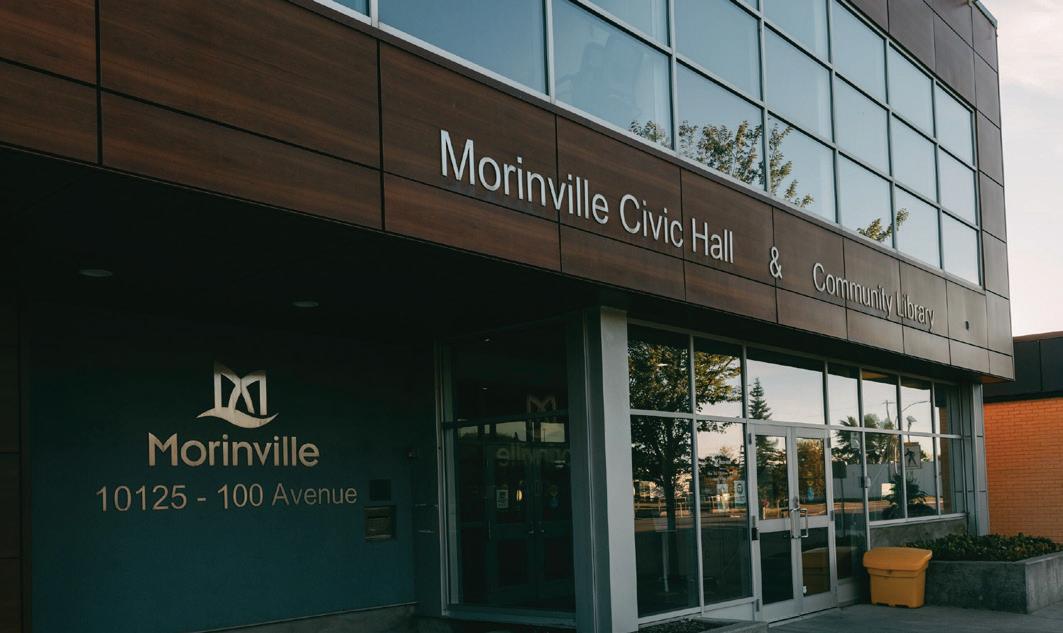
Another critical factor is land ownership. While municipalities plan for growth and designate land for development, they do not control private landowners’ willingness to develop, the timing of development, the types of uses they are open to, or how realistic they are in their expectations for land values and rents. These market realities can significantly influence what development occurs and when, regardless of municipal intent or planning efforts. As a result, some municipalities choose direct intervention, purchasing and developing land themselves.
Economic development also rarely delivers immediate financial returns. Its benefits accumulate over time through assessment growth, job creation, tax base diversification, and improved community resilience. Expecting short-term results can lead to misaligned expectations and undervaluing the long-term strategic efforts.
Finally, while development processes and regulations are sometimes viewed as barriers, they exist for legitimate reasons, including risk management, public safety, and long-term community outcomes. Where challenges arise, they are often related to service delivery, communication, or lack of clarity rather than the existence of the process itself. In this environment, Council’s role is not transactional or operational, but strategic—setting direction, establishing priorities, and ensuring the organization delivers consistent, transparent, and predictable service in support of the community’s long-term economic health.
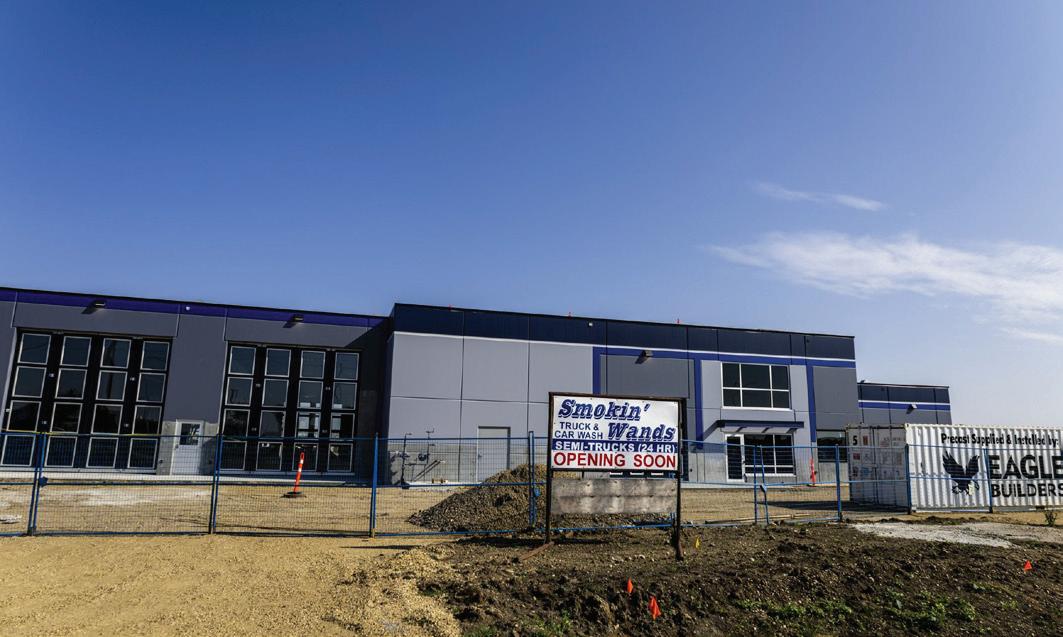
Council members can reinforce economic development by communicating a consistent narrative about Morinville’s value proposition, supporting long-term strategies, and aligning policy decisions with economic objectives. Encouraging investment, discouraging land speculation, and maintaining respectful relationships with the business community all contribute to confidence and stability.
Economic development is a long-term commitment that requires alignment across policy, planning, infrastructure, and finance. Council provides leadership and direction, while Administration implements. A strong non-residential tax base reduces risk, supports services, and strengthens resilience. Ultimately, Morinville is the product, but while the municipality can influence conditions, it does not control the market. Broader forces such as regional and national economic trends, interest rates, inflation, labour availability, and changing consumer and business behavior shape investment decisions beyond municipal control. At the local level, the municipality does not own most land and cannot determine when or if private landowners choose to develop, what uses they pursue, or how realistic their expectations are for land values and rents. Nor can it control individual business decisions, including expansions, relocations, closures, tenant selection, lease rates, or whether space is reinvested in or held vacant. Economic outcomes are therefore the result of many independent private decisions, with the municipal role focused on influence, not control.